Surgical Procedures
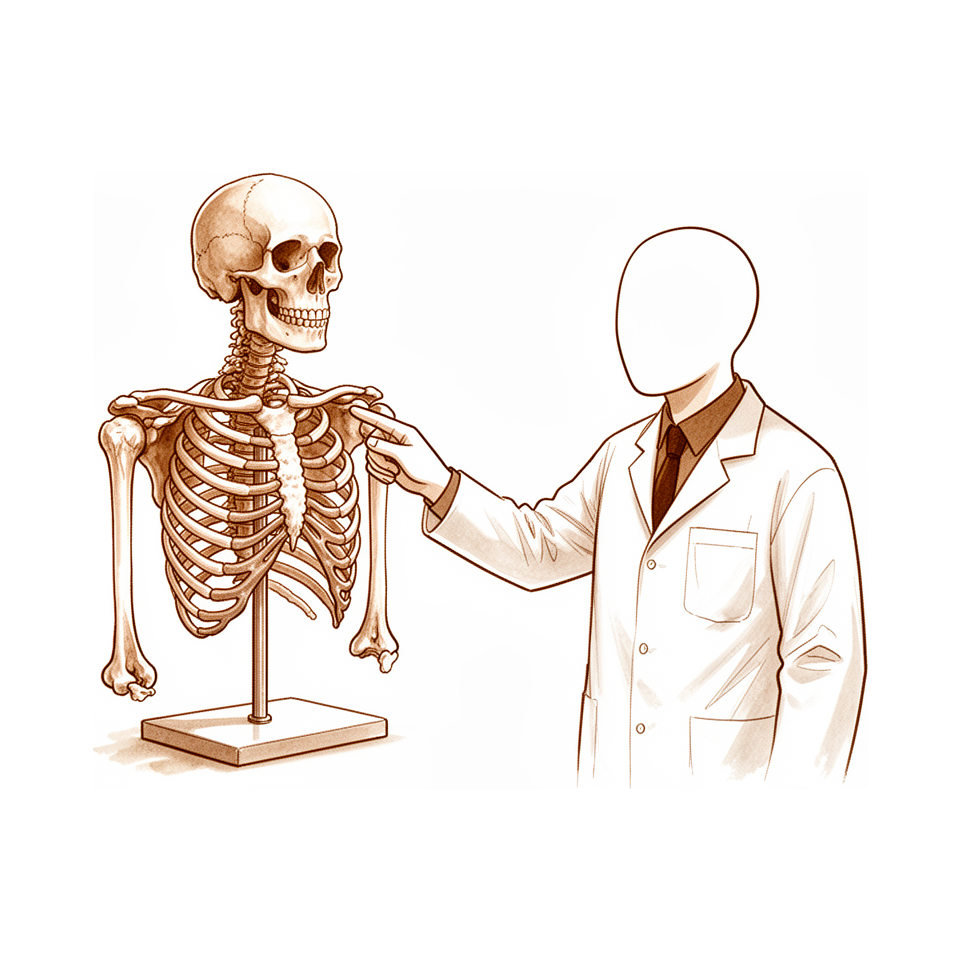
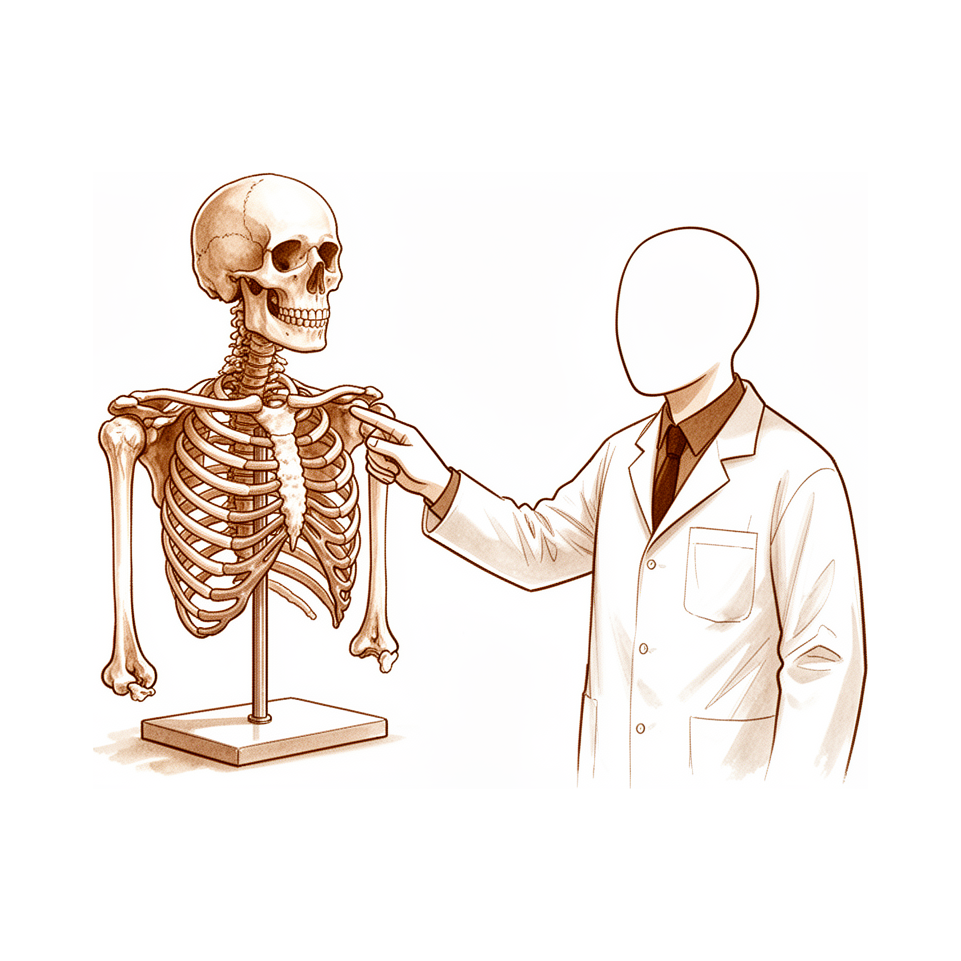
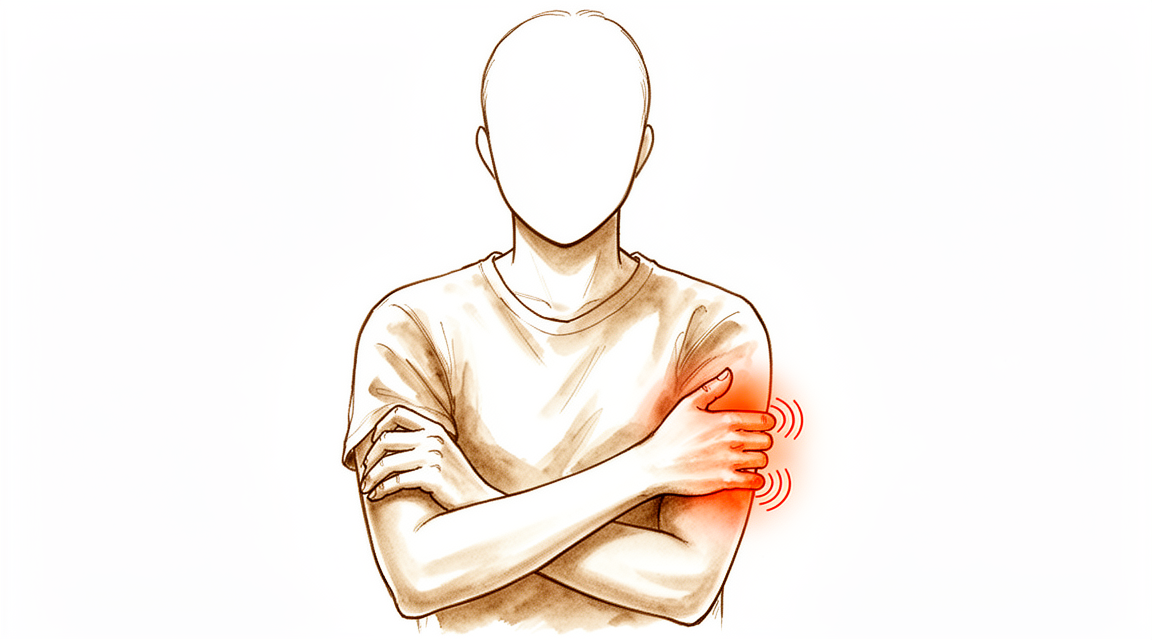
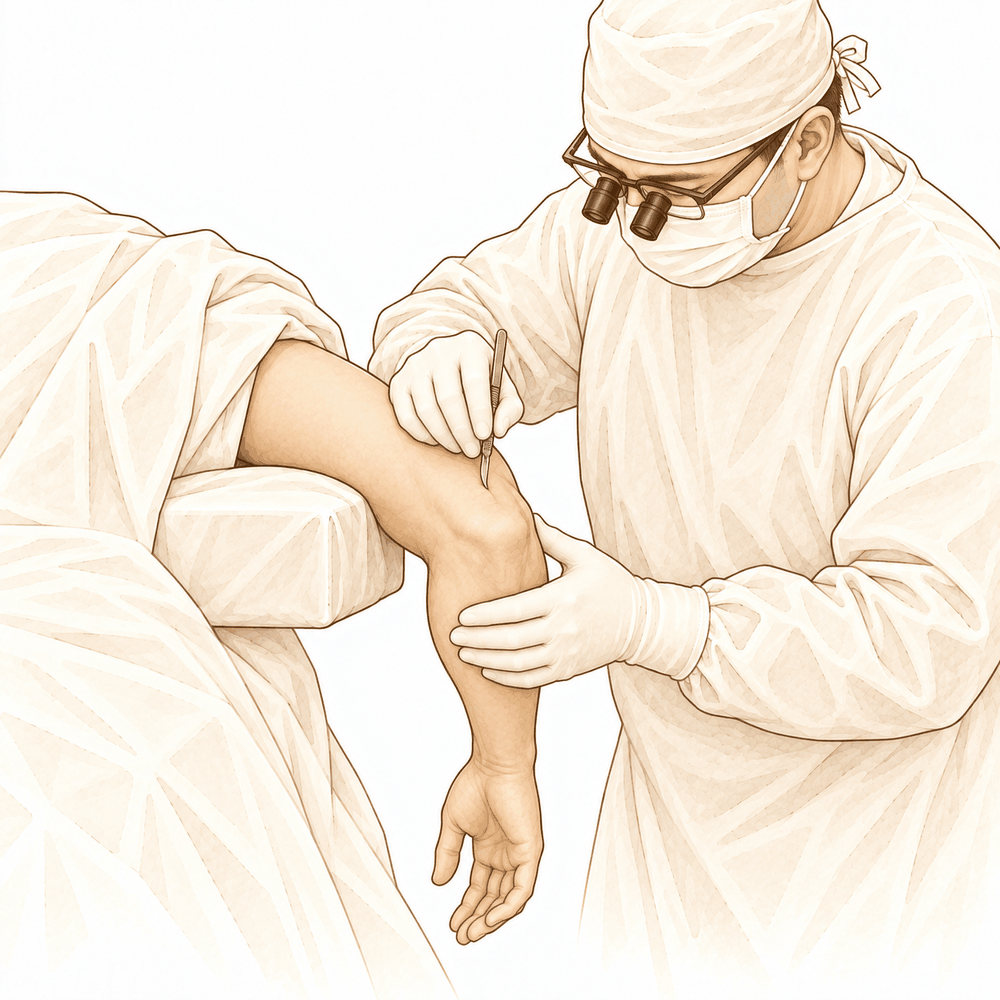
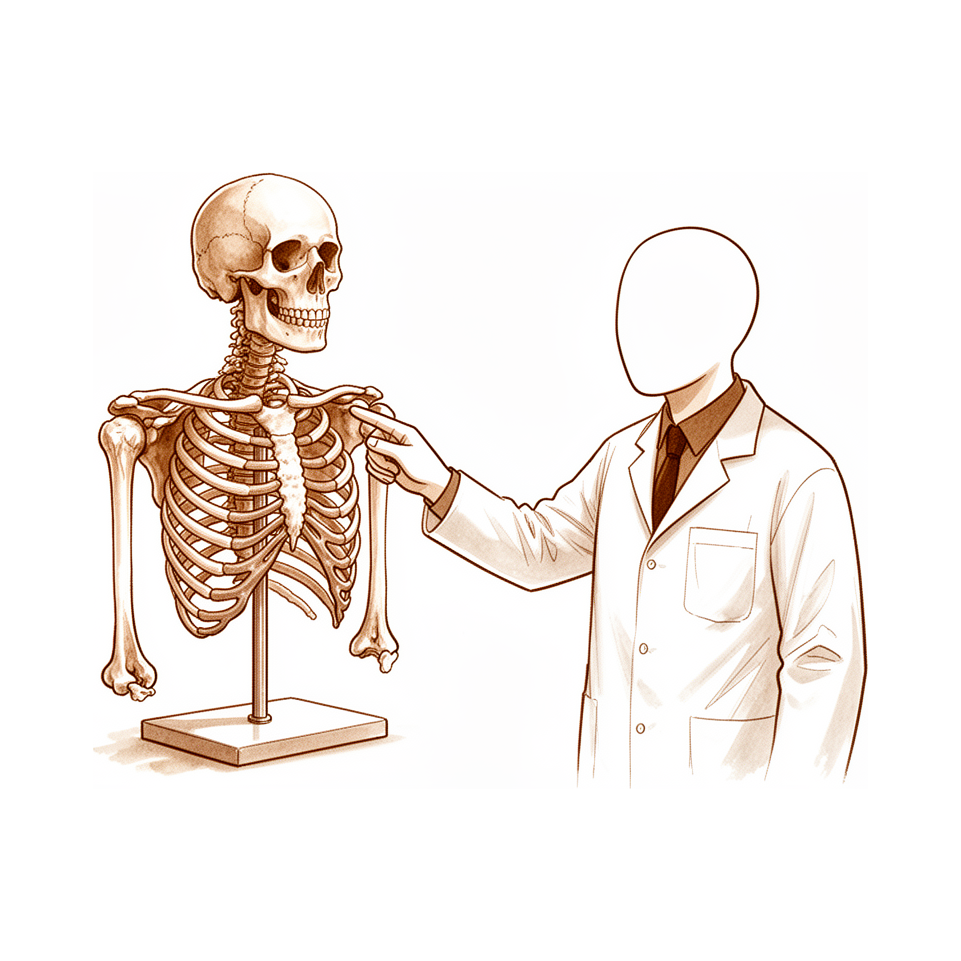
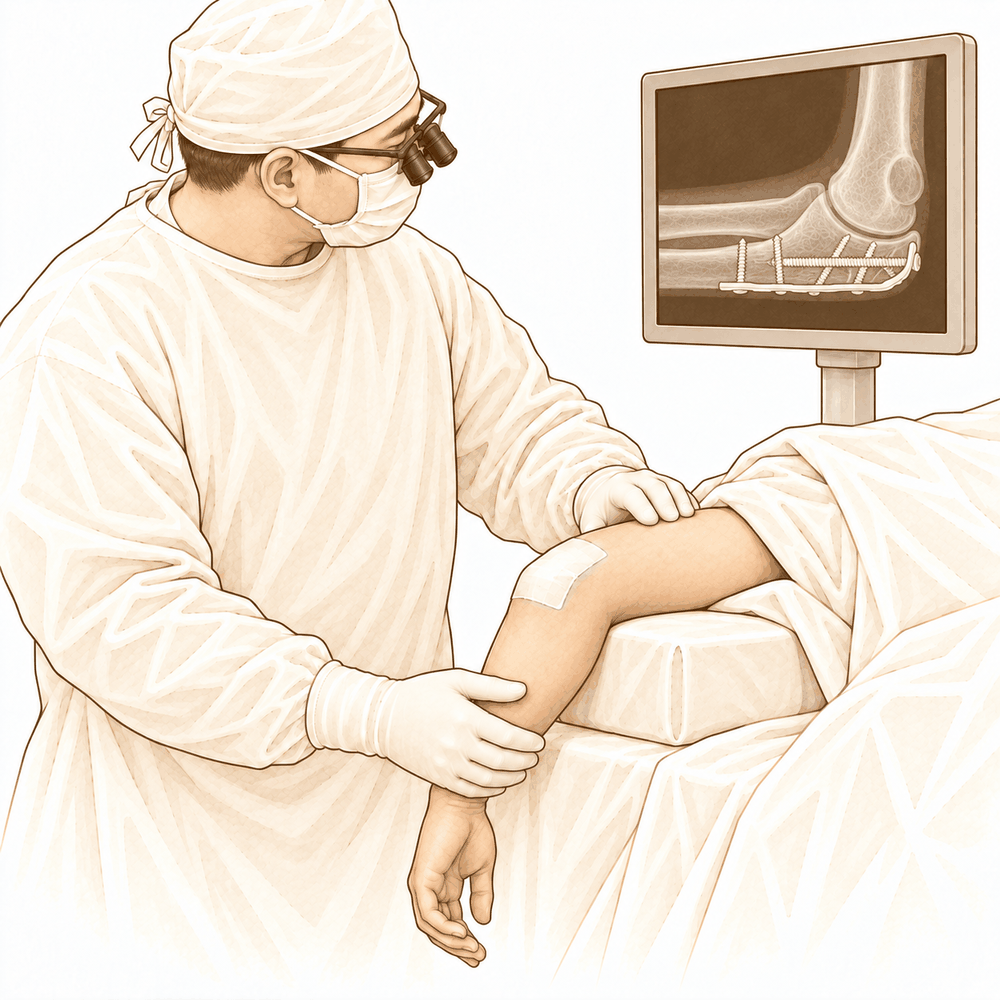
Elbow surgical options: arthroscopy, ligament reconstruction, arthroplasty, fracture fixation, and neurological structure considerations.
Overview
Treatment strategies for posterolateral rotatory instability of the elbow vary and should be performed based on surgeon experience and available evidence [1]. Most patients have good or excellent results after surgery for posterolateral rotatory instability of the elbow [1]. Up to 11% of patients may have complications after surgery for posterolateral rotatory instability of the elbow [1].
When used for appropriate indications, ankle arthroscopy appears to give good results [12]. Hip arthroscopy with labral preservation and capsular plication may offer a viable alternative to open surgery (PAO) for patients with borderline hip dysplasia [65]. Techniques and indications for pediatric elbow arthroscopy continue to evolve [61].
Clinical results for total knee arthroplasty using hinge joints generally depend on implant design, appropriate technical use, and adequate indications [16]. Silicone radial head prostheses have satisfactory clinical results and an acceptable complication rate when selecting a patient group in suitable condition for surgical indications [54]. Silicone radial head prostheses can be chosen as a potential surgical treatment method in current clinical practice [54]. Improved techniques for surface replacement of the hip with the Tharies system have extended indications to older patients [68]. Older patients receiving surface replacement of the hip with the Tharies system appear to have fewer complications [68].
Postoperative bracing is widely used for various surgical procedures, although much of the literature lacks adequate comparisons of brace types or specific indications [17]. Definitive answers regarding whether minimally invasive approaches are better or should be generally adopted are not yet known [58]. Determining the superiority or general adoption of minimally invasive approaches will require many years of follow-up and large patient studies [58].
Anatomy & Pathophysiology
Kinematics and Biomechanics
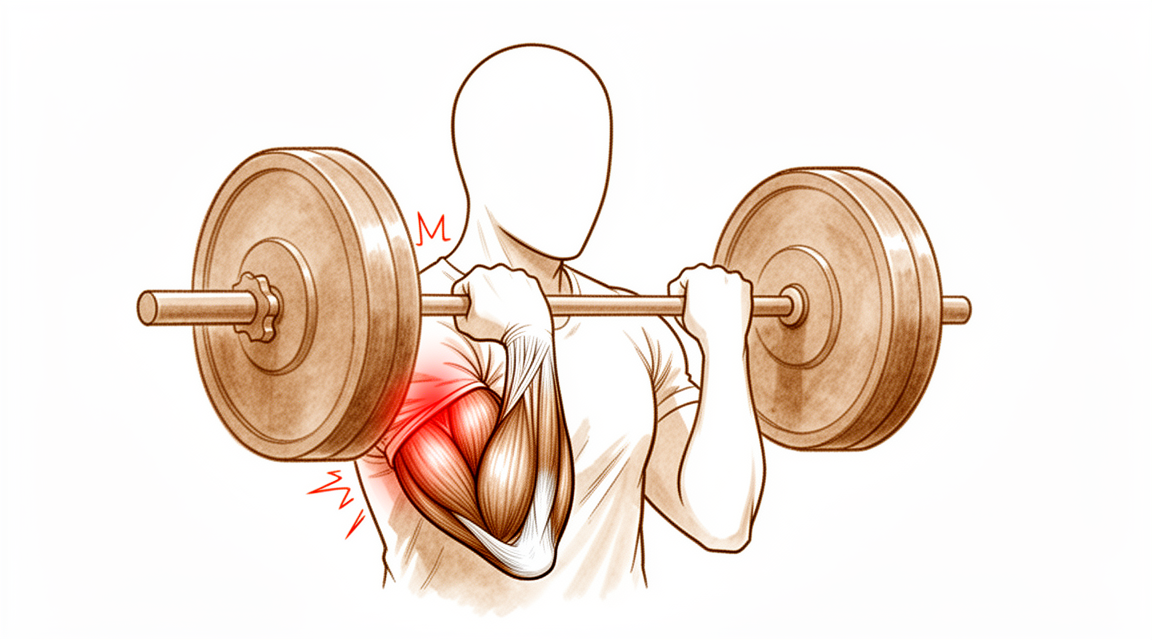
Elbow Arthroplasty: Recent changes in device design and implantation methods are driven by biomechanical and clinical outcome-based research to better reproduce elbow kinematics [45]. Biomechanical evidence suggests that elliptical humeral head implants yield glenohumeral kinematics that mimic the native joint [99]. However, cementing a nonanatomic hinge that may not rely on the native elbow soft tissue support can result in a troubling biomechanical environment [101]. The most common mode of failure requiring total elbow arthroplasty revision is aseptic loosening, which may be a consequence of the known biomechanical challenges inherent to elbow arthroplasty [109].
Ligamentous Reconstruction: Ulnar collateral ligament reconstruction using a suspension button fixation technique reliably restored elbow kinematics to the intact state [100]. Both proximal docking and single-point fixation hybrid reconstructions for elbow ulnar collateral ligament provided sufficient joint stability and strength compared to intact elbows, with the exception of the proximal docking method at low flexion angles [119].
Shoulder Kinematics: Loading the long head and short head of the biceps brachii has significant effects on glenohumeral kinematics and contact characteristics in the throwing shoulder [121]. While each coracoclavicular, acromioclavicular, or combined reconstruction technique was able to restore different elements of the joint kinematics, none of the strategies completely restored the shoulder girdle to its pre-injured state [117].
Stability and Instability
Posterolateral Rotatory Instability: Treatment strategies for posterolateral rotatory instability of the elbow should be based on surgeon experience and available evidence [1]. Up to 11% of patients with posterolateral rotatory instability may have complications after surgery [1]. Further understanding of the static and dynamic anatomy of the lateral part of the elbow is needed to develop future treatment and preventive strategies [44]. Both posterolateral and posteromedial rotatory instability directions must be addressed surgically to restore elbow stability [110].
Complex Instability: Recognising the precise pattern of injury is critical in restoring elbow function and preventing chronic instability, pain, and weakness in complex instability of the elbow [112]. Reconstructing chronically dislocated elbows requires combining an understanding of anatomy and biomechanics with surgical technique to achieve functional and painless results [72].
Surgical Approaches and Technical Considerations
Approaches: The posterior (Boyd) approach to terrible triad injuries allows better visualization of the lateral structures for repair and confers excellent stability to the elbow joint [111].
Arthroscopy: Joint distention and positioning of the elbow in 90° of flexion provides an increase in safety margin for proximal anterolateral portals in elbow arthroscopy relative to the radial nerve [108].
Snapping Triceps Syndrome: In patients treated with surgery for snapping triceps syndrome, it is crucial to ensure full resolution of the snapping by examining all dislocating structures during passive elbow motion and/or myoelectrical stimulation [120].
Functional Outcomes and Rehabilitation
Elbow Stiffness and Contracture: The goal of treatment for posttraumatic elbow stiffness is to restore a functional range of elbow motion (≥30° to 130°) [106]. Improved, but not normal, elbow motion can be expected in many but not all cases of operative treatment for elbow contracture in patients twenty-one years of age or younger [113].
Pediatric and Neuromuscular: Lower trapezius muscle transfer for elbow extension in children with brachial plexus birth injury demonstrated significant improvements in elbow function and muscle strength without postoperative weakness in elbow flexion [114].
Biceps Tenodesis: Isokinetic tests for intra-articular arthroscopic biceps tenodesis with interference screw revealed no difference to the contralateral side in peak torque for both supination and elbow flexion [116].
Classification
Monteggia-like lesions: Correct identification and classification using CT scans, followed by appropriate surgical treatment addressing all injury components, achieves good to excellent mid-term results [11].
Medial meniscus ramp tears: A surgically relevant classification system based on tear morphology allows for the evaluation of differing repair patterns and their effects on postoperative clinical outcomes [28].
Intraoperative ulnar nerve instability: Agreement with a novel classification increases when simplifying the system to 2 categories, providing guidance to surgical decision making [35].
Tumor endoprostheses failure modes: A suggested classification system should eliminate mechanical/nonmechanical categories, separate periprosthetic and prosthetic fractures, and include planned minor revisions as a failure type [47].
Cementless femoral stems: A new classification system for total hip arthroplasty allows for the easy classification of all currently used stem types [52].
Lateral discoid meniscus pathology: A novel classification system that comprehensively and descriptively characterizes the spectrum of pathology demonstrated moderate or substantial agreement in most diagnostic categories analyzed [59].
Degenerative medial meniscus posterior root tears: A novel arthroscopic classification based on tear gap demonstrates that higher tear types (increasing displacement of the tear gap) are associated with higher meniscal extrusion, severe chondral wear, and greater severity of arthritis [67].
Other Considerations: Surgical approaches are becoming better understood through large case series, and subtype-specific management is becoming increasingly central to patient care [8]. Complication rates after hip arthroscopy are in line with complication rates after open surgical dislocation when using the same classification system [53]. All reported complications after needle arthroscopy were classified as grade I according to the Clavien-Dindo-Sink classification [69]. Two new injury types should be added to existing classifications to better describe complex patterns involving meniscal root tears, ramp lesions, and posterior medial tibial plateau [86].
Clinical Presentation
Diagnostic Accuracy and Preoperative Assessment: Correct diagnosis with recognition of all problem elements is a key factor in surgical success for Morton’s interdigital neuroma [4]. For trapezius muscle paralysis, accurate diagnosis allows consideration of various treatment modalities reported to provide good outcomes for properly selected patients [31]. In borderline developmental dysplasia of the hip, preoperative patient characteristics and concomitant injuries must be considered when evaluating which surgical procedure results in the most favorable outcomes [32]. Alternative viewpoints and combinations of questions can help uncover important aspects of the patient experience and surgical interventions not easily identifiable with traditional methods [34].
Physical Examination and Special Tests: Recognition of pseudo-obstruction of the colon by thorough physical examination and early abdominal radiographs is essential if operative intervention is to be avoided [29]. A positive tangent sign predicts worse operative outcomes in rotator cuff tears, resulting in equivalent improvements between surgical and nonsurgical treatment [38]. Females exhibit more symptoms than males at 6 and 12 months after surgery for acute Achilles tendon rupture, a gender difference not found when the condition is treated non-surgically [30].
Clinical Course and Prognostic Indicators: Early surgical intervention for femoroacetabular impingement syndrome (FAIS), defined as 3-6 months after symptom onset, is associated with superior outcomes compared to intervention beyond this timeframe [40]. Clinical outcomes for subscapularis tear surgery improved at the first evaluation with a mean follow-up of 14.8 months [2]. Most patients return to full function after surgery for symptomatic enchondroma of the hand [26]. An unusual gastrocnemius muscle syndrome represents a definite clinical syndrome associated with a specific anatomical lesion amenable to surgical repair [39].
Red-Flag Patterns and Complications: Up to 11% of patients may have complications after surgery for posterolateral rotatory instability of the elbow [1]. The incidence of subsequent shoulder surgery following isolated arthroscopic superior labrum anterior and posterior (SLAP) repairs is likely multifactorial, including both surgeon and patient-related factors, with inherent difficulty in diagnosing and treating SLAP lesions pointing to reasons for subsequent surgery [36]. Revision surgery is the most common definition of failure in studies evaluating knee cartilage restoration outcomes [7]. Failure in these studies should be defined using multiple outcomes, including unplanned surgical procedures, patient-reported outcomes, and the ability to return to the desired level of function [7].
Investigations
Plain radiography: Careful evaluation of serial radiographs remains the cornerstone of diagnosing aseptic loosening in total hip arthroplasty [75]. Appropriate imaging is required for the early recognition of incomplete glenosphere seating to mitigate polyethylene damage and bone loss [82]. In-office needle arthroscopy can evaluate meniscus tear repair healing as an alternative to magnetic resonance imaging [87]. Radiological analysis is a main point of debate in proximal interphalangeal joint replacements with pyrolytic carbon implants in the hand [97]. No radiographic features on follow-up were associated with poorer patient recorded outcome measures in press-fit radial head arthroplasty for unconstructable radial head fractures with associated elbow injuries [94]. Preoperative radiological factors did not influence functional scores in medial patellofemoral ligament reconstruction [98].
MRI: MRI is essential for preoperative planning in endoscopic ganglionectomy of the elbow [33]. High-resolution MRI is recommended to ensure complete excision and decrease recurrence rates in glomus tumours of the elbow [57]. MRI provides valuable clues for the diagnosis of tenosynovial giant cell tumour and lipoma arborescens, but definitive diagnosis relies on histopathological confirmation [76]. MRI is an effective method of preoperative assessment for meniscal ramp lesions [88]. The presence of type 3 changes should be used as criteria for radiologically definitive ramp lesion diagnosis [88]. Residual abnormal MRI findings were more common in the traditional debridement group compared to the extensor carpi radialis brevis tenotomy and debridement group for refractory lateral epicondylitis at 1 year follow-up [90]. MRI at 1 year after surgery demonstrated residual tear evidence for all patients in the study on meniscus tear repair healing [87].
CT: CT scans are used for the correct identification and classification of Monteggia-like lesions of the elbow [11]. CT-based classification is used in arthroscopic osteocapsular arthroplasty for advanced-stage primary osteoarthritis of the elbow [89]. Stage III shows worse clinical and radiologic outcomes compared with stage I or II according to CT-based classification for advanced-stage primary osteoarthritis of the elbow [89].
Other Considerations: Ultrasonography is an effective alternative to MRI for diagnosing musculoskeletal pathology, offering real-time imaging, excellent soft-tissue contrast, and high spatial resolution without radiation exposure [70]. The diagnosis of aseptic loosening in total hip arthroplasty involves a careful history, focused clinical exam, and thorough evaluation of imaging using several diagnostic modalities [75]. Preoperative and postoperative imaging examinations are necessary for special patients undergoing shoulder arthroscopy to avoid catastrophic consequences such as pneumothorax [80]. Before revision surgery for patellar redislocation after primary isolated medial patellofemoral ligament reconstruction, a focused clinical examination and adequate imaging including radiographs, MRI, standing full-leg radiographs, and torsional measurement are recommended to assess all relevant anatomic parameters [81]. Those with prior shoulder surgery had more diagnostic imaging and orthopaedic surgery in college [93].
Treatment
Non-Operative
Conservative management serves as the primary intervention for several distinct pathologies. For anterior ankle impingement, conservative treatment is the first-line option, with surgery indicated only when conservative measures are unsuccessful [49]. Similarly, conservative therapy is the initial approach for posterior ankle pathology, with arthroscopy indicated when conservative measures fail [91]. In cases of plica syndrome of the knee, conservative therapy is successful for younger patients with short-duration symptoms [103]. Non-operative treatment for hallux valgus deformity cannot correct the deformity but can help control symptoms [78]. For subacromial pain, nonoperative treatment with specific exercises can significantly reduce the need for surgery even after 10 years [79]. Nonoperative management remains the first step in the early management of elbow osteoarthritis [84]. In skeletally immature patients with first-time patellofemoral dislocation, non-operative management remains a reasonable and safe option, although it appears to be associated with a high failure rate [102]. For symptomatic SLAP lesions in non-athletic patients, surgery is recommended only if conservative treatment for a reasonable period fails [83].
Operative
Indications: Surgical intervention is generally reserved for cases where conservative measures have failed or for specific structural indications. Arthroscopic resection for synovial plica of the elbow is effective and safe if conservative treatment fails [43]. Arthroscopy is a standardized procedure with numerous indications for posterior ankle pathology when conservative measures fail [91]. The main indication for hip arthroscopy is femoroacetabular impingement (FAI) [50]. For recurrent instability of the proximal part, stabilization by ligament reconstruction is effective if non-operative management is inappropriate [95]. Surgery for symptomatic SLAP lesions in non-athletic patients is recommended only if conservative treatment for a reasonable period fails [83].
Surgical Approach / Technique: Treatment strategies for posterolateral rotatory instability of the elbow should be performed based on surgeon experience and available evidence [1]. Arthroscopic surgery had the highest rate of success and the best improvement in functional outcomes among the 3 approaches for lateral epicondylitis surgery [64]. Thoracodorsal nerve transfer for elbow flexion reconstruction in infraclavicular brachial plexus injuries is considered a safe, reproducible, and effective surgical option [56]. Granuloma debridement and the use of an injectable calcium phosphate bone cement is a safe and effective technique with minimal morbidity for treating osteolysis in an uncemented total knee replacement [51]. This technique may be an appropriate treatment modality when more extensive revision surgery is not possible [51]. Surgical treatment techniques for concomitant double radial tears of the lateral meniscus and anterior cruciate ligament reconstruction have a low failure rate at short-term follow-up [63].
Implant Selection: Clinical results for total knee arthroplasty using hinge joints generally depend on implant design, appropriate technical use, and adequate indications [16]. A 10-year survival rate higher than 90% can be expected for total joint replacement for osteoarthritis of the carpometacarpal joint of the thumb with a meticulous surgical technique [60].
Alignment / Balancing Strategy: Failure of treatment of humeral non-unions is a lack of biology rather than a lack of stability [104].
Pain Management: Postoperative bracing is widely used for various surgical procedures, although much of the literature lacks adequate comparisons of brace types or specific indications [17].
Adjuncts: Both meniscus repair groups (with and without bone marrow aspiration concentrate) had improved outcomes at 1 year post-operatively with no difference in complication rate [21].
Revision: No surgical treatment procedure for recalcitrant cubital tunnel syndrome has shown superiority over another [46]. Individualized treatment is emphasized to improve symptoms and maximize nerve recovery potential in recalcitrant cubital tunnel syndrome [46]. The study on cubital tunnel syndrome performed detailed comparisons of clinical improvement, complications, and reoperation rates across different treatment methods [48].
Other Considerations: Most patients with posterolateral rotatory instability of the elbow have good or excellent results after surgery [1]. Up to 11% of patients with posterolateral rotatory instability of the elbow may have complications after surgery [1]. Clinical outcomes for subscapularis tears improved at the first evaluation, with a mean follow-up of 14.8 months after surgery [2]. Trends in the surgical treatment of cubital tunnel syndrome may be due to expanded indications or changing surgical preferences [3]. Key factors in the success of surgery for Morton’s interdigital neuroma are correct diagnosis with recognition of all elements of the problem and optimal surgical technique [4]. Ankle arthroscopy gives good results when used for appropriate indications [12]. Arthroscopic surgery privileges should be granted by hospitals with input from committees, and surgeons must have appropriate training and experience [15]. Most patients with circumferential labral tears achieved successful clinically meaningful outcomes after arthroscopic repair at a mean follow-up of approximately 5 years [62]. Patients with concomitant double radial tears of the lateral meniscus and anterior cruciate ligament reconstruction tend to have good clinical outcomes with improvement in pain and overall function [63]. Operative release yields excellent or good results in the majority of patients with plica syndrome of the knee [103]. Treatment options for entrapment neuropathy of the ulnar nerve range from nonsurgical methods to surgical release [96]. Most patients with entrapment neuropathy of the ulnar nerve report symptomatic relief following surgery [96].
Complications
Complications occur in up to 11% of patients undergoing surgical treatment for posterolateral rotatory instability of the elbow [1]. In patients with a history of trauma or previous surgery, arthroscopic elbow surgery may lead to higher complication rates in less experienced hands [92]. Perioperative complications are the most important factors affecting outcome after humeral head replacement for proximal humeral fractures, with prevalence varying substantially due to differences in definitions and follow-up duration [42]. The true rate of rerupture after distal biceps tendon repair may be higher than previously thought [115].
Infection (PJI): Patients with multiple joint arthroplasties and a history of periprosthetic joint infection (PJI) are at higher risk for developing a second PJI, with metachronous rates ranging from 3% to 19% and synchronous rates from 1.3% to 6% [118].
Other Considerations: The complication rate for total elbow arthroplasty was very high in a five-year experience at the Mayo Clinic, although most complications occurred during the early years of the study [124]. Some patients who underwent microdecompression for lumbar synovial cysts will develop late-onset low back pain, radicular pain, and may need additional surgery [14]. Multicenter studies with long-term follow-up are needed to validate the complication profiles of endoscopic-assisted ACDF for C2-C3 disc herniation [5].
Recovery
Light activity (weeks): Evidence does not provide specific week ranges for light activity or desk work return across the cited procedures.
Full activity (months): Evidence does not provide specific month ranges for full activity, manual work, or sport return across the cited procedures.
Complete recovery / outcome plateau (months): Clinical outcomes for subscapularis tear repair or debridement improved at the first evaluation with a mean follow-up of 14.8 months [2]. Favorable short-term outcomes, including reduction of pain and increase in function, are maintained over long-term follow-up for arthroscopic treatment of lateral epicondylitis [10]. Microdecompression for lumbar synovial cysts provides beneficial effects that persist long term, with an average follow-up of nearly ten years post-operative [14]. Hip arthroscopy with concomitant periacetabular osteotomy demonstrates excellent long-term outcomes and high rates of survivorship at a minimum 10-year follow-up [19]. Clinical and radiological outcomes at 10-year follow-up for platelet-rich plasma in arthroscopic rotator cuff repair show substantial uniformity between groups, with clinical differences observed at 2 years disappearing at long term [127].
Rehabilitation protocol: Evidence does not specify PT phasing, immobilisation duration, weight-bearing/ROM progression, or sling/brace removal timing for the cited procedures.
Functional milestones: Most patients achieve good or excellent results after surgery for posterolateral rotatory instability of the elbow, though up to 11% may experience complications [1]. Short-term outcomes for endoscopic-assisted ACDF for C2-C3 disc herniation are promising, but multicenter studies with long-term follow-up are needed to validate durability and complication profiles [5]. Long-term follow-up of bucket-handle meniscal tear repair demonstrates satisfactory clinical outcomes and failure rates [13]. After a minimum five-year follow-up, over 84% of patients demonstrate successful repair with all-inside second-generation meniscal repair [18]. Clinical and radiological outcomes for arthroscopic distal tibial allograft with endobutton fixation for anterior shoulder instability were excellent at 2 years, but this finding is limited by a high lost-to-follow-up rate [22]. No differences in functional outcomes existed between groups at final follow-up for re-tear following rotator cuff repair [55]. In short-term follow-up, all conservative stems provided excellent survivorship for uncemented short stems in primary total hip arthroplasty [71]. A time interval of less than 12 months or greater than 12 months between staged bilateral hip arthroscopy procedures for femoroacetabular impingement syndrome did not affect clinical outcomes or revision rates [125]. There were no significant differences in outcomes between early and delayed arthroscopic release in patients with a history of diabetes mellitus undergoing capsular release for adhesive capsulitis [126].
Other Considerations: Additional long-term studies are needed to determine the operative success of all-inside versus inside-out meniscal repair with concurrent anterior cruciate ligament reconstruction over time [20]. Further studies with long-term follow-up are needed to determine whether the grafted area maintains structural and functional integrity over time for autologous matrix-induced chondrogenesis treatment of focal cartilage defects in the knee [74]. The natural history of first-time shoulder dislocations in young patients is associated with the development of arthropathy [23]. Distal biceps short head tears present acutely, have a poor natural history akin to complete tears, and yield good outcomes with acute and delayed reconstruction [24]. Contemporary revision acetabular components have dramatically improved upon historical results at available follow-up [25].
Key Evidence
- [L4] Treatment strategies vary and should be performed based on surgeon experience and evidence available; most patients will have good or excellent results after surgery, however, up to 11% of patients may have complications. (10.1016/j.arthro.2014.02.029)
- [L2] Clinical outcomes improved at the first evaluation (mean 14.8 months after surgery). (10.1016/j.jse.2013.07.006)
- [L3] Possible reasons include expanded indications or changing surgical preferences. (10.1016/j.jhsa.2013.04.044)
- [L5] Key factors in the success of surgery are correct diagnosis with recognition of all elements of the problem and optimal surgical technique. (10.1302/2058-5241.4.180025)
- [Case_report] While short-term outcomes are promising, multicenter studies with long-term follow-up are needed to validate durability and complication profiles. (10.1186/s12891-025-09302-7)
- [L1] The authors recommend using multiple outcomes, including unplanned surgical procedures, patient-reported outcomes, and the ability to return to the desired level of function, to define failure. (10.1016/j.asmr.2024.101044)
- [L5] Surgical approaches are becoming better understood through large case series, and subtype-specific management is becoming increasingly central to patient care. (10.2106/jbjs.24.00945)
- [Paper] This type of complex surgery must be performed in specialised centres where knowledge and technologies are present. (10.1016/j.injury.2014.10.032)
- [L3] With correct identification, classification, and understanding using CT scans followed by appropriate surgical treatment that addresses all components of the injury, good to excellent mid-term results can be achieved. (10.1302/0301-620x.100b2.bjj-2017-0398.r2)
- [L5] When used for the appropriate indications, ankle arthroscopy appears to give good results. (10.5435/00124635-199601000-00004)
- [L3] Long-term follow-up of BHMT repair demonstrated satisfactory clinical outcomes and failure rates. (10.1177/23259671241296899)
- [L3] This study provides outcome data at an average of nearly ten years post-operative, demonstrating that beneficial effects of surgical intervention persist long term, though some patients will develop late-onset low back pain, radicular pain, and may need additional surgery. (10.1186/1749-799x-2-5)
- [L5] This statement outlines guidelines for arthroscopic surgery practice, emphasizing that privileges should be granted by hospitals with input from committees and that surgeons must have appropriate training and experience. (10.1016/s0749-8063(10)00768-1)
- [L4] Clinical results generally depend on implant design, appropriate technical use, and adequate indications. (10.1302/2058-5241.4.180056)
- [L4] Although much of the literature lacks adequate comparisons of brace types or specific indications, postoperative bracing is still widely used for various surgical procedures. (10.5435/jaaos-d-23-00498)
- [L4] After minimum five year follow-up, over 84% of patients continue to demonstrate successful repair. (10.1177/2325967114s00068)
- [L4] These patients can achieve excellent longterm outcomes and high rates of survivorship at minimum 10 years postoperation. (10.1177/2325967124s00150)
- [L4] Additional long-term studies will be useful to determine the operative success of these repairs over time. (10.1177/0363546516642220)
- [L3] Both groups had improved outcomes at 1 year post-operatively with no difference in complication rate. (10.1177/2325967119s00283)
- [L3] Clinical and radiological outcomes were excellent at 2 years, but this should be interpreted in the context of a high lost to follow-up rate in this cohort. (10.1016/j.arthro.2024.11.028)
- [Abstract] The natural history of the first time shoulder dislocations is bound up with arthropathy. (10.1016/j.jse.2007.02.100)
- [L4] They present acutely, have a poor natural history akin to complete tears, and have good outcomes with acute and delayed reconstruction. (10.1016/j.jse.2020.04.038)
- [L3] Contemporary revision acetabular components have dramatically improved upon historical results at available follow-up. (10.1016/j.arth.2023.03.093)
- [L4] Surgical management with curettage is the standard of care for symptomatic lesions, with most patients returning to full function after surgery. (10.5435/jaaos-d-15-00452)
- [L3] Revision surgery can be offered in the setting of persistent or recurrent symptoms that are unexplained by an alternative diagnosis, but patients should be counseled that complete resolution of symptoms is unlikely. (10.1016/j.jhsa.2014.07.013)
- [L4] This classification system allows for the ability to evaluate differing repair patterns and their effects on postoperative clinical outcomes. (10.1177/2325967125s00101)
- [L4] Recognition by thorough physical examination and early abdominal radiographs is essential if operative intervention is to be avoided. (10.2106/00004623-198365060-00030)
- [L2] Females have more symptoms compared to males after surgery both at 6 and 12 months but this difference is not found when treated non-surgically. (10.1177/2325967114s00055)
- [L5] An accurate diagnosis allows consideration of various treatment modalities that have been reported to provide good outcomes for properly selected patients. (10.1016/j.xrrt.2024.03.014)
- [L4] Preoperative patient characteristics and concomitant injuries should be considered when evaluating which surgical procedure will result in the most favorable outcomes. (10.1177/23259671211007401)
- [Paper] MRI is essential for preoperative planning. (10.1016/j.eats.2015.07.013)
- [L5] Alternative viewpoints and combinations of questions can help uncover important aspects of the patient experience and of surgical interventions that are not easily identifiable with traditional methods. (10.1016/j.arthro.2024.10.047)
- [L5] Agreement appeared to increase when simplifying the classification to 2 categories, which may provide guidance to surgical decision making. (10.1016/j.jse.2024.02.030)
- [L3] The reasons for this are likely multifactorial and include both surgeon and patient-related factors and point to the inherent difficult in diagnosing and treating these lesions. (10.1016/j.jse.2016.07.066)
- [L4] This novel minimally invasive technique demonstrates promising clinical outcomes with shortened operative time, rapid symptom relief, and early functional recovery. (10.1186/s12891-025-08612-0)
- [L2] A positive tangent sign was predictive of worse operative outcomes, resulting in equivalent improvements between surgical and nonsurgical treatment. (10.1177/2325967119863010)
- [L4] The case represents a definite clinical syndrome associated with a specific anatomical lesion that is amenable to surgical repair. (10.2106/00004623-197355060-00016)
- [L3] In patients with FAIS, surgical intervention early after the onset of symptoms (3-6 months) is associated with superior outcomes when compared to patients who underwent surgical intervention beyond this time frame. (10.1177/2325967119s00321)
- [L4] Surgery should be considered regardless of patient age or time since trauma. (10.1177/1758573219839225)
- [L4] Perioperative complications are the most important factors affecting outcome, with prevalence varying substantially due to differences in definitions and follow-up duration. (10.2106/00004623-200501000-00031)
- [L4] The arthroscopic resection is effective and safe if conservative treatment fails. (10.1302/2058-5241.5.200027)
- [L4] Further understanding of the static and dynamic anatomy of the lateral part of the elbow will help to develop future treatment and preventive strategies. (10.5397/cise.2023.01081)
- [L5] Recent changes in device design and implantation methods are driven by biomechanical and clinical outcome-based research to better reproduce elbow kinematics, resulting in more durable and long-lasting joint replacement procedures. (10.1302/2058-5241.2.160064)
- [L5] No surgical treatment procedure has shown superiority over another; however, individualized treatment is emphasized to improve symptoms and maximize nerve recovery potential. (10.5435/jaaos-d-20-01381)
- [Commentary] The author recommends the suggested classification system for endoprosthetic failures but suggests eliminating the mechanical/nonmechanical categories, separating periprosthetic and prosthetic fractures, and including planned minor revisions as a failure type. (10.2106/jbjs.j.01779)
- [L4] The study performed detailed comparisons of clinical improvement, complications, and reoperation rates across different treatment methods. (10.1016/j.jse.2022.11.025)
- [L5] Conservative treatment is the first-line treatment, with surgery indicated only when conservative measures are unsuccessful. (10.1136/jisakos-2019-000282)
- [L4] The main indication for hip arthroscopy today is FAI. (10.1177/2325967114s00133)
- [L5] This is a safe and effective technique with minimal morbidity and may be an appropriate treatment modality when more extensive revision surgery is not possible. (10.1186/1749-799x-5-29)
- [L5] The proposed system allows for the easy classification of all currently used stem types. (10.1016/j.arth.2022.09.014)
- [L3] This rate of complications is in line with complication rates after open surgical dislocation using the same classification system. (10.1177/2325967113s00045)
- [L4] Since SRHP have satisfactory clinical results and an acceptable complication rate when selecting a patient group in suitable condition for surgical indications, it is considered that SRHP can still be chosen as a potential surgical treatment method in current clinical practice. (10.5397/cise.2022.00990)
- [L3] No differences in functional outcomes existed between at final follow-up. (10.1177/17585732241267222)
- [L4] The authors consider it a safe, reproducible, and effective surgical option. (10.1016/j.jhsa.2014.04.043)
- [Case_report] They recommend using high-resolution MRI and ensuring complete excision to decrease recurrence rates. (10.1111/sae.12041)
- [L5] Definitive answers regarding whether minimally invasive approaches are better or should be generally adopted are not yet known and will require many years of follow-up and large patient studies. (10.2106/00004623-200311000-00001)
- [L4] A novel classification system that more comprehensively and descriptively characterizes the spectrum of LDM pathology demonstrated moderate or substantial agreement in most diagnostic categories analyzed. (10.1177/2325967120s00244)
- [L5] A 10-year survival rate higher than 90% can be expected with a meticulous surgical technique. (10.1530/eor-22-0027)
- [L4] The techniques and indications continue to evolve. (10.1016/j.jse.2017.07.005)
- [L4] Most patients achieved successful clinically meaningful outcomes after arthroscopic repair at a mean follow-up of approximately 5 years. (10.1177/23259671261418674)
- [L4] The variety of surgical treatment techniques have a low failure rate at short-term follow-up, and patients tend to have good clinical outcomes with improvement in pain and overall function after surgically treating these injuries with simultaneous ACL reconstruction. (10.1016/j.asmr.2021.02.005)
- [L4] Arthroscopic surgery had the highest rate of success and the best improvement in functional outcomes among the 3 approaches of LE surgery. (10.1177/23259671241230291)
- [L3] For this select group, this procedure may offer a viable alternative to open surgery (PAO). (10.1177/2325967117s00414)
- [L3] The classification system demonstrated that a higher tear type (increasing displacement of the tear gap in arthroscopic surgery) is associated with higher meniscal extrusion, severe chondral wear, and greater severity of arthritis. (10.1177/2325967119827945)
- [L3] Improved techniques have extended indications to older patients, who appear to have fewer complications. (10.2106/00004623-198163070-00004)
- [L4] All reported complications were classified as grade I according to the Clavien-Dindo-Sink classification. (10.1016/j.asmr.2025.101158)
- [L5] Ultrasonography is an effective alternative to MRI for diagnosing musculoskeletal pathology, offering real-time imaging, excellent soft-tissue contrast, and high spatial resolution without radiation exposure, though its utility remains underutilized in orthopaedic surgery compared to other modalities. (10.5435/jaaos-d-16-00221)
- [L4] In the short-term follow-up, all conservative stems provided excellent survivorship. (10.1302/2058-5241.3.170052)
- [L4] By combining an understanding of anatomy and biomechanics with surgical technique, the authors could reconstruct chronically dislocated joints to achieve functional and painless elbows. (10.1016/j.jse.2006.09.003)
- [L4] However, further studies with long-term follow-up are needed to determine whether the grafted area will maintain structural and functional integrity over time. (10.1007/s00167-010-1042-3)
- [L5] The diagnosis of aseptic loosening involves a careful history, focused clinical exam, and thorough evaluation of imaging using several diagnostic modalities, with careful evaluation of serial radiographs remaining the cornerstone of diagnosis. (10.1016/j.arth.2022.02.060)
- [L4] MRI provides valuable clues, but definitive diagnosis relies on histopathological confirmation. (10.1186/s12891-026-09563-w)
- [L5] Non-operative treatment cannot correct the deformity but can help control symptoms. (10.1302/2058-5241.1.000005)
- [L1] Even after 10 years non-operative treatment had markedly reduced the need for surgery in patients with subacromial pain. (10.1016/j.jse.2023.02.064)
- [Case_report] It is necessary to carry out preoperative and postoperative imaging examinations for special patients, and orthopedic surgeons should initiate timely management to avoid catastrophic consequences. (10.1016/j.xrrt.2021.04.003)
- [L4] Before revision surgery, a focused clinical examination and adequate imaging including radiographs, MRI, standing full-leg radiographs, and torsional measurement are recommended to assess all relevant anatomic parameters. (10.1177/2325967120926178)
- [L4] Early recognition, appropriate imaging, and timely revision can mitigate polyethylene damage and bone loss, with good functional outcomes following revision surgery. (10.1016/j.xrrt.2026.100668)
- [L2] Surgery is recommended only if conservative treatment for a reasonable period fails. (10.1016/j.jse.2014.11.030)
- [L5] Nonoperative treatment remains the first step in the early management of elbow osteoarthritis. (10.2106/jbjs.e.00568)
- [L4] The authors propose adding two new injury types to existing classifications to better describe these complex patterns. (10.1016/j.arthro.2024.06.011)
- [L4] MRI at 1 year after surgery demonstrated residual tear evidence for all patients. (10.1016/j.asmr.2021.08.003)
- [L4] MRI is an effective method of preoperative assessment, and the presence of type 3 changes should be used as criteria for radiologically definitive ramp lesion diagnosis. (10.1016/j.asmr.2020.03.003)
- [L4] However, stage III shows worse clinical and radiologic outcomes compared with stage I or II according to CT-based classification. (10.1016/j.jse.2019.09.036)
- [L3] At 1 year follow-up, there were no differences in outcome measures between groups, but residual abnormal MRI findings were more common in the traditional debridement group. (10.1177/23259671221092733)
- [L5] It emphasizes that while conservative treatment is the initial approach, arthroscopy is a standardized procedure with numerous indications for posterior pathology when conservative measures fail. (10.1136/jisakos-2016-000082)
- [L4] However, in patients with a history of trauma or previous surgery, the procedure is more challenging and might lead to higher complication rates in less experienced hands. (10.1016/j.jse.2013.01.032)
- [L3] Those with prior shoulder surgery additionally had more diagnostic imaging and orthopaedic surgery in college. (10.1177/2325967115s00149)
- [L4] No radiographic features on follow-up were associated with poorer patient recorded outcome measures. (10.1177/17585732241268904)
- [L5] Treatment options range from nonsurgical methods to surgical release, with most patients reporting symptomatic relief following surgery. (10.5435/00124635-200711000-00006)
- [L4] The main points of debate relate to surgical technique, radiological analysis, post-operative rehabilitation, and assessment of clinical results. (10.1302/2058-5241.2.160041)
- [L4] Clinical factors, technical factors, and preoperative radiological factors did not influence functional scores. (10.1016/j.arthro.2017.08.056)
- [L4] Biomechanical evidence suggests that an elliptical implant yields glenohumeral kinematics that mimic the native joint, and early clinical results are promising. (10.5435/jaaos-d-22-01084)
- [L5] Ulnar collateral ligament reconstruction using a suspension button fixation technique reliably restored elbow kinematics to the intact state. (10.1177/0363546509350109)
- [L5] Cementing a nonanatomic hinge that may not rely on the native elbow soft tissue support can result in a troubling biomechanical environment. (10.1016/j.jhsa.2018.11.020)
- [L3] Non-operative management in skeletally immature patients with first-time patellofemoral dislocation remains a reasonable and safe option but appears to be associated with high failure rate. (10.1016/j.jisako.2023.03.308)
- [L4] Conservative therapy is successful for younger patients with short-duration symptoms, while operative release yields excellent or good results in the majority of patients. (10.2106/00004623-198062020-00008)
- [L4] Failure of treatment of humeral non-unions is a lack of biology rather than a lack of stability. (10.1016/j.injury.2005.07.041)
- [L5] The goal of treatment is to restore a functional range of elbow motion (≥30° to 130°). (10.5435/00124635-200203000-00006)
- [L4] Joint distention and positioning of the elbow in 90° of flexion provides an increase in safety margin. (10.1136/jisakos-2018-000205)
- [L4] The most common mode of failure requiring revision is aseptic loosening, which may be a consequence of the known biomechanical challenges inherent to elbow arthroplasty. (10.1016/j.jse.2025.05.024)
- [L4] Both directions of instability must be addressed surgically to restore elbow stability. (10.1016/j.injury.2007.01.039)
- [L4] The authors suggest that the approach allows better visualization of the lateral structures for repair and confers excellent stability to the elbow joint. (10.1016/j.jseint.2021.11.011)
- [Paper] Recognising the precise pattern of injury is critical in restoring elbow function and preventing chronic instability, pain and weakness. (10.1016/j.injury.2013.09.032)
- [L4] Improved, but not normal, elbow motion can be expected in many but not all cases. (10.2106/00004623-200203000-00008)
- [L4] The procedure demonstrated significant improvements in elbow function and muscle strength without postoperative weakness in elbow flexion. (10.1016/j.jse.2025.10.007)
- [L4] Postoperative complication rates were similar to those found in prior studies, although the true rate of rerupture may be higher than previously thought. (10.1016/j.jse.2015.11.012)
- [L4] Isokinetic tests revealed no difference to the contralateral side in peak torque for both supination and elbow flexion. (10.1016/j.jseint.2020.03.012)
- [L5] While each technique was able to restore different elements of the joint kinematics, none of the strategies completely restored the shoulder girdle to its pre-injured state. (10.1016/j.jse.2023.02.047)
- [L4] Patients with multiple joint arthroplasties and a history of PJI are at higher risk for developing a second PJI, with metachronous rates ranging from 3% to 19% and synchronous rates from 1.3% to 6%. (10.5435/jaaos-d-23-00120)
- [L5] Both the proximal docking and the single-point fixation hybrid reconstructions provided sufficient joint stability and strength compared to the intact elbows, with the exception of the proximal docking method at low flexion angles. (10.1016/j.jhsa.2014.07.040)
- [L4] In patients treated with surgery, it is crucial to make sure full resolution of the snapping by examining all dislocating structures during passive elbow motion and/or myoelectrical stimulation to achieve excellent results. (10.1016/j.xrrt.2025.08.017)
- [L4] Although the complication rate was very high, most complications occurred during the early years of the study. (10.2106/00004623-198163070-00002)
- [L3] A time interval of less than 12 months or greater than 12 months between bilateral procedures did not affect clinical outcomes and revision rate. (10.1002/arj.70069)
- [L3] There were no significant differences in outcomes between early and delayed arthroscopic release in patients with a history of diabetes mellitus. (10.1016/j.jseint.2023.06.007)
- [L1] The clinical and radiological outcomes at the 10-year follow-up show a substantial uniformity of results between the two groups, with clinical differences observed at 2 years disappearing at long term. (10.1177/2325967121s00245)
See Also
- Elbow Arthroplasty
- Elbow Osteoarthritis
- Cubital Tunnel Syndrome
References
[1] Surgical Treatment of Posterolateral Rotatory Instability of the Elbow. Arthroscopy. 2014. DOI: 10.1016/j.arthro.2014.02.029
[2] Prospective Randomized Comparative Study of 191 Subscapularis Tear: Clinical and Radiologic Outcome – Arthroscopic Repair vs. Debridement. Journal of Shoulder and Elbow Surgery. 2013. DOI: 10.1016/j.jse.2013.07.006
[3] Trends in the Surgical Treatment of Cubital Tunnel Syndrome: An Analysis of the National Survey of Ambulatory Surgery Database. The Journal of Hand Surgery. 2013. DOI: 10.1016/j.jhsa.2013.04.044
[4] Morton’s interdigital neuroma: instructional review. EFORT Open Reviews. 2019. DOI: 10.1302/2058-5241.4.180025
[5] Endoscopic-assisted ACDF for C2-C3 disc herniation : a case report of successful decompression. BMC Musculoskeletal Disorders. 2025. DOI: 10.1186/s12891-025-09302-7
[7] Revision Surgery Is the Most Common Definition of Failure in Studies Evaluating Knee Cartilage Restoration Outcomes: A Systematic Review. Arthroscopy, Sports Medicine, and Rehabilitation. 2024. DOI: 10.1016/j.asmr.2024.101044
[8] What’s New in Musculoskeletal Tumor Surgery. Journal of Bone and Joint Surgery. 2024. DOI: 10.2106/jbjs.24.00945
[9] Megaprosthesis in post-traumatic and periprosthetic large bone defects: Issues to consider. Injury. 2014. DOI: 10.1016/j.injury.2014.10.032
[10] Long-term_Follow-up_of_Arthroscopic_Treatment_of_Lateral_Epicondylitis_S0894113008000707. n.d..
[11] The challenge of Monteggia-like lesions of the elbow. The Bone & Joint Journal. 2018. DOI: 10.1302/0301-620x.100b2.bjj-2017-0398.r2
[12] Ankle Arthroscopy: II. Indications and Results. Journal of the American Academy of Orthopaedic Surgeons. 1996. DOI: 10.5435/00124635-199601000-00004
[13] Long-term Comparative Outcomes of All-Inside Versus Inside-Out Repair of Bucket-Handle Meniscal Tears: A Cohort Study. Orthopaedic Journal of Sports Medicine. 2024. DOI: 10.1177/23259671241296899
[14] Microdecompression for lumbar synovial cysts: an independent assessment of long term outcomes. Journal of Orthopaedic Surgery and Research. 2007. DOI: 10.1186/1749-799x-2-5
[15] Suggested Guidelines for the Practice of Arthroscopic Surgery. Arthroscopy. 2010. DOI: 10.1016/s0749-8063(10)00768-1
[16] Total knee arthroplasty using hinge joints: Indications and results. EFORT Open Reviews. 2019. DOI: 10.1302/2058-5241.4.180056
[17] Postoperative Spinal Orthoses: Types and Outcomes. Journal of the American Academy of Orthopaedic Surgeons. 2023. DOI: 10.5435/jaaos-d-23-00498
[18] Outcome of All-Inside Second Generation Meniscal Repair: Minimum 5-year Follow-up. Orthopaedic Journal of Sports Medicine. 2014. DOI: 10.1177/2325967114s00068
[19] Poster 181: Hip Arthroscopy with Concomitant Periacetabular Osteotomy Demonstrates Excellent Outcomes and Survivorship at Minimum 10-Year Follow-Up. Orthopaedic Journal of Sports Medicine. 2024. DOI: 10.1177/2325967124s00150
[20] All-Inside Versus Inside-Out Meniscal Repair With Concurrent Anterior Cruciate Ligament Reconstruction: A Meta-regression Analysis. The American Journal of Sports Medicine. 2016. DOI: 10.1177/0363546516642220
[21] Meniscus Repair Outcomes with and without Bone Marrow Aspiration Concentrate. Orthopaedic Journal of Sports Medicine. 2019. DOI: 10.1177/2325967119s00283
[22] Podium Presentation Title: Arthroscopic Distal Tibial Allograft With Endobutton Fixation for Anterior Shoulder Instability. Arthroscopy. 2025. DOI: 10.1016/j.arthro.2024.11.028
[23] Long-Term Prognosis Of First Time Anterior Shoulder Dislocation In The Young: 229 Shoulders Prospectively Followed For 25 Years. Journal of Shoulder and Elbow Surgery. 2007. DOI: 10.1016/j.jse.2007.02.100
[24] Distal biceps short head tears: repair, reconstruction, and systematic review. Journal of Shoulder and Elbow Surgery. 2020. DOI: 10.1016/j.jse.2020.04.038
[25] Comparative Survival of Contemporary Cementless Acetabular Components Following Revision Total Hip Arthroplasty. The Journal of Arthroplasty. 2023. DOI: 10.1016/j.arth.2023.03.093
[26] Enchondroma of the Hand: Evaluation and Management. Journal of the American Academy of Orthopaedic Surgeons. 2016. DOI: 10.5435/jaaos-d-15-00452
[27] Outcomes of Revision Surgery for Cubital Tunnel Syndrome. The Journal of Hand Surgery. 2014. DOI: 10.1016/j.jhsa.2014.07.013
[28] Paper 44: Medial Meniscus Ramp Tears: An Internationally Developed Surgically Relevant Classification System Based on Tear Morphology. Orthopaedic Journal of Sports Medicine. 2025. DOI: 10.1177/2325967125s00101
[29] Pseudo-obstruction of the colon. A postoperative complication in orthopaedic patients.. The Journal of Bone & Joint Surgery. 1983. DOI: 10.2106/00004623-198365060-00030
[30] Gender Differences in Outcome After an Acute Achilles Tendon Rupture. Orthopaedic Journal of Sports Medicine. 2014. DOI: 10.1177/2325967114s00055
[31] Paralysis of the trapezius muscle: evaluation and surgical management. JSES Reviews, Reports, and Techniques. 2024. DOI: 10.1016/j.xrrt.2024.03.014
[32] Comparison Between Hip Arthroscopic Surgery and Periacetabular Osteotomy for the Treatment of Patients With Borderline Developmental Dysplasia of the Hip: A Systematic Review. Orthopaedic Journal of Sports Medicine. 2021. DOI: 10.1177/23259671211007401
[33] Endoscopic Ganglionectomy of the Elbow. Arthroscopy Techniques. 2015. DOI: 10.1016/j.eats.2015.07.013
[34] Editorial Commentary : Clinically Important Outcome Values (Thresholds) Are Specific to the Patient Population Studied. Arthroscopy. 2024. DOI: 10.1016/j.arthro.2024.10.047
[35] A novel classification of intraoperative ulnar nerve instability to aid transposition surgery. Journal of Shoulder and Elbow Surgery. 2024. DOI: 10.1016/j.jse.2024.02.030
[36] The incidence of subsequent shoulder surgery following isolated arthroscopic superior labrum anterior and posterior (SLAP) repairs. Journal of Shoulder and Elbow Surgery. 2016. DOI: 10.1016/j.jse.2016.07.066
[37] Novel minimally invasive carpal tunnel release using a specialized surgical kit: a prospective multi-center case series. BMC Musculoskeletal Disorders. 2025. DOI: 10.1186/s12891-025-08612-0
[38] Effect of Muscle Quality on Operative and Nonoperative Treatment of Rotator Cuff Tears. Orthopaedic Journal of Sports Medicine. 2019. DOI: 10.1177/2325967119863010
[39] An Unusual Gastrocnemius Muscle Syndrome. The Journal of Bone & Joint Surgery. 1973. DOI: 10.2106/00004623-197355060-00016
[40] Early Surgical Intervention for Femoroacetabular Impingement Syndrome Provides Clinically Significant Outcome Improvement. Orthopaedic Journal of Sports Medicine. 2019. DOI: 10.1177/2325967119s00321
[41] Surgical treatment of chronic anterior radial head dislocations in missed Monteggia lesions in children: A rationale for treatment and pearls and pitfalls of surgery. Shoulder & Elbow. 2019. DOI: 10.1177/1758573219839225
[42] Complications Of Humeral Head Replacement for Proximal Humeral Fractures. The Journal of Bone & Joint Surgery. 2005. DOI: 10.2106/00004623-200501000-00031
[43] Synovial plica of the elbow and its clinical relevance. EFORT Open Reviews. 2020. DOI: 10.1302/2058-5241.5.200027
[44] Persistent lateral elbow pain from overlooked posterolateral impingement of the elbow: a literature review and guidance for treatment. Clinics in Shoulder and Elbow. 2024. DOI: 10.5397/cise.2023.01081
[45] Current concepts in elbow arthroplasty. EFORT Open Reviews. 2017. DOI: 10.1302/2058-5241.2.160064
[46] Management of Recalcitrant Cubital Tunnel Syndrome. Journal of the American Academy of Orthopaedic Surgeons. 2021. DOI: 10.5435/jaaos-d-20-01381
[47] Commentary on an article by Eric R. Henderson, MD, et al.: “Failure Mode Classification for Tumor Endoprostheses: Retrospective Review of Five Institutions and a Literature Review”. Journal of Bone and Joint Surgery. 2011. DOI: 10.2106/jbjs.j.01779
[48] A complete analysis of the surgical treatment for cubital tunnel syndrome: an umbrella review. Journal of Shoulder and Elbow Surgery. 2023. DOI: 10.1016/j.jse.2022.11.025
[49] Diagnosis and treatment of anterior ankle impingement: state of the art. Journal of ISAKOS. 2020. DOI: 10.1136/jisakos-2019-000282
[50] Indications and Results of Hip Arthroscopy in 288 Consecutive Patients with a Minimum Follow-Up of 6 Months. Orthopaedic Journal of Sports Medicine. 2014. DOI: 10.1177/2325967114s00133
[51] Granuloma debridement and the use of an injectable calcium phosphate bone cement in the treatment of osteolysis in an uncemented total knee replacement. Journal of Orthopaedic Surgery and Research. 2010. DOI: 10.1186/1749-799x-5-29
[52] A New Classification System for Cementless Femoral Stems in Total Hip Arthroplasty. The Journal of Arthroplasty. 2023. DOI: 10.1016/j.arth.2022.09.014
[53] Complications after Hip Arthroscopy. Orthopaedic Journal of Sports Medicine. 2013. DOI: 10.1177/2325967113s00045
[54] Silicone radial head prostheses revisited: do they have a role in today’s practice? A systematic review of literature on clinical outcomes. Clinics in Shoulder and Elbow. 2023. DOI: 10.5397/cise.2022.00990
[55] Re-tear following rotator cuff repair: Do functional outcomes predict success?. Shoulder & Elbow. 2024. DOI: 10.1177/17585732241267222
[56] Thoracodorsal Nerve Transfer for Elbow Flexion Reconstruction in Infraclavicular Brachial Plexus Injuries. The Journal of Hand Surgery. 2014. DOI: 10.1016/j.jhsa.2014.04.043
[57] A Glomus Tumour of the Elbow: A Case Report and Review of the Literature. Shoulder & Elbow. 2014. DOI: 10.1111/sae.12041
[58] MINIMALLY INVASIVE SURGERY. The Journal of Bone and Joint Surgery-American Volume. 2003. DOI: 10.2106/00004623-200311000-00001
[59] INTEROBSERVER RELIABILITY OF A COMPREHENSIVE LATERAL DISCOID MENISCUS CLASSIFICATION SYSTEM: A MULTICENTER ARTHROSCOPIC VIDEO ANALYSIS STUDY. Orthopaedic Journal of Sports Medicine. 2020. DOI: 10.1177/2325967120s00244
[60] Total joint replacement for osteoarthritis of the carpometacarpal joint of the thumb: why and how?. EFORT Open Reviews. 2022. DOI: 10.1530/eor-22-0027
[61] Pediatric elbow arthroscopy: indications and safety. Journal of Shoulder and Elbow Surgery. 2017. DOI: 10.1016/j.jse.2017.07.005
[62] Circumferential Labral Tears: Instability History and Outcomes of Arthroscopic Repair. Orthopaedic Journal of Sports Medicine. 2026. DOI: 10.1177/23259671261418674
[63] Good Surgical Outcomes After Concomitant Repair of Double Radial Tears of the Lateral Meniscus and Anterior Cruciate Ligament Reconstruction. Arthroscopy, Sports Medicine, and Rehabilitation. 2021. DOI: 10.1016/j.asmr.2021.02.005
[64] Comparison of Clinical Outcomes After Different Surgical Approaches for Lateral Epicondylitis: A Systematic Review and Meta-analysis. Orthopaedic Journal of Sports Medicine. 2024. DOI: 10.1177/23259671241230291
[65] Hip Arthroscopy with Labral Preservation and Capsular Plication in Patients with Borderline Hip Dysplasia: Minimum 5-year Patient Reported Outcomes. Orthopaedic Journal of Sports Medicine. 2017. DOI: 10.1177/2325967117s00414
[67] A Novel Arthroscopic Classification of Degenerative Medial Meniscus Posterior Root Tears Based on the Tear Gap. Orthopaedic Journal of Sports Medicine. 2019. DOI: 10.1177/2325967119827945
[68] Surface replacement of the hip with the Tharies system. Two to five-year results.. The Journal of Bone & Joint Surgery. 1981. DOI: 10.2106/00004623-198163070-00004
[69] Only Minor Complications Are Reported After Needle Arthroscopy: A Systematic Review. Arthroscopy, Sports Medicine, and Rehabilitation. 2025. DOI: 10.1016/j.asmr.2025.101158
[70] Ultrasonography as a Diagnostic, Therapeutic, and Research Tool in Orthopaedic Surgery. Journal of the American Academy of Orthopaedic Surgeons. 2018. DOI: 10.5435/jaaos-d-16-00221
[71] Uncemented short stems in primary total hip arthroplasty. EFORT Open Reviews. 2018. DOI: 10.1302/2058-5241.3.170052
[72] Treatment of chronically dislocated elbows: A report of three cases. Journal of Shoulder and Elbow Surgery. 2007. DOI: 10.1016/j.jse.2006.09.003
[74] Mid‐term results of Autologous Matrix‐Induced Chondrogenesis for treatment of focal cartilage defects in the knee. Knee Surgery, Sports Traumatology, Arthroscopy. 2010. DOI: 10.1007/s00167-010-1042-3
[75] Diagnosis and Detection of Subtle Aseptic Loosening in Total Hip Arthroplasty. The Journal of Arthroplasty. 2022. DOI: 10.1016/j.arth.2022.02.060
[76] Two rare intra-articsular knee disorders with overlapping symptoms: separate case reports of tenosynovial giant cell tumour and lipoma arborescens and literature review. BMC Musculoskeletal Disorders. 2026. DOI: 10.1186/s12891-026-09563-w
[78] Treatment of hallux valgus deformity. EFORT Open Reviews. 2016. DOI: 10.1302/2058-5241.1.000005
[79] Physiotherapy With Specific Exercises Can Significantly Reduce The Need Of Surgery Even After 10 Years. Journal of Shoulder and Elbow Surgery. 2023. DOI: 10.1016/j.jse.2023.02.064
[80] Pneumothorax after shoulder arthroscopy: a case report and literature review. JSES Reviews, Reports, and Techniques. 2021. DOI: 10.1016/j.xrrt.2021.04.003
[81] Failure Analysis in Patients With Patellar Redislocation After Primary Isolated Medial Patellofemoral Ligament Reconstruction. Orthopaedic Journal of Sports Medicine. 2020. DOI: 10.1177/2325967120926178
[82] Incomplete glenosphere seating: a cause for concern. JSES Reviews, Reports, and Techniques. 2026. DOI: 10.1016/j.xrrt.2026.100668
[83] Is SLAP Repair Necessary? Clinical Outcomes of Symptomatic SLAP Lesion in Non-Athletic Patients with Conservative Treatment. Journal of Shoulder and Elbow Surgery. 2015. DOI: 10.1016/j.jse.2014.11.030
[84] Management of Elbow Osteoarthritis. The Journal of Bone & Joint Surgery. 2006. DOI: 10.2106/jbjs.e.00568
[86] Meniscal Root Tears, Ramp Lesions, and Posterior Medial Tibial Plateau: Their Complex Links. Arthroscopy. 2024. DOI: 10.1016/j.arthro.2024.06.011
[87] In‐Office Needle Arthroscopy Can Evaluate Meniscus Tear Repair Healing as an Alternative to Magnetic Resonance Imaging. Arthroscopy, Sports Medicine, and Rehabilitation. 2021. DOI: 10.1016/j.asmr.2021.08.003
[88] Meniscal “Ramp” Lesions: Surgical Incidence and the Development of Magnetic Resonance Imaging Diagnostic Criteria. Arthroscopy, Sports Medicine, and Rehabilitation. 2020. DOI: 10.1016/j.asmr.2020.03.003
[89] Arthroscopic osteocapsular arthroplasty for advanced-stage primary osteoarthritis of the elbow using a computed tomography–based classification. Journal of Shoulder and Elbow Surgery. 2020. DOI: 10.1016/j.jse.2019.09.036
[90] Arthroscopic Extensor Carpi Radialis Brevis Tenotomy and Debridement Versus Debridement Alone for Refractory Lateral Epicondylitis: Clinical and MRI Evaluation. Orthopaedic Journal of Sports Medicine. 2022. DOI: 10.1177/23259671221092733
[91] Posterior ankle arthroscopy: current state of the art. Journal of ISAKOS. 2017. DOI: 10.1136/jisakos-2016-000082
[92] Arthroscopic elbow surgery, is it safe?. Journal of Shoulder and Elbow Surgery. 2013. DOI: 10.1016/j.jse.2013.01.032
[93] The Impact of Prior Upper Extremity Surgery on Orthopaedic Injury and Surgery in Collegiate Athletes. Orthopaedic Journal of Sports Medicine. 2015. DOI: 10.1177/2325967115s00149
[94] Outcomes of press-fit radial head arthroplasty in unconstructable radial head fractures with associated elbow injuries: An average 5-year follow up. Shoulder & Elbow. 2024. DOI: 10.1177/17585732241268904
[95] Several different approaches have been advocated for the management of recurrent instability of the proximal part. 1986.
[96] Entrapment Neuropathy of the Ulnar Nerve. Journal of the American Academy of Orthopaedic Surgeons. 2007. DOI: 10.5435/00124635-200711000-00006
[97] Proximal interphalangeal (PIP) joint replacements with pyrolytic carbon implants in the hand. EFORT Open Reviews. 2017. DOI: 10.1302/2058-5241.2.160041
[98] Paper #67: Clinical And Radiological Predictors Of Medial Patellofemoral Ligament Reconstruction. Arthroscopy. 2017. DOI: 10.1016/j.arthro.2017.08.056
[99] Elliptical Humeral Head Implants in Anatomic Total Shoulder Arthroplasty. Journal of the American Academy of Orthopaedic Surgeons. 2023. DOI: 10.5435/jaaos-d-22-01084
[100] Revision Ulnar Collateral Ligament Reconstruction Using a Suspension Button Fixation Technique. The American Journal of Sports Medicine. 2009. DOI: 10.1177/0363546509350109
[101] Total Elbow Arthroplasty: Elbow Biomechanics and Failure. The Journal of Hand Surgery. 2019. DOI: 10.1016/j.jhsa.2018.11.020
[102] Pediatric Patients with First-Time Patella Dislocation. A Prospective Cohort Comparing Non-Operative and Operative Treatment. Journal of ISAKOS. 2023. DOI: 10.1016/j.jisako.2023.03.308
[103] Diagnosis and treatment of the plica syndrome of the knee.. The Journal of Bone & Joint Surgery. 1980. DOI: 10.2106/00004623-198062020-00008
[104] Verbruggen et al. Failure of reamed nailing in humeral non-union; an analysis of 26 patients [Injury 2005;36:430–8]. Injury. 2006. DOI: 10.1016/j.injury.2005.07.041
[106] Posttraumatic Elbow Stiffness: Evaluation and Management. Journal of the American Academy of Orthopaedic Surgeons. 2002. DOI: 10.5435/00124635-200203000-00006
[108] Proximal anterolateral portals in elbow arthroscopy are safer for use relative to the radial nerve: a systematic review. Journal of ISAKOS. 2018. DOI: 10.1136/jisakos-2018-000205
[109] Indications for total elbow arthroplasty revision: a systematic review. Journal of Shoulder and Elbow Surgery. 2026. DOI: 10.1016/j.jse.2025.05.024
[110] Combined posterolateral and posteromedial rotatory instability of the elbow. Injury Extra. 2007. DOI: 10.1016/j.injury.2007.01.039
[111] Posterior (Boyd) approach to terrible triad injuries. JSES International. 2022. DOI: 10.1016/j.jseint.2021.11.011
[112] Complex instability of the elbow. Injury. 2017. DOI: 10.1016/j.injury.2013.09.032
[113] OPERATIVE TREATMENT OF ELBOW CONTRACTURE IN PATIENTS TWENTY-ONE YEARS OF AGE OR YOUNGER. The Journal of Bone and Joint Surgery-American Volume. 2002. DOI: 10.2106/00004623-200203000-00008
[114] A preliminary report of lower trapezius muscle transfer for elbow extension in children with brachial plexus birth injury (BPBI). Journal of Shoulder and Elbow Surgery. 2026. DOI: 10.1016/j.jse.2025.10.007
[115] Trends associated with distal biceps tendon repair in the United States, 2007 to 2011. Journal of Shoulder and Elbow Surgery. 2016. DOI: 10.1016/j.jse.2015.11.012
[116] Intra-articular arthroscopic biceps tenodesis with interference screw: clinical and isokinetic evaluation. JSES International. 2020. DOI: 10.1016/j.jseint.2020.03.012
[117] Do Coracoclavicular, Acromioclavicular Or Combined Reconstruction Techniques Restore The Kinematics Of The Shoulder Girdle?. Journal of Shoulder and Elbow Surgery. 2023. DOI: 10.1016/j.jse.2023.02.047
[118] Periprosthetic Infection in Patients With Multiple Joint Arthroplasties. Journal of the American Academy of Orthopaedic Surgeons. 2023. DOI: 10.5435/jaaos-d-23-00120
[119] A Biomechanical Comparison of 2 Hybrid Techniques for Elbow Ulnar Collateral Ligament Reconstruction. The Journal of Hand Surgery. 2014. DOI: 10.1016/j.jhsa.2014.07.040
[120] Snapping triceps syndrome: a review of the literature and proposed operative treatment algorithm. JSES Reviews, Reports, and Techniques. 2026. DOI: 10.1016/j.xrrt.2025.08.017
[121] The_Role_of_the_Biceps_Brachii_in_Overhead_Throwing_A_Biomechanical_Study_(SS-06_S0749806312003520. 2003.
[124] Total elbow arthroplasty. A five-year experience at the Mayo Clinic.. The Journal of Bone & Joint Surgery. 1981. DOI: 10.2106/00004623-198163070-00002
[125] Midterm Outcomes of Staged Bilateral Hip Arthroscopy for Femoroacetabular Impingement Syndrome Show Comparable Outcomes Between Time Interval More or Less Than 12 Months of Bilateral Procedures. Arthroscopy. 2026. DOI: 10.1002/arj.70069
[126] Effect of surgical timing in outcomes in Hispanic patients after arthroscopic capsular release in diabetic and idiopathic adhesive capsulitis. JSES International. 2023. DOI: 10.1016/j.jseint.2023.06.007
[127] Platelet Rich Plasma in Arthroscopic Rotator Cuff Repair: Clinical and Radiological Results of A Prospective RCT Study at 10-Year Follow-Up. Orthopaedic Journal of Sports Medicine. 2021. DOI: 10.1177/2325967121s00245