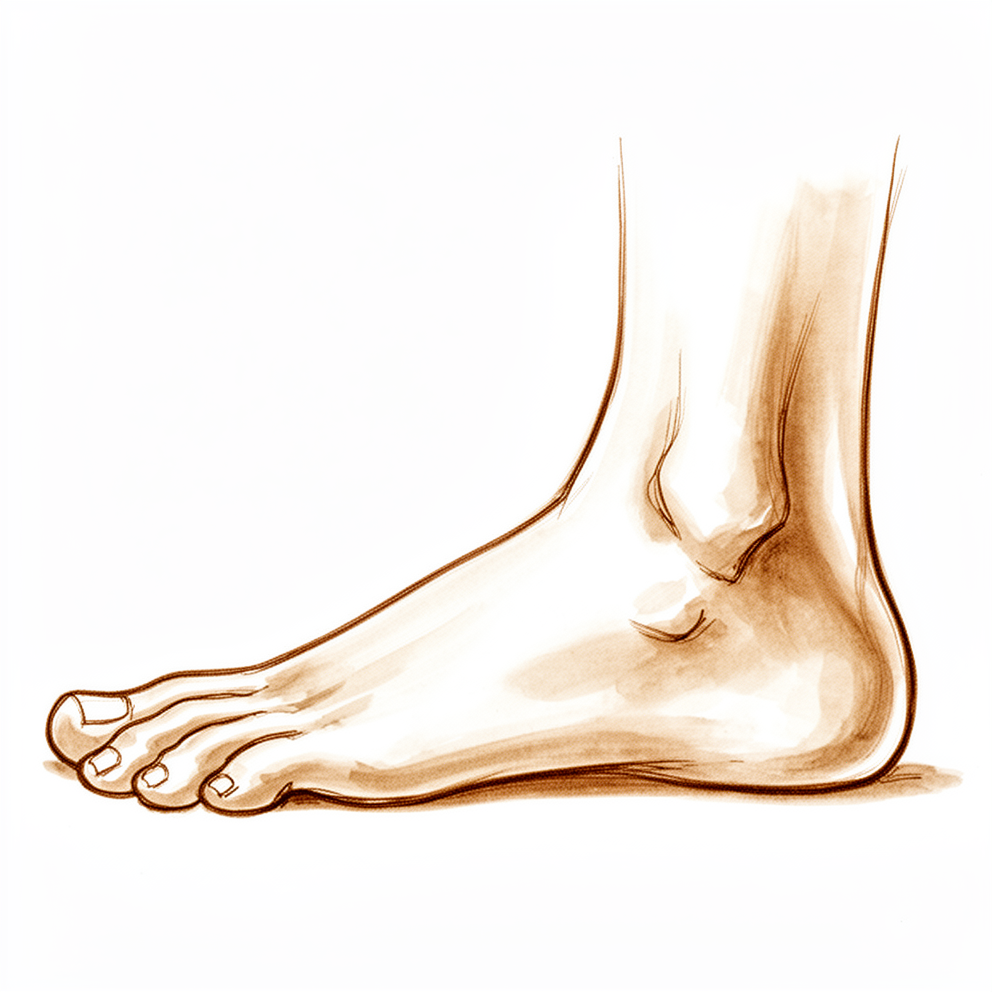
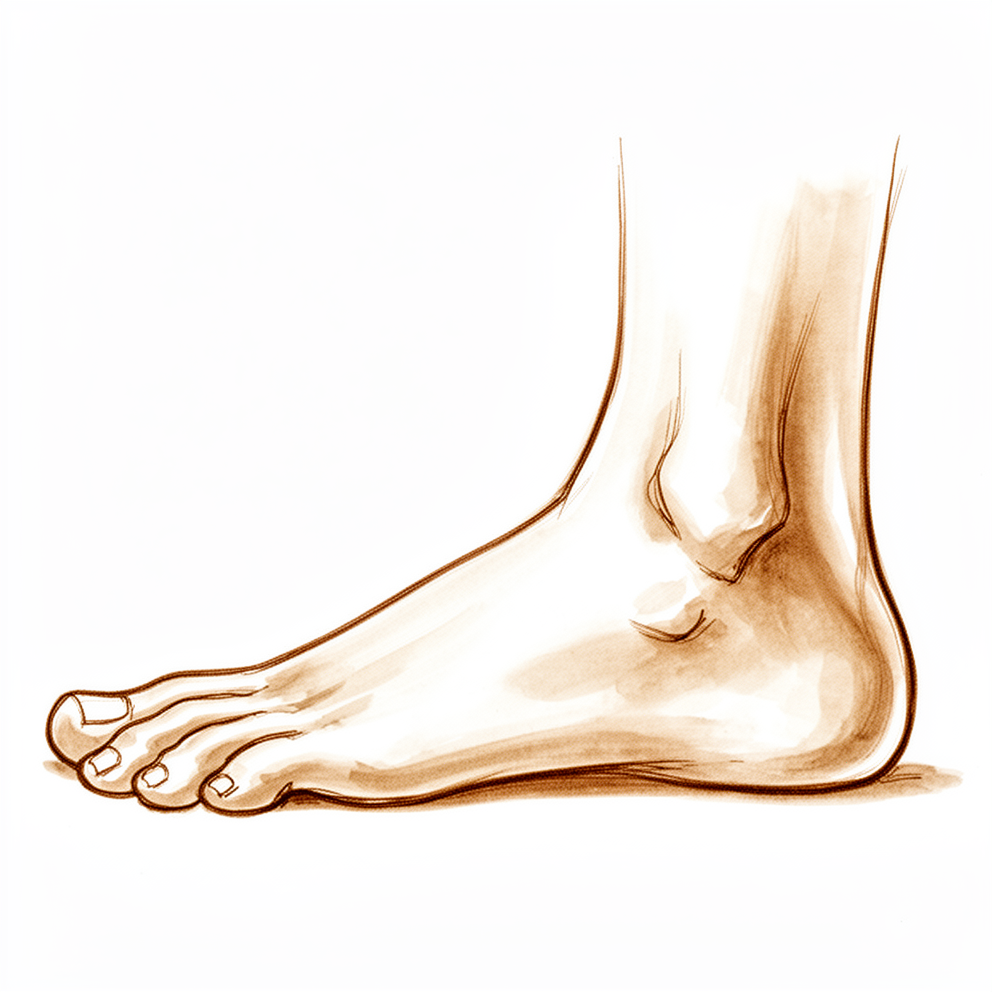
Tendon & Flap Surgery
Foot & ankle tendon/flap surgery: Achilles reconstruction, soft tissue defect coverage, and toe-to-hand transfer techniques.
Overview
Tendon reconstruction and flap coverage address complex soft-tissue deficits in the hand and foot, balancing functional restoration with reliable coverage. Graft availability is limited; the palmaris longus and plantaris tendons serve as useful grafts in less than 50% of cases [1]. For complex hand wounds with exposed tendon, joint, or bone, free or pedicled fascial flaps provide thin, well-vascularized coverage that facilitates early mobilization [2]. Free flaps offer the greatest versatility for upper extremity reconstruction, characterized by a large, reliable cutaneous territory and a long vascular pedicle [18]. When free flap soft tissue reconstruction is selected early in the treatment algorithm, it allows for composite reconstruction of all damaged or missing tissues and early mobilization to restore function [8].
Pedicled flaps remain a reliable option that is easy to raise and does not require microsurgical expertise; with technical refinements, their long-term outcomes can be as good as or better than free flaps [5]. Experience over the past 10 years confirms that free-style flaps can be raised reliably and safely [4]. Propeller perforator flaps offer advantages including no need for microvascular anastomoses, like-with-like replacement, and faster functional rehabilitation, potentially reducing the indication for free flaps in well-selected cases [21].
Tendon transfers are a necessary technique for regaining lost arm function, relying on thorough preoperative evaluation, biomechanical understanding, appropriate donor/recipient selection, technical execution, and postoperative rehabilitation [6, 13]. However, results for multiple extensor tendon ruptures in rheumatoid hands are often unsatisfactory due to loss of finger flexion, likely from muscle contracture [3]. In neglected Achilles tendon ruptures, the V-Y tendinous flap procedure is simple and allows end-to-end anastomosis where other methods are impossible [7]. Tendo calcaneus transposition is indicated when the alternative is amputation, when ankle ankylosis is present or likely, or when loss of the tendon is preferable to persistent ulceration and chronic osteomyelitis [20].
Anatomy & Pathophysiology
Tendon & Soft Tissue Biomechanics
Graft Availability: In less than 50% of cases, the palmaris longus and plantaris tendons, although present, would serve as useful grafts [1]. Transfer Principles: Successful tendon transfer surgery depends on a thorough preoperative clinical evaluation, understanding of tendon transfer biomechanics, appropriate donor and recipient selection, technical execution, and postoperative rehabilitation [6]. Tendon transfers remain a necessary and powerful technique for regaining lost function of the arm, with core principles and biomechanics reviewed alongside common and less well-described transfers [13].
Microsurgical Reconstruction: Microsurgical reconstruction allows for bringing vascularized tissue to scarred, unstable areas, enabling uncomplicated wound healing and early range of motion [15]. Paediatric toe-to-hand transfer restores basic hand function in children with congenital and acquired absence of digits, and in the majority of cases children can perform fine motor tasks in spite of limited active ROM [45]. Distraction lengthening of vascularized toe transfers is a feasible undertaking for isolated middle finger reconstruction [44]. A partial toe transfer from the great toe is preferred for the thumb in secondary microsurgical reconstruction of nail problems in musicians [46].
Foot & Ankle Pathology & Reconstruction
Hallux Disorders: Hallux rigidus is a common disorder characterized by restriction of motion at the first metatarsophalangeal joint, often associated with mechanical block from periarticular osteophytes [22]. Hallux valgus deformity and its severity were positively associated with the magnitude of the anteroposterior postural sway [30].
Flap Selection: The pedicled fibular flap is an excellent choice for one-stage reconstruction of composite bone and soft tissue defects in the foot [23]. The sural fasciocutaneous flap is an ideal choice for resurfacing ankle defects as it allows for quick performance under neuraxial block, minimizes surgical time, does not require microsurgical expertise, and reduces the risk of aerosolization and nosocomial exposure [40]. An osteoarticular pedicle flap from the capitate is acceptable for restoring the contour of the phalangeal head to reconstruct traumatic defects [48].
Tendon Transfers: Into-talus transposition of tendons may establish dynamic stability that delays or avoids the need for triple arthrodesis in the correction of paralytic valgus foot after poliomyelitis in children [39]. Transplantation of the posterior tibial muscle and tendon through the interosseous space is a valuable operative procedure that can be relied upon to restore active dorsiflexion of the foot [43]. Flexor digitorum brevis tendon transfer to the flexor digitorum longus tendon according to Valtin in posttraumatic flexible claw toe deformity due to extrinsic toe flexor shortening resulted in all 10 patients being satisfied with the outcome, walking normally with no pain and wearing normal shoes [41].
General Biomechanics & Indications
A textbook chapter provides a descriptive overview of foot and ankle biomechanics, gait analysis, and treatment principles for common nail disorders [26]. Surgical management is indicated for progressive, painful, unilateral coxa vara deformity or leg-length discrepancy, while moderate nonprogressive deformity often does not require surgery [38].
Classification
Graft Utility: Less than 50% of Palmaris Longus and Plantaris tendons, although present, serve as useful grafts [1].
Flap Selection Criteria: Free or pedicled fascial flaps provide thin, well-vascularized coverage for complex hand wounds with exposed tendon, joint, or bone, allowing for early mobilization [2]. Free-style flaps can be raised reliably and safely [4]. Pedicled flaps are reliable, easy to raise, and do not require microsurgical expertise [5]. When well planned with technical refinements, pedicled flap outcomes can be as good as or better than free flaps in the long term [5]. Free flap soft tissue reconstruction should be selected early in the treatment algorithm if a better end result can be anticipated, allowing for early coverage with composite reconstruction of all damaged or missing tissues and early mobilization to restore function [8]. Wound coverage possibilities for the upper extremity include traditional approaches and novel flap techniques based on the angiosome concept [36].
Local Tendon Flaps (LTF): Local tendon flaps for extensor tendon reconstruction in Zones II and IV avoid a distant donor site [9]. Local tendon flaps provide morphologically similar donor tendon that is readily accessible [9]. Local tendon flaps avoid morbidity associated with the use of distant tendon grafts (DTG) [9].
Free Flap Versatility: Free flaps provide the greatest versatility in reconstructive options for the upper extremity, offering a large and reliable cutaneous territory with a long vascular pedicle [18]. The free thoracodorsal artery perforator (TDAP) flap is versatile for reconstructing different kinds of soft tissue defects of the extremities [31]. The free TDAP flap allows for individualized defect reconstruction, minimizes donor site morbidities, and achieves an aesthetic appearance [31]. The free TDAP flap has five types of advanced applications [31].
Tendon Transfer Indications: Tendon transfers remain a necessary and powerful technique for regaining lost function of the arm [13]. Successful tendon transfer surgery depends on thorough preoperative clinical evaluation, understanding of tendon transfer biomechanics, appropriate donor and recipient selection, technical execution, and postoperative rehabilitation [6]. Tendon grafts for multiple extensor tendon ruptures in rheumatoid hands yield unsatisfactory results due to loss of finger flexion, likely from muscle contracture [3].
Achilles Rupture Framework: Reconstructive options for chronic Achilles ruptures serve as a framework for the treating surgeon in complex cases [10]. The V-Y tendinous flap procedure is simple and allows end-to-end anastomosis in neglected Achilles ruptures where it is otherwise impossible [7].
Other Considerations: The evidence base focuses on modality selection and technical execution rather than standardized injury classification systems.
Clinical Presentation
History and Etiology: Tendon transfer surgery remains a necessary and powerful technique for regaining lost function of the arm [13]. Successful outcomes depend on a thorough preoperative clinical evaluation, understanding of tendon transfer biomechanics, appropriate donor and recipient selection, technical execution, and postoperative rehabilitation [6]. In rheumatoid hands, tendon grafts for multiple extensor tendon ruptures yield unsatisfactory results due to loss of finger flexion, which is probably due to muscle contracture [3].
Inspection and Soft Tissue Assessment: Free or pedicled fascial flaps provide an excellent reconstructive option for complex hand wounds with exposed tendon, joint, or bone, offering thin, well-vascularized coverage that allows for early mobilization [2]. Free-style flaps can reliably and safely be raised [4]. Pedicled flaps are reliable, easy to raise, and do not require microsurgical expertise; when well planned with technical refinements, their outcomes can be as good as or better than free flaps in the long term [5]. Microsurgical reconstruction allows for bringing vascularized tissue to scarred, unstable areas, enabling uncomplicated wound healing and early range of motion [15]. Early complete debridement and immediate reconstruction with free tissue transfer enable early hand therapy, earlier return to function, and improved outcomes compared to delayed reconstruction [11]. Free flap soft tissue reconstruction should be selected early in the treatment algorithm if a better end result can be anticipated, as it allows for early coverage with composite reconstruction of all damaged or missing tissues and early mobilization to restore function [8].
Palpation and Donor Site Evaluation: In less than 50% of cases, the palmaris longus and plantaris tendons, although present, would serve as useful grafts [1]. Local tendon flaps for extensor tendon reconstruction in Zones II and IV avoid a distant donor site, provide morphologically similar donor tendon that is readily accessible, and avoid morbidity associated with the use of distant tendon grafts [9]. Transferring one or two toes has a definite effect on the donor feet, with patient-reported and functional symptoms expected [28].
Range of Motion and Functional Reconstruction: Functional reconstruction of subtotal thumb metacarpal defects with a vascularized medial femoral condyle flap allows the patient to regain satisfactory grip and thumb function with minimal donor site morbidity [12]. Gradual elevation of the flap starting from its distal part can delay the flap so that a longer flap can be raised [14].
Chronic Defect Management: Reconstructive options for chronic Achilles ruptures are detailed to serve as a framework for the treating surgeon in these complex cases [10]. The V-Y tendinous flap procedure is simple and allows end-to-end anastomosis in neglected Achilles tendon ruptures where it is otherwise impossible [7]. Repair of chronic Achilles tendon rupture using 2 intratendinous flaps from the proximal gastrocnemius-soleus complex allows for bridging the defect present in chronic ruptures, with a minimum of complications and a good final outcome [19]. The tendon defect in flexor hallucis longus tendon rupture could be repaired after split tendon lengthening without a free tendon graft [16]. Early recurrence of Dupuytren's contracture is most common in individuals with Dupuytren's diathesis, and the use of full-thickness skin grafts may be helpful in this setting [27].
Investigations
Plain radiography: Standard imaging serves as the initial modality for structural assessment, though specific signs such as Segond fractures or Pellegrini–Stieda lesions are not detailed in the current evidence base for tendon and flap surgery.
MRI: Magnetic resonance imaging indicates that the donor site after autologous osteochondral mosaicplasty for cartilaginous lesions of the elbow joint is resurfaced with fibrous tissue [35].
CT: Computed tomography is not explicitly detailed in the provided evidence base for this section.
Bone scan: Bone scintigraphy is not explicitly detailed in the provided evidence base for this section.
Tomosynthesis: Tomosynthesis is not explicitly detailed in the provided evidence base for this section.
Aspiration: Joint aspiration is not explicitly detailed in the provided evidence base for this section.
Laboratory: Laboratory markers are not explicitly detailed in the provided evidence base for this section.
Other Considerations: Preoperative planning and intraoperative technique selection are critical determinants of outcome. Successful tendon transfer surgery depends on a thorough preoperative clinical evaluation, understanding of tendon transfer biomechanics, appropriate donor and recipient selection, technical execution, and postoperative rehabilitation [6]. In less than 50% of cases, the Palmaris Longus and Plantaris tendons, although present, would serve as useful grafts [1].
Reconstructive strategy must account for tissue availability and defect complexity. Free or pedicled fascial flaps provide an excellent reconstructive option for complex hand wounds with exposed tendon, joint, or bone, offering thin, well-vascularized coverage that allows for early mobilization [2]. Pedicled flaps are reliable, easy to raise, and do not require microsurgical expertise; when well planned with technical refinements, their outcomes can be as good as or better than free flaps in the long term [5]. Experience over the past 10 years has consistently demonstrated that free-style flaps can reliably and safely be raised [4]. Gradual elevation of the flap starting from its distal part can delay the flap so that a longer flap can be raised [14].
Microsurgical reconstruction allows for bringing vascularized tissue to scarred, unstable areas, enabling uncomplicated wound healing and early range of motion [15]. Free flap soft tissue reconstruction should be selected early in the treatment algorithm if a better end result can be anticipated, as it allows for early coverage with composite reconstruction of all damaged or missing tissues and early mobilization to restore function [8]. Early complete debridement and immediate reconstruction with free tissue transfer enable early hand therapy, earlier return to function, and improved outcomes compared to delayed reconstruction [11]. Inadequate debridement is one of the most common reasons for failure of reconstruction of mangled injuries to the upper extremity, and there is no role for conservative treatment in these situations [24].
Specific flap choices address distinct anatomical defects. Local tendon flaps (LTF) for extensor tendon reconstruction in Zones II and IV avoid a distant donor site, provide morphologically similar donor tendon that is readily accessible, and avoid morbidity associated with the use of distant tendon grafts (DTG) [9]. The pedicled fibular flap is an excellent choice for one-stage reconstruction of composite bone and soft tissue defects in the foot [23]. The patient regained satisfactory grip and thumb function with minimal donor site morbidity after functional reconstruction of a subtotal thumb metacarpal defect with a vascularized medial femoral condyle flap [12]. The vascularized second toe metatarsophalangeal joint satisfactorily reconstructed the widely excised sternoclavicular joint and costoclavicular ligament and restored function in two reported cases [42]. Toe-to-finger transfer after tumor excision provided satisfactory results of symptom relief, function, and appearance over 2 years of follow-up and can be a feasible choice for reconstruction of an excised phalanx lesion in young, fit patients [47].
Alternative techniques address specific tendon pathologies. The V-Y tendinous flap procedure is simple and allows end-to-end anastomosis in neglected Achilles tendon ruptures where it is otherwise impossible [7]. Reconstructive options for chronic Achilles ruptures are detailed to serve as a framework for the treating surgeon in these complex cases [10]. However, the results of tendon grafts for multiple extensor tendon ruptures of fingers in rheumatoid hands are unsatisfactory due to loss of finger flexion, which is probably due to muscle contracture [3].
Treatment
Non-Operative
Inadequate debridement is one of the most common reasons for failure of reconstruction of mangled injuries to the upper extremity, and there is no role for conservative treatment in these situations [24].
Operative
Indications: Tendon transfers remain a necessary and powerful technique for regaining lost function of the arm [13]. Tendon lengthening and transfer are indicated for neuromuscular disorders, nerve injuries, and congenital or traumatic lesions [33]. Transposition of the tendo calcaneus is indicated when the alternative is amputation, when ankle ankylosis is present or likely, or when loss of the tendon is preferable to persistence of ulceration and chronic osteomyelitis [20].
Surgical Approach / Technique: Successful tendon transfer surgery depends on a thorough preoperative clinical evaluation, understanding of tendon transfer biomechanics, appropriate donor and recipient selection, technical execution, and postoperative rehabilitation [6]. The results of tendon grafts for multiple extensor tendon ruptures of fingers in rheumatoid hands are unsatisfactory due to loss of finger flexion, which is probably due to muscle contracture [3]. In neglected Achilles tendon ruptures where end-to-end anastomosis is otherwise impossible, the V-Y tendinous flap procedure is simple and allows for this repair [7]. For chronic Achilles ruptures, the technique using 2 intratendinous flaps from the proximal gastrocnemius-soleus complex allows for bridging the defect with a minimum of complications and a good final outcome [19]. Reconstructive options are detailed to serve as a framework for the treating surgeon in complex cases of chronic Achilles ruptures [10].
Implant Selection: In less than 50% of cases, the Palmaris Longus and Plantaris tendons, although present, would serve as useful grafts [1]. Local tendon flaps (LTF) for extensor tendon reconstruction in Zones II and IV avoid a distant donor site, provide morphologically similar donor tendon that is readily accessible, and avoid morbidity associated with the use of distant tendon grafts (DTG) [9]. For giant cell tumour of the proximal phalanx, en-bloc resection and reconstruction using a non-vascularized toe phalanx may be preferred as a surgical alternative considering the high recurrence of the tumour after curettage and bone grafting [37].
Adjuncts: Free or pedicled fascial flaps provide an excellent reconstructive option for complex hand wounds with exposed tendon, joint, or bone, offering thin, well-vascularized coverage that allows for early mobilization [2]. Free-style flaps can reliably and safely be raised [4]. Pedicled flaps are reliable, easy to raise, and do not require microsurgical expertise; when well planned with technical refinements, their outcomes can be as good as or better than free flaps in the long term [5]. The main advantages of propeller perforator flaps include no need for microvascular anastomoses, replacing like-with-like, and faster functional rehabilitation, which can reduce the indication for free flaps in well-selected cases [21].
Setting of Care: Free flap soft tissue reconstruction should be selected early in the treatment algorithm if a better end result can be anticipated, as it allows for early coverage with composite reconstruction of all damaged or missing tissues and early mobilization to restore function [8]. Early complete debridement and immediate reconstruction with free tissue transfer enable early hand therapy, earlier return to function, and improved outcomes compared to delayed reconstruction [11]. Microsurgical transplantation of composite tissue to the upper extremity results in the best wound coverage and early functional rehabilitation [29]. The patient regained satisfactory grip and thumb function with minimal donor site morbidity following functional reconstruction of a subtotal thumb metacarpal defect with a vascularized medial femoral condyle flap [12].
Complications
Wound complications: Early complete debridement and immediate reconstruction with free tissue transfer enable early hand therapy, earlier return to function, and improved outcomes compared to delayed reconstruction [11]. Immediate reconstruction of severe upper extremity injuries favors increased function, fewer complications, shorter hospital stays, and lower costs compared with delayed reconstruction [34].
Graft/Flap Morbidity: Less than 50% of Palmaris Longus and Plantaris tendons, although present, serve as useful grafts [1]. Local tendon flaps (LTF) avoid a distant donor site, provide morphologically similar donor tendon that is readily accessible, and avoid morbidity associated with distant tendon grafts (DTG) [9]. Functional reconstruction of subtotal thumb metacarpal defects with a vascularized medial femoral condyle flap results in satisfactory grip and thumb function with minimal donor site morbidity [12].
Reconstructive Outcomes: Tendon grafting for multiple extensor tendon ruptures in rheumatoid hands yields unsatisfactory results due to loss of finger flexion, likely from muscle contracture [3]. Tendon defect repair after split tendon lengthening can be achieved without a free tendon graft [16]. The V-Y tendinous flap procedure is simple and allows end-to-end anastomosis in neglected Achilles ruptures where it is otherwise impossible [7]. Hamstring tendon graft is associated with better early recovery of dorsiflexion compared with gastrocnemius turn flap for Kuwada Type 3 chronic Achilles ruptures [17].
Other Considerations: Free-style flaps can be raised reliably and safely [4]. Pedicled flaps are reliable, easy to raise, and do not require microsurgical expertise [5]. When well planned with technical refinements, pedicled flap outcomes can be as good as or better than free flaps in the long term [5]. Gradual elevation of a flap starting from its distal part can delay the flap so that a longer flap can be raised [14]. Reconstructive options for chronic Achilles ruptures serve as a framework for treating surgeons in complex cases [10]. Microsurgery has seen successful application in trauma and reconstructive surgery [25].
Recovery
Light activity (weeks): Evidence does not specify a week range for light activity or desk work.
Full activity (months): Evidence does not specify a month range for full activity or manual work.
Complete recovery / outcome plateau (months): Evidence does not specify a month range for complete recovery or outcome plateau.
Rehabilitation protocol: Early mobilization is critical to restore function, particularly when free flap soft tissue reconstruction is selected early to allow for immediate coverage and composite reconstruction of all damaged or missing tissues [8]. Early complete debridement and immediate reconstruction with free tissue transfer enable early hand therapy and an earlier return to function compared to delayed reconstruction [11].
Functional milestones: Outcomes vary significantly by procedure and pathology. For rheumatoid hands, tendon grafts for multiple extensor tendon ruptures yield unsatisfactory results due to loss of finger flexion, likely from muscle contracture [3]. In shoulder surgery, forty-seven (96%) of forty-nine shoulders achieved a good clinical result after distal release of deltoid muscle contracture [51]. Following functional reconstruction of a subtotal thumb metacarpal defect with a vascularized medial femoral condyle flap, patients regained satisfactory grip and thumb function with minimal donor site morbidity [12]. For Kuwada Type 3 chronic ruptures of the Achilles tendon, hamstring tendon grafts are associated with better early recovery of dorsiflexion compared with gastrocnemius turn flaps [17].
Other Considerations: Tendon graft selection requires careful evaluation; less than 50% of Palmaris Longus and Plantaris tendons, although present, serve as useful grafts [1]. Tendon defects may be repaired after split tendon lengthening without a free tendon graft [16]. Flap selection involves balancing reliability and technical demands: free-style free flaps can be raised reliably and safely [4], while pedicled flaps are reliable, easy to raise, and do not require microsurgical expertise [5]. When well planned with technical refinements, pedicled flap outcomes can be as good as or better than free flaps in the long term [5]. Free flaps provide the greatest versatility in reconstructive options for the upper extremity, offering a large and reliable cutaneous territory with a long vascular pedicle [18]. Microsurgery has seen successful application in trauma and reconstructive surgery [25]. Technical refinements such as gradual elevation of a flap starting from its distal part can delay the flap so that a longer flap can be raised [14]. Regarding autologous matrix-induced chondrogenesis for focal cartilage defects in the knee, further studies with long-term follow-up are needed to determine whether the grafted area maintains structural and functional integrity over time [32].
Key Evidence
- [L4] In less than 50%, the tendons, although present, would serve as useful grafts. (10.1016/j.jhsa.2011.01.007)
- [L4] Free or pedicled fascial flaps provide an excellent reconstructive option for complex hand wounds with exposed tendon, joint, or bone, offering thin, well-vascularized coverage that allows for early mobilization. (10.1016/j.jhsa.2010.05.015)
- [L4] The results of tendon grafts in this situation are unsatisfactory due to loss of finger flexion, which is probably due to muscle contracture. (10.1054/jhsb.2002.0755)
- [Paper] Experience over the past 10 years has consistently demonstrated that free-style flaps can reliably and safely be raised. (10.1016/j.injury.2008.05.020)
- [L5] Pedicled flaps are reliable, easy to raise, and do not require microsurgical expertise; when well planned with technical refinements, their outcomes can be as good as or better than free flaps in the long term. (10.1016/j.hcl.2014.01.002)
- [L5] Successful tendon transfer surgery depends on a thorough preoperative clinical evaluation, understanding of tendon transfer biomechanics, appropriate donor and recipient selection, technical execution, and postoperative rehabilitation. (10.1016/j.hcl.2018.06.009)
- [L4] The V-Y tendinous flap procedure is simple and allows end-to-end anastomosis in neglected ruptures where it is otherwise impossible. (10.2106/00004623-197557020-00019)
- [L5] Free flap soft tissue reconstruction should be selected early in the treatment algorithm if a better end result can be anticipated, as it allows for early coverage with composite reconstruction of all damaged or missing tissues and early mobilization to restore function. (10.1016/j.hcl.2007.02.007)
- [L5] However, the LTF avoids a distant donor site, provides morphologically similar donor tendon that is readily accessible, and avoids morbidity that may be associated with the use of DTG. (10.1016/j.jhsa.2009.04.009)
- [L5] Reconstructive options are detailed to serve as a framework for the treating surgeon in these complex cases. (10.5435/jaaos-d-17-00158)
- [L5] Early complete debridement and immediate reconstruction with free tissue transfer enable early hand therapy, earlier return to function, and improved outcomes compared to delayed reconstruction. (10.1016/j.hcl.2014.01.001)
- [Case_report] The patient regained satisfactory grip and thumb function with minimal donor site morbidity. (10.1016/j.jhsa.2014.06.002)
- [L5] Tendon transfers remain a necessary and powerful technique for regaining lost function of the arm, with core principles and biomechanics reviewed alongside common and less well-described transfers. (10.1016/j.hcl.2016.05.001)
- [Paper] Gradual elevation of the flap starting from its distal part can delay the flap so that a longer flap can be raised. (10.1007/s12593-014-0124-8)
- [L5] Microsurgical reconstruction allows for bringing vascularized tissue to scarred, unstable areas, enabling uncomplicated wound healing and early range of motion. (10.1016/j.hcl.2009.06.009)
- [L4] The tendon defect could be repaired after split tendon lengthening without a free tendon graft. (10.1186/s13018-017-0668-y)
- [L3] Hamstring tendon graft is associated with better early recovery of dorsiflexion compared with gastrocnemius turn flap. (10.1177/2325967119887673)
- [L4] Free flaps provide the greatest versatility in reconstructive options for the upper extremity, offering a large and reliable cutaneous territory with a long vascular pedicle. (10.1016/j.hcl.2014.01.003)
- [L4] This technique allows for a bridging of the defect present in chronic ruptures of Achilles tendons, with a minimum of complications and a good final outcome. (10.1177/0363546509333009)
- [L4] The operation is indicated when the alternative is amputation, when ankle ankylosis is present or likely, or when loss of the tendon is preferable to persistence of ulceration and chronic osteomyelitis. (10.2106/00004623-197860030-00018)
- [Paper] The main advantages of propeller perforator flaps, i.e. no need of microvascular anastomoses, replacing like-with-like, faster functional rehabilitation, can reduce in well selected cases the indication for free flaps. (10.1016/j.injury.2019.10.037)
- [L5] Hallux rigidus is a common disorder characterized by restriction of motion at the first metatarsophalangeal joint, often associated with mechanical block from periarticular osteophytes. (10.2106/00004623-199806000-00015)
- [L4] It is an excellent choice for one-stage reconstruction of composite bone and soft tissue defects in foot. (10.1016/j.injury.2014.10.042)
- [Paper] Inadequate debridement is one of the most common reasons for failure of reconstruction of mangled injuries to the upper extremity, and there is no role for conservative treatment in these situations. (10.1016/j.injury.2007.10.038)
- [L5] The collection of papers reflects the evolution of microsurgery around the world and underscores the successful application of microsurgery in trauma and reconstructive surgery. (10.1016/j.injury.2008.05.013)
- [L5] Early recurrence of disease is most common in individuals with Dupuytren's diathesis, and the use of full-thickness skin grafts may be helpful in this setting. (10.5435/00124635-199801000-00003)
- [L3] Transferring one or two toes has a definite effect on the donor site, with patient-reported and functional symptoms expected. (10.1177/1753193413518702)
- [L5] Microsurgical transplantation of composite tissue to the upper extremity results in the best wound coverage and early functional rehabilitation. (10.1016/j.injury.2008.05.021)
- [L4] Hallux valgus deformity and its severity were positively associated with the magnitude of the anteroposterior postural sway. (10.1186/s12891-021-04385-4)
- [L4] The free TDAP flap, with five types of advanced applications, makes it versatile for reconstructing different kinds of soft tissue defects of the extremities that can be used to achieve individualized defect reconstruction, minimize donor site morbidities, and an aesthetic appearance. (10.1186/s13018-023-04480-3)
- [L4] However, further studies with long-term follow-up are needed to determine whether the grafted area will maintain structural and functional integrity over time. (10.1007/s00167-010-1042-3)
- [L5] Tendon lengthening and transfer are indicated for neuromuscular disorders, nerve injuries, and congenital or traumatic lesions. (10.1016/j.otsr.2014.07.033)
- [L5] Immediate reconstruction of severe upper extremity injuries favors increased function, fewer complications, shorter hospital stays, and lower costs compared with delayed reconstruction. (10.1016/j.hcl.2006.12.003)
- [L4] However, magnetic resonance imaging indicates that the donor site is resurfaced with fibrous tissue. (10.1177/0363546507306465)
- [L5] This issue provides a comprehensive presentation of wound coverage possibilities for the upper extremity, updating readers on traditional approaches and novel flap techniques based on the angiosome concept. (10.1016/j.hcl.2013.12.002)
- [L4] En-bloc resection and reconstruction using a non-vascularized toe phalanx may be preferred as a surgical alternative considering the high recurrence of the tumour after curettage and bone grafting. (10.1177/17531934231209183)
- [L5] Surgical management is indicated for progressive, painful, unilateral deformity or leg-length discrepancy, while moderate nonprogressive deformity often does not require surgery. (10.5435/00124635-199803000-00003)
- [L4] It may establish dynamic stability that delays or avoids the need for triple arthrodesis. (10.2106/00004623-196042070-00002)
- [Letter] The sural fasciocutaneous flap is an ideal choice for resurfacing ankle defects in the context of the COVID-19 pandemic as it allows for quick performance under neuraxial block, minimizes surgical time, does not require microsurgical expertise, and reduces the risk of aerosolization and nosocomial exposure. (10.1097/corr.0000000000001332)
- [Paper] All 10 patients were satisfied with the outcome, walking normally with no pain and wearing normal shoes. (10.1016/j.otsr.2014.12.008)
- [L4] In these 2 cases, the vascularized second toe metatarsophalangeal joint satisfactorily reconstructed the widely excised sternoclavicular joint and costoclavicular ligament and restored function. (10.1016/j.jhsa.2014.03.027)
- [L4] Transplantation of the posterior tibial muscle and tendon through the interosseous space is a valuable operative procedure and can be relied upon to restore active dorsiflexion of the foot. (10.2106/00004623-195436060-00007)
- [L4] Distraction lengthening of vascularized toe transfers is a feasible undertaking. (10.1016/j.jhsa.2016.11.008)
- [L4] Paediatric toe-to-hand transfer restores basic hand function in children with congenital and acquired absence of digits, and in the majority of cases children can perform fine motor tasks in spite of limited active ROM. (10.1177/1753193415594480)
- [L5] A partial toe transfer from the great toe is preferred for the thumb. (10.1016/s0749-0712(03)00022-2)
- [Case_report] Toe-to-finger transfer after tumor excision provided satisfactory results of symptom relief, function, and appearance over 2 years of follow-up and can be a feasible choice for reconstruction of an excised phalanx lesion in young, fit patients. (10.1016/j.jhsa.2009.01.009)
- [L4] This approach is acceptable for restoring the contour of the phalangeal head. (10.1016/j.jhsa.2012.05.004)
- [L3] Forty-seven (96 per cent) of the forty-nine shoulders had a good clinical result after distal release of the contracture. (10.2106/00004623-199802000-00010)
See Also
References
[1] Adequacy of Palmaris Longus and Plantaris Tendons for Tendon Grafting. The Journal of Hand Surgery. 2011. DOI: 10.1016/j.jhsa.2011.01.007
[2] Fascial Flaps for Hand Reconstruction. The Journal of Hand Surgery. 2010. DOI: 10.1016/j.jhsa.2010.05.015
[3] Tendon Grafting for Multiple Extensor Tendon Ruptures of Fingers in Rheumatoid Hands. Journal of Hand Surgery. 2002. DOI: 10.1054/jhsb.2002.0755
[4] Free-style free flap. Injury. 2008. DOI: 10.1016/j.injury.2008.05.020
[5] Indications, Selection, and Use of Distant Pedicled Flap for Upper Limb Reconstruction. Hand Clinics. 2014. DOI: 10.1016/j.hcl.2014.01.002
[6] Technical Pearls of Tendon Transfers for Upper Extremity Spasticity. Hand Clinics. 2018. DOI: 10.1016/j.hcl.2018.06.009
[7] Neglected rupture of the Achilles tendon. Treatment by V-Y tendinous flap. The Journal of Bone & Joint Surgery. 1975. DOI: 10.2106/00004623-197557020-00019
[8] Indications and Selection of Free Flaps for Soft Tissue Coverage of the Upper Extremity. Hand Clinics. 2007. DOI: 10.1016/j.hcl.2007.02.007
[9] Extensor Tendon Reconstruction for Zones II and IV Using Local Tendon Flap: A Cadaver Study. The Journal of Hand Surgery. 2009. DOI: 10.1016/j.jhsa.2009.04.009
[10] Chronic Achilles Ruptures: Reconstructive Options. Journal of the American Academy of Orthopaedic Surgeons. 2018. DOI: 10.5435/jaaos-d-17-00158
[11] Free Muscle Flaps for Reconstruction of Upper Limb Defects. Hand Clinics. 2014. DOI: 10.1016/j.hcl.2014.01.001
[12] Functional Reconstruction of Subtotal Thumb Metacarpal Defect With a Vascularized Medial Femoral Condyle Flap: Case Report. The Journal of Hand Surgery. 2014. DOI: 10.1016/j.jhsa.2014.06.002
[13] An Update on Upper Extremity Tendon Transfers. Hand Clinics. 2016. DOI: 10.1016/j.hcl.2016.05.001
[14] Delay by Staged Elevation of Flaps and Importance of Inclusion of the Perforator Artery. Journal of Hand and Microsurgery. 2015. DOI: 10.1007/s12593-014-0124-8
[15] Microsurgical Reconstruction of the Burned Hand. Hand Clinics. 2009. DOI: 10.1016/j.hcl.2009.06.009
[16] Tendon split lengthening technique for flexor hallucis longus tendon rupture. Journal of Orthopaedic Surgery and Research. 2017. DOI: 10.1186/s13018-017-0668-y
[17] Comparison of Gastrocnemius Turn Flap and Hamstring Graft for the Treatment of Kuwada Type 3 Chronic Ruptures of the Achilles Tendon: A Retrospective Study. Orthopaedic Journal of Sports Medicine. 2019. DOI: 10.1177/2325967119887673
[18] Free Skin Flap Coverage of the Upper Extremity. Hand Clinics. 2014. DOI: 10.1016/j.hcl.2014.01.003
[19] Repair of Chronic Rupture of the Achilles Tendon using 2 Intratendinous Flaps from the Proximal Gastrocnemius-Soleus Complex. The American Journal of Sports Medicine. 2009. DOI: 10.1177/0363546509333009
[20] Transposition of the tendo calcaneus for post-traumatic bone defects of the tibia.. The Journal of Bone & Joint Surgery. 1978. DOI: 10.2106/00004623-197860030-00018
[21] Why, when and how propeller perforator flaps in reconstructive surgery. Injury. 2019. DOI: 10.1016/j.injury.2019.10.037
[22] Current Concepts Review - Hallux Rigidus and Osteoarthrosis of the First Metatarsophalangeal Joint. The Journal of Bone & Joint Surgery*. 1998. DOI: 10.2106/00004623-199806000-00015
[23] Pedicled fibular flap for reconstruction of composite defects in foot. Injury. 2015. DOI: 10.1016/j.injury.2014.10.042
[24] Early management of the mangled upper extremity. Injury. 2007. DOI: 10.1016/j.injury.2007.10.038
[25] Orthoplasty in Trauma & Reconstructive Microsurgery. Injury. 2008. DOI: 10.1016/j.injury.2008.05.013
[26] 8. Foot and Ankle Surgery. 2013.
[27] Dupuytren’s Contracture. Journal of the American Academy of Orthopaedic Surgeons. 1998. DOI: 10.5435/00124635-199801000-00003
[28] Long-term effects of toe transfers on the donor feet. Journal of Hand Surgery (European Volume). 2014. DOI: 10.1177/1753193413518702
[29] Composite tissue transfer in upper extremity trauma. Injury. 2008. DOI: 10.1016/j.injury.2008.05.021
[30] Hallux valgus deformity and postural sway: a cross-sectional study. BMC Musculoskeletal Disorders. 2021. DOI: 10.1186/s12891-021-04385-4
[31] The versatile thoracodorsal artery perforator flap for extremity reconstruction: from simple to five types of advanced applications and clinical outcomes. Journal of Orthopaedic Surgery and Research. 2023. DOI: 10.1186/s13018-023-04480-3
[32] Mid‐term results of Autologous Matrix‐Induced Chondrogenesis for treatment of focal cartilage defects in the knee. Knee Surgery, Sports Traumatology, Arthroscopy. 2010. DOI: 10.1007/s00167-010-1042-3
[33] Tendon lengthening and transfer. Orthopaedics & Traumatology: Surgery & Research. 2015. DOI: 10.1016/j.otsr.2014.07.033
[34] Radical Debridement, Free Flap Coverage, and Immediate Reconstruction of the Upper Extremity. Hand Clinics. 2007. DOI: 10.1016/j.hcl.2006.12.003
[35] Donor Site Evaluation after Autologous Osteochondral Mosaicplasty for Cartilaginous Lesions of the Elbow Joint. The American Journal of Sports Medicine. 2007. DOI: 10.1177/0363546507306465
[36] Preface. Hand Clinics. 2014. DOI: 10.1016/j.hcl.2013.12.002
[37] Non-vascularized toe phalangeal transfer for reconstruction of a giant cell tumour of the proximal phalanx. Journal of Hand Surgery (European Volume). 2023. DOI: 10.1177/17531934231209183
[38] Coxa Vara in Childhood: Evaluation and Management. Journal of the American Academy of Orthopaedic Surgeons. 1998. DOI: 10.5435/00124635-199803000-00003
[39] Into-Talus Transposition of Tendons for Correction of Paralytic Valgus Foot after Poliomyelitis in Children. The Journal of Bone & Joint Surgery. 1960. DOI: 10.2106/00004623-196042070-00002
[40] Letter to the Editor: Can Sural Fasciocutaneous Flaps Be Effective in Patients Older Than 65?. Clinical Orthopaedics & Related Research. 2020. DOI: 10.1097/corr.0000000000001332
[41] Flexor digitorum brevis tendon transfer to the flexor digitorum longus tendon according to Valtin in posttraumatic flexible claw toe deformity due to extrinsic toe flexor shortening. Orthopaedics & Traumatology: Surgery & Research. 2015. DOI: 10.1016/j.otsr.2014.12.008
[42] Second Toe Metatarsophalangeal Joint Transfer for Sternoclavicular Joint Reconstruction. The Journal of Hand Surgery. 2014. DOI: 10.1016/j.jhsa.2014.03.027
[43] TRANSPLANTATION OF THE POSTERIOR TIBIAL TENDON. The Journal of Bone & Joint Surgery. 1954. DOI: 10.2106/00004623-195436060-00007
[44] Distraction Lengthening Following Vascularized Second Toe Transfer for Isolated Middle Finger Reconstruction. The Journal of Hand Surgery. 2017. DOI: 10.1016/j.jhsa.2016.11.008
[45] Paediatric toe-to-hand transfer: an assessment of outcomes from a single unit. Journal of Hand Surgery (European Volume). 2015. DOI: 10.1177/1753193415594480
[46] Secondary microsurgical reconstruction of nail problems in musicians. Hand Clinics. 2003. DOI: 10.1016/s0749-0712(03)00022-2
[47] Intraosseous Glomus Tumor Treated by Toe-to-Finger Transfer: Case Report. The Journal of Hand Surgery. 2009. DOI: 10.1016/j.jhsa.2009.01.009
[48] Osteoarticular Pedicle Flap From the Capitate to Reconstruct Traumatic Defects in the Head of the Proximal Phalanx. The Journal of Hand Surgery. 2012. DOI: 10.1016/j.jhsa.2012.05.004
[51] Contracture of the Deltoid Muscle. The Journal of Bone and Joint Surgery (American Volume). 1998. DOI: 10.2106/00004623-199802000-00010