Arthroplasty and Fusion
Hand/wrist arthroplasty vs arthrodesis: indications, patient selection, and considerations for CMC, MCP, and wrist joints.
Overview
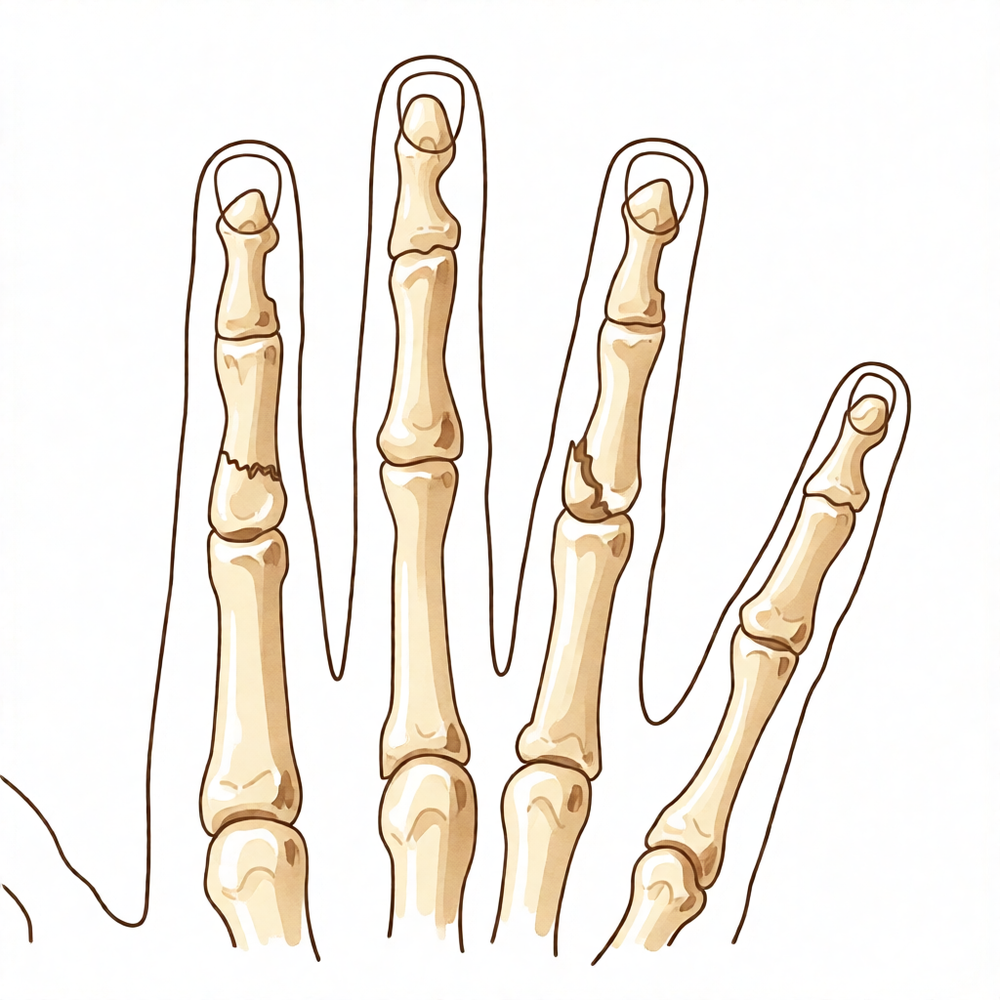
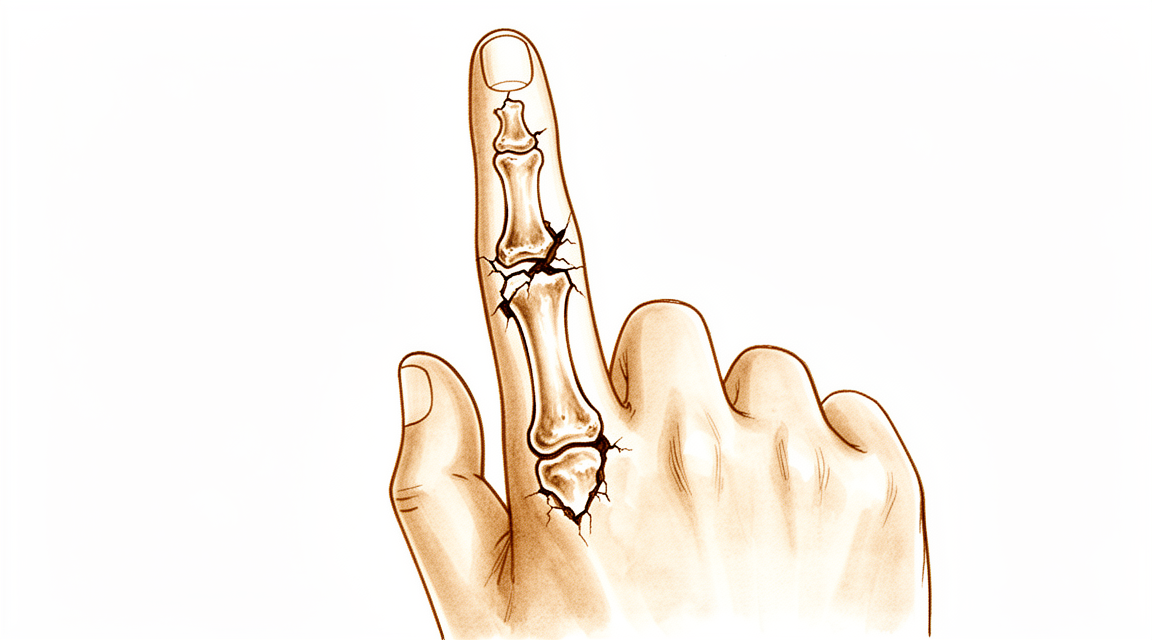
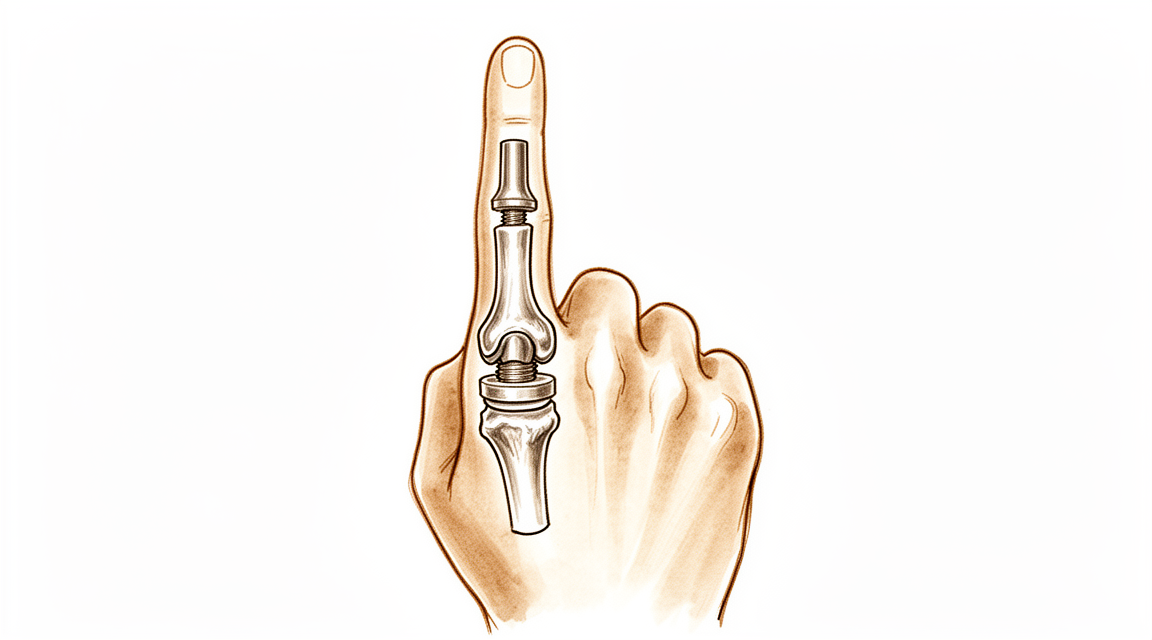
Arthroplasty and arthrodesis serve distinct roles in joint reconstruction, with indications driven by patient demographics, pathology, and functional goals. Total wrist arthroplasty lacks evidence supporting widespread use over arthrodesis, requiring careful patient selection [1]. In the hand, arthrodesis remains the benchmark for advanced thumb metacarpophalangeal joint arthritis, while arthroplasty offers a viable alternative to reduce pain, preserve motion, and limit adjacent joint disease progression [3]. For posttraumatic wrist arthritis, arthroplasty is an acceptable alternative to arthrodesis contingent on proper patient selection [20]. Conversely, arthrodesis is the standard salvage for failed proximal interphalangeal joint arthroplasty, yielding fair to good outcomes despite unreliable solid fusion rates [2].
Outcomes vary significantly by anatomical site and technique. Hand arthroplasty generally provides good pain relief but carries high rates of deformity recurrence and complications dependent on implant type and joint involved [12]. Satisfactory results with metacarpophalangeal and interphalangeal joint arthrodesis require proper patient selection, meticulous technique, and appropriate joint positioning [6]. Thumb interphalangeal and finger distal interphalangeal joint arthrodesis using headless compression screws achieves fusion rates comparable to prior series using other fixation methods [8]. Osteoarthritis is the most common indication for arthrodesis, with postoperative complication rates similar to existing literature [13]. Hip arthrodesis is viable for younger patients with severe osteoarthritis, infection, or trauma, achieving fusion rates >80% with proper selection and optimal positioning [7].
Patient preference and decision analysis highlight the trade-offs between motion preservation and reliability. Patients prefer surgical attributes characteristic of arthroplasty, such as preservation of joint motion and grip strength, over arthrodesis-associated benefits like decreased reoperation needs and lower costs [60]. In rheumatoid arthritis, decision analysis suggests arthroplasty is preferred for total wrist procedures due to higher expected gain in QALYs, though the minimal utility increase means surgeons do not view it as superior [61]. For trapeziometacarpal arthritis, patients are satisfied with both implant and resection arthroplasty but prefer implant arthroplasty if choosing again [65].
Anatomy & Pathophysiology
Osseous and Joint Geometry
The geometric characteristics of donor sites for reconstruction vary; the third toe proximal phalanx distal articular surface more closely matched the geometric characteristics of the finger proximal phalanx distal articular surface than did the toe middle phalanx distal articular surface [47]. In implant design, all tested 1-piece metal acetabular components deformed under simulated in vivo applied loads, with deformation ranging from 15 to 300 µm [45]. For the thumb basal joint, the ideal implant would restore the structure and function of the joint, but development of such a prosthesis is a difficult task [51]. Biomechanic analysis found several advantages to trapezium implant arthroplasty compared with ligament reconstruction with tendon interposition (LRTI), including reduction in axial and radial displacement and maintenance of the trapezial space [52].
Kinematics and Biomechanics
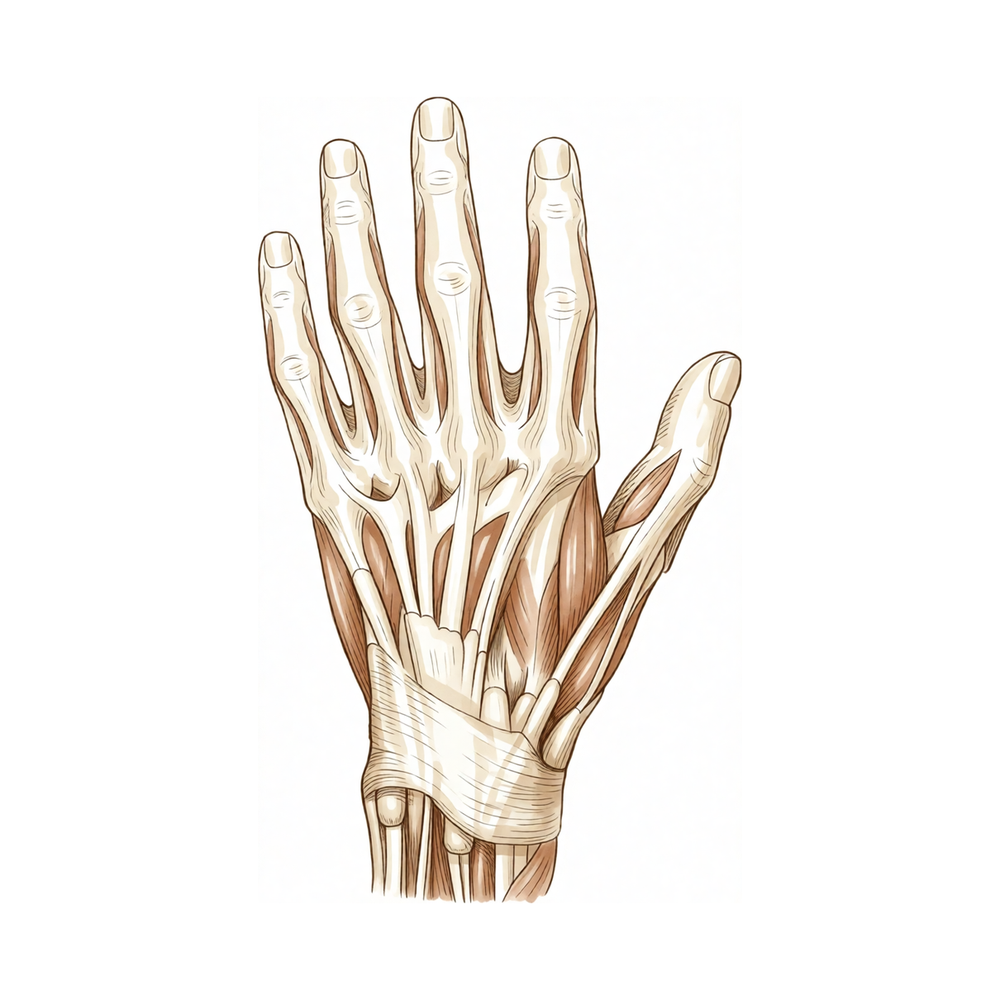
Proper biomechanics of a joint must be restored to achieve full, functional range of motion [34]. Total joint arthroplasty restores thumb function but cannot fully replicate the kinematics of the healthy trapeziometacarpal (TMC) joint [31]. Thumbs in patients with TMC osteoarthritis (OA) and healthy thumbs have different kinematics during first dorsal interosseous (FDI) maneuvers [38]. An atrophic FDI may not be an efficient dynamic stabilizer [38]. A rationale for dynamic stabilization of the painful thumb is based on the unique anatomy of the thumb [33]. In the wrist, motion in 3- and 4-corner fusions is smoother and more closely replicates the normal axis and functional motion of the wrist [32]. Wrist arthrodesis may only compromise select wrist functions [48]. Mechanical solutions to minimize force required at the wrist to activate grip are still required for 3D-printed custom-designed prostheses for partial hand amputation [36].
Soft Tissue, Synovium, and Stability
Synovectomy combined with the Sauvé-Kapandji procedure for the rheumatoid wrist allows correction of ulnar shift and radial deviation of the carpus, though the wrist remains stiff [50]. Hand surgery principles emphasize the balance between restoring function and maintaining aesthetic appearance [53]. A new design provides the required stability to the interphalangeal (IP) joint of the thumb and should be considered when orthotic intervention is being considered for this population [46].
Classification and Diagnostic Principles
A modified Terrono classification for Type 1 thumb deformity in rheumatoid arthritis detects advanced deformity earlier and is more strongly correlated with hand function [18]. Accurate diagnosis and management of hand and carpal fractures and dislocations are predicated on a thorough physical examination and appropriate imaging to limit joint stiffness while preserving mobility and function [37]. Clinical, bench, and biomechanical research is needed to ascertain the most effective intervention science for the painful thumb [30].
Arthroplasty Outcomes and Indications
Arthroplasty of the metacarpophalangeal joints with silicone-rubber implants in patients with rheumatoid arthritis provides excellent correction of ulnar drift, increased motion of the metacarpophalangeal joints, and enhanced hand function that is maintained over time [41]. Wrist arthrodesis in spastic disorders should be considered part of addressing overall hand and upper limb function, not a procedure of last resort [43]. A novel proximal interphalangeal joint (PIPJ) implant design using an optimized rolling contact joint (RCJ) mechanism demonstrated acceptable outcomes in terms of PIPJ human kinematics and tendon excursions [44].
Classification
Swanson MP Joint: Remains a beneficial operative intervention in carefully selected cases for the rheumatoid metacarpophalangeal joint [9].
Modified Terrono: A modified classification for Type 1 thumb deformity in rheumatoid arthritis detects advanced deformity earlier and is more strongly correlated with hand function [18].
Prosthetic Joint Infection: A new perspective introduces topography as a key factor affecting treatment strategy, suggesting that identifying the exact location of bacterial colonization guides treatment strategy [58].
Other Considerations: Total Wrist Arthroplasty vs. Arthrodesis: The evidence does not support the widespread use of total wrist arthroplasty over arthrodesis, and careful patient selection is essential [1]. Proximal Interphalangeal Joint (PIP) Arthroplasty: Arthrodesis as a salvage for failed PIP arthroplasty demonstrates fair to good subjective and functional outcomes, although achieving solid fusion is not completely reliable or without complication [2]. Revision arthroplasty of the PIP joint was associated with a 70% 5-year survival but with a high incidence of complications [29]. Thumb Metacarpophalangeal Joint (MCP): For advanced thumb MCP arthritis, fusion is the benchmark, while arthroplasty is a viable option to reduce pain, preserve motion, and limit progression of adjacent joint disease [3]. Rheumatoid Wrist: Radiolunate fusion in the rheumatoid wrist with Shapiro staples yields good and excellent clinical results in the majority of patients, which do not depend on the fixation device [11]. Open and closed arthrodesis of the rheumatoid wrist using a modified (Stanley) Steinmann pin yielded satisfactory overall results in both groups, with better results for the closed fusion group [62]. Hand Arthroplasty: Arthroplasty in the hand provides generally good pain relief but has high rates of deformity recurrence and complications depending on the implant type and joint involved [12]. Total Ankle Arthroplasty: Intermediate results for second-generation total ankle arthroplasty are promising but should be interpreted with care due to the poor history of earlier prostheses and technical difficulties [27]. Mueller-Weiss Disease: It is crucial to use radiological assessment to evaluate involved joints preoperatively when choosing between open triple fusion and TNC arthrodesis [17]. Clinical Decision-Making: Final recommendations based on literature and expert consensus provide a resource for guiding decision-making for stakeholders in the clinical introduction of artificial joint arthroplasty devices [4].
Clinical Presentation
Patient Selection and Indication: Total wrist arthroplasty requires careful patient selection, as current evidence does not support its widespread use over arthrodesis [1]. For advanced thumb metacarpophalangeal joint arthritis, fusion is considered the benchmark treatment [3], though arthroplasty remains a viable option to reduce pain, preserve motion, and limit progression of adjacent joint disease [3]. Radiological assessment of involved joints is crucial preoperatively to choose the appropriate treatment method for Mueller-Weiss disease [17].
Arthrodesis Outcomes and Techniques: Arthrodesis for failed proximal interphalangeal joint arthroplasty yields fair to good subjective and functional outcomes, despite fusion reliability not being complete and complications being possible [2]. Satisfactory results for metacarpophalangeal and interphalangeal joint arthrodesis in the hand are achieved with proper patient selection, meticulous technique, and appropriate joint positioning for the patient's activities and expectations [6]. Bone compression technique for arthrodesis and nonunion in the hand is useful in complicated cases, achieving fusion rates comparable to other studies despite high clinical complexity [5]. Minimally invasive thumb carpometacarpal joint arthrodesis using headless screws and arthroscopic assistance results in complete union at a mean of 9 weeks and reported pain relief [15]. Complications following thumb carpometacarpal arthrodesis are more frequent than in ligament reconstruction and tendon interposition, but most do not affect the overall outcome [19]. Osteoarthritis is the most common indication for arthrodesis of the distal interphalangeal and thumb interphalangeal joints, with postoperative complication rates similar to existing literature [13]. Hip arthrodesis is a viable technique for younger patients with severe osteoarthritis, infection, or trauma, achieving fusion rates greater than 80% with proper patient selection and optimal positioning [7]. Radiolunate fusion in the rheumatoid wrist yields good and excellent clinical results in the majority of patients, regardless of the fixation device used [11].
Arthroplasty and Prosthetic Options: Swanson MP joint arthroplasty remains a beneficial operative intervention for the rheumatoid metacarpophalangeal joint in carefully selected cases [9]. Pyrocarbon prosthesis replacement of the proximal interphalangeal joint provides good pain relief and stable radiographic integration at 5 years, with no late revisions or loosening, though it does not improve range of motion [10]. Prosthetic hemi-arthroplasty for post-traumatic articular cartilage loss in the proximal interphalangeal joint provides limited case evidence for well-functioning and pain-free outcomes at up to 4 years [14]. Thumb carpometacarpal joint prosthetic total joint replacement shows promising functional outcomes compared to resection arthroplasty, but failure due to loosening and dislocation remains a concern [16]. Prosthesis loosening was not detected in patients receiving a cemented surface replacement prosthesis in the basal thumb joint [21]. Metacarpophalangeal joint pyrocarbon arthroplasty for osteoarthritis leads to reoperation in 1 of 5 cases due to complications, with implant instability being uncommon and patients experiencing predictable pain relief and improvements in range of motion and pinch strength [54]. Hand arthroplasty generally provides good pain relief but is associated with high rates of deformity recurrence and complications depending on the implant type and joint involved [12].
Infectious and Complex Pathology: Outcomes for pyarthrosis of the small joints of the hand resulting in arthrodesis or amputation are influenced by time to diagnosis and treatment, number of irrigation and debridement procedures, patient comorbidities, and postoperative infection following non-joint surgery [22].
Investigations
Plain radiography: Radiological assessment is crucial for evaluating involved joints preoperatively to choose the appropriate treatment method for different patients [17].
Other Considerations: Augmenting plain radiographs with additional imaging modalities like ultrasound or dark-field imaging may aid in diagnosis [78].
Treatment
Non-Operative
Surgical treatment for deformities caused by rheumatoid arthritis has an increasing role, although fully two-thirds of patients respond satisfactorily to non-surgical measures [71]. For conditions such as hallux rigidus and osteoarthrosis of the first metatarsophalangeal joint, treatment options range from non-operative measures to surgical procedures, with selection depending on disease stage and patient factors [68].
Operative
Indications: Total wrist arthroplasty is not supported for widespread use over arthrodesis, requiring careful patient selection [1]. Arthroplasty serves as an alternative to arthrodesis for posttraumatic wrist arthritis given proper patient selection and indications [20]. For advanced thumb metacarpophalangeal joint arthritis, fusion is the benchmark, while arthroplasty is a viable option to reduce pain, preserve motion, and limit progression of adjacent joint disease [3]. Hip arthrodesis is a viable technique for younger patients with severe osteoarthritis, infection, or trauma [7]. The treatment of the long finger may be a relative contrainication to proximal interphalangeal joint arthroplasty [55].
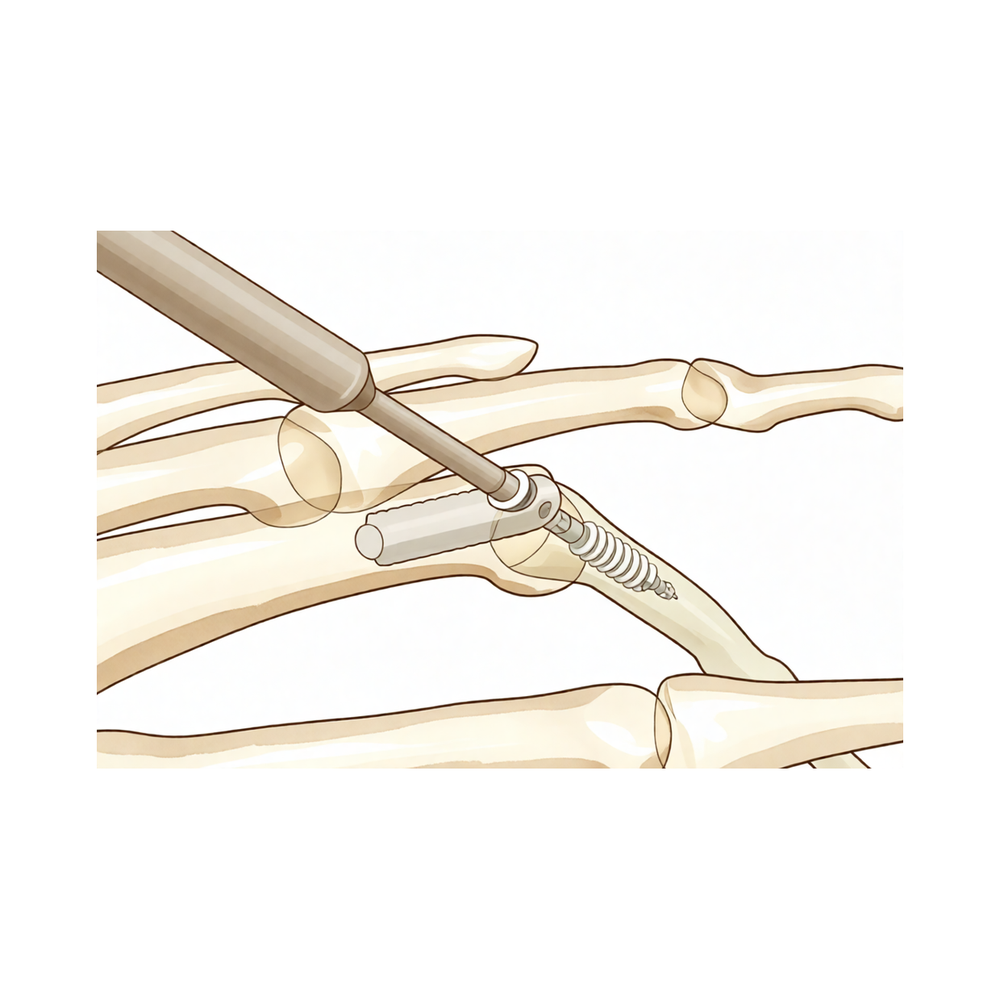
Surgical Approach / Technique: Minimally invasive thumb carpometacarpal joint arthrodesis with headless screws and arthroscopic assistance results in complete union at a mean of 9 weeks and reported pain relief [15]. The "Pepper-Pot" arthrodesis of the small joints of the hand is easy to perform, maintains digital length, allows fine-tuning of arthrodesis position, and has fusion rates comparable to previously described techniques [39]. There is no evidence that one surgical approach for proximal interphalangeal joint arthroplasty is superior to another [40].
Implant Selection: Swanson MP joint arthroplasty remains a beneficial operative intervention in carefully selected cases for the rheumatoid metacarpophalangeal joint [9]. The Moje thumb carpometacarpal joint arthroplasty has a high failure rate, with all patients presenting with loosening, migration, or tilting of the implant components [28]. Hand and wrist pyrocarbon implants are a valid alternative to conventional arthroplasties, particularly for young and active patients via minimally invasive approaches [35]. Pyrocarbon proximal interphalangeal joint arthroplasty achieves good pain relief and maintenance of preoperative arc of motion with no major deterioration over time at minimum five-year follow-up [67]. In patients not requiring revision surgery, pyrocarbon proximal interphalangeal arthroplasty improves pain relief and maintains motion [26]. Prosthetic hemi-arthroplasty for post-traumatic articular cartilage loss in the proximal interphalangeal joint provides limited case evidence for well-functioning and pain-free outcomes at up to 4 years [14]. Unicompartmental and bicompartmental arthroplasty of the knee with a finned metal tibial-plateau implant has a place in reconstructive surgery of the arthritic knee joint with proper indications [23].
Alignment / Balancing Strategy: Satisfactory results can be achieved with arthrodesis of the metacarpophalangeal and interphalangeal joints of the hand through proper patient selection, meticulous technique, and appropriate joint positioning [6]. Hip arthrodesis achieves fusion rates >80% with proper patient selection and optimal positioning [7].
Pain Management: Enhanced recovery after surgery protocols can be associated with decreased length of stay even in the absence of neuraxial anesthesia in some surgical settings for primary total joint arthroplasty [56].
Adjuncts: The bone compression technique for arthrodesis and nonunion in the hand is useful, especially in complicated cases, with a fusion rate comparable to other studies despite high clinical complexity [5]. Arthrodesis of the thumb interphalangeal joint and finger distal interphalangeal joints with a headless compression screw yields a fusion rate that compares favorably with prior series using other methods of fixation [8]. Four-corner arthrodesis using the 4Fusion quadripodal shape memory staple yields a high fusion rate with only one nonunion, comparable with most published studies using various fixation methods [63]. Radiolunate fusion in the rheumatoid wrist with Shapiro staples yields good and excellent clinical results in the majority of patients, independent of the fixation device [11].
Revision: Arthrodesis as a salvage for failed proximal interphalangeal joint arthroplasty yields fair to good subjective and functional outcomes, although achieving solid fusion is not completely reliable and complications occur [2]. Salvage of failed trapeziometacarpal joint arthroplasty achieves reasonable pain relief and patient satisfaction but requires a mean of four revision procedures and has a high complication rate (27%) [69]. Reoperations following primary non-constrained proximal interphalangeal joint arthroplasties are common [72]. When a silastic radial-head prosthesis fractures, removal of loose fragments and avoiding a second replacement attempt are recommended [66].
Other Considerations: Arthroplasty in the hand provides generally good pain relief but is associated with high rates of deformity recurrence and complications depending on the implant type and joint involved [12]. Osteoarthritis is the most common indication for arthrodesis of the distal interphalangeal and thumb interphalangeal joints, with postoperative complications occurring at a rate similar to existing literature [13]. Joint replacement provides pain relief while maintaining adequate range of motion for post-operative activities [70]. Final recommendations based on literature and expert consensus provide a resource for guiding decision-making for stakeholders in the clinical introduction of artificial joint arthroplasty devices [4]. The time to diagnosis and treatment, number of irrigation and debridement procedures, patient comorbidities, and postoperative infection following non-joint surgery are major factors influencing outcomes for pyarthrosis of the small joints of the hand resulting in arthrodesis or amputation [22].
Complications
Infection (PJI): Periprosthetic joint infection (PJI) is a devastating complication requiring high-quality studies on prevention and treatment [85]. The incidence of PJI is 0.4% to 2% after primary total knee replacement, with absolute case numbers projected to increase significantly due to growing arthroplasty volume [76]. Late deep wound infection secondary to hematogenous spread is an infrequent but devastating complication of total joint replacement [80]. Patients with multiple joint arthroplasties and a history of PJI have a higher risk for developing a second PJI, with metachronous rates of 3% to 19% and synchronous rates of 1.3% to 6% [75].
Aseptic Loosening: Hemiarthroplasty for trapeziometacarpal arthritis has a high rate of loosening and should only be used in low-demand patients [93]. Surface replacement trapeziometacarpal joint prosthesis clinical outcomes deteriorate clearly in case of loosening, though they remain excellent in the long-term for patients with stable implants [88]. Moje thumb carpometacarpal joint arthroplasty has a high failure rate, with all patients presenting loosening, migration, or tilting of implant components [28]. Surface replacement proximal interphalangeal joint arthroplasty has an unacceptably high rate of subsidence [94].
Implant Failure and Revision: Revision proximal interphalangeal arthroplasty has a 70% 5-year survival rate but a high incidence of complications [29]. Pyrolytic carbon proximal interphalangeal joint arthroplasty has a 28% second procedure rate and an 8% revision arthroplasty rate [25]. Pyrocarbon arthroplasty in metacarpophalangeal joints affected by rheumatoid arthritis has high complication and overall reoperation rates, with 1 in 10 patients undergoing revision within 5 years [91]. Long-term outcomes of metacarpophalangeal (MCP) surface replacement arthroplasty in rheumatoid arthritis patients show high overall reoperation rates, though most do not involve arthroplasty revision [24]. Metallic hemiarthroplasty for end-stage hallux rigidus has a relatively high revision rate associated with younger age, suggesting limited use to older patients [90].
Other Considerations: Total wrist arthroplasty evidence does not support widespread use over arthrodesis, requiring careful patient selection [1]. Arthrodesis for failed proximal interphalangeal joint arthroplasty is not completely reliable and is not without complication [2]. Arthrodesis for thumb carpometacarpal osteoarthritis has more frequent complications than ligament reconstruction and tendon interposition (LRTI), though most do not affect overall outcome [19]. Arthrodesis for thumb carpometacarpal joint arthritis has higher reoperation rates and incidence of postoperative complications than ligament reconstruction and tendon interposition (LRTI) [92]. Pyrocarbon prosthesis replacing the proximal interphalangeal joint shows good pain relief and stable radiographic integration at 5 years, with no late revisions or loosening, but no improvement in range of motion [10]. Bone compression technique for arthrodesis and nonunion in the hand has a fusion rate comparable to other studies despite high clinical complexity [5]. Arthrodesis of the thumb interphalangeal joint and finger distal interphalangeal joints with a headless compression screw has a fusion rate that compares favorably with prior series using other fixation methods [8]. Proximal interphalangeal joint prosthetic arthroplasty requires longer follow-up and prospective randomized comparisons to better define rates of revision, failure, and complications [79]. Anterolateral approach with tibial tubercle osteotomy for primary total knee arthroplasty has a higher risk of early complications and revisions compared to the standard medial approach [95].
Recovery
Light activity (weeks): Patients return to work after a median of 8 weeks following proximal interphalangeal joint arthroplasty for osteoarthritis, influenced by type of work and preoperative ability [42]. Minimally invasive thumb carpometacarpal joint arthrodesis with headless screws and arthroscopic assistance achieves complete union at a mean of 9 weeks with reported pain relief [15].
Full activity (months): Evidence does not specify a distinct month range for full activity return beyond the median work return time for PIP arthroplasty [42]. For severe recurrent proximal interphalangeal joint contractures in Dupuytren’s disease, arthrodesis results in fairly rapid return to function [49].
Complete recovery / outcome plateau (months): Pyrocarbon proximal interphalangeal joint replacement provides good pain relief and stable radiographic integration at 5 years without late revisions or loosening [10]. Prosthetic hemi-arthroplasty for post-traumatic articular cartilage loss in the proximal interphalangeal joint shows limited case evidence for well-functioning and pain-free outcomes at up to 4 years [14].
Rehabilitation protocol: Low-profile plate fixation in first metacarpophalangeal joint arthrodesis provides a high union rate, short immobilization and rehabilitation period, and reliable fusion position [59]. Satisfactory results with metacarpophalangeal and interphalangeal joint arthrodesis require proper patient selection, meticulous technique, and appropriate joint positioning [6].
Functional milestones: In patients not requiring revision surgery, pyrocarbon proximal interphalangeal arthroplasty improves pain relief and maintains motion [26]. Most patients not undergoing secondary revision surgery after metacarpophalangeal arthroplasty experience improvements in pain and range of motion [57]. Arthrodesis for severe recurrent proximal interphalangeal joint contractures in Dupuytren’s disease results in high patient satisfaction [49].
Other Considerations: Total wrist arthroplasty evidence does not support widespread use over arthrodesis, requiring careful patient selection [1]. Arthrodesis for failed proximal interphalangeal joint arthroplasty yields fair to good subjective and functional outcomes despite fusion reliability issues [2]. For advanced thumb metacarpophalangeal joint arthritis, fusion is the benchmark while arthroplasty is a viable option to reduce pain, preserve motion, and limit adjacent joint disease progression [3]. EFORT consensus recommendations guide decision-making for the clinical introduction of artificial joint arthroplasty devices [4]. Pyrocarbon proximal interphalangeal joint arthroplasty requires a second procedure in 28% of patients and revision arthroplasty in 8% [25]. Pyrocarbon proximal interphalangeal joint implants require a secondary surgical procedure in 13% of joints [64]. Metacarpophalangeal surface replacement arthroplasty in rheumatoid arthritis patients has high overall reoperation rates, though most do not involve arthroplasty revision [24]. Thumb carpometacarpal joint total joint replacement shows promising functional outcomes compared to resection arthroplasty, but loosening and dislocation remain concerns [16]. Unicompartmental and bicompartmental knee arthroplasty with a finned metal tibial-plateau implant has a place in reconstructive surgery for the arthritic knee with proper indications [23]. Second-generation total ankle arthroplasty shows promising intermediate results but requires careful interpretation due to the poor history of earlier prostheses and technical difficulties [27]. Osteochondral autograft from the hamate for partial proximal interphalangeal joint defects yields generally acceptable functional recovery and well-restored joint architecture [74]. Two-year clinical, patient-reported, and revision outcomes for trapeziometacarpal joint implant arthroplasty are not worse for patients operated on before surgeon proficiency is achieved [84].
Key Evidence
- [L3] The evidence does not support the widespread use of arthroplasty over arthrodesis, and careful patient selection is essential. (10.1177/1753193414539796)
- [L4] Although achieving solid fusion with arthrodesis is not completely reliable or without complication, patients' subjective and functional outcomes demonstrate fair to good results. (10.1016/j.jhsa.2010.10.030)
- [L5] For more advanced disease, fusion is the benchmark, while arthroplasty is a viable option to reduce pain, preserve motion, and limit progression of adjacent joint disease. (10.5435/jaaos-d-18-00683)
- [L5] Final recommendations based on literature and expert consensus provide a first, useful resource for helping to guide decision-making for stakeholders in the clinical introduction of artificial joint arthroplasty devices. (10.1530/eor-23-0054)
- [L4] The authors found the technique useful, especially in complicated cases, and reported a fusion rate comparable to other studies despite the high clinical complexity of the patient population. (10.1054/jhsb.2002.0795)
- [L5] Satisfactory results can be achieved with proper patient selection, meticulous technique, and joint fusion in an appropriate position for the patient's activities and expectations. (10.5435/jaaos-d-15-00033)
- [L4] Hip arthrodesis is a viable technique for younger patients with severe osteoarthritis, infection, or trauma, achieving fusion rates >80% with proper patient selection and optimal positioning. (10.5435/00124635-200207000-00003)
- [L4] Our rate of fusion compares favorably with prior series using other methods of fixation. (10.1016/j.jhsa.2013.09.040)
- [Paper] Swanson MP joint arthroplasty remains a beneficial operative intervention in carefully selected cases. (10.1016/j.hcl.2010.09.005)
- [L4] The study reports good pain relief and stable radiographic integration at 5 years, with no late revisions or loosening observed, despite no improvement in range of motion. (10.1177/1753193413479527)
- [L4] Good and excellent clinical results in the majority of the patients following radiolunate fusion do not depend on the fixation device. (10.1177/1753193409342054)
- [L4] The review describes various arthroplasty possibilities, indications, and surgical techniques for hand joints, noting that while pain relief is generally good, there are high rates of deformity recurrence and complications depending on the implant type and joint involved. (10.1177/17531934211017703)
- [L3] Osteoarthritis was the most common indication for arthrodesis and postoperative complications occurred at a rate similar to that reported in the existing literature. (10.1186/s12891-024-07361-w)
- [L4] At up to 4 years, this report provides limited case evidence for well-functioning and pain-free hemi-arthroplasty. (10.1007/s11552-010-9297-1)
- [L4] All patients achieved complete union at the fusion site at a mean of 9 weeks and reported pain relief. (10.1016/j.jhsa.2014.10.020)
- [L1] Functional outcomes look promising compared to resection arthroplasty, but failure in terms of loosening and dislocation remains a concern. (10.1302/2058-5241.6.200152)
- [L3] It is crucial to use radiological assessment to evaluate the involved joints preoperatively and then chose the appropriate method to treat different patients. (10.1186/s13018-017-0513-3)
- [L3] The modified classification could detect advanced deformity earlier and was more strongly correlated with hand function. (10.1177/1753193419886719)
- [L3] Although complications were more frequent following arthrodesis, most did not affect the overall outcome. (10.2106/00004623-200110000-00002)
- [L3] Arthroplasty should be used as an alternative to arthrodesis in the treatment of posttraumatic wrist arthritis, given the proper patient selection and indications. (10.1016/j.jhsa.2013.02.013)
- [L4] Prosthesis loosening was not detected. (10.1016/j.jhsa.2009.12.026)
- [L3] The time to diagnosis and treatment, the number of I and D procedures, patient comorbidities, and postoperative infection following non-joint surgery are major factors influencing outcome. (10.1016/j.jhsa.2011.05.022)
- [L4] The results suggest that with the proper indications this arthroplasty has a place in reconstructive surgery of the arthritic knee joint. (10.2106/00004623-198567080-00005)
- [L4] High overall reoperation rates remain concerning; however, most do not involve arthroplasty revision. (10.1177/1558944720926631)
- [L4] Twenty-eight percent of patients required a second procedure and 8% required a revision arthroplasty. (10.1016/j.jhsa.2006.10.017)
- [L4] Overall, in patients that do not require revision surgery, pain relief was improved and motion maintained. (10.1016/j.jhsa.2018.06.020)
- [L4] Intermediate results for second-generation total ankle arthroplasty are promising but should be interpreted with care due to the poor history of earlier prostheses and technical difficulties. (10.5435/jaaos-d-25-00638)
- [L4] All patients presented with loosening, migration, or tilting of the implant components, leading to a high failure rate. (10.1177/1753193412454252)
- [L3] Revision arthroplasty was associated with a 70% 5-year survival but with a high incidence of complications. (10.1016/j.jhsa.2015.05.015)
- [Letter] They state that the stage is wide open for clinical, bench, and biomechanical research to test the theories to ascertain the most effective intervention science for the painful thumb. (10.1016/j.jht.2013.05.001)
- [L4] We also showed that, whereas total joint arthroplasty is able to restore thumb function, it cannot fully replicate the kinematics of the healthy TMC joint. (10.1016/j.jhsa.2017.10.011)
- [L3] Motion was smoother and more closely replicated the normal axis and functional motion of the wrist. (10.1016/j.jhsa.2015.02.027)
- [L5] A rationale for a dynamic stabilization approach is presented based on the unique anatomy of the thumb. (10.1016/j.jht.2022.06.007)
- [L5] Proper biomechanics of a joint must be restored to achieve full, functional range of motion. (10.1016/j.hcl.2017.12.008)
- [L4] These implants are a valid alternative to conventional arthroplasties, particularly for young and active patients via minimally invasive approaches. (10.1177/1753193419871671)
- [L4] Mechanical solutions to minimize force required at the wrist to activate grip are still required. (10.1016/j.jht.2020.04.005)
- [L4] Thumbs in patients with TMC-OA and healthy thumbs have different kinematics during FDI maneuvers, and an atrophic FDI may not be an efficient dynamic stabilizer. (10.1016/j.jhsa.2024.12.018)
- [L4] The technique is easy to perform, maintains digital length, and allows the surgeon to fine-tune the position of arthrodesis, with fusion rates comparable to previously described techniques. (10.1054/jhsb.2002.0798)
- [L5] There is no evidence that one surgical approach for proximal interphalangeal joint arthroplasty is superior to another. (10.1302/0301-620x.104b12.bjj-2022-0946)
- [L4] The procedure provides excellent correction of ulnar drift, increased motion of the metacarpophalangeal joints, and enhanced hand function that is maintained over time. (10.2106/00004623-199301000-00002)
- [L3] Patients returned to work after a median of 8 weeks following PIP arthroplasty. (10.1177/15589447221141485)
- [L4] It should not be considered a procedure of last resort but part of addressing overall hand and upper limb function. (10.1177/1753193414530193)
- [L5] A novel PIPJ implant design using an RCJ mechanism demonstrated acceptable outcomes in terms of PIPJ human kinematics and tendon excursions. (10.1186/s13018-019-1234-6)
- [L5] All tested components deformed under simulated in vivo applied loads, with deformation ranging from 15 to 300 µm. (10.1016/j.arth.2011.03.019)
- [L4] The third toe proximal phalanx distal articular surface more closely matched the geometric characteristics of the finger proximal phalanx distal articular surface than did the toe middle phalanx distal articular surface. (10.1016/j.jhsa.2011.01.047)
- [L4] Our findings suggest that wrist arthrodesis may only compromise select wrist functions. (10.1177/1558944715626930)
- [L4] The long-term outcomes show high patient satisfaction, fairly rapid return to function with no requirement for revision surgery. (10.1177/1753193420960309)
- [L4] The procedure allows correction of ulnar shift and radial deviation of the carpus, though the wrist remains stiff. (10.1054/jhsb.1999.0171)
- [L4] The ideal thumb basal joint implant would restore the structure and function of the joint, but development of such a prosthesis is a difficult task. (10.1016/j.hcl.2010.05.007)
- [L5] The study found several biomechanic advantages to the implant compared with LRTI, including reduction in axial and radial displacement and maintenance of the trapezial space. (10.1016/j.jhsa.2007.02.025)
- [L4] Complications lead to reoperation in 1 of 5 arthroplasties, with radiographic evidence of implant instability being uncommon and patients experiencing predictable pain relief and improvements in range of motion and pinch strength. (10.1016/j.jhsa.2022.08.013)
- [L1] Treatment of the long finger may be a relative contraindication to PIPJ arthroplasty. (10.1177/1558944718791186)
- [L5] The authors endorse the need for randomized, multicenter, prospective trials regarding modern general anesthesia vs neuraxial anesthesia for primary total joint arthroplasty and state that enhanced recovery after surgery protocols can be associated with decreased length of stay even in the absence of neuraxial anesthesia in some surgical settings. (10.1016/j.arth.2020.01.059)
- [L4] However, most patients who did not undergo a secondary revision surgery experienced improvements in pain and range of motion. (10.5435/jaaos-d-17-00042)
- [L5] The authors propose introducing a topographic principle into PJI classification, suggesting that identifying the exact location of bacterial colonization (e.g., joint space vs. bone-prosthetic interface) can guide treatment strategy, potentially allowing implant retention in cases where the interface is not invaded and necessitating radical intervention otherwise. (10.1007/s00402-018-3058-y)
- [L4] The technique gives a high rate of union, a short period of immobilization and rehabilitation, and a reliable position at the site of fusion. (10.1177/1753193411404325)
- [L3] In aggregate, patients prefer surgical attributes characteristic of arthroplasty (ability to preserve joint motion and grip strength) relative to those associated with arthrodesis (decreased need for reoperation, lower costs, and shorter reoperation times). (10.1016/j.jhsa.2018.03.001)
- [L4] On the basis of its higher expected gain in QALYs, arthroplasty should be the preferred treatment, though the minimal increase in utility over arthrodesis suggests surgeons do not view arthroplasty as superior. (10.1016/j.jhsa.2008.06.022)
- [L4] The overall results were satisfactory in both groups and were better for the closed fusion group. (10.1054/jhsb.1999.0289)
- [L4] The study found a high fusion rate with only one nonunion, comparable with most published studies using various fixation methods, showing that the 4Fusion quadripodal memory-shape device is reliable in achieving fusion. (10.1177/17531934211063614)
- [L4] A total of 13% of the joints required a secondary surgical procedure. (10.1016/j.jhsa.2009.08.010)
- [L3] Patients were satisfied with both procedures, but if they had to choose again, they would prefer implant arthroplasty. (10.1177/17531934241265809)
- [Case_report] When a prosthesis fractures, the authors recommend removal of loose fragments and avoiding a second replacement attempt. (10.2106/00004623-198163030-00022)
- [L4] Good pain relief and maintenance of preoperative arc of motion was achieved with no major deterioration over time. (10.1016/j.jhsa.2015.08.009)
- [L5] Treatment options range from non-operative measures to various surgical procedures including cheilectomy, arthroplasty, and arthrodesis, with selection depending on disease stage and patient factors. (10.2106/00004623-199806000-00015)
- [L4] Although reasonable pain relief and patient satisfaction were achieved, a mean of four revision procedures was required, and the complication rate was high (27%). (10.1054/jhsb.2001.0648)
- [L4] Joint replacement provided pain relief while maintaining adequate ROM for post-operative activities. (10.1007/s11552-009-9186-7)
- [L5] Surgical treatment seems destined to have an increasing role in the correction and prevention of deformities caused by rheumatoid arthritis, with fully two-thirds of patients responding satisfactorily to non-surgical measures. (10.2106/00004623-196850030-00019)
- [L4] Reoperations following primary non-constrained PIP arthroplasties are common. (10.1016/s0363-5023(11)60049-x)
- [L4] The functional recovery is generally acceptable, with a well-restored joint architecture. (10.1016/j.jhsa.2021.11.007)
- [L4] Patients with multiple joint arthroplasties and a history of PJI are at higher risk for developing a second PJI, with metachronous rates ranging from 3% to 19% and synchronous rates from 1.3% to 6%. (10.5435/jaaos-d-23-00120)
- [L5] Augmenting plain radiographs with additional imaging modalities like ultrasound or dark-field imaging may aid in diagnosis. (10.1016/j.jhsa.2021.04.004)
- [L4] Longer follow-up and prospective randomized comparisons are needed to better define rates of revision, failure, and complications. (10.1016/j.jhsa.2010.04.005)
- [L4] Late deep wound infection secondary to hematogenous spread is an infrequent but devastating complication of total joint replacement. (10.2106/00004623-198062080-00015)
- [L4] Two-year clinical and patient-reported outcomes and revision rates were not worse for patients who underwent surgery before achieving proficiency. (10.1177/17531934251346310)
- [L5] The study by Mundi et al. helps to shed light on the devastating complication of PJI following joint replacement surgery—and serves as a call to action to researchers to design, execute, and disseminate high-quality studies on PJI prevention and treatment. (10.2106/jbjs.24.00878)
- [L4] However, clinical outcomes improved significantly in the short-term and remained excellent in the long-term in those patients with a stable implant, but deteriorated clearly in case of loosening. (10.1186/s12891-021-03957-8)
- [L3] The relatively high revision rate is associated with younger age and perhaps the use of this implant should be limited to older patients. (10.1302/0301-620x.98b7.36860)
- [L4] Complication and overall reoperation rates were high, while 1 in 10 undergo revision within 5 years postoperatively. (10.1177/15589447211063577)
- [L1] Patients who undergo arthrodesis have higher reoperation rates and incidence of postoperative complications than those who undergo LRTI. (10.1016/j.jhsa.2024.10.018)
- [L4] Due to the high rate of loosening, this implant should only be used in low-demand patients. (10.1054/jhsb.2002.0861)
- [L4] The rate of subsidence improved but remains unacceptably high. (10.1177/1558944718760035)
- [L2] However, it is not clear if the improved outcome can outweigh the longer operation time and higher risk of early complications and revisions. (10.1186/1471-2474-11-167)
See Also
References
[1] Total wrist arthroplasty: a systematic review of the evidence from the last 5 years. Journal of Hand Surgery (European Volume). 2014. DOI: 10.1177/1753193414539796
[2] Arthrodesis as a Salvage for Failed Proximal Interphalangeal Joint Arthroplasty. The Journal of Hand Surgery. 2011. DOI: 10.1016/j.jhsa.2010.10.030
[3] Thumb Metacarpophalangeal Joint Arthritis. Journal of the American Academy of Orthopaedic Surgeons. 2019. DOI: 10.5435/jaaos-d-18-00683
[4] 1st EFORT European Consensus “Medical & Scientific Research Requirements for the Clinical Introduction of Artificial Joint Arthroplasty Devices”: Background, Delphi Methodology & Consensus process. EFORT Open Reviews. 2023. DOI: 10.1530/eor-23-0054
[5] Bone Compression Technique for Arthrodesis and Nonunion In the Hand. Journal of Hand Surgery. 2002. DOI: 10.1054/jhsb.2002.0795
[6] Arthrodesis of the Metacarpophalangeal and Interphalangeal Joints of the Hand. Journal of the American Academy of Orthopaedic Surgeons. 2016. DOI: 10.5435/jaaos-d-15-00033
[7] Hip Arthrodesis: Current Indications and Techniques. Journal of the American Academy of Orthopaedic Surgeons. 2002. DOI: 10.5435/00124635-200207000-00003
[8] Arthrodesis of the Thumb Interphalangeal Joint and Finger Distal Interphalangeal Joints With a Headless Compression Screw. The Journal of Hand Surgery. 2014. DOI: 10.1016/j.jhsa.2013.09.040
[9] The Rheumatoid Metacarpophalangeal Joint. Hand Clinics. 2011. DOI: 10.1016/j.hcl.2010.09.005
[10] Ten years’ experience with a pyrocarbon prosthesis replacing the proximal interphalangeal joint. A prospective clinical and radiographic follow-up. Journal of Hand Surgery (European Volume). 2013. DOI: 10.1177/1753193413479527
[11] Radiolunate fusion in the rheumatoid wrist with Shapiro staples: clinical and radiological results of 22 cases. Journal of Hand Surgery (European Volume). 2009. DOI: 10.1177/1753193409342054
[12] Arthroplasty in the hand: what works and what doesn’t?. Journal of Hand Surgery (European Volume). 2021. DOI: 10.1177/17531934211017703
[13] Arthrodesis of distal interphalangeal and thumb interphalangeal joint: a retrospective cohort study of 149 cases. BMC Musculoskeletal Disorders. 2024. DOI: 10.1186/s12891-024-07361-w
[14] Prosthetic Hemi-Arthroplasty for Post-Traumatic Articular Cartilage Loss in the Proximal Interphalangeal Joint. HAND. 2010. DOI: 10.1007/s11552-010-9297-1
[15] Minimally Invasive Thumb Carpometacarpal Joint Arthrodesis With Headless Screws and Arthroscopic Assistance. The Journal of Hand Surgery. 2015. DOI: 10.1016/j.jhsa.2014.10.020
[16] Thumb CMCJ prosthetic total joint replacement: a systematic review. EFORT Open Reviews. 2021. DOI: 10.1302/2058-5241.6.200152
[17] Open triple fusion versus TNC arthrodesis in the treatment of Mueller-Weiss disease. Journal of Orthopaedic Surgery and Research. 2017. DOI: 10.1186/s13018-017-0513-3
[18] A modified Terrono classification for Type 1 thumb deformity in rheumatoid arthritis: a cross-sectional analysis. Journal of Hand Surgery (European Volume). 2019. DOI: 10.1177/1753193419886719
[19] Thumb Carpometacarpal Osteoarthritis: Arthrodesis Compared with Ligament Reconstruction and Tendon Interposition. The Journal of Bone and Joint Surgery-American Volume. 2001. DOI: 10.2106/00004623-200110000-00002
[20] Clinical Outcomes of Arthrodesis and Arthroplasty for the Treatment of Posttraumatic Wrist Arthritis. The Journal of Hand Surgery. 2013. DOI: 10.1016/j.jhsa.2013.02.013
[21] A Cemented Surface Replacement Prosthesis in the Basal Thumb Joint. The Journal of Hand Surgery. 2010. DOI: 10.1016/j.jhsa.2009.12.026
[22] Pyarthrosis of the Small Joints of the Hand Resulting in Arthrodesis or Amputation. The Journal of Hand Surgery. 2011. DOI: 10.1016/j.jhsa.2011.05.022
[23] Unicompartmental and bicompartmental arthroplasty of the knee with a finned metal tibial-plateau implant.. The Journal of Bone & Joint Surgery. 1985. DOI: 10.2106/00004623-198567080-00005
[24] Long-term Outcomes of MCP Surface Replacement Arthroplasty in Patients With Rheumatoid Arthritis. HAND. 2020. DOI: 10.1177/1558944720926631
[25] Pyrolytic Carbon Proximal Interphalangeal Joint Arthroplasty: Results With Minimum Two-Year Follow-Up Evaluation. The Journal of Hand Surgery. 2007. DOI: 10.1016/j.jhsa.2006.10.017
[26] Medium-Term Outcomes With Pyrocarbon Proximal Interphalangeal Arthroplasty: A Study of 170 Consecutive Arthroplasties. The Journal of Hand Surgery. 2018. DOI: 10.1016/j.jhsa.2018.06.020
[27] Clinical Outcomes and Safety Profile for Total Ankle Arthroplasty and Ankle Arthrodesis for Symptomatic Ankle Arthritis: A Systematic Review. Journal of the American Academy of Orthopaedic Surgeons. 2025. DOI: 10.5435/jaaos-d-25-00638
[28] High frequency failure of the Moje thumb carpometacarpal joint arthroplasty. Journal of Hand Surgery (European Volume). 2012. DOI: 10.1177/1753193412454252
[29] Revision Proximal Interphalangeal Arthroplasty: An Outcome Analysis of 75 Consecutive Cases. The Journal of Hand Surgery. 2015. DOI: 10.1016/j.jhsa.2015.05.015
[30] Response to “The CMC challenge continues”. Journal of Hand Therapy. 2013. DOI: 10.1016/j.jht.2013.05.001
[31] Impact of Osteoarthritis and Total Joint Arthroplasty on the Kinematics of the Trapeziometacarpal Joint: A Pilot Study. The Journal of Hand Surgery. 2018. DOI: 10.1016/j.jhsa.2017.10.011
[32] Comparison of the Clinical and Functional Outcomes Following 3- and 4-Corner Fusions. The Journal of Hand Surgery. 2015. DOI: 10.1016/j.jhsa.2015.02.027
[33] Dynamic stabilization of the painful thumb: A historical and evidence-informed synthesis. Journal of Hand Therapy. 2022. DOI: 10.1016/j.jht.2022.06.007
[34] Advances in Proximal Interphalangeal Joint Arthroplasty. Hand Clinics. 2018. DOI: 10.1016/j.hcl.2017.12.008
[35] Medium- and long-term outcomes for hand and wrist pyrocarbon implants. Journal of Hand Surgery (European Volume). 2019. DOI: 10.1177/1753193419871671
[36] 3D-printed custom-designed prostheses for partial hand amputation: Mechanical challenges still exist. Journal of Hand Therapy. 2021. DOI: 10.1016/j.jht.2020.04.005
[37] Chapter 29 Hand/Carpal Fractures and Dislocations. 2021.
[38] Kinematics of Trapeziometacarpal Joint During First Dorsal Interosseous Maneuver in Osteoarthritic Patients: An Imaging Study Using Real-Time Magnetic Resonance Imaging and Ultrasonography. The Journal of Hand Surgery. 2025. DOI: 10.1016/j.jhsa.2024.12.018
[39] “Pepper-Pot” Arthrodesis of the Small Joints of the Hand: Our Experience in 68 Cases. Journal of Hand Surgery. 2002. DOI: 10.1054/jhsb.2002.0798
[40] Surgical approaches for proximal interphalangeal joint arthroplasty. The Bone & Joint Journal. 2022. DOI: 10.1302/0301-620x.104b12.bjj-2022-0946
[41] Arthroplasty of the metacarpophalangeal joints with use of silicone-rubber implants in patients who have rheumatoid arthritis. Long-term results.. The Journal of Bone & Joint Surgery. 1993. DOI: 10.2106/00004623-199301000-00002
[42] Type of Work and Preoperative Ability to Perform Work Affect Return to Usual Work Following Proximal Interphalangeal Joint Arthroplasty for Osteoarthritis. HAND. 2022. DOI: 10.1177/15589447221141485
[43] The role of arthrodesis of the wrist in spastic disorders. Journal of Hand Surgery (European Volume). 2014. DOI: 10.1177/1753193414530193
[44] Novel implant design of the proximal interphalangeal joint using an optimized rolling contact joint mechanism. Journal of Orthopaedic Surgery and Research. 2019. DOI: 10.1186/s13018-019-1234-6
[45] Deformation of 1-Piece Metal Acetabular Components. The Journal of Arthroplasty. 2012. DOI: 10.1016/j.arth.2011.03.019
[46] Rehabiliation_following_total_wrist_arthroplasty_S0894113008001269. n.d..
[47] Structural Comparison of the Finger Proximal Interphalangeal Joint Surfaces and Those of the Third Toe: Suitability for Joint Reconstruction. The Journal of Hand Surgery. 2011. DOI: 10.1016/j.jhsa.2011.01.047
[48] Assessment of Wrist Function After Simulated Total Wrist Arthrodesis. HAND. 2016. DOI: 10.1177/1558944715626930
[49] Outcome of arthrodesis for severe recurrent proximal interphalangeal joint contractures in Dupuytren’s disease. Journal of Hand Surgery (European Volume). 2020. DOI: 10.1177/1753193420960309
[50] Synovectomy Combined With the Sauvé-Kapandji Procedure for the Rheumatoid Wrist. Journal of Hand Surgery. 1999. DOI: 10.1054/jhsb.1999.0171
[51] Implant Arthroplasty of the Carpometacarpal Joint of the Thumb. Hand Clinics. 2010. DOI: 10.1016/j.hcl.2010.05.007
[52] Biomechanic Analysis of Trapeziectomy, Ligament Reconstruction With Tendon Interposition, and Tie-In Trapezium Implant Arthroplasty for Thumb Carpometacarpal Arthritis: A Cadaver Study. The Journal of Hand Surgery. 2007. DOI: 10.1016/j.jhsa.2007.02.025
[53] 9. Hand Surgery. 2013.
[54] Metacarpophalangeal Joint Pyrocarbon Arthroplasty for Osteoarthritis: An Analysis of 44 Arthroplasties. The Journal of Hand Surgery. 2024. DOI: 10.1016/j.jhsa.2022.08.013
[55] Prosthetic Arthroplasty of Proximal Interphalangeal Joints for Treatment of Osteoarthritis and Posttraumatic Arthritis: Systematic Review and Meta-Analysis Comparing the Three Ulnar Digits With the Index Finger. HAND. 2018. DOI: 10.1177/1558944718791186
[56] Response to Letter to the Editor on “Rapid Recovery After Total Joint Arthroplasty Using General Anesthesia”. The Journal of Arthroplasty. 2020. DOI: 10.1016/j.arth.2020.01.059
[57] Revision Metacarpophalangeal Arthroplasty: A Longitudinal Study of 128 Cases. Journal of the American Academy of Orthopaedic Surgeons. 2019. DOI: 10.5435/jaaos-d-17-00042
[58] A new perspective on current prosthetic joint infection classifications: introducing topography as a key factor affecting treatment strategy. Archives of Orthopaedic and Trauma Surgery. 2018. DOI: 10.1007/s00402-018-3058-y
[59] Low-profile plate fixation in arthrodesis of the first metacarpophalangeal joint. Journal of Hand Surgery (European Volume). 2011. DOI: 10.1177/1753193411404325
[60] Understanding Patient Preferences in Proximal Interphalangeal Joint Surgery for Osteoarthritis: A Conjoint Analysis. The Journal of Hand Surgery. 2018. DOI: 10.1016/j.jhsa.2018.03.001
[61] Total Wrist Arthroplasty and Total Wrist Arthrodesis in Rheumatoid Arthritis: A Decision Analysis From the Hand Surgeons' Perspective. The Journal of Hand Surgery. 2008. DOI: 10.1016/j.jhsa.2008.06.022
[62] Open and Closed Arthrodesis of the Rheumatoid Wrist Using a Modified (Stanley) Steinmann Pin. Journal of Hand Surgery. 1999. DOI: 10.1054/jhsb.1999.0289
[63] Four-corner arthrodesis using the 4Fusion® quadripodal shape memory staple: a long-term review. Journal of Hand Surgery (European Volume). 2021. DOI: 10.1177/17531934211063614
[64] Outcomes of Proximal Interphalangeal Joint Pyrocarbon Implants. The Journal of Hand Surgery. 2010. DOI: 10.1016/j.jhsa.2009.08.010
[65] Which would you choose again? Comparison of trapeziometacarpal implant versus resection arthroplasty in the same patient. Journal of Hand Surgery (European Volume). 2024. DOI: 10.1177/17531934241265809
[66] Fracture of silastic radial-head prosthesis. Case report.. The Journal of Bone & Joint Surgery. 1981. DOI: 10.2106/00004623-198163030-00022
[67] Pyrocarbon Proximal Interphalangeal Joint Arthroplasty: Minimum Five-Year Follow-Up. The Journal of Hand Surgery. 2015. DOI: 10.1016/j.jhsa.2015.08.009
[68] Current Concepts Review - Hallux Rigidus and Osteoarthrosis of the First Metatarsophalangeal Joint. The Journal of Bone & Joint Surgery*. 1998. DOI: 10.2106/00004623-199806000-00015
[69] Functional Outcome Following Salvage of Failed Trapeziometacarpal Joint Arthroplasty. Journal of Hand Surgery. 2002. DOI: 10.1054/jhsb.2001.0648
[70] Concurrent Scientific Paper Sessions. HAND. 2009. DOI: 10.1007/s11552-009-9186-7
[71] Surgery for Rheumatoid Arthritis—Timing and Techniques. The Journal of Bone & Joint Surgery. 1968. DOI: 10.2106/00004623-196850030-00019
[72] Reoperations following Proximal Interphalangeal Joint Unconstrained Arthroplasty. The Journal of Hand Surgery. 2011. DOI: 10.1016/s0363-5023(11)60049-x
[74] Osteochondral Autograft From the Hamate for Treating Partial Defect of the Proximal Interphalangeal Joint. The Journal of Hand Surgery. 2023. DOI: 10.1016/j.jhsa.2021.11.007
[75] Periprosthetic Infection in Patients With Multiple Joint Arthroplasties. Journal of the American Academy of Orthopaedic Surgeons. 2023. DOI: 10.5435/jaaos-d-23-00120
[76] PAUL TORNETTA III EDITOR, VOL. 61. 2011.
[78] Septic Arthritis of the Proximal Interphalangeal Joint After Rattlesnake Bite. The Journal of Hand Surgery. 2022. DOI: 10.1016/j.jhsa.2021.04.004
[79] Proximal Interphalangeal Joint Prosthetic Arthroplasty. The Journal of Hand Surgery. 2010. DOI: 10.1016/j.jhsa.2010.04.005
[80] Late hematogenous infection of total joint replacement.. The Journal of Bone & Joint Surgery. 1980. DOI: 10.2106/00004623-198062080-00015
[84] Learning curve for trapeziometacarpal joint implant arthroplasty: case volume needed to achieve proficiency. Journal of Hand Surgery (European Volume). 2025. DOI: 10.1177/17531934251346310
[85] Periprosthetic Joint Infection and Mortality: A Call to Action. Journal of Bone and Joint Surgery. 2024. DOI: 10.2106/jbjs.24.00878
[88] A radiostereometric and clinical long-term follow-up study of the surface replacement trapeziometacarpal joint prosthesis. BMC Musculoskeletal Disorders. 2021. DOI: 10.1186/s12891-021-03957-8
[90] Metallic hemiarthroplasty for the treatment of end-stage hallux rigidus. The Bone & Joint Journal. 2016. DOI: 10.1302/0301-620x.98b7.36860
[91] Outcomes of Pyrocarbon Arthroplasty in Metacarpophalangeal Joints Affected by Rheumatoid Arthritis. HAND. 2022. DOI: 10.1177/15589447211063577
[92] Arthrodesis Versus Ligament Reconstruction and Tendon Interposition for Thumb Carpometacarpal Joint Arthritis: A Systematic Review and Meta-Analysis. The Journal of Hand Surgery. 2025. DOI: 10.1016/j.jhsa.2024.10.018
[93] Hemiarthroplasty for Trapeziometacarpal Arthritis – A Useful Alternative?. Journal of Hand Surgery. 2003. DOI: 10.1054/jhsb.2002.0861
[94] Surface Replacement Proximal Interphalangeal Joint Arthroplasty: A Case Series. HAND. 2018. DOI: 10.1177/1558944718760035
[95] Anterolateral approach with tibial tubercle osteotomy versus standard medial approach for primary total knee arthroplasty: does it matter?. BMC Musculoskeletal Disorders. 2010. DOI: 10.1186/1471-2474-11-167