Research Methodology & General
Research frameworks in shoulder surgery, focusing on PROMs, AI integration, and the shift toward arthroplasty and complex cuff pathology.
Overview
Randomized controlled trials remain the definitive method for establishing unbiased evidence on specific orthopaedic questions at an international level and for resolving controversies to ensure reliable information [3, 7]. While basic science studies focus on outcome measures, comparative clinical studies are ultimately required to best advise surgical treatment of pathology [1]. To achieve this, investigators must carefully design noninferiority trials to avoid falsely claiming noninferiority [22], and journals must adopt comprehensive strategies to enhance the clinical impact of orthopedic shoulder surgery randomized controlled trials [14].
The methodological foundation for this evidence includes levels of evidence, tools for evaluating study quality, the use of clinical practice guidelines, grades of recommendations, ethical considerations, and the use and limitations of orthopaedic registries [4]. Standardized reporting is critical; the STROBE Statement provides guidance to improve the reporting of observational studies and facilitates critical appraisal by reviewers, editors, and readers [8]. Furthermore, changes to eligibility criteria and primary or secondary outcomes in sports medicine trials are frequently not reflected in registered data, necessitating rigorous design and evaluation [2].
Big-data studies serve as powerful tools for comparative-effectiveness research but require careful scrutiny to ensure conclusions are correct, particularly regarding the handling of missing data and the risk of falsely identifying statistically significant differences with little clinical importance [9]. Specific items identified for shoulder instability research can facilitate the design of future clinical trials and form the basis for a core outcome set [5]. Validated tools, such as the Dutch version of the Oxford Shoulder Score, have proven feasible and understandable in clinical trial settings [6]. Finally, specific documents discuss the value of post hoc power analysis, study design, and clinical interpretations of previously published trials to guide future research [15].
Anatomy & Pathophysiology
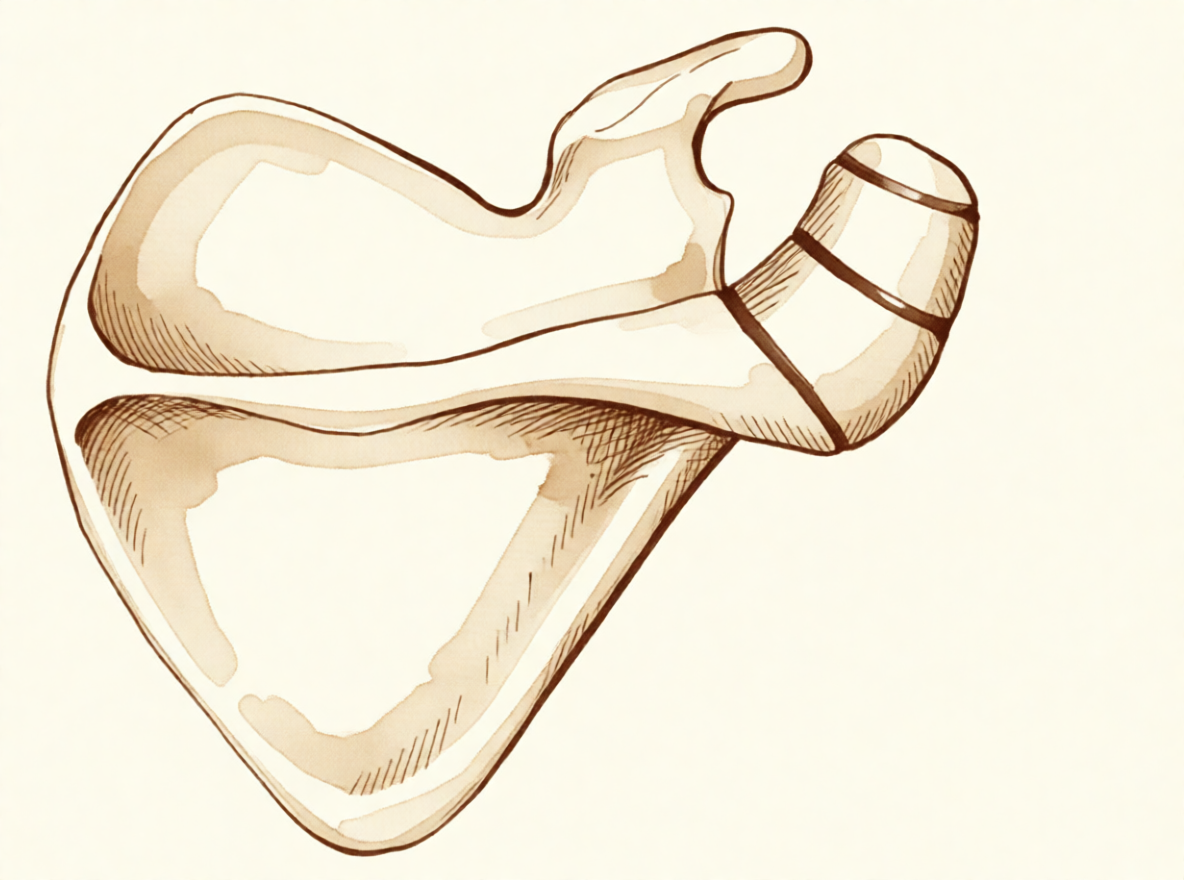
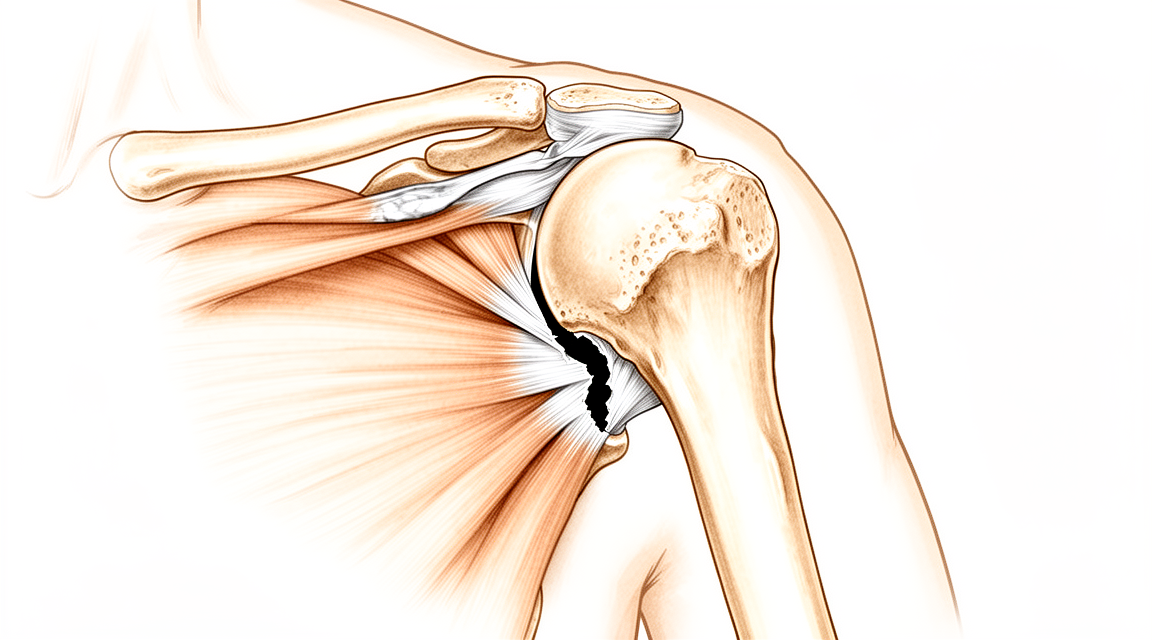
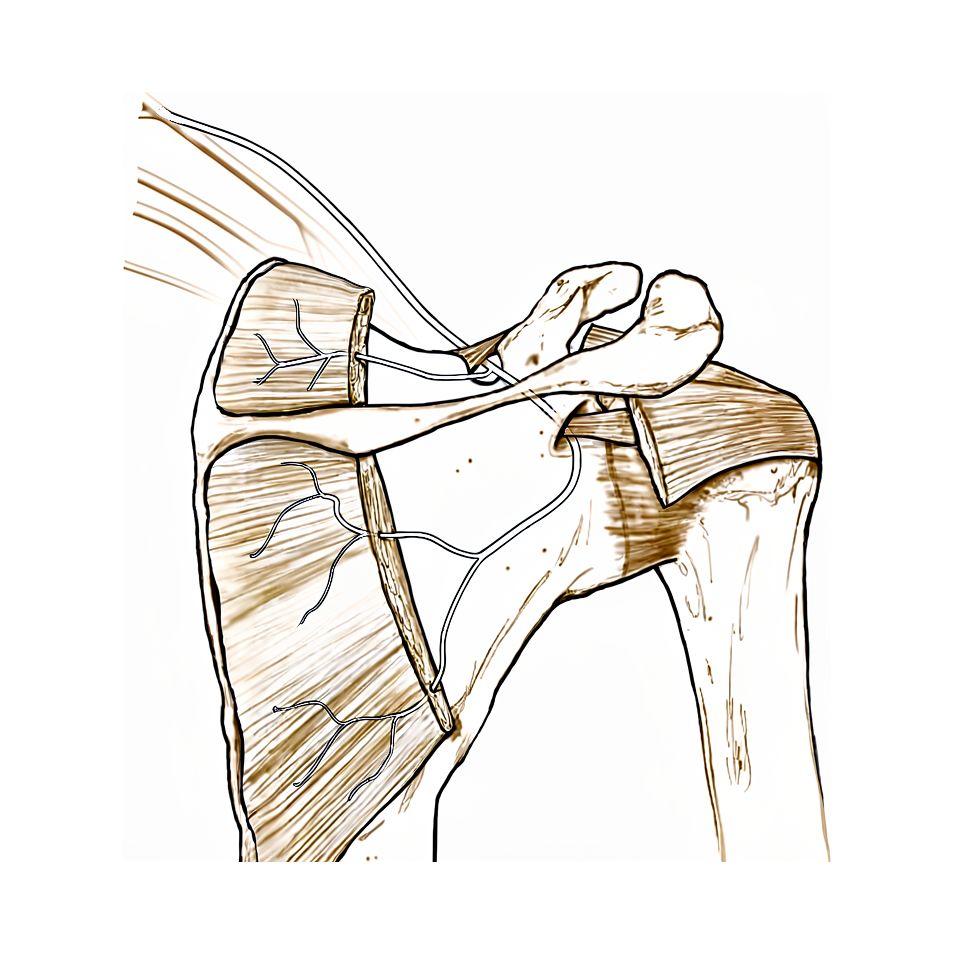
Anterior instability represents the most common form of shoulder instability, predominantly affecting patients in their early 20s or younger [66]. In the context of rotator cuff pathology, supraspinatus tendon tears combined with Bankart lesions increase humeral rotational range of motion while simultaneously decreasing the force required for dislocation [70]. Circumferential capsular release has been shown to improve range of motion in shoulder pathologies where no bony deformities exist [69].
Measurement & Modeling: Statistical shape models estimating native glenoid width based on glenoid height demonstrate unacceptable measurement errors despite a high correlation [57]. Evaluation Systems: The Korean Shoulder Scoring System (KSS) combines subjective and objective evaluations for shoulder function related to rotator cuff disorders [65], while wearable systems serve in shoulder evaluation and therapy, creating a strong need for their development [33]. Outcomes: Shoulder function and outcome scores showed no significant deterioration between 5 and 20 years of follow-up in reverse total shoulder arthroplasty for rotator cuff dysfunction [30].
Surgical Techniques: Both open and arthroscopic repair techniques for anterosuperior rotator cuff tears with subscapularis involvement significantly improve shoulder function [59] and are relatively safe procedures [59]. Research Standards: The Journal of Shoulder and Elbow Surgery recommends using specific guidelines (CONSORT, STROBE, PRISMA) to ensure manuscripts are complete and interpretable [71] and requests authors to provide full databases of information for clinical or basic science studies to assist with future systematic reviews and meta-analyses [64]. A consensus is needed in shoulder research for more consistent application of validated patient-reported outcome measurement tools [23].
Future Directions & Practice: Studies on anatomic reconstruction and biomechanics might be areas of future trends in orthopaedic research [18], and a protocol exists for a prospective Phase III study to evaluate the diagnostic validity of physical examination maneuvers for shoulder pathology to reduce diagnostic uncertainty [20]. High-volume shoulder surgeons partially dictate the use of surgically implanted devices and make decisions based on valued or disvalued surgical device representative traits [72].
Classification
Research Methodology: Basic science studies must focus on outcome measures to elucidate meaning, though comparative clinical studies remain ultimately required to best advise surgical treatment of pathology [1]. Randomized trials aim to establish definitive evidence on surgical questions at an international level [3]. Orthopaedic research fundamentals include levels of evidence, tools for evaluating study quality, the use of clinical practice guidelines, grades of recommendations, ethical considerations, and the use and limitations of orthopaedic registries [4]. Mixed methods studies aim to provide high-quality research data to inform clinical practice and commissioning priorities [25].
Trial Design & Reporting: Changes to the final presentation of eligibility criteria and primary and secondary outcomes in sports medicine randomized controlled trials are frequently not reflected in the registered trial data [2]. The nature of "spin" in published biomedical literature varies according to study design, with the highest variability in prevalence present in trials [11]. Authors of original studies may respond to letters by acknowledging omissions, clarifying data, and defending their analytical approach [29].
Outcome Measures: Identified items for shoulder instability research can facilitate the design and development of future clinical trials and form the basis for a core outcome set [5]. The Constant-Murley shoulder assessment score should be redesigned with better standardization before being used to validate other assessments or compare outcomes between different testers [16].
Big Data & Observational Research: Big-data studies are powerful tools for comparative-effectiveness research but require careful scrutiny to ensure conclusions are correct, particularly regarding the handling of missing data [9]. Conclusions from big-data studies risk falsely identifying statistically significant differences with little clinical importance [9]. Study methods are of utmost importance in big-data research, and readers, researchers, and surgeons have a responsibility to scrutinize conclusions based on big data in a discerning and critical manner [45]. An objective tool to assess the methodological quality of observational clinical sports medicine research was successfully developed through a Delphi approach with numerous field experts through 4 rounds of questions [27].
Artificial Intelligence: Future developments of machine-learning algorithms and AI will likely be important tools to generate new and challenging research questions [40]. The accuracy of machine learning to predict outcomes of shoulder arthroplasty is highly dependent on the type of algorithms used, data input, and features selected for the model [43]. The integration of AI into scientific research introduces new opportunities but also ethical and methodological challenges that must be carefully considered [47].
Other Considerations: Evidence regarding classification systems, phenotypes, or registry coding is not present in the provided L1 evidence base for this section.
Clinical Presentation
Evidence-based medicine integrates individual clinical expertise with the best available systematic research to maximize patient quality and quantity of life [19]. While basic science studies require outcome measures to elucidate their meaning [1], comparative clinical studies remain ultimately required to best advise surgical treatment of pathology [1]. Despite this, most clinical research fails to be useful due to design flaws rather than findings, often lacking problem-based context or pragmatism [36]. Randomized controlled trials in shoulder arthroplasty rarely include key demographic and socioeconomic data, yet such inclusion is necessary to understand results, apply findings to care, and address health disparities [37]. Furthermore, changes to eligibility criteria and primary/secondary outcomes in registered trials are frequently not reflected in final presentations [2].
To address these gaps, a core outcome set for shoulder instability research can facilitate future trial design [5], while journals and researchers must adopt comprehensive strategies to enhance clinical impact [14]. Clinical trial outcome measures should extend beyond pain and physical functioning to include emotional and cognitive engagement [13]. For observational studies, the STROBE Statement provides guidance to improve reporting and facilitates critical appraisal by reviewers and editors [8]. A consensus is needed for more consistent application of validated patient-reported outcome tools [23], and the Constant-Murley score requires redesign with better standardization before validating other assessments or comparing outcomes between testers [16]. The Dutch version of the Oxford Shoulder Score has proven feasible and understandable in clinical trials [6].
Diagnostic evaluation relies on prospective, long-term observational studies to understand the natural history of early post-traumatic osteoarthritis before formulating interventions [10], as critical gaps currently exist between laboratory and clinical investigations in early arthritis therapies [10]. A protocol exists for a prospective Phase III study to evaluate physical examination maneuvers for shoulder pathology, with the goal of determining which tests reduce diagnostic uncertainty and improve care consistency [20]. Post hoc power analysis discussions in specific literature focus on study design and clinical interpretations of previously published trials rather than presenting new primary data [15].
Unnecessary trials must be reduced to meet the needs of patients, clinicians, and policymakers, with systematic reviews prioritized accordingly [24]. Machine and deep learning models for ligament injury recognition demonstrate strong performance supporting their ongoing integration into clinical practice [26]. These models offer valuable support for musculoskeletal specialists in image interpretation and diagnosis [26]. Finally, an objective tool to assess the methodological quality of observational clinical sports medicine research was successfully developed through a Delphi approach with numerous field experts [27].
Investigations
Other Considerations: Basic science studies require outcome measures to elucidate meaning, though comparative clinical studies remain essential to advise surgical treatment [1]. Randomized controlled trials provide the most unbiased assessment of risks and benefits for major new therapies and should be increasingly utilized in orthopaedic surgery to resolve controversies [7]. The STROBE Statement guides authors in improving observational study reporting and facilitates critical appraisal by reviewers, editors, and readers [8]. Prospective, long-term observational studies are necessary to understand the natural history of early post-traumatic osteoarthritis before formulating interventions [10]. Spin in published biomedical literature varies by study design, with the highest variability in prevalence found in trials [11]. Sole assessment of recurrent dislocation is inadequate to define natural history or treatment rationale, and conclusions regarding treatment recommendations cannot be drawn from studies lacking comparative treatment methods [12]. The Constant-Murley shoulder assessment score requires better standardization before validating other assessments or comparing outcomes between testers [16]. Machine and deep learning models for ligament injury recognition demonstrate strong performance and offer valuable support for musculoskeletal specialists in image interpretation and diagnosis [26].
Plain radiography: Plain X-ray, MRI, and ultrasound cannot differentiate between inflammatory sacroiliitis caused by seronegative arthritis versus gouty arthritis [58]. Radiographic methods including 3-D CT and MRI cannot be considered an accurate and reliable basis for diagnosing or treating subspine impingement in femoroacetabular impingement (FAI) patients [61]. Radiological findings may not translate to intraoperative findings, a conclusion potentially misleading due to methodological and statistical issues regarding kappa coefficient limitations [42]. The use of Fleiss' kappa for multiple observers and confusion between validity and reliability are specific methodological issues in analyzing radiological and intra-operative loosening [42].
MRI: Magnetic resonance imaging indicates that the donor site is resurfaced with fibrous tissue after autologous osteochondral mosaicplasty for cartilaginous lesions of the elbow joint [56].
CT: Dual-energy CT (DECT) is the preferred method for differentiating between inflammatory sacroiliitis caused by seronegative arthritis versus gouty arthritis [58].
Other Considerations: Mixed reality (MR) demonstrated greater accuracy than navigation (NAV) for accurate glenoid positioning in reverse total shoulder arthroplasty in cadaveric studies, but produced mixed results when compared to patient-specific instrumentation (PSI) [51]. Results regarding the effect of platelet-rich plasma and ozone therapy on tendon-to-bone healing in a rabbit rotator cuff repair model require support from clinical studies [54]. Intraoperative findings of the labrum cannot be considered an accurate and reliable basis for the diagnosis and treatment of subspine impingement in FAI patients [61]. A relevant, up-to-date, and comprehensive guideline to medical photography for medical professionals, with or without photographic experience, is provided [60].
Treatment
Comparative clinical studies are ultimately required to best advise surgical treatment of pathology, as basic science studies alone are insufficient [1]. Randomized controlled trials provide the most unbiased assessment of the risks and benefits of major new medical therapies and should be increasingly used in orthopaedic surgery to resolve controversies and ensure reliable information [7]. However, changes to eligibility criteria and primary and secondary outcomes are frequently made in the final presentation of randomized controlled trials without being reflected in the registered trial data [2]. Conclusions regarding treatment recommendations cannot be made from a study that did not compare treatment methods [12].
Trial Design & Ethics: Equipoise remains a cornerstone of randomized controlled trial ethics, though its limitations highlight the need for complementary ethical frameworks [41]. Researchers can strengthen the ethical foundations of trials by incorporating elements of utilitarianism and relying on specific principles [41]. Investigators should carefully design noninferiority trials to avoid falsely claiming noninferiority [22]. The most rigorous scientific methodology utilizes a control arm that represents a clinically relevant baseline for comparison, and future research should investigate perioperative management using treatment groups frequently performed in clinical practice as a baseline control arm [46].
Outcome Measures & Analysis: Clinical trial outcome measures should include aspects beyond pain and physical functioning, such as emotional and cognitive engagement [13]. A validated outcomes tool should assess pain, function, patient satisfaction, and anatomic integrity to enable consistent outcomes assessment after operative and nonoperative management [53]. The sole assessment of recurrent dislocation is inadequate to define natural history and treatment rationale [12]. Insufficient evidence was found to support the use of 'Pain' and 'Function' sub-scales of the Oxford Shoulder Score in patient populations from the UK FROST and PROFHER trials [68]. Examining the robustness of clinical trials requires an estimation of uncertainty rather than a dichotomous focus on statistical significance [38]. Results in comparative sports medicine literature may not be as stable as previously thought, with only a small percentage of outcome events needed to change study significance [35]. Post hoc power analysis is a subject of debate regarding its value in study design and clinical interpretations of previously published trials [15].
Data Sources & Technology: Big-data studies are powerful tools for comparative-effectiveness research but require careful scrutiny regarding the handling of missing data [9]. Big-data studies carry a risk of falsely identifying statistically significant differences with little clinical importance [9]. Novel wearable systems for shoulder kinematics assessment serve in shoulder evaluation and therapy [33]. Understanding the current evidence and appropriate indications of emerging technologies is of critical importance for their utilization [39].
Publication & Review: Journals and researchers need to adopt comprehensive strategies to enhance the clinical impact of randomized controlled trials [14]. The JSES maintains an unbiased peer review process with blinded review and has a consistent acceptance rate of 42.5% for original clinical studies since 2007 [17]. Trials assessing the surgical management of femoroacetabular impingement syndrome present with a wide range of clinical uptake based on citation density and are published in journals of broadly variable impact factor [62]. Larger randomized controlled trials with low risk of bias are required for specific surgical shoulder procedures regarding intraoperative tranexamic acid use [63].
Evidence Synthesis: Evidence-based medicine integrates individual clinical expertise with the best available clinical evidence from systematic research [19]. Unnecessary trials need to be reduced to meet the needs of patients, clinicians, and policymakers, while systematic reviews need to be prioritized to meet these same needs [24].
Complications
Other Considerations: The interpretation of complications and treatment efficacy relies heavily on rigorous study design, as basic science studies alone may not elucidate meaning without outcome measures [1]. Randomized controlled trials provide the most unbiased assessment of risks and benefits for major new therapies and should be increasingly used to resolve controversies [7]. However, changes to eligibility criteria and primary outcomes in these trials are frequently made without being reflected in registered data [2]. Observational studies require adherence to the STROBE Statement to improve reporting and facilitate critical appraisal by reviewers and editors [8]. Big-data studies demand careful scrutiny of missing data handling to avoid falsely identifying statistically significant differences with little clinical importance [9]. Critical gaps exist between laboratory and clinical investigations, necessitating prospective, long-term observational studies to understand the natural history of early post-traumatic osteoarthritis before formulating interventions [10]. The nature of "spin" in literature varies by design, with the highest variability in prevalence found in trials [11]. Conclusions regarding treatment recommendations cannot be drawn from studies that fail to compare treatment methods [12], and assessing recurrent dislocation alone is inadequate for defining natural history [12]. Studies with industry funding or author conflicts of interest report positive outcomes more frequently than negative ones [44]. Review articles and database mining are vital for rare syndromes where original trials are unfeasible, though the increasing trend of such studies raises concerns about the future availability of original articles [49]. The JSES maintains an unbiased, blinded peer review process with a consistent 42.5% acceptance rate for original clinical studies since 2007 [17]. Specific long-term data gaps remain, such as the need for large cohort studies to determine if intraoperative load sensors improve early results in posterior-stabilized TKA for varus deformities [21] and whether grafted areas in Autologous Matrix-Induced Chondrogenesis maintain structural integrity over time [28]. In shoulder arthroplasty, correlations between patient-reported outcome measures are stronger and improve with longer follow-up [31]. Additional research is required to optimize preoperative glenoid defect assessment and evaluate long-term effects on glenohumeral arthrosis in recurrent anterior shoulder instability [32]. Authors may acknowledge omissions and clarify data in response to letters to the editor [29].
Recovery
Light activity (weeks): Evidence regarding specific week ranges for light activity such as desk work or driving is not explicitly provided in the current evidence base; however, studies indicate that mild complaints at baseline and an overall stable course were demonstrated during one-year follow-up in a cohort of arm, neck, and/or shoulder complaints [74].
Full activity (months): While specific month ranges for full activity return are not detailed in the provided bullets, long-term follow-up studies demonstrate that arthroscopic in situ repair of partial-thickness rotator cuff tears produces excellent functional outcomes in more than 80% of patients [50]. Additionally, mobile and fixed-bearing total knee arthroplasty designs functioned equivalently in low-to-moderate-demand patient groups at the time of early follow-up [73].
Complete recovery / outcome plateau (months): Shoulder function and outcome scores showed no significant deterioration between 5 and 20 years of follow-up in reverse total shoulder arthroplasty for rotator cuff dysfunction [30]. Correlations between multiple patient-reported outcome measures across follow-up in patients undergoing primary shoulder arthroplasty were stronger postoperatively and improved with longer follow-up [31].
Rehabilitation protocol: Comparative clinical studies are ultimately required to best advise surgical treatment of pathology, as basic science studies alone may not elucidate meaning and relevance without outcome measures [1]. Conclusions regarding treatment recommendations cannot be made from studies that do not compare treatment methods [12]. Prospective, long-term observational studies are needed to understand the natural history of early post-traumatic osteoarthritis before formulating and studying interventions [10].
Functional milestones: Clinical trial outcome measures should include aspects beyond pain and physical functioning, such as emotional and cognitive engagement [13]. The Musculoskeletal Function Assessment Questionnaire was more responsive than the SF-36 and more efficient in measuring changes in function between baseline and follow-up values [48]. Revision rates are low during long-term follow-up for arthroscopic in situ repair of partial-thickness rotator cuff tears [50].
Other Considerations: Changes to the final presentation of eligibility criteria and primary and secondary outcomes in sports medicine randomized controlled trials are frequently not reflected in the registered trial data [2]. The prevalence of "spin" in published biomedical literature varies according to study design, with the highest variability present in trials [11]. Results in the comparative sports medicine literature may not be as stable as previously thought, with only a small percentage of outcome events needed to change study significance [35]. Further studies with long-term follow-up are needed to determine whether the grafted area in autologous matrix-induced chondrogenesis will maintain structural and functional integrity over time [28]. Additional research is needed to optimize preoperative glenoid defect assessment and evaluate long-term effects on glenohumeral arthrosis in the treatment of chronic glenoid defects [32]. A long-term follow-up study with a large cohort is required to determine if intraoperative load sensors improve early postoperative results of posterior-stabilized TKA for osteoarthritis with varus deformities [21]. Studies on anatomic reconstruction and biomechanics might be areas of future trends based on bibliometric analysis of the top 100 most cited articles on anterior cruciate ligament reconstruction [18]. The JSES maintains an unbiased peer review process with blinded review, resulting in strong international representation and a consistent acceptance rate of 42.5% for original clinical studies since 2007 [17].
Key Evidence
- [L5] A focus on measures of outcomes may help readers elucidate the meaning and relevance of basic science studies, though comparative clinical studies are ultimately required to best advise surgical treatment of pathology. (10.1016/j.arthro.2010.06.007)
- [L2] Changes are also frequently made to the final presentation of eligibility criteria and primary and secondary outcomes that are not reflected in the registered trial data. (10.1177/0363546512448363)
- [L2] The trial aims to establish definitive evidence on this question at an international level. (10.1186/1471-2474-7-25)
- [L5] These items can facilitate design and development of future clinical trials and form the basis for the development of a core outcome set. (10.1016/j.jseint.2023.06.012)
- [L4] Application and evaluation in clinical trial proved feasible and understandable. (10.1016/j.jse.2010.01.017)
- [L5] The STROBE Statement provides guidance to authors about how to improve the reporting of observational studies and facilitates critical appraisal and interpretation of studies by reviewers, journal editors and readers. (10.1371/journal.pmed.0040297)
- [L5] Big-data studies are powerful tools for comparative-effectiveness research, but their conclusions require careful scrutiny to ensure they are correct, particularly regarding the handling of missing data and the risk of falsely identifying statistically significant differences with little clinical importance. (10.1016/j.arthro.2020.02.024)
- [L5] The conference identified critical gaps between laboratory and clinical investigations, emphasizing the need for prospective, long-term observational studies to understand the natural history of early post-traumatic osteoarthritis before formulating and studying interventions. (10.1177/0363546511411654)
- [L2] The nature of spin varied according to study design, with the highest variability in prevalence present in trials. (10.1371/journal.pbio.2002173)
- [Letter] The sole assessment of recurrent dislocation to define natural history and treatment rationale is inadequate, and conclusions regarding treatment recommendations cannot be made from a study that did not compare treatment methods. (10.1177/0363546510379343)
- [L4] The study highlights the importance of including aspects beyond pain and physical functioning, such as emotional and cognitive engagement, in clinical trial outcome measures. (10.1186/1471-2474-10-30)
- [L2] The findings highlight the need for journals and researchers to adopt comprehensive strategies to enhance the clinical impact of RCTs. (10.1016/j.xrrt.2025.04.015)
- [L4] The authors suggest that the score should be redesigned with better standardization before being used to validate other assessments or compare outcomes between different testers. (10.1016/j.jse.2007.06.024)
- [L5] The JSES maintains an unbiased peer review process with blinded review, resulting in strong international representation and an increasing impact factor, while maintaining a consistent acceptance rate of 42.5% for original clinical studies since 2007. (10.1016/j.jse.2012.11.002)
- [L5] Studies on anatomic reconstruction and biomechanics might be areas of future trends. (10.1177/2325967120976372)
- [L3] This paper presents a protocol for a prospective Phase III study to evaluate the diagnostic validity of physical examination maneuvers for shoulder pathology, aiming to determine which tests reduce diagnostic uncertainty and improve consistency of care. (10.1186/1471-2474-14-60)
- [L2] A long-term followup study with a large cohort is required. (10.1007/s00167-018-5314-7)
- [L5] Investigators should carefully design their studies to avoid falsely claiming noninferiority. (10.1016/j.jhsa.2022.08.005)
- [L4] A consensus is needed in shoulder research for more consistent application of validated patient-reported outcome measurement tools. (10.2106/jbjs.n.00831)
- [L5] To meet the needs of patients, clinicians, and policymakers, unnecessary trials need to be reduced, and systematic reviews need to be prioritised. (10.1371/journal.pmed.1000326)
- [L2] The study aims to provide high-quality research data to inform clinical practice and commissioning priorities. (10.1186/1471-2474-13-62)
- [L1] Their strong performance supports ongoing integration into clinical practice, offering valuable support for musculoskeletal specialists in image interpretation and diagnosis. (10.1530/eor-2025-0038)
- [L5] An objective tool to assess the methodological quality of observational clinical sports medicine research was successfully developed through a Delphi approach with numerous field experts through 4 rounds of questions. (10.1177/2325967125s00092)
- [L4] However, further studies with long-term follow-up are needed to determine whether the grafted area will maintain structural and functional integrity over time. (10.1007/s00167-010-1042-3)
- [Letter] The authors of the original study respond by acknowledging omissions, clarifying data, and defending their analytical approach. (10.1177/03635465010290042601)
- [L1] Shoulder function and outcome scores also showed no significant deterioration between 5 and 20 years of follow-up. (10.1016/j.jse.2018.10.005)
- [L4] Correlations were stronger postoperatively and improved with longer follow-up. (10.1016/j.jse.2019.02.023)
- [L4] Additional research is needed to optimize preoperative glenoid defect assessment and evaluate long-term effects on glenohumeral arthrosis. (10.1016/j.jse.2010.01.011)
- [L4] There is a strong need for development of this novel technologies which undeniably serves in shoulder evaluation and therapy. (10.1186/s12891-019-2930-4)
- [L2] Results in the comparative sports medicine literature may not be as stable as previously thought, with only a small percentage of outcome events needed to change study significance. (10.5435/jaaos-d-17-00636)
- [L5] Most clinical research fails to be useful not because of its findings but because of its design, as many studies do not satisfy key features such as problem base, context placement, and pragmatism. (10.1371/journal.pmed.1002049)
- [L4] To understand results, apply findings to patient care, and address health disparities, these studies must include patient sociodemographic data. (10.1016/j.jse.2023.12.025)
- [L5] Examining the robustness of clinical trials requires an estimation of uncertainty, rather than a misconstrued, dichotomous focus on statistical significance. (10.1016/j.arthro.2023.10.010)
- [L5] Future developments of machine-learning algorithms and AI will likely be important tools to generate new and challenging research questions. (10.1177/17531934241235518)
- [L2] Although equipoise remains a cornerstone of RCT ethics, its limitations highlight the need for complementary ethical frameworks; by incorporating elements of utilitarianism and relying on principles highlighted in Table I, researchers can strengthen the ethical foundations of trials. (10.2106/jbjs.25.00524)
- [Letter] The author argues that the original study's conclusion that radiological findings may not translate to intraoperative findings may be misleading due to methodological and statistical issues regarding kappa coefficient limitations, the use of Fleiss' kappa for multiple observers, and the confusion between validity and reliability. (10.1016/j.jse.2021.05.016)
- [L2] Outcomes are highly dependent on the type of algorithms used, data input, and features selected for the model. (10.1186/s42836-024-00244-4)
- [L4] Studies with industry funding and author conflicts of interest both report positive outcomes more frequently than negative outcomes. (10.1016/j.jse.2024.03.016)
- [L5] Study methods are of utmost importance, and as readers, researchers, and surgeons, it is our responsibility to scrutinize conclusions based on big data in a discerning and critical manner. (10.1016/j.arthro.2018.01.002)
- [L5] The most rigorous scientific methodology utilizes a control arm that represents a clinically relevant baseline for comparison, and future research should investigate perioperative management using treatment groups frequently performed in clinical practice as a baseline control arm. (10.1016/j.arth.2025.10.003)
- [L4] While the integration of AI introduces new opportunities in scientific research, there are ethical and methodological challenges that must be carefully considered. (10.1016/j.jseint.2025.05.027)
- [L3] It was more responsive than the SF-36 and more efficient in measuring changes in function between baseline and follow-up values. (10.2106/00004623-199709000-00006)
- [L5] While review articles and database mining studies are important for rare clinical syndromes where original trials are unfeasible, the increasing trend raises concerns about the future availability of original articles needed to conduct such reviews. (10.1016/j.jse.2023.01.012)
- [L4] During long-term follow-up, arthroscopic in situ repair of partial-thickness rotator cuff tears produces excellent functional outcomes in more than 80% of patients, and revision rates are low. (10.1016/j.arthro.2018.09.026)
- [L1] While limited to cadaveric studies, MR showed greater accuracy than NAV but produced mixed results when compared to PSI. (10.1016/j.jse.2025.07.019)
- [L4] Creating a uniformly accepted, validated outcomes tool that assesses pain, function, patient satisfaction, and anatomic integrity would enable consistent outcomes assessment after operative and nonoperative management and allow comparisons across the literature. (10.1016/j.jse.2015.08.007)
- [L5] However, these results need to be supported by clinical studies. (10.1186/s13018-021-02320-w)
- [L4] However, magnetic resonance imaging indicates that the donor site is resurfaced with fibrous tissue. (10.1177/0363546507306465)
- [L4] Statistical shape models that estimate native glenoid width based on glenoid height demonstrate unacceptable measurement errors, despite a high correlation. (10.1016/j.jse.2024.01.039)
- [Case_report] Plain X-ray, MRI, and ultrasound cannot differentiate between inflammatory sacroiliitis caused by seronegative arthritis versus gouty arthritis, while DECT is the preferred method for differentiation. (10.1186/s12891-018-2044-4)
- [L3] Both techniques significantly improved shoulder function and are relatively safe procedures. (10.1016/j.jse.2019.09.035)
- [L5] A relevant, up-to-date and comprehensive guideline to medical photography for medical professionals, with or without photographic experience, is provided. (10.1007/s00167-012-2173-5)
- [L4] Radiographic methods including 3-D CT and MRI as well as the intraoperative findings of the labrum cannot be considered an accurate and reliable basis for the diagnosis and treatment of SSI in FAI patients. (10.1186/s12891-022-06045-7)
- [L1] Trials assessing the surgical management of FAIS present with a wide range of clinical uptake based on citation density and are published in journals of broadly variable impact factor. (10.1007/s00167-023-07608-4)
- [L1] Larger randomized controlled trials with low risk of bias for specific surgical shoulder procedures are required. (10.1177/0363546520981679)
- [L5] The Journal of Shoulder and Elbow Surgery is requesting authors to provide full databases of information for any clinical or basic science study to assist with future systematic reviews and meta-analyses. (10.1016/j.jse.2013.07.034)
- [L4] The KSS is a useful measurement tool that combines subjective and objective evaluations for shoulder function related to rotator cuff disorders. (10.1016/j.jse.2008.11.019)
- [L4] Anterior instability is most common among shoulder instability patients, and most patients undergoing shoulder stabilization are in their early 20s or younger. (10.1177/0363546518755752)
- [L2] Insufficient evidence was found, within the constraints of the data available, to support the use of 'Pain' and 'Function' sub-scales of the OSS in either patient population. (10.1186/s13018-023-04319-x)
- [L5] Circumferential capsular release improves range of motion in shoulder pathologies, particularly where no bony deformities exist, and the technique has evolved over time with benefits confirmed by recent studies. (10.1016/j.arthro.2012.10.003)
- [L5] Supraspinatus tendon tears combined with Bankart lesions increased humeral rotational range of motion and decreased the force required for dislocation. (10.1016/j.arthro.2013.05.031)
- [L5] The Journal of Shoulder and Elbow Surgery recommends using specific guidelines (CONSORT, STROBE, PRISMA) to ensure manuscripts are more complete, easier to interpret, and allow for inclusion in systematic reviews and meta-analyses. (10.1016/j.jse.2009.11.048)
- [L4] High-volume shoulder surgeons partially dictate the use of surgically implanted devices and make decisions based on valued or disvalued surgical device representative traits. (10.1016/j.jseint.2020.09.005)
- [L1] The two designs functioned equivalently at the time of early follow-up in this low-to-moderate-demand patient group. (10.2106/jbjs.j.00157)
- [L2] The results demonstrate mild complaints at baseline and an overall stable course during one-year follow-up. (10.1186/s12891-018-2116-5)
See Also
- Shoulder Instability
- Study Design
- Cuff Pathology
- Capsular Release for Frozen Shoulder
- Rotator Cuff Disorders
- Total shoulder arthroplasty
- Rotator Cuff
- Shoulder Arthroplasty
- Rotator cuff repair
References
[1] Making Sense of Basic Science in Knee and Shoulder Research. Arthroscopy. 2010. DOI: 10.1016/j.arthro.2010.06.007
[2] Publication of Sports Medicine–Related Randomized Controlled Trials Registered in ClinicalTrials.gov. The American Journal of Sports Medicine. 2012. DOI: 10.1177/0363546512448363
[3] All-arthroscopic versus mini-open repair of small or moderate-sized rotator cuff tears: A protocol for a randomized trial [NCT00128076]. BMC Musculoskeletal Disorders. 2006. DOI: 10.1186/1471-2474-7-25
[4] Chapter 1 Orthopaedic Research. 2020.
[5] A modified Delphi study to identify which items should be evaluated in shoulder instability research: a first step in developing a core outcome set. JSES International. 2023. DOI: 10.1016/j.jseint.2023.06.012
[6] Validation of the Dutch version of the Oxford Shoulder Score. Journal of Shoulder and Elbow Surgery. 2010. DOI: 10.1016/j.jse.2010.01.017
[7] Randomized trials in orthopaedics: why, how, and when?.. The Journal of Bone and Joint Surgery. American Volume. 1989.
[8] Strengthening the Reporting of Observational Studies in Epidemiology (STROBE): Explanation and Elaboration. PLoS Medicine. 2007. DOI: 10.1371/journal.pmed.0040297
[9] Editorial Commentary: Sometimes You Don’t Know What You’ve Got Until It’s Gone—The Effect of Missing Data in “Big Data” Studies. Arthroscopy. 2020. DOI: 10.1016/j.arthro.2020.02.024
[10] Closing the Gap Between Bench and Bedside Research for Early Arthritis Therapies (EARTH). The American Journal of Sports Medicine. 2011. DOI: 10.1177/0363546511411654
[11] ‘Spin’ in published biomedical literature: A methodological systematic review. PLOS Biology. 2017. DOI: 10.1371/journal.pbio.2002173
[12] Letter to the Editor. The American Journal of Sports Medicine. 2010. DOI: 10.1177/0363546510379343
[13] How well do questionnaires on symptoms in neck-shoulder disorders capture the experiences of those who suffer from neck-shoulder disorders? A content analysis of questionnaires and interviews. BMC Musculoskeletal Disorders. 2009. DOI: 10.1186/1471-2474-10-30
[14] The usefulness of orthopedic shoulder surgery randomized controlled trials: are they meeting the key criteria?. JSES Reviews, Reports, and Techniques. 2025. DOI: 10.1016/j.xrrt.2025.04.015
[15] A discussion of the value of a post hoc power analysis, as utilized in the article by Burd et al. (2001;83:1783-8) and discussed in the article by Lochner et al. (2001;83:1650-5), is presented in the electronic version of this issue at www.jbjs.org.. 2002.
[16] Evaluation of intratester and intertester reliability of the Constant-Murley shoulder assessment. Journal of Shoulder and Elbow Surgery. 2008. DOI: 10.1016/j.jse.2007.06.024
[17] The peer review process and JSES procedures. Journal of Shoulder and Elbow Surgery. 2013. DOI: 10.1016/j.jse.2012.11.002
[18] The Top 100 Most Cited Articles on Anterior Cruciate Ligament Reconstruction: A Bibliometric Analysis. Orthopaedic Journal of Sports Medicine. 2021. DOI: 10.1177/2325967120976372
[19] Chapter 67 Evidence-Based Medicine. 2019.
[20] Protocol for determining the diagnostic validity of physical examination maneuvers for shoulder pathology. BMC Musculoskeletal Disorders. 2013. DOI: 10.1186/1471-2474-14-60
[21] An intraoperative load sensor did not improve the early postoperative results of posterior‐stabilized TKA for osteoarthritis with varus deformities. Knee Surgery, Sports Traumatology, Arthroscopy. 2018. DOI: 10.1007/s00167-018-5314-7
[22] Noninferiority Trial Design: Opportunities and Challenges. The Journal of Hand Surgery. 2022. DOI: 10.1016/j.jhsa.2022.08.005
[23] Characteristics of Clinical Shoulder Research Over the Last Decade: A Review of Shoulder Articles in The Journal of Bone & Joint Surgery from 2004 to 2014. Journal of Bone and Joint Surgery. 2015. DOI: 10.2106/jbjs.n.00831
[24] Seventy-Five Trials and Eleven Systematic Reviews a Day: How Will We Ever Keep Up?. PLoS Medicine. 2010. DOI: 10.1371/journal.pmed.1000326
[25] A mixed methods study to evaluate the clinical and cost-effectiveness of a self-managed exercise programme versus usual physiotherapy for chronic rotator cuff disorders: protocol for the SELF study. BMC Musculoskeletal Disorders. 2012. DOI: 10.1186/1471-2474-13-62
[26] Machine and deep learning models for ligament injury recognition: a systematic review and meta-analysis of imaging and novel diagnostic techniques. EFORT Open Reviews. 2026. DOI: 10.1530/eor-2025-0038
[27] Paper 35: The Sport Publication Observational Research Tool (SPORT): An Objective Tool to Score the Methodological Quality of Observational Clinical Sports Medicine Research. Orthopaedic Journal of Sports Medicine. 2025. DOI: 10.1177/2325967125s00092
[28] Mid‐term results of Autologous Matrix‐Induced Chondrogenesis for treatment of focal cartilage defects in the knee. Knee Surgery, Sports Traumatology, Arthroscopy. 2010. DOI: 10.1007/s00167-010-1042-3
[29] Letter to the Editor. The American Journal of Sports Medicine. 2001. DOI: 10.1177/03635465010290042601
[30] Long-term results of reverse total shoulder arthroplasty for rotator cuff dysfunction: a systematic review of longitudinal outcomes. Journal of Shoulder and Elbow Surgery. 2019. DOI: 10.1016/j.jse.2018.10.005
[31] Correlation of multiple patient-reported outcome measures across follow-up in patients undergoing primary shoulder arthroplasty. Journal of Shoulder and Elbow Surgery. 2019. DOI: 10.1016/j.jse.2019.02.023
[32] Treatment of chronic glenoid defects in the setting of recurrent anterior shoulder instability: A systematic review. Journal of Shoulder and Elbow Surgery. 2010. DOI: 10.1016/j.jse.2010.01.011
[33] Wearable systems for shoulder kinematics assessment: a systematic review. BMC Musculoskeletal Disorders. 2019. DOI: 10.1186/s12891-019-2930-4
[35] Statistical Fragility and the Role of P Values in the Sports Medicine Literature. Journal of the American Academy of Orthopaedic Surgeons. 2019. DOI: 10.5435/jaaos-d-17-00636
[36] Why Most Clinical Research Is Not Useful. PLOS Medicine. 2016. DOI: 10.1371/journal.pmed.1002049
[37] Randomized controlled trials in the shoulder arthroplasty literature rarely include key demographic and socioeconomic patient data. Journal of Shoulder and Elbow Surgery. 2024. DOI: 10.1016/j.jse.2023.12.025
[38] Editorial Comme ntary: The Statistical Fragility Index of Medical Trials Is Low By Design: Critical Evaluation of Confidence Intervals Is Required. Arthroscopy. 2024. DOI: 10.1016/j.arthro.2023.10.010
[39] Chapter 3 Emerging Technologies in Orthopaedic Trauma. 2021.
[40] The research question: the What, Why and How in hand surgery. Journal of Hand Surgery (European Volume). 2024. DOI: 10.1177/17531934241235518
[41] Why Am I Conflicted About Enrolling My Patients in Randomized Controlled Trials?. Journal of Bone and Joint Surgery. 2025. DOI: 10.2106/jbjs.25.00524
[42] Letter to the Editor regarding Ghandi et al: “Reliability analysis of radiological and intra-operative loosening in total elbow arthroplasty”. Journal of Shoulder and Elbow Surgery. 2021. DOI: 10.1016/j.jse.2021.05.016
[43] Accuracy of machine learning to predict the outcomes of shoulder arthroplasty: a systematic review. Arthroplasty. 2024. DOI: 10.1186/s42836-024-00244-4
[44] Funding bias in shoulder arthroplasty research. Journal of Shoulder and Elbow Surgery. 2024. DOI: 10.1016/j.jse.2024.03.016
[45] Big Data: Progress or a Big Headache?. Arthroscopy. 2018. DOI: 10.1016/j.arthro.2018.01.002
[46] A Call for Clinically Relevant Study Control Arms: A Commentary. The Journal of Arthroplasty. 2025. DOI: 10.1016/j.arth.2025.10.003
[47] Evaluation of the impact of large language learning models on publications in the Journal of Shoulder and Elbow Surgery. JSES International. 2025. DOI: 10.1016/j.jseint.2025.05.027
[48] Comparison of the Musculoskeletal Function Assessment Questionnaire with the Short Form-36, the Western Ontario and McMaster Universities Osteoarthritis Index, and the Sickness Impact Profile Health-Status Measures. The Journal of Bone and Joint Surgery (American Volume)*. 1997. DOI: 10.2106/00004623-199709000-00006
[49] Review articles and database studies. Journal of Shoulder and Elbow Surgery. 2023. DOI: 10.1016/j.jse.2023.01.012
[50] Long‐Term Outcomes After In Situ Arthroscopic Repair of Partial Rotator Cuff Tears. Arthroscopy. 2019. DOI: 10.1016/j.arthro.2018.09.026
[51] Comparison of patient-specific instrumentation, navigation, and mixed reality technologies for accurate glenoid positioning in reverse total shoulder arthroplasty: a systematic review and meta-analysis. Journal of Shoulder and Elbow Surgery. 2026. DOI: 10.1016/j.jse.2025.07.019
[53] Outcomes assessment in rotator cuff pathology: what are we measuring?. Journal of Shoulder and Elbow Surgery. 2015. DOI: 10.1016/j.jse.2015.08.007
[54] The effect of the platelet-rich plasma and ozone therapy on tendon-to-bone healing in the rabbit rotator cuff repair model. Journal of Orthopaedic Surgery and Research. 2021. DOI: 10.1186/s13018-021-02320-w
[56] Donor Site Evaluation after Autologous Osteochondral Mosaicplasty for Cartilaginous Lesions of the Elbow Joint. The American Journal of Sports Medicine. 2007. DOI: 10.1177/0363546507306465
[57] Statistical shape models that predict native glenoid width based on glenoid height are inaccurate in their current form: a cross-sectional study. Journal of Shoulder and Elbow Surgery. 2024. DOI: 10.1016/j.jse.2024.01.039
[58] An unexpected cause of sacroiliitis in a patient with gout and chronic psoriasis with inflammatory arthritis: a case report. BMC Musculoskeletal Disorders. 2018. DOI: 10.1186/s12891-018-2044-4
[59] Retrospective review of open and arthroscopic repair of anterosuperior rotator cuff tears with subscapularis involvement: a single surgeon's experience. Journal of Shoulder and Elbow Surgery. 2020. DOI: 10.1016/j.jse.2019.09.035
[60] A guideline to medical photography: a perspective on digital photography in an orthopaedic setting. Knee Surgery, Sports Traumatology, Arthroscopy. 2012. DOI: 10.1007/s00167-012-2173-5
[61] A comparison between ultrasound-guided AIIS injection and radiography in the diagnosis of subspine impingement in patients with FAI. BMC Musculoskeletal Disorders. 2022. DOI: 10.1186/s12891-022-06045-7
[62] The impact of surgical randomised controlled trials on the management of FAI syndrome: a citation analysis. Knee Surgery, Sports Traumatology, Arthroscopy. 2023. DOI: 10.1007/s00167-023-07608-4
[63] Clinical Effectiveness of Intraoperative Tranexamic Acid Use in Shoulder Surgery: A Systematic Review and Meta-analysis. The American Journal of Sports Medicine. 2021. DOI: 10.1177/0363546520981679
[64] Big data. Journal of Shoulder and Elbow Surgery. 2013. DOI: 10.1016/j.jse.2013.07.034
[65] The development and validation of an appraisal method for rotator cuff disorders: The Korean Shoulder Scoring System. Journal of Shoulder and Elbow Surgery. 2009. DOI: 10.1016/j.jse.2008.11.019
[66] Descriptive Epidemiology of the MOON Shoulder Instability Cohort. The American Journal of Sports Medicine. 2018. DOI: 10.1177/0363546518755752
[68] Factor structure of the Oxford Shoulder Score: secondary analyses of the UK FROST and PROFHER trial populations. Journal of Orthopaedic Surgery and Research. 2023. DOI: 10.1186/s13018-023-04319-x
[69] Circumferential Arthroscopic Capsular Release: Reflections and a Historical Perspective. Arthroscopy. 2012. DOI: 10.1016/j.arthro.2012.10.003
[70] Anterior Capsulolabral Lesions Combined With Supraspinatus Tendon Tears: Biomechanical Effects of the Pathologic Condition and Repair in Human Cadaveric Shoulders. Arthroscopy. 2013. DOI: 10.1016/j.arthro.2013.05.031
[71] Levels of evidence and standardizing the reporting of research. Journal of Shoulder and Elbow Surgery. 2010. DOI: 10.1016/j.jse.2009.11.048
[72] Shoulder surgeon perspective of surgical device representatives: a multinational survey. JSES International. 2021. DOI: 10.1016/j.jseint.2020.09.005
[73] Mobile and Fixed-Bearing (All-Polyethylene Tibial Component) Total Knee Arthroplasty Designs. Journal of Bone and Joint Surgery. 2010. DOI: 10.2106/jbjs.j.00157
[74] The course of complaints of arm, neck and/or shoulder: a cohort study in a university population participating in work or study. BMC Musculoskeletal Disorders. 2018. DOI: 10.1186/s12891-018-2116-5