Patients › Elbow
क्यूबिटल टनल सिंड्रोम
Cubital tunnel syndrome causes ulnar nerve compression at the elbow — symptoms, diagnosis, and treatment options.
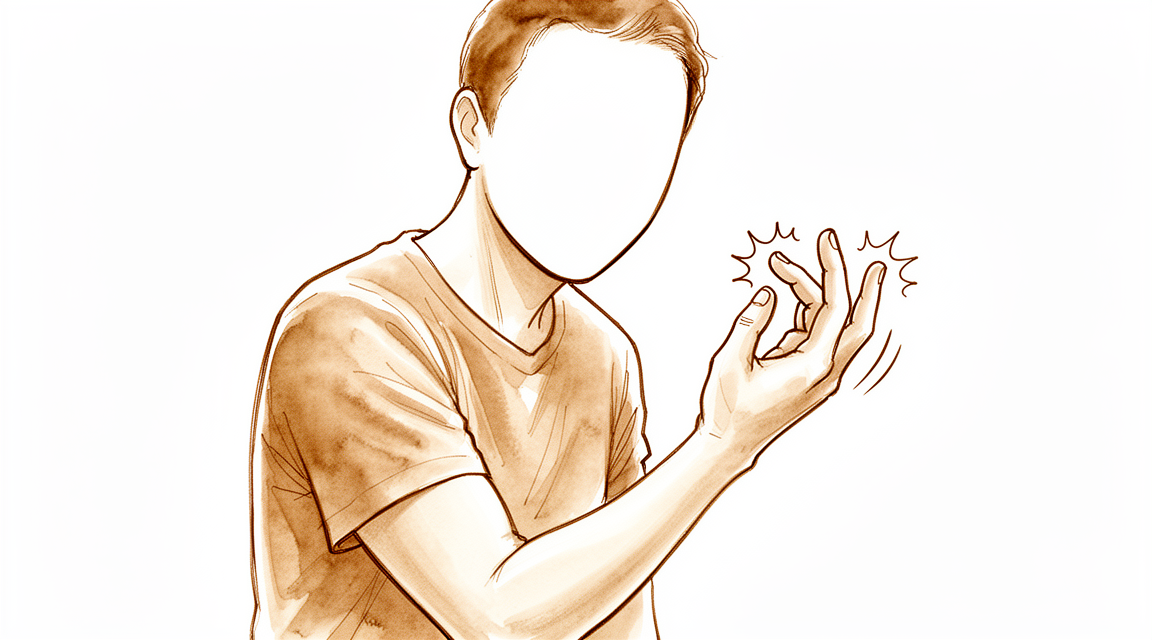
आपको क्या महसूस होता है
क्यूबिटल टनल सिंड्रोम तब होता है जब अल्नर नर्व (तंत्रिका), यानी वह नर्व जो आपकी कोहनी के भीतरी ओर एक सुरंग से होकर गुज़रती है, दब जाती है। इसका आम एहसास आपकी छोटी उंगली में और अनामिका के उस हिस्से में सुन्नपन और झुनझुनी है जो छोटी उंगली के सबसे पास है (अल्नर तरफ़)। कुछ लोगों को कोहनी के भीतरी ओर की उभरी हुई हड्डी के आसपास जलन वाला दर्द भी महसूस होता है। कोहनी में या अग्रबाहु (कोहनी से कलाई तक का हिस्सा) के ऊपरी हिस्से में दुखता हुआ दर्द हो सकता है, हालांकि ज़्यादातर लोगों में दर्द मुख्य लक्षण नहीं होता।
कोहनी मोड़ने से तकलीफ़ बढ़ती है। फ़ोन को कान से लगाए रखना, कोहनी को मेज़ या कुर्सी के हत्थे पर टिकाना, या कोहनी मोड़कर सोना, ये सब लक्षण शुरू कर सकते हैं। कई लोगों को रात में झुनझुनी महसूस होती है, और कुछ लोगों की इससे नींद खुल जाती है। कोहनी सीधी करने से यह एहसास आमतौर पर फिर से शांत हो जाता है।
जैसे-जैसे समस्या बढ़ती है, खुद हाथ पर भी असर पड़ सकता है। आपको अपनी पकड़ कमज़ोर या अनाड़ी लग सकती है। बटन, चाबियां, जार के ढक्कन और पेन संभालना मुश्किल हो सकता है। ज़्यादा बढ़े हुए मामलों में हाथ की छोटी मांसपेशियां सूख (कमज़ोर और पतली हो) सकती हैं, जिससे बारीक काम सचमुच मुश्किल हो सकते हैं और उंगलियां पंजे की तरह मुड़ी हुई स्थिति में रह सकती हैं। कुछ लोगों को कोहनी मोड़ते समय उसके भीतरी ओर झटके से कुछ खिसकने (स्नैपिंग) जैसा एहसास होता है, जो तब होता है जब नर्व अपने खांचे से बाहर सरक जाती है।
अगर आपके लक्षण शांत नहीं हो रहे हैं, सप्ताहों में बिगड़ते जा रहे हैं, रात में आपकी नींद खोल देते हैं, या आपको काम करने या अपना हाथ इस्तेमाल करने से रोकते हैं, तो अपने जीपी (आपके फैमिली डॉक्टर) को दिखाएं या विशेषज्ञ से जांच के लिए कहें।
असल में क्या हो रहा है
अल्नर नर्व आपकी बांह की मुख्य नर्वों में से एक है। यह आपकी गर्दन से चलकर, आपकी कोहनी के भीतरी हिस्से के पीछे से होते हुए, नीचे आपके हाथ तक जाती है। यह आपकी छोटी उंगली और हाथ के अनामिका वाले हिस्से को महसूस करने की क्षमता देती है, और हाथ के अंदर की ज़्यादातर छोटी मांसपेशियों को चलाती है।
कोहनी पर नर्व हड्डी और सख़्त, रेशेदार ऊतक की एक परत से बनी एक छोटी सुरंग से होकर गुज़रती है। नर्व को एक संकरे रास्ते में रखे बगीचे के पाइप की तरह समझें। जब आपकी कोहनी सीधी होती है, तो पाइप ढीला रहता है और उसके साथ-साथ खून खुलकर बहता है। जब आपकी कोहनी मुड़ती है, तो रास्ता पाइप के चारों ओर कस जाता है और नर्व एक ही समय पर खिंचती भी है और दबती भी है। जब आपकी कोहनी समकोण से ज़्यादा मुड़ती है, तब सुरंग सबसे ज़्यादा संकरी होती है, इसीलिए फ़ोन पकड़े रहने या रात में सिकुड़कर सोने से झुनझुनी शुरू हो जाती है।
समय के साथ, बार-बार का यह दबना और खिंचना नर्व के अंदर खून की आपूर्ति कम कर देता है। जब आप अपना कंधा, कोहनी, कलाई और उंगलियां हिलाते हैं, तो नर्व को 2 सेमी से ज़्यादा सरकने और खिंचने की ज़रूरत होती है, इसलिए जो भी चीज़ उसे एक जगह जकड़ देती है, उससे रगड़ पैदा होती है। नर्व परेशान (इरिटेट) हो जाती है और उसमें सूजन आ जाती है, और उसके संकेत ठीक से नहीं पहुंच पाते। इसीलिए आपको छोटी उंगली और अनामिका में सुन्नपन और झुनझुनी महसूस होती है, और अगर दबाव बना रहे तो पकड़ में कमज़ोरी और अनाड़ीपन आ जाता है।
कई चीज़ें सुरंग में जगह कम कर सकती हैं। कोहनी की दो हड्डियों के बीच सख़्त, रेशेदार ऊतक का एक पट्टा मोटा होकर नर्व पर दबाव डाल सकता है। कुछ लोगों में जन्म से एक छोटी अतिरिक्त मांसपेशी होती है, जो सुरंग के ऊपर रहकर जगह घेर सकती है। कुछ लोगों में हर बार कोहनी मुड़ने पर नर्व अपने खांचे से बाहर सरक जाती है, और यही वह स्नैपिंग है जो कुछ लोगों को महसूस होती है।
अच्छी बात यह है कि नर्व पर से दबाव हटाने पर आमतौर पर तकलीफ़ शांत हो जाती है। सर्जरी कराने वाले 90% से ज़्यादा लोग ठीक हो जाते हैं या उनमें सुधार होता है।
हम इसके लिए क्या कर सकते हैं
डॉ. कीरन हिरपरा, जो माटर प्राइवेट हॉस्पिटल, रॉकहैम्पटन में ऊपरी अंग (कंधे से हाथ तक) के सर्जन हैं, आपकी समस्या के अनुसार सबसे कम चीर-फाड़ वाले विकल्पों से शुरुआत करते हैं। मरीज़ों को आम तौर पर उनके जीपी (आपके फैमिली डॉक्टर) हमारे क्लिनिक में रेफ़र करते हैं; अगर किसी फिजियोथेरेपिस्ट ने आपको हमसे मिलने की सलाह दी है, तब भी मेडिकेयर की छूट (रिबेट) पाने के योग्य होने के लिए आपको अपने जीपी से रेफ़रल लेना होगा। क्लिनिक में हम आपकी पूरी जानकारी (हिस्ट्री) लेते हैं, आपकी कोहनी और हाथ की जांच करते हैं, और ज़रूरत हो तो जांचें करवाते हैं। क्योंकि यह लंबे समय तक चलने वाली समस्या है, इसलिए हम आमतौर पर पहले बिना ऑपरेशन वाला इलाज आज़माते हैं, और जब उससे पर्याप्त सुधार न हो, तब सर्जरी पर विचार करते हैं।
पहला कदम है अपनी कोहनी के इस्तेमाल का तरीका बदलना। कोहनी को लंबे समय तक मोड़े रखने से, कोहनी को मेज़ या कुर्सी के हत्थे पर टिकाने से, या फ़ोन को कान से लगाए रखने से बचना, ये सब मदद कर सकते हैं। एक स्प्लिंट, जो रात में आपकी कोहनी को मुड़ने से रोकता है, एक और विकल्प है। हैंड थेरेपी (हाथ की विशेष थेरेपी) का मकसद इरिटेशन (नर्व का परेशान हो जाना) को शांत करना और नर्व को वैसे ही हिलते और सरकते रहने देना है जैसे उसे सरकना चाहिए। आगे कुछ भी तय करने से पहले इन बदलावों को ठीक-ठाक समय तक आज़माएं।
सूजन कम करने वाली दवाएं (एंटी-इन्फ्लेमेटरी) कोहनी के आसपास के दर्द को शांत करने में मदद कर सकती हैं। इस समस्या के लिए हम इंजेक्शन नहीं देते।
अगर बिना ऑपरेशन वाले इलाज से पर्याप्त सुधार नहीं हुआ है, तो सर्जरी अगला कदम है। आम ऑपरेशन एक साधारण रिलीज़ (नर्व पर से दबाव हटाने का ऑपरेशन) है: सुरंग की छत खोल दी जाती है ताकि नर्व अब दबी न रहे। नर्व को कोहनी के सामने की ओर ले जाने का ऑपरेशन बहुत कम ही किया जाता है, उस नर्व के लिए जो अपने खांचे से बाहर खिसक जाती है। अगर आपका पहले ही रिलीज़ हो चुका है और आपके लक्षण लौट आए हैं, तो हम उम्मीदें सावधानी से तय करते हैं: दूसरे ऑपरेशन के नतीजे औसतन मामूली होते हैं, और जो लक्षण बने रहते हैं वे अक्सर खुद नर्व की हालत को दिखाते हैं। सर्जरी के बाद रिहैबिलिटेशन (दोबारा ताकत और हिलना-डुलना लौटाने का इलाज) एक्सटेंड रिहैबिलिटेशन (Extend Rehabilitation) की रूबी डूलन के साथ हैंड थेरेपी है, जो आपकी एक्सरसाइज़ में मार्गदर्शन करेंगी और आपको जिस भी स्प्लिंट की ज़रूरत हो, वह बनाएंगी।
क्या उम्मीद करें
क्यूबिटल टनल के लक्षण एक साथ आने के बजाय धीरे-धीरे बढ़ते हैं। शुरुआत में झुनझुनी आती-जाती रहती है, अक्सर रात में या कोहनी के लंबे समय तक मुड़े रहने के बाद। अगर ऐसे ही छोड़ दिया जाए, तो दबाव बना रहता है, और जैसे-जैसे नर्व खुद कमज़ोर पड़ती जाती है, सुन्नपन और कमज़ोरी स्थायी हो सकते हैं। इसीलिए कमज़ोरी या मांसपेशियों का सूखना दिखने से पहले कदम उठाना फ़ायदेमंद है।
इलाज के साथ, आगे का नतीजा इस पर निर्भर करता है कि शुरुआत में समस्या कितनी गंभीर थी। इलाज से पहले के आपके लक्षण इस बात का सबसे अच्छा संकेत हैं कि आपमें कितना सुधार हो सकता है। अगर आपके लक्षण हल्के हैं, तो अक्सर राहत जल्दी मिल जाती है। अगर वे गंभीर हैं, तो नर्व ज़्यादा धीरे ठीक होती है: महसूस करने की क्षमता और ताकत लौटने में कई सप्ताह, कई महीने या कई साल भी लग सकते हैं, और कुछ बदलाव किसी एक साफ़ मोड़ के बजाय धीरे-धीरे आ सकता है। गंभीर लक्षण वाले कई लोगों में भी काफ़ी सुधार होता है, भले ही ठीक होना धीमा हो।
जिन लोगों को सर्जरी की ज़रूरत होती है, उनमें से ज़्यादातर अच्छी तरह ठीक होते हैं। सर्जरी के बाद जिन बांहों की जांच की गई, उनमें से ज़्यादातर में नर्व का काम बेहतर हुआ, और सर्जरी के तीन महीने बाद तक साधारण रिलीज़ और नर्व को दूसरी जगह ले जाने वाले ऑपरेशन के नतीजे लगभग एक जैसे होते हैं। लगभग 2.17% मामलों में संक्रमण (इन्फेक्शन) होता है। अगर आपको कोई उंगली, हाथ या बांह गर्म, लाल, सूजी हुई और दर्दनाक दिखे, ख़ासकर बुखार के साथ, तो उसी दिन इमरजेंसी विभाग जाएं।
अगर आपके पहले ऑपरेशन से तकलीफ़ शांत नहीं होती, तो दूसरा ऑपरेशन कुछ लोगों की मदद करता है, लेकिन इसके नतीजे औसतन मामूली होते हैं, और बने रहने वाले लक्षण अक्सर किसी ठीक की जा सकने वाली चीज़ के बजाय खुद नर्व की हालत को दिखाते हैं। रिवीज़न सर्जरी (दूसरा ऑपरेशन) के बाद लगभग 75% लोगों में दर्द और झुनझुनी कम हो जाती है। अगर आप पहले से ऐसा खेल खेलते हैं जिसमें बांह सिर के ऊपर ले जानी पड़ती है या कुछ फेंकना पड़ता है, तो ज़्यादातर लोग सर्जरी के बाद खेल में लौट आते हैं, हालांकि हर कोई अपने पहले वाले स्तर तक नहीं लौट पाता।
अगर आपके लक्षण शांत नहीं हो रहे हैं, सप्ताहों में बिगड़ते जा रहे हैं, रात में आपकी नींद खोल देते हैं, या आपको काम करने या अपना हाथ इस्तेमाल करने से रोकते हैं, तो अपने जीपी को दिखाएं या विशेषज्ञ से जांच के लिए कहें।
डॉक्टर को कब दिखाएं
अगर आपके लक्षण शांत नहीं हो रहे हैं, सप्ताहों में बिगड़ते जा रहे हैं, रात में आपकी नींद खोल देते हैं, या आपको काम करने या अपना हाथ इस्तेमाल करने से रोकते हैं, तो अपने जीपी को दिखाएं या विशेषज्ञ से जांच के लिए कहें। इस समस्या में सबसे ज़्यादा मायने रखने वाले संकेत हैं: छोटी उंगली और हाथ के अनामिका वाले हिस्से में सुन्नपन और झुनझुनी, कोहनी के भीतरी हिस्से के आसपास जलन वाला दर्द, और पकड़ में कमज़ोरी या अनाड़ीपन। हाथ में कमज़ोरी और छोटी मांसपेशियों का सूखना ऐसे संकेत हैं जिन पर जल्दी कदम उठाना चाहिए, क्योंकि एक बार दिखने के बाद ये स्थायी हो सकते हैं। कोहनी के भीतरी हिस्से पर झटके से कुछ खिसकने (स्नैपिंग) का एहसास भी बताने लायक है। सर्जरी के बाद, अगर कोई उंगली, हाथ या बांह गर्म, लाल, सूजी हुई और दर्दनाक हो जाए, ख़ासकर बुखार के साथ, तो उसी दिन इमरजेंसी विभाग जाना ज़रूरी है; इसके लिए जीपी के रेफ़रल की ज़रूरत नहीं है। अगर क्लिनिक के समय के बाद या सप्ताहांत में आप क्लिनिक से संपर्क नहीं कर पाते, तो अपने सबसे नज़दीकी इमरजेंसी विभाग जाएं।
विस्तार से
Advanced reading: the deeper science (optional)
यह हिस्सा आपके अपने इलाज के फ़ैसलों के लिए ज़रूरी जानकारी से आगे जाता है। क्यूबिटल टनल सिंड्रोम अतिरिक्त पढ़ने लायक है क्योंकि सर्जरी को लेकर बहस अब काफ़ी हद तक कम करने के पक्ष में सुलझ चुकी है, और यह निष्कर्ष इस मज़बूत सहज सोच के ख़िलाफ़ जाता है कि जो नर्व अपनी जगह से खिसकती है उसे किसी सुरक्षित जगह पर रखना ही चाहिए।
सबसे सरल ऑपरेशन भी उतना ही अच्छा काम करता है जितना सबसे बड़ा
दो मुख्य तरीके हैं। सिंपल डीकम्प्रेशन (साधारण दबाव हटाना) सुरंग की छत खोल देता है और नर्व को उसकी जगह पर ही रहने देता है। ट्रांसपोज़िशन (नर्व को नई जगह ले जाना) नर्व को कोहनी के सामने की ओर ले जाता है, या तो त्वचा के नीचे या मांसपेशी के नीचे, ताकि वह अब उस खांचे में न रहे जो कोहनी मुड़ने पर खिंचता है। ट्रांसपोज़िशन बड़ा ऑपरेशन है और यांत्रिक रूप से ज़्यादा संतोषजनक विचार लगता है।
906 मरीज़ों के आंकड़ों को मिलाकर देखने पर, सिंपल डीकम्प्रेशन और ट्रांसपोज़िशन के किसी भी तरीके के बीच इलाज के नतीजों में सांख्यिकीय रूप से कोई महत्वपूर्ण अंतर नहीं था; एक रुझान ट्रांसपोज़िशन के पक्ष में था, लेकिन वह महत्वपूर्ण स्तर तक नहीं पहुंचा [1]। 352 मरीज़ों में ट्रांसपोज़िशन के दोनों तरीकों की आपस में तुलना करने पर, प्रमाण सबसे अच्छी तकनीक पहचानने के लिए पर्याप्त नहीं थे [2]।
मीडियल एपिकॉन्डिलेक्टॉमी, यानी हड्डी के उस उभार को हटाना जिसके पीछे से नर्व गुज़रती है, से भी यह सवाल हल नहीं हुआ है: 886 मरीज़ों की एक समीक्षा में पाया गया कि इस पर शोध की पद्धति की गुणवत्ता सीमित थी, जिससे सिंपल डीकम्प्रेशन की तुलना में इसकी प्रभावशीलता के बारे में पक्के निष्कर्ष निकालना संभव नहीं था [3]।
और जहां नर्व पहले से अस्थिर है, वहां अतिरिक्त सर्जरी की कीमत चुकानी पड़ती है
यही वह निष्कर्ष है जो इलाज के तरीके को सबसे ज़्यादा बदलता है, क्योंकि यह उस एक स्थिति से जुड़ा है जहां ट्रांसपोज़िशन साफ़ तौर पर ज़रूरी लगता है: वह नर्व जो कोहनी मुड़ने पर पहले से ही हड्डी के उभार के ऊपर से खिसक जाती है (सबलक्स होती है)।
768 मरीज़ों में, डीकम्प्रेशन और ट्रांसपोज़िशन वाले समूहों में लक्षणों में एक जैसा सुधार दिखा, और ट्रांसपोज़िशन वाले समूह में जटिलताओं की दर ज़्यादा थी [4]। लेखक सीमाओं को लेकर सावधान हैं, बहुत कम अध्ययन अस्थिरता की बात करते हैं, और अध्ययनों की बनावट में पक्षपात है — लेकिन दिशा सहज सोच के उल्टी है। अस्थिर नर्व को दूसरी जगह ले जाने से लक्षणों में बेहतर राहत नहीं मिली, और इससे ज़्यादा समस्याएं हुईं।
दूरबीन से या खुला ऑपरेशन, यह अहम सवाल नहीं है
जहां डीकम्प्रेशन किया जा रहा हो, वहां तकनीक के चुनाव पर ज़रूरत से ज़्यादा ध्यान दिया जाता है। 981 मरीज़ों में, दूरबीन से (एंडोस्कोपिक) और खुले क्यूबिटल टनल रिलीज़ में एक जैसे नतीजे, एक जैसी जटिलताएं और दोबारा ऑपरेशन की एक जैसी दरें दिखीं [5]।
दोबारा ऑपरेशन (रिवीज़न) एक अलग मामला क्यों है
अगर पहले ऑपरेशन से लक्षण ठीक नहीं होते, तो दूसरे ऑपरेशन से उम्मीदें सावधानी से तय करनी चाहिए। इलाज से ठीक न होने वाले क्यूबिटल टनल सिंड्रोम के लिए रिवीज़न सर्जरी कराने वाले 192 मरीज़ों की एक समीक्षा में औसत दर्जे के काम करने की क्षमता के नतीजे मिले; सबसे आम पहला ऑपरेशन ट्रांसपोज़िशन था, और अध्ययनों के बीच भिन्नता की वजह से रिवीज़न के सबसे अच्छे ऑपरेशन का निर्धारण नहीं हो सका [6]।
यह कार्पल टनल रिलीज़ से एक अहम अंतर है, जहां दोबारा देखने पर अक्सर अधूरा रिलीज़ मिलता है जिसे ठीक किया जा सकता है। यहां, बने रहने वाले लक्षण ज़्यादातर किसी ऐसी तकनीकी गलती के बजाय जिसे सुधारा जा सके, पहले ऑपरेशन से पहले नर्व की अपनी हालत को दिखाते हैं: वह कितने समय तक दबी रही, और मांसपेशियां पहले ही कितनी सूख चुकी थीं। कमज़ोरी या मांसपेशियों का सूखना दिखने के बाद इलाज को न टालने का यही सबसे मज़बूत तर्क है।
संदर्भ
[1] Macadam SA, Gandhi R, Bezuhly M, Lefaivre KA. Simple decompression versus anterior subcutaneous and submuscular transposition of the ulnar nerve for cubital tunnel syndrome: a meta-analysis. J Hand Surg Am. 2008;33(8):1314.e1-1314.e12. https://doi.org/10.1016/j.jhsa.2008.03.006
[2] Liu C, Chen C, Xu J, Wang H, Ke X, Zhuang Z, et al. Anterior subcutaneous versus submuscular transposition of the ulnar nerve for cubital tunnel syndrome: a systematic review and meta-analysis. PLoS One. 2015;10(6):e0130843. https://doi.org/10.1371/journal.pone.0130843
[3] O'Grady EE, Vanat Q, Power DM, Tan S. A systematic review of medial epicondylectomy as a surgical treatment for cubital tunnel syndrome. J Hand Surg Eur Vol. 2017;42(9):941-5. https://doi.org/10.1177/1753193417724351
[4] Clark DM, Piscoya AS, Dunn JC, Nesti LJ. The impact of pre-existing ulnar nerve instability on the surgical treatment of cubital tunnel syndrome: a systematic review. J Shoulder Elbow Surg. 2020;29(11):2339-46. https://doi.org/10.1016/j.jse.2020.05.028
[5] Aldekhayel S, Govshievich A, Lee J, Tahiri Y, Luc M. Endoscopic versus open cubital tunnel release: a systematic review and meta-analysis. Hand (N Y). 2016;11(1):36-44. https://doi.org/10.1177/1558944715616097
[6] Kholinne E, Alsharidah MM, Almutair O, Aljasser S, Alhothali W, Kwak J, et al. Revision surgery for refractory cubital tunnel syndrome: a systematic review. Orthop Traumatol Surg Res. 2019;105(5):867-76. https://doi.org/10.1016/j.otsr.2019.03.020
Evidence & references
This is the clinical evidence summary written for health professionals. It is technical, and it lists the research this page was built from. You do not need to read it to understand your treatment or to make a decision about it.
Overview
- A 2015 review covers related anatomy, clinical presentation, and current management options for cubital tunnel syndrome with an emphasis on contemporary outcomes research [1].
- Patients who achieved improved results from a symptom status following anterior intramuscular transposition were younger and had a shorter duration of cubital tunnel syndrome [2].
- A subset of patients with cubital tunnel syndrome may benefit from earlier referral for hand surgery evaluation and earlier surgery [3].
- Surgical failures are more frequent in cases of cubital tunnel syndrome than in cases of carpal tunnel syndrome [5].
- Management of failed cubital tunnel syndrome is made exceedingly difficult by the previous surgical procedure and resultant scarring of the nerve [5].
- Patients with failed cubital tunnel syndrome may present with persistence of the same preoperative symptoms with no change in clinical status [5].
- Patients with failed cubital tunnel syndrome may present with relief of symptoms for several months to years followed by recurrent problems [5].
- Patients with failed cubital tunnel syndrome may exhibit new symptoms of neurologic loss or pain after the initial surgery [5].
- Amyotrophic lateral sclerosis or Pancoast tumors can be accompanied by ulnar nerve symptoms that mimic cubital tunnel syndrome [5].
- If sensory loss far exceeds motor complaints in a patient with ulnar nerve symptoms, a sensory neuropathy should be considered [5].
- If motor complaints exceed sensory complaints and proximal extrinsic hand muscles are normal with no thenar atrophy, compression in the Guyon canal should be considered [5].
- If there is additional thenar atrophy in a patient with ulnar nerve symptoms, radiculopathy or rarely compression in the thoracic outlet should be considered [5].
- If extrinsic motors are equally involved in a patient with ulnar nerve symptoms, brachial plexus neuritis or upper motor neuron disease can be considered if deep tendon reflexes are increased [5].
- Electrodiagnostic studies by an experienced examiner are critical in the differential diagnosis and localization of the level of compression for ulnar nerve symptoms [5].
- Failure to relieve symptoms after cubital tunnel surgery may imply an incomplete decompression of the primary surgical procedure or an incorrect diagnosis [5].
- Recurrence of symptoms after a period of 6 months or more following initial relief usually implies a new site of ulnar nerve compression in the previous surgical field [5].
- Severe causalgia-type pain at the elbow radiating into the medial aspect of the forearm suggests a neuroma of the medial antebrachial cutaneous nerve [5].
- Severe causalgia-type pain in the ulnar nerve distribution suggests an injury to the ulnar nerve itself [5].
- A proximal percussion test above the area of the previous surgical site along the course of the basilic vein resulting in pain or paresthesia in the distribution of the medial antebrachial cutaneous nerve indicates a neuroma of this nerve [5].
- Percussion along the course of the ulnar nerve above the area of previous surgery resulting in paresthesia and pain in the ulnar nerve distribution indicates a problem with the ulnar nerve itself [5].
- Palpation along the course of the ulnar nerve in the distal forearm progressing to the region of the surgical site resulting in deep pain distal to the previous surgical site indicates a new compression point at the site of distal surgical exposure [5].
- A new compression point at the site of distal surgical exposure is common if great care has not been taken to ensure smooth transposition of the ulnar nerve from its distal position in the forearm underneath the flexor carpi ulnaris to the transposition site at the elbow [5].
- Surgery was effective in treating cubital tunnel syndrome with more than 90% of patients cured or showing improvement in a multicenter study with a mean follow-up of 92 months [6].
- There is currently no consensus on the best surgical treatment of cubital tunnel syndrome [7].
- More rigorous scientific studies are needed to determine the most effective surgical approaches for cubital tunnel syndrome [9].
- Endoscopic cubital tunnel decompression has gained popularity with early short-term results being encouraging, showing satisfactory outcomes and minimal complications [10].
- The patient-reported outcome of surgical treatment of cubital tunnel syndrome is good but is affected by preoperative symptom severity [13].
- A 2008 meta-analysis represents the best cumulative evidence to date examining the surgical management of cubital tunnel syndrome [15].
- A 2023 review summarizes the most up-to-date literature regarding cubital tunnel syndrome and proposes a treatment algorithm to provide clarity about the challenges of treating this complex patient population [21].
- Carpal tunnel and cubital tunnel syndrome requiring surgery is more common in deprived patients and occurs at an earlier age [22].
- Reoperation after primary surgery of cubital tunnel syndrome gave satisfactory results for patients who fail conservative treatment [26].
- Cubital tunnel syndrome in pediatric and adolescent patients can be successfully treated with surgery in those patients failing non-operative care [34].
- There is little evidence that convincingly determines the best surgical treatment for cubital tunnel syndrome [42].
- The lack of a clearly superior procedure for cubital tunnel syndrome should not be used as indirect evidence that one procedure is better [42].
- A 2023 randomized controlled trial aims to provide an evidence-based recommendation on which method has the best efficacy, patient treatment experience, and safety profile for cubital tunnel syndrome by comparing open and endoscopic release [50].
- The definitive answer to the question of indication for ulnar nerve neurolysis will await a prospective randomized trial in patients with cubital tunnel syndrome [53].
- Satisfactory outcomes support the perception that extensive decompression of the ulnar nerve beyond the cubital tunnel is not routinely needed [63].
- None of the surgical techniques reviewed has demonstrated universal superiority above all others, but all appear to be effective in the treatment of cubital tunnel syndrome [64].
- Most surgeons use more than one operative procedure in their treatment of patients with cubital tunnel syndrome [66].
- The selection of the operative procedure for cubital tunnel syndrome is influenced by patient factors and surgeon preference [66].
- Poor outcomes and unnecessary revision surgeries for cubital tunnel syndrome can be avoided with intraoperative attention to 7 structures distal to the medial epicondyle [69].
- Partial medial epicondylectomy is an acceptable alternative for treatment of cubital tunnel syndrome [70].
- A standardized core outcome set is needed to compare results of various techniques of cubital tunnel decompression [98].
- Open decompression is the preferred primary procedure for cubital tunnel syndrome among UK respondents [99].
- Intraoperative nerve assessment is highlighted as important in the surgical treatment of cubital tunnel syndrome among UK respondents [99].
- There is an absence of a widely accepted standardized outcome measure for cubital tunnel syndrome among UK respondents [99].
Anatomy & Pathophysiology
Epidemiology & Presentation
- Cubital tunnel syndrome is the second most common entrapment neuropathy of the upper extremity behind carpal tunnel syndrome [4].
- The incidence of cubital tunnel syndrome is reported to be nearly 21 cases per 100,000 people per year [4].
- The estimated prevalence of cubital tunnel syndrome in the U.S. is 2–6% [18].
- The prevalence of cubital tunnel syndrome in the United States population is between 1.8% and 5.9% [79].
- While pain is not a common symptom of cubital tunnel syndrome, an aching pain localized to the elbow or proximal forearm may be reported by patients [4].
- Most symptoms of cubital tunnel syndrome occur within the hand [18].
- Patients typically present with worsening sensory numbness of the hand and digits in an ulnar distribution [4].
- Clinical progression includes motor weakness of the hypothenar musculature and clawing of the hand due to loss of intrinsic musculature [4].
- Dysesthesias in the small finger and ulnar side of the ring finger are exacerbated by prolonged elbow flexion [45].
- Advanced clinical findings include intrinsic muscle weakness of the hand, hypothenar wasting, and resulting functional impairment [45].
Anatomical Anatomy & Variants
- The most common site of ulnar nerve entrapment is about the elbow [45].
- The ulnar nerve’s posterior location and superficial course make it particularly susceptible to irritation, compression, and traction particularly with elbow motion [45].
- Ulnar nerve compression may stem from space occupying lesions, compression proximally at the ligament of Struthers (medial intermuscular septum), and fascial bands distally between the ulnar and humeral heads of the flexor carpi ulnaris [45].
- Compression may occur about the roof of the cubital tunnel in patients with an anconeus epitrochlearis [45].
- The dorsal ulnar cutaneous nerve innervates the ulnar aspect of the dorsum of the hand and arises from the ulnar nerve approximately 6 cm proximal to the wrist [4].
- If sensation is diminished in the dorsal ulnar cutaneous nerve territory, the localization is proximal to this nerve and is likely within the cubital tunnel [4].
- With preserved dorsal sensation, the lesion may be localized to Guyon canal in the wrist [4].
- The cubital tunnel is clearly the focus of the problems facing the ulnar nerve at the elbow [68].
Biomechanics & Pathophysiology
- Elbow flexion diminishes the volume of the cubital tunnel and elongates the nerve [45].
- Both compression and nerve tension can contribute to cubital tunnel syndrome [45].
- The ulnar nerve follows a tortuous course in full extension, becomes progressively linear with incremental elbow flexion, shifts anteriorly in the cubital tunnel, and flattens against the medial epicondyle [71].
- The humeral trochlea protrudes into the cubital tunnel during elbow flexion, causing dynamic morphologic changes in the ulnar nerve [112].
- The proximal part of the ulnar nerve elongated significantly with full elbow flexion [114].
- With elbow flexion, the ulnar nerve did not move appreciably in the distal–proximal direction directly at the cubital tunnel, but maximal excursion was in the fatty region proximal to the elbow [110].
- The ulnar nerve requires over 2 cm of unimpeded movement both at the elbow and wrist to perform full motions of the upper extremity involving the shoulder, elbow, wrist, and fingers [104].
- Tearing of the ulnar collateral ligament significantly increased elbow valgus laxity, which in turn elongated the ulnar nerve during simulated throwing motion [113].
- Compression is usually regarded as the principal mechanism of nerve damage in peripheral neuropathy [74].
- Mechanical compression forces of > 30 mm Hg retard blood flow [74].
- Compression has been shown to interfere with axonal transport pathways [74].
- Larger fibres containing more myelin are more susceptible to compression than smaller non-myelinated fibres [74].
- Compression is most effective at the edge of the compression area in the so-called "edge effect" [74].
- Pre-existing subclinical mechanical compression of the nerve at a different location may increase the susceptibility of the same nerve to compression at a second, more distal site (the so-called "double crush" phenomenon) [74].
- Previous injuries to the nerve may tether it to the walls of the tunnel, prevent normal sliding and expose it to traction injuries [74].
- A tight tunnel may predispose the nerve to friction and compression [74].
- Gelberman et al. noticed a much larger increase in intraneural pressure compared to extraneural pressure with no evidence of direct compression during elbow flexion [75].
- Traction of the ulnar nerve with elbow flexion is more likely the major contributor to increased intraneural pressure and symptomology [75].
- In stage IV disease, the pressure adjacent to the ulnar nerve increased in both elbow extension and elbow flexion [126].
- Increased elbow flexion in patients with cubital tunnel syndrome influences the intraneural blood flow of the ulnar nerve [136].
- Shoulder position changes the ulnar nerve strain around the elbow in living patients with cubital tunnel syndrome [134].
- Ulnar nerve gliding was most severe during passive wrist movement in elbow flexion and forearm supination [145].
- The real pathogenesis of cubital tunnel syndrome caused by osteoarthrosis of the elbow joint is an entrapment neuropathy where the primary cause is degenerative osteophytes originating from the humeroulnar joint [123].
- The incidence or severity of neuropathy in osteoarthritic cubital tunnel syndrome was not necessarily proportional to the degree of joint degeneration [123].
- Anterior transposition of the ulnar nerve at the elbow eliminates natural and pathological traction and compression forces, relieving the nerve of potential microcirculation compromise [158].
- The study could not detect a definitive effect of elbow deformity on ulnar nerve strain or demonstrate the extent of acceptable clinical elbow deformity [151].
Classification
- McGowan proposed a three-grade classification system for ulnar nerve function in 1950 [78].
- Grade I lesions are classified as minimal, characterized by symptoms of paresthesias and numbness but no weakness [78].
- Grade II lesions are classified as intermediate, characterized by wasting of the interosseous muscles [78].
- Grade III lesions are classified as severe, characterized by complete intrinsic muscle paralysis [78].
- The difference between Grade II and Grade III lesions is based solely on the degree of muscle weakness [78].
- McGowan’s system is essentially a preoperative rating of intrinsic muscle function [78].
- There is currently no consensus on any scoring system for cubital tunnel syndrome [78].
- Available classification systems either rate subjective symptoms, which are difficult to quantify, or fail to compare preoperative and postoperative conditions [78].
- Dellon provided a classification system and a guide to the use of conservative versus surgical treatment based on that system [31].
- Patients with minimal degrees of nerve compression were successfully treated without surgery 50% of the time [31].
- Moderate and severe grades of nerve compression both required surgery for successful outcomes [31].
- For patients with a severe degree of nerve compression, anterior intramuscular transposition offers the poorest chance of success associated with the highest recurrence rate [31].
- The best results in treating severe degree of nerve compression are found when a neurolysis is added to the anterior submuscular transposition [31].
- For a minimal degree of compression, excellent results can be achieved in 50% of the patients by nonoperative techniques and in almost 100% of patients by any of five surgical techniques [116].
- For a moderate degree of compression, the anterior submuscular technique yields the most excellent results with the fewest recurrences [116].
- For a severe degree of compression, the anterior intramuscular transposition yielded the fewest excellent and the most recurrent results [116].
- An internal neurolysis combined with an anterior submuscular transposition may be the best approach when the ulnar nerve is severely compressed [116].
- Definitions for the degree of ulnar nerve instability at the elbow are not uniformly agreed upon [60].
- Further development of a classification system may be warranted to standardize treatment for ulnar nerve instability [60].
- An intraoperative ulnar nerve subluxation classification system has promise in preventing adverse complications of ulnar nerve hypermobility after endoscopic cubital tunnel release [93].
- The classification of failed cubital tunnel syndrome is similar to that for carpal tunnel syndrome [5].
- Patients with failed cubital tunnel syndrome may have persistence of the same preoperative symptoms with no change at all in their clinical status [5].
- Patients with failed cubital tunnel syndrome may have relief of symptoms for several months to years and then have recurrent problems [5].
- Patients with failed cubital tunnel syndrome may exhibit new symptoms of neurologic loss or pain (or both) after the cubital tunnel surgery [5].
Clinical Presentation
Epidemiology and Demographics
- Cubital tunnel syndrome is the second most common compressive neuropathy of the upper limb, exceeded in prevalence only by carpal tunnel syndrome [11].
- Cubital tunnel syndrome occurs more frequently in men than in women [84].
- Men with cubital tunnel syndrome are more likely to present with muscle atrophy than women [17].
- Cubital tunnel decompression is associated with prior trauma to the anatomic site [40].
- Cubital tunnel syndrome in pediatric or adolescent patients is rare [32].
Symptomatology
- Pain is not a common symptom of cubital tunnel syndrome, but an aching pain localized to the elbow or proximal forearm may be reported by patients [4].
- Although cubital tunnel syndrome can cause pain at the site of the elbow, most of the symptoms occur within the hand [18].
- The onset of symptoms is often gradual, presenting as a combination of weakness, numbness, and paresthesias in the distribution of the ulnar nerve [84].
- Loss of vibratory and light touch sensation gradually progresses to loss of two-point discrimination [84].
- Motor deficits and muscle wasting occur later in the disease process than sensory changes [84].
- In severe cases, intrinsic atrophy and clawing occur, with progression to positive Froment and Wartenberg signs [84].
- Patients may complain of grip weakness and hand atrophy later in the disease process [45].
- Numbness and tingling in the ulnar one and one-half digits of the affected upper extremity are characteristic of the condition [45].
- Pain and numbness along the ulnar forearm and elbow may accompany the primary symptoms [45].
- Patients with cubital tunnel syndrome present later in the course of their disease than patients with carpal tunnel syndrome [8].
- Patients with improved results from a symptom status were younger and had cubital tunnel syndrome of shorter duration [2].
Physical Examination Findings
- The diagnosis is made by clinical history and physical examination, with adjunct electrophysiology and imaging as needed [4].
- A detailed ulnar nerve examination should be performed with particular attention to the presence or absence of sensation in the distribution of the dorsal ulnar cutaneous nerve [4].
- If sensation is diminished in the territory of the dorsal ulnar cutaneous nerve, the localization is proximal to this nerve and is likely within the cubital tunnel [4].
- In some patients, subluxation or dislocation of the ulnar nerve during elbow flexion can be palpated and may be associated with increased symptoms [4].
- Ulnar nerve mobility may also be associated with dislocation of the medial head of the triceps [4].
- Identification of dislocating structures is important as it may affect surgical decision making [4].
- Clinical evaluation is paramount in the diagnosis of cubital tunnel syndrome because electrodiagnostic testing often is not sufficiently sensitive to detect changes associated with the syndrome [30].
- There is no consensus reference standard for the diagnosis of Cubital Tunnel Syndrome, and provocative tests have inadequate or inconsistent sensitivity and specificity [19].
- Diagnosis should be discussed in terms of probabilities rather than certainties [19].
- The diagnostic value of provocative clinical tests in ulnar neuropathy at the elbow is marginal [55].
- The accuracy for the scratch collapse test was 89% for cubital tunnel syndrome [47].
- When elbow flexion was combined with pressure on the ulnar nerve at the cubital tunnel, the sensitivity, specificity, and positive predictive value were highest within 30 seconds [81].
- The sensitivity of the combined pressure and flexion test at 30 seconds was 0.91, specificity was 0.97, positive predictive value was 0.93, and negative predictive value was 0.96 [81].
- The sensitivity of the Tinel sign was 0.70, specificity was 0.98, positive predictive value was 0.94, and negative predictive value was 0.87 [81].
- The sensitivity of the flexion test at 30 seconds was 0.32, specificity was 0.99, positive predictive value was 0.93, and negative predictive value was 0.74 [81].
- The sensitivity of the pressure test at 60 seconds was 0.89, specificity was 0.98, positive predictive value was 0.95, and negative predictive value was 0.95 [81].
- Objective physical examination findings used to categorize patients include Tinel sign, elbow compression tests, interosseous muscle atrophy, Froment sign, and Wartenberg sign [54].
Diagnostic Imaging and Electrodiagnostics
- Electrophysiology is helpful to ensure proper diagnosis and targeted treatment [4].
- MRI and ultrasonography imaging techniques are being utilized to aid in the diagnosis of ulnar neuropathy at the elbow [4].
- Ultrasonography demonstrates hypoechoic, enlarged nerve fascicles with a sensitivity of 46% to 100% and specificity of 43% to 97% [4].
- MRI demonstrates enlarged, T2-hyperintense nerve lesions proximal to a point of compression with distal muscle atrophy, with sensitivity as high as 95% and specificity of 80% [4].
- These imaging techniques can be helpful adjuncts in the preoperative setting and when evaluating recurrent or persistent symptoms [4].
- EMG/NCS may be ordered to confirm the extent of compression as well as sites, including identifying additional sites of compression such as above the elbow in the cervical spine [45].
- Nerve ultrasonography was used in many patients but its use was not indicative for surgery or conservative management [37].
- On longitudinal ultrasonography images, the ulnar nerve appeared as a hypoechoic cord-like structure with hyperechoic lines that separated the nerve from adjacent structures [39].
- The anteroposterior diameter of the ulnar nerve was decreased at the proximal region of the flexor carpi ulnaris and increased at the medial epicondyle [39].
- On axial ultrasonography images, the cross-section of the ulnar nerve was oval and hypoechoic, surrounded by a hyperechoic rim [39].
- The major axis of the ulnar nerve was 7.2 (1.6) mm and the minor axis was 3.7 (0.9) mm, which were significantly greater than those of normal subjects [39].
- The lengths of the axes of the pseudoneuroma measured intraoperatively by ultrasound were 8.6 (2.1) mm in the major axis and 4.7 (0.9) mm in the minor axis [39].
- Ganglia were shown by preoperative ultrasound in the cubital tunnel in three cases and an anconeus epitrochlearis muscle was detected in two [39].
- Nearly forty percent of patients with a provisional diagnosis of Cubital Tunnel Syndrome had either another nerve pathology or a normal test [49].
- MRI is an effective diagnostic modality, and clinicians should be aware of primary synovial chondromatosis as a causative factor of cubital tunnel syndrome [51].
- Ultrasound measurements of the ulnar nerve at the medial epicondyle correlate with electrodiagnostic studies [54].
Differential Diagnosis and Mimics
- Many conditions can mimic cubital tunnel syndrome, and the surgeon needs to be well aware of these [5].
- Amyotrophic lateral sclerosis or Pancoast tumors can be accompanied by ulnar nerve symptoms [5].
- If the sensory loss far exceeds the motor complaints, a sensory neuropathy should be considered [5].
- If the motor complaints exceed the sensory complaints, compression in the Guyon canal should be considered, especially if the proximal extrinsic hand muscles are normal and there is no thenar atrophy [5].
- If there is additional thenar atrophy, radiculopathy or rarely compression in the thoracic outlet with the very rare Gilliatt “true” neurogenic thoracic outlet syndrome should be considered [5].
- If the extrinsic motors are equally involved, brachial plexus neuritis can be considered or upper motor neuron disease if the deep tendon reflexes are increased [5].
- Electrodiagnostic studies by an experienced examiner are critical in the differential diagnosis and localization of the level of compression [5].
- Proximal median nerve compression can be seen in association with cubital tunnel syndrome [35].
- Most patients concomitantly treated for ulnar nerve compression at the elbow and carpal tunnel syndrome have objective findings of both conditions [23].
Investigations
Clinical Presentation and History
- Cubital tunnel syndrome is the most common form of entrapment of the ulnar nerve and the second most common nerve compression syndrome of the upper extremity [20].
- Patients with cubital tunnel syndrome typically present with worsening sensory numbness of the hand and digits in an ulnar distribution, with progression to involve motor weakness of the hypothenar musculature and clawing of the hand due to loss of intrinsic musculature [4].
Physical Examination
- The diagnosis of cubital tunnel syndrome is made by clinical history and physical examination, with adjunct electrophysiology and imaging as needed [4].
- Diagnosis of cubital tunnel syndrome should be discussed in terms of probabilities rather than certainties [19].
- The accuracy of the Scratch Collapse Test for cubital tunnel syndrome was 89% [47].
Electrodiagnostic Studies
- Electrophysiology is helpful to ensure proper diagnosis and targeted treatment of cubital tunnel syndrome [4].
- Nearly forty percent of patients with a provisional diagnosis of Cubital Tunnel Syndrome had either another nerve pathology or a normal nerve conduction test [49].
Imaging
- Imaging techniques can be helpful adjuncts in the preoperative setting and when evaluating recurrent or persistent symptoms [4].
- The ulnar nerve cross-sectional area measured by ultrasound imaging is useful for the diagnosis of cubital tunnel syndrome and is most significantly different between patients and controls at the medial epicondyle [106].
- Ultrasound may be able to better identify patients with early stages of ulnar neuropathy with negative electrodiagnostic findings [146].
- Power Doppler ultrasound demonstrated high predictive value for severe cubital tunnel syndrome defined by axonal loss [130].
- On longitudinal ultrasound images, the ulnar nerve appeared as a hypoechoic cord-like structure with hyperechoic lines separating it from adjacent structures [39].
- The anteroposterior diameter of the ulnar nerve was decreased at the proximal region of the flexor carpi ulnaris and increased at the medial epicondyle on ultrasound [39].
- On axial ultrasound images, the cross-section of the ulnar nerve was oval and hypoechoic, surrounded by a hyperechoic rim [39].
- The major axis of the ulnar nerve was 7.2 (1.6) mm and the minor axis was 3.7 (0.9) mm on ultrasound, measurements significantly greater than those of normal subjects [39].
- MRI was only 50% sensitive, 75% specific, and 72% accurate in identification of surgically confirmed ulnar nerve subluxation [129].
- MRI is an effective diagnostic modality for cubital tunnel syndrome caused by primary synovial chondromatosis [51].
- Diagnostic ultrasound has potential utility for preoperative evaluation of anomalous venous complexes causing cubital tunnel syndrome [143].
- Ultrasound measurements seem to have a limited value in predicting clinical results of patients treated for entrapment neuropathy of the ulnar nerve [141].
- The ulnar nerve was compressed by a tophus at the distal cubital tunnel, which was not shown on radiographs [119].
- Sudden radio-opacity and showing of the ulnar nerve on radiography in acute cubital tunnel syndrome was most likely due to calcification in the nerve or surrounding tissues [131].
Treatment
Non-Operative Management
- Conservative management for cubital tunnel syndrome includes activity modification, anti-inflammatory medications, and therapy [4].
- First-line treatment includes NSAIDs, night splints to avoid elbow flexion, elbow pads, and behavioral modification [45].
- The majority of patients with mild or moderate symptoms benefit from conservative treatment [33].
- Conservative treatment is usually attempted for 3 months before surgical treatment is considered [79].
- Svernlöv reported improvement in 89.5% of patients with mild-to-moderate cubital tunnel syndrome who were treated conservatively with elbow extension splinting, patient education, and activity modification [79].
- Initial treatment of most compressive neuropathies at the elbow is nonoperative, consisting of rest and avoidance of elbow flexion [105].
Operative Management: General Principles and Outcomes
- Surgery was effective in treating cubital tunnel syndrome with more than 90% of patients cured or showing improvement [6].
- None of the techniques in this review has demonstrated universal superiority above all others, but all appear to be effective in the treatment of cubital tunnel syndrome [64].
- Most surgeons use more than one operative procedure in their treatment of patients with cubital tunnel syndrome and the selection of the operative procedure is influenced by patient factors and surgeon preference [66].
- Reliable, reproducible, and valid outcomes measures are lacking from the surgical literature for cubital tunnel syndrome [14].
- This report represents the best cumulative evidence to date examining the surgical management of cubital tunnel syndrome [15].
- There is little evidence that convincingly determines the best surgical treatment for cubital tunnel syndrome, and the lack of a clearly superior procedure should not be used as indirect evidence that one procedure is better [42].
- The purpose of this review is to summarize the most up-to-date literature regarding cubital tunnel syndrome and propose a treatment algorithm to provide clarity about the challenges of treating this complex patient population [21].
- In mild to moderate cases, there is return of “painless” functional sensation to the digits innervated by the ulnar nerve and reinnervation of the muscles innervated by the ulnar nerve distal to the cubital tunnel [28].
- Patients with severe and chronic compression, atrophy, and dense sensory loss should be cautioned that surgery will arrest the progression and improve their symptoms but will not return normal strength or sensation [28].
- In a follow-up study of 119 operated cases at least 2 years after anterior transmuscular transposition of the ulnar nerve, 75% of patients who underwent unilateral procedures reported improvement and 68% of patients with bilateral surgery reported improvement [28].
- Nonsmokers had significantly better outcomes than smokers in a follow-up study of anterior transmuscular transposition [28].
- Ulnar motor nerve conduction velocities improved in 61% of arms at follow-up after simple decompression [27].
- The procedure offers complete release of constricting structures while preserving blood supply to the nerve and allowing early postoperative elbow mobilization [16].
- The prevalence of cubital tunnel syndrome in the United States population is between 1.8% and 5.9% according to the most recent population study [79].
- Conservative treatment for tardy ulnar nerve palsy should be attempted before surgical treatment [79].
- Treatment of refractory tardy ulnar nerve palsy may require removal of the nerve from its groove, neurolysis if necessary, and anterior transposition of the nerve to the flexor surface of the elbow [79].
Operative Management: In Situ Decompression
- In situ decompression has a reported success rate of 65.3% to 94.1% [4].
- In situ decompression is a reliable treatment for cubital tunnel syndrome with a low failure rate [61].
- The technique yielded satisfactory results in 14 of 18 elbows with no postoperative dislocation of the ulnar nerve [43].
- Goldfarb et al. reported that only 7% of 56 patients had recurrent symptoms postoperatively after simple decompression [79].
- Taniguchi et al. reported good-to-excellent results in 14 of 17 patients treated with simple decompression through a small incision [79].
- In a recent meta-analysis, both in situ decompression and decompression with transposition showed clinical improvement with no significant differences in electrodiagnostic or clinical outcomes [45].
- In situ decompression shows increased strain value in flexion [45].
- Patients with longer and more severe preoperative symptoms were more likely to report unsatisfactory outcomes after in situ ulnar nerve decompression [45].
- Patients may improve with ulnar nerve decompression even in the setting of muscular atrophy [45].
- At 6-month follow-up, 45% of patients with muscular atrophy noted improvement in sensory deficits and 57% showed improvement in motor deficits after in situ decompression or submuscular transposition [45].
- At mean final follow-up of 39.8 months, 76% of patients with muscular atrophy had improvement in their atrophy and nearly 80% were satisfied with the postoperative result [45].
- Patients with a longer duration of atrophy and/or pseudoneuroma identified at the time of surgery were less likely to experience improvement in their atrophy [45].
- The subluxated or “perched” ulnar nerve with elbow flexion after in situ release should be transposed to prevent symptomatic instability [79].
- This is required in 21% to 34% of in situ releases and most often in younger males [79].
- In a retrospective review of 67 in situ releases, Henn et al. found that 45% were unstable and required transposition [79].
- At 5 years after surgery patients with instability that required transposition were less likely to have persistent symptoms and more likely to have a lower Disabilities of the Arm, Shoulder, and Hand (DASH) score than the stable cohort who had simple in situ release [79].
- Revision surgery after simple decompression is more common in patients with a previous elbow fracture or dislocation, younger patients (<50 years old), tobacco users, and patients having surgery for mild symptoms [79].
- In situ decompression had a 11% occurrence of postoperative hematoma, none of which required operative intervention [79].
- The overall rate of secondary surgery for both in situ release and transposition of the ulnar nerve together was 6% [79].
- A retrospective study comparing in situ release with transposition found a complication rate of 2.5% for in situ release [79].
- Rates of secondary surgery were higher in patients undergoing anterior transposition (in situ release 2.5% vs anterior transposition 11.1%) [4].
- In view of these similar outcomes but higher complication and revision surgery rates, a recent trend has been for more surgeons to perform in situ decompression rather than ulnar nerve transposition [4].
- In patients with ulnar neuropathy and no evidence of active subluxation, in situ decompression is feasible and cost-effective [4].
- The satisfactory outcomes support the perception that extensive decompression of the ulnar nerve beyond the cubital tunnel is not routinely needed [63].
Operative Management: Anterior Transposition
- Anterior transposition has a reported success rate of 77.7% to 94% for subcutaneous transposition [4].
- Anterior transposition should be considered in patients where ulnar nerve subluxation/dislocation is apparent and reproducible during elbow flexion on physical examination [4].
- Anterior transposition involves more mobilization of the nerve and more extensive degrees of dissection of the soft tissues around the elbow [4].
- Complications from transposition include ulnar instability, infection, and medial antebrachial cutaneous nerve injury, with rates reported to be higher (up to 14%) than in situ decompression [4].
- The transposition group had a 15% frequency of hematoma, only one of which required operative debridement [79].
- Prior to 8 weeks after surgery patients with transposed nerves had greater narcotic consumption, scar sensitivity, and poorer patient-rated elbow evaluation compared to in situ decompression [79].
- The differences in morbidity between the two cohorts was not significant after 8 weeks, indicating only short-term morbidity for either procedure [79].
- No significant differences in results have been reported after release of the cubital tunnel, subcutaneous anterior transposition, or submuscular anterior transposition [79].
- The current trend is to perform a simple or in situ decompression, taking care to release any and all constricting tissue, and perform transpositions only in patients who have subluxation or develop recurrent symptoms [79].
- Good results also have been reported in ulnar neuropathies treated by anterior nerve transposition and construction of a fasciodermal sling from the antebrachial fascia overlying the flexor pronator muscles [79].
- For patients with a severe degree of nerve compression, the one clear conclusion is that an anterior intramuscular transposition offers the poorest chance of success associated with the highest recurrence rate [31].
- The best results in treating the severe degree of nerve compression are found when a neurolysis is added to the anterior submuscular transposition [31].
- Although both procedures decrease the overall strain on the nerve, anterior transposition still demonstrates increased regional strain when the arm is in extension [45].
- This information would incline the surgeon to transpose the nerve, instead of releasing the compression alone, given that traction of the ulnar nerve with elbow flexion is more likely the major contributor to increased intraneural pressure [75].
Operative Management: Medial Epicondylectomy
- Good results of 45% to 93% have been reported after medial epicondylectomy [79].
- Persistent medial elbow pain has been reported in up to 45% of patients 6 months after surgery for medial epicondylectomy [79].
- In comparing minimal medial epicondylectomy with partial medial epicondylectomy, Amako et al. found no difference in improvement and recommended the minimal epicondylectomy technique [79].
- Medial epicondylectomy is safe and predictable in the treatment of cubital tunnel syndrome [87].
- The results suggest that the procedure is an acceptable alternative for treatment of cubital tunnel syndrome [70].
- Both methods can be used for the treatment of cubital tunnel syndrome with high rate of satisfaction [85].
- Both methods can be used for the treatment of cubital tunnel syndrome with a high rate of satisfaction [88].
- The procedure is recommended for patients with cubital tunnel syndrome associated with abnormal nerve-conduction velocity [24].
- Although most patients improve following medial epicondylectomy, younger age, associated workers’ compensation claims, lesser disease severity, and preoperative opioid use were all associated with the need for revision surgery [45].
- Care must be taken when performing medial epicondylectomy not to compromise the integrity of the ulnar collateral ligament [45].
Operative Management: Endoscopic Techniques
- Outcomes have been similar to in situ decompression for symptom relief and return to work, with higher scar satisfaction among patients [4].
- The current study demonstrates similar effectiveness between the endoscopic (ECTuR) and open (OCTuR) techniques for treatment of idiopathic cubital tunnel syndrome with similar outcomes, complication profiles, and reoperation rates [89].
- Equivalent clinical outcomes, patient satisfaction and recurrence rates were observed between open and endoscopic techniques [94].
- The endoscopic technique was associated with a significantly lower complication rate compared to open [94].
- The technique has proven effective in the treatment of cubital tunnel syndrome [62].
- Arthroscopic ulnar nerve decompression at the time of arthroscopic débridement and contracture release has been reported with encouraging results, particularly in patients without muscular wasting on presentation [45].
- Delayed-onset ulnar neuropathy (DOUN) has been described in this patient population [45].
- Significant risk factors for DOUN include preoperative diagnosis of heterotopic ossification, preoperative neurological symptoms, and limited preoperative arc of motion [45].
- DOUN could be avoided with a limited open ulnar nerve decompression or transposition [45].
- If the ulnar nerve needs to be managed at the time surgery, the current recommendation is open management of the nerve regardless of whether the débridement and contracture release is performed open or arthroscopically [45].
- Preliminary data demonstrate that dual endoscopic carpal and cubital tunnel release is a safe and effective treatment option for patients who present with concurrent cubital and carpal tunnel syndromes recalcitrant to nonsurgical management [36].
- This study aims to provide an evidence-based recommendation on which method has the best efficacy, patient treatment experience, and safety profile for cubital tunnel syndrome by comparing open and endoscopic release [50].
Operative Management: Recurrent or Persistent Symptoms
- Recurrent or persistent symptoms after surgery can be difficult to treat [4].
- In patients with recurrent symptoms, a significant proportion (77%) can experience either motor and/or sensory improvement after revision cubital tunnel decompression [4].
- 23% achieving complete recovery from symptoms at final follow-up after revision cubital tunnel decompression [4].
- Management of such failures is made exceedingly difficult by the previous surgical procedure and resultant scarring of the nerve [5].
- Failure to relieve symptoms may imply an incomplete decompression of the primary surgical procedure or an incorrect diagnosis [5].
- Recurrence of symptoms after a period of 6 months or more after initial relief of the symptoms usually implies a new site of ulnar nerve compression in the previous surgical field [5].
- Severe causalgia-type pain at the elbow radiating into the medial aspect of the forearm suggests a neuroma of the MABC [5].
- For the surgical treatment of recurrent cubital tunnel, some authors advocate for revision neurolysis with amniotic membrane wrapping [45].
- Of 18 patients who underwent this procedure following at least two previous failed decompressions, the authors noted significant improvements in VAS and DASH outcome measures as well as pinch strength and elbow motion [45].
- Ulnar neurolysis with amniotic membrane allograft wrapping is a safe and effective treatment for patients with debilitating recurrent cubital tunnel syndrome [45].
- This treatment approach leads to superior range of motion, improved or resolved ulnar neuropathy, and good to excellent long-term functional outcomes for bony encasement of the ulnar nerve secondary to heterotopic ossification [25].
Complications
- Complications from in situ decompression and anterior transposition for cubital tunnel syndrome include ulnar instability, infection, and medial antebrachial cutaneous nerve injury [4].
- The reported complication rate for in situ decompression is 3% [4].
- The reported complication rate for anterior transposition is up to 14% [4].
- The higher complication rate for anterior transposition is likely due to the more extensive dissection required to complete the nerve transposition [4].
- Rates of secondary surgery are higher in patients undergoing anterior transposition compared to in situ release (11.1% vs 2.5%) [4].
- Management of surgical failures is made exceedingly difficult by the previous surgical procedure and resultant scarring of the nerve [5].
- Patients may exhibit new symptoms of neurologic loss or pain after cubital tunnel surgery [5].
- Recurrence of symptoms after a period of 6 months or more after initial relief usually implies a new site of ulnar nerve compression in the previous surgical field [5].
- The short-term complication rates of cubital tunnel surgery are low at 3.2% [52].
- Short-term complication rates are higher for patients with chronic kidney disease [52].
- The overall rate of wound dehiscence following cubital tunnel surgery is 2.5% [118].
- The rate of wound dehiscence in the simple decompression group is 2.7% [118].
- The rate of wound dehiscence in the transposition group is 1.7% [118].
- The difference in rates of dehiscence between the decompression and transposition groups was not significant [118].
- Five patients in the simple decompression group and 1 patient in the transposition group required a secondary surgery for closure of the wound [118].
- Age, body mass index, smoking status, and medical comorbidities were not found to contribute to the development of wound dehiscence [118].
- Results of revision surgery for recurrent or persistent cubital tunnel syndrome are less predictable and satisfying than primary surgery [67].
- Improvements in pain and paresthesias are noted in approximately 75% of patients after revision procedures for persistent or recurrent cubital tunnel syndrome [111].
- A significant proportion (77%) of patients with recurrent symptoms can experience either motor and/or sensory improvement after revision cubital tunnel decompression [4].
- 23% of patients achieve complete recovery from symptoms at final follow-up after revision cubital tunnel decompression [4].
- The incidence of failure requiring ipsilateral revision surgery after cubital tunnel release remained steadily low at 1.4% during the study period [102].
- Nonsmokers had significantly better outcomes than smokers following anterior transmuscular transposition of the ulnar nerve [28].
- The association of paraosteoarthropathy and cubital tunnel syndrome is less rare than previously thought, with ulnar nerve palsy occurring early or late in the evolution of paraosteoarthropathy [57].
Recovery
Non-Operative Management
- The majority of patients with mild or moderate cubital tunnel syndrome symptoms benefit from conservative treatment [33].
- Conservative management options include activity modification, anti-inflammatory medications, and therapy [4].
Operative Outcomes and Efficacy
- Surgery for cubital tunnel syndrome was effective in treating the condition, with more than 90% of patients cured or showing improvement [6].
- Simple decompression is an effective immediate and long-term treatment for ulnar neuropathy at the elbow, with 89% of ulnar nerves showing good or excellent immediate post-operative relief [65].
- Following simple decompression, 79% of patients maintained good or excellent outcomes at long-term follow-up [65].
- The patient-reported outcome of surgical treatment for cubital tunnel syndrome is good but is affected by preoperative symptom severity [13].
- Intraoperative electrical stimulation of nerve muscle can significantly promote the short-term recovery of nerve and muscle functions after surgery in cubital tunnel syndrome patients [101].
Complications and Secondary Surgery
- The short-term complication rates of cubital tunnel surgery are low at 3.2%, but are higher for patients with chronic kidney disease [52].
- Complications from in situ decompression and anterior transposition include ulnar instability, infection, and medial antebrachial cutaneous nerve injury [4].
- Complication rates are reported to be 3% for in situ decompression and up to 14% for transposition [4].
- Rates of secondary surgery were higher in patients undergoing anterior transposition (11.1%) compared to in situ release (2.5%) [4].
- Symptoms recurred at a rate of 3.6% after Hoffmann and Siemionow's endoscopic cubital tunnel release [160].
Revision and Recurrent Symptoms
- In patients with recurrent symptoms, 77% can experience either motor and/or sensory improvement after revision cubital tunnel decompression [4].
- In patients with recurrent symptoms, 23% achieve complete recovery from symptoms at final follow-up after revision cubital tunnel decompression [4].
- Management of surgical failures is made difficult by the previous surgical procedure and resultant scarring of the nerve [5].
Patient Experience and Assessment
- Although the overall patient experience after cubital tunnel surgery was positive, participants noted a need for providing improved educational resources and counseling before surgery [161].
Key Evidence
- [L5] This article reviews related anatomy, clinical presentation, and current management options for cubital tunnel syndrome with an emphasis on contemporary outcomes research. [1] (10.1016/j.jhsa.2015.03.011)
- [L4] Patients with improved results from a symptom status were younger and had cubital tunnel syndrome of shorter duration. [2] (10.1016/s1058-2746(97)90028-8)
- [L3] A subset of patients with cubital tunnel syndrome may benefit from earlier referral for hand surgery evaluation and earlier surgery. [3] (10.1177/15589447211058821)
- [L4] Surgery was effective in treating cubital tunnel syndrome with more than 90% of patients cured or showing improvement. [6] (10.1016/j.otsr.2014.03.009)
- [L5] There is currently no consensus on the best surgical treatment of cubital tunnel syndrome. [7] (10.1016/j.ocl.2012.07.017)
- [L4] Patients with carpal tunnel syndrome present earlier in the course of their disease than patients with cubital tunnel syndrome. [8] (10.1016/j.jhsa.2007.03.009)
- [L4] More rigorous scientific studies are needed to determine the most effective surgical approaches for cubital tunnel syndrome. [9] (10.1007/s12178-020-09650-y)
- [L5] Endoscopic cubital tunnel decompression has gained popularity with early short-term results being encouraging, showing satisfactory outcomes and minimal complications. [10] (10.1136/jisakos-2020-000506)
- [L5] Cubital tunnel syndrome is the second most common compressive neuropathy of the upper limb, exceeded in prevalence only by carpal tunnel syndrome. [11] (10.1097/00132589-200603000-00007)
- [L3] The patient-reported outcome of surgical treatment of cubital tunnel syndrome is good but is affected by preoperative symptom severity. [13] (10.1016/j.jhsa.2009.05.014)
- [L3] Reliable, reproducible, and valid outcomes measures are lacking from the surgical literature for cubital tunnel syndrome. [14] (10.1016/j.jhsa.2009.05.010)
- [L1] This report represents the best cumulative evidence to date examining the surgical management of cubital tunnel syndrome. [15] (10.1016/j.jhsa.2008.03.006)
- [L5] The procedure offers complete release of constricting structures while preserving blood supply to the nerve and allowing early postoperative elbow mobilization. [16] (10.1016/s0749-0712(21)00325-5)
- [L4] Men with cubital tunnel syndrome are more likely to present with muscle atrophy than women. [17] (10.1177/1558944716643096)
- [Paper] [18] (10.1142/s2424835520400032)
- [L4] There is no consensus reference standard for the diagnosis of Cubital Tunnel Syndrome, and provocative tests have inadequate or inconsistent sensitivity and specificity; diagnosis should be discussed in terms of probabilities rather than certainties. [19] (10.1016/j.jhsa.2011.03.021)
- [L5] Cubital tunnel syndrome is the most common form of entrapment of the ulnar nerve and the second most common nerve compression syndrome of the upper extremity. [20] (10.1016/s0749-0712(21)00356-5)
- [L4] The purpose of this review is to summarize the most up-to-date literature regarding cubital tunnel syndrome and propose a treatment algorithm to provide clarity about the challenges of treating this complex patient population. [21] (10.1016/j.jhsg.2022.07.008)
- [L4] Carpal tunnel and cubital tunnel syndrome requiring surgery is more common in deprived patients and occurs at an earlier age. [22] (10.1177/1753193420939384)
- [L3] Most patients concomitantly treated for ulnar nerve compression at the elbow and carpal tunnel syndrome have objective findings of both conditions. [23] (10.1177/1558944718813669)
- [L4] The procedure is recommended for patients with cubital tunnel syndrome associated with abnormal nerve-conduction velocity. [24] (10.2106/00004623-198062060-00016)
- [L4] This treatment approach leads to superior range of motion, improved or resolved ulnar neuropathy, and good to excellent long-term functional outcomes. [25] (10.1016/j.jse.2023.12.003)
- [L4] Reoperation after primary surgery of cubital tunnel syndrome gave satisfactory results for patients who fail conservative treatment. [26] (10.1055/s-2001-19937)
- [L4] Ulnar motor nerve conduction velocities improved in 61% of arms at follow-up. [27] (10.1016/j.main.2004.11.004)
- [L4] Clinical evaluation is paramount in the diagnosis of cubital tunnel syndrome because electrodiagnostic testing often is not sufficiently sensitive to detect changes associated with the syndrome. [30] (10.1016/j.hcl.2013.08.019)
- [Paper] [31] (10.1197/j.jht.2006.02.003)
- [L3] Cubital tunnel syndrome in pediatric or adolescent patients is rare and can be treated successfully with surgical intervention. [32] (10.1016/j.jhsa.2012.01.016)
- [L2] The majority of patients suffering from cubital tunnel syndrome with mild or moderate symptoms benefit from conservative treatment. [33] (10.1177/1753193408098480)
- [L4] Cubital tunnel syndrome in pediatric and adolescent patients can be successfully treated with surgery in those patients failing non-operative care. [34] (10.1016/s0363-5023(11)60063-4)
- [L4] Proximal median nerve compression can be seen in association with cubital tunnel syndrome. [35] (10.1142/s2424835518500200)
- [L4] Preliminary data demonstrate that dual endoscopic carpal and cubital tunnel release is a safe and effective treatment option for patients who present with concurrent cubital and carpal tunnel syndromes recalcitrant to nonsurgical management. [36] (10.1007/s11552-013-9552-3)
- [L3] [37] (10.1227/neu.0b013e3182846dbd)
- [L4] [39] (10.1016/s0266-7681(00)80022-4)
- [L4] Cubital tunnel decompression is associated with prior trauma to the anatomic site. [40] (10.1016/j.jhsa.2017.07.009)
- [L4] The technique yielded satisfactory results in 14 of 18 elbows with no postoperative dislocation of the ulnar nerve. [43] (10.1054/jhsb.2002.0821)
- [L2] Accuracy for this test was 82% for carpal tunnel syndrome and 89% for cubital tunnel syndrome. [47] (10.1016/j.jhsa.2008.05.022)
- [L4] Nearly forty percent of patients with a provisional diagnosis of CubTS had either another nerve pathology or a normal test. [49] (10.1016/j.jse.2020.01.064)
- [L2] This study aims to provide an evidence-based recommendation on which method has the best efficacy, patient treatment experience, and safety profile for cubital tunnel syndrome by comparing open and endoscopic release. [50] (10.1186/s12891-023-06234-y)
- [Case_report] MRI is an effective diagnostic modality, and clinicians should be aware of primary synovial chondromatosis as a causative factor of cubital tunnel syndrome. [51] (10.1177/1758573216683396)
- [L4] The short-term complication rates of cubital tunnel surgery are low (3.2%), but higher for patients with chronic kidney disease. [52] (10.1016/j.jhsa.2017.01.020)
- [L5] The definitive answer to the question of indication will await a prospective randomized trial in patients with cubital tunnel syndrome. [53] (10.1016/s0363-5023(10)80048-6)
- [L3] [54] (10.1177/15589447241259805)
- [L2] [55] (10.1136/jnnp.2009.180844)
- [L4] The association of paraosteoarthropathy (POAN) and cubital tunnel syndrome is less rare than previously thought, with ulnar nerve palsy occurring early or late in the evolution of POAN. [57] (10.1016/j.main.2004.02.008)
- [L4] Definitions for the degree of ulnar nerve instability at the elbow are not uniformly agreed upon, and further development of a classification system may be warranted to standardize treatment. [60] (10.1055/s-0038-1665548)
- [L4] In situ decompression of the ulnar nerve is a reliable treatment for cubital tunnel syndrome with a low failure rate. [61] (10.1177/1753193408101467)
- [L4] The technique has proven effective in the treatment of cubital tunnel syndrome. [62] (10.1177/1753193408094443)
- [L4] The satisfactory outcomes support the perception that extensive decompression of the ulnar nerve beyond the cubital tunnel is not routinely needed. [63] (10.1007/s11552-011-9377-x)
- [L4] None of the techniques in this review has demonstrated universal superiority above all others, but all appear to be effective in the treatment of cubital tunnel syndrome. [64] (10.3389/fsurg.2018.00048)
- [L4] Simple decompression is an effective immediate and long-term treatment for ulnar neuropathy at the elbow, with 89% of ulnar nerves showing good or excellent immediate post-operative relief and 79% maintaining this outcome at long-term follow-up. [65] (10.1016/s0266-7681(05)80125-1)
- [L4] Most surgeons use more than one operative procedure in their treatment of patients with cubital tunnel syndrome and the selection of the operative procedure is influenced by patient factors and surgeon preference. [66] (10.1007/s11552-008-9133-z)
- [L4] Results of revision surgery for recurrent or persistent cubital tunnel syndrome are less predictable and satisfying than primary surgery. [67] (10.1016/j.jhsa.2011.11.024)
- [Paper] The cubital tunnel is clearly the focus of the problems facing the ulnar nerve at the elbow, and there are many factors that support this concept. [68] (10.1053/jhsu.1999.0898)
- [L5] Poor outcomes and unnecessary revision surgeries for cubital tunnel syndrome can be avoided with intraoperative attention to 7 structures distal to the medial epicondyle. [69] (10.1177/1558944718771390)
- [L4] The results suggest that the procedure is an acceptable alternative for treatment of cubital tunnel syndrome. [70] (10.1016/s0363-5023(05)80467-8)
- [L5] The ulnar nerve follows a tortuous course in full extension, becomes progressively linear with incremental elbow flexion, shifts anteriorly in the cubital tunnel, and flattens against the medial epicondyle. [71] (10.1016/s1058-2746(98)90025-8)
- [L5] [74] (10.1136/pgmj.2006.047456)
- [L4] [75] (10.1007/s12593-009-0020-9)
- [L5] [78] (10.5435/00124635-199809000-00003)
- [L3] [81] (10.1016/0363-5023(94)90193-7)
- [Paper] [84] (10.1016/j.hcl.2007.06.001)
- [L4] Both methods can be used for the treatment of cubital tunnel syndrome with high rate of satisfaction. [85] (10.1016/s0363-5023(03)80439-2)
- [L3] Medial epicondylectomy is safe and predictable in the treatment of cubital tunnel syndrome. [87] (10.1016/0266-7681(92)90109-f)
- [L3] Both methods can be used for the treatment of cubital tunnel syndrome with a high rate of satisfaction. [88] (10.1016/j.jse.2005.10.007)
- [L1] The current study demonstrates similar effectiveness between the endoscopic (ECTuR) and open (OCTuR) techniques for treatment of idiopathic cubital tunnel syndrome with similar outcomes, complication profiles, and reoperation rates. [89] (10.1177/1558944715616097)
- [L4] Our preliminary report of patients shows satisfactory outcomes, which suggests that our intraoperative ulnar nerve subluxation classification system has promise in preventing adverse complications of ulnar nerve hypermobility after endoscopic cubital tunnel release. [93] (10.1016/j.jhsg.2020.05.001)
- [L1] [94] (10.1136/jisakos-2016-000112)
- [L1] A standardized core outcome set is needed to compare results of various techniques of cubital tunnel decompression. [98] (10.1016/j.jhsa.2020.04.001)
- [L4] The survey confirms open decompression as the preferred primary procedure for cubital tunnel syndrome among UK respondents, highlights the importance of intraoperative nerve assessment, and reflects the absence of a widely accepted standardized outcome measure. [99] (10.1177/1753193417714399)
- [L2] Intraoperative electrical stimulation of nerve muscle can significantly promote the short-term recovery of nerve and muscle functions after the surgery in cubital tunnel syndrome patients. [101] (10.1186/s13018-023-03668-x)
- [L4] The incidence of failure requiring ipsilateral revision surgery after cubital tunnel release remained steadily low (1.4%) during the study period. [102] (10.1016/j.jse.2016.10.028)
- [L5] The ulnar nerve requires over 2 cm of unimpeded movement both at the elbow and wrist to perform full motions of the upper extremity involving the shoulder, elbow, wrist, and fingers. [104] (10.1053/jhsu.2001.26140)
- [L5] Initial treatment of most compressive neuropathies at the elbow is nonoperative, consisting of rest and avoidance of elbow flexion. [105] (10.5435/00124635-199809000-00004)
- [L1] The ulnar nerve CSA measured by US imaging is useful for the diagnosis of cubital tunnel syndrome (CuTS), and is most significantly different between patients and controls at the medial epicondyle. [106] (10.1016/j.apmr.2017.08.467)
- [L5] With elbow flexion, the ulnar nerve did not move appreciably in the distal–proximal direction directly at the cubital tunnel, but maximal excursion was in the fatty region proximal to the elbow. [110] (10.1016/j.jhsa.2012.03.016)
- [L4] [111] (10.1016/j.jhsa.2018.03.057)
- [L5] The humeral trochlea protrudes into the cubital tunnel during elbow flexion, causing dynamic morphologic changes in the ulnar nerve. [112] (10.1016/j.jse.2022.05.026)
- [L5] Tearing of the UCL significantly increased elbow valgus laxity, which in turn elongated the ulnar nerve during simulated throwing motion. [113] (10.1016/j.jse.2019.02.009)
- [L5] The proximal part of the ulnar nerve elongated significantly with full elbow flexion. [114] (10.1016/s0266-7681(05)80124-x)
- [L4] [116] (10.1016/0363-5023(89)90192-5)
- [L4] [118] (10.1016/j.jhsa.2021.12.012)
- [L5] The ulnar nerve was compressed by a tophus at the distal cubital tunnel, which was not shown on radiographs. [119] (10.1016/s0266-7681(96)80066-0)
- [L4] [123] (10.1016/s1058-2746(10)80005-9)
- [L4] In stage IV disease the pressure increased in elbow extension and in elbow flexion. [126] (10.1016/j.jhsa.2006.01.009)
- [L3] The MRI was only 50% sensitive, 75% specific, and 72% accurate in identification of surgically confirmed ulnar nerve subluxation. [129] (10.1016/s1058-2746(95)80208-8)
- [L3] Power Doppler ultrasound demonstrated high predictive value for severe cubital tunnel syndrome defined by axonal loss. [130] (10.1177/15589447221127334)
- [L5] The sudden radio-opacity and showing of the ulnar nerve on radiography was most likely due to calcification in the nerve or surrounding tissues. [131] (10.1016/0266-7681(86)90033-1)
- [L4] To the best of our knowledge, this is the first study showing that shoulder position changes the ulnar nerve strain around the elbow in living patients with CubTS. [134] (10.1016/j.jse.2015.01.014)
- [L3] Increased elbow flexion in patients with CuTS influences the intraneural blood flow of the ulnar nerve. [136] (10.1016/j.jhsa.2021.06.024)
- [L3] Ultrasound (US) measurements seem to have a limited value in clinical results of patients treated for entrapment neuropathy of the ulnar nerve. [141] (10.1177/1558944719857816)
- [L4] This study describes two cases of cubital tunnel syndrome caused by an anomalous venous complex, highlighting the potential utility of diagnostic ultrasound for preoperative evaluation of such vascular anomalies. [143] (10.1016/j.xrrt.2023.04.001)
- [L4] Ulnar nerve gliding was most severe during passive wrist movement in elbow flexion and forearm supination. [145] (10.5397/cise.2024.00934)
- [L4] Ultrasound may be able to better identify patients with early stages of ulnar neuropathy with negative electrodiagnostic findings. [146] (10.1016/j.jhsa.2023.08.014)
- [L5] The study could not detect a definitive effect of elbow deformity on ulnar nerve strain or demonstrate the extent of acceptable clinical elbow deformity. [151] (10.1186/s12891-022-05786-9)
- [L5] Anterior transposition of the ulnar nerve at the elbow eliminates natural and pathological traction and compression forces, relieving the nerve of potential microcirculation compromise. [158] (10.1053/jhsu.1999.0886)
- [L4] Symptoms recurred at a rate of 3.6% after Hoffmann and Siemionow's endoscopic cubital tunnel release, which is comparable to other endoscopic or open techniques. [160] (10.1016/j.jhsg.2020.03.006)
- [L4] Although the overall patient experience after cubital tunnel surgery was positive, participants noted that there is a need for providing improved educational resources and counseling before surgery. [161] (10.1016/j.jhsa.2023.03.012)
References
[1] The Management of Cubital Tunnel Syndrome. The Journal of Hand Surgery. 2015. DOI: 10.1016/j.jhsa.2015.03.011
[2] Anterior intramuscular transposition of the ulnar nerve for cubital tunnel syndrome. Journal of Shoulder and Elbow Surgery. 1997. DOI: 10.1016/s1058-2746(97)90028-8
[3] Factors Associated With Severity of Cubital Tunnel Syndrome at Presentation. HAND. 2021. DOI: 10.1177/15589447211058821
[4] Orthopaedic Knowledge Update 13 Ebook Without Multimedia. Neuropathies, Vascular Conditions: Buerger’s, Raynaud’s; Degenerative Conditions > Upper Extremity Neuropathies > Cubital Tunnel Syndrome.
[5] Green S Operative Hand Surgery. Median Nerve Compression at the Elbow and Forearm > Recurrent Cubital Tunnel Syndrome.
[6] Cubital tunnel syndrome: Comparative results of a multicenter study of 4 surgical techniques with a mean follow-up of 92 months. Orthopaedics & Traumatology: Surgery & Research. 2014. DOI: 10.1016/j.otsr.2014.03.009
[7] Cubital Tunnel Syndrome. Orthopedic Clinics of North America. 2012. DOI: 10.1016/j.ocl.2012.07.017
[8] Muscle Atrophy at Diagnosis of Carpal and Cubital Tunnel Syndrome. The Journal of Hand Surgery. 2007. DOI: 10.1016/j.jhsa.2007.03.009
[9] Cubital Tunnel Syndrome: Current Concepts. Current Reviews in Musculoskeletal Medicine. 2020. DOI: 10.1007/s12178-020-09650-y
[10] Endoscopic cubital tunnel decompression: state of the art. Journal of ISAKOS. 2021. DOI: 10.1136/jisakos-2020-000506
[11] Decision Making and Operative Tactics for Ulnar Nerve Compression at the Elbow. Techniques in Shoulder and Elbow Surgery. 2006. DOI: 10.1097/00132589-200603000-00007
[13] Patient-Rated Outcome of Ulnar Nerve Decompression: A Comparison of Endoscopic and Open In Situ Decompression. The Journal of Hand Surgery. 2009. DOI: 10.1016/j.jhsa.2009.05.014
[14] Outcomes Measures Used to Assess Results After Surgery for Cubital Tunnel Syndrome: A Systematic Review of the Literature. The Journal of Hand Surgery. 2009. DOI: 10.1016/j.jhsa.2009.05.010
[15] Simple Decompression Versus Anterior Subcutaneous and Submuscular Transposition of the Ulnar Nerve for Cubital Tunnel Syndrome: A Meta-Analysis. The Journal of Hand Surgery. 2008. DOI: 10.1016/j.jhsa.2008.03.006
[16] CUBITAL TUNNEL SYNDROME. Hand Clinics. 1996. DOI: 10.1016/s0749-0712(21)00325-5
[17] Muscle Atrophy at Presentation of Cubital Tunnel Syndrome. HAND. 2016. DOI: 10.1177/1558944716643096
[18] The Anatomy, Presentation and Management Options of Cubital Tunnel Syndrome. The Journal of Hand Surgery (Asian-Pacific Volume). 2020. DOI: 10.1142/s2424835520400032
[19] Diagnosis of Cubital Tunnel Syndrome. The Journal of Hand Surgery. 2011. DOI: 10.1016/j.jhsa.2011.03.021
[20] CUBITAL TUNNEL SYNDROME AND THE PAINFUL UPPER EXTREMITY. Hand Clinics. 1996. DOI: 10.1016/s0749-0712(21)00356-5
[21] Modern Treatment of Cubital Tunnel Syndrome: Evidence and Controversy. Journal of Hand Surgery Global Online. 2023. DOI: 10.1016/j.jhsg.2022.07.008
[22] The effect of social deprivation on the incidence rate of carpal and cubital tunnel syndrome surgery. Journal of Hand Surgery (European Volume). 2020. DOI: 10.1177/1753193420939384
[23] The Association Between Concomitant Ulnar Nerve Compression at the Elbow and Carpal Tunnel Syndrome. HAND. 2018. DOI: 10.1177/1558944718813669
[24] Cubital tunnel syndrome. Treatment by medial epicondylectomy.. The Journal of Bone & Joint Surgery. 1980. DOI: 10.2106/00004623-198062060-00016
[25] Bony encasement of the ulnar nerve secondary to heterotopic ossification of the elbow: an evaluation of long-term outcomes. Journal of Shoulder and Elbow Surgery. 2024. DOI: 10.1016/j.jse.2023.12.003
[26] Recurrent Cubital Tunnel Syndrome. Etiology and Treatment. min - Minimally Invasive Neurosurgery. 2001. DOI: 10.1055/s-2001-19937
[27] Intermediate and long-term outcomes following simple decompression of the ulnar nerve at the elbow. Chirurgie de la Main. 2005. DOI: 10.1016/j.main.2004.11.004
[28] Green S Operative Hand Surgery. Median Nerve Compression at the Elbow and Forearm > Expected Outcome After Anterior Transposition of the Ulnar Nerve With Release of the Flexor-Pronator Muscle Origin for Cubital Tunnel Syndrome.
[30] Minimal-Incision In Situ Ulnar Nerve Decompression at the Elbow. Hand Clinics. 2014. DOI: 10.1016/j.hcl.2013.08.019
[31] Treatment of Cubital Tunnel Syndrome: Perspectives for the Therapist. Journal of Hand Therapy. 2006. DOI: 10.1197/j.jht.2006.02.003
[32] Surgical and Nonsurgical Treatment of Cubital Tunnel Syndrome in Pediatric and Adolescent Patients. The Journal of Hand Surgery. 2012. DOI: 10.1016/j.jhsa.2012.01.016
[33] Conservative Treatment of the Cubital Tunnel Syndrome. Journal of Hand Surgery (European Volume). 2009. DOI: 10.1177/1753193408098480
[34] Surgical Outcomes of Cubital Tunnel Syndrome in Pediatric and Adolescent Patients. The Journal of Hand Surgery. 2011. DOI: 10.1016/s0363-5023(11)60063-4
[35] Simultaneous Compression of the Median and Ulnar Nerve at the Elbow: A Retrospective Study. The Journal of Hand Surgery (Asian-Pacific Volume). 2018. DOI: 10.1142/s2424835518500200
[36] Concomitant Endoscopic Carpal and Cubital Tunnel Release: Safety and Efficacy. HAND. 2013. DOI: 10.1007/s11552-013-9552-3
[37] Open vs Retractor-Endoscopic In Situ Decompression of the Ulnar Nerve in Cubital Tunnel Syndrome. Neurosurgery. 2013. DOI: 10.1227/neu.0b013e3182846dbd
[39] Diagnostic Ultrasonography of the Ulnar Nerve in Cubital Tunnel Syndrome. Journal of Hand Surgery. 2000. DOI: 10.1016/s0266-7681(00)80022-4
[40] Surgical Demographics of Carpal Tunnel Syndrome and Cubital Tunnel Syndrome Over 5 Years at a Single Institution. The Journal of Hand Surgery. 2017. DOI: 10.1016/j.jhsa.2017.07.009
[42] In_Reply_S0363502310007781. n.d..
[43] Simple Decompression with Small Skin Incision for Cubital Tunnel Syndrome. Journal of Hand Surgery. 2002. DOI: 10.1054/jhsb.2002.0821
[45] Orthopaedic Knowledge Update 13 Ebook Without Multimedia. Elbow Degenerative Conditions and Nerve Disorders > Nerve Disorders > Cubital Tunnel Syndrome.
[47] Scratch Collapse Test for Evaluation of Carpal and Cubital Tunnel Syndrome. The Journal of Hand Surgery. 2008. DOI: 10.1016/j.jhsa.2008.05.022
[49] Nerve Conduction Study Results for Suspected Cubital Tunnel Syndrome. Journal of Shoulder and Elbow Surgery. 2020. DOI: 10.1016/j.jse.2020.01.064
[50] Protocol for Endoscopic Versus Open Cubital tunnel release (EVOCU): an open randomized controlled trial. BMC Musculoskeletal Disorders. 2023. DOI: 10.1186/s12891-023-06234-y
[51] Ulnar nerve palsy caused by synovial protrusion in synovial chondromatosis of the elbow: a case report and literature review. Shoulder & Elbow. 2016. DOI: 10.1177/1758573216683396
[52] Rates of Complications and Secondary Surgeries After In Situ Cubital Tunnel Release Compared With Ulnar Nerve Transposition: A Retrospective Review. The Journal of Hand Surgery. 2017. DOI: 10.1016/j.jhsa.2017.01.020
[53] Ulnar nerve neurolysis. The Journal of Hand Surgery. 1991. DOI: 10.1016/s0363-5023(10)80048-6
[54] Ultrasound Measurements of the Ulnar Nerve at the Medial Epicondyle Correlate With Electrodiagnostic Studies. HAND. 2024. DOI: 10.1177/15589447241259805
[55] The diagnostic value of provocative clinical tests in ulnar neuropathy at the elbow is marginal. Journal of Neurology, Neurosurgery & Psychiatry. 2009. DOI: 10.1136/jnnp.2009.180844
[57] Syndrome du tunnel cubital et paraostéoarthropathie neurogène. À propos de huit cas. Chirurgie de la Main. 2004. DOI: 10.1016/j.main.2004.02.008
[60] Decision-Making Factors for Ulnar Nerve Transposition in Cubital Tunnel Surgery. Journal of Wrist Surgery. 2018. DOI: 10.1055/s-0038-1665548
[61] Incidence of Re-Operation and Subjective Outcome Following in Situ Decompression of the Ulnar Nerve at the Cubital Tunnel. Journal of Hand Surgery (European Volume). 2009. DOI: 10.1177/1753193408101467
[62] Endoscopic Anatomical Nerve Observation and Minimally Invasive Management of Cubital Tunnel Syndrome. Journal of Hand Surgery (European Volume). 2008. DOI: 10.1177/1753193408094443
[63] Endoscopic Detection of Compressing Fascial Bands around the Ulnar Nerve within the FCU. HAND. 2011. DOI: 10.1007/s11552-011-9377-x
[64] Surgical Approaches and Their Outcomes in the Treatment of Cubital Tunnel Syndrome. Frontiers in Surgery. 2018. DOI: 10.3389/fsurg.2018.00048
[65] Outcome Study of Ulnar Nerve Compression at the Elbow Treated with Simple Decompression and an Early Programme of Physical Therapy. Journal of Hand Surgery. 1995. DOI: 10.1016/s0266-7681(05)80125-1
[66] Selection of Operative Procedures for Cubital Tunnel Syndrome. HAND. 2008. DOI: 10.1007/s11552-008-9133-z
[67] Recurrent or Persistent Cubital Tunnel Syndrome. The Journal of Hand Surgery. 2012. DOI: 10.1016/j.jhsa.2011.11.024
[68] Cubital tunnel syndrome does not require transposition of the ulnar nerve. The Journal of Hand Surgery. 1999. DOI: 10.1053/jhsu.1999.0898
[69] The 7 Structures Distal to the Elbow That Are Critical to Successful Anterior Transposition of the Ulnar Nerve. HAND. 2018. DOI: 10.1177/1558944718771390
[70] A modified surgical procedure for cubital tunnel syndrome: Partial medial epicondylectomy. The Journal of Hand Surgery. 1998. DOI: 10.1016/s0363-5023(05)80467-8
[71] Morphologic changes in the ulnar nerve at the elbow with flexion and extension: A magnetic resonance imaging study with 3-dimensional reconstruction. Journal of Shoulder and Elbow Surgery. 1998. DOI: 10.1016/s1058-2746(98)90025-8
[74] Cubital tunnel syndrome. Postgraduate Medical Journal. 2007. DOI: 10.1136/pgmj.2006.047456
[75] Cubital tunnel syndrome – Review of current literature on causes, diagnosis and treatment. Journal of Hand and Microsurgery. 2009. DOI: 10.1007/s12593-009-0020-9
[78] Compressive Ulnar Neuropathies at the Elbow: I. Etiology and Diagnosis. Journal of the American Academy of Orthopaedic Surgeons. 1998. DOI: 10.5435/00124635-199809000-00003
[79] Campbell S Operative Orthopaedics 4 Volume Set. COMPRESSIVE NEUROPATHIES OF THE HAND, FOREARM, AND ELBOW > CUBITAL TUNNEL SYNDROME AND TARDY ULNAR NERVE PALSY.
[81] Provocative testing for cubital tunnel syndrome. The Journal of Hand Surgery. 1994. DOI: 10.1016/0363-5023(94)90193-7
[84] In Situ Decompression of the Ulnar Nerve at the Cubital Tunnel. Hand Clinics. 2007. DOI: 10.1016/j.hcl.2007.06.001
[85] Treatment of cubital tunnel syndrome: Comparative study between in-situ release with minimal epicondylectomy and anterior transposition of ulnar nerve with conventional epicondylectomy. The Journal of Hand Surgery. 2003. DOI: 10.1016/s0363-5023(03)80439-2
[87] Medial Epicondylectomy in Cubital Tunnel Syndrome: An Electrodiagnostic Study. Journal of Hand Surgery. 1992. DOI: 10.1016/0266-7681(92)90109-f
[88] Comparative study between minimal medial epicondylectomy and anterior subcutaneous transposition of the ulnar nerve for cubital tunnel syndrome. Journal of Shoulder and Elbow Surgery. 2006. DOI: 10.1016/j.jse.2005.10.007
[89] Endoscopic Versus Open Cubital Tunnel Release. HAND. 2016. DOI: 10.1177/1558944715616097
[93] Classification and Treatment of Ulnar Nerve Subluxation Following Endoscopic Cubital Tunnel Release. Journal of Hand Surgery Global Online. 2020. DOI: 10.1016/j.jhsg.2020.05.001
[94] Endoscopic decompression of the ulnar nerve in the cubital tunnel yields similar outcomes but a lower complication rate than open decompression: a systematic review and meta-analysis. Journal of ISAKOS. 2017. DOI: 10.1136/jisakos-2016-000112
[98] Reporting Outcomes and Outcome Measures in Cubital Tunnel Syndrome: A Systematic Review. The Journal of Hand Surgery. 2020. DOI: 10.1016/j.jhsa.2020.04.001
[99] Current attitudes regarding surgical treatment of cubital tunnel syndrome in the UK. Journal of Hand Surgery (European Volume). 2017. DOI: 10.1177/1753193417714399
[101] Intraoperative electrical stimulation promotes the short-term recovery of patients with cubital tunnel syndrome after surgery. Journal of Orthopaedic Surgery and Research. 2023. DOI: 10.1186/s13018-023-03668-x
[102] Risk factors for revision surgery following isolated ulnar nerve release at the cubital tunnel: a study of 25,977 cases. Journal of Shoulder and Elbow Surgery. 2017. DOI: 10.1016/j.jse.2016.10.028
[104] Ulnar nerve excursion and strain at the elbow and wrist associated with upper extremity motion. The Journal of Hand Surgery. 2001. DOI: 10.1053/jhsu.2001.26140
[105] Compressive Ulnar Neuropathies at the Elbow: II. Treatment. Journal of the American Academy of Orthopaedic Surgeons. 1998. DOI: 10.5435/00124635-199809000-00004
[106] Ulnar Nerve Cross-Sectional Area for the Diagnosis of Cubital Tunnel Syndrome: A Meta-Analysis of Ultrasonographic Measurements. Archives of Physical Medicine and Rehabilitation. 2018. DOI: 10.1016/j.apmr.2017.08.467
[110] Laxity of the Ulnar Nerve During Elbow Flexion and Extension. The Journal of Hand Surgery. 2012. DOI: 10.1016/j.jhsa.2012.03.016
[111] The Management of Persistent and Recurrent Cubital Tunnel Syndrome. The Journal of Hand Surgery. 2018. DOI: 10.1016/j.jhsa.2018.03.057
[112] Dynamic analysis of the ulnar nerve and cubital tunnel morphology using ultrasonography: a cadaveric study. Journal of Shoulder and Elbow Surgery. 2022. DOI: 10.1016/j.jse.2022.05.026
[113] Ulnar collateral ligament insufficiency affects cubital tunnel syndrome during throwing motion: a cadaveric biomechanical study. Journal of Shoulder and Elbow Surgery. 2019. DOI: 10.1016/j.jse.2019.02.009
[114] A Biomechanical Study of the Ulnar Nerve at the Elbow. Journal of Hand Surgery. 1995. DOI: 10.1016/s0266-7681(05)80124-x
[116] Review of treatment results for ulnar nerve entrapment at the elbow. The Journal of Hand Surgery. 1989. DOI: 10.1016/0363-5023(89)90192-5
[118] Wound Dehiscence Following Cubital Tunnel Surgery. The Journal of Hand Surgery. 2023. DOI: 10.1016/j.jhsa.2021.12.012
[119] Cubital Tunnel Syndrome Caused by Tophaceous Gout. Journal of Hand Surgery. 1996. DOI: 10.1016/s0266-7681(96)80066-0
[123] Pathogenesis and treatment of cubital tunnel syndrome caused by osteoarthrosis of the elbow joint. Journal of Shoulder and Elbow Surgery. 1995. DOI: 10.1016/s1058-2746(10)80005-9
[126] Intraoperative Measurement of Pressure Adjacent to the Ulnar Nerve in Patients With Cubital Tunnel Syndrome. The Journal of Hand Surgery. 2006. DOI: 10.1016/j.jhsa.2006.01.009
[129] Diagnostic utility of MRI in elite throwing athletes with medial elbow pain. Journal of Shoulder and Elbow Surgery. 1995. DOI: 10.1016/s1058-2746(95)80208-8
[130] Gray-Scale and Power Doppler Ultrasound Findings Predictive of Cubital Tunnel Syndrome Severity. HAND. 2022. DOI: 10.1177/15589447221127334
[131] Acute cubital tunnel syndrome from post traumatic Calcific neuritis. The Journal of Hand Surgery: Journal of the British Society for Surgery of the Hand. 1986. DOI: 10.1016/0266-7681(86)90033-1
[134] Shoulder position increases ulnar nerve strain at the elbow of patients with cubital tunnel syndrome. Journal of Shoulder and Elbow Surgery. 2015. DOI: 10.1016/j.jse.2015.01.014
[136] Dynamic Evaluation of Intraneural Microvascularity of the Ulnar Nerve Using Contrast-Enhanced Ultrasonography in Patients With Cubital Tunnel Syndrome. The Journal of Hand Surgery. 2022. DOI: 10.1016/j.jhsa.2021.06.024
[141] Sonographic Follow-Up of Patients With Cubital Tunnel Syndrome Undergoing in Situ Open Neurolysis or Endoscopic Release: The SPECTRE Study. HAND. 2019. DOI: 10.1177/1558944719857816
[143] Cubital tunnel compression neuropathy in the presence of an anomalous venous complex: a case study. JSES Reviews, Reports, and Techniques. 2023. DOI: 10.1016/j.xrrt.2023.04.001
[145] Biomechanical analysis of ulnar nerve gliding and elongation: implications for nonsurgical ulnar nerve release in cubital tunnel syndrome. Clinics in Shoulder and Elbow. 2025. DOI: 10.5397/cise.2024.00934
[146] Diagnosis of Ulnar Neuropathy at the Elbow Using Ultrasound — A Comparison to Electrophysiologic Studies. The Journal of Hand Surgery. 2023. DOI: 10.1016/j.jhsa.2023.08.014
[151] A cadaveric study of ulnar nerve strain at the elbow associated with cubitus valgus/varus deformity. BMC Musculoskeletal Disorders. 2022. DOI: 10.1186/s12891-022-05786-9
[158] Cubital tunnel syndrome: Anterior transposition as a logical approach to complete nerve decompression. The Journal of Hand Surgery. 1999. DOI: 10.1053/jhsu.1999.0886
[160] Symptom Recurrence After Endoscopic Cubital Tunnel Release. Journal of Hand Surgery Global Online. 2020. DOI: 10.1016/j.jhsg.2020.03.006
[161] Factors Influencing Patient Experience After Cubital Tunnel Syndrome Surgery. The Journal of Hand Surgery. 2024. DOI: 10.1016/j.jhsa.2023.03.012