Patients › General-Health
धूम्रपान और हड्डियों, जोड़ों व मांसपेशियों का ठीक होना
How smoking and nicotine affect bone healing, fracture union, spinal fusion, tendon and wound healing, and surgical complications — and the benefits of stopping before surgery.
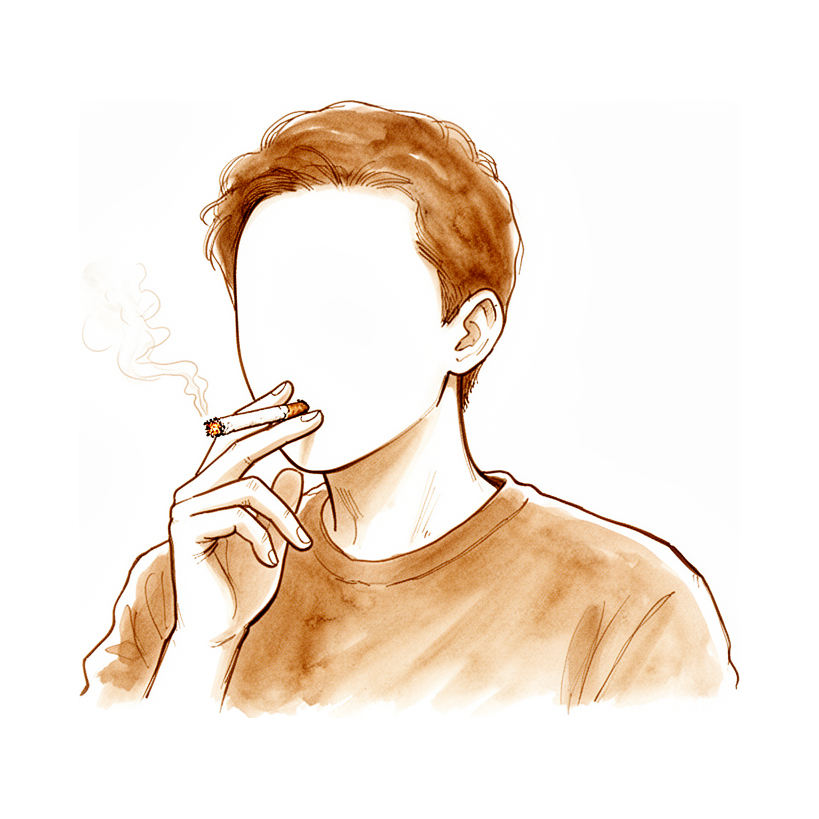
यह क्या है
धूम्रपान सिर्फ़ आपके फेफड़ों और दिल पर असर नहीं डालता। यह हड्डी, जोड़, टेंडन (कंडरा) और लिगामेंट (स्नायुबंधन) की सर्जरी के बाद आपके शरीर के ठीक होने को भी धीमा करता है। यह पेज बताता है कि ऐसा क्यों होता है, और आपके ऑपरेशन के लिए इसका क्या मतलब है।
निकोटीन, तंबाकू में मौजूद लत लगाने वाला रसायन, उन छोटी खून की नलियों को संकरा कर देता है जो ठीक हो रहे ऊतक तक ऑक्सीजन और पोषक तत्व ले जाती हैं। हड्डी जुड़ने, हड्डी के बढ़ने और इम्प्लांट के हड्डी में बैठ जाने पर इसका असर मात्रा पर निर्भर करता है [1]। इसका मतलब है कि आपके शरीर में जितना ज़्यादा निकोटीन पहुंचता है, वह ठीक होने में उतनी ही ज़्यादा रुकावट डाल सकता है। हड्डी को जुड़ने के लिए खून की लगातार सप्लाई चाहिए, और इम्प्लांट को जमने के लिए सेहतमंद हड्डी चाहिए।
इसका असर कई तरह की सर्जरी में दिखता है। पहले से तय कूल्हा या घुटना बदलने के ऑपरेशन के बाद धूम्रपान करने वालों में मेडिकल और सर्जिकल जटिलताओं का जोखिम ज़्यादा होता है [2]। रोटेटर कफ़ (कंधे को घुमाने वाली मांसपेशियों और टेंडनों का समूह) के रिपेयर के बाद, गर्म किए जाने वाले तंबाकू उत्पादों (हीटेड टोबैको) का टेंडन के जुड़ने पर सिगरेट जैसा ही नुकसानदायक असर होता है [3]। बिना धुएं वाला तंबाकू ACL रीकंस्ट्रक्शन (घुटने के ACL लिगामेंट को दोबारा बनाने का ऑपरेशन) के बाद [4, 5] और कूल्हा बदलने के ऑपरेशन के बाद [6] ज़्यादा जटिलताओं से जुड़ा है। टखने और एड़ी के फ्रैक्चर (हड्डी टूटना) की सर्जरी में, धूम्रपान घाव में संक्रमण का जोखिम बढ़ाता है [7]। बांह के ऊपरी हिस्से के फ्रैक्चर की सर्जरी से पहले निकोटीन की लत होने पर संक्रमण, घाव का खुल जाना, नॉनयूनियन (हड्डी का न जुड़ना) और दोबारा ऑपरेशन जैसी जटिलताओं का जोखिम 60-110% बढ़ जाता है [8]।
अच्छी खबर यह है कि धूम्रपान एक बदला जा सकने वाला जोखिम कारक है [9, 10]। इसका मतलब है कि यह ऐसी चीज़ है जिसे आप बदल सकते हैं। छोड़ना मायने रखता है। जिन पूर्व धूम्रपान करने वालों ने रोटेटर कफ़ रिपेयर से 6 महीने से ज़्यादा पहले धूम्रपान छोड़ दिया था, उनमें कभी धूम्रपान न करने वालों के मुकाबले संक्रमण या दोबारा सर्जरी (रिविज़न) में कोई पता लगने लायक बढ़ोतरी नहीं दिखी [11]। आपका डॉक्टर आपके ऑपरेशन की तारीख से काफ़ी पहले आपसे धूम्रपान छोड़ने के बारे में, और निकोटीन रिप्लेसमेंट के विकल्पों के बारे में बात कर सकता है।
क्या यह असर करता है?
ईमानदार जवाब यह है कि धूम्रपान करने वालों में भी सर्जरी काम कर सकती है, लेकिन प्रमाण दिखाते हैं कि यह अक्सर कम अच्छी तरह काम करती है। कंधा बदलने के ऑपरेशन के अध्ययनों में पाया गया कि अभी धूम्रपान करने वालों में बाद में कंधे का कामकाज उन लोगों से कमज़ोर हो सकता है जिन्होंने कभी धूम्रपान नहीं किया या छोड़ दिया [12]। जटिलताओं और दोबारा सर्जरी की दर समूहों के बीच मिलती-जुलती थी [12]। इसलिए हो सकता है कि इम्प्लांट खुद ठीक टिका रहे, लेकिन आपका कंधा जैसा महसूस होता है और जितना हिल-डुल पाता है, वह उसी स्तर तक न पहुंचे।
तंबाकू के बिना, अकेला निकोटीन भी मायने रखता है। कंधा बदलने के ऑपरेशन पर शोध में पाया गया कि धूम्रपान के अलावा दूसरे स्रोतों से निकोटीन की लत पहले 90 दिनों में घाव के ज़्यादा खुलने और ज़्यादा संक्रमण से, और 2 साल पर इम्प्लांट के ज़्यादा ढीला होने और जोड़ के ज़्यादा संक्रमण से जुड़ी थी [13]। दूरबीन से किए गए रोटेटर कफ़ रिपेयर (आर्थ्रोस्कोपी) के बाद, निकोटीन की लत वाले लोगों को 2 और 5 साल, दोनों पर, कफ़ के ज़्यादा दोबारा रिपेयर की, और जकड़े हुए कंधे को खोलने या जोड़ की सफ़ाई करने की ज़्यादा प्रक्रियाओं की ज़रूरत पड़ी [14]।
यही पैटर्न दूसरी जगहों पर भी दिखता है। ACL रीकंस्ट्रक्शन के बाद, जिन्होंने कभी धूम्रपान नहीं किया था, उनमें घुटने का अच्छा कामकाज लौटने की संभावना धूम्रपान करने वालों से ज़्यादा थी [15]। घुटना बदलने के ऑपरेशन में, धूम्रपान सिर्फ़ दर्द के स्तर पर नहीं, बल्कि ठीक होने के शुरुआती दौर पर असर डालता लगता है [16]। फ्रैक्चर की सर्जरी में, हड्डी जुड़ने पर निकोटीन का असर मात्रा पर निर्भर करता है, और यह जानवरों और लैब के अध्ययनों में दिखाया गया है [1]। सर्जनों को सलाह दी जाती है कि वे स्कैफॉइड (कलाई की एक छोटी हड्डी) के फ्रैक्चर वाले हर मरीज़ से पूछें कि क्या वे धूम्रपान करते हैं या बिना धुएं वाला तंबाकू इस्तेमाल करते हैं, क्योंकि दोनों से फ्रैक्चर के न जुड़ने की आशंका बढ़ती है [17]।
इनमें से कुछ प्रमाण दूसरों से ज़्यादा मज़बूत हैं। इसका ज़्यादातर हिस्सा ऐसे ट्रायल से नहीं आता जिनमें लोगों को बेतरतीब ढंग से समूहों में बांटा जाता है, बल्कि मरीज़ों के बड़े रिकॉर्ड से आता है। कुछ नतीजे मिले-जुले हैं। एक अध्ययन में पाया गया कि घुटना बदलने के ऑपरेशन के बाद धूम्रपान में बिना धुएं वाले तंबाकू से ज़्यादा जटिलताओं का जोखिम था [18], जिससे पता चलता है कि सर्जरी के आसपास कोई भी तंबाकू उत्पाद साफ़ तौर पर सुरक्षित नहीं है।
आपके लिए इसका मतलब सीधा है। ऑपरेशन से पहले छोड़ देना आपके शरीर को अच्छी तरह ठीक होने का सबसे अच्छा मौका देता है, और आप जितनी जल्दी छोड़ें, उतना बेहतर।
इसके जोखिम क्या हैं?
मुख्य जोखिम वही हैं जो पहले बताए गए हैं: धीरे ठीक होना, घाव की समस्याएं और संक्रमण। लेकिन कुछ बारीकियां जानने लायक हैं।
किसी भी स्रोत से आया निकोटीन, सिर्फ़ सिगरेट से नहीं, कंधा बदलने के ऑपरेशन के बाद पहले 90 दिनों में घाव के खुलने, संक्रमण और संक्रमण के गंभीर रूप से फैलने की आशंका बढ़ाता है [13]। यह 2 साल पर इम्प्लांट के ढीला होने या उसमें संक्रमण होने की आशंका भी बढ़ाता है [13]। इसमें पाउच, गम या ऐसे दूसरे उत्पादों का निकोटीन भी शामिल है जिनमें बिल्कुल भी तंबाकू नहीं होता।
कुछ जोखिम इस पर निर्भर करते हैं कि आपकी सर्जरी कहां हो रही है। टखने और एड़ी की हड्डी के फ्रैक्चर की सर्जरी के बाद धूम्रपान घाव में संक्रमण का जोखिम बढ़ाता है [7]। घुटना बदलने के ऑपरेशन के बाद, धूम्रपान सबसे ज़्यादा ठीक होने के शुरुआती दौर पर असर डालता लगता है [16]। स्कैफॉइड (कलाई की एक छोटी हड्डी) के फ्रैक्चर में, धूम्रपान और बिना धुएं वाले तंबाकू, दोनों के इस्तेमाल को इस बात के संकेत माना जाता है कि हड्डी शायद न जुड़े [17]।
हर जोखिम पक्का नहीं है। रीढ़ के निचले हिस्से के एक खास तरह के ऑपरेशन पर एक अध्ययन में पाया गया कि जब एक मानक तकनीक इस्तेमाल की गई, तो धूम्रपान से हड्डियों का फ्यूज़न (आपस में जुड़कर एक होना) धीमा नहीं हुआ [19]। उस स्थिति में नई तकनीकें और हड्डी जोड़ने में मदद करने वाले पदार्थ धूम्रपान के कुछ असर की भरपाई कर सकते हैं [20]। इसलिए हर ऑपरेशन के लिए तस्वीर एक जैसी नहीं है।
सबसे साफ़ जोखिम वह है जिसे आप बदल सकते हैं। रोटेटर कफ़ सर्जरी में निकोटीन एक बदला जा सकने वाला जोखिम कारक है [10]। रोटेटर कफ़ रिपेयर से 6 महीने से ज़्यादा पहले छोड़ देने पर, कभी धूम्रपान न करने वालों के मुकाबले संक्रमण या दोबारा सर्जरी में कोई पता लगने लायक बढ़ोतरी नहीं दिखती [11]।
क्या यह आपके लिए सही है?
यहां कोई सीधा हां या ना नहीं है। धूम्रपान आपको सर्जरी से बाहर नहीं करता, लेकिन यह उस बातचीत को बदल देता है जो आपको और आपके डॉक्टर को करनी होती है। प्रमाण दिखाते हैं कि तंबाकू और निकोटीन कलाई के फ्रैक्चर से लेकर कंधा और घुटना बदलने के ऑपरेशन तक, कई ऑपरेशनों में ठीक होने पर असर डालते हैं। इसलिए सवाल यह कम है कि आपकी सर्जरी हो सकती है या नहीं, और यह ज़्यादा है कि आपके शरीर को अच्छी तरह ठीक होने का सबसे अच्छा मौका कैसे दिया जाए।
इसीलिए जांच-पड़ताल मायने रखती है। सर्जनों को सलाह दी जाती है कि वे स्कैफॉइड फ्रैक्चर वाले हर मरीज़ से पूछें कि क्या वे धूम्रपान करते हैं या बिना धुएं वाला तंबाकू इस्तेमाल करते हैं [17], और ACL रीकंस्ट्रक्शन से पहले तंबाकू के हर रूप के इस्तेमाल के बारे में पूछें [4, 5]। तंबाकू के अलावा दूसरे स्रोतों से मिलने वाला निकोटीन भी इस जांच का हिस्सा है [21]। अगर आप इनमें से कुछ भी इस्तेमाल करते हैं, तो अपने डॉक्टर को जल्दी बताने का मतलब है कि आप इसके हिसाब से योजना बना सकते हैं, जिसमें ऑपरेशन की तारीख से काफ़ी पहले छोड़ना भी शामिल है।
कुछ हालात में ज़्यादा ध्यान की ज़रूरत होती है। अगर आप अभी या हाल तक धूम्रपान करते रहे हैं और आपका कंधा बदलने का ऑपरेशन हो रहा है, तो शोध बताता है कि ठीक होने के शुरुआती दौर में कम से कम 2 रात अस्पताल में रुकना मददगार हो सकता है [22]। और घुटना बदलने के ऑपरेशन के बाद धूम्रपान सबसे ज़्यादा शुरुआती रिकवरी पर असर डालता लगता है [16], इसलिए उन पहले सप्ताहों में ज़्यादा नज़दीकी फॉलो-अप से फ़र्क पड़ सकता है।
यह फ़ैसला आप और आपका डॉक्टर मिलकर लेते हैं। अपने धूम्रपान या निकोटीन के इस्तेमाल के बारे में ईमानदारी से बताएं, पूछें कि आपके खास ऑपरेशन के लिए इसका क्या मतलब है, और ऊपर वाले हिस्से में बताए गए जोखिमों को उस फ़ायदे के सामने तौलें जिसकी आप उम्मीद करते हैं। आपका डॉक्टर समय तय करने में, और यह तय करने में कि पहले छोड़ना आपके लिए समझदारी है या नहीं, आपकी मदद कर सकता है।
मुख्य बात
अगर आप धूम्रपान करते हैं या किसी भी रूप में निकोटीन लेते हैं, तो अपने ऑपरेशन से पहले इसे छोड़ देना फ़ायदेमंद है। छोड़ना वह एक जोखिम कारक है जिसे आप बदल सकते हैं, और आप जितनी जल्दी छोड़ें, उतना बेहतर। धूम्रपान करने वालों में भी सर्जरी काम कर सकती है, लेकिन निकोटीन के धीमा किए बिना आपके शरीर को ठीक होने का बेहतर मौका मिलता है। मुख्य सावधानी: किसी भी स्रोत का निकोटीन, जिसमें पाउच और गम भी शामिल हैं, ठीक होने पर असर डालता है, इसलिए सिर्फ़ तंबाकू छोड़ना शायद काफ़ी न हो।
संदर्भ
[1] The effect of non-tobacco nicotine on bone healing: a systematic review and application to total joint arthroplasty. Journal of Orthopaedic Surgery and Research. 2026. DOI: 10.1186/s13018-026-06733-3
[2] Should Smoking Cessation Be Recommended and Required for Patients Undergoing Elective Knee or Hip Arthroplasty?. The Journal of Arthroplasty. 2025. DOI: 10.1016/j.arth.2024.10.035
[3] All Forms of Tobacco Products Adversely Affect Rotator Cuff Healing. Journal of Bone and Joint Surgery. 2024. DOI: 10.2106/jbjs.24.00192
[4] Poster 132: Smokeless Tobacco Use is Associated with Increased Perioperative Complications and Revision Surgery After Anterior Cruciate Ligament Reconstruction. Orthopaedic Journal of Sports Medicine. 2025. DOI: 10.1177/2325967125s00229
[5] Association of Smokeless Tobacco Use With Perioperative Complications and Revision Surgery After Anterior Cruciate Ligament Reconstruction. The American Journal of Sports Medicine. 2025. DOI: 10.1177/03635465241303487
[6] Smokeless Tobacco Use is Associated With Worse Medical and Surgical Outcomes Following Total Hip Arthroplasty. The Journal of Arthroplasty. 2024. DOI: 10.1016/j.arth.2023.05.041
[7] Adverse effect of smoking on surgical site infection following ankle and calcaneal fracture fixation: a meta-analysis. EFORT Open Reviews. 2024. DOI: 10.1530/EOR-23-0139
[8] The impact of nicotine dependence on postoperative complications following humeral shaft fracture repair. JSES Reviews, Reports, and Techniques. 2026. DOI: 10.1016/j.xrrt.2026.100732
[9] Influence of smoking on shoulder arthroplasty outcomes: A meta-analysis of postoperative complications. Shoulder & Elbow. 2025. DOI: 10.1177/17585732251327368
[10] Editorial Commentary : Tobacco or Not—All Nicotine Products Negatively Impact Rotator Cuff Surgery. Arthroscopy. 2026. DOI: 10.1002/arj.70199
[11] Does timing matter? The effect of preoperative smoking cessation on the risk of infection or revision following rotator cuff repair. Journal of Shoulder and Elbow Surgery. 2023. DOI: 10.1016/j.jse.2023.03.007
[12] The effect of smoking on outcomes of reverse total shoulder arthroplasty. Journal of Shoulder and Elbow Surgery. 2025. DOI: 10.1016/j.jse.2024.07.052
[13] Nontobacco Nicotine Dependence and Rates of Periprosthetic Joint Infection and Other Postoperative Complications in Shoulder Arthroplasty: A Retrospective Analysis. Journal of the American Academy of Orthopaedic Surgeons. 2024. DOI: 10.5435/jaaos-d-24-00706
[14] Nontobacco Nicotine Dependence Is Associated With Perioperative Complications and Repeat Surgery After Arthroscopic Rotator Cuff Repair. Arthroscopy. 2026. DOI: 10.1002/arj.70189
[15] Tobacco's toll: Comparable anterior cruciate ligament graft failure rates and inferior functional outcomes in smokers compared to non‐smokers: A systematic review and meta‐analysis. Knee Surgery, Sports Traumatology, Arthroscopy. 2025. DOI: 10.1002/ksa.70146
[16] Impact of Smoking Status on Early Outcomes and Healthcare Utilization Following Primary Total Knee Arthroplasty: A Retrospective Cohort Study. The Journal of Arthroplasty. 2026. DOI: 10.1016/j.arth.2026.04.018
[17] The Snuffbox: The Effect of Smokeless Tobacco Use on Scaphoid Fracture Healing. Journal of the American Academy of Orthopaedic Surgeons. 2023. DOI: 10.5435/jaaos-d-23-00188
[18] Smokeless Tobacco Use is Associated With Worse Outcomes Following Total Knee Arthroplasty. The Journal of Arthroplasty. 2023. DOI: 10.1016/j.arth.2023.01.035
[19] Cigarette Smoking Was Not Associated With Lower Odds of Radiographic Fusion After Combined TLIF and Posterolateral Lumbar (270°) Arthrodesis: A CT-based Retrospective Cohort Evaluation. Clinical Orthopaedics & Related Research. 2026. DOI: 10.1097/corr.0000000000003844
[20] Editor’s Spotlight/Take 5: Cigarette Smoking Was Not Associated With Lower Odds of Radiographic Fusion After Combined TLIF and Posterolateral Lumbar (270°) Arthrodesis: A CT-based Retrospective Cohort Evaluation. Clinical Orthopaedics & Related Research. 2026. DOI: 10.1097/corr.0000000000003999
[21] Non-Tobacco Nicotine Dependence and Rates of Postoperative Complications in Total Knee Arthroplasty: A Propensity-Matched Comparison. Journal of the American Academy of Orthopaedic Surgeons. 2024. DOI: 10.5435/jaaos-d-23-01053
[22] Smoking is an independent risk factor for complications in outpatient total shoulder arthroplasty. JSES International. 2023. DOI: 10.1016/j.jseint.2023.07.009
Evidence & references
This is the clinical evidence summary written for health professionals. It is technical, and it lists the research this page was built from. You do not need to read it to understand your treatment or to make a decision about it.
Overview
- Contemporary techniques and biologic augmentation may mitigate the adverse effects of smoking on radiographic fusion after combined TLIF and posterolateral lumbar arthrodesis [1].
- Heated tobacco use has a similar deleterious effect on rotator cuff repair healing as cigarette smoking [2].
- Pack-years and duration of cessation serve as independent predictors of tendon healing after arthroscopic rotator cuff repair [3].
- Surgeons should consider asking all patients with scaphoid fractures if they use smokeless tobacco or smoke to identify patients at risk for nonunions [4].
- Active smokers are at an increased risk of both medical and surgical complications following elective knee or hip arthroplasty [5].
- Patient factors that influence lesser tuberosity osteotomy healing in stemmed and stemless anatomic shoulder arthroplasty include a greater BMI and tobacco use [6].
- Heated tobacco users have worse clinical outcomes with respect to rotator cuff healing than nonsmokers, similar to conventional cigarette smokers [7].
- Smoking is associated with a higher risk for complications than smokeless tobacco use following total knee arthroplasty [8].
- Current smokers may have poorer functional outcomes after reverse total shoulder arthroplasty compared to former smokers and nonsmokers, despite no significant differences in the incidence of complications and revision surgery between cohorts [9].
- Smokeless tobacco use is associated with increased perioperative complications and revision surgery after anterior cruciate ligament reconstruction [10, 11].
- Smoking is associated with higher residual pain and poorer functional outcomes at midterm follow-up after autologous osteochondral transplantation for osteochondral lesions of the talus, despite no significant differences in activity levels based on Tegner scores [12].
- Cessation of smoking is highly advised for medial meniscus allograft transplantation and meniscus repair performed in the presence of concurrent ligamentous injury [13].
- Smoking is a modifiable risk factor that should be addressed to improve outcomes and reduce the costs associated with complications and joint replacement in patients undergoing shoulder arthroplasty [14].
- Smokeless tobacco use is associated with higher rates of medical- and joint-related complications following primary total hip arthroplasty [15].
- Orthopaedic surgeons should consider evaluating non-tobacco nicotine dependence within their surgical optimization protocol for total knee arthroplasty [16].
How It Works
- Tobacco use is a patient factor that influences lesser tuberosity osteotomy healing in stemmed and stemless anatomic shoulder arthroplasty [6].
- Heated tobacco users have worse clinical outcomes with respect to rotator cuff healing than nonsmokers [7].
- Current smokers may have poorer functional outcomes after reverse total shoulder arthroplasty compared to former smokers and nonsmokers [9].
- Smoking is associated with higher residual pain and poorer functional outcomes at midterm follow-up after autologous osteochondral transplantation for osteochondral lesions of the talus [12].
- Cessation of smoking is highly advised for meniscus repair performed in the presence of concurrent ligamentous injury [13].
- Smoking is a modifiable risk factor that should be addressed to improve outcomes and reduce costs associated with complications in patients undergoing shoulder arthroplasty [14].
- Cigarette smoking was not associated with impaired radiographic fusion after TLIF with adjunctive posterolateral arthrodesis performed using a standardized technique [17].
- Former smokers who quit more than 6 months prior to rotator cuff repair are not at a detectably elevated risk of infection or revision surgery compared with those who have never smoked [18].
- Smoking may primarily affect the early recovery trajectory rather than pain-related outcomes alone following primary total knee arthroplasty [19].
- Nicotine has a dose-dependent effect on bone healing, bone growth, and implant integration [20].
- Nicotine use is a modifiable risk factor in rotator cuff surgery [21].
- Smoking has a negative effect on anatomical total shoulder arthroplasty functional outcomes that may persist even after quitting [22].
- Nicotine dependence prior to surgical fixation of humeral shaft fractures is associated with a 60-110% increased risk for surgical complications including postoperative infection, wound disruption, nonunion and reoperation [23].
- Nontobacco nicotine dependence is associated with higher 90-day rates of wound disruptions, infections, sepsis, as well as increased rates of mechanical loosening and prosthetic joint infection at 2 years postoperatively after shoulder arthroplasty [24].
- Smoking is a significant risk factor for surgical site infection following ankle and calcaneal fracture fixation [26].
What the Evidence Shows
Spine and Arthrodesis
Shoulder and Rotator Cuff
- Patient factors that influence lesser tuberosity osteotomy healing in anatomic shoulder arthroplasty include a greater BMI and tobacco use [6].
- The incidence of complications and revision surgery after reverse total shoulder arthroplasty does not differ significantly between current smokers, former smokers, and nonsmokers [9].
- At 2 and 5 years, nontobacco nicotine dependence showed increased odds of subsequent cuff repair and manipulation under anesthesia or debridement versus controls after arthroscopic rotator cuff repair [30].
Knee and Hip Arthroplasty
- Smokeless tobacco use is associated with worse outcomes following total knee arthroplasty [8].
- Differences in follow-up communication suggest that smoking may primarily affect the early recovery trajectory rather than pain-related outcomes alone following primary total knee arthroplasty [19].
Ligament Reconstruction
- Smokeless tobacco use is associated with perioperative complications and revision surgery after anterior cruciate ligament reconstruction [11].
- Non-smokers were significantly more likely to achieve superior functional outcomes following ACL reconstruction compared to smokers [28].
- Anterior cruciate ligament graft failure rates are comparable between smokers and non-smokers [28].
Fractures and Bone Healing
- Cannabis and nicotine use were independently associated with increased postoperative complications following fixation of upper extremity fractures compared with matched non-user controls [29].
- Nicotine has a dose-dependent effect on bone healing, bone growth, and implant integration, as demonstrated in various animal and in vitro studies [20].
Cartilage and Meniscus
- There are no significant differences in activity levels based on Tegner scores between smokers and non-smokers after autologous osteochondral transplantation for osteochondral lesions of the talus [12].
Practical Considerations
Preoperative Screening and Risk Assessment
- Surgeons should ask all patients with scaphoid fractures about smokeless tobacco or smoking use and add this to the intake history to identify patients at risk for nonunions [4].
- Specific forms of tobacco use should be considered in preoperative screening for patients undergoing anterior cruciate ligament reconstruction [10, 11].
- Orthopaedic surgeons should consider evaluating non-tobacco nicotine dependence within their surgical optimization protocol [16].
- Smoking is a modifiable risk factor that should be addressed to improve outcomes and reduce costs associated with complications and joint replacement in patients undergoing shoulder arthroplasty [14].
Cessation Timing and Duration
Impact on Healing and Outcomes
- Smoking is associated with higher risk for complications than smokeless tobacco use following total knee arthroplasty [8].
- Current smokers may have poorer functional outcomes after reverse total shoulder arthroplasty compared to former smokers and nonsmokers, despite no significant differences in the incidence of complications and revision surgery [9].
- Patient factors that influence lesser tuberosity healing in stemmed and stemless anatomic shoulder arthroplasty include a greater body mass index and tobacco use [6].
- Smoking is an independent risk factor for complications in outpatient total shoulder arthroplasty [27].
Mitigation and Management
- Cessation of smoking is highly advised for meniscus repair performed in the presence of concurrent ligamentous injury to reduce factors that may contribute to failure [13].
- Current or recent smokers undergoing total shoulder arthroplasty may benefit from an inpatient setting of minimum 2 nights [27].
- Nicotine use is a modifiable risk factor, and using research to guide patients on the safest path to recovery is impactful for rotator cuff surgery [21].
Key Evidence
- [L3] Contemporary techniques and biologic augmentation may mitigate the adverse effects of smoking in this setting. [1] (10.1097/corr.0000000000003999)
- [L4] This novel study shows that heated tobacco use has a similar deleterious effect on rotator cuff repair healing as cigarette smoking. [2] (10.2106/jbjs.24.00192)
- [L3] Pack-years and duration of cessation serve as independent predictors of tendon healing. [3] (10.1177/03635465261422620)
- [L3] Surgeons should consider asking all patients with scaphoid fractures if they use smokeless tobacco or smoke and consider adding this to the patient's intake history to further identify patients at risk for nonunions. [4] (10.5435/jaaos-d-23-00188)
- [L1] The literature reveals that active smokers are at an increased risk of both medical and surgical complications. [5] (10.1016/j.arth.2024.10.035)
- [L3] In addition to the surgical technique, patient factors that influence tuberosity healing include a greater BMI and tobacco use. [6] (10.3390/jcm12030834)
- [L3] Heated tobacco users, like conventional cigarette smokers, have worse clinical outcomes with respect to rotator cuff healing than nonsmokers. [7] (10.2106/jbjs.23.00804)
- [L3] However, smoking is associated with higher risk for complications than smokeless tobacco use. [8] (10.1016/j.arth.2023.01.035)
- [L3] Current smokers may have poorer functional outcomes after rTSA compared to former smokers and nonsmokers, despite the incidence of complications and revision surgery not differing significantly between cohorts. [9] (10.1016/j.jse.2024.07.052)
- [L3] These findings highlight the importance of considering specific forms of tobacco use in preoperative screening for patients undergoing ACLR. [10] (10.1177/2325967125s00229)
- [L3] These findings highlight the importance of considering specific forms of tobacco use in preoperative screening for patients undergoing ACLR. [11] (10.1177/03635465241303487)
- [L3] However, smoking is associated with higher residual pain and poorer functional outcomes at midterm follow-up, despite no significant differences in activity levels based on Tegner scores. [12] (10.1186/s13018-025-06428-1)
- [L2] Nevertheless, MAT and meniscus repair performed in the presence of concurrent ligamentous injury require reduction of factors that may contribute to failure, and cessation of smoking is highly advised. [13] (10.1530/eor-24-0097)
- [L1] Smoking is a modifiable risk factor that should be addressed to improve outcomes and reduce the costs associated with complications and joint replacement in patients undergoing shoulder arthroplasty. [14] (10.1177/17585732251327368)
- [L3] Smokeless tobacco use is associated with higher rates of medical- and joint-related complications following primary THA. [15] (10.1016/j.arth.2023.05.041)
- [L3] Orthopaedic surgeons should consider evaluating non-tobacco nicotine dependence within their surgical optimization protocol. [16] (10.5435/jaaos-d-23-01053)
- [L2] Cigarette smoking was not associated with impaired radiographic fusion after TLIF with adjunctive posterolateral arthrodesis performed using a standardized technique. [17] (10.1097/corr.0000000000003844)
- [L3] Former smokers who quit >6 months prior to rotator cuff repair are not at a detectably elevated risk of infection or revision surgery compared with those who have never smoked. [18] (10.1016/j.jse.2023.03.007)
- [L3] Differences in follow-up communication suggest that smoking may primarily affect the early recovery trajectory rather than pain-related outcomes alone. [19] (10.1016/j.arth.2026.04.018)
- [L2] Nicotine has a dose-dependent effect on bone healing, bone growth, and implant integration, as demonstrated in various animal and in vitro studies. [20] (10.1186/s13018-026-06733-3)
- [L5] It highlights that nicotine use is a modifiable risk factor and that using research to guide patients on the safest path to recovery is impactful. [21] (10.1002/arj.70199)
- [L3] Smoking has a negative effect on anatomical total shoulder arthroplasty functional outcomes that may persist even after quitting. [22] (10.1302/0301-620x.106b11.bjj-2024-0202.r1)
- [L3] Nicotine dependence prior to surgical fixation of humeral shaft fractures is associated with a 60-110% increased risk for surgical complications including postoperative infection, wound disruption, nonunion and reoperation. [23] (10.1016/j.xrrt.2026.100732)
- [L3] Nontobacco nicotine dependence is associated with higher 90-day rates of wound disruptions, infections, sepsis, as well as increased rates of mechanical loosening and prosthetic joint infection at 2 years postoperatively after shoulder arthroplasty. [24] (10.5435/jaaos-d-24-00706)
- [L1] Smoking is a significant risk factor for surgical site infection following ankle and calcaneal fracture fixation. [26] (10.1530/EOR-23-0139)
- [L3] Current or recent smokers may benefit from an inpatient setting of minimum 2 nights. [27] (10.1016/j.jseint.2023.07.009)
- [L1] Nonetheless, non-smokers were significantly more likely to achieve superior functional outcomes following ACL reconstruction. [28] (10.1002/ksa.70146)
- [L3] Cannabis and nicotine use were independently associated with increased postoperative complications following fixation of upper extremity fractures compared with matched non-user controls. [29] (10.1186/s13018-025-06635-w)
- [L3] At 2 and 5 years, NTND showed increased odds of subsequent cuff repair and manipulation under anesthesia or debridement versus controls. [30] (10.1002/arj.70189)
References
[1] Editor’s Spotlight/Take 5: Cigarette Smoking Was Not Associated With Lower Odds of Radiographic Fusion After Combined TLIF and Posterolateral Lumbar (270°) Arthrodesis: A CT-based Retrospective Cohort Evaluation. Clinical Orthopaedics & Related Research. 2026. DOI: 10.1097/corr.0000000000003999
[2] All Forms of Tobacco Products Adversely Affect Rotator Cuff Healing. Journal of Bone and Joint Surgery. 2024. DOI: 10.2106/jbjs.24.00192
[3] Duration of Smoking Cessation Needed to Achieve Retear Rates Comparable to Those of Nonsmokers After Arthroscopic Rotator Cuff Repair. The American Journal of Sports Medicine. 2026. DOI: 10.1177/03635465261422620
[4] The Snuffbox: The Effect of Smokeless Tobacco Use on Scaphoid Fracture Healing. Journal of the American Academy of Orthopaedic Surgeons. 2023. DOI: 10.5435/jaaos-d-23-00188
[5] Should Smoking Cessation Be Recommended and Required for Patients Undergoing Elective Knee or Hip Arthroplasty?. The Journal of Arthroplasty. 2025. DOI: 10.1016/j.arth.2024.10.035
[6] Lesser Tuberosity Osteotomy Healing in Stemmed and Stemless Anatomic Shoulder Arthroplasty Is Higher with a Tensionable Construct and Affected by Body Mass Index and Tobacco Use. Journal of Clinical Medicine. 2023. DOI: 10.3390/jcm12030834
[7] Heated Tobacco Products Have Detrimental Effects on Rotator Cuff Healing, Similar to Conventional Cigarettes. Journal of Bone and Joint Surgery. 2024. DOI: 10.2106/jbjs.23.00804
[8] Smokeless Tobacco Use is Associated With Worse Outcomes Following Total Knee Arthroplasty. The Journal of Arthroplasty. 2023. DOI: 10.1016/j.arth.2023.01.035
[9] The effect of smoking on outcomes of reverse total shoulder arthroplasty. Journal of Shoulder and Elbow Surgery. 2025. DOI: 10.1016/j.jse.2024.07.052
[10] Poster 132: Smokeless Tobacco Use is Associated with Increased Perioperative Complications and Revision Surgery After Anterior Cruciate Ligament Reconstruction. Orthopaedic Journal of Sports Medicine. 2025. DOI: 10.1177/2325967125s00229
[11] Association of Smokeless Tobacco Use With Perioperative Complications and Revision Surgery After Anterior Cruciate Ligament Reconstruction. The American Journal of Sports Medicine. 2025. DOI: 10.1177/03635465241303487
[12] Smoking is associated with inferior postoperative outcomes after autologous osteochondral transplantation for osteochondral lesions of the talus: a minimum 5-year clinical follow-up study. Journal of Orthopaedic Surgery and Research. 2025. DOI: 10.1186/s13018-025-06428-1
[13] The impact of smoking on meniscus surgery: a systematic review. EFORT Open Reviews. 2025. DOI: 10.1530/eor-24-0097
[14] Influence of smoking on shoulder arthroplasty outcomes: A meta-analysis of postoperative complications. Shoulder & Elbow. 2025. DOI: 10.1177/17585732251327368
[15] Smokeless Tobacco Use is Associated With Worse Medical and Surgical Outcomes Following Total Hip Arthroplasty. The Journal of Arthroplasty. 2024. DOI: 10.1016/j.arth.2023.05.041
[16] Non-Tobacco Nicotine Dependence and Rates of Postoperative Complications in Total Knee Arthroplasty: A Propensity-Matched Comparison. Journal of the American Academy of Orthopaedic Surgeons. 2024. DOI: 10.5435/jaaos-d-23-01053
[17] Cigarette Smoking Was Not Associated With Lower Odds of Radiographic Fusion After Combined TLIF and Posterolateral Lumbar (270°) Arthrodesis: A CT-based Retrospective Cohort Evaluation. Clinical Orthopaedics & Related Research. 2026. DOI: 10.1097/corr.0000000000003844
[18] Does timing matter? The effect of preoperative smoking cessation on the risk of infection or revision following rotator cuff repair. Journal of Shoulder and Elbow Surgery. 2023. DOI: 10.1016/j.jse.2023.03.007
[19] Impact of Smoking Status on Early Outcomes and Healthcare Utilization Following Primary Total Knee Arthroplasty: A Retrospective Cohort Study. The Journal of Arthroplasty. 2026. DOI: 10.1016/j.arth.2026.04.018
[20] The effect of non-tobacco nicotine on bone healing: a systematic review and application to total joint arthroplasty. Journal of Orthopaedic Surgery and Research. 2026. DOI: 10.1186/s13018-026-06733-3
[21] Editorial Commentary : Tobacco or Not—All Nicotine Products Negatively Impact Rotator Cuff Surgery. Arthroscopy. 2026. DOI: 10.1002/arj.70199
[22] The effect of smoking on functional outcomes and implant survival of anatomical total shoulder arthroplasty. The Bone & Joint Journal. 2024. DOI: 10.1302/0301-620x.106b11.bjj-2024-0202.r1
[23] The impact of nicotine dependence on postoperative complications following humeral shaft fracture repair. JSES Reviews, Reports, and Techniques. 2026. DOI: 10.1016/j.xrrt.2026.100732
[24] Nontobacco Nicotine Dependence and Rates of Periprosthetic Joint Infection and Other Postoperative Complications in Shoulder Arthroplasty: A Retrospective Analysis. Journal of the American Academy of Orthopaedic Surgeons. 2024. DOI: 10.5435/jaaos-d-24-00706
[26] Adverse effect of smoking on surgical site infection following ankle and calcaneal fracture fixation: a meta-analysis. EFORT Open Reviews. 2024. DOI: 10.1530/EOR-23-0139
[27] Smoking is an independent risk factor for complications in outpatient total shoulder arthroplasty. JSES International. 2023. DOI: 10.1016/j.jseint.2023.07.009
[28] Tobacco's toll: Comparable anterior cruciate ligament graft failure rates and inferior functional outcomes in smokers compared to non‐smokers: A systematic review and meta‐analysis. Knee Surgery, Sports Traumatology, Arthroscopy. 2025. DOI: 10.1002/ksa.70146
[29] Cannabis and nicotine use are independently associated with adverse surgical, medical, and psychosocial outcomes following upper extremity fracture fixation. Journal of Orthopaedic Surgery and Research. 2026. DOI: 10.1186/s13018-025-06635-w
[30] Nontobacco Nicotine Dependence Is Associated With Perioperative Complications and Repeat Surgery After Arthroscopic Rotator Cuff Repair. Arthroscopy. 2026. DOI: 10.1002/arj.70189