Patients › General-Health
जोड़ों की सेहत के लिए सक्रिय रहना
Why physical activity protects joints and tendons, how exercise helps osteoarthritis and recovery, and how to stay active safely.
यह क्या है
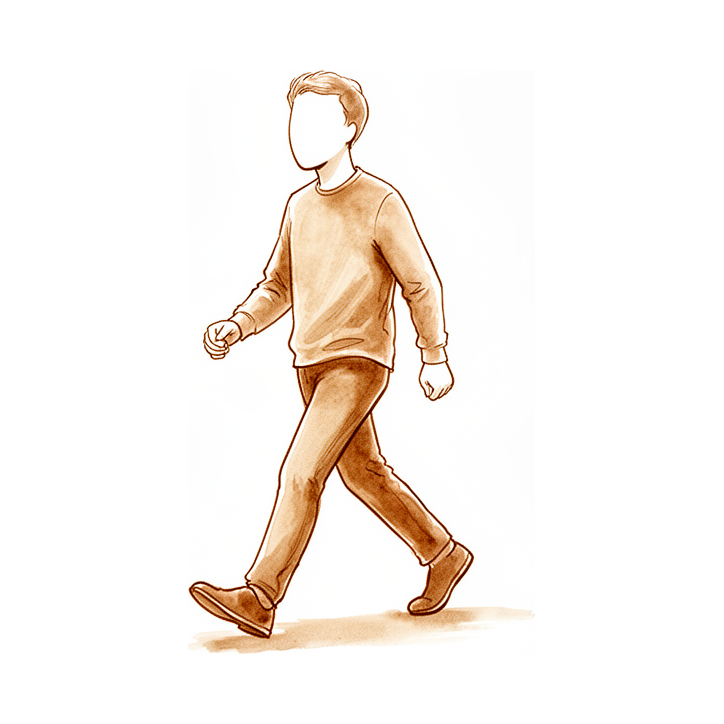
जोड़ों की सेहत के लिए सक्रिय रहने का मतलब है नियमित हिलने-डुलने के ज़रिए अपने जोड़ों को अच्छी तरह काम करते रखना और उन्हें ठीक होने में मदद करना। इसमें पैदल चलने जैसी रोज़मर्रा की गतिविधि भी आती है और योजना बनाकर किया जाने वाला व्यायाम भी। हिलना-डुलना हर उम्र में मायने रखता है। 6-17 साल के बच्चों और किशोरों के लिए, मध्यम से ज़ोरदार शारीरिक गतिविधि से सेहत पर कई अच्छे असर होते हैं [1]। बड़ी उम्र में, सक्रिय रहने का संबंध कुल मिलाकर बेहतर सेहत से है [2]।
यह तरीका जोड़ों की समस्याओं वाले लोगों के लिए अपनाया जाता है, जैसे घिसाव वाला गठिया, और उन सभी के लिए भी जो जोड़ की किसी चोट से या जोड़ बदलने के ऑपरेशन से ठीक हो रहे हैं। जोड़ों को स्वस्थ रखने के लिए, और कार्टिलेज (उपास्थि), यानी जोड़ के अंदर की चिकनी सतह, को लगातार नए सिरे से बनते (रीमॉडलिंग) और अपनी मरम्मत करते रखने के लिए व्यायाम ज़रूरी है [3]। चोट के बाद, थोड़े समय के आराम के बाद हिलना-डुलना शुरू हो सकता है। उस शुरुआती आराम के बाद मध्यम व्यायाम टेंडन (कंडरा) और हड्डी के जुड़ने वाली जगह के ठीक होने में मदद कर सकता है, जबकि बहुत लंबे समय तक बिना हिले-डुले रहना ठीक होने में रुकावट डालता है [4]। जब चोट पर शरीर की पहली प्रतिक्रिया शांत हो जाए, तो सही मात्रा में व्यायाम क्षतिग्रस्त टेंडनों को नए सिरे से बनने (रीमॉडल होने) में मदद कर सकता है [5]।
यह जिस तरह काम करता है, वह सीधा-सा है: आप अपने शरीर पर जो भार डालते हैं, आपका शरीर उसके हिसाब से प्रतिक्रिया देता है। जो वयस्क निष्क्रिय रहे हैं, उनमें गतिविधि में थोड़ी-सी बढ़ोतरी भी कई लंबी चलने वाली (क्रॉनिक) बीमारियों से काफ़ी सुरक्षा देती है [6]। हिलने-डुलने का हर दौर गिना जाता है, छोटा-सा भी [7]। रोज़ लगभग 30-40 मिनट की मध्यम से ज़ोरदार गतिविधि लंबे समय तक बैठे रहने से होने वाले सेहत के जोखिमों की भरपाई कर सकती है [8]। इस बात के बहुत कम प्रमाण हैं कि सक्रिय रहने से कोई बड़ा नुकसान होता है, और आमतौर पर फ़ायदे जोखिमों से ज़्यादा होते हैं [9]।
क्या यह असर करता है?
ज़्यादातर लोगों के लिए, हां, और सक्रिय रहने के पक्ष में प्रमाण व्यापक हैं। पैदल चलने जैसी साधारण एरोबिक गतिविधि (दिल और सांस की रफ़्तार बढ़ाने वाली गतिविधि) का नियमित कार्यक्रम सेहत में मापे जा सकने वाले सुधारों से जुड़ा है, जिनमें किसी भी कारण से होने वाली मौत की और दिल की बीमारी से होने वाली मौत की कम दर शामिल है [10]। घुटने के घिसाव वाले गठिया के लिए व्यायाम पर हुए ट्रायल (परीक्षण) दिखाते हैं कि इससे दर्द और काम करने की क्षमता में सुधार हो सकता है, हालांकि यह तय नहीं है कि रोज़मर्रा की ज़िंदगी में वह सुधार कितना बड़ा महसूस होता है [11]। कंधे के दर्द के लिए, 2 1/2 साल के फॉलो-अप के बाद निगरानी में किया गया व्यायाम और सर्जरी, दोनों ही प्लेसीबो (दिखावटी इलाज) से बेहतर रहे [12]। पानी में व्यायाम करने से मांसपेशियों और जोड़ों की समस्याओं का दर्द कम होता दिखता है, और यह राहत बनी रह सकती है [13]।
कुछ नतीजे ज़्यादा मिले-जुले हैं। व्यायाम थेरेपी से घुटने की कटोरी (नीकैप) के दर्द वाले कुछ किशोरों को फ़ायदा हुआ, पर सबको नहीं, और कार्यक्रम पर टिके रहना ही मुश्किल हिस्सा था। जो किशोर अपने घर के व्यायाम सप्ताह में तीन बार या उससे ज़्यादा करते थे, उनके 12 महीने बाद ठीक हो चुके होने की संभावना चार गुना ज़्यादा थी [14]। रूमेटॉइड आर्थराइटिस, यानी एक ऑटोइम्यून बीमारी जो जोड़ों में सूजन (इन्फ्लेमेशन) पैदा करती है, के लिए हाथ के व्यायाम के पक्ष या विपक्ष में शोध के मज़बूत प्रमाण नहीं हैं, हालांकि इससे लंबे समय में ताकत में और थोड़े समय के लिए जकड़न में सुधार हो सकता है [15]। कुछ कार्यक्रमों में, जैसे ऑनलाइन कोचिंग के साथ परखे गए एक कार्यक्रम में, 12 महीने पर सामान्य देखभाल की तुलना में कोई साफ़ फ़ायदा नहीं दिखा [16]।
शोध में कुछ कमियां भी हैं। हम जो जानते हैं, उसका बड़ा हिस्सा सख़्त ट्रायल से नहीं, बल्कि लोगों के बड़े समूहों को लंबे समय तक देखते रहने से आता है [17], और शोधकर्ता अभी तक गतिविधि को परिभाषित करने और मापने के मानक तरीकों पर सहमत नहीं हुए हैं [18]। फिर भी, इस बात के बहुत कम प्रमाण हैं कि शारीरिक गतिविधि से कोई बड़ा नुकसान होता है, और आमतौर पर फ़ायदे जोखिमों से ज़्यादा होते हैं [9]। व्यायाम थेरेपी को छोटे-मोटे साइड इफ़ेक्ट बढ़ने से जुड़ा नहीं पाया गया है, और जिन लोगों को एक साथ कई सेहत की समस्याएं हैं, उनमें इससे अस्पताल में भर्ती होने जैसी गंभीर समस्याओं की संभावना कम होती दिखी [19]।
इसके जोखिम क्या हैं?
ज़्यादातर लोगों के लिए, सक्रिय रहने में सबसे बड़ी समस्या है बहुत जल्दी बहुत ज़्यादा कर लेना। चोट के बाद थोड़े समय का आराम सामान्य है, लेकिन शरीर के संभलने से पहले ही ज़ोरदार व्यायाम पर लौटना आपके ख़िलाफ़ जा सकता है। टेंडनों पर हुए शोध में पाया गया कि थोड़े समय तक स्थिर रखने (हिलने न देने) के ठीक बाद गतिविधि बढ़ाने से टेंडन की ताकत और कंधे के जोड़ की हरकत को नुकसान हो सकता है, शायद इसलिए कि ज़्यादा निशान वाला ऊतक (स्कार टिश्यू) बन जाता है [20]। बहुत लंबे समय तक बिना हिले-डुले रहने से भी ठीक होना धीमा हो जाता है [4]। लक्ष्य बीच का रास्ता है: चोट पर शरीर की पहली प्रतिक्रिया शांत हो जाने के बाद हल्का, नियमित हिलना-डुलना।
व्यायाम से थोड़े समय के लिए कुछ तकलीफ़ भी हो सकती है। लंबे समय से चल रहे मांसपेशियों और जोड़ों के दर्द के लिए व्यायाम कार्यक्रमों की तुलना करने वाले ट्रायल में पाया गया कि दर्द वाले व्यायाम कराने वाले कार्यक्रमों से, बिना दर्द वाले कार्यक्रमों की तुलना में, थोड़े समय के लिए छोटा लेकिन असली फ़ायदा मिला [21]। सीधे शब्दों में, व्यायाम के दौरान या उसके बाद कुछ दुखन होना अपेक्षित है, और इसका मतलब हमेशा नुकसान नहीं होता। दर्द जितने लंबे समय तक रहता है, दर्द और ऊतक के नुकसान के बीच का संबंध उतना ही कम अनुमान लगाने लायक होता जाता है [22], इसलिए सिर्फ़ दुखन से भरोसेमंद ढंग से यह पता नहीं चलता कि जोड़ के अंदर क्या हो रहा है।
अच्छी ख़बर यह है कि शारीरिक गतिविधि से गंभीर नुकसान आम नहीं है। इस बात के बहुत कम प्रमाण हैं कि सक्रिय रहने से कोई बड़ा नुकसान होता है, और आमतौर पर फ़ायदे जोखिमों से ज़्यादा होते हैं [9]। व्यायाम थेरेपी को छोटे-मोटे साइड इफ़ेक्ट बढ़ने से जुड़ा नहीं पाया गया है, और जिन लोगों को एक साथ कई सेहत की समस्याएं हैं, उनमें इससे अस्पताल में भर्ती होने जैसी गंभीर समस्याओं की संभावना कम होती दिखी [19]। जिन लोगों का हिप रिसर्फ़ेसिंग (जोड़ बदलने के ऑपरेशन का एक प्रकार) हुआ है, उनके लिए सामान्य सेहत के लिहाज़ से गतिविधि सुरक्षित मानी जाती है, और गतिविधि की मात्रा से ज़्यादा हिलने-डुलने की गुणवत्ता मायने रखती है [23]।
कुछ सवाल अभी भी खुले हैं। ट्रायल में यह साफ़ तौर पर नहीं दिखा है कि शारीरिक गतिविधि अपने-आप में मौत का जोखिम कम करती है [24], और गतिविधि और बढ़ती उम्र पर बहुत-से प्रमाण सख़्त ट्रायल से नहीं, बल्कि लोगों के समूहों को लंबे समय तक देखते रहने से आते हैं [17]। अगर आपको ऐसा दर्द महसूस हो जो कम न हो, या ऐसे लक्षण जो सप्ताह-दर-सप्ताह बिगड़ते जाएं, तो और ज़ोर लगाने से पहले अपने डॉक्टर को बताएं।
क्या यह आपके लिए सही है?
सक्रिय रहना ज़्यादातर लोगों के लिए ठीक है, किसी भी उम्र में और जोड़ों की ज़्यादातर समस्याओं में। अगर आपको घिसाव वाला गठिया है, आप जोड़ की किसी चोट से ठीक हो रहे हैं, या आपका जोड़ बदलने का ऑपरेशन हुआ है, तो हिलना-डुलना आमतौर पर योजना का हिस्सा होता है। थोड़े-थोड़े समय की गतिविधि भी आपकी सेहत के लिए गिनी जाती है [7]। जो लोग सप्ताह में सुझाए गए 150-300 मिनट तक पहुंचे, या उससे आगे गए, उनमें सबसे कम हिलने-डुलने वाले लोगों की तुलना में दिल की बीमारी की संभावना कम थी [25]। कुछ लोगों के लिए, जैसे जिनका हिप रिसर्फ़ेसिंग हुआ है, आप कितना हिलते-डुलते हैं, इससे ज़्यादा यह मायने रखता है कि आप किस तरह हिलते-डुलते हैं [23]।
हो सकता है यह हर किसी के लिए तुरंत ठीक न हो। अगर आपको कोई नई चोट लगी है, तो आपके शरीर को पहले थोड़ा आराम चाहिए, और बहुत जल्दी ज़्यादा ज़ोर लगाने से आपका ठीक होना धीमा हो सकता है। सही समय तय करने में आपके डॉक्टर आपकी मदद करेंगे।
इसकी तुलना के लिए कोई एक विकल्प नहीं है, क्योंकि सक्रिय रहना दूसरे इलाजों की जगह नहीं लेता, बल्कि उनके साथ-साथ चलता है। व्यायाम कार्यक्रम, पानी में व्यायाम और सर्जरी, हर एक अलग-अलग लोगों और अलग-अलग जोड़ों के लिए ठीक होता है। आपके लिए कौन-सा ठीक है, यह आपके जोड़, आपके लक्षणों और आपके लक्ष्यों पर निर्भर करता है।
यह फ़ैसला आप और आपके डॉक्टर को मिलकर लेना चाहिए। उन्हें बताएं कि आप किस काम पर लौटना चाहते हैं, चाहे वह कुत्ते को टहलाना हो या खेल पर लौटना। पूछें कि आपके लिए शुरुआत का सुरक्षित स्तर कैसा होगा, और वहां से आगे कैसे बढ़ें। ऊपर जोखिमों वाला हिस्सा बताता है कि किन बातों पर ध्यान रखना है, ताकि शुरू करने से पहले आप अपनी कोई भी चिंता उठा सकें।
मुख्य बात
हां, सक्रिय रहना आपके जोड़ों और आपकी सामान्य सेहत के लिए फ़ायदेमंद है। जल्दी असर करने वाले उपाय की नहीं, बल्कि लगातार धीरे-धीरे होने वाले सुधार की उम्मीद रखें: व्यायाम घुटने जैसे जोड़ों में दर्द और हिलने-डुलने में मदद करता है, हालांकि रोज़मर्रा में आपको कितना फ़र्क महसूस होता है, यह अलग-अलग होता है [11]। मुख्य सावधानी है बहुत जल्दी बहुत ज़्यादा कर लेना, ख़ासकर चोट के बाद, इसलिए धीरे-धीरे बढ़ाएं, और आगे ज़ोर लगाने से पहले अपने डॉक्टर से सलाह लें।
संदर्भ
[1] Physical activity and health in Chinese children and adolescents: expert consensus statement (2020). British Journal of Sports Medicine. 2020. DOI: 10.1136/bjsports-2020-102261
[2] Taking up physical activity in later life and healthy ageing: the English longitudinal study of ageing. British Journal of Sports Medicine. 2013. DOI: 10.1136/bjsports-2013-092993
[3] Exercise for the patient with upper quadrant osteoarthritis. Journal of Hand Therapy. 2000. DOI: 10.1016/s0894-1130(00)80040-x
[4] Poster 234: Improvement of Tendon-Bone Interface Healing by Moderate Treadmill Exercise Combined with Knee Brace Immobilization Following an Anterior Cruciate Ligament Reconstruction in a Murine Model. Orthopaedic Journal of Sports Medicine. 2025. DOI: 10.1177/2325967125s00320
[5] Delayed exercise promotes remodeling in sub‐rupture fatigue damaged tendons. Journal of Orthopaedic Research. 2015. DOI: 10.1002/jor.22856
[6] Non-occupational physical activity and risk of cardiovascular disease, cancer and mortality outcomes: a dose–response meta-analysis of large prospective studies. British Journal of Sports Medicine. 2023. DOI: 10.1136/bjsports-2022-105669
[7] Short and sporadic bouts in the 2018 US physical activity guidelines: is high-intensity incidental physical activity the new HIIT?. British Journal of Sports Medicine. 2019. DOI: 10.1136/bjsports-2018-100397
[8] Joint associations of accelerometer-measured physical activity and sedentary time with all-cause mortality: a harmonised meta-analysis in more than 44 000 middle-aged and older individuals. British Journal of Sports Medicine. 2020. DOI: 10.1136/bjsports-2020-103270
[9] Strong, steady and straight: UK consensus statement on physical activity and exercise for osteoporosis. British Journal of Sports Medicine. 2022. DOI: 10.1136/bjsports-2021-104634
[10] THE BENEFITS OF EXERCISE FOR WOMEN. Clinics in Sports Medicine. 2000. DOI: 10.1016/s0278-5919(05)70197-6
[11] Cochrane in CORR®: Exercise for Osteoarthritis of the Knee. Clinical Orthopaedics & Related Research. 2025. DOI: 10.1097/corr.0000000000003476
[12] Arthroscopic surgery versus supervised exercises in patients with rotator cuff disease (stage II impingement syndrome): A prospective, randomized, controlled study in 125 patients with a follow-up. Journal of Shoulder and Elbow Surgery. 1999. DOI: 10.1016/s1058-2746(99)90001-0
[13] The dose-response relationship of aquatic exercise for musculoskeletal pain relief: a systematic review and meta-analysis of randomized controlled trials. BMC Musculoskeletal Disorders. 2026. DOI: 10.1186/s12891-026-09953-0
[14] 2016 Patellofemoral pain consensus statement from the 4th International Patellofemoral Pain Research Retreat, Manchester. Part 2: recommended physical interventions (exercise, taping, bracing, foot orthoses and combined interventions). British Journal of Sports Medicine. 2016. DOI: 10.1136/bjsports-2016-096268
[15] The effectiveness of hand exercises for persons with rheumatoid arthritis: a systematic review. Journal of Hand Therapy. 2004. DOI: 10.1197/j.jht.2004.02.006
[16] Randomised controlled trial of an augmented exercise referral scheme using web-based behavioural support for inactive adults with chronic health conditions: the e-coachER trial. British Journal of Sports Medicine. 2020. DOI: 10.1136/bjsports-2020-103121
[17] Copenhagen Consensus statement 2019: physical activity and ageing. British Journal of Sports Medicine. 2019. DOI: 10.1136/bjsports-2018-100451
[18] Preventing the ‘24-hour Babel’: the need for a consensus on a consistent terminology scheme for physical activity, sedentary behaviour and sleep. British Journal of Sports Medicine. 2021. DOI: 10.1136/bjsports-2021-104487
[19] Infographic. Benefits and harms of exercise therapy in people with multimorbidity. British Journal of Sports Medicine. 2021. DOI: 10.1136/bjsports-2021-104367
[20] Exercise following a short immobilization period is detrimental to tendon properties and joint mechanics in a rat rotator cuff injury model. Journal of Orthopaedic Research. 2010. DOI: 10.1002/jor.21059
[21] Should exercises be painful in the management of chronic musculoskeletal pain? A systematic review and meta-analysis. British Journal of Sports Medicine. 2017. DOI: 10.1136/bjsports-2016-097383
[22] Musculoskeletal pain and exercise—challenging existing paradigms and introducing new. British Journal of Sports Medicine. 2018. DOI: 10.1136/bjsports-2017-098983
[23] Quality, but not quantity of physical activity is associated with metal ion concentrations in unilateral hip resurfacing. Journal of Orthopaedic Research. 2020. DOI: 10.1002/jor.24637
[24] Physical activity and longevity: how to move closer to causal inference. British Journal of Sports Medicine. 2018. DOI: 10.1136/bjsports-2017-098995
[25] Wearable device-measured physical activity and incident cardiovascular disease in cancer survivors. British Journal of Sports Medicine. 2025. DOI: 10.1136/bjsports-2024-108734
Evidence & references
This is the clinical evidence summary written for health professionals. It is technical, and it lists the research this page was built from. You do not need to read it to understand your treatment or to make a decision about it.
Overview
- The 2018 US physical activity guidelines recognized that any bouts of physical activity count for health [1].
- In children and adolescents aged 6-17, participating in moderate to vigorous physical activities led to multiple positive health outcomes [2].
- There is little evidence that physical activity is associated with significant harm, and the benefits, in general, outweigh the risks [3].
- The 2020 WHO guidelines on physical activity and sedentary behaviour update previous WHO recommendations released in 2010 [4].
- Maintenance interventions may help people continue to be physically active and improve physical function and health-related quality of life [5].
- About 15 times more physical activity of at least moderate intensity is needed to achieve similar results regarding the joint association of device-measured physical activity and abdominal obesity with incident cardiovascular disease [6].
- ISPAH's Eight Investments That Work for Physical Activity provides a summary of eight areas for action that are supported by scientific evidence and have worldwide applicability [7].
- Randomized controlled trials have failed to provide conclusive evidence that physical activity causes a reduced risk of death [11].
- Researchers need to come to agreement about how to collectively define physical activity, sedentary behaviour, and sleep through an inclusive and systematic consensus process [13].
- Patients may safely engage in activities to achieve important general health benefits and quality of life, as quality, but not quantity of physical activity is associated with metal ion concentrations in unilateral hip resurfacing [14].
- There may be no minimal or maximal threshold for the benefits of accelerometer-measured intensity-specific physical activity regarding incident type 2 diabetes [15].
- Policymakers should introduce physical activity promotion into the Quality and Outcomes Framework (QOF) as an individual indicator at a cost of approximately £1 million [18].
- Findings question whether total hip arthroplasty should be prioritized only for those patients who have severe hip osteoarthritis symptoms, but require confirmation in a trial [21].
- The Arthritis Committee recognizes the profound importance of arthritic disorders to the general population, not only as a health problem, but for their social and economic impact [25].
- Changes to physical activity guidelines, such as removal of a 10-min bout criterion, pose challenges for physical activity surveillance [26].
- An excellent outcome was considered 112% total active motion in the context of progressive force exercises to the injured flexor tendon [33].
- Individuals not achieving the WHO guideline for physical activity showed an elevated risk of cancer, even if they were abdominally lean (HR 1.04, 95% CI 1.01 to 1.07) [35].
- At follow-up, 65.0% of inactive participants were taking part in sport and 85.6% were meeting recommended moderate-to-vigorous physical activity guidelines in a Workplace Challenge intervention [36].
- Most differences in functional outcomes following a scapular exercise program for patients with hand, wrist, or elbow disorders did not reach the minimum threshold to be considered clinically important [82].
- Traditional Chinese medicine comprehensive therapy for exercise-related musculoskeletal injuries suggests potential benefits, though randomized controlled trials are needed for definitive efficacy assessment [83].
- There is widespread omission of basic teaching elements, such as the Chief Medical Officer recommendations and guidance on physical activity, in the undergraduate curricula of all UK medical schools [84].
- Consensus was reached in 46/49 (94%) statements regarding clinical and exercise professionals’ opinion of physical activity prescreening and contraindications for participating in postpartum physical activity [85].
How It Works
General Health and Mortality
- The 2018 US physical activity guidelines recognize that any bouts of physical activity count for health [1].
- In children and adolescents aged 6-17, participating in moderate to vigorous physical activities leads to multiple positive health outcomes [2].
- There is little evidence that physical activity is associated with significant harm, and the benefits generally outweigh the risks [3].
- Inverse non-linear dose–response associations suggest substantial protection against a range of chronic disease outcomes from small increases in non-occupational physical activity in inactive adults [8].
- Light-intensity physical activity accounts for the majority of physical activity energy expenditure (51–59%) and is an accessible public health target [9].
- Sustained physical activity in older age is associated with improved overall health [10].
- The proportion of participants meeting the health-enhancing physical activity recommendations increased from 33.1% to 42.3% between baseline and first follow-up in the Allez Hop programme [22].
- About 30-40 min of moderate-to-vigorous physical activity per day attenuate the association between sedentary time and risk of death [48].
- The highly interconnected role of cardiorespiratory fitness in the association between physical activity and cardiometabolic health suggests limited direct effects of physical activity on cardiometabolic health beyond its impact on cardiorespiratory fitness [49].
Tissue Healing and Remodeling
- Exercise has been shown to be necessary to support healthy joints and maintain cartilage remodeling and repair [37].
- Moderate treadmill exercise following an initial period of short-term immobilization has a positive impact on tendon-bone interface healing, whereas prolonged immobilization has a detrimental effect on physical recovery [38].
- After a short period of immobilization, increased activity is detrimental to both tendon mechanical properties and shoulder joint mechanics, presumably due to increased scar production [39].
- Physiological exercise applied after the initial biological response to injury has dampened can potentially promote remodeling of damaged tendons [40].
- Exercise accelerates bone defect healing and stimulates angiogenesis during bore repair [44].
- Delayed postoperative exercise with moderate strength appears to accelerate the early phase of bone-tendon healing, a process that may be linked to increased expression of periphery neuropeptides known to play a role in tissue healing [53].
- Physical activity speeds up tendon healing, which may prove to be linked to accelerated neuronal plasticity [55].
- Treadmill exercise engenders increased cyclic bone strain within a physiologic range and distribution, distinct from sedentary background activity, to investigate bone formation and modeling [56].
Clinical Outcomes and Interventions
- Interventions implemented at ≤12 weeks after total knee arthroplasty primarily improved functional performance, whereas those lasting >12 weeks resulted in greater gains in muscle strength and joint flexibility [19].
- Findings question whether total hip arthroplasty should be prioritized only for patients with severe hip osteoarthritis symptoms, but require confirmation in a trial [21].
- The addition of wearable activity tracker use did not have any effect on perceived joint function or health-related quality of life in people with hip and knee osteoarthritis [27].
- After 2 1/2 years of follow-up, both arthroscopic surgery and supervised exercises are better treatments than placebo for rotator cuff disease [28].
- Pain science education may act as a mechanism of action for exercise interventions and is less successful when delivered standalone [43].
What the Evidence Shows
- Approximately 15 times more physical activity of at least moderate intensity is needed to achieve similar results regarding the joint association of device-measured physical activity and abdominal obesity with incident cardiovascular disease [6].
- Much of the evidence regarding physical activity and ageing is based on longitudinal associations from observational and randomised controlled intervention studies in relatively healthy community-dwelling older adults [12].
- Patients with unilateral hip resurfacing may safely engage in activities to achieve important general health benefits and quality of life, as quality but not quantity of physical activity is associated with metal ion concentrations [14].
- There may be no minimal or maximal threshold for the benefits of accelerometer-measured intensity-specific physical activity on incident type 2 diabetes [15].
- The consensus statement on precision exercise medicine outlines approaches that may identify determinants and modifiers of cardiorespiratory fitness exercise response [17].
- Exercise interventions implemented at ≤12 weeks after total knee arthroplasty primarily improved functional performance, whereas those lasting >12 weeks resulted in greater gains in muscle strength and joint flexibility [19].
- There is moderate certainty evidence that fall prevention exercise programmes are likely to be cost-effective [20].
- The joint association between daily time spent in physical activity, sedentary behaviour, and sleep and all-cause mortality was examined using compositional analysis [23].
- After 2 1/2 years of follow-up, both arthroscopic surgery and supervised exercises are better treatments than placebo for patients with rotator cuff disease (stage II impingement syndrome) [28].
- Compared with control players, those who participated in the NMC programme found it to be less physically challenging but more enjoyable and potentially of more benefit [29].
- Protocols using painful exercises offer a small but significant benefit over pain-free exercises in the short term for the management of chronic musculoskeletal pain [30].
- A regular program of relatively modest aerobic physical activity is associated with measurable improvement in health, including reduced all-cause and cardiovascular mortality [31].
- Brief interventions promoting physical activity in primary care and the community are likely to be inexpensive compared with usual care [32].
- An excellent outcome for the pyramid of progressive force exercises to the injured flexor tendon was considered 112% total active motion [33].
- Approximately 65 min per day of walking and 5 min of stair climbing were each linked to a more favourable cardiometabolic profile, while the adverse effects of sitting became pronounced above 12 hours per day [34].
- At follow-up, 65.0% of inactive participants in the Workplace Challenge were taking part in sport and 85.6% were meeting recommended MVPA guidelines [36].
- Exercise may improve pain and function in osteoarthritis of the knee with low to moderate certainty, but it is uncertain whether differences are clinically important [57].
- The 'Physical Activity 4 Everyone' school-based intervention resulted in a significant group-by-time interaction for mean minutes of MVPA per day in favour of the intervention group, equating to 27 min more MVPA per week [58].
- Aquatic exercise appears to provide meaningful pain relief for musculoskeletal disorders, with benefits that may persist during follow-up [59].
- There was no significant effect of the e-coachER intervention on weekly MVPA at 12 months between the groups recorded in ≥10 min bouts or without bouts [61].
- Compared with obesity-low physical activity, there was no survival benefit of being normal weight if physical activity levels were low [62].
- The absence of a control group in the trigger finger study means findings demonstrate feasibility and short-term clinical improvement but cannot establish superiority over other conservative treatments [63].
- Results from a formal 2-year cluster randomised-controlled trial confirmed the Y-PATH programme was effective in improving youth fundamental movement skills proficiency [64].
- A coaching intervention to enhance physical activity and prevent falls in community-dwelling people aged 60+ years improved daily steps, MVPA, hours per week of walking, overall well-being, quality of life, and disability [66].
- Home-based exercise is supported as a potentially scalable rehabilitation strategy for subacromial pain, although larger studies are needed to confirm long-term healthcare utilisation outcomes [67].
- Treatment groups in the WALK 2.0 trial differed significantly in trajectories of minutes/day of physical activity, with a greater change at 3 months for Web 2.0 than Web 1.0 (7.3 min/day, 95% CI 2.4 to 12.3) [68].
- Both exercise regimes are effective in improving cervical joint position sense and reducing symptoms in people with persistent neck pain [69].
- An educational handout is noninferior to hand therapy for achieving full ROM in composite flexion but not total active motion after plaster cast immobilization of simple phalangeal and metacarpal fractures in children [70].
- Exercise therapy is effective for some adolescents with patellofemoral pain but not all, and adherence to exercises is a challenge, with those doing home exercises three times per week or more being four times more likely to be recovered after 12 months [71].
- Physical activity interventions that combine self-monitoring with other components provide an additional modest yet sustained increase in step count compared with self-monitoring alone [72].
- Teachers at intervention schools recorded a greater increase in weekly minutes of physical activity implemented than teachers assigned to the control schools by approximately 44.2 min (95% CI 32.8 to 55.7) from baseline to 12-month follow-up [73].
- Exercise therapy was not associated with an increased risk of non-serious adverse events (risk ratio 0.96) and appeared to reduce the risk of serious adverse events such as hospitalisation and pneumonia (risk ratio 0.62) in people with multimorbidity [74].
- Many coaches are unaware of the benefits of exercise training programmes and do not deliver them, leading to low compliance and limited success in injury prevention [75].
- To realise the greatest effects of a pre-activity movement control exercise programme in schoolboy rugby players, players should complete the programme at least three times per week [76].
- Exercise is associated with improvements in physical and mental health in the maintenance of weight loss [77].
- Future research should focus on optimizing current exercise regimens for people with knee osteoarthritis and exploring how to improve adherence while minimizing symptom exacerbation by other exercise modalities [78].
- The PERSiST guidance attempts to address the problem of poor reporting of medical and healthcare systematic reviews in the sports and exercise medicine, musculoskeletal rehabilitation, and sports science fields [81].
- There is not strong research evidence for or against the value of hand exercise in the treatment of persons with rheumatoid arthritis, although results suggest that appropriate exercise might lead to long-term strength changes and very short-term changes in stiffness [86].
- More adequately powered and rigorous trials are needed to evaluate the effect of exercise interventions on sport-related concussion incidence, and on linear and rotational head accelerations [87].
- The modest volume of the prospective epidemiological evidence base and the moderate consistency between observational and laboratory evidence inhibits definitive conclusions regarding how light-intensity physical activity associates with adult cardiometabolic health and mortality [88].
Practical Considerations
- The 2018 US physical activity guidelines recognise that any bouts of physical activity count for health [1].
- ISPAH's Eight Investments That Work for Physical Activity provides a summary of eight areas for action supported by scientific evidence and having worldwide applicability [7].
- Light-intensity physical activity (LPA) accounts for the majority of physical activity energy expenditure (51–59%) and is an accessible public health target [9].
- Much of the evidence regarding physical activity and ageing is based on longitudinal associations from observational and randomised controlled intervention studies, as well as quantitative and qualitative social studies in relatively healthy community-dwelling older adults [12].
- There may be no minimal or maximal threshold for the benefits of accelerometer-measured intensity-specific physical activity in relation to incident type 2 diabetes [15].
- Lessons learnt and recommendations for future research have been summarised as 'roadmaps' to encourage moving the field of physical activity towards achieving population-level impact globally [16].
- Policymakers are proposed to introduce physical activity promotion into the Quality and Outcomes Framework (QOF) as an individual indicator at a cost of approximately £1 million [18].
- The proportion of participants meeting the health-enhancing physical activity (HEPA) recommendations increased from 33.1% to 42.3% between baseline and first follow-up in the Allez Hop programme [22].
- The FIMS 2019 consensus statement on sport and exercise genomics should regularly be updated on the basis of new information emerging from sport and exercise medicine and genomics of health and disease [24].
- Changes to physical activity guidelines, such as the removal of a 10-min bout criterion, pose challenges for physical activity surveillance [26].
- Protocols using painful exercises offer a small but significant benefit over pain-free exercises in the short term, with moderate quality of evidence [30].
- Youth 12–24 months after a sport-related ACL injury exhibit themes of balancing physical activity, reframing perceptions of risk, and overcoming barriers to return to sport [45].
- Communication to raise awareness and knowledge of the physical activity guidelines must be supported by policies, environments and opportunities for physical activity [47].
- Broadbased application of the framework for driving physical activity policy will aid in moving from isolated interventions to sustainable, population-wide gains in physical activity [50].
- The costs and benefits of harmonising existing questionnaires, along with the potential introduction of device-based measures, are recommended for consideration in UK physical activity surveillance [52].
- Brief advice is a cost-effective way to improve physical activity among adults, provided short-term mental health gains are considered [60].
- Infographics aim to encourage patients to make exercising a regular habit by highlighting potential benefits and providing clear guidelines and safety messages for intermittent claudication [65].
- Hydroplasty and therapeutic exercise for frozen shoulder has the advantage of being performed in a clinic setting and is cost-effective [79].
- Adhering to physical activity guidelines (150–300 min per week) and surpassing them (≥300 min per week) were associated with 23% and 37% lower risk of incident cardiovascular disease, respectively, compared with those with the lowest physical activity duration (0–75 min per week) in cancer survivors [80].
Key Evidence
- [L5] The 2018 US PA guidelines opened new horizons for PA and exercise medicine practice by recognising that any bouts of PA count for health. [1] (10.1136/bjsports-2018-100397)
- [Paper] The panel agreed on 10 major themes with strong scientific evidence that, in children and adolescents aged 6-17, participating in moderate to vigorous physical activities led to multiple positive health outcomes. [2] (10.1136/bjsports-2020-102261)
- [L5] There is little evidence that physical activity is associated with significant harm, and the benefits, in general, outweigh the risks. [3] (10.1136/bjsports-2021-104634)
- [Paper] These 2020 WHO guidelines update previous WHO recommendations released in 2010. [4] (10.1136/bjsports-2020-102955)
- [L1] Maintenance interventions may help people continue to be physically active and improve physical function and health-related quality of life. [5] (10.1136/bjsports-2025-110444)
- [L3] About 15 times more physical activity of at least moderate intensity is needed to achieve similar results. [6] (10.1136/bjsports-2023-107252)
- [Paper] ISPAH's Eight Investments That Work for Physical Activity provides a summary of eight areas for action that are supported by scientific evidence and have worldwide applicability. [7] (10.1136/bjsports-2020-103635)
- [L1] Inverse non-linear dose–response associations suggest substantial protection against a range of chronic disease outcomes from small increases in non-occupational physical activity in inactive adults. [8] (10.1136/bjsports-2022-105669)
- [L5] LPA is an accessible public health target and a potentially valuable complement to existing PA guidelines, as it accounts for the majority of PA energy expenditure (51–59%). [9] (10.1136/bjsports-2025-111179)
- [L3] Sustained physical activity in older age is associated with improved overall health. [10] (10.1136/bjsports-2013-092993)
- [L5] RCTs have failed to provide conclusive evidence that physical activity causes a reduced risk of death. [11] (10.1136/bjsports-2017-098995)
- [Paper] Much of the evidence presented in the statements is based on longitudinal associations from observational and randomised controlled intervention studies, as well as quantitative and qualitative social studies in relatively healthy community-dwelling older adults. [12] (10.1136/bjsports-2018-100451)
- [L5] Researchers need to prevent this looming ‘24-hour Babel’ by coming to agreement about how to collectively define PA, SB and sleep through an inclusive and systematic consensus process. [13] (10.1136/bjsports-2021-104487)
- [L3] This suggests that patients may safely engage in such activities to achieve important general health benefits and quality of life. [14] (10.1002/jor.24637)
- [L2] There may be no minimal or maximal threshold for the benefits. [15] (10.1136/bjsports-2022-106653)
- [Paper] We have summarised lessons learnt and recommendations for future research as 'roadmaps' in progress to encourage moving the field of physical activity towards achieving population-level impact globally. [16] (10.1136/bjsports-2019-101001)
- [Paper] The consensus statement outlines approaches that may identify determinants and modifiers of CRF exercise response and recommends future research to better understand exercise response variability. [17] (10.1136/bjsports-2018-100328)
- [L5] The authors propose that policymakers should introduce physical activity promotion into the Quality and Outcomes Framework (QOF) as an individual indicator at a cost of approximately £1 million. [18] (10.1136/bjsm.2010.073726)
- [L1] The interventions implemented at ≤12 weeks primarily improved the functional performance, whereas those lasting >12 weeks resulted in greater gains in the muscle strength and joint flexibility. [19] (10.1186/s13018-025-06430-7)
- [L1] There is moderate certainty evidence that fall prevention exercise programmes are likely to be cost-effective. [20] (10.1136/bjsports-2022-105747)
- [L3] These findings question whether THA should be prioritized only for those patients who have severe hip OA symptoms, but require confirmation in a trial. [21] (10.1016/j.arth.2025.04.032)
- [L4] The proportion of participants meeting the health-enhancing physical activity (HEPA) recommendations increased from 33.1% to 42.3% between baseline and first follow-up. [22] (10.1136/bjsm.2009.070201)
- [L2] The joint association between daily time spent in physical activity, sedentary behaviour and sleep and all-cause mortality was examined using compositional analysis. [23] (10.1136/bjsports-2020-102345)
- [L5] This guiding reference should regularly be updated on the basis of new information emerging from the area of sport and exercise medicine as well as from the developments and challenges in genomics of health and disease in general in order to best protect the athletes, patients and all other relevant stakeholders. [24] (10.1136/bjsports-2019-101532)
- [Paper] The Arthritis Committee recognizes the profound importance of arthritic disorders to the general population, not only as a health problem, but for their social and economic impact. [25] (10.1016/s0363-5023(83)80245-7)
- [Paper] Changes to the PA guidelines, such as removal of a 10-min bout criterion, pose challenges for PA surveillance. [26] (10.1136/bjsports-2020-102621)
- [L1] The addition of WAT-use did not have any effect on perceived joint function or HRQoL. [27] (10.1186/s12891-024-08238-8)
- [L1] We conclude that after 2 1/2 years of follow-up, both arthroscopic surgery and supervised exercises are better treatments than placebo. [28] (10.1016/s1058-2746(99)90001-0)
- [L1] Compared with control players, those who participated in the NMC programme found it to be less physically challenging but more enjoyable and potentially of more benefit. [29] (10.1136/bjsports-2013-092816)
- [L1] Protocols using painful exercises offer a small but significant benefit over pain-free exercises in the short term, with moderate quality of evidence. [30] (10.1136/bjsports-2016-097383)
- [Paper] A regular program of relatively modest aerobic physical activity is associated with measurable improvement in health, including reduced all-cause and cardiovascular mortality. [31] (10.1016/s0278-5919(05)70197-6)
- [L1] Brief interventions promoting physical activity in primary care and the community are likely to be inexpensive compared with usual care. [32] (10.1136/bjsports-2015-094655)
- [L5] An excellent outcome was considered 112% total active motion. [33] (10.1197/j.jht.2003.10.005)
- [L5] The resource also delivered the first pooled analysis exploring physical activity type in relation to cardiometabolic health, showing that approximately 65 min per day of walking and 5 min of stair climbing were each linked to a more favourable cardiometabolic profile, while the adverse effects of sitting became pronounced above 12 hours per day. [34] (10.1136/bjsports-2025-111283)
- [L2] Similarly, individuals not achieving the WHO guideline for physical activity showed an elevated risk, even if they were abdominally lean (HR 1.04, 95% CI 1.01 to 1.07). [35] (10.1136/bjsports-2024-108708)
- [Paper] At follow-up, 65.0% of inactive participants were taking part in sport and 85.6% were meeting recommended MVPA guidelines. [36] (10.1136/bjsports-2017-097716)
- [L5] Exercise has been shown to be not only “not harmful” but necessary to support healthy joints and maintain cartilage remodeling and repair. [37] (10.1016/s0894-1130(00)80040-x)
- [L5] Moderate treadmill exercise following an initial period of short-term immobilization has a positive impact on tendon-bone interface healing, whereas prolonged immobilization has a detrimental effect on physical recovery. [38] (10.1177/2325967125s00320)
- [Paper] Therefore, we conclude that after a short period of immobilization, increased activity is detrimental to both tendon mechanical properties and shoulder joint mechanics, presumably due to increased scar production. [39] (10.1002/jor.21059)
- [Paper] Physiological exercise applied after the initial biological response to injury has dampened can potentially promote remodeling of damaged tendons. [40] (10.1002/jor.22856)
- [L1] PSE may act as a mechanism of action for exercise interventions, and is less successful delivered standalone. [43] (10.1186/s12891-025-09313-4)
- [Paper] We conclude that exercise accelerates bone defect healing and stimulates angiogenesis during bore repair. [44] (10.1002/jor.21352)
- [L4] It highlights themes of balancing physical activity, reframing perceptions of risk, and overcoming barriers to return to sport. [45] (10.1002/jor.25064)
- [Paper] Communication to raise awareness and knowledge of the physical activity guidelines must be supported by policies, environments and opportunities for physical activity. [47] (10.1136/bjsports-2020-102324)
- [L1] About 30-40 min of MVPA per day attenuate the association between sedentary time and risk of death, which is lower than previous estimates from self- reported data. [48] (10.1136/bjsports-2020-103270)
- [L4] The highly interconnected role of CRF in the association between PA and cardiometabolic health suggests limited direct effects of PA on cardiometabolic health beyond its impact on CRF. [49] (10.1136/bjsports-2023-107451)
- [Paper] Broadbased application of this framework will aid in moving from isolated interventions to sustainable, population-wide gains in PA. [50] (10.1136/bjsports-2025-110686)
- [Paper] We recommend that the costs and benefits of harmonising the existing questionnaires are considered, along with the potential introduction of device-based measures. [52] (10.1136/bjsports-2018-100355)
- [Paper] In conclusion, delayed postoperative exercise with moderate strength appears to accelerate the early phase of B‐T healing, a process that may prove to be linked to increased expression of periphery neuropeptides known to play a role in tissue healing. [53] (10.1002/jor.24678)
- [Paper] Physical activity speeds up tendon healing, which may prove to be linked to accelerated neuronal plasticity. [55] (10.1002/jor.20257)
- [L3] The study supports the use of treadmill exercise to engender increased cyclic bone strain within a physiologic range and distribution, distinct from sedentary background activity, to investigate bone formation and modeling. [56] (10.1002/jor.1100160106)
- [L1] Exercise may improve pain and function with low to moderate certainty, but it is uncertain whether differences are clinically important. [57] (10.1097/corr.0000000000003476)
- [L1] There was a significant group-by-time interaction for mean minutes of MVPA per day in favour of the intervention group (adjusted difference between groups at follow-up=3.85 min, 95% CI (0.79 to 6.91), p≤0.01), including significantly more vigorous physical activity (2.45 min, p≤0.01), equating to 27 min more MVPA per week. [58] (10.1136/bjsports-2014-094523)
- [L1] AQE appears to provide meaningful pain relief for musculoskeletal disorders, with benefits that may persist during follow-up. [59] (10.1186/s12891-026-09953-0)
- [Paper] BA is a cost-effective way to improve PA among adults, provided short-term mental health gains are considered. [60] (10.1136/bjsports-2013-092897)
- [L1] There was no significant effect of the intervention on weekly MVPA at 12 months between the groups recorded in ≥10 min bouts (mean difference 11.8 min of MVPA, 95% CI: −2.1 to 26.0; p=0.10) or without bouts (mean difference 13.7 min of MVPA, 95% CI: −26.8 to 54.2; p=0.51). [61] (10.1136/bjsports-2020-103121)
- [L2] Compared with obesity-low physical activity, there was no survival benefit of being normal weight if physical activity levels were low. [62] (10.1136/bjsports-2021-104827)
- [L4] Because of the absence of a control group, these findings demonstrate feasibility and short-term clinical improvement but cannot establish superiority over other conservative treatments. [63] (10.1016/j.jhsg.2026.101038)
- [Paper] Results from a formal 2-year cluster randomised-controlled trial confirmed the programme was effective in improving youth FMS proficiency. [64] (10.1136/bjsports-2018-099745)
- [Paper] The infographic aims to encourage patients to make exercising a regular habit by highlighting potential benefits and providing clear guidelines and safety messages. [65] (10.1136/bjsports-2019-101930)
- [L1] However, this programme improved other physical activity measures (ie, daily steps, MVPA, hours per week of walking), overall well-being, quality of life and disability. [66] (10.1136/bjsports-2023-107027)
- [L2] These findings support home-based exercise as a potentially scalable rehabilitation strategy, although larger studies are needed to confirm long-term healthcare utilisation outcomes. [67] (10.1016/j.jseint.2026.101779)
- [L1] Treatment groups differed significantly in trajectories of minutes/day of physical activity (p=0.0198), through a greater change at 3 months for Web 2.0 than Web 1.0 (7.3 min/day, 95% CI 2.4 to 12.3). [68] (10.1136/bjsports-2016-096890)
- [L1] The results suggest that both exercise regimes are effective in improving cervical joint position sense and reducing symptoms in people with persistent neck pain. [69] (10.1002/jor.20220)
- [L1] An educational handout is noninferior to hand therapy for achieving full ROM in composite flexion but not TAM. [70] (10.1016/j.jht.2020.03.017)
- [Paper] Exercise therapy is effective for some adolescents but not all, and adherence to exercises is a challenge, with those doing home exercises three times per week or more being four times more likely to be recovered after 12 months. [71] (10.1136/bjsports-2016-096268)
- [L1] Physical activity interventions that combine self-monitoring with other components provide an additional modest yet sustained increase in step count compared with self-monitoring alone. [72] (10.1136/bjsports-2021-105198)
- [L1] Teachers at intervention schools recorded a greater increase in weekly minutes of PA implemented than teachers assigned to the control schools by approximately 44.2 min (95% CI 32.8 to 55.7) from baseline to 12-month follow-up. [73] (10.1136/bjsports-2020-103764)
- [L1] Exercise therapy was not associated with an increased risk of non-serious adverse events (risk ratio 0.96) and appeared to reduce the risk of serious adverse events such as hospitalisation and pneumonia (risk ratio 0.62). [74] (10.1136/bjsports-2021-104367)
- [L1] The study highlights that despite scientific evidence, many coaches are unaware of the benefits of these programmes and do not deliver them, leading to low compliance and limited success in injury prevention. [75] (10.1136/bjsports-2012-091797)
- [L1] To realise the greatest effects, players should complete the programme at least three times per week. [76] (10.1136/bjsports-2016-097434)
- [Paper] Exercise is associated with improvements in physical and mental health. [77] (10.1136/bjsports-2021-104754)
- [L1] Future research should focus on optimizing current exercise regimens for people with knee OA and exploring how to improve adherence while minimizing symptom exacerbation by other exercise modalities. [78] (10.1186/s12891-025-08746-1)
- [L4] It has the advantage of being performed in a clinic setting, and it is cost-effective. [79] (10.1016/s0894-1130(03)00037-1)
- [L3] Adhering to PA guidelines (150–300 min per week) and surpassing them (≥300 min per week) were associated with 23% and 37% lower risk of incident CVD, respectively, compared with those with the lowest PA duration (0–75 min per week). [80] (10.1136/bjsports-2024-108734)
- [Paper] The Prisma in Exercise, Rehabilitation, Sport medicine and SporTs science (PERSiST) guidance attempts to address the problem of poor reporting of medical and healthcare systematic reviews in the sports and exercise medicine, musculoskeletal rehabilitation, and sports science fields. [81] (10.1136/bjsports-2021-103987)
- [L1] However, most of these differences did not reach the minimum threshold to be considered clinically important. [82] (10.1016/j.jht.2024.07.006)
- [L4] These findings suggest potential benefits of this treatment approach, though randomized controlled trials are needed for definitive efficacy assessment. [83] (10.1186/s13018-025-05768-2)
- [Paper] There is widespread omission of basic teaching elements, such as the Chief Medical Officer recommendations and guidance on PA, which has been endorsed by all four UK Departments of Health. [84] (10.1136/bjsports-2012-091380)
- [L5] Consensus was reached in 46/49 (94%) statements. [85] (10.1136/bjsports-2024-109104)
- [L1] There is not strong research evidence for or against the value of hand exercise in the treatment of persons with rheumatoid arthritis, although results of this review suggest that appropriate exercise might lead to long-term strength changes and very short-term changes in stiffness. [86] (10.1197/j.jht.2004.02.006)
- [L1] More adequately powered and rigorous trials are needed to evaluate the effect of exercise interventions on SRC incidence, and on linear and rotational head accelerations. [87] (10.1136/bjsports-2024-108260)
- [L1] Nevertheless, the modest volume of the prospective epidemiological evidence base and the moderate consistency between observational and laboratory evidence inhibits definitive conclusions. [88] (10.1136/bjsports-2017-097563)
References
[1] Short and sporadic bouts in the 2018 US physical activity guidelines: is high-intensity incidental physical activity the new HIIT?. British Journal of Sports Medicine. 2019. DOI: 10.1136/bjsports-2018-100397
[2] Physical activity and health in Chinese children and adolescents: expert consensus statement (2020). British Journal of Sports Medicine. 2020. DOI: 10.1136/bjsports-2020-102261
[3] Strong, steady and straight: UK consensus statement on physical activity and exercise for osteoporosis. British Journal of Sports Medicine. 2022. DOI: 10.1136/bjsports-2021-104634
[4] World Health Organization 2020 guidelines on physical activity and sedentary behaviour. British Journal of Sports Medicine. 2020. DOI: 10.1136/bjsports-2020-102955
[5] Effectiveness of maintenance interventions promoting physical activity following exercise therapy for chronic conditions: an umbrella review. British Journal of Sports Medicine. 2026. DOI: 10.1136/bjsports-2025-110444
[6] Joint associations of device-measured physical activity and abdominal obesity with incident cardiovascular disease: a prospective cohort study. British Journal of Sports Medicine. 2023. DOI: 10.1136/bjsports-2023-107252
[7] Infographic. ISPAH’s Eight Investments That Work for Physical Activity: infographic, animation and call to action. British Journal of Sports Medicine. 2021. DOI: 10.1136/bjsports-2020-103635
[8] Non-occupational physical activity and risk of cardiovascular disease, cancer and mortality outcomes: a dose–response meta-analysis of large prospective studies. British Journal of Sports Medicine. 2023. DOI: 10.1136/bjsports-2022-105669
[9] Unlocking the potential of light-intensity physical activity for public health: a call to action for research. British Journal of Sports Medicine. 2026. DOI: 10.1136/bjsports-2025-111179
[10] Taking up physical activity in later life and healthy ageing: the English longitudinal study of ageing. British Journal of Sports Medicine. 2013. DOI: 10.1136/bjsports-2013-092993
[11] Physical activity and longevity: how to move closer to causal inference. British Journal of Sports Medicine. 2018. DOI: 10.1136/bjsports-2017-098995
[12] Copenhagen Consensus statement 2019: physical activity and ageing. British Journal of Sports Medicine. 2019. DOI: 10.1136/bjsports-2018-100451
[13] Preventing the ‘24-hour Babel’: the need for a consensus on a consistent terminology scheme for physical activity, sedentary behaviour and sleep. British Journal of Sports Medicine. 2021. DOI: 10.1136/bjsports-2021-104487
[14] Quality, but not quantity of physical activity is associated with metal ion concentrations in unilateral hip resurfacing. Journal of Orthopaedic Research. 2020. DOI: 10.1002/jor.24637
[15] Accelerometer-measured intensity-specific physical activity, genetic risk and incident type 2 diabetes: a prospective cohort study. British Journal of Sports Medicine. 2023. DOI: 10.1136/bjsports-2022-106653
[16] Towards better evidence-informed global action: lessons learnt from the Lancet series and recent developments in physical activity and public health. British Journal of Sports Medicine. 2019. DOI: 10.1136/bjsports-2019-101001
[17] Precision exercise medicine: understanding exercise response variability. British Journal of Sports Medicine. 2019. DOI: 10.1136/bjsports-2018-100328
[18] Physical activity in the UK: a unique crossroad?. British Journal of Sports Medicine. 2010. DOI: 10.1136/bjsm.2010.073726
[19] Changes in knee outcome measures following later-stage exercise interventions implemented ≤ 12 weeks vs. > 12 weeks after total knee arthroplasty: a systematic review and meta-analysis. Journal of Orthopaedic Surgery and Research. 2025. DOI: 10.1186/s13018-025-06430-7
[20] Economic evaluations of fall prevention exercise programs: a systematic review. British Journal of Sports Medicine. 2022. DOI: 10.1136/bjsports-2022-105747
[21] Total Hip Arthroplasty versus Education and Exercise: A Secondary Analysis of Propensity Matched Data Comparing Outcomes Across Hip Osteoarthritis Symptom Severity. The Journal of Arthroplasty. 2025. DOI: 10.1016/j.arth.2025.04.032
[22] Allez Hop, a nationwide programme for the promotion of physical activity in Switzerland: what is the evidence for a population impact after one decade of implementation?. British Journal of Sports Medicine. 2010. DOI: 10.1136/bjsm.2009.070201
[23] Joint association between accelerometry-measured daily combination of time spent in physical activity, sedentary behaviour and sleep and all-cause mortality: a pooled analysis of six prospective cohorts using compositional analysis. British Journal of Sports Medicine. 2021. DOI: 10.1136/bjsports-2020-102345
[24] Sport and exercise genomics: the FIMS 2019 consensus statement update. British Journal of Sports Medicine. 2020. DOI: 10.1136/bjsports-2019-101532
[25] Report of the Arthritis Committee. The Journal of Hand Surgery. 1983. DOI: 10.1016/s0363-5023(83)80245-7
[26] How can global physical activity surveillance adapt to evolving physical activity guidelines? Needs, challenges and future directions. British Journal of Sports Medicine. 2020. DOI: 10.1136/bjsports-2020-102621
[27] Effects of self-monitoring physical activity with wearable activity trackers on perceived joint function and health-related quality of life in people with hip and knee osteoarthritis: a secondary analysis of a cluster-randomised clinical trial. BMC Musculoskeletal Disorders. 2025. DOI: 10.1186/s12891-024-08238-8
[28] Arthroscopic surgery versus supervised exercises in patients with rotator cuff disease (stage II impingement syndrome): A prospective, randomized, controlled study in 125 patients with a follow-up. Journal of Shoulder and Elbow Surgery. 1999. DOI: 10.1016/s1058-2746(99)90001-0
[29] What do community football players think about different exercise-training programmes? Implications for the delivery of lower limb injury prevention programmes. British Journal of Sports Medicine. 2013. DOI: 10.1136/bjsports-2013-092816
[30] Should exercises be painful in the management of chronic musculoskeletal pain? A systematic review and meta-analysis. British Journal of Sports Medicine. 2017. DOI: 10.1136/bjsports-2016-097383
[31] THE BENEFITS OF EXERCISE FOR WOMEN. Clinics in Sports Medicine. 2000. DOI: 10.1016/s0278-5919(05)70197-6
[32] Are brief interventions to increase physical activity cost-effective? A systematic review. British Journal of Sports Medicine. 2015. DOI: 10.1136/bjsports-2015-094655
[33] Pyramid of progressive force exercises to the injured flexor tendon. Journal of Hand Therapy. 2004. DOI: 10.1197/j.jht.2003.10.005
[34] Prospective Physical Activity, Sitting and Sleep consortium (ProPASS): addressing methodological and geographical barriers to inform global public health guidelines, interventions and precision medicine. British Journal of Sports Medicine. 2026. DOI: 10.1136/bjsports-2025-111283
[35] WHO guidelines on waist circumference and physical activity and their joint association with cancer risk. British Journal of Sports Medicine. 2025. DOI: 10.1136/bjsports-2024-108708
[36] Bright spots, physical activity investments that work: Workplace Challenge. British Journal of Sports Medicine. 2017. DOI: 10.1136/bjsports-2017-097716
[37] Exercise for the patient with upper quadrant osteoarthritis. Journal of Hand Therapy. 2000. DOI: 10.1016/s0894-1130(00)80040-x
[38] Poster 234: Improvement of Tendon-Bone Interface Healing by Moderate Treadmill Exercise Combined with Knee Brace Immobilization Following an Anterior Cruciate Ligament Reconstruction in a Murine Model. Orthopaedic Journal of Sports Medicine. 2025. DOI: 10.1177/2325967125s00320
[39] Exercise following a short immobilization period is detrimental to tendon properties and joint mechanics in a rat rotator cuff injury model. Journal of Orthopaedic Research. 2010. DOI: 10.1002/jor.21059
[40] Delayed exercise promotes remodeling in sub‐rupture fatigue damaged tendons. Journal of Orthopaedic Research. 2015. DOI: 10.1002/jor.22856
[43] Pain science education and exercise interventions for people with knee or hip osteoarthritis: a systematic review, content and meta-analysis. BMC Musculoskeletal Disorders. 2025. DOI: 10.1186/s12891-025-09313-4
[44] Exercise enhances angiogenesis during bone defect healing in mice. Journal of Orthopaedic Research. 2011. DOI: 10.1002/jor.21352
[45] Balance, reframe, and overcome: The attitudes, priorities, and perceptions of exercise‐based activities in youth 12–24 months after a sport‐related ACL injury. Journal of Orthopaedic Research. 2021. DOI: 10.1002/jor.25064
[47] Maximising the impact of global and national physical activity guidelines: the critical role of communication strategies. British Journal of Sports Medicine. 2020. DOI: 10.1136/bjsports-2020-102324
[48] Joint associations of accelerometer-measured physical activity and sedentary time with all-cause mortality: a harmonised meta-analysis in more than 44 000 middle-aged and older individuals. British Journal of Sports Medicine. 2020. DOI: 10.1136/bjsports-2020-103270
[49] Fitness-related physical activity intensity explains most of the association between accelerometer data and cardiometabolic health in persons 50–64 years old. British Journal of Sports Medicine. 2024. DOI: 10.1136/bjsports-2023-107451
[50] Driving physical activity policy for improved population health demands political action. British Journal of Sports Medicine. 2025. DOI: 10.1136/bjsports-2025-110686
[52] How are we measuring physical activity and sedentary behaviour in the four home nations of the UK? A narrative review of current surveillance measures and future directions. British Journal of Sports Medicine. 2019. DOI: 10.1136/bjsports-2018-100355
[53] Treadmill exercise facilitated rotator cuff healing is coupled with regulating periphery neuropeptides expression in a murine model. Journal of Orthopaedic Research. 2020. DOI: 10.1002/jor.24678
[55] Physical activity modulates nerve plasticity and stimulates repair after achilles tendon rupture. Journal of Orthopaedic Research. 2006. DOI: 10.1002/jor.20257
[56] Evaluation of a bone's in vivo 24‐hour loading history for physical exercise compared with background loading. Journal of Orthopaedic Research. 1998. DOI: 10.1002/jor.1100160106
[57] Cochrane in CORR®: Exercise for Osteoarthritis of the Knee. Clinical Orthopaedics & Related Research. 2025. DOI: 10.1097/corr.0000000000003476
[58] ‘Physical Activity 4 Everyone’ school-based intervention to prevent decline in adolescent physical activity levels: 12 month (mid-intervention) report on a cluster randomised trial. British Journal of Sports Medicine. 2015. DOI: 10.1136/bjsports-2014-094523
[59] The dose-response relationship of aquatic exercise for musculoskeletal pain relief: a systematic review and meta-analysis of randomized controlled trials. BMC Musculoskeletal Disorders. 2026. DOI: 10.1186/s12891-026-09953-0
[60] Is brief advice in primary care a cost-effective way to promote physical activity?. British Journal of Sports Medicine. 2013. DOI: 10.1136/bjsports-2013-092897
[61] Randomised controlled trial of an augmented exercise referral scheme using web-based behavioural support for inactive adults with chronic health conditions: the e-coachER trial. British Journal of Sports Medicine. 2020. DOI: 10.1136/bjsports-2020-103121
[62] Device-measured physical activity, adiposity and mortality: a harmonised meta-analysis of eight prospective cohort studies. British Journal of Sports Medicine. 2021. DOI: 10.1136/bjsports-2021-104827
[63] Effectiveness of Proximal Interphalangeal Joint Orthosis and Therapeutic Exercise in the Management of Trigger Finger: A Prospective Case Series. Journal of Hand Surgery Global Online. 2026. DOI: 10.1016/j.jhsg.2026.101038
[64] Bright spots physical activity investments that work: Youth-Physical Activity Towards Health (Y-PATH). British Journal of Sports Medicine. 2018. DOI: 10.1136/bjsports-2018-099745
[65] Infographic. Exercise for intermittent claudication. British Journal of Sports Medicine. 2020. DOI: 10.1136/bjsports-2019-101930
[66] Effect of a coaching intervention to enhance physical activity and prevent falls in community-dwelling people aged 60+ years: a cluster randomised controlled trial. British Journal of Sports Medicine. 2024. DOI: 10.1136/bjsports-2023-107027
[67] Longterm shoulder-related secondary healthcare contact among people with subacromial pain: a secondary analysis of a randomized controlled trial of home-based versus supervised exercise regimens. JSES International. 2026. DOI: 10.1016/j.jseint.2026.101779
[68] Using Web 2.0 applications to promote health-related physical activity: findings from the WALK 2.0 randomised controlled trial. British Journal of Sports Medicine. 2017. DOI: 10.1136/bjsports-2016-096890
[69] Retraining cervical joint position sense: The effect of two exercise regimes. Journal of Orthopaedic Research. 2006. DOI: 10.1002/jor.20220
[70] Exercise handout and one-on-one hand therapy for management of stiffness after plaster cast immobilization of simple phalangeal and metacarpal fractures in children: A randomized, noninferiority trial. Journal of Hand Therapy. 2021. DOI: 10.1016/j.jht.2020.03.017
[71] 2016 Patellofemoral pain consensus statement from the 4th International Patellofemoral Pain Research Retreat, Manchester. Part 2: recommended physical interventions (exercise, taping, bracing, foot orthoses and combined interventions). British Journal of Sports Medicine. 2016. DOI: 10.1136/bjsports-2016-096268
[72] Do physical activity interventions combining self-monitoring with other components provide an additional benefit compared with self-monitoring alone? A systematic review and meta-analysis. British Journal of Sports Medicine. 2022. DOI: 10.1136/bjsports-2021-105198
[73] Multi-strategy intervention increases school implementation and maintenance of a mandatory physical activity policy: outcomes of a cluster randomised controlled trial. British Journal of Sports Medicine. 2021. DOI: 10.1136/bjsports-2020-103764
[74] Infographic. Benefits and harms of exercise therapy in people with multimorbidity. British Journal of Sports Medicine. 2021. DOI: 10.1136/bjsports-2021-104367
[75] The reach and adoption of a coach-led exercise training programme in community football. British Journal of Sports Medicine. 2013. DOI: 10.1136/bjsports-2012-091797
[76] Reducing musculoskeletal injury and concussion risk in schoolboy rugby players with a pre-activity movement control exercise programme: a cluster randomised controlled trial. British Journal of Sports Medicine. 2017. DOI: 10.1136/bjsports-2016-097434
[77] Exercise in the maintenance of weight loss: health benefits beyond lost weight on the scale. British Journal of Sports Medicine. 2021. DOI: 10.1136/bjsports-2021-104754
[78] Effect of aerobic exercise on cardiopulmonary fitness among people with knee osteoarthritis: a systematic review and meta-analysis. BMC Musculoskeletal Disorders. 2025. DOI: 10.1186/s12891-025-08746-1
[79] Effectiveness of Hydroplasty and Therapeutic Exercise for Treatment of Frozen Shoulder. Journal of Hand Therapy. 2003. DOI: 10.1016/s0894-1130(03)00037-1
[80] Wearable device-measured physical activity and incident cardiovascular disease in cancer survivors. British Journal of Sports Medicine. 2025. DOI: 10.1136/bjsports-2024-108734
[81] Implementing the 27 PRISMA 2020 Statement items for systematic reviews in the sport and exercise medicine, musculoskeletal rehabilitation and sports science fields: the PERSiST (implementing Prisma in Exercise, Rehabilitation, Sport medicine and SporTs science) guidance. British Journal of Sports Medicine. 2021. DOI: 10.1136/bjsports-2021-103987
[82] Effectiveness of a scapular exercise program on functional outcomes in patients with hand, wrist or elbow disorders: A comprehensive systematic review with meta-analysis. Journal of Hand Therapy. 2025. DOI: 10.1016/j.jht.2024.07.006
[83] Clinical study of traditional Chinese medicine comprehensive therapy for Exercise-Related musculoskeletal injuries using musculoskeletal ultrasound observation. Journal of Orthopaedic Surgery and Research. 2025. DOI: 10.1186/s13018-025-05768-2
[84] Physical activity education in the undergraduate curricula of all UK medical schools. Are tomorrow's doctors equipped to follow clinical guidelines?. British Journal of Sports Medicine. 2012. DOI: 10.1136/bjsports-2012-091380
[85] International Delphi study of clinical and exercise professionals’ opinion of physical activity prescreening and contraindications for participating in postpartum physical activity. British Journal of Sports Medicine. 2025. DOI: 10.1136/bjsports-2024-109104
[86] The effectiveness of hand exercises for persons with rheumatoid arthritis: a systematic review. Journal of Hand Therapy. 2004. DOI: 10.1197/j.jht.2004.02.006
[87] Efficacy of exercise interventions on prevention of sport-related concussion and related outcomes: a systematic review and meta-analysis. British Journal of Sports Medicine. 2024. DOI: 10.1136/bjsports-2024-108260
[88] How does light-intensity physical activity associate with adult cardiometabolic health and mortality? Systematic review with meta-analysis of experimental and observational studies. British Journal of Sports Medicine. 2018. DOI: 10.1136/bjsports-2017-097563