Patients › General-Health
वज़न, मोटापा और जोड़ों का स्वास्थ्य
How body weight and obesity affect joint load, osteoarthritis, and the risks and outcomes of joint surgery — including the role of weight loss before an operation.
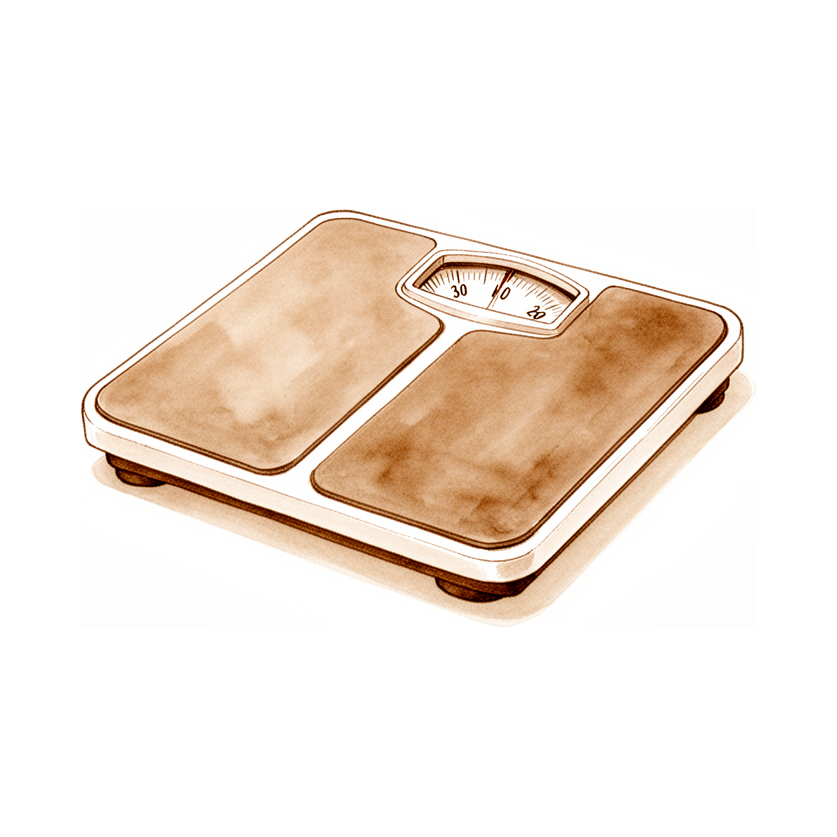
यह क्या है
वज़न और जोड़ों का स्वास्थ्य आपस में गहराई से जुड़े हैं। ज़्यादा वज़न होने से आपके जोड़ों पर ज़्यादा भार पड़ता है, खासकर घुटने के भीतरी हिस्से पर। इससे यह समझने में मदद मिलती है कि मोटापे के साथ जी रहे लोगों में घुटने के भीतरी हिस्से में घिसाव वाला गठिया (ऑस्टियोआर्थराइटिस) आम क्यों है [1]। ज़्यादा वज़न सिर्फ़ आपके जोड़ों पर ही नहीं, आपके पूरे शरीर पर असर डालता है। मोटापा एक बीमारी है जो पूरे शरीर में सूजन (इन्फ्लेमेशन) पैदा करती है, और यह सूजन आपके जोड़ों तक भी पहुंचती है [2]।
यह पेज हर उस व्यक्ति के लिए है जिसका वज़न ज़्यादा है और जिसके जोड़ों में दर्द है, या जो जोड़ की सर्जरी के बारे में सोच रहा है। यह माता-पिता के लिए भी है, क्योंकि बच्चों में मोटापा ऐसी समस्या है जो बदल सकती है, और इस पर ध्यान देने से उनके जोड़ों का स्वास्थ्य और कुल मिलाकर सेहत बेहतर हो सकती है [3]। अच्छी खबर यह है कि वज़न उन चीज़ों में से एक है जिनके बारे में आप कुछ कर सकते हैं। वज़न घटाने से जोड़ों के लक्षणों में आराम मिल सकता है और सर्जरी से जुड़े कुछ जोखिम कम हो सकते हैं।
ज़्यादा वज़न जोड़ों पर मुख्य रूप से दो तरह से असर डालता है। पहला यांत्रिक है: हर कदम के साथ जोड़ से ज़्यादा भार गुज़रता है। दूसरा रासायनिक है: मोटापे के साथ आने वाली सूजन जोड़ के अंदर की चिकनी सतह को घिस सकती है, और मोटापे वाले वयस्कों में यह सतह ज़्यादा भार के हिसाब से ठीक से ढल नहीं पाती होगी [4]। तराज़ू के दूसरे पलड़े पर, सामान्य से कम वज़न होने के भी जोखिम हैं, जिनमें से कुछ मोटापे में दिखने वाले जोखिमों से मिलते-जुलते हैं [5]।
वज़न और सर्जरी का संबंध दोनों तरफ़ से है। ज़्यादा वज़न या मोटापे वाले लोगों को सामान्य वज़न वाले लोगों की तुलना में आमतौर पर कम उम्र में कूल्हा या घुटना बदलने के ऑपरेशन (हिप या नी रिप्लेसमेंट) की ज़रूरत पड़ती है [6]। लेकिन ज़्यादा वज़न की वजह से सर्जरी का रास्ता बंद नहीं हो जाता। कूल्हा बदलने के ऑपरेशन के बाद दस साल के नतीजों को देखने वाले शोध में ऐसा कोई कारण नहीं मिला कि सिर्फ़ बीएमआई (बॉडी मास इंडेक्स, यानी लंबाई के हिसाब से वज़न का माप) के आधार पर सर्जरी तक पहुंच सीमित की जाए [7]। दूसरी स्वास्थ्य समस्याओं को संभालकर और अपने ऑपरेशन की सावधानी से योजना बनाकर, सामान्य बीएमआई वाले मरीज़ों जैसे नतीजे मिल सकते हैं [8]।
क्या यह असर करता है?
ईमानदार जवाब यह है कि प्रमाण मिले-जुले हैं, और उनमें से कुछ कमज़ोर हैं। वज़न घटाने से जोड़ों के लक्षणों में आराम मिल सकता है और सर्जरी से जुड़े कुछ जोखिम कम हो सकते हैं। यह आम संदेश सही साबित होता है। लेकिन जब शोधकर्ता खास ऑपरेशनों को ध्यान से देखते हैं, तो तस्वीर कम साफ़ होती है।
कूल्हा और घुटना बदलने के ऑपरेशनों में, कुछ प्रक्रियाओं के लिए ज़्यादा वज़न से सुधार के लिए दोबारा ऑपरेशन (रिवीज़न) की ज़रूरत पड़ने की संभावना बढ़ जाती है। अध्ययनों में मोटापे वाले लोगों में घुटने का एक हिस्सा बदलने के ऑपरेशन (पार्शियल नी रिप्लेसमेंट) के बाद रिवीज़न की दर ज़्यादा पाई गई है [9], और फ्रैक्चर के लिए किए गए रिवर्स शोल्डर रिप्लेसमेंट (कंधा बदलने का एक खास तरह का ऑपरेशन) के बाद भी रिवीज़न की दर ज़्यादा पाई गई है [10]। कूल्हा बदलने के ऑपरेशन के लिए, एक अध्ययन में पाया गया कि मोटापे की श्रेणी का संबंध आगे होने वाले ऑपरेशनों के जोखिम, उनके बड़े या छोटे होने, या उनके समय से नहीं था [11]। इस तरह के नतीजे सभी एक ही दिशा में इशारा नहीं करते, और ज़्यादातर शोध छोटे या कम अवधि के हैं।
कुछ नतीजे सीधे शब्दों में तसल्ली देने वाले हैं। कूल्हे के दूरबीन से ऑपरेशन (आर्थ्रोस्कोपी) के बाद, मोटापे वाले लोगों में दर्द और काम करने की क्षमता में लंबे समय तक वैसा ही सुधार रहा जैसा सामान्य वज़न वाले लोगों में [12]। कलाई के फ्रैक्चर की सर्जरी के बाद, एक अध्ययन में सामान्य वज़न वाले लोगों और मोटापे वाले लोगों के बीच जोड़ के हिलने-डुलने में कोई फ़र्क नहीं मिला [13]। दूसरी ओर, घुटने का दूरबीन से ऑपरेशन मोटापे वाले लोगों में कम अच्छा काम करता है, खासकर जब गठिया पहले से मौजूद हो [14]।
कुछ कमियां भी हैं। 45 या उससे ज़्यादा बीएमआई वाले लोगों के लिए, एक तरह के घुटना बदलने के ऑपरेशन पर हुए अध्ययन इतने छोटे थे कि उनसे ठोस निष्कर्ष नहीं निकाले जा सकते [15]। कुछ सर्जिकल फ़ैसलों के लिए उपलब्ध आंकड़े इतने कमज़ोर हैं कि वे किसी भी पक्ष में ठोस सलाह का समर्थन नहीं करते [16]।
आपके लिए मुख्य संदेश यह है। ज़्यादा वज़न से जोड़ की सर्जरी से जुड़े कुछ जोखिम बदल जाते हैं, लेकिन इससे सर्जरी का रास्ता बंद नहीं होता, और मोटापे वाले बहुत से लोग अपने ऑपरेशन के बाद अच्छा करते हैं। आपके डॉक्टर आपसे बात कर सकते हैं कि इनमें से कौन से नतीजे आपके जोड़ और आपकी परिस्थिति पर लागू होते हैं।
इसके जोखिम क्या हैं?
जोड़ की सर्जरी से जुड़े सबसे संभावित जोखिम वे हैं जो आपको पहले कुछ दिनों और सप्ताहों में दिखते हैं: घाव की समस्याएं, जकड़न और धीरे ठीक होना। ज़्यादा वज़न से इनमें से कुछ की संभावना बढ़ सकती है। बांह और हाथ के फ्रैक्चर की सर्जरी के बाद, मोटापे वाले लोगों में पहले 90 दिनों में और फिर 2 साल पर जटिलताओं (कॉम्प्लिकेशन) की दर ज़्यादा थी [17]। 2 साल पर, इन जटिलताओं में हड्डी का टेढ़ा जुड़ना, हड्डी का न जुड़ना, और दोबारा सर्जरी की ज़रूरत शामिल थी [17]।
कुछ जोखिम जोड़ और ऑपरेशन पर निर्भर करते हैं। घुटने का एक हिस्सा बदलने के ऑपरेशन के बाद, मोटापे वाले लोगों को ज़्यादा बार सुधार के लिए दोबारा ऑपरेशन की ज़रूरत पड़ी [9]। फ्रैक्चर के लिए किए गए रिवर्स शोल्डर रिप्लेसमेंट के बाद भी ऐसा ही था, जहां ज़्यादा वज़न का संबंध कुल मिलाकर ज़्यादा दोबारा ऑपरेशनों से और जोड़ के अपनी जगह से खिसक जाने (डिसलोकेशन) की ज़्यादा समस्याओं से था [10]। रोबोट की मदद से किए जाने वाले एक तरह के घुटना बदलने के ऑपरेशन में, मोटापा इम्प्लांट के ढीला हो जाने या यांत्रिक रूप से फेल हो जाने का जोखिम कारक बना रहा [18]।
हर जोखिम एक ही दिशा में इशारा नहीं करता, और कुछ नतीजे सच में मिले-जुले हैं। रोबोट की मदद से घुटना बदलने के ऑपरेशन पर एक और अध्ययन में, गंभीर मोटापे (बीएमआई 35 या उससे ज़्यादा) वाले लोगों में ज़्यादा जटिलताओं का रुझान सांख्यिकीय रूप से स्पष्ट नहीं था [19]। घुटना बदलने के ऑपरेशन के बाद जकड़न एक जानी-मानी चिंता है, लेकिन एक अध्ययन में पाया गया कि जकड़े हुए घुटने को खोलने की प्रक्रिया के बाद ज़्यादा वज़न का संबंध न तो ज़्यादा जकड़न से था और न ही खराब नतीजों से [20]। सामान्य से कम वज़न होने के भी जोखिम हैं, और इनमें से कुछ मोटापे के जोखिमों से मिलते-जुलते हैं [5]।
जो जानकारी है, उसमें कुछ कमियां भी हैं, और यह ईमानदारी से बताना ज़रूरी है। 45 या उससे ज़्यादा बीएमआई वाले लोगों के लिए, एक तरह के घुटना बदलने के ऑपरेशन पर हुए अध्ययन इतने छोटे थे कि उनसे सुरक्षा के बारे में ठोस निष्कर्ष नहीं निकाले जा सकते [15]। पैर (निचले अंग) के फ्रैक्चर वाले बच्चों में, मोटापे की वजह से अस्पताल में ज़्यादा दिन रहना पड़ा और अस्पताल से ऐसी छुट्टी के ज़्यादा मामले हुए जो परिवार नहीं चाहते थे [21]।
कुल मिलाकर तस्वीर यह है। ज़्यादा वज़न से सर्जरी से जुड़े कुछ जोखिम बढ़ते हैं, लेकिन इससे सर्जरी का रास्ता बंद नहीं होता, और दूसरी स्वास्थ्य समस्याओं को संभालकर और अपने ऑपरेशन की सावधानी से योजना बनाकर इनमें से बहुत से जोखिम कम किए जा सकते हैं [8]। आपके डॉक्टर आपसे बात कर सकते हैं कि इनमें से कौन से जोखिम आप पर लागू होते हैं।
क्या यह आपके लिए सही है?
अगर आपका वज़न ज़्यादा है और आपके जोड़ों में दर्द है, तो यह पेज आपके लिए ही लिखा गया है। ज़्यादा वज़न की वजह से सर्जरी का रास्ता बंद नहीं होता। मोटापे वाले बहुत से लोग कूल्हा और घुटना बदलने के ऑपरेशन के बाद अच्छा करते हैं, खासकर जब दूसरी स्वास्थ्य समस्याओं को संभाला जाता है और ऑपरेशन की सावधानी से योजना बनाई जाती है [8]। सर्जरी से पहले वज़न घटाने से जोड़ों के लक्षणों में आराम मिल सकता है और ऑपरेशन से जुड़े कुछ जोखिम कम हो सकते हैं।
सर्जरी ही अकेला रास्ता नहीं है। कुछ जोड़ों और कुछ ऑपरेशनों में, ज़्यादा वज़न से बाद में सुधार के लिए दोबारा ऑपरेशन की ज़रूरत पड़ने की संभावना बढ़ जाती है [9]। आपके डॉक्टर आपके साथ विकल्पों की तुलना कर सकते हैं, जिनमें व्यायाम और वज़न को संभालने जैसी बिना सर्जरी वाली देखभाल भी शामिल है, और यह तौलने में आपकी मदद कर सकते हैं कि हर विकल्प से क्या मिलता है।
यह फ़ैसला आप और आपके डॉक्टर मिलकर लेते हैं। आप अपने लक्ष्य, अपना दर्द और अपनी रोज़मर्रा की ज़िंदगी सामने रखते हैं। आपके डॉक्टर आपके जोड़ और आपकी परिस्थिति के बारे में प्रमाण सामने रखते हैं। आप दोनों मिलकर इलाज का समय और वह तरीका तय कर सकते हैं जो आपके लिए सही हो।
मुख्य बात
ज़्यादा वज़न आपके जोड़ों पर और सर्जरी से जुड़े कुछ जोखिमों पर असर डालता है, लेकिन इससे सर्जरी का रास्ता बंद नहीं होता। वज़न घटाने से जोड़ों के लक्षणों में आराम मिल सकता है और इनमें से कुछ जोखिम कम हो सकते हैं, और व्यायाम और दूसरी देखभाल के साथ-साथ इसे अपनी योजना का हिस्सा बनाने पर विचार करना फ़ायदेमंद है। यथार्थवादी उम्मीद तुरंत समाधान की नहीं, बल्कि धीरे-धीरे लगातार सुधार की है, क्योंकि नतीजे हर व्यक्ति में अलग होते हैं। सबसे ज़रूरी चेतावनी यह है कि खास ऑपरेशनों के बारे में प्रमाण मिले-जुले हैं, इसलिए अपने डॉक्टर से बात करें कि कौन से नतीजे आपके जोड़ और आपकी परिस्थिति पर लागू होते हैं।
संदर्भ
[1] Cartilage contact characteristics of the knee during gait in individuals with obesity. Journal of Orthopaedic Research. 2022. DOI: 10.1002/jor.25288
[2] Reframing Obesity in Knee Osteoarthritis: A Call for a Transdisciplinary Approach Beyond Biomechanics. Arthroscopy. 2026. DOI: 10.1002/arj.70051
[3] The Role of Obesity in Pediatric Orthopedics. JAAOS: Global Research and Reviews. 2019. DOI: 10.5435/jaaosglobal-d-19-00036
[4] Body mass index moderates the association between gait kinetics, body composition, and femoral knee cartilage characteristics. Journal of Orthopaedic Research. 2020. DOI: 10.1002/jor.24655
[5] Weight on the fixation: the influence of body mass index on lower extremity fracture fixation outcomes. Injury. 2025. DOI: 10.1016/j.injury.2025.112864
[6] Overweight and Obese Patients Require Total Hip and Total Knee Arthroplasty at a Younger Age. Journal of Orthopaedic Research. 2019. DOI: 10.1002/jor.24460
[7] Do the Ten-Year Functional Outcomes and Revision Rates of Total Hip Arthroplasty in Obese and Morbidly Obese Patients Justify Restricting Their Access to Surgery?. The Journal of Arthroplasty. 2026. DOI: 10.1016/j.arth.2025.07.044
[8] Body Mass Index > 40 Is Not Correlated With Early Complications in Patients Undergoing Primary Total Joint Arthroplasty at an Ambulatory Surgical Center. The Journal of Arthroplasty. 2026. DOI: 10.1016/j.arth.2025.08.065
[9] Obesity is Associated with Higher Rates of Revision Following Unicompartmental Knee Arthroplasty. Orthopaedic Journal of Sports Medicine. 2026. DOI: 10.1177/2325967125s00336
[10] Revision rates between obese and nonobese total shoulder arthroplasty patients: an Australian registry data study. Journal of Shoulder and Elbow Surgery. 2026. DOI: 10.1016/j.jse.2025.05.036
[11] Obesity Class Does Not Associate With Incidence, Timing, or Invasiveness of Reoperations After Total Hip Arthroplasty. The Journal of Arthroplasty. 2026. DOI: 10.1016/j.arth.2025.07.026
[12] Obese Patients Treated by Hip Arthroscopy for Femoroacetabular Impingement Syndrome — 10-Year Functional Outcomes and Conversion Rates to Arthroplasty Compared With Normal-Weight Patients. The American Journal of Sports Medicine. 2026. DOI: 10.1177/03635465251392585
[13] Influence of body mass index on health-related quality of life after surgical treatment of intra-articular distal radius fractures. A retrospective 7-year follow-up study. Hand Surgery and Rehabilitation. 2019. DOI: 10.1016/j.hansur.2019.09.004
[14] Editorial Commentary: Obesity and Osteoarthritis Are Risk Factors for Conversion to Arthroplasty, With or Without Previous Knee Arthroscopic Surgery. Arthroscopy. 2025. DOI: 10.1016/j.arthro.2025.04.036
[15] Body Mass Index of 45 Is a Safe Cut-Off for Cementless Total Knee Arthroplasty. The Journal of Arthroplasty. 2025. DOI: 10.1016/j.arth.2025.12.038
[16] Reply to: "Letter to the Editor Commenting on: 'Current Evidence Does Not Support the Use of Tibial Stem Extension in Total Knee Arthroplasty of Obese Patients: A Systematic Review'". The Journal of Arthroplasty. 2026. DOI: 10.1016/j.arth.2025.11.056
[17] Obesity is associated with higher 90-day and 2-year complication rates following surgical fixation of upper extremity fractures: A nationwide analysis. Injury. 2025. DOI: 10.1016/j.injury.2025.112891
[18] Impact of high body mass index on functionally aligned image-based robotic total knee arthroplasty: Comparable functional outcomes but higher mechanical failures. Journal of ISAKOS. 2025. DOI: 10.1016/j.jisako.2025.100861
[19] Impact of body mass index on robotic-assisted total knee arthroplasty outcomes: A retrospective cohort analysis. Journal of ISAKOS. 2025. DOI: 10.1016/j.jisako.2025.100927
[20] Obesity Severity and Stiffness After Total Knee Arthroplasty Revisited: A Contemporary Analysis of Patients Requiring Manipulation Under Anesthesia. The Journal of Arthroplasty. 2026. DOI: 10.1016/j.arth.2026.03.080
[21] Impact of pediatric obesity on surgical outcomes of lower extremity fractures: a nationwide analysis (2010–2019). BMC Musculoskeletal Disorders. 2026. DOI: 10.1186/s12891-025-09349-6
Evidence & references
This is the clinical evidence summary written for health professionals. It is technical, and it lists the research this page was built from. You do not need to read it to understand your treatment or to make a decision about it.
Overview
- Obesity is a modifiable condition, and addressing it can improve the orthopaedic and overall health of children [1].
- Obesity is a systemic disease with profound inflammatory consequences on joint health, extending beyond mechanical burden [11].
- There is significant confusion regarding the relationship between energy intake, energy expenditure, and obesity, with greater attention historically focused on diet than physical inactivity [5].
- Physical activity equivalent to approximately 30–35 minutes of vigorous intensity per week appears to offset the association between abdominal obesity and incident cardiovascular disease [10].
- Each 1-unit increase in body mass index is associated with a 9% reduction in osteoporosis risk [2].
- Obesity affects knee cartilage contact location primarily in the medial compartment, which explains part of the high prevalence of medial knee osteoarthritis in the obese population [17].
- Increased CDC weight category is associated with worsening clinical outcomes across all measures following meniscus repair in pediatric and adolescent populations [8].
- Increased body mass index among patients with total joint replacement is associated with decreased ambulatory activity [13].
- Overweight and obese patients require total hip and total knee arthroplasty at a significantly younger age than normal-weight patients [18].
- Obese and overweight patients convert to total hip arthroplasty at significantly higher rates compared with normal-weight patients following hip arthroscopy for femoroacetabular impingement syndrome [22].
- Underweight patients demonstrate an elevated risk for complications that overlap with those seen in obese patients following lower extremity fracture fixation, yet experience lower rates of other complications [6].
- In a cohort of obese patients undergoing total hip arthroplasty, WHO obesity class was not associated with the risk, invasiveness, or timing of reoperations [21].
- Ten-year functional outcomes and revision rates of total hip arthroplasty do not justify restricting access to surgery on the basis of body mass index [51].
- Increasing obesity severity is not associated with higher rates of postoperative stiffness or inferior outcomes following manipulation under anesthesia after total knee arthroplasty [12].
- Focusing on management of preoperative comorbidities and custom surgical planning can achieve outcomes comparable to those of patients with normal body mass index in ambulatory surgical centers, questioning body mass index as an exclusion criterion for primary total joint arthroplasty [3].
- Current evidence does not support the routine use of tibial stem extensions in obese total knee arthroplasty patients due to insufficient, heterogeneous, and very low certainty data, though specific designs may benefit selected populations [15].
- The absence of direct comparative studies precludes causal inference regarding the role of weight-bearing timing in medial meniscus posterior root tear repair [7].
- Mortality did not decrease in association with increasing body mass index in isolated blunt abdominal trauma, as this may be offset by the increase in co-morbidities in this population [4].
- The Arthritis Committee recognizes the profound importance of arthritic disorders to the general population, not only as a health problem, but for their social and economic impact [25].
- Both the individual and the physician have many options from which to choose when selecting an appropriate weight loss program [14].
How It Works
Systemic and Metabolic Mechanisms
- Obesity is a systemic disease with profound inflammatory consequences on joint health [11].
- Obesity promotes lipid accumulation in mouse cartilage via acetyl-CoA carboxylase (ACC) mediated chondrocyte de novo lipogenesis [41].
- Inhibition of ACC ameliorates lipid accumulation in chondrocytes, suggesting ACC could be targeted to treat obesity-associated osteoarthritis [41].
- Diet-induced obesity alters bone morphology and mineral density in a manner dependent on dietary free fatty acid content [40].
- Adolescent murine obesity alters structural, mechanical, and compositional properties of bone, which may have lasting implications on bone health even after obesity is corrected [36].
- There is confusion regarding the relation of energy intake and energy expenditure to obesity, with more attention focused on diet than physical inactivity [5].
- An aggregate exercise programme energy expenditure greater than 10,000 kcal may be required to promote reductions in intrahepatic fat [20].
- When combined with liraglutide treatment, exercise results in a more holistic state of health that may enhance adherence and promote longer-term weight-loss maintenance [19].
Biomechanical and Cartilage Effects
- Obesity affects knee cartilage contact location mainly in the medial compartment, explaining part of the high prevalence of medial knee osteoarthritis in the obese population [17].
- Articular cartilage may not adapt to higher joint loads in adults with obesity [39].
- Aging and obesity are associated with a loss of the positive relationship between cartilage thickness and ambulatory loads [23].
- Under weight-bearing conditions, patellofemoral joint contact areas increased by an average of 24% [43].
- Obesity did not enhance cartilage degeneration in the absence of fracture or surgical trauma [34].
Clinical Outcomes and Complications
- Each 1-unit increase in BMI is associated with a 9% reduction in osteoporosis risk [2].
- Following medial meniscus posterior root tear repair, osteoarthritis progression occurs at higher rates with elevated BMI [38].
- Obese patients demonstrate increased risks of malunion, nonunion, and revision at 2 years following surgical fixation of upper extremity fractures [26].
- Underweight patients demonstrate an elevated risk for complications that overlap with those seen in obese patients following lower extremity fracture fixation [6].
- Obesity remains a critical risk factor for mechanical failures in functionally aligned image-based robotic total knee arthroplasty [28].
- A nonsignificant trend toward a higher complication rate was observed in patients with severe obesity (BMI ≥35 kg/m2) undergoing robotic-assisted total knee arthroplasty [42].
- A statistically significant increase in arthrofibrosis was found in patients with BMI <25 kg/m2 undergoing robotic-assisted total knee arthroplasty [42].
- Modern surgical practices and implant designs may have mitigated traditional obesity-related risks regarding loosening and mechanical failure in total knee arthroplasty [24].
- Increasing obesity severity is not associated with higher rates of postoperative stiffness or inferior outcomes following manipulation under anesthesia for total knee arthroplasty [12].
- Focusing on management of preoperative comorbidities and custom surgical planning can achieve outcomes comparable to those of patients with normal BMIs at ambulatory surgical centers for primary total joint arthroplasty [3].
- Body mass index has a weak-to-moderate association with peri-incisional adiposity in primary total joint arthroplasty patients [27].
- The soft tissue-to-bone ratio reflects local anatomical factors that directly influence surgical exposure and wound healing, unlike BMI [35].
- No significant differences were observed between above-average and below-average BMI groups regarding clinical improvements following arthroscopically assisted posterior latissimus dorsi tendon transfer [16].
Trauma and Mortality
- Mortality did not decrease in association with increasing BMI in isolated blunt abdominal trauma, potentially offset by increased co-morbidities [4].
- The "Obesity Paradox" in major trauma is explained by biomechanical protection resulting in a lower Injury Severity Score, which neutralizes the increased physiological and comorbidity burden of the obese state [37].
Modifiability and Management
- Obesity is modifiable, and addressing the issue can improve the orthopaedic and overall health of children [1].
- Both individuals and physicians have many options from which to choose when selecting an appropriate weight loss program [14].
What the Evidence Shows
Pediatric Orthopedics
- Increased CDC weight category is associated with worsening clinical outcomes across all measures in pediatric and adolescent populations following meniscus repair [8].
- Pediatric obesity substantially lengthened length of stay and encouraged undesirable discharge when compared to non-obese individuals in lower extremity fracture cases [32].
Bone Density and Systemic Effects
- Each 1-unit increase in BMI was associated with a 9% reduction in osteoporosis risk based on a dose–response analysis of nine studies [2].
- Obesity is more than a mechanical burden on the knee; it is a systemic disease with profound inflammatory consequences on joint health [11].
Total Joint Arthroplasty: Knee
- Focusing on management of preoperative comorbidities and custom surgical planning can achieve outcomes comparable to those of patients who have normal BMIs at ambulatory surgical centers for primary total knee arthroplasty, questioning BMI as an exclusion criterion [3].
- Increasing obesity severity is not associated with higher rates of postoperative stiffness or inferior outcomes following manipulation under anesthesia, and concern for stiffness alone should not serve as a categorical barrier to total knee arthroplasty or manipulation under anesthesia when clinically indicated [12].
- Obesity remains a critical risk factor for mechanical failures in functionally aligned image-based robotic total knee arthroplasty, despite comparable functional outcomes [28].
- Obese patients are at increased risk of higher rate of revision following unicompartmental knee arthroplasty based on AOANJRR data [33].
- Total weight loss percentage was higher in bariatric surgery patients (28.7%, P < 0.001) compared to immediate total knee arthroplasty in patients with severe obesity and advanced knee osteoarthritis [47].
- The numbers were too small to draw conclusions in patients who have a BMI ≥ 45 regarding the safety of cementless total knee arthroplasty [9].
Total Joint Arthroplasty: Hip
- In a cohort of obese patients who underwent total hip arthroplasty, the WHO obesity class was not associated with risk, invasiveness, or timing of reoperations [21].
- In morbidly obese patients, dual mobility implants demonstrated excellent five-year survivorship with outcomes comparable or slightly superior to fixed-bearing constructs [44].
- Semaglutide appears to be a safe alternative to bariatric surgery for weight management before total hip arthroplasty, with similar implant survival and postoperative complication rates [30].
Total Joint Arthroplasty: Shoulder
- Obesity has an increased risk of all-cause revisions and revision for instability or dislocation in patients receiving reverse total shoulder arthroplasty indicated for fractures [29].
Arthroscopy and Soft Tissue
- Obese and overweight patients converted to total hip arthroplasty at significantly higher rates compared with normal-weight patients following hip arthroscopy for femoroacetabular impingement syndrome [22].
- Hip arthroscopy for the treatment of femoroacetabular impingement and labral tears in patients with obesity yielded significant and sustainable long-term improvements, which were equivalent to those of a benchmark matched control group of normal-weight patients [45].
- No significant differences were observed between above-average and below-average BMI groups, and BMI was not correlated with clinical improvements following arthroscopically assisted posterior latissimus dorsi tendon transfer for irreparable posterosuperior rotator cuff tears [16].
- Obesity and preexisting osteoarthritis are known risk factors for predicting poor outcomes and conversion to arthroplasty after knee arthroscopy, but the study lacks a control group and specific procedural details to determine if the surgery itself drives progression versus patient factors [50].
Fracture Fixation and Trauma
- Underweight patients demonstrated an elevated risk for complications that overlapped with those seen in obese patients, yet experienced lower rates of others, in lower extremity fracture fixation [6].
- At 2 years, obese patients demonstrated increased risks of malunion, nonunion, and revision following surgical fixation of upper extremity fractures [26].
- Mortality did not decrease in association with increasing BMI in isolated blunt abdominal trauma, as this may be offset by the increase in co-morbidities in this population [4].
Patient Selection and Preoperative Factors
- BMI has a weak-to-moderate association with peri-incisional adiposity in primary total joint arthroplasty patients [27].
- Women had decreased odds of losing greater than five pounds before surgery despite increased odds of having preoperative bariatric surgery [31].
- Increased body mass index among patients with a total joint replacement is associated with decreased ambulatory activity [13].
Weight Management and Lifestyle
- There is enormous confusion about the relation of energy intake and energy expenditure to obesity, with much more attention focused on diet and obesity than on physical inactivity and obesity [5].
- Physical activity equivalent to approximately 30–35 min of vigorous intensity per week appears to offset the association between abdominal obesity and incident cardiovascular disease [10].
- When combined with liraglutide treatment, exercise results in a more holistic state of health that may result in improved longer-term health and may enhance adherence to the treatment and promote longer-term weight-loss maintenance [19].
- An aggregate exercise programme energy expenditure (>10 000 kcal) may be required to promote reductions in intrahepatic fat in adults who are overweight or exhibit fatty liver disease [20].
- Women with high-intensity interval training had significant reduction in their weight and BMI compared to those who followed moderate-intensity continuous training protocol in post-bariatric surgery patients with sarcopenic obesity [48].
Practical Considerations
Preoperative Management and Weight Loss
- Obesity is a modifiable condition, and addressing it can improve orthopaedic and overall health in children [1].
- There is significant confusion regarding the relationship between energy intake, energy expenditure, and obesity, with greater attention focused on diet than on physical inactivity [5].
- Both individuals and physicians have multiple options available when selecting an appropriate weight loss program [14].
- When combined with liraglutide treatment, exercise results in a more holistic state of health that may improve longer-term health, enhance treatment adherence, and promote longer-term weight-loss maintenance [19].
Arthroplasty Outcomes and Complications
- Focusing on management of preoperative comorbidities and custom surgical planning can achieve outcomes comparable to those of patients with normal BMIs at ambulatory surgical centers, questioning BMI as an exclusion criterion [3].
- The numbers in the study were too small to draw conclusions in patients who have a BMI ≥ 45 regarding cementless total knee arthroplasty [9].
- Increasing obesity severity is not associated with higher rates of postoperative stiffness or inferior outcomes following manipulation under anesthesia, and concern for stiffness alone should not serve as a categorical barrier to TKA or MUA when clinically indicated [12].
- Obesity is associated with higher rates of revision following unicompartmental knee arthroplasty based on AOANJRR data [33].
- Overweight and obese patients require total hip and total knee arthroplasty at a significantly younger age compared to normal-weight patients [18].
Fracture and Trauma Outcomes
- Underweight patients demonstrated an elevated risk for complications that overlapped with those seen in obese patients, yet experienced lower rates of other complications in lower extremity fracture fixation [6].
- Obesity substantially lengthened length of stay and encouraged undesirable discharge when compared to non-obese individuals in pediatric lower extremity fractures [32].
Joint Health and Biomechanics
- Obesity is a systemic disease with profound inflammatory consequences on joint health, extending beyond a mechanical burden on the knee [11].
- Obesity affects the contact location mainly in the medial compartment of the knee, which explains, in part, the high prevalence of medial knee osteoarthritis in the obese population [17].
- Aging and obesity are both associated with a loss of the positive relationship between cartilage thickness and ambulatory loads, and this relationship is dependent on the compartment and whether the load is generated by body size or subject-specific gait mechanics [23].
Soft Tissue and Arthroscopic Outcomes
- The absence of direct comparative studies precludes causal inference regarding the role of weight-bearing timing in medial meniscus posterior root tears repair [7].
Key Evidence
- [L5] Obesity is modifiable, and addressing the issue can improve the orthopaedic and overall health of children. [1] (10.5435/jaaosglobal-d-19-00036)
- [L1] Based on our dose–response analysis of nine studies, each 1-unit increase in BMI was associated with a 9% reduction in osteoporosis risk. [2] (10.1186/s12891-026-09675-3)
- [L3] Focusing on management of preoperative comorbidities and custom surgical planning can achieve outcomes comparable to those of patients who have normal BMIs at ASCs, questioning BMI as an exclusion criterion and advocating for more inclusive, evidence-based patient selection. [3] (10.1016/j.arth.2025.08.065)
- [L3] Mortality did not decrease in association with increasing BMI, as this may be offset by the increase in co-morbidities in this population. [4] (10.1016/j.injury.2024.111612)
- [L5] There is enormous confusion about the relation of energy intake and energy expenditure to obesity, with much more attention focused on diet and obesity than on physical inactivity and obesity. [5] (10.1136/bjsports-2015-094911)
- [L3] Underweight patients demonstrated an elevated risk for complications that overlapped with those seen in obese patients, yet experienced lower rates of others. [6] (10.1016/j.injury.2025.112864)
- [L4] However, the absence of direct comparative studies precludes causal inference regarding the role of weight-bearing timing. [7] (10.1002/arj.70529)
- [L3] Increased CDC weight category is associated with worsening clinical outcomes across all measures. [8] (10.1016/j.injury.2026.113122)
- [L3] However, the numbers were too small to draw conclusions in patients who have a BMI ≥ 45. [9] (10.1016/j.arth.2025.12.038)
- [L3] Physical activity equivalent to approximately 30–35 min of vigorous intensity per week appears to offset the association between abdominal obesity and incident CVD. [10] (10.1136/bjsports-2023-107252)
- [L5] Obesity is more than a mechanical burden on the knee; it is a systemic disease with profound inflammatory consequences on joint health. [11] (10.1002/arj.70051)
- [L3] These findings suggest that increasing obesity severity is not associated with higher rates of postoperative stiffness or inferior outcomes following MUA and that concern for stiffness alone should not serve as a categorical barrier to TKA or MUA when clinically indicated. [12] (10.1016/j.arth.2026.03.080)
- [L4] We therefore conclude that increased body mass index (greater obesity) among patients with a total joint replacement is associated with decreased ambulatory activity. [13] (10.1002/jor.1100180106)
- [Paper] Both the individual and the physician have many options from which to choose when selecting an appropriate weight loss program. [14] (10.1016/s0278-5919(05)70176-9)
- [L5] The authors conclude that current evidence does not support the routine use of tibial stem extensions in obese total knee arthroplasty patients due to insufficient, heterogeneous, and very low certainty data, though specific designs may benefit selected populations. [15] (10.1016/j.arth.2025.11.056)
- [L2] No significant differences were observed between above-average and below-average BMI groups, and BMI was not correlated with clinical improvements. [16] (10.1016/j.xrrt.2025.100634)
- [L4] These findings suggest that obesity affects the contact location mainly in the medial compartment, which explains, in part, the high prevalence of medial knee OA in the obese population. [17] (10.1002/jor.25288)
- [L3] This is the first study to demonstrate the significantly earlier age at which THA and TKA are required for overweight patients and those in obese category 1, in addition to those in obesity categories 2 and 3. [18] (10.1002/jor.24460)
- [Paper] It is clear that, when combined with liraglutide treatment, exercise results in a more holistic state of health that may result in improved longer-term health and may enhance adherence to the treatment and promote longer-term weight-loss maintenance. [19] (10.1136/bjsports-2021-104754)
- [L1] An aggregate exercise programme energy expenditure (>10 000 kcal) may be required to promote reductions in intrahepatic fat. [20] (10.1136/bjsports-2016-096197)
- [L3] In this cohort of obese patients who underwent THA, the WHO obesity class was not associated with risk, invasiveness, or timing of reoperations. [21] (10.1016/j.arth.2025.07.026)
- [L3] Obese and overweight patients converted to THA at significantly higher rates compared with normal-weight patients. [22] (10.1177/03635465251400355)
- [L4] These results suggest that aging and obesity are both associated with a loss of the positive relationship between cartilage thickness and ambulatory loads, and that the relationship is dependent on the compartment and whether the load is generated by body size or subject-specific gait mechanics. [23] (10.1002/jor.22530)
- [L3] These findings suggest modern surgical practices and implant designs may have mitigated traditional obesity-related risks. [24] (10.1016/j.arth.2026.04.031)
- [Paper] The Arthritis Committee recognizes the profound importance of arthritic disorders to the general population, not only as a health problem, but for their social and economic impact. [25] (10.1016/s0363-5023(83)80245-7)
- [L3] At 2 years, obese patients demonstrated increased risks of malunion, nonunion, and revision. [26] (10.1016/j.injury.2025.112891)
- [L3] BMI has a weak-to-moderate association with peri-incisional adiposity in primary total joint arthroplasty patients. [27] (10.1016/j.arth.2024.08.020)
- [L3] However, obesity remains a critical risk factor for mechanical failures. [28] (10.1016/j.jisako.2025.100861)
- [L3] Obesity has an increased risk of all-cause revisions and revision for instability or dislocation in patients receiving rTSA indicated for fractures. [29] (10.1016/j.jse.2025.05.036)
- [L3] Semaglutide appears to be a safe alternative to bariatric surgery for weight management before THA, with similar implant survival and postoperative complication rates. [30] (10.1016/j.arth.2025.08.068)
- [L3] Women had decreased odds of losing greater than five pounds before surgery despite increased odds of having preoperative bariatric surgery. [31] (10.1016/j.arth.2026.06.021)
- [L4] Obesity substantially lengthened length of stay and encouraged undesirable discharge when compared to non-obese individuals. [32] (10.1186/s12891-025-09349-6)
- [L3] Based on AOANJRR data, obese patients are at increased risk of higher rate of revision following UKA. [33] (10.1177/2325967125s00336)
- [Paper] Obesity did not enhance cartilage degeneration in the absence of fracture or surgical trauma. [34] (10.1002/jor.24799)
- [L3] Unlike BMI, the STiB ratio reflects local anatomical factors that directly influence surgical exposure and wound healing. [35] (10.1016/j.arth.2025.09.022)
- [Paper] Adolescent murine obesity alters structural, mechanical and compositional properties of the bone, which may have lasting implication on bone health even after the obesity is corrected. [36] (10.1002/jor.25378)
- [L3] Our findings strongly suggest that the "Obesity Paradox" in major trauma is not a mere statistical anomaly, but a reproducible phenomenon with a distinct mechanistic explanation: Biomechanical protection, which results in a lower ISS, neutralizes the increased physiological and comorbidity burden of the obese state. [37] (10.1016/j.injury.2025.112913)
- [L1] Following MMPRT repair, repairs show progression of osteoarthritis with higher rates seen with elevated BMI. [38] (10.1002/arj.70028)
- [L4] These findings suggest that articular cartilage may not adapt to higher joint loads in adults with obesity. [39] (10.1002/jor.24655)
- [Paper] Diet-induced obesity significantly altered bone morphology and mineral density in a manner that was dependent on dietary free fatty acid content. [40] (10.1002/jor.24219)
- [Paper] This was supported by the observation that ACC inhibition ameliorated lipid accumulation in chondrocytes, thereby suggesting that ACC could potentially be targeted to treat obesity-associated OA. [41] (10.1002/jor.25322)
- [L2] However, a nonsignificant trend toward a higher complication rate was observed in patients with severe obesity (BMI ≥35 kg/m2), while a statistically significant increase in arthrofibrosis was found in patients with BMI <25 kg/m2. [42] (10.1016/j.jisako.2025.100927)
- [L4] Under weight-bearing conditions, contact areas increased by an average of 24% (p < 0.05). [43] (10.1016/j.orthres.2004.08.003)
- [L3] In morbidly obese patients, DM implants demonstrated excellent five-year survivorship with outcomes comparable or slightly superior to fixed-bearing constructs. [44] (10.1016/j.arth.2026.03.075)
- [L3] Hip arthroscopy for the treatment of FAI and labral tears in patients with obesity yielded significant and sustainable long-term improvements, which were equivalent to those of a benchmark matched control group of normal-weight patients. [45] (10.1177/03635465251392585)
- [L1] Total weight loss % was higher in bariatric surgery patients (28.7%, P < 0.001). [47] (10.1016/j.arth.2026.05.033)
- [L1] Additionally, women with HIIT training had significant reduction in their weight and BMI compared to those who followed MICT training protocol. [48] (10.1186/s12891-026-09722-z)
- [L5] Obesity and preexisting osteoarthritis are known risk factors for predicting poor outcomes and conversion to arthroplasty after knee arthroscopy, but the study lacks a control group and specific procedural details to determine if the surgery itself drives progression versus patient factors. [50] (10.1016/j.arthro.2025.04.036)
- [L3] The ten-year functional outcomes and revision rates of THA do not justify restricting access to surgery on the basis of BMI. [51] (10.1016/j.arth.2025.07.044)
References
[1] The Role of Obesity in Pediatric Orthopedics. JAAOS: Global Research and Reviews. 2019. DOI: 10.5435/jaaosglobal-d-19-00036
[2] The association between body mass index and osteoporosis, with consideration of sex differences: a systematic review and dose-response meta-analysis. BMC Musculoskeletal Disorders. 2026. DOI: 10.1186/s12891-026-09675-3
[3] Body Mass Index > 40 Is Not Correlated With Early Complications in Patients Undergoing Primary Total Joint Arthroplasty at an Ambulatory Surgical Center. The Journal of Arthroplasty. 2026. DOI: 10.1016/j.arth.2025.08.065
[4] An evaluation of the “Obesity Paradox” in isolated blunt abdominal trauma in the United States. Injury. 2024. DOI: 10.1016/j.injury.2024.111612
[5] It is time to bust the myth of physical inactivity and obesity: you cannot outrun a bad diet. British Journal of Sports Medicine. 2015. DOI: 10.1136/bjsports-2015-094911
[6] Weight on the fixation: the influence of body mass index on lower extremity fracture fixation outcomes. Injury. 2025. DOI: 10.1016/j.injury.2025.112864
[7] Suboptimal Clinical and Radiologic Outcomes After Medial Meniscus Posterior Root Tears Repair With Early Partial Weight‐Bearing: A Systematic Review. Arthroscopy. 2026. DOI: 10.1002/arj.70529
[8] Increased weight and BMI are associated with increased failure following meniscus repair in the pediatric and adolescent populations. Injury. 2026. DOI: 10.1016/j.injury.2026.113122
[9] Body Mass Index of 45 Is a Safe Cut-Off for Cementless Total Knee Arthroplasty. The Journal of Arthroplasty. 2025. DOI: 10.1016/j.arth.2025.12.038
[10] Joint associations of device-measured physical activity and abdominal obesity with incident cardiovascular disease: a prospective cohort study. British Journal of Sports Medicine. 2023. DOI: 10.1136/bjsports-2023-107252
[11] Reframing Obesity in Knee Osteoarthritis: A Call for a Transdisciplinary Approach Beyond Biomechanics. Arthroscopy. 2026. DOI: 10.1002/arj.70051
[12] Obesity Severity and Stiffness After Total Knee Arthroplasty Revisited: A Contemporary Analysis of Patients Requiring Manipulation Under Anesthesia. The Journal of Arthroplasty. 2026. DOI: 10.1016/j.arth.2026.03.080
[13] Relationship between body mass index and activity in hip or knee arthroplasty patients. Journal of Orthopaedic Research. 2000. DOI: 10.1002/jor.1100180106
[14] POPULAR WEIGHT LOSS DIETS. Clinics in Sports Medicine. 1999. DOI: 10.1016/s0278-5919(05)70176-9
[15] Reply to: "Letter to the Editor Commenting on: 'Current Evidence Does Not Support the Use of Tibial Stem Extension in Total Knee Arthroplasty of Obese Patients: A Systematic Review'". The Journal of Arthroplasty. 2026. DOI: 10.1016/j.arth.2025.11.056
[16] Body mass index does not affect clinical outcomes following arthroscopically assisted posterior latissimus dorsi tendon transfer for irreparable posterosuperior rotator cuff tears: a minimum 5-year follow-up study. JSES Reviews, Reports, and Techniques. 2026. DOI: 10.1016/j.xrrt.2025.100634
[17] Cartilage contact characteristics of the knee during gait in individuals with obesity. Journal of Orthopaedic Research. 2022. DOI: 10.1002/jor.25288
[18] Overweight and Obese Patients Require Total Hip and Total Knee Arthroplasty at a Younger Age. Journal of Orthopaedic Research. 2019. DOI: 10.1002/jor.24460
[19] Exercise in the maintenance of weight loss: health benefits beyond lost weight on the scale. British Journal of Sports Medicine. 2021. DOI: 10.1136/bjsports-2021-104754
[20] Effect of exercise training on liver function in adults who are overweight or exhibit fatty liver disease: a systematic review and meta-analysis. British Journal of Sports Medicine. 2016. DOI: 10.1136/bjsports-2016-096197
[21] Obesity Class Does Not Associate With Incidence, Timing, or Invasiveness of Reoperations After Total Hip Arthroplasty. The Journal of Arthroplasty. 2026. DOI: 10.1016/j.arth.2025.07.026
[22] The Effect of Body Mass Index on Outcomes After Hip Arthroscopy for Femoroacetabular Impingement Syndrome: A Matched Analysis With 10-Year Follow-up. The American Journal of Sports Medicine. 2026. DOI: 10.1177/03635465251400355
[23] Age and obesity alter the relationship between femoral articular cartilage thickness and ambulatory loads in individuals without osteoarthritis. Journal of Orthopaedic Research. 2013. DOI: 10.1002/jor.22530
[24] Obesity and Total Knee Arthroplasty Revisited: Minimal Impact on Loosening and Mechanical Failure in the Modern Era. The Journal of Arthroplasty. 2026. DOI: 10.1016/j.arth.2026.04.031
[25] Report of the Arthritis Committee. The Journal of Hand Surgery. 1983. DOI: 10.1016/s0363-5023(83)80245-7
[26] Obesity is associated with higher 90-day and 2-year complication rates following surgical fixation of upper extremity fractures: A nationwide analysis. Injury. 2025. DOI: 10.1016/j.injury.2025.112891
[27] Body Mass Index is Not an Appropriate Proxy for the Condition of Peri-Incisional Adiposity in Primary Total Joint Arthroplasty Patients. The Journal of Arthroplasty. 2025. DOI: 10.1016/j.arth.2024.08.020
[28] Impact of high body mass index on functionally aligned image-based robotic total knee arthroplasty: Comparable functional outcomes but higher mechanical failures. Journal of ISAKOS. 2025. DOI: 10.1016/j.jisako.2025.100861
[29] Revision rates between obese and nonobese total shoulder arthroplasty patients: an Australian registry data study. Journal of Shoulder and Elbow Surgery. 2026. DOI: 10.1016/j.jse.2025.05.036
[30] Is Semaglutide a Safer Weight-Management Option Than Bariatric Surgery for Patients Undergoing Total Hip Arthroplasty (THA)?. The Journal of Arthroplasty. 2026. DOI: 10.1016/j.arth.2025.08.068
[31] Disparities in Preoperative Weight Loss and Obesity Treatment Before Total Joint Arthroplasty. The Journal of Arthroplasty. 2026. DOI: 10.1016/j.arth.2026.06.021
[32] Impact of pediatric obesity on surgical outcomes of lower extremity fractures: a nationwide analysis (2010–2019). BMC Musculoskeletal Disorders. 2026. DOI: 10.1186/s12891-025-09349-6
[33] Obesity is Associated with Higher Rates of Revision Following Unicompartmental Knee Arthroplasty. Orthopaedic Journal of Sports Medicine. 2026. DOI: 10.1177/2325967125s00336
[34] Obesity and load‐induced posttraumatic osteoarthritis in the absence of fracture or surgical trauma. Journal of Orthopaedic Research. 2020. DOI: 10.1002/jor.24799
[35] Soft Tissue-To-Bone Ratio Outperforms Body Mass Index in Predicting Periprosthetic Joint Infection in Total Knee Arthroplasty: A Retrospective Case-Control Study. The Journal of Arthroplasty. 2026. DOI: 10.1016/j.arth.2025.09.022
[36] Adolescent obesity incurs adult skeletal deficits in murine induced obesity model. Journal of Orthopaedic Research. 2022. DOI: 10.1002/jor.25378
[37] Neutralizing the odds: Biomechanical protection by adiposity offsets physiological burden to explain the trauma ’obesity-paradox’. Injury. 2026. DOI: 10.1016/j.injury.2025.112913
[38] Medial Meniscus Posterior Root Tear Repairs Show Osteoarthritis Progression Over Time With Higher Rates Seen With Higher Body Mass Index. Arthroscopy. 2026. DOI: 10.1002/arj.70028
[39] Body mass index moderates the association between gait kinetics, body composition, and femoral knee cartilage characteristics. Journal of Orthopaedic Research. 2020. DOI: 10.1002/jor.24655
[40] Effects of dietary fatty acid content on humeral cartilage and bone structure in a mouse model of diet‐induced obesity. Journal of Orthopaedic Research. 2019. DOI: 10.1002/jor.24219
[41] Obesity promotes lipid accumulation in mouse cartilage—A potential role of acetyl‐CoA carboxylase (ACC) mediated chondrocyte de novo lipogenesis. Journal of Orthopaedic Research. 2022. DOI: 10.1002/jor.25322
[42] Impact of body mass index on robotic-assisted total knee arthroplasty outcomes: A retrospective cohort analysis. Journal of ISAKOS. 2025. DOI: 10.1016/j.jisako.2025.100927
[43] Patellofemoral joint contact area increases with knee flexion and weight‐bearing. Journal of Orthopaedic Research. 2005. DOI: 10.1016/j.orthres.2004.08.003
[44] Primary Total Hip Arthroplasty in Patients Who Have Morbid Obesity: A Propensity-Weighted Analysis of Dual Mobility and Standard Fixed-Bearing Implants. The Journal of Arthroplasty. 2026. DOI: 10.1016/j.arth.2026.03.075
[45] Obese Patients Treated by Hip Arthroscopy for Femoroacetabular Impingement Syndrome — 10-Year Functional Outcomes and Conversion Rates to Arthroplasty Compared With Normal-Weight Patients. The American Journal of Sports Medicine. 2026. DOI: 10.1177/03635465251392585
[47] Impact Of Prior Bariatric Surgery Versus Immediate Total Knee Arthroplasty On Knee Function Among Patients Who Have Severe Obesity And Advanced Knee Osteoarthritis: The SWIFT Trial. The Journal of Arthroplasty. 2026. DOI: 10.1016/j.arth.2026.05.033
[48] Impact of high-intensity interval training vs. moderate-intensity continuous training combined with strength training on physical and metabolic outcomes in post-bariatric surgery patients with sarcopenic obesity. BMC Musculoskeletal Disorders. 2026. DOI: 10.1186/s12891-026-09722-z
[50] Editorial Commentary: Obesity and Osteoarthritis Are Risk Factors for Conversion to Arthroplasty, With or Without Previous Knee Arthroscopic Surgery. Arthroscopy. 2025. DOI: 10.1016/j.arthro.2025.04.036
[51] Do the Ten-Year Functional Outcomes and Revision Rates of Total Hip Arthroplasty in Obese and Morbidly Obese Patients Justify Restricting Their Access to Surgery?. The Journal of Arthroplasty. 2026. DOI: 10.1016/j.arth.2025.07.044