Patients › Elbow
டென்னிஸ் முழங்கை (Tennis Elbow)
Tennis elbow (lateral epicondylitis) — causes, symptoms, and conservative treatment options for pain relief.
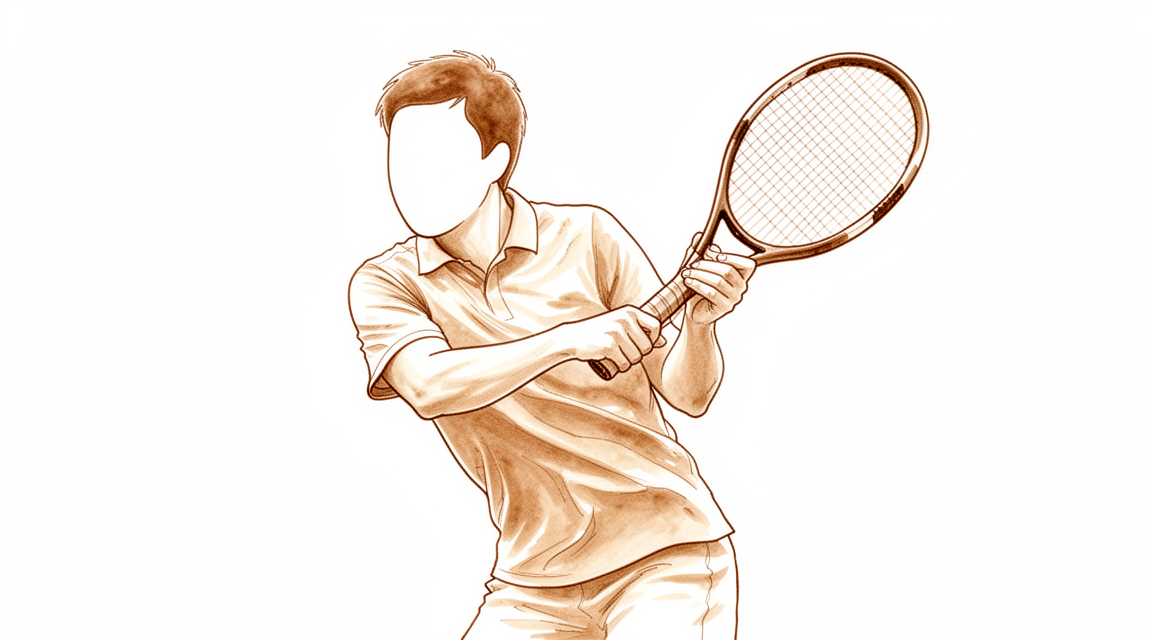
நீங்கள் உணர்வது
டென்னிஸ் முழங்கை (tennis elbow) உங்கள் முழங்கையின் வெளிப்புறத்தில், பக்கவாட்டு எபிகாண்டைல் (lateral epicondyle) எனப்படும் எலும்புப் புடைப்பிலோ அதைச் சுற்றியோ வலியை ஏற்படுத்துகிறது. இந்த வலி அடிக்கடி உங்கள் முன்கையில் கீழ்நோக்கிப் பரவுகிறது; சில நேரங்களில் மேல்நோக்கி உங்கள் மேல் கைக்கும் பரவுகிறது. உங்கள் முன்கையின் பின்புறத்தில் உள்ள தசைகளை வேலை செய்ய வைக்கும் செயல்பாடுகளால் இது பொதுவாகத் தூண்டப்படுகிறது; ஏனெனில் இந்தத் தசைகள் அனைத்தும் அந்த எலும்புப் புடைப்பில் உள்ள ஒரே இணைப்புப் புள்ளியைப் பகிர்ந்துகொள்கின்றன.
வலி லேசானதாகவும் எப்போதாவது வருவதாகவும் இருப்பதிலிருந்து, தொடர்ச்சியானதாகவும் கடுமையானதாகவும் இருப்பது வரை மாறுபடலாம். கடுமையாக இருக்கும்போது, உங்கள் அன்றாடச் செயல்பாடுகள் அனைத்தையும் அது பாதிக்கலாம். அது உங்கள் தூக்கத்தையும் கெடுக்கலாம். பலருக்கு, செயல்பாட்டுக்குப் பிறகோ தூக்கத்திலிருந்து எழும்போதோ வலி அதிகரிக்கிறது.
திருப்புதல் அல்லது பிடித்தல் தேவைப்படும் அன்றாட வேலைகள் கடினமாகின்றன. கதவுக் கைப்பிடியைத் திருப்புவது, காபி கோப்பையைப் பிடிப்பது, கைகுலுக்குவது, அல்லது கெட்டிலைத் தூக்குவது ஆகிய அனைத்தும் வலியைத் தூண்டலாம். உங்கள் முழங்கை பொதுவாக இன்னும் தன் முழு அசைவு வரம்பிலும் அசைகிறது; எனவே பிரச்சினை விறைப்பு அல்ல, வலிதான்.
பெரும்பாலானோருக்கு, டென்னிஸ் முழங்கை தானாகவே சரியாகிவிடுகிறது. சுமார் 90% பேருக்கு, அறுவை சிகிச்சை இல்லாமலேயே ஓராண்டுக்குள் அது சரியாகிவிடுகிறது. எந்தச் சிகிச்சைக்கும் நீங்கள் அவசரப்படத் தேவையில்லை.
சில அறிகுறிகளுக்குத் தாமதிக்காமல் கவனம் தேவை. உங்கள் அறிகுறிகள் தணியாமல் இருந்தால், வாரக்கணக்கில் மோசமாகிக்கொண்டிருந்தால், இரவில் உங்களைத் தூக்கத்திலிருந்து எழுப்பினால், அல்லது நீங்கள் வேலை செய்வதையோ உங்கள் கையை (hand) அல்லது கைப்பகுதியை (arm) பயன்படுத்துவதையோ தடுத்தால், உங்கள் GP-யைப் பாருங்கள் அல்லது சிறப்பு மருத்துவரின் மதிப்பீட்டைக் கேளுங்கள்.
உண்மையில் என்ன நடக்கிறது
வலிக்கும் இடம், உங்கள் முழங்கையின் வெளிப்புறத்தில் தசைநாண்கள் எலும்புடன் இணையும் இடம். தசைநாண்கள் (tendons) என்பவை தசையை எலும்புடன் இணைக்கும் வலுவான நாண்கள். இங்கு சம்பந்தப்பட்டவை உங்கள் முன்கையின் பின்புறமாகக் கீழ்நோக்கிச் செல்கின்றன; அவை அந்த எலும்புப் புடைப்பில் உள்ள ஒரே பிடிப்புப் புள்ளியைப் பகிர்ந்துகொள்கின்றன.
பெயர் இப்படி இருந்தாலும், இது உண்மையில் ஒரு அழற்சி (inflammation) பிரச்சினை அல்ல. ஒரு தசைநாணை நுண்ணோக்கியின் கீழ் பரிசோதிக்கும்போது, அந்தத் திசுவில் வீக்கமும் சிவப்பும் அல்ல, தேய்மானமும் நைவும்தான் தெரிகின்றன. நன்கு பயன்படுத்தப்பட்ட ஒரு கயிற்றை நினைத்துப் பாருங்கள்: சில இழைகள் கிழிந்துவிட்டன; கயிறு தன்னைத்தானே சரிசெய்ய முயன்றது, ஆனால் அந்த வேலையை முறையாக முடிக்கவில்லை. உருவாகும் சீரமைப்புத் திசு ஒழுங்கற்றதாகவும் மூலத் திசுவைவிட வலுவற்றதாகவும் இருக்கிறது. அதனால்தான் அந்த இடம் தொட்டால் வலிப்பதாகவே இருக்கிறது; பிடிப்பதும் திருப்புவதும் வலிக்கக் காரணமும் அதுதான்: அந்தச் செயல்கள் சேதமடைந்த நாணை நேரடியாக இழுக்கின்றன.
இதன் மருத்துவப் பெயர் பக்கவாட்டு எபிகாண்டைலைடிஸ் (lateral epicondylitis); இது பக்கவாட்டு முழங்கைத் தசைநாண் நோய் (lateral elbow tendinopathy) என்றும் அழைக்கப்படுவதை நீங்கள் காணலாம். இரண்டு பெயர்களும் ஒரே விஷயத்தையே விவரிக்கின்றன: மீண்டும் மீண்டும் பயன்படுத்துவதால் அந்தத் தசைநாண் இணைப்பில் ஏற்படும் தேய்மானம். இது முழங்கையின் உட்புறத்தைவிட வெளிப்புறத்தில் மிக அதிகமாக ஏற்படுகிறது; அதனால்தான் டென்னிஸ் முழங்கை என்ற பெயர் பொதுவாக இந்த இடத்தையே குறிக்கிறது.
சேதம் அந்தத் தொகுப்பில் உள்ள ஒரு குறிப்பிட்ட தசைநாணில் இருக்கிறது — நீங்கள் பிடிக்கும்போது உங்கள் மணிக்கட்டை நிலையாக வைத்திருக்கும் தசைநாண். உங்கள் மணிக்கட்டைப் பின்னோக்கி நிமிர்த்தும் (extend) முன்கைத் தசைகள் அனைத்தும் அந்த ஒரே பிடிப்புப் புள்ளியைப் பகிர்ந்துகொள்வதால், நீங்கள் உங்கள் கையை (hand) பயன்படுத்தும்போது அங்குள்ள வலி உங்கள் முன்கையில் கீழ்நோக்கிப் பரவுகிறது.
வேறு சில காரணங்களும் அதே பகுதியில் வலியை ஏற்படுத்தலாம்; அவற்றை வேறுபடுத்திப் பார்ப்பது எப்போதும் எளிதல்ல. அதனால்தான் உங்கள் முழங்கையைக் கவனமாக நேரடியாகப் பரிசோதிப்பது முக்கியம்; எவ்வளவு தேய்மானம் உள்ளது என்பதைச் சோதிக்கச் சில நேரங்களில் ஸ்கேன்கள் பயன்படுத்தப்படுவதும் அதனால்தான். இந்த நிலையால், உங்கள் மூட்டு எந்த நிலையில் உள்ளது என்பதை உணரும் திறனும் (sense of joint position) சற்றுப் பாதிக்கப்படலாம்; இதைச் சரிசெய்ய உங்கள் இயன்முறை சிகிச்சை உதவும்.
முக்கியமான விஷயம் இதுதான்: தசைநாண் தேய்ந்திருக்கிறது, அழிந்துவிடவில்லை; போதுமான காலமும் சரியான சுமையும் கொடுக்கப்பட்டால், அந்தத் திசுவுக்குத் தன்னைத்தானே சரிசெய்துகொள்ளும் திறன் இன்னும் உள்ளது.
இதற்கு நாங்கள் என்ன செய்ய முடியும்
Mater Private Hospital Rockhampton-இல் பணியாற்றும் மேல் அவயவ (upper limb) அறுவை சிகிச்சை நிபுணரான டாக்டர் கியரன் ஹிர்பரா, உங்கள் நிலைக்குப் பொருந்தும், மிகக் குறைவாக ஊடுருவும் சிகிச்சை வழிகளிலிருந்தே தொடங்குகிறார். நோயாளிகள் பொதுவாக அவர்களின் GP (குடும்ப மருத்துவர்) மூலம் எங்கள் கிளினிக்குக்குப் பரிந்துரைக்கப்படுகிறார்கள்; ஒரு இயன்முறை சிகிச்சையாளர் (physiotherapist) எங்களைச் சந்திக்கச் சொல்லியிருந்தாலும், Medicare தள்ளுபடியைப் (rebate) பெறத் தகுதி பெற உங்கள் GP-யிடமிருந்து பரிந்துரைக் கடிதம் இன்னும் தேவைப்படும். உங்கள் சந்திப்பின்போது உங்கள் உடல்நல வரலாற்றைக் கேட்டறிந்து, உங்கள் முழங்கையைப் பரிசோதித்து, நாங்கள் செய்யப்போவதை ஸ்கேன்கள் மாற்றும் என்றால் மட்டுமே அவற்றுக்கு ஏற்பாடு செய்வோம். இது போன்ற நீண்ட காலப் பிரச்சினைக்கு, நாங்கள் பொதுவாக முதலில் அறுவை சிகிச்சையற்ற கவனிப்பை முயற்சிக்கிறோம்; அது போதுமான முன்னேற்றம் தராதபோது மட்டுமே அறுவை சிகிச்சையைப் பரிசீலிக்கிறோம்.
முதல் படி, நீங்கள் தசைநாணுக்குச் சுமை கொடுக்கும் விதத்தை மாற்றுவது. அதாவது, வலியைத் தூண்டும் பிடித்தல், திருப்புதல் வேலைகளைக் குறைத்துக்கொண்டு, பின்னர் படிப்படியாக அதிகரிக்கும் சுமைப் பயிற்சித் திட்டம் (progressive loading programme) மூலம் தசைநாணை மீண்டும் வலுப்படுத்துவது. பெரும்பாலான முழங்கைகள் எப்படியிருந்தாலும் காலப்போக்கில் சரியாகிவிடுவதால், இயன்முறை சிகிச்சையின் நோக்கம் இறுதி முடிவை மாற்றுவது அல்ல, வலி நிறைந்த மாதங்களை நீங்கள் வேகமாகக் கடக்க உதவுவதே. மாதக்கணக்கில் அளக்கப்படும், உண்மையான, நீண்ட முயற்சியை இதற்குக் கொடுங்கள். இந்தப் பக்கத்தில் முன்பே நீங்கள் படித்தபடி, பத்தில் சுமார் ஒன்பது முழங்கைகள் அறுவை சிகிச்சை இல்லாமலேயே ஓராண்டுக்குள் சரியாகிவிடுகின்றன; அதனால்தான் அறுவை சிகிச்சைக்கான வரம்பை நாங்கள் உயரமாக வைக்கிறோம்.
இங்கு நாங்கள் கார்டிசோன் (cortisone) ஊசிகளை வழக்கமான தேர்வாகப் பயன்படுத்துவதில்லை. இதற்கான காரணம், தசைநாண் குணமடைவதற்கு முன்பே வலி தணிந்துவிடுவதால், இன்னும் தயாராகாத ஒரு தசைநாணுக்கு நீங்கள் மீண்டும் சுமை கொடுக்கத் தொடங்கிவிடுவதாக இருக்கலாம். எப்போதாவது ஒரு ஊசி பரிசீலிக்கப்பட்டால், அது குறுகிய கால செயல்பாட்டைக் கருத்தில் கொண்டு யோசித்து எடுக்கப்படும் முடிவு; வழக்கமான ஒரு படி அல்ல. தட்டணுக்கள் நிறைந்த பிளாஸ்மா (platelet-rich plasma), அல்லது உங்கள் சொந்தக் கையிலிருந்து எடுக்கப்படும் இரத்தம் போன்ற பிற ஊசிகள் இந்த நிலைக்குப் பரிந்துரைக்கப்படுவதில்லை.
அறுவை சிகிச்சையற்ற கவனிப்பை உண்மையாக முயன்ற பிறகும் இயலாமையுடன் இருக்கும் சிறிய பிரிவினருக்கு மட்டுமே அறுவை சிகிச்சை பரிசீலனைக்கு வருகிறது. இந்த அறுவை சிகிச்சை, உங்கள் முழங்கையின் வெளிப்புறத்தில் தசைநாண் எலும்புடன் இணையும் இடத்திலுள்ள தேய்ந்த, நைந்த பகுதியைச் சுத்தம் செய்து அகற்றுகிறது. இதைச் சிறிய சாவித்துளை (keyhole) கீறல்கள் மூலமாகவோ ஒரு சிறிய திறந்த கீறல் மூலமாகவோ செய்யலாம்; எந்த ஒரு முறையும் மற்றவற்றைவிடச் சிறந்தது என்று நிரூபிக்கப்படவில்லை. அறுவை சிகிச்சை செய்வதா என்பது, அறுவை சிகிச்சையில் என்ன செய்யப்படுகிறது, மீட்சிக்கு உங்களிடமிருந்து என்ன தேவைப்படுகிறது என்பதை நீங்கள் அறிந்த பிறகு, நாம் இணைந்து எடுக்கும் முடிவு.
என்ன எதிர்பார்க்கலாம்
பெரும்பாலானோருக்கு, டென்னிஸ் முழங்கை மெதுவான ஆனால் சீரான போக்கைப் பின்பற்றுகிறது. அறிகுறிகள் நாட்கணக்கில் அல்லாமல் மாதக்கணக்கில் தணியும் போக்கு உள்ளது; வழியில் அவ்வப்போது வலி அதிகரிப்புகளுடன் (flare-ups) படிப்படியாக முன்னேறுவதே பெரும்பாலும் காணப்படும் முறை. இதற்கு ஆகும் காலம், இது உங்களுக்கு எவ்வளவு காலமாக இருக்கிறது என்பதைப் பொறுத்ததல்ல: ஓராண்டாக வலிக்கும் தசைநாணுக்கும், சில மாதங்களாக வலிக்கும் தசைநாணுக்கும் சரியாவதற்கு ஒரே அளவு வாய்ப்பு உள்ளது.
முக்கிய எண்ணிக்கையை நீங்கள் ஏற்கெனவே படித்துவிட்டீர்கள்: பத்தில் சுமார் ஒன்பது முழங்கைகள் அறுவை சிகிச்சை இல்லாமலேயே ஓராண்டுக்குள் சரியாகிவிடுகின்றன. அதுவே நேர்மையான தொடக்கப் புள்ளி; நீங்கள் எதுவும் செய்யாவிட்டாலும், சுமைப் பயிற்சித் திட்டத்தைப் பின்பற்றினாலும், அல்லது வேறு அறுவை சிகிச்சையற்ற கவனிப்பை முயன்றாலும் அது பொருந்தும். சிகிச்சையால் மாற்ற முடிவது பயணத்தைத்தான், சென்றடையும் இடத்தை அல்ல. நன்கு நடத்தப்படும் ஒரு திட்டம், தசைநாண் பின்னணியில் தன் மெதுவான சீரமைப்பு வேலையைச் செய்துகொண்டிருக்கும்போது, வலி நிறைந்த மாதங்களை நீங்கள் அதிக சௌகரியத்துடன் கடக்க உதவுவதை நோக்கமாகக் கொண்டது.
அறுவை சிகிச்சையற்ற கவனிப்பை உண்மையாக முயன்ற பிறகும் வலி நீடிக்கும் சில முழங்கைகளில் உங்களுடையதும் ஒன்றாக இருந்தால், அறுவை சிகிச்சை இன்னும் உண்மையான நிவாரணத்தைத் தர முடியும்.
அறுவை சிகிச்சைக்குப் பிறகான மீட்சி படிப்படியானது. முதலில் வலி குறைகிறது; பின்னர் பிடி வலிமையும், அன்றாட வேலைகளுக்கு உங்கள் கையை (hand) பயன்படுத்தும் நம்பிக்கையும் வாரங்கள் முதல் மாதங்கள் வரையிலான காலத்தில் திரும்புகின்றன. அறுவை சிகிச்சைக்குப் பிந்தைய கை சிகிச்சை (hand therapy), Extend Rehabilitation-இல் Ruby Doolan-உடன் நடைபெறும்; அவர் உங்கள் பயிற்சிகளுக்கு வழிகாட்டி, உங்களுக்குத் தேவையான எந்தச் சிம்பையும் (splint) செய்து தருவார்.
அறுவை சிகிச்சைக்குப் பிறகும் ஒரு சிலருக்கு வலி தொடர்கிறது; சுமார் 1.5% பேருக்கு இன்னொரு அறுவை சிகிச்சை தேவைப்படுகிறது. அறுவை சிகிச்சைக்கு முன் மூன்று அல்லது அதற்கு மேற்பட்ட ஊசிகள் போட்டிருந்தால், அந்த வாய்ப்பு அதிகரிக்கிறது. உங்கள் அறிகுறிகள் தணியாமல் இருந்தால், வாரக்கணக்கில் மோசமாகிக்கொண்டிருந்தால், இரவில் உங்களைத் தூக்கத்திலிருந்து எழுப்பினால், அல்லது நீங்கள் வேலை செய்வதையோ உங்கள் கையை (hand) அல்லது கைப்பகுதியை (arm) பயன்படுத்துவதையோ தடுத்தால், உங்கள் GP-யைப் பாருங்கள் அல்லது சிறப்பு மருத்துவரின் மதிப்பீட்டைக் கேளுங்கள்.
எப்போது மருத்துவரைப் பார்க்க வேண்டும்
பெரும்பாலான டென்னிஸ் முழங்கை தானாகவே சரியாகிவிடுகிறது; பத்தில் சுமார் ஒன்பது முழங்கைகள் அறுவை சிகிச்சை இல்லாமலேயே ஓராண்டுக்குள் சரியாகிவிடுகின்றன. ஆனால் சில அறிகுறிகள், உதவி பெற வேண்டிய நேரம் வந்துவிட்டதைக் குறிக்கின்றன. பல மாதங்களுக்குப் பிறகும் உங்கள் வலி தணியாமல் இருந்தால், அது மோசமாகிக்கொண்டிருந்தால், இரவில் உங்களைத் தூக்கத்திலிருந்து எழுப்பினால், அல்லது நீங்கள் வேலை செய்வதையோ உங்கள் கையையும் (hand) கைப்பகுதியையும் (arm) இயல்பாகப் பயன்படுத்துவதையோ தடுத்தால், உங்கள் GP-யைப் பாருங்கள் அல்லது சிறப்பு மருத்துவரின் மதிப்பீட்டைக் கேளுங்கள். இந்த நிலை உள்ளவர்களில் ஐந்தில் சுமார் ஒருவருக்கு, வேலையையும் அன்றாட வாழ்க்கையையும் கட்டுப்படுத்தும் அளவுக்குக் கடுமையான வலி ஏற்படுகிறது; எனவே உதவி தேவைப்படுவது அசாதாரணமானது அல்ல. தசைநாணுக்குள் ஏற்கெனவே மூன்று அல்லது அதற்கு மேற்பட்ட ஊசிகள் போட்டிருந்தும் வலி இன்னும் உங்களைக் கட்டுப்படுத்தினால், சிறப்பு மருத்துவரின் மதிப்பீட்டைக் கேளுங்கள்; ஏனெனில் அந்த வரலாறு, ஒரு அறுவை சிகிச்சை நிபுணர் உங்களுடன் எதைப் பற்றிப் பேச விரும்புவார் என்பதை மாற்றுகிறது.
ஆழமான விளக்கம்
Advanced reading: the deeper science (optional)
உங்கள் சொந்த சிகிச்சை முடிவுகளுக்குத் தேவையானதைவிட இந்தப் பகுதி மேலும் ஆழமாகச் செல்கிறது. டென்னிஸ் முழங்கை இந்தக் கூடுதல் வாசிப்புக்குத் தகுதியானது; ஏனெனில் முதல் மாதத்தில் மிகவும் பயனுள்ளதாகத் தோன்றும் சிகிச்சையே ஆண்டின் இறுதியில் மிக மோசமான முடிவைத் தரும் நிலைகளில் இதுவும் ஒன்று.
இந்த நிலை பெரும்பாலும் தானாகவே, மெதுவாகக் குணமாகிறது
தன்போக்கில் விட்டால் டென்னிஸ் முழங்கை சரியாகிவிடுகிறது. கீழே விவாதிக்கப்படும் மருத்துவச் சோதனையில், ஊசியும் இல்லாமல் இயன்முறை சிகிச்சையும் இல்லாமல் வெறுமனே காத்திருந்து கவனிக்கும் பிரிவுக்குச் சமவாய்ப்பு முறையில் ஒதுக்கப்பட்டவர்கள் 52 வாரங்களில் மீண்டும் மதிப்பிடப்பட்டனர்; அவர்களில் 62 பேரில் 56 பேர் (90%) தாங்கள் மிகவும் முன்னேறிவிட்டதாகவோ முழுமையாகக் குணமடைந்துவிட்டதாகவோ தெரிவித்தனர் [1].
ஒவ்வொரு சிகிச்சையும் அளக்கப்பட வேண்டிய அளவுகோல் அந்த எண்தான். தானாகவே குணமடைவதைவிட ஒரு சிகிச்சை சிறப்பாக இருந்தால் மட்டுமே அது பெறத் தகுந்தது; தானாகவே குணமடைவதுதான் பொதுவாக நடக்கிறது.
கார்டிகோஸ்டீராய்டு முரண்பாடு
ஒரு முக்கியமான சமவாய்ப்பு மருத்துவச் சோதனை, கார்டிகோஸ்டீராய்டு ஊசி, இயன்முறை சிகிச்சை, வெறுமனே காத்திருப்பது ஆகியவற்றை ஒப்பிட்டு, ஒரு முழு ஆண்டுக்கு மக்களைப் பின்தொடர்ந்தது [1].
ஆறு வாரங்களில் ஊசி சிறப்பாகத் தெரிந்தது. ஊசி பெற்ற பிரிவில் 65 பேரில் 51 பேர் (78%) வெற்றியைத் தெரிவித்தனர்; காத்திருந்தவர்களில் 60 பேரில் 16 பேர் (27%) மட்டுமே தெரிவித்தனர் — சிகிச்சை அளிக்கத் தேவையான எண்ணிக்கை (number needed to treat) 2 [1].
பிறகு நிலைமை தலைகீழானது. அந்த ஆரம்ப வெற்றிகளில், 65 பேரில் 47 பேர் (72%) பின்னர் மீண்டும் மோசமடைந்தனர். 52 வாரங்கள் ஆகும்போது, ஒவ்வொரு முடிவிலும் ஊசி பெற்ற பிரிவு இயன்முறை சிகிச்சைப் பிரிவைவிடக் கணிசமாக மோசமாக இருந்தது; மூன்று முதன்மை அளவீடுகளில் இரண்டில், எதுவும் செய்யாதவர்களைவிடவும் மோசமாக இருந்தது [1].
ஆசிரியர்களின் சொந்த விளக்கத்தைத் திரும்பச் சொல்வது பொருத்தமானது: ஊசி வலியை மிக விரைவாகத் தணிப்பதால், உண்மையில் இன்னும் குணமடையாத ஒரு தசைநாணுக்கு மக்கள் மீண்டும் சுமை கொடுக்கத் தொடங்கிவிடுகிறார்கள். டென்னிஸ் முழங்கையில் கார்டிகோஸ்டீராய்டை "எச்சரிக்கையுடன் பயன்படுத்த வேண்டும்" என்பதே அந்தச் சோதனையின் முடிவாக இருந்தது — பெரும்பாலானோர் தங்களுக்கு வழங்கப்படும் என்று எதிர்பார்க்கும் சிகிச்சையைப் பற்றிச் சொல்வதற்கு இது ஒரு குறிப்பிடத்தக்க கூற்று.
அதனால்தான் இங்கு ஒரு ஊசி என்பது, குறுகிய கால செயல்பாட்டைக் கருத்தில் கொண்டு யோசித்து எடுக்கப்படும் முடிவே தவிர, தானாக அமையும் தேர்வு அல்ல; அதனால்தான் சுமைப் பயிற்சித் திட்டத்துக்கு அது மாற்றாகவும் ஆகாது.
அப்படியானால் எது செய்யத் தகுந்தது
ஆறு வாரங்களில் ஒவ்வொரு அளவீட்டிலும் இயன்முறை சிகிச்சை, காத்திருப்பதைவிடச் சிறப்பாக இருந்தது; 52 வாரங்கள் ஆகும்போது இரண்டு பிரிவுகளிலும் கிட்டத்தட்ட அனைவரும் குணமடைந்திருந்ததால், அவற்றை வேறுபடுத்திப் பார்க்க முடியவில்லை [1]. எனவே அதன் மதிப்பு, வலி நிறைந்த மாதங்களை வேகமாகக் கடக்க உங்களுக்கு உதவுவதில் உள்ளது; சென்றடையும் இடத்தை மாற்றுவதில் அல்ல. குறிப்பிடத்தக்க வகையில், இயன்முறை சிகிச்சைப் பிரிவினர் வழியில் கூடுதல் சிகிச்சையையும் குறைவாகவே நாடினர் [1]. அதைக் கருத்தில் கொண்டால், நியாயமான திட்டம் என்பது சுமை மேலாண்மையும் படிப்படியாக முன்னேறும் தசைநாண் பயிற்சித் திட்டமும்தான் — கால அளவு மாதங்களில் அளக்கப்படுகிறது என்பதை ஏற்றுக்கொண்டு.
அறுவை சிகிச்சை அல்லாத சிகிச்சையை உண்மையாகவும் நீண்ட காலமும் முயற்சித்த பிறகும் இயலாமையுடன் இருக்கும் சிறுபான்மையினருக்கே அறுவை சிகிச்சை ஒதுக்கப்படுகிறது. அந்த வரம்பு உயரமாக வைக்கப்பட்டிருப்பதற்குக் காரணம், மேலே சொன்ன இயற்கையான போக்குதான்: முன்கூட்டியே அறுவை சிகிச்சை செய்தால், பத்தில் ஒன்பது வழக்குகளில் எப்படியும் தானாகவே சரியாகியிருக்கும் ஒரு நிலையுடன் நீங்கள் போட்டியிடுகிறீர்கள்.
வளர்க்கப்பட்ட தசைநாண் செல் ஊசி
உங்கள் சொந்த தசைநாண் செல்களை ஆய்வகத்தில் வளர்த்து ஊசி மூலம் செலுத்தும், தன்னுடலிலிருந்தே பெறப்படும் டெனோசைட் பொருத்துதல் (autologous tenocyte implantation — ATI, ஆஸ்திரேலியாவில் OrthoATI என்ற பெயரில் விற்கப்படுகிறது) உங்களுக்கு வழங்கப்படலாம், அல்லது அதைப் பற்றி நீங்கள் படிக்க நேரலாம். இது பாதுகாப்பானது, உயிரியல் ரீதியாகப் பொருத்தமானது; பிடிவாதமான டென்னிஸ் முழங்கையில் பதிவான முடிவுகள் நான்கு ஆண்டுகளுக்கும் மேலாக நீடித்துள்ளன. அதே நேரத்தில், உலக இலக்கியம் முழுவதிலும் இதற்கு ஆதரவாக இருப்பது, மொத்தமாக 50 நோயாளிகளைக் கொண்ட ஐந்து ஆய்வுகள் மட்டுமே; அவற்றில் ஒன்றுகூட ஒப்பீட்டுப் பிரிவைக் கொண்டிருக்கவில்லை. மேலே சொன்ன இயற்கையான போக்குடன் இதை ஒப்பிட்டுப் பார்த்தால், எச்சரிக்கையாக இருப்பதற்கான காரணம் தெளிவாகிவிடும். என்ன தெரியும், என்ன தெரியாது என்பது குறித்த முழுமையான விவரம், மேற்கோள்களுடன், தன்னுடலிலிருந்தே பெறப்படும் டெனோசைட் பொருத்துதல் பக்கத்தில் உள்ளது.
மேற்கோள்கள்
[1] Bisset L, Beller E, Jull G, Brooks P, Darnell R, Vicenzino B. Mobilisation with movement and exercise, corticosteroid injection, or wait and see for tennis elbow: randomised trial. BMJ. 2006;333(7575):939. https://doi.org/10.1136/bmj.38961.584653.ae
Evidence & references
This is the clinical evidence summary written for health professionals. It is technical, and it lists the research this page was built from. You do not need to read it to understand your treatment or to make a decision about it.
Overview
- A 2018 review provides an overview of current concepts regarding the diagnosis and treatment of tennis elbow and its impact on work participation [1].
- The term "Tennis Elbow" is considered inaccurate by some authors, and the diagnosis is often made too quickly, which may explain high rates of recalcitrant complaints due to insufficient consideration of differential diagnoses [3].
- Most published literature on the nonoperative treatment of lateral tennis elbow consists of poorly designed trials with nebulous selection criteria and low patient numbers [2].
- Based on placebo or no-treatment control arms of randomized trials, approximately 90% of people with untreated tennis elbow achieve symptom resolution at 1 year [5].
- Pooled data from randomized controlled trials indicate a lack of intermediate- to long-term clinical benefit after nonsurgical treatment of lateral epicondylitis compared with observation only or placebo [12].
- Systematic reviews have been unable to reach conclusions regarding the benefit of forearm bracing in tennis elbow [41].
- Most patients with lateral epicondylitis resolve spontaneously or with standard conservative management, but refractory cases may benefit from interventional therapies or surgical approaches [25].
- While numerous treatment options exist for epicondylitis, no single universally accepted protocol has emerged [15].
- There is wide variability in the treatments offered when physiotherapy fails patients with tennis elbow [30].
- Controversy remains regarding the optimal modality for quickest recovery and the role of surgical intervention for refractory cases of lateral epicondylosis [31].
- Due to a small number of studies, large heterogeneity in interventions, small sample sizes, and poor reporting of outcomes, there was insufficient evidence to support or refute the effectiveness of surgery for lateral elbow pain [20].
- Current research evidence suggests that surgery for tennis elbow is no more effective than nonsurgical treatment, based on evidence with significant methodological limitations [53].
- It is recommended to consider non-invasive techniques such as extracorporeal shock wave therapy prior to surgery in tennis elbow [54].
- If a good hand therapy program and other nonoperative measures are ineffective, percutaneous tenotomy is a viable surgical option for tennis elbow [14].
- After surgical treatment for lateral elbow tendonopathy, pain relief and restoration of elbow function can be achieved [8].
- Denervation of the elbow for the management of tennis elbow is a simple and safe procedure [16].
- The effectiveness of ultrasound percutaneous tenotomy appears to improve up to 1 year after surgery, making it an emerging viable alternative for the treatment of medial or lateral epicondylitis [51].
- Recovery from debridement of extensors and drilling of the lateral epicondyle was slow and never immediate, unlike in series where extensors were simply released without decortication of the lateral epicondyle [28].
- In experienced hands, elbow arthroscopy is a safe modality of treatment for a variety of pathologies [10].
Anatomy & Pathophysiology
Anatomy
- The pathology of lateral epicondylitis is primarily localized to the origin of the extensor carpi radialis brevis (ECRB) [83].
- The ECRB and extensor digitorum communis (EDC) have tendinous origins and lie deep to the extensor carpi radialis longus (ECRL), which has a muscular origin [83].
- The common extensors lie superficial to the lateral collateral ligament complex proximally and to the supinator distally [83].
- The ECRB tendon lies superficial to the joint capsule and is therefore accessible arthroscopically [83].
- The posterior interosseous nerve enters the supinator distal to the radial head [83].
- Compression of the posterior interosseous nerve at the radial tunnel can coexist with lateral epicondylitis [83].
- The pathologic process of lateral epicondylitis mainly involves the origin of the extensor carpi radialis brevis but can involve the tendons of the extensor carpi radialis longus and the extensor digitorum communis [84].
- The anatomic basis of the injury to the extensor carpi radialis brevis origin involves hypovascular zones, eccentric tendon stresses, and a microscopic degenerative response [40].
- The superficial head of supinator has a biomechanical basis in the aetiology of both lateral epicondylitis and radial tunnel syndrome [101].
- The common extensor tendon is thicker in men and in the dominant elbow compared to non-dominant elbows [122].
Pathophysiology
- Lateral epicondylitis is initiated as a microtear, most often within the origin of the extensor carpi radialis brevis [84].
- The current consensus is that lateral epicondylitis is a degenerative disease rather than primarily an inflammatory condition [18].
- Histologic studies of lateral epicondylitis show angiofibroblastic hyperplasia [83].
- Histologic findings in lateral epicondylitis include neovascularization, infiltration by mucopolysaccharide, a disordered collagen scaffold, bone formation, and angiofibroblastic proliferation [83].
- Inflammation is not usually seen in lateral epicondylitis but is likely present in the early stages [83].
- The lesion in lateral epicondylitis occurs in a vascular watershed area that is relatively avascular, limiting healing potential [83].
- Tennis elbow may start as an inflammatory condition but progresses to a degenerative state [4].
- Tendinosis at initial onset is similar to a stagnant state of fibroplasia [4].
- The primary lesion of lateral epicondylitis is classically found in the origin of the ECRB, but it can also be seen in the EDC [83].
- Microscopic findings in lateral epicondylitis show immature reparative tissue that resembles angiofibroblastic hyperplasia [84].
- Lateral epicondylitis is typically caused by eccentric contractions of the extensor carpi radialis brevis muscle during the backhand swing [83].
- Repetitive exposure to bending and straightening the elbow is a significant risk factor for lateral epicondylitis [121].
- Self-reported physical exposures involving repetitive and extensive or prolonged wrist bend, twisting, and forearm movements are associated with incident cases of lateral epicondylitis [52].
- Combined physical exertion and elbow movements are strongly associated with lateral epicondylitis [9].
- Biomechanical exposure involving the wrist and/or elbow at work is associated with the incidence of lateral epicondylitis [87].
- Some individuals may have a genetic predisposition to develop tennis elbow [84].
- Increased MRI signal in the ECRB origin is common in both symptomatic and asymptomatic elbows [66].
- The presence of hypoechogenicity and bone changes on ultrasound indicates a stressed common extensor origin-lateral epicondyle complex in elbows with lateral epicondylalgia [13].
- In tennis elbow patients, hand/wrist and shoulder strength and extensor carpi radialis activity are reduced compared to controls [42].
- Grip force is markedly reduced at the pathological side in tennis elbow patients, with a striking reduction when measured with a straight elbow compared to 90° flexion [105].
Classification
- The term "Tennis Elbow" is considered inaccurate, and the diagnosis is often made too quickly [3].
- Insufficient consideration of differential diagnoses may explain high rates of recalcitrant complaints in patients diagnosed with tennis elbow [3].
- Almost half of patients (46.5%) presenting with lateral sided elbow pain are diagnosed with a condition other than lateral epicondylitis [29].
- Differential diagnosis of lateral elbow instability should be considered in patients presenting with tennis elbow [11].
- Accurate diagnosis of medial epicondylitis requires distinguishing it from other elbow conditions [19].
- There is considerable terminological heterogeneity in the description of lateral elbow pain [50].
- The lack of clear and recognized diagnostic criteria is associated with the terminological heterogeneity in evaluating and treating patients with lateral elbow pain [50].
- The presence of hypoechogenicity and bone changes on musculoskeletal ultrasound indicates a stressed common extensor origin-lateral epicondyle complex in elbows with lateral epicondylalgia [13].
- Tennis elbow is reflective of tendon overuse and failed tendon healing [68].
- The primary site of the basic underlying lesion in lateral tennis elbow is in the origin of the extensor carpi radialis brevis (ECRB) [70].
- Overuse in the ECRB origin results in microscopic rupture and subsequent tendinous nonrepair with immature reparative tissue [70].
- The findings of microscopic rupture and nonrepair in the ECRB origin have been termed angiofibroblastic hyperplasia [70].
- The onset of tennis elbow is hastened by overuse of the arm and elbow, consistent with it being a degenerative disease [18].
- There is evidence for a possible neurogenic involvement in the pathophysiology of tennis elbow [33].
- In tennis elbow patients, hand/wrist and shoulder strength are reduced compared to controls [42].
- In tennis elbow patients, extensor carpi radialis (ECR) activity is reduced compared to controls [42].
- The Patient Rated Tennis Elbow Evaluation (PRTEE) is the core outcome for capturing the disability domain in clinical settings and research for lateral elbow tendinopathy [124].
- The PRTEE and its subscales offer insights into the domains of pain and function in addition to disability [124].
- Time off work is recommended as an interim measure for measuring participation in lateral elbow tendinopathy [124].
- Pain-free grip strength is recommended as an interim measure for measuring physical function capacity in lateral elbow tendinopathy [124].
- A numerical rating scale for pain on gripping is recommended as an interim measure for measuring pain on loading in lateral elbow tendinopathy [124].
Clinical Presentation
Epidemiology and Demographics
- Lateral epicondylitis is a common, generally self-limiting tendinosis affecting patients aged 35 to 55 years [45].
- Lateral elbow tendinosis is relatively common, particularly among individuals aged 40 to 49 years [58].
Pathophysiology and Terminology
- The term 'Tennis Elbow' is considered inaccurate by some authors, and the diagnosis is often made too quickly, potentially explaining high rates of recalcitrant complaints due to insufficient consideration of differential diagnoses [3].
- Findings are consistent with the hypothesis that tennis elbow is a degenerative disease, the onset of which is hastened by overuse of the arm and elbow [18].
- There is considerable terminological heterogeneity in the description of lateral elbow pain, associated with the lack of clear and recognised diagnostic criteria [50].
- The results give further evidence for a possible neurogenic involvement in the pathophysiology of tennis elbow [33].
Risk Factors
- Self-reported physical exposures that implicate repetitive and extensive/prolonged wrist bend/twisting and forearm movements were associated with incident cases of lateral epicondylitis [52].
Clinical Diagnosis and Examination
- The diagnosis of lateral epicondylitis was based on self-reported symptoms and clinical signs according to the Japanese Orthopaedic Association guidelines, which include pain in the elbow joint within 2 weeks, pain in the lateral epicondyle region on resisted extension of the wrist with the elbow extended, and tenderness in the lateral epicondyle [79].
- Physical examination of the elbow should focus on functional anatomy and includes inspection, palpation, range of motion, strength, stability, and special tests [86].
- Characteristic elements of the history for lateral elbow tendinopathy include pain lifting things from a bag with a pronated hand, turning doorknobs, taking milk from the fridge, shaking hands, taking a laptop out of a bag, and bumping the lateral elbow [86].
- Physical examination maneuvers to elicit lateral elbow tendinopathy include direct palpation of the ECRB origin, the tennis elbow shear test, pain along with resisted wrist or long finger extension, and the laptop test [86].
- Almost half of the patients (46.5%) were diagnosed with a diagnosis other than lateral epicondylitis [29].
- Differential diagnosis of lateral elbow instability in patients presenting with tennis elbow should be considered [11].
Imaging
- The presence of hypoechogenicity and bone changes on musculoskeletal ultrasound indicates the presence of a stressed common extensor origin-lateral epicondyle complex in elbows with lateral epicondylalgia [13].
- MRI is used to evaluate lateral elbow tendinopathy if the lateral ulnar collateral ligament (LUCL) is suspected as part of the pathology [86].
- Ultrasonography is used to evaluate lateral elbow tendinopathy [86].
Investigations
Clinical Diagnosis and Differential Diagnosis
- The diagnosis of tennis elbow is often made too quickly, which may explain high rates of recalcitrant complaints due to insufficient consideration of differential diagnoses [3].
- Almost half of the patients (46.5%) presenting with lateral sided elbow pain were diagnosed with a condition other than lateral epicondylitis [29].
- The physical examination for the elbow is directed by the history and the location of the patient's pain in the anterior, posterior, medial, or lateral aspect of the joint [81].
- In tennis elbow patients compared to controls, hand/wrist and shoulder strength and extensor carpi radialis (ECR) activity were reduced [42].
Imaging: Ultrasound
- The presence of hypoechogenicity and bone changes on ultrasound indicates the presence of a stressed common extensor origin-lateral epicondyle complex in elbows with lateral epicondylalgia [13].
- A systematic review and meta-analysis evaluated the diagnostic test accuracy of ultrasound for the detection of lateral epicondylitis [46].
Imaging: Magnetic Resonance Imaging (MRI)
- Increased MRI signal in the extensor carpi radialis brevis (ECRB) origin is common in both symptomatic and asymptomatic elbows [66].
- The routine use of MRI for the diagnosis of lateral epicondylitis is low, although its use is associated with downstream effects [107].
- MRI can be used to evaluate ligaments and tendons of the elbow, but it is rarely indicated [78].
- Magnetic resonance imaging findings in refractory tennis elbows have a relationship to surgical treatment [48].
- The reliability and validity of magnetic resonance imaging in the assessment of chronic lateral epicondylitis has been evaluated [80].
Imaging: Radiography
- Lateral epicondyle calcifications are much more common in lateral epicondylitis than previously reported, possibly owing to modern digital radiography and magnification [129].
- Lateral epicondyle calcifications do not appear to be related to clinical factors including patient-reported measures [129].
- Bony changes at the lateral epicondyle, such as a gunsight type spur, have been described in tennis elbow syndrome [6].
Pathophysiology and Prognosis
- Tennis elbow is a degenerative disease, the onset of which is hastened by overuse of the arm and elbow [18].
- Although tennis elbow may start out as an inflammatory condition, it progresses to a degenerative state [4].
- Based on placebo or no-treatment control arms of randomized trials, about 90% of people with untreated tennis elbow achieve symptom resolution at 1 year [5].
- The results provide evidence for a possible neurogenic involvement in the pathophysiology of tennis elbow [33].
- The strength of associations between combined physical exertion and elbow movements and lateral epicondylitis is emphasized in working populations [9].
Treatment
Non-Operative Management
- Approximately 90% of people with untreated tennis elbow achieve symptom resolution at 1 year based on placebo or no-treatment control arms of randomized trials [5].
- Lateral epicondylitis is usually self-limited, resolving over a 12- to 18-month period without treatment [55].
- The available data suggest that lateral epicondylitis often resolves spontaneously, warranting considerable circumspection before embarking on treatment [27].
- Most patients with lateral epicondylitis resolve spontaneously or with standard conservative management [25].
- Pooled data from RCTs indicate a lack of intermediate- to long-term clinical benefit after nonsurgical treatment of lateral epicondylitis compared with observation only or placebo [12].
- Patient education regarding activity modification to reduce exposure to aggravating activity appears to play a crucial role in resolving the pain associated with tennis elbow [4].
- There is general agreement that exercise is beneficial to treatment outcome for tennis elbow, although there is a lack of evidence to support a particular exercise prescription to increase tolerance for loading the common extensor tendon [4].
- Painful eccentric exercise has been shown to be effective in the management of chronic mid-portion Achilles tendinopathy, but not insertional Achilles tendinopathy [4].
- The significant short term benefits of corticosteroid injection are paradoxically reversed after six weeks, with high recurrence rates, implying that this treatment should be used with caution in the management of tennis elbow [37].
- Corticosteroid injection has little, if any, benefit over placebo and usually does not change the natural history of the disease [75].
- Recent data suggest that poorer results are seen in the intermediate and long term following corticosteroid injections relative to placebo, and patients who undergo corticosteroid injection may actually be worse at the end of a year [75].
- Local PRP injections were associated with superior outcomes for reducing pain and improving elbow joint function compared with local corticosteroids treatment for lateral epicondylitis at a follow-up of 6 months [59].
- Normal saline injections yielded a statistically significant and clinically meaningful improvement in pain and functional outcomes in patients with lateral epicondylitis [97].
- Peri-articular hyaluronic acid treatment for tennis elbow was significantly better than control in improving pain at rest and after maximal grip testing [56].
- Iontophoresis treatment was well tolerated by most patients and was effective in reducing symptoms of epicondylitis at short-term follow-up [61].
- Systematic reviews have been unable to come to any conclusions with regard to the benefit of forearm bracing in tennis elbow [41].
- Evidence was found for effectiveness of shock wave treatment for tennis elbow under well-defined, restrictive conditions only [60].
- Non-invasive techniques such as extracorporeal shock wave therapy are recommended to be considered prior to surgery in tennis elbow [54].
- Nonsurgical treatment is the mainstay of management for lateral epicondylitis, involving options such as rest, physical therapy, and injections [95].
- The 6 most frequently prescribed nonoperative treatments for lateral epicondylitis by fellowship-trained upper extremity surgeons were home exercise program/stretching (81%), nonsteroidal anti-inflammatory drugs (75%), steroid injection (71%), counterforce bracing (68%), formal physical therapy (65%), and wrist brace (47%) [104].
- There is wide variability of treatments offered when physiotherapy fails patients with tennis elbow [30].
- A high-repetition, low-resistance home exercise program may be useful for the management of lateral epicondylitis [75].
- Poorer outcomes are seen in patients who complain of severe pain, have concomitant neck pain, are involved in workers’ compensation claims, have concomitant depression, or have poor coping skills [75].
Operative Management
- There was insufficient evidence to support or refute the effectiveness of surgery for lateral elbow pain due to a small number of studies, large heterogeneity in interventions across trials, small sample sizes and poor reporting of outcomes [20].
- The literature and clinical experience confirm greater than 90% of people with lateral epicondylitis are successfully treated nonoperatively [36].
- Individuals with symptomatic tennis elbow who do not respond to rehabilitation and injections may be candidates for surgical intervention [36].
- Most surgical patients for lateral epicondylitis are in their fifth decade of life (range, 30–63 years), have had symptoms in their dominant arm for an average of 19 months (range, 6–132 months), and have had failure of nonoperative treatment including an average of 3.1 corticosteroid injections with little to no improvement [36].
- The majority of patients undergoing surgery for tennis elbow have surgery on their dominant elbow, with an average incidence of dominant arm involvement of 74% [36].
- Percutaneous tenotomy is a viable surgical option if a good hand therapy program and other nonoperative measures are ineffective in treating the patient with tennis elbow [14].
- For isolated lateral epicondylitis, a percutaneous release performed in the office is an effective treatment for recalcitrant lateral epicondylitis that has failed nonoperative management [63].
- The effectiveness of ultrasound percutaneous tenotomy for epicondylitis appears to improve up to 1 year after the surgery, making it an emerging viable alternative for the treatment of medial or lateral epicondylitis [51].
- Recovery after debridement of extensors and drilling of the lateral epicondyle was slow and was never found to be immediate as described in other series of tennis elbow procedures where the extensors were simply released and the lateral epicondyle was not decorticated [28].
- Good to excellent results have been achieved in 83% to 96% of patients using variations in technique for epicondylitis, with poorer outcomes reported in patients with ulnar nerve symptoms [75].
- The use of suture anchors to reattach the extensor carpi radialis brevis tendon after debridement and decortication provided significantly better short-term and long-term clinical results compared to traditional elbow arthroscopy and extensor carpi radialis brevis tendon debridement and decortication without anchors [103].
- Denervation of the elbow for management of tennis elbow is a simple safe procedure [16].
- Outcomes between open and arthroscopic procedures for lateral epicondylitis are comparable [75].
- Arthroscopic treatment of lateral epicondylitis is accompanied by an increased risk of neurovascular injury and instability compared with open release of the elbow [75].
- Failed surgical treatment of lateral epicondylitis is multifactorial, and distinguishing the cause is critical for appropriate management [21].
- The median time of minimum conservative management before surgery for lateral epicondylitis was six months (IQR 6 months) [98].
- Surgical intervention for refractory medial epicondylitis often has a high success rate with patients generally demonstrating an improvement in patient-reported outcomes and an encouraging number returning to work with limited complications [23].
- Chronic elbow dislocation is a rare complication of tennis elbow surgery that can be treated by open reduction and external articular distrator [11].
Complications
Surgical Complications
- Heterotopic ossification has been reported as a complication following arthroscopic treatment of lateral epicondylitis [35].
- Recovery after debridement of extensors and drilling of the lateral epicondyle is slow and not immediate, unlike procedures where extensors are simply released without decortication [28].
- Short-term complication rates appear comparable between open and arthroscopic treatment for lateral epicondylitis [110].
- In a review of revision surgery for recalcitrant lateral epicondylitis, pathologic changes in the extensor carpi radialis brevis were not addressed in 27 of 35 elbows, and damaged tissue was not completely excised in 7 elbows [102].
- Three or more preoperative injections is the most significant risk factor for revision surgery after operative treatment of lateral epicondylitis [108].
Diagnostic and Management Complications
- The diagnosis of tennis elbow is often made too quickly, potentially explaining high rates of recalcitrant complaints due to insufficient consideration of differential diagnoses [3].
- The term 'Tennis Elbow' is considered inaccurate by some authors [3].
Recovery
Prognosis and Natural History
- Lateral epicondylitis often resolves spontaneously, warranting considerable circumspection before embarking on treatment [27].
- Enthesopathy of the extensor carpi radialis brevis origin is a benign, self-limiting disorder with a natural history of spontaneous resolution [72].
- No treatments have been proven to alter the course of enthesopathy of the extensor carpi radialis brevis origin [72].
- Poor prognosis at 1 year of follow-up for lateral epicondylitis was related to manual work and high baseline pain [113].
- No relation was found between the type of medical treatment given or chosen and prognosis for lateral epicondylitis at 1 year [113].
- The annual incidence of lateral epicondylitis per 10,000 patients and the proportion of cases treated surgically remained constant from 2007 to 2014 [69].
Non-Operative Management
- The significant short-term benefits of corticosteroid injection are paradoxically reversed after six weeks, with high recurrence rates [37].
- Corticosteroid injection should be used with caution in the management of tennis elbow due to high recurrence rates after six weeks [37].
- There is general agreement that exercise is beneficial to treatment outcome for tennis elbow [4].
- There is a lack of evidence to support a particular exercise prescription to increase tolerance for loading the common extensor tendon [4].
- It is unclear which interventions may be helpful in pain modulation in chronic tennis elbow [4].
- It is unknown if commonly used physical agents may resolve the neurochemical response and its associated pain mediation in either acute or chronic tennis elbow [4].
- Ultrasound and electrotherapy may be used to facilitate tissue healing in tennis elbow [4].
- Theoretically, ultrasound and electrotherapy may be able to stimulate cellular responses to promote tissue healing in tendinosis [4].
- Evidence was found for the effectiveness of shock wave treatment for tennis elbow under well-defined, restrictive conditions only [60].
- Radial extracorporeal shock wave therapy, symptom duration of longer than 6 months, and short follow-up duration (less than 24 weeks) were related to better effects in lateral epicondylitis [65].
Operative Management
- Recovery following debridement of extensors and drilling of the lateral epicondyle was slow and was never found to be immediate [28].
- Immediate recovery has been described in other series of tennis elbow procedures where the extensors were simply released and the lateral epicondyle was not decorticated [28].
- No patient exhibited reduced wrist or elbow ranges of motion at follow-up compared with those ranges on the uninvolved opposite side following elongation of the extensor carpi radialis brevis tendon for refractory tennis elbow [43].
- Due to a small number of studies, large heterogeneity in interventions across trials, small sample sizes and poor reporting of outcomes, there was insufficient evidence to support or refute the effectiveness of surgery for lateral elbow pain [20].
Key Evidence
- [L4] This review gives an overview of the current concepts of diagnosis and treatment of tennis elbow and the impact on work participation. [1] (10.1177/1758573218797973)
- [L5] Most of the published literature on the nonoperative treatment of patients with lateral tennis elbow consists of poorly designed trials with nebulous selection criteria and low patient numbers. [2] (10.1016/s1058-2746(99)90081-2)
- [Letter] The authors agree that the term 'Tennis Elbow' is inaccurate and that the diagnosis is often made too quickly, potentially explaining high rates of recalcitrant complaints due to insufficient consideration of differential diagnoses. [3] (10.1177/1758573218816086)
- [Paper] [4] (10.1197/j.jht.2006.02.016)
- [L1] Based on the placebo or no-treatment control arms of randomized trials, about 90% of people with untreated tennis elbow achieve symptom resolution at 1 year. [5] (10.1097/corr.0000000000002058)
- [L4] [6] (10.1067/mse.2001.112020)
- [L4] After surgical treatment for lateral elbow tendonopathy, pain relief and restoration of elbow function can be achieved. [8] (10.1053/jhsu.2001.28432)
- [L4] This study emphasizes the strength of the associations between combined physical exertion and elbow movements and lateral epicondylitis. [9] (10.1002/ajim.22140)
- [L4] In experienced hands, elbow arthroscopy is a safe modality of treatment for a variety of pathologies. [10] (10.1016/j.arthro.2007.03.080)
- [L5] Differential diagnosis of lateral elbow instability in patients presenting with tennis elbow should be considered. [11] (10.1016/j.main.2007.05.002)
- [L1] Pooled data from RCTs indicate a lack of intermediate- to long-term clinical benefit after nonsurgical treatment of lateral epicondylitis compared with observation only or placebo. [12] (10.1007/s11999-014-4022-y)
- [L4] The presence of hypoechogenicity and bone changes indicates presence of a stressed common extensor origin-lateral epicondyle complex in elbows with lateral epicondylalgia. [13] (10.1186/1471-2342-14-10)
- [L4] If a good hand therapy program and other nonoperative measures are ineffective in treating the patient with tennis elbow, percutaneous tenotomy is a viable surgical option. [14] (10.1016/s0894-1130(12)80105-0)
- [L5] This article is a review of recently published information on elbow tendinopathy and tendon ruptures intended to assist clinicians in diagnosis and management, noting that while numerous treatment options exist for epicondylitis, no single universally accepted protocol has emerged. [15] (10.1016/j.jhsa.2009.01.022)
- [L2] Denervation of the elbow for management of tennis elbow is a simple safe procedure. [16] (10.5435/jaaosglobal-d-24-00352)
- [L4] The findings are consistent with the hypothesis that tennis elbow is a degenerative disease, the onset of which is hastened by overuse of the arm and elbow. [18] (10.1177/036354657900700405)
- [L5] Accurate diagnosis requires distinguishing it from other elbow conditions, and treatment is guided by the specific pathologic stage of the tendon. [19] (10.1016/j.csm.2004.04.011)
- [L1] Due to a small number of studies, large heterogeneity in interventions across trials, small sample sizes and poor reporting of outcomes, there was insufficient evidence to support or refute the effectiveness of surgery for lateral elbow pain. [20] (10.1002/14651858.cd003525.pub2)
- [L5] Failed surgical treatment of lateral epicondylitis is multifactorial, and distinguishing the cause is critical for appropriate management. [21] (10.1016/j.xrrt.2023.07.006)
- [L4] Surgical intervention for refractory medial epicondylitis often has a high success rate with patients generally demonstrating an improvement in patient-reported outcomes and an encouraging number returning to work with limited complications. [23] (10.1177/03635465221095565)
- [L4] Most patients with lateral epicondylitis resolve spontaneously or with standard conservative management, but refractory cases may benefit from interventional therapies or surgical approaches. [25] (10.5397/cise.2019.22.4.227)
- [L4] Overall, the available data suggest that lateral epicondylitis often resolves spontaneously, warranting considerable circumspection before embarking on treatment. [27] (10.1016/j.otsr.2019.09.004)
- [L4] However, recovery was slow and was never found to be immediate as described in other series of tennis elbow procedures where the extensors were simply released and the lateral epicondyle was not decorticated. [28] (10.1016/j.jse.2005.07.002)
- [L3] Almost half of the patients (46.5%) were diagnosed with a diagnosis other than lateral epicondylitis. [29] (10.1016/j.jseint.2024.08.047)
- [L4] There is wide variability of treatments offered when physiotherapy fails patients with tennis elbow. [30] (10.1177/1758573217738199)
- [L5] This article serves to provide an updated review of the various treatment options and management for lateral epicondylosis, noting that while most patients experience relief with non-operative management, controversy remains regarding the optimal modality for quickest recovery and the role of surgical intervention for refractory cases. [31] (10.1016/j.jhsa.2024.07.003)
- [L4] The results give further evidence for a possible neurogenic involvement in the pathophysiology of tennis elbow and in medial epicondylalgia. [33] (10.1016/s0736-0266(03)00183-9)
- [L4] To our knowledge, we present the first case of HO development after elbow arthroscopy for lateral epicondylitis. [35] (10.1177/1558944716668844)
- [L4] [36] (10.1097/blo.0b013e3181483dc4)
- [L1] The significant short term benefits of corticosteroid injection are paradoxically reversed after six weeks, with high recurrence rates, implying that this treatment should be used with caution in the management of tennis elbow. [37] (10.1136/bmj.38961.584653.ae)
- [L4] [40] (10.1016/j.jhsa.2007.07.019)
- [L1] Systematic reviews have been unable to come to any conclusions with regard to the benefit of forearm bracing in tennis elbow. [41] (10.1097/bte.0b013e318047c176)
- [L4] [42] (10.1002/jor.20458)
- [L4] No patient exhibited reduced wrist or elbow ranges of motion at follow-up compared with those ranges on the uninvolved opposite side. [43] (10.1177/17531934211042318)
- [L5] Lateral epicondylitis is a common, generally self-limiting tendinosis affecting patients aged 35 to 55 years. [45] (10.1302/0301-620x.95b9.29285)
- [L2] [46] (10.1016/j.otsr.2014.01.006)
- [L1] In this SR, a considerable terminological heterogeneity emerged in the description of LEP, associated with the lack of clear and recognised diagnostic criteria in evaluating and treating patients with lateral elbow pain. [50] (10.3390/healthcare10061095)
- [Paper] The effectiveness of the technique appears to improve up to 1 year after the surgery and hence, is emerging as a viable and attractive alternative for the treatment of medial or lateral epicondylitis. [51] (10.1097/bte.0b013e318291487e)
- [L2] Self-reported physical exposures that implicate repetitive and extensive/prolonged wrist bend/twisting and forearm movements were associated with incident cases of lateral and medial epicondylitis in a large longitudinal study. [52] (10.1136/oemed-2012-101341)
- [L1] Current research evidence suggests that surgery for tennis elbow is no more effective than nonsurgical treatment based on evidence with significant methodological limitations. [53] (10.1177/1758573217745041)
- [L1] We therefore recommend considering non-invasive techniques such as ESWT treatment prior to surgery in tennis elbow. [54] (10.1016/j.hansur.2020.12.008)
- [L2] Lateral epicondylitis is a condition that is usually self-limited, resolving over a 12- to 18-month period without treatment. [55] (10.1007/s11552-014-9642-x)
- [L1] Peri-articular HA treatment for tennis elbow was significantly better than control in improving pain at rest and after maximal grip testing. [56] (10.1186/1758-2555-2-4)
- [L3] The study indicates that lateral elbow tendinosis is relatively common, particularly among individuals aged 40 to 49 years. [58] (10.1177/0363546514568087)
- [L1] Local PRP injections was associated with superior outcomes for reducing pain and improving elbow joint function compared with local corticosteroids treatment for LE at a follow-up of 6 months. [59] (10.1016/j.ijsu.2019.05.003)
- [L1] In a qualitative systematic per-study analysis identifying common and diverging details of 10 randomized-controlled trials, evidence was found for effectiveness of shock wave treatment for tennis elbow under well-defined, restrictive conditions only. [60] (10.1093/bmb/ldm019)
- [L1] Iontophoresis treatment was well tolerated by most patients and was effective in reducing symptoms of epicondylitis at short-term follow-up. [61] (10.1177/03635465030310020601)
- [L4] For isolated lateral epicondylitis, a percutaneous release performed in the office is an effective treatment for recalcitrant lateral epicondylitis that has failed nonoperative management. [63] (10.1097/00132589-200112000-00003)
- [L1] Radial ESWT, symptom duration of longer than 6 months, and short follow-up duration (less than 24 weeks) were related to better effects. [65] (10.1097/corr.0000000000001246)
- [L4] Increased MRI signal in the ECRB origin is common in symptomatic and in asymptomatic elbows. [66] (10.1016/j.jse.2016.01.033)
- [L4] [68] (10.1016/s0278-5919(03)00051-6)
- [L4] The annual incidence of lateral epicondylitis per 10,000 patients and the proportion of cases treated surgically remained constant from 2007 to 2014. [69] (10.1007/s11420-017-9559-3)
- [L4] [70] (10.1097/00132589-200001030-00007)
- [L5] Enthesopathy of the extensor carpi radialis brevis origin is a benign, self-limiting disorder with a natural history of spontaneous resolution, for which no treatments have been proven to alter the course. [72] (10.5435/jaaos-d-15-00233)
- [L3] [79] (10.1016/j.jseint.2024.01.008)
- [L2] The results of this meta-analysis strongly support the hypothesis of an association between biomechanical exposure involving wrist and/or elbow at work and incidence of lateral epicondylitis. [87] (10.1002/acr.22874)
- [L5] Nonsurgical treatment is the mainstay of management for lateral epicondylitis, involving options such as rest, physical therapy, and injections. [95] (10.5435/00124635-200801000-00004)
- [L1] NS injections yielded a statistically significant and clinically meaningful improvement in pain and functional outcomes in patients with lateral epicondylitis. [97] (10.1177/0363546519899644)
- [L4] [98] (10.1016/j.xrrt.2024.08.008)
- [L5] This study demonstrates a biomechanical basis for the superficial head of supinator in the aetiology of both lateral epicondylitis and radial tunnel syndrome. [101] (10.1016/j.jhsb.2004.06.001)
- [L5] [102] (10.1016/j.csm.2004.06.004)
- [L1] [103] (10.1097/bte.0000000000000027)
- [L4] [104] (10.1177/1558944718770212)
- [L4] Grip force was markedly reduced at the pathological side, but there was also a striking reduction of the grip force at the pathological side when the grip force was measured with a straight elbow, compared with the standard position of 90° flexion. [105] (10.1016/s0894-1130(97)80026-9)
- [L3] Although there is variation in the use of MRI for lateral epicondylitis and its use is associated with downstream effects, the routine use of MRI for the diagnosis of lateral epicondylitis is low. [107] (10.1016/j.jhsa.2023.03.025)
- [L4] [108] (10.1016/j.jse.2016.10.022)
- [L3] Surgical management of lateral epicondylitis varies depending on surgeons' fellowship training, and short-term complication rates appear comparable between open and arthroscopic treatment. [110] (10.1016/j.arthro.2017.04.078)
- [L2] Poor prognosis at 1yr of follow-up for lateral epicondylitis was related to manual work and high baseline pain, whilst no relation was found between the type of medical treatment given/chosen and prognosis. [113] (10.1093/rheumatology/keg360)
- [L4] Repetitive exposure to bending/straightening the elbow was a significant risk factor for medial and lateral epicondylitis. [121] (10.1093/rheumatology/ker228)
- [L3] This study presents the US characteristics and normal values of the CET, finding that the tendon was thicker in men and in the dominant elbow with no difference regarding age groups. [122] (10.1177/2325967117704186)
- [Paper] [124] (10.1136/bjsports-2021-105044)
- [L4] Lateral epicondyle calcifications are much more common in lateral epicondylitis than previously reported, possibly owing to modern digital radiography and magnification, although they do not appear to be related to clinical factors including patient-reported measures. [129] (10.1016/j.jhsa.2017.03.016)
References
[1] Tennis elbow. Shoulder & Elbow. 2018. DOI: 10.1177/1758573218797973
[2] Lateral tennis elbow: “Is there any science out there?”. Journal of Shoulder and Elbow Surgery. 1999. DOI: 10.1016/s1058-2746(99)90081-2
[3] In response to the letter to the editor by Dr. Dimitrios Stasinopoulos. Shoulder & Elbow. 2019. DOI: 10.1177/1758573218816086
[4] Tennis Elbow: Blending Basic Science with Clinical Practice. Journal of Hand Therapy. 2006. DOI: 10.1197/j.jht.2006.02.016
[5] Persistent Tennis Elbow Symptoms Have Little Prognostic Value: A Systematic Review and Meta-analysis. Clinical Orthopaedics & Related Research. 2021. DOI: 10.1097/corr.0000000000002058
[6] Bony changes at the lateral epicondyle of possible significance in tennis elbow syndrome. Journal of Shoulder and Elbow Surgery. 2001. DOI: 10.1067/mse.2001.112020
[8] V-Y slide of the common extensor origin for lateral elbow tendonopathy. The Journal of Hand Surgery. 2001. DOI: 10.1053/jhsu.2001.28432
[9] Work‐related risk factors for lateral epicondylitis and other cause of elbow pain in the working population. American Journal of Industrial Medicine. 2012. DOI: 10.1002/ajim.22140
[10] “Humero Radial Plica” Causing Lateral Elbow Pain, an Analysis of 117 Elbow Arthroscopies (SS‐66). Arthroscopy. 2007. DOI: 10.1016/j.arthro.2007.03.080
[11] Chronic elbow dislocation: a rare complication of tennis elbow surgery. Successful treatment by open reduction and external articular distrator. Chirurgie de la Main. 2007. DOI: 10.1016/j.main.2007.05.002
[12] Does Nonsurgical Treatment Improve Longitudinal Outcomes of Lateral Epicondylitis Over No Treatment? A Meta-analysis. Clinical Orthopaedics & Related Research. 2015. DOI: 10.1007/s11999-014-4022-y
[13] The diagnostic validity of musculoskeletal ultrasound in lateral epicondylalgia: a systematic review. BMC Medical Imaging. 2014. DOI: 10.1186/1471-2342-14-10
[14] Surgical and therapeutic management of tennis elbow: An update. Journal of Hand Therapy. 1991. DOI: 10.1016/s0894-1130(12)80105-0
[15] Elbow Tendinopathy and Tendon Ruptures: Epicondylitis, Biceps and Triceps Ruptures. The Journal of Hand Surgery. 2009. DOI: 10.1016/j.jhsa.2009.01.022
[16] A Comparative Study Between Denervation and Extensor Release for Management of Resistant Tennis Elbow. JAAOS: Global Research and Reviews. 2026. DOI: 10.5435/jaaosglobal-d-24-00352
[18] An epidemiologic study of tennis elbow. The American Journal of Sports Medicine. 1979. DOI: 10.1177/036354657900700405
[19] Diagnosis and treatment of medial epicondylitis of the elbow. Clinics in Sports Medicine. 2004. DOI: 10.1016/j.csm.2004.04.011
[20] Surgery for lateral elbow pain. Cochrane Database of Systematic Reviews. 2011. DOI: 10.1002/14651858.cd003525.pub2
[21] Failed surgical treatment for lateral epicondylitis: literature review and treatment considerations for successful outcomes. JSES Reviews, Reports, and Techniques. 2024. DOI: 10.1016/j.xrrt.2023.07.006
[23] Surgical Techniques and Clinical Outcomes for Medial Epicondylitis: A Systematic Review. The American Journal of Sports Medicine. 2022. DOI: 10.1177/03635465221095565
[25] Current Trends for Treating Lateral Epicondylitis. Clinics in Shoulder and Elbow. 2019. DOI: 10.5397/cise.2019.22.4.227
[27] Management of lateral epicondylitis. Orthopaedics & Traumatology: Surgery & Research. 2019. DOI: 10.1016/j.otsr.2019.09.004
[28] Debridement of extensors and drilling of the lateral epicondyle for tennis elbow: A retrospective follow-up study. Journal of Shoulder and Elbow Surgery. 2006. DOI: 10.1016/j.jse.2005.07.002
[29] Clinical Diagnosis Of Lateral Sided Elbow Pain: A Prediction Model To Recognise A Diagnosis Other Than A Tennis Elbow. JSES International. 2024. DOI: 10.1016/j.jseint.2024.08.047
[30] Management of tennis elbow: a survey of UK clinical practice. Shoulder & Elbow. 2017. DOI: 10.1177/1758573217738199
[31] Management of Lateral Epicondylosis. The Journal of Hand Surgery. 2024. DOI: 10.1016/j.jhsa.2024.07.003
[33] Neurokinin 1‐receptors and sensory neuropeptides in tendon insertions at the medial and lateral epicondyles of the humerus Studies on tennis elbow and medial epicondylalgia. Journal of Orthopaedic Research. 2004. DOI: 10.1016/s0736-0266(03)00183-9
[35] Heterotopic Ossification After the Arthroscopic Treatment of Lateral Epicondylitis. HAND. 2017. DOI: 10.1177/1558944716668844
[36] Surgical Treatment of Lateral Epicondylitis. Clinical Orthopaedics & Related Research. 2007. DOI: 10.1097/blo.0b013e3181483dc4
[37] Mobilisation with movement and exercise, corticosteroid injection, or wait and see for tennis elbow: randomised trial. BMJ. 2006. DOI: 10.1136/bmj.38961.584653.ae
[40] Lateral Epicondylitis: Review and Current Concepts. The Journal of Hand Surgery. 2007. DOI: 10.1016/j.jhsa.2007.07.019
[41] Tennis Elbow Counterforce Bracing. Techniques in Shoulder & Elbow Surgery. 2007. DOI: 10.1097/bte.0b013e318047c176
[42] Upper limb muscle imbalance in tennis elbow: A functional and electromyographic assessment. Journal of Orthopaedic Research. 2007. DOI: 10.1002/jor.20458
[43] Functional outcomes following elongation of the extensor carpi radialis brevis tendon for refractory tennis elbow. Journal of Hand Surgery (European Volume). 2021. DOI: 10.1177/17531934211042318
[45] Lateral epicondylitis. The Bone & Joint Journal. 2013. DOI: 10.1302/0301-620x.95b9.29285
[46] The diagnostic test accuracy of ultrasound for the detection of lateral epicondylitis: A systematic review and meta-analysis. Orthopaedics & Traumatology: Surgery & Research. 2014. DOI: 10.1016/j.otsr.2014.01.006
[48] Campbell S Operative Orthopaedics 4 Volume Set. POSTERIOR SURGICAL APPROACH FOR QUADRILATERAL SPACE SYNDROME > ELBOW INJURIES.
[50] Treatment, Diagnostic Criteria and Variability of Terminology for Lateral Elbow Pain: Findings from an Overview of Systematic Reviews. Healthcare. 2022. DOI: 10.3390/healthcare10061095
[51] Ultrasound Percutaneous Tenotomy for Epicondylitis. Techniques in Shoulder & Elbow Surgery. 2013. DOI: 10.1097/bte.0b013e318291487e
[52] Self-reported physical exposure association with medial and lateral epicondylitis incidence in a large longitudinal study: Table 1. Occupational and Environmental Medicine. 2013. DOI: 10.1136/oemed-2012-101341
[53] Surgery for tennis elbow: a systematic review. Shoulder & Elbow. 2017. DOI: 10.1177/1758573217745041
[54] Lateral elbow tendinopathy: surgery versus extracorporeal shock wave therapy. Hand Surgery and Rehabilitation. 2021. DOI: 10.1016/j.hansur.2020.12.008
[55] Non-Surgical Treatment of Lateral Epicondylitis: A Aystematic Review of Randomized Controlled Trials. HAND. 2014. DOI: 10.1007/s11552-014-9642-x
[56] Management of Tennis Elbow with sodium hyaluronate periarticular injections. BMC Sports Science, Medicine and Rehabilitation. 2010. DOI: 10.1186/1758-2555-2-4
[58] The Epidemiology and Health Care Burden of Tennis Elbow. The American Journal of Sports Medicine. 2015. DOI: 10.1177/0363546514568087
[59] Comparison of platelet rich plasma and corticosteroids in the management of lateral epicondylitis: A meta-analysis of randomized controlled trials. International Journal of Surgery. 2019. DOI: 10.1016/j.ijsu.2019.05.003
[60] Repetitive shock wave therapy for lateral elbow tendinopathy (tennis elbow): a systematic and qualitative analysis. British Medical Bulletin. 2007. DOI: 10.1093/bmb/ldm019
[61] Iontophoretic Administration of Dexamethasone Sodium Phosphate for Acute Epicondylitis: A Randomized, Double-Blinded, Placebo-Controlled Study. The American Journal of Sports Medicine. 2003. DOI: 10.1177/03635465030310020601
[63] Management of Lateral Epicondylitis With Percutaneous Release. Techniques in Shoulder & Elbow Surgery. 2001. DOI: 10.1097/00132589-200112000-00003
[65] Does the Type of Extracorporeal Shock Therapy Influence Treatment Effectiveness in Lateral Epicondylitis? A Systematic Review and Meta-analysis. Clinical Orthopaedics & Related Research. 2020. DOI: 10.1097/corr.0000000000001246
[66] Incidental magnetic resonance imaging signal changes in the extensor carpi radialis brevis origin are more common with age. Journal of Shoulder and Elbow Surgery. 2016. DOI: 10.1016/j.jse.2016.01.033
[68] Elbow tendinopathy: tennis elbow. Clinics in Sports Medicine. 2003. DOI: 10.1016/s0278-5919(03)00051-6
[69] Epidemiology and Disease Burden of Lateral Epicondylitis in the USA: Analysis of 85, 318 Patients. HSS Journal®: The Musculoskeletal Journal of Hospital for Special Surgery. 2018. DOI: 10.1007/s11420-017-9559-3
[70] Arthroscopic Versus Open Techniques for Extensor Tendinosis of the Elbow. Techniques in Shoulder and Elbow Surgery. 2000. DOI: 10.1097/00132589-200001030-00007
[72] Enthesopathy of the Extensor Carpi Radialis Brevis Origin. Journal of the American Academy of Orthopaedic Surgeons. 2016. DOI: 10.5435/jaaos-d-15-00233
[75] Green S Operative Hand Surgery. Surgical Treatment > Expected Outcomes.
[78] Aaos Comprehensive Orthopaedic Review 3. Elbow Stiffness* > IV. Evaluation.
[79] Prevalence and factors associated with lateral epicondylitis among hospital healthcare workers. JSES International. 2024. DOI: 10.1016/j.jseint.2024.01.008
[80] Campbell S Operative Orthopaedics 4 Volume Set. ELBOW, WRIST, AND HAND.
[81] Orthopaedic Knowledge Update 13 Ebook Without Multimedia. Anatomy, Biomechanics, Physical Examination, and Imaging of the Elbow > Summary and Conclusions.
[83] Aaos Comprehensive Orthopaedic Review 3. Lateral and Medial Epicondylitis > I. Lateral Epicondylitis.
[84] Campbell S Operative Orthopaedics 4 Volume Set. POSTERIOR SURGICAL APPROACH FOR QUADRILATERAL SPACE SYNDROME > ELBOW INJURIES > ELBOW TENOPATHIES.
[86] Orthopaedic Knowledge Update 13 Ebook Without Multimedia. Anatomy, Biomechanics, Physical Examination, and Imaging of the Elbow > Biomechanics > Clinical Examination.
[87] Lateral Epicondylitis and Physical Exposure at Work? A Review of Prospective Studies and Meta‐Analysis. Arthritis Care & Research. 2016. DOI: 10.1002/acr.22874
[95] Management of Lateral Epicondylitis: Current Concepts. Journal of the American Academy of Orthopaedic Surgeons. 2008. DOI: 10.5435/00124635-200801000-00004
[97] Effect of Normal Saline Injections on Lateral Epicondylitis Symptoms: A Systematic Review and Meta-analysis of Randomized Clinical Trials. The American Journal of Sports Medicine. 2020. DOI: 10.1177/0363546519899644
[98] Surgical management of lateral epicondylitis: a scoping review of published literature. JSES Reviews, Reports, and Techniques. 2025. DOI: 10.1016/j.xrrt.2024.08.008
[101] The Role of Supinator in the Pathogenesis of Chronic Lateral Elbow Pain: A Biomechanical Study. Journal of Hand Surgery. 2004. DOI: 10.1016/j.jhsb.2004.06.001
[102] Lateral epicondylitis. Clinics in Sports Medicine. 2004. DOI: 10.1016/j.csm.2004.06.004
[103] Tennis Elbow Repair With or Without Suture Anchors. Techniques in Shoulder & Elbow Surgery. 2014. DOI: 10.1097/bte.0000000000000027
[104] A Survey of Fellowship-Trained Upper Extremity Surgeons on Treatment of Lateral Epicondylitis. HAND. 2018. DOI: 10.1177/1558944718770212
[105] Grip force reduction in patients with tennis elbow: Influence of elbow position. Journal of Hand Therapy. 1997. DOI: 10.1016/s0894-1130(97)80026-9
[107] The Use and Downstream Associations of Magnetic Resonance Imaging for Lateral Epicondylitis. The Journal of Hand Surgery. 2024. DOI: 10.1016/j.jhsa.2023.03.025
[108] Three or more preoperative injections is the most significant risk factor for revision surgery after operative treatment of lateral epicondylitis: an analysis of 3863 patients. Journal of Shoulder and Elbow Surgery. 2017. DOI: 10.1016/j.jse.2016.10.022
[110] Trends in Surgical Treatment of Lateral Epicondylitis Among Recently Trained Orthopaedic Surgeons. Arthroscopy. 2017. DOI: 10.1016/j.arthro.2017.04.078
[113] Prognostic factors in lateral epicondylitis: a randomized trial with one-year follow-up in 266 new cases treated with minimal occupational intervention or the usual approach in general practice. Rheumatology. 2003. DOI: 10.1093/rheumatology/keg360
[121] Occupation and epicondylitis: a population-based study. Rheumatology. 2011. DOI: 10.1093/rheumatology/ker228
[122] Ultrasonographic Characteristics of the Common Extensor Tendon of the Elbow in Asymptomatic Individuals: Thickness, Color Doppler Activity, and Bony Spurs. Orthopaedic Journal of Sports Medicine. 2017. DOI: 10.1177/2325967117704186
[124] Development of a core outcome set for lateral elbow tendinopathy (COS-LET) using best available evidence and an international consensus process. British Journal of Sports Medicine. 2022. DOI: 10.1136/bjsports-2021-105044
[129] Radiographic and Clinical Analysis of Lateral Epicondylitis. The Journal of Hand Surgery. 2017. DOI: 10.1016/j.jhsa.2017.03.016