Patients › Hand
பைரோகார்பன் இடைப்பொருத்து மூட்டு அறுவை சிகிச்சை (Pyrocarbon interposition arthroplasty)
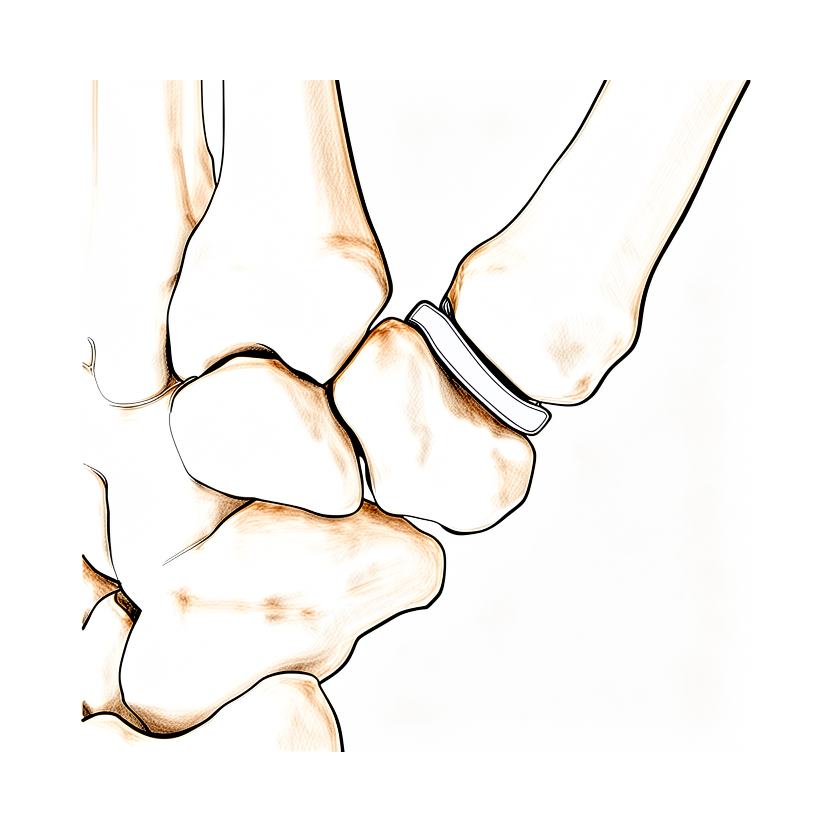
இந்த அறுவை சிகிச்சை ஏன் பரிந்துரைக்கப்பட்டுள்ளது
Mater Private Hospital Rockhampton-இல் மேல் அவயவ (upper-limb) அறுவை சிகிச்சை நிபுணரான டாக்டர் கியரன் ஹிர்பரா, உங்கள் நிலைக்குப் பொருத்தமான, உடலுக்குள் மிகக் குறைவாகத் தலையிடும் (least invasive) தேர்வுகளுடன் தொடங்குகிறார். நோயாளிகள் பொதுவாக அவர்களுடைய GP (பொது மருத்துவர்) மூலம் எங்கள் கிளினிக்கிற்குப் பரிந்துரைக்கப்படுகின்றனர்; ஒரு இயன்முறை சிகிச்சையாளர் (physiotherapist) எங்களைப் பார்க்கும்படி பரிந்துரைத்திருந்தாலும், Medicare தள்ளுபடியைப் (rebate) பெறத் தகுதி பெற உங்கள் GP-யிடமிருந்து பரிந்துரைக் கடிதம் (referral) இன்னும் தேவைப்படும். உங்கள் சந்திப்பின்போது, உங்கள் மருத்துவ வரலாற்றைக் கேட்டறிந்து, உங்கள் கையைப் பரிசோதித்து, நோயறிதலை உறுதிப்படுத்தத் தேவைப்பட்டால் ஸ்கேன் படங்களுக்கும் ஏற்பாடு செய்கிறோம்.
இந்த அறுவை சிகிச்சை, ஒரு சிறிய மூட்டின் தேய்ந்துபோன பரப்பை மென்மையான, வடிவமைக்கப்பட்ட ஒரு கார்பன் துண்டால் மாற்றுகிறது. செயல்பாட்டை மாற்றுவது, கை சிகிச்சை (hand therapy), சிம்பு (splint) அணிவது ஆகியவற்றால் தணியாத, நீண்ட காலமாக இருந்துவரும் மூட்டழற்சிக்கு (arthritis) இது பொதுவாக வழங்கப்படுகிறது. நாங்கள் பொதுவாக முதலில் அறுவை சிகிச்சையற்ற பராமரிப்பை முயல்கிறோம்; அது போதுமான முன்னேற்றத்தைத் தராதபோது அறுவை சிகிச்சையைப் பரிசீலிக்கிறோம். சில கட்டமைப்புப் பிரச்சினைகளுக்கு, அறுவை சிகிச்சை உடனடியாகவே பரிந்துரைக்கப்படலாம்.
மூட்டை அசையும் நிலையில் வைத்திருக்கும் அதே வேளையில் வலியைக் குறைப்பதே இந்த அறுவை சிகிச்சையின் நோக்கம். கட்டைவிரலின் இயல்பான உயரத்தைத் தக்கவைப்பதும், கிள்ளிப் பிடிக்கும் (pinch) வலிமையையும் இறுகப் பிடிக்கும் (grip) வலிமையையும் பாதுகாப்பதும் இதன் நோக்கங்கள். அடிப்பகுதியில் உள்ள கட்டைவிரல் மூட்டைப் பொறுத்தவரை, நடுத்தரக் காலப் பின்தொடர்வில் (medium-term follow-up) 91% உள்பொருத்துகள் இன்னும் நன்றாகச் செயல்படுகின்றன. இந்தத் தேர்வைப் பற்றி உங்களுடன் விரிவாகப் பேசி, இது உங்கள் கைக்கும் (hand) உங்கள் இலக்குகளுக்கும் பொருந்துகிறதா என்பதை நாம் சேர்ந்து முடிவு செய்வோம்.
அறுவை சிகிச்சைக்கு முன்
உங்கள் அறுவை சிகிச்சைக்கு முந்தைய ஏழு மணி நேரத்தில் எதையும் உண்ணவோ குடிக்கவோ வேண்டாம். அறுவை சிகிச்சை அரங்கின் பட்டியல் முன்கூட்டியே நகர்ந்தால் உங்கள் அறுவை சிகிச்சையை முன்னதாகக் கொண்டுவர முடியும் என்பதற்காக, ஆறு மணி நேரத்துக்குப் பதிலாக ஏழு மணி நேரம் கேட்கிறோம். உங்கள் வழக்கமான மருந்துகளில் எவற்றை, எப்போது நிறுத்த வேண்டும் என்பதை உங்கள் அறுவை சிகிச்சை நிபுணர் சொல்வார்; நீங்கள் எடுத்துக்கொள்ளும் அனைத்தின் எழுதப்பட்ட பட்டியலையும் கொண்டு வருவது உதவியாக இருக்கும். பிறகு உங்களை வீட்டுக்கு வாகனத்தில் அழைத்துச் செல்ல ஒருவருக்கு ஏற்பாடு செய்யுங்கள்; தளர்வான, வசதியான ஆடைகளை அணியுங்கள். அறுவை சிகிச்சையைத் திட்டமிட பொதுவாக எக்ஸ்-ரே படங்களே போதுமானவை; சில நேரங்களில் MRI அல்லது அல்ட்ராசவுண்ட் (ultrasound) ஸ்கேனும் பயன்படுத்தப்படுகிறது. உங்களுக்கு வேறு உடல்நலப் பிரச்சினைகள் இருந்தால், இரத்தப் பரிசோதனைகளோ, மயக்க மருந்து அளிக்கும் மருத்துவரான மயக்க மருந்து நிபுணரின் (anaesthetist) பரிசோதனையோ தேவைப்படலாம். பெரும்பாலான நோயாளிகளுக்கு இவை இரண்டுமே தேவைப்படுவதில்லை.
அறுவை சிகிச்சை நாளில்
நீங்கள் மருத்துவமனையின் அறுவை சிகிச்சை அனுமதிப் பிரிவுக்கு (surgical admissions unit) வருவீர்கள்; அங்கே உங்கள் வருகை பதிவு செய்யப்பட்டு, அறுவை சிகிச்சை அரங்குக்குத் தயார்படுத்தப்படுவீர்கள். உங்கள் மயக்க மருந்தைக் கவனித்துக்கொள்ளும் மருத்துவரான மயக்க மருந்து நிபுணரை (anaesthetist) நீங்கள் சந்திப்பீர்கள். இந்த அறுவை சிகிச்சை முழு மயக்க மருந்தின் (general anaesthetic) கீழ் செய்யப்படுகிறது. அறுவை சிகிச்சையின்போது நீங்கள் முழுமையாகத் தூக்கத்தில் இருப்பீர்கள். சில நோயாளிகளுக்கு அறுவை சிகிச்சைக்குப் பிந்தைய வலி நிவாரணத்துக்காக ஒரு பகுதி நரம்புத் தடுப்பும் (regional nerve block) செய்யப்படலாம்; உங்கள் தனிப்பட்ட சூழ்நிலையை அடிப்படையாகக் கொண்டு மயக்க மருந்து நிபுணர் அன்றைய தினமே அதை முடிவு செய்வார்.
பின்னர் நீங்கள் அறுவை சிகிச்சை அரங்குக்கு அழைத்துச் செல்லப்படுவீர்கள்; அங்கே அறுவை சிகிச்சை செய்யப்படும். அதன் பிறகு மீட்புப் பகுதியில் (recovery area) நீங்கள் கண் விழிப்பீர்கள்; மயக்க மருந்தின் விளைவு குறையும் வரை செவிலியர்கள் உங்களைக் கண்காணிப்பார்கள். உங்கள் நிலை சீரானதும், செய்த சிகிச்சையையும் உங்கள் மீட்சி எப்படிச் செல்கிறது என்பதையும் பொறுத்து, நீங்கள் வார்டுக்குச் செல்வீர்கள் அல்லது வீட்டுக்குச் செல்வீர்கள்.
அறுவை சிகிச்சையில் என்ன செய்யப்படுகிறது
உங்கள் அறுவை சிகிச்சை நிபுணர், உங்கள் கையில் (hand) அறுவை சிகிச்சை செய்யப்படும் பகுதியின் மேல் ஒரே ஒரு வெட்டுப் போடுகிறார். இந்தத் திறப்பின் வழியாக, மூட்டின் தேய்ந்த, சேதமடைந்த பரப்புகளை அவர் அகற்றுகிறார். தேய்ந்த பரப்புகளுக்குப் பதிலாக, எலும்புகளுக்கு இடையே அமரும், மென்மையான, வடிவமைக்கப்பட்ட ஒரு கார்பன் துண்டை அவர் பொருத்துகிறார். இந்த இடைப்பொருள் (spacer) தேய்ந்த மூட்டுப் பரப்பின் வேலையை ஏற்றுக்கொள்கிறது; இதனால் எலும்புகள் ஒன்றோடொன்று அரைபடுவதற்குப் பதிலாகச் சீராக வழுக்கி நகர்கின்றன.
உங்கள் கையின் (hand) அடிப்பகுதியில் உள்ள கட்டைவிரல் மூட்டைப் பொறுத்தவரை, எலும்புகளுக்கு இடையே இடைப்பொருளை வைப்பதன் மூலம் உங்கள் அறுவை சிகிச்சை நிபுணர் கட்டைவிரலின் இயல்பான உயரத்தைத் தக்கவைக்கிறார். பின்னர் மூட்டு நல்ல நிலையில் குணமாகும்படி சரிசெய்யப்பட்டு, தாங்கு கொடுக்கப்படுகிறது. குணமாகும் காலத்தில் உங்கள் கட்டைவிரல் நேரான நிலையில் அசையாமல் வைக்கப்படலாம்.
வெட்டு தையல்களால் மூடப்படுகிறது. காயத்தின் மேல் ஒரு கட்டு (dressing) போடப்படுகிறது; முதல் சில நாட்களில் அதை எப்படிப் பராமரிப்பது என்பதை எங்கள் குழு உங்களுக்குச் சொல்லும்.
அறுவை சிகிச்சைக்குப் பிறகு
இந்த அறுவை சிகிச்சைக்குப் பிறகு பெரும்பாலான நோயாளிகள் மருத்துவமனையில் ஒரு இரவு தங்குகிறார்கள்; சிலர் அதே நாளில் வீட்டுக்குச் செல்ல முடியும். மீட்புப் பகுதியில் நீங்கள் கண் விழிப்பீர்கள்; பிறகு வார்டுக்கு நகர்த்தப்படுவீர்கள். செவிலியர்கள் உங்களை வசதியாக வைத்திருப்பார்கள்; உங்களுக்குத் தேவைப்பட்டால் வலி மருந்து தருவார்கள். உங்கள் கை (hand) ஒரு கட்டுடனும் (dressing) சிம்புடனும் (splint) இருக்கும்; குணமாகும் வரை அவை அறுவை சிகிச்சை செய்த பகுதியைப் பாதுகாக்கின்றன. நீங்கள் நிலையாக உணர்ந்தவுடனே படுக்கையிலிருந்து எழுந்து நடமாடலாம். வீட்டில் முதல் 24 மணி நேரம் உங்களுடன் யாராவது ஒருவர் தங்க ஏற்பாடு செய்யுங்கள். கட்டைச் சுமார் 10 நாட்கள் அப்படியே வைத்திருக்கிறோம்; நாங்கள் சொன்னால் தவிர, அதற்கு முன் அதை அகற்ற வேண்டாம். உங்களைப் பார்க்கும்போது நாங்கள் அதை மாற்றுவோம் அல்லது அகற்றுவோம்.
மீட்சி
முதல் சில நாட்களிலும் வாரங்களிலும் உங்கள் கையில் (hand) ஓரளவு வலியும் வீக்கமும் இருக்கும் என எதிர்பாருங்கள். இது குணமாகும் செயல்முறையின் இயல்பான ஒரு பகுதி; படிப்படியாகத் தணியும். ஓய்வெடுக்கும்போது உங்கள் கையை உயர்த்தி வைத்திருப்பது உதவும்; நாங்கள் தரும் வலி மருந்து அசௌகரியத்தைத் தணிக்கும். பெரும்பாலானவர்களுக்கு மிகக் கடுமையான வலி ஆரம்பத்திலேயே கடந்துவிடுகிறது; அதன் பிறகு வசதி சீராக மேம்படுகிறது.
உங்கள் கை (hand) ஒரு கட்டுடனும் சிம்புடனும் இருக்கும்; மூட்டு குணமாகும்போது அவை அதைப் பாதுகாக்கின்றன. கட்டைச் சுமார் 10 நாட்கள் அப்படியே வைத்திருந்து, உங்களைப் பார்க்கும்போது அதை மாற்றுவோம் அல்லது அகற்றுவோம். கை (hand) அறுவை சிகிச்சைக்குப் பிறகான மறுவாழ்வு என்பது கை சிகிச்சை (hand therapy); இயன்முறை சிகிச்சை (physiotherapy) அல்ல. அறுவை சிகிச்சைக்குப் பிறகு உங்கள் கை சிகிச்சை Extend Rehabilitation-இல் உள்ள Ruby Doolan-உடன் நடைபெறும். Ruby ஒரு கை சிகிச்சையாளர் (hand therapist): உங்கள் கை குணமாகும்போது அவர் உங்கள் பயிற்சிகளுக்கு வழிகாட்டி, உங்களுக்குத் தேவையான எந்தச் சிம்பையும் செய்து தருவார். ஆரம்பத்தில் பயிற்சிகள் மென்மையானவை; வீக்கத்தைக் குறைவாக வைத்திருப்பதில் அவை கவனம் செலுத்துகின்றன. அசைவு திரும்பும்போது, மடக்குதல், நேராக்குதல், பிடி ஆகியவற்றை மீட்டெடுக்கும் வகையில் அவை படிப்படியாக அதிகரிக்கப்படுகின்றன.
உங்கள் சிம்பின் வரம்புகளுக்குள், வீட்டைச் சுற்றிய இலகுவான அன்றாட வேலைகளை உங்களால் சமாளிக்க முடியும். அறுவை சிகிச்சை செய்யப்பட்ட கை அசையாமல் வைக்கப்பட்டிருக்கும் வரை, அந்தக் கையால் இறுகப் பிடிக்கவோ, கிள்ளிப் பிடிக்கவோ, தூக்கவோ உங்களால் முடியாது. சிம்பு அகற்றப்பட்டு, உங்கள் அறுவை சிகிச்சை நிபுணர் அனுமதித்ததும், கையை மேலும் இயல்பாகப் பயன்படுத்தத் தொடங்கலாம்; அதன் பிறகு வாகனம் ஓட்டுவதையும் தொடங்கலாம். விவரங்களுக்கு மேல் அவயவ அறுவை சிகிச்சைக்குப் பிறகு வாகனம் ஓட்டுதல் குறித்த எங்கள் பக்கத்தைப் பாருங்கள்.
மீட்சி ஆளுக்கு ஆள் மாறுபடும். உங்கள் கால அளவு வேறுபடலாம்; உங்கள் அறுவை சிகிச்சை நிபுணரும் சிகிச்சையாளரும் வழிநெடுக உங்களுக்கு வழிகாட்டுவார்கள்.
என்ன தவறு நேரலாம்
பெரும்பாலான நோயாளிகள் நன்றாக இருக்கிறார்கள், ஆனால் எப்போதாவது பிரச்சினைகள் ஏற்படலாம். எந்தப் பிரச்சினையையும் முன்கூட்டியே கண்டறிய உங்கள் அறுவை சிகிச்சை நிபுணரும் குழுவும் உங்களை நெருக்கமாகக் கண்காணிக்கிறார்கள்.
சில நேரங்களில் உள்பொருத்து இடம் மாறலாம் அல்லது எலும்புக்குள் இறங்கி அமரலாம். மூட்டில் புதிய வலி, விரல் அல்லது கட்டைவிரல் நேராக அமைந்திருக்கவில்லை என்ற உணர்வு, அல்லது அது அசையும் விதத்தில் ஒரு மாற்றம் ஆகியவற்றை நீங்கள் கவனிக்கலாம். இவற்றில் ஏதேனும் ஒன்றை நீங்கள் கவனித்தால், உங்கள் அடுத்த மறுபரிசோதனையின்போது அதைக் குறிப்பிடுங்கள்.
உள்பொருத்து தளர்ச்சியும் (implant loosening) ஏற்படலாம். இது பொதுவாக, நீண்ட காலம் நல்ல முன்னேற்றம் கண்ட பிறகு மீண்டும் வரும் வலியாக உணரப்படும்; இறுகப் பிடிக்கும்போதோ கிள்ளிப் பிடிக்கும்போதோ இது பெரும்பாலும் மோசமாக இருக்கும். இது நடந்தால் உங்கள் அறுவை சிகிச்சை நிபுணரிடம் சொல்லுங்கள்.
மூட்டில் விறைப்பு ஏற்படலாம். விரல் அல்லது கட்டைவிரல் முன்பு போல அவ்வளவு தூரம் மடங்காமலோ நேராகாமலோ போகலாம்; மூட்டின் பின்புறத்தில் உள்ள தசைநாண் வடுத் திசுவால் ஒட்டிக்கொள்ளலாம். உங்கள் சிகிச்சையாளர் உங்கள் பயிற்சிகளைச் சரிசெய்யும்படி, உங்கள் மறுபரிசோதனையின்போது இதைக் குறிப்பிடுங்கள்.
மூட்டு நிலையற்றதாகலாம், அல்லது முதலில் இருந்த உருக்குலைவு மீண்டும் வரலாம். விரல் மீண்டும் வரிசையிலிருந்து விலகிச் சாய்வதை நீங்கள் காணலாம். உங்கள் அடுத்த சந்திப்பில் இதைக் குறிப்பிடுங்கள்.
தொற்று அடிக்கடி ஏற்படுவதில்லை; ஆனால் அதற்கு விரைவான கவனம் தேவை. உங்களுக்குக் காய்ச்சல் இருந்தாலோ, காயத்தைச் சுற்றிச் சிவப்பு பரவினாலோ, காயத்திலிருந்து திரவமோ சீழோ கசிந்தாலோ, அதே நாளில் கிளினிக்கை அழையுங்கள். வலி மருந்துகளை எடுத்தும் வலி தொடர்ந்து மோசமாகிக்கொண்டே இருந்தாலும், நீங்கள் அதே நாளில் கிளினிக்கை அழைக்க வேண்டும்.
இந்த வகை அறுவை சிகிச்சையின்போது அருகிலுள்ள அமைப்புகள் எரிச்சலடையலாம் அல்லது காயமடையலாம். கட்டைவிரலுக்கு அருகிலுள்ள ஒரு நரம்பு உணர்திறன் மிக்கதாகி, தோலில் கூச்சத்தையோ மாறுபட்ட உணர்வையோ ஏற்படுத்தலாம். மணிக்கட்டின் கட்டைவிரல் பக்கத்தில் உள்ள தமனியோ (artery), மணிக்கட்டின் முன்பகுதியில் உள்ள ஒரு தசைநாணோ பாதிக்கப்படலாம். சுமார் 24 மணி நேரத்தில் நரம்புத் தடுப்பின் விளைவு நீங்கிய பிறகு, மரத்துப்போதலை நீங்கள் கவனித்தாலோ உங்கள் விரல்களை அசைக்க முடியாவிட்டாலோ, கிளினிக்கை அழையுங்கள். நரம்புத் தடுப்பு ஊசிக்குப் பிறகு முதல் 24 மணி நேரத்தில் மரத்துப்போதலும் பலவீனமும் எதிர்பார்க்கப்படுபவையே.
அறுவை சிகிச்சையின்போதோ அதற்குப் பிறகோ, கையில் (hand) உள்ள ஓர் எலும்பு எப்போதாவது முறியலாம். இது திடீர் வலியையும் வீக்கத்தையும் ஏற்படுத்தும். இது நடந்தால் கிளினிக்கை அழையுங்கள்.
ஓர் உள்பொருத்து செயலிழந்து, அதைக் காப்பாற்ற முடியாவிட்டால், பிற அறுவை சிகிச்சைகள் உதவலாம். உள்பொருத்தை அகற்றி, மூட்டுக்கு வேறு வழியில் சிகிச்சையளிக்கலாம்; இது நம்பகமான முறையில் வலியைத் தணிக்கிறது. அரிதான சந்தர்ப்பங்களில் மூட்டை இணைக்கலாம் (fusion), அதாவது அது நிரந்தரமாக விறைப்பாக்கப்படும்; அல்லது விரலை அகற்ற வேண்டியிருக்கலாம்.
விவரங்கள் வேண்டுமென்றால், இந்தப் பக்கத்தில் உள்ள சிக்கல்கள் அட்டவணை வழக்கமான விகிதங்களைப் பட்டியலிடுகிறது.
எப்போது எங்களை அழைக்க வேண்டும்
பெரும்பாலான பிரச்சினைகள் ஆரம்பத்திலேயே வெளிப்படுகின்றன; விரைவாகச் செயல்பட்டால் அவற்றைச் சரிசெய்வது எளிதாகிறது. உங்களுக்குக் காய்ச்சல் இருந்தாலோ, காயத்தைச் சுற்றிச் சிவப்பு பரவினாலோ, காயத்திலிருந்து திரவமோ சீழோ கசிந்தாலோ, அதே நாளில் கிளினிக்கை அழையுங்கள். வலி மருந்துகளை எடுத்தும் வலி தொடர்ந்து மோசமாகிக்கொண்டே இருந்தாலும், அதே நாளில் கிளினிக்கை அழையுங்கள். சுமார் 24 மணி நேரத்தில் நரம்புத் தடுப்பின் விளைவு நீங்கிய பிறகு, மரத்துப்போதலை நீங்கள் கவனித்தாலோ உங்கள் விரல்களை அசைக்க முடியாவிட்டாலோ, கிளினிக்கை அழையுங்கள். நரம்புத் தடுப்பு ஊசிக்குப் பிறகு முதல் 24 மணி நேரத்தில் மரத்துப்போதலும் பலவீனமும் எதிர்பார்க்கப்படுபவையே.
உங்கள் கெண்டைக்கால் (calf) வீங்கியோ வலியுடனோ இருந்தால், அல்லது உங்களுக்கு மூச்சுத் திணறல் அல்லது நெஞ்சு வலி இருந்தால், அவசர சிகிச்சைப் பிரிவுக்குச் செல்லுங்கள். இவை இரத்தக் கட்டியின் (blood clot) அறிகுறிகளாக இருக்கலாம். உங்கள் விரல்கள், கை (hand) அல்லது கட்டைவிரல் வெளிறியோ, குளிர்ந்தோ, வெள்ளையாகவோ, நீலமாகவோ, கருமையாகவோ மாறினால் அவசர சிகிச்சைப் பிரிவுக்குச் செல்லுங்கள். இது இரத்த ஓட்டப் பிரச்சினையாக இருக்கலாம்.
அலுவலக நேரத்துக்குப் பிறகோ வார இறுதியிலோ கிளினிக்கைத் தொடர்புகொள்ள முடியாவிட்டால், உங்களுக்கு அருகிலுள்ள அவசர சிகிச்சைப் பிரிவுக்குச் செல்லுங்கள்.
இந்த நிலை பற்றி மேலும் எங்கே படிக்கலாம்
இந்தப் பக்கம் அறுவை சிகிச்சையைப் பற்றியது மட்டுமே. இது சிகிச்சையளிக்கும் நிலை, அறுவை சிகிச்சை எப்போது உதவுகிறது, எப்போது உதவுவதில்லை என்பது பற்றி ஆய்வுச் சான்றுகள் என்ன காட்டுகின்றன என்பது உட்பட, கட்டைவிரல் அடிப்பகுதி மூட்டழற்சி (Basal Thumb Arthritis) பக்கத்தில் விரிவாக விளக்கப்பட்டுள்ளது.
Evidence & references
This is the clinical evidence summary written for health professionals. It is technical, and it lists the research this page was built from. You do not need to read it to understand your treatment or to make a decision about it.
Overview
- Pyrocarbon interpositional arthroplasty provided pain relief and high patient satisfaction with good implant longevity in a study with minimum 8-year follow-up [1].
- Partial trapeziectomy with pyrocarbon arthroplasty may prove to be a successful option for the treatment of trapeziometacarpal joint osteoarthritis, providing excellent pain relief and high patient satisfaction [2].
- PyroCarbon implant hemiarthroplasty is a promising surgical technique for stages II and III trapeziometacarpal arthritis and can provide a stable, mobile, and pain-free joint [3].
- The Pyrocardan implant is not superior to other arthroplasty methods and has a high complication rate [4].
- The Pyrocardan implant appears as a simple alternative to the Dubert procedure for ulnar carpo-metacarpal osteoarthritis, particularly in cases involving the 4th ray [5].
- The PyroDisk implant for treating advanced trapeziometacarpal arthritis did not demonstrate superiority over published outcome data of trapeziectomy with or without ligament reconstruction and tendon interposition [6].
- The good functional and radiographic outcomes, and the absence of surgical complications are evidence that the Pyrocardan resurfacing implant is a valid option for treating STT osteoarthritis [7].
- Arthroplasty is recommended for patients with post-trauma painful PIP joints [8].
- Active patients, under 65 years of age with Eaton-Littler stage III osteoarthritis of the thumb CMC joint who are treated with anatomic pyrolytic carbon resurfacing hemiarthroplasty and stabilisation may achieve sustained improvement in pain and hand function for up to 6.5 years [9].
- The insertion of pyrolytic carbon implants for PIPJ arthroplasty is a technically demanding procedure, but it has the potential to achieve pain relief, stability, satisfactory ROM, and correction of the deformity [10].
- The results of pyrolytic carbon PIPJ arthroplasty in review were unpredictable and may not be superior to those achieved with other methods of arthroplasty [10].
- A study with long-term follow-up after pyrocarbon disc interposition for the treatment of CMC1 osteoarthritis grade 2 to 3 in more than 150 thumbs was conducted [11].
- The PyroDisk interposition arthroplasty confirmed good 5-year clinical results [12, 13].
- PyroDisk interposition has merit in patients with early disease unresponsive to conservative measures, in whom trapeziectomy may be considered too destructive and hemi or total arthroplasty overzealous [14].
- The good results, the simple surgical procedure, the absence of complications, and the lack of a need for any fixation or ligamentoplasty confirm the advantages of this pyrocarbon implant in the treatment of STT arthrosis [15].
- All subjective and objective outcomes were similar following LRTI and pyrolytic interpositional arthroplasty in patients with TMC arthritis, except pinch strength, which was more improved following pyrolytic interpositional arthroplasty [16].
- The encouraging mid-term clinical results of the interposition implant (APSI) in the context of proximal pole scaphoid pseudarthrosis make this technique a proven alternative, without precluding a definitive therapeutic option in case of failure [18].
- The Pyrocardan implant may be contraindicated in patients with symptomatic STT OA who intend to continue high-load activities, particularly those involving wrist extension under load, such as tennis [20].
Anatomy & Pathophysiology
Bony Anatomy
- The skeleton of the hand and wrist consists of 27 bones, of which 19 are long bones [28].
- The radial ray or first ray is the shortest, made up of only three bones: a metacarpal and two phalanges [28].
- The trapezium is clearly angled out in front of the carpal plane so that the first metacarpal makes an angle of about 45 degrees with the second metacarpal in the sagittal plane [28].
- The thumb metacarpal is the shortest, while the index metacarpal is by far the longest [28].
- The epiphyseal plates are located at the proximal ends of the phalanges and the first metacarpal, whereas they are located at the distal ends of the other metacarpals [28].
- The thumb metacarpal is independent and articulates with the trapezium [35].
- The index metacarpal is the most firmly fixed [35].
- The ring metacarpal has about 10 degrees of mobility in flexion and extension [35].
- The fifth metacarpal has a range of flexion–extension of approximately 20 degrees [35].
Soft Tissue & Vascular Anatomy
- The extrinsic extensors run through six different fibroosseous retinacular compartments at the wrist level [27].
- The first (most radial) compartment contains the abductor pollicis longus and the extensor pollicis brevis [27].
- The second extensor compartment contains the extensor carpi radialis longus and the extensor carpi radialis brevis [27].
- The third compartment contains the extensor pollicis longus, which turns abruptly radialward about Lister tubercle [27].
- The fourth extensor compartment contains the extensor indicis proprius lying deep to the four tendons of the extensor digitorum communis [27].
- The fifth compartment contains the extensor digiti quinti [27].
- The sixth compartment contains the extensor carpi ulnaris tendon, which inserts at the base of the little finger metacarpal [27].
- The extrinsic finger flexors are the flexor digitorum profundus and the flexor digitorum superficialis [27].
- The flexor digitorum profundus inserts on the proximal volar aspect of the distal phalanx [27].
- The flexor digitorum superficialis acts as a flexor of the proximal interphalangeal and metacarpophalangeal joints [27].
- There are seven interosseous muscles, four dorsal and three volar [32].
- The dorsal interossei are abductors [32].
- The volar interossei are adductors [32].
- The middle finger has two dorsal interossei (abductors) and no volar interossei (adductors) because the central axis of the hand lies within it [32].
- The "princeps pollicis" artery is the terminal branch of the radial artery and crosses the first intermetacarpal space [36].
- The princeps pollicis runs along the ulnar side of the first metacarpal bone and along the volar surface of the adductor muscle [36].
- The princeps pollicis divides into two terminal rami, namely the collateral palmar arteries of the thumb, at the level of the cutaneous flexion crease of the metacarpophalangeal joint [36].
- An arcade located deep in the flexor tendon joins together the two arteries at the level of the distal metaphysis of the first phalanx [36].
- The dorsal arteries of the thumb originate from the palmar arteries (princeps, commissural or anastomoses of the superficial arcade) at the level of the first metacarpal [36].
Functional Mechanics
- The wrist has three axes of movement, permitting the hand to be positioned in any spatial configuration [28].
- The thumb ray is more mobile, shorter, and more proximal than the other rays, allowing it to project in front of the plane of the palm to oppose itself to the other four rays [28].
- The skeleton of the hand presents a longitudinal and transverse concavity, giving it the shape of a cup with a palmar concavity when the thumb is placed next to the index finger [28].
- The transverse axis of the palm forms an acute angle of approximately 75 degrees with the longitudinal axis [28].
- The metacarpal arch is endowed with a great deal of adaptability because of the mobility of the peripheral metacarpals [35].
- The heads of the second and third metacarpals are fixed [35].
- The mobility of the ulnar metacarpals allows "flexion" of 10 degrees for the fourth metacarpal, and "flexion" of 20 degrees for the fifth metacarpal [35].
- The keystones of the longitudinal arches are the metacarpophalangeal articulations, whose thick anterior glenoid capsules, the volar plates, prevent hyperextension [35].
- The dorsal skin slides distally to allow metacarpophalangeal joint flexion [40].
- Interphalangeal flexion is accomplished by means of a special arrangement of skin folds on the dorsum of each articulation [40].
- The gliding mechanism for tendons in narrow crowded areas is assured by the synovial sheath, which allows a considerable amplitude of movement [40].
- The fibrous sheath assumes the role of a pulley when the tendon changes direction [40].
- The position of each articulation depends on the equilibrium of forces acting at that level, and this equilibrium is subject to the position of the immediately proximal articulation [40].
- Single articular movements around a fixed perpendicular axis simply do not exist in the hand [40].
- Almost all movements in the hand are around oblique and variable axes, resulting in combined movements permitting optimal orientation of the phalanges at the time of prehension [40].
Indications and Disease Staging
- PyroCarbon implant hemiarthroplasty is a promising surgical technique for stages II and III trapeziometacarpal arthritis [3].
- The Pyrocardan resurfacing implant is a valid option for treating scaphotrapeziotrapezoid (STT) osteoarthritis [7].
- The pyrocarbon implant is indicated for the treatment of STT arthrosis [15].
- The pyrocarbon interposition implant (APSI) is an alternative for the treatment of proximal pole scaphoid pseudarthrosis [18].
- The Pyrocardan implant may be contraindicated in patients with symptomatic STT osteoarthritis who intend to continue high-load activities, particularly those involving wrist extension under load, such as tennis [20].
Patient Selection and Demographics
- Active patients under 65 years of age with Eaton-Littler stage III osteoarthritis of the thumb CMC joint are candidates for anatomic pyrolytic carbon resurfacing hemiarthroplasty and stabilisation [9].
- Pyrocarbon disc interposition is used for the treatment of CMC1 osteoarthritis grade 2 to 3 [11].
- Total trapezectomy associated with the placement of a NuGrip pyrocarbon implant is a procedure for the replacement of the TMC joint [22].
Comparative Classification and Efficacy
- The insertion of pyrolytic carbon implants for PIPJ arthroplasty has the potential to achieve pain relief, stability, satisfactory ROM, and correction of the deformity; however, the results in this review were unpredictable and may not be superior to those achieved with other methods of arthroplasty [10].
Clinical Presentation
- Pyrocarbon interpositional arthroplasty is indicated for trapeziometacarpal osteoarthritis [1].
- Pyrocarbon interpositional arthroplasty is indicated for trapeziometacarpal joint osteoarthritis [2].
- PyroCarbon implant hemiarthroplasty is a surgical technique for stages II and III trapeziometacarpal arthritis [3].
- The Pyrocardan implant is used for trapeziometacarpal osteoarthritis [4].
- The Pyrocardan implant is used for ulnar carpo-metacarpal osteoarthritis, particularly in cases involving the 4th ray [5].
- The PyroDisk implant is used for advanced trapeziometacarpal arthritis [6].
- The Pyrocardan resurfacing implant is used for scaphotrapeziotrapezoid (STT) osteoarthritis [7].
- Pyrocarbon PIP arthroplasty is used for post-trauma painful joints [8].
- Anatomic pyrolytic carbon resurfacing hemiarthroplasty is used for Eaton-Littler stage III osteoarthritis of the thumb CMC joint in patients under 65 years of age [9].
- Pyrolytic carbon implants are used for proximal interphalangeal joint (PIPJ) arthroplasty [10].
- Pyrocarbon disc interposition is used for CMC1 osteoarthritis grade 2 to 3 [11].
- PyroDisk interposition arthroplasty is used for trapeziometacarpal osteoarthritis [12].
- PyroDisk interposition is indicated for patients with early disease unresponsive to conservative measures, in whom trapeziectomy may be considered too destructive and hemi or total arthroplasty overzealous [14].
- The pyrocarbon implant is used for STT arthrosis [15].
- Pyrolytic interpositional arthroplasty is used for TMC arthritis [16].
- Pi2 pyrocarbon spacer arthroplasty is used for carpometacarpal joint osteoarthritis [17].
- The interposition implant (APSI) is used for pseudarthrosis of the proximal pole of the scaphoid [18].
- A pyrocarbon implant is used for Kienböck disease [19].
- Total trapeziectomy associated with the placement of a pyrocarbon type Nugrip implant is used after replacement of the TMC joint [22].
- The Pyrocardan implant is used for stage 2 trapeziometacarpal osteoarthritis [23].
- The Pi2 pyrocarbon implant is used in total trapeziectomy and suspension ligamentoplasty [24].
- The Pi2 pyrocarbon implant is used in destructions of the capitolunate joint space [25].
Investigations
- Clinical evaluation of the hand and wrist requires combining patient history with a careful physical examination to pinpoint or narrow the scope of possible pathologic processes [26].
- Diagnostic tests such as imaging and serum laboratory studies are useful in determining hand pathology but can be expensive, time-consuming, and often nonspecific [26].
- A systematic method to approaching the physical examination of the hand is essential due to the number of structures in a small space [26].
Treatment
Trapeziometacarpal Joint Osteoarthritis
- Pyrocarbon interpositional arthroplasty provided pain relief and high patient satisfaction with good implant longevity in a minimum 8-year follow-up study [1].
- Partial trapeziectomy with pyrocarbon arthroplasty provides excellent pain relief and high patient satisfaction for trapeziometacarpal joint osteoarthritis [2].
- PyroCarbon implant hemiarthroplasty is a promising surgical technique for stages II and III trapeziometacarpal arthritis that can provide a stable, mobile, and pain-free joint [3].
- The Pyrocardan implant is not superior to other arthroplasty methods and has a high complication rate for trapeziometacarpal osteoarthritis [4].
- Long-term follow-up data for pyrocarbon disc interposition for the treatment of CMC1 osteoarthritis grade 2 to 3 is available in a study involving more than 150 thumbs [11].
- Interposition arthroplasty with PyroDisk confirmed good 5-year clinical results [12, 13].
- The modified procedure of partial trapeziectomy and pyrocarbon interpositional arthroplasty improves functional results by increasing active and passive range of movement at the TMCJ, providing joint stability and pain relief comparable to standard techniques, while preserving thumb length and key pinch strength [29].
- Pyrocarbon interposition arthroplasty for trapeziometacarpal osteoarthritis does not preclude subsequent conventional arthroplasty techniques in the event of failure [23].
Scaphotrapeziotrapezoid Joint Osteoarthritis
- The Pyrocardan resurfacing implant is a valid option for treating STT osteoarthritis, evidenced by good functional and radiographic outcomes and the absence of surgical complications [7].
- The good results, simple surgical procedure, absence of complications, and lack of need for fixation or ligamentoplasty confirm the advantages of the pyrocarbon implant in the treatment of STT arthrosis [15].
Other Indications
- Pyrocarbon PIP arthroplasty is recommended for post-trauma painful joints [8].
- The insertion of pyrolytic carbon implants for PIPJ arthroplasty is a technically demanding procedure with the potential to achieve pain relief, stability, satisfactory ROM, and correction of deformity, though results were unpredictable and may not be superior to other methods of arthroplasty [10].
- Range of motion improved after Pi2 pyrocarbon spacer arthroplasty in carpometacarpal joint osteoarthritis, especially in opposition with a mean Kapandji score of 9.60, with no major aggravation of metacarpophalangeal extension [17].
- The interposition implant (APSI) for proximal scaphoid pseudarthrosis provides encouraging mid-term clinical results and serves as a proven alternative without precluding a definitive therapeutic option in case of failure [18].
- There were no changes in range of motion after surgery for Kienböck disease treated with a pyrocarbon implant, and the average grip strength was 76.5% of the contralateral side [19].
Complications
- The Pyrocardan implant has a high complication rate [4].
- The Pyrocardan resurfacing implant for STT osteoarthritis was associated with the absence of surgical complications [7].
- The pyrocarbon implant for STT arthrosis was associated with the absence of complications [15].
Recovery
- Range of motion improved after Pi2 pyrocarbon spacer arthroplasty, especially in opposition, with a mean Kapandji score of 9.60 [17].
- There was no major aggravation of metacarpophalangeal extension following Pi2 pyrocarbon spacer arthroplasty [17].
- The average grip strength was 76.5% of the contralateral side after pyrocarbon implant treatment for Kienböck disease [19].
- There were no changes in range of motion after surgery for Kienböck disease treated with a pyrocarbon implant [19].
Key Evidence
- [L4] Pyrocarbon interpositional arthroplasty provided pain relief and high patient satisfaction with good implant longevity. [1] (10.1177/1753193420906805)
- [L3] Partial trapeziectomy with pyrocarbon arthroplasty may prove to be a successful option for the treatment of trapeziometacarpal joint osteoarthritis, providing excellent pain relief and high patient satisfaction. [2] (10.1177/1753193413519384)
- [L4] PyroCarbon implant hemiarthroplasty is a promising surgical technique for stages II and III trapeziometacarpal arthritis and can provide a stable, mobile, and pain-free joint. [3] (10.1097/bth.0b013e318271aab7)
- [L4] The study concludes that the Pyrocardan implant is not superior to other arthroplasty methods and has a high complication rate. [4] (10.1016/j.hansur.2016.09.004)
- [L4] The Pyrocardan implant appears as a simple alternative to the Dubert procedure for ulnar carpo-metacarpal osteoarthritis, particularly in cases involving the 4th ray. [5] (10.1016/j.hansur.2018.10.044)
- [L4] The PyroDisk implant for treating advanced trapeziometacarpal arthritis did not demonstrate superiority over published outcome data of trapeziectomy with or without ligament reconstruction and tendon interposition. [6] (10.1016/j.jhsa.2014.07.011)
- [L3] The good functional and radiographic outcomes, and the absence of surgical complications are evidence that the Pyrocardan1 resurfacing implant is a valid option for treating STT osteoarthritis. [7] (10.1016/j.hansur.2017.01.003)
- [L4] We recommend arthroplasty for this group of patients. [8] (10.1016/s0363-5023(03)80384-2)
- [L3] Active patients, under 65 years of age with Eaton-Littler stage III osteoarthritis of the thumb CMC joint who are treated with anatomic pyrolytic carbon resurfacing hemiarthroplasty and stabilisation may achieve sustained improvement in pain and hand function for up to 6.5 years. [9] (10.1142/s2424835518500443)
- [L4] The insertion of pyrolytic carbon implants for PIPJ arthroplasty is a technically demanding procedure, but it has the potential to achieve pain relief, stability, satisfactory ROM, and correction of the deformity; however, the results in this review were unpredictable and may not be superior to those achieved with other methods of arthroplasty. [10] (10.1016/j.jhsa.2006.02.018)
- [L4] This is the first study with long-term follow-up after pyrocarbon disc interposition for the treatment of CMC1 osteoarthritis grade 2 to 3 in more than 150 thumbs. [11] (10.1016/j.jhsa.2018.06.086)
- [L4] Our study confirms the good 5-year clinical results of interposition arthroplasty with PyroDisk. [12] (10.1177/1558944716660555n)
- [L4] Our study confirms the good 5-year clinical results of interposition arthroplasty with PyroDisk. [13] (10.1177/1558944716660555m)
- [L4] PyroDisk interposition has merit in patients with early disease unresponsive to conservative measures, in whom trapeziectomy may be considered too destructive and hemi or total arthroplasty overzealous. [14] (10.1177/1753193420981552)
- [L4] The good results, the simple surgical procedure, the absence of complications, and the lack of a need for any fixation or ligamentoplasty confirm the advantages of this pyrocarbon implant in the treatment of STT arthrosis. [15] (10.1016/j.main.2005.04.010)
- [L3] All subjective and objective outcomes were similar following LRTI and pyrolytic interpositional arthroplasty in patients with TMC arthritis, except pinch strength, which was more improved following pyrolytic interpositional arthroplasty. [16] (10.1155/2019/7961507)
- [L3] Range of motion improved, especially in opposition (mean Kapandji score, 9.60), with no major aggravation of metacarpophalangeal extension. [17] (10.1016/j.hansur.2016.05.002)
- [L4] Les résultats cliniques encourageants à moyen terme de l’implant d’interposition (APSI), dans le cadre d’une pseudarthrose du pôle proximal du scaphoïde, font de cette technique une alternative probante, sans interdire une option thérapeutique définitive en cas d’échec. [18] (10.1016/j.main.2011.10.031)
- [L5] There were no changes in range of motion after surgery and the average grip strength was 76.5% of the contralateral side. [19] (10.1016/j.main.2014.09.002)
- [Case_report] The Pyrocardan implant may be contraindicated in patients with symptomatic STT OA who intend to continue high-load activities, particularly those involving wrist extension under load, such as tennis. [20] (10.1016/j.jhsg.2026.100964)
- [L4] La trapézectomie totale associée à la mise en place d'un implant en pyrocarbone type Nugrip après le remplacement de l'articulation TMC semble être une procédure attrayante. [22] (10.1016/j.hansur.2018.10.166)
- [L3] Il ne coupe pas les ponts en cas d'éventuel échec à des techniques d'arthroplastie plus conventionnelles. [23] (10.1016/j.main.2011.10.132)
- [L3] The implant Pi2 seems to contribute keeping trapezial height, without functional advantages and with a risk of dislocation. [24] (10.1016/j.main.2013.04.003)
- [L4] Cette technique a l'avantage de préserver les mobilités médio-carpiennes et les ligaments extrinsèques du poignet. [25] (10.1016/j.hansur.2016.10.125)
- [L4] The modified procedure improves functional results by increasing active and passive range of movement at the TMCJ, providing joint stability and pain relief comparable to standard techniques, while preserving thumb length and key pinch strength. [29] (10.1177/1753193414553368)
References
[1] Partial trapeziectomy and pyrocarbon interpositional arthroplasty for trapeziometacarpal osteoarthritis: minimum 8-year follow-up. Journal of Hand Surgery (European Volume). 2020. DOI: 10.1177/1753193420906805
[2] Partial trapeziectomy and pyrocarbon interpositional arthroplasty for trapeziometacarpal joint osteoarthritis: results after minimum 2 years of follow-up. Journal of Hand Surgery (European Volume). 2014. DOI: 10.1177/1753193413519384
[3] PyroCarbon Implant Hemiarthroplasty for Trapeziometacarpal Arthritis. Techniques in Hand & Upper Extremity Surgery. 2013. DOI: 10.1097/bth.0b013e318271aab7
[4] Early outcomes of Pyrocardan® implants for trapeziometacarpal osteoarthritis. Hand Surgery and Rehabilitation. 2016. DOI: 10.1016/j.hansur.2016.09.004
[5] L’implant en Pyrocarbone (Pyrocardan®) dans le traitement de l’arthrose carpo-métacarpienne ulnaire post-traumatique. Hand Surgery and Rehabilitation. 2018. DOI: 10.1016/j.hansur.2018.10.044
[6] Pyrocarbon Interposition (PyroDisk) Implant for Trapeziometacarpal Osteoarthritis: Minimum 5-Year Follow-Up. The Journal of Hand Surgery. 2014. DOI: 10.1016/j.jhsa.2014.07.011
[7] Treatment of scaphotrapeziotrapezoid osteoarthritis with the Pyrocardan® implant: Results with a minimum follow-up of 2 years. Hand Surgery and Rehabilitation. 2017. DOI: 10.1016/j.hansur.2017.01.003
[8] Pyrocarbon PIP arthroplasty for post trauma painful joints. The Journal of Hand Surgery. 2003. DOI: 10.1016/s0363-5023(03)80384-2
[9] Anatomic Pyrocarbon Hemiarthroplasty for Thumb Carpometacarpal Osteoarthritis in Patients under 65 Years: Mid Term Results. The Journal of Hand Surgery (Asian-Pacific Volume). 2018. DOI: 10.1142/s2424835518500443
[10] Pyrolytic Carbon Proximal Interphalangeal Joint Resurfacing Arthroplasty. The Journal of Hand Surgery. 2006. DOI: 10.1016/j.jhsa.2006.02.018
[11] Long-Term Follow-Up After Pyrocarbon Disc Interposition for Thumb CMC Osteoarthritis. The Journal of Hand Surgery. 2018. DOI: 10.1016/j.jhsa.2018.06.086
[12] Pyrocarbon Interposition Arthroplasty of the Trapeziometacarpal Joint With the PyroDisk. HAND. 2016. DOI: 10.1177/1558944716660555n
[13] PyroDisk Interposition Implant for Trapeziometacarpal Osteoarthritis. HAND. 2016. DOI: 10.1177/1558944716660555m
[14] Re: Smeraglia F, et al. Partial trapeziectomy and pyrocarbon interpositional arthroplasty for trapeziometacarpal osteoarthritis: minimum 8-year follow-up. J Hand Surg Eur. 2020, 45: 472–6. Journal of Hand Surgery (European Volume). 2021. DOI: 10.1177/1753193420981552
[15] Traitement de l'arthrose S.T.T. par un Implant en pyrocarbone. Premiers résultats. Chirurgie de la Main. 2005. DOI: 10.1016/j.main.2005.04.010
[16] Tendon versus Pyrocarbon Interpositional Arthroplasty in the Treatment of Trapeziometacarpal Osteoarthritis. BioMed Research International. 2019. DOI: 10.1155/2019/7961507
[17] A ten-year prospective outcome study of Pi2 pyrocarbon spacer arthroplasty in carpometacarpal joint osteoarthritis. Hand Surgery and Rehabilitation. 2016. DOI: 10.1016/j.hansur.2016.05.002
[18] Pseudarthrose du scaphoïde : résection proximale et interposition d’un implant en pyrocarbone, à propos de 20 cas. Chirurgie de la Main. 2011. DOI: 10.1016/j.main.2011.10.031
[19] Le traitement de la maladie de Kienböck par un implant en pyrocarbone : fait clinique. Chirurgie de la Main. 2014. DOI: 10.1016/j.main.2014.09.002
[20] Game, Set… Revision! A Case Report of a Tennis Player Who Smashed His Scaphotrapeziotrapezoid-Joint Pyrocardan Implant Twice. Journal of Hand Surgery Global Online. 2026. DOI: 10.1016/j.jhsg.2026.100964
[22] Reprise de prothèses totales trapézo-métacarpiennes par un implant en Pyrocarbone type NuGrip. À propos de 6 cas. Hand Surgery and Rehabilitation. 2018. DOI: 10.1016/j.hansur.2018.10.166
[23] L’implant pyrocardan : interposition libre en pyrocarbone trapezometacarpienne pour l’arthrose de stade 2. Chirurgie de la Main. 2011. DOI: 10.1016/j.main.2011.10.132
[24] Trapézectomie totale et ligamentoplastie de suspension : une interposition par un implant Pi2® en pyrocarbone a-t-elle un intérêt ?. Chirurgie de la Main. 2013. DOI: 10.1016/j.main.2013.04.003
[25] Utilisation de l’implant en pyrocarbone de type Pi2 dans les destructions de l’interligne articulaire capito-lunaire. Hand Surgery and Rehabilitation. 2016. DOI: 10.1016/j.hansur.2016.10.125
[26] Orthopaedic Knowledge Update 13 Ebook Without Multimedia. Anatomy, Evaluation, Clinical Examination, and Imaging > Evaluation and Clinical Examination: Current Concepts.
[27] A Lange Medical Book Current Diagnosis Treatment In Orthopedics Fifth Edition. 9Hand Surgery > Image DISORDERS OF THE MUSCULATURE OF THE HAND.
[28] Exam Of The Hand Wrist 2Ed. 1.1 SKELETON OF THE HAND > The osseous skeleton.
[29] Re: Mariconda et al. Partial trapeziectomy and pyrocarbon interpositional arthroplasty for trapeziometacarpal joint osteoarthritis: results after minimum 2 years of follow-up. J Hand Surg Eur. 2014, 39: 604–610. Journal of Hand Surgery (European Volume). 2014. DOI: 10.1177/1753193414553368
[32] Green S Operative Hand Surgery. Interosseous and Hypothenar Muscles.
[35] Exam Of The Hand Wrist 2Ed. The arches of the hand > The metacarpal arch.
[36] Exam Of The Hand Wrist 2Ed. Techniques of investigation of the arterial supply by J P Melki > Vascularization of the thumb > Palmar aspect.
[40] Exam Of The Hand Wrist 2Ed. 1.3 MOVEMENTS OF THE HAND AND WRIST > Gliding mechanisms.