Patients › General-Health
தட்டணு செறிந்த பிளாஸ்மா (PRP) மற்றும் ஊசிச் சிகிச்சைகள்
What the evidence shows for platelet-rich plasma and related injection therapies in tendinopathy, osteoarthritis and rotator cuff disease — where they help and where the data is weak.
அது என்ன
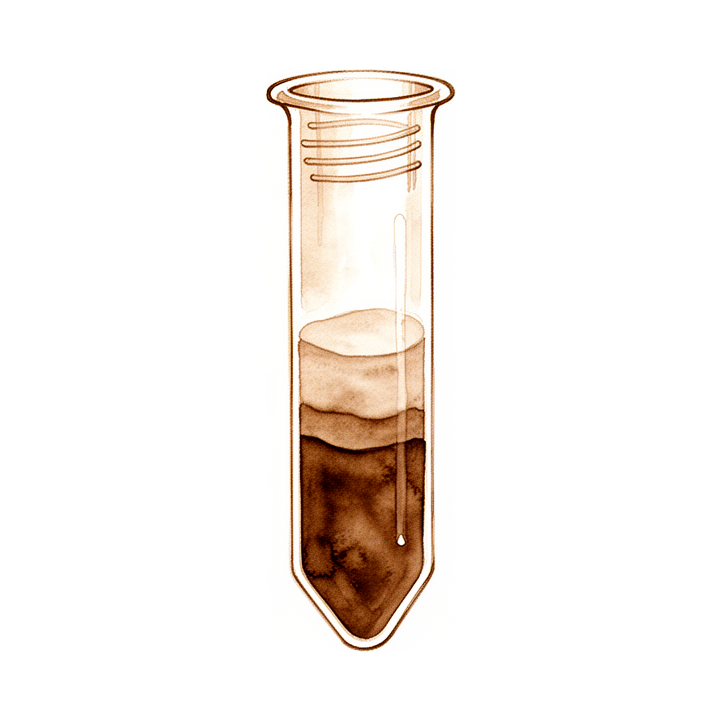
தட்டணு செறிந்த பிளாஸ்மா (platelet-rich plasma), பெரும்பாலும் சுருக்கமாக PRP என அழைக்கப்படுகிறது; இது உங்கள் சொந்த இரத்தத்திலிருந்து தயாரிக்கப்படும் ஒரு சிகிச்சை. உங்கள் இரத்தத்தின் ஒரு சிறிய மாதிரி ஓர் இயந்திரத்தில் சுழற்றப்படுகிறது; இதனால் தட்டணுக்கள் பிரிக்கப்பட்டுச் செறிவாக்கப்படுகின்றன. தட்டணுக்கள் (platelets) என்பவை இரத்தம் உறைவதற்கு உதவும் இரத்தத்தின் மிகச் சிறிய கூறுகள்; அவை வளர்ச்சிக் காரணிகளையும் (growth factors) கொண்டுள்ளன — இவை குணமடைதலுக்கு உதவக்கூடிய இயற்கையான பொருட்கள். செறிவாக்கப்பட்ட தட்டணுக்கள் பின்னர் வலிக்கும் பகுதிக்குள் ஊசி மூலம் செலுத்தப்படுகின்றன.
முழங்காலில் ஏற்படும் தேய்மான மூட்டுவாதம் (wear-and-tear arthritis), முழங்கை, தோள்பட்டை அல்லது மணிக்கட்டில் ஏற்படும் தசைநாண் பிரச்சினைகள், விளையாட்டில் ஏற்படும் சில தசைக் காயங்கள் போன்ற பிரச்சினைகளுக்கு உங்கள் மருத்துவர் PRP-ஐப் பரிசீலிக்கலாம். இது எல்லா நிலைகளுக்கும் பயன்படுத்தப்படுவதில்லை. டென்னிஸ் முழங்கைக்கு (tennis elbow), சான்றுகள் கலவையானவை: நீண்ட காலத்தில் ஸ்டீராய்டு ஊசிகளைவிட PRP சிறப்பாகப் பலனளித்ததாகச் சில ஆய்வுகள் கண்டறிந்தன [1]; ஆனால் சோதனைகளின் ஒரு மதிப்பாய்வு, போலி ஊசியைவிட (placebo) அதை ஆதரிக்கவில்லை [2]. முழங்கால் மூட்டுவாதத்துக்கு, பெரும்பாலும் இரண்டு ஊசிகள் பரிந்துரைக்கப்படுகின்றன; அவற்றின் விளைவுகள் குறைந்தது 24 வாரங்கள் நீடிக்கின்றன [3]. கார்பல் டனல் சிண்ட்ரோமுக்கு (carpal tunnel syndrome), 6 மாதப் பின்தொடர் பரிசோதனையில், ஸ்டீராய்டு ஊசியைவிட PRP அதிக நீடித்த பலன்களைக் காட்டியது [4].
PRP-இன் பின்னணியில் உள்ள யோசனை என்னவென்றால், தட்டணுக்களில் உள்ள வளர்ச்சிக் காரணிகள் அழற்சியைக் குறைத்து, திசு பழுதுபார்ப்பை ஊக்குவிக்கக்கூடும் என்பதே. ஆய்வாளர்கள் இதன் விவரங்களை இன்னும் கண்டறிந்துகொண்டிருக்கின்றனர். வெவ்வேறு தயாரிப்பு முறைகள் வெவ்வேறு விதமாகச் செயல்படுகின்றன என்று ஆய்வுகள் காட்டுகின்றன: வெள்ளை இரத்த அணுக்கள் நிறைந்த ஒரு வகை ஆரம்பக்கட்ட மூட்டுவாதத்துக்குப் பொருந்துவதாகத் தெரிகிறது; அதிகத் தட்டணுக்களும் குறைவான வெள்ளை இரத்த அணுக்களும் கொண்ட மற்றொரு வகை பிந்தைய கட்டங்களுக்குப் பொருந்தக்கூடும் [5]. தோள்பட்டை மற்றும் முழங்கைத் தசைநாண் பிரச்சினைகளுக்கு, மரத்துப்போகச் செய்யும் மருந்து (anaesthetic) ஊசிகளைவிட PRP சிறப்பாகப் பலனளித்ததாகச் சில சோதனைகள் கண்டறிந்தன; ஆனால் உலர் ஊசி முறை (dry needling) அல்லது உப்புநீர் ஊசிகளைவிட அது சிறப்பாக இல்லை [6]. ஒட்டுமொத்தமாக, சான்றுகள் நிலைக்கு நிலை மாறுபடுகின்றன; உங்கள் குறிப்பிட்ட பிரச்சினைக்கு PRP பொருத்தமானதா என்பதை உங்கள் மருத்துவர் உங்களுடன் கலந்துபேசுவார்.
இது பலனளிக்கிறதா?
நேர்மையான பதில்: அது நிலையைப் பொறுத்தது; சில சந்தர்ப்பங்களில் ஆய்வுகள் இன்னும் பின்தங்கியே உள்ளன. PRP ஆர்வமூட்டக்கூடிய ஒரு சிகிச்சையாக இருக்கலாம், ஆனால் அதைப் பரவலாகப் பயன்படுத்துவதை ஆதரிக்கப் போதுமான தரமான ஆய்வுகள் இன்னும் இல்லை என்று சான்றுகளின் ஒரு மதிப்பாய்வு கண்டறிந்தது [7]. முழங்கால் மூட்டுவாதத்துக்கான PRP சோதனைகளின் சில சுருக்கங்கள் அவற்றின் முடிவுகளுக்கு நேர்மறையான சாயம் பூசியுள்ளன என்றும் ஆய்வாளர்கள் குறிப்பிட்டுள்ளனர்; இது, சான்றுகள் உண்மையில் காட்டுவதைவிடச் சிகிச்சையைச் சிறப்பாகத் தோன்றச் செய்யலாம் [8].
சில நிலைகளுக்கு, முடிவுகள் அதிக நம்பிக்கை அளிக்கின்றன. தசைநாண் பிரச்சினைகளுக்கு, PRP வலியையும், பாதிக்கப்பட்ட பகுதி எவ்வளவு நன்றாகச் செயல்படுகிறது என்பதையும் மேம்படுத்தியதாகவும், நடுத்தரக் காலத்தில் ஸ்டீராய்டு ஊசிகளைவிடச் சிறப்பாகப் பலனளித்ததாகவும் சோதனைகள் கண்டறிந்தன [9]. முழங்கால் மூட்டுவாதத்துக்கு, PRP ஒட்டுமொத்தச் செயல்பாட்டை மேம்படுத்தியது, குறிப்பாக இளையவர்களில் [10]. மூட்டுகளில் இயற்கையாகக் காணப்படும் வழுவழுப்பூட்டும் பொருளான ஹையலூரோனிக் அமிலத்துடன் (hyaluronic acid) PRP-ஐ இணைத்துக் கொடுத்தபோது, PRP-ஐ மட்டும் தனியாகக் கொடுத்ததைவிடச் சிறந்த வலி நிவாரணமும் செயல்பாடும் கிடைத்தன [11].
மற்ற நிலைகளுக்கு, நிலைமை கலவையானது அல்லது தெளிவற்றது. டென்னிஸ் முழங்கைக்கு, ஆரம்ப மாதங்களில் PRP வலியைக் குறைத்துச் செயல்பாட்டை மேம்படுத்தியதாகச் சில சோதனைகள் கண்டறிந்தன [12]; ஆனால் மற்ற ஆய்வுகள் அதை ஒரு சிகிச்சையாக ஆதரிக்கவில்லை [2]. சுழற்சி தசைநாண் பட்டைக் கிழிவுகளுக்கு (rotator cuff tears), அது உதவுகிறதா இல்லையா என்று சொல்லப் போதுமான நல்ல சான்றுகள் இல்லை [13]. சேதமடைந்த முழங்கால் குருத்தெலும்புக்கு (cartilage), PRP ஊசிகளைத் தனியாகப் பயன்படுத்துவதைச் சான்றுகள் இன்னும் ஆதரிக்கவில்லை [14].
இது உங்களுக்கு என்ன அர்த்தம்? PRP சில பிரச்சினைகளுக்கு உதவலாம்; ஆனால் அது எல்லாவற்றுக்கும் நிரூபிக்கப்பட்ட தீர்வு அல்ல. உங்கள் குறிப்பிட்ட நிலைக்குச் சான்றுகள் என்ன காட்டுகின்றன என்பதை உங்கள் மருத்துவர் உங்களுக்கு விளக்குவார்; அதன் மூலம் அதை முயற்சிப்பது பயனுள்ளதா என்பதை நீங்கள் இருவரும் சேர்ந்து முடிவு செய்யலாம்.
அபாயங்கள் என்ன?
PRP உங்கள் சொந்த இரத்தத்திலிருந்து தயாரிக்கப்படுவதால், அந்தப் பொருளுக்கே உங்கள் உடல் மோசமாக எதிர்வினையாற்ற வாய்ப்பு குறைவு. அதற்காக இந்தச் சிகிச்சை அபாயமற்றது என்று அர்த்தமில்லை. ஊசியே அடுத்த சில நாட்களில் வலி, வீக்கம், விறைப்பு ஆகியவற்றை ஏற்படுத்தலாம்; சிகிச்சை அளிக்கப்பட்ட பகுதி சரியாவதற்கு முன் வலியுடன் இருக்கலாம். இதை எப்படிச் சமாளிப்பது என்பதை உங்கள் மருத்துவர் உங்களுக்கு விளக்குவார்.
முழங்கால் மூட்டுவாதத்துக்கு PRP எவ்வளவு நன்றாகப் பலனளிக்கிறது என்ற கேள்விக்கு ஆய்வுகள் இன்னும் முடிவான பதில் தரவில்லை; வெளியிடப்பட்ட சில சுருக்கங்கள் அவற்றின் முடிவுகளுக்கு நேர்மறையான சாயம் பூசியுள்ளன [8]. சிகிச்சையைத் தொடரலாமா என்று நீங்கள் எடைபோடும்போது இது முக்கியம்; ஏனெனில் நம்பிக்கை தருவதாகத் தோன்றும் ஒரு சிகிச்சை, நீங்கள் எதிர்பார்க்கும் நிவாரணத்தைத் தராமல் போகலாம். சுழற்சி தசைநாண் பட்டை சீரமைப்பில் PRP-ஐச் சேர்த்தது குணமடையும் விகிதங்களை அதிகரித்தது; ஆனால் அன்றாட வாழ்க்கையில் நோயாளிகள் தங்கள் தோள்பட்டையை எவ்வளவு நன்றாகப் பயன்படுத்த முடிந்தது என்பதை அது மாற்றவில்லை [15]. அகில்லெஸ் தசைநாண் (Achilles tendon) பிரச்சினைகளுக்கு, போலி ஊசியைவிட PRP சிறப்பாகப் பலனளிக்கவில்லை என்று சோதனைகள் கண்டறிந்தன [16].
உங்கள் உடல் எப்படி எதிர்வினையாற்றுகிறது என்பது உங்கள் சூழ்நிலைகளையும் பொறுத்திருக்கலாம். முன்பு போடப்பட்ட கார்டிகோஸ்டீராய்டு (corticosteroid) ஊசிகளும் புகையிலைப் பயன்பாடும், நாள்பட்ட மீடியல் எபிகாண்டிலைட்டிஸுக்கு (chronic medial epicondylitis — முழங்கையின் உட்புறத்தில் ஏற்படும் ஒரு தசைநாண் பிரச்சினை) PRP எவ்வளவு நன்றாகப் பலனளிக்கிறது என்பதைக் குறைப்பதாகத் தெரிகிறது [17]. நீங்கள் புகைபிடித்தால், அல்லது அதே பகுதியில் ஸ்டீராய்டு ஊசிகள் போட்டிருந்தால், சிகிச்சையை முடிவு செய்வதற்கு முன் இதைக் குறிப்பிடுங்கள்.
சில கேள்விகளுக்கு இன்னும் விடை கிடைக்கவில்லை. PRP-இன் நீண்ட கால விளைவுகளை உறுதிப்படுத்த மேலும் ஆய்வுகள் தேவை என்று ஆய்வாளர்கள் குறிப்பிட்டுள்ளனர் [18]. டென்னிஸ் முழங்கைக்கான PRP ஆய்வுகள் கலவையான முடிவுகளைக் காட்டியுள்ளன: சில சோதனைகள் ஆரம்பக்கட்ட வலி நிவாரணத்தையும் மேம்பட்ட செயல்பாட்டையும் தெரிவித்தன [12]; மற்றவை போலி ஊசியைவிடத் தெளிவான பலன் எதையும் காணவில்லை [2]. சேதமடைந்த முழங்கால் குருத்தெலும்புக்கு PRP ஊசிகளைத் தனியாகப் பயன்படுத்துவதை ஆதரிக்கப் போதுமான நல்ல சான்றுகளும் இன்னும் இல்லை [14].
சிகிச்சைக்குப் பின் வரும் நாட்களில், ஊசி போட்ட இடத்தைச் சுற்றி வலி, சிவப்பு அல்லது சூடு அதிகரிப்பதைக் கவனித்தால், நாங்கள் அதைப் பரிசோதிக்கும்படி எங்கள் கிளினிக்கைத் தொடர்புகொள்ளுங்கள். சிகிச்சையைத் தொடரலாமா என்று நீங்கள் முடிவு செய்வதற்கு முன், உங்கள் நிலைக்குரிய குறிப்பிட்ட அபாயங்களை உங்கள் மருத்துவர் உங்களுடன் கலந்துபேசுவார்.
இது உங்களுக்குப் பொருத்தமானதா?
PRP சிலருக்கு மற்றவர்களைவிட அதிகம் பொருந்துகிறது. உங்கள் முழங்காலில் தேய்மான மூட்டுவாதம் இருந்தால், குறைந்தது இரண்டு ஊசிகள் பரிந்துரைக்கப்படுகின்றன; அவற்றின் விளைவுகள் குறைந்தது 24 வாரங்கள் நீடிக்கின்றன [3]. நீங்கள் போட்டி விளையாட்டுகளில் ஈடுபட்டால், போட்டி விளையாட்டு வீரர்களுக்கு PRP சிகிச்சையை வழங்கலாம் என்று ஆய்வாளர்கள் பரிந்துரைத்துள்ளனர் [19]. உங்கள் இரு மணிக்கட்டுகளிலும் கார்பல் டனல் சிண்ட்ரோம் இருந்தால், 6 மாதப் பின்தொடர் பரிசோதனையில், ஸ்டீராய்டு ஊசியைவிட PRP அதிக நீடித்த பலன்களைக் காட்டியது [4].
PRP சரியான தேர்வாக இருக்க வாய்ப்பு குறைவான சூழ்நிலைகளும் உள்ளன. உங்கள் முழங்காலில் குருத்தெலும்பு சேதமடைந்திருந்தால், PRP ஊசிகளைத் தனியாகப் பயன்படுத்துவதைச் சான்றுகள் இன்னும் ஆதரிக்கவில்லை [14]. டென்னிஸ் முழங்கைக்குச் சான்றுகள் கலவையானவை; எனவே அது உங்களுக்கு உதவலாம், உதவாமலும் போகலாம். நீங்கள் புகைபிடித்தால், அல்லது இதற்கு முன் அதே பகுதியில் ஸ்டீராய்டு ஊசிகள் போட்டிருந்தால், PRP உங்களுக்குக் குறைவாகவே பலனளிக்கலாம்.
PRP பல தேர்வுகளில் ஒன்று. சில நிலைகளுக்கு ஸ்டீராய்டு ஊசிகளே முக்கிய மாற்றுத் தேர்வு; சில சந்தர்ப்பங்களில் ஸ்டீராய்டுகளைவிட நீண்ட காலம் நீடிக்கும் பலன்களை PRP காட்டியுள்ளது [4]. மற்றொரு தேர்வு ஹையலூரோனிக் அமிலம் — மூட்டுகளில் இயற்கையாகக் காணப்படும் வழுவழுப்பூட்டும் ஒரு பொருள். இவ்விரண்டையும் ஒப்பிடும் ஆய்வுகள் இன்னும் ஆரம்பக் கட்டத்திலேயே உள்ளன; எனவே இதுவரை என்ன தெரியும் என்பதை உங்கள் மருத்துவர் விளக்குவார்.
இது நீங்களும் உங்கள் மருத்துவரும் சேர்ந்து எடுக்க வேண்டிய முடிவு. உங்கள் இலக்குகள், உங்கள் நிலை, அதற்குச் சான்றுகள் என்ன காட்டுகின்றன என்பதைப் பற்றிச் சிந்தியுங்கள். மேலே உள்ள பகுதியில் விளக்கப்பட்ட அபாயங்கள் உட்பட, தேர்வுகளை உங்கள் மருத்துவர் உங்களுக்கு விளக்குவார்; அதன் மூலம் PRP உங்களுக்குப் பொருத்தமானதா என்பதை நீங்கள் இருவரும் சேர்ந்து முடிவு செய்யலாம்.
சுருக்கமாக
சில பிரச்சினைகளுக்கு PRP பரிசீலிக்கத் தகுந்தது; ஆனால் யதார்த்தமான எதிர்பார்ப்புகளுடன் அணுகுங்கள். முழங்கால் மூட்டுவாதத்துக்கும் சில தசைநாண் நிலைகளுக்கும் அது வலியைத் தணித்துச் செயல்பாட்டை மேம்படுத்தலாம்; இருப்பினும் முடிவுகள் நபருக்கு நபர் மாறுபடுகின்றன. மிக முக்கியமான எச்சரிக்கை: ஆய்வுகள் இன்னும் பின்தங்கியே உள்ளன; பல நிலைகளுக்கு, அதைப் பரவலாகப் பயன்படுத்துவதை ஆதரிக்கப் போதுமான தரமான சான்றுகள் இன்னும் இல்லை [7]. உங்கள் குறிப்பிட்ட பிரச்சினைக்கு இது பொருத்தமானதா என்பதை எடைபோட உங்கள் மருத்துவர் உங்களுக்கு உதவுவார்.
மேற்கோள்கள்
[1] A Randomized Controlled Trial of 1-Year Clinical Outcomes of a Single Platelet-Rich Plasma Injection Versus Corticosteroid for the Treatment of Lateral Elbow Tendinopathy. Orthopaedic Journal of Sports Medicine. 2026. DOI: 10.1177/23259671251386862
[2] Platelet-Rich Plasma Does Not Improve Pain or Function in Patients With Lateral Epicondylitis as Compared With Placebo: A Meta-analysis of Randomized Clinical Trials. The American Journal of Sports Medicine. 2026. DOI: 10.1177/03635465251383039
[3] Efficacy of multiple autologous apheresis platelet-rich plasma injections for treating knee osteoarthritis and its influencing factors: a retrospective cohort study. Journal of Orthopaedic Surgery and Research. 2025. DOI: 10.1186/s13018-025-05756-6
[4] Comparison of the effectiveness of platelet-rich plasma (PRP) injection and steroid injection in patients with bilateral moderate carpal tunnel syndrome: a prospective randomized controlled trial. Injury. 2026. DOI: 10.1016/j.injury.2026.113018
[5] The efficacy of platelet-rich plasma preparation protocols in the treatment of osteoarthritis: a network meta-analysis of randomized controlled trials. Journal of Orthopaedic Surgery and Research. 2025. DOI: 10.1186/s13018-025-06026-1
[6] Update on Platelet-rich Plasma for Shoulder and Elbow Tendinopathy. Techniques in Shoulder & Elbow Surgery. 2017. DOI: 10.1097/bte.0000000000000118
[7] Platelet-Rich Plasma for Chronic Tennis Elbow: Letters to the Editor. The American Journal of Sports Medicine. 2014. DOI: 10.1177/0363546513512784
[8] Statistically Significant Results Favored in Abstracts of Platelet Rich Plasma Treatment of Knee Osteoarthritis: A Systematic Review and Spin Analysis. Arthroscopy. 2026. DOI: 10.1002/arj.70027
[9] Platelet-rich plasma and corticosteroid injection for tendinopathy: a systematic review and meta-analysis. BMC Musculoskeletal Disorders. 2025. DOI: 10.1186/s12891-025-08566-3
[10] Investigating the therapeutic impact of platelet-rich plasma on knee, hip, and traumatic osteoarthritis: a meta-analysis and systematic review. BMC Musculoskeletal Disorders. 2026. DOI: 10.1186/s12891-026-09486-6
[11] RETRACTED ARTICLE: A meta-analysis and systematic review of the clinical efficacy and safety of platelet-rich plasma combined with hyaluronic acid (PRP + HA) versus PRP monotherapy for knee osteoarthritis (KOA). Journal of Orthopaedic Surgery and Research. 2025. DOI: 10.1186/s13018-024-05429-w
[12] Poster 58: Decreased Pain After Platelet-Rich Plasma Injection in Lateral Epicondylitis Patients in the Early Follow-up Period. Orthopaedic Journal of Sports Medicine. 2025. DOI: 10.1177/2325967125s00169
[13] Use of Platelet-Rich Plasma for the Improvement of Pain and Function in Rotator Cuff Tears: Response. The American Journal of Sports Medicine. 2020. DOI: 10.1177/0363546520918190
[14] Orthobiologic Injections Adjunctive to Cartilage‐Preserving Surgery May Improve Outcomes for Focal Knee Chondral Defects: A Systematic Review of Randomized Controlled Trials With Subgroup Meta‐analyses. Arthroscopy. 2026. DOI: 10.1002/arj.70548
[15] Injection of Leukocyte‐Poor Platelet‐Rich Plasma During Rotator Cuff Repair Can Increase Healing Rate but Does Not Affect Clinical Outcomes: A Systematic Review and Meta‐analysis of Randomized Controlled Trials. Arthroscopy. 2026. DOI: 10.1002/arj.70537
[16] Editor’s Spotlight/Take 5: Is Platelet-rich Plasma Effective in Treating Achilles Tendinopathy? A Meta-analysis of Randomized Clinical Trials. Clinical Orthopaedics & Related Research. 2025. DOI: 10.1097/corr.0000000000003478
[17] Efficacy of platelet-rich plasma injections for chronic medial epicondylitis. Journal of Hand Surgery (European Volume). 2015. DOI: 10.1177/1753193414567012
[18] Overview of Available Treatments and Their Limitations for Hypertrophic Facet Joints—A Systematic Review of the Literature. JAAOS: Global Research and Reviews. 2025. DOI: 10.5435/jaaosglobal-d-24-00140
[19] Platelet-rich plasma treatment for large joint osteoarthritis: retrospective study highlighting a possible treatment protocol with long-lasting stimulation of the joint with an adequate dose of platelets. BMC Musculoskeletal Disorders. 2025. DOI: 10.1186/s12891-025-08663-3
Evidence & references
This is the clinical evidence summary written for health professionals. It is technical, and it lists the research this page was built from. You do not need to read it to understand your treatment or to make a decision about it.
Overview
- PRP remains a potentially interesting intervention for chronic tennis elbow but currently lacks sufficient high-quality evidence of effectiveness to warrant widespread use [1].
- At least two PRP injections are recommended for treating knee osteoarthritis, with effects lasting for at least 24 weeks [2].
- The conclusions of the study on PRP for knee osteoarthritis do not provide a conclusive statement but aim to stimulate further research and shed light on factors influencing efficacy in clinical practice [3].
- There is no definitive evidence regarding the effectiveness of PRP treatment when the literature is evaluated [4].
- Further studies are needed to evaluate PRP’s long-term efficacy and cost-effectiveness for practical patient use in the future [5].
- Conclusions regarding the clinical utility of PRP should be interpreted with caution due to major methodological concerns, including lack of PRP characterization and short-term follow-up [6].
- Future studies should prioritize long-term outcomes to guide clinical decision-making more effectively [6].
- Both leukocyte-rich (L-PRP) and leukocyte-poor (LP-PRP) are effective treatment options with comparable efficacy based on current evidence [7].
- PRP was superior to anesthetics in 2 studies for shoulder and elbow tendinopathy [8].
- PRP showed no clinical efficacy compared with dry needling or saline injections in 3 studies for shoulder and elbow tendinopathy [8].
- Interventions employing PRP, MSCs, and exosomes are considered in the context of degenerative osteoarthritis as a reversible chronic disease [9].
- Findings from a randomized controlled trial refute claims of PRP equivalence to placebo and support its efficacy over placebo in chronic tenosynovitis [10].
- The authors recommend systematically offering PRP therapy for competition sports practitioners [11].
- PRP provides a greater clinical improvement at 12 weeks than a single corticosteroid injection for gluteal tendinopathy [12].
- The authors argue that they fulfilled the reporting requirements for the injected PRP product as defined by MIBO [13].
- PRP demonstrated some indications of more sustained benefits, particularly at the 6-month follow-up, compared to steroid injection in bilateral moderate carpal tunnel syndrome [14].
- Rigorous basic, translational, and clinical research remains fundamental to realize the promise of PRP treatment for musculoskeletal disease [15].
- There is insufficient evidence to recommend for or against the use of PRP for rotator cuff tears given the heterogeneity of the literature and the inability of effect sizes to reach MCID values even when significant [16].
- Current evidence supports the selective use of PRP in sports settings for acute muscle injuries, though standardization in protocols and outcomes is needed [18].
- Studies evaluating the outcomes and procedures of the use of PRP in the setting of lateral epicondylitis have poor adherence to MIBO guidelines [22].
- The statement regarding the standard of care for knee osteoarthritis was intended to reflect frequent clinical use of hyaluronic acid and platelet-rich plasma rather than formal guideline recommendations [24].
- Findings from a meta-analysis of randomized clinical trials do not support PRP as a recommended treatment for lateral epicondylitis as compared with placebo [27].
- It is recommended to wait for at least one month before considering another injection or alternative treatments for first presentation trigger digits [28].
- The authors do not support the routine use of PRP for the treatment of greater trochanteric pain syndrome [29].
How It Works
Tendinopathy and Soft Tissue
- PRP was superior to anesthetics in 2 studies but showed no clinical efficacy compared with dry needling or saline injections in 3 studies for shoulder and elbow tendinopathy [8].
- A direct, linear relationship was observed between the concentration factor of PRP used and the magnitude of patient-reported symptom relief after PRP injection for lateral epicondylitis [23].
- High-dose PRP showed significant efficacy over alternative treatment strategies for lateral epicondylitis [23].
- Corticosteroids resulted in greater short-term improvement, while PRP demonstrated superior longer-term outcomes at 6 and 12 months for lateral elbow tendinopathy [20].
- PRP is no more effective than placebo for treating Achilles tendinopathy [21].
- Previous corticosteroid injections and tobacco seem to unfavourably affect the response to PRP for chronic medial epicondylitis [35].
- Time-dependent growth factor kinetics and platelet concentration influence clinical response following PRP versus saline in chronic tenosynovitis [10].
- Findings from a randomized controlled trial refute claims of PRP equivalence to placebo and support its efficacy over placebo for chronic tenosynovitis [10].
- PRP enhances anabolic gene expression patterns in flexor digitorum superficialis tendons [34].
- An innovative biological approach to the treatment of muscle injuries is the application of Plasma Rich in Growth Factors (PRGF) in intramuscular infiltrations [32].
Osteoarthritis
- At least two PRP injections are recommended for knee osteoarthritis, with effects lasting for at least 24 weeks [2].
- Both leukocyte-rich PRP (L-PRP) and leukocyte-poor PRP (LP-PRP) are effective treatment options with comparable efficacy for knee osteoarthritis based on current evidence [7].
- Optimizing osteoarthritis treatment involves tailoring PRP protocols to disease stage, with low platelet, high leukocyte PRP recommended for early OA due to its anti-inflammatory effects [36].
- High platelet, low leukocyte PRP is preferred for advanced osteoarthritis to promote tissue repair and regeneration [36].
- The improvement from PRP injections for knee osteoarthritis is clinically significant and influenced by platelet concentration [3].
- PRP demonstrated some indications of more sustained benefits, particularly at the 6-month follow-up, compared to steroid injection for bilateral moderate carpal tunnel syndrome [14].
- The study compared the efficacy of intra-articular injections of platelet-rich plasma (PRP) and viscosupplementation (hyaluronic acid [HA]) for the treatment of knee degenerative cartilage lesions and osteoarthritis [19].
- The authors recommend systematically offering PRP therapy for competition sports practitioners with large joint osteoarthritis [11].
- Further studies will be needed to evaluate PRP’s long-term efficacy and cost-effectiveness for practical patient use in the future for hypertrophic facet joints [5].
Fracture Healing and Nonunion
- The effectiveness rate for excellent and good limb function was 85.19% in the combined group (PRP plus extracorporeal shock wave) versus 60.71% in the PRP group for long diaphysis aseptic nonunion [25].
- At final follow-up, all patients in the PRP-enhanced group healed, while 80.49% of the non-PRP group healed for aseptic femoral shaft nonunion (p = 0.049) [37].
- Although PRP has been reported in literature to be a biological treatment which increases healing, adequate healing was not determined in the patient group of a specific study on delayed union or non-union [31].
Rotator Cuff Repair
- LP-PRP augmentation increases healing rates but does not affect clinically meaningful functional outcomes for rotator cuff repair [40].
- The authors state that the significant difference in the retear rate, even in an underpowered study, has further confirmed the positive effect of platelet-rich plasma (PRP) for arthroscopic repair of medium to large rotator cuff tears [26].
General Mechanisms and Evidence Status
- PRP remains a potentially interesting intervention but is currently lacking sufficient high-quality evidence of effectiveness to warrant widespread use for chronic tennis elbow [1].
- The authors' conclusions regarding the clinical utility of PRP should be interpreted with caution due to major methodological concerns, including lack of PRP characterization and short-term follow-up [6].
- Future studies should prioritize long-term outcomes to guide clinical decision-making more effectively for PRP [6].
- The goal of a specific study was to discern key molecular mediators between leukocyte-rich PRP (LR-PRP) and leukocyte-poor PRP (LP-PRP) derived from the same patient with equivalent platelet concentrations [33].
- The authors agree that results from an in vitro study should be interpreted with caution and mention a subsequent prospective randomized double-blind clinical trial comparing autogenous PRP to HA for the treatment of OA [17].
- The PRP used in a specific study came from healthy donors, which may encourage research toward the use of allogeneic healthy PRP [38].
What the Evidence Shows
Tendinopathy and Soft Tissue Injuries
- A meta-analysis of randomized clinical trials found that PRP is no more effective than placebo for treating Achilles tendinopathy and should not be used for this indication until new, large, high-quality RCTs upend current knowledge [21].
- A meta-analysis of randomized clinical trials found that PRP does not improve pain or function in patients with lateral epicondylitis as compared with placebo and does not support PRP as a recommended treatment for this condition [27].
- A direct, linear relationship was observed between the concentration factor of PRP used and the magnitude of patient-reported symptom relief after PRP injection for lateral epicondylitis, with high-dose PRP showing significant efficacy over alternative treatment strategies [23].
- PRP injections are a safe and effective conservative treatment method for reducing pain symptoms and increasing functionality in patients with lateral epicondylitis in the early follow-up period [45].
- After autologous blood injection therapy, 22 patients (79%) in whom nonsurgical modalities had failed were relieved completely of pain even during strenuous activity for refractory lateral epicondylitis [47].
- PRP can effectively improve pain and functional impairment in patients with tendinopathy, and its midterm efficacy is superior to that of corticosteroids [43].
- PRP demonstrated some indications of more sustained benefits, particularly at the 6-month follow-up, compared to steroid injection in patients with bilateral moderate carpal tunnel syndrome [14].
Osteoarthritis
- A double-blind randomized controlled trial demonstrated that leukocytes did not affect the safety and efficacy of intra-articular PRP injections for the treatment of patients with knee osteoarthritis [41].
- Intra-articular PRP injection is an effective treatment for improving overall function in patients with primary osteoarthritis, particularly in younger individuals [46].
- For patients with knee osteoarthritis, PRP combined with hyaluronic acid (HA) therapy is safe and yields better outcomes in pain relief and functional improvement compared to PRP monotherapy [44].
- The combination of PRP with non-crosslinked HA in mono-injection was found to be non-inferior to crosslinked HA, with regards to the percentage of responders over 6 months (WOMAC pain) for knee osteoarthritis [49].
- Spin bias is highly prevalent in the abstracts of systematic reviews and meta-analyses of intra-articular PRP to treat knee osteoarthritis, with identified spin tending to favor the use of PRP [48].
- Further studies will be needed to evaluate PRP’s long-term efficacy and cost-effectiveness for practical patient use in the treatment of hypertrophic facet joints [5].
Rotator Cuff and Shoulder
- Among level 1 RCTs reporting VAS pain scores after PRP injection for partial-thickness rotator cuff tears, platelet concentration was not significantly associated with improved pain outcomes [50].
Other Indications and Methodology
- The application of PRP following core decompression results in significant pain relief, improved short-term functional outcomes, and enhanced quality of life compared to core decompression alone for early osteonecrosis of the femoral head [42].
- Current evidence is insufficient to support orthobiologic injections adjunctive to cartilage-preserving surgery as standalone procedures for focal knee chondral defects [30].
Practical Considerations
General Evidence Status and Research Needs
- PRP remains a potentially interesting intervention but is currently lacking sufficient high-quality evidence of effectiveness to warrant widespread use [1].
- There is no definitive evidence regarding the effectiveness of PRP treatment [4].
- Further studies will be needed to evaluate PRP’s long-term efficacy and cost-effectiveness for practical patient use in the future [5].
- Current evidence supports the selective use of PRP in sports settings, though standardization in protocols and outcomes is needed [18].
Dosing, Protocol, and Preparation
- At least two PRP injections are recommended, with effects lasting for at least 24 weeks [2].
- Both L-PRP and LP-PRP are effective treatment options with comparable efficacy based on current evidence [7].
Indication-Specific Outcomes and Comparisons
- These findings refute claims of PRP equivalence to placebo and support its efficacy over placebo in chronic tenosynovitis [10].
- PRP is no more effective than placebo for treating Achilles tendinopathy and should not be used for this indication until new, large, high-quality RCTs upend current knowledge [21].
- There is insufficient evidence to recommend for or against the use of PRP given the heterogeneity of the literature and the inability of effect sizes to reach MCID values even when significant for rotator cuff tears [16].
- The economic value of LP-PRP is conditional rather than uniform and depends on revision probability and preparation cost after arthroscopic rotator cuff repair [39].
- Current evidence is insufficient to support orthobiologic injections as standalone procedures for focal knee chondral defects [30].
Methodological and Interpretive Caveats
- The conclusions of a study on intra-articular PRP injections for knee osteoarthritis do not intend to provide a conclusive statement but rather to stimulate further research [3].
- The authors clarify that their statement regarding the standard of care for knee osteoarthritis was intended to reflect frequent clinical use of hyaluronic acid and platelet-rich plasma rather than formal guideline recommendations [24].
Key Evidence
- [L5] The authors conclude that PRP remains a potentially interesting intervention but is currently lacking sufficient high-quality evidence of effectiveness to warrant widespread use. [1] (10.1177/0363546513512784)
- [L3] At least two PRP injections are recommended, with effects lasting for at least 24 weeks. [2] (10.1186/s13018-025-05756-6)
- [Paper] The conclusions of this study do not intend to provide a conclusive statement but rather to stimulate further research in this complex field and contribute to shedding light on the several aspects influencing the efficacy of intra-articular platelet-rich plasma (PRP) injections for knee osteoarthritis (OA) in clinical practice. [3] (10.1177/03635465251387701)
- [L5] When the literature is evaluated, it is understood that there is no definitive evidence regarding the effectiveness of PRP treatment. [4] (10.1177/23259671241255700)
- [L4] Further studies will be needed to evaluate PRP’s long-term efficacy and cost-effectiveness for practical patient use in the future. [5] (10.5435/jaaosglobal-d-24-00140)
- [L5] The authors' conclusions regarding the clinical utility of PRP should be interpreted with caution due to major methodological concerns, including lack of PRP characterization and short-term follow-up; future studies should prioritize long-term outcomes to guide clinical decision-making more effectively. [6] (10.1016/j.arth.2025.05.007)
- [L1] Both L-PRP and LP-PRP are effective treatment options with comparable efficacy based on current evidence. [7] (10.1186/s13018-026-06689-4)
- [L1] PRP was superior to anesthetics in 2 studies but showed no clinical efficacy compared with dry needling or saline injections in 3 studies. [8] (10.1097/bte.0000000000000118)
- [L5] Interventions employing PRP, MSCs and exosomes are considered in this article. [9] (10.1016/j.reth.2020.07.007)
- [L1] These findings refute claims of PRP equivalence to placebo and support its efficacy over placebo. [10] (10.1186/s12891-025-09339-8)
- [L4] The authors recommend systematically offering PRP therapy for competition sports practitioners. [11] (10.1186/s12891-025-08663-3)
- [L5] The authors state that the conclusion of the referenced randomized controlled trial is that PRP provides a greater clinical improvement at 12 weeks than a single corticosteroid injection. [12] (10.1177/0363546518773719)
- [Paper] The authors argue that they fulfilled the reporting requirements for the injected PRP product as defined by MIBO. [13] (10.1177/03635465231203202)
- [L1] PRP demonstrated some indications of more sustained benefits, particularly at the 6-month follow-up. [14] (10.1016/j.injury.2026.113018)
- [Paper] Rigorous basic, translational, and clinical research remains fundamental to realize the promise of PRP treatment for musculoskeletal disease. [15] (10.1177/03635465251395284)
- [L5] There is insufficient evidence to recommend for or against the use of PRP given the heterogeneity of the literature and the inability of effect sizes to reach MCID values even when significant. [16] (10.1177/0363546520918190)
- [L5] The authors agree that results from an in vitro study should be interpreted with caution and mention a subsequent prospective randomized double-blind clinical trial comparing autogenous PRP to HA for the treatment of OA. [17] (10.1177/0363546514537991)
- [L2] Current evidence supports the selective use of PRP in sports settings, though standardization in protocols and outcomes is needed. [18] (10.1177/23259671251399907)
- [L1] Corticosteroids resulted in greater short-term improvement, while PRP demonstrated superior longer-term outcomes at 6 and 12 months. [20] (10.1177/23259671251386862)
- [L1] PRP is no more effective than placebo for treating Achilles tendinopathy and should not be used for this indication until new, large, high-quality RCTs upend current knowledge. [21] (10.1097/corr.0000000000003478)
- [L2] This review demonstrated that studies evaluating the outcomes and procedures of the use of PRP in the setting of LE have poor adherence to MIBO guidelines. [22] (10.5397/cise.2024.01060)
- [L1] A direct, linear relationship was observed between the concentration factor of PRP used and the magnitude of patient-reported symptom relief after PRP injection, with high-dose PRP showing significant efficacy over alternative treatment strategies. [23] (10.1016/j.jisako.2025.100442)
- [L5] The authors clarify that their statement regarding the standard of care for knee osteoarthritis was intended to reflect frequent clinical use of hyaluronic acid and platelet-rich plasma rather than formal guideline recommendations. [24] (10.1177/0363546517703364)
- [L1] The effectiveness rate for excellent and good limb function was 85.19% in the combined group versus 60.71% in the PRP group. [25] (10.1016/j.otsr.2022.103417)
- [L5] The authors state that the significant difference in the retear rate, even in this underpowered study, has further confirmed the positive effect of platelet-rich plasma (PRP). [26] (10.1177/0363546515625958)
- [L1] These findings do not support PRP as a recommended treatment for this condition. [27] (10.1177/03635465251383039)
- [L3] It is recommended to wait for at least one month before considering another injection or alternative treatments. [28] (10.1142/s2424835520500253)
- [L1] As a result, we do not support the routine use of PRP for the treatment of this condition. [29] (10.2106/jbjs.24.00763)
- [L2] Current evidence is insufficient to support such injections as standalone procedures. [30] (10.1002/arj.70548)
- [L4] Although PRP has been reported in literature to be a biological treatment which increases healing, adequate healing was not determined in the patient group of the current study. [31] (10.1016/s0020-1383(13)70158-x)
- [L5] An innovative biological approach to the treatment of muscle injuries is the application of Plasma Rich in Growth Factors (PRGF) in intramuscular infiltrations. [32] (10.1016/s0020-1383(14)70004-x)
- [L5] The goal of the study was to discern key molecular mediators between leukocyte-rich PRP (LR-PRP) and leukocyte-poor PRP (LP-PRP) derived from the same patient with equivalent platelet concentrations. [33] (10.1177/03635465231206930)
- [Paper] These findings support in vivo investigation of PRP as an autogenous, patient-side treatment for tendonitis. [34] (10.1002/jor.20278)
- [L4] Previous corticosteroid injections and tobacco seem to unfavourably affect the response to PRP. [35] (10.1177/1753193414567012)
- [L1] Optimizing OA treatment involves tailoring PRP protocols to disease stage, with low platelet, high leukocyte PRP recommended for early OA due to its anti-inflammatory effects and high platelet, low leukocyte PRP preferred for advanced OA to promote tissue repair and regeneration. [36] (10.1186/s13018-025-06026-1)
- [L3] At final follow-up, all patients in Group 1 (PRP-enhanced) healed, while 80.49% of Group 2 (non-PRP) healed (p = 0.049). [37] (10.1016/j.injury.2025.112325)
- [L5] The authors also highlight that the PRP used in the study came from healthy donors, which may encourage research toward the use of allogeneic healthy PRP. [38] (10.1177/0363546514537996)
- [L1] The economic value of LP-PRP is conditional rather than uniform and depends on revision probability and preparation cost. [39] (10.1016/j.jse.2026.02.018)
- [L1] Consequently, LP-PRP augmentation increases healing rates but does not affect clinically meaningful functional outcomes. [40] (10.1002/arj.70537)
- [L1] This double-blind randomized controlled trial demonstrated that leukocytes did not affect the safety and efficacy of intra-articular PRP injections for the treatment of patients with knee OA. [41] (10.1177/03635465241283500)
- [L3] The application of PRP following CD results in significant pain relief, improved short-term functional outcomes, and enhanced quality of life compared to CD alone. [42] (10.1186/s12891-024-08243-x)
- [L1] PRP can effectively improve pain and functional impairment in patients with tendinopathy, and its midterm efficacy is superior to that of corticosteroids. [43] (10.1186/s12891-025-08566-3)
- [L1] This meta-analysis reveals that, for patients with KOA, PRP + HA therapy is safe and yields better outcomes in pain relief and functional improvement compared to PRP monotherapy. [44] (10.1186/s13018-024-05429-w)
- [L4] PRP injections are a safe and effective conservative treatment method for reducing pain symptoms and increasing functionality in patients with lateral epicondylitis. [45] (10.1177/2325967125s00169)
- [L1] Intra-articular PRP injection is an effective treatment for improving overall function in patients with primary OA, particularly in younger individuals. [46] (10.1186/s12891-026-09486-6)
- [L4] After autologous blood injection therapy 22 patients (79%) in whom nonsurgical modalities had failed were relieved completely of pain even during strenuous activity. [47] (10.1053/jhsu.2003.50041)
- [L1] Spin bias is highly prevalent in the abstracts of systematic reviews and meta-analyses of intra-articular PRP to treat knee osteoarthritis, with identified spin tending to favor the use of PRP. [48] (10.1002/arj.70027)
- [L1] The combination of PRP with non-crosslinked HA in mono-injection was found to be non-inferior to crosslinked HA, with regards to the percentage of responders over 6 months (WOMAC pain). [49] (10.1186/s12891-026-09625-z)
- [L1] Among level 1 RCTs reporting VAS pain scores after PRP injection for partial-thickness rotator cuff tears, platelet concentration was not significantly associated with improved pain outcomes. [50] (10.1177/23259671261480483)
References
[1] Platelet-Rich Plasma for Chronic Tennis Elbow: Letters to the Editor. The American Journal of Sports Medicine. 2014. DOI: 10.1177/0363546513512784
[2] Efficacy of multiple autologous apheresis platelet-rich plasma injections for treating knee osteoarthritis and its influencing factors: a retrospective cohort study. Journal of Orthopaedic Surgery and Research. 2025. DOI: 10.1186/s13018-025-05756-6
[3] PRP Injections for the Treatment of Knee Osteoarthritis: The Improvement Is Clinically Significant and Influenced by Platelet Concentration: Response. The American Journal of Sports Medicine. 2026. DOI: 10.1177/03635465251387701
[4] Comparison of Conventional Dose Versus Superdose Platelet-Rich Plasma for Knee Osteoarthritis: Letter to the Editor. Orthopaedic Journal of Sports Medicine. 2024. DOI: 10.1177/23259671241255700
[5] Overview of Available Treatments and Their Limitations for Hypertrophic Facet Joints—A Systematic Review of the Literature. JAAOS: Global Research and Reviews. 2025. DOI: 10.5435/jaaosglobal-d-24-00140
[6] Letter Regarding “Platelet-Rich Plasma Injections are Inferior to Corticosteroid Injections for Short-Term Pain Relief: A Prospective, Double-Blinded, Randomized Controlled Trial”. The Journal of Arthroplasty. 2025. DOI: 10.1016/j.arth.2025.05.007
[7] Leukocyte-rich versus leukocyte-poor platelet-rich plasma and hyaluronic acid for knee osteoarthritis: a systematic review and network meta-analysis. Journal of Orthopaedic Surgery and Research. 2026. DOI: 10.1186/s13018-026-06689-4
[8] Update on Platelet-rich Plasma for Shoulder and Elbow Tendinopathy. Techniques in Shoulder & Elbow Surgery. 2017. DOI: 10.1097/bte.0000000000000118
[9] Degenerative osteoarthritis a reversible chronic disease. Regenerative Therapy. 2020. DOI: 10.1016/j.reth.2020.07.007
[10] Time-dependent growth factor kinetics, platelet concentration, and clinical response following platelet-rich plasma versus saline in chronic tenosynovitis: a randomized controlled trial. BMC Musculoskeletal Disorders. 2025. DOI: 10.1186/s12891-025-09339-8
[11] Platelet-rich plasma treatment for large joint osteoarthritis: retrospective study highlighting a possible treatment protocol with long-lasting stimulation of the joint with an adequate dose of platelets. BMC Musculoskeletal Disorders. 2025. DOI: 10.1186/s12891-025-08663-3
[12] The Effectiveness of Platelet-Rich Plasma Injections in Gluteal Tendinopathy: Response. The American Journal of Sports Medicine. 2018. DOI: 10.1177/0363546518773719
[13] Improving Injectable Orthobiologics Reporting Guidelines Adherence: Response. The American Journal of Sports Medicine. 2023. DOI: 10.1177/03635465231203202
[14] Comparison of the effectiveness of platelet-rich plasma (PRP) injection and steroid injection in patients with bilateral moderate carpal tunnel syndrome: a prospective randomized controlled trial. Injury. 2026. DOI: 10.1016/j.injury.2026.113018
[15] Platelet-Rich Plasma in the Treatment of Musculoskeletal Disease in 2025 and Beyond. The American Journal of Sports Medicine. 2026. DOI: 10.1177/03635465251395284
[16] Use of Platelet-Rich Plasma for the Improvement of Pain and Function in Rotator Cuff Tears: Response. The American Journal of Sports Medicine. 2020. DOI: 10.1177/0363546520918190
[17] The Anti-inflammatory and Matrix Restorative Mechanisms of Platelet-Rich Plasma in Osteoarthritis: Response to Patel and Dhillon. The American Journal of Sports Medicine. 2014. DOI: 10.1177/0363546514537991
[18] Platelet-Rich Plasma in Acute Muscle Injuries: An Umbrella Review and Meta-analysis of Return to Sport and Reinjury Outcomes. Orthopaedic Journal of Sports Medicine. 2026. DOI: 10.1177/23259671251399907
[19] Platelet-Rich_Plasma_Versus_Hyaluronic_Acid_S0749806312015812. 2015.
[20] A Randomized Controlled Trial of 1-Year Clinical Outcomes of a Single Platelet-Rich Plasma Injection Versus Corticosteroid for the Treatment of Lateral Elbow Tendinopathy. Orthopaedic Journal of Sports Medicine. 2026. DOI: 10.1177/23259671251386862
[21] Editor’s Spotlight/Take 5: Is Platelet-rich Plasma Effective in Treating Achilles Tendinopathy? A Meta-analysis of Randomized Clinical Trials. Clinical Orthopaedics & Related Research. 2025. DOI: 10.1097/corr.0000000000003478
[22] Adherence rates to the Minimum Information for Studies Evaluating Biologics in Orthopedics guidelines for clinical studies on platelet-rich plasma for the treatment of lateral epicondylitis: a systematic review. Clinics in Shoulder and Elbow. 2026. DOI: 10.5397/cise.2024.01060
[23] Platelet Concentration Factor Explains Variability in Outcomes of Platelet-rich Plasma for Lateral Epicondylitis: High Dose Critical for Positive Response. Journal of ISAKOS. 2025. DOI: 10.1016/j.jisako.2025.100442
[24] Hyaluronic Acid Versus Platelet-rich Plasma: Response. The American Journal of Sports Medicine. 2017. DOI: 10.1177/0363546517703364
[25] Synergistic effects of autologous platelet-rich plasma combined with an extracorporeal shock wave in treatment of long diaphysis aseptic nonunion. Orthopaedics & Traumatology: Surgery & Research. 2024. DOI: 10.1016/j.otsr.2022.103417
[26] PRP for Arthroscopic Repair of Medium to Large Rotator Cuff Tears: Response. The American Journal of Sports Medicine. 2016. DOI: 10.1177/0363546515625958
[27] Platelet-Rich Plasma Does Not Improve Pain or Function in Patients With Lateral Epicondylitis as Compared With Placebo: A Meta-analysis of Randomized Clinical Trials. The American Journal of Sports Medicine. 2026. DOI: 10.1177/03635465251383039
[28] Time to Resolution of Triggering after Steroid Injection for First Presentation Trigger Digits. The Journal of Hand Surgery (Asian-Pacific Volume). 2020. DOI: 10.1142/s2424835520500253
[29] Efficacy of Platelet-Rich Plasma Versus Placebo for the Treatment of Greater Trochanteric Pain Syndrome. Journal of Bone and Joint Surgery. 2025. DOI: 10.2106/jbjs.24.00763
[30] Orthobiologic Injections Adjunctive to Cartilage‐Preserving Surgery May Improve Outcomes for Focal Knee Chondral Defects: A Systematic Review of Randomized Controlled Trials With Subgroup Meta‐analyses. Arthroscopy. 2026. DOI: 10.1002/arj.70548
[31] PS9 Is platelet-rich plasma injection an effective choice in cases of delayed union or non-union?. Injury. 2013. DOI: 10.1016/s0020-1383(13)70158-x
[32] Muscle repair: platelet-rich plasma derivates as a bridge from spontaneity to intervention. Injury. 2014. DOI: 10.1016/s0020-1383(14)70004-x
[33] The Accurate Characterization of Platelet-Rich Plasma Enables Its Classification and Comparison: Response. The American Journal of Sports Medicine. 2023. DOI: 10.1177/03635465231206930
[34] Platelet rich plasma (PRP) enhances anabolic gene expression patterns in flexor digitorum superficialis tendons. Journal of Orthopaedic Research. 2006. DOI: 10.1002/jor.20278
[35] Efficacy of platelet-rich plasma injections for chronic medial epicondylitis. Journal of Hand Surgery (European Volume). 2015. DOI: 10.1177/1753193414567012
[36] The efficacy of platelet-rich plasma preparation protocols in the treatment of osteoarthritis: a network meta-analysis of randomized controlled trials. Journal of Orthopaedic Surgery and Research. 2025. DOI: 10.1186/s13018-025-06026-1
[37] Based on the diamond concept, application of platelet-rich plasma in the treatment of aseptic femoral shaft nonunion: A retrospective controlled study on 66 patients. Injury. 2025. DOI: 10.1016/j.injury.2025.112325
[38] Anti-inflammatory and Matrix Restorative Mechanisms of Platelet-Rich Plasma in Osteoarthritis: Response to Andia and Maffulli. The American Journal of Sports Medicine. 2014. DOI: 10.1177/0363546514537996
[39] Leukocyte-poor platelet-rich plasma reduces retear risk after arthroscopic rotator cuff repair: a meta-analysis with mechanistic and economic evaluation. Journal of Shoulder and Elbow Surgery. 2026. DOI: 10.1016/j.jse.2026.02.018
[40] Injection of Leukocyte‐Poor Platelet‐Rich Plasma During Rotator Cuff Repair Can Increase Healing Rate but Does Not Affect Clinical Outcomes: A Systematic Review and Meta‐analysis of Randomized Controlled Trials. Arthroscopy. 2026. DOI: 10.1002/arj.70537
[41] Leukocytes Do Not Influence the Safety and Efficacy of Platelet-Rich Plasma Injections for the Treatment of Knee Osteoarthritis: A Double-Blind Randomized Controlled Trial. The American Journal of Sports Medicine. 2024. DOI: 10.1177/03635465241283500
[42] Efficacy of small-diameter core decompression with platelet-rich plasma in early osteonecrosis of the femoral head: a retrospective study. BMC Musculoskeletal Disorders. 2025. DOI: 10.1186/s12891-024-08243-x
[43] Platelet-rich plasma and corticosteroid injection for tendinopathy: a systematic review and meta-analysis. BMC Musculoskeletal Disorders. 2025. DOI: 10.1186/s12891-025-08566-3
[44] RETRACTED ARTICLE: A meta-analysis and systematic review of the clinical efficacy and safety of platelet-rich plasma combined with hyaluronic acid (PRP + HA) versus PRP monotherapy for knee osteoarthritis (KOA). Journal of Orthopaedic Surgery and Research. 2025. DOI: 10.1186/s13018-024-05429-w
[45] Poster 58: Decreased Pain After Platelet-Rich Plasma Injection in Lateral Epicondylitis Patients in the Early Follow-up Period. Orthopaedic Journal of Sports Medicine. 2025. DOI: 10.1177/2325967125s00169
[46] Investigating the therapeutic impact of platelet-rich plasma on knee, hip, and traumatic osteoarthritis: a meta-analysis and systematic review. BMC Musculoskeletal Disorders. 2026. DOI: 10.1186/s12891-026-09486-6
[47] Autologous blood injections for refractory lateral epicondylitis. The Journal of Hand Surgery. 2003. DOI: 10.1053/jhsu.2003.50041
[48] Statistically Significant Results Favored in Abstracts of Platelet Rich Plasma Treatment of Knee Osteoarthritis: A Systematic Review and Spin Analysis. Arthroscopy. 2026. DOI: 10.1002/arj.70027
[49] Efficacy and safety of a combination of platelet-rich plasma with non-crosslinked hyaluronic acid versus a crosslinked hyaluronic acid, in single-injection for knee osteoarthritis. Randomized, controlled, multicenter, non-inferiority trial. BMC Musculoskeletal Disorders. 2026. DOI: 10.1186/s12891-026-09625-z
[50] Platelet Concentration Is Not Associated With Improved Pain for Partial-Thickness Rotator Cuff Tears Treated With Platelet-Rich Plasma: A Systematic Review and Meta-analysis With Meta-regression of Level 1 Randomized Controlled Trials. Orthopaedic Journal of Sports Medicine. 2026. DOI: 10.1177/23259671261480483