Patients › Rehabilitation
ਕੂਹਣੀ ਦੀ ਅਸਥਿਰਤਾ
ਕੂਹਣੀ ਦੀ ਅਸਥਿਰਤਾ ਦੀ ਸਰਜਰੀ ਤੋਂ ਬਾਅਦ ਰੀਹੈਬਿਲੀਟੇਸ਼ਨ, ਜਿਸ ਵਿੱਚ ਬਾਹਰਲੇ ਪਾਸੇ ਦੀਆਂ (ਟੈਰੀਬਲ ਟ੍ਰਾਇਡ / LCL) ਸੱਟਾਂ ਅਤੇ ਸੁੱਟਣ ਨਾਲ ਹੋਈਆਂ (ਅੰਦਰਲੇ ਪਾਸੇ ਦੀ UCL) ਸੱਟਾਂ ਦੋਵੇਂ ਸ਼ਾਮਲ ਹਨ, ਅਤੇ ਜੋ ਜੋੜ ਨੂੰ ਬੰਨ੍ਹ ਕੇ ਰੱਖਣ ਦੀ ਬਜਾਏ ਸੁਰੱਖਿਅਤ ਸ਼ੁਰੂਆਤੀ ਹਿਲਜੁਲ ਉੱਤੇ ਬਣੀ ਹੈ।
ਇਹ ਪ੍ਰੋਟੋਕੋਲ (protocol, ਇਲਾਜ ਦੀ ਪੜਾਅਵਾਰ ਯੋਜਨਾ) ਮਾਟਰ ਪ੍ਰਾਈਵੇਟ ਹਸਪਤਾਲ ਰੌਕਹੈਂਪਟਨ ਵਿੱਚ ਡਾ. ਕੀਰਨ ਹਿਰਪਰਾ ਵੱਲੋਂ ਕੀਤੀ ਕੂਹਣੀ ਦੀ ਅਸਥਿਰਤਾ (elbow instability, ਜੋੜ ਦਾ ਆਪਣੀ ਥਾਂ ਤੋਂ ਖਿਸਕਣਾ ਜਾਂ ਡੋਲਣਾ) ਦੀ ਸਰਜਰੀ ਤੋਂ ਬਾਅਦ ਤੁਹਾਡੀ ਸਿਹਤਯਾਬੀ ਵਿੱਚ ਤੁਹਾਡੀ ਅਗਵਾਈ ਕਰਦਾ ਹੈ। ਇਹ ਦੋ ਵੱਖਰੀਆਂ ਕਿਸਮਾਂ ਦੀ ਅਸਥਿਰਤਾ ਬਾਰੇ ਹੈ, ਅਤੇ ਤੁਹਾਡਾ ਸਰਜਨ ਤੁਹਾਨੂੰ ਦੱਸੇਗਾ ਕਿ ਤੁਹਾਡੇ ਉੱਤੇ ਕਿਹੜੀ ਲਾਗੂ ਹੁੰਦੀ ਹੈ:
- (A) ਬਾਹਰਲੇ ਪਾਸੇ (lateral) ਦੀ ਸੱਟ: ਜਿਵੇਂ "ਟੈਰੀਬਲ ਟ੍ਰਾਇਡ" (terrible triad, ਕੂਹਣੀ ਉਤਰਨ ਦੇ ਨਾਲ ਦੋ ਹੱਡੀਆਂ ਦਾ ਟੁੱਟਣਾ) ਵਾਲੀ ਸੱਟ, ਫ੍ਰੈਕਚਰ (ਹੱਡੀ ਦਾ ਟੁੱਟਣਾ) ਦੇ ਨਾਲ ਜੋੜ ਦਾ ਉਤਰ ਜਾਣਾ (fracture-dislocation), ਜਾਂ ਲੈਟਰਲ ਕੋਲੈਟਰਲ ਲਿਗਾਮੈਂਟ (LCL, ਕੂਹਣੀ ਦੇ ਬਾਹਰਲੇ ਪਾਸੇ ਦਾ ਲਿਗਾਮੈਂਟ, ligament) ਦੀ ਮੁਰੰਮਤ। ਇਹਨਾਂ ਸੱਟਾਂ ਨੂੰ ਸਥਿਰ ਕੀਤਾ ਜਾਂਦਾ ਹੈ ਤਾਂ ਜੋ ਕੂਹਣੀ ਹੁਣ ਆਪਣੀ ਥਾਂ ਤੋਂ ਨਾ ਖਿਸਕੇ ਅਤੇ ਨਾ ਘੁੰਮ ਕੇ ਬਾਹਰ ਨਿਕਲੇ।
- (B) ਸੁੱਟਣ ਨਾਲ ਹੋਈ (ਅੰਦਰਲੇ ਪਾਸੇ, medial) ਸੱਟ: ਅਲਨਰ ਕੋਲੈਟਰਲ ਲਿਗਾਮੈਂਟ (UCL, ਕੂਹਣੀ ਦੇ ਅੰਦਰਲੇ ਪਾਸੇ ਦਾ ਲਿਗਾਮੈਂਟ) ਦੀ ਮੁਰੰਮਤ ਜਾਂ ਮੁੜ-ਉਸਾਰੀ, ਆਮ ਤੌਰ 'ਤੇ ਸਿਰ ਤੋਂ ਉੱਪਰ ਬਾਂਹ ਚਲਾਉਣ ਵਾਲੇ ਖਿਡਾਰੀਆਂ ਵਿੱਚ।
ਸਾਰੀ ਯੋਜਨਾ ਇੱਕ ਵਿਚਾਰ ਉੱਤੇ ਬਣੀ ਹੈ: ਸੁਰੱਖਿਅਤ ਸ਼ੁਰੂਆਤੀ ਹਿਲਜੁਲ, ਨਾ ਕਿ ਜੋੜ ਨੂੰ ਬੰਨ੍ਹ ਕੇ ਰੱਖਣਾ। ਪਲੱਸਤਰ (cast) ਜਾਂ ਸਪਲਿੰਟ ਵਿੱਚ ਲੰਮਾ ਸਮਾਂ ਰਹਿਣਾ ਕੂਹਣੀ ਦੇ ਪੱਕੇ ਤੌਰ 'ਤੇ ਆਕੜ ਜਾਣ ਦਾ ਮੁੱਖ ਕਾਰਨ ਹੈ, ਇਸ ਲਈ ਟੀਚਾ ਸੁਰੱਖਿਅਤ ਢੰਗ ਨਾਲ ਅਤੇ ਜਲਦੀ ਹਿਲਜੁਲ ਸ਼ੁਰੂ ਕਰਨਾ ਹੈ। ਥੈਰੇਪੀ ਦੀ ਆਪਣੀ ਪਹਿਲੀ ਮੁਲਾਕਾਤ 'ਤੇ ਇਹ ਪੰਨਾ ਜਾਂ ਇਸ ਦੀ PDF ਨਾਲ ਲਿਆਓ ਤਾਂ ਜੋ ਤੁਹਾਡੀ ਰੀਹੈਬਿਲੀਟੇਸ਼ਨ (rehabilitation, ਕਸਰਤਾਂ ਰਾਹੀਂ ਹਿਲਜੁਲ ਅਤੇ ਤਾਕਤ ਮੁੜ ਬਹਾਲ ਕਰਨਾ) ਤਾਲਮੇਲ ਨਾਲ ਚੱਲਦੀ ਰਹੇ। ਤੁਹਾਡੀ ਸਿਹਤਯਾਬੀ ਕਿਵੇਂ ਅੱਗੇ ਵਧਦੀ ਹੈ, ਇਸ ਦੇ ਹਿਸਾਬ ਨਾਲ ਤੁਹਾਡਾ ਥੈਰੇਪਿਸਟ ਯੋਜਨਾ ਵਿੱਚ ਬਦਲਾਅ ਕਰ ਸਕਦਾ ਹੈ।
ਜੇ ਸਰਜਰੀ ਤੋਂ ਬਾਅਦ ਤੁਹਾਨੂੰ ਆਪਣੇ ਜ਼ਖ਼ਮ ਬਾਰੇ ਕੋਈ ਚਿੰਤਾ ਹੈ, ਤਾਂ ਕਲੀਨਿਕ ਨਾਲ ਸੰਪਰਕ ਕਰੋ। ਅਕਸਰ ਜ਼ਖ਼ਮ ਦੀ ਫ਼ੋਟੋ ਖਿੱਚ ਕੇ ਜਾਂਚ ਲਈ ਈਮੇਲ ਕਰਨਾ ਮਦਦਗਾਰ ਹੁੰਦਾ ਹੈ।
ਕੀ ਉਮੀਦ ਰੱਖੀਏ
ਕੂਹਣੀ ਨੂੰ ਜੋੜ ਦੇ ਅੰਦਰਲੇ ਅਤੇ ਬਾਹਰਲੇ ਪਾਸਿਆਂ ਦੇ ਲਿਗਾਮੈਂਟ (ਹੱਡੀ ਨੂੰ ਹੱਡੀ ਨਾਲ ਜੋੜਨ ਵਾਲੇ ਬੰਧਨ) ਆਪਣੀ ਥਾਂ ਉੱਤੇ ਰੱਖਦੇ ਹਨ। ਜਦੋਂ ਇਹਨਾਂ ਨੂੰ ਸੱਟ ਲੱਗਦੀ ਹੈ (ਜੋੜ ਦੇ ਉਤਰ ਜਾਣ, ਫ੍ਰੈਕਚਰ ਦੇ ਨਾਲ ਜੋੜ ਦੇ ਉਤਰ ਜਾਣ, ਜਾਂ ਵਾਰ-ਵਾਰ ਸੁੱਟਣ ਨਾਲ), ਤਾਂ ਜੋੜ ਅਸਥਿਰ ਹੋ ਸਕਦਾ ਹੈ। ਸਰਜਰੀ ਨੁਕਸਾਨੀਆਂ ਗਈਆਂ ਬਣਤਰਾਂ ਦੀ ਮੁਰੰਮਤ ਜਾਂ ਮੁੜ-ਉਸਾਰੀ ਕਰਦੀ ਹੈ ਤਾਂ ਜੋ ਜੋੜ ਦੁਬਾਰਾ ਠੀਕ ਤਰ੍ਹਾਂ ਬੈਠ ਜਾਵੇ।
ਡਾ. ਹਿਰਪਰਾ ਦਾ ਤਰੀਕਾ ਬਾਹਰੋਂ ਲੱਗਣ ਵਾਲੇ ਭਾਰੀ ਕਬਜ਼ੇਦਾਰ ਬ੍ਰੇਸ (hinged brace) ਤੋਂ ਬਚਦਾ ਹੈ। ਜੇ ਸਰਜਰੀ ਦੇ ਸਮੇਂ ਮੁਰੰਮਤ ਆਪਣੀ ਪੂਰੀ ਰੇਂਜ ਵਿੱਚ ਸਥਿਰ ਹੋਵੇ, ਤਾਂ ਤੁਸੀਂ ਆਰਾਮ ਲਈ ਬਸ ਇੱਕ ਹਲਕੀ ਸਲਿੰਗ (ਬਾਂਹ ਨੂੰ ਸਹਾਰਾ ਦੇਣ ਵਾਲੀ ਪੱਟੀ) ਪਾਓਗੇ ਅਤੇ ਸੁਰੱਖਿਅਤ ਸਥਿਤੀਆਂ ਦੇ ਅੰਦਰ ਕੂਹਣੀ ਨੂੰ ਜਲਦੀ ਹਿਲਾਉਣਾ ਸ਼ੁਰੂ ਕਰੋਗੇ। ਜੇ ਸਥਿਰਤਾ ਨੂੰ ਹੋਰ ਸੁਰੱਖਿਆ ਦੀ ਲੋੜ ਹੋਵੇ, ਤਾਂ ਸਰਜਰੀ ਦੇ ਸਮੇਂ ਇੱਕ ਅੰਦਰੂਨੀ ਜੋੜ ਸਥਿਰਕ (internal joint stabiliser) ਲਗਾਇਆ ਜਾ ਸਕਦਾ ਹੈ: ਇੱਕ ਛੋਟਾ ਅੰਦਰੂਨੀ ਕਬਜ਼ਾ ਜੋ ਕੂਹਣੀ ਨੂੰ ਅੰਦਰੋਂ ਠੀਕ ਥਾਂ ਉੱਤੇ ਬਿਠਾ ਕੇ ਰੱਖਦਾ ਹੈ, ਅਤੇ ਫਿਰ ਵੀ ਤੁਹਾਨੂੰ ਇਸ ਨੂੰ ਜਲਦੀ ਮੋੜਨ ਅਤੇ ਸਿੱਧਾ ਕਰਨ ਦਿੰਦਾ ਹੈ। ਕਿਉਂਕਿ ਸੁਰੱਖਿਆ ਅੰਦਰੂਨੀ ਹੈ, ਤੁਸੀਂ ਫਿਰ ਵੀ ਹਿਲਜੁਲ ਨੂੰ ਸੀਮਤ ਕਰਨ ਵਾਲੇ ਬਾਹਰੀ ਬ੍ਰੇਸ ਤੋਂ ਬਚ ਜਾਂਦੇ ਹੋ। ਜੇ ਇਹ ਅੰਦਰੂਨੀ ਯੰਤਰ ਵਰਤਿਆ ਜਾਂਦਾ ਹੈ, ਤਾਂ ਲਿਗਾਮੈਂਟ ਜੁੜ ਜਾਣ ਤੋਂ ਬਾਅਦ, ਲਗਭਗ ਚਾਰ ਤੋਂ ਛੇ ਮਹੀਨਿਆਂ 'ਤੇ, ਇਸ ਨੂੰ ਆਮ ਤੌਰ 'ਤੇ ਕੱਢ ਦਿੱਤਾ ਜਾਂਦਾ ਹੈ।
ਜ਼ਖ਼ਮ, ਸੋਜ ਅਤੇ ਦਾਗ਼ ਦੀ ਦੇਖਭਾਲ ਲਈ ਕਲੀਨਿਕ ਦੀ ਜ਼ਖ਼ਮ ਦੀ ਦੇਖਭਾਲ ਬਾਰੇ ਸਲਾਹ ਦੇਖੋ।
ਇਸ ਸਿਹਤਯਾਬੀ ਵਿੱਚ ਸਭ ਤੋਂ ਅਹਿਮ ਆਦਤ ਹੈ ਆਪਣੀ ਸੁਰੱਖਿਅਤ ਰੇਂਜ ਦੇ ਅੰਦਰ ਹਿਲਦੇ ਰਹਿਣਾ, ਅਤੇ ਨਾਲ ਹੀ ਉਹਨਾਂ ਸਥਿਤੀਆਂ ਦਾ ਧਿਆਨ ਰੱਖਣਾ ਜਿਹਨਾਂ ਤੋਂ ਬਚਣ ਲਈ ਤੁਹਾਡਾ ਸਰਜਨ ਕਹਿੰਦਾ ਹੈ। ਹੇਠਾਂ ਦਿੱਤੀਆਂ ਕਸਰਤਾਂ ਤੁਹਾਡਾ ਸ਼ੁਰੂਆਤੀ ਬਿੰਦੂ ਹਨ।
ਸਾਵਧਾਨੀਆਂ ਅਤੇ ਪਾਬੰਦੀਆਂ
ਕਿਹੜੀਆਂ ਸਥਿਤੀਆਂ ਤੋਂ ਬਚਾਅ ਕਰਨਾ ਹੈ, ਇਹ ਇਸ ਗੱਲ ਉੱਤੇ ਨਿਰਭਰ ਕਰਦਾ ਹੈ ਕਿ ਤੁਹਾਨੂੰ ਕਿਹੜੀ ਸੱਟ ਹੈ। ਤੁਹਾਡਾ ਸਰਜਨ ਅਤੇ ਥੈਰੇਪਿਸਟ ਤੁਹਾਡੀ ਸਥਿਤੀ ਦੀ ਪੁਸ਼ਟੀ ਕਰਨਗੇ।
ਬਾਹਰਲੇ ਪਾਸੇ (lateral) ਦੀ ਸੱਟ ਲਈ (ਟੈਰੀਬਲ ਟ੍ਰਾਇਡ / LCL):
- ਹਿਲਜੁਲ ਕਰਦੇ ਸਮੇਂ ਆਪਣੀ ਬਾਂਹ ਨੂੰ ਹਥੇਲੀ ਹੇਠਾਂ ਵੱਲ (ਪ੍ਰੋਨੇਸ਼ਨ, pronated) ਪਲਟ ਕੇ ਰੱਖੋ; ਇਸ ਨਾਲ ਜੋੜ ਆਪਣੀ ਥਾਂ ਬੈਠਦਾ ਹੈ ਅਤੇ ਬਾਹਰਲੀ ਮੁਰੰਮਤ ਦੀ ਸੁਰੱਖਿਆ ਹੁੰਦੀ ਹੈ।
- ਕਸਰਤ ਆਪਣੀ ਬਾਂਹ ਨੂੰ ਸਰੀਰ ਦੇ ਸਾਹਮਣੇ ਰੱਖ ਕੇ ਕਰੋ, ਜਾਂ ਜੇ ਕਿਹਾ ਜਾਵੇ ਤਾਂ ਲੇਟ ਕੇ ਬਾਂਹ ਨੂੰ ਛੱਤ ਵੱਲ ਉੱਪਰ ਚੁੱਕ ਕੇ ਕਰੋ, ਤਾਂ ਜੋ ਗੁਰੂਤਾ-ਖਿੱਚ (gravity) ਜੋੜ ਨੂੰ ਇਕੱਠਾ ਰੱਖਣ ਵਿੱਚ ਮਦਦ ਕਰੇ।
- ਬਾਂਹ ਨੂੰ ਪਾਸੇ ਵੱਲ ਬਾਹਰ ਡਿੱਗਣ ਨਾ ਦਿਓ (ਮੋਢੇ ਨੂੰ ਪਾਸੇ ਵੱਲ ਚੁੱਕਣ, shoulder abduction, ਤੋਂ ਬਚੋ) ਅਤੇ ਸ਼ੁਰੂ ਵਿੱਚ ਇਸ ਉੱਤੇ ਭਾਰ ਨਾ ਪਾਓ; ਅਜਿਹਾ ਕਰਨ ਨਾਲ ਗੁਰੂਤਾ-ਖਿੱਚ ਮੁਰੰਮਤ ਨੂੰ ਖਿੱਚ ਕੇ ਵੱਖ ਕਰਦੀ ਹੈ।
- ਜਦੋਂ ਤੱਕ ਤੁਹਾਡਾ ਸਰਜਨ ਇਜਾਜ਼ਤ ਨਾ ਦੇਵੇ (ਲਗਭਗ 16 ਹਫ਼ਤਿਆਂ 'ਤੇ), ਕੂਹਣੀ ਨੂੰ ਪੂਰਾ ਸਿੱਧਾ ਕਰਨ ਦੇ ਨਾਲ ਹਥੇਲੀ ਉੱਪਰ ਵੱਲ (ਸੁਪੀਨੇਸ਼ਨ, supinated) ਪਲਟਣ ਨੂੰ ਇਕੱਠਾ ਨਾ ਕਰੋ; ਇਹੀ ਉਹ ਸਥਿਤੀ ਹੈ ਜਿਸ ਵਿੱਚ ਜੋੜ ਦੁਬਾਰਾ ਖਿਸਕ ਸਕਦਾ ਹੈ।
- ਕੂਹਣੀ ਨੂੰ ਦਰਦ ਹੋਣ ਤੱਕ ਨਾ ਧੱਕੋ ਅਤੇ ਨਾ ਖਿੱਚੋ, ਅਤੇ ਪਹਿਲੇ ਕੁਝ ਮਹੀਨਿਆਂ ਵਿੱਚ ਬਾਂਹ ਉੱਤੇ ਭਾਰ ਪਾਉਣ ਤੋਂ ਵੀ ਬਚੋ ਅਤੇ ਟੱਕਰ ਵਾਲੇ ਭਾਰ ਤੋਂ ਵੀ ਬਚੋ।
ਸੁੱਟਣ ਨਾਲ ਹੋਈ (ਅੰਦਰਲੇ ਪਾਸੇ, medial) ਸੱਟ ਲਈ (UCL):
- ਦੱਸੇ ਅਨੁਸਾਰ, ਆਪਣੀ ਬਾਂਹ ਨੂੰ ਹਥੇਲੀ ਉੱਪਰ ਵੱਲ (ਸੁਪੀਨੇਸ਼ਨ) ਜਾਂ ਵਿਚਕਾਰਲੀ (neutral) ਸਥਿਤੀ ਵੱਲ ਝੁਕਾਅ ਨਾਲ ਰੱਖੋ।
- ਸ਼ੁਰੂ ਵਿੱਚ ਮੋਢੇ ਨੂੰ ਬਾਹਰ ਵੱਲ ਘੁਮਾਉਣ (external rotation) ਵਿੱਚ ਭਾਰ ਨਾ ਪਾਓ; ਇਸ ਨਾਲ ਅੰਦਰਲੀ ਮੁਰੰਮਤ ਉੱਤੇ ਜ਼ੋਰ ਪੈਂਦਾ ਹੈ। ਆਮ ਤੌਰ 'ਤੇ ਲਗਭਗ 6 ਹਫ਼ਤਿਆਂ ਤੱਕ ਇਸ ਤੋਂ ਬਚਿਆ ਜਾਂਦਾ ਹੈ।
ਤੁਹਾਡੀਆਂ ਕਸਰਤਾਂ
Kieran Hirpara 4.0
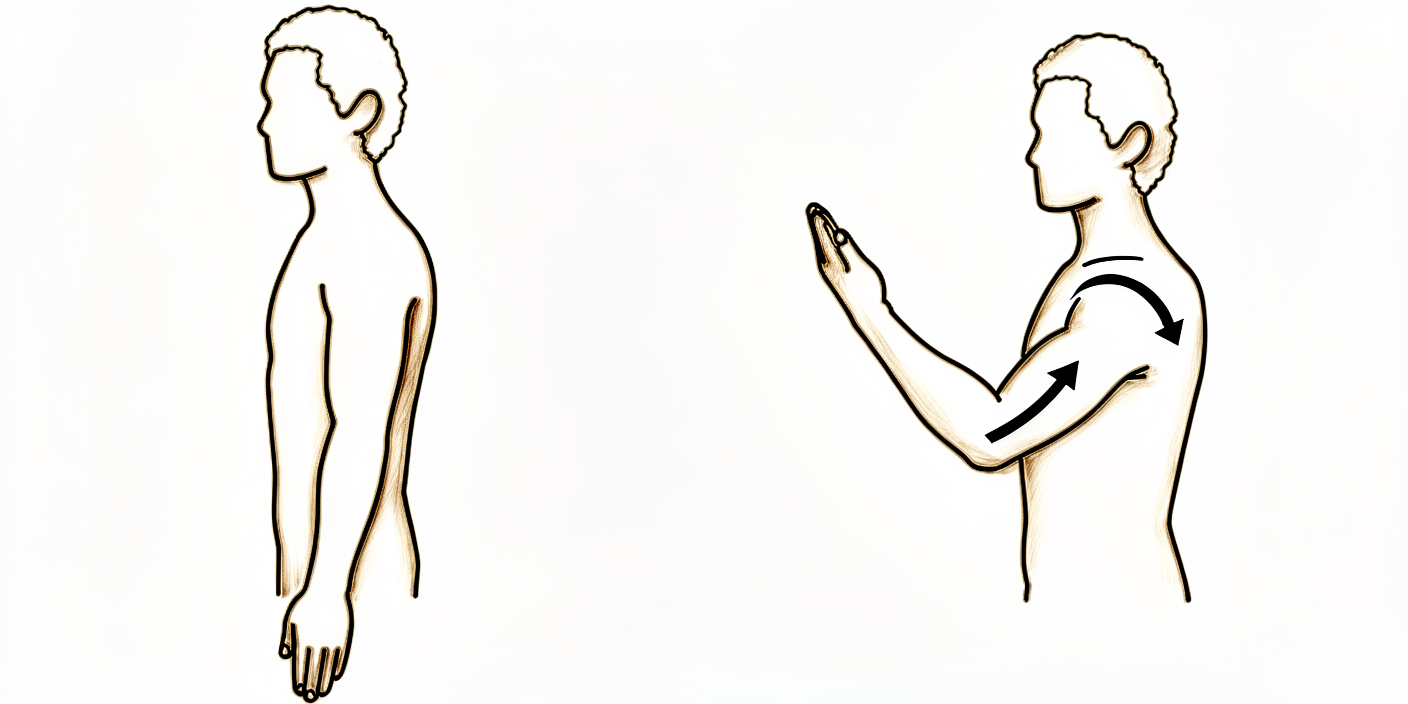
ਕੂਹਣੀ ਨੂੰ ਆਪ ਮੋੜਨਾ
ਆਪਣੀ ਕੂਹਣੀ ਨੂੰ ਹੌਲੀ ਜਿਹੇ ਓਨਾ ਮੋੜੋ ਜਿੰਨਾ ਆਰਾਮਦਾਇਕ ਹੋਵੇ, ਫਿਰ ਇਸ ਨੂੰ ਦੁਬਾਰਾ ਓਥੋਂ ਤੱਕ ਸਿੱਧਾ ਕਰੋ ਜਿੱਥੋਂ ਤੱਕ ਤੁਹਾਡਾ ਸਰਜਨ ਅਤੇ ਥੈਰੇਪਿਸਟ ਇਜਾਜ਼ਤ ਦਿੰਦੇ ਹਨ। ਆਪਣੀ ਬਾਂਹ ਦੇ ਹੇਠਲੇ ਹਿੱਸੇ ਨੂੰ ਉਸੇ ਤਰ੍ਹਾਂ ਪਲਟ ਕੇ ਰੱਖੋ ਜਿਵੇਂ ਤੁਹਾਨੂੰ ਦੱਸਿਆ ਗਿਆ ਹੈ — ਬਾਹਰਲੇ ਪਾਸੇ ਦੀ ਸੱਟ ਲਈ ਇਸ ਦਾ ਅਰਥ ਆਮ ਤੌਰ 'ਤੇ ਹਥੇਲੀ ਹੇਠਾਂ ਵੱਲ (ਪ੍ਰੋਨੇਸ਼ਨ, pronated) ਹੁੰਦਾ ਹੈ। ਸਿਰਫ਼ ਆਪਣੀਆਂ ਮਾਸਪੇਸ਼ੀਆਂ ਨਾਲ ਹਿਲਾਓ; ਜੋੜ ਉੱਤੇ ਜ਼ੋਰ ਨਾ ਪਾਓ।
10–15 ਵਾਰ, ਦਿਨ ਵਿੱਚ ਕਈ ਵਾਰ
Kieran Hirpara 4.0
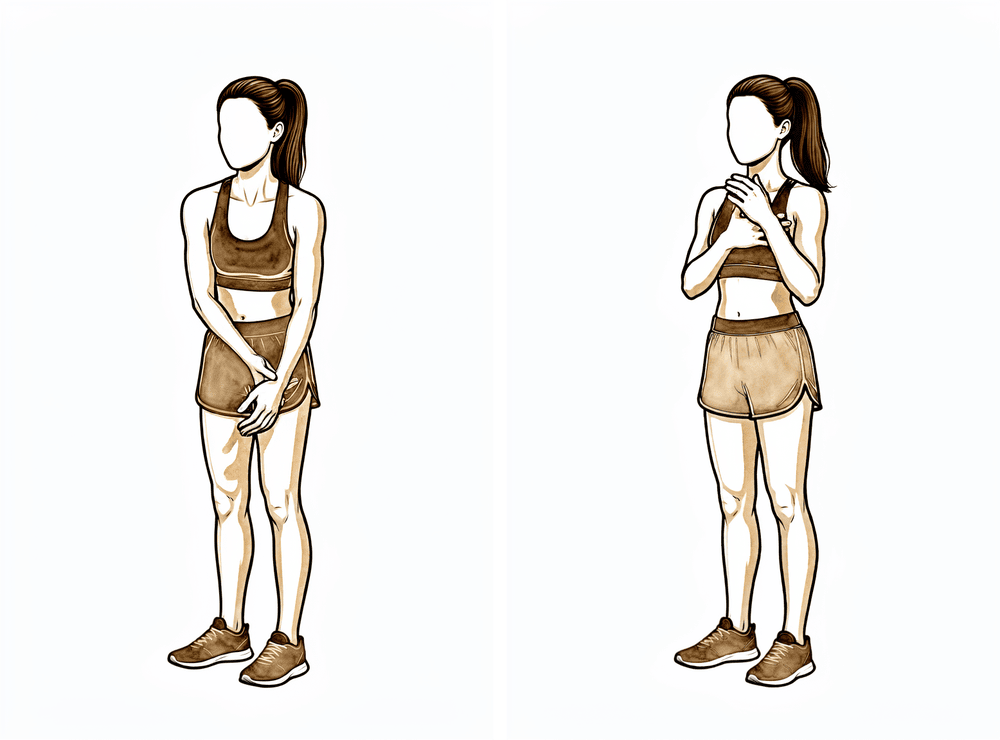
ਸਹਾਇਤਾ ਨਾਲ ਕੂਹਣੀ ਮੋੜਨਾ
ਜਦੋਂ ਤੁਹਾਡਾ ਥੈਰੇਪਿਸਟ ਇਜਾਜ਼ਤ ਦੇਵੇ, ਆਪਣੇ ਦੂਜੇ ਹੱਥ ਨਾਲ ਹੌਲੀ ਜਿਹੇ ਮਦਦ ਕਰੋ ਤਾਂ ਜੋ ਕੂਹਣੀ ਆਪਣੇ ਆਪ ਮੁੜਨ ਨਾਲੋਂ ਥੋੜ੍ਹਾ ਹੋਰ ਮੁੜ ਜਾਵੇ। ਇਸ ਨੂੰ ਸਿਰਫ਼ ਆਰਾਮਦਾਇਕ ਖਿੱਚ ਤੱਕ ਲੈ ਜਾਓ — ਕਦੇ ਵੀ ਦਰਦ ਤੱਕ ਨਹੀਂ — ਅਤੇ ਹੌਲੀ-ਹੌਲੀ ਢਿੱਲਾ ਛੱਡੋ।
10–15 ਸਕਿੰਟ ਰੋਕੋ, 5–10 ਵਾਰ, ਜਿਵੇਂ ਦੱਸਿਆ ਜਾਵੇ
Kieran Hirpara 4.0
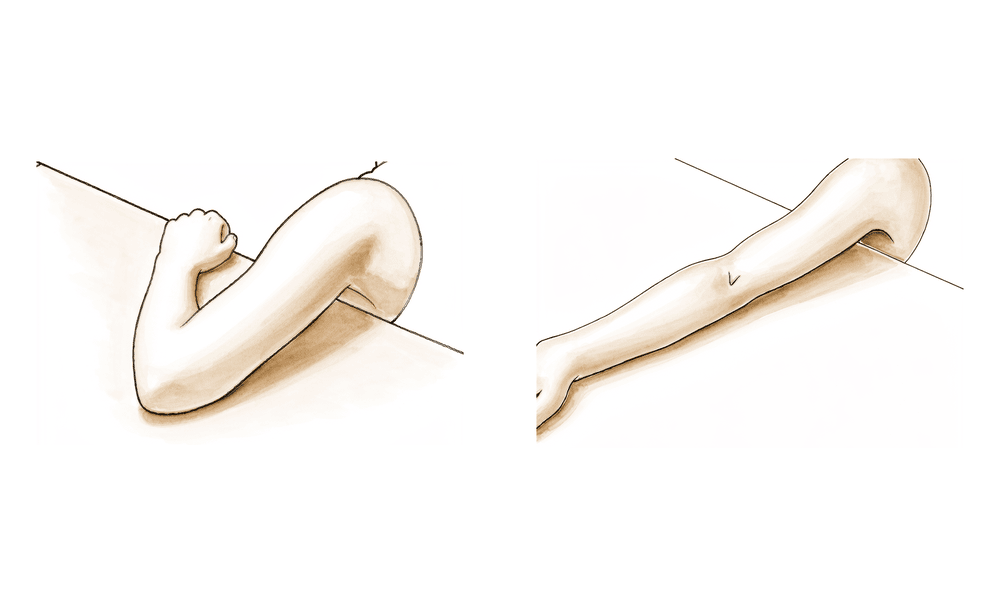
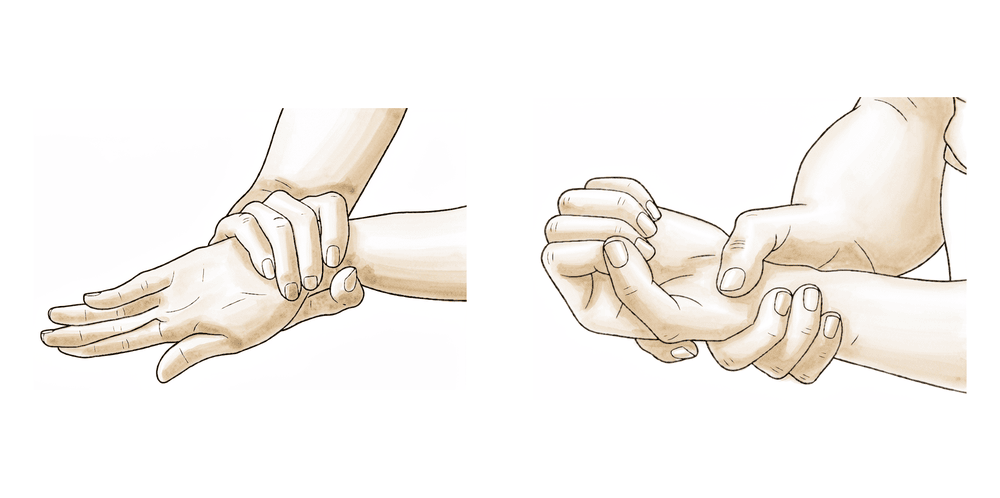
ਕੂਹਣੀ ਸਿੱਧੀ ਕਰਨਾ (ਆਰਾਮ ਦੀ ਹੱਦ ਤੱਕ)
ਆਪਣੇ ਸਰਜਨ ਵੱਲੋਂ ਤੈਅ ਕੀਤੀ ਰੇਂਜ ਦੇ ਅੰਦਰ, ਆਪਣੀ ਕੂਹਣੀ ਨੂੰ ਓਨਾ ਸਿੱਧਾ ਕਰੋ ਜਿੰਨਾ ਆਰਾਮਦਾਇਕ ਹੋਵੇ। ਬਾਹਰਲੇ ਪਾਸੇ ਦੀ ਸੱਟ ਲਈ, ਸਿੱਧਾ ਕਰਦੇ ਸਮੇਂ ਆਪਣੀ ਹਥੇਲੀ ਹੇਠਾਂ ਵੱਲ ਰੱਖੋ। ਜਦੋਂ ਤੱਕ ਤੁਹਾਡਾ ਸਰਜਨ ਇਜਾਜ਼ਤ ਨਾ ਦੇਵੇ, ਪੂਰਾ ਸਿੱਧਾ ਕਰਨ ਦੇ ਨਾਲ ਹਥੇਲੀ ਉੱਪਰ ਵੱਲ ਪਲਟਣ ਤੱਕ ਜ਼ੋਰ ਨਾ ਲਾਓ।
10–15 ਵਾਰ, ਦਿਨ ਵਿੱਚ ਕਈ ਵਾਰ
Kieran Hirpara 4.0
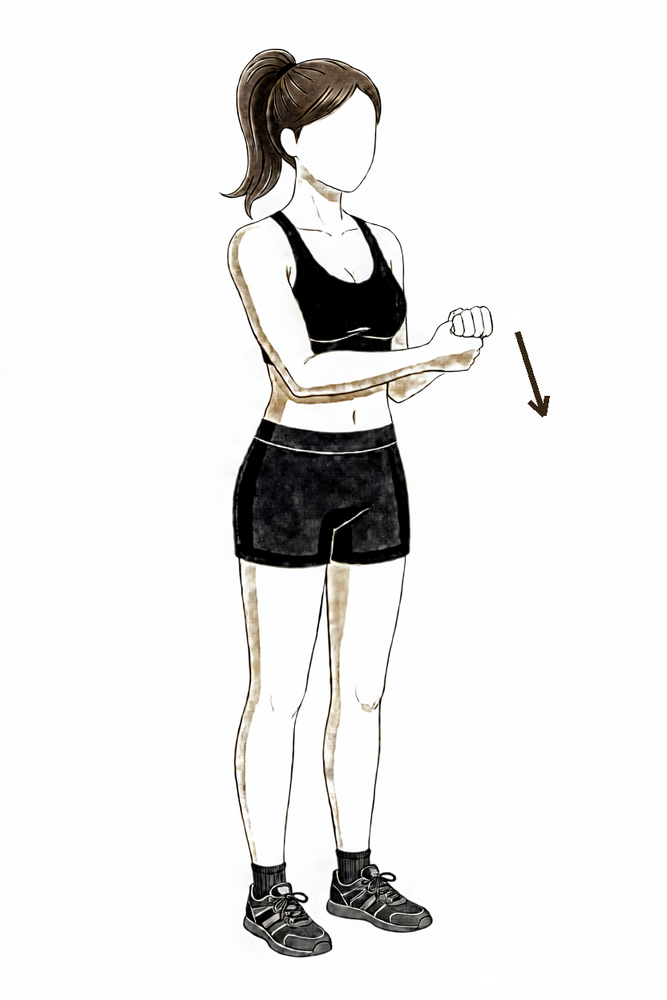
ਬਾਂਹ ਨੂੰ ਘੁਮਾਉਣਾ (ਹਥੇਲੀ ਉੱਪਰ / ਹਥੇਲੀ ਹੇਠਾਂ)
ਆਪਣੀ ਕੂਹਣੀ ਨੂੰ ਪਾਸੇ ਨਾਲ ਲਾ ਕੇ ਅਤੇ ਲਗਭਗ 90° ਤੱਕ ਮੋੜ ਕੇ, ਤੁਹਾਨੂੰ ਦਿੱਤੀ ਗਈ ਰੇਂਜ ਦੇ ਅੰਦਰ ਹੌਲੀ ਜਿਹੇ ਆਪਣੀ ਹਥੇਲੀ ਉੱਪਰ ਵੱਲ, ਫਿਰ ਹੇਠਾਂ ਵੱਲ ਪਲਟੋ। ਤੁਹਾਡੀ ਸੁਰੱਖਿਅਤ ਦਿਸ਼ਾ ਤੁਹਾਡੀ ਸੱਟ ਉੱਤੇ ਨਿਰਭਰ ਕਰਦੀ ਹੈ — ਬਾਹਰਲੇ ਪਾਸੇ ਦੀ ਸੱਟ ਵਿੱਚ ਹਥੇਲੀ ਹੇਠਾਂ ਵੱਲ (ਪ੍ਰੋਨੇਸ਼ਨ) ਨੂੰ ਤਰਜੀਹ ਹੁੰਦੀ ਹੈ; ਸੁੱਟਣ ਨਾਲ ਹੋਈ ਅੰਦਰਲੇ ਪਾਸੇ ਦੀ ਸੱਟ ਵਿੱਚ ਹਥੇਲੀ ਉੱਪਰ ਵੱਲ (ਸੁਪੀਨੇਸ਼ਨ, supination) ਨੂੰ। ਉਸ ਦਿਸ਼ਾ ਦੀ ਪਾਲਣਾ ਕਰੋ ਜੋ ਤੁਹਾਡਾ ਸਰਜਨ ਅਤੇ ਥੈਰੇਪਿਸਟ ਤੈਅ ਕਰਦੇ ਹਨ।
ਇਜਾਜ਼ਤ ਵਾਲੀ ਹਰ ਦਿਸ਼ਾ ਵਿੱਚ 10 ਵਾਰ, ਦਿਨ ਵਿੱਚ ਕਈ ਵਾਰ
Kieran Hirpara 4.0
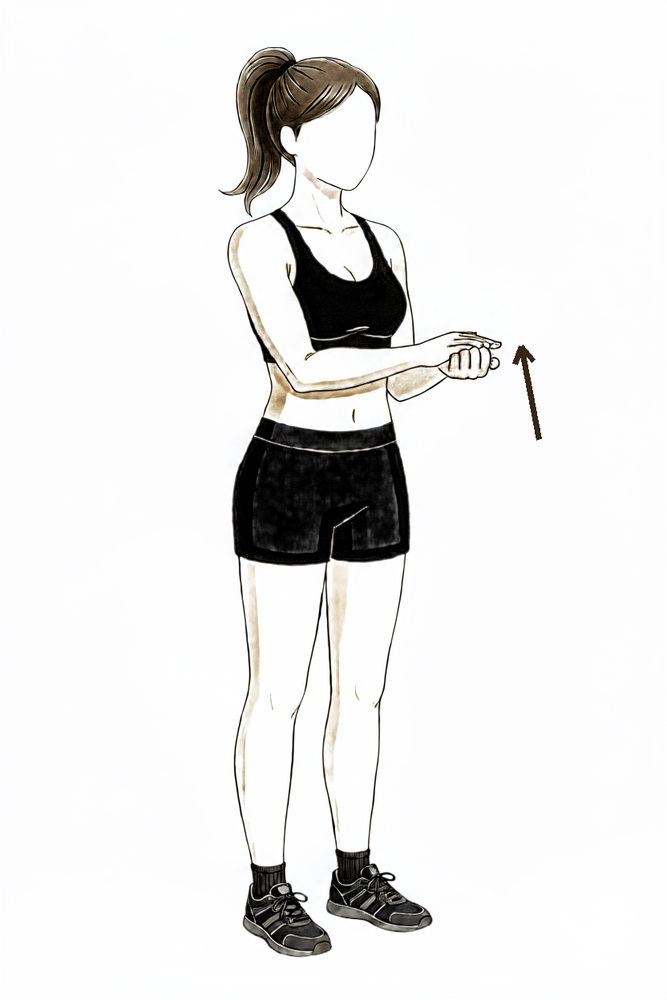
ਕੂਹਣੀ ਦੀਆਂ ਮਾਸਪੇਸ਼ੀਆਂ ਨੂੰ ਕੱਸ ਕੇ ਰੋਕਣਾ — ਸਿੱਧਾ ਕਰਨ ਵਾਲੀਆਂ (ਆਈਸੋਮੈਟ੍ਰਿਕ, isometric)
ਆਪਣੀ ਕੂਹਣੀ ਨੂੰ ਸਥਿਰ ਰੱਖ ਕੇ, ਆਪਣੇ ਦੂਜੇ ਹੱਥ ਜਾਂ ਕਿਸੇ ਸਥਿਰ ਸਤਹ ਦੇ ਵਿਰੁੱਧ ਹੌਲੀ ਜਿਹੇ ਇਸ ਤਰ੍ਹਾਂ ਦਬਾਓ ਜਿਵੇਂ ਇਸ ਨੂੰ ਸਿੱਧਾ ਕਰਨਾ ਹੋਵੇ। ਕੂਹਣੀ ਅਸਲ ਵਿੱਚ ਹਿੱਲਣੀ ਨਹੀਂ ਚਾਹੀਦੀ। ਇਹ ਜੁੜ ਰਹੇ ਲਿਗਾਮੈਂਟਾਂ ਉੱਤੇ ਭਾਰ ਪਾਏ ਬਿਨਾਂ ਮਾਸਪੇਸ਼ੀਆਂ ਨੂੰ ਜਗਾਉਂਦਾ ਹੈ।
5 ਸਕਿੰਟ ਰੋਕੋ, 10 ਵਾਰ, ਦਿਨ ਵਿੱਚ ਇੱਕ ਜਾਂ ਦੋ ਵਾਰ — ਸਿਰਫ਼ ਇਜਾਜ਼ਤ ਮਿਲਣ 'ਤੇ
Kieran Hirpara 4.0
ਕੂਹਣੀ ਦੀਆਂ ਮਾਸਪੇਸ਼ੀਆਂ ਨੂੰ ਕੱਸ ਕੇ ਰੋਕਣਾ — ਮੋੜਨ ਵਾਲੀਆਂ (ਆਈਸੋਮੈਟ੍ਰਿਕ)
ਆਪਣੀ ਕੂਹਣੀ ਨੂੰ ਸਥਿਰ ਰੱਖ ਕੇ, ਆਪਣੇ ਦੂਜੇ ਹੱਥ ਦੇ ਵਿਰੁੱਧ ਹੌਲੀ ਜਿਹੇ ਇਸ ਤਰ੍ਹਾਂ ਦਬਾਓ ਜਿਵੇਂ ਇਸ ਨੂੰ ਮੋੜਨਾ ਹੋਵੇ। ਕੂਹਣੀ ਹਿੱਲਣੀ ਨਹੀਂ ਚਾਹੀਦੀ। ਜ਼ੋਰ ਨੂੰ ਆਰਾਮਦਾਇਕ ਰੱਖੋ — ਇਹ ਮਾਸਪੇਸ਼ੀਆਂ ਨੂੰ ਚਾਲੂ ਕਰਨਾ ਹੈ, ਪੂਰੀ ਕਸਰਤ ਨਹੀਂ।
5 ਸਕਿੰਟ ਰੋਕੋ, 10 ਵਾਰ, ਦਿਨ ਵਿੱਚ ਇੱਕ ਜਾਂ ਦੋ ਵਾਰ — ਸਿਰਫ਼ ਇਜਾਜ਼ਤ ਮਿਲਣ 'ਤੇ
Kieran Hirpara 4.0
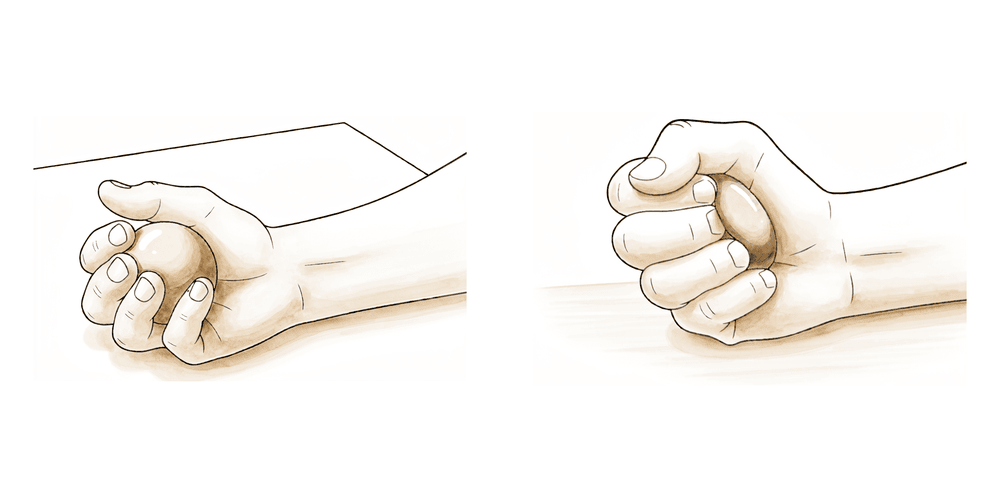
ਪਕੜ ਦੀ ਤਾਕਤ ਵਧਾਉਣਾ
ਆਪਣੇ ਹੱਥ ਵਿੱਚ ਇੱਕ ਨਰਮ ਗੇਂਦ ਜਾਂ ਥੈਰੇਪੀ ਪੁਟੀ (putty) ਨੂੰ ਨਿਚੋੜੋ ਅਤੇ ਥੋੜ੍ਹੀ ਦੇਰ ਰੋਕੋ, ਫਿਰ ਛੱਡ ਦਿਓ। ਜਦੋਂ ਤੁਹਾਡੀ ਕੂਹਣੀ ਦੀ ਸੁਰੱਖਿਆ ਕੀਤੀ ਜਾ ਰਹੀ ਹੁੰਦੀ ਹੈ, ਇਹ ਤੁਹਾਡੇ ਹੱਥ ਅਤੇ ਬਾਂਹ ਦੇ ਹੇਠਲੇ ਹਿੱਸੇ ਨੂੰ ਮਜ਼ਬੂਤ ਰੱਖਦਾ ਹੈ।
10–15 ਵਾਰ ਨਿਚੋੜੋ, ਦਿਨ ਵਿੱਚ 2–3 ਵਾਰ
ਇਹ ਤੁਹਾਡੇ ਪਰਚੇ ਵਿਚਲੀਆਂ ਕਸਰਤਾਂ ਹਨ, ਜੋ ਸੁਰੱਖਿਅਤ ਹਿਲਜੁਲ ਮੁੜ ਹਾਸਲ ਕਰਨ ਲਈ ਅਤੇ ਕੂਹਣੀ ਦੀ ਸੁਰੱਖਿਆ ਦੌਰਾਨ ਤੁਹਾਡੇ ਹੱਥ, ਬਾਂਹ ਦੇ ਹੇਠਲੇ ਹਿੱਸੇ ਅਤੇ ਮੋਢੇ ਨੂੰ ਕੰਮ ਕਰਦਾ ਰੱਖਣ ਲਈ ਹਨ। ਇਹਨਾਂ ਨੂੰ ਸ਼ੁਰੂ ਕਰੋ, ਅਤੇ ਅੱਗੇ ਵਧਾਓ, ਸਿਰਫ਼ ਡਾ. ਹਿਰਪਰਾ ਅਤੇ ਤੁਹਾਡੇ ਥੈਰੇਪਿਸਟ ਦੀ ਸੇਧ ਅਨੁਸਾਰ; ਬਾਂਹ ਦੀ ਸੁਰੱਖਿਅਤ ਸਥਿਤੀ ਅਤੇ ਰੇਂਜ ਤੁਹਾਡੀ ਖ਼ਾਸ ਸੱਟ ਉੱਤੇ ਨਿਰਭਰ ਕਰਦੀ ਹੈ।
ਤੁਹਾਡਾ ਕਲੀਨਿਕਲ ਪ੍ਰੋਟੋਕੋਲ
ਇਸ ਪੰਨੇ ਦਾ ਬਾਕੀ ਹਿੱਸਾ ਤੁਹਾਡੇ ਫਿਜ਼ੀਓਥੈਰੇਪਿਸਟ ਜਾਂ ਹੈਂਡ ਥੈਰੇਪਿਸਟ ਲਈ ਕਲੀਨਿਕਲ ਪ੍ਰੋਟੋਕੋਲ ਹੈ। ਇਹ ਦੋ ਰਾਹਾਂ ਵਿੱਚ ਲਿਖਿਆ ਗਿਆ ਹੈ ਕਿਉਂਕਿ ਦੋਹਾਂ ਸੱਟਾਂ ਦੀ ਸੁਰੱਖਿਆ ਵੱਖਰੇ ਢੰਗ ਨਾਲ ਕੀਤੀ ਜਾਂਦੀ ਹੈ। ਹਰ ਪੜਾਅ ਮਾਪਦੰਡਾਂ ਨਾਲ ਬੱਝਾ ਹੈ: ਜਦੋਂ ਮੀਲ-ਪੱਥਰ ਪੂਰੇ ਹੋ ਜਾਣ ਤਾਂ ਅੱਗੇ ਵਧੋ, ਸਿਰਫ਼ ਕੈਲੰਡਰ ਦੇਖ ਕੇ ਨਹੀਂ।
ਇਲਾਜ ਤੋਂ ਪਹਿਲਾਂ, ਮਰੀਜ਼ ਦਾ ਐਕਸ-ਰੇ, ਓਪਰੇਸ਼ਨ ਰਿਪੋਰਟ ਅਤੇ ਪਿਛਲਾ ਡਾਕਟਰੀ ਇਤਿਹਾਸ ਦੇਖੋ, ਅਤੇ ਇਲਾਜ ਕਰਨ ਵਾਲੇ ਸਰਜਨ ਨਾਲ ਇਹਨਾਂ ਗੱਲਾਂ ਬਾਰੇ ਤਾਲਮੇਲ ਕਰੋ: ਸਰਜਰੀ ਵੇਲੇ ਹਾਸਲ ਕੀਤੀ ਸਥਿਰਤਾ, ਸੁਰੱਖਿਅਤ ਹਿਲਜੁਲ ਦਾ ਘੇਰਾ (arc) ਅਤੇ ਬਾਂਹ ਦਾ ਘੁਮਾਅ, ਅਤੇ ਕੀ ਅੰਦਰੂਨੀ ਜੋੜ ਸਥਿਰਕ ਲਗਾਇਆ ਗਿਆ ਸੀ। ਡਾ. ਹਿਰਪਰਾ ਬਾਹਰੀ ਕਬਜ਼ੇਦਾਰ ਬ੍ਰੇਸ ਨਹੀਂ ਵਰਤਦੇ: ਪੂਰੀ ਰੇਂਜ ਵਿੱਚ ਸਥਿਰ ਮੁਰੰਮਤ ਨੂੰ ਇੱਕ ਸਾਦੀ ਸਲਿੰਗ ਵਿੱਚ ਆਰਾਮ ਦੀ ਹੱਦ ਤੱਕ ਜਲਦੀ ਹਿਲਜੁਲ ਨਾਲ ਸੰਭਾਲਿਆ ਜਾਂਦਾ ਹੈ; ਜਿੱਥੇ ਸਥਿਰਤਾ ਨੂੰ ਸੁਰੱਖਿਆ ਦੀ ਲੋੜ ਹੋਵੇ, ਉੱਥੇ ਅੰਦਰੂਨੀ ਜੋੜ ਸਥਿਰਕ ਜੋੜ ਨੂੰ ਅੰਦਰੋਂ ਠੀਕ ਥਾਂ ਬਿਠਾ ਕੇ ਰੱਖਦਾ ਹੈ ਅਤੇ ਨਾਲ ਹੀ ਆਰਾਮ ਦੀ ਹੱਦ ਤੱਕ ਸਿੱਧਾ ਕਰਨ ਦੀ ਇਜਾਜ਼ਤ ਦਿੰਦਾ ਹੈ।
ਰਾਹ A — ਟੈਰੀਬਲ ਟ੍ਰਾਇਡ / ਫ੍ਰੈਕਚਰ ਦੇ ਨਾਲ ਜੋੜ ਦਾ ਉਤਰ ਜਾਣਾ / LCL (LUCL) ਦੀ ਮੁਰੰਮਤ
ਟੀਚਾ: ਇੱਕ ਸਥਿਰ, ਠੀਕ ਕੇਂਦਰ ਵਿੱਚ ਬੈਠੀ (concentrically reduced) ਕੂਹਣੀ ਜੋ ਜਲਦੀ ਹਿੱਲੇ; ਪਿਛਲੇ-ਬਾਹਰਲੇ ਪਾਸੇ ਵੱਲ ਘੁੰਮ ਕੇ ਜੋੜ ਦੇ ਮੁੜ ਅੰਸ਼ਕ ਖਿਸਕਣ (posterolateral rotatory re-subluxation) ਨੂੰ ਰੋਕਣਾ।
ਸ਼ੁਰੂਆਤੀ ਪੜਾਅ ਦੌਰਾਨ ਮੁੱਖ ਸਾਵਧਾਨੀਆਂ:
- ਇਕੱਲੀ ਬਾਹਰਲੇ ਪਾਸੇ ਦੀ ਸੱਟ ਲਈ ਬਾਂਹ ਨੂੰ ਪ੍ਰੋਨੇਸ਼ਨ ਵਿੱਚ ਰੱਖੋ (ਇਸ ਨਾਲ ਬਾਹਰਲੀਆਂ ਬਣਤਰਾਂ ਕੱਸੀਆਂ ਜਾਂਦੀਆਂ ਹਨ ਅਤੇ ਰੇਡੀਓਕੈਪੀਟੇਲਰ ਜੋੜ, radiocapitellar joint, ਆਪਣੀ ਥਾਂ ਬੈਠਦਾ ਹੈ)। ਜੇ ਦੋਵੇਂ ਪਾਸਿਆਂ (columns) ਦੀ ਮੁਰੰਮਤ ਕੀਤੀ ਗਈ ਸੀ, ਤਾਂ ਬਾਂਹ ਨੂੰ ਵਿਚਕਾਰਲੀ (neutral) ਸਥਿਤੀ ਵਿੱਚ ਰੱਖੋ; ਸੁਪੀਨੇਸ਼ਨ ਦੀ ਇਜਾਜ਼ਤ ਸਿਰਫ਼ ਉਦੋਂ ਹੈ ਜਦੋਂ ਕੂਹਣੀ ~90° ਤੱਕ ਮੁੜੀ ਹੋਵੇ।
- ਵੈਰਸ ਦਬਾਅ (varus stress, ਜੋ ਕੂਹਣੀ ਦੇ ਬਾਹਰਲੇ ਪਾਸੇ ਨੂੰ ਖਿੱਚ ਕੇ ਖੋਲ੍ਹਦਾ ਹੈ) ਅਤੇ ਮੋਢੇ ਨੂੰ ਪਾਸੇ ਵੱਲ ਚੁੱਕਣ ਤੋਂ ਬਚੋ: ਗੁਰੂਤਾ-ਖਿੱਚ ਬਾਹਰਲੀ ਮੁਰੰਮਤ ਉੱਤੇ ਵੈਰਸ ਭਾਰ ਪਾਉਂਦੀ ਹੈ। ਆਪ ਕੀਤੀ ਹਿਲਜੁਲ ਦੀ ਰੇਂਜ ਵਾਲੀਆਂ ਕਸਰਤਾਂ ਬਾਂਹ ਨੂੰ ਸਰੀਰ ਦੇ ਸਾਹਮਣੇ ਰੱਖ ਕੇ ਕਰਵਾਓ, ਜਾਂ ਜੇ ਮੁਰੰਮਤ ਕਮਜ਼ੋਰ ਹੋਵੇ ਤਾਂ ਪਿੱਠ ਦੇ ਭਾਰ ਲੇਟ ਕੇ ਬਾਂਹ ਸਿਰ ਤੋਂ ਉੱਪਰ (supine-overhead, ਗੁਰੂਤਾ-ਖਿੱਚ ਘਟਾ ਕੇ) ਰੱਖ ਕੇ।
- ~16 ਹਫ਼ਤਿਆਂ ਤੱਕ ਪੂਰਾ ਸਿੱਧਾ ਕਰਨ ਦੇ ਨਾਲ ਸੁਪੀਨੇਸ਼ਨ ਨਹੀਂ (ਇਹ ਪਿਵਟ-ਸ਼ਿਫ਼ਟ, pivot-shift, ਯਾਨੀ ਜੋੜ ਦਾ ਘੁੰਮ ਕੇ ਥਾਂ ਤੋਂ ਖਿਸਕਣਾ, ਦੁਹਰਾਉਂਦਾ ਹੈ)।
- 8–16 ਹਫ਼ਤਿਆਂ ਤੱਕ ਨਾ ਬਾਂਹ ਉੱਤੇ ਭਾਰ ਪਾਉਣਾ ਅਤੇ ਨਾ ਕਲੋਜ਼ਡ-ਚੇਨ (closed-chain, ਹੱਥ ਟਿਕਾ ਕੇ ਸਰੀਰ ਦਾ ਭਾਰ ਪਾਉਣ ਵਾਲਾ) ਭਾਰ।
ਹਫ਼ਤੇ 0–2: ਸ਼ੁਰੂਆਤੀ ਹਿਲਜੁਲ। ਆਰਾਮ ਲਈ ਸਾਦੀ ਸਲਿੰਗ। ਉਂਗਲਾਂ, ਗੁੱਟ ਅਤੇ ਮੋਢੇ ਦੀ ਆਪ ਕੀਤੀ ਹਿਲਜੁਲ ਦੀ ਰੇਂਜ ਤੁਰੰਤ ਸ਼ੁਰੂ ਕਰੋ। ਕੂਹਣੀ ਦੀ ਆਪ ਕੀਤੀ ਅਤੇ ਸਹਾਇਤਾ ਨਾਲ ਆਪ ਕੀਤੀ (active-assisted) ਹਿਲਜੁਲ ਦੀ ਰੇਂਜ ਦਿਨ 2–3 ਤੋਂ ਆਰਾਮ ਦੀ ਹੱਦ ਤੱਕ ਸ਼ੁਰੂ ਕਰੋ, ਬਾਂਹ ਪ੍ਰੋਨੇਸ਼ਨ ਵਿੱਚ, ਬਾਂਹ ਨੂੰ ਸਰੀਰ ਦੇ ਸਾਹਮਣੇ ਸਹਾਰਾ ਦੇ ਕੇ (ਜਾਂ ਜੇ ਮੁਰੰਮਤ ਕਮਜ਼ੋਰ ਹੋਵੇ ਤਾਂ ਪਿੱਠ ਦੇ ਭਾਰ ਲੇਟ ਕੇ ਬਾਂਹ ਸਿਰ ਤੋਂ ਉੱਪਰ, ਤਾਂ ਜੋ ਗੁਰੂਤਾ-ਖਿੱਚ ਜੋੜ ਨੂੰ ਦਬਾ ਕੇ ਇਕੱਠਾ ਰੱਖੇ)। ਜਿੱਥੇ ਅੰਦਰੂਨੀ ਜੋੜ ਸਥਿਰਕ ਲੱਗਾ ਹੋਵੇ, ਉੱਥੇ ਜਲਦੀ ਹੀ ਪੂਰੇ ਆਰਾਮਦਾਇਕ ਸਿੱਧੇ ਕਰਨ ਵੱਲ ਵਧੋ; ਯੰਤਰ ਜੋੜ ਦੀ ਠੀਕ ਥਾਂ ਦੀ ਸੁਰੱਖਿਆ ਕਰਦਾ ਹੈ; ਕੋਈ ਬਾਹਰੀ ਬ੍ਰੇਸ ਨਹੀਂ ਵਰਤਿਆ ਜਾਂਦਾ।
ਹਫ਼ਤੇ 2–6: ਹਿਲਜੁਲ ਦਾ ਘੇਰਾ ਬਹਾਲ ਕਰੋ। ਪੂਰੇ ਆਰਾਮਦਾਇਕ ਮੋੜਨ ਅਤੇ ਸਿੱਧਾ ਕਰਨ ਵੱਲ ਵਧੋ (ਸਾਰਾ ਸਮਾਂ ਆਰਾਮ ਦੀ ਹੱਦ ਤੱਕ ਸਿੱਧਾ ਕਰਨਾ; ਅੰਦਰੂਨੀ ਸਥਿਰਕ, ਜੇ ਲੱਗਾ ਹੋਵੇ, ਇਸ ਦੀ ਇਜਾਜ਼ਤ ਦਿੰਦਾ ਹੈ)। ਪ੍ਰੋਨੇਸ਼ਨ ਵੱਲ ਝੁਕਾਅ ਬਣਾਈ ਰੱਖੋ; ਵੈਰਸ ਭਾਰ ਤੋਂ ਬਚੋ। ਅਗਲੇ ਪੜਾਅ ਵਿੱਚ ਜਾਣ ਦੀਆਂ ਸ਼ਰਤਾਂ: ਕਰਵਾਈ ਗਈ (passive) ਹਿਲਜੁਲ ਦਾ ਪੂਰਾ ਘੇਰਾ ਮੁੜ ਹਾਸਲ, ਜਾਂਚ ਜਾਂ ਐਕਸ-ਰੇ ਵਿੱਚ ਜੋੜ ਦਾ ਮੁੜ ਅੰਸ਼ਕ ਖਿਸਕਣਾ ਨਹੀਂ, ਦਰਦ ≤3/10।
ਹਫ਼ਤੇ 6–12: ਤਾਕਤ ਬਣਾਉਣਾ। ਜਦੋਂ ਕਲੀਨਿਕਲ ਜਾਂਚ ਅਤੇ ਐਕਸ-ਰੇ ਵਿੱਚ ਜੁੜ ਜਾਵੇ (~ਹਫ਼ਤਾ 6), ਤਾਂ ਹੌਲੀ-ਹੌਲੀ ਵਧਦੀਆਂ ਤਾਕਤ ਵਾਲੀਆਂ ਕਸਰਤਾਂ ਸ਼ੁਰੂ ਕਰੋ; ਜੇ ਜੋੜ ਦਾ ਕੱਸ ਜਾਣਾ (contracture) ਬਣ ਰਿਹਾ ਹੋਵੇ ਤਾਂ ਸਟੈਟਿਕ-ਪ੍ਰੋਗ੍ਰੈਸਿਵ ਸਪਲਿੰਟ (static-progressive splint, ਹੌਲੀ-ਹੌਲੀ ਖਿੱਚ ਵਧਾਉਣ ਵਾਲਾ ਸਪਲਿੰਟ) ਸ਼ੁਰੂ ਕਰੋ। ਵੈਰਸ ਭਾਰ ਤੋਂ ਬਚਦੇ ਰਹੋ। ਅੰਦਰੂਨੀ ਸਥਿਰਕ, ਜੇ ਵਰਤਿਆ ਗਿਆ ਹੋਵੇ, ਆਮ ਤੌਰ 'ਤੇ ਲਿਗਾਮੈਂਟ ਜੁੜਨ ਤੱਕ ਅੰਦਰ ਰੱਖਿਆ ਜਾਂਦਾ ਹੈ।
ਹਫ਼ਤੇ 12–20+: ਉੱਨਤ ਪੜਾਅ / ਵਾਪਸੀ। ਹੌਲੀ-ਹੌਲੀ ਵਧਦਾ ਵਿਰੋਧ; ਭਾਰੀ ਮਿਹਨਤ ਵਾਲੇ ਕੰਮ ਵੱਲ ਵਾਪਸੀ। ਟੱਕਰ ਵਾਲੀਆਂ ਅਤੇ ਸਿਰ ਤੋਂ ਉੱਪਰ ਬਾਂਹ ਵਾਲੀਆਂ ਖੇਡਾਂ ਲਗਭਗ 6–9 ਮਹੀਨਿਆਂ 'ਤੇ (ਅਤੇ ਅੰਦਰੂਨੀ ਸਥਿਰਕ ਕੱਢੇ ਜਾਣ ਤੋਂ ਬਾਅਦ, ਜੇ ਲੱਗਾ ਹੋਵੇ)। ਵੈਰਸ ਭਾਰ ਵਾਲੀਆਂ ਤਾਕਤ ਦੀਆਂ ਕਸਰਤਾਂ ਤੋਂ ਬਚਦੇ ਰਹੋ।
ਰਾਹ B — ਸੁੱਟਣ ਨਾਲ ਹੋਈ (ਅੰਦਰਲੇ ਪਾਸੇ ਦੀ) UCL ਦੀ ਮੁਰੰਮਤ / ਮੁੜ-ਉਸਾਰੀ
ਇਹ ਅੰਦਰਲੇ ਪਾਸੇ ਦੀ ਲੰਮੇ ਸਮੇਂ ਦੇ ਜ਼ਿਆਦਾ ਭਾਰ (chronic overload) ਵਾਲੀ ਸਮੱਸਿਆ ਹੈ। ਡਾ. ਹਿਰਪਰਾ ਦੀ ਤਰਜੀਹ ਹੈ ਕੋਈ ਬਾਹਰੀ ਕਬਜ਼ੇਦਾਰ ਬ੍ਰੇਸ ਨਹੀਂ: ਸਿਊਚਰ-ਟੇਪ ਨਾਲ ਅੰਦਰੂਨੀ ਬ੍ਰੇਸ ਵਾਲੀ ਮਜ਼ਬੂਤੀ (internal-brace augmentation) (ਮੁਰੰਮਤ) ਜਾਂ ਟੈਂਡਨ ਗ੍ਰਾਫਟ (tendon graft, ਸਰੀਰ ਦੇ ਕਿਸੇ ਹੋਰ ਹਿੱਸੇ ਤੋਂ ਲਿਆ ਟੈਂਡਨ ਦਾ ਟੁਕੜਾ) (ਮੁੜ-ਉਸਾਰੀ) ਸੁਰੱਖਿਆ ਦਿੰਦੇ ਹਨ, ਅਤੇ ਰੀਹੈਬਿਲੀਟੇਸ਼ਨ ਸੁੱਟਣ ਉੱਤੇ ਕੇਂਦਰਿਤ ਹੁੰਦੀ ਹੈ। ਬਾਂਹ ਨੂੰ ਸੁਪੀਨੇਸ਼ਨ/ਵਿਚਕਾਰਲੀ ਸਥਿਤੀ ਵੱਲ ਝੁਕਾ ਕੇ ਰੱਖਿਆ ਜਾਂਦਾ ਹੈ; ਮੋਢੇ ਨੂੰ ਵਿਰੋਧ ਦੇ ਵਿਰੁੱਧ ਬਾਹਰ ਵੱਲ ਘੁਮਾਉਣ ਤੋਂ ~ਹਫ਼ਤਾ 6 ਤੱਕ ਬਚਿਆ ਜਾਂਦਾ ਹੈ, ਕਿਉਂਕਿ ਇਹ ਗ੍ਰਾਫਟ ਉੱਤੇ ਵੈਲਗਸ ਭਾਰ (valgus load, ਜੋ ਕੂਹਣੀ ਦੇ ਅੰਦਰਲੇ ਪਾਸੇ ਨੂੰ ਖਿੱਚ ਕੇ ਖੋਲ੍ਹਦਾ ਹੈ) ਪਾਉਂਦਾ ਹੈ।
ਅੰਦਰੂਨੀ ਬ੍ਰੇਸ ਨਾਲ ਮਜ਼ਬੂਤ ਕੀਤੀ ਮੁਰੰਮਤ (ਤੇਜ਼ ਰਾਹ, ਬਿਨਾਂ ਬਾਹਰੀ ਬ੍ਰੇਸ ਵਾਲੇ ਤਰੀਕੇ ਦੇ ਅਨੁਸਾਰ):
- ਹਫ਼ਤੇ 0–4 ਵਿੱਚ ਆਰਾਮ ਦੀ ਹੱਦ ਤੱਕ ਸੁਰੱਖਿਅਤ ਸ਼ੁਰੂਆਤੀ ਹਿਲਜੁਲ (~ਹਫ਼ਤਾ 6 ਤੱਕ ਪੂਰਾ ਘੇਰਾ)।
- ~ਹਫ਼ਤਾ 3 ਤੋਂ Thrower's Ten ਪ੍ਰੋਗਰਾਮ (ਸੁੱਟਣ ਵਾਲੇ ਖਿਡਾਰੀਆਂ ਲਈ ਕਸਰਤਾਂ ਦਾ ਮਿਆਰੀ ਸੈੱਟ); ~ਹਫ਼ਤਾ 6 ਤੋਂ ਪਲਾਇਓਮੈਟ੍ਰਿਕਸ (plyometrics, ਤੇਜ਼ ਝਟਕੇ ਵਾਲੀਆਂ ਕਸਰਤਾਂ)।
- ~ਹਫ਼ਤਾ 11 ਤੋਂ ਦਰਜਾਵਾਰ ਸੁੱਟਣ ਦਾ ਪ੍ਰੋਗਰਾਮ (interval throwing program); ~5–7 ਮਹੀਨਿਆਂ 'ਤੇ ਖੇਡ ਵੱਲ ਵਾਪਸੀ।
ਮੁੜ-ਉਸਾਰੀ (ਗ੍ਰਾਫਟ) ਵਾਲਾ ਰਾਹ, ਜੇ ਵਰਤਿਆ ਗਿਆ ਹੋਵੇ (ਹੌਲੀ):
- ~ਹਫ਼ਤਾ 6 ਤੱਕ ਪੂਰਾ ਘੇਰਾ; ਹਫ਼ਤੇ 14–16 'ਤੇ ਦਰਜਾਵਾਰ ਸੁੱਟਣਾ; ਮਾਊਂਡ (mound, ਗੇਂਦਬਾਜ਼ ਦਾ ਉੱਚਾ ਥੜ੍ਹਾ) ਤੋਂ ਸੁੱਟਣਾ 6 ਮਹੀਨਿਆਂ ਤੋਂ ਪਹਿਲਾਂ ਨਹੀਂ; ਮੁਕਾਬਲੇ ਵਾਲੀ ਖੇਡ ਵੱਲ ਵਾਪਸੀ ਆਮ ਤੌਰ 'ਤੇ 9–16 ਮਹੀਨੇ।
ਕੰਮ ਅਤੇ ਸਰਗਰਮੀਆਂ ਵੱਲ ਵਾਪਸੀ
ਤੁਸੀਂ ਕਿੰਨੀ ਜਲਦੀ ਵਾਪਸ ਆਉਂਦੇ ਹੋ, ਇਹ ਇਸ ਗੱਲ ਉੱਤੇ ਨਿਰਭਰ ਕਰਦਾ ਹੈ ਕਿ ਤੁਹਾਨੂੰ ਕਿਹੜੀ ਸੱਟ ਲੱਗੀ ਸੀ ਅਤੇ ਤੁਹਾਡੇ ਕੰਮ ਜਾਂ ਖੇਡ ਦੀਆਂ ਮੰਗਾਂ ਕੀ ਹਨ।
- ਬਾਹਰਲੇ ਪਾਸੇ ਦੀ ਸੱਟ (ਟੈਰੀਬਲ ਟ੍ਰਾਇਡ / LCL): ਡੈਸਕ ਵਾਲੇ ਹਲਕੇ ਕੰਮ ਅਤੇ ਨਿੱਜੀ ਦੇਖਭਾਲ ਦੇ ਕੰਮ ਤੁਹਾਡੀਆਂ ਸੁਰੱਖਿਅਤ ਸਥਿਤੀਆਂ ਦੇ ਅੰਦਰ ਜਲਦੀ ਮੁੜ ਸ਼ੁਰੂ ਹੁੰਦੇ ਹਨ। ਤਾਕਤ ਵਾਲੀਆਂ ਕਸਰਤਾਂ ਆਮ ਤੌਰ 'ਤੇ ਲਗਭਗ 6 ਹਫ਼ਤਿਆਂ 'ਤੇ ਸ਼ੁਰੂ ਹੁੰਦੀਆਂ ਹਨ, ਜਦੋਂ ਕੂਹਣੀ ਕਲੀਨਿਕਲ ਜਾਂਚ ਅਤੇ ਐਕਸ-ਰੇ ਵਿੱਚ ਜੁੜ ਚੁੱਕੀ ਹੋਵੇ। ਟੱਕਰ ਵਾਲੀਆਂ ਅਤੇ ਸਿਰ ਤੋਂ ਉੱਪਰ ਬਾਂਹ ਵਾਲੀਆਂ ਖੇਡਾਂ ਆਮ ਤੌਰ 'ਤੇ ਲਗਭਗ 6–9 ਮਹੀਨਿਆਂ ਤੱਕ, ਅਤੇ ਜੇ ਅੰਦਰੂਨੀ ਜੋੜ ਸਥਿਰਕ ਲਗਾਇਆ ਗਿਆ ਸੀ ਤਾਂ ਉਸ ਦੇ ਕੱਢੇ ਜਾਣ ਤੋਂ ਬਾਅਦ ਤੱਕ, ਟਾਲੀਆਂ ਜਾਂਦੀਆਂ ਹਨ। ਜਦੋਂ ਤੱਕ ਤੁਹਾਡਾ ਸਰਜਨ ਇਜਾਜ਼ਤ ਨਾ ਦੇਵੇ, ਬਾਂਹ ਉੱਤੇ ਭਾਰ ਪਾਉਣ ਤੋਂ ਵੀ ਬਚੋ ਅਤੇ ਇਸ ਨੂੰ ਪਾਸੇ ਵੱਲ ਬਾਹਰ ਰੱਖ ਕੇ ਭਾਰ ਪਾਉਣ ਤੋਂ ਵੀ ਬਚੋ।
- ਸੁੱਟਣ ਨਾਲ ਹੋਈ ਸੱਟ (UCL): ਅੰਦਰੂਨੀ ਬ੍ਰੇਸ ਨਾਲ ਮਜ਼ਬੂਤ ਕੀਤੀ ਮੁਰੰਮਤ ਨਾਲ, ਤਰਤੀਬਵਾਰ ਦਰਜਾਵਾਰ ਸੁੱਟਣ ਦਾ ਪ੍ਰੋਗਰਾਮ ਆਮ ਤੌਰ 'ਤੇ ਲਗਭਗ 11 ਹਫ਼ਤਿਆਂ 'ਤੇ ਸ਼ੁਰੂ ਹੁੰਦਾ ਹੈ, ਅਤੇ ਖੇਡ ਵੱਲ ਵਾਪਸੀ ਲਗਭਗ 5–7 ਮਹੀਨਿਆਂ 'ਤੇ ਹੁੰਦੀ ਹੈ। ਮੁੜ-ਉਸਾਰੀ ਤੋਂ ਬਾਅਦ, ਮੁਕਾਬਲੇ ਵਾਲੇ ਸੁੱਟਣ ਵੱਲ ਵਾਪਸੀ ਹੌਲੀ ਹੁੰਦੀ ਹੈ, ਆਮ ਤੌਰ 'ਤੇ 9–16 ਮਹੀਨੇ।
ਗੱਡੀ ਚਲਾਉਣਾ ਉਦੋਂ ਮੁੜ ਸ਼ੁਰੂ ਹੁੰਦਾ ਹੈ ਜਦੋਂ ਸਲਿੰਗ ਤੋਂ ਬਾਹਰ ਤੁਹਾਡਾ ਬਾਂਹ ਉੱਤੇ ਆਰਾਮਦਾਇਕ, ਸੁਰੱਖਿਅਤ ਕਾਬੂ ਹੋਵੇ ਅਤੇ ਤੁਹਾਡੇ ਸਰਜਨ ਨੇ ਜਾਂਚ ਮੁਲਾਕਾਤ 'ਤੇ ਪੁਸ਼ਟੀ ਕਰ ਦਿੱਤੀ ਹੋਵੇ ਕਿ ਇਹ ਢੁਕਵਾਂ ਹੈ। ਤੁਹਾਡਾ ਥੈਰੇਪਿਸਟ ਤੁਹਾਡੀਆਂ ਤਾਕਤ ਵਾਲੀਆਂ ਕਸਰਤਾਂ ਅਤੇ ਖੇਡ ਜਾਂ ਕੰਮ ਨਾਲ ਸੰਬੰਧਿਤ ਅਭਿਆਸਾਂ ਨੂੰ ਤੁਹਾਡੇ ਨਿੱਜੀ ਟੀਚਿਆਂ ਵੱਲ ਅੱਗੇ ਵਧਾਏਗਾ।
ਤੁਹਾਡੇ ਪ੍ਰੋਟੋਕੋਲ ਤੋਂ ਬਾਅਦ
ਇਹ ਪ੍ਰੋਟੋਕੋਲ ਕਲੀਨਿਕ ਦੀ ਆਮ ਸਿਹਤਯਾਬੀ ਸਲਾਹ ਦੇ ਨਾਲ-ਨਾਲ ਕੰਮ ਕਰਦਾ ਹੈ; ਦੇਖੋ ਓਪਰੇਸ਼ਨ ਤੋਂ ਬਾਅਦ ਦਰਦ ਨੂੰ ਸੰਭਾਲਣਾ ਅਤੇ ਜ਼ਖ਼ਮ ਦੀ ਦੇਖਭਾਲ। ਤੁਹਾਡੀ ਅਗਲੀ ਸਿਹਤਯਾਬੀ ਦੀ ਅਗਵਾਈ ਤੁਹਾਡਾ ਫਿਜ਼ੀਓਥੈਰੇਪਿਸਟ ਜਾਂ ਹੈਂਡ ਥੈਰੇਪਿਸਟ ਨਿੱਜੀ ਤੌਰ 'ਤੇ ਕਰਦਾ ਹੈ, ਇਸ ਅਨੁਸਾਰ ਕਿ ਤੁਹਾਡੀ ਕੂਹਣੀ ਕਿਵੇਂ ਅੱਗੇ ਵਧਦੀ ਹੈ ਅਤੇ ਤੁਹਾਨੂੰ ਕਿਹੜੀ ਸੱਟ ਲੱਗੀ ਸੀ। ਇਸ ਪ੍ਰੋਟੋਕੋਲ ਲਈ ਡਾਕਟਰੀ ਅਮਲੇ ਵਾਸਤੇ ਸਬੂਤਾਂ ਦਾ ਸਾਰ ਇਸ ਪੰਨੇ ਦੇ ਨਾਲ ਰੱਖਿਆ ਗਿਆ ਹੈ।
Evidence & references
This is the clinical evidence summary written for health professionals. It is technical, and it lists the research this page was built from. You do not need to read it to understand your treatment or to make a decision about it.
Elbow Instability — Rehabilitation Evidence (Lateral / Terrible Triad / LCL and Throwing / UCL)
Topic scope: Post-operative rehabilitation after surgery for elbow instability, in two distinct tracks: (A) complex lateral instability — "terrible triad" / fracture-dislocation and lateral (ulnar) collateral ligament [LCL/LUCL] repair & reconstruction for posterolateral rotatory instability (PLRI); and (B) overhead-throwing ulnar (medial) collateral ligament [UCL] reconstruction & repair ("Tommy John").
Defining principle: the crux of every track is protected motion, not immobilisation. Restore enough stability to permit early range of motion (within ~1 week), because prolonged immobilisation is the dominant cause of disabling flexion contracture and stiffness. Dr Hirpara's stance: he does not use an external hinged brace. A repair that is stable through-range at surgery is managed with a simple sling for comfort plus early motion to comfort within positional precautions. Where stability needs protecting, he implants an internal joint stabiliser (an internal hinge) that holds the elbow reduced from the inside while permitting full flexion and extension to comfort — so the patient still moves early without an external arc-limiting brace. The device is typically removed once the ligaments have healed (~4–6 months). The published external-hinged-brace extension-block arcs below are retained as reference for what they represent biomechanically, not as Dr Hirpara's management.
(A) Terrible triad / complex fracture-dislocation / LCL (LUCL) repair & reconstruction
Forearm-rotation rule (the key precaution)
- Lateral-sided (LCL/LUCL) injury → keep the forearm PRONATED. Pronation tightens the lateral structures and seats the radiocapitellar joint, protecting the lateral repair. Terminal extension is performed pronated; supination near full extension reproduces the pivot-shift and is avoided.
- Medial-sided (MCL/UCL) injury → keep the forearm SUPINATED (Rockwood & Green; Green's Operative Hand Surgery).
- If both columns are repaired (many terrible triads), the forearm is held neutral.
- Early supination, when allowed, is done only with the elbow flexed to ~90° (flexion stabilises the ulnohumeral joint and protects the lateral reconstruction).
Phased timeline
- Week 0–2 — Immediate post-op / early motion. Posterior splint at ~90° flexion in injury-appropriate forearm rotation for 7–14 days in the published protocols; the practical aim is early motion. Begin digit/wrist/shoulder AROM immediately and gentle elbow AROM/AAROM in the surgeon-defined stable arc within days (Brigham fracture-dislocation guideline starts elbow/forearm AROM at day 2–3). A supine/overhead protocol is an option where the lateral repair is tenuous — gravity compresses and stabilises the ulnohumeral joint (Green's; Lee 2013).
- Week 2–6 — Protected motion / restore the arc. Published external-hinged-brace protocols open an extension block ~10°/week, forearm pronated (Denver/Eichinger: 30° at wk2 → 20° wk3 → 10° wk4 → 0° wk5), reaching full extension by ~week 5–6. Dr Hirpara replaces this external brace with a simple sling (through-range stable repair) or an internal joint stabiliser permitting extension to comfort. Precautions: avoid varus stress and shoulder abduction; avoid combined full-extension-with-supination for up to ~16 weeks; no weight-bearing/closed-chain for 8–16 weeks.
- Week 6–12 — Intermediate / strengthening. Full PROM, joint mobilisations. Strengthening starts ~week 6 once clinical and radiographic healing is confirmed (Brigham PRE 6–8 wk; Rockwood & Green). Static-progressive splinting if a contracture is developing (Müller 2013).
- Week 12–20+ — Advanced / return. Progressive resistance; avoid varus-loaded strengthening. Contact/overhead sport often delayed to ~6–9 months for reconstruction (Green's: unrestricted use ≥6 months for graft incorporation; Eichinger: up to 9 months).
Nonoperative (stable terrible triad) caveat: if the joint is concentrically reduced with a stable arc to ≥30° of extension (no radial-head block, small coronoid), nonoperative early-motion management is reasonable (Rockwood & Green / Chan criteria; Najd Mazhar 2017).
(B) UCL reconstruction / repair — throwing athlete ("Tommy John")
Rehabilitation is uniformly described in 4 phases (Brotzman-Wilk lineage; ASMI/Andrews; Mass General). The forearm is biased toward supination/neutral (medial-sided injury); no shoulder external-rotation loading early (it valgus-loads the graft).
- Phase I — Week 0–3. Posterior splint at 90° week 1, then progressive ROM. Wrist AROM, gripping, submax shoulder isometrics (no ER), submax biceps isometrics from week 1–2.
- Phase II — Week 4–6/8. Progress to full ROM by ~week 6. Light wrist/forearm strengthening, rotator-cuff isotonics; resisted shoulder ER avoided until ~week 6 to protect the graft.
- Phase III — Week 6/9–12/13. Progressive elbow/forearm strengthening, eccentrics from ~wk9, Thrower's Ten, plyometrics ~wk9 if appropriate.
- Phase IV — Week 14–26+. Interval throwing program ~week 14–16; long-toss ramp 45→60 ft, +30 ft increments to 180 ft; mound throwing ≥6 months; return to competitive throwing ~6 months for return-to-throw, but full competitive RTS typically 9–16 months (≥12 months a common criterion). ~83–97% RTS in throwers.
Internal-brace–augmented UCL REPAIR (accelerated track) — the recent shift
For acute/avulsion tears with good tissue, UCL repair with internal brace allows a markedly accelerated protocol (Dugas/ASMI; SLU/JOSPT 2019):
- Mobilise early to comfort; full/unrestricted ROM by ~wk4, brace off by wk6.
- Thrower's Ten from ~wk3; plyometrics from ~wk6.
- Interval throwing as early as ~wk11; return to sport ~5–7 months (vs ≥9–12+ for reconstruction). Dugas 2025 (AJSM) head-to-head: repair ~2–3 weeks accelerated for ROM/strengthening and ~5–9 weeks accelerated for starting the interval throwing program, with comparable outcomes in appropriately selected athletes.
Phased-timeline summary
| Phase / window | Track A — lateral (terrible triad / LCL) | Track B — throwing (UCL, internal-brace repair) |
|---|---|---|
| Weeks 0–2 | Sling for comfort; elbow AROM/AAROM to comfort from day 2–3, forearm pronated, arm supported in front / supine-overhead | Early protected motion to comfort; submax shoulder (no ER) + biceps isometrics; grip/wrist work |
| Weeks 2–6 | Restore full comfortable arc; extension to comfort (internal stabiliser permits); maintain pronation, avoid varus | Progress to full arc by ~wk6; Thrower's Ten from ~wk3 |
| Weeks 6–12 | Strengthening once healed (~wk6); static-progressive splint if contracture | Plyometrics from ~wk6; progressive strengthening |
| Weeks 12–20+ | Progressive resistance; contact/overhead sport ~6–9 mo | Interval throwing ~wk11; RTS ~5–7 mo (reconstruction: 9–16 mo) |
Key controversies
- Early vs protected motion (complex instability). Strong consensus favours early motion (≤7 days), BUT the two 2024 systematic reviews (Ahmed Kamel, JSES; Larwa, Shoulder & Elbow) found no RCT and high heterogeneity (immobilisation 1–76 days, weighted mean ~42–47). "Early" is biomechanically favoured, not Level-I proven; over-aggressive motion risks re-subluxation in a marginally stable repair.
- Brace necessity & utility. A hinged orthosis is the published standard, but Manocha/King (JHS 2018) showed it adds little stability with the arm overhead (gravity already compresses the joint), supporting overhead/supine rehab over brace reliance for lateral injuries (Lee 2013). This underpins Dr Hirpara's no-external-brace approach.
- Forearm-rotation dogma. Pronation-for-lateral / supination-for-medial is biomechanically grounded and widely taught, but Selley 2025 found forearm rotation at graft tensioning did not change postoperative medial gapping — questioning how rigidly rotation must be controlled in UCL cases.
- Accelerated vs conservative UCL return-to-throw. Time-to-RTS varies 4–16 months with no consensus threshold; Erickson 2017 found earlier RTS did not raise revision risk in MLB pitchers, undercutting strict "wait ≥12 months" dogma.
- Internal brace enabling faster rehab. The biggest recent shift: suture-tape/internal-brace augmentation gives superior time-zero biomechanics and supports repair (not reconstruction) in selected throwers with a 5–9-week-faster throwing timeline. Durability in elite pitchers and mid-substance tears is still maturing (Level III–IV).
Evidence strength flags
- (A) Complex instability / LCL: LOW–MODERATE. No RCTs; guidance is biomechanical + expert-consensus + Level III/IV case series and two 2024 systematic reviews. Internal-joint-stabiliser data (Orbay/Mighell lineage; Dunning/Morrey biomechanics) are device-specific case series — Consensus / Moderate.
- (B) UCL throwing: MODERATE. Large case series, multiple systematic reviews, and concordant institution-standard protocols (Brigham/Brotzman-Wilk, Mass General, ASMI/Andrews) for the phased arc and interval-throwing timeline. Internal-brace augmentation is newer (Level III–IV, growing).
- Rehabilitation protocols themselves: CONSENSUS / WEAK — phase timings derive from published institutional protocols, not rehab RCTs.
Citations
RAG corpus (180,000+ Orthopaedic articles)
- Szekeres M, Chinchalkar SJ, King GJ. Optimizing Elbow Rehabilitation After Instability. Hand Clin. 2008.
- Wilk KE, Arrigo CA. Rehabilitation of Elbow Injuries. Clin Sports Med. 2020.
- Ahmed Kamel S, Shepherd J, Al-Shahwani A, et al. Postoperative mobilization after terrible triad injury: systematic review and single-arm meta-analysis. J Shoulder Elbow Surg. 2024;33(3):e116–e125.
- Larwa J, Buchanan TR, Janke RL, et al. Characteristics of rehabilitation protocols following operative treatment of terrible triad elbow injuries and the influence of early motion: systematic review and meta-analysis. Shoulder Elbow. 2024.
- Najd Mazhar F, Jafari D, Mirzaei A. Evaluation of functional outcome after nonsurgical management of terrible triad injuries of the elbow. J Shoulder Elbow Surg. 2017;26(8):1342–1347.
- Manocha RH, King GJ, Johnson JA. In Vitro Kinematic Assessment of a Hinged Elbow Orthosis Following Lateral Collateral Ligament Injury. J Hand Surg Am. 2018.
- Lee AT, Schrumpf MA, Choi D, et al. The influence of gravity on the unstable elbow. J Shoulder Elbow Surg. 2013;22(1).
- Dunning CE, et al. (Morrey lineage). Ligamentous Repair and Reconstruction for Posterolateral Rotatory Instability of the Elbow. 2006. (LCL/LUCL stabiliser biomechanics.)
- Müller AM, Sadoghi P, Lucas R, et al. Effectiveness of bracing in the treatment of nonosseous restriction of elbow mobility: systematic review/meta-analysis of 13 studies. J Shoulder Elbow Surg. 2013. (Static-progressive stretch for stiffness.)
- Selley RS, Lawton CD, Owusu-Akyaw K, et al. Forearm Rotation at the Time of Elbow UCL Reconstruction Graft Tensioning Does Not Affect Postoperative Medial Elbow Joint Gapping. Orthop J Sports Med. 2025.
- Erickson BJ, Cvetanovich GL, Frank RM, et al. Do Clinical Results and RTS Rates After UCL Reconstruction Differ Based on Graft Choice and Surgical Technique? Orthop J Sports Med. 2016.
- Erickson BJ, Chalmers PN, Bach BR, et al. Length of time between surgery and RTS after UCL reconstruction in MLB pitchers does not predict need for revision. J Shoulder Elbow Surg. 2017.
- Kemler BR, Rao S, Willier DP, et al. Rehabilitation and Return to Sport Criteria Following UCL Reconstruction: A Systematic Review. Am J Sports Med. 2021.
- Griffith R, Bolia IK, Fretes N, et al. RTS Criteria After Upper Extremity Surgery, Part 2: UCL of the Elbow. Orthop J Sports Med. 2021.
- Dugas JR, Froom RJ, Mussell EA, et al. Clinical Outcomes of UCL Repair With Internal Brace Versus UCL Reconstruction in Competitive Athletes. Am J Sports Med. 2025.
- Dugas JR, Looze CA, Capogna B, et al. UCL Repair With Collagen-Dipped FiberTape Augmentation in Overhead-Throwing Athletes. Am J Sports Med. 2019;47(5).
- Jackson GR, Opara O, Tuthill T, et al. Suture Augmentation in Orthopaedic Surgery Offers Improved Time-Zero Biomechanics and Promising Short-Term Clinical Outcomes. Arthroscopy. 2023.
- Cain EL, Dugas JR, Wolf RS, et al. Elbow Injuries in Throwing Athletes: A Current Concepts Review. Am J Sports Med. 2003.
- Erickson BJ, Bach BR, Verma NN, et al. Treatment of Ulnar Collateral Ligament Tears of the Elbow. Orthop J Sports Med. 2017.
- Rockwood and Green's Fractures in Adults. 2019. — long-arm splint 7–10 d; lateral injury → forearm pronated, medial → supinated; avoid shoulder abduction/varus for lateral injury; strengthening ~6 wk.
- Green's Operative Hand Surgery. 2021. — supination only with elbow maximally flexed; overhead/supine protocol option; isometric strengthening 8–10 wk; unrestricted use ≥6 mo.
Published protocols (literature URLs)
- Brigham & Women's Hospital — Elbow Fracture/Dislocation Post-Op ORIF Hand Therapy Guideline (2021). https://www.brighamandwomens.org/assets/BWH/patients-and-families/rehabilitation-services/pdfs/elbow-fracture-orif-hand-therapy-protocol.pdf
- Brigham & Women's Hospital — UCL of the Elbow Reconstruction Using Autogenous Graft Protocol (Brotzman-Wilk modification). https://www.brighamandwomens.org/assets/BWH/patients-and-families/rehabilitation-services/pdfs/elbow-ulnar-collateral-ligament-reconstruction-protocol-bwh.pdf
- Massachusetts General Hospital Sports Medicine — Rehabilitation Protocol for UCL Reconstruction (rev. Nov 2018). https://www.massgeneral.org/assets/MGH/pdf/orthopaedics/sports-medicine/physical-therapy/rehabilitation-protocol-for-UCL.pdf
- Saint Louis University Sports Medicine / JOSPT 2019 — Rehabilitation s/p UCL Repair with Internal Brace. https://www.slu.edu/medicine/orthopaedic-surgery/sports-medicine/-pdf/ucl-repair-guidelines-final.pdf
- Eichinger MD — Rehabilitation Guidelines for Elbow Lateral Collateral Ligament Repair (2018). https://www.josefeichingermd.com/pdf/rehab-for-lateral-collateral-ligament-repair-3-4-18.pdf
- Denver Shoulder — Rehabilitation Protocol: Lateral Collateral Ligament Repair (extension block 30°→20°→10°→0° wk2–5, forearm pronated; supination only at 90° flexion). https://www.denvershouldersurgeon.com/pdf/lcl-repair-protocol.pdf
- Orthopaedic Medical Group of Tampa Bay — Elbow Dislocation Rehab Protocol. https://www.omgtb.com/wp-content/uploads/pdfs/elbow-dislocation-rehab.pdf