Patients › General-Health
GLP-1 ਦਵਾਈਆਂ (Ozempic, Wegovy) ਅਤੇ ਤੁਹਾਡੀ ਸਰਜਰੀ
If you take a GLP-1 medication (such as semaglutide — Ozempic or Wegovy) and you are having an operation: what these drugs do, why they matter for your anaesthetic (delayed stomach emptying and aspiration risk), and what you should do before surgery.
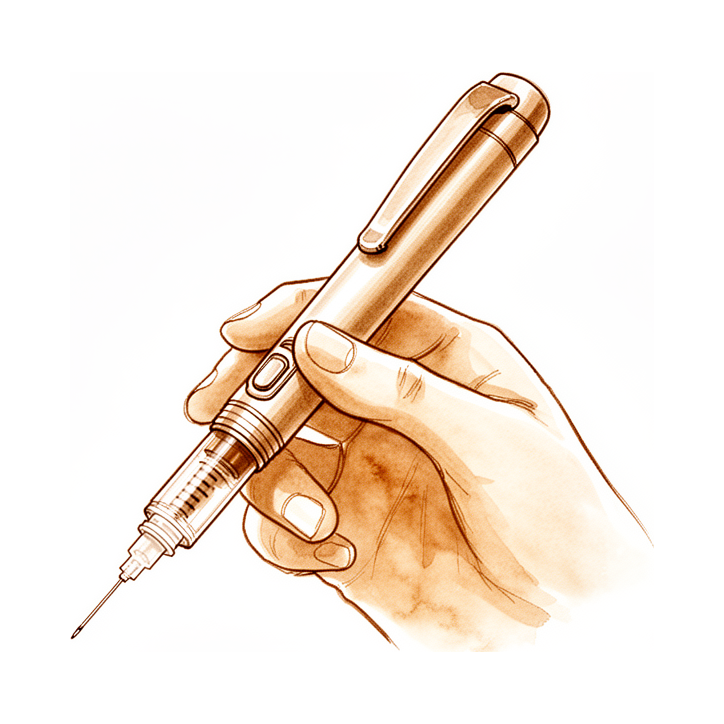
ਇਹ ਦਵਾਈ ਕੀ ਹੈ
GLP-1 ਦਵਾਈਆਂ ਦਵਾਈਆਂ ਦਾ ਇੱਕ ਸਮੂਹ ਹਨ ਜਿਨ੍ਹਾਂ ਨੂੰ ਤੁਸੀਂ Ozempic ਜਾਂ Wegovy ਵਰਗੇ ਬ੍ਰਾਂਡ ਨਾਵਾਂ ਨਾਲ ਜਾਣਦੇ ਹੋ ਸਕਦੇ ਹੋ। ਇਨ੍ਹਾਂ ਦਾ ਪੂਰਾ ਨਾਂ glucagon-like peptide-1 receptor agonists ਹੈ, ਜਾਂ ਛੋਟੇ ਰੂਪ ਵਿੱਚ GLP-1 agonists। ਇਹ ਪਹਿਲਾਂ ਟਾਈਪ 2 ਸ਼ੂਗਰ (ਡਾਇਬਟੀਜ਼) ਦੇ ਇਲਾਜ ਲਈ ਵਰਤੀਆਂ ਗਈਆਂ ਸਨ, ਜੋ ਅਜਿਹੀ ਹਾਲਤ ਹੈ ਜਿਸ ਵਿੱਚ ਖ਼ੂਨ ਵਿੱਚ ਸ਼ੂਗਰ ਦਾ ਪੱਧਰ ਬਹੁਤ ਉੱਚਾ ਰਹਿੰਦਾ ਹੈ। ਹੁਣ ਇਹ ਮੋਟਾਪੇ ਨਾਲ ਜੀਅ ਰਹੇ ਲੋਕਾਂ ਵਿੱਚ ਭਾਰ ਘਟਾਉਣ ਵਿੱਚ ਮਦਦ ਲਈ ਵੀ ਵੱਡੇ ਪੱਧਰ ਉੱਤੇ ਵਰਤੀਆਂ ਜਾਂਦੀਆਂ ਹਨ [1]।
ਇਹ ਦਵਾਈਆਂ ਇੱਕ ਕੁਦਰਤੀ ਹਾਰਮੋਨ ਦੀ ਨਕਲ ਕਰਦੀਆਂ ਹਨ ਜੋ ਤੁਹਾਡਾ ਸਰੀਰ ਖਾਣਾ ਖਾਣ ਤੋਂ ਬਾਅਦ ਛੱਡਦਾ ਹੈ। ਉਹ ਹਾਰਮੋਨ ਦੋ ਮੁੱਖ ਕੰਮ ਕਰਦਾ ਹੈ। ਇਹ ਤੁਹਾਡੀ ਭੁੱਖ ਘਟਾਉਂਦਾ ਹੈ, ਇਸ ਲਈ ਤੁਹਾਡਾ ਪੇਟ ਜਲਦੀ ਭਰਿਆ ਮਹਿਸੂਸ ਹੁੰਦਾ ਹੈ ਅਤੇ ਤੁਸੀਂ ਘੱਟ ਖਾਂਦੇ ਹੋ। ਇਹ ਤੁਹਾਡੇ ਮਿਹਦੇ ਦੇ ਖ਼ਾਲੀ ਹੋਣ ਦੀ ਰਫ਼ਤਾਰ ਨੂੰ ਵੀ ਹੌਲੀ ਕਰਦਾ ਹੈ, ਜਿਸ ਨਾਲ ਪੇਟ ਭਰੇ ਹੋਣ ਦਾ ਅਹਿਸਾਸ ਜ਼ਿਆਦਾ ਦੇਰ ਰਹਿੰਦਾ ਹੈ [2]। ਬਹੁਤ ਸਾਰੇ ਲੋਕਾਂ ਲਈ ਨਤੀਜਾ ਹੌਲੀ-ਹੌਲੀ ਲਗਾਤਾਰ ਭਾਰ ਘਟਣਾ ਅਤੇ ਖ਼ੂਨ ਵਿੱਚ ਸ਼ੂਗਰ ਉੱਤੇ ਬਿਹਤਰ ਕਾਬੂ ਹੁੰਦਾ ਹੈ [3]।
ਜੇ ਤੁਸੀਂ ਇਨ੍ਹਾਂ ਵਿੱਚੋਂ ਕੋਈ ਦਵਾਈ ਲੈਂਦੇ ਹੋ ਅਤੇ ਸਰਜਰੀ ਕਰਵਾਉਣ ਦੀ ਯੋਜਨਾ ਬਣਾ ਰਹੇ ਹੋ, ਤਾਂ ਇਹ ਗੱਲ ਤੁਹਾਡੀ ਦੇਖਭਾਲ ਕਰਨ ਵਾਲੀ ਟੀਮ ਲਈ ਮਾਇਨੇ ਰੱਖਦੀ ਹੈ। ਇਹ ਦਵਾਈਆਂ ਵੱਧਦੀਆਂ ਜਾ ਰਹੀਆਂ ਹਨ, ਅਤੇ ਸਰਜਨ ਹੁਣ ਇਨ੍ਹਾਂ ਨੂੰ ਲੈਣ ਵਾਲੇ ਹੋਰ ਅਤੇ ਹੋਰ ਮਰੀਜ਼ ਦੇਖਦੇ ਹਨ [4]। ਇਹ ਸਰਜਰੀ ਉੱਤੇ ਕਿਵੇਂ ਅਸਰ ਪਾਉਂਦੀਆਂ ਹਨ, ਇਸ ਬਾਰੇ ਖੋਜ ਅਜੇ ਵਧ ਰਹੀ ਹੈ, ਅਤੇ ਕੁਝ ਨਤੀਜੇ ਅਜੇ ਇੱਕ-ਦੂਜੇ ਨਾਲ ਮੇਲ ਨਹੀਂ ਖਾਂਦੇ [5] [6]। ਹੁਣ ਤੱਕ ਜੋ ਪਤਾ ਹੈ, ਉਹ ਸਾਦੇ ਸ਼ਬਦਾਂ ਵਿੱਚ ਜ਼ਿਆਦਾਤਰ ਹੌਸਲਾ ਦੇਣ ਵਾਲਾ ਹੈ: ਜੋੜ ਬਦਲਣ ਦੀ ਸਰਜਰੀ ਵਾਲੇ ਮਰੀਜ਼ਾਂ ਉੱਤੇ ਨਜ਼ਰ ਰੱਖਣ ਵਾਲੇ ਅਧਿਐਨਾਂ ਵਿੱਚ ਸਰਜਰੀ ਤੋਂ ਬਾਅਦ ਥੋੜ੍ਹੇ ਸਮੇਂ ਦੀਆਂ ਸਮੱਸਿਆਵਾਂ ਵਿੱਚ ਕੋਈ ਸਪਸ਼ਟ ਵਾਧਾ ਨਹੀਂ ਮਿਲਿਆ [7] [8], ਅਤੇ ਕੁਝ ਖੋਜ ਇਨ੍ਹਾਂ ਦਵਾਈਆਂ ਨੂੰ ਜ਼ਖ਼ਮ ਜਾਂ ਲਾਗ (ਇਨਫੈਕਸ਼ਨ) ਦੀ ਸਮੱਸਿਆ ਦੀ ਘੱਟ ਸੰਭਾਵਨਾ ਨਾਲ ਜੋੜਦੀ ਹੈ [9] [10]। ਮੌਜੂਦਾ ਦਿਸ਼ਾ-ਨਿਰਦੇਸ਼ ਕਹਿੰਦੇ ਹਨ ਕਿ ਪਹਿਲਾਂ ਤੋਂ ਤੈਅ (elective) ਪ੍ਰਕਿਰਿਆ ਤੋਂ ਪਹਿਲਾਂ ਤੁਹਾਨੂੰ ਆਪਣੀ ਦਵਾਈ ਬੰਦ ਕਰਨ ਦੀ ਲੋੜ ਨਹੀਂ, ਕਿਉਂਕਿ ਇਸ ਨੂੰ ਬੰਦ ਕਰਨ ਨਾਲ ਤੁਹਾਡੀ ਖ਼ੂਨ ਦੀ ਸ਼ੂਗਰ ਅਤੇ ਭਾਰ ਘਟਾਉਣ ਵਿੱਚ ਹੋਈ ਤਰੱਕੀ ਵਿਗੜ ਸਕਦੀ ਹੈ [11]।
ਇਸ ਸਫ਼ੇ ਦਾ ਬਾਕੀ ਹਿੱਸਾ ਦੱਸਦਾ ਹੈ ਕਿ ਤੁਹਾਡੇ ਓਪਰੇਸ਼ਨ ਦੇ ਸਮੇਂ ਦੇ ਆਲੇ-ਦੁਆਲੇ ਤੁਹਾਡੇ ਲਈ ਇਸ ਦਾ ਕੀ ਮਤਲਬ ਹੈ।
ਇਹ ਤੁਹਾਡੀ ਸਰਜਰੀ ਅਤੇ ਅਨੱਸਥੀਸੀਆ ਉੱਤੇ ਕਿਵੇਂ ਅਸਰ ਪਾਉਂਦੀ ਹੈ
ਸਰਜਰੀ ਦੇ ਆਲੇ-ਦੁਆਲੇ ਇਹ ਦਵਾਈਆਂ ਮੁੱਖ ਤੌਰ ਉੱਤੇ ਤੁਹਾਡੇ ਮਿਹਦੇ ਨੂੰ ਬਦਲਦੀਆਂ ਹਨ। ਕਿਉਂਕਿ ਇਹ ਤੁਹਾਡੇ ਮਿਹਦੇ ਦੇ ਖ਼ਾਲੀ ਹੋਣ ਦੀ ਰਫ਼ਤਾਰ ਨੂੰ ਹੌਲੀ ਕਰਦੀਆਂ ਹਨ, ਇਸ ਲਈ ਖਾਣਾ ਅਤੇ ਤਰਲ ਉੱਥੇ ਉਸ ਨਾਲੋਂ ਜ਼ਿਆਦਾ ਦੇਰ ਰਹਿ ਸਕਦੇ ਹਨ ਜਿੰਨੀ ਤੁਸੀਂ ਜਾਂ ਤੁਹਾਡੀ ਦੇਖਭਾਲ ਟੀਮ ਉਮੀਦ ਕਰਦੀ ਹੈ। ਜ਼ਿਆਦਾਤਰ ਅਧਿਐਨਾਂ ਵਿੱਚ ਪਤਾ ਲੱਗਾ ਹੈ ਕਿ ਇਹ ਦਵਾਈਆਂ ਲੈਣ ਵਾਲੇ ਲੋਕਾਂ ਦੇ ਮਿਹਦੇ ਵਿੱਚ ਉਮੀਦ ਨਾਲੋਂ ਜ਼ਿਆਦਾ ਬਚਿਆ ਹੋਇਆ ਸਮਾਨ ਹੁੰਦਾ ਹੈ [12]। ਇਹ ਇਸ ਲਈ ਮਾਇਨੇ ਰੱਖਦਾ ਹੈ ਕਿਉਂਕਿ ਅਨੱਸਥੀਸੀਆ ਦੌਰਾਨ ਮਿਹਦੇ ਦਾ ਸਮਾਨ ਉੱਪਰ ਵਾਪਸ ਆ ਕੇ ਤੁਹਾਡੇ ਫੇਫੜਿਆਂ ਵਿੱਚ ਜਾ ਸਕਦਾ ਹੈ। ਇਸ ਨੂੰ ਐਸਪੀਰੇਸ਼ਨ (aspiration) ਕਿਹਾ ਜਾਂਦਾ ਹੈ। ਇਹ ਕਿਸੇ ਵੀ ਅਨੱਸਥੀਸੀਆ ਨਾਲ ਜੁੜਿਆ ਜਾਣਿਆ-ਪਛਾਣਿਆ ਖ਼ਤਰਾ ਹੈ, ਅਤੇ ਇਹ ਦਵਾਈਆਂ ਇਸ ਨੂੰ ਵਧਾ ਸਕਦੀਆਂ ਹਨ, ਹਾਲਾਂਕਿ ਇਨ੍ਹਾਂ ਨੂੰ ਅਸਲ ਐਸਪੀਰੇਸ਼ਨ ਦੀਆਂ ਘਟਨਾਵਾਂ ਨਾਲ ਜੋੜਨ ਵਾਲੇ ਸਬੂਤ ਅਜੇ ਮਿਲੇ-ਜੁਲੇ ਹਨ [12]।
ਤੁਹਾਡਾ ਅਨੱਸਥੀਟਿਸਟ (ਬੇਹੋਸ਼ੀ ਵਾਲਾ ਡਾਕਟਰ) ਇਸ ਨੂੰ ਧਿਆਨ ਵਿੱਚ ਰੱਖ ਕੇ ਯੋਜਨਾ ਬਣਾਉਂਦਾ ਹੈ। ਮੌਜੂਦਾ ਆਸਟ੍ਰੇਲੀਆਈ ਸੇਧ ਇਹ ਹੈ ਕਿ ਦਵਾਈ ਲੈਂਦੇ ਰਹੋ ਅਤੇ ਸਰਜਰੀ ਤੋਂ ਪਹਿਲਾਂ ਦੇ 24 ਘੰਟੇ ਸਿਰਫ਼ ਸਾਫ਼ ਤਰਲ ਲਓ, ਅਤੇ ਵਰਤ (ਭੁੱਖੇ ਰਹਿਣਾ) ਦਾ ਆਮ ਸਮਾਂ ਇਨ੍ਹਾਂ 24 ਘੰਟਿਆਂ ਦੇ ਅੰਦਰ ਹੀ ਆਉਂਦਾ ਹੈ। ਕੁਝ ਟੀਮਾਂ ਪਹਿਲਾਂ ਅਲਟਰਾਸਾਊਂਡ ਨਾਲ ਮਿਹਦੇ ਦੀ ਜਾਂਚ ਵੀ ਕਰਦੀਆਂ ਹਨ। ਖੋਜ ਨੇ ਇਨ੍ਹਾਂ ਕਦਮਾਂ ਨੂੰ ਦੇਖਿਆ ਹੈ ਅਤੇ ਪਤਾ ਲਗਾਇਆ ਹੈ ਕਿ ਇਹ ਕੁਝ ਮਰੀਜ਼ਾਂ ਵਿੱਚ ਮਿਹਦੇ ਦਾ ਬਚਿਆ ਹੋਇਆ ਸਮਾਨ ਘਟਾਉਣ ਵਿੱਚ ਮਦਦ ਕਰ ਸਕਦੇ ਹਨ [13]। ਤੁਹਾਡੀ ਟੀਮ ਫ਼ੈਸਲਾ ਕਰੇਗੀ ਕਿ ਤੁਹਾਡੇ ਉੱਤੇ ਕੀ ਲਾਗੂ ਹੁੰਦਾ ਹੈ।
ਸਿਹਤਯਾਬੀ ਬਾਰੇ ਕੁਝ ਚੰਗੀ ਖ਼ਬਰ ਵੀ ਹੈ। ਇਹ ਦਵਾਈਆਂ ਲੈਂਦੇ ਹੋਏ ਚੂਲਾ (ਕੂਲ੍ਹੇ ਦਾ ਜੋੜ, hip) ਜਾਂ ਗੋਡਾ ਬਦਲਵਾਉਣ ਵਾਲੇ ਲੋਕਾਂ ਦੇ ਅਧਿਐਨਾਂ ਵਿੱਚ ਥੋੜ੍ਹੇ ਸਮੇਂ ਵਿੱਚ ਦੁਬਾਰਾ ਸਰਜਰੀ (revision) ਦੀਆਂ ਦਰਾਂ ਵਿੱਚ ਕੋਈ ਇੱਕਸਾਰ ਵਾਧਾ ਨਹੀਂ ਮਿਲਿਆ [8]। ਕੁਝ ਖੋਜ ਇਨ੍ਹਾਂ ਨੂੰ ਓਪਰੇਸ਼ਨ ਤੋਂ ਬਾਅਦ ਲਾਗ ਦੀ ਘੱਟ ਸੰਭਾਵਨਾ ਨਾਲ ਜੋੜਦੀ ਹੈ, ਜਿਸ ਵਿੱਚ ਨਵੇਂ ਜੋੜ ਦੇ ਆਲੇ-ਦੁਆਲੇ ਦੀ ਲਾਗ ਵੀ ਸ਼ਾਮਲ ਹੈ [3] [8]। ਕਾਰਪਲ ਟਨਲ ਰਿਲੀਜ਼ (carpal tunnel release, ਗੁੱਟ ਉੱਤੇ ਨਸ ਨੂੰ ਦਬਾਉਣ ਵਾਲੇ ਬੰਧਨ ਨੂੰ ਕੱਟ ਕੇ ਖੋਲ੍ਹਣਾ) ਵਰਗੀ ਹੱਥ ਦੀ ਸਰਜਰੀ ਲਈ, ਇੱਕ ਅਧਿਐਨ ਵਿੱਚ ਜ਼ਖ਼ਮ ਭਰਨ ਦੀਆਂ ਸਮੱਸਿਆਵਾਂ ਵਿੱਚ ਥੋੜ੍ਹੀ ਕਮੀ ਮਿਲੀ ਅਤੇ ਹੋਰ ਸ਼ੁਰੂਆਤੀ ਪੇਚੀਦਗੀਆਂ ਵਿੱਚ ਕੋਈ ਵਾਧਾ ਨਹੀਂ ਮਿਲਿਆ [10]।
ਤੁਹਾਡੀ ਦੇਖਭਾਲ ਟੀਮ ਇਸ ਸਭ ਨੂੰ ਧਿਆਨ ਨਾਲ ਸੰਭਾਲਦੀ ਹੈ। ਸਰਜਨ, ਅਨੱਸਥੀਟਿਸਟ ਅਤੇ ਸ਼ੂਗਰ ਦੇ ਮਾਹਰ ਮਿਲ ਕੇ ਤੁਹਾਡੇ ਲਈ ਸਭ ਤੋਂ ਸੁਰੱਖਿਅਤ ਤਰੀਕੇ ਦੀ ਯੋਜਨਾ ਬਣਾਉਂਦੇ ਹਨ [2]। ਖੋਜਕਾਰ ਅਜੇ ਇਹ ਪਤਾ ਲਗਾ ਰਹੇ ਹਨ ਕਿ ਸਰਜਰੀ ਦੇ ਆਲੇ-ਦੁਆਲੇ ਇਹ ਦਵਾਈਆਂ ਲੈਣ ਵਾਲੇ ਲੋਕਾਂ ਦੀ ਦੇਖਭਾਲ ਦਾ ਸਭ ਤੋਂ ਵਧੀਆ ਤਰੀਕਾ ਕੀ ਹੈ [14]। ਫ਼ਿਲਹਾਲ, ਅਮਲੀ ਸੁਨੇਹਾ ਸਧਾਰਨ ਹੈ: ਆਪਣੀ ਟੀਮ ਨੂੰ ਦੱਸੋ ਕਿ ਤੁਸੀਂ ਇਹ ਦਵਾਈ ਲੈਂਦੇ ਹੋ, ਵਰਤ ਬਾਰੇ ਉਨ੍ਹਾਂ ਦੀਆਂ ਹਦਾਇਤਾਂ ਦੀ ਬਿਲਕੁਲ ਉਸੇ ਤਰ੍ਹਾਂ ਪਾਲਣਾ ਕਰੋ, ਅਤੇ ਬਾਕੀ ਉਹ ਸੰਭਾਲ ਲੈਣਗੇ।
ਤੁਹਾਨੂੰ ਕੀ ਕਰਨਾ ਚਾਹੀਦਾ ਹੈ
ਓਪਰੇਸ਼ਨ ਤੋਂ ਪਹਿਲਾਂ ਆਪਣੀ GLP-1 ਦਵਾਈ ਆਮ ਵਾਂਗ ਲੈਂਦੇ ਰਹੋ; ਇਸ ਨੂੰ ਬੰਦ ਨਾ ਕਰੋ। ਸਰਜਰੀ ਤੋਂ ਪਹਿਲਾਂ ਦੇ 24 ਘੰਟੇ ਸਿਰਫ਼ ਸਾਫ਼ ਤਰਲ ਲਓ ਅਤੇ ਕੋਈ ਠੋਸ ਭੋਜਨ ਨਾ ਖਾਓ। ਸਾਫ਼ ਤਰਲ ਉਹ ਪੀਣ ਵਾਲੀਆਂ ਚੀਜ਼ਾਂ ਹਨ ਜਿਨ੍ਹਾਂ ਦੇ ਆਰ-ਪਾਰ ਦੇਖਿਆ ਜਾ ਸਕੇ, ਜਿਵੇਂ ਪਾਣੀ, ਸਾਫ਼ ਸੇਬ ਦਾ ਜੂਸ, ਜਾਂ ਬਿਨਾਂ ਦੁੱਧ ਵਾਲੀ ਕਾਲੀ ਚਾਹ ਜਾਂ ਕੌਫ਼ੀ। ਅਨੱਸਥੀਸੀਆ ਤੋਂ ਪਹਿਲਾਂ ਵਰਤ ਦਾ ਆਮ ਸਮਾਂ ਇਨ੍ਹਾਂ 24 ਘੰਟਿਆਂ ਦਾ ਹੀ ਹਿੱਸਾ ਹੈ, ਇਨ੍ਹਾਂ ਤੋਂ ਬਾਅਦ ਵਿੱਚ ਵੱਖਰਾ ਨਹੀਂ ਜੋੜਿਆ ਜਾਂਦਾ: ਅਖ਼ੀਰ ਵੱਲ, ਤੁਹਾਡਾ ਅਨੱਸਥੀਟਿਸਟ ਤੁਹਾਨੂੰ ਦੱਸੇਗਾ ਕਿ ਸਾਫ਼ ਤਰਲ ਵੀ ਕਦੋਂ ਬੰਦ ਕਰਨੇ ਹਨ। ਇਹ ਮੌਜੂਦਾ ਆਸਟ੍ਰੇਲੀਆਈ ਅਨੱਸਥੀਸੀਆ (ANZCA) ਸੇਧ ਦੇ ਅਨੁਸਾਰ ਹੈ।
ਆਪਣੀ ਦਵਾਈ ਉਸੇ ਤਰ੍ਹਾਂ ਲੈਂਦੇ ਰਹੋ ਜਿਵੇਂ ਲਿਖੀ ਗਈ ਹੈ, ਅਤੇ ਆਪਣੀ ਦੇਖਭਾਲ ਨਾਲ ਜੁੜੇ ਹਰ ਵਿਅਕਤੀ ਨੂੰ ਦੱਸੋ ਕਿ ਤੁਸੀਂ ਇਹ ਲੈਂਦੇ ਹੋ। ਇਸ ਵਿੱਚ ਤੁਹਾਡਾ ਸਰਜਨ, ਤੁਹਾਡਾ ਅਨੱਸਥੀਟਿਸਟ ਅਤੇ ਤੁਹਾਡਾ ਜੀਪੀ (ਫ਼ੈਮਿਲੀ ਡਾਕਟਰ) ਸ਼ਾਮਲ ਹਨ। ਇਸ ਵਿੱਚ ਉਹ ਡਾਕਟਰ ਵੀ ਸ਼ਾਮਲ ਹੈ ਜਿਸ ਨੇ ਦਵਾਈ ਲਿਖੀ ਸੀ, ਭਾਵੇਂ ਉਹ ਤੁਹਾਡਾ ਜੀਪੀ ਹੋਵੇ ਜਾਂ ਕੋਈ ਮਾਹਰ ਡਾਕਟਰ।
ਆਪਣੇ ਆਪ ਇਸ ਨੂੰ ਲੈਣਾ ਬੰਦ ਨਾ ਕਰੋ। ਇਸ ਨੂੰ ਬੰਦ ਕਰਨ ਨਾਲ ਤੁਹਾਡੀ ਖ਼ੂਨ ਦੀ ਸ਼ੂਗਰ ਅਤੇ ਭਾਰ ਘਟਾਉਣ ਵਿੱਚ ਹੋਈ ਤਰੱਕੀ ਉੱਤੇ ਅਸਰ ਪੈ ਸਕਦਾ ਹੈ।
ਤੁਹਾਡੀ ਪ੍ਰਕਿਰਿਆ ਤੋਂ ਪਹਿਲਾਂ, ਤੁਹਾਡੀ ਟੀਮ ਤੁਹਾਨੂੰ ਸਪਸ਼ਟ ਹਦਾਇਤਾਂ ਦੇਵੇਗੀ। ਆਪਣੀ ਦਵਾਈ ਅਤੇ ਪਹਿਲਾਂ ਵਰਤ ਰੱਖਣ ਬਾਰੇ ਸੇਧ ਦੀ ਬਿਲਕੁਲ ਉਸੇ ਤਰ੍ਹਾਂ ਪਾਲਣਾ ਕਰੋ ਜਿਵੇਂ ਲਿਖੀ ਗਈ ਹੈ। ਵਰਤ ਦਾ ਮਤਲਬ ਹੈ ਸਰਜਰੀ ਤੋਂ ਪਹਿਲਾਂ ਇੱਕ ਤੈਅ ਸਮੇਂ ਲਈ ਕੁਝ ਨਾ ਖਾਣਾ ਜਾਂ ਨਾ ਪੀਣਾ। ਇਹ ਕਦਮ ਤੁਹਾਡੇ ਮਿਹਦੇ ਨੂੰ ਖ਼ਾਲੀ ਰੱਖਣ ਅਤੇ ਅਨੱਸਥੀਸੀਆ ਤੋਂ ਹੋਣ ਵਾਲੇ ਖ਼ਤਰੇ ਘਟਾਉਣ ਵਿੱਚ ਮਦਦ ਕਰਦੇ ਹਨ।
ਜੇ ਤੁਹਾਨੂੰ ਕਿਸੇ ਵੀ ਗੱਲ ਬਾਰੇ ਯਕੀਨ ਨਹੀਂ ਹੈ, ਤਾਂ ਪੁੱਛੋ। ਤੁਹਾਡਾ ਸਰਜਨ, ਅਨੱਸਥੀਟਿਸਟ ਅਤੇ ਜੀਪੀ ਮਿਲ ਕੇ ਤੁਹਾਡੇ ਲਈ ਸਭ ਤੋਂ ਸੁਰੱਖਿਅਤ ਤਰੀਕੇ ਦੀ ਯੋਜਨਾ ਬਣਾਉਂਦੇ ਹਨ। ਜਦੋਂ ਗੱਲ ਤੁਹਾਡੀ ਦਵਾਈ ਅਤੇ ਤੁਹਾਡੇ ਓਪਰੇਸ਼ਨ ਦੀ ਹੋਵੇ, ਤਾਂ ਕੋਈ ਵੀ ਸਵਾਲ ਛੋਟਾ ਨਹੀਂ ਹੁੰਦਾ।
ਹਵਾਲੇ
[1] GLP-1 Receptor Agonists in Orthopaedic Surgery: Implications for Perioperative Care and Outcomes. Journal of Bone and Joint Surgery. 2025. DOI: 10.2106/jbjs.24.01287
[2] Delayed gastric emptying induced by glucagon-like peptide-1 receptor agonists and its implications for perioperative risk during anesthesia. The Korean Journal of Internal Medicine. 2026. DOI: 10.3904/kjim.2025.277
[3] Semaglutide and Other GLP-1 Agonists: A Boon for the Arthroplasty Industry?. The Journal of Arthroplasty. 2024. DOI: 10.1016/j.arth.2023.12.014
[4] The Impact of Glucagon-Like Peptide-1 Agonists on Hip and Knee Arthroplasty and Perioperative Considerations. The Journal of Arthroplasty. 2024. DOI: 10.1016/j.arth.2023.12.002
[5] Glucagon-Like Peptide-1 Receptor Agonists: Have We Found the Holy Grail for Total Joint Arthroplasty?. The Journal of Arthroplasty. 2025. DOI: 10.1016/j.arth.2025.10.027
[6] Impact of Glucagon-Like Peptide-1 Receptor Agonists on Postoperative Outcomes in Arthroplasty: A Systematic Review. The Journal of Arthroplasty. 2025. DOI: 10.1016/j.arth.2025.07.015
[7] GLP-1 receptor agonist therapy is not associated with adverse events following shoulder surgery: a systematic review and meta-analysis. Journal of Shoulder and Elbow Surgery. 2026. DOI: 10.1016/j.jse.2025.12.005
[8] Glucagon-like peptide-1 receptor agonists in total joint arthroplasty: a comprehensive systematic review of what orthopaedic surgeons should know. Arthroplasty. 2026. DOI: 10.1186/s42836-026-00375-w
[9] The Association Between Glucagon-Like Peptide-1 Receptor Agonists and Postoperative Complications After Arthroplasty: A Systematic Review and Meta-Analysis. The Journal of Arthroplasty. 2025. DOI: 10.1016/j.arth.2025.06.083
[10] Impact of Perioperative Glucagon-Like Peptide-1 Receptor Agonists on Postoperative Outcomes Following Carpal Tunnel Release. Journal of Hand Surgery Global Online. 2025. DOI: 10.1016/j.jhsg.2025.100746
[11] Periprocedural use of GLP-1 receptor agonists: ANZCA Clinical Practice Recommendations. ANZCA. 2025.
[12] Perioperative anesthesia management of GLP-1 receptor agonists: a systematic review of potential risks. Perioperative Medicine. 2026. DOI: 10.1186/s13741-026-00662-9
[13] Peri-Procedural Fasting and Gastric Ultrasound Strategies in Glucagon-Like Peptide-1 (GLP-1) Receptor Agonist Users: A Systematic Review With Qualitative Synthesis. Cureus. 2026. DOI: 10.7759/cureus.108216
[14] GLP-1 agonists: a new hope for patients, a new challenge for anaesthetists. Anaesthesiology Intensive Therapy. 2025. DOI: 10.5114/ait/203167
Evidence & references
This is the clinical evidence summary written for health professionals. It is technical, and it lists the research this page was built from. You do not need to read it to understand your treatment or to make a decision about it.
Overview
- Glucagon-like peptide-1 receptor agonists induce delayed gastric emptying [1].
- The pharmacological mechanisms of GLP-1 RA-induced delayed gastric emptying have clinical implications for perioperative aspiration risk during anesthesia [1].
- Interdisciplinary collaboration between endocrinologists and anesthesiologists is emphasized for safe and individualized perioperative management of patients on GLP-1 RAs [1].
- GLP-1 agonists may not produce sufficient weight loss to achieve body mass index cutoffs for total joint arthroplasty depending on individual patient factors, including starting bodyweight [2].
- Further high-quality studies are called for to address the optimal perioperative care of patients on GLP-1RAs due to their increasing popularity in patients with obesity [3].
- Conflicting findings in the literature highlight the need for further research, particularly well-designed multicenter studies and randomized controlled trials, to clarify the effects of GLP-1 RAs on surgical outcomes [4].
- Arthroplasty surgeons will encounter an increasing number of patients on GLP-1 agonists [5].
- It is important for arthroplasty surgeons to understand the implications of GLP-1 agonist use in the perioperative period [5].
- GLP-1 agonist use should not be a contraindication for proceeding with total shoulder arthroplasty based on data showing no association with adverse events following shoulder surgery [6].
- Elective preprocedural cessation of GLP-1RAs and GLP-1/GIPRAs is not recommended due to insufficient data supporting cessation and risks of hyperglycaemia and compromised weight control [7].
- The variability in available studies, potential confounding factors, and severe heterogeneity of conclusions emphasize the need for more high-quality evidence-based primary research to optimize perioperative management of patients taking GLP-1 RAs [8].
- GLP-1 agonists have effects on bone health that are relevant to perioperative patients undergoing orthopedic surgery, with an emphasis on spine surgery [9].
- GLP-1RA use suggests a potential benefit for optimizing high-risk patients who have obesity or diabetes undergoing total joint arthroplasty [10].
Effects on Surgery and Recovery
Perioperative Anesthesia and Gastric Emptying
- Authors call for further high-quality studies to address the optimal perioperative care of patients on GLP-1RAs due to their increasing popularity in patients with obesity [3].
- Available observational evidence suggests that extended GLP-1 RA withholding, 24-hour clear liquid diets, and pre-procedural gastric POCUS may be associated with reduced residual gastric content in selected patient populations [14].
Arthroplasty Outcomes
- Arthroplasty surgeons will encounter an increasing number of patients on GLP-1 agonists, making it important to understand the implications of their use in the perioperative period [5].
- Conflicting findings highlight the need for further research, particularly well-designed multicenter studies and randomized controlled trials, to clarify the effects of GLP-1 RAs on surgical outcomes in arthroplasty [4].
- Findings suggest a potential benefit of GLP-1RA use for optimizing high-risk patients who have obesity or diabetes undergoing total joint arthroplasty [10].
- While GLP-1 receptor agonists show potential to reduce postoperative complications in total joint arthroplasty, findings remain inconsistent, and further research is needed to clarify their impact on outcomes and establish perioperative management guidelines [11].
- Preoperative glucagon-like peptide-1 receptor agonist use may be linked to reduced readmission risk following joint arthroplasty, without evidence of increased postoperative medical harm [12].
- Semaglutide and other GLP-1 agonists may increase the number of eligible candidates for elective total joint arthroplasty by enabling weight loss and improving diabetic control [13].
- Semaglutide and other GLP-1 agonists may potentially reduce postoperative complications such as sepsis and prosthetic joint infections [13].
- Current observational data suggest that perioperative GLP-1 RA use in patients undergoing total hip or knee arthroplasty is not associated with a consistent increase in short-term revision rates [16].
- Current observational data suggest that perioperative GLP-1 RA use in patients undergoing total hip or knee arthroplasty may be associated with a reduced risk of postoperative infection [16].
Other Orthopedic Procedures
- Based on data from a systematic review and meta-analysis, GLP-1 agonist use should not be a contraindication for proceeding with total shoulder arthroplasty [6].
- Perioperative GLP-1RA use was associated with a small yet statistically significant reduction in the odds of wound dehiscence following carpal tunnel release [15].
- Perioperative GLP-1RA use did not increase the odds of any other 90-day postoperative complications following carpal tunnel release [15].
Bone Health
- A narrative review explores the mechanisms of action of GLP-1 agonists, their effects on bone health, and the implications of their use in perioperative patients undergoing orthopedic surgery, with an emphasis on spine surgery [9].
- Exenatide is the best option agent with regard to the risk of fracture [17].
Practical Considerations
Perioperative Anesthesia and Gastric Emptying
- Delayed gastric emptying induced by GLP-1 RAs has implications for perioperative aspiration risk during anesthesia [1].
Medication Management
Arthroplasty Outcomes and Eligibility
- Conflicting findings highlight the need for further research, particularly well-designed multicenter studies and randomized controlled trials, to clarify the effects of GLP-1 RAs on surgical outcomes [4].
Shoulder Surgery
Bone Health and Spine Surgery
Key Evidence
- [L4] This review summarizes the pharmacological mechanisms and clinical implications of GLP-1 RA-induced delayed gastric emptying, evaluates current literature on perioperative aspiration risk, and emphasizes the importance of interdisciplinary collaboration between endocrinologists and anesthesiologists to ensure safe and individualized perioperative management. [1] (10.3904/kjim.2025.277)
- [Paper] While efficacious, GLP-1 agonists may not produce sufficient weight loss to achieve body mass index cutoffs for total joint arthroplasty depending on individual patient factors, including starting bodyweight. [2] (10.2106/jbjs.rvw.23.00167)
- [L4] Due to the increasing popularity of GLP-1RAs in patients with obesity, the authors call for further high-quality studies to address the optimal perioperative care of patients on GLP-1RAs. [3] (10.5114/ait/203167)
- [L4] However, conflicting findings highlight the need for further research, particularly well-designed multicenter studies and randomized controlled trials, to clarify the effects of GLP-1 RAs on surgical outcomes. [4] (10.1016/j.arth.2025.07.015)
- [L5] Arthroplasty surgeons will encounter an increasing number of patients on GLP-1 agonists, making it important to understand the implications of their use in the perioperative period. [5] (10.1016/j.arth.2023.12.002)
- [L1] Based on this data, GLP-1 agonist use should not be a contraindication for proceeding with TSA. [6] (10.1016/j.jse.2025.12.005)
- [L2] The variability in available studies, potential confounding factors, and the severe heterogeneity of conclusions all emphasize the need for more high-quality evidence-based primary research to optimize perioperative management of patients taking GLP-1 RAs. [8] (10.1186/s13741-026-00662-9)
- [L4] This narrative review explores the mechanisms of action of GLP-1 agonists, their effects on bone health, and the implications of their use in perioperative patients undergoing orthopedic surgery, with an emphasis on spine surgery. [9] (10.1177/15563316261438492)
- [L1] These findings suggest a potential benefit of GLP-1RA use for optimizing high-risk patients who have obesity or diabetes undergoing total joint arthroplasty. [10] (10.1016/j.arth.2025.09.054)
- [L5] The paper concludes that while GLP-1 receptor agonists show potential to reduce postoperative complications in total joint arthroplasty, findings remain inconsistent, and further research is needed to clarify their impact on outcomes and establish perioperative management guidelines. [11] (10.1016/j.arth.2025.10.027)
- [L1] Preoperative glucagon-like peptide-1 receptor agonist use may be linked to reduced readmission risk following joint arthroplasty, without evidence of increased postoperative medical harm. [12] (10.1016/j.arth.2025.11.036)
- [L5] Semaglutide and other GLP-1 agonists may increase the number of eligible candidates for elective total joint arthroplasty by enabling weight loss and improving diabetic control, while also potentially reducing postoperative complications such as sepsis and prosthetic joint infections. [13] (10.1016/j.arth.2023.12.014)
- [L4] Available observational evidence suggests that extended GLP-1 RA withholding, 24-hour clear liquid diets, and pre-procedural gastric POCUS may be associated with reduced residual gastric content in selected patient populations. [14] (10.7759/cureus.108216)
- [L3] Perioperative GLP-1RA use was associated with a small yet statistically significant reduction in the odds of wound dehiscence following CTR and did not increase the odds of any other 90-day postoperative complications. [15] (10.1016/j.jhsg.2025.100746)
- [L4] Current observational data suggest that perioperative GLP-1 RA use in patients undergoing total hip or knee arthroplasty is not associated with a consistent increase in short-term revision rates and may be associated with a reduced risk of postoperative infection. [16] (10.1186/s42836-026-00375-w)
- [L1] Exenatide is the best option agent with regard to the risk of fracture. [17] (10.1007/s00198-018-4649-8)
References
[1] Delayed gastric emptying induced by glucagon-like peptide-1 receptor agonists and its implications for perioperative risk during anesthesia. The Korean Journal of Internal Medicine. 2026. DOI: 10.3904/kjim.2025.277
[2] Glucagon-like Peptide-1 Agonists. JBJS Reviews. 2024. DOI: 10.2106/jbjs.rvw.23.00167
[3] GLP-1 agonists: a new hope for patients, a new challenge for anaesthetists. Anaesthesiology Intensive Therapy. 2025. DOI: 10.5114/ait/203167
[4] Impact of Glucagon-Like Peptide-1 Receptor Agonists on Postoperative Outcomes in Arthroplasty: A Systematic Review. The Journal of Arthroplasty. 2025. DOI: 10.1016/j.arth.2025.07.015
[5] The Impact of Glucagon-Like Peptide-1 Agonists on Hip and Knee Arthroplasty and Perioperative Considerations. The Journal of Arthroplasty. 2024. DOI: 10.1016/j.arth.2023.12.002
[6] GLP-1 receptor agonist therapy is not associated with adverse events following shoulder surgery: a systematic review and meta-analysis. Journal of Shoulder and Elbow Surgery. 2026. DOI: 10.1016/j.jse.2025.12.005
[7] Periprocedural use of GLP-1 receptor agonists: ANZCA Clinical Practice Recommendations. ANZCA. 2025.
[8] Perioperative anesthesia management of GLP-1 receptor agonists: a systematic review of potential risks. Perioperative Medicine. 2026. DOI: 10.1186/s13741-026-00662-9
[9] GLP-1 Agonists in Orthopedic Surgery: A Narrative Review of Bone Health and Surgical Implications. HSS Journal. 2026. DOI: 10.1177/15563316261438492
[10] The Impact of Glucagon-Like Peptide-1 Receptor Agonist Use on Clinical Outcomes After Total Hip and Knee Arthroplasty: A Systematic Review and Meta-Analysis of 346,899 Patients. The Journal of Arthroplasty. 2025. DOI: 10.1016/j.arth.2025.09.054
[11] Glucagon-Like Peptide-1 Receptor Agonists: Have We Found the Holy Grail for Total Joint Arthroplasty?. The Journal of Arthroplasty. 2025. DOI: 10.1016/j.arth.2025.10.027
[12] Glucagon-Like Peptide-1 Receptor Agonists, Readmission, and Postoperative Complications in Arthroplasty: A Systematic Review and Meta-Analysis. The Journal of Arthroplasty. 2025. DOI: 10.1016/j.arth.2025.11.036
[13] Semaglutide and Other GLP-1 Agonists: A Boon for the Arthroplasty Industry?. The Journal of Arthroplasty. 2024. DOI: 10.1016/j.arth.2023.12.014
[14] Peri-Procedural Fasting and Gastric Ultrasound Strategies in Glucagon-Like Peptide-1 (GLP-1) Receptor Agonist Users: A Systematic Review With Qualitative Synthesis. Cureus. 2026. DOI: 10.7759/cureus.108216
[15] Impact of Perioperative Glucagon-Like Peptide-1 Receptor Agonists on Postoperative Outcomes Following Carpal Tunnel Release. Journal of Hand Surgery Global Online. 2025. DOI: 10.1016/j.jhsg.2025.100746
[16] Glucagon-like peptide-1 receptor agonists in total joint arthroplasty: a comprehensive systematic review of what orthopaedic surgeons should know. Arthroplasty. 2026. DOI: 10.1186/s42836-026-00375-w
[17] Glucagon-like peptide-1 receptor agonists and fracture risk: a network meta-analysis of randomized clinical trials. Osteoporosis International. 2018. DOI: 10.1007/s00198-018-4649-8