Patients › Rehabilitation
ਡਿਸਟਲ ਕਲੇਵੀਕਲ ਐਕਸੀਜ਼ਨ
Rehabilitation after isolated arthroscopic distal clavicle excision; combined cases follow the rotator cuff repair protocol.
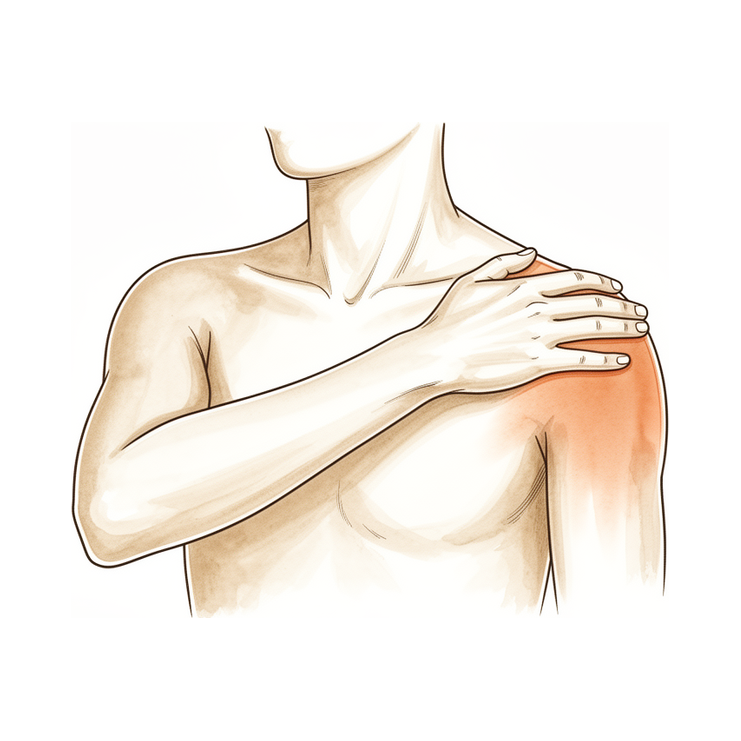
ਇਹ ਪ੍ਰੋਟੋਕੋਲ ਮਾਟਰ ਪ੍ਰਾਈਵੇਟ ਹਸਪਤਾਲ ਰੌਕਹੈਂਪਟਨ ਵਿੱਚ ਡਾ. ਕੀਰਨ ਹਿਰਪਰਾ ਵੱਲੋਂ ਕੀਤੀ ਦੂਰਬੀਨ ਵਾਲੀ (ਆਰਥਰੋਸਕੋਪਿਕ) ਡਿਸਟਲ ਕਲੇਵੀਕਲ ਐਕਸੀਜ਼ਨ (distal clavicle excision, ਹੰਸਲੀ ਦੇ ਬਾਹਰੀ ਸਿਰੇ ਦਾ ਥੋੜ੍ਹਾ ਹਿੱਸਾ ਕੱਢਣਾ) ਤੋਂ ਬਾਅਦ ਤੁਹਾਡੀ ਸਿਹਤਯਾਬੀ ਵਿੱਚ ਤੁਹਾਡੀ ਅਗਵਾਈ ਕਰਦਾ ਹੈ (ਇਸ ਨੂੰ AC ਜੋੜ ਐਕਸੀਜ਼ਨ, ਜਾਂ ਮਮਫ਼ੋਰਡ ਪ੍ਰਕਿਰਿਆ (Mumford procedure) ਵੀ ਕਿਹਾ ਜਾਂਦਾ ਹੈ)। ਹੇਠਾਂ ਹਰ ਪੜਾਅ ਸਰਲ ਭਾਸ਼ਾ ਵਿੱਚ ਇਸ ਵਿਆਖਿਆ ਨਾਲ ਸ਼ੁਰੂ ਹੁੰਦਾ ਹੈ ਕਿ ਸਭ ਤੋਂ ਵੱਧ ਕੀ ਮਾਇਨੇ ਰੱਖਦਾ ਹੈ, ਅਤੇ ਉਸ ਤੋਂ ਬਾਅਦ ਤੁਹਾਡੇ ਫਿਜ਼ੀਓਥੈਰੇਪਿਸਟ ਲਈ ਲਿਖਿਆ ਢਾਂਚਾਬੱਧ ਪ੍ਰੋਟੋਕੋਲ ਆਉਂਦਾ ਹੈ; ਫਿਜ਼ੀਓਥੈਰੇਪੀ ਦੀ ਆਪਣੀ ਪਹਿਲੀ ਮੁਲਾਕਾਤ ਉੱਤੇ ਇਹ ਸਫ਼ਾ ਜਾਂ ਇਸ ਦੀ PDF ਨਾਲ ਲੈ ਕੇ ਆਓ ਤਾਂ ਜੋ ਤੁਹਾਡੀ ਰੀਹੈਬਿਲੀਟੇਸ਼ਨ (ਮੁੜ-ਵਸੇਬਾ ਕਸਰਤਾਂ) ਤਾਲਮੇਲ ਨਾਲ ਚੱਲੇ। ਤੁਹਾਡਾ ਫਿਜ਼ੀਓਥੈਰੇਪਿਸਟ ਤੁਹਾਨੂੰ ਪੜਾਵਾਂ ਵਿੱਚ ਅੱਗੇ ਇਸ ਆਧਾਰ ਉੱਤੇ ਵਧਾਏਗਾ ਕਿ ਤੁਹਾਡਾ ਮੋਢਾ ਕਿਵੇਂ ਠੀਕ ਹੋ ਰਿਹਾ ਹੈ, ਕੈਲੰਡਰ ਦੇ ਆਧਾਰ ਉੱਤੇ ਨਹੀਂ।
ਇਹ ਪ੍ਰੋਟੋਕੋਲ ਸਿਰਫ਼ ਇਕੱਲੀ ਡਿਸਟਲ ਕਲੇਵੀਕਲ ਐਕਸੀਜ਼ਨ ਲਈ ਹੈ। ਜੇ ਤੁਹਾਡੇ ਓਪਰੇਸ਼ਨ ਵਿੱਚ ਰੋਟੇਟਰ ਕਫ਼ ਦੀ ਮੁਰੰਮਤ ਵੀ ਸ਼ਾਮਲ ਸੀ, ਤਾਂ ਇਸ ਦੀ ਥਾਂ ਰੋਟੇਟਰ ਕਫ਼ ਮੁਰੰਮਤ ਪ੍ਰੋਟੋਕੋਲ ਦੀ ਪਾਲਣਾ ਕਰੋ, ਕਿਉਂਕਿ ਮੁਰੰਮਤ ਕੀਤਾ ਟੈਂਡਨ (tendon, ਪੱਠੇ ਨੂੰ ਹੱਡੀ ਨਾਲ ਜੋੜਨ ਵਾਲੀ ਮਜ਼ਬੂਤ ਤੰਦ) ਹੌਲੀ ਰਫ਼ਤਾਰ ਤੈਅ ਕਰਦਾ ਹੈ। (ਡਿਸਟਲ ਕਲੇਵੀਕਲ ਐਕਸੀਜ਼ਨ ਅਕਸਰ ਸਬਐਕਰੋਮੀਅਲ ਡੀਕੰਪ੍ਰੈਸ਼ਨ (subacromial decompression, ਐਕਰੋਮੀਅਨ ਹੇਠਾਂ ਟੈਂਡਨਾਂ ਲਈ ਥਾਂ ਖੋਲ੍ਹਣਾ) ਨਾਲ ਵੀ ਕੀਤੀ ਜਾਂਦੀ ਹੈ; ਉਸ ਹਾਲਤ ਵਿੱਚ ਵੀ ਹੇਠਾਂ ਦਿੱਤਾ ਪ੍ਰੋਟੋਕੋਲ ਉਸੇ ਤਰ੍ਹਾਂ ਲਾਗੂ ਹੁੰਦਾ ਹੈ।)
ਜੇ ਸਰਜਰੀ ਤੋਂ ਬਾਅਦ ਤੁਹਾਨੂੰ ਆਪਣੇ ਜ਼ਖ਼ਮ ਬਾਰੇ ਕੋਈ ਚਿੰਤਾ ਹੋਵੇ, ਤਾਂ ਕਲੀਨਿਕ ਨਾਲ ਸੰਪਰਕ ਕਰੋ। ਜ਼ਖ਼ਮ ਦੀ ਫ਼ੋਟੋ ਖਿੱਚ ਕੇ ਜਾਂਚ ਲਈ ਈਮੇਲ ਕਰਨਾ ਅਕਸਰ ਮਦਦਗਾਰ ਹੁੰਦਾ ਹੈ।
ਕੀ ਉਮੀਦ ਰੱਖੀਏ
ਡਿਸਟਲ ਕਲੇਵੀਕਲ ਐਕਸੀਜ਼ਨ ਵਿੱਚ ਹੰਸਲੀ (clavicle) ਦੇ ਸਿਰੇ ਤੋਂ ਹੱਡੀ ਦੇ ਕੁਝ ਮਿਲੀਮੀਟਰ ਕੱਢੇ ਜਾਂਦੇ ਹਨ, ਤਾਂ ਜੋ AC ਜੋੜ (ਤੁਹਾਡੇ ਮੋਢੇ ਦੇ ਉੱਪਰ ਵਾਲਾ ਛੋਟਾ ਜੋੜ) ਦੀਆਂ ਘਿਸੀਆਂ ਹੋਈਆਂ ਸਤ੍ਹਾਵਾਂ ਹੁਣ ਇੱਕ-ਦੂਜੇ ਨਾਲ ਨਾ ਰਗੜਨ। ਕਿਸੇ ਚੀਜ਼ ਦੀ ਮੁਰੰਮਤ ਨਹੀਂ ਕੀਤੀ ਜਾਂਦੀ ਜਿਸ ਨੂੰ ਠੀਕ ਹੋਣ ਦੌਰਾਨ ਬਚਾਉਣ ਦੀ ਲੋੜ ਹੋਵੇ, ਇਸ ਲਈ ਰੀਹੈਬਿਲੀਟੇਸ਼ਨ ਤੇਜ਼ੀ ਨਾਲ ਅੱਗੇ ਵਧਦੀ ਹੈ: ਸਲਿੰਗ (ਬਾਂਹ ਨੂੰ ਸਹਾਰਾ ਦੇਣ ਵਾਲੀ ਪੱਟੀ) ਸਿਰਫ਼ ਆਰਾਮ ਲਈ ਹੈ ਅਤੇ ਜ਼ਿਆਦਾਤਰ ਲੋਕ ਪਹਿਲੇ ਇੱਕ-ਦੋ ਹਫ਼ਤਿਆਂ ਵਿੱਚ ਇਸ ਨੂੰ ਛੱਡ ਦਿੰਦੇ ਹਨ, ਹਿਲਜੁਲ ਉਸੇ ਵੇਲੇ ਸ਼ੁਰੂ ਹੋ ਜਾਂਦੀ ਹੈ, ਅਤੇ ਇਸ ਓਪਰੇਸ਼ਨ ਲਈ ਛਪੇ ਸਾਰੇ ਪ੍ਰੋਟੋਕੋਲ ਆਰਾਮ ਦੀ ਥਾਂ ਛੇਤੀ ਹਿਲਜੁਲ ਉੱਤੇ ਜ਼ੋਰ ਦਿੰਦੇ ਹਨ।
ਦੋ ਗੱਲਾਂ ਖ਼ਾਸ ਤੌਰ 'ਤੇ ਇਸ ਓਪਰੇਸ਼ਨ ਨਾਲ ਜੁੜੀਆਂ ਹਨ ਅਤੇ ਪ੍ਰੋਟੋਕੋਲ ਨੂੰ ਰੂਪ ਦਿੰਦੀਆਂ ਹਨ:
- ਆਪਣੇ ਸਰੀਰ ਦੇ ਪਾਰ ਹੱਥ ਲਿਜਾਣਾ ਸਭ ਤੋਂ ਹੌਲੀ ਵਾਪਸ ਆਉਂਦਾ ਹੈ। ਬਾਂਹ ਨੂੰ ਛਾਤੀ ਦੇ ਪਾਰ ਲਿਜਾਣ ਵਾਲੀਆਂ (horizontal adduction) ਹਿਲਜੁਲਾਂ ਉਸ ਥਾਂ ਨੂੰ ਦਬਾਉਂਦੀਆਂ ਹਨ ਜਿੱਥੋਂ ਹੱਡੀ ਕੱਢੀ ਗਈ ਸੀ, ਇਸ ਲਈ ਅਕਸਰ ਇਹੀ ਹਿਲਜੁਲਾਂ ਸਭ ਤੋਂ ਅਖ਼ੀਰ ਵਿੱਚ ਆਰਾਮਦਾਇਕ ਲੱਗਦੀਆਂ ਹਨ। ਸ਼ੁਰੂ ਵਿੱਚ ਇਨ੍ਹਾਂ ਤੋਂ ਜਾਣ-ਬੁੱਝ ਕੇ ਬਚਿਆ ਜਾਂਦਾ ਹੈ, ਫਿਰ ਇਨ੍ਹਾਂ ਨੂੰ ਹੌਲੀ-ਹੌਲੀ ਮੁੜ ਸ਼ੁਰੂ ਕੀਤਾ ਜਾਂਦਾ ਹੈ।
- ਭਾਰੀ ਦਬਾਉਣ ਵਾਲੀਆਂ ਕਸਰਤਾਂ ਸਭ ਤੋਂ ਅਖ਼ੀਰ ਵਿੱਚ ਆਉਂਦੀਆਂ ਹਨ। ਜਿਹੜੀਆਂ ਕਸਰਤਾਂ AC ਜੋੜ ਉੱਤੇ ਜ਼ੋਰ ਨਾਲ ਭਾਰ ਪਾਉਂਦੀਆਂ ਹਨ (ਬੈਂਚ ਪ੍ਰੈੱਸ, ਡਿਪਸ ਅਤੇ ਪੁਸ਼-ਅੱਪ), ਉਹ ਸਭ ਤੋਂ ਅਖ਼ੀਰ ਵਿੱਚ ਵਾਪਸ ਆਉਂਦੀਆਂ ਹਨ, ਆਮ ਤੌਰ 'ਤੇ ਤਿੰਨ ਤੋਂ ਚਾਰ ਮਹੀਨਿਆਂ ਵਿੱਚ। ਜ਼ਿਆਦਾਤਰ ਹੋਰ ਸਰਗਰਮੀਆਂ ਉਸ ਤੋਂ ਕਾਫ਼ੀ ਪਹਿਲਾਂ ਵਾਪਸ ਆ ਜਾਂਦੀਆਂ ਹਨ।
ਸਫ਼ਰ ਇੱਕ ਨਜ਼ਰ ਵਿੱਚ:
- ਪੜਾਅ I — ਸ਼ੁਰੂਆਤੀ ਸਿਹਤਯਾਬੀ ਅਤੇ ਹਿਲਜੁਲ — ਹਫ਼ਤਾ 0–2
- ਪੜਾਅ II — ਹਿਲਜੁਲ ਦੀ ਹੱਦ ਮੁੜ ਹਾਸਲ ਕਰਨਾ — ਹਫ਼ਤਾ 2–6
- ਪੜਾਅ III — ਤਾਕਤ ਵਧਾਉਣਾ ਅਤੇ ਸਰਗਰਮੀਆਂ ਵੱਲ ਵਾਪਸੀ — ਹਫ਼ਤਾ 6–12
- ਪੜਾਅ IV — ਪੂਰੀਆਂ ਸਰਗਰਮੀਆਂ ਵੱਲ ਵਾਪਸੀ — ਹਫ਼ਤਾ 12 ਤੋਂ ਅੱਗੇ
ਜ਼ਿਆਦਾਤਰ ਲੋਕ ਪਹਿਲੇ ਦੋ ਕੁ ਹਫ਼ਤਿਆਂ ਵਿੱਚ ਬਾਂਹ ਨੂੰ ਰੋਜ਼ਾਨਾ ਦੇ ਹਲਕੇ ਕੰਮਾਂ ਲਈ ਵਰਤ ਰਹੇ ਹੁੰਦੇ ਹਨ, ਚਾਰ ਤੋਂ ਛੇ ਹਫ਼ਤਿਆਂ ਤੱਕ ਜ਼ਿਆਦਾਤਰ ਆਮ ਸਰਗਰਮੀਆਂ ਵਿੱਚ ਵਾਪਸ ਆ ਜਾਂਦੇ ਹਨ, ਅਤੇ ਅੱਠ ਤੋਂ ਬਾਰਾਂ ਹਫ਼ਤਿਆਂ ਦੇ ਵਿਚਕਾਰ ਕਿਸੇ ਸਮੇਂ ਖੇਡ ਅਤੇ ਭਾਰੀ ਕੰਮ ਵਿੱਚ ਵਾਪਸ ਆ ਜਾਂਦੇ ਹਨ। ਸਿਰ ਤੋਂ ਉੱਪਰ ਵਾਰ-ਵਾਰ ਬਾਂਹ ਚਲਾਉਣ ਵਾਲੀਆਂ ਖੇਡਾਂ (ਗੇਂਦ ਸੁੱਟਣਾ, ਤੈਰਾਕੀ, ਟੈਨਿਸ) ਦੇ ਖਿਡਾਰੀਆਂ ਨੂੰ ਆਮ ਤੌਰ 'ਤੇ ਥੋੜ੍ਹਾ ਜ਼ਿਆਦਾ ਸਮਾਂ ਲੱਗਦਾ ਹੈ, ਲਗਭਗ ਦੋ ਤੋਂ ਚਾਰ ਮਹੀਨੇ।
ਪੜਾਅ I — ਸ਼ੁਰੂਆਤੀ ਸਿਹਤਯਾਬੀ ਅਤੇ ਹਿਲਜੁਲ (ਹਫ਼ਤਾ 0–2)
Kieran Hirpara 4.0
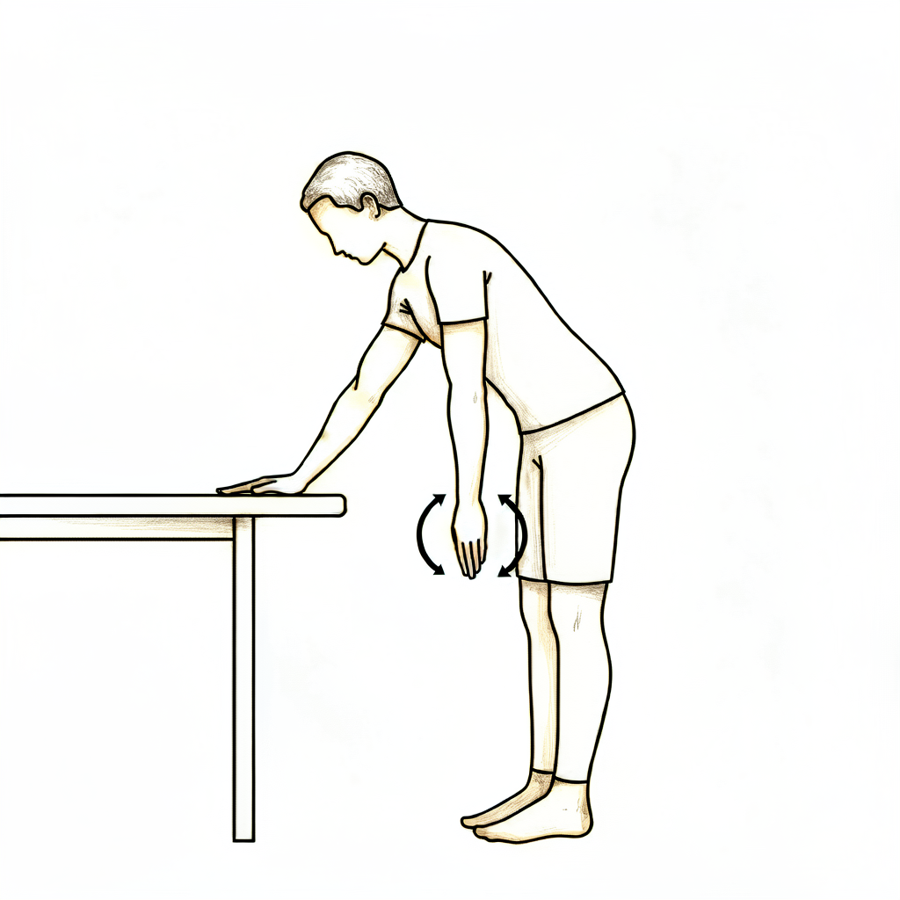
ਪੈਂਡੂਲਮ ਕਸਰਤ (ਬਾਂਹ ਝੁਲਾਉਣਾ)
ਕਮਰ ਤੋਂ ਅੱਗੇ ਵੱਲ ਝੁਕੋ ਅਤੇ ਓਪਰੇਸ਼ਨ ਵਾਲੀ ਬਾਂਹ ਨੂੰ ਸਰੀਰ ਤੋਂ ਦੂਰ ਢਿੱਲਾ ਲਟਕਣ ਦਿਓ। ਬਾਂਹ ਨੂੰ ਛੋਟੇ, ਢਿੱਲੇ ਚੱਕਰਾਂ ਵਿੱਚ ਝੂਲਣ ਦਿਓ — ਹਿਲਜੁਲ ਤੁਹਾਡੇ ਸਰੀਰ ਤੋਂ ਆਉਂਦੀ ਹੈ, ਮੋਢੇ ਦੀਆਂ ਮਾਸਪੇਸ਼ੀਆਂ ਤੋਂ ਨਹੀਂ। ਪਹਿਲੇ ਦਿਨ ਤੋਂ ਸ਼ੁਰੂ ਕਰੋ ਅਤੇ ਆਰਾਮ ਦੀ ਹੱਦ ਵਿੱਚ ਰਹੋ।
ਘਰੇਲੂ ਪ੍ਰੋਗਰਾਮ, ਦਿਨ ਵਿੱਚ 3–5 ਵਾਰ
Kieran Hirpara 4.0
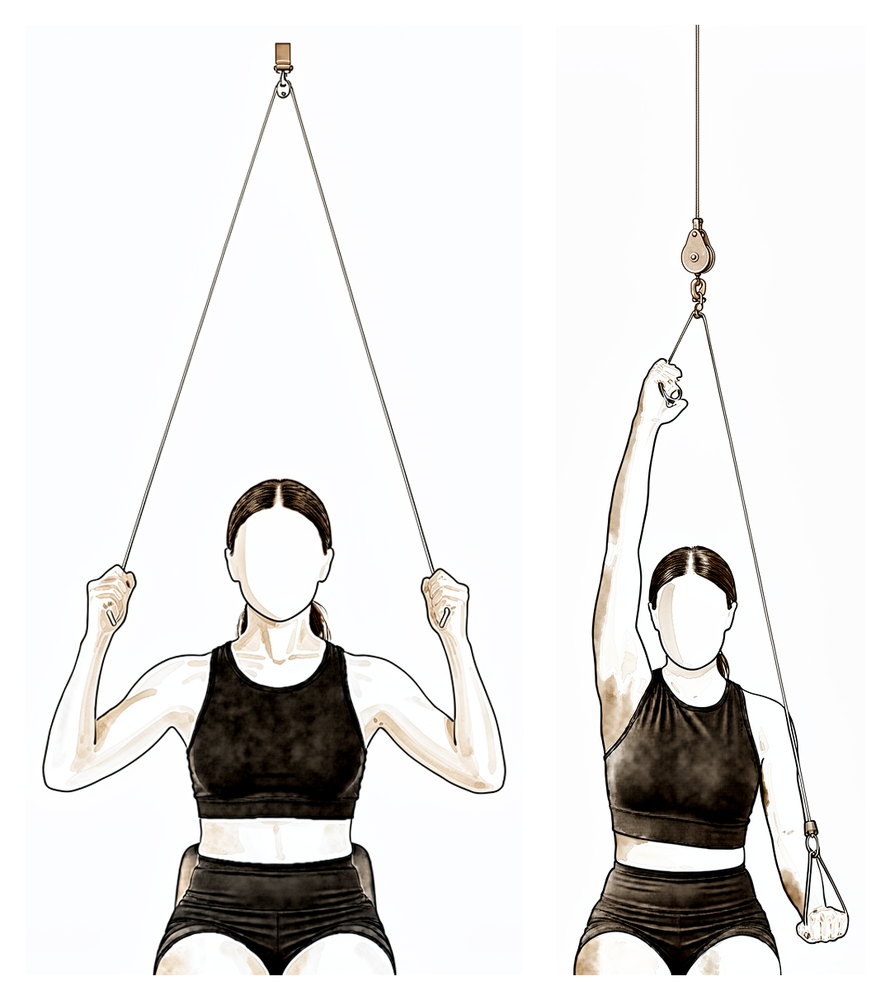
ਪੁਲੀ ਦੀ ਮਦਦ ਨਾਲ ਬਾਂਹ ਉੱਪਰ ਚੁੱਕਣਾ
ਦਰਵਾਜ਼ੇ ਉੱਤੇ ਲੱਗੀ ਪੁਲੀ (ਚਰਖੀ) ਦੇ ਹੇਠਾਂ ਬੈਠੋ, ਹਰ ਹੱਥ ਵਿੱਚ ਇੱਕ ਹੈਂਡਲ ਫੜ ਕੇ। ਠੀਕ ਬਾਂਹ ਨਾਲ ਹੇਠਾਂ ਖਿੱਚੋ ਤਾਂ ਜੋ ਓਪਰੇਸ਼ਨ ਵਾਲੀ ਬਾਂਹ ਉੱਪਰ ਵੱਲ ਉੱਠੇ, ਉਸ ਨੂੰ ਢਿੱਲਾ ਰਹਿਣ ਦਿਓ, ਫਿਰ ਕੰਟਰੋਲ ਨਾਲ ਵਾਪਸ ਹੇਠਾਂ ਲਿਆਓ। ਆਰਾਮ ਦੀ ਹੱਦ ਵਿੱਚ ਕੰਮ ਕਰੋ ਅਤੇ ਜਿੰਨਾ ਸਹਿ ਹੋਵੇ ਉਚਾਈ ਵਧਾਓ।
ਘਰੇਲੂ ਪ੍ਰੋਗਰਾਮ, ਦਿਨ ਵਿੱਚ 3–5 ਵਾਰ
Kieran Hirpara 4.0
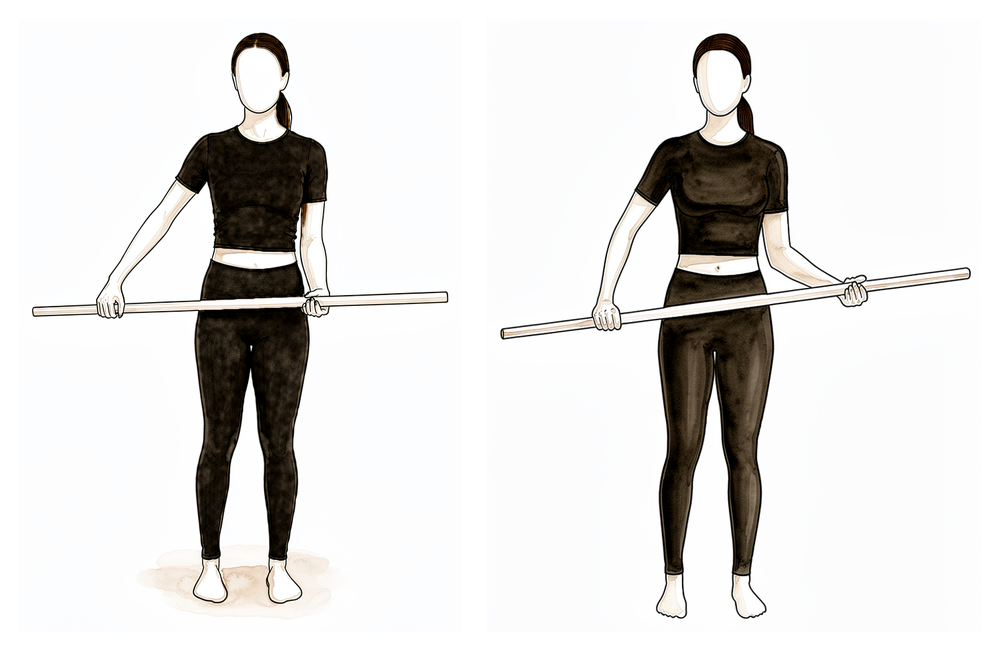
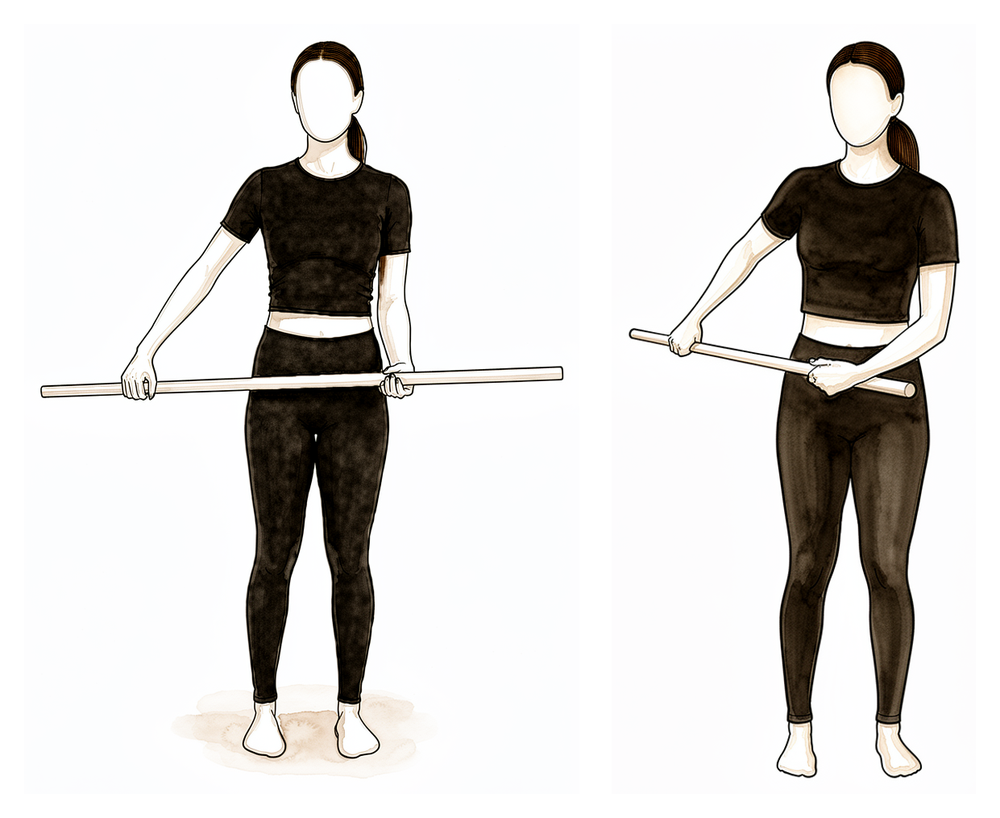
ਡੰਡੇ ਦੀ ਮਦਦ ਨਾਲ ਬਾਹਰ ਵੱਲ ਘੁਮਾਉਣਾ
ਪਿੱਠ ਦੇ ਭਾਰ ਲੇਟੋ ਅਤੇ ਦੋਵਾਂ ਹੱਥਾਂ ਵਿੱਚ ਇੱਕ ਸੋਟੀ ਜਾਂ ਡੰਡਾ ਫੜੋ, ਕੂਹਣੀਆਂ ਸਮਕੋਣ (ਸਿੱਧੇ ਕੋਣ) ਤੱਕ ਮੁੜੀਆਂ ਹੋਈਆਂ ਅਤੇ ਤੁਹਾਡੇ ਪਾਸਿਆਂ ਨਾਲ ਲੱਗੀਆਂ ਹੋਈਆਂ। ਠੀਕ ਬਾਂਹ ਨਾਲ ਓਪਰੇਸ਼ਨ ਵਾਲੀ ਬਾਂਹ ਦੇ ਹੇਠਲੇ ਹਿੱਸੇ ਨੂੰ ਹੌਲੀ ਜਿਹੇ ਬਾਹਰ ਵੱਲ, ਸਰੀਰ ਤੋਂ ਦੂਰ, ਧੱਕੋ, ਫਿਰ ਵਾਪਸ ਲਿਆਓ। ਓਪਰੇਸ਼ਨ ਵਾਲੀ ਬਾਂਹ ਢਿੱਲੀ ਰਹਿੰਦੀ ਹੈ ਅਤੇ ਸੋਟੀ ਨੂੰ ਕੰਮ ਕਰਨ ਦਿੰਦੀ ਹੈ।
ਘਰੇਲੂ ਪ੍ਰੋਗਰਾਮ, ਦਿਨ ਵਿੱਚ 3–5 ਵਾਰ
Kieran Hirpara 4.0
ਪਿੱਠ ਪਿੱਛੇ ਅੰਦਰ ਵੱਲ ਘੁਮਾਉਣਾ
ਆਪਣੀ ਪਿੱਠ ਪਿੱਛੇ ਇੱਕ ਸੋਟੀ ਜਾਂ ਡੰਡਾ ਫੜੋ, ਓਪਰੇਸ਼ਨ ਵਾਲਾ ਹੱਥ ਹੇਠਾਂ ਅਤੇ ਠੀਕ ਹੱਥ ਉੱਪਰ। ਠੀਕ ਬਾਂਹ ਨਾਲ ਓਪਰੇਸ਼ਨ ਵਾਲੇ ਹੱਥ ਨੂੰ ਹੌਲੀ ਜਿਹੇ ਪਿੱਠ ਉੱਤੇ ਉੱਪਰ ਵੱਲ ਖਿੱਚੋ, ਫਿਰ ਹੇਠਾਂ ਲਿਆਓ। ਆਰਾਮ ਦੀ ਹੱਦ ਵਿੱਚ ਹਿਲਾਓ — ਇਸ ਦਿਸ਼ਾ ਦੀ ਹਿਲਜੁਲ ਹੌਲੀ-ਹੌਲੀ ਵਾਪਸ ਆਉਂਦੀ ਹੈ।
ਘਰੇਲੂ ਪ੍ਰੋਗਰਾਮ, ਦਿਨ ਵਿੱਚ 3–5 ਵਾਰ
Kieran Hirpara 4.0
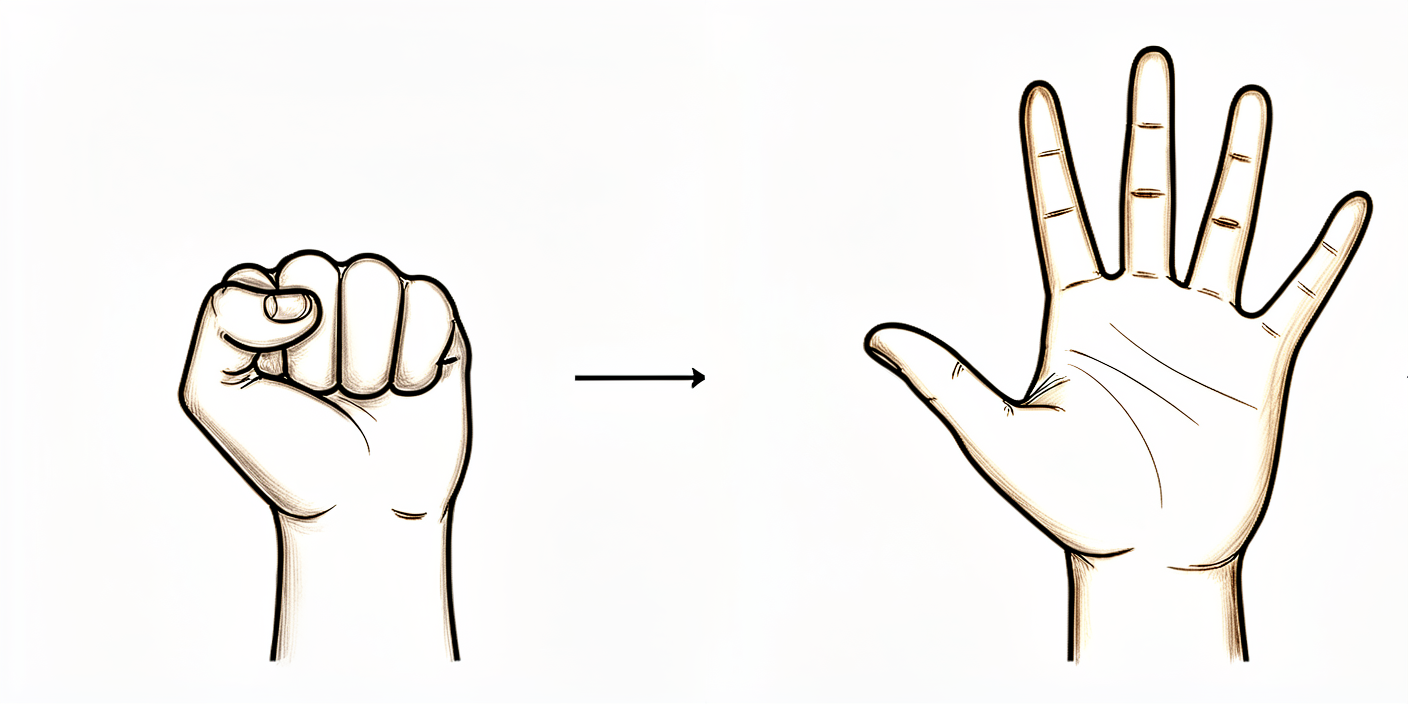
ਪਕੜ ਮਜ਼ਬੂਤ ਕਰਨਾ
ਪੂਰੀ ਮੁੱਠੀ ਬੰਦ ਕਰੋ, ਫਿਰ ਉਂਗਲਾਂ ਨੂੰ ਸਿੱਧਾ ਖੋਲ੍ਹੋ। ਪਕੜ ਦੀ ਕਸਰਤ ਲਈ ਇੱਕ ਨਰਮ ਗੇਂਦ ਜਾਂ ਲਪੇਟੀ ਹੋਈ ਜੁਰਾਬ ਦਬਾਈ ਜਾ ਸਕਦੀ ਹੈ। ਪਹਿਲੇ ਦਿਨ ਤੋਂ ਕੂਹਣੀ, ਗੁੱਟ ਅਤੇ ਹੱਥ ਨੂੰ ਹਿਲਦਾ ਰੱਖੋ।
ਜਿਵੇਂ ਤੁਹਾਡਾ ਫਿਜ਼ੀਓਥੈਰੇਪਿਸਟ ਦੱਸੇ
Kieran Hirpara 4.0
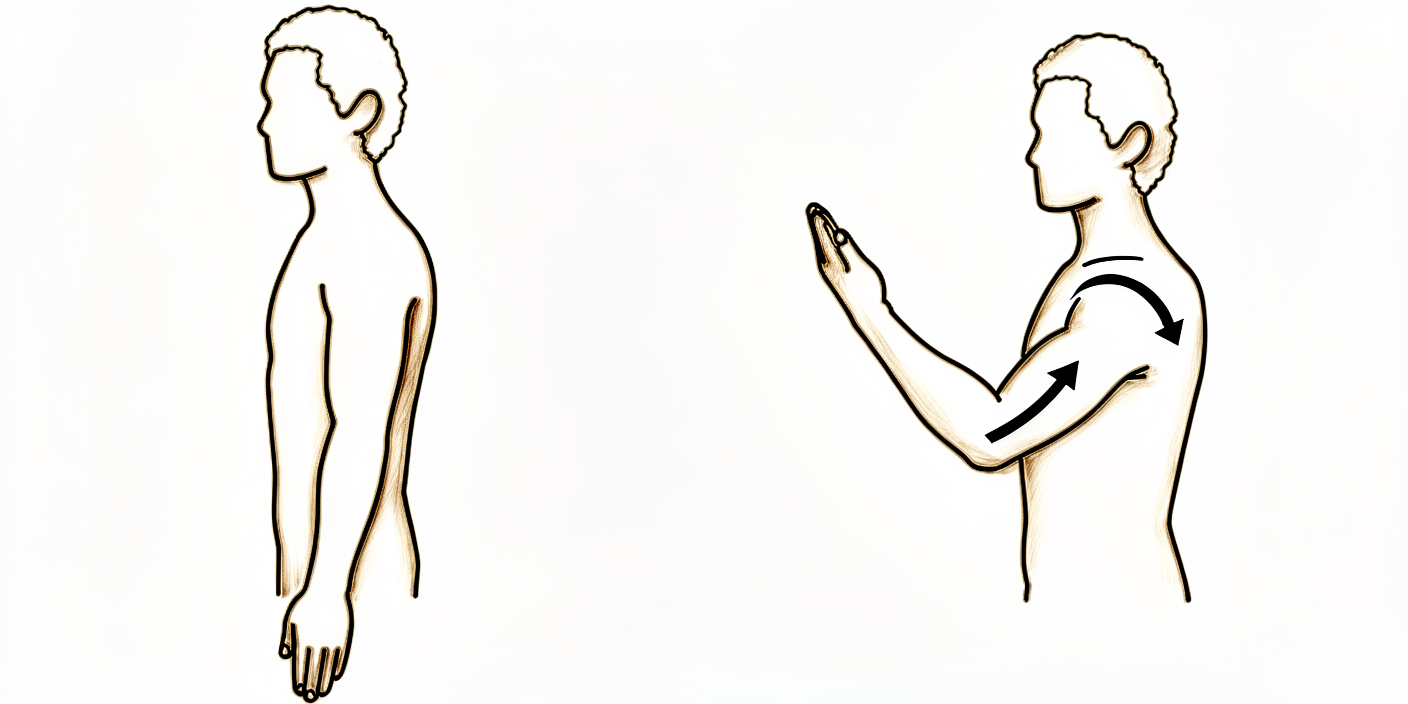
ਕੂਹਣੀ ਮੋੜਨਾ
ਡੌਲੇ ਨੂੰ ਆਪਣੇ ਪਾਸੇ ਨਾਲ ਟਿਕਾ ਕੇ, ਕੂਹਣੀ ਨੂੰ ਜਿੰਨਾ ਆਰਾਮ ਨਾਲ ਜਾਵੇ ਮੋੜੋ, ਫਿਰ ਪੂਰੀ ਤਰ੍ਹਾਂ ਸਿੱਧਾ ਕਰੋ। ਸਿਰਫ਼ ਕੂਹਣੀ ਹਿਲਦੀ ਹੈ — ਮੋਢੇ ਨੂੰ ਢਿੱਲਾ ਰੱਖੋ। ਪਹਿਲੇ ਦਿਨ ਤੋਂ ਕੂਹਣੀ, ਬਾਂਹ ਦੇ ਹੇਠਲੇ ਹਿੱਸੇ, ਗੁੱਟ ਅਤੇ ਹੱਥ ਨੂੰ ਹਿਲਦਾ ਰੱਖੋ।
ਜਿਵੇਂ ਤੁਹਾਡਾ ਫਿਜ਼ੀਓਥੈਰੇਪਿਸਟ ਦੱਸੇ
Kieran Hirpara 4.0
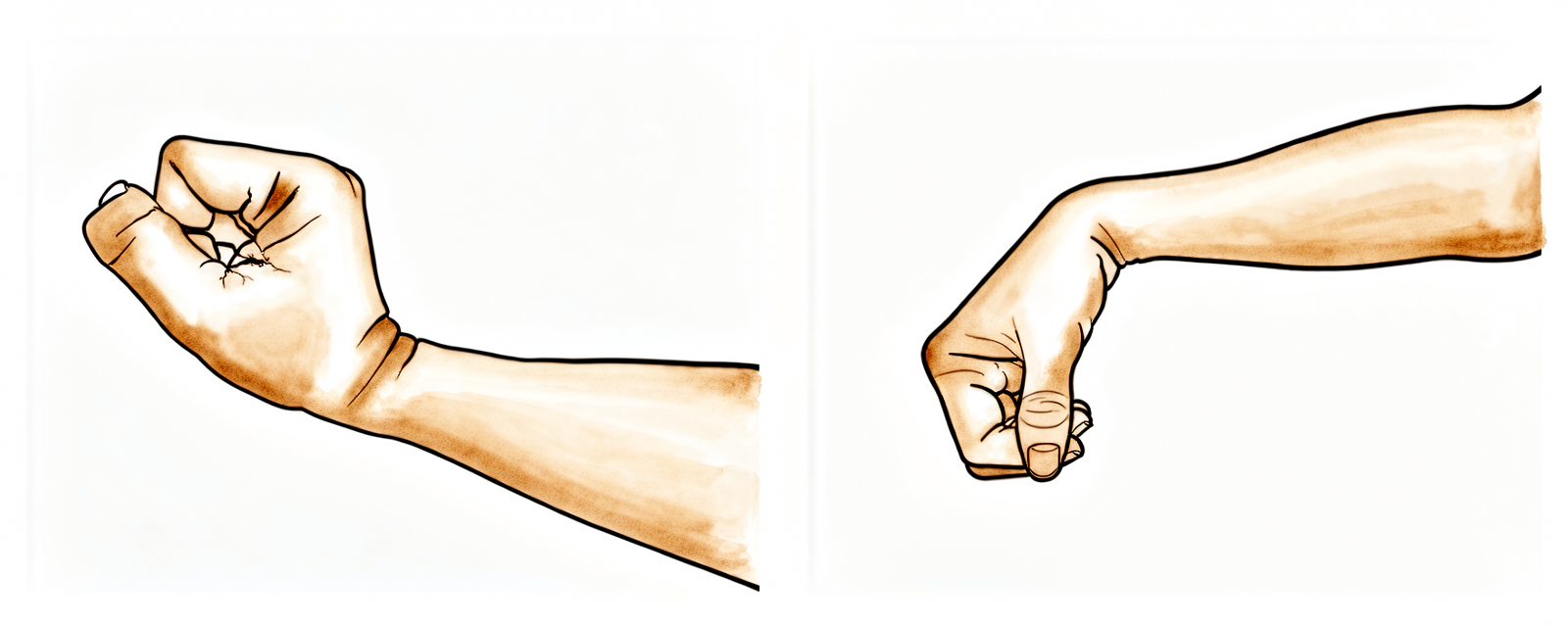
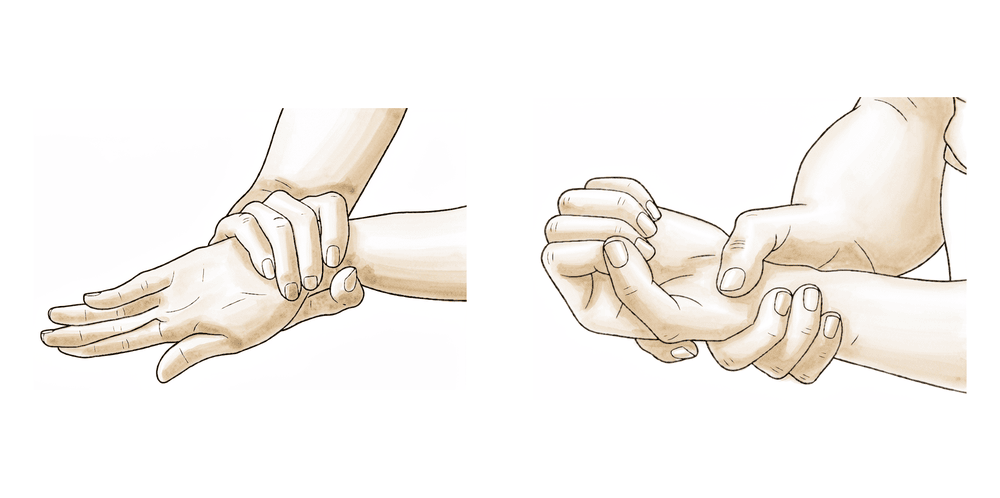
ਗੁੱਟ ਦੀ ਹਿਲਜੁਲ
ਬਾਂਹ ਨੂੰ ਸਲਿੰਗ ਤੋਂ ਬਾਹਰ ਕੱਢ ਕੇ, ਆਪਣੇ ਗੁੱਟ ਨੂੰ ਅੱਗੇ, ਪਿੱਛੇ ਅਤੇ ਇੱਕ ਪਾਸੇ ਤੋਂ ਦੂਜੇ ਪਾਸੇ ਮੋੜ ਕੇ ਹਿਲਦਾ ਰੱਖੋ। ਪਹਿਲੇ ਦਿਨ ਤੋਂ ਪੂਰੀ ਬਾਂਹ ਨੂੰ ਕੰਮ ਕਰਦੇ ਰੱਖਣ ਨਾਲ ਮੋਢੇ ਨੂੰ ਸ਼ਾਂਤ ਹੋਣ ਵਿੱਚ ਮਦਦ ਮਿਲਦੀ ਹੈ।
ਜਿਵੇਂ ਤੁਹਾਡਾ ਫਿਜ਼ੀਓਥੈਰੇਪਿਸਟ ਦੱਸੇ
Kieran Hirpara 4.0
ਬਾਂਹ ਦੇ ਹੇਠਲੇ ਹਿੱਸੇ ਨੂੰ ਘੁਮਾਉਣਾ
ਕੂਹਣੀ ਨੂੰ ਆਪਣੇ ਪਾਸੇ ਨਾਲ ਲਾ ਕੇ ਅਤੇ ਸਮਕੋਣ ਤੱਕ ਮੋੜ ਕੇ, ਹਥੇਲੀ ਨੂੰ ਉੱਪਰ ਛੱਤ ਵੱਲ ਅਤੇ ਫਿਰ ਹੇਠਾਂ ਫ਼ਰਸ਼ ਵੱਲ ਘੁਮਾਓ। ਜਦੋਂ ਮੋਢਾ ਆਰਾਮ ਕਰ ਰਿਹਾ ਹੋਵੇ, ਪਹਿਲੇ ਦਿਨ ਤੋਂ ਬਾਂਹ ਦੇ ਹੇਠਲੇ ਹਿੱਸੇ ਨੂੰ ਹਿਲਦਾ ਰੱਖੋ।
ਜਿਵੇਂ ਤੁਹਾਡਾ ਫਿਜ਼ੀਓਥੈਰੇਪਿਸਟ ਦੱਸੇ
Kieran Hirpara 4.0
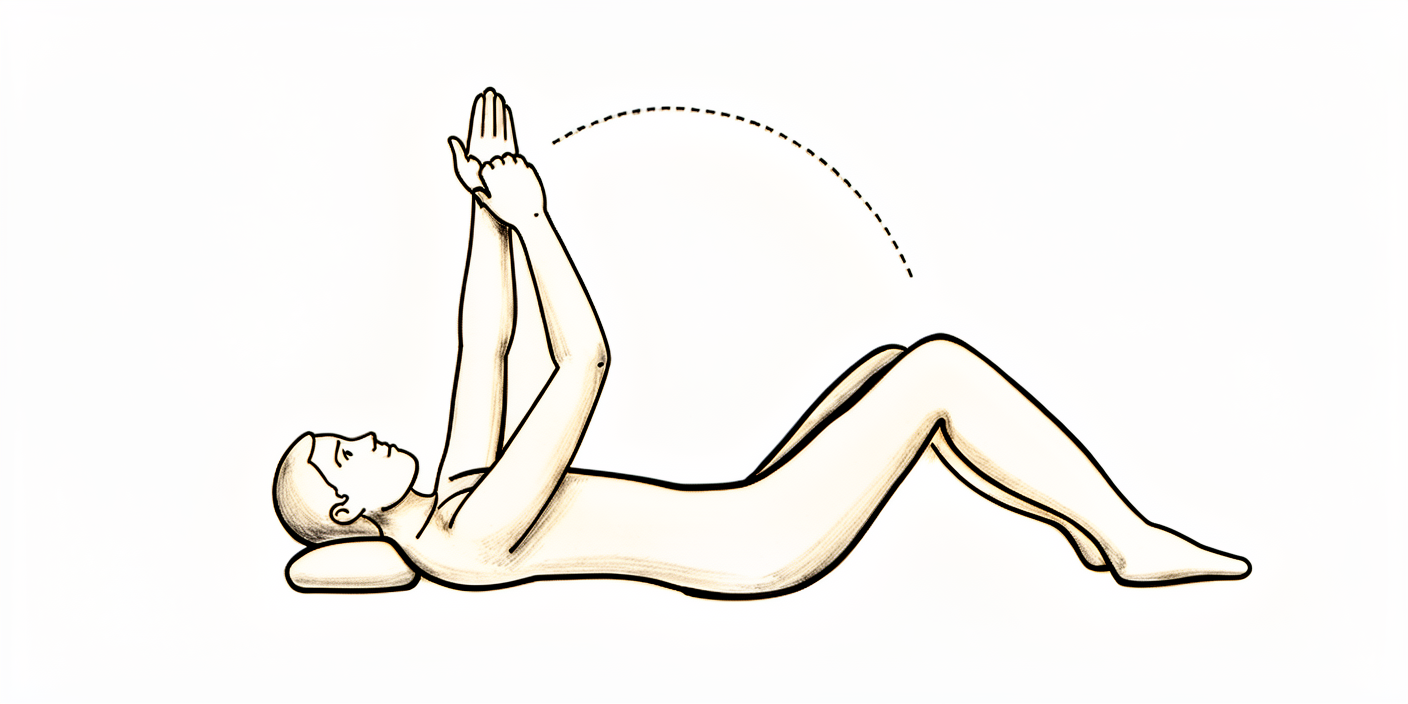
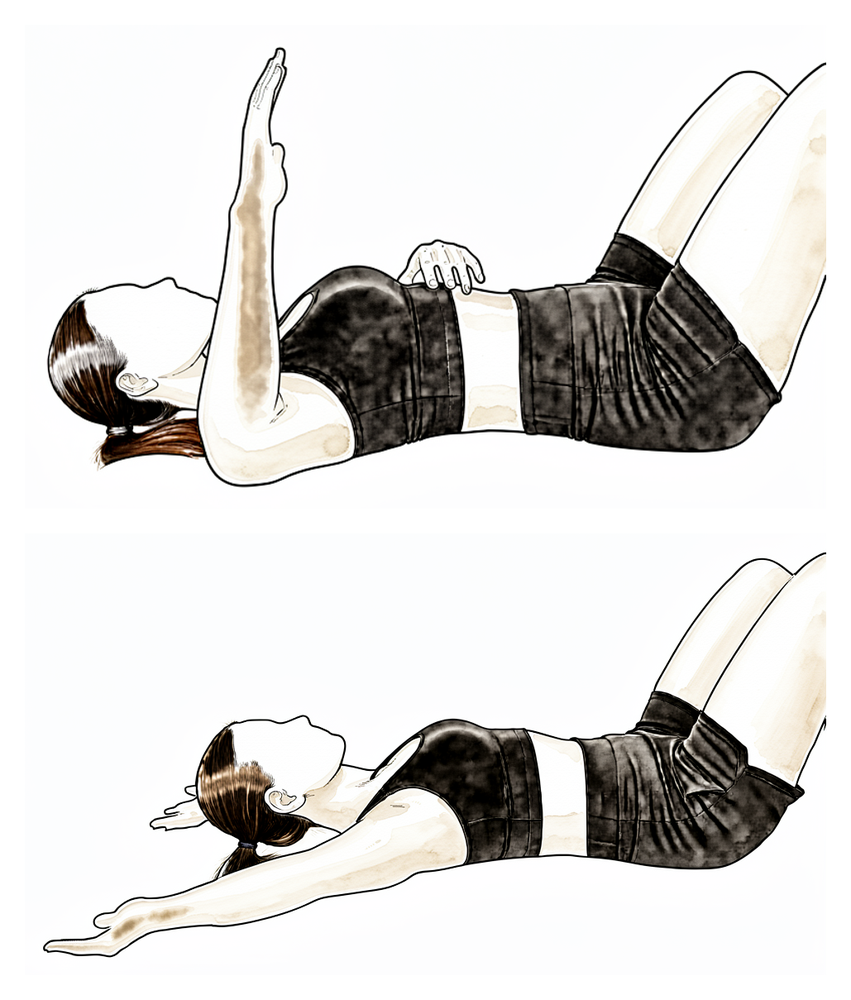
ਮਦਦ ਨਾਲ ਅੱਗੇ ਵੱਲ ਬਾਂਹ ਉੱਪਰ ਚੁੱਕਣਾ (ਲੇਟ ਕੇ)
ਪਿੱਠ ਦੇ ਭਾਰ ਲੇਟੋ ਅਤੇ ਆਪਣੀ ਠੀਕ ਬਾਂਹ ਨਾਲ ਓਪਰੇਸ਼ਨ ਵਾਲੀ ਬਾਂਹ ਨੂੰ ਹਲਕੀ ਖਿਚਾਈ ਵਜੋਂ ਸਿਰ ਤੋਂ ਉੱਪਰ ਚੁੱਕਣ ਵਿੱਚ ਮਦਦ ਕਰੋ, ਫਿਰ ਠੀਕ ਬਾਂਹ ਦੀ ਮਦਦ ਜਾਰੀ ਰੱਖਦੇ ਹੋਏ ਉਸ ਨੂੰ ਵਾਪਸ ਹੇਠਾਂ ਲਿਆਓ। ਲੇਟਣ ਨਾਲ ਗੁਰੂਤਾ ਮਦਦ ਕਰਦੀ ਹੈ ਅਤੇ ਮੋਢੇ ਦੀਆਂ ਮਾਸਪੇਸ਼ੀਆਂ ਢਿੱਲੀਆਂ ਰਹਿੰਦੀਆਂ ਹਨ। ਆਰਾਮ ਦੀ ਹੱਦ ਵਿੱਚ ਕੰਮ ਕਰੋ।
ਘਰੇਲੂ ਪ੍ਰੋਗਰਾਮ, ਦਿਨ ਵਿੱਚ 3–5 ਵਾਰ
Kieran Hirpara 4.0
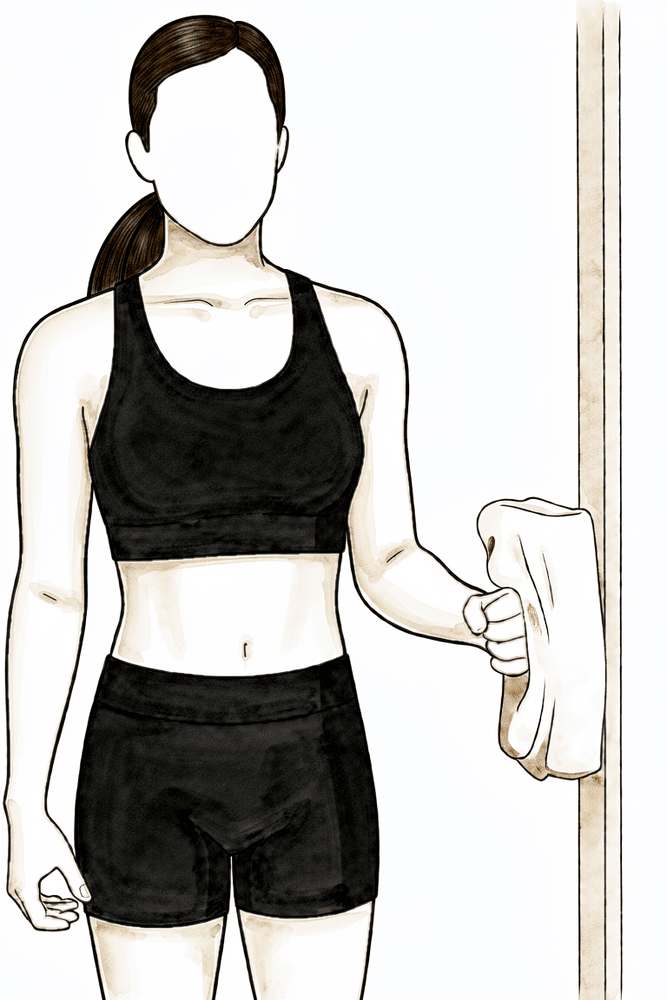
ਆਈਸੋਮੈਟ੍ਰਿਕ ਬਾਹਰ ਵੱਲ ਘੁਮਾਉਣਾ
ਕੂਹਣੀ ਨੂੰ ਆਪਣੇ ਪਾਸੇ ਨਾਲ ਲਾ ਕੇ ਅਤੇ ਸਮਕੋਣ ਤੱਕ ਮੋੜ ਕੇ ਖੜ੍ਹੇ ਹੋਵੋ, ਹੱਥ ਦਾ ਪੁੱਠਾ ਪਾਸਾ ਕੰਧ ਜਾਂ ਦਰਵਾਜ਼ੇ ਦੀ ਚੁਗਾਠ ਨਾਲ ਲੱਗਿਆ ਹੋਵੇ। ਬਾਂਹ ਨੂੰ ਹਿੱਲਣ ਦਿੱਤੇ ਬਿਨਾਂ ਹੌਲੀ ਜਿਹੇ ਉਸ ਵਿੱਚ ਬਾਹਰ ਵੱਲ ਦਬਾਓ, ਕੁਝ ਸਕਿੰਟ ਰੋਕੋ, ਫਿਰ ਢਿੱਲਾ ਛੱਡੋ। ਇਹ ਸਿਰਫ਼ ਹਲਕੀ ਆਈਸੋਮੈਟ੍ਰਿਕ (ਜੋੜ ਹਿਲਾਏ ਬਿਨਾਂ ਮਾਸਪੇਸ਼ੀ ਕੱਸਣ ਵਾਲੀ) ਕਸਰਤ ਹੈ — ਕੋਈ ਹਿਲਜੁਲ ਅਤੇ ਕੋਈ ਖਿਚਾਅ ਨਹੀਂ ਹੋਣਾ ਚਾਹੀਦਾ। ਆਰਾਮ ਦੀ ਹੱਦ ਵਿੱਚ ਰਹੋ।
ਜਿਵੇਂ ਤੁਹਾਡਾ ਫਿਜ਼ੀਓਥੈਰੇਪਿਸਟ ਦੱਸੇ
Kieran Hirpara 4.0
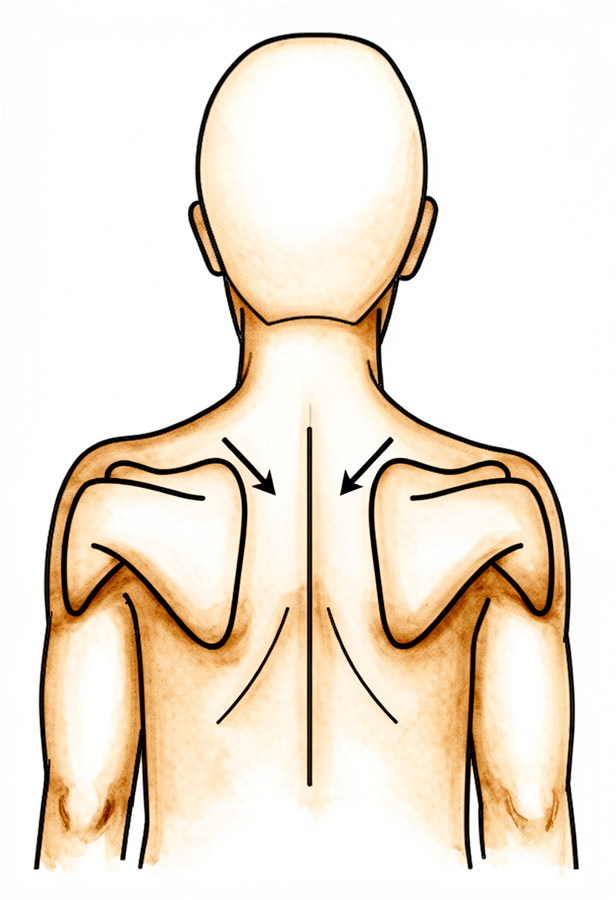
ਸਕੈਪੂਲਾ ਨੂੰ ਟਿਕਾਉਣਾ
ਸਿੱਧੇ ਬੈਠ ਕੇ ਜਾਂ ਖੜ੍ਹੇ ਹੋ ਕੇ, ਆਪਣੇ ਮੋਢਿਆਂ ਦੀਆਂ ਪਿਛਲੀਆਂ ਚਪਟੀਆਂ ਹੱਡੀਆਂ (ਸਕੈਪੂਲਾ) ਨੂੰ ਹੌਲੀ ਜਿਹੇ ਪਿੱਛੇ ਇੱਕ-ਦੂਜੇ ਵੱਲ ਅਤੇ ਹੇਠਾਂ, ਕੰਨਾਂ ਤੋਂ ਦੂਰ, ਖਿੱਚੋ। ਕੁਝ ਸਕਿੰਟ ਰੋਕੋ, ਫਿਰ ਢਿੱਲਾ ਛੱਡੋ। ਸ਼ੁਰੂ ਤੋਂ ਹੀ ਸਕੈਪੂਲਾ ਦੀ ਚੰਗੀ ਤਾਲ ਨਾਲ ਬਾਕੀ ਪ੍ਰੋਗਰਾਮ ਬਿਹਤਰ ਕੰਮ ਕਰਦਾ ਹੈ।
ਜਿਵੇਂ ਤੁਹਾਡਾ ਫਿਜ਼ੀਓਥੈਰੇਪਿਸਟ ਦੱਸੇ
ਪਹਿਲੇ ਦੋ ਹਫ਼ਤੇ ਦਰਦ ਅਤੇ ਸੋਜ ਨੂੰ ਸ਼ਾਂਤ ਕਰਨ ਅਤੇ ਨਾਲ ਹੀ ਮੋਢੇ ਨੂੰ ਹਿਲਾਉਣਾ ਸ਼ੁਰੂ ਕਰਨ ਬਾਰੇ ਹਨ। ਬਰਫ਼ ਨਿਯਮਿਤ ਤੌਰ 'ਤੇ ਲਗਾਓ: ਪਹਿਲੇ ਇੱਕ-ਦੋ ਹਫ਼ਤਿਆਂ ਵਿੱਚ ਦਿਨ ਵਿੱਚ ਤਿੰਨ ਤੋਂ ਚਾਰ ਵਾਰ ਆਮ ਗੱਲ ਹੈ। ਸਲਿੰਗ ਸਿਰਫ਼ ਆਰਾਮ ਲਈ ਹੈ: ਇਸ ਨੂੰ ਓਨਾ ਹੀ ਜ਼ਿਆਦਾ ਜਾਂ ਘੱਟ ਪਾਓ ਜਿੰਨਾ ਇਹ ਮਦਦ ਕਰੇ, ਬਾਂਹ ਨੂੰ ਅਕਸਰ ਬਾਹਰ ਕੱਢੋ, ਅਤੇ ਜਿਵੇਂ ਹੀ ਤੁਸੀਂ ਇਸ ਤੋਂ ਬਿਨਾਂ ਆਰਾਮ ਮਹਿਸੂਸ ਕਰੋ, ਇਸ ਨੂੰ ਵਰਤਣਾ ਬੰਦ ਕਰ ਦਿਓ। ਬਹੁਤ ਸਾਰੇ ਲੋਕਾਂ ਨੂੰ ਇਹ ਘਰੋਂ ਬਾਹਰ ਜਾਣ ਵੇਲੇ ਸਭ ਤੋਂ ਲਾਭਦਾਇਕ ਲੱਗਦੀ ਹੈ, ਤਾਂ ਜੋ ਲੋਕ ਬਾਂਹ ਨਾਲ ਨਾ ਟਕਰਾਉਣ। ਮੋਢੇ ਦੇ ਕਿਸੇ ਵੀ ਓਪਰੇਸ਼ਨ ਤੋਂ ਬਾਅਦ ਘੱਟੋ-ਘੱਟ ਛੇ ਹਫ਼ਤੇ ਗੱਡੀ ਨਾ ਚਲਾਓ, ਭਾਵੇਂ ਸਲਿੰਗ ਉੱਤਰ ਚੁੱਕੀ ਹੋਵੇ; ਤੁਹਾਡਾ ਸਰਜਨ ਤੁਹਾਨੂੰ ਗੱਡੀ ਚਲਾਉਣ ਦੀ ਇਜਾਜ਼ਤ ਦੇਵੇਗਾ, ਆਮ ਤੌਰ 'ਤੇ ਛੇ ਹਫ਼ਤਿਆਂ ਵਾਲੀ ਜਾਂਚ ਵੇਲੇ।
ਹਿਲਜੁਲ ਉਸੇ ਵੇਲੇ ਸ਼ੁਰੂ ਕਰੋ: ਤੁਹਾਡੀ ਕੂਹਣੀ, ਗੁੱਟ ਅਤੇ ਹੱਥ ਪਹਿਲੇ ਦਿਨ ਤੋਂ ਹੀ ਹਿਲਣੇ ਚਾਹੀਦੇ ਹਨ, ਨਾਲ ਹੀ ਹਲਕੀਆਂ ਪੈਂਡੂਲਮ (ਬਾਂਹ ਝੁਲਾਉਣ ਵਾਲੀਆਂ) ਕਸਰਤਾਂ ਅਤੇ ਮਦਦ ਨਾਲ ਮੋਢੇ ਦੀਆਂ ਹਿਲਜੁਲਾਂ (ਓਪਰੇਸ਼ਨ ਵਾਲੀ ਬਾਂਹ ਨੂੰ ਉੱਪਰ ਅਤੇ ਬਾਹਰ ਵੱਲ ਲਿਜਾਣ ਵਿੱਚ ਮਦਦ ਲਈ ਆਪਣੀ ਦੂਜੀ ਬਾਂਹ, ਸੋਟੀ ਜਾਂ ਪੁਲੀ (ਚਰਖੀ) ਵਰਤ ਕੇ)। ਆਪਣੀਆਂ ਕਸਰਤਾਂ ਤੋਂ ਪਹਿਲਾਂ ਅਤੇ ਫਿਜ਼ੀਓਥੈਰੇਪੀ ਦੀਆਂ ਮੁਲਾਕਾਤਾਂ ਤੋਂ ਪਹਿਲਾਂ ਆਪਣੀਆਂ ਦਰਦ ਨਿਵਾਰਕ ਦਵਾਈਆਂ ਲਓ। ਇੱਕੋ ਹਿਲਜੁਲ ਜਿਸ ਨੂੰ ਹਾਲੇ ਛੱਡ ਦੇਣਾ ਹੈ, ਉਹ ਹੈ ਆਪਣੇ ਸਰੀਰ ਦੇ ਪਾਰ ਉਲਟ ਮੋਢੇ ਵੱਲ ਹੱਥ ਲਿਜਾਣਾ।
ਤੁਹਾਡੇ ਫਿਜ਼ੀਓਥੈਰੇਪਿਸਟ ਲਈ:
ਟੀਚੇ
- ਦਰਦ ਅਤੇ ਸੋਜ ਨੂੰ ਸ਼ਾਂਤ ਕਰਨਾ
- ਛੇਤੀ ਹਿਲਜੁਲ ਦੀ ਹੱਦ (range of motion): ਪੜਾਅ ਦੇ ਅੰਤ ਤੱਕ ਲਗਭਗ 140° ਅੱਗੇ ਵੱਲ ਉੱਪਰ ਚੁੱਕਣਾ (forward flexion) ਅਤੇ ਬਾਂਹ ਪਾਸੇ ਨਾਲ ਰੱਖ ਕੇ 40° ਬਾਹਰ ਵੱਲ ਘੁਮਾਉਣਾ (external rotation)
- ਘਰੇਲੂ ਕਸਰਤ ਪ੍ਰੋਗਰਾਮ ਆਪਣੇ ਆਪ ਕਰ ਸਕਣਾ
ਇਲਾਜ ਦਾ ਪ੍ਰਬੰਧ
- ਸਲਿੰਗ ਸਿਰਫ਼ ਆਰਾਮ ਲਈ: ਆਰਾਮ ਮੁਤਾਬਕ ਪਹਿਲੇ 1–2 ਹਫ਼ਤਿਆਂ ਵਿੱਚ ਹੌਲੀ-ਹੌਲੀ ਘਟਾ ਕੇ ਬੰਦ ਕਰਨਾ
- ਬਰਫ਼ ਨਾਲ ਠੰਢਾ ਸੇਕ (cryotherapy) ਦਿਨ ਵਿੱਚ 3–4 ਵਾਰ, ਖ਼ਾਸ ਕਰਕੇ ਕਸਰਤ ਤੋਂ ਬਾਅਦ
- ਗਰਦਨ, ਕੂਹਣੀ, ਬਾਂਹ ਦੇ ਹੇਠਲੇ ਹਿੱਸੇ (forearm), ਗੁੱਟ ਅਤੇ ਹੱਥ ਦੀ ਐਕਟਿਵ (ਆਪਣੀਆਂ ਮਾਸਪੇਸ਼ੀਆਂ ਨਾਲ) ਹਿਲਜੁਲ ਉਸੇ ਵੇਲੇ ਸ਼ੁਰੂ
- ਪਹਿਲੇ ਦਿਨ ਤੋਂ ਪੈਂਡੂਲਮ ਕਸਰਤਾਂ
- ਜਿੰਨਾ ਸਹਿ ਹੋਵੇ ਮੋਢੇ ਦੀ ਪੈਸਿਵ (ਮਾਸਪੇਸ਼ੀਆਂ ਦੇ ਜ਼ੋਰ ਤੋਂ ਬਿਨਾਂ, ਬਾਹਰੀ ਮਦਦ ਨਾਲ) ਅਤੇ ਮਦਦ ਨਾਲ ਐਕਟਿਵ (active-assisted) ਹਿਲਜੁਲ: ਅੱਗੇ ਵੱਲ ਉੱਪਰ ਚੁੱਕਣਾ, ਬਾਹਰ ਵੱਲ ਘੁਮਾਉਣਾ ਅਤੇ ਪਿੱਠ ਪਿੱਛੇ ਅੰਦਰ ਵੱਲ ਘੁਮਾਉਣਾ (internal rotation), ਪੁਲੀ, ਡੰਡੇ ਜਾਂ ਸੋਟੀ, ਅਤੇ ਪਿੱਠ ਦੇ ਭਾਰ ਲੇਟ ਕੇ ਗੁਰੂਤਾ ਦੀ ਮਦਦ ਵਾਲੀਆਂ ਸਥਿਤੀਆਂ ਵਰਤ ਕੇ
- ਸਕੈਪੂਲਾ (ਮੋਢੇ ਦੀ ਪਿਛਲੀ ਚਪਟੀ ਹੱਡੀ, shoulder blade) ਨੂੰ ਟਿਕਾਉਣਾ (scapular setting) ਅਤੇ ਸਕੈਪੂਲਾ ਦੇ ਆਲੇ-ਦੁਆਲੇ ਦੀ ਹਿਲਜੁਲ; ਸ਼ੁਰੂ ਤੋਂ ਹੀ ਸਕੈਪੂਲਾ ਅਤੇ ਡੌਲੇ ਦੀ ਹੱਡੀ ਦੇ ਤਾਲਮੇਲ (scapulohumeral rhythm) ਵੱਲ ਧਿਆਨ
- ਪਕੜ ਮਜ਼ਬੂਤ ਕਰਨਾ; ਜਿੰਨਾ ਦਰਦ ਇਜਾਜ਼ਤ ਦੇਵੇ, ਮੋਢੇ ਦੀਆਂ ਹਲਕੀਆਂ ਆਈਸੋਮੈਟ੍ਰਿਕ ਕਸਰਤਾਂ (isometrics, ਜੋੜ ਹਿਲਾਏ ਬਿਨਾਂ ਮਾਸਪੇਸ਼ੀ ਕੱਸਣਾ)
- ਕਸਰਤਾਂ ਅਤੇ ਫਿਜ਼ੀਓਥੈਰੇਪੀ ਸੈਸ਼ਨਾਂ ਤੋਂ ਪਹਿਲਾਂ ਦਰਦ ਨਿਵਾਰਕ ਦਵਾਈ
- ਘਰੇਲੂ ਪ੍ਰੋਗਰਾਮ ਦਿਨ ਵਿੱਚ 3–5 ਵਾਰ
ਸਾਵਧਾਨੀਆਂ
- ਬਾਂਹ ਨੂੰ ਸਰੀਰ ਦੇ ਪਾਰ ਲਿਜਾਣ (horizontal adduction) ਤੋਂ ਬਚੋ
- ਹਲਕੀਆਂ ਆਈਸੋਮੈਟ੍ਰਿਕ ਕਸਰਤਾਂ ਤੋਂ ਵੱਧ ਮੋਢੇ ਦੀ ਕੋਈ ਵਿਰੋਧ (resistance) ਵਾਲੀ ਕਸਰਤ ਨਹੀਂ
- ਰੋਜ਼ਾਨਾ ਦੀਆਂ ਹਲਕੀਆਂ ਚੀਜ਼ਾਂ ਤੋਂ ਵੱਧ ਕੁਝ ਨਾ ਚੁੱਕੋ; ਬਾਂਹ ਉੱਤੇ ਕੋਈ ਭਾਰ ਨਾ ਪਾਓ (ਕੁਰਸੀ ਜਾਂ ਬਿਸਤਰੇ ਤੋਂ ਬਾਂਹ ਦੇ ਜ਼ੋਰ ਨਾਲ ਉੱਠਣਾ ਵੀ ਨਹੀਂ)
- ਛੇ ਹਫ਼ਤੇ ਗੱਡੀ ਨਾ ਚਲਾਓ (ਇਹ ਮੋਢੇ ਦੇ ਕਿਸੇ ਵੀ ਓਪਰੇਸ਼ਨ ਉੱਤੇ ਲਾਗੂ ਹੁੰਦਾ ਹੈ)
ਅਗਲੇ ਪੜਾਅ ਵਿੱਚ ਜਾਣ ਦੀਆਂ ਸ਼ਰਤਾਂ
- ਸਲਿੰਗ ਛੱਡ ਦਿੱਤੀ ਗਈ ਹੈ ਅਤੇ ਦਰਦ ਸ਼ਾਂਤ ਹੋ ਰਿਹਾ ਹੈ
- ਮਦਦ ਨਾਲ ਲਗਭਗ 140° ਤੱਕ ਉੱਪਰ ਚੁੱਕਣਾ ਅਤੇ ਲਗਭਗ 40° ਤੱਕ ਬਾਹਰ ਵੱਲ ਘੁਮਾਉਣਾ ਆਰਾਮ ਨਾਲ ਹੋ ਜਾਂਦਾ ਹੈ
ਪੜਾਅ II — ਹਿਲਜੁਲ ਦੀ ਹੱਦ ਮੁੜ ਹਾਸਲ ਕਰਨਾ (ਹਫ਼ਤਾ 2–6)
Kieran Hirpara 4.0
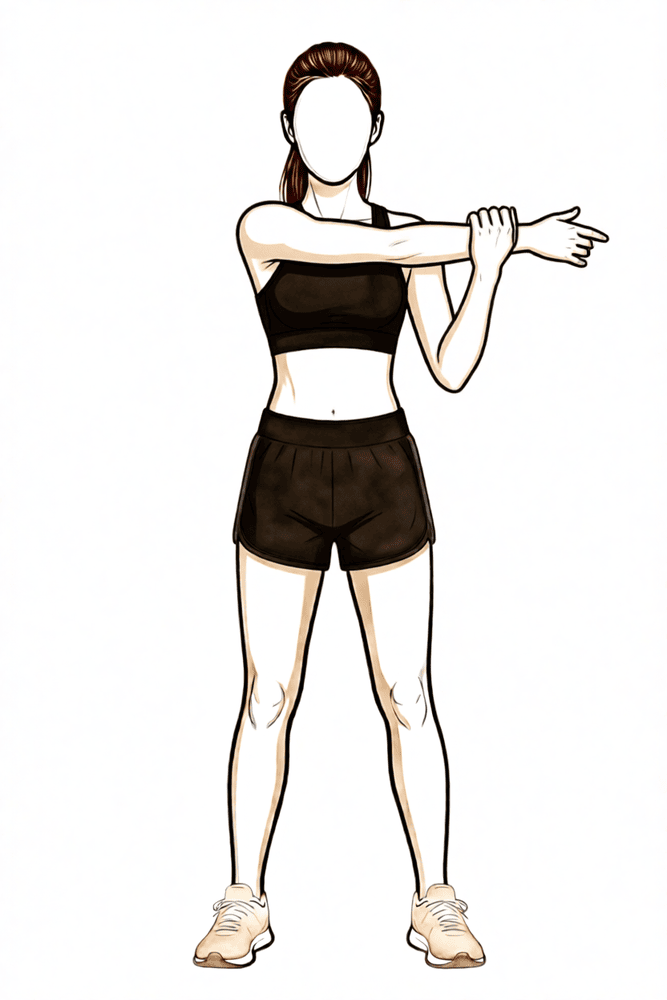
ਸਰੀਰ ਦੇ ਪਾਰ ਖਿਚਾਈ
ਓਪਰੇਸ਼ਨ ਵਾਲੀ ਬਾਂਹ ਨੂੰ ਆਪਣੀ ਛਾਤੀ ਦੇ ਪਾਰ ਲਿਆਓ ਅਤੇ ਦੂਜੇ ਹੱਥ ਨੂੰ ਕੂਹਣੀ ਤੋਂ ਉੱਪਰ ਰੱਖ ਕੇ ਉਸ ਨੂੰ ਹੌਲੀ ਜਿਹੇ ਹੋਰ ਪਾਰ ਖਿੱਚੋ। ਇਸ ਨੂੰ ਲੱਛਣਾਂ ਦੀ ਸੇਧ ਨਾਲ ਹੌਲੀ-ਹੌਲੀ ਮੁੜ ਸ਼ੁਰੂ ਕਰੋ — ਇਸ ਓਪਰੇਸ਼ਨ ਤੋਂ ਬਾਅਦ ਹਿਲਜੁਲ ਦੇ ਅਖ਼ੀਰ ਵਿੱਚ ਕੁਝ ਦਬਣ ਵਰਗਾ ਅਹਿਸਾਸ ਆਮ ਹੈ ਅਤੇ ਸਮੇਂ ਨਾਲ ਸ਼ਾਂਤ ਹੋ ਜਾਂਦਾ ਹੈ।
ਜਿਵੇਂ ਤੁਹਾਡਾ ਫਿਜ਼ੀਓਥੈਰੇਪਿਸਟ ਦੱਸੇ
Kieran Hirpara 4.0
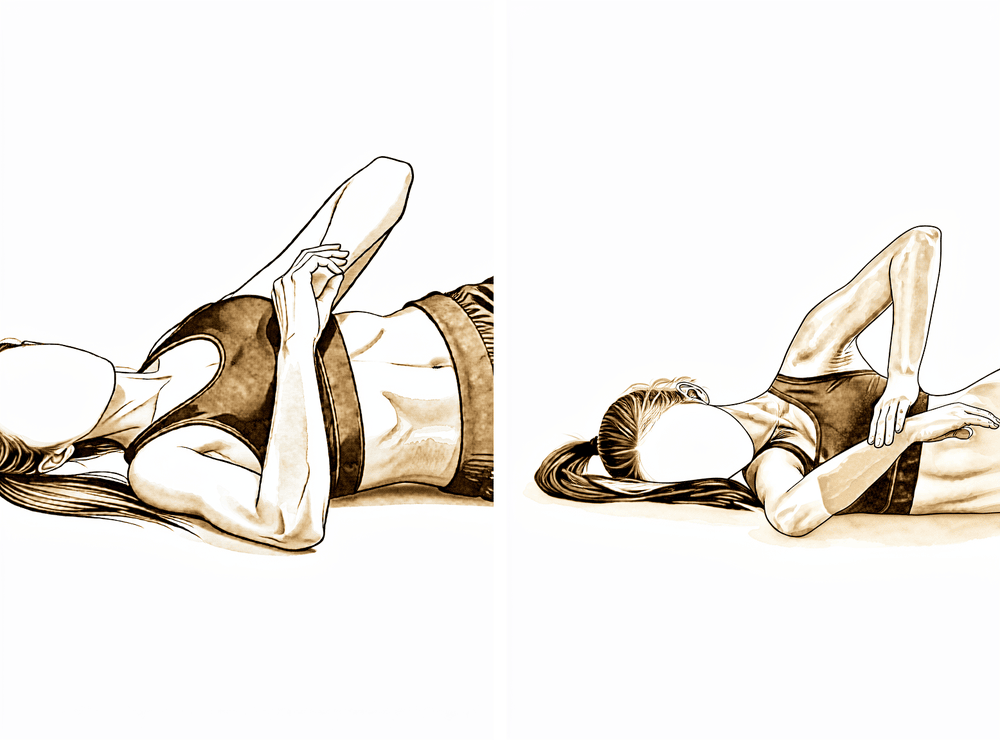
ਸਲੀਪਰ ਖਿਚਾਈ (sleeper stretch)
ਓਪਰੇਸ਼ਨ ਵਾਲੇ ਪਾਸੇ ਲੇਟੋ, ਉਹ ਬਾਂਹ ਸਾਹਮਣੇ ਵੱਲ ਅਤੇ ਕੂਹਣੀ ਸਮਕੋਣ ਤੱਕ ਮੁੜੀ ਹੋਈ। ਆਪਣੇ ਠੀਕ ਹੱਥ ਨਾਲ ਬਾਂਹ ਦੇ ਹੇਠਲੇ ਹਿੱਸੇ ਨੂੰ ਹੌਲੀ ਜਿਹੇ ਬਿਸਤਰੇ ਵੱਲ ਹੇਠਾਂ ਦਬਾਓ, ਜਦੋਂ ਤੱਕ ਮੋਢੇ ਦੇ ਪਿਛਲੇ ਪਾਸੇ ਖਿਚਾਅ ਮਹਿਸੂਸ ਨਾ ਹੋਵੇ, ਫਿਰ ਢਿੱਲਾ ਕਰੋ। ਮੋਢੇ ਦੇ ਪਿਛਲੇ ਪਾਸੇ ਦੀ ਇਹ ਹਲਕੀ ਖਿਚਾਈ ਪਿੱਠ ਪਿੱਛੇ ਹੱਥ ਲਿਜਾਣ ਦੀ ਯੋਗਤਾ ਮੁੜ ਲਿਆਉਣ ਵਿੱਚ ਮਦਦ ਕਰਦੀ ਹੈ। ਸਾਫ਼ ਮਹਿਸੂਸ ਹੋਣ ਵਾਲੀ ਬੇਆਰਾਮੀ ਤੱਕ ਖਿੱਚੋ, ਤਿੱਖੇ ਦਰਦ ਤੱਕ ਨਹੀਂ।
ਜਿਵੇਂ ਤੁਹਾਡਾ ਫਿਜ਼ੀਓਥੈਰੇਪਿਸਟ ਦੱਸੇ
Kieran Hirpara 4.0
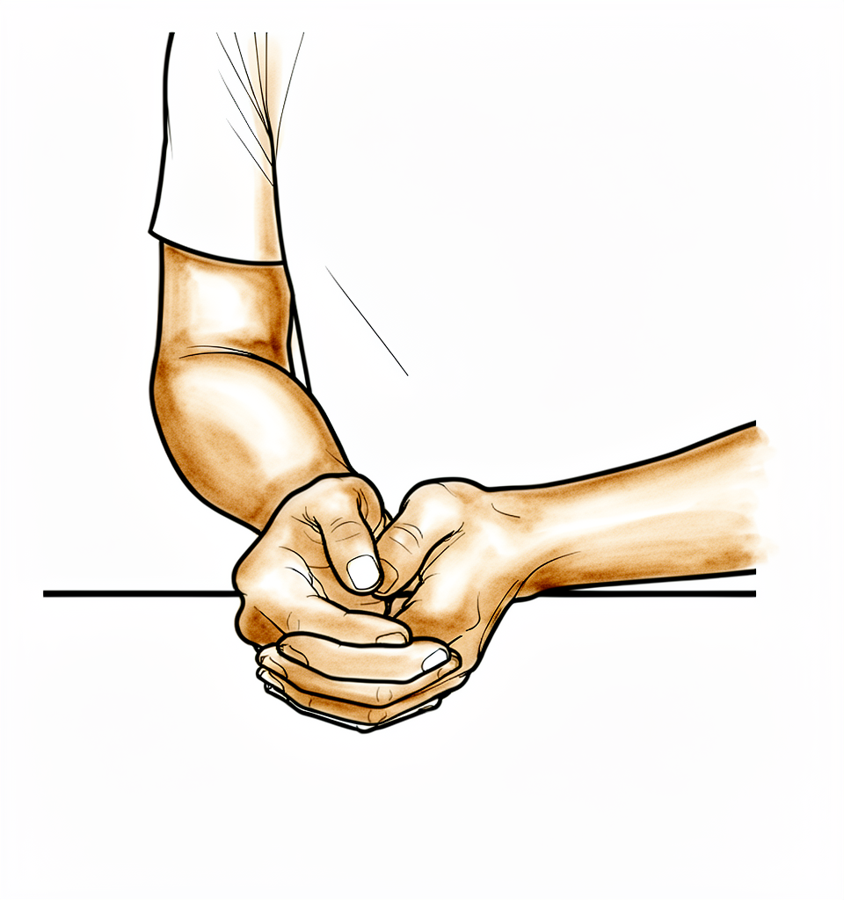
ਬੈਂਡ ਨਾਲ ਬਾਹਰ ਵੱਲ ਘੁਮਾਉਣਾ
ਕੂਹਣੀ ਨੂੰ ਆਪਣੇ ਪਾਸੇ ਨਾਲ ਲਾ ਕੇ ਅਤੇ ਸਮਕੋਣ ਤੱਕ ਮੋੜ ਕੇ ਖੜ੍ਹੇ ਹੋਵੋ, ਇੱਕ ਪਾਸੇ ਬੰਨ੍ਹਿਆ ਲਚਕੀਲਾ ਬੈਂਡ ਫੜ ਕੇ। ਕੂਹਣੀ ਨੂੰ ਪਾਸੇ ਨਾਲ ਰੱਖਦੇ ਹੋਏ, ਬੈਂਡ ਦੇ ਵਿਰੁੱਧ ਬਾਂਹ ਦੇ ਹੇਠਲੇ ਹਿੱਸੇ ਨੂੰ ਬਾਹਰ ਵੱਲ ਘੁਮਾਓ, ਫਿਰ ਹੌਲੀ-ਹੌਲੀ ਵਾਪਸ ਲਿਆਓ। ਜਦੋਂ ਤੁਹਾਡੀ ਹਿਲਜੁਲ ਲਗਭਗ ਪੂਰੀ ਹੋ ਜਾਵੇ ਤਾਂ ਸ਼ੁਰੂ ਕਰੋ — ਹਲਕੇ ਵਿਰੋਧ ਨਾਲ ਜ਼ਿਆਦਾ ਦੁਹਰਾਓ ਕਰੋ।
ਜ਼ਿਆਦਾ ਦੁਹਰਾਓ, ਘੱਟ ਭਾਰ; ਜਿਵੇਂ ਤੁਹਾਡਾ ਫਿਜ਼ੀਓਥੈਰੇਪਿਸਟ ਦੱਸੇ
Kieran Hirpara 4.0
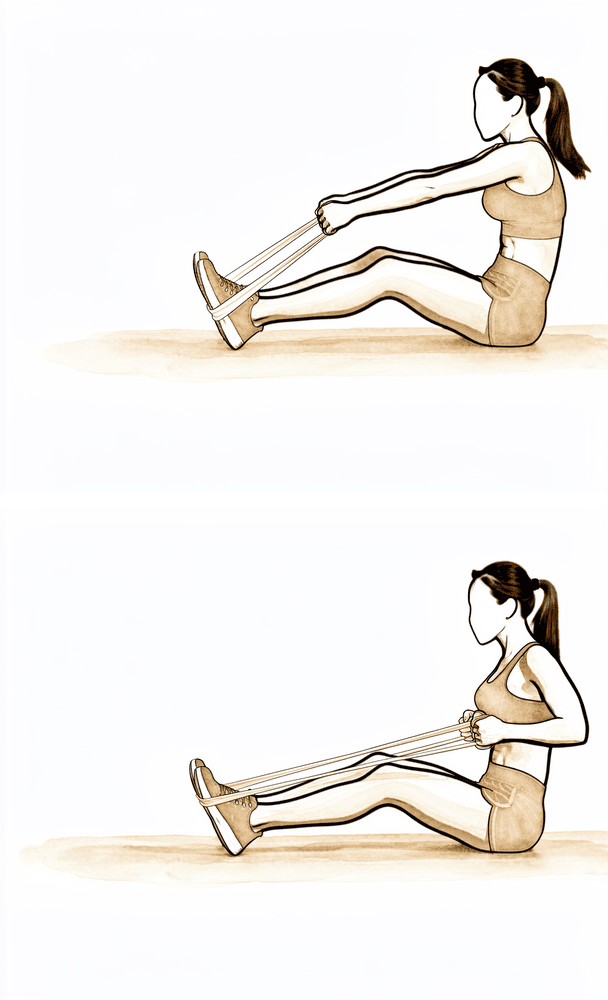
ਨੀਵੀਂ ਰੋਅ (low row)
ਆਪਣੇ ਸਾਹਮਣੇ ਲਗਭਗ ਕਮਰ ਦੀ ਉਚਾਈ ਉੱਤੇ ਬੰਨ੍ਹਿਆ ਬੈਂਡ ਫੜੋ। ਬਾਂਹ ਨੂੰ ਕਾਫ਼ੀ ਸਿੱਧਾ ਰੱਖਦੇ ਹੋਏ, ਉਸ ਨੂੰ ਪਿੱਛੇ ਅਤੇ ਹੇਠਾਂ ਆਪਣੇ ਚੂਲੇ (ਕੂਲ੍ਹੇ) ਵੱਲ ਖਿੱਚੋ, ਸਕੈਪੂਲਾ ਨੂੰ ਹੇਠਾਂ ਅਤੇ ਪਿੱਛੇ ਕੱਸਦੇ ਹੋਏ, ਫਿਰ ਹੌਲੀ-ਹੌਲੀ ਵਾਪਸ ਲਿਆਓ। ਇਹ ਸਕੈਪੂਲਾ ਦੀਆਂ ਉਹ ਮਾਸਪੇਸ਼ੀਆਂ ਬਣਾਉਂਦੀ ਹੈ ਜੋ ਤੁਹਾਡੀ ਤਾਕਤ ਵਾਪਸ ਆਉਣ ਦੇ ਨਾਲ ਮੋਢੇ ਨੂੰ ਟਿਕਾ ਕੇ ਰੱਖਦੀਆਂ ਹਨ।
ਜ਼ਿਆਦਾ ਦੁਹਰਾਓ, ਘੱਟ ਭਾਰ; ਜਿਵੇਂ ਤੁਹਾਡਾ ਫਿਜ਼ੀਓਥੈਰੇਪਿਸਟ ਦੱਸੇ
Kieran Hirpara 4.0
90/90 ਉੱਤੇ ਬਾਹਰ ਵੱਲ ਘੁਮਾਉਣਾ (ਲੇਟ ਕੇ)
ਪਿੱਠ ਦੇ ਭਾਰ ਲੇਟੋ, ਬਾਂਹ ਮੋਢੇ ਦੀ ਉਚਾਈ ਉੱਤੇ ਪਾਸੇ ਵੱਲ ਅਤੇ ਕੂਹਣੀ ਸਮਕੋਣ ਤੱਕ ਮੁੜੀ ਹੋਈ, ਸਿਰਹਾਣੇ ਉੱਤੇ ਟਿਕੀ ਹੋਈ। ਬਾਂਹ ਦੇ ਹੇਠਲੇ ਹਿੱਸੇ ਨੂੰ ਹੌਲੀ-ਹੌਲੀ ਸਿਰ ਵੱਲ ਪਿੱਛੇ ਘੁਮਾਓ ਜਿੰਨਾ ਆਰਾਮ ਨਾਲ ਜਾਵੇ, ਫਿਰ ਕੰਟਰੋਲ ਨਾਲ ਵਾਪਸ ਲਿਆਓ। ਇਹ ਉੱਠੀ ਹੋਈ ਸਥਿਤੀ ਵਿੱਚ ਘੁਮਾਉਣ ਦੀ ਹਿਲਜੁਲ ਮੁੜ ਲਿਆਉਂਦੀ ਹੈ।
10 ਵਾਰ, ਜਿਵੇਂ ਤੁਹਾਡਾ ਫਿਜ਼ੀਓਥੈਰੇਪਿਸਟ ਦੱਸੇ
Kieran Hirpara 4.0
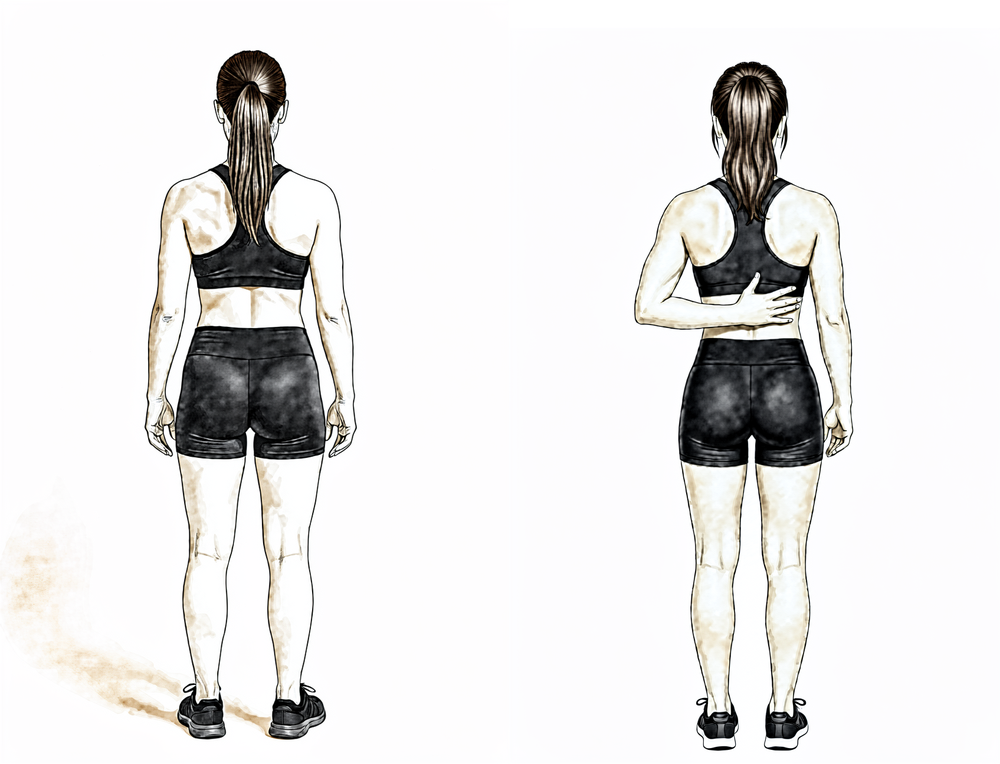
ਪਿੱਠ ਪਿੱਛੇ ਹੱਥ ਲਿਜਾਣਾ
ਖੜ੍ਹੇ ਹੋ ਕੇ, ਓਪਰੇਸ਼ਨ ਵਾਲੇ ਹੱਥ ਦਾ ਪੁੱਠਾ ਪਾਸਾ ਆਪਣੀ ਕਮਰ ਉੱਤੇ ਰੱਖੋ ਅਤੇ ਆਪਣੀਆਂ ਮਾਸਪੇਸ਼ੀਆਂ ਨਾਲ ਉਸ ਨੂੰ ਹੌਲੀ ਜਿਹੇ ਰੀੜ੍ਹ ਦੀ ਹੱਡੀ ਉੱਤੇ ਜਿੰਨਾ ਆਰਾਮ ਨਾਲ ਜਾਵੇ ਉੱਪਰ ਖਿਸਕਾਓ, ਫਿਰ ਹੇਠਾਂ ਲਿਆਓ। ਸਿਰਫ਼ ਆਰਾਮਦਾਇਕ ਹੱਦ ਵਿੱਚ ਹਿਲਾਓ ਅਤੇ ਕਦੇ ਵੀ ਜ਼ੋਰ ਨਾ ਲਾਓ।
ਜਿਵੇਂ ਤੁਹਾਡਾ ਫਿਜ਼ੀਓਥੈਰੇਪਿਸਟ ਦੱਸੇ
ਸਲਿੰਗ ਉੱਤਰਨ ਤੋਂ ਬਾਅਦ, ਇਹ ਪੜਾਅ ਮੋਢੇ ਨੂੰ ਹਰ ਦਿਸ਼ਾ ਵਿੱਚ ਪੂਰੀ ਹਿਲਜੁਲ ਵੱਲ ਲਿਜਾਂਦਾ ਹੈ: ਪਹਿਲਾਂ ਮਦਦ ਨਾਲ ਹਿਲਜੁਲ, ਫਿਰ ਬਾਂਹ ਦੇ ਆਪਣੇ ਜ਼ੋਰ ਨਾਲ। ਜਦੋਂ ਤੁਹਾਡੀ ਹਿਲਜੁਲ ਲਗਭਗ ਪੂਰੀ ਹੋ ਜਾਵੇ, ਤਾਂ ਰੋਟੇਟਰ ਕਫ਼ ਅਤੇ ਸਕੈਪੂਲਾ ਦੀਆਂ ਮਾਸਪੇਸ਼ੀਆਂ ਨੂੰ ਲਚਕੀਲੇ ਬੈਂਡਾਂ ਅਤੇ ਹਲਕੇ ਭਾਰਾਂ ਨਾਲ ਹੌਲੀ-ਹੌਲੀ ਮਜ਼ਬੂਤ ਕਰਨਾ ਸ਼ੁਰੂ ਹੁੰਦਾ ਹੈ। ਰੋਜ਼ਾਨਾ ਦੇ ਕੰਮਾਂ ਲਈ ਬਾਂਹ ਨੂੰ ਆਮ ਵਾਂਗ ਵਰਤੋ, ਪਰ ਚੁੱਕਣਾ ਥੋੜ੍ਹਾ ਰੱਖੋ (ਲਗਭਗ 5 ਕਿਲੋ ਤੋਂ ਵੱਧ ਨਹੀਂ) ਅਤੇ ਅਜਿਹਾ ਕੁਝ ਵੀ ਹਾਲੇ ਨਾ ਕਰੋ ਜੋ ਬਾਂਹ ਨਾਲ ਜ਼ੋਰ ਨਾਲ ਦਬਾਉਂਦਾ ਹੋਵੇ ਜਾਂ ਬਾਂਹ ਉੱਤੇ ਜ਼ੋਰ ਨਾਲ ਭਾਰ ਪਾਉਂਦਾ ਹੋਵੇ। ਇਸ ਪੜਾਅ ਦੌਰਾਨ, ਜਿੰਨਾ ਆਰਾਮ ਇਜਾਜ਼ਤ ਦੇਵੇ, ਸਰੀਰ ਦੇ ਪਾਰ ਹੱਥ ਲਿਜਾਣਾ ਹੌਲੀ-ਹੌਲੀ ਮੁੜ ਸ਼ੁਰੂ ਕੀਤਾ ਜਾਂਦਾ ਹੈ; ਉਸ ਹਿਲਜੁਲ ਦੇ ਅਖ਼ੀਰ ਵਿੱਚ ਕੁਝ ਦਬਣ ਵਰਗਾ ਅਹਿਸਾਸ (pinching) ਆਮ ਹੈ ਅਤੇ ਸਮੇਂ ਨਾਲ ਸ਼ਾਂਤ ਹੋ ਜਾਂਦਾ ਹੈ। ਬਹੁਤ ਸਾਰੇ ਲੋਕਾਂ ਨੂੰ ਖਿੱਚਣ ਵਾਲੀਆਂ ਕਸਰਤਾਂ ਤੋਂ ਪਹਿਲਾਂ ਗਰਮ ਸੇਕ ਅਤੇ ਬਾਅਦ ਵਿੱਚ ਬਰਫ਼ ਲਾਭਦਾਇਕ ਲੱਗਦੀ ਹੈ, ਅਤੇ ਸਰੀਰ ਦੇ ਹੇਠਲੇ ਹਿੱਸੇ ਦੀ ਹਲਕੀ ਕਸਰਤ, ਜਿਵੇਂ ਤੁਰਨਾ, ਕਸਰਤ ਵਾਲਾ ਸਾਈਕਲ ਜਾਂ ਹੌਲੀ ਦੌੜ, ਆਮ ਤੌਰ 'ਤੇ ਲਗਭਗ ਚੌਥੇ ਹਫ਼ਤੇ ਤੋਂ ਮੁੜ ਸ਼ੁਰੂ ਹੁੰਦੀ ਹੈ।
ਤੁਹਾਡੇ ਫਿਜ਼ੀਓਥੈਰੇਪਿਸਟ ਲਈ:
ਟੀਚੇ
- ਪੜਾਅ ਦੇ ਅੰਤ ਤੱਕ ਹਰ ਦਿਸ਼ਾ ਵਿੱਚ ਪੂਰੀ, ਜਾਂ ਲਗਭਗ ਪੂਰੀ, ਐਕਟਿਵ ਹਿਲਜੁਲ ਦੀ ਹੱਦ
- ਸਕੈਪੂਲਾ ਅਤੇ ਡੌਲੇ ਦੀ ਹੱਡੀ ਦੀ ਹਿਲਜੁਲ (scapulohumeral kinematics) ਨੂੰ ਆਮ ਵਰਗਾ ਕਰਨਾ
- ਐਕਟਿਵ ਹੱਦ ਲਗਭਗ ਪੂਰੀ ਹੋਣ ਉੱਤੇ ਰੋਟੇਟਰ ਕਫ਼ ਅਤੇ ਸਕੈਪੂਲਾ ਦੇ ਆਲੇ-ਦੁਆਲੇ ਦੀਆਂ ਮਾਸਪੇਸ਼ੀਆਂ ਨੂੰ ਮਜ਼ਬੂਤ ਕਰਨਾ ਸ਼ੁਰੂ ਕਰਨਾ
ਇਲਾਜ ਦਾ ਪ੍ਰਬੰਧ
- ਪੈਸਿਵ ਅਤੇ ਮਦਦ ਨਾਲ ਐਕਟਿਵ ਹਿਲਜੁਲ ਤੋਂ ਹਰ ਦਿਸ਼ਾ ਵਿੱਚ ਐਕਟਿਵ ਹਿਲਜੁਲ ਵੱਲ ਵਧਣਾ: ਅੱਗੇ ਵੱਲ ਅਤੇ ਸਕੈਪੂਲਾ ਦੀ ਸੇਧ ਵਿੱਚ (scapular plane) ਉੱਪਰ ਚੁੱਕਣਾ ਪੂਰੀ ਹੱਦ ਵੱਲ, ਜਿੰਨਾ ਸਹਿ ਹੋਵੇ ਬਾਂਹ ਪਾਸੇ ਨਾਲ ਰੱਖ ਕੇ ਅਤੇ 90° ਪਾਸੇ ਵੱਲ ਚੁੱਕ ਕੇ (abduction) ਬਾਹਰ ਵੱਲ ਘੁਮਾਉਣਾ, ਪਿੱਠ ਪਿੱਛੇ ਅੰਦਰ ਵੱਲ ਘੁਮਾਉਣਾ ਨਾਲ ਹੀ ਜੋੜ ਦੀ ਪਿਛਲੀ ਕੈਪਸੂਲ (ਝਿੱਲੀ) ਦੀ ਹਲਕੀ ਖਿਚਾਈ
- ਲੱਛਣਾਂ ਦੀ ਸੇਧ ਮੁਤਾਬਕ, ਸਰੀਰ ਦੇ ਪਾਰ ਬਾਂਹ ਲਿਜਾਣ ਦੀ ਹੱਦ ਹੌਲੀ-ਹੌਲੀ ਮੁੜ ਸ਼ੁਰੂ ਕਰਨਾ
- ਲੋੜ ਅਨੁਸਾਰ ਹੱਥਾਂ ਨਾਲ ਇਲਾਜ (manual therapy) ਅਤੇ ਮੋਢੇ ਦੇ ਮੁੱਖ ਜੋੜ (glenohumeral joint) ਦੀ ਮੋਬਿਲਾਈਜ਼ੇਸ਼ਨ
- ਐਕਟਿਵ ਹਿਲਜੁਲ ਲਗਭਗ ਪੂਰੀ ਹੋਣ ਉੱਤੇ ਆਈਸੋਮੈਟ੍ਰਿਕ ਕਸਰਤਾਂ ਤੋਂ ਲਚਕੀਲੇ ਬੈਂਡ ਨਾਲ ਰੋਟੇਟਰ ਕਫ਼ ਅਤੇ ਸਕੈਪੂਲਾ ਨੂੰ ਟਿਕਾਉਣ ਵਾਲੀਆਂ ਮਾਸਪੇਸ਼ੀਆਂ ਦੀ ਮਜ਼ਬੂਤੀ ਵੱਲ ਵਧਣਾ: ਜ਼ਿਆਦਾ ਦੁਹਰਾਓ, ਘੱਟ ਭਾਰ
- ਪਸੰਦ ਅਨੁਸਾਰ ਸੈਸ਼ਨ ਤੋਂ ਪਹਿਲਾਂ ਗਰਮ ਸੇਕ ਅਤੇ ਬਾਅਦ ਵਿੱਚ ਬਰਫ਼; ਕਸਰਤਾਂ ਤੋਂ ਪਹਿਲਾਂ ਦਰਦ ਨਿਵਾਰਕ ਦਵਾਈ
- ਆਮ ਰੋਜ਼ਾਨਾ ਸਰਗਰਮੀਆਂ ਵੱਲ ਦਰਜੇਵਾਰ ਵਾਪਸੀ; ਲਗਭਗ ਹਫ਼ਤਾ 4 ਤੋਂ ਸਰੀਰ ਦੇ ਹੇਠਲੇ ਹਿੱਸੇ ਦੀ ਹਲਕੀ ਕਸਰਤ (ਤੁਰਨਾ, ਇੱਕ ਥਾਂ ਟਿਕਿਆ ਕਸਰਤ ਵਾਲਾ ਸਾਈਕਲ, ਹੌਲੀ ਦੌੜ)
ਸਾਵਧਾਨੀਆਂ
- ਚੁੱਕਣਾ ਹਲਕਾ ਰੱਖੋ: ਓਪਰੇਸ਼ਨ ਵਾਲੇ ਪਾਸੇ ਲਗਭਗ 5 ਕਿਲੋ ਜਾਂ ਉਸ ਤੋਂ ਘੱਟ
- ਭਾਰ ਨਾਲ ਸਰੀਰ ਦੇ ਪਾਰ ਬਾਂਹ ਨੂੰ ਹੱਦ ਦੇ ਅਖ਼ੀਰ ਤੱਕ ਲਿਜਾਣ ਤੋਂ, ਅਤੇ ਇੰਪਿੰਜਮੈਂਟ (impingement, ਟੈਂਡਨ ਦਾ ਹੱਡੀ ਹੇਠਾਂ ਦੱਬਣਾ) ਵਾਲੀਆਂ ਸਥਿਤੀਆਂ ਤੋਂ ਬਚੋ
- ਦਬਾਉਣ ਵਾਲੀਆਂ ਕੋਈ ਕਸਰਤਾਂ ਨਹੀਂ: ਨਾ ਬੈਂਚ ਪ੍ਰੈੱਸ, ਨਾ ਡਿਪਸ, ਨਾ ਪੁਸ਼-ਅੱਪ
- ਜੇ ਮੋਢਾ ਚਿੜਿਆ ਹੋਇਆ (irritable) ਹੋਵੇ ਤਾਂ ਪਾਸੇ ਵੱਲ ਚੁੱਕਣ ਅਤੇ ਘੁਮਾਉਣ ਵਾਲੀ ਮਿਲਵੀਂ (90/90) ਖਿਚਾਈ ਨੂੰ ਅੱਗੇ ਪਾ ਦਿਓ
ਅਗਲੇ ਪੜਾਅ ਵਿੱਚ ਜਾਣ ਦੀਆਂ ਸ਼ਰਤਾਂ
- ਬਿਨਾਂ ਖ਼ਾਸ ਬੇਆਰਾਮੀ ਦੇ ਪੂਰੀ ਜਾਂ ਲਗਭਗ ਪੂਰੀ ਐਕਟਿਵ ਹਿਲਜੁਲ ਦੀ ਹੱਦ
- ਬੈਂਡ ਨਾਲ ਮਜ਼ਬੂਤੀ ਵਾਲੀਆਂ ਕਸਰਤਾਂ ਦਰਦ ਭੜਕਣ ਤੋਂ ਬਿਨਾਂ ਸਹਿ ਹੋ ਜਾਂਦੀਆਂ ਹਨ
ਪੜਾਅ III — ਤਾਕਤ ਵਧਾਉਣਾ ਅਤੇ ਸਰਗਰਮੀਆਂ ਵੱਲ ਵਾਪਸੀ (ਹਫ਼ਤਾ 6–12)
Kieran Hirpara 4.0
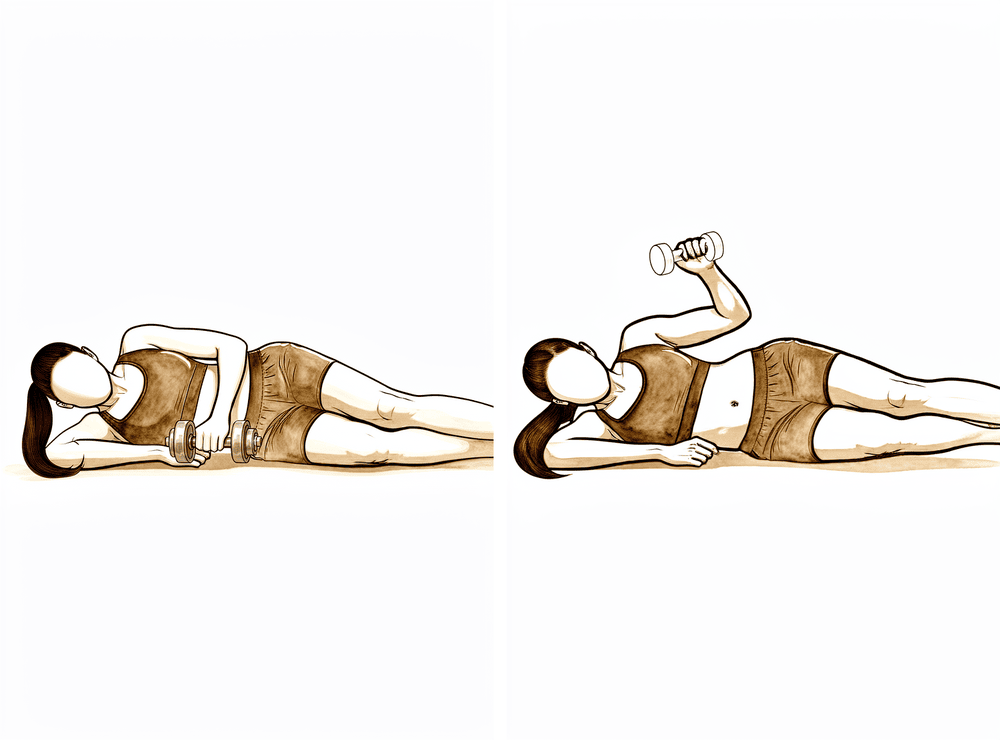
ਪਾਸੇ ਲੇਟ ਕੇ ਭਾਰ ਨਾਲ ਬਾਹਰ ਵੱਲ ਘੁਮਾਉਣਾ
ਜਿਸ ਪਾਸੇ ਓਪਰੇਸ਼ਨ ਨਹੀਂ ਹੋਇਆ, ਉਸ ਪਾਸੇ ਲੇਟੋ, ਉੱਪਰਲੀ ਕੂਹਣੀ ਸਮਕੋਣ ਤੱਕ ਮੁੜੀ ਹੋਈ ਅਤੇ ਸਰੀਰ ਨਾਲ ਲੱਗੀ ਹੋਈ। ਹਲਕਾ ਭਾਰ ਫੜ ਕੇ, ਬਾਂਹ ਦੇ ਹੇਠਲੇ ਹਿੱਸੇ ਨੂੰ ਛੱਤ ਵੱਲ ਉੱਪਰ ਘੁਮਾਓ, ਫਿਰ ਹੌਲੀ-ਹੌਲੀ ਹੇਠਾਂ ਲਿਆਓ। ਇਸ ਨਾਲ ਤੁਹਾਡੀ ਰੋਟੇਟਰ ਕਫ਼ ਦੀ ਮਜ਼ਬੂਤੀ ਬੈਂਡਾਂ ਤੋਂ ਡੰਬਲਾਂ ਵੱਲ ਵਧਦੀ ਹੈ।
8–15 ਦੁਹਰਾਓ ਦੇ 2–3 ਸੈੱਟ, ਘੱਟ ਭਾਰ
Kieran Hirpara 4.0
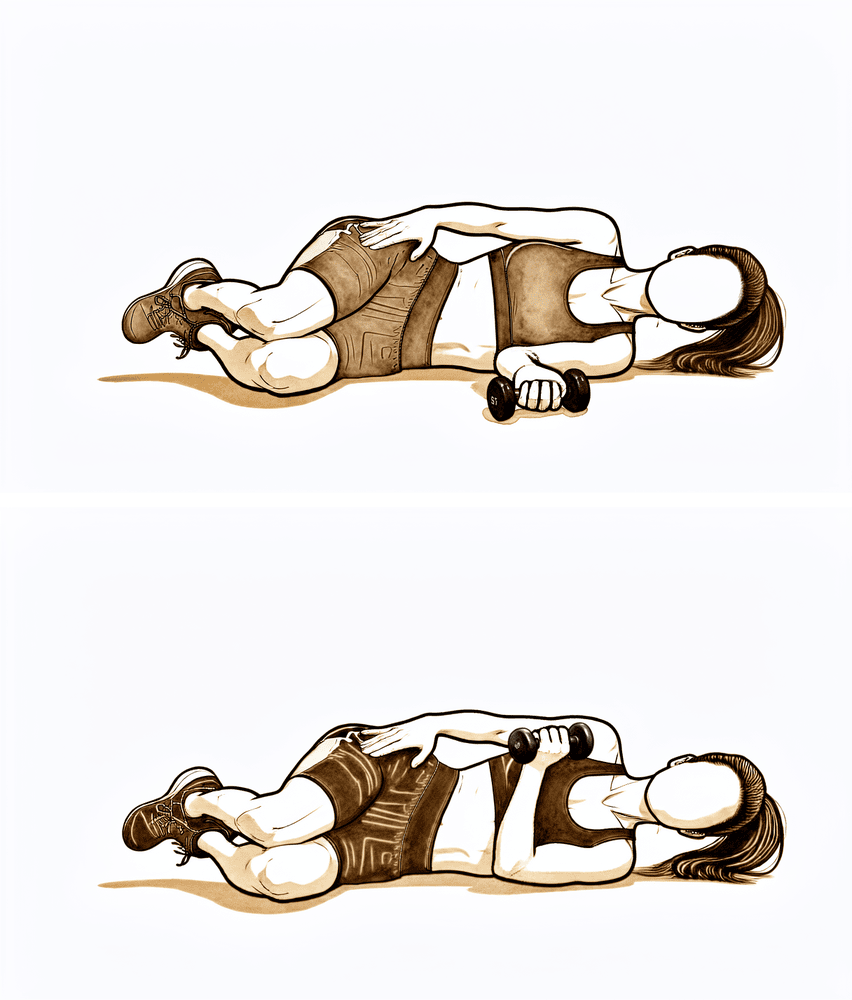
ਪਾਸੇ ਲੇਟ ਕੇ ਭਾਰ ਨਾਲ ਅੰਦਰ ਵੱਲ ਘੁਮਾਉਣਾ
ਓਪਰੇਸ਼ਨ ਵਾਲੇ ਪਾਸੇ ਲੇਟੋ, ਉਸ ਪਾਸੇ ਦੀ ਕੂਹਣੀ ਸਮਕੋਣ ਤੱਕ ਮੁੜੀ ਹੋਈ ਅਤੇ ਸਰੀਰ ਨਾਲ ਲੱਗੀ ਹੋਈ। ਹਲਕਾ ਭਾਰ ਫੜ ਕੇ, ਬਾਂਹ ਦੇ ਹੇਠਲੇ ਹਿੱਸੇ ਨੂੰ ਆਪਣੇ ਸਰੀਰ ਵੱਲ ਉੱਪਰ ਚੁੱਕੋ, ਫਿਰ ਹੌਲੀ-ਹੌਲੀ ਹੇਠਾਂ ਲਿਆਓ। ਇਹ ਬਾਹਰ ਵੱਲ ਘੁਮਾਉਣ ਵਾਲੇ ਕੰਮ ਦੇ ਨਾਲ ਰੋਟੇਟਰ ਕਫ਼ ਦੀ ਮਜ਼ਬੂਤੀ ਨੂੰ ਸੰਤੁਲਿਤ ਕਰਦੀ ਹੈ।
8–15 ਦੁਹਰਾਓ ਦੇ 2–3 ਸੈੱਟ, ਘੱਟ ਭਾਰ
Kieran Hirpara 4.0
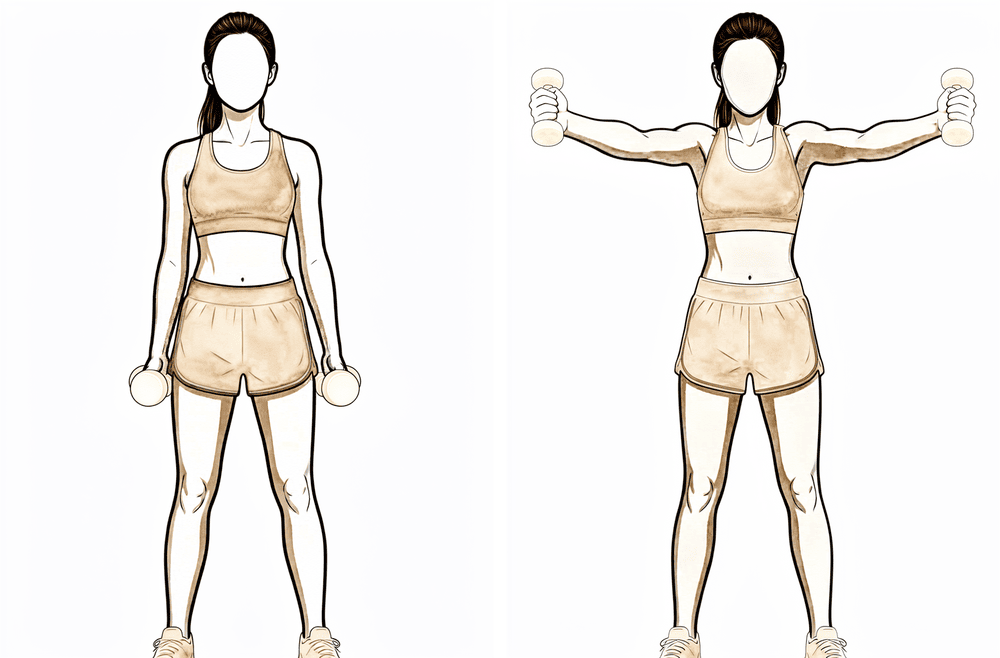
ਫੁੱਲ-ਕੈਨ ਸਕੈਪਸ਼ਨ (full-can scaption)
ਹਰ ਹੱਥ ਵਿੱਚ ਹਲਕਾ ਭਾਰ ਫੜ ਕੇ ਖੜ੍ਹੇ ਹੋਵੋ, ਬਾਹਾਂ ਥੋੜ੍ਹੀਆਂ ਸਾਹਮਣੇ ਵੱਲ ਲਗਭਗ 30 ਡਿਗਰੀ ਦੇ ਕੋਣ ਉੱਤੇ ਅਤੇ ਅੰਗੂਠੇ ਉੱਪਰ ਵੱਲ। ਬਾਹਾਂ ਨੂੰ ਮੋਢੇ ਦੀ ਉਚਾਈ ਤੱਕ ਚੁੱਕੋ, ਫਿਰ ਹੌਲੀ-ਹੌਲੀ ਹੇਠਾਂ ਲਿਆਓ। ਇਹ ਡੈਲਟੌਇਡ ਅਤੇ ਰੋਟੇਟਰ ਕਫ਼ ਨੂੰ ਆਰਾਮਦਾਇਕ ਵਿਚਕਾਰਲੀ ਹੱਦ ਵਿੱਚ ਇਕੱਠੇ ਮਜ਼ਬੂਤ ਕਰਦੀ ਹੈ।
8–15 ਦੁਹਰਾਓ ਦੇ 2–3 ਸੈੱਟ, ਘੱਟ ਭਾਰ
Kieran Hirpara 4.0
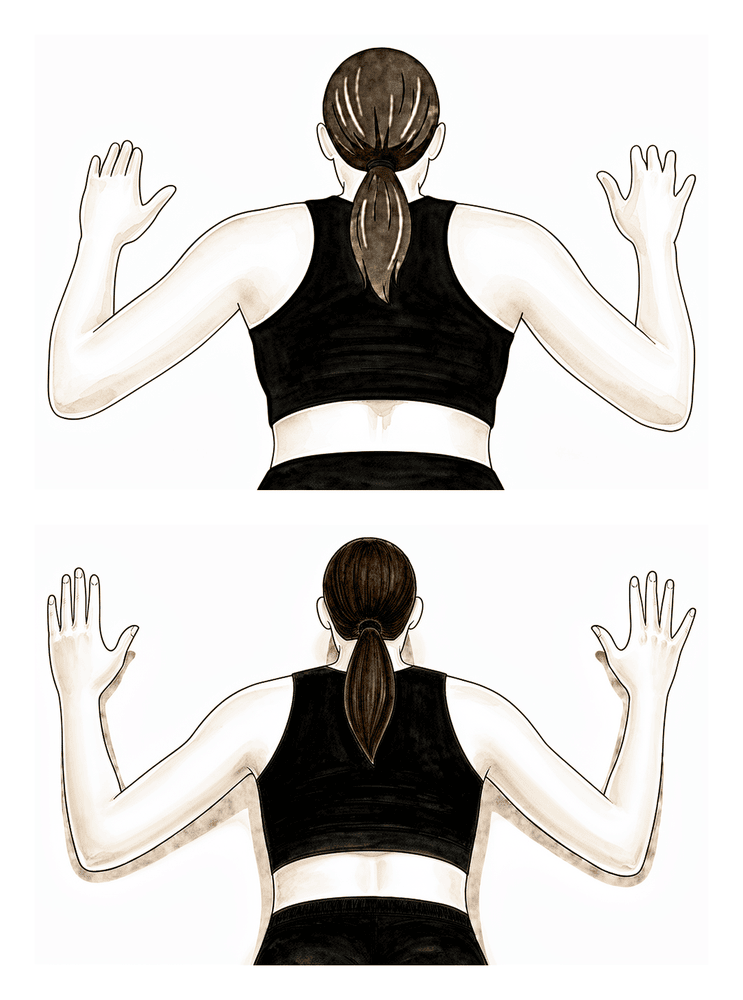
ਪੇਟ ਦੇ ਭਾਰ W
ਬਾਹਾਂ ਨੂੰ ਪਾਸਿਆਂ ਨਾਲ ਰੱਖ ਕੇ ਮੂੰਹ ਹੇਠਾਂ ਵੱਲ ਲੇਟੋ। ਆਪਣੀਆਂ ਕੂਹਣੀਆਂ ਨੂੰ ਪਿੱਛੇ ਅਤੇ ਹੇਠਾਂ ਆਪਣੇ ਚੂਲਿਆਂ ਵੱਲ ਖਿੱਚੋ, W ਦੀ ਸ਼ਕਲ ਬਣਾਉਂਦੇ ਹੋਏ, ਨਾਲ ਹੀ ਸਕੈਪੂਲਾ ਨੂੰ ਇੱਕ-ਦੂਜੇ ਵੱਲ ਕੱਸੋ, ਫਿਰ ਹੌਲੀ-ਹੌਲੀ ਹੇਠਾਂ ਲਿਆਓ। ਇਹ ਸਕੈਪੂਲਾ ਦੀਆਂ ਹੇਠਲੀਆਂ ਮਾਸਪੇਸ਼ੀਆਂ ਨੂੰ ਮਜ਼ਬੂਤ ਕਰਦੀ ਹੈ ਜੋ ਮੋਢੇ ਦੀ ਚੰਗੀ ਚਾਲ ਨੂੰ ਸਹਾਰਾ ਦਿੰਦੀਆਂ ਹਨ।
8–15 ਦੁਹਰਾਓ ਦੇ 2–3 ਸੈੱਟ
Kieran Hirpara 4.0
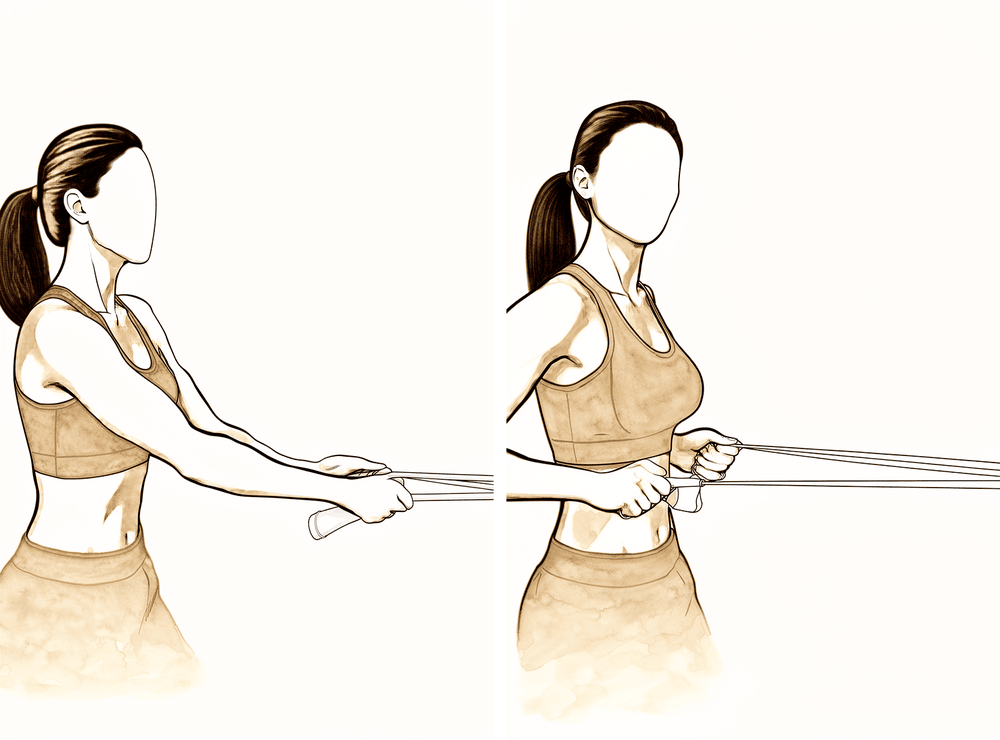
ਖੜ੍ਹੇ ਹੋ ਕੇ ਰੋਅ (row)
ਆਪਣੇ ਸਾਹਮਣੇ ਬੈਂਡ ਜਾਂ ਹਲਕਾ ਭਾਰ ਫੜੋ ਅਤੇ ਉਸ ਨੂੰ ਆਪਣੇ ਸਰੀਰ ਵੱਲ ਪਿੱਛੇ ਖਿੱਚੋ, ਕੂਹਣੀ ਨੂੰ ਆਪਣੇ ਪਿੱਛੇ ਲਿਜਾਂਦੇ ਹੋਏ ਅਤੇ ਸਕੈਪੂਲਾ ਨੂੰ ਅੰਦਰ ਕੱਸਦੇ ਹੋਏ, ਫਿਰ ਹੌਲੀ-ਹੌਲੀ ਵਾਪਸ ਲਿਆਓ। ਇਹ ਪਿੱਠ ਦੇ ਵਿਚਕਾਰਲੇ ਹਿੱਸੇ ਅਤੇ ਸਕੈਪੂਲਾ ਦੀ ਉਹ ਤਾਕਤ ਬਣਾਉਂਦੀ ਹੈ ਜੋ ਸਰਗਰਮੀਆਂ ਵੱਲ ਵਾਪਸ ਆਉਣ ਵੇਲੇ ਤੁਹਾਡੇ ਮੋਢੇ ਨੂੰ ਸਹਾਰਾ ਦਿੰਦੀ ਹੈ।
8–15 ਦੁਹਰਾਓ ਦੇ 2–3 ਸੈੱਟ
Kieran Hirpara 4.0
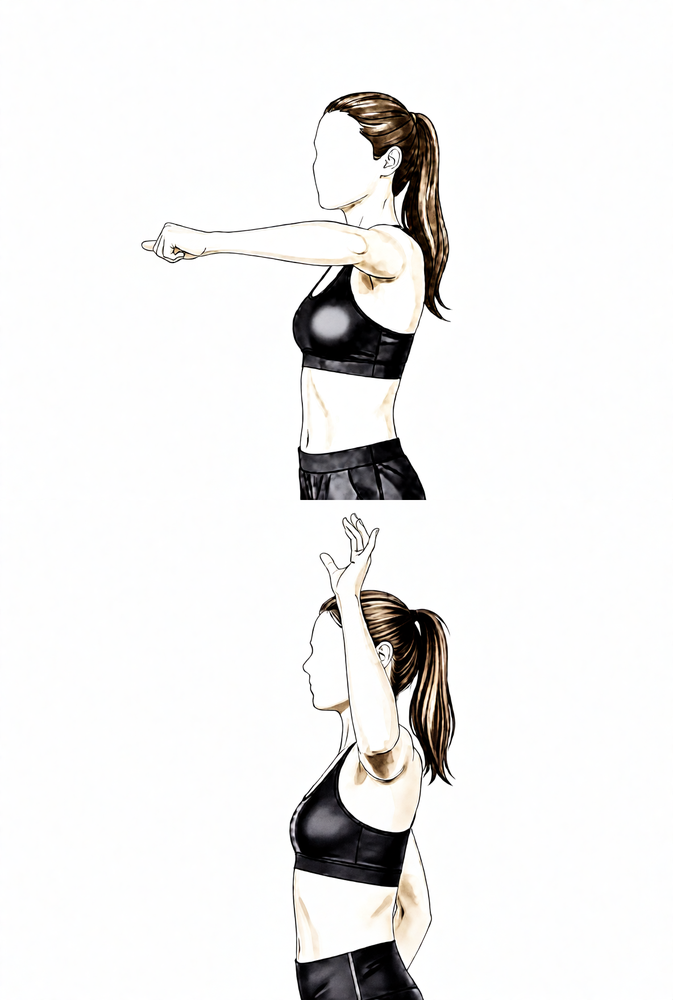
ਬਾਂਹ ਉੱਪਰ ਚੁੱਕ ਕੇ ਬਾਹਰ ਵੱਲ ਘੁਮਾਉਣਾ
ਆਪਣੀ ਬਾਂਹ ਨੂੰ ਮੋਢੇ ਦੀ ਉਚਾਈ ਉੱਤੇ ਪਾਸੇ ਵੱਲ ਰੱਖ ਕੇ ਅਤੇ ਕੂਹਣੀ ਨੂੰ 90° ਤੱਕ ਮੋੜ ਕੇ, ਬਾਂਹ ਦੇ ਹੇਠਲੇ ਹਿੱਸੇ ਨੂੰ ਉੱਪਰ ਅਤੇ ਪਿੱਛੇ ਵੱਲ ਘੁਮਾਓ, ਫਿਰ ਕੰਟਰੋਲ ਨਾਲ ਵਾਪਸ ਲਿਆਓ। ਹਿਲਜੁਲ ਨੂੰ ਸੁਚੱਜਾ ਅਤੇ ਆਰਾਮਦਾਇਕ ਹੱਦ ਵਿੱਚ ਰੱਖੋ। ਇਹ ਉੱਠੀ ਹੋਈ ਸਥਿਤੀ ਵਿੱਚ ਬਾਹਰ ਵੱਲ ਘੁਮਾਉਣ ਦੀ ਸਿਖਲਾਈ ਦਿੰਦੀ ਹੈ।
ਜਿਵੇਂ ਤੁਹਾਡਾ ਫਿਜ਼ੀਓਥੈਰੇਪਿਸਟ ਦੱਸੇ — ਹਲਕਾ ਅਤੇ ਕੰਟਰੋਲ ਨਾਲ
ਪੂਰੀ ਹਿਲਜੁਲ ਵਾਪਸ ਆਉਣ ਉੱਤੇ, ਧਿਆਨ ਤਾਕਤ ਮੁੜ ਬਣਾਉਣ ਅਤੇ ਤੁਹਾਨੂੰ ਤੁਹਾਡੇ ਕੰਮਾਂ ਵੱਲ ਵਾਪਸ ਲਿਜਾਣ ਵੱਲ ਜਾਂਦਾ ਹੈ। ਰੋਟੇਟਰ ਕਫ਼, ਡੈਲਟੌਇਡ (deltoid, ਮੋਢੇ ਦੀ ਉੱਪਰਲੀ ਗੋਲ ਮਾਸਪੇਸ਼ੀ) ਅਤੇ ਸਕੈਪੂਲਾ ਦੀਆਂ ਮਾਸਪੇਸ਼ੀਆਂ ਲਈ ਵਿਰੋਧ ਵਾਲੀ ਕਸਰਤ ਬੈਂਡਾਂ ਤੋਂ ਡੰਬਲਾਂ ਵੱਲ ਵਧਦੀ ਹੈ, ਅਤੇ ਕਸਰਤ ਜ਼ਿਆਦਾ ਕੰਮਕਾਜੀ ਬਣ ਜਾਂਦੀ ਹੈ: ਜਿਮ ਦਾ ਕੰਮ, ਤੈਰਾਕੀ, ਗੇਂਦ ਸੁੱਟਣ ਵਾਲਿਆਂ ਲਈ ਦਰਜੇਵਾਰ ਸੁੱਟਣ ਦਾ ਪ੍ਰੋਗਰਾਮ, ਅਤੇ ਕੰਮ ਦੀਆਂ ਜ਼ਿੰਮੇਵਾਰੀਆਂ ਅਤੇ ਖੇਡ ਵੱਲ ਪੜਾਅਵਾਰ ਵਾਪਸੀ। ਜ਼ਿਆਦਾਤਰ ਲੋਕ ਇਸ ਪੜਾਅ ਦੌਰਾਨ, ਲਗਭਗ ਅੱਠ ਤੋਂ ਬਾਰਾਂ ਹਫ਼ਤਿਆਂ ਦੇ ਵਿਚਕਾਰ, ਖੇਡ ਅਤੇ ਭਾਰੀ ਕੰਮ ਵਿੱਚ ਵਾਪਸ ਆ ਜਾਂਦੇ ਹਨ, ਕੈਲੰਡਰ ਦੀ ਥਾਂ ਆਰਾਮ ਅਤੇ ਤਾਕਤ ਦੀ ਸੇਧ ਨਾਲ। AC ਜੋੜ ਉੱਤੇ ਸਭ ਤੋਂ ਵੱਧ ਭਾਰ ਪਾਉਣ ਵਾਲੀਆਂ ਦਬਾਉਣ ਵਾਲੀਆਂ ਕਸਰਤਾਂ (ਬੈਂਚ ਪ੍ਰੈੱਸ, ਡਿਪਸ ਅਤੇ ਪੁਸ਼-ਅੱਪ) ਸਭ ਤੋਂ ਅਖ਼ੀਰ ਵਿੱਚ ਮੁੜ ਸ਼ੁਰੂ ਕੀਤੀਆਂ ਜਾਂਦੀਆਂ ਹਨ, ਹਲਕੇ ਭਾਰ ਅਤੇ ਘੱਟ ਡੂੰਘਾਈ ਨਾਲ।
ਤੁਹਾਡੇ ਫਿਜ਼ੀਓਥੈਰੇਪਿਸਟ ਲਈ:
ਟੀਚੇ
- ਮੋਢੇ ਦੇ ਢਾਂਚੇ (shoulder girdle) ਦੀ ਤਾਕਤ, ਸਹਿਣਸ਼ਕਤੀ ਅਤੇ ਨਸਾਂ-ਮਾਸਪੇਸ਼ੀਆਂ ਦਾ ਕੰਟਰੋਲ (neuromuscular control) ਮੁੜ ਹਾਸਲ ਕਰਨਾ
- ਕੰਮ ਦੀਆਂ ਜ਼ਿੰਮੇਵਾਰੀਆਂ, ਮਨੋਰੰਜਕ ਸਰਗਰਮੀਆਂ ਅਤੇ ਖੇਡ ਮੁਤਾਬਕ ਸਿਖਲਾਈ ਵੱਲ ਦਰਜੇਵਾਰ ਵਾਪਸੀ
ਇਲਾਜ ਦਾ ਪ੍ਰਬੰਧ
- ਰੋਟੇਟਰ ਕਫ਼, ਡੈਲਟੌਇਡ ਅਤੇ ਸਕੈਪੂਲਾ ਨੂੰ ਟਿਕਾਉਣ ਵਾਲੀਆਂ ਮਾਸਪੇਸ਼ੀਆਂ ਲਈ ਵਧਦਾ ਵਿਰੋਧ: ਬੈਂਡਾਂ ਤੋਂ ਹਲਕੇ ਡੰਬਲਾਂ ਤੱਕ, ਆਮ ਤੌਰ 'ਤੇ 8–15 ਦੁਹਰਾਓ ਦੇ 2–3 ਸੈੱਟ
- ਐਕਸੈਂਟ੍ਰਿਕ (eccentric, ਮਾਸਪੇਸ਼ੀ ਦੇ ਲੰਮੇ ਹੁੰਦੇ ਹੋਏ ਕੰਟਰੋਲ ਵਾਲਾ) ਕੰਮ, ਕਲੋਜ਼ਡ-ਚੇਨ (closed-chain, ਹੱਥ ਕਿਸੇ ਸਤ੍ਹਾ ਉੱਤੇ ਟਿਕਾ ਕੇ) ਕਸਰਤ, ਅਤੇ ਪੜਾਅ ਦੇ ਅਖ਼ੀਰ ਵਿੱਚ, ਜਿੱਥੇ ਮਰੀਜ਼ ਦੀ ਖੇਡ ਲਈ ਢੁਕਵਾਂ ਹੋਵੇ, ਪਲਾਇਓਮੈਟ੍ਰਿਕ (plyometric, ਤੇਜ਼ ਝਟਕੇ ਵਾਲੀਆਂ) ਡ੍ਰਿਲਾਂ ਜੋੜਨਾ
- ਕੰਮਕਾਜੀ ਅਤੇ ਖੇਡ ਮੁਤਾਬਕ ਸਿਖਲਾਈ: ਤੈਰਾਕੀ, ਗੇਂਦ ਸੁੱਟਣ ਵਾਲਿਆਂ ਲਈ ਅੰਤਰਾਲ ਵਾਲਾ ਸੁੱਟਣ ਦਾ ਪ੍ਰੋਗਰਾਮ, ਕੰਟਰੋਲ ਹਾਲਤਾਂ ਵਿੱਚ ਖੇਡ ਡ੍ਰਿਲਾਂ
- ਸ਼ਰਤਾਂ ਉੱਤੇ ਆਧਾਰਿਤ, ਪੂਰੀਆਂ ਕੰਮ ਦੀਆਂ ਜ਼ਿੰਮੇਵਾਰੀਆਂ ਅਤੇ ਖੇਡ ਵੱਲ ਦਰਜੇਵਾਰ ਵਾਪਸੀ
ਸਾਵਧਾਨੀਆਂ
- AC ਜੋੜ ਉੱਤੇ ਭਾਰ ਪਾਉਣ ਵਾਲੀਆਂ ਦਬਾਉਣ ਵਾਲੀਆਂ ਕਸਰਤਾਂ (ਬੈਂਚ ਪ੍ਰੈੱਸ, ਡਿਪਸ, ਪੁਸ਼-ਅੱਪ) ਸਭ ਤੋਂ ਅਖ਼ੀਰ ਵਿੱਚ ਮੁੜ ਸ਼ੁਰੂ ਕਰੋ: ਹਲਕੇ ਭਾਰ ਅਤੇ ਘਟਾਈ ਹੱਦ ਨਾਲ ਸ਼ੁਰੂ ਕਰੋ, ਅਤੇ ਕੂਹਣੀਆਂ ਨੂੰ ਸਰੀਰ ਦੀ ਸੇਧ ਤੋਂ ਹੇਠਾਂ ਜਾਂ ਪਿੱਛੇ ਜਾਣ ਤੋਂ ਰੋਕੋ
- ਅੱਗੇ ਵਧਣਾ ਲੱਛਣਾਂ ਦੀ ਸੇਧ ਨਾਲ ਹੀ ਰਹਿੰਦਾ ਹੈ: ਚਿੜਿਆ ਹੋਇਆ AC ਜੋੜ ਭਾਰ ਵਿੱਚ ਥੋੜ੍ਹਾ ਪਿੱਛੇ ਹਟਣ ਨਾਲ ਸ਼ਾਂਤ ਹੁੰਦਾ ਹੈ, ਦਰਦ ਦੇ ਬਾਵਜੂਦ ਜ਼ੋਰ ਲਾਉਣ ਨਾਲ ਨਹੀਂ
ਅਗਲੇ ਪੜਾਅ ਵਿੱਚ ਜਾਣ ਦੀਆਂ ਸ਼ਰਤਾਂ
- ਪੂਰੀ, ਦਰਦ-ਰਹਿਤ ਕੰਮਕਾਜੀ ਹਿਲਜੁਲ ਦੀ ਹੱਦ
- ਭਾਰ ਪਾਉਣ ਉੱਤੇ ਓਪਰੇਸ਼ਨ ਵਾਲੀ ਥਾਂ ਉੱਤੇ ਕੋਈ ਦਰਦ ਜਾਂ ਛੂਹਣ ਉੱਤੇ ਦੁਖਣਾ ਨਹੀਂ
- ਜਾਂਚ ਵਿੱਚ ਤਾਕਤ ਦੂਜੇ ਪਾਸੇ ਦੇ ਨੇੜੇ ਪਹੁੰਚ ਰਹੀ ਹੈ
ਪੜਾਅ IV — ਪੂਰੀਆਂ ਸਰਗਰਮੀਆਂ ਵੱਲ ਵਾਪਸੀ (ਹਫ਼ਤਾ 12 ਤੋਂ ਅੱਗੇ)
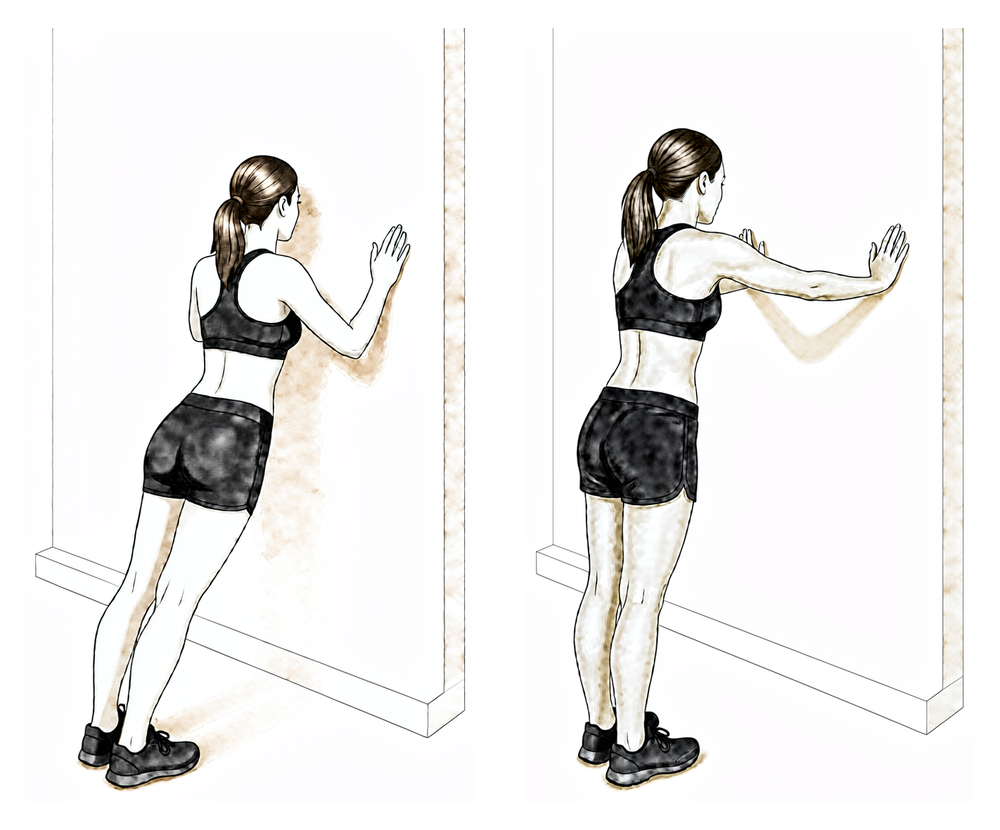
Kieran Hirpara 4.0
ਪੁਸ਼-ਅੱਪ ਪਲੱਸ
ਇਹ ਦਬਾਉਣ ਵਾਲੀਆਂ ਕਸਰਤਾਂ ਵੱਲ ਪੜਾਅਵਾਰ ਵਾਪਸੀ ਦਾ ਹਿੱਸਾ ਹੈ, ਇਸ ਲਈ ਇਹ ਸਭ ਤੋਂ ਅਖ਼ੀਰ ਵਿੱਚ ਆਉਂਦੀ ਹੈ। ਕੰਧ ਦੇ ਸਹਾਰੇ ਜਾਂ ਗੋਡਿਆਂ ਦੇ ਭਾਰ ਘੱਟ ਡੂੰਘਾਈ ਨਾਲ ਸ਼ੁਰੂ ਕਰੋ, ਕੂਹਣੀਆਂ ਨੂੰ ਆਪਣੇ ਸਰੀਰ ਦੀ ਸੇਧ ਤੋਂ ਪਿੱਛੇ ਨਾ ਜਾਣ ਦਿਓ। ਹਰ ਪੁਸ਼-ਅੱਪ ਦੇ ਸਿਖਰ ਉੱਤੇ, ਪਿੱਠ ਦੇ ਉੱਪਰਲੇ ਹਿੱਸੇ ਨੂੰ ਗੋਲ ਕਰਨ ਲਈ ਥੋੜ੍ਹਾ ਹੋਰ ਦਬਾਓ, ਫਿਰ ਕੰਟਰੋਲ ਨਾਲ ਹੇਠਾਂ ਆਓ। ਡੂੰਘਾਈ ਅਤੇ ਭਾਰ ਸਿਰਫ਼ ਓਦੋਂ ਹੀ ਵਧਾਓ ਜਦੋਂ ਤੱਕ AC ਜੋੜ ਆਰਾਮਦਾਇਕ ਰਹੇ — ਉਸ ਥਾਂ ਉੱਤੇ ਦੁਖਣਾ ਮੁੜ ਆਵੇ ਤਾਂ ਇਸ ਦਾ ਮਤਲਬ ਹੈ ਪਿੱਛੇ ਹਟਣਾ।
ਜਿਵੇਂ ਤੁਹਾਡਾ ਫਿਜ਼ੀਓਥੈਰੇਪਿਸਟ ਦੱਸੇ
ਅਖ਼ੀਰਲਾ ਪੜਾਅ ਬਿਨਾਂ ਪਾਬੰਦੀ ਵਾਲੀਆਂ ਸਰਗਰਮੀਆਂ ਵੱਲ ਵਾਪਸੀ ਹੈ। ਰੋਜ਼ਾਨਾ ਦੀ ਜ਼ਿੰਦਗੀ ਅਤੇ ਜ਼ਿਆਦਾਤਰ ਖੇਡਾਂ ਆਮ ਤੌਰ 'ਤੇ ਇਸ ਸਮੇਂ ਤੋਂ ਕਾਫ਼ੀ ਪਹਿਲਾਂ ਵਾਪਸ ਆ ਜਾਂਦੀਆਂ ਹਨ; ਜੋ ਬਾਕੀ ਰਹਿੰਦਾ ਹੈ ਉਹ ਸਭ ਤੋਂ ਭਾਰੀ ਭਾਰ ਵਾਲਾ ਕੰਮ ਹੈ। ਜਿਮ ਵਿੱਚ ਦਬਾਉਣ ਦੀ ਤਾਕਤ ਹੌਲੀ-ਹੌਲੀ ਮੁੜ ਬਣਾਈ ਜਾਂਦੀ ਹੈ, ਅਤੇ ਬੈਂਚ ਪ੍ਰੈੱਸ ਵਿੱਚ ਪਹਿਲਾਂ ਵਾਲੀ ਕਾਰਗੁਜ਼ਾਰੀ ਤੱਕ ਵਾਪਸ ਆਉਣ ਵਿੱਚ ਲਗਭਗ ਚਾਰ ਮਹੀਨੇ ਤੱਕ ਲੱਗ ਸਕਦੇ ਹਨ। ਸਿਰ ਤੋਂ ਉੱਪਰ ਵਾਰ-ਵਾਰ ਬਾਂਹ ਚਲਾਉਣ ਵਾਲੀਆਂ ਖੇਡਾਂ ਦੇ ਖਿਡਾਰੀਆਂ ਨੂੰ ਸਰਜਰੀ ਤੋਂ ਲਗਭਗ ਦੋ ਤੋਂ ਚਾਰ ਮਹੀਨਿਆਂ ਵਿੱਚ ਹੌਲੀ-ਹੌਲੀ ਵਾਪਸ ਲਿਆਂਦਾ ਜਾਂਦਾ ਹੈ। ਖੇਡ ਅਤੇ ਭਾਰੀ ਕੰਮ ਵੱਲ ਪੂਰੀ ਵਾਪਸੀ ਦੀ ਪੁਸ਼ਟੀ ਤੁਹਾਡੀ ਫ਼ਾਲੋ-ਅੱਪ ਜਾਂਚ ਵੇਲੇ ਕੀਤੀ ਜਾਂਦੀ ਹੈ, ਪੂਰੀ ਹਿਲਜੁਲ, ਆਰਾਮ ਨਾਲ ਭਾਰ ਚੁੱਕ ਸਕਣ ਅਤੇ ਤਸੱਲੀਬਖ਼ਸ਼ ਮੁਆਇਨੇ ਦੇ ਆਧਾਰ ਉੱਤੇ।
ਤੁਹਾਡੇ ਫਿਜ਼ੀਓਥੈਰੇਪਿਸਟ ਲਈ:
ਟੀਚੇ
- ਕੰਮ, ਜਿਮ ਅਤੇ ਖੇਡ ਵੱਲ ਬਿਨਾਂ ਪਾਬੰਦੀ ਵਾਪਸੀ
- ਲੰਮੇ ਸਮੇਂ ਲਈ ਮੋਢੇ ਦੇ ਢਾਂਚੇ ਦੀ ਤਾਕਤ ਅਤੇ ਬਣਤਰ-ਚਾਲ (mechanics) ਬਣਾਈ ਰੱਖਣਾ
ਇਲਾਜ ਦਾ ਪ੍ਰਬੰਧ
- ਜਿੰਨਾ ਸਹਿ ਹੋਵੇ ਜਿਮ ਅਤੇ ਖੇਡ ਮੁਤਾਬਕ ਕੰਡੀਸ਼ਨਿੰਗ ਨੂੰ ਅੱਗੇ ਵਧਾਉਣਾ, ਜਿਸ ਵਿੱਚ ਹੌਲੀ-ਹੌਲੀ ਵਧਦਾ ਭਾਰੀ ਦਬਾਉਣਾ ਸ਼ਾਮਲ ਹੈ, ਅਜਿਹੀ ਤਕਨੀਕ ਵੱਲ ਧਿਆਨ ਦੇ ਕੇ ਜੋ AC ਜੋੜ ਉੱਤੇ ਜ਼ੋਰ ਨੂੰ ਸੀਮਤ ਰੱਖੇ (ਕੰਟਰੋਲ ਵਾਲੀ ਡੂੰਘਾਈ, ਕੂਹਣੀਆਂ ਸਰੀਰ ਦੀ ਸੇਧ ਤੋਂ ਪਿੱਛੇ ਨਾ ਜਾਣ)
- ਜਿੱਥੇ ਢੁਕਵਾਂ ਹੋਵੇ, ਅੰਤਰਾਲ ਵਾਲਾ ਸੁੱਟਣ ਦਾ ਪ੍ਰੋਗਰਾਮ ਅਤੇ ਸਿਰ ਤੋਂ ਉੱਪਰ ਵਾਲੀਆਂ ਖੇਡਾਂ ਦੇ ਪੜਾਅ ਪੂਰੇ ਕਰਨਾ
ਸਾਵਧਾਨੀਆਂ
- ਅੱਗੇ ਵਧਣਾ ਲੱਛਣਾਂ ਦੀ ਸੇਧ ਨਾਲ ਹੀ ਰਹਿੰਦਾ ਹੈ: ਕਿਸੇ ਖ਼ਾਸ ਭਾਰ ਚੁੱਕਣ ਨਾਲ AC ਵਾਲੀ ਥਾਂ ਉੱਤੇ ਵਾਰ-ਵਾਰ ਦੁਖਣਾ ਇਸ ਗੱਲ ਦਾ ਇਸ਼ਾਰਾ ਹੈ ਕਿ ਅੱਗੇ ਵਧਣ ਤੋਂ ਪਹਿਲਾਂ ਭਾਰ ਜਾਂ ਤਕਨੀਕ ਬਦਲੀ ਜਾਵੇ
ਪ੍ਰੋਟੋਕੋਲ ਤੋਂ ਬਾਅਦ
ਉੱਪਰ ਦਿੱਤੇ ਪੜਾਅ ਡਿਸਟਲ ਕਲੇਵੀਕਲ ਐਕਸੀਜ਼ਨ ਲਈ ਛਪੇ ਰੀਹੈਬਿਲੀਟੇਸ਼ਨ ਪ੍ਰੋਟੋਕੋਲਾਂ (Saint Louis University Department of Orthopaedic Surgery, University of Utah Sports Medicine, Sports Surgery New York, Palm Beach Orthopaedic Institute, OrthoVirginia ਅਤੇ Specialty Physicians of Illinois) ਤੋਂ ਢਾਲੇ ਗਏ ਹਨ, ਅਤੇ ਹਫ਼ਤਿਆਂ ਦੀਆਂ ਹੱਦਾਂ ਪੱਕੀਆਂ ਨਹੀਂ ਸਗੋਂ ਆਮ ਤੌਰ 'ਤੇ ਹੋਣ ਵਾਲੀਆਂ ਵਜੋਂ ਦੱਸੀਆਂ ਗਈਆਂ ਹਨ। ਤੁਹਾਡੀ ਰੀਹੈਬਿਲੀਟੇਸ਼ਨ ਦੀ ਅਗਵਾਈ ਤੁਹਾਡਾ ਫਿਜ਼ੀਓਥੈਰੇਪਿਸਟ, ਕਲੀਨਿਕ ਨਾਲ ਮਿਲ ਕੇ, ਤੁਹਾਡੇ ਲਈ ਵੱਖਰੇ ਤੌਰ 'ਤੇ ਇਸ ਆਧਾਰ ਉੱਤੇ ਕਰਦਾ ਹੈ ਕਿ ਤੁਹਾਡਾ ਮੋਢਾ ਕਿਵੇਂ ਠੀਕ ਹੁੰਦਾ ਹੈ। ਇਹ ਸਫ਼ਾ ਕਲੀਨਿਕ ਦੀ ਸਿਹਤਯਾਬੀ ਬਾਰੇ ਆਮ ਸਲਾਹ ਦੇ ਨਾਲ ਕੰਮ ਕਰਦਾ ਹੈ; ਦੇਖੋ ਓਪਰੇਸ਼ਨ ਤੋਂ ਬਾਅਦ ਦਰਦ ਨੂੰ ਸੰਭਾਲਣਾ ਅਤੇ ਜ਼ਖ਼ਮ ਦੀ ਦੇਖਭਾਲ। ਓਪਰੇਸ਼ਨ ਬਾਰੇ ਜਾਣਕਾਰੀ ਲਈ, ਦੇਖੋ ਡਿਸਟਲ ਕਲੇਵੀਕਲ ਐਕਸੀਜ਼ਨ।
ਇਸ ਓਪਰੇਸ਼ਨ ਅਤੇ ਇਸ ਦੀ ਰੀਹੈਬਿਲੀਟੇਸ਼ਨ ਪਿੱਛੇ ਦੇ ਕਲੀਨਿਕੀ ਸਬੂਤ (ਜਿਸ ਵਿੱਚ ਖੁੱਲ੍ਹੇ ਓਪਰੇਸ਼ਨ ਅਤੇ ਦੂਰਬੀਨ ਵਾਲੇ ਓਪਰੇਸ਼ਨ ਦੀ ਤੁਲਨਾ, ਕਿੰਨੀ ਹੱਡੀ ਕੱਢੀ ਜਾਂਦੀ ਹੈ ਅਤੇ ਕਿਉਂ, ਅਤੇ ਉਹ ਛਪੇ ਪ੍ਰੋਟੋਕੋਲ ਸ਼ਾਮਲ ਹਨ ਜਿਨ੍ਹਾਂ ਉੱਤੇ ਇਹ ਸਫ਼ਾ ਆਧਾਰਿਤ ਹੈ) ਪੂਰੇ ਹਵਾਲਿਆਂ ਸਮੇਤ ਸਬੂਤਾਂ ਵਾਲੇ ਹਿੱਸੇ ਵਿੱਚ ਸੰਖੇਪ ਰੂਪ ਵਿੱਚ ਦਿੱਤੇ ਗਏ ਹਨ, ਜੋ ਇਸ ਸਫ਼ੇ ਦੇ ਸਿਖਰ ਤੋਂ PDF ਵਜੋਂ ਮਿਲਦਾ ਹੈ।
Evidence & references
This is the clinical evidence summary written for health professionals. It is technical, and it lists the research this page was built from. You do not need to read it to understand your treatment or to make a decision about it.
Distal Clavicle Excision (Mumford) — Surgical Rationale & Post-operative Rehabilitation
Topic scope: the evidence underpinning distal clavicle excision (DCE) — also called distal clavicle resection, AC joint excision, or the Mumford procedure — for the two main indications (acromioclavicular [AC] joint osteoarthritis and distal clavicular osteolysis, the "weightlifter's shoulder"), and the post-operative rehabilitation that follows. Covers open vs arthroscopic technique, direct vs indirect (bursal) approach, how much bone to resect, the iatrogenic-instability risk of over-resection, and the (consensus-based) phased rehab timeline.
Defining principle of the rehab here: DCE removes a few millimetres of worn bone from the end of the collarbone and repairs nothing that needs months of protection — provided the AC ligaments and superior/posterior capsule are preserved. So (like a debridement or subacromial decompression, and unlike a cuff repair, labral repair or AC-joint stabilisation) this is an early-motion pathway: a short sling for comfort only, movement from day one, strengthening as range returns. The single important caveat runs the other way: if the surgeon resects too much bone, or the stabilising AC ligaments/capsule are violated, the joint can become iatrogenically unstable — which is why technique (resection amount, ligament preservation) matters more here than the rehab calendar. The two operation-specific quirks the rehab respects are that cross-body (horizontal adduction) movement compresses the resected area and is the slowest to settle, and heavy pressing (bench press, dips, push-ups) loads the AC joint hardest and returns last.
A. THE OPERATION & ITS INDICATIONS
DCE removes the worn or eroded outer end of the clavicle so the acromion and clavicle no longer grind at the AC joint. Two indications dominate:
- AC joint osteoarthritis — degenerative wear, often with a history of prior AC injury or simply age-related change. Surgery follows failed non-operative care (activity modification, analgesia, AC joint corticosteroid injection).
- Distal clavicular osteolysis ("weightlifter's shoulder") — atraumatic, repetitive-microtrauma resorption of the distal clavicle seen in weightlifters and overhead athletes. Activity modification and rehabilitation are first-line; injection or surgery is reserved for refractory cases or athletes unwilling to stop loading [StatPearls 2023; Charron 1998].
DCE is frequently combined with subacromial decompression (for room/co-existing impingement) and the rehab is unchanged by that addition. If a rotator cuff repair is also performed, the slower protected cuff-repair pathway takes over.
B. EVIDENCE BY THEME
1. Open vs arthroscopic — equivalent long-term outcome, faster arthroscopic recovery
A randomised, prospective trial (Robertson et al., corpus, DOI 10.1016/j.jse.2006.10.006) and a systematic review (Pensak et al., Arthroscopy 2010) found similar long-term functional outcomes for open and arthroscopic DCE, with both arthroscopic techniques exceeding 90% good/excellent results. Across measures there was a trend toward earlier or better outcomes after arthroscopic treatment — less post-operative pain and a quicker return to daily activities — without a difference in the final result [Robertson RCT; Pensak SR 2010]. A second comparative cohort reached the same conclusion (corpus, DOI 10.1177/0363546511419633). Moderate (RCT + SR + cohort).
2. Direct vs indirect (bursal) arthroscopic approach — direct is faster
Among arthroscopic techniques, the direct (superior, top-down) approach permits a quicker return to athletic activity than the indirect/bursal approach, with equivalent long-term results — one comparison reporting a mean return to sport of ~21 days (direct) vs ~42 days (indirect) [Pensak SR 2010; arthroscopic-approach comparison]. Moderate.
3. How much bone to resect — and why over-resection is dangerous
This is the central technical controversy and the reason DCE rehab cannot be reduced to a calendar:
- The stabilising superior and posterior AC ligament/capsule runs from the anterior acromion to the posterior distal clavicle, and the coracoclavicular (trapezoid) ligament inserts on the clavicle undersurface roughly 22–25 mm from the tip [Renfree; capsule/ligament-insertion cadaveric study, corpus DOI 10.1016/j.arthro.2009.04.072; clavicular-strut cadaveric study, corpus DOI 10.1016/j.jse.2013.01.004].
- Anatomic work suggests as little as ~2.3–2.6 mm of resection can begin to violate the superior AC ligament [Renfree, via PMC6930955]; biomechanical models show AC joint anteroposterior translation increases after either open or arthroscopic excision, and stability falls as the resection lengthens [Blazar; resection-length biomechanical model, corpus DOI 10.1016/j.arthro.2007.07.004; DCE-vs-symmetric-resection biomechanics, corpus DOI 10.1177/0363546512469873].
- The practical consensus is to resect enough to abolish bony contact but no more — commonly quoted as ~5 mm (sufficient to clear contact in cadaveric models) up to ~8 mm, and not beyond ~8 mm, preserving the posterior/superior capsule and AC ligaments [PMC6930955; StatPearls 2023; resection-length biomechanics, corpus DOI 10.1016/j.arthro.2007.07.004].
- Over-resection or capsular violation can produce iatrogenic AC instability — a recognised (though uncommon) cause of persistent pain after DCE that may itself require ligament reconstruction [iatrogenic-instability case, PMC6930955; Painful Conditions of the AC Joint, corpus DOI 10.5435/00124635-199905000-00004].
Moderate (cadaveric/biomechanical + anatomic + expert consensus); exact safe threshold is debated.
4. Outcomes & return to activity
DCE is a reliable, high-satisfaction operation for the right indication — arthroscopic series report >90% good/excellent results [Robertson RCT; Pensak SR 2010]. For osteolysis in weightlifters, an arthroscopic-resection series reported return to sport at a mean of ~3 days and to the preoperative weight-training program at ~9 days, remaining asymptomatic and able to progress load beyond pre-operative levels at ~19-month follow-up [Charron, Am J Sports Med 1998, PMID 9548111]. Across the literature, most everyday activity returns within weeks and heavy pressing/overhead sport over ~3–4 months, consistent with the published rehab protocols. Moderate (cohort). A noted exception: worse ("poor") results cluster in patients with pre-existing post-traumatic AC instability or Workers'-Compensation claims [Pensak SR 2010] — DCE alone does not fix an unstable joint.
C. PHASED POST-OPERATIVE TIMELINE (isolated DCE ± subacromial decompression)
Week ranges are typical, not fixed — progression is criteria-based, guided by the physiotherapist.
| Phase | Window | Sling | ROM / use | Strengthening | Operation-specific notes |
|---|---|---|---|---|---|
| I — Early recovery & movement | Week 0–2 | Comfort only; weaned/discarded within 1–2 weeks | Elbow/wrist/hand + pendulums from day 1; passive + active-assisted shoulder elevation/ER/behind-the-back IR; scapular setting | Grip; gentle isometrics as pain allows | Avoid cross-body (horizontal) adduction — it compresses the resected area. No driving in the sling; no weight-bearing through the arm |
| II — Restoring range | Week 2–6 | Off | Progress assisted → active ROM to full in all planes; reintroduce cross-body adduction gradually (end-range pinching is common, settles) | Begin cuff + scapular band work once active range near full; lifting ≤ ~5 kg | Light lower-body conditioning (walk/bike/jog) from ~wk 4 |
| III — Strengthening & return | Week 6–12 | Off | Full functional ROM | Bands → dumbbells; functional + sport-specific; most return to sport/heavier work ~8–12 wk | Reintroduce AC-loading presses (bench/dips/push-ups) last — light, shallow depth, elbows not behind the body line |
| IV — Return to full activity | Week 12+ | Off | Full | Progressive heavy pressing; return to previous bench performance can take ~4 months; overhead athletes progressed over ~2–4 months | Symptom-guided — recurrent AC ache with a lift = adjust load/technique before progressing |
The phased structure is drawn from published surgeon/physiotherapy protocols (Saint Louis University; University of Utah Sports Medicine; Sports Surgery New York; Palm Beach Orthopaedic Institute; OrthoVirginia; Specialty Physicians of Illinois — see Citations). These are consensus/expert documents; no rehab RCT defines the optimal post-DCE regimen.
D. KEY CONTROVERSIES / EVIDENCE QUALITY
- How much bone to resect is the real debate, not the rehab. Too little leaves residual bony contact; too much risks iatrogenic instability. The safe window (~5–8 mm, capsule preserved) is supported by cadaveric/biomechanical and anatomic work, not by an RCT — exact thresholds vary by source. Moderate, technique-dependent.
- Open vs arthroscopic, direct vs indirect. Long-term outcomes converge; arthroscopic (and specifically the direct approach) recovers faster. Moderate (RCT + SR).
- Patient selection matters more than approach. Pre-existing AC instability and Workers'-Compensation status predict poorer results — DCE treats a worn/eroded joint, not an unstable one. Moderate.
- The rehab protocol itself is consensus. Phase timings come from surgeon patient-guidance protocols, not a rehab trial. Weak/consensus.
E. EVIDENCE STRENGTH FLAGS (summary)
- MODERATE (RCT / SR): open vs arthroscopic equivalence with faster arthroscopic recovery (Robertson RCT; Pensak SR 2010, >90% good/excellent); direct > indirect for return speed.
- MODERATE (cadaveric / biomechanical / anatomic): resection-length vs stability relationship and the iatrogenic-instability mechanism (resection-length model, corpus DOI 10.1016/j.arthro.2007.07.004; DCE-vs-symmetric biomechanics, corpus DOI 10.1177/0363546512469873; capsule/ligament insertions, corpus DOI 10.1016/j.arthro.2009.04.072).
- MODERATE (cohort): osteolysis-in-weightlifters return-to-sport (Charron 1998); high overall satisfaction; poorer results with pre-existing instability / WorkCover.
- WEAK / CONSENSUS: the post-operative rehabilitation protocol (surgeon patient-guidance documents; no defining rehab RCT); the exact "safe" resection threshold.
CITATIONS
RAG corpus (180,000+ Orthopaedic articles)
- Robertson WJ, et al. Arthroscopic versus open distal clavicle excision: comparative results at six months and one year from a randomized, prospective clinical trial. J Shoulder Elbow Surg. 2007. DOI: 10.1016/j.jse.2006.10.006
- Arthroscopic versus open distal clavicle excision (comparative cohort). Am J Sports Med. 2011. DOI: 10.1177/0363546511419633
- The biomechanical stability of distal clavicle excision versus symmetric acromioclavicular joint resection. Am J Sports Med. 2013. DOI: 10.1177/0363546512469873
- Arthroscopic distal clavicle resection: a biomechanical analysis of resection length and joint compliance in a cadaveric model. Arthroscopy. 2007. DOI: 10.1016/j.arthro.2007.07.004
- Analysis of the capsule and ligament insertions about the acromioclavicular joint: a cadaveric study. Arthroscopy. 2009. DOI: 10.1016/j.arthro.2009.04.072
- Acromioclavicular joint ligamentous system contributing to clavicular strut function: a cadaveric study. J Shoulder Elbow Surg. 2013. DOI: 10.1016/j.jse.2013.01.004
- Painful conditions of the acromioclavicular joint. J Am Acad Orthop Surg (JAAOS). 1999. DOI: 10.5435/00124635-199905000-00004
Literature (URLs)
- Pensak M, et al. Open versus arthroscopic distal clavicle resection (systematic review; >90% good/excellent, direct > indirect return). Arthroscopy. 2010. PMID 20434670. https://pubmed.ncbi.nlm.nih.gov/20434670/
- Charron KM, et al. Arthroscopic distal clavicle resection for isolated atraumatic osteolysis in weight lifters (return to sport ~3 d, training ~9 d). Am J Sports Med. 1998. PMID 9548111. https://pubmed.ncbi.nlm.nih.gov/9548111/
- Distal clavicular osteolysis (cause, activity-modification first line, ~8 mm resection preserving AC ligaments). StatPearls. 2023. https://www.ncbi.nlm.nih.gov/books/NBK582148/
- Distal clavicular augmentation with AC and CC ligament reconstruction in iatrogenic AC instability (~5 mm safe-resection guidance; Renfree ~2.3–2.6 mm violates superior AC ligament; trapezoid 22–25 mm from tip; Blazar AP-translation increase). PMC6930955. https://pmc.ncbi.nlm.nih.gov/articles/PMC6930955/
- A sports medicine clinician's guide to the diagnosis and management of distal clavicular osteolysis. PubMed. https://pubmed.ncbi.nlm.nih.gov/37294199/
- Distal clavicular osteolysis (review). Physiopedia. https://www.physio-pedia.com/Distal_Clavicular_Osteolysis
Published rehab protocols (patient-guidance — basis for the phase structure)
- Saint Louis University Dept of Orthopaedic Surgery. Subacromial Decompression / Distal Clavicle Excision Rehab Protocol. https://www.slu.edu/medicine/orthopaedic-surgery/sports-medicine/-pdf/shoulder-subacromial-decompression-and-distal-clavicle-excision.pdf
- Burks RT. Distal Clavicle Resection/Mumford Post-Op Protocol. University of Utah Sports Medicine. https://www.robertburksmd.med.utah.edu/pdfs/distal-clavicle-resection-mumford-protocol.pdf
- Sports Surgery New York. Arthroscopic Subacromial Decompression / Distal Clavicle Excision Rehab Protocol. https://www.sportssurgerynewyork.com/pdf/arthroscopic-subacromial-decompression-distal-clavicle-excision-rehab-protocol.pdf
- Hill B. Rehabilitation Protocol: Distal Clavicle Excision. Palm Beach Orthopaedic Institute. https://www.pboi.com/pdf/hill-pt-distal-clavicle-excision.pdf
- Eastwood D. Distal Clavicle Resection Therapy Protocol. OrthoVirginia. https://www.orthovirginia.com/wp-content/uploads/2022/09/Eastwood-distal-clavicle-resection-PT-protocol.pdf
- Mahylis JM. Distal Clavicle Excision Rehabilitation Protocol. Specialty Physicians of Illinois. https://jaredmahylismd.com/pdfs/distal-clavicle-excision-rehabilitation-protocol.pdf