Patients › Rehabilitation
ਰੋਟੇਟਰ ਕਫ਼ ਰਿਪੇਅਰ (ਮੁਰੰਮਤ)
Staged rehabilitation protocol after rotator cuff repair at Mater Private Hospital Rockhampton, with the early exercise program.
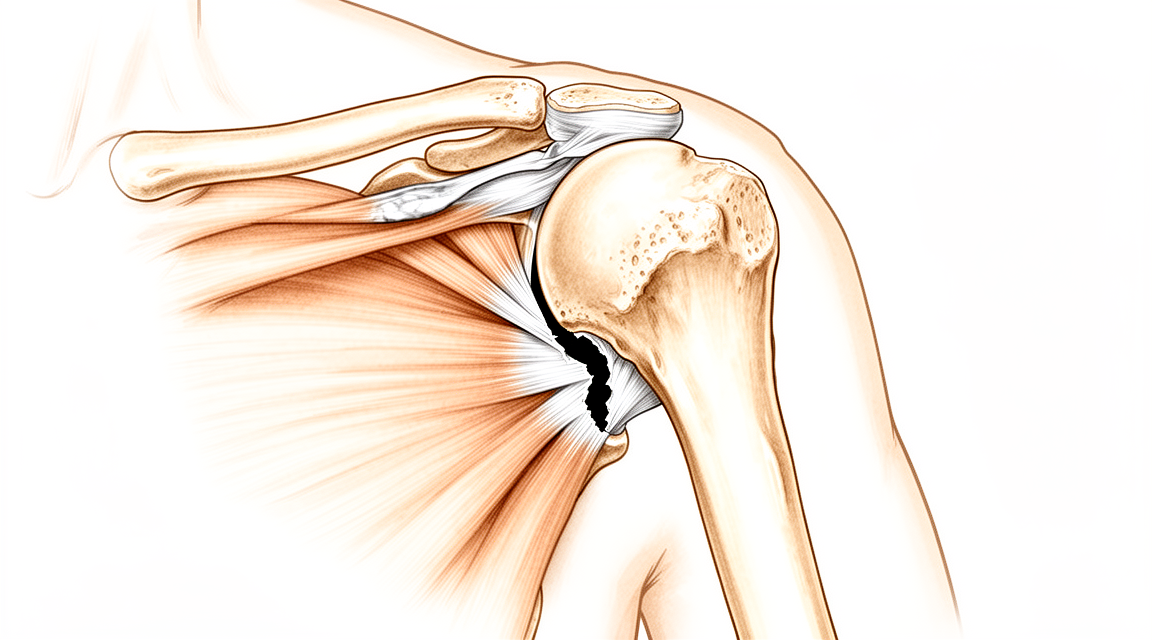
ਇਹ ਪ੍ਰੋਟੋਕੋਲ (ਕਸਰਤਾਂ ਅਤੇ ਸਾਵਧਾਨੀਆਂ ਦੀ ਯੋਜਨਾ) ਮਾਟਰ ਪ੍ਰਾਈਵੇਟ ਹਸਪਤਾਲ ਰੌਕਹੈਂਪਟਨ ਵਿੱਚ ਡਾ. ਕੀਰਨ ਹਿਰਪਰਾ ਵੱਲੋਂ ਕੀਤੀ ਰੋਟੇਟਰ ਕਫ਼ ਰਿਪੇਅਰ (ਮੋਢੇ ਨੂੰ ਘੁਮਾਉਣ ਵਾਲੀਆਂ ਮਾਸਪੇਸ਼ੀਆਂ ਦੇ ਟੈਂਡਨ ਦੀ ਮੁਰੰਮਤ, rotator cuff repair) ਤੋਂ ਬਾਅਦ ਤੁਹਾਡੇ ਠੀਕ ਹੋਣ ਵਿੱਚ ਤੁਹਾਡੀ ਅਗਵਾਈ ਕਰਦਾ ਹੈ। ਇਸ ਵਿੱਚ ਹਰ ਪੜਾਅ ਦੀ ਸਾਦੀ ਭਾਸ਼ਾ ਵਿੱਚ ਵਿਆਖਿਆ ਦੇ ਨਾਲ ਇੱਕ ਤਰਤੀਬਵਾਰ ਪ੍ਰੋਗਰਾਮ ਦਿੱਤਾ ਗਿਆ ਹੈ ਜੋ ਤੁਸੀਂ ਆਪਣੇ ਫਿਜ਼ੀਓਥੈਰੇਪਿਸਟ ਨੂੰ ਦਿਖਾ ਸਕਦੇ ਹੋ; ਆਪਣੀ ਪਹਿਲੀ ਮੁਲਾਕਾਤ ਵੇਲੇ ਇਹ ਪੰਨਾ ਜਾਂ ਇਸ ਦੀ PDF ਨਾਲ ਲੈ ਕੇ ਜਾਓ ਤਾਂ ਜੋ ਤੁਹਾਡੀ ਰੀਹੈਬਿਲੀਟੇਸ਼ਨ (ਠੀਕ ਹੋਣ ਲਈ ਕਸਰਤਾਂ ਅਤੇ ਦੇਖਭਾਲ) ਤਾਲਮੇਲ ਨਾਲ ਚੱਲੇ। ਤੁਹਾਡਾ ਫਿਜ਼ੀਓਥੈਰੇਪਿਸਟ ਤੁਹਾਡੇ ਠੀਕ ਹੋਣ ਦੀ ਰਫ਼ਤਾਰ ਦੇ ਹਿਸਾਬ ਨਾਲ ਯੋਜਨਾ ਵਿੱਚ ਬਦਲਾਅ ਕਰ ਸਕਦਾ ਹੈ।
ਜੇ ਸਰਜਰੀ ਤੋਂ ਬਾਅਦ ਤੁਹਾਨੂੰ ਆਪਣੇ ਜ਼ਖ਼ਮ ਬਾਰੇ ਕੋਈ ਚਿੰਤਾ ਹੈ, ਤਾਂ ਕਲੀਨਿਕ ਨਾਲ ਸੰਪਰਕ ਕਰੋ। ਜ਼ਖ਼ਮ ਦੀ ਫ਼ੋਟੋ ਖਿੱਚ ਕੇ ਜਾਂਚ ਲਈ ਈਮੇਲ ਕਰਨਾ ਅਕਸਰ ਮਦਦਗਾਰ ਹੁੰਦਾ ਹੈ।
ਕੀ ਉਮੀਦ ਰੱਖੀਏ
ਰੋਟੇਟਰ ਕਫ਼ ਰਿਪੇਅਰ ਵਿੱਚ ਪਾਟੇ ਹੋਏ ਟੈਂਡਨ (tendon, ਪੱਠੇ ਨੂੰ ਹੱਡੀ ਨਾਲ ਜੋੜਨ ਵਾਲੀ ਮਜ਼ਬੂਤ ਤੰਦ) ਨੂੰ ਵਾਪਸ ਹੱਡੀ ਨਾਲ ਜੋੜਿਆ ਜਾਂਦਾ ਹੈ, ਅਤੇ ਸਰੀਰ ਵੱਲੋਂ ਹੋਣ ਵਾਲਾ ਇਹ ਕੁਦਰਤੀ ਜੁੜਾਅ ਹੀ ਉਹ ਚੀਜ਼ ਹੈ ਜਿਸ ਦੀ ਰਾਖੀ ਇਹ ਸਾਰਾ ਪ੍ਰੋਗਰਾਮ ਕਰਦਾ ਹੈ। ਛੇ ਹਫ਼ਤਿਆਂ 'ਤੇ ਮੁਰੰਮਤ ਅਜੇ ਵੀ ਨਰਮ ਹੁੰਦੀ ਹੈ ਅਤੇ ਕਈ ਮਹੀਨਿਆਂ ਤੱਕ ਪੱਕੀ ਹੁੰਦੀ ਰਹਿੰਦੀ ਹੈ: ਠੀਕ ਹੋਣ ਬਾਰੇ ਅਧਿਐਨਾਂ ਵਿੱਚ, ਛੇ ਹਫ਼ਤਿਆਂ 'ਤੇ ਇਸ ਵਿੱਚ ਆਮ ਤਾਕਤ ਦਾ ਸਿਰਫ਼ ਲਗਭਗ ਚੌਥਾ ਹਿੱਸਾ ਹੁੰਦਾ ਹੈ, ਬਾਰਾਂ ਹਫ਼ਤਿਆਂ 'ਤੇ ਲਗਭਗ ਅੱਧਾ, ਅਤੇ ਘੱਟੋ-ਘੱਟ ਛੇ ਮਹੀਨਿਆਂ ਤੱਕ ਇਹ ਪੂਰੀ ਤਾਕਤ ਦੇ ਨੇੜੇ ਨਹੀਂ ਪਹੁੰਚਦੀ। ਇਸੇ ਲਈ ਹਿਲਜੁਲ ਅਤੇ ਭਾਰ ਇੱਕੋ ਵਾਰ ਦੀ ਬਜਾਏ ਪੜਾਵਾਂ ਵਿੱਚ ਵਾਪਸ ਸ਼ਾਮਲ ਕੀਤੇ ਜਾਂਦੇ ਹਨ।
ਜਲਦੀ ਜ਼ੋਰ ਲਗਾਉਣ ਦਾ ਮਨ ਕਰਦਾ ਹੈ, ਪਰ ਸਬੂਤ ਹੌਸਲਾ ਦੇਣ ਵਾਲੇ ਹਨ। ਆਮ ਤੌਰ 'ਤੇ ਹੋਣ ਵਾਲੇ ਛੋਟੇ ਅਤੇ ਦਰਮਿਆਨੇ ਆਕਾਰ ਦੇ ਪਾਟਣ ਵਿੱਚ, ਜਲਦੀ ਹਿਲਜੁਲ ਸ਼ੁਰੂ ਕਰਨ ਨਾਲ ਜੋ ਵਾਧੂ ਹਿਲਜੁਲ ਮਿਲਦੀ ਹੈ ਉਹ ਆਰਜ਼ੀ ਹੁੰਦੀ ਹੈ, ਅਤੇ ਇੱਕ ਸਾਲ ਤੱਕ ਜਲਦੀ ਸ਼ੁਰੂ ਕਰਨ ਅਤੇ ਥੋੜ੍ਹਾ ਬਾਅਦ ਵਿੱਚ ਸ਼ੁਰੂ ਕਰਨ ਵਿੱਚ ਕੋਈ ਫ਼ਰਕ ਨਹੀਂ ਰਹਿੰਦਾ। ਪਹਿਲੇ ਹਫ਼ਤਿਆਂ ਵਿੱਚ ਸਬਰ ਰੱਖਣ ਨਾਲ ਲੰਮੇ ਸਮੇਂ ਵਿੱਚ ਤੁਹਾਡਾ ਕੋਈ ਨੁਕਸਾਨ ਨਹੀਂ ਹੁੰਦਾ, ਅਤੇ ਇਹ ਮੁਰੰਮਤ ਦੀ ਉਦੋਂ ਰਾਖੀ ਕਰਦਾ ਹੈ ਜਦੋਂ ਉਹ ਸਭ ਤੋਂ ਕਮਜ਼ੋਰ ਹੁੰਦੀ ਹੈ। ਇਸ ਗੱਲ ਦੇ ਵੀ ਚੰਗੇ ਸਬੂਤ ਹਨ ਕਿ ਬਿਲਕੁਲ ਪਹਿਲੇ ਹਫ਼ਤੇ ਵਿੱਚ ਤੇਜ਼ ਥੈਰੇਪੀ ਸ਼ੁਰੂ ਕਰਨਾ ਫ਼ਾਇਦੇ ਨਾਲੋਂ ਜ਼ਿਆਦਾ ਨੁਕਸਾਨ ਕਰਦਾ ਹੈ, ਇਸ ਲਈ ਸ਼ੁਰੂਆਤੀ ਹਫ਼ਤੇ ਜਾਣ-ਬੁੱਝ ਕੇ ਹਲਕੇ ਰੱਖੇ ਜਾਂਦੇ ਹਨ।
ਆਪਣੇ ਮੋਢੇ ਲਈ ਤੁਸੀਂ ਸਭ ਤੋਂ ਲਾਹੇਵੰਦ ਇੱਕੋ ਚੀਜ਼ ਇਹ ਕਰ ਸਕਦੇ ਹੋ ਕਿ ਸ਼ੁਰੂ ਵਿੱਚ ਮੁਰੰਮਤ ਦੀ ਰਾਖੀ ਕਰੋ। ਟੈਂਡਨ ਦੇ ਮੁੜ ਪਾਟਣ ਦੇ ਜ਼ਿਆਦਾਤਰ ਮਾਮਲੇ ਪਹਿਲੇ ਤਿੰਨ ਤੋਂ ਛੇ ਮਹੀਨਿਆਂ ਵਿੱਚ ਹੁੰਦੇ ਹਨ, ਅਤੇ ਜਿਹੜੇ ਮਰੀਜ਼ ਸ਼ੁਰੂਆਤੀ ਪਾਬੰਦੀਆਂ ਦੀ ਪਾਲਣਾ ਨਹੀਂ ਕਰਦੇ, ਉਨ੍ਹਾਂ ਵਿੱਚ ਟੈਂਡਨ ਦੇ ਮੁੜ ਪਾਟਣ ਦੀ ਸੰਭਾਵਨਾ ਕਿਤੇ ਵੱਧ ਹੁੰਦੀ ਹੈ। ਪ੍ਰੋਟੋਕੋਲ ਉੱਤੇ ਟਿਕੇ ਰਹਿਣਾ ਕਿਸੇ ਵੀ ਕਸਰਤ ਨਾਲੋਂ ਵੱਧ ਮਹੱਤਵਪੂਰਨ ਹੈ।
ਰੋਟੇਟਰ ਕਫ਼ ਰਿਪੇਅਰ ਦੇ ਨਾਲ ਅਕਸਰ ਉਸੇ ਓਪਰੇਸ਼ਨ ਵਿੱਚ ਹੋਰ ਪ੍ਰਕਿਰਿਆਵਾਂ ਵੀ ਕੀਤੀਆਂ ਜਾਂਦੀਆਂ ਹਨ: ਸਭ ਤੋਂ ਆਮ ਹਨ ਸਬਐਕਰੋਮੀਅਲ ਡੀਕੰਪ੍ਰੈਸ਼ਨ (subacromial decompression, ਐਕਰੋਮੀਅਨ ਯਾਨੀ ਮੋਢੇ ਦੇ ਉੱਪਰ ਹੱਡੀ ਦੀ ਛੱਤ ਦੇ ਹੇਠਾਂ ਥਾਂ ਖੋਲ੍ਹਣਾ), ਡਿਸਟਲ ਕਲੈਵੀਕਲ ਐਕਸੀਜ਼ਨ (distal clavicle excision, ਹੰਸਲੀ ਦਾ ਬਾਹਰਲਾ ਸਿਰਾ ਕੱਢਣਾ), ਬਾਈਸੈਪਸ ਟੀਨੋਡੀਸਿਸ (biceps tenodesis, ਬਾਈਸੈਪਸ ਟੈਂਡਨ ਨੂੰ ਨਵੀਂ ਥਾਂ ਹੱਡੀ ਨਾਲ ਜੋੜਨਾ) ਜਾਂ ਸੁਪਰਾਸਕੈਪੂਲਰ ਨਸ ਦੀ ਰਿਲੀਜ਼ (suprascapular nerve release, ਨਸ ਉੱਤੋਂ ਦਬਾਅ ਹਟਾਉਣਾ)। ਜਦੋਂ ਅਜਿਹਾ ਹੁੰਦਾ ਹੈ, ਤਾਂ ਪੂਰੀ ਸਿਹਤਯਾਬੀ ਇਸੇ ਪ੍ਰੋਟੋਕੋਲ ਅਨੁਸਾਰ ਚੱਲਦੀ ਹੈ: ਮੁਰੰਮਤ ਕੀਤਾ ਟੈਂਡਨ ਸਭ ਤੋਂ ਹੌਲੀ ਠੀਕ ਹੋਣ ਵਾਲਾ ਹਿੱਸਾ ਹੈ, ਅਤੇ ਉਸ ਦੀ ਸਮਾਂ-ਸਾਰਣੀ ਹੀ ਰਫ਼ਤਾਰ ਤੈਅ ਕਰਦੀ ਹੈ।
ਤੁਹਾਡੀ ਸਮਾਂ-ਸਾਰਣੀ ਇਸ ਗੱਲ ਉੱਤੇ ਨਿਰਭਰ ਕਰਦੀ ਹੈ ਕਿ ਮੁਰੰਮਤ ਕੀਤਾ ਗਿਆ ਪਾਟਣ ਕਿੰਨਾ ਵੱਡਾ ਸੀ। ਰਫ਼ਤਾਰ ਤੈਅ ਕਰਨ ਵਾਲੀ ਇਹ ਸਭ ਤੋਂ ਵੱਡੀ ਗੱਲ ਹੈ, ਕਿਉਂਕਿ ਵੱਡੇ ਪਾਟਣ ਹੌਲੀ ਠੀਕ ਹੁੰਦੇ ਹਨ ਅਤੇ ਉਨ੍ਹਾਂ ਦੇ ਮੁੜ ਪਾਟਣ ਦੀ ਸੰਭਾਵਨਾ ਵੱਧ ਹੁੰਦੀ ਹੈ। ਡਾ. ਹਿਰਪਰਾ ਤੁਹਾਨੂੰ ਦੱਸਣਗੇ ਕਿ ਤੁਹਾਡੀ ਮੁਰੰਮਤ ਕਿਸ ਸਮੂਹ ਵਿੱਚ ਆਉਂਦੀ ਹੈ, ਅਤੇ ਇਹ ਪੰਨਾ ਹੇਠਾਂ ਪ੍ਰੋਗਰਾਮ ਨੂੰ ਦੋ ਸਾਫ਼-ਸਾਫ਼ ਨਾਂ ਵਾਲੇ ਰਸਤਿਆਂ ਵਿੱਚ ਵੰਡਦਾ ਹੈ:
- ਛੋਟੇ / ਦਰਮਿਆਨੇ ਪਾਟਣ: ਇੱਕ ਜਾਂ ਦੋ ਟੈਂਡਨ, ਟਿਸ਼ੂ ਦੀ ਹਾਲਤ ਚੰਗੀ।
- ਵੱਡੇ / ਬਹੁਤ ਵੱਡੇ ਪਾਟਣ: ਵੱਡੇ ਪਾਟਣ, ਦੋ ਜਾਂ ਵੱਧ ਟੈਂਡਨ, ਜਾਂ ਟਿਸ਼ੂ ਦੀ ਕਮਜ਼ੋਰ ਹਾਲਤ। ਕਦਮ ਉਹੀ ਹਨ, ਪਰ ਹਰ ਕਦਮ ਲੰਮਾ ਚੱਲਦਾ ਹੈ ਅਤੇ ਵਧੇਰੇ ਸਾਵਧਾਨੀ ਨਾਲ ਅੱਗੇ ਵਧਾਇਆ ਜਾਂਦਾ ਹੈ: ਸੁਰੱਖਿਅਤ ਹਿਲਜੁਲ ਲੰਮੇ ਸਮੇਂ ਤੱਕ ਜਾਰੀ ਰਹਿੰਦੀ ਹੈ, ਆਪਣੀ ਤਾਕਤ ਨਾਲ ਹਿਲਜੁਲ ਬਾਅਦ ਵਿੱਚ ਵਾਪਸ ਆਉਂਦੀ ਹੈ, ਅਤੇ ਤਾਕਤ ਵਧਾਉਣ ਵਾਲੀਆਂ ਕਸਰਤਾਂ ਦੇਰ ਨਾਲ ਸ਼ੁਰੂ ਹੁੰਦੀਆਂ ਹਨ।
ਓਪਰੇਸ਼ਨ
ਤੁਹਾਡੀ ਰੋਟੇਟਰ ਕਫ਼ ਰਿਪੇਅਰ ਦੂਰਬੀਨ ਵਾਲੀ (ਆਰਥਰੋਸਕੋਪਿਕ) ਸਰਜਰੀ ਰਾਹੀਂ ਕੀਤੀ ਜਾਂਦੀ ਹੈ, ਜਾਂ ਕਦੇ-ਕਦੇ ਇੱਕ ਛੋਟੇ ਖੁੱਲ੍ਹੇ ਚੀਰੇ ਰਾਹੀਂ। ਪਾਟੇ ਹੋਏ ਟੈਂਡਨ ਨੂੰ ਡੌਲੇ (upper arm) ਦੀ ਹੱਡੀ ਦੇ ਉੱਪਰਲੇ ਹਿੱਸੇ ਉੱਤੇ ਉਸ ਦੀ ਅਸਲ ਥਾਂ ਨਾਲ ਦੁਬਾਰਾ ਜੋੜਿਆ ਜਾਂਦਾ ਹੈ, ਅਤੇ ਰੀਹੈਬਿਲੀਟੇਸ਼ਨ ਦਾ ਕੰਮ ਇਹ ਹੈ ਕਿ ਠੀਕ ਹੋਣ ਦੌਰਾਨ ਇਸ ਜੁੜਾਅ ਦੀ ਰਾਖੀ ਕੀਤੀ ਜਾਵੇ, ਅਤੇ ਫਿਰ ਹੌਲੀ-ਹੌਲੀ ਪੂਰੀ ਹਿਲਜੁਲ, ਤਾਕਤ ਅਤੇ ਕੰਮਕਾਜ ਮੁੜ ਬਣਾਇਆ ਜਾਵੇ।
ਆਪਣੀ ਸਲਿੰਗ ਪਾਉਣਾ
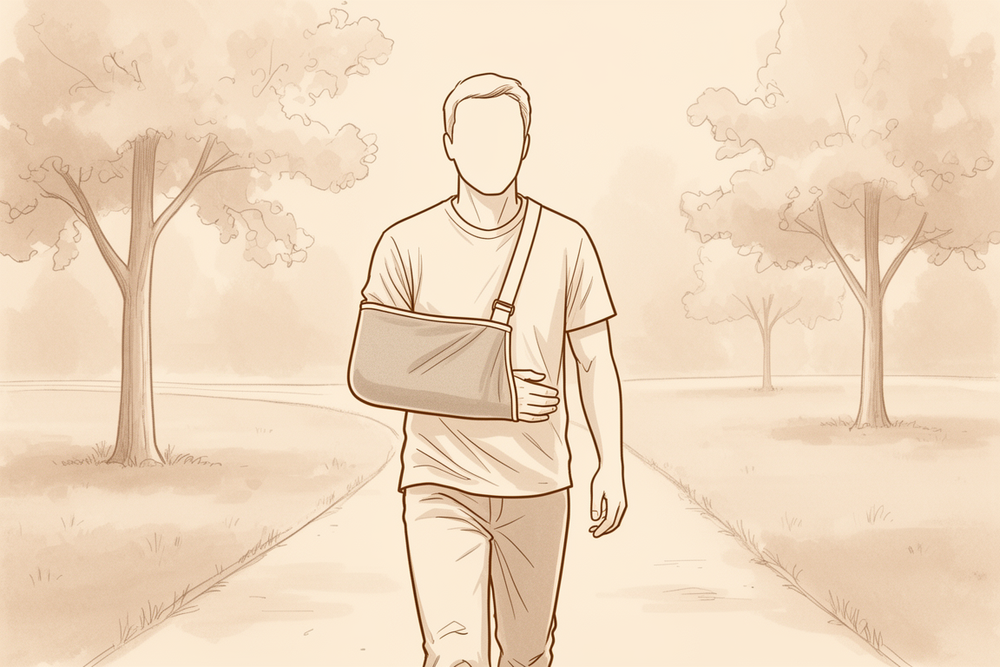
ਤੁਸੀਂ ਇੱਕ ਸਾਦੀ ਮੋਢੇ ਵਾਲੀ ਸਲਿੰਗ (ਬਾਂਹ ਨੂੰ ਸਹਾਰਾ ਦੇਣ ਵਾਲੀ ਪੱਟੀ) ਪਾਓਗੇ, ਨਾ ਕਿ ਐਬਡਕਸ਼ਨ ਸਿਰਹਾਣੇ ਵਾਲੀ ਸਲਿੰਗ (ਜੋ ਬਾਂਹ ਨੂੰ ਸਰੀਰ ਤੋਂ ਥੋੜ੍ਹਾ ਦੂਰ ਰੱਖਦੀ ਹੈ)। ਦੋਵਾਂ ਦੇ ਨਤੀਜਿਆਂ ਵਿੱਚ ਕੋਈ ਸਾਬਤ ਫ਼ਰਕ ਨਹੀਂ ਹੈ, ਅਤੇ ਸਾਦੀ ਸਲਿੰਗ ਨਾਲ ਰੋਜ਼ਾਨਾ ਜ਼ਿੰਦਗੀ ਕਿਤੇ ਆਸਾਨ ਹੈ। ਡਾ. ਹਿਰਪਰਾ ਹਰ ਕਫ਼ ਰਿਪੇਅਰ ਲਈ ਸਾਦੀ ਸਲਿੰਗ ਵਰਤਦੇ ਹਨ, ਵੱਡੇ ਅਤੇ ਬਹੁਤ ਵੱਡੇ ਪਾਟਣਾਂ ਸਮੇਤ।
- ਦਿਨ ਵੇਲੇ ਸਹਾਰੇ ਲਈ ਸਲਿੰਗ 6 ਹਫ਼ਤਿਆਂ ਤੱਕ ਪਾਓ, ਖ਼ਾਸ ਕਰਕੇ ਜਦੋਂ ਤੁਸੀਂ ਘਰੋਂ ਬਾਹਰ ਹੋਵੋ ਜਾਂ ਹੋਰ ਲੋਕਾਂ ਦੇ ਆਲੇ-ਦੁਆਲੇ ਹੋਵੋ।
- ਤੁਸੀਂ ਸਲਿੰਗ ਪਾ ਕੇ ਨਹੀਂ ਸੌਂਦੇ। ਇਹ ਸਿਰਫ਼ ਦਿਨ ਵੇਲੇ ਦੇ ਸਹਾਰੇ ਲਈ ਹੈ; ਇਸ ਨੂੰ ਉਤਾਰ ਕੇ ਸੌਂਵੋ, ਅਤੇ ਆਪਣੀ ਬਾਂਹ ਨੂੰ ਆਰਾਮ ਨਾਲ ਸਿਰਹਾਣੇ ਉੱਤੇ ਟਿਕਾ ਕੇ ਰੱਖੋ।
- ਨਹਾਉਣ ਲਈ ਅਤੇ ਆਪਣੀਆਂ ਕਸਰਤਾਂ ਲਈ ਇਸ ਨੂੰ ਉਤਾਰ ਦਿਓ (ਜਦੋਂ ਤੁਹਾਨੂੰ ਤਰੀਕਾ ਦਿਖਾ ਦਿੱਤਾ ਜਾਵੇ)। ਜਦੋਂ ਵੀ ਸਲਿੰਗ ਉਤਰੀ ਹੋਵੇ, ਆਪਣੀ ਬਾਂਹ ਨੂੰ ਢਿੱਲਾ ਛੱਡ ਕੇ ਆਪਣੇ ਪਾਸੇ ਨਾਲ ਰੱਖੋ।
- ਜੇ ਮੋਢੇ ਵਿੱਚ ਸੋਜ ਜਾਂ ਦਰਦ ਹੋਵੇ ਤਾਂ ਬਰਫ਼ ਲਗਾਓ, ਖ਼ਾਸ ਕਰਕੇ ਕਸਰਤ ਤੋਂ ਬਾਅਦ।
- ਦਰਦ ਤੋਂ ਰਾਹਤ ਲਈ, ਨਿਯਮਿਤ ਤੌਰ 'ਤੇ ਪੈਰਾਸੀਟਾਮੋਲ ਦੇ ਨਾਲ ਇੱਕ ਸੋਜਸ਼-ਰੋਧੀ ਦਵਾਈ (anti-inflammatory, ਜਿਵੇਂ ਆਈਬਿਊਪ੍ਰੋਫ਼ੈਨ) ਲਓ, ਜਦੋਂ ਤੱਕ ਤੁਹਾਨੂੰ ਕੁਝ ਹੋਰ ਨਾ ਦੱਸਿਆ ਗਿਆ ਹੋਵੇ, ਜਿਵੇਂ ਕਿ ਓਪਰੇਸ਼ਨ ਤੋਂ ਬਾਅਦ ਦਰਦ ਨੂੰ ਸੰਭਾਲਣਾ ਵਿੱਚ ਦੱਸਿਆ ਗਿਆ ਹੈ। ਕਸਰਤਾਂ ਤੋਂ ਪਹਿਲਾਂ ਇੱਕ ਖ਼ੁਰਾਕ ਲੈਣਾ ਮਦਦ ਕਰਦਾ ਹੈ।
ਸਲਿੰਗ ਵਰਤਦੇ ਸਮੇਂ ਆਪਣੇ ਬੈਠਣ-ਖੜ੍ਹਨ ਦੇ ਢੰਗ (posture) ਦਾ ਧਿਆਨ ਰੱਖੋ: ਆਪਣੇ ਕੰਨ, ਮੋਢੇ ਅਤੇ ਚੂਲੇ (ਕੂਲ੍ਹੇ) ਇੱਕ ਸੇਧ ਵਿੱਚ ਰੱਖੋ ਅਤੇ ਕੁੱਬੇ ਹੋ ਕੇ ਨਾ ਬੈਠੋ। ਸਹੀ ਢੰਗ ਤੁਹਾਡੀ ਪਿੱਠ ਦੀ ਰਾਖੀ ਕਰਦਾ ਹੈ ਅਤੇ ਮੋਢੇ ਨੂੰ ਅਕੜਨ ਤੋਂ ਰੋਕਣ ਵਿੱਚ ਮਦਦ ਕਰਦਾ ਹੈ।
ਮੁੱਖ ਸਾਵਧਾਨੀਆਂ — ਇਹ ਕੰਮ ਨਾ ਕਰੋ
- ਲਗਭਗ 6 ਹਫ਼ਤਿਆਂ ਤੱਕ ਮੋਢੇ ਨੂੰ ਉਸ ਦੀ ਆਪਣੀ ਤਾਕਤ ਨਾਲ ਨਾ ਹਿਲਾਓ (4 ਹਫ਼ਤਿਆਂ 'ਤੇ ਮੁਰੰਮਤ ਵਿੱਚ ਆਮ ਤਾਕਤ ਦਾ ਸਿਰਫ਼ ਲਗਭਗ 20% ਹੁੰਦਾ ਹੈ)।
- 6 ਹਫ਼ਤਿਆਂ ਤੱਕ ਹੱਥ ਜਾਂ ਬਾਂਹ ਨਾਲ ਕੁਝ ਵੀ ਨਾ ਚੁੱਕੋ, ਨਾ ਧੱਕੋ, ਨਾ ਖਿੱਚੋ, ਅਤੇ ਹੱਥ ਜਾਂ ਬਾਂਹ ਉੱਤੇ ਭਾਰ ਨਾ ਪਾਓ।
- ਸ਼ੁਰੂਆਤੀ ਸਮੇਂ ਵਿੱਚ ਬਾਂਹ ਨੂੰ ਸਿੱਧਾ ਸਾਹਮਣੇ ਵਾਲੀ (ਨਿਊਟਰਲ) ਸਥਿਤੀ ਤੋਂ ਅੱਗੇ ਬਾਹਰ ਵੱਲ ਨਾ ਘੁਮਾਓ।
- ਜੇ ਮੋਢੇ ਦੇ ਅਗਲੇ ਪਾਸੇ ਵਾਲੇ ਕਫ਼ ਟੈਂਡਨ (subscapularis) ਦੀ ਮੁਰੰਮਤ ਕੀਤੀ ਗਈ ਸੀ: ਪਹਿਲੇ 12 ਹਫ਼ਤਿਆਂ ਤੱਕ ਬਾਂਹ ਨੂੰ ਖ਼ੁਦ ਬਾਹਰ ਵੱਲ ਘੁਮਾਉਣਾ ਲਗਭਗ 30° ਦੇ ਅੰਦਰ ਰੱਖੋ, ਅਤੇ ਇਸ ਸਮੇਂ ਦੌਰਾਨ ਬਾਂਹ ਨੂੰ (ਵਿਰੋਧ ਦੇ ਵਿਰੁੱਧ) ਖ਼ੁਦ ਅੰਦਰ ਵੱਲ ਨਾ ਘੁਮਾਓ; ਇਸ ਨਾਲ ਅਗਲੀ ਮੁਰੰਮਤ ਦੀ ਰਾਖੀ ਹੁੰਦੀ ਹੈ। ਤੁਹਾਡਾ ਸਰਜਨ ਤੁਹਾਨੂੰ ਦੱਸੇਗਾ ਕਿ ਕੀ ਇਹ ਤੁਹਾਡੇ ਉੱਤੇ ਲਾਗੂ ਹੁੰਦਾ ਹੈ।
- "ਐਂਪਟੀ-ਕੈਨ" (ਅੰਗੂਠਾ ਹੇਠਾਂ ਰੱਖ ਕੇ ਬਾਂਹ ਚੁੱਕਣ ਵਾਲੀ) ਕਸਰਤ ਨਾ ਕਰੋ। ਕਦੇ ਵੀ ਨਹੀਂ।
- ਸ਼ੁਰੂਆਤੀ ਸਮੇਂ ਵਿੱਚ ਆਪਣਾ ਹੱਥ ਪਿੱਠ ਪਿੱਛੇ ਨਾ ਲਿਜਾਓ, ਅਤੇ ਕਿਸੇ ਵੀ ਅਚਾਨਕ ਝਟਕੇ ਜਾਂ ਧੱਕੇ ਤੋਂ ਬਚੋ।
- ਜਦੋਂ ਤੱਕ ਸਲਿੰਗ ਦੀ ਲੋੜ ਹੈ (6 ਹਫ਼ਤੇ), ਗੱਡੀ ਨਾ ਚਲਾਓ।
ਛੋਟੇ / ਦਰਮਿਆਨੇ ਪਾਟਣ
ਇਹ ਰਸਤਾ ਚੰਗੇ ਟਿਸ਼ੂ ਵਾਲੇ ਇੱਕ ਜਾਂ ਦੋ ਟੈਂਡਨਾਂ ਦੇ ਪਾਟਣ ਲਈ ਹੈ। ਜਿੱਥੇ ਕਿਸੇ ਪੜਾਅ ਵਿੱਚ ਹਫ਼ਤੇ ਦਾ ਨੰਬਰ ਦਿੱਤਾ ਗਿਆ ਹੈ, ਉਹੀ ਤੁਹਾਡਾ ਸਮਾਂ ਹੈ।
ਛੋਟੇ-ਦਰਮਿਆਨੇ ਪਾਟਣ — ਪੜਾਅ 1: ਸੁਰੱਖਿਆ (ਹਫ਼ਤੇ 0–6)
Kieran Hirpara 4.0
ਖ਼ੂਨ ਦਾ ਦੌਰਾ ਅਤੇ ਡੂੰਘੇ ਸਾਹ
ਓਪਰੇਸ਼ਨ ਤੋਂ ਬਾਅਦ ਦੀਆਂ ਪੇਚੀਦਗੀਆਂ ਦਾ ਖ਼ਤਰਾ ਘਟਾਉਣ ਲਈ, ਹਰ ਰੋਜ਼ ਘੱਟੋ-ਘੱਟ 30 ਮਿੰਟ ਤੁਰਨ ਦਾ ਟੀਚਾ ਰੱਖੋ (ਇਹ ਸਾਰਾ ਇੱਕੋ ਵਾਰ ਵਿੱਚ ਕਰਨਾ ਜ਼ਰੂਰੀ ਨਹੀਂ), ਅਤੇ ਹਰ ਘੰਟੇ 4–6 ਡੂੰਘੇ ਸਾਹ ਲਓ।
ਸਾਰਾ ਦਿਨ
Kieran Hirpara 4.0
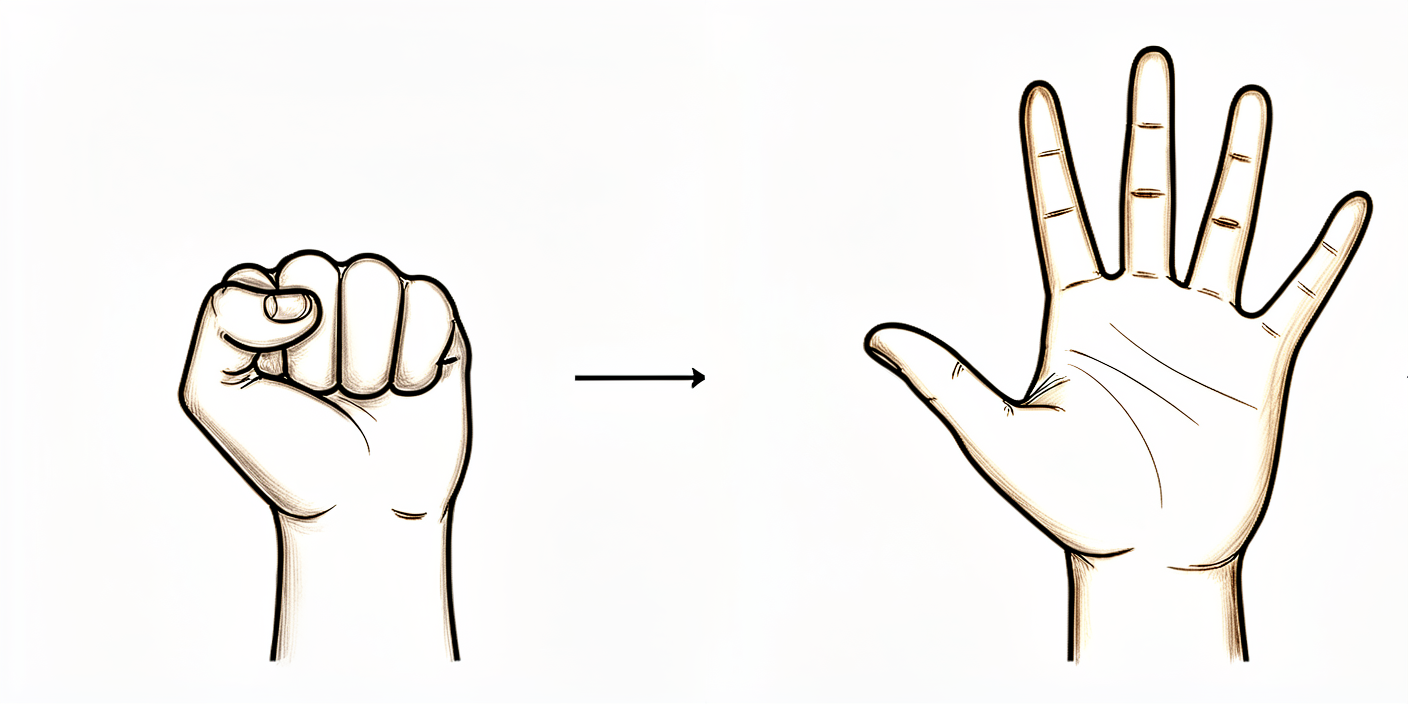
ਹੱਥ ਖੋਲ੍ਹਣਾ ਅਤੇ ਬੰਦ ਕਰਨਾ
ਆਪਣੇ ਹੱਥ ਦੀ ਕੱਸ ਕੇ ਮੁੱਠੀ ਬਣਾਓ, ਫਿਰ ਇਸ ਨੂੰ ਪੂਰੀ ਤਰ੍ਹਾਂ ਖੋਲ੍ਹੋ। ਇਸ ਨਾਲ ਤੁਹਾਡਾ ਹੱਥ ਹਿੱਲਦਾ ਰਹਿੰਦਾ ਹੈ ਅਤੇ ਅਕੜਾਅ ਤੇ ਸੋਜ ਤੋਂ ਬਚਾਅ ਹੁੰਦਾ ਹੈ।
ਹਰ ਘੰਟੇ 10 ਵਾਰ
Kieran Hirpara 4.0
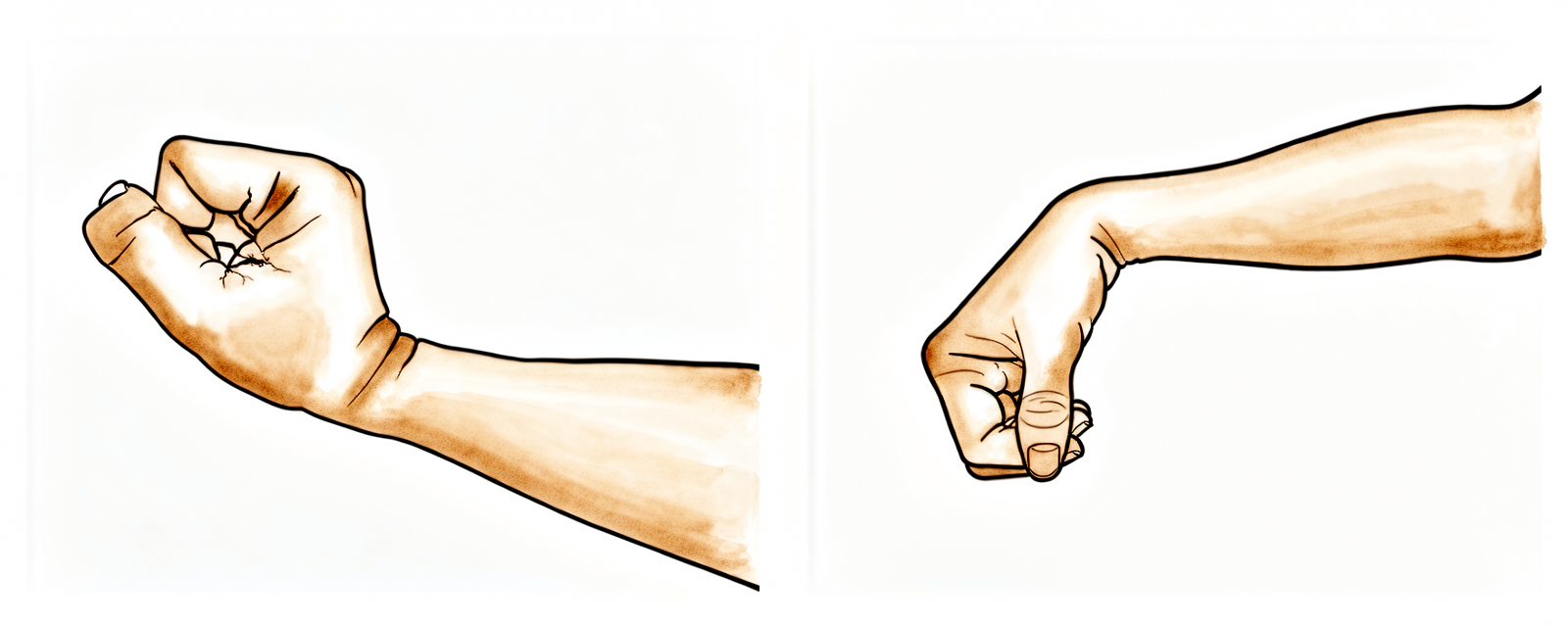
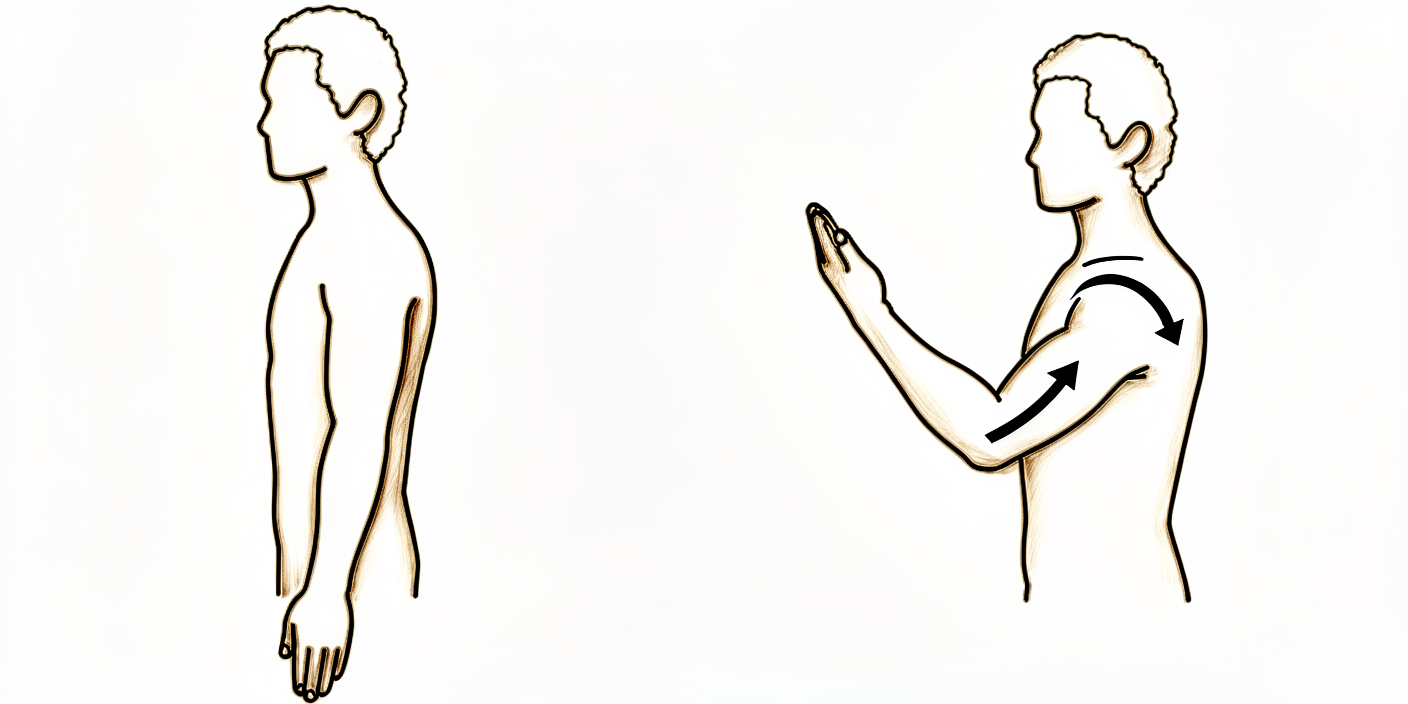
ਗੁੱਟ ਨੂੰ ਖ਼ੁਦ ਮੋੜਨਾ
ਆਪਣੇ ਗੁੱਟ ਨੂੰ ਹੌਲੀ ਜਿਹੇ ਅੱਗੇ ਵੱਲ ਮੋੜੋ, ਫਿਰ ਪਿੱਛੇ ਵੱਲ, ਜਿੰਨਾ ਆਰਾਮ ਨਾਲ ਹੋ ਸਕੇ।
ਹਰ ਘੰਟੇ 10–15 ਵਾਰ
Kieran Hirpara 4.0
ਕੂਹਣੀ ਨੂੰ ਖ਼ੁਦ ਮੋੜਨਾ
ਹਥੇਲੀ ਉੱਪਰ ਵੱਲ ਰੱਖ ਕੇ, ਆਪਣੀ ਕੂਹਣੀ ਨੂੰ ਹੌਲੀ ਜਿਹੇ ਜਿੰਨਾ ਹੋ ਸਕੇ ਮੋੜੋ, ਫਿਰ ਬਾਂਹ ਨੂੰ ਦੁਬਾਰਾ ਸਿੱਧਾ ਕਰੋ। ਆਪਣੇ ਡੌਲੇ (upper arm) ਨੂੰ ਆਪਣੇ ਪਾਸੇ ਨਾਲ ਲਾ ਕੇ ਰੱਖੋ।
10–15 ਵਾਰ, ਦਿਨ ਵਿੱਚ 2–3 ਵਾਰ
Kieran Hirpara 4.0
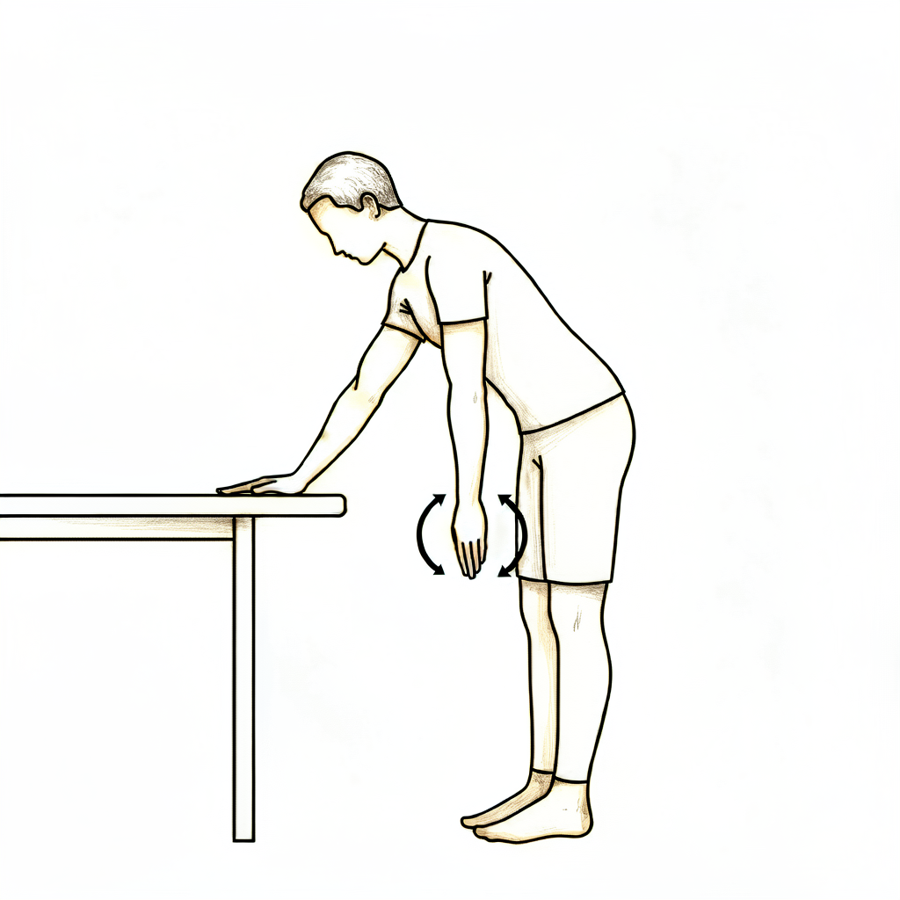
ਪੈਂਡੂਲਮ ਵਾਂਗ ਝੂਲਣਾ (pendulum)
ਅੱਗੇ ਵੱਲ ਝੁਕੋ ਅਤੇ ਓਪਰੇਸ਼ਨ ਵਾਲੀ ਬਾਂਹ ਨੂੰ ਪੂਰੀ ਤਰ੍ਹਾਂ ਢਿੱਲਾ ਛੱਡ ਕੇ ਹੇਠਾਂ ਲਟਕਣ ਦਿਓ। ਛੋਟੇ ਗੋਲ ਚੱਕਰ ਬਣਾਓ — ਪਹਿਲਾਂ ਘੜੀ ਦੀਆਂ ਸੂਈਆਂ ਦੀ ਦਿਸ਼ਾ ਵਿੱਚ, ਫਿਰ ਉਲਟ ਦਿਸ਼ਾ ਵਿੱਚ — ਆਪਣੇ ਸਰੀਰ ਨੂੰ ਹਿਲਾ ਕੇ, ਮੋਢੇ ਦੀਆਂ ਮਾਸਪੇਸ਼ੀਆਂ ਨਾਲ ਬਿਲਕੁਲ ਨਹੀਂ। ਬਾਂਹ ਨੂੰ ਹੌਲੀ ਜਿਹੇ ਅੱਗੇ-ਪਿੱਛੇ ਅਤੇ ਇੱਕ ਪਾਸੇ ਤੋਂ ਦੂਜੇ ਪਾਸੇ ਵੀ ਝੁਲਾਓ। ਚੱਕਰ ਛੋਟਾ ਰੱਖੋ (ਲਗਭਗ 20 ਸੈਂਟੀਮੀਟਰ ਤੋਂ ਘੱਟ)। ਤੁਹਾਡੀ ਓਪਰੇਸ਼ਨ ਵਾਲੀ ਬਾਂਹ ਪੂਰਾ ਸਮਾਂ ਢਿੱਲੀ ਰਹਿੰਦੀ ਹੈ — ਤੁਸੀਂ ਇਸ ਨੂੰ ਚੁੱਕ ਨਹੀਂ ਰਹੇ।
ਹਰ ਦਿਸ਼ਾ ਵਿੱਚ 10 ਵਾਰ, ਦਿਨ ਵਿੱਚ 2–3 ਵਾਰ
Kieran Hirpara 4.0
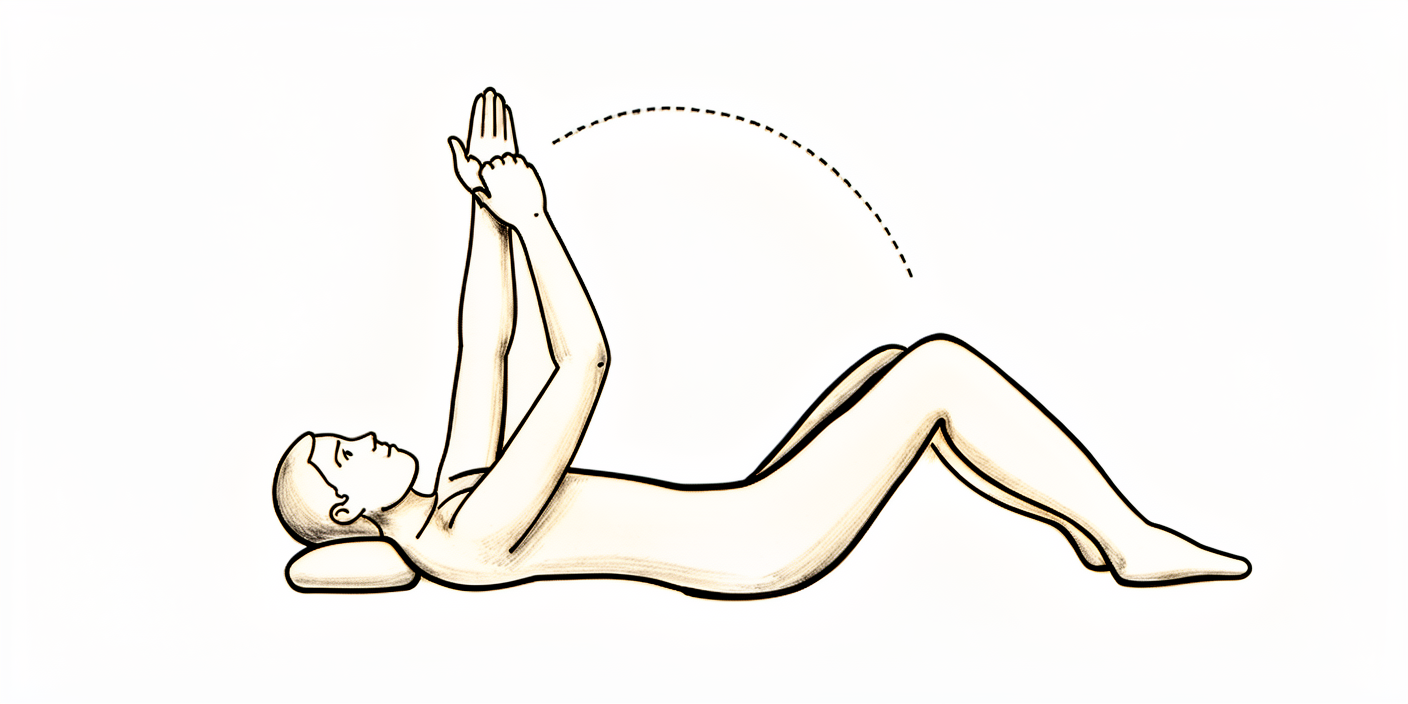
ਲੇਟ ਕੇ ਸਹਾਰੇ ਨਾਲ ਬਾਂਹ ਅੱਗੇ ਵੱਲ ਚੁੱਕਣਾ
ਪਿੱਠ ਦੇ ਭਾਰ ਲੇਟੋ। ਆਪਣਾ ਠੀਕ ਹੱਥ ਓਪਰੇਸ਼ਨ ਵਾਲੀ ਬਾਂਹ ਦੀ ਕੂਹਣੀ ਹੇਠਾਂ ਰੱਖੋ ਅਤੇ ਉਸ ਨਾਲ ਓਪਰੇਸ਼ਨ ਵਾਲੀ ਬਾਂਹ ਨੂੰ ਛੱਤ ਵੱਲ ਚੁੱਕੋ — ਤੁਹਾਡਾ ਓਪਰੇਸ਼ਨ ਵਾਲਾ ਮੋਢਾ ਢਿੱਲਾ ਰਹਿੰਦਾ ਹੈ ਅਤੇ ਸਾਰਾ ਕੰਮ ਤੁਹਾਡਾ ਠੀਕ ਹੱਥ ਕਰਦਾ ਹੈ। ਇਸ ਪੜਾਅ ਵਿੱਚ ਬਾਂਹ ਨੂੰ ਮੋਢੇ ਦੀ ਉਚਾਈ (ਲਗਭਗ 90°) ਤੋਂ ਉੱਪਰ ਬਿਲਕੁਲ ਨਾ ਚੁੱਕੋ। ਹੌਲੀ-ਹੌਲੀ ਵਾਪਸ ਸ਼ੁਰੂ ਵਾਲੀ ਥਾਂ 'ਤੇ ਹੇਠਾਂ ਲਿਆਓ।
10 ਵਾਰ, ਦਿਨ ਵਿੱਚ 2–3 ਵਾਰ
Kieran Hirpara 4.0
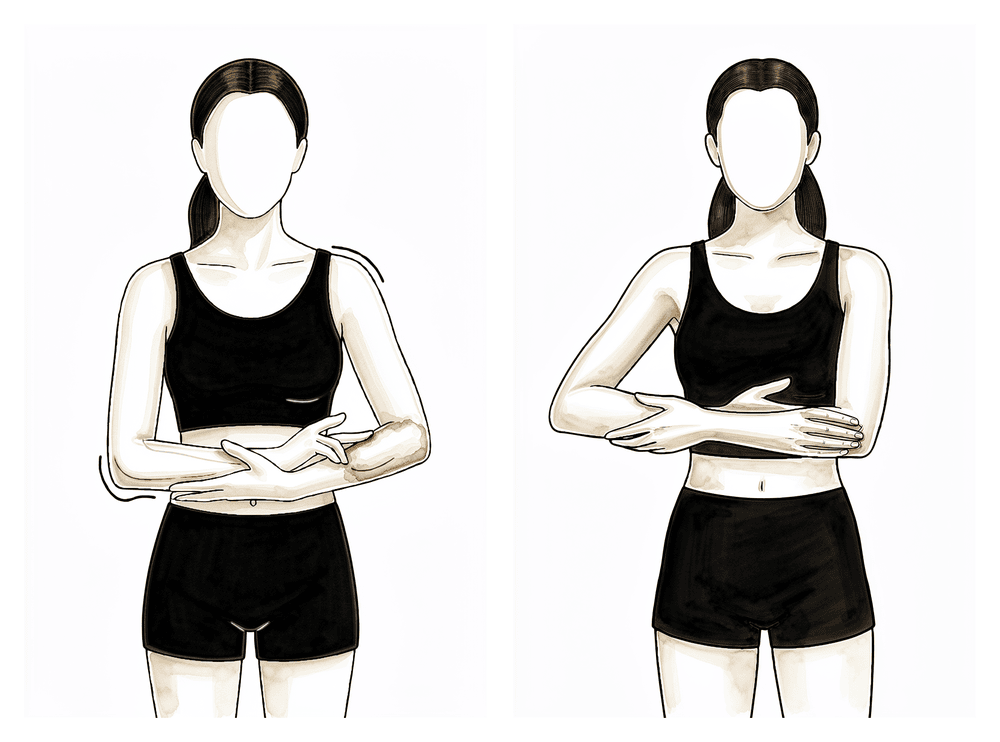
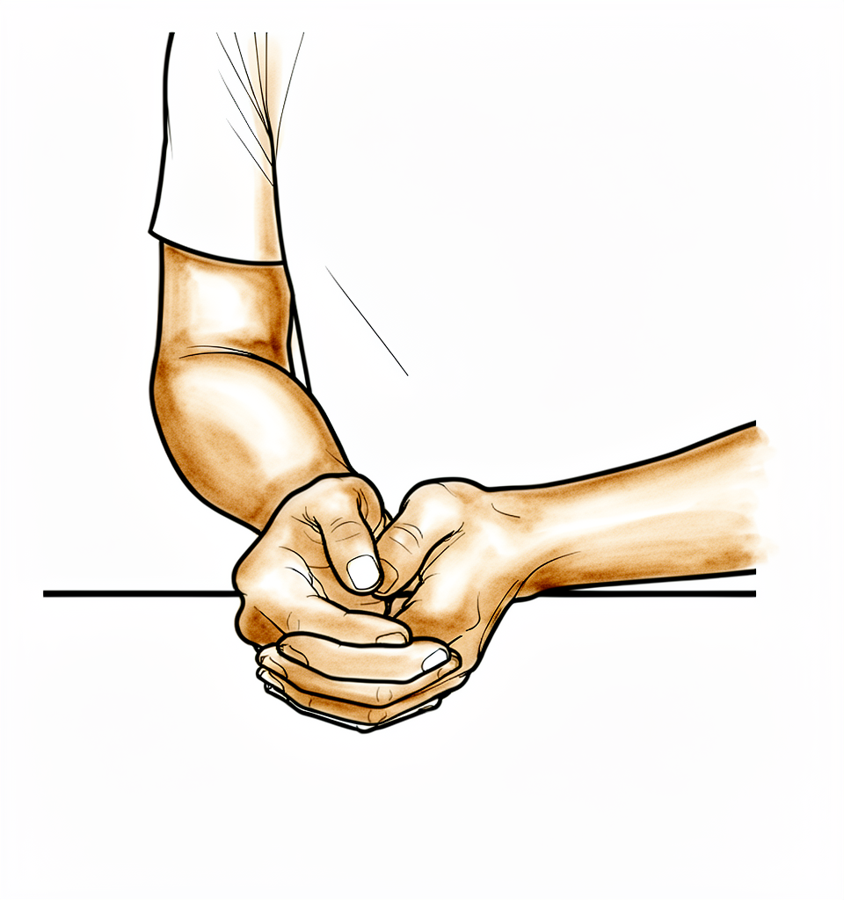
ਬਾਂਹ ਨੂੰ ਬੁੱਕਲ ਵਿੱਚ ਸੰਭਾਲ ਕੇ ਪਾਸੇ ਵੱਲ ਲਿਜਾਣਾ
ਬੈਠ ਕੇ ਅਤੇ ਥੋੜ੍ਹਾ ਅੱਗੇ ਝੁਕ ਕੇ, ਆਪਣੀ ਠੀਕ ਬਾਂਹ ਨਾਲ ਓਪਰੇਸ਼ਨ ਵਾਲੀ ਬਾਂਹ ਨੂੰ ਬੁੱਕਲ ਵਿੱਚ ਸੰਭਾਲੋ ਅਤੇ ਇਸ ਨੂੰ ਪਾਸੇ ਵੱਲ ਲਿਜਾਣ ਵਿੱਚ ਮਦਦ ਕਰੋ — ਜਿਵੇਂ ਬੱਚੇ ਨੂੰ ਝੁਲਾਈਦਾ ਹੈ। ਤੁਹਾਡਾ ਓਪਰੇਸ਼ਨ ਵਾਲਾ ਮੋਢਾ ਢਿੱਲਾ ਰਹਿੰਦਾ ਹੈ; ਹਿਲਾਉਣ ਦਾ ਕੰਮ ਤੁਹਾਡੀ ਠੀਕ ਬਾਂਹ ਕਰਦੀ ਹੈ।
10 ਵਾਰ, ਦਿਨ ਵਿੱਚ 2–3 ਵਾਰ
Kieran Hirpara 4.0
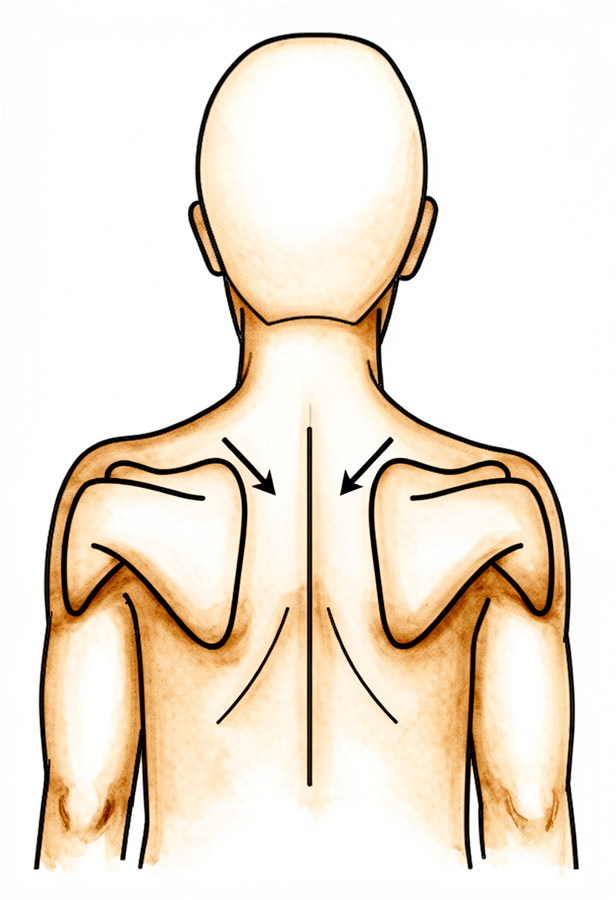
ਸਹਾਰੇ ਨਾਲ ਬਾਹਰ ਵੱਲ ਘੁਮਾਉਣਾ, ਸਿਰਫ਼ ਸਿੱਧੀ (ਨਿਊਟਰਲ) ਸਥਿਤੀ ਤੱਕ
ਬੈਠ ਕੇ ਜਾਂ ਖੜ੍ਹੇ ਹੋ ਕੇ, ਆਪਣੀ ਕੂਹਣੀ ਨੂੰ ਪਾਸੇ ਨਾਲ ਲਾ ਕੇ ਰੱਖੋ ਅਤੇ ਸ਼ੁਰੂ ਵਿੱਚ ਹੱਥ ਆਪਣੇ ਢਿੱਡ ਉੱਤੇ ਟਿਕਾਓ। ਆਪਣੀ ਬਾਂਹ ਦੇ ਹੇਠਲੇ ਹਿੱਸੇ (forearm) ਨੂੰ ਹੌਲੀ ਜਿਹੇ ਬਾਹਰ ਵੱਲ ਸਿਰਫ਼ ਸਿੱਧਾ ਸਾਹਮਣੇ ਵਾਲੀ (ਨਿਊਟਰਲ) ਸਥਿਤੀ ਤੱਕ ਘੁਮਾਓ — ਇਸ ਤੋਂ ਅੱਗੇ ਨਹੀਂ। ਨਿਊਟਰਲ ਤੋਂ ਅੱਗੇ ਬਿਲਕੁਲ ਨਾ ਘੁਮਾਓ। ਹੌਲੀ-ਹੌਲੀ ਵਾਪਸ ਲਿਆਓ।
10 ਵਾਰ, ਦਿਨ ਵਿੱਚ 2–3 ਵਾਰ
Kieran Hirpara 4.0
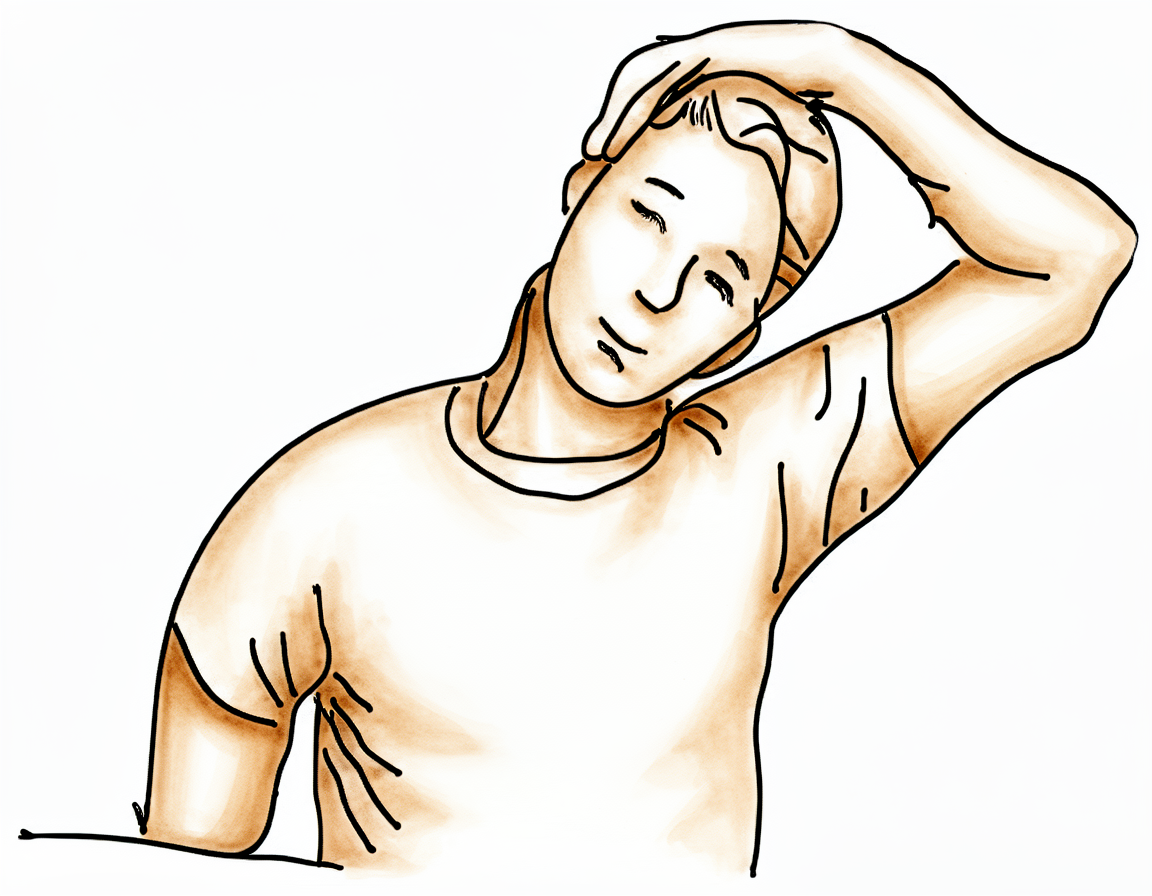
ਸਕੈਪੂਲਾ (ਮੋਢੇ ਦੀ ਪਿਛਲੀ ਚਪਟੀ ਹੱਡੀ) ਨੂੰ ਟਿਕਾਉਣਾ
ਆਪਣੇ ਦੋਵੇਂ ਸਕੈਪੂਲਾ (ਮੋਢਿਆਂ ਦੀਆਂ ਪਿਛਲੀਆਂ ਚਪਟੀਆਂ ਹੱਡੀਆਂ) ਨੂੰ ਹੌਲੀ ਜਿਹੇ ਹੇਠਾਂ ਵੱਲ ਅਤੇ ਇੱਕ-ਦੂਜੇ ਵੱਲ ਘੁੱਟੋ, ਰੋਕ ਕੇ ਰੱਖੋ, ਫਿਰ ਢਿੱਲਾ ਛੱਡੋ। ਇਹ ਮਾਸਪੇਸ਼ੀਆਂ ਨੂੰ ਹਲਕਾ ਜਿਹਾ ਸਰਗਰਮ ਕਰਨ ਦੀ ਕਸਰਤ ਹੈ — ਤੁਹਾਡੀ ਬਾਂਹ ਨਹੀਂ ਹਿੱਲਦੀ।
5 ਸਕਿੰਟ ਰੋਕੋ, 5 ਵਾਰ, ਦਿਨ ਵਿੱਚ 2–3 ਵਾਰ
Kieran Hirpara 4.0
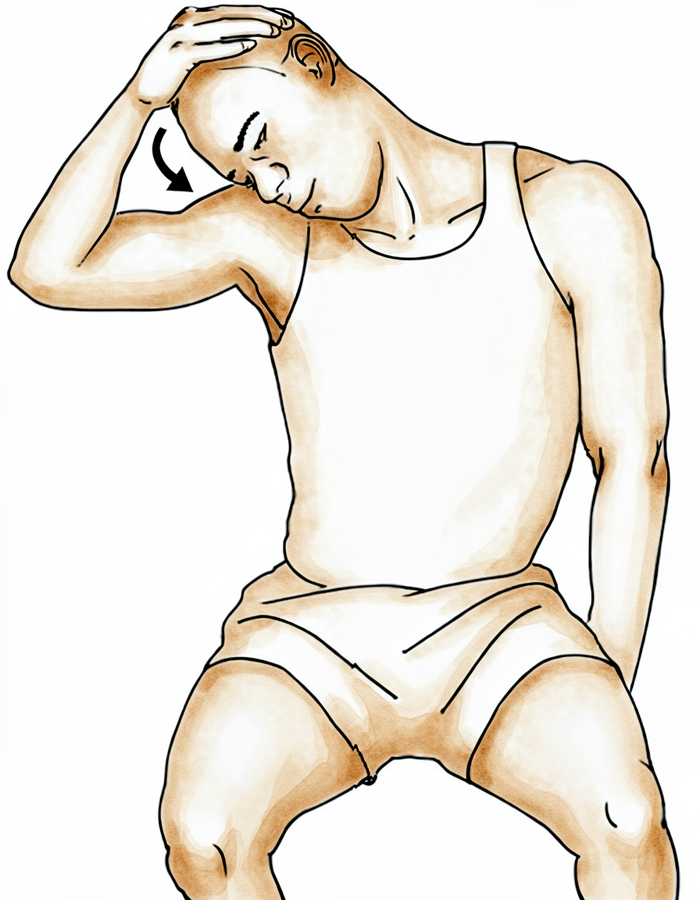
ਗਰਦਨ ਦਾ ਪਾਸੇ ਵੱਲ ਖਿਚਾਅ
ਆਪਣੀ ਠੀਕ ਬਾਂਹ ਦੀ ਮਦਦ ਨਾਲ ਹੌਲੀ ਜਿਹੇ ਆਪਣਾ ਕੰਨ ਆਪਣੇ ਠੀਕ ਮੋਢੇ ਵੱਲ ਲਿਆਓ, ਯਾਨੀ ਓਪਰੇਸ਼ਨ ਵਾਲੇ ਪਾਸੇ ਤੋਂ ਦੂਰ, ਜਦੋਂ ਤੱਕ ਗਰਦਨ ਵਿੱਚ ਆਰਾਮਦਾਇਕ ਖਿਚਾਅ ਮਹਿਸੂਸ ਨਾ ਹੋਵੇ।
10 ਸਕਿੰਟ ਰੋਕੋ, 3 ਵਾਰ, ਦਿਨ ਵਿੱਚ 2–3 ਵਾਰ
Kieran Hirpara 4.0
ਕੱਛ ਵੱਲ ਗਰਦਨ ਦਾ ਖਿਚਾਅ
ਆਪਣੀ ਠੀਕ ਬਾਂਹ ਦੀ ਮਦਦ ਨਾਲ ਹੌਲੀ ਜਿਹੇ ਆਪਣਾ ਨੱਕ ਹੇਠਾਂ ਆਪਣੀ ਕੱਛ ਵੱਲ ਲਿਆਓ, ਯਾਨੀ ਓਪਰੇਸ਼ਨ ਵਾਲੇ ਪਾਸੇ ਤੋਂ ਦੂਰ, ਜਦੋਂ ਤੱਕ ਆਰਾਮਦਾਇਕ ਖਿਚਾਅ ਮਹਿਸੂਸ ਨਾ ਹੋਵੇ।
10 ਸਕਿੰਟ ਰੋਕੋ, 3 ਵਾਰ, ਦਿਨ ਵਿੱਚ 2–3 ਵਾਰ
ਪਹਿਲੇ ਛੇ ਹਫ਼ਤੇ ਇੱਕੋ ਗੱਲ ਬਾਰੇ ਹਨ: ਜਦੋਂ ਟੈਂਡਨ ਹੱਡੀ ਨਾਲ ਜੁੜਨਾ ਸ਼ੁਰੂ ਕਰਦਾ ਹੈ, ਉਦੋਂ ਮੁਰੰਮਤ ਦੀ ਰਾਖੀ ਕਰਨਾ। ਤੁਸੀਂ ਦਿਨ ਵੇਲੇ ਸਹਾਰੇ ਲਈ ਸਾਦੀ ਸਲਿੰਗ ਪਾ ਕੇ ਰੱਖਦੇ ਹੋ, ਇਸ ਨੂੰ ਉਤਾਰ ਕੇ ਸੌਂਦੇ ਹੋ, ਬਰਫ਼ ਨਾਲ ਸੋਜ ਨੂੰ ਸੰਭਾਲਦੇ ਹੋ, ਅਤੇ ਹਲਕੀਆਂ ਕਸਰਤਾਂ ਕਰਦੇ ਹੋ ਜੋ ਮੁਰੰਮਤ ਕੀਤੇ ਟੈਂਡਨ ਉੱਤੇ ਭਾਰ ਪਾਏ ਬਿਨਾਂ ਤੁਹਾਡੇ ਹੱਥ, ਗੁੱਟ, ਕੂਹਣੀ ਅਤੇ ਗਰਦਨ ਨੂੰ ਹਿੱਲਦਾ ਰੱਖਦੀਆਂ ਹਨ। ਤੁਹਾਡਾ ਫਿਜ਼ੀਓਥੈਰੇਪਿਸਟ (ਜਾਂ ਤੁਸੀਂ ਖ਼ੁਦ, ਆਪਣੀ ਠੀਕ ਬਾਂਹ ਦੀ ਮਦਦ ਨਾਲ) ਤੁਹਾਡੇ ਮੋਢੇ ਨੂੰ ਹੌਲੀ ਜਿਹੇ ਹਿਲਾਉਂਦਾ ਹੈ; ਤੁਸੀਂ ਪੂਰੀ ਤਰ੍ਹਾਂ ਢਿੱਲੇ ਰਹਿੰਦੇ ਹੋ।
- ਸਲਿੰਗ: ਦਿਨ ਵੇਲੇ ਸਹਾਰੇ ਲਈ ਸਾਦੀ ਸਲਿੰਗ; ਸਲਿੰਗ ਉਤਾਰ ਕੇ ਸੌਂਵੋ; ਕਸਰਤਾਂ ਅਤੇ ਸਾਫ਼-ਸਫ਼ਾਈ ਲਈ ਉਤਾਰੋ।
- ਕਿਹੜੀ ਹਿਲਜੁਲ ਦੀ ਇਜਾਜ਼ਤ ਹੈ: ਸਿਰਫ਼ ਸਹਾਰੇ ਨਾਲ ਅਤੇ ਬਿਨਾਂ ਜ਼ੋਰ ਲਾਏ (passive) ਹਿਲਜੁਲ; ਆਪਣੇ ਮੋਢੇ ਦੀ ਤਾਕਤ ਨਾਲ ਕੁਝ ਵੀ ਨਹੀਂ। ਕੰਮ ਤੁਹਾਡੀ ਠੀਕ ਬਾਂਹ ਜਾਂ ਇੱਕ ਡੰਡਾ ਕਰਦਾ ਹੈ। ਸ਼ੁਰੂ ਵਿੱਚ ਸਹਾਰੇ ਨਾਲ ਬਾਂਹ ਨੂੰ ਅੱਗੇ ਵੱਲ ਚੁੱਕਣਾ ਹੌਲੀ-ਹੌਲੀ ਲਗਭਗ 90° (ਅੱਧੇ ਰਸਤੇ ਤੱਕ) ਵੱਲ ਵਧਾਓ, ਅਤੇ ਸਹਾਰੇ ਨਾਲ ਬਾਹਰ ਵੱਲ ਘੁਮਾਉਣਾ ਸਿਰਫ਼ ਸਿੱਧਾ ਸਾਹਮਣੇ ਵਾਲੀ (ਨਿਊਟਰਲ) ਸਥਿਤੀ ਤੱਕ।
- ਕਸਰਤਾਂ: ਪੈਂਡੂਲਮ ਵਾਂਗ ਝੂਲਣਾ; ਲੇਟ ਕੇ ਸਹਾਰੇ ਨਾਲ ਬਾਂਹ ਅੱਗੇ ਵੱਲ ਚੁੱਕਣਾ; ਬਾਂਹ ਨੂੰ ਬੁੱਕਲ ਵਿੱਚ ਸੰਭਾਲ ਕੇ ਪਾਸੇ ਵੱਲ ਲਿਜਾਣਾ; ਸਹਾਰੇ ਨਾਲ ਨਿਊਟਰਲ ਤੱਕ ਬਾਹਰ ਵੱਲ ਘੁਮਾਉਣਾ; ਹੱਥ, ਗੁੱਟ ਅਤੇ ਕੂਹਣੀ ਦੀ ਹਲਕੀ ਹਿਲਜੁਲ; ਸਕੈਪੂਲਾ (ਮੋਢੇ ਦੀ ਪਿਛਲੀ ਚਪਟੀ ਹੱਡੀ, shoulder blade) ਅਤੇ ਗਰਦਨ ਦੀਆਂ ਕਸਰਤਾਂ।
ਅਗਲੇ ਪੜਾਅ ਲਈ ਤਿਆਰ ਹੋ ਜਦੋਂ: ਤੁਹਾਡਾ ਦਰਦ ਘਟ ਰਿਹਾ ਹੈ ਅਤੇ ਸਾਧਾਰਨ ਦਰਦ ਨਿਵਾਰਕ ਦਵਾਈਆਂ ਨਾਲ ਕਾਬੂ ਵਿੱਚ ਹੈ (ਲਗਭਗ 3/10 ਜਾਂ ਘੱਟ); ਸਹਾਰੇ ਨਾਲ ਬਾਂਹ ਆਰਾਮ ਨਾਲ ਲਗਭਗ 90° ਤੱਕ ਅੱਗੇ ਉੱਠਦੀ ਹੈ; ਸਹਾਰੇ ਨਾਲ ਬਾਹਰ ਵੱਲ ਘੁਮਾਉਣਾ ਆਰਾਮ ਨਾਲ ਨਿਊਟਰਲ ਸਥਿਤੀ ਤੱਕ ਪਹੁੰਚਦਾ ਹੈ; ਤੁਹਾਡਾ ਜ਼ਖ਼ਮ ਕਿਸੇ ਸਮੱਸਿਆ ਦੇ ਲੱਛਣ ਤੋਂ ਬਿਨਾਂ ਭਰ ਗਿਆ ਹੈ; ਅਤੇ ਇਸ ਗੱਲ ਦਾ ਕੋਈ ਲੱਛਣ ਨਹੀਂ ਕਿ ਮੁਰੰਮਤ ਉੱਤੇ ਹੱਦੋਂ ਵੱਧ ਜ਼ੋਰ ਪਿਆ ਹੈ।
ਛੋਟੇ-ਦਰਮਿਆਨੇ ਪਾਟਣ — ਪੜਾਅ 2: ਹਿਲਜੁਲ ਵਾਪਸ ਲਿਆਉਣਾ (ਹਫ਼ਤੇ 6–12)
Kieran Hirpara 4.0
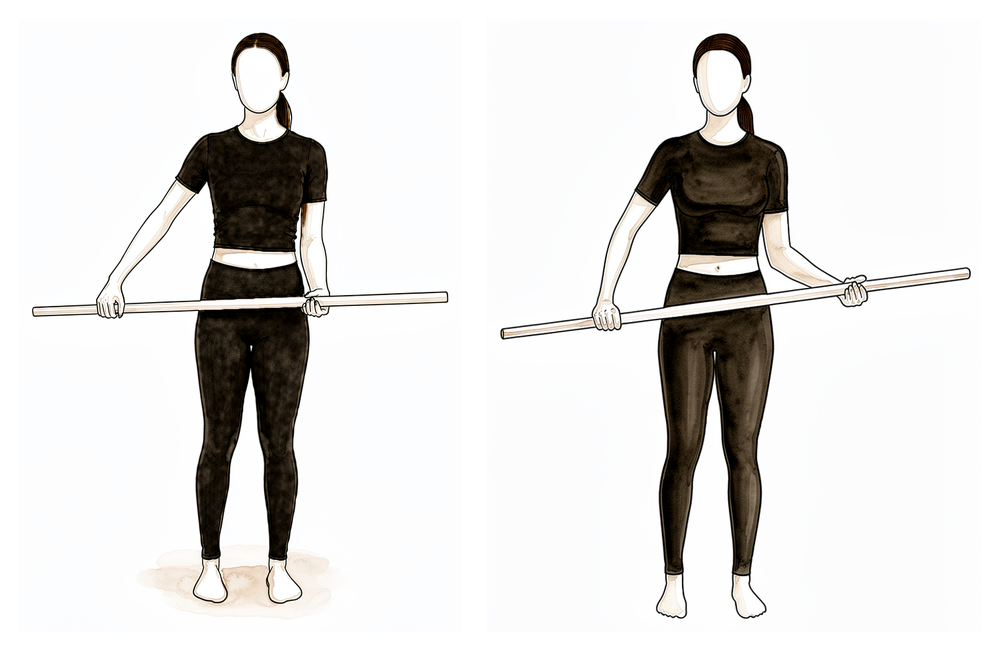
ਲੇਟ ਕੇ ਸਹਾਰੇ ਨਾਲ ਬਾਂਹ ਅੱਗੇ ਵੱਲ ਚੁੱਕਣਾ
ਪਿੱਠ ਦੇ ਭਾਰ ਲੇਟ ਕੇ, ਦੋਵਾਂ ਹੱਥਾਂ ਵਿੱਚ ਇੱਕ ਡੰਡਾ ਫੜੋ ਅਤੇ ਆਪਣੀ ਠੀਕ ਬਾਂਹ ਨਾਲ ਓਪਰੇਸ਼ਨ ਵਾਲੀ ਬਾਂਹ ਨੂੰ ਅੱਗੇ ਅਤੇ ਉੱਪਰ ਵੱਲ ਚੁੱਕੋ — ਓਪਰੇਸ਼ਨ ਵਾਲਾ ਮੋਢਾ ਢਿੱਲਾ ਰਹਿੰਦਾ ਹੈ। ਇਸ ਪੜਾਅ ਦੌਰਾਨ ਹੌਲੀ-ਹੌਲੀ ਲਗਭਗ 120° ਤੱਕ ਪਹੁੰਚੋ (ਮੋਟੇ ਤੌਰ 'ਤੇ ਪੂਰੀ ਉਚਾਈ ਦਾ ਦੋ-ਤਿਹਾਈ), ਅਤੇ ਉਸ ਹੱਦ ਦੇ ਅੰਦਰ ਰਹੋ ਜੋ ਤੁਹਾਡਾ ਫਿਜ਼ੀਓਥੈਰੇਪਿਸਟ ਤੈਅ ਕਰਦਾ ਹੈ। ਸੁਚੱਜੇ ਢੰਗ ਨਾਲ ਹਿਲਾਓ, ਕਦੇ ਵੀ ਜ਼ੋਰ ਨਾ ਲਗਾਓ, ਅਤੇ ਕਾਬੂ ਨਾਲ ਹੇਠਾਂ ਲਿਆਓ।
10 ਵਾਰ, ਦਿਨ ਵਿੱਚ 2–3 ਵਾਰ
Kieran Hirpara 4.0
ਡੰਡੇ ਨਾਲ ਸਹਾਰਾ ਦੇ ਕੇ ਬਾਹਰ ਵੱਲ ਘੁਮਾਉਣਾ
ਪਿੱਠ ਦੇ ਭਾਰ ਲੇਟ ਕੇ, ਕੂਹਣੀ ਨੂੰ ਪਾਸੇ ਨਾਲ ਲਾ ਕੇ ਅਤੇ 90° ਤੱਕ ਮੋੜ ਕੇ, ਦੋਵਾਂ ਹੱਥਾਂ ਵਿੱਚ ਇੱਕ ਡੰਡਾ ਫੜੋ ਅਤੇ ਆਪਣੀ ਠੀਕ ਬਾਂਹ ਨਾਲ ਓਪਰੇਸ਼ਨ ਵਾਲੇ ਹੱਥ ਨੂੰ ਹੌਲੀ ਜਿਹੇ ਬਾਹਰ ਵੱਲ ਧੱਕੋ। ਉਸ ਹੱਦ ਦੇ ਅੰਦਰ ਰਹੋ ਜੋ ਤੁਹਾਡਾ ਫਿਜ਼ੀਓਥੈਰੇਪਿਸਟ ਤੈਅ ਕਰਦਾ ਹੈ ਅਤੇ ਕਦੇ ਵੀ ਜ਼ੋਰ ਨਾ ਲਗਾਓ।
10 ਵਾਰ, ਦਿਨ ਵਿੱਚ 2–3 ਵਾਰ
Kieran Hirpara 4.0
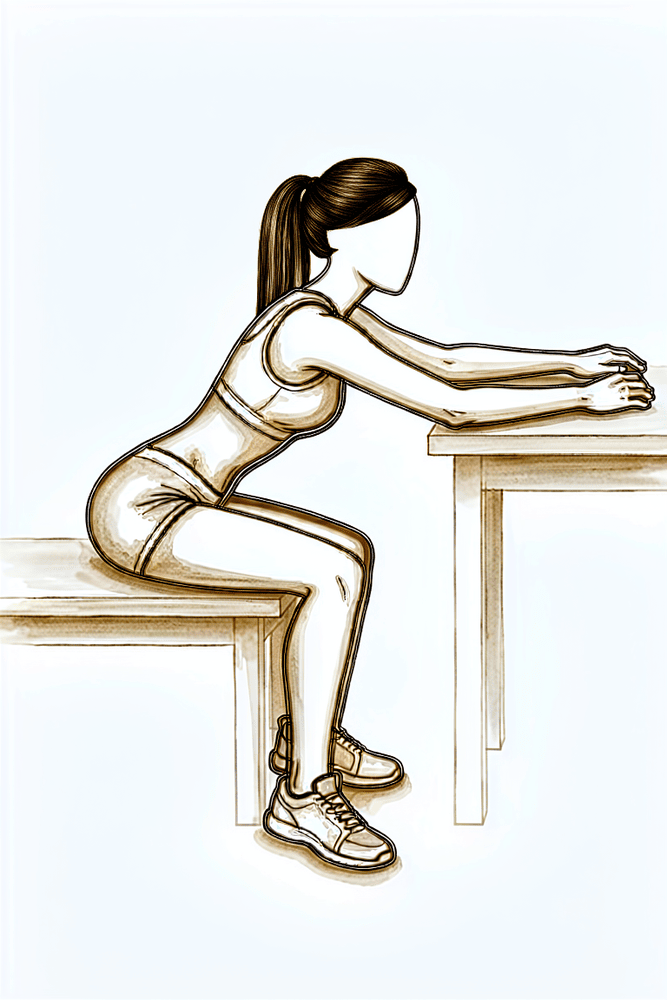
ਬੈਠ ਕੇ ਮੇਜ਼ ਉੱਤੇ ਹੱਥ ਖਿਸਕਾਉਣਾ
ਲਗਭਗ ਹਫ਼ਤੇ 6 ਤੋਂ, ਮੇਜ਼ ਕੋਲ ਬੈਠੋ ਅਤੇ ਓਪਰੇਸ਼ਨ ਵਾਲਾ ਹੱਥ ਇੱਕ ਤੌਲੀਏ ਉੱਤੇ ਰੱਖੋ। ਹੱਥ ਨੂੰ ਮੇਜ਼ ਦੀ ਸਤ੍ਹਾ ਉੱਤੇ ਅੱਗੇ ਵੱਲ ਖਿਸਕਾਓ ਤਾਂ ਜੋ ਬਾਂਹ ਅੱਗੇ ਅਤੇ ਉੱਪਰ ਵੱਲ ਜਾਵੇ, ਬਾਂਹ ਦਾ ਭਾਰ ਮੇਜ਼ ਉੱਤੇ ਰਹਿਣ ਦਿਓ, ਫਿਰ ਵਾਪਸ ਖਿਸਕਾਓ। ਇਹੀ ਕਸਰਤ ਫਿਜ਼ੀਓਥੈਰੇਪਿਸਟ ਦੀ ਹਦਾਇਤ ਅਨੁਸਾਰ ਪਾਸੇ ਵੱਲ ਵੀ ਕੀਤੀ ਜਾ ਸਕਦੀ ਹੈ।
10 ਵਾਰ, ਦਿਨ ਵਿੱਚ 2–3 ਵਾਰ
Kieran Hirpara 4.0
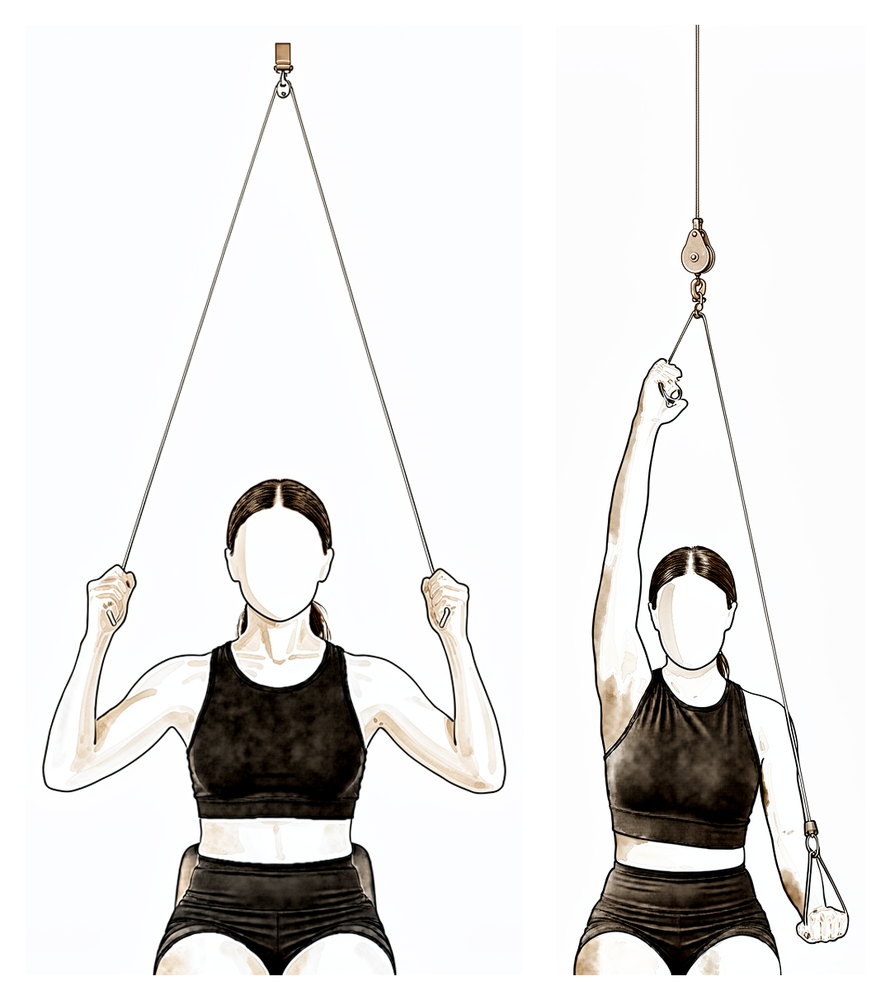
ਦਰਵਾਜ਼ੇ ਉੱਤੇ ਲੱਗੀ ਪੁਲੀ (ਘਿਰਨੀ)
ਲਗਭਗ ਹਫ਼ਤੇ 6 ਤੋਂ, ਦਰਵਾਜ਼ੇ ਉੱਤੇ ਲੱਗੀ ਪੁਲੀ ਦੇ ਹੇਠਾਂ ਬੈਠੋ ਅਤੇ ਹਰ ਹੱਥ ਵਿੱਚ ਇੱਕ ਹੈਂਡਲ ਫੜੋ। ਆਪਣੀ ਠੀਕ ਬਾਂਹ ਨਾਲ ਹੇਠਾਂ ਵੱਲ ਖਿੱਚੋ ਤਾਂ ਜੋ ਓਪਰੇਸ਼ਨ ਵਾਲੀ ਬਾਂਹ ਉੱਪਰ ਉੱਠੇ, ਓਪਰੇਸ਼ਨ ਵਾਲੀ ਬਾਂਹ ਨੂੰ ਢਿੱਲਾ ਰੱਖੋ, ਫਿਰ ਇਸ ਨੂੰ ਹੌਲੀ-ਹੌਲੀ ਹੇਠਾਂ ਲਿਆਓ।
ਤੁਹਾਡੇ ਫਿਜ਼ੀਓਥੈਰੇਪਿਸਟ ਦੀ ਹਦਾਇਤ ਅਨੁਸਾਰ
Kieran Hirpara 4.0
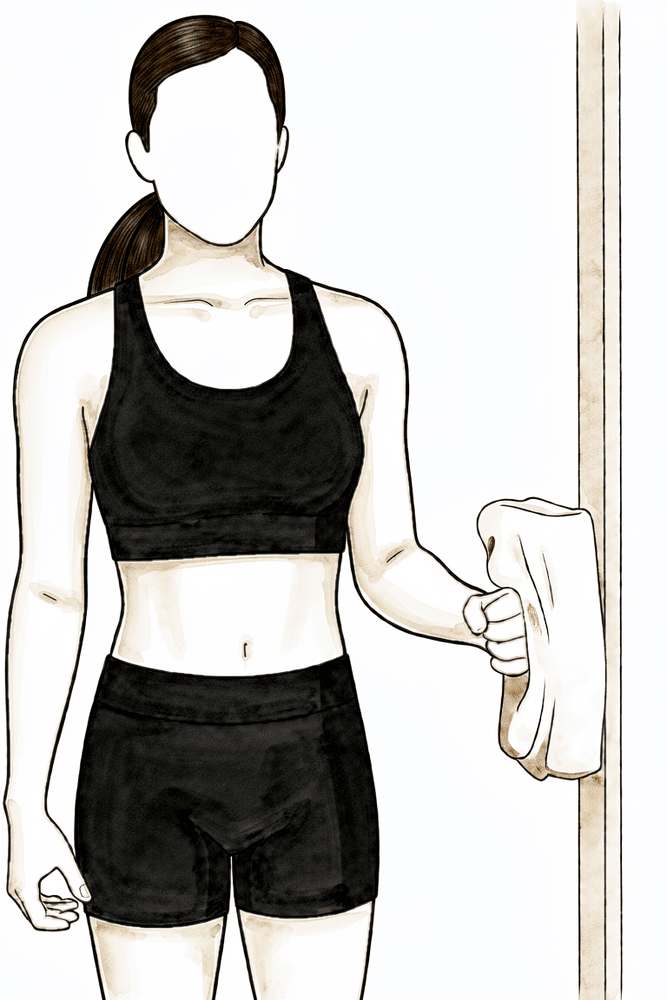
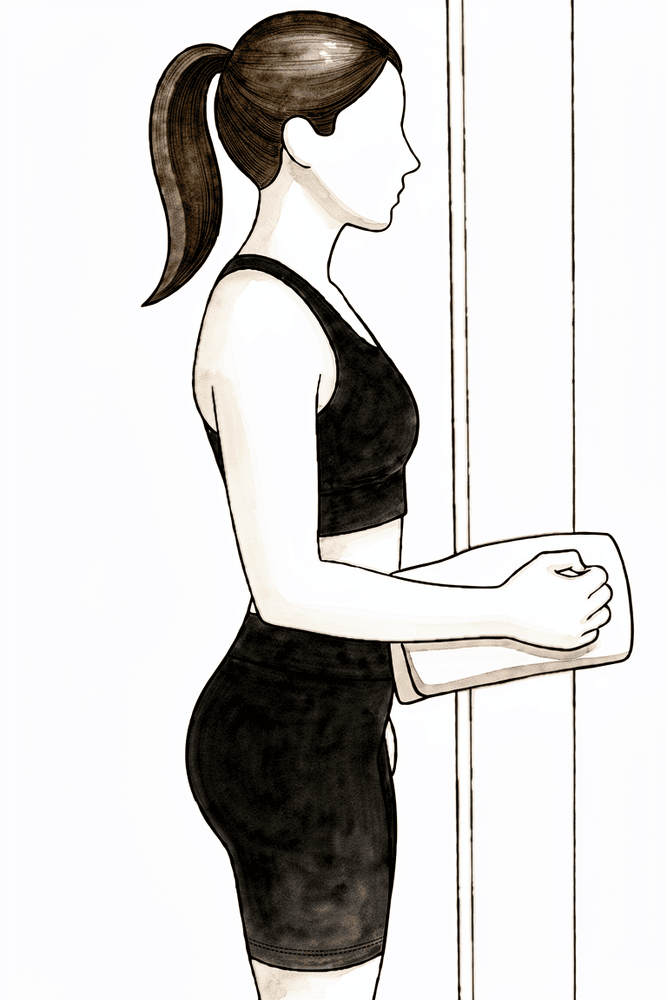
ਬਿਨਾਂ ਹਿਲਾਏ ਬਾਹਰ ਵੱਲ ਦਬਾਅ (isometric external rotation)
ਲਗਭਗ ਹਫ਼ਤੇ 8 ਤੋਂ, ਜੇ ਤੁਹਾਡਾ ਫਿਜ਼ੀਓਥੈਰੇਪਿਸਟ ਸਹਿਮਤ ਹੋਵੇ। ਕੂਹਣੀ ਨੂੰ ਪਾਸੇ ਨਾਲ ਲਾ ਕੇ ਅਤੇ 90° ਤੱਕ ਮੋੜ ਕੇ ਖੜ੍ਹੇ ਹੋਵੋ, ਹੱਥ ਦਾ ਪੁੱਠਾ ਪਾਸਾ ਕਿਸੇ ਕੰਧ ਜਾਂ ਦਰਵਾਜ਼ੇ ਦੀ ਚੁਗਾਠ ਦੇ ਨੇੜੇ ਰੱਖੋ। ਹੱਥ ਦੇ ਪੁੱਠੇ ਪਾਸੇ ਨਾਲ ਸਤ੍ਹਾ ਉੱਤੇ ਹੌਲੀ ਜਿਹੇ ਬਾਹਰ ਵੱਲ ਦਬਾਓ, ਪਰ ਬਾਂਹ ਨੂੰ ਬਿਲਕੁਲ ਹਿੱਲਣ ਨਾ ਦਿਓ — ਹਲਕਾ ਜ਼ੋਰ, ਆਪਣੀ ਤਾਕਤ ਦਾ ਲਗਭਗ ਚੌਥਾ ਹਿੱਸਾ, ਬਿਨਾਂ ਦਰਦ ਦੇ। ਰੋਕ ਕੇ ਰੱਖੋ, ਫਿਰ ਢਿੱਲਾ ਛੱਡੋ।
ਲਗਭਗ 5 ਸਕਿੰਟ ਰੋਕੋ, ਹਲਕਾ ਜ਼ੋਰ (ਲਗਭਗ 25% ਤਾਕਤ), ਤੁਹਾਡੇ ਫਿਜ਼ੀਓਥੈਰੇਪਿਸਟ ਦੀ ਹਦਾਇਤ ਅਨੁਸਾਰ
Kieran Hirpara 4.0
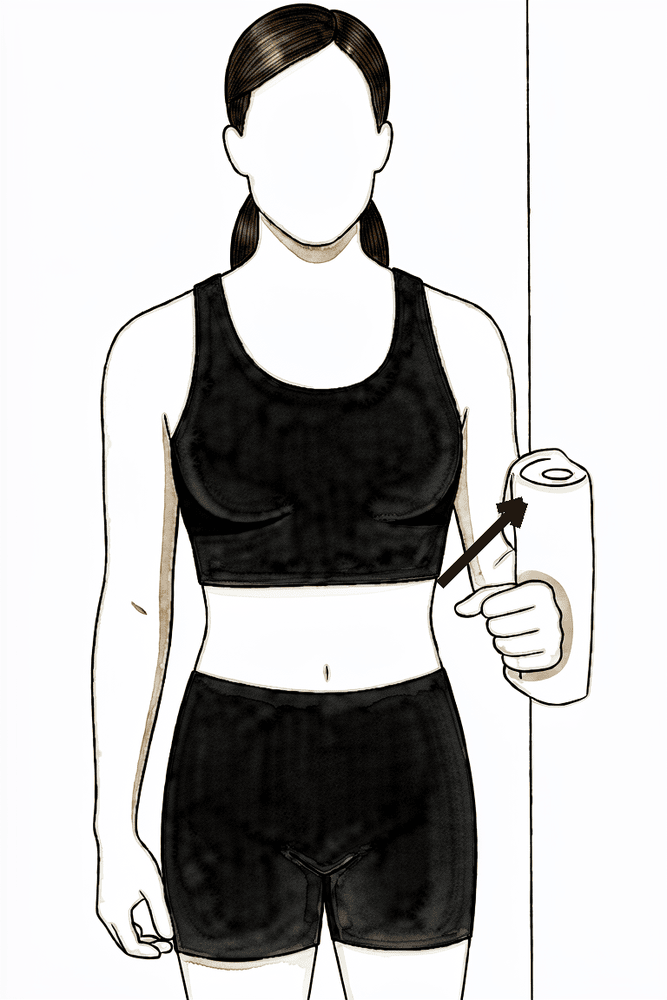
ਬਿਨਾਂ ਹਿਲਾਏ ਅੰਦਰ ਵੱਲ ਦਬਾਅ (isometric internal rotation)
ਲਗਭਗ ਹਫ਼ਤੇ 8 ਤੋਂ, ਜੇ ਤੁਹਾਡਾ ਫਿਜ਼ੀਓਥੈਰੇਪਿਸਟ ਸਹਿਮਤ ਹੋਵੇ — ਪਰ ਜੇ ਮੋਢੇ ਦੇ ਅਗਲੇ ਪਾਸੇ ਵਾਲੇ ਕਫ਼ ਟੈਂਡਨ (subscapularis) ਦੀ ਮੁਰੰਮਤ ਕੀਤੀ ਗਈ ਸੀ, ਤਾਂ ਹਫ਼ਤੇ 12 ਤੋਂ ਪਹਿਲਾਂ ਬਿਲਕੁਲ ਨਹੀਂ। ਕੂਹਣੀ ਨੂੰ ਪਾਸੇ ਨਾਲ ਲਾ ਕੇ ਖੜ੍ਹੇ ਹੋਵੋ, ਹਥੇਲੀ ਕੰਧ ਨਾਲ ਲਾਓ। ਹਥੇਲੀ ਨਾਲ ਹੌਲੀ ਜਿਹੇ ਅੰਦਰ ਵੱਲ ਦਬਾਓ, ਪਰ ਬਾਂਹ ਨੂੰ ਬਿਲਕੁਲ ਹਿੱਲਣ ਨਾ ਦਿਓ — ਲਗਭਗ ਚੌਥਾ ਹਿੱਸਾ ਜ਼ੋਰ, ਬਿਨਾਂ ਦਰਦ ਦੇ। ਰੋਕ ਕੇ ਰੱਖੋ, ਫਿਰ ਢਿੱਲਾ ਛੱਡੋ।
ਲਗਭਗ 5 ਸਕਿੰਟ ਰੋਕੋ, ਹਲਕਾ ਜ਼ੋਰ (ਲਗਭਗ 25% ਤਾਕਤ), ਤੁਹਾਡੇ ਫਿਜ਼ੀਓਥੈਰੇਪਿਸਟ ਦੀ ਹਦਾਇਤ ਅਨੁਸਾਰ
Kieran Hirpara 4.0
ਬਿਨਾਂ ਹਿਲਾਏ ਪਾਸੇ ਵੱਲ ਦਬਾਅ (isometric abduction)
ਲਗਭਗ ਹਫ਼ਤੇ 8 ਤੋਂ, ਜੇ ਤੁਹਾਡਾ ਫਿਜ਼ੀਓਥੈਰੇਪਿਸਟ ਸਹਿਮਤ ਹੋਵੇ। ਕੰਧ ਵੱਲ ਪਾਸਾ ਕਰਕੇ ਖੜ੍ਹੇ ਹੋਵੋ, ਡੌਲੇ ਦਾ ਬਾਹਰਲਾ ਪਾਸਾ ਕੰਧ ਦੇ ਨੇੜੇ ਅਤੇ ਕੂਹਣੀ ਤੁਹਾਡੇ ਪਾਸੇ ਨਾਲ ਲੱਗੀ ਹੋਵੇ। ਬਾਂਹ ਨਾਲ ਕੰਧ ਉੱਤੇ ਹੌਲੀ ਜਿਹੇ ਬਾਹਰ ਵੱਲ ਦਬਾਓ, ਪਰ ਇਸ ਨੂੰ ਬਿਲਕੁਲ ਹਿੱਲਣ ਨਾ ਦਿਓ — ਲਗਭਗ ਚੌਥਾ ਹਿੱਸਾ ਜ਼ੋਰ, ਬਿਨਾਂ ਦਰਦ ਦੇ। ਰੋਕ ਕੇ ਰੱਖੋ, ਫਿਰ ਢਿੱਲਾ ਛੱਡੋ।
ਲਗਭਗ 5 ਸਕਿੰਟ ਰੋਕੋ, ਹਲਕਾ ਜ਼ੋਰ (ਲਗਭਗ 25% ਤਾਕਤ), ਤੁਹਾਡੇ ਫਿਜ਼ੀਓਥੈਰੇਪਿਸਟ ਦੀ ਹਦਾਇਤ ਅਨੁਸਾਰ
Kieran Hirpara 4.0
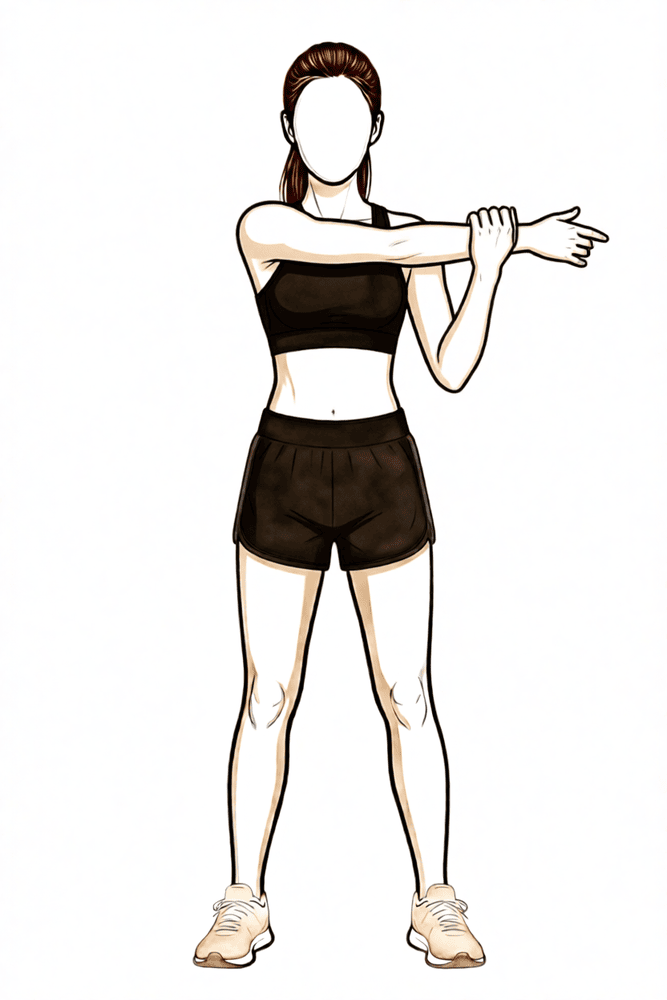
ਛਾਤੀ ਦੇ ਆਰ-ਪਾਰ ਖਿਚਾਅ
ਸਿਰਫ਼ ਇਸ ਪੜਾਅ ਦੇ ਅਖ਼ੀਰ ਵਿੱਚ (ਹਫ਼ਤੇ 9 ਤੋਂ ਬਾਅਦ)। ਆਪਣੇ ਠੀਕ ਹੱਥ ਨਾਲ ਓਪਰੇਸ਼ਨ ਵਾਲੀ ਬਾਂਹ ਨੂੰ ਹੌਲੀ ਜਿਹੇ ਆਪਣੀ ਛਾਤੀ ਦੇ ਆਰ-ਪਾਰ ਖਿੱਚੋ, ਜਦੋਂ ਤੱਕ ਮੋਢੇ ਦੇ ਪਿਛਲੇ ਪਾਸੇ ਆਰਾਮਦਾਇਕ ਖਿਚਾਅ ਮਹਿਸੂਸ ਨਾ ਹੋਵੇ। ਹਲਕਾ ਰੱਖੋ — ਜ਼ੋਰ ਨਾ ਲਗਾਓ।
10–20 ਸਕਿੰਟ ਰੋਕੋ, ਕੁਝ ਵਾਰ, ਤੁਹਾਡੇ ਫਿਜ਼ੀਓਥੈਰੇਪਿਸਟ ਦੀ ਹਦਾਇਤ ਅਨੁਸਾਰ
ਮੁਰੰਮਤ ਠੀਕ ਹੋ ਰਹੀ ਹੈ ਪਰ ਅਜੇ ਵੀ ਕਮਜ਼ੋਰ ਹੈ, ਛੇ ਹਫ਼ਤਿਆਂ 'ਤੇ ਆਮ ਤਾਕਤ ਦਾ ਸਿਰਫ਼ ਲਗਭਗ 20–30%। ਇਸ ਲਈ ਇਹ ਪੜਾਅ ਹਿਲਜੁਲ ਵਾਪਸ ਲਿਆਉਂਦਾ ਹੈ, ਤਾਕਤ ਨਹੀਂ। ਹੁਣ ਸਲਿੰਗ ਉਤਰ ਜਾਂਦੀ ਹੈ। ਤੁਸੀਂ ਸਹਾਰੇ ਵਾਲੀ ਹਿਲਜੁਲ ਤੋਂ ਅੱਗੇ ਵਧ ਕੇ ਬਾਂਹ ਨੂੰ ਆਪਣੀ ਤਾਕਤ ਨਾਲ ਹਿਲਾਉਣਾ ਸ਼ੁਰੂ ਕਰਦੇ ਹੋ, ਪਹਿਲਾਂ ਆਸਾਨ ਸਥਿਤੀਆਂ ਵਿੱਚ (ਲੇਟ ਕੇ, ਜਾਂ ਮੇਜ਼ ਉੱਤੇ ਖਿਸਕਾ ਕੇ, ਜਿੱਥੇ ਬਾਂਹ ਦਾ ਭਾਰ ਚੁੱਕਣਾ ਨਹੀਂ ਪੈਂਦਾ) ਅਤੇ ਫਿਰ ਹੌਲੀ-ਹੌਲੀ ਸਿੱਧੇ ਬੈਠ ਕੇ ਜਾਂ ਖੜ੍ਹੇ ਹੋ ਕੇ। ਪੜਾਅ ਦੇ ਅਖ਼ੀਰ ਵਿੱਚ ਮਾਸਪੇਸ਼ੀਆਂ ਨੂੰ ਹਲਕਾ ਜਿਹਾ ਸਰਗਰਮ ਕਰਨ ਵਾਲੀਆਂ (ਆਈਸੋਮੈਟ੍ਰਿਕ, isometric) ਕਸਰਤਾਂ ਜੋੜੀਆਂ ਜਾਂਦੀਆਂ ਹਨ।
- ਸਲਿੰਗ: ਹੌਲੀ-ਹੌਲੀ ਛੱਡ ਦਿੱਤੀ ਜਾਂਦੀ ਹੈ (ਹਫ਼ਤੇ 4–6 ਤੱਕ ਜ਼ਿਆਦਾਤਰ ਪਹਿਲਾਂ ਹੀ ਛੁੱਟ ਚੁੱਕੀ ਹੁੰਦੀ ਹੈ)।
- ਕਿਹੜੀ ਹਿਲਜੁਲ ਦੀ ਇਜਾਜ਼ਤ ਹੈ: ਸਹਾਰੇ ਨਾਲ ਪੂਰੀ ਹਿਲਜੁਲ, ਅਤੇ ਲਗਭਗ ਹਫ਼ਤੇ 6 ਤੋਂ ਹੌਲੀ-ਹੌਲੀ ਆਪਣੀ ਤਾਕਤ ਨਾਲ ਹਿਲਜੁਲ। ਸਹਾਰੇ ਨਾਲ/ਖ਼ੁਦ ਬਾਂਹ ਅੱਗੇ ਵੱਲ ਚੁੱਕਣਾ ਲਗਭਗ 120° ਅਤੇ ਉਸ ਤੋਂ ਅੱਗੇ ਵੱਲ ਵਧਾਓ।
- ਕਸਰਤਾਂ: ਲੇਟ ਕੇ ਸਹਾਰੇ ਨਾਲ ਬਾਂਹ ਅੱਗੇ ਵੱਲ ਚੁੱਕਣਾ; ਡੰਡੇ ਨਾਲ ਸਹਾਰਾ ਦੇ ਕੇ ਬਾਹਰ ਵੱਲ ਘੁਮਾਉਣਾ; ਬੈਠ ਕੇ ਮੇਜ਼ ਉੱਤੇ ਹੱਥ ਖਿਸਕਾਉਣਾ; ਦਰਵਾਜ਼ੇ ਉੱਤੇ ਲੱਗੀ ਪੁਲੀ; ਲਗਭਗ ਹਫ਼ਤੇ 8 ਤੋਂ ਬਾਹਰ ਵੱਲ ਘੁਮਾਉਣ, ਅੰਦਰ ਵੱਲ ਘੁਮਾਉਣ ਅਤੇ ਪਾਸੇ ਵੱਲ ਚੁੱਕਣ (abduction) ਲਈ ਹਲਕੀਆਂ ਆਈਸੋਮੈਟ੍ਰਿਕ (ਦਬਾਓ ਅਤੇ ਰੋਕੋ) ਕਸਰਤਾਂ; ਪੜਾਅ ਦੇ ਅਖ਼ੀਰ ਵਿੱਚ (ਹਫ਼ਤੇ 9 ਤੋਂ ਬਾਅਦ) ਛਾਤੀ ਦੇ ਆਰ-ਪਾਰ ਖਿਚਾਅ।
ਅਗਲੇ ਪੜਾਅ ਲਈ ਤਿਆਰ ਹੋ ਜਦੋਂ: ਤੁਸੀਂ ਆਪਣੀ ਤਾਕਤ ਨਾਲ ਬਾਂਹ ਨੂੰ ਚੰਗੇ ਕਾਬੂ ਨਾਲ ਘੱਟੋ-ਘੱਟ 115–120° ਤੱਕ ਅੱਗੇ ਚੁੱਕ ਸਕਦੇ ਹੋ (ਮੋਢਾ ਉਚਕਾਏ ਜਾਂ ਸਕੈਪੂਲਾ ਨੂੰ ਉੱਪਰ ਖਿੱਚੇ ਬਿਨਾਂ); ਤੁਹਾਡੀ ਸਹਾਰੇ ਵਾਲੀ/ਬਿਨਾਂ ਜ਼ੋਰ ਵਾਲੀ ਹਿਲਜੁਲ ਪੂਰੀ ਜਾਂ ਲਗਭਗ ਪੂਰੀ ਹੈ ਅਤੇ ਦਰਦ ਰਹਿਤ ਹੈ; ਹਲਕੀਆਂ ਆਈਸੋਮੈਟ੍ਰਿਕ ਕਸਰਤਾਂ ਤੋਂ ਬਾਅਦ ਦਰਦ ਨਹੀਂ ਭੜਕਦਾ; ਅਤੇ ਵਿਰੋਧ ਵਾਲੀਆਂ ਕਸਰਤਾਂ ਸ਼ੁਰੂ ਕਰਨ ਤੋਂ ਪਹਿਲਾਂ ਦਰਦ ਲਗਭਗ 2/10 ਤੋਂ ਵੱਧ ਨਹੀਂ ਹੈ।
ਛੋਟੇ-ਦਰਮਿਆਨੇ ਪਾਟਣ — ਪੜਾਅ 3: ਤਾਕਤ ਵਧਾਉਣਾ (ਹਫ਼ਤੇ 12–16)
Kieran Hirpara 4.0
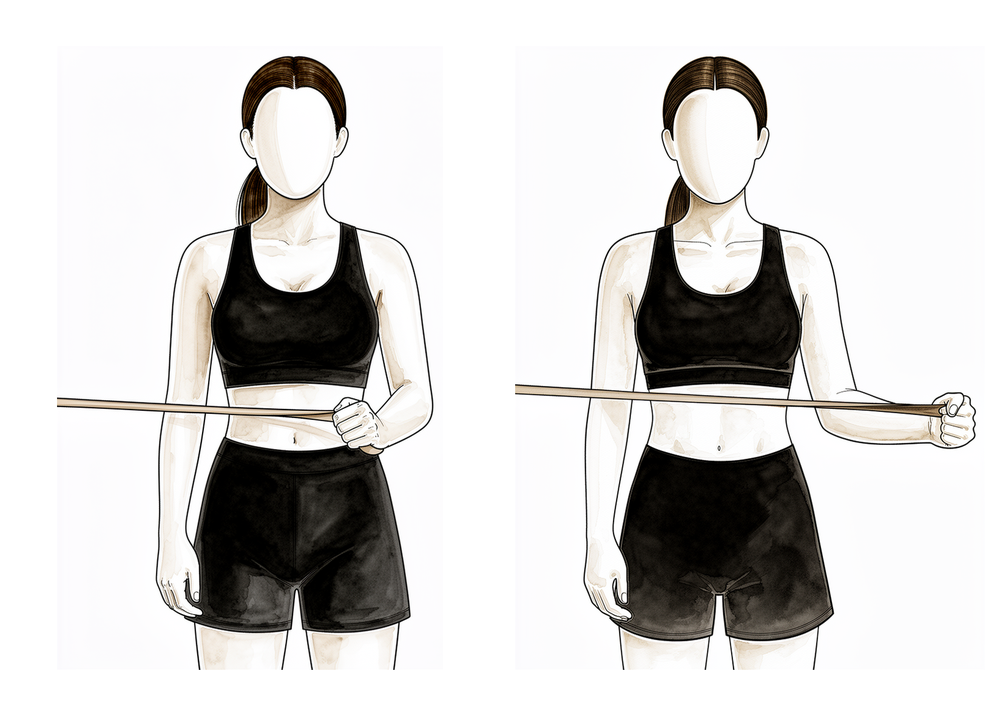
ਮੋਢੇ ਦੀ ਉਚਾਈ 'ਤੇ ਬਾਹਰ ਵੱਲ ਘੁਮਾਉਣਾ (ਬੈਂਡ ਨਾਲ)
ਲਗਭਗ ਹਫ਼ਤੇ 12 ਤੋਂ, ਜਦੋਂ ਬਾਂਹ ਨੂੰ ਸਿਰ ਤੋਂ ਉੱਪਰ ਲਿਜਾਣਾ ਆਰਾਮਦਾਇਕ ਹੋ ਜਾਵੇ। ਆਪਣੀ ਬਾਂਹ ਨੂੰ ਪਾਸੇ ਵੱਲ ਮੋਢੇ ਦੀ ਉਚਾਈ ਤੱਕ ਚੁੱਕ ਕੇ ਅਤੇ ਕੂਹਣੀ ਨੂੰ 90° ਤੱਕ ਮੋੜ ਕੇ, ਹਲਕੇ ਬੈਂਡ (ਰਬੜ ਦੀ ਲਚਕੀਲੀ ਪੱਟੀ) ਦੇ ਵਿਰੁੱਧ ਬਾਂਹ ਦੇ ਹੇਠਲੇ ਹਿੱਸੇ ਨੂੰ ਉੱਪਰ ਵੱਲ ਘੁਮਾਓ, ਫਿਰ ਕਾਬੂ ਨਾਲ ਵਾਪਸ ਲਿਆਓ। ਹਲਕਾ ਬੈਂਡ ਵਰਤੋ ਅਤੇ ਕਈ ਵਾਰ ਦੁਹਰਾਓ, ਭਾਰੀ ਵਿਰੋਧ ਨਾ ਵਰਤੋ।
ਤੁਹਾਡੇ ਫਿਜ਼ੀਓਥੈਰੇਪਿਸਟ ਦੀ ਹਦਾਇਤ ਅਨੁਸਾਰ
Kieran Hirpara 4.0
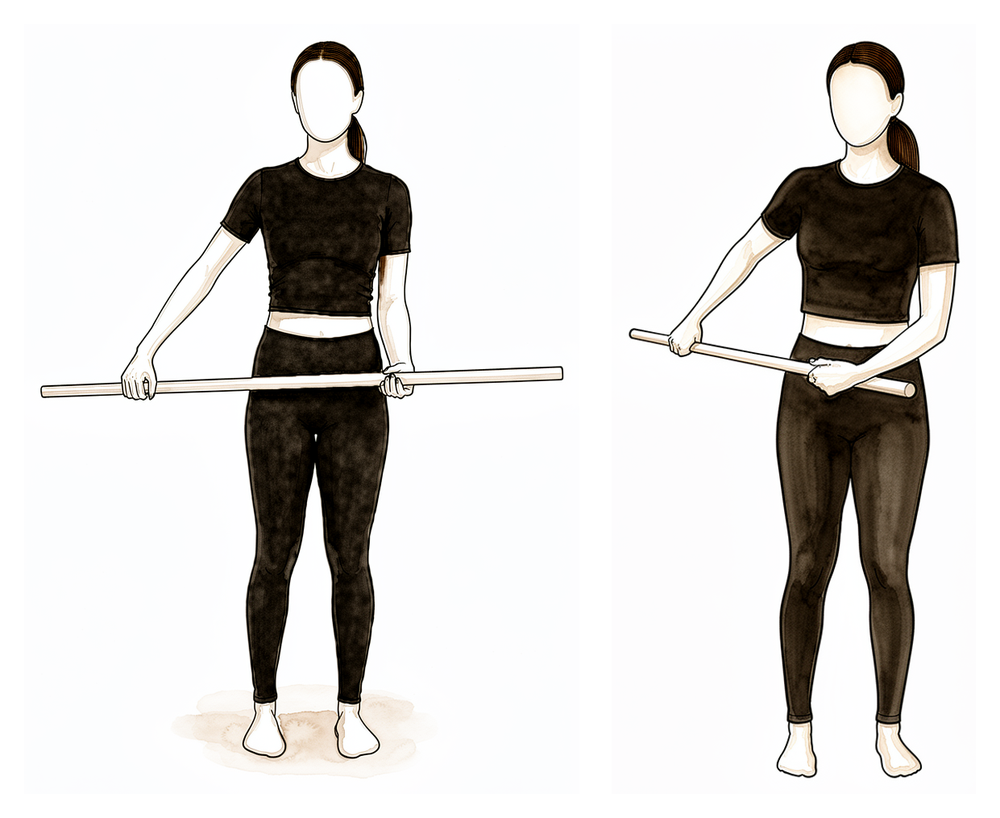
ਡੰਡੇ ਨਾਲ ਅੰਦਰ ਵੱਲ ਘੁਮਾਉਣਾ
ਲਗਭਗ ਹਫ਼ਤੇ 12 ਤੋਂ (ਜੇ ਅਗਲੇ ਕਫ਼ ਟੈਂਡਨ ਦੀ ਮੁਰੰਮਤ ਕੀਤੀ ਗਈ ਸੀ ਤਾਂ ਹੋਰ ਬਾਅਦ ਵਿੱਚ)। ਆਪਣੀ ਪਿੱਠ ਪਿੱਛੇ ਇੱਕ ਡੰਡਾ ਫੜੋ ਅਤੇ ਆਪਣੇ ਠੀਕ ਹੱਥ ਨਾਲ ਓਪਰੇਸ਼ਨ ਵਾਲੇ ਹੱਥ ਨੂੰ ਹੌਲੀ ਜਿਹੇ ਪਿੱਠ ਉੱਤੇ ਉੱਪਰ ਵੱਲ ਖਿੱਚੋ, ਫਿਰ ਕਾਬੂ ਨਾਲ ਹੇਠਾਂ ਲਿਆਓ। ਇਸ ਨੂੰ ਆਰਾਮਦਾਇਕ ਅਤੇ ਆਪਣੇ ਫਿਜ਼ੀਓਥੈਰੇਪਿਸਟ ਦੀਆਂ ਦੱਸੀਆਂ ਹੱਦਾਂ ਦੇ ਅੰਦਰ ਰੱਖੋ।
ਤੁਹਾਡੇ ਫਿਜ਼ੀਓਥੈਰੇਪਿਸਟ ਦੀ ਹਦਾਇਤ ਅਨੁਸਾਰ
Kieran Hirpara 4.0
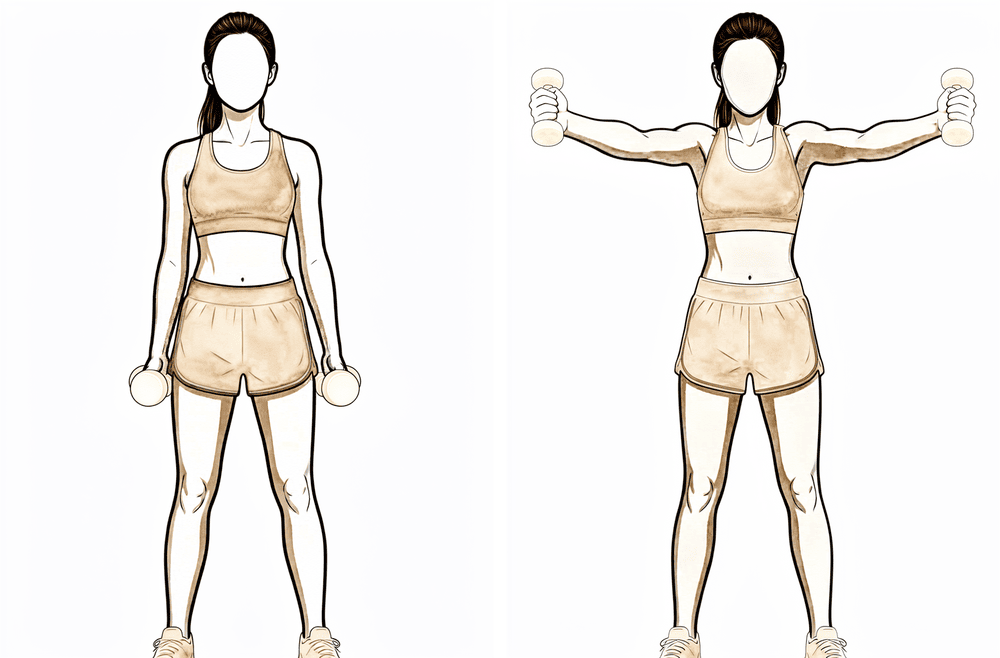
ਫੁੱਲ-ਕੈਨ ਲਿਫ਼ਟ (ਅੰਗੂਠਾ ਉੱਪਰ ਰੱਖ ਕੇ ਬਾਂਹ ਚੁੱਕਣਾ)
ਲਗਭਗ ਹਫ਼ਤੇ 12 ਤੋਂ, ਜਦੋਂ ਬਾਂਹ ਨੂੰ ਅੱਗੇ ਵੱਲ ਚੁੱਕਣਾ ਆਰਾਮਦਾਇਕ ਹੋ ਜਾਵੇ। ਆਪਣਾ ਅੰਗੂਠਾ ਉੱਪਰ ਵੱਲ ਰੱਖ ਕੇ ਬਾਂਹ ਨੂੰ ਅੱਗੇ ਵੱਲ ਅਤੇ ਥੋੜ੍ਹਾ ਪਾਸੇ ਵੱਲ ਚੁੱਕੋ — ਇਸ ਨੂੰ "ਫੁੱਲ ਕੈਨ" (ਭਰਿਆ ਡੱਬਾ) ਸਥਿਤੀ ਕਹਿੰਦੇ ਹਨ — ਫਿਰ ਕਾਬੂ ਨਾਲ ਹੇਠਾਂ ਲਿਆਓ। ਅੰਗੂਠਾ ਹੇਠਾਂ ਵੱਲ ਰੱਖ ਕੇ ("ਐਂਪਟੀ ਕੈਨ", ਖ਼ਾਲੀ ਡੱਬਾ) ਕਦੇ ਵੀ ਬਾਂਹ ਨਾ ਚੁੱਕੋ।
ਤੁਹਾਡੇ ਫਿਜ਼ੀਓਥੈਰੇਪਿਸਟ ਦੀ ਹਦਾਇਤ ਅਨੁਸਾਰ
Kieran Hirpara 4.0
ਲੋਅ ਰੋਅ (ਸਕੈਪੂਲਾ ਨੂੰ ਟਿਕਾਉਣਾ)
ਲਗਭਗ ਹਫ਼ਤੇ 12 ਤੋਂ। ਆਪਣੇ ਨਾਲ ਕਿਸੇ ਪੱਕੀ ਸਤ੍ਹਾ ਉੱਤੇ ਹੱਥ ਰੱਖ ਕੇ, ਹੇਠਾਂ ਅਤੇ ਪਿੱਛੇ ਵੱਲ ਦਬਾਓ ਤਾਂ ਜੋ ਸਕੈਪੂਲਾ ਹੇਠਾਂ ਅਤੇ ਅੰਦਰ ਵੱਲ ਖਿੱਚਿਆ ਜਾਵੇ, ਅਤੇ ਥੋੜ੍ਹੀ ਦੇਰ ਰੋਕ ਕੇ ਰੱਖੋ। ਇਹ ਸਕੈਪੂਲਾ ਨੂੰ ਟਿਕਾਉਂਦਾ ਹੈ (ਤੁਹਾਡਾ ਫਿਜ਼ੀਓਥੈਰੇਪਿਸਟ ਇਸ ਨੂੰ "ਇਨਫ਼ੀਰੀਅਰ ਗਲਾਈਡ" (inferior glide) ਕਹਿ ਸਕਦਾ ਹੈ)।
ਤੁਹਾਡੇ ਫਿਜ਼ੀਓਥੈਰੇਪਿਸਟ ਦੀ ਹਦਾਇਤ ਅਨੁਸਾਰ
Kieran Hirpara 4.0
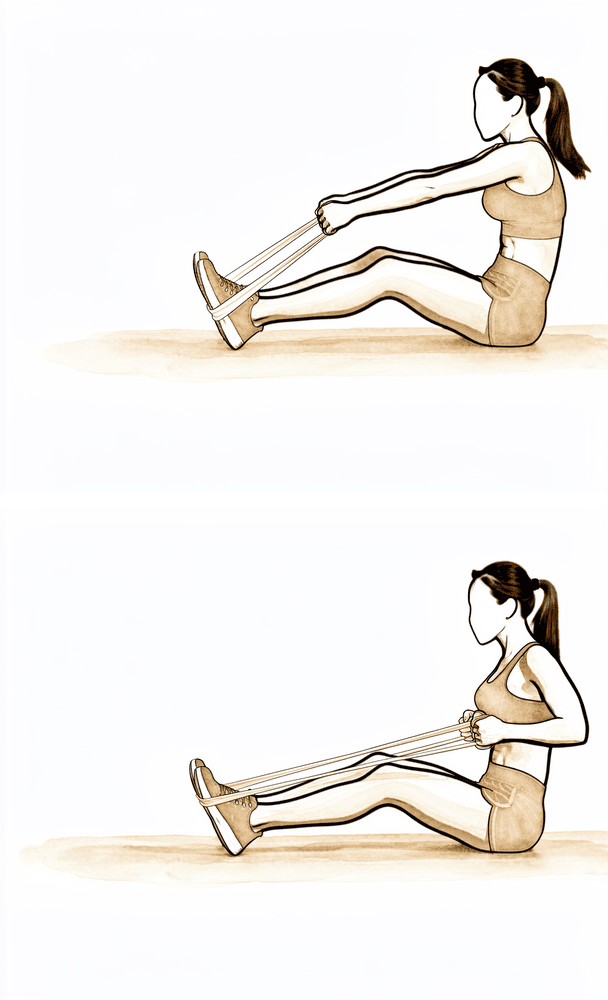
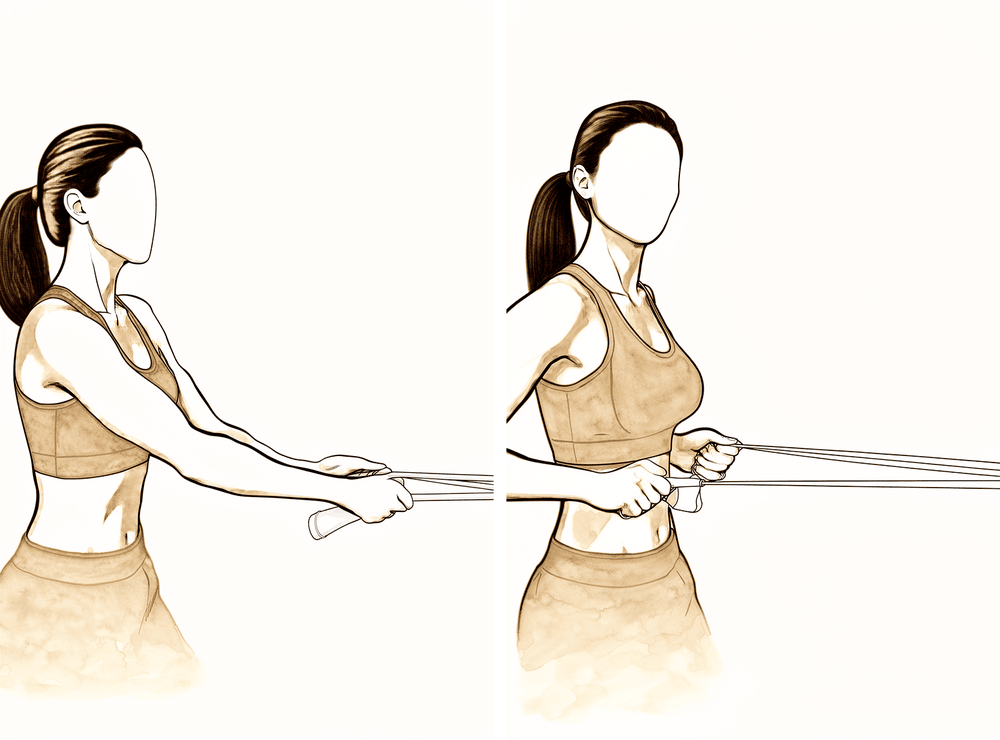
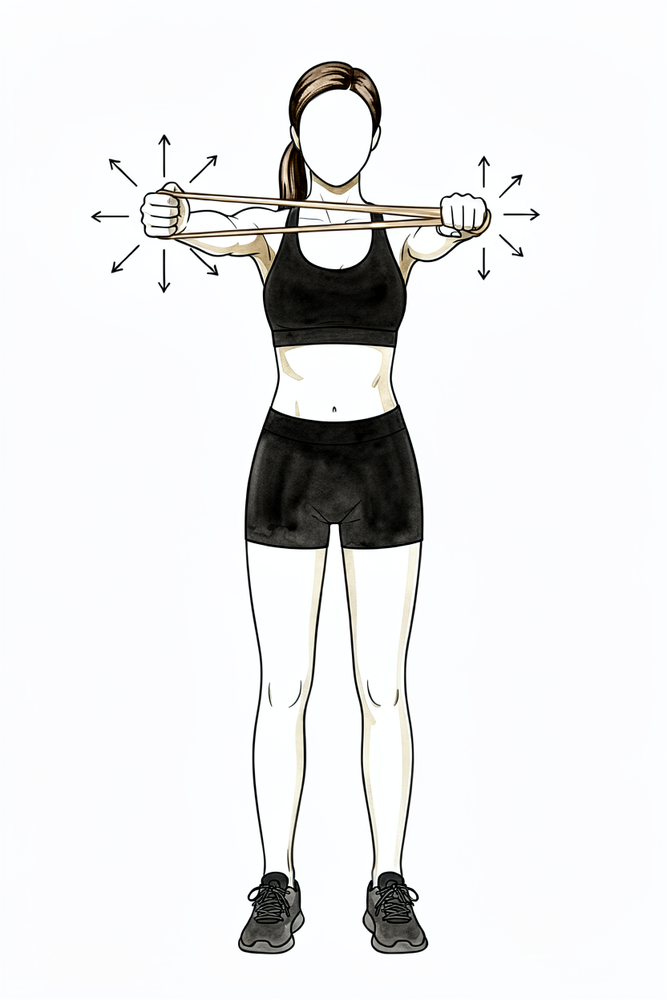
ਰਬੜ ਬੈਂਡ ਨਾਲ ਰੋਅ (ਪਿੱਛੇ ਵੱਲ ਖਿੱਚਣਾ)
ਲਗਭਗ ਹਫ਼ਤੇ 12 ਤੋਂ। ਆਪਣੇ ਸਾਹਮਣੇ ਬੰਨ੍ਹੇ ਬੈਂਡ ਦੇ ਹੈਂਡਲ ਆਪਣੇ ਵੱਲ ਖਿੱਚੋ, ਕੂਹਣੀਆਂ ਨੂੰ ਪਿੱਛੇ ਲਿਜਾਓ ਅਤੇ ਦੋਵੇਂ ਸਕੈਪੂਲਾ ਇੱਕ-ਦੂਜੇ ਵੱਲ ਘੁੱਟੋ, ਫਿਰ ਕਾਬੂ ਨਾਲ ਵਾਪਸ ਜਾਓ। ਹਲਕਾ ਬੈਂਡ, ਜ਼ਿਆਦਾ ਵਾਰ ਦੁਹਰਾਓ; ਜੇ ਮੋਢੇ ਵਿੱਚ ਦਰਦ ਹੋਣ ਲੱਗੇ ਤਾਂ ਰੁਕ ਜਾਓ।
ਤੁਹਾਡੇ ਫਿਜ਼ੀਓਥੈਰੇਪਿਸਟ ਦੀ ਹਦਾਇਤ ਅਨੁਸਾਰ
Kieran Hirpara 4.0
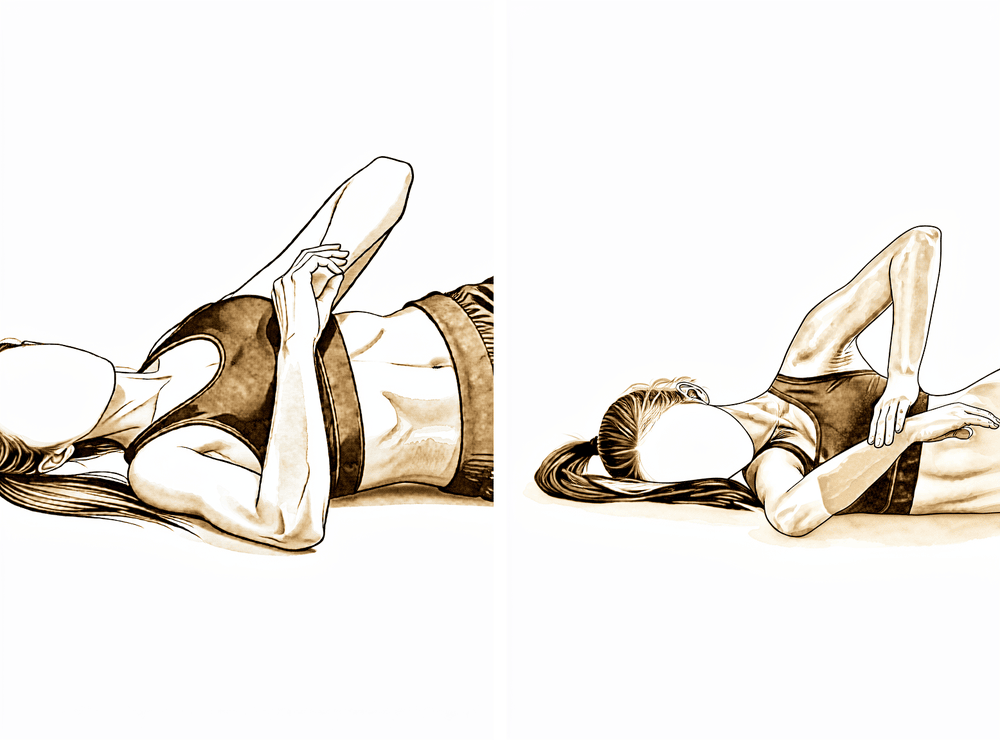
ਸਲੀਪਰ ਸਟ੍ਰੈਚ (ਪਾਸੇ ਲੇਟ ਕੇ ਖਿਚਾਅ)
ਲਗਭਗ ਹਫ਼ਤੇ 12 ਤੋਂ, ਜੇ ਤੁਹਾਡਾ ਫਿਜ਼ੀਓਥੈਰੇਪਿਸਟ ਇਸ ਦੀ ਹਦਾਇਤ ਦੇਵੇ। ਓਪਰੇਸ਼ਨ ਵਾਲੇ ਪਾਸੇ ਲੇਟੋ, ਬਾਂਹ ਅੱਗੇ ਵੱਲ ਅਤੇ ਕੂਹਣੀ ਮੁੜੀ ਹੋਈ। ਉੱਪਰ ਵਾਲੇ ਹੱਥ ਨਾਲ ਬਾਂਹ ਦੇ ਹੇਠਲੇ ਹਿੱਸੇ ਨੂੰ ਹੌਲੀ ਜਿਹੇ ਬਿਸਤਰੇ ਵੱਲ ਹੇਠਾਂ ਦਬਾਓ, ਜਦੋਂ ਤੱਕ ਮੋਢੇ ਦੇ ਪਿਛਲੇ ਪਾਸੇ ਆਰਾਮਦਾਇਕ ਖਿਚਾਅ ਮਹਿਸੂਸ ਨਾ ਹੋਵੇ। ਸਿਰਫ਼ ਹਲਕਾ — ਜ਼ੋਰ ਨਾ ਲਗਾਓ।
10–20 ਸਕਿੰਟ ਰੋਕੋ, ਕੁਝ ਵਾਰ, ਤੁਹਾਡੇ ਫਿਜ਼ੀਓਥੈਰੇਪਿਸਟ ਦੀ ਹਦਾਇਤ ਅਨੁਸਾਰ
Kieran Hirpara 4.0
ਰਿਦਮਿਕ ਸਟੈਬੀਲਾਈਜ਼ੇਸ਼ਨ (ਬਾਂਹ ਨੂੰ ਸਥਿਰ ਰੱਖਣ ਦੀ ਕਸਰਤ)
ਆਪਣੀ ਬਾਂਹ ਨੂੰ ਲਗਭਗ ਮੋਢੇ ਦੀ ਉਚਾਈ 'ਤੇ ਸਾਹਮਣੇ ਸਹਾਰਾ ਦੇ ਕੇ ਰੱਖੋ, ਅਤੇ ਆਪਣੇ ਫਿਜ਼ੀਓਥੈਰੇਪਿਸਟ (ਜਾਂ ਆਪਣੇ ਠੀਕ ਹੱਥ) ਤੋਂ ਵੱਖ-ਵੱਖ ਦਿਸ਼ਾਵਾਂ ਤੋਂ ਛੋਟੇ, ਹਲਕੇ ਧੱਕੇ ਲਗਵਾਓ, ਜਦਕਿ ਤੁਸੀਂ ਬਾਂਹ ਨੂੰ ਸਥਿਰ ਅਤੇ ਟਿਕਾ ਕੇ ਰੱਖਦੇ ਹੋ — ਇਸ ਨੂੰ ਹਿੱਲਣ ਨਾ ਦਿਓ। ਇਹ ਮੋਢੇ ਨੂੰ ਸਥਿਰ ਰੱਖਣ ਵਾਲੀਆਂ ਮਾਸਪੇਸ਼ੀਆਂ ਨੂੰ ਝੱਟ ਪ੍ਰਤੀਕਿਰਿਆ ਕਰਨਾ ਸਿਖਾਉਂਦਾ ਹੈ। ਸਾਰਾ ਜ਼ੋਰ ਹਲਕਾ ਰੱਖੋ।
ਤੁਹਾਡੇ ਫਿਜ਼ੀਓਥੈਰੇਪਿਸਟ ਦੀ ਹਦਾਇਤ ਅਨੁਸਾਰ
ਇਸ ਸਮੇਂ ਮੁਰੰਮਤ ਸਭ ਤੋਂ ਤੇਜ਼ੀ ਨਾਲ ਪੱਕੀ ਹੁੰਦੀ ਹੈ, ਅਤੇ ਧਿਆਨ ਹਿਲਜੁਲ ਵਾਪਸ ਲਿਆਉਣ ਤੋਂ ਹਟ ਕੇ ਤਾਕਤ, ਸਹਿਣਸ਼ਕਤੀ ਅਤੇ ਕਾਬੂ ਮੁੜ ਬਣਾਉਣ ਵੱਲ ਚਲਾ ਜਾਂਦਾ ਹੈ। ਹਲਕੇ ਬੈਂਡਾਂ (ਰਬੜ ਦੀਆਂ ਲਚਕੀਲੀਆਂ ਪੱਟੀਆਂ) ਅਤੇ ਹਲਕੇ ਭਾਰਾਂ ਨਾਲ ਵਿਰੋਧ ਵਾਲੀਆਂ ਕਸਰਤਾਂ ਲਗਭਗ ਹਫ਼ਤੇ 12 ਤੋਂ ਸ਼ੁਰੂ ਹੁੰਦੀਆਂ ਹਨ: ਜ਼ਿਆਦਾ ਵਾਰ ਦੁਹਰਾਓ, ਘੱਟ ਭਾਰ। ਸੁਨਹਿਰੀ ਨਿਯਮ ਹੈ ਇੱਕ ਵਾਰ ਵਿੱਚ ਇੱਕ ਦਿਸ਼ਾ: ਤੁਸੀਂ ਕਿਸੇ ਦਿਸ਼ਾ ਵਿੱਚ ਤਾਕਤ ਉਦੋਂ ਹੀ ਵਧਾਉਂਦੇ ਹੋ ਜਦੋਂ ਉਸ ਦਿਸ਼ਾ ਵਿੱਚ ਤੁਹਾਡੀ ਹਿਲਜੁਲ ਲਗਭਗ ਪੂਰੀ ਅਤੇ ਆਰਾਮਦਾਇਕ ਹੋ ਜਾਵੇ। ਬਾਂਹ ਹਮੇਸ਼ਾ ਅੰਗੂਠਾ ਉੱਪਰ ਰੱਖ ਕੇ ਚੁੱਕੋ, ਕਦੇ ਵੀ ਅੰਗੂਠਾ ਹੇਠਾਂ ਕਰਕੇ ਨਹੀਂ।
- ਸਲਿੰਗ: ਕੋਈ ਨਹੀਂ; ਪੂਰੀ ਹਿਲਜੁਲ ਦੀ ਉਮੀਦ ਹੈ।
- ਕਸਰਤਾਂ: ਮੋਢੇ ਦੀ ਉਚਾਈ 'ਤੇ ਬੈਂਡ ਨਾਲ ਬਾਹਰ ਵੱਲ ਘੁਮਾਉਣਾ; ਡੰਡੇ ਨਾਲ ਅੰਦਰ ਵੱਲ ਘੁਮਾਉਣਾ; ਫੁੱਲ-ਕੈਨ ਲਿਫ਼ਟ (ਅੰਗੂਠਾ ਉੱਪਰ ਰੱਖ ਕੇ ਬਾਂਹ ਚੁੱਕਣਾ); ਲੋਅ ਰੋਅ (ਸਕੈਪੂਲਾ ਨੂੰ ਟਿਕਾਉਣਾ); ਰਬੜ ਬੈਂਡ ਨਾਲ ਰੋਅ; ਸਲੀਪਰ ਸਟ੍ਰੈਚ। ਤੁਹਾਡਾ ਫਿਜ਼ੀਓਥੈਰੇਪਿਸਟ ਕਾਬੂ ਮੁੜ ਸਿਖਾਉਣ ਲਈ ਰਿਦਮਿਕ ਸਟੈਬੀਲਾਈਜ਼ੇਸ਼ਨ (ਬਾਂਹ ਨੂੰ ਸਥਿਰ ਰੱਖਣ ਦੀਆਂ ਹਲਕੀਆਂ ਕਸਰਤਾਂ, ਜਿਨ੍ਹਾਂ ਵਿੱਚ ਉਹ ਤੁਹਾਡੀ ਬਾਂਹ ਉੱਤੇ ਹਲਕਾ ਧੱਕਾ ਲਗਾਉਂਦੇ ਹਨ ਅਤੇ ਤੁਸੀਂ ਵਿਰੋਧ ਕਰਦੇ ਹੋ) ਵੀ ਜੋੜ ਸਕਦਾ ਹੈ; ਇਹ ਫਿਜ਼ੀਓਥੈਰੇਪਿਸਟ ਦੇ ਹੱਥਾਂ ਨਾਲ ਕਰਵਾਇਆ ਜਾਣ ਵਾਲਾ ਕੰਮ ਹੈ ਜਿਸ ਦਾ ਕੋਈ ਚਿੱਤਰ ਨਹੀਂ ਹੈ।
ਅਗਲੇ ਪੜਾਅ ਲਈ ਤਿਆਰ ਹੋ ਜਦੋਂ: ਤੁਹਾਡੀ ਆਪਣੀ ਤਾਕਤ ਨਾਲ ਹਿਲਜੁਲ ਪੂਰੀ ਅਤੇ ਦਰਦ ਰਹਿਤ ਹੈ ਅਤੇ ਦੋਵਾਂ ਸਕੈਪੂਲਾ ਉੱਤੇ ਬਰਾਬਰ ਕਾਬੂ ਹੈ; ਤਾਕਤ ਵਾਲੀਆਂ ਕਸਰਤਾਂ ਤੋਂ ਬਾਅਦ ਕੋਈ ਦਰਦ ਜਾਂ ਸੋਜ ਨਹੀਂ; ਸਕੈਪੂਲਾ ਦੀ ਸੇਧ ਵਿੱਚ (scapular plane) ਵਿਰੋਧ ਨਾਲ ਬਾਂਹ ਚੁੱਕਣਾ ਆਰਾਮਦਾਇਕ ਹੈ; ਅਤੇ ਘੁਮਾਉਣ ਦੀ ਤਾਕਤ ਦੂਜੇ ਪਾਸੇ ਦੇ ਬਰਾਬਰ ਹੋਣ ਵੱਲ ਵਧ ਰਹੀ ਹੈ (ਹਲਕੀ ਜਾਂਚ ਵਿੱਚ ਲਗਭਗ 80%; ਤਾਕਤ ਦੀ ਪੂਰੀ ਜਾਂਚ ਬਹੁਤ ਬਾਅਦ ਵਿੱਚ ਹੁੰਦੀ ਹੈ)।
ਛੋਟੇ-ਦਰਮਿਆਨੇ ਪਾਟਣ — ਪੜਾਅ 4: ਖੇਡ ਅਤੇ ਕੰਮ 'ਤੇ ਵਾਪਸੀ (ਹਫ਼ਤੇ 16–24)
Kieran Hirpara 4.0
ਹਲਕੇ ਭਾਰ ਨਾਲ ਫੁੱਲ-ਕੈਨ ਲਿਫ਼ਟ
ਪਹਿਲਾਂ ਵਾਂਗ ਫੁੱਲ-ਕੈਨ ਲਿਫ਼ਟ, ਹੁਣ ਹਲਕੇ ਭਾਰ ਨਾਲ, ਭਾਰ ਨੂੰ ਹੌਲੀ-ਹੌਲੀ ਵਧਾਉਂਦੇ ਹੋਏ। ਅੰਗੂਠਾ ਉੱਪਰ ਵੱਲ ਹੀ ਰੱਖੋ। ਜੇ ਮੋਢੇ ਵਿੱਚ ਦਰਦ ਹੋਵੇ ਜਾਂ ਬਾਅਦ ਵਿੱਚ ਸੋਜ ਆਵੇ ਤਾਂ ਰੁਕ ਜਾਓ।
ਤੁਹਾਡੇ ਫਿਜ਼ੀਓਥੈਰੇਪਿਸਟ ਦੀ ਹਦਾਇਤ ਅਨੁਸਾਰ
ਇਹ ਪੜਾਅ ਪੂਰੀ ਤਰ੍ਹਾਂ ਕੰਮ ਕਰਦੇ ਮੋਢੇ ਤੱਕ ਪਹੁੰਚਣ ਦਾ ਪੁਲ ਹੈ, ਅਤੇ ਫਿਰ ਖੇਡ ਅਤੇ ਭਾਰੀ ਕੰਮ 'ਤੇ ਦਰਜਾ-ਬ-ਦਰਜਾ ਵਾਪਸੀ ਦਾ। ਤੁਸੀਂ ਮਿਹਨਤ ਨਾਲ ਹਾਸਲ ਕੀਤੀ ਹਿਲਜੁਲ ਨੂੰ ਕਾਇਮ ਰੱਖਦੇ ਹੋ ਅਤੇ ਉਸ ਨੂੰ ਭਰੋਸੇ ਨਾਲ ਵਰਤਣ ਲਈ ਤਾਕਤ, ਫੁਰਤੀ (power) ਅਤੇ ਸਹਿਣਸ਼ਕਤੀ ਬਣਾਉਂਦੇ ਹੋ: ਹੱਥ ਵਧਾ ਕੇ ਚੀਜ਼ਾਂ ਫੜਨਾ, ਚੀਜ਼ਾਂ ਚੁੱਕ ਕੇ ਲਿਜਾਣਾ, ਸਿਰ ਤੋਂ ਉੱਪਰ ਕੰਮ ਕਰਨਾ। ਵਾਪਸੀ ਪੜਾਵਾਂ ਵਿੱਚ ਹੁੰਦੀ ਹੈ, ਅਚਾਨਕ ਨਹੀਂ; ਖੇਡ ਲਈ, ਇੱਕ ਇੰਟਰਵਲ ਪ੍ਰੋਗਰਾਮ (interval programme) ਜੋ ਕਦਮ-ਦਰ-ਕਦਮ ਮਾਤਰਾ ਅਤੇ ਤੀਬਰਤਾ ਵਧਾਉਂਦਾ ਹੈ, ਵਾਪਸੀ ਦਾ ਸਭ ਤੋਂ ਸੁਰੱਖਿਅਤ ਰਸਤਾ ਹੈ।
- ਸਲਿੰਗ: ਕੋਈ ਨਹੀਂ।
- ਕਸਰਤਾਂ: ਹਲਕੇ, ਹੌਲੀ-ਹੌਲੀ ਵਧਦੇ ਭਾਰ ਨਾਲ ਫੁੱਲ-ਕੈਨ ਲਿਫ਼ਟ; ਖੇਡ ਅਤੇ ਕੰਮ ਅਨੁਸਾਰ ਤਿਆਰੀ, ਹੌਲੀ-ਹੌਲੀ ਵਧਦਾ ਭਾਰ, ਅਤੇ ਲੋੜ ਅਨੁਸਾਰ ਪੜਾਅ ਦੇ ਅਖ਼ੀਰ ਵਿੱਚ ਕਾਬੂ ਵਾਲੀਆਂ ਤੇਜ਼ ਰਫ਼ਤਾਰ (ਪਲਾਈਓਮੈਟ੍ਰਿਕ, plyometric) ਕਸਰਤਾਂ।
ਵਾਪਸੀ ਲਈ ਤਿਆਰ ਹੋ ਜਦੋਂ: ਤੁਹਾਡੀ ਘੁਮਾਉਣ ਦੀ ਤਾਕਤ ਦੂਜੇ ਪਾਸੇ ਦੇ ਘੱਟੋ-ਘੱਟ 85–90% ਹੈ; ਤੁਹਾਡੀ ਹਿਲਜੁਲ ਪੂਰੀ ਅਤੇ ਦਰਦ ਰਹਿਤ ਹੈ ਅਤੇ ਭਾਰੀ ਭਾਰ ਹੇਠ ਬਾਅਦ ਵਿੱਚ ਸੋਜ ਨਹੀਂ ਆਉਂਦੀ; ਅਤੇ ਤੁਸੀਂ ਆਪਣੀ ਖੇਡ ਜਾਂ ਨੌਕਰੀ ਲਈ ਖ਼ਾਸ ਜਾਂਚਾਂ ਪਾਸ ਕਰ ਲੈਂਦੇ ਹੋ। ਖੇਡ ਜਾਂ ਭਾਰੀ ਕੰਮ 'ਤੇ ਵਾਪਸੀ ਆਮ ਤੌਰ 'ਤੇ ਲਗਭਗ 4–6 ਮਹੀਨਿਆਂ ਵਿੱਚ ਹੁੰਦੀ ਹੈ, ਜੋ ਇਨ੍ਹਾਂ ਸ਼ਰਤਾਂ ਨੂੰ ਪੂਰਾ ਕਰਨ ਅਤੇ ਡਾ. ਹਿਰਪਰਾ ਤੇ ਤੁਹਾਡੇ ਫਿਜ਼ੀਓਥੈਰੇਪਿਸਟ ਦੀ ਮਨਜ਼ੂਰੀ ਉੱਤੇ ਅਧਾਰਤ ਹੁੰਦੀ ਹੈ, ਸਿਰਫ਼ ਕੈਲੰਡਰ ਉੱਤੇ ਨਹੀਂ।
ਵੱਡੇ / ਬਹੁਤ ਵੱਡੇ ਪਾਟਣ
ਇਹ ਰਸਤਾ ਵੱਡੇ ਪਾਟਣਾਂ (ਦੋ ਜਾਂ ਵੱਧ ਟੈਂਡਨ, ਜਾਂ ਟਿਸ਼ੂ ਦੀ ਕਮਜ਼ੋਰ ਹਾਲਤ) ਲਈ ਹੈ। ਪੜਾਅ ਉਹੀ ਹਨ, ਪਰ ਠੀਕ ਹੋਣ ਨੂੰ ਪਹਿਲ ਦੇਣ ਲਈ ਹਰ ਪੜਾਅ ਲੰਮਾ ਚੱਲਦਾ ਹੈ ਅਤੇ ਵਧੇਰੇ ਸਾਵਧਾਨੀ ਨਾਲ ਅੱਗੇ ਵਧਾਇਆ ਜਾਂਦਾ ਹੈ। ਕੁਝ ਸਰਜਨ ਇਸ ਸਮੂਹ ਵਿੱਚ ਜਾਣ-ਬੁੱਝ ਕੇ ਰਸਮੀ ਥੈਰੇਪੀ ਦੇਰ ਨਾਲ ਸ਼ੁਰੂ ਕਰਦੇ ਹਨ; ਡਾ. ਹਿਰਪਰਾ ਵੱਲੋਂ ਤੁਹਾਨੂੰ ਦਿੱਤੀ ਗਈ ਖ਼ਾਸ ਹਦਾਇਤ ਦੀ ਪਾਲਣਾ ਕਰੋ। ਸਲਿੰਗ ਅਜੇ ਵੀ ਸਾਦੀ ਸਲਿੰਗ ਹੀ ਹੈ, ਬਿਨਾਂ ਐਬਡਕਸ਼ਨ ਸਿਰਹਾਣੇ ਦੇ, ਵੱਡੇ ਜਾਂ ਬਹੁਤ ਵੱਡੇ ਪਾਟਣਾਂ ਲਈ ਵੀ।
ਵੱਡੇ-ਬਹੁਤ ਵੱਡੇ ਪਾਟਣ — ਪੜਾਅ 1: ਸੁਰੱਖਿਆ (ਹਫ਼ਤੇ 0–6)
Kieran Hirpara 4.0
ਪੈਂਡੂਲਮ ਵਾਂਗ ਝੂਲਣਾ (pendulum)
ਅੱਗੇ ਵੱਲ ਝੁਕੋ ਅਤੇ ਓਪਰੇਸ਼ਨ ਵਾਲੀ ਬਾਂਹ ਨੂੰ ਪੂਰੀ ਤਰ੍ਹਾਂ ਢਿੱਲਾ ਛੱਡ ਕੇ ਹੇਠਾਂ ਲਟਕਣ ਦਿਓ। ਆਪਣੇ ਸਰੀਰ ਨੂੰ ਹਿਲਾ ਕੇ ਛੋਟੇ ਗੋਲ ਚੱਕਰ ਬਣਾਓ, ਮੋਢੇ ਦੀਆਂ ਮਾਸਪੇਸ਼ੀਆਂ ਨਾਲ ਬਿਲਕੁਲ ਨਹੀਂ। ਤੁਹਾਡੀ ਓਪਰੇਸ਼ਨ ਵਾਲੀ ਬਾਂਹ ਪੂਰਾ ਸਮਾਂ ਢਿੱਲੀ ਰਹਿੰਦੀ ਹੈ।
ਹਰ ਦਿਸ਼ਾ ਵਿੱਚ 10 ਵਾਰ, ਦਿਨ ਵਿੱਚ 2–3 ਵਾਰ
Kieran Hirpara 4.0
ਹੱਥ ਖੋਲ੍ਹਣਾ ਅਤੇ ਬੰਦ ਕਰਨਾ
ਕੱਸ ਕੇ ਮੁੱਠੀ ਬਣਾਓ, ਫਿਰ ਹੱਥ ਨੂੰ ਪੂਰੀ ਤਰ੍ਹਾਂ ਖੋਲ੍ਹੋ। ਇਸ ਨਾਲ ਹੱਥ ਹਿੱਲਦਾ ਰਹਿੰਦਾ ਹੈ ਅਤੇ ਸੋਜ ਘਟਦੀ ਹੈ।
ਹਰ ਘੰਟੇ 10 ਵਾਰ
Kieran Hirpara 4.0
ਗੁੱਟ ਨੂੰ ਖ਼ੁਦ ਮੋੜਨਾ
ਆਪਣੇ ਗੁੱਟ ਨੂੰ ਹੌਲੀ ਜਿਹੇ ਅੱਗੇ ਵੱਲ ਮੋੜੋ, ਫਿਰ ਪਿੱਛੇ ਵੱਲ, ਜਿੰਨਾ ਆਰਾਮ ਨਾਲ ਹੋ ਸਕੇ।
ਹਰ ਘੰਟੇ 10–15 ਵਾਰ
Kieran Hirpara 4.0
ਕੂਹਣੀ ਨੂੰ ਖ਼ੁਦ ਮੋੜਨਾ
ਹਥੇਲੀ ਉੱਪਰ ਵੱਲ ਰੱਖ ਕੇ, ਆਪਣੀ ਕੂਹਣੀ ਨੂੰ ਹੌਲੀ ਜਿਹੇ ਮੋੜੋ, ਫਿਰ ਸਿੱਧਾ ਕਰੋ, ਅਤੇ ਆਪਣੇ ਡੌਲੇ ਨੂੰ ਆਪਣੇ ਪਾਸੇ ਨਾਲ ਲਾ ਕੇ ਰੱਖੋ।
10–15 ਵਾਰ, ਦਿਨ ਵਿੱਚ 2–3 ਵਾਰ
Kieran Hirpara 4.0
ਸਕੈਪੂਲਾ (ਮੋਢੇ ਦੀ ਪਿਛਲੀ ਚਪਟੀ ਹੱਡੀ) ਨੂੰ ਟਿਕਾਉਣਾ
ਆਪਣੇ ਦੋਵੇਂ ਸਕੈਪੂਲਾ ਨੂੰ ਹੌਲੀ ਜਿਹੇ ਹੇਠਾਂ ਵੱਲ ਅਤੇ ਇੱਕ-ਦੂਜੇ ਵੱਲ ਘੁੱਟੋ, ਰੋਕ ਕੇ ਰੱਖੋ, ਫਿਰ ਢਿੱਲਾ ਛੱਡੋ। ਤੁਹਾਡੀ ਬਾਂਹ ਨਹੀਂ ਹਿੱਲਦੀ।
5 ਸਕਿੰਟ ਰੋਕੋ, 5 ਵਾਰ, ਦਿਨ ਵਿੱਚ 2–3 ਵਾਰ
ਛੋਟੇ/ਦਰਮਿਆਨੇ ਰਸਤੇ ਵਾਂਗ ਹੀ, ਪਰ ਹਿਲਜੁਲ ਨੂੰ ਸਖ਼ਤੀ ਨਾਲ ਸੁਰੱਖਿਅਤ ਰੱਖਿਆ ਜਾਂਦਾ ਹੈ ਅਤੇ ਹੋਰ ਹੌਲੀ ਅੱਗੇ ਵਧਾਇਆ ਜਾਂਦਾ ਹੈ। ਤੁਹਾਡਾ ਫਿਜ਼ੀਓਥੈਰੇਪਿਸਟ ਜਾਂ ਤੁਹਾਡੀ ਠੀਕ ਬਾਂਹ ਤੁਹਾਡੇ ਮੋਢੇ ਨੂੰ ਹਿਲਾਉਂਦੀ ਹੈ; ਤੁਸੀਂ ਢਿੱਲੇ ਰਹਿੰਦੇ ਹੋ। ਇਸ ਸਮੂਹ ਵਿੱਚ, ਠੀਕ ਹੋਣ ਨੂੰ ਪਹਿਲ ਦੇਣ ਲਈ ਰਸਮੀ ਥੈਰੇਪੀ ਕਦੇ-ਕਦੇ ਦੇਰ ਨਾਲ ਸ਼ੁਰੂ ਕੀਤੀ ਜਾਂਦੀ ਹੈ।
- ਸਲਿੰਗ: ਦਿਨ ਵੇਲੇ ਸਹਾਰੇ ਲਈ ਸਾਦੀ ਸਲਿੰਗ; ਸਲਿੰਗ ਉਤਾਰ ਕੇ ਸੌਂਵੋ; ਕਸਰਤਾਂ ਅਤੇ ਸਾਫ਼-ਸਫ਼ਾਈ ਲਈ ਉਤਾਰੋ।
- ਕਿਹੜੀ ਹਿਲਜੁਲ ਦੀ ਇਜਾਜ਼ਤ ਹੈ: ਸਿਰਫ਼ ਸੁਰੱਖਿਅਤ, ਬਿਨਾਂ ਜ਼ੋਰ ਲਾਏ (passive) ਹਿਲਜੁਲ, ਉਸ ਹੱਦ ਤੱਕ ਜੋ ਡਾ. ਹਿਰਪਰਾ ਤੈਅ ਕਰਦੇ ਹਨ; ਆਮ ਤੌਰ 'ਤੇ ਛੋਟੇ/ਦਰਮਿਆਨੇ ਰਸਤੇ ਨਾਲੋਂ ਘੱਟ ਹਿਲਜੁਲ।
- ਕਸਰਤਾਂ: ਪੈਂਡੂਲਮ ਵਾਂਗ ਝੂਲਣਾ; ਹਦਾਇਤ ਅਨੁਸਾਰ ਹਲਕੀ, ਸੁਰੱਖਿਅਤ, ਸਹਾਰੇ ਵਾਲੀ ਹਿਲਜੁਲ; ਹੱਥ, ਗੁੱਟ ਅਤੇ ਕੂਹਣੀ ਦੀ ਹਿਲਜੁਲ; ਸਕੈਪੂਲਾ ਨੂੰ ਟਿਕਾਉਣਾ।
ਅਗਲੇ ਪੜਾਅ ਲਈ ਤਿਆਰ ਹੋ ਜਦੋਂ: ਤੁਹਾਡਾ ਦਰਦ ਕਾਬੂ ਵਿੱਚ ਹੈ; ਇਸ ਗੱਲ ਦਾ ਕੋਈ ਲੱਛਣ ਨਹੀਂ ਕਿ ਮੁਰੰਮਤ ਉੱਤੇ ਹੱਦੋਂ ਵੱਧ ਜ਼ੋਰ ਪਿਆ ਹੈ; ਅਤੇ ਡਾ. ਹਿਰਪਰਾ ਤੁਹਾਨੂੰ ਅੱਗੇ ਵਧਣ ਦੀ ਮਨਜ਼ੂਰੀ ਦਿੰਦੇ ਹਨ (ਇਸ ਸਮੂਹ ਵਿੱਚ ਹਰ ਮਰੀਜ਼ ਦੀ ਯੋਜਨਾ ਵੱਖਰੀ ਹੁੰਦੀ ਹੈ; ਸਿਰਫ਼ ਕੈਲੰਡਰ ਦੇਖ ਕੇ ਅੱਗੇ ਨਾ ਵਧੋ)।
ਵੱਡੇ-ਬਹੁਤ ਵੱਡੇ ਪਾਟਣ — ਪੜਾਅ 2: ਹਿਲਜੁਲ ਵਾਪਸ ਲਿਆਉਣਾ (ਹਫ਼ਤੇ 6–12)
ਸਲਿੰਗ ਲਗਭਗ ਹਫ਼ਤੇ 6 ਦੇ ਆਸ-ਪਾਸ ਉਤਰ ਜਾਂਦੀ ਹੈ, ਪਰ ਮੁਰੰਮਤ ਦੀ ਲੰਮੇ ਸਮੇਂ ਤੱਕ ਰਾਖੀ ਕਰਨ ਲਈ, ਆਪਣੀ ਤਾਕਤ ਨਾਲ ਹਿਲਜੁਲ ਛੋਟੇ/ਦਰਮਿਆਨੇ ਰਸਤੇ ਨਾਲੋਂ ਬਾਅਦ ਵਿੱਚ ਅਤੇ ਹਰ ਮਰੀਜ਼ ਅਨੁਸਾਰ ਵੱਖਰੇ ਢੰਗ ਨਾਲ ਦੁਬਾਰਾ ਸ਼ੁਰੂ ਕੀਤੀ ਜਾਂਦੀ ਹੈ। ਕਫ਼ ਦੀਆਂ ਵਿਰੋਧ ਵਾਲੀਆਂ ਕਸਰਤਾਂ ਜਾਣ-ਬੁੱਝ ਕੇ ਰੋਕ ਕੇ ਰੱਖੀਆਂ ਜਾਂਦੀਆਂ ਹਨ।
- ਸਲਿੰਗ: ਲਗਭਗ ਹਫ਼ਤੇ 6 ਦੇ ਆਸ-ਪਾਸ ਛੱਡ ਦਿੱਤੀ ਜਾਂਦੀ ਹੈ।
- ਕਿਹੜੀ ਹਿਲਜੁਲ ਦੀ ਇਜਾਜ਼ਤ ਹੈ: ਸਹਾਰੇ ਵਾਲੀ ਹਿਲਜੁਲ, ਜੋ ਛੋਟੇ/ਦਰਮਿਆਨੇ ਰਸਤੇ ਨਾਲੋਂ ਬਾਅਦ ਵਿੱਚ ਆਪਣੀ ਤਾਕਤ ਨਾਲ ਹਿਲਜੁਲ ਵੱਲ ਵਧਦੀ ਹੈ; ਸਹੀ ਸਮਾਂ ਤੁਹਾਡਾ ਫਿਜ਼ੀਓਥੈਰੇਪਿਸਟ ਤੁਹਾਡੇ ਠੀਕ ਹੋਣ ਦੇ ਹਿਸਾਬ ਨਾਲ ਤੈਅ ਕਰਦਾ ਹੈ।
- ਕਸਰਤਾਂ: ਛੋਟੇ/ਦਰਮਿਆਨੇ ਪੜਾਅ 2 ਵਾਲੀਆਂ ਹੀ ਕਸਰਤਾਂ (ਸਹਾਰੇ ਨਾਲ ਬਾਂਹ ਅੱਗੇ ਵੱਲ ਚੁੱਕਣਾ, ਡੰਡੇ ਨਾਲ ਸਹਾਰਾ ਦੇ ਕੇ ਬਾਹਰ ਵੱਲ ਘੁਮਾਉਣਾ, ਮੇਜ਼ ਉੱਤੇ ਹੱਥ ਖਿਸਕਾਉਣਾ, ਦਰਵਾਜ਼ੇ ਉੱਤੇ ਲੱਗੀ ਪੁਲੀ), ਪਰ ਹੋਰ ਹੌਲੀ ਅੱਗੇ ਵਧਾਈਆਂ ਜਾਂਦੀਆਂ ਹਨ; ਕਫ਼ ਦੀਆਂ ਵਿਰੋਧ ਵਾਲੀਆਂ ਕਸਰਤਾਂ ਬਾਅਦ ਲਈ ਰੱਖੀਆਂ ਜਾਂਦੀਆਂ ਹਨ।
ਅਗਲੇ ਪੜਾਅ ਲਈ ਤਿਆਰ ਹੋ ਜਦੋਂ: ਤੁਹਾਡੀ ਆਪਣੀ ਤਾਕਤ ਨਾਲ ਹਿਲਜੁਲ ਲਗਾਤਾਰ ਸੁਧਰ ਰਹੀ ਹੈ; ਸਹਾਰੇ ਵਾਲੀ/ਬਿਨਾਂ ਜ਼ੋਰ ਵਾਲੀ ਹਿਲਜੁਲ ਪੂਰੀ ਹੈ; ਸਕੈਪੂਲਾ ਉੱਤੇ ਤੁਹਾਡਾ ਚੰਗਾ ਕਾਬੂ ਹੈ; ਅਤੇ ਤੁਹਾਡੀ ਟੀਮ ਸੰਤੁਸ਼ਟ ਹੈ ਕਿ ਮੁਰੰਮਤ ਇੰਨੀ ਚੰਗੀ ਤਰ੍ਹਾਂ ਠੀਕ ਹੋ ਰਹੀ ਹੈ ਕਿ ਭਾਰ ਪਾਉਣਾ ਸ਼ੁਰੂ ਕੀਤਾ ਜਾ ਸਕੇ।
ਵੱਡੇ-ਬਹੁਤ ਵੱਡੇ ਪਾਟਣ — ਪੜਾਅ 3: ਤਾਕਤ ਵਧਾਉਣਾ (ਲਗਭਗ ਹਫ਼ਤੇ 16 ਤੋਂ)
Kieran Hirpara 4.0
ਰਿਦਮਿਕ ਸਟੈਬੀਲਾਈਜ਼ੇਸ਼ਨ (ਬਾਂਹ ਨੂੰ ਸਥਿਰ ਰੱਖਣ ਦੀ ਕਸਰਤ)
ਆਪਣੀ ਬਾਂਹ ਨੂੰ ਲਗਭਗ ਮੋਢੇ ਦੀ ਉਚਾਈ 'ਤੇ ਸਾਹਮਣੇ ਸਹਾਰਾ ਦੇ ਕੇ ਰੱਖੋ, ਅਤੇ ਆਪਣੇ ਫਿਜ਼ੀਓਥੈਰੇਪਿਸਟ (ਜਾਂ ਆਪਣੇ ਠੀਕ ਹੱਥ) ਤੋਂ ਵੱਖ-ਵੱਖ ਦਿਸ਼ਾਵਾਂ ਤੋਂ ਛੋਟੇ, ਹਲਕੇ ਧੱਕੇ ਲਗਵਾਓ, ਜਦਕਿ ਤੁਸੀਂ ਬਾਂਹ ਨੂੰ ਸਥਿਰ ਅਤੇ ਟਿਕਾ ਕੇ ਰੱਖਦੇ ਹੋ — ਇਸ ਨੂੰ ਹਿੱਲਣ ਨਾ ਦਿਓ। ਇਹ ਮੋਢੇ ਨੂੰ ਸਥਿਰ ਰੱਖਣ ਵਾਲੀਆਂ ਮਾਸਪੇਸ਼ੀਆਂ ਨੂੰ ਝੱਟ ਪ੍ਰਤੀਕਿਰਿਆ ਕਰਨਾ ਸਿਖਾਉਂਦਾ ਹੈ। ਸਾਰਾ ਜ਼ੋਰ ਹਲਕਾ ਰੱਖੋ।
ਤੁਹਾਡੇ ਫਿਜ਼ੀਓਥੈਰੇਪਿਸਟ ਦੀ ਹਦਾਇਤ ਅਨੁਸਾਰ
ਤਾਕਤ ਵਧਾਉਣ ਵਾਲੀਆਂ ਕਸਰਤਾਂ ਹਫ਼ਤੇ 12 ਦੀ ਬਜਾਏ ਲਗਭਗ ਹਫ਼ਤੇ 16 ਤੱਕ ਟਾਲ ਦਿੱਤੀਆਂ ਜਾਂਦੀਆਂ ਹਨ, ਕਿਉਂਕਿ ਵੱਡੀ ਮੁਰੰਮਤ ਨੂੰ ਪੱਕਣ ਲਈ ਜ਼ਿਆਦਾ ਸਮਾਂ ਚਾਹੀਦਾ ਹੈ। ਉੱਥੋਂ ਅੱਗੇ, ਤਰੱਕੀ ਛੋਟੇ/ਦਰਮਿਆਨੇ ਰਸਤੇ ਦੇ ਤਾਕਤ ਵਾਲੇ ਪੜਾਅ ਵਰਗੀ ਹੀ ਹੈ: ਹਲਕੇ ਬੈਂਡ ਅਤੇ ਭਾਰ, ਜ਼ਿਆਦਾ ਵਾਰ ਦੁਹਰਾਓ, ਘੱਟ ਭਾਰ, ਇੱਕ ਵਾਰ ਵਿੱਚ ਇੱਕ ਦਿਸ਼ਾ, ਹਮੇਸ਼ਾ ਅੰਗੂਠਾ ਉੱਪਰ।
- ਸਲਿੰਗ: ਕੋਈ ਨਹੀਂ; ਪੂਰੀ ਹਿਲਜੁਲ ਦੀ ਉਮੀਦ ਹੈ।
- ਕਸਰਤਾਂ: ਛੋਟੇ/ਦਰਮਿਆਨੇ ਰਸਤੇ ਦੇ ਤਾਕਤ ਵਾਲੇ ਪੜਾਅ ਵਾਂਗ (ਬੈਂਡ ਨਾਲ ਬਾਹਰ ਵੱਲ ਘੁਮਾਉਣਾ, ਡੰਡੇ ਨਾਲ ਅੰਦਰ ਵੱਲ ਘੁਮਾਉਣਾ, ਫੁੱਲ-ਕੈਨ ਲਿਫ਼ਟ, ਲੋਅ ਰੋਅ, ਬੈਂਡ ਨਾਲ ਰੋਅ, ਸਲੀਪਰ ਸਟ੍ਰੈਚ), ਪਰ ਬਾਅਦ ਵਿੱਚ ਸ਼ੁਰੂ ਕੀਤੀਆਂ ਜਾਂਦੀਆਂ ਹਨ ਅਤੇ ਹੌਲੀ-ਹੌਲੀ ਵਧਾਈਆਂ ਜਾਂਦੀਆਂ ਹਨ। ਕਾਬੂ ਸੁਧਰਨ ਨਾਲ ਰਿਦਮਿਕ ਸਟੈਬੀਲਾਈਜ਼ੇਸ਼ਨ (ਫਿਜ਼ੀਓਥੈਰੇਪਿਸਟ ਦੇ ਹੱਥਾਂ ਨਾਲ ਕਰਵਾਈਆਂ ਜਾਣ ਵਾਲੀਆਂ ਬਾਂਹ ਸਥਿਰ ਰੱਖਣ ਦੀਆਂ ਕਸਰਤਾਂ) ਜੋੜੀ ਜਾ ਸਕਦੀ ਹੈ।
ਅਗਲੇ ਪੜਾਅ ਲਈ ਤਿਆਰ ਹੋ ਜਦੋਂ: ਤੁਹਾਡੀ ਆਪਣੀ ਤਾਕਤ ਨਾਲ ਹਿਲਜੁਲ ਪੂਰੀ ਅਤੇ ਦਰਦ ਰਹਿਤ ਹੈ; ਤਾਕਤ ਵਾਲੀਆਂ ਕਸਰਤਾਂ ਤੋਂ ਬਾਅਦ ਕੋਈ ਦਰਦ ਜਾਂ ਸੋਜ ਨਹੀਂ; ਅਤੇ ਦੂਜੇ ਪਾਸੇ ਦੇ ਮੁਕਾਬਲੇ ਤੁਹਾਡੀ ਤਾਕਤ ਇੱਕਸਾਰ ਵਧ ਰਹੀ ਹੈ।
ਵੱਡੇ-ਬਹੁਤ ਵੱਡੇ ਪਾਟਣ — ਪੜਾਅ 4: ਖੇਡ ਅਤੇ ਕੰਮ 'ਤੇ ਵਾਪਸੀ (6 ਮਹੀਨਿਆਂ ਤੋਂ ਅੱਗੇ)
ਵੱਡੇ ਅਤੇ ਬਹੁਤ ਵੱਡੇ ਪਾਟਣਾਂ ਲਈ ਖੇਡ ਅਤੇ ਭਾਰੀ ਕੰਮ 'ਤੇ ਵਾਪਸੀ ਬਾਅਦ ਵਿੱਚ ਹੁੰਦੀ ਹੈ, ਆਮ ਤੌਰ 'ਤੇ ਛੇ ਮਹੀਨੇ ਜਾਂ ਵੱਧ, ਅਤੇ ਅਕਸਰ ਇਸ ਤੋਂ ਵੀ ਜ਼ਿਆਦਾ, ਅਤੇ ਵਾਪਸੀ ਹੌਲੀ ਹੁੰਦੀ ਹੈ ਅਤੇ ਇਸ ਦੀ ਦਰ ਘੱਟ ਹੁੰਦੀ ਹੈ। ਤਿਆਰੀ ਦਾ ਢੰਗ ਛੋਟੇ/ਦਰਮਿਆਨੇ ਰਸਤੇ ਵਾਲਾ ਹੀ ਪੜਾਅਵਾਰ, ਸ਼ਰਤਾਂ-ਅਧਾਰਤ ਤਰੀਕਾ ਹੈ।
- ਸਲਿੰਗ: ਕੋਈ ਨਹੀਂ।
- ਕਸਰਤਾਂ: ਹੌਲੀ-ਹੌਲੀ ਵਧਦਾ ਭਾਰ ਅਤੇ ਖੇਡ ਜਾਂ ਕੰਮ ਅਨੁਸਾਰ ਤਿਆਰੀ, ਜੋ ਹੌਲੀ-ਹੌਲੀ ਵਧਾਈ ਜਾਂਦੀ ਹੈ।
ਵਾਪਸੀ ਲਈ ਤਿਆਰ ਹੋ ਜਦੋਂ: ਡਾ. ਹਿਰਪਰਾ ਅਤੇ ਤੁਹਾਡਾ ਫਿਜ਼ੀਓਥੈਰੇਪਿਸਟ ਦੋਵੇਂ ਤੁਹਾਨੂੰ ਮਨਜ਼ੂਰੀ ਦਿੰਦੇ ਹਨ; ਤੁਹਾਡੀ ਘੁਮਾਉਣ ਦੀ ਤਾਕਤ ਦੂਜੇ ਪਾਸੇ ਦੇ ਘੱਟੋ-ਘੱਟ 85% ਹੈ; ਅਤੇ ਭਾਰ ਹੇਠ ਤੁਹਾਡੀ ਹਿਲਜੁਲ ਅਤੇ ਸਹਿਣਸ਼ਕਤੀ ਪੂਰੀ ਅਤੇ ਦਰਦ ਰਹਿਤ ਹੈ, ਅਤੇ ਬਾਅਦ ਵਿੱਚ ਸੋਜ ਨਹੀਂ ਆਉਂਦੀ। ਛੇ ਮਹੀਨੇ ਜਾਂ ਵੱਧ ਦੀ ਉਮੀਦ ਰੱਖੋ (ਅਕਸਰ ਇਸ ਤੋਂ ਵੀ ਜ਼ਿਆਦਾ) ਅਤੇ ਫ਼ੈਸਲਾ ਇਨ੍ਹਾਂ ਸ਼ਰਤਾਂ ਨੂੰ ਪੂਰਾ ਕਰਨ ਉੱਤੇ ਅਧਾਰਤ ਕਰੋ, ਕੈਲੰਡਰ ਉੱਤੇ ਨਹੀਂ।
ਖੇਡ ਅਤੇ ਕੰਮ 'ਤੇ ਵਾਪਸੀ
ਹਰ ਮੁਰੰਮਤ ਲਈ, ਵਾਪਸੀ ਸ਼ਰਤਾਂ-ਅਧਾਰਤ ਹੁੰਦੀ ਹੈ (ਦਰਦ ਰਹਿਤ, ਅਤੇ ਲੋੜੀਂਦੀ ਹਿਲਜੁਲ, ਤਾਕਤ ਅਤੇ ਸਹਿਣਸ਼ਕਤੀ ਨਾਲ) ਅਤੇ ਇਸ ਦੀ ਮਨਜ਼ੂਰੀ ਡਾ. ਹਿਰਪਰਾ ਅਤੇ ਤੁਹਾਡਾ ਫਿਜ਼ੀਓਥੈਰੇਪਿਸਟ ਦੋਵੇਂ ਦਿੰਦੇ ਹਨ; ਇਸ ਦਾ ਫ਼ੈਸਲਾ ਸਿਰਫ਼ ਕੈਲੰਡਰ ਨਾਲ ਨਹੀਂ ਹੁੰਦਾ।
- ਛੋਟੇ / ਦਰਮਿਆਨੇ ਪਾਟਣ: ਬੈਠ ਕੇ ਕੀਤਾ ਜਾਣ ਵਾਲਾ ਕੰਮ ਕੁਝ ਹਫ਼ਤਿਆਂ ਵਿੱਚ; ਭਾਰੀ ਤਾਕਤ ਵਾਲੀਆਂ ਕਸਰਤਾਂ 12–16 ਹਫ਼ਤਿਆਂ ਤੋਂ; ਖੇਡ ਜਾਂ ਭਾਰੀ ਕੰਮ 'ਤੇ ਵਾਪਸੀ ਲਗਭਗ 4–6 ਮਹੀਨਿਆਂ ਤੋਂ।
- ਵੱਡੇ / ਬਹੁਤ ਵੱਡੇ ਪਾਟਣ: 6 ਮਹੀਨੇ ਜਾਂ ਵੱਧ, ਅਕਸਰ ਇਸ ਤੋਂ ਵੀ ਜ਼ਿਆਦਾ, ਹੋਰ ਹੌਲੀ ਅਤੇ ਸਾਵਧਾਨ ਤਿਆਰੀ ਨਾਲ।
ਸਿਰ ਤੋਂ ਉੱਪਰ ਬਾਂਹ ਵਰਤਣ ਵਾਲੀਆਂ ਅਤੇ ਸੁੱਟਣ ਵਾਲੀਆਂ ਖੇਡਾਂ ਲਈ, ਬਿਨਾਂ ਪਾਬੰਦੀ ਖੇਡਣ ਤੋਂ ਪਹਿਲਾਂ ਦਰਜਾ-ਬ-ਦਰਜਾ ਇੰਟਰਵਲ ਪ੍ਰੋਗਰਾਮ ਪੂਰਾ ਕਰੋ। ਤਾਕਤ ਦੀ ਪੂਰੀ (ਵੱਧ ਤੋਂ ਵੱਧ ਤਾਕਤ ਵਾਲੀ) ਜਾਂਚ ਸਰਜਰੀ ਤੋਂ 9–12 ਮਹੀਨੇ ਬਾਅਦ ਤੱਕ ਟਾਲ ਦਿੱਤੀ ਜਾਂਦੀ ਹੈ।
ਤੁਹਾਡੀਆਂ ਸ਼ੁਰੂਆਤੀ ਕਸਰਤਾਂ
ਇਹ ਸ਼ੁਰੂਆਤੀ (ਸੁਰੱਖਿਆ ਵਾਲੇ) ਪੜਾਅ ਦੀਆਂ ਹਲਕੀਆਂ ਕਸਰਤਾਂ ਹਨ, ਜੋ ਵਾਰਡ ਵਿੱਚ ਸ਼ੁਰੂ ਹੁੰਦੀਆਂ ਹਨ ਅਤੇ ਘਰ ਵਿੱਚ ਜਾਰੀ ਰਹਿੰਦੀਆਂ ਹਨ, ਅਤੇ ਇਹ ਓਪਰੇਸ਼ਨ ਵਾਲੀ ਬਾਂਹ ਨੂੰ ਸਲਿੰਗ ਤੋਂ ਬਾਹਰ ਕੱਢ ਕੇ ਅਤੇ ਮੋਢੇ ਦੀਆਂ ਮਾਸਪੇਸ਼ੀਆਂ ਨੂੰ ਢਿੱਲਾ ਰੱਖ ਕੇ ਕੀਤੀਆਂ ਜਾਂਦੀਆਂ ਹਨ। ਇਨ੍ਹਾਂ ਨੂੰ ਆਪਣੇ ਫਿਜ਼ੀਓਥੈਰੇਪਿਸਟ ਦੀ ਹਦਾਇਤ ਅਨੁਸਾਰ ਸ਼ੁਰੂ ਕਰੋ, ਅਤੇ ਜਿਸ ਵੀ ਕਸਰਤ ਨਾਲ ਮੋਢੇ ਵਿੱਚ ਤਿੱਖਾ ਦਰਦ ਹੋਵੇ, ਉਸ ਨੂੰ ਬੰਦ ਕਰ ਦਿਓ। ਇਹ ਉੱਪਰ ਹਰ ਰਸਤੇ ਦੇ ਪੜਾਅ 1 ਹੇਠਾਂ ਦਿੱਤੀਆਂ ਗਈਆਂ ਹਨ।
ਤੁਹਾਡੇ ਪ੍ਰੋਟੋਕੋਲ ਤੋਂ ਬਾਅਦ
ਇਹ ਪ੍ਰੋਟੋਕੋਲ ਪ੍ਰੈਕਟਿਸ ਦੀ ਠੀਕ ਹੋਣ ਬਾਰੇ ਆਮ ਸਲਾਹ ਦੇ ਨਾਲ-ਨਾਲ ਚੱਲਦਾ ਹੈ; ਦੇਖੋ ਓਪਰੇਸ਼ਨ ਤੋਂ ਬਾਅਦ ਦਰਦ ਨੂੰ ਸੰਭਾਲਣਾ ਅਤੇ ਜ਼ਖ਼ਮ ਦੀ ਦੇਖਭਾਲ। ਓਪਰੇਸ਼ਨ ਬਾਰੇ ਜਾਣਕਾਰੀ ਲਈ, ਦੇਖੋ ਰੋਟੇਟਰ ਕਫ਼ ਰਿਪੇਅਰ।
Evidence & references
This is the clinical evidence summary written for health professionals. It is technical, and it lists the research this page was built from. You do not need to read it to understand your treatment or to make a decision about it.
Rotator Cuff Repair — Best-Evidence Rehabilitation Protocol
Scope: arthroscopic (and mini-open) rotator cuff repair (RCR). Two evidence sources combined: (1) local RAG corpus of 180,000+ Orthopaedic articles (citations below carry the journal/year), and (2) authoritative published institutional rehabilitation protocols (URLs below).
Each claim is flagged [STRONG] (RCT / meta-analysis / systematic review) or [CONSENSUS] (institutional protocol, narrative review, expert opinion) where relevant.
1. Consensus phased timeline (small/medium, "standard" 1–2 tendon repair)
Synthesised primarily from the Brigham & Women's Hospital (BWH) Arthroscopic RCR protocol and the BWH Standard of Care, cross-checked against the published institutional consensus. [CONSENSUS] for the exact week windows; [STRONG] that no specific week-by-week schedule is proven superior across all sizes (see controversies — Baumgarten 2009 Level I/II review; Chan 2014 meta-analysis).
| Phase | Weeks | Sling | ROM allowed | Active ROM | Strengthening | Precautions |
|---|---|---|---|---|---|---|
| I — Passive motion / protective ("healing") | 0–6 | Sling + small abduction cushion worn at all times, including sleep; remove only for exercise/icing/hygiene. Weaned wks 4–6. | PROM/AAROM only. Pendulums. Supine passive forward elevation to ~90–100°; passive ER (arm near side) to ~30°. Progress toward 120–140° FE / 30–60° ER by end of phase. | None. No active shoulder motion (tendon ~20% of normal strength at 4 wks). Active elbow/wrist/hand OK (curls only if biceps not involved). | Submaximal scapular + cuff setting; manual scapular work only. No resisted shoulder. | No active abduction/elevation; no pushing off with the arm for 6 wks. |
| II — Active-assisted -> active ROM | 6–12 | Discontinued (weaned wks 4–6). | Full PROM/AAROM to tolerance; supine->seated AAROM with cane/towel. | AAROM starts ~6 wks; AROM starts ~6–8 wks (gravity-eliminated -> upright). Goal >115° active FE before Phase III. | Begin light isotonic for deltoid, non-repaired cuff, scapula at ~10–12 wks (small tears); delayed to 16 wks for large/massive. | Avoid empty-can raises ever; no straight-arm lateral raises; light waist-level use only early. |
| III — Strengthening | 12–16 | None. | Should have full ROM with good stability. | Full active use for ADLs; return to full work + modified recreation. | Progressive cuff/scapular/deltoid strengthening; endurance/power. | <=5 lb lifting; no sudden jerk/push; thumb-up (full-can) raises only. |
| IV — Return to sport/work prep | 16–24 | None. | Maintain full ROM. | Sport/work-specific conditioning, plyometrics, progressive weight program. | Advanced/sport-specific strengthening. | <=10 lb until cleared; no painful progressions. |
| Return to sport / heavy work | >=4–6 months (often 6 mo; up to 12 mo for full recovery) | — | — | — | — | Surgeon + therapist clearance; pain-free, adequate ROM + endurance. |
Tendon-healing biology underpinning the schedule (BWH protocol): repair strength ~20% of normal at 4 wks, ~40% at 8 wks, ~60% at 12 wks, ~70% at 16 wks, ~80% at 32 wks — the rationale for no active motion before 6 wks and no strengthening before 12 wks. [CONSENSUS] (institutional, biologically grounded).
2. Small/medium vs large/massive tears (the key size distinction)
[STRONG] Tear size is the dominant modifier of healing/retear risk: weighted mean retear ~26.6% overall (Chamberlain/Namdari/Keener, What's New in Shoulder & Elbow Surgery, JBJS 2015), rising to ">90% in massive tears" (Hsu, Horneff, Gee, Immobilization After Rotator Cuff Repair, Orthop Clin North Am 2016). Retear correlates with larger tear size, advanced age, fatty infiltration.
| Variable | Small / medium (<3 cm, 1–2 tendons, good tissue) | Large / massive (>3–5 cm, >=2 tendons, poor tissue) |
|---|---|---|
| Sling/immobilizer duration | 4–6 wks | 6 wks (commonly), abduction pillow; some delay PT to 6 wks to protect healing |
| PT start | within first 6 wks | may be delayed up to 6 wks to promote healing (BWH hybrid protocol) |
| Active ROM start | ~6–8 wks | later, individualised; protect repair longer |
| Strengthening start | ~10–12 wks | delayed to ~16 wks |
| Return to sport/heavy work | 4–6 months | >=6 months, frequently longer; lower/slower return |
[STRONG] Review of online RCR protocols (Coda et al., Arthrosc Sports Med Rehabil 2020): for large/massive tears, sling/immobilizer use ranged 4–10 wks, with the plurality (~55%) at 6 wks. [STRONG] Substantial between-protocol variability exists (Galetta et al., J Shoulder Elbow Surg 2021, ACGME-program protocol survey; Coda 2020) — i.e., no single validated schedule; size-stratification is consensus-driven.
Return-to-work pooled data: [STRONG] Haunschild et al. (Am J Sports Med 2021) systematic review/meta-analysis quantifies return-to-work after primary RCR (timeline varies with job demand; heavy-labor return slower).
3. KEY CONTROVERSY — Early vs Delayed (immobilization) passive motion after arthroscopic RCR
This is the central evidence debate. Two competing concerns: early PROM reduces post-op stiffness; delayed/immobilization may protect tendon-to-bone healing (reduce retear), especially in larger tears.
Evidence FOR early passive motion (less stiffness, no proven healing penalty in small/medium)
- [STRONG] Keener et al. RCT — early vs delayed passive motion after arthroscopic repair of full-thickness tears, 114 patients, small-to-medium tears (cited in Braman/Neviaser/Parsons, What's New in Shoulder and Elbow Surgery, JBJS 2014): the landmark RCT in this debate; early motion improved early ROM without a clear healing penalty in this size class.
- [STRONG] Mazzocca et al. RCT (Arthroscopy 2017): no difference between delayed and early motion in WORC scores, clinical outcomes, or structural failure at 6 months; both protocols equivalent on patient-reported outcomes.
- [STRONG] Saltzman et al. (J Shoulder Elbow Surg 2017) — systematic review of overlapping meta-analyses: early-motion protocols may give superior early ROM; differences trend toward equivalence by ~1 year.
- [STRONG] Li et al. meta-analysis (Medicine 2018): early passive motion (EPM) gives superior ROM recovery, with the caveat below.
Evidence FOR delayed motion / immobilization (protect healing, lower retear in larger tears)
- [STRONG] Chan et al. meta-analysis (J Shoulder Elbow Surg 2014): documents the shift toward delaying motion over healing concerns; early motion improves ROM but raises healing-integrity questions.
- [STRONG] Li et al. meta-analysis (Medicine 2018): EPM "may adversely affect shoulder function" and "might result in lower rates of tendon healing in large-sized tears" — i.e., the early-motion benefit is size-dependent and may cost healing in big tears.
- [STRONG] Gallagher et al. systematic review (Phys Sportsmed 2015): early aggressive rehab may compromise repair integrity; conclusions size/quality dependent.
- [STRONG] Stillson et al. (J Am Acad Orthop Surg 2022, large Medicare cohort): strong association between starting PT within 1 week post-op and increased revision/revision-surgery rates — the largest study to date on rehab timing; cautions against very early aggressive therapy.
- Supporting basic-science: delayed early passive motion was harmless to cuff healing in animal models (rabbit model cited in Thigpen/Shaffer/Kissenberth, Clin Sports Med 2015, "Knowing the Speed Limit").
Current consensus
[STRONG/CONSENSUS] The meta-analytic bottom line (Mazzocca 2017 RCT; Saltzman 2017; Chan 2014): for small-to-medium tears, early and delayed PROM converge by ~6–12 months — timing is largely surgeon preference and does not change final outcome, so either is defensible. For large/massive tears (and poor tissue), the balance tips toward a delayed / protected approach to favor healing and lower retear (Li 2018; Hsu 2016), and very early (<1 wk) aggressive PT should be avoided (Stillson 2022). This is exactly the size-stratified pattern the BWH protocol encodes (delay PT/strengthening for large/massive). Note Cochrane-level certainty remains low — no protocol is proven superior on patient-important outcomes (Baumgarten 2009 Level I/II review found insufficient evidence for a single optimal protocol).
4. Practice shift to flag
- Historical default = early passive motion (minimize stiffness). Over the last decade the field moved toward delaying/protecting motion in larger tears on healing grounds (Chan 2014; Li 2018), then partially back toward equipoise for small/medium tears as RCTs/meta-analyses showed equivalent final outcomes (Mazzocca 2017; Saltzman 2017).
- Newest signal: avoid ultra-early (<1 week) PT regardless — associated with higher revision rates (Stillson 2022, Medicare cohort). Net current practice = size-stratified: standard 6-wk sling + passive-only phase, active ROM ~6–8 wks, strengthening ~12 wks for small/medium and ~16 wks for large/massive, RTS 4–6+ months.
CITATIONS
RAG corpus articles (title / journal / year)
- Keener et al. — early vs delayed passive motion after arthroscopic full-thickness RCR (small–medium, n=114). Cited in Braman J, Neviaser A, Parsons B. What's New in Shoulder and Elbow Surgery. J Bone Joint Surg. 2014;96(20). [STRONG — RCT]
- Mazzocca AD, Arciero RA, Shea KP, et al. The Effect of Early Range of Motion on Quality of Life, Clinical Outcome, and Repair Integrity After Arthroscopic Rotator Cuff Repair. Arthroscopy. 2017;33(6). [STRONG — RCT]
- Chan K, MacDermid JC, Hoppe DJ, et al. Delayed versus early motion after arthroscopic rotator cuff repair: a meta-analysis. J Shoulder Elbow Surg. 2014. [STRONG — meta-analysis]
- Saltzman BM, Zuke WA, Go B, et al. Does early motion lead to a higher failure rate or better outcomes after arthroscopic rotator cuff repair? A systematic review of overlapping meta-analyses. J Shoulder Elbow Surg. 2017;26(9):1681-1691. [STRONG]
- Li S, Sun H, Luo X, et al. The clinical effect of rehabilitation following arthroscopic rotator cuff repair (meta-analysis). Medicine. 2018. [STRONG — meta-analysis]
- Gallagher BP, Bishop ME, Tjoumakaris FP, et al. Early versus delayed rehabilitation following arthroscopic rotator cuff repair: A systematic review. Phys Sportsmed. 2015. [STRONG]
- Stillson QA, Sun JQ, Maninang M, et al. Effect of Physical Therapy and Rehabilitation Timing on Rotator Cuff Repair Revisions and Capsulitis. J Am Acad Orthop Surg. 2022 (large Medicare cohort). [STRONG]
- Baumgarten KM, Vidal AF, Wright RW. Rotator Cuff Repair Rehabilitation: A Level I and II Systematic Review. Sports Health. 2009 (insufficient evidence for a single optimal protocol). [STRONG]
- Parsons BO, Gruson KI, Chen DD, et al. Does slower rehabilitation after arthroscopic rotator cuff repair lead to long-term stiffness? J Shoulder Elbow Surg. 2010;19(7):1034-1039. [moderate]
- Thigpen CA, Shaffer MA, Kissenberth MJ. Knowing the Speed Limit. Clin Sports Med. 2015. [CONSENSUS/review]
- Chamberlain AM, Namdari S, Keener JD. What's New in Shoulder and Elbow Surgery? J Bone Joint Surg. 2015;97(20) (retear ~26.6%; predictors). [STRONG — pooled]
- Hsu JE, Horneff JG, Gee AO. Immobilization After Rotator Cuff Repair. Orthop Clin North Am. 2016 (retear up to >90% massive). [CONSENSUS/review]
- Coda RG, Cheema SG, Hermanns CA, et al. A Review of Online Rehabilitation Protocols Designated for Rotator Cuff Repairs. Arthrosc Sports Med Rehabil. 2020;2(3) (sling 4–10 wks; ~55% at 6 wks for large/massive). [STRONG — protocol systematic review]
- Galetta MD, Keller RE, Sabbag OD, et al. Rehabilitation variability after rotator cuff repair. J Shoulder Elbow Surg. 2021;30(6) (ACGME program protocol variability). [STRONG]
- Haunschild ED, Gilat R, Lavoie-Gagne O, et al. Return to Work After Primary Rotator Cuff Repair: A Systematic Review and Meta-analysis. Am J Sports Med. 2021. [STRONG]
Published institutional protocols (URLs)
- Brigham & Women's Hospital — Arthroscopic Rotator Cuff Repair Protocol (hybrid patient/therapist; full phased timeline, tear-size stratification): https://www.brighamandwomens.org/assets/BWH/patients-and-families/rehabilitation-services/pdfs/shoulder-arthroscopic-rct-repair-protocol-hybrid-patient-therapist.pdf
- Brigham & Women's Hospital — Standard of Care: Arthroscopic repair of a rotator cuff tear (small/medium/large-massive protocol families; literature review): https://www.brighamandwomens.org/assets/BWH/patients-and-families/rehabilitation-services/pdfs/shoulder-rotator-cuff-repair-arthroscopic.pdf
Overall evidence grade: the biology-based phase structure is [CONSENSUS] (well-aligned across institutions). The early-vs-delayed motion question is supported by multiple [STRONG] RCTs and meta-analyses, which converge on equivalence for small/medium tears and a protect-healing tilt for large/massive — but Cochrane-level certainty for any single optimal schedule remains LOW.