Patients › Rehabilitation
ਐਕਸਟੈਂਸਰ ਟੈਂਡਨ ਦੀ ਮੁਰੰਮਤ (ਉਂਗਲ ਸਿੱਧੀ ਕਰਨ ਵਾਲੇ ਟੈਂਡਨ ਦੀ ਮੁਰੰਮਤ)
ਉਂਗਲ ਜਾਂ ਹੱਥ ਦੇ ਪੁੱਠੇ ਪਾਸੇ ਦੇ ਐਕਸਟੈਂਸਰ ਟੈਂਡਨ (ਜ਼ੋਨ IV ਤੋਂ VII) ਦੀ ਮੁਰੰਮਤ ਤੋਂ ਬਾਅਦ ਸਿਹਤਯਾਬੀ ਦੀ ਯੋਜਨਾ, ਜਿਸ ਵਿੱਚ ਇੱਕ ਰਿਲੇਟਿਵ-ਮੋਸ਼ਨ (ਯੋਕ, yoke) ਸਪਲਿੰਟ ਵਰਤਿਆ ਜਾਂਦਾ ਹੈ ਜੋ ਮੁਰੰਮਤ ਦੀ ਸੁਰੱਖਿਆ ਕਰਦੇ ਹੋਏ ਤੁਹਾਨੂੰ ਤੁਰੰਤ ਹੱਥ ਵਰਤਣ ਦਿੰਦਾ ਹੈ, ਅਤੇ ਫਿਰ ਸਾਵਧਾਨ ਪੜਾਵਾਂ ਵਿੱਚ ਸਪਲਿੰਟ ਛੁਡਾਇਆ ਜਾਂਦਾ ਹੈ ਅਤੇ ਤਾਕਤ ਬਣਾਈ ਜਾਂਦੀ ਹੈ।
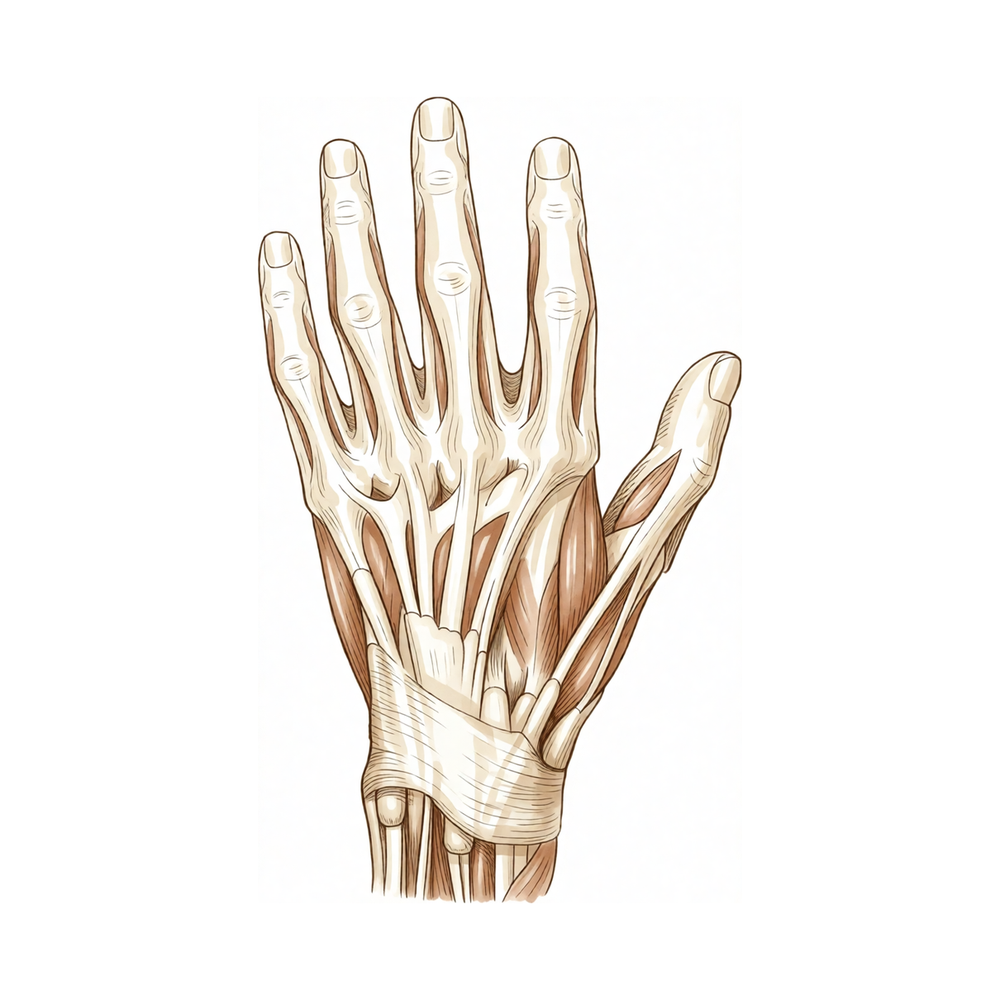
ਇਹ ਪ੍ਰੋਟੋਕੋਲ (protocol, ਇਲਾਜ ਦੀ ਪੜਾਅਵਾਰ ਯੋਜਨਾ) ਮਾਟਰ ਪ੍ਰਾਈਵੇਟ ਹਸਪਤਾਲ ਰੌਕਹੈਂਪਟਨ ਵਿੱਚ ਡਾ. ਕੀਰਨ ਹਿਰਪਰਾ ਵੱਲੋਂ ਕੀਤੀ ਐਕਸਟੈਂਸਰ ਟੈਂਡਨ (extensor tendon) (ਉਂਗਲ ਜਾਂ ਹੱਥ ਦੇ ਪੁੱਠੇ ਪਾਸੇ ਦੇ ਉਹ ਟੈਂਡਨ, tendon, ਯਾਨੀ ਪੱਠੇ ਨੂੰ ਹੱਡੀ ਨਾਲ ਜੋੜਨ ਵਾਲੀਆਂ ਮਜ਼ਬੂਤ ਤੰਦਾਂ, ਜੋ ਉਂਗਲ ਨੂੰ ਸਿੱਧਾ ਕਰਦੇ ਹਨ) ਦੀ ਸਰਜੀਕਲ ਮੁਰੰਮਤ ਤੋਂ ਬਾਅਦ ਤੁਹਾਡੀ ਸਿਹਤਯਾਬੀ ਵਿੱਚ ਤੁਹਾਡੀ ਅਗਵਾਈ ਕਰਦਾ ਹੈ। ਇਹ ਉਂਗਲ, ਹੱਥ ਅਤੇ ਗੁੱਟ ਦੇ ਪੁੱਠੇ ਪਾਸੇ ਦੀਆਂ ਮੁਰੰਮਤਾਂ ਬਾਰੇ ਹੈ (ਉਹ ਹਿੱਸੇ ਜਿਹਨਾਂ ਨੂੰ ਸਰਜਨ ਜ਼ੋਨ IV ਤੋਂ VII ਕਹਿੰਦੇ ਹਨ)। ਇਹ ਮੈਲੇਟ ਫਿੰਗਰ (mallet finger, ਉਂਗਲ ਦੇ ਬਿਲਕੁਲ ਸਿਰੇ ਉੱਤੇ ਮੁਰੰਮਤ) ਜਾਂ ਵਿਚਕਾਰਲੇ ਜੋੜ ਉੱਤੇ ਸੈਂਟਰਲ-ਸਲਿੱਪ / ਬੂਟੋਨੀਏਰ (central-slip / boutonnière) ਮੁਰੰਮਤ ਬਾਰੇ ਨਹੀਂ ਹੈ; ਉਹਨਾਂ ਦੀਆਂ ਯੋਜਨਾਵਾਂ ਵੱਖਰੀਆਂ ਹਨ। ਇਹ ਤੁਹਾਡੇ ਘਰੇਲੂ ਕਸਰਤ ਪ੍ਰੋਗਰਾਮ ਨਾਲ ਸ਼ੁਰੂ ਹੁੰਦਾ ਹੈ, ਜਿਸ ਤੋਂ ਬਾਅਦ ਤੁਹਾਡੇ ਹੈਂਡ ਥੈਰੇਪਿਸਟ ਲਈ ਲਿਖਿਆ ਗਿਆ ਤਰਤੀਬਵਾਰ ਕਲੀਨਿਕਲ ਪ੍ਰੋਟੋਕੋਲ ਆਉਂਦਾ ਹੈ। ਥੈਰੇਪੀ ਦੀ ਆਪਣੀ ਪਹਿਲੀ ਮੁਲਾਕਾਤ 'ਤੇ ਇਹ ਪੰਨਾ ਜਾਂ ਇਸ ਦੀ PDF ਨਾਲ ਲਿਆਓ ਤਾਂ ਜੋ ਤੁਹਾਡੀ ਰੀਹੈਬਿਲੀਟੇਸ਼ਨ (rehabilitation, ਕਸਰਤਾਂ ਰਾਹੀਂ ਹਿਲਜੁਲ ਅਤੇ ਤਾਕਤ ਮੁੜ ਬਹਾਲ ਕਰਨਾ) ਤਾਲਮੇਲ ਨਾਲ ਚੱਲਦੀ ਰਹੇ। ਤੁਹਾਡੀ ਸਿਹਤਯਾਬੀ ਕਿਵੇਂ ਅੱਗੇ ਵਧਦੀ ਹੈ, ਇਸ ਦੇ ਹਿਸਾਬ ਨਾਲ ਤੁਹਾਡਾ ਥੈਰੇਪਿਸਟ ਯੋਜਨਾ ਵਿੱਚ ਬਦਲਾਅ ਕਰ ਸਕਦਾ ਹੈ।
ਜੇ ਸਰਜਰੀ ਤੋਂ ਬਾਅਦ ਤੁਹਾਨੂੰ ਆਪਣੇ ਜ਼ਖ਼ਮ ਬਾਰੇ ਕੋਈ ਚਿੰਤਾ ਹੈ, ਤਾਂ ਕਲੀਨਿਕ ਨਾਲ ਸੰਪਰਕ ਕਰੋ। ਅਕਸਰ ਜ਼ਖ਼ਮ ਦੀ ਫ਼ੋਟੋ ਖਿੱਚ ਕੇ ਜਾਂਚ ਲਈ ਈਮੇਲ ਕਰਨਾ ਮਦਦਗਾਰ ਹੁੰਦਾ ਹੈ।
ਕੀ ਉਮੀਦ ਰੱਖੀਏ
ਐਕਸਟੈਂਸਰ ਟੈਂਡਨ ਦੀ ਮੁਰੰਮਤ ਵਿੱਚ ਉਂਗਲ ਜਾਂ ਹੱਥ ਦੇ ਪੁੱਠੇ ਪਾਸੇ ਕੱਟੇ ਹੋਏ ਟੈਂਡਨ ਨੂੰ ਟਾਂਕੇ ਲਾ ਕੇ ਦੁਬਾਰਾ ਜੋੜਿਆ ਜਾਂਦਾ ਹੈ। ਉਸ ਮੁਰੰਮਤ ਦੀ ਸੁਰੱਖਿਆ ਦਾ ਪੁਰਾਣਾ ਤਰੀਕਾ ਹੱਥ ਨੂੰ ਕਈ ਹਫ਼ਤਿਆਂ ਲਈ ਸਪਲਿੰਟ ਵਿੱਚ ਬਿਲਕੁਲ ਸਥਿਰ ਰੱਖਣਾ ਸੀ, ਪਰ ਇਸ ਨਾਲ ਅਕਸਰ ਉਂਗਲਾਂ ਆਕੜ ਜਾਂਦੀਆਂ ਸਨ ਅਤੇ ਹੌਲੀ ਠੀਕ ਹੁੰਦੀਆਂ ਸਨ। ਇਸ ਦੀ ਬਜਾਏ, ਤੁਹਾਡੀ ਸਿਹਤਯਾਬੀ ਵਿੱਚ ਰਿਲੇਟਿਵ-ਮੋਸ਼ਨ (relative-motion) ਰੀਹੈਬਿਲੀਟੇਸ਼ਨ (ਮੈਰਿਟ ਵਿਧੀ, Merritt method) ਨਾਮ ਦਾ ਇੱਕ ਸਮਝਦਾਰ, ਆਧੁਨਿਕ ਤਰੀਕਾ ਵਰਤਿਆ ਜਾਂਦਾ ਹੈ।
ਇਸ ਦੀ ਕੁੰਜੀ ਇੱਕ ਛੋਟਾ ਸਪਲਿੰਟ ਹੈ ਜਿਸ ਨੂੰ ਯੋਕ (yoke) ਕਹਿੰਦੇ ਹਨ, ਜੋ ਹੱਥ ਦੇ ਪੁੱਠੇ ਪਾਸੇ ਦੇ ਆਰ-ਪਾਰ ਪਾਇਆ ਜਾਂਦਾ ਹੈ। ਇਹ ਮੁਰੰਮਤ ਵਾਲੀ ਉਂਗਲ ਦੇ ਵੱਡੇ ਜੋੜ (knuckle) ਨੂੰ ਦੋਵੇਂ ਪਾਸੇ ਦੀਆਂ ਉਂਗਲਾਂ ਦੇ ਜੋੜਾਂ ਨਾਲੋਂ ਲਗਭਗ 15 ਤੋਂ 20 ਡਿਗਰੀ ਜ਼ਿਆਦਾ ਸਿੱਧਾ ਰੱਖਦਾ ਹੈ। ਇਹ ਛੋਟਾ ਜਿਹਾ ਫ਼ਰਕ ਚੁੱਪਚਾਪ ਜੁੜ ਰਹੇ ਟੈਂਡਨ ਤੋਂ ਭਾਰ ਹਟਾ ਦਿੰਦਾ ਹੈ, ਇਸ ਲਈ ਤੁਸੀਂ ਹੱਥ ਨੂੰ ਹਫ਼ਤਿਆਂ ਤੱਕ ਸਪਲਿੰਟ ਵਿੱਚ ਸਥਿਰ ਰੱਖ ਕੇ ਉਡੀਕਣ ਦੀ ਬਜਾਏ, ਤੁਰੰਤ, ਹੌਲੀ ਜਿਹੇ ਅਤੇ ਆਰਾਮ ਦੀ ਹੱਦ ਅੰਦਰ ਇਸ ਨੂੰ ਵਰਤਣਾ ਸ਼ੁਰੂ ਕਰ ਸਕਦੇ ਹੋ। ਇਸ ਸੁਰੱਖਿਅਤ ਢੰਗ ਨਾਲ ਜਲਦੀ ਹਿੱਲਣ ਨਾਲ ਟੈਂਡਨ ਸਰਕਦਾ ਰਹਿੰਦਾ ਹੈ ਤਾਂ ਜੋ ਇਹ ਹੇਠਾਂ ਚਿਪਕ ਨਾ ਜਾਵੇ, ਜਦੋਂ ਕਿ ਇਹ ਫ਼ਰਕ ਇਸ ਉੱਤੇ ਜ਼ਿਆਦਾ ਖਿਚਾਅ ਪੈਣ ਤੋਂ ਰੋਕਦਾ ਹੈ।
ਜ਼ਿਆਦਾਤਰ ਮੁਰੰਮਤਾਂ ਲਈ (ਉਂਗਲ ਅਤੇ ਹੱਥ ਦੇ ਪੁੱਠੇ ਪਾਸੇ ਦੇ ਆਮ ਜ਼ੋਨ) ਇਕੱਲਾ ਯੋਕ ਹੀ ਕਾਫ਼ੀ ਹੁੰਦਾ ਹੈ। ਕੁਝ ਮੁਰੰਮਤਾਂ ਲਈ (ਗੁੱਟ ਦੇ ਨੇੜੇ ਵਾਲੀਆਂ, ਕਮਜ਼ੋਰ ਮੁਰੰਮਤਾਂ, ਜਾਂ ਜਿੱਥੇ ਵਾਧੂ ਸੁਰੱਖਿਆ ਸਮਝਦਾਰੀ ਹੋਵੇ) ਪਹਿਲੇ ਕੁਝ ਹਫ਼ਤਿਆਂ ਲਈ ਇੱਕ ਗੁੱਟ ਦਾ ਸਪਲਿੰਟ ਵੀ ਨਾਲ ਜੋੜਿਆ ਜਾਂਦਾ ਹੈ। ਜੇ ਤੁਹਾਨੂੰ ਗੁੱਟ ਦਾ ਸਪਲਿੰਟ ਵੀ ਪਾਉਣਾ ਹੈ ਤਾਂ ਤੁਹਾਡਾ ਹੈਂਡ ਥੈਰੇਪਿਸਟ ਤੁਹਾਨੂੰ ਦੱਸੇਗਾ।
ਫਿਰ ਯੋਜਨਾ ਸਾਵਧਾਨ ਪੜਾਵਾਂ ਵਿੱਚ ਖੁੱਲ੍ਹਦੀ ਹੈ: ਯੋਕ ਲਗਭਗ ਛੇ ਹਫ਼ਤਿਆਂ ਲਈ ਹਰ ਸਮੇਂ ਪਾਇਆ ਜਾਂਦਾ ਹੈ ਅਤੇ ਲਗਭਗ ਪੰਜਵੇਂ ਹਫ਼ਤੇ ਤੋਂ ਹੌਲੀ-ਹੌਲੀ ਛੁਡਾਇਆ ਜਾਂਦਾ ਹੈ; ਵਿਚਕਾਰਲੇ ਹਫ਼ਤਿਆਂ ਵਿੱਚ ਗੁੱਟ ਅਤੇ ਉਂਗਲਾਂ ਦੀ ਇਕੱਠੀ ਹਿਲਜੁਲ ਜੋੜੀ ਜਾਂਦੀ ਹੈ; ਤਾਕਤ ਵਾਲੀਆਂ ਕਸਰਤਾਂ ਲਗਭਗ ਅੱਠ ਹਫ਼ਤਿਆਂ ਤੋਂ ਸ਼ੁਰੂ ਹੁੰਦੀਆਂ ਹਨ; ਅਤੇ ਜਦੋਂ ਮੁਰੰਮਤ ਪੱਕੀ ਹੋ ਜਾਂਦੀ ਹੈ ਤਾਂ ਪੂਰੀਆਂ ਸਰਗਰਮੀਆਂ ਲਗਭਗ ਦਸ ਤੋਂ ਬਾਰਾਂ ਹਫ਼ਤਿਆਂ 'ਤੇ ਵਾਪਸ ਆਉਂਦੀਆਂ ਹਨ।
ਸਾਵਧਾਨੀਆਂ ਅਤੇ ਪਾਬੰਦੀਆਂ
- ਲਗਭਗ ਪਹਿਲੇ ਛੇ ਹਫ਼ਤਿਆਂ ਲਈ ਆਪਣਾ ਯੋਕ ਸਪਲਿੰਟ ਹਰ ਸਮੇਂ ਪਾਓ, ਕਸਰਤਾਂ ਅਤੇ ਰੋਜ਼ਾਨਾ ਕੰਮਾਂ ਦੌਰਾਨ ਵੀ, ਅਤੇ ਇਸ ਨੂੰ ਸਿਰਫ਼ ਉਸੇ ਤਰ੍ਹਾਂ ਉਤਾਰੋ ਜਾਂ ਛੁਡਾਓ ਜਿਵੇਂ ਤੁਹਾਡਾ ਹੈਂਡ ਥੈਰੇਪਿਸਟ ਦੱਸੇ। ਜੇ ਤੁਹਾਨੂੰ ਗੁੱਟ ਦਾ ਸਪਲਿੰਟ ਵੀ ਪਾਉਣਾ ਹੈ ਤਾਂ ਤੁਹਾਡਾ ਹੈਂਡ ਥੈਰੇਪਿਸਟ ਤੁਹਾਨੂੰ ਦੱਸੇਗਾ।
- ਸ਼ੁਰੂ ਤੋਂ ਹੀ, ਆਰਾਮ ਦੀ ਹੱਦ ਅੰਦਰ, ਸਪਲਿੰਟ ਪਾ ਕੇ ਹੱਥ ਦੀ ਹਲਕੀ ਰੋਜ਼ਾਨਾ ਵਰਤੋਂ ਕਰੋ। ਪਹਿਲੇ ਕਈ ਹਫ਼ਤਿਆਂ ਲਈ ਕੁਝ ਵੀ ਨਾ ਚੁੱਕੋ, ਜ਼ੋਰ ਨਾਲ ਨਾ ਪਕੜੋ, ਅਤੇ ਵਿਰੋਧ ਵਾਲਾ ਕੋਈ ਕੰਮ ਨਾ ਕਰੋ।
- ਜਦੋਂ ਤੱਕ ਤੁਹਾਨੂੰ ਇਜਾਜ਼ਤ ਨਾ ਮਿਲ ਜਾਵੇ, ਆਮ ਤੌਰ 'ਤੇ ਲਗਭਗ ਅੱਠ ਹਫ਼ਤਿਆਂ 'ਤੇ, ਪਕੜ ਜਾਂ ਚੂੰਢੀ ਦੀ ਤਾਕਤ ਵਾਲੀਆਂ ਕਸਰਤਾਂ ਸ਼ੁਰੂ ਨਾ ਕਰੋ।
- ਸ਼ੁਰੂ ਵਿੱਚ ਜ਼ੋਰ ਨਾਲ ਪੂਰੀ ਮੁੱਠੀ ਨਾ ਬਣਾਓ ਅਤੇ ਉਂਗਲ ਉੱਤੇ ਜ਼ੋਰ ਨਾ ਪਾਓ; ਸਿਰਫ਼ ਉਹਨਾਂ ਹੌਲੀ, ਕਾਬੂ ਵਾਲੀਆਂ ਰੇਂਜਾਂ ਵਿੱਚ ਹਿਲਾਓ ਜੋ ਤੁਹਾਨੂੰ ਦਿਖਾਈਆਂ ਗਈਆਂ ਹਨ।
- ਉਂਗਲ ਦੇ ਛੋਟੇ ਜੋੜਾਂ ਨੂੰ ਹਿਲਾਉਂਦੇ ਰਹੋ ਤਾਂ ਜੋ ਉਹ ਆਕੜ ਨਾ ਜਾਣ; ਹੌਲੀ ਜਿਹੇ ਦੂਜੇ ਹੱਥ ਨਾਲ ਸਿੱਧਾ ਕਰਨਾ (passive straightening) ਇਸ ਵਿੱਚ ਮਦਦ ਕਰਦਾ ਹੈ।
ਜ਼ਖ਼ਮ, ਸੋਜ ਅਤੇ ਦਾਗ਼ ਦੀ ਦੇਖਭਾਲ ਲਈ ਕਲੀਨਿਕ ਦੀ ਜ਼ਖ਼ਮ ਦੀ ਦੇਖਭਾਲ ਬਾਰੇ ਸਲਾਹ ਦੇਖੋ।
ਤੁਹਾਡੀਆਂ ਕਸਰਤਾਂ
Kieran Hirpara 4.0
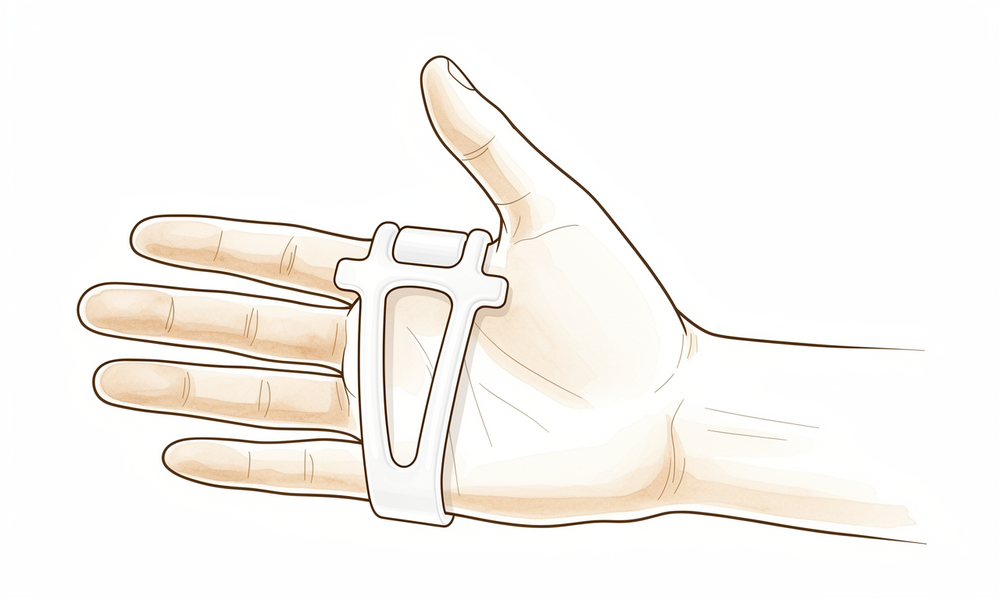
ਆਪਣਾ ਰਿਲੇਟਿਵ-ਮੋਸ਼ਨ (ਯੋਕ) ਸਪਲਿੰਟ ਪਾਉਣਾ
ਤੁਹਾਡੀ ਮੁਰੰਮਤ ਵਾਲੀ ਉਂਗਲ ਨੂੰ ਇੱਕ ਛੋਟੇ ਸਪਲਿੰਟ ਵਿੱਚ ਰੱਖਿਆ ਜਾਂਦਾ ਹੈ ਜਿਸ ਨੂੰ ਯੋਕ (ਜਾਂ ਰਿਲੇਟਿਵ-ਮੋਸ਼ਨ ਸਪਲਿੰਟ) ਕਹਿੰਦੇ ਹਨ। ਇਹ ਮੁਰੰਮਤ ਵਾਲੀ ਉਂਗਲ ਦੇ ਵੱਡੇ ਜੋੜ (MCP, ਜਿੱਥੇ ਉਂਗਲ ਹੱਥ ਨਾਲ ਮਿਲਦੀ ਹੈ) ਨੂੰ ਦੋਵੇਂ ਪਾਸੇ ਦੀਆਂ ਉਂਗਲਾਂ ਨਾਲੋਂ ਲਗਭਗ 15 ਤੋਂ 20 ਡਿਗਰੀ ਜ਼ਿਆਦਾ ਸਿੱਧਾ ਰੱਖਦਾ ਹੈ। ਇਹ ਛੋਟਾ ਜਿਹਾ ਫ਼ਰਕ ਜੁੜ ਰਹੇ ਟੈਂਡਨ ਤੋਂ ਖਿਚਾਅ ਹਟਾ ਦਿੰਦਾ ਹੈ, ਅਤੇ ਇਸੇ ਕਰਕੇ ਤੁਸੀਂ ਹੱਥ ਨੂੰ ਤੁਰੰਤ ਵਰਤ ਸਕਦੇ ਹੋ। ਇਸ ਨੂੰ ਲਗਭਗ ਛੇ ਹਫ਼ਤਿਆਂ ਲਈ ਹਰ ਸਮੇਂ ਪਾਓ — ਆਪਣੀਆਂ ਕਸਰਤਾਂ ਅਤੇ ਰੋਜ਼ਾਨਾ ਕੰਮਾਂ ਦੌਰਾਨ ਵੀ — ਅਤੇ ਇਸ ਨੂੰ ਸਿਰਫ਼ ਉਸੇ ਤਰ੍ਹਾਂ ਉਤਾਰੋ ਜਿਵੇਂ ਤੁਹਾਡਾ ਹੈਂਡ ਥੈਰੇਪਿਸਟ ਦੱਸੇ। ਜੇ ਤੁਹਾਨੂੰ ਗੁੱਟ ਦਾ ਸਪਲਿੰਟ ਵੀ ਪਾਉਣਾ ਹੈ ਤਾਂ ਤੁਹਾਡਾ ਹੈਂਡ ਥੈਰੇਪਿਸਟ ਤੁਹਾਨੂੰ ਦੱਸੇਗਾ।
ਲਗਭਗ 6 ਹਫ਼ਤਿਆਂ ਲਈ ਹਰ ਸਮੇਂ ਪਾਇਆ ਜਾਂਦਾ ਹੈ, ਅਤੇ ਦੱਸੇ ਅਨੁਸਾਰ ਲਗਭਗ ਹਫ਼ਤਾ 5 ਤੋਂ ਛੁਡਾਇਆ ਜਾਂਦਾ ਹੈ
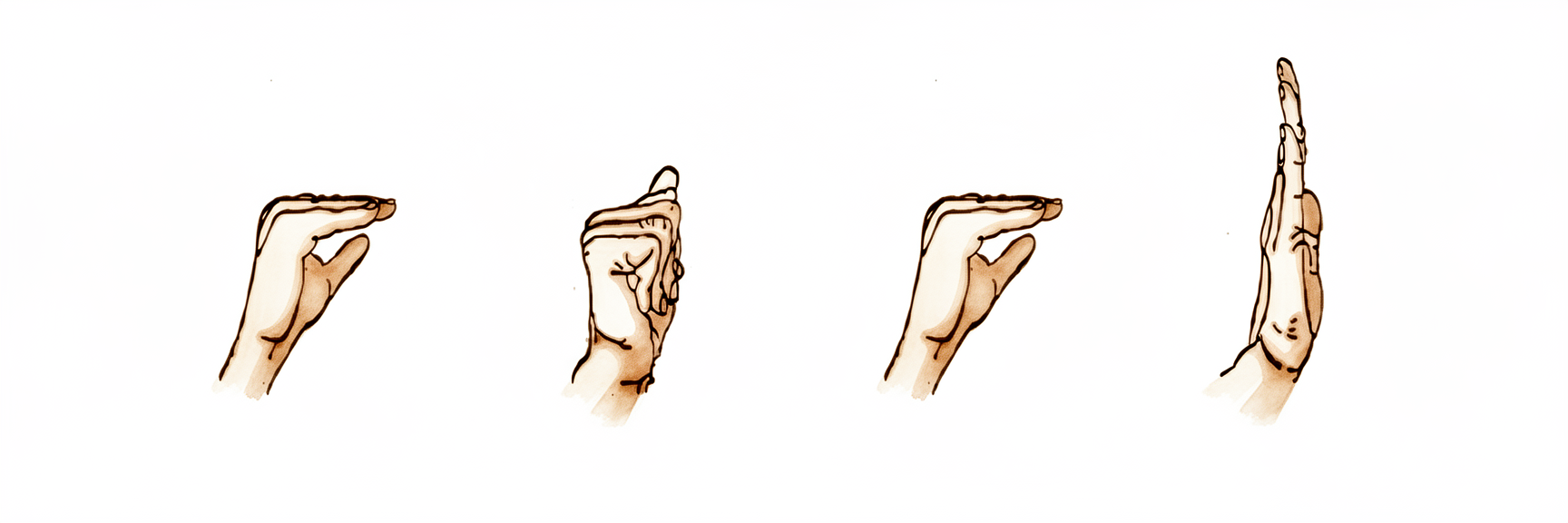
ਵੱਡੇ ਜੋੜ ਮੋੜਨਾ, ਉਂਗਲਾਂ ਸਿੱਧੀਆਂ (ਇੰਟ੍ਰਿੰਸਿਕ-ਪਲੱਸ, intrinsic-plus)
ਸਪਲਿੰਟ ਪਾਈ ਰੱਖ ਕੇ, ਵੱਡੇ ਜੋੜਾਂ (ਜਿੱਥੇ ਉਂਗਲਾਂ ਹੱਥ ਨਾਲ ਮਿਲਦੀਆਂ ਹਨ) ਤੋਂ ਮੋੜੋ ਜਦੋਂ ਕਿ ਹਰ ਉਂਗਲ ਦਾ ਬਾਕੀ ਹਿੱਸਾ ਸਿੱਧਾ ਰਹੇ — ਜਿਵੇਂ ਇੱਕ ਸਪਾਟ 'ਮੇਜ਼' ਜਾਂ 'ਫੱਟੀ' ਦੀ ਸ਼ਕਲ ਬਣਾਉਣੀ ਹੋਵੇ। ਫਿਰ ਵਾਪਸ ਸਿੱਧਾ ਕਰੋ। ਆਰਾਮ ਦੀ ਹੱਦ ਅੰਦਰ ਸਹਿਜ ਢੰਗ ਨਾਲ ਹਿਲਾਓ। ਇਹ ਮੁਰੰਮਤ ਵਾਲੇ ਟੈਂਡਨ ਨੂੰ ਖਿਚਾਅ ਪਾਏ ਬਿਨਾਂ ਸੁਰੱਖਿਅਤ, ਕਾਬੂ ਵਾਲੀ ਮਾਤਰਾ ਵਿੱਚ ਸਰਕਾਉਂਦੀ ਹੈ ਤਾਂ ਜੋ ਇਹ ਹੇਠਾਂ ਚਿਪਕ ਨਾ ਜਾਵੇ।
10 ਵਾਰ, ਦਿਨ ਭਰ ਹਰ ਦੋ-ਕੁ ਘੰਟਿਆਂ ਬਾਅਦ
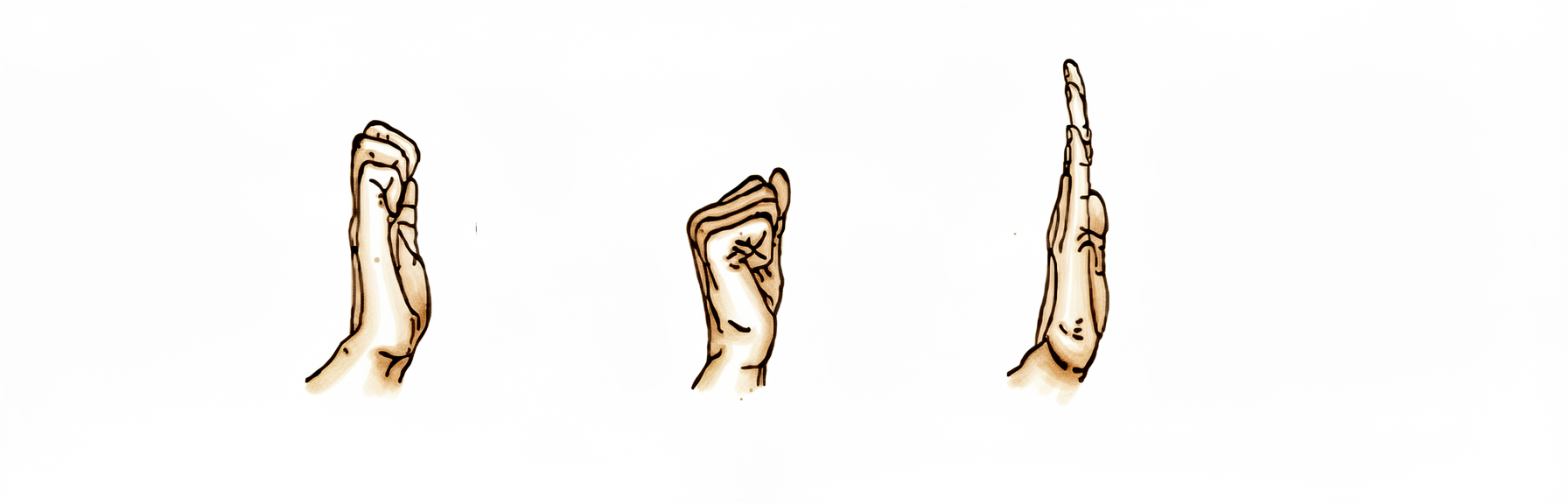
ਵੱਡੇ ਜੋੜ ਸਿੱਧੇ, ਉਂਗਲਾਂ ਮੋੜ ਕੇ ਲਪੇਟਣਾ (ਇੰਟ੍ਰਿੰਸਿਕ-ਮਾਈਨਸ / ਹੁੱਕ, intrinsic-minus / hook)
ਸਪਲਿੰਟ ਪਾਈ ਰੱਖ ਕੇ, ਆਪਣੇ ਵੱਡੇ ਜੋੜਾਂ ਨੂੰ ਸਿੱਧਾ ਰੱਖੋ ਅਤੇ ਸਿਰਫ਼ ਉਂਗਲਾਂ ਦੇ ਛੋਟੇ ਜੋੜਾਂ ਨੂੰ ਹੇਠਾਂ ਵੱਲ ਮੋੜ ਕੇ ਕੁੰਡੀ (ਪੰਜੇ) ਦੀ ਸ਼ਕਲ ਬਣਾਓ, ਫਿਰ ਉਹਨਾਂ ਨੂੰ ਦੁਬਾਰਾ ਸਿੱਧਾ ਕਰੋ। ਇਹ ਮੁਰੰਮਤ ਵਾਲੇ ਟੈਂਡਨ ਨੂੰ ਉਸ ਦੀ ਦੂਜੀ ਰੇਂਜ ਵਿੱਚੋਂ ਲੰਘਾਉਂਦੀ ਹੈ, ਇਸ ਵਾਰ ਵੀ ਸੁਰੱਖਿਅਤ ਅਤੇ ਕਾਬੂ ਵਾਲੇ ਢੰਗ ਨਾਲ। ਆਰਾਮ ਦੀ ਹੱਦ ਅੰਦਰ ਰਹੋ ਅਤੇ ਜ਼ੋਰ ਨਾ ਲਾਓ।
10 ਵਾਰ, ਦਿਨ ਭਰ ਹਰ ਦੋ-ਕੁ ਘੰਟਿਆਂ ਬਾਅਦ
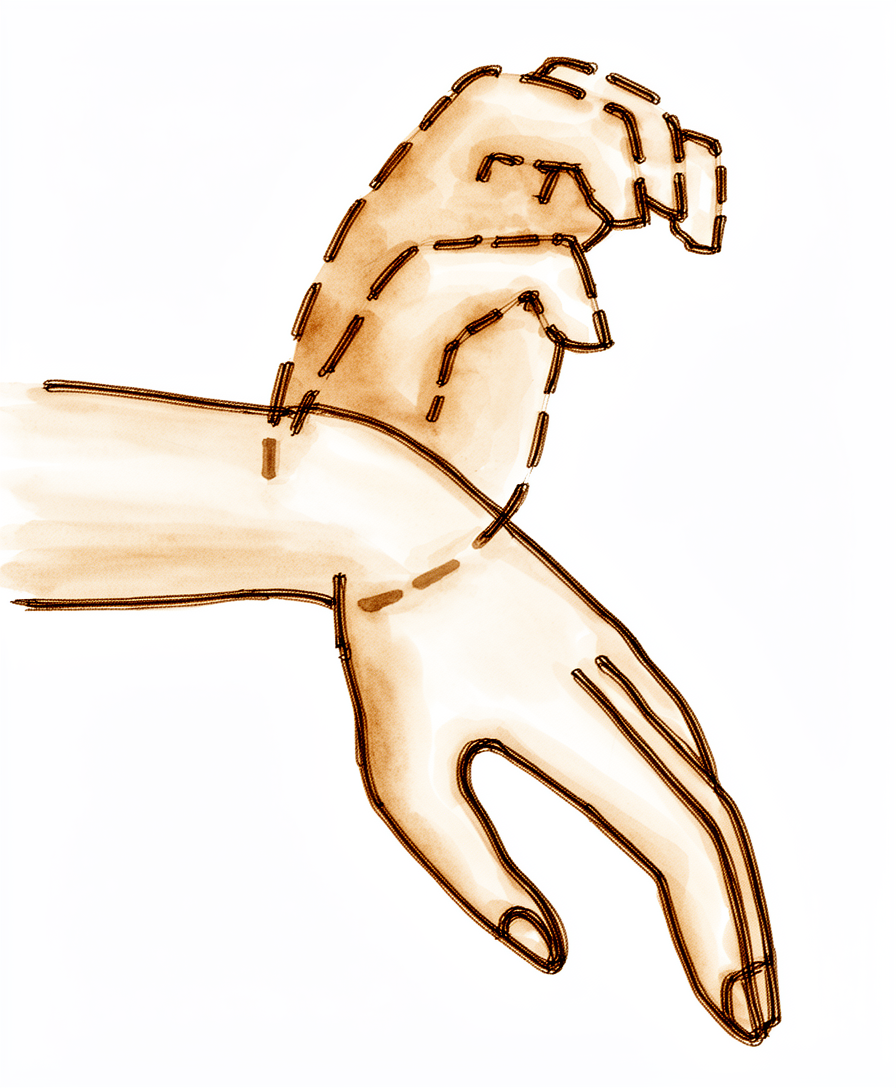
ਗੁੱਟ ਅਤੇ ਉਂਗਲਾਂ ਦੀ ਇਕੱਠੀ ਹਿਲਜੁਲ (ਟੈਨੋਡੀਸਿਸ, tenodesis)
ਇਹ ਬਾਅਦ ਵਿੱਚ ਕੀਤੀ ਜਾਣ ਵਾਲੀ ਕਸਰਤ ਹੈ — ਤੁਹਾਡਾ ਹੈਂਡ ਥੈਰੇਪਿਸਟ ਇਸ ਨੂੰ ਲਗਭਗ ਤਿੰਨ ਤੋਂ ਛੇ ਹਫ਼ਤਿਆਂ ਤੋਂ ਜੋੜਦਾ ਹੈ। ਗੁੱਟ ਨੂੰ ਹੌਲੀ ਜਿਹੇ ਪਿੱਛੇ ਵੱਲ ਝੁਕਾਓ ਅਤੇ ਉਂਗਲਾਂ ਨੂੰ ਢਿੱਲੀਆਂ ਹੋ ਕੇ ਖੁੱਲ੍ਹਣ ਦਿਓ, ਫਿਰ ਗੁੱਟ ਨੂੰ ਅੱਗੇ ਵੱਲ ਡਿੱਗਣ ਦਿਓ ਜਦੋਂ ਕਿ ਉਂਗਲਾਂ ਹੌਲੀ ਜਿਹੇ ਬੰਦ ਹੁੰਦੀਆਂ ਹਨ। ਗੁੱਟ ਅਤੇ ਉਂਗਲਾਂ ਇੱਕ ਜੋੜੀ ਵਾਂਗ ਇਕੱਠੇ ਹਿੱਲਦੇ ਹਨ। ਇਹ ਐਕਸਟੈਂਸਰ ਟੈਂਡਨਾਂ ਨੂੰ ਕੁਦਰਤੀ ਅਤੇ ਸੁਰੱਖਿਅਤ ਢੰਗ ਨਾਲ ਸਰਕਾਉਂਦੀ ਹੈ ਅਤੇ ਮੁਰੰਮਤ ਦੇ ਜ਼ਿਆਦਾ ਮਜ਼ਬੂਤ ਹੋਣ ਤੋਂ ਬਾਅਦ ਸ਼ੁਰੂ ਕੀਤੀ ਜਾਂਦੀ ਹੈ।
10 ਵਾਰ, ਦਿਨ ਵਿੱਚ 2 ਤੋਂ 3 ਵਾਰ (~3 ਤੋਂ 6 ਹਫ਼ਤਿਆਂ ਤੋਂ, ਦੱਸੇ ਅਨੁਸਾਰ)
Kieran Hirpara 4.0
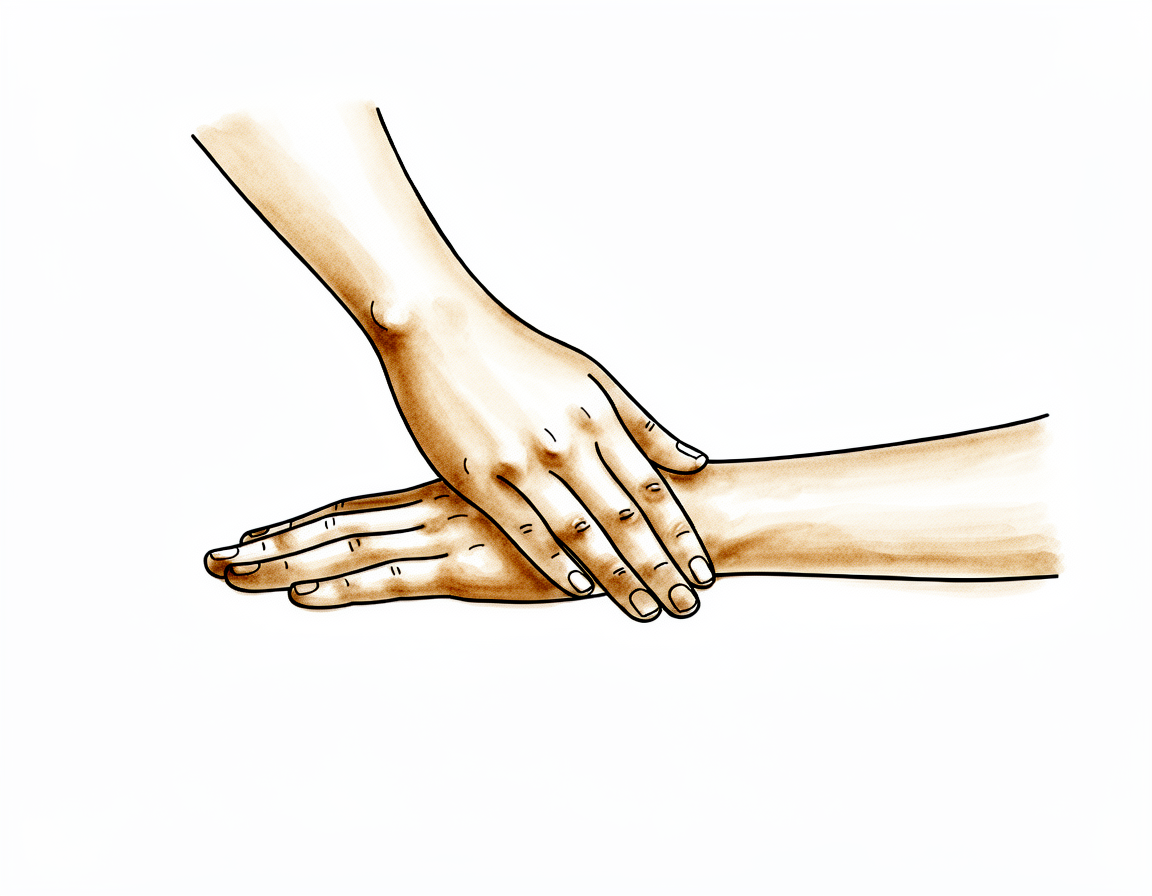
ਦੂਜੇ ਹੱਥ ਨਾਲ ਉਂਗਲ ਸਿੱਧੀ ਕਰਨਾ (passive)
ਆਪਣੇ ਦੂਜੇ ਹੱਥ ਨਾਲ ਹੌਲੀ ਜਿਹੇ ਮੁਰੰਮਤ ਵਾਲੀ ਉਂਗਲ ਦੇ ਛੋਟੇ ਜੋੜਾਂ ਨੂੰ ਸਹਾਰਾ ਦਿਓ ਅਤੇ ਸਿੱਧਾ ਕਰੋ, ਤਾਂ ਜੋ ਇਹ ਜ਼ੋਰ ਲਾਏ ਬਿਨਾਂ ਪੂਰੀ ਸਿੱਧੀ ਹੋ ਸਕੇ। ਇਹ ਟੈਂਡਨ ਦੇ ਜੁੜਨ ਦੌਰਾਨ ਉਂਗਲ ਨੂੰ ਮੁੜੀ ਹੋਈ ਸਥਿਤੀ ਵਿੱਚ ਆਕੜਨ ਤੋਂ ਬਚਾਉਂਦਾ ਹੈ। ਇਸ ਨੂੰ ਹੌਲੀ ਅਤੇ ਦਰਦ-ਰਹਿਤ ਰੱਖੋ, ਅਤੇ ਸਿਰਫ਼ ਉਸੇ ਤਰ੍ਹਾਂ ਕਰੋ ਜਿਵੇਂ ਤੁਹਾਡਾ ਹੈਂਡ ਥੈਰੇਪਿਸਟ ਸੇਧ ਦੇਵੇ।
ਕੁਝ ਸਕਿੰਟ ਰੋਕੋ, ਰੋਜ਼ਾਨਾ 5 ਤੋਂ 10 ਵਾਰ, ਦੱਸੇ ਅਨੁਸਾਰ
Kieran Hirpara 4.0
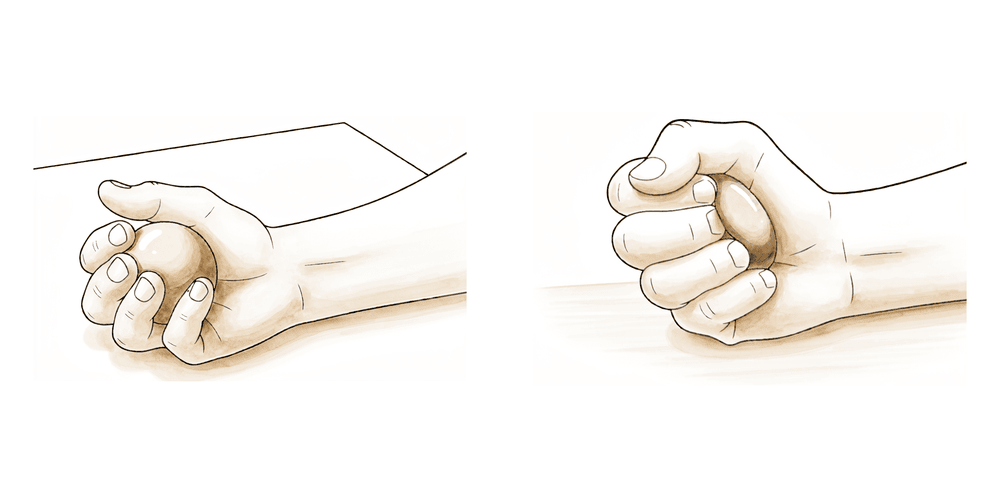
ਪਕੜ/ਚੂੰਢੀ ਦੀ ਤਾਕਤ (ਹਫ਼ਤਾ 8 ਤੋਂ)
ਇਹ ਬਾਅਦ ਵਿੱਚ ਕੀਤੀ ਜਾਣ ਵਾਲੀ ਕਸਰਤ ਹੈ — ਸਿਰਫ਼ ਲਗਭਗ ਅੱਠ ਹਫ਼ਤਿਆਂ ਤੋਂ, ਜਦੋਂ ਤੁਹਾਡਾ ਹੈਂਡ ਥੈਰੇਪਿਸਟ ਤਾਕਤ ਵਾਲੀਆਂ ਕਸਰਤਾਂ ਦੀ ਇਜਾਜ਼ਤ ਦੇ ਦੇਵੇ। ਇੱਕ ਨਰਮ ਗੇਂਦ ਜਾਂ ਪੁਟੀ (putty) ਨੂੰ ਪੂਰੇ ਹੱਥ ਵਿੱਚ ਨਿਚੋੜੋ, ਅਤੇ ਇਸ ਨੂੰ ਆਪਣੇ ਅੰਗੂਠੇ ਅਤੇ ਉਂਗਲਾਂ ਵਿਚਕਾਰ ਚੂੰਢੀ ਭਰੋ, ਅਤੇ ਕਈ ਹਫ਼ਤਿਆਂ ਦੌਰਾਨ ਜ਼ੋਰ ਨੂੰ ਹੌਲੀ-ਹੌਲੀ ਵਧਾਓ। ਮੁਰੰਮਤ ਪੱਕੀ ਹੋਣ ਤੋਂ ਬਾਅਦ ਇਹ ਪਕੜ ਅਤੇ ਚੂੰਢੀ ਦੀ ਤਾਕਤ ਮੁੜ ਬਣਾਉਂਦੀ ਹੈ। ਇਜਾਜ਼ਤ ਮਿਲਣ ਤੋਂ ਪਹਿਲਾਂ ਵਿਰੋਧ ਵਾਲੀ ਪਕੜ ਸ਼ੁਰੂ ਨਾ ਕਰੋ।
10 ਤੋਂ 15 ਵਾਰ ਨਿਚੋੜੋ, ਦਿਨ ਵਿੱਚ 2 ਤੋਂ 3 ਵਾਰ (ਸਿਰਫ਼ ~8 ਹਫ਼ਤਿਆਂ ਤੋਂ)
ਇਹ ਤੁਹਾਡੇ ਪਰਚੇ ਵਿਚਲੀਆਂ ਕਸਰਤਾਂ ਹਨ। ਇਹਨਾਂ ਨੂੰ ਸਿਰਫ਼ ਡਾ. ਹਿਰਪਰਾ ਅਤੇ ਤੁਹਾਡੇ ਹੈਂਡ ਥੈਰੇਪਿਸਟ ਦੀ ਸੇਧ ਅਨੁਸਾਰ ਸ਼ੁਰੂ ਕਰੋ, ਅਤੇ ਤੁਹਾਨੂੰ ਦਿੱਤੀ ਗਈ ਰੇਂਜ ਅਤੇ ਹੱਦਾਂ ਦੇ ਅੰਦਰ ਰਹੋ। ਸ਼ੁਰੂਆਤੀ ਕਸਰਤਾਂ ਯੋਕ ਸਪਲਿੰਟ ਪਾ ਕੇ ਕੀਤੀਆਂ ਜਾਂਦੀਆਂ ਹਨ: ਵੱਡੇ ਜੋੜਾਂ ਨੂੰ ਹੌਲੀ ਜਿਹੇ ਮੋੜਨਾ ਅਤੇ ਉਂਗਲਾਂ ਨੂੰ ਮੋੜ ਕੇ ਲਪੇਟਣਾ, ਜੋ ਮੁਰੰਮਤ ਵਾਲੇ ਟੈਂਡਨ ਨੂੰ ਖਿਚਾਅ ਪਾਏ ਬਿਨਾਂ ਸੁਰੱਖਿਅਤ, ਕਾਬੂ ਵਾਲੀ ਮਾਤਰਾ ਵਿੱਚ ਸਰਕਾਉਂਦੀਆਂ ਹਨ। ਗੁੱਟ ਅਤੇ ਉਂਗਲਾਂ ਦੀ ਇਕੱਠੀ ਹਿਲਜੁਲ ਅਤੇ ਪਕੜ/ਚੂੰਢੀ ਦੀ ਤਾਕਤ ਵਾਲੀਆਂ ਕਸਰਤਾਂ ਬਾਅਦ ਵਾਲੇ ਪੜਾਵਾਂ ਦਾ ਹਿੱਸਾ ਹਨ ਅਤੇ ਇਹਨਾਂ ਨੂੰ ਉਦੋਂ ਤੱਕ ਸ਼ੁਰੂ ਨਹੀਂ ਕਰਨਾ ਚਾਹੀਦਾ ਜਦੋਂ ਤੱਕ ਤੁਹਾਨੂੰ ਖ਼ਾਸ ਤੌਰ 'ਤੇ ਇਜਾਜ਼ਤ ਨਾ ਮਿਲ ਜਾਵੇ। ਕੋਈ ਵੀ ਕਸਰਤ ਜਿਸ ਨਾਲ ਉਂਗਲ ਜਾਂ ਹੱਥ ਦੇ ਪੁੱਠੇ ਪਾਸੇ ਤਿੱਖਾ ਦਰਦ ਹੋਵੇ, ਉਸ ਨੂੰ ਬੰਦ ਕਰ ਦਿਓ।
ਤੁਹਾਡਾ ਕਲੀਨਿਕਲ ਪ੍ਰੋਟੋਕੋਲ
ਇਸ ਪੰਨੇ ਦਾ ਬਾਕੀ ਹਿੱਸਾ ਰਿਲੇਟਿਵ-ਮੋਸ਼ਨ ਐਕਸਟੈਂਸ਼ਨ (RME) ਵਰਤ ਕੇ ਐਕਸਟੈਂਸਰ ਟੈਂਡਨ ਦੀ ਮੁਰੰਮਤ (ਜ਼ੋਨ IV ਤੋਂ VII) ਤੋਂ ਬਾਅਦ ਰੀਹੈਬਿਲੀਟੇਸ਼ਨ ਲਈ ਪੜਾਅਵਾਰ ਕਲੀਨਿਕਲ ਪ੍ਰੋਟੋਕੋਲ ਹੈ। ਇਹ ਹਿੱਸਾ ਤੁਹਾਡੇ ਹੈਂਡ ਥੈਰੇਪਿਸਟ ਨੂੰ ਦਿੱਤਾ ਜਾਣਾ ਹੈ, ਅਤੇ ਹਰ ਪੜਾਅ ਦੀ ਸ਼ੁਰੂਆਤ ਸਾਦੀ ਭਾਸ਼ਾ ਵਿੱਚ ਇਸ ਵਿਆਖਿਆ ਨਾਲ ਹੁੰਦੀ ਹੈ ਕਿ ਕੀ ਹੋ ਰਿਹਾ ਹੈ। ਮੁਰੰਮਤ ਦੀ ਸੁਰੱਖਿਆ ਇੱਕ ਯੋਕ ਸਪਲਿੰਟ ਕਰਦਾ ਹੈ ਜੋ ਮੁਰੰਮਤ ਵਾਲੀ ਉਂਗਲ ਦੇ MCP ਜੋੜ ਨੂੰ ਨਾਲ ਲੱਗਦੀਆਂ ਉਂਗਲਾਂ ਨਾਲੋਂ 15 ਤੋਂ 20 ਡਿਗਰੀ ਜ਼ਿਆਦਾ ਸਿੱਧਾ ਰੱਖਦਾ ਹੈ, ਅਤੇ ਕਵਾਡ੍ਰਿਗਾ ਪ੍ਰਭਾਵ (quadriga effect, ਉਂਗਲਾਂ ਦੇ ਟੈਂਡਨਾਂ ਦਾ ਆਪਸ ਵਿੱਚ ਬੱਝ ਕੇ ਹਿੱਲਣਾ) ਅਤੇ ਜੰਕਚੁਰੀ ਟੈਂਡੀਨੀ (juncturae tendineae, ਨਾਲ ਲੱਗਦੇ ਐਕਸਟੈਂਸਰ ਟੈਂਡਨਾਂ ਨੂੰ ਜੋੜਨ ਵਾਲੀਆਂ ਤੰਦਾਂ) ਰਾਹੀਂ ਐਕਸਟੈਂਸਰ ਦੀ ਆਪ ਕੀਤੀ ਸਰਕਣ (excursion) ਦਾ ਭਾਰ ਘਟਾਉਂਦਾ ਹੈ, ਇਸ ਲਈ ਤੁਰੰਤ ਆਪ ਹਿਲਜੁਲ ਕਰਨਾ ਸੁਰੱਖਿਅਤ ਹੈ।
ਇਲਾਜ ਤੋਂ ਪਹਿਲਾਂ, ਮਰੀਜ਼ ਦੀ ਓਪਰੇਸ਼ਨ ਰਿਪੋਰਟ ਅਤੇ ਪਿਛਲਾ ਡਾਕਟਰੀ ਇਤਿਹਾਸ ਦੇਖੋ, ਅਤੇ ਇਲਾਜ ਕਰਨ ਵਾਲੇ ਸਰਜਨ ਨਾਲ ਇਹਨਾਂ ਗੱਲਾਂ ਬਾਰੇ ਤਾਲਮੇਲ ਕਰੋ: ਮੁਰੰਮਤ ਕੀਤੇ ਜ਼ੋਨ, ਸ਼ਾਮਲ ਟੈਂਡਨ, ਮੁਰੰਮਤ ਦੀ ਮਜ਼ਬੂਤੀ, ਅਤੇ ਕੀ ਗੁੱਟ ਦੇ ਵਾਧੂ ਸਪਲਿੰਟ (orthosis) ਦੀ ਲੋੜ ਹੈ। ਜ਼ੋਨ V ਤੋਂ VI ਲਈ ਡਾ. ਹਿਰਪਰਾ ਦਾ ਆਮ ਤਰੀਕਾ ਇਕੱਲਾ ਯੋਕ ਹੈ (ਰਿਲੇਟਿਵ-ਮੋਸ਼ਨ ਐਕਸਟੈਂਸ਼ਨ ਸਪਲਿੰਟ, ਮੁਰੰਮਤ ਵਾਲਾ MCP ਨਾਲ ਦੀਆਂ ਉਂਗਲਾਂ ਨਾਲੋਂ 15–20° ਜ਼ਿਆਦਾ ਸਿੱਧਾ)। ਗੁੱਟ ਦਾ ਸਪਲਿੰਟ (~20–25° ਪਿੱਛੇ ਵੱਲ ਝੁਕਿਆ, ਪਹਿਲੇ ~3 ਹਫ਼ਤੇ) ਜ਼ੋਨ VII, ਕਮਜ਼ੋਰ ਮੁਰੰਮਤਾਂ, ਜਾਂ ਹਦਾਇਤਾਂ ਦੀ ਪਾਲਣਾ ਨਾ ਕਰਨ ਵਾਲੇ ਮਰੀਜ਼ਾਂ ਲਈ ਜੋੜਿਆ ਜਾਂਦਾ ਹੈ। ਇਹ ਪ੍ਰੋਟੋਕੋਲ ਸਿਰਫ਼ ਜ਼ੋਨ IV–VII ਦੀਆਂ ਪੁੱਠੇ ਪਾਸੇ ਦੀਆਂ ਐਕਸਟੈਂਸਰ ਮੁਰੰਮਤਾਂ ਲਈ ਹੈ, ਮੈਲੇਟ (ਜ਼ੋਨ I–II) ਜਾਂ ਸੈਂਟਰਲ-ਸਲਿੱਪ/ਬੂਟੋਨੀਏਰ (ਜ਼ੋਨ III) ਲਈ ਨਹੀਂ।
ਪੜਾਅ I — ਯੋਕ (± ਗੁੱਟ ਦਾ ਸਪਲਿੰਟ), ਤੁਰੰਤ ਆਪ ਵਰਤੋਂ (ਹਫ਼ਤੇ 0 ਤੋਂ 3)
ਪਹਿਲੇ ਤਿੰਨ ਹਫ਼ਤੇ ਯੋਕ ਨਾਲ ਮੁਰੰਮਤ ਦੀ ਸੁਰੱਖਿਆ ਕਰਦੇ ਹਨ, ਜਦੋਂ ਕਿ ਮਰੀਜ਼ ਤੁਰੰਤ ਹੱਥ ਨੂੰ ਸਰਗਰਮੀ ਨਾਲ ਵਰਤਦਾ ਹੈ। 15–20° ਦਾ ਸਿੱਧੇਪਣ ਵਾਲਾ ਫ਼ਰਕ ਮੁਰੰਮਤ ਤੋਂ ਭਾਰ ਹਟਾਉਂਦਾ ਹੈ, ਇਸ ਲਈ ਸ਼ੁਰੂ ਤੋਂ ਹੀ ਕਾਬੂ ਵਾਲੀ ਆਪ ਕੀਤੀ ਸਰਕਣ ਨੂੰ ਉਤਸ਼ਾਹਿਤ ਕੀਤਾ ਜਾਂਦਾ ਹੈ। ਸਪਲਿੰਟ ਵਿੱਚ ਹਲਕੀ ਕਾਰਜਸ਼ੀਲ ਵਰਤੋਂ ਦੀ ਇਜਾਜ਼ਤ ਹੈ; ਨਾ ਕੁਝ ਚੁੱਕਣਾ ਅਤੇ ਨਾ ਵਿਰੋਧ ਵਾਲੀ ਪਕੜ।
ਤੁਹਾਡੇ ਹੈਂਡ ਥੈਰੇਪਿਸਟ ਲਈ:
ਸਿੱਖਿਆ ਅਤੇ ਸਾਵਧਾਨੀਆਂ - ਯੋਕ / ਰਿਲੇਟਿਵ-ਮੋਸ਼ਨ ਐਕਸਟੈਂਸ਼ਨ ਸਪਲਿੰਟ ਲਗਾਓ: ਮੁਰੰਮਤ ਵਾਲੀ ਉਂਗਲ ਦਾ MCP ਨਾਲ ਲੱਗਦੀਆਂ ਉਂਗਲਾਂ ਨਾਲੋਂ 15–20° ਜ਼ਿਆਦਾ ਸਿੱਧਾ ਰੱਖਿਆ ਜਾਂਦਾ ਹੈ; ਹਰ ਸਮੇਂ ਪਾਇਆ ਜਾਂਦਾ ਹੈ - ਪਹਿਲੇ ~3 ਹਫ਼ਤਿਆਂ ਲਈ ਗੁੱਟ ਦਾ ਸਪਲਿੰਟ (~20–25° ਪਿੱਛੇ ਵੱਲ ਝੁਕਿਆ) ਸਿਰਫ਼ ਜ਼ੋਨ VII / ਕਮਜ਼ੋਰ ਮੁਰੰਮਤਾਂ / ਹਦਾਇਤਾਂ ਦੀ ਪਾਲਣਾ ਨਾ ਕਰਨ ਵਾਲੇ ਮਰੀਜ਼ਾਂ ਲਈ ਜੋੜੋ (ਜ਼ੋਨ V–VI ਲਈ ਆਮ ਤਰੀਕਾ ਇਕੱਲਾ ਯੋਕ ਹੈ) - ਸਪਲਿੰਟ ਵਿੱਚ ਹੱਥ ਦੀ ਹਲਕੀ ਵਰਤੋਂ ਨੂੰ ਉਤਸ਼ਾਹਿਤ ਕੀਤਾ ਜਾਂਦਾ ਹੈ; ਨਾ ਕੁਝ ਚੁੱਕਣਾ, ਨਾ ਜ਼ੋਰ ਨਾਲ ਪਕੜਨਾ, ਅਤੇ ਨਾ ਹੀ ਵਿਰੋਧ ਵਾਲਾ ਕੰਮ - ਜ਼ੋਰ ਨਾਲ ਪੂਰੀ ਮੁੱਠੀ ਬਣਾਉਣ ਤੋਂ ਬਚੋ; ਰੇਂਜਾਂ ਨੂੰ ਕਾਬੂ ਵਿੱਚ ਰੱਖੋ
ਇਲਾਜ ਪ੍ਰਬੰਧ - ਜ਼ਖ਼ਮ: ਦੱਸੇ ਅਨੁਸਾਰ ਸਰਜੀਕਲ ਪੱਟੀਆਂ; ਲਾਗ (ਇਨਫੈਕਸ਼ਨ) ਲਈ ਨਜ਼ਰ ਰੱਖੋ - ਸੋਜ (oedema): ਹੱਥ ਉੱਚਾ ਰੱਖਣਾ, ਉਂਗਲਾਂ ਨੂੰ ਹੌਲੀ-ਹੌਲੀ ਖੋਲ੍ਹਣਾ-ਬੰਦ ਕਰਨਾ (pumping), ਲੋੜ ਅਨੁਸਾਰ ਬਰਫ਼ - ਕਸਰਤਾਂ (ਸਪਲਿੰਟ ਵਿੱਚ, ਹਰ ~2 ਘੰਟੇ): ਆਪ ਕੀਤੀ ਇੰਟ੍ਰਿੰਸਿਕ-ਪਲੱਸ (intrinsic-plus) (IP ਜੋੜ ਸਿੱਧੇ ਰੱਖ ਕੇ MCP ਨੂੰ ਮੋੜਨਾ) ਅਤੇ ਇੰਟ੍ਰਿੰਸਿਕ-ਮਾਈਨਸ / ਹੁੱਕ (intrinsic-minus / hook) (MCP ਸਿੱਧਾ ਰੱਖ ਕੇ IP ਨੂੰ ਮੋੜਨਾ); IP ਜੋੜਾਂ ਦੇ ਆਕੜਨ ਤੋਂ ਬਚਾਅ ਲਈ ਰੋਜ਼ਾਨਾ ਦੂਜੇ ਹੱਥ ਨਾਲ IP ਨੂੰ ਸਿੱਧਾ ਕਰਨਾ (passive IP extension) - ਜ਼ਖ਼ਮ ਭਰ ਜਾਣ ਤੋਂ ਬਾਅਦ ਦਾਗ਼ ਦੀ ਦੇਖਭਾਲ ਸ਼ੁਰੂ ਕਰੋ
ਅਗਲੇ ਪੜਾਅ ਵਿੱਚ ਜਾਣ ਦੀਆਂ ਸ਼ਰਤਾਂ - ਜ਼ਖ਼ਮ ਸ਼ਾਂਤ ਹੋ ਰਿਹਾ; ਕੋਈ ਐਕਸਟੈਂਸਰ ਲੈਗ (extensor lag, ਉਂਗਲ ਦਾ ਆਪਣੇ ਜ਼ੋਰ ਨਾਲ ਪੂਰਾ ਸਿੱਧਾ ਨਾ ਹੋ ਸਕਣਾ) ਨਹੀਂ ਬਣ ਰਿਹਾ; ~3 ਹਫ਼ਤਿਆਂ 'ਤੇ ਸਪਲਿੰਟ ਵਿੱਚ ਆਰਾਮਦਾਇਕ, ਕਾਬੂ ਵਾਲੀ ਆਪ ਹਿਲਜੁਲ
ਪੜਾਅ II — ਗੁੱਟ ਦਾ ਸਪਲਿੰਟ ਬੰਦ, ਯੋਕ ਜਾਰੀ, ਇਕੱਠੀ ਹਿਲਜੁਲ (ਹਫ਼ਤੇ 3 ਤੋਂ 6)
ਲਗਭਗ ਤਿੰਨ ਹਫ਼ਤਿਆਂ ਤੋਂ, ਗੁੱਟ ਦਾ ਕੋਈ ਵੀ ਵਾਧੂ ਸਪਲਿੰਟ ਬੰਦ ਕਰ ਦਿੱਤਾ ਜਾਂਦਾ ਹੈ (ਯੋਕ ਹਰ ਸਮੇਂ ਜਾਰੀ ਰਹਿੰਦਾ ਹੈ)। ਗੁੱਟ ਅਤੇ ਉਂਗਲਾਂ ਦੀ ਇਕੱਠੀ (ਟੈਨੋਡੀਸਿਸ, tenodesis) ਹਿਲਜੁਲ ਅਤੇ ਪੂਰੀ ਉਂਗਲ ਦਾ ਆਪ ਮੋੜਨਾ/ਸਿੱਧਾ ਕਰਨਾ ਜੋੜਿਆ ਜਾਂਦਾ ਹੈ, ਜਿਸ ਨਾਲ ਟੈਂਡਨ ਦੀ ਸਰਕਣ ਕਾਬੂ ਵਾਲੇ, ਮੁਰੰਮਤ ਲਈ ਸੁਰੱਖਿਅਤ ਢੰਗ ਨਾਲ ਵਧਦੀ ਹੈ।
ਤੁਹਾਡੇ ਹੈਂਡ ਥੈਰੇਪਿਸਟ ਲਈ:
ਜਾਂਚਾਂ - ਆਪ ਕੀਤੀ ਅਤੇ ਕਰਵਾਈ ਗਈ (passive) ROM (MCP ਅਤੇ IP), ਐਕਸਟੈਂਸਰ ਲੈਗ, ਦਰਦ ਅਤੇ ਸੋਜ; ਜ਼ਖ਼ਮ/ਦਾਗ਼ ਦੀ ਜਾਂਚ
ਸਿੱਖਿਆ ਅਤੇ ਸਾਵਧਾਨੀਆਂ - ਵਾਧੂ ਗੁੱਟ ਦਾ ਸਪਲਿੰਟ ਬੰਦ ਕਰੋ (ਜੇ ਵਰਤਿਆ ਗਿਆ ਸੀ); ਯੋਕ ਹਰ ਸਮੇਂ ਜਾਰੀ ਰੱਖੋ - ਹਿਲਜੁਲ ਨੂੰ ਹੌਲੀ-ਹੌਲੀ ਵਧਾਓ; ਅਜੇ ਵੀ ਨਾ ਵਿਰੋਧ ਵਾਲੀ ਪਕੜ ਅਤੇ ਨਾ ਤਾਕਤ ਵਾਲੀਆਂ ਕਸਰਤਾਂ
ਇਲਾਜ ਪ੍ਰਬੰਧ - ਕਸਰਤਾਂ: ਗੁੱਟ ਅਤੇ ਉਂਗਲਾਂ ਦੀ ਇਕੱਠੀ ਹਿਲਜੁਲ (ਟੈਨੋਡੀਸਿਸ) ਅਤੇ ਪੂਰੀ ਉਂਗਲ ਦਾ ਆਪ ਮੋੜਨਾ/ਸਿੱਧਾ ਕਰਨਾ ਜੋੜੋ; ਇੰਟ੍ਰਿੰਸਿਕ-ਪਲੱਸ / ਇੰਟ੍ਰਿੰਸਿਕ-ਮਾਈਨਸ ਸਰਕਣ ਅਤੇ ਦੂਜੇ ਹੱਥ ਨਾਲ IP ਨੂੰ ਸਿੱਧਾ ਕਰਨਾ ਜਾਰੀ ਰੱਖੋ; ਯੋਕ ਵਿੱਚ ਹਲਕੀ ਕਾਰਜਸ਼ੀਲ ਵਰਤੋਂ - ਭਰ ਜਾਣ ਤੋਂ ਬਾਅਦ ਦਾਗ਼ ਦੀ ਮਾਲਿਸ਼ ਜਾਰੀ ਰੱਖੋ
ਅਗਲੇ ਪੜਾਅ ਵਿੱਚ ਜਾਣ ਦੀਆਂ ਸ਼ਰਤਾਂ - ਪੂਰੀ ਉਂਗਲ ਦੀ ਆਪ ਕੀਤੀ ROM ਅੱਗੇ ਵਧ ਰਹੀ (ਪੂਰੀ ਉਂਗਲ ਦੀ ਪੂਰੀ ਹਿਲਜੁਲ ਆਮ ਤੌਰ 'ਤੇ ~6 ਤੋਂ 8 ਹਫ਼ਤਿਆਂ ਤੱਕ); ਕੋਈ ਐਕਸਟੈਂਸਰ ਲੈਗ ਨਹੀਂ; ਦਰਦ ਸ਼ਾਂਤ ਹੋ ਰਿਹਾ
ਪੜਾਅ III — ਯੋਕ ਛੁਡਾਉਣਾ, ਤਾਕਤ ਬਣਾਉਣਾ, ਵਾਪਸੀ (ਹਫ਼ਤੇ 6 ਤੋਂ 12)
ਲਗਭਗ ਪੰਜਵੇਂ ਤੋਂ ਛੇਵੇਂ ਹਫ਼ਤੇ ਤੋਂ ਯੋਕ ਹੌਲੀ-ਹੌਲੀ ਛੁਡਾਇਆ ਜਾਂਦਾ ਹੈ। ਜਦੋਂ ਮੁਰੰਮਤ ਪੱਕੀ ਹੋ ਜਾਂਦੀ ਹੈ, ਤਾਂ ਲਗਭਗ ਅੱਠ ਹਫ਼ਤਿਆਂ ਤੋਂ ਪਕੜ ਅਤੇ ਚੂੰਢੀ ਦੀ ਹੌਲੀ-ਹੌਲੀ ਵਧਦੀ ਤਾਕਤ ਵਾਲੀਆਂ ਕਸਰਤਾਂ ਸ਼ੁਰੂ ਹੁੰਦੀਆਂ ਹਨ, ਜੋ ਦਸ ਤੋਂ ਬਾਰਾਂ ਹਫ਼ਤਿਆਂ 'ਤੇ ਪੂਰੀਆਂ ਸਰਗਰਮੀਆਂ ਵੱਲ ਹੌਲੀ-ਹੌਲੀ ਵਧਾਈਆਂ ਜਾਂਦੀਆਂ ਹਨ।
ਤੁਹਾਡੇ ਹੈਂਡ ਥੈਰੇਪਿਸਟ ਲਈ:
ਜਾਂਚਾਂ - ਪੂਰੀ ਆਪ ਕੀਤੀ ਅਤੇ ਕਰਵਾਈ ਗਈ ROM, ਐਕਸਟੈਂਸਰ ਲੈਗ, ਦੂਜੇ ਪਾਸੇ ਦੇ ਮੁਕਾਬਲੇ ਪਕੜ/ਚੂੰਢੀ ਦੀ ਤਾਕਤ; ਲੋੜ ਅਨੁਸਾਰ ਕਾਰਜਸ਼ੀਲ ਅਤੇ ਕੰਮ ਨਾਲ ਸੰਬੰਧਿਤ ਜਾਂਚ
ਸਿੱਖਿਆ ਅਤੇ ਸਾਵਧਾਨੀਆਂ - ~ਹਫ਼ਤਾ 5 ਤੋਂ ਯੋਕ ਛੁਡਾਓ, ਜਿਵੇਂ ਹਿਲਜੁਲ ਅਤੇ ਕਾਬੂ ਇਜਾਜ਼ਤ ਦੇਣ, ਲਗਭਗ ਹਫ਼ਤਾ 6 ਤੱਕ ਪੂਰਾ ਉਤਾਰ ਦਿਓ - 8 ਹਫ਼ਤਿਆਂ ਤੋਂ ਪਕੜ/ਚੂੰਢੀ ਦੀ ਹੌਲੀ-ਹੌਲੀ ਵਧਦੀ ਤਾਕਤ ਵਾਲੀਆਂ ਕਸਰਤਾਂ ਸ਼ੁਰੂ ਕਰੋ (ਉਸ ਤੋਂ ਪਹਿਲਾਂ ਨਹੀਂ) - 10 ਤੋਂ 12 ਹਫ਼ਤਿਆਂ 'ਤੇ ਪੂਰੀਆਂ ਸਰਗਰਮੀਆਂ ਵੱਲ ਵਿਰੋਧ ਨੂੰ ਹੌਲੀ-ਹੌਲੀ ਵਧਾਓ
ਇਲਾਜ ਪ੍ਰਬੰਧ - ਕਸਰਤਾਂ: ਹਫ਼ਤਾ 8 ਤੋਂ ਦਰਜਾਵਾਰ ਪਕੜ ਅਤੇ ਚੂੰਢੀ ਦੀ ਤਾਕਤ (ਗੇਂਦ/ਪੁਟੀ ਨਿਚੋੜਨਾ, ਚੂੰਢੀ); ਹੌਲੀ-ਹੌਲੀ ਵਧਦਾ ਵਿਰੋਧ; ਹਿਲਜੁਲ ਅਤੇ IP ਨੂੰ ਸਿੱਧਾ ਕਰਨ ਦਾ ਕੋਈ ਬਾਕੀ ਰਹਿੰਦਾ ਕੰਮ ਜਾਰੀ ਰੱਖੋ - ਜਦੋਂ ਹਿਲਜੁਲ ਅਤੇ ਤਾਕਤ ਲਗਭਗ ਦੋਵੇਂ ਪਾਸੇ ਬਰਾਬਰ ਹੋਣ ਅਤੇ ਕਾਰਜ ਦੀ ਵਾਪਸੀ ਹੋ ਜਾਵੇ, ਤਾਂ ਥੈਰੇਪੀ ਤੋਂ ਛੁੱਟੀ ਬਾਰੇ ਵਿਚਾਰ ਕਰੋ - ਜੇ ਐਕਸਟੈਂਸਰ ਲੈਗ ਬਣਿਆ ਰਹੇ, ਹਿਲਜੁਲ ਇੱਕ ਥਾਂ ਰੁਕ ਜਾਵੇ, ਜਾਂ ਨਤੀਜਾ ਮਾੜਾ ਹੋਵੇ, ਤਾਂ ਇਲਾਜ ਕਰਨ ਵਾਲੇ ਡਾਕਟਰ ਕੋਲ ਵਾਪਸ ਭੇਜਣ ਬਾਰੇ ਵਿਚਾਰ ਕਰੋ
ਪੂਰੀਆਂ ਸਰਗਰਮੀਆਂ ਵੱਲ ਵਾਪਸੀ ਲਈ ਮਾਪਦੰਡ - ਬਿਨਾਂ ਦਰਦ ਪੂਰੀ ROM ਅਤੇ ਕੋਈ ਖ਼ਾਸ ਐਕਸਟੈਂਸਰ ਲੈਗ ਨਹੀਂ; ਲਗਭਗ ਦੋਵੇਂ ਪਾਸੇ ਬਰਾਬਰ ਪਕੜ/ਚੂੰਢੀ; ~10 ਤੋਂ 12 ਹਫ਼ਤੇ
ਕੰਮ ਅਤੇ ਸਰਗਰਮੀਆਂ ਵੱਲ ਵਾਪਸੀ
ਸ਼ੁਰੂ ਤੋਂ ਹੀ, ਆਰਾਮ ਦੀ ਹੱਦ ਅੰਦਰ, ਯੋਕ ਸਪਲਿੰਟ ਪਾ ਕੇ ਹੱਥ ਦੀ ਹਲਕੀ ਰੋਜ਼ਾਨਾ ਵਰਤੋਂ (ਖਾਣਾ, ਲਿਖਣਾ, ਕੱਪੜੇ ਪਾਉਣਾ, ਹਲਕੀ ਨਿੱਜੀ ਦੇਖਭਾਲ) ਨੂੰ ਉਤਸ਼ਾਹਿਤ ਕੀਤਾ ਜਾਂਦਾ ਹੈ, ਬਸ਼ਰਤੇ ਇਸ ਵਿੱਚ ਕੁਝ ਚੁੱਕਣਾ, ਜ਼ੋਰ ਨਾਲ ਪਕੜਨਾ ਜਾਂ ਵਿਰੋਧ ਵਾਲਾ ਕੰਮ ਸ਼ਾਮਲ ਨਾ ਹੋਵੇ। ਤਾਕਤ ਵਾਲੀਆਂ ਕਸਰਤਾਂ ਲਗਭਗ ਅੱਠ ਹਫ਼ਤਿਆਂ ਤੋਂ ਸ਼ੁਰੂ ਹੁੰਦੀਆਂ ਹਨ, ਅਤੇ ਪੂਰੀਆਂ, ਬਿਨਾਂ ਰੋਕ-ਟੋਕ ਸਰਗਰਮੀਆਂ ਲਗਭਗ ਦਸ ਤੋਂ ਬਾਰਾਂ ਹਫ਼ਤਿਆਂ 'ਤੇ ਵਾਪਸ ਆਉਂਦੀਆਂ ਹਨ, ਜਦੋਂ ਮੁਰੰਮਤ ਪੱਕੀ ਹੋ ਜਾਵੇ ਅਤੇ ਤੁਹਾਡੀ ਹਿਲਜੁਲ ਅਤੇ ਤਾਕਤ ਬਹਾਲ ਹੋ ਜਾਵੇ, ਜਿਸ ਦਾ ਫ਼ੈਸਲਾ ਸਿਰਫ਼ ਕੈਲੰਡਰ ਦੇਖ ਕੇ ਨਹੀਂ ਸਗੋਂ ਡਾ. ਹਿਰਪਰਾ ਅਤੇ ਤੁਹਾਡਾ ਹੈਂਡ ਥੈਰੇਪਿਸਟ ਕਰਦੇ ਹਨ।
ਗੱਡੀ ਚਲਾਉਣਾ: ਯੋਕ ਪਾ ਕੇ ਹੱਥ ਦੀ ਹਲਕੀ ਵਰਤੋਂ ਠੀਕ ਹੈ, ਇਸ ਲਈ ਗੱਡੀ ਚਲਾਉਣ ਉੱਤੇ ਪੂਰੀ ਪਾਬੰਦੀ ਨਹੀਂ ਹੈ, ਪਰ ਤੁਹਾਨੂੰ ਸਟੀਅਰਿੰਗ ਨੂੰ ਪਕੜਨ ਅਤੇ ਗੱਡੀ ਨੂੰ ਸੁਰੱਖਿਅਤ ਢੰਗ ਨਾਲ ਕਾਬੂ ਕਰਨ ਦੇ ਯੋਗ ਹੋਣਾ ਚਾਹੀਦਾ ਹੈ, ਐਮਰਜੈਂਸੀ ਵਿੱਚ ਵੀ। ਜ਼ਿਆਦਾਤਰ ਲੋਕਾਂ ਲਈ ਇਸ ਦਾ ਅਰਥ ਹੈ ਯੋਕ ਛੁਡਾਏ ਜਾਣ ਦੇ ਨਾਲ (ਲਗਭਗ ਛੇ ਹਫ਼ਤਿਆਂ 'ਤੇ) ਮੁੜ ਸ਼ੁਰੂ ਕਰਨਾ; ਜੇ ਤੁਸੀਂ ਗੱਡੀ ਨੂੰ ਆਰਾਮ ਨਾਲ ਕਾਬੂ ਕਰ ਸਕਦੇ ਹੋ ਤਾਂ ਇਹ ਪਹਿਲਾਂ ਵੀ ਹੋ ਸਕਦਾ ਹੈ, ਅਤੇ ਤੁਹਾਡਾ ਸਰਜਨ ਪੁਸ਼ਟੀ ਕਰਦਾ ਹੈ ਕਿ ਤੁਹਾਡੇ ਲਈ ਇਹ ਕਦੋਂ ਸੁਰੱਖਿਅਤ ਹੈ।
ਤੁਹਾਡੇ ਪ੍ਰੋਟੋਕੋਲ ਤੋਂ ਬਾਅਦ
ਇਹ ਪ੍ਰੋਟੋਕੋਲ ਕਲੀਨਿਕ ਦੀ ਆਮ ਸਿਹਤਯਾਬੀ ਸਲਾਹ ਦੇ ਨਾਲ-ਨਾਲ ਕੰਮ ਕਰਦਾ ਹੈ: ਦੇਖੋ ਓਪਰੇਸ਼ਨ ਤੋਂ ਬਾਅਦ ਦਰਦ ਨੂੰ ਸੰਭਾਲਣਾ, ਜ਼ਖ਼ਮ ਦੀ ਦੇਖਭਾਲ ਅਤੇ ਦਾਗ਼ ਦੀ ਦੇਖਭਾਲ। ਉੱਪਰ ਦਿੱਤੀ ਪੜਾਅਵਾਰ ਯੋਜਨਾ ਰਿਲੇਟਿਵ-ਮੋਸ਼ਨ ਐਕਸਟੈਂਸ਼ਨ ਵਰਤ ਕੇ ਐਕਸਟੈਂਸਰ ਟੈਂਡਨ ਦੀ ਮੁਰੰਮਤ ਤੋਂ ਬਾਅਦ ਰੀਹੈਬਿਲੀਟੇਸ਼ਨ ਬਾਰੇ ਪ੍ਰਕਾਸ਼ਿਤ ਸੇਧਾਂ ਨੂੰ ਦਰਸਾਉਂਦੀ ਹੈ, ਅਤੇ ਤੁਹਾਡੀ ਅਗਲੀ ਸਿਹਤਯਾਬੀ ਦੀ ਅਗਵਾਈ ਡਾ. ਹਿਰਪਰਾ ਅਤੇ ਤੁਹਾਡਾ ਹੈਂਡ ਥੈਰੇਪਿਸਟ ਤੁਹਾਡੇ ਹੱਥ ਦੀ ਤਰੱਕੀ ਅਨੁਸਾਰ ਨਿੱਜੀ ਤੌਰ 'ਤੇ ਕਰਦੇ ਹਨ।
Evidence & references
This is the clinical evidence summary written for health professionals. It is technical, and it lists the research this page was built from. You do not need to read it to understand your treatment or to make a decision about it.
Extensor Tendon Repair — Procedure Outcomes & Post-operative Rehabilitation (Relative-Motion Extension, Zones IV–VII)
Topic scope: post-operative rehabilitation after primary repair of an extensor tendon on the dorsum of the finger, hand or wrist — zones IV to VII — managed by relative-motion extension (RME / Merritt yoke splint, the ICAM family of regimens). This is a tendon repair (a construct that must heal under controlled load), but the relative-motion approach lets that load be applied immediately and actively rather than after weeks of immobilisation. This page does not cover mallet finger (zones I–II) or central-slip / boutonnière repair (zone III), which follow different regimens.
Defining principle of the rehab here: a yoke (relative-motion) splint holds the repaired digit's MCP joint 15–20° more extended than its neighbours. By the quadriga effect and the juncturae tendineae, this small relative offset offloads the repaired tendon — it reduces the active extensor excursion demanded of the healing repair (from roughly 12 mm of excursion in normal active extension to about 6 mm within the splint). That residual ~6 mm is enough to keep the tendon gliding and prevent adhesions, but too little to rupture the repair — which is why immediate active motion is safe. The single common branch point is whether a supplementary wrist orthosis (~20–25° extension, first ~3 weeks) is added for zone VII, weaker repairs, or non-compliant patients; the yoke alone is the default for zones V–VI.
A. PROCEDURE / REPAIR OUTCOMES (relative-motion vs immobilisation)
Extensor tendon repair on the back of the hand is reliable; the principal modern question is how to rehabilitate it — protected immobilisation versus an early-active programme such as relative-motion extension — not whether repair works.
- The mechanism that makes immediate active motion safe is well established. The 15–20° relative MCP-extension offset offloads the repair via the quadriga effect and the juncturae tendineae, cutting active extensor excursion from ~12 mm (normal) to ~6 mm within the splint — enough to prevent adhesions, too little to rupture. Cadaveric and mechanistic work underpins this rationale [Merritt, Wong & Lalonde 2020]. Strong (mechanistic + cadaveric).
- Relative-motion regimens match or improve on traditional early-active and immobilisation pathways. A randomised controlled trial in zones V–VI found relative-motion extension delivered earlier return of hand function and higher patient satisfaction with equivalent total active motion (TAM) versus the comparator early-active programme [Collocott RCT 2020]. A systematic review reported earlier return to work with equivalent range of motion and complication rates [Collocott review 2017]. Moderate–strong (1 RCT + SR; RME studies of generally lower methodological quality).
- Yoke-alone (no wrist splint) is supported for the common zones. Case series of relative-motion extension without a supplementary wrist orthosis for zones IV–VI report no ruptures, supporting yoke-alone as the default for these zones with the wrist orthosis reserved for zone VII / weaker / non-compliant repairs [Hirth 2021; Howell ICAM]. Moderate.
- The functional gain over immobilisation is large and practical. Early-active relative-motion programmes report return to work at roughly 17–25 days, versus the 3–4 months typical of immobilisation regimens — the headline advantage that has driven adoption [Collocott review 2017; Howell ICAM]. Moderate.
B. REHABILITATION / THERAPY EVIDENCE
The central rehab questions are (1) immobilise or move early, (2) is a wrist splint needed in addition to the yoke, and (3) how long must the splint stay on. The evidence favours early relative motion, supports yoke-alone for zones V–VI, and suggests splint duration can be shorter than the traditional six weeks without penalty.
- Early active motion via relative-motion extension is the modern default. The original technique description [Merritt 2014] and the clinical scheduling / yoke construction work [Lutz 2015] established a reproducible programme: immediate active intrinsic-plus and intrinsic-minus motion in the yoke, progressing to coupled (tenodesis) motion, weaning, then strengthening. Moderate (technique + cohort).
- A supplementary wrist splint is optional, not mandatory. Yoke-alone case series for zones IV–VI report no ruptures; the wrist orthosis (~20–25° extension, first ~3 weeks) is added selectively for zone VII, weaker repairs, or poor compliance [Hirth 2021; Howell ICAM]. Moderate (selective use).
- Splint duration may be shortened. A comparison of 4-week versus 6-week splinting found no difference in outcome, suggesting the traditional six-week full-time period can be safely abbreviated in selected patients [Svens 2015]. This page keeps full-time wear ~6 weeks (weaned from ~wk 5) as the conservative default while acknowledging the shorter option. Moderate (1 comparative study).
- The field is moving toward wider use of relative motion. A recent international consensus endorses broader application of relative-motion rehabilitation, including beyond its original zone V–VI indication [Tang consensus 2025]. Consensus.
Recovery trajectory (expected, evidence-anchored)
| Phase | Window | Splint / restraint | Hand use / therapy focus | Strength / load | Notes |
|---|---|---|---|---|---|
| I — Yoke (± wrist splint), immediate active use | Week 0–3 | Yoke full-time (repaired MCP 15–20° more extended); wrist orthosis ~20–25° ext only for zone VII / weak / non-compliant | Active intrinsic-plus (MCP flex, IPs straight) and intrinsic-minus / hook every ~2 h; passive IP extension daily; light use in the splint | Light functional use only; no lifting / resisted grip | Relative offset offloads repair (~12 mm → ~6 mm excursion); active motion is safe from day one |
| II — Wrist splint off, yoke continues | Week 3–6 | Discontinue any wrist splint; yoke continues full-time | Add coupled wrist-and-finger (tenodesis) motion + composite active flexion/extension; light functional use; scar massage once healed | Still no resisted grip | Composite active ROM building; watch for extensor lag |
| III — Wean yoke, strengthen, return | Week 6–12 | Yoke weaned from ~wk 5, off ~wk 6 | Progress full active motion; commence grip/pinch strengthening from week 8 | Graded strengthening from wk 8 → full activity ~10–12 wk | Return to work as early as ~17–25 days reported; full unrestricted activity ~10–12 wk |
(Phase windows mirror the precautions and recovery structure in the patient protocol; they are typical guides, not trial-derived deadlines. Splint duration may be safely shortened toward 4 weeks in selected patients.)
C. KEY CONTROVERSIES / EVIDENCE QUALITY
- Relative motion vs traditional immobilisation / other early-active regimens. One RCT (zones V–VI) and a systematic review favour relative-motion extension for earlier hand function, earlier return to work, higher satisfaction, with equivalent TAM and complications — though RME studies are generally of lower methodological quality, so the effect size is moderately rather than strongly certain. Moderate–strong.
- Wrist splint: needed or not? Yoke-alone gives good results with no ruptures in zone IV–VI series; the supplementary wrist orthosis is selective (zone VII / weaker / non-compliant). The defensible default is yoke-alone for the common zones — hence the page wording that the hand therapist will advise if a wrist splint also applies. Moderate.
- How long to splint. Traditional full-time wear is ~6 weeks; a 4-vs-6-week comparison showed no difference, so duration can be individualised and potentially shortened. Moderate.
- The 15–20° offset itself. The specific relative-extension increment is consensus-derived (it must offload enough to protect but leave enough excursion to glide); it rests on sound mechanism rather than a dose-finding trial. Consensus.
- Extending relative motion beyond zones V–VI (e.g. to sagittal-band injury and selected boutonnière/central-slip cases). The 2025 consensus endorses wider use, but evidence outside the core zones is weak–moderate, which is why this page deliberately scopes to zones IV–VII and excludes zone III. Weak–moderate.
D. EVIDENCE STRENGTH FLAGS (summary)
- STRONG: the mechanism — relative 15–20° MCP-extension offset offloads the repair (quadriga + juncturae tendineae; ~12 mm → ~6 mm active excursion) making immediate active motion safe (mechanistic + cadaveric).
- MODERATE–STRONG: relative-motion extension is at least as good as other early-active-motion regimens (1 RCT zones V–VI: earlier hand function, higher satisfaction, equal TAM; SR: earlier return to work, equal ROM/complications) — tempered by the lower methodological quality of RME studies.
- MODERATE: wrist-splint-optional (yoke-alone, no ruptures in zone IV–VI series); 4-vs-6-week splint duration (no difference); return to work ~17–25 days vs 3–4 months for immobilisation.
- CONSENSUS: the specific 15–20° offset increment; broader application of relative motion (Tang 2025).
- WEAK–MODERATE: extension of the technique to sagittal-band / boutonnière (central-slip) injuries outside the core zones.
CITATIONS
RAG corpus (180,000+ Orthopaedic articles)
- Merritt WH. Relative motion splint: active motion after extensor tendon injury and repair. J Hand Surg Am. 2014. DOI: 10.1016/j.jhsa.2014.03.015
- Merritt WH, Wong AL, Lalonde DH. Recent developments are changing extensor tendon management (relative motion / quadriga mechanism). Plast Reconstr Surg. 2020. DOI: 10.1097/prs.0000000000006556
- Lutz K, et al. Relative motion extension splinting for extensor tendon repair — clinical schedule and yoke. Hand Clin. 2015. DOI: 10.1016/j.hcl.2014.12.006
- Collocott SJF, et al. Relative motion flexion versus relative motion extension / early active motion after extensor tendon repair (zones V–VI): a randomized controlled trial. J Hand Ther. 2020. DOI: 10.1016/j.jht.2018.10.003
- Collocott SJF, Kelly E, Ellis RG. A systematic review of relative-motion orthoses for the management of extensor tendon repairs. Hand Ther. 2017. DOI: 10.1177/1758998317729713
- Svens B, et al. Four-week versus six-week immobilisation comparison after extensor tendon repair. J Hand Ther. 2015. DOI: 10.1016/j.jht.2014.07.006
- Hirth MJ, et al. Relative-motion approaches in extensor tendon rehabilitation. J Hand Ther. 2021. DOI: 10.1016/j.jht.2019.12.016
- Tang JB, et al. International consensus on relative-motion rehabilitation and extensor tendon management. J Hand Surg (Eur Vol). 2025. DOI: 10.1177/17531934251363138
Extensor tendon rehabilitation literature (URLs)
- Howell JW, Merritt WH, Robinson SJ. Immediate Controlled Active Motion (ICAM) following zone 4–7 extensor tendon repair. J Hand Ther / PMC. https://www.ncbi.nlm.nih.gov/pmc/articles/PMC3574475/