Patients › Rehabilitation
ਸਬਐਕਰੋਮੀਅਲ ਡੀਕੰਪ੍ਰੈਸ਼ਨ
Rehabilitation after isolated arthroscopic subacromial decompression — early movement, staged strengthening and return to activity.
ਇਹ ਪ੍ਰੋਟੋਕੋਲ ਮਾਟਰ ਪ੍ਰਾਈਵੇਟ ਹਸਪਤਾਲ ਰੌਕਹੈਂਪਟਨ ਵਿੱਚ ਡਾ. ਕੀਰਨ ਹਿਰਪਰਾ ਵੱਲੋਂ ਕੀਤੀ ਇਕੱਲੀ ਦੂਰਬੀਨ ਵਾਲੀ (ਆਰਥਰੋਸਕੋਪਿਕ) ਸਬਐਕਰੋਮੀਅਲ ਡੀਕੰਪ੍ਰੈਸ਼ਨ (subacromial decompression, ਐਕਰੋਮੀਅਨ ਹੇਠਾਂ ਟੈਂਡਨਾਂ ਲਈ ਥਾਂ ਖੋਲ੍ਹਣਾ) ਤੋਂ ਬਾਅਦ ਦੀ ਰੀਹੈਬਿਲੀਟੇਸ਼ਨ (ਮੁੜ-ਵਸੇਬਾ ਕਸਰਤਾਂ) ਬਾਰੇ ਹੈ (ਐਕਰੋਮੀਓਪਲਾਸਟੀ (acromioplasty, ਐਕਰੋਮੀਅਨ ਦੀ ਹੇਠਲੀ ਸਤ੍ਹਾ ਨੂੰ ਘਸਾ ਕੇ ਪਤਲਾ ਕਰਨਾ), ਸੋਜਸ਼ (inflammation) ਵਾਲੇ ਬਰਸਾ (ਤਰਲ ਨਾਲ ਭਰੀ ਛੋਟੀ ਗੱਦੀ) ਨੂੰ ਕੱਢਣ ਦੇ ਨਾਲ ਜਾਂ ਉਸ ਤੋਂ ਬਿਨਾਂ)। ਫਿਜ਼ੀਓਥੈਰੇਪੀ ਦੀ ਆਪਣੀ ਪਹਿਲੀ ਮੁਲਾਕਾਤ ਉੱਤੇ ਇਹ ਸਫ਼ਾ ਜਾਂ ਇਸ ਦੀ PDF ਨਾਲ ਲੈ ਕੇ ਆਓ, ਤਾਂ ਜੋ ਤੁਹਾਡੀ ਰੀਹੈਬਿਲੀਟੇਸ਼ਨ ਤਾਲਮੇਲ ਨਾਲ ਚੱਲੇ। ਤੁਹਾਡਾ ਫਿਜ਼ੀਓਥੈਰੇਪਿਸਟ ਤੁਹਾਡੀ ਰੀਹੈਬਿਲੀਟੇਸ਼ਨ ਨੂੰ ਹੇਠਾਂ ਦਿੱਤੇ ਪੜਾਵਾਂ ਵਿੱਚੋਂ ਤੁਹਾਡੇ ਹਿਸਾਬ ਨਾਲ ਅੱਗੇ ਵਧਾਉਂਦਾ ਹੈ, ਇਸ ਗੱਲ ਉੱਤੇ ਨਿਰਭਰ ਕਰਦੇ ਹੋਏ ਕਿ ਤੁਹਾਡਾ ਮੋਢਾ ਕਿਵੇਂ ਠੀਕ ਹੋ ਰਿਹਾ ਹੈ।
ਜ਼ਰੂਰੀ: ਸਬਐਕਰੋਮੀਅਲ ਡੀਕੰਪ੍ਰੈਸ਼ਨ ਅਕਸਰ ਰੋਟੇਟਰ ਕਫ਼ ਦੀ ਮੁਰੰਮਤ ਦੇ ਨਾਲ ਹੀ ਕੀਤੀ ਜਾਂਦੀ ਹੈ। ਇਹ ਪ੍ਰੋਟੋਕੋਲ ਇਕੱਲੀ ਸਬਐਕਰੋਮੀਅਲ ਡੀਕੰਪ੍ਰੈਸ਼ਨ ਲਈ ਹੈ। ਜੇ ਤੁਹਾਡੇ ਓਪਰੇਸ਼ਨ ਵਿੱਚ ਰੋਟੇਟਰ ਕਫ਼ ਦੀ ਮੁਰੰਮਤ ਵੀ ਸ਼ਾਮਲ ਸੀ, ਤਾਂ ਇਸ ਦੀ ਥਾਂ ਰੋਟੇਟਰ ਕਫ਼ ਮੁਰੰਮਤ ਪ੍ਰੋਟੋਕੋਲ ਦੀ ਪਾਲਣਾ ਕਰੋ; ਮੁਰੰਮਤ ਕੀਤਾ ਟੈਂਡਨ (tendon, ਪੱਠੇ ਨੂੰ ਹੱਡੀ ਨਾਲ ਜੋੜਨ ਵਾਲੀ ਮਜ਼ਬੂਤ ਤੰਦ) ਹੌਲੀ ਰਫ਼ਤਾਰ ਤੈਅ ਕਰਦਾ ਹੈ।
ਜੇ ਸਰਜਰੀ ਤੋਂ ਬਾਅਦ ਤੁਹਾਨੂੰ ਆਪਣੇ ਜ਼ਖ਼ਮ ਬਾਰੇ ਕੋਈ ਚਿੰਤਾ ਹੋਵੇ, ਤਾਂ ਕਲੀਨਿਕ ਨਾਲ ਸੰਪਰਕ ਕਰੋ। ਜ਼ਖ਼ਮ ਦੀ ਫ਼ੋਟੋ ਖਿੱਚ ਕੇ ਜਾਂਚ ਲਈ ਈਮੇਲ ਕਰਨਾ ਅਕਸਰ ਮਦਦਗਾਰ ਹੁੰਦਾ ਹੈ।
ਕੀ ਉਮੀਦ ਰੱਖੀਏ
ਸਬਐਕਰੋਮੀਅਲ ਡੀਕੰਪ੍ਰੈਸ਼ਨ ਵਿੱਚ ਐਕਰੋਮੀਅਨ (ਮੋਢੇ ਦੇ ਉੱਪਰ ਹੱਡੀ ਦੀ ਛੱਤ) ਦੀ ਹੇਠਲੀ ਸਤ੍ਹਾ ਨੂੰ ਘਸਾ ਕੇ ਅਤੇ ਸੋਜਸ਼ ਵਾਲੇ ਬਰਸਾ ਨੂੰ ਕੱਢ ਕੇ ਰੋਟੇਟਰ ਕਫ਼ ਦੇ ਟੈਂਡਨਾਂ ਲਈ ਵੱਧ ਥਾਂ ਬਣਾਈ ਜਾਂਦੀ ਹੈ। ਕਿਸੇ ਅਜਿਹੀ ਚੀਜ਼ ਦੀ ਮੁਰੰਮਤ ਨਹੀਂ ਕੀਤੀ ਜਾਂਦੀ ਜਿਸ ਨੂੰ ਬਚਾਉਣ ਦੀ ਲੋੜ ਹੋਵੇ, ਇਸ ਲਈ ਸ਼ੁਰੂਆਤੀ ਰੀਹੈਬਿਲੀਟੇਸ਼ਨ ਆਰਾਮ ਬਾਰੇ ਨਹੀਂ, ਹਿਲਜੁਲ ਬਾਰੇ ਹੈ: ਪਹਿਲੇ ਦਿਨ ਤੋਂ ਮੋਢੇ ਨੂੰ ਹਿਲਾਉਣਾ ਸੁਰੱਖਿਅਤ ਹੈ, ਅਤੇ ਛੇਤੀ ਹਿਲਾਉਣਾ ਹੀ ਉਸ ਨੂੰ ਠੀਕ ਹੋਣ ਦੌਰਾਨ ਅਕੜਨ ਤੋਂ ਬਚਾਉਂਦਾ ਹੈ।
ਜਿਸ ਸਲਿੰਗ (ਬਾਂਹ ਨੂੰ ਸਹਾਰਾ ਦੇਣ ਵਾਲੀ ਪੱਟੀ) ਨਾਲ ਤੁਸੀਂ ਜਾਗਦੇ ਹੋ, ਉਹ ਸਿਰਫ਼ ਆਰਾਮ ਲਈ ਹੈ; ਉਹ ਕਿਸੇ ਚੀਜ਼ ਨੂੰ ਬਚਾ ਨਹੀਂ ਰਹੀ। ਜਿੰਨਾ ਹੋ ਸਕੇ ਇਸ ਨੂੰ ਉਤਾਰ ਕੇ ਰੱਖੋ ਅਤੇ ਛੇਤੀ ਹੀ ਇਸ ਦੀ ਆਦਤ ਛੱਡ ਦਿਓ: ਜ਼ਿਆਦਾਤਰ ਲੋਕ ਪਹਿਲੇ ਕੁਝ ਦਿਨਾਂ ਵਿੱਚ ਹੀ ਸਲਿੰਗ ਲਾਹ ਦਿੰਦੇ ਹਨ, ਅਤੇ ਛਪੇ ਹੋਏ ਪ੍ਰੋਟੋਕੋਲ ਉਮੀਦ ਕਰਦੇ ਹਨ ਕਿ ਵੱਧ ਤੋਂ ਵੱਧ ਦੋ ਹਫ਼ਤਿਆਂ ਤੱਕ ਇਹ ਛੁੱਟ ਜਾਵੇ। ਮੋਢੇ ਦੇ ਕਿਸੇ ਵੀ ਓਪਰੇਸ਼ਨ ਤੋਂ ਬਾਅਦ ਘੱਟੋ-ਘੱਟ ਛੇ ਹਫ਼ਤਿਆਂ ਤੱਕ ਗੱਡੀ ਨਾ ਚਲਾਓ, ਭਾਵੇਂ ਸਲਿੰਗ ਛੁੱਟ ਚੁੱਕੀ ਹੋਵੇ; ਤੁਹਾਡਾ ਸਰਜਨ ਤੁਹਾਨੂੰ ਗੱਡੀ ਚਲਾਉਣ ਦੀ ਇਜਾਜ਼ਤ ਦੇਵੇਗਾ, ਆਮ ਤੌਰ 'ਤੇ ਛੇ ਹਫ਼ਤਿਆਂ ਵਾਲੀ ਜਾਂਚ ਮੁਲਾਕਾਤ ਉੱਤੇ।
ਤੁਹਾਡੇ ਕਸਰਤ ਪ੍ਰੋਗਰਾਮ ਵਿੱਚ ਤਿੰਨ ਤਰ੍ਹਾਂ ਦੀ ਹਿਲਜੁਲ ਵਰਤੀ ਜਾਂਦੀ ਹੈ, ਅਤੇ ਹਰ ਪੜਾਅ ਉੱਤੇ ਕਿਹੜੀ ਲਾਗੂ ਹੁੰਦੀ ਹੈ, ਇਸ ਬਾਰੇ ਤੁਹਾਡਾ ਫਿਜ਼ੀਓਥੈਰੇਪਿਸਟ ਤੁਹਾਡੀ ਅਗਵਾਈ ਕਰੇਗਾ:
- ਐਕਟਿਵ ਰੇਂਜ ਆਫ਼ ਮੋਸ਼ਨ (active range of motion, ਖ਼ੁਦ ਦੀ ਹਿਲਜੁਲ): ਬਿਨਾਂ ਕਿਸੇ ਸਾਧਨ ਜਾਂ ਮਦਦ ਦੇ ਹਿਲਜੁਲ ਦੀ ਇਜਾਜ਼ਤ ਹੈ।
- ਐਕਟਿਵ-ਅਸਿਸਟਿਡ ਰੇਂਜ ਆਫ਼ ਮੋਸ਼ਨ (active-assisted range of motion, ਮਦਦ ਨਾਲ ਹਿਲਜੁਲ): ਬਾਂਹ ਨੂੰ ਹਿਲਾਉਣ ਵਿੱਚ ਮਦਦ ਲਈ ਦੂਜੀ ਬਾਂਹ ਜਾਂ ਕਿਸੇ ਚੀਜ਼ ਦੀ ਵਰਤੋਂ ਕਰਨਾ।
- ਪੈਸਿਵ ਰੇਂਜ ਆਫ਼ ਮੋਸ਼ਨ (passive range of motion, ਬਿਨਾਂ ਜ਼ੋਰ ਲਾਏ ਹਿਲਜੁਲ): ਬਾਂਹ ਪੂਰੀ ਤਰ੍ਹਾਂ ਢਿੱਲੀ ਰਹਿੰਦੀ ਹੈ, ਅਤੇ 100% ਕੰਮ ਦੂਜੀ ਬਾਂਹ ਜਾਂ ਬਾਹਰੀ ਜ਼ੋਰ ਨਾਲ ਕੀਤਾ ਜਾਂਦਾ ਹੈ।
ਸਫ਼ਰ ਇੱਕ ਨਜ਼ਰ ਵਿੱਚ:
- ਪੜਾਅ I — ਛੇਤੀ ਹਿਲਜੁਲ — ਲਗਭਗ ਪਹਿਲੇ ਦੋ ਹਫ਼ਤੇ
- ਪੜਾਅ II — ਤੁਹਾਡੀ ਹਿਲਜੁਲ ਬਹਾਲ ਕਰਨਾ ਅਤੇ ਤਾਕਤ ਸ਼ੁਰੂ ਕਰਨਾ — ਹਫ਼ਤਾ 2–6
- ਪੜਾਅ III — ਤਾਕਤ ਵਧਾਉਣਾ — ਹਫ਼ਤਾ 6–12
- ਪੜਾਅ IV — ਪੂਰੀਆਂ ਸਰਗਰਮੀਆਂ ਵੱਲ ਵਾਪਸੀ — ਹਫ਼ਤਾ 12 ਤੋਂ ਅੱਗੇ
ਸ਼ੁਰੂਆਤੀ ਹਫ਼ਤਿਆਂ ਵਿੱਚ ਮੋਢਾ ਆਮ ਤੌਰ 'ਤੇ ਨਾਜ਼ੁਕ ਹੋਣ ਦੀ ਬਜਾਏ ਦੁਖਦਾ ਹੁੰਦਾ ਹੈ, ਅਤੇ ਕੁਝ ਲੋਕਾਂ ਨੂੰ ਛੇ ਹਫ਼ਤਿਆਂ ਤੱਕ ਬੇਆਰਾਮੀ ਰਹਿੰਦੀ ਹੈ। ਛਪੀਆਂ ਹਦਾਇਤਾਂ ਮੁਤਾਬਕ ਜ਼ਿਆਦਾਤਰ ਲੋਕ ਲਗਭਗ ਤਿੰਨ ਮਹੀਨਿਆਂ ਤੱਕ ਦਰਦ ਵਿੱਚ ਸਾਫ਼ ਸੁਧਾਰ ਮਹਿਸੂਸ ਕਰਦੇ ਹਨ, ਅਤੇ ਲੱਛਣ ਇੱਕ ਸਾਲ ਤੱਕ ਸੁਧਰਦੇ ਰਹਿ ਸਕਦੇ ਹਨ। ਹੇਠਾਂ ਦਿੱਤੀਆਂ ਹਫ਼ਤਿਆਂ ਦੀਆਂ ਹੱਦਾਂ ਆਮ ਹਾਲਤ ਦੀਆਂ ਹਨ, ਪੱਕੀਆਂ ਨਹੀਂ; ਤੁਹਾਡਾ ਫਿਜ਼ੀਓਥੈਰੇਪਿਸਟ ਤੁਹਾਨੂੰ ਇਸ ਆਧਾਰ ਉੱਤੇ ਅੱਗੇ ਵਧਾਏਗਾ ਕਿ ਤੁਹਾਡਾ ਮੋਢਾ ਕਿਵੇਂ ਹਿੱਲ ਰਿਹਾ ਹੈ, ਕੈਲੰਡਰ ਦੇ ਆਧਾਰ ਉੱਤੇ ਨਹੀਂ।
ਪੜਾਅ I — ਛੇਤੀ ਹਿਲਜੁਲ (ਹਫ਼ਤਾ 0–2)
Kieran Hirpara 4.0
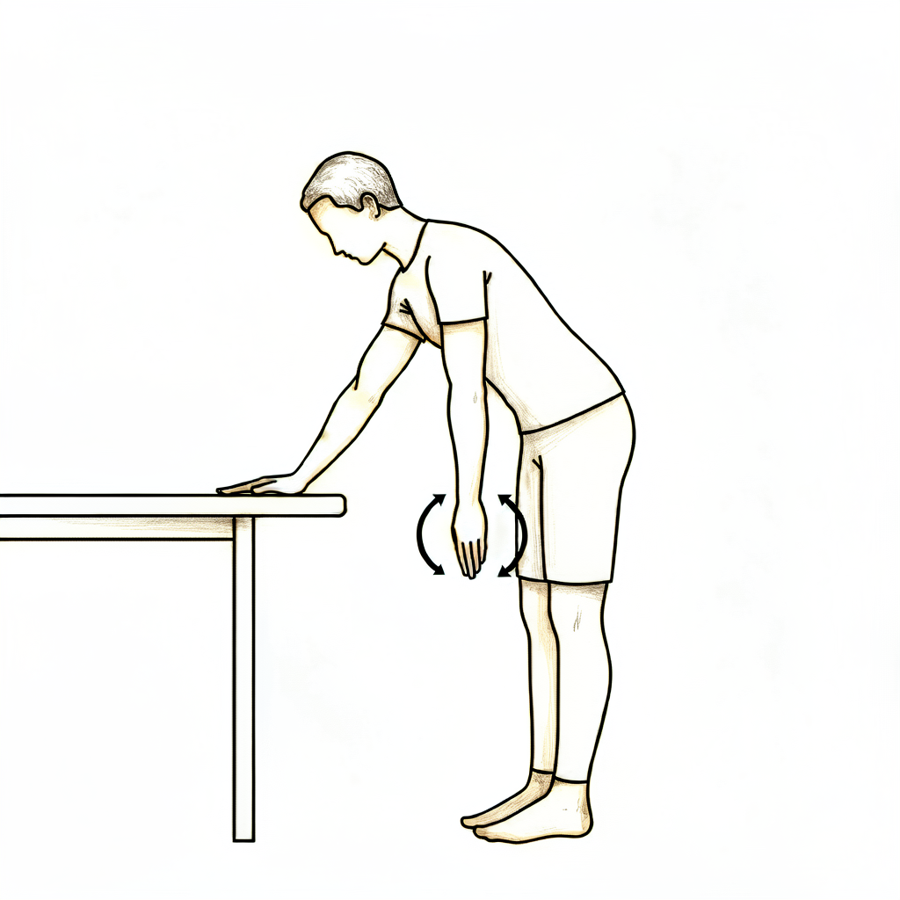
ਪੈਂਡੂਲਮ ਵਾਂਗ ਝੂਲਣ ਦੀ ਕਸਰਤ (pendulum)
ਲੱਕ ਤੋਂ ਅੱਗੇ ਵੱਲ ਝੁਕੋ ਅਤੇ ਓਪਰੇਸ਼ਨ ਵਾਲੀ ਬਾਂਹ ਨੂੰ ਸਰੀਰ ਤੋਂ ਦੂਰ ਹੌਲੀ ਜਿਹੇ ਲਟਕਣ ਦਿਓ। ਬਾਂਹ ਨੂੰ ਛੋਟੇ, ਢਿੱਲੇ ਚੱਕਰਾਂ ਵਿੱਚ ਝੂਲਣ ਦਿਓ — ਹਿਲਜੁਲ ਤੁਹਾਡੇ ਸਰੀਰ ਤੋਂ ਆਉਂਦੀ ਹੈ, ਮੋਢੇ ਦੀਆਂ ਮਾਸਪੇਸ਼ੀਆਂ ਤੋਂ ਨਹੀਂ। ਆਰਾਮ ਦੀ ਹੱਦ ਅੰਦਰ ਕੰਮ ਕਰੋ; ਦਰਦ ਹੀ ਰਾਹ ਦਿਖਾਉਂਦਾ ਹੈ।
ਤੁਹਾਡੇ ਫਿਜ਼ੀਓਥੈਰੇਪਿਸਟ ਦੀ ਹਦਾਇਤ ਅਨੁਸਾਰ
Kieran Hirpara 4.0
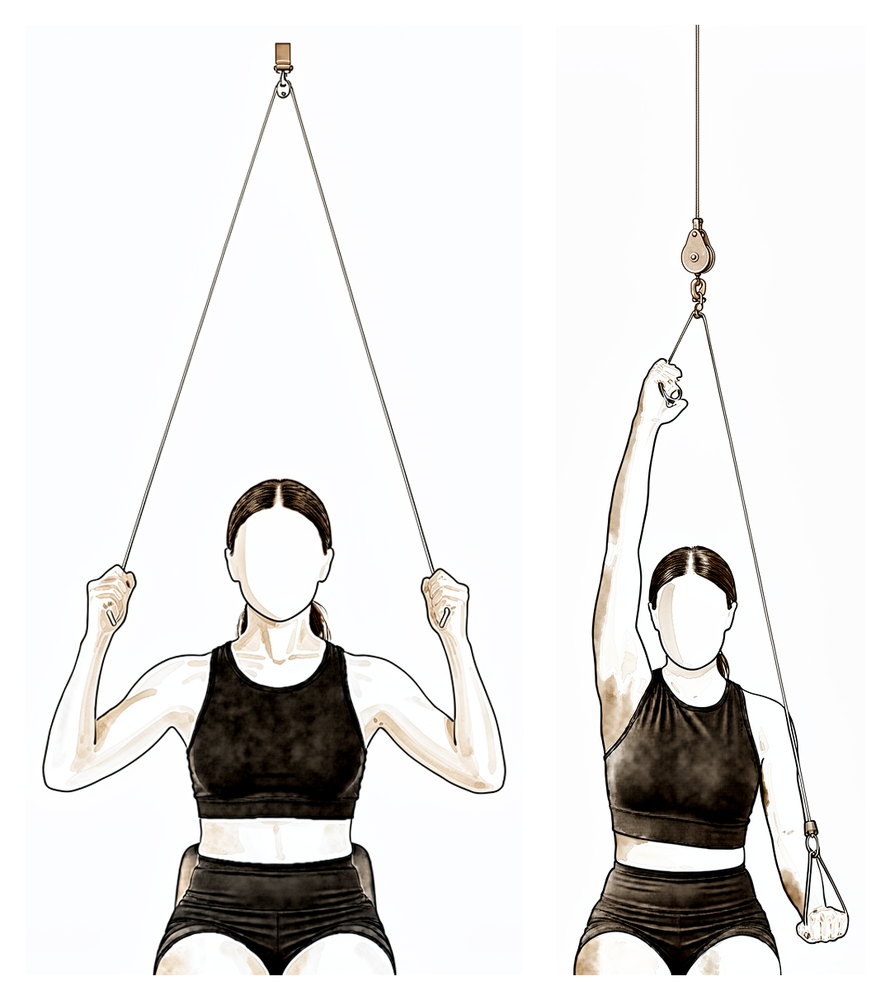
ਪੁਲੀ ਦੀ ਮਦਦ ਨਾਲ ਬਾਂਹ ਉੱਪਰ ਚੁੱਕਣਾ
ਦਰਵਾਜ਼ੇ ਉੱਤੇ ਲੱਗੀ ਪੁਲੀ ਦੇ ਹੇਠਾਂ ਬੈਠੋ, ਹਰ ਹੱਥ ਵਿੱਚ ਇੱਕ ਹੈਂਡਲ ਫੜ ਕੇ। ਠੀਕ ਬਾਂਹ ਨਾਲ ਹੇਠਾਂ ਖਿੱਚੋ ਤਾਂ ਜੋ ਓਪਰੇਸ਼ਨ ਵਾਲੀ ਬਾਂਹ ਉੱਪਰ ਵੱਲ ਅਤੇ ਸਰੀਰ ਤੋਂ ਥੋੜ੍ਹਾ ਅੱਗੇ ਵੱਲ ਉੱਠੇ, ਉਸ ਨੂੰ ਢਿੱਲਾ ਰਹਿਣ ਦਿਓ, ਫਿਰ ਕੰਟਰੋਲ ਨਾਲ ਹੇਠਾਂ ਲਿਆਓ। ਜ਼ੋਰ ਨਾ ਲਗਾਓ ਅਤੇ ਹੱਦ ਤੋਂ ਵੱਧ ਨਾ ਖਿੱਚੋ — ਆਰਾਮਦਾਇਕ ਹੱਦ ਅੰਦਰ ਕੰਮ ਕਰੋ।
ਤੁਹਾਡੇ ਫਿਜ਼ੀਓਥੈਰੇਪਿਸਟ ਦੀ ਹਦਾਇਤ ਅਨੁਸਾਰ
Kieran Hirpara 4.0
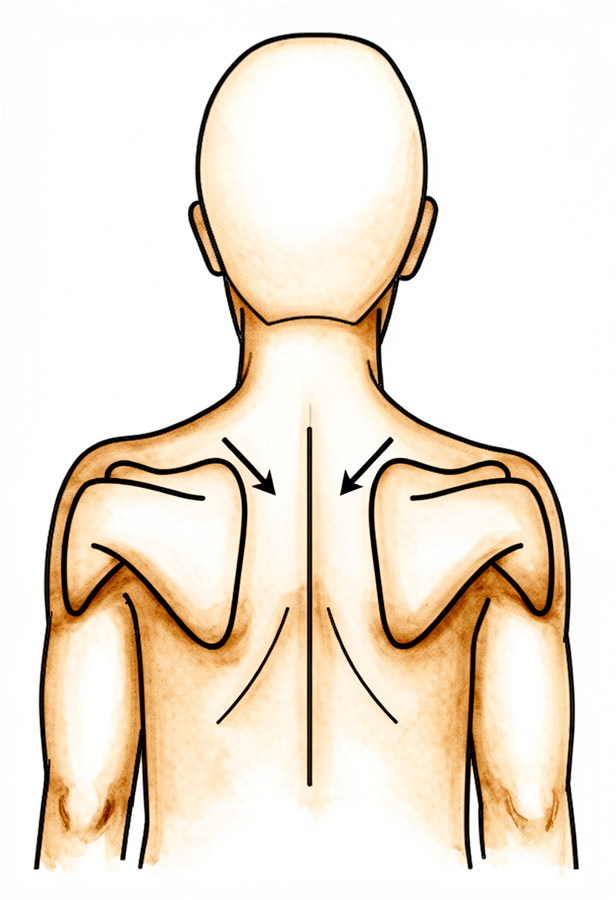
ਸਕੈਪੂਲਾ ਨੂੰ ਟਿਕਾਉਣਾ (scapular setting)
ਸਿੱਧੇ ਬੈਠ ਕੇ, ਆਪਣੇ ਮੋਢਿਆਂ ਦੀਆਂ ਪਿਛਲੀਆਂ ਚਪਟੀਆਂ ਹੱਡੀਆਂ (shoulder blades) ਨੂੰ ਹੌਲੀ ਜਿਹੇ ਪਿੱਛੇ ਇਕੱਠੇ ਅਤੇ ਹੇਠਾਂ ਵੱਲ, ਕੰਨਾਂ ਤੋਂ ਦੂਰ, ਖਿੱਚੋ। ਕੁਝ ਸਕਿੰਟ ਰੋਕੋ, ਫਿਰ ਢਿੱਲਾ ਛੱਡੋ। ਇਸ ਦੇ ਨਾਲ ਸਾਰਾ ਦਿਨ ਆਪਣੀ ਮੁਦਰਾ (posture) ਵੱਲ ਧਿਆਨ ਦਿਓ।
ਤੁਹਾਡੇ ਫਿਜ਼ੀਓਥੈਰੇਪਿਸਟ ਦੀ ਹਦਾਇਤ ਅਨੁਸਾਰ
Kieran Hirpara 4.0
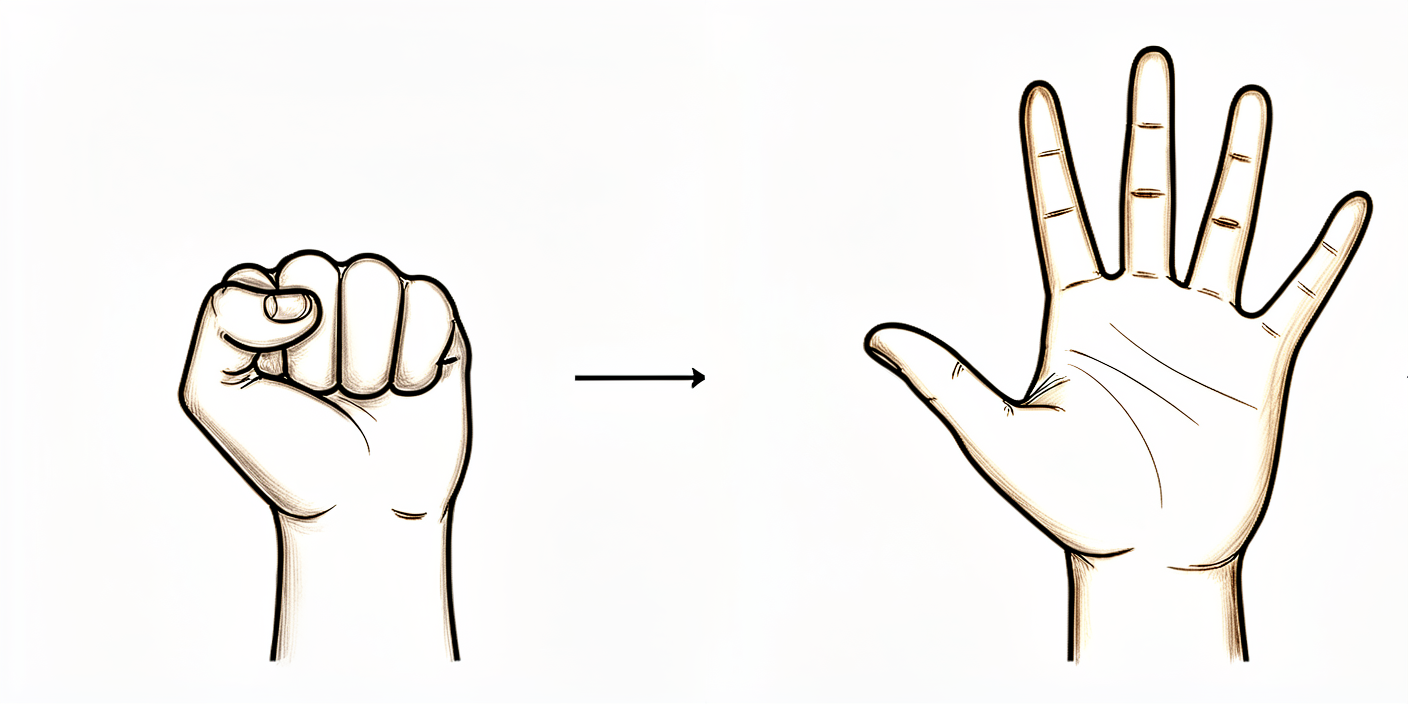
ਹੱਥ ਖੋਲ੍ਹਣਾ ਅਤੇ ਬੰਦ ਕਰਨਾ
ਆਪਣੇ ਹੱਥ ਅਤੇ ਉਂਗਲਾਂ ਨੂੰ ਖੋਲ੍ਹ-ਬੰਦ ਕਰਕੇ, ਜਾਂ ਨਰਮ ਗੇਂਦ ਨੂੰ ਘੁੱਟ ਕੇ, ਹਿੱਲਦੇ ਰੱਖੋ। ਮੋਢਾ ਠੀਕ ਹੋਣ ਦੌਰਾਨ ਹੱਥ ਅਤੇ ਬਾਂਹ ਨੂੰ ਕੰਮ ਕਰਦੇ ਰੱਖਣ ਲਈ ਇਹ ਸ਼ੁਰੂ ਤੋਂ ਹੀ ਸ਼ੁਰੂ ਕਰੋ।
10 ਵਾਰ, ਦਿਨ ਵਿੱਚ ਤਿੰਨ ਵਾਰ
Kieran Hirpara 4.0
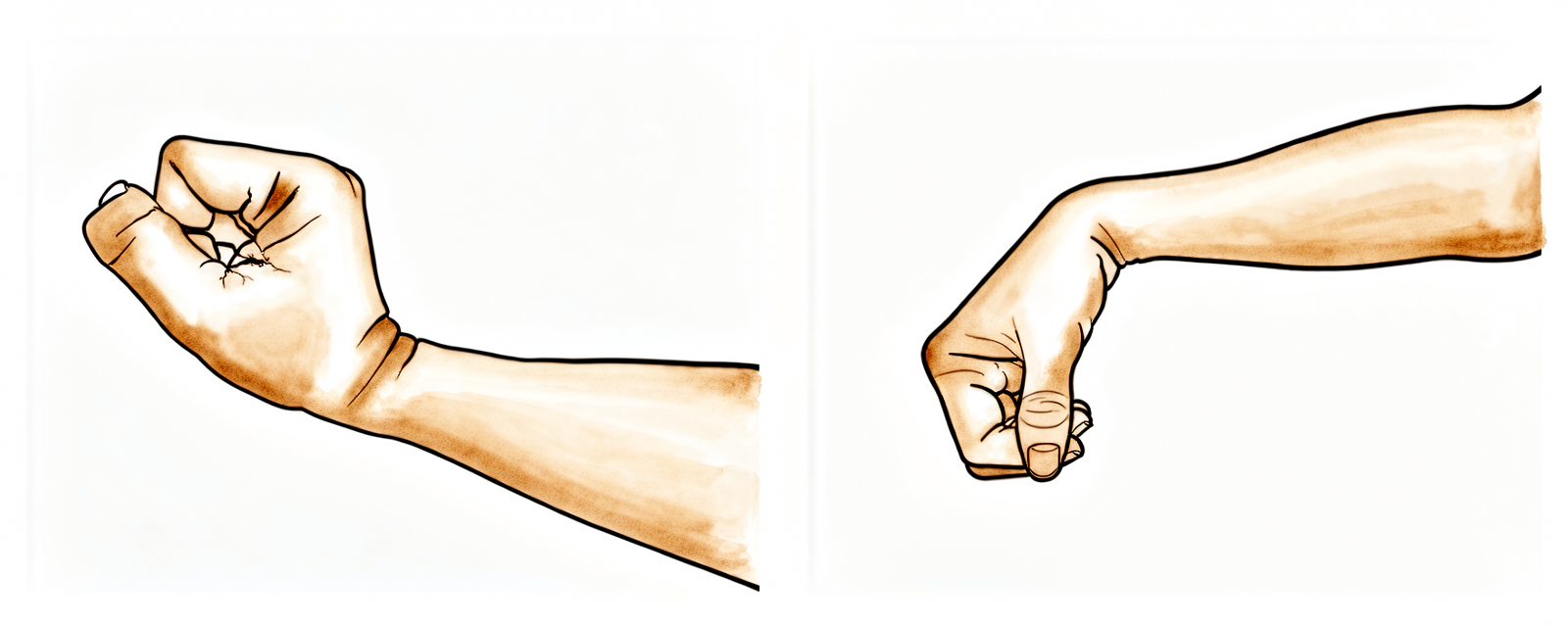
ਗੁੱਟ ਦੀ ਹਿਲਜੁਲ
ਆਪਣੇ ਗੁੱਟ ਨੂੰ ਅੱਗੇ, ਪਿੱਛੇ ਅਤੇ ਇੱਕ ਪਾਸੇ ਤੋਂ ਦੂਜੇ ਪਾਸੇ ਮੋੜ ਕੇ ਹਿੱਲਦਾ ਰੱਖੋ। ਮੋਢਾ ਠੀਕ ਹੋਣ ਦੌਰਾਨ ਬਾਂਹ ਨੂੰ ਕੰਮ ਕਰਦੀ ਰੱਖਣ ਲਈ ਇਹ ਪਹਿਲੇ ਦਿਨ ਤੋਂ ਕਰੋ।
10 ਵਾਰ, ਦਿਨ ਵਿੱਚ ਤਿੰਨ ਵਾਰ
Kieran Hirpara 4.0
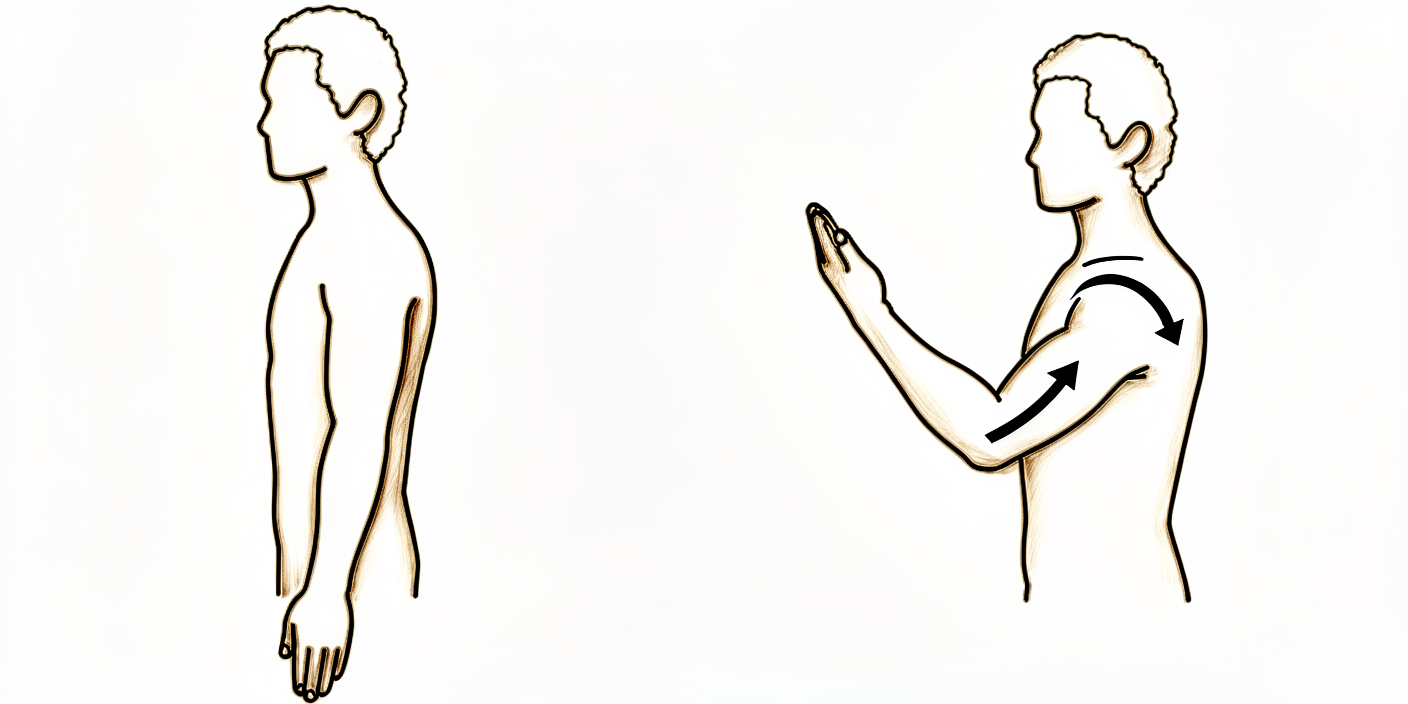
ਕੂਹਣੀ ਮੋੜਨਾ
ਡੌਲੇ (upper arm) ਨੂੰ ਆਪਣੇ ਪਾਸੇ ਨਾਲ ਟਿਕਾ ਕੇ, ਕੂਹਣੀ ਨੂੰ ਜਿੰਨਾ ਆਰਾਮ ਨਾਲ ਮੁੜੇ ਮੋੜੋ, ਫਿਰ ਪੂਰੀ ਸਿੱਧੀ ਕਰੋ। ਸਿਰਫ਼ ਕੂਹਣੀ ਹਿੱਲਦੀ ਹੈ — ਮੋਢੇ ਨੂੰ ਢਿੱਲਾ ਰੱਖੋ। ਇਹ ਪਹਿਲੇ ਦਿਨ ਤੋਂ ਸ਼ੁਰੂ ਕਰੋ।
10 ਵਾਰ, ਦਿਨ ਵਿੱਚ ਤਿੰਨ ਵਾਰ
Kieran Hirpara 4.0
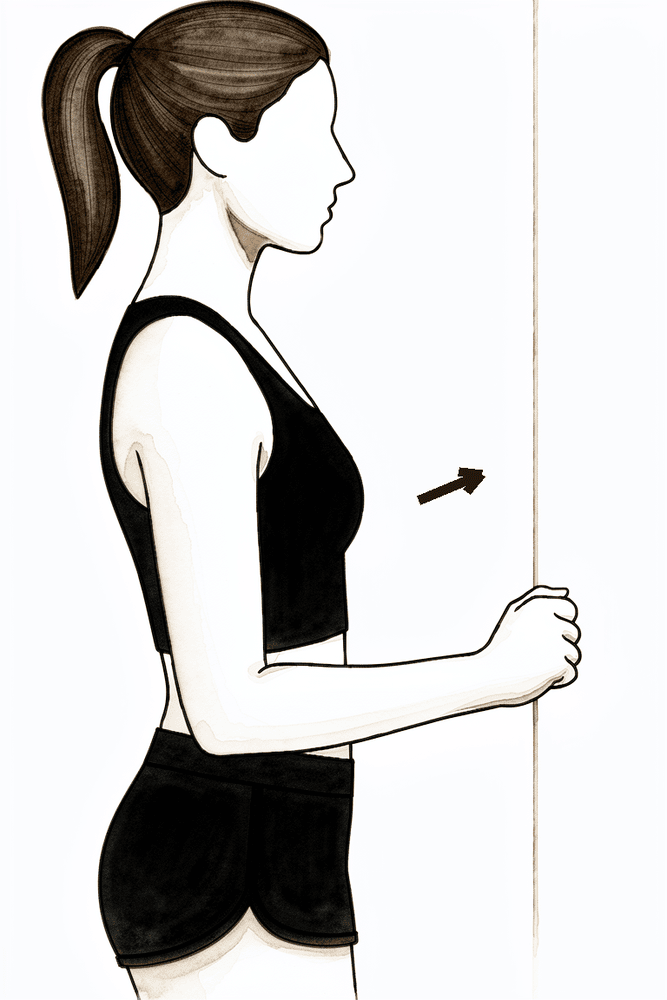
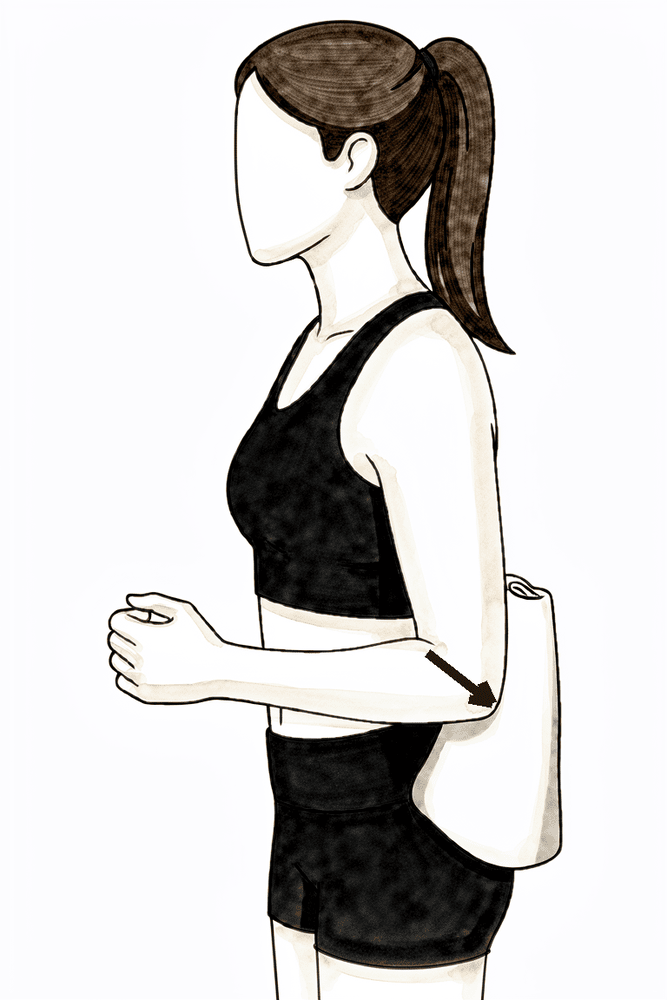
ਆਈਸੋਮੈਟ੍ਰਿਕ ਤਰੀਕੇ ਨਾਲ ਅੱਗੇ ਵੱਲ ਜ਼ੋਰ (isometric flexion)
ਕੰਧ ਵੱਲ ਮੂੰਹ ਕਰਕੇ ਖੜ੍ਹੇ ਹੋਵੋ, ਕੂਹਣੀ ਮੋੜ ਕੇ ਪਾਸੇ ਨਾਲ ਲਾਈ ਹੋਵੇ, ਅਤੇ ਮੁੱਠੀ ਦਾ ਅਗਲਾ ਹਿੱਸਾ ਕੰਧ ਨਾਲ ਟਿਕਿਆ ਹੋਵੇ। ਬਾਂਹ ਨੂੰ ਹਿੱਲਣ ਦਿੱਤੇ ਬਿਨਾਂ ਕੰਧ ਵਿੱਚ ਹੌਲੀ ਜਿਹੇ ਅੱਗੇ ਵੱਲ ਦਬਾਓ, ਕੁਝ ਸਕਿੰਟ ਰੋਕੋ, ਫਿਰ ਢਿੱਲਾ ਛੱਡੋ। ਇਸ ਨਾਲ ਮੋਢਾ ਠੀਕ ਹੋਣ ਦੌਰਾਨ ਬਿਨਾਂ ਹਿਲਜੁਲ ਦੇ ਮਾਸਪੇਸ਼ੀਆਂ ਕੰਮ ਕਰਦੀਆਂ ਰਹਿੰਦੀਆਂ ਹਨ।
ਕੁਝ ਸਕਿੰਟ ਰੋਕੋ, ਕਈ ਵਾਰ; ਤੁਹਾਡੇ ਫਿਜ਼ੀਓਥੈਰੇਪਿਸਟ ਦੀ ਹਦਾਇਤ ਅਨੁਸਾਰ
Kieran Hirpara 4.0
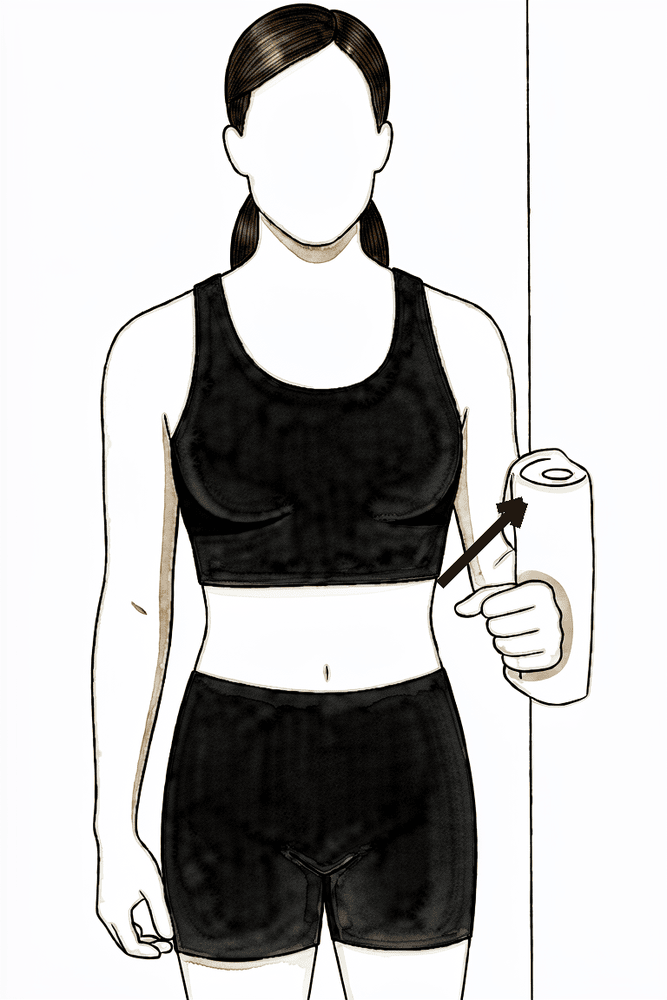
ਆਈਸੋਮੈਟ੍ਰਿਕ ਤਰੀਕੇ ਨਾਲ ਪਿੱਛੇ ਵੱਲ ਜ਼ੋਰ (isometric extension)
ਕੂਹਣੀ ਪਾਸੇ ਨਾਲ ਰੱਖ ਕੇ ਅਤੇ ਡੌਲੇ ਦਾ ਪਿਛਲਾ ਹਿੱਸਾ ਕੰਧ ਨਾਲ ਲਾ ਕੇ ਖੜ੍ਹੇ ਹੋਵੋ। ਬਾਂਹ ਨੂੰ ਹਿੱਲਣ ਦਿੱਤੇ ਬਿਨਾਂ ਹੌਲੀ ਜਿਹੇ ਪਿੱਛੇ ਵੱਲ ਕੰਧ ਵਿੱਚ ਦਬਾਓ, ਕੁਝ ਸਕਿੰਟ ਰੋਕੋ, ਫਿਰ ਢਿੱਲਾ ਛੱਡੋ। ਸ਼ੁਰੂ ਵਿੱਚ ਮਾਸਪੇਸ਼ੀਆਂ ਨੂੰ ਸਰਗਰਮ ਰੱਖਣ ਦਾ ਬਿਨਾਂ ਹਿਲਜੁਲ ਵਾਲਾ ਤਰੀਕਾ।
ਕੁਝ ਸਕਿੰਟ ਰੋਕੋ, ਕਈ ਵਾਰ; ਤੁਹਾਡੇ ਫਿਜ਼ੀਓਥੈਰੇਪਿਸਟ ਦੀ ਹਦਾਇਤ ਅਨੁਸਾਰ
Kieran Hirpara 4.0
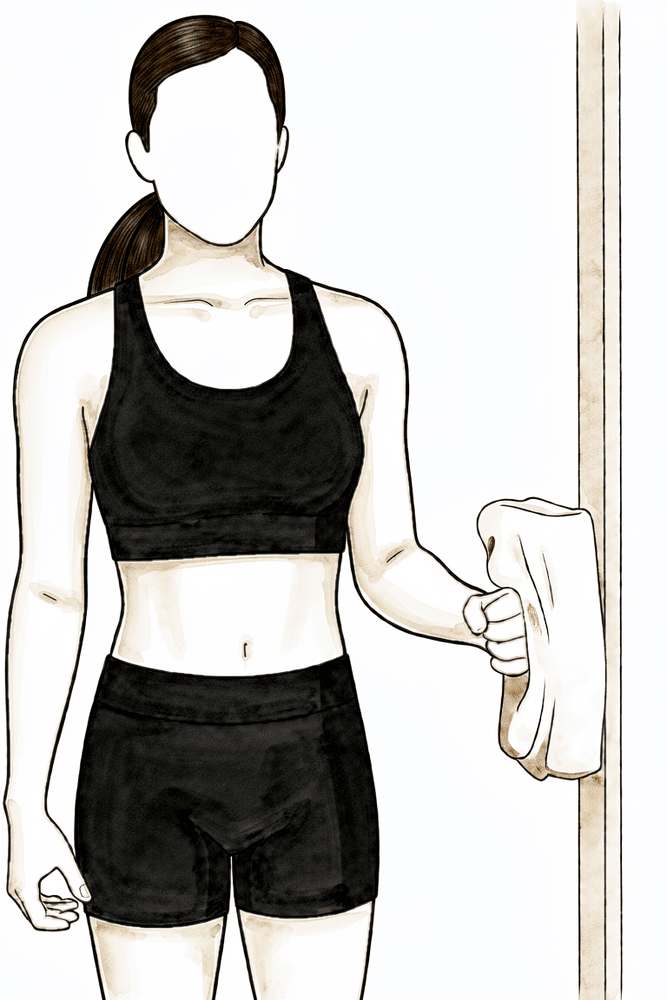
ਆਈਸੋਮੈਟ੍ਰਿਕ ਤਰੀਕੇ ਨਾਲ ਪਾਸੇ ਵੱਲ ਜ਼ੋਰ (isometric abduction)
ਕੰਧ ਵੱਲ ਪਾਸਾ ਕਰਕੇ ਖੜ੍ਹੇ ਹੋਵੋ, ਡੌਲੇ ਦਾ ਬਾਹਰੀ ਪਾਸਾ ਕੰਧ ਦੇ ਨੇੜੇ ਹੋਵੇ ਅਤੇ ਕੂਹਣੀ ਪਾਸੇ ਨਾਲ ਲੱਗੀ ਹੋਵੇ। ਬਾਂਹ ਨੂੰ ਹਿੱਲਣ ਦਿੱਤੇ ਬਿਨਾਂ ਹੌਲੀ ਜਿਹੇ ਬਾਹਰ ਵੱਲ ਕੰਧ ਵਿੱਚ ਦਬਾਓ, ਕੁਝ ਸਕਿੰਟ ਰੋਕੋ, ਫਿਰ ਢਿੱਲਾ ਛੱਡੋ।
ਕੁਝ ਸਕਿੰਟ ਰੋਕੋ, ਕਈ ਵਾਰ; ਤੁਹਾਡੇ ਫਿਜ਼ੀਓਥੈਰੇਪਿਸਟ ਦੀ ਹਦਾਇਤ ਅਨੁਸਾਰ
Kieran Hirpara 4.0
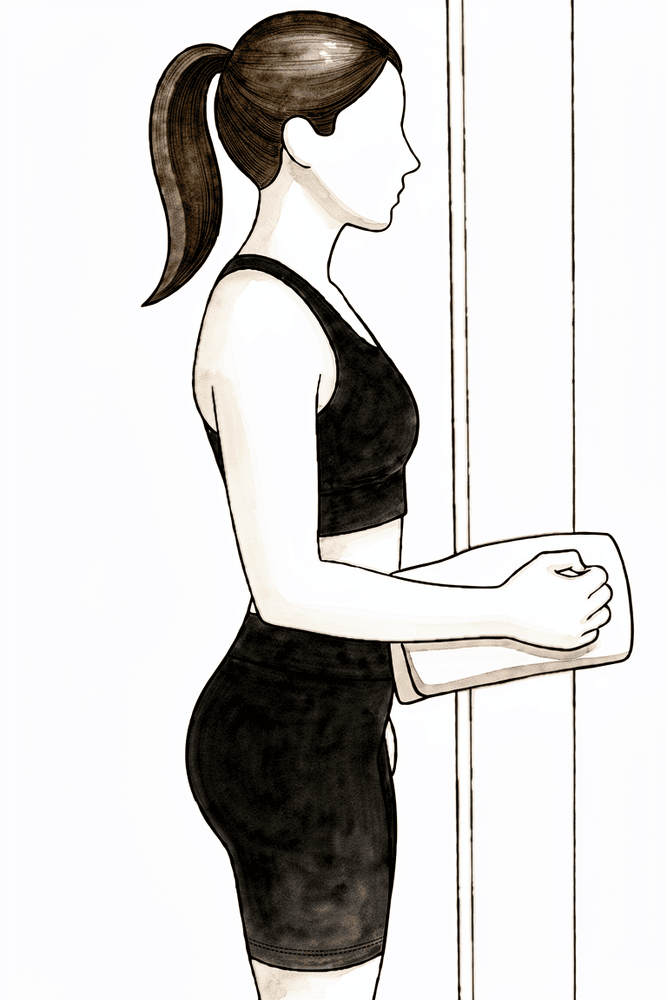
ਆਈਸੋਮੈਟ੍ਰਿਕ ਤਰੀਕੇ ਨਾਲ ਬਾਹਰ ਵੱਲ ਘੁਮਾਉਣਾ (isometric external rotation)
ਕੂਹਣੀ ਨੂੰ ਪਾਸੇ ਨਾਲ ਲਾ ਕੇ ਅਤੇ ਸਮਕੋਣ (ਨੱਬੇ ਦਰਜੇ) ਤੱਕ ਮੋੜ ਕੇ ਖੜ੍ਹੇ ਹੋਵੋ, ਹੱਥ ਦਾ ਪੁੱਠਾ ਪਾਸਾ ਕੰਧ ਜਾਂ ਦਰਵਾਜ਼ੇ ਦੀ ਚੁਗਾਠ ਨਾਲ ਲੱਗਿਆ ਹੋਵੇ। ਬਾਂਹ ਨੂੰ ਹਿੱਲਣ ਦਿੱਤੇ ਬਿਨਾਂ ਹੌਲੀ ਜਿਹੇ ਬਾਹਰ ਵੱਲ ਦਬਾਓ, ਕੁਝ ਸਕਿੰਟ ਰੋਕੋ, ਫਿਰ ਢਿੱਲਾ ਛੱਡੋ। ਇਸ ਨਾਲ ਬਿਨਾਂ ਹਿਲਜੁਲ ਦੇ ਰੋਟੇਟਰ ਕਫ਼ ਮਜ਼ਬੂਤ ਹੁੰਦਾ ਹੈ।
ਕੁਝ ਸਕਿੰਟ ਰੋਕੋ, ਕਈ ਵਾਰ; ਤੁਹਾਡੇ ਫਿਜ਼ੀਓਥੈਰੇਪਿਸਟ ਦੀ ਹਦਾਇਤ ਅਨੁਸਾਰ
Kieran Hirpara 4.0
ਆਈਸੋਮੈਟ੍ਰਿਕ ਤਰੀਕੇ ਨਾਲ ਅੰਦਰ ਵੱਲ ਘੁਮਾਉਣਾ (isometric internal rotation)
ਕੂਹਣੀ ਨੂੰ ਪਾਸੇ ਨਾਲ ਲਾ ਕੇ ਅਤੇ ਸਮਕੋਣ ਤੱਕ ਮੋੜ ਕੇ ਖੜ੍ਹੇ ਹੋਵੋ, ਹਥੇਲੀ ਕੰਧ ਜਾਂ ਦਰਵਾਜ਼ੇ ਦੀ ਚੁਗਾਠ ਨਾਲ ਲੱਗੀ ਹੋਵੇ। ਬਾਂਹ ਨੂੰ ਹਿੱਲਣ ਦਿੱਤੇ ਬਿਨਾਂ ਹੌਲੀ ਜਿਹੇ ਅੰਦਰ ਵੱਲ ਦਬਾਓ, ਕੁਝ ਸਕਿੰਟ ਰੋਕੋ, ਫਿਰ ਢਿੱਲਾ ਛੱਡੋ। ਰੋਟੇਟਰ ਕਫ਼ ਨੂੰ ਸਰਗਰਮ ਕਰਨਾ ਸ਼ੁਰੂ ਕਰਨ ਦਾ ਇੱਕ ਹਲਕਾ ਤਰੀਕਾ।
ਕੁਝ ਸਕਿੰਟ ਰੋਕੋ, ਕਈ ਵਾਰ; ਤੁਹਾਡੇ ਫਿਜ਼ੀਓਥੈਰੇਪਿਸਟ ਦੀ ਹਦਾਇਤ ਅਨੁਸਾਰ
ਓਪਰੇਸ਼ਨ ਦੌਰਾਨ ਅਕਸਰ ਨਰਵ ਬਲਾਕ (ਨਸ ਨੂੰ ਸੁੰਨ ਕਰਨ ਵਾਲਾ ਟੀਕਾ) ਵਰਤਿਆ ਜਾਂਦਾ ਹੈ, ਇਸ ਲਈ ਬਾਅਦ ਵਿੱਚ ਕੁਝ ਘੰਟਿਆਂ ਤੱਕ ਬਾਂਹ ਸੁੰਨ ਮਹਿਸੂਸ ਹੋ ਸਕਦੀ ਹੈ; ਇਸ ਦਾ ਅਸਰ ਖ਼ਤਮ ਹੋਣ ਤੋਂ ਪਹਿਲਾਂ ਆਪਣੀਆਂ ਦਰਦ ਨਿਵਾਰਕ ਦਵਾਈਆਂ ਸ਼ੁਰੂ ਕਰ ਦਿਓ। ਪਹਿਲੇ ਦੋ ਹਫ਼ਤਿਆਂ ਵਿੱਚ ਮਕਸਦ ਸਾਦੇ ਹਨ: ਦਰਦ ਅਤੇ ਸੋਜ ਨੂੰ ਸ਼ਾਂਤ ਕਰਨਾ, ਅਤੇ ਆਰਾਮ ਦੀ ਹੱਦ ਅੰਦਰ ਮੋਢੇ ਨੂੰ ਹਿਲਾਉਣਾ ਸ਼ੁਰੂ ਕਰਨਾ। ਦਰਦ ਤੋਂ ਰਾਹਤ ਲਈ ਨਿਯਮਿਤ ਤੌਰ 'ਤੇ ਬਰਫ਼ ਵਰਤੋ। ਆਪਣੇ ਹੱਥ, ਗੁੱਟ ਅਤੇ ਕੂਹਣੀ ਨੂੰ ਸ਼ੁਰੂ ਤੋਂ ਹੀ ਹਿਲਾਉਣਾ ਸ਼ੁਰੂ ਕਰੋ, ਜਿਵੇਂ-ਜਿਵੇਂ ਆਰਾਮ ਇਜਾਜ਼ਤ ਦੇਵੇ ਪੈਂਡੂਲਮ ਕਸਰਤਾਂ (pendulum, ਬਾਂਹ ਨੂੰ ਲਟਕਾ ਕੇ ਝੁਲਾਉਣਾ) ਅਤੇ ਮਦਦ ਨਾਲ ਬਾਂਹ ਦੀਆਂ ਹਰਕਤਾਂ ਜੋੜੋ, ਅਤੇ ਰੋਜ਼ਾਨਾ ਦੇ ਆਮ ਹਲਕੇ ਕੰਮਾਂ ਲਈ, ਜਿਵੇਂ ਨਹਾਉਣਾ-ਧੋਣਾ, ਕੱਪੜੇ ਪਾਉਣਾ ਅਤੇ ਖਾਣਾ ਖਾਣਾ, ਬਾਂਹ ਦੀ ਵਰਤੋਂ ਕਰੋ। ਆਪਣੀਆਂ ਕਸਰਤਾਂ ਤੋਂ ਪਹਿਲਾਂ ਅਤੇ ਫਿਜ਼ੀਓਥੈਰੇਪੀ ਦੀਆਂ ਮੁਲਾਕਾਤਾਂ ਤੋਂ ਪਹਿਲਾਂ ਆਪਣੀਆਂ ਦਰਦ ਨਿਵਾਰਕ ਦਵਾਈਆਂ ਲਓ। ਇਹ ਦੂਰਬੀਨ ਵਾਲੀ ਸਰਜਰੀ ਹੈ, ਜੋ ਆਮ ਤੌਰ 'ਤੇ ਦੋ ਜਾਂ ਤਿੰਨ ਛੋਟੇ ਛੇਕਾਂ ਰਾਹੀਂ ਕੀਤੀ ਜਾਂਦੀ ਹੈ, ਜਿਨ੍ਹਾਂ ਉੱਤੇ ਵਾਟਰਪਰੂਫ਼ ਪੱਟੀਆਂ ਲੱਗੀਆਂ ਹੁੰਦੀਆਂ ਹਨ; ਤੁਸੀਂ ਪਹਿਲੇ ਦਿਨ ਤੋਂ ਇਨ੍ਹਾਂ ਉੱਤੇ ਸ਼ਾਵਰ ਲੈ ਸਕਦੇ ਹੋ (ਇਨ੍ਹਾਂ ਨੂੰ ਪਾਣੀ ਵਿੱਚ ਨਾ ਡੁਬੋਓ ਅਤੇ ਨਾ ਹੀ ਰਗੜੋ), ਅਤੇ ਇਹ 10–14 ਦਿਨਾਂ ਉੱਤੇ ਤੁਹਾਡੀ ਜ਼ਖ਼ਮ ਦੀ ਜਾਂਚ ਤੱਕ ਲੱਗੀਆਂ ਰਹਿੰਦੀਆਂ ਹਨ। ਮੇਜ਼-ਕੁਰਸੀ ਵਾਲੀਆਂ (ਦਫ਼ਤਰੀ) ਨੌਕਰੀਆਂ ਵਾਲੇ ਲੋਕ ਆਮ ਤੌਰ 'ਤੇ ਪਹਿਲੇ ਦੋ ਹਫ਼ਤਿਆਂ ਵਿੱਚ ਕੰਮ ਉੱਤੇ ਵਾਪਸ ਆ ਜਾਂਦੇ ਹਨ; ਗੱਡੀ ਚਲਾਉਣ ਲਈ ਉਦੋਂ ਤੱਕ ਉਡੀਕ ਕਰੋ ਜਦੋਂ ਤੱਕ ਤੁਹਾਡਾ ਸਰਜਨ ਇਜਾਜ਼ਤ ਨਾ ਦੇਵੇ, ਆਮ ਤੌਰ 'ਤੇ ਛੇ ਹਫ਼ਤਿਆਂ ਵਾਲੀ ਜਾਂਚ ਮੁਲਾਕਾਤ ਉੱਤੇ।
ਤੁਹਾਡੇ ਫਿਜ਼ੀਓਥੈਰੇਪਿਸਟ ਲਈ:
ਟੀਚੇ
- ਦਰਦ ਅਤੇ ਸੋਜ ਨੂੰ ਸ਼ਾਂਤ ਕਰਨਾ
- ਬਿਨਾਂ ਦਰਦ ਵਾਲੀ ਰੇਂਜ ਆਫ਼ ਮੋਸ਼ਨ (range of motion, ਹਿਲਜੁਲ ਦੀ ਹੱਦ) ਮੁੜ ਕਾਇਮ ਕਰਨਾ (ਐਕਟਿਵ-ਅਸਿਸਟਿਡ ਤੋਂ ਐਕਟਿਵ ਵੱਲ ਵਧਦੇ ਹੋਏ)
- ਮਾਸਪੇਸ਼ੀਆਂ ਦੇ ਸੁੱਕਣ (atrophy) ਨੂੰ ਰੋਕਣਾ ਅਤੇ ਹਿਲਜੁਲ ਦੌਰਾਨ ਸਥਿਰਤਾ (dynamic stability) ਮੁੜ ਕਾਇਮ ਕਰਨੀ ਸ਼ੁਰੂ ਕਰਨਾ
- ਰੋਜ਼ਾਨਾ ਜ਼ਿੰਦਗੀ ਦੇ ਹਲਕੇ ਕੰਮ ਬਿਨਾਂ ਕਿਸੇ ਦੀ ਮਦਦ ਦੇ ਕਰ ਸਕਣਾ
ਇਲਾਜ ਦਾ ਪ੍ਰਬੰਧ
- ਦਰਦ ਅਤੇ ਸੋਜ ਲਈ ਨਿਯਮਿਤ ਕ੍ਰਾਇਓਥੈਰੇਪੀ (cryotherapy, ਬਰਫ਼ ਨਾਲ ਠੰਢਕ); ਕਸਰਤਾਂ ਅਤੇ ਸੈਸ਼ਨਾਂ ਤੋਂ ਪਹਿਲਾਂ ਦਰਦ ਨਿਵਾਰਕ ਦਵਾਈ
- ਪਹਿਲੇ ਦਿਨ ਤੋਂ ਕੂਹਣੀ, ਗੁੱਟ, ਹੱਥ, ਗਰਦਨ ਅਤੇ ਪਿੱਠ ਦੇ ਉੱਪਰਲੇ ਹਿੱਸੇ (thoracic) ਦੀਆਂ ਰੇਂਜ ਆਫ਼ ਮੋਸ਼ਨ ਕਸਰਤਾਂ
- ਪੈਂਡੂਲਮ; ਸਕੈਪੂਲਾ ਦੇ ਤਲ (scapular plane) ਵਿੱਚ ਪੁਲੀ ਜਾਂ ਡੰਡੇ ਨਾਲ ਐਕਟਿਵ-ਅਸਿਸਟਿਡ ਤਰੀਕੇ ਨਾਲ ਬਾਂਹ ਉੱਪਰ ਚੁੱਕਣਾ (elevation); ਬਾਹਰ ਅਤੇ ਅੰਦਰ ਵੱਲ ਘੁਮਾਉਣਾ (external and internal rotation), ਜੋ 30–45° ਅਬਡਕਸ਼ਨ (abduction, ਬਾਂਹ ਨੂੰ ਪਾਸੇ ਵੱਲ ਚੁੱਕਣਾ) ਉੱਤੇ ਸ਼ੁਰੂ ਹੁੰਦਾ ਹੈ
- ਜਿਵੇਂ-ਜਿਵੇਂ ਆਰਾਮ ਇਜਾਜ਼ਤ ਦੇਵੇ, ਐਕਟਿਵ ਰੇਂਜ ਆਫ਼ ਮੋਸ਼ਨ ਵੱਲ ਵਧਣਾ
- ਬੈਠ ਕੇ ਸਕੈਪੂਲਾ (ਮੋਢੇ ਦੀ ਪਿਛਲੀ ਚਪਟੀ ਹੱਡੀ, shoulder blade) ਨੂੰ ਟਿਕਾਉਣਾ (scapular setting); ਸਰੀਰ ਦੀ ਮੁਦਰਾ (posture) ਬਾਰੇ ਜਾਗਰੂਕਤਾ
- ਪੂਰੀ ਤਾਕਤ ਤੋਂ ਘੱਟ ਆਈਸੋਮੈਟ੍ਰਿਕ (isometric, ਬਿਨਾਂ ਹਿਲਾਏ ਮਾਸਪੇਸ਼ੀ ਨੂੰ ਕੱਸਣਾ) ਕਸਰਤਾਂ (ਅੱਗੇ ਚੁੱਕਣਾ, ਪਿੱਛੇ ਲਿਜਾਣਾ, ਪਾਸੇ ਚੁੱਕਣਾ, ਬਾਹਰ ਅਤੇ ਅੰਦਰ ਵੱਲ ਘੁਮਾਉਣਾ) ਅਤੇ ਹਲਕੀ ਰਿਦਮਿਕ ਸਟੈਬਿਲਾਈਜ਼ੇਸ਼ਨ (rhythmic stabilisation)
- ਹਫ਼ਤਾ 2 ਤੋਂ: ਜੇ ਮਦਦਗਾਰ ਹੋਵੇ ਤਾਂ ਕਸਰਤ ਤੋਂ ਪਹਿਲਾਂ ਸੇਕ; ਘੁਮਾਉਣ ਵਾਲਾ ਕੰਮ 90° ਅਬਡਕਸ਼ਨ ਵੱਲ ਵਧਾਉਣਾ; ਬਾਂਹ ਪਾਸੇ ਨਾਲ ਰੱਖ ਕੇ ਲਚਕੀਲੀ ਟਿਊਬ ਨਾਲ ਬਾਹਰ ਅਤੇ ਅੰਦਰ ਵੱਲ ਘੁਮਾਉਣਾ
ਸਾਵਧਾਨੀਆਂ
- ਆਰਾਮਦਾਇਕ ਹੱਦਾਂ ਅੰਦਰ ਕੰਮ ਕਰੋ: ਜ਼ੋਰ ਨਾ ਲਗਾਓ ਅਤੇ ਹੱਦ ਤੋਂ ਵੱਧ ਨਾ ਖਿੱਚੋ; ਦਰਦ ਹੀ ਰਾਹ ਦਿਖਾਉਂਦਾ ਹੈ
- ਸਲਿੰਗ ਸਿਰਫ਼ ਆਰਾਮ ਲਈ; ਪਹਿਲੇ ਦਿਨਾਂ ਵਿੱਚ ਇਸ ਦੀ ਆਦਤ ਛੁਡਾਓ ਅਤੇ ਦੋ ਹਫ਼ਤਿਆਂ ਤੱਕ ਇਸ ਨੂੰ ਬਿਲਕੁਲ ਛੱਡ ਦਿਓ
- ਛੇ ਹਫ਼ਤਿਆਂ ਤੱਕ ਗੱਡੀ ਨਾ ਚਲਾਓ (ਇਹ ਮੋਢੇ ਦੇ ਕਿਸੇ ਵੀ ਓਪਰੇਸ਼ਨ ਉੱਤੇ ਲਾਗੂ ਹੁੰਦਾ ਹੈ)
- ਭਾਰੀ ਚੀਜ਼ਾਂ ਨਾ ਚੁੱਕੋ, ਸਿਰ ਤੋਂ ਉੱਪਰ ਕੁਝ ਵੀ ਨਾ ਚੁੱਕੋ, ਅਤੇ ਝਟਕੇ ਵਾਲੀਆਂ ਹਰਕਤਾਂ ਨਾ ਕਰੋ
- ਪਹਿਲੇ ਛੇ ਹਫ਼ਤਿਆਂ ਤੱਕ ਓਪਰੇਸ਼ਨ ਵਾਲੀ ਬਾਂਹ ਦੇ ਜ਼ੋਰ ਨਾਲ ਕੁਰਸੀ ਜਾਂ ਬਿਸਤਰੇ ਤੋਂ ਉੱਠਣ ਤੋਂ ਬਚੋ: ਐਕਰੋਮੀਅਨ ਨੂੰ ਪਤਲਾ ਕੀਤਾ ਗਿਆ ਹੈ ਅਤੇ ਜਦੋਂ ਤੱਕ ਇਹ ਮੁੜ ਆਪਣਾ ਰੂਪ ਲੈ ਰਿਹਾ ਹੈ (remodel), ਇਸ ਉੱਤੇ ਜ਼ੋਰਦਾਰ ਭਾਰ ਪਾਉਣ ਤੋਂ ਬਚਣਾ ਚਾਹੀਦਾ ਹੈ
ਅਗਲੇ ਪੜਾਅ ਵਿੱਚ ਜਾਣ ਦੀਆਂ ਸ਼ਰਤਾਂ
- ਸਾਦੀਆਂ ਦਰਦ ਨਿਵਾਰਕ ਦਵਾਈਆਂ ਨਾਲ ਦਰਦ ਚੰਗੀ ਤਰ੍ਹਾਂ ਕਾਬੂ ਵਿੱਚ
- ਸੋਜ ਘੱਟ ਰਹੀ ਹੈ ਅਤੇ ਜ਼ਖ਼ਮ ਬਿਨਾਂ ਕਿਸੇ ਚਿੰਤਾ ਦੇ ਭਰ ਗਏ ਹਨ ਜਾਂ ਭਰ ਰਹੇ ਹਨ
- ਆਰਾਮਦਾਇਕ ਐਕਟਿਵ-ਅਸਿਸਟਿਡ ਹਿਲਜੁਲ, ਅਤੇ ਮੋਢੇ ਦੀ ਉਚਾਈ ਤੋਂ ਹੇਠਾਂ ਐਕਟਿਵ ਹਿਲਜੁਲ ਵਾਪਸ ਆ ਰਹੀ ਹੈ
ਪੜਾਅ II — ਤੁਹਾਡੀ ਹਿਲਜੁਲ ਬਹਾਲ ਕਰਨਾ ਅਤੇ ਤਾਕਤ ਸ਼ੁਰੂ ਕਰਨਾ (ਹਫ਼ਤਾ 2–6)
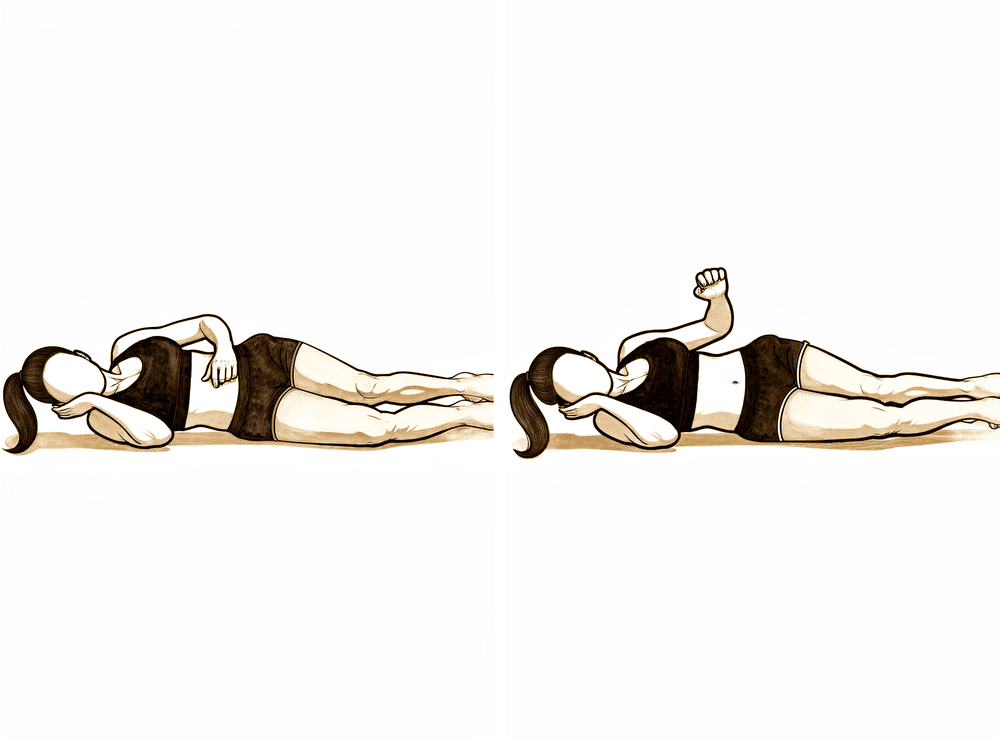
Kieran Hirpara 4.0
ਪਾਸੇ ਲੇਟ ਕੇ ਬਾਹਰ ਵੱਲ ਘੁਮਾਉਣਾ
ਬਿਨਾਂ ਓਪਰੇਸ਼ਨ ਵਾਲੇ ਪਾਸੇ ਲੇਟੋ, ਉੱਪਰਲੀ ਕੂਹਣੀ ਸਮਕੋਣ ਤੱਕ ਮੋੜ ਕੇ ਸਰੀਰ ਨਾਲ ਲੱਗੀ ਹੋਵੇ। ਕੂਹਣੀ ਨੂੰ ਪਾਸੇ ਨਾਲ ਰੱਖਦੇ ਹੋਏ, ਬਾਂਹ ਦੇ ਹੇਠਲੇ ਹਿੱਸੇ (forearm) ਨੂੰ ਛੱਤ ਵੱਲ ਉੱਪਰ ਘੁਮਾਓ, ਫਿਰ ਕੰਟਰੋਲ ਨਾਲ ਹੇਠਾਂ ਲਿਆਓ। ਬਿਨਾਂ ਭਾਰ ਦੇ ਸ਼ੁਰੂ ਕਰੋ।
ਬਿਨਾਂ ਦਰਦ ਦੇ, ਚੰਗੇ ਕੰਟਰੋਲ ਵਾਲੇ ਦੁਹਰਾਵਾਂ ਦੇ ਇੱਕ ਹਫ਼ਤੇ ਤੋਂ ਬਾਅਦ ਹਲਕਾ ਭਾਰ (0.5–1 ਕਿਲੋ) ਜੋੜੋ
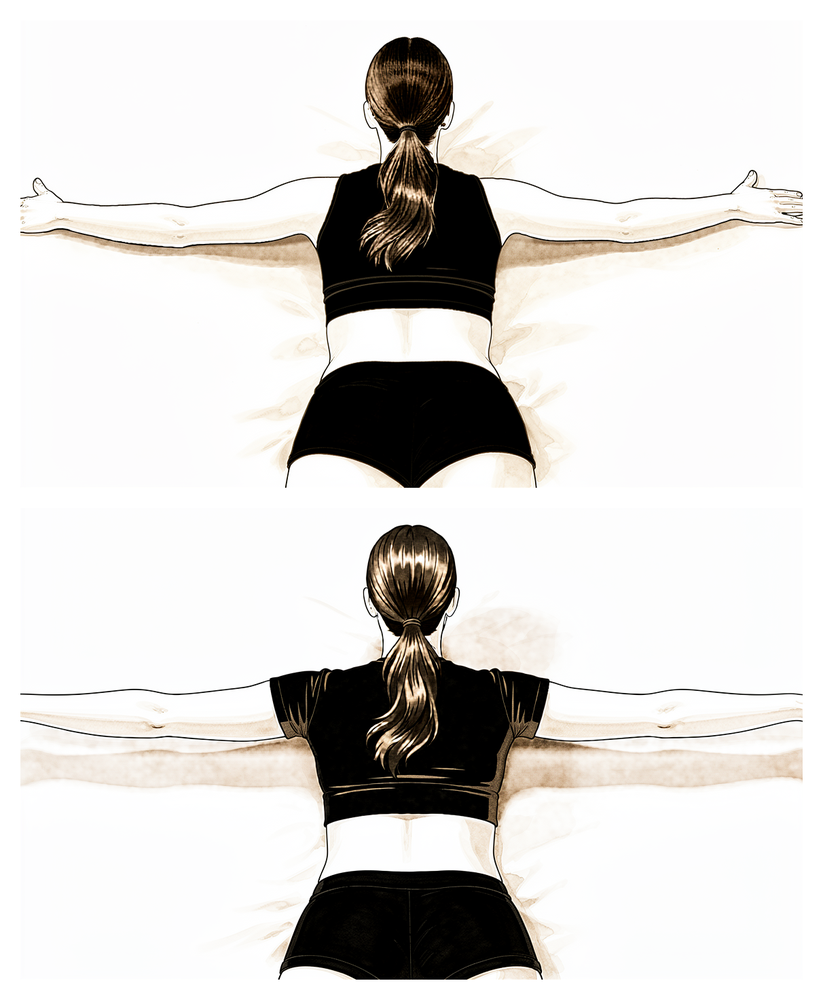
Kieran Hirpara 4.0
ਮੂਧੇ ਲੇਟ ਕੇ ਬਾਂਹ ਪਾਸੇ ਵੱਲ ਚੁੱਕਣਾ (prone 'T')
ਮੂੰਹ ਹੇਠਾਂ ਕਰਕੇ ਲੇਟੋ, ਬਾਂਹ ਫ਼ਰਸ਼ ਵੱਲ ਲਟਕਦੀ ਹੋਵੇ। ਸਕੈਪੂਲਾ ਨੂੰ ਰੀੜ੍ਹ ਦੀ ਹੱਡੀ ਵੱਲ ਅੰਦਰ ਘੁੱਟੋ ਅਤੇ ਬਾਂਹ ਨੂੰ ਪਾਸੇ ਵੱਲ ਮੋਢੇ ਦੇ ਪੱਧਰ ਤੱਕ ਚੁੱਕੋ, ਅੰਗੂਠਾ ਅੱਗੇ ਰਹੇ, ਫਿਰ ਹੌਲੀ-ਹੌਲੀ ਹੇਠਾਂ ਲਿਆਓ। ਬਿਨਾਂ ਭਾਰ ਦੇ ਸ਼ੁਰੂ ਕਰੋ; ਜਦੋਂ ਦੁਹਰਾਵਾਂ ਬਿਨਾਂ ਦਰਦ ਦੇ ਅਤੇ ਚੰਗੇ ਕੰਟਰੋਲ ਨਾਲ ਹੋਣ, ਤਾਂ ਹਲਕਾ ਭਾਰ ਜੋੜਿਆ ਜਾ ਸਕਦਾ ਹੈ।
ਤੁਹਾਡੇ ਫਿਜ਼ੀਓਥੈਰੇਪਿਸਟ ਦੀ ਹਦਾਇਤ ਅਨੁਸਾਰ
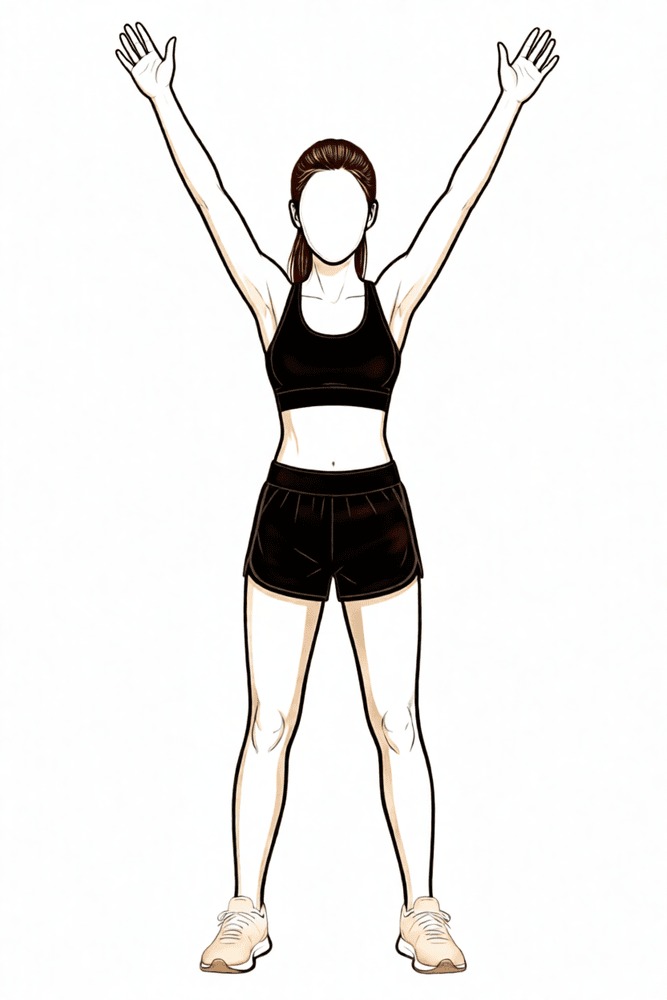
Kieran Hirpara 4.0
ਹੇਠਲੀ ਟ੍ਰੈਪੀਜ਼ੀਅਸ ਮਾਸਪੇਸ਼ੀ ਦੀ ਮੁੜ-ਸਿਖਲਾਈ (lower trapezius)
ਬਿਸਤਰੇ ਜਾਂ ਮੇਜ਼ ਉੱਤੇ ਮੂੰਹ ਹੇਠਾਂ ਕਰਕੇ ਲੇਟੋ, ਬਾਂਹ ਕਿਨਾਰੇ ਤੋਂ ਢਿੱਲੀ ਲਟਕਦੀ ਹੋਵੇ। ਸਕੈਪੂਲਾ ਨੂੰ ਹੇਠਾਂ ਅਤੇ ਰੀੜ੍ਹ ਦੀ ਹੱਡੀ ਵੱਲ ਅੰਦਰ ਖਿੱਚੋ, ਅਤੇ ਜਿਵੇਂ ਸਕੈਪੂਲਾ ਹਿੱਲਦਾ ਹੈ ਬਾਂਹ ਨੂੰ ਉੱਠਣ ਦਿਓ — ਜ਼ੋਰ ਸਕੈਪੂਲਾ ਦੇ ਹੇਠਾਂ ਤੋਂ ਆਉਂਦਾ ਹੈ, ਮੋਢਾ ਉੱਪਰ ਚੜ੍ਹਾਉਣ ਨਾਲ ਨਹੀਂ। ਹੌਲੀ-ਹੌਲੀ ਹੇਠਾਂ ਲਿਆਓ ਅਤੇ ਦੁਹਰਾਓ।
ਤੁਹਾਡੇ ਫਿਜ਼ੀਓਥੈਰੇਪਿਸਟ ਦੀ ਹਦਾਇਤ ਅਨੁਸਾਰ
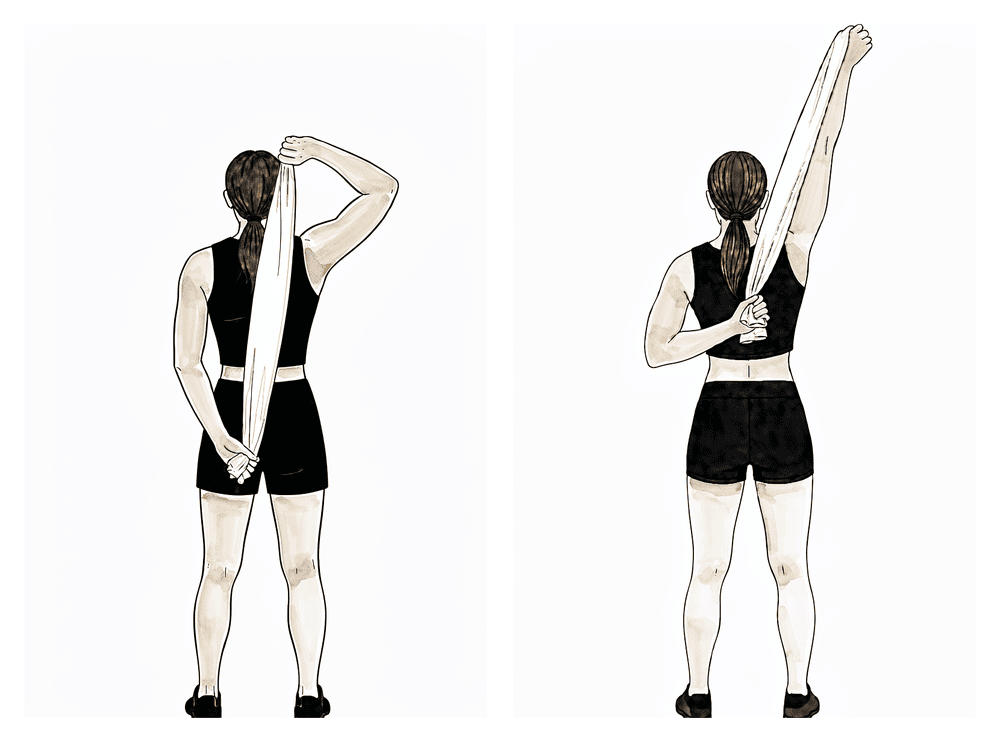
Kieran Hirpara 4.0
ਪਿੱਠ ਪਿੱਛੇ ਖਿੱਚ
ਪਿੱਠ ਪਿੱਛੇ ਇੱਕ ਤੌਲੀਆ ਫੜੋ, ਓਪਰੇਸ਼ਨ ਵਾਲਾ ਹੱਥ ਹੇਠਾਂ ਅਤੇ ਠੀਕ ਹੱਥ ਉੱਪਰ। ਠੀਕ ਬਾਂਹ ਨਾਲ ਓਪਰੇਸ਼ਨ ਵਾਲੇ ਹੱਥ ਨੂੰ ਪਿੱਠ ਉੱਤੇ ਹੌਲੀ ਜਿਹੇ ਉੱਪਰ ਖਿੱਚੋ ਜਦੋਂ ਤੱਕ ਖਿਚਾਅ ਮਹਿਸੂਸ ਨਾ ਹੋਵੇ, ਥੋੜ੍ਹੀ ਦੇਰ ਰੋਕੋ, ਫਿਰ ਹੇਠਾਂ ਲਿਆਓ। ਮਕਸਦ ਮੋਢੇ ਦੇ ਪਿਛਲੇ ਪਾਸੇ ਹਲਕਾ ਖਿਚਾਅ ਹੈ — ਜ਼ੋਰ ਨਾ ਲਗਾਓ।
ਤੁਹਾਡੇ ਫਿਜ਼ੀਓਥੈਰੇਪਿਸਟ ਦੀ ਹਦਾਇਤ ਅਨੁਸਾਰ
Kieran Hirpara 4.0
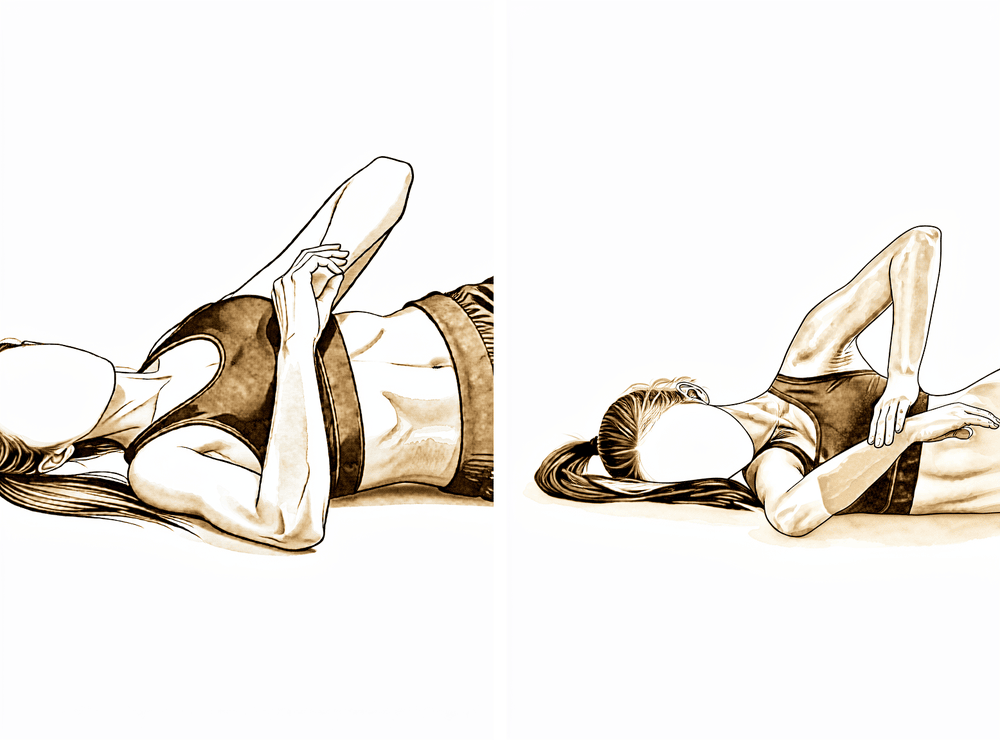
ਸਲੀਪਰ ਸਟ੍ਰੈਚ (sleeper stretch, ਜੋੜ ਦੀ ਪਿਛਲੀ ਝਿੱਲੀ ਦੀ ਖਿੱਚ)
ਓਪਰੇਸ਼ਨ ਵਾਲੇ ਪਾਸੇ ਲੇਟੋ, ਮੋਢਾ ਅਤੇ ਕੂਹਣੀ ਦੋਵੇਂ ਸਮਕੋਣ ਤੱਕ ਮੁੜੇ ਹੋਣ। ਆਪਣੇ ਦੂਜੇ ਹੱਥ ਨਾਲ ਬਾਂਹ ਦੇ ਹੇਠਲੇ ਹਿੱਸੇ ਨੂੰ ਬਿਸਤਰੇ ਵੱਲ ਹੌਲੀ ਜਿਹੇ ਦਬਾਓ ਜਦੋਂ ਤੱਕ ਮੋਢੇ ਦੇ ਪਿਛਲੇ ਪਾਸੇ ਖਿਚਾਅ ਮਹਿਸੂਸ ਨਾ ਹੋਵੇ, ਫਿਰ ਢਿੱਲਾ ਛੱਡੋ। ਇਹ ਜੋੜ ਦੀ ਪਿਛਲੀ ਝਿੱਲੀ ਦੀ ਉਹ ਖਿੱਚ ਹੈ ਜੋ ਤੁਹਾਡਾ ਫਿਜ਼ੀਓਥੈਰੇਪਿਸਟ ਘੁਮਾਉਣ ਦੀ ਹਿਲਜੁਲ ਖੋਲ੍ਹਣ ਲਈ ਵਰਤੇਗਾ — ਇਸ ਨੂੰ ਹਲਕਾ ਰੱਖੋ, ਕੋਈ ਤਿੱਖਾ ਦਰਦ ਨਹੀਂ ਹੋਣਾ ਚਾਹੀਦਾ।
20–30 ਸਕਿੰਟ ਰੋਕੋ, ਕੁਝ ਵਾਰ; ਤੁਹਾਡੇ ਫਿਜ਼ੀਓਥੈਰੇਪਿਸਟ ਦੀ ਹਦਾਇਤ ਅਨੁਸਾਰ
Kieran Hirpara 4.0
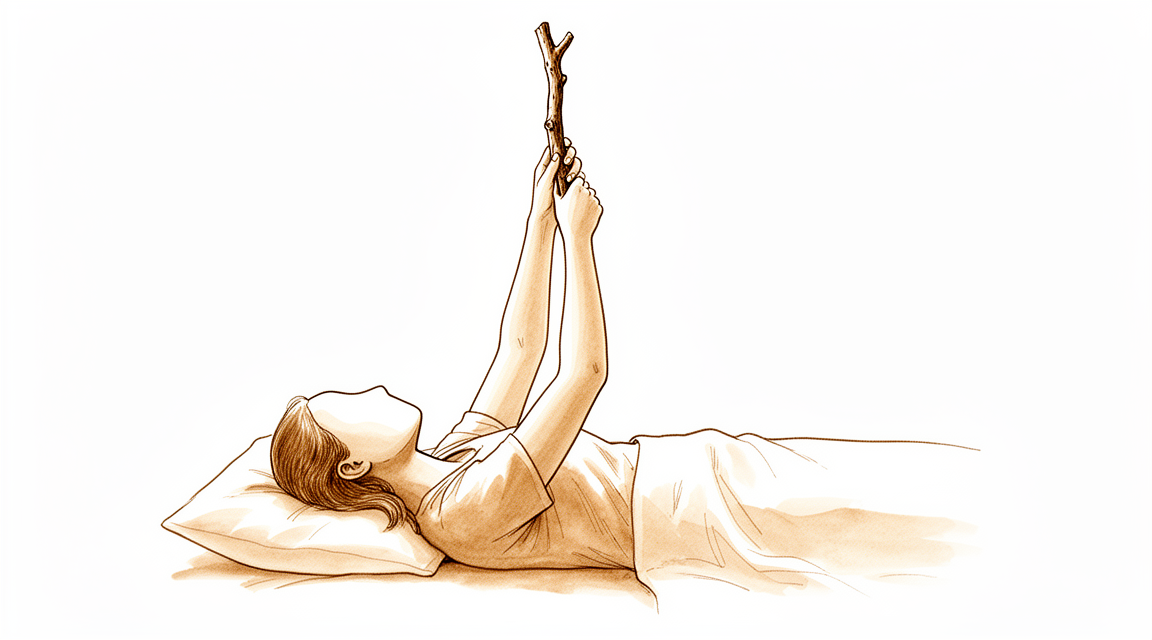
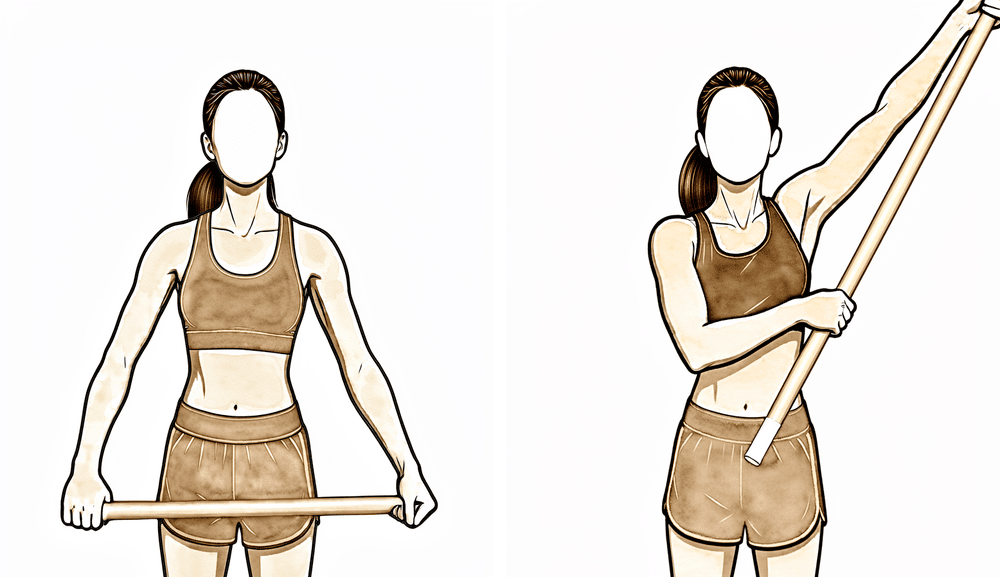
ਡੰਡੇ ਦੀ ਮਦਦ ਨਾਲ ਬਾਂਹ ਪਾਸੇ ਵੱਲ ਚੁੱਕਣਾ
ਪਿੱਠ ਦੇ ਭਾਰ ਲੇਟੋ ਅਤੇ ਦੋਵਾਂ ਹੱਥਾਂ ਵਿੱਚ ਇੱਕ ਡੰਡਾ ਫੜੋ। ਠੀਕ ਬਾਂਹ ਨਾਲ ਓਪਰੇਸ਼ਨ ਵਾਲੀ ਬਾਂਹ ਨੂੰ ਪਾਸੇ ਵੱਲ ਮੋਢੇ ਦੇ ਪੱਧਰ ਵੱਲ ਲਿਜਾਓ, ਫਿਰ ਕੰਟਰੋਲ ਨਾਲ ਹੇਠਾਂ ਲਿਆਓ। ਜਿਵੇਂ-ਜਿਵੇਂ ਤੁਹਾਡੀ ਹਿਲਜੁਲ ਵਾਪਸ ਆਉਂਦੀ ਹੈ, ਇਹ ਬਾਂਹ ਨੂੰ ਪਾਸੇ ਵੱਲ 90 ਡਿਗਰੀ ਤੱਕ ਚੁੱਕਣ ਦੀ ਹਿਲਜੁਲ ਬਹਾਲ ਕਰਨ ਵਿੱਚ ਮਦਦ ਕਰਦਾ ਹੈ।
ਤੁਹਾਡੇ ਫਿਜ਼ੀਓਥੈਰੇਪਿਸਟ ਦੀ ਹਦਾਇਤ ਅਨੁਸਾਰ
Kieran Hirpara 4.0
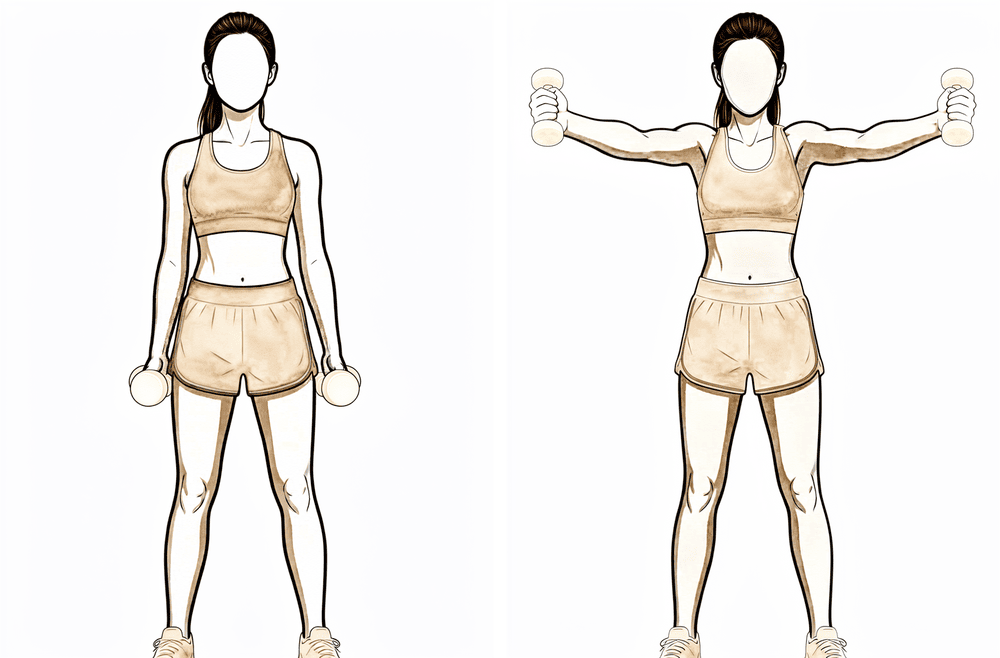
ਸਕੈਪਸ਼ਨ (scaption, ਅੰਗੂਠਾ ਉੱਪਰ ਰੱਖ ਕੇ ਬਾਂਹ ਚੁੱਕਣਾ)
ਬਾਂਹ ਪਾਸੇ ਨਾਲ ਰੱਖ ਕੇ ਖੜ੍ਹੇ ਹੋਵੋ, ਅੰਗੂਠਾ ਉੱਪਰ ਵੱਲ। ਬਾਂਹ ਨੂੰ ਤਿਰਛੇ ਅੱਗੇ ਵੱਲ — ਸਿੱਧਾ ਸਾਹਮਣੇ ਅਤੇ ਪਾਸੇ ਵੱਲ ਦੇ ਵਿਚਕਾਰ — ਉੱਨਾ ਹੀ ਉੱਚਾ ਚੁੱਕੋ ਜਿੰਨਾ ਆਰਾਮਦਾਇਕ ਹੋਵੇ, ਫਿਰ ਹੌਲੀ-ਹੌਲੀ ਹੇਠਾਂ ਲਿਆਓ। ਬਿਨਾਂ ਭਾਰ ਦੇ ਸ਼ੁਰੂ ਕਰੋ; ਸਕੈਪੂਲਾ ਨੂੰ ਟਿਕਿਆ ਰੱਖੋ ਅਤੇ ਮੋਢੇ ਉਚਕਾਉਣ ਤੋਂ ਬਚੋ।
ਬਿਨਾਂ ਭਾਰ ਦੇ ਸ਼ੁਰੂ ਕਰੋ; ਜਦੋਂ ਦੁਹਰਾਵਾਂ ਬਿਨਾਂ ਦਰਦ ਦੇ ਅਤੇ ਚੰਗੇ ਕੰਟਰੋਲ ਨਾਲ ਹੋਣ, ਤਾਂ ਹਲਕਾ ਭਾਰ ਜੋੜੋ
Kieran Hirpara 4.0
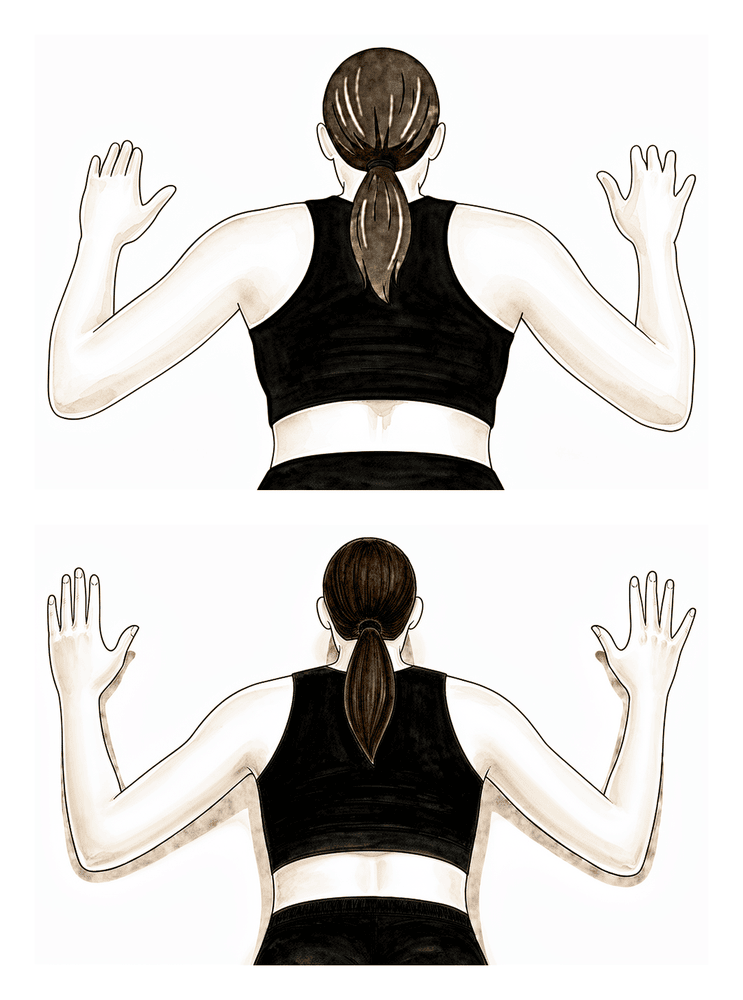
ਮੂਧੇ ਲੇਟ ਕੇ ਰੋਇੰਗ (prone row)
ਮੂੰਹ ਹੇਠਾਂ ਕਰਕੇ ਲੇਟੋ, ਬਾਹਾਂ ਫ਼ਰਸ਼ ਵੱਲ ਲਟਕਦੀਆਂ ਹੋਣ। ਸਕੈਪੂਲਾ ਨੂੰ ਆਪਸ ਵਿੱਚ ਘੁੱਟੋ ਅਤੇ ਕੂਹਣੀਆਂ ਨੂੰ ਪਿੱਛੇ ਅਤੇ ਹੇਠਾਂ ਖਿੱਚੋ ਤਾਂ ਜੋ ਬਾਹਾਂ 'W' ਦਾ ਆਕਾਰ ਬਣਾਉਣ, ਫਿਰ ਹੌਲੀ-ਹੌਲੀ ਹੇਠਾਂ ਲਿਆਓ। ਬਿਨਾਂ ਭਾਰ ਦੇ ਸ਼ੁਰੂ ਕਰੋ; ਜਦੋਂ ਦੁਹਰਾਵਾਂ ਬਿਨਾਂ ਦਰਦ ਦੇ ਅਤੇ ਚੰਗੇ ਕੰਟਰੋਲ ਨਾਲ ਹੋਣ, ਤਾਂ ਹਲਕਾ ਭਾਰ ਜੋੜਿਆ ਜਾ ਸਕਦਾ ਹੈ।
ਬਿਨਾਂ ਭਾਰ ਦੇ ਸ਼ੁਰੂ ਕਰੋ; ਬਿਨਾਂ ਦਰਦ ਵਾਲੇ ਦੁਹਰਾਵਾਂ ਦੇ ਇੱਕ ਹਫ਼ਤੇ ਤੋਂ ਬਾਅਦ ਹਲਕਾ ਭਾਰ (ਲਗਭਗ 0.5–1 ਕਿਲੋ) ਜੋੜੋ
ਇਹ ਪੜਾਅ ਤੁਹਾਡੀ ਬਾਕੀ ਹਿਲਜੁਲ ਵਾਪਸ ਲਿਆਉਣ ਅਤੇ ਤਾਕਤ ਮੁੜ ਬਣਾਉਣੀ ਸ਼ੁਰੂ ਕਰਨ ਬਾਰੇ ਹੈ। ਤੁਹਾਡੀਆਂ ਕਸਰਤਾਂ ਮਦਦ ਨਾਲ ਕੀਤੀਆਂ ਹਰਕਤਾਂ ਤੋਂ ਅੱਗੇ ਵਧ ਕੇ ਬਾਂਹ ਨੂੰ ਹਰ ਦਿਸ਼ਾ ਵਿੱਚ ਆਪਣੀ ਤਾਕਤ ਨਾਲ ਹਿਲਾਉਣ ਤੱਕ ਜਾਂਦੀਆਂ ਹਨ, ਅਤੇ ਜ਼ਿਆਦਾਤਰ ਛਪੇ ਹੋਏ ਪ੍ਰੋਟੋਕੋਲ ਲਗਭਗ ਛੇ ਤੋਂ ਅੱਠ ਹਫ਼ਤਿਆਂ ਤੱਕ ਪੂਰੀ ਜਾਂ ਲਗਭਗ ਪੂਰੀ ਹਿਲਜੁਲ ਦੀ ਉਮੀਦ ਕਰਦੇ ਹਨ। ਤਾਕਤ ਦਾ ਕੰਮ ਹੌਲੀ ਜਿਹੇ ਸ਼ੁਰੂ ਹੁੰਦਾ ਹੈ: ਪਹਿਲਾਂ ਬਿਨਾਂ ਭਾਰ ਦੇ, ਫਿਰ ਰੋਟੇਟਰ ਕਫ਼ ਅਤੇ ਸਕੈਪੂਲਾ ਦੀਆਂ ਮਾਸਪੇਸ਼ੀਆਂ ਲਈ ਲਚਕੀਲੇ ਬੈਂਡਾਂ ਅਤੇ ਬਹੁਤ ਹਲਕੇ ਭਾਰਾਂ ਨਾਲ। ਬਹੁਤ ਸਾਰੇ ਲੋਕਾਂ ਨੂੰ ਕਸਰਤ ਤੋਂ ਪਹਿਲਾਂ ਸੇਕ ਅਤੇ ਬਾਅਦ ਵਿੱਚ ਬਰਫ਼ ਮਦਦਗਾਰ ਲੱਗਦੀ ਹੈ। ਦਰਮਿਆਨਾ ਕੰਮ (ਮੋਢੇ ਦੀ ਉਚਾਈ ਤੋਂ ਹੇਠਾਂ ਹਲਕਾ ਭਾਰ ਚੁੱਕਣਾ) ਆਮ ਤੌਰ 'ਤੇ ਇਸ ਪੜਾਅ ਦੌਰਾਨ, ਤੁਹਾਡੇ ਫਿਜ਼ੀਓਥੈਰੇਪਿਸਟ ਦੀ ਅਗਵਾਈ ਵਿੱਚ, ਸੰਭਵ ਹੋ ਜਾਂਦਾ ਹੈ।
ਤੁਹਾਡੇ ਫਿਜ਼ੀਓਥੈਰੇਪਿਸਟ ਲਈ:
ਟੀਚੇ
- ਲਗਭਗ ਹਫ਼ਤਾ 6–8 ਤੱਕ ਹਰ ਦਿਸ਼ਾ ਵਿੱਚ ਪੂਰੀ, ਜਾਂ ਲਗਭਗ ਪੂਰੀ, ਐਕਟਿਵ ਰੇਂਜ ਆਫ਼ ਮੋਸ਼ਨ
- ਰੋਟੇਟਰ ਕਫ਼ ਅਤੇ ਸਕੈਪੂਲਾ ਦੀ ਤਾਕਤ ਮੁੜ ਹਾਸਲ ਕਰਨਾ ਅਤੇ ਵਧਾਉਣਾ
- ਸਕੈਪੂਲੋਹਿਊਮਰਲ ਰਿਦਮ (scapulohumeral rhythm, ਮੋਢੇ ਦੇ ਜੋੜ ਅਤੇ ਸਕੈਪੂਲਾ ਦੀ ਤਾਲਮੇਲ ਵਾਲੀ ਹਿਲਜੁਲ) ਅਤੇ ਨਸਾਂ-ਮਾਸਪੇਸ਼ੀਆਂ ਦੇ ਕੰਟਰੋਲ (neuromuscular control) ਨੂੰ ਆਮ ਵਰਗਾ ਬਣਾਉਣਾ
- ਦਰਦ ਨੂੰ ਸ਼ਾਂਤ ਕਰਨਾ ਜਾਰੀ ਰੱਖਣਾ
ਇਲਾਜ ਦਾ ਪ੍ਰਬੰਧ
- ਹਰ ਦਿਸ਼ਾ ਵਿੱਚ ਰੇਂਜ ਆਫ਼ ਮੋਸ਼ਨ ਵਧਾਉਣਾ, ਜਿਸ ਵਿੱਚ ਪਿੱਠ ਪਿੱਛੇ ਅੰਦਰ ਵੱਲ ਘੁਮਾਉਣਾ ਅਤੇ ਜੋੜ ਦੀ ਪਿਛਲੀ ਝਿੱਲੀ ਦੀ ਹਲਕੀ ਖਿੱਚ (posterior capsular stretching) ਸ਼ਾਮਲ ਹੈ
- ਲੋੜ ਅਨੁਸਾਰ ਗਲੀਨੋਹਿਊਮਰਲ ਜੋੜ (glenohumeral joint, ਮੋਢੇ ਦਾ ਮੁੱਖ ਗੇਂਦ-ਕਟੋਰੀ ਜੋੜ) ਦੀ ਮੋਬਿਲਾਈਜ਼ੇਸ਼ਨ (mobilisation) (ਹੇਠਾਂ, ਪਿੱਛੇ ਅਤੇ ਅੱਗੇ ਵੱਲ ਗਲਾਈਡ)
- ਆਈਸੋਟੌਨਿਕ (isotonic, ਹਿਲਜੁਲ ਨਾਲ ਤਾਕਤ ਵਾਲਾ) ਪ੍ਰੋਗਰਾਮ, ਜੋ ਬਿਨਾਂ ਭਾਰ ਦੇ ਸ਼ੁਰੂ ਹੁੰਦਾ ਹੈ (ਮੋਢਾ ਉੱਪਰ ਚੁੱਕਣਾ, ਮੂਧੇ ਲੇਟ ਕੇ ਰੋਇੰਗ, ਮੂਧੇ ਲੇਟ ਕੇ ਬਾਂਹ ਪਾਸੇ ਵੱਲ ਚੁੱਕਣਾ, ਮੂਧੇ ਲੇਟ ਕੇ ਬਾਂਹ ਨੂੰ ਸਿੱਧੀ ਸਥਿਤੀ ਤੱਕ ਪਿੱਛੇ ਲਿਜਾਣਾ, ਪਾਸੇ ਲੇਟ ਕੇ ਬਾਹਰ ਵੱਲ ਘੁਮਾਉਣਾ, 90° ਤੱਕ ਅਬਡਕਸ਼ਨ), ਅਤੇ ਬਿਨਾਂ ਦਰਦ ਦੇ, ਚੰਗੇ ਕੰਟਰੋਲ ਵਾਲੇ ਦੁਹਰਾਵਾਂ ਦੇ ਇੱਕ ਹਫ਼ਤੇ ਤੋਂ ਬਾਅਦ ਹਲਕਾ ਭਾਰ (ਲਗਭਗ 0.5–1 ਕਿਲੋ) ਜੋੜਨਾ
- ਲਚਕੀਲੀ ਟਿਊਬ ਨਾਲ ਬਾਹਰ ਅਤੇ ਅੰਦਰ ਵੱਲ ਘੁਮਾਉਣਾ; ਜਿਵੇਂ-ਜਿਵੇਂ ਆਰਾਮ ਇਜਾਜ਼ਤ ਦੇਵੇ, ਬਾਂਹ ਨੂੰ ਵੱਧ ਉੱਚਾ ਰੱਖ ਕੇ ਘੁਮਾਉਣ ਵਾਲੇ ਕੰਮ ਵੱਲ ਵਧਣਾ
- ਸਕੈਪੂਲਾ ਦਾ ਨਸਾਂ-ਮਾਸਪੇਸ਼ੀਆਂ ਵਾਲਾ ਕੰਟਰੋਲ ਅਤੇ ਹੇਠਲੀ ਟ੍ਰੈਪੀਜ਼ੀਅਸ (lower trapezius) ਮਾਸਪੇਸ਼ੀ ਦਾ ਕੰਮ; ਧੜ, ਕੋਰ (core) ਅਤੇ ਲੱਤਾਂ ਦੀ ਕੰਡੀਸ਼ਨਿੰਗ
- ਬਾਂਹ ਦੀ ਸਹਿਣਸ਼ੀਲਤਾ (endurance) ਵਾਲਾ ਕੰਮ; ਪਸੰਦ ਅਨੁਸਾਰ ਸੈਸ਼ਨਾਂ ਤੋਂ ਪਹਿਲਾਂ ਸੇਕ ਅਤੇ ਬਾਅਦ ਵਿੱਚ ਬਰਫ਼
ਸਾਵਧਾਨੀਆਂ
- ਦਰਦ ਵਾਲੀ ਇੰਪਿੰਜਮੈਂਟ (impingement, ਟੈਂਡਨ ਦੇ ਹੱਡੀ ਹੇਠਾਂ ਦੱਬਣ ਵਾਲੀ) ਹੱਦ ਵਿੱਚ ਭਾਰ ਵਾਲੇ ਕੰਮ ਤੋਂ ਬਚੋ; ਕਸਰਤਾਂ ਔਖੀਆਂ ਹੋ ਸਕਦੀਆਂ ਹਨ, ਪਰ ਉਨ੍ਹਾਂ ਨਾਲ ਓਪਰੇਸ਼ਨ ਤੋਂ ਪਹਿਲਾਂ ਵਾਲਾ ਦਰਦ ਦੁਬਾਰਾ ਨਹੀਂ ਹੋਣਾ ਚਾਹੀਦਾ
- ਸੁਪਰਾਸਪਾਈਨੇਟਸ (supraspinatus) ਜਾਂ ਵਿਚਕਾਰਲੀ ਡੈਲਟੌਇਡ (mid-deltoid) ਮਾਸਪੇਸ਼ੀ ਉੱਤੇ ਨਿਸ਼ਾਨਾ ਬਣਾ ਕੇ ਭਾਰ ਉਦੋਂ ਤੱਕ ਨਾ ਪਾਓ ਜਦੋਂ ਤੱਕ ਇਹ ਬਿਨਾਂ ਦਰਦ ਦੇ ਨਾ ਹੋਵੇ, ਅਤੇ ਜੇ ਇਸ ਨਾਲ ਆਰਾਮ ਵੇਲੇ ਜਾਂ ਰਾਤ ਨੂੰ ਦਰਦ ਹੋਵੇ ਤਾਂ ਇਸ ਤੋਂ ਬਚੋ
- ਛੇ ਹਫ਼ਤਿਆਂ ਤੱਕ ਓਪਰੇਸ਼ਨ ਵਾਲੀ ਬਾਂਹ ਦੇ ਜ਼ੋਰ ਨਾਲ ਉੱਠਣ ਤੋਂ, ਅਤੇ ਭਾਰੀ ਜਾਂ ਸਿਰ ਤੋਂ ਉੱਪਰ ਚੁੱਕਣ ਤੋਂ ਬਚਦੇ ਰਹੋ
ਅਗਲੇ ਪੜਾਅ ਵਿੱਚ ਜਾਣ ਦੀਆਂ ਸ਼ਰਤਾਂ
- ਪੂਰੀ, ਬਿਨਾਂ ਦਰਦ ਵਾਲੀ ਰੇਂਜ ਆਫ਼ ਮੋਸ਼ਨ, ਅਤੇ ਛੂਹਣ ਉੱਤੇ ਬਹੁਤ ਘੱਟ ਦੁਖਣਾ
- ਹੱਥ ਨਾਲ ਜਾਂਚ (manual testing) ਉੱਤੇ ਰੋਟੇਟਰ ਕਫ਼ ਦੀ ਤਾਕਤ ਲਗਭਗ 4/5, ਅਤੇ ਸਕੈਪੂਲਾ ਉੱਤੇ ਚੰਗਾ ਕੰਟਰੋਲ
ਪੜਾਅ III — ਤਾਕਤ ਵਧਾਉਣਾ (ਹਫ਼ਤਾ 6–12)
Kieran Hirpara 4.0
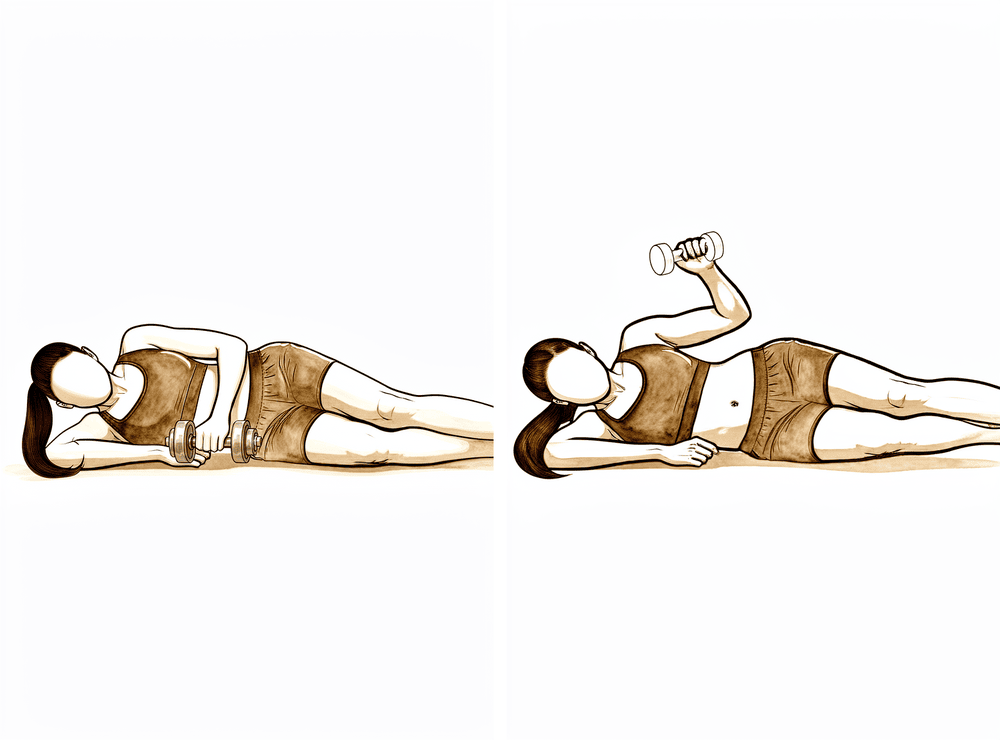
ਭਾਰ ਨਾਲ ਪਾਸੇ ਲੇਟ ਕੇ ਬਾਹਰ ਵੱਲ ਘੁਮਾਉਣਾ
ਬਿਨਾਂ ਓਪਰੇਸ਼ਨ ਵਾਲੇ ਪਾਸੇ ਲੇਟੋ, ਉੱਪਰਲੀ ਕੂਹਣੀ ਸਮਕੋਣ ਤੱਕ ਮੋੜ ਕੇ ਸਰੀਰ ਨਾਲ ਲੱਗੀ ਹੋਵੇ। ਹਲਕਾ ਭਾਰ ਫੜ ਕੇ, ਬਾਂਹ ਦੇ ਹੇਠਲੇ ਹਿੱਸੇ ਨੂੰ ਛੱਤ ਵੱਲ ਉੱਪਰ ਘੁਮਾਓ, ਫਿਰ ਹੌਲੀ-ਹੌਲੀ ਹੇਠਾਂ ਲਿਆਓ। ਕਸਰਤਾਂ ਮਿਹਨਤ ਵਾਲੀਆਂ ਲੱਗਣੀਆਂ ਚਾਹੀਦੀਆਂ ਹਨ ਪਰ ਅਸਲ ਵਿੱਚ ਬਿਨਾਂ ਦਰਦ ਦੇ ਰਹਿਣ — ਜਿਹੜੀ ਵੀ ਚੀਜ਼ ਆਰਾਮ ਵੇਲੇ ਜਾਂ ਰਾਤ ਨੂੰ ਦਰਦ ਛੇੜੇ, ਉਸ ਨੂੰ ਘਟਾ ਦਿਓ।
8–12 ਦੁਹਰਾਵਾਂ ਦੇ 2–3 ਸੈੱਟ
Kieran Hirpara 4.0
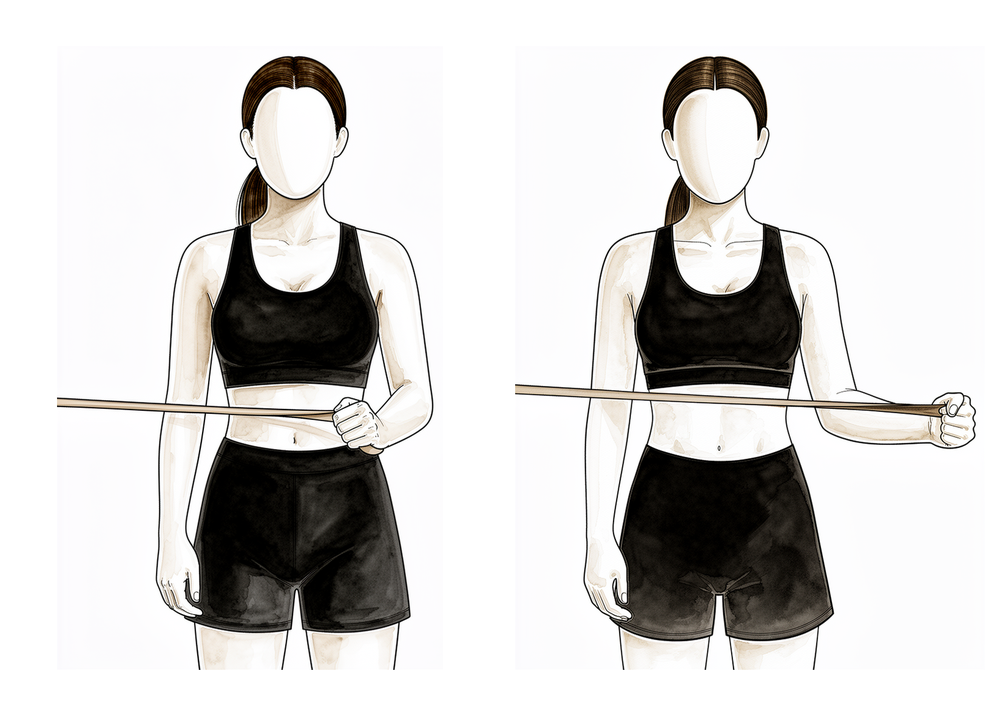
ਬੈਂਡ ਨਾਲ ਬਾਹਰ ਵੱਲ ਘੁਮਾਉਣਾ
ਕੂਹਣੀ ਨੂੰ ਪਾਸੇ ਨਾਲ ਲਾ ਕੇ ਅਤੇ ਸਮਕੋਣ ਤੱਕ ਮੋੜ ਕੇ ਖੜ੍ਹੇ ਹੋਵੋ, ਲੱਕ ਦੀ ਉਚਾਈ ਉੱਤੇ ਬੰਨ੍ਹਿਆ ਲਚਕੀਲਾ ਬੈਂਡ ਫੜ ਕੇ। ਕੂਹਣੀ ਨੂੰ ਪਾਸੇ ਨਾਲ ਰੱਖਦੇ ਹੋਏ, ਬੈਂਡ ਦੇ ਵਿਰੁੱਧ ਬਾਂਹ ਦੇ ਹੇਠਲੇ ਹਿੱਸੇ ਨੂੰ ਬਾਹਰ ਵੱਲ ਘੁਮਾਓ, ਫਿਰ ਹੌਲੀ-ਹੌਲੀ ਵਾਪਸ ਲਿਆਓ। ਇਹ ਪਹਿਲਾਂ ਵਾਲੇ ਆਈਸੋਮੈਟ੍ਰਿਕ ਅਤੇ ਬਿਨਾਂ ਭਾਰ ਵਾਲੇ ਕੰਮ ਤੋਂ ਅੱਗੇ ਰੋਟੇਟਰ ਕਫ਼ ਦੀ ਤਰੱਕੀ ਕਰਦਾ ਹੈ।
8–12 ਦੁਹਰਾਵਾਂ ਦੇ 2–3 ਸੈੱਟ
Kieran Hirpara 4.0
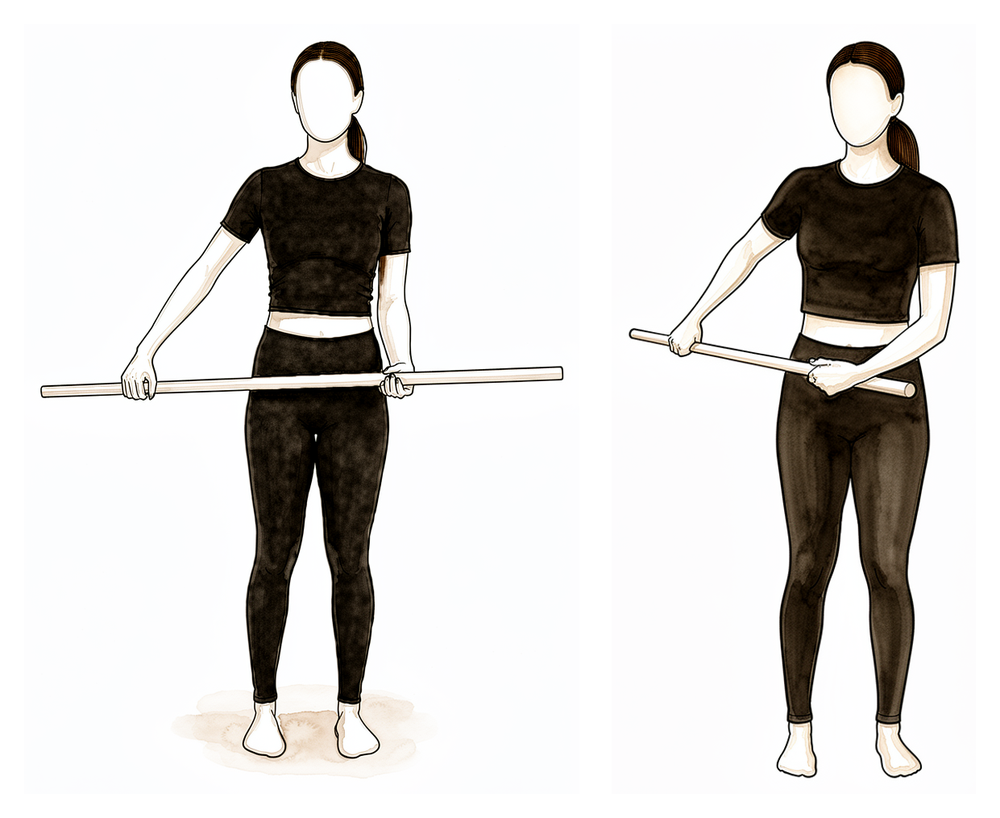
ਬੈਂਡ ਨਾਲ ਅੰਦਰ ਵੱਲ ਘੁਮਾਉਣਾ
ਕੂਹਣੀ ਨੂੰ ਪਾਸੇ ਨਾਲ ਲਾ ਕੇ, ਇੱਕ ਪਾਸੇ ਬੰਨ੍ਹਿਆ ਬੈਂਡ ਫੜੋ ਅਤੇ ਬੈਂਡ ਦੇ ਵਿਰੁੱਧ ਬਾਂਹ ਦੇ ਹੇਠਲੇ ਹਿੱਸੇ ਨੂੰ ਸਰੀਰ ਦੇ ਪਾਰ ਅੰਦਰ ਵੱਲ ਘੁਮਾਓ, ਫਿਰ ਹੌਲੀ-ਹੌਲੀ ਵਾਪਸ ਲਿਆਓ। ਜਿਵੇਂ-ਜਿਵੇਂ ਤੁਹਾਡੀ ਤਾਕਤ ਵਧਦੀ ਹੈ, ਵਿਰੋਧ ਨੂੰ ਵਧਾਉਂਦੇ ਰਹੋ।
8–12 ਦੁਹਰਾਵਾਂ ਦੇ 2–3 ਸੈੱਟ
Kieran Hirpara 4.0
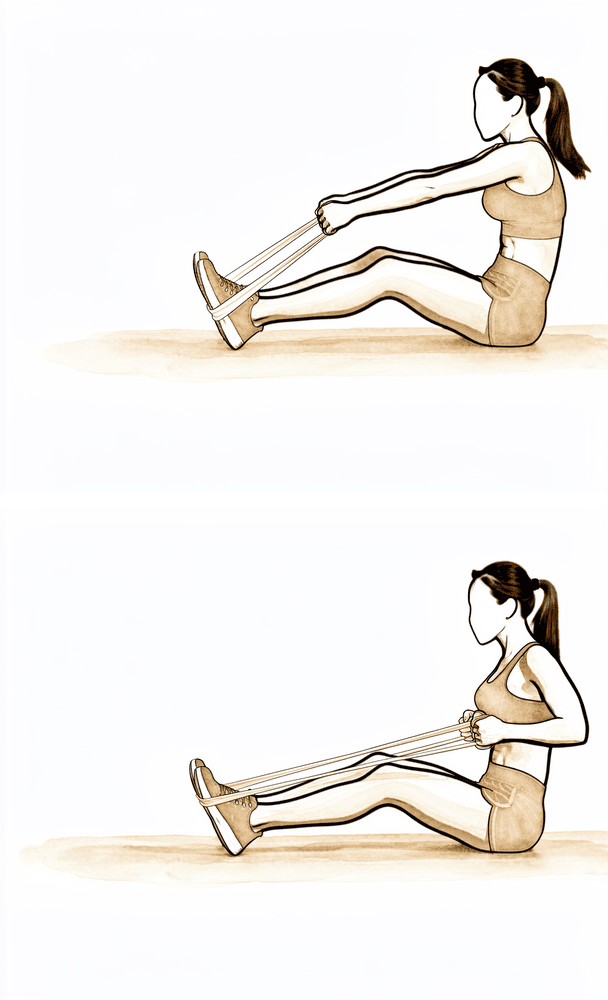
ਖੜ੍ਹੇ ਹੋ ਕੇ ਰੋਇੰਗ (standing row)
ਆਪਣੇ ਸਾਹਮਣੇ ਲੱਕ ਦੀ ਉਚਾਈ ਉੱਤੇ ਬੰਨ੍ਹਿਆ ਬੈਂਡ ਫੜੋ। ਬਾਂਹ ਨੂੰ ਕਾਫ਼ੀ ਸਿੱਧਾ ਰੱਖਦੇ ਹੋਏ, ਇਸ ਨੂੰ ਪਿੱਛੇ ਅਤੇ ਹੇਠਾਂ ਆਪਣੇ ਚੂਲੇ ਵੱਲ ਖਿੱਚੋ, ਸਕੈਪੂਲਾ ਨੂੰ ਹੇਠਾਂ ਅਤੇ ਪਿੱਛੇ ਘੁੱਟਦੇ ਹੋਏ, ਫਿਰ ਹੌਲੀ-ਹੌਲੀ ਵਾਪਸ ਲਿਆਓ। ਇਸ ਨਾਲ ਸਕੈਪੂਲਾ ਦੀਆਂ ਉਹ ਮਾਸਪੇਸ਼ੀਆਂ ਮਜ਼ਬੂਤ ਹੁੰਦੀਆਂ ਹਨ ਜੋ ਰੋਟੇਟਰ ਕਫ਼ ਨੂੰ ਸਹਾਰਾ ਦਿੰਦੀਆਂ ਹਨ।
8–12 ਦੁਹਰਾਵਾਂ ਦੇ 2–3 ਸੈੱਟ
Kieran Hirpara 4.0
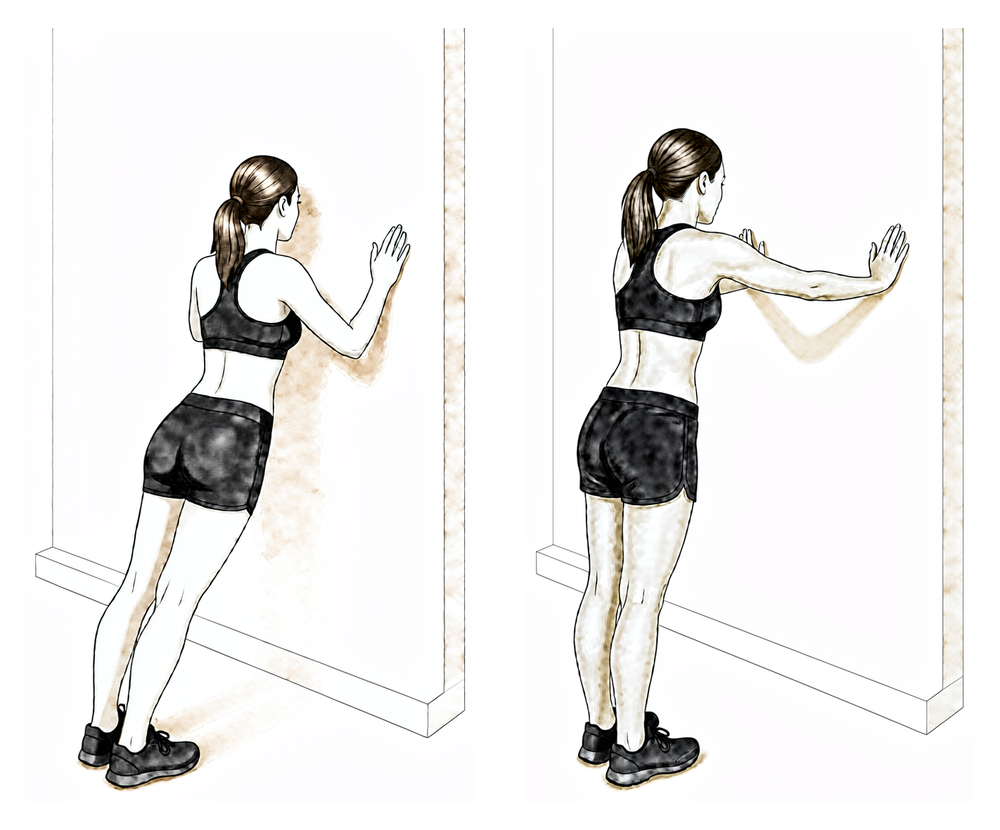
ਕੰਧ ਨਾਲ ਪੁਸ਼-ਅੱਪ ਪਲੱਸ (wall push-up plus)
ਕੰਧ ਵੱਲ ਮੂੰਹ ਕਰਕੇ ਖੜ੍ਹੇ ਹੋਵੋ, ਹੱਥ ਮੋਢੇ ਦੀ ਉਚਾਈ ਉੱਤੇ ਕੰਧ ਉੱਤੇ ਸਿੱਧੇ ਟਿਕੇ ਹੋਣ। ਕੂਹਣੀਆਂ ਮੋੜ ਕੇ ਕੰਧ ਵੱਲ ਝੁਕੋ, ਫਿਰ ਵਾਪਸ ਧੱਕੋ, ਅਤੇ ਅਖ਼ੀਰ ਵਿੱਚ ਹੱਥਾਂ ਰਾਹੀਂ ਹਲਕਾ ਜਿਹਾ ਵਾਧੂ ਧੱਕਾ ਦਿਓ ਤਾਂ ਜੋ ਸਕੈਪੂਲਾ ਫੈਲ ਜਾਣ। ਕੰਟਰੋਲ ਬਣਾਉਣ ਲਈ ਹੱਥ ਟਿਕਾ ਕੇ ਕੀਤੀ ਜਾਣ ਵਾਲੀ (closed-chain) ਕਸਰਤ — ਇਸ ਨੂੰ ਆਪਣੇ ਫਿਜ਼ੀਓਥੈਰੇਪਿਸਟ ਦੀ ਹਦਾਇਤ ਅਨੁਸਾਰ ਸ਼ੁਰੂ ਕਰੋ।
ਤੁਹਾਡੇ ਫਿਜ਼ੀਓਥੈਰੇਪਿਸਟ ਦੀ ਹਦਾਇਤ ਅਨੁਸਾਰ
ਹਿਲਜੁਲ ਵਾਪਸ ਆਉਣ ਤੋਂ ਬਾਅਦ, ਧਿਆਨ ਤਾਕਤ, ਸਹਿਣਸ਼ੀਲਤਾ ਅਤੇ ਕੰਟਰੋਲ ਵੱਲ ਮੁੜਦਾ ਹੈ। ਵਿਰੋਧ (resistance) ਵਾਲਾ ਕੰਮ ਬੈਂਡਾਂ ਤੋਂ ਭਾਰਾਂ ਵੱਲ ਵਧਦਾ ਹੈ, ਅਤੇ ਕਸਰਤ ਵੱਧ ਗਤੀਸ਼ੀਲ ਬਣ ਜਾਂਦੀ ਹੈ, ਜਿਸ ਵਿੱਚ, ਖੇਡ ਵਿੱਚ ਵਾਪਸ ਜਾਣ ਵਾਲੇ ਲੋਕਾਂ ਲਈ, ਕੰਟਰੋਲ ਨਾਲ ਕੀਤੀਆਂ ਪਲਾਇਓਮੈਟ੍ਰਿਕ (plyometric, ਤੇਜ਼ ਸੁੱਟਣ-ਫੜਨ ਵਾਲੀਆਂ) ਕਸਰਤਾਂ ਦੀ ਸ਼ੁਰੂਆਤ ਅਤੇ ਹੌਲੀ-ਹੌਲੀ ਟ੍ਰੇਨਿੰਗ ਵੱਲ ਵਾਪਸੀ ਸ਼ਾਮਲ ਹੈ। ਤੈਰਾਕੀ ਆਮ ਤੌਰ 'ਤੇ ਲਗਭਗ ਛੇ ਹਫ਼ਤਿਆਂ ਤੋਂ ਮੁੜ ਸ਼ੁਰੂ ਹੁੰਦੀ ਹੈ (ਪਹਿਲਾਂ ਬ੍ਰੈਸਟਸਟ੍ਰੋਕ, ਜਦੋਂ ਆਰਾਮਦਾਇਕ ਲੱਗੇ ਤਾਂ ਫ੍ਰੀਸਟਾਈਲ), ਅਤੇ ਦਰਮਿਆਨਾ ਕੰਮ (ਮੋਢੇ ਦੀ ਉਚਾਈ ਤੋਂ ਹੇਠਾਂ ਹਲਕਾ ਭਾਰ ਚੁੱਕਣਾ) ਆਮ ਤੌਰ 'ਤੇ ਛੇ ਹਫ਼ਤਿਆਂ ਤੋਂ ਸੰਭਲ ਜਾਂਦਾ ਹੈ। ਖੇਡ ਵਿੱਚ ਵਾਪਸੀ ਦਾ ਅੰਤਰਾਲ ਵਾਲਾ (interval) ਪ੍ਰੋਗਰਾਮ ਆਮ ਤੌਰ 'ਤੇ ਹਫ਼ਤਾ 10–12 ਉੱਤੇ ਸ਼ੁਰੂ ਹੁੰਦਾ ਹੈ, ਜਦੋਂ ਤਾਕਤ ਦੀਆਂ ਸ਼ਰਤਾਂ ਪੂਰੀਆਂ ਹੋ ਜਾਣ।
ਤੁਹਾਡੇ ਫਿਜ਼ੀਓਥੈਰੇਪਿਸਟ ਲਈ:
ਟੀਚੇ
- ਮੋਢੇ ਦੇ ਪੂਰੇ ਢਾਂਚੇ ਦੀ ਤਾਕਤ, ਜ਼ੋਰ (power) ਅਤੇ ਸਹਿਣਸ਼ੀਲਤਾ ਵਧਾਉਣਾ
- ਨਸਾਂ-ਮਾਸਪੇਸ਼ੀਆਂ ਦੇ ਕੰਟਰੋਲ, ਜੋੜ ਦੀ ਸਥਿਤੀ ਦੀ ਸਮਝ (proprioception) ਅਤੇ ਹਿਲਜੁਲ ਦੇ ਢੰਗ ਨੂੰ ਬਿਹਤਰ ਬਣਾਉਣਾ (ਮੋਢਾ ਉੱਪਰ ਨਾ ਚੜ੍ਹਾਉਣਾ)
- ਖੇਡ ਅਤੇ ਭਾਰੀ ਕੰਮ ਵੱਲ ਹੌਲੀ-ਹੌਲੀ ਵਾਪਸੀ ਦੀ ਤਿਆਰੀ
ਇਲਾਜ ਦਾ ਪ੍ਰਬੰਧ
- ਆਈਸੋਟੌਨਿਕ ਪ੍ਰੋਗਰਾਮ ਨੂੰ ਅੱਗੇ ਵਧਾਉਣਾ: ਆਈਸੋਮੈਟ੍ਰਿਕ → ਲਚਕੀਲੇ ਬੈਂਡ → ਭਾਰ; ਰੋਟੇਟਰ ਕਫ਼, ਡੈਲਟੌਇਡ ਅਤੇ ਸਕੈਪੂਲਾ ਨੂੰ ਟਿਕਾਉਣ ਵਾਲੀਆਂ ਮਾਸਪੇਸ਼ੀਆਂ ਲਈ 8–12 ਦੁਹਰਾਵਾਂ ਦੇ 2–3 ਸੈੱਟ
- ਐਕਸੈਂਟ੍ਰਿਕ (eccentric, ਮਾਸਪੇਸ਼ੀ ਲੰਮੀ ਹੁੰਦਿਆਂ ਵਿਰੋਧ ਵਾਲਾ) ਕੰਮ, ਕਲੋਜ਼ਡ-ਚੇਨ (closed-chain, ਹੱਥ ਕਿਸੇ ਸਤ੍ਹਾ ਉੱਤੇ ਟਿਕਾ ਕੇ) ਕਸਰਤਾਂ ਅਤੇ ਰਿਦਮਿਕ ਸਟੈਬਿਲਾਈਜ਼ੇਸ਼ਨ ਸ਼ੁਰੂ ਕਰਨਾ; ਜੋੜ ਦੀ ਸਥਿਤੀ ਦੀ ਸਮਝ ਵਾਲਾ ਕੰਮ, ਜਿਸ ਵਿੱਚ ਬਾਂਹ ਉੱਤੇ ਭਾਰ ਪਾਉਣਾ ਅਤੇ ਹੱਥਾਂ-ਗੋਡਿਆਂ ਭਾਰ (four-point kneeling) ਹੋਣਾ ਸ਼ਾਮਲ ਹੈ
- ਪਲਾਇਓਮੈਟ੍ਰਿਕ ਸਰਗਰਮੀਆਂ: ਦੋਵਾਂ ਹੱਥਾਂ ਵਾਲੀਆਂ ਡ੍ਰਿੱਲਾਂ (ਛਾਤੀ ਤੋਂ ਗੇਂਦ ਸੁੱਟਣਾ, ਇੱਕ ਪਾਸੇ ਤੋਂ ਦੂਜੇ ਪਾਸੇ ਸੁੱਟਣਾ) ਤੋਂ ਪੜਾਅ ਦੇ ਅਖ਼ੀਰ ਵੱਲ ਇੱਕ ਹੱਥ ਵਾਲੀਆਂ ਡ੍ਰਿੱਲਾਂ (ਕੰਧ ਉੱਤੇ ਗੇਂਦ ਟਪਾਉਣਾ, ਸੁੱਟਣ ਦੀਆਂ ਡ੍ਰਿੱਲਾਂ) ਵੱਲ ਵਧਣਾ
- ਜੇ ਸ਼ਰਤਾਂ ਪੂਰੀਆਂ ਹੋਣ ਤਾਂ ਹਫ਼ਤਾ 10–12 ਉੱਤੇ ਖੇਡਾਂ ਦਾ ਅੰਤਰਾਲ ਵਾਲਾ ਪ੍ਰੋਗਰਾਮ ਸ਼ੁਰੂ ਕਰਨਾ
- ਕੋਰ ਅਤੇ ਕੰਡੀਸ਼ਨਿੰਗ ਦਾ ਕੰਮ ਜਾਰੀ ਰੱਖਣਾ; ਲੋੜ ਅਨੁਸਾਰ ਕ੍ਰਾਇਓਥੈਰੇਪੀ
ਸਾਵਧਾਨੀਆਂ
- ਕਸਰਤਾਂ ਔਖੀਆਂ ਹੋਣੀਆਂ ਚਾਹੀਦੀਆਂ ਹਨ ਪਰ ਅਸਲ ਵਿੱਚ ਬਿਨਾਂ ਦਰਦ ਦੇ; ਜਿਹੜਾ ਵੀ ਕੰਮ ਆਰਾਮ ਵੇਲੇ ਜਾਂ ਰਾਤ ਨੂੰ ਦਰਦ ਛੇੜੇ, ਉਸ ਨੂੰ ਘਟਾ ਦਿਓ
- ਭਾਰੀ ਚੀਜ਼ਾਂ ਚੁੱਕਣਾ ਅਤੇ ਲਗਾਤਾਰ ਸਿਰ ਤੋਂ ਉੱਪਰ ਭਾਰ ਪਾਉਣਾ ਲਗਭਗ ਤਿੰਨ ਮਹੀਨਿਆਂ ਤੱਕ ਉਡੀਕ ਕਰਦੇ ਹਨ
ਅਗਲੇ ਪੜਾਅ ਵਿੱਚ ਜਾਣ ਦੀਆਂ ਸ਼ਰਤਾਂ
- ਪੂਰੀ, ਬਿਨਾਂ ਦਰਦ ਵਾਲੀ ਐਕਟਿਵ ਰੇਂਜ ਆਫ਼ ਮੋਸ਼ਨ (ਲਗਭਗ ਦੂਜੇ ਪਾਸੇ ਦੇ ਬਰਾਬਰ)
- ਤਾਕਤ ਦੂਜੇ ਪਾਸੇ ਦੇ ਨੇੜੇ ਪਹੁੰਚ ਰਹੀ ਹੋਵੇ (ਛਪੀਆਂ ਸ਼ਰਤਾਂ ਗਤੀਸ਼ੀਲ ਟ੍ਰੇਨਿੰਗ ਸ਼ੁਰੂ ਕਰਨ ਲਈ 70% ਤੋਂ ਲੈ ਕੇ ਖੇਡ ਵਿੱਚ ਵਾਪਸੀ ਲਈ 90% ਤੱਕ ਹਨ)
- ਹੌਲੀ-ਹੌਲੀ ਵਧਦੇ ਭਾਰ ਨਾਲ ਕੋਈ ਦਰਦ ਜਾਂ ਛੂਹਣ ਉੱਤੇ ਦੁਖਣਾ ਨਹੀਂ
ਪੜਾਅ IV — ਪੂਰੀਆਂ ਸਰਗਰਮੀਆਂ ਵੱਲ ਵਾਪਸੀ (ਹਫ਼ਤਾ 12 ਤੋਂ ਅੱਗੇ)
ਆਖ਼ਰੀ ਪੜਾਅ ਭਾਰੀ ਕੰਮ, ਸਿਰ ਤੋਂ ਉੱਪਰ ਦੇ ਕੰਮਾਂ ਅਤੇ ਖੇਡ ਵੱਲ ਹੌਲੀ-ਹੌਲੀ ਵਾਪਸੀ ਹੈ। ਭਾਰੀ ਜਾਂ ਵਾਰ-ਵਾਰ ਭਾਰ ਚੁੱਕਣਾ ਅਤੇ ਮੋਢੇ ਦੀ ਉਚਾਈ ਤੋਂ ਉੱਪਰ ਲਗਾਤਾਰ ਕੰਮ ਆਮ ਤੌਰ 'ਤੇ ਲਗਭਗ ਤਿੰਨ ਮਹੀਨਿਆਂ ਤੋਂ ਮੁੜ ਸ਼ੁਰੂ ਹੁੰਦੇ ਹਨ। ਮੁਕਾਬਲੇ ਵਾਲੀ ਖੇਡ (ਖ਼ਾਸ ਕਰਕੇ ਸਿਰ ਤੋਂ ਉੱਪਰ ਬਾਂਹ ਵਾਲੀ ਖੇਡ) ਵਿੱਚ ਵਾਪਸੀ ਕੈਲੰਡਰ ਦੀ ਬਜਾਏ ਸ਼ਰਤਾਂ ਪੂਰੀਆਂ ਕਰਨ ਉੱਤੇ ਅਧਾਰਿਤ ਹੈ: ਪੂਰੀ ਬਿਨਾਂ ਦਰਦ ਵਾਲੀ ਹਿਲਜੁਲ, ਦੂਜੇ ਪਾਸੇ ਦੇ ਨੇੜੇ ਤਾਕਤ, ਅਤੇ ਖੇਡ ਨਾਲ ਜੁੜੀਆਂ ਡ੍ਰਿੱਲਾਂ ਵਿੱਚ ਭਰੋਸਾ। ਮੋਢਾ ਆਮ ਤੌਰ 'ਤੇ ਇਸ ਪੜਾਅ ਤੋਂ ਕਾਫ਼ੀ ਬਾਅਦ ਤੱਕ ਸੁਧਰਦਾ ਰਹਿੰਦਾ ਹੈ; ਛਪੀਆਂ ਹਦਾਇਤਾਂ ਇੱਕ ਸਾਲ ਤੱਕ ਸੁਧਾਰ ਜਾਰੀ ਰਹਿਣ ਦਾ ਜ਼ਿਕਰ ਕਰਦੀਆਂ ਹਨ।
ਤੁਹਾਡੇ ਫਿਜ਼ੀਓਥੈਰੇਪਿਸਟ ਲਈ:
ਟੀਚੇ
- ਭਾਰੀ ਕੰਮ, ਸਿਰ ਤੋਂ ਉੱਪਰ ਦੀਆਂ ਸਰਗਰਮੀਆਂ ਅਤੇ ਖੇਡ ਵੱਲ ਹੌਲੀ-ਹੌਲੀ ਵਾਪਸੀ
- ਲੰਮੇ ਸਮੇਂ ਲਈ ਰੇਂਜ ਆਫ਼ ਮੋਸ਼ਨ, ਤਾਕਤ ਅਤੇ ਕੰਟਰੋਲ ਬਣਾਈ ਰੱਖਣਾ
ਇਲਾਜ ਦਾ ਪ੍ਰਬੰਧ
- ਤਾਕਤ ਦਾ ਪ੍ਰੋਗਰਾਮ ਜਾਰੀ ਰੱਖਣਾ, ਜਿੰਨਾ ਸਹਿ ਹੋਵੇ ਜਿਮ ਅਤੇ ਖੇਡ ਨਾਲ ਜੁੜੇ ਕੰਮ ਨੂੰ ਅੱਗੇ ਵਧਾਉਂਦੇ ਹੋਏ
- ਖੇਡਾਂ ਦਾ ਅੰਤਰਾਲ ਵਾਲਾ ਪ੍ਰੋਗਰਾਮ ਜਾਰੀ ਰੱਖਣਾ, ਸੁੱਟਣ ਅਤੇ ਹੋਰ ਸਿਰ ਤੋਂ ਉੱਪਰ ਵਾਲੀਆਂ ਖੇਡਾਂ ਵੱਲ ਪੜਾਅਵਾਰ ਵਾਪਸੀ ਨਾਲ
- ਲੋੜ ਅਨੁਸਾਰ ਆਪਣੇ-ਆਪ ਕੀਤੀਆਂ ਜੋੜ ਦੀ ਝਿੱਲੀ (capsule) ਦੀਆਂ ਖਿੱਚਾਂ ਅਤੇ ਸੰਭਾਲ ਵਾਲੀਆਂ ਕਸਰਤਾਂ
ਸਾਵਧਾਨੀਆਂ
- ਅੱਗੇ ਵਧਣਾ ਲੱਛਣਾਂ ਮੁਤਾਬਕ ਹੀ ਰਹਿੰਦਾ ਹੈ; ਜੇ ਦਰਦ ਮੁੜ ਆਵੇ, ਤਾਂ ਭਾਰ ਘਟਾਓ, ਆਰਾਮਦਾਇਕ ਹਿਲਜੁਲ ਬਹਾਲ ਕਰੋ ਅਤੇ ਦੁਬਾਰਾ ਬਣਾਓ
ਅਗਲੇ ਪੜਾਅ ਵਿੱਚ ਜਾਣ ਦੀਆਂ ਸ਼ਰਤਾਂ
- ਪੂਰੀ, ਬਿਨਾਂ ਦਰਦ ਵਾਲੀ ਰੇਂਜ ਆਫ਼ ਮੋਸ਼ਨ
- ਤਾਕਤ ਅਤੇ ਕੰਮਕਾਜੀ ਜਾਂਚਾਂ ਤਸੱਲੀਬਖ਼ਸ਼ (ਛਪੀਆਂ ਖੇਡ-ਵਾਪਸੀ ਸ਼ਰਤਾਂ ਵਿੱਚ ਦੂਜੇ ਪਾਸੇ ਦਾ ਲਗਭਗ 90%)
- ਤਸੱਲੀਬਖ਼ਸ਼ ਕਲੀਨਿਕੀ ਜਾਂਚ
ਤੁਹਾਡੇ ਪ੍ਰੋਟੋਕੋਲ ਤੋਂ ਬਾਅਦ
ਉੱਪਰ ਦਿੱਤੇ ਪੜਾਅ ਦੂਰਬੀਨ ਵਾਲੀ ਸਬਐਕਰੋਮੀਅਲ ਡੀਕੰਪ੍ਰੈਸ਼ਨ ਦੇ ਛਪੇ ਹੋਏ ਰੀਹੈਬਿਲੀਟੇਸ਼ਨ ਪ੍ਰੋਟੋਕੋਲਾਂ ਅਤੇ ਮਰੀਜ਼ਾਂ ਲਈ ਹਦਾਇਤਾਂ ਤੋਂ ਲਏ ਗਏ ਹਨ: ਆਰਥੋਇੰਡੀ (OrthoIndy), ਸਪੋਰਟਸ ਸਰਜਰੀ ਨਿਊਯਾਰਕ (Sports Surgery New York), ਗੁੰਡਰਸਨ ਹੈਲਥ ਸਿਸਟਮ ਸਪੋਰਟਸ ਮੈਡੀਸਨ (Gundersen Health System Sports Medicine), ਟਵਿਨ ਸਿਟੀਜ਼ ਆਰਥੋਪੀਡਿਕਸ (Twin Cities Orthopedics), ਆਕਸਫ਼ੋਰਡ ਯੂਨੀਵਰਸਿਟੀ ਹਸਪਤਾਲਜ਼ NHS ਫ਼ਾਊਂਡੇਸ਼ਨ ਟਰੱਸਟ ਅਤੇ ਰਾਇਲ ਬਰਕਸ਼ਾਇਰ NHS ਫ਼ਾਊਂਡੇਸ਼ਨ ਟਰੱਸਟ। ਹਫ਼ਤਿਆਂ ਦੀਆਂ ਹੱਦਾਂ ਆਮ ਹਾਲਤ ਦੀਆਂ ਹਨ, ਪੱਕੀਆਂ ਨਹੀਂ, ਅਤੇ ਤੁਹਾਡੀ ਅਗਲੀ ਰੀਹੈਬਿਲੀਟੇਸ਼ਨ ਦੀ ਅਗਵਾਈ ਤੁਹਾਡਾ ਫਿਜ਼ੀਓਥੈਰੇਪਿਸਟ ਕਲੀਨਿਕ ਨਾਲ ਮਿਲ ਕੇ, ਤੁਹਾਡੇ ਹਿਸਾਬ ਨਾਲ, ਇਸ ਆਧਾਰ ਉੱਤੇ ਕਰਦਾ ਹੈ ਕਿ ਤੁਹਾਡਾ ਮੋਢਾ ਕਿਵੇਂ ਠੀਕ ਹੁੰਦਾ ਹੈ। ਇਹ ਪੰਨਾ ਕਲੀਨਿਕ ਦੀ ਸਿਹਤਯਾਬੀ ਬਾਰੇ ਆਮ ਸਲਾਹ ਦੇ ਨਾਲ ਕੰਮ ਕਰਦਾ ਹੈ; ਦੇਖੋ ਓਪਰੇਸ਼ਨ ਤੋਂ ਬਾਅਦ ਦਰਦ ਨੂੰ ਸੰਭਾਲਣਾ ਅਤੇ ਜ਼ਖ਼ਮ ਦੀ ਦੇਖਭਾਲ। ਖ਼ੁਦ ਓਪਰੇਸ਼ਨ ਅਤੇ ਜਿਸ ਸਮੱਸਿਆ ਦਾ ਇਹ ਇਲਾਜ ਕਰਦਾ ਹੈ, ਉਸ ਬਾਰੇ ਜਾਣਨ ਲਈ ਦੇਖੋ ਸਬਐਕਰੋਮੀਅਲ ਡੀਕੰਪ੍ਰੈਸ਼ਨ। ਇਸ ਪ੍ਰੋਟੋਕੋਲ ਪਿੱਛੇ ਦੇ ਸਬੂਤਾਂ (ਇਸ ਸਮੇਤ ਕਿ ਇਹ ਸਬਐਕਰੋਮੀਅਲ ਸਰਜਰੀ ਬਾਰੇ ਟ੍ਰਾਇਲਾਂ ਦੇ ਸਬੂਤਾਂ ਨਾਲ ਕਿਵੇਂ ਮੇਲ ਖਾਂਦਾ ਹੈ) ਦਾ ਸਾਰ ਸਬੂਤਾਂ ਵਾਲੇ ਹਿੱਸੇ ਵਿੱਚ ਦਿੱਤਾ ਗਿਆ ਹੈ, ਜੋ ਇਸ ਪੰਨੇ ਦੇ ਸਿਖਰ ਤੋਂ PDF ਵਜੋਂ ਉਪਲਬਧ ਹੈ।
Evidence & references
This is the clinical evidence summary written for health professionals. It is technical, and it lists the research this page was built from. You do not need to read it to understand your treatment or to make a decision about it.
Arthroscopic Subacromial Decompression (Acromioplasty) — Post-operative Rehabilitation
Topic scope: Post-operative rehabilitation after isolated arthroscopic subacromial decompression (ASD / acromioplasty ± bursectomy). When a decompression is performed together with a rotator cuff repair, the repaired tendon sets the (slower) pace and the rotator-cuff-repair protocol takes priority — this page is for the isolated decompression.
Defining principle of this rehab: a subacromial decompression shaves bone and clears bursa — it repairs nothing that needs protecting. So (like a debridement, and unlike a cuff repair or stabilisation) the rehab is an early-movement pathway: a short sling for comfort only, weaned within days, motion and normal light use from day one, and a rapid return of range and function. The aim is to settle the post-operative flare and keep the shoulder moving while it quiets down — rehabilitation, not rest, does the work.
A. THE PROCEDURE & ITS EVIDENCE CONTEXT (important)
Arthroscopic subacromial decompression removes the subacromial bursa and shaves the under-surface of the acromion to "make room" for the rotator cuff, on the impingement model of subacromial pain.
The efficacy of the bony decompression itself is one of the most debated questions in shoulder surgery, and the rehabilitation context cannot be stated honestly without it:
- CSAW (Beard et al, Lancet 2018; n=313, 3-arm) — a placebo-controlled surgical RCT. Decompression gave no clinically important benefit over arthroscopy-only (placebo) surgery, and both surgical arms were only marginally better than no treatment — a difference below the pre-specified minimal clinically important threshold.
- FIMPACT (Paavola et al, BMJ 2018) — a second placebo-controlled RCT: no benefit of ASD over diagnostic arthroscopy, and neither was superior to a structured exercise programme at 2 years.
- Cochrane review (Karjalainen et al, 2019) — high-certainty evidence that subacromial decompression provides little or no clinically important benefit over placebo for pain, function, or quality of life.
The practical consequence is that structured exercise/physiotherapy is first-line for subacromial pain, and ASD is now a selective operation — reserved for patients who have failed an adequate non-operative programme or who have a specific mechanical lesion. This does not make a well-selected decompression valueless, but it explains why the post-operative emphasis is on early movement and rehabilitation, which is what reliably drives recovery.
B. POST-OPERATIVE PHASED TIMELINE (isolated decompression)
A nerve block is commonly used (numb arm for some hours — start analgesia before it wears off). Keyhole wounds; desk-based work commonly resumes within ~2 weeks.
| Phase | Window | Sling | ROM / use | Strengthening | Notes |
|---|---|---|---|---|---|
| I — Early movement | Week 0–2 | Comfort only, off within days (gone by ≤ 2 wk) | Hand/elbow immediately; pendulums + assisted motion as comfort allows; normal light daily use from day 1 | — | Settle pain/swelling; ice; analgesia before exercise. No driving while in sling (typically back ~1–3 wk once out of sling + safe emergency stop) |
| II — Restore range / start strength | Week 2–6 | Off | Progress to full active ROM all planes | Begin gentle cuff + scapular strengthening | Range comfortable below shoulder height; most daily activity resumed |
| III — Strengthening | Week 6–12 | Off | Full | Progressive cuff/scapular loading, band → light weight | Heavier and overhead loading built gradually |
| IV — Return to full activity | Week 12 + | Off | Full | Advanced/sport-specific | Full unrestricted activity typically ~3 months |
There is no construct-protection branch in the isolated decompression — the only branch is if a rotator cuff repair was also done, which converts recovery to the protected cuff-repair pathway.
C. KEY CONTROVERSIES / EVIDENCE QUALITY
- Does the bony decompression add anything? Two placebo-controlled RCTs (CSAW, FIMPACT) and a Cochrane review say it adds little or nothing over placebo or exercise for subacromial pain. Strong (RCT/SR). → exercise-first, selective surgery.
- Decompression added to a cuff repair — multiple RCTs show no added benefit of routine acromioplasty at the time of arthroscopic cuff repair. Moderate–strong.
- The post-operative rehab protocol itself — consensus/expert (institutional protocols), no defining rehab RCT; phase timings are typical, not trial-derived. Weak/consensus.
(Patient-facing note: the efficacy debate belongs in this clinician evidence section, not the patient protocol page — surfaced here for the surgeon's awareness.)
D. EVIDENCE STRENGTH FLAGS (summary)
- STRONG (RCT / SR): ASD provides little/no benefit over placebo surgery or exercise (CSAW Lancet 2018; FIMPACT BMJ 2018; Cochrane Karjalainen 2019); no benefit of added acromioplasty at cuff repair.
- MODERATE: early-motion rehabilitation after isolated decompression (institutional cohorts / consensus protocols, consistent ~3-month recovery).
- WEAK / CONSENSUS: the specific phase/timeline structure of the post-op protocol.
CITATIONS
RAG corpus (180,000+ Orthopaedic articles)
- Is acromioplasty justifiable? Orthop Traumatol Surg Res. 2019. DOI: 10.1016/j.otsr.2019.10.002
- Indications for Arthroscopic Subacromial Decompression: a Level V evidence clinical guideline. Arthroscopy. 2019. DOI: 10.1016/j.arthro.2019.06.012
- The role of subacromial decompression in patients undergoing arthroscopic repair of full-thickness rotator cuff tears. Arthroscopy. 2012. DOI: 10.1016/j.arthro.2011.11.022
- Arthroscopic repair of full-thickness rotator cuff tears with and without acromioplasty (RCT). Am J Sports Med. 2014. DOI: 10.1177/0363546514529091
- A comparative study of arthroscopic débridement versus repair for Ellman grade I partial cuff tears. J Shoulder Elbow Surg. 2020. DOI: 10.1016/j.jse.2020.03.006
Landmark trials / reviews (URLs)
- Beard DJ, et al. Arthroscopic subacromial decompression for subacromial shoulder pain (CSAW): placebo-controlled 3-group RCT. Lancet. 2018. https://www.thelancet.com/journals/lancet/article/PIIS0140-6736(17)32457-1/fulltext
- Paavola M, et al. (FIMPACT) Subacromial decompression versus diagnostic arthroscopy for shoulder impingement: randomised, placebo surgery controlled trial. BMJ. 2018;362:k2860. https://www.bmj.com/content/362/bmj.k2860
- Karjalainen TV, et al. Subacromial decompression surgery for rotator cuff disease. Cochrane Database Syst Rev. 2019. https://www.cochranelibrary.com/cdsr/doi/10.1002/14651858.CD005619.pub3/full
Published rehab protocols (basis for the phase structure)
- Kendall C. Arthroscopic Subacromial Decompression Physical Therapy Protocol. OrthoIndy. https://www.orthoindy.com/wp-content/uploads/Arthroscopic-Subacromial-Decompression.pdf
- Strauss EJ. Rehabilitation Protocol: Arthroscopic Subacromial Decompression / Distal Clavicle Excision. Sports Surgery New York. https://www.sportssurgerynewyork.com/pdf/arthroscopic-subacromial-decompression-distal-clavicle-excision-rehab-protocol.pdf
- Gundersen Health System Sports Medicine. Subacromial Decompression / Acromioplasty Rehabilitation Program. https://www.gundersenhealth.org/sites/default/files/2022-06/Sports-Medicine-Protocol-Subacromial-Decompression-Acromioplasty.pdf
- Meisterling RC. Arthroscopic Subacromial Decompression Rehabilitation. Twin Cities Orthopedics. https://tcomn.com/wp-content/uploads/2016/06/Arthroscopic-Subacromial-Decompression-Rehabilitation.pdf
- Scott-Dempster C, Harper J. Outpatient Post-operative Physiotherapy Guidelines: Sub-Acromial Decompression. Oxford University Hospitals NHS FT. https://www.ouh.nhs.uk/media/zidppie2/sub-acromial-decompression.pdf
- Royal Berkshire NHS FT. Arthroscopic subacromial decompression and/or ACJ excision: discharge advice. https://www.royalberkshire.nhs.uk/media/smegtn3c/arthroscopic-subacromial-decompression-and-or-acromioclavicular-joint-excision-discharge-advice_jul24.pdf