Patients › Rehabilitation
ਓਲੀਕ੍ਰੈਨਨ ਫ੍ਰੈਕਚਰ (ORIF)
ਓਲੀਕ੍ਰੈਨਨ (olecranon, ਕੂਹਣੀ ਦੀ ਨੋਕ) ਦੇ ਫ੍ਰੈਕਚਰ (ਹੱਡੀ ਦਾ ਟੁੱਟਣਾ) ਨੂੰ ਸਰਜਰੀ ਨਾਲ ਜੋੜਨ ਤੋਂ ਬਾਅਦ ਦੀ ਸਿਹਤਯਾਬੀ, ਜਿਸ ਵਿੱਚ ਹਿਲਜੁਲ ਵਾਪਸ ਲਿਆਉਂਦੇ ਹੋਏ ਟ੍ਰਾਈਸੈਪਸ (triceps, ਡੌਲੇ ਦੇ ਪਿਛਲੇ ਪਾਸੇ ਦੀ ਮਾਸਪੇਸ਼ੀ) ਵਾਲੀ ਮੁਰੰਮਤ ਦੀ ਰਾਖੀ ਕੀਤੀ ਜਾਂਦੀ ਹੈ, ਇੱਕ ਸਾਦੀ ਸਲਿੰਗ (sling, ਬਾਂਹ ਨੂੰ ਸਹਾਰਾ ਦੇਣ ਵਾਲੀ ਪੱਟੀ) ਨਾਲ ਅਤੇ ਕੂਹਣੀ ਨੂੰ ਆਪਣੇ ਜ਼ੋਰ ਨਾਲ ਸਿੱਧਾ ਕਰਨ ਦੀ ਪੜਾਅਵਾਰ ਵਾਪਸੀ ਨਾਲ।
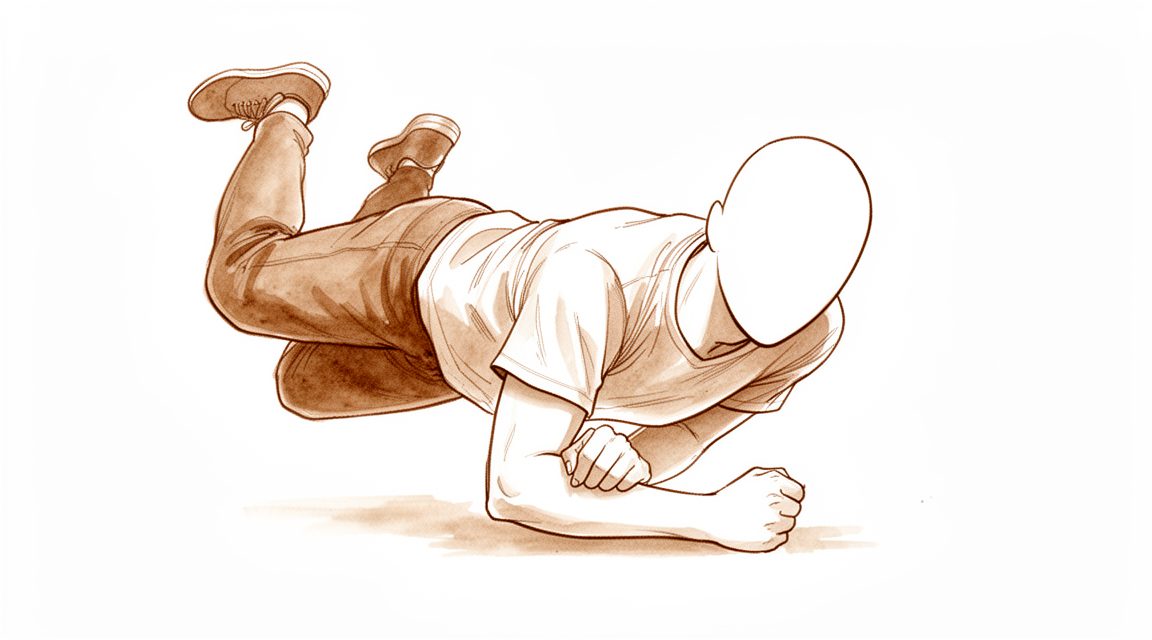
ਇਹ ਪ੍ਰੋਟੋਕੋਲ (protocol, ਇਲਾਜ ਦੀ ਪੜਾਅਵਾਰ ਯੋਜਨਾ) ਮਾਟਰ ਪ੍ਰਾਈਵੇਟ ਹਸਪਤਾਲ ਰੌਕਹੈਂਪਟਨ ਵਿੱਚ ਡਾ. ਕੀਰਨ ਹਿਰਪਰਾ ਵੱਲੋਂ ਓਪਨ ਰਿਡਕਸ਼ਨ ਐਂਡ ਇੰਟਰਨਲ ਫਿਕਸੇਸ਼ਨ (ORIF, ਚੀਰਾ ਦੇ ਕੇ ਹੱਡੀ ਨੂੰ ਥਾਂ ਸਿਰ ਬਿਠਾਉਣਾ ਅਤੇ ਅੰਦਰ ਧਾਤ ਦੇ ਹਿੱਸਿਆਂ ਨਾਲ ਜੋੜਨਾ) ਰਾਹੀਂ ਓਲੀਕ੍ਰੈਨਨ (olecranon, ਤੁਹਾਡੀ ਕੂਹਣੀ ਦੀ ਹੱਡੀ ਵਾਲੀ ਨੋਕ) ਦੇ ਫ੍ਰੈਕਚਰ (ਹੱਡੀ ਦਾ ਟੁੱਟਣਾ) ਨੂੰ ਸਰਜਰੀ ਨਾਲ ਜੋੜਨ ਤੋਂ ਬਾਅਦ ਤੁਹਾਡੀ ਸਿਹਤਯਾਬੀ ਵਿੱਚ ਤੁਹਾਡੀ ਅਗਵਾਈ ਕਰਦਾ ਹੈ। ਇਹ ਤੁਹਾਡੇ ਘਰੇਲੂ ਕਸਰਤ ਪ੍ਰੋਗਰਾਮ ਨਾਲ ਸ਼ੁਰੂ ਹੁੰਦਾ ਹੈ, ਜਿਸ ਤੋਂ ਬਾਅਦ ਤੁਹਾਡੇ ਫਿਜ਼ੀਓਥੈਰੇਪਿਸਟ ਜਾਂ ਹੈਂਡ ਥੈਰੇਪਿਸਟ ਲਈ ਲਿਖਿਆ ਗਿਆ ਤਰਤੀਬਵਾਰ ਕਲੀਨਿਕਲ ਪ੍ਰੋਟੋਕੋਲ ਆਉਂਦਾ ਹੈ। ਥੈਰੇਪੀ ਦੀ ਆਪਣੀ ਪਹਿਲੀ ਮੁਲਾਕਾਤ 'ਤੇ ਇਹ ਪੰਨਾ ਜਾਂ ਇਸ ਦੀ PDF ਨਾਲ ਲਿਆਓ ਤਾਂ ਜੋ ਤੁਹਾਡੀ ਰੀਹੈਬਿਲੀਟੇਸ਼ਨ (rehabilitation, ਕਸਰਤਾਂ ਰਾਹੀਂ ਹਿਲਜੁਲ ਅਤੇ ਤਾਕਤ ਮੁੜ ਬਹਾਲ ਕਰਨਾ) ਤਾਲਮੇਲ ਨਾਲ ਚੱਲਦੀ ਰਹੇ। ਤੁਹਾਡੀ ਸਿਹਤਯਾਬੀ ਕਿਵੇਂ ਅੱਗੇ ਵਧਦੀ ਹੈ, ਇਸ ਦੇ ਹਿਸਾਬ ਨਾਲ ਤੁਹਾਡਾ ਥੈਰੇਪਿਸਟ ਯੋਜਨਾ ਵਿੱਚ ਬਦਲਾਅ ਕਰ ਸਕਦਾ ਹੈ।
ਜੇ ਸਰਜਰੀ ਤੋਂ ਬਾਅਦ ਤੁਹਾਨੂੰ ਆਪਣੇ ਜ਼ਖ਼ਮ ਬਾਰੇ ਕੋਈ ਚਿੰਤਾ ਹੈ, ਤਾਂ ਕਲੀਨਿਕ ਨਾਲ ਸੰਪਰਕ ਕਰੋ। ਅਕਸਰ ਜ਼ਖ਼ਮ ਦੀ ਫ਼ੋਟੋ ਖਿੱਚ ਕੇ ਜਾਂਚ ਲਈ ਈਮੇਲ ਕਰਨਾ ਮਦਦਗਾਰ ਹੁੰਦਾ ਹੈ।
ਕੀ ਉਮੀਦ ਰੱਖੀਏ
ਓਲੀਕ੍ਰੈਨਨ ਤੁਹਾਡੀ ਕੂਹਣੀ ਦੀ ਹੱਡੀ ਵਾਲੀ ਨੋਕ ਹੈ। ਤੁਹਾਡੀ ਬਾਂਹ ਦੇ ਪਿਛਲੇ ਪਾਸੇ ਦੀ ਵੱਡੀ ਟ੍ਰਾਈਸੈਪਸ (triceps) ਮਾਸਪੇਸ਼ੀ ਇਸ ਨਾਲ ਜੁੜਦੀ ਹੈ, ਅਤੇ ਇਹ ਕੂਹਣੀ ਦੇ ਅੰਦਰਲੇ ਕਬਜ਼ੇ ਵਰਗੇ ਜੋੜ ਦਾ ਹਿੱਸਾ ਬਣਦੀ ਹੈ। ਜਦੋਂ ਓਲੀਕ੍ਰੈਨਨ ਟੁੱਟਦੀ ਹੈ, ਤਾਂ ਟ੍ਰਾਈਸੈਪਸ ਦੀ ਖਿੱਚ ਟੁੱਟੇ ਟੁਕੜੇ ਨੂੰ ਵੱਖ ਖਿੱਚਣ ਦਾ ਰੁਝਾਨ ਰੱਖਦੀ ਹੈ, ਇਸ ਲਈ ਫ੍ਰੈਕਚਰ ਨੂੰ ਸਰਜਰੀ ਨਾਲ ਜੋੜਿਆ ਜਾਂਦਾ ਹੈ, ਜਾਂ ਤਾਂ ਤਾਰ-ਅਤੇ-ਪਿੰਨ ਵਾਲੇ "ਟੈਂਸ਼ਨ ਬੈਂਡ" (tension band) ਨਾਲ (ਸਾਫ਼, ਸਿੱਧੇ ਟੁੱਟਣ ਲਈ) ਜਾਂ ਪਲੇਟ ਅਤੇ ਸਕਰੂਆਂ ਨਾਲ (ਵਧੇਰੇ ਚੂਰ-ਚੂਰ ਹੋਏ ਜਾਂ ਤਿਰਛੇ ਟੁੱਟਣ ਲਈ)। ਇਹ ਜੋੜ ਇਸ ਤਰ੍ਹਾਂ ਬਣਾਇਆ ਜਾਂਦਾ ਹੈ ਕਿ ਹੱਡੀ ਨੂੰ ਇੰਨੀ ਮਜ਼ਬੂਤੀ ਨਾਲ ਇਕੱਠਾ ਰੱਖੇ ਕਿ ਤੁਸੀਂ ਕੂਹਣੀ ਨੂੰ ਛੇਤੀ ਹਿਲਾਉਣਾ ਸ਼ੁਰੂ ਕਰ ਸਕੋ।
ਇਸ ਰੀਹੈਬਿਲੀਟੇਸ਼ਨ ਦਾ ਸਾਰਾ ਮਕਸਦ ਇੱਕ ਸੰਤੁਲਨ ਬਣਾਉਣਾ ਹੈ। ਜਿਹੜੀ ਕੂਹਣੀ ਬਹੁਤ ਲੰਮੇ ਸਮੇਂ ਲਈ ਸਥਿਰ ਰੱਖੀ ਜਾਂਦੀ ਹੈ, ਉਹ ਬਹੁਤ ਛੇਤੀ ਆਕੜ ਜਾਂਦੀ ਹੈ, ਇਸ ਲਈ ਅਸੀਂ ਇਸ ਨੂੰ ਛੇਤੀ ਹਿਲਾਉਣਾ ਚਾਹੁੰਦੇ ਹਾਂ। ਪਰ ਉਹੀ ਟ੍ਰਾਈਸੈਪਸ ਮਾਸਪੇਸ਼ੀ ਜੋ ਫ੍ਰੈਕਚਰ ਨੂੰ ਵੱਖ ਖਿੱਚਦੀ ਹੈ, ਉਹੀ ਤੁਹਾਡੀ ਕੂਹਣੀ ਨੂੰ ਸਿੱਧਾ ਕਰਦੀ ਹੈ, ਇਸ ਲਈ ਪਹਿਲੇ ਛੇ ਹਫ਼ਤਿਆਂ ਲਈ ਅਸੀਂ ਆਪਣੇ ਜ਼ੋਰ ਨਾਲ ਸਿੱਧਾ ਕਰਨ ਤੋਂ ਬਚ ਕੇ ਮੁਰੰਮਤ ਦੀ ਰਾਖੀ ਕਰਦੇ ਹਾਂ, ਜਦੋਂ ਕਿ ਕੂਹਣੀ ਨੂੰ ਮੋੜਨ ਅਤੇ ਬਾਂਹ ਦੇ ਹੇਠਲੇ ਹਿੱਸੇ ਨੂੰ ਘੁਮਾਉਣ ਉੱਤੇ ਖੁੱਲ੍ਹ ਕੇ ਕੰਮ ਕਰਦੇ ਹਾਂ। ਜਦੋਂ ਹੱਡੀ ਨੂੰ ਜੁੜਨ ਦਾ ਸਮਾਂ ਮਿਲ ਜਾਂਦਾ ਹੈ, ਤਾਂ ਸਿੱਧਾ ਕਰਨਾ ਹੌਲੀ-ਹੌਲੀ ਮੁੜ ਸ਼ੁਰੂ ਕੀਤਾ ਜਾਂਦਾ ਹੈ: ਪਹਿਲਾਂ ਸਿਰਫ਼ ਤੁਹਾਡੀ ਬਾਂਹ ਦੇ ਭਾਰ ਨਾਲ, ਅਤੇ ਵਿਰੋਧ ਦੇ ਵਿਰੁੱਧ ਸਿਰਫ਼ ਬਹੁਤ ਬਾਅਦ ਵਿੱਚ।
ਜ਼ਖ਼ਮ, ਸੋਜ ਅਤੇ ਦਾਗ਼ ਦੀ ਦੇਖਭਾਲ ਲਈ, ਕਲੀਨਿਕ ਦੀ ਜ਼ਖ਼ਮ ਦੀ ਦੇਖਭਾਲ ਬਾਰੇ ਜਾਣਕਾਰੀ ਦੇਖੋ।
ਸ਼ੁਰੂ ਤੋਂ ਹੀ ਇਹ ਜਾਣਨਾ ਚੰਗਾ ਹੈ ਕਿ ਚੰਗੀ ਤਰ੍ਹਾਂ ਜੋੜੇ ਗਏ ਓਲੀਕ੍ਰੈਨਨ ਫ੍ਰੈਕਚਰ ਤੋਂ ਬਾਅਦ ਵੀ, ਜ਼ਿਆਦਾਤਰ ਲੋਕਾਂ ਵਿੱਚ ਪੂਰਾ ਸਿੱਧਾ ਕਰਨ ਦੇ ਆਖ਼ਰੀ 10–15 ਡਿਗਰੀ ਦੀ ਥੋੜ੍ਹੀ ਜਿਹੀ ਪੱਕੀ ਕਮੀ ਰਹਿ ਜਾਂਦੀ ਹੈ। ਇਹ ਆਮ ਗੱਲ ਹੈ, ਰੋਜ਼ਾਨਾ ਜ਼ਿੰਦਗੀ ਵਿੱਚ ਘੱਟ ਹੀ ਪਤਾ ਲੱਗਦੀ ਹੈ, ਅਤੇ ਇਸ ਗੱਲ ਦੀ ਨਿਸ਼ਾਨੀ ਨਹੀਂ ਹੈ ਕਿ ਕੁਝ ਗ਼ਲਤ ਹੋ ਗਿਆ ਹੈ।
ਸਾਵਧਾਨੀਆਂ ਅਤੇ ਪਾਬੰਦੀਆਂ
ਇਹ ਕਰੋ
- ਆਰਾਮ ਅਤੇ ਸਹਾਰੇ ਲਈ ਆਪਣੀ ਸਾਦੀ ਸਲਿੰਗ (sling, ਬਾਂਹ ਨੂੰ ਸਹਾਰਾ ਦੇਣ ਵਾਲੀ ਪੱਟੀ) ਪਾਓ, ਅਤੇ ਕਸਰਤਾਂ ਲਈ ਇਸ ਨੂੰ ਉਤਾਰੋ। ਤੁਹਾਨੂੰ ਸਖ਼ਤ ਸਪਲਿੰਟ ਜਾਂ ਬ੍ਰੇਸ ਦੀ ਲੋੜ ਨਹੀਂ ਹੈ।
- ਆਰਾਮਦਾਇਕ ਹੱਦਾਂ ਦੇ ਅੰਦਰ, ਸ਼ੁਰੂ ਤੋਂ ਹੀ ਕੂਹਣੀ ਨੂੰ ਮੋੜਨ ਅਤੇ ਬਾਂਹ ਦੇ ਹੇਠਲੇ ਹਿੱਸੇ ਨੂੰ ਘੁਮਾਉਣ (ਹਥੇਲੀ ਉੱਪਰ / ਹਥੇਲੀ ਹੇਠਾਂ) ਉੱਤੇ ਕੰਮ ਕਰੋ।
- ਆਪਣੇ ਹੱਥ, ਗੁੱਟ ਅਤੇ ਮੋਢੇ ਨੂੰ ਖੁੱਲ੍ਹ ਕੇ ਹਿਲਾਉਂਦੇ ਰਹੋ, ਅਤੇ ਆਪਣੀ ਪਕੜ ਮਜ਼ਬੂਤ ਰੱਖਣ ਲਈ ਗੇਂਦ ਦਬਾਓ।
ਇਹ ਨਾ ਕਰੋ
- ਪਹਿਲੇ 6 ਹਫ਼ਤਿਆਂ ਲਈ ਆਪਣੀ ਕੂਹਣੀ ਨੂੰ ਉਸ ਦੀ ਆਪਣੀ ਮਾਸਪੇਸ਼ੀ ਦੇ ਜ਼ੋਰ ਨਾਲ ਸਿੱਧਾ ਨਾ ਕਰੋ; ਇਸ ਨੂੰ ਸਿਰਫ਼ ਗੁਰੂਤਾ (ਬਾਂਹ ਦੇ ਆਪਣੇ ਭਾਰ) ਨਾਲ ਸਿੱਧਾ ਹੋਣ ਦਿਓ। ਆਪਣੇ ਜ਼ੋਰ ਨਾਲ ਸਿੱਧਾ ਕਰਨਾ ਟ੍ਰਾਈਸੈਪਸ ਨੂੰ ਖਿੱਚਦਾ ਹੈ ਅਤੇ ਫ੍ਰੈਕਚਰ ਦੇ ਟੁਕੜਿਆਂ ਨੂੰ ਵੱਖ ਕਰ ਸਕਦਾ ਹੈ।
- ਲਗਭਗ 3 ਮਹੀਨਿਆਂ ਤੱਕ, ਜਦੋਂ ਤੱਕ ਤੁਹਾਡਾ ਥੈਰੇਪਿਸਟ ਇਜਾਜ਼ਤ ਨਾ ਦੇਵੇ, ਵਿਰੋਧ ਜਾਂ ਵਜ਼ਨ ਨਾਲ ਸਿੱਧਾ ਕਰਨ ਵਾਲੀ ਕੋਈ ਕਸਰਤ ਨਾ ਕਰੋ।
- ਸ਼ੁਰੂਆਤੀ ਹਫ਼ਤਿਆਂ ਵਿੱਚ ਓਪਰੇਸ਼ਨ ਵਾਲੀ ਬਾਂਹ ਨਾਲ ਨਾ ਕੁਝ ਚੁੱਕੋ, ਨਾ ਧੱਕੋ, ਨਾ ਖਿੱਚੋ, ਅਤੇ ਨਾ ਹੀ ਇਸ ਉੱਤੇ ਭਾਰ ਪਾਓ।
ਇਹ ਤੁਹਾਡੇ ਹੈਂਡਆਊਟ (ਪਰਚੇ) ਵਾਲੀਆਂ ਕਸਰਤਾਂ ਹਨ, ਤੁਹਾਡੀ ਕੂਹਣੀ ਅਤੇ ਬਾਂਹ ਦੇ ਹੇਠਲੇ ਹਿੱਸੇ ਦੀ ਹਿਲਜੁਲ ਵਾਪਸ ਲਿਆਉਣ ਲਈ। ਕਸਰਤਾਂ ਲਈ ਆਪਣੀ ਸਲਿੰਗ ਉਤਾਰੋ। ਇਹਨਾਂ ਨੂੰ ਡਾ. ਹਿਰਪਰਾ ਅਤੇ ਤੁਹਾਡੇ ਥੈਰੇਪਿਸਟ ਦੀ ਹਦਾਇਤ ਅਨੁਸਾਰ ਸ਼ੁਰੂ ਕਰੋ।
ਤੁਹਾਡੀਆਂ ਕਸਰਤਾਂ
Kieran Hirpara 4.0
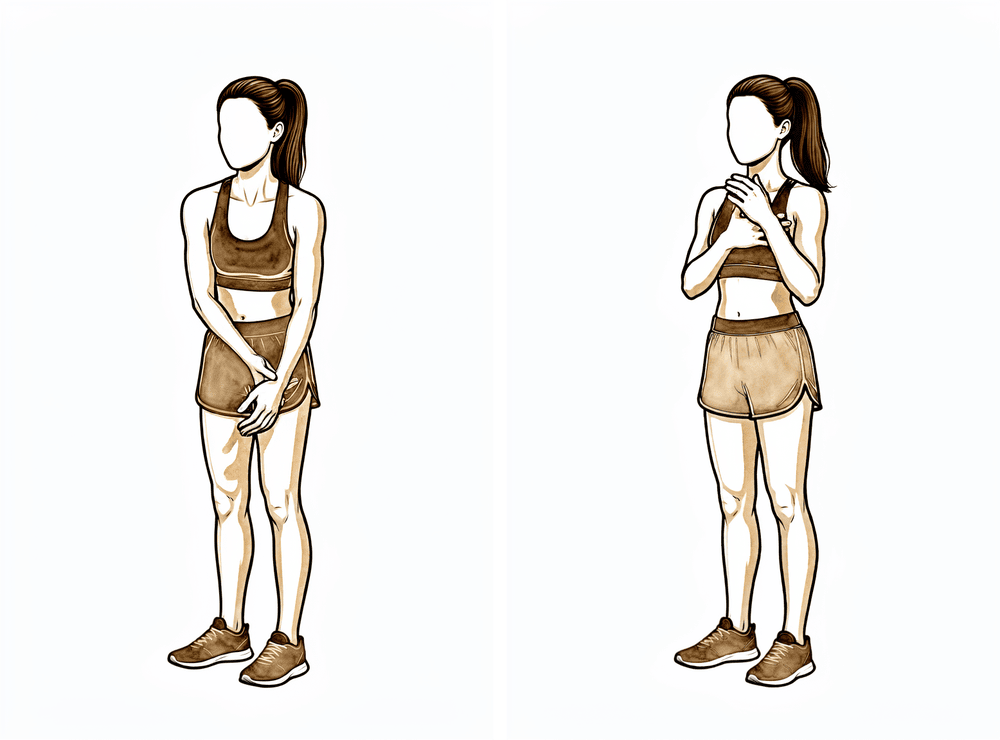
ਕੂਹਣੀ ਨੂੰ ਬਿਨਾਂ ਆਪਣਾ ਜ਼ੋਰ ਲਾਏ ਮੋੜਨਾ (passive flexion)
ਓਪਰੇਸ਼ਨ ਵਾਲੀ ਬਾਂਹ ਨੂੰ ਹਥੇਲੀ ਉੱਪਰ ਵੱਲ ਕਰਕੇ ਟਿਕਾਓ। ਆਪਣੇ ਦੂਜੇ ਹੱਥ ਨਾਲ ਓਪਰੇਸ਼ਨ ਵਾਲੀ ਕੂਹਣੀ ਨੂੰ ਜਿੰਨਾ ਆਰਾਮ ਨਾਲ ਹੋ ਸਕੇ ਹੌਲੀ ਜਿਹੇ ਮੋੜੋ, ਓਪਰੇਸ਼ਨ ਵਾਲੀ ਬਾਂਹ ਦੀਆਂ ਆਪਣੀਆਂ ਮਾਸਪੇਸ਼ੀਆਂ ਵਰਤਣ ਦੀ ਬਜਾਏ ਉਸ ਨੂੰ ਹਿੱਲਣ ਵਿੱਚ ਮਦਦ ਕਰਦੇ ਹੋਏ। ਆਰਾਮਦਾਇਕ ਹੱਦ ਦੇ ਅਖ਼ੀਰ ਉੱਤੇ ਕੁਝ ਸਕਿੰਟ ਰੋਕੋ, ਫਿਰ ਹੌਲੀ-ਹੌਲੀ ਇਸ ਨੂੰ ਵਾਪਸ ਸਿੱਧਾ ਹੋਣ ਦਿਓ। ਇਸ ਨਾਲ ਮੁਰੰਮਤ ਉੱਤੇ ਭਾਰ ਪਾਏ ਬਿਨਾਂ ਤੁਹਾਡਾ ਮੋੜ (flexion) ਵਧਦਾ ਹੈ।
10 ਵਾਰ, ਦਿਨ ਵਿੱਚ 3–4 ਵਾਰ
Kieran Hirpara 4.0
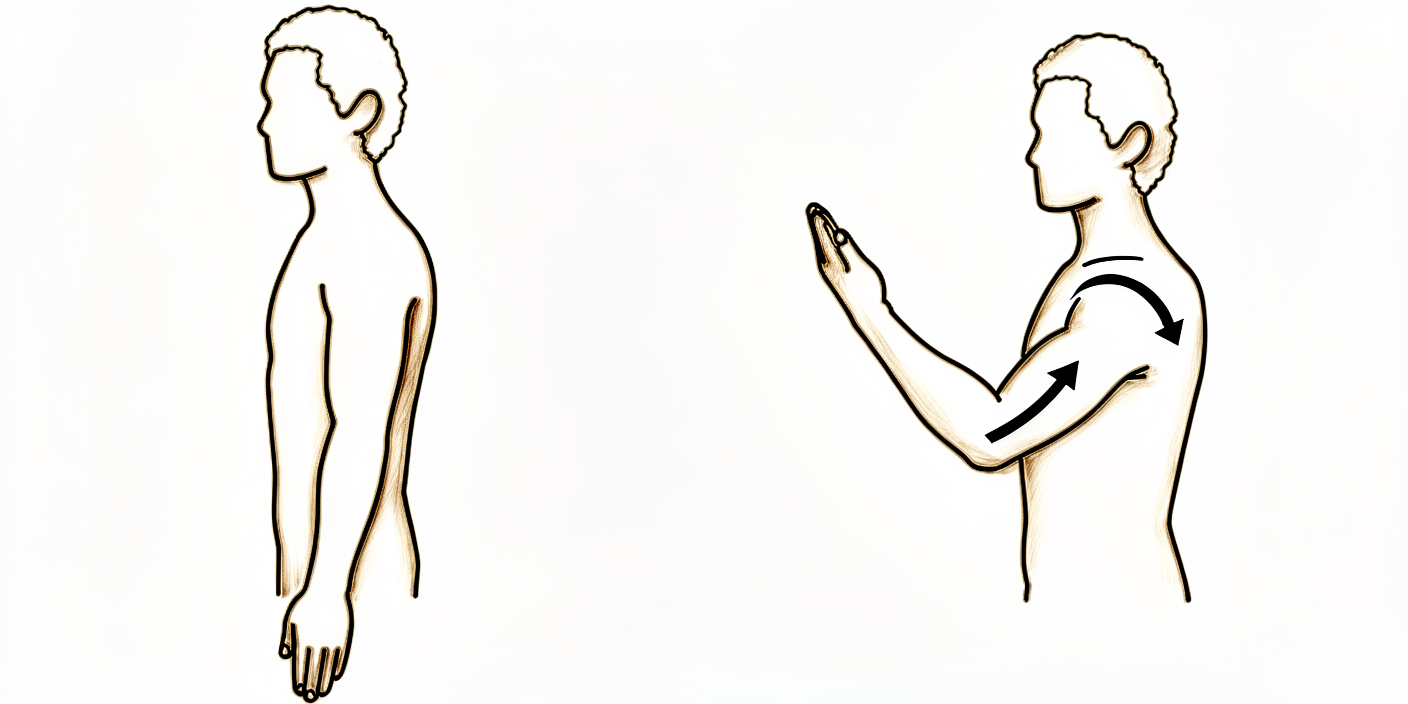
ਕੂਹਣੀ ਨੂੰ ਆਪਣੇ ਜ਼ੋਰ ਨਾਲ ਮੋੜਨਾ
ਹਥੇਲੀ ਉੱਪਰ ਵੱਲ ਅਤੇ ਡੌਲਾ (upper arm) ਆਪਣੇ ਪਾਸੇ ਨਾਲ ਲਗਾ ਕੇ, ਆਪਣੀ ਕੂਹਣੀ ਨੂੰ ਜਿੰਨਾ ਹੋ ਸਕੇ ਹੌਲੀ ਜਿਹੇ ਮੋੜੋ, ਫਿਰ ਇਸ ਨੂੰ ਕਾਬੂ ਨਾਲ ਵਾਪਸ ਸਿੱਧਾ ਹੋਣ ਦਿਓ। ਪਹਿਲੇ ਛੇ ਹਫ਼ਤਿਆਂ ਵਿੱਚ ਕੂਹਣੀ ਨੂੰ ਗੁਰੂਤਾ (ਬਾਂਹ ਦੇ ਆਪਣੇ ਭਾਰ) ਨਾਲ ਸਿੱਧਾ ਹੋਣ ਦਿਓ — ਇਸ ਨੂੰ ਆਪਣੀਆਂ ਮਾਸਪੇਸ਼ੀਆਂ ਨਾਲ ਜ਼ੋਰ ਲਾ ਕੇ ਸਿੱਧਾ ਨਾ ਕਰੋ।
10–15 ਵਾਰ, ਦਿਨ ਵਿੱਚ 3–4 ਵਾਰ
Kieran Hirpara 4.0
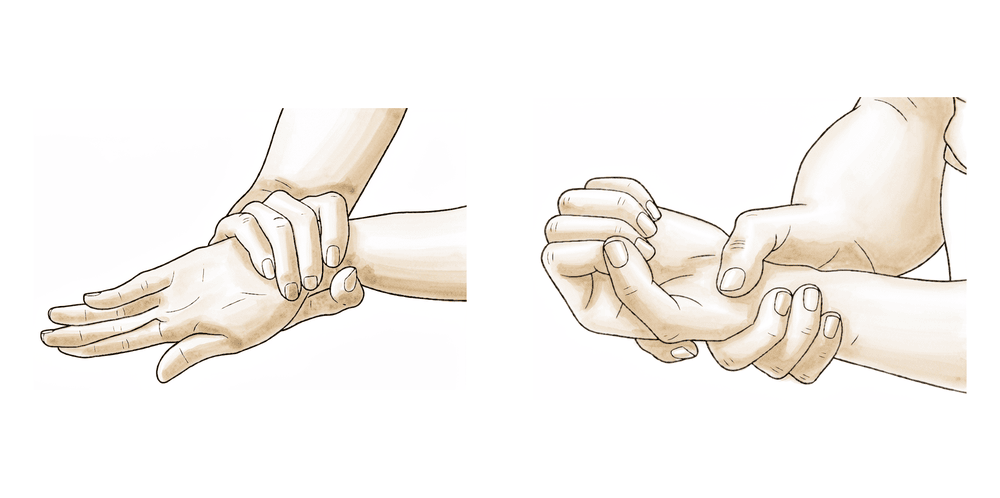
ਬਾਂਹ ਦੇ ਹੇਠਲੇ ਹਿੱਸੇ ਨੂੰ ਘੁਮਾਉਣਾ
ਆਪਣੀ ਕੂਹਣੀ ਨੂੰ ਆਪਣੇ ਪਾਸੇ ਨਾਲ ਲਗਾ ਕੇ ਅਤੇ ਲਗਭਗ ਸਮਕੋਣ (ਸਿੱਧੇ ਕੋਣ) ਤੱਕ ਮੋੜ ਕੇ ਰੱਖੋ। ਹੌਲੀ-ਹੌਲੀ ਆਪਣੀ ਹਥੇਲੀ ਨੂੰ ਛੱਤ ਵੱਲ ਉੱਪਰ ਘੁਮਾਓ, 3–5 ਸਕਿੰਟ ਰੋਕੋ, ਫਿਰ ਇਸ ਨੂੰ ਫ਼ਰਸ਼ ਵੱਲ ਹੇਠਾਂ ਘੁਮਾਓ। ਪੂਰਾ ਸਮਾਂ ਕੂਹਣੀ ਨੂੰ ਸਥਿਰ ਅਤੇ ਸਰੀਰ ਨਾਲ ਲੱਗੀ ਰੱਖੋ। ਤੁਸੀਂ ਆਪਣੇ ਦੂਜੇ ਹੱਥ ਨਾਲ ਇਸ ਹਿਲਜੁਲ ਵਿੱਚ ਹੌਲੀ ਜਿਹੀ ਮਦਦ ਕਰ ਸਕਦੇ ਹੋ।
ਹਰ ਦਿਸ਼ਾ ਵਿੱਚ 10 ਵਾਰ, ਦਿਨ ਵਿੱਚ 3–4 ਵਾਰ
Kieran Hirpara 4.0
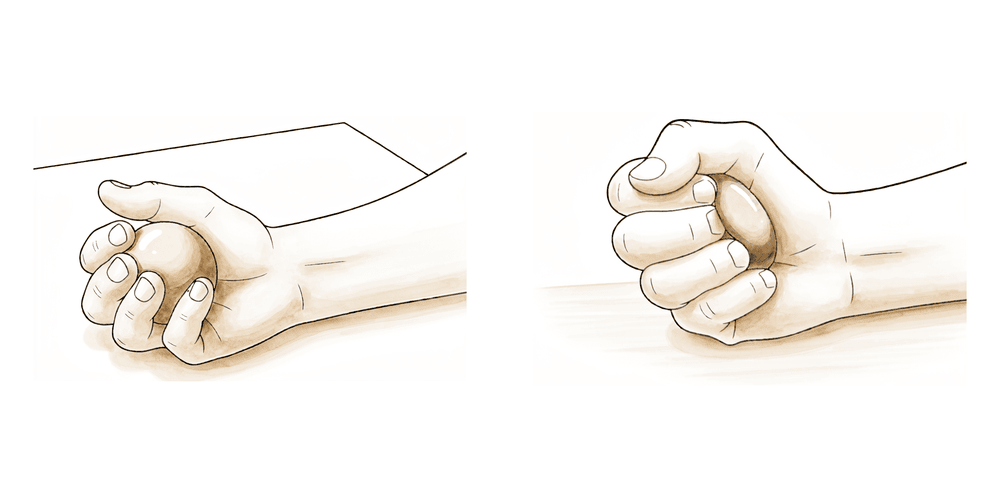
ਪਕੜ ਮਜ਼ਬੂਤ ਕਰਨਾ
ਆਪਣੇ ਹੱਥ ਵਿੱਚ ਇੱਕ ਨਰਮ ਗੇਂਦ ਜਾਂ ਪੁੱਟੀ (putty) ਦਾ ਰੋਲ ਦਬਾਓ, ਕੁਝ ਸਕਿੰਟ ਰੋਕੋ, ਫਿਰ ਛੱਡ ਦਿਓ। ਜਦੋਂ ਤੁਹਾਡੀ ਕੂਹਣੀ ਦੀ ਰਾਖੀ ਕੀਤੀ ਜਾ ਰਹੀ ਹੁੰਦੀ ਹੈ, ਇਹ ਤੁਹਾਡੇ ਹੱਥ ਅਤੇ ਬਾਂਹ ਦੇ ਹੇਠਲੇ ਹਿੱਸੇ ਨੂੰ ਮਜ਼ਬੂਤ ਰੱਖਦਾ ਹੈ। ਇਹ ਕੂਹਣੀ ਦੀ ਮੁਰੰਮਤ ਉੱਤੇ ਭਾਰ ਨਹੀਂ ਪਾਉਂਦਾ।
10–15 ਵਾਰ ਦਬਾਓ, ਦਿਨ ਵਿੱਚ 2–3 ਵਾਰ
Kieran Hirpara 4.0
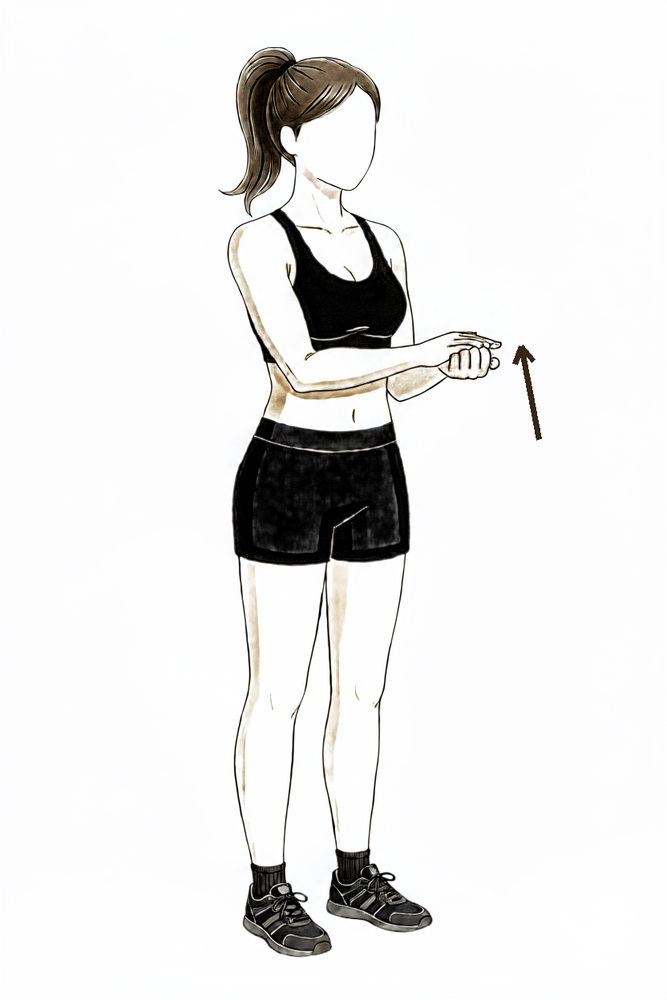
ਕੂਹਣੀ ਮੋੜਨ ਵਾਲੀ ਆਈਸੋਮੈਟ੍ਰਿਕ ਪਕੜ (isometric, ਬਿਨਾਂ ਹਿਲਾਏ ਜ਼ੋਰ ਲਾਉਣਾ)
ਕੂਹਣੀ ਮੋੜ ਕੇ ਅਤੇ ਹਥੇਲੀ ਉੱਪਰ ਰੱਖ ਕੇ, ਆਪਣਾ ਦੂਜਾ ਹੱਥ ਆਪਣੀ ਬਾਂਹ ਦੇ ਹੇਠਲੇ ਹਿੱਸੇ ਦੇ ਹੇਠਾਂ ਰੱਖੋ। ਕੂਹਣੀ ਨੂੰ ਹੋਰ ਮੋੜਨ ਦੀ ਹੌਲੀ ਜਿਹੀ ਕੋਸ਼ਿਸ਼ ਕਰੋ ਜਦੋਂ ਕਿ ਤੁਹਾਡਾ ਦੂਜਾ ਹੱਥ ਇਸ ਨੂੰ ਸਥਿਰ ਰੱਖਦਾ ਹੈ, ਤਾਂ ਜੋ ਮਾਸਪੇਸ਼ੀ ਕੰਮ ਕਰੇ ਪਰ ਬਾਂਹ ਨਾ ਹਿੱਲੇ। ਹੌਲੀ ਜਿਹੇ ਰੋਕੋ, ਫਿਰ ਢਿੱਲਾ ਛੱਡ ਦਿਓ। ਇਹ ਮਾਸਪੇਸ਼ੀ ਨੂੰ ਸਰਗਰਮ ਕਰਨ ਵਾਲੀ (ਆਈਸੋਮੈਟ੍ਰਿਕ) ਕਸਰਤ ਹੈ — ਇਹ ਸਿਰਫ਼ ਮੋੜਨ ਵਾਲੀਆਂ ਮਾਸਪੇਸ਼ੀਆਂ ਉੱਤੇ ਕੰਮ ਕਰਦੀ ਹੈ ਅਤੇ ਟ੍ਰਾਈਸੈਪਸ ਜਾਂ ਮੁਰੰਮਤ ਉੱਤੇ ਭਾਰ ਨਹੀਂ ਪਾਉਂਦੀ।
5 ਸਕਿੰਟ ਰੋਕੋ, 5–10 ਵਾਰ, ਦਿਨ ਵਿੱਚ 2–3 ਵਾਰ
Kieran Hirpara 4.0
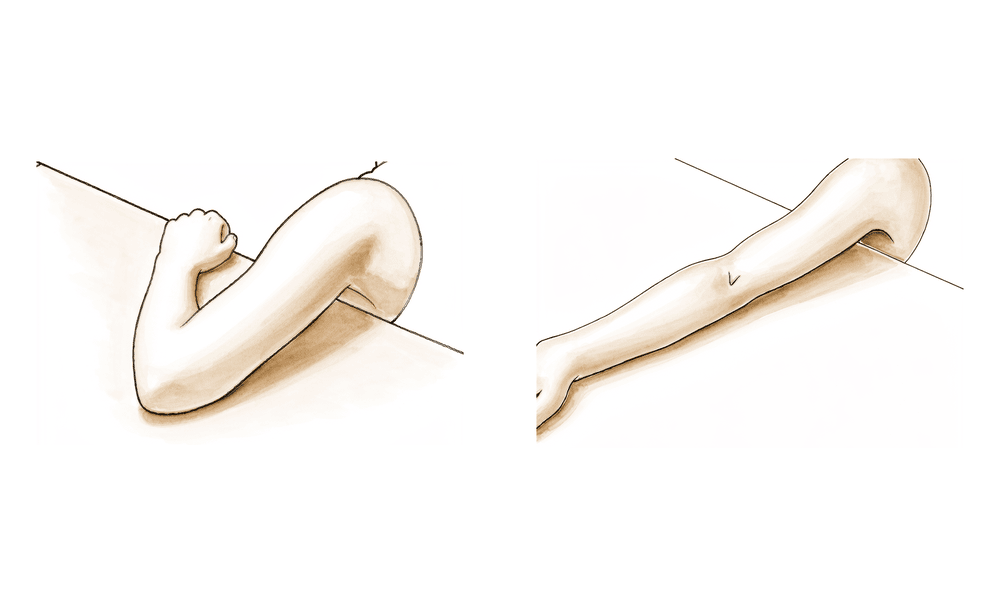
ਕੂਹਣੀ ਨੂੰ ਆਪਣੇ ਜ਼ੋਰ ਨਾਲ ਸਿੱਧਾ ਕਰਨਾ (ਗੁਰੂਤਾ ਦੇ ਵਿਰੁੱਧ)
ਇਹ ਕਸਰਤ ਸਿਰਫ਼ ਉਦੋਂ ਸ਼ੁਰੂ ਕਰੋ ਜਦੋਂ ਤੁਹਾਡਾ ਸਰਜਨ ਜਾਂ ਥੈਰੇਪਿਸਟ ਇਜਾਜ਼ਤ ਦੇਵੇ, ਆਮ ਤੌਰ 'ਤੇ ਛੇ ਹਫ਼ਤਿਆਂ ਤੋਂ। ਡੌਲੇ ਨੂੰ ਸਹਾਰਾ ਦੇ ਕੇ, ਆਪਣੀ ਮਾਸਪੇਸ਼ੀ ਦੇ ਜ਼ੋਰ ਨਾਲ ਕੂਹਣੀ ਨੂੰ ਹੌਲੀ-ਹੌਲੀ ਸਿੱਧਾ ਕਰੋ, ਫਿਰ ਇਸ ਨੂੰ ਕਾਬੂ ਨਾਲ ਵਾਪਸ ਮੋੜੋ। ਸਿਰਫ਼ ਗੁਰੂਤਾ ਦੇ ਵਿਰੁੱਧ ਕੰਮ ਕਰੋ — ਜਦੋਂ ਤੱਕ ਤੁਹਾਡਾ ਥੈਰੇਪਿਸਟ ਤੁਹਾਨੂੰ ਅੱਗੇ ਨਾ ਵਧਾਵੇ (ਆਮ ਤੌਰ 'ਤੇ ਲਗਭਗ ਤਿੰਨ ਮਹੀਨਿਆਂ ਤੱਕ), ਕੋਈ ਭਾਰ ਜਾਂ ਵਿਰੋਧ ਨਾ ਜੋੜੋ।
10 ਵਾਰ, ਦਿਨ ਵਿੱਚ 2–3 ਵਾਰ — ਸਿਰਫ਼ ਹਫ਼ਤਾ 6 ਤੋਂ
Kieran Hirpara 4.0
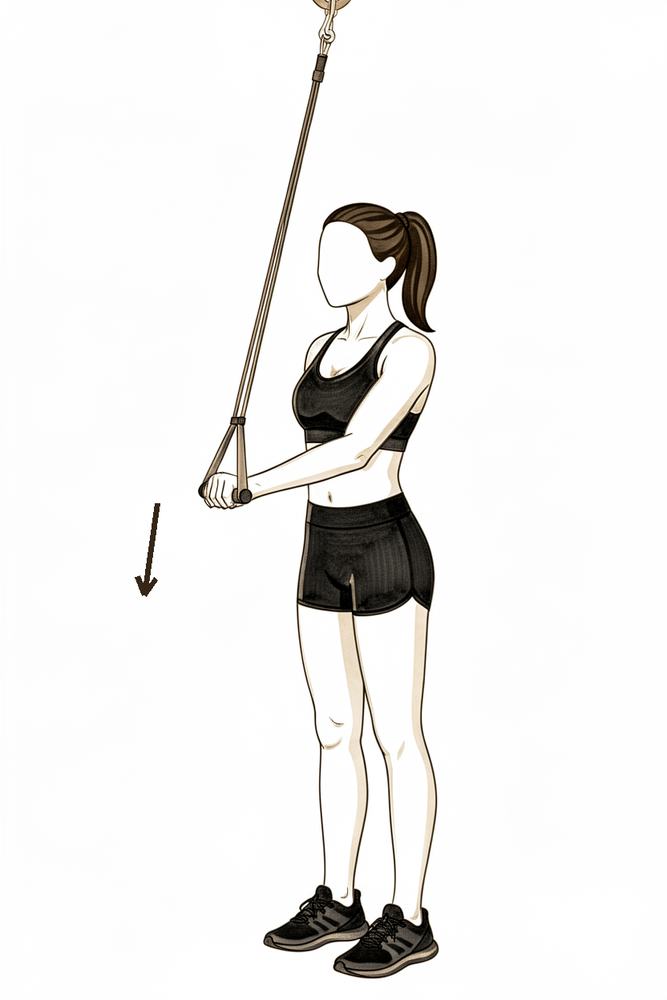
ਬੈਂਡ ਦੇ ਵਿਰੋਧ ਨਾਲ ਸਿੱਧਾ ਕਰਨਾ
ਇਹ ਬਾਅਦ ਵਾਲੇ ਪੜਾਅ ਦੀ ਕਸਰਤ ਹੈ, ਜੋ ਸਿਰਫ਼ ਲਗਭਗ ਤਿੰਨ ਮਹੀਨਿਆਂ ਤੋਂ ਸ਼ੁਰੂ ਕੀਤੀ ਜਾਂਦੀ ਹੈ ਜਦੋਂ ਤੁਹਾਡਾ ਥੈਰੇਪਿਸਟ ਇਜਾਜ਼ਤ ਦੇਵੇ। ਇੱਕ ਹਲਕੇ ਰਬੜ ਬੈਂਡ (resistance band) ਨੂੰ ਕਿਸੇ ਚੀਜ਼ ਨਾਲ ਬੰਨ੍ਹੋ ਅਤੇ ਉਸ ਦੀ ਖਿੱਚ ਦੇ ਵਿਰੁੱਧ ਆਪਣੀ ਕੂਹਣੀ ਸਿੱਧੀ ਕਰੋ, ਫਿਰ ਹੌਲੀ-ਹੌਲੀ ਵਾਪਸ ਲਿਆਓ। ਸਭ ਤੋਂ ਹਲਕੇ ਬੈਂਡ ਨਾਲ ਸ਼ੁਰੂ ਕਰੋ ਅਤੇ ਹਲਕੇ ਵਜ਼ਨਾਂ (ਲਗਭਗ 0.5–2 ਕਿਲੋ) ਉੱਤੇ ਸਿਰਫ਼ ਹਦਾਇਤ ਅਨੁਸਾਰ ਜਾਓ। ਵਿਰੋਧ ਦੇ ਵਿਰੁੱਧ ਸਿੱਧਾ ਕਰਨਾ ਸਿੱਧਾ ਟ੍ਰਾਈਸੈਪਸ ਅਤੇ ਮੁਰੰਮਤ ਉੱਤੇ ਭਾਰ ਪਾਉਂਦਾ ਹੈ, ਇਸੇ ਕਰਕੇ ਇਹ ਦੇਰ ਨਾਲ ਸ਼ੁਰੂ ਕੀਤਾ ਜਾਂਦਾ ਹੈ।
10–15 ਵਾਰ, ਹਫ਼ਤੇ ਵਿੱਚ 3 ਵਾਰ — ਸਿਰਫ਼ ~3 ਮਹੀਨਿਆਂ ਤੋਂ
ਹੇਠਾਂ ਦਿੱਤੀਆਂ ਕਸਰਤਾਂ ਨੂੰ ਸਿਰਫ਼ ਡਾ. ਹਿਰਪਰਾ ਅਤੇ ਤੁਹਾਡੇ ਹੈਂਡ ਥੈਰੇਪਿਸਟ ਦੀ ਹਦਾਇਤ ਅਨੁਸਾਰ ਸ਼ੁਰੂ ਕਰੋ, ਅਤੇ ਤੁਹਾਨੂੰ ਦੱਸੀ ਗਈ ਹਿਲਜੁਲ ਦੀ ਹੱਦ ਅਤੇ ਪਾਬੰਦੀਆਂ ਦੇ ਅੰਦਰ ਹੀ ਰਹੋ। ਸ਼ੁਰੂਆਤੀ ਹਫ਼ਤਿਆਂ ਦੀਆਂ ਕਸਰਤਾਂ ਜਾਣ-ਬੁੱਝ ਕੇ ਸੀਮਤ ਰੱਖੀਆਂ ਗਈਆਂ ਹਨ। ਬਿਨਾਂ ਆਪਣਾ ਜ਼ੋਰ ਲਾਏ ਅਤੇ ਆਪਣੇ ਜ਼ੋਰ ਨਾਲ ਮੋੜਨਾ ਹੀ ਉਹ ਚੀਜ਼ ਹੈ ਜਿਸ ਦੀ ਕੂਹਣੀ ਨੂੰ ਸ਼ੁਰੂ ਵਿੱਚ ਲੋੜ ਹੁੰਦੀ ਹੈ — ਕੂਹਣੀ ਆਪਣਾ ਮੋੜ ਗੁਆਉਣ ਨਾਲੋਂ ਕਿਤੇ ਜ਼ਿਆਦਾ ਆਸਾਨੀ ਨਾਲ ਮੁੜੀ ਹੋਈ ਸਥਿਤੀ ਵਿੱਚ ਆਕੜ ਜਾਂਦੀ ਹੈ — ਜਦੋਂ ਕਿ ਟ੍ਰਾਈਸੈਪਸ ਵਾਲੀ ਮੁਰੰਮਤ ਦੀ ਰਾਖੀ ਕੀਤੀ ਜਾਂਦੀ ਹੈ। ਸ਼ੁਰੂਆਤੀ ਹਫ਼ਤਿਆਂ ਵਿੱਚ ਓਪਰੇਸ਼ਨ ਵਾਲੀ ਬਾਂਹ ਨਾਲ ਨਾ ਕੁਝ ਚੁੱਕੋ, ਨਾ ਧੱਕੋ, ਨਾ ਖਿੱਚੋ, ਅਤੇ ਨਾ ਹੀ ਇਸ ਉੱਤੇ ਭਾਰ ਪਾਓ; ਟ੍ਰਾਈਸੈਪਸ ਦੀ ਖਿੱਚ ਬਿਲਕੁਲ ਉਹੀ ਤਾਕਤ ਹੈ ਜਿਸ ਤੋਂ ਫਿਕਸੇਸ਼ਨ ਰਾਖੀ ਕਰ ਰਹੀ ਹੈ। ਕਸਰਤਾਂ ਦੇ ਵਿਚਕਾਰ ਆਪਣੇ ਹੱਥ, ਗੁੱਟ ਅਤੇ ਮੋਢੇ ਨੂੰ ਖੁੱਲ੍ਹ ਕੇ ਹਿਲਾਉਂਦੇ ਰਹੋ। ਜਿਹੜੀ ਵੀ ਚੀਜ਼ ਕੂਹਣੀ ਦੀ ਨੋਕ ਉੱਤੇ ਤਿੱਖਾ ਦਰਦ ਕਰੇ, ਉਹ ਬੰਦ ਕਰ ਦਿਓ।
ਤੁਹਾਡਾ ਕਲੀਨਿਕਲ ਪ੍ਰੋਟੋਕੋਲ
ਇਸ ਪੰਨੇ ਦਾ ਬਾਕੀ ਹਿੱਸਾ ਓਪਨ ਰਿਡਕਸ਼ਨ ਐਂਡ ਇੰਟਰਨਲ ਫਿਕਸੇਸ਼ਨ ਨਾਲ ਇਲਾਜ ਕੀਤੇ ਗਏ ਓਲੀਕ੍ਰੈਨਨ ਫ੍ਰੈਕਚਰ ਲਈ ਕਲੀਨਿਕਲ ਪ੍ਰੋਟੋਕੋਲ ਹੈ। ਇਹ ਭਾਗ ਤੁਹਾਡੇ ਫਿਜ਼ੀਓਥੈਰੇਪਿਸਟ ਜਾਂ ਹੈਂਡ ਥੈਰੇਪਿਸਟ ਨੂੰ ਦਿੱਤਾ ਜਾਣਾ ਹੈ, ਅਤੇ ਹੇਠਾਂ ਹਰ ਪੜਾਅ ਸਾਦੀ ਭਾਸ਼ਾ ਵਿੱਚ ਇਸ ਵਿਆਖਿਆ ਨਾਲ ਸ਼ੁਰੂ ਹੁੰਦਾ ਹੈ ਕਿ ਉਸ ਵੇਲੇ ਕੀ ਹੋ ਰਿਹਾ ਹੈ। ਸਭ ਤੋਂ ਜ਼ਰੂਰੀ ਨਿਯਮ, ਜੋ ਇਸ ਪ੍ਰੋਟੋਕੋਲ ਨੂੰ ਕੂਹਣੀ ਦੇ ਆਮ ਫ੍ਰੈਕਚਰ ਤੋਂ ਵੱਖਰਾ ਬਣਾਉਂਦਾ ਹੈ, ਉਹ ਹੈ ਟ੍ਰਾਈਸੈਪਸ ਦੀ ਰਾਖੀ: ਆਪਣੇ ਜ਼ੋਰ ਨਾਲ ਸਿੱਧਾ ਕਰਨਾ (active extension) ~6 ਹਫ਼ਤਿਆਂ ਤੱਕ ਅਤੇ ਵਿਰੋਧ ਦੇ ਵਿਰੁੱਧ ਸਿੱਧਾ ਕਰਨਾ (resisted extension) ~3 ਮਹੀਨਿਆਂ ਤੱਕ ਟਾਲਿਆ ਜਾਂਦਾ ਹੈ, ਕਿਉਂਕਿ ਟ੍ਰਾਈਸੈਪਸ ਓਲੀਕ੍ਰੈਨਨ ਨਾਲ ਜੁੜਦੀ ਹੈ ਅਤੇ ਫਿਕਸੇਸ਼ਨ ਉੱਤੇ ਭਾਰ ਪਾਉਂਦੀ ਹੈ।
ਇਲਾਜ ਤੋਂ ਪਹਿਲਾਂ, ਮਰੀਜ਼ ਦਾ ਐਕਸ-ਰੇ, ਓਪਰੇਸ਼ਨ ਰਿਪੋਰਟ ਅਤੇ ਪਿਛਲਾ ਡਾਕਟਰੀ ਇਤਿਹਾਸ ਦੇਖੋ, ਅਤੇ ਇਲਾਜ ਕਰਨ ਵਾਲੇ ਸਰਜਨ ਨਾਲ ਫਿਕਸੇਸ਼ਨ ਦੀ ਬਣਤਰ (ਟੈਂਸ਼ਨ-ਬੈਂਡ ਤਾਰਾਂ ਜਾਂ ਪਲੇਟ), ਉਸ ਦੀ ਸਥਿਰਤਾ, ਅਤੇ ਸੰਭਾਵੀ ਨਤੀਜੇ ਬਾਰੇ ਤਾਲਮੇਲ ਕਰੋ।
ਹਫ਼ਤੇ 0–1: ਸਥਿਰ ਰੱਖਣਾ
ਪਹਿਲੇ ਹਫ਼ਤੇ ਵਿੱਚ ਧਿਆਨ ਨਰਮ ਟਿਸ਼ੂਆਂ ਨੂੰ ਆਰਾਮ ਦੇਣ, ਸੋਜ ਘਟਾਉਣ, ਅਤੇ ਬਾਕੀ ਸਭ ਕੁਝ ਹਿੱਲਦਾ ਰੱਖਣ ਉੱਤੇ ਹੁੰਦਾ ਹੈ। ਕੂਹਣੀ ਲਗਭਗ 90° ਉੱਤੇ ਇੱਕ ਸਾਦੀ ਸਲਿੰਗ ਵਿੱਚ ਆਰਾਮ ਕਰਦੀ ਹੈ, ਜੋ ਕਸਰਤਾਂ ਲਈ ਉਤਾਰੀ ਜਾਂਦੀ ਹੈ। ਕੋਈ ਸਖ਼ਤ ਪਿਛਲਾ ਸਪਲਿੰਟ ਜਾਂ ਬ੍ਰੇਸ ਨਹੀਂ ਹੁੰਦਾ।
ਤੁਹਾਡੇ ਫਿਜ਼ੀਓਥੈਰੇਪਿਸਟ ਲਈ:
- ਸਥਿਰ ਰੱਖਣਾ: ਸਾਦੀ ਸਲਿੰਗ, ਕੂਹਣੀ ~90° ਉੱਤੇ, ਕਸਰਤਾਂ ਲਈ ਉਤਾਰੀ ਜਾਵੇ। ਨਾ ਪਲੱਸਤਰ ਵਾਲਾ ਸਪਲਿੰਟ ਅਤੇ ਨਾ ਹੀ ਬ੍ਰੇਸ ਵਰਤਿਆ ਜਾਂਦਾ ਹੈ।
- ਟੀਚੇ: ਨਰਮ ਟਿਸ਼ੂਆਂ ਨੂੰ ਆਰਾਮ; ਸੋਜ (oedema) ਉੱਤੇ ਕਾਬੂ (ਬਾਂਹ ਉੱਚੀ ਰੱਖਣਾ, ਹਲਕਾ ਦਬਾਅ, ਠੰਢਕ)।
- ਕਸਰਤਾਂ: ਹੱਥ, ਗੁੱਟ ਅਤੇ ਮੋਢੇ ਦੀ ਆਪਣੇ ਜ਼ੋਰ ਨਾਲ ਹਿਲਜੁਲ ਦੀ ਰੇਂਜ; ਜੇ ਫਿਕਸੇਸ਼ਨ ਸਥਿਰ ਹੈ ਤਾਂ ਦਿਨ 2–3 ਤੋਂ ਕੂਹਣੀ ਅਤੇ ਬਾਂਹ ਦੇ ਹੇਠਲੇ ਹਿੱਸੇ ਦੀ ਹਲਕੀ ਆਪਣੇ ਜ਼ੋਰ ਨਾਲ ਹਿਲਜੁਲ ਦੀ ਰੇਂਜ ਸ਼ੁਰੂ ਹੋ ਸਕਦੀ ਹੈ।
- ਸਾਵਧਾਨੀਆਂ: ਉੱਪਰਲੇ ਅੰਗ (ਮੋਢੇ ਤੋਂ ਹੱਥ ਤੱਕ ਦੀ ਬਾਂਹ) ਉੱਤੇ ਕੋਈ ਭਾਰ ਨਹੀਂ; ਨਾ ਚੁੱਕਣਾ, ਨਾ ਧੱਕਣਾ, ਨਾ ਖਿੱਚਣਾ; ਕੂਹਣੀ ਨੂੰ ਆਪਣੇ ਜ਼ੋਰ ਨਾਲ ਸਿੱਧਾ ਕਰਨਾ ਨਹੀਂ।
- ਅਗਲੇ ਪੜਾਅ ਵਿੱਚ ਜਾਣ ਦੀਆਂ ਸ਼ਰਤਾਂ: ਜ਼ਖ਼ਮ ਅਤੇ ਸੋਜ ਠੀਕ ਹੋ ਰਹੇ ਹੋਣ।
ਹਫ਼ਤੇ 1–6: ਸੁਰੱਖਿਅਤ ਹਿਲਜੁਲ (ਸਿੱਧਾ ਕਰਨ ਉੱਤੇ ਪਾਬੰਦੀ)
ਇਹ ਟ੍ਰਾਈਸੈਪਸ ਦੀ ਰਾਖੀ ਵਾਲਾ ਪੜਾਅ ਹੈ। ਮੋੜਨਾ ਲਗਾਤਾਰ ਵਧਾਇਆ ਜਾਂਦਾ ਹੈ ਜਦੋਂ ਕਿ ਸਿੱਧਾ ਕਰਨਾ ਸਿਰਫ਼ ਬਿਨਾਂ ਆਪਣਾ ਜ਼ੋਰ ਲਾਏ ਜਾਂ ਗੁਰੂਤਾ ਨਾਲ ਕੀਤਾ ਜਾਂਦਾ ਹੈ, ਕਦੇ ਵੀ ਕੂਹਣੀ ਦੀ ਆਪਣੀ ਸਿੱਧਾ ਕਰਨ ਵਾਲੀ ਤਾਕਤ ਨਾਲ ਨਹੀਂ। ਸਲਿੰਗ ਲਗਭਗ ਹਫ਼ਤਾ 4 ਤੋਂ ਹੌਲੀ-ਹੌਲੀ ਛੁਡਾਈ ਜਾਂਦੀ ਹੈ।
ਤੁਹਾਡੇ ਫਿਜ਼ੀਓਥੈਰੇਪਿਸਟ ਲਈ:
- ROM ਦੀ ਉੱਪਰਲੀ ਹੱਦ: ਤਣਾਅ-ਰਹਿਤ ਹੱਦ ਦੇ ਅੰਦਰ ਮੋੜਨਾ ਲਗਭਗ ਹਰ ਹਫ਼ਤੇ 10° ਵਧਾਇਆ ਜਾਵੇ; ਟੀਚਾ 6 ਹਫ਼ਤਿਆਂ ਤੱਕ ਬਿਨਾਂ ਆਪਣਾ ਜ਼ੋਰ ਲਾਏ ਪੂਰਾ ਸਿੱਧਾ ਹੋਣਾ, 120° ਤੱਕ ਤਣਾਅ-ਰਹਿਤ ਮੋੜ, ਅਤੇ ਬਾਂਹ ਦੇ ਹੇਠਲੇ ਹਿੱਸੇ ਦਾ ਪੂਰਾ ਘੁੰਮਣਾ। ਸਿਰਫ਼ ਬਿਨਾਂ ਆਪਣਾ ਜ਼ੋਰ ਲਾਏ ਸਿੱਧਾ ਕਰਨਾ: ਆਪਣੇ ਜ਼ੋਰ ਨਾਲ ਸਿੱਧਾ ਕਰਨਾ ਬਿਲਕੁਲ ਨਹੀਂ।
- ਕਸਰਤਾਂ: ਆਪਣੇ ਜ਼ੋਰ ਨਾਲ ਅਤੇ ਮਦਦ ਨਾਲ (active-assisted) ਮੋੜਨਾ, ਨਾਲ ਹੀ ਹਥੇਲੀ ਹੇਠਾਂ/ਉੱਪਰ ਘੁਮਾਉਣਾ (pronation/supination); ਬਿਨਾਂ ਆਪਣਾ ਜ਼ੋਰ ਲਾਏ ਹਿਲਜੁਲ ਦੀ ਰੇਂਜ ~ਹਫ਼ਤਾ 4 ਤੋਂ ਸ਼ੁਰੂ ਹੋ ਸਕਦੀ ਹੈ। ਰੋਟੇਟਰ ਕਫ਼, ਸਕੈਪੂਲਾ (ਮੋਢੇ ਦੀ ਪਿਛਲੀ ਚਪਟੀ ਹੱਡੀ, shoulder blade) ਦੇ ਆਲੇ-ਦੁਆਲੇ ਅਤੇ ਬਾਂਹ ਦੇ ਹੇਠਲੇ ਹਿੱਸੇ ਦੀਆਂ ਸਿਰਫ਼ ਆਈਸੋਮੈਟ੍ਰਿਕ (isometric, ਬਿਨਾਂ ਹਿਲਾਏ ਜ਼ੋਰ ਲਾਉਣਾ) ਕਸਰਤਾਂ, ਕੂਹਣੀ ਨੂੰ ਸਿੱਧਾ ਕਰਨ ਵਾਲੀਆਂ ਨਹੀਂ।
- ਸਹਾਰਾ ਦੇਣ ਵਾਲਾ ਸਾਧਨ: ਸਲਿੰਗ ਨੂੰ ਹਫ਼ਤਾ 4 ਉੱਤੇ ਹੌਲੀ-ਹੌਲੀ ਛੁਡਾਓ (ਉਸ ਤੋਂ ਬਾਅਦ ਆਰਾਮ ਲਈ ਘਰੋਂ ਬਾਹਰ ਅਤੇ ਰਾਤ ਨੂੰ ਪਾਈ ਜਾਵੇ)।
- ਅਗਲੇ ਪੜਾਅ ਵਿੱਚ ਜਾਣ ਦੀਆਂ ਸ਼ਰਤਾਂ: ਬਿਨਾਂ ਆਪਣਾ ਜ਼ੋਰ ਲਾਏ ਪੂਰਾ ਸਿੱਧਾ ਹੋਣਾ, ~120° ਤੱਕ ਮੋੜ, ਪੂਰਾ ਘੁੰਮਣਾ; ਦਰਦ ≤3/10।
ਹਫ਼ਤੇ 6–12: ਆਪਣੇ ਜ਼ੋਰ ਨਾਲ ਸਿੱਧਾ ਕਰਨਾ ਸ਼ੁਰੂ
ਜਦੋਂ ਹੱਡੀ ਨੂੰ ਜੁੜਨ ਲਈ ਛੇ ਹਫ਼ਤੇ ਮਿਲ ਜਾਂਦੇ ਹਨ, ਤਾਂ ਆਪਣੇ ਜ਼ੋਰ ਨਾਲ ਸਿੱਧਾ ਕਰਨਾ ਮੁੜ ਸ਼ੁਰੂ ਕੀਤਾ ਜਾਂਦਾ ਹੈ, ਸਿਰਫ਼ ਗੁਰੂਤਾ ਦੇ ਵਿਰੁੱਧ ਅਤੇ ਬਿਨਾਂ ਕੋਈ ਵਾਧੂ ਵਜ਼ਨ ਜੋੜੇ। ਮੋੜਨਾ ਪੂਰੀ ਹੱਦ ਵੱਲ ਵਧਾਇਆ ਜਾਂਦਾ ਹੈ, ਅਤੇ ਬਾਂਹ ਉੱਤੇ ਭਾਰ ਪਾਉਣਾ ਹੌਲੀ ਜਿਹੇ ਅੱਗੇ ਵਧਾਇਆ ਜਾਂਦਾ ਹੈ।
ਤੁਹਾਡੇ ਫਿਜ਼ੀਓਥੈਰੇਪਿਸਟ ਲਈ:
- ਟੀਚੇ: ਹਿਲਜੁਲ ਦੀ ਪੂਰੀ ਹੱਦ ਪੂਰੀ ਕਰਨਾ; ਹਲਕਾ ਆਪਣੇ ਜ਼ੋਰ ਨਾਲ ਸਿੱਧਾ ਕਰਨਾ ਸ਼ੁਰੂ ਕਰਨਾ।
- ਕਸਰਤਾਂ: ਹਫ਼ਤਾ 6 ਤੋਂ ਕੂਹਣੀ ਨੂੰ ਸਿਰਫ਼ ਗੁਰੂਤਾ ਦੇ ਵਿਰੁੱਧ ਆਪਣੇ ਜ਼ੋਰ ਨਾਲ ਸਿੱਧਾ ਕਰਨਾ; ਮੋੜਨਾ ਪੂਰੀ ਹੱਦ ਤੱਕ ਵਧਾਓ (ਟੀਚਾ ~ਹਫ਼ਤਾ 9 ਤੱਕ ਪੂਰੀ ਤਣਾਅ-ਰਹਿਤ ਹੱਦ)। ਜਿੰਨਾ ਸਹਿ ਹੋਵੇ, ਭਾਰ ਪਾਉਣਾ ਮੇਜ਼ ਉੱਤੇ → ਕੰਧ ਉੱਤੇ → ਹੱਥਾਂ-ਗੋਡਿਆਂ ਭਾਰ (quadruped) ਵਧਾਓ। ਮੋੜਨ/ਘੁਮਾਉਣ ਲਈ ਹੌਲੀ-ਹੌਲੀ ਵਧਾਈਆਂ ਜਾਣ ਵਾਲੀਆਂ ਵਿਰੋਧ ਵਾਲੀਆਂ ਕਸਰਤਾਂ ਸ਼ੁਰੂ ਹੋ ਸਕਦੀਆਂ ਹਨ, ਪਰ ਵਿਰੋਧ ਦੇ ਵਿਰੁੱਧ ਸਿੱਧਾ ਕਰਨਾ ਅਜੇ ਵੀ ਬਿਲਕੁਲ ਨਹੀਂ: ਇਹ 3 ਮਹੀਨਿਆਂ ਤੱਕ ਰੋਕ ਕੇ ਰੱਖਿਆ ਜਾਂਦਾ ਹੈ।
- ਅਗਲੇ ਪੜਾਅ ਵਿੱਚ ਜਾਣ ਦੀਆਂ ਸ਼ਰਤਾਂ: ਆਪਣੇ ਜ਼ੋਰ ਨਾਲ ਪੂਰੀ ਹੱਦ; ਸਿੱਧਾ ਕਰਨ ਦੀ ਕਮੀ (extension lag) ਵਿੱਚ ਕੋਈ ਵਾਧਾ ਨਹੀਂ; ਐਕਸ-ਰੇ ਵਿੱਚ ਹੱਡੀ ਜੁੜੀ ਹੋਈ (union)।
3–6 ਮਹੀਨੇ: ਵਿਰੋਧ ਦੇ ਵਿਰੁੱਧ ਸਿੱਧਾ ਕਰਨਾ ਅਤੇ ਵਾਪਸੀ
ਵਿਰੋਧ ਦੇ ਵਿਰੁੱਧ ਸਿੱਧਾ ਕਰਨਾ (ਉਹ ਕਦਮ ਜੋ ਸਿੱਧਾ ਟ੍ਰਾਈਸੈਪਸ ਅਤੇ ਮੁਰੰਮਤ ਉੱਤੇ ਭਾਰ ਪਾਉਂਦਾ ਹੈ) ਸਿਰਫ਼ ਹੁਣ ਸ਼ੁਰੂ ਹੁੰਦਾ ਹੈ, ਜਦੋਂ ਫ੍ਰੈਕਚਰ ਜੁੜ ਗਿਆ ਹੋਵੇ।
ਤੁਹਾਡੇ ਫਿਜ਼ੀਓਥੈਰੇਪਿਸਟ ਲਈ:
- ਵਿਰੋਧ ਦੇ ਵਿਰੁੱਧ ਕੂਹਣੀ ਸਿੱਧੀ ਕਰਨਾ ~3 ਮਹੀਨਿਆਂ ਉੱਤੇ ਸ਼ੁਰੂ ਹੁੰਦਾ ਹੈ (ਰਬੜ ਬੈਂਡਾਂ ਤੋਂ ਹਲਕੇ ਵਜ਼ਨਾਂ ਵੱਲ, ~0.5–2 kg / 1–5 lb, ਹਫ਼ਤੇ ਵਿੱਚ 3×)।
- ~4.5 ਮਹੀਨਿਆਂ ਤੋਂ ਖੇਡ ਅਤੇ ਕੰਮ ਨਾਲ ਸੰਬੰਧਿਤ ਕਸਰਤਾਂ।
- ਭਾਰ ਚੁੱਕਣਾ ਅਤੇ ਭਾਰੀ ਮਜ਼ਦੂਰੀ ਪੂਰੀ ਤਾਕਤ ਅਤੇ ਹੱਡੀ ਦੇ ਜੁੜ ਜਾਣ ਤੋਂ ਬਾਅਦ ਮੁੜ ਸ਼ੁਰੂ ਹੁੰਦੇ ਹਨ, ਆਮ ਤੌਰ 'ਤੇ ਲਗਭਗ 6 ਮਹੀਨਿਆਂ ਤੱਕ।
- ਓਲੀਕ੍ਰੈਨਨ ਫਿਕਸੇਸ਼ਨ ਤੋਂ ਬਾਅਦ ਧਾਤ ਦੇ ਹਿੱਸੇ (hardware) ਕੱਢਣਾ ਆਮ ਹੈ (ਖ਼ਾਸ ਕਰਕੇ ਟੈਂਸ਼ਨ-ਬੈਂਡ ਤਾਰਾਂ, ਜੋ ਸਰੀਰ ਵਿੱਚ ਸਭ ਤੋਂ ਜ਼ਿਆਦਾ ਵਾਰ ਕੱਢਿਆ ਜਾਣ ਵਾਲਾ ਇੰਪਲਾਂਟ ਹਨ) ਅਤੇ ਆਮ ਤੌਰ 'ਤੇ ਹੱਡੀ ਜੁੜਨ ਤੋਂ ਬਾਅਦ ਕੀਤਾ ਜਾਂਦਾ ਹੈ, ਉੱਭਰੇ ਹੋਏ ਜਾਂ ਆਲੇ-ਦੁਆਲੇ ਦੇ ਟਿਸ਼ੂ ਨੂੰ ਚਿੜਾਉਣ ਵਾਲੇ ਧਾਤ ਦੇ ਹਿੱਸਿਆਂ ਤੋਂ ਰਾਹਤ ਲਈ, ਨਾ ਕਿ ਇੱਕ ਰੁਟੀਨ ਕਦਮ ਵਜੋਂ।
ਕੰਮ ਅਤੇ ਸਰਗਰਮੀਆਂ ਵਿੱਚ ਵਾਪਸੀ
ਉੱਪਰ ਦੱਸੀਆਂ ਸਾਵਧਾਨੀਆਂ ਦੇ ਅੰਦਰ, ਆਪਣੀ ਦੇਖਭਾਲ ਲਈ ਬਾਂਹ ਦੀ ਹਲਕੀ, ਹੱਥ-ਗੋਦ-ਵਿੱਚ ਵਾਲੀ ਵਰਤੋਂ ਸ਼ੁਰੂ ਤੋਂ ਹੀ ਠੀਕ ਹੈ, ਪਰ ਕੂਹਣੀ ਉੱਤੇ ਭਾਰ ਪਾਉਣ ਵਾਲੀ ਕੋਈ ਵੀ ਚੀਜ਼ ਆਪਣੀ ਵਾਰੀ ਦੀ ਉਡੀਕ ਕਰਦੀ ਹੈ। ਮੋੜਨਾ ਅਤੇ ਬਾਂਹ ਦੇ ਹੇਠਲੇ ਹਿੱਸੇ ਨੂੰ ਘੁਮਾਉਣਾ ਆਮ ਤੌਰ 'ਤੇ ਲਗਭਗ ਛੇ ਹਫ਼ਤਿਆਂ ਤੱਕ ਆਰਾਮਦਾਇਕ ਮਹਿਸੂਸ ਹੁੰਦੇ ਹਨ; ਆਪਣੇ ਜ਼ੋਰ ਨਾਲ ਸਿੱਧਾ ਕਰਨਾ ਛੇ ਹਫ਼ਤਿਆਂ ਤੋਂ ਵਾਪਸ ਆਉਂਦਾ ਹੈ ਅਤੇ ਅਗਲੇ ਹਫ਼ਤਿਆਂ ਵਿੱਚ ਲਗਾਤਾਰ ਸੁਧਰਦਾ ਹੈ।
ਭਾਰੀ ਮੰਗਾਂ ਪੜਾਵਾਂ ਵਿੱਚ ਆਉਂਦੀਆਂ ਹਨ: ਲਗਭਗ ਤਿੰਨ ਮਹੀਨਿਆਂ ਤੱਕ ਵਿਰੋਧ ਜਾਂ ਵਜ਼ਨ ਨਾਲ ਸਿੱਧਾ ਕਰਨਾ ਨਹੀਂ, ਲਗਭਗ ਸਾਢੇ ਚਾਰ ਮਹੀਨਿਆਂ ਤੋਂ ਖੇਡ ਅਤੇ ਕੰਮ ਨਾਲ ਸੰਬੰਧਿਤ ਸਿਖਲਾਈ, ਅਤੇ ਭਾਰ ਚੁੱਕਣ ਅਤੇ ਭਾਰੀ ਹੱਥੀਂ ਕੰਮ ਵਿੱਚ ਵਾਪਸੀ ਆਮ ਤੌਰ 'ਤੇ ਲਗਭਗ ਛੇ ਮਹੀਨਿਆਂ ਤੱਕ, ਜਦੋਂ ਤੁਹਾਡੀ ਤਾਕਤ ਅਤੇ ਹੱਡੀ ਦਾ ਜੁੜਨਾ ਇਸ ਦੀ ਇਜਾਜ਼ਤ ਦੇਣ। ਡੈਸਕ ਵਾਲੇ ਅਤੇ ਹਲਕੇ ਕੰਮ ਆਮ ਤੌਰ 'ਤੇ ਕਿਤੇ ਪਹਿਲਾਂ ਮੁੜ ਸ਼ੁਰੂ ਹੋ ਸਕਦੇ ਹਨ; ਸਮੇਂ ਬਾਰੇ ਆਪਣੀ ਜਾਂਚ ਵੇਲੇ ਡਾ. ਹਿਰਪਰਾ ਨਾਲ ਗੱਲ ਕਰੋ, ਕਿਉਂਕਿ ਇਹ ਤੁਹਾਡੇ ਕੰਮ ਅਤੇ ਇਸ ਗੱਲ ਉੱਤੇ ਨਿਰਭਰ ਕਰਦਾ ਹੈ ਕਿ ਕਿਹੜੀ ਬਾਂਹ ਦਾ ਓਪਰੇਸ਼ਨ ਹੋਇਆ ਸੀ। ਗੱਡੀ ਚਲਾਉਣਾ ਉਦੋਂ ਮੁੜ ਸ਼ੁਰੂ ਹੁੰਦਾ ਹੈ ਜਦੋਂ ਤੁਸੀਂ ਸਲਿੰਗ ਤੋਂ ਬਾਹਰ ਹੋਵੋ ਅਤੇ ਦੋਵਾਂ ਬਾਹਾਂ ਨਾਲ ਗੱਡੀ ਨੂੰ ਸੁਰੱਖਿਅਤ ਢੰਗ ਨਾਲ ਕਾਬੂ ਕਰ ਸਕੋ, ਜਿਵੇਂ ਤੁਹਾਡੀ ਜਾਂਚ ਵੇਲੇ ਪੁਸ਼ਟੀ ਕੀਤੀ ਜਾਵੇ।
ਯਾਦ ਰੱਖੋ ਕਿ ਸਿੱਧਾ ਕਰਨ ਦੇ ਆਖ਼ਰੀ 10–15 ਡਿਗਰੀ ਦੀ ਥੋੜ੍ਹੀ ਜਿਹੀ ਪੱਕੀ ਕਮੀ ਦੀ ਉਮੀਦ ਰੱਖੋ; ਇਹ ਆਮ ਗੱਲ ਹੈ ਅਤੇ ਆਮ ਤੌਰ 'ਤੇ ਰੋਜ਼ਾਨਾ ਕੰਮਕਾਰ ਉੱਤੇ ਇਸ ਦਾ ਕੋਈ ਅਸਰ ਨਹੀਂ ਹੁੰਦਾ।
ਤੁਹਾਡੇ ਪ੍ਰੋਟੋਕੋਲ ਤੋਂ ਬਾਅਦ
ਇਹ ਪ੍ਰੋਟੋਕੋਲ ਕਲੀਨਿਕ ਦੀ ਸਿਹਤਯਾਬੀ ਬਾਰੇ ਆਮ ਸਲਾਹ ਦੇ ਨਾਲ-ਨਾਲ ਕੰਮ ਕਰਦਾ ਹੈ: ਓਪਰੇਸ਼ਨ ਤੋਂ ਬਾਅਦ ਦੇ ਦਰਦ ਨੂੰ ਸੰਭਾਲਣਾ ਅਤੇ ਜ਼ਖ਼ਮ ਦੀ ਦੇਖਭਾਲ ਦੇਖੋ। ਸੱਟ ਬਾਰੇ ਖ਼ੁਦ ਜਾਣਨ ਲਈ, ਓਲੀਕ੍ਰੈਨਨ ਫ੍ਰੈਕਚਰ ਦੇਖੋ। ਉੱਪਰ ਦਿੱਤੀ ਪੜਾਅਵਾਰ ਯੋਜਨਾ ਓਲੀਕ੍ਰੈਨਨ ORIF ਤੋਂ ਬਾਅਦ ਪ੍ਰਕਾਸ਼ਿਤ ਰੀਹੈਬਿਲੀਟੇਸ਼ਨ ਪ੍ਰੋਟੋਕੋਲਾਂ ਨਾਲ ਮੇਲ ਖਾਂਦੀ ਹੈ, ਅਤੇ ਤੁਹਾਡੀ ਅੱਗੇ ਦੀ ਸਿਹਤਯਾਬੀ ਵਿੱਚ ਤੁਹਾਡਾ ਫਿਜ਼ੀਓਥੈਰੇਪਿਸਟ ਜਾਂ ਹੈਂਡ ਥੈਰੇਪਿਸਟ ਤੁਹਾਡੀ ਨਿੱਜੀ ਅਗਵਾਈ ਕਰਦਾ ਹੈ, ਇਸ ਗੱਲ ਦੇ ਅਨੁਸਾਰ ਕਿ ਤੁਹਾਡੀ ਕੂਹਣੀ ਕਿਵੇਂ ਅੱਗੇ ਵਧ ਰਹੀ ਹੈ।
Evidence & references
This is the clinical evidence summary written for health professionals. It is technical, and it lists the research this page was built from. You do not need to read it to understand your treatment or to make a decision about it.
Olecranon Fracture — Open Reduction Internal Fixation (ORIF) — Post-operative Rehabilitation
Topic scope: Post-operative rehabilitation after ORIF of a displaced olecranon fracture — tension-band wiring (TBW) for simple transverse patterns, or plate-and-screw fixation for comminuted / oblique / Monteggia-type / proximal-ulna patterns. The olecranon fracture is an intra-articular fracture of the extensor mechanism: the fixation construct must resist the triceps pull that distracts the fragment, and the rehabilitation is built around protecting that construct while preventing the stiffness to which the elbow is highly prone.
Defining principle (the inverse of an arthrolysis): unlike a stiff-elbow release, here there is a fixation construct to protect, and the deforming force is the triceps. So active and resisted elbow EXTENSION — and lifting / pushing — are restricted early, while flexion and forearm rotation are advanced relatively freely to prevent stiffness. Dr Hirpara's practice override: the operated elbow is rested in a simple sling, not a posterior splint or brace; active extension is withheld for 0–6 weeks (protecting the tension band / triceps insertion), resisted extension is delayed to ~3 months, flexion is advanced ~10°/week, and the patient is counselled to expect a permanent 10–15° loss of terminal extension.
Evidence-strength flag: MODERATE-to-STRONG. Two concordant institutional physiotherapy protocols (Brigham & Women's Hospital; The Christ Hospital / Rao) give explicit phase timelines, and the biomechanical rationale — anatomic reduction plus stable fixation to permit early motion of an intra-articular fracture — is universally agreed. Consensus is strong on early protected motion + delayed active / resisted extension and triceps loading. The evidence is weaker (equipoise-level) on TBW vs plate, and on operative vs non-operative management in the elderly.
Phased rehabilitation timeline
| Phase | Window | Sling / immobilisation | ROM / use | Strengthening | Criteria to progress |
|---|---|---|---|---|---|
| I — Immobilisation | Weeks 0–1 | Simple sling at ~90° (KH — no posterior splint/brace), off for exercises | Active hand/wrist/shoulder ROM; gentle active elbow + forearm ROM from day 2–3 if stable; NO active extension | — (oedema control) | Wound and swelling settling |
| II — Protected motion, extension restricted | Weeks 1–6 | Wean sling at week 4 (out-of-house + night thereafter) | Flexion advanced ~10°/week in a tension-free zone; passive extension only; PROM may begin ~wk 4; goal full passive extension + flexion to 120° + full rotation by 6 wk | Cuff / periscapular / forearm isometrics only | Full passive extension, flexion ~120°, full rotation; pain ≤3/10 |
| III — Active extension introduced | Weeks 6–12 | Discontinued | Active extension against gravity only from wk 6; advance flexion to full (full tension-free arc by ~wk 9); progress weight-bearing tabletop → wall → quadruped | PRE to flexion/rotation; still NO resisted extension | Full active arc; no worsening extension lag; radiographic union |
| IV — Resisted extension + return | 3–6 months | — | Return to lifting/loading staged | Resisted extension from ~3 months (bands → light weights 1–5 lb, 3×/wk); sport/job-specific ~4.5 mo | Full strength + union; lifting/heavy labour ~6 mo |
Evidence by theme
The triceps-pull rule (the rehab-defining constraint) — Consensus, strong biomechanical rationale
The triceps inserts on the olecranon; active and resisted extension distract the fracture and load the tension band. Active extension against gravity is therefore deferred to ~6 weeks and resisted extension to ~3 months. This is the single most important rule distinguishing olecranon ORIF from a generic elbow-fracture rehabilitation, and both published protocols enforce it (The Christ Hospital / Rao explicitly prohibit active extension for the first six weeks).
Early protected motion to prevent stiffness — Strong consensus
There is universal agreement that an intra-articular extensor-mechanism fracture needs early motion to prevent stiffness; how early depends on construct stability and surgeon confidence. Brigham permits active ROM from day 2–3; the more conservative Christ / Rao protocol protects the first weeks with no active extension. The tension throughout is "prevent stiffness" versus "protect the triceps repair," resolved by advancing flexion and rotation freely while restricting extension.
Construct choice — TBW vs plate — Moderate / equipoise
Both constructs aim to be stable enough for early motion. TBW is simpler and adequate for simple transverse fractures but carries the highest symptomatic-hardware / removal rate and can lose compression in comminuted or osteoporotic bone. Plate fixation better controls comminution, oblique and diaphyseal-extension patterns; Hume & Wiss's randomized study favoured plate over TBW for comminuted patterns, while Anderson et al. reported a mean ~13.5° flexion contracture after plating. Rehabilitation phases are broadly the same — a more stable construct simply allows the surgeon to liberalise motion sooner.
Operative vs non-operative in the elderly — Moderate (RCT, equipoise)
A prospective RCT of displaced olecranon fractures in elderly patients was stopped early for a high operative complication rate, with comparable patient-reported outcomes — shifting practice toward non-operative management and earlier free mobilisation in low-demand older patients. Geriatric locking plates reduce fixation failure in osteoporotic bone but still carry meaningful complication and implant-failure rates.
Expected residual deficit — Moderate (corpus, observational)
Even with stable fixation and early motion, isolated olecranon fractures lose ~10–15° of terminal extension on average. Patients should be counselled that this is the expected norm, not a complication.
Hardware removal — Moderate (observational)
Olecranon hardware — especially TBW K-wires / wires — is the most commonly removed implant in the body; prominent subcutaneous hardware drives a high secondary-removal rate (up to roughly half of TBW cases in some series). Removal is typically performed after union (often ≥4–6 months) and largely for symptom relief, not as a routine staged step. Plate fixation has fewer wire-irritation issues but a non-trivial removal rate.
Evidence strength flags (summary)
- STRONG / CONSENSUS: early protected motion to prevent stiffness; the triceps-pull rule deferring active extension to ~6 weeks and resisted extension to ~3 months (biomechanical rationale
- two concordant institutional protocols).
- MODERATE: TBW vs plate construct choice (Hume & Wiss; Anderson ~13.5° contracture after plating); operative vs non-operative in the elderly (RCT stopped early for operative complications); expected 10–15° terminal-extension loss; high TBW hardware-removal rate.
- CONSENSUS / EXPERT: the precise phase timings (drawn from surgeon patient-guidance protocols rather than a rehabilitation RCT); the simple-sling immobilisation (KH practice override).
CITATIONS
RAG corpus (180,000+ Orthopaedic articles)
- Chalidis BE, Sachinis NC, Samoladas EP, Dimitriou CG, Pournaras JD. Is tension band wiring technique the "gold standard" for the treatment of olecranon fractures? A long-term functional outcome study. J Orthop Surg Res. 2008;3:9. DOI: 10.1186/1749-799X-3-9
- Hume MC, Wiss DA. Olecranon fractures: a clinical and radiographic comparison of tension band wiring and plate fixation (randomized comparison; plate favoured for comminuted patterns). (Cited in retrieved corpus text.)
- Anderson et al. — mean ~13.5° flexion contracture after olecranon plate fixation (retrieved corpus text).
- Prospective RCT, operative vs non-operative management of displaced olecranon fractures in the elderly — stopped early for a high rate of complications in the operative group, comparable patient-reported outcomes (retrieved corpus text).
- Geriatric olecranon locking-plate case series — major/minor complication and implant-failure rates (J Shoulder Elbow Surg, retrieved corpus text).
- Retrieved corpus text: isolated olecranon fractures lose an average of ~10–15° of terminal extension despite stable fixation and early ROM; anatomic reduction and early range of motion to restore functional elbow motion and strength; high re-operation / hardware-removal rate after TBW.
Published rehabilitation protocols (URLs)
- The Christ Hospital / Rao — "Olecranon ORIF Physical Therapy Protocol." https://www.thechristhospital.com/landingpages/Documents/Rao%20PT%20Protocols/Operative/Elbow/Rao%20Olecranon%20ORIF%20r1.pdf
- Brigham & Women's Hospital, Department of Rehabilitation Services — "Elbow Fracture Post-Op (Radial Head / Olecranon ORIF) Hand Therapy Guideline" (2021). https://www.brighamandwomens.org/assets/BWH/patients-and-families/rehabilitation-services/pdfs/elbow-fracture-orif-hand-therapy-protocol.pdf
- Physiopedia — "Olecranon Fracture" (general background). https://www.physio-pedia.com/Olecranon_Fracture