Patients › Shoulder
ਸੁਪਰਾਸਕੈਪੂਲਰ ਨਸ ਦਾ ਡੀਕੰਪ੍ਰੈਸ਼ਨ (ਨਸ ਨੂੰ ਦਬਾਅ ਤੋਂ ਆਜ਼ਾਦ ਕਰਨਾ)
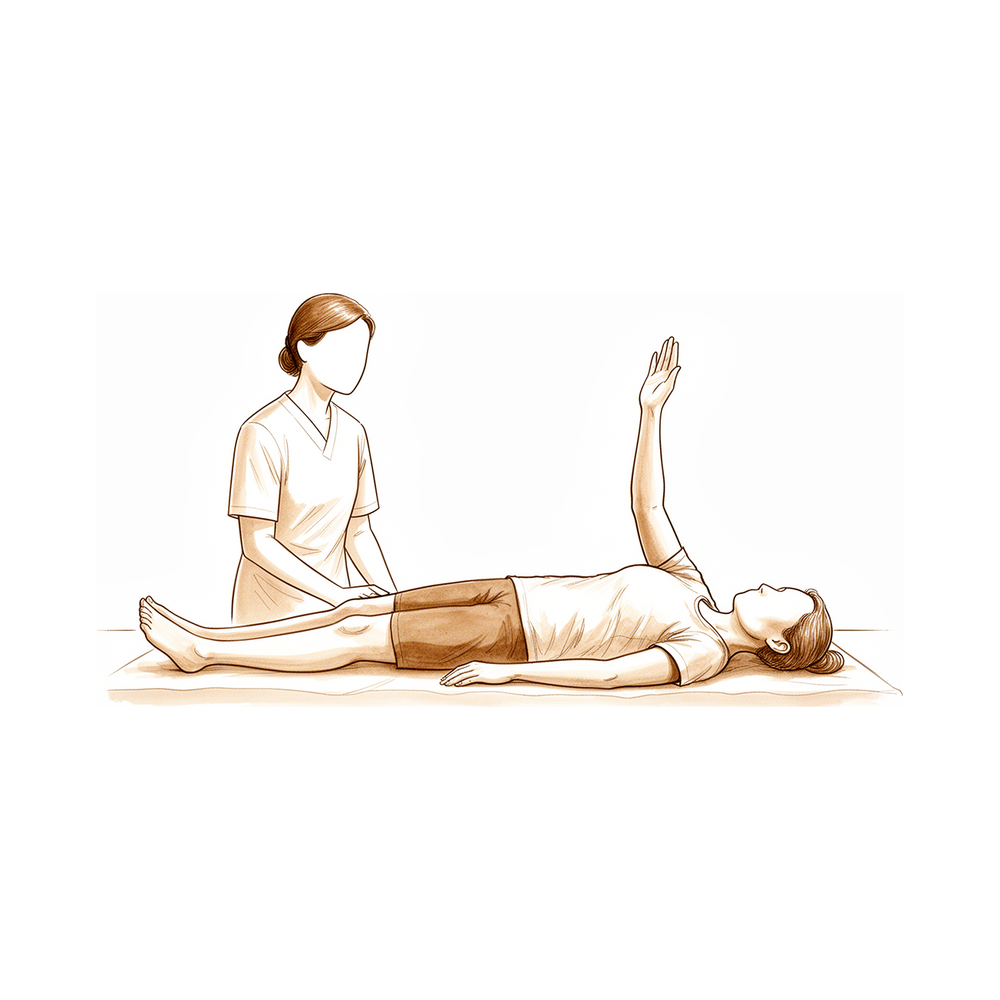
ਇਹ ਓਪਰੇਸ਼ਨ ਕਿਉਂ ਸੁਝਾਇਆ ਗਿਆ ਹੈ
ਡਾ. ਕੀਰਨ ਹਿਰਪਰਾ, ਮਾਟਰ ਪ੍ਰਾਈਵੇਟ ਹਸਪਤਾਲ ਰੌਕਹੈਂਪਟਨ ਵਿੱਚ ਉੱਪਰਲੇ ਅੰਗ (ਮੋਢੇ ਤੋਂ ਹੱਥ ਤੱਕ ਦੀ ਬਾਂਹ) ਦੇ ਸਰਜਨ, ਤੁਹਾਡੀ ਹਾਲਤ ਦੇ ਅਨੁਕੂਲ ਸਭ ਤੋਂ ਘੱਟ ਚੀਰ-ਫਾੜ ਵਾਲੇ ਇਲਾਜਾਂ ਤੋਂ ਸ਼ੁਰੂਆਤ ਕਰਦੇ ਹਨ। ਸੁਪਰਾਸਕੈਪੂਲਰ ਨਸ (suprascapular nerve) ਮੋਢੇ ਦੇ ਪਿਛਲੇ ਪਾਸੇ ਛੋਟੇ, ਤੰਗ ਰਸਤਿਆਂ ਵਿੱਚੋਂ ਲੰਘਦੀ ਹੈ। ਜਦੋਂ ਉੱਥੇ ਕੋਈ ਚੀਜ਼ ਇਸ ਨੂੰ ਦਬਾਉਂਦੀ ਹੈ, ਤਾਂ ਇਸ ਨਾਲ ਮੱਠਾ ਦਰਦ (ਤਿੱਖਾ ਨਹੀਂ, ਦੁਖਣ ਵਾਲਾ) ਅਤੇ ਮੋਢੇ ਦੀਆਂ ਮਾਸਪੇਸ਼ੀਆਂ ਵਿੱਚ ਕਮਜ਼ੋਰੀ ਹੋ ਸਕਦੀ ਹੈ। ਇਹ ਓਪਰੇਸ਼ਨ, ਜਿਸ ਨੂੰ ਨਰਵ ਡੀਕੰਪ੍ਰੈਸ਼ਨ (nerve decompression, ਨਸ ਤੋਂ ਦਬਾਅ ਹਟਾਉਣਾ) ਕਹਿੰਦੇ ਹਨ, ਉਸ ਦਬਾਅ ਨੂੰ ਘਟਾਉਂਦਾ ਹੈ ਤਾਂ ਜੋ ਨਸ ਠੀਕ ਹੋ ਸਕੇ।
ਇਸ ਸਮੱਸਿਆ ਵਾਲੇ ਜ਼ਿਆਦਾਤਰ ਲੋਕਾਂ ਦਾ ਪਹਿਲਾਂ ਸਰਜਰੀ ਤੋਂ ਬਿਨਾਂ ਇਲਾਜ ਕੀਤਾ ਜਾਂਦਾ ਹੈ। ਇਸ ਦਾ ਮਤਲਬ ਆਮ ਤੌਰ ਉੱਤੇ ਫਿਜ਼ੀਓਥੈਰੇਪੀ, ਸੋਜਸ਼-ਰੋਧੀ ਦਵਾਈ (anti-inflammatory), ਅਤੇ ਉਨ੍ਹਾਂ ਸਰਗਰਮੀਆਂ ਵਿੱਚ ਤਬਦੀਲੀ ਹੁੰਦਾ ਹੈ ਜੋ ਦਰਦ ਨੂੰ ਛੇੜਦੀਆਂ ਹਨ। ਅਸੀਂ ਇਸ ਓਪਰੇਸ਼ਨ ਬਾਰੇ ਉਦੋਂ ਸੋਚਦੇ ਹਾਂ ਜਦੋਂ ਇਨ੍ਹਾਂ ਉਪਾਵਾਂ ਨਾਲ ਕਾਫ਼ੀ ਸੁਧਾਰ ਨਾ ਹੋਇਆ ਹੋਵੇ, ਜਾਂ ਜਦੋਂ ਨਸ ਨੂੰ ਕੋਈ ਚੀਜ਼ ਘੁੱਟ ਰਹੀ ਹੋਵੇ, ਜਿਵੇਂ ਗੈਂਗਲੀਅਨ ਸਿਸਟ (ਤਰਲ ਨਾਲ ਭਰੀ ਗੰਢ), ਟਿਸ਼ੂ ਦਾ ਕੋਈ ਪਟਾ, ਜਾਂ ਹੱਡੀ ਦਾ ਵਾਧੂ ਉੱਭਾਰ (bone spur)। ਜੇ ਤੁਹਾਡਾ ਦਰਦ ਜਾਂ ਕਮਜ਼ੋਰੀ ਵਧ ਰਹੀ ਹੈ, ਤਾਂ ਵੀ ਸਰਜਰੀ ਦਾ ਸੁਝਾਅ ਦਿੱਤਾ ਜਾ ਸਕਦਾ ਹੈ। ਇਸ ਦੀ ਸਿਫ਼ਾਰਸ਼ ਕਰਨ ਤੋਂ ਪਹਿਲਾਂ, ਅਸੀਂ ਤੁਹਾਡੀ ਤਕਲੀਫ਼ ਦੇ ਧਿਆਨ ਨਾਲ ਲਏ ਵੇਰਵੇ, ਸਰੀਰਕ ਜਾਂਚ, ਅਤੇ ਨਸ ਦੇ ਕੰਮਕਾਜ ਦੀ ਜਾਂਚ ਕਰਨ ਵਾਲੇ ਟੈਸਟਾਂ ਨਾਲ ਬਿਮਾਰੀ ਦੀ ਪਛਾਣ (diagnosis) ਦੀ ਪੁਸ਼ਟੀ ਕਰਦੇ ਹਾਂ।
ਓਪਰੇਸ਼ਨ ਦਾ ਮਕਸਦ ਸਿੱਧਾ ਹੈ: ਤੁਹਾਡੇ ਮੋਢੇ ਵਿੱਚ ਘੱਟ ਦਰਦ, ਅਤੇ ਵੱਧ ਤਾਕਤ ਅਤੇ ਬਿਹਤਰ ਕੰਮਕਾਜ। ਇਸ ਓਪਰੇਸ਼ਨ ਤੋਂ ਬਾਅਦ ਬਹੁਤ ਸਾਰੇ ਲੋਕ ਖੇਡਾਂ ਅਤੇ ਆਪਣੀਆਂ ਆਮ ਸਰਗਰਮੀਆਂ ਵਿੱਚ ਵਾਪਸ ਆ ਜਾਂਦੇ ਹਨ। ਕੀ ਇਹ ਤੁਹਾਡੇ ਲਈ ਸਹੀ ਚੋਣ ਹੈ, ਇਸ ਬਾਰੇ ਅਸੀਂ ਮਿਲ ਕੇ ਗੱਲ ਕਰਾਂਗੇ।
ਓਪਰੇਸ਼ਨ ਤੋਂ ਪਹਿਲਾਂ
ਤੁਹਾਡੇ ਓਪਰੇਸ਼ਨ ਤੋਂ ਪਹਿਲਾਂ, ਇਸ ਦੀ ਯੋਜਨਾ ਬਣਾਉਣ ਲਈ ਤੁਹਾਨੂੰ ਕੁਝ ਸਕੈਨਾਂ ਅਤੇ ਟੈਸਟਾਂ ਦੀ ਲੋੜ ਪਵੇਗੀ। ਇਨ੍ਹਾਂ ਵਿੱਚ ਆਮ ਤੌਰ ਉੱਤੇ ਐਕਸ-ਰੇ, MRI ਸਕੈਨ (ਅਜਿਹਾ ਸਕੈਨ ਜੋ ਨਰਮ ਟਿਸ਼ੂਆਂ ਦੀਆਂ ਵਿਸਥਾਰ ਵਾਲੀਆਂ ਤਸਵੀਰਾਂ ਦਿਖਾਉਂਦਾ ਹੈ), ਅਤੇ ਕਦੇ-ਕਦੇ ਅਲਟਰਾਸਾਊਂਡ ਸ਼ਾਮਲ ਹੁੰਦਾ ਹੈ। ਤੁਹਾਡਾ ਇੱਕ ਅਜਿਹਾ ਟੈਸਟ ਵੀ ਹੋ ਸਕਦਾ ਹੈ ਜੋ ਜਾਂਚਦਾ ਹੈ ਕਿ ਨਸ ਕਿੰਨੀ ਚੰਗੀ ਤਰ੍ਹਾਂ ਕੰਮ ਕਰ ਰਹੀ ਹੈ।
ਆਪਣੇ ਓਪਰੇਸ਼ਨ ਤੋਂ ਪਹਿਲਾਂ ਦੇ ਸੱਤ ਘੰਟਿਆਂ ਵਿੱਚ ਕੁਝ ਵੀ ਨਾ ਖਾਓ ਅਤੇ ਨਾ ਪੀਓ। ਅਸੀਂ ਛੇ ਦੀ ਬਜਾਏ ਸੱਤ ਘੰਟੇ ਇਸ ਲਈ ਕਹਿੰਦੇ ਹਾਂ ਤਾਂ ਜੋ ਜੇ ਓਪਰੇਸ਼ਨਾਂ ਦੀ ਸੂਚੀ ਜਲਦੀ ਚੱਲੇ ਤਾਂ ਤੁਹਾਡੇ ਓਪਰੇਸ਼ਨ ਦਾ ਸਮਾਂ ਪਹਿਲਾਂ ਕੀਤਾ ਜਾ ਸਕੇ।
ਆਪਣੀਆਂ ਸਾਰੀਆਂ ਮੌਜੂਦਾ ਦਵਾਈਆਂ ਦੀ ਸੂਚੀ ਨਾਲ ਲਿਆਓ। ਕੁਝ ਦਵਾਈਆਂ ਨੂੰ ਕੁਝ ਸਮੇਂ ਲਈ ਰੋਕਣ ਦੀ ਲੋੜ ਪੈ ਸਕਦੀ ਹੈ, ਅਤੇ ਤੁਹਾਡਾ ਸਰਜਨ ਤੁਹਾਨੂੰ ਦੱਸੇਗਾ ਕਿ ਕਿਹੜੀਆਂ ਅਤੇ ਕਦੋਂ। ਬਾਅਦ ਵਿੱਚ ਤੁਹਾਨੂੰ ਗੱਡੀ ਰਾਹੀਂ ਘਰ ਲਿਜਾਣ ਲਈ ਕਿਸੇ ਦਾ ਪ੍ਰਬੰਧ ਕਰੋ। ਢਿੱਲੇ, ਆਰਾਮਦਾਇਕ ਕੱਪੜੇ ਪਾਓ। ਜੇ ਤੁਹਾਨੂੰ ਹੋਰ ਡਾਕਟਰੀ ਬਿਮਾਰੀਆਂ ਹਨ, ਤਾਂ ਤੁਹਾਨੂੰ ਖ਼ੂਨ ਦੇ ਟੈਸਟਾਂ ਜਾਂ ਅਨੱਸਥੀਟਿਸਟ (ਅਨੱਸਥੀਸੀਆ ਦੇਣ ਵਾਲਾ ਡਾਕਟਰ) ਨਾਲ ਮੁਲਾਕਾਤ ਦੀ ਲੋੜ ਪੈ ਸਕਦੀ ਹੈ।
ਓਪਰੇਸ਼ਨ ਵਾਲੇ ਦਿਨ
ਓਪਰੇਸ਼ਨ ਵਾਲੇ ਦਿਨ, ਤੁਸੀਂ ਹਸਪਤਾਲ ਦੇ ਸਰਜੀਕਲ ਦਾਖ਼ਲਾ ਵਿਭਾਗ ਵਿੱਚ ਆਓਗੇ। ਉੱਥੇ ਤੁਹਾਡਾ ਦਾਖ਼ਲਾ ਕੀਤਾ ਜਾਵੇਗਾ ਅਤੇ ਤੁਹਾਨੂੰ ਓਪਰੇਸ਼ਨ ਥੀਏਟਰ ਲਈ ਤਿਆਰ ਕੀਤਾ ਜਾਵੇਗਾ। ਫਿਰ ਤੁਸੀਂ ਅਨੱਸਥੀਟਿਸਟ ਨੂੰ ਮਿਲੋਗੇ, ਯਾਨੀ ਉਹ ਡਾਕਟਰ ਜੋ ਅਨੱਸਥੀਸੀਆ ਦਿੰਦਾ ਹੈ।
ਇਹ ਓਪਰੇਸ਼ਨ ਜਨਰਲ ਅਨੱਸਥੀਸੀਆ (ਬੇਹੋਸ਼ੀ ਵਾਲੀ ਦਵਾਈ) ਦੇ ਨਾਲ ਰੀਜਨਲ ਨਰਵ ਬਲਾਕ (ਨਸ ਨੂੰ ਸੁੰਨ ਕਰਨ ਵਾਲਾ ਟੀਕਾ) ਮਿਲਾ ਕੇ ਕੀਤਾ ਜਾਂਦਾ ਹੈ। ਅਨੱਸਥੀਟਿਸਟ ਓਪਰੇਸ਼ਨ ਤੋਂ ਪਹਿਲਾਂ ਤੁਹਾਨੂੰ ਮਿਲੇਗਾ ਅਤੇ ਤੁਹਾਨੂੰ ਦੋਵੇਂ ਹਿੱਸੇ ਸਮਝਾਏਗਾ।
ਫਿਰ ਤੁਹਾਨੂੰ ਓਪਰੇਸ਼ਨ ਥੀਏਟਰ ਵਿੱਚ ਲਿਜਾਇਆ ਜਾਵੇਗਾ, ਜਿੱਥੇ ਓਪਰੇਸ਼ਨ ਕੀਤਾ ਜਾਂਦਾ ਹੈ। ਜਦੋਂ ਇਹ ਪੂਰਾ ਹੋ ਜਾਂਦਾ ਹੈ, ਤਾਂ ਤੁਸੀਂ ਰਿਕਵਰੀ ਵਾਲੀ ਥਾਂ ਵਿੱਚ ਜਾਗੋਗੇ। ਉੱਥੇ ਨਰਸਾਂ ਤੁਹਾਡੀ ਨਿਗਰਾਨੀ ਕਰਨਗੀਆਂ ਜਦੋਂ ਤੱਕ ਅਨੱਸਥੀਸੀਆ ਦਾ ਅਸਰ ਉਤਰਦਾ ਹੈ। ਜਦੋਂ ਤੁਹਾਡੀ ਹਾਲਤ ਸਥਿਰ ਹੋ ਜਾਵੇ, ਤਾਂ ਪ੍ਰਕਿਰਿਆ ਅਤੇ ਤੁਹਾਡੀ ਸਿਹਤਯਾਬੀ ਦੇ ਹਿਸਾਬ ਨਾਲ ਤੁਹਾਨੂੰ ਜਾਂ ਤਾਂ ਵਾਰਡ ਵਿੱਚ ਭੇਜਿਆ ਜਾਵੇਗਾ ਜਾਂ ਤੁਸੀਂ ਘਰ ਚਲੇ ਜਾਓਗੇ।
ਓਪਰੇਸ਼ਨ ਵਿੱਚ ਕੀ ਕੀਤਾ ਜਾਂਦਾ ਹੈ
ਇਹ ਓਪਰੇਸ਼ਨ ਦੂਰਬੀਨ ਵਾਲੀ (ਆਰਥਰੋਸਕੋਪਿਕ) ਸਰਜਰੀ ਰਾਹੀਂ ਕੀਤਾ ਜਾਂਦਾ ਹੈ। ਤੁਹਾਡਾ ਸਰਜਨ ਤੁਹਾਡੇ ਮੋਢੇ ਦੁਆਲੇ ਕੁਝ ਛੋਟੇ ਚੀਰੇ ਲਗਾਉਂਦਾ ਹੈ, ਜਿਨ੍ਹਾਂ ਵਿੱਚੋਂ ਇੱਕ ਪਿਛਲੇ ਪਾਸੇ ਹੁੰਦਾ ਹੈ। ਬਹੁਤ ਛੋਟੇ ਕੈਮਰੇ ਵਾਲੀ ਇੱਕ ਪਤਲੀ ਨਲੀ ਇੱਕ ਚੀਰੇ ਰਾਹੀਂ ਅੰਦਰ ਜਾਂਦੀ ਹੈ, ਤਾਂ ਜੋ ਤੁਹਾਡਾ ਸਰਜਨ ਸਕਰੀਨ ਉੱਤੇ ਮੋਢੇ ਦੇ ਅੰਦਰ ਦੇਖ ਸਕੇ।
ਸੁਪਰਾਸਕੈਪੂਲਰ ਨਸ ਤੁਹਾਡੇ ਮੋਢੇ ਦੇ ਪਿਛਲੇ ਪਾਸੇ ਛੋਟੇ, ਤੰਗ ਰਸਤਿਆਂ ਵਿੱਚੋਂ ਲੰਘਦੀ ਹੈ। ਇਨ੍ਹਾਂ ਥਾਵਾਂ ਉੱਤੇ ਟਿਸ਼ੂ ਦਾ ਇੱਕ ਪਟਾ ਨਸ ਦੇ ਉੱਪਰੋਂ ਲੰਘਦਾ ਹੈ, ਜਿਵੇਂ ਕਿਸੇ ਸੁਰੰਗ ਦੇ ਉੱਪਰ ਕੱਸਿਆ ਹੋਇਆ ਫੀਤਾ। ਓਪਰੇਸ਼ਨ ਦੌਰਾਨ, ਤੁਹਾਡਾ ਸਰਜਨ ਉਸ ਪਟੇ ਨੂੰ ਰਿਲੀਜ਼ (ਕੱਟ ਕੇ ਢਿੱਲਾ) ਕਰਦਾ ਹੈ, ਤਾਂ ਜੋ ਨਸ ਹੋਰ ਨਾ ਘੁੱਟੀ ਜਾਵੇ। ਜੇ ਕੋਈ ਗੈਂਗਲੀਅਨ ਸਿਸਟ (ਤਰਲ ਨਾਲ ਭਰੀ ਥੈਲੀ) ਨਸ ਨੂੰ ਦਬਾ ਰਿਹਾ ਹੈ, ਤਾਂ ਤੁਹਾਡਾ ਸਰਜਨ ਉਸ ਨੂੰ ਵੀ ਕੱਢ ਦਿੰਦਾ ਹੈ। ਕੈਮਰੇ ਨਾਲ ਤੁਹਾਡਾ ਸਰਜਨ ਬਾਕੀ ਮੋਢੇ ਨੂੰ ਵੀ ਦੇਖ ਸਕਦਾ ਹੈ ਅਤੇ ਉੱਥੇ ਮਿਲੀ ਕਿਸੇ ਹੋਰ ਸਮੱਸਿਆ ਦਾ ਇਲਾਜ ਕਰ ਸਕਦਾ ਹੈ।
ਛੋਟੇ ਚੀਰਿਆਂ ਨੂੰ ਟਾਂਕਿਆਂ ਨਾਲ ਬੰਦ ਕੀਤਾ ਜਾਂਦਾ ਹੈ। ਜ਼ਖ਼ਮਾਂ ਉੱਤੇ ਪੱਟੀ ਕੀਤੀ ਜਾਂਦੀ ਹੈ, ਅਤੇ ਤੁਸੀਂ ਉਹ ਪੱਟੀ ਲਗਭਗ 10 ਦਿਨਾਂ ਤੱਕ ਲੱਗੀ ਰਹਿਣ ਦਿਓਗੇ।
ਓਪਰੇਸ਼ਨ ਤੋਂ ਬਾਅਦ
ਇਸ ਓਪਰੇਸ਼ਨ ਤੋਂ ਬਾਅਦ ਜ਼ਿਆਦਾਤਰ ਮਰੀਜ਼ ਇੱਕ ਰਾਤ ਹਸਪਤਾਲ ਵਿੱਚ ਰਹਿੰਦੇ ਹਨ, ਹਾਲਾਂਕਿ ਕੁਝ ਉਸੇ ਦਿਨ ਘਰ ਜਾ ਸਕਦੇ ਹਨ। ਤੁਸੀਂ ਰਿਕਵਰੀ ਵਾਲੀ ਥਾਂ ਵਿੱਚ ਜਾਗੋਗੇ, ਅਤੇ ਫਿਰ ਵਾਰਡ ਵਿੱਚ ਜਾਓਗੇ। ਨਰਸਾਂ ਤੁਹਾਡੀ ਦੇਖ-ਭਾਲ ਕਰਨਗੀਆਂ ਅਤੇ ਤੁਹਾਨੂੰ ਆਰਾਮ ਵਿੱਚ ਰੱਖਣ ਲਈ ਦਵਾਈ ਦੇਣਗੀਆਂ। ਤੁਹਾਡੀ ਬਾਂਹ ਇੱਕ ਸਾਦੀ ਸਲਿੰਗ (ਬਾਂਹ ਨੂੰ ਸਹਾਰਾ ਦੇਣ ਵਾਲੀ ਪੱਟੀ) ਵਿੱਚ ਟਿਕੀ ਰਹੇਗੀ, ਜਿਸ ਨੂੰ ਨਹਾਉਣ-ਧੋਣ ਅਤੇ ਕਸਰਤਾਂ ਲਈ ਉਤਾਰਿਆ ਜਾਂਦਾ ਹੈ। ਪਹਿਲੇ 24 ਘੰਟੇ ਕਿਸੇ ਨੂੰ ਤੁਹਾਡੇ ਨਾਲ ਰਹਿਣਾ ਚਾਹੀਦਾ ਹੈ। ਇਸ ਸਮੇਂ ਦੌਰਾਨ, ਜਦੋਂ ਨਰਵ ਬਲਾਕ ਦਾ ਅਸਰ ਉਤਰ ਰਿਹਾ ਹੁੰਦਾ ਹੈ, ਬਾਂਹ ਵਿੱਚ ਸੁੰਨਪਨ ਜਾਂ ਕਮਜ਼ੋਰੀ ਆਮ ਗੱਲ ਹੈ। ਜੇ ਸੁੰਨਪਨ ਜਾਂ ਕਮਜ਼ੋਰੀ ਉਸ ਤੋਂ ਬਾਅਦ ਵੀ ਰਹੇ, ਤਾਂ ਕਲੀਨਿਕ ਨੂੰ ਫ਼ੋਨ ਕਰੋ। ਅਸੀਂ ਪੱਟੀ ਲਗਭਗ 10 ਦਿਨਾਂ ਤੱਕ ਲੱਗੀ ਰਹਿਣ ਦਿੰਦੇ ਹਾਂ; ਕਿਰਪਾ ਕਰਕੇ ਉਸ ਤੋਂ ਪਹਿਲਾਂ ਇਸ ਨੂੰ ਨਾ ਉਤਾਰੋ, ਜਦੋਂ ਤੱਕ ਅਸੀਂ ਤੁਹਾਨੂੰ ਨਾ ਕਹੀਏ। ਜਦੋਂ ਅਸੀਂ ਤੁਹਾਨੂੰ ਮਿਲਦੇ ਹਾਂ ਤਾਂ ਅਸੀਂ ਇਸ ਨੂੰ ਬਦਲਦੇ ਜਾਂ ਉਤਾਰਦੇ ਹਾਂ।
ਸਿਹਤਯਾਬੀ
ਪਹਿਲੇ ਕੁਝ ਦਿਨ ਤੁਹਾਡਾ ਮੋਢਾ ਦੁਖੇਗਾ ਅਤੇ ਸੁੱਜਿਆ ਹੋਇਆ ਮਹਿਸੂਸ ਹੋ ਸਕਦਾ ਹੈ। ਇਹ ਹੌਲੀ-ਹੌਲੀ ਘਟ ਜਾਂਦਾ ਹੈ। ਸਾਦੀ ਦਰਦ ਦੀ ਦਵਾਈ ਅਤੇ ਆਰਾਮ ਨਾਲ ਤਕਲੀਫ਼ ਘਟਦੀ ਹੈ। ਆਰਾਮ ਲਈ ਤੁਹਾਡੀ ਬਾਂਹ ਸਲਿੰਗ ਵਿੱਚ ਟਿਕੀ ਰਹਿੰਦੀ ਹੈ, ਅਤੇ ਨਹਾਉਣ-ਧੋਣ ਅਤੇ ਤੁਹਾਡੀਆਂ ਕਸਰਤਾਂ ਲਈ ਇਸ ਨੂੰ ਉਤਾਰਿਆ ਜਾਂਦਾ ਹੈ।
ਤੁਹਾਡਾ ਫਿਜ਼ੀਓਥੈਰੇਪਿਸਟ ਤੁਹਾਡੀਆਂ ਮੁੜ-ਵਸੇਬਾ ਕਸਰਤਾਂ (rehabilitation) ਵਿੱਚ ਤੁਹਾਡੀ ਅਗਵਾਈ ਕਰੇਗਾ। ਸ਼ੁਰੂ ਵਿੱਚ, ਇਸ ਦਾ ਮਤਲਬ ਹੈ ਮੋਢੇ ਵਿੱਚ ਅਕੜਾਅ ਆਉਣ ਤੋਂ ਰੋਕਣ ਲਈ ਹਲਕੀਆਂ ਹਰਕਤਾਂ। ਜਿਵੇਂ-ਜਿਵੇਂ ਦਰਦ ਘਟਦਾ ਹੈ, ਤਾਕਤ ਵਾਪਸ ਲਿਆਉਣ ਲਈ ਕਸਰਤਾਂ ਵਧਾਈਆਂ ਜਾਂਦੀਆਂ ਹਨ। ਜਦੋਂ ਤੁਹਾਡਾ ਫਿਜ਼ੀਓਥੈਰੇਪਿਸਟ ਅਤੇ ਸਰਜਨ ਸਹਿਮਤ ਹੋ ਜਾਣ ਕਿ ਤੁਹਾਡਾ ਮੋਢਾ ਤਿਆਰ ਹੈ, ਤਾਂ ਸਲਿੰਗ ਹਮੇਸ਼ਾ ਲਈ ਉਤਾਰ ਦਿੱਤੀ ਜਾਂਦੀ ਹੈ।
ਰੋਜ਼ਾਨਾ ਜੀਵਨ ਵਿੱਚ, ਜਿਵੇਂ ਹੀ ਤੁਸੀਂ ਸਮਰੱਥ ਮਹਿਸੂਸ ਕਰੋ, ਤੁਸੀਂ ਘਰ ਦੇ ਹਲਕੇ ਕੰਮ ਕਰ ਸਕਦੇ ਹੋ। ਕੋਈ ਵੀ ਭਾਰੀ ਚੀਜ਼ ਨਾ ਚੁੱਕੋ, ਅਤੇ ਦਰਦ ਹੋਣ ਦੇ ਬਾਵਜੂਦ ਜ਼ੋਰ ਲਾ ਕੇ ਕੰਮ ਜਾਰੀ ਨਾ ਰੱਖੋ। ਸ਼ੁਰੂ ਵਿੱਚ ਸੌਣਾ ਔਖਾ ਲੱਗ ਸਕਦਾ ਹੈ; ਕੁਝ ਲੋਕਾਂ ਨੂੰ ਕੁਰਸੀ ਉੱਤੇ ਢੋਅ ਲਾ ਕੇ ਜਾਂ ਸਿਰਹਾਣਿਆਂ ਦੇ ਸਹਾਰੇ ਸੌਣਾ ਸੌਖਾ ਲੱਗਦਾ ਹੈ। ਜਦੋਂ ਤੱਕ ਤੁਹਾਡਾ ਸਰਜਨ ਤੁਹਾਨੂੰ ਇਜਾਜ਼ਤ ਨਾ ਦੇਵੇ, ਜੋ ਆਮ ਤੌਰ ਉੱਤੇ ਛੇ ਹਫ਼ਤਿਆਂ ਵਾਲੀ ਜਾਂਚ ਵੇਲੇ ਹੁੰਦਾ ਹੈ, ਤੁਸੀਂ ਗੱਡੀ ਨਹੀਂ ਚਲਾਓਗੇ। ਉੱਪਰਲੇ ਅੰਗ ਦੀ ਸਰਜਰੀ ਤੋਂ ਬਾਅਦ ਗੱਡੀ ਚਲਾਉਣ ਬਾਰੇ ਸਾਡੀ ਗਾਈਡ ਇਸ ਨੂੰ ਵੱਧ ਵਿਸਥਾਰ ਨਾਲ ਸਮਝਾਉਂਦੀ ਹੈ।
ਜਦੋਂ ਸੋਜ ਘਟ ਜਾਂਦੀ ਹੈ ਅਤੇ ਹਿਲਜੁਲ ਵਾਪਸ ਆਉਂਦੀ ਹੈ, ਤਾਂ ਰੋਜ਼ਾਨਾ ਦੀਆਂ ਸਰਗਰਮੀਆਂ ਵੱਧ ਸੁਭਾਵਿਕ ਮਹਿਸੂਸ ਹੁੰਦੀਆਂ ਹਨ। ਜਿਵੇਂ-ਜਿਵੇਂ ਨਸ ਠੀਕ ਹੁੰਦੀ ਹੈ, ਤਾਕਤ ਹੌਲੀ-ਹੌਲੀ ਵਾਪਸ ਆਉਂਦੀ ਹੈ, ਅਤੇ ਇਹ ਕਈ ਮਹੀਨਿਆਂ ਤੱਕ ਜਾਰੀ ਰਹਿੰਦਾ ਹੈ। ਜ਼ਿਆਦਾਤਰ ਲੋਕ ਦੇਖਦੇ ਹਨ ਕਿ ਪਹਿਲਾਂ ਦਰਦ ਘਟਦਾ ਹੈ, ਅਤੇ ਫਿਰ ਮੁੜ-ਵਸੇਬਾ ਕਸਰਤਾਂ ਕਰਦਿਆਂ ਕੰਮਕਾਜ ਵਿੱਚ ਸੁਧਾਰ ਹੁੰਦਾ ਹੈ।
ਸਿਹਤਯਾਬੀ ਹਰ ਵਿਅਕਤੀ ਵਿੱਚ ਵੱਖਰੀ ਹੁੰਦੀ ਹੈ। ਤੁਹਾਡਾ ਸਮਾਂ ਵੱਖਰਾ ਹੋ ਸਕਦਾ ਹੈ, ਅਤੇ ਤੁਹਾਡਾ ਸਰਜਨ ਅਤੇ ਫਿਜ਼ੀਓਥੈਰੇਪਿਸਟ ਹਰ ਕਦਮ ਉੱਤੇ ਤੁਹਾਡੀ ਅਗਵਾਈ ਕਰਨਗੇ।
ਕੀ ਗ਼ਲਤ ਹੋ ਸਕਦਾ ਹੈ
ਜ਼ਿਆਦਾਤਰ ਮਰੀਜ਼ ਠੀਕ ਰਹਿੰਦੇ ਹਨ, ਪਰ ਕਦੇ-ਕਦਾਈਂ ਸਮੱਸਿਆਵਾਂ ਹੋ ਸਕਦੀਆਂ ਹਨ। ਤੁਹਾਡਾ ਸਰਜਨ ਅਤੇ ਟੀਮ ਕਿਸੇ ਵੀ ਸਮੱਸਿਆ ਨੂੰ ਜਲਦੀ ਫੜਨ ਲਈ ਤੁਹਾਡੀ ਨੇੜਿਓਂ ਨਿਗਰਾਨੀ ਕਰਦੇ ਹਨ।
ਜਿਸ ਨਸ ਦਾ ਓਪਰੇਸ਼ਨ ਕੀਤਾ ਜਾਂਦਾ ਹੈ, ਉਹ ਕਦੇ-ਕਦੇ ਹੋਰ ਵੀ ਚਿੜ (irritated) ਸਕਦੀ ਹੈ। ਜੇ ਨਰਵ ਬਲਾਕ ਦਾ ਅਸਰ ਉਤਰ ਜਾਣ ਤੋਂ ਬਾਅਦ (ਲਗਭਗ 24 ਘੰਟੇ) ਤੁਸੀਂ ਆਪਣੇ ਮੋਢੇ, ਬਾਂਹ ਜਾਂ ਹੱਥ ਵਿੱਚ ਨਵਾਂ ਸੁੰਨਪਨ, ਝਰਨਾਹਟ ਜਾਂ ਕਮਜ਼ੋਰੀ ਦੇਖੋ, ਤਾਂ ਕਲੀਨਿਕ ਨੂੰ ਫ਼ੋਨ ਕਰੋ। ਨਰਵ ਬਲਾਕ ਤੋਂ ਬਾਅਦ ਪਹਿਲੇ 24 ਘੰਟਿਆਂ ਵਿੱਚ ਸੁੰਨਪਨ ਅਤੇ ਕਮਜ਼ੋਰੀ ਆਮ ਗੱਲ ਹੈ।
ਨਸ ਦੇ ਨੇੜੇ ਦੀਆਂ ਖ਼ੂਨ ਦੀਆਂ ਨਾੜੀਆਂ (blood vessels and veins) ਓਪਰੇਸ਼ਨ ਵਾਲੀ ਥਾਂ ਦੇ ਨੇੜੇ ਹੁੰਦੀਆਂ ਹਨ। ਤੁਹਾਡਾ ਸਰਜਨ ਓਪਰੇਸ਼ਨ ਦੌਰਾਨ ਇਨ੍ਹਾਂ ਨੂੰ ਪਛਾਣ ਕੇ ਸੁਰੱਖਿਅਤ ਰੱਖਦਾ ਹੈ। ਜੇ ਘਰ ਜਾਣ ਤੋਂ ਬਾਅਦ ਤੁਸੀਂ ਕਿਸੇ ਛੋਟੇ ਜ਼ਖ਼ਮ ਦੇ ਨੇੜੇ ਸੋਜ, ਜਾਂ ਸਖ਼ਤ ਅਤੇ ਛੂਹਣ ਉੱਤੇ ਦੁਖਣ ਵਾਲੀ ਗੰਢ ਦੇਖੋ, ਤਾਂ ਕਲੀਨਿਕ ਨੂੰ ਫ਼ੋਨ ਕਰੋ।
ਸਰਜਰੀ ਤੋਂ ਬਾਅਦ ਕਦੇ-ਕਦਾਈਂ ਜ਼ਖ਼ਮ ਦੇ ਹੇਠਾਂ ਖ਼ੂਨ ਇਕੱਠਾ ਹੋ ਸਕਦਾ ਹੈ। ਇਹ ਇੱਕ ਸੁੱਜੀ ਹੋਈ, ਛੂਹਣ ਉੱਤੇ ਦੁਖਣ ਵਾਲੀ ਥਾਂ ਵਾਂਗ ਮਹਿਸੂਸ ਹੁੰਦਾ ਹੈ, ਜਿਸ ਉੱਤੇ ਨੀਲ ਪਿਆ ਲੱਗ ਸਕਦਾ ਹੈ। ਜੇ ਸੋਜ ਵਧਦੀ ਜਾਵੇ ਜਾਂ ਦਰਦ ਦੀਆਂ ਦਵਾਈਆਂ ਦੇ ਬਾਵਜੂਦ ਦਰਦ ਵਿਗੜਦਾ ਜਾਵੇ, ਤਾਂ ਉਸੇ ਦਿਨ ਕਲੀਨਿਕ ਨੂੰ ਫ਼ੋਨ ਕਰੋ।
ਜ਼ਖ਼ਮ ਉੱਤੇ ਵੀ ਨਜ਼ਰ ਰੱਖਣ ਦੀ ਲੋੜ ਹੈ। ਜੇ ਤੁਹਾਨੂੰ ਬੁਖ਼ਾਰ ਹੋਵੇ, ਜ਼ਖ਼ਮ ਦੇ ਆਲੇ-ਦੁਆਲੇ ਲਾਲੀ ਫੈਲ ਰਹੀ ਹੋਵੇ, ਜਾਂ ਇਸ ਵਿੱਚੋਂ ਤਰਲ ਜਾਂ ਪਾਕ ਰਿਸ ਰਹੀ ਹੋਵੇ, ਤਾਂ ਉਸੇ ਦਿਨ ਕਲੀਨਿਕ ਨੂੰ ਫ਼ੋਨ ਕਰੋ।
ਇਹ ਓਪਰੇਸ਼ਨ ਦੂਰਬੀਨ ਵਾਲੀ ਸਰਜਰੀ ਰਾਹੀਂ ਕੀਤਾ ਜਾਂਦਾ ਹੈ, ਜਿਸ ਵਿੱਚ ਖ਼ਤਰਾ ਸੀਮਤ ਹੁੰਦਾ ਹੈ। ਇਸ ਓਪਰੇਸ਼ਨ ਦੇ ਖੁੱਲ੍ਹੇ ਰੂਪ (open surgery) ਵਿੱਚ ਵੀ ਸਮੱਸਿਆਵਾਂ ਦੀ ਦਰ ਘੱਟ ਹੈ। ਨਸ ਨੂੰ ਸੁਰੱਖਿਅਤ ਢੰਗ ਨਾਲ ਰਿਲੀਜ਼ ਕਰਨ ਲਈ ਹੁਨਰ ਦੀ ਲੋੜ ਹੁੰਦੀ ਹੈ, ਅਤੇ ਤੁਹਾਡੇ ਸਰਜਨ ਨੇ ਖ਼ਾਸ ਤੌਰ ਉੱਤੇ ਇਸ ਖੇਤਰ ਵਿੱਚ ਸਿਖਲਾਈ ਲਈ ਹੈ।
ਜੇ ਤੁਸੀਂ ਵੇਰਵੇ ਜਾਣਨਾ ਚਾਹੁੰਦੇ ਹੋ, ਤਾਂ ਇਸ ਸਫ਼ੇ ਉੱਤੇ ਦਿੱਤੀ ਪੇਚੀਦਗੀਆਂ ਦੀ ਸਾਰਣੀ ਵਿੱਚ ਆਮ ਦਰਾਂ ਦਿੱਤੀਆਂ ਗਈਆਂ ਹਨ।
ਸਾਨੂੰ ਕਦੋਂ ਫ਼ੋਨ ਕਰਨਾ ਹੈ
ਜ਼ਿਆਦਾਤਰ ਸਮੱਸਿਆਵਾਂ ਸ਼ੁਰੂ ਵਿੱਚ ਹੀ ਸਾਹਮਣੇ ਆ ਜਾਂਦੀਆਂ ਹਨ, ਅਤੇ ਅਸੀਂ ਚਾਹੁੰਦੇ ਹਾਂ ਕਿ ਤੁਸੀਂ ਘਰ ਬੈਠੇ ਫ਼ਿਕਰ ਕਰਨ ਦੀ ਬਜਾਏ ਸਾਨੂੰ ਦੱਸੋ। ਜੇ ਨਰਵ ਬਲਾਕ ਦਾ ਅਸਰ ਉਤਰ ਜਾਣ ਤੋਂ ਬਾਅਦ (ਲਗਭਗ 24 ਘੰਟੇ) ਤੁਹਾਨੂੰ ਸੁੰਨਪਨ ਮਹਿਸੂਸ ਹੋਵੇ, ਜਾਂ ਤੁਸੀਂ ਆਪਣੀ ਬਾਂਹ, ਹੱਥ ਜਾਂ ਉਂਗਲਾਂ ਨਾ ਹਿਲਾ ਸਕੋ, ਤਾਂ ਕਲੀਨਿਕ ਨੂੰ ਫ਼ੋਨ ਕਰੋ। ਬਲਾਕ ਦਾ ਅਸਰ ਉਤਰਨ ਦੌਰਾਨ ਪਹਿਲੇ 24 ਘੰਟਿਆਂ ਵਿੱਚ ਸੁੰਨਪਨ ਅਤੇ ਕਮਜ਼ੋਰੀ ਆਮ ਗੱਲ ਹੈ।
ਜੇ ਤੁਹਾਨੂੰ ਬੁਖ਼ਾਰ ਹੋਵੇ, ਜ਼ਖ਼ਮ ਦੇ ਆਲੇ-ਦੁਆਲੇ ਲਾਲੀ ਫੈਲ ਰਹੀ ਹੋਵੇ, ਜਾਂ ਇਸ ਵਿੱਚੋਂ ਤਰਲ ਜਾਂ ਪਾਕ ਰਿਸ ਰਹੀ ਹੋਵੇ, ਤਾਂ ਉਸੇ ਦਿਨ ਕਲੀਨਿਕ ਨੂੰ ਫ਼ੋਨ ਕਰੋ। ਜੇ ਦਰਦ ਦੀਆਂ ਦਵਾਈਆਂ ਦੇ ਬਾਵਜੂਦ ਤੁਹਾਡਾ ਦਰਦ ਵਿਗੜਦਾ ਜਾਵੇ, ਤਾਂ ਵੀ ਉਸੇ ਦਿਨ ਸਾਨੂੰ ਫ਼ੋਨ ਕਰੋ।
ਜੇ ਤੁਹਾਡੀ ਪਿੰਨੀ (ਲੱਤ ਦੀ ਪਿੰਨੀ, calf) ਵਿੱਚ ਸੋਜ ਜਾਂ ਦਰਦ ਹੋਵੇ, ਜਾਂ ਸਾਹ ਚੜ੍ਹਦਾ ਹੋਵੇ ਜਾਂ ਛਾਤੀ ਵਿੱਚ ਦਰਦ ਹੋਵੇ, ਤਾਂ ਐਮਰਜੈਂਸੀ ਵਿਭਾਗ ਜਾਓ। ਇਹ ਖ਼ੂਨ ਦੇ ਗਤਲੇ ਦੀਆਂ ਨਿਸ਼ਾਨੀਆਂ ਹੋ ਸਕਦੀਆਂ ਹਨ। ਜੇ ਤੁਹਾਡੀਆਂ ਉਂਗਲਾਂ ਜਾਂ ਹੱਥ ਫਿੱਕੇ, ਠੰਢੇ, ਸਫ਼ੈਦ, ਨੀਲੇ ਜਾਂ ਗੂੜ੍ਹੇ ਪੈ ਜਾਣ, ਤਾਂ ਵੀ ਐਮਰਜੈਂਸੀ ਵਿਭਾਗ ਜਾਓ।
ਜੇ ਕੰਮਕਾਜੀ ਸਮੇਂ ਤੋਂ ਬਾਅਦ ਜਾਂ ਹਫ਼ਤੇ ਦੇ ਅਖ਼ੀਰ ਵਿੱਚ ਤੁਸੀਂ ਸਾਡੇ ਨਾਲ ਸੰਪਰਕ ਨਾ ਕਰ ਸਕੋ, ਤਾਂ ਆਪਣੇ ਸਭ ਤੋਂ ਨੇੜਲੇ ਐਮਰਜੈਂਸੀ ਵਿਭਾਗ ਜਾਓ।
ਇਸ ਸਥਿਤੀ ਬਾਰੇ ਹੋਰ ਕਿੱਥੇ ਪੜ੍ਹੀਏ
ਇਹ ਸਫ਼ਾ ਖ਼ੁਦ ਓਪਰੇਸ਼ਨ ਬਾਰੇ ਹੈ। ਜਿਸ ਸਮੱਸਿਆ ਦਾ ਇਹ ਇਲਾਜ ਕਰਦਾ ਹੈ, ਅਤੇ ਇਸ ਬਾਰੇ ਸਬੂਤ ਕੀ ਦਿਖਾਉਂਦੇ ਹਨ ਕਿ ਸਰਜਰੀ ਕਦੋਂ ਮਦਦ ਕਰਦੀ ਹੈ ਅਤੇ ਕਦੋਂ ਨਹੀਂ, ਇਸ ਬਾਰੇ ਵਧੇਰੇ ਵਿਸਥਾਰ ਨਾਲ ਸੁਪਰਾਸਕੈਪੂਲਰ ਨਿਊਰੋਪੈਥੀ ਵਾਲੇ ਸਫ਼ੇ ਉੱਤੇ ਦੱਸਿਆ ਗਿਆ ਹੈ।
Evidence & references
This is the clinical evidence summary written for health professionals. It is technical, and it lists the research this page was built from. You do not need to read it to understand your treatment or to make a decision about it.
Overview
Indications and Treatment Strategy
- Initial treatment of isolated suprascapular neuropathy is typically nonoperative, consisting of physical therapy, nonsteroidal anti-inflammatory drugs, and activity modification [21].
- Open or arthroscopic operative intervention is warranted when there is extrinsic nerve compression or progressive pain and/or weakness [21].
- In the absence of a well-defined lesion producing mechanical compression of the suprascapular nerve, suprascapular neuropathy should be treated non-operatively [10].
- Suprascapular neuropathy treated with SSND significantly improves patient-reported outcomes and is noninferior to similar procedures without SSND [6].
- Surgical decompression in the setting of suprascapular neuropathy leads to satisfactory outcomes as evidenced by the patient-reported outcomes and return to sport rate [2].
Outcomes
- Arthroscopic SSN decompression for suprascapular neuropathy at the suprascapular and/or spinoglenoid notch in the absence of major concomitant glenohumeral pathology results in good functional outcomes with significant improvements from before to after surgery [7].
- Outcomes after arthroscopic suprascapular nerve release at the suprascapular notch predictably led to successful pain relief and strength improvement in patients presenting with pain and weakness respectively [13].
- Arthroscopic release of the suprascapular nerve can be performed safely and effectively, with all patients showing improvement in postoperative electromyographic findings and marked improvement in pain relief and function [15].
- Release of the spinoglenoid ligament with resultant suprascapular nerve decompression may result in relief of pain and a return of normal shoulder function [9].
- Treatment of choice for suprascapular nerve entrapment at the spinoglenoid notch caused by a ganglion cyst is surgical decompression by complete excision of the ganglion along with its pedicle, even though full recovery of the nerve may not be expected in each case [11].
Concomitant Rotator Cuff Pathology
- Suprascapular nerve release does not seem to be justified as an adjunct to RC repair if preoperative EMG findings document normal suprascapular nerve function [16].
- Decompression of the suprascapular nerve at the spinoglenoid notch did not lead to a better functional outcome compared to repair alone in patients with posterosuperior massive rotator cuff tears and suprascapular neuropathy [12].
- Combined arthroscopic release of the superior transverse scapular ligament and rotator cuff repair in patients with large/massive RCTs and suprascapular neuropathy did not produce statistically significant improved outcomes compared with repair of the rotator cuff alone [45].
- Additional suprascapular nerve release did not provide additional benefit in arthroscopic rotator cuff repair surgery [94].
- No recommendations regarding suprascapular nerve release in conjunction with rotator cuff repair can be made at this time, and further research is necessary to better delineate the indications in the future [3].
Surgical Techniques and Safety
- Arthroscopic decompression of the suprascapular nerve provides excellent visualization and the ability to address concomitant shoulder pathology [1].
- Arthroscopic release of the suprascapular nerve is a less invasive and potentially more effective way to treat suprascapular neuropathy [8].
- A novel arthroscopic technique for suprascapular nerve decompression uses the superior border of the scapula as a guide, potentially reducing operative time and tissue removal compared to previous methods [5].
- The superior trapezius splitting approach allows a safe, direct and relatively simple approach to decompression of the suprascapular nerve [17].
- The anterior release of the suprascapular nerve is a feasible alternative to the lateral approach [19].
- The suprascapular artery must be identified and protected along with the nerve during decompression to ensure safety [22].
Pathology and Diagnosis
- Suprascapular neuropathy with complete neurogenic fatty replacement can occur in patients with intact rotator cuff tendons in the absence of traction or compression mechanisms [4].
- Twenty-eight patients with suprascapular nerve entrapment confirmed by electromyographic and nerve conduction studies were identified and treated [18].
Anatomy & Pathophysiology
Nerve Course and Entrapment Sites
- The suprascapular nerve originates from the upper trunk of the brachial plexus and courses to its motor insertion on the supraspinatus and, more distally, the infraspinatus [29].
- At the suprascapular notch, the suprascapular nerve runs deep to the superior transverse scapular ligament, while the suprascapular artery runs superior to the ligament [55].
- At the spinoglenoid notch, both the suprascapular artery and nerve pass inferior to the inferior transverse scapular ligament [66].
- The spinoglenoid ligament overlies the suprascapular nerve at the spinoglenoid notch [55].
- Entrapment of the suprascapular nerve at the suprascapular notch causes denervation of both the supraspinatus and infraspinatus muscles [55].
- Entrapment, traction, or compression of the suprascapular nerve at the spinoglenoid notch causes denervation of the infraspinatus muscle [55].
- The inferior transverse scapular ligament was present in 33 of 40 shoulders (82.5%) in an anatomical study [85].
- In 52 of 60 shoulders, the suprascapular artery was located on the transverse ligament and positioned superiolaterally [87].
- Anatomical variations at the suprascapular notch, including abnormally oriented subscapularis muscle fibers, anterior coracoscapular ligament, and calcified superior transverse scapular ligament, are predisposing factors for suprascapular nerve entrapment [33].
- The suprascapular nerve has limited translational freedom at the suprascapular notch as it angles around the confined space of the notch [25].
- The angled pathway and limited mobility of the nerve at the suprascapular notch predispose it to mechanical stretching, which may be exacerbated by extreme positions of scapular depression, retraction, or abduction [25].
- During cross-body adduction and internal rotation of the glenohumeral joint, the interaction of the spinoglenoid ligament and the posterior capsule results in a tightening of the spinoglenoid ligament [86].
- Secondary to the spinoglenoid ligament's attachment to the posterior capsule, horizontal adduction and internal rotation of the shoulder places tension on the ligament, entrapping the suprascapular nerve under it in the lateral corner of the tunnel [84].
Etiology and Mechanisms of Injury
- Suprascapular neuropathy can occur as a result of traction, direct trauma, extrinsic compression, or as part of a more generalized brachial plexus disorder [25].
- Traction of the suprascapular nerve can occur at the suprascapular or spinoglenoid notch secondary to repetitive microtrauma from overhead activities such as tennis, volleyball, and weight lifting [25].
- Repetitive microtrauma may lead to direct injury to the nerve or indirect injury by affecting the vascular supply to the nerve [25].
- Intimal damage to the axillary or suprascapular artery may lead to microemboli that become trapped in the vasa nervorum, leading to ischemic injury to the suprascapular nerve [25].
- Direct or indirect trauma during glenohumeral dislocation, proximal humerus fracture, or scapular fracture may result in suprascapular neuropathy [25].
- Iatrogenic injury to the suprascapular nerve has been reported as a consequence of distal clavicle resection, positioning during spine surgery, transglenoid arthroscopic anterior shoulder stabilization, shoulder arthrodesis, or procedures utilizing the posterior approach to the shoulder [25].
- Repetitive microtrauma or a single traumatic event is more likely to cause suprascapular neuropathy at the level of the suprascapular notch [25].
- Compression by a ganglion cyst or tumor is a cause of suprascapular neuropathy, particularly at the level of the spinoglenoid notch [25].
- Cystic lesions arising from a labral or capsular tear can compress the nerve along its course over the scapula [29].
- Nerve traction is theorized to arise from chronic overhead athletics or due to a retracted rotator cuff tear [29].
- The exact association and etiology of suprascapular neuropathy in patients with rotator cuff pathology remain unclear [28].
- The suprascapular nerve can be damaged during muscle advancement in two phases: detachment of the supraspinatus muscle from the supraspinatus fossa and excessive tension applied when shifting the muscle laterally [14].
- Suprascapular nerve entrapment can occur secondary to a lipoma [27].
- Suprascapular nerve entrapment can occur secondary to a large hematoma of the scapula [35].
- Suprascapular nerve entrapment can occur secondary to a schwannoma [36].
- Independent suprascapular notch entrapment can coexist with a spinoglenoid notch cyst [34].
Clinical Presentation and Pathological Consequences
- The most common and consistent presenting symptom of suprascapular nerve entrapment related to sport is shoulder pain, with almost always wasting and atrophy of the supra and infraspinatus musculature [20].
- Entrapment of the suprascapular nerve at the suprascapular notch is a cause of shoulder pathology that should be considered in people presenting with wasting of the supraspinatus or infraspinatus muscles, or both [49].
- Suprascapular neuropathy is a potential source of shoulder pain and functional limitation [29].
- The incidence of compressive suprascapular neuropathy is quite high in the overhead athletic cohort, but most patients do not show clinically relevant deficiencies in function [29].
- An unexpected humeral head shift following suprascapular nerve entrapment can lead to proprioception disturbance and cause functional instability if the coordinated and conditioned muscles were not functioning very well [81].
- A reduction of 33% or more of external rotation power compared with internal rotation power, or a reduction of 33% or more of external rotation power compared with supraspinatus power as assessed by handheld dynamometry, is predictive for the diagnosis of a superior glenoid labrum cyst with suprascapular nerve entrapment [80].
Classification
Etiology and Mechanism
- Suprascapular neuropathy can occur as a result of traction, direct trauma, or extrinsic compression [25].
- Suprascapular neuropathy can also occur as part of a more generalized brachial plexus disorder [25].
- Direct trauma or indirect trauma during glenohumeral dislocation, proximal humerus fracture, or scapular fracture may result in suprascapular neuropathy [25].
- At the suprascapular notch, the nerve has little translational freedom as it angles around the confined space of the notch [25].
- The angled pathway and limited mobility at the suprascapular notch predispose the nerve to mechanical stretching, which may be exacerbated by extreme positions of scapular depression, retraction, or abduction [25].
- A variety of potential causes of compression include anomalous transverse scapular ligaments, ganglion cysts, abnormal bony morphology, direct trauma, and traction injury [24].
- An intraosseous ganglion of the glenoid invading adjacent soft tissue can cause suprascapular nerve entrapment syndrome [32].
- A lipoma can cause suprascapular nerve entrapment [27].
Clinical Presentation
- The most common and consistent presenting symptom of suprascapular nerve entrapment related to sport is shoulder pain [20].
- Suprascapular nerve entrapment related to sport is almost always associated with wasting and atrophy of the supra and infraspinatus musculature [20].
- Patients with suprascapular nerve neuropathy usually complain of a dull, aching pain in the posterior and lateral aspects of the shoulder [24].
- When the nerve is entrapped at the suprascapular notch, patients present with weakness and atrophy of both the supraspinatus and infraspinatus [24].
- With entrapment at the spinoglenoid notch, symptoms of weakness and atrophy are isolated to the infraspinatus [24].
- Suprascapular neuropathy is a potential source of shoulder pain and functional limitation that can present secondary to various etiologies including entrapment or compression [29].
Diagnostic Evaluation
- The diagnosis of suprascapular neuropathy is based on a combination of a detailed history, a comprehensive physical examination, imaging, and electrodiagnostic studies [29].
- A detailed history and physical examination along with appropriate workup are paramount to arrive at a diagnosis of suprascapular nerve entrapment [24].
- Twenty-eight patients with suprascapular nerve entrapment were identified and treated based on confirmation by electromyographic and nerve conduction studies [18].
- A complete history and physical, careful attention to auxiliary tests, and treatment of multiple diagnoses in the same shoulder avoids missed pathologic features and necessity for revision operations [27].
- In 12% of patients with rotator cuff tears, a massive tear was identified that was associated with moderate to severe fatty muscle atrophy of the supraspinatus and infraspinatus muscles [47].
- Of patients with massive rotator cuff tears, 54% were identified to have a peripheral nerve injury by electrodiagnostic study [47].
- Electromyographic scores were abnormal for both the supraspinatus and infraspinatus in all patients with isolated suprascapular nerve injury [47].
- The supraspinatus electromyographic score was grade 1 in all patients with isolated suprascapular nerve injury [47].
- The infraspinatus electromyographic score was grade 2 in 3 patients and grade 1 in the remaining 3 patients with isolated suprascapular nerve injury [47].
Indications for Treatment
- Surgical decompression is indicated in cases refractory to conservative management [24].
- Surgical release is not routinely recommended unless patients with pain or deficits in strength fail appropriate nonsurgical treatment [29].
- Treatment of choice for suprascapular nerve entrapment caused by a ganglion cyst is surgical decompression by complete excision of the ganglion along with its pedicle [11].
- Full recovery of the nerve may not be expected in each case following treatment of ganglion cysts [11].
- Suprascapular nerve release does not seem to be justified as an adjunct to rotator cuff repair if preoperative EMG findings document normal suprascapular nerve function [16].
- No recommendations regarding suprascapular nerve release in conjunction with rotator cuff repair can be made at this time [3].
- Further research is necessary to better delineate the indications for suprascapular nerve release in conjunction with rotator cuff repair [3].
Clinical Presentation
Symptoms and Signs
- The most common and consistent presenting symptom of suprascapular nerve entrapment is shoulder pain [20].
- Patients with suprascapular nerve entrapment typically present with wasting and atrophy of the supraspinatus and infraspinatus musculature [20].
- Patients with suprascapular neuropathy usually complain of a dull, aching pain in the posterior and lateral aspects of the shoulder [24].
- Patients with suprascapular entrapment complain primarily of deep burning or aching pain in the posterior and lateral aspect of the shoulder [38].
- Weakness of external rotation follows suprascapular nerve entrapment [38].
- Atrophy of the supraspinous and infraspinous muscles follows suprascapular nerve entrapment [38].
- All shoulder motion may be painful initially in suprascapular nerve entrapment, but within a few weeks only external rotation is limited unless a frozen shoulder develops [38].
- Suprascapular nerve entrapment at the spinoglenoid notch leads to weakness and atrophy of the infraspinatus [24].
- Entrapment of the suprascapular nerve at the suprascapular notch presents with weakness and atrophy of both the supraspinatus and infraspinatus [24].
- Entrapment of the suprascapular nerve at the spinoglenoid notch presents with symptoms isolated to the infraspinatus [24].
- Suprascapular nerve entrapment at the suprascapular notch is a cause of shoulder pathology that should be considered in people presenting with wasting of the supraspinatus or infraspinatus muscles, or both [49].
- Suprascapular neuropathy can present with pain and weakness [13].
Etiology and Mechanisms
- Suprascapular neuropathy can occur as part of a more generalized brachial plexus disorder [25].
- Repetitive microtrauma may lead to direct injury to the suprascapular nerve or indirect injury by affecting the vascular supply to the nerve [25].
- A variety of potential causes of compression for suprascapular nerve entrapment include anomalous transverse scapular ligaments, ganglion cysts, abnormal bony morphology, direct trauma, and traction injury [24].
- Cystic lesions arising from a labral or capsular tear can compress the suprascapular nerve along its course over the scapula [29].
- A schwannoma of the suprascapular nerve can cause symptoms that resolve with careful surgical excision [36].
- Bilateral suprascapular nerve entrapment syndrome associated with rotator cuff tear is a rare condition [43].
Diagnosis
- The key to diagnosis of suprascapular nerve entrapment is electrodiagnostic evaluation [38].
- Electromyography demonstrates denervation of the supraspinous and infraspinous muscles in suprascapular nerve entrapment [38].
- There is increased motor latency of the suprascapular nerve across the transverse scapular ligament in suprascapular nerve entrapment [38].
- Shoulder surgeons should consider electrophysiologic evaluation of patients with clinical or radiographic signs of suprascapular neuropathy [37].
- Suprascapular nerve entrapment confirmed by electromyographic and nerve conduction studies has been identified in twenty-eight patients [18].
Investigations
Electrophysiology
- Electromyographic and nerve conduction studies are used to confirm the diagnosis of suprascapular nerve entrapment [18].
- Shoulder surgeons should consider electrophysiologic evaluation for patients with clinical or radiographic signs of suprascapular neuropathy and be cognizant of the parameters that constitute an abnormal study [37].
- Preoperative electromyography findings documenting normal suprascapular nerve function indicate that suprascapular nerve release is not justified as an adjunct to rotator cuff repair [16].
- Arthroscopic release of the suprascapular nerve results in improvement of postoperative electromyographic findings [15].
Imaging
- Magnetic resonance imaging and electromyography can demonstrate a subacute muscle denervation pattern indicating the suprascapular nerve as the most probable site of compression [31].
- MRI can identify labral tears and rotator cuff tears, although accuracy for these is enhanced by combining the scan with arthrography [69].
- MRI is the modality of choice for evaluating the rotator cuff, biceps, and subacromial/subdeltoid bursa [76].
- T2-weighted MRI provides better visualization of full-thickness rotator cuff tears [76].
- MR arthrography is considered the benchmark for evaluation of labral tears and is rarely indicated for evaluation of rotator cuff pathology [76].
- Ultrasonography is a low-cost alternative to MRI and arthrography for evaluating both skeletal and soft-tissue structures of the shoulder [76].
- Ultrasonography can provide immediate, real-time visualization of the rotator cuff, biceps tendon, and calcific deposits [76].
- Ultrasonography can be used to detect atrophy of rotator cuff muscles [76].
- Ultrasonography is highly operator dependent and is not as useful for evaluating labral tears or rotator cuff tears that are very small or larger than 3 cm [76].
- CT imaging is frequently used to evaluate fractures of the shoulder, to assess for bony lesions in recurrent instability cases, or for preoperative templating for shoulder arthritis [76].
- The purpose of imaging of the shoulder is to help establish the diagnosis, determine the severity of the pathoanatomy, assist in surgical planning, and enable the surgeon to illustrate the condition of the shoulder to the patient [42].
- Standardized plain films are almost always sufficient to garner the information needed for shoulder evaluation [42].
- The axillary view taken with the arm in the functional position of elevation in the plane of the scapula is referred to as the "truth view" because it demonstrates the glenohumeral relationships in the functional position of elevation [42].
- The axillary view enables visualization of both the spinoglenoid notch and the scapular neck [42].
- CT scans have the disadvantage of being taken with the arm in the adducted position, unlike the axillary truth view which is taken in elevation [42].
- Three-dimensional reconstructions can reveal fine details of the shoulder anatomy, but this additional information rarely changes the planning or conduct of the arthroplasty [42].
- The temptation to "overimage" should be resisted, obtaining only the scans or reconstructions that are necessary for the care of the patient [42].
Treatment
Non-Operative Management
Operative Indications
- Treatment of choice for suprascapular nerve entrapment at the spinoglenoid notch caused by a ganglion cyst is surgical decompression by complete excision of the ganglion along with its pedicle [11].
Surgical Techniques
- A hybrid endoscopic technique for the release of the transverse scapular ligament is described as a novel, safe, effective, and facile approach for decompression of the suprascapular nerve at the suprascapular notch [31].
- Arthroscopic release of the superior transverse ligament is an effective procedure for decompression of the suprascapular nerve [39].
- Open decompression of the suprascapular nerve at the spinoglenoid notch permits direct visualization of the nerve and allows for a safe, reliable, and thorough decompression [24].
- For open spinoglenoid notch decompression, the patient is placed in the lateral decubitus position with the head elevated 30° and the body over-rotated 10° to 20° past parallel anteriorly [93].
- In open spinoglenoid notch decompression, the deltoid is split in line with its fibers beginning approximately 4 to 5 cm from the posterolateral corner of the acromion [93].
- The spinoglenoid ligament is released sharply from the edge of the scapular spine during open decompression [93].
Outcomes and Efficacy
- Surgical decompression in the setting of suprascapular neuropathy leads to satisfactory outcomes as evidenced by patient-reported outcomes and return to sport rate [2].
- Suprascapular neuropathy treated with suprascapular nerve decompression significantly improves patient-reported outcomes and is noninferior to similar procedures without decompression [6].
- Arthroscopic suprascapular nerve decompression for suprascapular neuropathy at the suprascapular and/or spinoglenoid notch in the absence of major concomitant glenohumeral pathology results in good functional outcomes with significant improvements from before to after surgery [7].
- Arthroscopic management of suprascapular neuropathy provides patients with significant improvements in pain, strength, and subjective function of the shoulder, and has a low incidence of complications [23].
Concomitant Pathology and Adjuncts
Safety and Complications
- Careful preoperative planning, proper surgical methodology and technique are essential in minimizing surgical complications [51].
Complications
Iatrogenic Injury During Suprascapular Nerve Decompression
- Ultrasound-assisted intralesional methylene blue injection may facilitate uneventful decompression of symptomatic spinoglenoid notch cysts while preventing iatrogenic suprascapular nerve injury [95].
Iatrogenic Injury From Other Shoulder Procedures
- Iatrogenic injury to the suprascapular nerve has been reported as a consequence related to distal clavicle resection, positioning during spine surgery, transglenoid arthroscopic anterior shoulder stabilization, shoulder arthrodesis, or procedures utilizing the posterior approach to the shoulder, such as posterior shoulder stabilization [25].
- A malpositioned superior screw from reverse shoulder arthroplasty can cause suprascapular nerve entrapment [40].
- Iatrogenic suprascapular neuropathy can occur secondary to drilling for superior labrum anterior-posterior repair [51].
- Careful preoperative planning, proper surgical methodology and technique are essential in minimizing surgical complications during drilling for superior labrum anterior-posterior repair [51].
Complications Associated With Concomitant Pathology
- Suprascapular nerve release might not be routinely needed in rotator cuff tendon repair as no additional benefits in functional improvement or pain relief were identified compared to rotator cuff tendon repair alone [96].
General Complication Rates
- Arthroscopic management of suprascapular neuropathy has a low incidence of complications [23].
Recovery
- Suprascapular neuropathy treated with suprascapular nerve decompression significantly improves patient-reported outcomes and is noninferior to similar procedures without suprascapular nerve decompression [6].
- Treatment of choice for suprascapular nerve entrapment caused by a ganglion cyst is surgical decompression by complete excision of the ganglion along with its pedicle, even though full recovery of the nerve may not be expected in each case [11].
- Full recovery of shoulder function was achieved in a case report of suprascapular nerve entrapment caused by a large hematoma of the scapula [35].
- With careful surgical excision of a schwannoma of the suprascapular nerve, patients can expect symptom resolution and restoration of shoulder function [36].
Key Evidence
- [L5] Arthroscopic decompression of the suprascapular nerve provides excellent visualization and the ability to address concomitant shoulder pathology. [1] (10.1016/j.jse.2010.01.006)
- [L4] Surgical decompression in the setting of suprascapular neuropathy leads to satisfactory outcomes as evidenced by the patient-reported outcomes and return to sport rate. [2] (10.1016/j.jse.2017.09.025)
- [L4] No recommendations regarding suprascapular nerve release in conjunction with rotator cuff repair can be made at this time, and further research is necessary to better delineate the indications in the future. [3] (10.1016/j.jse.2011.11.033)
- [L4] This is the first description of suprascapular neuropathy with complete neurogenic fatty replacement in patients with intact rotator cuff tendons in the absence of traction or compression mechanisms. [4] (10.1016/j.arthro.2014.01.010)
- [L4] The study describes a novel arthroscopic technique for suprascapular nerve decompression that uses the superior border of the scapula as a guide, potentially reducing operative time and tissue removal compared to previous methods. [5] (10.1007/s00167-009-0858-1)
- [L4] Suprascapular neuropathy treated with SSND significantly improves patient-reported outcomes and is noninferior to similar procedures without SSND. [6] (10.1016/j.xrrt.2024.05.007)
- [L4] Arthroscopic SSN decompression for suprascapular neuropathy at the suprascapular and/or spinoglenoid notch in the absence of major concomitant glenohumeral pathology results in good functional outcomes with significant improvements from before to after surgery. [7] (10.1016/j.arthro.2020.10.020)
- [L4] Arthroscopic release of the suprascapular nerve is a less invasive and potentially more effective way to treat suprascapular neuropathy. [8] (10.1097/00132589-200606000-00004)
- [L4] Release of the spinoglenoid ligament with resultant suprascapular nerve decompression may result in relief of pain and a return of normal shoulder function. [9] (10.1177/03635465990270062101)
- [L4] In the absence of a well-defined lesion producing mechanical compression of the suprascapular nerve, suprascapular neuropathy should be treated non-operatively. [10] (10.2106/00004623-199708000-00007)
- [L5] Treatment of choice is surgical decompression of the suprascapular nerve by complete excision of the ganglion along with its pedicle, even though full recovery of the nerve may not be expected in each case. [11] (10.1016/s1058-2746(96)80011-5)
- [L3] Decompression of the suprascapular nerve at the spinoglenoid notch did not lead to a better functional outcome compared to repair alone in patients with posterosuperior massive rotator cuff tears and suprascapular neuropathy. [12] (10.1186/s12891-021-04075-1)
- [L4] Outcomes after arthroscopic suprascapular nerve release at the suprascapular notch predictably led to successful pain relief and strength improvement in patients presenting with pain and weakness respectively. [13] (10.1177/2325967123s00003)
- [L5] The suprascapular nerve can be damaged during muscle advancement in two phases: detachment of the supraspinatus muscle from the supraspinatus fossa and excessive tension applied when shifting the muscle laterally. [14] (10.1016/s1058-2746(02)00034-4)
- [L4] Arthroscopic release of the suprascapular nerve can be performed safely and effectively, with all patients showing improvement in postoperative electromyographic findings and marked improvement in pain relief and function. [15] (10.1016/j.arthro.2006.10.003)
- [L2] Suprascapular nerve release does not therefore seem to be justified as an adjunct to RC repair if preoperative EMG findings document normal suprascapular nerve function. [16] (10.1016/j.jse.2020.03.051)
- [L4] The superior trapezius splitting approach allows a safe, direct and relatively simple approach to decompression of the suprascapular nerve. [17] (10.1016/s1058-2746(96)80262-x)
- [L4] Twenty-eight patients with suprascapular nerve entrapment confirmed by electromyographic and nerve conduction studies were identified and treated. [18] (10.1016/1058-2746(93)90062-l)
- [L5] The anterior release of the suprascapular nerve is a feasible alternative to the lateral approach. [19] (10.1016/j.eats.2024.103237)
- [L4] The most common and consistent presenting symptom is shoulder pain, with almost always wasting and atrophy of the supra and infraspinatus musculature. [20] (10.1016/s1058-2746(95)80144-8)
- [L5] Initial treatment of isolated suprascapular neuropathy is typically nonoperative, consisting of physical therapy, nonsteroidal anti-inflammatory drugs, and activity modification; however, open or arthroscopic operative intervention is warranted when there is extrinsic nerve compression or progressive pain and/or weakness. [21] (10.2106/jbjs.i.01743)
- [L4] The authors emphasize that the suprascapular artery must be identified and protected along with the nerve during decompression to ensure safety. [22] (10.1016/j.jse.2008.08.007)
- [L4] Results indicate that arthroscopic management provides patients with significant improvements in pain, strength, and subjective function of the shoulder, and has a low incidence of complications. [23] (10.1007/s00167-017-4694-4)
- [L5] [24] (10.1016/j.eats.2024.103051)
- [L5] [25] (10.5435/00124635-199911000-00002)
- [L4] A complete history and physical, careful attention to auxiliary tests, and treatment of multiple diagnoses in the same shoulder avoids missed pathologic features and necessity for revision operations. [27] (10.1097/01.blo.0000063791.32430.59)
- [L3] The exact association and etiology of suprascapular neuropathy in patients with rotator cuff pathology remain unclear. [28] (10.1016/j.jse.2013.06.011)
- [L5] [29] (10.5435/jaaos-d-19-00526)
- [L5] [31] (10.1097/bte.0000000000000183)
- [Case_report] This is the first report of an intraosseous ganglion of the glenoid invading adjacent soft tissue to cause suprascapular nerve entrapment syndrome, which showed clinical and radiologic improvement after needle aspiration. [32] (10.1016/j.jse.2008.10.014)
- [L4] Anatomical variations at the suprascapular notch, including abnormally oriented subscapularis muscle fibers, anterior coracoscapular ligament, and calcified superior transverse scapular ligament, are predisposing factors for suprascapular nerve entrapment. [33] (10.1007/s00167-003-0378-3)
- [L5] [34] (10.1016/j.xrrt.2026.100879)
- [Case_report] Full recovery of shoulder function was achieved. [35] (10.1186/s12891-023-06723-0)
- [L5] With careful surgical excision, patients can expect symptom resolution and restoration of shoulder function. [36] (10.1016/j.jse.2005.02.005)
- [L4] Shoulder surgeons should consider electrophysiologic evaluation of patients with clinical or radiographic signs of suprascapular neuropathy and be cognizant of the parameters that constitute an abnormal study. [37] (10.1016/j.jse.2010.10.039)
- [L5] [38] (10.1016/s0363-5023(82)80015-4)
- [Case_report] Arthroscopic release of the superior transverse ligament is an effective procedure for decompression of the suprascapular nerve. [39] (10.1016/j.arthro.2006.07.033)
- [Case_report] This case is the first report of malpositioned superior screw from reverse shoulder arthroplasty causing suprascapular nerve entrapment. [40] (10.1016/j.jse.2009.10.004)
- [L5] Bilateral suprascapular nerve entrapment syndrome associated with rotator cuff tear is a rare condition that can lead to correct early diagnosis through awareness of its clinical presentation. [43] (10.1016/s1058-2746(00)90013-2)
- [L1] Combined arthroscopic release of the superior transverse scapular ligament and rotator cuff repair in patients with large/massive RCTs and suprascapular neuropathy did not produce statistically significant improved outcomes compared with repair of the rotator cuff alone. [45] (10.1177/03635465211021834)
- [L4] [47] (10.1016/j.arthro.2007.06.014)
- [L5] Entrapment of the SSN at the suprascapular notch is a cause of shoulder pathology that should be considered in people presenting with wasting of the supraspinatus or infraspinatus muscles, or both. [49] (10.1016/j.jse.2010.12.003)
- [Case_report] [51] (10.1016/j.jisako.2026.101083)
- [L4] The most predictive tests for the diagnosis of a GLEN lesion were a reduction of 33% or more of external rotation power compared with internal rotation power, or a reduction of 33% or more of external rotation power compared with supraspinatus power as assessed by handheld dynamometry. [80] (10.1097/01.bte.0000170070.67295.a4)
- [L5] The unexpected humeral head shift can lead to proprioception disturbance and cause functional instability if the coordinated and conditioned muscles were not functioning very well. [81] (10.1016/s1058-2746(96)80261-8)
- [L5] Secondary to the SGL's attachment to the posterior capsule of the shoulder, as horizontal adduction and internal rotation of the shoulder occurs, tension on the SGL entraps the SSN under it in the lateral corner of the tunnel. [84] (10.1016/s1058-2746(96)80481-2)
- [L5] The inferior transverse scapular ligament was present in 33 shoulders (82.5%). [85] (10.1016/s1058-2746(98)90161-6)
- [L5] During cross-body adduction and internal rotation of the glenohumeral joint, the interaction of the SGL and the posterior capsule resulted in a tightening of the SGL. [86] (10.1016/s1058-2746(98)90051-9)
- [Paper] In fifty two of sixty shoulders, the suprascapular artery was on the transverse ligament and located on superiolaterally. [87] (10.1016/s1058-2746(96)80257-6)
- [L4] [93] (10.1016/j.jse.2013.03.009)
- [L1] The result of this study showed that additional suprascapular nerve release did not provide additional benefit in arthroscopic rotator cuff repair surgery. [94] (10.1007/s00167-022-07066-4)
- [L4] We believe that this technique may facilitate uneventful decompression of symptomatic spinoglenoid notch cysts while preventing iatrogenic suprascapular nerve injury. [95] (10.1016/j.jse.2021.03.076)
- [L1] The present meta-analysis revealed that SSNR might not be routinely needed in rotator cuff tendon repair as no additional benefits in functional improvement or pain relief were identified compared to rotator cuff tendon repair alone. [96] (10.1016/j.jse.2022.05.015)
References
[1] Arthroscopic suprascapular nerve decompression: Indications and surgical technique. Journal of Shoulder and Elbow Surgery. 2010. DOI: 10.1016/j.jse.2010.01.006
[2] Clinical outcomes of suprascapular nerve decompression: a systematic review. Journal of Shoulder and Elbow Surgery. 2018. DOI: 10.1016/j.jse.2017.09.025
[3] Suprascapular neuropathy: what does the literature show?. Journal of Shoulder and Elbow Surgery. 2012. DOI: 10.1016/j.jse.2011.11.033
[4] Complete Fatty Infiltration of Intact Rotator Cuffs Caused by Suprascapular Neuropathy. Arthroscopy. 2014. DOI: 10.1016/j.arthro.2014.01.010
[5] Arthroscopic suprascapular nerve decompression at the suprascapular notch. Knee Surgery, Sports Traumatology, Arthroscopy. 2009. DOI: 10.1007/s00167-009-0858-1
[6] High rates of return to sport after suprascapular nerve decompression: an updated systematic review. JSES Reviews, Reports, and Techniques. 2024. DOI: 10.1016/j.xrrt.2024.05.007
[7] Clinical Outcomes of Arthroscopic Suprascapular Nerve Decompression for Suprascapular Neuropathy. Arthroscopy. 2020. DOI: 10.1016/j.arthro.2020.10.020
[8] Suprascapular Nerve Entrapment. Techniques in Shoulder and Elbow Surgery. 2006. DOI: 10.1097/00132589-200606000-00004
[9] Suprascapular Nerve Entrapment at the Spinoglenoid Notch in a Professional Baseball Pitcher. The American Journal of Sports Medicine. 1999. DOI: 10.1177/03635465990270062101
[10] Suprascapular Neuropathy. Results of Non-Operative Treatment. The Journal of Bone & Joint Surgery*. 1997. DOI: 10.2106/00004623-199708000-00007
[11] Suprascapular nerve entrapment at the spinoglenoid notch caused by a ganglion cyst. Journal of Shoulder and Elbow Surgery. 1996. DOI: 10.1016/s1058-2746(96)80011-5
[12] Comparison of clinical outcome of decompression of suprascapular nerve at spinoglenoid notch for patients with posterosuperior massive rotator cuff tears and suprascapular neuropathy. BMC Musculoskeletal Disorders. 2021. DOI: 10.1186/s12891-021-04075-1
[13] Paper 03: Suprascapular Neuropathy: Two Distinct Presentations and Outcomes of Decompression. Orthopaedic Journal of Sports Medicine. 2023. DOI: 10.1177/2325967123s00003
[14] The course of the suprascapular nerve in the supraspinatus fossa and its vulnerability in muscle advancement. Journal of Shoulder and Elbow Surgery. 2003. DOI: 10.1016/s1058-2746(02)00034-4
[15] Arthroscopic Release of Suprascapular Nerve Entrapment at the Suprascapular Notch: Technique and Preliminary Results. Arthroscopy. 2007. DOI: 10.1016/j.arthro.2006.10.003
[16] Suprascapular nerve decompression in addition to rotator cuff repair: a prospective, randomized observational trial. Journal of Shoulder and Elbow Surgery. 2020. DOI: 10.1016/j.jse.2020.03.051
[17] Suprascapular nerve decompression through a superior approach. Journal of Shoulder and Elbow Surgery. 1996. DOI: 10.1016/s1058-2746(96)80262-x
[18] Suprascapular nerve entrapment: Diagnosis and results of treatment. Journal of Shoulder and Elbow Surgery. 1993. DOI: 10.1016/1058-2746(93)90062-l
[19] Comprehensive Endoscopic Brachial Plexus Release for Neurogenic Thoracic Outlet Syndrome Including Suprascapular Nerve Release and Scalenotomy. Arthroscopy Techniques. 2024. DOI: 10.1016/j.eats.2024.103237
[20] Suprascapular nerve entrapment related to sport. Journal of Shoulder and Elbow Surgery. 1995. DOI: 10.1016/s1058-2746(95)80144-8
[21] Suprascapular Neuropathy. Journal of Bone and Joint Surgery. 2010. DOI: 10.2106/jbjs.i.01743
[22] Subligamentous suprascapular artery encountered during arthroscopic suprascapular nerve release: A report of three cases. Journal of Shoulder and Elbow Surgery. 2009. DOI: 10.1016/j.jse.2008.08.007
[23] Arthroscopic management of suprascapular neuropathy of the shoulder improves pain and functional outcomes with minimal complication rates. Knee Surgery, Sports Traumatology, Arthroscopy. 2017. DOI: 10.1007/s00167-017-4694-4
[24] Open Suprascapular Nerve Decompression at the Spinoglenoid Notch. Arthroscopy Techniques. 2024. DOI: 10.1016/j.eats.2024.103051
[25] Suprascapular Neuropathy. Journal of the American Academy of Orthopaedic Surgeons. 1999. DOI: 10.5435/00124635-199911000-00002
[27] Suprascapular Nerve Entrapment Secondary to a Lipoma. Clinical Orthopaedics & Related Research. 2003. DOI: 10.1097/01.blo.0000063791.32430.59
[28] Association of suprascapular neuropathy with rotator cuff tendon tears and fatty degeneration. Journal of Shoulder and Elbow Surgery. 2014. DOI: 10.1016/j.jse.2013.06.011
[29] The Evaluation and Management of Suprascapular Neuropathy. Journal of the American Academy of Orthopaedic Surgeons. 2020. DOI: 10.5435/jaaos-d-19-00526
[31] A Novel Technique for Endoscopic Release of the Transverse Scapular Ligament in the Setting of Suprascapular Neuropathy: Case Report and Technique. Techniques in Shoulder & Elbow Surgery. 2020. DOI: 10.1097/bte.0000000000000183
[32] Intraosseous ganglion of the glenoid causing suprascapular nerve entrapment syndrome: A case report. Journal of Shoulder and Elbow Surgery. 2009. DOI: 10.1016/j.jse.2008.10.014
[33] Variations in anatomy at the suprascapular notch possibly causing suprascapular nerve entrapment: an anatomical study. Knee Surgery, Sports Traumatology, Arthroscopy. 2003. DOI: 10.1007/s00167-003-0378-3
[34] Hidden Culprit of Suprascapular Neuropathy: Independent Suprascapular Notch Entrapment Coexisting with Spinoglenoid Notch Cyst - A Case Report. JSES Reviews, Reports, and Techniques. 2026. DOI: 10.1016/j.xrrt.2026.100879
[35] Suprascapular nerve entrapment caused by a large hematoma of the scapula: a case report. BMC Musculoskeletal Disorders. 2023. DOI: 10.1186/s12891-023-06723-0
[36] Schwannoma of the suprascapular nerve: A case report. Journal of Shoulder and Elbow Surgery. 2006. DOI: 10.1016/j.jse.2005.02.005
[37] Suprascapular neuropathy in a shoulder referral practice. Journal of Shoulder and Elbow Surgery. 2011. DOI: 10.1016/j.jse.2010.10.039
[38] Suprascapular nerve entrapment—Case report. The Journal of Hand Surgery. 1982. DOI: 10.1016/s0363-5023(82)80015-4
[39] Arthroscopic Release of the Superior Transverse Ligament and SLAP Refixation in a Case of Suprascapular Nerve Entrapment. Arthroscopy. 2007. DOI: 10.1016/j.arthro.2006.07.033
[40] Suprascapular neuropathy secondary to reverse shoulder arthroplasty: A case report. Journal of Shoulder and Elbow Surgery. 2010. DOI: 10.1016/j.jse.2009.10.004
[42] Rockwood And Matsen S The Shoulder. Arthroscopic Management of Prearthritic and Arthritic Conditions of the Shoulder and the Postarthroplasty Shoulder > Radiographic Evaluation.
[43] Bilateral suprascapular nerve entrapment syndrome associated with rotator cuff tear. Journal of Shoulder and Elbow Surgery. 2000. DOI: 10.1016/s1058-2746(00)90013-2
[45] Outcomes of Arthroscopic Nerve Release in Patients Treated for Large or Massive Rotator Cuff Tears and Associated Suprascapular Neuropathy: A Prospective, Randomized, Double-Blinded Clinical Trial. The American Journal of Sports Medicine. 2021. DOI: 10.1177/03635465211021834
[47] Reversal of Suprascapular Neuropathy Following Arthroscopic Repair of Massive Supraspinatus and Infraspinatus Rotator Cuff Tears. Arthroscopy. 2007. DOI: 10.1016/j.arthro.2007.06.014
[49] Arthroscopic suprascapular nerve release: indications and technique. Journal of Shoulder and Elbow Surgery. 2011. DOI: 10.1016/j.jse.2010.12.003
[51] Iatrogenic suprascapular neuropathy secondary to drilling for superior labrum anterior-posterior repair: a case report. Journal of ISAKOS. 2026. DOI: 10.1016/j.jisako.2026.101083
[55] Aaos Comprehensive Orthopaedic Review 3. Anatomy of the Shoulder, Arm, and Elbow > I. Shoulder.
[66] Miller S Review Of Orthopaedics. Genetics of musculoskeletal conditions and abnormalities are summarized in Table 1.27 > UPPER EXTREMITY > SHOULDER.
[69] Apley And Solomon S Concise System Of Orthopaedics And Trauma. INVESTIGATION.
[76] Orthopaedic Knowledge Update 13 Ebook Without Multimedia. Shoulder Anatomy and Biomechanics, Clinical Evaluation, Imaging > Clinical Evaluation > Imaging.
[80] Clinical Diagnosis of a Superior Glenoid Labrum Cyst with Suprascapular Nerve Entrapment (GLEN Lesion). Techniques in Shoulder & Elbow Surgery. 2005. DOI: 10.1097/01.bte.0000170070.67295.a4
[81] Glenohumeal performance after suprascapular nerve entrapment in athletes: A biomechanical study. Journal of Shoulder and Elbow Surgery. 1996. DOI: 10.1016/s1058-2746(96)80261-8
[84] The spinoglenoid ligament, a cause of suprascapular nerve entrapment?. Journal of Shoulder and Elbow Surgery. 1996. DOI: 10.1016/s1058-2746(96)80481-2
[85] 62 Does inferior transverse scapular ligament play a role in suprascapular nerve entrapment neuropathy? — An anatomical study. Journal of Shoulder and Elbow Surgery. 1998. DOI: 10.1016/s1058-2746(98)90161-6
[86] The spinoglenoid ligament and its relationship to the suprascapular nerve. Journal of Shoulder and Elbow Surgery. 1998. DOI: 10.1016/s1058-2746(98)90051-9
[87] Anatomic variations of transverse ligament and foremen suprascapularis; locations of suprascapular artery, vein and nerve. Journal of Shoulder and Elbow Surgery. 1996. DOI: 10.1016/s1058-2746(96)80257-6
[93] Suprascapular nerve entrapment isolated to the spinoglenoid notch: surgical technique and results of open decompression. Journal of Shoulder and Elbow Surgery. 2013. DOI: 10.1016/j.jse.2013.03.009
[94] Suprascapular nerve release does not provide additional benefits in arthroscopic rotator cuff repair surgery: a systematic review and meta‐analysis. Knee Surgery, Sports Traumatology, Arthroscopy. 2022. DOI: 10.1007/s00167-022-07066-4
[95] Ultrasound Assisted Intralesional Methylene Blue Injection for the Arthroscopic Decompression of Spinoglenoid Notch Cyst Causing Suprascapular Neuropathy. Journal of Shoulder and Elbow Surgery. 2021. DOI: 10.1016/j.jse.2021.03.076
[96] Does suprascapular nerve release provide additional benefits for rotator cuff repair: a systematic review and meta-analysis. Journal of Shoulder and Elbow Surgery. 2022. DOI: 10.1016/j.jse.2022.05.015