Patients › Rehabilitation
ਕੈਲਸੀਫ਼ਿਕ ਟੈਂਡੀਨਾਈਟਿਸ
Recovery after arthroscopic excision of a calcific deposit, from early movement to full activity.
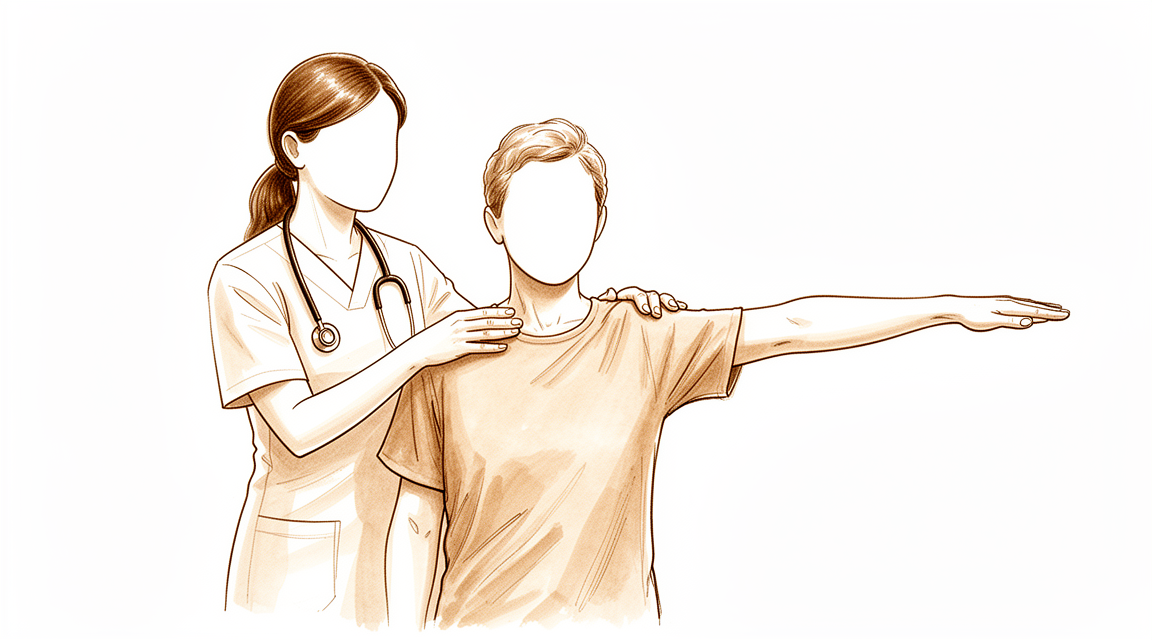
ਇਹ ਪ੍ਰੋਟੋਕੋਲ (ਕਸਰਤਾਂ ਅਤੇ ਸਾਵਧਾਨੀਆਂ ਦੀ ਯੋਜਨਾ) ਮਾਟਰ ਪ੍ਰਾਈਵੇਟ ਹਸਪਤਾਲ ਰੌਕਹੈਂਪਟਨ ਵਿੱਚ ਡਾ. ਕੀਰਨ ਹਿਰਪਰਾ ਵੱਲੋਂ ਦੂਰਬੀਨ ਵਾਲੀ (ਆਰਥਰੋਸਕੋਪਿਕ) ਸਰਜਰੀ ਨਾਲ ਕੈਲਸ਼ੀਅਮ ਦਾ ਜਮਾਅ ਕੱਢਣ ਤੋਂ ਬਾਅਦ ਦੀ ਰੀਹੈਬਿਲੀਟੇਸ਼ਨ (ਠੀਕ ਹੋਣ ਲਈ ਕਸਰਤਾਂ ਅਤੇ ਦੇਖਭਾਲ) ਬਾਰੇ ਹੈ: ਇਹ ਰੋਟੇਟਰ ਕਫ਼ (rotator cuff, ਮੋਢੇ ਨੂੰ ਘੁਮਾਉਣ ਵਾਲੀਆਂ ਮਾਸਪੇਸ਼ੀਆਂ ਦਾ ਸਮੂਹ) ਦੇ ਟੈਂਡਨ (tendon, ਪੱਠੇ ਨੂੰ ਹੱਡੀ ਨਾਲ ਜੋੜਨ ਵਾਲੀ ਮਜ਼ਬੂਤ ਤੰਦ) ਵਿੱਚੋਂ ਕੈਲਸ਼ੀਅਮ ਦਾ ਜਮਾਅ ਕੱਢਣ ਲਈ ਦੂਰਬੀਨ ਵਾਲੀ ਸਰਜਰੀ ਹੈ, ਜਿਸ ਦੇ ਨਾਲ ਕਈ ਵਾਰ ਟੈਂਡਨ ਲਈ ਹੋਰ ਥਾਂ ਬਣਾਉਣ ਵਾਸਤੇ ਸਬਐਕਰੋਮੀਅਲ ਡੀਕੰਪ੍ਰੈਸ਼ਨ (subacromial decompression, ਮੋਢੇ ਦੀ ਛੱਤ ਵਾਲੀ ਹੱਡੀ ਹੇਠਾਂ ਥਾਂ ਖੋਲ੍ਹਣਾ) ਵੀ ਕੀਤਾ ਜਾਂਦਾ ਹੈ। ਆਪਣੀ ਪਹਿਲੀ ਫਿਜ਼ੀਓਥੈਰੇਪੀ ਮੁਲਾਕਾਤ ਵੇਲੇ ਇਹ ਪੰਨਾ ਜਾਂ ਇਸ ਦੀ PDF ਨਾਲ ਲੈ ਕੇ ਜਾਓ, ਤਾਂ ਜੋ ਤੁਹਾਡੀ ਰੀਹੈਬਿਲੀਟੇਸ਼ਨ ਤਾਲਮੇਲ ਨਾਲ ਚੱਲੇ। ਤੁਹਾਡਾ ਫਿਜ਼ੀਓਥੈਰੇਪਿਸਟ ਤੁਹਾਨੂੰ ਹੇਠਾਂ ਦਿੱਤੇ ਪੜਾਵਾਂ ਵਿੱਚੋਂ ਨਿੱਜੀ ਤੌਰ 'ਤੇ ਅੱਗੇ ਵਧਾਉਂਦਾ ਹੈ, ਇਸ ਹਿਸਾਬ ਨਾਲ ਕਿ ਤੁਹਾਡਾ ਮੋਢਾ ਕਿਵੇਂ ਸੁਧਰ ਰਿਹਾ ਹੈ।
ਜੇ ਸਰਜਰੀ ਤੋਂ ਬਾਅਦ ਤੁਹਾਨੂੰ ਆਪਣੇ ਜ਼ਖ਼ਮ ਬਾਰੇ ਕੋਈ ਚਿੰਤਾ ਹੋਵੇ, ਤਾਂ ਕਲੀਨਿਕ ਨਾਲ ਸੰਪਰਕ ਕਰੋ। ਜ਼ਖ਼ਮ ਦੀ ਫ਼ੋਟੋ ਖਿੱਚ ਕੇ ਜਾਂਚ ਲਈ ਈਮੇਲ ਕਰਨਾ ਅਕਸਰ ਮਦਦਗਾਰ ਹੁੰਦਾ ਹੈ।
ਜੇ ਟੈਂਡਨ ਵਿਚਲੇ ਪਾੜ (split) ਨੂੰ ਟਾਂਕਿਆਂ ਨਾਲ ਬੰਦ ਕੀਤਾ ਗਿਆ ਸੀ (ਜਮਾਅ ਕੱਢਣ ਨਾਲ ਅਕਸਰ ਟੈਂਡਨ ਵਿੱਚ ਇੱਕ ਪਾੜ ਰਹਿ ਜਾਂਦਾ ਹੈ, ਅਤੇ ਆਮ ਤੌਰ 'ਤੇ ਇਸ ਨੂੰ ਕੁਝ ਟਾਂਕਿਆਂ ਨਾਲ ਬੰਦ ਕੀਤਾ ਜਾਂਦਾ ਹੈ), ਤਾਂ ਤੁਹਾਡੀ ਸਿਹਤਯਾਬੀ ਸਿਰਫ਼ ਜਮਾਅ ਕੱਢਣ ਦੇ ਮੁਕਾਬਲੇ ਥੋੜ੍ਹੀ ਹੌਲੀ ਹੁੰਦੀ ਹੈ, ਪਰ ਆਮ ਰੋਟੇਟਰ ਕਫ਼ ਰਿਪੇਅਰ ਤੋਂ ਬਾਅਦ ਨਾਲੋਂ ਤੇਜ਼ ਹੁੰਦੀ ਹੈ: ਸਲਿੰਗ (ਬਾਂਹ ਨੂੰ ਸਹਾਰਾ ਦੇਣ ਵਾਲੀ ਪੱਟੀ) ਤਿੰਨ ਤੋਂ ਚਾਰ ਹਫ਼ਤੇ ਰਹਿੰਦੀ ਹੈ, ਹਿਲਜੁਲ ਸਹਾਰੇ ਵਾਲੀਆਂ ਕਸਰਤਾਂ ਨਾਲ ਸ਼ੁਰੂ ਹੁੰਦੀ ਹੈ ਅਤੇ ਲਗਭਗ ਚਾਰ ਹਫ਼ਤਿਆਂ ਤੋਂ ਪੂਰੀ ਤਰ੍ਹਾਂ ਆਪਣੀ ਤਾਕਤ ਨਾਲ ਹੋਣ ਲੱਗਦੀ ਹੈ, ਤਾਕਤ ਵਧਾਉਣ ਦਾ ਕੰਮ ਲਗਭਗ ਦਸ ਤੋਂ ਬਾਰਾਂ ਹਫ਼ਤਿਆਂ 'ਤੇ ਸ਼ੁਰੂ ਹੁੰਦਾ ਹੈ, ਅਤੇ ਜਿਮ, ਖੇਡਾਂ ਅਤੇ ਭਾਰੀ ਕੰਮ ਵਿੱਚ ਵਾਪਸੀ ਆਮ ਤੌਰ 'ਤੇ ਚਾਰ ਤੋਂ ਛੇ ਮਹੀਨਿਆਂ 'ਤੇ ਹੁੰਦੀ ਹੈ। ਡਾ. ਹਿਰਪਰਾ ਓਪਰੇਸ਼ਨ ਤੋਂ ਬਾਅਦ ਤੁਹਾਨੂੰ ਦੱਸਣਗੇ ਕਿ ਕੀ ਇਹ ਤੁਹਾਡੇ ਉੱਤੇ ਲਾਗੂ ਹੁੰਦਾ ਹੈ।
ਕੀ ਉਮੀਦ ਰੱਖੀਏ
ਦੋਵਾਂ ਰਾਹਾਂ ਵਿੱਚ ਮੋਢੇ ਨੂੰ ਜਲਦੀ ਹਿਲਾਉਣਾ ਸ਼ੁਰੂ ਕੀਤਾ ਜਾਂਦਾ ਹੈ। ਜਦੋਂ ਟੈਂਡਨ ਦੇ ਪਾੜ ਨੂੰ ਟਾਂਕੇ ਲਗਾਏ ਗਏ ਹੋਣ, ਤਦ ਵੀ ਇਹ ਇੱਕ ਹਲਕੀ ਮੁਰੰਮਤ ਹੈ ਜਿਸ ਨੂੰ ਮਹੀਨਿਆਂ ਤੱਕ ਸੁਰੱਖਿਆ ਦੀ ਲੋੜ ਨਹੀਂ ਹੁੰਦੀ; ਇਲਾਜ ਦਾ ਮਕਸਦ ਦਰਦ ਦੇ ਸਰੋਤ ਨੂੰ ਹਟਾਉਣਾ ਹੈ, ਅਤੇ ਰੀਹੈਬਿਲੀਟੇਸ਼ਨ ਦਾ ਮਕਸਦ ਇਲਾਜ ਤੋਂ ਬਾਅਦ ਦਰਦ ਦੇ ਭੜਕਣ ਨੂੰ ਸ਼ਾਂਤ ਕਰਨਾ, ਮੋਢੇ ਨੂੰ ਹਿਲਾਉਂਦੇ ਰਹਿਣਾ ਤਾਂ ਜੋ ਇਹ ਆਕੜ ਨਾ ਜਾਵੇ, ਅਤੇ ਫਿਰ ਤਾਕਤ ਮੁੜ ਬਣਾਉਣਾ ਹੈ।
- ਦੂਰਬੀਨ ਨਾਲ ਜਮਾਅ ਕੱਢਣ ਤੋਂ ਬਾਅਦ ਸਲਿੰਗ ਸਿਰਫ਼ ਆਰਾਮ ਲਈ ਦਿੱਤੀ ਜਾਂਦੀ ਹੈ। ਇਹ ਥੋੜ੍ਹੇ ਸਮੇਂ ਲਈ ਪਾਈ ਜਾਂਦੀ ਹੈ, ਆਮ ਤੌਰ 'ਤੇ ਕੁਝ ਦਿਨ ਅਤੇ ਦੋ ਹਫ਼ਤਿਆਂ ਤੋਂ ਵੱਧ ਬਹੁਤ ਘੱਟ, ਅਤੇ ਜਿੰਨਾ ਹੋ ਸਕੇ ਇਸ ਨੂੰ ਉਤਾਰ ਕੇ ਰੱਖਣਾ ਚਾਹੀਦਾ ਹੈ। ਤੁਹਾਨੂੰ ਇਸ ਨੂੰ ਪਾ ਕੇ ਸੌਣ ਦੀ ਲੋੜ ਨਹੀਂ। ਪੂਰੀ, ਬਿਨਾਂ ਪਾਬੰਦੀ ਸਰਗਰਮੀ ਤੱਕ ਠੀਕ ਹੋਣ ਵਿੱਚ ਆਮ ਤੌਰ 'ਤੇ ਲਗਭਗ ਤਿੰਨ ਮਹੀਨੇ ਲੱਗਦੇ ਹਨ।
- ਜੇ ਟੈਂਡਨ ਦੇ ਪਾੜ ਨੂੰ ਟਾਂਕੇ ਲਗਾਏ ਗਏ ਸਨ ਤਾਂ ਸਲਿੰਗ ਤਿੰਨ ਤੋਂ ਚਾਰ ਹਫ਼ਤੇ ਪਾਈ ਜਾਂਦੀ ਹੈ। ਪਹਿਲਾਂ ਸਹਾਰੇ ਵਾਲੀ ਹਿਲਜੁਲ ਆਉਂਦੀ ਹੈ, ਫਿਰ ਲਗਭਗ ਚਾਰ ਹਫ਼ਤਿਆਂ ਤੋਂ ਪੂਰੀ ਆਪਣੀ ਤਾਕਤ ਵਾਲੀ ਹਿਲਜੁਲ, ਅਤੇ ਲਗਭਗ ਦਸ ਤੋਂ ਬਾਰਾਂ ਹਫ਼ਤਿਆਂ ਤੋਂ ਤਾਕਤ ਵਧਾਉਣਾ। ਪੂਰੀ ਸਰਗਰਮੀ ਤੱਕ ਠੀਕ ਹੋਣ ਵਿੱਚ ਆਮ ਤੌਰ 'ਤੇ ਲਗਭਗ ਚਾਰ ਤੋਂ ਛੇ ਮਹੀਨੇ ਲੱਗਦੇ ਹਨ।
ਮੋਢੇ ਦੇ ਕਿਸੇ ਵੀ ਓਪਰੇਸ਼ਨ ਤੋਂ ਬਾਅਦ ਘੱਟੋ-ਘੱਟ ਛੇ ਹਫ਼ਤੇ ਗੱਡੀ ਨਾ ਚਲਾਓ, ਸਲਿੰਗ ਉੱਤਰ ਜਾਣ ਤੋਂ ਬਾਅਦ ਵੀ; ਤੁਹਾਡਾ ਸਰਜਨ ਤੁਹਾਨੂੰ ਗੱਡੀ ਚਲਾਉਣ ਦੀ ਇਜਾਜ਼ਤ ਦੇਵੇਗਾ, ਆਮ ਤੌਰ 'ਤੇ ਛੇ ਹਫ਼ਤਿਆਂ ਵਾਲੀ ਜਾਂਚ ਵੇਲੇ।
ਦੋਵਾਂ ਵਿੱਚੋਂ ਕਿਸੇ ਵੀ ਇਲਾਜ ਤੋਂ ਬਾਅਦ, ਮੋਢੇ ਨੂੰ ਪੂਰੀ ਤਰ੍ਹਾਂ ਸ਼ਾਂਤ ਹੋਣ ਵਿੱਚ ਸਮਾਂ ਲੱਗ ਸਕਦਾ ਹੈ। ਬੇਆਰਾਮੀ ਅਕਸਰ ਇੱਕੋ ਵਾਰ ਦੀ ਬਜਾਏ ਪੜਾਵਾਂ ਵਿੱਚ ਘਟਦੀ ਹੈ, ਅਤੇ ਸਰਜਰੀ ਤੋਂ ਬਾਅਦ ਇਲਾਜ ਤੋਂ ਪਹਿਲਾਂ ਵਾਲੇ ਲੱਛਣਾਂ ਨੂੰ ਪੂਰੀ ਤਰ੍ਹਾਂ ਖ਼ਤਮ ਹੋਣ ਵਿੱਚ ਕਈ ਮਹੀਨੇ (ਕਦੇ-ਕਦਾਈਂ ਨੌਂ ਤੱਕ) ਲੱਗ ਸਕਦੇ ਹਨ। ਇੱਕਦਮ ਆਰਾਮ ਨਹੀਂ, ਸਗੋਂ ਲਗਾਤਾਰ ਸੁਧਾਰ ਹੀ ਉਮੀਦ ਕੀਤਾ ਜਾਣ ਵਾਲਾ ਰੁਝਾਨ ਹੈ।
ਇਹ ਕਈ ਛੋਟੇ ਚੀਰਿਆਂ ਰਾਹੀਂ ਕੀਤੀ ਜਾਣ ਵਾਲੀ ਦੂਰਬੀਨ ਵਾਲੀ ਡੇ-ਸਰਜਰੀ (ਉਸੇ ਦਿਨ ਘਰ ਜਾਣ ਵਾਲੀ ਸਰਜਰੀ) ਹੈ। ਰੋਟੇਟਰ ਕਫ਼ ਦੇ ਟੈਂਡਨ ਦੇ ਅੰਦਰ ਕੈਲਸ਼ੀਅਮ ਦੇ ਜਮਾਅ ਨੂੰ ਲੱਭ ਕੇ ਕੱਢ ਦਿੱਤਾ ਜਾਂਦਾ ਹੈ, ਅਤੇ ਟੈਂਡਨ ਨੂੰ ਹੋਰ ਥਾਂ ਦੇਣ ਲਈ ਅਕਸਰ ਉਸੇ ਸਮੇਂ ਸਬਐਕਰੋਮੀਅਲ ਡੀਕੰਪ੍ਰੈਸ਼ਨ ਵੀ ਕੀਤਾ ਜਾਂਦਾ ਹੈ। ਪੱਟੀਆਂ ਵਾਟਰਪਰੂਫ਼ ਹੁੰਦੀਆਂ ਹਨ — ਤੁਸੀਂ ਦਿਨ 1 ਤੋਂ ਇਨ੍ਹਾਂ ਉੱਤੇ ਪਾਣੀ ਪੈਣ ਦਿੰਦੇ ਹੋਏ ਨਹਾ ਸਕਦੇ ਹੋ — ਅਤੇ ਇਹ ਉਦੋਂ ਤੱਕ ਲੱਗੀਆਂ ਰਹਿੰਦੀਆਂ ਹਨ ਜਦੋਂ ਤੱਕ ਸਰਜਰੀ ਤੋਂ ਲਗਭਗ ਇੱਕ ਹਫ਼ਤੇ ਤੋਂ ਦਸ ਦਿਨ ਬਾਅਦ, ਓਪਰੇਸ਼ਨ ਤੋਂ ਬਾਅਦ ਦੀ ਤੁਹਾਡੀ ਪਹਿਲੀ ਮੁਲਾਕਾਤ ਵੇਲੇ, ਤੁਹਾਡੇ ਜ਼ਖ਼ਮਾਂ ਦੀ ਜਾਂਚ ਨਹੀਂ ਹੋ ਜਾਂਦੀ।
ਪੜਾਅ I — ਜਲਦੀ ਹਿਲਜੁਲ (ਹਫ਼ਤੇ 0–2)
Kieran Hirpara 4.0
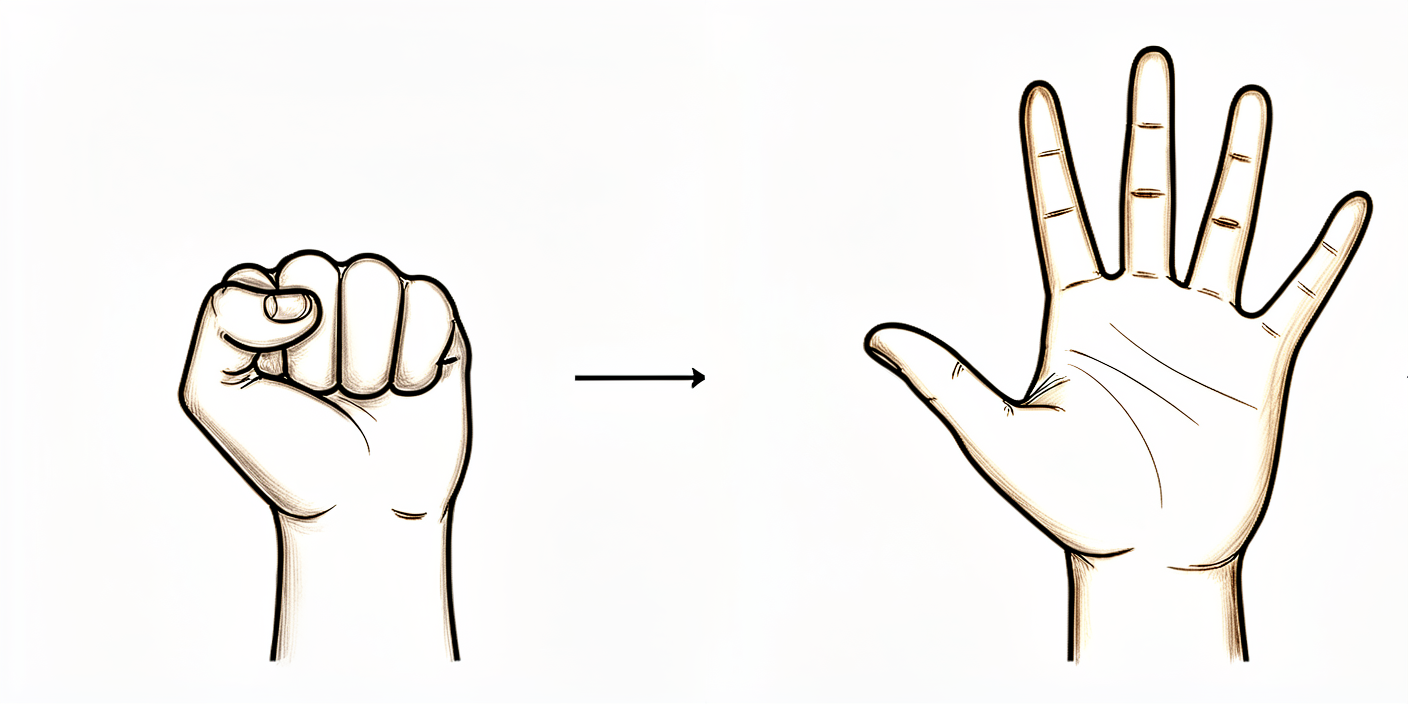
ਹੱਥ ਖੋਲ੍ਹਣਾ ਅਤੇ ਬੰਦ ਕਰਨਾ
ਆਪਣੇ ਹੱਥ ਅਤੇ ਉਂਗਲਾਂ ਨੂੰ ਖੋਲ੍ਹ-ਬੰਦ ਕਰਕੇ, ਜਾਂ ਨਰਮ ਗੇਂਦ ਦਬਾ ਕੇ, ਹਿੱਲਦੇ ਰੱਖੋ। ਇਹ ਉਸੇ ਵੇਲੇ ਸ਼ੁਰੂ ਕਰੋ, ਤਾਂ ਜੋ ਮੋਢੇ ਦੇ ਸ਼ਾਂਤ ਹੋਣ ਦੌਰਾਨ ਹੱਥ ਅਤੇ ਬਾਂਹ ਕੰਮ ਕਰਦੇ ਰਹਿਣ।
10 ਵਾਰ, ਦਿਨ ਵਿੱਚ ਤਿੰਨ ਵਾਰ
Kieran Hirpara 4.0
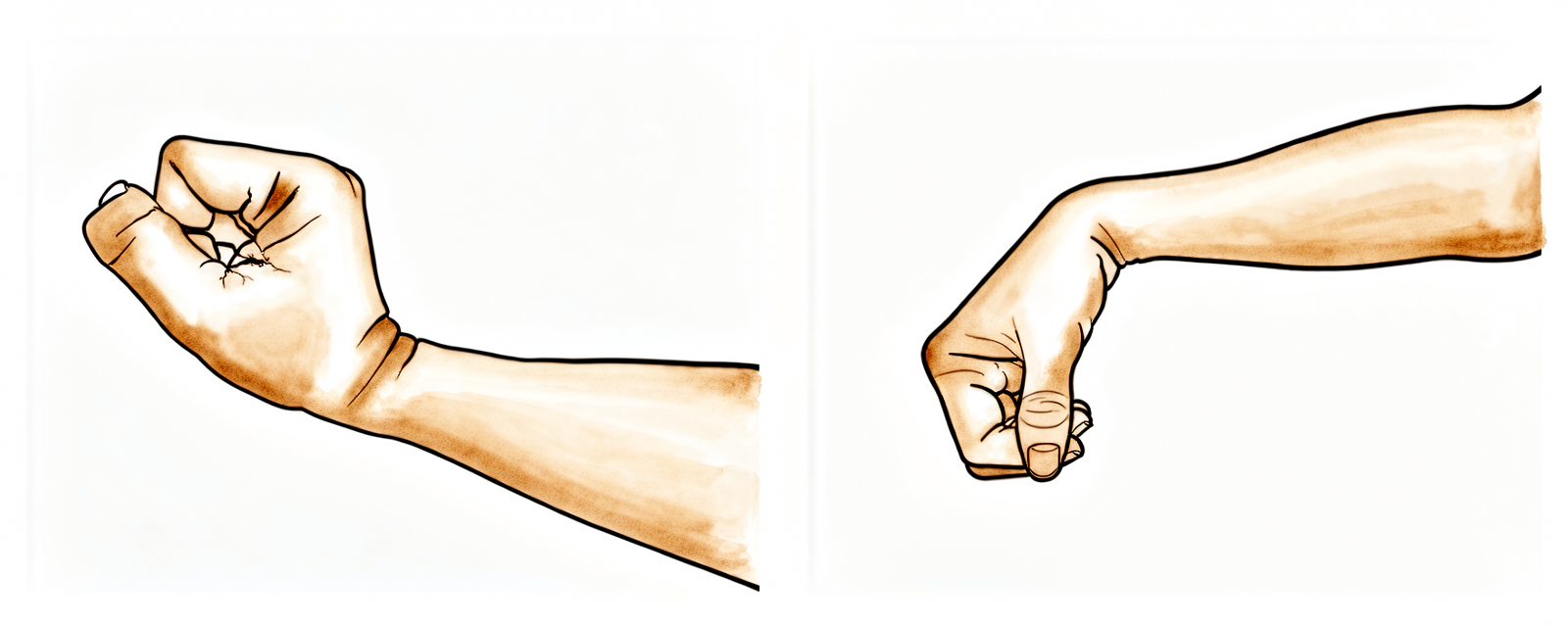
ਗੁੱਟ ਦੀ ਹਿਲਜੁਲ
ਆਪਣੇ ਗੁੱਟ ਨੂੰ ਅੱਗੇ, ਪਿੱਛੇ ਅਤੇ ਇੱਕ ਪਾਸੇ ਤੋਂ ਦੂਜੇ ਪਾਸੇ ਮੋੜ ਕੇ ਹਿੱਲਦਾ ਰੱਖੋ। ਇਹ ਬਾਂਹ ਨੂੰ ਸਲਿੰਗ (ਬਾਂਹ ਨੂੰ ਸਹਾਰਾ ਦੇਣ ਵਾਲੀ ਪੱਟੀ) ਵਿੱਚੋਂ ਕੱਢ ਕੇ ਕਰੋ।
10 ਵਾਰ, ਦਿਨ ਵਿੱਚ ਤਿੰਨ ਵਾਰ
Kieran Hirpara 4.0
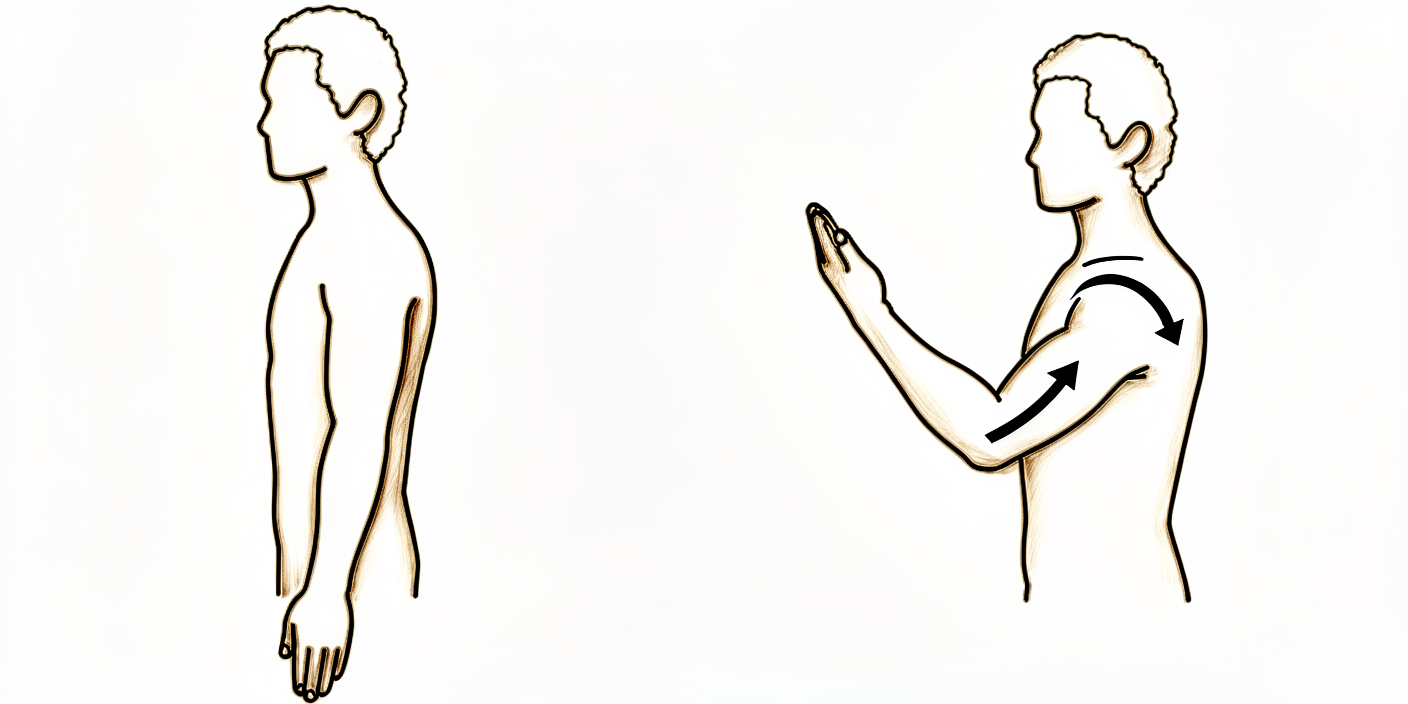
ਕੂਹਣੀ ਮੋੜਨਾ
ਡੌਲੇ (upper arm) ਨੂੰ ਆਪਣੇ ਪਾਸੇ ਨਾਲ ਟਿਕਾ ਕੇ, ਕੂਹਣੀ ਨੂੰ ਜਿੰਨਾ ਆਰਾਮ ਨਾਲ ਮੁੜੇ ਮੋੜੋ, ਫਿਰ ਇਸ ਨੂੰ ਪੂਰਾ ਸਿੱਧਾ ਕਰੋ। ਸਿਰਫ਼ ਕੂਹਣੀ ਹਿੱਲਦੀ ਹੈ — ਮੋਢੇ ਨੂੰ ਢਿੱਲਾ ਰੱਖੋ।
10 ਵਾਰ, ਦਿਨ ਵਿੱਚ ਤਿੰਨ ਵਾਰ
Kieran Hirpara 4.0
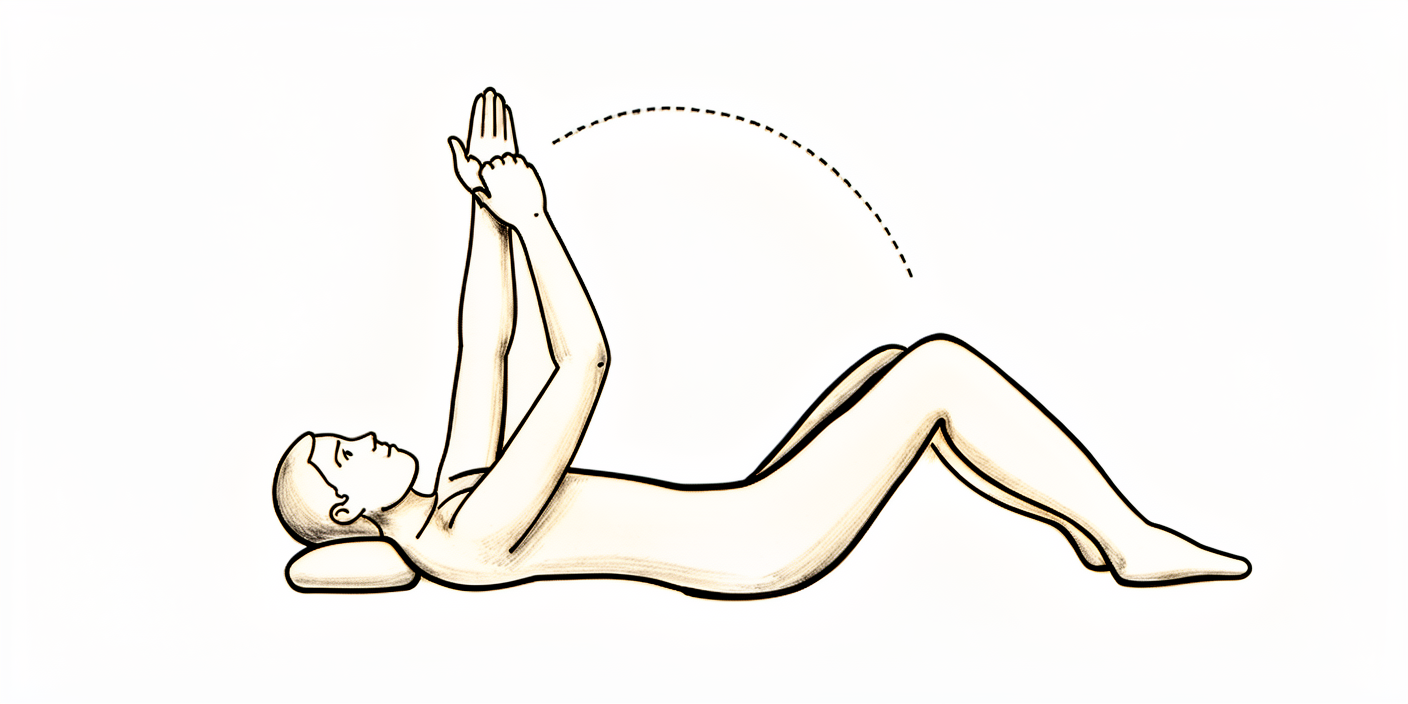
ਸਹਾਰੇ ਨਾਲ ਸਿਰ ਤੋਂ ਉੱਪਰ ਖਿਚਾਅ (ਲੇਟ ਕੇ)
ਪਿੱਠ ਦੇ ਭਾਰ ਲੇਟੋ ਅਤੇ ਆਪਣੀ ਠੀਕ ਬਾਂਹ ਦੀ ਮਦਦ ਨਾਲ ਓਪਰੇਸ਼ਨ ਵਾਲੀ ਬਾਂਹ ਨੂੰ ਹਲਕੇ ਖਿਚਾਅ ਵਜੋਂ ਮੋਢੇ ਦੀ ਉਚਾਈ ਤੋਂ ਉੱਪਰ ਚੁੱਕੋ, ਫਿਰ ਠੀਕ ਬਾਂਹ ਦੀ ਮਦਦ ਜਾਰੀ ਰੱਖਦੇ ਹੋਏ ਇਸ ਨੂੰ ਵਾਪਸ ਹੇਠਾਂ ਲਿਆਓ। ਸ਼ੁਰੂ ਵਿੱਚ ਇਹ ਬੇਆਰਾਮ ਲੱਗੇਗਾ — ਇਹ ਉਮੀਦ ਮੁਤਾਬਕ ਹੈ — ਅਤੇ ਮੋਢੇ ਨੂੰ ਆਕੜਨ ਤੋਂ ਰੋਕਣ ਲਈ ਇਹ ਸਭ ਤੋਂ ਅਹਿਮ ਕਸਰਤ ਹੈ।
10 ਵਾਰ, ਦਿਨ ਵਿੱਚ ਤਿੰਨ ਵਾਰ
ਸਰਜਰੀ ਤੋਂ ਬਾਅਦ ਜਦੋਂ ਤੁਸੀਂ ਜਾਗੋਗੇ ਤਾਂ ਤੁਹਾਡੀ ਬਾਂਹ ਸਲਿੰਗ ਵਿੱਚ ਹੋਵੇਗੀ, ਪਰ ਸਲਿੰਗ ਸਿਰਫ਼ ਆਰਾਮ ਲਈ ਹੈ: ਜਿੰਨਾ ਹੋ ਸਕੇ ਇਸ ਤੋਂ ਬਿਨਾਂ ਰਹਿਣ ਦੀ ਕੋਸ਼ਿਸ਼ ਕਰੋ, ਅਤੇ ਜ਼ਿਆਦਾਤਰ ਲੋਕ ਕੁਝ ਦਿਨਾਂ ਵਿੱਚ ਹੀ ਇਸ ਨੂੰ ਛੱਡ ਦਿੰਦੇ ਹਨ। ਤੁਸੀਂ ਸ਼ੁਰੂ ਤੋਂ ਹੀ ਮੋਢੇ ਦੀ ਉਚਾਈ ਤੋਂ ਹੇਠਾਂ ਬਾਂਹ ਨੂੰ ਬਿਨਾਂ ਕਿਸੇ ਪਾਬੰਦੀ ਦੇ ਵਰਤ ਸਕਦੇ ਹੋ। ਬਾਂਹ ਨੂੰ ਮੋਢੇ ਦੀ ਉਚਾਈ ਤੋਂ ਉੱਪਰ ਚੁੱਕਣ ਦੀ ਇਜਾਜ਼ਤ ਹੈ ਅਤੇ ਇਹ ਸੁਰੱਖਿਅਤ ਹੈ, ਭਾਵੇਂ ਸ਼ੁਰੂ ਵਿੱਚ ਇਹ ਬੇਆਰਾਮ ਲੱਗੇਗਾ; ਦਿਨ ਵਿੱਚ ਕਈ ਵਾਰ, ਆਪਣੀ ਠੀਕ ਬਾਂਹ ਦੀ ਮਦਦ ਨਾਲ ਓਪਰੇਸ਼ਨ ਵਾਲੀ ਬਾਂਹ ਨੂੰ ਹਲਕੇ ਖਿਚਾਅ ਵਜੋਂ ਮੋਢੇ ਦੀ ਉਚਾਈ ਤੋਂ ਉੱਪਰ ਚੁੱਕੋ, ਤਾਂ ਜੋ ਮੋਢਾ ਆਕੜ ਨਾ ਜਾਵੇ। ਇਨ੍ਹਾਂ ਪਹਿਲੇ ਹਫ਼ਤਿਆਂ ਵਿੱਚ ਓਪਰੇਸ਼ਨ ਵਾਲੀ ਬਾਂਹ ਨਾਲ ਲਗਭਗ ਦੋ ਕਿਲੋਗ੍ਰਾਮ ਤੋਂ ਭਾਰੀ ਕੋਈ ਵੀ ਚੀਜ਼ ਚੁੱਕ ਕੇ ਲਿਜਾਣ ਤੋਂ ਬਚੋ, ਕਿਉਂਕਿ ਇਸ ਨਾਲ ਦਰਦ ਹੋਵੇਗਾ। ਆਪਣੀਆਂ ਕਸਰਤਾਂ ਜਿੰਨੀ ਜਲਦੀ ਹੋ ਸਕੇ ਸ਼ੁਰੂ ਕਰੋ, ਹਰ ਕਸਰਤ ਦੇ ਦਸ ਦੁਹਰਾਓ, ਦਿਨ ਵਿੱਚ ਤਿੰਨ ਵਾਰ ਕਰਨ ਦਾ ਟੀਚਾ ਰੱਖ ਕੇ। ਕਸਰਤਾਂ ਤੋਂ ਪਹਿਲਾਂ ਦਰਦ ਨਿਵਾਰਕ ਦਵਾਈ ਲਓ, ਅਤੇ ਆਰਾਮ ਲਈ ਬਰਫ਼ ਵਰਤੋ। ਗੱਡੀ ਨਾ ਚਲਾਓ: ਗੱਡੀ ਚਲਾਉਣਾ ਸਿਰਫ਼ ਤੁਹਾਡੇ ਸਰਜਨ ਦੀ ਇਜਾਜ਼ਤ ਤੋਂ ਬਾਅਦ ਹੀ ਦੁਬਾਰਾ ਸ਼ੁਰੂ ਹੁੰਦਾ ਹੈ, ਆਮ ਤੌਰ 'ਤੇ ਛੇ ਹਫ਼ਤਿਆਂ ਵਾਲੀ ਜਾਂਚ ਵੇਲੇ।
ਤੁਹਾਡੇ ਫਿਜ਼ੀਓਥੈਰੇਪਿਸਟ ਲਈ:
ਟੀਚੇ
- ਓਪਰੇਸ਼ਨ ਤੋਂ ਬਾਅਦ ਦੇ ਦਰਦ ਅਤੇ ਸੋਜ ਨੂੰ ਸ਼ਾਂਤ ਕਰਨਾ
- ਹਿਲਜੁਲ ਦੀ ਹੱਦ (range of motion) ਨੂੰ ਜਲਦੀ ਵਾਪਸ ਲਿਆਉਣਾ: ਪਹਿਲੀ ਤਰਜੀਹ ਅਕੜਾਅ ਤੋਂ ਬਚਾਅ ਹੈ, ਜਿਸ ਦਾ ਝੁਕਾਅ ਕੈਲਸੀਫ਼ਿਕ ਟੈਂਡੀਨਾਈਟਿਸ (ਟੈਂਡਨ ਵਿੱਚ ਕੈਲਸ਼ੀਅਮ ਜਮ੍ਹਾ ਹੋਣਾ) ਵਾਲੇ ਮਰੀਜ਼ਾਂ ਵਿੱਚ ਹੁੰਦਾ ਹੈ
- ਮੋਢੇ ਦੀ ਉਚਾਈ ਤੋਂ ਹੇਠਾਂ ਬਾਂਹ ਦੀ ਆਮ ਵਰਤੋਂ
ਪ੍ਰਬੰਧਨ
- ਸਲਿੰਗ ਸਿਰਫ਼ ਆਰਾਮ ਲਈ; ਜਿੰਨੀ ਜਲਦੀ ਆਰਾਮ ਇਜਾਜ਼ਤ ਦੇਵੇ ਛੱਡਣਾ, ਆਮ ਤੌਰ 'ਤੇ ਕੁਝ ਦਿਨਾਂ ਵਿੱਚ
- ਪਹਿਲੇ ਦਿਨ ਤੋਂ ਮੋਢੇ ਦੀ ਉਚਾਈ ਤੋਂ ਹੇਠਾਂ ਬਾਂਹ ਦੀ ਬਿਨਾਂ ਪਾਬੰਦੀ ਐਕਟਿਵ (ਆਪਣੀਆਂ ਮਾਸਪੇਸ਼ੀਆਂ ਨਾਲ) ਵਰਤੋਂ
- ਜਿੰਨਾ ਬਰਦਾਸ਼ਤ ਹੋਵੇ, ਮੋਢੇ ਦੀ ਉਚਾਈ ਤੋਂ ਉੱਪਰ ਐਕਟਿਵ ਤਰੀਕੇ ਨਾਲ ਬਾਂਹ ਚੁੱਕਣਾ
- ਅਕੜਾਅ ਤੋਂ ਬਚਾਅ ਲਈ ਦਿਨ ਵਿੱਚ ਕਈ ਵਾਰ ਮੋਢੇ ਦੀ ਉਚਾਈ ਤੋਂ ਉੱਪਰ ਪੈਸਿਵ (passive, ਮਾਸਪੇਸ਼ੀ ਵਰਤੇ ਬਿਨਾਂ, ਕਿਸੇ ਹੋਰ ਦੀ ਮਦਦ ਨਾਲ) ਅਤੇ ਸਹਾਰੇ ਵਾਲਾ ਐਕਟਿਵ (active-assisted) ਚੁੱਕਣਾ (ਦੂਜੀ ਬਾਂਹ ਵਰਤ ਕੇ)
- ਘਰੇਲੂ ਕਸਰਤ ਪ੍ਰੋਗਰਾਮ: ਹਰ ਕਸਰਤ ਦਸ ਵਾਰ, ਦਿਨ ਵਿੱਚ ਤਿੰਨ ਵਾਰ
- ਕਸਰਤਾਂ ਤੋਂ ਪਹਿਲਾਂ ਦਰਦ ਨਿਵਾਰਕ ਦਵਾਈਆਂ; ਲੋੜ ਅਨੁਸਾਰ ਦਰਦ ਤੋਂ ਰਾਹਤ ਲਈ ਬਰਫ਼ ਨਾਲ ਠੰਢੀ ਸੇਕ (cryotherapy)
ਸਾਵਧਾਨੀਆਂ
- ਓਪਰੇਸ਼ਨ ਵਾਲੀ ਬਾਂਹ ਨਾਲ ਲਗਭਗ ਦੋ ਕਿਲੋਗ੍ਰਾਮ ਤੋਂ ਵੱਧ ਭਾਰ ਢੋਣਾ ਨਹੀਂ, ਅਤੇ ਚੁੱਕਣਾ ਵੀ ਨਹੀਂ
- ਛੇ ਹਫ਼ਤੇ ਗੱਡੀ ਚਲਾਉਣੀ ਨਹੀਂ (ਇਹ ਮੋਢੇ ਦੇ ਹਰ ਓਪਰੇਸ਼ਨ ਉੱਤੇ ਲਾਗੂ ਹੁੰਦਾ ਹੈ)
ਅਗਲੇ ਪੜਾਅ ਵਿੱਚ ਜਾਣ ਦੀਆਂ ਸ਼ਰਤਾਂ
- ਓਪਰੇਸ਼ਨ ਤੋਂ ਬਾਅਦ ਦੀ ਪਹਿਲੀ ਮੁਲਾਕਾਤ ਵੇਲੇ ਜ਼ਖ਼ਮ ਦੀ ਜਾਂਚ ਤਸੱਲੀਬਖ਼ਸ਼ ਹੋਵੇ
- ਸਲਿੰਗ ਛੁੱਟ ਗਈ ਹੋਵੇ ਅਤੇ ਮੋਢੇ ਦੀ ਉਚਾਈ ਤੋਂ ਹੇਠਾਂ ਬਾਂਹ ਆਰਾਮ ਨਾਲ ਵਰਤੀ ਜਾ ਰਹੀ ਹੋਵੇ
ਪੜਾਅ II — ਆਪਣੀ ਹਿਲਜੁਲ ਵਾਪਸ ਲਿਆਉਣਾ (ਹਫ਼ਤੇ 2–8)
Kieran Hirpara 4.0
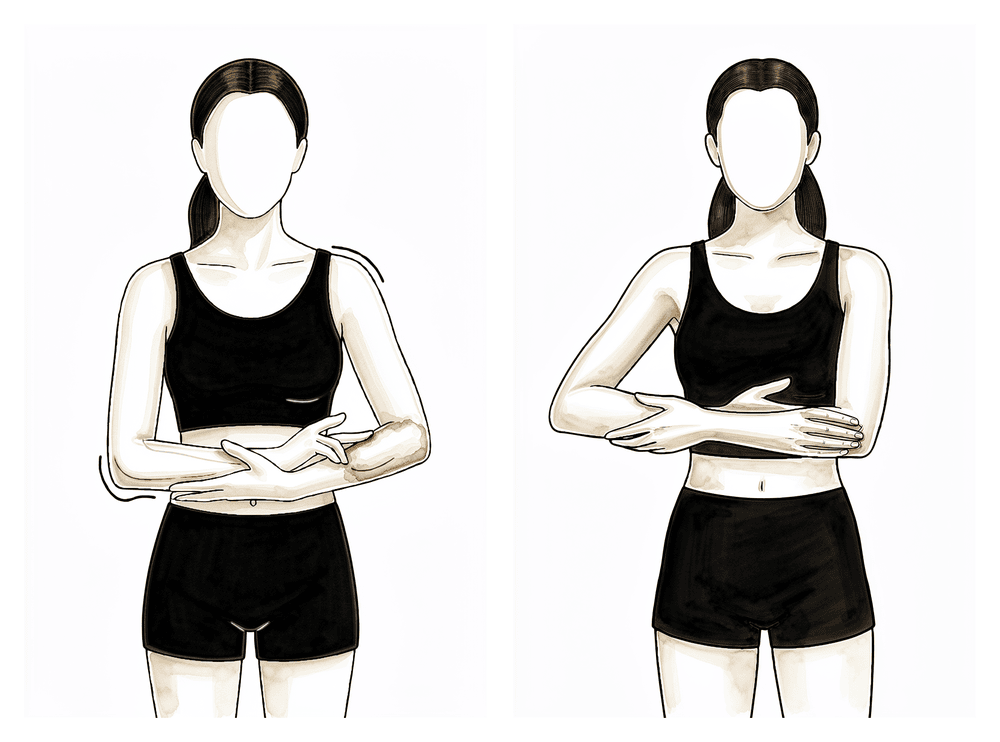
ਸਹਾਰੇ ਨਾਲ ਬਾਂਹ ਪਾਸੇ ਵੱਲ ਚੁੱਕਣਾ (abduction)
ਓਪਰੇਸ਼ਨ ਵਾਲੀ ਬਾਂਹ ਦੇ ਹੇਠਲੇ ਹਿੱਸੇ (forearm) ਨੂੰ ਆਪਣੀ ਦੂਜੀ ਬਾਂਹ ਨਾਲ ਸਹਾਰਾ ਦਿਓ ਅਤੇ ਦੋਵਾਂ ਨੂੰ ਪਾਸੇ ਵੱਲ ਚੁੱਕੋ, ਜ਼ਿਆਦਾਤਰ ਕੰਮ ਠੀਕ ਬਾਂਹ ਨੂੰ ਕਰਨ ਦਿਓ, ਫਿਰ ਕਾਬੂ ਨਾਲ ਹੇਠਾਂ ਲਿਆਓ। ਜਿਵੇਂ ਆਰਾਮ ਇਜਾਜ਼ਤ ਦੇਵੇ, ਹੱਦ ਵਧਾਓ — ਸਪਸ਼ਟ ਮਹਿਸੂਸ ਹੋਣ ਵਾਲੀ ਬੇਆਰਾਮੀ ਤੱਕ ਖਿਚਾਅ ਠੀਕ ਹੈ; ਜ਼ਬਰਦਸਤੀ, ਬਹੁਤ ਜ਼ਿਆਦਾ ਦਰਦ ਵਾਲਾ ਖਿਚਾਅ ਠੀਕ ਨਹੀਂ।
ਜਿਵੇਂ ਤੁਹਾਡਾ ਫਿਜ਼ੀਓਥੈਰੇਪਿਸਟ ਦੱਸੇ
Kieran Hirpara 4.0
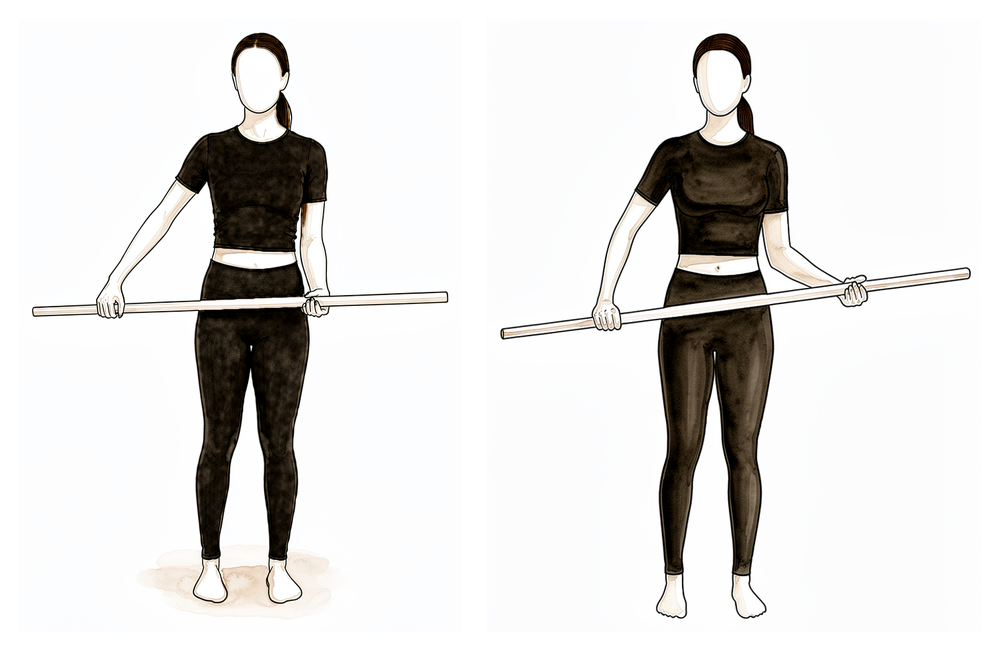
ਸੋਟੀ ਨਾਲ ਸਹਾਰੇ ਵਾਲਾ ਬਾਹਰ ਵੱਲ ਘੁਮਾਉਣਾ
ਪਿੱਠ ਦੇ ਭਾਰ ਲੇਟੋ, ਕੂਹਣੀ ਆਪਣੇ ਪਾਸੇ ਨਾਲ ਲਾ ਕੇ ਅਤੇ ਸਮਕੋਣ (right angle) ਉੱਤੇ ਮੋੜ ਕੇ ਰੱਖੋ। ਦੋਵਾਂ ਹੱਥਾਂ ਵਿੱਚ ਇੱਕ ਸੋਟੀ ਫੜੋ ਅਤੇ ਆਪਣੀ ਠੀਕ ਬਾਂਹ ਨਾਲ ਓਪਰੇਸ਼ਨ ਵਾਲੇ ਹੱਥ ਨੂੰ ਬਾਹਰ ਵੱਲ ਘੁਮਾਓ, ਜਿਸ ਨਾਲ ਮੋਢਾ ਘੁੰਮਦਾ ਹੈ। ਇਸ ਬਾਹਰ ਵੱਲ ਘੁੰਮਣ ਨੂੰ ਵਾਪਸ ਲਿਆਉਣਾ ਇਸ ਪੜਾਅ ਦੇ ਟੀਚਿਆਂ ਵਿੱਚੋਂ ਇੱਕ ਹੈ, ਇਸ ਲਈ ਹਰ ਹਫ਼ਤੇ ਹੌਲੀ ਜਿਹੇ ਇਸ ਨੂੰ ਥੋੜ੍ਹਾ ਹੋਰ ਅੱਗੇ ਵਧਾਉਂਦੇ ਰਹੋ।
10 ਵਾਰ, ਦਿਨ ਵਿੱਚ ਤਿੰਨ ਵਾਰ
Kieran Hirpara 4.0
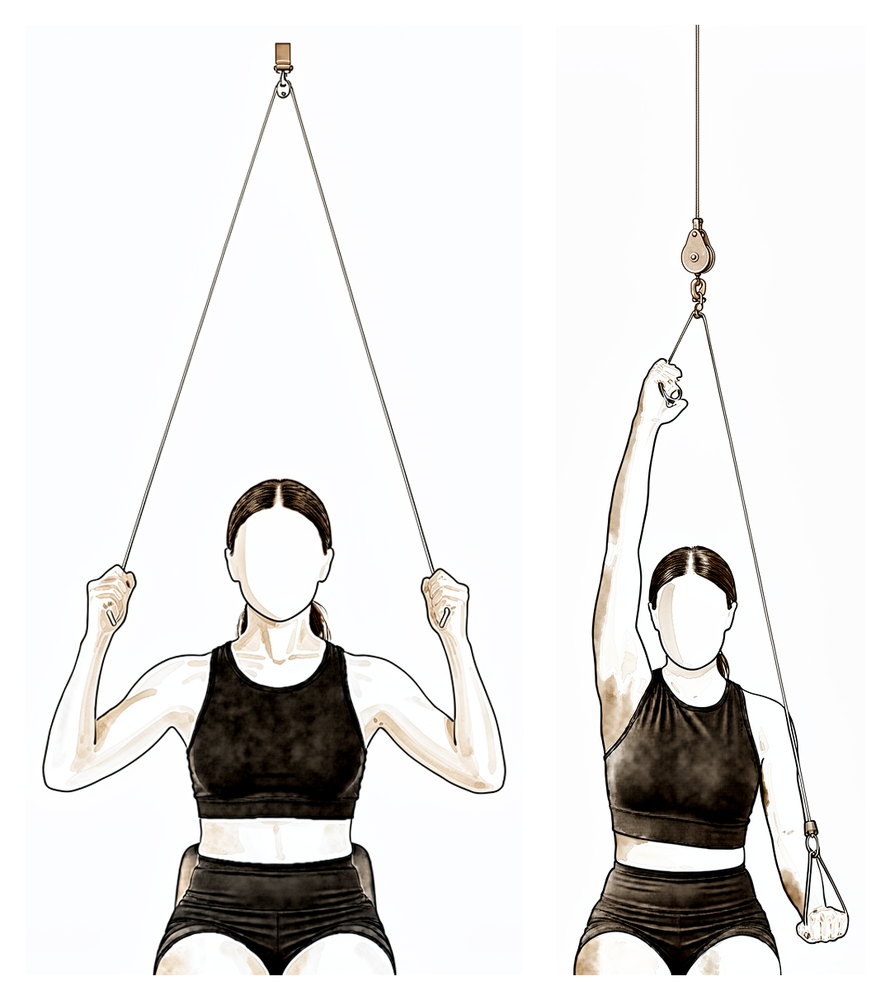
ਦਰਵਾਜ਼ੇ ਉੱਤੇ ਲੱਗੀ ਪੁਲੀ (pulley)
ਦਰਵਾਜ਼ੇ ਉੱਤੇ ਲੱਗੀ ਪੁਲੀ ਦੇ ਹੇਠਾਂ ਬੈਠੋ, ਹਰ ਹੱਥ ਵਿੱਚ ਇੱਕ ਹੈਂਡਲ ਫੜ ਕੇ। ਆਪਣੀ ਠੀਕ ਬਾਂਹ ਨਾਲ ਹੇਠਾਂ ਖਿੱਚੋ, ਤਾਂ ਜੋ ਓਪਰੇਸ਼ਨ ਵਾਲੀ ਬਾਂਹ ਜਿੰਨੀ ਆਰਾਮ ਨਾਲ ਜਾ ਸਕੇ ਸਿਰ ਤੋਂ ਉੱਪਰ ਉੱਠੇ, ਫਿਰ ਹੌਲੀ-ਹੌਲੀ ਹੇਠਾਂ ਲਿਆਓ। ਹਲਕੇ ਖਿਚਾਅ ਤੱਕ ਕਰੋ, ਤਿੱਖੇ ਦਰਦ ਤੱਕ ਨਹੀਂ।
10 ਵਾਰ, ਦਿਨ ਵਿੱਚ ਤਿੰਨ ਤੋਂ ਚਾਰ ਵਾਰ
Kieran Hirpara 4.0
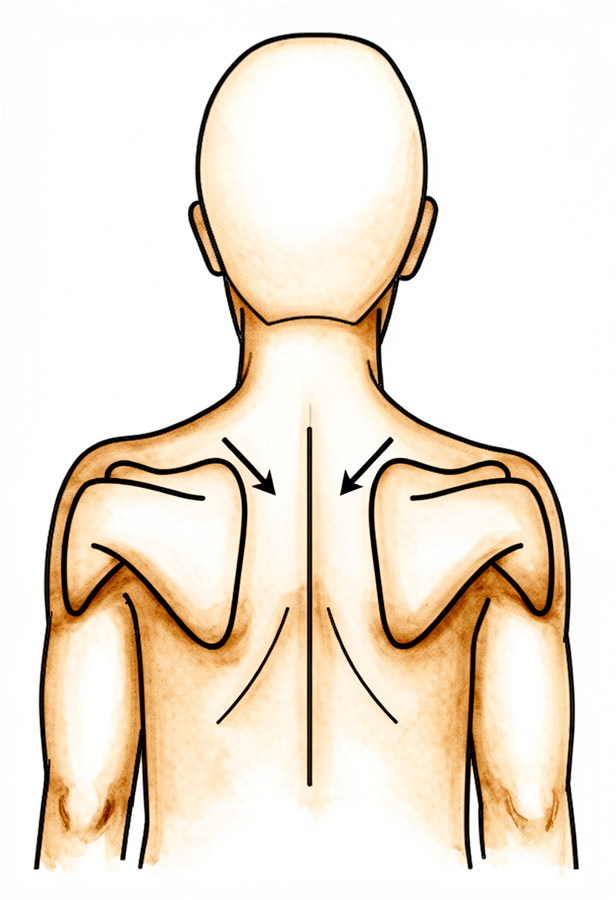
ਸਕੈਪੂਲਾ ਨੂੰ ਟਿਕਾਉਣਾ (scapular setting)
ਸਿੱਧੇ ਬੈਠ ਕੇ ਜਾਂ ਖੜ੍ਹੇ ਹੋ ਕੇ, ਆਪਣੇ ਸਕੈਪੂਲਾ (ਮੋਢੇ ਦੀ ਪਿਛਲੀ ਚਪਟੀ ਹੱਡੀ, shoulder blade) ਨੂੰ ਹੌਲੀ ਜਿਹੇ ਪਿੱਛੇ ਵੱਲ ਇਕੱਠੇ ਅਤੇ ਹੇਠਾਂ ਵੱਲ, ਕੰਨਾਂ ਤੋਂ ਦੂਰ, ਖਿੱਚੋ। ਕੁਝ ਸਕਿੰਟ ਰੋਕ ਕੇ ਰੱਖੋ, ਫਿਰ ਢਿੱਲਾ ਛੱਡੋ। ਇਹ ਆਪਣੇ ਖਿਚਾਅ ਵਾਲੀਆਂ ਕਸਰਤਾਂ ਦੇ ਨਾਲ-ਨਾਲ ਜਾਰੀ ਰੱਖੋ, ਤਾਂ ਜੋ ਹਿਲਜੁਲ ਵਾਪਸ ਆਉਣ ਦੌਰਾਨ ਸਕੈਪੂਲਾ ਚੰਗੀ ਤਰ੍ਹਾਂ ਹਿੱਲਦਾ ਰਹੇ।
ਜਿਵੇਂ ਤੁਹਾਡਾ ਫਿਜ਼ੀਓਥੈਰੇਪਿਸਟ ਦੱਸੇ
ਲਗਭਗ ਦੋ ਤੋਂ ਤਿੰਨ ਹਫ਼ਤਿਆਂ 'ਤੇ ਕਲੀਨਿਕ ਵਿੱਚ ਤੁਹਾਡੀ ਜਾਂਚ ਕੀਤੀ ਜਾਵੇਗੀ, ਜਿੱਥੇ ਤੁਹਾਡੇ ਜ਼ਖ਼ਮ ਅਤੇ ਤੁਹਾਡੀ ਪੈਸਿਵ ਹਿਲਜੁਲ ਦੀ ਹੱਦ ਦੀ ਜਾਂਚ ਹੁੰਦੀ ਹੈ। ਇਸ ਪੜਾਅ ਦਾ ਕੰਮ ਹਿਲਜੁਲ ਦੀ ਹੱਦ ਵਧਾਉਣਾ ਹੈ: ਬਾਂਹ ਨੂੰ ਅੱਗੇ ਵੱਲ ਉੱਪਰ ਚੁੱਕਣ ਵਾਲੇ ਆਪਣੇ ਖਿਚਾਅ ਅੱਗੇ ਵਧਾਓ ਅਤੇ ਪਾਸੇ ਵੱਲ ਦੀਆਂ ਹਰਕਤਾਂ ਜੋੜੋ, ਫਿਜ਼ੀਓਥੈਰੇਪੀ ਦੀ ਅਗਵਾਈ ਹੇਠ। ਆਮ ਟੀਚੇ ਇਹ ਹਨ: ਛੇ ਹਫ਼ਤਿਆਂ ਤੱਕ ਬਾਂਹ ਨੂੰ ਆਪਣੀ ਤਾਕਤ ਨਾਲ ਮੋਢੇ ਦੀ ਉਚਾਈ (ਜ਼ਮੀਨ ਦੇ ਸਮਾਨਾਂਤਰ) ਤੱਕ ਚੁੱਕਣਾ, ਅਤੇ ਛੇ ਹਫ਼ਤਿਆਂ ਤੱਕ ਸਹਾਰੇ ਵਾਲੀ (ਪੈਸਿਵ) ਹਿਲਜੁਲ (ਅੱਗੇ, ਪਾਸੇ ਵੱਲ ਅਤੇ ਘੁਮਾਉਣ ਵਿੱਚ) ਨੂੰ ਆਮ ਵਾਂਗ ਕਰਨਾ। ਛੇ ਹਫ਼ਤਿਆਂ ਤੋਂ ਗੱਡੀ ਚਲਾਉਣਾ ਦੁਬਾਰਾ ਸ਼ੁਰੂ ਹੁੰਦਾ ਹੈ, ਜਦੋਂ ਤੁਹਾਡਾ ਸਰਜਨ ਤੁਹਾਨੂੰ ਇਜਾਜ਼ਤ ਦੇ ਦੇਵੇ ਅਤੇ ਤੁਸੀਂ ਅਚਾਨਕ ਬ੍ਰੇਕ ਲਗਾ ਕੇ ਗੱਡੀ ਸੁਰੱਖਿਅਤ ਢੰਗ ਨਾਲ ਰੋਕ (emergency stop) ਸਕੋ।
ਤੁਹਾਡੇ ਫਿਜ਼ੀਓਥੈਰੇਪਿਸਟ ਲਈ:
ਟੀਚੇ
- ਛੇ ਹਫ਼ਤਿਆਂ ਤੱਕ ਐਕਟਿਵ ਤਰੀਕੇ ਨਾਲ ਬਾਂਹ ਅੱਗੇ ਚੁੱਕਣਾ (forward flexion) ਅਤੇ ਪਾਸੇ ਵੱਲ ਚੁੱਕਣਾ (abduction) ਮੋਢੇ ਦੀ ਉਚਾਈ (horizontal) ਤੱਕ
- ਛੇ ਹਫ਼ਤਿਆਂ ਤੱਕ ਪੈਸਿਵ ਤਰੀਕੇ ਨਾਲ ਅੱਗੇ ਚੁੱਕਣਾ, ਪਾਸੇ ਵੱਲ ਚੁੱਕਣਾ ਅਤੇ ਬਾਹਰ ਵੱਲ ਘੁਮਾਉਣਾ (external rotation) ਆਮ ਵਾਂਗ
- ਰੋਜ਼ਾਨਾ ਦੇ ਕੰਮ ਆਪਣੇ ਆਪ ਕਰ ਸਕਣਾ
ਪ੍ਰਬੰਧਨ
- ਪੈਸਿਵ ਅਤੇ ਸਹਾਰੇ ਵਾਲਾ ਐਕਟਿਵ ਅੱਗੇ ਚੁੱਕਣਾ ਅੱਗੇ ਵਧਾਉਣਾ; ਪਾਸੇ ਵੱਲ ਚੁੱਕਣਾ ਸ਼ੁਰੂ ਕਰਕੇ ਅੱਗੇ ਵਧਾਉਣਾ
- ਜਿਵੇਂ ਆਰਾਮ ਇਜਾਜ਼ਤ ਦੇਵੇ, ਹਰ ਦਿਸ਼ਾ ਵਿੱਚ ਐਕਟਿਵ ਹਿਲਜੁਲ ਵੱਲ ਵਧਣਾ
- ਸਕੈਪੂਲਾ (ਮੋਢੇ ਦੀ ਪਿਛਲੀ ਚਪਟੀ ਹੱਡੀ, shoulder blade) ਨੂੰ ਟਿਕਾਉਣ (scapular setting) ਅਤੇ ਮੁਦਰਾ (posture) ਉੱਤੇ ਕੰਮ ਜਾਰੀ ਰੱਖਣਾ
- ਸੈਸ਼ਨਾਂ ਤੋਂ ਪਹਿਲਾਂ ਦਰਦ ਨਿਵਾਰਕ ਦਵਾਈਆਂ ਜਾਰੀ ਰੱਖਣਾ, ਅਤੇ ਖਿਚਾਅ ਵਾਲੀਆਂ ਕਸਰਤਾਂ ਦੇ ਆਲੇ-ਦੁਆਲੇ ਪਸੰਦ ਅਨੁਸਾਰ ਗਰਮ ਜਾਂ ਬਰਫ਼ ਦੀ ਸੇਕ
ਸਾਵਧਾਨੀਆਂ
- ਜਦੋਂ ਤੱਕ ਹਿਲਜੁਲ ਵਾਪਸ ਆ ਰਹੀ ਹੈ, ਚੁੱਕਣਾ ਹਲਕਾ ਰੱਖੋ; ਤਰੱਕੀ ਲੱਛਣਾਂ ਦੇ ਹਿਸਾਬ ਨਾਲ ਹੀ ਹੁੰਦੀ ਹੈ
- ਸਪਸ਼ਟ ਮਹਿਸੂਸ ਹੋਣ ਵਾਲੀ ਬੇਆਰਾਮੀ ਤੱਕ ਖਿਚਾਅ ਠੀਕ ਹੈ; ਜ਼ਬਰਦਸਤੀ, ਬਹੁਤ ਜ਼ਿਆਦਾ ਦਰਦ ਵਾਲਾ ਖਿਚਾਅ ਠੀਕ ਨਹੀਂ
ਅਗਲੇ ਪੜਾਅ ਵਿੱਚ ਜਾਣ ਦੀਆਂ ਸ਼ਰਤਾਂ
- ਪੈਸਿਵ ਹਿਲਜੁਲ ਆਮ ਵਾਂਗ ਜਾਂ ਲਗਭਗ ਆਮ ਵਾਂਗ
- ਆਪਣੀ ਤਾਕਤ ਨਾਲ ਬਾਂਹ ਮੋਢੇ ਦੀ ਉਚਾਈ ਜਾਂ ਉਸ ਤੋਂ ਉੱਪਰ ਤੱਕ ਚੁੱਕਣਾ, ਦਰਦ ਘਟਦੇ ਹੋਏ
ਪੜਾਅ III — ਤਾਕਤ ਵਧਾਉਣਾ ਅਤੇ ਪੂਰੀਆਂ ਸਰਗਰਮੀਆਂ ਵਿੱਚ ਵਾਪਸੀ (ਹਫ਼ਤੇ 8–16)
Kieran Hirpara 4.0
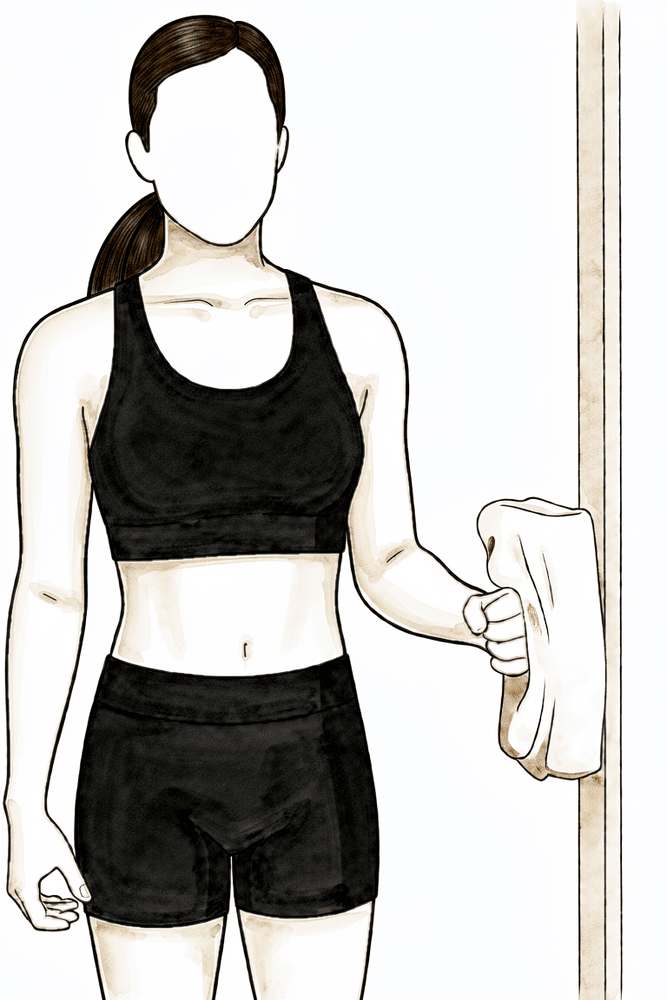
ਆਈਸੋਮੈਟ੍ਰਿਕ ਬਾਹਰ ਵੱਲ ਘੁਮਾਉਣਾ
ਖੜ੍ਹੇ ਹੋਵੋ, ਕੂਹਣੀ ਆਪਣੇ ਪਾਸੇ ਨਾਲ ਲਾ ਕੇ ਅਤੇ ਸਮਕੋਣ ਉੱਤੇ ਮੋੜ ਕੇ, ਹੱਥ ਦਾ ਪੁੱਠਾ ਪਾਸਾ ਕੰਧ ਜਾਂ ਦਰਵਾਜ਼ੇ ਦੀ ਚੁਗਾਠ ਨਾਲ ਲਾ ਕੇ। ਬਾਂਹ ਨੂੰ ਹਿੱਲਣ ਦਿੱਤੇ ਬਿਨਾਂ ਹੌਲੀ ਜਿਹੇ ਇਸ ਉੱਤੇ ਬਾਹਰ ਵੱਲ ਦਬਾਅ ਪਾਓ, ਕੁਝ ਸਕਿੰਟ ਰੋਕ ਕੇ ਰੱਖੋ, ਫਿਰ ਢਿੱਲਾ ਛੱਡੋ। ਇਸ ਨਾਲ ਬਿਨਾਂ ਕਿਸੇ ਹਿਲਜੁਲ ਦੇ ਰੋਟੇਟਰ ਕਫ਼ ਮਜ਼ਬੂਤ ਹੁੰਦਾ ਹੈ — ਇਹ ਲਗਭਗ ਅੱਠ ਹਫ਼ਤਿਆਂ ਤੋਂ (ਜੇ ਟੈਂਡਨ ਦੇ ਪਾੜ ਨੂੰ ਟਾਂਕੇ ਲਗਾਏ ਗਏ ਸਨ ਤਾਂ ਦਸ ਤੋਂ ਬਾਰਾਂ ਹਫ਼ਤਿਆਂ ਤੋਂ) ਤਾਕਤ ਵਧਾਉਣ ਦੀ ਸ਼ੁਰੂਆਤ ਹੈ।
ਕੁਝ ਸਕਿੰਟ ਰੋਕ ਕੇ ਰੱਖੋ, ਕਈ ਵਾਰ; ਜਿਵੇਂ ਤੁਹਾਡਾ ਫਿਜ਼ੀਓਥੈਰੇਪਿਸਟ ਦੱਸੇ
Kieran Hirpara 4.0
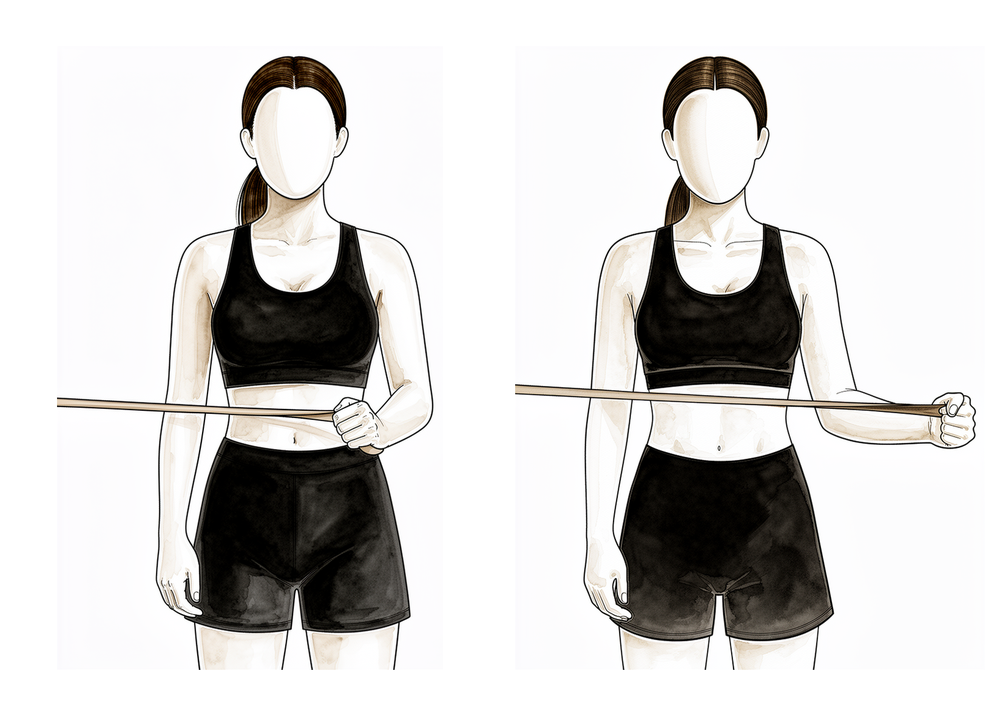
ਬੈਂਡ ਨਾਲ ਬਾਹਰ ਵੱਲ ਘੁਮਾਉਣਾ
ਖੜ੍ਹੇ ਹੋਵੋ, ਕੂਹਣੀ ਆਪਣੇ ਪਾਸੇ ਨਾਲ ਲਾ ਕੇ ਅਤੇ ਸਮਕੋਣ ਉੱਤੇ ਮੋੜ ਕੇ, ਲੱਕ ਦੀ ਉਚਾਈ ਉੱਤੇ ਬੰਨ੍ਹਿਆ ਇਲਾਸਟਿਕ ਬੈਂਡ ਫੜ ਕੇ। ਕੂਹਣੀ ਨੂੰ ਪਾਸੇ ਨਾਲ ਲੱਗੀ ਰੱਖਦੇ ਹੋਏ, ਬਾਂਹ ਦੇ ਹੇਠਲੇ ਹਿੱਸੇ (forearm) ਨੂੰ ਬੈਂਡ ਦੇ ਵਿਰੁੱਧ ਬਾਹਰ ਵੱਲ ਘੁਮਾਓ, ਫਿਰ ਹੌਲੀ-ਹੌਲੀ ਵਾਪਸ ਲਿਆਓ। ਜਿਵੇਂ-ਜਿਵੇਂ ਤਾਕਤ ਬਣਦੀ ਹੈ, ਇਹ ਆਈਸੋਮੈਟ੍ਰਿਕ ਕਸਰਤ ਤੋਂ ਅਗਲਾ ਕਦਮ ਹੈ।
10 ਤੋਂ 15 ਵਾਰ ਦੇ 2 ਤੋਂ 3 ਸੈੱਟ, ਘੱਟ ਵਿਰੋਧ
Kieran Hirpara 4.0
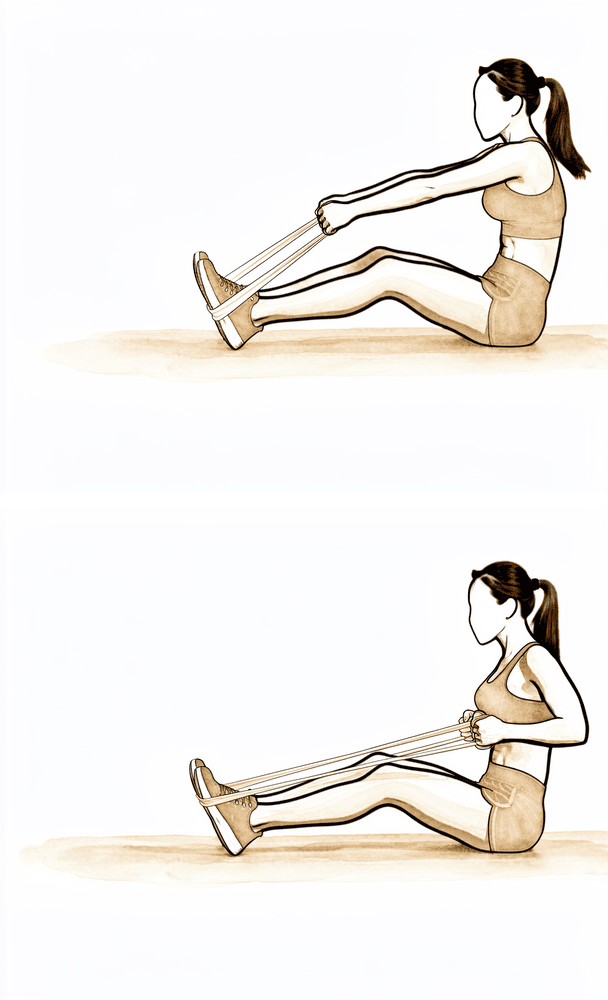
ਲੋ ਰੋ (low row)
ਆਪਣੇ ਸਾਹਮਣੇ ਲੱਕ ਦੀ ਉਚਾਈ ਉੱਤੇ ਬੰਨ੍ਹਿਆ ਬੈਂਡ ਫੜੋ। ਬਾਂਹ ਨੂੰ ਕਾਫ਼ੀ ਹੱਦ ਤੱਕ ਸਿੱਧਾ ਰੱਖ ਕੇ, ਇਸ ਨੂੰ ਪਿੱਛੇ ਅਤੇ ਹੇਠਾਂ ਆਪਣੇ ਚੂਲੇ (ਕੂਲ੍ਹੇ ਦਾ ਜੋੜ, hip) ਵੱਲ ਖਿੱਚੋ, ਸਕੈਪੂਲਾ ਨੂੰ ਹੇਠਾਂ ਅਤੇ ਪਿੱਛੇ ਘੁੱਟਦੇ ਹੋਏ, ਫਿਰ ਹੌਲੀ-ਹੌਲੀ ਵਾਪਸ ਜਾਓ। ਇਸ ਨਾਲ ਸਕੈਪੂਲਾ ਦੀਆਂ ਉਹ ਮਾਸਪੇਸ਼ੀਆਂ ਮਜ਼ਬੂਤ ਹੁੰਦੀਆਂ ਹਨ ਜੋ ਰੋਟੇਟਰ ਕਫ਼ ਨੂੰ ਸਹਾਰਾ ਦਿੰਦੀਆਂ ਹਨ।
10 ਤੋਂ 15 ਵਾਰ ਦੇ 2 ਤੋਂ 3 ਸੈੱਟ
Kieran Hirpara 4.0
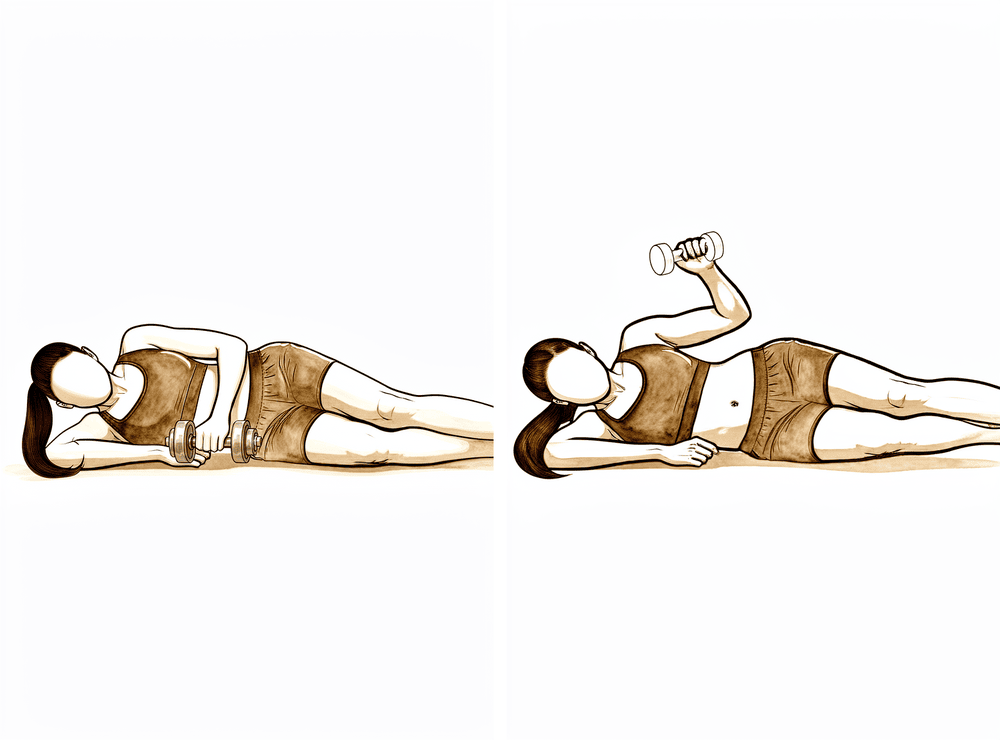
ਪਾਸੇ ਭਾਰ ਲੇਟ ਕੇ ਵਜ਼ਨ ਨਾਲ ਬਾਹਰ ਵੱਲ ਘੁਮਾਉਣਾ
ਬਿਨਾਂ ਓਪਰੇਸ਼ਨ ਵਾਲੇ ਪਾਸੇ ਲੇਟੋ, ਉੱਪਰਲੀ ਕੂਹਣੀ ਸਮਕੋਣ ਉੱਤੇ ਮੋੜ ਕੇ ਅਤੇ ਸਰੀਰ ਨਾਲ ਲਾ ਕੇ। ਹਲਕਾ ਵਜ਼ਨ ਫੜ ਕੇ ਬਾਂਹ ਦੇ ਹੇਠਲੇ ਹਿੱਸੇ ਨੂੰ ਛੱਤ ਵੱਲ ਉੱਪਰ ਘੁਮਾਓ, ਫਿਰ ਹੌਲੀ-ਹੌਲੀ ਹੇਠਾਂ ਲਿਆਓ। ਇਹ ਲਗਭਗ ਅੱਠ ਹਫ਼ਤਿਆਂ ਤੋਂ (ਜੇ ਟੈਂਡਨ ਦੇ ਪਾੜ ਨੂੰ ਟਾਂਕੇ ਲਗਾਏ ਗਏ ਸਨ ਤਾਂ ਦਸ ਤੋਂ ਬਾਰਾਂ ਤੋਂ) ਰੋਟੇਟਰ ਕਫ਼ ਦੀ ਤਾਕਤ ਵਧਾਉਣ ਦਾ ਹਿੱਸਾ ਹੈ — ਇਸ ਦੇ ਨਾਲ-ਨਾਲ ਹਿਲਜੁਲ ਵਾਲੀਆਂ ਕਸਰਤਾਂ ਵੀ ਜਾਰੀ ਰੱਖੋ।
ਘੱਟ ਭਾਰ, ਜ਼ਿਆਦਾ ਦੁਹਰਾਓ
ਆਮ ਤੌਰ 'ਤੇ ਲਗਭਗ ਅੱਠ ਹਫ਼ਤਿਆਂ 'ਤੇ ਤੁਹਾਡੀ ਦੁਬਾਰਾ ਜਾਂਚ ਕੀਤੀ ਜਾਵੇਗੀ। ਹਿਲਜੁਲ ਵਾਪਸ ਆਉਣ ਤੋਂ ਬਾਅਦ, ਰੀਹੈਬਿਲੀਟੇਸ਼ਨ ਦਾ ਧਿਆਨ ਰੋਟੇਟਰ ਕਫ਼ ਨੂੰ ਮਜ਼ਬੂਤ ਕਰਨ ਵੱਲ ਜਾਂਦਾ ਹੈ, ਆਮ ਤੌਰ 'ਤੇ ਤੁਹਾਡੇ ਫਿਜ਼ੀਓਥੈਰੇਪਿਸਟ ਦੀ ਨਿਗਰਾਨੀ ਹੇਠ, ਅਤੇ ਮੋਢੇ ਦੀ ਉਚਾਈ ਤੋਂ ਉੱਪਰ ਬਾਂਹ ਨੂੰ ਖੁੱਲ੍ਹ ਕੇ ਵਰਤਣ ਵੱਲ। ਟੀਚਾ ਇਹ ਹੈ ਕਿ ਲਗਭਗ ਬਾਰਾਂ ਹਫ਼ਤਿਆਂ ਤੱਕ ਤੁਸੀਂ ਆਪਣੀ ਤਾਕਤ ਨਾਲ ਬਾਂਹ ਨੂੰ ਅੱਗੇ ਵੱਲ ਅਤੇ ਪਾਸੇ ਵੱਲ ਪੂਰਾ ਉੱਪਰ ਚੁੱਕ ਸਕੋ। ਸਿਰਫ਼ ਜਮਾਅ ਕੱਢਣ ਤੋਂ ਬਾਅਦ ਠੀਕ ਹੋਣ ਵਿੱਚ ਆਮ ਤੌਰ 'ਤੇ ਲਗਭਗ ਤਿੰਨ ਮਹੀਨੇ ਲੱਗਦੇ ਹਨ, ਜਿਸ ਤੋਂ ਬਾਅਦ ਕੋਈ ਪਾਬੰਦੀ ਨਹੀਂ ਰਹਿੰਦੀ; ਜੇ ਰੋਟੇਟਰ ਕਫ਼ ਦੀ ਮੁਰੰਮਤ ਦੀ ਲੋੜ ਪਈ ਸੀ, ਤਾਂ ਠੀਕ ਹੋਣ ਵਿੱਚ ਜ਼ਿਆਦਾ ਸਮਾਂ ਲੱਗਦਾ ਹੈ (ਆਮ ਤੌਰ 'ਤੇ ਲਗਭਗ ਪੰਜ ਮਹੀਨੇ) ਅਤੇ ਇਸ ਦੀ ਬਜਾਏ ਰੋਟੇਟਰ ਕਫ਼ ਰਿਪੇਅਰ ਵਾਲੇ ਪ੍ਰੋਟੋਕੋਲ ਦੀ ਪਾਲਣਾ ਕੀਤੀ ਜਾਂਦੀ ਹੈ। ਜੇ ਇਸ ਸਮੇਂ ਤੋਂ ਬਾਅਦ ਵੀ ਕੁਝ ਦੁਖਣ ਰਹਿੰਦਾ ਹੈ ਤਾਂ ਚਿੰਤਾ ਨਾ ਕਰੋ: ਇਸ ਓਪਰੇਸ਼ਨ ਤੋਂ ਬਾਅਦ, ਓਪਰੇਸ਼ਨ ਤੋਂ ਪਹਿਲਾਂ ਵਾਲੇ ਲੱਛਣਾਂ ਨੂੰ ਪੂਰੀ ਤਰ੍ਹਾਂ ਸ਼ਾਂਤ ਹੋਣ ਵਿੱਚ ਨੌਂ ਮਹੀਨੇ ਤੱਕ ਲੱਗ ਸਕਦੇ ਹਨ, ਜਦਕਿ ਰੁਝਾਨ ਲਗਾਤਾਰ ਸਹੀ ਦਿਸ਼ਾ ਵਿੱਚ ਰਹਿੰਦਾ ਹੈ।
ਤੁਹਾਡੇ ਫਿਜ਼ੀਓਥੈਰੇਪਿਸਟ ਲਈ:
ਟੀਚੇ
- ਲਗਭਗ ਬਾਰਾਂ ਹਫ਼ਤਿਆਂ ਤੱਕ ਪੂਰਾ ਐਕਟਿਵ ਅੱਗੇ ਚੁੱਕਣਾ ਅਤੇ ਪਾਸੇ ਵੱਲ ਚੁੱਕਣਾ
- ਰੋਟੇਟਰ ਕਫ਼ ਅਤੇ ਸਕੈਪੂਲਾ ਦੀ ਤਾਕਤ ਅਤੇ ਸਹਿਣਸ਼ਕਤੀ ਨੂੰ ਦਰਜਾਵਾਰ ਵਾਪਸ ਲਿਆਉਣਾ
- ਲਗਭਗ ਤਿੰਨ ਮਹੀਨਿਆਂ ਤੱਕ ਪੂਰੀ, ਬਿਨਾਂ ਪਾਬੰਦੀ ਸਰਗਰਮੀ ਵਿੱਚ ਵਾਪਸੀ
ਪ੍ਰਬੰਧਨ
- ਅੱਠ ਹਫ਼ਤਿਆਂ ਤੋਂ (ਜੇ ਟੈਂਡਨ ਦੇ ਪਾੜ ਨੂੰ ਟਾਂਕੇ ਲਗਾਏ ਗਏ ਸਨ ਤਾਂ ਦਸ ਤੋਂ ਬਾਰਾਂ ਹਫ਼ਤਿਆਂ ਤੋਂ) ਰੋਟੇਟਰ ਕਫ਼ ਦੀ ਹੌਲੀ-ਹੌਲੀ ਵਧਦੀ ਤਾਕਤ ਵਾਲੀਆਂ ਕਸਰਤਾਂ: ਆਈਸੋਮੈਟ੍ਰਿਕ ਕਸਰਤਾਂ (isometrics, ਜੋੜ ਹਿਲਾਏ ਬਿਨਾਂ ਮਾਸਪੇਸ਼ੀ ਕੱਸਣਾ) ਤੋਂ ਇਲਾਸਟਿਕ ਬੈਂਡ ਅਤੇ ਹਲਕੇ ਵਜ਼ਨ ਵਾਲੇ ਕੰਮ ਵੱਲ, ਘੱਟ ਭਾਰ ਅਤੇ ਜ਼ਿਆਦਾ ਦੁਹਰਾਓ ਨਾਲ
- ਮੋਢੇ ਦੀ ਉਚਾਈ ਤੋਂ ਉੱਪਰ ਬਾਂਹ ਦੀ ਐਕਟਿਵ ਵਰਤੋਂ ਨੂੰ ਅੱਗੇ ਵਧਾਉਣਾ
- ਹਫ਼ਤੇ ਬਾਰਾਂ ਤੋਂ ਸੋਲ੍ਹਾਂ ਦੌਰਾਨ, ਜਿੰਨਾ ਬਰਦਾਸ਼ਤ ਹੋਵੇ, ਜਿਮ, ਕੰਮ ਅਤੇ ਖੇਡ ਅਨੁਸਾਰ ਭਾਰ ਵਧਾਉਣਾ
ਸਾਵਧਾਨੀਆਂ
- ਤਾਕਤ ਵਧਾਉਣਾ ਹਿਲਜੁਲ ਦੀ ਕੀਮਤ ਉੱਤੇ ਨਹੀਂ ਹੋਣਾ ਚਾਹੀਦਾ; ਸਾਰਾ ਸਮਾਂ ਹਿਲਜੁਲ ਵਾਲੀਆਂ ਕਸਰਤਾਂ ਜਾਰੀ ਰੱਖੋ
- ਭਾਰੀ ਅਤੇ ਸਿਰ ਤੋਂ ਉੱਪਰ ਵਾਲਾ ਭਾਰ ਹੌਲੀ-ਹੌਲੀ ਵਧਾਓ; ਦਰਦ ਭੜਕਣ ਦਾ ਮਤਲਬ ਹੈ ਇੱਕ ਕਦਮ ਪਿੱਛੇ ਹਟਣਾ
ਅਗਲੇ ਪੜਾਅ ਵਿੱਚ ਜਾਣ ਦੀਆਂ ਸ਼ਰਤਾਂ
- ਪੂਰੀ ਐਕਟਿਵ ਹਿਲਜੁਲ, ਤਾਕਤ ਵਾਪਸ ਆ ਰਹੀ ਹੋਵੇ ਅਤੇ ਲੱਛਣ ਘਟਦੇ ਜਾ ਰਹੇ ਹੋਣ
- ਚੰਗੀ ਤਰੱਕੀ ਹੋਣ 'ਤੇ ਨਿਯਮਿਤ ਫ਼ਾਲੋ-ਅੱਪ ਤੋਂ ਛੁੱਟੀ, ਆਮ ਤੌਰ 'ਤੇ ਲਗਭਗ ਅੱਠ ਤੋਂ ਸੋਲ੍ਹਾਂ ਹਫ਼ਤਿਆਂ ਤੋਂ
ਤੁਹਾਡੇ ਪ੍ਰੋਟੋਕੋਲ ਤੋਂ ਬਾਅਦ
ਉੱਪਰ ਦਿੱਤੇ ਪੜਾਅ ਇਸ ਪ੍ਰਕਿਰਿਆ ਲਈ ਪ੍ਰਕਾਸ਼ਿਤ ਮਰੀਜ਼-ਮਾਰਗਦਰਸ਼ਨ ਅਤੇ ਰੀਹੈਬਿਲੀਟੇਸ਼ਨ ਪ੍ਰੋਟੋਕੋਲਾਂ ਤੋਂ ਲਏ ਗਏ ਹਨ: The London Shoulder Partnership ਦਾ ਕੈਲਸ਼ੀਅਮ ਜਮਾਅ ਕੱਢਣ ਤੋਂ ਬਾਅਦ ਦਾ ਰੀਹੈਬਿਲੀਟੇਸ਼ਨ ਪ੍ਰੋਟੋਕੋਲ, ਕੈਲਸੀਫ਼ਿਕ ਟੈਂਡੀਨਾਈਟਿਸ ਦੀ ਸਰਜਰੀ ਬਾਰੇ ShoulderDoc (UK) ਦਾ ਮਰੀਜ਼-ਮਾਰਗਦਰਸ਼ਨ, ਅਤੇ ਦੂਰਬੀਨ ਨਾਲ ਜਮਾਅ ਕੱਢਣ ਬਾਰੇ ਡਾ. ਕੇਵਿਨ ਕੋ (Dr Kevin Ko) ਦੀ ਮਰੀਜ਼ਾਂ ਲਈ ਗਾਈਡ। ਹਫ਼ਤਿਆਂ ਦੀਆਂ ਹੱਦਾਂ ਆਮ ਅੰਦਾਜ਼ਾ ਹਨ, ਬੱਝਵੀਆਂ ਨਹੀਂ, ਅਤੇ ਤੁਹਾਡੀ ਅਗਲੀ ਰੀਹੈਬਿਲੀਟੇਸ਼ਨ ਦੀ ਅਗਵਾਈ ਤੁਹਾਡਾ ਫਿਜ਼ੀਓਥੈਰੇਪਿਸਟ, ਪ੍ਰੈਕਟਿਸ ਨਾਲ ਮਿਲ ਕੇ, ਤੁਹਾਡੇ ਮੋਢੇ ਦੇ ਠੀਕ ਹੋਣ ਦੇ ਹਿਸਾਬ ਨਾਲ ਨਿੱਜੀ ਤੌਰ 'ਤੇ ਕਰਦਾ ਹੈ। ਇਹ ਪੰਨਾ ਪ੍ਰੈਕਟਿਸ ਦੀ ਠੀਕ ਹੋਣ ਬਾਰੇ ਆਮ ਸਲਾਹ ਦੇ ਨਾਲ-ਨਾਲ ਕੰਮ ਕਰਦਾ ਹੈ: ਦੇਖੋ ਓਪਰੇਸ਼ਨ ਤੋਂ ਬਾਅਦ ਦਰਦ ਨੂੰ ਸੰਭਾਲਣਾ ਅਤੇ ਜ਼ਖ਼ਮ ਦੀ ਦੇਖਭਾਲ। ਇਸ ਸਥਿਤੀ ਬਾਰੇ, ਅਤੇ ਇਹ ਇਲਾਜ ਕਿਵੇਂ ਕੰਮ ਕਰਦੇ ਹਨ, ਇਹ ਜਾਣਨ ਲਈ ਦੇਖੋ ਕੈਲਸੀਫ਼ਿਕ ਟੈਂਡੀਨਾਈਟਿਸ। ਇਸ ਪ੍ਰੋਟੋਕੋਲ ਪਿੱਛੇ ਦੇ ਸਬੂਤਾਂ (ਬਿਮਾਰੀ ਦਾ ਕੁਦਰਤੀ ਰਾਹ, ਬਾਰਬੋਟੇਜ (barbotage, ਸੂਈ ਨਾਲ ਕੈਲਸ਼ੀਅਮ ਨੂੰ ਧੋ ਕੇ ਕੱਢਣਾ), ਅਤੇ ਸਰਜਰੀ ਨਾਲ ਕੱਢਣ ਬਾਰੇ ਖੋਜ) ਦਾ ਸਾਰ ਸਬੂਤਾਂ ਵਾਲੇ ਹਿੱਸੇ ਵਿੱਚ ਦਿੱਤਾ ਗਿਆ ਹੈ, ਜੋ ਇਸ ਪੰਨੇ ਦੇ ਸਿਖਰ ਤੋਂ PDF ਦੇ ਰੂਪ ਵਿੱਚ ਉਪਲਬਧ ਹੈ।
Evidence & references
This is the clinical evidence summary written for health professionals. It is technical, and it lists the research this page was built from. You do not need to read it to understand your treatment or to make a decision about it.
Calcific Tendinitis of the Rotator Cuff — Staged Management & Post-operative Rehabilitation (Arthroscopic Excision)
Topic scope: (A) the natural history and stepped non-operative management of rotator-cuff calcific tendinitis (rest/analgesia → barbotage ± subacromial steroid → ESWT), and (B) post-operative rehabilitation after arthroscopic excision of the calcific deposit (± subacromial decompression; the cuff-repair pathway defers to the rotator-cuff-repair protocol).
Defining principle of the surgical rehab here: arthroscopic excision removes the source of pain and does not, by itself, create a construct that needs months of protection — provided the rotator cuff is left intact. So (like a debridement/decompression, and unlike a cuff repair) the rehab is an early-movement pathway: short sling for comfort only, unrestricted use below shoulder height from day one, assisted elevation to prevent stiffness, strengthening from ~8 weeks. The single branch point is whether removing the deposit left a tendon defect that needed repair — if so, the recovery converts to the slower, protected rotator-cuff-repair pathway.
A. NATURAL HISTORY & NON-OPERATIVE MANAGEMENT
Natural history (self-limiting in most)
Rotator-cuff calcific tendinitis is self-limiting in the majority: after a variable quiescent period the deposit enters a resorptive phase (peripheral vascularisation + phagocytosis), and spontaneous resorption occurs in roughly two-thirds of cases within 1–2 years [Uhthoff & Loehr; Chianca 2018 review]. This underpins a non-operative-first approach and explains why post-operative residual calcium that "dissolves spontaneously" does not harm the outcome.
Stepped non-operative interventions
- Analgesia / activity modification / physiotherapy — first line; many settle as the deposit resorbs. Consensus.
- Ultrasound-guided barbotage (needling + lavage), usually + subacromial corticosteroid — the best-supported interventional option. A systematic review of 908 patients and subsequent meta-analyses favour barbotage for medium-term pain/function; barbotage + subacromial steroid improves Constant–Murley score and reduces deposit size vs steroid alone. Notably, clinical improvement is NOT dependent on how much calcium is aspirated — perforating the deposit to trigger resorption is the active mechanism. Moderate–strong (SR/RCT).
- Extracorporeal shock-wave therapy (ESWT) — reduces deposit size and pain; broadly comparable to barbotage in several comparisons. Moderate (RCT).
B. POST-OPERATIVE REHABILITATION (arthroscopic excision ± subacromial decompression)
Surgery is reserved for deposits recalcitrant to adequate non-operative care. The operation locates and removes the deposit from within the cuff tendon, often with a subacromial decompression for room. Key surgical-outcome facts that shape the rehab:
- Preserving cuff integrity while removing as much deposit as possible gives good-to-excellent results in ~90% and avoids iatrogenic tendon defects [arthroscopic excision series].
- Complete vs near-complete removal gives equivalent outcomes — residual calcium resorbs spontaneously afterwards; the surgeon need not chase every fleck at the cost of the tendon.
- Arthroscopic decompression WITHOUT cuff repair is a validated strategy with good outcomes where the residual defect is not repaired [Bone & Joint 2023].
- Symptom settling is gradual — significant pain relief and ROM gains are the norm, but the pre-operative symptoms can take up to ~9 months to fade fully; recovery to unrestricted activity after excision alone is ~3 months.
Phased post-op timeline (no cuff repair)
| Phase | Window | Sling | ROM / use | Strengthening | Notes |
|---|---|---|---|---|---|
| I — Early movement | Week 0–2 | Comfort only, days (rarely > 2 wk), off ASAP | Unrestricted use below shoulder height from day 1; assisted elevation above shoulder height several × daily to prevent stiffness | — | Settle post-op flare; calcific patients are stiffness-prone → motion is the priority. ≤ ~2 kg, no driving while in sling |
| II — Regaining range | Week 2–8 | Off | Progress active elevation; restore full passive + active ROM | Begin gentle as pain allows | Most regain comfortable range through this window |
| III — Strengthening / return | Week 8–16 | Off | Full active elevation goal by ~12 wk | Cuff + scapular strengthening from ~8 wk, isometric → band/light weight; advance work/sport loading wk 12–16 | Full unrestricted activity ~3 months; discharge ~8–16 wk |
Branch point — if a rotator cuff repair was required: recovery converts to the protected rotator-cuff-repair pathway (sling ~6 wk, ROM restrictions, strengthening deferred), typically ~5 months total. The surgeon confirms post-operatively which pathway applies.
C. KEY CONTROVERSIES / EVIDENCE QUALITY
- Surgery is a last resort — given high spontaneous-resorption rates and effective barbotage/ESWT, excision is reserved for genuinely recalcitrant cases. Strong rationale.
- How much to remove / whether to repair the defect. Equivalent outcomes for complete vs partial removal, and viable decompression-without-repair, mean the surgeon balances deposit clearance against tendon integrity intra-operatively — which in turn decides the rehab pathway. Moderate.
- The post-op rehab protocol itself is consensus/expert, drawn from surgeon patient-guidance protocols rather than a rehab RCT — phase timings are typical, not trial-derived.
D. EVIDENCE STRENGTH FLAGS (summary)
- MODERATE–STRONG (SR / RCT): barbotage ± steroid for non-operative calcific tendinitis (908-patient SR; barbotage + steroid > steroid alone); ESWT efficacy.
- MODERATE (cohorts): arthroscopic excision outcomes (~90% good-excellent; equivalence of complete vs partial removal; decompression without repair, Bone & Joint 2023); spontaneous resorption ~2/3 within 1–2 years.
- WEAK / CONSENSUS: the post-operative rehabilitation protocol (surgeon patient-guidance documents; no defining rehab RCT).
CITATIONS
RAG corpus (180,000+ Orthopaedic articles) — adjacent rotator-cuff evidence
- Predictors of failure of non-operative treatment of chronic symptomatic rotator-cuff disease (2013 Neer Award). J Shoulder Elbow Surg. 2016. DOI: 10.1016/j.jse.2016.04.030
- Arthroscopic rotator cuff repair: scientific rationale, surgical technique, early clinical results. J Shoulder Elbow Surg. 2010. DOI: 10.1016/j.jse.2009.12.012
- Early versus delayed rehabilitation after arthroscopic rotator cuff repair. Knee Surg Sports Traumatol Arthrosc. 2024. DOI: 10.1002/ksa.12129
- Speed of recovery after arthroscopic rotator cuff repair. J Shoulder Elbow Surg. 2017. DOI: 10.1016/j.jse.2016.11.002
- (The corpus is thin on calcific-tendinitis-specific rehab; the evidence base below is the calcific literature + published surgeon protocols.)
Calcific tendinitis literature (URLs)
- Ultrasound-guided barbotage for calcific tendonitis of the shoulder: a systematic review including 908 patients (DARE). https://www.ncbi.nlm.nih.gov/books/NBK241935/
- Determining the efficacy of barbotage for pain relief in calcific tendinitis. JSES Int / ScienceDirect. 2024. https://pmc.ncbi.nlm.nih.gov/articles/PMC11401591/
- Needling and lavage in rotator-cuff calcific tendinitis: ultrasound-guided technique. PMC. 2024. https://pmc.ncbi.nlm.nih.gov/articles/PMC10805427/
- Calcific tendinitis of the rotator cuff: a review (natural history, phases, resorption). PMC. https://pmc.ncbi.nlm.nih.gov/articles/PMC3749672/
- Recovery pattern after arthroscopic treatment for calcific tendinitis of the shoulder. Orthop Traumatol Surg Res. 2020. https://www.sciencedirect.com/science/article/pii/S1877056820301043
- Arthroscopic decompression of calcific tendinitis without cuff repair. Bone Joint J. 2023. https://boneandjoint.org.uk/Article/10.1302/0301-620X.105B6.BJJ-2022-1137.R1
- Arthroscopic treatment of calcific tendonitis (preserve cuff, ~90% good-excellent; residuals resorb). PMC. https://pmc.ncbi.nlm.nih.gov/articles/PMC4044535/
Published rehab protocols (patient-guidance — basis for the phase structure)
- The London Shoulder Partnership — Calcific Deposit Excision Rehabilitation. http://thelondonshoulderpartnership.co.uk/shoulder/shoulder-rehabilitation/calcific-deposit-excision-rehabilitation/
- Ko K. Arthroscopic Excision of Calcific Tendonitis — What Can I Expect? (OPA Orthopedics). https://www.kevinkomd.com/pdf/calcific-tendonitis.pdf
- Funk L. Surgery for Calcific Tendinitis. ShoulderDoc. https://shoulderdoc.co.uk/pages/surgery-for-calcific-tendinitis