Patients › General-Health
ਹੱਡੀਆਂ ਦੀ ਸਿਹਤ ਅਤੇ ਓਸਟੀਓਪੋਰੋਸਿਸ
How bone strength affects fractures, fixation and recovery — bone density, fragility fractures, and what helps keep bones strong (lifestyle, supplements and medications).
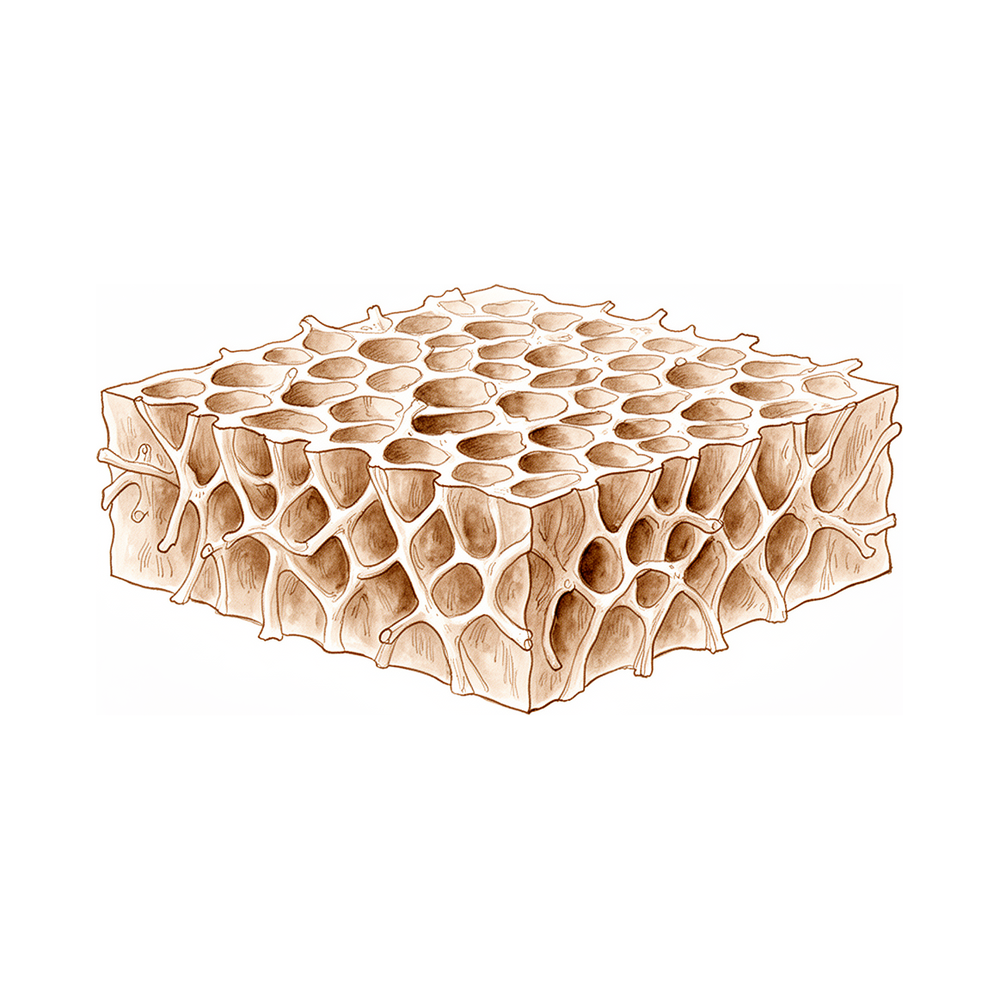
ਇਹ ਕੀ ਹੈ
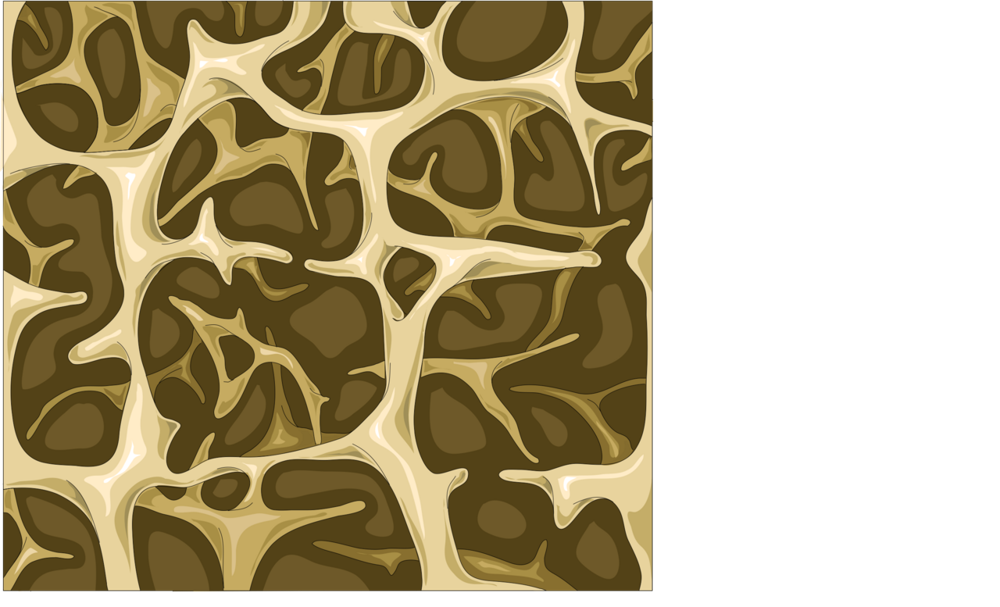
ਓਸਟੀਓਪੋਰੋਸਿਸ (ਹੱਡੀਆਂ ਦਾ ਕਮਜ਼ੋਰ ਅਤੇ ਭੁਰਭੁਰਾ ਹੋਣਾ) ਇੱਕ ਅਜਿਹੀ ਹਾਲਤ ਹੈ ਜਿਸ ਵਿੱਚ ਤੁਹਾਡੀਆਂ ਹੱਡੀਆਂ ਦੀ ਤਾਕਤ ਘਟ ਜਾਂਦੀ ਹੈ। ਸਮੇਂ ਦੇ ਨਾਲ ਇਹ ਪਤਲੀਆਂ ਅਤੇ ਭੁਰਭੁਰੀਆਂ ਹੋ ਜਾਂਦੀਆਂ ਹਨ, ਇਸ ਲਈ ਮਾਮੂਲੀ ਜਿਹਾ ਡਿੱਗਣ ਜਾਂ ਛੋਟੀ ਜਿਹੀ ਟੱਕਰ ਲੱਗਣ ਨਾਲ ਵੀ ਟੁੱਟ ਸਕਦੀਆਂ ਹਨ। ਸਭ ਤੋਂ ਆਮ ਫ੍ਰੈਕਚਰ (ਹੱਡੀ ਦਾ ਟੁੱਟਣਾ) ਚੂਲੇ (ਕੂਲ੍ਹੇ ਦਾ ਜੋੜ, hip), ਗੁੱਟ ਅਤੇ ਰੀੜ੍ਹ ਦੀ ਹੱਡੀ ਵਿੱਚ ਹੁੰਦੇ ਹਨ।
ਤੁਸੀਂ "ਫ਼ਰੈਜਿਲਿਟੀ ਫ੍ਰੈਕਚਰ" (fragility fracture, ਕਮਜ਼ੋਰ ਹੱਡੀ ਦਾ ਟੁੱਟਣਾ) ਸ਼ਬਦ ਸੁਣ ਸਕਦੇ ਹੋ। ਇਸ ਦਾ ਮਤਲਬ ਹੈ ਕਿ ਹੱਡੀ ਜਿੰਨੀ ਆਸਾਨੀ ਨਾਲ ਟੁੱਟਣੀ ਚਾਹੀਦੀ ਸੀ, ਉਸ ਨਾਲੋਂ ਜ਼ਿਆਦਾ ਆਸਾਨੀ ਨਾਲ ਟੁੱਟ ਗਈ। ਜੇ ਤੁਹਾਡੀ ਹੱਡੀ ਇਸ ਤਰ੍ਹਾਂ ਟੁੱਟੀ ਹੈ, ਤਾਂ ਇਹ ਇੱਕ ਚੇਤਾਵਨੀ ਦੀ ਨਿਸ਼ਾਨੀ ਹੋ ਸਕਦੀ ਹੈ ਕਿ ਤੁਹਾਡੀਆਂ ਹੱਡੀਆਂ ਆਮ ਨਾਲੋਂ ਕਮਜ਼ੋਰ ਹਨ।
ਇੱਥੇ ਦੇਖਭਾਲ ਵਿੱਚ ਇੱਕ ਜਾਣਿਆ-ਪਛਾਣਿਆ ਪਾੜਾ ਹੈ। ਖੋਜ ਵਿੱਚ ਪਤਾ ਲੱਗਾ ਹੈ ਕਿ ਜਿਨ੍ਹਾਂ ਲੋਕਾਂ ਦੀ ਹੱਡੀ ਇਸ ਤਰ੍ਹਾਂ ਟੁੱਟਦੀ ਹੈ, ਉਨ੍ਹਾਂ ਦੀ ਅਕਸਰ ਓਸਟੀਓਪੋਰੋਸਿਸ ਲਈ ਜਾਂਚ ਨਹੀਂ ਕੀਤੀ ਜਾਂਦੀ ਅਤੇ ਨਾ ਹੀ ਉਨ੍ਹਾਂ ਦਾ ਇਲਾਜ ਸ਼ੁਰੂ ਕੀਤਾ ਜਾਂਦਾ ਹੈ [1]। ਇਹ ਉਦੋਂ ਵੀ ਹੁੰਦਾ ਹੈ ਜਦੋਂ ਇਸ ਬਾਰੇ ਦਿਸ਼ਾ-ਨਿਰਦੇਸ਼ (guidelines) ਮੌਜੂਦ ਹਨ [2]। ਇਹ ਗੱਲ ਮਹੱਤਵਪੂਰਨ ਹੈ ਕਿਉਂਕਿ ਹੱਡੀਆਂ ਦੀ ਅੰਦਰਲੀ ਕਮਜ਼ੋਰੀ ਦਾ ਇਲਾਜ ਕਰਨ ਨਾਲ ਦੁਬਾਰਾ ਹੱਡੀ ਟੁੱਟਣ ਦੀ ਸੰਭਾਵਨਾ ਘਟ ਸਕਦੀ ਹੈ। ਟ੍ਰਾਇਲਾਂ (trials, ਡਾਕਟਰੀ ਪਰਖ-ਅਧਿਐਨ) ਨੇ ਦਿਖਾਇਆ ਹੈ ਕਿ ਫ਼ਰੈਜਿਲਿਟੀ ਫ੍ਰੈਕਚਰ ਤੋਂ ਬਾਅਦ ਓਸਟੀਓਪੋਰੋਸਿਸ ਦਾ ਇਲਾਜ ਕਰਨ ਨਾਲ ਹੋਰ ਫ੍ਰੈਕਚਰਾਂ ਦਾ ਖ਼ਤਰਾ 50% ਤੱਕ ਘਟ ਸਕਦਾ ਹੈ ਅਤੇ ਮੌਤ ਦੀ ਦਰ 30% ਤੱਕ ਘਟ ਸਕਦੀ ਹੈ [3]।
ਹੱਡੀਆਂ ਇੱਕੋ ਹਾਲਤ ਵਿੱਚ ਟਿਕੀਆਂ ਨਹੀਂ ਰਹਿੰਦੀਆਂ। ਇਹ ਜਿਊਂਦਾ ਟਿਸ਼ੂ ਹਨ, ਜਿਸ ਨੂੰ ਸਰੀਰ ਲਗਾਤਾਰ ਖੋਰਦਾ ਅਤੇ ਮੁੜ ਬਣਾਉਂਦਾ ਰਹਿੰਦਾ ਹੈ। ਓਸਟੀਓਪੋਰੋਸਿਸ ਉਦੋਂ ਹੁੰਦਾ ਹੈ ਜਦੋਂ ਹੱਡੀ ਦੇ ਖੁਰਨ ਦੀ ਰਫ਼ਤਾਰ ਮੁੜ ਬਣਨ ਨਾਲੋਂ ਤੇਜ਼ ਹੋ ਜਾਂਦੀ ਹੈ, ਜਿਸ ਨਾਲ ਹੱਡੀ ਦੀ ਘਣਤਾ (bone density) ਘਟ ਜਾਂਦੀ ਹੈ। ਬਚਾਅ ਦਾ ਮਕਸਦ ਇਹ ਹੈ ਕਿ ਜਿੰਨੀਆਂ ਹੋ ਸਕਣ ਓਨੀਆਂ ਮਜ਼ਬੂਤ ਹੱਡੀਆਂ ਬਣਾਈਆਂ ਜਾਣ, ਅਤੇ ਫਿਰ ਉਹ ਤਾਕਤ ਕਾਇਮ ਰੱਖੀ ਜਾਵੇ [4]। ਇਲਾਜ ਦਾ ਮਕਸਦ ਹੱਡੀ ਦੇ ਹੋਰ ਘਟਣ ਨੂੰ ਰੋਕਣਾ ਹੈ, ਤਾਂ ਜੋ ਪਹਿਲਾ ਫ੍ਰੈਕਚਰ, ਜਾਂ ਅਗਲਾ ਫ੍ਰੈਕਚਰ, ਕਦੇ ਹੋਵੇ ਹੀ ਨਾ [4]।
ਇੱਕ ਗੱਲ ਜਾਣਨ ਵਾਲੀ ਹੈ: ਨੌਂ ਅਧਿਐਨਾਂ ਦੇ ਇੱਕ ਵਿਸ਼ਲੇਸ਼ਣ ਵਿੱਚ ਪਤਾ ਲੱਗਾ ਕਿ ਬਾਡੀ ਮਾਸ ਇੰਡੈਕਸ (BMI, ਕੱਦ ਦੇ ਹਿਸਾਬ ਨਾਲ ਭਾਰ ਦਾ ਮਾਪ) ਵਿੱਚ ਹਰ 1-ਯੂਨਿਟ ਦਾ ਵਾਧਾ ਓਸਟੀਓਪੋਰੋਸਿਸ ਦੇ ਖ਼ਤਰੇ ਵਿੱਚ 9% ਕਮੀ ਨਾਲ ਜੁੜਿਆ ਹੋਇਆ ਸੀ [5]। ਸਰੀਰ ਦਾ ਭਾਰ ਪੂਰੀ ਤਸਵੀਰ ਦਾ ਇੱਕ ਹਿੱਸਾ ਹੈ, ਜਿਸ ਦੇ ਨਾਲ ਉਮਰ, ਹਾਰਮੋਨ ਅਤੇ ਸਮੁੱਚੀ ਸਿਹਤ ਵਰਗੀਆਂ ਗੱਲਾਂ ਵੀ ਸ਼ਾਮਲ ਹਨ।
ਜੇ ਤੁਹਾਡੀ ਕੋਈ ਹੱਡੀ ਆਸਾਨੀ ਨਾਲ ਟੁੱਟ ਗਈ ਹੈ, ਜਾਂ ਤੁਹਾਨੂੰ ਆਪਣੀਆਂ ਹੱਡੀਆਂ ਦੀ ਤਾਕਤ ਬਾਰੇ ਚਿੰਤਾ ਹੈ, ਤਾਂ ਹੱਡੀਆਂ ਦੀ ਘਣਤਾ ਦੀ ਜਾਂਚ (bone density check) ਬਾਰੇ ਪੁੱਛੋ। ਓਸਟੀਓਪੋਰੋਸਿਸ ਦਾ ਜਲਦੀ ਪਤਾ ਲੱਗਣ ਨਾਲ ਤੁਹਾਨੂੰ ਫ੍ਰੈਕਚਰ ਹੋਣ ਤੋਂ ਪਹਿਲਾਂ ਕਦਮ ਚੁੱਕਣ ਦਾ ਸਭ ਤੋਂ ਵਧੀਆ ਮੌਕਾ ਮਿਲਦਾ ਹੈ।
ਕੀ ਇਹ ਕਾਰਗਰ ਹੈ?
ਸੱਚਾ ਜਵਾਬ ਇਹ ਹੈ ਕਿ ਇਲਾਜ ਉਦੋਂ ਸਭ ਤੋਂ ਵਧੀਆ ਕੰਮ ਕਰਦਾ ਹੈ ਜਦੋਂ ਇਹ ਜਲਦੀ ਸ਼ੁਰੂ ਹੋਵੇ, ਅਤੇ ਇਹ ਕੰਮ ਜਿਸ ਤਰ੍ਹਾਂ ਹੁੰਦਾ ਹੈ ਉਸ ਵਿੱਚ ਅਜੇ ਵੀ ਸੁਧਾਰ ਦੀ ਗੁੰਜਾਇਸ਼ ਹੈ। ਖੋਜ ਵਿੱਚ ਪਤਾ ਲੱਗਾ ਹੈ ਕਿ ਜਿਨ੍ਹਾਂ ਲੋਕਾਂ ਦਾ ਗੁੱਟ ਟੁੱਟਦਾ ਹੈ, ਉਨ੍ਹਾਂ ਦੀ ਓਸਟੀਓਪੋਰੋਸਿਸ ਲਈ ਜਾਂਚ ਉਦੋਂ ਕਿਤੇ ਜ਼ਿਆਦਾ ਵਾਰ ਹੁੰਦੀ ਹੈ ਜਦੋਂ ਉਹ ਇਸੇ ਕੰਮ ਲਈ ਬਣੇ ਕਿਸੇ ਖ਼ਾਸ ਪ੍ਰੋਗਰਾਮ ਦਾ ਹਿੱਸਾ ਹੁੰਦੇ ਹਨ, ਆਮ ਦੇਖਭਾਲ ਦੇ ਮੁਕਾਬਲੇ: 92% ਬਨਾਮ 23% [6]। ਹੋਰ ਅਧਿਐਨਾਂ ਵਿੱਚ ਪਤਾ ਲੱਗਾ ਹੈ ਕਿ ਜਿਨ੍ਹਾਂ ਲੋਕਾਂ ਦਾ ਚੂਲਾ ਜਾਂ ਰੀੜ੍ਹ ਦੀ ਕੋਈ ਹੱਡੀ ਟੁੱਟਦੀ ਹੈ, ਉਨ੍ਹਾਂ ਦਾ ਹੱਡੀਆਂ ਨੂੰ ਮਜ਼ਬੂਤ ਕਰਨ ਵਾਲਾ ਇਲਾਜ ਅਕਸਰ ਸ਼ੁਰੂ ਹੀ ਨਹੀਂ ਕੀਤਾ ਜਾਂਦਾ, ਭਾਵੇਂ ਦਿਸ਼ਾ-ਨਿਰਦੇਸ਼ ਇਸ ਦੀ ਸਿਫ਼ਾਰਸ਼ ਕਰਦੇ ਹਨ [7] [2]। ਇਸੇ ਕਰਕੇ ਕਿਸੇ ਵੀ ਹੱਡੀ ਦੇ ਆਸਾਨੀ ਨਾਲ ਟੁੱਟਣ ਤੋਂ ਬਾਅਦ ਹੱਡੀਆਂ ਦੀ ਘਣਤਾ ਦੀ ਜਾਂਚ ਬਾਰੇ ਪੁੱਛਣਾ ਇੰਨਾ ਮਹੱਤਵਪੂਰਨ ਹੈ।
ਓਸਟੀਓਪੋਰੋਸਿਸ ਦੀ ਪਛਾਣ ਹੋ ਜਾਣ ਤੋਂ ਬਾਅਦ, ਇਸ ਗੱਲ ਦੇ ਸਬੂਤ ਹਨ ਕਿ ਇਲਾਜ ਟੁੱਟੀਆਂ ਹੱਡੀਆਂ ਨੂੰ ਜੁੜਨ ਵਿੱਚ ਮਦਦ ਕਰ ਸਕਦਾ ਹੈ ਅਤੇ ਦੁਬਾਰਾ ਹੱਡੀ ਟੁੱਟਣ ਦੀ ਸੰਭਾਵਨਾ ਘਟਾ ਸਕਦਾ ਹੈ। ਇੱਕ ਟ੍ਰਾਇਲ ਵਿੱਚ, ਟੁੱਟੇ ਗੁੱਟ ਵਾਲੇ ਜਿਨ੍ਹਾਂ ਲੋਕਾਂ ਨੂੰ ਹੱਡੀ ਬਣਾਉਣ ਵਾਲੇ ਹਾਰਮੋਨ ਦਾ ਟੀਕਾ ਲਗਾਇਆ ਗਿਆ, ਉਨ੍ਹਾਂ ਦੀ ਹੱਡੀ 7.8 ਹਫ਼ਤਿਆਂ ਵਿੱਚ ਜੁੜ ਗਈ, ਜਦਕਿ ਕੋਈ ਇਲਾਜ ਨਾ ਲੈਣ ਵਾਲਿਆਂ ਦੀ ਹੱਡੀ 12.6 ਹਫ਼ਤਿਆਂ ਵਿੱਚ ਜੁੜੀ [8]। ਕਸਰਤ ਦੀ ਵੀ ਭੂਮਿਕਾ ਹੈ। ਓਸਟੀਓਪੋਰੋਸਿਸ ਵਾਲੇ ਲੋਕਾਂ ਨੂੰ ਹੱਡੀਆਂ ਦੀ ਤਾਕਤ ਵੱਧ ਤੋਂ ਵੱਧ ਕਰਨ ਲਈ ਰੈਜ਼ਿਸਟੈਂਸ (resistance, ਭਾਰ ਜਾਂ ਜ਼ੋਰ ਦੇ ਵਿਰੁੱਧ ਕੀਤੀ ਜਾਣ ਵਾਲੀ) ਅਤੇ ਇੰਪੈਕਟ (impact, ਜ਼ਮੀਨ ਉੱਤੇ ਧਮਕ ਪਾਉਣ ਵਾਲੀ) ਕਸਰਤ ਕਰਨੀ ਚਾਹੀਦੀ ਹੈ, ਨਾਲ ਹੀ ਡਿੱਗਣ ਤੋਂ ਬਚਣ ਲਈ ਤਾਕਤ ਅਤੇ ਸੰਤੁਲਨ ਸੁਧਾਰਨ ਵਾਲੀਆਂ ਗਤੀਵਿਧੀਆਂ, ਅਤੇ ਸਰੀਰ ਦੀ ਢਾਲ (posture) ਸੁਧਾਰਨ ਲਈ ਰੀੜ੍ਹ ਨੂੰ ਪਿੱਛੇ ਵੱਲ ਸਿੱਧਾ ਕਰਨ ਵਾਲੀ ਕਸਰਤ (spinal extension) ਵੀ ਕਰਨੀ ਚਾਹੀਦੀ ਹੈ [9]।
ਕੁਝ ਨਵੀਂ ਖੋਜ ਦੇ ਨਤੀਜੇ ਅਜੇ ਇੰਨੇ ਪੱਕੇ ਨਹੀਂ ਹਨ। ਮਸ਼ੀਨ ਲਰਨਿੰਗ (machine learning, ਕੰਪਿਊਟਰ ਰਾਹੀਂ ਅੰਦਾਜ਼ਾ ਲਗਾਉਣ ਵਾਲੇ) ਟੂਲ, ਜੋ ਸਕੈਨਾਂ ਜਾਂ ਖ਼ੂਨ ਦੇ ਟੈਸਟਾਂ ਤੋਂ ਓਸਟੀਓਪੋਰੋਸਿਸ ਦਾ ਅੰਦਾਜ਼ਾ ਲਗਾਉਂਦੇ ਹਨ, ਉਮੀਦ ਜਗਾਉਂਦੇ ਹਨ, ਪਰ ਸਮੀਖਿਆਵਾਂ (reviews) ਵਿੱਚ ਪਤਾ ਲੱਗਾ ਹੈ ਕਿ ਉਨ੍ਹਾਂ ਵਿੱਚ ਪੱਖਪਾਤ (bias) ਦਾ ਵੱਡਾ ਖ਼ਤਰਾ ਹੈ ਅਤੇ ਅਜੇ ਤੱਕ ਕਲੀਨਿਕਾਂ ਵਿੱਚ ਉਨ੍ਹਾਂ ਦੀ ਠੀਕ ਤਰ੍ਹਾਂ ਪਰਖ ਨਹੀਂ ਹੋਈ [10]। ਅਤੇ ਇੱਕ ਵਿਸ਼ਲੇਸ਼ਣ ਵਿੱਚ ਪਤਾ ਲੱਗਾ ਕਿ ਸ਼ੂਗਰ (ਡਾਇਬਟੀਜ਼) ਦੀ ਇੱਕ ਦਵਾਈ, ਜਿਸ ਬਾਰੇ ਸੋਚਿਆ ਜਾਂਦਾ ਸੀ ਕਿ ਇਹ ਹੱਡੀਆਂ ਦੀ ਰੱਖਿਆ ਕਰਦੀ ਹੈ, ਨੇ ਸਿਹਤ ਨਾਲ ਜੁੜੀਆਂ ਹੋਰ ਗੱਲਾਂ ਨੂੰ ਧਿਆਨ ਵਿੱਚ ਰੱਖਣ ਤੋਂ ਬਾਅਦ ਗੁੱਟ ਅਤੇ ਬਾਂਹ ਦੇ ਫ੍ਰੈਕਚਰ ਘੱਟ ਨਹੀਂ ਕੀਤੇ [11]। ਜੇ ਤੁਹਾਨੂੰ ਓਸਟੀਓਪੋਰੋਸਿਸ ਹੈ ਅਤੇ ਤੁਹਾਡੀ ਕੋਈ ਹੱਡੀ ਟੁੱਟ ਜਾਂਦੀ ਹੈ, ਤਾਂ ਟੁੱਟੀ ਹੱਡੀ ਦਾ ਇਲਾਜ ਉਦੋਂ ਬਿਹਤਰ ਕੰਮ ਕਰਦਾ ਹੈ ਜਦੋਂ ਨਾਲ ਹੀ ਹੱਡੀਆਂ ਦੀ ਅੰਦਰਲੀ ਕਮਜ਼ੋਰੀ ਦਾ ਵੀ ਇਲਾਜ ਕੀਤਾ ਜਾਵੇ [12]।
ਖ਼ਤਰੇ ਕੀ ਹਨ?
ਓਸਟੀਓਪੋਰੋਸਿਸ ਦਾ ਇਲਾਜ ਨਾ ਕਰਨ ਦਾ ਮੁੱਖ ਖ਼ਤਰਾ ਹੱਡੀ ਦਾ ਟੁੱਟਣਾ ਹੈ। ਜੇ ਤੁਹਾਨੂੰ ਪਹਿਲਾਂ ਇੱਕ ਫ਼ਰੈਜਿਲਿਟੀ ਫ੍ਰੈਕਚਰ ਹੋ ਚੁੱਕਾ ਹੈ, ਤਾਂ ਤੁਹਾਡੀਆਂ ਹੱਡੀਆਂ ਦੇ ਦੁਬਾਰਾ ਟੁੱਟਣ ਦੀ ਸੰਭਾਵਨਾ ਜ਼ਿਆਦਾ ਹੈ, ਖ਼ਾਸ ਕਰਕੇ ਜੇ ਹੱਡੀਆਂ ਦੀ ਅੰਦਰਲੀ ਕਮਜ਼ੋਰੀ ਦਾ ਇਲਾਜ ਨਾ ਕੀਤਾ ਜਾਵੇ [7] [2]। ਖੋਜ ਵਿੱਚ ਪਤਾ ਲੱਗਾ ਹੈ ਕਿ ਪਹਿਲੇ ਫ੍ਰੈਕਚਰ ਤੋਂ ਬਾਅਦ ਸ਼ੁਰੂ ਕੀਤਾ ਇਲਾਜ ਅਗਲੇ ਫ੍ਰੈਕਚਰ ਦੀ ਸੰਭਾਵਨਾ ਘਟਾਉਂਦਾ ਹੈ, ਅਤੇ ਜਲਦੀ ਕਦਮ ਚੁੱਕਣ ਦਾ ਇਹੀ ਸਭ ਤੋਂ ਮਜ਼ਬੂਤ ਕਾਰਨ ਹੈ [3]।
ਫ੍ਰੈਕਚਰ ਹੋਣ ਦੇ ਸਮੇਂ ਦੇ ਆਸ-ਪਾਸ ਵੀ ਕੁਝ ਖ਼ਤਰੇ ਹੁੰਦੇ ਹਨ। ਇੱਕ ਅਧਿਐਨ ਵਿੱਚ ਪਤਾ ਲੱਗਾ ਕਿ ਓਸਟੀਓਪੋਰੋਸਿਸ ਵਾਲੇ ਲੋਕਾਂ ਨੂੰ ਸਰਜਰੀ ਤੋਂ ਬਾਅਦ ਪਹਿਲੇ 90 ਦਿਨਾਂ ਵਿੱਚ, ਓਸਟੀਓਪੋਰੋਸਿਸ ਤੋਂ ਬਿਨਾਂ ਵਾਲੇ ਲੋਕਾਂ ਨਾਲੋਂ ਜ਼ਿਆਦਾ ਡਾਕਟਰੀ ਪੇਚੀਦਗੀਆਂ ਹੋਈਆਂ [13]। ਹੱਡੀ ਦੀ ਤਾਕਤ ਦੇ ਹਿਸਾਬ ਨਾਲ ਟੁੱਟੀਆਂ ਹੱਡੀਆਂ ਵੱਖਰੇ ਢੰਗ ਨਾਲ ਵੀ ਜੁੜ ਸਕਦੀਆਂ ਹਨ। ਗੁੱਟ ਦੇ ਆਪਣੀ ਥਾਂ ਤੋਂ ਖਿਸਕੇ ਹੋਏ (displaced) ਫ੍ਰੈਕਚਰਾਂ ਬਾਰੇ ਇੱਕ ਅਧਿਐਨ ਵਿੱਚ, ਓਸਟੀਓਪੋਰੋਸਿਸ ਵਾਲੇ ਲੋਕਾਂ ਵਿੱਚ ਟੇਢੇਪਣ (deformity) ਵਿੱਚ ਸੁਧਾਰ 12.5 ਸੀ, ਜੋ ਚੰਗੀ ਗੁਣਵੱਤਾ ਵਾਲੀ ਹੱਡੀ ਵਾਲੇ ਲੋਕਾਂ ਵਿੱਚ ਦੇਖੇ ਗਏ 25.6 ਦੇ ਅੱਧੇ ਤੋਂ ਵੀ ਘੱਟ ਸੀ [14]। ਇੱਕ ਹੋਰ ਅਧਿਐਨ ਵਿੱਚ ਪਤਾ ਲੱਗਾ ਕਿ ਬਜ਼ੁਰਗਾਂ ਵਿੱਚ ਕਮਜ਼ੋਰ ਹੱਡੀਆਂ ਆਪਣੇ ਆਪ ਵਿੱਚ ਫ੍ਰੈਕਚਰ ਨੂੰ ਜੁੜਨ ਤੋਂ ਨਹੀਂ ਰੋਕਦੀਆਂ ਸਨ [15]।
ਜੇ ਤੁਹਾਨੂੰ ਓਸਟੀਓਪੋਰੋਸਿਸ ਹੈ ਅਤੇ ਕਿਸੇ ਜੋੜ ਜਾਂ ਟੈਂਡਨ (tendon, ਪੱਠੇ ਨੂੰ ਹੱਡੀ ਨਾਲ ਜੋੜਨ ਵਾਲੀ ਮਜ਼ਬੂਤ ਤੰਦ) ਦੀ ਸਰਜਰੀ ਦੀ ਲੋੜ ਹੈ, ਤਾਂ ਤਸਵੀਰ ਜ਼ਿਆਦਾ ਸਾਫ਼ ਹੈ। ਦੂਰਬੀਨ ਵਾਲੀ (ਆਰਥਰੋਸਕੋਪਿਕ) ਸਰਜਰੀ ਨਾਲ ਰੋਟੇਟਰ ਕਫ਼ (rotator cuff, ਮੋਢੇ ਦੇ ਟੈਂਡਨਾਂ ਦਾ ਸਮੂਹ) ਦੀ ਮੁਰੰਮਤ ਬਾਰੇ ਸਮੀਖਿਆਵਾਂ ਵਿੱਚ ਹੱਡੀ ਦੀ ਘੱਟ ਘਣਤਾ ਅਤੇ 2 ਸਾਲਾਂ ਬਾਅਦ ਦੇ ਨਤੀਜਿਆਂ ਵਿਚਕਾਰ ਕੋਈ ਸਬੰਧ ਨਹੀਂ ਮਿਲਿਆ, ਅਤੇ ਪੇਚੀਦਗੀਆਂ ਦੀ ਦਰ ਘੱਟ ਸੀ [16] [17]। ਓਸਟੀਓਪੋਰੋਸਿਸ ਨੂੰ ਇਹ ਸਰਜਰੀ ਨਾ ਕਰਨ ਦਾ ਕਾਰਨ ਨਹੀਂ ਸਮਝਣਾ ਚਾਹੀਦਾ [17]।
ਕੁਝ ਇਲਾਜਾਂ ਨਾਲ ਆਪਣੀਆਂ ਅਨਿਸ਼ਚਿਤਤਾਵਾਂ ਜੁੜੀਆਂ ਹੋਈਆਂ ਹਨ। ਕੈਲਸੀਟੋਨਿਨ (calcitonin) ਦਾ ਨੱਕ ਵਿੱਚ ਪਾਉਣ ਵਾਲਾ ਸਪਰੇਅ ਹੱਡੀਆਂ ਨੂੰ ਮਜ਼ਬੂਤ ਕਰਨ ਅਤੇ ਫ੍ਰੈਕਚਰ ਦਾ ਖ਼ਤਰਾ ਘਟਾਉਣ ਲਈ ਹੱਡੀਆਂ ਦੀਆਂ ਹੋਰ ਦਵਾਈਆਂ ਨਾਲੋਂ ਘੱਟ ਚੰਗਾ ਕੰਮ ਕਰਦਾ ਹੈ [18]। ਐਕਿਊਪੰਕਚਰ (acupuncture, ਬਰੀਕ ਸੂਈਆਂ ਨਾਲ ਇਲਾਜ) ਅਤੇ ਰਵਾਇਤੀ ਚੀਨੀ ਦਵਾਈ ਦੇ ਉਤਪਾਦਾਂ ਬਾਰੇ ਸਬੂਤ ਅਜੇ ਸ਼ੁਰੂਆਤੀ ਹਨ, ਅਤੇ ਹੋਰ ਪਰਖ ਦੀ ਲੋੜ ਹੈ [19] [20]। ਪੈਰਾਥਾਇਰਾਇਡ ਹਾਰਮੋਨ (parathyroid hormone) ਦੇ ਟੀਕਿਆਂ ਲਈ, ਖ਼ੁਰਾਕਾਂ ਦੇਣ ਦਾ ਸਭ ਤੋਂ ਵਧੀਆ ਸਮਾਂ ਅਜੇ ਵੀ ਟ੍ਰਾਇਲਾਂ ਵਿੱਚ ਜਾਂਚਿਆ ਜਾ ਰਿਹਾ ਹੈ [21]।
ਸੱਚਾ ਪਾੜਾ ਇਲਾਜ ਨੂੰ ਸਿਰੇ ਚੜ੍ਹਾਉਣ ਵਿੱਚ ਹੈ। ਅਧਿਐਨ ਦਿਖਾਉਂਦੇ ਹਨ ਕਿ ਜਿਨ੍ਹਾਂ ਲੋਕਾਂ ਦਾ ਚੂਲਾ, ਰੀੜ੍ਹ ਜਾਂ ਗੁੱਟ ਟੁੱਟਦਾ ਹੈ, ਉਨ੍ਹਾਂ ਵਿੱਚੋਂ ਬਹੁਤਿਆਂ ਦਾ ਹੱਡੀਆਂ ਨੂੰ ਮਜ਼ਬੂਤ ਕਰਨ ਵਾਲਾ ਇਲਾਜ ਕਦੇ ਸ਼ੁਰੂ ਹੀ ਨਹੀਂ ਕੀਤਾ ਜਾਂਦਾ [7] [2] [22]। ਕਿਸੇ ਵੀ ਹੱਡੀ ਦੇ ਆਸਾਨੀ ਨਾਲ ਟੁੱਟਣ ਤੋਂ ਬਾਅਦ ਇਲਾਜ ਬਾਰੇ ਪੁੱਛਣਾ ਸਭ ਤੋਂ ਸੁਰੱਖਿਅਤ ਕਦਮ ਹੈ ਜੋ ਤੁਸੀਂ ਚੁੱਕ ਸਕਦੇ ਹੋ।
ਕੀ ਇਹ ਤੁਹਾਡੇ ਲਈ ਠੀਕ ਹੈ?
ਜੇ ਤੁਹਾਨੂੰ ਦੱਸਿਆ ਗਿਆ ਹੈ ਕਿ ਤੁਹਾਡੀਆਂ ਹੱਡੀਆਂ ਕਮਜ਼ੋਰ ਹਨ, ਜਾਂ ਤੁਹਾਡੀ ਕੋਈ ਹੱਡੀ ਜਿੰਨੀ ਆਸਾਨੀ ਨਾਲ ਟੁੱਟਣੀ ਚਾਹੀਦੀ ਸੀ ਉਸ ਨਾਲੋਂ ਜ਼ਿਆਦਾ ਆਸਾਨੀ ਨਾਲ ਟੁੱਟ ਗਈ ਹੈ, ਤਾਂ ਹੱਡੀਆਂ ਨੂੰ ਮਜ਼ਬੂਤ ਕਰਨ ਵਾਲੇ ਇਲਾਜ ਬਾਰੇ ਸੋਚਣਾ ਫ਼ਾਇਦੇਮੰਦ ਹੈ। ਮਕਸਦ ਇਹ ਹੈ ਕਿ ਪਹਿਲਾ ਫ੍ਰੈਕਚਰ, ਜਾਂ ਅਗਲਾ ਫ੍ਰੈਕਚਰ, ਹੋਣ ਤੋਂ ਪਹਿਲਾਂ ਹੱਡੀ ਦੇ ਹੋਰ ਘਟਣ ਨੂੰ ਰੋਕਿਆ ਜਾਵੇ [4]। ਫ਼ਰੈਜਿਲਿਟੀ ਫ੍ਰੈਕਚਰ ਤੋਂ ਬਾਅਦ ਇਲਾਜ ਵੀ ਮਹੱਤਵਪੂਰਨ ਹੈ। ਇਹ ਅਗਲੇ ਫ੍ਰੈਕਚਰ ਦੀ ਸੰਭਾਵਨਾ ਘਟਾ ਸਕਦਾ ਹੈ ਅਤੇ ਮੌਤ ਦੀ ਦਰ ਘਟਾ ਸਕਦਾ ਹੈ [3]। ਪਰ ਖੋਜ ਦਿਖਾਉਂਦੀ ਹੈ ਕਿ ਜਿਨ੍ਹਾਂ ਲੋਕਾਂ ਦਾ ਚੂਲਾ, ਰੀੜ੍ਹ ਜਾਂ ਗੁੱਟ ਟੁੱਟਦਾ ਹੈ, ਉਨ੍ਹਾਂ ਵਿੱਚੋਂ ਬਹੁਤਿਆਂ ਦਾ ਇਲਾਜ ਕਦੇ ਸ਼ੁਰੂ ਹੀ ਨਹੀਂ ਕੀਤਾ ਜਾਂਦਾ [7] [2]। ਇਸ ਲਈ ਜੇ ਤੁਹਾਡੀ ਕੋਈ ਹੱਡੀ ਆਸਾਨੀ ਨਾਲ ਟੁੱਟੀ ਹੈ, ਤਾਂ ਆਪਣੇ ਡਾਕਟਰ ਤੋਂ ਹੱਡੀਆਂ ਦੀ ਘਣਤਾ ਦੀ ਜਾਂਚ ਬਾਰੇ, ਅਤੇ ਇਸ ਬਾਰੇ ਕਿ ਕੀ ਇਲਾਜ ਤੁਹਾਡੀ ਮਦਦ ਕਰੇਗਾ, ਪੁੱਛਣਾ ਵਾਜਬ ਹੈ।
ਕੁਝ ਲੋਕਾਂ ਨੂੰ ਇਲਾਜ ਦੀ ਲੋੜ ਪੈਣ ਦੀ ਸੰਭਾਵਨਾ ਘੱਟ ਹੁੰਦੀ ਹੈ। ਜੇ ਤੁਹਾਡੀਆਂ ਹੱਡੀਆਂ ਅਜੇ ਵੀ ਮਜ਼ਬੂਤ ਹਨ, ਤਾਂ ਧਿਆਨ ਉਨ੍ਹਾਂ ਨੂੰ ਇਸੇ ਤਰ੍ਹਾਂ ਰੱਖਣ ਉੱਤੇ ਹੁੰਦਾ ਹੈ: ਜਿੰਨੀਆਂ ਹੋ ਸਕਣ ਓਨੀਆਂ ਮਜ਼ਬੂਤ ਹੱਡੀਆਂ ਬਣਾਉਣਾ, ਅਤੇ ਫਿਰ ਉਸ ਤਾਕਤ ਨੂੰ ਕਾਇਮ ਰੱਖਣਾ [4]। ਇਸ ਵਿੱਚ ਕਸਰਤ ਦਾ ਵੀ ਹਿੱਸਾ ਹੈ। ਓਸਟੀਓਪੋਰੋਸਿਸ ਵਾਲੇ ਲੋਕਾਂ ਨੂੰ ਹੱਡੀਆਂ ਦੀ ਤਾਕਤ ਵੱਧ ਤੋਂ ਵੱਧ ਕਰਨ ਲਈ ਰੈਜ਼ਿਸਟੈਂਸ ਅਤੇ ਇੰਪੈਕਟ ਕਸਰਤ ਕਰਨੀ ਚਾਹੀਦੀ ਹੈ [9]। ਤੁਹਾਡਾ ਡਾਕਟਰ ਇਹ ਤੈਅ ਕਰਨ ਵਿੱਚ ਤੁਹਾਡੀ ਮਦਦ ਕਰ ਸਕਦਾ ਹੈ ਕਿ ਤੁਹਾਡੇ ਲਈ ਕੀ ਸੁਰੱਖਿਅਤ ਹੈ।
ਇਲਾਜ ਹਰ ਕਿਸੇ ਲਈ ਇੱਕੋ ਜਿਹਾ ਨਹੀਂ ਹੁੰਦਾ। ਹੱਡੀਆਂ ਦੀਆਂ ਦਵਾਈਆਂ ਕਈ ਕਿਸਮਾਂ ਦੀਆਂ ਹਨ, ਅਤੇ ਤੁਹਾਡੇ ਲਈ ਸਹੀ ਦਵਾਈ ਤੁਹਾਡੀ ਸਿਹਤ, ਤੁਹਾਡੇ ਪਹਿਲਾਂ ਹੋਏ ਫ੍ਰੈਕਚਰਾਂ ਅਤੇ ਤੁਹਾਡੀਆਂ ਆਪਣੀਆਂ ਤਰਜੀਹਾਂ ਉੱਤੇ ਨਿਰਭਰ ਕਰਦੀ ਹੈ। ਇਹ ਫ਼ੈਸਲਾ ਤੁਹਾਨੂੰ ਅਤੇ ਤੁਹਾਡੇ ਡਾਕਟਰ ਨੂੰ ਮਿਲ ਕੇ ਕਰਨਾ ਚਾਹੀਦਾ ਹੈ। ਪੁੱਛੋ ਕਿ ਹਰ ਵਿਕਲਪ ਵਿੱਚ ਕੀ ਸ਼ਾਮਲ ਹੈ, ਇਸ ਦੇ ਕਿਹੜੇ ਮਾੜੇ ਪ੍ਰਭਾਵ (side effects) ਹੋ ਸਕਦੇ ਹਨ (ਜਿਨ੍ਹਾਂ ਬਾਰੇ ਉੱਪਰ ਖ਼ਤਰਿਆਂ ਵਾਲੇ ਹਿੱਸੇ ਵਿੱਚ ਦੱਸਿਆ ਗਿਆ ਹੈ), ਅਤੇ ਤੁਹਾਨੂੰ ਕਿੰਨੇ ਸਮੇਂ ਤੱਕ ਇਲਾਜ ਜਾਰੀ ਰੱਖਣਾ ਪਵੇਗਾ। ਜੇ ਕੋਈ ਗੱਲ ਸਾਫ਼ ਨਹੀਂ ਹੈ, ਤਾਂ ਉਦੋਂ ਤੱਕ ਪੁੱਛਦੇ ਰਹੋ ਜਦੋਂ ਤੱਕ ਤੁਹਾਨੂੰ ਯੋਜਨਾ ਉੱਤੇ ਭਰੋਸਾ ਨਾ ਹੋ ਜਾਵੇ।
ਸਾਰ
ਜੇ ਤੁਹਾਡੀਆਂ ਹੱਡੀਆਂ ਕਮਜ਼ੋਰ ਹਨ ਜਾਂ ਤੁਹਾਡੀ ਕੋਈ ਹੱਡੀ ਆਸਾਨੀ ਨਾਲ ਟੁੱਟੀ ਹੈ, ਤਾਂ ਓਸਟੀਓਪੋਰੋਸਿਸ ਦੇ ਇਲਾਜ ਬਾਰੇ ਸੋਚਣਾ ਫ਼ਾਇਦੇਮੰਦ ਹੈ। ਮਕਸਦ ਇਹ ਹੈ ਕਿ ਫ੍ਰੈਕਚਰ ਹੋਣ ਤੋਂ ਪਹਿਲਾਂ, ਜਾਂ ਅਗਲਾ ਫ੍ਰੈਕਚਰ ਹੋਣ ਤੋਂ ਪਹਿਲਾਂ, ਹੱਡੀ ਦੇ ਹੋਰ ਘਟਣ ਨੂੰ ਰੋਕਿਆ ਜਾਵੇ [4]। ਜਲਦੀ ਕਦਮ ਚੁੱਕਣਾ ਮਹੱਤਵਪੂਰਨ ਹੈ, ਕਿਉਂਕਿ ਫ਼ਰੈਜਿਲਿਟੀ ਫ੍ਰੈਕਚਰ ਤੋਂ ਬਾਅਦ ਇਲਾਜ ਅਗਲੇ ਫ੍ਰੈਕਚਰ ਦੀ ਸੰਭਾਵਨਾ ਘਟਾ ਸਕਦਾ ਹੈ ਅਤੇ ਮੌਤ ਦੀ ਦਰ ਘਟਾ ਸਕਦਾ ਹੈ [3]। ਸਭ ਤੋਂ ਮਹੱਤਵਪੂਰਨ ਚੇਤਾਵਨੀ ਇਲਾਜ ਨੂੰ ਸਿਰੇ ਚੜ੍ਹਾਉਣ ਬਾਰੇ ਹੈ: ਜਿਨ੍ਹਾਂ ਲੋਕਾਂ ਦਾ ਚੂਲਾ, ਰੀੜ੍ਹ ਜਾਂ ਗੁੱਟ ਟੁੱਟਦਾ ਹੈ, ਉਨ੍ਹਾਂ ਵਿੱਚੋਂ ਬਹੁਤਿਆਂ ਦੀ ਕਦੇ ਜਾਂਚ ਜਾਂ ਇਲਾਜ ਹੁੰਦਾ ਹੀ ਨਹੀਂ [7] [2]। ਇਸ ਲਈ ਜੇ ਤੁਹਾਡੀ ਕੋਈ ਹੱਡੀ ਆਸਾਨੀ ਨਾਲ ਟੁੱਟੀ ਹੈ, ਤਾਂ ਹੱਡੀਆਂ ਦੀ ਘਣਤਾ ਦੀ ਜਾਂਚ ਲਈ ਕਹੋ ਅਤੇ ਉਦੋਂ ਤੱਕ ਪੁੱਛਦੇ ਰਹੋ ਜਦੋਂ ਤੱਕ ਤੁਹਾਡੇ ਕੋਲ ਇੱਕ ਯੋਜਨਾ ਨਾ ਹੋਵੇ।
ਹਵਾਲੇ
[1] The osteoporosis care gap in Canada. BMC Musculoskeletal Disorders. 2004. DOI: 10.1186/1471-2474-5-11
[2] A Missed Opportunity? Osteoporosis Treatment Following Femoral Neck Fractures: Reducing the Risk of Secondary Hip Fracture. The Journal of Arthroplasty. 2026. DOI: 10.1016/j.arth.2025.07.028
[3] Medical management of osteoporosis and the doctor's' role. Injury. 2016. DOI: 10.1016/s0020-1383(16)30014-6
[4] BONE HEALTH AND OSTEOPOROSIS. Clinics in Sports Medicine. 2000. DOI: 10.1016/s0278-5919(05)70201-5
[5] The association between body mass index and osteoporosis, with consideration of sex differences: a systematic review and dose-response meta-analysis. BMC Musculoskeletal Disorders. 2026. DOI: 10.1186/s12891-026-09675-3
[6] Wristwatch—distal radial fracture as a marker for osteoporosis investigation:. Journal of Hand Therapy. 2004. DOI: 10.1197/j.jht.2004.04.001
[7] The Management of Pelvic and Vertebral Fragility Fractures: An Unmet Care Need. Journal of Bone and Joint Surgery. 2026. DOI: 10.2106/jbjs.26.00966
[8] Use of teriparatide in osteoporotic fracture patients. Injury. 2016. DOI: 10.1016/s0020-1383(16)30009-2
[9] Strong, steady and straight: UK consensus statement on physical activity and exercise for osteoporosis. British Journal of Sports Medicine. 2022. DOI: 10.1136/bjsports-2021-104634
[10] Risk prediction models for postmenopausal osteoporosis: a systematic review and meta-analysis study. BMC Musculoskeletal Disorders. 2026. DOI: 10.1186/s12891-025-09385-2
[11] Glucagon-like peptide-1 receptor agonist use for type 2 diabetes and risk of upper extremity fragility fracture. Injury. 2026. DOI: 10.1016/j.injury.2026.113456
[12] Continuity and volume of bone cement and anti osteoporosis treatment were guarantee of good clinical outcomes for percutaneous vertebroplasty: a multicenter study. BMC Musculoskeletal Disorders. 2025. DOI: 10.1186/s12891-024-08153-y
[13] Impact of osteoporosis on post-operative outcomes following rotator cuff repair. JSES Reviews, Reports, and Techniques. 2026. DOI: 10.1016/j.xrrt.2026.100723
[14] Osteoporosis and colles' fractures in the elderly. The Journal of Hand Surgery: Journal of the British Society for Surgery of the Hand. 1987. DOI: 10.1016/0266-7681(87)90058-1
[15] A89 Osteoporosis is not a risk factor for the development of nonunion: a cohort nested case-control study. Injury. 2011. DOI: 10.1016/s0020-1383(11)70106-1
[16] No difference in 2-year outcomes of arthroscopic rotator cuff repair in patients with osteoporosis. Journal of Shoulder and Elbow Surgery. 2025. DOI: 10.1016/j.jse.2025.02.011
[17] Osteoporosis is a risk factor for complications and reoperations at 1 and 3 years after arthroscopic rotator cuff repair. JSES International. 2026. DOI: 10.1016/j.jseint.2026.101678
[18] Revisiting Intranasal Salmon Calcitonin: Historical Osteoporosis Evidence and a Potential Role in Acute Orthopaedic Pain Management. JBJS Reviews. 2026. DOI: 10.2106/jbjs.rvw.26.00021
[19] Efficacy of acupuncture for primary osteoporosis: a systematic review and meta-analysis of randomized controlled trials. Journal of Orthopaedic Surgery and Research. 2025. DOI: 10.1186/s13018-025-05513-9
[20] Natural traditional Chinese medicine products: emerging therapeutic targets for the treatment of osteoporosis. Journal of Orthopaedic Surgery and Research. 2025. DOI: 10.1186/s13018-025-05879-w
[21] Timing optimization of teriparatide dosing for postmenopausal osteoporosis: a randomized controlled trial. Journal of Orthopaedic Surgery and Research. 2025. DOI: 10.1186/s13018-025-06083-6
[22] Incidence of Anti-osteoporosis Diagnosis and Treatment After Distal Radius Fractures. HAND. 2016. DOI: 10.1177/1558944716660555dj
Evidence & references
This is the clinical evidence summary written for health professionals. It is technical, and it lists the research this page was built from. You do not need to read it to understand your treatment or to make a decision about it.
Overview
- Prevention of osteoporosis is accomplished by maximizing peak bone density and maintaining that bone density [4].
- The goal of osteoporosis treatment is to stop further bone loss to prevent a fracture or any subsequent fragility fractures [4].
- Each 1-unit increase in body mass index is associated with a 9% reduction in osteoporosis risk [6].
- Current online health information on osteoporosis often fails to meet basic standards of evidence-based health information [3].
- There is evidence of a care gap between the occurrence of a fragility fracture and the diagnosis and treatment of osteoporosis in Canada [14].
- Treatment of the underlying osteoporosis to prevent secondary fractures is rarely initiated following pelvic and vertebral fragility fractures [5].
- Low rates of osteoporotic pharmacotherapy are observed in patients who have sustained femoral neck fractures despite established guidelines [33].
- Patients with osteoporosis may experience a higher incidence of medical complications within the 90-day global period following rotator cuff repair than nonosteoporotic patients [21].
- Osteoporosis should not be considered a contraindication to arthroscopic rotator cuff repair [31].
- Patients with distal radial fractures in elderly women should be screened for osteoporosis [11].
- Intranasal salmon calcitonin is less effective than bisphosphonates and modern anabolic agents for increasing bone mineral density and reducing fracture risk [12].
- The use of intranasal salmon calcitonin is best reserved for patients who cannot take first-line therapies due to contraindications, intolerance, or personal preference [12].
- Sequential anabolic-to-anti-resorptive therapy may inform treatment guidelines for high-risk postmenopausal populations [7].
- The ability of monocytes to fuse declines significantly in patients with osteoporosis [52].
How It Works
Pathophysiology and Mechanisms
- Hypothalamic-pituitary disconnection leads to osteoporosis with a reduction in both trabecular and cortical bone caused by a low bone turnover situation, with reduced osteoblast and osteoclast activity [26].
- MiR-137 promotes TLR4/NF-κB pathway activity through targeting KDM4A, which inhibits osteogenic differentiation of human bone marrow mesenchymal stem cells and aggravates osteoporosis [36].
- The gut microbiota–metabolite–bone network may be involved in the skeletal effects of leptin, providing mechanistic insights for osteoporosis management [35].
- Macrophage polarization-related genes have potential causal roles in osteoporosis, though these findings are exploratory and require validation in bone marrow-specific and functional studies [34].
- Evidence of early changes in bone geometry and increased bone turnover could be used to detect osteoporosis before estrogen deficiency has adversely affected bone strength [24].
Fracture Healing and Bone Repair
- In humans, de novo use of bisphosphonate therapy after fracture does not appear to have a significant effect on fracture healing [30].
- Prior bisphosphonate treatment affects the mineralization pattern of tissue repair consistently with a reduction in bone turnover, but does not abolish the repair process [23].
- The effect of ovariectomy on fracture repair is to delay healing, with the deleterious effect potentially related more to change of structure than to loss of bone mineral density [39].
- Fracture healing in SAMP6 mice is not detrimentally affected by impairment of bone marrow stem cell osteogenesis, suggesting that bone marrow-mediated repair processes are dispensable for normal bone healing in this senile osteoporotic fracture model [42].
- There is some promising experimental and clinical evidence for possible enhancement of the bone repair process via administration of systemic agents [25].
- Bisphosphonate treatment results in cracks that are shorter than in control or ovariectomized groups, which may explain why increased damage levels following bisphosphonate treatment have not led to increased fractures [38].
- Osteoporosis is not a risk factor for the development of nonunion, although bone quality may be diminished in the elderly [44].
Risk Factors and Screening
- Each 1-unit increase in body mass index was associated with a 9% reduction in osteoporosis risk based on a dose-response analysis of nine studies [6].
- Postmenopausal women with distal radius fractures have diminished bone mass, which might make a bone more likely to break [43].
- Patients with distal radial fractures should be screened for osteoporosis [11].
- A simple inexpensive tool has potential to increase the rate of osteoporosis investigation in an at-risk population [19].
- Machine learning application to hand radiographs represents a possible step toward more accessible, cost-effective, automated diagnosis and therefore earlier treatment of osteoporosis or osteopenia [10].
- A nomogram with an online dynamic calculator could facilitate the early prediction, diagnosis, and treatment of osteoporosis, contributing to the bone health of the elderly population [13].
- A bone density based aging model may facilitate and support the development of precision medicine strategies in osteoporosis prevention and management [1].
Treatment and Management
- Prevention of osteoporosis can be accomplished by maximizing peak bone density and maintaining that bone density, although the goal of treatment is to stop further bone loss to prevent a fracture or any subsequent fragility fractures [4].
- Randomized controlled trials have demonstrated that treatment of osteoporosis in patients with fragility fractures can reduce the risk of subsequent fractures by up to 50% and mortality rates by up to 30% [18].
- Intranasal salmon calcitonin is less effective than bisphosphonates and modern anabolic agents for increasing bone mineral density and reducing fracture risk, and its use is best reserved for patients who cannot take first-line therapies due to contraindications, intolerance, or personal preference [12].
- The current evidence suggests that the efficacy of acupuncture in improving the symptoms of primary osteoporosis is encouraging for its use in clinical practice as a physical intervention [17].
- Treatment of the underlying osteoporosis to prevent secondary fractures is rarely initiated, and treatments vary widely and are not always evidence-based [5].
- A program for secondary osteoporotic fracture prevention is needed following distal radius fractures [27].
- Natural traditional Chinese medicine products provide a theoretical and experimental basis for the development of new drugs and the improvement of osteoporosis management [22].
- A calcitonin release system confirms good in vivo behavior and a therapeutic effect of the released calcitonin in the osteopenic condition [28].
- Timing optimization of teriparatide dosing may guide personalized dosing strategies to enhance bone formation and reduce fracture risk in osteoporosis [15].
Clinical Outcomes and Surgical Considerations
- There is no relationship between decreased bone mineral density and 2-year clinical outcomes following arthroscopic rotator cuff repair in patients with osteoporosis [20].
- Findings from studies on long-term hospitalized patients with muscular dystrophy may help inform strategies for osteoporotic treatment and nutritional care in this patient population [8].
Research Models and Assessment
- Investigators must select an osteoporotic fracture model that best reflects the clinical problem being studied and the underlying pathophysiology of the osteoporosis in the target patient group [2].
- There is no perfect model for osteoporosis, but a variety of models are appropriate for answering specific questions [9].
- Multiscale biomechanical assessment approaches have potential applications in fracture risk assessment, the design of patient-specific implants, and research into the mechanisms of bone metabolic diseases [37].
- Current online health information on osteoporosis often fails to meet basic standards of evidence-based health information, highlighting the urgent need to improve quality to support informed decision-making [3].
What the Evidence Shows
Prevention and Risk Factors
- Prevention of osteoporosis involves maximizing peak bone density and maintaining that bone density [4].
- A bone density-based aging model may facilitate the development of precision medicine strategies in osteoporosis prevention and management [1].
- A nomogram with an online dynamic calculator could facilitate the early prediction, diagnosis, and treatment of osteoporosis [13].
- Machine learning-based prediction models for postmenopausal osteoporosis without fractures demonstrate good discriminative ability but are characterized by a high risk of bias, a lack of calibration performance evaluation, and insufficient validation of clinical utility [56].
- A fracture risk prediction model based on routine blood test markers was successfully developed and validated for patients newly diagnosed with osteoporosis [49].
- Diabetes shows varying associations with bone mineral density at different sites, with significant associations found for type 2 diabetes on femoral neck and total body BMD, and HbA1c on heel BMD [54].
- After adjusting for metabolic confounds, the skeletal benefit of glucagon-like peptide-1 receptor agonists did not translate to meaningful risk reductions in upper extremity fragility fracture [48].
Diagnosis and Screening
- Application of machine learning to hand radiographs represents a possible step toward more accessible, cost-effective, automated diagnosis and earlier treatment of osteoporosis or osteopenia [10].
- A simple inexpensive tool has the potential to increase the rate of osteoporosis investigation in an at-risk population [19].
- In a study of distal radial fractures, 92% of intervention subjects were investigated for osteoporosis compared with 23% in the usual-care group [29].
- The treatment of underlying osteoporosis to prevent secondary fractures is rarely initiated after pelvic and vertebral fragility fractures [5].
Pharmacological Treatment
- A randomized controlled trial is expected to provide insights into optimizing teriparatide administration timing to enhance bone formation and reduce fracture risk [15].
- Acupuncture has encouraging efficacy in improving the symptoms of primary osteoporosis for use in clinical practice as a physical intervention [17].
- Jintiange capsules are a good choice for patients with osteoporosis in terms of relieving pain, improving bone mineral density, improving activity function, improving gait, and preventing fracture [51].
Surgical and Orthopaedic Considerations
- There is no relationship between decreased bone mineral density and 2-year clinical outcomes following arthroscopic rotator cuff repair [20].
- Patients with osteoporosis may experience a higher incidence of medical complications within the 90-day global period than nonosteoporotic patients following rotator cuff repair [21].
- Continuous bone cement and standardized treatment for osteoporosis were guarantees of good clinical outcomes for percutaneous vertebroplasty [46].
- Injected bone cement greater than 5.5 ml might be a guarantee of good clinical outcomes for percutaneous vertebroplasty [46].
- Key challenges in enrollment in geriatric fracture trials comparing non-surgical management to surgical management were identified for pelvic fragility fractures [47].
- A phosphocalcic cement technique could be employed in the future to prevent the occurrence of fractures in osteoporotic patients [50].
Fracture Healing and Bone Repair
- There is promising experimental and clinical evidence for possible enhancement of the bone repair process via administration of systemic agents [25].
- Patients who received parathyroid hormone (1–84) injections accelerated radiographic and clinical fracture healing to 7.8 weeks compared to 12.6 weeks in patients who received no treatment [45].
Physical Activity and Lifestyle
- People with osteoporosis should undertake resistance and impact exercise to maximize bone strength [32].
- People with osteoporosis should undertake activities to improve strength and balance to reduce falls [32].
- People with osteoporosis should undertake spinal extension exercise to improve posture and potentially reduce risk of falls and vertebral fractures [32].
Research Models
- Hypothalamic-pituitary disconnection leads to osteoporosis with a reduction in both trabecular and cortical bone caused by a low bone turnover situation with reduced osteoblast and osteoclast activity after 12 months [26].
Practical Considerations
Prevention and Risk Assessment
- A bone density based aging model approach may facilitate the development of precision medicine strategies in osteoporosis prevention and management [1].
- Machine learning application to hand radiographs represents a possible step toward more accessible, cost-effective, automated diagnosis and earlier treatment of osteoporosis or osteopenia [10].
Screening and Diagnosis
- A simple inexpensive tool for distal radius fractures has potential to increase the rate of osteoporosis investigation in an at-risk population [19].
- Intervention subjects with distal radial fractures were investigated for osteoporosis at a rate of 92%, compared with 23% in the usual-care group [29].
- Patients with hand fragility fractures represent a high-risk cohort that is currently underserved by osteoporosis screening pathways [40].
Pharmacological Management
- Treatment of osteoporosis in patients with fragility fractures can reduce the risk of subsequent fractures by up to 50% and mortality rates by up to 30% [18].
- Randomized controlled trials are expected to provide insights into optimizing teriparatide administration timing to enhance bone formation and reduce fracture risk [15].
- The efficacy of acupuncture in improving the symptoms of primary osteoporosis is encouraging for its use in clinical practice as a physical intervention [17].
Non-Pharmacological Management
Clinical Gaps and Care Delivery
- Despite established guidelines, low rates of osteoporotic pharmacotherapy were seen in patients who had femoral neck fractures [33].
- Osteoporosis continues to be grossly underdiagnosed in the context of sacral fragility fractures [41].
- Surgical treatment remains underutilized for sacral fragility fractures [41].
Surgical Considerations
Key Evidence
- [L3] This approach may facilitate and support the development of precision medicine strategies in osteoporosis prevention and management. [1] (10.1186/s12891-025-09298-0)
- [L5] Investigators must select a model that best reflects the clinical problem being studied, and the underlying pathophysiology of the osteoporosis in the target patient group. [2] (10.1016/s0020-1383(16)30004-3)
- [Paper] Current OHI on osteoporosis often fails to meet basic standards of EBHI, highlighting the urgent need to improve the quality to support informed decision-making. [3] (10.1186/s12891-026-09711-2)
- [Paper] Prevention of osteoporosis can be accomplished by maximizing peak bone density and maintaining that bone density, although the goal of treatment is to stop further bone loss to prevent a fracture or any subsequent fragility fractures. [4] (10.1016/s0278-5919(05)70201-5)
- [L5] The treatments vary widely and are not always evidence-based and, unfortunately, treatment of the underlying osteoporosis to prevent secondary fractures is rarely initiated. [5] (10.2106/jbjs.26.00966)
- [L1] Based on our dose–response analysis of nine studies, each 1-unit increase in BMI was associated with a 9% reduction in osteoporosis risk. [6] (10.1186/s12891-026-09675-3)
- [L1] This sequential anabolic-to-anti-resorptive therapy may inform treatment guidelines for high-risk postmenopausal populations. [7] (10.1186/s13018-025-06040-3)
- [L4] These findings may help inform strategies for osteoporotic treatment and nutritional care in this patient population. [8] (10.1186/s12891-026-10045-2)
- [Paper] However, there is no perfect model for osteoporosis, but a variety of models appropriate for answering specific questions. [9] (10.1016/s0020-1383(16)30002-x)
- [L2] The findings represent a possible step toward more accessible, cost-effective, automated diagnosis and therefore earlier treatment of osteoporosis/osteopenia. [10] (10.1016/j.jhsa.2024.09.008)
- [L4] It is the authors' opinion that such patients should be screened for osteoporosis. [11] (10.1016/j.jhsb.2004.05.002)
- [Paper] IN-CAL is less effective than bisphosphonates and modern anabolic agents for increasing BMD and reducing fracture risk; accordingly, its use is best reserved for patients who cannot take first-line therapies due to contraindications, intolerance, or personal preference. [12] (10.2106/jbjs.rvw.26.00021)
- [L3] Ultimately, this tool could facilitate the early prediction, diagnosis, and treatment of osteoporosis, thus contributing to the bone health of the elderly population and promoting the development of public health. [13] (10.1186/s12891-026-09920-9)
- [L4] There is evidence of a care gap between the occurrence of a fragility fracture and the diagnosis and treatment of osteoporosis in Canada. [14] (10.1186/1471-2474-5-11)
- [L2] This trial is expected to provide crucial insights into optimizing teriparatide administration timing, potentially guiding personalized dosing strategies to enhance bone formation and reduce fracture risk in osteoporosis. [15] (10.1186/s13018-025-06083-6)
- [L1] The current evidence suggests that the efficacy of acupuncture in improving the symptoms of primary osteoporosis is encouraging for its use in clinical practice as a physical intervention. [17] (10.1186/s13018-025-05513-9)
- [Paper] Randomized controlled trials have demonstrated that treatment of osteoporosis in patients with fragility fractures can reduce the risk of subsequent fractures by up to 50% and mortality rates by up to 30%. [18] (10.1016/s0020-1383(16)30014-6)
- [L1] This simple inexpensive tool has potential to increase the rate of osteoporosis investigation in an at-risk population. [19] (10.1197/j.jht.2003.10.030)
- [L3] Despite previous literature showing the negative effect of osteoporosis on rotator cuff healing, our data showed no relationship between decreased bone mineral density and 2-year clinical outcomes following RCR. [20] (10.1016/j.jse.2025.02.011)
- [L3] In addition, patients with osteoporosis may experience a higher incidence of medical complications within the 90-day global period than nonosteoporotic patient. [21] (10.1016/j.xrrt.2026.100723)
- [L4] This paper summarises recent research progress on natural TCM products in preventing and treating osteoporosis and provides a theoretical and experimental basis for the development of new drugs and the improvement of osteoporosis management. [22] (10.1186/s13018-025-05879-w)
- [L4] Prior bisphosphonate treatment affects the mineralization pattern of the tissue repair consistently with a reduction in bone turnover as found in post-menopausal osteoporotic women, but does not abolish the repair process. [23] (10.1002/jor.22026)
- [Paper] Therefore, evidence of early changes in bone geometry and increased bone turnover could be used to detect osteoporosis before estrogen deficiency has adversely affected bone strength. [24] (10.1002/jor.20961)
- [Paper] There is some promising experimental and clinical evidence for possible enhancement of the bone repair process via administration of systemic agents. [25] (10.1016/s0020-1383(16)30003-1)
- [Paper] HPD leads after 12 month to osteoporosis with a reduction in both trabecular and cortical bone caused by a low bone turnover situation, with reduced osteoblast and osteoclast activity, as compared to controls (OVX). [26] (10.1002/jor.22066)
- [L4] The results of our study evidenced the need of a program for secondary osteoporotic fracture prevention; this program has now been developed and is active at our institution. [27] (10.1177/1558944716660555dj)
- [Paper] These data confirm a good in vivo behavior of the system, as well as a therapeutic effect of the released calcitonin in the osteopenic condition. [28] (10.1016/s0736-0266(01)00074-7)
- [L2] Results indicate that 92% of the intervention subjects were investigated for osteoporosis, compared with the usual-care group, in which only 23% were investigated. [29] (10.1197/j.jht.2004.04.001)
- [L4] In humans, de novo use of bisphosphonate therapy after fracture does not appear to have a significant effect on fracture healing. [30] (10.1016/s0020-1383(16)30015-8)
- [L3] Overall rates of complication were low and osteoporosis should not be considered a contraindication to arthroscopic RCR. [31] (10.1016/j.jseint.2026.101678)
- [L5] Key recommendations are that people with osteoporosis should undertake (1) resistance and impact exercise to maximise bone strength; (2) activities to improve strength and balance to reduce falls; (3) spinal extension exercise to improve posture and potentially reduce risk of falls and vertebral fractures. [32] (10.1136/bjsports-2021-104634)
- [L3] Despite established guidelines, low rates of osteoporotic pharmacotherapy were seen in patients who had femoral neck fractures. [33] (10.1016/j.arth.2025.07.028)
- [Paper] These findings are exploratory and hypothesis-generating and require validation in bone marrow-specific and functional studies. [34] (10.1186/s13018-026-06905-1)
- [Paper] These findings suggest that the gut microbiota–metabolite–bone network may be involved in the skeletal effects of leptin, providing novel mechanistic insights and potential therapeutic strategies for osteoporosis management. [35] (10.1186/s12891-026-09950-3)
- [Paper] This mechanism inhibits osteogenic differentiation of human bone marrow mesenchymal stem cells and aggravates osteoporosis. [36] (10.1186/s13018-023-03918-y)
- [L5] It explores the potential applications of these multiscale approaches in fracture risk assessment, the design of patient-specific implants, and research into the mechanisms of bone metabolic diseases. [37] (10.1016/j.injury.2026.113659)
- [Paper] However, these cracks were shorter than in control or OVX groups which may provide one explanation as to why increased damage levels following bisphosphonate treatment have not lead to increased fractures. [38] (10.1002/jor.21229)
- [Paper] The effect of OVX on fracture repair was to delay healing as evidenced by histological and radiological analysis, and the evidence suggests that the deleterious effect might be more related to change of structure than to loss of BMD. [39] (10.1002/jor.20505)
- [L3] Patients with hand fragility fractures represent a high-risk cohort that is currently underserved by osteoporosis screening pathways. [40] (10.1016/j.injury.2026.113261)
- [L4] While cross-sectional imaging use has expanded, surgical treatment remains underutilized, and osteoporosis continues to be grossly underdiagnosed. [41] (10.1016/j.injury.2025.112850)
- [Paper] Fracture healing in SAMP6 mice is not detrimentally affected by impairment of BMSC osteogenesis, suggesting that bone marrow-mediated repair processes are dispensable for normal bone healing in this senile osteoporotic fracture model. [42] (10.1002/jor.21041)
- [L4] They also have diminished bone mass, which might make a bone more likely to break. [43] (10.1016/0363-5023(88)90227-4)
- [L3] Although bone quality may be diminished in the elderly, this does not influence the occurrence of nonunion. [44] (10.1016/s0020-1383(11)70106-1)
- [Paper] Patients who received the PTH (1–84) injections accelerated radiographic and clinical fracture healing (7.8 weeks) when compared to patients who received no treatment (12.6 weeks). [45] (10.1016/s0020-1383(16)30009-2)
- [L3] Continuous bone cement and standardized treatment for osteoporosis were guarantees of good clinical outcomes for PVP, and injected bone cement >5.5 ml might be a guarantee. [46] (10.1186/s12891-024-08153-y)
- [L2] Key challenges in enrollment in geriatric fracture trials comparing NSM to SM were identified. [47] (10.1016/j.injury.2025.112462)
- [L3] After adjusting for metabolic confounds, we found that the postulated skeletal benefit of GLP 1RAs did not translate to meaningful risk reductions in this population. [48] (10.1016/j.injury.2026.113456)
- [L3] We successfully developed and validated a fracture risk prediction model for patients newly diagnosed with osteoporosis. [49] (10.1186/s12891-026-09768-z)
- [L5] This technique could be employed in the future to prevent the occurrence of fractures in osteoporotic patients. [50] (10.1016/j.main.2003.12.003)
- [L1] In terms of relieving pain, improving BMD, improving activity function, and improving gait and preventing fracture, JTG is a good choice for patients with osteoporosis (OP). [51] (10.1186/s12891-025-08694-w)
- [L4] It was clearly demonstrated that the ability of monocytes to fuse declines significantly in patients with osteoporosis. [52] (10.1002/jor.1100180215)
- [Paper] The results show varying associations across different BMD sites (femoral neck, lumbar spine, heel, total body) and methods (IVW, MR-Egger, Weighted median), with some significant associations found for T2D on femoral neck and total body BMD, and HbA1c on heel BMD. [54] (10.1186/s12891-024-07430-0)
- [L1] Current machine learning-based prediction models for postmenopausal osteoporosis without fractures demonstrate good discriminative ability but are generally characterized by a high risk of bias, a notable lack of calibration performance evaluation, and insufficient validation of clinical utility. [56] (10.1186/s12891-025-09385-2)
References
[1] Unveiling risk factors and predicting osteoporosis through bone density based aging model: a community-based cohort in Guangdong, China. BMC Musculoskeletal Disorders. 2025. DOI: 10.1186/s12891-025-09298-0
[2] Main differences in osteoporotic fracture models: which should I use?. Injury. 2016. DOI: 10.1016/s0020-1383(16)30004-3
[3] Mapping the quality of information on osteoporosis: a cross-sectional analysis of online health information. BMC Musculoskeletal Disorders. 2026. DOI: 10.1186/s12891-026-09711-2
[4] BONE HEALTH AND OSTEOPOROSIS. Clinics in Sports Medicine. 2000. DOI: 10.1016/s0278-5919(05)70201-5
[5] The Management of Pelvic and Vertebral Fragility Fractures: An Unmet Care Need. Journal of Bone and Joint Surgery. 2026. DOI: 10.2106/jbjs.26.00966
[6] The association between body mass index and osteoporosis, with consideration of sex differences: a systematic review and dose-response meta-analysis. BMC Musculoskeletal Disorders. 2026. DOI: 10.1186/s12891-026-09675-3
[7] Effectiveness of anabolic and anti-resorptive agents for preventing postmenopausal osteoporosis fractures: a systematic review and network meta-analysis. Journal of Orthopaedic Surgery and Research. 2025. DOI: 10.1186/s13018-025-06040-3
[8] Osteoporosis in long-term hospitalized patients with muscular dystrophy: a retrospective cross-sectional study. BMC Musculoskeletal Disorders. 2026. DOI: 10.1186/s12891-026-10045-2
[9] Can we induce osteoporosis in animals comparable to the human situation?. Injury. 2016. DOI: 10.1016/s0020-1383(16)30002-x
[10] Application of Machine Learning to Osteoporosis and Osteopenia Screening Using Hand Radiographs. The Journal of Hand Surgery. 2025. DOI: 10.1016/j.jhsa.2024.09.008
[11] The Distal Radial Fracture in Elderly Women and the Bone Mineral Density of the Lumbar Spine and Hip. Journal of Hand Surgery. 2004. DOI: 10.1016/j.jhsb.2004.05.002
[12] Revisiting Intranasal Salmon Calcitonin: Historical Osteoporosis Evidence and a Potential Role in Acute Orthopaedic Pain Management. JBJS Reviews. 2026. DOI: 10.2106/jbjs.rvw.26.00021
[13] A nomogram with online dynamic calculator for predicting osteoporosis: development and validation based on NHANES. BMC Musculoskeletal Disorders. 2026. DOI: 10.1186/s12891-026-09920-9
[14] The osteoporosis care gap in Canada. BMC Musculoskeletal Disorders. 2004. DOI: 10.1186/1471-2474-5-11
[15] Timing optimization of teriparatide dosing for postmenopausal osteoporosis: a randomized controlled trial. Journal of Orthopaedic Surgery and Research. 2025. DOI: 10.1186/s13018-025-06083-6
[17] Efficacy of acupuncture for primary osteoporosis: a systematic review and meta-analysis of randomized controlled trials. Journal of Orthopaedic Surgery and Research. 2025. DOI: 10.1186/s13018-025-05513-9
[18] Medical management of osteoporosis and the surgeons' role. Injury. 2016. DOI: 10.1016/s0020-1383(16)30014-6
[19] Wristwatch: distal radius fractures as a marker for osteoporosis investigation. Journal of Hand Therapy. 2004. DOI: 10.1197/j.jht.2003.10.030
[20] No difference in 2-year outcomes of arthroscopic rotator cuff repair in patients with osteoporosis. Journal of Shoulder and Elbow Surgery. 2025. DOI: 10.1016/j.jse.2025.02.011
[21] Impact of osteoporosis on post-operative outcomes following rotator cuff repair. JSES Reviews, Reports, and Techniques. 2026. DOI: 10.1016/j.xrrt.2026.100723
[22] Natural traditional Chinese medicine products: emerging therapeutic targets for the treatment of osteoporosis. Journal of Orthopaedic Surgery and Research. 2025. DOI: 10.1186/s13018-025-05879-w
[23] Mineralization pattern of vertebral bone material following fragility fracture of the spine. Journal of Orthopaedic Research. 2012. DOI: 10.1002/jor.22026
[24] Structural adaptation and intracortical bone turnover in an ovine model of osteoporosis. Journal of Orthopaedic Research. 2009. DOI: 10.1002/jor.20961
[25] Fracture repair: general aspects and influence of osteoporosis and anti-osteoporosis treatment. Injury. 2016. DOI: 10.1016/s0020-1383(16)30003-1
[26] Low turnover osteoporosis in sheep induced by hypothalamic‐pituitary disconnection. Journal of Orthopaedic Research. 2012. DOI: 10.1002/jor.22066
[27] Incidence of Anti-osteoporosis Diagnosis and Treatment After Distal Radius Fractures. HAND. 2016. DOI: 10.1177/1558944716660555dj
[28] Calcitonin release system in the treatment of experimental osteoporosis. Histomorphometric evaluation. Journal of Orthopaedic Research. 2001. DOI: 10.1016/s0736-0266(01)00074-7
[29] Wristwatch—distal radial fracture as a marker for osteoporosis investigation:. Journal of Hand Therapy. 2004. DOI: 10.1197/j.jht.2004.04.001
[30] How do bisphosphonates affect fracture healing?. Injury. 2016. DOI: 10.1016/s0020-1383(16)30015-8
[31] Osteoporosis is a risk factor for complications and reoperations at 1 and 3 years after arthroscopic rotator cuff repair. JSES International. 2026. DOI: 10.1016/j.jseint.2026.101678
[32] Strong, steady and straight: UK consensus statement on physical activity and exercise for osteoporosis. British Journal of Sports Medicine. 2022. DOI: 10.1136/bjsports-2021-104634
[33] A Missed Opportunity? Osteoporosis Treatment Following Femoral Neck Fractures: Reducing the Risk of Secondary Hip Fracture. The Journal of Arthroplasty. 2026. DOI: 10.1016/j.arth.2025.07.028
[34] Macrophage polarization-related genes with potential causal roles in osteoporosis: a multi-omics Mendelian randomization study. Journal of Orthopaedic Surgery and Research. 2026. DOI: 10.1186/s13018-026-06905-1
[35] Role and mechanism of leptin in improving osteoporosis via the “gut–bone axis”. BMC Musculoskeletal Disorders. 2026. DOI: 10.1186/s12891-026-09950-3
[36] MiR-137 promotes TLR4/NF-κB pathway activity through targeting KDM4A, inhibits osteogenic differentiation of human bone marrow mesenchymal stem cells and aggravates osteoporosis. Journal of Orthopaedic Surgery and Research. 2023. DOI: 10.1186/s13018-023-03918-y
[37] Progress in Multiscale Biomechanical Assessment of Cancellous Bone: From Bone Density to Multiscale Mechanical Phenotypes. Injury. 2026. DOI: 10.1016/j.injury.2026.113659
[38] Effects of estrogen deficiency and bisphosphonate therapy on osteocyte viability and microdamage accumulation in an ovine model of osteoporosis. Journal of Orthopaedic Research. 2010. DOI: 10.1002/jor.21229
[39] Effect of osteoporosis on bone mineral density and fracture repair in a rat femoral fracture model. Journal of Orthopaedic Research. 2007. DOI: 10.1002/jor.20505
[40] Hand fragility fractures as a missed opportunity for secondary prevention: A retrospective cohort study and assessment of the Second Metacarpal Cortical Index. Injury. 2026. DOI: 10.1016/j.injury.2026.113261
[41] Epidemiology, imaging, and management trends in sacral fragility fractures: A 19-year nationwide analysis in Germany. Injury. 2025. DOI: 10.1016/j.injury.2025.112850
[42] Influence of defective bone marrow osteogenesis on fracture repair in an experimental model of senile osteoporosis. Journal of Orthopaedic Research. 2010. DOI: 10.1002/jor.21041
[43] Postural stability and bone density in postmenopausal women with distal radius fractures. The Journal of Hand Surgery. 1988. DOI: 10.1016/0363-5023(88)90227-4
[44] A89 Osteoporosis is not a risk factor for the development of nonunion: a cohort nested case-control study. Injury. 2011. DOI: 10.1016/s0020-1383(11)70106-1
[45] Use of teriparatide in osteoporotic fracture patients. Injury. 2016. DOI: 10.1016/s0020-1383(16)30009-2
[46] Continuity and volume of bone cement and anti osteoporosis treatment were guarantee of good clinical outcomes for percutaneous vertebroplasty: a multicenter study. BMC Musculoskeletal Disorders. 2025. DOI: 10.1186/s12891-024-08153-y
[47] Randomized trial of surgery vs. non-surgical management for pelvic fragility fractures. Injury. 2025. DOI: 10.1016/j.injury.2025.112462
[48] Glucagon-like peptide-1 receptor agonist use for type 2 diabetes and risk of upper extremity fragility fracture. Injury. 2026. DOI: 10.1016/j.injury.2026.113456
[49] SuperLearner approach for predicting imminent risk of fracture in older Chinese patients with newly diagnosed osteoporosis based on their routine blood test markers. BMC Musculoskeletal Disorders. 2026. DOI: 10.1186/s12891-026-09768-z
[50] Augmentation expérimentale de la résistance du radius distal ostéoporotique par un ciment phosphocalcique. Chirurgie de la Main. 2004. DOI: 10.1016/j.main.2003.12.003
[51] The effect of Jintiange capsules on pain in patients with primary osteoporosis: a systematic review and meta-analysis. BMC Musculoskeletal Disorders. 2025. DOI: 10.1186/s12891-025-08694-w
[52] Ability of osteoclast formation from peripheral monocytes using anti‐fusion regulatory protein‐1/cd98/4f2 monoclonal antibodies in patients with osteoporosis. Journal of Orthopaedic Research. 2000. DOI: 10.1002/jor.1100180215
[54] Diabetes and osteoporosis: a two-sample mendelian randomization study. BMC Musculoskeletal Disorders. 2024. DOI: 10.1186/s12891-024-07430-0
[56] Risk prediction models for postmenopausal osteoporosis: a systematic review and meta-analysis study. BMC Musculoskeletal Disorders. 2026. DOI: 10.1186/s12891-025-09385-2