Skip to content

Patients › Hip

ਚੂਲੇ ਦੇ ਲੇਬਰਮ ਦਾ ਪਾਟਣਾ (acetabular labral tear)

Updated Sep 2026
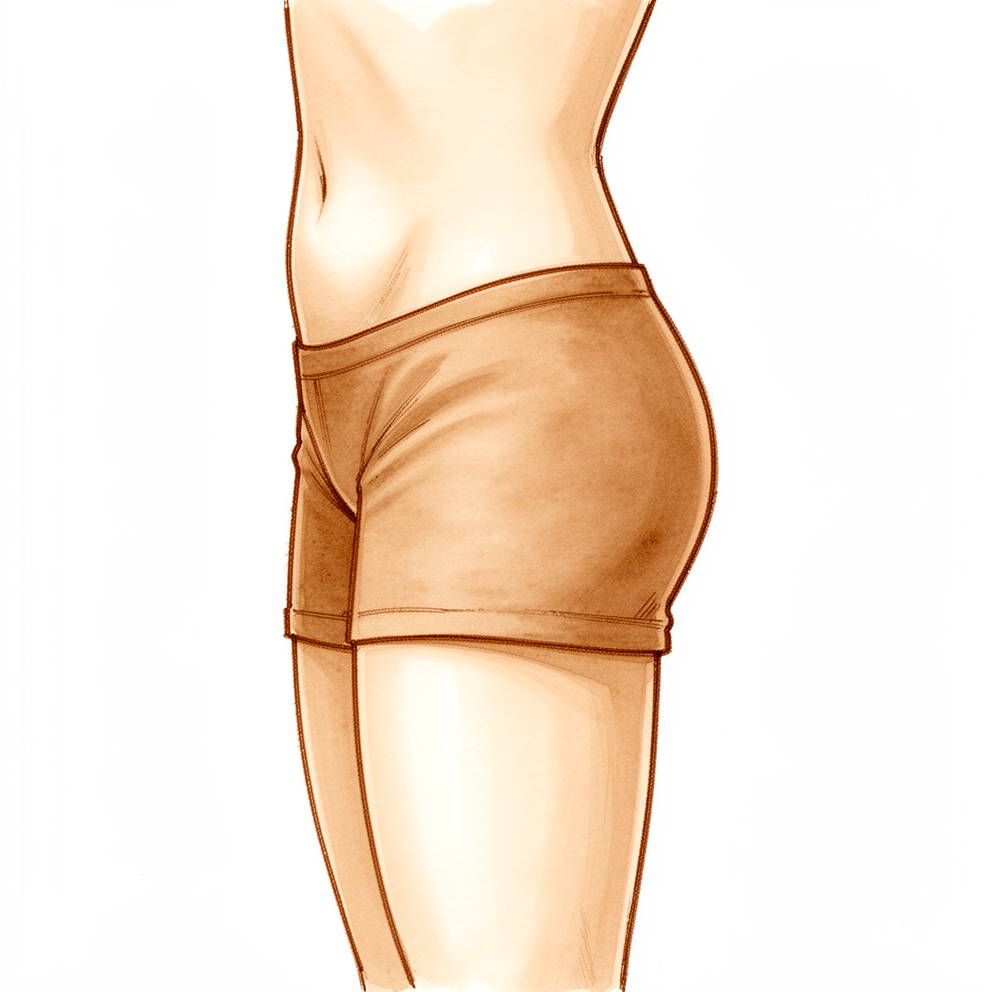
Illustration: hip

ਇਹ ਪੰਨਾ ਮਸ਼ੀਨ ਦੁਆਰਾ ਅਨੁਵਾਦ ਕੀਤਾ ਗਿਆ ਹੈ ਅਤੇ ਹਾਲੇ ਤੱਕ ਕਿਸੇ ਡਾਕਟਰ ਦੁਆਰਾ ਜਾਂਚਿਆ ਨਹੀਂ ਗਿਆ। ਅੰਗਰੇਜ਼ੀ ਸੰਸਕਰਣ ਹੀ ਅਧਿਕਾਰਤ ਹੈ।

ਤੁਸੀਂ ਕੀ ਮਹਿਸੂਸ ਕਰਦੇ ਹੋ

ਪਾਟਿਆ ਹੋਇਆ ਲੇਬਰਮ (labrum, ਜੋੜ ਦੇ ਕੰਢੇ ਦੀ ਕਾਰਟੀਲੇਜ ਦੀ ਕਿਨਾਰੀ) ਆਮ ਤੌਰ 'ਤੇ ਚੱਡੇ (ਪੱਟ ਦੀ ਜੜ੍ਹ, groin) ਵਿੱਚ ਡੂੰਘਾ ਜਾਂ ਚੂਲੇ (ਕੂਲ੍ਹੇ ਦਾ ਜੋੜ, hip) ਦੇ ਅਗਲੇ ਪਾਸੇ ਦਰਦ ਕਰਦਾ ਹੈ। ਦਰਦ ਇੱਧਰ-ਉੱਧਰ ਹੋ ਸਕਦਾ ਹੈ ਅਤੇ ਇਸ ਦੀ ਤੀਬਰਤਾ ਬਦਲ ਸਕਦੀ ਹੈ। ਇਹ ਅਕਸਰ ਕੁਝ ਖ਼ਾਸ ਹਰਕਤਾਂ ਜਾਂ ਕੰਮਾਂ ਨਾਲ ਭੜਕਦਾ ਹੈ, ਅਤੇ ਫਿਰ ਆਰਾਮ ਕਰਨ ਨਾਲ ਸ਼ਾਂਤ ਹੋ ਜਾਂਦਾ ਹੈ। ਪੱਧਰੀ ਜ਼ਮੀਨ ਉੱਤੇ ਤੁਰਨ ਨਾਲ ਤੁਹਾਨੂੰ ਸ਼ਾਇਦ ਹੀ ਕੋਈ ਤਕਲੀਫ਼ ਹੋਵੇ, ਜਦੋਂ ਕਿ ਮਰੋੜਨਾ, ਇੱਕ ਪੈਰ ਉੱਤੇ ਘੁੰਮਣਾ ਜਾਂ ਨੀਵੀਂ ਕੁਰਸੀ ਤੋਂ ਉੱਠਣਾ ਦਰਦ ਛੇੜ ਸਕਦਾ ਹੈ।

ਬਹੁਤ ਸਾਰੇ ਲੋਕ ਜੋੜ ਦੀ ਹਿਲਜੁਲ ਨਾਲ ਜੁੜੇ (mechanical) ਲੱਛਣ ਵੀ ਦੇਖਦੇ ਹਨ। ਇਹ ਜੋੜ ਵਿੱਚੋਂ ਹੀ ਆਉਣ ਵਾਲੀਆਂ ਆਵਾਜ਼ਾਂ ਜਾਂ ਅਹਿਸਾਸ ਹੁੰਦੇ ਹਨ: ਕਲਿੱਕ ਹੋਣਾ, ਅਟਕਣਾ ਜਾਂ ਜਾਮ ਹੋਣਾ, ਜਾਂ ਅਜਿਹਾ ਮਹਿਸੂਸ ਹੋਣਾ ਕਿ ਚੂਲਾ ਜਵਾਬ ਦੇ ਸਕਦਾ ਹੈ। ਕੁਝ ਲੋਕਾਂ ਨੂੰ ਚੂਲੇ ਵਿੱਚ ਅਕੜਾਅ ਮਹਿਸੂਸ ਹੁੰਦਾ ਹੈ, ਅਤੇ ਹਿਲਜੁਲ ਆਮ ਨਾਲੋਂ ਘੱਟ ਹੁੰਦੀ ਹੈ। ਦਰਦ ਤੁਹਾਨੂੰ ਰਾਤ ਨੂੰ ਨੀਂਦ ਤੋਂ ਜਗਾ ਸਕਦਾ ਹੈ ਜਾਂ ਸਵੇਰੇ ਮੰਜੇ ਤੋਂ ਉੱਠਦੇ ਹੀ ਮੌਜੂਦ ਹੋ ਸਕਦਾ ਹੈ।

ਰੋਜ਼ਾਨਾ ਜ਼ਿੰਦਗੀ ਵਿੱਚ, ਉਹ ਕੰਮ ਔਖੇ ਹੋ ਜਾਂਦੇ ਹਨ ਜੋ ਮਰੋੜੇ ਜਾਂ ਮੁੜੇ ਹੋਏ ਚੂਲੇ ਉੱਤੇ ਭਾਰ ਪਾਉਂਦੇ ਹਨ। ਕਾਰ ਵਿੱਚ ਚੜ੍ਹਨਾ-ਉਤਰਨਾ, ਕੁਝ ਚੁੱਕਣ ਲਈ ਹੇਠਾਂ ਬੈਠਣਾ, ਜਾਂ ਪਿੱਛੇ ਹੱਥ ਪਹੁੰਚਾਉਣ ਲਈ ਮੁੜਨਾ, ਇਹ ਸਭ ਇਸ ਨੂੰ ਵਧਾ ਸਕਦੇ ਹਨ। ਲੰਬੇ ਸਮੇਂ ਤੱਕ ਬੈਠਣਾ ਅਤੇ ਫਿਰ ਖੜ੍ਹੇ ਹੋਣਾ ਵੀ ਇੱਕ ਆਮ ਕਾਰਨ ਹੈ।

ਇੱਕ ਗੱਲ ਜਾਣਨ ਵਾਲੀ ਹੈ: ਇਹ ਲੱਛਣ ਸਿਰਫ਼ ਲੇਬਰਮ ਦੇ ਪਾਟਣ ਦੇ ਹੀ ਨਹੀਂ ਹੁੰਦੇ। ਚੱਡੇ ਦਾ ਅਜਿਹਾ ਦਰਦ ਚੂਲੇ ਦੀਆਂ ਕਈ ਵੱਖ-ਵੱਖ ਸਮੱਸਿਆਵਾਂ ਤੋਂ ਹੋ ਸਕਦਾ ਹੈ, ਅਤੇ ਧਿਆਨ ਨਾਲ ਕੀਤੀ ਜਾਂਚ ਵੀ ਹਮੇਸ਼ਾ ਇਕੱਲੀ ਕਾਰਨ ਦਾ ਪੱਕਾ ਪਤਾ ਨਹੀਂ ਲਗਾ ਸਕਦੀ। ਇਸੇ ਲਈ ਕਿਸੇ ਵੀ ਇਲਾਜ ਦੀ ਗੱਲ ਕਰਨ ਤੋਂ ਪਹਿਲਾਂ ਤੁਹਾਡਾ ਸਰਜਨ ਸਕੈਨ ਕਰਵਾਉਣਾ ਚਾਹੇਗਾ।

ਲੇਬਰਮ ਦਾ ਪਾਟਣਾ ਵੀ ਘੱਟ ਹੀ ਇਕੱਲਾ ਹੁੰਦਾ ਹੈ। ਪਾਟੇ ਹੋਏ ਲੇਬਰਮ ਵਾਲੇ ਜ਼ਿਆਦਾਤਰ ਚੂਲਿਆਂ ਵਿੱਚ ਜੋੜ ਦੀ ਬਣਤਰ ਵਿੱਚ ਕੋਈ ਅੰਦਰੂਨੀ ਬਦਲਾਅ ਹੁੰਦਾ ਹੈ, ਅਤੇ ਬਹੁਤਿਆਂ ਵਿੱਚ ਕੌਲੀ (ਸਾਕਟ) ਉੱਤੇ ਚੜ੍ਹੀ ਚਿਕਨੀ ਕਾਰਟੀਲੇਜ (cartilage, ਜੋੜ ਵਿੱਚ ਹੱਡੀਆਂ ਦੇ ਸਿਰਿਆਂ ਉੱਤੇ ਚਿਕਨੀ ਪਰਤ) ਦੀ ਸ਼ੁਰੂਆਤੀ ਘਿਸਾਈ ਵੀ ਹੁੰਦੀ ਹੈ, ਅਕਸਰ ਉਸੇ ਥਾਂ ਜਿੱਥੇ ਪਾਟਣਾ ਹੈ। ਤੁਹਾਡਾ ਸਰਜਨ ਤੁਹਾਡੇ ਸਕੈਨਾਂ ਵਿੱਚ ਇਨ੍ਹਾਂ ਦੀ ਭਾਲ ਕਰੇਗਾ, ਕਿਉਂਕਿ ਆਲੇ-ਦੁਆਲੇ ਦੀ ਹੱਡੀ ਦੀ ਬਣਤਰ ਨੂੰ ਠੀਕ ਕੀਤੇ ਬਿਨਾਂ ਸਿਰਫ਼ ਪਾਟਣ ਦਾ ਇਲਾਜ ਆਮ ਤੌਰ 'ਤੇ ਟਿਕਦਾ ਨਹੀਂ।

ਜੇ ਇਸ ਵਿੱਚੋਂ ਕੁਝ ਵੀ ਜਾਣਿਆ-ਪਛਾਣਿਆ ਲੱਗਦਾ ਹੈ, ਤਾਂ ਲਿਖ ਕੇ ਲਿਆਓ ਕਿ ਦਰਦ ਕਦੋਂ ਉੱਠਦਾ ਹੈ ਅਤੇ ਉਸ ਵੇਲੇ ਤੁਸੀਂ ਕੀ ਕਰ ਰਹੇ ਸੀ। ਇਹ ਪੈਟਰਨ ਤੁਹਾਡੀ ਮੁਲਾਕਾਤ ਵੇਲੇ ਸੱਚਮੁੱਚ ਕੰਮ ਆਉਂਦਾ ਹੈ।

ਅਸਲ ਵਿੱਚ ਕੀ ਹੋ ਰਿਹਾ ਹੈ

ਤੁਹਾਡੇ ਚੂਲੇ ਦੇ ਅੰਦਰ, ਜਿੱਥੇ ਪੱਟ ਦੀ ਹੱਡੀ ਦਾ ਗੋਲਾ ਕੌਲੀ (ਸਾਕਟ) ਨਾਲ ਮਿਲਦਾ ਹੈ, ਉੱਥੇ ਸਖ਼ਤ, ਰਬੜ ਵਰਗੇ ਟਿਸ਼ੂ ਦਾ ਇੱਕ ਛੱਲਾ ਹੁੰਦਾ ਹੈ ਜਿਸ ਨੂੰ ਲੇਬਰਮ ਕਹਿੰਦੇ ਹਨ। ਇਸ ਨੂੰ ਇੱਕ ਗੈਸਕਟ (ਰਬੜ ਦੀ ਸੀਲ) ਸਮਝੋ ਜੋ ਕੌਲੀ ਦੇ ਕੰਢੇ ਦੁਆਲੇ ਬੈਠੀ ਹੁੰਦੀ ਹੈ। ਇਹ ਇੱਕੋ ਵੇਲੇ ਤਿੰਨ ਕੰਮ ਕਰਦਾ ਹੈ: ਇਹ ਕੌਲੀ ਨੂੰ ਡੂੰਘਾ ਕਰਦਾ ਹੈ ਤਾਂ ਜੋ ਗੋਲਾ ਵਧੇਰੇ ਮਜ਼ਬੂਤੀ ਨਾਲ ਟਿਕਿਆ ਰਹੇ, ਇਹ ਝਟਕੇ ਸਹਿਣ ਵਾਲੀ ਗੱਦੀ ਦਾ ਕੰਮ ਕਰਦਾ ਹੈ, ਅਤੇ ਇਹ ਇੱਕ ਕੱਸੀ ਹੋਈ ਸੀਲ ਬਣਾਉਂਦਾ ਹੈ ਜੋ ਜੋੜ ਦੇ ਅੰਦਰਲੇ ਤਰਲ ਨੂੰ ਅੰਦਰ ਰੱਖਦੀ ਹੈ। ਇਹ ਸੀਲ ਮਹੱਤਵਪੂਰਨ ਹੈ। ਇਹ ਜੋੜ ਨੂੰ ਸੁਚੱਜੇ ਢੰਗ ਨਾਲ ਖਿਸਕਣ ਵਿੱਚ ਮਦਦ ਕਰਦੀ ਹੈ ਅਤੇ ਹੱਡੀਆਂ ਦੀਆਂ ਸਤ੍ਹਾਵਾਂ ਉੱਤੇ ਚਿਕਨੀ ਕਾਰਟੀਲੇਜ ਨੂੰ ਬਹੁਤ ਜ਼ਿਆਦਾ ਦਬਾਅ ਤੋਂ ਬਚਾਉਂਦੀ ਹੈ।

ਲੇਬਰਮ ਦਾ ਪਾਟਣਾ ਉਸ ਛੱਲੇ ਵਿੱਚ ਇੱਕ ਦਰਾੜ ਜਾਂ ਉਸ ਦਾ ਉਧੜਨਾ ਹੈ। ਜਦੋਂ ਗੈਸਕਟ ਪਾਟ ਜਾਂਦੀ ਹੈ, ਤਾਂ ਸੀਲ ਖ਼ਤਮ ਹੋ ਜਾਂਦੀ ਹੈ। ਗੋਲਾ ਕੌਲੀ ਦੇ ਅੰਦਰ ਥੋੜ੍ਹਾ ਜਿਹਾ ਖਿਸਕ ਸਕਦਾ ਹੈ, ਅਤੇ ਜੋ ਭਾਰ ਪਹਿਲਾਂ ਕਾਰਟੀਲੇਜ ਉੱਤੇ ਬਰਾਬਰ ਵੰਡਿਆ ਜਾਂਦਾ ਸੀ, ਉਹ ਇੱਕ ਥਾਂ ਉੱਤੇ ਇਕੱਠਾ ਹੋ ਜਾਂਦਾ ਹੈ। ਇਸੇ ਲਈ ਪਾਟਿਆ ਹੋਇਆ ਲੇਬਰਮ ਚੱਡੇ ਵਿੱਚ ਡੂੰਘਾ ਦਰਦ ਕਰ ਸਕਦਾ ਹੈ, ਕਲਿੱਕ ਕਰ ਸਕਦਾ ਹੈ ਜਾਂ ਅਟਕ ਸਕਦਾ ਹੈ, ਅਤੇ ਇਸੇ ਲਈ ਦਰਦ ਮਰੋੜਨ ਜਾਂ ਮੋੜਨ ਵਾਲੀਆਂ ਹਰਕਤਾਂ ਨਾਲ ਭੜਕਦਾ ਹੈ।

ਪਾਟਣ ਵੱਖ-ਵੱਖ ਕਿਸਮਾਂ ਦੇ ਹੁੰਦੇ ਹਨ। ਕੁਝ ਟਿਸ਼ੂ ਦਾ ਇੱਕ ਛੋਟਾ ਜਿਹਾ ਲਟਕਦਾ ਟੁਕੜਾ ਹੁੰਦੇ ਹਨ ਜੋ ਜੋੜ ਵਿੱਚ ਅਟਕਦਾ ਹੈ। ਕੁਝ ਉਧੜਨ ਵਾਲੇ ਹੁੰਦੇ ਹਨ, ਜਿੱਥੇ ਲੇਬਰਮ ਦਾ ਕਿਨਾਰਾ ਘਿਸ ਕੇ ਖੁਰਦਰਾ ਹੋ ਜਾਂਦਾ ਹੈ। ਕੁਝ ਕੰਢੇ ਦੇ ਨਾਲ-ਨਾਲ ਲੰਬਾਈ ਵਿੱਚ ਚੱਲਦੇ ਹਨ। ਕੁਝ ਕੁ ਅਸਥਿਰ ਹੁੰਦੇ ਹਨ, ਜਿੱਥੇ ਲੇਬਰਮ ਦੀ ਇੱਕ ਪੱਟੀ ਜੋੜ ਦੇ ਅੰਦਰ-ਬਾਹਰ ਪਲਟਦੀ ਰਹਿੰਦੀ ਹੈ। ਕਿਸਮ ਇਸ ਲਈ ਮਹੱਤਵਪੂਰਨ ਹੈ ਕਿਉਂਕਿ ਇਸ ਨਾਲ ਤੈਅ ਹੁੰਦਾ ਹੈ ਕਿ ਇਸ ਬਾਰੇ ਕੀ ਕੀਤਾ ਜਾ ਸਕਦਾ ਹੈ।

ਲੇਬਰਮ ਦੇ ਜ਼ਿਆਦਾਤਰ ਪਾਟਣ ਆਪਣੇ ਆਪ ਨਹੀਂ ਹੁੰਦੇ। ਜ਼ਿਆਦਾਤਰ ਚੂਲਿਆਂ ਵਿੱਚ ਜੋੜ ਦੇ ਆਲੇ-ਦੁਆਲੇ ਦੀਆਂ ਹੱਡੀਆਂ ਦੀ ਬਣਤਰ ਵਿੱਚ ਕੋਈ ਬਦਲਾਅ ਹੁੰਦਾ ਹੈ, ਅਤੇ ਬਣਤਰ ਦਾ ਇਹ ਫ਼ਰਕ ਹਰ ਵਾਰ ਚੂਲਾ ਹਿੱਲਣ 'ਤੇ ਲੇਬਰਮ ਉੱਤੇ ਵਾਧੂ ਦਬਾਅ ਪਾਉਂਦਾ ਹੈ। ਸਮੇਂ ਦੇ ਨਾਲ, ਇਹੀ ਵਾਰ-ਵਾਰ ਦੀ ਰਗੜ ਇਸ ਨੂੰ ਘਿਸਾ ਕੇ ਪਾੜ ਦਿੰਦੀ ਹੈ। ਲੇਬਰਮ ਅਕਸਰ ਚੂਲੇ ਦਾ ਪਹਿਲਾ ਹਿੱਸਾ ਹੁੰਦਾ ਹੈ ਜੋ ਜਵਾਬ ਦਿੰਦਾ ਹੈ, ਅਤੇ ਜਦੋਂ ਇਹ ਜਵਾਬ ਦੇ ਦਿੰਦਾ ਹੈ, ਤਾਂ ਹੇਠਲੀ ਕਾਰਟੀਲੇਜ ਜ਼ਿਆਦਾ ਜ਼ੋਰ ਸਹਿਣ ਲੱਗ ਪੈਂਦੀ ਹੈ।

ਅਸੀਂ ਇਸ ਬਾਰੇ ਕੀ ਕਰ ਸਕਦੇ ਹਾਂ

ਪਹਿਲਾ ਕਦਮ ਆਮ ਤੌਰ 'ਤੇ ਸਰਜਰੀ ਨਹੀਂ ਹੁੰਦਾ। ਆਰਾਮ, ਉਨ੍ਹਾਂ ਕੰਮਾਂ ਵਿੱਚ ਬਦਲਾਅ ਜੋ ਤੁਹਾਡੇ ਚੂਲੇ ਨੂੰ ਭੜਕਾਉਂਦੇ ਹਨ, ਅਤੇ ਫਿਜ਼ੀਓਥੈਰੇਪੀ ਪਹਿਲਾਂ ਆਉਂਦੇ ਹਨ। ਫਿਜ਼ੀਓਥੈਰੇਪੀ ਦਾ ਮਕਸਦ ਦਰਦ ਨੂੰ ਸ਼ਾਂਤ ਕਰਨਾ ਅਤੇ ਚੂਲੇ ਦੀ ਹਿਲਜੁਲ ਅਤੇ ਕੰਮਕਾਜ ਨੂੰ ਸੁਧਾਰਨਾ ਹੈ। ਇਸ ਨੂੰ ਪੂਰਾ ਮੌਕਾ ਦਿਓ: ਦਰਦ ਵਾਲੇ ਪਾਟੇ ਲੇਬਰਮ ਵਾਲੇ ਲੋਕ ਬਿਨਾਂ ਸਰਜਰੀ ਵਾਲੇ ਇਲਾਜ ਨਾਲ ਘੱਟੋ-ਘੱਟ ਇੱਕ ਸਾਲ ਤੱਕ ਸੁਧਰਦੇ ਰਹਿ ਸਕਦੇ ਹਨ, ਭਾਵੇਂ ਕੁਝ ਤਕਲੀਫ਼ ਬਣੀ ਰਹੇ।

ਜਦੋਂ ਤੁਸੀਂ ਬਾਕੀ ਉਪਾਵਾਂ ਉੱਤੇ ਕੰਮ ਕਰ ਰਹੇ ਹੋਵੋ, ਉਦੋਂ ਸੋਜਸ਼-ਰੋਧੀ ਦਵਾਈਆਂ (anti-inflammatories) ਦਰਦ ਵਿੱਚ ਮਦਦ ਕਰ ਸਕਦੀਆਂ ਹਨ। ਅਸੀਂ ਇਸ ਸਮੱਸਿਆ ਲਈ ਟੀਕਿਆਂ ਦੀ ਵਰਤੋਂ ਨਹੀਂ ਕਰਦੇ, ਇਸ ਲਈ ਅਸੀਂ ਤੁਹਾਨੂੰ ਇੱਥੇ ਕੌਰਟੀਸੋਨ ਜਾਂ ਅਜਿਹੇ ਜੋੜ ਵਾਲੇ ਟੀਕੇ ਪੇਸ਼ ਨਹੀਂ ਕਰਾਂਗੇ।

ਜੇ ਇੱਕ ਸਾਲ ਦੇ ਚੰਗੇ ਬਿਨਾਂ ਸਰਜਰੀ ਵਾਲੇ ਇਲਾਜ ਨਾਲ ਗੱਲ ਨਹੀਂ ਬਣੀ, ਤਾਂ ਫਿਰ ਅਸੀਂ ਚੂਲੇ ਦੀ ਦੂਰਬੀਨ ਵਾਲੀ (ਆਰਥਰੋਸਕੋਪਿਕ) ਸਰਜਰੀ ਬਾਰੇ ਗੱਲ ਕਰਦੇ ਹਾਂ। ਸਰਜਨ ਇੱਕ ਛੋਟੇ ਕੈਮਰੇ ਨਾਲ ਜੋੜ ਦੇ ਅੰਦਰ ਦੇਖਦਾ ਹੈ ਅਤੇ ਪਾਟੇ ਹੋਏ ਲੇਬਰਮ ਦੀ ਮੁਰੰਮਤ ਕਰਦਾ ਹੈ, ਤੁਹਾਡੇ ਆਪਣੇ ਟਿਸ਼ੂ ਨੂੰ ਜਿੰਨਾ ਹੋ ਸਕੇ ਬਚਾ ਕੇ ਰੱਖਦੇ ਹੋਏ। ਕਿਉਂਕਿ ਜ਼ਿਆਦਾਤਰ ਪਾਟੇ ਹੋਏ ਲੇਬਰਮ ਅਜਿਹੇ ਚੂਲੇ ਵਿੱਚ ਹੁੰਦੇ ਹਨ ਜਿਸ ਦੀਆਂ ਹੱਡੀਆਂ ਦੀ ਬਣਤਰ ਲੇਬਰਮ ਨੂੰ ਰਗੜਦੀ ਹੈ, ਇਸ ਲਈ ਉਸੇ ਵੇਲੇ ਉਸ ਬਣਤਰ ਨੂੰ ਵੀ ਠੀਕ ਕੀਤਾ ਜਾਂਦਾ ਹੈ। ਬਣਤਰ ਠੀਕ ਕੀਤੇ ਬਿਨਾਂ ਪਾਟਣ ਦੀ ਮੁਰੰਮਤ ਆਮ ਤੌਰ 'ਤੇ ਟਿਕਦੀ ਨਹੀਂ, ਅਤੇ ਪਾਟਣ ਦੇ ਮੁੜ ਹੋਣ ਦੀ ਸੰਭਾਵਨਾ ਰਹਿੰਦੀ ਹੈ।

ਸਰਜਰੀ ਤੁਹਾਡੇ ਲਈ ਢੁਕਵੀਂ ਹੈ ਜਾਂ ਨਹੀਂ, ਇਹ ਕਈ ਗੱਲਾਂ ਉੱਤੇ ਨਿਰਭਰ ਕਰਦਾ ਹੈ ਜਿਨ੍ਹਾਂ ਬਾਰੇ ਅਸੀਂ ਮਿਲ ਕੇ ਗੱਲ ਕਰਾਂਗੇ: ਬਾਕੀ ਬਚੇ ਲੇਬਰਮ ਟਿਸ਼ੂ ਦੀ ਹਾਲਤ, ਪਾਟਣ ਦਾ ਆਕਾਰ, ਕੌਲੀ ਉੱਤੇ ਚੜ੍ਹੀ ਕਾਰਟੀਲੇਜ ਦੀ ਹਾਲਤ, ਅਤੇ ਕੀ ਪਹਿਲਾਂ ਹੀ ਕੋਈ ਗਠੀਆ (ਆਰਥਰਾਈਟਿਸ) ਹੈ। ਤੁਹਾਡੀ ਉਮਰ ਇਕੱਲੀ ਕੋਈ ਰੁਕਾਵਟ ਨਹੀਂ ਹੈ। ਜ਼ਿਆਦਾ ਮਹੱਤਵਪੂਰਨ ਜੋੜ ਦੀ ਸਤ੍ਹਾ ਦੀ ਸਿਹਤ ਹੈ।

ਇਹ ਸਾਂਝਾ ਫ਼ੈਸਲਾ ਹੈ। ਅਸੀਂ ਸਮਝਾਵਾਂਗੇ ਕਿ ਤੁਹਾਡੇ ਸਕੈਨਾਂ ਵਿੱਚ ਕੀ ਮਿਲਿਆ, ਤੁਹਾਡੇ ਚੂਲੇ ਲਈ ਸਰਜਰੀ ਵਿੱਚ ਕੀ ਸ਼ਾਮਲ ਹੋਵੇਗਾ, ਅਤੇ ਬਿਨਾਂ ਸਰਜਰੀ ਵਾਲਾ ਇਲਾਜ ਹਾਲੇ ਵੀ ਕੀ ਦੇ ਸਕਦਾ ਹੈ, ਅਤੇ ਤੁਸੀਂ ਸਾਡੇ ਨਾਲ ਮਿਲ ਕੇ ਫ਼ੈਸਲਾ ਕਰਦੇ ਹੋ ਕਿ ਕਿਹੜਾ ਰਾਹ ਚੁਣਨਾ ਹੈ।

ਕੀ ਉਮੀਦ ਰੱਖੀਏ

ਜੇ ਕੁਝ ਨਾ ਕੀਤਾ ਜਾਵੇ, ਤਾਂ ਪਾਟਿਆ ਹੋਇਆ ਲੇਬਰਮ ਘੱਟ ਹੀ ਹਮੇਸ਼ਾ ਲਈ ਸ਼ਾਂਤ ਹੁੰਦਾ ਹੈ। ਦਰਦ ਆਉਂਦਾ-ਜਾਂਦਾ ਰਹਿੰਦਾ ਹੈ, ਮਰੋੜਨ ਜਾਂ ਮੋੜਨ ਨਾਲ ਭੜਕਦਾ ਹੈ ਅਤੇ ਆਰਾਮ ਨਾਲ ਘਟਦਾ ਹੈ, ਬਿਲਕੁਲ ਜਿਵੇਂ ਤੁਸੀਂ ਪਹਿਲਾਂ ਹੀ ਦੇਖਿਆ ਹੈ। ਇਲਾਜ ਤੋਂ ਬਿਨਾਂ, ਉਹ ਰਗੜ ਜਿਸ ਨੇ ਸ਼ੁਰੂ ਵਿੱਚ ਲੇਬਰਮ ਨੂੰ ਘਿਸਾ ਕੇ ਪਾੜਿਆ ਸੀ, ਆਮ ਤੌਰ 'ਤੇ ਜਾਰੀ ਰਹਿੰਦੀ ਹੈ, ਇਸ ਲਈ ਲੱਛਣ ਮੱਧਮ ਪੈਣ ਦੀ ਬਜਾਏ ਬਣੇ ਰਹਿੰਦੇ ਹਨ। ਨਵੇਂ ਨੁਕਸਾਨ ਦਾ ਖ਼ਤਰਾ ਵੀ ਹੈ: ਜੇ ਜੋੜ ਦੇ ਆਲੇ-ਦੁਆਲੇ ਦੀ ਹੱਡੀ ਦੀ ਬਣਤਰ ਨੂੰ ਠੀਕ ਨਾ ਕੀਤਾ ਜਾਵੇ, ਤਾਂ ਪਹਿਲੇ ਪਾਟਣ ਦੀ ਮੁਰੰਮਤ ਕਰਨ ਵਾਲੀ ਸਰਜਰੀ ਤੋਂ ਬਾਅਦ ਵੀ ਲੇਬਰਮ ਦੁਬਾਰਾ ਪਾਟ ਸਕਦਾ ਹੈ।

ਢੁਕਵੇਂ ਇਲਾਜ ਨਾਲ, ਭਵਿੱਖ ਵਧੇਰੇ ਸਥਿਰ ਹੁੰਦਾ ਹੈ। ਬਿਨਾਂ ਸਰਜਰੀ ਵਾਲਾ ਇਲਾਜ ਘੱਟੋ-ਘੱਟ ਇੱਕ ਸਾਲ ਤੱਕ ਤੁਹਾਡੇ ਚੂਲੇ ਨੂੰ ਸੁਧਾਰਦਾ ਰਹਿ ਸਕਦਾ ਹੈ, ਭਾਵੇਂ ਕੁਝ ਤਕਲੀਫ਼ ਬਣੀ ਰਹਿ ਸਕਦੀ ਹੈ। ਜਦੋਂ ਸਰਜਰੀ ਸਹੀ ਚੋਣ ਹੋਵੇ, ਤਾਂ ਜ਼ਿਆਦਾਤਰ ਲੋਕ ਦਰਦ ਅਤੇ ਰੋਜ਼ਾਨਾ ਕੰਮਕਾਜ ਵਿੱਚ ਅਰਥਪੂਰਨ ਸੁਧਾਰ ਦੱਸਦੇ ਹਨ, ਅਤੇ ਇਹ ਸੁਧਾਰ ਸਾਲਾਂ ਤੱਕ ਟਿਕੇ ਰਹਿੰਦੇ ਹਨ। ਨਤੀਜਿਆਂ ਨੂੰ ਪੰਜ ਸਾਲ ਅਤੇ ਉਸ ਤੋਂ ਵੱਧ, ਅਤੇ ਕੁਝ ਲੋਕਾਂ ਲਈ ਦਸ ਸਾਲ ਤੋਂ ਵੱਧ ਤੱਕ ਦੇਖਿਆ ਗਿਆ ਹੈ, ਅਤੇ ਸੁਧਾਰ ਟਿਕਿਆ ਰਿਹਾ ਹੈ। ਜੋ ਸਰਜਰੀ ਪਾਟਣ ਅਤੇ ਹੱਡੀ ਦੀ ਅੰਦਰੂਨੀ ਬਣਤਰ ਦੋਹਾਂ ਦਾ ਇਲਾਜ ਕਰਦੀ ਹੈ, ਉਹ ਸਿਰਫ਼ ਕਸਰਤ ਪ੍ਰੋਗਰਾਮਾਂ ਦੇ ਮੁਕਾਬਲੇ ਬਾਅਦ ਵਿੱਚ ਜੋੜ ਵਿੱਚ ਗਠੀਆ ਹੋਣ ਦੀ ਸੰਭਾਵਨਾ ਨੂੰ ਵੀ ਘਟਾਉਂਦੀ ਹੈ।

ਕੁਝ ਗੱਲਾਂ ਇਹ ਤੈਅ ਕਰਦੀਆਂ ਹਨ ਕਿ ਤੁਸੀਂ ਨਿੱਜੀ ਤੌਰ 'ਤੇ ਕਿੰਨਾ ਚੰਗਾ ਕਰਦੇ ਹੋ। ਕੌਲੀ ਉੱਤੇ ਚੜ੍ਹੀ ਚਿਕਨੀ ਕਾਰਟੀਲੇਜ ਦੀ ਹਾਲਤ ਮਹੱਤਵਪੂਰਨ ਹੈ: ਉੱਥੇ ਦਾ ਨੁਕਸਾਨ ਸਰਜਰੀ ਤੋਂ ਦੋ ਸਾਲ ਬਾਅਦ ਘੱਟ ਸੁਧਾਰ ਨਾਲ ਜੁੜਿਆ ਹੈ। ਤੁਹਾਡੇ ਪੇਡੂ (pelvis) ਦੀ ਬਣਤਰ ਦਾ ਵੀ ਹਿੱਸਾ ਹੁੰਦਾ ਹੈ, ਕਿਉਂਕਿ ਪੇਡੂ ਦੀਆਂ ਕੁਝ ਬਣਤਰਾਂ ਦੂਜਿਆਂ ਨਾਲੋਂ ਘੱਟ ਸੁਧਾਰ ਨਾਲ ਜੁੜੀਆਂ ਹਨ। ਤੁਹਾਡੀ ਉਮਰ ਇਕੱਲੀ ਚੰਗੇ ਨਤੀਜੇ ਦੀ ਸੰਭਾਵਨਾ ਨੂੰ ਖ਼ਤਮ ਨਹੀਂ ਕਰਦੀ।

ਸੱਚ ਇਹ ਹੈ ਕਿ ਹਰ ਕੋਈ ਨਤੀਜੇ ਤੋਂ ਖ਼ੁਸ਼ ਨਹੀਂ ਹੁੰਦਾ। ਇਸ ਸਮੱਸਿਆ ਲਈ ਦੂਰਬੀਨ ਵਾਲੀ ਸਰਜਰੀ ਕਰਵਾਉਣ ਵਾਲੇ ਕੁਝ ਲੋਕ ਬਾਅਦ ਵਿੱਚ ਵੀ ਅਸੰਤੁਸ਼ਟ ਮਹਿਸੂਸ ਕਰਦੇ ਹਨ। ਅਤੇ ਜੇ ਪਾਟਣ ਗੰਭੀਰ ਹੈ ਅਤੇ ਉਸ ਦੀ ਮੁਰੰਮਤ ਨਹੀਂ ਹੋ ਸਕਦੀ, ਤਾਂ ਲੇਬਰਮ ਨੂੰ ਕੱਟ ਕੇ ਕੱਢਣ ਦੀ ਬਜਾਏ ਉਸ ਨੂੰ ਦੁਬਾਰਾ ਬਣਾਉਣ ਨਾਲ ਚੰਗੇ ਨਤੀਜੇ ਮਿਲਦੇ ਹਨ, ਅਤੇ ਬਹੁਤ ਘੱਟ ਲੋਕਾਂ ਨੂੰ ਇੱਕ ਹੋਰ ਓਪਰੇਸ਼ਨ ਦੀ ਲੋੜ ਪੈਂਦੀ ਹੈ।

ਇਸ ਵਿੱਚੋਂ ਕੁਝ ਵੀ ਤੁਹਾਡੇ ਚੂਲੇ ਬਾਰੇ ਕੋਈ ਵਾਅਦਾ ਨਹੀਂ ਹੈ। ਇਹ ਇਸ ਦੀ ਇੱਕ ਹਕੀਕੀ ਤਸਵੀਰ ਹੈ ਕਿ ਆਮ ਤੌਰ 'ਤੇ ਕੀ ਹੁੰਦਾ ਹੈ, ਜਿਸ ਨੂੰ ਅਸੀਂ ਮਿਲ ਕੇ ਗੱਲ ਕਰਦੇ ਸਮੇਂ ਤੁਹਾਡੇ ਸਕੈਨਾਂ ਅਤੇ ਤੁਹਾਡੀ ਜਾਂਚ ਮੁਤਾਬਕ ਢਾਲਾਂਗੇ।

ਡਾਕਟਰ ਨੂੰ ਕਦੋਂ ਮਿਲਣਾ ਚਾਹੀਦਾ ਹੈ

ਜੇ ਤੁਹਾਨੂੰ ਕੁਝ ਹਫ਼ਤਿਆਂ ਤੋਂ ਵੱਧ ਸਮੇਂ ਤੋਂ ਚੱਡੇ ਜਾਂ ਚੂਲੇ ਵਿੱਚ ਦਰਦ ਹੈ, ਖ਼ਾਸ ਕਰਕੇ ਜੇ ਇਹ ਮਰੋੜਨ, ਮੋੜਨ ਜਾਂ ਬੈਠਣ ਨਾਲ ਭੜਕਦਾ ਹੈ, ਅਤੇ ਆਰਾਮ ਨਾਲ ਠੀਕ ਨਹੀਂ ਹੋ ਰਿਹਾ, ਤਾਂ ਆਪਣੇ ਜੀਪੀ (ਫ਼ੈਮਿਲੀ ਡਾਕਟਰ) ਨੂੰ ਮਿਲੋ। ਜੇ ਚੂਲਾ ਕਲਿੱਕ ਵੀ ਕਰਦਾ ਹੈ, ਅਟਕਦਾ ਹੈ, ਜਾਮ ਹੁੰਦਾ ਹੈ ਜਾਂ ਇਉਂ ਲੱਗਦਾ ਹੈ ਕਿ ਜਵਾਬ ਦੇ ਸਕਦਾ ਹੈ, ਜਾਂ ਜੇ ਦਰਦ ਤੁਹਾਡੀ ਨੀਂਦ ਖ਼ਰਾਬ ਕਰ ਰਿਹਾ ਹੈ ਜਾਂ ਤੁਹਾਡੇ ਕੰਮ ਵਿੱਚ ਰੁਕਾਵਟ ਪਾ ਰਿਹਾ ਹੈ, ਤਾਂ ਮਾਹਿਰ ਡਾਕਟਰ ਨੂੰ ਦਿਖਾਉਣ ਲਈ ਕਹੋ। ਜੇ ਤੁਹਾਡੇ ਚੂਲੇ ਦਾ ਪਹਿਲਾਂ ਹੀ ਸਕੈਨ ਹੋ ਚੁੱਕਾ ਹੈ ਅਤੇ ਉਸ ਵਿੱਚ ਪਾਟਣ ਦਿਸਿਆ ਸੀ ਪਰ ਤੁਹਾਨੂੰ ਕੋਈ ਦਰਦ ਨਹੀਂ ਹੈ, ਤਾਂ ਤੁਹਾਨੂੰ ਕਾਹਲੀ ਕਰਨ ਦੀ ਲੋੜ ਨਹੀਂ: ਸਕੈਨਾਂ ਵਿੱਚ ਦਿਸਣ ਵਾਲੇ ਬਹੁਤ ਸਾਰੇ ਪਾਟਣ ਕਦੇ ਕੋਈ ਤਕਲੀਫ਼ ਨਹੀਂ ਦਿੰਦੇ। ਪਰ ਜੇ ਉਸ ਚੂਲੇ ਵਿੱਚ ਦਰਦ ਸ਼ੁਰੂ ਹੋ ਜਾਵੇ, ਤਾਂ ਇਸ ਦੇ ਆਪੇ ਲੰਘ ਜਾਣ ਦੀ ਉਡੀਕ ਨਾ ਕਰੋ, ਕਿਉਂਕਿ ਲੱਛਣ ਪੈਦਾ ਕਰ ਰਹੇ ਪਾਟਣ ਦੀ ਜਾਂਚ ਜੋੜ ਦੀ ਸਤ੍ਹਾ ਨੂੰ ਘਿਸਾਉਣ ਤੋਂ ਪਹਿਲਾਂ ਕਰਵਾ ਲੈਣੀ ਚਾਹੀਦੀ ਹੈ।


Evidence & references

This is the clinical evidence summary written for health professionals. It is technical, and it lists the research this page was built from. You do not need to read it to understand your treatment or to make a decision about it.

Anatomy & Pathophysiology

Bony Anatomy & Vascular Supply

  • The acetabular labrum is a fibrocartilaginous structure that surrounds the periphery of the acetabulum and inserts on the transverse acetabular ligament [1].
  • The acetabular labrum is a triangular fibrocartilaginous ring attached firmly to the acetabular rim, encompassing nearly the entire acetabulum except for the most inferior aspect bridged by the transverse acetabular ligament [2].
  • Blood supply to the acetabulum is primarily through the obturator artery, superior gluteal artery, and inferior gluteal artery [1].
  • The periphery of the labrum is more vascularized than the articular region [1].

Biomechanical Function

  • The labrum functions to increase the stability of the hip joint and to seal the hip and prevent escape of fluid [1].
  • The labrum deepens the acetabulum, increases coverage of the femoral head, and plays a role in shock absorption, joint lubrication, and pressure distribution [2].
  • The most critical role of the labrum may be the creation of a negative pressure seal with the femoral head, which aids in joint stability [2].
  • Removal of the labrum leads to a shift in the femoral contact point toward the acetabular rim [2].
  • Removal of the labrum leads to a decrease in intra-articular fluid pressurization [2].
  • Removal of the labrum leads to a loss of lateral restraint to femoral head motion [2].
  • Removal of the labrum increases contact stresses between the articular cartilage of the femoral head and the acetabulum by 92% [2].

Pathophysiology of Labral Tears

  • In the presence of a labral tear, the sealing function is lost, which may lead to increased contact pressure thought to have a role in the development of degenerative disease [1].
  • In a study of 436 patients, 73% of those with labral tears or fraying had articular damage [1].
  • In a study of 436 patients, most articular damage was located in the same zone as the labral damage [1].
  • The severity of chondral damage was greater in patients with labral tears than in patients who had an intact labrum [1].
  • The majority of labral tears have been suggested to be related to abnormal joint morphology and function [1].
  • Labral-chondral separation is more commonly seen with cam type impingement than with femoroacetabular impingement [1].
  • Intrasubstance tears are more typical of pincer impingement [1].
  • The labrum is injured most often in femoroacetabular impingement (FAI) and acetabular dysplasia [2].
  • Hip trauma leading to a labral tear generally involves a high-energy contact mechanism resulting in a frank dislocation or subluxation [2].
  • Traumatic hip instability is frequently associated with chondral lesions to the femoral head and acetabulum analogous to those seen in a shoulder dislocation [2].
  • Sports requiring great deal of hip torsion can lead to capsule attenuation and laxity secondary to repetitive microtrauma [2].
  • Attenuation of the capsule leads to microinstability of the joint, in which the femoral head subluxates anteriorly and rides on the anterior superior labrum [2].
  • Microinstability can occur in patients with collagen disorders such as Ehlers-Danlos syndrome, Marfan syndrome, and Down syndrome [2].
  • Degenerative labral tears are analogous to degenerative meniscus tears in the knee and are frequently associated with diffuse articular changes in an arthritic joint [2].
  • Degenerative labral tears are thought to be extremely common in the aging hip and likely occur early in the arthritic process [2].
  • Iliopsoas impingement on the anterior hip joint has been suggested as an additional mechanism for labral tears [2].
  • An atypical labral tear pattern occurs on the anterior acetabulum directly beneath where the iliopsoas tendon crosses the hip joint, unlike the common location in FAI and dysplasia which is more superior on the anterior acetabulum [2].
  • In the pediatric literature, labral tears are described in association with avulsions of the rectus femoris [2].
  • It is theorized that a traction injury of sufficient energy can tear the labrum in the location near the reflected head of the rectus femoris, which is near the anterior labrum and inferior to the anterior superior iliac spine [2].

Tear Morphology & Classification

  • Seldes et al. described two types of labral injuries: a separation of the labrum from its articular attachment and tears in various planes within the substance of the labrum [1].
  • A morphologic classification based on arthroscopic findings includes radial flap tears, radial fibrillated tears, longitudinal peripheral tears, and unstable tears [1].
  • Stable tear patterns include radial, fibrillated, and longitudinal peripheral tear patterns [2].
  • Radial flap tears occur with an intra-articular free-edge disruption [2].
  • Radial fibrillated tears are degenerative tears with fibrillated free margins [2].
  • Longitudinal peripheral tears are stable labral separations from the acetabular margin [2].
  • Unstable tears include the bucket-handle tear [2].
  • Type 1 histological tears occurred at the junction between the fibrocartilaginous labrum and the articular hyaline cartilage [2].
  • Type 2 histological tears occurred in various planes within the substance of the labrum [2].
  • Anterior labral tears have been prevalent in most studies because of their association with FAI [2].
  • Acetabular labral tears are the most common pathologic finding at the time of hip arthroscopy [2].
  • Acetabular labral tears typically occur anteriorly and/or anterolaterally [2].

Clinical Presentation

  • Patients with labral tears typically present with pain, usually in the groin [1].
  • Patients with labral tears typically present with mechanical symptoms [1].
  • Byrd described the C-sign, where patients cup their hand forming a C over the greater trochanter when asked to localize pain [1].
  • Pain associated with labral tears may be minimal during level walking [1].
  • Evaluation for suspected labral tears should include radiographs of the pelvis and hip [1].
  • Evaluation for suspected labral tears should include advanced imaging when indicated [1].
  • CT scan offers greater detail in assessing bony architecture [1].
  • MRI and MRI-arthrogram are useful for identifying labral tears [1].

Investigations

Clinical Presentation and Examination

  • Patients with acetabular labral tears typically present with pain, usually in the groin, and mechanical symptoms [1].
  • The "C-sign" is described as a patient cupping their hand to form a C over the greater trochanter when asked to localize pain [1].
  • Pain may be minimal during level walking in patients with labral tears [1].
  • Patients may report mechanical symptoms such as clicking and catching [2].
  • Pain with prolonged sitting is a common symptom of labral tears [2].
  • Physical examination findings for anterior labral tears include pain in the provocative position of flexion, adduction, and internal rotation [2].
  • Physical examination findings for lateral labral tears include pain in flexion, abduction, and external rotation [2].
  • The FADIR test (flexion, adduction, internal rotation) is used to detect anterior labral tears [2].
  • The dynamic internal rotation impingement test is used to detect anterior labral tears [2].

Imaging

  • Imaging for the diagnosis of a labral tear includes plain radiographs and magnetic resonance arthrography [2].
  • A positive response to an intra-articular joint injection that brings complete pain relief is the most valuable diagnostic sign for confirming the joint as the source of pain [2].

Treatment

Non-Operative

  • Initial treatment for acetabular labral tears is typically nonoperative [1].
  • Nonoperative management includes rest, anti-inflammatory agents, and physical therapy [1].

Operative

  • Unresolved pain after nonoperative treatment is treated with labral debridement or repair [1].
  • In a 10-year follow-up study of patients with labral lesions treated with debridement, hips without signs of arthritis showed a significant increase in Harris Hip Scores that remained significant throughout the period [1].
  • In the same 10-year follow-up study, seven of eight patients with associated arthritis required total hip arthroplasty [1].
  • In patients with femoral acetabular impingement, improvement in Harris Hip scores was greater in the labral refixation group compared to the labral debridement group [1].
  • Two main suture configurations are used for labral repair: circumferential repair and labral base repair [1].
  • The decision between circumferential and labral base repair is based on the quality of the remaining labral tissue [1].
  • A labral base repair is typically used in patients with robust labral tissue [1].
  • A circumferential repair is chosen when the labrum is significantly frayed to avoid the suture lacerating the remaining labrum [1].
  • It is essential to maintain labral contact with the femoral head to reestablish the suction seal during repair [1].
  • Anchors placed too far from the acetabular rim or overtightened sutures may evert the labral edge [1].
  • A retrospective study by Jackson et al. showed no difference in outcomes between suture patterns [1].

References

[1] Campbell S Operative Orthopaedics 4 Volume Set. ANTERIOR CRUCIATE AND ANTROLATERAL LIGAMENT RECONSTRUCTION (BOX 51.8) > ARTHROSCOPIC MANAGEMENT OF LABRAL TEARS.

[2] Orthopaedic Knowledge Update Sports Medicine 6. Athletic Hip Injuries > Acetabular Labral Tears.

Creative Commons BY-NC 4.0

CC Creative Commons licence
BY Attribution — you must credit the source
NC NonCommercial — not for commercial use

Attribution-NonCommercial 4.0 International


Creative Commons Corporation ("Creative Commons") is not a law firm and does not provide legal services or legal advice. Distribution of Creative Commons public licenses does not create a lawyer-client or other relationship. Creative Commons makes its licenses and related information available on an "as-is" basis. Creative Commons gives no warranties regarding its licenses, any material licensed under their terms and conditions, or any related information. Creative Commons disclaims all liability for damages resulting from their use to the fullest extent possible.

Using Creative Commons Public Licenses

Creative Commons public licenses provide a standard set of terms and conditions that creators and other rights holders may use to share original works of authorship and other material subject to copyright and certain other rights specified in the public license below. The following considerations are for informational purposes only, are not exhaustive, and do not form part of our licenses.

Considerations for licensors: Our public licenses are intended for use by those authorized to give the public permission to use material in ways otherwise restricted by copyright and certain other rights. Our licenses are irrevocable. Licensors should read and understand the terms and conditions of the license they choose before applying it. Licensors should also secure all rights necessary before applying our licenses so that the public can reuse the material as expected. Licensors should clearly mark any material not subject to the license. This includes other CC- licensed material, or material used under an exception or limitation to copyright. More considerations for licensors: wiki.creativecommons.org/Considerations_for_licensors

Considerations for the public: By using one of our public licenses, a licensor grants the public permission to use the licensed material under specified terms and conditions. If the licensor's permission is not necessary for any reason--for example, because of any applicable exception or limitation to copyright--then that use is not regulated by the license. Our licenses grant only permissions under copyright and certain other rights that a licensor has authority to grant. Use of the licensed material may still be restricted for other reasons, including because others have copyright or other rights in the material. A licensor may make special requests, such as asking that all changes be marked or described. Although not required by our licenses, you are encouraged to respect those requests where reasonable. More considerations for the public: wiki.creativecommons.org/Considerations_for_licensees


Creative Commons Attribution-NonCommercial 4.0 International Public License

By exercising the Licensed Rights (defined below), You accept and agree to be bound by the terms and conditions of this Creative Commons Attribution-NonCommercial 4.0 International Public License ("Public License"). To the extent this Public License may be interpreted as a contract, You are granted the Licensed Rights in consideration of Your acceptance of these terms and conditions, and the Licensor grants You such rights in consideration of benefits the Licensor receives from making the Licensed Material available under these terms and conditions.

Section 1 -- Definitions.

a. Adapted Material means material subject to Copyright and Similar Rights that is derived from or based upon the Licensed Material and in which the Licensed Material is translated, altered, arranged, transformed, or otherwise modified in a manner requiring permission under the Copyright and Similar Rights held by the Licensor. For purposes of this Public License, where the Licensed Material is a musical work, performance, or sound recording, Adapted Material is always produced where the Licensed Material is synched in timed relation with a moving image.

b. Adapter's License means the license You apply to Your Copyright and Similar Rights in Your contributions to Adapted Material in accordance with the terms and conditions of this Public License.

c. Copyright and Similar Rights means copyright and/or similar rights closely related to copyright including, without limitation, performance, broadcast, sound recording, and Sui Generis Database Rights, without regard to how the rights are labeled or categorized. For purposes of this Public License, the rights specified in Section 2(b)(1)-(2) are not Copyright and Similar Rights.

d. Effective Technological Measures means those measures that, in the absence of proper authority, may not be circumvented under laws fulfilling obligations under Article 11 of the WIPO Copyright Treaty adopted on December 20, 1996, and/or similar international agreements.

e. Exceptions and Limitations means fair use, fair dealing, and/or any other exception or limitation to Copyright and Similar Rights that applies to Your use of the Licensed Material.

f. Licensed Material means the artistic or literary work, database, or other material to which the Licensor applied this Public License.

g. Licensed Rights means the rights granted to You subject to the terms and conditions of this Public License, which are limited to all Copyright and Similar Rights that apply to Your use of the Licensed Material and that the Licensor has authority to license.

h. Licensor means the individual(s) or entity(ies) granting rights under this Public License.

i. NonCommercial means not primarily intended for or directed towards commercial advantage or monetary compensation. For purposes of this Public License, the exchange of the Licensed Material for other material subject to Copyright and Similar Rights by digital file-sharing or similar means is NonCommercial provided there is no payment of monetary compensation in connection with the exchange.

j. Share means to provide material to the public by any means or process that requires permission under the Licensed Rights, such as reproduction, public display, public performance, distribution, dissemination, communication, or importation, and to make material available to the public including in ways that members of the public may access the material from a place and at a time individually chosen by them.

k. Sui Generis Database Rights means rights other than copyright resulting from Directive 96/9/EC of the European Parliament and of the Council of 11 March 1996 on the legal protection of databases, as amended and/or succeeded, as well as other essentially equivalent rights anywhere in the world.

l. You means the individual or entity exercising the Licensed Rights under this Public License. Your has a corresponding meaning.

Section 2 -- Scope.

a. License grant.

1. Subject to the terms and conditions of this Public License, the Licensor hereby grants You a worldwide, royalty-free, non-sublicensable, non-exclusive, irrevocable license to exercise the Licensed Rights in the Licensed Material to:

a. reproduce and Share the Licensed Material, in whole or in part, for NonCommercial purposes only; and

b. produce, reproduce, and Share Adapted Material for NonCommercial purposes only.

2. Exceptions and Limitations. For the avoidance of doubt, where Exceptions and Limitations apply to Your use, this Public License does not apply, and You do not need to comply with its terms and conditions.

3. Term. The term of this Public License is specified in Section 6(a).

4. Media and formats; technical modifications allowed. The Licensor authorizes You to exercise the Licensed Rights in all media and formats whether now known or hereafter created, and to make technical modifications necessary to do so. The Licensor waives and/or agrees not to assert any right or authority to forbid You from making technical modifications necessary to exercise the Licensed Rights, including technical modifications necessary to circumvent Effective Technological Measures. For purposes of this Public License, simply making modifications authorized by this Section 2(a) (4) never produces Adapted Material.

5. Downstream recipients.

a. Offer from the Licensor -- Licensed Material. Every recipient of the Licensed Material automatically receives an offer from the Licensor to exercise the Licensed Rights under the terms and conditions of this Public License.

b. No downstream restrictions. You may not offer or impose any additional or different terms or conditions on, or apply any Effective Technological Measures to, the Licensed Material if doing so restricts exercise of the Licensed Rights by any recipient of the Licensed Material.

6. No endorsement. Nothing in this Public License constitutes or may be construed as permission to assert or imply that You are, or that Your use of the Licensed Material is, connected with, or sponsored, endorsed, or granted official status by, the Licensor or others designated to receive attribution as provided in Section 3(a)(1)(A)(i).

b. Other rights.

1. Moral rights, such as the right of integrity, are not licensed under this Public License, nor are publicity, privacy, and/or other similar personality rights; however, to the extent possible, the Licensor waives and/or agrees not to assert any such rights held by the Licensor to the limited extent necessary to allow You to exercise the Licensed Rights, but not otherwise.

2. Patent and trademark rights are not licensed under this Public License.

3. To the extent possible, the Licensor waives any right to collect royalties from You for the exercise of the Licensed Rights, whether directly or through a collecting society under any voluntary or waivable statutory or compulsory licensing scheme. In all other cases the Licensor expressly reserves any right to collect such royalties, including when the Licensed Material is used other than for NonCommercial purposes.

Section 3 -- License Conditions.

Your exercise of the Licensed Rights is expressly made subject to the following conditions.

a. Attribution.

1. If You Share the Licensed Material (including in modified form), You must:

a. retain the following if it is supplied by the Licensor with the Licensed Material:

i. identification of the creator(s) of the Licensed Material and any others designated to receive attribution, in any reasonable manner requested by the Licensor (including by pseudonym if designated);

ii. a copyright notice;

iii. a notice that refers to this Public License;

iv. a notice that refers to the disclaimer of warranties;

v. a URI or hyperlink to the Licensed Material to the extent reasonably practicable;

b. indicate if You modified the Licensed Material and retain an indication of any previous modifications; and

c. indicate the Licensed Material is licensed under this Public License, and include the text of, or the URI or hyperlink to, this Public License.

2. You may satisfy the conditions in Section 3(a)(1) in any reasonable manner based on the medium, means, and context in which You Share the Licensed Material. For example, it may be reasonable to satisfy the conditions by providing a URI or hyperlink to a resource that includes the required information.

3. If requested by the Licensor, You must remove any of the information required by Section 3(a)(1)(A) to the extent reasonably practicable.

4. If You Share Adapted Material You produce, the Adapter's License You apply must not prevent recipients of the Adapted Material from complying with this Public License.

Section 4 -- Sui Generis Database Rights.

Where the Licensed Rights include Sui Generis Database Rights that apply to Your use of the Licensed Material:

a. for the avoidance of doubt, Section 2(a)(1) grants You the right to extract, reuse, reproduce, and Share all or a substantial portion of the contents of the database for NonCommercial purposes only;

b. if You include all or a substantial portion of the database contents in a database in which You have Sui Generis Database Rights, then the database in which You have Sui Generis Database Rights (but not its individual contents) is Adapted Material; and

c. You must comply with the conditions in Section 3(a) if You Share all or a substantial portion of the contents of the database.

For the avoidance of doubt, this Section 4 supplements and does not replace Your obligations under this Public License where the Licensed Rights include other Copyright and Similar Rights.

Section 5 -- Disclaimer of Warranties and Limitation of Liability.

a. UNLESS OTHERWISE SEPARATELY UNDERTAKEN BY THE LICENSOR, TO THE EXTENT POSSIBLE, THE LICENSOR OFFERS THE LICENSED MATERIAL AS-IS AND AS-AVAILABLE, AND MAKES NO REPRESENTATIONS OR WARRANTIES OF ANY KIND CONCERNING THE LICENSED MATERIAL, WHETHER EXPRESS, IMPLIED, STATUTORY, OR OTHER. THIS INCLUDES, WITHOUT LIMITATION, WARRANTIES OF TITLE, MERCHANTABILITY, FITNESS FOR A PARTICULAR PURPOSE, NON-INFRINGEMENT, ABSENCE OF LATENT OR OTHER DEFECTS, ACCURACY, OR THE PRESENCE OR ABSENCE OF ERRORS, WHETHER OR NOT KNOWN OR DISCOVERABLE. WHERE DISCLAIMERS OF WARRANTIES ARE NOT ALLOWED IN FULL OR IN PART, THIS DISCLAIMER MAY NOT APPLY TO YOU.

b. TO THE EXTENT POSSIBLE, IN NO EVENT WILL THE LICENSOR BE LIABLE TO YOU ON ANY LEGAL THEORY (INCLUDING, WITHOUT LIMITATION, NEGLIGENCE) OR OTHERWISE FOR ANY DIRECT, SPECIAL, INDIRECT, INCIDENTAL, CONSEQUENTIAL, PUNITIVE, EXEMPLARY, OR OTHER LOSSES, COSTS, EXPENSES, OR DAMAGES ARISING OUT OF THIS PUBLIC LICENSE OR USE OF THE LICENSED MATERIAL, EVEN IF THE LICENSOR HAS BEEN ADVISED OF THE POSSIBILITY OF SUCH LOSSES, COSTS, EXPENSES, OR DAMAGES. WHERE A LIMITATION OF LIABILITY IS NOT ALLOWED IN FULL OR IN PART, THIS LIMITATION MAY NOT APPLY TO YOU.

c. The disclaimer of warranties and limitation of liability provided above shall be interpreted in a manner that, to the extent possible, most closely approximates an absolute disclaimer and waiver of all liability.

Section 6 -- Term and Termination.

a. This Public License applies for the term of the Copyright and Similar Rights licensed here. However, if You fail to comply with this Public License, then Your rights under this Public License terminate automatically.

b. Where Your right to use the Licensed Material has terminated under Section 6(a), it reinstates:

1. automatically as of the date the violation is cured, provided it is cured within 30 days of Your discovery of the violation; or

2. upon express reinstatement by the Licensor.

For the avoidance of doubt, this Section 6(b) does not affect any right the Licensor may have to seek remedies for Your violations of this Public License.

c. For the avoidance of doubt, the Licensor may also offer the Licensed Material under separate terms or conditions or stop distributing the Licensed Material at any time; however, doing so will not terminate this Public License.

d. Sections 1, 5, 6, 7, and 8 survive termination of this Public License.

Section 7 -- Other Terms and Conditions.

a. The Licensor shall not be bound by any additional or different terms or conditions communicated by You unless expressly agreed.

b. Any arrangements, understandings, or agreements regarding the Licensed Material not stated herein are separate from and independent of the terms and conditions of this Public License.

Section 8 -- Interpretation.

a. For the avoidance of doubt, this Public License does not, and shall not be interpreted to, reduce, limit, restrict, or impose conditions on any use of the Licensed Material that could lawfully be made without permission under this Public License.

b. To the extent possible, if any provision of this Public License is deemed unenforceable, it shall be automatically reformed to the minimum extent necessary to make it enforceable. If the provision cannot be reformed, it shall be severed from this Public License without affecting the enforceability of the remaining terms and conditions.

c. No term or condition of this Public License will be waived and no failure to comply consented to unless expressly agreed to by the Licensor.

d. Nothing in this Public License constitutes or may be interpreted as a limitation upon, or waiver of, any privileges and immunities that apply to the Licensor or You, including from the legal processes of any jurisdiction or authority.


Creative Commons is not a party to its public licenses. Notwithstanding, Creative Commons may elect to apply one of its public licenses to material it publishes and in those instances will be considered the “Licensor.” The text of the Creative Commons public licenses is dedicated to the public domain under the CC0 Public Domain Dedication. Except for the limited purpose of indicating that material is shared under a Creative Commons public license or as otherwise permitted by the Creative Commons policies published at creativecommons.org/policies, Creative Commons does not authorize the use of the trademark "Creative Commons" or any other trademark or logo of Creative Commons without its prior written consent including, without limitation, in connection with any unauthorized modifications to any of its public licenses or any other arrangements, understandings, or agreements concerning use of licensed material. For the avoidance of doubt, this paragraph does not form part of the public licenses.

Creative Commons may be contacted at creativecommons.org.