ਇਹ ਓਪਰੇਸ਼ਨ ਕਿਉਂ ਸੁਝਾਇਆ ਗਿਆ ਹੈ
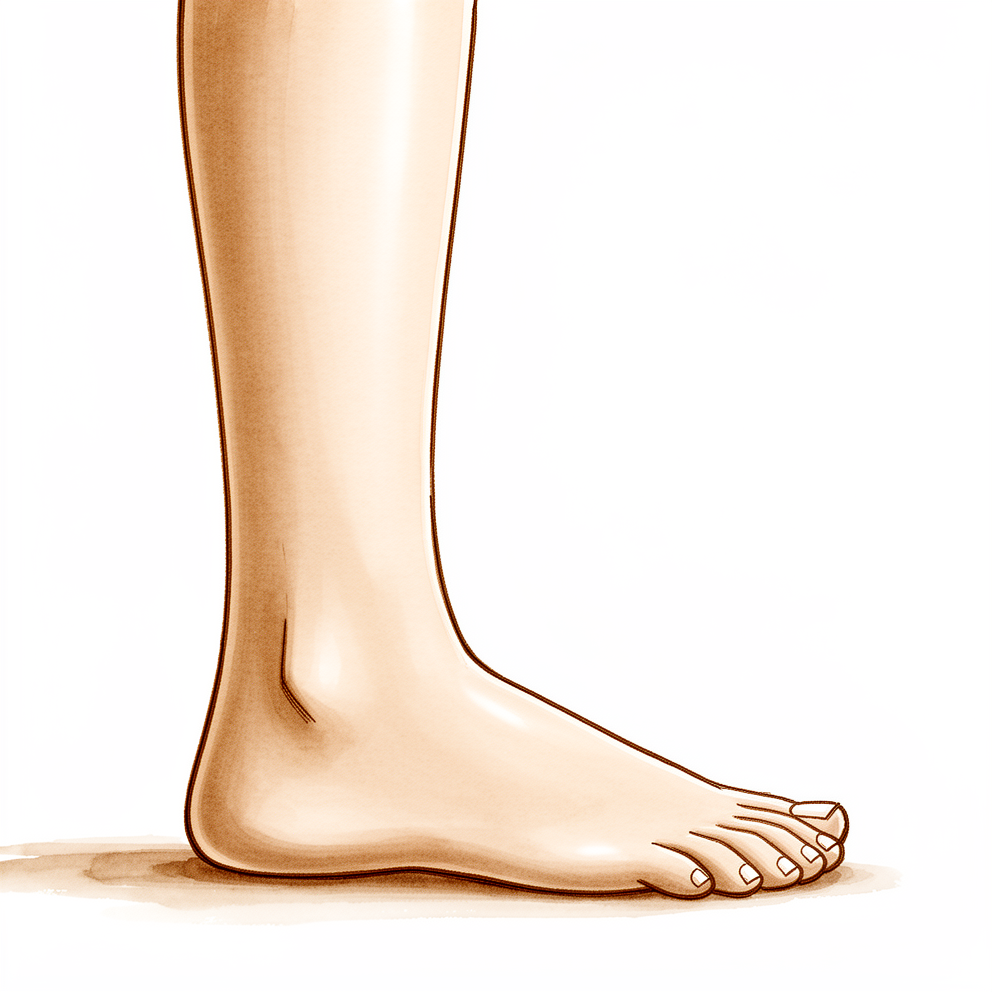
ਐਕਿਲੀਜ਼ ਟੈਂਡਨ (Achilles tendon, ਅੱਡੀ ਦਾ ਟੈਂਡਨ) ਤੁਹਾਡੇ ਗਿੱਟੇ ਦੇ ਪਿੱਛੇ ਵਾਲੀ ਮਜ਼ਬੂਤ ਤੰਦ ਹੈ, ਜਿਸ ਦੀ ਮਦਦ ਨਾਲ ਤੁਸੀਂ ਤੁਰਨ ਜਾਂ ਦੌੜਨ ਵੇਲੇ ਪੈਰ ਨਾਲ ਧੱਕਾ ਦੇ ਕੇ ਅੱਗੇ ਵਧਦੇ ਹੋ। ਜਦੋਂ ਇਹ ਟੈਂਡਨ ਪੂਰੀ ਤਰ੍ਹਾਂ ਪਾਟ ਜਾਂਦਾ ਹੈ, ਤਾਂ ਇਹ ਓਪਰੇਸ਼ਨ ਦੋਵੇਂ ਪਾਟੇ ਹੋਏ ਸਿਰਿਆਂ ਨੂੰ ਟਾਂਕਿਆਂ ਨਾਲ ਮੁੜ ਜੋੜਦਾ ਹੈ। ਹਾਲ ਹੀ ਵਿੱਚ ਹੋਏ ਪਾਟਣ ਲਈ, ਪਹਿਲਾਂ ਬਿਨਾਂ ਓਪਰੇਸ਼ਨ ਵਾਲਾ ਇਲਾਜ ਅਜ਼ਮਾਏ ਬਿਨਾਂ, ਤੁਰੰਤ ਸਰਜਰੀ ਦੀ ਸਲਾਹ ਦਿੱਤੀ ਜਾ ਸਕਦੀ ਹੈ। ਬ੍ਰੇਸ (ਸਹਾਰਾ ਦੇਣ ਵਾਲਾ ਪਟਾ) ਜਾਂ ਖ਼ਾਸ ਬੂਟ ਵਿੱਚ ਬਿਨਾਂ ਸਰਜਰੀ ਵਾਲਾ ਇਲਾਜ ਇੱਕ ਸਾਲ ਦੇ ਨਤੀਜਿਆਂ ਵਿੱਚ ਸਰਜਰੀ ਨਾਲੋਂ ਘੱਟ ਨਹੀਂ ਹੈ, ਇਸ ਲਈ ਅਸੀਂ ਤੁਹਾਡੇ ਨਾਲ ਦੋਵਾਂ ਰਾਹਾਂ ਬਾਰੇ ਗੱਲ ਕਰਾਂਗੇ। ਖੁੱਲ੍ਹੀ ਮੁਰੰਮਤ (open repair) ਨਾਲ ਟੈਂਡਨ ਦੇ ਮੁੜ ਪਾਟਣ ਦੀ ਸੰਭਾਵਨਾ ਘੱਟ ਜਾਂਦੀ ਹੈ, ਹਾਲਾਂਕਿ ਇਸ ਵਿੱਚ ਜ਼ਖ਼ਮ ਦੀਆਂ ਸਮੱਸਿਆਵਾਂ ਦੀ ਸੰਭਾਵਨਾ ਜ਼ਿਆਦਾ ਹੁੰਦੀ ਹੈ। ਮੁੱਖ ਮਕਸਦ ਇੱਕ ਅਜਿਹਾ ਟੈਂਡਨ ਹੈ ਜੋ ਟਿਕਿਆ ਰਹੇ, ਤਾਂ ਜੋ ਤੁਸੀਂ ਪੈਰ ਉੱਤੇ ਭਾਰ ਪਾ ਸਕੋ ਅਤੇ ਆਪਣੀਆਂ ਆਮ ਸਰਗਰਮੀਆਂ ਵਿੱਚ ਵਾਪਸ ਆ ਸਕੋ।
ਓਪਰੇਸ਼ਨ ਤੋਂ ਪਹਿਲਾਂ
ਸਰਜਰੀ ਤੋਂ ਪਹਿਲਾਂ ਦੇ ਦਿਨਾਂ ਵਿੱਚ, ਤਿਆਰੀ ਬਾਰੇ ਸਾਡੀਆਂ ਦਿੱਤੀਆਂ ਹਿਦਾਇਤਾਂ ਦੀ ਪਾਲਣਾ ਕਰੋ। ਤੁਹਾਨੂੰ ਓਪਰੇਸ਼ਨ ਤੋਂ ਸੱਤ ਘੰਟੇ ਪਹਿਲਾਂ ਖਾਣਾ-ਪੀਣਾ ਬੰਦ ਕਰਨਾ ਪਵੇਗਾ। ਅਸੀਂ ਸੱਤ ਘੰਟੇ ਇਸ ਲਈ ਕਹਿੰਦੇ ਹਾਂ ਤਾਂ ਜੋ ਜੇ ਓਪਰੇਸ਼ਨਾਂ ਦੀ ਸੂਚੀ ਸਮੇਂ ਤੋਂ ਪਹਿਲਾਂ ਚੱਲੇ ਤਾਂ ਤੁਹਾਨੂੰ ਪਹਿਲਾਂ ਬੁਲਾਇਆ ਜਾ ਸਕੇ। ਤੁਹਾਡਾ ਸਰਜਨ ਦੱਸੇਗਾ ਕਿ ਤੁਹਾਡੀਆਂ ਰੋਜ਼ਾਨਾ ਦਵਾਈਆਂ ਵਿੱਚੋਂ ਕਿਹੜੀਆਂ ਬੰਦ ਕਰਨੀਆਂ ਹਨ ਅਤੇ ਕਦੋਂ। ਜੋ ਕੁਝ ਵੀ ਤੁਸੀਂ ਲੈਂਦੇ ਹੋ, ਉਸ ਸਭ ਦੀ ਲਿਖਤੀ ਸੂਚੀ ਨਾਲ ਲਿਆਓ, ਅਤੇ ਬਾਅਦ ਵਿੱਚ ਤੁਹਾਨੂੰ ਗੱਡੀ ਵਿੱਚ ਘਰ ਲਿਜਾਣ ਲਈ ਕਿਸੇ ਦਾ ਪ੍ਰਬੰਧ ਕਰੋ। ਢਿੱਲੇ, ਆਰਾਮਦਾਇਕ ਕੱਪੜੇ ਪਾਓ। ਓਪਰੇਸ਼ਨ ਦੀ ਯੋਜਨਾ ਬਣਾਉਣ ਲਈ ਐਕਸ-ਰੇ, ਅਲਟਰਾਸਾਊਂਡ ਜਾਂ MRI ਵਰਗੇ ਸਕੈਨ ਵਰਤੇ ਜਾ ਸਕਦੇ ਹਨ। ਜੇ ਤੁਹਾਨੂੰ ਹੋਰ ਬਿਮਾਰੀਆਂ ਹਨ, ਤਾਂ ਸਰਜਰੀ ਤੋਂ ਪਹਿਲਾਂ ਤੁਹਾਨੂੰ ਖ਼ੂਨ ਦੇ ਟੈਸਟਾਂ ਜਾਂ ਅਨੱਸਥੀਟਿਸਟ (ਬੇਹੋਸ਼ੀ ਵਾਲਾ ਡਾਕਟਰ) ਨਾਲ ਜਾਂਚ ਦੀ ਲੋੜ ਪੈ ਸਕਦੀ ਹੈ।
ਓਪਰੇਸ਼ਨ ਵਾਲੇ ਦਿਨ
ਤੁਸੀਂ ਹਸਪਤਾਲ ਦੇ ਸਰਜੀਕਲ ਦਾਖ਼ਲਾ ਵਿਭਾਗ ਵਿੱਚ ਪਹੁੰਚਦੇ ਹੋ, ਜਿੱਥੇ ਤੁਹਾਡਾ ਦਾਖ਼ਲਾ ਕੀਤਾ ਜਾਂਦਾ ਹੈ ਅਤੇ ਤੁਹਾਨੂੰ ਓਪਰੇਸ਼ਨ ਥੀਏਟਰ ਲਈ ਤਿਆਰ ਕੀਤਾ ਜਾਂਦਾ ਹੈ। ਫਿਰ ਤੁਸੀਂ ਅਨੱਸਥੀਟਿਸਟ ਨੂੰ ਮਿਲੋਗੇ, ਉਹ ਡਾਕਟਰ ਜੋ ਤੁਹਾਨੂੰ ਬੇਹੋਸ਼ ਕਰਦਾ ਹੈ ਅਤੇ ਤੁਹਾਡੇ ਦਰਦ ਦਾ ਧਿਆਨ ਰੱਖਦਾ ਹੈ। ਇਹ ਓਪਰੇਸ਼ਨ ਜਨਰਲ ਅਨੱਸਥੀਸੀਆ (ਬੇਹੋਸ਼ੀ ਵਾਲੀ ਦਵਾਈ) ਹੇਠ ਕੀਤਾ ਜਾਂਦਾ ਹੈ। ਓਪਰੇਸ਼ਨ ਤੋਂ ਬਾਅਦ ਦਰਦ ਤੋਂ ਰਾਹਤ ਲਈ ਕਦੇ-ਕਦੇ ਨਾਲ ਰੀਜਨਲ ਨਰਵ ਬਲਾਕ (ਨਸ ਨੂੰ ਸੁੰਨ ਕਰਨ ਵਾਲਾ ਟੀਕਾ) ਵੀ ਦਿੱਤਾ ਜਾਂਦਾ ਹੈ; ਅਨੱਸਥੀਟਿਸਟ ਉਸੇ ਦਿਨ ਇਸ ਬਾਰੇ ਤੁਹਾਡੇ ਨਾਲ ਗੱਲ ਕਰੇਗਾ। ਫਿਰ ਤੁਹਾਨੂੰ ਓਪਰੇਸ਼ਨ ਥੀਏਟਰ ਵਿੱਚ ਲਿਜਾਇਆ ਜਾਂਦਾ ਹੈ, ਜਿੱਥੇ ਓਪਰੇਸ਼ਨ ਕੀਤਾ ਜਾਂਦਾ ਹੈ।
ਜਦੋਂ ਓਪਰੇਸ਼ਨ ਖ਼ਤਮ ਹੋ ਜਾਂਦਾ ਹੈ, ਤਾਂ ਤੁਹਾਨੂੰ ਰਿਕਵਰੀ ਵਾਲੇ ਹਿੱਸੇ (recovery area) ਵਿੱਚ ਹੋਸ਼ ਆਉਂਦੀ ਹੈ। ਜਦੋਂ ਤੱਕ ਅਨੱਸਥੀਸੀਆ ਦਾ ਅਸਰ ਖ਼ਤਮ ਨਹੀਂ ਹੁੰਦਾ, ਨਰਸਾਂ ਉੱਥੇ ਤੁਹਾਡੇ ਕੋਲ ਰਹਿੰਦੀਆਂ ਹਨ। ਜਦੋਂ ਤੁਹਾਡੀ ਹਾਲਤ ਸਥਿਰ ਹੋ ਜਾਂਦੀ ਹੈ, ਤਾਂ ਪ੍ਰਕਿਰਿਆ ਅਤੇ ਤੁਹਾਡੀ ਸਿਹਤਯਾਬੀ ਦੇ ਹਿਸਾਬ ਨਾਲ ਤੁਸੀਂ ਜਾਂ ਤਾਂ ਵਾਰਡ ਵਿੱਚ ਜਾਂਦੇ ਹੋ ਜਾਂ ਘਰ ਚਲੇ ਜਾਂਦੇ ਹੋ।
ਓਪਰੇਸ਼ਨ ਵਿੱਚ ਕੀ ਕੀਤਾ ਜਾਂਦਾ ਹੈ
ਐਕਿਲੀਜ਼ ਟੈਂਡਨ ਤੁਹਾਡੇ ਗਿੱਟੇ ਦੇ ਪਿੱਛੇ ਵਾਲੀ ਮਜ਼ਬੂਤ ਤੰਦ ਹੈ। ਜਦੋਂ ਇਹ ਪਾਟਦਾ ਹੈ, ਤਾਂ ਇਸ ਦੇ ਦੋਵੇਂ ਸਿਰੇ ਉੱਧੜੀ ਹੋਈ ਰੱਸੀ ਵਾਂਗ ਇੱਕ-ਦੂਜੇ ਤੋਂ ਦੂਰ ਖਿੱਚੇ ਜਾਂਦੇ ਹਨ। ਇਹ ਓਪਰੇਸ਼ਨ ਉਨ੍ਹਾਂ ਸਿਰਿਆਂ ਨੂੰ ਟਾਂਕਿਆਂ ਨਾਲ ਮੁੜ ਜੋੜਦਾ ਹੈ।
ਤੁਹਾਡਾ ਸਰਜਨ ਤੁਹਾਡੇ ਗਿੱਟੇ ਦੇ ਪਿੱਛੇ ਟੈਂਡਨ ਦੇ ਉੱਪਰ ਇੱਕ ਛੋਟਾ ਚੀਰਾ ਲਗਾਉਂਦਾ ਹੈ। ਘੱਟ ਚੀਰ-ਫਾੜ ਵਾਲੀ ਮੁਰੰਮਤ (minimally invasive repair) ਵਿੱਚ ਚੀਰਾ ਹੋਰ ਛੋਟਾ ਹੁੰਦਾ ਹੈ, ਅਤੇ ਟਾਂਕੇ ਚਮੜੀ ਵਿੱਚੋਂ ਲੰਘਾਏ ਜਾਂਦੇ ਹਨ, ਜਿਸ ਵਿੱਚ ਟੈਂਡਨ ਦੀ ਝਿੱਲੀ (tendon sheath) ਨੂੰ ਬਹੁਤ ਘੱਟ ਖੋਲ੍ਹਿਆ ਜਾਂਦਾ ਹੈ ਜਾਂ ਬਿਲਕੁਲ ਨਹੀਂ ਖੋਲ੍ਹਿਆ ਜਾਂਦਾ। ਸਰਜਨ ਇਹ ਜਾਂਚਣ ਲਈ ਇੱਕ ਪਤਲਾ ਕੈਮਰਾ ਵਰਤ ਸਕਦਾ ਹੈ ਕਿ ਪਾਟੇ ਹੋਏ ਸਿਰੇ ਠੀਕ ਤਰ੍ਹਾਂ ਜੁੜੇ ਹਨ। ਮਜ਼ਬੂਤ ਟਾਂਕੇ ਉੱਪਰ ਵਾਲੇ ਤੰਦਰੁਸਤ ਟੈਂਡਨ ਅਤੇ ਹੇਠਾਂ ਵਾਲੀ ਅੱਡੀ ਦੀ ਹੱਡੀ ਵਿਚਕਾਰਲੇ ਖੱਪੇ ਨੂੰ ਪੂਰਦੇ ਹਨ, ਅਤੇ ਸਿਰਿਆਂ ਨੂੰ ਠੀਕ ਹੋਣ ਤੱਕ ਜੋੜ ਕੇ ਰੱਖਦੇ ਹਨ।
ਜਦੋਂ ਟੈਂਡਨ ਦੇ ਸਿਰੇ ਜੁੜ ਜਾਂਦੇ ਹਨ, ਤਾਂ ਟਾਂਕਿਆਂ ਨੂੰ ਗੰਢ ਦੇ ਕੇ ਬੰਨ੍ਹ ਦਿੱਤਾ ਜਾਂਦਾ ਹੈ ਅਤੇ ਚੀਰੇ ਨੂੰ ਟਾਂਕਿਆਂ ਨਾਲ ਬੰਦ ਕਰਕੇ ਉੱਤੇ ਪੱਟੀ ਕੀਤੀ ਜਾਂਦੀ ਹੈ। ਜਦੋਂ ਤੁਸੀਂ ਓਪਰੇਸ਼ਨ ਥੀਏਟਰ ਤੋਂ ਬਾਹਰ ਆਓਗੇ, ਤੁਹਾਡਾ ਗਿੱਟਾ ਇੱਕ ਸੁਰੱਖਿਅਤ ਸਥਿਤੀ ਵਿੱਚ ਰੱਖਿਆ ਹੋਵੇਗਾ ਤਾਂ ਜੋ ਜੋੜੇ ਗਏ ਟੈਂਡਨ ਉੱਤੇ ਖਿਚਾਅ ਨਾ ਪਵੇ।
ਕੁਝ ਮੁਰੰਮਤਾਂ ਵਿੱਚ ਅਜਿਹਾ ਤਰੀਕਾ ਵਰਤਿਆ ਜਾਂਦਾ ਹੈ ਜਿਸ ਨਾਲ ਤੁਸੀਂ ਰਵਾਇਤੀ ਖੁੱਲ੍ਹੀ ਮੁਰੰਮਤ ਨਾਲੋਂ ਜਲਦੀ ਪੈਰ ਉੱਤੇ ਭਾਰ ਪਾ ਸਕਦੇ ਹੋ। ਤੁਹਾਡਾ ਸਰਜਨ ਦੱਸੇਗਾ ਕਿ ਤੁਹਾਡੇ ਲਈ ਕਿਹੜਾ ਤਰੀਕਾ ਸੋਚਿਆ ਗਿਆ ਹੈ ਅਤੇ ਕਿਉਂ।
ਓਪਰੇਸ਼ਨ ਤੋਂ ਬਾਅਦ
ਅਨੱਸਥੀਸੀਆ ਦਾ ਅਸਰ ਖ਼ਤਮ ਹੋਣ ਵੇਲੇ ਤੁਹਾਨੂੰ ਰਿਕਵਰੀ ਵਾਲੇ ਹਿੱਸੇ ਵਿੱਚ ਹੋਸ਼ ਆਵੇਗੀ ਅਤੇ ਨਰਸਾਂ ਨੇੜੇ ਹੋਣਗੀਆਂ। ਤੁਹਾਡੇ ਗਿੱਟੇ ਉੱਤੇ ਪੱਟੀ ਹੋਵੇਗੀ ਅਤੇ ਇਹ ਸੁਰੱਖਿਅਤ ਸਥਿਤੀ ਵਿੱਚ ਟਿਕਿਆ ਹੋਵੇਗਾ ਤਾਂ ਜੋ ਜੋੜੇ ਗਏ ਟੈਂਡਨ ਉੱਤੇ ਖਿਚਾਅ ਨਾ ਪਵੇ। ਤੁਹਾਨੂੰ ਆਰਾਮ ਵਿੱਚ ਰੱਖਣ ਲਈ ਅਸੀਂ ਦਰਦ ਦੀ ਦਵਾਈ ਦਿੰਦੇ ਹਾਂ, ਅਤੇ ਤੁਹਾਡੇ ਜਾਣ ਤੋਂ ਪਹਿਲਾਂ ਅਸੀਂ ਪੈਰ ਵਿੱਚ ਖ਼ੂਨ ਦੇ ਦੌਰੇ, ਛੂਹ ਮਹਿਸੂਸ ਕਰਨ ਦੀ ਸ਼ਕਤੀ ਅਤੇ ਹਿਲਜੁਲ ਦੀ ਜਾਂਚ ਕਰਾਂਗੇ। ਘਰ ਪਹੁੰਚਣ ਤੋਂ ਬਾਅਦ ਪਹਿਲੇ 24 ਘੰਟੇ ਕਿਸੇ ਨੂੰ ਤੁਹਾਡੇ ਕੋਲ ਰਹਿਣਾ ਚਾਹੀਦਾ ਹੈ। ਤੁਹਾਡੀ ਟੀਮ ਦੱਸੇਗੀ ਕਿ ਤੁਸੀਂ ਉਸੇ ਦਿਨ ਘਰ ਜਾਓਗੇ ਜਾਂ ਇੱਕ ਰਾਤ ਹਸਪਤਾਲ ਵਿੱਚ ਰਹੋਗੇ। ਪਹਿਲੇ ਦੋ ਹਫ਼ਤੇ ਪੈਰ ਉੱਤੇ ਭਾਰ ਨਾ ਪਾਓ, ਜਦੋਂ ਤੱਕ ਤੁਹਾਡੀ ਟੀਮ ਹੋਰ ਨਾ ਕਹੇ। ਅਸੀਂ ਪੱਟੀ ਲਗਭਗ 10 ਦਿਨ ਲੱਗੀ ਰਹਿਣ ਦਿੰਦੇ ਹਾਂ; ਕਿਰਪਾ ਕਰਕੇ ਉਸ ਤੋਂ ਪਹਿਲਾਂ ਇਸ ਨੂੰ ਨਾ ਉਤਾਰੋ, ਜਦੋਂ ਤੱਕ ਅਸੀਂ ਤੁਹਾਨੂੰ ਨਾ ਕਹੀਏ। ਜਦੋਂ ਅਸੀਂ ਤੁਹਾਨੂੰ ਦੇਖਦੇ ਹਾਂ, ਤਾਂ ਅਸੀਂ ਇਸ ਨੂੰ ਬਦਲਦੇ ਜਾਂ ਉਤਾਰਦੇ ਹਾਂ।
ਸਿਹਤਯਾਬੀ
ਪਹਿਲੇ ਕੁਝ ਦਿਨ ਤੁਹਾਡੇ ਗਿੱਟੇ ਵਿੱਚ ਦਰਦ ਅਤੇ ਸੋਜ ਰਹੇਗੀ। ਦਰਦ ਦੀ ਦਵਾਈ ਇਸ ਨੂੰ ਸਹਿਣਯੋਗ ਰੱਖਦੀ ਹੈ, ਅਤੇ ਪੈਰ ਉੱਚਾ ਰੱਖ ਕੇ ਆਰਾਮ ਕਰਨ ਨਾਲ ਸੋਜ ਘਟਣ ਵਿੱਚ ਮਦਦ ਮਿਲਦੀ ਹੈ। ਗਿੱਟੇ ਦੇ ਆਲੇ-ਦੁਆਲੇ ਅਤੇ ਪੈਰ ਤੱਕ ਕੁਝ ਨੀਲ ਪੈਣਾ ਆਮ ਗੱਲ ਹੈ ਅਤੇ ਇਹ ਸਮੇਂ ਨਾਲ ਹੌਲੀ-ਹੌਲੀ ਮਿਟ ਜਾਂਦਾ ਹੈ।
ਜਦੋਂ ਤੁਸੀਂ ਹਸਪਤਾਲ ਤੋਂ ਜਾਓਗੇ, ਤੁਹਾਡਾ ਗਿੱਟਾ ਸੁਰੱਖਿਅਤ ਸਥਿਤੀ ਵਿੱਚ ਟਿਕਿਆ ਹੋਵੇਗਾ ਤਾਂ ਜੋ ਜੋੜੇ ਗਏ ਟੈਂਡਨ ਉੱਤੇ ਖਿਚਾਅ ਨਾ ਪਵੇ। ਪਹਿਲੇ ਦੋ ਹਫ਼ਤੇ ਪੈਰ ਉੱਤੇ ਭਾਰ ਨਾ ਪਾਓ, ਜਦੋਂ ਤੱਕ ਤੁਹਾਡੀ ਟੀਮ ਹੋਰ ਨਾ ਕਹੇ। ਅਸੀਂ ਪੱਟੀ ਲਗਭਗ 10 ਦਿਨ ਲੱਗੀ ਰਹਿਣ ਦਿੰਦੇ ਹਾਂ ਅਤੇ ਜਦੋਂ ਅਸੀਂ ਤੁਹਾਨੂੰ ਦੇਖਦੇ ਹਾਂ ਤਾਂ ਇਸ ਨੂੰ ਬਦਲਦੇ ਜਾਂ ਉਤਾਰਦੇ ਹਾਂ। ਉਸ ਤੋਂ ਬਾਅਦ, ਤੁਹਾਡਾ ਫਿਜ਼ੀਓਥੈਰੇਪਿਸਟ ਗਿੱਟੇ ਦੀਆਂ ਹੌਲੀ, ਨਰਮ ਹਿਲਜੁਲਾਂ ਵਿੱਚ ਤੁਹਾਡੀ ਅਗਵਾਈ ਕਰੇਗਾ। ਸ਼ੁਰੂ ਵਿੱਚ ਤੁਸੀਂ ਪੈਰ ਨੂੰ ਖੁੱਲ੍ਹ ਕੇ ਹੇਠਾਂ ਵੱਲ ਝੁਕਾਓਗੇ, ਪਰ ਇਸ ਨੂੰ ਉੱਪਰ ਵੱਲ ਬਹੁਤ ਜ਼ਿਆਦਾ ਮੁੜਨ ਨਹੀਂ ਦਿਓਗੇ। ਜਿਵੇਂ-ਜਿਵੇਂ ਤੁਸੀਂ ਠੀਕ ਹੁੰਦੇ ਜਾਓਗੇ, ਤੁਸੀਂ ਪੈਰ ਉੱਤੇ ਹੋਰ ਭਾਰ ਪਾਓਗੇ ਅਤੇ ਹੋਰ ਦੂਰ ਤੱਕ ਤੁਰਨਾ ਸ਼ੁਰੂ ਕਰੋਗੇ। ਕੁਝ ਮੁਰੰਮਤਾਂ ਤੋਂ ਬਾਅਦ ਦੂਜਿਆਂ ਨਾਲੋਂ ਪਹਿਲਾਂ ਭਾਰ ਪਾਇਆ ਜਾ ਸਕਦਾ ਹੈ; ਤੁਹਾਡਾ ਸਰਜਨ ਦੱਸੇਗਾ ਕਿ ਤੁਹਾਡੇ ਲਈ ਕੀ ਯੋਜਨਾ ਹੈ।
ਰੋਜ਼ਾਨਾ ਜੀਵਨ ਵਿੱਚ, ਸ਼ੁਰੂ ਵਿੱਚ ਤੁਹਾਨੂੰ ਪੌੜੀਆਂ, ਖ਼ਰੀਦਦਾਰੀ ਅਤੇ ਨਹਾਉਣ ਵਿੱਚ ਮਦਦ ਦੀ ਲੋੜ ਪਵੇਗੀ। ਪੈਰ ਉੱਚਾ ਰੱਖ ਕੇ ਪਿੱਠ ਦੇ ਭਾਰ ਸੌਣਾ ਅਕਸਰ ਜ਼ਿਆਦਾ ਆਰਾਮਦਾਇਕ ਹੁੰਦਾ ਹੈ। ਜਿਵੇਂ-ਜਿਵੇਂ ਤੁਹਾਡੀ ਹਿਲਜੁਲ ਅਤੇ ਆਰਾਮ ਇਜਾਜ਼ਤ ਦੇਵੇ, ਤੁਸੀਂ ਆਮ ਤੌਰ 'ਤੇ ਦਫ਼ਤਰੀ (ਬੈਠ ਕੇ ਕੀਤੇ ਜਾਣ ਵਾਲੇ) ਕੰਮ ਅਤੇ ਰੋਜ਼ਾਨਾ ਦੇ ਕੰਮਕਾਜ ਉੱਤੇ ਵਾਪਸ ਜਾ ਸਕਦੇ ਹੋ, ਅਤੇ ਜਦੋਂ ਤੁਹਾਡੀ ਤਾਕਤ ਅਤੇ ਸੰਤੁਲਨ ਵਾਪਸ ਆ ਜਾਵੇ ਤਾਂ ਹੌਲੀ-ਹੌਲੀ ਖੇਡਾਂ ਵੱਲ ਵਾਪਸ ਜਾ ਸਕਦੇ ਹੋ। ਘੱਟ ਚੀਰ-ਫਾੜ ਵਾਲੀ ਮੁਰੰਮਤ ਤੋਂ ਬਾਅਦ ਬਹੁਤ ਸਾਰੇ ਲੋਕ ਲਗਭਗ ਚਾਰ ਮਹੀਨਿਆਂ ਤੋਂ ਖੇਡਾਂ ਵਿੱਚ ਵਾਪਸ ਆ ਜਾਂਦੇ ਹਨ।
ਸਿਹਤਯਾਬੀ ਹਰ ਵਿਅਕਤੀ ਵਿੱਚ ਵੱਖਰੀ ਹੁੰਦੀ ਹੈ। ਤੁਹਾਡਾ ਸਮਾਂ ਵੱਖਰਾ ਹੋ ਸਕਦਾ ਹੈ, ਅਤੇ ਤੁਹਾਡਾ ਸਰਜਨ ਅਤੇ ਫਿਜ਼ੀਓਥੈਰੇਪਿਸਟ ਹਰ ਕਦਮ 'ਤੇ ਤੁਹਾਡੀ ਅਗਵਾਈ ਕਰਨਗੇ।
ਕੀ ਗ਼ਲਤ ਹੋ ਸਕਦਾ ਹੈ
ਜ਼ਿਆਦਾਤਰ ਮਰੀਜ਼ ਚੰਗੀ ਤਰ੍ਹਾਂ ਠੀਕ ਹੋ ਜਾਂਦੇ ਹਨ, ਪਰ ਕਦੇ-ਕਦਾਈਂ ਸਮੱਸਿਆਵਾਂ ਹੋ ਸਕਦੀਆਂ ਹਨ। ਕਿਸੇ ਵੀ ਸਮੱਸਿਆ ਨੂੰ ਛੇਤੀ ਫੜਨ ਲਈ ਤੁਹਾਡਾ ਸਰਜਨ ਅਤੇ ਟੀਮ ਤੁਹਾਡੀ ਧਿਆਨ ਨਾਲ ਨਿਗਰਾਨੀ ਕਰਦੇ ਹਨ।
ਜ਼ਖ਼ਮ ਦੀਆਂ ਸਮੱਸਿਆਵਾਂ ਉੱਤੇ ਖ਼ਾਸ ਧਿਆਨ ਦੇਣਾ ਚਾਹੀਦਾ ਹੈ। ਐਕਿਲੀਜ਼ ਟੈਂਡਨ ਦੇ ਉੱਪਰਲੀ ਚਮੜੀ ਵਿੱਚ ਖ਼ੂਨ ਦਾ ਦੌਰਾ ਘੱਟ ਹੁੰਦਾ ਹੈ, ਇਸ ਲਈ ਚੀਰਾ ਹੌਲੀ-ਹੌਲੀ ਭਰ ਸਕਦਾ ਹੈ ਜਾਂ ਇਸ ਦੇ ਕਿਨਾਰੇ ਖੁੱਲ੍ਹ ਸਕਦੇ ਹਨ। ਜ਼ਖ਼ਮ ਤੋਂ ਬਾਹਰ ਵੱਲ ਫੈਲਦੀ ਲਾਲੀ, ਜ਼ਖ਼ਮ ਦਾ ਚੋਣਾ ਜਾਂ ਉਸ ਵਿੱਚੋਂ ਰਿਸਾਵ, ਵਧਦਾ ਦਰਦ, ਜਾਂ ਬੁਖ਼ਾਰ ਉੱਤੇ ਨਜ਼ਰ ਰੱਖੋ। ਜੇ ਤੁਹਾਨੂੰ ਇਨ੍ਹਾਂ ਵਿੱਚੋਂ ਕੋਈ ਵੀ ਨਿਸ਼ਾਨੀ ਦਿਸੇ, ਤਾਂ ਅਗਲੀ ਮੁਲਾਕਾਤ ਦੀ ਉਡੀਕ ਕਰਨ ਦੀ ਬਜਾਏ ਕਲੀਨਿਕ ਨੂੰ ਫ਼ੋਨ ਕਰੋ। ਕੁਝ ਸਿਹਤ ਹਾਲਤਾਂ, ਜਿਵੇਂ ਸ਼ੂਗਰ (ਡਾਇਬਟੀਜ਼) ਅਤੇ ਸਿਗਰਟਨੋਸ਼ੀ, ਜ਼ਖ਼ਮ ਦੀਆਂ ਸਮੱਸਿਆਵਾਂ ਦੀ ਸੰਭਾਵਨਾ ਵਧਾ ਦਿੰਦੀਆਂ ਹਨ, ਇਸ ਲਈ ਅਸੀਂ ਸਰਜਰੀ ਤੋਂ ਪਹਿਲਾਂ ਤੁਹਾਡੇ ਨਾਲ ਤੁਹਾਡੇ ਆਪਣੇ ਖ਼ਤਰਿਆਂ ਬਾਰੇ ਗੱਲ ਕਰਾਂਗੇ।
ਲਾਗ (ਇਨਫੈਕਸ਼ਨ) ਜ਼ਖ਼ਮ ਵਿੱਚ ਜਾਂ ਟੈਂਡਨ ਦੇ ਆਲੇ-ਦੁਆਲੇ ਹੋਰ ਡੂੰਘਾਈ ਵਿੱਚ ਹੋ ਸਕਦੀ ਹੈ। ਇਹ ਆਮ ਤੌਰ 'ਤੇ ਇੱਕ ਡੂੰਘੇ, ਧੜਕਦੇ ਦਰਦ ਵਾਂਗ ਮਹਿਸੂਸ ਹੁੰਦੀ ਹੈ ਜੋ ਆਮ ਦਰਦ ਨਿਵਾਰਕ ਦਵਾਈਆਂ ਨਾਲ ਨਹੀਂ ਘਟਦਾ, ਅਤੇ ਨਾਲ ਗਰਮਾਹਟ, ਸੋਜ ਅਤੇ ਲਾਲੀ ਹੁੰਦੀ ਹੈ। ਇਸ ਦੇ ਨਾਲ ਬੁਖ਼ਾਰ ਜਾਂ ਆਮ ਤੌਰ 'ਤੇ ਬਿਮਾਰ ਮਹਿਸੂਸ ਹੋਣਾ ਵੀ ਹੋ ਸਕਦਾ ਹੈ। ਡੂੰਘੀ ਲਾਗ ਦਾ ਛੇਤੀ ਇਲਾਜ ਜ਼ਰੂਰੀ ਹੈ, ਇਸ ਲਈ ਉਸੇ ਦਿਨ ਕਲੀਨਿਕ ਨਾਲ ਸੰਪਰਕ ਕਰੋ, ਜਾਂ ਜੇ ਤੁਸੀਂ ਸਾਡੇ ਨਾਲ ਸੰਪਰਕ ਨਹੀਂ ਕਰ ਸਕਦੇ ਤਾਂ ਐਮਰਜੈਂਸੀ ਵਿਭਾਗ ਜਾਓ।
ਟਾਂਕੇ ਟੈਂਡਨ ਦੇ ਸਿਰਿਆਂ ਨੂੰ ਠੀਕ ਹੋਣ ਤੱਕ ਜੋੜ ਕੇ ਰੱਖਦੇ ਹਨ, ਅਤੇ ਪੂਰੀ ਤਰ੍ਹਾਂ ਮਜ਼ਬੂਤ ਹੋਣ ਤੋਂ ਪਹਿਲਾਂ ਟੈਂਡਨ ਮੁੜ ਪਾਟ ਸਕਦਾ ਹੈ। ਇਹ ਆਮ ਤੌਰ 'ਤੇ ਪੈਰ ਨਾਲ ਅਚਾਨਕ ਜ਼ੋਰ ਲਾ ਕੇ ਧੱਕਾ ਦੇਣ, ਠੇਡਾ ਲੱਗਣ ਜਾਂ ਡਿੱਗਣ ਨਾਲ ਹੁੰਦਾ ਹੈ। ਤੁਹਾਨੂੰ ਗਿੱਟੇ ਦੇ ਪਿੱਛੇ ਤਿੱਖੀ ਤੜੱਕ ਜਾਂ ਪਟਾਕੇ ਵਰਗਾ ਅਹਿਸਾਸ ਹੋਵੇਗਾ, ਨਾਲ ਹੀ ਅਚਾਨਕ ਕਮਜ਼ੋਰੀ ਅਤੇ ਪੈਰ ਨਾਲ ਧੱਕਾ ਦੇਣ ਵਿੱਚ ਮੁਸ਼ਕਲ ਹੋਵੇਗੀ। ਜੇ ਅਜਿਹਾ ਹੋਵੇ, ਤਾਂ ਤੁਰੰਤ ਕਲੀਨਿਕ ਨਾਲ ਸੰਪਰਕ ਕਰੋ ਜਾਂ ਐਮਰਜੈਂਸੀ ਵਿਭਾਗ ਜਾਓ।
ਗਿੱਟੇ ਦੇ ਬਾਹਰਲੇ ਪਾਸੇ ਨਾਲ ਚੱਲਣ ਵਾਲੀ ਨਸ (nerve) ਮੁਰੰਮਤ ਦੌਰਾਨ ਚਿੜ (irritated) ਸਕਦੀ ਹੈ। ਇਸ ਨਾਲ ਤੁਹਾਡੇ ਪੈਰ ਦੇ ਬਾਹਰਲੇ ਪਾਸੇ ਹੇਠਾਂ ਵੱਲ ਸੁੰਨਪਨ, ਝਰਨਾਹਟ ਜਾਂ ਜਲਣ ਵਰਗਾ ਅਹਿਸਾਸ ਹੋ ਸਕਦਾ ਹੈ। ਅਗਲੀ ਜਾਂਚ ਵੇਲੇ ਇਸ ਬਾਰੇ ਦੱਸੋ, ਜਾਂ ਜੇ ਇਹ ਗੰਭੀਰ ਹੋਵੇ ਤਾਂ ਪਹਿਲਾਂ ਹੀ ਫ਼ੋਨ ਕਰੋ।
ਇਸ ਸੱਟ ਅਤੇ ਸਰਜਰੀ ਤੋਂ ਬਾਅਦ ਪਿੰਨੀ (ਲੱਤ ਦੀ ਪਿੰਨੀ, calf) ਦੀਆਂ ਡੂੰਘੀਆਂ ਨਾੜੀਆਂ (veins) ਵਿੱਚ ਖ਼ੂਨ ਦੇ ਗਤਲੇ ਬਣ ਸਕਦੇ ਹਨ। ਚੇਤਾਵਨੀ ਦੀਆਂ ਨਿਸ਼ਾਨੀਆਂ ਵਿੱਚ ਪਿੰਨੀ ਵਿੱਚ ਅਚਾਨਕ ਸੋਜ, ਛੂਹਣ 'ਤੇ ਦਰਦ ਜਾਂ ਭਾਰੀਪਨ ਸ਼ਾਮਲ ਹਨ, ਅਤੇ ਜੇ ਗਤਲਾ ਫੇਫੜਿਆਂ ਤੱਕ ਚਲਾ ਜਾਵੇ ਤਾਂ ਸਾਹ ਚੜ੍ਹਨਾ ਜਾਂ ਛਾਤੀ ਵਿੱਚ ਦਰਦ। ਸਾਹ ਚੜ੍ਹਨ ਜਾਂ ਛਾਤੀ ਵਿੱਚ ਦਰਦ ਹੋਣ 'ਤੇ ਤੁਰੰਤ ਐਮਰਜੈਂਸੀ ਵਿਭਾਗ ਜਾਓ। ਪਿੰਨੀ ਦੇ ਲੱਛਣ ਹੋਣ 'ਤੇ ਛੇਤੀ ਤੋਂ ਛੇਤੀ ਕਲੀਨਿਕ ਨੂੰ ਫ਼ੋਨ ਕਰੋ।
ਦਾਗ਼ ਵਾਲਾ ਟਿਸ਼ੂ (scar tissue) ਕਦੇ-ਕਦੇ ਟੈਂਡਨ ਨੂੰ ਆਲੇ-ਦੁਆਲੇ ਦੇ ਟਿਸ਼ੂ ਨਾਲ ਚਿਪਕਾ ਸਕਦਾ ਹੈ, ਜਿਸ ਨਾਲ ਹਿਲਜੁਲ ਵੇਲੇ ਕਲਿੱਕ ਜਾਂ ਰਗੜ ਵਰਗਾ ਅਹਿਸਾਸ ਜਾਂ ਅਕੜਾਅ ਹੋ ਸਕਦਾ ਹੈ। ਅਗਲੀ ਜਾਂਚ ਵੇਲੇ ਇਸ ਬਾਰੇ ਦੱਸੋ।
ਜੇ ਤੁਸੀਂ ਵੇਰਵੇ ਜਾਣਨਾ ਚਾਹੁੰਦੇ ਹੋ, ਤਾਂ ਇਸ ਸਫ਼ੇ ਉੱਤੇ ਪੇਚੀਦਗੀਆਂ ਵਾਲੀ ਸਾਰਣੀ ਵਿੱਚ ਆਮ ਦਰਾਂ ਦਿੱਤੀਆਂ ਗਈਆਂ ਹਨ।
ਸਾਨੂੰ ਕਦੋਂ ਫ਼ੋਨ ਕਰਨਾ ਹੈ
ਜੇ ਤੁਹਾਨੂੰ ਬੁਖ਼ਾਰ ਹੋਵੇ, ਜਾਂ ਜ਼ਖ਼ਮ ਦੇ ਆਲੇ-ਦੁਆਲੇ ਲਾਲੀ, ਰਿਸਾਵ ਜਾਂ ਦਰਦ ਵਧ ਰਿਹਾ ਹੋਵੇ, ਤਾਂ ਸਾਨੂੰ ਤੁਰੰਤ ਫ਼ੋਨ ਕਰੋ। ਜੇ ਤੁਹਾਡੀ ਪਿੰਨੀ ਸੁੱਜ ਜਾਵੇ, ਛੂਹਣ 'ਤੇ ਦੁਖੇ ਜਾਂ ਭਾਰੀ ਲੱਗੇ, ਤਾਂ ਸਾਨੂੰ ਛੇਤੀ ਤੋਂ ਛੇਤੀ ਫ਼ੋਨ ਕਰੋ। ਜੇ ਤੁਹਾਡਾ ਸਾਹ ਚੜ੍ਹੇ ਜਾਂ ਛਾਤੀ ਵਿੱਚ ਦਰਦ ਹੋਵੇ, ਜੇ ਤੁਹਾਨੂੰ ਗਿੱਟੇ ਵਿੱਚ ਅਚਾਨਕ ਤੜੱਕ ਜਾਂ ਪਟਾਕਾ ਮਹਿਸੂਸ ਹੋਵੇ ਅਤੇ ਨਾਲ ਕਮਜ਼ੋਰੀ ਹੋਵੇ, ਜਾਂ ਜੇ ਤੁਹਾਡੇ ਪੈਰ ਵਿੱਚ ਛੂਹ ਮਹਿਸੂਸ ਹੋਣੀ ਬੰਦ ਹੋ ਜਾਵੇ ਜਾਂ ਤੁਸੀਂ ਇਸ ਨੂੰ ਹਿਲਾ ਨਾ ਸਕੋ, ਤਾਂ ਐਮਰਜੈਂਸੀ ਵਿਭਾਗ ਜਾਓ। ਜੇ ਤੁਸੀਂ ਸਾਡੇ ਨਾਲ ਸੰਪਰਕ ਨਹੀਂ ਕਰ ਸਕਦੇ, ਤਾਂ ਐਮਰਜੈਂਸੀ ਵਿਭਾਗ ਜਾਓ।
Evidence & references
This is the clinical evidence summary written for health professionals. It is technical, and it lists the research this page was built from. You do not need to read it to understand your treatment or to make a decision about it.
Anatomy & Pathophysiology
Bony Anatomy
- The ankle mortise is formed by the tibial plafond, medial malleolus, and lateral malleolus [3].
- The ankle mortise articulates with the dome of the talar body [3].
- The talar dome is wider anteriorly and narrower posteriorly [3].
- The ankle mortise widens 1 to 1.5 mm during motion from plantar flexion to dorsiflexion [3].
- Medial and superior clear spaces appear wider with the foot in plantar flexion [3].
- The distal fibula has a convex medial surface that articulates with the concave incisura fibularis of the distal lateral tibia [3].
- The fibula rotates approximately 2 degrees within the incisura during ankle motion and ambulation [3].
- Ankle dorsiflexion results in external rotation and proximal translation of the fibula [3].
Ligamentous Anatomy
- The lateral ankle ligaments function as restraints to varus and inversion forces at the ankle [3].
- The anterior talofibular ligament (ATFL) originates from the anteroinferior aspect of the lateral malleolus, 1 cm proximal to its tip, and extends to the lateral aspect of the talar neck [3].
- The calcaneofibular ligament (CFL) extends from the tip of the lateral malleolus to the lateral aspect of the calcaneus [3].
- The posterior talofibular ligament (PTFL) extends from the posterior lateral malleolus to the posterolateral talus [3].
- The ATFL is the weakest ankle ligament [3].
- The PTFL is the strongest ankle ligament [3].
- The distal tibiofibular joint and fibula provide stability against lateral talar translation [3].
- The deltoid ligament complex is the primary ankle stabilizer during stance [3].
- The deep deltoid ligament extends from the apex of the medial malleolus to the medial talar body [3].
- The deep deltoid ligament functions primarily to resist lateral talar translation and external rotation [3].
- The posterior deep deltoid is the most important component of the deep deltoid ligament [3].
- The superficial deltoid ligament extends from the distal medial malleolus to the navicular bone, sustentaculum tali of the calcaneus, medial talus, and spring ligament [3].
- The superficial deltoid ligament functions primarily to resist valgus and eversion ankle forces [3].
- The deltoid ligament consists of superficial and deep layers, with at most six bands of which only three are constant: the tibionavicular ligament, tibiospring ligament, and deep posterior tibiotalar ligament [8].
- The tibiocalcaneal portion of the superficial deltoid ligament is the strongest component and resists eversion of the calcaneus [8].
- The deep portion of the deltoid ligament is organized into two short, thick, discrete bands: the anterior and posterior deep tibiotalar ligaments [8].
- The anterior and posterior deep tibiotalar ligaments are intra-articular but extrasynovial [8].
- The deep posterior band comprises the largest band of the deltoid complex [8].
- The deep deltoid ligament has the highest load to failure at 713.8 N ± 69.3 compared with the lateral collateral ligaments [8].
- The dominant mode of failure for the deep deltoid ligament is an intrasubstance rupture near its talar insertion [8].
- The failure of the superficial deltoid ligament is most commonly at its insertion on the anterior malleolus [8].
- Valgus tilting of the talus within the mortise requires complete rupture of both the superficial and deep deltoid ligaments [8].
Neurovascular Anatomy
- The superficial peroneal nerve penetrates the deep fascia and lies subcutaneously 8 to 10 cm proximal to the tip of the lateral malleolus, anterior to the subcutaneous border of the fibula shaft [6].
- The deep peroneal nerve accompanies the anterior tibial artery between the tendons of the anterior tibial and extensor digitorum longus muscles, just lateral to the extensor hallucis longus tendon [6].
- The saphenous nerve is located just medial or posterior to the saphenous vein in a slightly deeper plane, 3 to 5 cm proximal to the tip of the medial malleolus [6].
Biomechanics
- The ankle joint is responsible for most sagittal plane motion of the foot and ankle [3].
- Ankle plantar flexion ranges from 23 to 48 degrees [3].
- Ankle dorsiflexion ranges from 10 to 23 degrees [3].
- The ankle joint also contributes to inversion, eversion, and rotation [3].
Investigations
- MRI is sensitive for detecting osteochondral lesions of the ankle, but the edema pattern frequently overestimates the severity of the injury [12, 13].
- Linear fluid signal deep to subchondral bone on MRI indicates an unstable osteochondral lesion [12, 13].
- MRI has a sensitivity of 92% for predicting stable versus unstable osteochondral lesions [12, 13].
- CT scans are helpful for evaluating bony lesions, determining the integrity of subchondral bone, identifying cysts, and preoperative planning for osteochondral lesions [12, 13].
- AP, mortise, and lateral weight-bearing ankle x-rays may not demonstrate subtle osteochondral lesions [12, 13].
- Advanced imaging is often helpful in the diagnosis of foot and ankle injuries when combined with a thorough clinical examination [16].
- MRI is used for the evaluation of chronic Achilles tendon ruptures [1].
- MRI is used for the evaluation of traumatic ligamentous injuries of the ankle and foot [1].
- MRI is used for the evaluation of musculotendinous structures of the ankle [1].
- MRI is used for the evaluation of sports injuries involving the ankle [1].
- MRI is used for the pre-operative evaluation of the anterior talofibular ligament in chronic ankle instability [1].
- MRI is used for the evaluation of anterolateral soft tissue impingement of the ankle [1, 18].
- MRI is used for the evaluation of osteochondral lesions of the talus [1].
- MRI is used for the evaluation of posterior tibial tendon dysfunction [1].
- MRI is used for the diagnosis of plantar plate injury with reference to intraoperative findings [1].
- MRI is used for the evaluation of tibiofibular syndesmotic ligaments [1].
- MRI is used for the evaluation of chronic lateral ankle instability in conjunction with stress radiography [1].
- MRI is used for the evaluation of associations between imaging findings and symptoms in patients with chronic ankle sprain [1].
- MRI is used for the evaluation of accuracy in diagnosing ligamentous and chondral pathology in the ankle [1].
- MRI is used for the evaluation of peroneal tendon abnormalities on routine imaging of the foot and ankle [15].
- MRI is used for the evaluation of entrapment neuropathies of the lower extremity, including the knee, leg, ankle, and foot [19].
- Ultrasonography is used for the examination of the deltoid ligament in bimalleolar equivalent fractures [17].
- Ultrasonography is used for the point-of-care diagnosis and management of superficial peroneal nerve entrapment [19].
- MRI lacks additional diagnostic value for stability assessment of the ankle mortise in supination-external rotation-type ankle fractures [17].
- CT imaging is used to evaluate normal tibiofibular relationships at the syndesmosis [17].
- Preoperative computed tomography scans are used in operative planning for malleolar ankle fractures [17].
- Radiographic evaluation of the normal distal tibiofibular syndesmosis is a standard investigative approach [17].
- Fluoroscopy is used to assess if the syndesmosis is reduced [17].
- Radiographic identification of primary lateral ankle structures is possible [2].
- Gravity stress radiographs are used to assess the effect of ankle position on deltoid ligament integrity and medial clear space measurements [2].
- Stress radiography is used in the evaluation of chronic lateral ankle instability [1].
- The use of advanced imaging is often helpful in diagnosis when combined with a thorough clinical examination for foot and ankle disorders [16].
Treatment
Operative Technique: Lindholm Repair
- The patient is positioned prone for the procedure [14].
- A posterior curvilinear incision is made extending from the midcalf to the calcaneus [14].
- The deep fascia is incised in the midline to expose the tendon rupture [14].
- Ragged ends of the tendon are debrided [14].
- Tendon ends are apposed using a box type of mattress suture made of heavy nonabsorbable suture material or wire [14].
- Fine interrupted sutures are also used to appose the tendon ends [14].
- Two flaps are fashioned from the proximal tendon and gastrocnemius aponeurosis [14].
- Each flap is approximately 1 cm wide and 7 to 8 cm long [14].
- The flaps are left attached at a point 3 cm proximal to the site of rupture [14].
- Each flap is twisted 180 degrees on itself so that its smooth external surface lies next to the subcutaneous tissue [14].
- The flaps are turned distally over the rupture [14].
- Each flap is sutured to the distal stump of the tendon and to one another [14].
- The flaps cover the site of rupture completely [14].
- The wound is closed with care taken to approximate the tendon sheath over the site of repair [14].
Operative Technique: Lynn Repair
- The tendon sheath is opened in the midline [14].
- The foot is held in 20 degrees of plantar flexion during the repair [14].
- The ends of the Achilles tendon are sewn together with 2-0 absorbable sutures without excising the irregular edges [14].
- If the plantaris tendon is intact, its insertion on the calcaneus is divided [14].
- The plantaris tendon is fanned out to form a membrane using forceps, beginning distally [14].
- The fanned-out plantaris membrane is placed over the repair of the Achilles tendon [14].
- The plantaris membrane is sutured in place with interrupted sutures [14].
- When possible, the Achilles tendon is covered for 2.5 cm both proximal and distal to the repair [14].
- If the plantaris tendon is ruptured, it is dissected free from the Achilles tendon for several centimeters [14].
- The ruptured plantaris tendon is divided proximally using a tendon stripper [14].
- The plantaris tendon is pulled distally into the incision and fanned out as a free graft [14].
- The sheath of the Achilles tendon is closed as far distally as possible without tension [14].
Postoperative Care
- Postoperative care for these repairs is the same as that used after treatment of acute rupture of the Achilles tendon [14].
References
[1] Campbell S Operative Orthopaedics 4 Volume Set. REFERENCES > FOOT AND ANKLE.
[2] Campbell S Operative Orthopaedics 4 Volume Set. REPAIR OF ACUTE RUPTURE OF LATERAL LIGAMENTS > ACUTE ANKLE LIGAMENT INJURIES, CHRONIC ANKLE INSTABILITY.
[3] Miller S Review Of Orthopaedics. SECTION 16 PATELLAR TRACKING IN TOTAL KNEE ARTHROPLASTY > BIOMECHANICS OF THE FOOT AND ANKLE.
[6] Campbell S Operative Orthopaedics 4 Volume Set. MULTIPLE Z-PLASTY RELEASE OF A CONGENITAL RING > ANKLE BLOCK.
[8] Orthopaedic Knowledge Update Sports Medicine 6. Ankle and Foot Injuries and Other Disorders > Ankle Sprains > Medial Ankle Injury.
[12] Miller S Review Of Orthopaedics. SECTION 16 PATELLAR TRACKING IN TOTAL KNEE ARTHROPLASTY > OSTEOCHONDRAL LESIONS.
[13] Miller S Review Of Orthopaedics. OSTEOCHONDRAL LESIONS.
[14] Campbell S Operative Orthopaedics 4 Volume Set. ULNAR COLLATERAL LIGAMENT REPAIR WITH AN INTERNAL BRACE > OPEN REPAIR OF ACHILLES TENDON RUPTURE—LINDHOLM.
[15] Campbell S Operative Orthopaedics 4 Volume Set. MULTIPLE Z-PLASTY RELEASE OF A CONGENITAL RING > PERONEAL TENDONS.
[16] Orthopaedic Knowledge Update Sports Medicine 6. Ankle and Foot Injuries and Other Disorders > Summary.
[17] Orthopaedic Knowledge Update Trauma. Ankle Fractures > Annotated References.
[18] Campbell S Operative Orthopaedics 4 Volume Set. ARTHROSCOPIC EXAMINATION AND DEBRIDEMENT OF THE ANKLE JOINT > IMPINGEMENT.
[19] Campbell S Operative Orthopaedics 4 Volume Set. COMBINED HAMMER TOE AND MALLET TOE DEFORMITY WITH ASSOCIATED DOUBLE CORNS > REFERENCES > TARSAL TUNNEL SYNDROME.