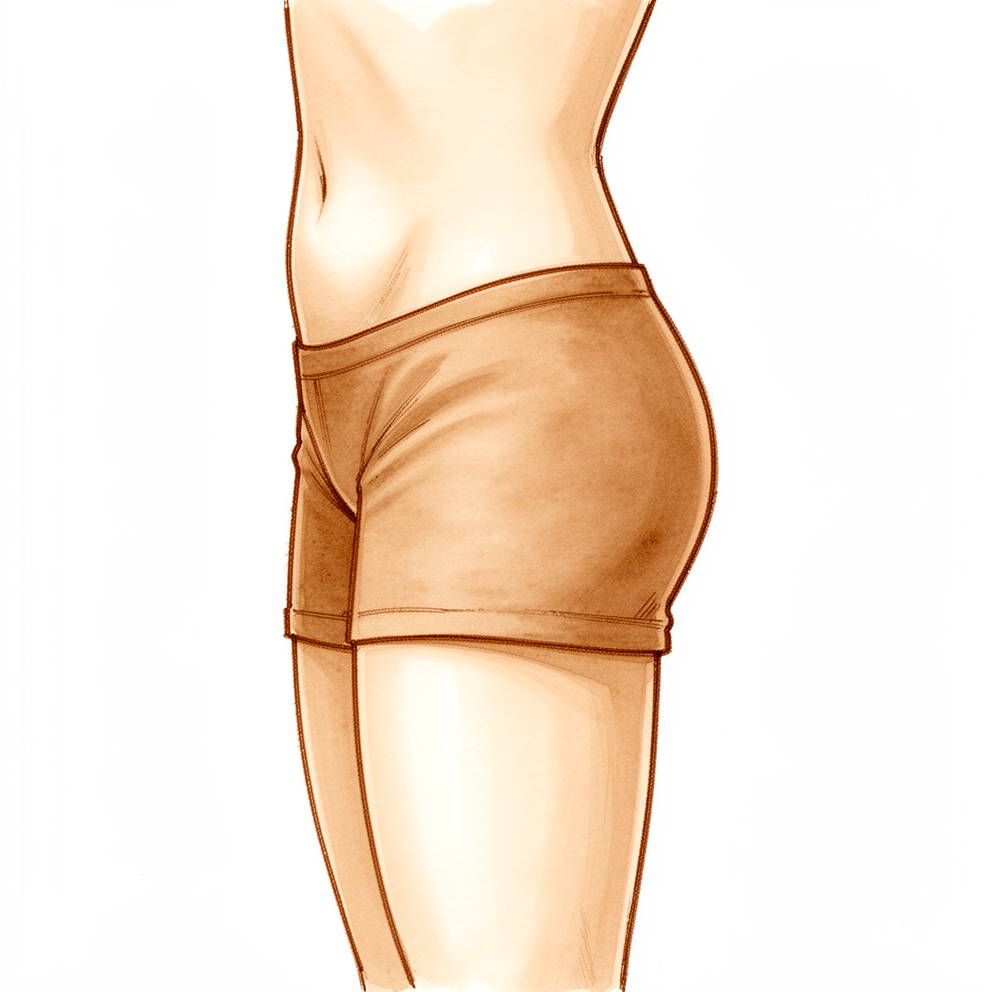
ਇਹ ਓਪਰੇਸ਼ਨ ਕਿਉਂ ਸੁਝਾਇਆ ਗਿਆ ਹੈ
ਪੈਰੀਐਸੀਟੈਬੂਲਰ ਓਸਟੀਓਟੋਮੀ (periacetabular osteotomy) ਦਾ ਮਤਲਬ ਹੈ ਤੁਹਾਡੇ ਚੂਲੇ (ਕੂਲ੍ਹੇ ਦਾ ਜੋੜ, hip) ਦੇ ਕੌਲੇ (socket) ਦੇ ਆਲੇ-ਦੁਆਲੇ ਦੀ ਹੱਡੀ ਨੂੰ ਕੱਟਣਾ ਅਤੇ ਉਸ ਨੂੰ ਇਸ ਤਰ੍ਹਾਂ ਘੁਮਾਉਣਾ ਕਿ ਕੌਲਾ ਚੂਲੇ ਦੇ ਜੋੜ ਦੇ ਗੋਲੇ ਨੂੰ ਬਿਹਤਰ ਢੰਗ ਨਾਲ ਢੱਕ ਲਵੇ। ਇਹ ਆਮ ਤੌਰ 'ਤੇ ਉਹਨਾਂ ਨੌਜਵਾਨ ਬਾਲਗਾਂ ਨੂੰ ਪੇਸ਼ ਕੀਤਾ ਜਾਂਦਾ ਹੈ ਜਿਨ੍ਹਾਂ ਦੇ ਚੂਲੇ ਦਾ ਕੌਲਾ ਕਾਫ਼ੀ ਡੂੰਘਾ ਨਹੀਂ ਬਣਿਆ; ਇਸ ਸਮੱਸਿਆ ਨੂੰ ਹਿੱਪ ਡਿਸਪਲੇਸੀਆ (hip dysplasia) ਕਹਿੰਦੇ ਹਨ। ਇਸ ਨਾਲ ਚੱਡੇ (ਪੱਟ ਦੀ ਜੜ੍ਹ, groin) ਵਿੱਚ ਦਰਦ, ਚੂਲੇ ਦੇ ਪਾਸੇ ਦਰਦ, ਲੰਗੜਾ ਕੇ ਤੁਰਨਾ, ਅਤੇ ਰੋਜ਼ਾਨਾ ਦਰਦ ਹੋ ਸਕਦਾ ਹੈ ਜੋ ਆਰਾਮ ਕਰਨ ਨਾਲ ਘਟ ਜਾਂਦਾ ਹੈ। ਜੇ ਇਸ ਦਾ ਇਲਾਜ ਨਾ ਕੀਤਾ ਜਾਵੇ, ਤਾਂ ਇਸ ਨਾਲ ਛੋਟੀ ਉਮਰ ਵਿੱਚ ਹੀ ਘਿਸਾਈ ਵਾਲਾ ਗਠੀਆ (ਆਰਥਰਾਈਟਿਸ) ਹੋ ਸਕਦਾ ਹੈ।
ਲੰਮੇ ਸਮੇਂ ਤੋਂ ਚੱਲ ਰਹੀਆਂ ਸਮੱਸਿਆਵਾਂ ਲਈ ਅਸੀਂ ਆਮ ਤੌਰ 'ਤੇ ਪਹਿਲਾਂ ਬਿਨਾਂ ਓਪਰੇਸ਼ਨ ਵਾਲਾ ਇਲਾਜ ਅਜ਼ਮਾਉਂਦੇ ਹਾਂ, ਜਿਵੇਂ ਤੁਹਾਡੀਆਂ ਸਰਗਰਮੀਆਂ ਵਿੱਚ ਬਦਲਾਅ ਜਾਂ ਫਿਜ਼ੀਓਥੈਰੇਪੀ। ਜਦੋਂ ਇਹਨਾਂ ਕਦਮਾਂ ਨਾਲ ਕਾਫ਼ੀ ਸੁਧਾਰ ਨਹੀਂ ਹੁੰਦਾ, ਤਾਂ ਅਸੀਂ ਇਸ ਓਪਰੇਸ਼ਨ ਬਾਰੇ ਸੋਚਦੇ ਹਾਂ। ਇਸ ਦਾ ਮਕਸਦ ਦਰਦ ਤੋਂ ਰਾਹਤ, ਚੂਲੇ ਦਾ ਬਿਹਤਰ ਕੰਮ ਅਤੇ ਵਧੇਰੇ ਸਥਿਰ ਚੂਲਾ ਹੈ।
ਓਪਰੇਸ਼ਨ ਤੋਂ ਪਹਿਲਾਂ
ਤੁਹਾਡਾ ਸਰਜਨ ਐਕਸ-ਰੇ ਅਤੇ MRI ਜਾਂ ਅਲਟਰਾਸਾਊਂਡ ਵਰਗੇ ਸਕੈਨਾਂ ਦੀ ਮਦਦ ਨਾਲ ਓਪਰੇਸ਼ਨ ਦੀ ਯੋਜਨਾ ਬਣਾਏਗਾ। ਇਹ ਤੁਹਾਡੇ ਚੂਲੇ ਦੇ ਕੌਲੇ ਦੀ ਸ਼ਕਲ ਅਤੇ ਜੋੜ ਦੀ ਸਤ੍ਹਾ ਦੀ ਹਾਲਤ ਦਿਖਾਉਂਦੇ ਹਨ, ਇਸ ਲਈ ਇਹ ਆਮ ਤੌਰ 'ਤੇ ਸਰਜਰੀ ਬੁੱਕ ਹੋਣ ਤੋਂ ਪਹਿਲਾਂ ਕੀਤੇ ਜਾਂਦੇ ਹਨ।
ਓਪਰੇਸ਼ਨ ਤੋਂ ਪਹਿਲਾਂ ਦੇ ਹਫ਼ਤਿਆਂ ਵਿੱਚ ਤੁਹਾਨੂੰ ਸਪਸ਼ਟ ਹਿਦਾਇਤਾਂ ਦਿੱਤੀਆਂ ਜਾਣਗੀਆਂ। ਤੁਹਾਨੂੰ ਸਰਜਰੀ ਤੋਂ ਸੱਤ ਘੰਟੇ ਪਹਿਲਾਂ ਖਾਣਾ-ਪੀਣਾ ਬੰਦ ਕਰਨਾ ਪਵੇਗਾ। ਇਸ ਲੰਮੇ ਵਕਫ਼ੇ ਦਾ ਮਤਲਬ ਹੈ ਕਿ ਜੇ ਓਪਰੇਸ਼ਨ ਥੀਏਟਰ ਦੀ ਸੂਚੀ ਸਮੇਂ ਤੋਂ ਅੱਗੇ ਚੱਲ ਰਹੀ ਹੋਵੇ ਤਾਂ ਤੁਹਾਡਾ ਓਪਰੇਸ਼ਨ ਪਹਿਲਾਂ ਕੀਤਾ ਜਾ ਸਕਦਾ ਹੈ। ਕੁਝ ਦਵਾਈਆਂ ਕੁਝ ਸਮੇਂ ਲਈ ਰੋਕਣੀਆਂ ਪੈ ਸਕਦੀਆਂ ਹਨ, ਇਸ ਲਈ ਤੁਸੀਂ ਜੋ ਵੀ ਦਵਾਈਆਂ ਲੈਂਦੇ ਹੋ ਉਹਨਾਂ ਸਭ ਦੀ ਸੂਚੀ ਨਾਲ ਲਿਆਓ, ਅਤੇ ਤੁਹਾਡਾ ਸਰਜਨ ਦੱਸੇਗਾ ਕਿ ਕਿਹੜੀਆਂ ਬੰਦ ਕਰਨੀਆਂ ਹਨ। ਬਾਅਦ ਵਿੱਚ ਤੁਹਾਨੂੰ ਗੱਡੀ ਵਿੱਚ ਘਰ ਲੈ ਜਾਣ ਲਈ ਕਿਸੇ ਦਾ ਪ੍ਰਬੰਧ ਕਰੋ, ਅਤੇ ਓਪਰੇਸ਼ਨ ਵਾਲੇ ਦਿਨ ਖੁੱਲ੍ਹੇ, ਆਰਾਮਦਾਇਕ ਕੱਪੜੇ ਪਾਓ। ਜੇ ਤੁਹਾਨੂੰ ਹੋਰ ਬਿਮਾਰੀਆਂ ਹਨ, ਤਾਂ ਤੁਹਾਨੂੰ ਖ਼ੂਨ ਦੀ ਜਾਂਚ ਜਾਂ ਅਨੱਸਥੀਟਿਸਟ (ਬੇਹੋਸ਼ੀ ਵਾਲਾ ਡਾਕਟਰ) ਨਾਲ ਮੁਲਾਕਾਤ ਦੀ ਲੋੜ ਪੈ ਸਕਦੀ ਹੈ।
ਓਪਰੇਸ਼ਨ ਵਾਲੇ ਦਿਨ
ਤੁਸੀਂ ਹਸਪਤਾਲ ਦੇ ਸਰਜੀਕਲ ਦਾਖ਼ਲਾ ਵਿਭਾਗ ਵਿੱਚ ਪਹੁੰਚਦੇ ਹੋ, ਜਿੱਥੇ ਤੁਹਾਡਾ ਦਾਖ਼ਲਾ ਦਰਜ ਕੀਤਾ ਜਾਂਦਾ ਹੈ ਅਤੇ ਤੁਹਾਨੂੰ ਓਪਰੇਸ਼ਨ ਥੀਏਟਰ ਲਈ ਤਿਆਰ ਕੀਤਾ ਜਾਂਦਾ ਹੈ। ਤੁਸੀਂ ਅਨੱਸਥੀਟਿਸਟ ਨੂੰ ਮਿਲੋਗੇ, ਇੱਕ ਡਾਕਟਰ ਜੋ ਓਪਰੇਸ਼ਨ ਦੌਰਾਨ ਅਤੇ ਬਾਅਦ ਵਿੱਚ ਤੁਹਾਡੇ ਅਨੱਸਥੀਸੀਆ ਅਤੇ ਦਰਦ ਤੋਂ ਰਾਹਤ ਦੀ ਦੇਖਭਾਲ ਕਰਦਾ ਹੈ। ਇਹ ਓਪਰੇਸ਼ਨ ਜਨਰਲ ਅਨੱਸਥੀਸੀਆ (ਬੇਹੋਸ਼ੀ ਵਾਲੀ ਦਵਾਈ) ਹੇਠ ਕੀਤਾ ਜਾਂਦਾ ਹੈ। ਓਪਰੇਸ਼ਨ ਤੋਂ ਬਾਅਦ ਦਰਦ ਤੋਂ ਰਾਹਤ ਲਈ ਕਈ ਵਾਰ ਰੀਜਨਲ ਨਰਵ ਬਲਾਕ (ਨਸ ਨੂੰ ਸੁੰਨ ਕਰਨ ਵਾਲਾ ਟੀਕਾ) ਵੀ ਦਿੱਤਾ ਜਾਂਦਾ ਹੈ; ਅਨੱਸਥੀਟਿਸਟ ਓਪਰੇਸ਼ਨ ਵਾਲੇ ਦਿਨ ਤੁਹਾਡੇ ਨਾਲ ਇਸ ਬਾਰੇ ਗੱਲ ਕਰੇਗਾ।
ਫਿਰ ਤੁਹਾਨੂੰ ਓਪਰੇਸ਼ਨ ਥੀਏਟਰ ਵਿੱਚ ਲਿਜਾਇਆ ਜਾਂਦਾ ਹੈ, ਜਿੱਥੇ ਓਪਰੇਸ਼ਨ ਕੀਤਾ ਜਾਂਦਾ ਹੈ। ਜਦੋਂ ਇਹ ਪੂਰਾ ਹੋ ਜਾਂਦਾ ਹੈ, ਤੁਸੀਂ ਰਿਕਵਰੀ ਵਾਲੀ ਥਾਂ ਵਿੱਚ ਜਾਗਦੇ ਹੋ। ਉੱਥੇ ਨਰਸਾਂ ਤੁਹਾਡੀ ਨਿਗਰਾਨੀ ਕਰਦੀਆਂ ਹਨ ਜਦੋਂ ਤੱਕ ਅਨੱਸਥੀਸੀਆ ਦਾ ਅਸਰ ਉਤਰਦਾ ਹੈ। ਜਦੋਂ ਤੁਹਾਡੀ ਹਾਲਤ ਸਥਿਰ ਹੋ ਜਾਂਦੀ ਹੈ, ਤਾਂ ਪ੍ਰਕਿਰਿਆ ਅਤੇ ਤੁਹਾਡੀ ਸਿਹਤਯਾਬੀ ਦੇ ਹਿਸਾਬ ਨਾਲ ਤੁਸੀਂ ਜਾਂ ਤਾਂ ਵਾਰਡ ਵਿੱਚ ਜਾਂਦੇ ਹੋ ਜਾਂ ਘਰ ਜਾਂਦੇ ਹੋ।
ਓਪਰੇਸ਼ਨ ਵਿੱਚ ਕੀ ਕੀਤਾ ਜਾਂਦਾ ਹੈ
ਪੈਰੀਐਸੀਟੈਬੂਲਰ ਓਸਟੀਓਟੋਮੀ ਪੇਡੂ ਦੀ ਹੱਡੀ (pelvis) ਦਾ ਓਪਰੇਸ਼ਨ ਹੈ। ਸਰਜਨ ਤੁਹਾਡੇ ਚੂਲੇ ਦੇ ਅਗਲੇ ਪਾਸੇ, ਉਸ ਲਕੀਰ ਦੇ ਨਾਲ-ਨਾਲ ਜਿੱਥੇ ਚਮੜੀ ਕੁਦਰਤੀ ਤੌਰ 'ਤੇ ਵਲ਼ ਖਾਂਦੀ ਹੈ, ਚੀਰਾ ਲਗਾਉਂਦਾ ਹੈ। ਇਸ ਚੀਰੇ ਰਾਹੀਂ ਸਰਜਨ ਤੁਹਾਡੇ ਚੂਲੇ ਦੇ ਕੌਲੇ ਦੇ ਆਲੇ-ਦੁਆਲੇ ਦੀ ਹੱਡੀ ਤੱਕ ਪਹੁੰਚਦਾ ਹੈ।
ਫਿਰ ਸਰਜਨ ਕੌਲੇ ਦੇ ਆਲੇ-ਦੁਆਲੇ ਦੀ ਹੱਡੀ ਨੂੰ ਕਈ ਥਾਵਾਂ ਤੋਂ ਕੱਟਦਾ ਹੈ, ਅਤੇ ਹੱਡੀ ਦਾ ਇੱਕ ਮਜ਼ਬੂਤ ਥੰਮ੍ਹ ਸਾਬਤ ਛੱਡ ਦਿੰਦਾ ਹੈ। ਇਸ ਨਾਲ ਪੂਰਾ ਕੌਲਾ ਇੱਕੋ ਟੁਕੜੇ ਵਜੋਂ ਹਿੱਲ ਸਕਦਾ ਹੈ। ਸਰਜਨ ਕੌਲੇ ਨੂੰ ਇਸ ਤਰ੍ਹਾਂ ਘੁਮਾਉਂਦਾ ਹੈ ਕਿ ਇਹ ਤੁਹਾਡੇ ਚੂਲੇ ਦੇ ਜੋੜ ਦੇ ਗੋਲੇ ਦੇ ਵਧੇਰੇ ਹਿੱਸੇ ਉੱਤੇ ਆ ਜਾਵੇ ਅਤੇ ਉਸ ਨੂੰ ਬਿਹਤਰ ਢੱਕ ਲਵੇ। ਜਦੋਂ ਕੌਲਾ ਨਵੀਂ ਥਾਂ 'ਤੇ ਆ ਜਾਂਦਾ ਹੈ, ਤਾਂ ਹੱਡੀ ਜੁੜਨ ਤੱਕ ਉਸ ਨੂੰ ਸਕਰੂਆਂ ਨਾਲ ਉੱਥੇ ਟਿਕਾ ਕੇ ਰੱਖਿਆ ਜਾਂਦਾ ਹੈ।
ਜੇ ਤੁਹਾਡੇ ਜੋੜ ਦੇ ਅੰਦਰ ਵੀ ਨੁਕਸਾਨ ਹੈ, ਜਿਵੇਂ ਕਿ ਜੋੜ ਦੇ ਕੰਢੇ ਦੀ ਕਾਰਟੀਲੇਜ (cartilage) ਦੀ ਕਿਨਾਰੀ ਦਾ ਪਾਟਣਾ ਜਾਂ ਪੱਟ ਦੀ ਹੱਡੀ ਦੇ ਉੱਪਰਲੇ ਸਿਰੇ 'ਤੇ ਕੁਝ ਵਾਧੂ ਹੱਡੀ, ਤਾਂ ਸਰਜਨ ਉਸੇ ਸਮੇਂ ਇਸ ਦਾ ਇਲਾਜ ਵੀ ਕਰ ਸਕਦਾ ਹੈ। ਚੂਲੇ ਦੇ ਜੋੜ ਨੂੰ ਇੱਕ ਛੋਟੇ ਚੀਰੇ ਰਾਹੀਂ ਕੈਮਰੇ ਨਾਲ ਦੇਖਿਆ ਜਾ ਸਕਦਾ ਹੈ (ਦੂਰਬੀਨ ਵਾਲੀ, ਆਰਥਰੋਸਕੋਪਿਕ, ਸਰਜਰੀ), ਅਤੇ ਪੱਟ ਦੀ ਹੱਡੀ ਉੱਤੇ ਕਿਸੇ ਵੀ ਖੁਰਦਰੀ ਥਾਂ ਨੂੰ ਪੱਧਰਾ ਕੀਤਾ ਜਾ ਸਕਦਾ ਹੈ। ਇਹ ਉਸੇ ਓਪਰੇਸ਼ਨ ਵਿੱਚ ਕਰਨ ਦਾ ਮਤਲਬ ਹੈ ਇੱਕੋ ਵਾਰ ਅਨੱਸਥੀਸੀਆ ਅਤੇ ਇੱਕੋ ਵਾਰ ਸਿਹਤਯਾਬੀ।
ਚੀਰੇ ਨੂੰ ਟਾਂਕਿਆਂ ਨਾਲ ਬੰਦ ਕੀਤਾ ਜਾਂਦਾ ਹੈ ਅਤੇ ਪੱਟੀ ਨਾਲ ਢੱਕਿਆ ਜਾਂਦਾ ਹੈ। ਪੂਰੇ ਓਪਰੇਸ਼ਨ ਵਿੱਚ ਆਮ ਤੌਰ 'ਤੇ ਕੁਝ ਘੰਟੇ ਲੱਗਦੇ ਹਨ।
ਕੁਝ ਲੋਕਾਂ ਨੂੰ ਸਮੇਂ ਦੇ ਨਾਲ ਆਪਣੇ ਚੂਲੇ ਦੇ ਇੱਕ ਤੋਂ ਵੱਧ ਓਪਰੇਸ਼ਨਾਂ ਦੀ ਲੋੜ ਪੈਂਦੀ ਹੈ। ਜੇ ਤੁਹਾਡੀ ਪਹਿਲਾਂ ਚੂਲੇ ਦੀ ਸਰਜਰੀ ਹੋ ਚੁੱਕੀ ਹੈ, ਤਾਂ ਹੋ ਸਕਦਾ ਹੈ ਕਿ ਕੌਲੇ ਨੂੰ ਓਨਾ ਨਾ ਘੁਮਾਇਆ ਜਾ ਸਕੇ, ਅਤੇ ਸਮੱਸਿਆਵਾਂ ਦਾ ਖ਼ਤਰਾ ਵੱਧ ਹੁੰਦਾ ਹੈ। ਫ਼ੈਸਲਾ ਕਰਨ ਤੋਂ ਪਹਿਲਾਂ ਤੁਹਾਡਾ ਸਰਜਨ ਤੁਹਾਡੇ ਨਾਲ ਇਸ ਬਾਰੇ ਵਿਸਥਾਰ ਨਾਲ ਗੱਲ ਕਰੇਗਾ।
ਓਪਰੇਸ਼ਨ ਤੋਂ ਬਾਅਦ
ਤੁਸੀਂ ਰਿਕਵਰੀ ਵਾਲੀ ਥਾਂ ਵਿੱਚ ਜਾਗੋਗੇ, ਫਿਰ ਹਾਲਤ ਸਥਿਰ ਹੋਣ 'ਤੇ ਵਾਰਡ ਵਿੱਚ ਜਾਂ ਘਰ ਜਾਓਗੇ। ਤੁਹਾਡੀ ਟੀਮ ਦੱਸੇਗੀ ਕਿ ਤੁਸੀਂ ਉਸੇ ਦਿਨ ਘਰ ਜਾਓਗੇ ਜਾਂ ਇੱਕ ਰਾਤ ਹਸਪਤਾਲ ਵਿੱਚ ਰਹੋਗੇ। ਨਰਸਾਂ ਤੁਹਾਡਾ ਧਿਆਨ ਰੱਖਣਗੀਆਂ ਅਤੇ ਲੋੜ ਅਨੁਸਾਰ ਦਰਦ ਦੀ ਦਵਾਈ ਦੇਣਗੀਆਂ। ਘਰ ਪਹੁੰਚਣ ਤੋਂ ਬਾਅਦ ਪਹਿਲੇ 24 ਘੰਟਿਆਂ ਲਈ ਕਿਸੇ ਨੂੰ ਤੁਹਾਡੇ ਨਾਲ ਰਹਿਣਾ ਚਾਹੀਦਾ ਹੈ। ਤੁਹਾਡੇ ਚੂਲੇ ਉੱਤੇ ਟਾਂਕਿਆਂ ਦੇ ਉੱਪਰ ਪੱਟੀ ਹੋਵੇਗੀ। ਅਸੀਂ ਪੱਟੀ ਲਗਭਗ 10 ਦਿਨਾਂ ਤੱਕ ਲੱਗੀ ਰਹਿਣ ਦਿੰਦੇ ਹਾਂ; ਕਿਰਪਾ ਕਰਕੇ ਉਸ ਤੋਂ ਪਹਿਲਾਂ ਇਸ ਨੂੰ ਨਾ ਉਤਾਰੋ, ਜਦੋਂ ਤੱਕ ਅਸੀਂ ਤੁਹਾਨੂੰ ਨਾ ਕਹੀਏ। ਜਦੋਂ ਅਸੀਂ ਤੁਹਾਨੂੰ ਮਿਲਦੇ ਹਾਂ, ਤਾਂ ਅਸੀਂ ਇਸ ਨੂੰ ਬਦਲਦੇ ਜਾਂ ਉਤਾਰਦੇ ਹਾਂ। ਇੱਕ ਫਿਜ਼ੀਓਥੈਰੇਪਿਸਟ ਤੁਹਾਨੂੰ ਖੜ੍ਹੇ ਹੋਣ ਅਤੇ ਕੁਝ ਕਦਮ ਤੁਰਨ ਵਿੱਚ ਮਦਦ ਕਰ ਸਕਦਾ ਹੈ, ਕਈ ਵਾਰ ਤੁਰਨ ਵਾਲੇ ਸਹਾਰੇ ਨਾਲ। ਇਸ ਓਪਰੇਸ਼ਨ ਤੋਂ ਬਾਅਦ ਤੁਹਾਨੂੰ ਬ੍ਰੇਸ (ਸਹਾਰਾ ਦੇਣ ਵਾਲਾ ਪਟਾ) ਦੀ ਲੋੜ ਨਹੀਂ ਪਵੇਗੀ।
ਸਿਹਤਯਾਬੀ
ਪਹਿਲੇ ਦਿਨ ਸਭ ਤੋਂ ਔਖੇ ਹੁੰਦੇ ਹਨ। ਤੁਹਾਡਾ ਚੂਲਾ ਦੁਖੇਗਾ ਅਤੇ ਚੀਰੇ ਦੇ ਆਲੇ-ਦੁਆਲੇ ਦੀ ਥਾਂ ਉੱਤੇ ਸੋਜ ਅਤੇ ਨੀਲ ਪਏ ਹੋਣਗੇ। ਦਰਦ ਦੀ ਦਵਾਈ ਇਸ ਨੂੰ ਸਹਿਣਯੋਗ ਰੱਖਦੀ ਹੈ, ਅਤੇ ਜਿਵੇਂ-ਜਿਵੇਂ ਸੋਜ ਘਟਦੀ ਹੈ, ਬੇਆਰਾਮੀ ਹਰ ਦਿਨ ਥੋੜ੍ਹੀ ਹੋਰ ਘਟਦੀ ਜਾਂਦੀ ਹੈ। ਆਰਾਮ, ਬਰਫ਼ ਅਤੇ ਲੱਤ ਨੂੰ ਆਰਾਮਦਾਇਕ ਸਥਿਤੀ ਵਿੱਚ ਰੱਖਣਾ, ਇਹ ਸਭ ਮਦਦ ਕਰਦੇ ਹਨ।
ਤੁਸੀਂ ਜਲਦੀ ਹਿੱਲਣਾ-ਜੁਲਣਾ ਸ਼ੁਰੂ ਕਰੋਗੇ। ਇੱਕ ਫਿਜ਼ੀਓਥੈਰੇਪਿਸਟ ਤੁਹਾਡੇ ਚੂਲੇ ਨੂੰ ਅਕੜਨ ਤੋਂ ਬਚਾਉਣ ਲਈ ਸਧਾਰਨ ਕਸਰਤਾਂ ਵਿੱਚ ਤੁਹਾਡੀ ਅਗਵਾਈ ਕਰੇਗਾ, ਅਤੇ ਸ਼ੁਰੂ ਵਿੱਚ ਤੁਸੀਂ ਤੁਰਨ ਵਾਲੇ ਸਹਾਰੇ ਨਾਲ ਤੁਰੋਗੇ। ਤੁਹਾਨੂੰ ਬ੍ਰੇਸ ਦੀ ਲੋੜ ਨਹੀਂ ਪਵੇਗੀ। ਤੁਸੀਂ ਘਰ ਵਿੱਚ ਘੁੰਮ-ਫਿਰ ਸਕਦੇ ਹੋ ਅਤੇ ਹਲਕੇ ਕੰਮ ਕਰ ਸਕਦੇ ਹੋ, ਪਰ ਜਦੋਂ ਤੱਕ ਤੁਹਾਡੀ ਟੀਮ ਇਹ ਨਾ ਕਹੇ ਕਿ ਇਹ ਸੁਰੱਖਿਅਤ ਹੈ, ਤੁਹਾਨੂੰ ਸਰੀਰ ਨੂੰ ਮਰੋੜਨਾ, ਜ਼ਿਆਦਾ ਝੁਕਣਾ ਜਾਂ ਚੂਲੇ ਉੱਤੇ ਪੂਰਾ ਭਾਰ ਪਾਉਣਾ ਨਹੀਂ ਚਾਹੀਦਾ। ਜਦੋਂ ਤੱਕ ਚੀਰਾ ਠੀਕ ਹੋ ਰਿਹਾ ਹੈ, ਪਿੱਠ ਦੇ ਭਾਰ ਸੌਣਾ ਸਭ ਤੋਂ ਸੌਖਾ ਲੱਗ ਸਕਦਾ ਹੈ।
ਜਿਵੇਂ-ਜਿਵੇਂ ਹਫ਼ਤੇ ਲੰਘਦੇ ਹਨ, ਸੋਜ ਘਟਦੀ ਹੈ ਅਤੇ ਤੁਰਨਾ ਸੌਖਾ ਹੋ ਜਾਂਦਾ ਹੈ। ਜਦੋਂ ਤੁਹਾਡਾ ਸਰਜਨ ਸੰਤੁਸ਼ਟ ਹੋਵੇ ਕਿ ਹੱਡੀ ਜੁੜ ਰਹੀ ਹੈ, ਤਾਂ ਤੁਸੀਂ ਤੁਰਨ ਵਾਲਾ ਸਹਾਰਾ ਛੱਡ ਕੇ ਆਪਣੇ ਆਪ ਤੁਰਨ ਲੱਗੋਗੇ, ਫਿਰ ਹੌਲੀ-ਹੌਲੀ ਤੁਰਨ ਦੀ ਦੂਰੀ ਵਧਾਓਗੇ। ਜਦੋਂ ਤੁਹਾਡਾ ਸਰਜਨ ਤੁਹਾਨੂੰ ਗੱਡੀ ਚਲਾਉਣ ਦੀ ਇਜਾਜ਼ਤ ਦੇਵੇ, ਤੁਸੀਂ ਦੁਬਾਰਾ ਗੱਡੀ ਚਲਾ ਸਕਦੇ ਹੋ। ਖੇਡਾਂ ਪੜਾਵਾਂ ਵਿੱਚ ਵਾਪਸ ਆਉਂਦੀਆਂ ਹਨ: ਪਹਿਲਾਂ ਘੱਟ ਝਟਕੇ ਵਾਲੀਆਂ ਸਰਗਰਮੀਆਂ, ਫਿਰ ਜਿਵੇਂ-ਜਿਵੇਂ ਤੁਹਾਡੀ ਤਾਕਤ ਅਤੇ ਹਿਲਜੁਲ ਵਾਪਸ ਆਉਂਦੀ ਹੈ, ਵੱਧ ਝਟਕੇ ਵਾਲੀਆਂ ਖੇਡਾਂ। ਜੋ ਲੋਕ ਸਰਜਰੀ ਤੋਂ ਪਹਿਲਾਂ ਸਰਗਰਮ ਸਨ, ਉਹਨਾਂ ਵਿੱਚੋਂ ਜ਼ਿਆਦਾਤਰ ਆਪਣੀ ਪਹਿਲਾਂ ਵਾਲੀ ਸਰਗਰਮੀ ਦੇ ਪੱਧਰ ਜਾਂ ਉਸ ਤੋਂ ਵੀ ਉੱਚੇ ਪੱਧਰ 'ਤੇ ਵਾਪਸ ਆ ਜਾਂਦੇ ਹਨ।
ਸਿਹਤਯਾਬੀ ਹਰ ਵਿਅਕਤੀ ਵਿੱਚ ਵੱਖਰੀ ਹੁੰਦੀ ਹੈ। ਤੁਹਾਡਾ ਸਮਾਂ ਵੱਖਰਾ ਹੋ ਸਕਦਾ ਹੈ, ਅਤੇ ਤੁਹਾਡਾ ਸਰਜਨ ਅਤੇ ਫਿਜ਼ੀਓਥੈਰੇਪਿਸਟ ਹਰ ਕਦਮ 'ਤੇ ਤੁਹਾਡੀ ਅਗਵਾਈ ਕਰਨਗੇ।
ਕੀ ਗ਼ਲਤ ਹੋ ਸਕਦਾ ਹੈ
ਜ਼ਿਆਦਾਤਰ ਮਰੀਜ਼ ਠੀਕ ਰਹਿੰਦੇ ਹਨ, ਪਰ ਕਦੇ-ਕਦਾਈਂ ਸਮੱਸਿਆਵਾਂ ਹੋ ਸਕਦੀਆਂ ਹਨ। ਤੁਹਾਡਾ ਸਰਜਨ ਅਤੇ ਟੀਮ ਕਿਸੇ ਵੀ ਸਮੱਸਿਆ ਨੂੰ ਜਲਦੀ ਫੜਨ ਲਈ ਤੁਹਾਡੀ ਧਿਆਨ ਨਾਲ ਨਿਗਰਾਨੀ ਕਰਦੇ ਹਨ।
ਜਿਹੜੀ ਹੱਡੀ ਕੱਟੀ ਗਈ ਹੈ, ਉਸ ਨੂੰ ਮੁੜ ਜੁੜਨਾ ਪੈਂਦਾ ਹੈ, ਅਤੇ ਇਸ ਵਿੱਚ ਸਮਾਂ ਲੱਗਦਾ ਹੈ। ਜੇ ਕੱਟ ਵਾਲੀ ਕੋਈ ਥਾਂ ਹੌਲੀ ਜੁੜਦੀ ਹੈ ਜਾਂ ਨਹੀਂ ਜੁੜਦੀ, ਤਾਂ ਤੁਹਾਨੂੰ ਚੱਡੇ ਜਾਂ ਚਿੱਤੜ ਵਿੱਚ ਡੂੰਘਾ ਦੁਖਣ ਵਾਲਾ ਦਰਦ ਜਾਂ ਤਿੱਖਾ ਦਰਦ ਮਹਿਸੂਸ ਹੋ ਸਕਦਾ ਹੈ ਜੋ ਠੀਕ ਨਹੀਂ ਹੁੰਦਾ। ਕਈ ਵਾਰ ਜੁੜ ਰਹੀ ਹੱਡੀ ਉੱਤੇ ਵਾਧੂ ਭਾਰ ਪੈਣ ਨਾਲ ਪੇਡੂ ਦੀ ਹੱਡੀ ਵਿੱਚ ਛੋਟੀ ਤਰੇੜ ਆ ਜਾਂਦੀ ਹੈ। ਜੇ ਦਰਦ ਲੰਮਾ ਚੱਲਦਾ ਹੈ ਜਾਂ ਵਧਦਾ ਹੈ, ਤਾਂ ਚੈੱਕਅਪ ਵੇਲੇ ਆਪਣੀ ਟੀਮ ਨੂੰ ਦੱਸੋ; ਤੁਹਾਨੂੰ ਹੋਰ ਸਕੈਨਾਂ ਦੀ ਲੋੜ ਪੈ ਸਕਦੀ ਹੈ, ਅਤੇ ਥੋੜ੍ਹੇ ਜਿਹੇ ਲੋਕਾਂ ਨੂੰ ਹੱਡੀ ਜੋੜਨ ਵਿੱਚ ਮਦਦ ਲਈ ਇੱਕ ਹੋਰ ਓਪਰੇਸ਼ਨ ਦੀ ਲੋੜ ਪੈਂਦੀ ਹੈ।
ਸਰਜਰੀ ਦੌਰਾਨ ਚੂਲੇ ਦੇ ਨੇੜੇ ਦੀਆਂ ਨਸਾਂ (nerves) ਚਿੜ ਸਕਦੀਆਂ ਹਨ (irritated)। ਤੁਹਾਨੂੰ ਪੱਟ ਦੇ ਬਾਹਰਲੇ ਪਾਸੇ ਹੇਠਾਂ ਵੱਲ ਸੁੰਨਪਨ ਜਾਂ ਝਰਨਾਹਟ, ਜਾਂ ਪੈਰ ਉੱਪਰ ਚੁੱਕਣ ਵਿੱਚ ਕਮਜ਼ੋਰੀ ਮਹਿਸੂਸ ਹੋ ਸਕਦੀ ਹੈ। ਇਹ ਅਸਰ ਆਮ ਤੌਰ 'ਤੇ ਅਸਥਾਈ ਹੁੰਦੇ ਹਨ ਅਤੇ ਆਪਣੇ ਆਪ ਠੀਕ ਹੋ ਜਾਂਦੇ ਹਨ। ਕੋਈ ਵੀ ਨਵਾਂ ਸੁੰਨਪਨ, ਸੂਈਆਂ ਚੁਭਣ ਵਰਗੀ ਝਰਨਾਹਟ ਜਾਂ ਕਮਜ਼ੋਰੀ ਆਪਣੇ ਅਗਲੇ ਚੈੱਕਅਪ ਵੇਲੇ ਦੱਸੋ, ਜਾਂ ਜੇ ਇਹ ਗੰਭੀਰ ਹੋਵੇ ਤਾਂ ਉਸ ਤੋਂ ਪਹਿਲਾਂ ਦੱਸੋ।
ਚੀਰੇ ਵਿੱਚ ਲਾਗ (ਇਨਫੈਕਸ਼ਨ) ਹੋ ਸਕਦੀ ਹੈ। ਜ਼ਖ਼ਮ ਤੋਂ ਬਾਹਰ ਵੱਲ ਫੈਲਦੀ ਲਾਲੀ, ਗਰਮਾਇਸ਼, ਵਧਦਾ ਦਰਦ, ਤਰਲ ਦਾ ਰਿਸਣਾ ਜਾਂ ਬੁਖ਼ਾਰ ਦਾ ਧਿਆਨ ਰੱਖੋ। ਜ਼ਖ਼ਮ ਦੀਆਂ ਜ਼ਿਆਦਾਤਰ ਲਾਗਾਂ ਐਂਟੀਬਾਇਓਟਿਕ ਦਵਾਈਆਂ ਨਾਲ ਠੀਕ ਹੋ ਜਾਂਦੀਆਂ ਹਨ। ਜੇ ਜ਼ਖ਼ਮ ਪਹਿਲਾਂ ਨਾਲੋਂ ਖ਼ਰਾਬ ਲੱਗੇ ਜਾਂ ਤੁਸੀਂ ਬਿਮਾਰ ਮਹਿਸੂਸ ਕਰੋ, ਤਾਂ ਬਿਨਾਂ ਦੇਰੀ ਕਲੀਨਿਕ ਨੂੰ ਫ਼ੋਨ ਕਰੋ; ਕੁਝ ਲਾਗਾਂ ਵਿੱਚ ਜ਼ਖ਼ਮ ਨੂੰ ਧੋ ਕੇ ਸਾਫ਼ ਕਰਨ ਲਈ ਦੁਬਾਰਾ ਓਪਰੇਸ਼ਨ ਥੀਏਟਰ ਜਾਣਾ ਪੈਂਦਾ ਹੈ।
ਸ਼ੁਰੂਆਤੀ ਹਫ਼ਤਿਆਂ ਵਿੱਚ ਡਿੱਗਣ ਨਾਲ ਹੱਡੀ ਜੁੜਨ ਤੋਂ ਪਹਿਲਾਂ ਹੀ ਆਪਣੀ ਥਾਂ ਤੋਂ ਖਿਸਕ ਸਕਦੀ ਹੈ। ਜੇ ਤੁਸੀਂ ਡਿੱਗ ਜਾਂਦੇ ਹੋ ਅਤੇ ਤੁਹਾਡਾ ਦਰਦ ਅਚਾਨਕ ਬਦਲ ਜਾਂਦਾ ਹੈ, ਤਾਂ ਤੁਰੰਤ ਕਲੀਨਿਕ ਨਾਲ ਸੰਪਰਕ ਕਰੋ।
ਕੌਲੇ ਨੂੰ ਟਿਕਾ ਕੇ ਰੱਖਣ ਵਾਲੇ ਸਕਰੂ ਕਦੇ-ਕਦਾਈਂ ਨੇੜਲੇ ਟਿਸ਼ੂ ਨੂੰ ਚਿੜਾ ਸਕਦੇ ਹਨ। ਜੇ ਕਿਸੇ ਸਕਰੂ ਕਾਰਨ ਤੁਹਾਡੇ ਚੂਲੇ ਦੇ ਅਗਲੇ ਪਾਸੇ ਨੇੜੇ ਨਾ ਹਟਣ ਵਾਲਾ ਦੁਖਣਾ ਜਾਂ ਤਿੱਖੀ ਚੁਭਣ ਮਹਿਸੂਸ ਹੋਵੇ, ਤਾਂ ਚੈੱਕਅਪ ਵੇਲੇ ਇਸ ਬਾਰੇ ਦੱਸੋ; ਕਈ ਵਾਰ ਬਾਅਦ ਵਿੱਚ ਸਕਰੂ ਕੱਢ ਦਿੱਤਾ ਜਾਂਦਾ ਹੈ।
ਬਹੁਤ ਘੱਟ ਮਾਮਲਿਆਂ ਵਿੱਚ, ਦਾਗ਼ ਦੇ ਨੇੜੇ ਪੇਟ ਦੀ ਕੰਧ ਵਿੱਚ ਕਮਜ਼ੋਰੀ ਕਾਰਨ ਉੱਭਾਰ ਦਿਸ ਸਕਦਾ ਹੈ, ਖ਼ਾਸ ਕਰਕੇ ਖੰਘਣ ਜਾਂ ਜ਼ੋਰ ਲਗਾਉਣ ਵੇਲੇ। ਜੇ ਤੁਹਾਨੂੰ ਕੋਈ ਨਵਾਂ ਉੱਭਾਰ ਦਿਸੇ, ਤਾਂ ਆਪਣੇ ਜੀਪੀ (ਫ਼ੈਮਿਲੀ ਡਾਕਟਰ) ਨੂੰ ਮਿਲੋ।
ਜੇ ਤੁਸੀਂ ਬਾਅਦ ਵਿੱਚ ਗਰਭਵਤੀ ਹੁੰਦੇ ਹੋ, ਤਾਂ ਸਿਜੇਰੀਅਨ (ਓਪਰੇਸ਼ਨ ਨਾਲ ਜਣੇਪਾ) ਦੀ ਸੰਭਾਵਨਾ ਵੱਧ ਹੋ ਸਕਦੀ ਹੈ। ਜਦੋਂ ਉਹ ਸਮਾਂ ਆਵੇ, ਤਾਂ ਆਪਣੇ ਜਣੇਪਾ ਮਾਹਿਰ ਡਾਕਟਰ (obstetrician) ਨਾਲ ਇਸ ਬਾਰੇ ਗੱਲ ਕਰੋ।
ਜੇ ਤੁਸੀਂ ਵੇਰਵੇ ਜਾਣਨਾ ਚਾਹੁੰਦੇ ਹੋ, ਤਾਂ ਇਸ ਪੰਨੇ 'ਤੇ ਪੇਚੀਦਗੀਆਂ ਦੀ ਸਾਰਣੀ ਆਮ ਦਰਾਂ ਦੱਸਦੀ ਹੈ।
ਸਾਨੂੰ ਕਦੋਂ ਫ਼ੋਨ ਕਰਨਾ ਹੈ
ਜ਼ਿਆਦਾਤਰ ਸਮੱਸਿਆਵਾਂ ਸ਼ੁਰੂ ਵਿੱਚ ਹੀ ਸਾਹਮਣੇ ਆ ਜਾਂਦੀਆਂ ਹਨ, ਅਤੇ ਅਸੀਂ ਇਹਨਾਂ ਬਾਰੇ ਦੇਰ ਨਾਲ ਸੁਣਨ ਦੀ ਬਜਾਏ ਜਲਦੀ ਸੁਣਨਾ ਪਸੰਦ ਕਰਾਂਗੇ। ਜੇ ਤੁਹਾਨੂੰ ਬੁਖ਼ਾਰ ਹੈ, ਜੇ ਤੁਹਾਡੇ ਜ਼ਖ਼ਮ ਦੇ ਆਲੇ-ਦੁਆਲੇ ਲਾਲੀ ਫੈਲ ਰਹੀ ਹੈ, ਜਾਂ ਜੇ ਜ਼ਖ਼ਮ ਵਿੱਚੋਂ ਤਰਲ ਰਿਸਣ ਲੱਗਦਾ ਹੈ, ਤਾਂ ਸਾਨੂੰ ਫ਼ੋਨ ਕਰੋ। ਜੇ ਤੁਹਾਡਾ ਦਰਦ ਅਚਾਨਕ ਵਧ ਜਾਂਦਾ ਹੈ ਜਾਂ ਦਰਦ ਦੀ ਦਵਾਈ ਨਾਲ ਠੀਕ ਨਹੀਂ ਹੁੰਦਾ, ਤਾਂ ਸਾਨੂੰ ਫ਼ੋਨ ਕਰੋ। ਜੇ ਤੁਹਾਡੀ ਪਿੰਨੀ (ਲੱਤ ਦੀ ਪਿੰਨੀ, calf) ਵਿੱਚ ਸੋਜ ਜਾਂ ਦਰਦ ਹੈ, ਜਾਂ ਸਾਹ ਚੜ੍ਹਦਾ ਹੈ, ਤਾਂ ਐਮਰਜੈਂਸੀ ਵਿਭਾਗ ਜਾਓ, ਕਿਉਂਕਿ ਇਹ ਖ਼ੂਨ ਦੇ ਗਤਲੇ ਦੀਆਂ ਨਿਸ਼ਾਨੀਆਂ ਹੋ ਸਕਦੀਆਂ ਹਨ। ਜੇ ਤੁਹਾਡੀ ਲੱਤ ਵਿੱਚ ਅਹਿਸਾਸ ਖ਼ਤਮ ਹੋ ਜਾਂਦਾ ਹੈ ਜਾਂ ਤੁਸੀਂ ਇਸ ਨੂੰ ਹਿਲਾ ਨਹੀਂ ਸਕਦੇ, ਤਾਂ ਐਮਰਜੈਂਸੀ ਵਿਭਾਗ ਜਾਓ। ਜੇ ਤੁਸੀਂ ਡਿੱਗ ਜਾਂਦੇ ਹੋ ਅਤੇ ਤੁਹਾਡਾ ਦਰਦ ਬਦਲ ਜਾਂਦਾ ਹੈ, ਤਾਂ ਤੁਰੰਤ ਸਾਨੂੰ ਫ਼ੋਨ ਕਰੋ।
Evidence & references
This is the clinical evidence summary written for health professionals. It is technical, and it lists the research this page was built from. You do not need to read it to understand your treatment or to make a decision about it.
Anatomy & Pathophysiology
Surgical Approach & Biomechanics
- Periacetabular osteotomy (PAO) was described by Ganz and others in the 1980s as a method for stabilizing symptomatic dysplastic hips in skeletally mature patients [16].
- The goal of PAO is to prevent arthritic deterioration in symptomatic dysplastic hips [16].
- The osteotomy is performed through a Smith-Petersen approach [16].
- The Smith-Petersen approach allows for reproducible bony cuts and extensive rotational freedom for acetabular repositioning [16].
- The Smith-Petersen approach carries little risk of osteonecrosis of the acetabular segment [16].
- The labrum and anterior femoral head-neck junction can be accessed through the distal end of the Smith-Petersen approach via arthrotomy [16].
- The rotated acetabular fragment is stabilized with screw fixation [16].
- Patients can be mobilized relatively quickly after PAO because the posterior column is left in continuity [16].
- Leaving the posterior column in continuity keeps the ischium attached to the axial skeleton [16].
Indications & Pathological Criteria
- PAO is indicated for symptomatic younger patients with spherically congruent dysplasia of the hip [16].
- A lateral center edge (LCE) angle of less than 20 degrees is an indication for PAO in symptomatic younger patients [16].
- Minimal or no secondary arthritic changes (Tönnis grade 0 or 1) are required for PAO indication in symptomatic younger patients [16].
- Symptomatic patients with weight-bearing or activity-related pain and center edge angles between 20 and 25 degrees may be reasonable surgical candidates for PAO [16].
- Women with coxa valga and excessive anteversion are specifically noted as potential candidates for PAO with center edge angles between 20 and 25 degrees [16].
- Adolescent patients with hip dysplasia who have fair congruity may be considered for PAO [16].
- Adolescent patients with hip dysplasia tend to fare better than older patients [16].
- PAO in adolescent patients may delay the need for hip replacement for one to two decades [16].
- Preoperative age older than 35 is an independent factor predictive of PAO failure [16].
- Fair or poor joint congruence is an independent factor predictive of PAO failure [16].
- When preoperative age is older than 35 and joint congruence is fair or poor, the chance of resultant severe pain or conversion to total hip replacement reaches 95% [16].
- Patients older than 50 years of age have radiographic and clinical 2-year results similar to those in patients younger than 50 years of age [16].
- PAO can be indicated for patients older than 40 years with a spherical femoral head and minimal arthritic change [16].
- Pincer-type femoroacetabular impingement (FAI) with global acetabular retroversion is an indication for PAO [16].
Associated Femoral Pathology & Osteotomies
- Intertrochanteric osteotomy of the proximal femur is occasionally performed as a simultaneous procedure with PAO [16].
- Varus derotational osteotomy is performed to correct excessive valgus and anteversion of the proximal femur [16].
- Valgus osteotomy can be performed for coxa vara [16].
- Valgus osteotomy can be performed for aspherical Perthes type femoral head deformity to maintain articular congruence [16].
- Valgus osteotomy is used to avoid impingement of the greater trochanter with the rotated acetabular rim [16].
- Relative neck lengthening with osteochondroplasty of the femoral neck through open surgical dislocation combined with PAO has reported good short-term benefits in patients with typical Perthes deformity [16].
Complications & Risk Factors
- In a multicenter study of 1760 periacetabular osteotomies, the incidence of sciatic or femoral nerve partial or complete palsy was 2.1% [17].
- Half of the sciatic or femoral nerve palsies following PAO recovered fully [17].
- Recovery from nerve palsy following PAO was more likely when the femoral nerve was involved [17].
- Complications following PAO include superficial and deep infection [17].
- Heterotopic ossification is a reported complication following PAO, though it is rarely symptomatic [17].
- Acetabular fragment migration requiring reoperation is a reported complication following PAO [17].
- Symptomatic hardware requiring removal is a reported complication following PAO [17].
- The rate of symptomatic thromboembolic events following PAO is approximately 1% using a variety of thromboprophylactic measures [17].
- Obesity raises the risk of complications following PAO by a factor of 10 [17].
- Larger blood loss is associated with a higher rate of perioperative complications following PAO [17].
- Longer surgery duration is associated with a higher rate of perioperative complications following PAO [17].
- Associated femoral osteotomy is associated with a higher rate of perioperative complications following PAO [17].
Combined Arthroscopic Procedures
- Arthroscopy of the central compartment to treat labrochondral pathology at the same time as PAO has been reported [17].
- Short follow-up of combined arthroscopy and PAO does not demonstrate complication rates higher than PAO alone [17].
- The use of arthroscopy for labral and chondral disorders due to dysplasia is controversial [17].
- Some reports indicate that arthroscopic procedures for dysplasia create increased instability [17].
- Patients with borderline dysplasia with impingement (LCE angle 20 to 24 degrees) fall between clear indications for PAO and arthroscopic FAI surgery [17].
- At 26 months, Larson et al. found good to excellent results in 61% of patients with borderline dysplasia after labral repair or debridement [17].
- In the study by Larson et al., associated femoral osteochondroplasty was performed in 72% of patients with borderline dysplasia [17].
- In the study by Larson et al., capsular plication was performed in 82% of patients with borderline dysplasia [17].
- Domb et al. reported good to excellent results in 77% of patients with borderline dysplasia (LCA ≥18 degrees and ≤25 degrees) at 2 years after arthroscopic labral repair with capsular plication with inferior shift [17].
- Patients with borderline dysplasia are more likely to have higher grades of chondral damage on both the femoral head and acetabulum at the time of FAI arthroscopic surgery compared to patients without borderline dysplasia [17].
- Greater degrees of acetabular chondral damage are predictors of poorer outcomes in patients with borderline dysplasia treated with arthroscopy [17].
- Greater labral damage is a predictor of poorer outcomes in patients with borderline dysplasia treated with arthroscopy [17].
- Lesser degrees of femoral head cartilage damage are predictors of poorer outcomes in patients with borderline dysplasia treated with arthroscopy [17].
Investigations
Radiography
- Plain radiographs are the first imaging studies obtained for patients presenting with hip pain [6].
- Standard AP radiographs of the hip and pelvis are used to examine bony architecture, check for evidence of joint space narrowing or changes to bone quality, and quantify femoral head coverage [6].
- The Dunn view and frog leg view are appropriate to measure the alpha angle to determine the presence of impingement [6].
- A complete hip series usually consists of an anterior-posterior (AP) pelvis, a centered AP hip, a lateral view (frog-leg, cross-table, Dunn 45° or 90°), and a false-profile (Lequesne) view [7].
- Acetabular morphology is assessed on AP pelvis radiographs to evaluate acetabular overcoverage and undercoverage [7].
- The femoral head-neck junction morphology is often assessed using the alpha angle [7].
- Some studies have shown that radiographs, in particular the Dunn 45° view, may be more accurate for determining the alpha angle measurement than CT or MRI [7].
- The Tönnis angle is defined by the angle of the acetabular sourcil and a line parallel to the transverse pelvis axis, with values between 0° and 10° considered normal [7].
- The lateral center-edge angle of Wiberg is the angle between a line from the center of the femoral head perpendicular to the transverse pelvis axis and a second line from the center of the femoral head to the superolateral most point of the acetabulum, with angles of 20°–40° considered normal [7].
- The femoral head extrusion index is defined by the length of the femoral head that lies beyond the acetabulum as a percentage of the total horizontal width of the femoral head, with values greater than 25% considered abnormal [7].
- Coxa profunda is diagnosed when the fossa line touches or is medial to the ilioischial line on an AP pelvis radiograph [7].
- The "crossover" sign on an AP pelvis radiograph indicates acetabular retroversion related to lateralization of the anterior acetabular wall relative to the posterior acetabular wall [7].
- An optimal AP pelvis image requires the sacrococcygeal joint to be between 3 and 5 cm above the superior border of the symphysis pubis for neutral pelvic tilt [7].
- Osteoarthritis of the hip can be categorized using the Kellgren-Lawrence or Tönnis classifications [7].
- Radiographs remain integral to the assessment of fractures and can be supplemented with CT to further investigate suspected occult fractures, define fracture morphology, and assist in preoperative planning [7].
Magnetic Resonance Imaging
- MRI is the modality of choice for patients suspected of soft tissue or intra-articular pathology, given its superior sensitivity and specificity [6].
- Conventional MRI is effective at identifying osteochondral injuries, musculotendinous pathologies, and inflammation [6].
- Magnetic resonance arthrography (MRA) is more appropriate than conventional MRI to determine injuries to the labrochondral structures and the ligamentum teres and to identify the presence of loose bodies and synovial chondromatosis [6].
- The utility of MRA in the accurate detection and staging of articular cartilage lesions is reduced, with sensitivity reported to be less than 50% compared with arthroscopic findings [6].
- Recent advances in MRI imaging techniques, such as delayed gadolinium-enhanced MR imaging and T2* mapping, allow for a more in-depth analysis of the structure of articular cartilage [6].
- Delayed gadolinium-enhanced MR imaging and T2* mapping were effective at detecting early changes to the articular cartilage surfaces of patients with hip dysplasia and femoroacetabular impingement [6].
- Noncontrast MRI at 3T is generally adequate for diagnosing intra-articular pathology [10].
- If 3T imaging is unavailable, MRA can be considered at 1.5T for increased diagnostic accuracy [10].
- MRI is helpful in identifying femoral neck stress fracture in athletes and predicting patients that may require surgical intervention [10].
- MRI is useful for the assessment of DDH and FAI, as well as for extra-articular pathologies, stress injuries of bone, and hip arthroplasties [10].
- MRI is helpful in assessing complications of conventional and resurfacing hip arthroplasties, particularly those with metal-on-metal bearing systems [10].
- Major MRI findings that help predict histologic ALVAL scores include synovial thickening, synovitis, synovial volume, abductor disruption, and soft-tissue edema [10].
- A prospective study found similar accuracies between noncontrast 3T MRI and 1.5T MRA in femoroacetabular impingement [8].
- In a retrospective study evaluating noncontrast 3T MRI versus hip arthroscopy, accuracy for labral tears was 98% and for acetabular cartilage lesions was 90% [8].
Computed Tomography
- CT scans are effective for examining cortical and cancellous bone and can be used to create three-dimensional reconstructions of the hip for use in surgical planning [6].
- Measurements of femoral head coverage and acetabular and femoral impingement can be performed reliably using CT images [6].
- CT overcomes the limitations of radiography by providing three-dimensional assessment of bony morphology and, to some degree, assessment of soft-tissue abnormalities [2].
- Combined with arthrography, CT can evaluate chondrolabral abnormalities, specifically in patients with contraindications to MRI [2].
- CT is helpful in fracture evaluation, particularly in the setting of negative radiographs or for further defining fracture morphology in patients requiring surgical reduction [2].
- Low-dose CT with three-dimensional reformats is particularly useful in surgical planning of complex or borderline deformities [12].
- 3D volume renderings from CT are useful to aid in preoperative planning in FAI and subspine impingement [10].
Ultrasonography
- Ultrasonography provides real-time dynamic assessment of the hip and is useful in diagnosing soft-tissue abnormalities about the hip joint [2].
- Ultrasonography is particularly useful in providing real-time guidance during diagnostic and therapeutic procedures [2].
- Although ultrasonography is a valuable tool to examine pediatric hip conditions, its utility in evaluating the adult hip is limited [6].
- Ultrasonography can be an effective modality to identify musculotendinous disruptions, effusions associated with intra-articular pathology, or inflammatory conditions, such as bursitis [6].
- Ultrasonography is increasingly used for targeted injections into muscles, tendons, or intra-articularly around the hip for use with corticosteroids or biologic treatments [6].
- Ultrasonography allows bedside evaluation of the hip and can be used to guide interventions in the office setting [10].
- Ultrasonography cannot image inside bone because bone cortex reflects almost all sound waves [11].
- Internal joint structures are not well visualized by ultrasonography unless they are in a superficial location [11].
- Image quality and interpretation of ultrasonography depend on the experience of the ultrasonography technician and the radiologist [11].
General Principles
- A thorough understanding of normal anatomy and biomechanics is necessary to identify pathology and determine the appropriate course of treatment [1].
- Findings from imaging studies should complement clinical examination findings to provide the most accurate diagnosis [1].
- Clinical examination tests and imaging findings should be used to confirm a suspected clinical diagnosis [1].
References
[1] Orthopaedic Knowledge Update 13 Ebook Without Multimedia. Anatomy and Biomechanics, Evaluation, Clinical Examination, and Imaging of the Hip > Summary.
[2] Orthopaedic Knowledge Update Sports Medicine 6. Imaging of the Hip > Introduction.
[6] Orthopaedic Knowledge Update 13 Ebook Without Multimedia. Anatomy and Biomechanics, Evaluation, Clinical Examination, and Imaging of the Hip > Imaging.
[7] Orthopaedic Knowledge Update Sports Medicine 6. Imaging of the Hip > Radiography.
[8] Orthopaedic Knowledge Update Sports Medicine 6. Imaging of the Hip > Annotated References.
[10] Orthopaedic Knowledge Update Sports Medicine 6. Imaging of the Hip > Summary.
[11] Aaos Comprehensive Orthopaedic Review 3. Musculoskeletal Imaging* > IV. Ultrasonography.
[12] Aaos Comprehensive Orthopaedic Review 3. Nonarthroplasty Surgical Treatment of the Hip > I. Femoroacetabular Impingement.
[16] Campbell S Operative Orthopaedics 4 Volume Set. COMBINED HIP ARTHROSCOPY AND LIMITED OPEN OSTEochondroplasty > PERIACETABULAR OSTEOTOMY.
[17] Campbell S Operative Orthopaedics 4 Volume Set. COMBINED HIP ARTHROSCOPY AND LIMITED OPEN OSTEochondroplasty > COMPLICATIONS FOLLOWING PERIACETABULAR OSTEOTOMY.