Patients › Shoulder
Calcific Tendinitis
Calcific tendinitis causes shoulder pain from calcium deposits; treatment ranges from observation to washing out the calcium.
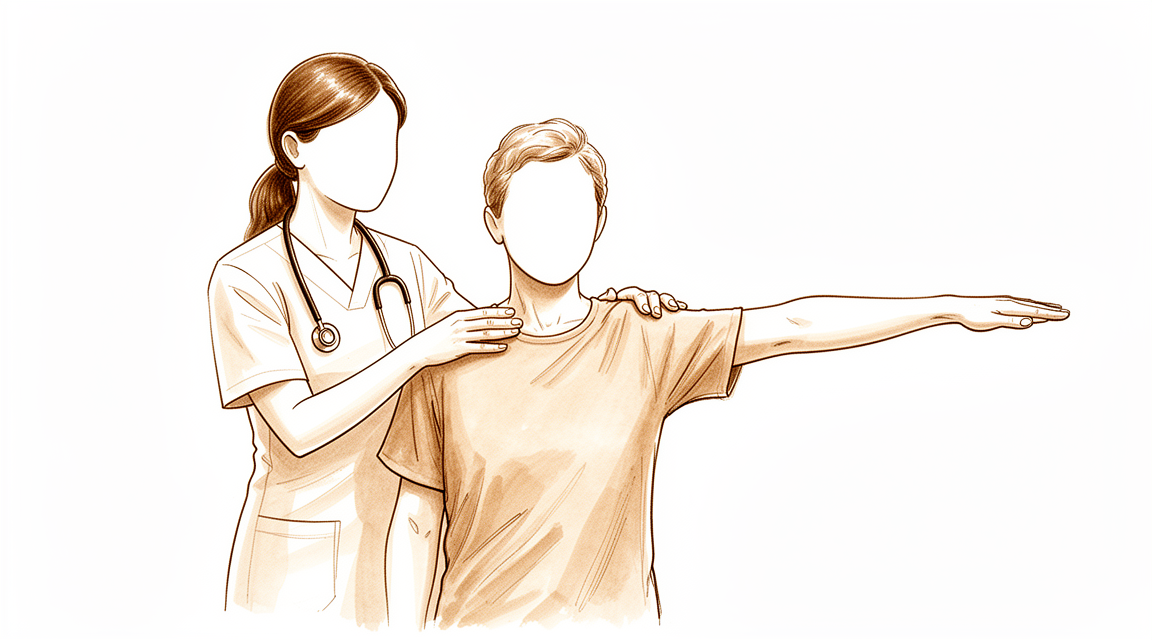
What you're feeling
Calcific tendinitis happens when calcium builds up inside one of the tendons of your rotator cuff, the group of tendons that hold your shoulder together and let you lift your arm. The deposit most often forms in the supraspinatus tendon, which sits on top of your shoulder and does much of the work when you raise your arm sideways.
The pain is usually on one side only, and it often comes on suddenly and severely. For many people it is worst at night and can wake you regularly. Reaching up is usually the hardest movement: lifting a plate onto a high shelf, hanging washing on a line, or pulling a jumper over your head. Some people also find it hard to lie on the affected shoulder.
It is most common in women between 30 and 60, but it can affect anyone. In about 10% of people the deposits appear in both shoulders. Around 20% of people with this condition feel nothing at all and only find out by chance. A smaller number have a less typical pattern, with pain at the back of the shoulder rather than the side, which can still affect overhead movement.
The good news is that most cases settle without surgery. Non-operative treatment is the usual first step, and most people improve with it. Ultrasound treatment can help break up the calcium and ease symptoms in the short term. Shock wave treatment also relieves pain and helps the shoulder work better, with very few complications.
Surgery is generally kept for people whose pain does not settle with other treatment. When that is the case, surgery gives good results in 88.5% of patients. Larger deposits, those over 1 cm, are more likely to need an operation.
If your symptoms have dragged on for months, affecting your sleep and your ability to work, that is a common experience with this condition and worth raising with your surgeon.
What's actually happening
A tendon is a strong cord that joins muscle to bone. In your shoulder, the rotator cuff tendons work like ropes that pull your arm up and around. With calcific tendinitis, calcium crystals form inside one of those ropes, usually the supraspinatus tendon on top of your shoulder. The deposit sits about 1.5 to 2 cm from where the tendon anchors onto the bone of your upper arm.
The calcium builds up in stages. First, tendon cells change into cells that resemble cartilage, the smooth tissue that cushions joints. Calcium is then laid down within that changed tissue, and the deposit slowly grows. It can sit quietly for a while, causing little or no trouble. The painful part often comes when the body starts to break the deposit down and absorb it. That resorption phase is linked with the sudden, extremely severe pain described above, including the pain that wakes you at night.
Doctors are not sure why this happens to some people and not others. Problems with hormones and metabolism often appear alongside this condition, and they may play a part, though exactly how is still unknown. The deposits themselves are made of a chalky calcium material, the same family of mineral found in bone.
The deposit also explains why movement is hard. The swollen, tender tendon sits under a small space at the top of your shoulder, with a fluid-filled cushioning sac above it. When you lift your arm out to the side, everything in that space gets squeezed together, which is why reaching up and hanging washing are the movements that hurt most. Turning your arm outward is usually not affected, but lifting it sideways is often mildly restricted.
Most of these deposits eventually resolve on their own, which is why non-operative treatment comes first. Surgery is considered when the pain will not settle despite other treatment.
What we can do about it
Dr Kieran Hirpara, an upper-limb surgeon at Mater Private Hospital Rockhampton, starts with the least invasive options that suit your condition. Patients are generally referred to our clinic by their GP; if a physiotherapist has suggested you see us, you will still need a referral from your GP in order to be eligible for the Medicare rebate. At your first visit we take a history, examine your shoulder and arrange imaging where it is needed. An ultrasound is a simple and accurate test for finding calcium deposits in the rotator cuff. X-rays are often enough to plan your care, and we keep imaging to what is genuinely useful.
Most cases of calcific tendinitis settle without surgery. The first step is usually rest in a sling, with physiotherapy to keep the shoulder moving and rebuild strength as the pain eases. Anti-inflammatory tablets can settle the pain while the body deals with the deposit. In most cases symptoms resolve in seven to ten days, though the calcium itself can still show up on an X-ray afterwards. We usually give simple treatment a fair go before moving to anything more invasive.
If simple measures are not enough, we can offer treatments that target the deposit itself. One option is an injection of corticosteroid into the bursa, the fluid-filled cushioning sac above the tendon. Another is shock wave therapy, where sound waves are directed at the deposit from outside the body. It relieves pain and helps the shoulder work better, with very few complications. A third option is ultrasound-guided needling, where a needle is used to break up and wash out the calcium under ultrasound guidance. Both needling and shock wave therapy improved symptoms and removed calcium deposits. After one year, about 40% of people were free of complaints with either treatment. Needling showed a bigger improvement in shoulder scores in the first six weeks, but by one year there was no difference between the two. Almost every patient who had needling would choose it again, compared with 44% of those who had shock wave therapy.
Surgery comes into the picture when these treatments have not given enough relief. We consider an operation only after non-invasive options have failed, because any surgery is more invasive than the alternatives. The operation is done through keyhole incisions, and it removes the calcium deposit from the tendon. If the rotator cuff tendon itself is significantly involved, we repair it at the same time. We will talk through whether surgery makes sense for you as a shared decision, weighing what you hope to get back against what each option involves.
What to expect
For most people, calcific tendinitis runs its course and settles. The calcium deposit is self-limiting, which means your body eventually deals with it on its own. Many deposits break down and disappear without any treatment at all. Simple measures such as rest, physiotherapy and anti-inflammatory tablets usually carry you through the painful phase, and in most cases symptoms resolve within seven to ten days.
That said, the condition can be stubborn. Some deposits sit quietly for months before they cause trouble, and others keep coming back or cause symptoms that linger. If your pain has dragged on well beyond the first few weeks, that is a recognised pattern with this condition rather than a sign that something new is wrong. It is worth telling your surgeon how long your symptoms have lasted, because treatment tends to work better earlier in the course of the condition. Deposits that are smaller and have been causing symptoms for ten months or less are the ones most likely to respond to shock wave treatment.
If you go down the non-operative path, improvement is usually gradual rather than overnight. Ultrasound treatment and shock wave therapy can both ease pain and help the shoulder work better over the following weeks. Needle washing of the deposit can bring relief both in the short term and over the longer term, and it is only slightly invasive. If surgery is needed, expect a slow build rather than a quick fix. Shoulder function after keyhole surgery improves steadily, with scores reaching more than 75 percent of normal at six months after the operation.
A few things are worth knowing as you weigh it all up. An MRI scan can pick up rotator cuff tears alongside the calcium deposit more often than older methods suggested, so your surgeon may check for that. Recurrence and ongoing symptoms are not rare, particularly when the deposit is in the hand or wrist rather than the shoulder. Most people do well with conservative treatment, with 72% achieving good or excellent results, and surgery is there as a backup for the stubborn minority.
When to see someone
See your GP if you have sudden, severe shoulder pain that came on without an injury, especially if it is worst at night and wakes you. Ask for a specialist review if the pain has lasted months, is stopping you sleeping or working, or if simple treatment has not helped. The same applies if your pain sits at the back of the shoulder rather than the side, since that less common pattern is easy to miss. If a deposit has formed in your hand or wrist, mention it early, because symptoms there more often linger or return. And if you feel nothing at all but scans have picked up calcium in a shoulder, you can simply keep an eye on it.
In more depth
Advanced reading: the deeper science (optional)
This section goes further than you need for your own treatment decisions. Calcific tendinitis is worth the extra reading because it behaves unlike most shoulder conditions: the deposit is common in people with no pain at all, the body usually dissolves it without help, and the treatment that removes the calcium is not the one that relieves the pain fastest.
The deposit is a common finding, not automatically a diagnosis
A calcium deposit reported on your scan is easy to read as the cause of the problem, because it is visible and the pain is real. The prevalence data complicate that. Among 1,219 adults, deposits were present in 7.8% of people without symptoms and 42.5% of those with subacromial pain syndrome [1]. In a separate series of 302 shoulders, deposits were frequent in the general population and only about one third were painful [2].
So the deposit raises the probability that it is the source, substantially, but roughly one in thirteen painless shoulders has one too. What appears to shift a deposit from silent to symptomatic is partly size and position: the highest likelihood of genuinely symptomatic disease was in women aged 30 to 60 with subacromial pain and a deposit longer than 1.5 cm [1], and pain correlated with location in supraspinatus and with involvement of more than one tendon [2].
It usually dissolves, and that shapes everything
The natural course is towards resorption, which is why so many treatments appear to work. The clearest illustration comes from a randomised trial in which every patient had needling and lavage and was then randomised to a steroid or saline injection: at twelve months the calcification had resorbed in 83% of the saline group and 74% of the steroid group [3].
Read that carefully, because it contains the counter-intuitive result. The steroid improved pain for six weeks and function for three months, and had no significant effect on whether the calcium disappeared [3]. Pain relief and calcium clearance are separate processes. A treatment can deliver one without the other, and the visible thing on the scan is not the thing driving the symptoms week to week.
Which is why the non-operative options perform alike
If the deposit largely resolves regardless, the treatments are competing to make the interval tolerable rather than to cure. That is what the comparisons show. Across 257 patients, physical therapy, corticosteroid injection and ultrasound-guided barbotage produced similar rates of avoiding surgery [4]. In 239 patients the same three approaches were largely successful, with physiotherapy alone carrying the highest failure rate [5].
Among the procedural options, high-energy shockwave therapy is the most thoroughly studied minimally invasive treatment and has been shown safe and effective in the short to medium term, while ultrasound-guided needling has not been shown superior to an ultrasound-guided subacromial injection [6]. Pooling 1,258 patients, shockwave, needling and arthroscopy all produced good clinical outcomes [7], and barbotage across 908 patients was safe with a high success rate but has never been compared head-to-head against the other major options [8].
What surgery adds, stated precisely
Surgery is not without an advantage, and the size of it is worth quoting rather than characterising. Pooling 2,352 patients from randomised trials, surgical treatment produced larger improvement in functional scores and comparable pain reduction to non-operative treatment, particularly ultrasound-guided needling, with both routes achieving clinically significant improvement [9]. Among surgical techniques themselves there was no significant difference, and removing the deposit alone performed similarly to removing it plus a subacromial decompression [10].
The function-versus-pain split is the useful detail. If pain is the dominant complaint, the evidence does not clearly favour an operation. If stiffness and loss of function dominate and have persisted, it favours one more.
The association most often missed
Calcific tendinitis is not evenly distributed. In 102 patients, those with an associated endocrine disorder, thyroid disease and diabetes principally, developed symptoms at a younger age, had a significantly more protracted course, and more frequently required surgery [11].
This is worth raising with your GP if your course has been unusually long or began early, not because treating the endocrine condition resolves the shoulder, but because it changes what a realistic timeline looks like. Being told a condition is self-limiting is difficult to reconcile with two years of pain; the endocrine association is one explanation for why the usual reassurance does not fit every case.
References for the advanced reading
- Louwerens JK, Sierevelt IN, van Hove RP, van den Bekerom MP, van Noort A. Prevalence of calcific deposits within the rotator cuff tendons in adults with and without subacromial pain syndrome: clinical and radiologic analysis of 1219 patients. J Shoulder Elbow Surg. 2015;24(10):1588-93.
- Sansone V, Consonni O, Maiorano E, Meroni R, Goddi A. Calcific tendinopathy of the rotator cuff: the correlation between pain and imaging features in symptomatic and asymptomatic female shoulders. Skeletal Radiol. 2015;45(1):49-55.
- Darrieutort-Laffite C, Varin S, Coiffier G, Albert J, Planche L, Maugars Y, et al. Are corticosteroid injections needed after needling and lavage of calcific tendinitis? Randomised, double-blind, non-inferiority trial. Ann Rheum Dis. 2019;78(6):837-43.
- Gilbert R, Dadoo S, Lin R, Bhardwaj N, McMahon S, Steuer F, et al. Comparison of physical therapy, corticosteroid injections, and ultrasound-guided barbotage for nonoperative management of calcific tendinitis. Orthop J Sports Med. 2026;14(4).
- Drummond M, Ayinon C, Lin A, Dunn R. Relative efficacy of three nonsurgical treatments for calcific tendinitis: physical therapy vs steroid injection vs barbotage. Orthop J Sports Med. 2021;9(7_suppl4).
- Louwerens JK, Sierevelt IN, van Noort A, van den Bekerom MP. Evidence for minimally invasive therapies in the management of chronic calcific tendinopathy of the rotator cuff: a systematic review and meta-analysis. J Shoulder Elbow Surg. 2014;23(8):1240-9.
- Louwerens JK, Veltman ES, van Noort A, van den Bekerom MP. The effectiveness of high-energy extracorporeal shockwave therapy versus ultrasound-guided needling versus arthroscopic surgery in the management of chronic calcific rotator cuff tendinopathy: a systematic review. Arthroscopy. 2015;32(1):165-75.
- Gatt DL, Charalambous CP. Ultrasound-guided barbotage for calcific tendonitis of the shoulder: a systematic review including 908 patients. Arthroscopy. 2014;30(9):1166-72.
- Angileri HS, Gohal C, Comeau-Gauthier M, Owen MM, Shanmugaraj A, Terry MA, et al. Chronic calcific tendonitis of the rotator cuff: a systematic review and meta-analysis of randomized controlled trials comparing operative and nonoperative interventions. J Shoulder Elbow Surg. 2023;32(8):1746-60.
- Anam E, Zahran S, Roy A, Daneshvar P, Bicknell RT, Janssen I. Surgical approaches of shoulder calcific tendonitis: a systematic review and meta-analysis. JSES Rev Rep Tech. 2024;4(3):353-8.
- Harvie P, Pollard TC, Carr AJ. Calcific tendinitis: natural history and association with endocrine disorders. J Shoulder Elbow Surg. 2007;16(2):169-73.
Evidence & references
This is the clinical evidence summary written for health professionals. It is technical, and it lists the research this page was built from. You do not need to read it to understand your treatment or to make a decision about it.
Overview
Non-Operative Management
- Conservative treatment is the primary choice for calcific tendinitis, especially in patients with acute calcific tendinitis [22].
- Conservative treatment for calcific tendinitis of the shoulder showed clinically significant improvement, with 72% of excellent or good results regardless of the location, radiologic type and size, and initial symptoms of calcific deposits [8].
- Ultrasound treatment helps resolve calcifications and is associated with short-term clinical improvement in patients with symptomatic calcific tendinitis of the shoulder [1].
- Treatment of calcific tendinitis of the shoulder with shock waves has produced a high rate of success in pain relief and functional restoration with negligible associated complications [9].
- Patients with calcific lesions >1 cm had a 2.8 increased likelihood to undergo operative treatment in the setting of calcific tendinitis of the shoulder [4].
Operative Management
- Surgical treatment of calcific tendinitis gives good results in 88.5% of patients resistant to medical treatment [11].
- Arthroscopic treatment of calcifying tendinitis provides good to excellent clinical results [17].
- Arthroscopic removal of calcification leads to improved clinical outcomes in patients with chronic calcific tendinitis, but at least 6 months of follow-up is needed for these improvements to become statistically significant [13].
- Patients undergoing arthroscopic treatment of a calcific deposit in the shoulder had satisfactory clinical and radiological outcomes at the final follow-up, with functional scores improving slowly and reaching more than 75 percent at six months after surgery [14].
- Endoscopic and open surgery are equally effective in the treatment of chronic calcifying tendinopathy, showing similar clinical and sonographic results [33].
- Routine diagnostic glenohumeral exploration does not appear beneficial in arthroscopic treatment of calcific tendinitis due to the low prevalence of intraarticular pathologies which most frequently do not require surgical treatment [19].
Anatomy & Pathophysiology
Epidemiology and Demographics
- Calcific tendon deposits of the shoulder are a frequent occurrence in the general population, although only one third are painful [2].
- In approximately 20% of cases, subjects with rotator cuff calcific tendinopathy are asymptomatic [7].
- Subjects with rotator cuff calcific tendinopathy were often female aged between 30 and 60 [7].
- Women are approximately 1.5 times more often affected than men [71].
- The incidence of calcifying tendinitis in the general population is 2.5-20% [71].
- In about 10% of individuals, calcific deposits are found bilaterally [7].
Anatomical Location
- Calcium deposits are most commonly located at the level of the supraspinatus tendon [7].
- In approximately 80% of patients, calcifying tendinitis occurs in the supraspinatus tendon, 1.5-2 cm from the tendinous insertion at the greater tuberosity [71].
- The greater tuberosity serves as the attachment site for the supraspinatus, infraspinatus, and teres minor tendons of the rotator cuff [43].
- The subacromial bursa and subdeltoid bursa pass underneath the coracoacromial arch [43].
Pathogenesis and Staging
- The pathogenesis of rotator cuff calcific tendinopathy remains unclear [7, 23].
- Endocrine and metabolic disorders were often described as comorbidity in subjects with rotator cuff calcific tendinopathy [7].
- Endocrine disorders probably play an important role in the development of rotator cuff calcific tendinopathy, but the effect of this process is still unknown [7].
- The reactive calcification theory proposed by Uthoff in 1997 consists of a three-stages process: pre-calcific, calcific, and post-calcific stage [7].
- During the pre-calcific stage, tenocytes undergo a metaplastic transformation into chondrocytes within the site where the calcium deposits will subsequently form [7].
- The calcific stage is divided into three phases: the formative phase, the resting phase, and the resorptive phase [7].
- In the formative phase, calcium deposits increase in size [7].
- The resting phase is characterized by the presence of calcium deposits in the rotator cuff [7].
- The resorptive phase is associated with acute, sudden onset of extremely severe pain [29, 30].
- Uhthoff and Loehr described cartilage metaplasia as a reactionary process in an active biologic environment [23].
- The precalcific stage consists of predominantly fibrocartilaginous metaplasia presumably within less vascular areas of the tendon [23].
- In the formative phase of the calcific stage, matrix vesicles unite to become calcific deposits that are separated by fibrocartilage [23].
- Calcific deposits consist of two different forms of hydroxyapatite: A type and B type [23].
- The composition of an individual deposit can have a mixture of the two types of hydroxyapatite, but each individual phase has a different composition [23].
- Calcium is deposited in the fibrocartilaginous matrix of the tendon as calcium carbonate apatite [29, 30].
- Shorter length of the infraspinatus tendon and specific subacromial bursa anatomy may explain the intramuscular migration of calcium deposits leading to infraspinatus myotendinous junction tears [5].
Clinical Presentation
- Subjects with rotator cuff calcific tendinopathy often reported nightly, acute, unilateral and severe pain with spontaneous onset [7].
- Subjects with rotator cuff calcific tendinopathy often reported deficit in active and passive range of motion, mainly in abduction and flexion [7].
- Calcific tendinitis of the supraspinatus does not typically cause loss of external rotation but is frequently associated with mild isolated restriction of abduction [12].
Classification
- Calcific deposits in the rotator cuff are most commonly located at the level of the supraspinatus tendon [7].
- In approximately 10% of individuals with rotator cuff calcific tendinopathy, the deposits are found bilaterally [7].
- In 20% of cases of rotator cuff calcific tendinopathy, the subjects are asymptomatic [7].
- The supraspinatus tendon was the most frequently affected tendon in 82.7% of patients with calcific deposits within the rotator cuff [41].
- The infraspinatus tendon was affected in 8.4% of patients with calcific deposits within the rotator cuff [41].
- The subscapularis tendon was affected in 8.9% of patients with calcific deposits within the rotator cuff [41].
- Two or more tendons were affected in 9% of patients with calcific deposits within the rotator cuff [41].
- The median length of calcific deposits in the rotator cuff was 1.16 cm [41].
- Calcific deposits were categorized as Gärtner type I in 38.4% of cases, type II in 47.0% of cases, and type III in 14.6% of cases [41].
- A widely accepted method of classification based on radiographic appearance defines type A as dense, rounded, and sharply delineated deposits [69].
- A widely accepted method of classification based on radiographic appearance defines type B as multilobular in appearance, still radiodense, and sharply outlined deposits [69].
- A widely accepted method of classification based on radiographic appearance defines type C as more radiolucent and heterogeneous with irregular outlines [69].
- A widely accepted method of classification based on radiographic appearance defines type D as dystrophic calcific lesions of the tendon insertion [69].
- Calcium deposition can be characterized as discrete or fragmented and dense or fluffy using the classification scheme developed by Mole et al [63].
- Approximately 76% of calcifications were dense (type A or B) and 24% were fluffy (type C) in a study analyzing subacromial decompression and deposit removal [63].
- Calcific tendinitis of the rotator cuff with tuberosity osteolysis is a distinctive form of calcific tendinitis that should be considered in clinical and surgical practice [18].
Clinical Presentation
- In 20% of cases, subjects with rotator cuff calcific tendinopathy are asymptomatic [7].
- Calcium deposits in rotator cuff calcific tendinopathy are most commonly located at the level of the supraspinatus tendon [7].
- In about 10% of individuals with rotator cuff calcific tendinopathy, the deposits are found bilaterally [7].
- Subjects with rotator cuff calcific tendinopathy often report nightly, acute, unilateral and severe pain with spontaneous onset [7].
- Subjects complaining of rotator cuff calcific tendinopathy were often female aged between 30 and 60 [7].
- Calcific tendinitis is a poorly understood condition in which symptoms can be protracted, resulting in time off work and impaired quality of life [6].
- Demographic, radiographic, and clinical features of calcific tendinitis of the shoulder in the Korean population were not different from those of Western populations [20].
- Atypical presentations of calcific tendinitis can involve the teres minor and present with isolated posterior shoulder pain affecting overhead movement [27].
- Recognition of atypical presentations of calcific tendinitis with bone erosion may prevent unnecessary biopsy and overtreatment [15].
Investigations
Imaging Modalities and Techniques
- Ultrasound is a simple and accurate test for identifying rotator cuff tears and calcific tendinitis [51].
- Ultrasound can be useful in guiding injections or barbotage, which involves aspirating calcific deposits in the rotator cuff [51].
- At least two X-ray views should be obtained for shoulder imaging: an anteroposterior view in the plane of the glenoid and an axillary projection with the arm in abduction [51].
- The axillary projection with the arm in abduction shows the relationship of the humeral head to the glenoid [51].
- Magnetic resonance imaging (MRI) can identify rotator cuff tears, although accuracy for these is enhanced by combining the scan with arthrography [51].
- MRI is useful to identify osteonecrosis of the humeral head or a bone tumour [51].
- Computed tomography (CT) is helpful for planning fracture surgery and shoulder joint replacement [51].
- The purpose of shoulder imaging is to help establish the diagnosis, determine the severity of the pathoanatomy, assist in surgical planning, and enable the surgeon to illustrate the condition of the shoulder to the patient [26].
- Standardized plain films are almost always sufficient to garner the information needed for shoulder care [26].
- The first key radiographic view is the anteroposterior (AP) view in the plane of the scapula, taken so that the x-ray beam passes through the glenohumeral joint [26].
- The AP view shows the superoinferior position of the humeral head relative to the glenoid, presence of osteophytes, narrowing of the joint space, degree of medial displacement of the humerus, quality of bone, presence of loose bodies, and whether there is humeral head collapse or deformity [26].
- The second key radiographic view is the axillary view taken with the arm in the functional position of elevation in the plane of the scapula [26].
- The axillary view is referred to as the “truth view” because it demonstrates glenohumeral relationships in the functional position of elevation [26].
- CT scans have the disadvantage of being taken with the arm in the adducted position, unlike the axillary truth view [26].
- The standardized axillary view enables measurement of posterior subluxation or “functional decentering” that is not evident in images taken with the arm at the side [26].
- The degree of posterior subluxation can be measured by the position of the center of the humeral head in relation to the plane of the scapula, the position of the center of the humeral head in relation to the glenoid face, or the point of contact of the humeral articular surface on the glenoid articular surface [26].
- The point of contact of the humeral articular surface on the glenoid articular surface reflects the degree of centering of the net humeral joint reaction force on the glenoid [26].
- A robust approach to imaging the shoulder must recognize that the shoulder is a three-dimensional structure that cannot be represented by a single planar view [53].
- Critical relationships, such as the degree of centering of the humeral head, change with the position of the arm [53].
- Shoulder pathology may be found in a large number of different bones and soft tissues [53].
- Overlying and superimposed structures as well as metallic implants may complicate imaging the structures of interest [53].
- Surgeons need to develop a judicious approach to imaging that yields necessary information while avoiding the tendency to "over-image" [53].
Diagnostic Findings and Clinical Correlations
- Restriction of passive glenohumeral abduction combined with normal passive external rotation is a diagnostic feature of calcific tendinitis [12].
- The incidence of rotator cuff tears in cases of calcific tendonitis is higher than previously reported in cohorts undergoing MRI [36].
- Shoulder surgeons should be cautious about rotator cuff tears as a comorbidity in calcific tendinitis and aware of the accuracy limitations of sonographic or MRI evaluation [24].
- Imaging and functional data indicate that calcific tendinitis of the rotator cuff with tuberosity osteolysis is a distinctive form of calcific tendinitis that should be considered in clinical and surgical practice [18].
- This case highlights the importance of considering atypical presentations of calcific tendinitis, particularly in the context of isolated posterior shoulder pain [27].
- Shorter length of the infraspinatus tendon and specific subacromial bursa anatomy may explain the intramuscular migration of calcium deposits leading to the lesion [5].
- The paper illustrates the dynamic pathological process of calcific tendinopathy, including migration patterns of calcium deposits, and discusses clinical and sonographic assessment to optimize diagnosis, rehabilitation, and interventional management for functional recovery [21].
Ultrasound-Specific Assessment and Management
- US elastography is recommended for all patients with calcific tendinosis, except for those with the arc morphological type, before making management decisions [37].
- A complex case report illustrates the value of the surgeon performing ultrasound of the shoulder to diagnose an intraosseous calcifying tendinitis [34].
- Accuracy of rotator cuff ultrasonography depends on the skill of the scanner operator and an awareness of pitfalls that are encountered [49].
- Introducing 10 common pitfalls of rotator cuff ultrasonography helps reduce overdiagnosis or underdiagnosis of rotator cuff pathology [49].
- In 70% of shoulders treated with ultrasonography-guided lavage for rotator cuff calcific tendinitis, the treatment resulted in significant reduction of symptoms [49].
- Calcifications that were softer and middle-sized (12 to 17 mm) had more significant improvement after ultrasonography-guided lavage [49].
- Better results from ultrasonography-guided lavage occurred in patients aged 30 to 40 years [49].
Treatment
Non-Operative Management
- Nonoperative treatment consists of physical therapy, therapeutic modalities, and injections [29].
- Initial conservative treatment includes rest in a sling, non-steroidal anti-inflammatory drugs (NSAIDs), and injection of corticosteroid into the subacromial bursa [61].
- In most cases of calcific tendinitis, clinical symptoms resolve spontaneously in seven to ten days, while the calcium deposit may persist on radiographs [61].
- Symptomatic calcific tendinitis of the shoulder has a good likelihood to completely resolve in the long-term [3].
- Extracorporeal shock wave therapy (ESWT) effectively reduced painful symptomatology and increased shoulder function in patients with chronic calcific tendinitis of the shoulder [39].
- Shock wave therapy is a safe and effective noninvasive treatment for patients with calcific tendinitis of the shoulder, producing a high rate of success in pain relief and functional restoration with negligible complications [16].
- Shock wave therapy is a heterogeneous but effective treatment for calcifying tendinitis of the shoulder [57].
- Both ultrasound-guided needling and extracorporeal shock wave therapy improved clinical outcomes and eliminated calcium deposits in patients with calcific tendinitis [31].
- Ultrasound-guided needling showed a higher decrease in calcium deposits compared to radial shockwave therapy at 6 weeks [62].
- Ultrasound-guided needling showed a significantly higher improvement in the Oxford Score pre- and post-treatment compared to radial shockwave therapy [62].
- After one year, there was no significant difference in NRS and Oxford Score between ultrasound-guided needling and radial shockwave therapy groups [62].
- Approximately 40% of patients were free of complaints after one year in both the ultrasound-guided needling and radial shockwave therapy groups [62].
- Only 44% of patients in the radial shockwave therapy group would choose this treatment again, compared to almost every patient in the ultrasound-guided needling group [62].
- "Needling and lavage" of the lesion under image guidance has been described and is often successful [29].
- Percutaneous needle barbotage of calcium deposits has been demonstrated to provide pain relief and improved symptoms in patients suffering from calcific tendonitis [40].
- Unsatisfactory results were found in 20% to 30% of cases treated with extracorporeal shockwave therapy [61].
Operative Management
- In athletes with calcifying tendinitis of the supraspinatus tendon with failed nonoperative treatment, complete arthroscopic removal of calcific deposits and tendon repair without acromioplasty results in significant pain relief and improvement in functional outcomes [60].
- Arthroscopic excision has been successful in between 50% and 82% of cases [61].
- Open or arthroscopic surgery are only considered after failure of other noninvasive treatments due to concerns about their invasiveness [61].
- The rotator cuff should be repaired if it is significantly involved during surgical treatment [29].
Complications
- Recurrence and persistent symptoms are not rare in patients with peritendinous calcific deposits in the hand and wrist [10].
- The incidence of rotator cuff tears in cases of calcific tendonitis is higher than previously reported in a cohort of patients who underwent MRI [36].
Recovery
Natural History and Prognosis
- Periarticular calcific deposits are self-limiting and respond to conservative treatment, whereas recurrence and persistent symptoms are not rare in patients with peritendinous calcific deposits in the hand and wrist [10].
Non-Operative Recovery
- Percutaneous needle aspiration and lavage is effective in the short term and in the long term in calcific tendinitis of the shoulder, with results similar to or better than those published for other techniques, and it is only slightly invasive and painful [38].
- A symptom duration of ≤10 months or calcification size of ≤10.82 mm represented the clinical scenarios most likely to show resorption after ESWT [81].
- Calcific deposits disappeared in the same percentage of patients in both groups of a randomized clinical trial comparing two different energy levels for extracorporeal shock-wave therapy [83].
Operative Recovery
- The short-term functional outcome of patients with calcific tendonitis after arthroscopic bursectomy and debridement of the calcific deposit is not influenced if performed in combination with or without a subacromial decompression [35].
Key Evidence
- [L1] In patients with symptomatic calcific tendinitis of the shoulder, ultrasound treatment helps resolve calcifications and is associated with short-term clinical improvement. [1] (10.1056/nejm199905203402002)
- [L3] Calcific tendon deposits of the shoulder are a frequent occurrence in the general population, although only one third are painful. [2] (10.1007/s00256-015-2240-3)
- [L1] Symptomatic calcific tendinitis of the shoulder has a good likelihood to completely resolve in the long-term. [3] (10.1097/phm.0000000000000939)
- [L3] Patients with calcific lesions >1 cm had a 2.8 increased likelihood to undergo operative treatment in the setting of calcific tendinitis of the shoulder. [4] (10.1016/j.jseint.2021.01.013)
- [L4] Shorter length of the infraspinatus tendon and specific subacromial bursa anatomy may explain the intramuscular migration of calcium deposits leading to the lesion. [5] (10.1016/j.jse.2022.01.092)
- [L3] Calcific tendinitis is a poorly understood condition in which symptoms can be protracted, resulting in time off work and impaired quality of life. [6] (10.1016/j.jse.2006.06.007)
- [L3] [7] (10.1177/17585732241244515)
- [L2] Conservative treatment for calcific tendinitis of the shoulder showed clinically significant improvement, with 72% of excellent or good results regardless of the location, radiologic type and size, and initial symptoms of calcific deposits. [8] (10.1016/j.jse.2009.07.008)
- [L2] Treatment of calcific tendinitis of the shoulder with shock waves has produced a high rate of success in pain relief and functional restoration with negligible associated complications. [9] (10.1016/j.jse.2007.03.023)
- [L3] Periarticular calcific deposits are self-limiting and respond to conservative treatment, whereas recurrence and persistent symptoms are not rare in patients with peritendinous calcific deposits in the hand and wrist. [10] (10.1177/1753193413478393)
- [L4] Surgical treatment of calcific tendinitis gives good results in 88.5% of patients resistant to medical treatment. [11] (10.1007/s100670050108)
- [L3] Calcific tendinitis of the supraspinatus does not typically cause loss of external rotation but is frequently associated with mild isolated restriction of abduction. [12] (10.1177/2325967117752907)
- [L4] Arthroscopic removal of calcification leads to improved clinical outcomes in patients with chronic calcific tendinitis, but at least 6 months of follow-up is needed for these improvements to become statistically significant. [13] (10.5397/cise.2018.21.2.75)
- [Paper] Patients undergoing arthroscopic treatment of a calcific deposit in the shoulder had satisfactory clinical and radiological outcomes at the final follow-up, with functional scores improving slowly and reaching more than 75 percent at six months after surgery. [14] (10.1016/j.otsr.2020.03.005)
- [L5] Recognition of atypical presentations of calcific tendinitis with bone erosion may prevent unnecessary biopsy and overtreatment. [15] (10.1016/j.jse.2009.02.009)
- [L3] Shock wave therapy is a safe and effective noninvasive treatment for patients with calcific tendinitis of the shoulder, producing a high rate of success in pain relief and functional restoration with negligible complications. [16] (10.1177/03635465030310031701)
- [L3] Arthroscopic treatment of calcifying tendinitis provides good to excellent clinical results. [17] (10.1177/03635465211037690)
- [L2] Imaging and functional data indicate that calcific tendinitis of the rotator cuff with tuberosity osteolysis is a distinctive form of calcific tendinitis that should be considered in clinical and surgical practice. [18] (10.1016/j.jse.2008.09.016)
- [L3] Routine diagnostic glenohumeral exploration does not appear beneficial in arthroscopic treatment of calcific tendinitis due to the low prevalence of intraarticular pathologies which most frequently do not require surgical treatment. [19] (10.1186/s12891-017-1839-z)
- [L4] This study reported demographic, radiographic, and clinical features of calcific tendinitis of the shoulder in the Korean population, which were not different from those of Western populations. [20] (10.5397/cise.2020.00010)
- [L5] The paper illustrates the dynamic pathological process of calcific tendinopathy, including migration patterns of calcium deposits, and discusses clinical and sonographic assessment to optimize diagnosis, rehabilitation, and interventional management for functional recovery. [21] (10.3390/diagnostics12123097)
- [L5] The primary choice of treatment for calcific tendinitis is conservative, especially in patients with acute calcific tendinitis. [22] (10.5397/cise.2020.00318)
- [L5] [23] (10.5435/jaaos-22-11-707)
- [L3] Shoulder surgeons should be cautious about rotator cuff tears as a comorbidity in calcific tendinitis and aware of the accuracy limitations of sonographic or MRI evaluation. [24] (10.5397/cise.2021.00094)
- [Case_report] This case highlights the importance of considering atypical presentations of calcific tendinitis, particularly in the context of isolated posterior shoulder pain. [27] (10.1016/j.jisako.2025.101055)
- [L2] Both treatment modalities for calcific tendinitis improved clinical outcomes and eliminated calcium deposits. [31] (10.1016/j.jse.2014.06.036)
- [L1] Endoscopic and open surgery are equally effective in the treatment of chronic calcifying tendinopathy, showing similar clinical and sonographic results. [33] (10.1097/01.blo.0000063786.32430.22)
- [L4] This complex case report illustrates the value of the surgeon performing ultrasound of the shoulder to diagnose an intraosseous calcifying tendinitis. [34] (10.1016/j.xrrt.2023.09.012)
- [L1] This study has demonstrated that the short-term functional outcome of patients with calcific tendonitis after arthroscopic bursectomy and debridement of the calcific deposit is not influenced if performed in combination with or without a subacromial decompression. [35] (10.1016/j.arthro.2015.05.015)
- [L4] The incidence of rotator cuff tears in cases of calcific tendonitis in this cohort of patients who underwent MRI is higher than previously reported. [36] (10.1016/j.arthro.2019.11.127)
- [L4] We recommend that US elastography be performed for all patients with calcific tendinosis, except for those with the arc morphological type, before making management decisions. [37] (10.1016/j.jcma.2015.05.006)
- [L4] Percutaneous needle aspiration and lavage is effective in the short term and in the long term in calcific tendinitis of the shoulder, with results similar to or better than those published for other techniques, and it is only slightly invasive and painful. [38] (10.2214/ajr.07.2254)
- [L2] ESWT effectively reduced painful symptomatology and increased shoulder function in patients with chronic calcific tendinitis of the shoulder. [39] (10.1136/ard.62.3.248)
- [L4] [40] (10.1177/2325967121s00655)
- [L3] [41] (10.1016/j.jse.2015.02.024)
- [L1] Shock wave therapy is a heterogeneous but effective treatment for calcifying tendinitis of the shoulder. [57] (10.1177/1941738108331197)
- [L4] In athletes with calcifying tendinitis of the supraspinatus tendon with failed nonoperative treatment, complete arthroscopic removal of calcific deposits and tendon repair without acromioplasty results in significant pain relief and improvement in functional outcomes. [60] (10.1177/2325967116669310)
- [L3] [61] (10.1302/0301-620x.99b12.bjj-2016-1178.r1)
- [L2] [62] (10.1016/j.jor.2017.07.011)
- [L3] [63] (10.1016/j.jse.2010.10.038)
- [L4] [69] (10.1016/j.jse.2004.04.001)
- [L2] [71] (10.1177/0269215510396740)
- [L3] A symptom duration of ≤10 months or calcification size of ≤10.82 mm represented the clinical scenarios most likely to show resorption after ESWT. [81] (10.1177/23259671241231609)
- [L2] Calcific deposits disappeared in the same percentage of patients in both groups. [83] (10.2522/ptj.20110252)
References
[1] Ultrasound Therapy for Calcific Tendinitis of the Shoulder. New England Journal of Medicine. 1999. DOI: 10.1056/nejm199905203402002
[2] Calcific tendinopathy of the rotator cuff: the correlation between pain and imaging features in symptomatic and asymptomatic female shoulders. Skeletal Radiology. 2015. DOI: 10.1007/s00256-015-2240-3
[3] Long-Term Course of Shoulders After Ultrasound Therapy for Calcific Tendinitis. American Journal of Physical Medicine & Rehabilitation. 2018. DOI: 10.1097/phm.0000000000000939
[4] Predictive factors for failure of conservative management in the treatment of calcific tendinitis of the shoulder. JSES International. 2021. DOI: 10.1016/j.jseint.2021.01.013
[5] Infraspinatus Myotendinous Junction Tears: Analysis Of A Consecutive Series And Their Relationship With Calcifying Tendonitis. Journal of Shoulder and Elbow Surgery. 2022. DOI: 10.1016/j.jse.2022.01.092
[6] Calcific tendinitis: Natural history and association with endocrine disorders. Journal of Shoulder and Elbow Surgery. 2007. DOI: 10.1016/j.jse.2006.06.007
[7] Clinical features in rotator cuff calcific tendinopathy: A scoping review. Shoulder & Elbow. 2024. DOI: 10.1177/17585732241244515
[8] Radiologic course of the calcific deposits in calcific tendinitis of the shoulder: Does the initial radiologic aspect affect the final results?. Journal of Shoulder and Elbow Surgery. 2010. DOI: 10.1016/j.jse.2009.07.008
[9] Extracorporeal shock wave therapy for calcifying tendinitis of the shoulder. Journal of Shoulder and Elbow Surgery. 2008. DOI: 10.1016/j.jse.2007.03.023
[10] Acute calcium deposits in the hand and wrist; comparison of acute calcium peritendinitis and acute calcium periarthritis. Journal of Hand Surgery (European Volume). 2013. DOI: 10.1177/1753193413478393
[11] Surgical Management of Calcific Tendinitis of the Shoulder: An Analysis of 26 Cases. Clinical Rheumatology. 1999. DOI: 10.1007/s100670050108
[12] Restriction of Passive Glenohumeral Abduction Combined With Normal Passive External Rotation Is a Diagnostic Feature of Calcific Tendinitis. Orthopaedic Journal of Sports Medicine. 2018. DOI: 10.1177/2325967117752907
[13] Functional Recovery of the Shoulder after Arthroscopic Treatment for Chronic Calcific Tendinitis. Clinics in Shoulder and Elbow. 2018. DOI: 10.5397/cise.2018.21.2.75
[14] Recovery pattern after arthroscopic treatment for calcific tendinitis of the shoulder. Orthopaedics & Traumatology: Surgery & Research. 2020. DOI: 10.1016/j.otsr.2020.03.005
[15] Calcific tendinitis of the rotator cuff associated with intraosseous loculation: Two case reports. Journal of Shoulder and Elbow Surgery. 2009. DOI: 10.1016/j.jse.2009.02.009
[16] Shock Wave Therapy for Calcific Tendinitis of the Shoulder. The American Journal of Sports Medicine. 2003. DOI: 10.1177/03635465030310031701
[17] Clinical and Structural Results of Rotator Cuff Repair Compared With Rotator Cuff Debridement in Arthroscopic Treatment of Calcifying Tendinitis of the Shoulder. The American Journal of Sports Medicine. 2021. DOI: 10.1177/03635465211037690
[18] Osteolytic lesion of greater tuberosity in calcific tendinitis of the shoulder. Journal of Shoulder and Elbow Surgery. 2009. DOI: 10.1016/j.jse.2008.09.016
[19] Examination of concomitant glenohumeral pathologies in patients treated arthroscopically for calcific tendinitis of the shoulder and implications for routine diagnostic joint exploration. BMC Musculoskeletal Disorders. 2017. DOI: 10.1186/s12891-017-1839-z
[20] Calcific tendinitis of the shoulder in the Korean population: demographics and its relation with coexisting rotator cuff tear. Clinics in Shoulder and Elbow. 2021. DOI: 10.5397/cise.2020.00010
[21] Clinical/Sonographic Assessment and Management of Calcific Tendinopathy of the Shoulder: A Narrative Review. Diagnostics. 2022. DOI: 10.3390/diagnostics12123097
[22] Diagnosis and treatment of calcific tendinitis of the shoulder. Clinics in Shoulder and Elbow. 2020. DOI: 10.5397/cise.2020.00318
[23] Calcific Tendinitis of the Rotator Cuff. Journal of the American Academy of Orthopaedic Surgeons. 2014. DOI: 10.5435/jaaos-22-11-707
[24] Is common the rotator cuff tear in the calcific tendinitis?. Clinics in Shoulder and Elbow. 2021. DOI: 10.5397/cise.2021.00094
[26] Rockwood And Matsen S The Shoulder. Arthroscopic Management of Prearthritic and Arthritic Conditions of the Shoulder and the Postarthroplasty Shoulder > Radiographic Evaluation.
[27] Atypical calcific tendinitis involving teres minor which affects overhead movement: A case report. Journal of ISAKOS. 2026. DOI: 10.1016/j.jisako.2025.101055
[29] Miller S Review Of Orthopaedics. ACROMIOCLAVICULAR AND STERNOCLAVICULAR INJURIES > 5. Calcific tendinitis.
[30] Miller S Review Of Orthopaedics. SECTION 16 PATELLAR TRACKING IN TOTAL KNEE ARTHROPLASTY > ACROMIOCLAVICULAR AND STERNOCLAVICULAR INJURIES > 5. Calcific tendinitis.
[31] Which method is more effective in treatment of calcific tendinitis in the shoulder? Prospective randomized comparison between ultrasound-guided needling and extracorporeal shock wave therapy. Journal of Shoulder and Elbow Surgery. 2014. DOI: 10.1016/j.jse.2014.06.036
[33] Prospective Randomized Surgical Treatments for Calcifying Tendinopathy. Clinical Orthopaedics & Related Research. 2003. DOI: 10.1097/01.blo.0000063786.32430.22
[34] Intraosseous migration of supraspinatus calcification: benefits of intraoperative ultrasound technique. JSES Reviews, Reports, and Techniques. 2024. DOI: 10.1016/j.xrrt.2023.09.012
[35] Short‐Term Outcome After Arthroscopic Bursectomy Debridement of Rotator Cuff Calcific Tendonopathy With and Without Subacromial Decompression: A Prospective Randomized Controlled Trial. Arthroscopy. 2015. DOI: 10.1016/j.arthro.2015.05.015
[36] Calcific Tendonitis of the Shoulder: Protector or Predictor of Cuff Pathology? A Magnetic Resonance Imaging–Based Study. Arthroscopy. 2019. DOI: 10.1016/j.arthro.2019.11.127
[37] Management of rotator cuff calcific tendinosis guided by ultrasound elastography. Journal of the Chinese Medical Association. 2015. DOI: 10.1016/j.jcma.2015.05.006
[38] Sonographically Guided Percutaneous Needle Lavage in Calcific Tendinitis of the Shoulder: Short- and Long-Term Results. American Journal of Roentgenology. 2007. DOI: 10.2214/ajr.07.2254
[39] Extracorporeal shock wave therapy for chronic calcific tendinitis of the shoulder: single blind study. Annals of the Rheumatic Diseases. 2003. DOI: 10.1136/ard.62.3.248
[40] Paper 92: Outcomes of Percutaneous Barbotage for Calcific Tendonitis of the Shoulder. Orthopaedic Journal of Sports Medicine. 2022. DOI: 10.1177/2325967121s00655
[41] Prevalence of calcific deposits within the rotator cuff tendons in adults with and without subacromial pain syndrome: clinical and radiologic analysis of 1219 patients. Journal of Shoulder and Elbow Surgery. 2015. DOI: 10.1016/j.jse.2015.02.024
[43] Rockwood And Matsen S The Shoulder. Shoulder and Elbow Specialty Clinic Workers’ Survey > ANATOMY.
[49] Orthopaedic Knowledge Update Sports Medicine 6. Diagnostic Ultrasonography and Ultrasonography-Guided Procedures > Annotated References.
[51] Apley And Solomon S Concise System Of Orthopaedics And Trauma. INVESTIGATION.
[53] Rockwood And Matsen S The Shoulder. Developmental Anatomy of the Shoulder and Anatomy of the Glenohumeral Joint > SENIOR EDITOR COMMENTARY.
[57] Focused Extracorporeal Shock Wave Therapy in Calcifying Tendinitis of the Shoulder: A Meta-Analysis. Sports Health: A Multidisciplinary Approach. 2009. DOI: 10.1177/1941738108331197
[60] Return to Sports After Arthroscopic Treatment of Rotator Cuff Calcifications in Athletes. Orthopaedic Journal of Sports Medicine. 2016. DOI: 10.1177/2325967116669310
[61] Prognostic factors for the outcome of extracorporeal shockwave therapy for calcific tendinitis of the shoulder. The Bone & Joint Journal. 2017. DOI: 10.1302/0301-620x.99b12.bjj-2016-1178.r1
[62] Ultrasound guided Needling vs Radial Shockwave Therapy in calcific tendinitis of the shoulder: A prospective randomized trial. Journal of Orthopaedics. 2017. DOI: 10.1016/j.jor.2017.07.011
[63] Calcific tendonitis of the shoulder: is subacromial decompression in combination with removal of the calcific deposit beneficial?. Journal of Shoulder and Elbow Surgery. 2011. DOI: 10.1016/j.jse.2010.10.038
[69] Arthroscopic treatment of calcifying tendinitis of the shoulder: Clinical and ultrasonographic follow-up findings at two to five years. Journal of Shoulder and Elbow Surgery. 2004. DOI: 10.1016/j.jse.2004.04.001
[71] Arm position during extracorporeal shock wave therapy for calcifying tendinitis of the shoulder: a randomized study. Clinical Rehabilitation. 2011. DOI: 10.1177/0269215510396740
[81] Treatment Algorithm for the Resorption of Calcific Tendinitis Using Extracorporeal Shockwave Therapy: A Data Mining Study. Orthopaedic Journal of Sports Medicine. 2024. DOI: 10.1177/23259671241231609
[83] Extracorporeal Shock-Wave Therapy for Supraspinatus Calcifying Tendinitis: A Randomized Clinical Trial Comparing Two Different Energy Levels. Physical Therapy. 2012. DOI: 10.2522/ptj.20110252