Skip to content

Patients › Elbow

ٹینس کہنی کی رہائی

Tennis elbow release surgery — for persistent pain despite physiotherapy and other conservative treatments.
Updated Sep 2026
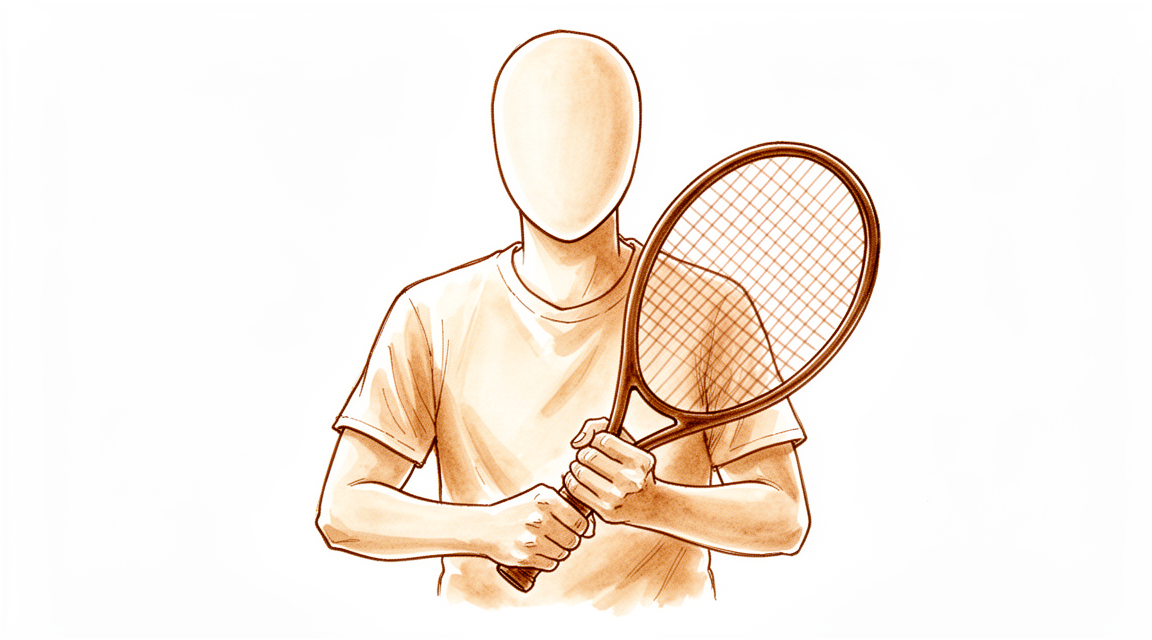
ایک ہاتھ سے تیار کردہ تصویر جس میں ایک بے چہرہ شخص ٹینس ریکیٹ کو تھامے ہوئے ہے۔
ٹینس کہنی: ایکسٹینسر تندور بدعنوان ہے جہاں یہ ضمنی epicondyle سے منسلک ہوتا ہے (کوہنی کے باہر کی ہڈی bump). ریلیز آپریشن نقصان پہنچا tendon کے ٹشو کو ہٹا دیتا ہے. Kieran Hirpara 4.0

اس صفحے کا ترجمہ مشین سے کیا گیا ہے اور ابھی تک کسی ڈاکٹر نے اس کی جانچ نہیں کی۔ انگریزی نسخہ ہی مستند ہے۔

اس آپریشن کی تجویز کیوں کی گئی ہے

میٹر پرائیویٹ ہسپتال راک ہیمپٹن میں اوپری ٹانگوں کے سرجن ڈاکٹر کیران ہیرپارا کم سے کم جارحانہ اختیارات سے شروع کرتے ہیں جو آپ کی حالت کے مطابق ہیں۔ ٹینس کہنی آپ کے کہنی کے بیرونی حصے پر تندور کا لباس اور آنسو ہے۔ زیادہ تر لوگ سرجری کے بغیر بہتر ہو جاتے ہیں. غیر علاج شدہ ٹینس کوہ کے ساتھ تقریبا 90٪ افراد 1 سال میں علامات کا حل حاصل کرتے ہیں ، اور علامات اکثر 12 سے 18 ماہ کے اندر اندر حل ہوجاتی ہیں۔ لہذا ہم عام طور پر پہلے غیر جراحی کی دیکھ بھال کی کوشش کرتے ہیں: سرگرمی کی تبدیلی، فزیوتھراپی یا ہاتھ تھراپی، اسپلنٹنگ، اور انجکشن. جب اس سے کافی بہتری نہ آئی ہو تو سرجری پر غور کیا جاتا ہے۔

مریضوں کو عام طور پر ان کے جی پی کے ذریعہ ہمارے کلینک کا حوالہ دیا جاتا ہے۔ اگر کسی فزیوتھراپسٹ نے آپ کو ہمارے پاس آنے کی تجویز دی ہے تو ، آپ کو میڈیکیئر چھوٹ کے اہل ہونے کے ل your اپنے جی پی سے ریفرل کی ضرورت ہوگی۔ کلینک میں ہم ایک تاریخ لیتے ہیں، آپ کی کہنی کا معائنہ کرتے ہیں، اور جہاں ضرورت ہو امیجنگ کا بندوبست کرتے ہیں۔ ٹینس کہنی کی رہائی میں آپ کے کہنی کے بیرونی حصے پر ہڈی سے خراب شدہ تندور کو چھوڑنا شامل ہے۔ ان لوگوں کی ایک چھوٹی سی فیصد کے لئے جو غیر جراحی کی دیکھ بھال کا جواب نہیں دیتے ہیں، سرجری تقریبا 90٪ اطمینان کی شرح فراہم کرتی ہے. اس کا مقصد آپ کے درد کو دور کرنا اور آپ کے بازو میں کام کو بحال کرنا ہے۔ ہم آپ کے ساتھ ایک مشترکہ فیصلے کے طور پر اس پر بات چیت کریں گے.

آپریشن سے پہلے

آپ کے آپریشن سے پہلے، آپ کو سات گھنٹوں کے لئے کھانا اور پینا چھوڑنا پڑے گا. ہم چھ کے بجائے سات گھنٹے مانگتے ہیں تاکہ آپ کا آپریشن آگے لے جایا جا سکے اگر تھیٹر کی فہرست پہلے چلتی ہے۔ آپ کا سرجن آپ کو بتائے گا کہ کون سی دوائیوں کو کب اور کب روکنا ہے۔ آپ جو کچھ بھی لیتے ہیں اس کی ایک فہرست لے کر آئیں، بشمول گولیاں، قطرے اور کریم۔ اس کے بعد کسی کو آپ کو گھر تک پہنچانے کا بندوبست کریں، کیونکہ آپ خود گاڑی نہیں چلا سکیں گے۔ آرام دہ اور پرسکون لباس پہنیں۔ آپریشن کی منصوبہ بندی کرنے کے لئے ایک ایکس رے، ایم آر آئی یا الٹراساؤنڈ جیسے امیجنگ کا استعمال کیا جا سکتا ہے. اگر آپ کے پاس دیگر طبی حالات ہیں، تو آپ کو خون کے ٹیسٹ یا بیہوشی کے ماہر کے ساتھ جائزہ لینے کی ضرورت ہوسکتی ہے.

اس دن

آپ ہسپتال کے سرجیکل داخلہ یونٹ میں پہنچیں گے، جہاں آپ کی جانچ پڑتال کی جائے گی اور تھیٹر کے لئے تیار کیا جائے گا. آپ بیہوشی کے ماہر سے ملیں گے، جو آپ کے ساتھ آپ کی صحت اور ادویات کے بارے میں بات کرے گا۔ یہ آپریشن عمومی اینستھیزیا کے تحت کیا جاتا ہے۔ آپ مکمل طور پر آپریشن کے لئے سو جائے گا. کچھ مریضوں میں آپریشن کے بعد درد سے نجات کے لئے علاقائی اعصابی رکاوٹ بھی ہوسکتی ہے۔ اینستھیزسٹ آپ کے انفرادی حالات کی بنیاد پر دن کا فیصلہ کرتا ہے۔ پھر آپ کو آپریشن تھیٹر میں لے جایا جاتا ہے، جہاں آپریشن کیا جاتا ہے۔

جب آپریشن ختم ہو جائے گا، آپ بحالی کے علاقے میں جاگ جائے گا. بیہوشی ختم ہونے تک نرسیں آپ کی نگرانی کریں گی۔ ایک بار جب آپ مستحکم ہوجائیں تو ، آپ یا تو کسی وارڈ میں جائیں گے یا گھر جائیں گے ، اس طریقہ کار اور آپ کی بحالی پر منحصر ہے۔ بہت سے لوگ اسی دن گھر جاتے ہیں۔ آپ کے جانے سے پہلے، ہم وضاحت کریں گے کہ آپ کی کہنی کی دیکھ بھال کیسے کی جائے اور آنے والے دنوں میں کیا توقع کی جائے۔

آپریشن میں کیا شامل ہے

آپ کا سرجن آپ کے کوہنی کے بیرونی حصے پر ایک ہی کٹ کے ذریعے ٹینس کوہنی کی ریلیز کرتا ہے، اس ہڈی کے جھونکے کے اوپر جسے آپ یہاں محسوس کر سکتے ہیں۔ ٹینڈون کا نقصان پہنچا حصہ اس ہڈی سے الگ ہو گیا ہے. یہ ٹینڈون کو اس کے منسلک ہونے سے آزاد کرتا ہے، جہاں سے درد آ رہا ہے. ٹینڈون کی ابتدا میں پہنا ہوا، پھٹا ہوا ٹشو صاف کیا جاتا ہے، اور اس کے نیچے ہڈی کی سطح کو ہموار کیا جاتا ہے.

اس کے بعد کٹ کو سلائیوں سے بند کر دیا جاتا ہے۔ آپ تھیٹر چھوڑنے سے پہلے زخم پر ایک پٹی جاتا ہے.

آپریشن کئی چھوٹے چھوٹے کیچ ہول کٹوتیوں کے بجائے اس ایک کٹ کے ذریعے کیا جاتا ہے۔ آپ کا سرجن براہ راست ٹینڈون اور ہڈی پر کام کرتا ہے، تاکہ نقصان پہنچا ہوا علاقہ مکمل طور پر دیکھا اور علاج کیا جا سکے۔

آپریشن کے بعد

آپ بحالی کے علاقے میں نرسوں کے ساتھ قریب میں جاگ جائے گا جبکہ اینستھیزیا ختم ہو جاتا ہے. آپ کے کوہنی پر زخم پر نرم پٹی لگائی جائے گی، جو بینڈج کے ذریعے اپنی جگہ پر رکھی جائے گی۔ آپ کو اپنی کہنی کے باہر کی طرف کچھ درد محسوس ہوسکتا ہے۔ نرسوں کو بتائیں، کیونکہ وہ آپ کو آرام دہ رکھنے کے لیے دوائی دے سکتے ہیں۔ آپ جاگنے کے فوراً بعد حرکت کر سکتے ہیں، اور زیادہ تر لوگ اسی دن مدد کے ساتھ باتھ روم جاتے ہیں۔ گھر پہنچنے کے بعد پہلے 24 گھنٹوں کے لیے کوئی آپ کے ساتھ رہنا چاہیے۔ یہ عام طور پر ایک دن کا معاملہ ہے، لہذا آپ اسی دن گھر جانے کی توقع کر سکتے ہیں، اگرچہ کبھی کبھار مریض رات بھر رہتے ہیں. ہم تقریباً 10 دن تک پانسٹنگ لگا کر رکھتے ہیں۔ براہ کرم اس سے پہلے اسے نہ اتاریں جب تک کہ ہم آپ کو ایسا نہ کہیں۔ جب ہم آپ کو دیکھیں گے تو ہم اسے تبدیل یا ہٹا دیں گے.

وصولی

پہلے چند دنوں میں آپ کی کہنی میں درد ہو گا اور باہر کی طرف سوجن لگ سکتی ہے۔ یہ آہستہ آہستہ حل ہو جاتا ہے. جب آپ آرام کر رہے ہوں تو اپنا ہاتھ اٹھائے رکھنا سوجن کو کم کر سکتا ہے، اور درد کی معمولی دوا تکلیف میں مدد کرتی ہے۔ آپ کے پٹی ہم آپ کو دیکھ کر جب تک پر رہتا ہے، لہذا آپ کو زخم چھو کے بغیر معمول کے مطابق شاور کر سکتے ہیں.

آپ گھر میں ہلکے کاموں کے لئے اپنے بازو کا استعمال تقریباً فوراً کریں گے۔ آپ اپنے آپ کو پہننے، کھانے اور عام طور پر کے ارد گرد منتقل کر سکتے ہیں. بھاری چیزوں کو اٹھانے سے گریز کریں، اس بازو سے کرسیوں سے اوپر دھکیلنے سے گریز کریں، اور ایسی کسی بھی چیز سے گریز کریں جو آپ کے کوہنی کے بیرونی حصے پر دباؤ ڈالے۔ آپریشن کے بعد ہاتھ تھراپی توسیع بحالی میں روبی Doolan ساتھ ہے. روبی آپ کی مشقوں کی رہنمائی کرے گی اور اگر آپ کو ایک کی ضرورت ہو تو اسٹنٹ بنائے گی۔ یہ مشقیں آپ کی کلائی اور کوہنی کو متحرک رکھتی ہیں اور آپ کی گرفت کی طاقت کو قدم بہ قدم بحال کرتی ہیں۔

نیند پہلی بار میں عجیب ہو سکتا ہے. [ صفحہ ۱۲ پر تصویر]

ایک بار جب سوجن ختم ہوجاتی ہے اور آپ کو حرکت میں آسانی محسوس ہوتی ہے تو آپ محسوس کریں گے کہ آپ کی گرفت واپس آ رہی ہے۔ جب آپ بغیر درد کے تھام سکتے ہیں اور دبا سکتے ہیں، تو روزمرہ کے کام دوبارہ معمول کی طرح محسوس ہوتے ہیں۔ ایک بار جب آپ کا سپلنٹ ہٹ جاتا ہے اور آپ پہیے کو پکڑ سکتے ہیں اور تیزی سے رد عمل ظاہر کرسکتے ہیں تو ، عام طور پر ڈرائیونگ دوبارہ ٹھیک ہے۔ ہم میں مزید تفصیلات ہیں اوپری اعضاء کی سرجری کے بعد ڈرائیونگ- جی ہاں . کام پر واپس آنا اس بات پر منحصر ہے کہ آپ کے کام میں کیا شامل ہے، اور ہم آپ کے ساتھ اس پر بات کریں گے۔

ہر کوئی اپنی رفتار سے شفا پاتا ہے. آپ کا ٹائم لائن مختلف ہو سکتا ہے، اور آپ کا سرجن اور تھراپسٹ آپ کو راستے میں رہنمائی کریں گے۔

کیا غلط ہو سکتا ہے

زیادہ تر مریضوں کی حالت ٹھیک ہوتی ہے، لیکن کبھی کبھار مسائل پیدا ہو سکتے ہیں۔ آپ کا سرجن اور ٹیم آپ کو قریب سے مانیٹر کرتی ہے تاکہ کسی بھی مسئلے کا جلد پتہ چل سکے۔

کبھی کبھی جسم نئی ہڈی کے چھوٹے چھوٹے ٹکڑے بناتا ہے جہاں اسے نہیں ہونا چاہئے، کہنی کے جوڑ کے اندر یا اس کے ارد گرد۔ اس کو ہیٹروٹوپک آسسیفیکیشن کہا جاتا ہے۔ جب آپ اپنے بازو کو جھکاتے یا سیدھا کرتے ہیں تو آپ کو ایک سخت، کھرچنے والا احساس محسوس ہوسکتا ہے، یا یہ احساس ہوسکتا ہے کہ کہنی اتنی آزادانہ طور پر حرکت نہیں کرے گی جتنی کہ اس نے کی تھی۔ اگر آپ کو حرکت میں رکاوٹ محسوس ہوتی ہے یا جوڑ سخت اور سوجن محسوس ہوتا ہے تو اگلے معائنے میں اس کا ذکر کریں۔

کچھ لوگوں کو معلوم ہوتا ہے کہ بعد میں ان کی کہنی پوری حد تک نہیں جھکتی یا سیدھی نہیں ہوتی۔ [ صفحہ ۲۱ پر تصویر] آپ کے معالج کی رہنمائی میں نرم ، باقاعدہ حرکتیں مدد کرتی ہیں۔ اگر تنگی میں بہتری نہیں آرہی ہے تو ، اپنے جائزہ میں اس کا ذکر کریں تاکہ اس کا اندازہ لگایا جاسکے۔

کچھ لوگوں میں آپریشن درد کو اس طرح حل نہیں کرتا جس طرح ہم نے امید کی تھی۔ کہنی کے بیرونی حصے میں مسلسل درد ہوتا رہتا ہے، یا کچھ عرصے کے بعد درد واپس آجاتا ہے۔ اگر ایسا ہوتا ہے، تو ہم آپ کے کوہنی کا دوبارہ جائزہ لیں گے اور آپ کے ساتھ آپشنز کے بارے میں بات کریں گے، جس میں مزید سرجری شامل ہوسکتی ہے۔ اگر آپ کا درد توقع کے مطابق کم نہیں ہو رہا ہے تو ہمیں جلدی بتائیں۔

سرجری سے پہلے ایک ہی کہنی میں کئی انجکشن لگانے سے زیادہ امکان ہوتا ہے کہ بعد میں مزید سرجری کی ضرورت ہوگی۔ اگر آپ کو اس مسئلے کے لئے کہیں اور انجکشن لگائے گئے ہیں تو ہمیں بتائیں، کیونکہ اس سے ہمیں آپ کی دیکھ بھال کی منصوبہ بندی کرنے میں مدد ملتی ہے۔

اگر آپ کو زخم کے ارد گرد سرخ پن پھیلنے، اس سے سیال نکلنے، بخار، یا درد جو کم ہونے کے بجائے بڑھتا رہتا ہے، محسوس ہوتا ہے تو فوری طور پر کلینک سے رابطہ کریں۔ ان علامات پر فوری توجہ کی ضرورت ہے۔

اگر آپ تفصیلات چاہتے ہیں تو اس صفحے پر پیچیدگیوں کی میز عام شرحوں کی فہرست دیتی ہے۔

ہمیں کب کال کریں

فوری طور پر ہمیں کال کریں اگر آپ کو بخار ہو، زخم کے ارد گرد لال پن پھیل رہا ہو، اس سے سیال بہہ رہا ہو، یا درد کم ہونے کے بجائے بڑھتا جا رہا ہو۔ اگر آپ کو اچانک شدید درد، پاوں کی سوجن یا سانس کی قلت ہو یا آپ کے ہاتھ میں احساس ختم ہو جائے یا آپ اپنے بازو کو حرکت نہ دے سکیں۔ ان علامات کی فوری تشخیص کی ضرورت ہے. اگر کچھ غلط محسوس ہوتا ہے اور آپ کو یقین نہیں ہے تو کلینک کو کال کریں۔ ہم اس کے بارے میں جلد ہی سننا پسند کریں گے.

اس حالت کے بارے میں مزید کہاں سے پڑھ سکتے ہیں

یہ صفحہ آپریشن کے بارے میں ہے. یہ علاج کرتا ہے، بشمول اس بات کا ثبوت ہے کہ جب سرجری میں مدد ملتی ہے اور جب یہ نہیں ہوتا ہے، اس پر مزید تفصیل سے احاطہ کیا جاتا ہے. ٹینس کہنی صفحہ


Evidence & references

This is the clinical evidence summary written for health professionals. It is technical, and it lists the research this page was built from. You do not need to read it to understand your treatment or to make a decision about it.

Anatomy & Pathophysiology

  • The pathologic tissue in tennis elbow involves the extensor carpi radialis brevis tendon [1].
  • The origin of the extensor carpi radialis brevis is located on the lateral epicondyle [1].
  • The lateral epicondylar ridge is an anatomical structure associated with the lateral epicondyle [1].

Investigations

History and Physical Examination

  • History should include the duration of the elbow contracture, initial injury, previous surgical procedures, trials of splinting/therapy/injections, complications of surgery, and the patient’s work/life demands and goals [3].
  • Physical examination should assess the function of the upper extremity (shoulder, wrist, and hand) [3].
  • The soft tissue surrounding the elbow should be examined for previous skin incisions/grafts, eschar, or infection [3].
  • Active and passive flexion, extension, supination, and pronation should be evaluated using a goniometer for accurate measurement [3].
  • The contralateral elbow should be examined for comparison during range of motion assessment [3].
  • If the elbow has less than 90° to 100° of flexion, the posterior bundle of the medial collateral ligament (MCL) is contracted and must be released to restore flexion [3].
  • Pain should be assessed during the mid arc or at the terminal ends of motion [3].
  • Mid arc range of motion pain is more common with intrinsic disease and may not improve with contracture release alone [3].
  • The ulnar nerve is of utmost importance due to its anatomic proximity to the elbow [3].
  • The posterior bundle of the MCL forms the floor of the cubital tunnel along the course of the ulnar nerve [3].
  • Electromyography/nerve conduction velocity studies should be performed if any question about neurologic dysfunction exists [3].
  • An assessment for ulnar nerve subluxation should be performed [3].
  • Subluxation of the ulnar nerve is a relative contraindication for an arthroscopic procedure secondary to possible iatrogenic nerve injury [3].
  • If there is a history of prior surgical procedures, verify if the ulnar nerve has been transposed [3].
  • The physical exam is directed by history and the location of the patient's pain in the anterior, posterior, medial, or lateral aspect of the elbow [5].

Imaging

  • Radiographs should always be obtained for elbow evaluation [3].
  • Standard radiographic views include AP, lateral, and oblique views [3].
  • Serial radiography is used as follow-up when heterotopic ossification is present [3].
  • Primary bony landmarks on radiographs include the ulnohumeral joint, coronoid process, radial head, capitellum, radiocapitellar joint, olecranon tip, coronoid/olecranon fossae, and trochlear ridge [3].
  • CT is helpful when assessing for malunion architecture and the location and pattern of osteophytes and/or loose bodies [3].
  • Three-dimensional CT is used to check for heterotopic ossification [3].
  • CT is not necessary when the stiffness is entirely soft-tissue related [3].
  • CT is beneficial if any joint incongruity or abnormal bony anatomy is present [3].
  • MRI can be used to evaluate ligaments and tendons, but it is rarely indicated for elbow stiffness [3].
  • Plain radiographs remain the hallmark and the best screening test for elbow evaluation [5].
  • CT with two-dimensional reconstruction and three-dimensional surface rendering best visualizes posteromedial olecranon osteophytes and loose bodies in valgus extension overload syndrome [6].
  • MRI may be most helpful in evaluating associated injuries including partial or complete tears of the MCL in valgus extension overload syndrome [6].
  • Radiographic evaluations are essential when diagnosing an osteochondritis dissecans (OCD) lesion of the elbow [7].
  • Important aspects of OCD lesions may be better seen with MRI [7].
  • Standard AP and lateral radiographs typically show osteophyte formation at the coronoid process, coronoid fossa, radial fossa, radial head, olecranon tip, and olecranon fossa in elbow osteoarthritis [8].
  • In elbow osteoarthritis, joint spaces at the ulnohumeral joint usually are preserved, and those at the radiocapitellar joint are mildly narrowed [8].
  • Radiographs typically underestimate the number of loose bodies present in elbow osteoarthritis [8].
  • CT may be useful for surgical planning in elbow osteoarthritis by allowing a detailed assessment of osteophytes and the presence of loose bodies [8].

Treatment

Operative Technique

  • The patient is placed prone on the operating table with two rolled towels longitudinally under the thorax [1].
  • All bony prominences are padded well [1].
  • The affected extremity is positioned with the ipsilateral shoulder abducted to 90 degrees and supported by a precut foam holder [1].
  • The joint is distended with 20 to 30 mL of saline through an 18-gauge needle introduced through the direct lateral portal [1].
  • The proximal medial or superomedial portal is located approximately 2 cm proximal to the medial epicondyle and 1 cm anterior to the intermuscular septum [1].
  • The trocar and sheath are introduced anterior to the intermuscular septum while maintaining contact with the anterior aspect of the humerus [1].
  • The trocar is directed toward the radial head [1].
  • A 2.7-mm, 30-degree arthroscope is inserted into the joint to perform the diagnostic portion of the procedure [1].
  • The superolateral portal is established with an 18-gauge needle through the lesion after pathologic tissue is identified [1].
  • A full-radius resector is used to excise the capsule to identify the undersurface of the extensor carpi radialis brevis tendon [1].
  • The origin of the extensor carpi radialis brevis is viewed [1].
  • The capsule and pathologic tendinous attachment of the extensor carpi radialis brevis are debrided using a curet and motorized shaver [1].
  • The lateral epicondyle is decorticated [1].
  • Decortication of the lateral epicondyle and lateral epicondylar ridge can be performed with an arthroscopic burr, handheld instruments, or electrocautery [1].
  • A 30-degree arthroscope is adequate to view around the corner for most of the procedure [1].
  • A 70-degree arthroscope may be required in rare instances [1].

References

[1] Campbell S Operative Orthopaedics 4 Volume Set. ARTHROSCOPIC REPAIR OF POSTERIOR HUMERAL AVULSION OF THE GLENOHUMERAL LIGAMENT > ARTHROSCOPIC TENNIS ELBOW RELEASE.

[3] Aaos Comprehensive Orthopaedic Review 3. Elbow Stiffness* > IV. Evaluation.

[5] Orthopaedic Knowledge Update 13 Ebook Without Multimedia. Anatomy, Biomechanics, Physical Examination, and Imaging of the Elbow > Summary and Conclusions.

[6] Aaos Comprehensive Orthopaedic Review 3. Elbow Injuries in the Athlete* > III. Valgus Extension Overload Syndrome and Posterior Impingement.

[7] Orthopaedic Knowledge Update. Osteochondritis Dissecans of the Knee and Elbow* > Summary.

[8] Aaos Comprehensive Orthopaedic Review 3. Arthritis and Arthroplasty of the Elbow > I. Osteoarthritis.

Creative Commons BY-NC 4.0

CC Creative Commons licence
BY Attribution — you must credit the source
NC NonCommercial — not for commercial use

Attribution-NonCommercial 4.0 International


Creative Commons Corporation ("Creative Commons") is not a law firm and does not provide legal services or legal advice. Distribution of Creative Commons public licenses does not create a lawyer-client or other relationship. Creative Commons makes its licenses and related information available on an "as-is" basis. Creative Commons gives no warranties regarding its licenses, any material licensed under their terms and conditions, or any related information. Creative Commons disclaims all liability for damages resulting from their use to the fullest extent possible.

Using Creative Commons Public Licenses

Creative Commons public licenses provide a standard set of terms and conditions that creators and other rights holders may use to share original works of authorship and other material subject to copyright and certain other rights specified in the public license below. The following considerations are for informational purposes only, are not exhaustive, and do not form part of our licenses.

Considerations for licensors: Our public licenses are intended for use by those authorized to give the public permission to use material in ways otherwise restricted by copyright and certain other rights. Our licenses are irrevocable. Licensors should read and understand the terms and conditions of the license they choose before applying it. Licensors should also secure all rights necessary before applying our licenses so that the public can reuse the material as expected. Licensors should clearly mark any material not subject to the license. This includes other CC- licensed material, or material used under an exception or limitation to copyright. More considerations for licensors: wiki.creativecommons.org/Considerations_for_licensors

Considerations for the public: By using one of our public licenses, a licensor grants the public permission to use the licensed material under specified terms and conditions. If the licensor's permission is not necessary for any reason--for example, because of any applicable exception or limitation to copyright--then that use is not regulated by the license. Our licenses grant only permissions under copyright and certain other rights that a licensor has authority to grant. Use of the licensed material may still be restricted for other reasons, including because others have copyright or other rights in the material. A licensor may make special requests, such as asking that all changes be marked or described. Although not required by our licenses, you are encouraged to respect those requests where reasonable. More considerations for the public: wiki.creativecommons.org/Considerations_for_licensees


Creative Commons Attribution-NonCommercial 4.0 International Public License

By exercising the Licensed Rights (defined below), You accept and agree to be bound by the terms and conditions of this Creative Commons Attribution-NonCommercial 4.0 International Public License ("Public License"). To the extent this Public License may be interpreted as a contract, You are granted the Licensed Rights in consideration of Your acceptance of these terms and conditions, and the Licensor grants You such rights in consideration of benefits the Licensor receives from making the Licensed Material available under these terms and conditions.

Section 1 -- Definitions.

a. Adapted Material means material subject to Copyright and Similar Rights that is derived from or based upon the Licensed Material and in which the Licensed Material is translated, altered, arranged, transformed, or otherwise modified in a manner requiring permission under the Copyright and Similar Rights held by the Licensor. For purposes of this Public License, where the Licensed Material is a musical work, performance, or sound recording, Adapted Material is always produced where the Licensed Material is synched in timed relation with a moving image.

b. Adapter's License means the license You apply to Your Copyright and Similar Rights in Your contributions to Adapted Material in accordance with the terms and conditions of this Public License.

c. Copyright and Similar Rights means copyright and/or similar rights closely related to copyright including, without limitation, performance, broadcast, sound recording, and Sui Generis Database Rights, without regard to how the rights are labeled or categorized. For purposes of this Public License, the rights specified in Section 2(b)(1)-(2) are not Copyright and Similar Rights.

d. Effective Technological Measures means those measures that, in the absence of proper authority, may not be circumvented under laws fulfilling obligations under Article 11 of the WIPO Copyright Treaty adopted on December 20, 1996, and/or similar international agreements.

e. Exceptions and Limitations means fair use, fair dealing, and/or any other exception or limitation to Copyright and Similar Rights that applies to Your use of the Licensed Material.

f. Licensed Material means the artistic or literary work, database, or other material to which the Licensor applied this Public License.

g. Licensed Rights means the rights granted to You subject to the terms and conditions of this Public License, which are limited to all Copyright and Similar Rights that apply to Your use of the Licensed Material and that the Licensor has authority to license.

h. Licensor means the individual(s) or entity(ies) granting rights under this Public License.

i. NonCommercial means not primarily intended for or directed towards commercial advantage or monetary compensation. For purposes of this Public License, the exchange of the Licensed Material for other material subject to Copyright and Similar Rights by digital file-sharing or similar means is NonCommercial provided there is no payment of monetary compensation in connection with the exchange.

j. Share means to provide material to the public by any means or process that requires permission under the Licensed Rights, such as reproduction, public display, public performance, distribution, dissemination, communication, or importation, and to make material available to the public including in ways that members of the public may access the material from a place and at a time individually chosen by them.

k. Sui Generis Database Rights means rights other than copyright resulting from Directive 96/9/EC of the European Parliament and of the Council of 11 March 1996 on the legal protection of databases, as amended and/or succeeded, as well as other essentially equivalent rights anywhere in the world.

l. You means the individual or entity exercising the Licensed Rights under this Public License. Your has a corresponding meaning.

Section 2 -- Scope.

a. License grant.

1. Subject to the terms and conditions of this Public License, the Licensor hereby grants You a worldwide, royalty-free, non-sublicensable, non-exclusive, irrevocable license to exercise the Licensed Rights in the Licensed Material to:

a. reproduce and Share the Licensed Material, in whole or in part, for NonCommercial purposes only; and

b. produce, reproduce, and Share Adapted Material for NonCommercial purposes only.

2. Exceptions and Limitations. For the avoidance of doubt, where Exceptions and Limitations apply to Your use, this Public License does not apply, and You do not need to comply with its terms and conditions.

3. Term. The term of this Public License is specified in Section 6(a).

4. Media and formats; technical modifications allowed. The Licensor authorizes You to exercise the Licensed Rights in all media and formats whether now known or hereafter created, and to make technical modifications necessary to do so. The Licensor waives and/or agrees not to assert any right or authority to forbid You from making technical modifications necessary to exercise the Licensed Rights, including technical modifications necessary to circumvent Effective Technological Measures. For purposes of this Public License, simply making modifications authorized by this Section 2(a) (4) never produces Adapted Material.

5. Downstream recipients.

a. Offer from the Licensor -- Licensed Material. Every recipient of the Licensed Material automatically receives an offer from the Licensor to exercise the Licensed Rights under the terms and conditions of this Public License.

b. No downstream restrictions. You may not offer or impose any additional or different terms or conditions on, or apply any Effective Technological Measures to, the Licensed Material if doing so restricts exercise of the Licensed Rights by any recipient of the Licensed Material.

6. No endorsement. Nothing in this Public License constitutes or may be construed as permission to assert or imply that You are, or that Your use of the Licensed Material is, connected with, or sponsored, endorsed, or granted official status by, the Licensor or others designated to receive attribution as provided in Section 3(a)(1)(A)(i).

b. Other rights.

1. Moral rights, such as the right of integrity, are not licensed under this Public License, nor are publicity, privacy, and/or other similar personality rights; however, to the extent possible, the Licensor waives and/or agrees not to assert any such rights held by the Licensor to the limited extent necessary to allow You to exercise the Licensed Rights, but not otherwise.

2. Patent and trademark rights are not licensed under this Public License.

3. To the extent possible, the Licensor waives any right to collect royalties from You for the exercise of the Licensed Rights, whether directly or through a collecting society under any voluntary or waivable statutory or compulsory licensing scheme. In all other cases the Licensor expressly reserves any right to collect such royalties, including when the Licensed Material is used other than for NonCommercial purposes.

Section 3 -- License Conditions.

Your exercise of the Licensed Rights is expressly made subject to the following conditions.

a. Attribution.

1. If You Share the Licensed Material (including in modified form), You must:

a. retain the following if it is supplied by the Licensor with the Licensed Material:

i. identification of the creator(s) of the Licensed Material and any others designated to receive attribution, in any reasonable manner requested by the Licensor (including by pseudonym if designated);

ii. a copyright notice;

iii. a notice that refers to this Public License;

iv. a notice that refers to the disclaimer of warranties;

v. a URI or hyperlink to the Licensed Material to the extent reasonably practicable;

b. indicate if You modified the Licensed Material and retain an indication of any previous modifications; and

c. indicate the Licensed Material is licensed under this Public License, and include the text of, or the URI or hyperlink to, this Public License.

2. You may satisfy the conditions in Section 3(a)(1) in any reasonable manner based on the medium, means, and context in which You Share the Licensed Material. For example, it may be reasonable to satisfy the conditions by providing a URI or hyperlink to a resource that includes the required information.

3. If requested by the Licensor, You must remove any of the information required by Section 3(a)(1)(A) to the extent reasonably practicable.

4. If You Share Adapted Material You produce, the Adapter's License You apply must not prevent recipients of the Adapted Material from complying with this Public License.

Section 4 -- Sui Generis Database Rights.

Where the Licensed Rights include Sui Generis Database Rights that apply to Your use of the Licensed Material:

a. for the avoidance of doubt, Section 2(a)(1) grants You the right to extract, reuse, reproduce, and Share all or a substantial portion of the contents of the database for NonCommercial purposes only;

b. if You include all or a substantial portion of the database contents in a database in which You have Sui Generis Database Rights, then the database in which You have Sui Generis Database Rights (but not its individual contents) is Adapted Material; and

c. You must comply with the conditions in Section 3(a) if You Share all or a substantial portion of the contents of the database.

For the avoidance of doubt, this Section 4 supplements and does not replace Your obligations under this Public License where the Licensed Rights include other Copyright and Similar Rights.

Section 5 -- Disclaimer of Warranties and Limitation of Liability.

a. UNLESS OTHERWISE SEPARATELY UNDERTAKEN BY THE LICENSOR, TO THE EXTENT POSSIBLE, THE LICENSOR OFFERS THE LICENSED MATERIAL AS-IS AND AS-AVAILABLE, AND MAKES NO REPRESENTATIONS OR WARRANTIES OF ANY KIND CONCERNING THE LICENSED MATERIAL, WHETHER EXPRESS, IMPLIED, STATUTORY, OR OTHER. THIS INCLUDES, WITHOUT LIMITATION, WARRANTIES OF TITLE, MERCHANTABILITY, FITNESS FOR A PARTICULAR PURPOSE, NON-INFRINGEMENT, ABSENCE OF LATENT OR OTHER DEFECTS, ACCURACY, OR THE PRESENCE OR ABSENCE OF ERRORS, WHETHER OR NOT KNOWN OR DISCOVERABLE. WHERE DISCLAIMERS OF WARRANTIES ARE NOT ALLOWED IN FULL OR IN PART, THIS DISCLAIMER MAY NOT APPLY TO YOU.

b. TO THE EXTENT POSSIBLE, IN NO EVENT WILL THE LICENSOR BE LIABLE TO YOU ON ANY LEGAL THEORY (INCLUDING, WITHOUT LIMITATION, NEGLIGENCE) OR OTHERWISE FOR ANY DIRECT, SPECIAL, INDIRECT, INCIDENTAL, CONSEQUENTIAL, PUNITIVE, EXEMPLARY, OR OTHER LOSSES, COSTS, EXPENSES, OR DAMAGES ARISING OUT OF THIS PUBLIC LICENSE OR USE OF THE LICENSED MATERIAL, EVEN IF THE LICENSOR HAS BEEN ADVISED OF THE POSSIBILITY OF SUCH LOSSES, COSTS, EXPENSES, OR DAMAGES. WHERE A LIMITATION OF LIABILITY IS NOT ALLOWED IN FULL OR IN PART, THIS LIMITATION MAY NOT APPLY TO YOU.

c. The disclaimer of warranties and limitation of liability provided above shall be interpreted in a manner that, to the extent possible, most closely approximates an absolute disclaimer and waiver of all liability.

Section 6 -- Term and Termination.

a. This Public License applies for the term of the Copyright and Similar Rights licensed here. However, if You fail to comply with this Public License, then Your rights under this Public License terminate automatically.

b. Where Your right to use the Licensed Material has terminated under Section 6(a), it reinstates:

1. automatically as of the date the violation is cured, provided it is cured within 30 days of Your discovery of the violation; or

2. upon express reinstatement by the Licensor.

For the avoidance of doubt, this Section 6(b) does not affect any right the Licensor may have to seek remedies for Your violations of this Public License.

c. For the avoidance of doubt, the Licensor may also offer the Licensed Material under separate terms or conditions or stop distributing the Licensed Material at any time; however, doing so will not terminate this Public License.

d. Sections 1, 5, 6, 7, and 8 survive termination of this Public License.

Section 7 -- Other Terms and Conditions.

a. The Licensor shall not be bound by any additional or different terms or conditions communicated by You unless expressly agreed.

b. Any arrangements, understandings, or agreements regarding the Licensed Material not stated herein are separate from and independent of the terms and conditions of this Public License.

Section 8 -- Interpretation.

a. For the avoidance of doubt, this Public License does not, and shall not be interpreted to, reduce, limit, restrict, or impose conditions on any use of the Licensed Material that could lawfully be made without permission under this Public License.

b. To the extent possible, if any provision of this Public License is deemed unenforceable, it shall be automatically reformed to the minimum extent necessary to make it enforceable. If the provision cannot be reformed, it shall be severed from this Public License without affecting the enforceability of the remaining terms and conditions.

c. No term or condition of this Public License will be waived and no failure to comply consented to unless expressly agreed to by the Licensor.

d. Nothing in this Public License constitutes or may be interpreted as a limitation upon, or waiver of, any privileges and immunities that apply to the Licensor or You, including from the legal processes of any jurisdiction or authority.


Creative Commons is not a party to its public licenses. Notwithstanding, Creative Commons may elect to apply one of its public licenses to material it publishes and in those instances will be considered the “Licensor.” The text of the Creative Commons public licenses is dedicated to the public domain under the CC0 Public Domain Dedication. Except for the limited purpose of indicating that material is shared under a Creative Commons public license or as otherwise permitted by the Creative Commons policies published at creativecommons.org/policies, Creative Commons does not authorize the use of the trademark "Creative Commons" or any other trademark or logo of Creative Commons without its prior written consent including, without limitation, in connection with any unauthorized modifications to any of its public licenses or any other arrangements, understandings, or agreements concerning use of licensed material. For the avoidance of doubt, this paragraph does not form part of the public licenses.

Creative Commons may be contacted at creativecommons.org.