Patients › General-Health
تمباکو نوشی اور ہڈیوں، جوڑوں اور پٹھوں کا ٹھیک ہونا
How smoking and nicotine affect bone healing, fracture union, spinal fusion, tendon and wound healing, and surgical complications — and the benefits of stopping before surgery.
یہ کیا ہے
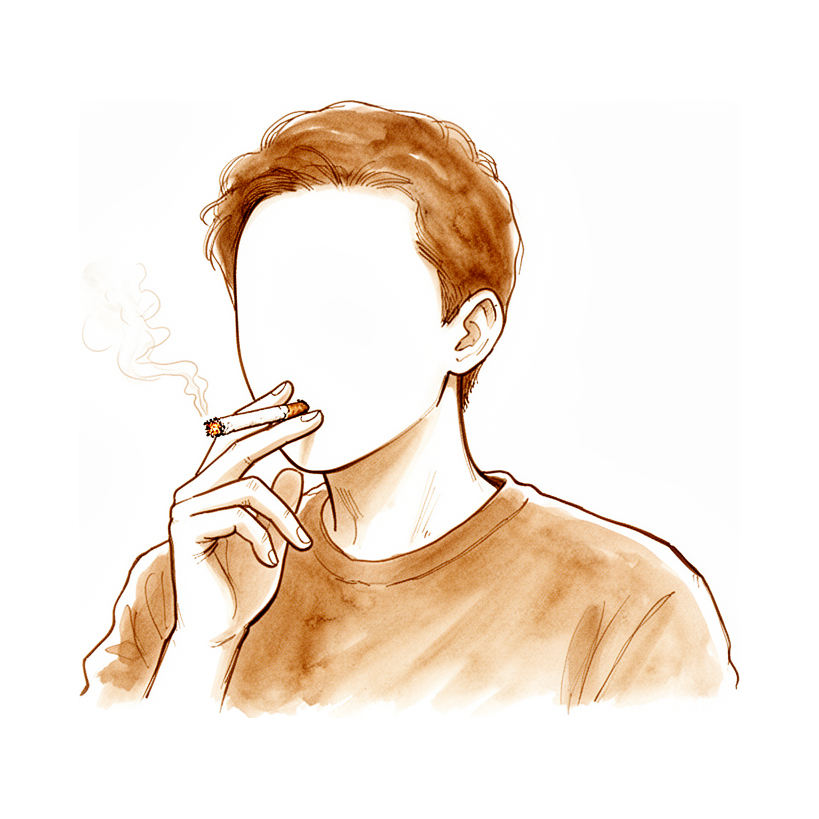
تمباکو نوشی آپ کے پھیپھڑوں اور دل سے زیادہ پر اثر ڈالتی ہے۔ یہ ہڈی، جوڑ، ٹینڈن (tendon)، یعنی وہ مضبوط ڈوری جو پٹھے کو ہڈی سے جوڑتی ہے، اور لیگامنٹ (ligament)، یعنی وہ مضبوط بندھن جو ایک ہڈی کو دوسری ہڈی سے جوڑتا ہے، کی سرجری کے بعد آپ کے جسم کے ٹھیک ہونے کی رفتار بھی سست کر دیتی ہے۔ یہ صفحہ بتاتا ہے کہ ایسا کیوں ہے، اور آپ کے آپریشن کے لیے اس کا کیا مطلب ہے۔
نکوٹین (nicotine)، یعنی تمباکو میں موجود وہ کیمیکل جس کی لت لگ جاتی ہے، ان چھوٹی خون کی نالیوں کو تنگ کر دیتی ہے جو ٹھیک ہوتے ہوئے ٹشو تک آکسیجن اور غذائی اجزا پہنچاتی ہیں۔ ہڈی کے جڑنے، ہڈی کی نشوونما اور امپلانٹ (جسم میں لگایا گیا مصنوعی پرزہ) کے ہڈی میں پیوست ہونے پر اس کا اثر مقدار کے ساتھ بڑھتا ہے [1]۔ اس کا مطلب ہے کہ آپ کے جسم کو جتنی زیادہ نکوٹین ملتی ہے، یہ زخم بھرنے میں اتنی ہی زیادہ رکاوٹ ڈال سکتی ہے۔ ہڈی کو جڑنے کے لیے خون کی مسلسل فراہمی چاہیے، اور امپلانٹ کو جمنے کے لیے صحت مند ہڈی چاہیے۔
یہ اثرات کئی قسم کی سرجریوں میں ظاہر ہوتے ہیں۔ پہلے سے طے شدہ کولہے یا گھٹنے کی تبدیلی کے بعد تمباکو نوشی کرنے والوں کو طبی اور سرجری سے متعلق پیچیدگیوں کا زیادہ خطرہ ہوتا ہے [2]۔ روٹیٹر کف (rotator cuff)، یعنی ٹینڈنوں کا وہ گروپ جو کندھے کو تھامتا اور گھماتا ہے، کی مرمت کے بعد گرم کیے جانے والے تمباکو کی مصنوعات کا ٹینڈن کے بھرنے پر سگریٹ جیسا ہی نقصان دہ اثر ہوتا ہے [3]۔ دھوئیں کے بغیر تمباکو (smokeless tobacco) اگلے کروسیٹ لیگامنٹ (ACL) کی دوبارہ تعمیر کے بعد [4, 5] اور کولہے کی تبدیلی کے بعد [6] زیادہ پیچیدگیوں سے منسلک ہے۔ ٹخنے اور ایڑی کے فریکچر کی سرجری میں تمباکو نوشی زخم میں انفیکشن کا خطرہ بڑھاتی ہے [7]۔ بازو کے اوپری حصے کی ہڈی کے فریکچر کی سرجری سے پہلے نکوٹین کی لت پیچیدگیوں کے خطرے کو 60 سے 110 فیصد بڑھا دیتی ہے، جیسے انفیکشن، زخم کا کھل جانا، ہڈی کا نہ جڑنا (nonunion، ایسا فریکچر جو جڑ نہ سکے) اور دوبارہ آپریشن [8]۔
اچھی خبر یہ ہے کہ تمباکو نوشی ایک ایسا خطرے کا عنصر ہے جسے بدلا جا سکتا ہے [9, 10]۔ اس کا مطلب ہے کہ یہ ایسی چیز ہے جسے آپ بدل سکتے ہیں۔ چھوڑنا اہم ہے۔ جن سابق تمباکو نوشوں نے روٹیٹر کف کی مرمت سے 6 ماہ سے زیادہ پہلے تمباکو نوشی چھوڑ دی، ان میں کبھی تمباکو نوشی نہ کرنے والوں کے مقابلے میں انفیکشن یا دوبارہ آپریشن (revision) میں کوئی قابلِ پیمائش اضافہ نظر نہیں آتا [11]۔ آپ کا ڈاکٹر آپ کے آپریشن کی تاریخ سے کافی پہلے آپ کے ساتھ تمباکو نوشی چھوڑنے، اور نکوٹین کے متبادل کے انتخابات کے بارے میں بات کر سکتا ہے۔
کیا یہ مؤثر ہے؟
سچا جواب یہ ہے کہ تمباکو نوشی کرنے والوں کے لیے بھی سرجری کام کر سکتی ہے، لیکن شواہد دکھاتے ہیں کہ یہ اکثر کم اچھا کام کرتی ہے۔ کندھے کی تبدیلی کی تحقیقات میں پایا گیا کہ موجودہ تمباکو نوشوں کے کندھے کا کام بعد میں ان لوگوں سے کمزور ہو سکتا ہے جنہوں نے کبھی تمباکو نوشی نہیں کی یا جنہوں نے چھوڑ دی [12]۔ پیچیدگیوں اور دوبارہ آپریشن کی شرح گروہوں کے درمیان ملتی جلتی تھی [12]۔ تو ہو سکتا ہے امپلانٹ خود ٹھیک رہے، لیکن آپ کا کندھا کیسا محسوس کرتا ہے اور کیسے حرکت کرتا ہے وہ اسی سطح تک نہ پہنچے۔
تمباکو کے بغیر اکیلی نکوٹین بھی اہمیت رکھتی ہے۔ کندھے کی تبدیلی پر تحقیق میں پایا گیا کہ تمباکو نوشی کے علاوہ دوسرے ذرائع سے نکوٹین کی لت پہلے 90 دنوں میں زخم کے زیادہ کھلنے اور انفیکشن سے، اور 2 سال پر امپلانٹ کے زیادہ ڈھیلا ہونے اور جوڑ کے انفیکشن سے منسلک تھی [13]۔ دوربین کے ذریعے آپریشن (keyhole) سے روٹیٹر کف کی مرمت کے بعد، نکوٹین کی لت والے لوگوں کو 2 اور 5 سال دونوں پر روٹیٹر کف کی دوبارہ مرمت، اور اکڑے ہوئے کندھے کو کھولنے یا جوڑ کی صفائی کے زیادہ طریقۂ کار کی ضرورت پڑی [14]۔
یہی رجحان دوسری جگہوں پر بھی نظر آتا ہے۔ اگلے کروسیٹ لیگامنٹ کی دوبارہ تعمیر کے بعد، جن لوگوں نے کبھی تمباکو نوشی نہیں کی تھی ان میں تمباکو نوشوں کے مقابلے میں گھٹنے کا اچھا کام حاصل کرنے کا امکان زیادہ تھا [15]۔ گھٹنے کی تبدیلی میں تمباکو نوشی صرف درد کی سطح کے بجائے صحت یابی کے ابتدائی دور پر اثر ڈالتی نظر آتی ہے [16]۔ فریکچر کی سرجری میں ہڈی کے جڑنے پر نکوٹین کا اثر مقدار پر منحصر ہے، اور یہ جانوروں اور لیبارٹری کی تحقیقات میں دکھایا گیا ہے [1]۔ سرجنوں کو مشورہ دیا جاتا ہے کہ وہ اسکیفائیڈ (scaphoid)، یعنی کلائی کی ایک چھوٹی ہڈی، کے فریکچر والے ہر مریض سے پوچھیں کہ کیا وہ تمباکو نوشی کرتا ہے یا دھوئیں کے بغیر تمباکو استعمال کرتا ہے، کیونکہ دونوں فریکچر کے نہ جڑنے کا امکان بڑھاتے ہیں [17]۔
ان میں سے کچھ شواہد دوسروں سے زیادہ مضبوط ہیں۔ اس کا زیادہ حصہ ایسے ٹرائلز سے نہیں آتا جن میں لوگوں کو بے ترتیب طور پر گروہوں میں بانٹا جاتا ہے، بلکہ مریضوں کے بڑے ریکارڈز سے آتا ہے۔ چند نتائج ملے جلے ہیں۔ ایک تحقیق میں پایا گیا کہ گھٹنے کی تبدیلی کے بعد تمباکو نوشی میں دھوئیں کے بغیر تمباکو سے زیادہ پیچیدگیوں کا خطرہ تھا [18]، جس سے اشارہ ملتا ہے کہ سرجری کے آس پاس کوئی بھی تمباکو کی مصنوعات واضح طور پر محفوظ نہیں۔
آپ کے لیے اس کا مطلب سادہ ہے۔ آپریشن سے پہلے تمباکو نوشی چھوڑنا آپ کے جسم کو اچھی طرح ٹھیک ہونے کا بہترین موقع دیتا ہے، اور جتنا جلدی آپ چھوڑیں، اتنا بہتر ہے۔
اس کے خطرات کیا ہیں؟
بنیادی خطرات وہی ہیں جو پہلے بیان ہو چکے ہیں: سست زخم بھرنا، زخم کے مسائل اور انفیکشن۔ لیکن کچھ تفصیلات جاننے کے قابل ہیں۔
کسی بھی ذریعے سے نکوٹین، نہ کہ صرف سگریٹ سے، کندھے کی تبدیلی کے بعد پہلے 90 دنوں میں زخم کے کھلنے، انفیکشن اور انفیکشن کے سنگین پھیلاؤ کا امکان بڑھاتی ہے [13]۔ یہ 2 سال پر امپلانٹ کے ڈھیلا ہونے یا اس میں انفیکشن ہونے کا امکان بھی بڑھاتی ہے [13]۔ اس میں تھیلیوں (pouches)، چیونگ گم یا ایسی دوسری مصنوعات سے ملنے والی نکوٹین بھی شامل ہے جن میں تمباکو بالکل نہیں ہوتا۔
کچھ خطرات اس پر منحصر ہیں کہ آپ کی سرجری کہاں ہو رہی ہے۔ ٹخنے اور ایڑی کی ہڈی کے فریکچر کی سرجری کے بعد تمباکو نوشی زخم میں انفیکشن کا خطرہ بڑھاتی ہے [7]۔ گھٹنے کی تبدیلی کے بعد تمباکو نوشی سب سے زیادہ صحت یابی کے ابتدائی دور پر اثر ڈالتی نظر آتی ہے [16]۔ سکیفائیڈ (scaphoid)، یعنی کلائی کی ایک چھوٹی ہڈی، کے فریکچر میں تمباکو نوشی اور دھوئیں کے بغیر تمباکو کا استعمال، دونوں کو اس بات کی علامت سمجھا جاتا ہے کہ ہڈی شاید نہ جڑے [17]۔
ہر خطرے کی تصدیق نہیں ہوئی۔ ریڑھ کی ہڈی کے نچلے حصے کے ایک خاص قسم کے آپریشن کی ایک تحقیق میں پایا گیا کہ جب معیاری تکنیک استعمال کی گئی تو تمباکو نوشی نے ہڈیوں کے جڑنے (fusion) کو سست نہیں کیا [19]۔ ہو سکتا ہے نئی تکنیکیں اور ہڈی جوڑنے میں مدد دینے والے اضافی مادے اس صورتحال میں تمباکو نوشی کے کچھ اثرات کا ازالہ کر دیں [20]۔ اس لیے ہر آپریشن کے لیے تصویر ایک جیسی نہیں۔
سب سے واضح خطرہ وہ ہے جسے آپ بدل سکتے ہیں۔ روٹیٹر کف کی سرجری میں نکوٹین ایک ایسا خطرے کا عنصر ہے جسے بدلا جا سکتا ہے [10]۔ روٹیٹر کف کی مرمت سے 6 ماہ سے زیادہ پہلے تمباکو نوشی چھوڑنے والوں میں کبھی تمباکو نوشی نہ کرنے والوں کے مقابلے میں انفیکشن یا دوبارہ آپریشن میں کوئی قابلِ پیمائش اضافہ نظر نہیں آتا [11]۔
کیا یہ آپ کے لیے مناسب ہے؟
یہاں کوئی سادہ ہاں یا نہیں نہیں ہے۔ تمباکو نوشی آپ کو سرجری کے لیے نااہل نہیں بناتی، لیکن یہ اس گفتگو کو بدل دیتی ہے جو آپ اور آپ کے ڈاکٹر کو کرنی ہے۔ شواہد دکھاتے ہیں کہ تمباکو اور نکوٹین کلائی کے فریکچر سے لے کر کندھے اور گھٹنے کی تبدیلی تک، کئی آپریشنوں میں زخم بھرنے پر اثر ڈالتے ہیں۔ اس لیے سوال یہ کم ہے کہ کیا آپ سرجری کروا سکتے ہیں، اور یہ زیادہ ہے کہ اپنے جسم کو اچھی طرح ٹھیک ہونے کا بہترین موقع کیسے دیں۔
اسی لیے جانچ اہم ہے۔ سرجنوں کو مشورہ دیا جاتا ہے کہ وہ اسکیفائیڈ فریکچر والے ہر مریض سے پوچھیں کہ کیا وہ تمباکو نوشی کرتا ہے یا دھوئیں کے بغیر تمباکو استعمال کرتا ہے [17]، اور اگلے کروسیٹ لیگامنٹ کی دوبارہ تعمیر سے پہلے تمباکو کے ہر طرح کے استعمال کے بارے میں پوچھیں [4, 5]۔ تمباکو کے علاوہ دوسرے ذرائع سے نکوٹین بھی اس جانچ کا حصہ ہے [21]۔ اگر آپ ان میں سے کچھ بھی استعمال کرتے ہیں تو اپنے ڈاکٹر کو جلد بتانے کا مطلب ہے کہ آپ اس کے مطابق منصوبہ بنا سکتے ہیں، بشمول آپریشن کی تاریخ سے کافی پہلے اسے چھوڑ دینا۔
کچھ صورتوں میں اضافی احتیاط کی ضرورت ہے۔ اگر آپ موجودہ یا حال ہی میں تمباکو نوشی چھوڑنے والے ہیں اور آپ کے کندھے کی تبدیلی ہو رہی ہے تو تحقیق سے اشارہ ملتا ہے کہ کم از کم 2 راتیں ہسپتال میں رہنا صحت یابی کے ابتدائی دور میں مددگار ہو سکتا ہے [22]۔ اور گھٹنے کی تبدیلی کے بعد تمباکو نوشی سب سے زیادہ ابتدائی صحت یابی پر اثر ڈالتی نظر آتی ہے [16]، اس لیے ان پہلے ہفتوں میں زیادہ قریبی نگرانی فرق ڈال سکتی ہے۔
یہ فیصلہ آپ اور آپ کا ڈاکٹر مل کر کریں گے۔ اپنی تمباکو نوشی یا نکوٹین کے استعمال کے بارے میں ایمانداری سے بتائیں، پوچھیں کہ آپ کے خاص آپریشن کے لیے اس کا کیا مطلب ہے، اور اوپر والے حصے میں بیان کیے گئے خطرات کو اس فائدے کے مقابلے میں پرکھیں جس کی آپ امید رکھتے ہیں۔ آپ کا ڈاکٹر وقت کا فیصلہ کرنے میں آپ کی مدد کر سکتا ہے، اور یہ بھی کہ کیا پہلے تمباکو نوشی چھوڑنا آپ کے لیے مناسب ہے۔
خلاصہ
اگر آپ تمباکو نوشی کرتے ہیں یا کسی بھی شکل میں نکوٹین استعمال کرتے ہیں تو آپریشن سے پہلے اسے چھوڑ دینا فائدہ مند ہے۔ چھوڑنا وہ ایک خطرے کا عنصر ہے جسے آپ بدل سکتے ہیں، اور جتنا جلدی آپ چھوڑیں، اتنا بہتر ہے۔ تمباکو نوشی کرنے والوں کے لیے بھی سرجری کام کر سکتی ہے، لیکن نکوٹین کی رکاوٹ کے بغیر آپ کے جسم کو ٹھیک ہونے کا بہتر موقع ملتا ہے۔ بنیادی احتیاط: کسی بھی ذریعے سے ملنے والی نکوٹین، بشمول تھیلیوں اور چیونگ گم کے، زخم بھرنے پر اثر ڈالتی ہے، اس لیے صرف تمباکو چھوڑنا کافی نہیں ہو سکتا۔
حوالہ جات
[1] The effect of non-tobacco nicotine on bone healing: a systematic review and application to total joint arthroplasty. Journal of Orthopaedic Surgery and Research. 2026. DOI: 10.1186/s13018-026-06733-3
[2] Should Smoking Cessation Be Recommended and Required for Patients Undergoing Elective Knee or Hip Arthroplasty?. The Journal of Arthroplasty. 2025. DOI: 10.1016/j.arth.2024.10.035
[3] All Forms of Tobacco Products Adversely Affect Rotator Cuff Healing. Journal of Bone and Joint Surgery. 2024. DOI: 10.2106/jbjs.24.00192
[4] Poster 132: Smokeless Tobacco Use is Associated with Increased Perioperative Complications and Revision Surgery After Anterior Cruciate Ligament Reconstruction. Orthopaedic Journal of Sports Medicine. 2025. DOI: 10.1177/2325967125s00229
[5] Association of Smokeless Tobacco Use With Perioperative Complications and Revision Surgery After Anterior Cruciate Ligament Reconstruction. The American Journal of Sports Medicine. 2025. DOI: 10.1177/03635465241303487
[6] Smokeless Tobacco Use is Associated With Worse Medical and Surgical Outcomes Following Total Hip Arthroplasty. The Journal of Arthroplasty. 2024. DOI: 10.1016/j.arth.2023.05.041
[7] Adverse effect of smoking on surgical site infection following ankle and calcaneal fracture fixation: a meta-analysis. EFORT Open Reviews. 2024. DOI: 10.1530/EOR-23-0139
[8] The impact of nicotine dependence on postoperative complications following humeral shaft fracture repair. JSES Reviews, Reports, and Techniques. 2026. DOI: 10.1016/j.xrrt.2026.100732
[9] Influence of smoking on shoulder arthroplasty outcomes: A meta-analysis of postoperative complications. Shoulder & Elbow. 2025. DOI: 10.1177/17585732251327368
[10] Editorial Commentary : Tobacco or Not—All Nicotine Products Negatively Impact Rotator Cuff Surgery. Arthroscopy. 2026. DOI: 10.1002/arj.70199
[11] Does timing matter? The effect of preoperative smoking cessation on the risk of infection or revision following rotator cuff repair. Journal of Shoulder and Elbow Surgery. 2023. DOI: 10.1016/j.jse.2023.03.007
[12] The effect of smoking on outcomes of reverse total shoulder arthroplasty. Journal of Shoulder and Elbow Surgery. 2025. DOI: 10.1016/j.jse.2024.07.052
[13] Nontobacco Nicotine Dependence and Rates of Periprosthetic Joint Infection and Other Postoperative Complications in Shoulder Arthroplasty: A Retrospective Analysis. Journal of the American Academy of Orthopaedic Surgeons. 2024. DOI: 10.5435/jaaos-d-24-00706
[14] Nontobacco Nicotine Dependence Is Associated With Perioperative Complications and Repeat Surgery After Arthroscopic Rotator Cuff Repair. Arthroscopy. 2026. DOI: 10.1002/arj.70189
[15] Tobacco's toll: Comparable anterior cruciate ligament graft failure rates and inferior functional outcomes in smokers compared to non‐smokers: A systematic review and meta‐analysis. Knee Surgery, Sports Traumatology, Arthroscopy. 2025. DOI: 10.1002/ksa.70146
[16] Impact of Smoking Status on Early Outcomes and Healthcare Utilization Following Primary Total Knee Arthroplasty: A Retrospective Cohort Study. The Journal of Arthroplasty. 2026. DOI: 10.1016/j.arth.2026.04.018
[17] The Snuffbox: The Effect of Smokeless Tobacco Use on Scaphoid Fracture Healing. Journal of the American Academy of Orthopaedic Surgeons. 2023. DOI: 10.5435/jaaos-d-23-00188
[18] Smokeless Tobacco Use is Associated With Worse Outcomes Following Total Knee Arthroplasty. The Journal of Arthroplasty. 2023. DOI: 10.1016/j.arth.2023.01.035
[19] Cigarette Smoking Was Not Associated With Lower Odds of Radiographic Fusion After Combined TLIF and Posterolateral Lumbar (270°) Arthrodesis: A CT-based Retrospective Cohort Evaluation. Clinical Orthopaedics & Related Research. 2026. DOI: 10.1097/corr.0000000000003844
[20] Editor’s Spotlight/Take 5: Cigarette Smoking Was Not Associated With Lower Odds of Radiographic Fusion After Combined TLIF and Posterolateral Lumbar (270°) Arthrodesis: A CT-based Retrospective Cohort Evaluation. Clinical Orthopaedics & Related Research. 2026. DOI: 10.1097/corr.0000000000003999
[21] Non-Tobacco Nicotine Dependence and Rates of Postoperative Complications in Total Knee Arthroplasty: A Propensity-Matched Comparison. Journal of the American Academy of Orthopaedic Surgeons. 2024. DOI: 10.5435/jaaos-d-23-01053
[22] Smoking is an independent risk factor for complications in outpatient total shoulder arthroplasty. JSES International. 2023. DOI: 10.1016/j.jseint.2023.07.009
Evidence & references
This is the clinical evidence summary written for health professionals. It is technical, and it lists the research this page was built from. You do not need to read it to understand your treatment or to make a decision about it.
Overview
- Contemporary techniques and biologic augmentation may mitigate the adverse effects of smoking on radiographic fusion after combined TLIF and posterolateral lumbar arthrodesis [1].
- Heated tobacco use has a similar deleterious effect on rotator cuff repair healing as cigarette smoking [2].
- Pack-years and duration of cessation serve as independent predictors of tendon healing after arthroscopic rotator cuff repair [3].
- Surgeons should consider asking all patients with scaphoid fractures if they use smokeless tobacco or smoke to identify patients at risk for nonunions [4].
- Active smokers are at an increased risk of both medical and surgical complications following elective knee or hip arthroplasty [5].
- Patient factors that influence lesser tuberosity osteotomy healing in stemmed and stemless anatomic shoulder arthroplasty include a greater BMI and tobacco use [6].
- Heated tobacco users have worse clinical outcomes with respect to rotator cuff healing than nonsmokers, similar to conventional cigarette smokers [7].
- Smoking is associated with a higher risk for complications than smokeless tobacco use following total knee arthroplasty [8].
- Current smokers may have poorer functional outcomes after reverse total shoulder arthroplasty compared to former smokers and nonsmokers, despite no significant differences in the incidence of complications and revision surgery between cohorts [9].
- Smokeless tobacco use is associated with increased perioperative complications and revision surgery after anterior cruciate ligament reconstruction [10, 11].
- Smoking is associated with higher residual pain and poorer functional outcomes at midterm follow-up after autologous osteochondral transplantation for osteochondral lesions of the talus, despite no significant differences in activity levels based on Tegner scores [12].
- Cessation of smoking is highly advised for medial meniscus allograft transplantation and meniscus repair performed in the presence of concurrent ligamentous injury [13].
- Smoking is a modifiable risk factor that should be addressed to improve outcomes and reduce the costs associated with complications and joint replacement in patients undergoing shoulder arthroplasty [14].
- Smokeless tobacco use is associated with higher rates of medical- and joint-related complications following primary total hip arthroplasty [15].
- Orthopaedic surgeons should consider evaluating non-tobacco nicotine dependence within their surgical optimization protocol for total knee arthroplasty [16].
How It Works
- Tobacco use is a patient factor that influences lesser tuberosity osteotomy healing in stemmed and stemless anatomic shoulder arthroplasty [6].
- Heated tobacco users have worse clinical outcomes with respect to rotator cuff healing than nonsmokers [7].
- Current smokers may have poorer functional outcomes after reverse total shoulder arthroplasty compared to former smokers and nonsmokers [9].
- Smoking is associated with higher residual pain and poorer functional outcomes at midterm follow-up after autologous osteochondral transplantation for osteochondral lesions of the talus [12].
- Cessation of smoking is highly advised for meniscus repair performed in the presence of concurrent ligamentous injury [13].
- Smoking is a modifiable risk factor that should be addressed to improve outcomes and reduce costs associated with complications in patients undergoing shoulder arthroplasty [14].
- Cigarette smoking was not associated with impaired radiographic fusion after TLIF with adjunctive posterolateral arthrodesis performed using a standardized technique [17].
- Former smokers who quit more than 6 months prior to rotator cuff repair are not at a detectably elevated risk of infection or revision surgery compared with those who have never smoked [18].
- Smoking may primarily affect the early recovery trajectory rather than pain-related outcomes alone following primary total knee arthroplasty [19].
- Nicotine has a dose-dependent effect on bone healing, bone growth, and implant integration [20].
- Nicotine use is a modifiable risk factor in rotator cuff surgery [21].
- Smoking has a negative effect on anatomical total shoulder arthroplasty functional outcomes that may persist even after quitting [22].
- Nicotine dependence prior to surgical fixation of humeral shaft fractures is associated with a 60-110% increased risk for surgical complications including postoperative infection, wound disruption, nonunion and reoperation [23].
- Nontobacco nicotine dependence is associated with higher 90-day rates of wound disruptions, infections, sepsis, as well as increased rates of mechanical loosening and prosthetic joint infection at 2 years postoperatively after shoulder arthroplasty [24].
- Smoking is a significant risk factor for surgical site infection following ankle and calcaneal fracture fixation [26].
What the Evidence Shows
Spine and Arthrodesis
Shoulder and Rotator Cuff
- Patient factors that influence lesser tuberosity osteotomy healing in anatomic shoulder arthroplasty include a greater BMI and tobacco use [6].
- The incidence of complications and revision surgery after reverse total shoulder arthroplasty does not differ significantly between current smokers, former smokers, and nonsmokers [9].
- At 2 and 5 years, nontobacco nicotine dependence showed increased odds of subsequent cuff repair and manipulation under anesthesia or debridement versus controls after arthroscopic rotator cuff repair [30].
Knee and Hip Arthroplasty
- Smokeless tobacco use is associated with worse outcomes following total knee arthroplasty [8].
- Differences in follow-up communication suggest that smoking may primarily affect the early recovery trajectory rather than pain-related outcomes alone following primary total knee arthroplasty [19].
Ligament Reconstruction
- Smokeless tobacco use is associated with perioperative complications and revision surgery after anterior cruciate ligament reconstruction [11].
- Non-smokers were significantly more likely to achieve superior functional outcomes following ACL reconstruction compared to smokers [28].
- Anterior cruciate ligament graft failure rates are comparable between smokers and non-smokers [28].
Fractures and Bone Healing
- Cannabis and nicotine use were independently associated with increased postoperative complications following fixation of upper extremity fractures compared with matched non-user controls [29].
- Nicotine has a dose-dependent effect on bone healing, bone growth, and implant integration, as demonstrated in various animal and in vitro studies [20].
Cartilage and Meniscus
- There are no significant differences in activity levels based on Tegner scores between smokers and non-smokers after autologous osteochondral transplantation for osteochondral lesions of the talus [12].
Practical Considerations
Preoperative Screening and Risk Assessment
- Surgeons should ask all patients with scaphoid fractures about smokeless tobacco or smoking use and add this to the intake history to identify patients at risk for nonunions [4].
- Specific forms of tobacco use should be considered in preoperative screening for patients undergoing anterior cruciate ligament reconstruction [10, 11].
- Orthopaedic surgeons should consider evaluating non-tobacco nicotine dependence within their surgical optimization protocol [16].
- Smoking is a modifiable risk factor that should be addressed to improve outcomes and reduce costs associated with complications and joint replacement in patients undergoing shoulder arthroplasty [14].
Cessation Timing and Duration
Impact on Healing and Outcomes
- Smoking is associated with higher risk for complications than smokeless tobacco use following total knee arthroplasty [8].
- Current smokers may have poorer functional outcomes after reverse total shoulder arthroplasty compared to former smokers and nonsmokers, despite no significant differences in the incidence of complications and revision surgery [9].
- Patient factors that influence lesser tuberosity healing in stemmed and stemless anatomic shoulder arthroplasty include a greater body mass index and tobacco use [6].
- Smoking is an independent risk factor for complications in outpatient total shoulder arthroplasty [27].
Mitigation and Management
- Cessation of smoking is highly advised for meniscus repair performed in the presence of concurrent ligamentous injury to reduce factors that may contribute to failure [13].
- Current or recent smokers undergoing total shoulder arthroplasty may benefit from an inpatient setting of minimum 2 nights [27].
- Nicotine use is a modifiable risk factor, and using research to guide patients on the safest path to recovery is impactful for rotator cuff surgery [21].
Key Evidence
- [L3] Contemporary techniques and biologic augmentation may mitigate the adverse effects of smoking in this setting. [1] (10.1097/corr.0000000000003999)
- [L4] This novel study shows that heated tobacco use has a similar deleterious effect on rotator cuff repair healing as cigarette smoking. [2] (10.2106/jbjs.24.00192)
- [L3] Pack-years and duration of cessation serve as independent predictors of tendon healing. [3] (10.1177/03635465261422620)
- [L3] Surgeons should consider asking all patients with scaphoid fractures if they use smokeless tobacco or smoke and consider adding this to the patient's intake history to further identify patients at risk for nonunions. [4] (10.5435/jaaos-d-23-00188)
- [L1] The literature reveals that active smokers are at an increased risk of both medical and surgical complications. [5] (10.1016/j.arth.2024.10.035)
- [L3] In addition to the surgical technique, patient factors that influence tuberosity healing include a greater BMI and tobacco use. [6] (10.3390/jcm12030834)
- [L3] Heated tobacco users, like conventional cigarette smokers, have worse clinical outcomes with respect to rotator cuff healing than nonsmokers. [7] (10.2106/jbjs.23.00804)
- [L3] However, smoking is associated with higher risk for complications than smokeless tobacco use. [8] (10.1016/j.arth.2023.01.035)
- [L3] Current smokers may have poorer functional outcomes after rTSA compared to former smokers and nonsmokers, despite the incidence of complications and revision surgery not differing significantly between cohorts. [9] (10.1016/j.jse.2024.07.052)
- [L3] These findings highlight the importance of considering specific forms of tobacco use in preoperative screening for patients undergoing ACLR. [10] (10.1177/2325967125s00229)
- [L3] These findings highlight the importance of considering specific forms of tobacco use in preoperative screening for patients undergoing ACLR. [11] (10.1177/03635465241303487)
- [L3] However, smoking is associated with higher residual pain and poorer functional outcomes at midterm follow-up, despite no significant differences in activity levels based on Tegner scores. [12] (10.1186/s13018-025-06428-1)
- [L2] Nevertheless, MAT and meniscus repair performed in the presence of concurrent ligamentous injury require reduction of factors that may contribute to failure, and cessation of smoking is highly advised. [13] (10.1530/eor-24-0097)
- [L1] Smoking is a modifiable risk factor that should be addressed to improve outcomes and reduce the costs associated with complications and joint replacement in patients undergoing shoulder arthroplasty. [14] (10.1177/17585732251327368)
- [L3] Smokeless tobacco use is associated with higher rates of medical- and joint-related complications following primary THA. [15] (10.1016/j.arth.2023.05.041)
- [L3] Orthopaedic surgeons should consider evaluating non-tobacco nicotine dependence within their surgical optimization protocol. [16] (10.5435/jaaos-d-23-01053)
- [L2] Cigarette smoking was not associated with impaired radiographic fusion after TLIF with adjunctive posterolateral arthrodesis performed using a standardized technique. [17] (10.1097/corr.0000000000003844)
- [L3] Former smokers who quit >6 months prior to rotator cuff repair are not at a detectably elevated risk of infection or revision surgery compared with those who have never smoked. [18] (10.1016/j.jse.2023.03.007)
- [L3] Differences in follow-up communication suggest that smoking may primarily affect the early recovery trajectory rather than pain-related outcomes alone. [19] (10.1016/j.arth.2026.04.018)
- [L2] Nicotine has a dose-dependent effect on bone healing, bone growth, and implant integration, as demonstrated in various animal and in vitro studies. [20] (10.1186/s13018-026-06733-3)
- [L5] It highlights that nicotine use is a modifiable risk factor and that using research to guide patients on the safest path to recovery is impactful. [21] (10.1002/arj.70199)
- [L3] Smoking has a negative effect on anatomical total shoulder arthroplasty functional outcomes that may persist even after quitting. [22] (10.1302/0301-620x.106b11.bjj-2024-0202.r1)
- [L3] Nicotine dependence prior to surgical fixation of humeral shaft fractures is associated with a 60-110% increased risk for surgical complications including postoperative infection, wound disruption, nonunion and reoperation. [23] (10.1016/j.xrrt.2026.100732)
- [L3] Nontobacco nicotine dependence is associated with higher 90-day rates of wound disruptions, infections, sepsis, as well as increased rates of mechanical loosening and prosthetic joint infection at 2 years postoperatively after shoulder arthroplasty. [24] (10.5435/jaaos-d-24-00706)
- [L1] Smoking is a significant risk factor for surgical site infection following ankle and calcaneal fracture fixation. [26] (10.1530/EOR-23-0139)
- [L3] Current or recent smokers may benefit from an inpatient setting of minimum 2 nights. [27] (10.1016/j.jseint.2023.07.009)
- [L1] Nonetheless, non-smokers were significantly more likely to achieve superior functional outcomes following ACL reconstruction. [28] (10.1002/ksa.70146)
- [L3] Cannabis and nicotine use were independently associated with increased postoperative complications following fixation of upper extremity fractures compared with matched non-user controls. [29] (10.1186/s13018-025-06635-w)
- [L3] At 2 and 5 years, NTND showed increased odds of subsequent cuff repair and manipulation under anesthesia or debridement versus controls. [30] (10.1002/arj.70189)
References
[1] Editor’s Spotlight/Take 5: Cigarette Smoking Was Not Associated With Lower Odds of Radiographic Fusion After Combined TLIF and Posterolateral Lumbar (270°) Arthrodesis: A CT-based Retrospective Cohort Evaluation. Clinical Orthopaedics & Related Research. 2026. DOI: 10.1097/corr.0000000000003999
[2] All Forms of Tobacco Products Adversely Affect Rotator Cuff Healing. Journal of Bone and Joint Surgery. 2024. DOI: 10.2106/jbjs.24.00192
[3] Duration of Smoking Cessation Needed to Achieve Retear Rates Comparable to Those of Nonsmokers After Arthroscopic Rotator Cuff Repair. The American Journal of Sports Medicine. 2026. DOI: 10.1177/03635465261422620
[4] The Snuffbox: The Effect of Smokeless Tobacco Use on Scaphoid Fracture Healing. Journal of the American Academy of Orthopaedic Surgeons. 2023. DOI: 10.5435/jaaos-d-23-00188
[5] Should Smoking Cessation Be Recommended and Required for Patients Undergoing Elective Knee or Hip Arthroplasty?. The Journal of Arthroplasty. 2025. DOI: 10.1016/j.arth.2024.10.035
[6] Lesser Tuberosity Osteotomy Healing in Stemmed and Stemless Anatomic Shoulder Arthroplasty Is Higher with a Tensionable Construct and Affected by Body Mass Index and Tobacco Use. Journal of Clinical Medicine. 2023. DOI: 10.3390/jcm12030834
[7] Heated Tobacco Products Have Detrimental Effects on Rotator Cuff Healing, Similar to Conventional Cigarettes. Journal of Bone and Joint Surgery. 2024. DOI: 10.2106/jbjs.23.00804
[8] Smokeless Tobacco Use is Associated With Worse Outcomes Following Total Knee Arthroplasty. The Journal of Arthroplasty. 2023. DOI: 10.1016/j.arth.2023.01.035
[9] The effect of smoking on outcomes of reverse total shoulder arthroplasty. Journal of Shoulder and Elbow Surgery. 2025. DOI: 10.1016/j.jse.2024.07.052
[10] Poster 132: Smokeless Tobacco Use is Associated with Increased Perioperative Complications and Revision Surgery After Anterior Cruciate Ligament Reconstruction. Orthopaedic Journal of Sports Medicine. 2025. DOI: 10.1177/2325967125s00229
[11] Association of Smokeless Tobacco Use With Perioperative Complications and Revision Surgery After Anterior Cruciate Ligament Reconstruction. The American Journal of Sports Medicine. 2025. DOI: 10.1177/03635465241303487
[12] Smoking is associated with inferior postoperative outcomes after autologous osteochondral transplantation for osteochondral lesions of the talus: a minimum 5-year clinical follow-up study. Journal of Orthopaedic Surgery and Research. 2025. DOI: 10.1186/s13018-025-06428-1
[13] The impact of smoking on meniscus surgery: a systematic review. EFORT Open Reviews. 2025. DOI: 10.1530/eor-24-0097
[14] Influence of smoking on shoulder arthroplasty outcomes: A meta-analysis of postoperative complications. Shoulder & Elbow. 2025. DOI: 10.1177/17585732251327368
[15] Smokeless Tobacco Use is Associated With Worse Medical and Surgical Outcomes Following Total Hip Arthroplasty. The Journal of Arthroplasty. 2024. DOI: 10.1016/j.arth.2023.05.041
[16] Non-Tobacco Nicotine Dependence and Rates of Postoperative Complications in Total Knee Arthroplasty: A Propensity-Matched Comparison. Journal of the American Academy of Orthopaedic Surgeons. 2024. DOI: 10.5435/jaaos-d-23-01053
[17] Cigarette Smoking Was Not Associated With Lower Odds of Radiographic Fusion After Combined TLIF and Posterolateral Lumbar (270°) Arthrodesis: A CT-based Retrospective Cohort Evaluation. Clinical Orthopaedics & Related Research. 2026. DOI: 10.1097/corr.0000000000003844
[18] Does timing matter? The effect of preoperative smoking cessation on the risk of infection or revision following rotator cuff repair. Journal of Shoulder and Elbow Surgery. 2023. DOI: 10.1016/j.jse.2023.03.007
[19] Impact of Smoking Status on Early Outcomes and Healthcare Utilization Following Primary Total Knee Arthroplasty: A Retrospective Cohort Study. The Journal of Arthroplasty. 2026. DOI: 10.1016/j.arth.2026.04.018
[20] The effect of non-tobacco nicotine on bone healing: a systematic review and application to total joint arthroplasty. Journal of Orthopaedic Surgery and Research. 2026. DOI: 10.1186/s13018-026-06733-3
[21] Editorial Commentary : Tobacco or Not—All Nicotine Products Negatively Impact Rotator Cuff Surgery. Arthroscopy. 2026. DOI: 10.1002/arj.70199
[22] The effect of smoking on functional outcomes and implant survival of anatomical total shoulder arthroplasty. The Bone & Joint Journal. 2024. DOI: 10.1302/0301-620x.106b11.bjj-2024-0202.r1
[23] The impact of nicotine dependence on postoperative complications following humeral shaft fracture repair. JSES Reviews, Reports, and Techniques. 2026. DOI: 10.1016/j.xrrt.2026.100732
[24] Nontobacco Nicotine Dependence and Rates of Periprosthetic Joint Infection and Other Postoperative Complications in Shoulder Arthroplasty: A Retrospective Analysis. Journal of the American Academy of Orthopaedic Surgeons. 2024. DOI: 10.5435/jaaos-d-24-00706
[26] Adverse effect of smoking on surgical site infection following ankle and calcaneal fracture fixation: a meta-analysis. EFORT Open Reviews. 2024. DOI: 10.1530/EOR-23-0139
[27] Smoking is an independent risk factor for complications in outpatient total shoulder arthroplasty. JSES International. 2023. DOI: 10.1016/j.jseint.2023.07.009
[28] Tobacco's toll: Comparable anterior cruciate ligament graft failure rates and inferior functional outcomes in smokers compared to non‐smokers: A systematic review and meta‐analysis. Knee Surgery, Sports Traumatology, Arthroscopy. 2025. DOI: 10.1002/ksa.70146
[29] Cannabis and nicotine use are independently associated with adverse surgical, medical, and psychosocial outcomes following upper extremity fracture fixation. Journal of Orthopaedic Surgery and Research. 2026. DOI: 10.1186/s13018-025-06635-w
[30] Nontobacco Nicotine Dependence Is Associated With Perioperative Complications and Repeat Surgery After Arthroscopic Rotator Cuff Repair. Arthroscopy. 2026. DOI: 10.1002/arj.70189