Patients › General-Health
جی ایل پی-1 ادویات (Ozempic، Wegovy) اور آپ کی سرجری
If you take a GLP-1 medication (such as semaglutide — Ozempic or Wegovy) and you are having an operation: what these drugs do, why they matter for your anaesthetic (delayed stomach emptying and aspiration risk), and what you should do before surgery.
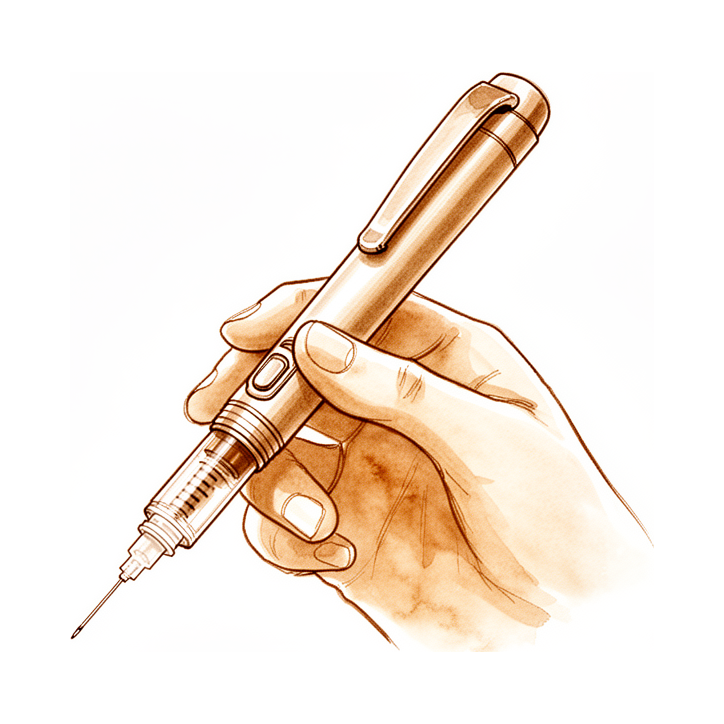
یہ دوا کیا ہے
جی ایل پی-1 (GLP-1) ادویات دواؤں کا ایک گروپ ہیں جنہیں آپ Ozempic یا Wegovy جیسے برانڈ ناموں سے جانتے ہوں گے۔ ان کا پورا نام گلوکاگون جیسے پیپٹائیڈ-1 ریسیپٹر ایگونسٹ (glucagon-like peptide-1 receptor agonists) ہے، یا مختصراً جی ایل پی-1 ایگونسٹ۔ یہ پہلے ٹائپ 2 ذیابیطس (شوگر) کے علاج کے لیے استعمال ہوئیں، یعنی وہ بیماری جس میں خون میں شوگر کی سطح بہت زیادہ رہتی ہے۔ اب یہ موٹاپے کے ساتھ رہنے والے لوگوں میں وزن کم کرنے میں مدد کے لیے بھی بڑے پیمانے پر استعمال ہوتی ہیں [1]۔
یہ دوائیں ایک قدرتی ہارمون کی نقل کرتی ہیں جو آپ کا جسم کھانا کھانے کے بعد خارج کرتا ہے۔ یہ ہارمون دو اہم کام کرتا ہے۔ یہ آپ کی بھوک کم کرتا ہے، اس لیے آپ کا پیٹ جلدی بھر جاتا ہے اور آپ کم کھاتے ہیں۔ یہ اس رفتار کو بھی سست کرتا ہے جس سے آپ کا معدہ خالی ہوتا ہے، جس سے پیٹ بھرا ہونے کا احساس زیادہ دیر تک رہتا ہے [2]۔ بہت سے لوگوں میں اس کا نتیجہ مسلسل وزن کم ہونا اور خون کی شوگر کا بہتر کنٹرول ہوتا ہے [3]۔
اگر آپ ان میں سے کوئی دوا لیتے ہیں اور سرجری کا ارادہ رکھتے ہیں تو یہ بات آپ کی دیکھ بھال کرنے والی ٹیم کے لیے اہم ہے۔ یہ دوائیں تیزی سے عام ہو رہی ہیں، اور سرجن اب انہیں لینے والے زیادہ سے زیادہ مریض دیکھتے ہیں [4]۔ یہ دوائیں سرجری پر کیسے اثر ڈالتی ہیں، اس پر تحقیق ابھی بڑھ رہی ہے، اور کچھ نتائج ابھی ایک دوسرے سے متفق نہیں ہیں [5] [6]۔ اب تک جو معلوم ہے وہ سادہ الفاظ میں زیادہ تر تسلی بخش ہے: جوڑ کی تبدیلی (joint replacement) کے مریضوں پر کی گئی تحقیقات میں سرجری کے بعد مختصر مدت کے مسائل میں کوئی واضح اضافہ نہیں پایا گیا [7] [8]، اور کچھ تحقیق ان دواؤں کو زخم یا انفیکشن کے مسائل کے کم امکان سے جوڑتی ہے [9] [10]۔ موجودہ رہنما ہدایات کہتی ہیں کہ پہلے سے طے شدہ (elective) آپریشن سے پہلے آپ کو اپنی دوا بند کرنے کی ضرورت نہیں، کیونکہ دوا بند کرنے سے آپ کی خون کی شوگر اور وزن کم کرنے میں ہونے والی پیش رفت بگڑ سکتی ہے [11]۔
اس صفحے کا باقی حصہ بتاتا ہے کہ آپریشن کے وقت کے آس پاس آپ کے لیے اس کا کیا مطلب ہے۔
یہ آپ کی سرجری اور بے ہوشی پر کیسے اثر ڈالتی ہے
سرجری کے آس پاس یہ دوائیں جو اہم چیز بدلتی ہیں وہ آپ کا معدہ ہے۔ چونکہ یہ معدے کے خالی ہونے کی رفتار کو سست کرتی ہیں، اس لیے کھانا اور پانی آپ کی یا آپ کی ٹیم کی توقع سے زیادہ دیر تک معدے میں رہ سکتے ہیں۔ زیادہ تر تحقیقات میں پایا گیا ہے کہ یہ دوائیں لینے والے لوگوں کے معدے میں توقع سے زیادہ چیزیں باقی رہ جاتی ہیں [12]۔ یہ اس لیے اہم ہے کہ بے ہوشی کے دوران معدے کی چیزیں واپس اوپر آ کر پھیپھڑوں میں جا سکتی ہیں۔ اسے ایسپیریشن (aspiration) کہتے ہیں۔ یہ کسی بھی بے ہوشی کا ایک معروف خطرہ ہے، اور یہ دوائیں اسے بڑھا سکتی ہیں، اگرچہ ان دواؤں کو ایسپیریشن کے حقیقی واقعات سے جوڑنے والے شواہد ابھی ملے جلے ہیں [12]۔
آپ کے بے ہوشی کے ڈاکٹر (anaesthetist) اس بات کو مدِ نظر رکھ کر منصوبہ بناتے ہیں۔ آسٹریلیا کی موجودہ ہدایات یہ ہیں کہ دوا جاری رکھیں اور سرجری سے پہلے کے 24 گھنٹے صرف صاف مائعات لیں، اور معمول کے فاقے کا وقت انہی 24 گھنٹوں کے اندر آتا ہے۔ کچھ ٹیمیں پہلے سے الٹراساؤنڈ کے ذریعے معدے کا معائنہ بھی کرتی ہیں۔ تحقیق نے ان اقدامات کا جائزہ لیا ہے اور پایا ہے کہ یہ کچھ مریضوں میں معدے میں باقی رہ جانے والی چیزیں کم کرنے میں مدد کر سکتے ہیں [13]۔ آپ کی ٹیم فیصلہ کرے گی کہ آپ پر کیا لاگو ہوتا ہے۔
صحت یابی کے بارے میں کچھ اچھی خبر بھی ہے۔ یہ دوائیں لیتے ہوئے کولہے یا گھٹنے کی تبدیلی کروانے والے لوگوں پر تحقیقات میں مختصر مدت میں دوبارہ آپریشن (revision) کی شرح میں کوئی مستقل اضافہ نہیں پایا گیا [8]۔ کچھ تحقیق انہیں آپریشن کے بعد انفیکشن کے کم امکان سے جوڑتی ہے، جس میں نئے جوڑ کے ارد گرد انفیکشن بھی شامل ہے [3] [8]۔ ہاتھ کی سرجری جیسے کارپل ٹنل ریلیز (release، کلائی میں عصب پر دباؤ ختم کرنے کا آپریشن) میں، ایک تحقیق میں زخم بھرنے کے مسائل میں تھوڑی کمی پائی گئی اور دوسری ابتدائی پیچیدگیوں میں کوئی اضافہ نہیں ہوا [10]۔
آپ کی دیکھ بھال کرنے والی ٹیم ان سب باتوں کو احتیاط سے سنبھالتی ہے۔ سرجن، بے ہوشی کے ڈاکٹر اور ذیابیطس کے ماہرین مل کر آپ کے لیے سب سے محفوظ طریقہ طے کرتے ہیں [2]۔ محققین ابھی یہ جاننے کی کوشش کر رہے ہیں کہ سرجری کے آس پاس یہ دوائیں لینے والے لوگوں کی دیکھ بھال کا بہترین طریقہ کیا ہے [14]۔ فی الحال عملی پیغام سادہ ہے: اپنی ٹیم کو بتائیں کہ آپ یہ دوا لیتے ہیں، ان کی فاقے کی ہدایات پر بالکل ٹھیک ٹھیک عمل کریں، اور باقی وہ سنبھال لیں گے۔
آپ کو کیا کرنا چاہیے
اپنی دوا ڈاکٹر کی ہدایت کے مطابق لیتے رہیں، اور اپنی دیکھ بھال میں شامل ہر شخص کو بتائیں کہ آپ یہ دوا لیتے ہیں۔ اس میں آپ کا سرجن، آپ کے بے ہوشی کے ڈاکٹر اور آپ کا فیملی ڈاکٹر (GP) شامل ہیں۔ اس میں وہ ڈاکٹر بھی شامل ہے جس نے یہ دوا تجویز کی، چاہے وہ آپ کا فیملی ڈاکٹر ہو یا کوئی ماہر ڈاکٹر۔
اسے اپنی مرضی سے لینا بند نہ کریں۔ دوا بند کرنے سے آپ کی خون کی شوگر اور وزن کم کرنے میں ہونے والی پیش رفت متاثر ہو سکتی ہے۔
آپریشن سے پہلے آپ کی ٹیم آپ کو واضح ہدایات دے گی۔ اپنی دوا اور پہلے سے فاقے کے بارے میں ہدایات پر بالکل ویسے ہی عمل کریں جیسے لکھی ہوں۔ فاقے کا مطلب ہے سرجری سے پہلے ایک مقررہ وقت تک کچھ نہ کھانا اور نہ پینا۔ یہ اقدامات آپ کے معدے کو خالی رکھنے اور بے ہوشی کے خطرات کم کرنے میں مدد دیتے ہیں۔
اگر آپ کو کسی بات کا یقین نہ ہو تو پوچھیں۔ آپ کے سرجن، بے ہوشی کے ڈاکٹر اور فیملی ڈاکٹر مل کر آپ کے لیے سب سے محفوظ طریقہ طے کرتے ہیں۔ جب بات آپ کی دوا اور آپ کے آپریشن کی ہو تو کوئی سوال چھوٹا نہیں ہوتا۔
آپریشن سے پہلے اپنی جی ایل پی-1 دوا معمول کے مطابق لیتے رہیں؛ اسے بند نہ کریں۔ سرجری سے پہلے کے 24 گھنٹے صرف صاف مائعات لیں اور کوئی ٹھوس غذا نہ کھائیں۔ صاف مائعات وہ مشروبات ہیں جن کے آر پار دیکھا جا سکے، جیسے پانی، سیب کا صاف جوس، یا دودھ کے بغیر کالی چائے یا کافی۔ بے ہوشی سے پہلے فاقے کا معمول کا وقت انہی 24 گھنٹوں کا حصہ ہے، ان کے بعد الگ سے شامل نہیں کیا جاتا: آخر کے قریب، آپ کے بے ہوشی کے ڈاکٹر آپ کو بتائیں گے کہ صاف مائعات بھی کب بند کرنی ہیں۔ یہ آسٹریلیا میں بے ہوشی کی موجودہ ہدایات (ANZCA) کے مطابق ہے۔
حوالہ جات
[1] GLP-1 Receptor Agonists in Orthopaedic Surgery: Implications for Perioperative Care and Outcomes. Journal of Bone and Joint Surgery. 2025. DOI: 10.2106/jbjs.24.01287
[2] Delayed gastric emptying induced by glucagon-like peptide-1 receptor agonists and its implications for perioperative risk during anesthesia. The Korean Journal of Internal Medicine. 2026. DOI: 10.3904/kjim.2025.277
[3] Semaglutide and Other GLP-1 Agonists: A Boon for the Arthroplasty Industry?. The Journal of Arthroplasty. 2024. DOI: 10.1016/j.arth.2023.12.014
[4] The Impact of Glucagon-Like Peptide-1 Agonists on Hip and Knee Arthroplasty and Perioperative Considerations. The Journal of Arthroplasty. 2024. DOI: 10.1016/j.arth.2023.12.002
[5] Glucagon-Like Peptide-1 Receptor Agonists: Have We Found the Holy Grail for Total Joint Arthroplasty?. The Journal of Arthroplasty. 2025. DOI: 10.1016/j.arth.2025.10.027
[6] Impact of Glucagon-Like Peptide-1 Receptor Agonists on Postoperative Outcomes in Arthroplasty: A Systematic Review. The Journal of Arthroplasty. 2025. DOI: 10.1016/j.arth.2025.07.015
[7] GLP-1 receptor agonist therapy is not associated with adverse events following shoulder surgery: a systematic review and meta-analysis. Journal of Shoulder and Elbow Surgery. 2026. DOI: 10.1016/j.jse.2025.12.005
[8] Glucagon-like peptide-1 receptor agonists in total joint arthroplasty: a comprehensive systematic review of what orthopaedic surgeons should know. Arthroplasty. 2026. DOI: 10.1186/s42836-026-00375-w
[9] The Association Between Glucagon-Like Peptide-1 Receptor Agonists and Postoperative Complications After Arthroplasty: A Systematic Review and Meta-Analysis. The Journal of Arthroplasty. 2025. DOI: 10.1016/j.arth.2025.06.083
[10] Impact of Perioperative Glucagon-Like Peptide-1 Receptor Agonists on Postoperative Outcomes Following Carpal Tunnel Release. Journal of Hand Surgery Global Online. 2025. DOI: 10.1016/j.jhsg.2025.100746
[11] Periprocedural use of GLP-1 receptor agonists: ANZCA Clinical Practice Recommendations. ANZCA. 2025.
[12] Perioperative anesthesia management of GLP-1 receptor agonists: a systematic review of potential risks. Perioperative Medicine. 2026. DOI: 10.1186/s13741-026-00662-9
[13] Peri-Procedural Fasting and Gastric Ultrasound Strategies in Glucagon-Like Peptide-1 (GLP-1) Receptor Agonist Users: A Systematic Review With Qualitative Synthesis. Cureus. 2026. DOI: 10.7759/cureus.108216
[14] GLP-1 agonists: a new hope for patients, a new challenge for anaesthetists. Anaesthesiology Intensive Therapy. 2025. DOI: 10.5114/ait/203167
Evidence & references
This is the clinical evidence summary written for health professionals. It is technical, and it lists the research this page was built from. You do not need to read it to understand your treatment or to make a decision about it.
Overview
- Glucagon-like peptide-1 receptor agonists induce delayed gastric emptying [1].
- The pharmacological mechanisms of GLP-1 RA-induced delayed gastric emptying have clinical implications for perioperative aspiration risk during anesthesia [1].
- Interdisciplinary collaboration between endocrinologists and anesthesiologists is emphasized for safe and individualized perioperative management of patients on GLP-1 RAs [1].
- GLP-1 agonists may not produce sufficient weight loss to achieve body mass index cutoffs for total joint arthroplasty depending on individual patient factors, including starting bodyweight [2].
- Further high-quality studies are called for to address the optimal perioperative care of patients on GLP-1RAs due to their increasing popularity in patients with obesity [3].
- Conflicting findings in the literature highlight the need for further research, particularly well-designed multicenter studies and randomized controlled trials, to clarify the effects of GLP-1 RAs on surgical outcomes [4].
- Arthroplasty surgeons will encounter an increasing number of patients on GLP-1 agonists [5].
- It is important for arthroplasty surgeons to understand the implications of GLP-1 agonist use in the perioperative period [5].
- GLP-1 agonist use should not be a contraindication for proceeding with total shoulder arthroplasty based on data showing no association with adverse events following shoulder surgery [6].
- Elective preprocedural cessation of GLP-1RAs and GLP-1/GIPRAs is not recommended due to insufficient data supporting cessation and risks of hyperglycaemia and compromised weight control [7].
- The variability in available studies, potential confounding factors, and severe heterogeneity of conclusions emphasize the need for more high-quality evidence-based primary research to optimize perioperative management of patients taking GLP-1 RAs [8].
- GLP-1 agonists have effects on bone health that are relevant to perioperative patients undergoing orthopedic surgery, with an emphasis on spine surgery [9].
- GLP-1RA use suggests a potential benefit for optimizing high-risk patients who have obesity or diabetes undergoing total joint arthroplasty [10].
Effects on Surgery and Recovery
Perioperative Anesthesia and Gastric Emptying
- Authors call for further high-quality studies to address the optimal perioperative care of patients on GLP-1RAs due to their increasing popularity in patients with obesity [3].
- Available observational evidence suggests that extended GLP-1 RA withholding, 24-hour clear liquid diets, and pre-procedural gastric POCUS may be associated with reduced residual gastric content in selected patient populations [14].
Arthroplasty Outcomes
- Arthroplasty surgeons will encounter an increasing number of patients on GLP-1 agonists, making it important to understand the implications of their use in the perioperative period [5].
- Conflicting findings highlight the need for further research, particularly well-designed multicenter studies and randomized controlled trials, to clarify the effects of GLP-1 RAs on surgical outcomes in arthroplasty [4].
- Findings suggest a potential benefit of GLP-1RA use for optimizing high-risk patients who have obesity or diabetes undergoing total joint arthroplasty [10].
- While GLP-1 receptor agonists show potential to reduce postoperative complications in total joint arthroplasty, findings remain inconsistent, and further research is needed to clarify their impact on outcomes and establish perioperative management guidelines [11].
- Preoperative glucagon-like peptide-1 receptor agonist use may be linked to reduced readmission risk following joint arthroplasty, without evidence of increased postoperative medical harm [12].
- Semaglutide and other GLP-1 agonists may increase the number of eligible candidates for elective total joint arthroplasty by enabling weight loss and improving diabetic control [13].
- Semaglutide and other GLP-1 agonists may potentially reduce postoperative complications such as sepsis and prosthetic joint infections [13].
- Current observational data suggest that perioperative GLP-1 RA use in patients undergoing total hip or knee arthroplasty is not associated with a consistent increase in short-term revision rates [16].
- Current observational data suggest that perioperative GLP-1 RA use in patients undergoing total hip or knee arthroplasty may be associated with a reduced risk of postoperative infection [16].
Other Orthopedic Procedures
- Based on data from a systematic review and meta-analysis, GLP-1 agonist use should not be a contraindication for proceeding with total shoulder arthroplasty [6].
- Perioperative GLP-1RA use was associated with a small yet statistically significant reduction in the odds of wound dehiscence following carpal tunnel release [15].
- Perioperative GLP-1RA use did not increase the odds of any other 90-day postoperative complications following carpal tunnel release [15].
Bone Health
- A narrative review explores the mechanisms of action of GLP-1 agonists, their effects on bone health, and the implications of their use in perioperative patients undergoing orthopedic surgery, with an emphasis on spine surgery [9].
- Exenatide is the best option agent with regard to the risk of fracture [17].
Practical Considerations
Perioperative Anesthesia and Gastric Emptying
- Delayed gastric emptying induced by GLP-1 RAs has implications for perioperative aspiration risk during anesthesia [1].
Medication Management
Arthroplasty Outcomes and Eligibility
- Conflicting findings highlight the need for further research, particularly well-designed multicenter studies and randomized controlled trials, to clarify the effects of GLP-1 RAs on surgical outcomes [4].
Shoulder Surgery
Bone Health and Spine Surgery
Key Evidence
- [L4] This review summarizes the pharmacological mechanisms and clinical implications of GLP-1 RA-induced delayed gastric emptying, evaluates current literature on perioperative aspiration risk, and emphasizes the importance of interdisciplinary collaboration between endocrinologists and anesthesiologists to ensure safe and individualized perioperative management. [1] (10.3904/kjim.2025.277)
- [Paper] While efficacious, GLP-1 agonists may not produce sufficient weight loss to achieve body mass index cutoffs for total joint arthroplasty depending on individual patient factors, including starting bodyweight. [2] (10.2106/jbjs.rvw.23.00167)
- [L4] Due to the increasing popularity of GLP-1RAs in patients with obesity, the authors call for further high-quality studies to address the optimal perioperative care of patients on GLP-1RAs. [3] (10.5114/ait/203167)
- [L4] However, conflicting findings highlight the need for further research, particularly well-designed multicenter studies and randomized controlled trials, to clarify the effects of GLP-1 RAs on surgical outcomes. [4] (10.1016/j.arth.2025.07.015)
- [L5] Arthroplasty surgeons will encounter an increasing number of patients on GLP-1 agonists, making it important to understand the implications of their use in the perioperative period. [5] (10.1016/j.arth.2023.12.002)
- [L1] Based on this data, GLP-1 agonist use should not be a contraindication for proceeding with TSA. [6] (10.1016/j.jse.2025.12.005)
- [L2] The variability in available studies, potential confounding factors, and the severe heterogeneity of conclusions all emphasize the need for more high-quality evidence-based primary research to optimize perioperative management of patients taking GLP-1 RAs. [8] (10.1186/s13741-026-00662-9)
- [L4] This narrative review explores the mechanisms of action of GLP-1 agonists, their effects on bone health, and the implications of their use in perioperative patients undergoing orthopedic surgery, with an emphasis on spine surgery. [9] (10.1177/15563316261438492)
- [L1] These findings suggest a potential benefit of GLP-1RA use for optimizing high-risk patients who have obesity or diabetes undergoing total joint arthroplasty. [10] (10.1016/j.arth.2025.09.054)
- [L5] The paper concludes that while GLP-1 receptor agonists show potential to reduce postoperative complications in total joint arthroplasty, findings remain inconsistent, and further research is needed to clarify their impact on outcomes and establish perioperative management guidelines. [11] (10.1016/j.arth.2025.10.027)
- [L1] Preoperative glucagon-like peptide-1 receptor agonist use may be linked to reduced readmission risk following joint arthroplasty, without evidence of increased postoperative medical harm. [12] (10.1016/j.arth.2025.11.036)
- [L5] Semaglutide and other GLP-1 agonists may increase the number of eligible candidates for elective total joint arthroplasty by enabling weight loss and improving diabetic control, while also potentially reducing postoperative complications such as sepsis and prosthetic joint infections. [13] (10.1016/j.arth.2023.12.014)
- [L4] Available observational evidence suggests that extended GLP-1 RA withholding, 24-hour clear liquid diets, and pre-procedural gastric POCUS may be associated with reduced residual gastric content in selected patient populations. [14] (10.7759/cureus.108216)
- [L3] Perioperative GLP-1RA use was associated with a small yet statistically significant reduction in the odds of wound dehiscence following CTR and did not increase the odds of any other 90-day postoperative complications. [15] (10.1016/j.jhsg.2025.100746)
- [L4] Current observational data suggest that perioperative GLP-1 RA use in patients undergoing total hip or knee arthroplasty is not associated with a consistent increase in short-term revision rates and may be associated with a reduced risk of postoperative infection. [16] (10.1186/s42836-026-00375-w)
- [L1] Exenatide is the best option agent with regard to the risk of fracture. [17] (10.1007/s00198-018-4649-8)
References
[1] Delayed gastric emptying induced by glucagon-like peptide-1 receptor agonists and its implications for perioperative risk during anesthesia. The Korean Journal of Internal Medicine. 2026. DOI: 10.3904/kjim.2025.277
[2] Glucagon-like Peptide-1 Agonists. JBJS Reviews. 2024. DOI: 10.2106/jbjs.rvw.23.00167
[3] GLP-1 agonists: a new hope for patients, a new challenge for anaesthetists. Anaesthesiology Intensive Therapy. 2025. DOI: 10.5114/ait/203167
[4] Impact of Glucagon-Like Peptide-1 Receptor Agonists on Postoperative Outcomes in Arthroplasty: A Systematic Review. The Journal of Arthroplasty. 2025. DOI: 10.1016/j.arth.2025.07.015
[5] The Impact of Glucagon-Like Peptide-1 Agonists on Hip and Knee Arthroplasty and Perioperative Considerations. The Journal of Arthroplasty. 2024. DOI: 10.1016/j.arth.2023.12.002
[6] GLP-1 receptor agonist therapy is not associated with adverse events following shoulder surgery: a systematic review and meta-analysis. Journal of Shoulder and Elbow Surgery. 2026. DOI: 10.1016/j.jse.2025.12.005
[7] Periprocedural use of GLP-1 receptor agonists: ANZCA Clinical Practice Recommendations. ANZCA. 2025.
[8] Perioperative anesthesia management of GLP-1 receptor agonists: a systematic review of potential risks. Perioperative Medicine. 2026. DOI: 10.1186/s13741-026-00662-9
[9] GLP-1 Agonists in Orthopedic Surgery: A Narrative Review of Bone Health and Surgical Implications. HSS Journal. 2026. DOI: 10.1177/15563316261438492
[10] The Impact of Glucagon-Like Peptide-1 Receptor Agonist Use on Clinical Outcomes After Total Hip and Knee Arthroplasty: A Systematic Review and Meta-Analysis of 346,899 Patients. The Journal of Arthroplasty. 2025. DOI: 10.1016/j.arth.2025.09.054
[11] Glucagon-Like Peptide-1 Receptor Agonists: Have We Found the Holy Grail for Total Joint Arthroplasty?. The Journal of Arthroplasty. 2025. DOI: 10.1016/j.arth.2025.10.027
[12] Glucagon-Like Peptide-1 Receptor Agonists, Readmission, and Postoperative Complications in Arthroplasty: A Systematic Review and Meta-Analysis. The Journal of Arthroplasty. 2025. DOI: 10.1016/j.arth.2025.11.036
[13] Semaglutide and Other GLP-1 Agonists: A Boon for the Arthroplasty Industry?. The Journal of Arthroplasty. 2024. DOI: 10.1016/j.arth.2023.12.014
[14] Peri-Procedural Fasting and Gastric Ultrasound Strategies in Glucagon-Like Peptide-1 (GLP-1) Receptor Agonist Users: A Systematic Review With Qualitative Synthesis. Cureus. 2026. DOI: 10.7759/cureus.108216
[15] Impact of Perioperative Glucagon-Like Peptide-1 Receptor Agonists on Postoperative Outcomes Following Carpal Tunnel Release. Journal of Hand Surgery Global Online. 2025. DOI: 10.1016/j.jhsg.2025.100746
[16] Glucagon-like peptide-1 receptor agonists in total joint arthroplasty: a comprehensive systematic review of what orthopaedic surgeons should know. Arthroplasty. 2026. DOI: 10.1186/s42836-026-00375-w
[17] Glucagon-like peptide-1 receptor agonists and fracture risk: a network meta-analysis of randomized clinical trials. Osteoporosis International. 2018. DOI: 10.1007/s00198-018-4649-8