Patients › Rehabilitation
ٹرائسیپس کے نچلے ٹینڈن کی مرمت (Distal Triceps Tendon Repair)
کہنی پر ٹرائسیپس کے نچلے ٹینڈن کی مرمت کے بعد صحت یابی کا محفوظ منصوبہ: پہلے بازو کو 90 ڈگری پر ایک سادہ سلنگ میں آرام دینا اور حرکت کو آزاد کرنا، پھر اپنی طاقت سے کہنی سیدھی کرنا، اور پھر احتیاط سے مرحلہ وار طاقت بڑھانا۔
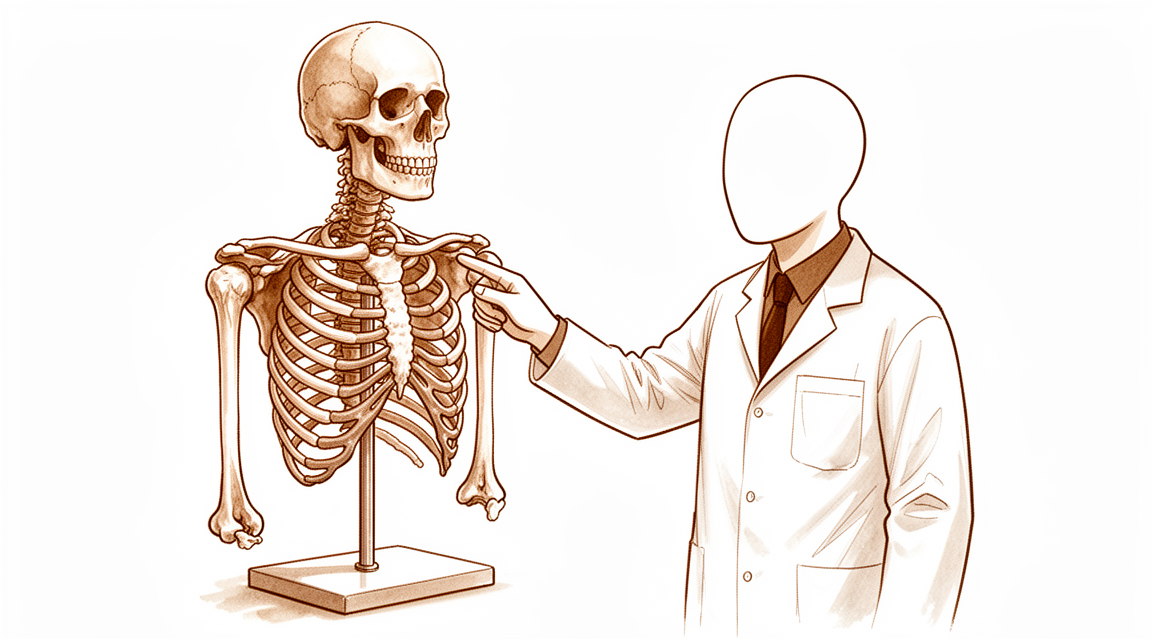
یہ پروٹوکول (protocol، یعنی بحالی کا مرحلہ وار منصوبہ) Mater Private Hospital Rockhampton میں ڈاکٹر کیرن ہِرپرا کے ذریعے ٹرائسیپس کے نچلے ٹینڈن (distal triceps tendon) کی سرجری سے مرمت کے بعد آپ کی صحت یابی میں رہنمائی کرتا ہے (یہ وہ ٹینڈن (tendon)، یعنی وہ مضبوط ڈوری جو پٹھے کو ہڈی سے جوڑتی ہے، ہے جو ٹرائسیپس کے پٹھے کو، جو آپ کی کہنی کو سیدھا کرتا ہے، کہنی کی نوک سے جوڑتا ہے)۔ اس کی شروعات گھر پر ورزشوں کے پروگرام سے ہوتی ہے، اور اس کے بعد باقاعدہ طبی پروٹوکول آتا ہے جو آپ کے فزیوتھراپسٹ یا ہینڈ تھراپسٹ (ہاتھ کی بحالی کے ماہر) کے لیے لکھا گیا ہے؛ تھراپی کی پہلی ملاقات پر یہ صفحہ یا اس کی پی ڈی ایف ساتھ لائیں تاکہ آپ کی بحالی میں سب کا آپس میں رابطہ رہے۔ آپ کا تھراپسٹ آپ کی صحت یابی کی رفتار کے مطابق منصوبے میں تبدیلی کر سکتا ہے۔
اگر سرجری کے بعد آپ کو اپنے زخم کے بارے میں کوئی بھی تشویش ہو تو کلینک سے رابطہ کریں۔ اکثر یہ مددگار ہوتا ہے کہ آپ زخم کی تصویر لے کر جائزے کے لیے ای میل کر دیں۔
کیا توقع رکھیں
ٹرائسیپس کے نچلے ٹینڈن کی مرمت میں پھٹے ہوئے ٹینڈن کو کہنی کی نوک (olecranon) پر واپس ہڈی سے جوڑ دیا جاتا ہے۔ آپریشن کے آخر میں ڈاکٹر ہِرپرا کہنی کو سیدھے زاویے (90 ڈگری) پر موڑ کر جانچتے ہیں کہ مرمت محفوظ اور سالم ہے۔ اسی وجہ سے آپ کی کہنی کو تقریباً 90 ڈگری پر ایک سادہ سلنگ میں آرام دیا جاتا ہے، یعنی گلے سے لٹکی وہ پٹی جو بازو کو سہارا دیتی ہے؛ یہ ایک آرام دہ اور معمول کی پوزیشن ہے۔ قبضے والی بریس (hinged brace) استعمال نہیں ہوتی، اور کہنی کو تقریباً سیدھا کر کے نہیں رکھا جاتا۔ ورزشوں اور نہانے دھونے کے لیے سلنگ اتار دی جاتی ہے۔
ٹینڈن پر دو طرح سے بوجھ پڑتا ہے (یعنی اس پر کھنچاؤ آتا ہے)، اور شروع کا منصوبہ دونوں سے بچاؤ کے لیے بنایا گیا ہے:
- کہنی موڑنے سے مرمت کھنچتی ہے۔ اس لیے تقریباً پہلے چھ ہفتوں تک موڑنے کی حد 90 ڈگری (سیدھا زاویہ) رکھی جاتی ہے۔ دوسری طرف، کہنی سیدھی کرنے سے ٹینڈن ڈھیلا ہوتا ہے، اس لیے آرام کی حد میں کہنی کو پوری طرح سیدھا کرنے کی اجازت ہے اور اس کی حوصلہ افزائی کی جاتی ہے۔
- کہنی کو اپنی طاقت سے سیدھا کرنے میں ٹرائسیپس کام کرتا ہے، جو مرمت کو کھینچتا ہے۔ اس لیے تقریباً پہلے چھ ہفتوں تک آپ کہنی کو اس کی اپنی طاقت سے سیدھا نہیں کرتے؛ اس سمت میں حرکت آہستہ سے اور مدد کے ساتھ کی جاتی ہے، خود ٹرائسیپس سے نہیں۔
پھر حرکت کو احتیاط سے مرحلہ وار کھولا جاتا ہے: تقریباً چھ ہفتے سے زیادہ موڑنا، تقریباً چھ ہفتے سے اپنی طاقت سے سیدھا کرنا، اور تقریباً بارہ ہفتے سے مزاحمت (بوجھ) کے ساتھ طاقت کی ورزش۔ مرمت کئی ماہ تک پختہ ہوتی رہتی ہے، اسی لیے زیادہ بوجھ اور کھیل میں واپسی ایک ساتھ نہیں بلکہ بتدریج دوبارہ بنائی جاتی ہے۔
احتیاطیں اور پابندیاں
- تقریباً پہلے چھ ہفتوں تک اپنی کہنی کو سیدھے زاویے (90 ڈگری) سے زیادہ ہرگز نہ موڑیں، کیونکہ موڑنے سے مرمت کھنچتی ہے اور اس پر زور پڑتا ہے۔ کہنی کو پوری طرح سیدھا کرنا ٹھیک ہے اور اس کی حوصلہ افزائی کی جاتی ہے۔
- تقریباً پہلے چھ ہفتوں تک کہنی کو اس کے اپنے پٹھوں کی طاقت سے ہرگز نہ سیدھا کریں؛ اسے مدد سے آہستہ سے سیدھا ہونے دیں، ٹرائسیپس کو کام میں لا کر نہیں۔
- تقریباً بارہ ہفتوں تک مزاحمت کے خلاف کہنی سیدھی کرنے والی کوئی ورزش ہرگز نہ کریں اور بازو سے ہرگز نہ دھکیلیں یا دبائیں: نہ ٹرائسیپس کِک بیک (triceps kickbacks) کریں، نہ بینچ پریس یا سر کے اوپر پریس کریں، اور نہ آپریشن والے بازو کے زور پر کرسی یا بستر سے اٹھیں۔
- اپنی سلنگ کو 90 ڈگری پر ہدایت کے مطابق پہنیں (بریس نہیں، اور بازو سیدھا کر کے نہیں)، اور جب تک آپ سلنگ میں ہوں یا آپ کا بازو اسٹیئرنگ کو محفوظ طریقے سے قابو نہ کر سکے، گاڑی ہرگز نہ چلائیں۔
- شروع سے اپنے ہاتھ، کلائی اور کندھے کو حرکت میں رکھیں، اور آرام کی حد میں روزمرہ کے ہلکے کاموں کے لیے ہاتھ استعمال کریں، بشرطیکہ ان میں نہ دھکیلنا ہو، نہ وزن اٹھانا ہو اور نہ کہنی کو زبردستی موڑنا ہو۔
زخم، سوجن اور زخم کے نشان کی دیکھ بھال کے لیے پریکٹس کی زخم کی دیکھ بھال والی رہنمائی دیکھیں۔
آپ کی ورزشیں
Kieran Hirpara 4.0
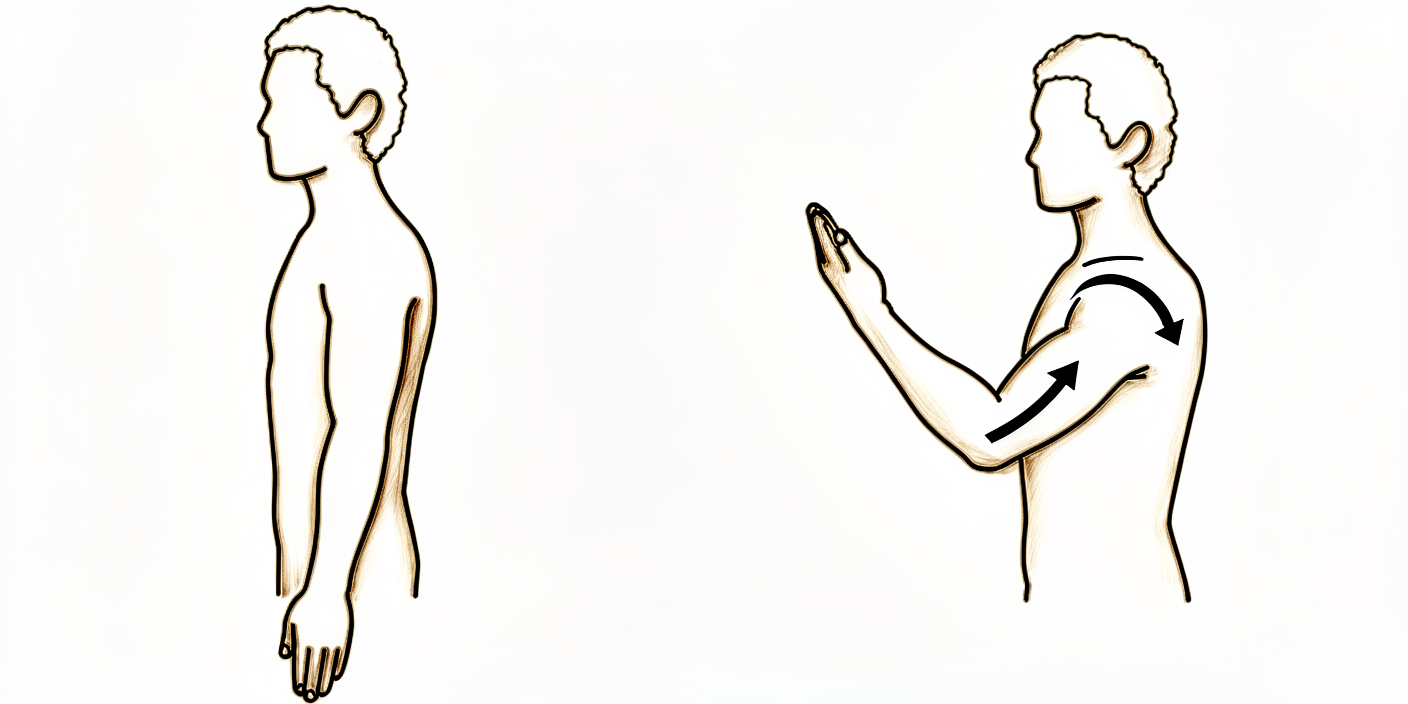
کہنی کی محفوظ حرکت (0 سے 90 ڈگری کی حد)
سلنگ سے باہر نکال کر کہنی کو اس کی محفوظ حد کے اندر آہستہ سے حرکت دیں: آپ اسے پوری طرح سیدھا کر سکتے ہیں (آرام کی حد تک سیدھا کرنے کی اجازت ہے)، لیکن اسے سیدھے زاویے (90 ڈگری) سے زیادہ ہرگز نہ موڑیں — تقریباً اتنا جتنا فون کو کان سے لگاتے وقت۔ آہستہ حرکت کریں اور اسی حد کے اندر رہیں۔ 90 ڈگری سے زیادہ موڑنے سے بھرتے ہوئے ٹینڈن پر کھنچاؤ پڑتا ہے، اس لیے تقریباً پہلے چھ ہفتوں تک اس سے روکا جاتا ہے۔
10 بار، دن میں 2 سے 3 بار، 0 سے 90 ڈگری کی حد کے اندر
Kieran Hirpara 4.0
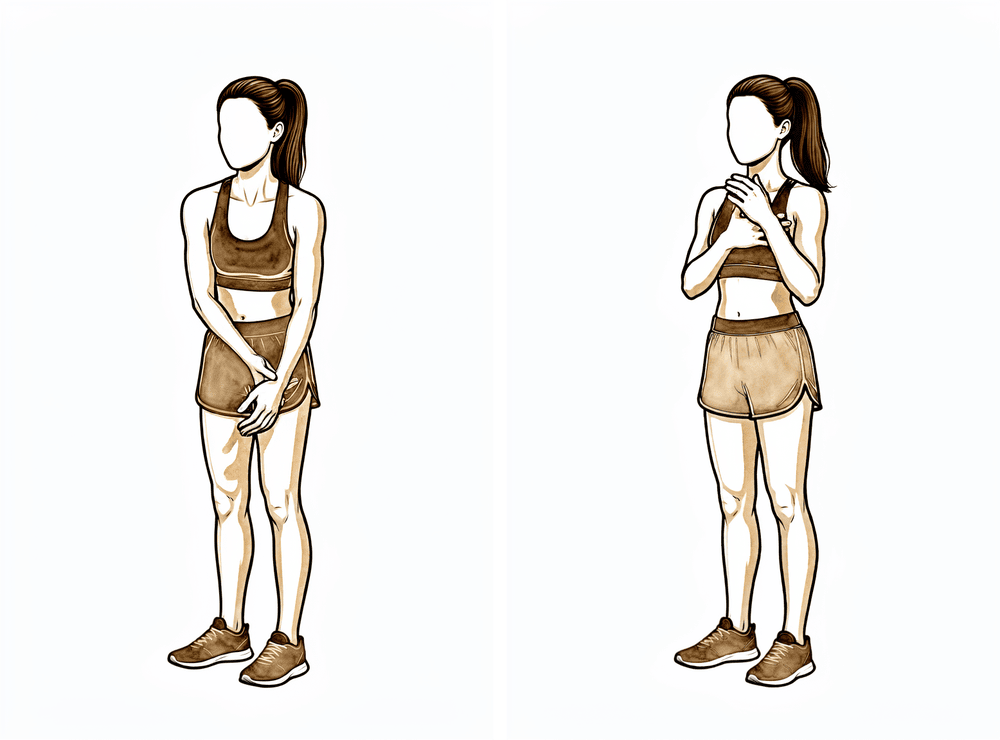
مدد سے (غیر فعال) کہنی موڑنا
دوسرے ہاتھ سے آپریشن والی کہنی کو آہستہ سے کندھے کی طرف اوپر موڑیں، اور ٹرائسیپس کو مکمل طور پر ڈھیلا رکھیں — آپریشن والا بازو خود نہیں کھینچ رہا۔ اپنی مقررہ حد پر رک جائیں (شروع میں تقریباً 90 ڈگری)۔ اس سے ٹرائسیپس کو کام میں لائے بغیر کہنی لچکدار رہتی ہے۔
10 بار، دن میں 2 سے 3 بار، صرف اپنی مقررہ حد تک
Kieran Hirpara 4.0
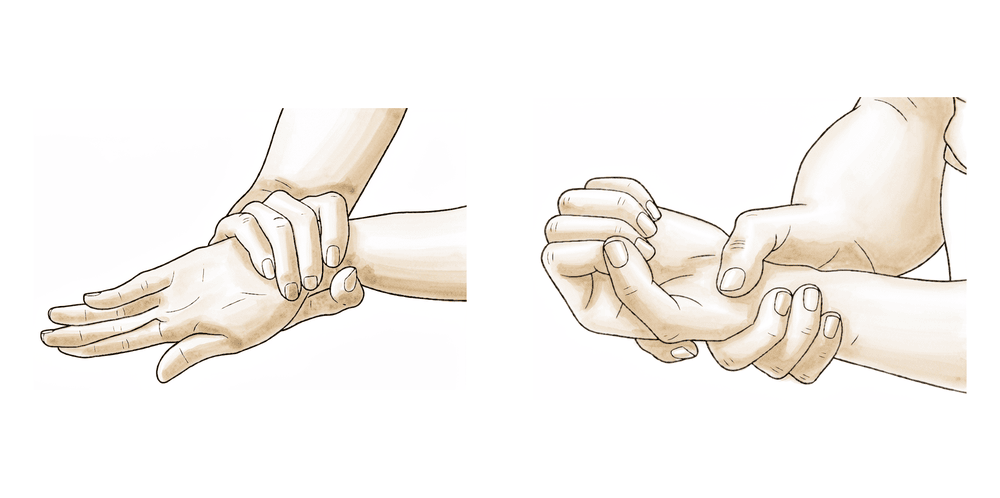
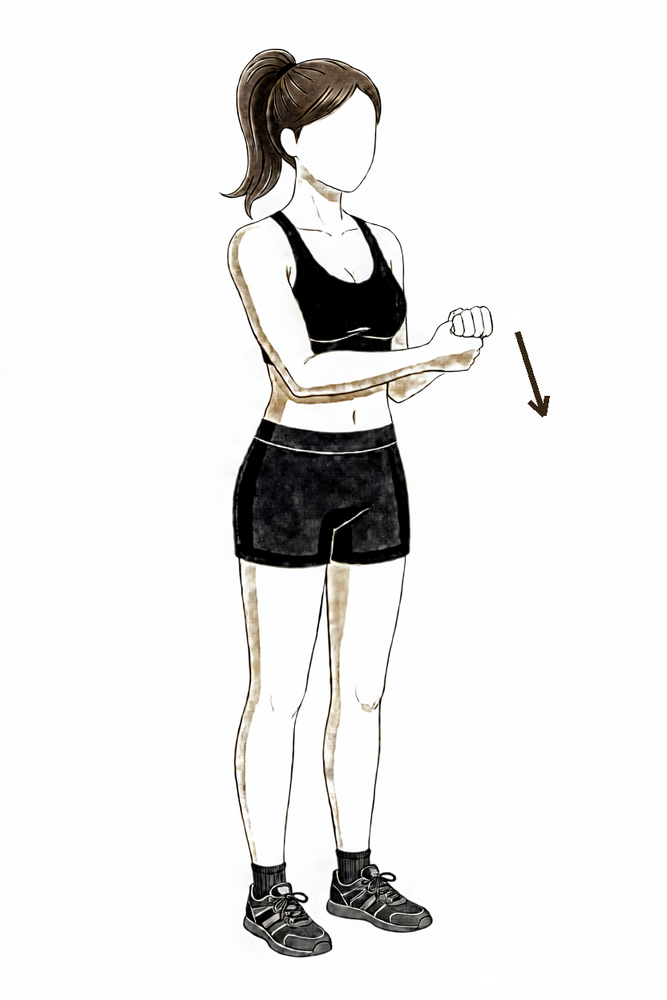
بازو کے نچلے حصے کو گھمانا (ہتھیلی اوپر / ہتھیلی نیچے)
کہنی پہلو سے لگا کر اور آرام سے موڑ کر، ہتھیلی کو آہستہ سے اوپر چھت کی طرف، پھر نیچے فرش کی طرف گھمائیں۔ اسے آہستہ اور آسان رکھیں۔ اس سے بازو کا نچلا حصہ لچکدار رہتا ہے اور ٹرائسیپس کی مرمت پر بوجھ نہیں پڑتا، اس لیے یہ جلد شروع ہو سکتی ہے۔
ہر سمت میں 10 بار، دن میں 2 سے 3 بار
Kieran Hirpara 4.0
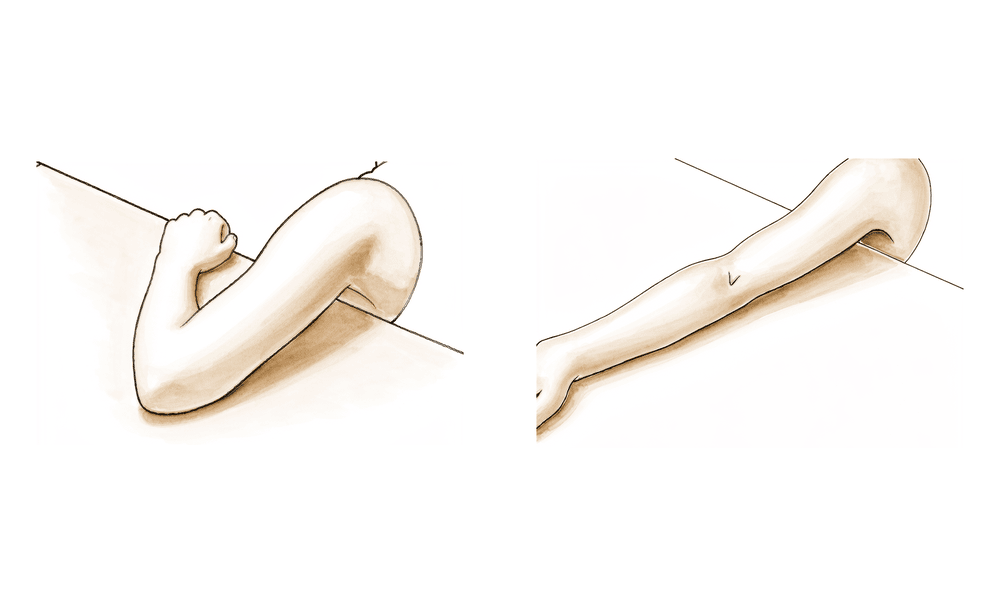
ٹرائسیپس کو سخت کرنا (ہلکا، بغیر حرکت)
یہ بعد کی ورزش ہے — صرف تب جب آپ کا فزیوتھراپسٹ اسے شروع کرائے (عام طور پر تقریباً 8 ہفتے سے)۔ کہنی کو سہارا دے کر، بازو کے اوپری حصے کے پچھلی طرف والے پٹھے (ٹرائسیپس) کو آہستہ سے ایسے سخت کریں جیسے کہنی سیدھی کرنی ہو، لیکن اسے اصل میں حرکت ہرگز نہ کرنے دیں — ہلکا سا دباؤ، روکیں، پھر ڈھیلا چھوڑ دیں۔ پہلے چھ ہفتوں میں یہ ورزش نہ کریں۔
تقریباً 5 سیکنڈ روکیں، 5 سے 10 بار، ہدایت کے مطابق (بعد کا مرحلہ)
Kieran Hirpara 4.0
اپنی طاقت سے کہنی سیدھی کرنا (بغیر مزاحمت)
یہ بعد کی ورزش ہے — اجازت ملنے پر تقریباً 6 ہفتے سے شروع ہوتی ہے۔ ہاتھ میں کوئی وزن لیے بغیر کہنی کو اس کی اپنی طاقت سے آہستہ سے سیدھا کریں، پھر دوسرے ہاتھ کی مدد سے اسے واپس نیچے لائیں (تاکہ ٹرائسیپس کو ابھی نیچے آنے والی حرکت پر قابو نہ رکھنا پڑے)۔ درد کے بغیر رہیں۔ پہلے چھ ہفتوں میں اپنی طاقت سے کہنی بالکل سیدھی نہیں کرنی۔
10 بار، ہدایت کے مطابق (تقریباً 6 ہفتے سے، بغیر مزاحمت)
Kieran Hirpara 4.0
ہلکی رکاوٹ کے خلاف ٹرائسیپس کو سخت کرنا (آئسومیٹرک سیدھا کرنا)
یہ بعد کی ورزش ہے — ہدایت کے مطابق تقریباً 8 ہفتے سے۔ بازو کے نچلے حصے کو اپنے دوسرے ہاتھ یا کسی ساکن سطح پر آہستہ سے ایسے دبائیں جیسے کہنی سیدھی کرنی ہو، زور کو صرف ہلکی اور آرام دہ حد تک بڑھائیں، اور کہنی کو حرکت دیے بغیر روکے رکھیں۔ اس سے مزاحمت والی ورزش کی اجازت ملنے سے پہلے ٹرائسیپس دوبارہ فعال ہوتا ہے۔
تقریباً 5 سیکنڈ روکیں، 5 سے 10 بار، ہدایت کے مطابق (بعد کا مرحلہ)
Kieran Hirpara 4.0
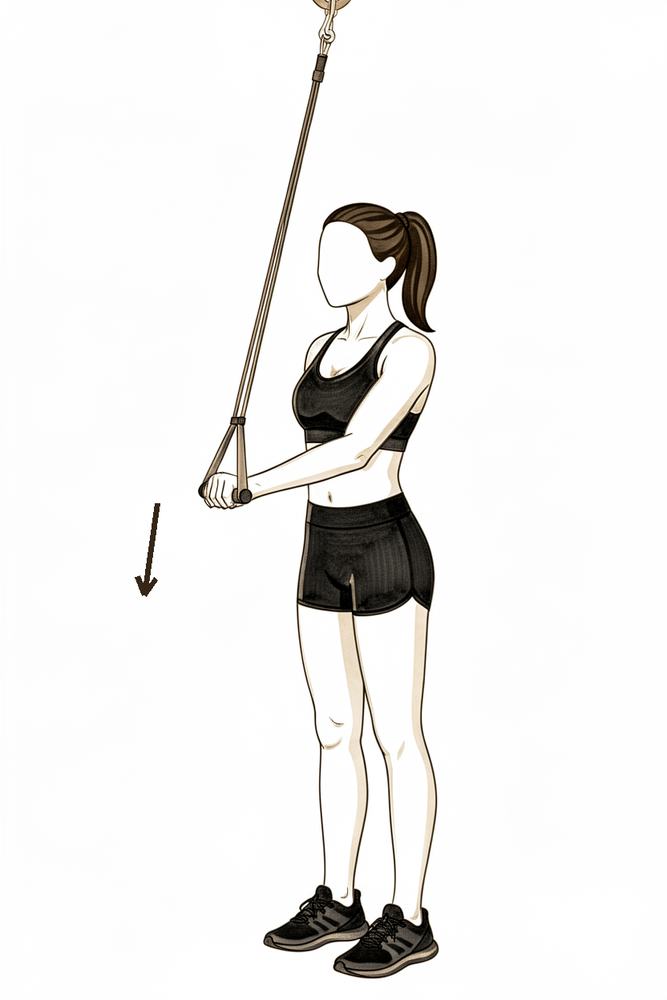
ربڑ کی پٹی کے خلاف کہنی سیدھی کرنا (آخری مرحلے کی طاقت)
یہ آخری مرحلے کی ورزش ہے — صرف تب جب مزاحمت والی ورزش کی اجازت مل جائے، عام طور پر تقریباً 12 ہفتے سے۔ ہلکی ربڑ کی پٹی کے خلاف کہنی سیدھی کریں، پھر آہستہ سے قابو کے ساتھ واپس لائیں۔ کئی ہفتوں میں مزاحمت آہستہ آہستہ بڑھائیں۔ اس سے مرمت شدہ ٹینڈن پر براہ راست بوجھ پڑتا ہے، اس لیے یہ سب سے آخر میں شروع ہوتی ہے — اس میں کبھی جلدی نہ کریں، اور اگر درد ہو تو روک دیں۔
اپنے فزیوتھراپسٹ کی ہدایت کے مطابق (صرف تقریباً 12 ہفتے سے)
یہ آپ کے ہینڈ آؤٹ کی ورزشیں ہیں۔ انہیں صرف ڈاکٹر ہِرپرا اور اپنے فزیوتھراپسٹ کی ہدایت کے مطابق شروع کریں، اور جو بھی حد اور پابندیاں آپ کو بتائی گئی ہیں ان کے اندر رہیں۔ شروع کی ورزشیں مرمت پر کام کا بوجھ ڈالے یا اسے کھینچے بغیر کہنی اور بازو کے نچلے حصے (forearm) کو حرکت میں رکھتی ہیں: 0 سے 90 ڈگری کی محفوظ حد کے اندر ہلکی حرکت، مدد سے موڑنا، اور بازو کے نچلے حصے کو گھمانا۔ ٹرائسیپس کو حرکت کے بغیر سخت کرنے کی ورزشیں (muscle-sets)، اپنی طاقت سے سیدھا کرنا اور ربڑ کی پٹی والی ورزشیں بعد کے مراحل کی ہیں اور جب تک آپ کو خاص طور پر اجازت نہ ملے انہیں شروع نہیں کرنا چاہیے۔ جو بھی حرکت کہنی کے پچھلے حصے میں تیز درد پیدا کرے اسے روک دیں۔
آپ کا طبی پروٹوکول
اس صفحے کا باقی حصہ ٹرائسیپس کے نچلے ٹینڈن کی مرمت کے بعد بحالی کا مرحلہ وار طبی پروٹوکول ہے۔ یہ حصہ آپ کے فزیوتھراپسٹ یا ہینڈ تھراپسٹ کو دینا ہے، اور ہر مرحلہ آسان زبان میں اس وضاحت سے شروع ہوتا ہے کہ اس وقت کیا ہو رہا ہے۔ مرمت پر بوجھ کہنی کو موڑنے (flexion) سے پڑتا ہے (جو اسے کھینچتا ہے) اور اپنی طاقت سے یا مزاحمت کے خلاف سیدھا کرنے (active or resisted extension) سے پڑتا ہے (جس میں ٹرائسیپس سکڑ کر اسے کھینچتا ہے)، اس لیے پروٹوکول دونوں سے حفاظت کرتے ہوئے پہلے حرکت بحال کرتا ہے، پھر اپنی طاقت سے سیدھا کرنا، اور پھر مزاحمت کے خلاف طاقت۔
علاج سے پہلے مریض کی آپریشن کی رپورٹ اور پچھلی طبی تاریخ دیکھیں، اور مرمت کے طریقے (ہڈی میں سوراخوں کے ذریعے ٹانکے (transosseous tunnels) یا سیوچر اینکر (suture anchor)، یعنی ہڈی میں لگایا جانے والا چھوٹا پرزہ جو ٹانکوں کے دھاگے کو تھامتا ہے، سے ٹینڈن کو اس کی جگہ پر جوڑنا (footprint))، ٹشو کے معیار اور حرکت کی محفوظ حد کے بارے میں علاج کرنے والے سرجن سے بات کریں۔ ڈاکٹر ہِرپرا کی مرمت آپریشن کے دوران 90 ڈگری موڑ پر محفوظ ہونے کے لیے جانچی جاتی ہے اور اسے 90 ڈگری پر ایک سادہ سلنگ میں آرام دیا جاتا ہے (قبضے والی بریس نہیں، اور سیدھا کر کے نہیں رکھا جاتا)؛ محفوظ حد 0 سے 90 ڈگری ہے، جس میں آرام کی حد تک سیدھا کرنے کی اجازت ہے اور موڑنا 90 ڈگری تک محدود ہے۔
مرحلہ I — 90 ڈگری والی سلنگ میں محفوظ حرکت (ہفتہ 0 سے 6)
پہلے چھ ہفتے کہنی کو اکڑنے سے بچاتے ہوئے مرمت کی حفاظت کرتے ہیں۔ بازو 90 ڈگری پر ایک سادہ سلنگ میں آرام کرتا ہے، جو ورزشوں اور صفائی کے لیے اتاری جاتی ہے۔ کہنی صرف 0 سے 90 ڈگری کی محفوظ حد کے اندر حرکت کرتی ہے، آرام کی حد تک پوری طرح سیدھی ہوتی ہے لیکن سیدھے زاویے سے زیادہ نہیں مڑتی، اور کبھی بھی ٹرائسیپس کی اپنی طاقت سے حرکت نہیں کرتی۔
آپ کے فزیوتھراپسٹ کے لیے:
آگاہی اور احتیاطی تدابیر - بازو کو 90 ڈگری پر ایک سادہ سلنگ میں رکھیں (قبضے والی بریس نہیں، اور تقریباً سیدھا کر کے ہرگز نہیں)؛ ورزشوں اور نہانے دھونے کے لیے اتاریں - محفوظ حد صرف 0 سے 90 ڈگری: سیدھا کرنا (extension) مکمل حد یا آرام کی حد تک آزاد؛ موڑنا (flexion) 90 ڈگری سے زیادہ نہیں - کہنی کو نہ اپنی طاقت سے سیدھا کریں اور نہ مزاحمت کے خلاف (ٹرائسیپس کا فعال سکڑنا مرمت پر بوجھ ڈالتا ہے) - آپریشن والے بازو پر نہ وزن ڈالیں اور نہ اس سے دھکیلیں؛ آرام کی حد میں بغیر بوجھ کے ہاتھ کا ہلکا استعمال - شروع میں کندھے کی غیر فعال حرکت (PROM) ہلکی رکھیں (اس سے ٹرائسیپس کے لمبے سر (long head) کی حفاظت ہوتی ہے جو کندھے کے پار سے گزرتا ہے)
علاج - زخم: ہدایت کے مطابق سرجری کی پٹیاں؛ انفیکشن پر نظر رکھیں - سوجن: بازو اونچا رکھنا (دل کی سطح سے اوپر)، ہاتھ کو بار بار ہلکے سے کھولنا اور بند کرنا (hand pump)، ضرورت کے مطابق برف - ورزشیں: 0 سے 90 ڈگری کے اندر کہنی کی مدد سے فعال یا غیر فعال حرکت (AAROM/PROM) (آرام کی حد تک سیدھا کرنا، موڑنا 90 ڈگری تک محدود)؛ کلائی، ہاتھ اور گرفت کی فعال حرکت؛ کندھے کی ہلکی حرکت؛ بازو کے نچلے حصے کو ہلکا گھمانا؛ اپنی طاقت سے سیدھا کرنا نہیں
اگلے مرحلے میں جانے کی شرائط - زخم بھر چکا ہو؛ تقریباً چھ ہفتے پر 0 سے 90 ڈگری کی حد میں آرام دہ اور قابو میں حرکت
مرحلہ II — موڑنے کی حد بڑھانا اور اپنی طاقت سے سیدھا کرنا شروع کرنا (ہفتہ 6 سے 12)
تقریباً چھ ہفتے سے موڑنے کی حد ختم کر دی جاتی ہے اور موڑنے کو 90 ڈگری سے آگے مکمل حد کی طرف بڑھایا جاتا ہے۔ اپنی طاقت سے سیدھا کرنا (extension) بغیر مزاحمت کے شروع کیا جاتا ہے، اور ٹرائسیپس کو آئسومیٹرک ورزشوں (isometric، پٹھے کو حرکت دیے بغیر زور لگانا) سے آہستہ سے دوبارہ فعال کیا جاتا ہے۔ مزاحمت کے خلاف سیدھا کرنا اور بازو پر وزن ڈالنا ابھی بھی روکے رکھے جاتے ہیں۔
آپ کے فزیوتھراپسٹ کے لیے:
جائزے - فعال اور غیر فعال حرکت کی حد (موڑنا اب 90 ڈگری سے آگے بڑھ رہا ہو، سیدھا کرنا)؛ درد اور سوجن؛ زخم اور اس کے نشان کا جائزہ
آگاہی اور احتیاطی تدابیر - تقریباً چھ ہفتے سے موڑنے کو 90 ڈگری سے آگے مکمل حد کی طرف آہستہ آہستہ بڑھائیں - 12 ہفتے تک نہ مزاحمت کے خلاف سیدھا کرنا اور نہ بازو پر وزن ڈالنا
علاج - ورزشیں: ہفتہ 6 سے 8 میں بغیر کسی مزاحمت کے اپنی طاقت سے سیدھا کرنا (active concentric extension) شروع کریں، درد کے بغیر حد میں (نیچے آنے والے یعنی ایکسینٹرک (eccentric) مرحلے میں دوسرے بازو سے مدد کریں)؛ ہفتہ 8 میں ٹرائسیپس کی ہلکی، پوری طاقت سے کم آئسومیٹرک ورزشیں؛ پوری حد میں حرکت اور بازو کے نچلے حصے کو گھمانا جاری رکھیں؛ زخم بھرنے کے بعد زخم کے نشان کی دیکھ بھال شروع کریں
اگلے مرحلے میں جانے کی شرائط - درد کے بغیر مکمل حرکت؛ اچھے قابو کے ساتھ اپنی طاقت سے مکمل سیدھا کرنا؛ درد 3/10 یا اس سے کم
مرحلہ III — طاقت بڑھانا اور واپسی (ہفتہ 12 سے 16 اور اس کے بعد)
جب حرکت بحال ہو جائے اور مزاحمت والی ورزش کی اجازت مل جائے (تقریباً بارہ ہفتے پر)، تو طاقت کی ورزش شروع ہوتی ہے اور بتدریج بڑھائی جاتی ہے: مزاحمت کے خلاف ٹرائسیپس کی ورزش (پہلے کنسینٹرک یعنی پٹھے کے سکڑتے ہوئے، پھر ایکسینٹرک یعنی پٹھے کے لمبا ہوتے ہوئے)، پھر ہلکی کلوزڈ چین (closed-chain، ہاتھ کسی سطح پر ٹکا کر) وزن ڈالنے والی ورزش، پھر محدود حد میں دھکیلنے والی ورزشیں۔ کھیل میں واپسی شرائط پوری ہونے پر ہوتی ہے، جلد سے جلد تقریباً پانچ سے چھ ماہ پر۔
آپ کے فزیوتھراپسٹ کے لیے:
جائزے - دوسری طرف کے مقابلے میں ٹرائسیپس کی طاقت؛ بوجھ ڈالنے پر درد اور سوجن کا ردعمل؛ مناسب ہو تو عملی اور کھیل یا کام کی مخصوص جانچ
آگاہی اور احتیاطی تدابیر - تقریباً 12 ہفتے سے مزاحمت کے خلاف ٹرائسیپس کی طاقت کی ورزش شروع کریں (پہلے کنسینٹرک، پھر ایکسینٹرک)؛ بوجھ بتدریج بڑھائیں - تقریباً 12 ہفتے سے کلوزڈ چین وزن ڈالنا (ہلکے سے اور چھوٹی حد میں شروع کریں)؛ تقریباً 14 ہفتے سے ہلکی دھکیلنے والی ورزش (پُش اَپس، محدود حد میں)
علاج - ورزشیں: مزاحمت کے خلاف کہنی سیدھی کرنے کی بتدریج بڑھتی ورزش (ربڑ کی پٹی سے ہلکے وزن تک)؛ درجہ بدرجہ کلوزڈ چین بوجھ؛ محدود حد میں دھکیلنے والی ورزشیں؛ باقی رہ جانے والی حرکت کی کمی پر کام جاری رکھیں - جب طاقت تقریباً دونوں طرف برابر ہو جائے اور کام کرنے کی صلاحیت مناسب حد تک واپس آ جائے تو علاج سے فارغ کرنے پر غور کریں - اگر بہتری رک جائے یا نتیجہ اچھا نہ ہو تو علاج کرنے والے ڈاکٹر کے پاس واپس بھیجنے پر غور کریں
کھیل میں واپسی کی شرائط - ٹرائسیپس کی طاقت 5/5؛ درد کے بغیر تیز رفتار اور کھیل کی مخصوص حرکت پر قابو
کام اور سرگرمیوں میں واپسی
شروع سے ہی آرام کی حد میں ہاتھ کے روزمرہ کے ہلکے استعمال (کھانا کھانا، لکھنا اور اپنی ہلکی دیکھ بھال) کی حوصلہ افزائی کی جاتی ہے، بشرطیکہ اس میں نہ دھکیلنا ہو، نہ وزن اٹھانا ہو اور نہ کہنی کو اس کی حد سے زیادہ موڑنا ہو۔ چونکہ جب تک بازو سلنگ میں ہو یا اسٹیئرنگ کو محفوظ طریقے سے قابو نہ کر سکے آپ کو ہرگز گاڑی نہیں چلانی، اس لیے شروع کے ہفتوں میں آنے جانے کے لیے مدد کا انتظام کر لیں؛ جب آپ سلنگ سے باہر ہوں اور گاڑی کو قابو کر سکیں تو معائنے پر تصدیق کے بعد گاڑی چلانا دوبارہ شروع ہوتا ہے۔
مزاحمت کے ساتھ بوجھ اور بازو پر وزن ڈالنا (دھکیلنا، دبانا، اٹھانا اور کھینچنا) تقریباً بارہ ہفتے تک روکا جاتا ہے، اور پھر بتدریج بڑھایا جاتا ہے۔ کھیل میں واپسی جلد سے جلد تقریباً پانچ سے چھ ماہ پر ہوتی ہے، اور اس کی بنیاد درد کے بغیر مکمل حرکت اور ٹرائسیپس کی کافی اور دونوں طرف برابر طاقت کی واپسی ہے، جس کا فیصلہ صرف کیلنڈر سے نہیں بلکہ ڈاکٹر ہِرپرا اور آپ کا فزیوتھراپسٹ کرتے ہیں۔ جسمانی مشقت والا بھاری کام بھی انہی شرائط پر مبنی پیش رفت کے مطابق ہوتا ہے۔
اپنے پروٹوکول کے بعد
یہ پروٹوکول پریکٹس کے صحت یابی کے عمومی مشوروں کے ساتھ کام کرتا ہے: دیکھیں آپریشن کے بعد درد پر قابو پانا، زخم کی دیکھ بھال اور کھیل میں واپسی۔ اوپر دیا گیا مرحلہ وار منصوبہ ٹرائسیپس کے نچلے ٹینڈن کی مرمت کے بعد بحالی کی شائع شدہ رہنمائی کی عکاسی کرتا ہے، اور آپ کی آئندہ صحت یابی میں رہنمائی ڈاکٹر ہِرپرا اور آپ کا فزیوتھراپسٹ انفرادی طور پر اس بنیاد پر کرتے ہیں کہ آپ کی کہنی کیسے ٹھیک ہو رہی ہے۔
Evidence & references
This is the clinical evidence summary written for health professionals. It is technical, and it lists the research this page was built from. You do not need to read it to understand your treatment or to make a decision about it.
Distal Triceps Tendon Repair — Post-operative Rehabilitation (Evidence Brief)
Topic scope: post-operative rehabilitation after surgical reattachment of the avulsed distal triceps tendon to the olecranon (transosseous bone tunnels or suture-anchor footprint repair; best performed within ~3 weeks of injury). The extension mechanism is loaded by elbow flexion (passive stretch of the repair) and by active/resisted extension (triceps contraction), so the rehab cadence is built around protecting both, then restoring motion, then active extension, then resisted strength.
Defining principle: the repair is loaded in flexion and by triceps contraction, so early rehab limits flexion and blocks active/resisted extension while motion is restored, then releases active extension (~6 wk) and resisted extension (~12 wk) in steps, with return to sport at ~5–6 months. Dr Hirpara's stance: the repair is checked intra-operatively to be safe at 90° of flexion, so the elbow is rested in a simple sling at 90° (a standard, comfortable position — no hinged brace, and NOT held near extension) with a protected 0–90° arc (extension free to comfort, flexion capped at 90°) for ~6 weeks. This is deliberately less restrictive on early flexion than the published near-extension / 20°-flexion-lock guidelines, while keeping the key loading rules identical (no active extension to 6 wk, no resisted extension to 12 wk).
Evidence base and corpus note
No RCT and no large prospective cohort defines the rehab cadence for distal triceps repair. The phased timeline rests on a published institutional clinical-care guideline (Ohio State Sports Medicine, 2021), which itself cites the core review literature, corroborated by several surgeon and physiotherapy phased protocols. The local RAG corpus is thin on triceps-specific phased rehab (rotator-cuff and biceps content dominates), but it does contain the key biomechanical repair-strength papers, which inform how early and how aggressively one can mobilise. The week-by-week timeline is therefore carried by the published clinical-care guideline, with the corpus supplying the repair-strength evidence that justifies the cadence.
Key principles and controversies
- Early motion vs prolonged immobilisation. Classic teaching favours protective immobilisation (splint 2–6 wk, flexion-limited brace) because the triceps insertion is loaded in flexion. A counter-trend pushes accelerated early ROM where fixation is strong — a cadaveric study comparing dynamic-tape with standard suture fixation under an intense early-rehab protocol found the novel construct biomechanically superior, i.e. fixation strength is the rate-limiter for how early one can mobilise.
- Suture-anchor vs transosseous (bone-tunnel) repair strength. Carpenter et al. (JSES 2018) found no difference in tendon displacement between transosseous cruciate tunnels and suture-anchor repair when the number of sutures is equalised; the technique by Sarokhan & Leung (Arthrosc Tech 2019) cites Clark et al. (2014) finding anatomic (knotless) footprint repair superior to transosseous cruciate repair. Stronger anatomic footprint fixation is the lever that justifies earlier/more aggressive flexion and earlier resisted extension.
- Flexion-limit progression. No consensus on the exact ramp — the OSU guideline locks at 20° then advances ~15°/5 days; others use ~10°/week or an open 0–60° arc. All converge on full passive flexion by ~6 weeks, with active extension deferred to ~6 weeks and resisted extension to ~12 weeks. KH's variant keeps the elbow at 90° in a simple sling with a free 0–90° arc — less restrictive on early flexion, same loading deferrals.
- Strength athletes / high demand. Retrospective series in strength athletes report satisfactory return to sport but underline that resisted extension and pressing loads are the highest-risk re-rupture activities, supporting the firm 12-week resisted-extension / pressing block.
Phased timeline
| Phase | Window | Sling / ROM ceiling | Exercises | Criteria to progress |
|---|---|---|---|---|
| I — Protected motion | Weeks 0–6 | Simple sling at 90° (no hinged brace, not near extension), off for exercises. Protected arc 0–90°: extension free to comfort, flexion capped at 90°. No active extension. | AAROM/PROM elbow within 0–90°; wrist/hand/grip AROM; gentle shoulder ROM; forearm rotation | Wound healed; comfortable, controlled 0–90° arc at ~6 wk |
| II — Advance flexion + active extension | Weeks 6–12 | Release flexion cap; progress flexion past 90° toward full. No resisted extension / weight-bearing. | Wk 6–8 active concentric extension no resistance (assist eccentric with other arm); wk 8 light submaximal triceps isometrics | Full painless ROM; full active extension with good control; pain ≤3/10 |
| III — Strengthening & return | Weeks 12–16+ | Resisted triceps strengthening (concentric → eccentric) from ~12 wk; CKC weight-bearing from ~12 wk (light, small range); limited-range pressing ~wk 14 | Progressive resisted extension; graded loading; sport-/work-specific progression | 5/5 triceps strength; pain-free high-velocity / sport-specific control |
| Return to sport | ~5–6 months | Criterion-based, at the earliest | — | Full pain-free ROM + symmetrical triceps strength |
Evidence strength flags
- MODERATE (protocol cadence): the phased timeline (no active extension to ~6 wk, resisted extension to ~12 wk, return to sport ~5–6 mo) — anchored to the OSU Sports Medicine clinical-care guideline and corroborating surgeon/PT protocols. No defining rehab RCT.
- MODERATE (repair-strength biomechanics): suture-anchor vs transosseous equivalence with equalised sutures (Carpenter 2018); anatomic footprint superiority (Clark, via Sarokhan & Leung); insertional footprint anatomy (Whitaker 2022) — these justify the mobilisation cadence.
- LOW–MODERATE (KH's 90°-sling / flexion-capped-at-90° variant): biomechanically sound (flexion is the repair-tensioning motion; intra-op tensioning at 90° defines the safe arc) and less restrictive on early flexion than published near-extension guidance, while preserving the key extension-loading deferrals. Consensus / expert rather than trial-derived; corpus gap — no RCT or large cohort defines this exact variant.
CITATIONS
RAG corpus (180,000+ Orthopaedic articles)
- Keener JD, Sethi PM. Distal triceps tendon injuries. Hand Clin. 2015;31(4):641–650. DOI: 10.1016/j.hcl.2015.06.012
- Carpenter SR, Stroh DA, Melvani R, et al. Distal triceps transosseous cruciate versus suture anchor repair using equal constructs: a biomechanical comparison. J Shoulder Elbow Surg. 2018;27(11):2052–2056. DOI: 10.1016/j.jse.2018.07.005
- Sarokhan AK, Leung NL. Acute triceps tendon repair: a technique utilizing 3 curved tunnels and proximal knots. Arthrosc Tech. 2019;8(11):e1325–e1330. DOI: 10.1016/j.eats.2019.07.001
- Ng T, Rush LN, Savoie FH. Arthroscopic distal triceps repair. Arthrosc Tech. 2016;5(6):e1107–e1112. DOI: 10.1016/j.eats.2016.06.011
- Whitaker JJ, Hartke J, Hawayek BJ, et al. Histologic evaluation of the triceps brachii tendon insertion: implications for triceps-sparing surgery. J Hand Surg Am. 2022. DOI: 10.1016/j.jhsa.2022.03.020
Published rehabilitation protocols & literature (URLs)
- Ohio State University Sports Medicine. Distal Triceps Repair — Clinical Care Guideline (G. Hock PT DPT OCS; rev. M. Salsbery PT DPT SCS; Dec 2021). https://medicine.osu.edu/-/media/files/medicine/departments/sports-medicine/medical-professionals/shoulder-and-elbow/distaltricepsrepair.pdf (NB: its near-extension / 20°-flexion-lock immobilisation differs from Dr Hirpara's 90°-sling approach; the loading deferrals are shared.)
- Cadaveric study of dynamic-tape vs standard suture fixation in distal triceps repair under an intense early-rehab protocol. PMC. https://www.ncbi.nlm.nih.gov/pmc/articles/PMC12423150/
- Distal triceps tendon repair in strength athletes — satisfactory return to sport (22 cases). PMC. https://www.ncbi.nlm.nih.gov/pmc/articles/PMC11355401/
Note on corpus gap: the RAG corpus lacks a dedicated distal-triceps phased rehab article; the week-by-week timeline is carried by the OSU clinical-care guideline (and corroborating surgeon protocols), with the corpus papers supplying the repair-strength evidence that justifies the cadence. Flagged accordingly.