Patients › Rehabilitation
پی آئی پی جوڑ کا فیوژن
انگلی کے درمیانی جوڑ کے فیوژن (arthrodesis) کے بعد صحت یابی کا محفوظ منصوبہ: جوڑے گئے جوڑ کو اسپلنٹ میں بے حرکت رکھا جاتا ہے اور پہلے دن سے باقی ہر جوڑ کو حرکت میں رکھا جاتا ہے، پھر ہڈی جڑ جانے کے بعد گرفت اور چٹکی کی گرفت بحال کی جاتی ہے۔
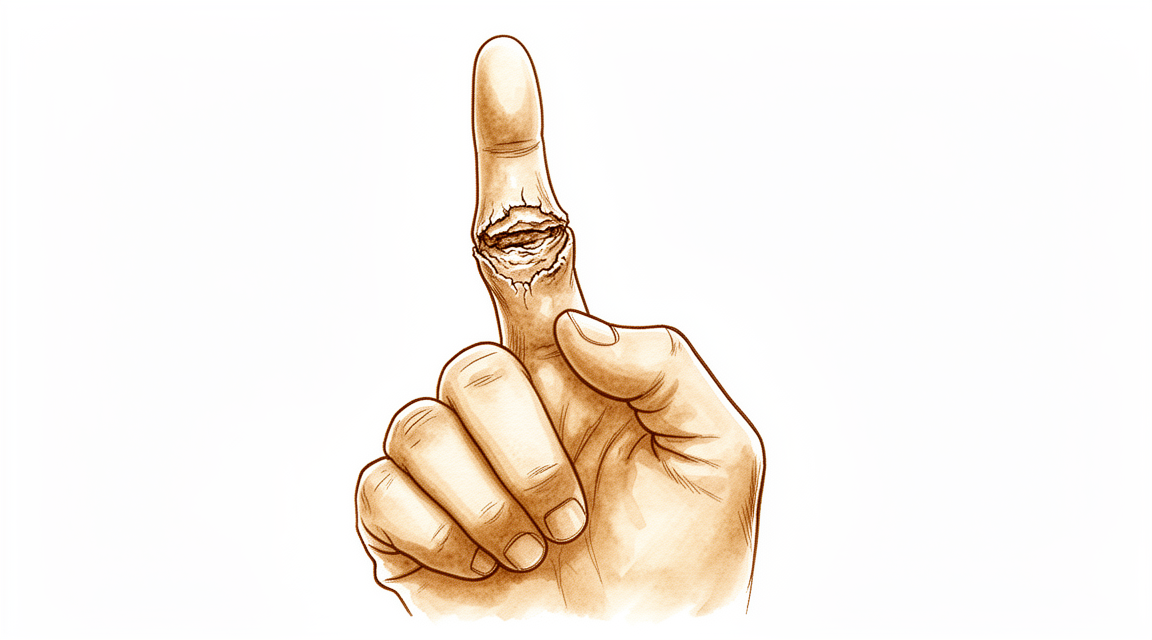
یہ پروٹوکول پی آئی پی جوڑ (PIP joint) کے فیوژن (arthrodesis) یعنی انگلی کے درمیانی جوڑ کو مستقل طور پر جوڑ کر ایک کر دینے کے بعد آپ کی صحت یابی میں رہنمائی کرتا ہے، اور یہ آپریشن ڈاکٹر کیرن ہِرپرا Mater Private Hospital Rockhampton میں کرتے ہیں۔ یہ صفحہ گھر پر کی جانے والی ورزشوں کے پروگرام سے شروع ہوتا ہے، جس کے بعد وہ باقاعدہ طبی پروٹوکول ہے جو آپ کے ہینڈ تھراپسٹ (ہاتھ کی بحالی کے ماہر) کے لیے لکھا گیا ہے: تھراپی کی اپنی پہلی ملاقات پر یہ صفحہ یا اس کی پی ڈی ایف ساتھ لائیں تاکہ آپ کی بحالی میں سب ایک ساتھ رہیں۔ آپ کا ہینڈ تھراپسٹ آپ کی صحت یابی کی پیش رفت کے مطابق منصوبے میں تبدیلی کر سکتا ہے۔
اگر آپریشن کے بعد آپ کو اپنے زخم کے بارے میں کوئی تشویش ہو تو کلینک سے رابطہ کریں۔ اکثر یہ مددگار ہوتا ہے کہ زخم کی تصویر لے کر جائزے کے لیے ای میل کر دیں۔
کیا توقع رکھیں
پی آئی پی جوڑ کے فیوژن میں انگلی کے گھسے ہوئے یا ڈھیلے درمیانی جوڑ کو پختہ طور پر جوڑ دیا جاتا ہے، تاکہ وہ پھر حرکت نہ کرے۔ جوڑ کو بالکل سیدھا رکھنے کے بجائے کام کے لیے موزوں، ہلکی سی مڑی ہوئی حالت میں جوڑا جاتا ہے: شہادت کی انگلی اور درمیانی انگلی میں یہ خم ہلکا ہوتا ہے (تقریباً 15 سے 20 ڈگری) اور ہاتھ کی چھوٹی انگلی والی طرف بڑھتا جاتا ہے (انگوٹھی والی انگلی اور چھوٹی انگلی میں تقریباً 25 سے 40 ڈگری)، اسی قدرتی ترتیب کے مطابق جو آپ کی انگلیاں مڑتے وقت بناتی ہیں۔ جوڑے گئے جوڑ کو ایک چھوٹے امپلانٹ (جسم میں لگایا گیا مصنوعی پرزہ) سے اپنی جگہ تھاما جاتا ہے (ٹینشن بینڈ تار، بغیر سر والا پیچ، کے-وائر (K-wires) یا ایک چھوٹی پلیٹ)، جو اس زاویے کو اس وقت تک مستحکم رکھتا ہے جب تک فیوژن کے آر پار ہڈی جڑ نہ جائے۔
یہ آپریشن اکثر شہادت کی انگلی اور درمیانی انگلی کے لیے چنا جاتا ہے، جہاں درمیانی جوڑ کی حرکت سے زیادہ چٹکی کی گرفت کے لیے مستحکم جوڑ اہم ہوتا ہے۔ آپریشن کے بعد پی آئی پی جوڑ کو اکڑا ہوا ہی رہنا ہے: آپریشن کا مقصد یہی ہے۔ اس لیے ٹینڈن (tendon)، یعنی وہ مضبوط ڈوری جو پٹھے کو ہڈی سے جوڑتی ہے، یا لیگامنٹ (ligament)، یعنی وہ مضبوط بندھن جو ایک ہڈی کو دوسری ہڈی سے جوڑتا ہے، کی مرمت کے برعکس، یہاں صحت یابی کا مقصد اس جوڑ کی حرکت واپس لانا نہیں؛ مقصد یہ ہے کہ ہڈی جڑنے تک فیوژن کی حفاظت کی جائے، اور ساتھ ہی ہاتھ کے باقی ہر جوڑ کو آزادانہ حرکت میں رکھا جائے۔
منصوبہ چار باتوں پر مبنی ہے:
- ہڈی جڑنے تک فیوژن کی حفاظت کریں۔ ہڈی کے جڑنے میں عموماً تقریباً چھ ہفتے لگتے ہیں، اور بعض اوقات نو سے بارہ ہفتے تک۔ تب تک جوڑے گئے جوڑ کو اسپلنٹ میں سہارا دیا جاتا ہے۔
- پہلے دن سے باقی سب کچھ حرکت میں رکھیں: انگلی کے سرے والا جوڑ، انگلی کی جڑ کا جوڑ (knuckle)، ساتھ والی انگلیاں، انگوٹھا اور کلائی، تاکہ ٹینڈن چپک نہ جائیں اور باقی ہاتھ اکڑ نہ جائے۔
- ابتدائی ہفتوں میں سوجن اور زخم کے نشان کی دیکھ بھال کریں۔
- فیوژن جڑ جانے کے بعد گرفت اور چٹکی کی گرفت بحال کریں۔ تمباکو نوشی نہ کریں: یہ بات معلوم ہے کہ تمباکو نوشی ہڈی کے بھرنے کو سست کرتی ہے اور فیوژن کے جڑنے میں تاخیر کرتی ہے۔
احتیاطیں اور پابندیاں
- جب تک فیوژن جڑ نہ جائے، آپریشن والی انگلی پر ہرگز نہ بوجھ ڈالیں، نہ اس سے زور سے گرفت کریں اور نہ زور سے چٹکی بھریں (عموماً تقریباً چھ ہفتے، بعض اوقات اس سے زیادہ): ہڈی جڑنے سے پہلے بوجھ ڈالنے سے یہ خطرہ ہوتا ہے کہ فیوژن کامیاب نہ ہو۔
- ہدایت کے مطابق جوڑے گئے جوڑ کو اسپلنٹ میں بالکل بے حرکت رکھیں؛ اسے "آزمانے" یا موڑنے کی کوشش نہ کریں۔
- پہلے دنوں سے باقی ہر جوڑ کو حرکت میں رکھیں: انگلی کے سرے والا جوڑ، انگلی کی جڑ کا جوڑ، دوسری انگلیاں، انگوٹھا اور کلائی۔
- اسپلنٹ کو صاف اور خشک رکھیں، اسے ہدایت کے مطابق پہنیں، اور زخم اور پن لگنے کی کسی بھی جگہ کا خیال رکھیں۔
- جب تک آپ اسٹیئرنگ کو محفوظ طریقے سے قابو نہ کر سکیں، ہرگز گاڑی نہ چلائیں، عموماً اس وقت تک جب تک آپ تقریباً چار سے چھ ہفتے پر اسپلنٹ سے باہر نہ آ جائیں۔
- تمباکو نوشی نہ کریں: یہ ہڈی کے جڑنے میں تاخیر کرتی ہے۔
زخم، سوجن اور زخم کے نشان کی دیکھ بھال کے لیے کلینک کی زخم کی دیکھ بھال سے متعلق رہنمائی دیکھیں۔
آپ کی ورزشیں
Kieran Hirpara 4.0
آپریشن والی انگلی کے ڈی آئی پی جوڑ کی حرکت
اپنے ہینڈ تھراپسٹ کی اجازت سے، آپریشن والی انگلی کے بالکل آخری (سرے والے) جوڑ کو آہستہ سے موڑیں اور سیدھا کریں۔ انگلی کے درمیانی حصے کو دوسرے ہاتھ سے تھامے رکھیں تاکہ صرف انگلی کا سرا حرکت کرے۔ جوڑا گیا جوڑ ہرگز حرکت نہ کرے، بالکل بے حرکت رہے — صرف سرا مڑے۔ اس جوڑ کو حرکت میں رکھنے سے فیوژن بھرنے کے دوران ٹینڈن چپکتے نہیں۔
10 بار، دن میں 3 بار، صرف انگلی کے سرے والا جوڑ
Kieran Hirpara 4.0
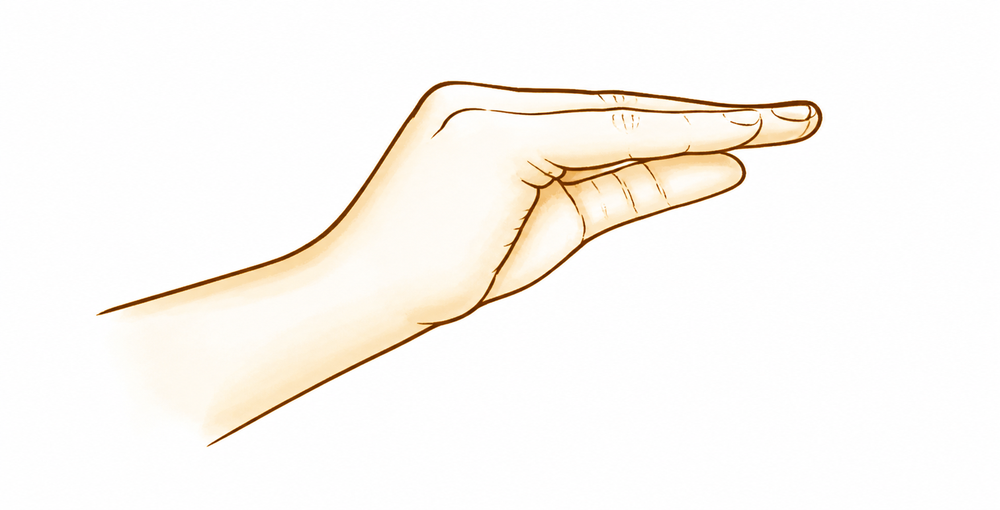
آپریشن والی انگلی کے ایم سی پی (انگلی کی جڑ کے) جوڑ کی حرکت
آپریشن والی انگلی کی جڑ کے بڑے جوڑ (جہاں انگلی ہاتھ سے ملتی ہے) کو آہستہ سے موڑیں اور سیدھا کریں۔ جوڑا گیا درمیانی جوڑ پورا وقت بے حرکت رہتا ہے — صرف انگلی کی جڑ کا جوڑ حرکت کرتا ہے۔ اس سے یہ جوڑ لچکدار رہتا ہے اور فیوژن کے مستحکم ہونے کے دوران انگلی اکڑتی نہیں۔
10 بار، دن میں 3 بار، صرف انگلی کی جڑ کا جوڑ
Kieran Hirpara 4.0
اپنی باقی تمام انگلیوں، انگوٹھے اور کلائی کو حرکت دیں
بالکل پہلے دنوں سے، ہر وہ جوڑ جس کا آپریشن نہیں ہوا آزادانہ حرکت میں رکھیں — اپنی دوسری انگلیوں سے پوری مٹھی بنائیں اور ہاتھ پوری طرح کھولیں، انگوٹھے کو ہر سمت میں حرکت دیں، اور کلائی کو موڑیں، سیدھا کریں اور گول گھمائیں۔ جب تک جوڑے گئے جوڑ کی حفاظت کی جا رہی ہے، ہاتھ کو لچکدار رکھنے اور اکڑاؤ سے بچانے کے لیے یہ سب سے اہم کام ہے جو آپ کر سکتے ہیں۔
ہر ایک 10 بار، دن میں کئی بار
Kieran Hirpara 4.0
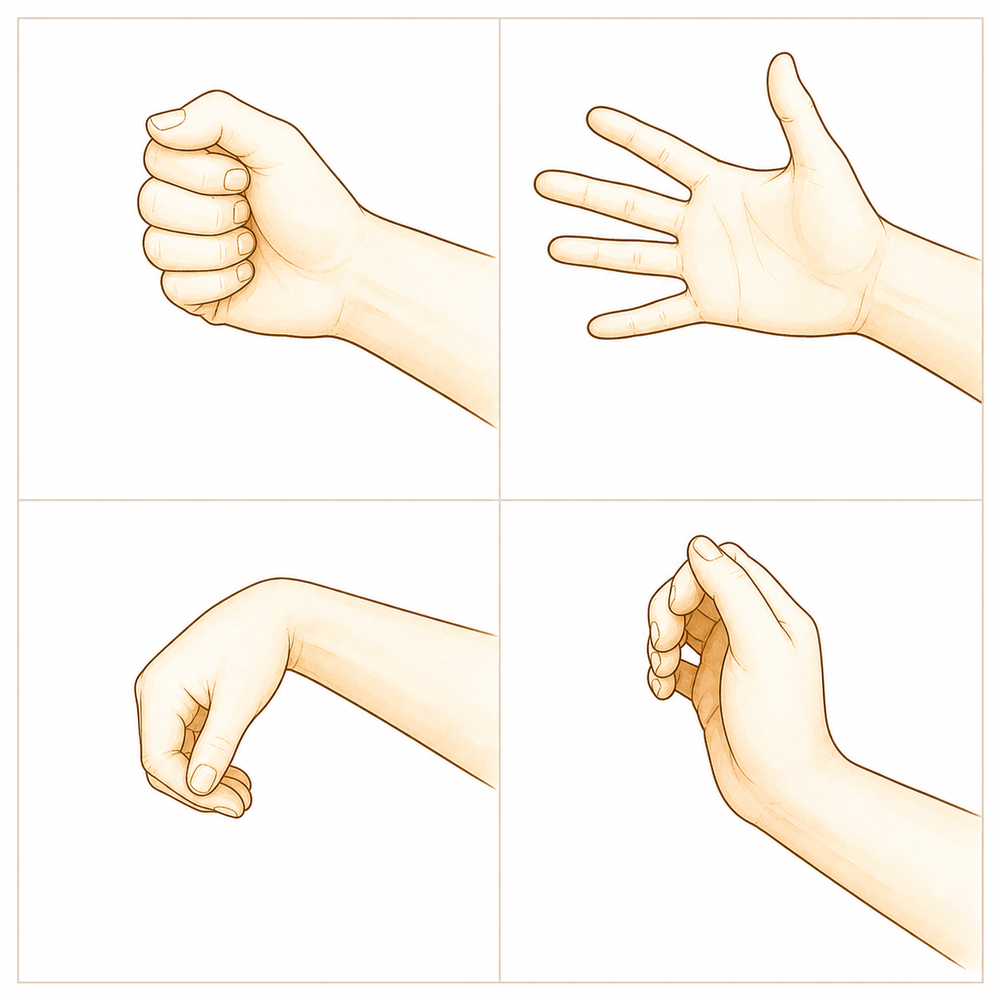
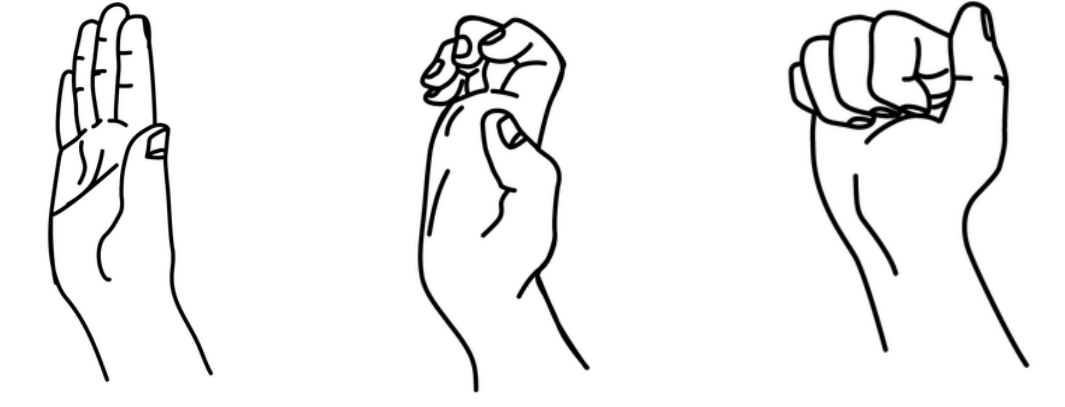
ٹینڈن گلائیڈ ورزشیں (ہک، مٹھی، سیدھا ہاتھ)
ٹینڈن کو سرکتا رکھنے کے لیے اپنے ہاتھ کو آہستہ آہستہ تین شکلوں سے گزاریں: ہک (انگلیوں کے سرے اور درمیانی جوڑ موڑیں، انگلیوں کی جڑ کے جوڑ سیدھے رہیں)، پوری مٹھی، پھر چپٹا سیدھا ہاتھ۔ آپریشن کے بغیر والی انگلیوں سے یہ پوری طرح کریں، اور آپریشن والی انگلی کو صرف اتنا حرکت کرنے دیں جتنا اس کے آزاد (غیر جوڑے گئے) جوڑ اجازت دیں۔ اس سے ٹینڈن ہموار طریقے سے چلتے رہتے ہیں اور آپریشن کی جگہ کے قریب چپکتے نہیں۔
ہر شکل 5 بار، دن میں 3 بار
Kieran Hirpara 4.0
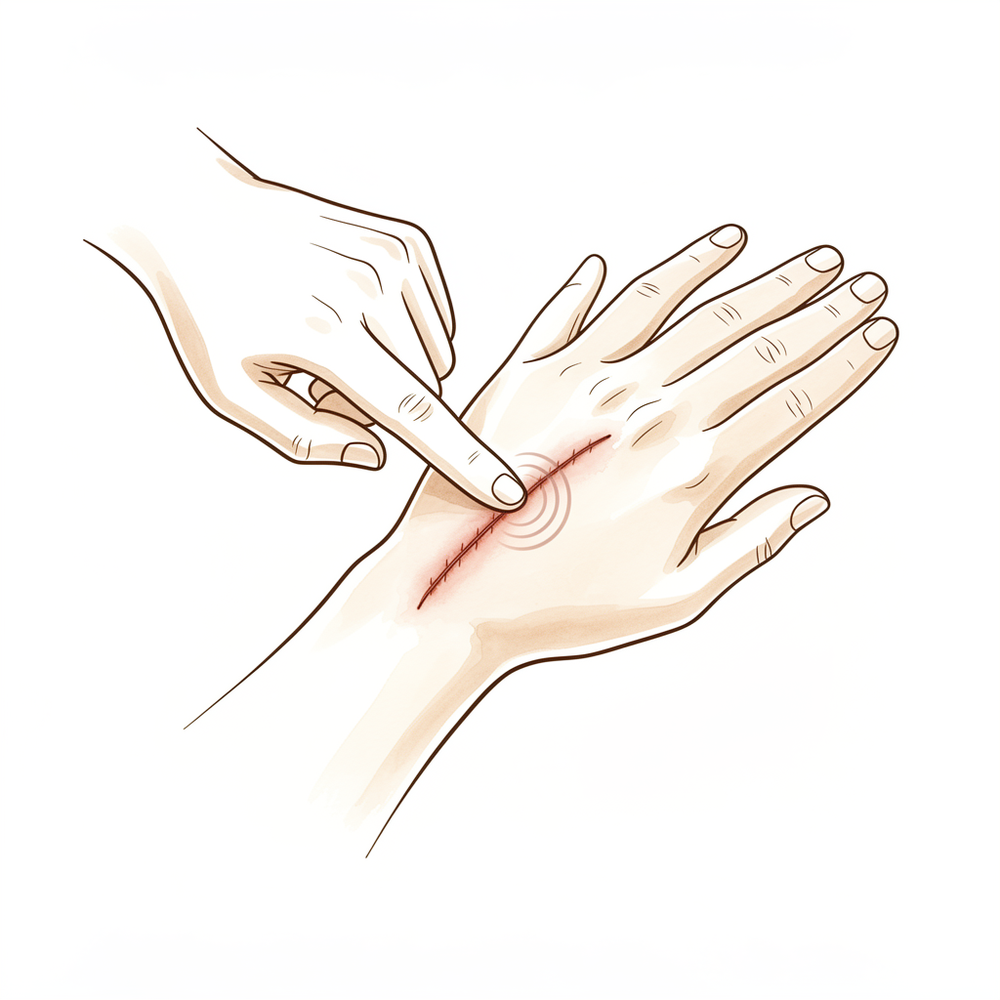
زخم کے نشان کی مالش
جب زخم پوری طرح بھر جائے اور آپ کا ہینڈ تھراپسٹ اسے دیکھ لے، تو مضبوط چھوٹے دائروں میں چند منٹ تک تھوڑا سا موئسچرائزر زخم کے نشان پر ملیں۔ اس سے نشان نرم ہوتا ہے، چھونے پر درد کم ہوتا ہے، اور نشان نیچے کے ٹشوز سے چپکتا نہیں۔ جب تک جلد پوری طرح بند نہ ہو جائے، یہ شروع نہ کریں۔
2 سے 3 منٹ، دن میں 2 سے 3 بار (زخم بھر جانے کے بعد)
Kieran Hirpara 4.0
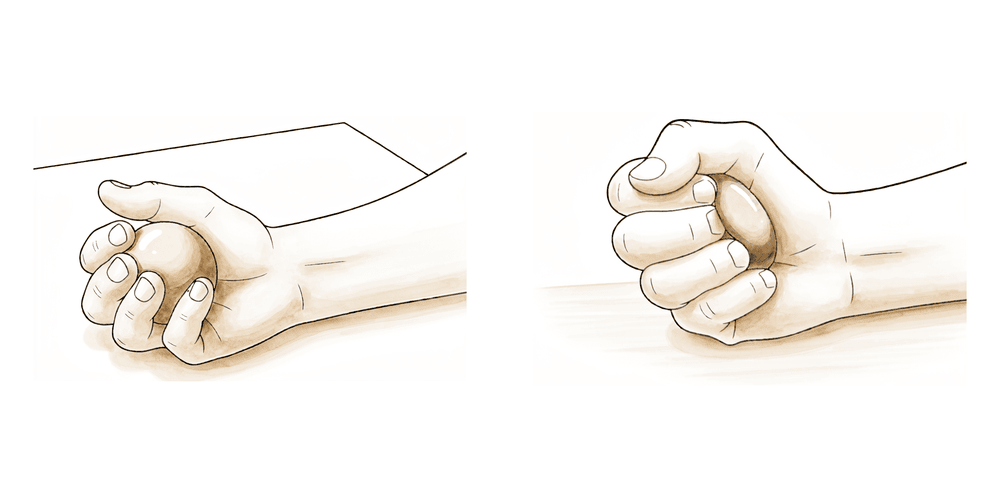
چٹکی اور گرفت کی طاقت بڑھانا (ہڈی جڑنے کے بعد)
یہ بعد کے مرحلے کی ورزش ہے — صرف اس وقت جب فیوژن جڑ جائے اور آپ کا ہینڈ تھراپسٹ آپ کو طاقت بڑھانے کی ورزشیں شروع کروائے (عموماً تقریباً چھ ہفتے بعد)۔ گرفت کے لیے ایک نرم گیند یا پُٹّی دبائیں، اور انگوٹھے اور آپریشن والی انگلی کے درمیان کوئی چھوٹی چیز چٹکی میں پکڑیں تاکہ پہلو کی وہ چٹکی کی گرفت (lateral pinch) مضبوط ہو جسے مستحکم کرنے کے لیے فیوژن کیا گیا تھا۔ زور بتدریج بڑھائیں۔ اجازت ملنے سے پہلے مزاحمت کے ساتھ ہرگز نہ گرفت کریں اور نہ چٹکی بھریں — اس سے ہڈی جڑنے سے پہلے ہی فیوژن پر بوجھ پڑتا ہے۔
10 بار، دن میں 2 سے 3 بار، رہنمائی کے مطابق (صرف ہڈی جڑنے کے بعد)
یہ آپ کے ہینڈ آؤٹ میں دی گئی ورزشیں ہیں۔ انہیں صرف ڈاکٹر ہِرپرا اور اپنے ہینڈ تھراپسٹ کی رہنمائی کے مطابق شروع کریں، اور آپ کو جو بھی پابندیاں بتائی گئی ہیں ان کے اندر رہیں۔ ابتدائی ورزشیں انگلی کے سرے والے جوڑ، انگلی کی جڑ کے جوڑ، اور آپ کی باقی تمام انگلیوں، انگوٹھے اور کلائی کو حرکت میں رکھتی ہیں، لیکن خود جوڑے گئے جوڑ کو نہ حرکت دیتی ہیں اور نہ اس پر بوجھ ڈالتی ہیں، جو اپنے اسپلنٹ میں بے حرکت رہتا ہے۔ زخم کے نشان کی مالش زخم بھر جانے کے بعد شروع ہوتی ہے۔ چٹکی اور گرفت کی طاقت بڑھانے کی ورزشیں بعد کے مرحلے کا حصہ ہیں اور جب تک فیوژن جڑ نہ جائے اور آپ کو خاص طور پر اجازت نہ ملے، انہیں شروع نہیں کرنا چاہیے۔ جس چیز سے جوڑے گئے جوڑ پر تیز درد ہو اسے روک دیں۔
آپ کا طبی پروٹوکول
اس صفحے کا باقی حصہ پی آئی پی جوڑ کے آرتھروڈیسس (arthrodesis) کے بعد بحالی کا مرحلہ وار طبی پروٹوکول ہے۔ یہ حصہ آپ کے ہینڈ تھراپسٹ کو دیا جانا ہے، اور ہر مرحلہ عام فہم زبان میں اس وضاحت سے شروع ہوتا ہے کہ کیا ہو رہا ہے۔ ہڈی کے جڑنے (bony union) تک فیوژن کو بوجھ سے بچانا ضروری ہے (عموماً تقریباً 6 ہفتے، اور 9 سے 12 ہفتے تک)؛ بنیادی اصول ہے "جوڑے گئے جوڑ کی حفاظت کریں، باقی سب کو حرکت دیں": ٹینڈن کے چپکنے اور اکڑاؤ سے بچانے کے لیے ڈی آئی پی (DIP) اور ایم سی پی (MCP) جوڑ، ساتھ والی انگلیاں، انگوٹھا اور کلائی پہلے دن سے حرکت کرتے ہیں، سوجن اور زخم کے نشان کی دیکھ بھال جلد شروع کی جاتی ہے، اور گرفت/چٹکی کی گرفت صرف ہڈی جڑنے کے بعد بحال کی جاتی ہے۔
علاج شروع کرنے سے پہلے مریض کی آپریشن رپورٹ اور پچھلی طبی تاریخ دیکھیں، اور علاج کرنے والے سرجن سے استعمال کی گئی فکسیشن (ٹینشن بینڈ تار، ہڈی کے اندر لگایا گیا بغیر سر والا پیچ (headless intramedullary screw)، کے-وائر یا پلیٹ)، فیوژن کے طے شدہ زاویے، اور اس بارے میں رابطہ کریں کہ آیا کے-وائر اندر دبے ہوئے ہیں یا انہیں نکالا جانا ہے۔ ڈاکٹر ہِرپرا پی آئی پی جوڑ کو کام کے لیے موزوں مڑی ہوئی حالت میں جوڑتے ہیں جس کا خم ہاتھ کے آر پار چھوٹی انگلی (ulnar) کی طرف بڑھتا جاتا ہے (شہادت/درمیانی انگلی تقریباً 15 سے 20 ڈگری، انگوٹھی والی/چھوٹی انگلی تقریباً 25 سے 40 ڈگری)، اور یہ آپریشن زیادہ تر شہادت/درمیانی انگلی کے لیے کیا جاتا ہے جہاں پہلو کی چٹکی کی گرفت (lateral pinch) کا استحکام پی آئی پی جوڑ کی حرکت سے زیادہ اہم ہوتا ہے۔ ایکسرے پر ہڈی جڑنے تک جوڑے گئے جوڑ کو اسپلنٹ میں رکھا جاتا ہے؛ شواہد کمزور درجے کے ہیں (لیول 4 کیس سیریز اور ماہرین کی متفقہ رائے)، اس لیے اوقات ہر مریض کے لیے الگ طے کیے جاتے ہیں، یہ درجہ بند حدیں نہیں ہیں۔
مرحلہ 1 — حفاظت اور سکون (ہفتہ 0 سے 2)
پہلے دو ہفتے فیوژن کی حفاظت کرتے ہیں اور سوجن اور زخم کو پرسکون ہونے دیتے ہیں، جبکہ ہاتھ کا باقی ہر جوڑ فوراً حرکت شروع کر دیتا ہے۔
آپ کے ہینڈ تھراپسٹ کے لیے:
بے حرکت رکھنا - ابتدائی ہتھیلی کی طرف (volar) انگلی کا اسپلنٹ یا پلستر جو ایم سی پی اور پی آئی پی جوڑوں پر ہو، لیکن ڈی آئی پی جوڑ کو آزاد چھوڑے - جوڑا گیا پی آئی پی جوڑ بے حرکت؛ سوجن کے لیے اونچا رکھنا
تعلیم اور احتیاطیں - آپریشن والی انگلی سے نہ گرفت، نہ چٹکی اور نہ کوئی بوجھ - اسپلنٹ کو صاف اور خشک رکھیں؛ زخم اور پن لگنے کی کسی بھی جگہ کی حفاظت کریں
علاج - زخم: ہدایت کے مطابق سرجیکل پٹیاں؛ انفیکشن کے لیے نگرانی کریں، اور اگر کے-وائر استعمال ہوئے ہوں تو پن کی جگہوں کی بھی - سوجن (oedema): اونچا رکھنا، آزاد جوڑوں کو ہلکے سے بار بار حرکت دینا (pumping)، ضرورت کے مطابق برف - ورزشیں: پہلے دن سے تمام غیر جوڑے گئے جوڑوں کی ایکٹو حرکت: ساتھ والی انگلیاں (پوری مٹھی/پوری طرح سیدھا کرنا)، انگوٹھا، کلائی؛ آپریشن والی انگلی کے ڈی آئی پی جوڑ کی ایکٹو حرکت چند دنوں کے اندر شروع کریں؛ ساتھ والی انگلیوں کی ٹینڈن گلائیڈ ورزشیں (tendon glides)؛ جوڑے گئے پی آئی پی جوڑ کی نہ کوئی حرکت اور نہ اس پر بوجھ
اگلے مرحلے میں جانے کی شرائط - زخم پرسکون ہو رہا ہو؛ سوجن قابو میں ہو؛ تقریباً 2 ہفتے پر مستقل، ناپ کے مطابق بنے اسپلنٹ کے لیے تیار
مرحلہ 2 — ناپ کے مطابق تھرموپلاسٹک اسپلنٹ اور آزاد جوڑوں کی ایکٹو حرکت (ہفتہ 2 سے 6)
تقریباً دو ہفتے سے ایک ناپ کے مطابق بنا تھرموپلاسٹک اسپلنٹ (thermoplastic splint، گرم کر کے ناپ کے مطابق ڈھالا گیا اسپلنٹ) جوڑے گئے جوڑ کو سہارا دیتا ہے اور ساتھ والے جوڑوں کو ایکٹو حرکت کے لیے آزاد چھوڑتا ہے۔ آپریشن والی انگلی کے ڈی آئی پی اور ایم سی پی جوڑوں کی ورزش اسپلنٹ سے باہر کی جاتی ہے؛ جوڑا گیا پی آئی پی جوڑ محفوظ رہتا ہے۔ ابھی مزاحمت کے ساتھ نہ گرفت، نہ چٹکی اور نہ کوئی بوجھ۔
آپ کے ہینڈ تھراپسٹ کے لیے:
جائزے - ساتھ والے جوڑوں کی حرکت کی حد (ROM)، سوجن، زخم/نشان کا جائزہ؛ طبی معائنے کی بنیاد پر اور سرجن کے مطابق تصدیق کریں کہ فکسیشن مستحکم ہے
بے حرکت رکھنا - ناپ کے مطابق بنے تھرموپلاسٹک اسپلنٹ پر منتقلی جو جوڑے گئے پی آئی پی جوڑ کو سہارا دے اور ساتھ والے جوڑوں کو آزاد چھوڑے؛ تقریباً 6 ہفتے تک مسلسل حفاظتی اسپلنٹ
تعلیم اور احتیاطیں - ہڈی جڑنے تک آپریشن والی انگلی سے مزاحمت کے ساتھ نہ گرفت، نہ چٹکی اور نہ کوئی بوجھ - اسپلنٹ صرف ورزشوں کے لیے اتارا جائے
علاج - ورزشیں: آپریشن والی انگلی کے ڈی آئی پی اور ایم سی پی جوڑوں کی اسپلنٹ سے باہر ایکٹو حرکت (ڈی آئی پی چند دنوں کے اندر شروع کی گئی، ایم سی پی یہاں شامل کی جاتی ہے)؛ ساتھ والی انگلیوں کی ٹینڈن گلائیڈ ورزشیں؛ انگوٹھے/کلائی/ساتھ والی انگلیوں کی حرکت جاری؛ زخم بھر جانے پر زخم کے نشان اور سوجن کی دیکھ بھال شروع کریں - مزاحمت کے ساتھ نہ گرفت، نہ چٹکی اور نہ بوجھ
اگلے مرحلے میں جانے کی شرائط - ایکسرے پر ہڈی کا جڑنا (عموماً تقریباً 6 ہفتے پر، اور 9 سے 12 ہفتے تک)؛ کسی بھی بوجھ سے پہلے جوڑا گیا جوڑ طبی معائنے اور ایکسرے دونوں پر مستحکم ہو
مرحلہ 3 — اسپلنٹ چھڑانا اور ہلکے استعمال کو آگے بڑھانا (تقریباً 6 ہفتے سے، ہڈی جڑ جانے کے بعد)
جب فیوژن جڑ جائے (عموماً تقریباً چھ ہفتے پر)، تو اسپلنٹ کا استعمال بتدریج کم کیا جاتا ہے اور اسے چھوٹا کیا جاتا ہے، ہلکا روزمرہ استعمال شروع کیا جاتا ہے، اور چٹکی کی گرفت، انگوٹھے کو انگلیوں سے ملانا (opposition) اور گرفت آہستہ آہستہ دوبارہ مضبوط کیے جاتے ہیں۔ اگر کے-وائر استعمال ہوئے ہوں تو انہیں عموماً تقریباً چھ ہفتے پر نکال دیا جاتا ہے۔
آپ کے ہینڈ تھراپسٹ کے لیے:
جائزے - سرجن کے ساتھ ایکسرے پر ہڈی جڑنے کی تصدیق کریں؛ دوسرے ہاتھ کے مقابلے میں گرفت/چٹکی کی گرفت کی طاقت؛ آزاد جوڑوں کی حرکت کی حد؛ زخم کا نشان
تعلیم اور احتیاطیں - ہڈی جڑنے کی تصدیق ہو جانے پر اسپلنٹ بتدریج چھڑائیں اور اسے چھوٹا کریں؛ اگر کے-وائر استعمال ہوئے ہوں تو تقریباً 6 ہفتے پر نکالیں - بوجھ بتدریج بڑھائیں: پہلے ہلکا استعمال، پھر درجہ بدرجہ چٹکی/گرفت
علاج - ورزشیں: ہلکے روزمرہ استعمال سے آگے بڑھ کر چٹکی کی گرفت، انگوٹھے کو انگلیوں سے ملانا اور گرفت کی طرف جائیں؛ گرفت/چٹکی کی طاقت بڑھانا شروع کریں (گیند/پُٹّی، پہلو کی چٹکی کی گرفت) اور بتدریج بڑھائیں؛ زخم کے نشان پر کام جاری رکھیں - ایکسرے پر ہڈی جڑنے کے بعد اسپلنٹ بتدریج چھڑایا جاتا ہے
اگلے مرحلے میں جانے کی شرائط - جڑا ہوا فیوژن جو بغیر درد کے ہلکا بوجھ برداشت کرے؛ اسپلنٹ بند؛ طاقت بتدریج بڑھانے کے لیے تیار
مرحلہ 4 — طاقت کو بتدریج بڑھانا اور واپسی (تقریباً ہفتہ 8 تا 12 سے)
فیوژن جڑ جانے اور ہلکا استعمال بحال ہونے کے بعد، طاقت اور بوجھ کو آگے بڑھایا جاتا ہے، اور کھیل، بھاری یا جسمانی مشقت والے کاموں پر واپسی بتدریج کی جاتی ہے۔ آخری، مستحکم نتیجہ تقریباً نو سے بارہ ماہ میں حاصل ہوتا ہے۔
آپ کے ہینڈ تھراپسٹ کے لیے:
جائزے - دوسری طرف کے مقابلے میں گرفت اور چٹکی کی گرفت کی طاقت؛ ضرورت کے مطابق عملی اور کام/کھیل کے مطابق جانچ
تعلیم اور احتیاطیں - مزاحمت والا بوجھ بتدریج بڑھائیں؛ جوڑا گیا جوڑ ارادتاً ہمیشہ کے لیے اکڑا ہوا رہتا ہے؛ طاقت کی توجہ گرفت اور پہلو کی چٹکی کی گرفت پر رکھیں
علاج - ورزشیں: گرفت اور چٹکی کی گرفت کی طاقت اور بوجھ کو بتدریج بڑھانا؛ کھیل، بھاری اور جسمانی مشقت والے کاموں پر درجہ بدرجہ واپسی - جب طاقت کام کے قابل اور تقریباً دونوں طرف برابر ہو جائے تو علاج ختم کرنے پر غور کریں؛ اگر صحت یابی ایک جگہ رک جائے تو مریض کو دوبارہ علاج کرنے والے ڈاکٹر کے پاس بھیجیں
واپسی کی شرائط - بوجھ کے تحت درد سے پاک، مستحکم جوڑا گیا جوڑ؛ کام کے لیے کافی گرفت/چٹکی کی طاقت، جس کا فیصلہ کیلنڈر سے نہیں بلکہ طبی معائنے سے کیا جائے؛ آخری، مستحکم نتیجہ 9 سے 12 ماہ میں
کام اور سرگرمیوں پر واپسی
ہاتھ کے باقی حصے کا ہلکا روزمرہ استعمال شروع سے ہی آرام کی حد کے اندر کرنے کی ترغیب دی جاتی ہے؛ سب سے اہم پابندی یہ ہے کہ جب تک فیوژن جڑ نہ جائے، آپریشن والی انگلی سے نہ گرفت کریں، نہ چٹکی بھریں اور نہ اس پر بوجھ ڈالیں۔ جب تک آپ اسٹیئرنگ کو محفوظ طریقے سے قابو نہ کر سکیں، آپ ہرگز گاڑی نہ چلائیں، اس لیے ابتدائی ہفتوں میں آنے جانے کے لیے مدد کا انتظام کر لیں؛ گاڑی چلانا عموماً تقریباً چار سے چھ ہفتے پر دوبارہ شروع ہوتا ہے، جب آپ اسپلنٹ سے باہر آ جائیں اور گاڑی کو محفوظ طریقے سے قابو کر سکیں۔
ہڈی جڑنے کے بعد (تقریباً چھ ہفتے پر) آپ ہلکا استعمال اور ہلکی گرفت شروع کر سکتے ہیں۔ کچھ اٹھانا، گرفت اور چٹکی کی گرفت تقریباً آٹھ ہفتے سے بڑھائی جاتی ہیں، اور پوری سرگرمی یا کھیل تقریباً بارہ ہفتے سے۔ فیوژن کئی ماہ تک مستحکم ہوتا رہتا ہے، اس لیے آخری، پوری طرح مستحکم نتیجہ تقریباً نو سے بارہ ماہ میں سامنے آتا ہے۔ یہ اوقات ایک کلینک کے ماہرین کی متفقہ رائے پر مبنی رہنما اندازے ہیں (عام اور ہر مریض کے لیے الگ، درجہ بند حدیں نہیں)، اور آپ کی پیش رفت کا فیصلہ صرف کیلنڈر سے نہیں بلکہ ڈاکٹر ہِرپرا اور آپ کا ہینڈ تھراپسٹ اس بات کے مطابق کرتے ہیں کہ فیوژن کیسے بھر رہا ہے۔
آپ کے پروٹوکول کے بعد
یہ پروٹوکول کلینک کے صحت یابی سے متعلق عمومی مشوروں کے ساتھ مل کر کام کرتا ہے؛ یہ بھی دیکھیں: آپریشن کے بعد درد پر قابو پانا، زخم کی دیکھ بھال اور زخم کے نشان کی دیکھ بھال۔ اوپر دیا گیا مرحلہ وار منصوبہ پی آئی پی جوڑ کے آرتھروڈیسس کے بعد بحالی سے متعلق شائع شدہ رہنمائی کی عکاسی کرتا ہے، اور آپ کی آگے کی صحت یابی میں ڈاکٹر ہِرپرا اور آپ کا ہینڈ تھراپسٹ اس بات کے مطابق انفرادی طور پر رہنمائی کرتے ہیں کہ آپ کی انگلی کیسے بھر رہی ہے۔
Evidence & references
This is the clinical evidence summary written for health professionals. It is technical, and it lists the research this page was built from. You do not need to read it to understand your treatment or to make a decision about it.
PIP Joint Fusion — Procedure Outcomes & Post-operative Rehabilitation (Proximal Interphalangeal Arthrodesis)
Topic scope: post-operative rehabilitation after arthrodesis (fusion) of the proximal interphalangeal (PIP) joint of a finger — a worn, painful or unstable PIP joint is fused solid in a functional flexed position. This is a fusion, not a reconstruction or a motion- preserving procedure: the PIP is deliberately made stiff to trade motion for a stable, pain-free, load-bearing digit. The rehab is therefore not about regaining PIP motion but about protecting the construct until bony union while keeping every other joint of the hand moving, then restoring grip and pinch.
Defining principle of the rehab here: PIP arthrodesis eliminates motion at one joint by design to gain stability for pinch and grip. The fused joint is set in a functional flexed position that increases ulnar-ward across the hand (index/middle ≈ 15–20°, ring/little ≈ 25–40°, following the digital cascade) and held by internal fixation (tension-band wire, headless intramedullary screw, K-wires, or plate) until union. Because nothing here needs to move to heal — it needs to unite — the single governing rule is "protect the fused joint, mobilise everything else." DIP, MCP, adjacent digits, thumb and wrist move from day one to prevent tendon adhesion and stiffness; oedema and scar are managed early; grip and pinch are restored only after radiographic union (~6 weeks, up to 9–12). The branch point is the indication — primary degenerative/post-traumatic fusion versus salvage of a failed PIP arthroplasty, where union is slower and the construct more demanding.
A. PROCEDURE OUTCOMES (PIP arthrodesis)
PIP arthrodesis is a reliable, well-established salvage and reconstructive operation, but its evidence base is uniformly low-level — predominantly retrospective level-4 case series and expert opinion, with no randomised controlled trials. Outcomes are reported as union, complication and reoperation rates rather than from comparative trials.
- The evidence base is low-level and consensus-driven. A systematic review of PIP arthrodesis found the literature is overwhelmingly level-4 (~94%) with no RCTs; conclusions on fixation choice and outcomes rest on case series and expert consensus [EFORT Open Rev 2021, DOI 10.1530/eor-21-0102]. Low (level-4 SR, no RCTs).
- Fixation holds the angle to union; nonunion and reoperation are the principal concerns. Series reporting nonunion and reoperation identify patient factors (including smoking and comorbidity) as drivers of failure, underscoring that the rehab job is to protect the construct until the bone joins [HAND 2020, DOI 10.1177/1558944720939196]. Low–moderate (case series).
- The fusion angle is chosen for function, especially pinch. A biomechanical/kinematic study of index PIP fusion (simulated 30–50°) shows the set angle is a functional trade-off: fusing the index/middle PIP stabilises lateral (key) pinch at the cost of PIP motion, which is why these digits are common fusion sites [J Hand Surg Am 2011, DOI 10.1016/j.jhsa.2011.09.010]. Mechanistic / cadaveric.
- Arthrodesis is a dependable salvage for failed PIP arthroplasty, but union is slow. A series of arthrodesis for failed PIP joint replacement reported a mean time to union of 5.8 months, illustrating that salvage fusions unite more slowly than primary fusions and need correspondingly extended protection [J Hand Surg Am 2011, DOI 10.1016/j.jhsa.2010.10.030]. Low (case series).
- The biomechanics of digital loss/fusion frame the functional cost. Reviews of the biomechanics of digital amputation and fusion describe how eliminating an IP joint redistributes grip and pinch mechanics — the rationale for accepting a stiff joint when it buys stability [Hand Clin 2016, DOI 10.1016/j.hcl.2016.07.003]. Mechanistic / narrative.
B. REHABILITATION / THERAPY EVIDENCE
There are no trials of rehab regimens after PIP arthrodesis; the programme is built on sound surgical principle and expert consensus. The two evidence-anchored levers are the union timeline (which sets when load may be applied) and the modifiable risk factor of smoking (which delays union).
- Protect-until-union, mobilise-everything-else is the consensus regimen. The fused PIP is splinted continuously until radiographic union (~6 weeks, up to 9–12); from day one the DIP, MCP, adjacent digits, thumb and wrist are actively moved to prevent tendon adhesion and global hand stiffness. This is stable across sources (surgeon protocols, hand-therapy guidance and patient-education material) even though it is not trial-tested [Melbourne Arm Clinic protocol; OrthOracle PIPJ arthrodesis; OrthoInfo finger IP fusion]. Consensus / expert.
- Smoking is an evidence-supported delayed-union risk. A study of hand and wrist arthrodesis found smoking delays union, making smoking cessation the one rehab-adjacent intervention with direct supporting evidence in this setting [J Hand Surg Am 2022, DOI 10.1016/j.jhsa.2022.05.016]. Moderate (cohort, modifiable risk factor).
- Union timing governs progression — and is slower in salvage fusions. Primary fusions are typically protected to ~6 weeks; salvage of failed arthroplasty unites far more slowly (mean 5.8 months), so loading must be union-led rather than calendar-led [J Hand Surg Am 2011, DOI 10.1016/j.jhsa.2010.10.030]. Low (case series).
- The set fusion angle is the functional anchor of the rehab goal. Because the index/middle PIP is fused at ~15–20° (and ring/little at ~25–40°) specifically to stabilise lateral pinch, the Phase III–IV strengthening rightly targets pinch and grip rather than any attempt at PIP motion [J Hand Surg Am 2011, DOI 10.1016/j.jhsa.2011.09.010]. Mechanistic.
Recovery trajectory (expected, evidence-anchored)
| Phase | Window | Restraint | Hand use / therapy focus | Strength / load | Notes |
|---|---|---|---|---|---|
| I — Protect & settle | Week 0–2 | Volar finger splint/cast spanning MCP + PIP, DIP left free | Elevation, wound/pin-site care, oedema control; active DIP within days + full motion of all non-fused joints (adjacent digits, thumb, wrist) | No grip / pinch / loading | Fused PIP kept still; everything else mobilised from day one |
| II — Custom splint & free-joint motion | Week 2–6 | Custom thermoplastic splint supporting the fused PIP, freeing adjacent joints; continuous splinting to ~6 wk | Active DIP + MCP of operated finger out of splint; tendon glides of adjacent digits; scar/oedema once healed | No resisted grip / pinch / loading | Union typically at ~6 wk (up to 9–12); load only after radiographic union |
| III — Wean splint & light use | From ~6 wk (united) | Splint weaned/cut down after union; K-wire out ~6 wk if used | Progress light use → pinch, opposition, gripping; begin grip/pinch strengthening | Graded grip/pinch, build gradually | Restraints lifted only once union confirmed |
| IV — Strengthen & return | ~8–12 wk+ | Restrictions lifted | Progressive strengthening/loading; return to sport/heavy/manual work | Build load progressively; target lateral pinch | Final settled result 9–12 months |
(Phase windows mirror the precautions in the patient protocol; they are expert-consensus, single-clinic guides — typical and individualised, not graded or trial-derived thresholds. Return milestones: driving ~6 wk, light use/gentle grip ~6 wk after union, lifting/gripping/pinch ~8 wk, full activity/sport ~12 wk, final result 9–12 months.)
C. KEY CONTROVERSIES / EVIDENCE QUALITY
- Whole topic is low-level evidence. PIP arthrodesis rests on level-4 case series and expert consensus with no RCTs (~94% level-4 in systematic review). All outcome and timing figures should be read as typical guides, not trial-validated thresholds [EFORT 2021]. Low.
- Fixation choice is unsettled. Tension-band wire, headless intramedullary screw, K-wires and plate all achieve union; comparative data are weak and selection is largely surgeon preference and bone/soft-tissue quality [EFORT 2021; HAND 2020]. Low.
- Fusion angle is a functional trade-off, not a fixed number. The ~15–20° (index/middle) to ~25–40° (ring/little) cascade is consensus-stable but individualised to the digit and the demands of pinch [J Hand Surg Am 2011 kinematics]. Mechanistic / consensus.
- Union timing is variable and indication-dependent. Primary fusions ~6 weeks; salvage of failed arthroplasty far slower (mean 5.8 months). Loading must be union-led [J Hand Surg Am 2011 salvage series]. Low.
- Smoking and patient factors drive nonunion/reoperation. Smoking is an evidence-supported delayed-union risk and a modifiable target [J Hand Surg Am 2022; HAND 2020]. Moderate (for the smoking association).
D. EVIDENCE STRENGTH FLAGS (summary)
- STRONG (RCT / SR): none — there are no RCTs in PIP arthrodesis; the best synthesis is a level-4 systematic review (~94% level-4 studies).
- MODERATE: smoking as a delayed-union risk after hand/wrist arthrodesis; patient factors driving nonunion/reoperation; cadaveric/kinematic basis for the functional fusion angle and pinch rationale.
- WEAK / CONSENSUS: the protect-until-union, mobilise-everything-else rehab regimen (mechanistically sound, not trial-tested); the specific fusion angles (consensus-stable); exact timelines (single-clinic, expert-consensus guides — typical, not graded thresholds); fixation choice (surgeon preference).
CITATIONS
RAG corpus (180,000+ Orthopaedic articles)
- Proximal interphalangeal joint arthrodesis: a systematic review (predominantly level-4 evidence; no RCTs). EFORT Open Rev. 2021. DOI: 10.1530/eor-21-0102
- Nonunion and reoperation after proximal interphalangeal joint arthrodesis: patient factors and outcomes. HAND. 2020. DOI: 10.1177/1558944720939196
- Index finger proximal interphalangeal joint arthrodesis and pinch kinematics (simulated 30–50° fusion). J Hand Surg Am. 2011. DOI: 10.1016/j.jhsa.2011.09.010
- Arthrodesis as salvage for failed proximal interphalangeal joint arthroplasty (mean time to union 5.8 months). J Hand Surg Am. 2011. DOI: 10.1016/j.jhsa.2010.10.030
- Smoking delays union after hand and wrist arthrodesis. J Hand Surg Am. 2022. DOI: 10.1016/j.jhsa.2022.05.016
- Biomechanics of digital loss and fusion. Hand Clin. 2016. DOI: 10.1016/j.hcl.2016.07.003
PIP arthrodesis rehabilitation & procedure literature (URLs)
- Melbourne Arm Clinic. PIP / DIP arthrodesis rehabilitation protocol. https://melbournearmclinic.com.au/orthopaedic-rehabilitation/shoulder-rehabilitation/pip-dip-arthrodesis-protocol/
- OrthOracle. Proximal interphalangeal joint (PIPJ) arthrodesis in the hand using the Apex system (Extremity Medical). https://www.orthoracle.com/library/proximal-interphalangeal-joint-pipj-arthrodesis-in-the-hand-using-the-apex-system-extremity-medical/
- EFORT Open Reviews. Proximal interphalangeal joint review (PMC). https://pmc.ncbi.nlm.nih.gov/articles/PMC6598614/
- American Academy of Orthopaedic Surgeons (OrthoInfo). Finger (interphalangeal) joint fusion. https://orthoinfo.aaos.org/en/treatment/finger-ip-joint-fusion/