Patients › Rehabilitation
سپرا اسکیپولر عصب کا ڈیکمپریشن
Rehabilitation after isolated arthroscopic suprascapular nerve decompression, with honest framing of nerve recovery.
یہ پروٹوکول (protocol، یعنی بحالی کا مرحلہ وار منصوبہ) اس آپریشن کے بعد کی بحالی کے بارے میں ہے جس میں اکیلا دوربین کے ذریعے سپرا اسکیپولر عصب کا ڈیکمپریشن (arthroscopic suprascapular nerve decompression) کیا جاتا ہے، جو ڈاکٹر کیرن ہِرپرا Mater Private Hospital Rockhampton میں کرتے ہیں: اس میں عصب کو سپرا اسکیپولر نشیب (suprascapular notch) اور/یا اسپائنو گلینائیڈ نشیب (spinoglenoid notch)، یعنی کندھے کی پچھلی چپٹی ہڈی میں وہ کھانچے جہاں سے یہ عصب گزرتا ہے، پر دباؤ سے آزاد کیا جاتا ہے، اور کسی اور چیز کی مرمت نہیں کی جاتی۔ فزیوتھراپی کی پہلی ملاقات پر یہ صفحہ یا اس کی پی ڈی ایف ساتھ لائیں تاکہ آپ کی بحالی میں سب کا آپس میں رابطہ رہے۔ آپ کا فزیوتھراپسٹ نیچے دیے گئے مرحلوں میں آپ کی بحالی کو انفرادی طور پر آگے بڑھائے گا، اس بات کو دیکھتے ہوئے کہ آپ کا کندھا کیسے ٹھیک ہو رہا ہے۔
اہم: براہ کرم پہلے یہ پڑھیں۔ سپرا اسکیپولر عصب کا ڈیکمپریشن اکثر روٹیٹر کف (rotator cuff، یعنی ٹینڈنوں کا وہ گروپ جو کندھے کو تھامتا اور گھماتا ہے) کی مرمت کے ساتھ ہی کیا جاتا ہے۔ یہ پروٹوکول صرف اکیلے ڈیکمپریشن کے لیے ہے۔ اگر آپ کے آپریشن میں روٹیٹر کف کی مرمت بھی شامل تھی تو اس کے بجائے روٹیٹر کف کی مرمت کا پروٹوکول اپنائیں: مرمت شدہ ٹینڈن (tendon، یعنی وہ مضبوط ڈوری جو پٹھے کو ہڈی سے جوڑتی ہے) کی وجہ سے بحالی کی رفتار زیادہ سست رکھی جاتی ہے، اور وہ پروٹوکول اس پروٹوکول پر فوقیت رکھتا ہے۔ اگر آپ کو یقین نہیں کہ آپ کا کون سا آپریشن ہوا تھا تو شروع کرنے سے پہلے کلینک سے پوچھ لیں۔
اگر سرجری کے بعد آپ کو اپنے زخم کے بارے میں کوئی تشویش ہو تو کلینک سے رابطہ کریں۔ زخم کی تصویر لے کر جائزے کے لیے ای میل کر دینا اکثر مددگار ہوتا ہے۔
کیا توقع رکھیں
جب صرف عصب کو دباؤ سے آزاد کیا جاتا ہے تو ٹینڈن کی کوئی مرمت نہیں ہوتی جسے حفاظت کی ضرورت ہو، اس لیے بحالی تیزی سے آگے بڑھ سکتی ہے۔ سلنگ (sling)، یعنی گلے سے لٹکی وہ پٹی جو بازو کو سہارا دیتی ہے، صرف آرام کے لیے اور صرف تھوڑے عرصے کے لیے پہنی جاتی ہے (عموماً تقریباً پہلے ایک ہفتے تک، اور زیادہ سے زیادہ دو ہفتے تک)، اور جب کندھے کی تکلیف کم ہو جائے تو اسے جتنا ہو سکے اتار کر رکھا جاتا ہے۔ ہلکی حرکت جلد شروع ہو جاتی ہے، جتنا آرام اجازت دے، اور زیادہ تر لوگ چند ہفتوں کے اندر اپنے معمول کے روزمرہ کاموں پر واپس آ جاتے ہیں۔
خود عصب کی بحالی کندھے کی حرکت سے الگ، اپنے وقت کے مطابق ہوتی ہے۔ آپریشن عصب پر سے دباؤ ہٹا دیتا ہے؛ اس دباؤ سے ہونے والا درد اکثر نسبتاً جلدی کم ہو جاتا ہے۔ اس عصب سے چلنے والے پٹھوں (سپرا اسپائناٹس (supraspinatus) اور انفرا اسپائناٹس (infraspinatus)، جو کندھے کی پچھلی چپٹی ہڈی (shoulder blade) پر ہوتے ہیں) میں طاقت اور حجم کی واپسی زیادہ آہستہ ہوتی ہے اور مہینوں کے حساب سے چلتی ہے۔ طاقت اور پٹھوں کا حجم کتنا واپس آتا ہے، یہ ہر شخص میں مختلف ہوتا ہے: کچھ لوگوں میں بحالی مکمل ہوتی ہے، کچھ میں جزوی، اور عصب کا کوئی پرانا مسئلہ ہو سکتا ہے کہ پوری طرح ٹھیک نہ ہو۔ آپ کی فزیوتھراپی میں خاص ورزشیں شامل ہیں جو عصب کے ٹھیک ہونے کے ساتھ ان پٹھوں کو دوبارہ فعال کرتی ہیں۔ آپ کا فزیوتھراپسٹ اور کلینک آپ کو بتائیں گے کہ آپ کے معاملے میں کیا توقع رکھنی چاہیے۔
مرحلہ I — ابتدائی حرکت (ہفتہ 0 سے 2)
Kieran Hirpara 4.0
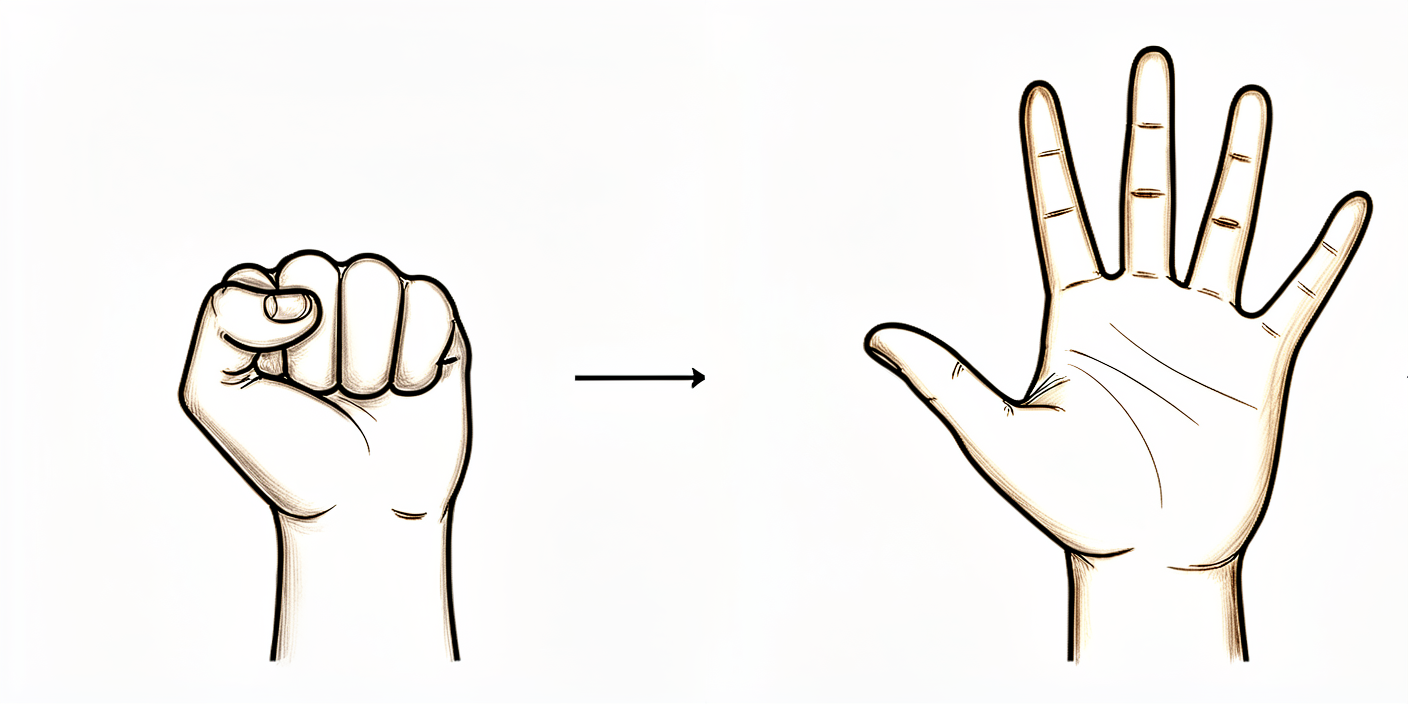
ہاتھ کھولنا اور بند کرنا
اپنے ہاتھ اور انگلیوں کو کھول بند کر کے، یا ایک نرم گیند دبا کر، حرکت میں رکھیں۔ یہ فوراً شروع کریں تاکہ کندھے کے ٹھیک ہونے کے دوران ہاتھ کام کرتا رہے۔
جیسے آپ کا فزیوتھراپسٹ بتائے
Kieran Hirpara 4.0
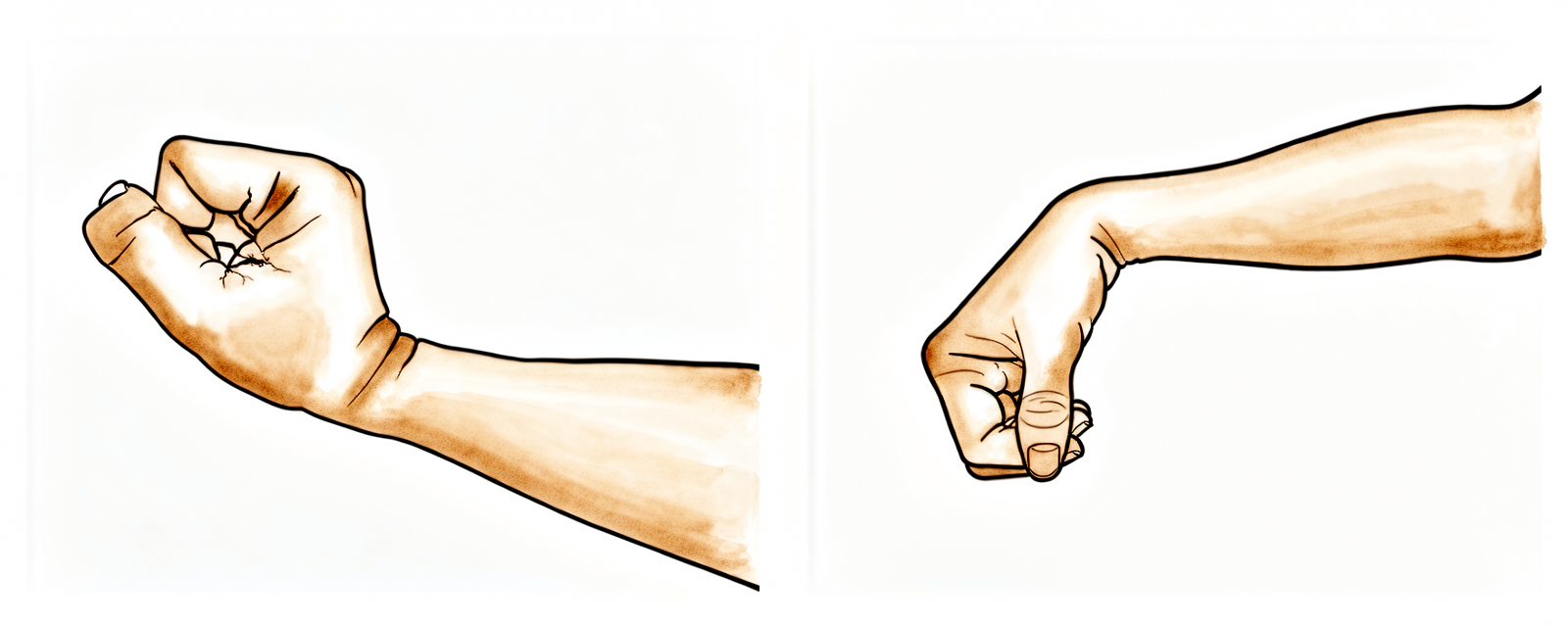
کلائی کی حرکت
اپنی کلائی کو آگے، پیچھے اور دائیں بائیں موڑ کر حرکت میں رکھیں۔ یہ بازو کو سلنگ سے نکال کر، ہاتھ اور کہنی کی حرکتوں کے ساتھ ساتھ کریں۔
جیسے آپ کا فزیوتھراپسٹ بتائے
Kieran Hirpara 4.0
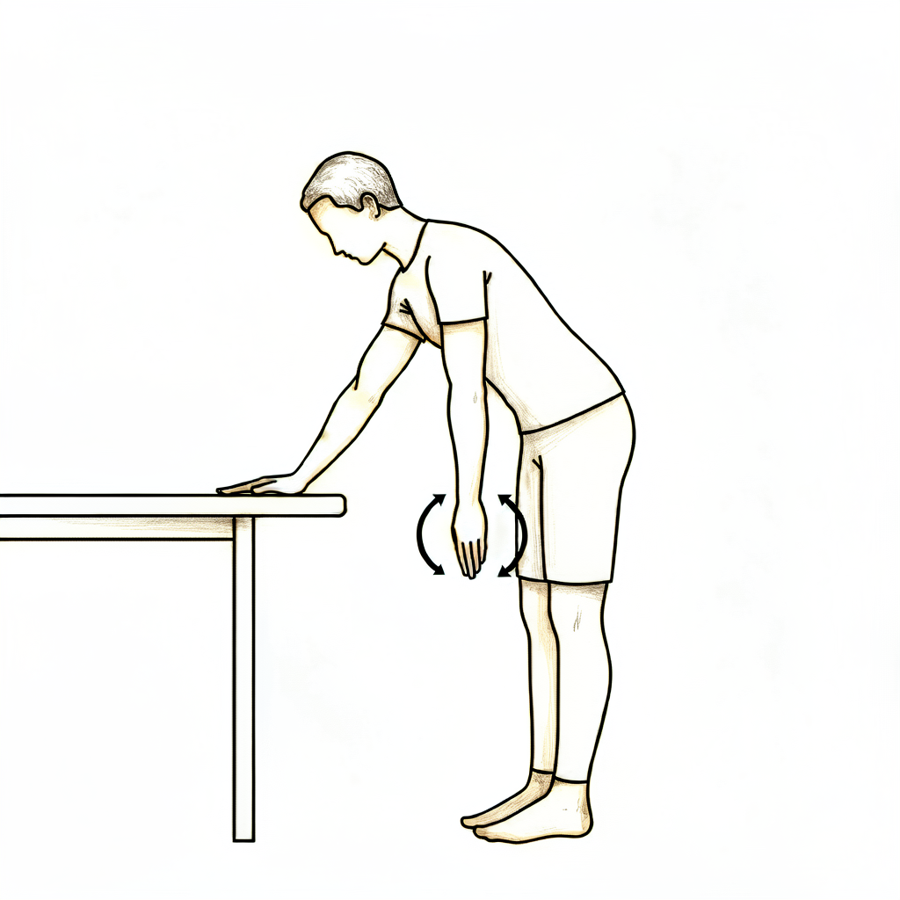
پنڈولم ورزش
کمر سے آگے جھکیں اور آپریشن والے بازو کو جسم سے دور آرام سے لٹکنے دیں۔ بازو کو چھوٹے، ڈھیلے دائروں میں جھولنے دیں — حرکت آپ کے جسم سے آتی ہے، کندھے کے پٹھوں سے نہیں۔ آرام دہ، بغیر درد کی حد کے اندر رہیں۔
جیسے آپ کا فزیوتھراپسٹ بتائے
Kieran Hirpara 4.0
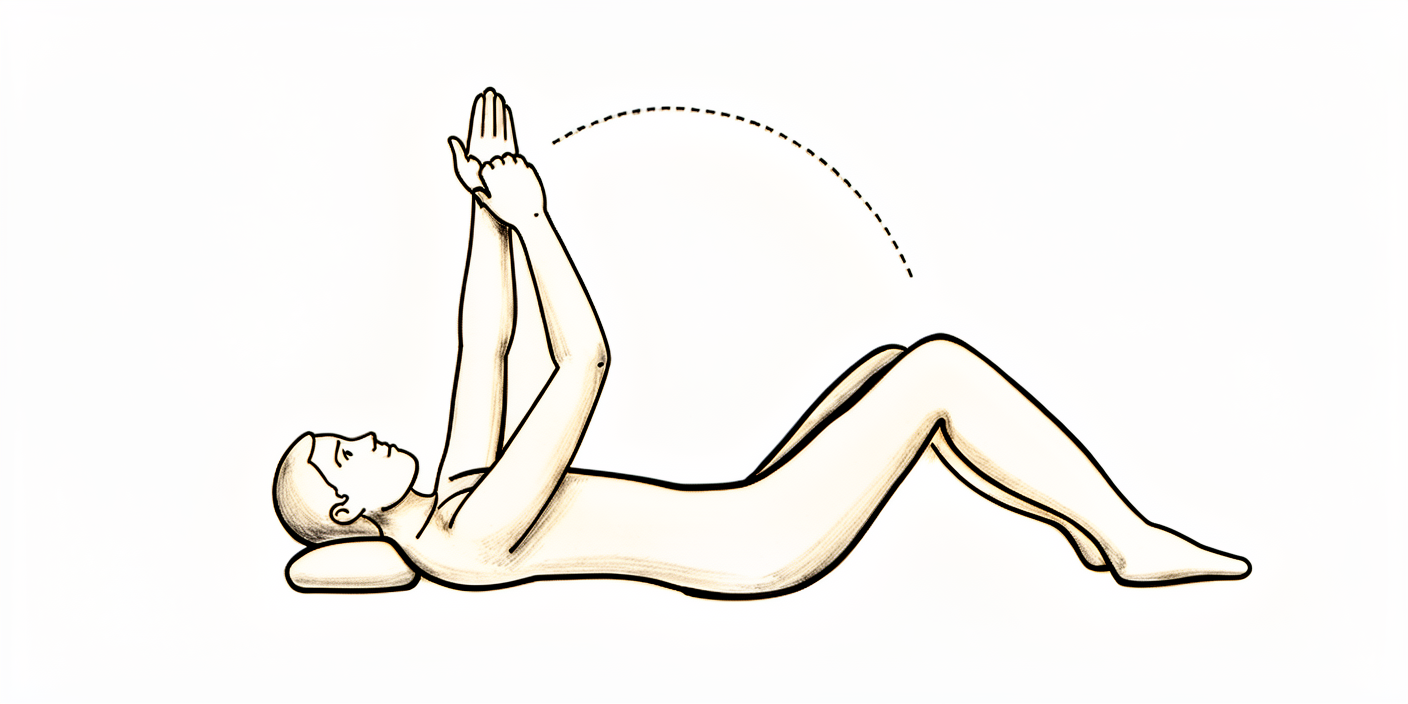
مدد کے ساتھ بازو اٹھانا (لیٹ کر)
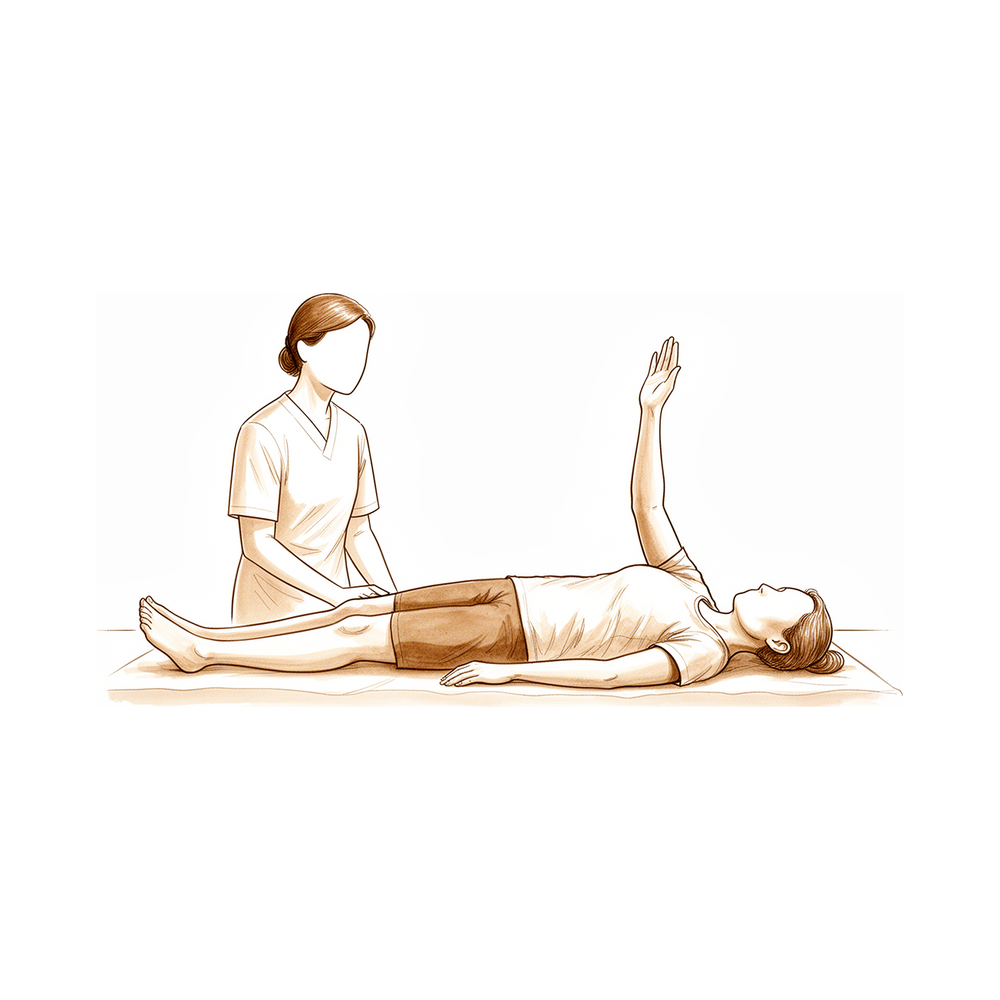
کمر کے بل لیٹیں اور ٹھیک بازو کی مدد سے آپریشن والے بازو کو اوپر اٹھائیں، پھر ٹھیک بازو کی مدد جاری رکھتے ہوئے اسے واپس نیچے لائیں۔ صرف آرام دہ، بغیر درد کی حد کے اندر حرکت کریں — مقصد ہلکی اور جلد حرکت ہے، ہر قیمت پر حرکت کی حد نہیں۔
جیسے آپ کا فزیوتھراپسٹ بتائے
Kieran Hirpara 4.0
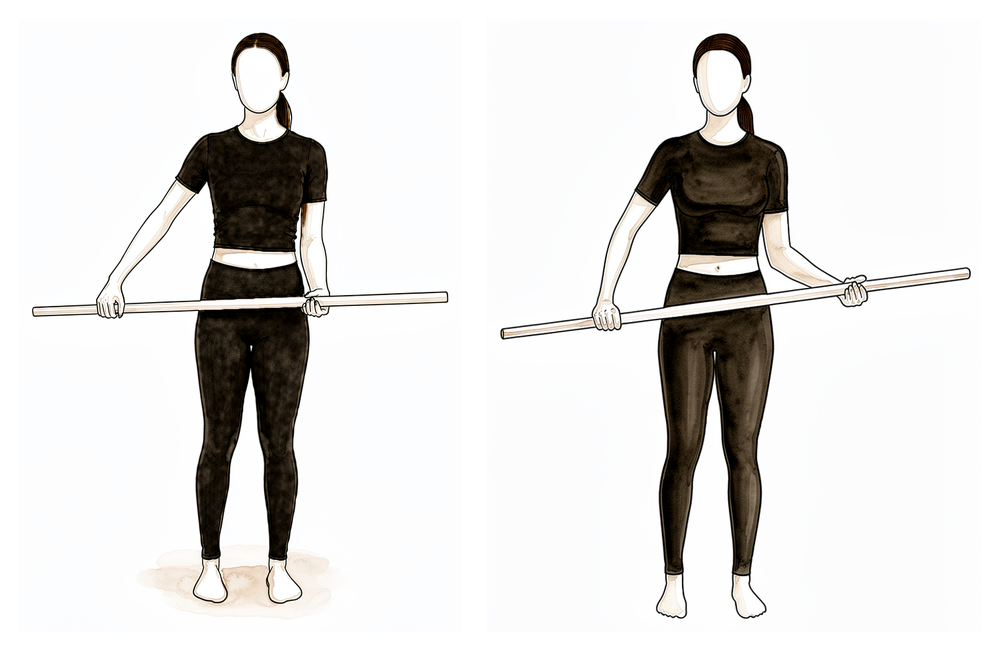
چھڑی کی مدد سے باہر کی طرف گھماؤ
کمر کے بل لیٹیں اور دونوں ہاتھوں میں ایک چھڑی یا چھڑی نما لاٹھی پکڑیں، کہنیاں سیدھے زاویے (right angle) پر مڑی ہوں اور پہلوؤں کے ساتھ لگی ہوں۔ ٹھیک بازو سے آپریشن والے بازو کے نچلے حصے (forearm) کو آہستہ سے باہر کی طرف، جسم سے دور دھکیلیں، پھر واپس لائیں۔ حرکت کو آرام دہ اور بغیر درد کے رکھیں۔
جیسے آپ کا فزیوتھراپسٹ بتائے
Kieran Hirpara 4.0
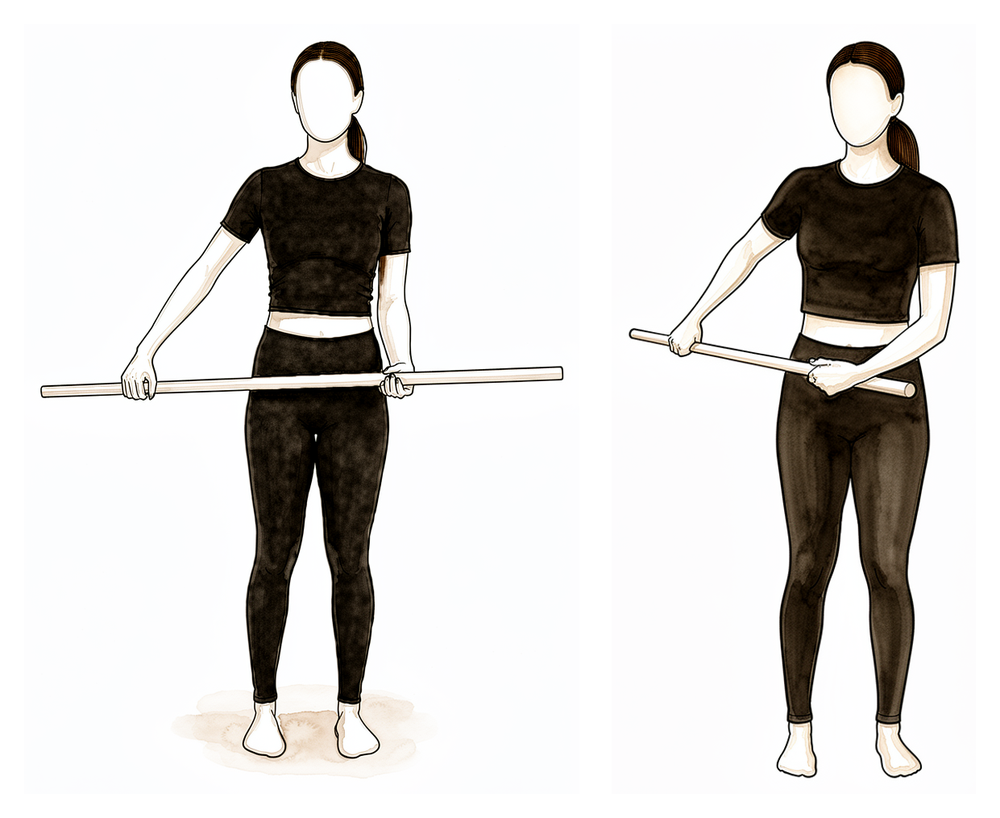
چھڑی کی مدد سے اندر کی طرف گھماؤ
کمر کے پیچھے دونوں ہاتھوں سے ایک چھڑی پکڑیں۔ ٹھیک بازو کی مدد سے آپریشن والے ہاتھ کو آہستہ سے کمر پر اوپر لے جائیں، پھر آرام سے واپس نیچے لائیں۔ اس سے شروع میں ہی اندر کی طرف آرام دہ گھماؤ بحال ہوتا ہے — بغیر درد کی حد کے اندر رہیں۔
جیسے آپ کا فزیوتھراپسٹ بتائے
Kieran Hirpara 4.0
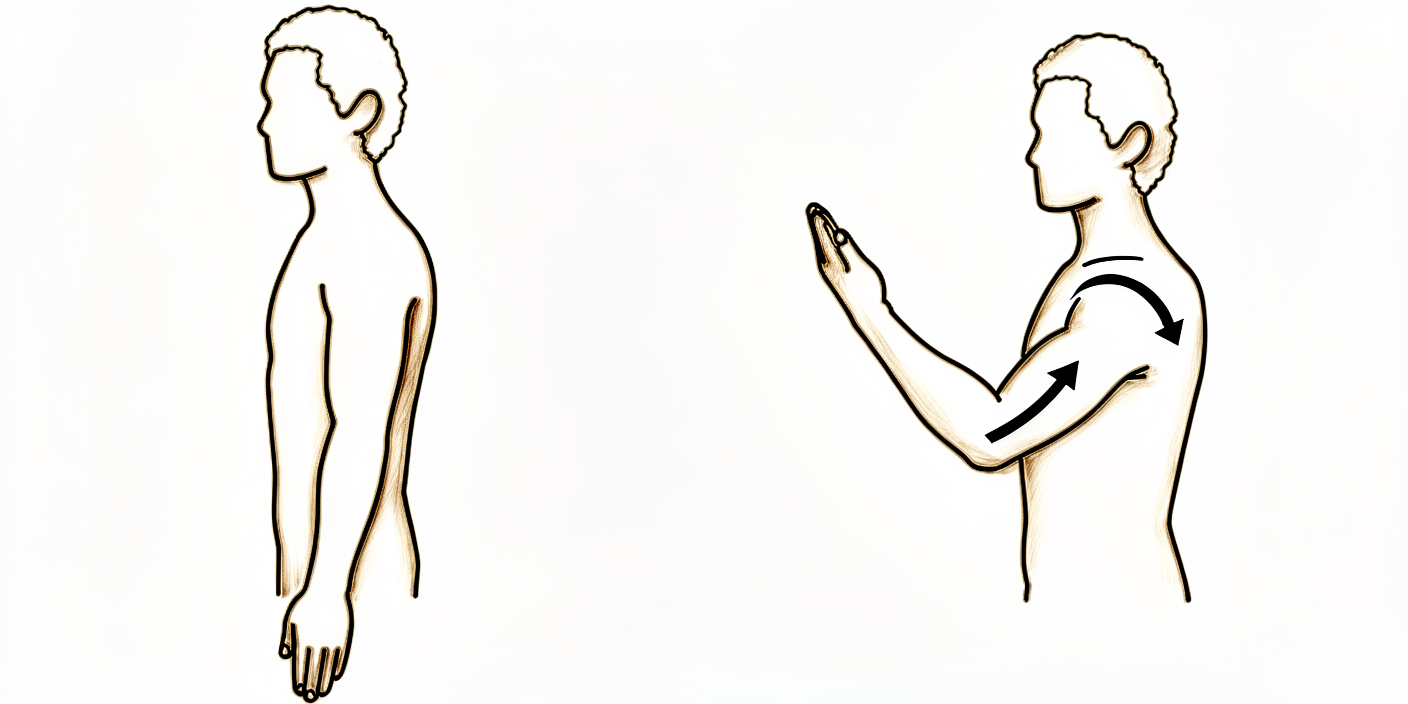
کہنی موڑنا
کہنی کو اس کی پوری حد تک موڑیں اور سیدھا کریں۔ شروع ہی سے ہاتھ، کلائی اور کہنی کو حرکت میں رکھیں تاکہ کندھے کے ٹھیک ہونے کے دوران باقی بازو لچکدار رہے۔
جیسے آپ کا فزیوتھراپسٹ بتائے
Kieran Hirpara 4.0
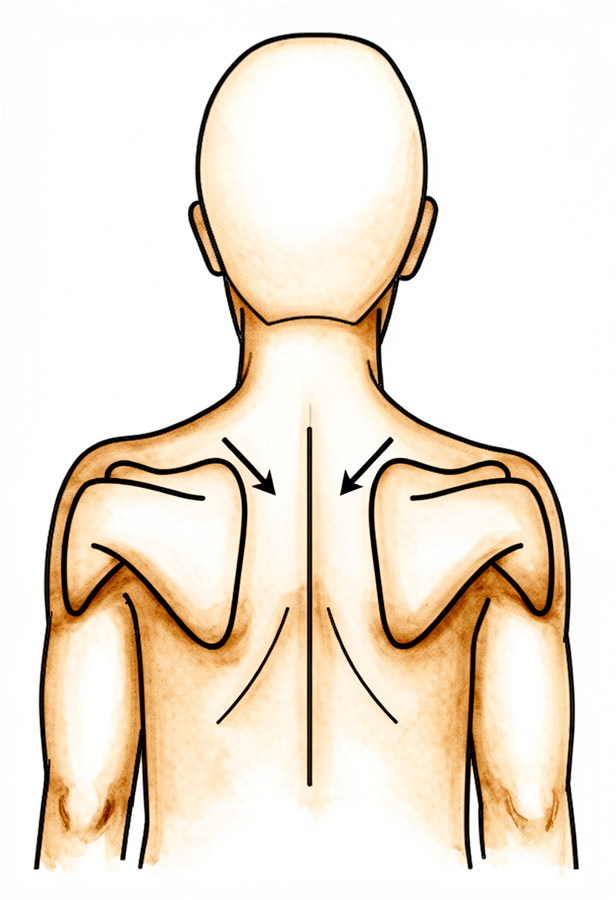
کندھے کی پچھلی ہڈیوں کو درست جگہ رکھنا (scapular setting)
سیدھے بیٹھ کر یا کھڑے ہو کر اپنی کندھے کی پچھلی چپٹی ہڈیوں (shoulder blades) کو آہستہ سے پیچھے ایک دوسرے کی طرف اور نیچے، کانوں سے دور کھینچیں۔ چند سیکنڈ روکیں، پھر ڈھیلا چھوڑ دیں۔ شروع کے دنوں میں جتنا آرام اجازت دے اتنا کریں۔
جیسے آپ کا فزیوتھراپسٹ بتائے
Kieran Hirpara 4.0
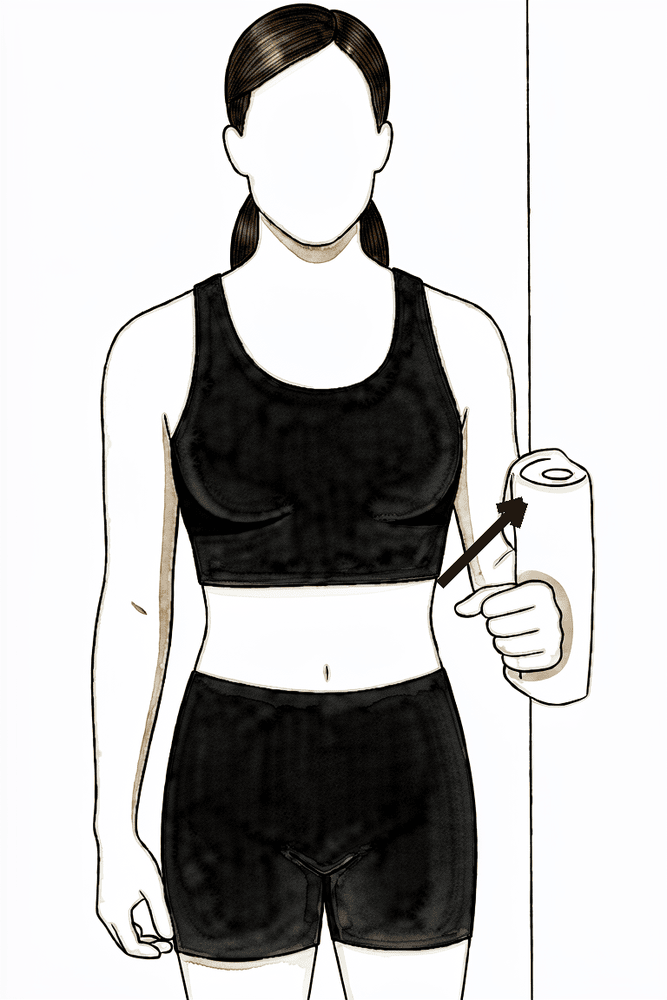
ڈیلٹائیڈ پٹھے کی آئسومیٹرک سیٹنگ (isometric deltoid setting)
دیوار کی طرف پہلو کر کے کھڑے ہوں اور آپریشن والی کہنی پہلو کے ساتھ ہو۔ بازو کے باہر والے حصے کو آہستہ سے دیوار پر دبائیں، جیسے بازو کو پہلو کی طرف اٹھانا ہو، لیکن بازو کو اصل میں ہلنے نہ دیں۔ چند سیکنڈ روکیں، پھر ڈھیلا چھوڑ دیں۔ اس سے حرکت کے بغیر ڈیلٹائیڈ (deltoid) پٹھا آہستہ سے جاگتا ہے، جتنا آرام اجازت دے۔
جیسے آپ کا فزیوتھراپسٹ بتائے
پہلا مقصد آرام اور ہلکی، جلد شروع ہونے والی حرکت ہے۔ سلنگ صرف آرام کے لیے ہے اور جب کندھے کی تکلیف کم ہو جائے تو اسے جتنا ہو سکے اتار کر رکھنا چاہیے؛ آپ کو اسے پہن کر سونے کی ضرورت نہیں۔ کندھے کے کسی بھی آپریشن کے بعد کم از کم چھ ہفتے تک گاڑی نہ چلائیں، چاہے سلنگ اتر چکی ہو؛ آپ کا سرجن آپ کو گاڑی چلانے کی اجازت دے گا، عام طور پر چھ ہفتے والے معائنے پر۔ شروع کے دنوں میں اپنی درد کی دوا باقاعدگی سے لیں تاکہ آپ بازو کو ہلانا شروع کر سکیں۔ شروع ہی سے اپنے ہاتھ، کلائی اور کہنی کو حرکت میں رکھیں، اور ہدایت کے مطابق آرام دہ حد کے اندر کندھے کی ہلکی حرکت شروع کریں۔
آپ کے فزیوتھراپسٹ کے لیے:
اہداف
- آرام اور زخم کی حفاظت
- بغیر درد کی حدود کے اندر جلد اور ہلکی حرکت کی حد
- ہاتھ، کلائی اور کہنی کی حرکت برقرار رکھنا
علاج
- سلنگ صرف آرام کے لیے، عموماً آپریشن کے بعد تقریباً دن 7 تک (آرام کے لیے ضرورت ہو تو دو ہفتے تک)، اور علامات کے مطابق اس کا استعمال کم کیا جائے
- جتنا آرام اجازت دے، جلد اور ہلکی حرکت کی حد: پنڈولم (pendulums، آگے جھک کر ڈھیلے لٹکے بازو کو چھوٹے دائروں میں جھلانا)، غیر فعال (passive) اور مدد کے ساتھ خود (active-assisted) بازو اٹھانا، باہر اور اندر کی طرف گھماؤ، اور کہنی موڑنا/سیدھا کرنا
- جتنا آرام دہ ہو، ڈیلٹائیڈ (deltoid) کی آئسومیٹرک سیٹنگ (isometric setting، جوڑ کو ہلائے بغیر پٹھے کو کسنا) اور اسکیپولر سیٹنگ (scapular setting، کندھے کی پچھلی ہڈیوں کو پیچھے اور نیچے کھینچ کر درست جگہ پر رکھنا)
- ورزش سے پہلے درد کش دوا (analgesia)؛ ضرورت کے مطابق درد میں آرام کے لیے ٹھنڈی سکائی (cryotherapy)
احتیاطیں
- ابتدائی حرکت کو آرام دہ، بغیر درد کی حد کے اندر رکھیں
- نہ بھاری وزن اٹھائیں، نہ زور سے دھکیلیں اور نہ زور سے کھینچیں
- چھ ہفتے تک گاڑی نہ چلائیں (یہ کندھے کے کسی بھی آپریشن پر لاگو ہوتا ہے)
اگلے مرحلے میں جانے کی شرائط
- درد آرام دہ ہو اور کم ہو رہا ہو
- زخم تسلی بخش طور پر بھر رہا ہو
- ابتدائی حرکت کی حد برداشت ہو رہی ہو
مرحلہ II — حرکت کی حد اور پٹھوں کو دوبارہ فعال کرنا (ہفتہ 2 سے 6)
Kieran Hirpara 4.0
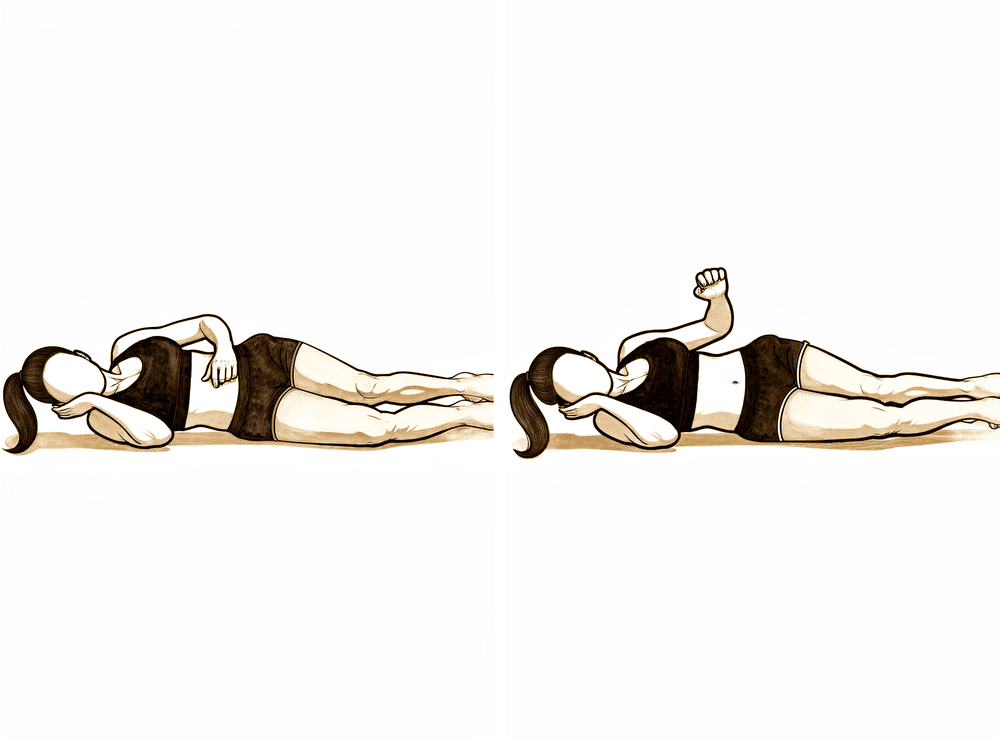
پہلو کے بل لیٹ کر باہر کی طرف گھماؤ
اس پہلو کے بل لیٹیں جس کا آپریشن نہیں ہوا، اوپر والی کہنی سیدھے زاویے پر مڑی ہو اور جسم کے ساتھ لگی ہو۔ کہنی کو پہلو کے ساتھ رکھتے ہوئے بازو کے نچلے حصے کو چھت کی طرف اوپر گھمائیں، پھر قابو کے ساتھ نیچے لائیں۔ اس طرح بغیر درد کے باہر کی طرف گھماؤ ان پٹھوں کو دوبارہ فعال کرنے میں مدد دیتا ہے جنہیں یہ عصب چلاتا ہے۔
جیسے آپ کا فزیوتھراپسٹ بتائے
Kieran Hirpara 4.0
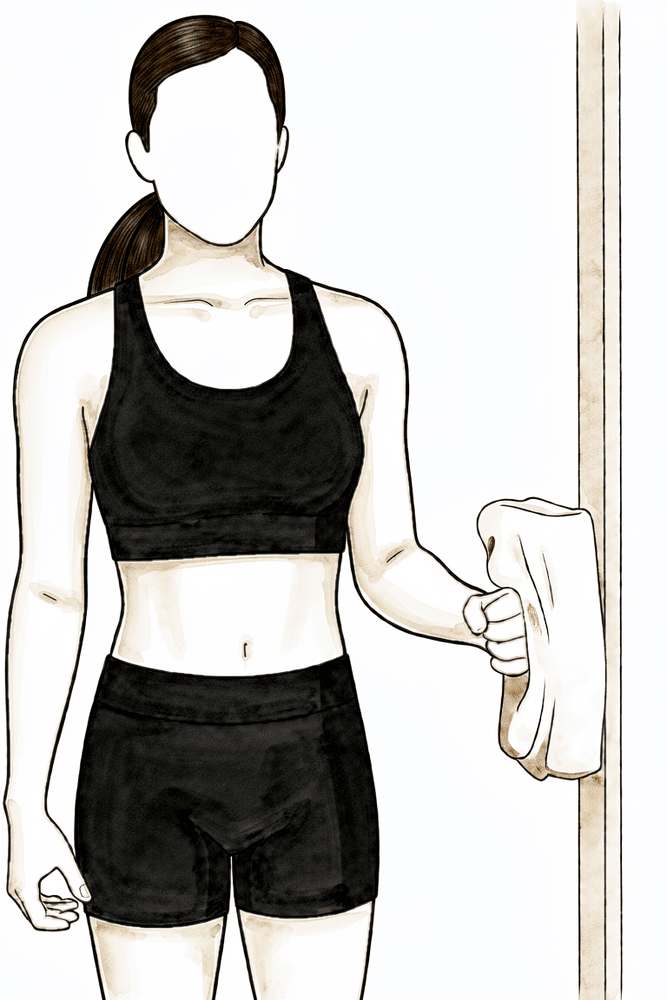
آئسومیٹرک: باہر کی طرف گھماؤ (isometric external rotation)
کہنی کو پہلو کے ساتھ لگا کر اور سیدھے زاویے پر موڑ کر کھڑے ہوں، ہاتھ کی پشت دیوار یا دروازے کی چوکھٹ سے لگی ہو۔ بازو کو ہلنے دیے بغیر آہستہ سے باہر کی طرف اس پر دبائیں، چند سیکنڈ روکیں، پھر ڈھیلا چھوڑ دیں۔ بینڈ شامل کرنے سے پہلے، اس عصب سے چلنے والے پٹھوں کو دوبارہ فعال کرنے کا آغاز یہیں سے ہوتا ہے۔
جیسے آپ کا فزیوتھراپسٹ بتائے
Kieran Hirpara 4.0
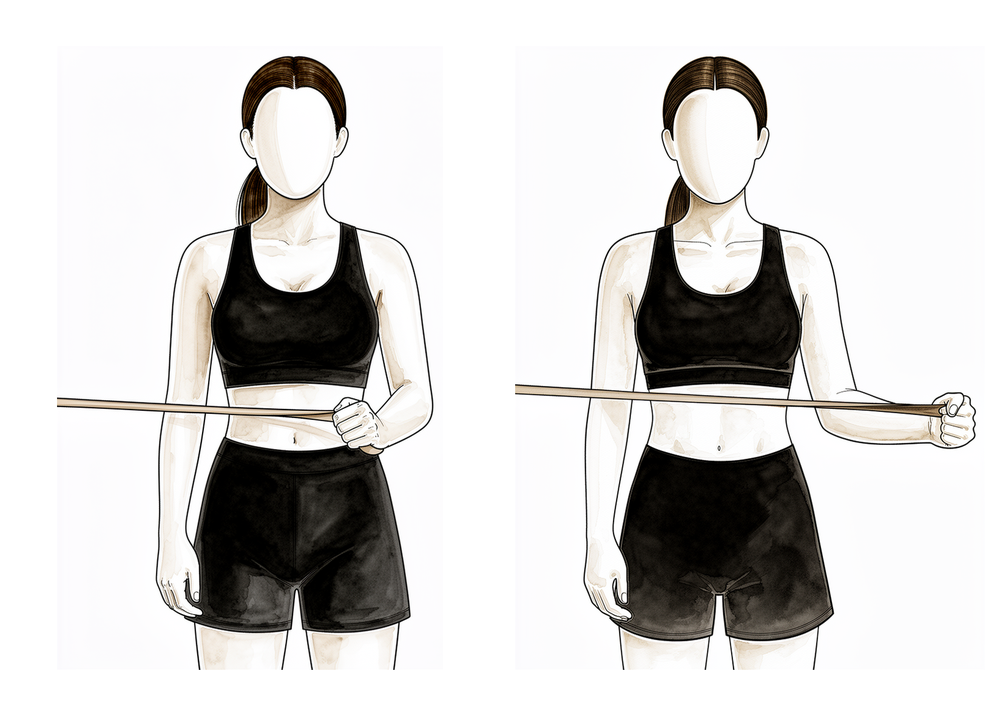
بینڈ کے ساتھ باہر کی طرف گھماؤ
کہنی کو پہلو کے ساتھ لگا کر اور سیدھے زاویے پر موڑ کر کھڑے ہوں، اور کمر کی اونچائی پر بندھا ہوا لچکدار بینڈ پکڑیں۔ کہنی کو پہلو کے ساتھ رکھتے ہوئے بازو کے نچلے حصے کو بینڈ کے خلاف باہر کی طرف گھمائیں، پھر آہستہ سے واپس لائیں۔ کم مزاحمت اور زیادہ تکرار — عصب کے ٹھیک ہونے کے ساتھ انفرا اسپائناٹس (infraspinatus) پٹھے کو دوبارہ فعال کرنے کے لیے باہر کی طرف گھماؤ کی یہ سب سے اہم ورزش ہے۔
کم بوجھ، زیادہ تکرار؛ جیسے آپ کا فزیوتھراپسٹ بتائے
Kieran Hirpara 4.0
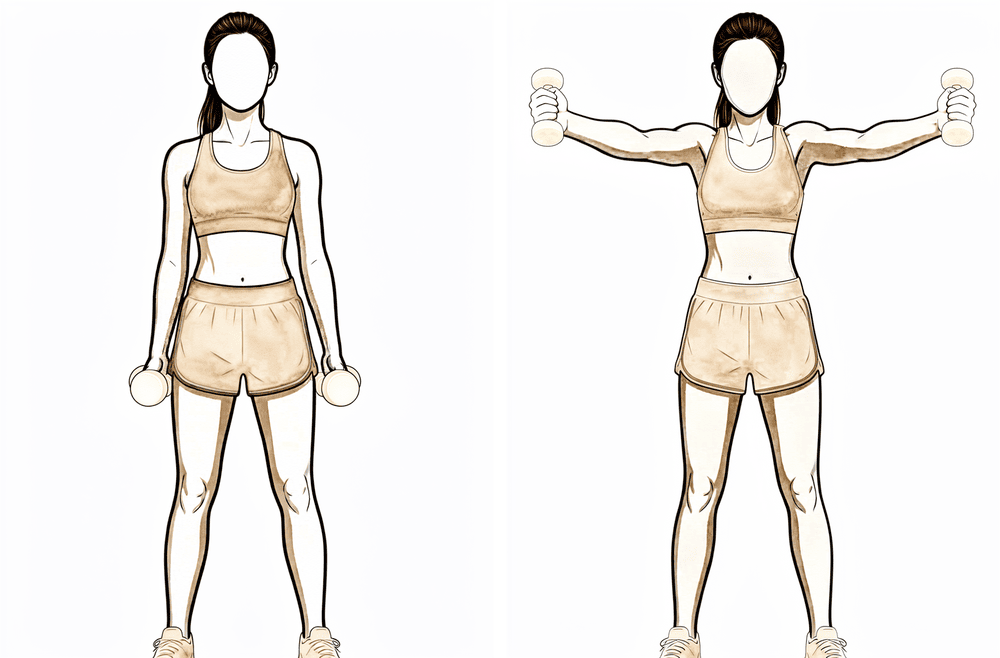
بھرا ڈبہ پکڑنے کے انداز میں بازو اٹھانا (full-can scaption)
کھڑے ہو کر آپریشن والے بازو کو سامنے اور تھوڑا پہلو کی طرف اٹھائیں، انگوٹھا اوپر کی طرف ہو جیسے بھرا ہوا ڈبہ پکڑا ہو، تقریباً کندھے کی اونچائی تک، پھر قابو کے ساتھ نیچے لائیں۔ یہ سپرا اسپائناٹس (supraspinatus) کو نشانہ بناتا ہے — جو ان پٹھوں میں سے ایک ہے جنہیں یہ عصب چلاتا ہے — اور اسے اس کی بحالی کی رفتار کے مطابق کیا جاتا ہے، زبردستی نہیں۔
کم بوجھ، زیادہ تکرار؛ جیسے آپ کا فزیوتھراپسٹ بتائے
سلنگ چھوڑ دینے کے بعد، یہ مرحلہ پوری حرکت واپس لاتا ہے اور ہلکی مضبوطی کی ورزشیں شروع کرتا ہے، جن میں عصب کے ٹھیک ہونے کے ساتھ سپرا اسپائناٹس اور انفرا اسپائناٹس کو دوبارہ فعال کرنے کی خاص ورزشیں شامل ہیں۔ زیادہ تر لوگ اسی مرحلے کے دوران اپنے معمول کے روزمرہ کاموں پر واپس آ جاتے ہیں۔ آگے بڑھنے کی رہنمائی آرام سے ہوتی ہے، کیلنڈر سے نہیں۔
آپ کے فزیوتھراپسٹ کے لیے:
اہداف
- تمام سمتوں (planes) میں مکمل خود حرکت کی حد (active range of motion)
- ہلکی مضبوطی اور روٹیٹر کف (سپرا اسپائناٹس/انفرا اسپائناٹس) کو دوبارہ فعال کرنے کا آغاز
- روزمرہ زندگی کے کاموں میں خود مختاری
علاج
- تمام سمتوں میں مکمل خود حرکت کی حد کی طرف بڑھیں
- تقریباً ہفتہ 2 سے ہلکی مضبوطی شروع کریں: روٹیٹر کف، ڈیلٹائیڈ اور کندھے کی پچھلی ہڈی کو مستحکم رکھنے والے پٹھوں کے لیے آئسومیٹرک ورزشوں سے بڑھ کر لچکدار بینڈ کی ورزشیں، کم بوجھ اور زیادہ تکرار کے ساتھ
- بغیر درد کے باہر کی طرف گھماؤ پر، اور عصب کے ٹھیک ہونے کے ساتھ سپرا اسپائناٹس اور انفرا اسپائناٹس کو دوبارہ فعال کرنے پر خاص توجہ
- معمول کے روزمرہ کاموں کی طرف مرحلہ وار واپسی، عموماً تقریباً چار ہفتے تک
احتیاطیں
- مضبوطی کی ورزشیں آرام دہ حد کے اندر رہیں اور ان سے ایسا درد نہیں ہونا چاہیے جو دیر تک رہے
- جب تک طاقت واپس آ رہی ہو، زور سے دھکیلنے، زور سے کھینچنے اور بھاری وزن اٹھانے سے پرہیز کریں
- توقع رکھیں کہ طاقت آہستہ آہستہ واپس آئے گی: پٹھوں کو دوبارہ فعال کرنے کی ورزشیں عصب کے ٹھیک ہونے کی رفتار کے مطابق کی جاتی ہیں، زبردستی نہیں
اگلے مرحلے میں جانے کی شرائط
- مکمل یا تقریباً مکمل، بغیر درد کی خود حرکت کی حد
- ہلکی مضبوطی کی ورزشیں تکلیف بھڑکائے بغیر برداشت ہو رہی ہوں
مرحلہ III — مضبوطی اور سرگرمی کی طرف واپسی (ہفتہ 6 سے 12 اور اس کے بعد)
Kieran Hirpara 4.0
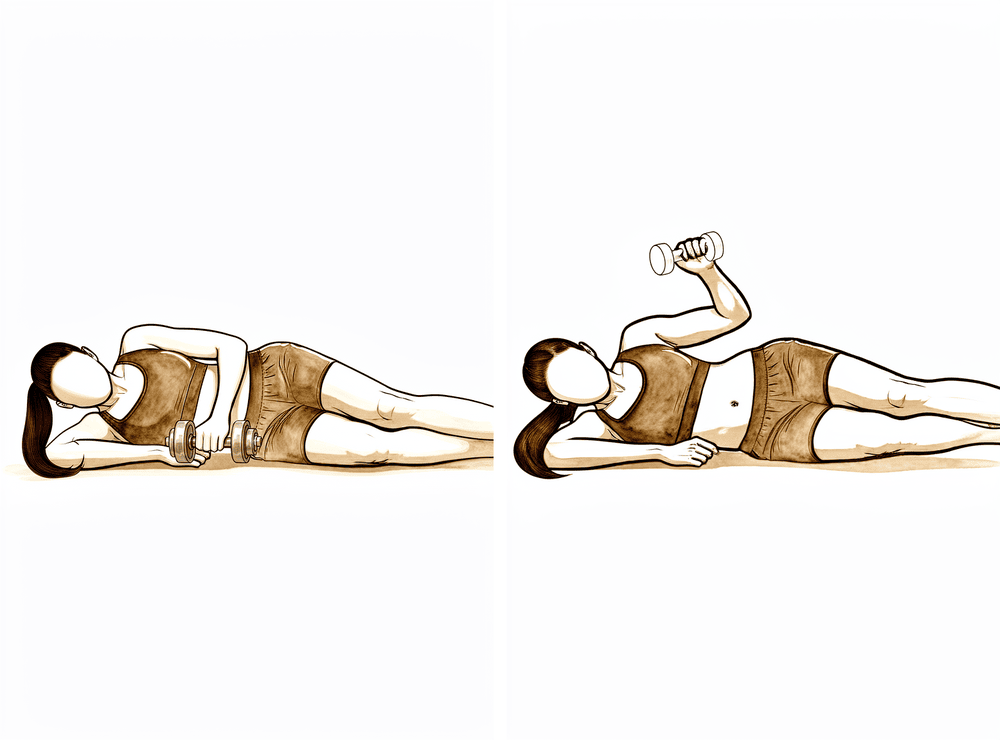
وزن کے ساتھ پہلو کے بل لیٹ کر باہر کی طرف گھماؤ
تقریباً ہفتہ 12 سے، پہلو کے بل لیٹ کر یہی گھماؤ ہلکا وزن پکڑ کر کیا جاتا ہے: کہنی سیدھے زاویے پر مڑی ہو اور پہلو کے ساتھ لگی ہو، بازو کے نچلے حصے کو چھت کی طرف اوپر گھمائیں، پھر آہستہ سے نیچے لائیں۔ عصب کے ٹھیک ہونے کے ساتھ یہ خاص طور پر ان پٹھوں پر کام کرتا ہے جنہیں یہ عصب چلاتا ہے — آگے بڑھنے کی رفتار عصب کے مطابق ہے، زبردستی نہیں۔
جیسے آپ کا فزیوتھراپسٹ بتائے
Kieran Hirpara 4.0
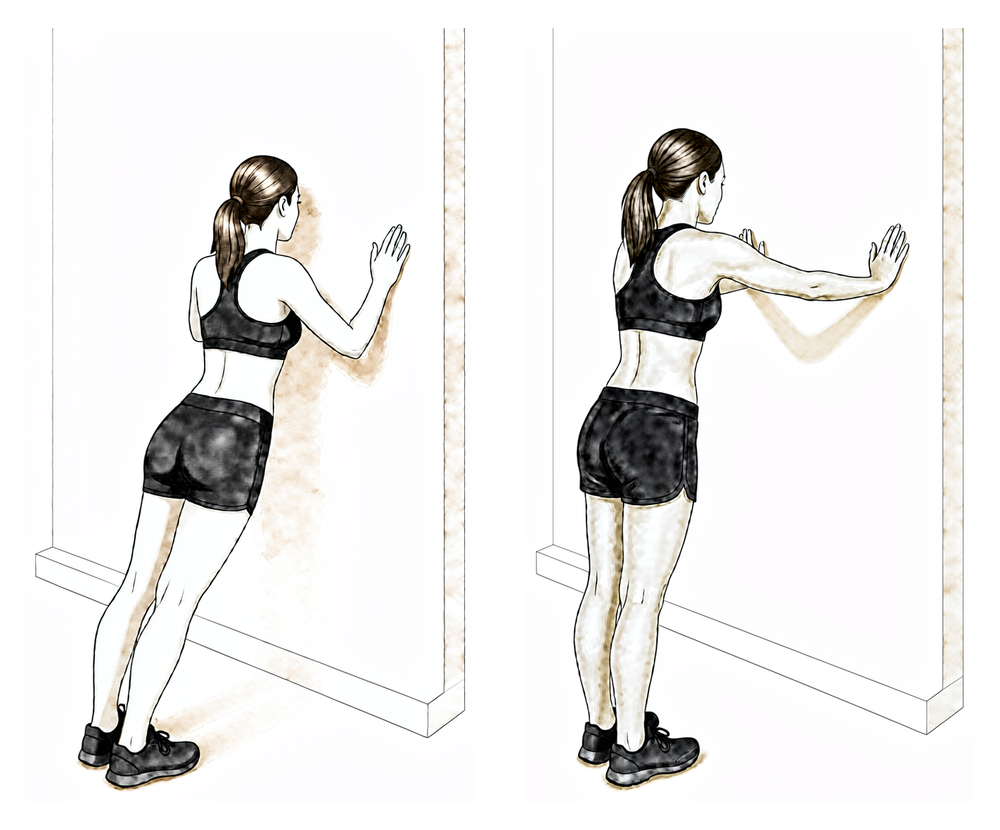
پُش اپ پلس (push-up plus)
تقریباً چھ ہفتوں سے، پُش اپ کی پوزیشن میں — جیسے جیسے آپ آگے بڑھیں، پہلے دیوار، پھر بینچ اور پھر فرش پر — پوری طرح اوپر دھکیلیں اور پھر تھوڑا سا مزید دبائیں تاکہ کمر کا اوپری حصہ گول ہو جائے اور کندھے کی پچھلی ہڈیاں ایک دوسرے سے دور پھیل جائیں۔ یہ کلوزڈ چین ورزش (closed-chain، ہاتھ کسی سطح پر ٹکا کر کی جانے والی ورزش) ہے جو روٹیٹر کف کو سہارا دینے کے لیے کندھے کی پچھلی ہڈی پر کنٹرول بڑھاتی ہے۔
جیسے آپ کا فزیوتھراپسٹ بتائے
Kieran Hirpara 4.0
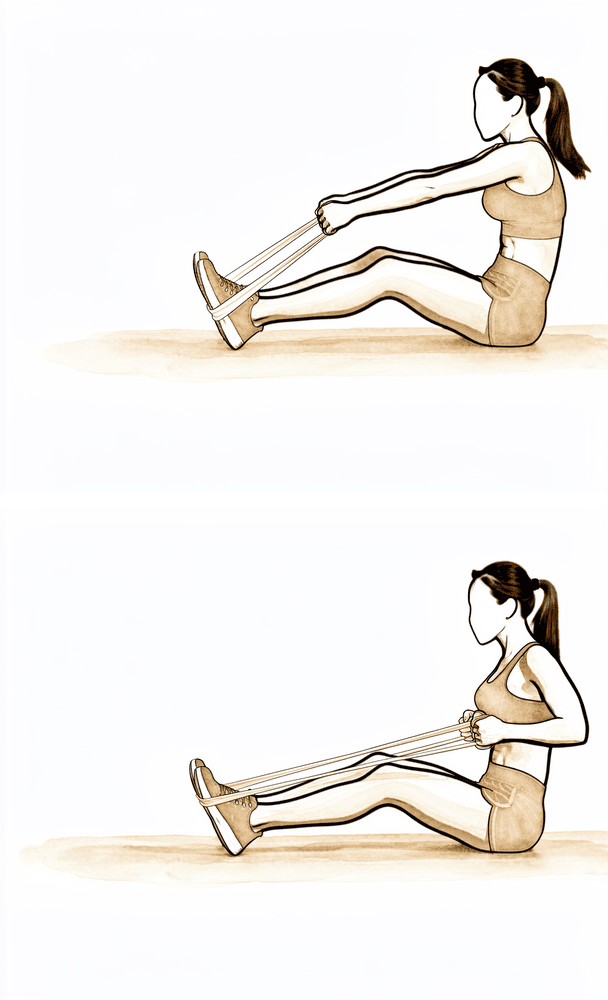
نیچی رو (low row)
اپنے سامنے کمر کی اونچائی پر بندھا ہوا بینڈ پکڑیں۔ بازو کو تقریباً سیدھا رکھتے ہوئے اسے پیچھے اور نیچے کولہے کی طرف کھینچیں، کندھے کی پچھلی ہڈی کو نیچے اور پیچھے دبائیں، پھر آہستہ سے واپس لائیں۔ بتدریج بڑھتی مزاحمت والی یہ ورزش کندھے کی پچھلی ہڈی کے ان پٹھوں کو مضبوط کرتی ہے جو روٹیٹر کف (rotator cuff، یعنی ٹینڈنوں کا وہ گروپ جو کندھے کو تھامتا اور گھماتا ہے) کو سہارا دیتے ہیں۔
جیسے آپ کا فزیوتھراپسٹ بتائے
تقریباً چھ ہفتوں سے مضبوطی کی ورزشیں کسی خاص پابندی کے بغیر آگے بڑھتی ہیں، اور سر سے اوپر کے کاموں، زیادہ بھاری کام اور کھیل کی طرف واپسی کی تیاری کرتی ہیں۔ جیسے جیسے عصب ٹھیک ہوتا رہتا ہے، سپرا اسپائناٹس اور انفرا اسپائناٹس کی الگ سے مضبوطی کی ورزشیں آگے بڑھائی جاتی ہیں، اور یہ بحالی عموماً کئی مہینوں تک جاری رہتی ہے۔
آپ کے فزیوتھراپسٹ کے لیے:
اہداف
- بغیر کسی پابندی کے پوری مضبوطی کی ورزشیں
- سر سے اوپر کی سرگرمی، زیادہ بھاری کام اور کھیل کی طرف مرحلہ وار واپسی
- عصب کے ٹھیک ہونے کے ساتھ روٹیٹر کف کی طاقت کی مسلسل بحالی
علاج
- تقریباً ہفتہ 6 سے پوری مضبوطی کی ورزشوں کی طرف بڑھیں، جن میں کلوزڈ چین (closed-chain، ہاتھ کسی سطح پر ٹکا کر) اور بتدریج بڑھتی مزاحمت والی ورزشیں شامل ہیں
- تقریباً ہفتہ 12 سے سپرا اسپائناٹس اور انفرا اسپائناٹس کی الگ سے مضبوطی کو آگے بڑھائیں
- سر سے اوپر کے کام اور کھیل کی طرف واپسی مرحلوں میں کریں؛ سر سے اوپر کے ہلکے کام عام طور پر اسی مرحلے کے دوران واپس شروع ہو جاتے ہیں، اور کھیل کی طرف مرحلہ وار واپسی اس کے بعد کے ہفتوں سے مہینوں میں ہوتی ہے، جتنا طاقت اجازت دے اور جب درد نہ رہے
- جیسے جیسے عصب اور پٹھے ٹھیک ہوتے رہیں، طاقت برقرار رکھنے کا پروگرام جاری رکھیں
احتیاطیں
- آگے بڑھنا علامات کی رہنمائی میں ہی رہتا ہے
- متاثرہ پٹھوں میں طاقت اور حجم کئی مہینوں تک واپس آتے رہ سکتے ہیں، اور بحالی جزوی بھی ہو سکتی ہے: اسی کے مطابق توقعات رکھیں اور جب تک طاقت پوری نہ ہو، پٹھوں پر حد سے زیادہ زور ڈالنے سے پرہیز کریں
آپ کے پروٹوکول کے بعد
اوپر دیے گئے مرحلے دوربین کے ذریعے سپرا اسکیپولر عصب کے ڈیکمپریشن پر شائع شدہ تکنیکی مقالوں اور طبی تحقیقات سے اخذ کیے گئے ہیں۔ ہفتوں کے دورانیے عام اندازے ہیں، طے شدہ نہیں، اور آپ کی آگے کی بحالی کی رہنمائی آپ کا فزیوتھراپسٹ کلینک کے ساتھ مل کر، اس بات کو دیکھتے ہوئے کہ آپ کا کندھا اور عصب کیسے ٹھیک ہو رہے ہیں، انفرادی طور پر کرتا ہے۔ یہ صفحہ کلینک کی عمومی صحت یابی کی ہدایات کے ساتھ مل کر کام کرتا ہے؛ دیکھیں آپریشن کے بعد درد پر قابو پانا اور زخم کی دیکھ بھال۔ خود آپریشن اور اس سے علاج ہونے والی بیماری کے بارے میں دیکھیں سپرا اسکیپولر عصب کا ڈیکمپریشن۔ اس پروٹوکول کے پیچھے موجود شواہد (عصب کے ڈیکمپریشن کے بعد درد میں آرام اور طاقت کی بحالی پر تحقیق) شواہد کے حصے میں خلاصے کی صورت میں دیے گئے ہیں، جو اس صفحے کے اوپر سے پی ڈی ایف کی صورت میں دستیاب ہے۔
Evidence & references
This is the clinical evidence summary written for health professionals. It is technical, and it lists the research this page was built from. You do not need to read it to understand your treatment or to make a decision about it.
Suprascapular Nerve Decompression — Post-operative Rehabilitation (Arthroscopic Release)
Topic scope: Post-operative rehabilitation after an isolated arthroscopic suprascapular nerve decompression / release — release of the nerve at the suprascapular notch (division of the transverse/superior scapular ligament) and/or the spinoglenoid notch, performed for nerve entrapment, often with excision of an associated paralabral / spinoglenoid ganglion cyst. This page covers the isolated decompression only; when the procedure is combined with a rotator cuff repair the slower, protected rotator-cuff-repair pathway takes precedence.
Defining principle of the rehab here: decompression relieves pressure on a nerve and creates no construct that needs months of protection — there is no tendon repair or capsular reconstruction to safeguard. So (like a debridement/decompression, and unlike a cuff repair or labral repair) this is an early-movement pathway: a short sling for comfort only (about the first week, two at most), early range of motion as comfort allows, and return to daily activities within a few weeks. The crucial separate timeline is the nerve itself: the compression pain often settles relatively quickly, but recovery of strength and bulk in the muscles the nerve supplies (supraspinatus and infraspinatus) is paced over weeks to months and is frequently only partial — functional recovery follows the nerve, not the calendar. The single branch point is whether a rotator cuff repair was also performed — if so, the recovery converts to the protected rotator-cuff-repair pathway.
The procedure
The suprascapular nerve can be entrapped at two fibro-osseous tunnels as it crosses the scapula: the suprascapular notch (under the superior transverse scapular ligament — entrapment here affects both supraspinatus and infraspinatus) and the spinoglenoid notch (under the spinoglenoid ligament — entrapment here is more selective for the infraspinatus). A paralabral ganglion cyst, often arising from a posterosuperior labral tear, is a common space-occupying cause at the spinoglenoid notch.
Arthroscopic decompression releases the offending ligament (and decompresses/excises any cyst); where the cyst arises from a labral tear, the labral source may be addressed at the same sitting. Because the operation removes a compressive lesion rather than creating a repair, there is no healing construct that dictates a protected immobilisation period — the rehab is governed by comfort and by the nerve's own recovery.
Evidence by theme
Pain relief is the most reliable benefit
Across cohorts and a systematic review, decompression gives good pain relief and functional improvement in the majority. In a retrospective series of 112 arthroscopic decompressions, VAS pain fell from a mean of 6.5 to 2.9 (p < 0.0001) at a mean follow-up of ~9 months, with no neurovascular injuries, infections or fractures [112-patient series, PMC6994808]. A 2018 systematic review of decompression outcomes reported broad improvements in patient-reported scores and high rates of return to sport/duty [systematic review, JSES 2018, DOI 10.1016/j.jse.2017.09.025]. A volleyball-player cohort and a spinoglenoid-notch technique series likewise report reliable return of arm function [Brzoska 2023; Plancher 2021]. Moderate (cohorts + SR of level III–IV studies).
Strength recovery follows the nerve — slower, and often incomplete
This is the key counselling point. The same 112-patient series showed measurable strength gains (supraspinatus 3.3 → 4.9; infraspinatus 3.3 → 4.8 on the 0–5 scale) but over months, not weeks [PMC6994808]. A systematic review of motor recovery after notch decompression found that full strength was NOT regained in the majority (~60%) of reported cases, and that established fatty (structural) muscle degeneration generally did not reverse — "patients should be informed about this" [motor-recovery SR, PubMed 32392599]. Open spinoglenoid-notch series report better external- rotation strength figures (e.g. ~66% regaining full ER strength) for cyst-related entrapment, where the lesion is discrete and recovery potential higher [open decompression, PubMed 23664748]. Earlier diagnosis and decompression, and a discrete compressive cause (cyst) rather than chronic idiopathic entrapment, predict more complete muscular recovery. Moderate–weak; consistent direction across studies.
Ganglion-cyst vs idiopathic entrapment
Cyst-related entrapment (a removable, space-occupying cause) tends to do well — decompression removes the cause and electrodiagnostic recovery of the nerve has been documented post- decompression [Feinberg 2019, Muscle Nerve]. Chronic idiopathic entrapment, longstanding denervation, and established fatty infiltration carry a more guarded prognosis for strength return. This distinction underlies the variable, partly-incomplete recovery seen in the pooled literature. Weak (case series / mechanistic).
The rehabilitation protocol itself is consensus/expert
The phased post-op programme below is drawn from published technique papers and patient-guidance protocols, not from a rehabilitation RCT — there is no trial defining the optimal post- decompression regimen. Phase timings are typical, not trial-derived. Weak/consensus.
Phased post-op timeline (isolated decompression — no cuff repair)
| Phase | Window | Sling | ROM / use | Strengthening | Notes |
|---|---|---|---|---|---|
| I — Early movement | Week 0–2 | Comfort only, ~first week (up to 2 wk), off ASAP; not worn to sleep | Early gentle ROM as comfort allows — pendulums, passive/active-assisted elevation, ER/IR, elbow flexion/extension; keep hand/wrist/elbow moving from day 1 | Isometric deltoid + scapular setting as comfortable | Settle post-op flare; no driving while in sling; no heavy lifting/forceful push-pull |
| II — Range & muscle reactivation | Week 2–6 | Off | Progress to full active ROM in all planes | Light strengthening from ~wk 2 (isometric → band), low-load/high-rep cuff, deltoid, scapular stabilisers; particular attention to pain-free ER and to reactivating supraspinatus/infraspinatus as the nerve recovers | Most return to normal daily activities (~wk 4); progress guided by comfort, not calendar |
| III — Strengthening / return | Week 6–12 and beyond | Off | Full ROM maintained | Full strengthening without restriction from ~wk 6; isolated supraspinatus/infraspinatus strengthening advanced from ~wk 12; staged return to overhead work and sport | Strength + muscle bulk may keep recovering over several months and may be only partial — pace expectations to the nerve |
Branch point — if a rotator cuff repair was also performed: recovery converts to the protected rotator-cuff-repair pathway (sling ~6 weeks, ROM restrictions, strengthening deferred). The surgeon confirms which pathway applies.
Key controversies / evidence quality
- Strength recovery is the honest weak point. Decompression reliably relieves pain but does not reliably restore full strength — a systematic review found ~60% of cases fell short of full strength recovery, and fatty muscle degeneration generally did not reverse [PubMed 32392599]. This is the single most important thing to counsel before surgery. Moderate (SR of level III–IV).
- Evidence is small cohorts and case series. The largest single series is ~112 patients; most are < 30; the systematic reviews pool level III–IV studies. There is no RCT for isolated decompression rehab, and no rehab trial at all. Weak overall evidence base — stated honestly.
- Indication / patient selection. When to decompress (especially for asymptomatic or mildly symptomatic cysts, or chronic idiopathic entrapment with established atrophy) remains debated — reflected in editorial commentary in the corpus ("should you have the nerve to do it?", Arthroscopy 2021, DOI 10.1016/j.arthro.2020.12.192). Consensus/expert.
- The rehab protocol is consensus, drawn from technique papers and surgeon patient-guidance documents rather than a rehab trial — phase timings are typical, not trial-derived.
Evidence-strength flags (summary)
- MODERATE (cohorts + SR): decompression relieves pain and improves function in the majority (112-patient series VAS 6.5→2.9; 2018 JSES SR; volleyball-player cohort).
- MODERATE–WEAK (SR of level III–IV): strength recovery is slower and often incomplete (~60% short of full strength; fatty degeneration usually does not reverse — motor-recovery SR).
- WEAK (case series / mechanistic): cyst-related entrapment outperforms chronic idiopathic entrapment; earlier decompression predicts fuller recovery; documented electrodiagnostic nerve recovery post-release.
- WEAK / CONSENSUS: the post-operative rehabilitation protocol itself (technique papers + surgeon patient-guidance; no defining rehab RCT).
Citations
RAG corpus (180,000+ Orthopaedic articles)
- Clinical outcomes of suprascapular nerve decompression. J Shoulder Elbow Surg. 2011. DOI: 10.1016/j.jse.2010.10.032
- Clinical outcomes of suprascapular nerve decompression: a systematic review. J Shoulder Elbow Surg. 2018. DOI: 10.1016/j.jse.2017.09.025
- Arthroscopic Decompression of the Suprascapular Nerve at the Spinoglenoid Notch and Suprascapular Notch Through the Subacromial Space. Arthroscopy. 2009. DOI: 10.1016/j.arthro.2008.10.024
- Arthroscopic suprascapular nerve decompression: indications and surgical technique. J Shoulder Elbow Surg. 2010. DOI: 10.1016/j.jse.2010.01.006
- Suprascapular neuropathy: what does the literature show? J Shoulder Elbow Surg. 2012. DOI: 10.1016/j.jse.2011.11.033
- The Evaluation and Management of Suprascapular Neuropathy. J Am Acad Orthop Surg. 2020. DOI: 10.5435/jaaos-d-19-00526
- Suprascapular Neuropathy. J Bone Joint Surg Am. 2010. DOI: 10.2106/jbjs.i.01743
- Outcomes of Arthroscopic Nerve Release in Patients Treated for Large or Massive Rotator Cuff Tears and Associated Suprascapular Neuropathy: A Prospective, Randomized, Double-Blinded Clinical Trial. Am J Sports Med. 2021. DOI: 10.1177/03635465211021834
- Editorial Commentary: Suprascapular Nerve Decompression Can Be Effective, But Should You Have the Nerve to Do It? Arthroscopy. 2021. DOI: 10.1016/j.arthro.2020.12.192
- Complete Fatty Infiltration of Intact Rotator Cuffs Caused by Suprascapular Neuropathy. Arthroscopy. 2014. DOI: 10.1016/j.arthro.2014.01.010
Literature (URLs)
- A retrospective review of 112 patients undergoing arthroscopic suprascapular nerve decompression (VAS 6.5→2.9; supraspinatus/infraspinatus strength gains; no neurovascular/infective/fracture complications). PMC. https://pmc.ncbi.nlm.nih.gov/articles/PMC6994808/
- Motor Recovery of the Suprascapular Nerve after Arthroscopic Decompression in the Scapular Notch — a Systematic Review (~60% do not regain full strength; fatty degeneration generally not reversed). PubMed. https://pubmed.ncbi.nlm.nih.gov/32392599/
- Suprascapular nerve entrapment isolated to the spinoglenoid notch: surgical technique and results of open decompression (~66% regained full ER strength). PubMed. https://pubmed.ncbi.nlm.nih.gov/23664748/
- Arthroscopic release of suprascapular nerve entrapment at the suprascapular notch: technique and preliminary results. PubMed. https://pubmed.ncbi.nlm.nih.gov/17210425/
- Compression of the suprascapular nerve by a ganglion cyst of the spinoglenoid notch: the arthroscopic solution. PubMed. https://pubmed.ncbi.nlm.nih.gov/14595536/
Published protocols / technique papers (basis for the phase structure)
- Plancher KD, Evely TB, Brite JE, Briggs KK, Petterson SC. Endoscopic/arthroscopic decompression of the suprascapular nerve at the spinoglenoid notch: indications and surgical technique. JSES Rev Rep Tech. 2021;1(3):198-206. https://www.sciencedirect.com/science/article/pii/S2666639121000250
- Harkin WE, Kerzner B, Scanaliato J, et al. Open Suprascapular Nerve Decompression at the Spinoglenoid Notch. Arthrosc Tech. 2024;13(9):103051. https://pmc.ncbi.nlm.nih.gov/articles/PMC11411363/
- Brzoska R, Laprus H, Klaptocz P, et al. Arm Function After Arthroscopic Decompression of the Suprascapular Nerve at the Spinoglenoid Notch and Suprascapular Notch in Volleyball Players. Orthop J Sports Med. 2023;11(2):23259671221147892. https://pmc.ncbi.nlm.nih.gov/articles/PMC9974621/
- Feinberg JH, Mehta P, Gulotta LV, et al. Electrodiagnostic evidence of suprascapular nerve recovery after decompression. Muscle Nerve. 2019;59(2):247-249. https://pubmed.ncbi.nlm.nih.gov/30291636/