Patients › General-Health
ذیابیطس اور بازو اور ہاتھ کے مسائل
Why diabetes makes frozen shoulder, trigger finger, carpal tunnel syndrome and Dupuytren's more common, and how it affects healing and surgery.
آپ کو کیا محسوس ہوتا ہے
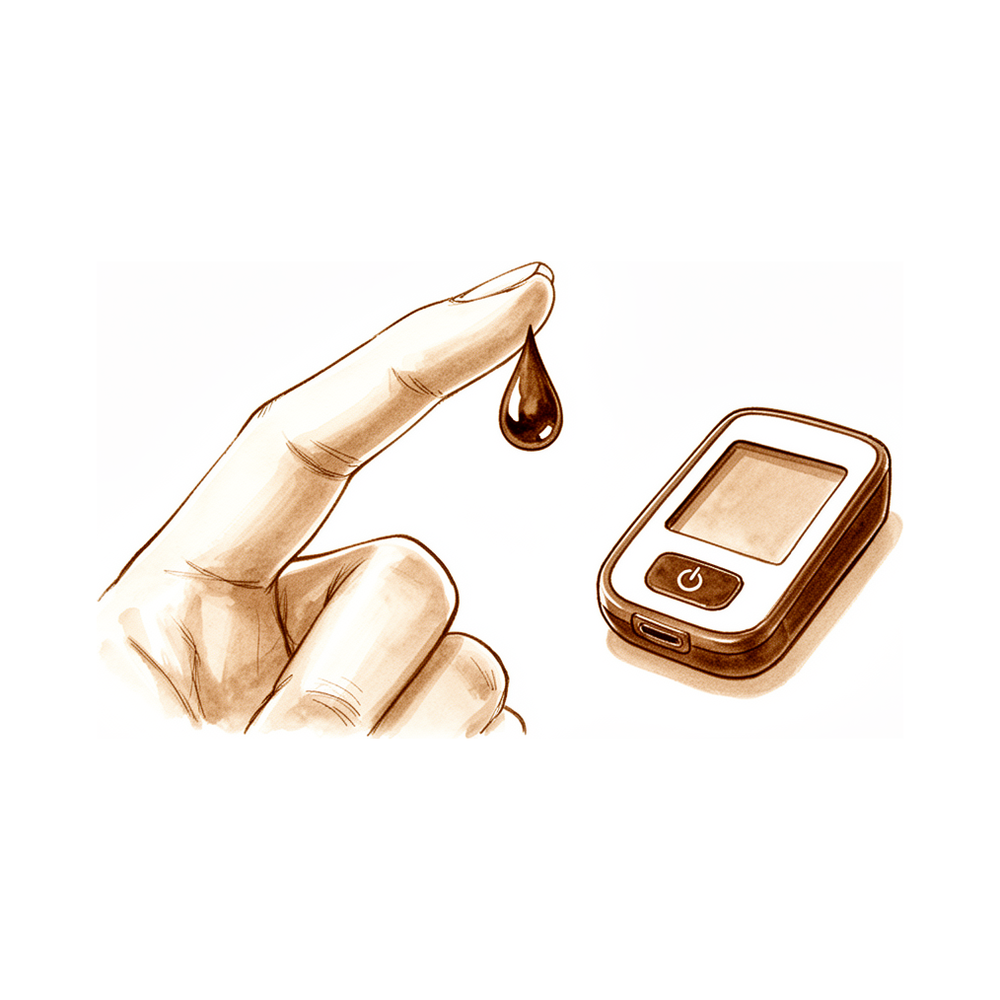
ذیابیطس (شوگر) آپ کے بازو اور ہاتھ (upper limb) کے کئی حصوں کو متاثر کر سکتی ہے، صرف ایک جگہ کو نہیں۔ ہو سکتا ہے آپ کی کوئی انگلی موڑتے وقت کلک کرے یا اٹک جائے، کندھا اکڑ جائے، یا کلائی پر ایک عصب (nerve) کے دبنے سے آپ کے ہاتھ میں جھنجھناہٹ اور سُن پن ہو۔ کچھ لوگ دیکھتے ہیں کہ ان کی انگلیاں آہستہ آہستہ اندر کی طرف مڑ رہی ہیں اور پوری طرح سیدھی نہیں ہوتیں۔ یہ مسائل اکثر وقت کے ساتھ ایک کے بعد ایک سامنے آتے ہیں، اس لیے ہو سکتا ہے آپ ہاتھ یا کندھے کی کسی ایسی شکایت کے لیے دوبارہ آئیں جو اس شکایت سے مختلف ہو جس کے لیے آپ پہلی بار آئے تھے۔
اکڑاؤ اور درد کسی چوٹ کے بعد اچانک آنے کے بجائے عموماً آہستہ آہستہ بڑھتے ہیں۔ اکڑے ہوئے کندھے میں اکثر اس وقت دکھن ہوتی ہے جب آپ سر سے اوپر یا اپنے پیچھے کی طرف ہاتھ بڑھاتے ہیں، اور اس سے آپ کی نیند خراب ہو سکتی ہے۔ ٹریگر فنگر (انگلی کا اٹک جانا) صبح کے وقت زیادہ خراب ہو سکتی ہے اور دن گزرنے کے ساتھ ڈھیلی پڑ جاتی ہے۔ روزمرہ کے کام ہی اس کی نشانی بن جاتے ہیں: کیتلی پکڑنا، دروازے کا ہینڈل گھمانا، ٹائپ کرنا، فون تھامنا، یا بٹن لگانا۔ کندھے کے اکڑاؤ سے بال دھونا یا پچھلی جیب میں ہاتھ ڈالنا مشکل ہو جاتا ہے۔ اگر آپ انسولین استعمال کرتے ہیں تو یہ مسائل زیادہ ضدی ہو سکتے ہیں: ٹریگر فنگر میں اکثر ایک ساتھ کئی انگلیاں متاثر ہوتی ہیں، اور انہیں آزاد کرنے کے لیے سرجری (release) کی ضرورت پڑنے کا امکان زیادہ ہوتا ہے۔
اپنے ہاتھ یا بازو میں انفیکشن کی علامات پر نظر رکھیں۔ اگر کوئی انگلی، ہاتھ یا بازو گرم، سرخ، سوجا ہوا اور دردناک ہو جائے، خاص طور پر بخار کے ساتھ، تو اسی دن ہسپتال کی ایمرجنسی جائیں۔ اس کے لیے فیملی ڈاکٹر (GP) کے ریفرل کی ضرورت نہیں۔ اگر آپ کی انگلیاں یا ہاتھ سفید پڑنے لگیں، ٹھنڈے ہو جائیں، بالکل سفید یا نیلے ہو جائیں، یا کسی چوٹ کے بعد اچانک ان میں احساس یا حرکت ختم ہو جائے، تو اس کے لیے بھی اسی دن ہسپتال کی ایمرجنسی جانا ضروری ہے۔
اگر آپ کی علامات ٹھیک نہیں ہو رہیں، ہفتوں کے دوران بدتر ہو رہی ہیں، رات کو آپ کو جگا دیتی ہیں، یا آپ کو کام کرنے یا اپنا ہاتھ یا بازو استعمال کرنے سے روکتی ہیں، تو اپنے فیملی ڈاکٹر کو دکھائیں یا کسی ماہر ڈاکٹر (specialist) سے معائنے کا کہیں۔ اگر آپ کلینک سے رابطہ نہ کر سکیں، مثلاً کلینک کے اوقات کے بعد یا ہفتے کے آخر میں، تو اپنے قریب ترین ہسپتال کی ایمرجنسی جائیں۔
دراصل کیا ہو رہا ہے
کئی سال تک خون میں شوگر کی زیادہ سطح اس ٹشو کو متاثر کرتی ہے جو آپ کے ٹینڈنوں (tendons) اور جوڑوں کو گھیرے ہوئے ہے۔ ٹینڈن وہ رسیاں ہیں جو آپ کی انگلیوں کو کھینچتی اور آپ کے کندھے کو حرکت دیتی ہیں۔ ذیابیطس میں یہ موٹے ہو سکتے ہیں اور ان کی پھسلن کم ہو جاتی ہے، اس لیے ہتھیلی میں اپنی سرنگ سے گزرتے ہوئے ٹینڈن اٹک جاتا ہے، یا آپ کے کندھے کے گرد جوڑ کی جھلی (capsule) اتنی سخت ہو جاتی ہے کہ جوڑ بمشکل حرکت کرتا ہے۔ ڈاکٹر اسے جوڑوں کی محدود حرکت (limited joint mobility) کہتے ہیں۔ یہ عموماً آہستہ آہستہ بڑھتی ہے، اور جتنا زیادہ عرصہ آپ کو ذیابیطس رہی ہو اتنا ہی زیادہ، اور انگلیوں کا مستقل مڑ جانا (contracture) عموماً نو سال یا اس سے زیادہ عرصے کے بعد ہی ظاہر ہوتا ہے۔
ان میں سے کئی مسائل ایک ساتھ ہو سکتے ہیں۔ ہتھیلی میں موٹا ہو جانے والا ٹینڈن ٹریگر فنگر ہے، کلائی پر عصب کا دبنا کارپل ٹنل سنڈروم (کلائی میں عصب کا دبنا) ہے، اور جکڑا ہوا کندھا فروزن شولڈر (کندھے کا جم جانا) ہے۔ ذیابیطس ان میں سے ہر ایک کا امکان بڑھاتی ہے، اور ایک کا ہونا باقیوں کا امکان بھی بڑھا دیتا ہے۔ اگر آپ انسولین استعمال کرتے ہیں تو اکثر ایک ساتھ کئی انگلیاں متاثر ہوتی ہیں، اور ان میں سے زیادہ انگلیوں کو آخرکار سرجری کے ذریعے آزاد کرنے کی ضرورت پڑتی ہے۔
یہی تبدیلیاں سرجری اور زخم بھرنے کو بھی مشکل بنا دیتی ہیں۔ ہاتھ کے زخم زیادہ آہستہ بھرتے ہیں، اور جو انفیکشن ہو جائیں وہ زیادہ گہرے ہوتے ہیں اور انہیں ختم کرنے کے لیے زیادہ آپریشنوں کی ضرورت پڑتی ہے۔ اسٹیرائیڈ انجکشن، جو ان مسائل کا ایک عام علاج ہیں، عارضی طور پر آپ کی خون کی شوگر بڑھا دیتے ہیں۔ انگلی میں لگایا گیا انجکشن کم از کم 5 دن تک آپ کا گلوکوز (خون کی شوگر) بڑھا سکتا ہے، اس لیے کسی بھی انجکشن سے پہلے اور بعد کے دنوں میں آپ کو اپنی شوگر کی سطح کو قریب سے جانچنا ہو گا۔
اس سب کا یہ مطلب نہیں کہ یہ مسائل آپ کی غلطی ہیں یا یہ کہ ان کا علاج نہیں ہو سکتا۔ اس کا مطلب یہ ہے کہ ان کی بنیادی وجہ خود ذیابیطس ہے، جو وقت کے ساتھ آپ کے ٹینڈنوں، جوڑوں اور اعصاب پر اثر ڈالتی ہے، اس لیے آپ کا ڈاکٹر صرف اس جگہ کو نہیں دیکھے گا جہاں آج درد ہے بلکہ آپ کے پورے بازو اور ہاتھ کا معائنہ کرے گا۔
ہم اس کے لیے کیا کر سکتے ہیں
آپ خود بہت کچھ کر سکتے ہیں۔ اپنی خون کی شوگر کو مناسب حد میں رکھنا پہلا قدم ہے، کیونکہ یہی آپ کے ٹینڈنوں اور جوڑوں کے اکڑنے کی بنیادی وجہ ہے۔ ہلکی ورزش اور فزیوتھراپی کا مقصد آپ کی انگلیوں، کلائی اور کندھے کو حرکت میں رکھنا ہے، اور اکڑاؤ کو آپ کے روزمرہ کے کاموں کو محدود کرنے سے روکنا ہے۔ اگر آپ کو ٹائپ 2 ذیابیطس ہے تو ورزش اور خوراک اسے سنبھالنے کا پہلا ذریعہ ہیں۔ ورزش کی منصوبہ بندی کرتے وقت آپ کی اپنی صحت کو الگ سے دیکھنا ضروری ہے، خاص طور پر اگر آپ کو دل یا خون کی نالیوں کے مسائل ہیں، اس لیے ان کے بارے میں اپنے فیملی ڈاکٹر یا ذیابیطس کی ٹیم سے بات کریں۔ خود اپنی دیکھ بھال کو دنوں کے بجائے ہفتوں تک پورا موقع دیں۔
اس دوران دوائیں درد میں مدد کر سکتی ہیں۔ ذیابیطس والے لوگوں میں اچانک شروع ہونے والے وقتی درد (acute pain) کے لیے لوکسوپروفین (loxoprofen) جیسی سوزش کم کرنے والی درد کش دوا استعمال کی جا سکتی ہے۔ پریشان کن ٹریگر فنگر کے لیے اسٹیرائیڈ انجکشن ایک اور راستہ ہیں، اور آدھے سے زیادہ کیسوں میں یہ سرجری کی ضرورت سے بچانے میں مدد کر سکتے ہیں۔ اس کی قیمت خون کی شوگر پر اثر ہے: انگلی میں لگایا گیا انجکشن کم از کم 5 دن تک آپ کا گلوکوز بڑھا سکتا ہے، اور اگر آپ کا HbA1c (خون کی شوگر کا طویل مدتی ٹیسٹ) 7 فیصد یا اس سے زیادہ ہو تو یہ اضافہ عموماً زیادہ ہوتا ہے اور زیادہ دیر تک رہتا ہے۔ اس لیے آپ کا HbA1c یہ اندازہ لگانے میں مدد دے سکتا ہے کہ آپ کا گلوکوز کتنا بڑھے گا، لہٰذا کسی بھی انجکشن سے پہلے اور بعد کے دنوں میں اپنی شوگر کی سطح کو قریب سے جانچتے رہیں۔ پلیٹلیٹ سے بھرپور پلازما (platelet-rich plasma)، یعنی آپ کے اپنے خون کے نمونے سے تیار کیا گیا انجکشن، ذیابیطس والے لوگوں میں فروزن شولڈر کے لیے ایک محفوظ اور اچھی طرح برداشت ہونے والا راستہ ہے۔
اگر اوپر بتائے گئے اقدامات کے باوجود آپ کی علامات شدید ہوں اور ٹھیک نہ ہو رہی ہوں، تو آپ کا فیملی ڈاکٹر یا ڈاکٹر آپ کو ماہر کے معائنے کے لیے ریفرل (referral) دے سکتا ہے۔ کچھ مخصوص مسائل میں کبھی کبھار کسی طبی عمل (procedure) پر غور کیا جا سکتا ہے۔ اچھی خبر یہ ہے کہ ذیابیطس والے لوگ ان مسائل کے علاج سے عموماً اتنا ہی فائدہ اٹھاتے ہیں جتنا کوئی اور: کارپل ٹنل ریلیز (کلائی میں عصب پر دباؤ ختم کرنے کا آپریشن) کے بعد ذیابیطس والے لوگوں میں بہتری لمبے عرصے تک اسی حد تک برقرار رہتی ہے جتنی ذیابیطس نہ رکھنے والوں میں۔ کچھ طبی عمل کھلے چیرے کے بجائے جلد کے ذریعے بھی کیے جا سکتے ہیں، اور یہ ذیابیطس ہو یا نہ ہو، یکساں طور پر اچھے اور محفوظ طریقے سے کام کرتے ہیں۔ پھر بھی جب ذیابیطس ساتھ ہو تو صحت یابی میں کچھ زیادہ وقت لگ سکتا ہے، اور سرجری کے ذریعے آزاد کیا گیا اکڑا ہوا کندھا توقع سے زیادہ عرصے تک سخت رہ سکتا ہے، اس لیے آپ کا ڈاکٹر آپ کے ساتھ مل کر احتیاط سے طے کرے گا کہ علاج کب کیا جائے۔
کیا توقع رکھیں
ان میں سے زیادہ تر مسائل آہستہ آہستہ بنتے ہیں اور آہستہ آہستہ ہی بدلتے ہیں۔ جوڑوں کی محدود حرکت عموماً آہستہ آہستہ بڑھتی ہے، اور جتنا زیادہ عرصہ آپ کو ذیابیطس رہی ہو اتنا ہی زیادہ، اور انگلیوں کا مستقل مڑ جانا عموماً نو سال یا اس سے زیادہ عرصے کے بعد ہی ظاہر ہوتا ہے۔ بڑھتی عمر کے ہاتھ میں کچھ اکڑاؤ ذیابیطس کے بغیر بھی عام ہے، اس لیے ہر اکڑی ہوئی انگلی بدتر نہیں ہوتی جائے گی۔ خون کی شوگر کے اچھے کنٹرول، ہلکی ورزش اور صحیح علاج سے زیادہ تر لوگوں کا ہاتھ اور کندھا روزمرہ زندگی کے لیے کافی اچھی طرح کام کرتا رہتا ہے۔ اگر کچھ نہ کیا جائے تو اکڑاؤ اور اٹکنا خود بخود ٹھیک ہونے کے بجائے عموماً برقرار رہتے ہیں۔
علاج سے کیا حاصل ہو سکتا ہے، اس بارے میں حقیقت پسند رہیں۔ جیسا کہ پہلے بتایا گیا، پریشان کن ٹریگر فنگر میں اسٹیرائیڈ انجکشن آدھے سے زیادہ کیسوں میں سرجری کی ضرورت سے بچا سکتے ہیں۔ کارپل ٹنل ریلیز کے بعد ذیابیطس والے لوگوں کو آپریشن سے پہلے اور بعد دونوں وقت زیادہ علامات ہوتی ہیں، لیکن وہ ذیابیطس نہ رکھنے والوں جتنی ہی نسبتی بہتری کی توقع رکھ سکتے ہیں۔ فروزن شولڈر کے لیے، جب آپ سوئے ہوئے ہوں اس وقت کندھے کو نرمی سے حرکت دینا (manipulation) دونوں قسم کی ذیابیطس والے لوگوں میں تسلی بخش نتیجہ دے سکتا ہے، اگرچہ صرف اس طریقے سے کیے گئے تقریباً ہر تین میں سے ایک علاج پہلی بار کامیاب نہیں ہوتا اور اسے دہرانا پڑتا ہے۔ سرجری کے ذریعے آزاد کیا گیا کندھا توقع سے زیادہ عرصے تک سخت رہ سکتا ہے، ذیابیطس والے لوگوں میں چھ ماہ پر نتائج عموماً کم اچھے ہوتے ہیں، اور آپریشن کے دو سال بعد بھی حرکت کی حد مستقل طور پر کم رہنے کا رجحان ہوتا ہے۔ ذیابیطس والے لوگوں میں سرجری جلد کی جائے یا دیر سے، نتیجے پر اس کا کوئی فرق نہیں پڑتا۔
آپ کی مجموعی صحت بھی آگے کی صورتحال پر اثر ڈالتی ہے۔ اگر آپ انسولین استعمال کرتے ہیں تو ہاتھ اور بازو کی سرجری کے بعد پیچیدگیوں کا خطرہ زیادہ ہوتا ہے، خاص طور پر زخم کے انفیکشن کا، اس لیے کسی بھی آپریشن سے پہلے آپ کا ڈاکٹر آپ کے ساتھ مل کر اس پر غور کرے گا۔ ذیابیطس والے لوگوں میں ہاتھ کے انفیکشن زیادہ شدید ہو سکتے ہیں، خاص طور پر جب خون کی شوگر کا کنٹرول خراب رہا ہو، اسی لیے اس صفحے پر پہلے بتائی گئی وہ علامات اہم ہیں جن میں اسی دن ہسپتال کی ایمرجنسی جانا ہوتا ہے۔ سچا خلاصہ یہ ہے: ذیابیطس والے لوگوں میں ان مسائل کا علاج کام کرتا ہے، اور جو بہتری آپ محسوس کرتے ہیں وہ عموماً حقیقی اور دیرپا ہوتی ہے، لیکن صحت یابی میں عام حالات سے زیادہ وقت لگ سکتا ہے، اور کچھ اکڑاؤ آپ کے ساتھ رہ سکتا ہے۔ کسی بھی انجکشن یا طبی عمل سے پہلے اور بعد اپنا گلوکوز جانچتے رہیں، جتنی آپ کا جسم اجازت دے اتنی حرکت جاری رکھیں، اور اگر کچھ بدلے تو دوبارہ آئیں۔
ڈاکٹر کو کب دکھائیں
ان میں سے زیادہ تر مسائل آہستہ آہستہ بنتے ہیں، اس لیے عموماً معمول کی اپائنٹمنٹ ہی صحیح پہلا قدم ہے۔ اگر آپ کی علامات ٹھیک نہیں ہو رہیں، ہفتوں کے دوران بدتر ہو رہی ہیں، رات کو آپ کو جگا دیتی ہیں، یا آپ کو کام کرنے یا اپنا ہاتھ یا بازو استعمال کرنے سے روکتی ہیں، تو اپنے فیملی ڈاکٹر کو دکھائیں یا کسی ماہر ڈاکٹر سے معائنے کا کہیں۔ یہ ضرور بتائیں کہ آپ کو ذیابیطس ہے، اور اگر آپ نے کوئی خاص انداز محسوس کیا ہو تو اس کا بھی ذکر کریں: ایک ہی ہاتھ میں کئی انگلیوں کا اٹکنا، یا کسی چوٹ کے بغیر کندھے کا اکڑ جانا۔ یہ تفصیلات آپ کے فیملی ڈاکٹر یا ڈاکٹر کو ان مسائل کے درمیان تعلق جوڑنے میں مدد دیتی ہیں جو اکثر ایک ساتھ ہوتے ہیں۔
ایک صورتحال انتظار نہیں کر سکتی۔ اگر کوئی انگلی، ہاتھ یا بازو گرم، سرخ، سوجا ہوا اور دردناک ہو جائے، خاص طور پر بخار کے ساتھ، تو اسی دن ہسپتال کی ایمرجنسی جائیں۔ ذیابیطس والے لوگوں میں ہاتھ کے انفیکشن زیادہ گہرے اور زیادہ شدید ہو سکتے ہیں، خاص طور پر جب خون کی شوگر زیادہ رہی ہو، اس لیے یہ دیکھنے کا انتظار نہ کریں کہ یہ خود ٹھیک ہوتا ہے یا نہیں۔ فیملی ڈاکٹر کے ریفرل کی ضرورت نہیں۔ اگر آپ کی انگلیاں یا ہاتھ سفید پڑنے لگیں، ٹھنڈے ہو جائیں، بالکل سفید یا نیلے ہو جائیں، یا کسی چوٹ کے بعد اچانک ان میں احساس یا حرکت ختم ہو جائے، تو اس کے لیے بھی اسی دن ہسپتال کی ایمرجنسی جانا ضروری ہے۔ اگر آپ کلینک سے رابطہ نہ کر سکیں، مثلاً کلینک کے اوقات کے بعد یا ہفتے کے آخر میں، تو اپنے قریب ترین ہسپتال کی ایمرجنسی جائیں۔
Evidence & references
This is the clinical evidence summary written for health professionals. It is technical, and it lists the research this page was built from. You do not need to read it to understand your treatment or to make a decision about it.
Overview
- Assessment of upper limb locomotor disease in diabetes should include an estimate of glycaemic control and a search for other complications [1].
- Examination of the hands and shoulders should be included in the evaluation of patients with diabetes [4].
- The prevalence of musculoskeletal disorders in people with type 2 Diabetes mellitus remains high despite advances in medical management over the last two decades [5].
- Upper extremity impairments are prevalent and significant in patients with diabetes mellitus [7].
- The systemic nature of musculoskeletal impairments in people with diabetes mellitus has traditionally been underappreciated but is recently gaining attention [12].
- Diabetes mellitus is associated with a variety of hand manifestations including stenosing tenosynovitis, Dupuytren's contracture, carpal tunnel syndrome, and limited joint mobility [18].
- Musculoskeletal hand disorders were prevalent in type 2 diabetes mellitus patients in Jordan [74].
- Insulin-dependent diabetic patients have a higher incidence of multiple digit involvement (59% of patients) compared to non-insulin-dependent diabetic patients (28% of patients) regarding trigger finger [2].
- Insulin-dependent diabetic patients have a higher rate of requiring surgical release for relief of symptoms (56% of digits) compared to non-insulin-dependent diabetic patients (28% of digits) regarding trigger finger [2].
- The presence of diabetes mellitus rather than its severity was the most important factor for developing trigger digit after carpal tunnel release [14].
- In 36 patients (4.5 per cent.), both shoulders were involved in periarthritis of the shoulder and there was a high incidence in insulin-dependent diabetics [3].
- Shoulder pain and disability are common, and persistent in adults with diabetes [6].
- The prevalence of frozen shoulder is less than previously reported but still greater in diabetic patients [23].
- There is continuing gradual deterioration of limited joint mobility with increasing duration of disease, though finger joint contractures are prevalent only in longstanding diabetics with a disease duration of nine years or more [8].
- Diabetes exacerbates the burden of surgical upper-extremity infections, characterized by more proximal locations, deeper involved anatomy, broader pathogenic microbiology, increased need for repeat drainage, and higher risk for amputation [9].
- Insulin-dependent diabetic patients have a greater risk of complications following hand and upper extremity surgery, specifically surgical site infections [11].
- More than one third of patients in a clinical series of diabetic hand infections are diabetic [17].
- Hand infection requiring hospitalization is an infrequent complication in diabetics [32].
Background & Causes
General Musculoskeletal Impact
- The systemic nature of musculoskeletal impairments in people with diabetes has traditionally been underappreciated but is recently gaining attention [12].
- The frequencies of hand region abnormalities are significantly higher in diabetic subjects as compared to the controls [34].
Pathophysiology and Risk Factors
- Diabetes is a significant risk factor for Dupuytren's Disease [38].
- Strong evidence indicates that diabetes is associated with a higher risk of tendinopathy [39].
- In diabetic patients, the presence of limited joint mobility is positively associated with the prevalence of multiple digit involvement by stenosing flexor tenosynovitis [33].
- Finger joint contractures are prevalent only in longstanding diabetics with a disease duration of nine years or more [8].
- There is continuing gradual deterioration of limited joint mobility with increasing duration of diabetes [8].
- In adults with hand syndromes associated with diabetes, disability was related to impaired muscle function and carpal tunnel syndrome [15].
- Patients with painful shoulders, irrespective of having type 2 diabetes mellitus, seem to have abnormal shoulder muscles [24].
Frozen Shoulder (Adhesive Capsulitis)
- People with diabetes are more likely to develop frozen shoulder [54].
- A genome-wide association study identifies diabetes as a likely causal risk factor for frozen shoulder, likely through a pathway involving long-term high blood glucose levels [55].
- Type 2 diabetes may be a cause of frozen shoulder, but the effect is not supported to be mediated by metabolic health [43].
- Although frozen shoulder might be associated with the duration of diabetes, the association between metabolic control and frozen shoulder has yet to be clearly shown [27].
- Whole-transcriptome expression profiles demonstrate a fundamentally different underlying pathophysiology when comparing diabetic adhesive capsulitis with idiopathic adhesive capsulitis, suggesting these are distinct clinical entities [72].
Carpal Tunnel Syndrome
- Type 2 diabetes does not seem to be a risk factor for carpal tunnel syndrome [69].
- Diabetic patients without peripheral neuropathy have an association with higher incidence of carpal tunnel syndrome, suggesting disparate mechanisms causing diabetic peripheral neuropathy and carpal tunnel syndrome [66].
- Molecular and pathological studies provide a potential basis for the predisposition of diabetic patients to the development of carpal tunnel syndrome [71].
- Among patients with diabetes who had carpal tunnel syndrome, higher RAGE expression was observed in those with more severe disease, suggesting that RAGE-mediated pathways may play a role in the pathophysiology [70].
Trigger Finger and Infections
- Insulin-dependent diabetic patients have a higher incidence of multiple digit involvement (59% of patients) and of requiring surgical release for relief of symptoms (56% of digits) when compared to non-insulin-dependent diabetic patients (28% of patients with multiple digit involvement; 28% of digits requiring surgery) [2].
- Three patients were found to have overt diabetes and four had latent diabetes in a study of pyogenic human hand infections, representing a disproportionately high incidence of metabolic disorders [13].
Symptoms & Presentation
General Musculoskeletal Manifestations
- Upper limb musculoskeletal abnormalities are associated with poor metabolic control in diabetes [1].
- The frequencies of hand region abnormalities are significantly higher in diabetic subjects compared to controls [34].
- Hand manifestations of diabetes often present with multiple visits for hand conditions over time [18].
- Long-term prospective randomised controlled trials on the effects of exercise in preventing musculoskeletal complications and disability in diabetics are needed [10].
Limited Joint Mobility and Contractures
- There is continuing gradual deterioration of limited joint mobility with increasing duration of disease [8].
- The presence of limited joint mobility is positively associated with the prevalence of multiple digit involvement by stenosing flexor tenosynovitis in diabetic patients [33].
Trigger Finger (Stenosing Tenosynovitis)
- Insulin-dependent diabetic patients have a higher incidence of multiple digit involvement (59% of patients) compared to non-insulin-dependent diabetic patients (28% of patients) [2].
- Insulin-dependent diabetic patients have a higher rate of requiring surgical release for relief of symptoms (56% of digits) compared to non-insulin-dependent diabetic patients (28% of digits) [2].
- In diabetic patients, flexor tenosynovitis typically affected more than one digit in the same hand [59].
Shoulder Disorders
- In a study of 36 patients, both shoulders were involved and there was a high incidence in insulin-dependent diabetics [3].
- Although frozen shoulder might be associated with the duration of diabetes, the association between metabolic control and shoulder disorders has yet to be clearly shown [27].
- A patient who presents with a painful shoulder of insidious onset with restricted motion for which an intrinsic cause can be ruled out radiographically has a 38.6% chance of being diabetic [35].
- A patient who presents with a painful shoulder of insidious onset with restricted motion for which an intrinsic cause can be ruled out radiographically has a 32.95% chance of being prediabetic [35].
- Patients with and without diabetes experienced similar pain except during exertion [29].
- Diabetic patients are reported to have more residual pain, reduced motion and inferior function compared to idiopathic cases after arthroscopic capsular release for adhesive capsulitis [64].
Infections
- Three patients were found to have overt diabetes and four had latent diabetes in a series of pyogenic human hand infections, representing a disproportionately high incidence of metabolic disorders [13].
- More than one third of the patients in a clinical series of hand infections were diabetic [17].
- There was an increased severity of hand infections in diabetic patients treated during the pandemic, linked to poor glycaemic control [28].
- Outcome in insulin dependent patients with poor glycemic control, deep hand infection and presence of associated ESRD, is the worst [36].
Disability and Functional Impairment
Management
Assessment and Monitoring
- Patients with and without diabetes experienced similar pain except during exertion in the context of diabetic frozen shoulder [29].
Non-Operative Management
- Exercise and diet are the first means of management for persons diagnosed with adult-onset type 2 diabetes (or noninsulin-dependent diabetes mellitus, NIDDM) [41].
- Patients with coronary artery disease, peripheral vascular disease, and diabetes mellitus must be considered individually when prescribing exercise, because their clinical status can vary greatly [61].
- Corticosteroid injections in the hand transiently increase blood glucose levels in diabetic patients [19].
- A digital injection of the corticosteroid methylprednisolone acetate in diabetic patients with trigger finger causes a hyperglycemic effect that lasts for at least 5 days [22].
- A digital injection of the corticosteroid methylprednisolone acetate in diabetic patients with trigger finger can help prevent the need for surgery more than half the time [22].
- Local corticosteroid injection to the shoulder can create a significant, short-term increase in systemic glucose levels in patients with type 2 diabetes not treated with insulin [26].
- Patients with HbA1c levels of 7% or greater experience higher and longer-lasting blood glucose elevations after corticosteroid injections compared to those with lower levels [67].
- HbA1c can predict the degree of glucose elevation following local corticosteroid injection in the hand [67].
- Platelet-rich plasma injection is a safe and well-tolerated method for adhesive capsulitis management for diabetic patients [48].
- Loxoprofen seems to be a first line treatment of acute pain in diabetics [51].
- GLP 1RA users experienced a similar risk of upper extremity fragility fractures compared to matched controls without GLP1-RA use in a retrospective analysis of 194,205 older patients with T2DM and a history of metformin use [62].
Operative Management
- Insulin-dependent diabetic patients have a higher incidence of multiple digit involvement (59% of patients) for trigger finger compared to non-insulin-dependent diabetic patients (28% of patients) [2].
- Insulin-dependent diabetic patients have a higher incidence of requiring surgical release for relief of symptoms (56% of digits) for trigger finger compared to non-insulin-dependent diabetic patients (28% of digits) [2].
- In 36 patients (4.5 per cent.), both shoulders were involved in periarthritis and there was a high incidence in insulin-dependent diabetics [3].
- Percutaneous release with or without simultaneous corticosteroid injection has shown promising results and is equally effective and safe in diabetics and nondiabetics for trigger finger [46].
- Excision of the ulnar slip of the flexor digitorum superficialis with or without A1 pulley release is a safe and effective treatment for stenosing flexor tenosynovitis in the diabetic patient [49].
- Patients with diabetes have the same beneficial outcome after carpal tunnel release as nondiabetic patients [31].
- Long-term improvement in patients with diabetes remained after carpal tunnel release to the same extent as for patients without diabetes [37].
- The duration of diabetes and its treatment can be related to the severity of the disease symptoms after carpal tunnel releasing surgeries [57].
- Preoperative semaglutide use was not associated with a reduction in 90-day complications or 2-year reoperation-free survival in patients with type II diabetes mellitus undergoing carpal tunnel release [68].
- The results in diabetics were significantly worse than those in non-diabetics six months post-operatively for arthroscopic release of frozen shoulder [30].
- There is a tendency towards persistent limitation of movement two years after arthroscopic release of frozen shoulder in diabetics [30].
- When shoulder mobilization was achievable with gentle manipulation under anesthesia, the outcome was satisfactory in both patients with IDDM and those with NIDDM [58].
- The best current evidence supports the efficacy of surgical interventions for the management of upper limb conditions in diabetic individuals [20].
- Additional research is required to determine whether treatment outcomes for upper limb conditions are equivalent to those of nondiabetic patients [20].
- Additional research is required to determine whether diabetes is associated with an increased risk of complications in upper limb surgery [20].
Infection and Vascular Considerations
- Three patients were found to have overt diabetes and four had latent diabetes, representing a disproportionately high incidence of metabolic disorders in pyogenic human hand infections [13].
- There was an increased severity of hand infections in those treated during the pandemic, linked to poor glycaemic control [28].
- Diabetes is associated with higher risk of tendinopathy [39].
- In patients with factors or injury characteristics that contraindicate single-digit replantation (eg, advanced age, diabetes mellitus, smoking), revision amputation is indicated [42].
- Many patients with critical ischemia due to complications of diabetes and renal disease will have multiple levels of partial occlusion that can be seen in the forearm vessels on arteriography [44].
- These types of lesion do not lend themselves to a local approach [44].
- Arterial occlusive disease in the distal upper extremity is primarily related to the combination of diabetes, renal disease, and often organ transplantation [45].
Key Considerations
Assessment and Prevalence
Specific Conditions and Risk Factors
- Insulin-dependent diabetic patients have a higher incidence of multiple digit involvement in trigger finger (59% of patients) compared to non-insulin-dependent diabetic patients (28% of patients) [2].
- Insulin-dependent diabetic patients have a higher rate of requiring surgical release for trigger finger symptoms (56% of digits) compared to non-insulin-dependent diabetic patients (28% of digits) [2].
- In a study of 36 patients with periarthritis of the shoulder, both shoulders were involved and there was a high incidence in insulin-dependent diabetics [3].
- A patient who presents with a painful shoulder of insidious onset with restricted motion for which an intrinsic cause can be ruled out radiographically has a 38.6% chance of being diabetic and a 32.95% chance of being prediabetic [35].
- Patients diagnosed with idiopathic frozen shoulder who are 60 years or younger and are not known diabetics have a similar probability of having diabetes or prediabetes to an age-matched population [80].
Surgical Outcomes and Complications
- Patients with insulin-dependent diabetes mellitus (IDDM) have a greater risk of complications following hand and upper extremity surgery, specifically surgical site infections [11].
- The results of arthroscopic release for frozen shoulder in diabetics were significantly worse than those in non-diabetics six months post-operatively, with a tendency towards persistent limitation of movement two years after operation [30].
- Patients with diabetes experience more symptoms both before and after open carpal tunnel release, but can expect the same relative improvement from surgery as patients without diabetes [76].
- Outcome was considered excellent if there was complete resolution of symptoms, which occurred in 35% of the treated hands in a study of carpal tunnel release in diabetic patients [77].
- An initial failure rate of approximately one-third for manipulation under general anesthesia for frozen shoulder may be considered unacceptably high in other general orthopedic procedures, but with appropriate counseling and consent and combined with a repeat MUA for recurrence, this protocol may represent a satisfactory treatment strategy in the diabetic population [78].
- There were no significant differences in outcomes between early and delayed arthroscopic release in patients with a history of diabetes mellitus [79].
- The preoperative status of the ulnar nerve, based on electrophysiology, among individuals with diabetes may be clinically relevant for surgery for cubital tunnel syndrome [53].
Infection and Metabolic Control
- Analysis of a clinical series of hand infections demonstrates that more than one third of the patients are diabetic [17].
- Three patients were found to have overt diabetes and four had latent diabetes, representing a disproportionately high incidence of metabolic disorders in a series of pyogenic human hand infections [13].
- The data did not support the guidelines for enforcing HbA1c cutoff levels prior to elective hand surgery overall [50].
- A collaborative and comprehensive approach to the pre-operative medical evaluation of patients with diabetes is critical for shoulder arthroplasty outcomes [52].
Key Evidence
- [L3] Assessment of upper limb locomotor disease in diabetes should include an estimate of glycaemic control and a search for other complications. [1] (10.1016/j.ejim.2009.08.001)
- [L4] Insulin-dependent diabetic patients have a higher incidence of multiple digit involvement (59% of patients) and of requiring surgical release for relief of symptoms (56% of digits) when compared to non-insulin-dependent diabetic patients (28% of patients with multiple digit involvement; 28% of digits requiring surgery). [2] (10.1016/s0363-5023(05)80432-0)
- [L4] In 36 patients (4.5 per cent.), both shoulders were involved and there was a high incidence in insulin-dependent diabetics. [3] (10.1136/ard.31.1.69)
- [L3] Examination of the hands and shoulders should be included in the evaluation of patients with diabetes. [4] (10.1016/s0002-9343(02)01045-8)
- [L3] The prevalence of musculoskeletal disorders in people with type 2 Diabetes mellitus remains high despite advances in medical management over the last two decades. [5] (10.1016/j.jht.2021.04.013)
- [L4] Shoulder pain and disability are common, and persistent in adults with diabetes. [6] (10.1093/rheumatology/ken333)
- [L3] These findings suggest that upper extremity impairments are prevalent and significant in this population. [7] (10.1016/j.physio.2014.07.003)
- [L3] There is continuing gradual deterioration with increasing duration of disease, though finger joint contractures are prevalent only in longstanding diabetics with a disease duration of nine years or more. [8] (10.1136/ard.44.2.93)
- [L2] Diabetes exacerbates the burden of surgical upper-extremity infections, characterized by more proximal locations, deeper involved anatomy, broader pathogenic microbiology, increased need for repeat drainage, and higher risk for amputation. [9] (10.1016/j.jhsa.2017.11.003)
- [L3] Long-term prospective randomised controlled trials on the effects of exercise in preventing musculoskeletal complications and disability in diabetics are needed. [10] (10.1007/s10067-003-0704-7)
- [L2] Our data demonstrate a greater risk of complications following hand and upper extremity surgery for patients with IDDM, specifically surgical site infections. [11] (10.1016/j.jhsa.2018.06.006)
- [L4] The systemic nature of musculoskeletal impairments in people with DM traditionally has been underappreciated but recently is gaining attention. [12] (10.1016/j.foot.2020.101680)
- [L4] Three patients were found to have overt diabetes and four had latent diabetes, representing a disproportionately high incidence of metabolic disorders. [13] (10.1016/s0363-5023(78)80140-3)
- [L4] The presence of diabetes mellitus rather than its severity was the most important factor for developing trigger digit. [14] (10.1016/j.jhsa.2013.10.023)
- [L4] In adults with hand syndromes associated with diabetes, disability was related to impaired muscle function and carpal tunnel syndrome. [15] (10.3899/jrheum.090239)
- [L4] Analysis of the authors' clinical series demonstrates that more than one third of the patients are diabetic. [17] (10.1016/s0749-0712(21)00424-8)
- [L4] Diabetes mellitus is associated with a variety of hand manifestations including stenosing tenosynovitis, Dupuytren's contracture, carpal tunnel syndrome, and limited joint mobility, which often present with multiple visits for hand conditions over time. [18] (10.1016/j.jhsa.2008.01.038)
- [L3] Corticosteroid injections in the hand transiently increase blood glucose levels in diabetic patients. [19] (10.1016/j.jhsa.2014.01.014)
- [L4] The best current evidence supports the efficacy of surgical interventions for the management of these conditions in diabetic individuals; however, additional research is required to determine whether the treatment outcomes are equivalent to those of nondiabetic patients, and whether diabetes is associated with an increased risk of complications. [20] (10.1016/j.jhsa.2011.10.002)
- [L4] A digital injection of the corticosteroid methylprednisolone acetate in diabetic patients with trigger finger causes a hyperglycemic effect that lasts for at least 5 days but can help prevent the need for surgery more than half the time. [22] (10.1016/j.jhsa.2006.03.022)
- [L3] The prevalence of frozen shoulder is less than previously reported but still greater in diabetic patients. [23] (10.1016/j.jse.2007.02.133)
- [L3] Patients with painful shoulders, irrespective of having type 2 diabetes mellitus, seem to have abnormal shoulder muscles. [24] (10.1186/s12891-022-05627-9)
- [L2] Local corticosteroid injection to the shoulder can create a significant, short-term increase in systemic glucose levels in patients with type 2 diabetes not treated with insulin. [26] (10.1016/j.jseint.2022.05.016)
- [L2] Although frozen shoulder might be associated with the duration of diabetes, the association between metabolic control and the two aforementioned shoulder disorders has yet to be clearly shown. [27] (10.1111/jdi.12491)
- [L4] While fewer patients attended the service during the pandemic, there was an increased severity of hand infections in those treated, linked to poor glycaemic control. [28] (10.1177/17531934231196026)
- [L3] Patients with and without diabetes experienced similar pain except during exertion. [29] (10.1177/0300060516675112)
- [L3] The results in diabetics were significantly worse than those in non-diabetics six months post-operatively with a tendency towards persistent limitation of movement two years after operation. [30] (10.1302/0301-620x.96b10.34476)
- [L2] Patients with diabetes have the same beneficial outcome after carpal tunnel release as nondiabetic patients. [31] (10.1016/j.jhsa.2009.04.006)
- [L4] Hand infection requiring hospitalization is an infrequent complication in diabetics. [32] (10.1016/s0266-7681(97)80041-1)
- [L2] Multiple regression analysis in diabetic patients revealed that the presence of limited joint mobility was positively associated with the prevalence of multiple digit involvement. [33] (10.3899/jrheum.081024)
- [L3] The study found that the frequencies of hand region abnormalities were significantly higher in diabetic subjects as compared to the controls (p-value <0.001). [34] (10.1186/1756-0500-6-16)
- [L4] The study shows with statistical significance that a patient who presents with a painful shoulder of insidious onset with restricted motion for which an intrinsic cause can be ruled out radiographically has a 38.6% chance of being diabetic and a 32.95% chance of being prediabetic. [35] (10.1097/smj.0b013e3181705d39)
- [L4] Outcome in insulin dependent patients with poor glycemic control, deep hand infection and presence of associated ESRD, is the worst. [36] (10.1142/s2424835519500401)
- [L2] Long-term improvement in patients with diabetes remained after carpal tunnel release to the same extent as for patients without diabetes. [37] (10.1016/j.jhsa.2014.01.012)
- [L3] Diabetes is a significant risk factor for Dupuytren's Disease. [38] (10.1016/s0363-5023(03)80324-6)
- [L1] These findings provide strong evidence that diabetes is associated with higher risk of tendinopathy. [39] (10.1136/bjsports-2015-094735)
- [L5] Exercise and diet are the first means of management for persons diagnosed with adult-onset type 2 diabetes (or noninsulin-dependent diabetes mellitus, NIDDM). [41] (10.1016/s0278-5919(05)70170-8)
- [L2] This study suggests that type 2 diabetes may be a cause of frozen shoulder but does not support the hypothesis that the effect is mediated by metabolic health. [43] (10.1186/s12891-025-08672-2)
- [L4] Percutaneous release with or without simultaneous corticosteroid injection has shown promising results and is equally effective and safe in diabetics and nondiabetics. [46] (10.1016/j.jhsa.2018.03.045)
- [L3] Additionally, it is a safe and well-tolerated method for AC management for diabetic patients. [48] (10.5397/cise.2021.00381)
- [L4] This procedure is a safe and effective treatment for the often-difficult problem of stenosing flexor tenosynovitis in the diabetic patient. [49] (10.1007/s11552-007-9065-z)
- [L3] The data did not support the guidelines for enforcing HbA1c cutoff levels prior to elective hand surgery overall. [50] (10.1177/1558944720937363)
- [L4] Loxoprofen seems to be a first line treatment of acute pain in diabetics. [51] (10.1016/j.injury.2026.113298)
- [L4] A collaborative and comprehensive approach to the pre-operative medical evaluation of patients with DM is critical, as is future investigation into alternative methods associated with outcomes after shoulder arthroplasty in patients with DM. [52] (10.1007/s00264-018-3874-2)
- [L5] They note that the preoperative status of the ulnar nerve, based on electrophysiology, among individuals with diabetes may also be clinically relevant. [53] (10.1177/17531934231172595)
- [L1] People with diabetes are more likely to develop frozen shoulder. [54] (10.1136/bmjopen-2022-062377)
- [L1] Diabetes is a likely causal risk factor for frozen shoulder, likely through a pathway involving long-term high blood glucose levels. [55] (10.1371/journal.pgen.1009577)
- [Paper] However, the duration of diabetes and its treatment can be related to the severity of the disease symptoms after the carpal tunnel releasing surgeries. [57] (10.1055/s-0039-1697059)
- [L4] When shoulder mobilization was achievable with gentle manipulation under anesthesia, the outcome was satisfactory in both patients with IDDM and those with NIDDM. [58] (10.1067/mse.2002.127301)
- [L3] In the diabetic patients studied here, flexor tenosynovitis typically affected more than one digit in the same hand. [59] (10.1016/s0363-5023(05)80068-1)
- [L5] Patients with coronary artery disease, peripheral vascular disease, and diabetes mellitus must be considered individually when prescribing exercise, because their clinical status can vary greatly. [61] (10.1016/s0278-5919(02)00035-2)
- [L3] In this retrospective analysis of 194,205 older patients with T2DM and a history of metformin use, GLP 1RA users experienced a similar risk of upper extremity fragility fractures compared to matched controls without GLP1-RA use. [62] (10.1016/j.injury.2026.113456)
- [L4] However, diabetic patients are reported to have more residual pain, reduced motion and inferior function compared to idiopathic cases. [64] (10.1016/j.otsr.2019.02.014)
- [L4] Diabetic patients without peripheral neuropathy have an association with higher incidence of CTS in this study, suggesting that there are disparate mechanisms causing DPN and CTS. [66] (10.1177/15589447211014607)
- [L2] Patients with HbA1c levels of 7% or greater experience higher and longer-lasting blood glucose elevations after corticosteroid injections compared to those with lower levels, suggesting HbA1c can predict the degree of glucose elevation. [67] (10.1016/j.jhsa.2014.06.035)
- [L3] Preoperative semaglutide use was not associated with a reduction in 90-day complications or 2-year reoperation-free survival in patients with type II diabetes mellitus undergoing carpal tunnel release. [68] (10.1016/j.jhsa.2025.09.003)
- [L3] Type 2 diabetes does not seem to be a risk factor for carpal tunnel syndrome. [69] (10.1186/1471-2474-15-346)
- [L2] Among patients with diabetes who had CTS, higher RAGE expression was observed in those with more severe disease, suggesting that RAGE-mediated pathways may play a role in the pathophysiology of CTS in patients with diabetes. [70] (10.1097/corr.0000000000003800)
- [L4] It therefore provides a potential molecular and pathological basis for the predisposition of diabetic patients to the development of CTS. [71] (10.1007/s00125-014-3271-3)
- [L5] Whole-transcriptome expression profiles demonstrate a fundamentally different underlying pathophysiology when comparing diabetic AC with idiopathic AC, suggesting that these conditions are distinct clinical entities. [72] (10.1016/j.jse.2021.06.016)
- [L4] In the present study, musculoskeletal hand disorders were prevalent in T2DM patients in Jordan. [74] (10.1111/1756-185x.12617)
- [L3] Patients with diabetes experience more symptoms both before and after open carpal tunnel release, but can expect the same relative improvement from surgery as patients without diabetes. [76] (10.1136/bmjopen-2019-030179)
- [L4] Outcome was considered excellent if there was complete resolution of symptoms and this occurred in 35% of the treated hands. [77] (10.1016/0266-7681(94)90131-7)
- [L3] An initial failure rate of approximately one-third may be considered unacceptably high in other general orthopedic procedures; however, with appropriate counseling and consent and combined with a repeat MUA for recurrence, this protocol may represent a satisfactory treatment strategy in the diabetic population. [78] (10.1016/j.jse.2011.11.006)
- [L3] There were no significant differences in outcomes between early and delayed arthroscopic release in patients with a history of diabetes mellitus. [79] (10.1016/j.jseint.2023.06.007)
- [L4] Patients diagnosed with idiopathic frozen shoulder who are 60 years or younger and are not known diabetics have a similar probability of having diabetes or prediabetes to an age-matched population. [80] (10.1177/2325967117716450)
References
[1] Upper limb musculoskeletal abnormalities and poor metabolic control in diabetes. European Journal of Internal Medicine. 2009. DOI: 10.1016/j.ejim.2009.08.001
[2] Treatment of trigger finger in patients with diabetes mellitus. The Journal of Hand Surgery. 1995. DOI: 10.1016/s0363-5023(05)80432-0
[3] Periarthritis of the shoulder and diabetes mellitus.. Annals of the Rheumatic Diseases. 1972. DOI: 10.1136/ard.31.1.69
[4] Musculoskeletal disorders of the hand and shoulder in patients with diabetes mellitus. The American Journal of Medicine. 2002. DOI: 10.1016/s0002-9343(02)01045-8
[5] Proportion and distribution of upper extremity musculoskeletal disorders and its association with disability in type 2 diabetes mellitus. Journal of Hand Therapy. 2022. DOI: 10.1016/j.jht.2021.04.013
[6] Predictors of shoulder pain and shoulder disability after one year in diabetic outpatients. Rheumatology. 2008. DOI: 10.1093/rheumatology/ken333
[7] Upper extremity impairments, pain and disability in patients with diabetes mellitus. Physiotherapy. 2015. DOI: 10.1016/j.physio.2014.07.003
[8] Limited joint mobility in diabetes mellitus.. Annals of the Rheumatic Diseases. 1985. DOI: 10.1136/ard.44.2.93
[9] Quantifying the Effect of Diabetes on Surgical Hand and Forearm Infections. The Journal of Hand Surgery. 2018. DOI: 10.1016/j.jhsa.2017.11.003
[10] The musculoskeletal complications seen in type II diabetics: predominance of hand involvement. Clinical Rheumatology. 2003. DOI: 10.1007/s10067-003-0704-7
[11] Insulin Dependence Is Associated With Increased Risk of Complications After Upper Extremity Surgery in Diabetic Patients. The Journal of Hand Surgery. 2018. DOI: 10.1016/j.jhsa.2018.06.006
[12] Relationships within and between lower and upper extremity dysfunction in people with diabetes. The Foot. 2020. DOI: 10.1016/j.foot.2020.101680
[13] Immune competence and diabetes mellitus: Pyogenic human hand infections. The Journal of Hand Surgery. 1978. DOI: 10.1016/s0363-5023(78)80140-3
[14] The Incidence of Trigger Digit After Carpal Tunnel Release in Diabetic and Nondiabetic Patients. The Journal of Hand Surgery. 2014. DOI: 10.1016/j.jhsa.2013.10.023
[15] Hand Syndromes Associated with Diabetes: Impairments and Obesity Predict Disability. The Journal of Rheumatology. 2009. DOI: 10.3899/jrheum.090239
[17] DIABETIC HAND INFECTIONS. Hand Clinics. 1998. DOI: 10.1016/s0749-0712(21)00424-8
[18] Hand Manifestations of Diabetes Mellitus. The Journal of Hand Surgery. 2008. DOI: 10.1016/j.jhsa.2008.01.038
[19] Blood Glucose Levels in Diabetic Patients Following Corticosteroid Injections Into the Hand and Wrist. The Journal of Hand Surgery. 2014. DOI: 10.1016/j.jhsa.2014.01.014
[20] Impact of Diabetes on Outcomes in Hand Surgery. The Journal of Hand Surgery. 2011. DOI: 10.1016/j.jhsa.2011.10.002
[22] The Effect of Corticosteroid Injection for Trigger Finger on Blood Glucose Level in Diabetic Patients. The Journal of Hand Surgery. 2006. DOI: 10.1016/j.jhsa.2006.03.022
[23] Prevalence of symptoms and signs of shoulder problems in people with diabetes mellitus. Journal of Shoulder and Elbow Surgery. 2007. DOI: 10.1016/j.jse.2007.02.133
[24] Shoulder muscle changes in patients with type 2 diabetes mellitus who have a painful shoulder: a quantitative muscle ultrasound study. BMC Musculoskeletal Disorders. 2022. DOI: 10.1186/s12891-022-05627-9
[26] The effect of steroid injection into the shoulder on glycemia in patients with type 2 diabetes. JSES International. 2022. DOI: 10.1016/j.jseint.2022.05.016
[27] Diabetes and shoulder disorders. Journal of Diabetes Investigation. 2016. DOI: 10.1111/jdi.12491
[28] The incidence and severity of diabetic hand infection presentations during the COVID-19 pandemic. Journal of Hand Surgery (European Volume). 2023. DOI: 10.1177/17531934231196026
[29] Range of motion of diabetic frozen shoulder recovers to the contralateral level. Journal of International Medical Research. 2016. DOI: 10.1177/0300060516675112
[30] Comparative outcome of arthroscopic release for frozen shoulder in patients with and without diabetes. The Bone & Joint Journal. 2014. DOI: 10.1302/0301-620x.96b10.34476
[31] Clinical Outcomes of Surgical Release Among Diabetic Patients With Carpal Tunnel Syndrome: Prospective Follow-Up With Matched Controls. The Journal of Hand Surgery. 2009. DOI: 10.1016/j.jhsa.2009.04.006
[32] Hand Infections in the Diabetic Patient. Journal of Hand Surgery. 1997. DOI: 10.1016/s0266-7681(97)80041-1
[33] The Presence of Limited Joint Mobility Is Significantly Associated with Multiple Digit Involvement by Stenosing Flexor Tenosynovitis in Diabetics. The Journal of Rheumatology. 2009. DOI: 10.3899/jrheum.081024
[34] Upper limb musculoskeletal abnormalities in type 2 diabetic patients in low socioeconomic strata in Pakistan. BMC Research Notes. 2013. DOI: 10.1186/1756-0500-6-16
[35] The Prevalence of a Diabetic Condition and Adhesive Capsulitis of the Shoulder. Southern Medical Journal. 2008. DOI: 10.1097/smj.0b013e3181705d39
[36] Diabetic Hand Infection: An Emerging Challenge. The Journal of Hand Surgery (Asian-Pacific Volume). 2019. DOI: 10.1142/s2424835519500401
[37] Carpal Tunnel Release in Patients With Diabetes: A 5-Year Follow-Up With Matched Controls. The Journal of Hand Surgery. 2014. DOI: 10.1016/j.jhsa.2014.01.012
[38] Diabetes, epilepsy and dupuytren's disease. The Journal of Hand Surgery. 2003. DOI: 10.1016/s0363-5023(03)80324-6
[39] Is there an association between tendinopathy and diabetes mellitus? A systematic review with meta-analysis. British Journal of Sports Medicine. 2015. DOI: 10.1136/bjsports-2015-094735
[41] NUTRITION AND EXERCISE IN INDIVIDUALS WITH DIABETES. Clinics in Sports Medicine. 1999. DOI: 10.1016/s0278-5919(05)70170-8
[42] Aaos Comprehensive Orthopaedic Review 3. Orthoses, Amputations, and Prostheses > V. Upper Limb Amputations.
[43] Type 2 diabetes, metabolic health, and the development of frozen shoulder: a cohort study in UK electronic health records. BMC Musculoskeletal Disorders. 2025. DOI: 10.1186/s12891-025-08672-2
[44] Green S Operative Hand Surgery. Vascular Disease > Preoperative Evaluation.
[45] Green S Operative Hand Surgery. Vascular Disease.
[46] Management of Diabetic Trigger Finger. The Journal of Hand Surgery. 2019. DOI: 10.1016/j.jhsa.2018.03.045
[48] The benefit of platelet-rich plasma injection over institution-based physical therapy program in adhesive capsulitis patients with diabetes mellitus: prospective observational cohort study. Clinics in Shoulder and Elbow. 2021. DOI: 10.5397/cise.2021.00381
[49] Treating Trigger Finger in Diabetics Using Excision of the Ulnar Slip of the Flexor Digitorum Superficialis with or without A1 Pulley Release. HAND. 2007. DOI: 10.1007/s11552-007-9065-z
[50] HbA1c and Infection in Diabetic Elective Hand Surgery: A Veterans Affair Medical Center Experience 2012-2018. HAND. 2022. DOI: 10.1177/1558944720937363
[51] Lower dosing of Loxoprofen in type two diabetics with bone fractures/surgeries; Distinction from common NSAIDs. Injury. 2026. DOI: 10.1016/j.injury.2026.113298
[52] Outcomes of shoulder arthroplasty in diabetic patients as assessed by peri-operative A1C. International Orthopaedics. 2018. DOI: 10.1007/s00264-018-3874-2
[53] Re: Stirling PHC, Harrison SJ, McEachan JE. The effect of diabetes mellitus on the outcome of surgery for cubital tunnel syndrome. J Hand Surg Eur. 2023, 48: 316–20. Journal of Hand Surgery (European Volume). 2023. DOI: 10.1177/17531934231172595
[54] Diabetes as a risk factor for the onset of frozen shoulder: a systematic review and meta-analysis. BMJ Open. 2023. DOI: 10.1136/bmjopen-2022-062377
[55] A genome-wide association study identifies 5 loci associated with frozen shoulder and implicates diabetes as a causal risk factor. PLOS Genetics. 2021. DOI: 10.1371/journal.pgen.1009577
[57] Subjective Outcomes of Carpal Tunnel Release in Patients with Diabetes and Patients without Diabetes. Journal of Hand and Microsurgery. 2020. DOI: 10.1055/s-0039-1697059
[58] Operative management of the frozen shoulder in patients with diabetes. Journal of Shoulder and Elbow Surgery. 2002. DOI: 10.1067/mse.2002.127301
[59] Dupuytren's disease, carpal tunnel syndrome, trigger finger, and diabetes mellitus. The Journal of Hand Surgery. 1995. DOI: 10.1016/s0363-5023(05)80068-1
[61] Exercise considerations in coronary artery disease, peripheral vascular disease, and diabetes mellitus. Clinics in Sports Medicine. 2003. DOI: 10.1016/s0278-5919(02)00035-2
[62] Glucagon-like peptide-1 receptor agonist use for type 2 diabetes and risk of upper extremity fragility fracture. Injury. 2026. DOI: 10.1016/j.injury.2026.113456
[64] Comparison of outcomes following arthroscopic capsular release for idiopathic, diabetic and secondary shoulder adhesive capsulitis: A Systematic Review. Orthopaedics & Traumatology: Surgery & Research. 2019. DOI: 10.1016/j.otsr.2019.02.014
[66] The Interaction of Diabetic Peripheral Neuropathy and Carpal Tunnel Syndrome. HAND. 2021. DOI: 10.1177/15589447211014607
[67] Elevated Hemoglobin A1C Levels Correlate With Blood Glucose Elevation in Diabetic Patients Following Local Corticosteroid Injection in the Hand: A Prospective Study. The Journal of Hand Surgery. 2014. DOI: 10.1016/j.jhsa.2014.06.035
[68] Endoscopic and Open Carpal Tunnel Release in Patients With Type II Diabetes Mellitus: Influence of Preoperative Semaglutide Use on Postoperative Outcomes. The Journal of Hand Surgery. 2025. DOI: 10.1016/j.jhsa.2025.09.003
[69] Type 2 diabetes seems not to be a risk factor for the carpal tunnel syndrome: a case control study. BMC Musculoskeletal Disorders. 2014. DOI: 10.1186/1471-2474-15-346
[70] Is RAGE Expression in Flexor Tendon Synovium Associated With Carpal Tunnel Syndrome in Patients With Diabetes?. Clinical Orthopaedics & Related Research. 2025. DOI: 10.1097/corr.0000000000003800
[71] Molecular and pathological studies in the posterior interosseous nerve of diabetic and non-diabetic patients with carpal tunnel syndrome. Diabetologia. 2014. DOI: 10.1007/s00125-014-3271-3
[72] Evaluating whole-genome expression differences in idiopathic and diabetic adhesive capsulitis. Journal of Shoulder and Elbow Surgery. 2022. DOI: 10.1016/j.jse.2021.06.016
[74] Musculoskeletal disorders of the hand in type 2 diabetes mellitus: prevalence and its associated factors. International Journal of Rheumatic Diseases. 2015. DOI: 10.1111/1756-185x.12617
[76] Open carpal tunnel release and diabetes: a retrospective study using PROMs and national quality registries. BMJ Open. 2019. DOI: 10.1136/bmjopen-2019-030179
[77] Outcome of Carpal Tunnel Release in Diabetic Patients. Journal of Hand Surgery. 1994. DOI: 10.1016/0266-7681(94)90131-7
[78] The outcome of manipulation under general anesthesia for the management of frozen shoulder in patients with diabetes mellitus. Journal of Shoulder and Elbow Surgery. 2012. DOI: 10.1016/j.jse.2011.11.006
[79] Effect of surgical timing in outcomes in Hispanic patients after arthroscopic capsular release in diabetic and idiopathic adhesive capsulitis. JSES International. 2023. DOI: 10.1016/j.jseint.2023.06.007
[80] Should Patients With Frozen Shoulder Be Screened for Diabetes Mellitus?. Orthopaedic Journal of Sports Medicine. 2017. DOI: 10.1177/2325967117716450