Patients › Rehabilitation
کہنی کی نوک (olecranon) کا فریکچر (ORIF)
کہنی کی نوک (olecranon) کے فریکچر کو سرجری سے جوڑنے کے بعد صحت یابی، جس میں ٹرائسیپس (triceps، بازو کے پیچھے کا بڑا پٹھا) کی مرمت کی حفاظت کرتے ہوئے حرکت بحال کی جاتی ہے، ایک سادہ سلنگ استعمال کی جاتی ہے اور کہنی کو خود سیدھا کرنا مرحلہ وار واپس لایا جاتا ہے۔
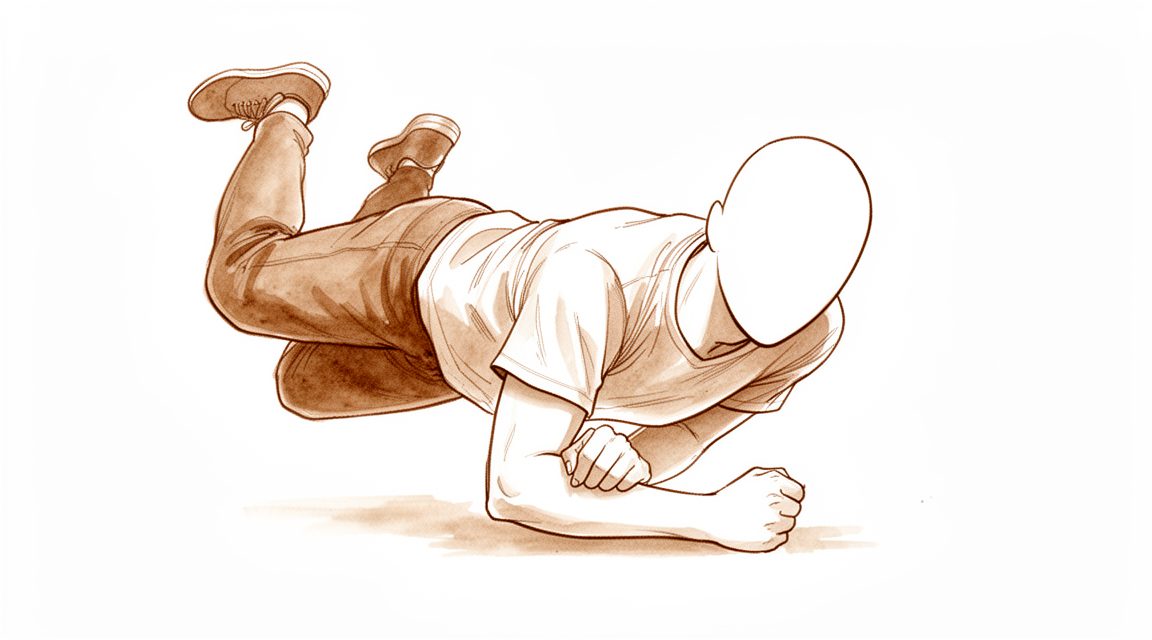
یہ پروٹوکول کہنی کی نوک (olecranon، یعنی آپ کی کہنی کا ہڈی والا نوکیلا حصہ) کے فریکچر (ہڈی کا ٹوٹنا) کو سرجری سے جوڑنے کے بعد آپ کی صحت یابی میں رہنمائی کرتا ہے، جو Mater Private Hospital Rockhampton میں ڈاکٹر کیرن ہِرپرا نے کھول کر ہڈی بٹھانے اور اندرونی فکسیشن (open reduction and internal fixation، ORIF) کے ذریعے کیا۔ اس کا آغاز آپ کے گھریلو ورزشی پروگرام سے ہوتا ہے، جس کے بعد آپ کے فزیوتھراپسٹ یا ہینڈ تھراپسٹ (ہاتھ کی بحالی کے ماہر) کے لیے لکھا گیا باقاعدہ کلینیکل پروٹوکول ہے۔ اپنی تھراپی کی پہلی ملاقات پر یہ صفحہ یا اس کی پی ڈی ایف ساتھ لائیں تاکہ آپ کی بحالی کا علاج مربوط رہے۔ آپ کا تھراپسٹ آپ کی صحت یابی کی پیش رفت کے مطابق منصوبے میں تبدیلی کر سکتا ہے۔
اگر سرجری کے بعد آپ کو اپنے زخم کے بارے میں کوئی تشویش ہو تو کلینک سے رابطہ کریں۔ اکثر زخم کی تصویر لے کر اسے معائنے کے لیے ای میل کر دینا مددگار ہوتا ہے۔
کیا توقع رکھیں
کہنی کی نوک (olecranon) آپ کی کہنی کا ہڈی والا نوکیلا حصہ ہے۔ آپ کے بازو کے پیچھے کا بڑا ٹرائسیپس (triceps) پٹھا اس سے جڑا ہوتا ہے، اور یہ کہنی کے اندر قبضے جیسے جوڑ کا حصہ ہے۔ جب کہنی کی نوک ٹوٹتی ہے تو ٹرائسیپس کا کھنچاؤ ٹوٹے ہوئے ٹکڑے کو الگ کھینچنے کا رجحان رکھتا ہے، اس لیے فریکچر کو سرجری سے جوڑا جاتا ہے، یا تو تار اور پن والے "ٹینشن بینڈ" (tension band) سے (صاف، سیدھے ٹوٹنے کی صورت میں) یا پلیٹ اور پیچ سے (زیادہ ریزہ ریزہ یا ترچھے ٹوٹنے کی صورت میں)۔ فکسیشن اس طرح بنائی جاتی ہے کہ ہڈی کو اتنی مضبوطی سے جوڑے رکھے کہ آپ کہنی کو جلد حرکت دینا شروع کر سکیں۔
اس بحالی کا پورا مقصد ایک توازن قائم کرنا ہے۔ جو کہنی بہت دیر تک ساکن رکھی جائے وہ بہت جلد اکڑ جاتی ہے، اس لیے ہم اسے جلد حرکت دینا چاہتے ہیں۔ لیکن جو ٹرائسیپس پٹھا فریکچر کو الگ کھینچتا ہے، وہی پٹھا آپ کی کہنی کو سیدھا بھی کرتا ہے، اس لیے پہلے چھ ہفتوں میں ہم کہنی کو خود سیدھا کرنے (active straightening) سے پرہیز کر کے مرمت کی حفاظت کرتے ہیں، جبکہ کہنی کو موڑنے اور بازو کے نچلے حصے کو گھمانے پر آزادی سے کام کرتے ہیں۔ جب ہڈی کو جڑنے کا وقت مل جائے تو سیدھا کرنا آہستہ آہستہ دوبارہ شروع کیا جاتا ہے: پہلے صرف بازو کے اپنے وزن کے ساتھ، اور بہت بعد میں مزاحمت کے خلاف۔
زخم، سوجن اور زخم کے نشان کی دیکھ بھال کے لیے پریکٹس کی زخم کی دیکھ بھال سے متعلق رہنمائی دیکھیں۔
شروع ہی سے یہ جان لینا مفید ہے کہ اچھی طرح جوڑے گئے کہنی کی نوک کے فریکچر کے بعد بھی زیادہ تر لوگوں میں کہنی کو پوری طرح سیدھا کرنے کی آخری 10 سے 15 ڈگری کی ہمیشہ کے لیے تھوڑی سی کمی رہ جاتی ہے۔ یہ معمول کی بات ہے، روزمرہ زندگی میں شاذ و نادر ہی محسوس ہوتی ہے، اور اس بات کی علامت نہیں کہ کچھ غلط ہو گیا ہے۔
احتیاطیں اور پابندیاں
کیا کریں
- آرام اور سہارے کے لیے اپنی سادہ سلنگ (sling)، یعنی گلے سے لٹکی وہ پٹی جو بازو کو سہارا دیتی ہے، پہنیں، اور ورزشوں کے لیے اسے اتار دیں۔ آپ کو سخت اسپلنٹ یا بریس کی ضرورت نہیں۔
- آرام دہ حد کے اندر، شروع ہی سے کہنی کو موڑنے اور بازو کے نچلے حصے کو گھمانے (ہتھیلی اوپر / ہتھیلی نیچے) پر کام کریں۔
- اپنے ہاتھ، کلائی اور کندھے کو آزادی سے حرکت دیتے رہیں، اور اپنی گرفت مضبوط رکھنے کے لیے گیند دباتے رہیں۔
کیا نہ کریں
- پہلے 6 ہفتوں تک اپنی کہنی کو اس کے اپنے پٹھوں کی طاقت سے خود سیدھا نہ کریں؛ اسے صرف کشش ثقل سے سیدھا ہونے دیں۔ خود سیدھا کرنا ٹرائسیپس کو کھینچتا ہے اور فریکچر کے ٹکڑوں کو ایک دوسرے سے الگ کر سکتا ہے۔
- تقریباً 3 ماہ تک، جب تک آپ کا تھراپسٹ اجازت نہ دے، مزاحمت یا وزن کے ساتھ سیدھا کرنے والی کوئی ورزش نہ کریں۔
- ابتدائی ہفتوں میں آپریشن والے بازو سے نہ کچھ اٹھائیں، نہ دھکیلیں، نہ کھینچیں، اور نہ اس پر جسم کا وزن ڈالیں۔
یہ آپ کو دیے گئے ورزشی پرچے کی ورزشیں ہیں، جو کہنی اور بازو کے نچلے حصے کی حرکت واپس لانے کے لیے ہیں۔ ورزشوں کے لیے اپنی سلنگ اتار دیں۔ انہیں ڈاکٹر ہِرپرا اور اپنے تھراپسٹ کی ہدایت کے مطابق شروع کریں۔
آپ کی ورزشیں
Kieran Hirpara 4.0
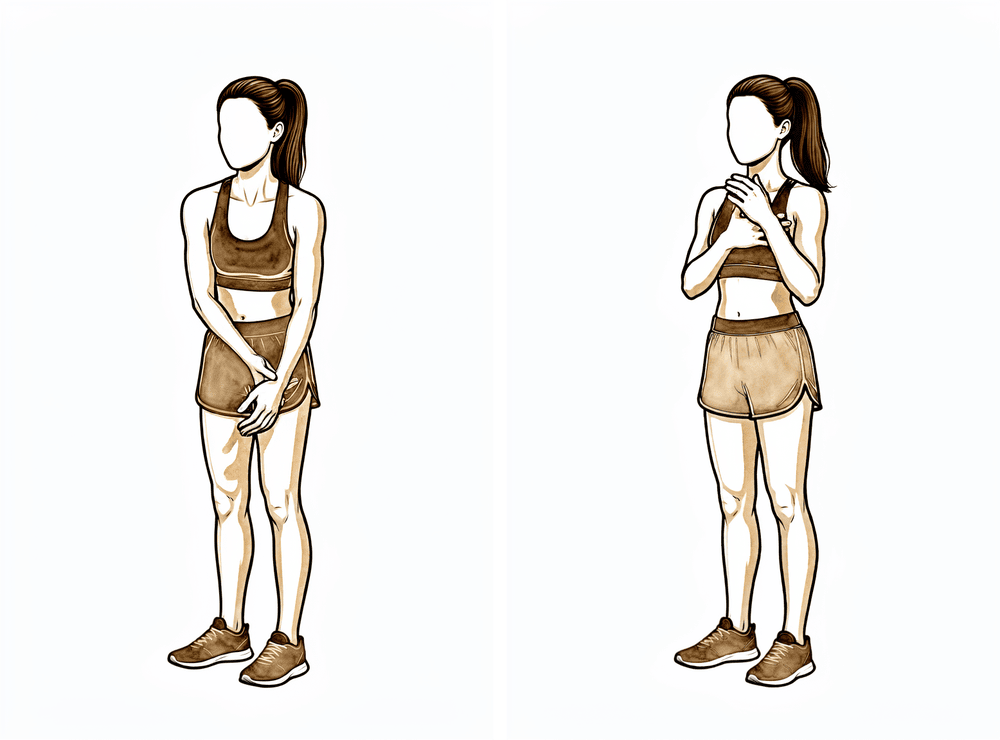
کہنی کو غیر فعال طریقے سے موڑنا (passive flexion)
اپنے آپریشن والے بازو کو ہتھیلی اوپر کی طرف رکھ کر آرام سے رکھیں۔ دوسرے ہاتھ سے آپریشن والی کہنی کو جتنا آرام سے ہو سکے نرمی سے موڑیں، یعنی آپریشن والے بازو کے اپنے پٹھے استعمال کرنے کے بجائے دوسرے ہاتھ سے اسے حرکت دینے میں مدد کریں۔ آرام دہ حد کے آخر پر چند سیکنڈ روکیں، پھر آہستہ آہستہ اسے واپس سیدھا ہونے دیں۔ اس سے مرمت پر بوجھ ڈالے بغیر کہنی کا موڑ (flexion) بڑھتا ہے۔
10 بار، دن میں 3 سے 4 بار
Kieran Hirpara 4.0
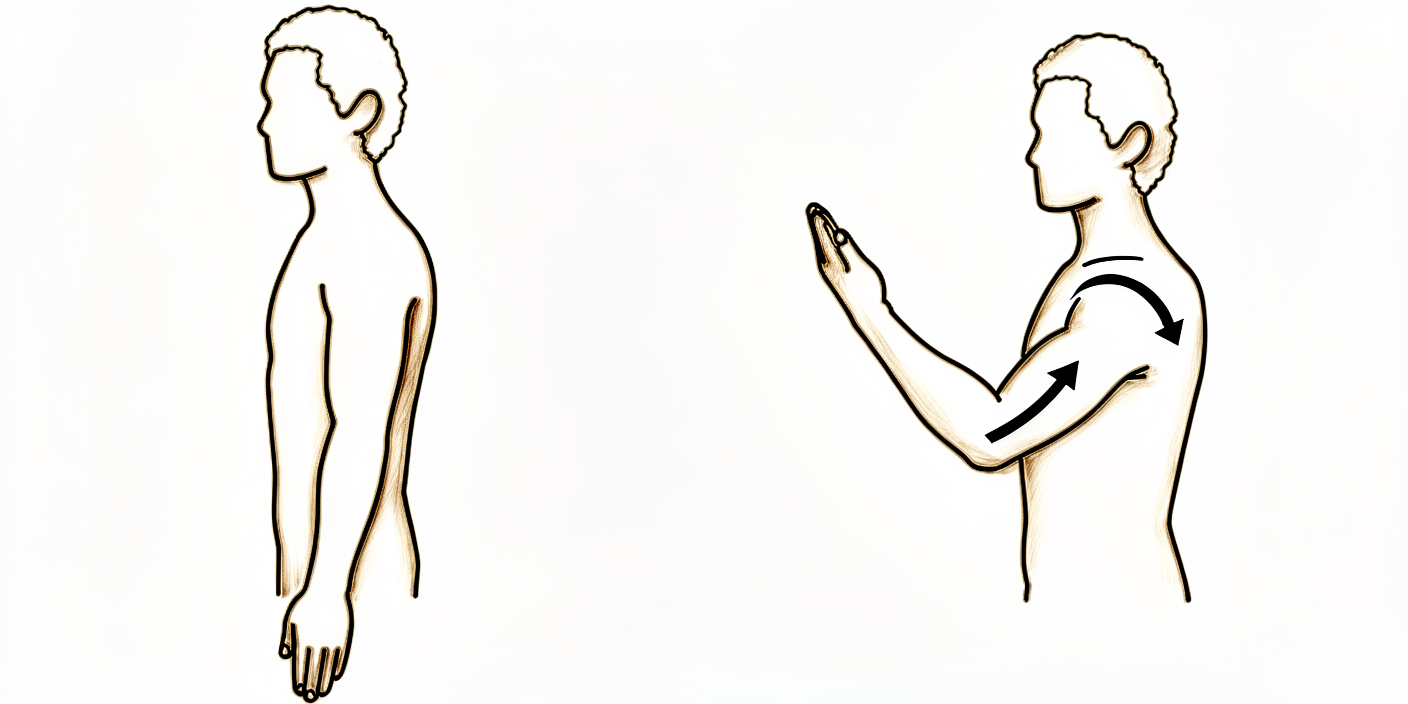
کہنی کو خود موڑنا
ہتھیلی اوپر کی طرف اور بازو کا اوپری حصہ پہلو سے لگا کر، کہنی کو جتنا ہو سکے نرمی سے موڑیں، پھر اسے قابو کے ساتھ واپس سیدھا ہونے دیں۔ پہلے چھ ہفتوں میں کہنی کو کشش ثقل سے سیدھا ہونے دیں — اسے اپنے پٹھوں سے دھکیل کر سیدھا ہرگز نہ کریں۔
10 سے 15 بار، دن میں 3 سے 4 بار
Kieran Hirpara 4.0
بازو کے نچلے حصے کو گھمانا
کہنی کو اپنے پہلو سے لگا کر رکھیں اور اسے تقریباً قائمہ زاویے پر (یعنی L کی شکل میں) موڑ کر رکھیں۔ ہتھیلی کو آہستہ آہستہ اوپر چھت کی طرف گھمائیں، 3 سے 5 سیکنڈ روکیں، پھر اسے نیچے فرش کی طرف گھمائیں۔ پوری ورزش کے دوران کہنی کو ساکن اور جسم سے لگا کر رکھیں۔ آپ دوسرے ہاتھ سے حرکت میں نرمی سے مدد کر سکتے ہیں۔
ہر سمت میں 10 بار، دن میں 3 سے 4 بار
Kieran Hirpara 4.0
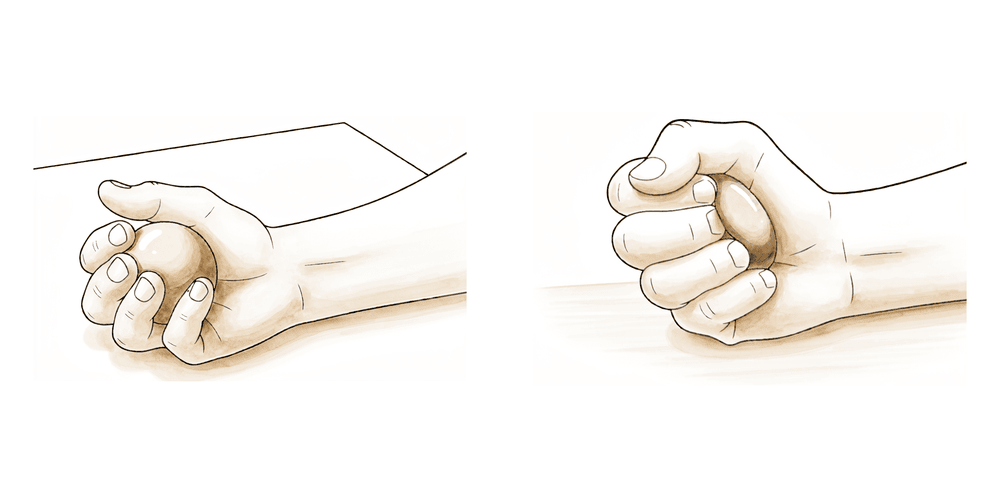
گرفت کی طاقت بڑھانا
ایک نرم گیند یا پُٹی (putty، ورزش کے لیے نرم گوندھنے والا مادہ) کا گولا ہاتھ میں دبائیں، چند سیکنڈ روکیں، پھر چھوڑ دیں۔ جب تک آپ کی کہنی کی حفاظت کی جا رہی ہو، اس سے آپ کا ہاتھ اور بازو کا نچلا حصہ مضبوط رہتا ہے۔ اس سے کہنی کی مرمت پر بوجھ نہیں پڑتا۔
10 سے 15 بار دبائیں، دن میں 2 سے 3 بار
Kieran Hirpara 4.0
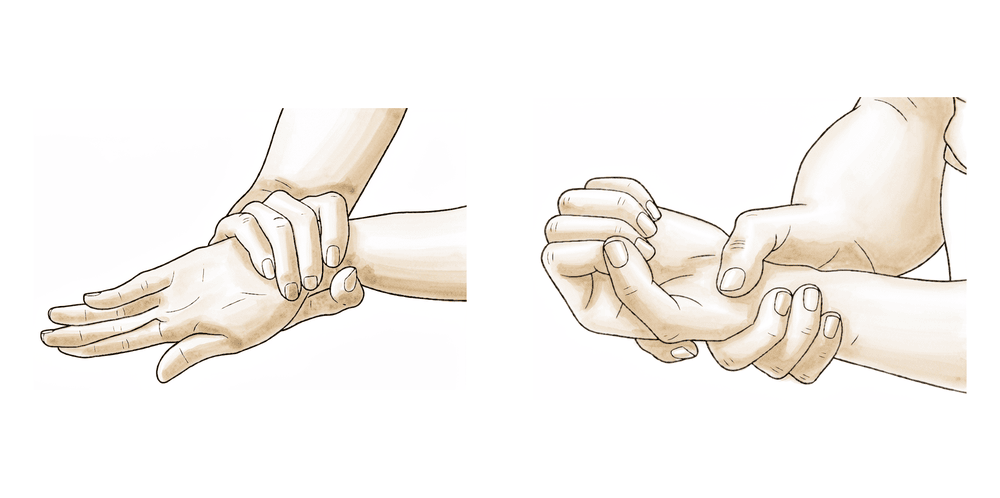
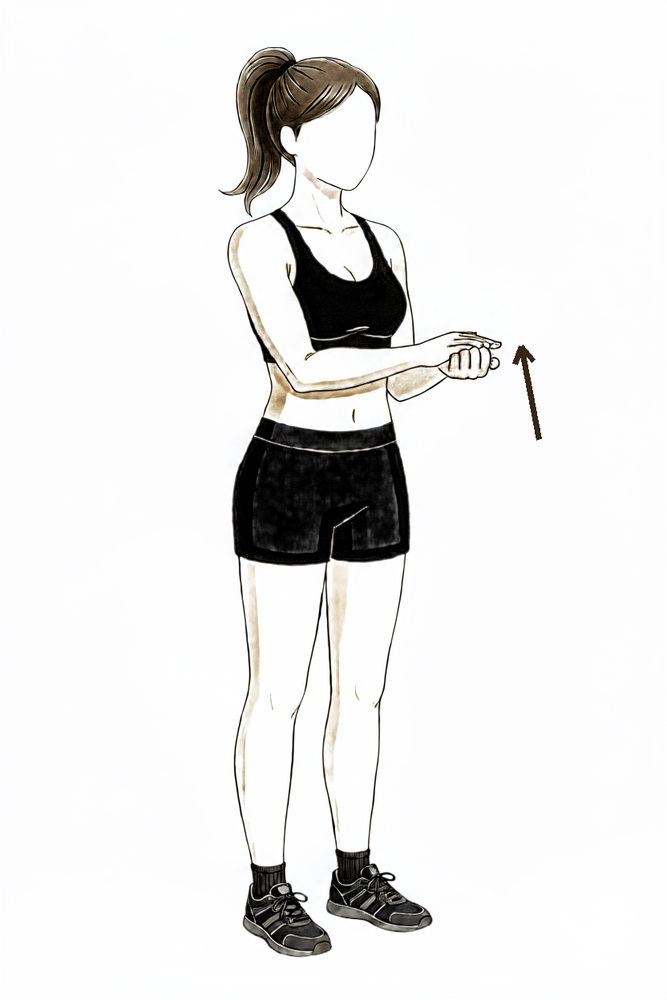
کہنی موڑنے کی جامد (isometric) روک
کہنی موڑ کر اور ہتھیلی اوپر رکھ کر، اپنا دوسرا ہاتھ بازو کے نچلے حصے کے نیچے رکھیں۔ کہنی کو مزید موڑنے کی نرمی سے کوشش کریں جبکہ دوسرا ہاتھ اسے ساکن رکھے، تاکہ پٹھا کام کرے لیکن بازو حرکت نہ کرے۔ نرمی سے روکیں، پھر ڈھیلا چھوڑ دیں۔ یہ پٹھے کو متحرک کرنے کی (isometric) ورزش ہے — یہ صرف موڑنے والے پٹھوں پر کام کرتی ہے اور ٹرائسیپس یا مرمت پر بالکل بوجھ نہیں ڈالتی۔
5 سیکنڈ روکیں، 5 سے 10 بار، دن میں 2 سے 3 بار
Kieran Hirpara 4.0
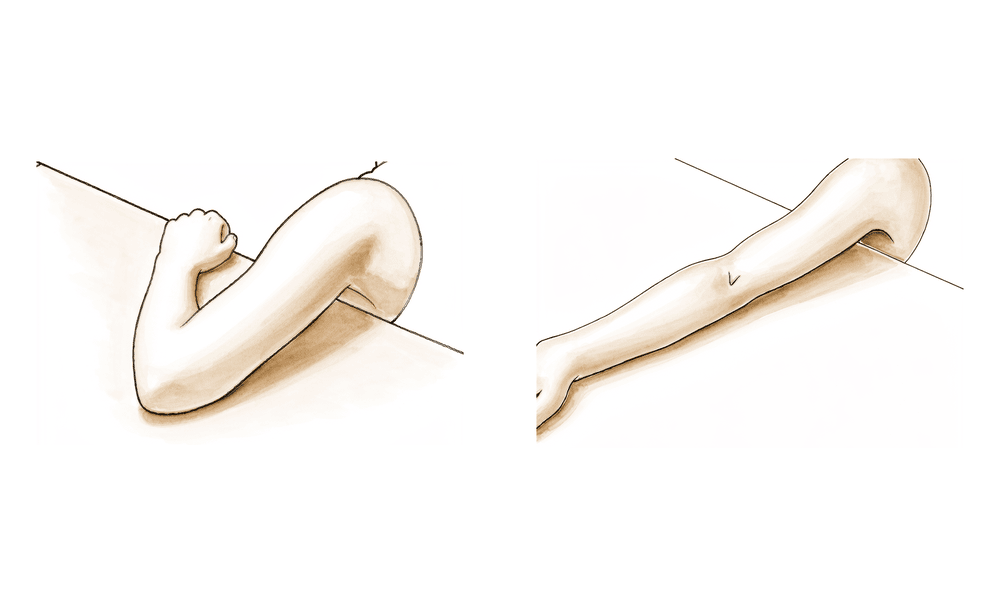
کہنی کو خود سیدھا کرنا (کشش ثقل کے خلاف)
یہ ورزش صرف اس وقت شروع کریں جب آپ کا سرجن یا تھراپسٹ اجازت دے، عام طور پر چھ ہفتے سے۔ بازو کے اوپری حصے کو سہارا دے کر، اپنے پٹھوں کی طاقت سے کہنی کو آہستہ آہستہ سیدھا کریں، پھر قابو کے ساتھ واپس موڑیں۔ صرف کشش ثقل کے خلاف کام کریں — جب تک آپ کا تھراپسٹ آپ کو آگے نہ بڑھائے (عام طور پر تقریباً تین ماہ پر)، کوئی وزن یا مزاحمت ہرگز شامل نہ کریں۔
10 بار، دن میں 2 سے 3 بار — صرف ہفتہ 6 سے
Kieran Hirpara 4.0
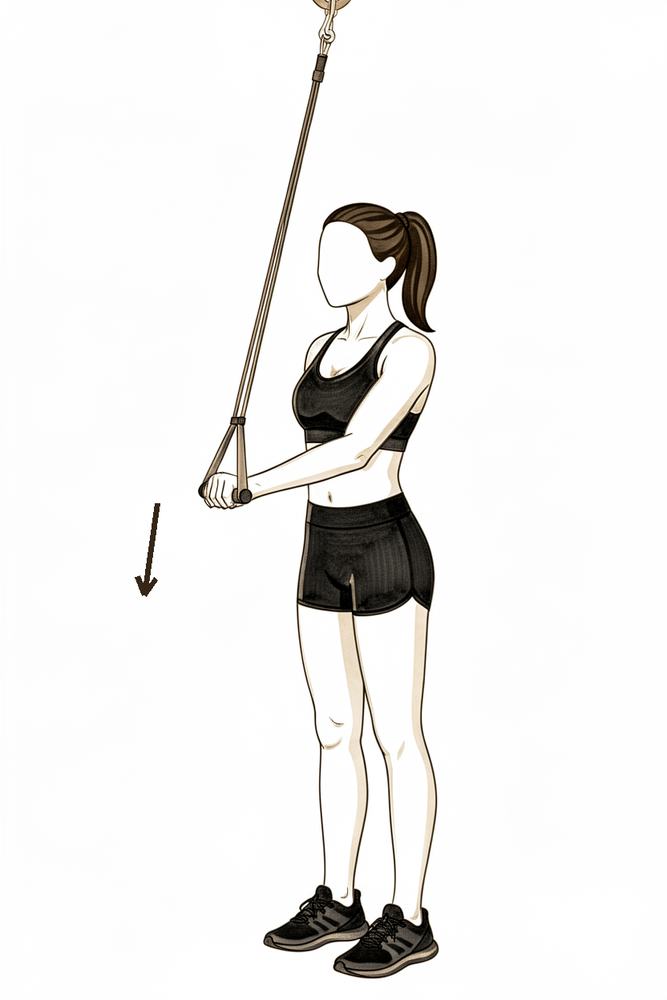
ربڑ بینڈ کے خلاف سیدھا کرنا
یہ بعد کے مرحلے کی ورزش ہے، جو صرف تقریباً تین ماہ سے شروع کی جاتی ہے جب آپ کا تھراپسٹ اجازت دے۔ ایک ہلکے مزاحمتی بینڈ کو کسی جگہ باندھیں اور اس کے کھنچاؤ کے خلاف کہنی کو سیدھا کریں، پھر آہستہ آہستہ واپس لائیں۔ سب سے ہلکے بینڈ سے شروع کریں اور صرف ہدایت کے مطابق ہلکے وزن (تقریباً 0.5 سے 2 کلوگرام) تک بڑھیں۔ مزاحمت کے خلاف سیدھا کرنا براہ راست ٹرائسیپس اور مرمت پر بوجھ ڈالتا ہے، اسی لیے اسے دیر سے شروع کیا جاتا ہے۔
10 سے 15 بار، ہفتے میں 3 بار — صرف تقریباً 3 ماہ سے
نیچے دی گئی ورزشیں صرف ڈاکٹر ہِرپرا اور اپنے ہینڈ تھراپسٹ کی ہدایت کے مطابق شروع کریں، اور جو حد اور پابندیاں آپ کو بتائی گئی ہیں ان کے اندر رہیں۔ ابتدائی ہفتوں کی ورزشیں جان بوجھ کر محدود رکھی گئی ہیں۔ شروع میں کہنی کو غیر فعال (کسی دوسرے ہاتھ کی مدد سے) اور فعال طریقے سے موڑنے کی ضرورت ہوتی ہے — کیونکہ کہنی اپنا موڑ کھونے کی نسبت مڑی ہوئی حالت میں اکڑ جانے کا رجحان کہیں زیادہ رکھتی ہے — جبکہ ٹرائسیپس کی مرمت کی حفاظت کی جاتی ہے۔ ابتدائی ہفتوں میں آپریشن والے بازو سے نہ کچھ اٹھائیں، نہ دھکیلیں، نہ کھینچیں، اور نہ اس پر وزن ڈالیں؛ ٹرائسیپس کا کھنچاؤ بالکل وہی قوت ہے جس سے فکسیشن بچا رہی ہے۔ ورزشوں کے درمیان اپنے ہاتھ، کلائی اور کندھے کو آزادی سے حرکت دیتے رہیں۔ جو بھی ورزش کہنی کی نوک پر تیز درد پیدا کرے اسے روک دیں۔
آپ کا کلینیکل پروٹوکول
اس صفحے کا باقی حصہ کھول کر ہڈی بٹھانے اور اندرونی فکسیشن سے علاج کیے گئے کہنی کی نوک (olecranon) کے فریکچر کا کلینیکل پروٹوکول ہے۔ یہ حصہ آپ کے فزیوتھراپسٹ یا ہینڈ تھراپسٹ کو دینے کے لیے ہے، اور نیچے ہر مرحلے کے شروع میں سادہ زبان میں بتایا گیا ہے کہ اس دوران کیا ہو رہا ہوتا ہے۔ اس پروٹوکول کو کہنی کے عام فریکچر سے الگ کرنے والا سب سے اہم اصول ٹرائسیپس کی حفاظت ہے: خود سیدھا کرنا (active extension) تقریباً 6 ہفتے تک اور مزاحمت کے خلاف سیدھا کرنا (resisted extension) تقریباً 3 ماہ تک مؤخر رکھا جاتا ہے، کیونکہ ٹرائسیپس کہنی کی نوک پر جڑتا ہے اور فکسیشن پر بوجھ ڈالتا ہے۔
علاج شروع کرنے سے پہلے مریض کا ایکسرے، آپریشن رپورٹ اور سابقہ طبی تاریخ دیکھیں، اور علاج کرنے والے سرجن سے فکسیشن کی ساخت (tension-band wiring یا پلیٹ)، اس کے استحکام اور متوقع نتیجے کے بارے میں رابطہ رکھیں۔
ہفتہ 0 سے 1: ساکن رکھنا (immobilisation)
پہلے ہفتے میں توجہ نرم بافتوں کو آرام دینے، سوجن کم کرنے اور باقی سب کچھ حرکت میں رکھنے پر ہوتی ہے۔ کہنی تقریباً 90 ڈگری پر ایک سادہ سلنگ میں آرام کرتی ہے، جسے ورزشوں کے لیے اتارا جاتا ہے۔ کوئی سخت پچھلا اسپلنٹ یا بریس استعمال نہیں ہوتا۔
آپ کے فزیوتھراپسٹ کے لیے:
- ساکن رکھنا: سادہ سلنگ، کہنی تقریباً 90 ڈگری پر، ورزشوں کے لیے اتاری جائے۔ پلستر کا کوئی اسپلنٹ یا بریس استعمال نہیں ہوتا۔
- اہداف: نرم بافتوں کو آرام؛ سوجن (oedema) پر قابو (اونچا رکھنا، ہلکا دباؤ، ٹھنڈک)۔
- ورزشیں: ہاتھ، کلائی اور کندھے کی فعال حرکت؛ اگر فکسیشن مستحکم ہو تو دن 2 سے 3 سے کہنی اور بازو کے نچلے حصے کی ہلکی فعال حرکت شروع کی جا سکتی ہے۔
- احتیاط: بازو پر وزن نہ ڈالا جائے؛ نہ کچھ اٹھانا، نہ دھکیلنا، نہ کھینچنا؛ کہنی کو خود سیدھا کرنا ہرگز نہیں۔
- اگلے مرحلے میں جانے کی شرائط: زخم اور سوجن بہتر ہو رہے ہوں۔
ہفتہ 1 سے 6: محفوظ حرکت (سیدھا کرنے پر پابندی)
یہ ٹرائسیپس کی حفاظت کا مرحلہ ہے۔ موڑ کو باقاعدگی سے بڑھایا جاتا ہے جبکہ سیدھا کرنا صرف غیر فعال طریقے سے یا کشش ثقل سے کیا جاتا ہے، کبھی بھی کہنی کو سیدھا کرنے والے اپنے پٹھوں کی طاقت سے نہیں۔ تقریباً ہفتہ 4 سے سلنگ آہستہ آہستہ چھوڑی جاتی ہے۔
آپ کے فزیوتھراپسٹ کے لیے:
- حرکت کی اوپری حد (ROM ceiling): موڑ کو ایسی حد میں جہاں مرمت پر تناؤ نہ ہو، تقریباً ہر ہفتے 10 ڈگری بڑھائیں؛ ہدف: 6 ہفتے تک مکمل غیر فعال سیدھا پن، بغیر تناؤ کے 120 ڈگری تک موڑ، اور بازو کے نچلے حصے کی مکمل گردش۔ صرف غیر فعال سیدھا کرنا: خود سیدھا کرنا ہرگز نہیں۔
- ورزشیں: فعال اور مدد کے ساتھ فعال موڑ، نیز ہتھیلی نیچے/اوپر گھمانا (pronation/supination)؛ غیر فعال حرکت تقریباً ہفتہ 4 سے شروع کی جا سکتی ہے۔ روٹیٹر کف (rotator cuff)، یعنی ٹینڈنوں کا وہ گروپ جو کندھے کو تھامتا اور گھماتا ہے، کندھے کی پچھلی ہڈی کے گرد کے پٹھوں اور بازو کے نچلے حصے کی صرف جامد (isometric) ورزشیں، کہنی کو سیدھا کرنے کی نہیں۔
- سہارا (orthosis): سلنگ ہفتہ 4 پر چھوڑنا شروع کریں (اس کے بعد گھر سے باہر اور رات کو آرام کے لیے پہنی جائے)۔
- اگلے مرحلے میں جانے کی شرائط: مکمل غیر فعال سیدھا پن، تقریباً 120 ڈگری تک موڑ، مکمل گردش؛ درد 10 میں سے 3 یا اس سے کم (≤3/10)۔
ہفتہ 6 سے 12: خود سیدھا کرنا شروع
جب ہڈی کو جڑنے کے لیے چھ ہفتے مل جائیں تو خود سیدھا کرنا دوبارہ شروع کیا جاتا ہے، صرف کشش ثقل کے خلاف اور بغیر کسی اضافی وزن کے۔ موڑ کو پوری حد کی طرف بڑھایا جاتا ہے، اور بازو پر وزن ڈالنا نرمی سے بڑھایا جاتا ہے۔
آپ کے فزیوتھراپسٹ کے لیے:
- اہداف: حرکت کی پوری حد مکمل کرنا؛ ہلکے طریقے سے خود سیدھا کرنا شروع کرنا۔
- ورزشیں: ہفتہ 6 سے صرف کشش ثقل کے خلاف کہنی کو خود سیدھا کرنا؛ موڑ کو پوری حد تک بڑھائیں (ہدف: تقریباً ہفتہ 9 تک بغیر تناؤ کی پوری حد)۔ برداشت کے مطابق بازو پر وزن ڈالنا بڑھائیں: میز ← دیوار ← ہاتھوں اور گھٹنوں کے بل (quadruped)۔ موڑ/گردش کے لیے بتدریج مزاحمتی ورزشیں شروع کی جا سکتی ہیں، لیکن مزاحمت کے خلاف سیدھا کرنا ابھی بھی ہرگز نہیں: اسے 3 ماہ تک روکا جاتا ہے۔
- اگلے مرحلے میں جانے کی شرائط: مکمل فعال حرکت کی حد؛ سیدھا کرنے کی کمی (extension lag) میں اضافہ نہ ہو؛ ایکسرے پر ہڈی کا جڑ جانا (radiographic union)۔
3 سے 6 ماہ: مزاحمت کے خلاف سیدھا کرنا اور واپسی
مزاحمت کے خلاف سیدھا کرنا (وہ قدم جو براہ راست ٹرائسیپس اور مرمت پر بوجھ ڈالتا ہے) صرف اب شروع ہوتا ہے، جب فریکچر جڑ چکا ہو۔
آپ کے فزیوتھراپسٹ کے لیے:
- مزاحمت کے خلاف کہنی سیدھا کرنا تقریباً 3 ماہ پر شروع ہوتا ہے (ربڑ بینڈ سے شروع کر کے ہلکے وزن تک، تقریباً 0.5 سے 2 کلوگرام / 1 سے 5 پاؤنڈ، ہفتے میں 3 بار)۔
- کھیل اور کام سے متعلق مخصوص ورزشیں تقریباً 4.5 ماہ سے۔
- وزن اٹھانا اور بھاری مشقت اس وقت دوبارہ شروع ہوتی ہے جب پوری طاقت آ جائے اور ہڈی جڑ جائے، عام طور پر تقریباً 6 ماہ تک۔
- کہنی کی نوک کی فکسیشن کے بعد دھاتی پرزے (hardware) نکالنا عام ہے (خاص طور پر ٹینشن بینڈ کے تار، جو جسم میں سب سے زیادہ نکالا جانے والا امپلانٹ ہیں)، اور یہ عام طور پر ہڈی جڑنے کے بعد، ابھرے ہوئے یا جلن (irritation) پیدا کرنے والے پرزوں سے نجات کے لیے کیا جاتا ہے، معمول کے قدم کے طور پر نہیں۔
کام اور سرگرمیوں پر واپسی
اوپر دی گئی احتیاطی تدابیر کے اندر رہتے ہوئے، شروع ہی سے ذاتی دیکھ بھال کے لیے بازو کا ہلکا استعمال، جس میں ہاتھ گود کے قریب رہیں، ٹھیک ہے، لیکن جو بھی کام کہنی پر بوجھ ڈالے اسے اپنی باری کا انتظار کرنا ہوگا۔ موڑنا اور بازو کے نچلے حصے کو گھمانا عام طور پر تقریباً چھ ہفتے تک آرام دہ ہو جاتا ہے؛ خود سیدھا کرنا چھ ہفتے سے واپس آتا ہے اور اگلے ہفتوں میں مسلسل بہتر ہوتا رہتا ہے۔
زیادہ بھاری کام مرحلہ وار شروع ہوتے ہیں: تقریباً تین ماہ تک مزاحمت یا وزن کے ساتھ سیدھا کرنا نہیں، تقریباً ساڑھے چار ماہ سے کھیل اور کام سے متعلق مخصوص تربیت، اور وزن اٹھانے اور بھاری جسمانی مشقت والے کام پر واپسی عام طور پر تقریباً چھ ماہ تک، جب آپ کی طاقت اور ہڈی کا جڑنا اس کی اجازت دیں۔ دفتری اور ہلکے کام عام طور پر بہت پہلے دوبارہ شروع کیے جا سکتے ہیں؛ وقت کے بارے میں اپنے معائنے پر ڈاکٹر ہِرپرا سے بات کریں، کیونکہ یہ آپ کے کام اور اس بات پر منحصر ہے کہ کس بازو کا آپریشن ہوا۔ گاڑی چلانا تب دوبارہ شروع ہوتا ہے جب آپ سلنگ سے باہر ہوں اور دونوں بازوؤں سے گاڑی کو محفوظ طریقے سے قابو میں رکھ سکیں، جس کی تصدیق آپ کے معائنے پر کی جائے گی۔
یاد رکھیں کہ کہنی کو سیدھا کرنے کی آخری 10 سے 15 ڈگری کی ہمیشہ کے لیے تھوڑی سی کمی متوقع ہے؛ یہ معمول کی بات ہے اور عام طور پر روزمرہ کام کاج پر اس کا کوئی اثر نہیں ہوتا۔
پروٹوکول کے بعد
یہ پروٹوکول پریکٹس کے عمومی صحت یابی کے مشوروں کے ساتھ مل کر کام کرتا ہے: آپریشن کے بعد درد پر قابو پانا اور زخم کی دیکھ بھال دیکھیں۔ خود چوٹ کے بارے میں کہنی کی نوک (olecranon) کا فریکچر دیکھیں۔ اوپر دیا گیا مرحلہ وار منصوبہ کہنی کی نوک کے ORIF کے بعد شائع شدہ بحالی کے پروٹوکولوں کے مطابق ہے، اور آپ کی آگے کی صحت یابی میں آپ کا فزیوتھراپسٹ یا ہینڈ تھراپسٹ انفرادی طور پر اس بات کے مطابق رہنمائی کرے گا کہ آپ کی کہنی کیسے آگے بڑھ رہی ہے۔
Evidence & references
This is the clinical evidence summary written for health professionals. It is technical, and it lists the research this page was built from. You do not need to read it to understand your treatment or to make a decision about it.
Olecranon Fracture — Open Reduction Internal Fixation (ORIF) — Post-operative Rehabilitation
Topic scope: Post-operative rehabilitation after ORIF of a displaced olecranon fracture — tension-band wiring (TBW) for simple transverse patterns, or plate-and-screw fixation for comminuted / oblique / Monteggia-type / proximal-ulna patterns. The olecranon fracture is an intra-articular fracture of the extensor mechanism: the fixation construct must resist the triceps pull that distracts the fragment, and the rehabilitation is built around protecting that construct while preventing the stiffness to which the elbow is highly prone.
Defining principle (the inverse of an arthrolysis): unlike a stiff-elbow release, here there is a fixation construct to protect, and the deforming force is the triceps. So active and resisted elbow EXTENSION — and lifting / pushing — are restricted early, while flexion and forearm rotation are advanced relatively freely to prevent stiffness. Dr Hirpara's practice override: the operated elbow is rested in a simple sling, not a posterior splint or brace; active extension is withheld for 0–6 weeks (protecting the tension band / triceps insertion), resisted extension is delayed to ~3 months, flexion is advanced ~10°/week, and the patient is counselled to expect a permanent 10–15° loss of terminal extension.
Evidence-strength flag: MODERATE-to-STRONG. Two concordant institutional physiotherapy protocols (Brigham & Women's Hospital; The Christ Hospital / Rao) give explicit phase timelines, and the biomechanical rationale — anatomic reduction plus stable fixation to permit early motion of an intra-articular fracture — is universally agreed. Consensus is strong on early protected motion + delayed active / resisted extension and triceps loading. The evidence is weaker (equipoise-level) on TBW vs plate, and on operative vs non-operative management in the elderly.
Phased rehabilitation timeline
| Phase | Window | Sling / immobilisation | ROM / use | Strengthening | Criteria to progress |
|---|---|---|---|---|---|
| I — Immobilisation | Weeks 0–1 | Simple sling at ~90° (KH — no posterior splint/brace), off for exercises | Active hand/wrist/shoulder ROM; gentle active elbow + forearm ROM from day 2–3 if stable; NO active extension | — (oedema control) | Wound and swelling settling |
| II — Protected motion, extension restricted | Weeks 1–6 | Wean sling at week 4 (out-of-house + night thereafter) | Flexion advanced ~10°/week in a tension-free zone; passive extension only; PROM may begin ~wk 4; goal full passive extension + flexion to 120° + full rotation by 6 wk | Cuff / periscapular / forearm isometrics only | Full passive extension, flexion ~120°, full rotation; pain ≤3/10 |
| III — Active extension introduced | Weeks 6–12 | Discontinued | Active extension against gravity only from wk 6; advance flexion to full (full tension-free arc by ~wk 9); progress weight-bearing tabletop → wall → quadruped | PRE to flexion/rotation; still NO resisted extension | Full active arc; no worsening extension lag; radiographic union |
| IV — Resisted extension + return | 3–6 months | — | Return to lifting/loading staged | Resisted extension from ~3 months (bands → light weights 1–5 lb, 3×/wk); sport/job-specific ~4.5 mo | Full strength + union; lifting/heavy labour ~6 mo |
Evidence by theme
The triceps-pull rule (the rehab-defining constraint) — Consensus, strong biomechanical rationale
The triceps inserts on the olecranon; active and resisted extension distract the fracture and load the tension band. Active extension against gravity is therefore deferred to ~6 weeks and resisted extension to ~3 months. This is the single most important rule distinguishing olecranon ORIF from a generic elbow-fracture rehabilitation, and both published protocols enforce it (The Christ Hospital / Rao explicitly prohibit active extension for the first six weeks).
Early protected motion to prevent stiffness — Strong consensus
There is universal agreement that an intra-articular extensor-mechanism fracture needs early motion to prevent stiffness; how early depends on construct stability and surgeon confidence. Brigham permits active ROM from day 2–3; the more conservative Christ / Rao protocol protects the first weeks with no active extension. The tension throughout is "prevent stiffness" versus "protect the triceps repair," resolved by advancing flexion and rotation freely while restricting extension.
Construct choice — TBW vs plate — Moderate / equipoise
Both constructs aim to be stable enough for early motion. TBW is simpler and adequate for simple transverse fractures but carries the highest symptomatic-hardware / removal rate and can lose compression in comminuted or osteoporotic bone. Plate fixation better controls comminution, oblique and diaphyseal-extension patterns; Hume & Wiss's randomized study favoured plate over TBW for comminuted patterns, while Anderson et al. reported a mean ~13.5° flexion contracture after plating. Rehabilitation phases are broadly the same — a more stable construct simply allows the surgeon to liberalise motion sooner.
Operative vs non-operative in the elderly — Moderate (RCT, equipoise)
A prospective RCT of displaced olecranon fractures in elderly patients was stopped early for a high operative complication rate, with comparable patient-reported outcomes — shifting practice toward non-operative management and earlier free mobilisation in low-demand older patients. Geriatric locking plates reduce fixation failure in osteoporotic bone but still carry meaningful complication and implant-failure rates.
Expected residual deficit — Moderate (corpus, observational)
Even with stable fixation and early motion, isolated olecranon fractures lose ~10–15° of terminal extension on average. Patients should be counselled that this is the expected norm, not a complication.
Hardware removal — Moderate (observational)
Olecranon hardware — especially TBW K-wires / wires — is the most commonly removed implant in the body; prominent subcutaneous hardware drives a high secondary-removal rate (up to roughly half of TBW cases in some series). Removal is typically performed after union (often ≥4–6 months) and largely for symptom relief, not as a routine staged step. Plate fixation has fewer wire-irritation issues but a non-trivial removal rate.
Evidence strength flags (summary)
- STRONG / CONSENSUS: early protected motion to prevent stiffness; the triceps-pull rule deferring active extension to ~6 weeks and resisted extension to ~3 months (biomechanical rationale
- two concordant institutional protocols).
- MODERATE: TBW vs plate construct choice (Hume & Wiss; Anderson ~13.5° contracture after plating); operative vs non-operative in the elderly (RCT stopped early for operative complications); expected 10–15° terminal-extension loss; high TBW hardware-removal rate.
- CONSENSUS / EXPERT: the precise phase timings (drawn from surgeon patient-guidance protocols rather than a rehabilitation RCT); the simple-sling immobilisation (KH practice override).
CITATIONS
RAG corpus (180,000+ Orthopaedic articles)
- Chalidis BE, Sachinis NC, Samoladas EP, Dimitriou CG, Pournaras JD. Is tension band wiring technique the "gold standard" for the treatment of olecranon fractures? A long-term functional outcome study. J Orthop Surg Res. 2008;3:9. DOI: 10.1186/1749-799X-3-9
- Hume MC, Wiss DA. Olecranon fractures: a clinical and radiographic comparison of tension band wiring and plate fixation (randomized comparison; plate favoured for comminuted patterns). (Cited in retrieved corpus text.)
- Anderson et al. — mean ~13.5° flexion contracture after olecranon plate fixation (retrieved corpus text).
- Prospective RCT, operative vs non-operative management of displaced olecranon fractures in the elderly — stopped early for a high rate of complications in the operative group, comparable patient-reported outcomes (retrieved corpus text).
- Geriatric olecranon locking-plate case series — major/minor complication and implant-failure rates (J Shoulder Elbow Surg, retrieved corpus text).
- Retrieved corpus text: isolated olecranon fractures lose an average of ~10–15° of terminal extension despite stable fixation and early ROM; anatomic reduction and early range of motion to restore functional elbow motion and strength; high re-operation / hardware-removal rate after TBW.
Published rehabilitation protocols (URLs)
- The Christ Hospital / Rao — "Olecranon ORIF Physical Therapy Protocol." https://www.thechristhospital.com/landingpages/Documents/Rao%20PT%20Protocols/Operative/Elbow/Rao%20Olecranon%20ORIF%20r1.pdf
- Brigham & Women's Hospital, Department of Rehabilitation Services — "Elbow Fracture Post-Op (Radial Head / Olecranon ORIF) Hand Therapy Guideline" (2021). https://www.brighamandwomens.org/assets/BWH/patients-and-families/rehabilitation-services/pdfs/elbow-fracture-orif-hand-therapy-protocol.pdf
- Physiopedia — "Olecranon Fracture" (general background). https://www.physio-pedia.com/Olecranon_Fracture