Patients › Rehabilitation
سینے کے بڑے پٹھے کی مرمت
Rehabilitation protocol after pectoralis major repair, with the protected safe zone and staged return to chest loading.
یہ پروٹوکول سینے کے بڑے پٹھے (pectoralis major) کی مرمت کے بعد آپ کی صحت یابی میں رہنمائی کرتا ہے، اور یہ آپریشن ڈاکٹر کیرن ہِرپرا Mater Private Hospital Rockhampton میں کرتے ہیں۔ نیچے ہر مرحلہ عام فہم زبان میں اس وضاحت سے شروع ہوتا ہے کہ کیا ہو رہا ہے اور سب سے اہم کیا ہے، جس کے بعد وہ باقاعدہ تفصیل ہے جس کی آپ کے فزیوتھراپسٹ کو ضرورت ہے؛ فزیوتھراپی کی اپنی پہلی ملاقات پر یہ صفحہ یا اس کی پی ڈی ایف ساتھ لائیں تاکہ آپ کی بحالی میں سب ایک ساتھ رہیں۔ آپ کا فزیوتھراپسٹ آپ کی صحت یابی کی پیش رفت کے مطابق منصوبے میں تبدیلی کر سکتا ہے۔
اگر آپریشن کے بعد آپ کو اپنے زخم کے بارے میں کوئی تشویش ہو تو کلینک سے رابطہ کریں۔ اکثر یہ مددگار ہوتا ہے کہ زخم کی تصویر لے کر جائزے کے لیے ای میل کر دیں۔ چیرا بغل کی شکن کے قریب ہوتا ہے، جہاں پسینہ اور نمی جمع ہوتی ہے؛ اسے صاف اور خشک رکھیں، اور کسی بھی سرخی، زخم سے رطوبت کے اخراج یا بخار کی اطلاع فوراً دیں۔
کیا توقع رکھیں
سینے کا بڑا پٹھا (pectoralis major) سینے کا وہ طاقتور پٹھا ہے جو دھکیلنے اور گلے لگانے والی حرکتیں کرواتا ہے: بینچ پریس (bench press)، ڈنڈ (push-ups)، اور بازو کو جسم کے آر پار لانا۔ اس کا پھٹاؤ عموماً کسی صحت مند نوجوان مرد میں بھاری بینچ پریس کے دوران وزن نیچے لاتے وقت ہوتا ہے، جب پٹھا ایک ہی وقت میں کھنچا ہوا بھی ہوتا ہے اور اس پر بوجھ بھی ہوتا ہے۔ مرمت میں پھٹے ہوئے ٹینڈن (tendon)، یعنی وہ مضبوط ڈوری جو پٹھے کو ہڈی سے جوڑتی ہے، کو دوبارہ جوڑا جاتا ہے، اور پورا پروگرام ایک سادہ اصول پر مبنی ہے: بھرنے کے دوران مرمت شدہ ٹینڈن کو نہ کھنچنے دیں اور نہ اس پر بوجھ ڈالیں۔
سینے کا بڑا پٹھا بازو کو جسم کے آر پار اور اندر کی طرف کھینچتا ہے، اور اسے اندر کی طرف گھماتا ہے۔ جو دو حرکتیں مرمت کو سب سے زیادہ کھینچتی اور تناؤ میں لاتی ہیں وہ ہیں بازو کو پہلو کی طرف باہر لے جانا (abduction) اور اسے باہر کی طرف گھمانا (external rotation)، خاص طور پر دونوں ایک ساتھ، کیونکہ یہی وہ حالت ہے جس میں پٹھا شروع میں پھٹتا ہے۔ اس لیے شروع میں بازو کو جسم کے سامنے، ہلکا سا اندر کی طرف گھما کر رکھا جاتا ہے، اور ان دونوں حرکتوں کو سختی سے محدود رکھا جاتا ہے اور چند ڈگری کر کے آہستہ آہستہ واپس آنے دیا جاتا ہے۔
چونکہ اگر مرمت پر زیادہ بوجھ پڑ جائے تو یہ ہڈی سے اکھڑ سکتی ہے، اس لیے سینے کا بھاری کام (بینچ پریس، فلائز (flyes)، ڈپس (dips)، ڈنڈ اور ایسے کھیل جن میں کھلاڑی آپس میں ٹکراتے ہیں (contact sport)) جان بوجھ کر چار سے چھ ماہ تک مؤخر رکھا جاتا ہے۔ یہ اس سے زیادہ عرصہ ہے جتنا محسوس ہوتا ہے کہ لگنا چاہیے، لیکن آپ کی مرمت کی حفاظت کرنے والی یہی سب سے اہم چیز ہے۔
سلنگ تقریباً 4 سے 6 ہفتے پر اتر جاتی ہے، چاہے آپ کا ٹینڈن کسی بھی طریقے سے جوڑا گیا ہو۔ ڈاکٹر ہِرپرا آپ کو بتائیں گے کہ آپ کا ٹینڈن کیسے جوڑا گیا۔ اس پورے پروگرام میں آپ اس وقت آگے بڑھتے ہیں جب آپ کا کندھا تیار ہو، صرف اس وقت نہیں جب کیلنڈر کہے: نیچے ہر مرحلے میں لکھا ہے کہ "تیار" ہونے کا کیا مطلب ہے۔
آپریشن
سینے کے بڑے پٹھے کی مرمت میں سینے کے پٹھے کے پھٹے ہوئے ٹینڈن کو دوبارہ جوڑا جاتا ہے۔ زیادہ تر ٹینڈن اس جگہ سے اکھڑ جاتا ہے جہاں یہ بازو کے اوپری حصے کی ہڈی (humerus) پر لگتا ہے، اور اسے وہیں مضبوط ٹانکوں کے ذریعے اینکر (anchors، ہڈی میں لگائے جانے والے چھوٹے پرزے جو ٹانکوں کے دھاگے کو تھامتے ہیں) یا بٹنوں (buttons) کی مدد سے دوبارہ جوڑا جاتا ہے؛ بعض اوقات پھٹاؤ خود ٹینڈن کے اندر ہوتا ہے اور اسے ٹانکوں سے دوبارہ سی دیا جاتا ہے۔ بحالی کا کام یہ ہے کہ بھرنے کے دوران اس جوڑ کی حفاظت کی جائے، پھر بتدریج پوری حرکت، طاقت اور اعتماد کے ساتھ دھکیلنے کی قوت دوبارہ بنائی جائے۔
اپنی سلنگ پہننا
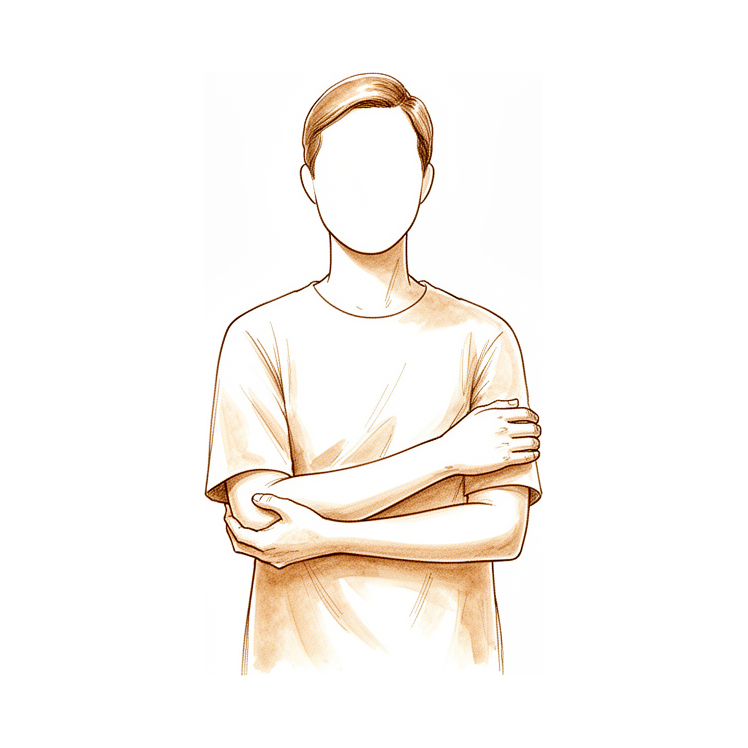
آپ ایک سادہ سلنگ (sling)، یعنی گلے سے لٹکی وہ پٹی جو بازو کو سہارا دیتی ہے، پہنیں گے: ڈاکٹر ہِرپرا سادہ سلنگ استعمال کرتے ہیں، بھاری ابڈکشن تکیے (abduction pillow) والی سلنگ یا بازو کو پہلو پر باہر کی طرف تھامنے والا بڑا بریس (gunslinger brace) نہیں۔ سلنگ آپ کے بازو کو محفوظ حالت میں رکھتی ہے: جسم کے سامنے اور ہلکا سا اندر کی طرف گھمایا ہوا، جہاں مرمت شدہ سینے کا پٹھا ڈھیلا رہتا ہے۔
- سلنگ 4 سے 6 ہفتے پہنیں۔ اسے پہن کر سونا ضروری نہیں۔
- اسے صرف نہانے کے لیے اور اپنی ورزشوں کے لیے اتاریں، جب آپ کو طریقہ دکھا دیا جائے؛ جب بھی سلنگ اتری ہو، اپنے بازو کو جسم کے سامنے اور پہلو کے ساتھ رکھیں، نہ پہلو کی طرف باہر اور نہ باہر کی طرف گھمایا ہوا۔
- گھر پر آرام کرتے وقت، اگر آپ احتیاط سے کام لیں تو اسے اتار سکتے ہیں: بازو تکیے پر ٹکا ہوا ہو اور آپ کے سامنے رہے۔
- اگر کندھا سوجا ہوا ہو یا اس میں درد ہو، خاص طور پر ورزش کے بعد، تو برف استعمال کریں۔
سلنگ پہننے کے دوران اپنی نشست و برخاست کے انداز (posture) کا خیال رکھیں۔ اپنے کان، کندھے اور کولہے ایک سیدھ میں رکھیں اور کندھوں کو ڈھلکنے نہ دیں؛ درست انداز آپ کی کمر کی حفاظت کرتا ہے اور کندھے کو اکڑنے سے بچانے میں مدد دیتا ہے۔
اہم احتیاطیں — یہ ہرگز نہ کریں
- آپ کا فزیوتھراپسٹ ہر ہفتے کے لیے جو حد مقرر کرے، بازو کو اس سے زیادہ باہر کی طرف ہرگز نہ گھمائیں۔ باہر کی طرف گھمانا سیدھا سامنے والی (نیوٹرل، 0 ڈگری) حالت سے شروع ہوتا ہے اور ہر ہفتے صرف تقریباً 5 ڈگری کر کے واپس آنے دیا جاتا ہے، کیونکہ باہر کی طرف گھمانے سے مرمت کھنچتی ہے۔
- ہر ہفتے اجازت دی گئی تھوڑی سی حد سے زیادہ بازو کو پہلو کی طرف باہر ہرگز نہ لے جائیں، اور بازو کو پہلو کی طرف باہر لے جانے کے ساتھ اسے باہر کی طرف گھمانا کبھی بھی نہ ملائیں: یہی وہ حالت ہے جس میں پٹھا پھٹتا ہے۔
- کہنی کو سینے کی لکیر سے پیچھے ہرگز نہ جانے دیں (اس سے مرمت کھنچتی ہے)؛ اس کے بعد بھی جم میں لمبے عرصے تک اس سے بچیں۔
- پہلے ہفتوں میں پینڈولم (بازو کو لٹکا کر جھلانے والی) یا چھڑی سے زور دے کر کی جانے والی ورزشیں ہرگز نہ کریں؛ کندھے کی سرجری میں یہ غیر معمولی بات ہے، لیکن یہاں بازو کو لٹکنے دینا یا چھڑی سے اسے دھکیلنا مرمت شدہ سینے کے پٹھے کو کھینچتا ہے۔ (چھڑی کی مدد والی ورزشیں بعد میں، تقریباً ہفتہ 4 سے آتی ہیں۔)
- جب تک اجازت نہ ملے، اور 4 سے 6 ماہ سے پہلے تو کسی صورت نہیں، سینے سے ہرگز نہ دھکیلیں، نہ دبائیں اور نہ اس پر بوجھ ڈالیں (نہ بینچ پریس، نہ فلائز، نہ ڈپس، نہ پیک ڈیک (pec-deck)، نہ ڈنڈ اور نہ ایسے کھیل جن میں کھلاڑی آپس میں ٹکراتے ہیں)۔
- کسی بھی حرکت پر ہرگز زور نہ لگائیں اور نہ اسے کھینچیں، اور جب تک آپ کی ٹیم اسے شروع نہ کروائے، جو تقریباً ہفتہ 9 سے ہوتا ہے، مرمت شدہ سینے کے پٹھے سے براہ راست کام نہ لیں (نہ مزاحمت کے ساتھ اندر کی طرف گھمانا اور نہ دھکیلنا)۔
مرحلہ 1 — حفاظت (ہفتہ 0 سے 3)
پہلے ہفتے پوری طرح مرمت شدہ ٹینڈن کی حفاظت کے لیے ہیں جب وہ ہڈی سے جڑ رہا ہوتا ہے۔ دن کے وقت آپ سادہ سلنگ میں رہتے ہیں، بازو آپ کے سامنے اور ہلکا سا اندر کی طرف گھمایا ہوا؛ اسے پہن کر سونا ضروری نہیں، لیکن رات بھر بازو کو اسی محفوظ حالت میں رکھیں۔ آپ کا ہاتھ، کلائی، انگلیاں اور کہنی معمول کے مطابق حرکت کرتے رہتے ہیں۔ تقریباً ہفتہ 2 سے، آپ کا فزیوتھراپسٹ سخت حدود کے اندر آپ کے کندھے کو خود ہلکے سے حرکت دینا (پیسو حرکت (passive movement)) شروع کر سکتا ہے، لیکن اپنی طاقت سے کچھ نہیں، زبردستی کچھ نہیں، اور نہ پینڈولم اور نہ چھڑی والی ورزشیں۔
- سلنگ: سادہ سلنگ، بازو سامنے اور ہلکا سا اندر کی طرف گھمایا ہوا، دن کے وقت پہنی جائے؛ سوتے وقت اسے اتار دیں لیکن بازو کو اسی محفوظ حالت میں رکھیں۔
- جس حرکت کی اجازت ہے: صرف پیسو (مدد سے کروائی گئی) حرکت، تقریباً ہفتہ 2 سے شروع اور سخت حدود کے اندر: باہر کی طرف گھمانا صرف نیوٹرل (0 ڈگری) تک، آگے کی طرف اٹھانا صرف تقریباً 45 ڈگری تک، اور بازو کو پہلو کی طرف باہر لے جانا صرف تقریباً 30 ڈگری تک۔ آپ کی کہنی، کلائی اور ہاتھ آزادانہ حرکت کرتے ہیں۔
- ورزشیں: ہاتھ، کلائی اور کہنی کی حرکت؛ ہاتھ سے ہلکا سا دبانا؛ کندھے کی پچھلی چپٹی ہڈی (shoulder blade) کو درست جگہ پر جمانا اور نیچے رکھ کر کھینچنے (low rows) کی ورزشیں کندھے کی پچھلی ہڈی کے آس پاس کے پٹھوں کے لیے (بازو نیچے، کندھے کی اونچائی سے کافی نیچے)۔ سینے کے پٹھے پر کوئی بوجھ بالکل نہیں۔
آپ اگلے مرحلے کے لیے تیار ہیں جب: آپ کا درد قابو میں ہو؛ آپ کا زخم کسی مسئلے کی علامت کے بغیر بھر گیا ہو؛ اوپر دی گئی حدود کے اندر آپ کی پیسو حرکت آرام دہ ہو؛ اور اس بات کی کوئی علامت نہ ہو کہ مرمت پر زیادہ دباؤ پڑا ہے۔
مرحلہ 2 — حرکت کی بحالی اور سلنگ چھڑانا (ہفتہ 4 سے 6)
Kieran Hirpara 4.0
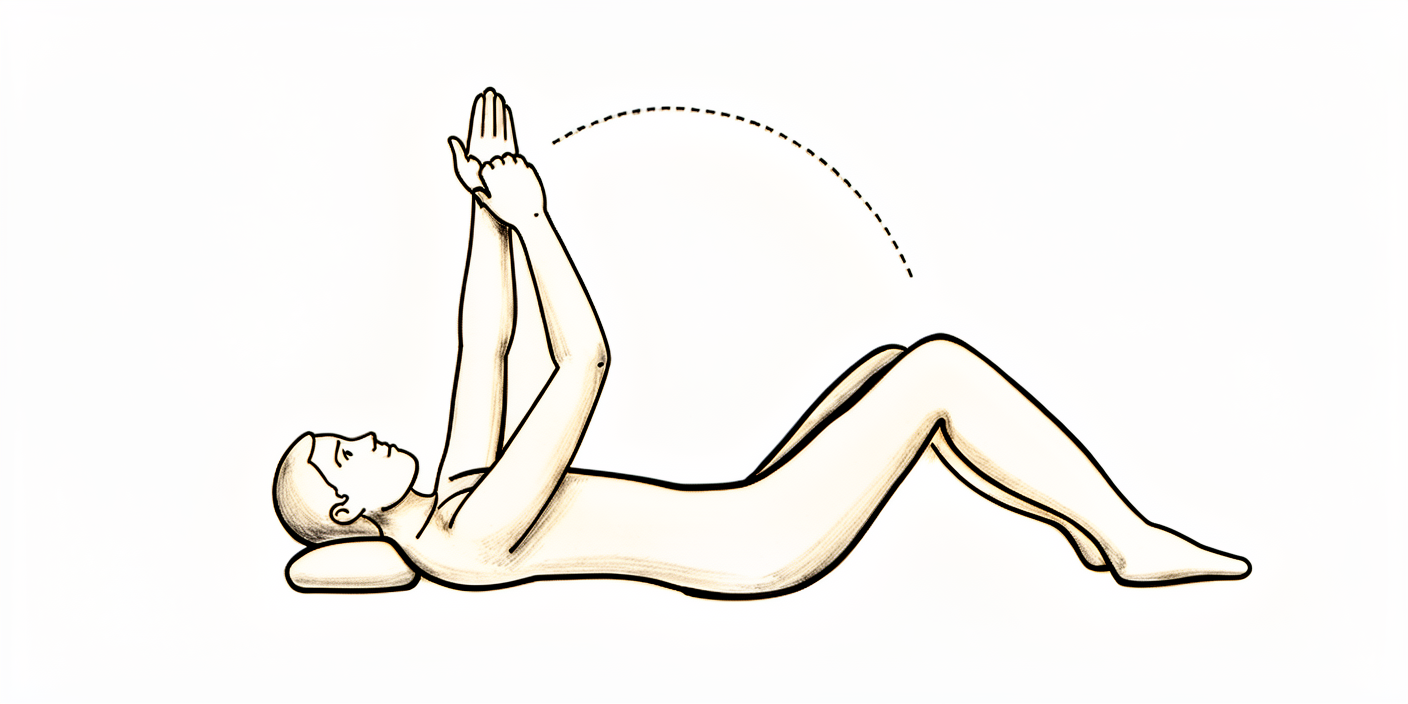
لیٹ کر مدد کے ساتھ آگے کی طرف اٹھانا
کمر کے بل لیٹ جائیں۔ اپنے ٹھیک ہاتھ کو آپریشن والے بازو کی کہنی کے نیچے رکھ کر اسے آگے کی طرف اٹھانے میں مدد دیں، صرف اس اونچائی تک جو آپ کے فزیوتھراپسٹ نے مقرر کی ہے، پھر آہستہ سے نیچے لائیں۔ آپریشن والا کندھا ڈھیلا رہتا ہے اور کام آپ کا ٹھیک بازو کرتا ہے۔ یہ تقریباً ہفتہ 4 سے شروع کی جاتی ہے — پہلے ہفتوں میں نہیں۔
آپ کے فزیوتھراپسٹ کی رہنمائی کے مطابق
Kieran Hirpara 4.0
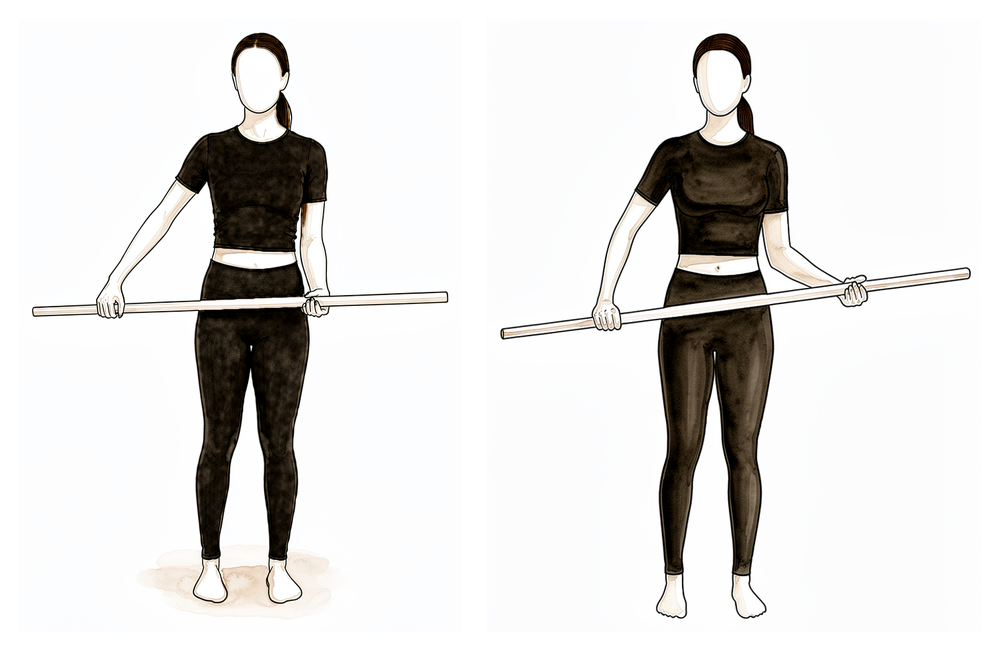
چھڑی سے مدد کے ساتھ باہر کی طرف گھمانا
ایک چھڑی (یا چلنے کی چھڑی) دونوں ہاتھوں میں پکڑیں اور آپریشن والے بازو کی کہنی پہلو سے لگی رہے۔ اپنے ٹھیک بازو سے آپریشن والے بازو کے نچلے حصے کو آہستہ سے باہر کی طرف دھکیلیں، صرف اس ہفتہ وار حد تک جو آپ کے فزیوتھراپسٹ نے مقرر کی ہے، پھر واپس لائیں۔ یہ تقریباً ہفتہ 4 سے شروع کی جاتی ہے — پہلے ہفتوں میں نہیں۔
آپ کے فزیوتھراپسٹ کی رہنمائی کے مطابق
Kieran Hirpara 4.0
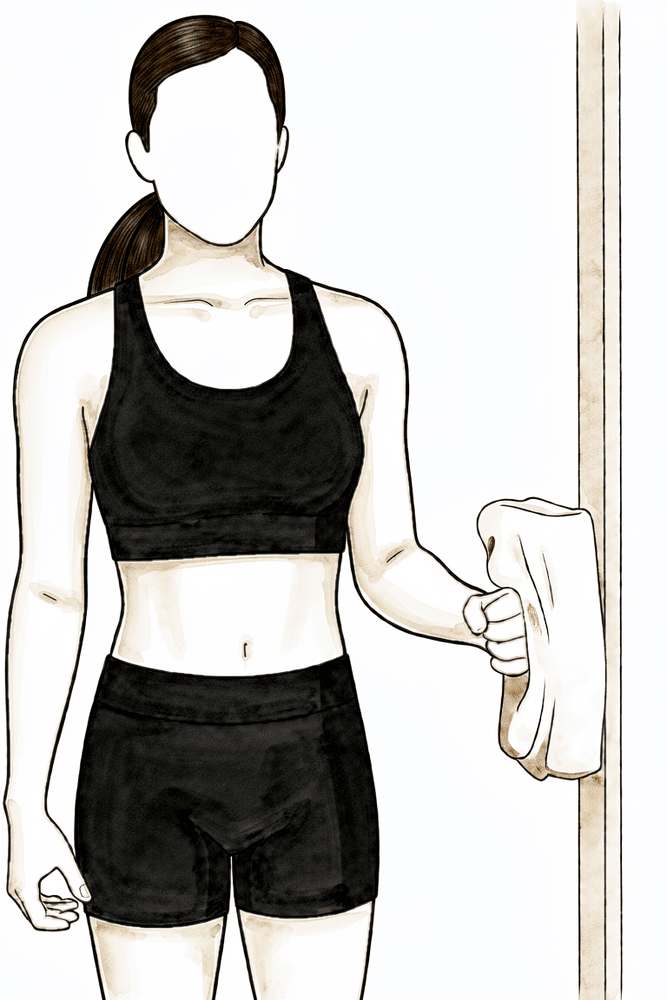
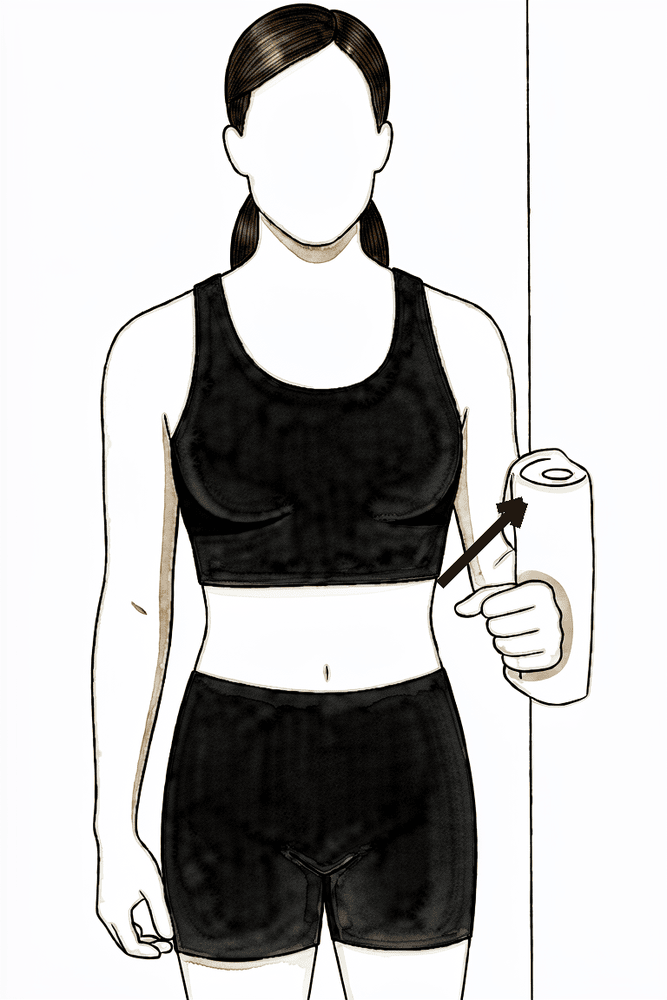
دبا کر روکنا: باہر کی طرف گھمانا
کھڑے ہو کر کہنی کو پہلو سے لگائیں اور 90 ڈگری پر موڑیں، ہاتھ کی پشت دیوار یا دروازے کی چوکھٹ سے لگی ہو۔ ہاتھ کی پشت کو آہستہ سے باہر کی طرف دیوار میں دبائیں — اپنی طاقت کا تقریباً ایک چوتھائی — بغیر اس کے کہ بازو واقعی حرکت کرے۔ تقریباً 5 سیکنڈ روکیں، پھر ڈھیلا چھوڑ دیں۔
10 بار، دن میں ایک یا دو بار
Kieran Hirpara 4.0
دبا کر روکنا: بازو کو پہلو کی طرف باہر
دیوار کی طرف پہلو کر کے کھڑے ہوں، بازو کے اوپری حصے کا باہر والا حصہ دیوار سے لگا ہو اور کہنی پہلو کے ساتھ ہو۔ آہستہ سے باہر کی طرف دیوار میں دبائیں — اپنی طاقت کا تقریباً ایک چوتھائی — بغیر اس کے کہ بازو حرکت کرے۔ تقریباً 5 سیکنڈ روکیں، پھر ڈھیلا چھوڑ دیں۔
10 بار، دن میں ایک یا دو بار
Kieran Hirpara 4.0
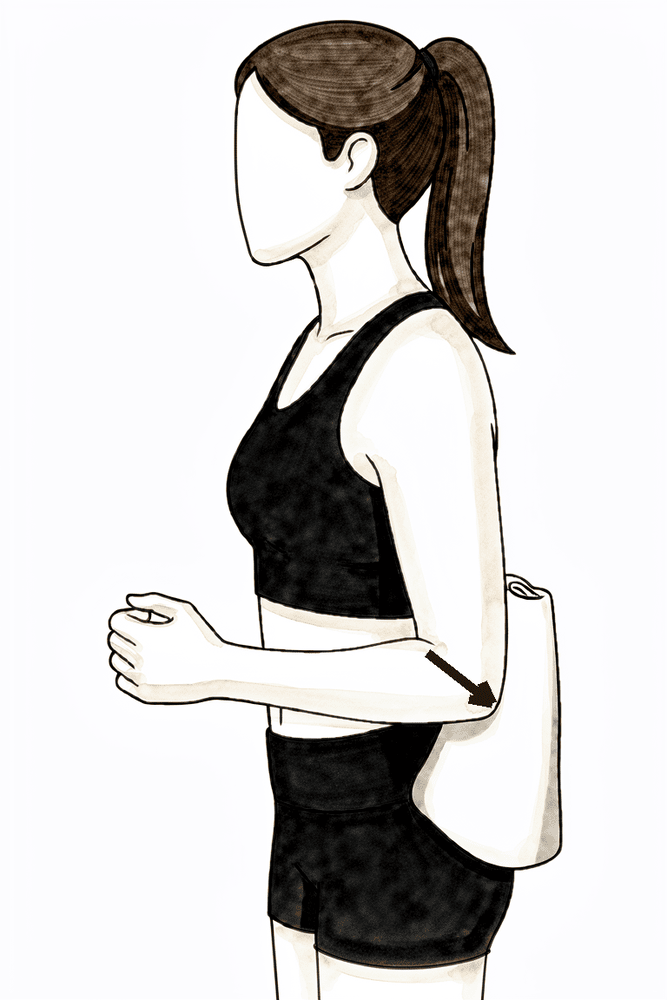
دبا کر روکنا: بازو کو پیچھے کی طرف
دیوار کے قریب اس کی طرف پیٹھ کر کے کھڑے ہوں، بازو پہلو کے ساتھ اور کہنی سیدھی ہو۔ بازو کی پچھلی طرف کو آہستہ سے پیچھے دیوار میں دبائیں — اپنی طاقت کا تقریباً ایک چوتھائی — بغیر اس کے کہ بازو حرکت کرے۔ تقریباً 5 سیکنڈ روکیں، پھر ڈھیلا چھوڑ دیں۔ اس سے کندھے کے پیچھے کے پٹھے کام کرتے ہیں۔ شروع میں ہم اندر کی طرف دبانے والی ورزش کے بجائے یہ ورزش کرواتے ہیں، کیونکہ اندر کی طرف دبانے سے مرمت شدہ سینے کے پٹھے پر بوجھ پڑتا ہے۔
10 بار، دن میں ایک یا دو بار
مرمت بھر رہی ہوتی ہے اور سلنگ کو ہفتہ 4 اور 6 کے درمیان کسی وقت بتدریج چھڑا دیا جاتا ہے۔ آپ کی محفوظ حرکت ہر ہفتے صرف چند ڈگری بڑھتی ہے، اور اب ہلکی مدد والی (چھڑی کی مدد سے) ورزشیں شروع ہو سکتی ہیں۔ کندھے کے آس پاس کے پٹھوں کے لیے پٹھوں کو ہلکا سا کسنے والی (آئسومیٹرک (isometric)) ورزشیں شروع ہوتی ہیں، لیکن خود سینے کے پٹھے کے لیے نہیں، اور اندر کی طرف گھمانے کے لیے بھی نہیں، کیونکہ یہ دونوں مرمت پر بوجھ ڈالتے ہیں۔
- سلنگ: بتدریج چھڑائی جا رہی ہے (ہفتہ 4 اور 6 کے درمیان کسی وقت)۔
- جس حرکت کی اجازت ہے: پیسو اور مدد کے ساتھ حرکت، جو ہر ہفتے تقریباً 5 ڈگری بڑھتی ہے: باہر کی طرف گھمانا نیوٹرل سے آگے بڑھتا ہوا، آگے کی طرف اٹھانا تقریباً 65 سے 85 ڈگری کی طرف، اور بازو کو پہلو کی طرف باہر لے جانا تقریباً 50 ڈگری کی طرف۔ ابھی بھی اپنی طاقت سے کوئی حرکت نہیں، اور ہفتہ وار حدود سے آگے کوئی زور نہیں۔
- ورزشیں: لیٹ کر مدد کے ساتھ آگے کی طرف اٹھانا؛ چھڑی سے مدد کے ساتھ باہر کی طرف گھمانا (صرف ہفتہ وار حد تک)؛ باہر کی طرف گھمانے، بازو کو پہلو کی طرف باہر لے جانے اور بازو کو پیچھے لے جانے کے لیے دبا کر روکنے والی (آئسومیٹرک) ورزشیں، اندر کی طرف گھمانے کے لیے نہیں؛ کندھے کی پچھلی ہڈی کو درست جگہ پر جمانا۔
آپ اگلے مرحلے کے لیے تیار ہیں جب: آپ سلنگ سے باہر آ چکے ہوں؛ آپ کی محفوظ حرکت منصوبے کے مطابق بڑھ رہی ہو؛ حد تک باہر کی طرف گھمانے پر کندھے کے اگلے حصے میں درد نہ ہو؛ اور آپ کی آئسومیٹرک ورزشیں آرام دہ ہوں۔
مرحلہ 3 — ایکٹو حرکت (ہفتہ 6 سے 8)
Kieran Hirpara 4.0
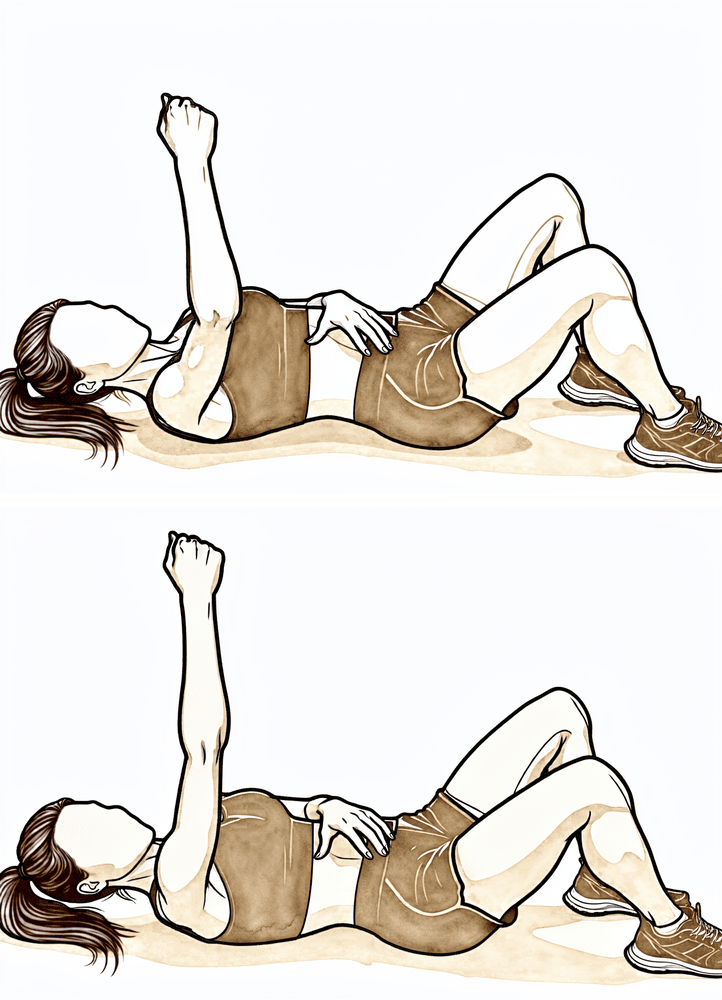
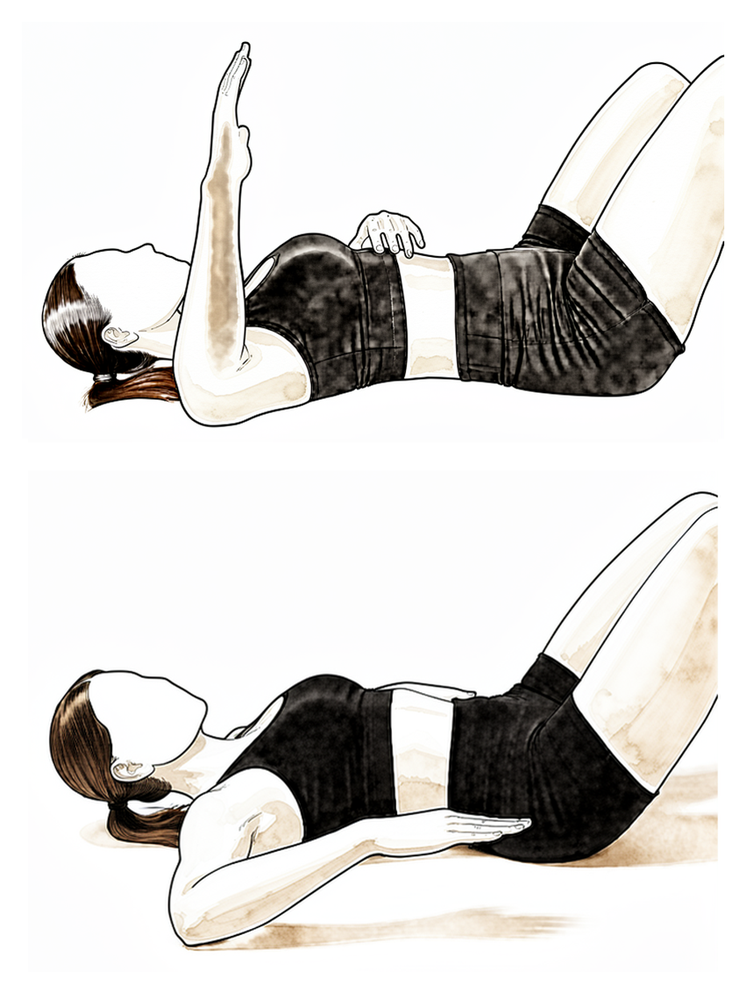
لیٹ کر مکا (سلیوٹ) (supine punch)
کمر کے بل لیٹ جائیں اور آپریشن والا بازو چھت کی طرف سیدھا ہو۔ ہاتھ کو چھت کی طرف اوپر بڑھائیں تاکہ کندھے کی پچھلی ہڈی فرش سے اٹھ جائے، پھر آہستہ سے نیچے لائیں۔ حرکت ہموار اور آرام دہ حد کے اندر رکھیں۔
10 بار، دن میں ایک بار
Kieran Hirpara 4.0
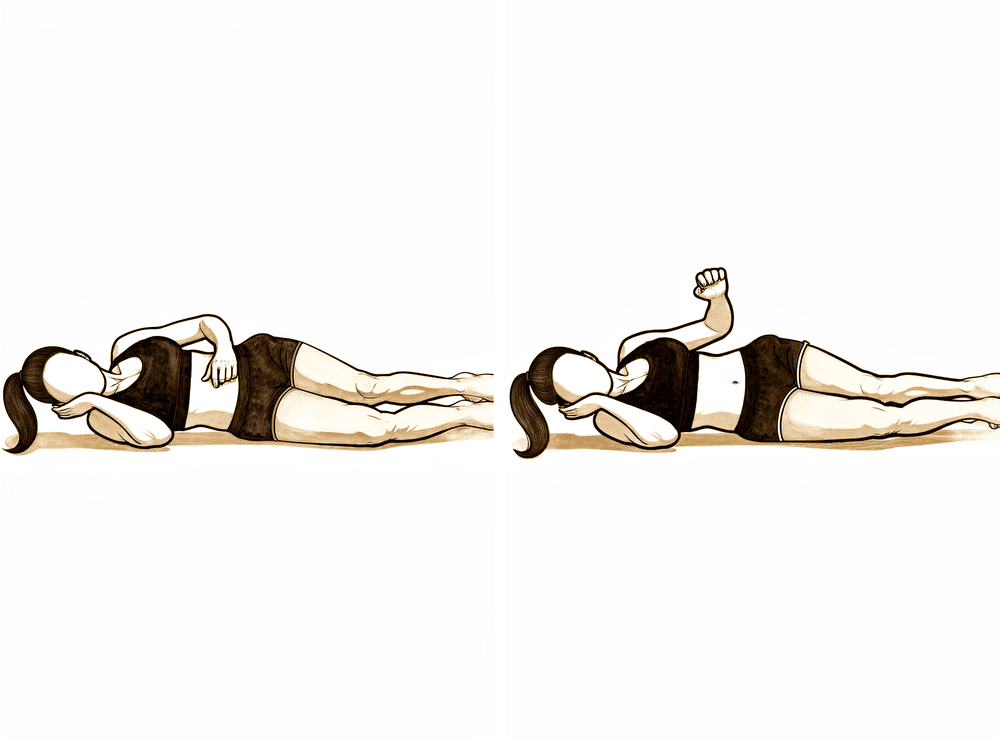
پہلو کے بل لیٹ کر باہر کی طرف گھمانا
اپنے ٹھیک پہلو کے بل لیٹ جائیں، آپریشن والی کہنی کمر سے لگی ہو اور 90 ڈگری پر مڑی ہو۔ کہنی کو لگائے رکھتے ہوئے، بازو کے نچلے حصے کو جتنا آرام سے ہو سکے اوپر کی طرف گھمائیں، پھر آہستہ سے نیچے لائیں۔ بغیر وزن کے شروع کریں۔
10 سے 15 بار، دن میں ایک بار
Kieran Hirpara 4.0
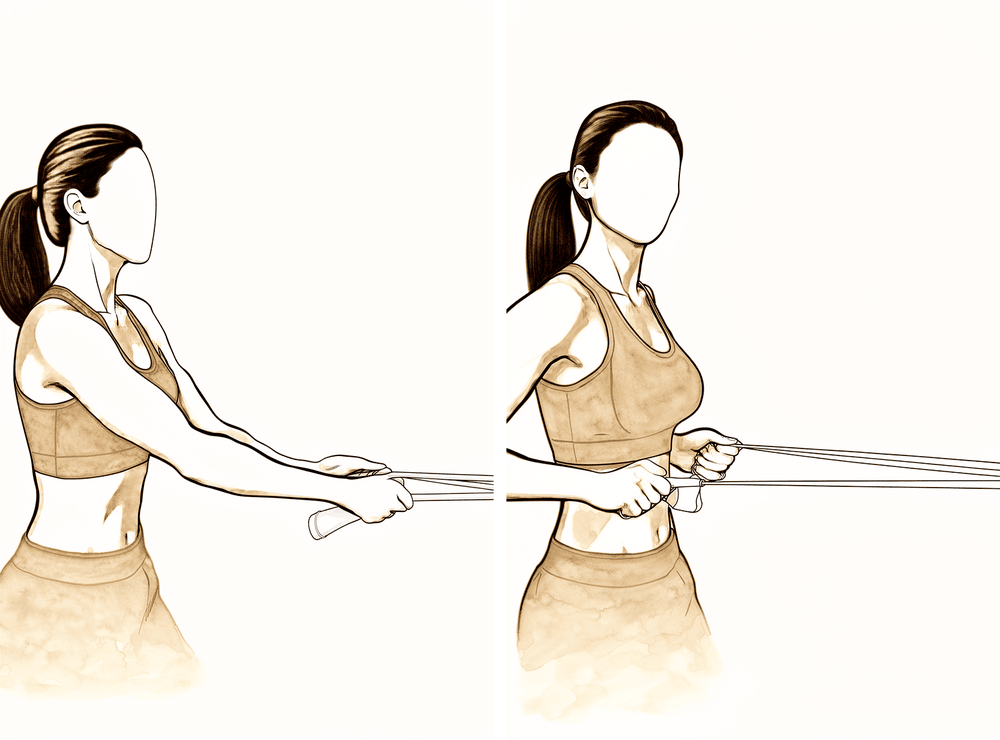
ریزسٹنس بینڈ سے کھینچنا (rows)
بینڈ کو اپنے سامنے کمر کی اونچائی پر باندھ دیں۔ سیدھے کھڑے ہو کر اپنی کہنیوں کو جسم کی طرف پیچھے کھینچیں، کندھے کی پچھلی ہڈیوں کو آپس میں دبائیں، پھر آہستہ سے واپس جائیں۔ کہنیاں پہلوؤں کے قریب رکھیں اور انہیں جسم کی لکیر سے پیچھے نہ جانے دیں۔
10 سے 15 بار، دن میں ایک بار
Kieran Hirpara 4.0
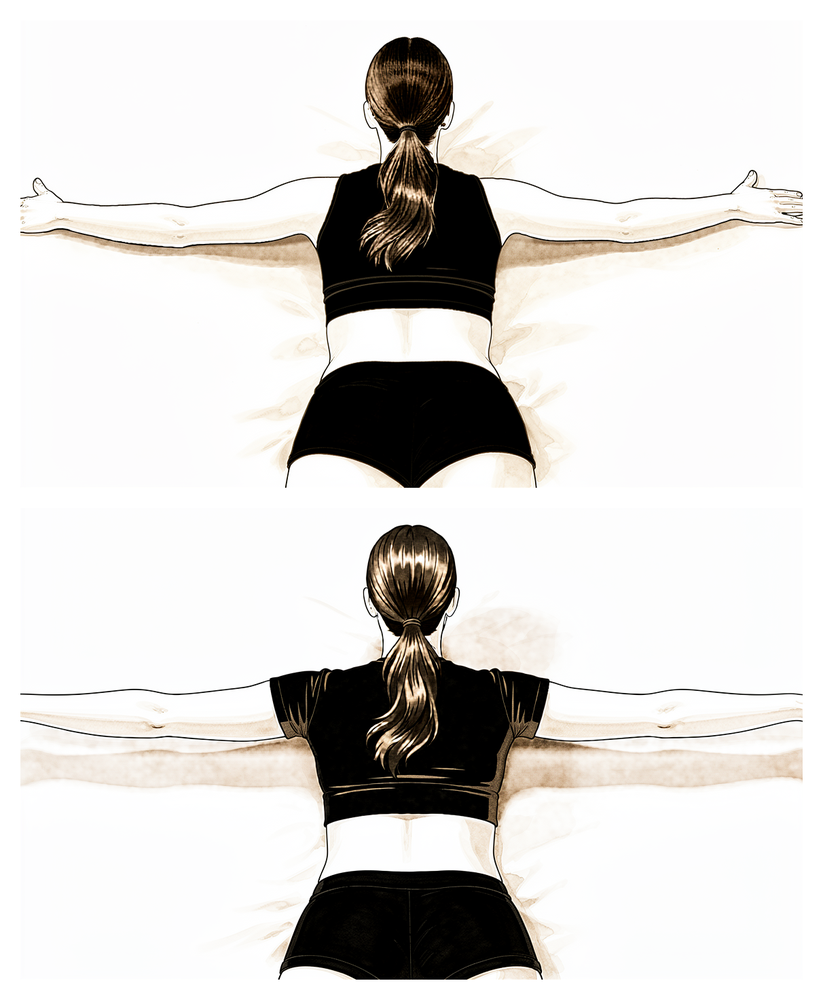
کندھے کی پچھلی ہڈیوں کو کھینچنا (پیٹ کے بل Y)
پیٹ کے بل لیٹ جائیں اور بازو نیچے لٹکے ہوں۔ انہیں پہلوؤں کی طرف کندھے کی اونچائی تک اٹھائیں اور کندھے کی پچھلی ہڈیوں کو آپس میں دبائیں، پھر آہستہ سے نیچے لائیں۔ حرکت چھوٹی اور قابو میں رکھیں۔
10 بار، دن میں ایک بار
Kieran Hirpara 4.0
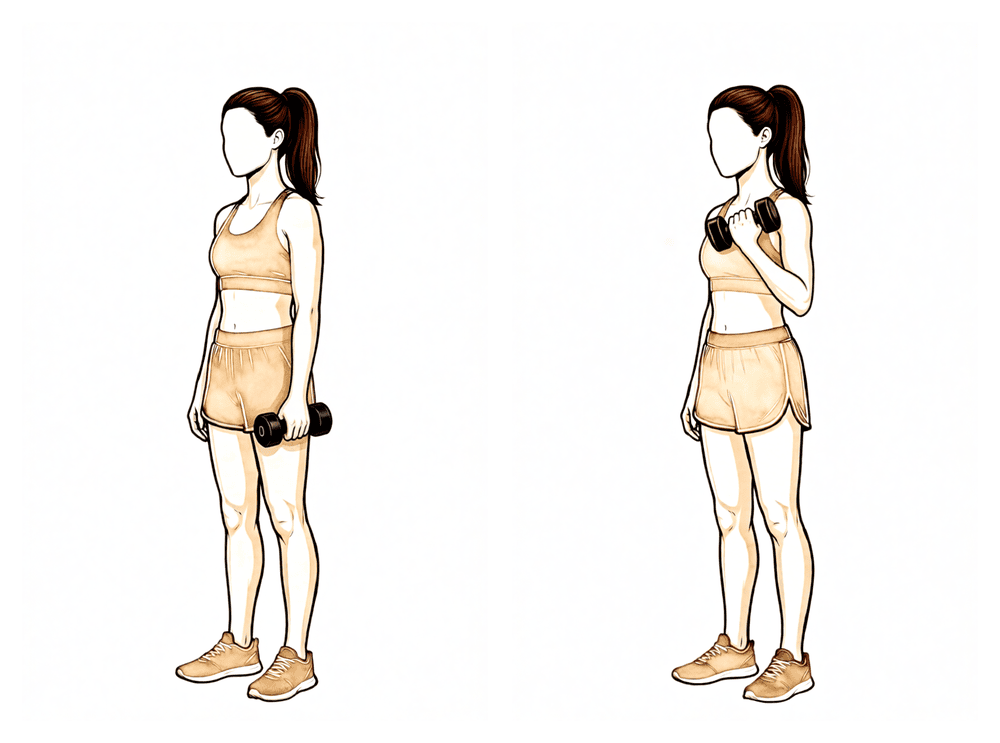
بائسیپس کرل
ہلکا وزن پکڑ کر اور کہنی پہلو سے لگا کر، کہنی کو موڑ کر وزن اٹھائیں، پھر آہستہ سے نیچے لائیں۔ بازو کا اوپری حصہ بے حرکت اور جسم کے سامنے رکھیں۔
10 سے 15 بار، دن میں ایک بار
Kieran Hirpara 4.0
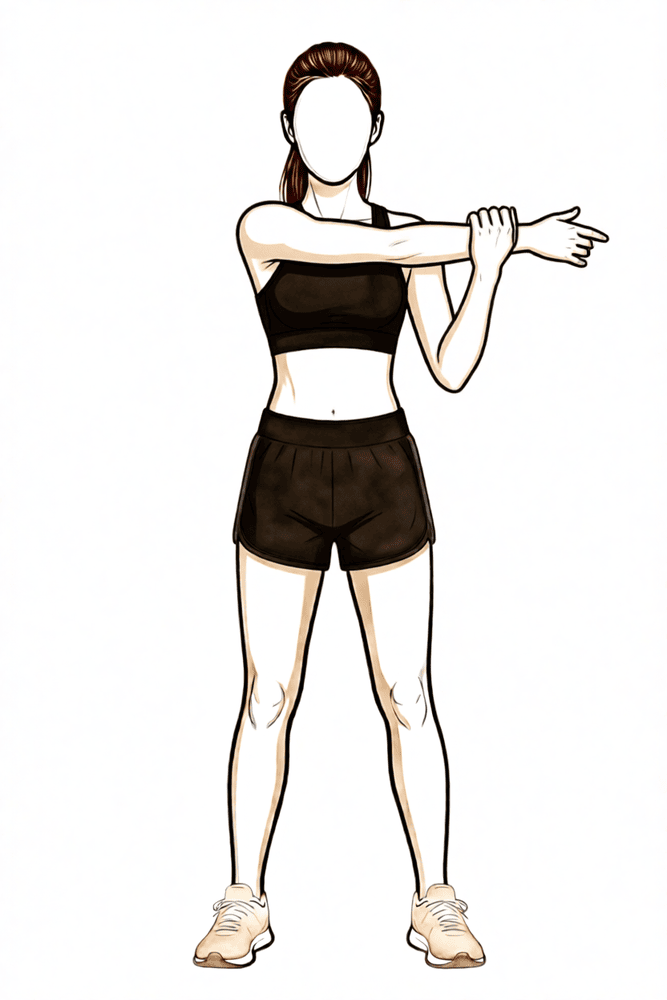
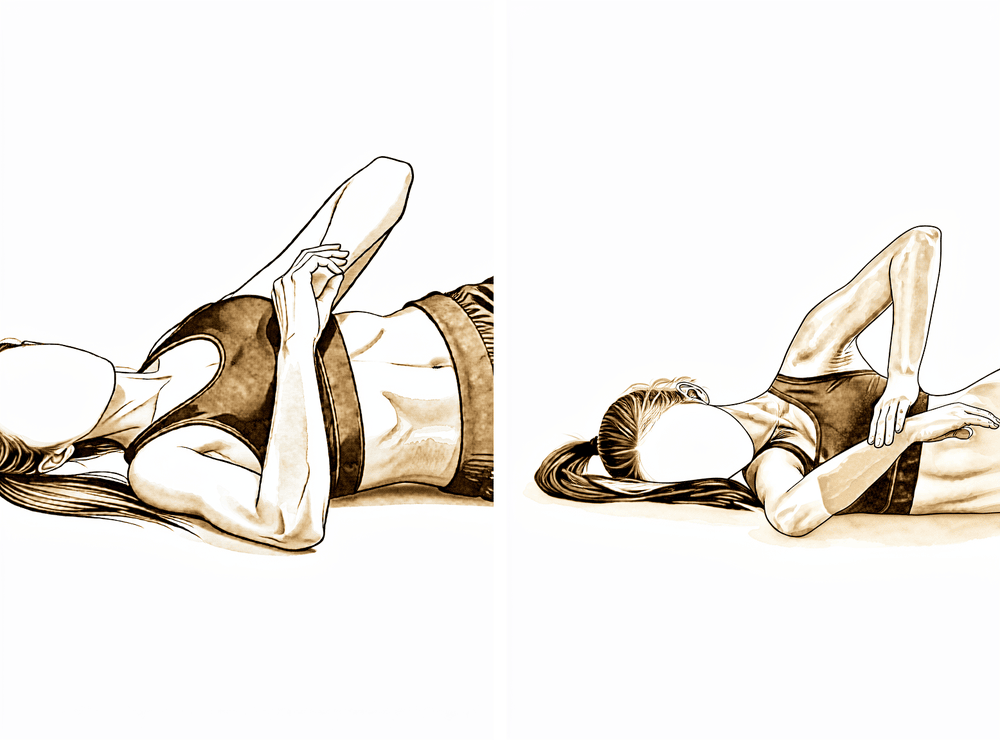
جسم کے آر پار اسٹریچ
اپنے ٹھیک ہاتھ سے آپریشن والے بازو کو کندھے کی اونچائی سے نیچے، سینے کے آر پار آہستہ سے کھینچیں، یہاں تک کہ کندھے کی پچھلی طرف ہلکا کھنچاؤ محسوس ہو، پھر چھوڑ دیں۔ زور نہ لگائیں اور درد کی حد تک نہ کھینچیں۔
20 سے 30 سیکنڈ روکیں، 2 سے 3 بار
Kieran Hirpara 4.0
سلیپر اسٹریچ
آپریشن والے پہلو کے بل لیٹ جائیں، کندھا اور کہنی 90 ڈگری پر مڑے ہوں۔ اپنے ٹھیک ہاتھ سے بازو کے نچلے حصے کو آہستہ سے بستر کی طرف نیچے دبائیں، یہاں تک کہ کندھے کی پچھلی طرف ہلکا کھنچاؤ محسوس ہو۔ زور نہ لگائیں۔
20 سے 30 سیکنڈ روکیں، 2 سے 3 بار
تقریباً چھ ہفتے سے سلنگ ختم ہو جاتی ہے اور آپ بازو کو اپنی طاقت سے حرکت دینا شروع کرتے ہیں، آسان حالتوں سے آغاز کرتے ہوئے جہاں کشش ثقل کم سے کم رکاوٹ ڈالتی ہے: لیٹ کر، یا چھت کی طرف ہاتھ بڑھا کر۔ آپ کی محفوظ حدیں ہر ہفتے چند ڈگری کر کے پوری حد کی طرف کھلتی رہتی ہیں۔ کندھے کے آس پاس کے پٹھوں کو مضبوط کیا جاتا ہے، اور کندھے کی پچھلی طرف کے لیے ہلکے اسٹریچ شروع ہوتے ہیں، لیکن مرمت شدہ سینے کے پٹھے کو ابھی بھی نہیں چھیڑا جاتا۔
- سلنگ: بند۔
- جس حرکت کی اجازت ہے: پیسو حرکت پوری حد کی طرف جاری (ہر سمت میں ہر ہفتے تقریباً 5 ڈگری مزید)، اور اپنی طاقت سے ایکٹو حرکت کا آغاز۔ بازو پر ہلکا وزن ڈالنے کی اجازت ہے۔
- ورزشیں: لیٹ کر مکا (سلیوٹ) (supine punch)؛ پہلو کے بل لیٹ کر باہر کی طرف گھمانا (بغیر وزن)؛ ریزسٹنس بینڈ سے کھینچنے (rows) کی ورزش اور کندھے کی پچھلی ہڈی کی ورزشیں؛ ہلکی بائسیپس (biceps) ورزش؛ کندھے کی پچھلی طرف کے لیے جسم کے آر پار اسٹریچ اور سلیپر اسٹریچ (sleeper stretch)۔
آپ اگلے مرحلے کے لیے تیار ہیں جب: ہر سمت میں آپ کی حرکت پوری یا تقریباً پوری ہو؛ آپ اچھے کنٹرول کے ساتھ بازو کو اپنی طاقت سے حرکت دے سکیں (کندھا اچکائے یا اوپر کھینچے بغیر)؛ اور کندھے کے اگلے حصے میں درد نہ ہو۔
مرحلہ 4 — سینے کے پٹھے پر بوجھ ڈالنے کا آغاز (ہفتہ 9 سے 14)
Kieran Hirpara 4.0
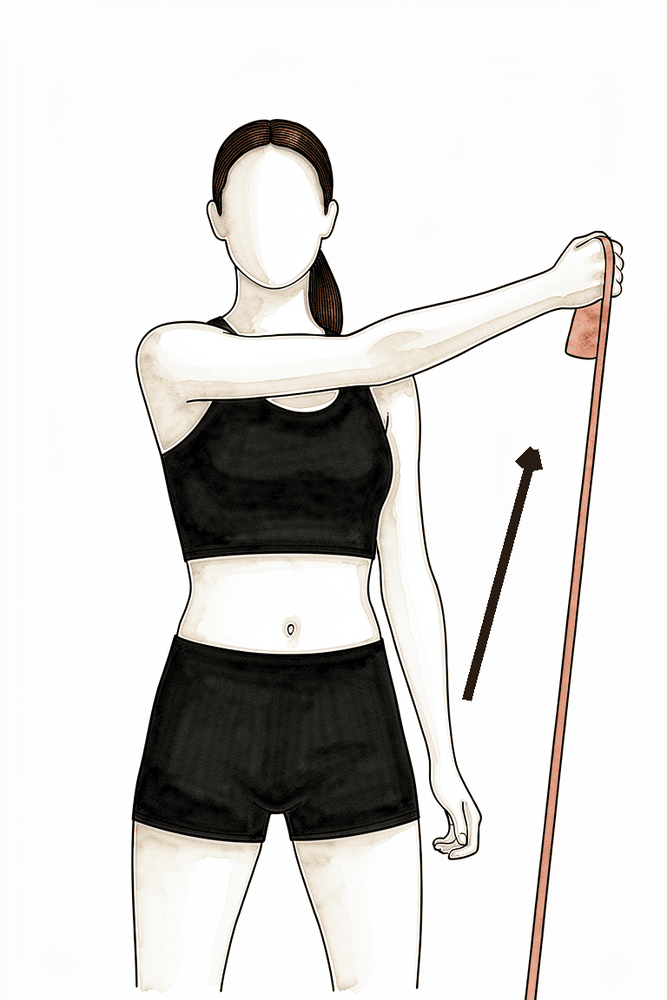
بینڈ کے ساتھ پی این ایف ترچھی حرکت D1
بینڈ پکڑ کر بازو کو قابو میں رکھی گئی ترچھی لکیر میں حرکت دیں — اپنے پیٹ کے آر پار سے باہر اور اوپر مخالف سمت کی طرف — پھر ہمواری سے واپس لائیں۔ شروع اور آخر کی حالتیں آپ کا فزیوتھراپسٹ طے کرے گا۔ یہ صرف اس وقت شروع کریں جب آپ کی حرکت پوری اور درد سے پاک ہو۔
آپ کے فزیوتھراپسٹ کی رہنمائی کے مطابق
Kieran Hirpara 4.0
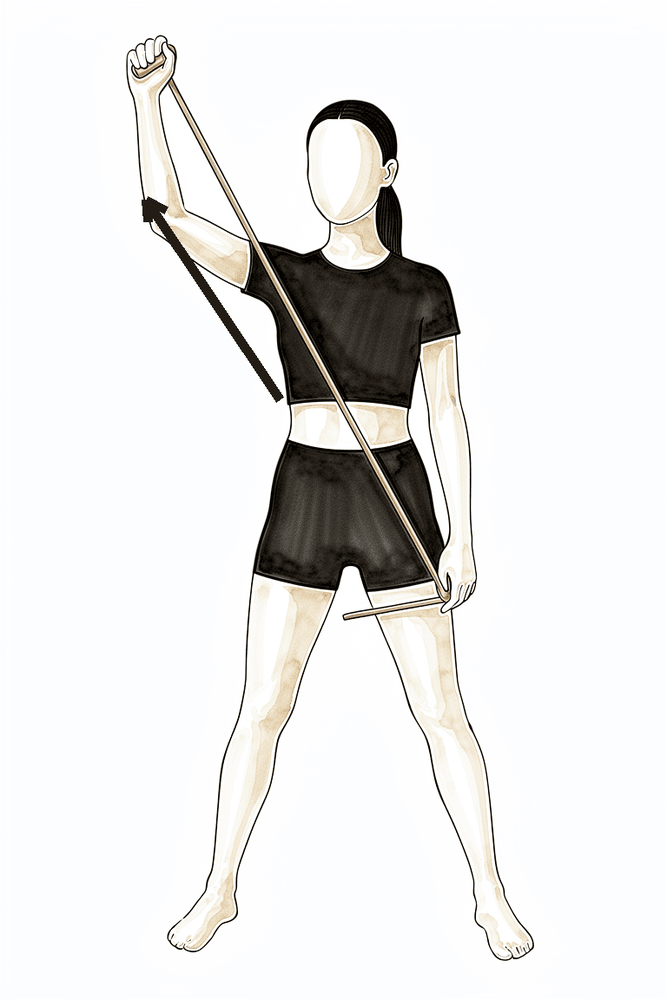
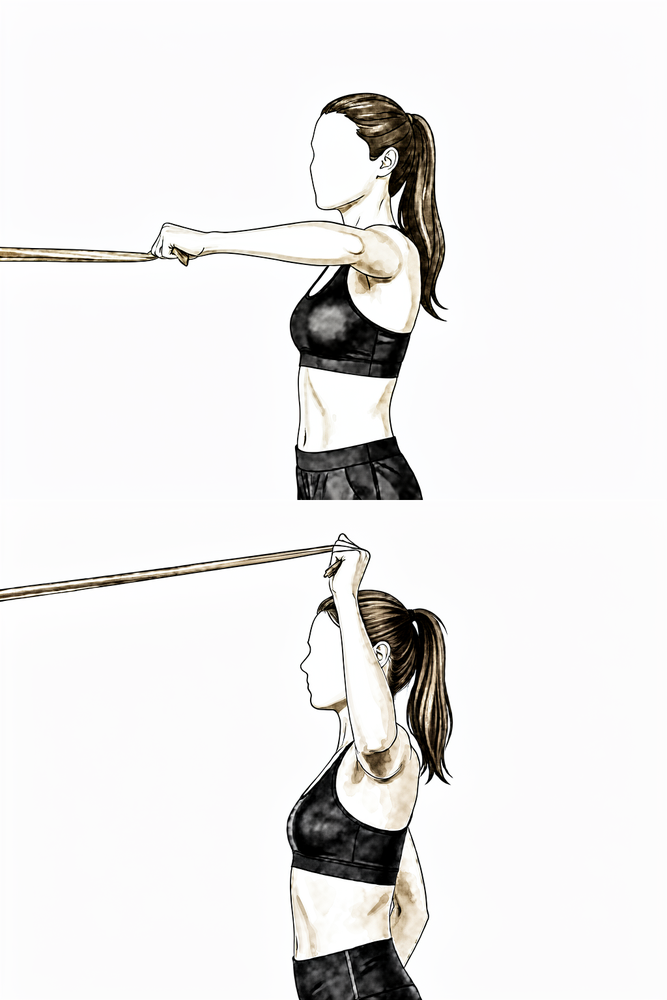
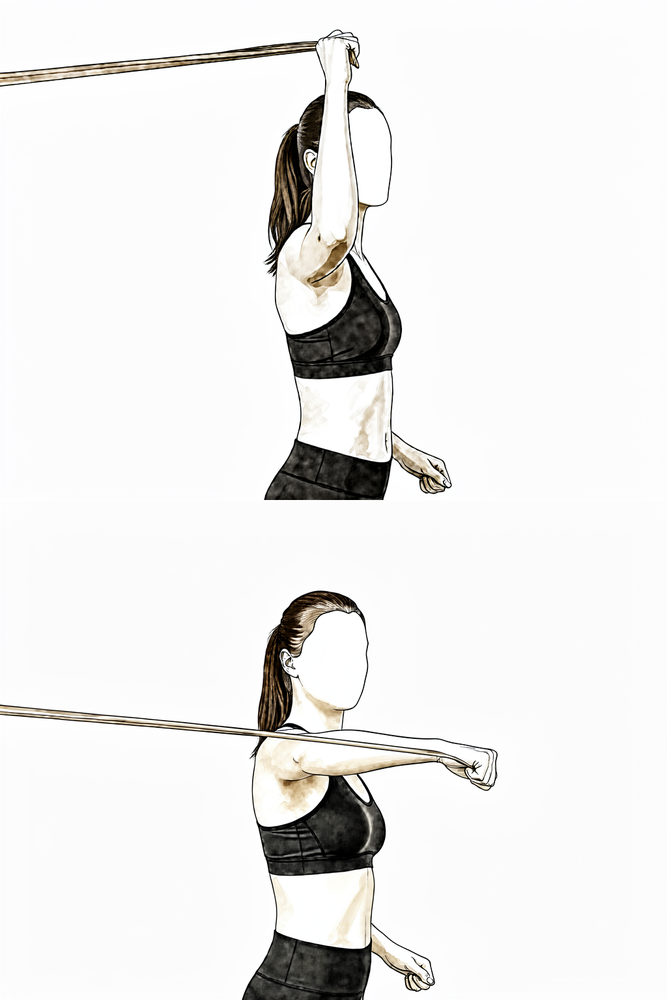
بینڈ کے ساتھ پی این ایف ترچھی حرکت D2
بینڈ پکڑ کر بازو کو قابو میں رکھی گئی ترچھی لکیر میں حرکت دیں — مخالف کولہے سے باہر اور اوپر سر کے اوپر تک — پھر ہمواری سے واپس لائیں۔ حد آپ کا فزیوتھراپسٹ طے کرے گا۔ یہ صرف اس وقت شروع کریں جب آپ کی حرکت پوری اور درد سے پاک ہو۔
آپ کے فزیوتھراپسٹ کی رہنمائی کے مطابق
Kieran Hirpara 4.0
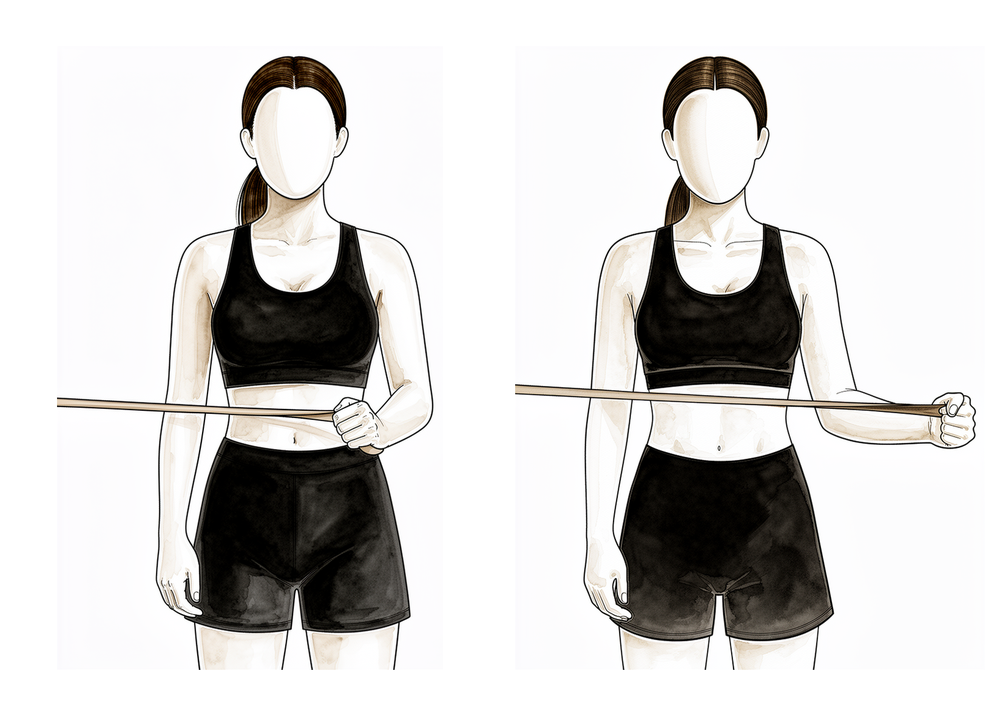
بینڈ سے باہر کی طرف گھمانا
کہنی کو پہلو سے لگا کر 90 ڈگری پر موڑیں، بینڈ پکڑیں اور مزاحمت کے خلاف بازو کے نچلے حصے کو باہر کی طرف گھمائیں، پھر آہستہ سے واپس لائیں۔ کہنی پہلو سے لگی رہے۔
10 سے 15 بار، دن میں ایک بار
Kieran Hirpara 4.0
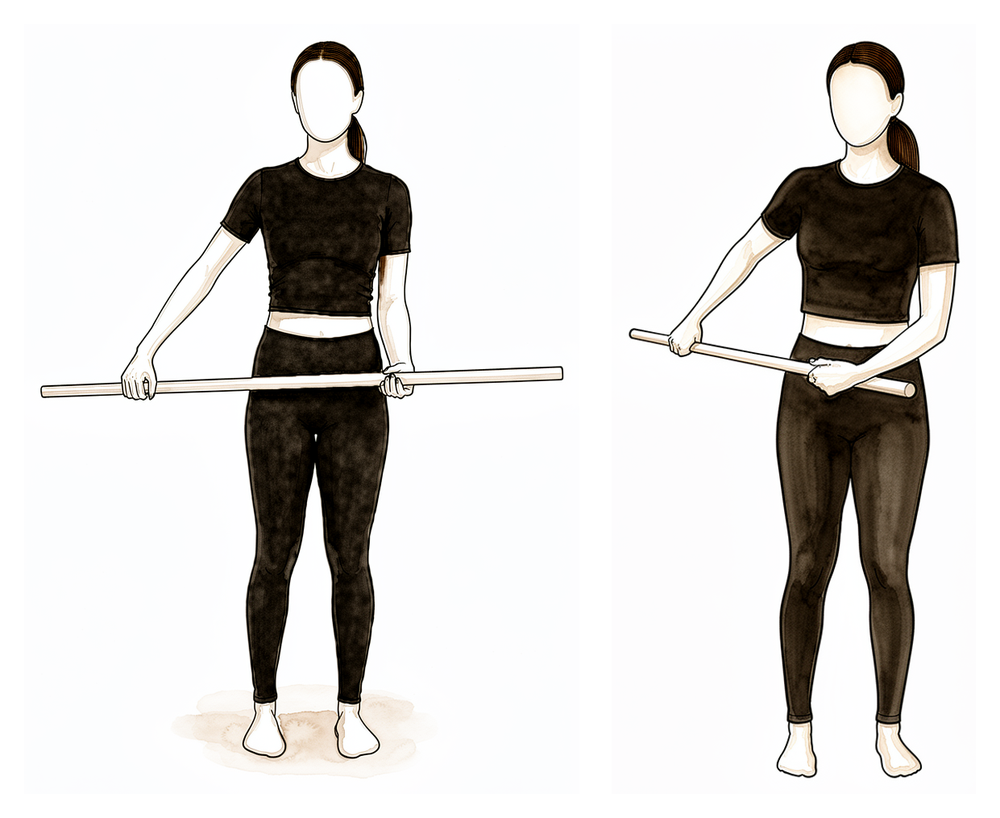
چھڑی سے اندر کی طرف گھمانا
ایک چھڑی یا تولیہ پکڑیں اور آپریشن والے ہاتھ کو آہستہ سے اندر کی طرف اپنے پیٹ کے آر پار یا کمر کے پیچھے، آرام دہ حد تک لے جائیں۔ اندر کی طرف گھمانے سے مرمت شدہ سینے کے پٹھے پر بوجھ پڑتا ہے، اس لیے یہ صرف تقریباً ہفتہ 9 سے شروع کی جاتی ہے اور آہستہ آہستہ بڑھائی جاتی ہے۔
آپ کے فزیوتھراپسٹ کی رہنمائی کے مطابق
یہ فیصلہ کن موڑ ہے: تقریباً ہفتہ 9 سے مرمت شدہ سینے کا پٹھا خود ہلکے سے کام کرنا شروع کرتا ہے۔ آغاز چھوٹی (ڈھیلی) حالت سے ہوتا ہے اور جیسے جیسے پٹھا بوجھ برداشت کرے، اسے لمبی حالت کی طرف بڑھایا جاتا ہے۔ اندر کی طرف گھمانا، جو سینے کے پٹھے کا اپنا کام ہے اور اب تک جان بوجھ کر روکا گیا تھا، بھی یہیں شروع کیا جاتا ہے اور آہستہ آہستہ بڑھایا جاتا ہے۔ حرکت پوری ہونی چاہیے، اور توجہ قابو میں رکھے گئے ہلکے بوجھ پر منتقل ہو جاتی ہے۔ زیادہ بھاری دھکیلنے والی ورزشیں ابھی بھی انتظار کرتی ہیں۔
- حرکت: ہر سمت میں پوری یا تقریباً پوری پیسو اور ایکٹو حرکت۔
- ورزشیں: اندر کی طرف گھمانے اور سینے کے پٹھے کو کسنے کی ہلکی ورزشیں، پہلے چھوٹی حالت میں؛ چھڑی سے اندر کی طرف گھمانا؛ بینڈ سے باہر کی طرف گھمانا؛ بینڈ کے ساتھ پی این ایف (PNF) ترچھی حرکتیں (قابو میں رکھی گئی ترچھی حرکتیں جو آپ کا فزیوتھراپسٹ ترتیب دیتا ہے)۔
آپ اگلے مرحلے کے لیے تیار ہیں جب: آپ کی حرکت پوری اور درد سے پاک ہو؛ اور آپ سینے کے پٹھے کی ہلکی ورزشیں بعد میں کسی درد کے بغیر کر سکیں۔
مرحلہ 5 — طاقت بڑھانا (ہفتہ 14 سے 20)
Kieran Hirpara 4.0
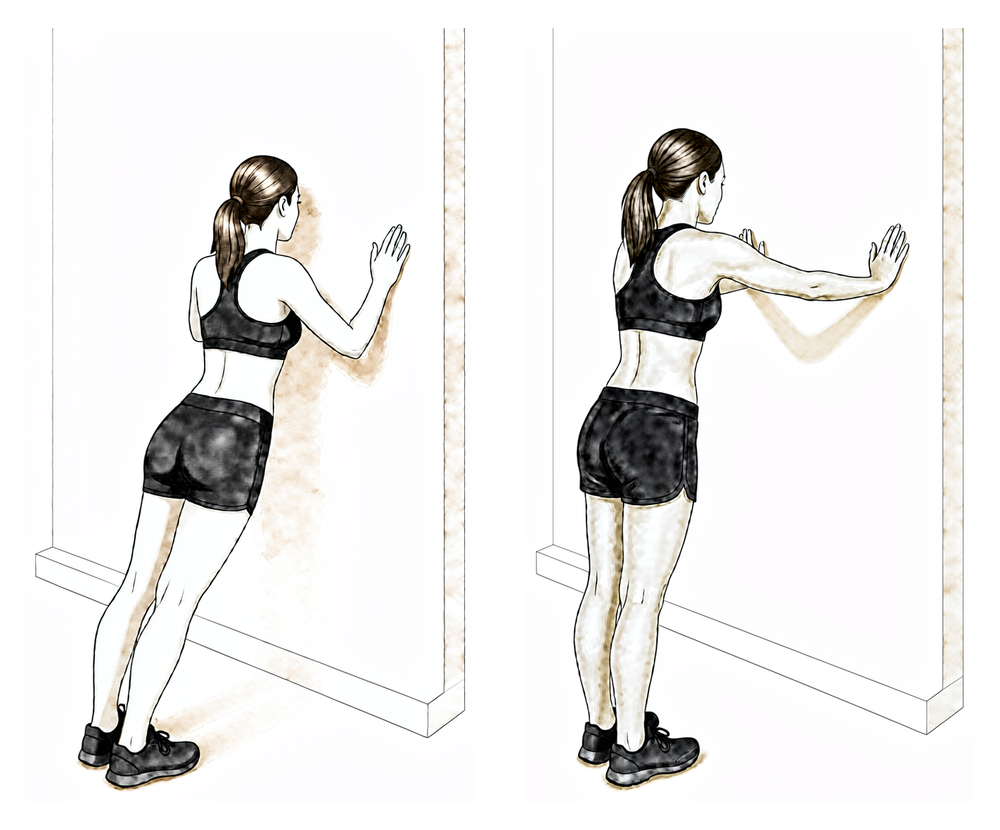
دیوار کے سہارے ڈنڈ سے فرش پر ڈنڈ تک
دیوار کے سہارے ڈنڈ سے شروع کریں: دیوار کی طرف جھکیں، پھر دھکیل کر دور ہوں، اور اوپر پہنچ کر کندھے کی پچھلی ہڈیوں کو ایک دوسرے سے دور پھیلنے دیں۔ جیسے جیسے آپ مضبوط ہوں، کچن کے کاؤنٹر، پھر گھٹنوں کے بل، پھر فرش کی طرف بڑھیں۔ اپنی کہنیوں کو جسم کی لکیر سے پیچھے نہ جانے دیں — سینے کو کبھی بھی کہنیوں کی سطح سے نیچے نہ جانے دیں۔
آپ کے فزیوتھراپسٹ کی رہنمائی کے مطابق
Kieran Hirpara 4.0
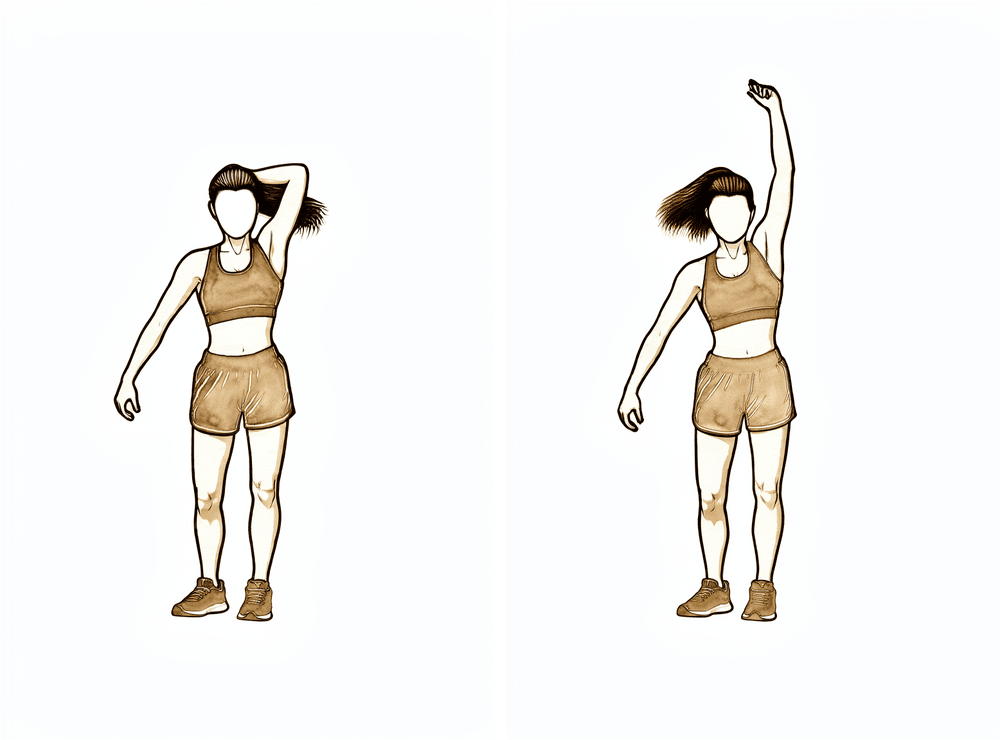
سر کے اوپر ٹرائسیپس ورزش
ہلکا وزن سر کے اوپر پکڑ کر اور کہنی موڑ کر، کہنی کو سیدھا کر کے وزن اٹھائیں، پھر آہستہ سے نیچے لائیں۔ یہ اس وقت شروع کریں جب سر کے اوپر حرکت پوری اور آرام دہ ہو۔
10 سے 15 بار، دن میں ایک بار
Kieran Hirpara 4.0
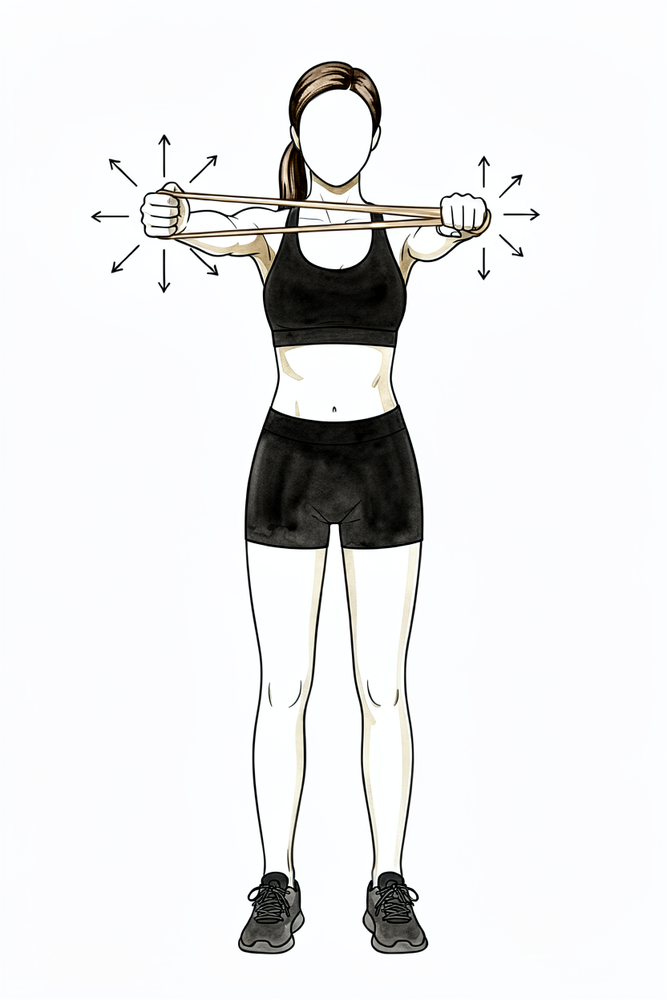
ردھمک اسٹیبلائزیشن (rhythmic stabilisation)
اپنے بازو کو سہارا دے کر اپنے سامنے تقریباً کندھے کی اونچائی پر رکھیں، اور آپ کا فزیوتھراپسٹ (یا آپ کا ٹھیک ہاتھ) مختلف سمتوں سے چھوٹے، ہلکے دھکے دے جبکہ آپ بازو کو بے حرکت اور مستحکم رکھیں — اسے حرکت نہ کرنے دیں۔ اس سے کندھے کو مستحکم رکھنے والے پٹھے ردعمل دینا سیکھتے ہیں۔ تمام زور ہلکا رکھیں۔
آپ کے فزیوتھراپسٹ کی رہنمائی کے مطابق
تقریباً ہفتہ 14 سے سینے کی باقاعدہ طاقت بڑھانے کی ورزشیں (ہلکے وزن اور مزاحمت، یعنی "آئسوٹونکس" (isotonics)) شروع ہوتی ہیں، جنہیں دوسری طرف کے برابر رکھتے ہوئے بتدریج بڑھایا جاتا ہے۔ ڈنڈ کی ورزش دیوار کے سہارے شروع ہوتی ہے اور صرف اتنی ہی فرش کی طرف بڑھتی ہے جتنی طاقت اجازت دے۔ جم کے دو اصول اب لمبے عرصے تک اہم ہیں، کیونکہ ان کی خلاف ورزی مرمت شدہ ٹینڈن پر اسی طرح بوجھ ڈالتی ہے جس طرح وہ پھٹتا ہے: پریس، فلائی یا پیک ڈیک کے نچلے حصے میں اپنی کہنیوں کو کبھی بھی جسم کی لکیر سے پیچھے نہ جانے دیں؛ اور کم تکرار کے ساتھ بھاری وزن سے بچیں: ہلکے وزن اور زیادہ تکرار کو ترجیح دیں، اور آہستہ آہستہ وارم اپ کریں۔
- حرکت: پوری۔
- ورزشیں: دیوار کے سہارے ڈنڈ جو فرش کی طرف بڑھتے ہیں؛ بینڈ کے خلاف اندر کی طرف گھمانا؛ سر کے اوپر ٹرائسیپس (triceps) ورزش؛ سینے اور دھکیلنے کی ہلکی، بتدریج بڑھتی ورزشیں؛ دروازے کی چوکھٹ میں سینے کا ہلکا اسٹریچ۔
آپ اگلے مرحلے کے لیے تیار ہیں جب: دوسری طرف کے مقابلے میں آپ کی طاقت یکساں طور پر بڑھ رہی ہو؛ اور مزاحمت کے ساتھ سینے کی ورزشوں میں آپ کو درد نہ ہو۔
مرحلہ 6 — کھیل پر ابتدائی واپسی (5 سے 6 ماہ)
Kieran Hirpara 4.0
باہر اور اندر کی طرف گھمانا (90/90)
بازو کو کندھے کی اونچائی پر پہلو کی طرف باہر رکھ کر اور کہنی کو 90 ڈگری پر موڑ کر، بازو کے نچلے حصے کو قابو میں رکھی گئی حد میں اوپر اور نیچے گھمائیں۔ یہ آخری مرحلے کی، کھیل کی تیاری والی ورزش ہے — صرف اجازت ملنے پر شروع کریں، کیونکہ اس حالت میں مرمت شدہ سینے کا پٹھا کھنچتا ہے۔
آپ کے فزیوتھراپسٹ کی رہنمائی کے مطابق
Kieran Hirpara 4.0
باہر کی طرف گھمانا 90/90 پر (بینڈ)
بازو کو کندھے کی اونچائی پر پہلو کی طرف باہر رکھ کر اور کہنی کو قائمہ زاویے (right angle) پر موڑ کر، ہلکے بینڈ یا وزن کے خلاف بازو کے نچلے حصے کو پیچھے اور اوپر گھمائیں، پھر آہستہ سے نیچے لائیں۔ اس سے اٹھی ہوئی (پھینکنے والی) حالت میں روٹیٹر کف (rotator cuff)، یعنی ٹینڈنوں کا وہ گروپ جو کندھے کو تھامتا اور گھماتا ہے، کی طاقت بڑھتی ہے۔
10 سے 15 کے 2 سے 3 سیٹ، کم مزاحمت
Kieran Hirpara 4.0
اندر کی طرف گھمانا 90/90 پر (بینڈ)
اسی حالت سے، بازو کندھے کی اونچائی پر پہلو کی طرف باہر رکھتے ہوئے، ہلکے بینڈ یا وزن کے خلاف بازو کے نچلے حصے کو آگے اور نیچے اپنے پاؤں کی طرف گھمائیں، پھر قابو کے ساتھ واپس لائیں۔
10 سے 15 کے 2 سے 3 سیٹ، کم مزاحمت
اب بازو مضبوط ہے اور اس کی حرکت پوری ہے، اور تربیت آپ کے کھیل کے مطابق خاص ہو جاتی ہے، جس میں تیز، زیادہ دھماکہ خیز (پلائیومیٹرک (plyometric)) ورزشیں شامل ہیں جیسے سینے سے گیند پھینکنا (chest pass) اور پھینکنے والی حالتیں۔ یہ کھیل پر واپسی کی تیاری ہے، ابھی بغیر کسی پابندی کے بھاری بوجھ کی اجازت نہیں۔
- حرکت: پوری۔
- ورزشیں: 90/90 (کھیل والی) حالت میں باہر اور اندر کی طرف گھمانا؛ آپ کے فزیوتھراپسٹ کی ہدایت کے مطابق سینے اور پھینکنے کی پلائیومیٹرک ورزشیں۔
آپ اگلے مرحلے کے لیے تیار ہیں جب: آپ اپنے کھیل کے لیے طاقت اور کام سے متعلق مخصوص ٹیسٹ پاس کر لیں؛ اور ڈاکٹر ہِرپرا اور آپ کا فزیوتھراپسٹ دونوں آپ کو اجازت دے دیں۔
مرحلہ 7 — بغیر پابندی واپسی (6 ماہ اور اس کے بعد)
تقریباً چھ ماہ سے، اجازت ملنے پر، آپ پوری طرح سخت کام اور تفریحی سرگرمیوں پر واپس آ جاتے ہیں۔ بینچ پریس آپ کے پچھلے زیادہ سے زیادہ وزن کے تقریباً آدھے سے دوبارہ شروع کیا جاتا ہے اور آہستہ آہستہ بڑھایا جاتا ہے، اور ایسے کھیل جن میں کھلاڑی آپس میں ٹکراتے ہیں چھ ماہ سے پہلے نہیں۔ واپسی کا فیصلہ صرف کیلنڈر سے نہیں بلکہ اس بنیاد پر ہوتا ہے کہ آپ کی طاقت دوسری طرف کے کم از کم 85 سے 90 فیصد ہو اور ڈاکٹر ہِرپرا اجازت دیں۔
- حرکت: پوری۔
- ورزشیں: بھاری دھکیلنے اور وزن اٹھانے پر پوری واپسی، ہلکے وزن سے بتدریج بڑھاتے ہوئے، اور کھیل کے مطابق پوری تربیت۔
آپ تیار ہیں جب: آپ کی طاقت دوسری طرف کے کم از کم 85 سے 90 فیصد ہو؛ آپ کی حرکت اور برداشت پوری اور درد سے پاک ہو اور بھاری بوجھ کے بعد کوئی ردعمل والا درد نہ ہو؛ اور ڈاکٹر ہِرپرا اور آپ کا فزیوتھراپسٹ دونوں منظوری دے چکے ہوں۔
کھیل اور کام پر واپسی
سینے پر بوجھ ڈالنے اور کھیل پر واپسی مقررہ شرائط پر مبنی ہے: کافی حرکت، طاقت اور برداشت، کسی درد کے بغیر، جس کی منظوری ڈاکٹر ہِرپرا اور آپ کا فزیوتھراپسٹ دونوں دیں، اور جس کا فیصلہ صرف کیلنڈر سے نہ ہو۔
- کام: بیٹھ کر کیا جانے والا کام جتنا برداشت ہو؛ جسمانی مشقت والا یا بھاری کام کم از کم 3 ماہ سے۔
- گاڑی چلانا: تقریباً 6 سے 8 ہفتے۔
- سینے کی ہلکی طاقت بڑھانے کی ورزشیں: تقریباً ہفتہ 14 سے۔
- بینچ پریس، بھاری وزن اٹھانا، ڈنڈ اور ایسے کھیل جن میں کھلاڑی آپس میں ٹکراتے ہیں: 4 سے 6 ماہ سے پہلے نہیں، اور صرف اس وقت جب آپ کی طاقت واپس آ جائے؛ بینچ پریس آپ کے پچھلے زیادہ سے زیادہ وزن کے تقریباً آدھے سے دوبارہ شروع ہوتا ہے اور آہستہ آہستہ بڑھایا جاتا ہے۔
پھینکنے والے کھیلوں اور ایسے کھیلوں کے لیے جن میں کھلاڑی آپس میں ٹکراتے ہیں، بغیر پابندی کھیلنے سے پہلے درجہ بدرجہ بڑھنے والا پروگرام مکمل کریں۔
آپ کی ابتدائی ورزشیں
Kieran Hirpara 4.0
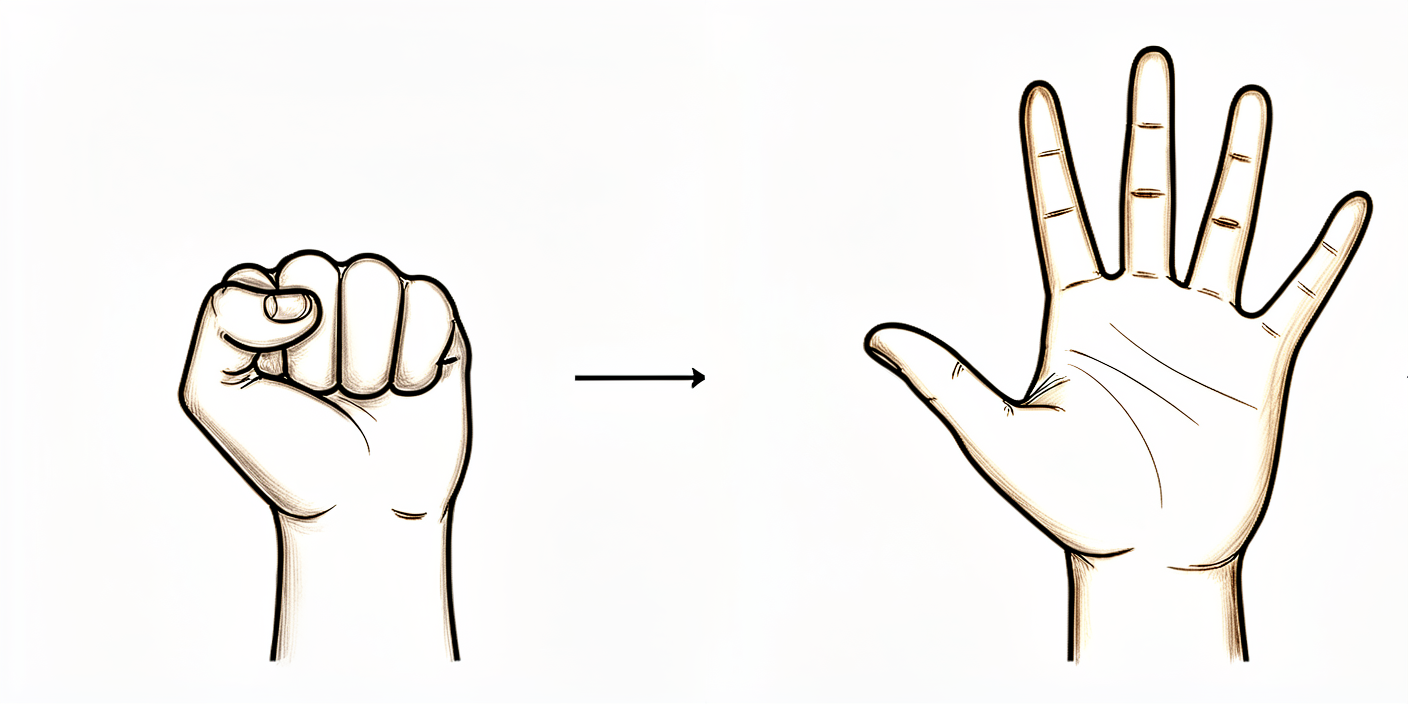
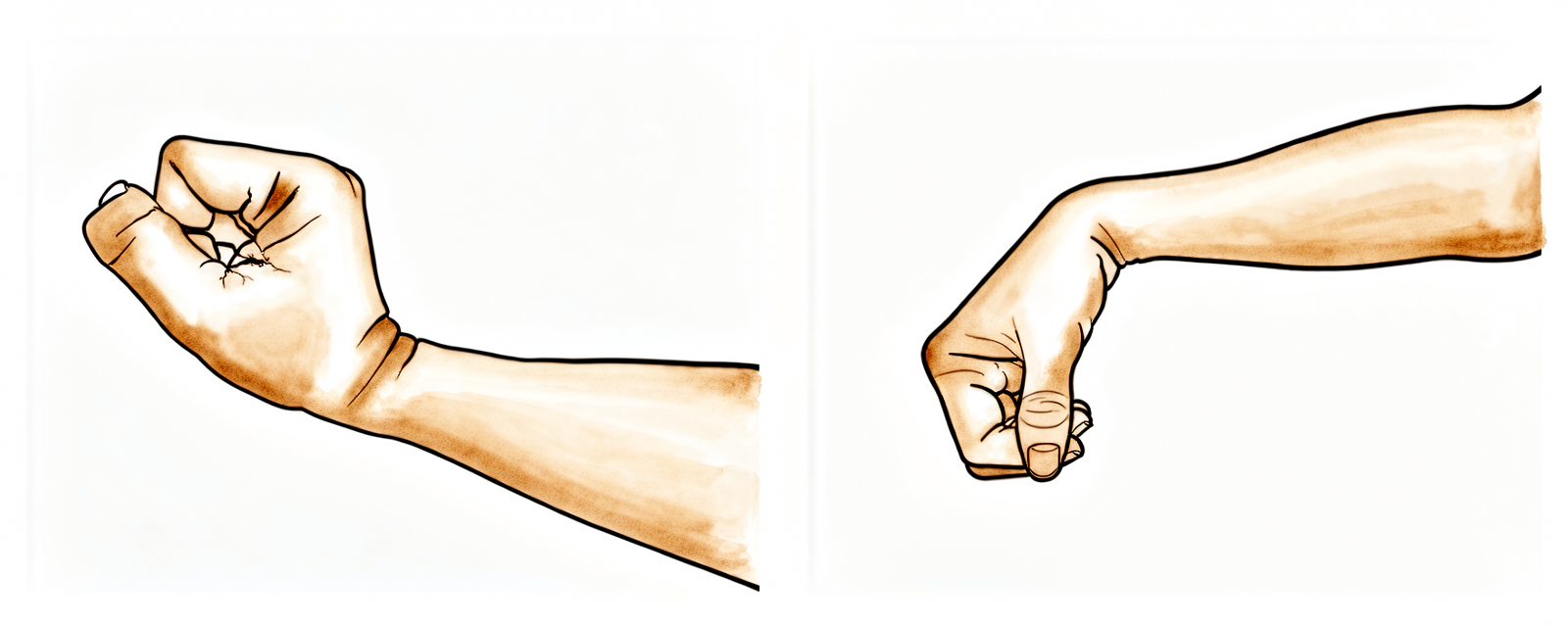
ہاتھ کھولنا اور بند کرنا
مضبوطی سے مٹھی بنائیں، پھر ہاتھ کھول کر انگلیاں پوری طرح پھیلائیں۔ دن بھر اپنے ہاتھ، انگلیوں اور کلائی کو معمول کے مطابق حرکت دیتے رہیں۔
ہر گھنٹے 10 بار
Kieran Hirpara 4.0
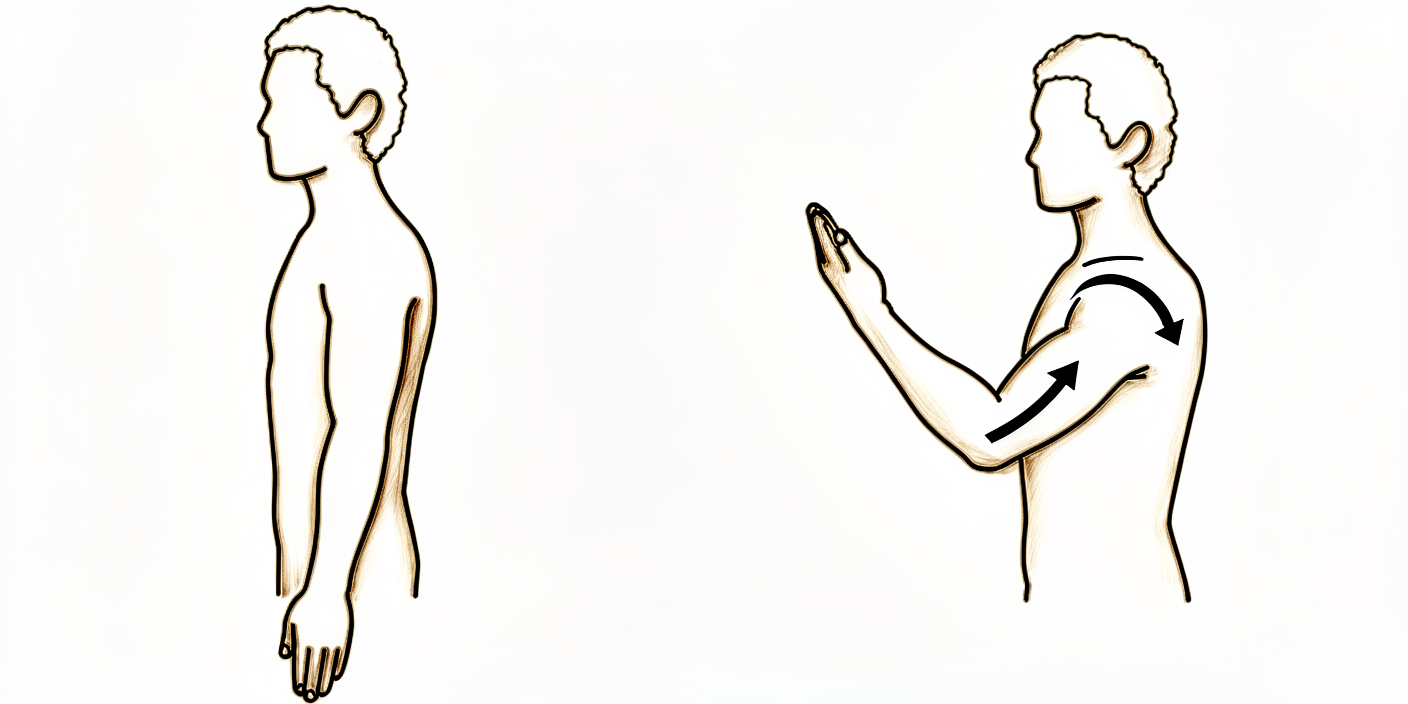
کلائی کی حرکت
بازو کے نچلے حصے کو سہارا دے کر، کلائی کو جتنا آرام سے ہو سکے آگے موڑیں، پھر پیچھے۔ دن بھر یہ حرکت ہلکی اور باقاعدہ رکھیں۔
ہر گھنٹے 10 سے 15 بار
Kieran Hirpara 4.0
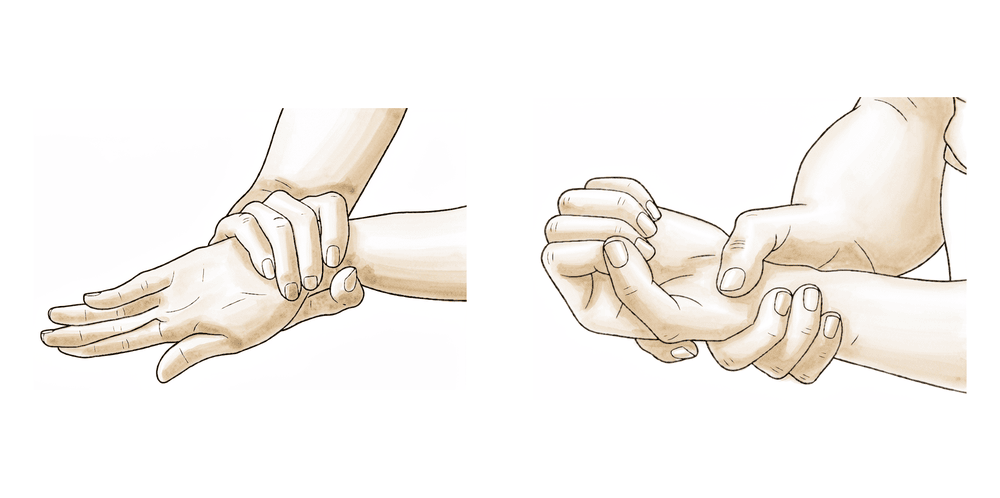
کہنی کو خود موڑنا
بازو کے اوپری حصے کو پہلو کے ساتھ اور جسم کے سامنے ٹکا کر، کہنی کو جتنا آرام سے ہو سکے موڑیں، پھر پوری طرح سیدھا کریں۔ صرف کہنی حرکت کرتی ہے — بازو کا اوپری حصہ بے حرکت رہتا ہے۔
10 سے 15 بار، دن میں 2 سے 3 بار
Kieran Hirpara 4.0
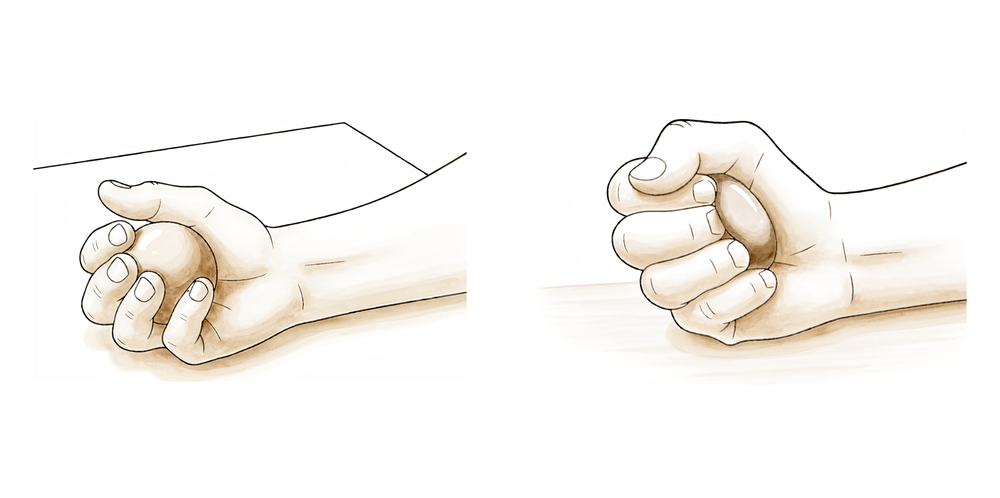
بازو کے نچلے حصے کو گھمانا
کہنی کو 90 ڈگری پر موڑ کر پہلو سے لگائیں، اور بازو کے نچلے حصے کو اس طرح گھمائیں کہ ہتھیلی نیچے کی طرف ہو، پھر اوپر کی طرف۔ کہنی کو جسم سے لگا رہنے دیں تاکہ صرف بازو کا نچلا حصہ گھومے۔
10 بار، دن میں 2 سے 3 بار
Kieran Hirpara 4.0
ہاتھ سے دبانا
بازو کو سہارا دے کر جسم کے سامنے رکھیں، اور ایک نرم گیند یا لپیٹی ہوئی جراب کو آہستہ سے دبائیں، چند سیکنڈ روکیں، پھر ڈھیلا چھوڑ دیں۔ اس سے مرمت کو کھینچے بغیر بازو متحرک رہتا ہے۔
10 بار، دن میں 2 سے 3 بار
Kieran Hirpara 4.0
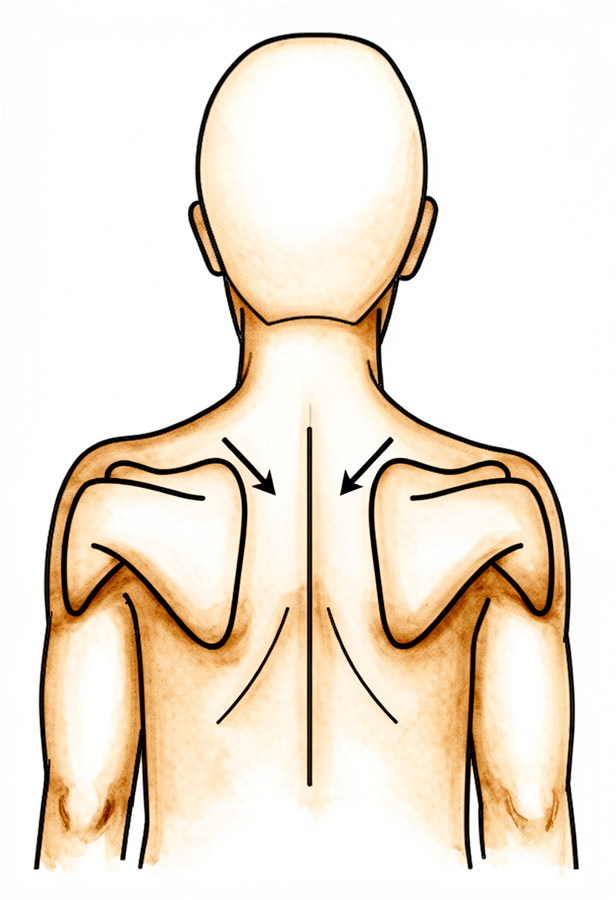
کندھے کی پچھلی ہڈی کو جمانا (scapula setting)
سیدھے بیٹھ کر یا کھڑے ہو کر، بازوؤں کو حرکت دیے بغیر اپنے کندھے کی پچھلی چپٹی ہڈیوں کو آہستہ سے نیچے اور پیچھے ایک دوسرے کی طرف کھینچیں، چند سیکنڈ روکیں، پھر ڈھیلا چھوڑ دیں۔ اپنے کان، کندھے اور کولہے ایک سیدھ میں رکھیں۔
10 بار، دن میں 2 سے 3 بار
Kieran Hirpara 4.0
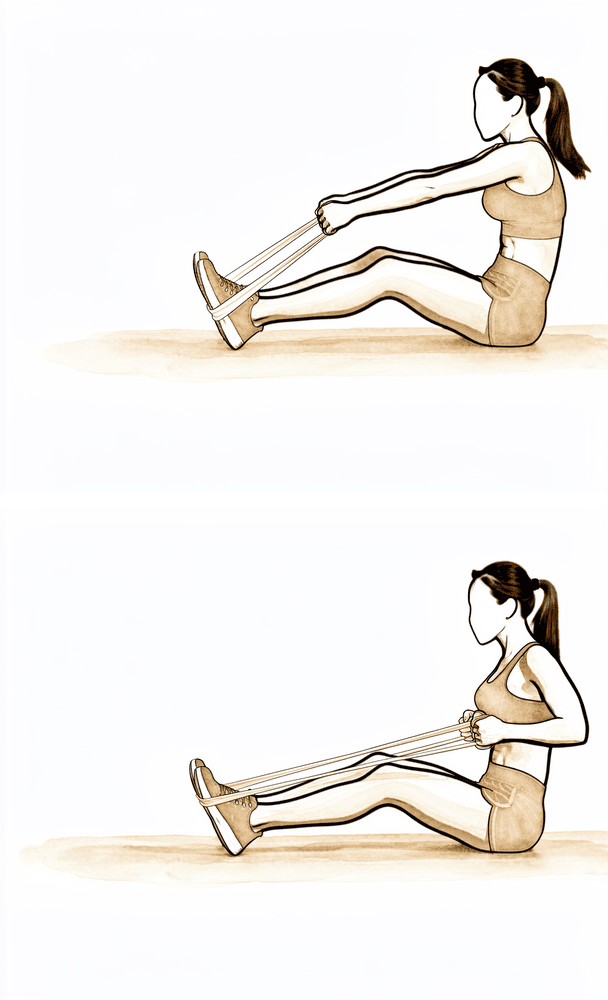
نیچے رکھ کر کھینچنا (کندھے کی پچھلی ہڈی کو جمانا)
سیدھے بیٹھ کر، بازو کو نیچے اور اپنے سامنے رکھتے ہوئے، کہنی کو آہستہ سے نیچے اور پیچھے کھینچیں تاکہ کندھے کی پچھلی ہڈی اپنی جگہ پر جم جائے، تھوڑی دیر روکیں، پھر ڈھیلا چھوڑ دیں۔ بازو کو کندھے کی اونچائی سے کافی نیچے رکھیں — اس سے سینے پر بوجھ ڈالے بغیر کندھے کی پچھلی ہڈی کے آس پاس کے پٹھے کام کرتے ہیں۔
10 بار، دن میں 2 سے 3 بار
Kieran Hirpara 4.0
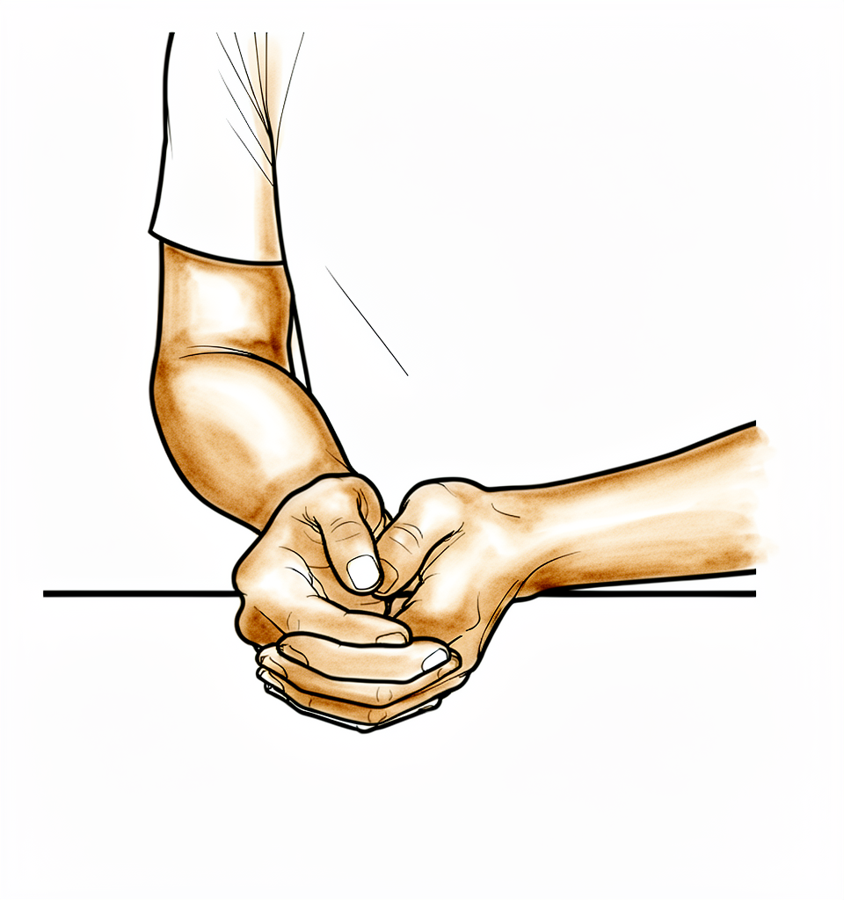
نیوٹرل تک باہر کی طرف گھمانا
کہنی کو 90 ڈگری پر موڑ کر پہلو سے لگائیں، اور بازو کے نچلے حصے کو پیٹ پر ٹکی حالت سے آہستہ سے گھمائیں یہاں تک کہ وہ سیدھا سامنے کی طرف ہو (نیوٹرل حالت — 0 ڈگری)، پھر واپس لائیں۔ پہلے ہفتوں میں نیوٹرل پر رک جائیں؛ اس سے آگے باہر کی طرف صرف اتنا جائیں جتنا آپ کا فزیوتھراپسٹ ہر ہفتے مقرر کرے۔ بازو کو پہلو کی طرف باہر نہ لے جائیں۔
آپ کے فزیوتھراپسٹ کی رہنمائی کے مطابق
Kieran Hirpara 4.0
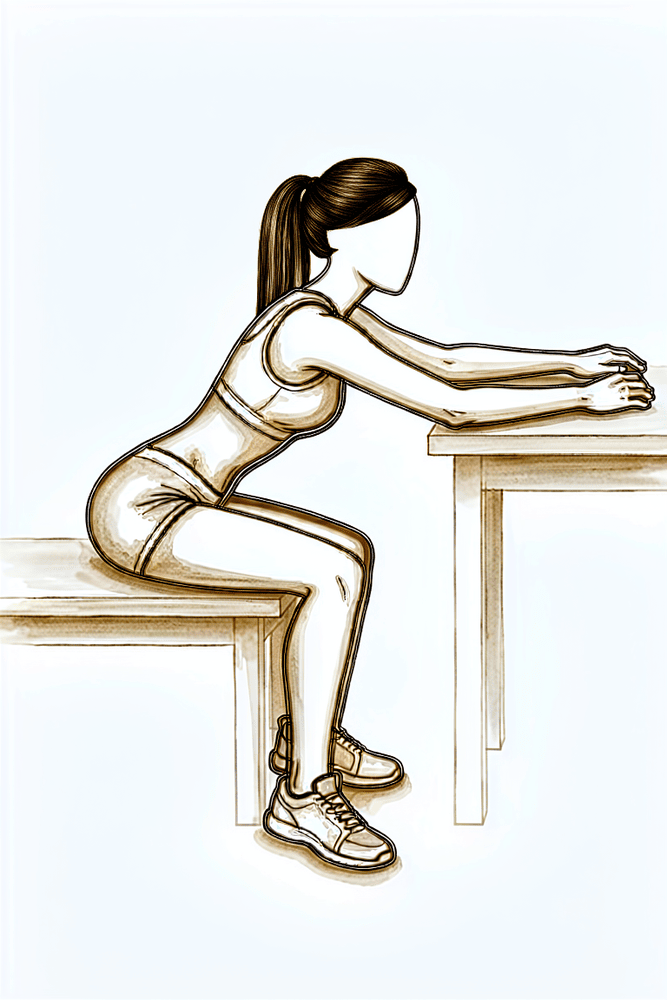
میز پر بازو آگے سرکانا (table slide)
میز کے پاس بیٹھ کر بازو کا نچلا حصہ میز پر ٹکائیں۔ آہستہ سے آگے جھکیں تاکہ آپ کا ہاتھ میز پر آگے سرکے اور بازو کا وزن میز اٹھائے، پھر واپس سیدھے بیٹھ جائیں۔ اپنے فزیوتھراپسٹ کی مقرر کردہ حد کے اندر رہیں — بازو جسم کے سامنے، کندھے کی اونچائی سے نیچے — اور نہ زور لگائیں نہ کھینچیں۔
آپ کے فزیوتھراپسٹ کی رہنمائی کے مطابق
یہ ابتدائی (حفاظتی) مرحلے کی ہلکی ورزشیں ہیں، جو وارڈ میں شروع ہوتی ہیں اور گھر پر جاری رہتی ہیں، اور انہیں آپریشن والے بازو کو جسم کے سامنے رکھ کر اور کندھے کے پٹھوں کو ڈھیلا چھوڑ کر کیا جاتا ہے۔ انہیں اپنے فزیوتھراپسٹ کی رہنمائی کے مطابق شروع کریں، اور جس چیز سے کندھے میں تیز درد ہو اسے روک دیں۔ ابتدائی اصول یاد رکھیں: ابھی نہ پینڈولم ورزشیں اور نہ چھڑی والی ورزشیں، اور بازو کو پہلو کی طرف باہر لے جانا اور اسے باہر کی طرف گھمانا کبھی بھی ایک ساتھ نہ کریں۔
آپ کے پروٹوکول کے بعد
یہ پروٹوکول کلینک کے صحت یابی سے متعلق عمومی مشوروں کے ساتھ مل کر کام کرتا ہے: دیکھیں آپریشن کے بعد درد پر قابو پانا اور زخم کی دیکھ بھال۔
Evidence & references
This is the clinical evidence summary written for health professionals. It is technical, and it lists the research this page was built from. You do not need to read it to understand your treatment or to make a decision about it.
Pectoralis Major Tendon Repair -- Post-operative Rehabilitation
Topic scope: Rehabilitation after surgical repair of a pectoralis major (PM) tendon rupture/tear (typically a humeral-insertion avulsion in a 20-40 yr-old male, classically during the eccentric phase of a bench press). Covers protected positioning, the early restrictions on abduction (ABD) and external rotation (ER), ROM progression, when active ROM and strengthening start, and return to heavy lifting / bench press / sport.
Defining principle (contrast with frozen-shoulder release): PM repair rehab is a classic protect-the-repair protocol -- the OPPOSITE of frozen-shoulder release. The repaired tendon runs anteriorly to its humeral insertion; abduction and external rotation stretch/tension the repair, so both are strictly limited early and the arm is held in adduction + internal rotation in a sling/immobiliser. Progression is deliberately slow, and heavy resisted pec loading (bench press, flyes, dips, contact sport) is delayed to ~4-6 months to avoid re-rupture.
A key modifier throughout: repair type dictates the timeline. Bone-tendon repairs (suture anchors/cortical buttons into humerus) heal slower than tendon-tendon or muscle-tendon repairs and wean from the sling later (MGH protocol).
CONSENSUS PHASED TIMELINE
Synthesised from the Mass General Brigham (MGH) Sports Medicine protocol (rev. 7/2023, the most granular degree-by-degree protocol) and the University Orthopedics protocol, cross-checked against the published literature (Cordasco/HSS 2017; Manske & Prohaska 2007; Schepsis 2000; Haley/Zacchilli 2014). Both published protocols agree on the core structure; the ROM numbers below are the MGH degree targets.
| Phase | Window | Sling / position | ROM allowed + RESTRICTIONS | Active ROM | Strengthening | RTS / lifting |
|---|---|---|---|---|---|---|
| I -- Immediate | 0-3 wk (UnivOrtho: 0-2 wk) | Sling/immobiliser, arm in NEUTRAL or INTERNAL ROTATION, worn day & night | PROM only, started ~week 2. ER limited: start at 0 deg in adduction, progress ~5 deg/week. Flexion start 45 deg, +5-10 deg/wk. ABD start 30 deg, +5 deg/wk. Elbow/wrist/hand AROM free. No active shoulder motion; no ER beyond limit; no abduction/extension stretch | None at shoulder (distal joints only) | Wk 3: periscapular only (inferior glide <35 deg ABD, low row), ball squeeze. No pec loading | None |
| II -- Intermediate | 4-6 wk | Begin weaning sling: bone-tendon at 4 wk; tendon-tendon / muscle-tendon at 5-6 wk (UnivOrtho: immobiliser to 6 wk for all) | PROM continues (ER +5 deg/wk; flex +5-10 deg/wk to ~65-85 deg; ABD +5 deg/wk to ~50 deg). Begin AAROM (cane flexion, cane ER stretch, washcloth press). Still no aggressive ER/ABD past targets | AAROM introduced | Submaximal isometrics: ABD, extension, ER -- explicitly NO IR isometrics (IR/adduction tension the pec); periscapular setting | None |
| III -- Late | 6-8 wk | Sling discontinued | PROM continue to full (ER, flex, ABD each +5 deg/wk to full). Initiate AROM (supine flexion, salutes, supine punch). Can begin weight-bearing through arm | Active ROM starts ~6 wk | Sidelying ER, periscapular rows/extension, biceps/triceps; rhythmic stabilisation; sleeper/cross-body stretch | None |
| IV -- Transitional | 9-14 wk | None | Restore full PROM/AROM (full by wk 12-14 for bone-tendon) | Full | Initiate shoulder IR isometrics + pec major isometrics (~week 9) -- shortened position first, then lengthened; ER w/ band, ABD; PNF D1/D2 | None |
| V -- Advanced strengthening | 14-20 wk (~3.5-5 mo) | None | Full | Full | Pectoralis isotonics begin; IR w/ band, counter push-ups -> push-ups, lat pulldowns; doorway pec stretch gentle | Begin sport-specific prep |
| VI -- Early return to sport | 5-6 months | None | Full | Full | ER/IR at 90 deg, plyometrics (med-ball chest pass, ball drops, 90/90 throws) | Begin return-to-sport program when criteria met |
| VII -- Unrestricted RTS | 6+ months | None | Full | Full | Bench press resumed at 50% 1-RM, progress slowly with physician; full return to strenuous work, recreation, contact sport NOT before 6 months | Heavy lifting / bench press / contact sport: 6+ months, criterion-based |
Key numeric consensus points
- Sling: ~4-6 weeks (4 wk bone-tendon may wean earlier; 6 wk common; UnivOrtho keeps immobiliser a full 6 wk), arm in adduction/internal rotation.
- ER early limit: 0 deg at the side, advance ~5 deg/week -- because ER tensions the anterior repair.
- ABD/flexion early limit: ABD ~30 deg and flexion ~45 deg initially, advancing ~5-10 deg/week.
- Active ROM: ~6 weeks.
- Isometrics: scapular wk 3; submaximal shoulder (ABD/ext/ER, no IR) wk 4-6; pec/IR isometrics ~wk 9 (Phase IV).
- Pec isotonics / push-ups: ~14 weeks (Phase V).
- Bench press / heavy lifting / contact sport: deferred to ~4-6 months (MGH: 50% 1-RM bench at 6+ mo; UnivOrtho: light bench from ~4 mo with very light resistance, no contact until 6 mo).
The rationale for restricting ER and ABD is biomechanical: the PM is a strong adductor, internal rotator and flexor; abduction + external rotation is the position of maximal stretch on the anterior insertion (this is the injuring mechanism -- eccentric load in abduction/ER, e.g. bench press), so it maximally tensions the repair (Maier 2021; Schepsis 2000; Provencher 2010). Biomechanical work shows transosseous sutures, suture anchors and cortical buttons confer similar repair strength, and early activity should stay below identified failure loads until soft-tissue- to-bone healing is reliable (Sherman 2012; Edgar 2017) -- the biomechanical basis for the slow progression.
OUTCOMES / RETURN TO SPORT EVIDENCE
- Surgical > non-operative for restoring strength/function: objective strength testing shows repair recovers significantly more peak torque and work than conservative care (Hanna 2001 -- comparative cohort); literature "strongly supports early operative treatment" of complete tears in active patients/athletes (Kircher 2010 review; Schepsis 2000). Acute repair > chronic/delayed repair (Schepsis 2000).
- Return to sport in repaired athletes is generally good, with most returning by ~6 months to a year; Cordasco (HSS, 2017, n=40 acutely repaired athletes) reported high RTS and functional scores with low re-operation. Faster individual returns (5-7 mo) are reported in single cases but 6 months is the consensus floor for heavy/contact loading.
KEY CONTROVERSIES / VARIABLES
- Sling duration & wean point. 4 wk vs 6 wk; MGH ties it to repair type (bone-tendon later); UnivOrtho fixes 6 wk for all. No RCT defines the optimum. Weak/consensus.
- How fast to advance ER/ABD. ~5 deg/week is widely used but arbitrary; tissue quality, tear size and fixation method modify it -- larger tears / poor tissue / chronic repairs progress slower. Expert opinion.
- Repair construct. Cortical button vs suture anchor vs transosseous -- biomechanically similar (Sherman 2012; Edgar 2017), so construct should not, in principle, change the rehab timeline, but surgeons individualise. Strong biomechanical, weak clinical.
- RTS timing for bench press / contact sport. Range 4-6 months across protocols; no high-level evidence sets the safe threshold -- driven by re-rupture fear and biomechanical failure-load data, not RCTs. Weak/consensus.
- Acute vs chronic / augmentation. Chronic or retracted tears may need allograft or autograft (semitendinosus) augmentation and a more conservative timeline (Neumann 2018 dermal allograft: 6 wk full immobilisation then 4-phase PT from wk 6; Garofo 2025 semitendinosus technique). Weak (technique notes/small series).
- Overall evidence base. Almost entirely retrospective cohorts, technique notes and biomechanical studies -- no RCTs of one rehab protocol vs another for PM repair. The whole timeline is consensus/expert, anchored by biomechanical failure-load data. Flag: WEAK.
EVIDENCE STRENGTH FLAGS (summary)
- STRONG: biomechanical failure-load / repair-construct comparisons (Sherman 2012; Edgar 2017 -- cadaveric, controlled) -- these justify the load restrictions.
- MODERATE: surgical vs conservative superiority (Hanna 2001 comparative; Schepsis 2000; Cordasco 2017 n=40 outcome series; Campbell's / Pochini 2014 prospective 60-case series).
- WEAK / CONSENSUS ONLY: every specific rehab parameter -- sling duration, ER/ABD degree-per- week limits, AROM/strengthening start weeks, 4-6 month RTS/bench-press timing. Derived from institutional PT protocols (MGH, University Orthopedics) and narrative reviews (Manske/Prohaska 2007; Haley/Zacchilli 2014; Maier 2021), not RCTs.
CITATIONS
RAG corpus (180,000+ Orthopaedic articles)
- Cordasco FA, Mahony GT, Tsouris N, et al. Pectoralis major tendon tears: functional outcomes and return to sport in a consecutive series of 40 athletes. J Shoulder Elbow Surg. 2017;26(3):458-463.
- Kang RW, Mahony GT, Cordasco FA. Pectoralis major repair with cortical button technique. Arthroscopy Techniques. 2014.
- Haley CA, Zacchilli MA. Pectoralis major injuries. Clin Sports Med. 2014.
- Schepsis AA, Grafe MW, Jones HP, et al. Rupture of the pectoralis major muscle. Am J Sports Med. 2000;28(1):9-15.
- Sherman SL, Lin EC, Verma NN, et al. Biomechanical analysis of the pectoralis major tendon and comparison of techniques for tendo-osseous repair. Am J Sports Med. 2012.
- Hanna CM, Glenny AB, Stanley SN, et al. Pectoralis major tears: comparison of surgical and conservative treatment. Br J Sports Med. 2001.
- Kircher J. Surgical and nonsurgical treatment of total rupture of the pectoralis major muscle in athletes: update and critical appraisal. Open Access J Sports Med. 2010.
- Maier J, Oak SR, Soloff L, et al. Management of common upper extremity injuries in throwing athletes: a critical review of current outcomes. JSES Rev Rep Tech. 2021;1(4).
- Neumann JA, Klein CM, van Eck CF, et al. Outcomes after dermal allograft reconstruction of chronic or subacute pectoralis major tendon ruptures. Orthop J Sports Med. 2018. (6 wk full immobilisation; PT from wk 6, 4 phases)
- Garofo AGP, Medina G, Schor B. Acute pectoralis major tendon tear reconstruction with semitendinosus augmentation: a technique note. JSES Rev Rep Tech. 2025;5(4).
- Azar FM, Canale ST, Beaty JH. Campbell's Operative Orthopaedics (cites Pochini 2014 prospective 60-case series; Edgar 2017 repair-configuration biomechanics; ElMaraghy classification). 2020.
- (Provencher MT, Handfield K, Boniquit NT, et al. Injuries to the pectoralis major muscle: diagnosis and management. Am J Sports Med. 2010;38(8):1693-1705 -- cited within MGH protocol.)
- (Manske RC, Prohaska D. Pectoralis major tendon repair post-surgical rehabilitation. N Am J Sports Phys Ther. 2007;2(1):22-33 -- cited within MGH protocol.)
Published rehab protocols (URLs)
- Mass General Brigham (MGH) Sports Medicine -- Rehabilitation Protocol for Pectoralis Major Repair (rev. 7/2023): https://www.massgeneral.org/assets/MGH/pdf/orthopaedics/sports-medicine/physical-therapy/rehabilitation-protocol-for-pectoralis-major-repair.pdf (source for the degree-by-degree ER 0 deg +5/wk, flex 45 deg, ABD 30 deg limits; sling neutral/IR; bone-tendon vs tendon-tendon wean; pec isometrics wk 9, pec isotonics wk 14; bench 50% 1-RM at 6+ mo).
- University Orthopedics, Inc. -- Pectoralis Major Repair Rehabilitation Protocol: https://universityorthopedics.com/assets/shoulder/PECTORALIS-MAJOR-REPAIR.pdf (immobiliser x6 wk; AROM ~6 wk; phased push-up progression; light bench from ~4 mo; no contact sport until 6 mo).
- Additional concordant institutional protocols: Melbourne Orthopaedic Group https://mgorthopaedics.com.au/wp-content/uploads/2021/04/PECTORALIS-MAJOR-REPAIR-PROTOCOL.pdf ; Summit Orthopedics https://www.summitortho.com/wp-content/uploads/2022/08/6575_SURGICAL-Pect-Major-Repair-Protocol_6.22_MB.pdf