Patients › Rehabilitation
کندھے کی مکمل آرتھروپلاسٹی (Total Shoulder Arthroplasty)
Phase-by-phase rehabilitation protocol after total shoulder replacement, with criteria to progress and the early exercise program.
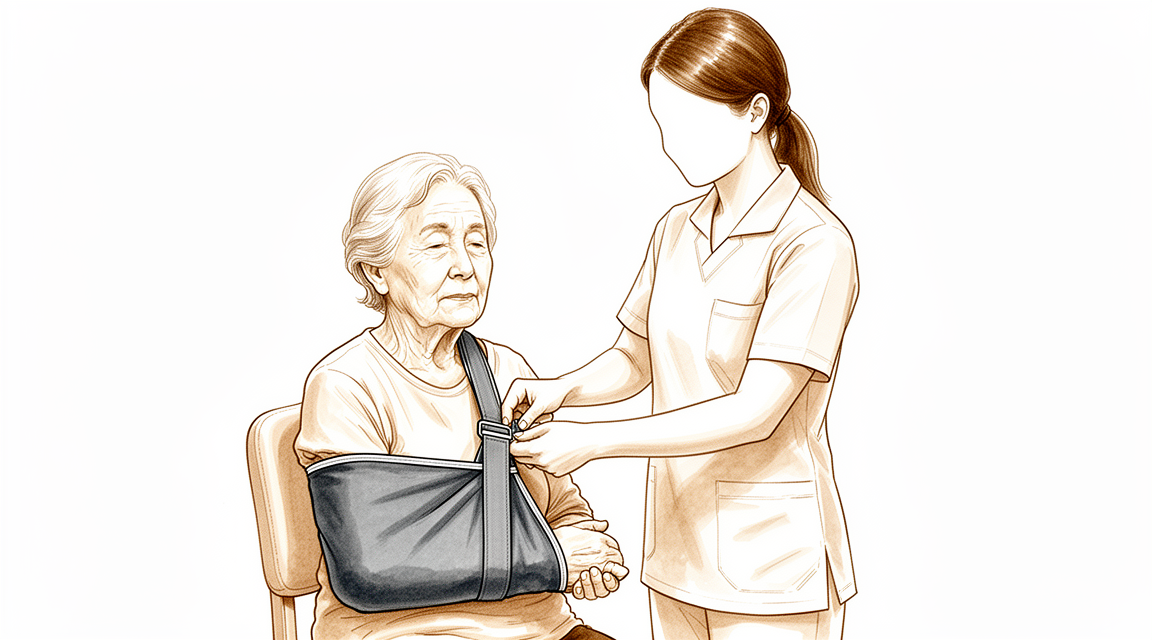
یہ پروٹوکول کندھے کی مکمل آرتھروپلاسٹی (total shoulder arthroplasty)، یعنی کندھے کے جوڑ کی مکمل تبدیلی (total shoulder replacement)، کے بعد آپ کی صحت یابی میں رہنمائی کرتا ہے، جو ڈاکٹر کیرن ہِرپرا Mater Private Hospital Rockhampton میں کرتے ہیں۔ نیچے ہر مرحلہ پہلے عام فہم زبان میں بتاتا ہے کہ کیا ہو رہا ہے اور سب سے زیادہ اہم کیا ہے، اور اس کے بعد آپ کے فزیوتھراپسٹ کے لیے لکھا گیا باقاعدہ پروٹوکول آتا ہے؛ فزیوتھراپی کی اپنی پہلی ملاقات پر یہ صفحہ یا اس کی پی ڈی ایف ساتھ لے کر جائیں تاکہ آپ کی بحالی کا علاج مربوط رہے۔ آپ کی صحت یابی کس طرح آگے بڑھتی ہے، اس کے مطابق آپ کا فزیوتھراپسٹ اس منصوبے میں تبدیلی کر سکتا ہے۔
اگر سرجری کے بعد آپ کو اپنے زخم کے بارے میں کوئی تشویش ہو تو کلینک سے رابطہ کریں۔ اکثر یہ مددگار ہوتا ہے کہ زخم کی تصویر لے کر جائزے کے لیے ای میل کر دیں۔
کیا توقع رکھیں
جب آپ ہوش میں آئیں گے تو آپ کا بازو سُن ہو گا، اور احساس عام طور پر 6 سے 12 گھنٹے کے اندر واپس آ جاتا ہے۔ کبھی کبھار کچھ سُن پن یا کمزوری 2 سے 3 دن تک رہ سکتی ہے۔
جب آپ آپریشن کے بعد ہوش میں آئیں گے تو آپ کا بازو سلنگ (sling)، یعنی گلے سے لٹکی وہ پٹی جو بازو کو سہارا دیتی ہے، میں ہو گا، اور آپ کے کندھے پر ایک بڑی گدی ہو گی۔ یہ گدی ہسپتال سے چھٹی سے پہلے ہٹا دی جائے گی۔ اس کے نیچے ایک واٹر پروف پٹی ہو گی جو سرجری والی گوند کی پٹی کو ڈھانپتی ہے، اور اسے 2 ہفتے تک ویسے ہی چھوڑا جا سکتا ہے۔ آپ کے ٹانکے خود گھل جانے والے ہیں اور انہیں نکالنے کی ضرورت نہیں، لیکن زخم کے ہر سرے پر ٹانکے کے دھاگے کے کچھ سرے باہر رہ سکتے ہیں جنہیں 2 ہفتے کے بعد جلد کے برابر سے کاٹا جا سکتا ہے۔ سرجری کے 1 سے 2 ہفتے بعد زخم کے معائنے کے لیے ہماری نرس سے آپ کی ملاقات طے کی جائے گی۔ اگر آپ پٹی کے معائنے پر نہ آ سکیں تو 2 ہفتے کے بعد آپ اپنی پٹی خود اتار سکتے ہیں۔
صحت یابی کا سفر ایک نظر میں:
- حفاظت: ہفتہ 0 سے 3
- درمیانی مرحلہ: ہفتہ 4 سے 6
- درمیانی مرحلہ، جاری: ہفتہ 7 سے 8
- منتقلی کا مرحلہ: ہفتہ 9 سے 11
- طاقت بڑھانے کا اعلیٰ مرحلہ: ہفتہ 12 سے 16
سرگرمیوں پر واپسی کے اندازاً اوقات:
- گاڑی چلانا: 6 ہفتے
- تیراکی: بریسٹ اسٹروک 8 ہفتے؛ فری اسٹائل 12 ہفتے
- گالف: 4 سے 6 ماہ
- وزن اٹھانا: ہلکا وزن اٹھانا 6 ہفتے پر شروع ہو سکتا ہے؛ 6 ماہ تک بھاری چیزیں اٹھانے سے پرہیز کریں
- کام: بیٹھ کر کیا جانے والا کام 6 ہفتے؛ جسمانی مشقت والا کام آپ کے سرجن کی رہنمائی کے مطابق
سلنگ پہننا
آپ کی سلنگ (shoulder immobiliser، یعنی کندھے کو ساکن رکھنے والی پٹی) زخم بھرنے کے دوران کندھے کو سہارا دیتی ہے۔ اصول سادہ ہیں:
- اسے 6 ہفتے تک پہنیں، سوتے وقت بھی۔
- اسے صرف نہانے کے لیے اور اپنی ورزشوں کے لیے اتاریں، جب آپ کو طریقہ دکھا دیا جائے، اور جب بھی سلنگ اتری ہوئی ہو تو اپنا بازو اپنے پہلو کے ساتھ رکھیں۔
- گھر پر آرام کرتے ہوئے، اگر آپ احتیاط سے کام لیں تو اسے اتار سکتے ہیں: بیٹھتے وقت بازو کو تکیے پر سہارا دے کر رکھیں۔
- اگر کندھا سوجا ہوا ہو یا اس میں درد ہو، خاص طور پر ورزش کے بعد، تو برف استعمال کریں۔
اسے صحیح طرح لگانا اہم ہے، اور ڈھیلی سلنگ کندھے کو ٹھیک سے سہارا نہیں دیتی:
- اپنی کہنی کو سلنگ کے بالکل کونے میں رکھیں، تاکہ اسے اچھی طرح سہارا ملے۔
- سلنگ کا سرا آپ کی چھوٹی انگلی کے جوڑ (knuckle) تک آنا چاہیے۔ اگر آپ کا ہاتھ اس سے زیادہ باہر نکلا ہو تو سلنگ آپ کو ٹھیک سے سہارا نہیں دے رہی۔
- سلنگ میں ویلکرو کی دو پٹیاں ہیں: ایک گردن کے لیے، ایک کمر کے لیے۔
- کہنی اور بازو کے نچلے حصے کو صحیح جگہ پر رکھنے کے بعد، آپریشن کے بغیر والے بازو سے اوپر والی پٹی کو گردن کے گرد گھمائیں اور اوپر والے حلقے میں سے گزار کر لگا دیں۔
- اسی طرح نیچے والی پٹی کو کمر کے گرد نیچے والے حلقے میں سے گزار کر لگائیں۔
سلنگ پہننے کے دوران اپنے بیٹھنے اور کھڑے ہونے کے انداز کا خیال رکھیں۔ اپنے کان، کندھے اور کولہے ایک سیدھ میں رکھیں اور کندھوں کو جھکنے نہ دیں؛ اچھا انداز آپ کی کمر کی حفاظت کرتا ہے اور آپ کے کندھے کو اکڑنے سے بچانے میں مدد دیتا ہے۔ بیٹھتے وقت کمر کے نچلے حصے کے خم میں رکھا ہوا لپٹا ہوا تولیہ ایک اچھی یاد دہانی کا کام دیتا ہے۔
گھر جانے سے پہلے وارڈ کا فزیوتھراپسٹ آپ کی سلنگ لگائے گا، آپ کو اسے خود سنبھالنا سکھائے گا، اور نیچے دی گئی ہلکی ورزشیں شروع کرائے گا۔ کندھے کی بحالی میں تین اصطلاحات اکثر استعمال ہوتی ہیں، اور ان کا فرق جاننا مددگار ہے: اپنی طاقت سے حرکت کی حد (active range of motion, AROM) کا مطلب ہے بغیر کسی سہارے یا مدد کے بازو کو خود حرکت دینا؛ مدد کے ساتھ اپنی طاقت سے حرکت کی حد (active-assisted range of motion, AAROM) کا مطلب ہے بازو کو حرکت دینے میں مدد کے لیے دوسرا بازو یا کوئی چیز استعمال کرنا؛ اور بیرونی مدد سے حرکت کی حد (passive range of motion, PROM) کا مطلب ہے کہ بازو پوری طرح ڈھیلا رہتا ہے جبکہ دوسرا بازو یا کوئی بیرونی قوت 100 فیصد کام کرتی ہے۔ آپ کا فزیوتھراپسٹ آپ کو بتائے گا کہ ہر ورزش میں کس قسم کی حرکت استعمال ہوتی ہے۔
ہسپتال میں رہتے ہوئے اور گھر پر پہلے ہفتوں میں بحالی کے ابتدائی اصول:
- آپ کو سلنگ پہن کر سونا ہے۔
- ضرورت ہو تو درد میں آرام کے لیے برف استعمال کریں۔
- سلنگ پہنتے وقت اپنے کندھے کو ڈھیلا چھوڑیں اور بازو کا وزن سلنگ کو اٹھانے دیں۔
- اپنی ورزشیں کرنے سے پہلے، اور فزیوتھراپی کی ملاقاتوں سے پہلے، اپنی درد کش دوا لیں۔
- آپ ورزشوں اور نہانے کے لیے بازو کو سلنگ سے باہر نکال سکتے ہیں۔
- آپ کو سلنگ 6 ہفتے تک پہننی ہے، خاص طور پر گھر سے باہر جاتے وقت۔
- جب تک آپ نے اپنی فزیوتھراپی کا انتظام خود کرنے کا انتخاب نہ کیا ہو، آپ کے لیے ایک ملاقات طے کر دی گئی ہے جس کی تفصیل ہسپتال سے چھٹی کے وقت ملنے والے کاغذات میں ہے۔
- اگر کوئی مسئلہ ہو تو دفتر سے رابطہ کریں یا اپنے فزیوتھراپسٹ کو بتائیں۔
یہ آپ کی ابتدائی ورزشیں ہیں، جو ہسپتال میں شروع کی جاتی ہیں اور گھر پر آپ کے فزیوتھراپسٹ کی رہنمائی کے مطابق جاری رکھی جاتی ہیں:
ہسپتال میں آپ کے پہلے دن
Kieran Hirpara 4.0
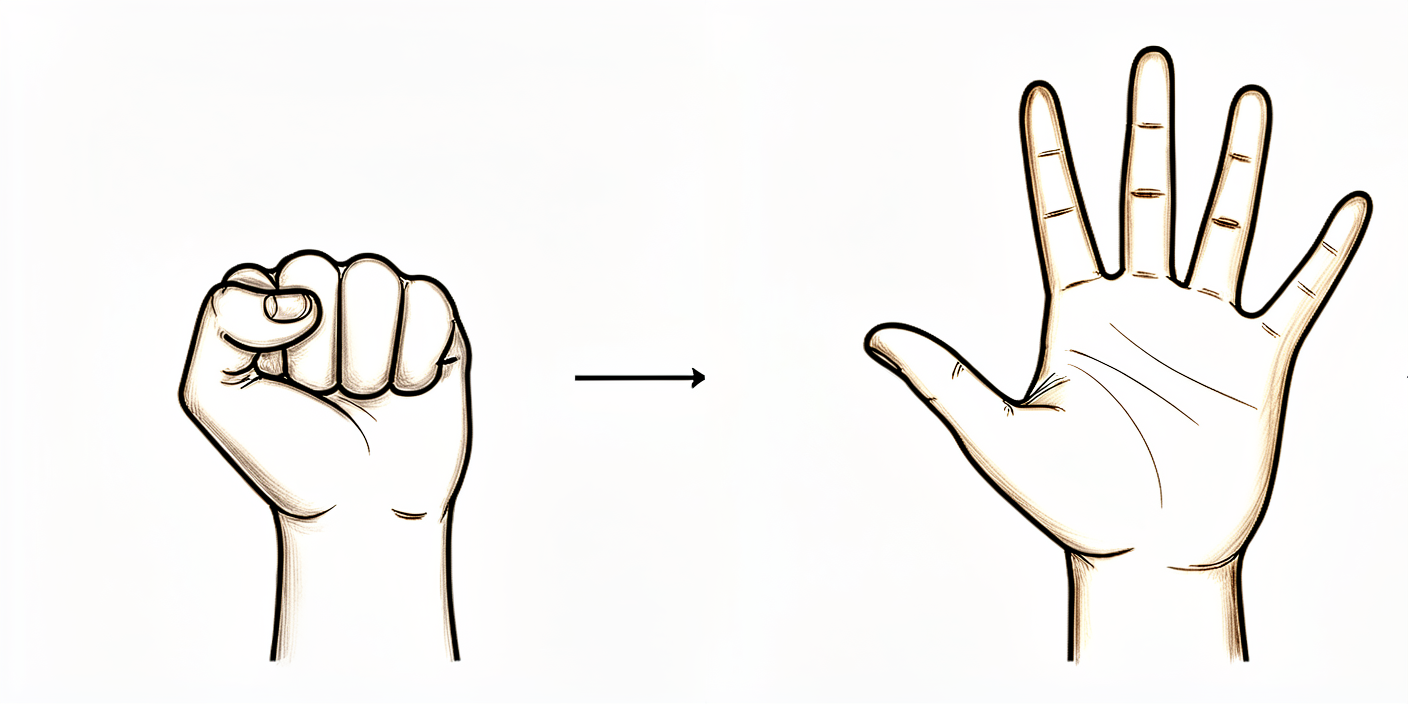
ہاتھ کھولنا اور بند کرنا
اپنے ہاتھ اور انگلیوں کو کھولتے اور بند کرتے رہیں، یا کوئی نرم گیند دبا کر انہیں حرکت میں رکھیں۔
10 بار، دن میں 3 مرتبہ
Kieran Hirpara 4.0
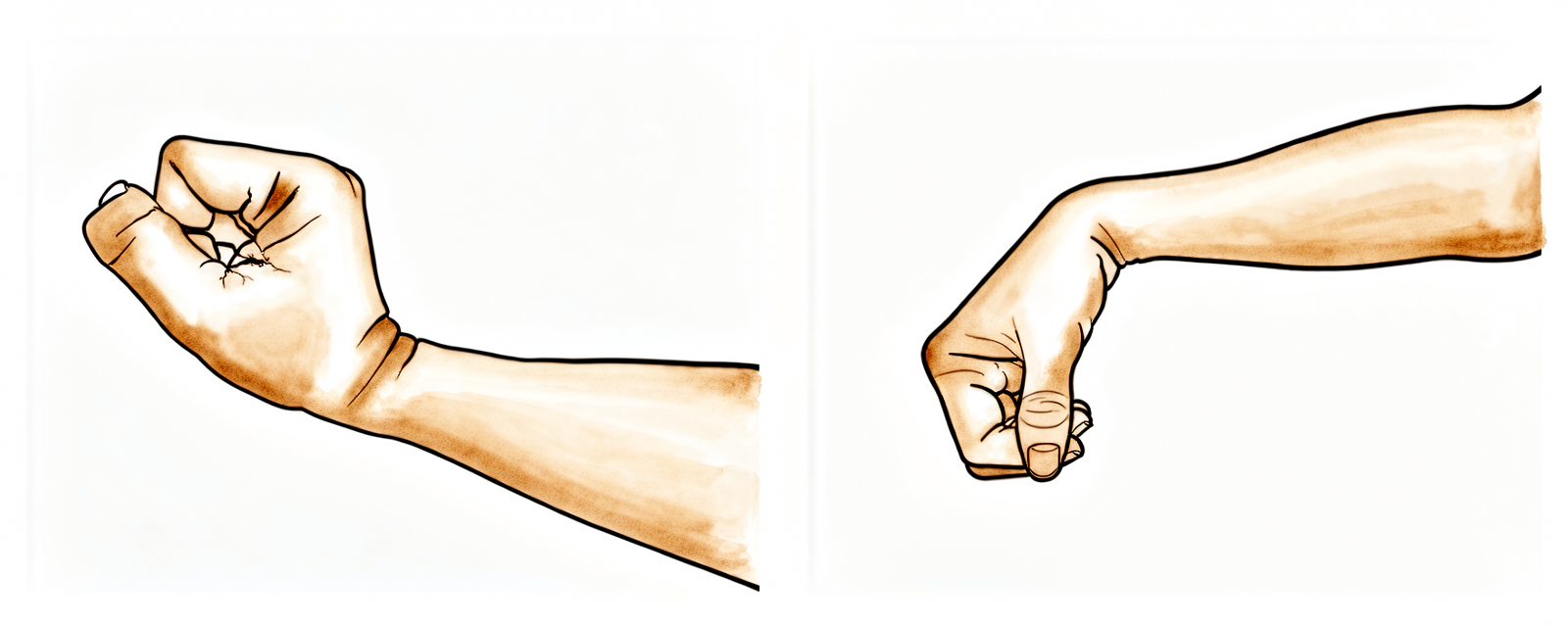
کلائی کی حرکت
اپنی کلائی کو آگے، پیچھے اور دائیں بائیں موڑ کر حرکت میں رکھیں۔
10 بار، دن میں 3 مرتبہ
Kieran Hirpara 4.0
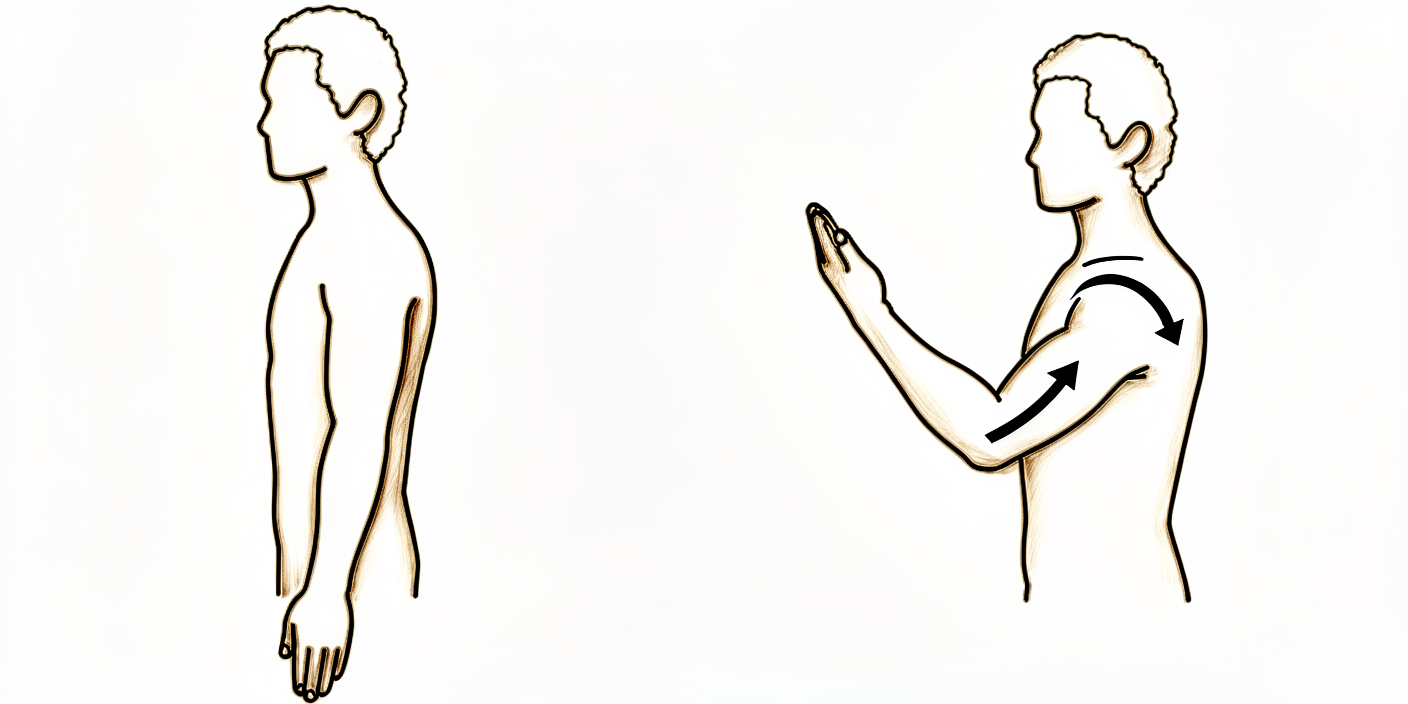
کہنی
اپنی کہنی کو موڑیں اور سیدھا کریں۔
10 بار، دن میں 3 مرتبہ
Kieran Hirpara 4.0
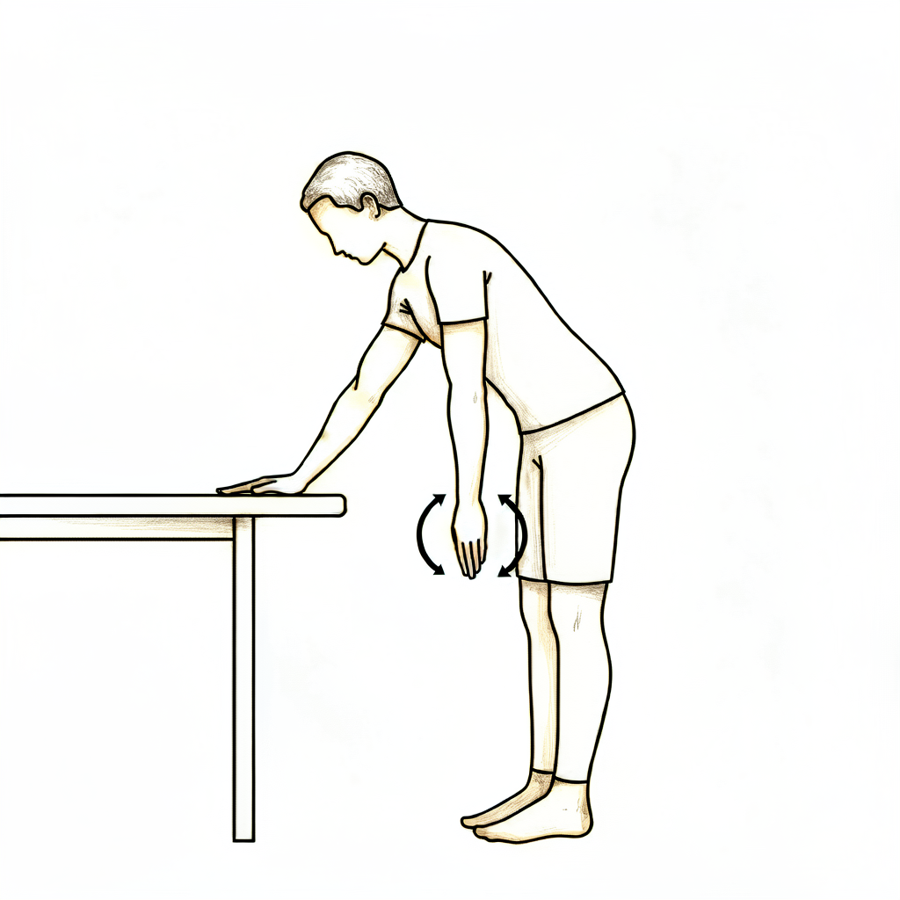
پینڈولم ورزش (pendulums)
یہ بیرونی مدد والی (passive) ورزش ہے۔ آگے کی طرف جھکیں اور اپنے بازو کو ڈھیلا کر کے نیچے لٹکنے دیں۔ اپنے جسم کی حرکت سے بازو کو آہستہ سے گھڑی کی سمت یا گھڑی کی الٹی سمت میں گھمائیں، اور ساتھ ہی آگے، پیچھے اور دائیں بائیں بھی جھلائیں۔
ہر سمت میں تقریباً 30 سیکنڈ، دن میں 3 مرتبہ
Kieran Hirpara 4.0
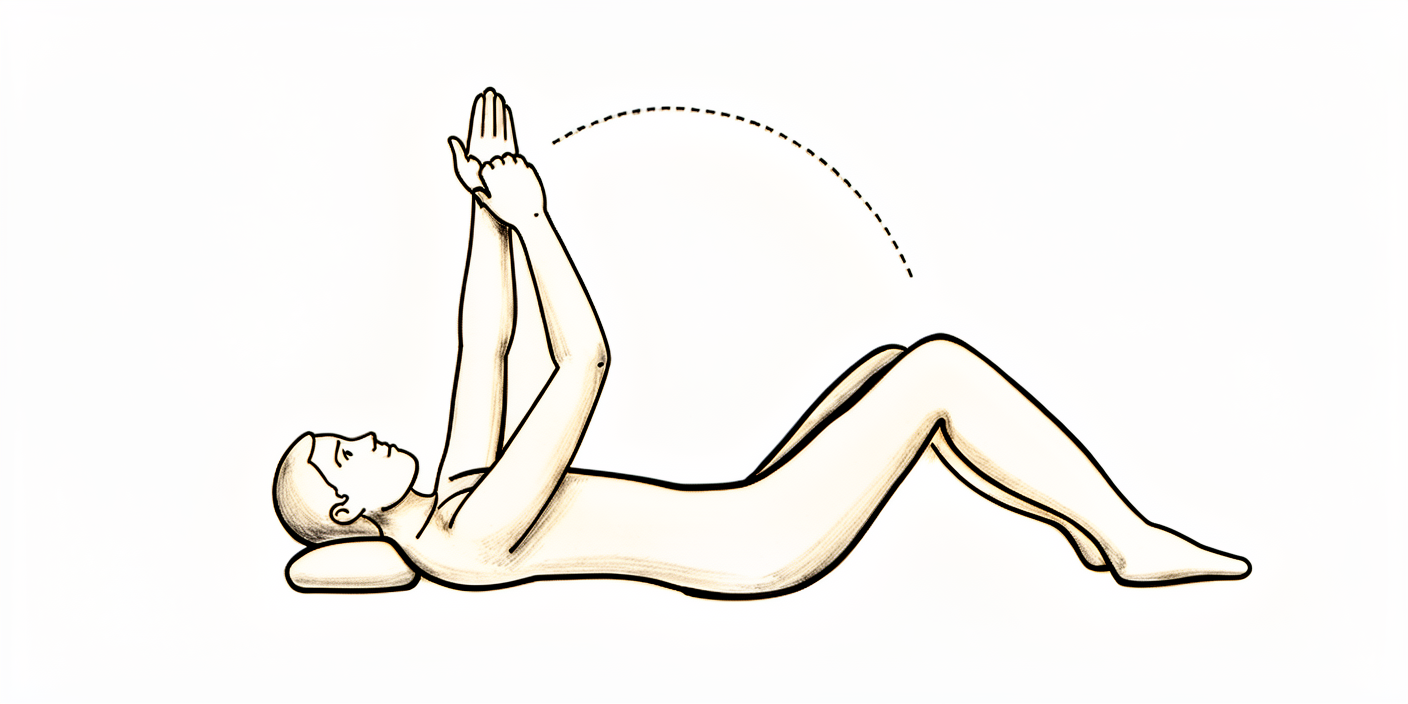
بازو کو آگے اٹھانا (مدد کے ساتھ)
کرسی پر بیٹھ کر اور آگے جھک کر، آپریشن والے بازو کو دوسرے بازو سے سہارا دیں اور اپنے بازو کو آہستہ سے اپنے سامنے اوپر کی طرف لے جائیں۔ آپریشن کے بغیر والے بازو کی مدد سے اسے واپس نیچے لائیں۔ اگر آپ چاہیں تو بستر پر کمر کے بل لیٹ کر بھی بازو کو اوپر اٹھانے میں مدد دینے کی کوشش کر سکتے ہیں۔
10 بار، دن میں 3 مرتبہ
Kieran Hirpara 4.0
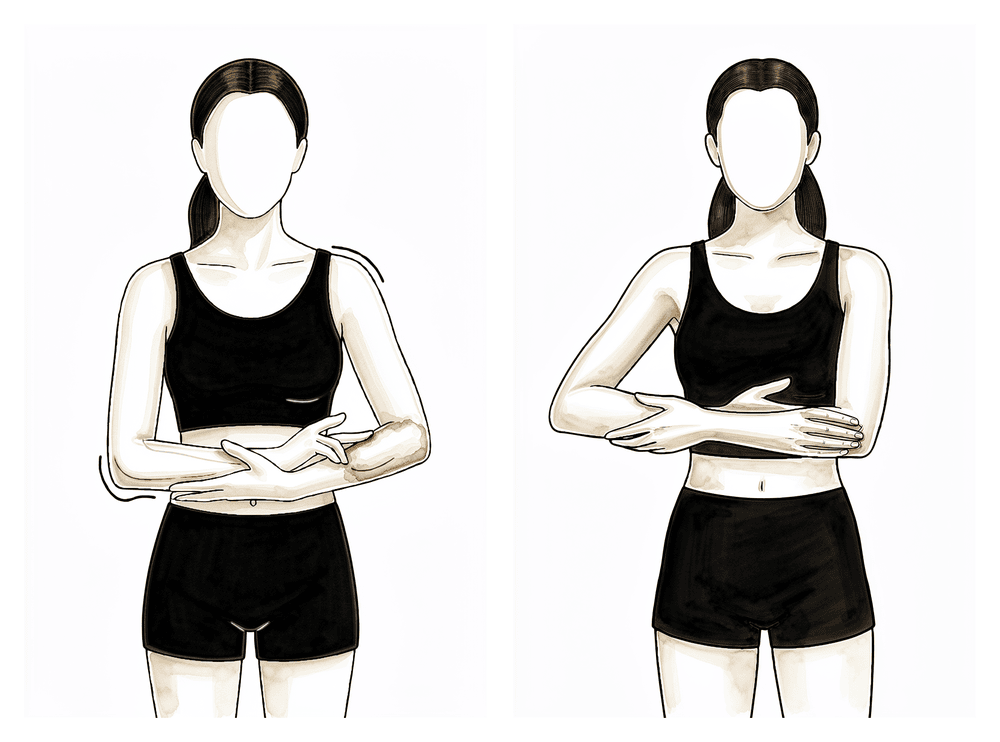
بازو کو پہلو کی طرف لے جانا (abduction، مدد کے ساتھ)
کرسی پر بیٹھ کر اور آگے جھک کر، بازو کو پھر سے سہارا دیں اور اسے ایک طرف باہر لے جانے میں مدد دیں (جیسے بچے کو جھولا جھلا رہے ہوں)۔
10 بار، دن میں 3 مرتبہ
Kieran Hirpara 4.0
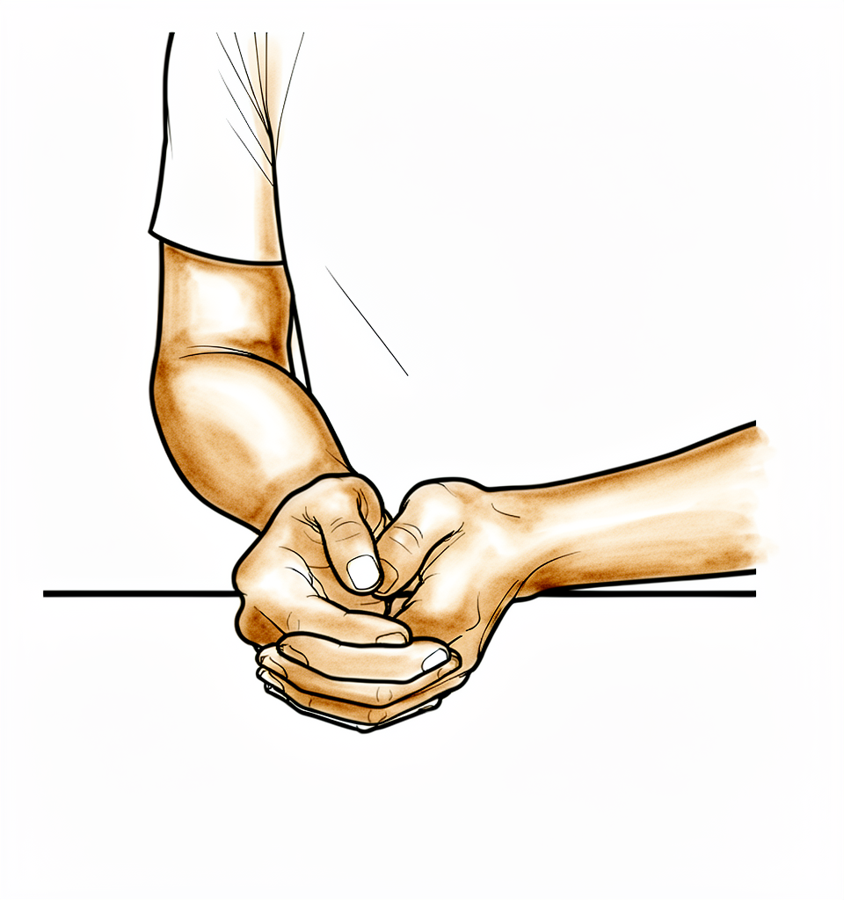
باہر کی طرف گھماؤ (external rotation)
کرسی پر بیٹھ کر، اپنے بازو کو صرف اس جگہ سے جہاں وہ سلنگ میں ہوتا ہے، اس حالت تک لے جائیں جہاں وہ سیدھا آپ کے سامنے کی طرف ہو۔ اس سے زیادہ باہر کی طرف نہ لے جائیں۔
آہستگی سے، 10 بار، دن میں 3 مرتبہ
Kieran Hirpara 4.0
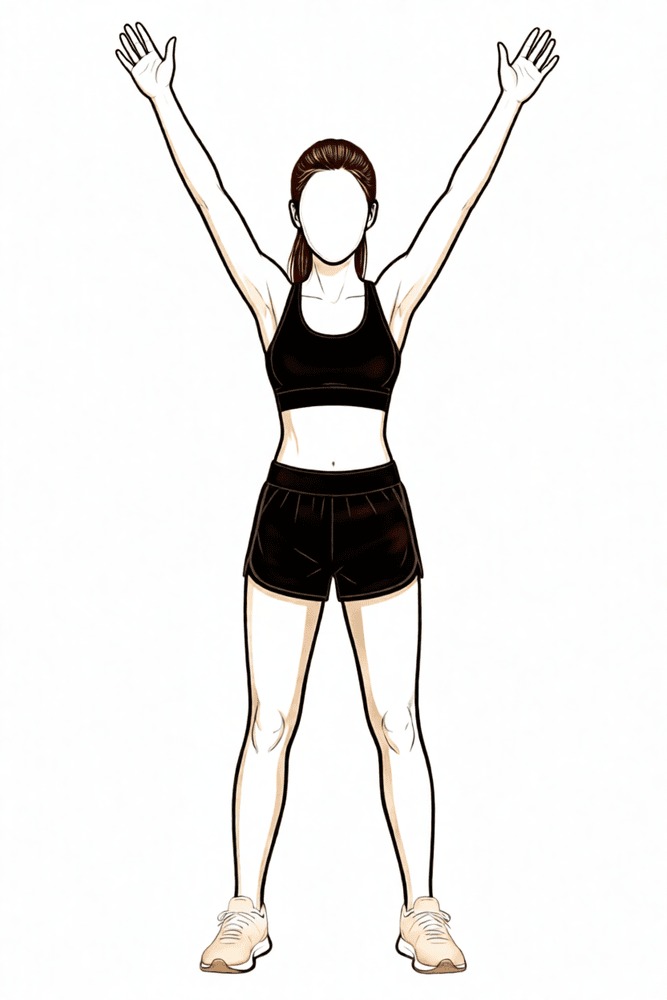
ٹریپیزیئس پٹھے کے نچلے حصے کو کسنا (lower trapezius setting)
اپنے کندھوں کی پچھلی چپٹی ہڈیوں کو نیچے کی طرف اور ایک دوسرے کی طرف کھینچیں۔
5 سیکنڈ تک رکھیں، 5 بار؛ دن میں 3 مرتبہ دہرائیں
Kieran Hirpara 4.0
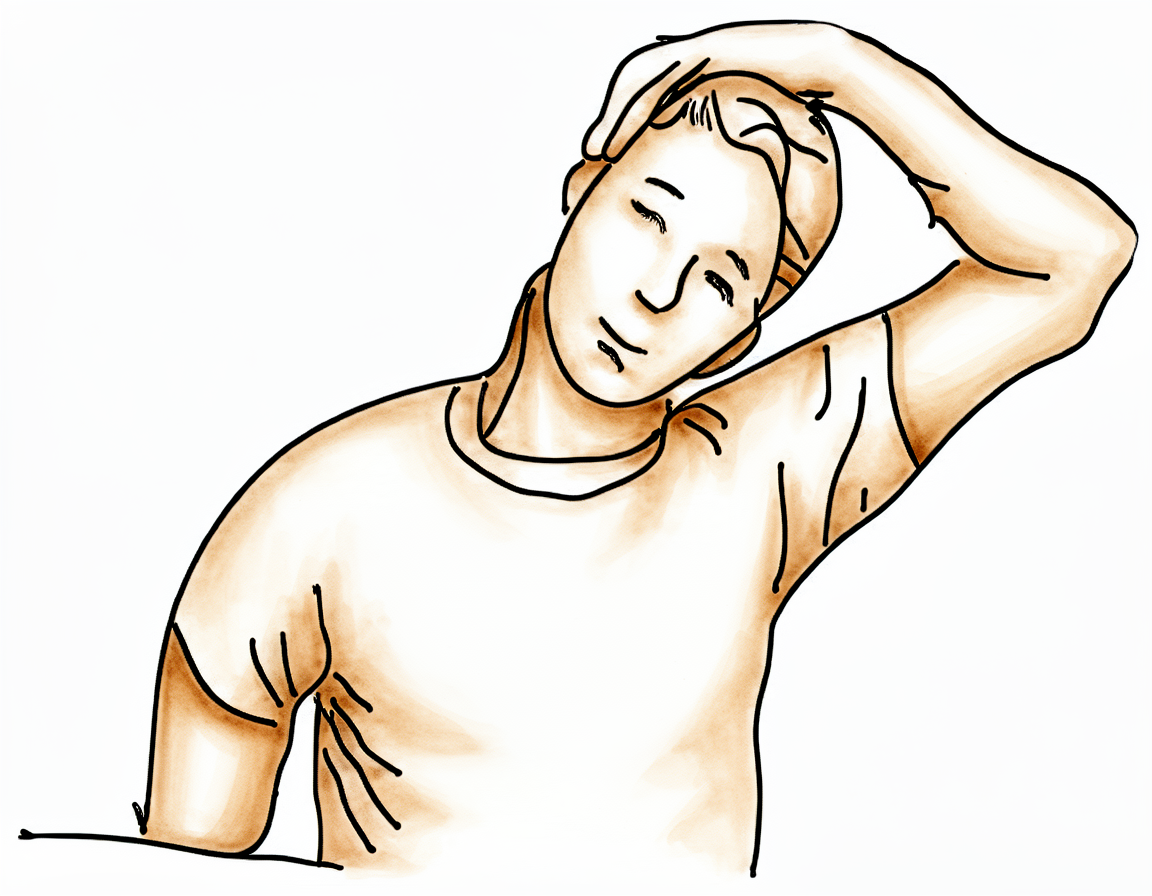
ٹریپیزیئس پٹھے کے اوپری حصے کا اسٹریچ (upper trapezius stretch)
آپریشن کے بغیر والے بازو کی مدد سے اپنے کان کو کندھے کی طرف لائیں، آپریشن والی طرف سے دور۔
10 سیکنڈ تک رکھیں، 3 بار؛ دن میں 3 مرتبہ دہرائیں
Kieran Hirpara 4.0
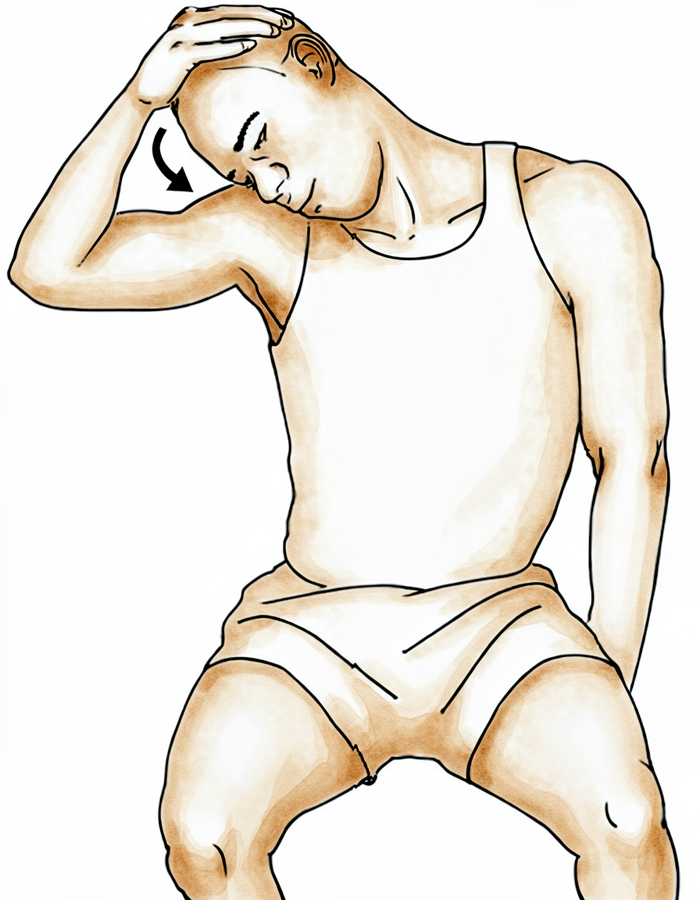
لیویٹر اسکیپولی پٹھے کا اسٹریچ (levator scapulae stretch)
آپریشن کے بغیر والے بازو کی مدد سے اپنی ناک کو اپنے سینے (نپل) یا بغل کی طرف لائیں۔
10 سیکنڈ تک رکھیں، 3 بار؛ دن میں 3 مرتبہ دہرائیں
مرحلہ I — حفاظت (ہفتہ 0 سے 3)
Kieran Hirpara 4.0
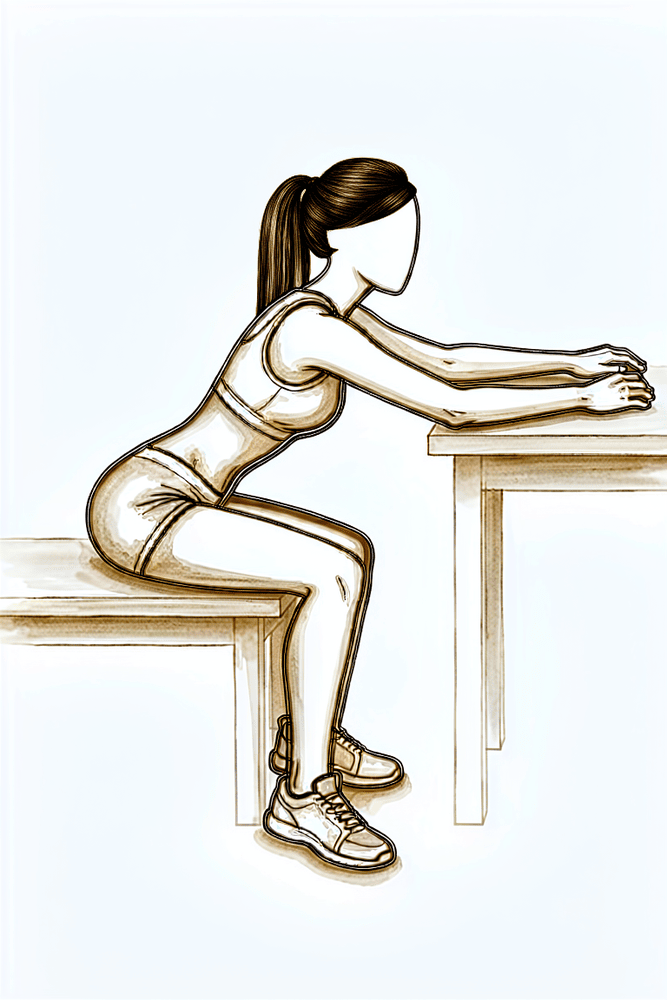
بیٹھ کر میز پر ہاتھ سرکانا
میز کے پاس بیٹھیں اور بازو کا نچلا حصہ میز کی سطح پر رکھیں۔ آہستہ سے آگے جھکتے ہوئے ہاتھ کو میز پر آگے سرکنے دیں، اور کندھے کے پٹھے استعمال کیے بغیر کندھے کو آگے کی طرف مڑنے دیں، پھر واپس سرکائیں۔ حرکت کو ڈھیلا اور آرام دہ رکھیں۔
اپنے فزیوتھراپسٹ کی رہنمائی کے مطابق
پہلے تین ہفتے آپ کے نئے کندھے کی حفاظت کے لیے ہیں جب تک وہ سنبھل رہا ہو۔ آپ سلنگ میں ہوں گے (جو بازو کو درمیانی حالت میں رکھتی ہے اور رات کو بھی پہنی جاتی ہے)، سوجن کے لیے برف اور دباؤ (compression) استعمال کریں گے، جبکہ آپ کا فزیوتھراپسٹ مقررہ حدود کے اندر آپ کے کندھے کو آہستہ سے خود حرکت دے گا اور آپ اپنے ہاتھ، کلائی اور کہنی کو خود حرکت دیتے رہیں گے۔ ہفتہ 2 سے کندھے کی پچھلی چپٹی ہڈی (shoulder blade) کی ہلکی ورزشیں اور گیند دبانے کی ورزش شروع ہوتی ہے۔ سب سے اہم اصول: نہ کندھے کو اپنی طاقت سے حرکت دیں، نہ ہاتھ کمر کے پیچھے لے جائیں، نہ کوئی چیز اٹھائیں، اور نہ ہاتھوں کے بل زور لگا کر اٹھیں۔
آپ کے فزیوتھراپسٹ کے لیے:
اہداف
- سرجری کے ذریعے کی گئی مرمت کی حفاظت
- سوجن کم کرنا، درد کم سے کم کرنا
- کہنی، ہاتھ اور کلائی میں بازو (upper extremity, UE) کی حرکت کی حد برقرار رکھنا
- کندھے کی بیرونی مدد سے حرکت کی حد (PROM) آہستہ آہستہ بڑھانا
- پٹھوں کے کام کی رکاوٹ (muscle inhibition) کم سے کم کرنا
- مریض کی آگاہی
علاج کا طریقہ
- سلنگ: درمیانی گھماؤ (neutral rotation)؛ رات کو سوتے وقت استعمال کریں
- سوجن پر قابو: برف، دباؤ (compression)
- حرکت کی حد / حرکت پذیری:
- بیرونی مدد سے حرکت (PROM): کندھے کی پچھلی چپٹی ہڈی کی سطح (scapular plane) میں باہر کی طرف گھماؤ (external rotation, ER) زیادہ سے زیادہ 30 ڈگری؛ اسی سطح میں اندر کی طرف گھماؤ (internal rotation, IR) بیلٹ کی لکیر تک
- آگے اٹھانا (flexion) / اسکیپشن (scaption) برداشت کی حد تک؛ پہلو کی طرف اٹھانا (abduction, ABD) زیادہ سے زیادہ 90 ڈگری؛ پینڈولم ورزش (pendulums)؛ بیٹھ کر میز پر ہاتھ سرکاتے ہوئے کندھے کے جوڑ (glenohumeral, GH) کو آگے اٹھانا؛ بیٹھ کر میز پر افقی سمت میں ہاتھ سرکانا
- مدد کے ساتھ اپنی طاقت سے حرکت (AAROM): کندھے کو مدد کے ساتھ اپنی طاقت سے آگے اٹھانا
- اپنی طاقت سے حرکت (AROM): کہنی، ہاتھ، کلائی
- مضبوطی (ہفتہ 2):
- کندھے کی پچھلی ہڈی کے گرد پٹھے (periscapular): کندھے کی ہڈیوں کو پیچھے کھینچنا (scapular retraction)، پیٹ کے بل لیٹ کر کندھے کی ہڈیوں کو پیچھے کھینچنا (prone scapular retraction)، کھڑے ہو کر کندھے کی ہڈی کو جمانا (standing scapular setting)، سہارے کے ساتھ کندھے کی ہڈی کو جمانا (supported scapular setting)، نیچے کی طرف سرکانا (inferior glide)، نیچا کھینچنا (low row)
- گیند دبانا (ball squeeze)
احتیاطیں
- کندھے کی اپنی طاقت سے کوئی حرکت (AROM) نہیں
- ہاتھ کمر کے پیچھے نہیں لے جانا، خاص طور پر اندر کی طرف گھماؤ میں
- کندھے کو نہ حد سے زیادہ باہر کی طرف گھمانا اور نہ حد سے زیادہ پہلو کی طرف اٹھانا
- کوئی چیز نہیں اٹھانی
- ہاتھوں پر جسم کا وزن نہیں ڈالنا
- کمر کے بل لیٹتے وقت کہنی کے نیچے چھوٹا تکیہ / لپٹا ہوا تولیہ رکھیں تاکہ کندھا حد سے زیادہ پیچھے نہ کھنچے (hyperextension)
اگلے مرحلے میں جانے کی شرائط
- مخالف طرف کے مقابلے میں کندھے کی PROM میں آگے اٹھانا اور اسکیپشن کم از کم 50 فیصد
- کندھے کی ABD PROM زیادہ سے زیادہ 90 ڈگری
- کندھے کی پچھلی چپٹی ہڈی کی سطح میں کندھے کی ER PROM زیادہ سے زیادہ 30 ڈگری
- کندھے کی پچھلی چپٹی ہڈی کی سطح میں IR PROM کم از کم 70 ڈگری
- کندھے کی ہڈی کے پٹھوں میں چھونے پر محسوس ہونے والا پٹھوں کا سکڑاؤ
- درد 4/10 سے کم
- مرحلہ I میں کوئی پیچیدگی نہ ہو
مرحلہ II — درمیانی مرحلہ (ہفتہ 4 سے 6)
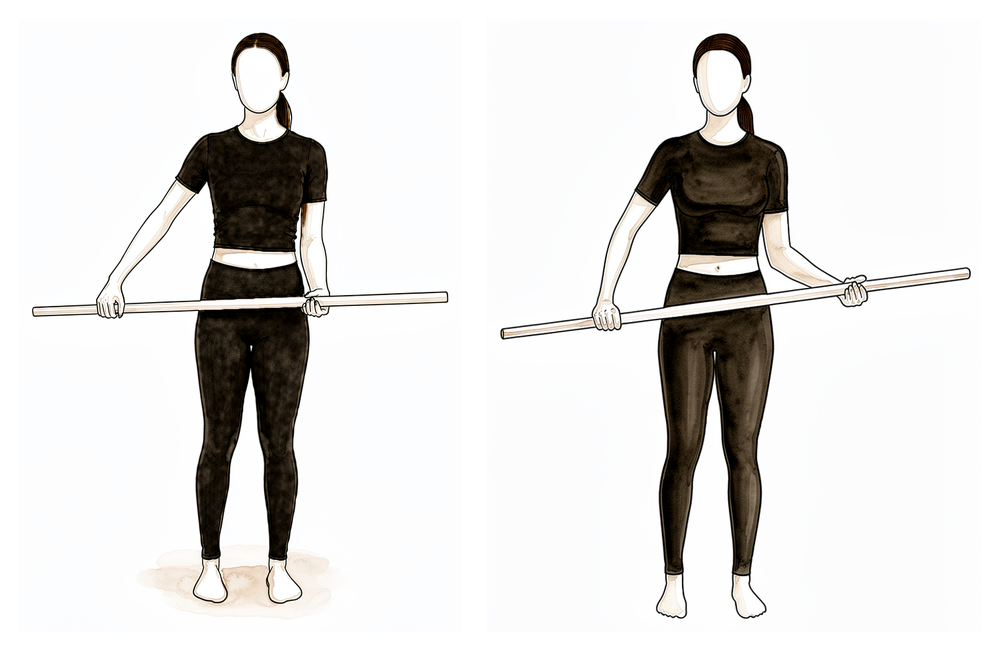
Kieran Hirpara 4.0
چھڑی سے باہر کی طرف گھماؤ کا اسٹریچ
کمر کے بل لیٹیں، کہنی پہلو کے ساتھ ہو اور 90 ڈگری پر مڑی ہو۔ ایک چھڑی یا ڈنڈا دونوں ہاتھوں میں پکڑیں اور آپریشن کے بغیر والے بازو سے آپریشن والے بازو کے ہاتھ کو آہستہ سے باہر کی طرف دھکیلیں۔ اس مرحلے کے لیے آپ کے فزیوتھراپسٹ کی مقرر کردہ حد کے اندر رہیں، اور حرکت کو کبھی زبردستی نہ کریں۔
اپنے فزیوتھراپسٹ کی رہنمائی کے مطابق
کندھے کی حفاظت اب بھی جاری ہے، لیکن حرکت اب مسلسل بڑھتی ہے۔ سلنگ رات کو پہنی رہتی ہے، اور دن کے وقت ان دو ہفتوں میں آہستہ آہستہ اس کا استعمال چھوڑا جاتا ہے۔ آپ کا فزیوتھراپسٹ بیرونی مدد سے حرکت کو پوری حد کی طرف بڑھاتا ہے (باہر کی طرف گھماؤ اور پہلو کی طرف اٹھانے کی مقررہ حدود کے اندر رہتے ہوئے)، مدد کے ساتھ اور پھر اپنی طاقت سے حرکتیں شامل کرتا ہے، اور روٹیٹر کف (rotator cuff)، یعنی ٹینڈنوں کا وہ گروپ جو کندھے کو تھامتا اور گھماتا ہے، اور کندھے کی پچھلی ہڈی کے پٹھوں کو متحرک کرنے کی ہلکی ورزشیں شروع کرتا ہے۔ کافی کے ایک کپ سے زیادہ بھاری کوئی چیز نہ اٹھائیں، اور بازو کو انتہائی حد تک گھمانے اور دور تک پہنچنے سے بچتے رہیں۔
آپ کے فزیوتھراپسٹ کے لیے:
اہداف
- سرجری کے ذریعے کی گئی مرمت کی حفاظت جاری رکھنا
- سوجن کم کرنا، درد کم سے کم کرنا
- کندھے کی PROM آہستہ آہستہ بڑھانا
- اپنی طاقت سے (AROM) اور مدد کے ساتھ (AAROM) حرکت کے دوران دوسرے پٹھوں سے کام لینے (substitution patterns) کو کم سے کم کرنا
- کندھے کی پچھلی ہڈی کے گرد پٹھوں کو متحرک کرنا/ان کی طاقت بہتر بنانا
- روٹیٹر کف (RTC) کو متحرک کرنا شروع کرنا (باہر کی طرف گھمانے والے پٹھے)
- مریض کی آگاہی
علاج کا طریقہ
- سلنگ: رات کو سوتے وقت استعمال کریں؛ اگلے دو ہفتوں میں دن کے وقت آہستہ آہستہ سلنگ کا استعمال چھوڑنا شروع کریں
- مرحلہ I کے اقدامات جاری رکھیں
- حرکت کی حد / حرکت پذیری:
- بیرونی مدد سے حرکت (PROM): پوری، سوائے اس کے کہ کندھے کی پچھلی چپٹی ہڈی کی سطح میں ER زیادہ سے زیادہ 30 ڈگری اور ABD زیادہ سے زیادہ 90 ڈگری
- مدد کے ساتھ اپنی طاقت سے حرکت (AAROM): چھڑی کی مدد سے کندھے کو آگے اٹھانا، چھڑی سے باہر کی طرف گھماؤ کا اسٹریچ، کپڑا دبا کر سرکانا (washcloth press)، بیٹھ کر چھڑی کی مدد سے کندھا اوپر اٹھانا
- اپنی طاقت سے حرکت (AROM): کمر کے بل لیٹ کر آگے اٹھانا (supine flexion)، سلیوٹ (salutes)، کمر کے بل لیٹ کر مکا اوپر کی طرف (supine punch)
- مضبوطی:
- روٹیٹر کف: باہر کی طرف گھماؤ کی آئسومیٹرک (isometrics، یعنی جوڑ کو حرکت دیے بغیر پٹھے کو کسنا)
- کندھے کی پچھلی ہڈی کے گرد پٹھے: ورزشی گیند (physioball) پر رو (row)، سیریٹس پنچ (serratus punches)
- کہنی: بائسیپس کرل (biceps curl)، مزاحمتی بینڈ سے بائسیپس کرل اور ٹرائسیپس (triceps)
- حرکت پر قابو (motor control):
- اسکیپشن میں ER اور 90 سے 125 پر آگے اٹھانا (rhythmic stabilisation، یعنی باری باری ہلکے دھکوں کے خلاف بازو کو ساکن رکھنا)
- اسٹریچ:
- پہلو کے بل لیٹ کر افقی سمت میں بازو کو جسم کی طرف لانا (horizontal adduction)
احتیاطیں
- کندھے کو نہ حد سے زیادہ باہر کی طرف گھمانا اور نہ حد سے زیادہ پہلو کی طرف اٹھانا
- کافی کے ایک کپ سے زیادہ بھاری کوئی چیز نہیں اٹھانی
- ہاتھوں پر جسم کا وزن نہیں ڈالنا
- کمر کے بل لیٹتے وقت کہنی کے نیچے چھوٹا تکیہ / لپٹا ہوا تولیہ رکھیں تاکہ کندھا حد سے زیادہ پیچھے نہ کھنچے (hyperextension)
اگلے مرحلے میں جانے کی شرائط
- مخالف طرف کے مقابلے میں کندھے کی PROM میں آگے اٹھانا اور اسکیپشن کم از کم 75 فیصد
- مخالف طرف کے مقابلے میں کندھے کی پچھلی چپٹی ہڈی کی سطح میں کندھے کی IR PROM کم از کم 75 فیصد
- کندھے کی پچھلی چپٹی ہڈی کی سطح میں کندھے کی ER PROM 30 ڈگری
- کندھے کی ABD PROM 90 ڈگری
- مدد کے ساتھ حرکت (AAROM) کے دوران دوسرے پٹھوں سے کم سے کم کام لینا
- دوسرے پٹھوں سے کم سے کم کام لیتے ہوئے کندھے کو اپنی طاقت سے (AROM) 100 ڈگری تک اوپر اٹھانا
- درد 4/10 سے کم
- مرحلہ II میں کوئی پیچیدگی نہ ہو
مرحلہ III — درمیانی مرحلہ، جاری (ہفتہ 7 سے 8)
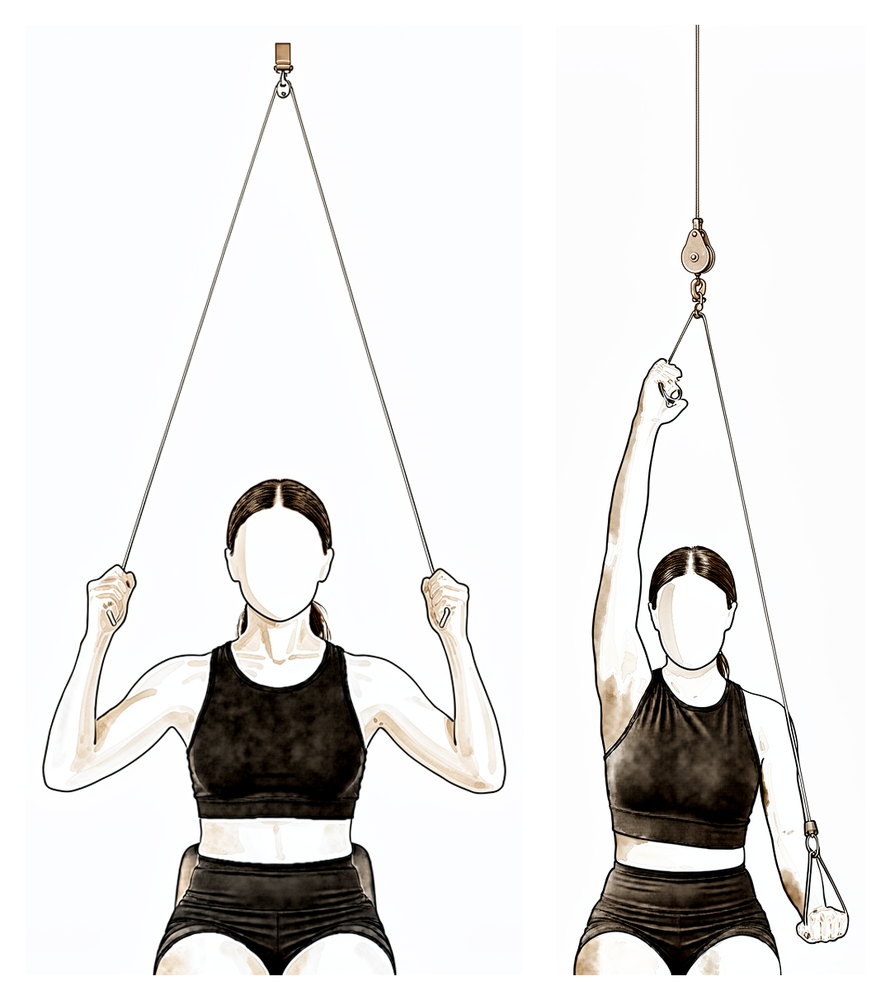
Kieran Hirpara 4.0
دروازے کے اوپر لگی پُلی (over-door pulley)
دروازے کے اوپر لگی پُلی کے نیچے بیٹھیں اور ہر ہاتھ میں ایک ہینڈل پکڑیں۔ آپریشن کے بغیر والے بازو سے نیچے کھینچیں تاکہ آپریشن والا بازو اوپر اٹھے، اور آپریشن والے بازو کو ڈھیلا رکھیں، پھر اسے آہستہ اور ہموار طریقے سے نیچے لائیں۔
اپنے فزیوتھراپسٹ کی رہنمائی کے مطابق
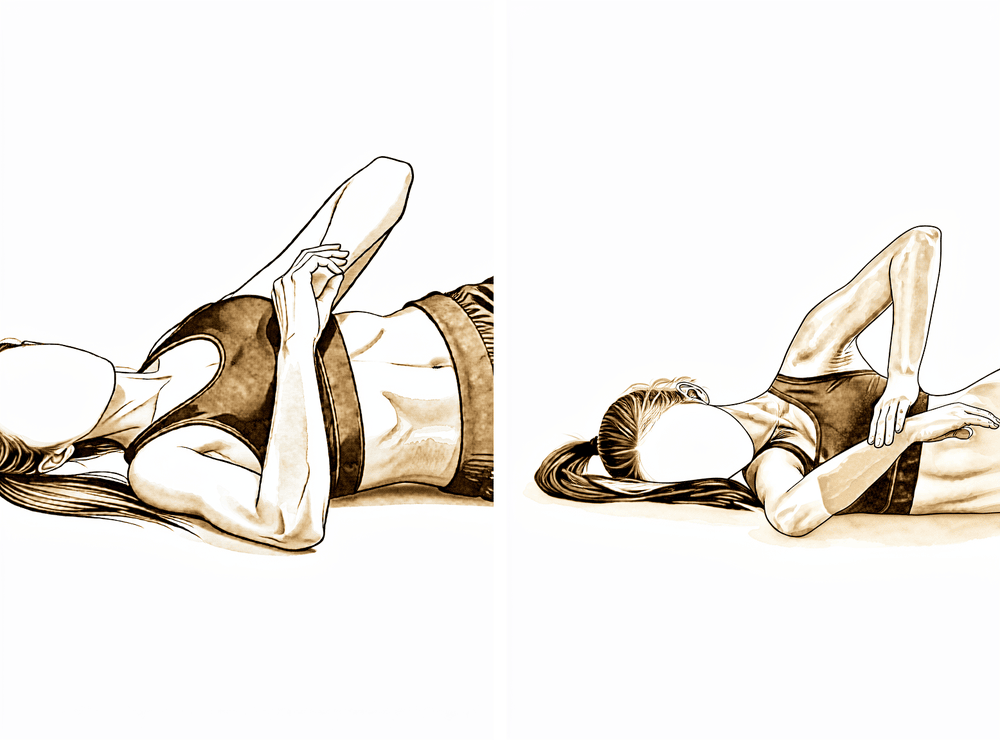
Kieran Hirpara 4.0
سلیپر اسٹریچ (sleeper stretch)
آپریشن والی طرف کروٹ لے کر لیٹیں، بازو سامنے کی طرف کندھے کی اونچائی پر ہو اور کہنی 90 ڈگری پر مڑی ہو۔ دوسرے ہاتھ سے بازو کے نچلے حصے کو آہستہ سے بستر کی طرف نیچے دبائیں یہاں تک کہ کندھے کے پچھلے حصے میں آرام دہ کھنچاؤ محسوس ہو۔ اسٹریچ کو زبردستی نہ کریں۔
اپنے فزیوتھراپسٹ کی رہنمائی کے مطابق
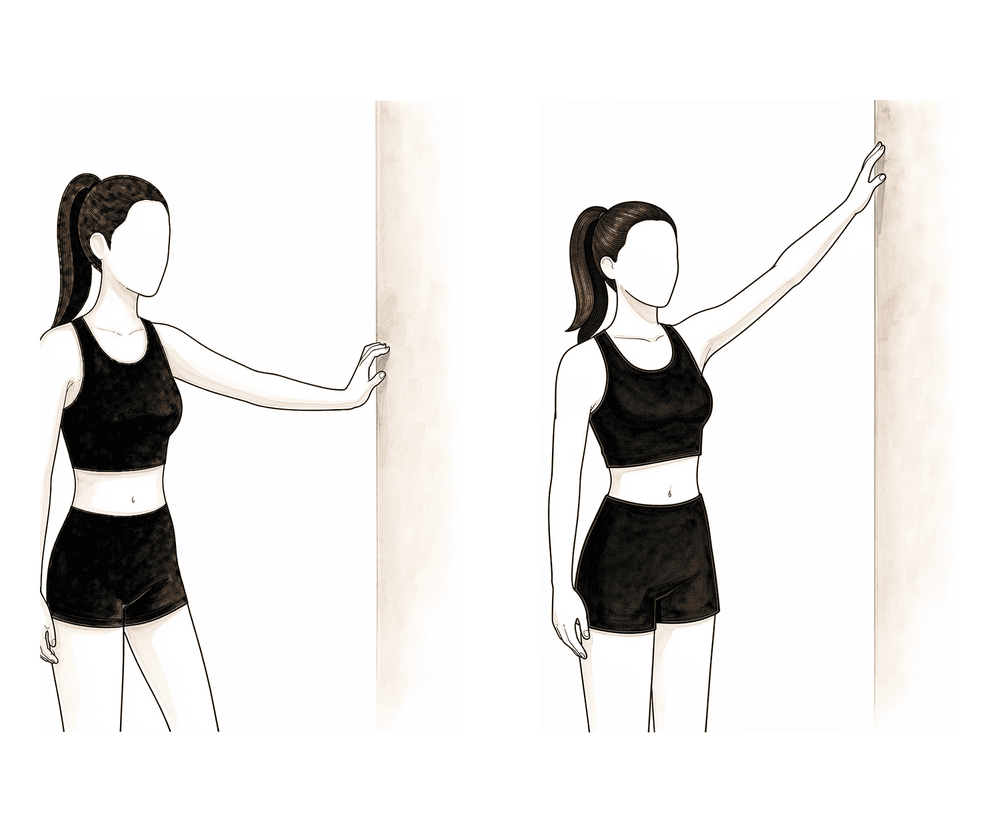
Kieran Hirpara 4.0
دیوار پر انگلیوں سے ایک طرف چڑھنا
دیوار کی طرف پہلو کر کے کھڑے ہوں اور انگلیوں کے سرے دیوار پر رکھیں۔ انگلیوں کو دیوار پر ایک طرف اوپر کی طرف چلائیں، بازو کو جتنا آرام سے ہو سکے اٹھائیں، پھر قابو کے ساتھ انگلیوں کو واپس نیچے لائیں۔ جب آپ بازو کو ایک طرف اٹھانے کی حرکت دوبارہ حاصل کر رہے ہوتے ہیں تو دیوار بازو کو سہارا دیتی ہے۔
اپنے فزیوتھراپسٹ کی رہنمائی کے مطابق
اب سلنگ کا استعمال ختم ہو چکا ہے، اور مقصد ہر سمت میں پوری حرکت ہے، جہاں ضرورت ہو مدد کے ساتھ اور زیادہ سے زیادہ اپنی طاقت سے۔ مضبوطی کی ورزشیں بڑھتی ہیں، جن میں روٹیٹر کف اور کندھے کی پچھلی ہڈی کے پٹھوں کے لیے مزاحمتی بینڈ کی ورزشیں شامل ہیں، اور آپ روزمرہ کی تمام سرگرمیوں پر واپس جا سکتے ہیں۔ دو حدیں باقی ہیں: 5 کلوگرام سے زیادہ بھاری کچھ نہیں، اور ایسا کچھ نہیں جو کندھے کے سامنے والے حصے میں بھرتی ہوئی بافتوں پر حد سے زیادہ زور ڈالے۔
آپ کے فزیوتھراپسٹ کے لیے:
اہداف
- بھرتی ہوئی بافتوں پر، خاص طور پر جوڑ کی اگلی جھلی (anterior capsule) پر، حد سے زیادہ زور نہ ڈالیں
- درد کم سے کم کرنا
- بیرونی مدد سے حرکت کی حد (PROM) برقرار رکھنا
- اپنی طاقت سے حرکت کی حد (AROM) بہتر بنانا
- کندھے کی پچھلی ہڈی کے گرد پٹھوں اور روٹیٹر کف کی طاقت آگے بڑھانا
- روزمرہ کی تمام سرگرمیوں پر واپسی
- مریض کی آگاہی
علاج کا طریقہ
- سلنگ: استعمال بند کریں
- مرحلہ I اور II کے اقدامات جاری رکھیں
- حرکت کی حد / حرکت پذیری:
- تمام سمتوں میں پوری حرکت کی حد
- مدد کے ساتھ اپنی طاقت سے حرکت (AAROM): جھکی ہوئی میز پر ہاتھ سرکانا (incline table slides)، دیوار پر گیند گھمانا (ball roll on wall)، دیوار پر انگلیوں سے چڑھنا (wall climbs)، پُلی (pulleys)
- اپنی طاقت سے حرکت (AROM): بیٹھ کر اسکیپشن، بیٹھ کر آگے اٹھانا، کمر کے بل لیٹ کر لچکدار مزاحمت کے ساتھ 90 ڈگری تک آگے اٹھانا
- مضبوطی:
- روٹیٹر کف: اندر کی طرف گھماؤ کی آئسومیٹرک، پہلو کے بل لیٹ کر باہر کی طرف گھماؤ، کھڑے ہو کر مزاحمتی بینڈ سے باہر کی طرف گھماؤ، کھڑے ہو کر مزاحمتی بینڈ سے اندر کی طرف گھماؤ، اندر کی طرف گھماؤ، باہر کی طرف گھماؤ
- کندھے کی پچھلی ہڈی کے گرد پٹھے: مزاحمتی بینڈ سے کندھے کو پیچھے لے جانا (extension)، مزاحمتی بینڈ سے بیٹھ کر رو (seated rows)، رو (rowing)، لان موور (lawn mowers)، روبری (robbery)
- حرکت پر قابو:
- اندر/باہر گھماؤ (IR/ER) اور 90 سے 125 پر آگے اٹھانا (rhythmic stabilisation)
- چاروں ہاتھ پاؤں کے بل (quadruped) باری باری آئسومیٹرک، اور دیوار پر گیند کو ساکن رکھنا
- پروپریوسیپٹیو نیورومسکولر فیسیلیٹیشن (proprioceptive neuromuscular facilitation, PNF): D1 ترچھی سمت میں اٹھانا، PNF D2 ترچھی سمت میں اٹھانا
- اسٹریچ:
- تولیے سے کمر کے پیچھے اندر کی طرف گھماؤ، پہلو کے بل لیٹ کر افقی سمت میں بازو کو جسم کی طرف لانا، سلیپر اسٹریچ (sleeper stretch)، ٹرائسیپس اور لیٹس (lats)
احتیاطیں
- بھاری چیزیں (5 کلوگرام سے زیادہ) نہیں اٹھانی
اگلے مرحلے میں جانے کی شرائط
- کندھے کی AROM کے دوران دوسرے پٹھوں سے کام لینے کا کم سے کم ہونا یا بالکل نہ ہونا
- درد 4/10 سے کم
مرحلہ IV — منتقلی کا مرحلہ (ہفتہ 9 سے 11)
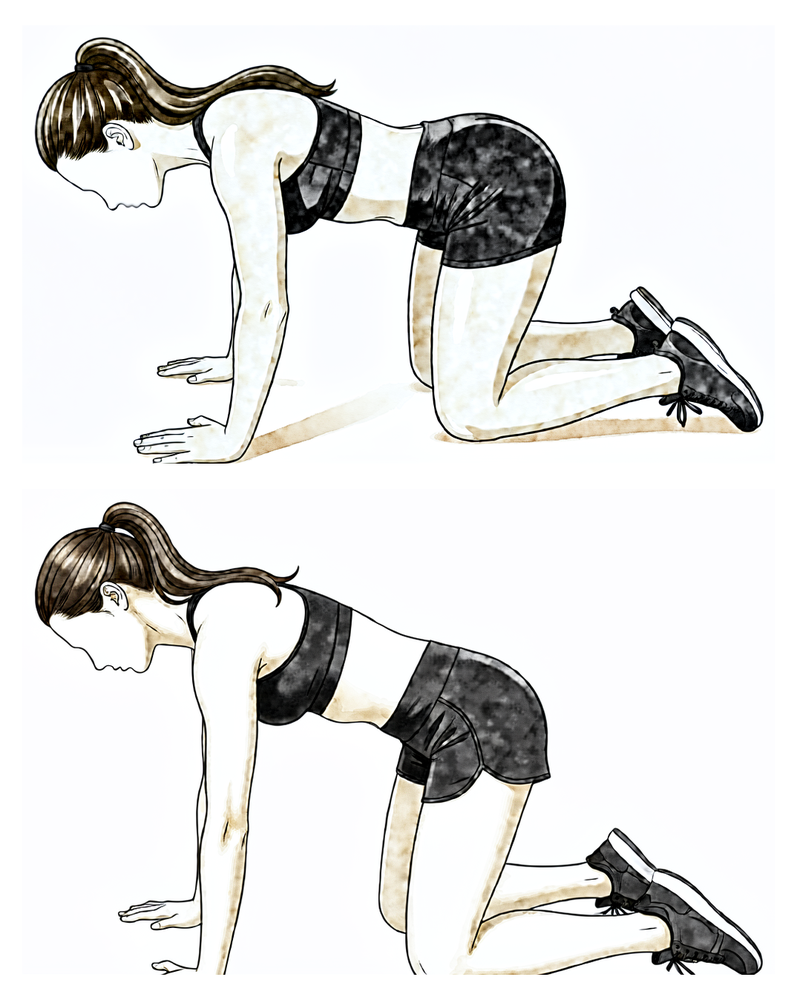
Kieran Hirpara 4.0
گھٹنوں کے بل پش اپ پلس (push-up plus)
گھٹنوں کے بل پش اپ کی حالت میں، ہاتھ کندھوں کے نیچے رکھ کر، کہنیاں سیدھی رکھیں اور کمر کے اوپری حصے کو چھت کی طرف دھکیلیں، تاکہ کندھوں کی پچھلی چپٹی ہڈیاں ایک دوسرے سے دور سرکیں، پھر قابو کے ساتھ نیچے آئیں۔
اپنے فزیوتھراپسٹ کی رہنمائی کے مطابق
اب حرکت پوری اور آرام دہ ہونی چاہیے؛ یہ مرحلہ اسے مضبوط اور مستحکم بنانے کے بارے میں ہے۔ روٹیٹر کف کی ورزشوں میں مزاحمت بڑھتی ہے، کندھے کی پچھلی ہڈی کا پروگرام وسیع ہوتا ہے، اور حرکت پر قابو کی ورزشیں کندھے کو ترچھی اور روزمرہ کے کاموں جیسی حرکتوں میں آزماتی ہیں۔ 5 کلوگرام وزن اٹھانے کی حد اب بھی لاگو ہے، اور ایسی حالتوں سے اب بھی بچا جاتا ہے جو جوڑ کے سامنے والے حصے پر زور ڈالتی ہیں (بازو کو پہلو کی طرف 80 ڈگری سے اوپر اٹھائے ہوئے اسے باہر کی طرف گھمانا)۔
آپ کے فزیوتھراپسٹ کے لیے:
اہداف
- بھرتی ہوئی بافتوں پر، خاص طور پر جوڑ کی اگلی جھلی پر، حد سے زیادہ زور نہ ڈالیں
- درد کے بغیر PROM برقرار رکھنا
- اپنی طاقت سے حرکت کی حد (AROM) کو بہتر بناتے رہنا
- حرکت کے دوران کندھے کا استحکام بہتر بنانا
- کندھے کی طاقت اور برداشت کو آہستہ آہستہ بحال کرنا
علاج کا طریقہ
- مرحلہ II اور III کے اقدامات جاری رکھیں
- حرکت کی حد / حرکت پذیری:
- تمام سمتوں میں پوری حرکت کی حد
- مضبوطی:
- روٹیٹر کف: روٹیٹر کف کی ورزشوں میں مزاحمت بڑھائیں
- کندھے کی پچھلی ہڈی کے گرد پٹھے: گھٹنوں کے بل پش اپ پلس (push-up plus)، "W" ورزش، مزاحمتی بینڈ سے Ws، ڈائنامک ہگ (dynamic hug)، مزاحمتی بینڈ سے ڈائنامک ہگ، پیٹ کے بل لیٹ کر کندھے کو پیچھے لے جانے والی Is، مزاحمتی بینڈ سے آگے مکا (forward punch)، آگے مکا، ٹرائی پوڈ (tripod)، پوائنٹر (pointer)
- حرکت پر قابو:
- مزاحمتی بینڈ سے PNF حرکت؛ مزاحمت کے ساتھ PNF D1 ترچھی سمت میں اٹھانا؛ مزاحمتی بینڈ کے ساتھ دیوار پر ترچھا اوپر اور ترچھا نیچے ہاتھ سرکانا
احتیاطیں
- بھاری چیزیں (5 کلوگرام سے زیادہ) نہیں اٹھانی
- ایسی ورزشوں سے پرہیز کریں جو کندھے کے جوڑ کی اگلی جھلی پر زور ڈالیں (یعنی کندھے کو 80 ڈگری ABD سے اوپر رکھ کر ER)
اگلے مرحلے میں جانے کی شرائط
- کمر کے بل لیٹ کر AROM میں آگے اٹھانا کم از کم 140 ڈگری
- کمر کے بل لیٹ کر AROM میں ABD کم از کم 120 ڈگری
- کمر کے بل لیٹ کر کندھے کی پچھلی چپٹی ہڈی کی سطح میں AROM میں ER کم از کم 60 ڈگری
- کمر کے بل لیٹ کر کندھے کی پچھلی چپٹی ہڈی کی سطح میں AROM میں IR کم از کم 70 ڈگری
- دوسرے پٹھوں سے کم سے کم کام لیتے ہوئے کندھے کو اپنی طاقت سے (AROM) 120 ڈگری تک اوپر اٹھانا
- تمام ورزشیں کرتے ہوئے کندھے کی پچھلی ہڈی کی حرکت دونوں طرف یکساں ہو
- درد 2/10 سے کم
مرحلہ V — طاقت بڑھانے کا اعلیٰ مرحلہ (ہفتہ 12 سے 16)
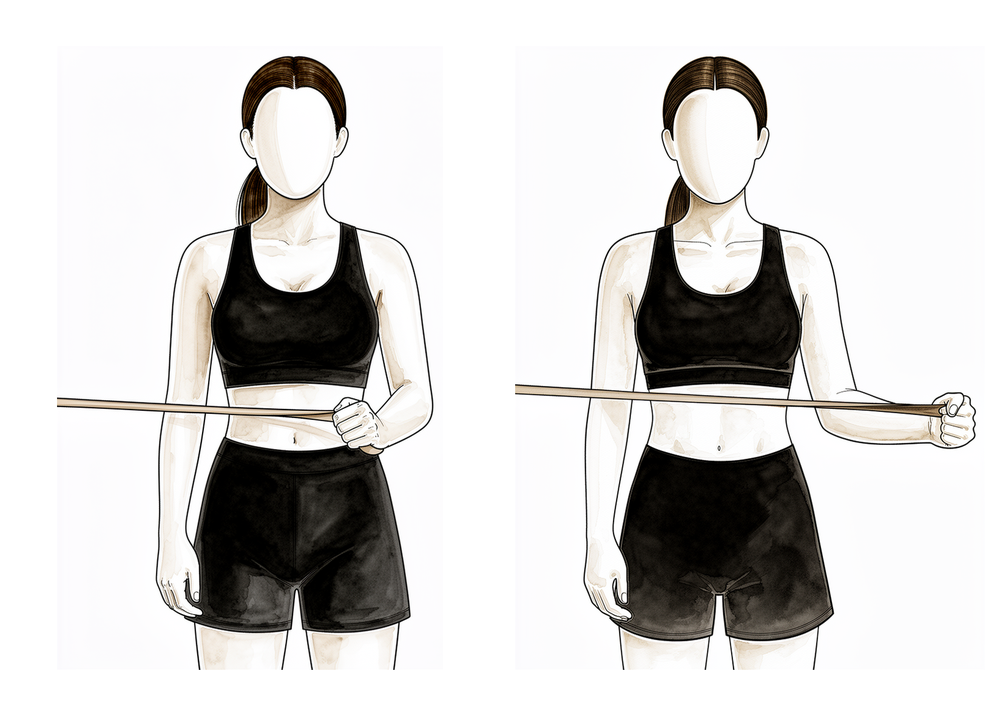
Kieran Hirpara 4.0
کھڑے ہو کر 90 ڈگری پر باہر کی طرف گھماؤ (بینڈ کے ساتھ)
کھڑے ہو کر اپنے بازو کو ایک طرف کندھے کی اونچائی تک اٹھائیں اور کہنی 90 ڈگری پر مڑی ہو۔ ہلکے مزاحمتی بینڈ کے خلاف بازو کے نچلے حصے کو اوپر کی طرف گھمائیں، پھر قابو کے ساتھ واپس لائیں۔
اپنے فزیوتھراپسٹ کی رہنمائی کے مطابق
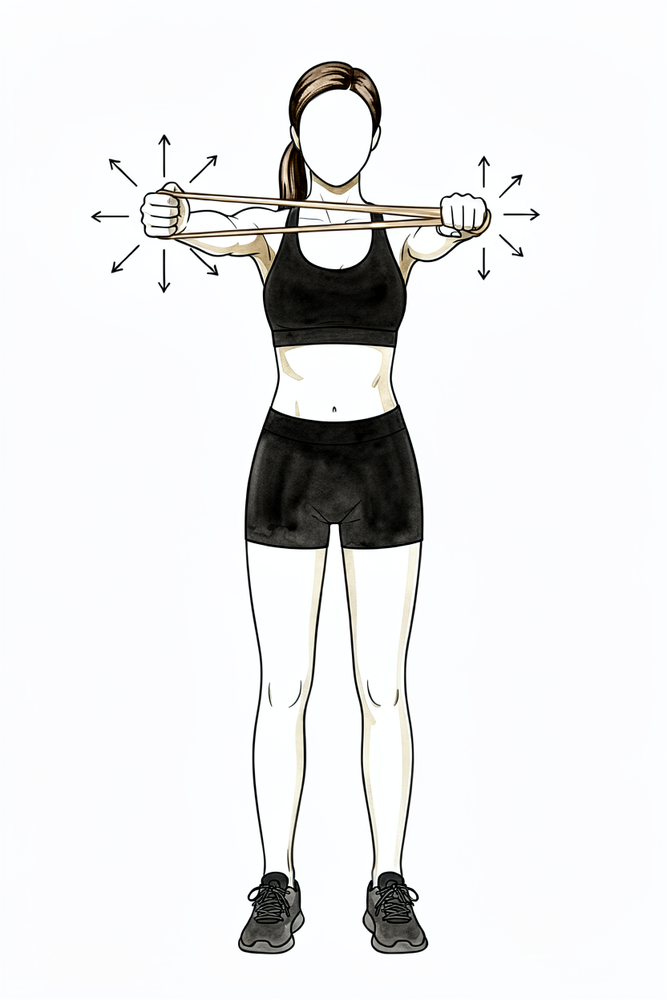
Kieran Hirpara 4.0
باری باری ہلکے دھکوں کے خلاف بازو کو ساکن رکھنا (rhythmic stabilisation)
اپنے بازو کو سامنے کی طرف تقریباً کندھے کی اونچائی پر سہارا دے کر رکھیں، اور اپنے فزیوتھراپسٹ سے (یا اپنے ٹھیک ہاتھ سے) مختلف سمتوں سے چھوٹے، ہلکے دھکے لگوائیں جبکہ آپ بازو کو ساکن اور مستحکم رکھیں — اسے حرکت نہ کرنے دیں۔ اس سے کندھے کو مستحکم رکھنے والے پٹھے ردِعمل دینا سیکھتے ہیں۔ ہر کوشش ہلکی رکھیں۔
اپنے فزیوتھراپسٹ کی رہنمائی کے مطابق
آخری مرحلہ کندھے کو ان تمام کاموں کے لیے تیار کرتا ہے جن کے لیے آپ اسے استعمال کرنا چاہتے ہیں: اونچی حالتوں میں طاقت اور برداشت بڑھانا، جس میں بازو کو 90 ڈگری تک اٹھا کر گھمانے کی ورزشیں شامل ہیں، اور سر سے اوپر استحکام کی ورزشوں کو آگے بڑھانا۔ اس پروٹوکول سے آگے بڑھنا (بشمول کھیل پر کسی بھی قسم کی واپسی) تمام سنگِ میل پورے ہونے کے بعد آپ کے سرجن کی اجازت سے ہوتا ہے، اور کھلاڑیوں کے لیے یہ فیصلہ کیلنڈر کی بنیاد پر نہیں بلکہ ہر فرد کے لحاظ سے الگ کیا جاتا ہے۔
آپ کے فزیوتھراپسٹ کے لیے:
اہداف
- درد کے بغیر حرکت کی حد برقرار رکھنا
- کندھے کی طاقت اور برداشت بہتر بنانا
- بازو (upper extremity) کا روزمرہ استعمال بڑھانا
علاج کا طریقہ
- مرحلہ II سے IV تک کے اقدامات جاری رکھیں
- مضبوطی:
- روٹیٹر کف: 90 ڈگری پر باہر کی طرف گھماؤ، 90 ڈگری پر اندر کی طرف گھماؤ، کھڑے ہو کر مزاحمتی بینڈ سے 90 ڈگری پر باہر کی طرف گھماؤ، کھڑے ہو کر مزاحمتی بینڈ سے 90 ڈگری پر اندر کی طرف گھماؤ
- کندھے کی پچھلی ہڈی کے گرد پٹھے: T اور Y، "T" ورزش، گھٹنے سیدھے رکھ کر پش اپ پلس، دیوار پر پش اپ (wall push-up)
- حرکت پر قابو:
- دیوار پر گیند کو ساکن رکھنے کی ورزش کو سر سے اوپر باری باری آئسومیٹرک / rhythmic stabilisation تک بڑھائیں
اگلے مرحلے میں جانے کی شرائط
- ڈاکٹر کی اجازت، اور سنگِ میل کی تمام کی تمام شرائط پوری ہو چکی ہوں
- درد کے بغیر PROM اور AROM برقرار رہے
- تمام ورزشیں کرتے ہوئے کندھے کی پچھلی ہڈی کی حرکت دونوں طرف یکساں ہو
- نتائج کے اسکور: QuickDASH اور ASES
کھیل پر واپسی
- شوقیہ یا مقابلے میں حصہ لینے والے کھلاڑی کے لیے، کھیل پر واپسی کا فیصلہ ہر فرد کے لحاظ سے الگ ہونا چاہیے اور ان عوامل پر مبنی ہونا چاہیے جیسے بازو (upper extremity) پر پڑنے والے بوجھ کی سطح، کھیل ایسا ہے جس میں کھلاڑی آپس میں ٹکراتے ہیں (contact sport) یا نہیں، کھیل میں حصہ لینے کی تعداد وغیرہ۔ کھیل پر واپسی کے بحالی پروگرام کی طرف بڑھنے سے پہلے ریفرل (referral) کرنے والے سرجن سے قریبی مشاورت کی حوصلہ افزائی کی جاتی ہے۔
آپ کے پروٹوکول کے بعد
یہ پروٹوکول کلینک کے صحت یابی سے متعلق عمومی مشوروں کے ساتھ مل کر کام کرتا ہے؛ آپریشن کے بعد درد پر قابو پانا اور زخم کی دیکھ بھال دیکھیں۔ خود آپریشن کے بارے میں جاننے کے لیے کندھے کے جوڑ کی مکمل تبدیلی دیکھیں۔ اس پروٹوکول کے پیچھے موجود شواہد، اور یہ کہ ابتدائی مرحلہ سب اسکیپولیرس (subscapularis، کندھے کے سامنے والا روٹیٹر کف کا پٹھا) کی مرمت کی حفاظت کیوں کرتا ہے، شواہد والے حصے میں مختصراً بیان کیے گئے ہیں، جو اس صفحے کے اوپر سے پی ڈی ایف کی شکل میں دستیاب ہے۔
Evidence & references
This is the clinical evidence summary written for health professionals. It is technical, and it lists the research this page was built from. You do not need to read it to understand your treatment or to make a decision about it.
Anatomic Total Shoulder Arthroplasty — Post-operative Rehabilitation
Topic scope: Post-operative rehabilitation after anatomic total shoulder arthroplasty (aTSA) for glenohumeral arthritis. (Reverse total shoulder arthroplasty has a different rehab logic — see the reverse-shoulder-arthroplasty protocol; the early in-hospital phase of either is covered by the inpatient-shoulder-replacement protocol.)
Defining principle of this rehab — PROTECT THE SUBSCAPULARIS: to reach the joint in an anatomic TSA the surgeon usually takes down and then repairs the subscapularis (by tenotomy, peel, or a lesser-tuberosity osteotomy). That repair is the structure rehabilitation must protect. So the early plan is the mirror image of a frozen-shoulder release: external rotation is limited, and active/resisted internal rotation is delayed, to avoid pulling the subscapularis repair apart — while early passive forward elevation is encouraged so the shoulder does not stiffen. This subscapularis-protection logic is the key difference from reverse arthroplasty (which usually has no subscapularis repair to guard) and the reason aTSA rehab is more measured.
A. THE PROCEDURE (what is being protected)
Anatomic TSA resurfaces the arthritic joint with a metal humeral head and a plastic glenoid, restoring the normal ball-and-socket mechanics — which depends on an intact, balanced rotator cuff (the indication that distinguishes it from reverse arthroplasty). The subscapularis management is the rehab-defining variable:
- Subscapularis tenotomy / peel with tendon-to-tendon or transosseous repair, or
- Lesser-tuberosity osteotomy (LTO) — repaired bone-to-bone.
Either way, the repair governs the early external-rotation limit and the delay before active and resisted internal rotation. The specific ER ceiling and the IR-loading timeline are surgeon-set (they depend on repair quality and tissue) — the patient protocol follows the surgeon's chosen limits, and the phase table below reflects them.
B. POST-OPERATIVE PHASED TIMELINE (subscapularis-protective)
Consistent with the protocol's phases (Protection → Intermediate → Transitional → Advanced). Sling supports the arm; passive elevation early; ER capped and active/resisted IR withheld until the subscapularis has healed.
| Phase | Window | Sling | ROM | Strengthening | Notes |
|---|---|---|---|---|---|
| I — Protection | Week 0–3 | Full-time (off for hygiene + exercises) | Passive elevation + gentle ER to the surgeon's limit only; pendulums; hand/elbow free | None | Protect subscapularis repair; no active shoulder motion; no behind-the-back / forced ER |
| II — Intermediate | Week 4–6 | Weaning | Progress passive → active-assisted elevation; ER advanced within limit | Scapular setting / isometrics as allowed | Subscapularis still protected — no resisted internal rotation |
| III — Intermediate continued | Week 7–8 | Off | Active ROM all planes progressing toward full | Begin gentle cuff (incl. graded IR) + scapular work | Subscapularis repair healing — IR loading introduced cautiously |
| IV — Transitional | Week 9–11 | Off | Full active ROM goal | Progressive resistance, low load → higher | — |
| V — Advanced strengthening | Week 12–16 | Off | Full, incl. rotation at 90° abduction | Advanced strength/endurance; overhead stability | Return to sport/heavy use on surgeon clearance, individualised |
C. KEY CONTROVERSIES / EVIDENCE QUALITY
- Subscapularis management — tenotomy vs peel vs lesser-tuberosity osteotomy. Healing and functional-IR recovery drive the ER-restriction and IR-loading timeline; biomechanical and clinical data inform but do not settle the choice. Moderate (biomechanical + cohort).
- Early vs delayed / immobilisation — a single-blind RCT comparing early rehabilitation versus immobilisation after shoulder arthroplasty found broadly comparable outcomes, supporting a measured but not ultra-conservative early plan; subscapularis protection remains the governing constraint. Moderate (RCT).
- The phase timeline itself is consensus/expert (institutional protocols — MGH, BWH — and surgeon practice), not a defining rehab RCT. Phase weeks are typical, surgeon-adjustable. Weak/consensus.
D. EVIDENCE STRENGTH FLAGS (summary)
- MODERATE (RCT / biomechanical / cohort): early-rehab-vs-immobilisation after shoulder arthroplasty (RCT); subscapularis repair-technique biomechanics; durability/outcome of aTSA.
- WEAK / CONSENSUS: the specific subscapularis-protective phase structure and ER/IR restriction timings (institutional protocols + surgeon preference; no defining rehab RCT).
- CONTEXT: the protocol's measured early phase is appropriately keyed to subscapularis healing rather than the calendar.
CITATIONS
RAG corpus (180,000+ Orthopaedic articles)
- A randomized single-blinded trial of early rehabilitation versus immobilization after shoulder arthroplasty. J Shoulder Elbow Surg. 2020. DOI: 10.1016/j.jse.2019.10.005
- A biomechanical evaluation of three surgical techniques for subscapularis repair. J Shoulder Elbow Surg. 2007. DOI: 10.1016/j.jse.2007.04.016
- Deltoid fatigue part 2: a longitudinal assessment of anatomic total shoulder arthroplasty. J Shoulder Elbow Surg. 2021. DOI: 10.1016/j.jse.2021.07.019
Published rehab protocols (basis for the phase structure)
- Massachusetts General Brigham Sports Medicine. Rehabilitation Protocol for Total Shoulder Arthroplasty and Hemiarthroplasty (rev. Dec 2018). https://www.massgeneral.org/assets/MGH/pdf/orthopaedics/sports-medicine/physical-therapy/rehabilitation-protocol-for-total-shoulder-arthroplasty-and-hemi.pdf
- Brigham and Women's Hospital. Total Shoulder Arthroplasty / Hemiarthroplasty Protocol. https://www.brighamandwomens.org/assets/bwh/patients-and-families/pdfs/shoulder---total-shoulder-arthroplasty-protocol.pdf
Note on the rehab evidence: there is no single defining RCT for the anatomic-TSA rehab protocol. The phase structure is the originating-institution / surgeon consensus, and the external-rotation ceiling and internal-rotation loading timeline are deliberately keyed to subscapularis repair healing — a surgeon-set, tissue-dependent decision. Treat phase weeks as typical, surgeon-adjustable defaults.