Patients › Rehabilitation
ٹینڈن کے غلاف کے گینگلیئن سسٹ کو نکالنا (Flexor Sheath Ganglion Excision)
انگلی کی جڑ پر ٹینڈن کے غلاف کے گینگلیئن سسٹ (volar retinacular cyst) کو نکالنے کے بعد حرکت پر مبنی جلد صحت یابی کا منصوبہ، جس میں ہتھیلی کے چھوٹے زخم کو محفوظ رکھتے ہوئے چند دنوں کے اندر انگلی کی ہلکی حرکت شروع کی جاتی ہے، اور زخم ٹھیک ہونے کے ساتھ زخم کے نشان کی دیکھ بھال اور گرفت کی ورزشیں شامل کی جاتی ہیں۔
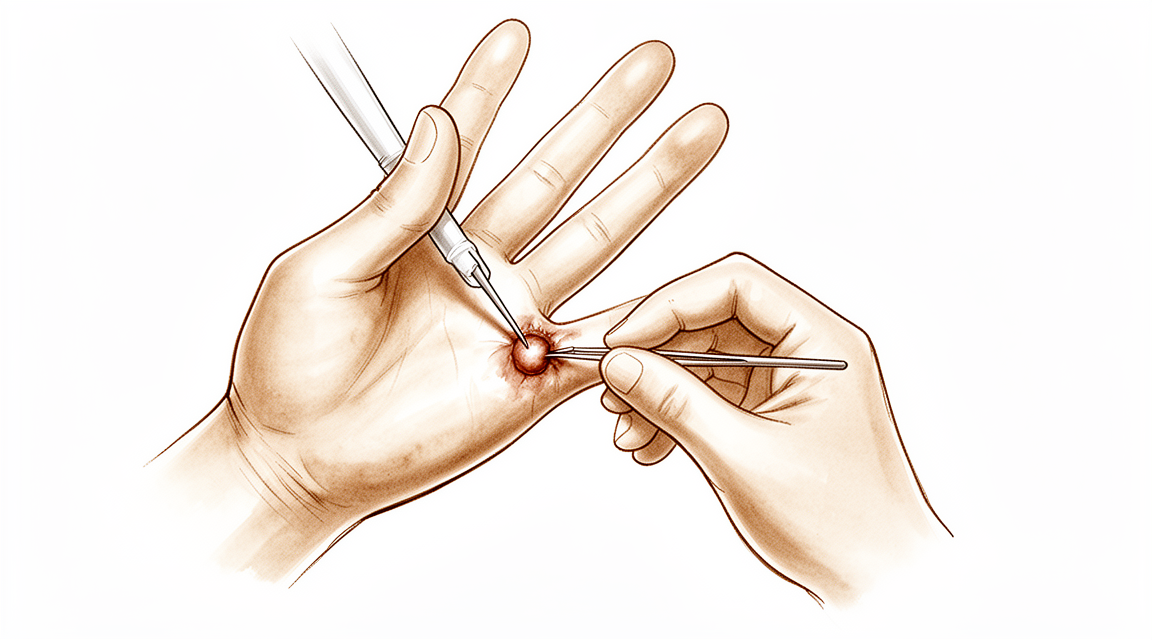
یہ پروٹوکول Mater Private Hospital Rockhampton میں ڈاکٹر کیرن ہِرپرا کے ہاتھوں ٹینڈن کے غلاف کے گینگلیئن سسٹ (flexor sheath ganglion)، یعنی ہاتھ کی ہتھیلی والی طرف انگلی کی جڑ پر ایک سخت سسٹ (سیال سے بھری تھیلی)، کو نکالنے کے چھوٹے آپریشن کے بعد آپ کی صحت یابی میں رہنمائی کرتا ہے۔ یہ آپ کے گھر پر ورزش کے پروگرام سے شروع ہوتا ہے، اور اس کے بعد آپ کے ہینڈ تھراپسٹ (ہاتھ کی بحالی کے ماہر) کے لیے لکھا گیا باقاعدہ طبی پروٹوکول ہے؛ یہ صفحہ یا اس کی پی ڈی ایف تھراپی کی اپنی پہلی ملاقات پر ساتھ لے جائیں تاکہ آپ کی بحالی کا علاج مربوط رہے۔ آپ کا ہینڈ تھراپسٹ آپ کی صحت یابی کی رفتار کے مطابق اس منصوبے میں تبدیلی کر سکتا ہے۔
اگر آپریشن کے بعد آپ کو اپنے زخم کے بارے میں کوئی تشویش ہو تو کلینک سے رابطہ کریں۔ اکثر یہ مددگار ہوتا ہے کہ زخم کی تصویر کھینچ کر جائزے کے لیے ای میل کر دیں۔
کیا توقع رکھیں
ٹینڈن کے غلاف کا گینگلیئن سسٹ (جسے volar retinacular cyst بھی کہتے ہیں) ایک چھوٹی، سخت اور اکثر چھونے پر درد کرنے والی گانٹھ ہے، جو عام طور پر صرف چند ملی میٹر چوڑی ہوتی ہے۔ یہ اس غلاف سے نکلتی ہے جس کے اندر سے انگلی کو موڑنے والے ٹینڈن (tendons)، یعنی وہ مضبوط ڈوریاں جو پٹھے کو ہڈی سے جوڑتی ہیں، گزرتے ہیں، بالکل ہتھیلی والی طرف انگلی کی جڑ پر (عموماً اس سخت پٹی کے اوپر جسے A1 پُلی (pulley)، یعنی وہ پٹی جو ٹینڈن کو ہڈی کے قریب رکھتی ہے، کہا جاتا ہے، اس لکیر پر جہاں انگلی ہتھیلی سے ملتی ہے)۔ یہ غلاف سے جڑی ہوتی ہے اور انگلی موڑنے پر اپنی جگہ سے نہیں ہلتی۔ یہ مکمل طور پر بے ضرر (کینسر والی نہیں) گانٹھ ہے، اور ہاتھ اور کلائی کے زیادہ عام گینگلیئن سسٹوں میں سے ایک ہے۔
یہ آپریشن ایک چھوٹا آپریشن ہے جس میں گانٹھ نکال دی جاتی ہے اور آپ اسی دن گھر جا سکتے ہیں۔ ہتھیلی میں ایک چھوٹے ٹیڑھے میڑھے (zig-zag) چیرے کے ذریعے، ڈاکٹر ہِرپرا سسٹ کو ٹینڈن کے غلاف کے اس چھوٹے سے حصے سمیت نکال دیتے ہیں جس سے وہ نکلا تھا۔ انگلی کے دونوں طرف چلنے والے دو چھوٹے اعصاب اور خون کی نالیوں کو احتیاط سے محفوظ رکھا جاتا ہے۔ خود غلاف کی مرمت نہیں کی جاتی: اسے کھلا چھوڑنا جان بوجھ کر کیا جاتا ہے اور اس سے انگلی کمزور نہیں ہوتی۔ جلد کو ٹانکوں سے بند کیا جاتا ہے۔
چونکہ انگلی کے اندر کسی چیز کو بھرنے کے دوران محفوظ رکھنے کی ضرورت نہیں ہوتی، اس لیے یہ جلد صحت یابی ہے: مہینوں میں نہیں بلکہ ہفتوں میں۔ منصوبہ سادہ ہے: ہتھیلی کے چھوٹے زخم کو محفوظ رکھیں، سوجن پر قابو رکھیں، اور چند دنوں کے اندر انگلی کی ہلکی حرکت شروع کریں تاکہ انگلی اکڑ نہ جائے اور ٹینڈن بھرتے ہوئے زخم کے نشان سے چپک نہ جائیں۔ زخم بھر جانے کے بعد، زخم کے نشان کی مالش اور حساسیت کم کرنے کی مشق (desensitisation) اس جگہ کو پرسکون کرتی ہیں، اور گرفت کو دوبارہ مضبوط کیا جاتا ہے۔ شروع میں زخم کے اردگرد کچھ جھنجھناہٹ یا چھونے پر درد عام ہے کیونکہ جلد کے چھوٹے اعصاب ٹھیک ہو رہے ہوتے ہیں، اور یہ عام طور پر اگلے چند ہفتوں میں ٹھیک ہو جاتا ہے۔
احتیاطیں اور پابندیاں
- زخم بھرنے اور ٹانکے نکلنے تک (عام طور پر تقریباً دن 10 سے 14 تک) زخم کی پٹی کو صاف اور خشک رکھیں۔ کوئی پلستر نہیں ہوتا اور عام طور پر کوئی اسپلنٹ بھی نہیں، بس ایک نرم پٹی ہوتی ہے۔
- پہلے چند دنوں کے اندر انگلی کی ہلکی حرکت (موڑنا، سیدھا کرنا اور ٹینڈن گلائیڈز) ضرور شروع کریں، تاکہ اکڑاؤ اور ٹینڈن کے چپکنے سے بچا جا سکے۔
- ہاتھ کو اونچا ضرور رکھیں اور آرام کی حد میں روزمرہ کے ہلکے کاموں کے لیے اسے استعمال کریں۔
- جب تک زخم ٹھیک نہ ہو جائے (تقریباً دو سے تین ہفتے)، ہرگز نہ زور سے پکڑیں، نہ کوئی چیز اٹھائیں اور نہ زور سے چٹکی بھریں۔
- جب تک زخم پوری طرح بھر نہ جائے، ہرگز نہ زخم کے نشان کی مالش کریں اور نہ ہاتھ کو پانی میں ڈبوئیں۔
- جب تک پٹی کی وجہ سے آپ اسٹیئرنگ کو محفوظ طریقے سے پکڑ نہ سکیں، جو عام طور پر تقریباً پہلا ہفتہ ہوتا ہے، گاڑی ہرگز نہ چلائیں۔
زخم، سوجن اور زخم کے نشان کی دیکھ بھال کے لیے پریکٹس کی زخم کی دیکھ بھال سے متعلق ہدایات دیکھیں۔
آپ کی ورزشیں
Kieran Hirpara 4.0
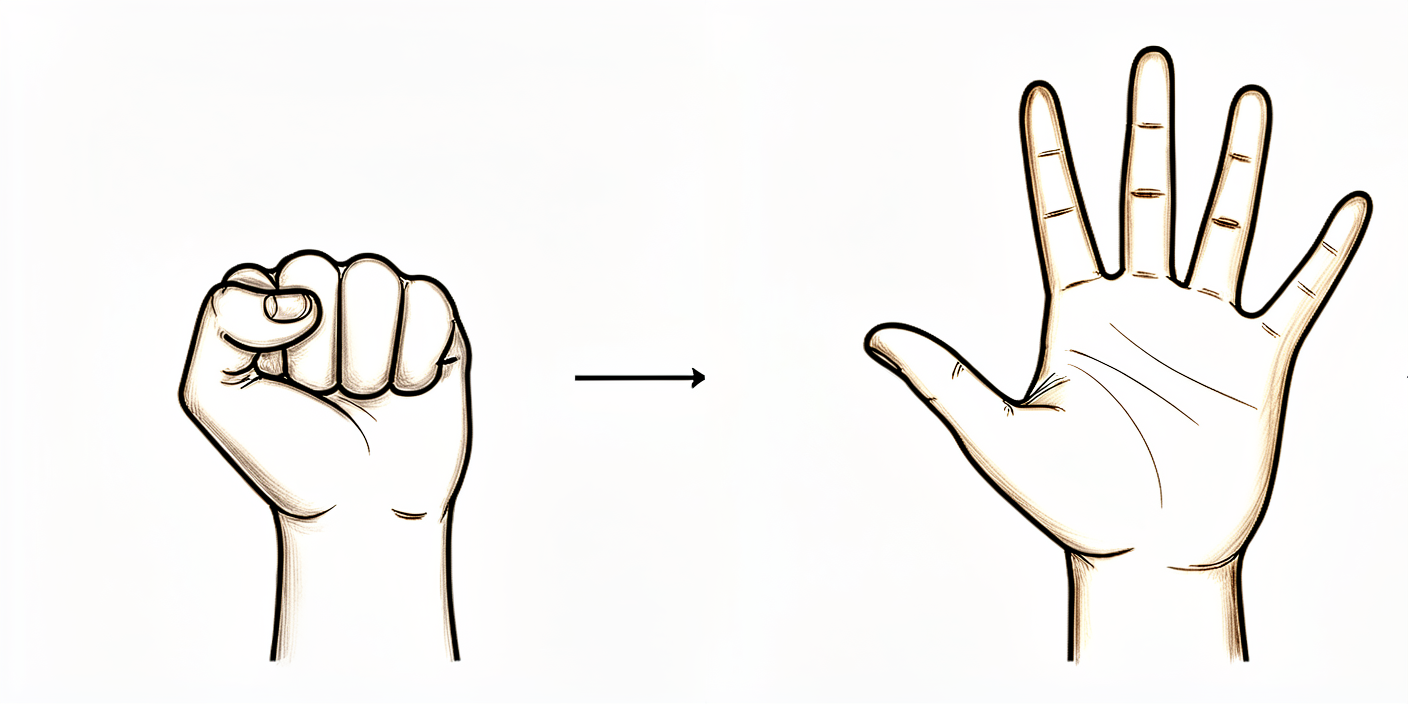
انگلیوں کی حرکت (ہلکی مٹھی بنانا اور سیدھا کرنا)
پہلے چند دنوں کے اندر، آہستہ سے ڈھیلی مٹھی بنائیں اور پھر اپنی انگلیوں کو پوری طرح سیدھا کریں؛ حرکت آہستہ کریں اور صرف اتنی جتنی آرام سے ہو سکے۔ جلد حرکت انگلی کو اکڑنے سے بچاتی ہے اور ٹینڈنوں کو بھرتے ہوئے زخم سے چپکنے نہیں دیتی۔ زبردستی نہ کریں — زخم کی پٹی اور ہلکی سی تکلیف کو اپنا رہنما بنائیں۔
10 بار، دن میں 3 سے 4 مرتبہ، آرام کی حد میں
Kieran Hirpara 4.0
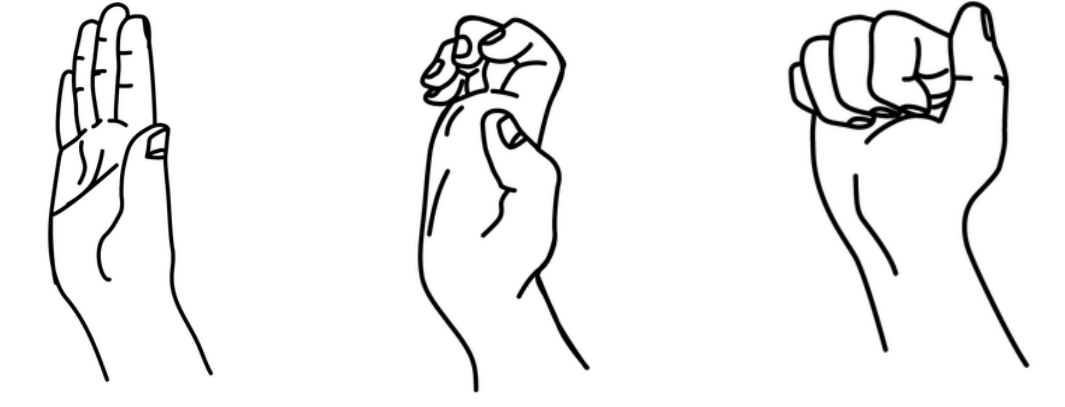
ٹینڈن گلائیڈز (ہک، مٹھی، سیدھا ہاتھ)
اپنی انگلیوں کو تین شکلوں سے گزاریں: ہک (انگلیوں کے سرے اور درمیانی جوڑ موڑیں لیکن جڑ کے جوڑ سیدھے رکھیں، پنجے کی طرح)، پوری مٹھی، پھر چپٹا سیدھا ہاتھ۔ یہ پوزیشنیں انگلی کو موڑنے والے ٹینڈنوں (flexor tendons) کو آپریشن والی جگہ سے کھسکاتی ہیں تاکہ وہ چپکنے کے بجائے آزادی سے کھسکتے رہیں۔ ہر حرکت ہلکی اور بغیر درد کے رکھیں۔
ہر پوزیشن 5 بار، دن میں 3 سے 4 مرتبہ
Kieran Hirpara 4.0
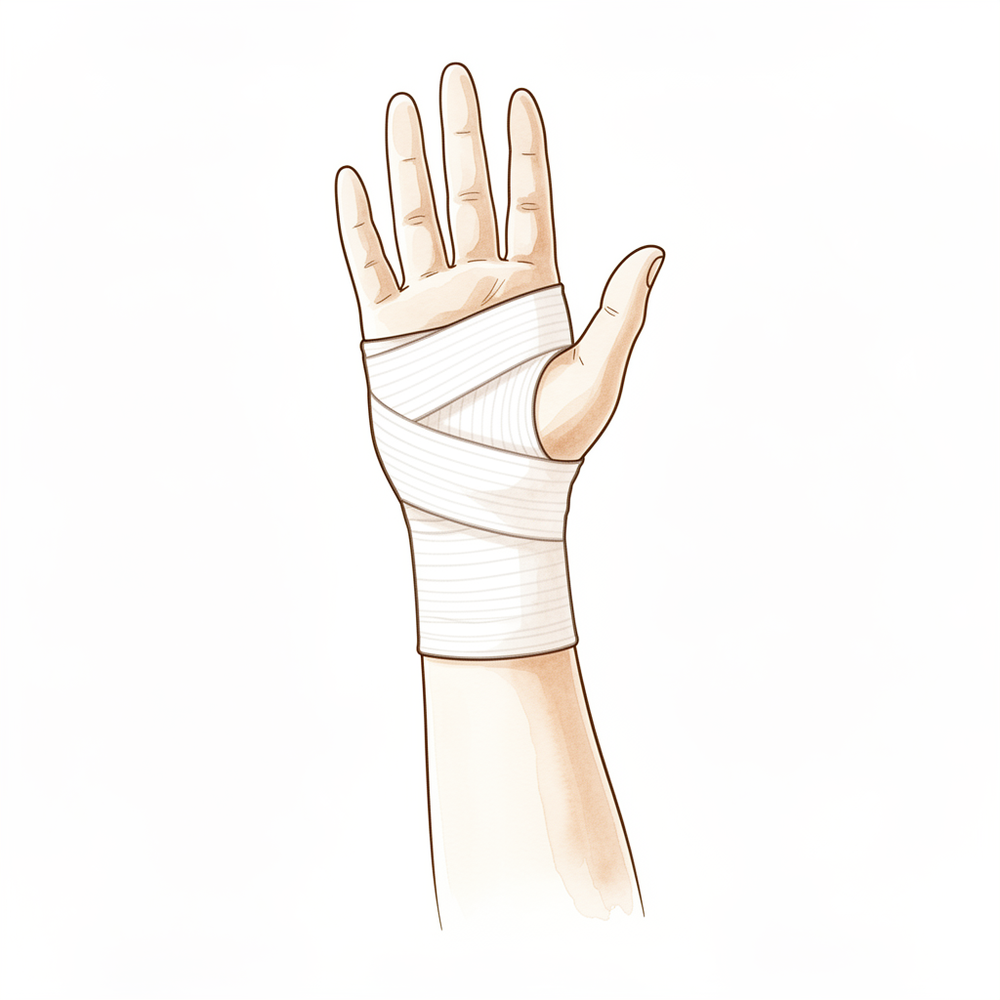
سوجن پر قابو
پہلے ہفتے میں جتنا ہو سکے اپنا ہاتھ دل کی سطح سے اوپر اٹھا کر رکھیں، اور سوجن کو دور کرنے کے لیے انگلیوں کو آہستہ سے کھولیں اور بند کریں۔ کم سوجن کا مطلب ہے انگلی زیادہ آسانی اور آرام سے حرکت کرے گی اور صحت یابی زیادہ ہموار ہو گی۔ شروع میں ہتھیلی کے اردگرد تھوڑی سی سوجن معمول کی بات ہے۔
دن بھر اکثر ہاتھ اونچا رکھیں؛ جاگتے ہوئے تقریباً ہر گھنٹے انگلیوں کو ہلکے سے کھولیں اور بند کریں
Kieran Hirpara 4.0
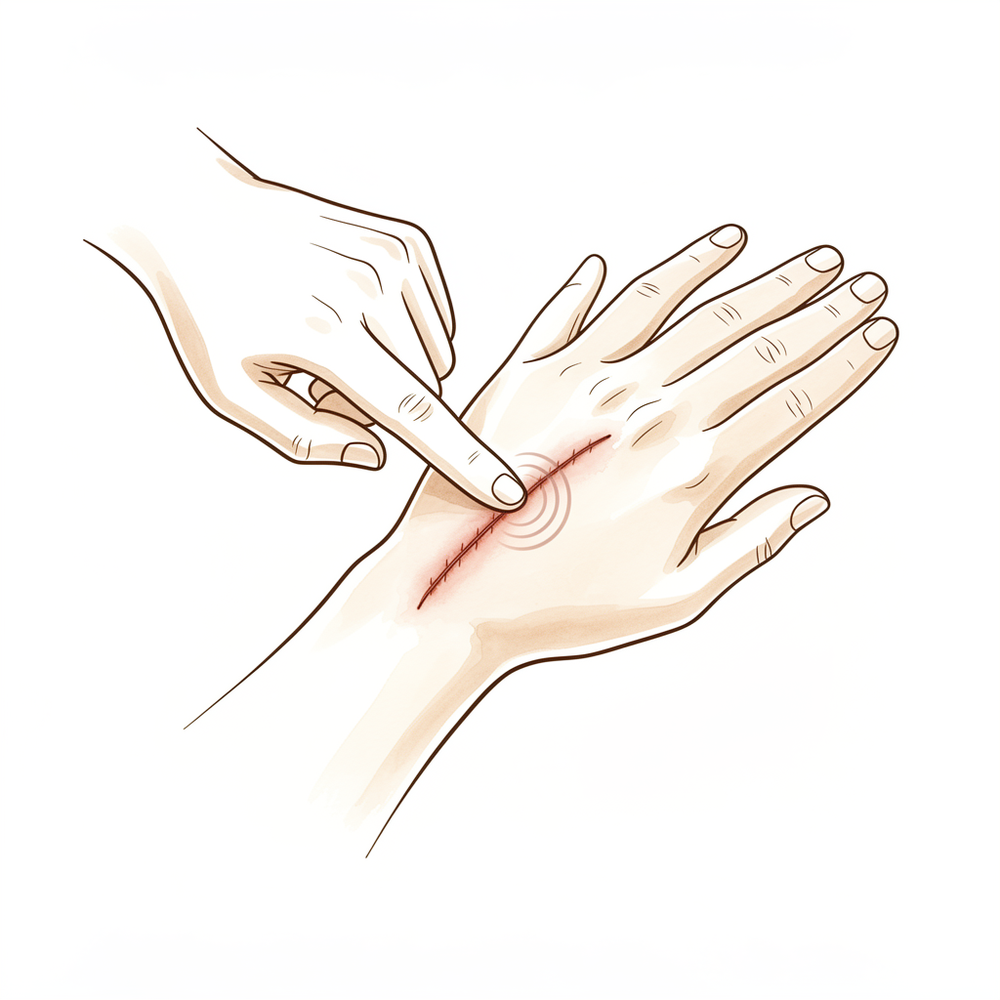
زخم کے نشان کی مالش اور حساسیت کم کرنے کی مشق (desensitisation)
جب زخم پوری طرح بھر جائے اور ٹانکے نکل جائیں (عام طور پر تقریباً دو ہفتے بعد)، تو زخم کے نشان پر تھوڑا سا موئسچرائزر لگا کر چند منٹ تک دباؤ کے ساتھ چھوٹے چھوٹے گول دائروں میں مالش کریں، اور اس جگہ کو مختلف سطحوں سے سہلائیں (پہلے نرم کپڑا، پھر تولیہ)۔ اس سے زخم کا نشان نرم ہوتا ہے اور وہ چھونے پر درد اور جھنجھناہٹ کم ہوتی ہے جو شروع میں جلد کے چھوٹے اعصاب کے ٹھیک ہونے کے دوران عام ہے۔ کھلے یا نہ بھرے ہوئے زخم کی ہرگز مالش نہ کریں۔
چند منٹ، دن میں 2 سے 3 مرتبہ، زخم پوری طرح بھر جانے کے بعد
Kieran Hirpara 4.0
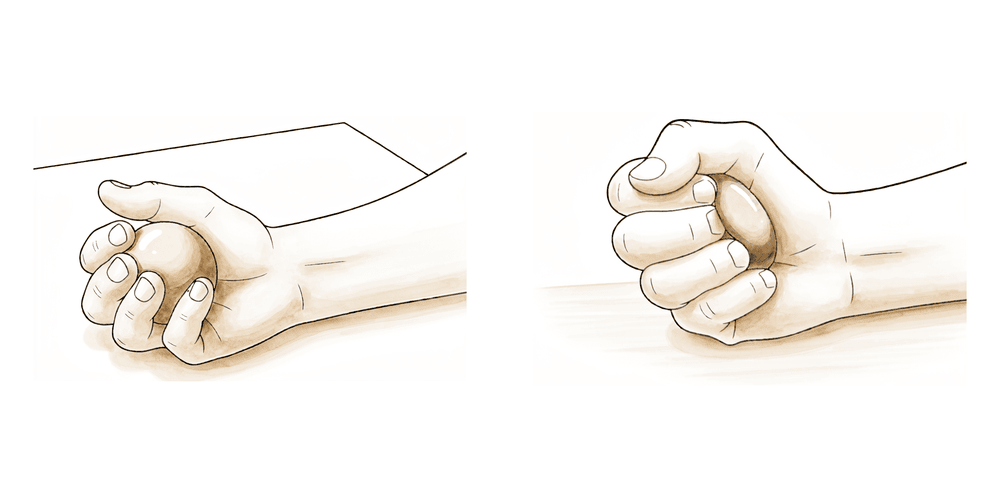
گرفت مضبوط کرنا
یہ بعد کے مرحلے کی ورزش ہے — تقریباً دو سے تین ہفتے بعد شروع کریں، جب زخم ٹھیک ہو جائے اور آپ کا ہینڈ تھراپسٹ مطمئن ہو۔ ایک نرم گیند یا تھراپی پٹی (putty) کو آہستہ سے دبائیں، چند سیکنڈ روکیں، پھر ڈھیلا چھوڑ دیں، اور زور آہستہ آہستہ بڑھائیں۔ اس سے مکمل استعمال کے لیے گرفت دوبارہ مضبوط ہوتی ہے۔ اگر زخم پر تیز درد ہو تو روک دیں۔
10 سے 15 بار دبائیں، دن میں 2 سے 3 مرتبہ (تقریباً 2 سے 3 ہفتے بعد سے)
یہ آپ کے ہینڈ آؤٹ (handout) والی ورزشیں ہیں۔ انہیں صرف ڈاکٹر ہِرپرا اور اپنے ہینڈ تھراپسٹ کی رہنمائی کے مطابق شروع کریں، اور جو بھی پابندیاں آپ کو بتائی گئی ہیں ان کے اندر رہیں۔ ابتدائی ورزشیں (ہلکی مٹھی بنانا اور سیدھا کرنا، ٹینڈن گلائیڈز اور سوجن پر قابو) پہلے چند دنوں کے اندر سے انگلی کو حرکت میں اور ٹینڈنوں کو کھسکتا رکھتی ہیں، اور ہموار صحت یابی کے لیے یہی سب سے اہم چیز ہے۔ زخم کے نشان کی مالش اور حساسیت کم کرنے کی مشق زخم پوری طرح بھر جانے کے بعد شروع ہوتی ہے، اور گرفت مضبوط کرنے کی ورزش تھوڑے بعد کے مرحلے (تقریباً دو سے تین ہفتے بعد سے) کی ہے۔ جو بھی چیز زخم پر تیز درد پیدا کرے، اسے روک دیں۔
آپ کا طبی پروٹوکول
اس صفحے کا باقی حصہ ٹینڈن کے غلاف کے گینگلیئن سسٹ (volar retinacular cyst) کو نکالنے کے بعد بحالی کا مرحلہ وار طبی پروٹوکول ہے۔ یہ حصہ آپ کے ہینڈ تھراپسٹ کو دینا ہے، اور ہر مرحلہ سادہ الفاظ میں اس وضاحت سے شروع ہوتا ہے کہ اس وقت کیا ہو رہا ہے۔ یہ گانٹھ نکالنے کا آپریشن ہے، مرمت نہیں: ٹینڈن کا غلاف کھلا چھوڑ دیا جاتا ہے اور کوئی مرمت شدہ ڈھانچہ (construct) نہیں جسے محفوظ رکھنا ہو۔ یہ پروگرام جلد حرکت کا راستہ ہے، جو زخم کی حفاظت، سوجن (oedema) پر قابو، چپکنے (adhesion) سے بچانے کے لیے ٹینڈن گلائیڈنگ، اور زخم کے نشان / حساسیت کم کرنے کے کام پر مبنی ہے، نہ کہ حرکت روک کر حفاظت (immobilisation) پر۔
علاج سے پہلے آپریشن کی رپورٹ اور مریض کی سابقہ طبی تاریخ دیکھیں، اور متاثرہ انگلی، غلاف کے نکالے گئے حصے کی مقدار اور انگلی کے عصب اور خون کی نالیوں کے گچھوں (digital neurovascular bundles) کی سلامتی کے بارے میں علاج کرنے والے سرجن سے رابطہ کریں۔ ڈاکٹر ہِرپرا یہ آپریشن A1 پُلی / غلاف کے ابتدائی حصے کے اوپر ہتھیلی پر برونر (Bruner، ٹیڑھا میڑھا) چیرے کے ذریعے کرتے ہیں، جس میں سسٹ کو غلاف کے ایک حصے سمیت نکالا جاتا ہے؛ غلاف کی مرمت نہیں کی جاتی اور نرم پٹی کے علاوہ حرکت روکنے کا کوئی انتظام نہیں ہوتا۔ انگلی کے عصب میں عارضی جھنجھناہٹ (paraesthesia) عام ہے اور خود ہی ٹھیک ہو جاتی ہے۔
مرحلہ I — زخم کی حفاظت اور جلد حرکت (ہفتے 0 سے تقریباً 1 تک)
پہلا ہفتہ ہتھیلی کے چھوٹے زخم کی حفاظت کرتا ہے اور انگلی کو جلد حرکت میں لاتا ہے تاکہ وہ اکڑ نہ جائے اور ٹینڈن نہ چپکیں۔ ہاتھ کو بغیر اسپلنٹ کے ایک موٹی نرم پٹی میں رکھا جاتا ہے، اونچا رکھا جاتا ہے، اور چند دنوں کے اندر انگلی کی ہلکی فعال حرکت شروع کر دی جاتی ہے۔
آپ کے ہینڈ تھراپسٹ کے لیے:
آگاہی اور احتیاطیں - صرف موٹی نرم پٹی، کوئی اسپلنٹ نہیں؛ ٹانکے نکلنے تک (تقریباً دن 10 سے 14 تک) صاف اور خشک رکھیں - زخم کو بھاری بوجھ سے بچائیں؛ آرام کی حد میں، بغیر بوجھ کے، ہاتھ کا ہلکا استعمال - مریض کو بتائیں کہ زخم کے اردگرد انگلی کے عصب میں عارضی جھنجھناہٹ / زیادہ حساسیت (paraesthesia / hypersensitivity) عام ہے اور خود ہی ٹھیک ہو جاتی ہے
علاج کا طریقہ - زخم: ہدایت کے مطابق آپریشن کی پٹی؛ انفیکشن پر نظر رکھیں - سوجن: دل کی سطح سے اوپر اونچا رکھنا، انگلیوں کو ہلکے سے کھولنا بند کرنا (pumping)، ضرورت کے مطابق برف - ورزشیں: چند دنوں کے اندر انگلی کی ہلکی فعال حرکت کی حد (active range of motion، AROM) (ہلکی پوری مٹھی اور مکمل سیدھا کرنا) اور ٹینڈن گلائیڈز (ہک / مٹھی / سیدھا ہاتھ) شروع کریں؛ غیر متاثرہ انگلیوں، انگوٹھے اور کلائی کی فعال حرکت؛ ہلکا روزمرہ استعمال
اگلے مرحلے میں جانے کی شرائط - زخم ٹھیک ہو رہا ہو، کوئی انفیکشن نہ ہو؛ ابتدائی فعال حرکت آرام سے ہو رہی ہو؛ زخم کی اجازت کے مطابق مکمل فعال / ہلکی غیر فعال حرکت کے لیے تیار
مرحلہ II — مکمل حرکت، سوجن اور زخم کے نشان پر کام (ہفتے تقریباً 1 سے 3 تک)
تقریباً ایک ہفتے سے، حرکت کو مکمل فعال اور ہلکی غیر فعال (passive، یعنی دوسرے ہاتھ یا تھراپسٹ کی مدد سے) حد (پوری مٹھی اور مکمل سیدھا کرنا) تک بڑھایا جاتا ہے، اور جب زخم پوری طرح بھر جائے اور ٹانکے نکل جائیں تو زخم کے نشان کی مالش اور حساسیت کم کرنے کی مشق شروع ہوتی ہے۔ سوجن پر قابو جاری رہتا ہے۔
آپ کے ہینڈ تھراپسٹ کے لیے:
معائنہ - انگلی کی فعال اور غیر فعال حرکت کی حد (ROM) (ہدف: پوری مٹھی اور مکمل سیدھا کرنا)؛ زخم / زخم کے نشان کی حالت؛ سوجن؛ انگلی کے عصب کی حساسیت
آگاہی اور احتیاطیں - آرام کے مطابق انگلی کی مکمل فعال اور ہلکی غیر فعال حرکت کی طرف بڑھیں - زخم کے نشان کی مالش اور حساسیت کم کرنے کی مشق صرف زخم پوری طرح بھر جانے کے بعد شروع کریں - جب تک زخم ٹھیک نہ ہو جائے، نہ زور سے پکڑیں اور نہ زور سے چٹکی بھریں
علاج کا طریقہ - ورزشیں: پوری مٹھی اور مکمل سیدھا کرنا؛ ٹینڈن گلائیڈز جاری؛ باقی رہ جانے والی کسی بھی جکڑن میں ہلکا غیر فعال اسٹریچ - زخم کا نشان: بھر جانے کے بعد زخم کے نشان کی مالش + مختلف سطحوں سے حساسیت کم کرنے کی مشق؛ ضرورت کے مطابق سوجن کا علاج
اگلے مرحلے میں جانے کی شرائط - مکمل اور بغیر درد کے فعال حرکت؛ زخم بھر چکا ہو؛ زخم کا نشان نرم ہو رہا ہو؛ بوجھ ڈالنے کے لیے تیار
مرحلہ III — طاقت بڑھانا اور معمول پر واپسی (ہفتے تقریباً 3 سے 6 تک)
جب زخم بھر جائے اور حرکت مکمل ہو (تقریباً تین ہفتے)، تو گرفت اور چٹکی کی گرفت کو مضبوط کرنے کا کام شروع ہوتا ہے اور اسے آہستہ آہستہ بڑھا کر بغیر کسی پابندی کے مکمل استعمال تک لے جایا جاتا ہے۔ زیادہ تر مریض تقریباً چار سے چھ ہفتے تک مکمل سرگرمی پر واپس آ جاتے ہیں، اور تقریباً دو ماہ پر معمول کا فالو اپ معائنہ ہوتا ہے۔
آپ کے ہینڈ تھراپسٹ کے لیے:
معائنہ - دوسری طرف کے مقابلے میں گرفت اور چٹکی کی گرفت؛ زخم کے نشان پر باقی رہ جانے والا چھونے پر درد یا حساسیت؛ روزمرہ اور مخصوص کاموں کی ضروریات
آگاہی اور احتیاطیں - زخم ٹھیک ہو جانے پر تقریباً 2 سے 3 ہفتے سے گرفت اور چٹکی کی گرفت کو مضبوط کرنا شروع کریں؛ بوجھ آہستہ آہستہ بڑھائیں - آرام اور طاقت کے مطابق بغیر پابندی کے مکمل استعمال کی طرف بڑھیں
علاج کا طریقہ - ورزشیں: پٹی (putty) / نرم گیند دبانا، چٹکی کی گرفت مضبوط کرنا، روزمرہ کاموں کا بوجھ بتدریج بڑھانا؛ زخم کے نشان اور حساسیت کم کرنے کا باقی کام جاری رکھیں - جب حرکت مکمل ہو اور گرفت آرام دہ اور دوسرے ہاتھ کے تقریباً برابر ہو تو تھراپی سے فارغ کریں؛ تقریباً 2 ماہ پر سرجن کے ساتھ معمول کا فالو اپ - اگر صحت یابی رک جائے، زخم کا نشان بہت زیادہ حساس رہے، یا گانٹھ کے دوبارہ بننے کا خدشہ ہو تو علاج کرنے والے ڈاکٹر کے پاس واپس بھیجیں
مکمل واپسی کی شرائط - مکمل اور بغیر درد کے حرکت؛ آرام دہ گرفت اور چٹکی کی گرفت؛ زخم کا نشان ٹھیک ہو چکا ہو؛ کام اور سرگرمیوں کی ضروریات پوری کرنے کے قابل
کام اور سرگرمیوں پر واپسی
روزمرہ کے ہلکے کاموں (کھانا کھانا، لکھنا، اپنی ہلکی پھلکی دیکھ بھال) کے لیے ہاتھ کے استعمال کی حوصلہ افزائی شروع سے کی جاتی ہے، آرام کی حد میں، جب تک اس میں زخم پر زور ڈالنے والی مضبوط گرفت یا زبردستی چٹکی بھرنا شامل نہ ہو۔ زیادہ تر لوگ چند دنوں کے اندر روزمرہ کے کام کر لیتے ہیں۔ گاڑی چلانا عام طور پر تقریباً ایک ہفتے سے دوبارہ شروع ہوتا ہے، جب آپ اسٹیئرنگ کو آرام سے پکڑ اور قابو میں رکھ سکیں اور پٹی آپ کے لیے رکاوٹ نہ رہے؛ اس کی تصدیق آپ کے معائنے پر ڈاکٹر ہِرپرا سے کی جاتی ہے۔
گرفت اور طاقت کی ورزشیں تقریباً دو سے تین ہفتے سے شروع ہوتی ہیں، جب زخم ٹھیک ہو جائے، اور انہیں آہستہ آہستہ بڑھایا جاتا ہے۔ بغیر پابندی کے مکمل سرگرمی عام طور پر تقریباً چار سے چھ ہفتے تک ممکن ہو جاتی ہے۔ دفتری کام اکثر چند دنوں سے ایک ہفتے کے اندر دوبارہ شروع ہو سکتا ہے؛ زیادہ جسمانی مشقت والا کام آپ کی گرفت واپس آنے کے ساتھ اسی مرحلہ وار ترتیب سے ہوتا ہے۔ عام طور پر تقریباً دو ماہ پر معمول کا فالو اپ معائنہ رکھا جاتا ہے۔
پروٹوکول کے بعد
یہ پروٹوکول پریکٹس کی صحت یابی سے متعلق عمومی ہدایات کے ساتھ مل کر کام کرتا ہے: آپریشن کے بعد درد پر قابو، زخم کی دیکھ بھال اور زخم کے نشان کی دیکھ بھال دیکھیں۔ چونکہ یہ گینگلیئن سسٹ انگلی کی جڑ پر A1 پُلی کے اوپر ہوتا ہے، اس لیے اس کی صحت یابی ہتھیلی کی طرف انگلی کی جڑ پر ہونے والے دوسرے چھوٹے آپریشنوں، جیسے ٹریگر فنگر ریلیز (انگلی کے اٹکنے کا آپریشن)، سے بہت ملتی جلتی ہے۔ اوپر دیا گیا مرحلہ وار منصوبہ گینگلیئن سسٹ نکالنے کے بعد کی شائع شدہ رہنمائی کی عکاسی کرتا ہے، اور آپ کی جاری صحت یابی میں ڈاکٹر ہِرپرا اور آپ کا ہینڈ تھراپسٹ آپ کی انگلی کی پیش رفت کے مطابق انفرادی طور پر رہنمائی کرتے ہیں۔
Evidence & references
This is the clinical evidence summary written for health professionals. It is technical, and it lists the research this page was built from. You do not need to read it to understand your treatment or to make a decision about it.
Flexor Sheath Ganglion Excision — Lesion, Procedure Outcomes & Post-operative Rehabilitation (Volar Retinacular Cyst)
Topic scope: post-operative rehabilitation after surgical excision of a flexor tendon sheath ganglion (volar retinacular cyst / "seed" ganglion) at the base of a finger — a small, firm, often tender cyst arising from the flexor sheath, commonly over the A1 pulley at the metacarpophalangeal crease of the middle or ring finger. This is an excision, not a reconstruction: the cyst is removed with a small cuff of sheath, the sheath is not repaired, and there is no construct to protect — so the rehab is a brief early-motion pathway built around wound protection, oedema control, tendon gliding and scar/desensitisation work rather than months of protected healing.
Defining principle of the rehab here: a flexor sheath ganglion is a benign cyst tethered to the tendon sheath; excising it (with a cuff of sheath) removes the lesion without creating anything that needs to heal under protection. The sheath is meant to be left open — partial sheath excision does not weaken the digit or cause bowstringing at this level — so immediate, unrestricted light use and early gentle finger motion are the default. The therapy programme exists to keep the flexor tendons gliding through the healing palm wound so they do not adhere, to settle the transient digital-nerve hypersensitivity that commonly follows dissection between the neurovascular bundles, and to mature the scar — not to immobilise. The single branch point is wound healing: scar massage and grip loading wait until the wound is healed and sutures are out.
A. PROCEDURE OUTCOMES (excision of flexor sheath ganglion)
Excision of a flexor sheath ganglion is a small, reliable day-case hand operation: the great majority of patients are rendered symptom-free with a low recurrence rate, and the principal trade-off is the common but self-limiting transient digital-nerve paraesthesia from dissecting the cyst out from between the digital neurovascular bundles.
- Flexor sheath (volar retinacular) ganglions are a well-defined, common entity. They account for roughly 5–16% of ganglions of the hand and wrist, presenting as a small (typically 3–8 mm), firm, often tender nodule fixed to the flexor sheath at the digit base — classically over the A1/A2 pulley region — that does not move with the tendon [JAAOS 2022; JAAOS 1999; Hand Clin 2004]. Well-established (lesion nature).
- Surgical excision gives reliable symptom relief with low recurrence. Level-IV case series of flexor sheath / volar retinacular ganglion excision report durable resolution and low recurrence after complete excision of the cyst with a cuff of sheath; recurrence is the main long-term concern and is uncommon when the lesion and its sheath origin are fully removed [Hand 2007; J Hand Surg series; PMC surgical series]. Moderate (level-IV case series).
- Transient digital-nerve paraesthesia is the principal complication. Because the cyst sits immediately deep to, and is dissected free from, the digital nerves, temporary numbness or tingling in the finger is the commonest reported post-operative event; it is typically self-limiting and settles over weeks. True nerve injury is rare with careful protection of both bundles [Hand 2007; volar retinacular series; Medscape]. Moderate (case series + expert review).
- Partial excision of the sheath is biomechanically tolerated. Removing the cyst with a small cuff of the flexor sheath at the A1 level does not produce clinically significant bowstringing or weakness, which is the anatomical basis for not repairing the sheath and for an early-motion rehab without protected immobilisation [Hand Clin 2004 (palmar digital ganglia / A1–A2 origin)]. Mechanistic.
B. REHABILITATION / THERAPY EVIDENCE
There are no randomised rehab trials specific to flexor sheath ganglion excision; the post-operative programme is low-level / expert-consensus, but it is strikingly consistent across hand-therapy and surgical sources: dressing only (no splint), early gentle finger motion within days, tendon gliding to prevent adhesion, scar massage and desensitisation once healed, and return to full use by ~4–6 weeks.
- Dressing-only, no routine splinting. Aftercare guidance for ganglion (including flexor sheath) excision describes a soft dressing with no immobilisation, with the patient encouraged to move the finger early — there is no construct to protect, so splinting is not required and would risk stiffness [MSA aftercare; Medscape]. Weak / consensus.
- Early active finger motion and tendon gliding prevent stiffness and adhesion. Starting gentle active fist/extension and tendon glides within the first few days keeps the flexor tendons gliding through the palm wound so they do not adhere to the healing scar — the same adhesion-prevention rationale that underpins early-motion hand rehab generally. The benefit is mechanistic / consensus rather than trial-proven for this lesion [hand-therapy aftercare sources]. Weak (mechanism sound).
- Scar massage and desensitisation, started once healed, settle the wound and digital-nerve hypersensitivity. Palm scars at the digit base are prone to tenderness, and the transient digital-nerve paraesthesia from the dissection responds to graded desensitisation; both begin only after the wound is fully healed and sutures are out (~day 10–14) [MSA aftercare; Medscape]. Weak / consensus.
- Grip loading and full return are early. Because nothing is repaired, gripping and strengthening begin once the wound has settled (~2–3 weeks) and full unrestricted use is typically reached by ~4–6 weeks, with routine follow-up around two months — consistent across aftercare sources [MSA aftercare; PMC series; Medscape]. Weak / consensus.
Recovery trajectory (expected, evidence-anchored)
| Phase | Window | Restraint | Hand use / therapy focus | Strength / load | Notes |
|---|---|---|---|---|---|
| I — Wound protection & early motion | Week 0–1 | Soft dressing, no splint | Elevate above heart; gentle active fist + full extension and tendon glides within a few days; protect wound; light functional use | Light unloaded use only | Transient digital-nerve tingling is expected, not a complication |
| II — Full motion, oedema & scar work | Week ~1–3 | Heavy-grip avoidance | Progress to full active + gentle passive motion (full fist, full extension); scar massage + desensitisation once wound healed; oedema control | No forceful gripping/pinching until wound settled | Sutures out ~day 10–14; scar work only after full healing |
| III — Strengthening & return | Week ~3–6 | Restrictions lifted | Progress grip/pinch loading; task-specific use | Grip/pinch strengthening from ~2–3 wk; full unrestricted use by ~4–6 wk | Routine follow-up ~2 months; driving ~1 wk once gripping the wheel comfortably (surgeon discretion) |
(Phase windows mirror the precautions and return milestones in the patient protocol; they are typical guides, not trial-derived deadlines.)
C. KEY CONTROVERSIES / EVIDENCE QUALITY
- Lesion nature is well-established. The flexor sheath / volar retinacular ganglion is a recognised, characterised entity (firm, sheath-tethered, A1-pulley region, 5–16% of hand/wrist ganglions); its diagnosis and origin are not in dispute. Strong (descriptive).
- Excision outcomes are good but evidenced at level IV. Low recurrence and reliable symptom relief come from case series, not controlled trials — adequate for a small benign lesion, but the evidence tier is modest. Moderate (level-IV).
- Transient digital-nerve paraesthesia vs true nerve injury. Temporary tingling is common and self-limiting; framing it for patients up front avoids alarm, while careful intra-operative protection of both neurovascular bundles keeps true injury rare. Moderate.
- The rehab protocol is consensus, not trial-derived. No RCTs govern post-excision therapy; the dressing-only, early-motion, scar-care, ~4–6-week-return pathway is consistent across sources but rests on expert consensus and the general principles of early-motion hand rehab. Weak / consensus.
- Recurrence is the main long-term failure mode and is uncommon after complete excision of the cyst with its sheath origin; a residual or recurrent lump warrants reassessment rather than prolonged therapy. Moderate.
D. EVIDENCE STRENGTH FLAGS (summary)
- WELL-ESTABLISHED (descriptive): the nature, location and prevalence (5–16% of hand/wrist ganglions) of flexor sheath / volar retinacular ganglions.
- MODERATE (level-IV case series): reliable symptom relief and low recurrence after excision; transient digital-nerve paraesthesia as the principal, self-limiting complication; recurrence as the main long-term failure mode.
- WEAK / CONSENSUS: the dressing-only, early-motion, scar-care rehab programme and its phase timings (consistent across aftercare sources, mechanistically rationalised, but not trial-derived); ~4–6-week full return and ~1-week driving (surgeon discretion).
CITATIONS
RAG corpus (180,000+ Orthopaedic articles)
- Ganglions of the hand and wrist. J Am Acad Orthop Surg. 2022. DOI: 10.5435/jaaos-d-22-00105
- Ganglions of the hand and wrist. J Am Acad Orthop Surg. 1999. DOI: 10.5435/00124635-199907000-00003
- Surgical excision of flexor sheath ganglions of the hand: results and outcomes. Hand (N Y). 2007. DOI: 10.1007/s11552-007-9028-4
- Volar retinacular ganglions of the hand: a clinical series. J Hand Surg Am. 2011. DOI: 10.1016/j.jhsa.2011.05.013
- Palmar digital ganglia and the A1–A2 sheath origin. Hand Clin. 2004. DOI: 10.1016/j.hcl.2004.03.015
Flexor sheath ganglion / rehabilitation literature (URLs)
- Surgical excision of flexor sheath ganglions — case series (full text). PMC. https://pmc.ncbi.nlm.nih.gov/articles/PMC2527143/
- Volar retinacular ganglions of the hand. Journal of Hand Surgery (American). https://www.jhandsurg.org/article/S0363-5023(11)00627-7/abstract
- Ganglion cyst excision — post-operative aftercare (dressing-only, early motion, scar care, ~4–6 week return). Mississippi Sports & Arthritis (MSA) Hand Center. https://msapc.com/hand-center/aftercare/ganglion-cyst-excision/
- Ganglion treatment (surgical excision, recurrence and transient digital-nerve paraesthesia). Medscape. https://emedicine.medscape.com/article/1243525-treatment