Skip to content

Patients › Rehabilitation

指间关节融合术

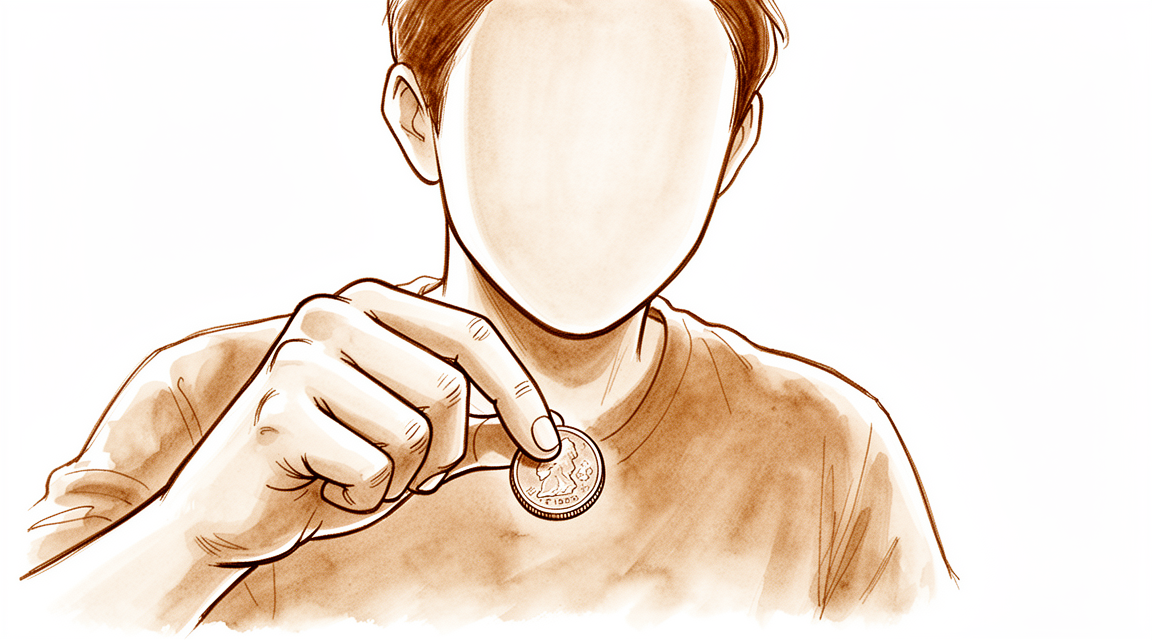
小指尖端近指甲关节(指间关节)融合术(关节融合术)后的保护性康复计划:在指尖夹板固定的同时,保持其他关节活动并控制肿胀,待骨性愈合后逐步重建捏力和握力。

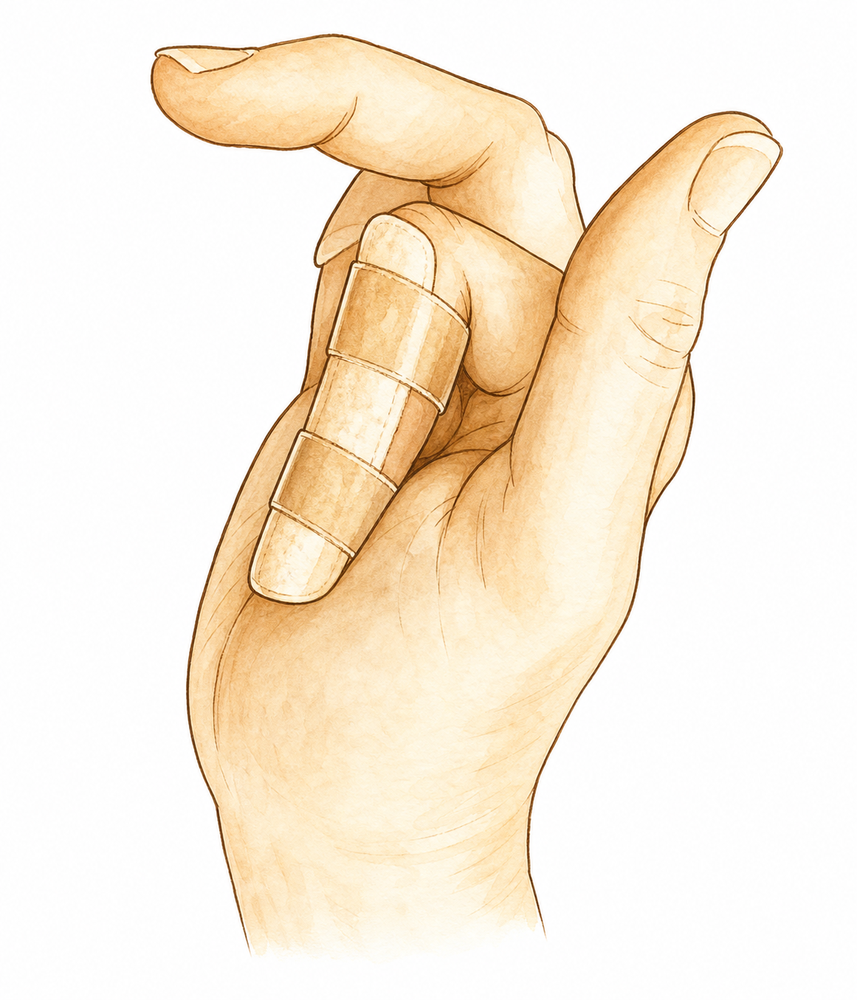
指端关节(即远端指间关节,DIP关节)融合为单一坚固结构,固定于轻微屈曲的功能位。
指间关节(DIP)融合术将靠近指甲的小关节固定在一个微屈的、坚固且无痛的整体中;在最初几周内,骨骼逐渐愈合,使该关节不再活动。 Kieran Hirpara 4.0

本页面由机器翻译,尚未经临床医生审核。英文版本为权威版本。

本方案由基兰·希尔帕拉(Kieran Hirpara)医生在罗克汉普顿 Mater 私人医院为您制定,旨在指导远端指间关节(DIP)融合术(关节融合术)后的康复过程。该手术将手指最尖端、靠近指甲处的小关节永久固定。方案首先介绍您的家庭锻炼计划,随后附上专为您的手部治疗师撰写的结构化临床方案:请将此页面或其 PDF 文件带给您的首次治疗访视,以确保康复过程协调一致。您的治疗师可能会根据您的康复进展调整计划。

如果您在术后对伤口有任何疑虑,请联系诊所。拍摄伤口照片并通过电子邮件发送以供审查通常很有帮助。

预期情况

当靠近指甲的小关节因磨损而疼痛时(通常由骨关节炎引起,表现为称为赫伯登结节的骨性隆起),或为了连同其下方的骨赘一并切除令人困扰的黏液囊肿,会进行远端指间关节(DIP)融合术。该手术并非试图让疼痛且受损的关节继续活动,而是将其牢固融合在略微弯曲的功能位(约35°)。从设计上看,该关节将永久不再活动,作为交换,疼痛消失,指尖变得稳定且有力,可用于捏持。固定通常使用一根埋入式无头螺钉,永久留存(无需取出),有时则使用克氏针,约在六周后取出。如果切除了黏液囊肿,在愈合期间您还需要进行皮肤或甲褶护理。

整个康复计划基于一个简单理念:在骨骼愈合前保护融合处,但保持其他所有关节活动。 骨骼通常在六至八周时感觉已愈合,X线片在约十周时显示愈合。在此之前:

  • 融合的指尖需夹板固定并加以保护,以免干扰愈合中的骨骼。
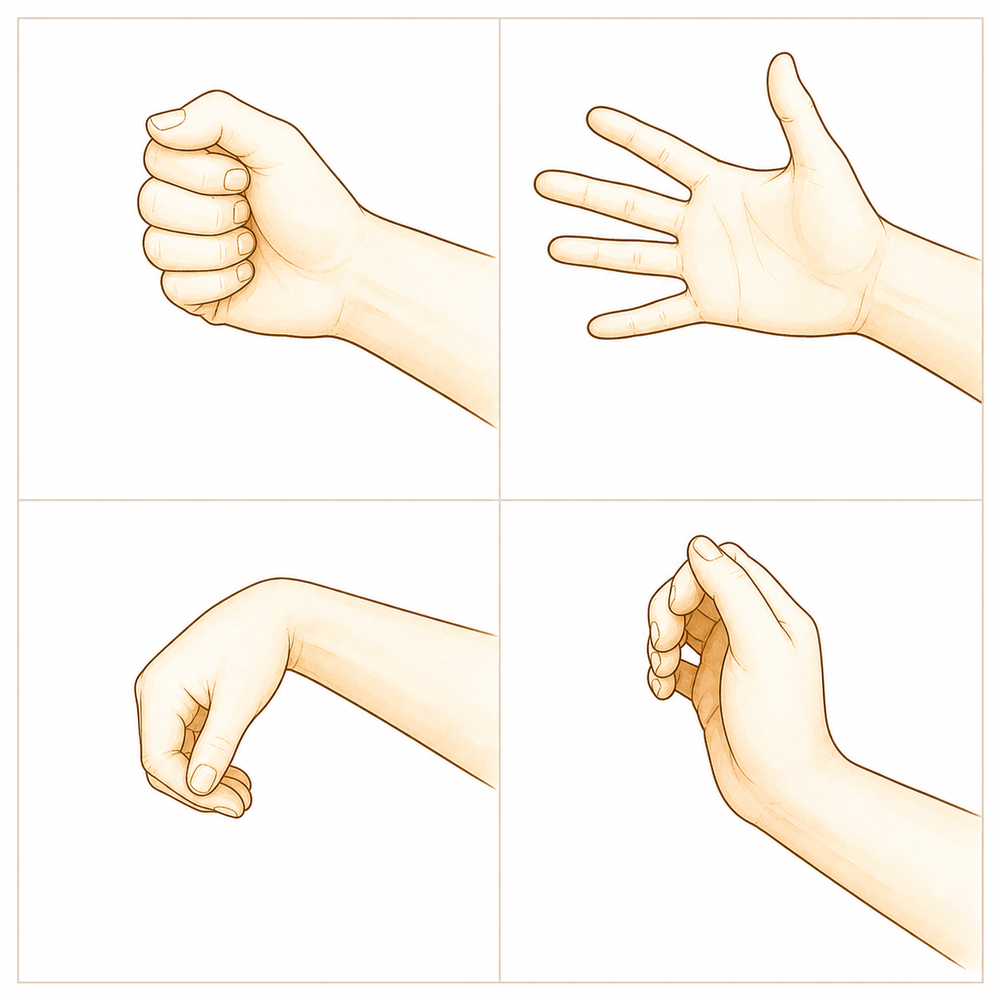
  • 其他所有关节保持活动: 手指的中节关节、掌指关节、拇指、手腕以及所有其他手指,以防止手部僵硬。
  • 控制肿胀管理瘢痕,使手指保持舒适且柔软。
  • 一旦骨骼愈合,捏力和握力将逐步重建,而非一次性恢复。

注意事项与限制

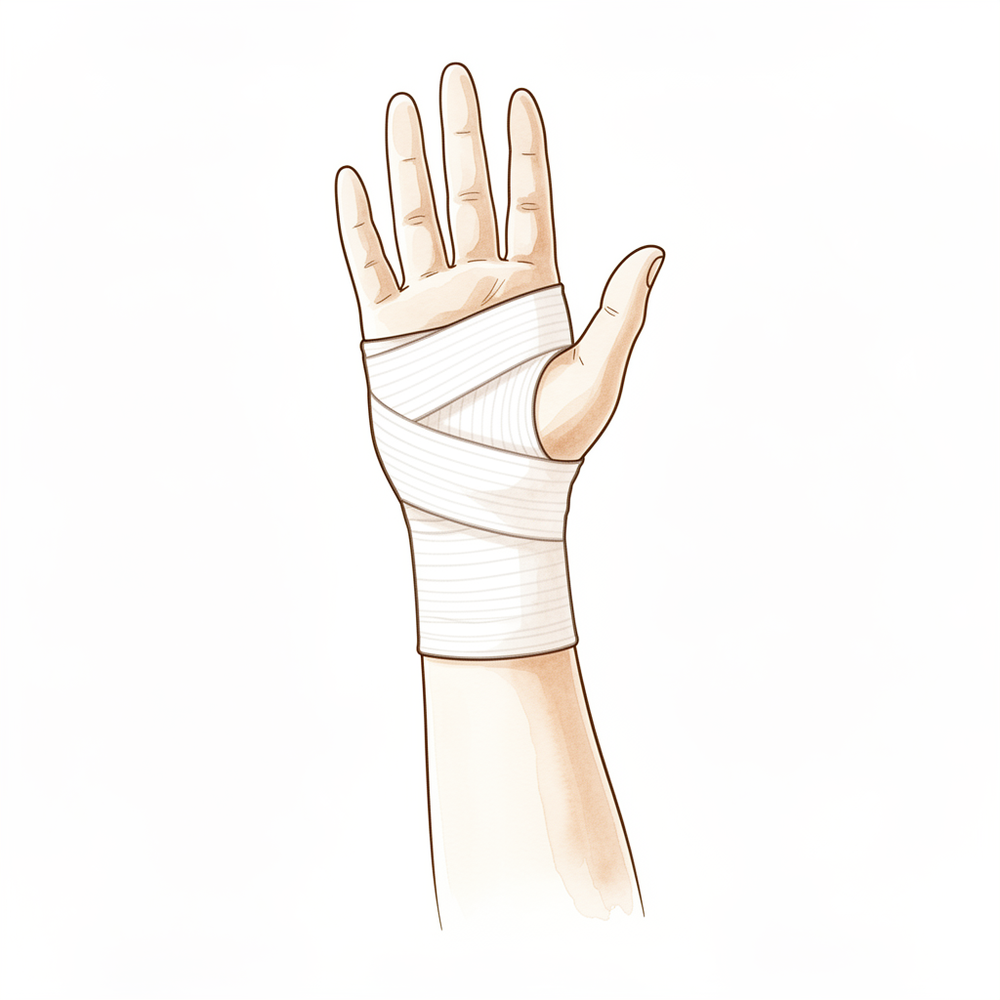
  • 按医嘱佩戴指尖夹板。 早期需持续佩戴;后期仅在活动时佩戴。夹板可使已融合的关节保持静止,但手指的中节指间关节(PIP)保持活动自由
  • 在融合完成并经医生许可前,切勿用患指进行强力抓握、用力捏取或提举重物;前六周内负重应控制在约 1 公斤(≈2 磅)
  • 从即刻起保持其余各关节活动: 包括手指的中节指间关节和掌指关节、拇指、腕关节以及所有其他手指。
  • 保持敷料干燥并抬高患手 10–14 天以减轻肿胀;若切除了黏液囊肿,请遵循任何关于甲皱襞或囊肿切除部位的护理指导。
  • 若留有克氏针(K-wire),请保护该针并保持区域清洁,直至约 六周 时拔除;埋入式螺钉则无需取出。
  • 切勿在拆除厚重夹板并能够安全抓握和控制方向盘之前驾驶车辆,通常需等到约 六周,具体由您的主刀医生决定。

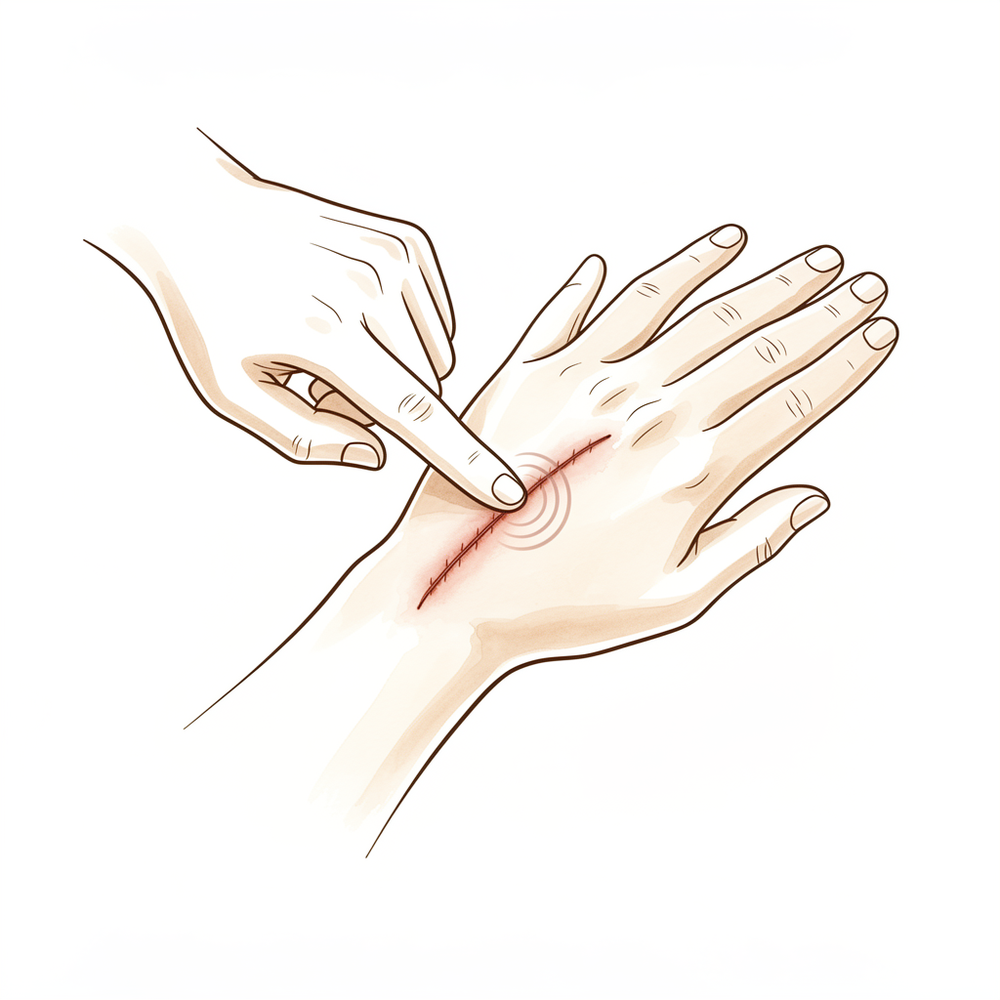
关于伤口、肿胀和瘢痕管理,请参阅诊所的 伤口护理 指南。

您的锻炼

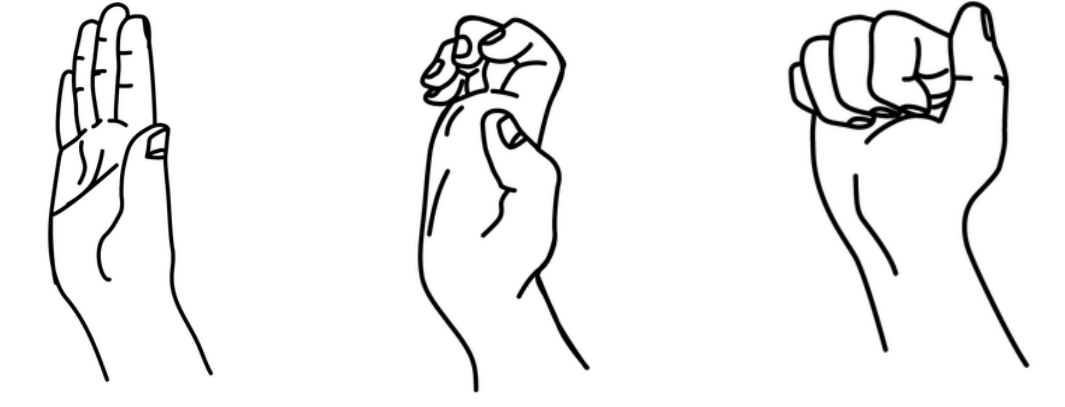
这些是您讲义中的锻炼项目。仅在 Hirpara 医生和您的手部治疗师的指导下开始进行,并严格遵循您被给予的任何限制。早期锻炼旨在保持手部其余部分自由活动,同时不干扰已融合的指尖:包括融合部位两侧关节的活动、所有其他手指、拇指和手腕的活动、肌腱滑动练习以及控制肿胀。握力和捏力强化属于后期阶段,必须在 X 光显示融合处已愈合且您获得明确许可后方可开始。如果任何动作引起指尖剧烈疼痛,请立即停止。

您的临床方案

本页面其余部分为指间关节(远端指间关节,DIP)融合术后的分阶段康复临床方案。本节内容将提供给您的手部治疗师,每个阶段均以通俗易懂的语言解释当前阶段的治疗重点。核心原则是:在骨性愈合前保护融合部位,同时保持其他所有关节的活动度:使用P2–P3夹板将DIP关节固定于伸直位,而近端指间关节(PIP)保持自由活动;管理水肿和瘢痕组织;仅在确认骨性愈合后,才逐步恢复捏力和握力训练。

治疗前,请查阅患者的手术记录和既往病史,并与主刀医生沟通内固定方式(空心加压螺钉,埋置,无需取出;或克氏针,约6周后取出)、融合位置(轻度屈曲,可达约35°),以及是否进行了黏液囊肿切除及皮肤/甲襞切除。临床愈合通常在6–8周时出现,影像学愈合约在10周时出现;以下康复时间表基于低级别专家共识,具体实施需遵从主刀医生的判断,并在夹板逐步停用及开始负重训练前,经X线确认骨性愈合。

第一阶段——保护与稳定(第0至2周)

最初两周旨在保护新固定的融合部位,控制肿胀并促进伤口愈合,同时保持所有未受累关节的活动度,防止僵硬。

致手部治疗师:

教育与注意事项 - 术后前 10–14天 使用厚敷料/夹板并抬高患肢;保持敷料干燥 - 保护融合部位;禁止对手术指尖施加负荷 - 若存在克氏针,需保护针道;酌情检查甲皱/囊肿切除伤口

管理措施 - 伤口:按医嘱更换外科敷料;监测感染迹象 - 水肿:抬高患肢,轻柔的手部泵动练习,酌情冰敷 - 锻炼:所有未受累关节的主动活动范围(AROM):手术手指的PIP(近端指间关节)和MCP(掌指关节)、拇指、腕关节以及所有其他指;在舒适允许的情况下开始肌腱滑动练习

进展标准 - 伤口愈合;肿胀得到控制;约两周后准备过渡至定制的可拆卸DIP(远端指间关节)制动夹板

第二阶段 — 配合活动的DIP(远端指间关节)制动夹板(第2至6周)

约两周后,厚重的敷料被更换为定制的、可拆卸的DIP制动夹板(一种跨越P2–P3的Stax/锤状指型矫形器),该夹板仅固定指尖关节,并保持PIP(近端指间关节)自由活动。在此阶段需全天佩戴。鼓励其他部位完全主动活动,管理肿胀和瘢痕,并保持指尖无负重。

致手部治疗师:

教育与注意事项 - 在此阶段全天佩戴定制的、可拆卸的DIP制动夹板(P2–P3,PIP自由活动) - 禁止用力抓握或捏持;功能性负重限制约为2磅(≈1公斤)

管理措施 - 锻炼:主动活动PIP、MCP(掌指关节)、拇指和腕部,以及其他所有手指的活动;进行肌腱滑动练习(钩状、完全握拳、伸直) - 水肿:继续抬高患肢,并根据耐受情况增加加压包扎(Coban自粘绷带/轻型袖套) - 瘢痕:伤口完全愈合后开始瘢痕按摩;若切除了黏液囊肿,需进行甲皱护理

进展标准 - 维持PIP/MCP活动度;肿胀得到控制;伤口愈合;约六周时出现临床骨性愈合(仅在X线证实愈合后,方可开始逐步停用夹板)

第3阶段——逐步停用夹板并开始轻柔的力量训练(第6至8周)

一旦X线显示融合已愈合(临床愈合时间约为6–8周),即可逐步停用夹板(仅在活动/保护时佩戴),若使用了克氏针,约在6周时拔除。开始进行轻柔的捏力和握力力量训练。

致您的手治疗师:

教育与注意事项 - 确认骨性愈合后停用指间关节远端(DIP)夹板: 根据需要进行保护性或仅活动时的佩戴;约6周时拔除克氏针 - 逐步增加负荷;从第8周起功能负荷限制约为5磅(≈2公斤)

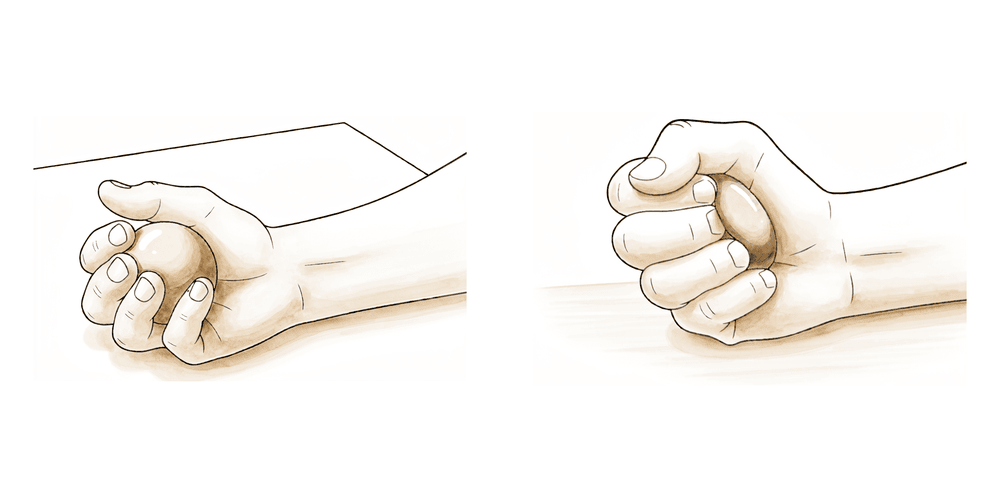
管理措施 - 练习:开始轻柔的握力和捏力力量训练:使用治疗性橡皮泥,进行轻度的捏力和握力练习;继续其他关节的全范围活动;继续瘢痕管理 - 评估任何残留的肿胀或近端指间关节(PIP)/掌指关节(MCP)僵硬情况,并根据需要处理

进展标准 - 影像学确认骨性愈合;指尖舒适;在融合部位耐受轻柔负荷且无疼痛

第4阶段——渐进性强化与出院(第8至12周)

随着骨融合牢固,强化训练逐步向正常手部功能过渡,限制措施在约12周时解除。

供您的手部治疗师参考:

教育与注意事项 - 渐进性握力与捏力强化;在约10周时,功能限制约为10磅(≈4.5千克) - 约12周后无限制,需经主刀医生评估确认

管理措施 - 练习:分级抗阻握力与捏力训练(从塑形泥→握力器→任务特异性负荷);恢复完全的功能性手部使用 - 当指尖稳定、无痛,且手部功能与力量接近正常时,可考虑出院 - 若出现融合部位疼痛、对骨愈合存在疑虑或功能结果不佳,请转诊回主治医生

出院标准 - 融合牢固、无痛;所有未融合关节活动度完全恢复;功能性捏力与握力已恢复

恢复工作与活动

从手术开始即可在舒适范围内鼓励使用其他手指及手部其余部分进行日常轻度活动;仅被融合的指尖需限制活动。驾驶通常在六周左右恢复,此时您已拆除厚重夹板,并能安全地抓握和控制方向盘;具体恢复时间由Hirpara医生在复诊时根据情况决定,因此请提前安排早期阶段的交通协助。轻柔的捏力与轻度抓握通常在六周左右开始,并在八周左右随着骨骼愈合而逐步加强。手部完全、重度或运动性使用一般在十二周左右实现。这些时间线为专家共识指南而非固定期限:您的主刀医生的判断及X线检查(确认骨骼已愈合)优先。

协议之后

本协议与诊所的一般康复建议并行;另请参阅术后疼痛管理伤口护理疤痕管理。上述分阶段计划反映了远端指间关节(DIP)融合术后的康复指导,您的持续康复将由Hirpara医生和您的手部治疗师根据手指的愈合情况个体化指导。


Evidence & references

DIP Joint Fusion — Procedure Outcomes & Post-operative Rehabilitation (Distal Interphalangeal Arthrodesis)

Topic scope: post-operative rehabilitation after arthrodesis (fusion) of the distal interphalangeal (DIP) joint — most often for end-stage osteoarthritis (Heberden's nodes), or to excise a mucous cyst together with its underlying osteophyte. This is a fusion, not a reconstruction: the joint is deliberately and permanently abolished and set in a slightly flexed, functional position, so the rehabilitation is a protect-to-union pathway built around oedema control, scar/nail-fold management, and preservation of motion at every adjacent joint, followed by progressive reloading — not restoration of DIP motion.

Defining principle of the rehab here: a DIP arthrodesis is meant to stop moving. The single therapeutic goal is to deliver a solid, pain-free, well-aligned bony union while keeping the rest of the hand fully mobile. The fingertip is immobilised in a P2–P3 (Stax/mallet-type) orthosis that blocks the DIP but leaves the PIP free; the deliberate restraints are protection of the fixation and avoidance of pinch/grip loading until union. The principal branch points are the fixation method (buried headless compression screw — no removal — versus K-wire, removed at ~6 weeks) and whether a mucous cyst with skin/nail-fold excision was performed, which adds soft-tissue/scar care. Union, not the calendar, gates splint weaning and loading.


A. PROCEDURE OUTCOMES (fusion union, position, fixation)

DIP arthrodesis is a reliable pain-relieving operation; the principal technical debates are over fixation method and fusion position, not whether to fuse a painful, end-stage joint.

  • High union rates with headless compression screw fixation. A series of 64 joints fused with a Herbert-type headless compression screw reported reliable bony union with a low complication profile, supporting the buried-screw construct that requires no later removal [Hand 2010, DOI: 10.1007/s11552-010-9295-3]. Moderate (observational case series).
  • Radiographic union averages around ten weeks. A review of DIP arthrodesis techniques reports a mean time to radiographic fusion of approximately 10 weeks, with reported union rates such as ~85% in the Brutus cohort, underlining that clinical comfort precedes full radiographic consolidation [J Hand Surg Am 2013, DOI: 10.1016/j.jhsa.2013.06.010]. Moderate (review of case series).
  • Fusion position is a consensus, not a controversy. Technique descriptions place the DIP in slight flexion in a functional position for pinch; dorsal-plate and screw techniques are described with attention to setting and holding this position during fixation [J Hand Surg Am 2018, DOI: 10.1016/j.jhsa.2018.03.049]. Mechanistic / consensus.
  • Screw fit depends on bony dimensions. Anatomical sizing work shows the headless screw must be matched to the medullary dimensions of the distal phalanx, informing implant selection and reducing fixation-related complications [Hand 2014, DOI: 10.1007/s11552-014-9679-x]. Mechanistic.
  • Fixation choice carries differing complication patterns. Comparative data on K-wire versus headless (Herbert) screw fixation describe differences in infection and hardware-related events, relevant to the protective pin care needed when a K-wire is used and removed at ~6 weeks [J Hand Surg Am 2013, DOI: 10.1016/j.jhsa.2013.01.017]. Moderate (comparative series).
  • Acute arthrodesis is an established option in trauma. Primary IP-joint arthrodesis for acute injury is a recognised technique, supporting fusion as a durable solution beyond degenerative disease [J Hand Surg / Thieme 2017, DOI: 10.1055/s-0037-1608691]. Moderate (case series).

B. REHABILITATION / THERAPY EVIDENCE

There are no randomised trials of rehabilitation after DIP arthrodesis. The rehab pathway is built from surgical-outcome timing data (union ~6–8 weeks clinical, ~10 weeks radiographic) plus published hand-therapy protocols and standard hand-therapy practice. The therapeutic logic is to immobilise only the fused joint, keep every other joint moving, control swelling and scar, and reload pinch/grip only after union.

  • Immobilise the DIP, free the PIP. Published finger-fusion therapy protocols use a custom removable DIP-blocking (Stax/mallet-type) orthosis spanning P2–P3 that holds the fingertip joint while leaving the PIP free for active motion — continual early wear, weaning to activity-only after X-ray union [TCO; Hand Wisconsin; Alaska Ortho; Melbourne Arm Clinic protocols, URLs below]. Weak (consensus / published protocols).
  • Preserve motion at all uninvolved joints from day one. Active motion of the PIP, MCP, thumb, wrist and all other digits, plus tendon glides, is standard hand-therapy practice to prevent stiffness while the DIP consolidates [published protocols, URLs below]. Consensus / standard practice.
  • Oedema and scar control are routine adjuncts. Elevation and compression for swelling, and scar massage once healed (with nail-fold care after mucous-cyst excision), follow standard hand-therapy practice rather than trial evidence. Consensus / standard practice.
  • Loading is gated by union, not by date. Protocols withhold power grasp/pinch until the fusion is radiographically united, then progress strengthening gradually — reflecting the ~10-week mean radiographic union from the outcome literature [J Hand Surg Am 2013, DOI: 10.1016/j.jhsa.2013.06.010]. Weak–moderate (timing anchored to outcome series; rehab schedule consensus).

Recovery trajectory (expected, evidence-anchored)

Phase Window Restraint Hand use / therapy focus Strength / load Notes
1 — Protect & settle Week 0–2 Bulky dressing/splint; DIP unloaded Elevation; AROM of all uninvolved joints (PIP, MCP, thumb, wrist, other digits); begin tendon glides None to the fingertip Keep dressing dry; review pin/cyst-excision wound
2 — DIP-blocking splint with activity Week 2–6 Custom P2–P3 DIP-block, PIP free, worn continually Active PIP/MCP/thumb/wrist + all-other-digit motion; tendon glides; oedema (Coban/sleeve); scar massage once healed No power grasp/pinch; ~2 lb (≈1 kg) limit Clinical union emerging ~6 wk
3 — Wean splint & gentle strengthening Week 6–8 Splint weaned once united on X-ray; K-wire out ~6 wk Begin gentle grip/pinch (putty, light pinch/grip); continue full motion elsewhere; continue scar care ~5 lb (≈2 kg) from 8 wk Buried screw needs no removal
4 — Progressive strengthening & discharge Week 8–12 Restrictions lifting Progressive grip/pinch strengthening; restore full hand use ~10 lb (≈4.5 kg) at 10 wk; no restriction ~12 wk Discharge when fusion solid + pain-free

(Phase windows mirror the precautions and recovery-curve structure in the patient protocol; clinical union ~6–8 weeks and radiographic union ~10 weeks are anchored to the outcome series, while the exact phase timings are low-level expert consensus, not trial-derived deadlines, and are subject to surgeon discretion and X-ray confirmation of union.)


C. KEY CONTROVERSIES / EVIDENCE QUALITY

  1. Fixation method. Buried headless compression screw (no removal) versus K-wire (removed ~6 weeks) — both achieve union; the comparative literature describes differing infection and hardware-event profiles, and the choice drives whether pin-site protection is needed in rehab [DOI: 10.1007/s11552-010-9295-3; DOI: 10.1016/j.jhsa.2013.01.017]. Moderate.
  2. Fusion position. Slight flexion (up to ~35°) in a functional pinch position is a settled consensus across technique descriptions, not a live controversy [DOI: 10.1016/j.jhsa.2018.03.049]. Consensus.
  3. Union timing. Clinical comfort (~6–8 weeks) precedes radiographic union (~10 weeks mean), so splint weaning and loading should follow the X-ray rather than the calendar [DOI: 10.1016/j.jhsa.2013.06.010]. Moderate.
  4. Rehabilitation schedule. No RCTs exist for DIP-fusion rehab; phase timings are derived from published therapy protocols and standard hand-therapy practice anchored to surgical union data. Low-level expert consensus.
  5. Mucous-cyst cases. Excision of a mucous cyst with its osteophyte adds skin/nail-fold and scar care to the standard fusion rehab; this is a soft-tissue management addition rather than a change to the bony-union pathway. Consensus / standard practice.

D. EVIDENCE STRENGTH FLAGS (summary)

  • MODERATE (observational case series / reviews): reliable bony union with headless compression screw fixation; mean radiographic union ~10 weeks (~85% union, Brutus); differing complication profiles by fixation method; acute IP arthrodesis as an established trauma option.
  • CONSENSUS / MECHANISTIC: slight-flexion functional fusion position; screw sizing to phalangeal dimensions; immobilise-the-DIP / free-the-PIP splinting principle.
  • WEAK / LOW-LEVEL CONSENSUS: the specific phased rehabilitation schedule (no RCTs; derived from published therapy protocols + standard hand-therapy practice, anchored to union timing); exact phase timings and load limits (typical guides, not trial-derived); oedema/scar adjuncts (standard practice).

CITATIONS

RAG corpus (180,000+ Orthopaedic articles)

  • Distal interphalangeal joint arthrodesis using a dorsal plate: technique and fusion position. J Hand Surg Am. 2018. DOI: 10.1016/j.jhsa.2018.03.049
  • Distal interphalangeal joint arthrodesis with the Herbert headless compression screw: union and complications in 64 joints. Hand (N Y). 2010. DOI: 10.1007/s11552-010-9295-3
  • Distal interphalangeal joint arthrodesis: review of techniques and outcomes (mean ~10-week radiographic fusion; Brutus ~85% union). J Hand Surg Am. 2013. DOI: 10.1016/j.jhsa.2013.06.010
  • K-wire versus Herbert screw fixation for distal interphalangeal joint arthrodesis: infection and hardware events. J Hand Surg Am. 2013. DOI: 10.1016/j.jhsa.2013.01.017
  • Anatomical sizing of headless compression screws for distal phalangeal fixation. Hand (N Y). 2014. DOI: 10.1007/s11552-014-9679-x
  • Acute interphalangeal joint arthrodesis in trauma. J Hand Surg / Thieme. 2017. DOI: 10.1055/s-0037-1608691

DIP-fusion rehabilitation literature (URLs)

  • Twin Cities Orthopedics — Distal Interphalangeal (DIP) Joint Fusion post-op protocol. https://www.tcomn.com/wp-content/uploads/2016/06/Distal-Interphalangeal-DIP-Joint-Fusion.pdf
  • Hand Wisconsin — Finger-joint fusion therapy protocol. https://handwisconsin.com/wp-content/uploads/2016/09/fusion-finger-joint-therapy-protocol.pdf
  • Alaska Orthopaedics — Arthrodesis (DIP / PIP or MCP) joint fusion protocol. https://www.akortho.com/wp-content/uploads/Arthrodesis-DIP-PIP-or-MCP-Joint-Fusion.pdf
  • Melbourne Arm Clinic — PIP / DIP arthrodesis rehabilitation protocol. https://melbournearmclinic.com.au/orthopaedic-rehabilitation/shoulder-rehabilitation/pip-dip-arthrodesis-protocol/

Creative Commons BY-NC 4.0

CC Creative Commons licence
BY Attribution — you must credit the source
NC NonCommercial — not for commercial use

Attribution-NonCommercial 4.0 International


Creative Commons Corporation ("Creative Commons") is not a law firm and does not provide legal services or legal advice. Distribution of Creative Commons public licenses does not create a lawyer-client or other relationship. Creative Commons makes its licenses and related information available on an "as-is" basis. Creative Commons gives no warranties regarding its licenses, any material licensed under their terms and conditions, or any related information. Creative Commons disclaims all liability for damages resulting from their use to the fullest extent possible.

Using Creative Commons Public Licenses

Creative Commons public licenses provide a standard set of terms and conditions that creators and other rights holders may use to share original works of authorship and other material subject to copyright and certain other rights specified in the public license below. The following considerations are for informational purposes only, are not exhaustive, and do not form part of our licenses.

Considerations for licensors: Our public licenses are intended for use by those authorized to give the public permission to use material in ways otherwise restricted by copyright and certain other rights. Our licenses are irrevocable. Licensors should read and understand the terms and conditions of the license they choose before applying it. Licensors should also secure all rights necessary before applying our licenses so that the public can reuse the material as expected. Licensors should clearly mark any material not subject to the license. This includes other CC- licensed material, or material used under an exception or limitation to copyright. More considerations for licensors: wiki.creativecommons.org/Considerations_for_licensors

Considerations for the public: By using one of our public licenses, a licensor grants the public permission to use the licensed material under specified terms and conditions. If the licensor's permission is not necessary for any reason--for example, because of any applicable exception or limitation to copyright--then that use is not regulated by the license. Our licenses grant only permissions under copyright and certain other rights that a licensor has authority to grant. Use of the licensed material may still be restricted for other reasons, including because others have copyright or other rights in the material. A licensor may make special requests, such as asking that all changes be marked or described. Although not required by our licenses, you are encouraged to respect those requests where reasonable. More considerations for the public: wiki.creativecommons.org/Considerations_for_licensees


Creative Commons Attribution-NonCommercial 4.0 International Public License

By exercising the Licensed Rights (defined below), You accept and agree to be bound by the terms and conditions of this Creative Commons Attribution-NonCommercial 4.0 International Public License ("Public License"). To the extent this Public License may be interpreted as a contract, You are granted the Licensed Rights in consideration of Your acceptance of these terms and conditions, and the Licensor grants You such rights in consideration of benefits the Licensor receives from making the Licensed Material available under these terms and conditions.

Section 1 -- Definitions.

a. Adapted Material means material subject to Copyright and Similar Rights that is derived from or based upon the Licensed Material and in which the Licensed Material is translated, altered, arranged, transformed, or otherwise modified in a manner requiring permission under the Copyright and Similar Rights held by the Licensor. For purposes of this Public License, where the Licensed Material is a musical work, performance, or sound recording, Adapted Material is always produced where the Licensed Material is synched in timed relation with a moving image.

b. Adapter's License means the license You apply to Your Copyright and Similar Rights in Your contributions to Adapted Material in accordance with the terms and conditions of this Public License.

c. Copyright and Similar Rights means copyright and/or similar rights closely related to copyright including, without limitation, performance, broadcast, sound recording, and Sui Generis Database Rights, without regard to how the rights are labeled or categorized. For purposes of this Public License, the rights specified in Section 2(b)(1)-(2) are not Copyright and Similar Rights.

d. Effective Technological Measures means those measures that, in the absence of proper authority, may not be circumvented under laws fulfilling obligations under Article 11 of the WIPO Copyright Treaty adopted on December 20, 1996, and/or similar international agreements.

e. Exceptions and Limitations means fair use, fair dealing, and/or any other exception or limitation to Copyright and Similar Rights that applies to Your use of the Licensed Material.

f. Licensed Material means the artistic or literary work, database, or other material to which the Licensor applied this Public License.

g. Licensed Rights means the rights granted to You subject to the terms and conditions of this Public License, which are limited to all Copyright and Similar Rights that apply to Your use of the Licensed Material and that the Licensor has authority to license.

h. Licensor means the individual(s) or entity(ies) granting rights under this Public License.

i. NonCommercial means not primarily intended for or directed towards commercial advantage or monetary compensation. For purposes of this Public License, the exchange of the Licensed Material for other material subject to Copyright and Similar Rights by digital file-sharing or similar means is NonCommercial provided there is no payment of monetary compensation in connection with the exchange.

j. Share means to provide material to the public by any means or process that requires permission under the Licensed Rights, such as reproduction, public display, public performance, distribution, dissemination, communication, or importation, and to make material available to the public including in ways that members of the public may access the material from a place and at a time individually chosen by them.

k. Sui Generis Database Rights means rights other than copyright resulting from Directive 96/9/EC of the European Parliament and of the Council of 11 March 1996 on the legal protection of databases, as amended and/or succeeded, as well as other essentially equivalent rights anywhere in the world.

l. You means the individual or entity exercising the Licensed Rights under this Public License. Your has a corresponding meaning.

Section 2 -- Scope.

a. License grant.

1. Subject to the terms and conditions of this Public License, the Licensor hereby grants You a worldwide, royalty-free, non-sublicensable, non-exclusive, irrevocable license to exercise the Licensed Rights in the Licensed Material to:

a. reproduce and Share the Licensed Material, in whole or in part, for NonCommercial purposes only; and

b. produce, reproduce, and Share Adapted Material for NonCommercial purposes only.

2. Exceptions and Limitations. For the avoidance of doubt, where Exceptions and Limitations apply to Your use, this Public License does not apply, and You do not need to comply with its terms and conditions.

3. Term. The term of this Public License is specified in Section 6(a).

4. Media and formats; technical modifications allowed. The Licensor authorizes You to exercise the Licensed Rights in all media and formats whether now known or hereafter created, and to make technical modifications necessary to do so. The Licensor waives and/or agrees not to assert any right or authority to forbid You from making technical modifications necessary to exercise the Licensed Rights, including technical modifications necessary to circumvent Effective Technological Measures. For purposes of this Public License, simply making modifications authorized by this Section 2(a) (4) never produces Adapted Material.

5. Downstream recipients.

a. Offer from the Licensor -- Licensed Material. Every recipient of the Licensed Material automatically receives an offer from the Licensor to exercise the Licensed Rights under the terms and conditions of this Public License.

b. No downstream restrictions. You may not offer or impose any additional or different terms or conditions on, or apply any Effective Technological Measures to, the Licensed Material if doing so restricts exercise of the Licensed Rights by any recipient of the Licensed Material.

6. No endorsement. Nothing in this Public License constitutes or may be construed as permission to assert or imply that You are, or that Your use of the Licensed Material is, connected with, or sponsored, endorsed, or granted official status by, the Licensor or others designated to receive attribution as provided in Section 3(a)(1)(A)(i).

b. Other rights.

1. Moral rights, such as the right of integrity, are not licensed under this Public License, nor are publicity, privacy, and/or other similar personality rights; however, to the extent possible, the Licensor waives and/or agrees not to assert any such rights held by the Licensor to the limited extent necessary to allow You to exercise the Licensed Rights, but not otherwise.

2. Patent and trademark rights are not licensed under this Public License.

3. To the extent possible, the Licensor waives any right to collect royalties from You for the exercise of the Licensed Rights, whether directly or through a collecting society under any voluntary or waivable statutory or compulsory licensing scheme. In all other cases the Licensor expressly reserves any right to collect such royalties, including when the Licensed Material is used other than for NonCommercial purposes.

Section 3 -- License Conditions.

Your exercise of the Licensed Rights is expressly made subject to the following conditions.

a. Attribution.

1. If You Share the Licensed Material (including in modified form), You must:

a. retain the following if it is supplied by the Licensor with the Licensed Material:

i. identification of the creator(s) of the Licensed Material and any others designated to receive attribution, in any reasonable manner requested by the Licensor (including by pseudonym if designated);

ii. a copyright notice;

iii. a notice that refers to this Public License;

iv. a notice that refers to the disclaimer of warranties;

v. a URI or hyperlink to the Licensed Material to the extent reasonably practicable;

b. indicate if You modified the Licensed Material and retain an indication of any previous modifications; and

c. indicate the Licensed Material is licensed under this Public License, and include the text of, or the URI or hyperlink to, this Public License.

2. You may satisfy the conditions in Section 3(a)(1) in any reasonable manner based on the medium, means, and context in which You Share the Licensed Material. For example, it may be reasonable to satisfy the conditions by providing a URI or hyperlink to a resource that includes the required information.

3. If requested by the Licensor, You must remove any of the information required by Section 3(a)(1)(A) to the extent reasonably practicable.

4. If You Share Adapted Material You produce, the Adapter's License You apply must not prevent recipients of the Adapted Material from complying with this Public License.

Section 4 -- Sui Generis Database Rights.

Where the Licensed Rights include Sui Generis Database Rights that apply to Your use of the Licensed Material:

a. for the avoidance of doubt, Section 2(a)(1) grants You the right to extract, reuse, reproduce, and Share all or a substantial portion of the contents of the database for NonCommercial purposes only;

b. if You include all or a substantial portion of the database contents in a database in which You have Sui Generis Database Rights, then the database in which You have Sui Generis Database Rights (but not its individual contents) is Adapted Material; and

c. You must comply with the conditions in Section 3(a) if You Share all or a substantial portion of the contents of the database.

For the avoidance of doubt, this Section 4 supplements and does not replace Your obligations under this Public License where the Licensed Rights include other Copyright and Similar Rights.

Section 5 -- Disclaimer of Warranties and Limitation of Liability.

a. UNLESS OTHERWISE SEPARATELY UNDERTAKEN BY THE LICENSOR, TO THE EXTENT POSSIBLE, THE LICENSOR OFFERS THE LICENSED MATERIAL AS-IS AND AS-AVAILABLE, AND MAKES NO REPRESENTATIONS OR WARRANTIES OF ANY KIND CONCERNING THE LICENSED MATERIAL, WHETHER EXPRESS, IMPLIED, STATUTORY, OR OTHER. THIS INCLUDES, WITHOUT LIMITATION, WARRANTIES OF TITLE, MERCHANTABILITY, FITNESS FOR A PARTICULAR PURPOSE, NON-INFRINGEMENT, ABSENCE OF LATENT OR OTHER DEFECTS, ACCURACY, OR THE PRESENCE OR ABSENCE OF ERRORS, WHETHER OR NOT KNOWN OR DISCOVERABLE. WHERE DISCLAIMERS OF WARRANTIES ARE NOT ALLOWED IN FULL OR IN PART, THIS DISCLAIMER MAY NOT APPLY TO YOU.

b. TO THE EXTENT POSSIBLE, IN NO EVENT WILL THE LICENSOR BE LIABLE TO YOU ON ANY LEGAL THEORY (INCLUDING, WITHOUT LIMITATION, NEGLIGENCE) OR OTHERWISE FOR ANY DIRECT, SPECIAL, INDIRECT, INCIDENTAL, CONSEQUENTIAL, PUNITIVE, EXEMPLARY, OR OTHER LOSSES, COSTS, EXPENSES, OR DAMAGES ARISING OUT OF THIS PUBLIC LICENSE OR USE OF THE LICENSED MATERIAL, EVEN IF THE LICENSOR HAS BEEN ADVISED OF THE POSSIBILITY OF SUCH LOSSES, COSTS, EXPENSES, OR DAMAGES. WHERE A LIMITATION OF LIABILITY IS NOT ALLOWED IN FULL OR IN PART, THIS LIMITATION MAY NOT APPLY TO YOU.

c. The disclaimer of warranties and limitation of liability provided above shall be interpreted in a manner that, to the extent possible, most closely approximates an absolute disclaimer and waiver of all liability.

Section 6 -- Term and Termination.

a. This Public License applies for the term of the Copyright and Similar Rights licensed here. However, if You fail to comply with this Public License, then Your rights under this Public License terminate automatically.

b. Where Your right to use the Licensed Material has terminated under Section 6(a), it reinstates:

1. automatically as of the date the violation is cured, provided it is cured within 30 days of Your discovery of the violation; or

2. upon express reinstatement by the Licensor.

For the avoidance of doubt, this Section 6(b) does not affect any right the Licensor may have to seek remedies for Your violations of this Public License.

c. For the avoidance of doubt, the Licensor may also offer the Licensed Material under separate terms or conditions or stop distributing the Licensed Material at any time; however, doing so will not terminate this Public License.

d. Sections 1, 5, 6, 7, and 8 survive termination of this Public License.

Section 7 -- Other Terms and Conditions.

a. The Licensor shall not be bound by any additional or different terms or conditions communicated by You unless expressly agreed.

b. Any arrangements, understandings, or agreements regarding the Licensed Material not stated herein are separate from and independent of the terms and conditions of this Public License.

Section 8 -- Interpretation.

a. For the avoidance of doubt, this Public License does not, and shall not be interpreted to, reduce, limit, restrict, or impose conditions on any use of the Licensed Material that could lawfully be made without permission under this Public License.

b. To the extent possible, if any provision of this Public License is deemed unenforceable, it shall be automatically reformed to the minimum extent necessary to make it enforceable. If the provision cannot be reformed, it shall be severed from this Public License without affecting the enforceability of the remaining terms and conditions.

c. No term or condition of this Public License will be waived and no failure to comply consented to unless expressly agreed to by the Licensor.

d. Nothing in this Public License constitutes or may be interpreted as a limitation upon, or waiver of, any privileges and immunities that apply to the Licensor or You, including from the legal processes of any jurisdiction or authority.


Creative Commons is not a party to its public licenses. Notwithstanding, Creative Commons may elect to apply one of its public licenses to material it publishes and in those instances will be considered the “Licensor.” The text of the Creative Commons public licenses is dedicated to the public domain under the CC0 Public Domain Dedication. Except for the limited purpose of indicating that material is shared under a Creative Commons public license or as otherwise permitted by the Creative Commons policies published at creativecommons.org/policies, Creative Commons does not authorize the use of the trademark "Creative Commons" or any other trademark or logo of Creative Commons without its prior written consent including, without limitation, in connection with any unauthorized modifications to any of its public licenses or any other arrangements, understandings, or agreements concerning use of licensed material. For the avoidance of doubt, this paragraph does not form part of the public licenses.

Creative Commons may be contacted at creativecommons.org.