Patients › General-Health
手部、腕部及手指的肿块与隆起
Found a lump on your hand, wrist or finger? The common causes and what they mean: ganglion cysts, fatty lumps (lipomas), giant cell tumours, mucous cysts and carpal bossing, and when to see someone.
您的感受
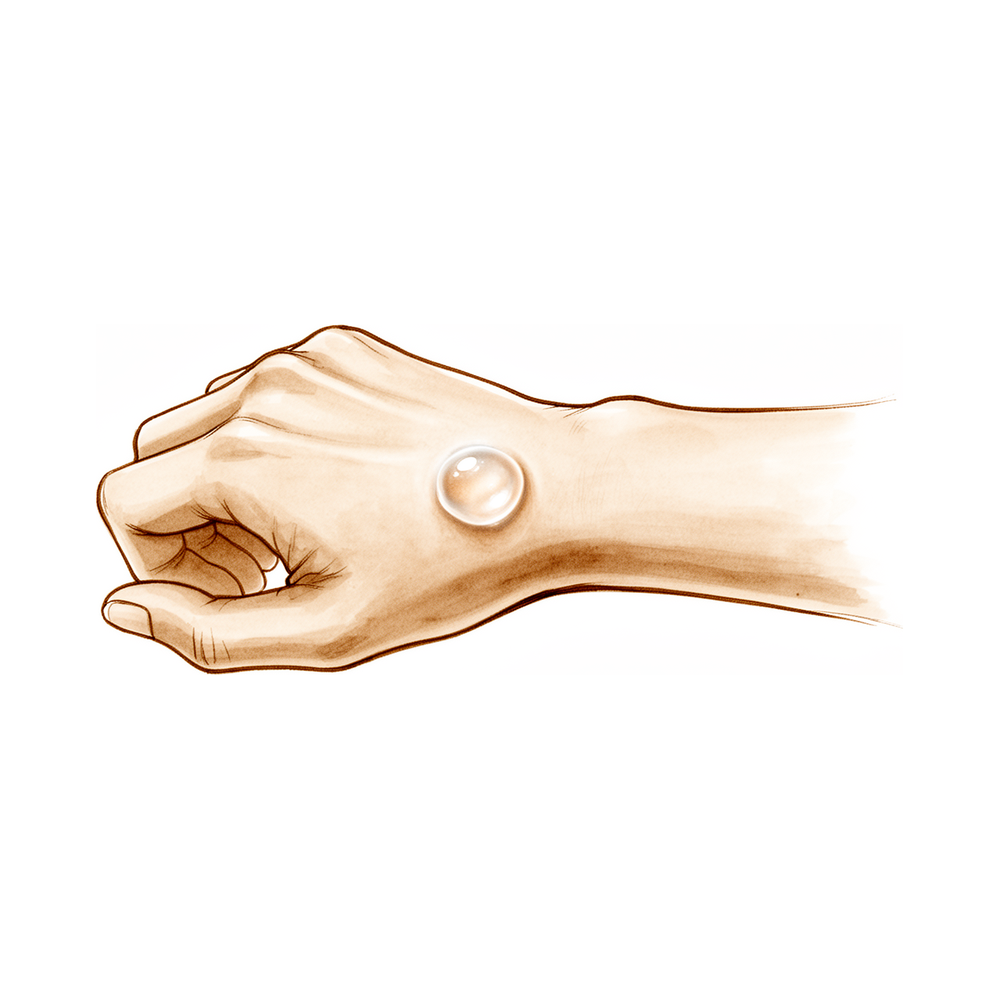
手腕背侧的肿块常常是腱鞘囊肿,即源自腕关节或肌腱内衬的充满液体的肿胀。手腕背侧的大多数肿块起源于某个腕部小关节附近。有些人除了肿块之外,手腕还会有钝痛。另一些人则完全没有疼痛,只有肿胀。
在您大量使用手部之后,例如握工具、写字或提购物袋,酸痛常会加重。休息通常可以使其缓解。腱鞘囊肿也可能出现在手掌中或沿手指肌腱生长。手掌中央的肿块可能完全不痛。靠近手指肌腱的肿块可能使该手指弯曲或伸直变得不便,因此打字、扣衬衫纽扣或握笔时可能会感到笨拙。
有时肿块会压迫附近的神经。这可能导致手指刺痛、麻木或无力,或者让您夜间痛醒的疼痛。如果无名指和小指突然出现麻木或疼痛,需要就医评估。如果您的症状没有缓解、在数周内逐渐加重、让您夜间痛醒,或使您无法工作或无法使用手部,请去看您的全科医生(GP),或要求专科医生评估。
并非每一个手部肿块都是腱鞘囊肿。有些肿块是钙质沉积形成的硬结,有些则起源于骨头本身。单个手指肿胀也可能与一种儿童关节炎有关,儿童也会长手腕腱鞘囊肿。在10岁及以下的儿童中,64%的手腕腱鞘囊肿会自行消失;在10岁以下的儿童中,69%至79%会在12至18个月内自行缩小消退。
有一个警示信号需要当天就医。如果您的手指、手部或手臂变得发热、发红、肿胀和疼痛,尤其是伴有发烧,请当天前往急诊科。无需全科医生转诊。
实际发生了什么
腱鞘囊肿是一个装有黏稠的果冻样液体的小囊袋。它从关节或肌腱内衬中向外长出,就像自行车内胎上的薄弱处从外胎中鼓出来一样。在手腕背侧,大多数腱鞘囊肿起源于手腕中部的一个小关节,那里有两块腕部小骨由一条韧带束带连接在一起。来自该关节的液体从这条束带的薄弱处向外挤出,积聚在皮下形成肿块。
没有人知道这个薄弱处为什么会形成。其周围的腕骨和韧带可能看起来完全正常。有些腱鞘囊肿似乎与这条韧带束带的小撕裂或松弛有关,这也可能解释了使用手部时伴随出现的钝痛。
肿块本身是无害的,但它会占据空间。如果它压迫了穿过手腕或手掌的某条神经,您的手指就会出现刺痛、麻木或无力。有时手腕背侧的酸痛来自肿块压迫附近的一条小神经,而不是来自关节本身。腱鞘囊肿甚至可能在您完全摸不到肿块的情况下压迫神经。
其他部位的腱鞘囊肿也是同样的道理。长在手指肌腱内衬上的腱鞘囊肿紧挨着负责弯曲手指的那条绳索样纤维,这就是为什么弯曲手指时会感到不便。手掌中央的腱鞘囊肿通常完全不会造成困扰。有些肿块起源于骨头内部而不是骨头旁边,骨内积聚的液体或血液使压力增高,这解释了深部、挥之不去的酸痛。
在儿童中,这些肿块常常会随着手腕的生长而自行消失。
我们如何处理该问题
许多手腕腱鞘囊肿完全不需要治疗。有些会自行消退,而在大量使用后加重的酸痛,往往在休息和改变用手方式后得到缓解。如果肿块让您感到不适,在日常活动时佩戴支撑护带或支具可以使症状缓解。
如果您希望不做手术就去除肿块,可以进行抽吸。用一根细针把囊肿内的果冻样液体抽出来。抽吸在大约一半的病例中完全有效,最多尝试三次可清除约 85% 的囊肿。抽吸后佩戴支具对结果没有任何影响,因此我们不建议佩戴。类固醇注射也可以缓解某些导致手部肿块的疾病引起的肿胀和疼痛,抗炎药片或凝胶可以减轻酸痛。对于某些骨性肿块,当手术带来的麻烦大于其益处时,长期服用抗炎药物可以作为手术之外的另一种选择。
如果采取了这些措施后肿块仍持续困扰您,您的全科医生或您的医生可以对其进行评估,并讨论某项手术是否会有帮助。对于某些疾病,手术可以切除肿块或为其提供液体的组织,从而阻止肿块再次充盈。对于手腕背侧的肿块,在进行任何手术之前先做抽吸是明智的一步。
预期情况
对许多人来说,手腕腱鞘囊肿是一个时有时无的肿块,而不是一个持久的问题。酸痛常在大量使用后加重,休息后缓解。有些肿块会自行缩小或消失,有些则多年保持不变而不会造成太多困扰。另一些在抽吸后会再次充盈,这就是为什么抽吸有时需要不止一次。
如果不处理肿块,预后往往并不比接受治疗差。对于手腕掌侧的肿块,无论是切除、抽吸还是仅仅观察,在 2 年和 5 年时的症状大致相同。因此,如果肿块对您困扰不大,等待观察可以是一个合理的选择。如本页前文所述,抽吸在大约一半的病例中完全有效。
当肿块确实持续困扰您时,治疗通常能很好地使症状缓解。切除肿块的人通常会发现酸痛减轻,手部功能恢复正常。有些人会留下一小块僵硬区域或一道需要时间才能平复的疤痕。对于治疗后复发的肿块,仍然有可选的方案,大多数人最终都能恢复舒适地使用手部。
与手指关节关节炎相关的肿块往往表现不同。肿块可能时有时无,但关节本身的磨损不会消失,因此酸痛可能会在数月内持续并反复发作。支具、抗炎药物和注射可以缓解疼痛;如果这些还不够,针对关节本身的手术通常能使其减轻。
神经症状需要多加留意。由肿块压迫神经引起的刺痛、麻木或无力,往往在压力解除后得到缓解,有时甚至完全不需要手术。如果这些症状没有缓解、在数周内逐渐加重、让您夜间痛醒,或使您无法工作或无法使用手部,请去看您的全科医生(GP),或要求专科医生评估。
何时就医
大多数此类肿块并不紧急,但有几个信号需要迅速处理。如果您的手指、手部或手臂变得发热、发红、肿胀和疼痛,尤其是伴有发烧,请当天前往急诊科。无需全科医生转诊。如果在非工作时间或周末无法联系到诊所,请前往离您最近的急诊科。
如果您的症状没有缓解、在数周内逐渐加重、让您夜间痛醒,或使您无法工作或无法使用手部,请去看您的全科医生(GP),或要求专科医生评估。如果肿块压迫神经,导致手指刺痛、麻木或无力,请尽早就医。无名指和小指突然出现的麻木或疼痛也需要就医评估。如果伸直拇指时有肿块在皮下移动,也值得去检查评估。
Evidence & references
This is the clinical evidence summary written for health professionals. It is technical, and it lists the research this page was built from. You do not need to read it to understand your treatment or to make a decision about it.
Overview
- The ultimate etiology of a dorsal wrist ganglion remains unknown, and no underlying abnormality in the structural components of the wrist joint has been documented [1].
- Fibrous flexor sheath ganglions are more common in the third decade of life and in the middle finger [4].
- In a series of children 10 years of age and younger with ganglia of the wrist joint, nine of 14 (64%) disappeared spontaneously [13].
- Occult dorsal wrist ganglions had a high prevalence (11 of 14) in a selected patient group with recalcitrant dorsal wrist pain in the area of the scapholunate interval [25].
- Ganglions associated with radial nerve palsy were identified at the elbow in 14 patients [33].
- An intraneural ganglion cyst originating from the radio-carpal joint can cause isolated sensory impairment of the thumb due to median nerve involvement [21].
- Lipomas of the hand are rare, representing only 1 to 3.8% of benign hand tumors [10].
- Lipoma in the deep palmar space of the hand is an unusual tumor that can be unusually large at initial examination and can first be seen with paresthesias in branches of the median nerve [20].
- A tumourous deposition of calcium pyrophosphate dihydrate crystals in the palmar aspect of the wrist has been reported in a 63-year-old man [3].
- Tumoral calcinosis can present with bilateral hand involvement, including local calcinosis cutis of the skin and bone changes [5].
- The radiographic appearance of aneurysmal bone cysts in the hand differs from that in other skeletal locations and must be differentiated from other common lesions [7].
- Pachydermodactyly usually is not associated with any other disease and requires treatment only for cosmetic reasons or when it interferes with the patient's hand function [9].
- Focal myositis involving muscle of the hand has been reported as a first incidence in the literature [50].
- Juvenile aponeurotic fibromata of the hand are predominantly palmar, with only two cases occurring on the dorsum out of forty-three documented in the literature [99].
- Fibro-osseous pseudotumor should be considered as a differential diagnosis for a mass in the hand with a clinical picture of malignancy to avoid unnecessary radical surgery [101].
- The incidence of bone islands in the hands of asymptomatic children between the ages of 5 and 13 years is 3.8% [94].
- The incidence of juxta-articular bone cysts in the hands of asymptomatic children between the ages of 5 and 13 years is 2.8% [94].
- Trigger finger occurs in 2% to 3% of the general population, with women more commonly affected than men [73].
- Trigger finger is more common in patients with systemic diseases such as diabetes mellitus, hypothyroidism, sarcoidosis, rheumatoid arthritis, and septic tenosynovitis [73].
- In cases of dorsal carpometacarpal cyst, associated carpal boss should be systematically screened for to ensure the true cause is treated [51].
Background & Causes
Ganglions and Mucous Cysts
- Digital mucous cysts and wrist ganglia show no anatomic difference at the light and scanning electron microscopic levels, supporting the concept of a similar cause for both [65].
- In children 10 years of age and younger with ganglia of the wrist joint, 9 of 14 (64%) disappeared spontaneously [13].
- Ganglions have been described as arising from most joints of the hand and wrist, including a reported case arising from a metacarpophalangeal joint [16].
- An intratendinous ganglion can present as a mass on the dorsum of the wrist that moves with the extensor pollicis longus tendon [17].
- Ganglions arising from wrist joints can present as painless masses in the center of the palm without signs or symptoms of median or ulnar nerve compression [18].
- In patients with chronic wrist pain, normal radiographic findings, and relief of discomfort upon dorsal capsule injection, dorsal capsulectomy with partial scapho-lunate ligament resection produced pathological findings consistent with incipient ganglion formation [15].
- In a selected patient group with recalcitrant dorsal wrist pain in the area of the scapholunate interval, occult dorsal wrist ganglions had a high prevalence (11 of 14) [25].
- Partial ruptures of the dorsal scapho-lunate ligament will cause dorsal wrist pain [95].
- A midpalm ganglion can cause neuropathy of the isolated motor branch of the median or ulnar nerve [68].
- Ganglion-related compression neuropathy of the palmar cutaneous branch of the median nerve should be a diagnostic consideration even in the absence of a palpable mass [12].
- An intraneural ganglion cyst originating from the radio-carpal joint can cause isolated sensory impairment of the thumb due to median mononeuropathy [21].
- Ganglions associated with radial nerve palsy have been identified at two different locations at the elbow in 14 patients [33].
- Cases strongly suggest a causal relationship between ganglion cysts and carpal tunnel syndrome in some patients [92].
- The potentially serious complication of septic arthritis of the distal interphalangeal joint of the finger secondary to an infected mucous cyst is documented with a report of four cases seen within the past 6 years [97].
- Pseudoaneurysm formation of the radial artery following wrist ganglion surgery has not been previously reported even though the radial artery is often closely related and may be adherent to the wall of anterior wrist ganglia [98].
- The cause of an intraosseous ganglion of the distal ulna is not clear, but perhaps a torn triangular fibrocartilage disk produced a local area of increased stress resulting in the lesion [96].
Lipomas
Calcific and Crystal Deposition
- A tumourous deposition of calcium pyrophosphate dihydrate crystals can occur in the palmar aspect of the wrist [3].
- Tumoral calcinosis can present with bilateral hand involvement, including local calcinosis cutis of the skin and bone changes not previously reported in the literature [5].
- Symmetrical calcium deposits being present in both hands at birth has been reported as a congenital condition [39].
Other Soft Tissue and Bony Lesions
- Soft tissue masses of the hand pose a challenging diagnostic and therapeutic issue [11].
- The radiographic appearance of an aneurysmal bone cyst in the hand differs from that in other skeletal locations and must be differentiated from other common lesions [7].
- Focal myositis involving muscle of the hand has been reported as a first incidence [50].
- Synovial chondrometaplasia of the hand has been described as a case report [45].
- Single-digit swelling may be a presenting feature of juvenile rheumatoid arthritis in 18% of cases [34].
Diagnostic Considerations
- A careful history suggests the correct diagnosis in approximately 90% of patients with hand problems [29].
- Magnetic resonance imaging is a useful preoperative method to identify the cause and location of nerve compression at the wrist when the symptoms and physical findings are inconclusive [23].
- Distinguishing between a flexor sheath ganglion, trigger digit, and Dupuytren's may be accomplished with a detailed physical examination of the MCP region of the affected digit [30].
Symptoms & Presentation
Ganglions
- Fibrous flexor sheath ganglions are more common in the third decade and in the middle finger [4].
- A ganglion-related compression neuropathy of the palmar cutaneous branch of the median nerve should be a diagnostic consideration even in the absence of a palpable mass [12].
- A ganglion arising from a metacarpophalangeal joint has been reported [16].
- An intratendinous ganglion on the dorsum of the wrist may present as a mass that moves with the extensor pollicis longus tendon, posing a differential diagnostic challenge [17].
- At 2 and 5 year follow-up, no difference in symptoms was found for palmar wrist ganglions regardless of whether they were excised, aspirated, or left alone [19].
- A dorsal wrist ganglion can present as an anterior wrist ganglion [22].
- Ultrasonography revealed a small hypoechogenic area on the dorsal aspect between the scaphoid and the lunate or just dorsal to the lunate in all five cases of occult dorsal wrist ganglion examined [79, 80].
Lipomas
- A lipoma in the deep palmar space of the hand is an unusual tumor that can be unusually large at initial examination and can first be seen with paresthesias in branches of the median nerve [20].
Calcific and Crystal Deposition
- Tumoral calcinosis can present with an unusual distribution of lesions restricted to multiple digits [43].
- Erosive tumoral calcinosis localized at the P.I.P. joint of a ring finger can completely erode the distal epiphysis of the middle phalanx [76].
- Symmetrical calcium deposits in both hands at birth have been reported as a case of congenital bilateral calcinosis cutis [39].
Bone Cysts and Tumors
- An aneurysmal bone cyst of the hamate bone can present with grip strength of 45 kg in the affected right hand compared with 47 kg in the left hand [14].
- An aneurysmal bone cyst of the trapezium has been reported as a new location for this lesion [26, 27].
- An aneurysmal bone cyst of the distal phalanx has been reported [36].
- Soft tissue masses of the hand pose a challenging diagnostic and therapeutic issue, as illustrated by a case of fibro-osseous pseudotumor [11].
Neuropathies and Nerve Compression
- Ulnar neuropathy at the wrist can be associated with a recurrent branch through the flexor carpi ulnaris tendon [2].
- The acute onset of numbness with or without intolerable pain in the ring and little fingers after a long-term remission period following initial surgery for cubital tunnel syndrome in patients with elbow osteoarthritis appears to be the characteristic clinical profile of recurrent cubital tunnel syndrome caused by ganglion [42].
Other Soft Tissue Lesions
- A subungual dermatofibroma of the thumb has been reported [40].
Management
General Assessment and History
- The natural inclination to study radiographs or special imaging studies prior to a thorough history and physical examination should be avoided, as this introduces cognitive bias which can affect thinking and decision making [63].
- Physical examination always needs to be preceded by a thorough investigation of the patient’s medical history, with special emphasis on the mechanism of injury and acuity [63].
- Palpation for areas of maximal tenderness is one of the most useful tools in the diagnosis of wrist pathology, especially in patients with chronic dysfunctions [63].
- A careful assessment of neural and vascular status is imperative, with particular attention being paid to the median and ulnar nerves, which may be injured by direct contusion, compression from displaced bones, or swelling within the carpal canal [63].
- Bilateral grip and pinch strength are useful to uncover underlying pathology in chronic cases [63].
- Sensory testing should always accompany an examination of suspected nerve compression, using threshold or density testing [63].
Ganglions
- Even in the absence of a palpable mass, a ganglion-related compression neuropathy of the palmar cutaneous branch of the median nerve should be a diagnostic consideration [12].
- Magnetic resonance imaging is a useful preoperative method to identify the cause and location of nerve compression at the wrist when symptoms and physical findings are inconclusive [23].
- Dorsal wrist ganglions can be confused with carpal bosses, which are osteoarthritic spurs or prominences that develop at the base of the second or third carpometacarpal joints [62].
- A small ganglion is associated with a carpal boss in 30% of cases [62].
- Every effort should be made to treat the carpal boss nonoperatively using splinting, nonsteroidal antiinflammatory medications, and ultrasound-guided cortisone injections prior to proceeding with surgery [62].
- The potential for persistent symptoms following surgery for a carpal boss must be emphasized [62].
- In children aged <10 years, ganglions mainly occur on the volar wrist and can be treated expectantly, with 69% to 79% displaying spontaneous regression within a span of 12-18 months [48].
- The outcome of immobilization following aspiration of carpal and digital ganglions was successful in 52% of the wrists and digits that were immobilized and in 50% of those that were not [8].
- Aspiration treatment of ganglion cysts of the wrist and hand can safely remove 85% of these tumors if one, two or three separate treatments are administered [82].
- Patients with carpal ganglions who wish to avoid or delay operative treatment should be advised that aspiration-puncture followed by 3 weeks of immobilization will be successful in approximately 50% of cases [83].
- Performing at least 1 aspiration before surgical excision improves the cost-effectiveness of dorsal wrist ganglions treatment [35].
- The practice of treating wrist ganglions with a sclerosant must be abandoned due to the risk of catastrophic complications such as radial artery injury [31].
- Improved functional activity and decreased pain were noted in all patients following dorsal carpal ganglion excision [46].
- Worse hand function following dorsal wrist ganglion excision was associated with recurrence following prior surgery, worse baseline hand function and lower treatment credibility [47].
- Full recovery of wrist function occurred in all cases of recurrent ganglion treated with a fascial flap except one who had slight restriction of flexion [24].
- At a follow-up examination 4 years after operation for a dorsal wrist ganglion presenting as an anterior wrist ganglion, the ganglion had not recurred, and motion and strength were equal to the contralateral wrist and hand [22].
- Manipulation of the wrist for the management of postoperative stiffness is rarely, if ever, indicated [41].
- To assure relief of symptoms for a dorsal ganglion with anomalous muscles, treatment must include division of the fourth dorsal extensor compartment in the case of the former muscle, and excision in the case of the latter [77].
Bone Lesions
- For stable aneurysmal bone cysts in the carpus, where excision could lead to carpal instability, conservative management is recommended [72].
- In the 11th month after surgery for an aneurysmal bone cyst of the trapezium, the patient had a full range of wrist motion and was free of pain [26].
- Grip strength was 45 kg in the affected right hand compared with 47 kg in the left hand following treatment for an aneurysmal bone cyst of the hamate bone [14].
- Osteoid osteoma is a benign bone lesion that has been well described in the hand and distal end of the radius [66].
- Five percent to 15% of osteoid osteomas occur in the hand and wrist, most commonly in the neck of the proximal phalanx and carpus [66].
- Patients with osteoid osteoma are typically seen initially in the late second or early third decade of life with a deep, dull ache that is constant and frequently relieved with nonsteroidal antiinflammatory drugs (NSAIDs) [66].
- Diagnosis of hand lesions for osteoid osteoma is frequently delayed, with a mean time to diagnosis of longer than 15 months in two large case series [66].
- Treatment of osteoid osteoma in the hand or carpus has consisted of surgical excision with either curettage of the nidus or en bloc excision [66].
- Persistence of the lesion has been reported if the nidus is not completely excised [66].
- Successful use of percutaneous CT-guided laser photoagulation has been reported for osteoid osteoma [66].
- Radiofrequency ablation may be considered for carefully selected osteoid osteoma lesions that are not subcutaneous or near major nerves [66].
- Prolonged use of NSAIDs may be an alternative to surgical treatment if the clinical and radiographic findings are strongly supportive of a diagnosis of osteoid osteoma and excision or biopsy of the lesion might produce excessive morbidity [66].
- Wrist scores improved 34 points, from 51 to 85 points, by 1 year after arthroscopically assisted treatment of intraosseous ganglions of the lunate with trabeculation being noted within the grafting lunate [84].
- The patient achieved complete relief from pain and returned to normal employment following treatment for an intraosseous ganglion of the trapezoid [81].
Soft Tissue Masses and Inflammatory Conditions
- Tendon xanthoma is a physical manifestation of hyperlipidemia that may respond favorably to dietary modification and appropriate pharmacotherapy [87].
- In the three reported cases of acute calcific tendinitis in the hand and wrist, symptoms resolved in an average of seven or eight days with the use of Aspirin 300 mg q.i.d. and a resting splint [75].
- The patient had tumoral calcinosis with an unusual distribution of lesions restricted to multiple digits [43].
- The patient had bilateral hand involvement, including local calcinosis cutis of the skin and bone changes not previously reported in the literature, in a case of tumoral calcinosis [5].
- A 63-year-old man had a tumourous deposition of calcium pyrophosphate dihydrate crystals in the palmar aspect of the wrist [3].
- Local amputation provided complete relief of symptoms and there has been no recurrence in two years for a pseudo-malignant osseous tumour of soft tissue [89].
Rheumatoid Arthritis and Tenosynovitis
- The advent of disease-modifying antirheumatic drugs (DMARDs) has led to clinical control of joint disease in systemic rheumatoid arthritis [53].
- Dorsal extensor tenosynovitis most commonly affects the fourth dorsal compartment tenosynovium [53].
- The enlarged tenosynovium in rheumatoid arthritis feels irregular and diffuse, which differentiates the tenosynovitis from the well-defined ganglia or other wrist masses [53].
- Conservative management in rheumatoid tenosynovitis of the hand and wrist requires rheumatologic support for systemic pharmacologic management [53].
- Splinting has an adjunctive role to relieve pain in rheumatoid tenosynovitis [53].
- Targeted injection into the tenosynovial inflammation is more effective than the administration of systemic corticosteroids for isolated tenosynovitis [53].
- Surgical treatment for tenosynovitis is to remove the inflamed tenosynovium while preserving normal structures [53].
- Tenosynovectomy has been shown to decrease pain and improve disease outcomes [53].
- Painful dorsal wrist swelling may be the presenting symptom in rheumatoid arthritis [55].
- The tenosynovial swelling may contribute to de Quervain disease, trigger finger, or carpal tunnel syndrome, whereas rheumatoid arthritis as the underlying cause may not be suspected [55].
- If the synovitis is only moderate, and if changes in the bones are absent, but pain is significant, dorsal synovectomy of the wrist may be of lasting benefit [55].
- Persistent swelling at the dorsum of the wrist that continues for 6 weeks or longer despite adequate medical treatment may be an indication for a dorsal synovectomy [55].
- Dorsal synovectomy may be considered a prophylactic measure to avoid extensor tendon rupture [55].
- Any tendons ruptured at the wrist level can be repaired or reconstructed at the time of synovectomy [55].
- If synovitis involves the wrist and the metacarpophalangeal joints, synovectomy often can be done at both levels during the same operation, usually only on one limb at a time [55].
- Hypertrophy of the volar wrist synovium even though undetectable clinically can cause median nerve compression and symptoms of carpal tunnel syndrome [55].
- Compression of the nerve in rheumatoid arthritis should be relieved surgically if conservative treatment with splinting and corticosteroid injections has been unsuccessful [55].
- If hypertrophy of the tenosynovium on the volar aspect of the wrist is obvious clinically with or without symptoms of compression of the median nerve, a palmar (flexor) tenosynovectomy may be useful in relieving pain and in preventing rupture of tendons [55].
- The indications for surgical treatment of the rheumatoid wrist are based on pain, functional disability, deformation including its esthetic aspect, and possible future development of the disease [56].
- The two main concerns associated with the rheumatoid wrist are tendon ruptures and irreversible joint damage [56].
- Key risk factors in determining the possible occurrence of a relevant complication of the inflammation process include long-standing disease (>5 years), persistent synovitis (>1 year), and a LDE stage 4 or higher wrist [56].
- If the carpus is subluxated with an ensuing prominent ulna, and this is associated with local synovitis of the ulnar tendons and/or distal radioulnar joint, surgical intervention should be considered [56].
- Three dimensional-CT scans can help improve the ability to predict the risk of extensor tendon rupture around the ulnar side of the wrist [56].
- The classic interventions used to stabilize rheumatoid wrists are partial wrist fusions [56].
- When relevant risk factors for future deterioration are present, the indication for wrist stabilization should be given precedence even for oligosymptomatic patients [56].
- Prophylactic surgery may need to be considered even for patients with minor pain and disturbances to prevent ongoing damage to joints and tendons [56].
Malignant Tumors
- Malignancies of the proximal palmar surface of the hand and volar aspect of the wrist often require amputation [67].
- A dissection that attempts to “salvage” the median nerve or one or two flexors in the middle of an expanding tumor or reactive zone is only likely to spread the disease [67].
- Tumors that arise on the dorsum may allow preservation of the hand if staging studies show that the lesion has not penetrated into the palm and the excision margin verifies a safe plane of normal tissue [67].
- Isolated intraosseous carpal lesions that have not invaded soft tissue are rare but can be excised locally [67].
- The carpal bones are intraarticular, so the onset of symptoms is generally associated with synovitis and joint invasion; therefore below-elbow amputation or complete en bloc excision of the entire radiocarpal articulation and carpus is likely to be necessary [67].
- Growths on the volar aspect of the distal part of the forearm must be widely excised with negative margins [67].
- Most lesions on the volar aspect of the distal forearm can be treated with wide excision [67].
- At times below-elbow amputation is required for tumors on the volar aspect of the distal forearm [67].
- If a tumor arises in a location that does not specifically involve the ulnar nerve and artery, it may be possible to save a portion of the hand and wrist along with the neurovascular bundle and to consider later reconstruction after longitudinal hemiamputation [67].
- Tumors on the extreme ulnar side of the wrist can be handled in a way that mirrors those on the radial aspect, although lesions in the extreme end of the ulna may be amenable to wide excision of the distal ulna [67].
- Intracompartmental lesions within the distal radius or ulna can be treated by wide excision of the bone and arthrodesis or autograft replacement [67].
- When tumors have invaded tissues or crossed compartments extensively, above- or below-elbow amputation may be required [67].
- Wherever a tumor is located, treatment must be individualized to achieve the goal of functional restoration without risking local recurrence and later distant spread [67].
Nerve Compression and Neuropathy
- Postoperatively the patient's symptoms were relieved and after 3 months he had normal and full use of his hand and wrist following treatment for ulnar neuropathy at the wrist associated with a recurrent branch through the flexor carpi ulnaris tendon [2].
- At 11 months, a full range of extension had been regained in the fingers with the wrist in neutral position, though strength of extension was still not quite full and thumb elevation to the plane of the palm lacked 15°, following treatment for posterior interosseous nerve axonotmesis from compression by a ganglion [85].
- Because of the nature of the pathology, carpal tunnel syndrome caused by an occult ganglion would not respond to conservative treatment [88].
Key Considerations
Ganglions
- In children aged 10 years or younger with ganglia of the wrist joint, 9 of 14 (64%) disappeared spontaneously [13].
- A ganglion arising from a metacarpophalangeal joint has been reported as the first such case [16].
- An intratendinous ganglion on the dorsum of the wrist that moves with the extensor pollicis longus tendon presents a clinical problem regarding differential diagnosis [17].
- Four years after operation for a dorsal wrist ganglion presenting as an anterior wrist ganglion, the ganglion had not recurred and motion and strength were equal to the contralateral wrist and hand [22].
- Full recovery of wrist function occurred in all cases treated with a fascial flap for recurrent ganglion except one who had slight restriction of flexion [24].
- Ultrasound of the wrist can be used as a first-line imaging procedure in clinically inconclusive situations, and ultrasound evidence of an occult dorsal ganglion is a reliable indicator for surgery [70].
- Performing at least 1 aspiration before surgical excision improves the cost-effectiveness of dorsal wrist ganglions treatment, as patient preferences may preclude routinely performing 2 aspirations [35].
- Recurrent cubital tunnel syndrome caused by ganglion is characterized by acute onset of numbness with or without intolerable pain in the ring and little fingers after a long-term remission period following initial surgery in patients with elbow osteoarthritis [42].
- Long-term results after treatment of mucous cysts with simple aspiration, decapping, excision with skin grafts and flaps, or observation only were similar [91].
Other Soft Tissue Masses
- The fundamental consideration in the management of hand tumours is to reconcile adequate tumour clearance with the maintenance of function and appearance [69].
- Recurrence of symptoms for glomus tumours occurred in only two cases after a pain-free interval of 2 years [90].
- Marginal excision appears to result in a good outcome with no recurrence at short- to medium-term follow-up for parosteal lipomas of the phalanges [86].
- Fifteen months after operation for a subungual dermatofibroma of the thumb, the nail has returned to an almost normal shape and appearance with no signs of recurrence, although the nail plate shows longitudinal furrows [40].
Bony Lesions
- Aneurysmal bone cysts can involve the trapezium [26, 27].
- An aneurysmal bone cyst of the hamate bone resulted in a grip strength of 45 kg in the affected right hand compared with 47 kg in the left hand [14].
- Four years after operation for an aneurysmal bone cyst in the metacarpal of a child, the fibular graft was well taken up and the child had good function of the hand with full range of movements in the metacarpo-phalangeal and proximal interphalangeal joints [93].
- At the 4-year follow-up for an aneurysmal bone cyst of the distal phalanx, the patient exhibited a full range of motion, no pain, and no signs of recurrence [36].
- Tumoral calcinosis can involve the hands bilaterally, including local calcinosis cutis of the skin and bone changes not previously reported in the literature [5].
Surgical Approaches and Outcomes
- Although the dorsal approach to the wrist disturbs the extensor pollicis longus tendon and exposes the extensor carpi radialis brevis tendon, patients have not had problems with thumb extension [6].
- Postoperatively, symptoms of ulnar neuropathy at the wrist associated with a recurrent branch through the flexor carpi ulnaris tendon were relieved, and after 3 months the patient had normal and full use of his hand and wrist [2].
Key Evidence
- [L5] The ultimate etiology of a dorsal wrist ganglion remains unknown, and the authors have been unable to document any underlying abnormality in the structural components of the wrist joint. [1] (10.1097/00130911-200209000-00008)
- [L5] Postoperatively the patient's symptoms were relieved and after 3 months he had normal and full use of his hand and wrist. [2] (10.1016/s0266-7681(05)80199-8)
- [L5] A 63-year-old man had a tumourous deposition of calcium pyrophosphate dihydrate crystals in the palmar aspect of the wrist. [3] (10.1016/0266-7681(91)90183-o)
- [L4] They were found to be more common in the third decade and in the middle finger. [4] (10.1016/s0266-7681(97)80068-x)
- [L5] The patient had bilateral hand involvement, including local calcinosis cutis of the skin and bone changes not previously reported in the literature. [5] (10.1016/s0363-5023(85)80225-2)
- [L5] Although the approach disturbs the extensor pollicis longus tendon and exposes the extensor carpi radialis brevis tendon, the authors' patients have not had problems with thumb extension. [6] (10.1016/s0363-5023(86)80251-9)
- [L4] The radiographic appearance in the hand differs from that in other skeletal locations and must be differentiated from other common lesions. [7] (10.1016/s0363-5023(79)80132-x)
- [L1] The outcome was successful in 52% of the wrists and digits that were immobilized and in 50% of those that were not. [8] (10.1016/s0363-5023(09)91073-5)
- [L5] When present, it usually is not associated with any other disease and requires treatment only for cosmetic reasons or when it interferes with the patient's hand function. [9] (10.1016/s0363-5023(84)80033-7)
- [L4] Lipomas of the hand are rare, representing only 1 to 3.8% of benign hand tumors. [10] (10.1016/j.hansur.2017.10.135)
- [L5] Soft tissue masses of the hand pose a challenging diagnostic and therapeutic issue. [11] (10.1142/s2424835516720127)
- [L4] These two cases suggest that even in the absence of a palpable mass, a ganglion-related compression neuropathy of the palmar cutaneous branch of the median nerve should be a diagnostic consideration. [12] (10.1016/0363-5023(94)90195-3)
- [L4] In a small series of children 10 years of age and younger with ganglia of the wrist joint, nine of 14 (64%) disappeared spontaneously. [13] (10.1016/s0363-5023(77)80137-8)
- [L5] Grip strength was 45 kg in the affected right hand compared with 47 kg in the left hand. [14] (10.1016/s0363-5023(84)80064-7)
- [L4] In patients with chronic wrist pain, normal radiographic findings, and relief of discomfort upon dorsal capsule injection, dorsal capsulectomy with partial scapho-lunate ligament resection produced pathological findings consistent with incipient ganglion formation. [15] (10.1016/0266-7681(85)90034-8)
- [L5] Although ganglia have been described as arising from most joints of the hand and wrist, to our knowledge this is the first report of a ganglion arising from a metacarpophalangeal joint. [16] (10.1016/s0266-7681(98)80076-4)
- [L5] The clinical problem was the inability to make a differential diagnosis of a mass on the dorsum of the wrist that moved with the extensor pollicis longus tendon. [17] (10.1016/s0363-5023(85)80218-5)
- [L4] We report 2 cases of ganglions arising from wrist joints that presented as painless masses in the center of the palm without signs or symptoms of median or ulnar nerve compression. [18] (10.1016/j.jhsa.2003.11.006)
- [L3] At 2 and 5 year follow-up, regardless of treatment, no difference in symptoms was found, regardless of whether the palmar wrist ganglion was excised, aspirated or left alone. [19] (10.1016/s0266-7681(02)00365-0)
- [L4] Lipoma in the deep palmar space of the hand is an unusual tumor that can be unusually large at initial examination and can first be seen with paresthesias in branches of the median nerve. [20] (10.1016/0363-5023(89)90193-7)
- [L5] The case illustrates an unusual aetiology of thumb involvement in a median mononeuropathy caused by an intraneural ganglion cyst originating from the radio-carpal joint. [21] (10.1016/s0266-7681(05)80156-1)
- [L5] At a follow-up examination 4 years after operation, the ganglion had not recurred, and motion and strength were equal to the contralateral wrist and hand. [22] (10.1016/0363-5023(94)90096-5)
- [L5] Magnetic resonance imaging is a useful preoperative method to identify the cause and location of nerve compression at the wrist when the symptoms and physical findings are inconclusive. [23] (10.1016/0363-5023(89)90182-2)
- [L4] Full recovery of wrist function occurred in all cases except one who had slight restriction of flexion. [24] (10.1016/j.main.2003.12.007)
- [L4] In our selected patient group (recalcitrant dorsal wrist pain in the area of the scapholunate interval), occult dorsal wrist ganglions had a high prevalence (11 of 14). [25] (10.1016/s0363-5023(05)80288-6)
- [L5] In the 11th month after surgery, he had a full range of wrist motion and was free of pain. [26] (10.1016/j.jhsb.2006.02.011)
- [L5] In the 11th month after surgery, he had a full range of wrist motion and was free of pain. [27] (10.1016/j.jhsb.2005.12.007)
- [L4] Distinguishing between a flexor sheath ganglion, trigger digit, and Dupuytren's may be accomplished with a detailed physical examination of the MCP region of the affected digit. [30] (10.1177/15589447221109644)
- [L4] After this catastrophic complication of the treatment of a benign condition, the practice of treating wrist ganglions with a sclerosant must be abandoned. [31] (10.1177/1753193409105561)
- [L4] Ganglions associated with radial nerve palsy at two different locations were identified at the elbow in 14 patients. [33] (10.1016/j.jhsb.2006.09.014)
- [L4] Single-digit swelling may be a presenting feature of JRA in 18% of cases. [34] (10.1016/s0363-5023(97)80124-4)
- [L2] As patient preferences may preclude routinely performing 2 aspirations, performing at least 1 aspiration before surgical excision improves the cost-effectiveness of dorsal wrist ganglions treatment. [35] (10.1016/j.jhsa.2022.09.002)
- [L5] At the 4-year follow-up, the patient exhibited a full range of motion, no pain, and no signs of recurrence. [36] (10.1016/j.jhsg.2026.101052)
- [L5] We present the first reported case of symmetrical calcium deposits being present in both hands at birth. [39] (10.1016/j.jhsb.2006.04.023)
- [L5] Fifteen months after operation, the thumb nail has returned to an almost normal shape and appearance with no signs of recurrence, although the nail plate shows longitudinal furrows. [40] (10.1016/s0266-7681(05)80218-9)
- [L5] Manipulation of the wrist for the management of postoperative stiffness is rarely, if ever, indicated. [41] (10.1016/s0363-5023(83)80096-3)
- [L4] The acute onset of numbness with or without intolerable pain in the ring and little fingers after a long-term remission period following initial surgery for CuTS in patients with elbow osteoarthritis appears to be the characteristic clinical profile of recurrent CuTS caused by ganglion. [42] (10.1142/s2424835518500224)
- [L5] The patient has tumoral calcinosis with an unusual distribution of lesions restricted to multiple digits. [43] (10.1016/s0363-5023(85)80223-9)
- [L5] A case of synovial chondrometaplasia of the hand is described. [45] (10.1016/s0363-5023(84)80158-6)
- [L4] Improved functional activity and decreased pain were noted in all patients. [46] (10.1016/s0266-7681(99)90053-0)
- [L2] Worse hand function was associated with recurrence following prior surgery, worse baseline hand function and lower treatment credibility. [47] (10.1177/17531934231153029)
- [L4] In children aged <10 years, ganglions mainly occur on the volar wrist and can be treated expectantly, with 69% to 79% displaying spontaneous regression within a span of 12-18 months. [48] (10.1016/j.jhsa.2021.12.015)
- [L5] This case represents the first reported incidence of focal myositis that involves muscle of the hand. [50] (10.1016/0363-5023(88)90218-3)
- [L4] In cases of dorsal carpometacarpal cyst, associated carpal boss should be systematically screened for to ensure the true cause is treated. [51] (10.1016/j.hansur.2016.12.004)
- [L5] Digital mucous cysts and wrist ganglia show no anatomic difference at the light and scanning electron microscopic levels, supporting the concept of a similar cause for both. [65] (10.1016/s0363-5023(88)80143-6)
- [L4] A midpalm ganglion can cause neuropathy of the isolated motor branch of the median or ulnar nerve. [68] (10.1053/jhsu.2001.24146)
- [L5] The fundamental consideration in the management of hand tumours is to reconcile adequate tumour clearance with the maintenance of function and appearance. [69] (10.1016/0266-7681(91)90159-l)
- [L3] It was concluded that ultrasound of the wrist can be used as a first-line imaging procedure in clinically inconclusive situations and that ultrasound evidence of an occult dorsal ganglion is a reliable indicator for surgery. [70] (10.1016/s0363-5023(97)80044-5)
- [L5] For stable lesions in the carpus, where excision could lead to carpal instability, conservative management is recommended. [72] (10.1016/s0266-7681(05)80005-1)
- [L4] In the three reported cases, symptoms resolved in an average of seven or eight days with the use of Aspirin 300 mg q.i.d. and a resting splint. [75] (10.1016/0266-7681(91)90181-m)
- [L5] The authors report an exceptional case of erosive tumoral calcinosis localized at the P.I.P. joint of a ring finger, which had completely eroded the distal epiphysis of the middle phalanx. [76] (10.1016/j.main.2004.09.001)
- [L5] To assure relief of symptoms, treatment must include division of the fourth dorsal extensor compartment in the case of the former muscle, and excision in the case of the latter. [77] (10.1016/s0363-5023(79)80111-2)
- [L4] Ultrasonography revealed a small hypoechogenic area on the dorsal aspect between the scaphoid and the lunate or just dorsal to the lunate in all five cases examined. [79] (10.1016/0266-7681_88_90133-7)
- [L4] Ultrasonography revealed a small hypoechogenic area on the dorsal aspect between the scaphoid and the lunate or just dorsal to the lunate in all five cases examined. [80] (10.1016/0266-7681(88)90133-7)
- [L5] The patient achieved complete relief from his pain and returned to his normal employment. [81] (10.1016/0363-5023(94)90266-6)
- [L2] Aspiration treatment of ganglion cysts of the wrist and hand can safely remove 85% of these tumors if one, two or three separate treatments are administered. [82] (10.1016/s0363-5023(87)80221-6)
- [L2] Patients with carpal ganglions who wish to avoid or delay operative treatment should be advised that aspiration-puncture followed by 3 weeks of immobilization will be successful in approximately 50% of cases. [83] (10.1016/s0363-5023(87)80108-9)
- [L4] Wrist scores improved 34 points, from 51 to 85 points, by 1 year after surgery with trabeculation being noted within the grafting lunate. [84] (10.1053/jhsu.2003.50027)
- [L5] At 11 months, a full range of extension had been regained in the fingers with the wrist in neutral position, though strength of extension was still not quite full and thumb elevation to the plane of the palm lacked 15°. [85] (10.1016/0266-7681(90)90100-i)
- [L4] Marginal excision appears to result in a good outcome with no recurrence at short- to medium-term follow-up for parosteal lipomas of the phalanges. [86] (10.1016/j.jhsa.2020.10.029)
- [L4] The importance of this lesion to the hand surgeon is to recognize it as a physical manifestation of a potentially life-threatening disorder (hyperlipidemia) that may respond favorably to dietary modification and appropriate pharmacotherapy. [87] (10.1016/s0363-5023(88)80057-1)
- [L5] Because of the nature of the pathology the condition would not respond to conservative treatment. [88] (10.1016/0266-7681(93)90099-2)
- [L5] Local amputation provided complete relief of symptoms and there has been no recurrence in two years. [89] (10.1016/0266-7681(84)90061-5)
- [L4] Recurrence of symptoms occurred in only two cases after a pain-free interval of 2 years. [90] (10.1016/s0266-7681(96)80110-0)
- [L4] The long-term results after treatment with simple aspiration or decapping, or by excision with skin grafts and flaps as needed or with observation only were similar. [91] (10.1016/s0363-5023(84)80076-3)
- [L4] These cases strongly suggest a causal relationship between ganglion cysts and carpal tunnel syndrome in some patients. [92] (10.1016/s0363-5023(88)80144-8)
- [L5] Four years after operation, the fibular graft is well taken up and the child has a good function of the hand with full range of movements in the metacarpo-phalangeal and proximal interphalangeal joints. [93] (10.1016/0266-7681(88)90186-6)
- [L3] The incidence of bone islands in the hands of asymptomatic children between the ages of 5 and 13 years is 3.8% and the incidence of cysts in the same population is 2.8%. [94] (10.1016/j.jhsb.2006.03.158)
- [L4] Partial ruptures of the dorsal scapho-lunate ligament will cause dorsal wrist pain. [95] (10.1016/s0363-5023(03)80341-6)
- [L5] The cause of the patient's pain is not clear, but perhaps the torn triangular fibrocartilage disk produced a local area of increased stress resulting in the intraosseous ganglion of the distal ulna. [96] (10.1016/s0363-5023(87)80124-7)
- [L4] The potentially serious complication of septic arthritis of the distal interphalangeal joint of the finger secondary to an infected mucous cyst is documented with a report of four cases seen within the past 6 years. [97] (10.1016/s0363-5023(84)80152-5)
- [L5] Pseudoaneurysm formation of the radial artery following wrist ganglion surgery has not been previously reported even though the radial artery is often closely related and may be adherent to the wall of anterior wrist ganglia. [98] (10.1016/s0266-7681(96)80190-2)
- [L5] Out of forty-three juvenile aponeurotic fibromata of the hand documented in the literature, only two cases occurred on the dorsum. [99] (10.1016/s0266-7681(85)80040-1)
- [L5] For a mass in the hand with a clinical picture of malignancy, hand surgeons should consider fibro-osseous pseudotumor as a differential diagnosis to avoid unnecessary radical surgery. [101] (10.1016/s0363-5023(96)80036-0)
References
[1] Internal Decompression of Dorsal Wrist Ganglions. Techniques in Hand and Upper Extremity Surgery. 2002. DOI: 10.1097/00130911-200209000-00008
[2] Ulnar Neuropathy at the Wrist Associated with a Recurrent Branch through the Flexor Carpi Ulnaris Tendon. Journal of Hand Surgery. 1996. DOI: 10.1016/s0266-7681(05)80199-8
[3] Tumourous Deposition of Calcium Pyrophosphate Dihydrate Crystals in the Wrist. Journal of Hand Surgery. 1991. DOI: 10.1016/0266-7681(91)90183-o
[4] The Distribution of Fibrous Flexor Sheath Ganglions. Journal of Hand Surgery. 1997. DOI: 10.1016/s0266-7681(97)80068-x
[5] Tumoral calcinosis: A case report and review of the literature. The Journal of Hand Surgery. 1985. DOI: 10.1016/s0363-5023(85)80225-2
[6] The dorsal approach to the wrist revisited. The Journal of Hand Surgery. 1986. DOI: 10.1016/s0363-5023(86)80251-9
[7] Aneurysmal bone cyst involving the hand: A review and report of two cases. The Journal of Hand Surgery. 1979. DOI: 10.1016/s0363-5023(79)80132-x
[8] Efficacy of immobilization following aspiration of carpal and digital ganglions. The Journal of Hand Surgery. 1992. DOI: 10.1016/s0363-5023(09)91073-5
[9] Pachydermodactyly: A case report and discussion of the pathologic entity. The Journal of Hand Surgery. 1984. DOI: 10.1016/s0363-5023(84)80033-7
[10] Les lipomes de la main, à propos de 4 cas et revue de la littérature. Hand Surgery and Rehabilitation. 2017. DOI: 10.1016/j.hansur.2017.10.135
[11] Fibro-Osseous Pseudotumor of the Hand. The Journal of Hand Surgery (Asian-Pacific Volume). 2016. DOI: 10.1142/s2424835516720127
[12] Ganglion-related compression neuropathy of the palmar cutaneous branch of the median nerve: A report of two cases. The Journal of Hand Surgery. 1994. DOI: 10.1016/0363-5023(94)90195-3
[13] Dorsal wrist ganglions in children. The Journal of Hand Surgery. 1977. DOI: 10.1016/s0363-5023(77)80137-8
[14] Aneurysmal bone cyst of the hamate bone. The Journal of Hand Surgery. 1984. DOI: 10.1016/s0363-5023(84)80064-7
[15] The occult dorsal carpal ganglion. The Journal of Hand Surgery: Journal of the British Society for Surgery of the Hand. 1985. DOI: 10.1016/0266-7681(85)90034-8
[16] A Palmar Ganglion Arising from the Metacarpophalangeal Joint. Journal of Hand Surgery. 1998. DOI: 10.1016/s0266-7681(98)80076-4
[17] A case of an intratendinous ganglion. The Journal of Hand Surgery. 1985. DOI: 10.1016/s0363-5023(85)80218-5
[18] Wrist joint ganglion presenting as a painless mass in the palm: report of 2 cases. The Journal of Hand Surgery. 2004. DOI: 10.1016/j.jhsa.2003.11.006
[19] Palmar Wrist Ganglion: Does Intervention Improve Outcome A Prospective Study of the Natural History and Patient-Reported Treatment Outcomes. Journal of Hand Surgery. 2003. DOI: 10.1016/s0266-7681(02)00365-0
[20] Large lipomas in the deep palmar space. The Journal of Hand Surgery. 1989. DOI: 10.1016/0363-5023(89)90193-7
[21] Isolated Sensory Impairment of the Thumb Due to an Intraneural Ganglion Cyst in the Median Nerve. Journal of Hand Surgery. 1995. DOI: 10.1016/s0266-7681(05)80156-1
[22] Dorsal wrist ganglion presenting as anterior wrist ganglion. The Journal of Hand Surgery. 1994. DOI: 10.1016/0363-5023(94)90096-5
[23] Diagnosis of ganglion in Guyon's canal by magnetic resonance imaging. The Journal of Hand Surgery. 1989. DOI: 10.1016/0363-5023(89)90182-2
[24] Fascial flap for recurrent ganglion. Chirurgie de la Main. 2004. DOI: 10.1016/j.main.2003.12.007
[25] Evaluating dorsal wrist pain: MRI diagnosis of occult dorsal wrist ganglion. The Journal of Hand Surgery. 1995. DOI: 10.1016/s0363-5023(05)80288-6
[26] The Trapezium: a New Location for an Aneurysmal Bone Cyst. Journal of Hand Surgery. 2006. DOI: 10.1016/j.jhsb.2006.02.011
[27] The Trapezium: a New Location for an Aneurysmal Bone Cyst. Journal of Hand Surgery. 2006. DOI: 10.1016/j.jhsb.2005.12.007
[29] A Lange Medical Book Current Diagnosis Treatment In Orthopedics Fifth Edition. 9Hand Surgery > DIAGNOSIS OF DISORDERS OF THE HAND.
[30] A Simple Physical Exam Maneuver to Distinguish Trigger Digit, Dupuytren’s Nodule, and Flexor Sheath Ganglion. HAND. 2022. DOI: 10.1177/15589447221109644
[31] Radial artery injury caused by a sclerosant injected into a palmar wrist ganglion. Journal of Hand Surgery (European Volume). 2009. DOI: 10.1177/1753193409105561
[33] THE TWO LOCATIONS OF GANGLIONS CAUSING RADIAL NERVE PALSY. Journal of Hand Surgery (European Volume). 2007. DOI: 10.1016/j.jhsb.2006.09.014
[34] Isolated digital swelling as the initial presentation of juvenile rheumatoid arthritis. The Journal of Hand Surgery. 1997. DOI: 10.1016/s0363-5023(97)80124-4
[35] Minimizing Costs for Dorsal Wrist Ganglion Treatment: A Cost-Minimization Analysis. The Journal of Hand Surgery. 2023. DOI: 10.1016/j.jhsa.2022.09.002
[36] Aneurysmal Bone Cyst of the Distal Phalanx: A Case Report. Journal of Hand Surgery Global Online. 2027. DOI: 10.1016/j.jhsg.2026.101052
[39] Congenital Bilateral Calcinosis Cutis of the Hands. Journal of Hand Surgery. 2006. DOI: 10.1016/j.jhsb.2006.04.023
[40] Subungual Dermatofibroma of the Thumb. Journal of Hand Surgery. 1996. DOI: 10.1016/s0266-7681(05)80218-9
[41] Rotatory subluxation of the scaphoid after excision of dorsal carpal ganglion and wrist manipulation—A case report. The Journal of Hand Surgery. 1983. DOI: 10.1016/s0363-5023(83)80096-3
[42] Recurrent Cubital Tunnel Syndrome Caused by Ganglion: A Report of Nine Cases. The Journal of Hand Surgery (Asian-Pacific Volume). 2018. DOI: 10.1142/s2424835518500224
[43] Tumoral calcinosis in multiple digits: A case report. The Journal of Hand Surgery. 1985. DOI: 10.1016/s0363-5023(85)80223-9
[45] Synovial chondrometaplasia of the hand: Case report and review of the literature. The Journal of Hand Surgery. 1984. DOI: 10.1016/s0363-5023(84)80158-6
[46] The Effect of Dorsal Carpal Ganglion Excision on the Scaphoid Shift Test. Journal of Hand Surgery. 1999. DOI: 10.1016/s0266-7681(99)90053-0
[47] Factors associated with self-reported pain and hand function following dorsal wrist ganglion excision. Journal of Hand Surgery (European Volume). 2023. DOI: 10.1177/17531934231153029
[48] Pediatric Ganglions of the Hand and Wrist: A Review of Current Literature. The Journal of Hand Surgery. 2022. DOI: 10.1016/j.jhsa.2021.12.015
[50] Focal myositis in the hand. The Journal of Hand Surgery. 1988. DOI: 10.1016/0363-5023(88)90218-3
[51] Surgical treatment of carpal boss by simple resection: Results in 25 cases at a mean of 8 years’ follow-up. Hand Surgery and Rehabilitation. 2017. DOI: 10.1016/j.hansur.2016.12.004
[53] Green S Operative Hand Surgery. PROLIFERATIVE TENOSYNOVITIS > Rheumatoid Arthritis.
[55] Campbell S Operative Orthopaedics 4 Volume Set. THUMB CARPODNETACARPAL ARTHRODESIS WITH KIRSCHNER WIRE OR BLADE-PLATE FIXATION > SYNOVITIS OF THE WRIST.
[56] Green S Operative Hand Surgery. Indication for Wrist Surgery.
[62] Green S Operative Hand Surgery. BOX 59.1 Ganglions of the Hand and Wrist > Carpmetacarpal Boss.
[63] Green S Operative Hand Surgery. Diagnosis and Treatment > Assessment of the Symptomatic Wrist.
[65] A surface ultrastructure study of ganglia and digital mucous cysts. The Journal of Hand Surgery. 1988. DOI: 10.1016/s0363-5023(88)80143-6
[66] Green S Operative Hand Surgery. BOX 59.1 Ganglions of the Hand and Wrist > Osteoid Osteoma.
[67] Green S Operative Hand Surgery. BOX 59.1 Ganglions of the Hand and Wrist > Wrist and Distal Forearm.
[68] Neuropathy of motor branch of median or ulnar nerve induced by midpalm ganglion. The Journal of Hand Surgery. 2001. DOI: 10.1053/jhsu.2001.24146
[69] Soft Tissue Tumours of the Hand. Journal of Hand Surgery. 1991. DOI: 10.1016/0266-7681(91)90159-l
[70] Diagnostic validity of ultrasound in patients with persistent wirst pain and suspected occult ganglion. The Journal of Hand Surgery. 1997. DOI: 10.1016/s0363-5023(97)80044-5
[72] Aneurysmal Bone Cyst of the Capitate. Journal of Hand Surgery. 1995. DOI: 10.1016/s0266-7681(05)80005-1
[73] Aaos Comprehensive Orthopaedic Review 3. Tendinopathy of the Hand and Wrist* > II. Trigger Finger.
[75] Acute Calcific Tendinitis in the Hand and Wrist. Journal of Hand Surgery. 1991. DOI: 10.1016/0266-7681(91)90181-m
[76] Calcinose circonscrite érosive d'un doigt long : à propos d'une observation. Chirurgie de la Main. 2004. DOI: 10.1016/j.main.2004.09.001
[77] The dorsal ganglion with anomalous muscles. The Journal of Hand Surgery. 1979. DOI: 10.1016/s0363-5023(79)80111-2
[79] The Dorsal Occult Ganglion of the Wrist and Ultrasonography. Journal of Hand Surgery. 1988. DOI: 10.1016/0266-7681_88_90133-7
[80] The dorsal occult ganglion of the wrist and ultrasonography. The Journal of Hand Surgery: Journal of the British Society for Surgery of the Hand. 1988. DOI: 10.1016/0266-7681(88)90133-7
[81] Intraosseous ganglion of the trapezoid. The Journal of Hand Surgery. 1994. DOI: 10.1016/0363-5023(94)90266-6
[82] Management of ganglion cysts of the hand by simple aspiration. The Journal of Hand Surgery. 1987. DOI: 10.1016/s0363-5023(87)80221-6
[83] Ganglions of the wrist and digits: Results of treatment by aspiration and cyst wall puncture. The Journal of Hand Surgery. 1987. DOI: 10.1016/s0363-5023(87)80108-9
[84] Arthroscopically assisted treatment of intraosseous ganglions of the lunate: A new technique. The Journal of Hand Surgery. 2003. DOI: 10.1053/jhsu.2003.50027
[85] Posterior Interosseous Nerve Axonotmesis from Compression by a Ganglion. Journal of Hand Surgery. 1990. DOI: 10.1016/0266-7681(90)90100-i
[86] Parosteal Lipoma of the Proximal Phalanx of Hand. The Journal of Hand Surgery. 2021. DOI: 10.1016/j.jhsa.2020.10.029
[87] Tendon xanthoma: A physical manifestation of hyperlipidemia. The Journal of Hand Surgery. 1988. DOI: 10.1016/s0363-5023(88)80057-1
[88] Ultrasonography in the Diagnosis of Carpal Tunnel Syndrome Caused by an Occult Ganglion. Journal of Hand Surgery. 1993. DOI: 10.1016/0266-7681(93)90099-2
[89] Pseudo-Malignant Osseous Tumour of Soft Tissue. Journal of Hand Surgery. 1984. DOI: 10.1016/0266-7681(84)90061-5
[90] Glomus Tumours of the Hand. Journal of Hand Surgery. 1996. DOI: 10.1016/s0266-7681(96)80110-0
[91] The treatment of mucous cysts: Long-term follow-up in sixty-two cases. The Journal of Hand Surgery. 1984. DOI: 10.1016/s0363-5023(84)80076-3
[92] Ganglion cysts and carpal tunnel syndrome. The Journal of Hand Surgery. 1988. DOI: 10.1016/s0363-5023(88)80144-8
[93] Aneurysmal bone cyst in the metacarpal of a child: A case report. The Journal of Hand Surgery: Journal of the British Society for Surgery of the Hand. 1988. DOI: 10.1016/0266-7681(88)90186-6
[94] The Distribution of Bone Islands and Juxta-Articular Bone Cysts in the Growing Hand. Journal of Hand Surgery. 2006. DOI: 10.1016/j.jhsb.2006.03.158
[95] Occult ganglions of the dorsal scapho-lunate ligament. Histological and long term review of 65 operated cases. The Journal of Hand Surgery. 2003. DOI: 10.1016/s0363-5023(03)80341-6
[96] Intraosseous ganglion of the distal ulna. The Journal of Hand Surgery. 1987. DOI: 10.1016/s0363-5023(87)80124-7
[97] Infected mucous cyst of the finger. The Journal of Hand Surgery. 1984. DOI: 10.1016/s0363-5023(84)80152-5
[98] Pseudoaneurysm of the Radial Artery Complicating Excision of a Wrist Ganglion. Journal of Hand Surgery. 1996. DOI: 10.1016/s0266-7681(96)80190-2
[99] Juvenile Aponeurotic Fibroma. Journal of Hand Surgery. 1985. DOI: 10.1016/s0266-7681(85)80040-1
[101] Fibro-osseous pseudotumor that may be mistaken for a malignant tumor in the hand: A case report and review of the literature. The Journal of Hand Surgery. 1996. DOI: 10.1016/s0363-5023(96)80036-0