Patients › Shoulder
肩峰下撞击综合征与滑囊炎
Subacromial impingement — causes of shoulder pain with overhead activity, diagnosis, and treatment options.
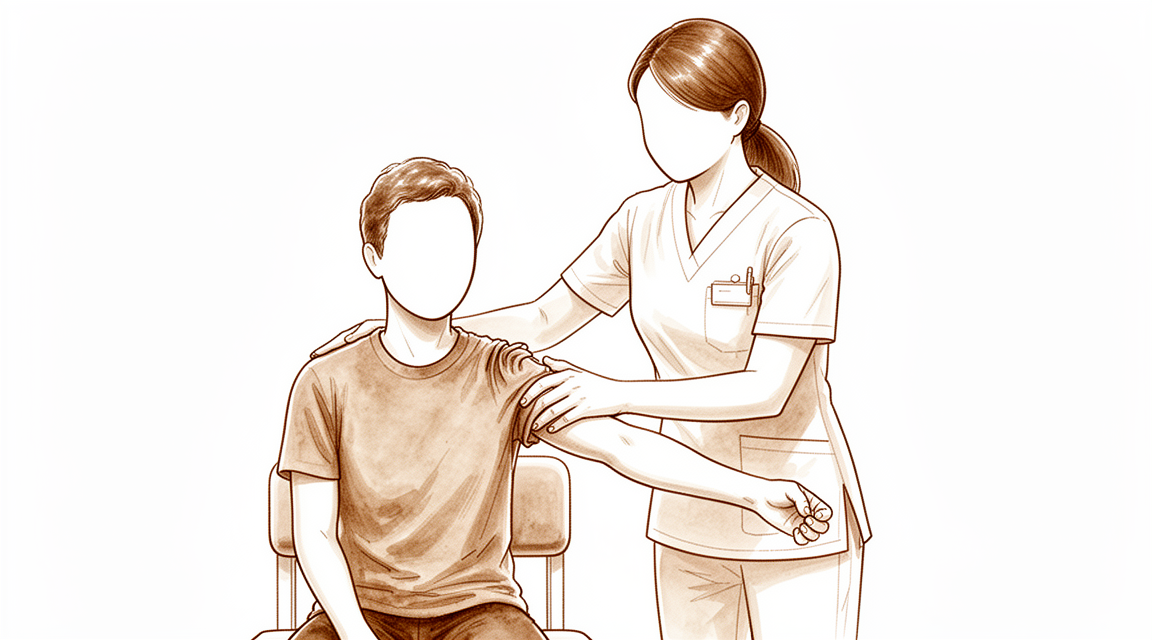
您正在感受到的症状
肩峰下撞击综合征的主要症状是肩部前方疼痛。疼痛常在您抬起手臂、向上伸手过头或在远离身体的位置使用手臂时出现。许多人还会注意到肩部和手臂无力。
疼痛往往有一定的规律。它可能在“疼痛弧”中加剧;疼痛弧是指抬起手臂时会疼痛的一段活动范围,大约在向侧方或向前方抬起 40 至 120 度之间。在这段范围之外,活动往往较为轻松。夜间疼痛很常见,肩部在活动后或刚醒来时可能会酸痛。晾衣服、够高处的架子或提起水壶等事情会变得困难。
您的肩部通常保持正常的活动范围,也就是说,即使活动弧度中的某些部分会疼痛,您仍然可以让肩部完成整个活动弧度。肩部前方有压痛也很常见。
如果您的症状没有缓解、在数周内逐渐加重、让您夜间痛醒,或使您无法工作或无法使用手臂,请去看您的全科医生(GP),或要求专科医生评估。
其他肩部问题也可能有类似的感觉,包括冻结肩(肩周炎)、肩袖全层撕裂(肌腱完全撕裂贯穿)和不稳定(肩关节会滑脱或感觉松动)。仔细的评估可以分辨出您属于哪一种情况。
实际发生了什么
您的肩部位于一个骨性拱形的下方。这个拱形由肩峰(肩部顶端的一块骨性突起)构成,并由一条韧带将其与前方的另一块骨头相连。在这个拱形下方的间隙中滑动的是您的肩袖肌腱,即在您活动时使关节球保持居中的一组四条肌腱,以及一个称为肩峰下滑囊的充满液体的小衬垫。滑囊的作用有点像垫圈,让肌腱在骨头下方平滑滑动,而不是与骨头相互摩擦。
在这种疾病中,这个衬垫会发炎肿胀,肌腱也可能增厚。增厚的肌腱占据了拱形下方狭窄空间的更多部分,因此可供滑动的空间变小了。这与您的感受相吻合:抬起手臂时肩部前方疼痛,在前面所述的疼痛弧中最为严重,因为恰恰在这个时候,拱形下方的空间最为紧窄。当您的手臂抬到大约 90 度、大致与肩同高时,这个空间最窄。
值得了解的是,每个人的肩部,即使是健康的肩部,拱形与肌腱之间都会有一定程度的摩擦。只是在某些动作中压力会升高,例如向侧方或向身后伸手。关于肌腱上方骨骼的形态是否真的是病因,目前也存在争议,因为骨骼形态与肌腱问题之间的关联尚无定论。许多专科医生现在把这种疾病称为肩峰下疼痛综合征,这一名称说明的是疼痛的部位,而不是声称知道疼痛的原因。
正因如此,治疗通常先从非手术方式开始,采用锻炼和其他非手术措施。从拱形下表面磨除骨质的手术,称为肩峰下减压术,可能会提供给一小部分疼痛未能缓解、经过筛选的患者。坦率地说,将这种手术与模拟手术(外科医生查看肩关节内部,但不去除任何骨质)进行对比的试验发现,去除骨质本身带来的额外获益很小。
我们如何处理该问题
Mater Private Hospital Rockhampton 的上肢外科医生 Kieran Hirpara 医生会从适合您病情的最微创方案开始。患者通常由全科医生转诊至我们的诊所;如果理疗师建议您就诊,您仍需获得全科医生的转诊,才有资格享受 Medicare 报销。在您的首次就诊时,我们会采集病史,检查您的肩部,并在必要时安排影像学检查。对于这样一个长期存在的问题,我们通常先尝试非手术治疗,只有在其未能带来足够改善时才考虑手术。
第一步是改变您使用手臂的方式,并在物理治疗师的指导下增强肩部力量。目的是让受刺激的组织平复下来,恢复舒适的活动,而不是忍痛硬撑。请给它几个月的时间进行充分尝试,然后再做判断。在常规治疗基础上额外增加大量的肩部力量训练并不能改善效果,因此关键在于稳定、规范指导下的锻炼。
在锻炼发挥作用期间,止痛药和抗炎药可以帮助您保持活动。对于这种疾病,我们不使用可的松注射。
如果在真正尝试了非手术治疗之后,疼痛仍然限制着您,我们会讨论手术。该手术是肩峰下减压术,从拱形的下表面磨除骨质,为肌腱腾出更多空间,同时切除发炎的滑囊。这个决定由您与我们共同做出,权衡手术包括哪些内容,以及它能改变什么、不能改变什么。
预期情况
对大多数人来说,这种疾病会随着时间推移和坚持锻炼而缓解,而不是靠手术。请给非手术治疗几个月的时间进行充分尝试,然后再做判断。许多人无需手术就能改善到足以恢复正常活动。如果在真正尝试了锻炼和其他非手术措施之后疼痛仍未缓解,可能会讨论手术,但将手术与模拟手术进行对比的试验发现,去除骨质本身带来的额外获益很小。
这种疾病的恢复需要循序渐进,不能操之过急。大多数接受手术的人在 6 周内恢复工作,超过 90% 的人在 4 周内能够恢复驾车,不过肩部手术后至少六周内不应驾车,而且只有在外科医生允许后才能驾车。大多数人也能恢复以前的运动,包括 90% 从事过头运动的人,以及所有从事不过多依赖肩部的运动和对抗性运动的人。主观感受到的肩部功能平均需要将近 3 个月才能恢复。喙肩韧带,即拱形下方的那条组织束带,在术后可能会相当快地重新长回来,但恢复强度需要时间。
如果不予处理,有些人会持续出现时有时无的疼痛,尤其是在过头活动时。专项锻炼治疗可以减少手术的需要,而且效果在 10 年后依然保持。对于有挥鞭样损伤的人,恢复较慢,总体效果也较差。手术中发现的肩袖部分撕裂可能无需处理,因为两组的最终效果相似。
何时就医
这里所说的大多数肩部疼痛并不是急症,但有几个信号需要迅速处理。如果您的手臂变得发热、发红、肿胀和疼痛,尤其是伴有发烧,或者您的手指或手部变得苍白、发冷、发白或发青,请当天前往急诊科。如果受伤后手臂突然失去感觉或无法活动,也同样如此。
如果疼痛没有缓解、在数周内逐渐加重、让您夜间痛醒,或使您无法工作或无法使用手臂,请去看您的全科医生(GP)。如果几个月后简单的措施仍然没有帮助,或者疼痛的规律听起来像前面所述的疼痛弧,请要求专科医生评估。
在做出任何决定之前,专科评估还可以排除其他原因,例如肩袖撕裂或冻结肩。
深入探讨
Advanced reading: the deeper science (optional)
本节内容超出了您自身治疗决策所需的范围。肩峰下撞击综合征值得额外阅读,因为它是唯一一种在两项大型随机对照试验中,将手术与安慰剂手术进行对比研究的肩部疾病,且研究结果改变了全球临床实践。
两项将手术与模拟手术进行对比的试验
大多数手术证据比较的是两种手术,或手术与无治疗。极少情况下,试验会将手术与模拟手术(sham)进行对比:患者接受麻醉,关节镜被置入,但未进行任何减压操作,且患者和评估者均不知晓具体实施的是哪种操作。该设计排除了接受手术本身所产生的安慰剂效应,而该效应十分显著。
CSAW 试验将 313 名患者随机分为三组:关节镜下肩峰下减压术、仅进行探索性关节镜检查,以及无治疗。两组手术组的效果均优于无治疗组,但差异无临床意义,且减压术相较于单纯关节镜检查未提供额外获益 [1]。
FIMPACT 试验独立得出了相同的结论。在肩峰下撞击综合征患者中,关节镜下肩峰下减压术在 24 个月时相较于诊断性关节镜检查未提供获益 [2]。
两项设计严谨的试验,来自两个国家,给出了相同的答案:手术中去除骨骼的部分并非产生改善效果的部分。患者所体验到的任何获益,均源于模拟手术同样提供的因素。
这意味着什么,不意味着什么
这并不意味着疼痛是想象出来的,或者没有任何方法能缓解。这意味着,机械性解释——即骨刺摩擦肌腱并将其磨蚀从而解决问题——并未被支持为获益的机制。
这对该病症的表述方式产生了影响。“撞击”(impingement)这一术语本身就内嵌了机械理论,因此许多文献已转向使用“肩峰下疼痛综合征”(subacromial pain syndrome):这是一种描述疼痛部位的表述,而非关于病因的未经验证的断言。
那么还剩下什么
非手术治疗承担着主要作用,且比较性证据存在分歧,值得仔细研读。在一项针对3,643名患者的网络分析中,关节镜减压联合肩峰成形术及物理治疗在疼痛、患者报告结局及活动范围方面均显示出更好的结果,而皮质类固醇注射在这三个领域均显示出较差的结果,作者建议对症状显著的患者进行物理治疗 [3]。
与假手术对照试验相比,合理的综合结论是:结构化运动是核心治疗;注射可能在短期内缓解疼痛,但在较长时间内效果不佳;且手术并未被证明能带来任何超出插入内窥镜本身所带来的额外益处。
手术仍有适用之处
上述内容均不适用于真正的、可修复的肩袖撕裂,这是一种具有自身循证依据的不同诊断,详见肩袖页面。上述试验针对的是归因于撞击综合征的肩部疼痛,而非伴有肌腱撕裂的肩部。区分这两种情况,正是为何在此处细致的评估比手术方式的选择更为重要的原因。
参考文献
[1] Beard DJ, Rees JL, Cook JA, Rombach I, Cooper C, Merritt N, 等. 针对肩峰下疼痛的关节镜下肩峰下减压术(CSAW):一项多中心、实用性、平行分组、安慰剂对照、三组随机外科试验。Lancet. 2018;391(10118):329-38. https://doi.org/10.1016/S0140-6736(17)32457-1
[2] Paavola M, Malmivaara A, Taimela S, Kanto K, Inkinen J, Kalske J, 等. 肩峰下减压术与诊断性关节镜治疗肩峰下撞击:随机、安慰剂手术对照临床试验。BMJ. 2018;362:k2860. https://doi.org/10.1136/bmj.k2860
[3] Lavoie-Gagne O, Farah G, Lu Y, Mehta N, Parvaresh KC, Forsythe B. 物理治疗联合肩峰下皮质类固醇注射是一线治疗,而若保守治疗失败,肩峰成形术联合物理治疗是治疗撞击综合征的最佳方案:系统综述和网络Meta分析。Arthroscopy. 2022;38(8):2511-24. https://doi.org/10.1016/j.arthro.2022.02.008
Evidence & references
This is the clinical evidence summary written for health professionals. It is technical, and it lists the research this page was built from. You do not need to read it to understand your treatment or to make a decision about it.
Overview
- Chronic subacromial bursitis can present as a soft tissue tumor mimic [1].
- Management of subacromial impingement syndrome includes physical therapy, injections, and surgery for some patients [2].
- There remains a need for high-quality studies of the pathology, etiology, and management of subacromial impingement syndrome [2].
- Current randomized, controlled trial evidence shows no difference in outcomes of shoulder function or pain between surgical and conservative treatment for subacromial impingement syndrome [6].
- Arthroscopic subacromial decompression provided no benefit over diagnostic arthroscopy at 24 months for patients with shoulder impingement syndrome [7].
- Arthroscopic subacromial decompression provided no benefit over diagnostic arthroscopy or exercise therapy at 5 years for patients with shoulder impingement syndrome [10].
- Arthroscopic subacromial decompression provided no benefit over diagnostic arthroscopy or exercise therapy on return to work in patients with shoulder impingement syndrome [11].
- Subacromial pain syndrome should preferably be treated non-operatively [12].
- Subacromial injection with corticosteroids is indicated for persistent or recurrent symptoms of subacromial pain syndrome [12].
- Adding a large dose of shoulder strengthening to current nonoperative care for patients with subacromial impingement did not result in superior shoulder-specific patient-reported outcomes [13].
- For patients who have a long-term disease course, operative treatments may be considered [19].
- Standard ASD surgery is preferred over arthroscopic bursectomy and the open surgical technique for subacromial decompression for patients with a long-term disease course [19].
- Ultrasound guidance is not superior in the subacromial bursa and glenohumeral joint injections in pain or function [21].
- ASD in the treatment of subacromial impingement yields good long-term results [24].
- Ultrasonography provides substantial benefit in detecting and determining the involvement of the shoulder in a patient with septic or tuberculous bursitis of the subacromial bursa [27].
- Five randomized trials found that formal subacromial decompression does not result in improved clinical outcomes up to 2 years after rotator cuff repair [30].
- There is no evidence from the available RCTs for differences in outcome in pain and shoulder function between conservatively and surgically treated patients with subacromial impingement syndrome [31].
- Preserving the subacromial bursa during rotator cuff surgery may lead to better rotator cuff healing when secondary pain is manageable [33].
- Conservative treatment can be recommended as a first choice of treatment of shoulder impingement in first or second grade because of surgery's higher costs and susceptibility for complications compared with costs and risks of conservative treatment [35].
- Surgical groups had better outcomes for shoulder pain and function compared with no treatment, but this difference was not clinically important [37].
- The SUPPORT trial aims to determine how to optimise outcomes for subacromial impingement syndrome through exercise and corticosteroid injection strategies [52].
- Arthroscopic subacromial decompression is a valid treatment, reducing pain and improving quality of life for patients selected for surgery according to the Danish national guidelines [60].
- Arthroscopic subacromial decompression is of little or no benefit over placebo surgery in the treatment of pain due to subacromial impingement [61].
- The surgical option for subacromial impingement should not be ruled out in cases of failure of medical management associated with unfavorable acromion morphology [61].
Anatomy & Pathophysiology
Bony Anatomy
- The acromion, coracoacromial ligament, and coracoid process form the coracoacromial arch, a rigid bony-ligamentous structure that imparts stability to the shoulder girdle [70].
- The rotator cuff, subacromial bursa, and subdeltoid bursa pass underneath the coracoacromial arch [70].
- The acromion has three ossification centers: the metacromion (base), the mesoacromion (middle), and the preacromion (tip) [73].
- Failure of fusion of the acromial ossification centers results in os acromiale [73].
- The relationship between acromial anatomy and rotator cuff disease remains controversial [73].
- The classification of acromial morphology as flat, curved, or hooked is challenged by poor interobserver reliability [73].
- A system incorporating more objective classification criteria and acknowledging the continuous nature of acromial morphologic types may improve interobserver reliability [51].
- The humeral head averages 19° of retroversion and 41° of inclination (neck-shaft angle) [73].
- The glenoid averages 5° of retroversion in relation to the axis of the scapular body [73].
- The subchondral bone of the glenoid is relatively flat, with the articular concavity augmented by cartilage and a circumferential labrum [73].
- The glenoid is a convex structure of shallow depth shaped like an inverted pear [70].
- The articular head of the humerus is spherical with a diameter of 37 to 57 mm [70].
- The most superior portion of the articular surface of the humeral head averages 8 mm above the greater tuberosity [70].
- The humeral version averages 29.8 degrees, with a range of 10 to 55 degrees [70].
- The head is inclined approximately 130 degrees with respect to the humeral shaft [70].
- The bicipital groove lies between the greater and lesser tuberosities and serves as a pathway for the long head of the biceps [70].
- The distal aspect of the bicipital groove is internally rotated with respect to the proximal portion [70].
- The greater tuberosity serves as the attachment site for the supraspinatus, infraspinatus, and teres minor tendons [70].
- The lesser tuberosity serves as the attachment site for the subscapularis tendon [70].
- The acromion is a massive structure overlying the humeral head in humans, reflecting the increasing role of the deltoid muscle in shoulder function [80].
- The coracoid process has undergone an increase in size over time [80].
- With the shoulder in 90 degrees of abduction, the coracoid extension over the glenohumeral joint can mechanically limit anterior translation of the humerus relative to the glenoid [80].
Soft Tissue Anatomy
- The rotator cuff consists of four muscles: subscapularis, supraspinatus, infraspinatus, and teres minor [71].
- The rotator cuff serves as depressors of the humeral head to allow the deltoid to efficiently abduct the humerus [71].
- The infraspinatus and teres minor are external rotators, while the subscapularis is an internal rotator of the humerus [71].
- The rotator interval is defined medially by the base of the coracoid, superiorly by the supraspinatus tendon, and inferiorly by the subscapularis tendon [73].
- The rotator interval contains the coracohumeral ligament, the superior glenohumeral ligament, and the intra-articular portion of the long head of the biceps tendon [73].
- Laxity of the rotator interval results in inferior laxity (the sulcus sign) [73].
- Contracture of the rotator interval is seen with adhesive capsulitis [73].
- The coracohumeral ligament restricts external rotation in adduction and is a static restraint to inferior and posterior translation in adduction and external rotation [73].
- The superior glenohumeral ligament is a primary static restraint against anterior translation with the arm at the side [73].
- The superior glenohumeral ligament and coracohumeral ligament form a pulley that provides restraint against medial subluxation of the long head of the biceps tendon [73].
- The middle glenohumeral ligament is a primary static restraint against anterior translation with the arm in external rotation and 45° of abduction [73].
- The anterior band of the inferior glenohumeral ligament is a primary static restraint against anterior-inferior dislocation of the glenohumeral joint in 90° of abduction and external rotation [73].
- The posterior band of the inferior glenohumeral ligament is a primary static restraint against posterior-inferior translation in internal rotation and adduction [73].
- The subscapular bursa lies between the subscapularis tendon and the neck of the scapula [74].
- The subscapular bursa communicates with the joint cavity between the superior and middle glenohumeral ligaments [74].
- The subscapular bursa protects the tendon of the subscapularis at the point where it passes under the base of the coracoid process and over the neck of the scapula [74].
- The subscapular bursa is linked to the coracoid process by a suspensory ligament [74].
- In 28% of dissected specimens, the subscapular bursae merged with the subcoracoid bursae, forming a unique wide bursa [74].
- The subscapular bursa often houses loose bodies in the shoulder [74].
- The subscapular bursa is a region in which synovitis of the shoulder may be most intense [74].
- The humeroscapular motion interface lies between the inner structures of the proximal humerus, rotator cuff, coracohumeral ligament, and biceps tendon sheath and the superficial layer of the acromion, deltoid, coracoacromial ligament, coracoid process, and conjoined tendon [76].
- Smooth, unrestricted motion at the humeroscapular motion interface is vital to shoulder mobility [76].
- The axillary nerve has an intimate relationship within the humeroscapular motion interface [76].
- The axillary nerve is a terminal branch coming off the posterior cord of the brachial plexus just proximal to the coracoid process [76].
- The axillary nerve passes beneath the conjoined tendon anterior to the subscapularis 3 to 5 mm medial to the musculotendinous junction [76].
- The axillary nerve is adjacent to the inferior capsule before entering the quadrilateral space posteriorly [76].
- The axillary nerve splits into anterior and posterior branches within the quadrangular space [76].
- The anterior and middle deltoid muscle receives sole innervation from the anterior branch of the axillary nerve [76].
- The posterior deltoid muscle innervation varies, with supply only from the anterior branch in 2.3% of cases, from the posterior branch in 8.5%, and from both branches in 89.1% [76].
- The posterior branch of the axillary nerve branches to supply the teres minor muscle and then terminates as the superior lateral brachial cutaneous nerve [76].
- The coracoacromial ligament can be anatomically described as two distinct bands - anterolateral and posteromedial - in the majority of cases [119].
- The acromial branch of the thoracoacromial artery runs on the medial aspect of the coracoacromial ligament [84].
- The coracoacromial ligament contributes to anterosuperior stability in rotator cuff deficiency [84].
- The coracoacromial ligament should be preserved with irreparable cuff tears to prevent anterosuperior escape [84].
- The coracoacromial ligament is the arthroscopic landmark for a complete release of the rotator interval for adhesive capsulitis [84].
Bursae and Synovial Structures
- The subacromial bursa separates the rotator cuff tendons from the coracoacromial arch, allowing them to glide [78].
- The subacromial bursa receives nociceptive stimuli and proprioception and seems to regulate appropriate shoulder movement [115].
- The subacromial bursa is lined by the humeroscapular motion interface [76].
- Adhesions in the humeroscapular motion interface can limit shoulder mobility, as seen in subacromial adhesions in cuff disease and after proximal humerus fracture [76].
- The subacromial and subdeltoid bursae can become thickened and fibrotic, forming adhesions that limit normal glenohumeral motion [70].
- Pigmented villonodular synovitis of the subacromial bursa is a documented pathology [45].
- Hematogenous abscess of the subacromial/subdeltoid bursa is a documented pathology [63].
Pathophysiology
- Subacromial impingement is the most common cause of shoulder pain, accounting for 50%–74% of shoulder cases in general practice [9].
- The pathophysiology of impingement syndrome may have both extrinsic and intrinsic components [46].
- The extrinsic theory of impingement is mechanical and related to the anatomy of the coracoacromial arch [46].
- Patients with a flat (type-I) acromion had better results than those with a curved (type-II) or hooked (type-III) acromion in non-operative treatment [46].
- There was a decreased prevalence of type-I acromial morphology and an increased prevalence of type-III acromial morphology in a population of patients with rotator cuff lesions [46].
- The outcome for patients with a type-II acromion was not significantly different than that for patients with a type-III acromion [46].
- Neer divided the impingement process into three stages [46].
- Stage I of impingement is characterized by acute bursitis with subacromial edema and hemorrhage [46].
- Stage I of impingement is usually observed in patients who are thirty years old or less [46].
- Stage II of impingement is characterized by inflammation of the rotator cuff, with partial-thickness tears possible [46].
- Stage II occurs as the subacromial bursa loses its ability to lubricate and protect the underlying rotator cuff due to continued irritation from abnormal contact with the acromion [46].
- Stage III of impingement results in a full-thickness tear of the rotator cuff due to wear of the anterior aspect of the acromion on the greater tuberosity and supraspinatus tendon [46].
- The progressive process of impingement can be interrupted with an acromioplasty [46].
- Imaging abnormalities of the acromioclavicular joint and subacromial space are common in asymptomatic shoulders [14].
- There is no between-group difference in acromiohumeral distance (AHD) in neutral shoulder position, shoulder abduction at 45° or 60° in adults with subacromial pain syndrome [38].
- The superior migration of the humeral head is a probable result of cuff failure, either partial or complete [124].
- Lack of force on the subscapularis and infraspinatus/teres minor muscles resulted in a significant 61% increase in mean coracoacromial pressures [105].
- Lack of force on all rotator cuff muscles resulted in a significant 35% increase in mean coracoacromial pressures [107].
- Results demonstrated no significant effect of posterior tilting and external rotation on subacromial clearance [112].
- Primary imbalance of rotational musculature of the shoulder is an etiological factor implicated in the impingement syndrome not modified by anterior acromioplasty [111].
- In involved shoulders with impingement syndrome, there was decreased muscle torque in the external rotators in internally rotated positions compared to the uninvolved side [20].
- The aetiology of anterior-superior internal impingement appears to be related to the pulley lesion and instability of the long head of the biceps tendon [53].
- Anterior-superior internal impingement can be caused by trauma or degenerative factors [53].
- Anterior-superior internal impingement produces anterior shoulder pain in middle-aged patients, particularly when performing overhead activities [53].
- Internal impingement between the glenoid and the humeral head may be a significant mechanism in the development of rotator cuff pathosis [117].
- The intraoperative finding of contact of the rotator cuff to the posterosuperior glenoid with the arm in abduction and external rotation can occur in a wide spectrum of shoulder disease and is not limited to the throwing athlete [118].
- Impingement of the undersurface of the cuff on the posterosuperior glenoid labrum may be a cause of painful structural disease of the shoulder in the thrower [132].
- Whether coracoid impingement exists as a distinct syndrome has yet to be fully established [34].
- Lesions of the biceps and the subscapularis should not be attributed to coracoid impingement syndrome [34].
- A weak rotator interval can induce impingement by the soft tissues around the coracoid process [34].
- Closure of the rotator interval, with or without coracoidoplasty, led to improvements in all 14 cases of coracoid impingement studied [34].
- The physiopathologic mechanism for coracoid impingement is not satisfactorily explained [34].
- The physiopathologic mechanism for subacromial impingement is unclear [34].
- Coracoid impingement of the subscapularis tendon seems to be the result of a functional problem, mainly anterior instability of the shoulder joint leading to a functional narrowing of the coracohumeral distance [110].
- Subacromial impingement syndrome is increasingly questioned as a useful diagnosis, with an emerging consensus that symptoms may arise from a number of shoulder pathologies associated with the soft tissues occupying the subacromial space [104].
- Traditionally, extrinsic factors were proposed as causing compression and abrasion of the bursal side of the rotator cuff, mechanically encroached between the acromion (or coracoid) and humeral head [104].
- Intrinsic rotator cuff pathology is suggested as more causative of symptoms than the traditional extrinsic model [104].
- Cadaver studies have demonstrated that rotator cuff pathology occurs more frequently within the internal substance or on the joint side of the tendon [104].
- Lifestyle factors such as sleep behaviors and shoulder usage patterns are associated with subacromial impingement syndrome [66].
- Pain catastrophising levels determine if patients with long-standing subacromial impingement benefit from more resistance exercise [9].
Classification
- Stage I of the impingement process is characterized by acute bursitis with subacromial edema and hemorrhage [46].
- Stage I of the impingement process is usually observed in patients who are thirty years old or less [46].
- Stage II of the impingement process is characterized by inflammation of the rotator cuff and possible partial-thickness tears [46].
- Stage III of the impingement process results in a full-thickness tear of the rotator cuff [46].
- The extrinsic theory of impingement syndrome is mechanical and related to the anatomy of the coracoacromial arch [46].
- A comprehensive classification of individualized impingements occurring around the anterior aspect of the shoulder has been proposed to address conflicting theories [5].
- In a study of 552 patients, the impingement group was subdivided into three groups according to severity [49].
- Group 1 in the severity classification consisted of subacromial impingement alone with a positive impingement test, bursitis or cuff tendonitis, but no tear [49].
- Group 2 in the severity classification consisted of partial rotator cuff tears, including bursal-side and joint-side partial tears [49].
- Group 3 in the severity classification consisted of full-thickness rotator cuff tears regardless of size [49].
- Calcium deposits in the shoulder were classified by size, with large deposits defined as 1.5 cm or longer in their greatest profile [120].
Clinical Presentation
Epidemiology and Prevalence
- Each month, one in every six adults experiences shoulder pain lasting more than 1 week [9].
Diagnostic Challenges and Comorbidities
- Patients presenting with signs and symptoms of subacromial pain syndrome have a high prevalence of conflicting and concomitant diagnoses [4].
- Examination of the cervical spine in patients with subacromial shoulder pain is variable in randomized controlled trials [55].
- Night pain is a common complaint of patients presenting with impingement of the shoulder but cannot be used in isolation as a diagnostic predictor for the presence of a rotator cuff tear [100].
- Accurate diagnosis of the etiology of a patient's shoulder pain and proper injection technique are important in achieving satisfactory clinical outcomes [54].
Clinical Testing and Physical Examination
- A Cochrane review includes 33 studies evaluating a total of 4002 shoulders in 3852 patients regarding physical tests for shoulder impingements and local lesions of bursa, tendon or labrum [3].
- The provocative tests for subacromial impingement also appear to elicit contact consistent with internal impingement [109].
- A quantified measurement test enables the clinician to quantify the subacromial space [28].
- In the involved shoulders of patients with impingement syndrome, there was decreased muscle torque in the external rotators in internally rotated positions compared to the uninvolved side [20].
Imaging and Pathology
- Supraspinatus pathology as defined by magnetic resonance imaging indicates that these pathologic conditions are nonspecific findings related to age and not to shoulder impingement [15].
- The subacromial space width is smaller in nearly all rotator cuff pathologies, but becomes even smaller as the severity of the condition increases and is smaller in the case of a complete cuff tear [57].
- Women aged between 30 and 60 years with subacromial pain syndrome and a calcific deposit of >1.5 cm in length have the highest chance of suffering from symptomatic calcific tendinopathy of the rotator cuff [40].
- Synovitis in the subacromial space was milder and not associated with any clinical parameters in patients with rotator cuff tears [16].
- Subacromial osteolysis has a relatively high and variable incidence, and the primary factor influencing the reported incidence is the radiological assessment method [23].
- Detailed diagnoses could be made as patients were kept at rest by subacromial blocking during MRI by infusing mylocain and Gd-DTPA into the subacromial bursa [36].
Atypical Presentations
- Chronic subacromial bursitis can present as an unusual case mimicking a soft tissue tumor [1].
- Two cases of synovial chondromatosis of the subacromial bursa were documented in patients who had undergone years of daily work that involved positioning the arms overhead, which may have created persistent subacromial impingement [29].
Investigations
Clinical Examination and Diagnostic Challenges
- A Cochrane review of physical tests for shoulder impingements and local lesions included 33 studies evaluating a total of 4002 shoulders in 3852 patients [3].
Plain Radiography
- At least two X-ray views should be obtained for shoulder imaging: an anteroposterior in the plane of the glenoid and an axillary projection with the arm in abduction to show the relationship of the humeral head to the glenoid [87].
- The standard shoulder series should include orthogonal views of the shoulder, including a true AP view in the scapular plane, an AP view, an axillary view, and a scapular Y view [95].
- The true AP view in the scapular plane visualizes the anterior greater tuberosity in profile and can reveal proximal humeral migration [95].
- The axillary view enables determination of the humeral head position in the glenoid fossa and may detect occult, locked posterior shoulder dislocation [95].
- The scapular Y view provides visualization of the coracoacromial arch and can reveal coracoacromial spurs, which have been closely associated with the presence of rotator cuff pathology [95].
- The acromiohumeral distance is normally 7 to 14 mm [95].
- Neer classified acromial morphology as type I (flat), type II (curved), and type III (hooked) [95].
- Type III acromial morphology has been shown to have a correlation with the presence of rotator cuff disease, although no direct causal relationship has been demonstrated [95].
- The Neer classification of acromial morphology has shown relatively poor interobserver reliability [95].
- Due to the low certainty of evidence and significant variation among study populations, further research is needed to clarify prevalence estimates of imaging abnormalities in asymptomatic shoulders [14].
Magnetic Resonance Imaging (MRI)
- MRI is the modality of choice for evaluating the rotator cuff, biceps, and subacromial/subdeltoid bursa [94].
- T2-weighted MRI provides better visualization of full thickness rotator cuff tears [94].
- MR imaging in shoulder abduction can be a help in evaluating the pathoanatomy of impingement syndrome [58].
- In a study of patients with impingement syndrome, the subacromial space was significantly smaller than in healthy persons [130].
- Supraspinatus pathology as defined by magnetic resonance imaging is a nonspecific finding related to age and not to shoulder impingement [15].
- The acromiohumeral distance is significantly smaller on MRI compared to AP radiographs in shoulders with an intact rotator cuff [125].
- The acromiohumeral distance on MRI should not be used as a decision criterion to assess glenohumeral centering or subacromial space width in shoulders with an intact rotator cuff [125].
- No correlation was found between abnormal findings on MR images of the shoulder after surgery and the postoperative clinical presentation of patients [128].
- MRI accuracy in identifying labral and rotator cuff tears in the literature ranges from 70% to 100% [92].
- Magnetic resonance arthrography (MRA) has greater diagnostic test accuracy for glenoid labral lesions than MRI, with MRA sensitivity of 88% and specificity of 93% versus MRI sensitivity of 76% and specificity of 87% [92].
- MRA is considered the benchmark for evaluation of labral tears and is rarely indicated for evaluation of rotator cuff pathology [94].
- When MRI or MR arthrography is contraindicated, CT arthrography is indicated [94].
Ultrasonography
- Ultrasonography is a simple and accurate test for identifying rotator cuff tears and calcific tendinitis [87].
- Ultrasonography is a low-cost alternative to MRI and arthrography for evaluating both skeletal and soft-tissue structures of the shoulder [94].
- Ultrasonography can provide immediate, real-time visualization of the rotator cuff, biceps tendon, and calcific deposits [94].
- Ultrasonography can be used to measure the subacromial space and detect atrophy of rotator cuff muscles [94].
- Ultrasonography can evaluate impingement in various positions and motions due to real-time imaging capabilities [94].
- Ultrasonography is highly operator dependent and is not as useful for evaluating labral tears or rotator cuff tears that are very small or larger than 3 cm [94].
- The subacromial space width is smaller in nearly all rotator cuff pathologies, becoming even smaller as the severity of the condition increases and smallest in the case of a complete cuff tear [57].
- Ultrasonography is not superior to non-guided techniques for subacromial bursa and glenohumeral joint injections in terms of pain or function [21].
- Ultrasonography is superior to non-guided techniques for bicipital groove injections [21].
- A machine learning-based ultrasomics approach may be helpful in the preliminary screening of shoulder pain [67].
- Ultrasonography has a sensitivity of 98%, specificity of 80%, positive predictive value of 90%, negative predictive value of 95%, and accuracy of 94% for the detection of full-thickness rotator cuff tears [95].
- Ultrasonography is useful in detecting and determining the involvement of the shoulder in patients with septic or tuberculous bursitis of the subacromial bursa [27].
- MRI showed no rotator cuff tear and localized subacromial hemorrhage in a patient on anticoagulation therapy [134].
Arthroscopy and Other Modalities
- Arthroscopy is useful for diagnosing and treating subacromial impingement, intra-articular lesions, detachment of the glenoid labrum, and rotator cuff tears [87].
- Both changes in the acromion showed impingement at both sites in 13 shoulders during bursoscopy [8].
- The presence of subacromial plicae observed in living subjects at bursoscopy is in agreement with previously published anatomic studies [22].
- Subacromial friction could be seldom observed in shoulder disease except in pure impingement syndrome [18].
- Detailed diagnoses could be made using MRI by infusing mylocain and Gd-DTPA into the subacromial bursa as patients were kept at rest by subacromial blocking [36].
- A test enabling the clinician to quantify the subacromial space has been described [28].
- Subacromial osteolysis following hook plate fixation for acromioclavicular dislocation has a relatively high and variable incidence, with the primary factor influencing the reported incidence being the radiological assessment method [23].
Treatment
Non-Operative Management
- Conservative treatment can be recommended as a first choice of treatment for shoulder impingement in first or second grade due to surgery's higher costs and susceptibility for complications [35].
- Conservative treatment is considered the first choice in the treatment of subacromial impingement syndrome, with complaints relieved when conservative methods are regularly applied [26].
- Most UK management regimes for subacromial impingement employ a minimum period of 12 weeks of conservative management incorporating physiotherapy and at least 2 subacromial steroid injections [17].
- A systematic review found no clinically meaningful differences in pain or function at any 3-, 6-months, 1-, 2-, 5- or ≥10-years follow up when comparing surgery plus physiotherapy versus physiotherapy alone [50].
- The level of pain catastrophising determines if patients with long-standing subacromial impingement benefit from more resistance exercise [9].
Injections
- Ultrasound guidance is not superior in subacromial bursa and glenohumeral joint injections regarding pain or function [21].
- A systematic review indicates there is little reproducible evidence to support the efficacy of subacromial corticosteroid injection in managing rotator cuff disease [108].
Operative Management
- Arthroscopic subacromial decompression is of little or no benefit over placebo surgery in the treatment of pain due to subacromial impingement, although the surgical option should not be ruled out in cases of failure of medical management associated with unfavorable acromion morphology [61].
- For patients who have a long-term disease course, operative treatments may be considered, with standard ASD surgery preferred over arthroscopic bursectomy and the open surgical technique for subacromial decompression [19].
- Major improvements in pain/function were seen at mid- to long-term after isolated arthroscopic subacromial decompression and combined decompression/rotator cuff repair [41].
- Subacromial continuous infusion of local anesthetic does not provide a clinically significant benefit compared with placebo as part of a multimodal analgesia regime after arthroscopic subacromial surgical procedures [123].
Complications
Diagnostic and Pathologic Mimics
- Synovial chondromatosis of the subacromial bursa is a documented complication associated with persistent overhead work [29].
- Pigmented villonodular synovitis of the subacromial bursa is a rare pathological entity [45].
- Pseudotumoral calcified bursitis of the shoulder can occur in patients with hemodialysis [62].
- Subacromial plicae are present in living subjects and have been described as a cause of impingement [22].
Imaging and Diagnostic Findings
- Supraspinatus pathology defined by magnetic resonance imaging is a nonspecific finding related to age rather than shoulder impingement [15].
- Subacromial synovitis is milder and not associated with any clinical parameters in the context of rotator cuff tears [16].
Post-Surgical Complications
- Subacromial osteolysis following hook plate fixation for acromioclavicular dislocation has a relatively high and variable incidence [23].
- The primary factor influencing the reported incidence of subacromial osteolysis following hook plate fixation is the radiological assessment method [23].
- Subacromial notching following reverse shoulder arthroplasty with a 135° inlay humeral component and a lateralized glenoid is not associated with functional outcomes or range of motion at short-term follow-up [39].
- Subacromial pain pumps used for arthroscopic shoulder procedures are safe in the short-term [131].
Treatment-Related Outcomes and Risks
- Surgical treatment carries higher costs and susceptibility for complications compared with conservative treatment [35].
- Arthroscopic subacromial decompression provided no benefit over diagnostic arthroscopy at 24 months [7].
- Formal subacromial decompression does not result in improved clinical outcomes up to 2 years after rotator cuff repair [30].
- There is no evidence from available randomized controlled trials for differences in outcome in pain and shoulder function between conservatively and surgically treated patients with subacromial impingement syndrome [31].
- Adding a large dose of shoulder strengthening exercises to nonoperative care for 16 weeks did not significantly improve long-term outcomes in terms of shoulder disability, health-related quality of life, sick leave, or surgery rates at 1 year [64].
- There was no significant difference regarding shoulder function or adverse effects between intra-articular and subacromial corticosteroid injection in frozen shoulder [44].
Recovery
Non-Operative Management
- Conservative treatment is considered the first choice for subacromial impingement syndrome, with complaints relieved when conservative methods are regularly applied [26].
- Scapular focused interventions showed a between-group difference in shoulder abduction range of motion in the short term only [56].
Operative Management
- For patients with a long-term disease course, operative treatments may be considered, with standard ASD surgery preferred over arthroscopic bursectomy and the open surgical technique for subacromial decompression [19].
- Major improvements in pain and function were seen at mid- to long-term after isolated arthroscopic subacromial decompression and combined decompression/rotator cuff repair [41].
Post-Operative Complications and Findings
- Subacromial osteolysis has a relatively high and variable incidence following hook plate fixation for acromioclavicular dislocation, with the primary factor influencing the reported incidence being the radiological assessment method [23].
- When subacromial notching occurs following reverse shoulder arthroplasty, it is not associated with functional outcomes or range of motion at short-term follow-up [39].
- There was no evidence of progression of intrinsic rotator cuff pathologic conditions at a mean follow-up of 4.5 years after acromioplasty without repair for partial-thickness rotator cuff tears [69].
Clinical Presentation and Diagnosis
- Less than half of patients in secondary care adhere to clinical guidelines for subacromial pain syndrome and have acceptable symptoms after treatment [25].
- There was no between-group difference in acromiohumeral distance in neutral shoulder position, shoulder abduction at 45° or 60° in adults with subacromial pain syndrome [38].
Key Evidence
- [L5] This article documents an unusual presentation of chronic subacromial bursitis. [1] (10.1016/s1058-2746(00)90014-4)
- [L5] Management of subacromial impingement syndrome includes physical therapy, injections, and surgery for some patients, but there remains a need for high-quality studies of the pathology, etiology, and management of the condition. [2] (10.5435/00124635-201111000-00006)
- [L1] The review includes 33 studies evaluating a total of 4002 shoulders in 3852 patients. [3] (10.1002/14651858.cd007427.pub2)
- [L3] Patients presenting with signs and symptoms of subacromial pain syndrome have a high prevalence of conflicting and concomitant diagnoses. [4] (10.1177/23259671251332942)
- [L4] The article proposes a comprehensive classification of all individualized impingements occurring around the anterior aspect of the shoulder, including newly described entities, to address conflicting theories and improve understanding of their etiologic factors, diagnosis, and treatment. [5] (10.1007/s00264-017-3515-1)
- [L1] Current randomized, controlled trial evidence shows no difference in outcomes of shoulder function or pain between surgical and conservative treatment for subacromial impingement syndrome. [6] (10.2106/jbjs.9202.ebo579)
- [L1] In this controlled trial involving patients with a shoulder impingement syndrome, arthroscopic subacromial decompression provided no benefit over diagnostic arthroscopy at 24 months. [7] (10.1136/bmj.k2860)
- [L4] Both changes in the acromion showed impingement at both sites in 13 shoulders. [8] (10.1016/s1058-2746(96)80549-0)
- [L1] [9] (10.1136/bjsports-2022-106383)
- [L1] Arthroscopic subacromial decompression provided no benefit over diagnostic arthroscopy or exercise therapy at 5 years for patients with shoulder impingement syndrome. [10] (10.1136/bjsports-2020-102216)
- [L1] Arthroscopic subacromial decompression provided no benefit over diagnostic arthroscopy or exercise therapy on return to work in patients with shoulder impingement syndrome. [11] (10.1186/s12891-021-04768-7)
- [Paper] SAPS should preferably be treated non-operatively, with subacromial injection with corticosteroids indicated for persistent or recurrent symptoms. [12] (10.3109/17453674.2014.920991)
- [L1] Adding a large dose of shoulder strengthening to current nonoperative care for patients with subacromial impingement did not result in superior shoulder-specific patient-reported outcomes. [13] (10.1177/03635465211016008)
- [L2] Due to the low certainty of evidence and significant variation among study populations, further research is needed to clarify these prevalence estimates and to guide evidence-based management of shoulder abnormalities. [14] (10.1186/s13018-024-05378-4)
- [L4] This finding indicates that these pathologic conditions are nonspecific findings related to age and not to shoulder impingement. [15] (10.1016/s1058-2746(99)90090-3)
- [L4] Synovitis in the subacromial space was milder and not associated with any clinical parameters. [16] (10.1177/23259671231207818)
- [L4] Variation exists in the management regimes offered to patients with subacromial impingement, but most employ a minimum period of 12 weeks of conservative management incorporating physiotherapy and at least 2 subacromial steroid injections. [17] (10.1177/1758573215571010)
- [Paper] Consequently, the subacromial friction could be seldom observed in the shoulder disease except pure impingement syndrome. [18] (10.1016/s1058-2746(98)90106-9)
- [L1] For patients who have a long-term disease course, operative treatments may be considered, with standard ASD surgery preferred over arthroscopic bursectomy and the open surgical technique for subacromial decompression. [19] (10.1097/md.0000000000000510)
- [L4] In the involved shoulders there was also a decreased musle torque in the externa? rotators in internally rotated positions compared to the uninvolved side. [20] (10.1016/s1058-2746(96)80130-3)
- [L1] Ultrasound guidance is not superior in the subacromial bursa and glenohumeral joint injections in pain or function. [21] (10.1016/j.arthro.2021.12.013)
- [L4] The findings of this study, describing the presence of subacromial plicae observed in living subjects at bursoscopy, are in agreement with previously published anatomic studies. [22] (10.1016/j.jse.2006.03.009)
- [L1] Subacromial osteolysis has a relatively high and variable incidence, and the primary factor influencing the reported incidence is the radiological assessment method. [23] (10.1016/j.jse.2024.03.018)
- [L3] ASD in the treatment of subacromial impingement yields good long-term results. [24] (10.1016/j.jse.2007.06.020)
- [L3] [25] (10.1016/j.msksp.2021.102322)
- [L4] We believe that conservative should be the first choice in the treatment of subacromial impingement syndrome and we noted that the complaints were relieved when the conservative treatment methods are regularly applied. [26] (10.1016/s1058-2746(96)80423-x)
- [L5] This case illustrates the substantial benefit of ultrasonography in detecting and determining the involvement of the shoulder in a patient with septic or tuberculous bursitis of the subacromial bursa. [27] (10.1016/s1058-2746(03)00093-4)
- [L4] This test enables the clinician to quantify the subacromial space. [28] (10.1016/s1058-2746(03)00038-7)
- [L5] Both patients had undergone years of daily work that involved positioning the arms overhead, which may have created persistent subacromial impingement. [29] (10.1067/mse.2001.111964)
- [L1] Five randomized trials found that formal subacromial decompression does not result in improved clinical outcomes up to 2 years after rotator cuff repair. [30] (10.1016/j.arthro.2012.06.003)
- [L1] According to the best-evidence synthesis, there is no evidence from the available RCTs for differences in outcome in pain and shoulder function between conservatively and surgically treated patients with SIS. [31] (10.1016/j.jse.2009.01.010)
- [L5] Preserving the subacromial bursa during rotator cuff surgery may lead to better rotator cuff healing when secondary pain is manageable. [33] (10.1530/eor-2024-0183)
- [L4] [34] (10.1016/s1058-2746(99)90005-8)
- [L1] Because of surgery's higher costs and susceptibility for complications compared with costs and risks of conservative treatment, conservative treatment can be recommended as a first choice of treatment of shoulder impingement in first or second grade. [35] (10.3109/09638288.2014.907364)
- [L4] Detailed diagnoses could be made as the patients were kept at rest by subacromial blocking. [36] (10.1016/s1058-2746(95)80307-6)
- [L1] Surgical groups had better outcomes for shoulder pain and function compared with no treatment but this difference was not clinically important. [37] (10.1016/s0140-6736(17)32457-1)
- [L1] There was no between group difference in acromiohumeral distance (AHD) in neutral shoulder position, shoulder abduction at 45° or 60°. [38] (10.1038/s41598-020-76704-z)
- [L3] When subacromial notching occurs, it is not associated with functional outcomes or range of motion at short-term follow-up. [39] (10.1016/j.jseint.2024.01.009)
- [L3] This study demonstrates that women aged between 30 and 60 years with subacromial pain syndrome and a calcific deposit of >1.5 cm in length have the highest chance of suffering from symptomatic calcific tendinopathy of the rotator cuff. [40] (10.1016/j.jse.2015.02.024)
- [L3] Major improvements in pain/function were seen at mid- to long-term after isolated arthroscopic subacromial decompression and combined decompression/rotator cuff repair. [41] (10.1016/j.jor.2018.03.004)
- [L1] There was no significant difference regarding the shoulder function or adverse effects. [44] (10.1016/j.ijsu.2019.06.008)
- [L5] At a 3 1/2 year follow-up the patient was functioning well, although she still reported occasional discomfort and had shoulder elevation to 160°. [45] (10.1016/s1058-2746(97)90010-0)
- [L3] [46] (10.2106/00004623-199705000-00013)
- [L3] [49] (10.1197/j.jht.2006.11.009)
- [L1] [50] (10.1371/journal.pone.0216961)
- [L4] It is concluded that a system that incorporates more objective classification criteria and acknowledges the continuous nature of acromial morphologic types may improve interobserver reliability and validate the system's use in making clinical and surgical judgments. [51] (10.1016/s1058-2746(05)80037-0)
- [L2] This protocol paper presents the rationale, design, methods, and operational aspects of the SUPPORT trial, which aims to determine how to optimise outcomes for subacromial impingement syndrome through exercise and corticosteroid injection strategies. [52] (10.1186/1471-2474-15-81)
- [L4] [53] (10.1007/s00167-010-1232-z)
- [L5] Accurate diagnosis of the etiology of a patient's shoulder pain and proper injection technique are important in achieving satisfactory clinical outcomes. [54] (10.1016/j.jse.2007.07.009)
- [L1] Examination of the cervical spine in patients with subacromial shoulder pain is variable in randomized controlled trials. [55] (10.1177/1758573218798023)
- [L1] A between-group difference in shoulder abduction ROM in the short term only was found. [56] (10.1080/09593985.2018.1423656)
- [L4] The subacromial space width is smaller in nearly all rotator cuff pathologies, but becomes even smaller as the severity of the condition increases and is smaller in the case of a complete cuff tear. [57] (10.1016/j.ultras.2003.11.015)
- [L4] MR imaging in shoulder abduction can be a help in evaluating the pathoanatomy of impingement syndrome. [58] (10.1016/s1058-2746(96)80509-x)
- [L4] Arthroscopic subacromial decompression is a valid treatment, reducing pain and improving quality of life for patients selected for surgery according to the Danish national guidelines. [60] (10.1016/j.jse.2017.03.028)
- [L1] Arthroscopic subacromial decompression is of little or no benefit over placebo surgery in the treatment of pain due to subacromial impingement, although the surgical option should not be ruled out in cases of failure of medical management associated with unfavorable acromion morphology. [61] (10.1016/j.otsr.2019.10.002)
- [L5] After 2 years of follow-up, the patient had regained full use of the shoulder and there was no sign of recurrence. [62] (10.1016/s1058-2746(98)90041-6)
- [L5] The patient had full shoulder mobility and strength at 6 months and no symptoms, recurrence, or abnormal x-ray evaluation five years later. [63] (10.1016/s1058-2746(98)90228-2)
- [L1] Adding a large dose of shoulder strengthening exercises to nonoperative care for 16 weeks did not significantly improve long-term outcomes in terms of shoulder disability, health-related quality of life, sick leave, or surgery rates at 1 year. [64] (10.1177/23259671251374314)
- [L1] This evidence supports the development of strategies aimed at improving sleep behaviors and optimizing shoulder usage patterns as effective measures to prevent SIS. [66] (10.1186/s12891-024-07345-w)
- [L4] This noninvasive and low-cost approach may be helpful in the preliminary screening of shoulder pain. [67] (10.1002/jum.15914)
- [L4] There was no evidence of progression of intrinsic rotator cuff pathologic conditions at a mean follow-up of 4.5 years. [69] (10.1177/03635465020300021801)
- [L3] Night pain is a common complaint of patients presenting with impingement of the shoulder but cannot be used in isolation as a diagnostic predictor for the presence of a rotator cuff tear. [100] (10.1111/j.1758-5740.2011.00133.x)
- [L1] [104] (10.1177/1758573216660038)
- [L5] Lack of force on the subscapularis and infraspinatus/teres minor muscles resulted in a significant sixty-one percent increase in mean coracoacromial pressures. [105] (10.1016/s1058-2746(95)80184-7)
- [L5] Lack of force on the subscapularis and infraspinatus/teres minor muscles resulted in a significant 61% increase in mean coracoacromial pressures, while lack of force on all rotator cuff muscles resulted in a significant 35% increase. [107] (10.1016/s1058-2746(05)80039-4)
- [L1] This systematic review of the available literature indicates that there is little reproducible evidence to support the efficacy of subacromial corticosteroid injection in managing rotator cuff disease. [108] (10.5435/00124635-200701000-00002)
- [L5] The provocative tests for subacromial impingement also appear to elicit contact consistent with internal impingement. [109] (10.1016/s1058-2746(00)90008-9)
- [L5] Instead, it seems to be the result of a functional problem, mainly anterior instability of the shoulder joint leading to a functional narrowing of the coracohumeral distance. [110] (10.1016/j.jse.2003.12.007)
- [L4] These data demonstrate primary imbalance of rotatotional musculature of the shoulder is an etiological factor implicated in the impingement syndrome not modified by anterior acromioplasty. [111] (10.1016/s1058-2746(95)80091-3)
- [L5] Results demonstrated no significant effect of posterior tilting and external rotation on subacromial clearance. [112] (10.1016/j.jse.2004.09.001)
- [L5] The subacromial bursa receives nociceptive stimuli and proprioception and seems to regulate appropriate shoulder movement. [115] (10.1016/s1058-2746(96)80069-3)
- [L5] It appears that internal impingement between the glenoid and the humeral head may also be a significant mechanism in the development of rotator cuff pathosis. [117] (10.1067/mse.2000.105449)
- [L3] The intraoperative finding of contact of the rotator cuff to the posterosuperior glenoid with the arm in abduction and external rotation can occur in a wide spectrum of shoulder disease and is not limited to the throwing athlete. [118] (10.1016/s1058-2746(99)90076-9)
- [L5] In the majority of cases, the coracoacromial ligament can be anatomically described as two distinct bands - anterolateral & posteromedial. [119] (10.1016/s1058-2746(96)80286-2)
- [L4] [120] (10.1001/jama.1941.02820220019004)
- [L1] Subacromial continuous infusion of local anesthetic does not provide a clinically significant benefit compared with placebo as part of a multimodal analgesia regime after arthroscopic subacromial surgical procedures. [123] (10.1016/j.jse.2019.11.010)
- [L4] The superior migration of the humeral head is a probable result of cuff failure, either partial or complete. [124] (10.1016/s1058-2746(05)80004-7)
- [L4] The acromiohumeral distance is significantly smaller in the MRI in comparison to AP radiographs in shoulders with an intact rotator cuff and should not be used as a decision criterion on MRI to assess glenohumeral centering or subacromial space width. [125] (10.1007/s00167-020-06090-6)
- [L4] No correlation was found between the abnormal findings on the MR images of the shoulder after surgery and the postoperative clinical presentation of the patients. [128] (10.1016/s1058-2746(96)80212-6)
- [L4] In this study evidence was found that the subacromial space of patients with impingment syndrome is significantly smaller than in healthy persons. [130] (10.1016/s1058-2746(95)80066-2)
- [L4] Subacromial pain pumps used for arthroscopic shoulder procedures are safe in the short-term. [131] (10.1016/j.jse.2008.03.011)
- [L4] [132] (10.1016/s1058-2746(09)80065-7)
- [L5] The MRI showed no rotator cuff tear and localized the subacromial hemorrhage. [134] (10.1067/mse.2000.109411)
References
[1] Subacromial bursitis mimicking a soft tissue tumor. Journal of Shoulder and Elbow Surgery. 2000. DOI: 10.1016/s1058-2746(00)90014-4
[2] Subacromial Impingement Syndrome. American Academy of Orthopaedic Surgeon. 2011. DOI: 10.5435/00124635-201111000-00006
[3] Physical tests for shoulder impingements and local lesions of bursa, tendon or labrum that may accompany impingement. Cochrane Database of Systematic Reviews. 2013. DOI: 10.1002/14651858.cd007427.pub2
[4] The Challenge of Diagnosing Patients Presenting With Signs and Symptoms of Subacromial Pain Syndrome: A Descriptive Study of 741 Patients Seen in a Secondary Care Setting. Orthopaedic Journal of Sports Medicine. 2025. DOI: 10.1177/23259671251332942
[5] Redefining anterior shoulder impingement: a literature review. International Orthopaedics. 2017. DOI: 10.1007/s00264-017-3515-1
[6] Current Evidence Fails to Show Differences in Effectiveness Between Conservative and Surgical Treatment of Subacromial Impingement Syndrome. The Journal of Bone & Joint Surgery. 2010. DOI: 10.2106/jbjs.9202.ebo579
[7] Subacromial decompression versus diagnostic arthroscopy for shoulder impingement: randomised, placebo surgery controlled clinical trial. BMJ. 2018. DOI: 10.1136/bmj.k2860
[8] The role of the bursoscopy in subacromial impingement syndrome. Journal of Shoulder and Elbow Surgery. 1996. DOI: 10.1016/s1058-2746(96)80549-0
[9] Level of pain catastrophising determines if patients with long-standing subacromial impingement benefit from more resistance exercise: predefined secondary analyses from a pragmatic randomised controlled trial (the SExSI Trial). British Journal of Sports Medicine. 2023. DOI: 10.1136/bjsports-2022-106383
[10] Subacromial decompression versus diagnostic arthroscopy for shoulder impingement: a 5-year follow-up of a randomised, placebo surgery controlled clinical trial. British Journal of Sports Medicine. 2020. DOI: 10.1136/bjsports-2020-102216
[11] Return to work after subacromial decompression, diagnostic arthroscopy, or exercise therapy for shoulder impingement: a randomised, placebo-surgery controlled FIMPACT clinical trial with five-year follow-up. BMC Musculoskeletal Disorders. 2021. DOI: 10.1186/s12891-021-04768-7
[12] Guideline for diagnosis and treatment of subacromial pain syndrome. Acta Orthopaedica. 2014. DOI: 10.3109/17453674.2014.920991
[13] Effectiveness of Adding a Large Dose of Shoulder Strengthening to Current Nonoperative Care for Subacromial Impingement: A Pragmatic, Double-Blind Randomized Controlled Trial (SExSI Trial). The American Journal of Sports Medicine. 2021. DOI: 10.1177/03635465211016008
[14] Imaging abnormalities of the acromioclavicular joint and subacromial space are common in asymptomatic shoulders: a systematic review. Journal of Orthopaedic Surgery and Research. 2025. DOI: 10.1186/s13018-024-05378-4
[15] Is supraspinatus pathology as defined by magnetic resonance imaging associated with clinical sign of shoulder impingement?. Journal of Shoulder and Elbow Surgery. 1999. DOI: 10.1016/s1058-2746(99)90090-3
[16] Clinical Implication of Glenohumeral and Subacromial Synovitis in Rotator Cuff Tears. Orthopaedic Journal of Sports Medicine. 2023. DOI: 10.1177/23259671231207818
[17] Current UK practices in the management of subacromial impingement. Shoulder & Elbow. 2015. DOI: 10.1177/1758573215571010
[18] 7 Dynamic subacromial pressure in shoulder diseases. Journal of Shoulder and Elbow Surgery. 1998. DOI: 10.1016/s1058-2746(98)90106-9
[19] Treatments for Shoulder Impingement Syndrome. Medicine. 2015. DOI: 10.1097/md.0000000000000510
[20] Muscle strength in patients with impingement syndrome of the shoulder. Journal of Shoulder and Elbow Surgery. 1996. DOI: 10.1016/s1058-2746(96)80130-3
[21] Ultrasound Guidance Is Not Superior in Subacromial Bursa and Intraarticular Injections but Superior in Bicipital Groove: A Meta-analysis of Randomized Controlled Trials. Arthroscopy: The Journal of Arthroscopic & Related Surgery. 2022. DOI: 10.1016/j.arthro.2021.12.013
[22] Subacromial plica as a cause of impingement in the shoulder. Journal of Shoulder and Elbow Surgery. 2006. DOI: 10.1016/j.jse.2006.03.009
[23] Subacromial osteolysis following hook plate fixation for acromioclavicular dislocation: a systematic review and meta-analysis. Journal of Shoulder and Elbow Surgery. 2024. DOI: 10.1016/j.jse.2024.03.018
[24] Small full-thickness tears do well ten to thirteen years after arthroscopic subacromial decompression. Journal of Shoulder and Elbow Surgery. 2008. DOI: 10.1016/j.jse.2007.06.020
[25] Less than half of patients in secondary care adheres to clinical guidelines for subacromial pain syndrome and have acceptable symptoms after treatment: A Danish nationwide cohort study of 3306 patients. Musculoskeletal Science and Practice. 2021. DOI: 10.1016/j.msksp.2021.102322
[26] Conservative treatment methods and results in subacromial impingement syndrome. Journal of Shoulder and Elbow Surgery. 1996. DOI: 10.1016/s1058-2746(96)80423-x
[27] Tuberculous bursitis of the subacromial bursa. Journal of Shoulder and Elbow Surgery. 2004. DOI: 10.1016/s1058-2746(03)00093-4
[28] Quantified measurement of subacromial impingement. Journal of Shoulder and Elbow Surgery. 2003. DOI: 10.1016/s1058-2746(03)00038-7
[29] Two cases of synovial chondromatosis of the subacromial bursa. Journal of Shoulder and Elbow Surgery. 2001. DOI: 10.1067/mse.2001.111964
[30] The Changing Role of Acromioplasty. Arthroscopy. 2012. DOI: 10.1016/j.arthro.2012.06.003
[31] Conservative or surgical treatment for subacromial impingement syndrome? A systematic review. Journal of Shoulder and Elbow Surgery. 2009. DOI: 10.1016/j.jse.2009.01.010
[33] Removal or retention: evolving views on possible roles of the subacromial bursa in rotator cuff disease. EFORT Open Reviews. 2025. DOI: 10.1530/eor-2024-0183
[34] Rotator interval lesions and their relation to coracoid impingement syndrome. Journal of Shoulder and Elbow Surgery. 1999. DOI: 10.1016/s1058-2746(99)90005-8
[35] Conservative treatment or surgery for shoulder impingement: systematic review and meta-analysis. Disability and Rehabilitation. 2014. DOI: 10.3109/09638288.2014.907364
[36] MRI by infusing mylocain and Gd-DTPA into the subacromial bursa. Journal of Shoulder and Elbow Surgery. 1995. DOI: 10.1016/s1058-2746(95)80307-6
[37] Arthroscopic subacromial decompression for subacromial shoulder pain (CSAW): a multicentre, pragmatic, parallel group, placebo-controlled, three-group, randomised surgical trial. The Lancet. 2018. DOI: 10.1016/s0140-6736(17)32457-1
[38] No relationship between the acromiohumeral distance and pain in adults with subacromial pain syndrome: a systematic review and meta-analysis. Scientific Reports. 2020. DOI: 10.1038/s41598-020-76704-z
[39] Rates of subacromial notching are low following reverse shoulder arthroplasty with a 135° inlay humeral component and a lateralized glenoid. JSES International. 2024. DOI: 10.1016/j.jseint.2024.01.009
[40] Prevalence of calcific deposits within the rotator cuff tendons in adults with and without subacromial pain syndrome: clinical and radiologic analysis of 1219 patients. Journal of Shoulder and Elbow Surgery. 2015. DOI: 10.1016/j.jse.2015.02.024
[41] Long-term results after surgical treatment of subacromial pain syndrome with or without rotator cuff tear. Journal of Orthopaedics. 2018. DOI: 10.1016/j.jor.2018.03.004
[44] Comparison of intra-articular and subacromial corticosteroid injection in frozen shoulder: A meta-analysis of randomized controlled trials. International Journal of Surgery. 2019. DOI: 10.1016/j.ijsu.2019.06.008
[45] Pigmented villonodular synovitis of the subacromial bursa. Journal of Shoulder and Elbow Surgery. 1997. DOI: 10.1016/s1058-2746(97)90010-0
[46] Non-Operative Treatment of Subacromial Impingement Syndrome. The Journal of Bone and Joint Surgery (American Volume)*. 1997. DOI: 10.2106/00004623-199705000-00013
[49] Diagnostic Accuracy of Clinical Tests for the Different Degrees of Subacromial Impingement Syndrome. Journal of Hand Therapy. 2007. DOI: 10.1197/j.jht.2006.11.009
[50] The effectiveness of surgical vs conservative interventions on pain and function in patients with shoulder impingement syndrome. A systematic review and meta-analysis. PLOS ONE. 2019. DOI: 10.1371/journal.pone.0216961
[51] Reliability of radiographic assessment of acromial morphology. Journal of Shoulder and Elbow Surgery. 1995. DOI: 10.1016/s1058-2746(05)80037-0
[52] Subacromial impingement syndrome and pain: protocol for a randomised controlled trial of exercise and corticosteroid injection (the SUPPORT trial). BMC Musculoskeletal Disorders. 2014. DOI: 10.1186/1471-2474-15-81
[53] Anterior‐superior internal impingement of the shoulder: an evidence‐based review. Knee Surgery, Sports Traumatology, Arthroscopy. 2010. DOI: 10.1007/s00167-010-1232-z
[54] Subacromial corticosteroid injections. Journal of Shoulder and Elbow Surgery. 2008. DOI: 10.1016/j.jse.2007.07.009
[55] Screening of the cervical spine in subacromial shoulder pain: A systematic review. Shoulder & Elbow. 2018. DOI: 10.1177/1758573218798023
[56] Scapular focused interventions to improve shoulder pain and function in adults with subacromial pain: A systematic review and meta-analysis. Physiotherapy Theory and Practice. 2018. DOI: 10.1080/09593985.2018.1423656
[57] Sonographic evaluation of subacromial space. Ultrasonics. 2004. DOI: 10.1016/j.ultras.2003.11.015
[58] Magnetic resonance imaging of the shoulder in abduction for the evaluation of impingement syndrome. Journal of Shoulder and Elbow Surgery. 1996. DOI: 10.1016/s1058-2746(96)80509-x
[60] Acromioplasty in patients selected for operation by national guidelines. Journal of Shoulder and Elbow Surgery. 2017. DOI: 10.1016/j.jse.2017.03.028
[61] Is acromioplasty justifiable?. Orthopaedics & Traumatology: Surgery & Research. 2019. DOI: 10.1016/j.otsr.2019.10.002
[62] Surgical removal of pseudotumoral calcified bursitis of the shoulder in a patient with hemodialysis. Journal of Shoulder and Elbow Surgery. 1998. DOI: 10.1016/s1058-2746(98)90041-6
[63] Hematogenous abscess of the subacromial/subdeltoid bursa in a child. Journal of Shoulder and Elbow Surgery. 1998. DOI: 10.1016/s1058-2746(98)90228-2
[64] The Effect of Adding a Large Dose of Shoulder Strengthening to Nonoperative Care for Subacromial Impingement on Shoulder Disability, Quality of Life, Sick Days, and Surgery Rates: 1-Year Results From a Pragmatic, Double-Blind Randomized Controlled Trial (SExSI). Orthopaedic Journal of Sports Medicine. 2025. DOI: 10.1177/23259671251374314
[66] Lifestyle factors and subacromial impingement syndrome of the shoulder: potential associations in finnish participants. BMC Musculoskeletal Disorders. 2024. DOI: 10.1186/s12891-024-07345-w
[67] Machine
[69] The Partial-Thickness Rotator Cuff Tear: Is Acromioplasty without Repair Sufficient?. The American Journal of Sports Medicine. 2002. DOI: 10.1177/03635465020300021801
[70] Rockwood And Matsen S The Shoulder. Shoulder and Elbow Specialty Clinic Workers’ Survey > ANATOMY.
[71] A Lange Medical Book Current Diagnosis Treatment In Orthopedics Fifth Edition. 2Musculoskeletal Trauma Surgery > SHOULDER AND ARM INJURIES.
[73] Aaos Comprehensive Orthopaedic Review 3. Anatomy of the Shoulder, Arm, and Elbow > I. Shoulder.
[74] Rockwood And Matsen S The Shoulder. Developmental Anatomy of the Shoulder and Anatomy of the Glenohumeral Joint > Bursae.
[76] Rockwood And Matsen S The Shoulder. Developmental Anatomy of the Shoulder and Anatomy of the Glenohumeral Joint > EDITOR COMMENTARY.
[78] Apley And Solomon S Concise System Of Orthopaedics And Trauma. DISORDERS OF THE ROTATOR CUFF.
[80] Rockwood And Matsen S The Shoulder. Developmental Anatomy of the Shoulder and Anatomy of the Glenohumeral Joint > Development of Individual Regions.
[84] Miller S Review Of Orthopaedics. Genetics of musculoskeletal conditions and abnormalities are summarized in Table 1.27 > UPPER EXTREMITY > SHOULDER.
[87] Apley And Solomon S Concise System Of Orthopaedics And Trauma. INVESTIGATION.
[92] Rockwood And Green S Fractures In Adults. 29: Principles of Nonunion and Bone Defect Treatment > Magnetic Resonance Imaging and Arthrography.
[94] Orthopaedic Knowledge Update 13 Ebook Without Multimedia. Shoulder Anatomy and Biomechanics, Clinical Evaluation, Imaging > Clinical Evaluation > Imaging.
[95] Aaos Comprehensive Orthopaedic Review 3. Imaging of the Shoulder and Elbow > I. Shoulder.
[100] Night Pain is not a useful Diagnostic Indicator of Cuff Tear in Patients with Symptoms of Subacromial Impingement. Shoulder & Elbow. 2011. DOI: 10.1111/j.1758-5740.2011.00133.x
[104] Electromyographic activity of the shoulder muscles during rehabilitation exercises in subjects with and without subacromial pain syndrome: a systematic review. Shoulder & Elbow. 2016. DOI: 10.1177/1758573216660038
[105] Impingement pressures underneath the coracoacromial vault. A biomechanical analysis. Journal of Shoulder and Elbow Surgery. 1995. DOI: 10.1016/s1058-2746(95)80184-7
[107] Coracoacromial pressure recordings in a cadaveric model. Journal of Shoulder and Elbow Surgery. 1995. DOI: 10.1016/s1058-2746(05)80039-4
[108] The Efficacy of Subacromial Corticosteroid Injection in the Treatment of Rotator Cuff Disease: A Systematic Review. Journal of the American Academy of Orthopaedic Surgeons. 2007. DOI: 10.5435/00124635-200701000-00002
[109] Anatomy of provocative tests for impingement syndrome of the shoulder. Journal of Shoulder and Elbow Surgery. 2000. DOI: 10.1016/s1058-2746(00)90008-9
[110] The coracoid impingement of the subscapularis tendon: A cadaver study. Journal of Shoulder and Elbow Surgery. 2004. DOI: 10.1016/j.jse.2003.12.007
[111] Isokinetic evaluation of rotational strength in normal shoulders and shoulders with impingement syndrome. Journal of Shoulder and Elbow Surgery. 1995. DOI: 10.1016/s1058-2746(95)80091-3
[112] Contact forces in the subacromial space: Effects of scapular orientation. Journal of Shoulder and Elbow Surgery. 2005. DOI: 10.1016/j.jse.2004.09.001
[115] Sensory nerve supply in the human subacromial bursa. Journal of Shoulder and Elbow Surgery. 1996. DOI: 10.1016/s1058-2746(96)80069-3
[117] Internal impingement in the shoulder. Journal of Shoulder and Elbow Surgery. 2000. DOI: 10.1067/mse.2000.105449
[118] Internal impingement of the shoulder: A clinical and arthroscopic analysis. Journal of Shoulder and Elbow Surgery. 1999. DOI: 10.1016/s1058-2746(99)90076-9
[119] The coracoacromial ligament: Anatomy, morphology and a study of acromial enthesopathy. Journal of Shoulder and Elbow Surgery. 1996. DOI: 10.1016/s1058-2746(96)80286-2
[120] CALCIUM DEPOSITS IN THE SHOULDER AND SUBACROMIAL BURSITIS. Journal of the American Medical Association. 1941. DOI: 10.1001/jama.1941.02820220019004
[123] Subacromial analgesia via continuous infusion catheter vs. placebo following arthroscopic shoulder surgery: a systematic review and meta-analysis of randomized trials. Journal of Shoulder and Elbow Surgery. 2020. DOI: 10.1016/j.jse.2019.11.010
[124] Radiologic measurement of superior displacement of the humeral head in the impingement syndrome. Journal of Shoulder and Elbow Surgery. 1996. DOI: 10.1016/s1058-2746(05)80004-7
[125] The acromiohumeral distance in the MRI should not be used as a decision criterion to assess subacromial space width in shoulders with an intact rotator cuff. Knee Surgery, Sports Traumatology, Arthroscopy. 2020. DOI: 10.1007/s00167-020-06090-6
[128] Preoperative and postoperative MRI of the shoulder. A correlation with neer acromionplasty. Journal of Shoulder and Elbow Surgery. 1996. DOI: 10.1016/s1058-2746(96)80212-6
[130] Magnetic resonance imaging for the evaluation of the impingement syndrome. Journal of Shoulder and Elbow Surgery. 1995. DOI: 10.1016/s1058-2746(95)80066-2
[131] Subacromial pain pump use with arthroscopic shoulder surgery: A short-term prospective study of complications in 583 patients. Journal of Shoulder and Elbow Surgery. 2008. DOI: 10.1016/j.jse.2008.03.011
[132] Impingement of the deep surface of the supraspinatus tendon on the posterosuperior glenoid rim: An arthroscopic study. Journal of Shoulder and Elbow Surgery. 1992. DOI: 10.1016/s1058-2746(09)80065-7
[134] Atraumatic subacromial bursal hemorrhage in a patient on anticoagulation therapy. Journal of Shoulder and Elbow Surgery. 2000. DOI: 10.1067/mse.2000.109411