Patients › Wrist
腕管松解术
Carpal tunnel release surgery relieves median nerve compression—when it’s needed and what to expect.
为何建议进行此手术
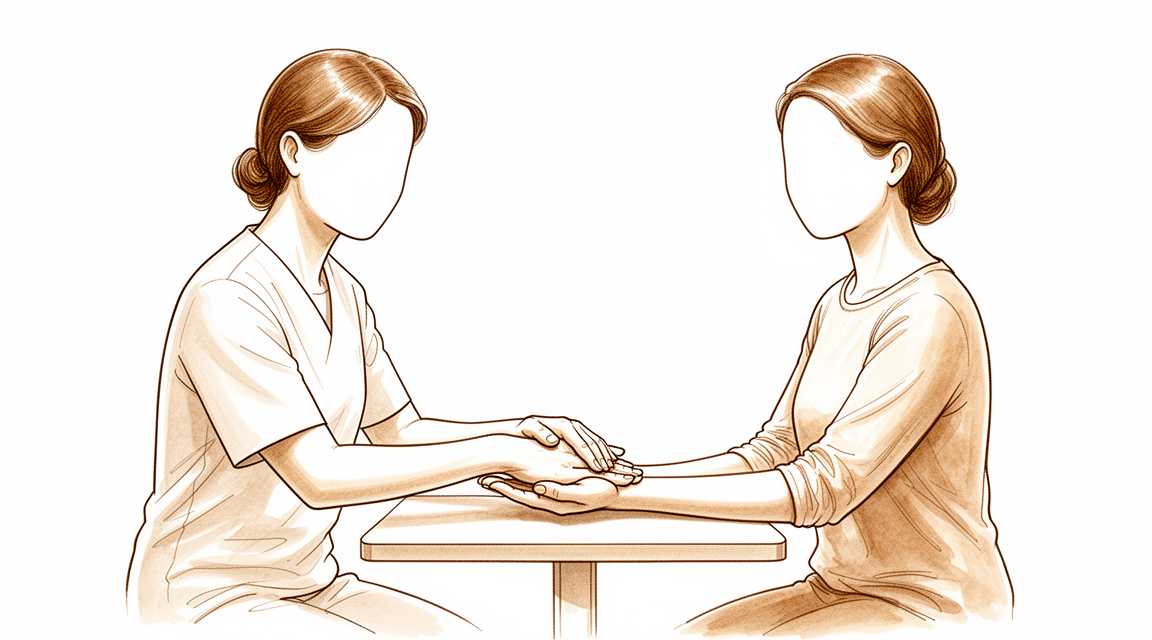
Mater Private Hospital Rockhampton 的上肢外科医生 Kieran Hirpara 医生会从适合您病情的最微创方案开始。患者通常由其全科医生(GP)转诊至我们的诊所;如果物理治疗师建议您就诊,您仍需获得全科医生的转诊,才有资格享受 Medicare 报销。在您的预约就诊中,我们会采集病史,检查您的手部,并在必要时安排影像学检查或神经测试。腕管综合征是由于手腕处的神经受到挤压,导致手部出现刺痛、麻木和疼痛。我们通常首先采用非手术治疗,如支具固定、手部治疗或注射。当这些治疗未能带来足够的改善时,我们会考虑手术。该手术称为腕管松解术。它通过切断横跨手腕的紧绷韧带来减轻对神经的压力。无论年龄、其他健康状况或工伤赔偿状态如何,此手术后症状严重程度和手部功能均可能得到显著改善。我们将与您讨论各种选择,并共同决定手术是否适合您。
术前
您的外科医生会为您提供明确的指示,但以下是您需要注意的事项。您需要在手术前七小时停止进食和饮水。我们要求七小时而非六小时,以便在手术室排程进度提前时,您的手术可以相应提前。请携带您目前服用的药物清单,并告知您的外科医生您是否正在服用任何抗凝药物,因为某些药物可能需要提前暂停。请安排他人在术后驾车送您回家。请穿着宽松、舒适的衣物,且袖子易于穿脱。可能需要一些影像学检查(如X光、MRI或超声)来规划手术。如果您有其他基础疾病,可能需要进行血液检查或由麻醉师进行评估,但大多数人不需要。
手术当天
手术当天,您需前往医院的手术入院单元。那里的医护人员会为您办理入院手续并做术前准备。随后,您将与麻醉师见面,麻醉师负责实施麻醉并在手术期间照看您。该手术可在局部麻醉下进行(通过注射仅使手术区域麻木,您保持清醒),也可在全身麻醉下进行(完全入睡)。大多数人选择局部麻醉:恢复更快,术后不久即可回家。如果您更希望处于睡眠状态,这也是一个合理的选择;请与您的外科医生和麻醉师讨论。之后,您将被带入手术室进行手术。术后,您将在复苏区醒来,护士会在那里看护您,直至麻醉消退。一旦您的情况稳定,根据手术类型和您的恢复情况,您要么回家,要么在病房短暂停留。
手术内容
该手术称为腕管松解术。您的外科医生将在手术区域(手腕和手掌处)做一个单一切口。通过这个切口,外科医生会触及构成腕管顶部的紧绷组织带。腕管是手腕内的一条狭窄通道,神经从中穿过。切开该组织带可打开腕管,从而减轻对神经的压力。该组织带本身无需修复;愈合后,其内部将为神经提供更多空间。
切口将以缝合线关闭。随后,会在您的手部和手腕处缠绕一个厚实的衬垫绷带。正如下一节所述,您将保留此敷料约10天。
手术本身时间较短,您当天即可回家。在签署知情同意书之前,您的外科医生会再次解释手术步骤,您可以在任何时间点提问。
术后
您将在恢复区苏醒,麻醉消退期间,护士会全程看护。您的手部将用厚实的衬垫绷带包扎,我们会为您提供镇痛药物以确保舒适。这是一台日间手术,您当天即可回家。请安排他人在术后最初24小时内陪同您。敷料通常保留约10天;除非我们告知您,否则请勿提前拆除。我们会在复诊时为您更换或拆除敷料。休息时请抬高患手,并在感觉能够承受时,轻柔地用于轻度活动。大多数人可在术后一至两周内恢复驾驶,前提是伤口感觉舒适,且能在不保护手术侧手的情况下抓握并转动方向盘。请参阅上肢手术后的驾驶。
恢复
术后最初几天,您的手部会感到酸痛和肿胀,衬垫绷带会显得笨重。休息时请抬高您的手,这有助于减轻肿胀和不适。通常简单的止痛药就足够了。许多人在此手术后根本不需要强效止痛药。
一旦您感觉可以,就可以轻柔地用手进行轻度活动。敷料需保留至我们复诊时,拆除后您可以正常洗手和淋浴。缝线将在您的复诊时拆除。术后手部康复治疗由 Extend Rehabilitation 的 Ruby Doolan 负责。Ruby 将指导您的锻炼,并根据需要为您制作夹板以提供舒适感。轻柔的活动有助于神经稳定,因此随着周数的增加,您将更多地使用您的手。
随着肿胀消退,您会注意到刺痛感和麻木感减轻,抓握力恢复。一旦您能够无痛地抓握和转动,日常任务就会感觉恢复正常。及时解除对神经的压力,可使手部的感觉和功能恢复。如果您的症状存在于双手,我们可以讨论在同一次就诊中对双手进行手术。
恢复情况因人而异。您的时间表可能有所不同,您的外科医生和治疗师将在整个过程中为您提供指导。
可能出现的问题
大多数患者恢复良好,但偶尔可能出现并发症。您的外科医生和医疗团队会密切监测您的状况,以便尽早发现任何问题。
感染。 伤口感染可能表现为切口周围发红扩散、局部发热或有渗出液。您可能会感到一种不随普通止痛药缓解的深部搏动性疼痛,或者出现发热。如果您注意到上述任何症状,请在当天联系诊所。如果您感觉不适或发红迅速扩散,请前往急诊科。某些因素可能会增加感染风险,例如手术前不久向手腕注射类固醇,或某些健康状况。术前我们会就与您相关的情况进行详细沟通。
伤口问题。 有时伤口边缘愈合时间较长或轻微裂开,或者皮下积血导致肿胀。您可能会看到缝线裂开,或注意到切口附近有一个坚硬且触痛的肿块。请在复诊时提及此情况,如果情况看起来恶化,请提前联系诊所。
神经刺激。 被松解的神经位于手术区域附近,因此在手术过程中可能会受到挫伤或刺激。这通常表现为手部出现新的刺痛感、麻木感或蚁走感,或某块皮肤的感觉与术前不同。大多数神经刺激会随时间消退,但有些变化可能会持续存在。如果您注意到新的麻木感且未见改善,请在下次复查时告知您的外科医生。
症状复发或未完全缓解。 偶尔,神经受压未完全解除,或腕管在数月或数年后再次变窄。您可能会注意到最初的刺痛感、麻木感或夜间疼痛复发。如果发生这种情况,请在复查时提出。有时需要进一步手术,您的外科医生会安排检查以查明原因。
本页上的并发症表列出了典型发生率,如果您想了解具体细节,可参考该表。
何时联系我们
大多数人恢复顺利,但某些迹象需要紧急关注。如果您出现发热、伤口红肿加重或渗液,或疼痛持续加剧,请致电我们。如果您发现手部出现新的麻木且未改善,或无法活动手指,请致电我们。如果您出现突发的剧烈疼痛、小腿肿胀或疼痛,或呼吸困难,请立即前往急诊。如有任何疑虑,请致电诊所,我们将为您提供指导。
在哪里阅读更多关于该疾病的资料
本页介绍的是手术本身。关于该手术所治疗的疾病,包括证据显示手术在何种情况下有效、在何种情况下无效,将在腕管综合征页面中作更详细的介绍。
Evidence & references
This is the clinical evidence summary written for health professionals. It is technical, and it lists the research this page was built from. You do not need to read it to understand your treatment or to make a decision about it.
Overview
- Symptoms of pain, numbness, and tingling in the hands are common in the general population [1].
Anatomy & Pathophysiology
Epidemiology & Symptoms
- Carpal tunnel syndrome with compression of the median nerve at the wrist is the most commonly diagnosed site of nerve compression in the upper extremity [10].
- Symptoms include paresthesia or numbness (or both) in the median nerve distribution, specifically the thumb, index finger, middle finger, and radial side of the ring finger [10].
- Nocturnal paresthesias in the radial three digits of the hand is nearly pathognomonic for carpal tunnel syndrome [10].
- Paresthesias occur characteristically in "fixed wrist activities" such as reading a book or a newspaper, driving, or use of a computer keyboard or mouse [10].
- Patients rarely describe aching in the thenar eminence [10].
- With advanced nerve compression, weakness and atrophy of the abductor pollicis brevis and opponens pollicis muscles occur [10].
- Because of the slow onset of thenar weakness, patients typically adapt to this loss without functional impairments [10].
Pathogenesis
- Bony abnormalities of the carpal bones can decrease the size of the carpal tunnel [5].
- Acromegaly can decrease the size of the carpal tunnel [5].
- Flexion or extension of the wrist can decrease the size of the carpal tunnel [5].
- Forearm and wrist fractures, including Colles fracture and scaphoid fracture, can increase the contents of the carpal canal [5].
- Dislocations and subluxations, including scaphoid rotary subluxation and lunate volar dislocation, can increase the contents of the carpal canal [5].
- Posttraumatic arthritis with osteophytes can increase the contents of the carpal canal [5].
- Musculotendinous variants can increase the contents of the carpal canal [5].
- Aberrant muscles, including lumbrical, palmaris longus, and palmaris profundus, can increase the contents of the carpal canal [5].
- Local tumors, including neuroma, lipoma, multiple myeloma, and ganglion cysts, can increase the contents of the carpal canal [5].
- A persistent medial artery, whether thrombosed or patent, can increase the contents of the carpal canal [5].
- Hypertrophic synovium can increase the contents of the carpal canal [5].
- Hematoma resulting from hemophilia, anticoagulation therapy, or trauma can increase the contents of the carpal canal [5].
- Diabetes mellitus is a neuropathic condition involved in the pathogenesis of carpal tunnel syndrome [5].
- Alcoholism is a neuropathic condition involved in the pathogenesis of carpal tunnel syndrome [5].
- Double-crush syndrome is a neuropathic condition involved in the pathogenesis of carpal tunnel syndrome [5].
- Exposure to industrial solvents is a neuropathic condition involved in the pathogenesis of carpal tunnel syndrome [5].
- Rheumatoid arthritis is an inflammatory condition involved in the pathogenesis of carpal tunnel syndrome [5].
- Gout is an inflammatory condition involved in the pathogenesis of carpal tunnel syndrome [5].
- Nonspecific tenosynovitis is an inflammatory condition involved in the pathogenesis of carpal tunnel syndrome [5].
- Infection is an inflammatory condition involved in the pathogenesis of carpal tunnel syndrome [5].
- Pregnancy involves alterations of fluid balance in the pathogenesis of carpal tunnel syndrome [5].
- Menopause involves alterations of fluid balance in the pathogenesis of carpal tunnel syndrome [5].
- Eclampsia involves alterations of fluid balance in the pathogenesis of carpal tunnel syndrome [5].
- Thyroid disorders, especially hypothyroidism, involve alterations of fluid balance in the pathogenesis of carpal tunnel syndrome [5].
- Renal failure involves alterations of fluid balance in the pathogenesis of carpal tunnel syndrome [5].
- Long-term hemodialysis involves alterations of fluid balance in the pathogenesis of carpal tunnel syndrome [5].
- Raynaud disease involves alterations of fluid balance in the pathogenesis of carpal tunnel syndrome [5].
- Obesity involves alterations of fluid balance in the pathogenesis of carpal tunnel syndrome [5].
- Lupus erythematosus involves alterations of fluid balance in the pathogenesis of carpal tunnel syndrome [5].
- Scleroderma involves alterations of fluid balance in the pathogenesis of carpal tunnel syndrome [5].
- Amyloidosis involves alterations of fluid balance in the pathogenesis of carpal tunnel syndrome [5].
- Paget disease involves alterations of fluid balance in the pathogenesis of carpal tunnel syndrome [5].
- Vibration is an external force involved in the pathogenesis of carpal tunnel syndrome [5].
- Direct pressure is an external force involved in the pathogenesis of carpal tunnel syndrome [5].
Anatomical Structures & Surgical Landmarks
- The palmar cutaneous sensory branch of the median nerve lies in the interval between the palmaris longus and the flexor carpi radialis tendons [4].
- The palmar cutaneous branch of the median nerve is located deep to the thenar crease and radial to the palmaris longus [11].
- The superficial palmar arterial arch is 5 to 8 mm distal to the distal margin of the transverse carpal ligament [4].
- The flexor retinaculum includes the distal deep fascia of the forearm proximally, the transverse carpal ligament, and the aponeurosis between the thenar and hypothenar muscles [4].
- Fibers of the transverse carpal ligament can extend distally farther than expected [4].
- The recurrent branch of the median nerve may perforate the transverse carpal ligament and leave the median nerve on the volar side [4].
- Potential anatomical anomalies include connections between the flexor pollicis longus and the index flexor digitorum profundus tendons [4].
- Potential anatomical anomalies include anomalous flexor digitorum superficialis [4].
- Potential anatomical anomalies include palmaris longus, hypothenar, and lumbrical muscle bellies [4].
- Potential anatomical anomalies include median and ulnar nerve branches and interconnections [4].
- The thenar crease takes a variable course [4].
- A crossing cutaneous branch from the ulnar nerve is identified in a distal portion of the incision about 15% of the time [11].
Diagnostic & Prognostic Factors
- Carpal tunnel syndrome is a clinical diagnosis based on a combination of symptoms and characteristic physical findings [10].
- Electrodiagnostic studies are useful to stage the degree of nerve compression and assist in anticipating the time needed for recovery of nerve function [10].
- Patients with long-standing symptoms, severe atrophy of the thenar musculature, and dense sensory loss should be cautioned that release may not lead to complete recovery of sensation or thenar strength [10].
- Ultrasound sensitivity for carpal tunnel syndrome has been reported to be over 97% when the median nerve diameter is greater than 10 mm² at the level of the pisiform [5].
- In patients with negative electrodiagnostic studies but a clinical diagnosis of carpal tunnel syndrome, high-resolution ultrasonography has a sensitivity of 73% if the cutoff of 9.4 mm² at the inlet of the carpal tunnel is used [5].
- The diagnosis of carpal tunnel syndrome should be based on clinical acumen and physical examination in the vast majority of patients [5].
- Ancillary tests should be reserved for patients without clear presentations [5].
- MRI is not routinely used for diagnosis of carpal tunnel syndrome [5].
- A major advantage of MRI is its high soft-tissue contrast, which gives detailed images of bones and soft tissues [5].
- Reported false-negative rates of electrodiagnostic testing are 10% [5].
- Postoperative electrodiagnostic testing may be helpful in assessing recurrent symptoms [5].
Clinical Presentation
Epidemiology and Risk Factors
- Carpal tunnel syndrome is the most common compression neuropathy of the upper extremity [9].
- The mean age at diagnosis for carpal tunnel syndrome is 50 years [9].
- Carpal tunnel syndrome is more common in women than men by nearly four times [9].
- By the age of 65 years, the prevalence of carpal tunnel syndrome is approximately 5.1% for women and 1.3% for men [9].
- Risk factors for carpal tunnel syndrome include obesity, pregnancy, hypothyroidism, diabetes mellitus, and menopause [9].
- The American Academy of Orthopaedic Surgeons guidelines list body mass index (BMI) and high hand repetition rate as factors with strong evidence of increased risk for development of carpal tunnel syndrome [9].
Clinical Symptoms and Signs
- Classically, carpal tunnel syndrome presents with nocturnal paresthesias in a median nerve distribution that gradually worsen as nerve injury progresses [9].
- Late in the disease course, carpal tunnel syndrome leads to sensory loss and thenar muscle atrophy [9].
- Many patients report pain in the hand and may report symptoms that are not directly referable to the median nerve [9].
- A positive Tinel sign at the wrist can aid in the diagnosis of carpal tunnel syndrome [9].
- Development of symptoms after a provocative Phalen maneuver can aid in the diagnosis of carpal tunnel syndrome [9].
- The reported specificity of the Tinel sign at the wrist varies from 55% to 100% [9].
- The reported specificity of the Phalen test varies from 54% to 98% [9].
- Tinel sign and Phalen maneuver are most reliable as adjuncts to other diagnostic tests [9].
Diagnostic Testing
- Nerve conduction studies are a useful diagnostic tool for carpal tunnel syndrome, assessing focal demyelination by delayed conduction velocities of the median nerve at the wrist [9].
- Needle electromyography is considered an optional adjunct to nerve conduction studies and is mostly used to differentiate carpal tunnel syndrome from other possible causes [9].
- Documenting muscle atrophy and fibrillations on needle EMG can assist with identifying severity of the disease and help with prognostication [9].
- Thenar atrophy and abductor pollicis brevis weakness can often be detected on physical examination [9].
- Ultrasonography allows rapid diagnosis of carpal tunnel syndrome by identification of enlarged, hypoechoic median nerve fascicles proximal to the carpal tunnel [9].
- Controversy remains as to whether ultrasonography evaluation could replace electrophysiology in the diagnosis of carpal tunnel syndrome [9].
- MRI and/or ultrasonography imaging should be considered in patients who have new, persistent, or recurrent symptoms after surgery to delineate the etiology of the symptoms [9].
- Ancillary tests for carpal tunnel syndrome should be reserved for patients without clear presentations [5].
- Reports of MRI in carpal tunnel syndrome are promising, especially with newer techniques such as diffusion tensor imaging [5].
Pathogenesis Factors
- Bony abnormalities of the carpal bones are a factor involved in the pathogenesis of carpal tunnel syndrome [5].
- Acromegaly is a factor involved in the pathogenesis of carpal tunnel syndrome [5].
- Flexion or extension of the wrist is a factor involved in the pathogenesis of carpal tunnel syndrome [5].
- Forearm and wrist fractures, such as Colles fracture and scaphoid fracture, are factors involved in the pathogenesis of carpal tunnel syndrome [5].
- Dislocations and subluxations, such as scaphoid rotary subluxation and lunate volar dislocation, are factors involved in the pathogenesis of carpal tunnel syndrome [5].
- Posttraumatic arthritis with osteophytes is a factor involved in the pathogenesis of carpal tunnel syndrome [5].
- Musculotendinous variants are a factor involved in the pathogenesis of carpal tunnel syndrome [5].
- Aberrant muscles, including lumbrical, palmaris longus, and palmaris profundus, are factors involved in the pathogenesis of carpal tunnel syndrome [5].
- Local tumors, including neuroma, lipoma, multiple myeloma, and ganglion cysts, are factors involved in the pathogenesis of carpal tunnel syndrome [5].
- A persistent medial artery, whether thrombosed or patent, is a factor involved in the pathogenesis of carpal tunnel syndrome [5].
- Hypertrophic synovium is a factor involved in the pathogenesis of carpal tunnel syndrome [5].
- Hematoma from hemophilia, anticoagulation therapy, or trauma is a factor involved in the pathogenesis of carpal tunnel syndrome [5].
- Pregnancy is an alteration of fluid balance involved in the pathogenesis of carpal tunnel syndrome [5].
- Menopause is an alteration of fluid balance involved in the pathogenesis of carpal tunnel syndrome [5].
- Eclampsia is an alteration of fluid balance involved in the pathogenesis of carpal tunnel syndrome [5].
- Thyroid disorders, especially hypothyroidism, are alterations of fluid balance involved in the pathogenesis of carpal tunnel syndrome [5].
- Renal failure is an alteration of fluid balance involved in the pathogenesis of carpal tunnel syndrome [5].
- Long-term hemodialysis is an alteration of fluid balance involved in the pathogenesis of carpal tunnel syndrome [5].
- Raynaud disease is an alteration of fluid balance involved in the pathogenesis of carpal tunnel syndrome [5].
- Obesity is an alteration of fluid balance involved in the pathogenesis of carpal tunnel syndrome [5].
- Lupus erythematosus is an alteration of fluid balance involved in the pathogenesis of carpal tunnel syndrome [5].
- Scleroderma is an alteration of fluid balance involved in the pathogenesis of carpal tunnel syndrome [5].
- Amyloidosis is an alteration of fluid balance involved in the pathogenesis of carpal tunnel syndrome [5].
- Paget disease is an alteration of fluid balance involved in the pathogenesis of carpal tunnel syndrome [5].
Investigations
Clinical Presentation and Prevalence
- The American Academy of Orthopaedic Surgeons (AAOS) guidelines list body mass index (BMI) and high hand repetition rate as factors with strong evidence of increased risk for development of carpal tunnel syndrome [9].
Physical Examination
Electrodiagnostic Testing
- Nerve conduction studies remain a useful diagnostic tool in carpal tunnel syndrome [9].
- Focal demyelination in carpal tunnel syndrome can be assessed by delayed conduction velocities of the median nerve at the wrist [9].
- Needle electromyography is currently considered an optional adjunct to nerve conduction studies [9].
- Needle electromyography is mostly used to differentiate carpal tunnel syndrome from other possible causes [9].
- Pre-operative electrodiagnostic testing predicts time to resolution of symptoms after carpal tunnel release [3].
- Reported false-negative rates of 10% limit the usefulness of electrodiagnostic testing to determine treatment [5].
- Electrodiagnostic testing does not increase the diagnostic value of the four commonly used clinical tests (abnormal hand diagram, abnormal Semmes-Weinstein, positive Durkan compression, and night pain) [5].
- Electrodiagnostic testing does not predict functional recovery or reemployment after carpal tunnel release [5].
Imaging
- MRI is not routinely used for the diagnosis of carpal tunnel syndrome [5].
- Advances in ultrasonography technology have allowed rapid diagnosis of carpal tunnel syndrome by identification of enlarged, hypoechoic median nerve fascicles proximal to the carpal tunnel [9].
- Imaging can help identify causes of postoperative symptoms such as incomplete ligament division, iatrogenic injury, or other causes [9].
Diagnostic Principles
- The diagnosis of carpal tunnel syndrome is made by clinical history, physical examination, and supportive diagnostic testing with exclusion of other possible disorders [9].
Treatment
Operative Technique
- Palmar incisions for carpal tunnel release should be placed well ulnar to the thenar crease to avoid injury to the median nerve palmar cutaneous branch [4].
- A curved incision ulnar and parallel to the thenar crease is not advisable because the palmar cutaneous branch of the median nerve may be at higher risk of injury proximally [4].
- The incision should be extended proximally to the wrist flexion crease and angled toward the ulnar side of the wrist to avoid crossing flexor creases at a right angle [4].
- The palmar cutaneous sensory branch lies in the interval between the palmaris longus and the flexor carpi radialis tendons [4].
- If the palmar sensory branch is severed, it frequently causes a painful neuroma that may later require excision from the scar [4].
- When the palmar sensory branch is severed, repair is not attempted; instead, the nerve is sectioned more proximally to be covered by the middle finger sublimis muscle [4].
- The transverse carpal ligament (TCL) must be carefully divided while avoiding damage to the median nerve and its recurrent branch, which may perforate the ligament and leave the median nerve on the volar side [4].
- Fibers of the TCL can extend distally farther than expected [4].
- The flexor retinaculum includes the distal deep fascia of the forearm proximally, the TCL, and the aponeurosis between the thenar and hypothenar muscles [4].
- A successful carpal tunnel release usually requires division of all components of the flexor retinaculum [4].
- Potential anatomical anomalies to be aware of include connections between the flexor pollicis longus and index flexor digitorum profundus tendons, anomalous flexor digitorum superficialis, palmaris longus/hypothenar/lumbrical muscle bellies, and median/ulnar nerve branches and interconnections [4].
- The superficial palmar arterial arch is located 5 to 8 mm distal to the distal margin of the TCL and must be avoided [4].
- Tenosynovectomy is occasionally indicated, especially in patients with rheumatoid arthritis [4].
- Closure involves only the skin, with wound drainage as needed [4].
Postoperative Care
- A light compression dressing and a volar splint may be applied postoperatively [4].
- The hand is actively used as soon as possible after surgery, but the dependent position is avoided [4].
- The dressing can usually be removed by the patient at home 2 or 3 days after surgery [4].
- Gentle washing and showering of the hand are permitted after dressing removal [4].
- Gradual resumption of normal hand use is encouraged [4].
- Sutures are removed after 10 to 14 days [4].
- A splint may be continued for comfort as needed for 14 to 21 days [4].
Complications
- Transection of the motor branch of the ulnar nerve is a complication of two-portal endoscopic carpal tunnel release [2].
- Scar discomfort can occur after carpal tunnel surgery [2].
- Recurrent carpal tunnel syndrome is a recognized clinical entity following carpal tunnel release [2].
- Poor outcome is associated with neural surgery (epineurotomy or neurolysis) for carpal tunnel syndrome compared with carpal tunnel release alone [2].
- Symptoms may return after carpal tunnel surgery [2].
- Complications related to carpal tunnel release are a documented clinical concern [2].
- Carpal tunnel release in patients with diabetes results in poor outcomes in long-term study [3].
Key Evidence
- [L4] Symptoms of pain, numbness, and tingling in the hands are common in the general population. [1] (10.1001/jama.282.2.153)
References
[1] Prevalence of Carpal Tunnel Syndrome in a General Population. JAMA. 1999. DOI: 10.1001/jama.282.2.153
[2] Campbell S Operative Orthopaedics 4 Volume Set. COMPRESSIVE NEUROPATHIES OF THE HAND, FOREARM, AND ELBOW > CARPAL TUNNEL SYNDROME.
[3] Campbell S Operative Orthopaedics 4 Volume Set. COMPRESSIVE NEUROPATHIES OF THE HAND, FOREARM, AND ELBOW > REFERENCES > CARPAL TUNNEL SYNDROME.
[4] Campbell S Operative Orthopaedics 4 Volume Set. COMPRESSIVE NEUROPATHIES OF THE HAND, FOREARM, AND ELBOW > EXTENDED OPEN CARPAL TUNNEL RELEASE.
[5] Campbell S Operative Orthopaedics 4 Volume Set. COMPRESSIVE NEUROPATHIES OF THE HAND, FOREARM, AND ELBOW > CARPAL TUNNEL SYNDROME > BOX 77.1.
[9] Orthopaedic Knowledge Update 13 Ebook Without Multimedia. Neuropathies, Vascular Conditions: Buerger’s, Raynaud’s; Degenerative Conditions > Upper Extremity Neuropathies > Carpal Tunnel Syndrome.
[10] Green S Operative Hand Surgery. Median Nerve Compression at the Elbow and Forearm > COMPRESSION OF THE MEDIAN NERVE > Median Nerve Compression at the Wrist: Carpal Tunnel Syndrome.
[11] Green S Operative Hand Surgery. Median Nerve Compression at the Elbow and Forearm > AUTHORS’ PREFERRED METHOD OF TREATMENT: OPEN CARPAL TUNNEL RELEASE.