Clinicians › Shoulder
Total shoulder arthroplasty
Surgeon-side topic for total shoulder arthroplasty. Backed by 412 articles from the corpus, retrieved via combined MeSH + title-text matching.
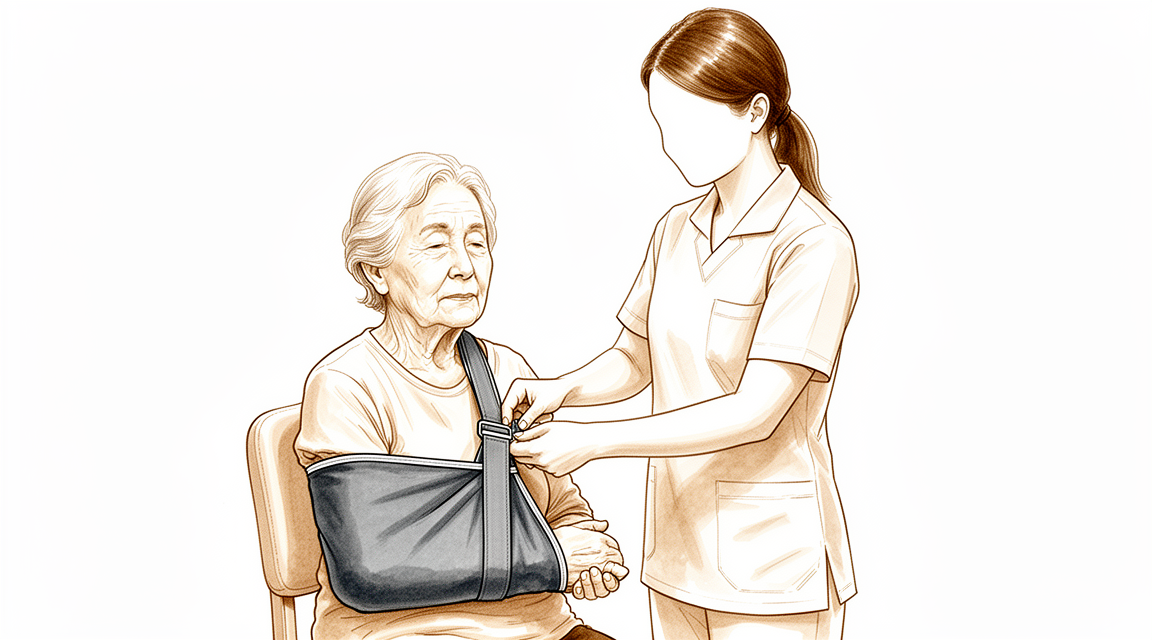
For patients: a plain-language version of this topic is available. See the patient guide.
Overview
Total shoulder arthroplasty is an effective and safe treatment option that yields good to excellent clinical results in greater than 90% of shoulders in early to midterm follow-up [2, 17]. Pain relief is achieved in approximately 90% to 95% of all patients [2], with the procedure demonstrating excellent long-term survivorship and significant improvements in pain and function [49]. The safety profile is comparable to other major joint arthroplasties [4], supported by a 30-day mortality rate of 0%, a 90-day mortality rate of 0.16%, and a 1-year mortality rate of 2% [48]. Outpatient total shoulder arthroplasty is a safe and cost-effective alternative to inpatient care for appropriately selected patients, offering reduced costs, improved access, and high patient satisfaction [194, 208]. Transitioning appropriate patients to outpatient settings results in similar outcomes and complications compared to inpatient cohorts with midterm follow-up [45, 200].
Indications for the procedure continue to broaden, with reverse total shoulder arthroplasty proving highly successful in cuff-deficient shoulders [44]. However, reverse total shoulder arthroplasty does not appear to offer functional benefits over anatomic total shoulder arthroplasty for primary osteoarthritis with an intact rotator cuff and no glenoid deformity [207]. Proper patient selection and attention to technical details are required to reduce the currently high complication rate associated with reverse total shoulder arthroplasty [211]. Age 70 years or older is not a contraindication to stemless anatomic total shoulder arthroplasty, as postoperative improvements in patient-determined outcome scores and range of motion are similar between patients aged <70 years and those aged 70 years or older [199].
Patient selection remains critical for optimizing outcomes. Knowledge of the available array of shoulder prostheses, their specific indications, and the use of treatment algorithms can lead to optimized patient outcomes [46]. The AAOS has developed appropriate use criteria to determine the appropriateness of various humeral component designs during primary anatomic total shoulder arthroplasty [5]. While surgical implant type, indication, patient comorbidities, and hospital factors contribute to differential surgical cost [40], recommendations from a real-time Delphi technique can contribute to guidelines on long-term follow-up and surveillance of elective primary shoulder arthroplasty [1].
Anatomy & Pathophysiology
Bony Anatomy
The proximal humerus comprises four main parts: the humeral head, greater tuberosity, lesser tuberosity, and humeral shaft [67]. The articular head is spherical with a diameter of 37 to 57 mm [67] and an arc of approximately 160 degrees covered by articular cartilage [79]. The radius of curvature of the humeral head is approximately 25 mm, ranging from 23 to 28 mm, and is slightly larger in men than in women [79]. The most superior portion of the articular surface averages 8 mm above the greater tuberosity [67], with the superior margin normally positioned 8 to 10 mm superior to the top of the greater tuberosity [79]. Head height is approximately 5.6 cm above the superior border of the pectoralis major tendon [82]. Humeral version averages 29.8 degrees, with a range of 10 to 55 degrees [67], and the humeral head is retroverted an average of 30 degrees relative to the transepicondylar axis [68, 82]. Proximal humeral retroversion is highly variable, ranging from 0 to 55 degrees depending on the measurement method [79], with a mean of around 26 degrees in healthy adults [74]. The humeral head is inclined approximately 130 degrees with respect to the humeral shaft [67], while the average humeral head inclination is 30 to 55 degrees [79]. The anatomic neck is located at the junction of the articular surface and the tuberosities [67], directly below the humeral head, and serves as an attachment for the shoulder capsule [82]. The surgical neck represents an indistinct region below the tuberosities but above the humeral shaft [67], is more distal than the anatomic neck, and is more often involved in fractures [82].
The greater tuberosity serves as the attachment site for the supraspinatus, infraspinatus, and teres minor tendons [67, 74]. The lesser tuberosity serves as the attachment site for the subscapularis tendon [67]. The glenoid is a convex structure of shallow depth shaped like an inverted pear [67]. The glenoid cavity is a shallow socket, approximately one third the size of the humeral head [68]. The subchondral bone of the glenoid is relatively flat, with articular concavity augmented by cartilage and a circumferential labrum [70]. The glenoid articular surface radius of curvature is 2 to 3 mm larger than that of the humeral head [79], with a glenoid radius of curvature ranging from 22 to 28 mm [79]. The glenoid diameter ranges from 18 to 30 mm superiorly and 21 to 35 mm inferiorly in the anteroposterior direction [79]. The superoinferior height of the glenoid ranges from 30 to 48 mm [79]. The average glenoid inclination is 4.2 degrees, with a range of -7 to 20 degrees [79]. The glenoid averages 5 degrees of retroversion in relation to the axis of the scapular body [70], with a normal position ranging from 2 degrees of anteversion to 7 degrees of retroversion [79]. The average glenoid version is 1.5 degrees of retroversion, with a range of 10.5 degrees anteversion to 9.5 degrees retroversion [79]. The glenoid surface area ranges from 4 to 6 mm [79], and the average glenoid cartilage thickness is 2.16 mm [79]. The humeral head surface area ranges from 11 to 19 mm [79], and the average humeral head cartilage thickness is 1.44 mm [79].
The neck-shaft angle of the proximal humerus measures an average of 135 degrees [68]. The average neck-shaft angle is also cited as 45 degrees, with a range of 30 to 50 degrees [79], and the head-shaft angle ranges from 30 to 55 degrees [79]. Arthritic shoulders have a flatter neck-shaft angle close to 50 degrees [79]. The scapula is attached to the axial skeleton by the acromioclavicular and sternoclavicular joints [69]. The glenoid is connected with the flat body of the scapula by the scapular neck [69]. The coracoid process curves forwards from the superior surface of the scapular neck [69]. The acromion is a flattened bony process that curves forwards from the scapular spine [69]. The highest concentration of bony mass in the scapula is found in the glenoid, the scapular neck, and the lateral border of the scapular body [69]. Two bony pillars transmit compressive forces from the glenoid fossa: the lateral pillar and the spinal pillar [69]. The lateral pillar connects the inferior border of the glenoid with the inferior angle [69]. The spinal pillar arises from the central part of the glenoid and continues medially to become part of the base of the scapular spine [69]. The weakest bone in the scapula is located primarily in the central part of the infraspinous fossa [69]. The weakest area of the circumference of the biomechanical body of the scapula is the spinomedial angle [69]. The scapula spans the second through seventh ribs and serves as an attachment for 17 muscles [82]. The scapula is anteverted on the chest wall approximately 30 degrees relative to the body [82].
The clavicle is the first bone to ossify, occurring in the fifth week of gestation [70, 82]. It is the only long bone to ossify by intramembranous ossification [70]. The medial epiphysis of the clavicle is the last ossification center to fuse, at age 20 to 25 years [70], and the clavicle is the last to fuse at 25 years of age [82]. The primary blood supply to the clavicle is periosteal, with no nutrient artery present [70]. The scapula has only one true diarthrodial articulation, the acromioclavicular joint [70]. Normal shoulder motion is approximately two-thirds glenohumeral and one-third scapulothoracic [70]. Ossification of the scapular body begins at the eighth week of gestation [70]. The acromion has three ossification centers: the metacromion, mesoacromion, and preacromion [70]. Os acromiale results from incomplete fusion of secondary ossification centers, most commonly between the mesoacromion and meta-acromion [82]. The coracobrachialis muscle and the short head of the biceps tendon originate from the coracoid process [70]. The pectoralis minor muscle inserts onto the medial coracoid process [70].
The proximal humerus has three centers of ossification: the humeral head, greater tuberosity, and lesser tuberosity [70]. The formation of the humerus begins with the appearance of the cartilage anlage by the fifth week of gestation [74]. The primary ossification center for the humerus appears at about the sixth week [74]. The ossification center for the humeral head is usually present at birth [74]. The greater tuberosity ossification center appears by 1 to 3 years of age [74]. The lesser tuberosity ossification center appears by 5 years of age [74]. Proximal humeral ossification centers fuse by 5 to 7 years of age to form the humeral head [74]. The proximal humeral physis closes by 14 to 17 years of age in girls and by 16 to 18 years in boys [74]. Humeral retroversion averages 65 degrees in infants and young children, approaching adult values by 11 years of age [74]. Eighty percent of subsequent humeral growth comes from the proximal humeral physis [74]. The proximal humeral physis accounts for approximately 40% of the growth of the entire upper extremity [74]. Less than 75% of proximal humeral growth occurs before 2 years of age [74]. More than 85% of proximal humeral growth occurs by 8 years of age [74].
The distance from the lateral base of the coracoid process to the lateral margin of the greater tuberosity is called the lateral humeral offset [79]. A significant decrease in lateral humeral offset reduces the lever arms for the deltoid and supraspinatus muscles, weakening abduction [79]. A significant increase in lateral humeral offset causes excessive tension on soft tissues, resulting in loss of motion and likely accelerating polyethylene wear [79]. Humeral articular malposition of more than 4 mm leads to increased subacromial contact [79]. Offset of 8 mm in any direction significantly decreases passive range of motion [79]. The medial humeral offset ranges from 4 to 14 mm [79]. The posterior humeral offset ranges from -2 to 10 mm [79].
Soft Tissue Anatomy
The rotator cuff is a sheet of conjoined tendons closely applied over the shoulder capsule [75]. It consists of the subscapularis in front, supraspinatus above, and infraspinatus and teres minor behind [75]. The rotator cuff inserts mainly into the greater tuberosity of the humerus, with the subscapularis inserted into the lesser tuberosity [75]. The rotator cuff stabilizes the head of the humerus by pulling it firmly into the glenoid whenever the deltoid lifts the arm [75]. The subscapularis originates from the anterior scapula and inserts anteriorly onto the lesser tuberosity [74]. The greater tuberosity provides attachment superiorly and posteriorly for the supraspinatus, infraspinatus, and teres minor [74]. The deltoid courses from the clavicle and acromion superiorly into a common tendinous insertion onto the lateral upper third of the humeral shaft [74]. The pectoralis major inserts anteriorly onto the lateral wall of the bicipital groove [74]. The bicipital tunnel is a closed space that extends proximally to the glenohumeral joint [74]. The transverse humeral ligament is an important stabilizer of the biceps tendon [82].
The coracoacromial arch is a fibro-osseous canopy formed by the acromion process, coracoid process, and coracoacromial ligament [75]. The subacromial bursa separates the rotator cuff tendons from the coracoacromial arch, allowing them to glide [75]. The coracoacromial ligament contributes to anterosuperior stability in rotator cuff deficiency [82]. The acromial branch of the thoracoacromial artery runs on the medial aspect of the coracoacromial ligament [82]. The coracoacromial ligament is the arthroscopic landmark for a complete release of the rotator interval for adhesive capsulitis [82].
The subscapular bursa lies between the subscapularis tendon and the neck of the scapula [71]. It communicates with the joint cavity between the superior and middle glenohumeral ligaments [71]. The subscapular bursa protects the tendon of the subscapularis at the point where it passes under the base of the coracoid process [71]. It is linked to the coracoid process by a suspensory ligament [71]. In 28% of dissected specimens, the subscapular bursae merged with the subcoracoid bursae [71]. The subscapular bursa often houses loose bodies in the shoulder [71]. Synovitis of the shoulder may be most intense in the subscapular bursa region [71]. A bursa may be present between the infraspinatus muscle and the capsule, though it is uncommon and not in communication with the joint cavity [71]. DePalma described six common variations or types of recesses in the anterior capsule [71]. Type 1 anterior capsule recesses (30.2%) have one synovial
Ligamentous Anatomy
The glenoid labrum provides concavity and up to 50% of marginal glenoid socket depth [70]. The rotator interval is defined medially by the base of the coracoid, superiorly by the supraspinatus tendon, and inferiorly by the subscapularis tendon [70]. The rotator interval contains the coracohumeral ligament, the superior glenohumeral ligament, and the intra-articular portion of the long head of the biceps tendon [70]. The coracohumeral ligament restricts external rotation in adduction and is a static restraint to inferior and posterior translation in adduction and external rotation [70]. The superior glenohumeral ligament is a primary static restraint against anterior translation with the arm at the side [70]. The middle glenohumeral ligament is a primary static restraint against anterior translation with the arm in external rotation and 45 degrees of abduction [70]. The anterior band of the inferior glenohumeral ligament is a primary static restraint against anterior-inferior dislocation in 90 degrees of abduction and external rotation [70]. The posterior band of the inferior glenohumeral ligament is a primary static restraint against posterior-inferior translation in internal rotation and adduction [70].
The superior transverse scapular ligament arises from the medial base of the coracoid overlying the suprascapular notch [70]. The suprascapular artery runs superior to the superior transverse scapular ligament, while the nerve runs deep to it [70]. Entrapment of the suprascapular nerve at the superior transverse scapular ligament causes denervation of both the supraspinatus and infraspinatus [70]. The spinoglenoid ligament overlies the suprascapular nerve at the spinoglenoid notch [70]. Entrapment, traction, or compression of the suprascapular nerve at the spinoglenoid notch causes denervation of the infraspinatus [70].
The sternoclavicular joint is the only true diarthrodial articulation between the upper appendicular and axial skeletons [70]. The acromioclavicular joint is a small diarthrodial joint with an interposed fibrocartilaginous disk [70]. The superior and posterior acromioclavicular ligaments are the primary stabilizers to anterior and posterior translation of the clavicle [70]. The coracoclavicular ligaments are the primary stabilizers to superior translation of the distal clavicle [70].
Vascular & Neural Anatomy
The anterolateral ascending branch of the anterior humeral circumflex artery provides the primary blood supply to the humeral head [70]. The terminal intraosseous portion of the anterior humeral circumflex artery enters the humeral head as the arcuate artery [70]. 64% of the humeral head blood supply arises from the posterior humeral circumflex artery [74]. The axillary nerve circles the humeral neck just inferior to the glenohumeral joint as it courses posteriorly [74].
Capsular Anatomy
The capsule of the glenohumeral joint extends from the glenoid rim laterally toward the surgical neck of the humerus [74]. The posteromedial metaphysis, a portion of the physis, and the epiphysis are intracapsular [74]. A large part of the proximal humeral physis is extracapsular [74]. The proximal humeral physis is irregularly shaped, with its apex located on the posteromedial portion of the proximal humerus [74]. The periosteum is thicker and stronger in the posteromedial portion of the proximal humerus than in the anterolateral portion [74].
Classification
Complication Classification
A standardized system of three complication categories has been introduced to present complications in shoulder arthroplasty consistently [16]. In a study of 485 cases, the overall complication rate was 11.6% [16]. Category 1 complications, which accounted for 7% of cases, consisted primarily of intraoperative findings or events treated during the index surgery that did not require revision [16]. For fracture implants, the survival rate for all complications was 94.2% with a median follow-up of one year [16]. The survival rate without category 1 complications was 95.6%, without category 2 complications was 98.5%, and without category 3 complications was 97.7% [16]. Despite these standardized efforts, a clear standardised set of shoulder arthroplasty complication definitions remains lacking [184].
Heterotopic Ossification Classification
The Kjaersgard-Andersen classification is used to categorize heterotopic ossification after shoulder arthroplasty [18]. Custom classifications for this condition include the Ko et al. classification, which defines Type I and Type II, and the Verhofste et al. classification, which defines Grade Ia, Ib, Ic, and I [18].
Glenoid and Osteoarthritis Classification
The Samilson-Prieto classification is the most widely adopted radiographic classification to determine the extent of osteoarthritis of the glenohumeral joint [62]. It defines grade 0 as normal, grade 1 as mild with osteophytes less than 3 mm on the humeral head, grade 2 as moderate with osteophytes between 3 and 7 mm on the humeral head or glenoid rim, and grade 3 as severe with osteophytes of more than 7 mm with or without articular incongruity [62]. The Walch classification is used to grade glenoid wear patterns preoperatively in total shoulder arthroplasty and allows for fair to substantial agreement in grading glenoid morphology [269, 275]. A post-treatment glenoid classification system addresses the surgical management of the glenoid during prosthetic replacement and allows direct follow-up comparison of similarly treated glenoid replacements [85]. Current classifications exhibit poor reliability in categorizing glenoid defects post-reverse shoulder arthroplasty removal [166].
Rotator Cuff and Bone Quality Classification
The Hamada-Fukuda classification is a radiographic morphological description of the natural course of massive rotator cuff tear assessing the height of the acromiohumeral space [62]. Type 1 indicates normal joint morphology and an acromiohumeral distance of more than 6 mm [62]. Preoperative 3-dimensional CT bone density measures provide objective classifications of bone quality for stemless anatomic total shoulder arthroplasty [54].
Fracture Sequelae Classification
Four basic pathophysiologic types of lesions were distinguished to categorize the sequelae of fractures of the proximal humerus [64].
Revision and Bone Loss Classification
The Proximal Humeral Arthroplasty Revision Osseous inSufficiency (PHAROS) classification system is used to anticipate the complexity of humeral reconstruction in revision total shoulder arthroplasty [131].
Radiographic Outcome Grading
Metallic debris in radiographic analysis is graded on a 0–4 scale, with Grade 0 meaning no radiographic evidence and Grade 4 meaning complete component fracture and displacement [269]. Radiolucent lines for TM glenoid components are graded on a 0–5 scale, with Grade 0 representing no radiolucency and Grade 5 representing gross loosening [269]. Superior humeral subluxation is classified as none, mild, moderate, or severe based on the position of the center of the prosthetic humeral head relative to the center of the glenoid component [269]. Inferior scapular notching is classified into grades 1 through 4 according to the classification of Sirveaux [296].
Clinical Presentation
General Outcomes and Demographics
Total shoulder arthroplasty relieves pain in approximately 90% to 95% of all patients [2]. Elective procedures are safe in patients aged 90 years and older, providing excellent pain relief, improved functional outcome, and enhanced general health status [36]. In young patients, prosthetic shoulder arthroplasty provides substantial improvement in active range of motion irrespective of diagnosis and glenoid management [102]; however, residual shoulder pain remains common in this demographic [102]. Early results in young patients with shoulder chondrolysis show an opportunity for improvements in pain and function, though progressive glenoid radiolucencies may develop [6]. Patients with a diagnosis of depression should be counseled that they will experience a significant clinical improvement from baseline after total shoulder arthroplasty [114]. Reverse total shoulder arthroplasty provides reliable improvement in clinical outcomes regardless of preoperative diagnosis, with few differences across diagnostic groups regarding preoperative to postoperative improvement [160]. Additionally, shoulder arthroplasty represents a safe and reliable option for the management of symptomatic glenoid dysplasia, offering improved clinical outcomes and favorable satisfaction following surgery [142].
Painful Shoulder Arthroplasty Evaluation
A thorough and systematic approach including history, physical examination, and appropriate diagnostic studies is necessary to evaluate failed shoulder arthroplasty, as the cause of pain and disability is often multifactorial [112]. Conclusions on the outcome of shoulder arthroplasty can only be made if differentiated between patient and prosthesis specifics [15]. An organized approach to diagnose and manage stiff or unstable total shoulder arthroplasty is needed to improve patient satisfaction and long-term survival [124]. Common causes of pain after shoulder arthroplasty include instability, periprosthetic joint infection (PPJI), component loosening or malposition, acromioclavicular joint osteoarthritis, subacromial impingement, rotator cuff tear, adhesive capsulitis, and synovitis [136]. The most common complications after anatomic total shoulder arthroplasty are component loosening, glenoid wear, instability, rotator cuff tear, periprosthetic fracture, neural injury, infection, hematoma, deltoid injury, and venous thromboembolism [32].
Diagnostic shoulder arthroscopy provided clinically meaningful diagnostic information in patients with painful shoulder arthroplasty and nondiagnostic preoperative evaluations [12]. When used alongside other investigations in a comprehensive assessment protocol, arthroscopy can play an important role in the diagnosis and treatment of the problematic shoulder arthroplasty [14]. Shoulder arthroscopy in patients after arthroplasty is most frequently used as a diagnostic tool; however, it has utility in treating a number of predetermined pathologies [98]. Arthroscopy after shoulder arthroplasty is useful for the diagnosis and treatment of pain and loss of motion in selected patients but can be technically challenging [154]. Diagnostic arthroscopy is a useful adjunct in identifying causes of failure in patients with painful reverse total shoulder arthroplasty, especially when the cause of failure is unclear [24].
Infection Presentation and Diagnosis
Periprosthetic joint infection (PPJI) occurs in up to 3.9% of total shoulder arthroplasty (TSA) cases and 18% of reverse total shoulder arthroplasty (rTSA) cases [136]. An infected shoulder arthroplasty can have a devastating effect on the function of the shoulder [28]. The clinical presentation of periprosthetic joint infection (PJI) of the shoulder can vary widely, from obvious infection with gross purulence and sinus tract formation to insidious presentations of stiffness and pain without overt signs of infection [139]. Patients with acute PJI may have more obvious symptoms including pain, erythema, drainage, and fever [145]. Patients with indolent PJI due to C. acnes or other similar organisms do not typically have acute symptoms and instead present later after surgery with more subtle symptoms [145]. Indolent infections caused by low virulent organisms such as P. acnes are more common in shoulder arthroplasty than in hip and knee arthroplasty [28]. Patients with P. acnes-infected shoulders do not typically present with severe pain, limited motion, large effusion, warmth, induration, erythema, or drainage [28].
PPJI is difficult to diagnose because of high rates of false-negative culture findings [136]. Joint aspiration and culture findings are unreliable, with only a 16.7% sensitivity for diagnosing PPJI [136]. Frequently used serologic markers such as the erythrocyte sedimentation rate (ESR) and C-reactive protein (CRP) level can yield negative findings or can be only modestly elevated even in the presence of PPJI, especially with Cutibacterium acnes [136]. Diagnostic tools such as WBC, ESR, and CRP may not be helpful for P. acnes infection because they often remain within normal limits [28]. ESR, CRP, CBC, and aspiration tests are often normal or nearly normal in patients with indolent PJI due to poor sensitivity and specificity [145]. Shoulder aspirations for cultures are not reliable and require at least 2 weeks of incubation in the appropriate growth media to detect P. acnes [28]. A single aspiration will never answer the question as to whether the result is a false positive or a false negative for P. acnes [28]. Radiographs, computed tomography (CT), and magnetic resonance imaging are all imperfect methods of evaluating a painful shoulder arthroplasty [136]. Radiographic findings of loosening, shift in position, or bone erosion are suggestive of infection [28]. Progressive lucency or loosening on X-ray can develop over time with C. acnes and raises the suspicion for PJI [145].
Specific clinical symptoms including pain at rest, systemic symptoms including fevers, chills, or sweats, and WBC bone scan are poorly associated with the presence of infection in revision shoulder arthroplasty [113]. Determining the presence of infection in revision shoulder arthroplasty can be difficult, and a standardized approach is needed to determine the best course of treatment [103]. Diagnosis of periprosthetic shoulder infection should be based on clinical suspicion, patient factors, and intraoperative findings when perioperative testing is equivocal, particularly due to the indolent nature of organisms like P. acnes [137]. About 45% of patients with no clinical signs of infection and a history of prior ipsilateral shoulder surgery undergoing primary shoulder arthroplasty grew positive intraoperative cultures [21]. Around one in 25 cases develop a fever following shoulder arthroplasty; most have no infective aetiology [37]. The 2018 International Consensus Meeting criteria have strengthened validation for diagnosing prosthetic joint infection of the shoulder, but many studies have not adopted them, affecting reported sensitivities and specificities [110].
Tissue cultures should be collected from the synovium, the bone-prosthesis interface with signs of synovitis, and from subacromial tissue with an abnormal appearance during diagnostic arthroscopy [32]. The International Consensus Meeting on Orthopedic Infections recommends 5 different tissue samples and 1 or 2 histologic samples for diagnosing periprosthetic shoulder infections [32]. Arthroscopically obtained tissue biopsies offer high sensitivity and specificity in the diagnosis of periprosthetic shoulder infections [32]. An infection must be considered if at least 2 cultures are positive for the same microorganism [32].
Specific Complications and Findings
Subscapularis tear after total shoulder arthroplasty is a common finding that cannot be diagnosed reliably by physical examination or radiographs [10]. Clinically symptomatic subscapularis failure after anatomic total shoulder arthroplasty is rare (1.4%) in patients greater than 70 years of age [25]. The utility of ultrasound examination of the subscapularis tendon following shoulder arthroplasty is limited by timing and may be most useful when used by the physician within clinical context [168]. Radiographic osteolysis after total shoulder arthroplasty may not initially manifest clinically apparent symptoms but can lead to clinically important complications, such as aseptic loosening [3]. Symptoms of osteolysis often progress to vague pain or discomfort due to subtle component loosening [3]. A thorough consideration of medical history and physical examination is essential to rule out other causes of symptomatic TSA—namely, periprosthetic joint infection—as symptoms often progress to vague pain or discomfort due to subtle component loosening [3].
Incidental findings are relatively common in preoperative CTs obtained for shoulder arthroplasty, occurring in nearly one-quarter of patients [29]. A preoperative diagnosis of a stroke in patients undergoing primary shoulder arthroplasty is associated with higher rates of perioperative complications and mortality when compared to a matched cohort [132]. Complications after revision shoulder arthroplasty are similar to those in the primary setting but are more frequently encountered and difficult to manage [20]. Arthroplasty for glenohumeral arthropathies have specific complications and the final results are sometimes more dependent upon the type of shoulder arthroplasty than the initial etiology [31]. Recognition and management of altered glenoid morphology and diminished bone stock are important for successful shoulder arthroplasty [27]. Preoperative clinical examination and radiological assessment is fundamental to anticipating specific difficulties in glenoid exposure [35].
Investigations
The purpose of shoulder imaging is to establish the diagnosis, determine the severity of pathoanatomy, assist in surgical planning, and illustrate the condition to the patient [9]. Because the shoulder is a three-dimensional structure that cannot be represented by a single planar view, critical relationships such as humeral head centering change with arm position [122]. Surgeons must adopt a judicious approach that yields necessary information while avoiding "over-imaging," obtaining only the scans required for patient care [9, 122]. Proper radiographic technique is as important as surgical technique for achieving desired outcomes [9]. Knowledge of normal glenohumeral biomechanics, particularly rotator cuff function and the humeral-glenoid relationship, is essential for understanding the need for replacement and its complications [11].
Plain radiography: Standardized plain films are almost always sufficient for shoulder arthroplasty planning [9]. The standard series includes orthogonal views: a true anteroposterior (AP) view in the scapular plane, an AP view, an axillary view, and a scapular Y view [150]. The AP view in the scapular plane visualizes the superoinferior position of the humeral head relative to the glenoid, osteophytes, joint space narrowing, medial humeral displacement, bone quality, loose bodies, and humeral head collapse [9]. This view also visualizes the anterior greater tuberosity in profile and can reveal proximal humeral migration [150]. An AP view with the arm in internal rotation visualizes the posterior aspect of the greater tuberosity and the lesser tuberosity in profile [150].
The axillary view, taken with the arm in the functional position of elevation, is referred to as the "truth view" because it demonstrates glenohumeral relationships in elevation [9]. It shows a different perspective of humeral anatomy, glenoid bone amount, glenoid shape, version relative to the scapular plane, and the relationship of the humeral head to the glenoid fossa [9]. This view is necessary for evaluating glenohumeral instability and determining humeral head position [150]. It can detect posterior subluxation or "functional decentering" not evident with the arm at the side, as well as occult locked posterior dislocations in patients lacking passive external rotation [9, 150]. The axillary view also provides good visualization of the coracoid process, acromion, and distal clavicle [150]. The scapular Y view visualizes the coracoacromial arch, revealing spurs associated with rotator cuff pathology, and serves as a reliable alternative for evaluating subluxation and dislocation [150].
Radiographs are the first imaging modality for evaluating glenohumeral arthritis [62]. Common projections include an AP view, a Grashey view, and an axillary view [62]. The Grashey view is obtained via a 30° lateral oblique projection tangential to the glenohumeral joint, parallel to the glenoid face, and allows inference of rotator cuff status [62]. The Samilson-Prietro classification is the most widely adopted system for determining the extent of glenohumeral osteoarthritis: grade 0 is normal; grade 1 is mild with osteophytes less than 3 mm on the humeral head; grade 2 is moderate with osteophytes between 3 and 7 mm on the humeral head or glenoid rim; and grade 3 is severe with osteophytes of more than 7 mm with or without articular incongruity [62].
Normal radiographic parameters include an acromiohumeral distance of 7 to 14 mm, a symmetric superior and inferior glenohumeral joint space width, and a coracoclavicular distance of 1.1 to 1.3 cm [150]. In the Hamada-Fukuda classification, Type 1 indicates normal joint morphology and an acromiohumeral distance of more than 6 mm [62]. Neer classified acromial morphology as type I (flat), type II (curved), and type III (hooked); type III morphology correlates with rotator cuff disease, though no direct causal relationship has been demonstrated, and the classification shows relatively poor interobserver reliability [150]. The degree of posterior subluxation can be measured by the position of the humeral head center relative to the scapular plane, the glenoid face, or the point of contact of the humeral articular surface on the glenoid articular surface [9]. This point of contact reflects the centering of the net humeral joint reaction force; malcentering leads to posterior instability, posterior glenoid wear, and "rocking horse" loosening of prosthetic glenoid components [9]. Measurement of soft tissue thickness about the shoulder prior to anatomic total shoulder arthroplasty using plain radiographs is reliable and reproducible [295].
Computed Tomography (CT): CT imaging is frequently used to evaluate shoulder fractures, assess bony lesions in recurrent instability, or for preoperative templating for shoulder arthritis [140]. CT with three-dimensional reconstructions is the advanced imaging study of choice for determining the extent of glenoid bone loss in shoulder instability [150]. CT is helpful for planning fracture surgery and shoulder joint replacement [99]. Although CT may offer increased precision in measuring glenoid version, this precision does not necessarily improve surgical quality or clinical outcome [9]. CT scans have the disadvantage of being taken with the arm in the adducted position, unlike the axillary truth view taken in elevation [9]. Three-dimensional reconstructions reveal fine anatomical details, but this additional information rarely changes arthroplasty planning or conduct [9]. The use of preoperative three-dimensional imaging for anatomic total shoulder arthroplasty for osteoarthritis has increased dramatically, with CT use increasing the most [205]. CT scans are often needed to identify acromial fractures after reverse total shoulder arthroplasty, as radiographs may be unreliable for this purpose [317].
Magnetic Resonance Imaging (MRI): MRI is the modality of choice for evaluating the rotator cuff, biceps, and subacromial/subdeltoid bursa [140]. It is useful for identifying osteonecrosis of the humeral head or bone tumors [99]. MRI can identify labral and rotator cuff tears, although accuracy is enhanced by combining the scan with arthrography [99]. T1-weighted MRI can reveal Hill-Sachs lesions and is often used with magnetic resonance (MR) arthrograms to provide a detailed picture of joint surfaces [140]. T2-weighted MRI provides better visualization of full-thickness rotator cuff tears [140]. MRI provides information not afforded by other modalities, aiding in the complex decision-making for managing a painful shoulder arthroplasty [201]. The presence of a partial cuff tear on preoperative MRI does not significantly affect function after anatomic total shoulder replacement in the medium term [266]. MR accuracy in identifying labral and rotator cuff tears ranges from 70% to 100% [125].
Arthrography: Arthrography involves injection of contrast agent in conjunction with MRI or CT, enhancing imaging to better identify normal structures and joint surface pathology [140]. MR arthrography (MRA) refers to MRI of a joint injected with an intra-articular contrast agent such as diluted gadolinium or saline [125]. MRA is considered the benchmark for evaluating labral tears and is rarely indicated for rotator cuff pathology [140]. MRA has proven utility by increasing sensitivity and specificity for detecting capsulolabral–ligamentous complex injuries compared to traditional MRI [125]. In a meta-analysis of 6 studies including 4,667 shoulders, MRA had greater diagnostic test accuracy for glenoid labral lesions than MRI (MRA sensitivity 88% and specificity 93% vs. MRI sensitivity 76% and specificity 87%) [125]. Abduction and external rotation (ABER) of the arm is an alternative position to increase sensitivity and specificity for detecting anteroinferior labroligamentous injury, though limited range of motion or pain may prohibit this maneuver [125]. MRAs can demonstrate a patulous capsule on coronal, sagittal, and axial imaging in patients with multidirectional instability and are helpful in evaluating rotator interval lesions that may affect surgical planning [125]. The diagnosis of multidirectional instability is clinical, and the need for expensive or invasive imaging should be weighed against the information gained [125]. When MRI or MRA is contraindicated (e.g., pacemaker, vascular clips), CT arthrography is indicated [140].
Ultrasonography: Ultrasonography is a simple, accurate, and low-cost alternative to MRI and arthrography for evaluating skeletal and soft-tissue structures of the shoulder [99, 140]. It is useful for identifying rotator cuff tears and calcific tendinitis [99]. Ultrasonography provides immediate, real-time visualization of the rotator cuff, biceps tendon, and calcific deposits, allowing evaluation of impingement in various positions and motions [140]. It can measure the subacromial space, detect rotator cuff muscle atrophy, and guide injections or barbotage of calcific deposits [99, 140]. Sonography is a useful tool for examining soft tissues after shoulder arthroplasty to demonstrate pathological changes and is not negatively affected by the implant [322]. The most commonly performed joint examination using ultrasonography is the shoulder examination [94]. However, ultrasonography is highly operator-dependent, and its accuracy depends on the scanner's skill and awareness of pitfalls [94, 140]. It is not as useful for evaluating very small rotator cuff tears or those larger than 3 cm, nor for labral tears [140].
Arthroscopy: Arthroscopy is useful for diagnosing and treating subacromial impingement, intra-articular lesions, glenoid labrum detachment, and rotator cuff tears [99]. It is a valuable tool for identifying loosening missed by CT arthrography in painful total shoulder arthroplasty [305].
Other Considerations: A deep learning algorithm represents the first step to automatically classify and organize shoulder radiographs on a large scale in very little time, which will profoundly enrich shoulder arthroplasty registries [50]. Successful postoperative radiologic evaluation of shoulder reconstructions requires understanding hardware design, physiologic objective, preoperative imaging assessment, normal postoperative appearance, and complication types [55]. Unique radiographic outcomes and complications exist for both surgical approaches and should factor into decision-making regarding the appropriate surgical approach for reverse total shoulder arthroplasty [26]. Radiographic changes at the periprosthetic interface are significantly more common in total shoulder arthroplasties compared to hemiarthroplasties [268]. Preoperative radiographic evaluation of glenoid component loosening may often differ from intraoperative findings [325]. Patients with mild radiographic signs of arthritis have about sevenfold higher odds of failing to achieve the minimum clinically important difference (MCID) after anatomic total shoulder replacement compared to patients with severe arthritis [326]. A core set of radiographic parameters has been developed with international consensus for the assessment of asymptomatic patients after shoulder arthroplasty [19]. The percentage of radiologic changes of the glenoid component in reverse shoulder arthroplasty is considerable, despite a detected decrease in their presence among arthroplasties implanted outside the initial period [338].
Immediate postoperative radiographs after shoulder arthroplasty are often poor quality and do not alter care; elimination of these radiographs and their interpretation may reduce charges without changing clinical care [321]. Radiographic measurements are generally valid for evaluating postoperative parameters in reverse total shoulder arthroplasty [323]. The clinical and radiologic results of short-stem shoulder arthroplasty are comparable to those with third and fourth generation standard stem arthroplasty [315]. Similarly, the functional and radiologic results of stemless shoulder arthroplasty are comparable to third and fourth generation standard stem arthroplasty [56]. The functional and radiographic outcomes of Eclipse total shoulder replacement are excellent [318]. The clinical and radiologic evaluation of an uncemented all-polyethylene glenoid is promising, with good clinical results and no signs of loosening in 88% of patients on computed tomography scans [328]. The clinical and radiographic evaluation of a bone-preserving metaphyseal humeral component in reverse shoulder arthroplasty is promising, with good clinical results and no signs of loosening or subsidence [336]. Reverse shoulder arthroplasty is related to promising subjective, objective, and radiologic long-term results for the treatment of failed anatomic shoulder arthroplasty [339]. Imaging did not show any complications like raised height of prosthesis or loosening signs during the follow-up period in reversed shoulder arthroplasty for proximal humerus fracture in the elderly [320].
Treatment
Non-Operative
Nonoperative treatment of osteolysis should first be pursued given the potential to avoid surgery-associated risks [3].
Operative
Indications: Shoulder arthroplasty is considered an effective and safe treatment option [17] and is as safe as the more commonly performed major joint arthroplasties [4]. The reverse shoulder arthroplasty has been highly successful in cuff deficient shoulders, with indications continuing to broaden [44]. The semiconstrained total shoulder arthroplasty is an effective means of treatment for arthritis of the glenohumeral joint [276]. Shoulder arthroplasty for nontraumatic avascular necrosis yields satisfactory results with a pain-free shoulder in more than 80% of cases, although limitation of motion often persists [298]. The hypothesis is that operative treatment with reversed total shoulder arthroplasty produces better functional outcomes and less pain compared with non-operative treatment at 2 years in patients 65 years of age and older with a displaced proximal humerus fracture [279]. Until long-term results are available, pyrocarbon interposition shoulder arthroplasty should remain to be tested in a few specialized shoulder centers [277].
Surgical Approach / Technique: The long deltopectoral approach is the standard surgical exposure for shoulder arthroplasty in osteoarthritis and rheumatoid arthritis [302]. The anteromedial approach is a reliable technique to improve surgical exposure in difficult shoulder arthroplasty cases [88]. Glenoid exposure is a key step in total shoulder arthroplasty that should offer frontal access to the glenoid to allow ancillary tools to be used freely and facilitate good positioning of the glenoid implant [157]. The authors do not recommend the posterior approach for shoulder arthroplasty at this time and suggest it should only be performed in prospective research trials after sufficient training [127]. During anatomic total shoulder arthroplasty, careful dissection and meticulous soft tissue management ensure adequate visualization of the articular and bony surfaces, allowing the proper use of surgical instrumentation and ensuring accurate placement of prosthetic components [128]. The deltopectoral approach is generally preferred for accessing the glenohumeral joint during reverse shoulder arthroplasty [308]. The deltopectoral approach allows adequate access to the fracture fragments for suture fixation and provides excellent glenoid exposure after fracture fragment mobilization in reverse shoulder arthroplasty for proximal humeral fractures [309]. The anterosuperior approach for reverse shoulder arthroplasty offers greater tuberosity access but requires deltoid detachment and has limited extensibility [309]. A stepwise approach to glenoid exposure and preparation for anatomic total shoulder arthroplasty in the context of a prior Latarjet procedure has been described [144]. A cogent approach to the evaluation and treatment of surgical dilemmas associated with marked glenoid deficiency or deformity in total shoulder arthroplasty has been reviewed [23]. Deficient glenoid bone need not always be a contraindication to the use of an unconstrained total shoulder prosthesis [146].
Subscapularis Management: Standard exposure for shoulder arthroplasty uses the deltopectoral interval and necessitates takedown of the subscapularis tendon for access to the glenohumeral joint [304]. The most commonly used techniques for subscapularis management include the tenotomy, peel, and lesser tuberosity osteotomy [304]. A subscapularis-sparing approach, although technically demanding, is becoming increasingly popularized because it obviates the need for subscapularis takedown and allows for accelerated postoperative rehabilitation [304]. Total shoulder arthroplasty performed entirely through the rotator interval (or subscapularis-sparing approach) has been used in order to potentially reduce postoperative subscapularis failure [60]. Patient selection is crucial to successfully perform subscapularis-sparing TSA, without jeopardizing the intact supraspinatus and subscapularis tendons [60]. Specialized instrumentation allows the subscapularis-sparing technique to be performed more efficiently and reproducibly [60]. Special attention should be directed to humeral neck resection, inferior humeral neck osteophytes removal, and appropriate humeral head size selection, because these are common pitfalls of the subscapularis-sparing approach [60]. At any point during the procedure, if optimal visualization cannot be obtained, the subscapularis-sparing procedure can be converted to the standard technique by releasing the subscapularis tendon through tenotomy, peel, or lesser-tuberosity osteotomy [60]. A combined minimally invasive approach to the glenohumeral joint that preserves most of the subscapularis will decrease the risk of a potentially devastating complication while allowing full access to the glenohumeral joint for replacement [297]. Preoperative planning and patient selection remain keys to successfully performing minimally invasive subscapularis-retaining shoulder replacement [297]. The subscapularis-sparing approach can be used for total shoulder replacement, which not only minimizes the risk of failure but also allows rapid and complete rehabilitation compared with all other subscapularis takedown procedures [297]. Clinically symptomatic subscapularis failure after anatomic total shoulder arthroplasty is rare (1.4%) [25]. The use of a novel technique for subscapularis repair has led to improved patient outcomes with regard to range of motion postoperatively following anatomic total shoulder arthroplasty [95]. A method for subscapularis repair augmentation with bioinductive implant during total shoulder arthroplasty has been demonstrated [159]. The open-book technique with sliced biceps tendon autograft augmentation is a described method for the reconstruction of the subscapularis in shoulder arthroplasty [311]. Pectoralis major tendon transfer is a described technique for the management of subscapularis failure after anatomic total shoulder arthroplasty [306]. Limitations of subscapularis repair prior to takedown include potential for fracture if buttons are placed too close together and limited utility with stemmed total shoulder arthroplasty implants [270].
Implant Selection: The shoulder arthroplasty surgeon should consider patient and implant factors and patient goals when determining the appropriate implant for each individual [225]. The materials that are used in total shoulder arthroplasty implants have been carefully chosen in an attempt to minimize hardware-related complications [244]. Each generation of total shoulder arthroplasty has improved on the previous, with the newest innovation being shortening the humeral component or eliminating the stem entirely to rely on stemless fixation in the humeral metaphysis [288]. Long-term studies are necessary to determine if the results of anatomic shoulder arthroplasty with the use of newer humeral components can match those of anatomic shoulder arthroplasty with the use of older humeral components [13]. Both cemented and press-fit humeral fixation techniques yield durable and significant improvements in shoulder function with similar rates of survival at 10 years of follow-up [283]. Total shoulder arthroplasty with an all-polyethylene pegged glenoid component, utilizing hybrid fixation, demonstrated excellent clinical and radiographic results at the time of early follow-up [274]. The purpose of the report on stress shielding is to review the current literature on press-fit fixation of the humeral component during total shoulder arthroplasty and propose minimum requirements for radiographic descriptions of stress shielding [257]. Although much attention has been directed to the development of the humeral components used in shoulder arthroplasty, the major unsolved challenge lies on the glenoid side of the articulation [252]. A technique may be used as an alternative to metallic or polymer materials for cerclage fixation of the humerus during shoulder arthroplasty [273].
Pain Management: Pain control in total shoulder arthroplasty demands a multidisciplinary approach with collaboration between the patients, surgeon, and anesthetist [187]. A multimodal, opioid-free perioperative pain management pathway is safe and effective in patients undergoing total shoulder arthroplasty and offers superior pain relief to that of a traditional opioid-containing pain management pathway at 12 hours, 24 hours, and 2 weeks postoperatively [203]. Patients undergoing shoulder arthroplasty have decreased postoperative pain and opioid consumption and shorter hospital stays when given a multimodal analgesia regimen [213]. Multimodal, opioid-sparing analgesia improves perioperative outcomes in shoulder arthroplasty [228]. With a multimodal approach, most patients undergoing shoulder arthroplasty can manage postoperative pain with 15 or fewer oxycodone 5-mg tablets [246]. An opioid-free, multimodal pain management pathway is a safe and effective option in properly selected patients undergoing shoulder arthroplasty with a very low risk of requiring rescue opioids [248]. A non-opioid multimodal pain protocol achieves equivalent pain control compared to a standard opioid protocol after total shoulder arthroplasty while significantly reducing opioid consumption [238]. Anatomic total shoulder arthroplasty provides quick, reliable pain relief and does not require a significant amount of narcotic medication postoperatively [254]. Local infiltration analgesia and an interscalene block provided similar analgesia during the first 24 hours after primary shoulder arthroplasty [249]. Occurrence of inadequate analgesia and complications following interscalene brachial plexus block prompt further studies into pain management after shoulder replacement [233]. Approximately 42% of patients undergoing total shoulder arthroplasty received an interscalene nerve block, while less than 1% were performed purely under regional anesthesia [224]. There was a dose-dependent increase in the risk of surgical and medical complications with increasing totals of perioperative opioid consumption following total shoulder arthroplasty [239]. These findings highlight the need for further research and consensus to establish evidence-based perioperative protocols in elective shoulder replacement surgery [241].
Setting of Care: Outpatient shoulder arthroplasty is a safe option for appropriately selected patients [45]. Total shoulder arthroplasty may be performed on an outpatient basis using perineural local anesthetic infusion [260]. Appropriate patient selection, multimodal pain management strategies, minimizing blood loss, and efficient operative times are paramount to successful outpatient shoulder arthroplasty [247].
Revision: Although clinical results of revision shoulder arthroplasty are, in general, inferior to primary shoulder arthroplasty, careful patient selection and adherence to surgical principles can lead to satisfactory results [7]. Conversion of humeral head replacement to total shoulder arthroplasty can be accomplished with excellent results, but the surgery is complex and unsatisfactory results are frequent [141]. The current surgical options for osteolysis after total shoulder arthroplasty include glenoid polyethylene revision and conversion to reverse shoulder arthroplasty [3]. Arthroscopic removal of a loose glenoid component is a described surgical technique for anatomic total shoulder arthroplasty [66]. Distal clavicle autograft augmentation is a described technique for glenoid bone loss in revision shoulder arthroplasty [300]. Allograft-prosthetic composite reconstruction is a described technique for massive proximal humeral bone loss in reverse shoulder arthroplasty [281].
Other Considerations: Shoulder arthroplasty after undergoing prior shoulder surgery results in overall clinically improved outcomes, however these results are inferior compared to patients without a history of prior shoulder surgery [30]. Previous lower extremity periprosthetic joint infection should not be considered a relative contraindication to shoulder arthroplasty [34]. Axillary lymph node dissection is not a contraindication to shoulder arthroplasty [152]. A collaborative and comprehensive approach to the pre-operative medical evaluation of patients with diabetes mellitus is critical [133]. Younger patients with shoulder arthroplasty are likely to experience implant failure in their lifetime; therefore, the primary focus of alternative treatment has been to avoid the use of prosthetic glenoid implants, to preserve glenoid bone stock, and to use humeral implants that facilitate revision surgery [280]. Biologic resurfacing of the glenoid may have a minimal and as yet undefined role in the management of glenohumeral arthritis in the young active patient over more traditional methods of hemiarthroplasty or total shoulder arthroplasty [263]. With advances in implant design and techniques, the complication profile after anatomic shoulder arthroplasty is changing and outcomes are improving [156]. Complications of shoulder arthroplasty depend on the prosthesis type used [41]. The future of shoulder arthroplasty has the potential to integrate multiple advanced technologies that could improve preoperative planning, intraoperative execution, and patient outcomes [104]. A postoperative total shoulder arthroplasty rehabilitation protocol and algorithm, founded on basic science principles and tailored toward the specific clinical condition, are presented [33]. Over 80% of shoulder replacements last more than 10 years, and 75% last more than 20 years [51]. We anticipate that these recommendations, in addition to the limited applicable published evidence available, can contribute to guidelines on long-term follow-up and surveillance of elective primary shoulder arthroplasty [1]. Nonagenarians are at an increased risk of medical complications, longer hospital stays, periprosthetic fractures, and death following total shoulder arthroplasty [272]. Prolonged length of stay after shoulder arthroplasty is multifactorial, with non-modifiable demographic factors compounded by modifiable social and structural elements [282]. Operative time for total shoulder arthroplasty has decreased from 2008 to 2018 [148]. In the presence of previous non-arthroplasty operative interventions there is a significantly higher risk for infection in shoulders undergoing reverse total shoulder arthroplasty [262]. An infected shoulder arthroplasty can have a devastating effect on the function of the shoulder, but so can its treatment [28]. The most principal difference in managing infected shoulder arthroplasty compared to hip and knee is the more common occurrence of indolent infections caused by low virulent organisms such as P. acnes [28]. Patients with P. acnes-infected shoulders do not typically present with the telltale signs and symptoms characteristic of a septic joint: severe pain, limited motion, large effusion, warmth, induration, erythema, or drainage [28]. Radiographic findings of loosening, shift in position, or bone erosion are suggestive of infection in shoulder arthroplasty [28]. Revision shoulder replacement surgery is complex, challenging, and with greater risk, and so surgeons often encourage patients to live with shoulder disability and a failing implant [314]. Revision rates might not be fully reflective of the true failure rates, which are likely to be higher [314]. The majority of painful complications after reverse shoulder arthroplasty, including instability, fractures, and infection, can be successfully treated to maintain a functional implant [265]. Although nonsurgical and surgical treatment improves clinical outcomes from the patient's preoperative state, outcomes for patients with scapular fractures after reverse shoulder arthroplasty are generally inferior to those of a control group undergoing reverse shoulder arthroplasty without fracture [250]. Heterotopic ossification after reverse shoulder arthroplasty is a non-progressive condition without long-term clinical consequences [287]. A case demonstrates spontaneous seating of the glenosphere component with non-operative management within one-year follow-up in an elderly patient with low demand for the affected joint [271].
Complications
Overall Safety and Outcomes: Total shoulder arthroplasty yields good to excellent clinical results in greater than 90% of shoulders in early to midterm follow-up, with pain relieved in approximately 90% to 95% of patients [2]. The overall complication rate has decreased dramatically over time, with a striking diminution of component loosening [346]. In a study of 485 cases, the overall complication rate was 11.6% [16]. Primary shoulder arthroplasty is associated with low 90-day reoperation and complication rates [57], and short-term reoperation is infrequent [100]. Approximately 90% of shoulder replacements last up to 15 years without revision [58]. In elderly trauma patients undergoing reverse total shoulder arthroplasty, more than 95% can expect complication-free function [374].
Infection (PJI): Infection is the most devastating cause of failure in shoulder arthroplasty [255]. Incidence ranges from 0.4% to 3% for primary anatomic total shoulder arthroplasty, 1% to 10% for primary reverse shoulder arthroplasty, and up to 15.4% for revision shoulder arthroplasty [332]. Reported rates are as high as 4% in primary unconstrained arthroplasty and 15% in revision arthroplasty [255]. Risk factors include prior nonarthroplasty-related surgery [327], prior nonshoulder periprosthetic joint infection [382], and younger male sex [330]. Intraoperative cultures at revision for presumed aseptic loosening are positive in up to 11% of cases, prompting routine culture taking even when infection is not suspected [255]. Complete administration of vancomycin prophylaxis does not increase infection rates compared to cefazolin [357], whereas incomplete administration (infusion to incision time under 30 min) adversely increases infectious complications [301]. Preoperative tranexamic acid use is not associated with a decrease in 5-year revision for deep infection [362]. Aseptic reoperation within 90 days increases the risk of subsequent prosthetic joint infection [381]. Single-stage revision demonstrates infection control and complication rates comparable with 2-stage revision [289]. Shoulder arthroplasty for sequelae of an infected shoulder can be performed with a low risk of reinfection [383].
Aseptic Loosening: Component loosening remains a significant concern, though rates have diminished over time [346]. In a study of late glenoid component failure at three to eleven years after total shoulder arthroplasty, none of the humeral components were loose [107]. For the Affinis Short stemless system, two patients were revised for aseptic glenoid component loosening [258]. In a study of a metallic lateralized baseplate, one case of humeral aseptic loosening was revised with a cemented humeral implant [294]. The cement-within-cement technique in revision reverse total shoulder arthroplasty is associated with higher rates of complications and re-revision surgery secondary to aseptic glenoid component loosening and instability [312]. In a study of total shoulder arthroplasty for rheumatoid arthritis, five shoulders underwent revision from total shoulder arthroplasty to hemiarthroplasty for glenoid component loosening, and revision for humeral and glenoid component loosening was performed in five other shoulders [293].
Periprosthetic Fracture: Periprosthetic fracture is a reported complication of shoulder arthroplasty [43]. In a study of total shoulder arthroplasty for rheumatoid arthritis, there were five intraoperative fractures (metaphyseal, greater tuberosity, humeral shaft, glenoid) and one postoperative periprosthetic humeral shaft fracture treated with a brace that healed [293]. Another patient in the same series had a postoperative periprosthetic fracture with humeral component loosening treated with a long stem humeral component [293]. In a study of reverse shoulder arthroplasty in small-stature patients, complications included four periprosthetic humeral fractures and one postoperative scapular body fracture [264]. In average-stature patients, complications included four periprosthetic humeral fractures and two scapular body fractures [264].
Thromboembolism: The prevalence of deep vein thrombosis after reconstructive shoulder arthroplasty is 13.0% [220, 291], comparable to hip arthroplasty but lower than knee arthroplasty [291]. Venous thromboembolism rates are generally lower than those after lower extremity arthroplasty [232], with an incidence of 0.61% after anatomic total shoulder arthroplasty and 0.82% after reverse total shoulder arthroplasty [290]. Although absolute rates are lower, a larger percentage of these complications are pulmonary embolisms compared to lower extremity procedures [261]. Routine use of pharmacologic prophylaxis may not be necessary given the low risk [313], and routine low-dose aspirin results in a very low risk of venous thromboembolism and medication-associated complications [331]. Long-term corticosteroid users are at heightened risk for 90-day medical complications, including venous thromboembolism [353]. Surgeons should assess risk factors for all patients [341].
Nerve Palsy: Nerve or blood vessel injury is a rare but serious complication [215]. Nerve palsy is most common due to increased traction forces during surgery and cement extrusion [256]. It can be more frequent in revision arthroplasty due to adhesions and circular stabilization [256]. In 417 total shoulder arthroplasties, 18 patients (4.3%) had nerve palsy after primary stem implantation [256]. In a study of total shoulder arthroplasty for rheumatoid arthritis, there were 10 nerve injuries with complete recovery in 6 patients and partial recovery in 4 [293]. In a study of the Affinis Short stemless system, one patient had temporary incomplete brachial plexus neuropathy [258]. In a study of a metallic lateralized baseplate, one case of complete brachial plexus palsy occurred with partial recovery after open release [294]. Axillary nerve palsy and neurapraxia have been reported in reverse shoulder arthroplasty studies [251, 264].
Other Considerations: Implant-Specific and Demographic Variations: In a systematic review of stemless reverse total shoulder arthroplasty, the risk of clinically noted complications was 6.5% at a mean follow-up of 42.4 months [284]. In a study of press-fit short stem reverse shoulder arthroplasty, 11 (18%) of 42 patients had complications, with 9 (15%) treated conservatively and 2 (3%) requiring reoperations without implant removal [109]. In a study of cementless reverse total shoulder arthroplasty during the early learning curve, the complication rate was 15.7% [105]. In a study of the Affinis Short stemless system, the overall complication rate was 13.7%, and the rate was significantly higher in the nonanatomic group than in the anatomic group (35% vs. 6%) [258]. In a study of reverse shoulder arthroplasty in small-, large-, and average-stature patients, complications occurred in 7.7% of small-stature, 5.2% of tall-stature, and 5.5% of average-stature shoulders [264].
Fracture Sequelae and Revision: In a study of reverse shoulder arthroplasty for acute fractures and failed management after proximal humeral fractures, a 28% complication rate was reported [251]. In a study of reverse shoulder arthroplasty for fracture sequelae, a 23% complication rate was observed, with postoperative deep infection at 9.3% being the most common complication [251]. Five transient neurologic complications were reported in one cited series for acute fractures [251]. Revision shoulder arthroplasty remains challenging with a high rate of complications [363]. In a study of revision reverse shoulder arthroplasty for baseplate failure, complications and reoperation rates were higher than those for primary reverse shoulder arthroplasty [349]. In a study of shoulder arthroplasty for the sequelae of anterior instability arthropathy, complication and reoperation rates were higher compared to primary glenohumeral joint arthritis, though the difference was not statistically significant [377].
Survival and Risk Factors: In a study of the Delta Xtend reverse total shoulder arthroplasty, implant survival was 95.3% after 11 years, and survival without reoperation for any complication was 88.2% [115]. Patients who had undergone previous shoulder surgery showed a significantly lower survival rate compared to patients with no prior surgery (80.1% vs. 97%) with a hazard rate of 7.9 [115]. Logistic regression showed a significantly higher risk for revision in the fracture sequelae group than in the cuff tear arthropathy group (odds ratio: 11.1) [115]. In a study of primary reverse shoulder arthroplasty in patients aged 65 years or younger, smoking increases the risk for revision, reoperation, and complications [61].
Infection and Wound Complications in Specific Populations: In a study of total shoulder arthroplasty for rheumatoid arthritis, four shoulders underwent resection arthroplasty for infection [293]. One superficial wound dehiscence with delayed closure, one superficial stitch abscess, and one hematoma requiring irrigation and debridement occurred in the immediate postoperative period [293]. In a study of press-fit short stem reverse shoulder arthroplasty, 2 (3%) patients had revision for infection with removal of all components [109]. In a study of the Affinis Short stemless system, periprosthetic joint infection was observed in 2 patients, requiring a 2-stage revision surgery to a reverse shoulder arthroplasty [258]. In a study of reverse shoulder arthroplasty in average-stature patients, infection occurred in 3 patients [264]. In a study of Neer hemiarthroplasty and total shoulder arthroplasty in patients 50 years old or less, one infection developed two months after hemiarthroplasty and resolved after arthroscopic irrigation and intravenous antibiotic therapy [292].
Survival Data: In a study of Neer hemiarthroplasty and total shoulder arthroplasty in patients 50 years old or less, 15 (19%) of the seventy-eight hemiarthroplasties were revised, with estimated survival of 92% at five years, 83% at ten years, and 73% at fifteen years [292]. In a study of total shoulder arthroplasty for rheumatoid arthritis, the estimated survival was 96% at 5 years, 94% at 10 years, 92% at 15 years, and 87% at 20 years [293].
Other Complications: In a study of total shoulder arthroplasty for rheumatoid arthritis, one patient had polyethylene displacement with revision to an all polyethylene glenoid component [293]. In a study of the Affinis Short stemless system, three patients developed secondary rotator cuff insufficiency and were revised to a reverse shoulder arthroplasty [258]. In a study of a metallic lateralized baseplate, one case of subsidence of the glenoid implant occurred due to a technical mistake where the medial post perforated posteriorly [294]. In a study of reverse shoulder arthroplasty in small-stature patients, complications included humeral loosening (1), acromial stress fracture (1), glenoid loosening (1), dislocation (1), and nondermatomal arm numbness (1) [264]. In a study of reverse shoulder arthroplasty in average-stature patients, complications included humeral loosening (1), implant failure (2), acromial stress fracture (1), dislocation (1), stiffness (1), and pulmonary embolism (1) [264]. In a study of reverse shoulder arthroplasty in large-stature patients, one patient developed a loose glenoid component and one had an axillary nerve neurapraxia that resolved without intervention by 6 months postoperatively [264]. In a study of Neer hemiarthroplasty and total shoulder arthroplasty in patients 50 years old or less, one brachial plexus neuropathy resolved postoperatively [292].
Recovery
Light activity (weeks): Driving performance returns to preoperative levels at 6 weeks after shoulder arthroplasty [118]. By 12 weeks, patients demonstrate improved driving performance with a significant decrease in collisions in simulated courses compared to preoperative and 2-week post-operative trials [202].
Full activity (months): Most patients return to preoperative sports activities within 6 months postoperatively [356]. A high return to sport is expected following total shoulder arthroplasty [243], with anatomic total shoulder arthroplasty showing the highest rate of return among arthroplasty types [235]. Patients who were active in sports before surgery are successfully able to return to activities, whereas those not participating preoperatively are unlikely to resume sports [360]. Similarly, most patients active prior to reverse shoulder arthroplasty successfully return to their activities [375].
Complete recovery / outcome plateau (months): Patient-reported outcomes and range of motion plateau at one year postoperatively without additional complications [361]. Range of shoulder motion shows substantial changes during the first year only [240]. Patients achieve maximum medical improvement at 1 postoperative year following reverse total shoulder arthroplasty [379]. Sleep quality improves meaningfully between 6 weeks and 6 months postoperatively, with improvements plateauing thereafter [384].
Rehabilitation protocol: A well-designed, progressed, and executed rehabilitation program is vital to successful functional outcomes [180]. Rehabilitation must be tailored to the biomechanical principles and soft-tissue considerations unique to each form of total shoulder arthroplasty [230]. Early, active rehabilitation after reverse total shoulder arthroplasty is safe and effective, potentially offering early clinical benefits over conservative, delayed mobilisation [217]. However, there is insufficient literature to support formal physical therapy over a physician-directed program, and no high-quality evidence exists to guide postoperative rehabilitation for reverse total shoulder arthroplasty [229]. Preoperative baseline scores serve as strong predictors of success in primary reverse shoulder arthroplasty and can be used to counsel patients and tailor postoperative protocols [390].
Functional milestones: Six distinct early pain recovery trajectories exist after total shoulder arthroplasty, with 83.7% of patients in the "Faster group" experiencing very low pain scores after only 2 weeks [47]. Acute and chronic recovery can be assessed via maximum elevation and time above 90 degrees, respectively [388].
Other Considerations: Sixty-seven percent of patients successfully return to work after shoulder arthroplasty [193]. Activities entailing greater shoulder demands may hinder a patient's ability to return after arthroplasty [216]. In patients aged 65 years and younger, anatomic total shoulder arthroplasty on the nondominant shoulder is associated with a significantly higher rate of return to sport [369]. The recommended activity level should be based on the type of arthroplasty performed and the patient's preoperative athletic experience [242].
The most common postoperative complications include postoperative stiffness or pain (n = 47), anterior dislocation or shoulder instability (n = 16), and progressive arthritis requiring revision (n = 7) [43]. Periprosthetic fracture (n = 3) and infection (n = 1) are also reported [43]. A total of 14 patients were reported to have returned to the operating room for revision in a systematic review of return to work [43]. Workers' compensation patients experience a higher reoperation rate, inferior patient-reported outcomes, and a higher rate of persistent pain compared to non-workers' compensation patients, despite significant clinical improvements in both groups [212]. Patients residing in distressed communities are at significantly increased risk of unplanned readmission and increased health care utilization postoperatively [237].
Symptomatic subscapularis rupture introduces the need for additional surgery and a period of protected or delayed rehabilitation [234]. Although significant strength improvement from baseline is observed at 2 years, subscapularis strength returns to normal in only a minority of patients [391]. Early results show an opportunity for improvements in pain and function; however, progressive glenoid radiolucencies may develop in young patients with shoulder chondrolysis [6]. Primary reverse shoulder arthroplasty in patients aged 65 years or younger yields good short-term to medium-term outcomes with high implant survival, though smoking increases the risk for revision, reoperation, and complications [61].
At mid-term follow-up, patients with a history of anterior shoulder instability undergoing total shoulder arthroplasty can expect continued improvement in function compared with preoperative values [347]. Patients with proximal humerus fractures initially exhibit slower recovery but can expect similar functional recovery and satisfaction at 1-year compared to those receiving reverse shoulder arthroplasty for degenerative indications [386]. In elderly patients undergoing reverse shoulder arthroplasty for acute proximal humeral fractures, anatomic tuberosity healing improves objective and subjective outcomes [387]. Functional outcome is improved following reverse shoulder arthroplasty for proximal humeral fractures when tuberosity healing occurs [392].
Improvements in function, pain, and motion are not markedly different between the first and second shoulder arthroplasty surgeries in bilateral cases [226]. Patients with good outcomes after first reverse total shoulder arthroplasty can be counseled on contralateral TSA as early as 3 months postoperatively with confidence of a similar result on the contralateral side [389]. Patients traveling after total shoulder replacement are often delayed and subjected to more rigorous screening when traveling, especially in the post-9/11 environment [223]. Patients report a more passive role in the decision-making process with an overall preference for a surgeon-led approach in primary total shoulder arthroplasty [231].
Key Evidence
- [L4] We anticipate that these recommendations, in addition to the limited applicable published evidence available, can contribute to guidelines on long-term follow-up and surveillance of elective primary shoulder arthroplasty. [1] (10.1177/17585732251356963)
- [L5] Total shoulder arthroplasty yields good to excellent clinical results in greater than 90% of shoulders in early to midterm follow-up studies, with pain relieved in approximately 90% to 95% of all patients. [2] (10.1016/s0030-5898(05)70025-0)
- [L5] [3] (10.5397/cise.2021.00738)
- [L2] The authors believe shoulder arthroplasty is as safe as the more commonly performed major joint arthroplasties. [4] (10.1097/01.blo.0000238839.26423.8d)
- [L5] The AAOS developed appropriate use criteria to determine the appropriateness of various humeral component designs during primary anatomic total shoulder arthroplasty based on evidence-based information and clinical expertise. [5] (10.5435/jaaos-d-23-00758)
- [L4] Early results of total shoulder arthroplasty show an opportunity for improvements in pain and function; however, progressive glenoid radiolucencies may develop in these patients. [6] (10.1016/j.jse.2007.11.004)
- [L5] Although clinical results of revision shoulder arthroplasty are, in general, inferior to primary shoulder arthroplasty, careful patient selection and adherence to surgical principles can lead to satisfactory results. [7] (10.1016/s1048-6666(03)00084-3)
- [L4] Subscapularis tear after total shoulder arthroplasty is a common finding that cannot be diagnosed reliably by physical examination or radiographs. [10] (10.1016/j.jse.2010.04.001)
- [L5] Knowledge of the normal biomechanics of the glenohumial joint-particularly the function of the rotator cuff and the unique relationship of the humeral head to the glenoid-is essential for understanding the need for shoulder replacement and its subsequent complications. [11] (10.1148/rg.2016150055)
- [L4] Diagnostic shoulder arthroscopy provided clinically meaningful diagnostic information in patients with painful shoulder arthroplasty and nondiagnostic preoperative evaluations. [12] (10.1016/j.jse.2026.07.016)
- [L5] Long-term studies are necessary to determine if the results of anatomic shoulder arthroplasty with the use of newer humeral components can match those of anatomic shoulder arthroplasty with the use of older humeral components. [13] (10.5435/jaaos-d-17-00088)
- [L4] When used alongside other investigations in a comprehensive assessment protocol, arthroscopy can play an important role in the diagnosis and treatment of the problematic shoulder arthroplasty. [14] (10.1007/s12178-016-9318-y)
- [L2] We therefore emphasize that conclusions on the outcome of shoulder arthroplasty can only be made if differentiated between these patient and prosthesis specifics. [15] (10.1080/03009740600759720)
- [Paper] [16] (10.1007/s00264-009-0780-7)
- [L5] Shoulder arthroplasty is now an effective and safe treatment option. [17] (10.1016/j.jbspin.2010.09.004)
- [L3] [18] (10.5435/jaaos-d-24-00063)
- [L4] Our work presents a monitoring tool developed with international consensus for the assessment of asymptomatic patients after shoulder arthroplasty and including a structured core set of radiographic parameters. [19] (10.2106/jbjs.oa.19.00025)
- [L5] Complications after revision shoulder arthroplasty are similar to those in the primary setting but are more frequently encountered and difficult to manage. [20] (10.1007/s12178-014-9249-4)
- [L3] About 45% of patients with no clinical signs of infection and a history of prior ipsilateral shoulder surgery undergoing primary shoulder arthroplasty grew positive intraoperative cultures. [21] (10.1016/j.jseint.2019.12.011)
- [L5] The article reviews the literature and provides a cogent approach to the evaluation and treatment of surgical dilemmas associated with marked glenoid deficiency or deformity in total shoulder arthroplasty. [23] (10.1067/mse.2000.103656)
- [L4] Diagnostic arthroscopy is a useful adjunct in identifying causes of failure in patients with painful reverse total shoulder arthroplasty, especially when the cause of failure is unclear. [24] (10.1016/j.jse.2007.02.131)
- [L4] Clinically symptomatic subscapularis failure after anatomic total shoulder arthroplasty is rare (1.4%). [25] (10.1177/17585732261441853)
- [L5] Unique radiographic outcomes and complications exist for both surgical approaches and should factor into the decision-making process regarding the appropriate surgical approach for reverse total shoulder arthroplasty. [26] (10.1016/j.ocl.2014.09.015)
- [L5] Recognition and management of altered glenoid morphology and diminished bone stock are important for successful shoulder arthroplasty. [27] (10.5435/jaaos-20-09-604)
- [L3] Incidental findings are relatively common in preoperative CTs obtained for shoulder arthroplasty, occurring in nearly one-quarter of patients. [29] (10.5397/cise.2023.00836)
- [L3] Shoulder arthroplasty after undergoing prior shoulder surgery results in overall clinically improved outcomes, however these results are inferior compared to patients without a history of prior shoulder surgery. [30] (10.1177/2325967115s00168)
- [L3] Arthroplasty for glenohumeral arthropathies have specific complications and the final results are sometimes more dependent upon the type of shoulder arthroplasty than the initial etiology. [31] (10.1016/j.otsr.2012.04.003)
- [L5] [32] (10.1016/j.xrrt.2025.06.011)
- [L5] A postoperative total shoulder arthroplasty rehabilitation protocol and algorithm, founded on basic science principles and tailored toward the specific clinical condition, are presented. [33] (10.2519/jospt.2005.35.12.821)
- [L4] Thus, previous lower extremity PJI should not be considered a relative contraindication to shoulder arthroplasty. [34] (10.1016/j.jse.2016.05.024)
- [Paper] [35] (10.1016/j.otsr.2017.10.008)
- [L4] Elective shoulder arthroplasty can be performed in patients 90 years of age and older, providing excellent pain relief, improved functional outcome, and enhanced general health status. [36] (10.1016/j.jse.2007.09.005)
- [L3] Around one in 25 cases develop a fever following shoulder arthroplasty; most have no infective aetiology. [37] (10.1302/0301-620x.99b11.bjj-2017-0469.r1)
- [Abstract] At long-term follow-up, indications for initial shoulder replacement do not influence the clinical outcome after conversion to reverse total shoulder arthroplasty. [38] (10.1016/j.jse.2022.01.004)
- [L3] Surgical implant type, indication, patient comorbidities, and hospital factors contribute to differential surgical cost for total shoulder arthroplasty. [40] (10.1016/j.jse.2025.02.055)
- [L5] Complications of shoulder arthroplasty depend on the prosthesis type used. [41] (10.1007/s00330-008-1093-8)
- [L1] [43] (10.1016/j.jse.2018.12.011)
- [L4] The reverse shoulder arthroplasty has been highly successful in cuff deficient shoulders, with indications continuing to broaden. [44] (10.1007/s12178-011-9097-4)
- [L4] Outpatient shoulder arthroplasty is a safe option for appropriately selected patients. [45] (10.1016/j.jse.2019.04.006)
- [L5] Knowledge of the array of shoulder prostheses currently available and the indications for each, as well as the use of treatment algorithms, can lead to optimized patient outcomes. [46] (10.5435/00124635-200907000-00002)
- [L2] Six distinct early recovery trajectories were identified after total shoulder arthroplasty, with 83.7% of patients (the 'Faster group') experiencing very low pain scores after only 2 weeks. [47] (10.1016/j.jse.2025.06.016)
- [L4] This study reports 30-day, 90-day and 1-year mortality of 0%, 0.16% and 2% in 640 patients undergoing shoulder arthroplasty for all indications. [48] (10.1016/j.jor.2020.04.005)
- [L3] Total shoulder arthroplasty demonstrates excellent long-term survivorship with significant improvements in pain and function. [49] (10.1016/j.jse.2005.02.009)
- [L5] This algorithm represents the first step to automatically classify and organize shoulder radiographs on a large scale in very little time, which will profoundly enrich shoulder arthroplasty registries. [50] (10.1016/j.jse.2023.09.021)
- [L1] Over 80% of shoulder replacements last more than 10 years, and 75% last more than 20 years. [51] (10.1177/17585732221075037)
- [L4] Preoperative 3-dimensional CT bone density measures provide objective classifications of bone quality for stemless anatomic total shoulder arthroplasty. [54] (10.1016/j.jse.2023.11.005)
- [L5] Successful postoperative radiologic evaluation of shoulder reconstructions requires an understanding of their fundamental hardware design, physiologic objective, preoperative imaging assessment, normal postoperative radiologic appearance, and findings and types of complication. [55] (10.1055/s-0034-1384833)
- [L4] The functional and radiologic results of the stemless shoulder arthroplasty are comparable to the third and fourth generation of standard stem arthroplasty. [56] (10.1016/j.jse.2015.02.023)
- [L4] Primary shoulder arthroplasty was associated with low 90-day reoperation and complication rates. [57] (10.1016/j.jse.2019.12.008)
- [L1] Our analysis suggests approximately 90% of shoulder replacements last up to 15 years without revision. [58] (10.1177/17585732261469128)
- [L5] [60] (10.1016/j.ocl.2020.02.003)
- [L3] Primary reverse shoulder arthroplasty in patients aged 65 years or younger yields good short-term to medium-term outcomes with high implant survival, though smoking increases the risk for revision, reoperation, and complications. [61] (10.1016/j.jse.2016.05.026)
- [L5] [62] (10.1007/s00256-019-03183-3)
- [L4] [64] (10.1067/mse.2001.115985)
- [L5] [66] (10.1016/j.eats.2024.102987)
- [L5] The proposed classification system addresses the surgical management of the glenoid during prosthetic replacement and allows direct follow-up comparison of similarly treated glenoid replacements. [85] (10.1016/j.jse.2011.01.035)
- [L4] The anteromedial approach is a reliable technique to improve surgical exposure in difficult shoulder arthroplasty cases. [88] (10.1016/j.jse.2009.10.016)
- [L4] The use of our technique has led to improved patient outcomes with regard to range of motion postoperatively following anatomic total shoulder arthroplasty and we recommend its adoption into practice. [95] (10.1016/j.xrrt.2023.01.004)
- [L4] Shoulder arthroscopy in patients after arthroplasty is most frequently used as a diagnostic tool; however, it has utility in treating a number of predetermined pathologies. [98] (10.1016/j.jse.2015.09.013)
- [L4] Short-term reoperation after shoulder arthroplasty was infrequent. [100] (10.2106/jbjs.m.00127)
- [L4] Prosthetic shoulder arthroplasty in young patients provides substantial improvement in active range of motion, irrespective of diagnosis and glenoid management, though residual shoulder pain is common. [102] (10.1016/j.arthro.2017.08.204)
- [L5] Determining the presence of infection in revision shoulder arthroplasty can be difficult, and a standardized approach is needed to determine the best course of treatment in this particular clinical setting. [103] (10.1016/j.jse.2014.10.005)
- [L5] The future of shoulder arthroplasty is exciting, with the potential to integrate multiple advanced technologies that could improve preoperative planning, intraoperative execution, and, ultimately, patient outcomes. [104] (10.1016/j.jseint.2024.04.007)
- [L4] [105] (10.1186/s13018-019-1077-1)
- [L4] [107] (10.1016/j.jse.2004.10.008)
- [L4] [109] (10.1016/j.jseint.2022.08.004)
- [L4] The article reviews current approaches to diagnosing and treating prosthetic joint infection of the shoulder, noting that while the 2018 International Consensus Meeting criteria have strengthened validation, many studies have not adopted them, affecting reported sensitivities and specificities. [110] (10.5435/jaaos-d-24-00720)
- [L5] A thorough and systematic approach including history, physical examination, and appropriate diagnostic studies is necessary to evaluate failed shoulder arthroplasty, as the cause of pain and disability is often multifactorial. [112] (10.1016/j.jse.2013.12.003)
- [L4] Specific clinical symptoms including pain at rest, systemic symptoms including fevers, chills, or sweats, and WBC bone scan are poorly associated with the presence of infection in revision shoulder arthroplasty. [113] (10.1016/j.jseint.2025.02.005)
- [L3] Patients with a diagnosis of depression should be counseled that they will experience a significant clinical improvement from baseline after total shoulder arthroplasty. [114] (10.2106/jbjs.16.00541)
- [L4] [115] (10.1016/j.jse.2025.02.038)
- [L4] Driving performance returned to preoperative levels at 6 weeks after shoulder arthroplasty, with improved performance compared with preoperative levels by 12 weeks postoperatively. [118] (10.2106/jbjs.15.00162)
- [L5] An organized approach to diagnose and manage stiff or unstable total shoulder arthroplasty is needed to improve patient satisfaction and long-term survival. [124] (10.5435/jaaos-21-01-23)
- [L5] The authors do not recommend the posterior approach for shoulder arthroplasty at this time and suggest it should only be performed in prospective research trials after sufficient training. [127] (10.1097/corr.0000000000001779)
- [L5] During anatomic total shoulder arthroplasty, careful dissection and meticulous soft tissue management ensure adequate visualization of the articular and bony surfaces, allowing the proper use of surgical instrumentation and ensuring accurate placement of prosthetic components. [128] (10.1016/j.eats.2023.07.007)
- [L3] This classification system may be useful to anticipate the complexity of humeral reconstruction. [131] (10.1097/corr.0000000000000590)
- [L3] A preoperative diagnosis of a stroke in patients undergoing primary shoulder arthroplasty is associated with higher rates of perioperative complications and mortality when compared to a matched cohort. [132] (10.1016/j.jse.2022.10.014)
- [L4] A collaborative and comprehensive approach to the pre-operative medical evaluation of patients with DM is critical, as is future investigation into alternative methods associated with outcomes after shoulder arthroplasty in patients with DM. [133] (10.1007/s00264-018-3874-2)
- [L4] [136] (10.1016/j.arthro.2020.01.045)
- [L4] Diagnosis of periprosthetic shoulder infection should be based on clinical suspicion, patient factors, and intraoperative findings when perioperative testing is equivocal, particularly due to the indolent nature of organisms like P. acnes. [137] (10.2106/jbjs.rvw.m.00055)
- [L3] [139] (10.1016/j.jse.2026.04.036)
- [L4] Conversion of humeral head replacement to total shoulder arthroplasty can be accomplished with excellent results, but the surgery is complex and unsatisfactory results are frequent. [141] (10.1016/j.jse.2008.09.006)
- [L4] Shoulder arthroplasty represents a safe and reliable option for the management of symptomatic GD, offering improved clinical outcomes and favorable satisfaction following surgery. [142] (10.1016/j.xrrt.2025.03.001)
- [L5] This article describes a stepwise approach to glenoid exposure and preparation for anatomic total shoulder arthroplasty in the context of a prior Latarjet procedure. [144] (10.1016/j.eats.2025.103942)
- [L4] [145] (10.1007/s12178-020-09670-8)
- [L4] Deficient glenoid bone need not always be a contraindication to the use of an unconstrained total shoulder prosthesis. [146] (10.2106/00004623-198870080-00006)
- [L3] Operative time for total shoulder arthroplasty has decreased from 2008 to 2018. [148] (10.1177/17585732211008900)
- [L4] Axillary lymph node dissection is not a contraindication to shoulder arthroplasty. [152] (10.1177/1758573218780519)
- [L4] Arthroscopy after shoulder arthroplasty is useful for the diagnosis and treatment of pain and loss of motion in selected patients but can be technically challenging. [154] (10.1067/mse.2002.122257)
- [L4] With advances in implant design and techniques, the complication profile after anatomic shoulder arthroplasty is changing and outcomes are improving. [156] (10.1016/j.ocl.2021.03.002)
- [L5] Glenoid exposure is a key step in total shoulder arthroplasty that should offer frontal access to the glenoid to allow ancillary tools to be used freely and facilitate good positioning of the glenoid implant. [157] (10.1302/2058-5241.4.180057)
- [L5] This surgical technique demonstrates our technique for subscapularis repair augmentation with bioinductive implant during total shoulder arthroplasty. [159] (10.1016/j.eats.2023.07.061)
- [L4] Reverse total shoulder arthroplasty can provide reliable improvement in clinical outcomes regardless of preoperative diagnosis, with few differences across diagnostic groups regarding preoperative to postoperative improvement. [160] (10.1016/j.jse.2020.10.003)
- [Paper] Current classifications exhibit poor reliability in categorizing glenoid defects post-reverse shoulder arthroplasty removal. [166] (10.1016/j.jseint.2024.08.170)
- [L4] The utility of ultrasound examination of the subscapularis tendon following shoulder arthroplasty is limited by timing and may be most useful when used by the physician within clinical context. [168] (10.1177/2471549219832442)
- [L5] A well-designed, progressed, and executed rehabilitation program is vital to successful functional outcomes after shoulder arthroplasty. [180] (10.1016/j.csm.2018.05.007)
- [L1] A clear standardised set of shoulder arthroplasty complication definitions is lacking. [184] (10.1007/s00402-017-2635-9)
- [L5] Pain control in total shoulder arthroplasty demands a multidisciplinary approach with collaboration between the patients, surgeon, and anesthetist. [187] (10.1016/j.ocl.2017.08.010)
- [L4] Sixty-seven percent of patients successfully returned to work after shoulder arthroplasty. [193] (10.1016/j.jsea.2026.100058)
- [L4] Outpatient total shoulder arthroplasty in appropriately selected patients is a safe and cost-effective alternative to inpatient total shoulder arthroplasty. [194] (10.5435/jaaos-d-21-00562)
- [Abstract] When the glenoid component revision is the indication for revision total shoulder replacement, these patients tend to achieve good to excellent results. [195] (10.1016/j.jse.2007.02.098)
- [L3] Age 70 years or older does not appear to be a contraindication to stemless anatomic total shoulder arthroplasty, as postoperative improvements in patient-determined outcome scores and range of motion were similar between patients aged <70 years and those aged 70 years or older. [199] (10.1016/j.jse.2022.08.003)
- [L3] Transitioning appropriate patients to outpatient total shoulder arthroplasty results in similar outcomes and complications compared to inpatient cohorts with midterm follow-up. [200] (10.1016/j.jse.2024.05.012)
- [L4] MRI provides information not otherwise afforded by other imaging modalities, aiding in the complex decision-making process for managing a painful shoulder arthroplasty. [201] (10.1007/s11420-014-9399-3)
- [Abstract] At 12 weeks status post anatomic or reverse total shoulder arthroplasty, patients showed improved driving performance, with a significant decrease in the number of collisions in the simulated driving course compared to preoperative and 2-week post-operative trials. [202] (10.1016/j.jse.2014.06.005)
- [L1] A multimodal, opioid-free perioperative pain management pathway is safe and effective in patients undergoing total shoulder arthroplasty and offers superior pain relief to that of a traditional opioid-containing pain management pathway at 12 hours, 24 hours, and 2 weeks postoperatively. [203] (10.1016/j.jse.2021.12.015)
- [L3] The use of preoperative three-dimensional imaging for anatomic total shoulder arthroplasty for a diagnosis of osteoarthritis has increased dramatically, with the use of computed tomography increasing the most. [205] (10.1177/1758573220908865)
- [L3] While patients who have undergone prior ipsilateral shoulder surgery derive benefit from shoulder arthroplasty, these patients are significantly younger, and their magnitude of improvement and final scores are significantly lower than patients without prior surgery. [206] (10.1016/j.arthro.2017.04.086)
- [L3] Reverse total shoulder arthroplasty does not appear to offer functional benefits over anatomic total shoulder arthroplasty in this population. [207] (10.1016/j.jse.2025.01.038)
- [L5] Outpatient total shoulder arthroplasty is a safe and effective option for appropriately selected patients, offering reduced costs, improved access, and high patient satisfaction compared to inpatient procedures. [208] (10.1016/j.jse.2024.08.003)
- [L3] Proper patient selection and attention to technical details are needed to reduce the currently high complication rate associated with reverse total shoulder arthroplasty. [211] (10.5435/jaaos-d-21-01090)
- [L3] Although both workers' compensation and non-workers' compensation patients experienced significant clinical improvements after shoulder arthroplasty, workers' compensation patients had a higher reoperation rate, inferior patient-reported outcomes, and a higher rate of persistent pain. [212] (10.1016/j.jse.2018.10.007)
- [L2] Patients undergoing shoulder arthroplasty have decreased postoperative pain and opioid consumption and shorter hospital stays when given a multimodal analgesia regimen. [213] (10.1016/j.jse.2017.11.015)
- [L5] [215] (10.1016/j.jse.2024.08.025)
- [L4] Activities entailing greater shoulder demands may hinder a patient's ability to return after arthroplasty. [216] (10.1177/23259671251326076)
- [L1] Early, active rehabilitation after reverse total shoulder arthroplasty is safe and effective, and may have early clinical benefits over a conservative, delayed mobilisation programme. [217] (10.1177/1758573220937394)
- [Abstract] This is the first study to report the prevalence of DVT following reconstructive shoulder arthroplasty surgery (13.0%). [220] (10.1016/j.jse.2007.02.097)
- [L4] Patients traveling after total shoulder replacement are often delayed and subjected to more rigorous screening when traveling, especially in the post-9/11 environment. [223] (10.1016/j.jse.2006.10.016)
- [L4] Approximately 42% of patients undergoing total shoulder arthroplasty received an interscalene nerve block, while less than 1% were performed purely under regional anesthesia. [224] (10.1213/ane.0000000000001472)
- [L5] The shoulder arthroplasty surgeon should consider patient and implant factors and patient goals when determining the appropriate implant for each individual. [225] (10.5435/jaaos-d-23-00257)
- [L4] Improvements in function, pain, and motion were not markedly different between the first and second shoulder arthroplasty surgeries. [226] (10.5435/jaaosglobal-d-17-00073)
- [L2] Multimodal, opioid-sparing analgesia improves perioperative outcomes in shoulder arthroplasty. [228] (10.1016/j.jse.2026.01.026)
- [L4] There is insufficient literature to support the use of formal physical therapy over a physician-directed program, and no high-quality evidence exists to guide the postoperative rehabilitation of patients undergoing reverse total shoulder arthroplasty. [229] (10.2106/jbjs.rvw.19.00129)
- [L5] Rehabilitation after total shoulder arthroplasty should be tailored to the biomechanical principles and soft-tissue considerations unique to each form of total shoulder arthroplasty. [230] (10.1002/arj.70509)
- [L4] Patients reported a more passive role in the decision-making process with an overall preference for a surgeon-led approach in primary total shoulder arthroplasty. [231] (10.1016/j.jse.2022.09.016)
- [L3] VTE rates after shoulder arthroplasty were generally lower than those after lower extremity arthroplasty. [232] (10.1016/j.jse.2014.09.025)
- [L1] Occurrence of inadequate analgesia and complications following interscalene brachial plexus block prompt further studies into pain management after shoulder replacement. [233] (10.1007/s00590-015-1678-2)
- [L4] Symptomatic subscapularis rupture after shoulder arthroplasty introduces the need for additional surgery and a period of protected or delayed rehabilitation. [234] (10.1016/j.jse.2005.02.013)
- [L1] Most patients are able to return to one or more sports following shoulder arthroplasty, with anatomic total shoulder arthroplasty having the highest rate of return. [235] (10.1007/s00167-017-4547-1)
- [L3] Following primary total shoulder arthroplasty, patients who reside in distressed communities are at significantly increased risk of experiencing an unplanned readmission and increased health care utilization postoperatively. [237] (10.1016/j.jse.2023.03.035)
- [L1] A non-opioid multimodal pain protocol achieves equivalent pain control compared to a standard opioid protocol after total shoulder arthroplasty while significantly reducing opioid consumption. [238] (10.1016/j.jse.2026.04.063)
- [L3] There was a dose-dependent increase in the risk of surgical and medical complications with increasing totals of perioperative opioid consumption following total shoulder arthroplasty. [239] (10.1016/j.jse.2024.10.029)
- [L4] After shoulder joint replacement, the range of shoulder motion showed substantial changes during the first year only. [240] (10.1007/s00590-016-1795-6)
- [L5] These findings highlight the need for further research and consensus to establish evidence-based perioperative protocols in elective shoulder replacement surgery. [241] (10.1016/j.jseint.2026.101758)
- [L5] The recommended activity level after shoulder arthroplasty should be based on the type of arthroplasty performed as well as on the patient's preoperative athletic experience. [242] (10.1016/j.jse.2010.07.021)
- [L1] A high return to sport can be expected after total shoulder arthroplasty. [243] (10.1016/j.jseint.2025.05.028)
- [L4] The materials that are used in total shoulder arthroplasty (TSA) implants have been carefully chosen in an attempt to minimize hardware-related complications. [244] (10.2106/jbjs.rvw.19.00212)
- [L2] With a multimodal approach, most patients undergoing shoulder arthroplasty can manage postoperative pain with 15 or fewer oxycodone 5-mg tablets. [246] (10.1016/j.jseint.2021.02.005)
- [L4] Appropriate patient selection, multimodal pain management strategies, minimizing blood loss, and efficient operative times are paramount to successful outpatient shoulder arthroplasty. [247] (10.1016/j.ocl.2017.08.011)
- [L4] An opioid-free, multimodal pain management pathway is a safe and effective option in properly selected patients undergoing shoulder arthroplasty with a very low risk of requiring rescue opioids. [248] (10.1016/j.jse.2019.01.013)
- [L1] LIA and an interscalene block provided similar analgesia during the first 24 hours after primary shoulder arthroplasty. [249] (10.2106/jbjs.22.00034)
- [L2] Although nonsurgical and surgical treatment improves clinical outcomes from the patient's preoperative state, outcomes for patients with fractures are generally inferior to those of a control group undergoing reverse shoulder arthroplasty without fracture. [250] (10.5435/jaaos-d-20-01205)
- [L4] [251] (10.1016/j.ocl.2008.06.006)
- [L5] Although much attention has been directed to the development of the humeral components used in shoulder arthroplasty, the major unsolved challenge lies on the glenoid side of the articulation. [252] (10.1016/j.jse.2007.02.112)
- [L4] Anatomic total shoulder arthroplasty provides quick, reliable pain relief and does not require a significant amount of narcotic medication postoperatively. [254] (10.1016/j.jses.2019.11.005)
- [L4] [255] (10.1007/s11999-009-0875-x)
- [L2] [256] (10.1530/eor-2024-0053)
- [L5] The purpose of this report is to review the current literature on press-fit fixation of the humeral component during total shoulder arthroplasty and propose minimum requirements for radiographic descriptions of stress shielding. [257] (10.1016/j.jse.2017.12.020)
- [L3] [258] (10.1016/j.jse.2024.01.051)
- [L4] Total shoulder arthroplasty may be performed on an outpatient basis using perineural local anesthetic infusion. [260] (10.1213/01.ane.0000180199.52383.ce)
- [L2] Although the absolute rates of thromboembolic complications were less in patients who had shoulder arthroplasties compared with those of patients who had lower extremity procedures, a larger percentage of these complications were pulmonary embolisms. [261] (10.1097/01.blo.0000194679.87258.6e)
- [L3] In the presence of previous non-arthroplasty operative interventions there is a significantly higher risk for infection in shoulders undergoing rTSA. [262] (10.1016/j.jse.2014.11.008)
- [L4] Our results suggest that biologic resurfacing of the glenoid may have a minimal and as yet undefined role in the management of glenohumeral arthritis in the young active patient over more traditional methods of hemiarthroplasty or total shoulder arthroplasty. [263] (10.1016/j.jse.2013.06.001)
- [L3] [264] (10.1016/j.jse.2017.11.011)
- [L4] The majority of painful complications after reverse shoulder arthroplasty, including instability, fractures, and infection, can be successfully treated to maintain a functional implant. [265] (10.1177/1758573217702333)
- [L4] The presence of a partial cuff tear on preoperative MRI does not significantly affect function after anatomic total shoulder replacement in the medium term. [266] (10.1016/j.jse.2020.07.037)
- [L4] Radiographic changes at the periprosthetic interface are significantly more common in total shoulder arthroplasties compared to hemiarthroplasties. [268] (10.1067/mse.2001.118482)
- [L4] [269] (10.1177/1758573220909981)
- [L4] Limitations include potential for fracture if buttons are placed too close together and limited utility with stemmed total shoulder arthroplasty implants. [270] (10.1016/j.eats.2021.11.025)
- [L5] This case demonstrates spontaneous seating of the glenosphere component with non-operative management within one-year follow-up in an elderly patient with low demand for the affected joint. [271] (10.1177/2471549220949147)
- [L3] Nonagenarians are at an increased risk of medical complications, longer hospital stays, periprosthetic fractures, and death following total shoulder arthroplasty. [272] (10.1177/17585732241269174)
- [L4] This technique may be used as an alternative to metallic or polymer materials for cerclage fixation of the humerus during shoulder arthroplasty. [273] (10.1016/j.jseint.2020.03.002)
- [L4] Total shoulder arthroplasty with an all-polyethylene pegged glenoid component, utilizing hybrid fixation, demonstrated excellent clinical and radiographic results at the time of early follow-up. [274] (10.2106/jbjs.15.00475)
- [L4] [275] (10.1016/j.jse.2024.11.039)
- [L4] The semiconstrained total shoulder arthroplasty is an effective means of treatment for arthritis of the glenohumeral joint. [276] (10.2106/00004623-197961040-00014)
- [L4] Until long-term results are available, this type of innovative implant should remain to be tested in a few specialized shoulder centers. [277] (10.1016/j.jse.2017.01.002)
- [L2] The hypothesis is that operative treatment with reversed total shoulder arthroplasty produces better functional outcomes and less pain compared with non-operative treatment at 2 years, measured primarily with the QuickDASH score. [279] (10.1136/bmjopen-2018-024916)
- [L5] Younger patients with shoulder arthroplasty are likely to experience implant failure in their lifetime; therefore, the primary focus of alternative treatment has been to avoid the use of prosthetic glenoid implants, to preserve glenoid bone stock, and to use humeral implants that facilitate revision surgery. [280] (10.1016/j.jse.2014.09.029)
- [L4] [281] (10.2106/jbjs.st.17.00051)
- [L3] Prolonged LOS after shoulder arthroplasty is multifactorial, with non-modifiable demographic factors compounded by modifiable social and structural elements. [282] (10.1016/j.xrrt.2026.100856)
- [L3] Both cemented and press-fit humeral fixation techniques yield durable and significant improvements in shoulder function with similar rates of survival at 10 years of follow-up. [283] (10.1016/j.jse.2023.11.029)
- [L2] [284] (10.1007/s12306-021-00710-1)
- [L3] HO after reverse shoulder arthroplasty is a non-progressive condition without long-term clinical consequences. [287] (10.1302/0301-620x.98b9.37761)
- [L4] Each generation of total shoulder arthroplasty has improved on the previous, with the newest innovation being shortening the humeral component or eliminating the stem entirely to rely on stemless fixation in the humeral metaphysis. [288] (10.1007/s12178-016-9313-3)
- [L3] Single-stage revision demonstrated infection control and complication rates comparable with 2-stage revision for shoulder PJI. [289] (10.2106/jbjs.rvw.26.00055)
- [L3] VTE occurred infrequently following shoulder arthroplasty, with an incidence of 0.61% after aTSA and 0.82% after rTSA. [290] (10.1016/j.jsea.2026.100061)
- [L2] The prevalence of DVT after reconstructive shoulder arthroplasty was 13.0%, a rate comparable to that after hip arthroplasty but lower than that after knee arthroplasty. [291] (10.1016/j.jse.2008.07.011)
- [L3] [292] (10.2106/00004623-199804000-00002)
- [L3] [293] (10.1016/j.jse.2007.02.135)
- [Paper] [294] (10.1007/s00264-018-4249-4)
- [L3] Measurement of soft tissue thickness about the shoulder prior to anatomic total shoulder arthroplasty using plain radiographs is reliable and reproducible. [295] (10.1016/j.jseint.2026.101648)
- [Paper] [296] (10.1007/s00402-013-1688-7)
- [L4] [297] (10.1016/j.csm.2018.05.006)
- [L4] Shoulder arthroplasty for nontraumatic avascular necrosis yields satisfactory results with a pain-free shoulder in more than 80% of cases, although limitation of motion often persists. [298] (10.1016/j.jse.2004.06.019)
- [L4] [300] (10.1016/j.jse.2020.05.009)
- [L3] When vancomycin is the primary prophylactic agent used at the time of primary shoulder arthroplasty, incomplete administration (infusion to incision time under 30 min) seems to adversely increase the rates of infectious complications and PJI. [301] (10.1016/j.jse.2022.10.012)
- [L4] [302] (10.1016/j.cuor.2007.11.002)
- [L5] [304] (10.5435/jaaos-d-22-00222)
- [L1] Arthroscopy is a valuable tool for identifying loosening missed by CTA in painful total shoulder arthroplasty. [305] (10.1016/j.jse.2015.06.027)
- [L4] [306] (10.1016/j.xrrt.2022.05.001)
- [L5] [308] (10.1016/j.jisako.2023.05.007)
- [L5] [309] (10.1016/j.jse.2013.10.003)
- [L5] [311] (10.1016/j.eats.2024.103345)
- [L4] Although a low rate of humeral component loosening was observed, higher rates of complications and re-revision surgery were observed over time secondary to aseptic glenoid component loosening and instability. [312] (10.1016/j.xrrt.2024.08.006)
- [L4] The risk of VTE following shoulder arthroplasty is low, and routine use of pharmacologic VTE prophylaxis may not be necessary. [313] (10.2106/jbjs.18.01200)
- [L2] [314] (10.1136/bmj.l298)
- [L4] The clinical and radiologic results of the short-stem shoulder arthroplasty are comparable to those with the third and fourth generations of standard stem arthroplasty. [315] (10.1016/j.jse.2015.08.044)
- [L3] Radiographs may be unreliable for detecting acromial fractures after reverse total shoulder arthroplasty, and CT scans are often needed to identify the fracture. [317] (10.2106/jbjs.k.01516)
- [L4] The functional and radiographic outcomes of Eclipse total shoulder replacement are excellent. [318] (10.1016/j.jse.2018.05.039)
- [L2] Shoulder arthroplasty in the management of either primary or secondary native shoulder infections has a high complication rate and low functional outcome but low re-infection rates at short-term follow-up. [319] (10.1177/17585732241231758)
- [L4] Imaging did not show any complications like raised height of prosthesis or loosening signs during the follow-up period. [320] (10.1016/j.jor.2019.08.029)
- [L3] Elimination of these radiographs and radiographic interpretation after shoulder arthroplasty may reduce charges without changing clinical care. [321] (10.1007/s11999-012-2551-9)
- [L4] Sonography is a useful tool for examining soft tissues after shoulder arthroplasty in order to demonstrate pathological changes and is not negatively affected by the implant. [322] (10.1007/s00256-002-0555-3)
- [L3] The study confirms that radiographic measurements are generally valid for evaluating postoperative parameters in reverse total shoulder arthroplasty. [323] (10.1016/j.jse.2024.10.016)
- [L2] Preoperative radiographic evaluation of glenoid component loosening may often differ from intraoperative findings. [325] (10.1016/j.jse.2019.04.005)
- [Paper] Patients with mild radiographic signs of arthritis have about sevenfold higher odds of failing to achieve the minimum clinically important difference (MCID) after anatomic total shoulder replacement compared to patients with severe arthritis. [326] (10.1097/corr.0000000000002747)
- [L2] The risk of infection after primary shoulder arthroplasty is significantly higher in patients with a history of prior nonarthroplasty-related surgery. [327] (10.1016/j.jse.2016.10.020)
- [L4] The clinical and radiologic evaluation of an uncemented all-polyethylene glenoid is promising, with good clinical results and with no signs of loosening in 88% of the patients on computed tomography scans. [328] (10.1016/j.jse.2013.01.036)
- [L2] Younger, male patients are at greater risk for deep infection after primary shoulder arthroplasty. [330] (10.1007/s11999-014-3696-5)
- [L3] Routine use of low-dose ASA results in a very low risk of VTE and medication-associated complications following primary shoulder arthroplasty. [331] (10.1016/j.jse.2020.09.030)
- [L2] The incidence of prosthetic joint infection of the shoulder ranges from 0.4% to 3% for primary aTSA, 1% to 10% for primary RSA, and up to 15.4% for revision shoulder arthroplasty. [332] (10.5435/jaaos-d-24-00719)
- [L4] The clinical and radiographic evaluation of a bone preserving metaphyseal humeral component in reverse shoulder arthroplasty is promising, with good clinical results, no signs of loosening or subsidence. [336] (10.1007/s00264-014-2328-8)
- [L4] The percentage of radiologic changes of the glenoid component in RSA is considerable, despite the detection of a decrease in their presence among the arthroplasties implanted outside the initial period. [338] (10.1016/j.jse.2020.10.007)
- [L3] Reverse shoulder arthroplasty is related to promising subjective, objective and radiologic long-term results for the treatment of failed anatomic shoulder arthroplasty. [339] (10.1016/j.jse.2022.01.003)
- [L4] Surgeons should be aware of the potential for venous thromboembolism after shoulder arthroplasty and assess risk factors for all patients. [341] (10.1016/j.jse.2013.05.013)
- [L4] The overall complication rate of total shoulder arthroplasty has decreased dramatically over time, with a striking diminution of component loosening. [346] (10.1016/j.jse.2005.05.005)
- [L3] At mid-term follow-up, patients with a history of anterior shoulder instability undergoing total shoulder arthroplasty can expect continued improvement in function compared with preoperative values. [347] (10.1016/j.jse.2023.07.005)
- [L4] Complications and reoperation rates were higher than those for primary RSA but outcomes were comparable for revision of failed anatomic shoulder arthroplasty. [349] (10.1016/j.jse.2023.06.039)
- [L3] Long-term corticosteroid users are at a heightened risk for 90-day medical complications, including pneumonia and venous thromboembolism following total shoulder arthroplasty. [353] (10.1177/17585732261460807)
- [L4] Most patients return to preoperative sports activities following shoulder arthroplasty, usually within 6 months postoperatively. [356] (10.1016/j.csm.2018.06.002)
- [L3] Complete administration of vancomycin as the primary prophylactic agent does not adversely increase the rates of infectious complications and PJI compared to cefazolin. [357] (10.1016/j.jse.2024.03.059)
- [L4] Patients with active sports participation before total shoulder arthroplasty are successfully able to return to sports activities after surgery, whereas those not participating before surgery are unlikely to resume sports. [360] (10.1177/0363546514557940)
- [L3] Patient-reported outcomes and range of motion plateau at one year postoperatively without additional complications. [361] (10.1177/1758573220922845)
- [L3] In a multicenter cohort of more than 9000 primary shoulder arthroplasty procedures, the use of preoperative TXA was not associated with a decrease in the 5-year probability of revision for deep infection. [362] (10.1016/j.jse.2022.09.002)
- [L4] Nevertheless, revision shoulder arthroplasty remains challenging with a high rate of complications. [363] (10.1016/j.jse.2013.07.041)
- [L3] In patients aged 65 years and younger, anatomic total shoulder arthroplasty on the nondominant shoulder was associated with a significantly higher rate of return to sport. [369] (10.1177/03635465261423899)
- [L3] The survival analysis suggests that more than 95% of patients can expect complication-free function of their shoulder replacement, with excellent long-term performance. [374] (10.1016/j.jseint.2025.101486)
- [L4] Most patients being active prior to reverse shoulder arthroplasty surgery are successfully able to return to their activity afterwards. [375] (10.1007/s00402-016-2494-9)
- [L1] Complication and reoperation rates are higher compared to shoulder arthroplasty for primary glenohumeral joint arthritis; however, the difference is not statistically significant. [377] (10.1007/s00402-020-03400-y)
- [L2] Patients achieved maximum medical improvement at 1 postoperative year following reverse total shoulder arthroplasty. [379] (10.1016/j.jse.2018.05.029)
- [L3] Infection is more likely to develop in shoulders undergoing primary rTSA that have had one or more nonarthroplasty operative procedures. [380] (10.1016/j.jse.2014.12.036)
- [L3] Aseptic reoperation within 90 days of primary TSA or primary RSA was associated with a notably increased risk of subsequent PJI. [381] (10.1016/j.jseint.2021.06.002)
- [L3] Prior nonshoulder PJI of any joint increases rates of 90-day surgical site infection, sepsis, and hospital readmission, as well as 2-year all-cause revision after TSA. [382] (10.5435/jaaos-d-21-00745)
- [L4] Shoulder arthroplasty for the treatment of the sequelae of an infected shoulder can be performed with a low risk of reinfection. [383] (10.1016/j.jse.2013.12.011)
- [L4] Shoulder arthroplasty is generally associated with meaningful improvement in sleep quality between 6 weeks and 6 months postoperatively, with improvements plateauing thereafter. [384] (10.1177/17585732261450975)
- [L3] Although initially exhibiting slower recovery, patients with proximal humerus fractures can expect similar functional recovery and satisfaction at 1-year compared to those who received reverse shoulder arthroplasty for degenerative indications. [386] (10.1177/17585732221097415)
- [L3] In elderly patients who have undergone a reverse shoulder arthroplasty for acute proximal humeral fractures, anatomic tuberosity healing improves objective and subjective outcomes. [387] (10.1016/j.jse.2018.05.030)
- [L4] This study demonstrates that acute and chronic recovery after total shoulder arthroplasty can be assessed via maximum elevation and time above 90 degrees, respectively. [388] (10.1016/j.jse.2019.01.003)
- [L4] Patients with good outcomes after first reverse total shoulder arthroplasty can be counseled on contralateral TSA as early as 3 months postoperatively with confidence of a similar result on the contralateral side. [389] (10.1016/j.jse.2023.10.007)
- [L3] Preoperative baseline scores can serve as strong predictors of success in patients undergoing primary reverse shoulder arthroplasty and can be used to both counsel patients on surgery and to tailor postoperative protocols. [390] (10.1016/j.jse.2021.03.033)
- [L4] Although significant strength improvement from baseline was observed at 2 years after shoulder arthroplasty, subscapularis strength returned to normal in only a minority of patients. [391] (10.1016/j.jse.2014.06.042)
- [L4] Functional outcome is improved following reverse shoulder arthroplasty for proximal humeral fractures when tuberosity healing occurs. [392] (10.1007/s00590-020-02649-8)
See Also
- Shoulder Arthroplasty
- Rotator Cuff
- Fractures
- Os Acromiale
- Reverse Shoulder Arthroplasty
- Shoulder Arthroscopy
- Shoulder Arthritis
- Shoulder Instability
- Calcific Tendinitis
- Proximal Humerus Fracture
- Latarjet Procedure
- Revision shoulder replacement
References
[1] Consensus on long-term follow-up and surveillance of elective primary shoulder arthroplasty using a real-time Delphi technique. Shoulder & Elbow. 2025. DOI: 10.1177/17585732251356963
[2] AVOIDING PITFALLS AND COMPLICATIONS IN TOTAL SHOULDER ARTHROPLASTY. Orthopedic Clinics of North America. 1998. DOI: 10.1016/s0030-5898(05)70025-0
[3] Pathogenesis, Evaluation, and Management of Osteolysis After Total Shoulder Arthroplasty. Clinics in Shoulder and Elbow. 2022. DOI: 10.5397/cise.2021.00738
[4] Shoulder Arthroplasty versus Hip and Knee Arthroplasties. Clinical Orthopaedics and Related Research. 2007. DOI: 10.1097/01.blo.0000238839.26423.8d
[5] American Academy of Orthopaedic Surgeons Appropriate Use Criteria for Humeral Component Design During Primary Anatomic Total Shoulder Arthroplasty. Journal of the American Academy of Orthopaedic Surgeons. 2023. DOI: 10.5435/jaaos-d-23-00758
[6] Young patients with shoulder chondrolysis following arthroscopic shoulder surgery treated with total shoulder arthroplasty. Journal of Shoulder and Elbow Surgery. 2008. DOI: 10.1016/j.jse.2007.11.004
[7] Revision shoulder arthroplasty after failed total shoulder arthroplasty. Operative Techniques in Orthopaedics. 2003. DOI: 10.1016/s1048-6666(03)00084-3
[9] Rockwood And Matsen S The Shoulder. Arthroscopic Management of Prearthritic and Arthritic Conditions of the Shoulder and the Postarthroplasty Shoulder > Radiographic Evaluation.
[10] Integrity and function of the subscapularis after total shoulder arthroplasty. Journal of Shoulder and Elbow Surgery. 2010. DOI: 10.1016/j.jse.2010.04.001
[11] Shoulder Arthroplasty, from Indications to Complications: What the Radiologist Needs to Know. RadioGraphics. 2016. DOI: 10.1148/rg.2016150055
[12] Assessing the Usefulness of Diagnostic Shoulder Arthroscopy in Evaluating Painful Shoulder Replacement: A Retrospective Case Series. Journal of Shoulder and Elbow Surgery. 2026. DOI: 10.1016/j.jse.2026.07.016
[13] Stemless Prosthesis for Total Shoulder Arthroplasty. Journal of the American Academy of Orthopaedic Surgeons. 2017. DOI: 10.5435/jaaos-d-17-00088
[14] Safety and efficacy of arthroscopy in the setting of shoulder arthroplasty. Current Reviews in Musculoskeletal Medicine. 2016. DOI: 10.1007/s12178-016-9318-y
[15] Indications, complications, and results of shoulder arthroplasty. Scandinavian Journal of Rheumatology. 2006. DOI: 10.1080/03009740600759720
[16] Complications in shoulder arthroplasty: an analysis of 485 cases. International Orthopaedics. 2009. DOI: 10.1007/s00264-009-0780-7
[17] Shoulder arthroplasty: Evolving techniques and indications. Joint Bone Spine. 2010. DOI: 10.1016/j.jbspin.2010.09.004
[18] Heterotopic Ossification After Shoulder Arthroplasty: A Systematic Review. Journal of the American Academy of Orthopaedic Surgeons. 2024. DOI: 10.5435/jaaos-d-24-00063
[19] Core Set of Radiographic Parameters for Shoulder Arthroplasty Monitoring. JBJS Open Access. 2019. DOI: 10.2106/jbjs.oa.19.00025
[20] Management of complications after revision shoulder arthroplasty. Current Reviews in Musculoskeletal Medicine. 2015. DOI: 10.1007/s12178-014-9249-4
[21] Incidence and predictors of positive intraoperative cultures in primary shoulder arthroplasty following prior ipsilateral shoulder surgery. JSES International. 2020. DOI: 10.1016/j.jseint.2019.12.011
[23] The management of significant glenoid deficiency in total shoulder arthroplasty. Journal of Shoulder and Elbow Surgery. 2000. DOI: 10.1067/mse.2000.103656
[24] Polyethylene dissociation after reverse total shoulder arthroplasty: The use of diagnostic arthroscopy. Journal of Shoulder and Elbow Surgery. 2008. DOI: 10.1016/j.jse.2007.02.131
[25] Rate of symptomatic subscapularis failure in anatomic total shoulder arthroplasty in patients greater than 70 years of age. Shoulder & Elbow. 2026. DOI: 10.1177/17585732261441853
[26] Surgical Exposure for Reverse Total Shoulder Arthroplasty. Orthopedic Clinics of North America. 2015. DOI: 10.1016/j.ocl.2014.09.015
[27] Glenoid Bone Loss in Primary Total Shoulder Arthroplasty: Evaluation and Management. Journal of the American Academy of Orthopaedic Surgeons. 2012. DOI: 10.5435/jaaos-20-09-604
[28] Reverse Shoulder Arthroplasty. 2017.
[29] Rate of incidental findings on routine preoperative computed tomography for shoulder arthroplasty. Clinics in Shoulder and Elbow. 2024. DOI: 10.5397/cise.2023.00836
[30] Does Prior Shoulder Surgery Negatively Impact Shoulder Arthroplasty Outcomes?. Orthopaedic Journal of Sports Medicine. 2015. DOI: 10.1177/2325967115s00168
[31] Total shoulder arthroplasty – Arthroplasty for glenohumeral arthropathies: Results and complications after a minimum follow-up of 8 years according to the type of arthroplasty and etiology. Orthopaedics & Traumatology: Surgery & Research. 2012. DOI: 10.1016/j.otsr.2012.04.003
[32] Benefits and limitations of diagnostic shoulder arthroscopy for painful anatomical shoulder arthroplasty investigation. JSES Reviews, Reports, and Techniques. 2025. DOI: 10.1016/j.xrrt.2025.06.011
[33] Rehabilitation Following Total Shoulder Arthroplasty. Journal of Orthopaedic & Sports Physical Therapy. 2005. DOI: 10.2519/jospt.2005.35.12.821
[34] Safety and efficacy of shoulder arthroplasty following lower extremity periprosthetic joint infection. Journal of Shoulder and Elbow Surgery. 2017. DOI: 10.1016/j.jse.2016.05.024
[35] Glenoid exposure in total shoulder arthroplasty. Orthopaedics & Traumatology: Surgery & Research. 2018. DOI: 10.1016/j.otsr.2017.10.008
[36] Elective shoulder arthroplasty in patients older than ninety years of age. Journal of Shoulder and Elbow Surgery. 2008. DOI: 10.1016/j.jse.2007.09.005
[37] Evaluation of fever in the immediate post-operative period following shoulder arthroplasty. The Bone & Joint Journal. 2017. DOI: 10.1302/0301-620x.99b11.bjj-2017-0469.r1
[38] Conversions From Anatomic Shoulder Replacements To Reverse Shoulder Arthroplasty: Do The Indications For Initial Surgery Influence The Outcome?. Journal of Shoulder and Elbow Surgery. 2022. DOI: 10.1016/j.jse.2022.01.004
[40] Same reimbursement, different cost: risk factors for high-cost total shoulder arthroplasty. Journal of Shoulder and Elbow Surgery. 2025. DOI: 10.1016/j.jse.2025.02.055
[41] Shoulder arthroplasty. European Radiology. 2008. DOI: 10.1007/s00330-008-1093-8
[42] Retrospective, single-centre analysis comparing clinical outcomes of reverse total shoulder replacement for fracture, degenerative changes and revision procedure. 2025.
[43] Return to work after shoulder arthroplasty: a systematic review and meta-analysis. Journal of Shoulder and Elbow Surgery. 2019. DOI: 10.1016/j.jse.2018.12.011
[44] Reverse shoulder arthroplasty. Current Reviews in Musculoskeletal Medicine. 2011. DOI: 10.1007/s12178-011-9097-4
[45] Outpatient shoulder arthroplasty: outcomes, complications, and readmissions in 2 outpatient settings. Journal of Shoulder and Elbow Surgery. 2019. DOI: 10.1016/j.jse.2019.04.006
[46] Shoulder Arthroplasty: Prosthetic Options and Indications. Journal of the American Academy of Orthopaedic Surgeons. 2009. DOI: 10.5435/00124635-200907000-00002
[47] Trajectories of pain recovery during the first 8 weeks after shoulder arthroplasty: results from the shoulder diary study using latent growth curve modeling. Journal of Shoulder and Elbow Surgery. 2026. DOI: 10.1016/j.jse.2025.06.016
[48] Predictors of mortality following shoulder arthroplasty. Journal of Orthopaedics. 2020. DOI: 10.1016/j.jor.2020.04.005
[49] Total shoulder arthroplasty: Long-term survivorship, functional outcome, and quality of life. Journal of Shoulder and Elbow Surgery. 2005. DOI: 10.1016/j.jse.2005.02.009
[50] Deep learning to automatically classify very large sets of preoperative and postoperative shoulder arthroplasty radiographs. Journal of Shoulder and Elbow Surgery. 2024. DOI: 10.1016/j.jse.2023.09.021
[51] Anatomical shoulder replacements in young patients: A systematic review and meta-analysis. Shoulder & Elbow. 2022. DOI: 10.1177/17585732221075037
[54] Preoperative 3-dimensional computed tomography bone density measures provide objective bone quality classifications for stemless anatomic total shoulder arthroplasty. Journal of Shoulder and Elbow Surgery. 2024. DOI: 10.1016/j.jse.2023.11.005
[55] Preoperative Planning and Postoperative Imaging in Shoulder Arthroplasty. Seminars in Musculoskeletal Radiology. 2014. DOI: 10.1055/s-0034-1384833
[56] Midterm results of stemless shoulder arthroplasty: a prospective study. Journal of Shoulder and Elbow Surgery. 2015. DOI: 10.1016/j.jse.2015.02.023
[57] Cost analysis and complication profile of primary shoulder arthroplasty at a high-volume institution. Journal of Shoulder and Elbow Surgery. 2020. DOI: 10.1016/j.jse.2019.12.008
[58] Long-term survival outcomes following total shoulder arthroplasty: An implant-level systematic review and meta-analysis of case series and registry data with more than 13 years follow-up. Shoulder & Elbow. 2026. DOI: 10.1177/17585732261469128
[60] Total Shoulder Arthroplasty Utilizing the Subscapularis-Sparing Approach. Orthopedic Clinics of North America. 2020. DOI: 10.1016/j.ocl.2020.02.003
[61] Primary reverse shoulder arthroplasty in patients aged 65 years or younger. Journal of Shoulder and Elbow Surgery. 2017. DOI: 10.1016/j.jse.2016.05.026
[62] Current peri-operative imaging concepts surrounding shoulder arthroplasty. Skeletal Radiology. 2019. DOI: 10.1007/s00256-019-03183-3
[64] Shoulder arthroplasty for the treatment of the sequelae of fractures of the proximal humerus. Journal of Shoulder and Elbow Surgery. 2001. DOI: 10.1067/mse.2001.115985
[66] Arthroscopic Removal of Loose Glenoid Component in Anatomic Total Shoulder Arthroplasty. Arthroscopy Techniques. 2024. DOI: 10.1016/j.eats.2024.102987
[67] Rockwood And Matsen S The Shoulder. Shoulder and Elbow Specialty Clinic Workers’ Survey > ANATOMY.
[68] A Lange Medical Book Current Diagnosis Treatment In Orthopedics Fifth Edition. 2Musculoskeletal Trauma Surgery > SHOULDER AND ARM INJURIES.
[69] Rockwood And Green S Fractures In Adults. 29: Principles of Nonunion and Bone Defect Treatment > Applied Anatomy Related to Scapular Fractures.
[70] Aaos Comprehensive Orthopaedic Review 3. Anatomy of the Shoulder, Arm, and Elbow > I. Shoulder.
[71] Rockwood And Matsen S The Shoulder. Developmental Anatomy of the Shoulder and Anatomy of the Glenohumeral Joint > Bursae.
[74] Rockwood And Matsen S The Shoulder. Fractures, Dislocations, and Acquired Problems of the Shoulder in Children > FRACTURES OF THE PROXIMAL HUMERUS.
[75] Apley And Solomon S Concise System Of Orthopaedics And Trauma. DISORDERS OF THE ROTATOR CUFF.
[79] Campbell S Operative Orthopaedics 4 Volume Set. RECONSTRUCTIVE PROCEDURES OF THE SHOULDER AND ELBOW IN ADULTS > ANATOMY AND BIOMECHANICS.
[82] Miller S Review Of Orthopaedics. Genetics of musculoskeletal conditions and abnormalities are summarized in Table 1.27 > UPPER EXTREMITY > SHOULDER.
[85] Post-treatment glenoid classification system for total shoulder arthroplasty. Journal of Shoulder and Elbow Surgery. 2012. DOI: 10.1016/j.jse.2011.01.035
[88] Anteromedial approach for shoulder arthroplasty: Current indications, complications, and results. Journal of Shoulder and Elbow Surgery. 2010. DOI: 10.1016/j.jse.2009.10.016
[94] Orthopaedic Knowledge Update Sports Medicine 6. Diagnostic Ultrasonography and Ultrasonography-Guided Procedures > Annotated References.
[95] A novel technique for subscapularis repair in total shoulder arthroplasty. JSES Reviews, Reports, and Techniques. 2023. DOI: 10.1016/j.xrrt.2023.01.004
[98] Indications and outcomes of shoulder arthroscopy after shoulder arthroplasty. Journal of Shoulder and Elbow Surgery. 2016. DOI: 10.1016/j.jse.2015.09.013
[99] Apley And Solomon S Concise System Of Orthopaedics And Trauma. INVESTIGATION.
[100] Thirty and Ninety-Day Reoperation Rates After Shoulder Arthroplasty. Journal of Bone and Joint Surgery. 2014. DOI: 10.2106/jbjs.m.00127
[102] Paper #242: Outcomes of Prosthetic Shoulder Arthroplasty in Patients Forty Years Old or Less. Arthroscopy. 2017. DOI: 10.1016/j.arthro.2017.08.204
[103] Preoperative and intraoperative infection workup in apparently aseptic revision shoulder arthroplasty. Journal of Shoulder and Elbow Surgery. 2015. DOI: 10.1016/j.jse.2014.10.005
[104] “From Neer to now – 80 years of shoulder arthroplasty”. JSES International. 2025. DOI: 10.1016/j.jseint.2024.04.007
[105] Clinical outcomes and complications of cementless reverse total shoulder arthroplasty during the early learning curve period. Journal of Orthopaedic Surgery and Research. 2019. DOI: 10.1186/s13018-019-1077-1
[107] Patient functional self-assessment in late glenoid component failure at three to eleven years after total shoulder arthroplasty. Journal of Shoulder and Elbow Surgery. 2005. DOI: 10.1016/j.jse.2004.10.008
[109] Mid- to long-term clinical outcomes after press-fit short stem reverse shoulder arthroplasty. JSES International. 2022. DOI: 10.1016/j.jseint.2022.08.004
[110] Shoulder Arthroplasty: Current Evidence and Techniques on Infection Diagnosis and Treatment. Journal of the American Academy of Orthopaedic Surgeons. 2025. DOI: 10.5435/jaaos-d-24-00720
[112] The evaluation of the failed shoulder arthroplasty. Journal of Shoulder and Elbow Surgery. 2014. DOI: 10.1016/j.jse.2013.12.003
[113] Accuracy of clinical symptoms and nuclear imaging in the diagnosis of infection in revision shoulder arthroplasty. JSES International. 2025. DOI: 10.1016/j.jseint.2025.02.005
[114] Depression and Patient-Reported Outcomes Following Total Shoulder Arthroplasty. Journal of Bone and Joint Surgery. 2017. DOI: 10.2106/jbjs.16.00541
[115] The impact of the underlying pathology and previous surgery on the long-term functional outcomes of the Delta Xtend reverse total shoulder arthroplasty: a prospective cohort study with a minimum follow-up of 11 years. Journal of Shoulder and Elbow Surgery. 2025. DOI: 10.1016/j.jse.2025.02.038
[118] Changes in Driving Performance Following Shoulder Arthroplasty. Journal of Bone and Joint Surgery. 2016. DOI: 10.2106/jbjs.15.00162
[122] Rockwood And Matsen S The Shoulder. Developmental Anatomy of the Shoulder and Anatomy of the Glenohumeral Joint > SENIOR EDITOR COMMENTARY.
[124] Soft-tissue Management in Revision Total Shoulder Arthroplasty. Journal of the American Academy of Orthopaedic Surgeons. 2012. DOI: 10.5435/jaaos-21-01-23
[125] Rockwood And Green S Fractures In Adults. 29: Principles of Nonunion and Bone Defect Treatment > Magnetic Resonance Imaging and Arthrography.
[127] What Are Practical Surgical Anatomic Landmarks and Distances from Relevant Neurologic Landmarks in Cadavers for the Posterior Approach in Shoulder Arthroplasty?. Clinical Orthopaedics & Related Research. 2021. DOI: 10.1097/corr.0000000000001779
[128] Custom, 3‐Dimensional Patient‐Specific Instrumentation in Anatomic Total Shoulder Arthroplasty: Part 2, Dissection and Soft Tissue Management. Arthroscopy Techniques. 2023. DOI: 10.1016/j.eats.2023.07.007
[131] Humeral Bone Loss in Revision Total Shoulder Arthroplasty: the Proximal Humeral Arthroplasty Revision Osseous inSufficiency (PHAROS) Classification System. Clinical Orthopaedics & Related Research. 2018. DOI: 10.1097/corr.0000000000000590
[132] Higher rates of mortality and perioperative complications in patients undergoing primary shoulder arthroplasty and a history of previous stroke. Journal of Shoulder and Elbow Surgery. 2023. DOI: 10.1016/j.jse.2022.10.014
[133] Outcomes of shoulder arthroplasty in diabetic patients as assessed by peri-operative A1C. International Orthopaedics. 2018. DOI: 10.1007/s00264-018-3874-2
[136] The Role of Arthroscopy in Painful Shoulder Arthroplasty: Is Revision Always Necessary?. Arthroscopy: The Journal of Arthroscopic & Related Surgery. 2020. DOI: 10.1016/j.arthro.2020.01.045
[137] Diagnosis of Periprosthetic Infection After Shoulder Arthroplasty. JBJS Reviews. 2013. DOI: 10.2106/jbjs.rvw.m.00055
[139] Can Standard Preoperative Serum Laboratory Tests Predict Bacterial Presence at the Time of Revision Shoulder Arthroplasty?. Journal of Shoulder and Elbow Surgery. 2026. DOI: 10.1016/j.jse.2026.04.036
[140] Orthopaedic Knowledge Update 13 Ebook Without Multimedia. Shoulder Anatomy and Biomechanics, Clinical Evaluation, Imaging > Clinical Evaluation > Imaging.
[141] Revision total shoulder arthroplasty for painful humeral head replacement with glenoid arthrosis. Journal of Shoulder and Elbow Surgery. 2009. DOI: 10.1016/j.jse.2008.09.006
[142] Shoulder arthroplasty for the management of glenoid dysplasia: a systematic review. JSES Reviews, Reports, and Techniques. 2025. DOI: 10.1016/j.xrrt.2025.03.001
[144] Glenoid Exposure for Anatomic Shoulder Arthroplasty in the Setting of Previous Latarjet Procedure. Arthroscopy Techniques. 2025. DOI: 10.1016/j.eats.2025.103942
[145] Periprosthetic Infection After Reverse Shoulder Arthroplasty: a Review. Current Reviews in Musculoskeletal Medicine. 2020. DOI: 10.1007/s12178-020-09670-8
[146] Glenoid bone-grafting in total shoulder arthroplasty.. The Journal of Bone & Joint Surgery. 1988. DOI: 10.2106/00004623-198870080-00006
[148] Trends in operative duration of total shoulder arthroplasty from 2008 to 2018: a national database study. Shoulder & Elbow. 2021. DOI: 10.1177/17585732211008900
[150] Aaos Comprehensive Orthopaedic Review 3. Imaging of the Shoulder and Elbow > I. Shoulder.
[152] Outcomes of shoulder arthroplasty following axillary lymph node dissection. Shoulder & Elbow. 2018. DOI: 10.1177/1758573218780519
[154] The role of arthroscopy for the problem shoulder arthroplasty. Journal of Shoulder and Elbow Surgery. 2002. DOI: 10.1067/mse.2002.122257
[156] Complications After Anatomic Shoulder Arthroplasty. Orthopedic Clinics of North America. 2021. DOI: 10.1016/j.ocl.2021.03.002
[157] Exposing the glenoid in shoulder arthroplasty. EFORT Open Reviews. 2019. DOI: 10.1302/2058-5241.4.180057
[159] Subscapularis Repair Augmentation With Bioinductive Implant During Anatomic Total Shoulder Arthroplasty. Arthroscopy Techniques. 2023. DOI: 10.1016/j.eats.2023.07.061
[160] Does preoperative diagnosis impact patient outcomes following reverse total shoulder arthroplasty? A systematic review. Journal of Shoulder and Elbow Surgery. 2021. DOI: 10.1016/j.jse.2020.10.003
[166] Glenoid Defects In Revision Reverse Shoulder Arthroplasty: Are Current Classification Systems Appropriate?. JSES International. 2024. DOI: 10.1016/j.jseint.2024.08.170
[168] Blinded Ultrasound Examination of the Subscapularis Following Anatomic Shoulder Arthroplasty. Journal of Shoulder and Elbow Arthroplasty. 2019. DOI: 10.1177/2471549219832442
[180] Rehabilitation Strategies After Shoulder Arthroplasty in Young and Active Patients. Clinics in Sports Medicine. 2018. DOI: 10.1016/j.csm.2018.05.007
[184] Towards standardised definitions of shoulder arthroplasty complications: a systematic review of terms and definitions. Archives of Orthopaedic and Trauma Surgery. 2017. DOI: 10.1007/s00402-017-2635-9
[187] Pain Management Strategies in Shoulder Arthroplasty. Orthopedic Clinics of North America. 2018. DOI: 10.1016/j.ocl.2017.08.010
[193] Predictive factors for return to work after shoulder arthroplasty. Journal of Shoulder and Elbow Arthroplasty. 2026. DOI: 10.1016/j.jsea.2026.100058
[194] Safety and Cost Effectiveness of Outpatient Total Shoulder Arthroplasty: A Systematic Review. Journal of the American Academy of Orthopaedic Surgeons. 2021. DOI: 10.5435/jaaos-d-21-00562
[195] Symptomatic Glenoid Loosening Complicating Total Shoulder Arthroplasty. Journal of Shoulder and Elbow Surgery. 2007. DOI: 10.1016/j.jse.2007.02.098
[199] Is stemless total shoulder arthroplasty indicated in elderly patients?. Journal of Shoulder and Elbow Surgery. 2023. DOI: 10.1016/j.jse.2022.08.003
[200] Outpatient versus inpatient shoulder arthroplasty outcomes using an updated patient-selection algorithm: minimum 2-year follow-up. Journal of Shoulder and Elbow Surgery. 2025. DOI: 10.1016/j.jse.2024.05.012
[201] Magnetic Resonance Imaging of Shoulder Arthroplasty. HSS Journal®: The Musculoskeletal Journal of Hospital for Special Surgery. 2014. DOI: 10.1007/s11420-014-9399-3
[202] Driving Performance after Shoulder Arthroplasty. Journal of Shoulder and Elbow Surgery. 2014. DOI: 10.1016/j.jse.2014.06.005
[203] Opioid-free shoulder arthroplasty is safe, effective, and predictable compared with a traditional perioperative opiate regimen: a randomized controlled trial of a new clinical care pathway. Journal of Shoulder and Elbow Surgery. 2022. DOI: 10.1016/j.jse.2021.12.015
[205] Trends and impact of three-dimensional preoperative imaging for anatomic total shoulder arthroplasty. Shoulder & Elbow. 2020. DOI: 10.1177/1758573220908865
[206] Does Prior Shoulder Surgery Negatively Impact Shoulder Arthroplasty Outcomes?. Arthroscopy. 2017. DOI: 10.1016/j.arthro.2017.04.086
[207] Exactech Equinoxe anatomic vs. reverse total shoulder arthroplasty for primary osteoarthritis with an intact rotator cuff in patients with no glenoid deformity. Journal of Shoulder and Elbow Surgery. 2025. DOI: 10.1016/j.jse.2025.01.038
[208] The impact of policy changes to outpatient total shoulder arthroplasty on patients, surgeons, and hospitals. Journal of Shoulder and Elbow Surgery. 2025. DOI: 10.1016/j.jse.2024.08.003
[211] Risk of Revision Shoulder Arthroplasty After Anatomic and Reverse Total Shoulder Arthroplasty. Journal of the American Academy of Orthopaedic Surgeons. 2022. DOI: 10.5435/jaaos-d-21-01090
[212] Inferior outcomes and higher complication rates after shoulder arthroplasty in workers' compensation patients. Journal of Shoulder and Elbow Surgery. 2019. DOI: 10.1016/j.jse.2018.10.007
[213] Multimodal analgesia decreases opioid consumption after shoulder arthroplasty: a prospective cohort study. Journal of Shoulder and Elbow Surgery. 2018. DOI: 10.1016/j.jse.2017.11.015
[215] Can ChatGPT reliably answer the most common patient questions regarding total shoulder arthroplasty?. Journal of Shoulder and Elbow Surgery. 2025. DOI: 10.1016/j.jse.2024.08.025
[216] Return to Outdoorsman Sports After Primary Total Shoulder Arthroplasty. Orthopaedic Journal of Sports Medicine. 2025. DOI: 10.1177/23259671251326076
[217] A randomised trial comparing two rehabilitation approaches following reverse total shoulder arthroplasty. Shoulder & Elbow. 2020. DOI: 10.1177/1758573220937394
[220] Deep-Vein Thrombosis Following Reconstructive Shoulder Arthroplasty: A Prospective Observational Study. Journal of Shoulder and Elbow Surgery. 2007. DOI: 10.1016/j.jse.2007.02.097
[223] Effect of total shoulder replacements on airport security screening in the post-9/11 era. Journal of Shoulder and Elbow Surgery. 2007. DOI: 10.1016/j.jse.2006.10.016
[224] The Patterns of Utilization of Interscalene Nerve Blocks for Total Shoulder Arthroplasty. Anesthesia & Analgesia. 2016. DOI: 10.1213/ane.0000000000001472
[225] Advances in Anatomic Total Shoulder Arthroplasty Glenoid Implant Design. Journal of the American Academy of Orthopaedic Surgeons. 2024. DOI: 10.5435/jaaos-d-23-00257
[226] Comparative Outcomes Between the First and Second Operated Shoulders in Bilateral Shoulder Arthroplasty. JAAOS: Global Research and Reviews. 2018. DOI: 10.5435/jaaosglobal-d-17-00073
[228] Enhanced recovery after surgery in shoulder arthroplasty: a systematic review of perioperative outcomes. Journal of Shoulder and Elbow Surgery. 2026. DOI: 10.1016/j.jse.2026.01.026
[229] Rehabilitation After Anatomic and Reverse Total Shoulder Arthroplasty. JBJS Reviews. 2020. DOI: 10.2106/jbjs.rvw.19.00129
[230] Postoperative Rehabilitation After Shoulder Arthroplasty. Arthroscopy. 2026. DOI: 10.1002/arj.70509
[231] Patients who have undergone total shoulder arthroplasty prefer greater surgeon involvement in shared decision making. Journal of Shoulder and Elbow Surgery. 2023. DOI: 10.1016/j.jse.2022.09.016
[232] Risk of venous thromboembolism after shoulder arthroplasty in the Medicare population. Journal of Shoulder and Elbow Surgery. 2015. DOI: 10.1016/j.jse.2014.09.025
[233] Local infiltration analgesia versus continuous interscalene brachial plexus block for shoulder replacement pain: a randomized clinical trial. European Journal of Orthopaedic Surgery & Traumatology. 2015. DOI: 10.1007/s00590-015-1678-2
[234] Rupture of the subscapularis tendon after shoulder arthroplasty: Diagnosis, treatment, and outcome. Journal of Shoulder and Elbow Surgery. 2005. DOI: 10.1016/j.jse.2005.02.013
[235] Return to sport after shoulder arthroplasty: a systematic review and meta-analysis. Knee Surgery, Sports Traumatology, Arthroscopy. 2017. DOI: 10.1007/s00167-017-4547-1
[237] Distressed communities demonstrate increased readmission and health care utilization following shoulder arthroplasty. Journal of Shoulder and Elbow Surgery. 2023. DOI: 10.1016/j.jse.2023.03.035
[238] A Non-Opioid Multimodal Pain Protocol Achieves Equivalent Pain Control After Total Shoulder Arthroplasty: A Randomized-Controlled Trial. Journal of Shoulder and Elbow Surgery. 2026. DOI: 10.1016/j.jse.2026.04.063
[239] Perioperative opioid use in total shoulder arthroplasty is associated with dose-dependent risk of major surgical and medical complications. Journal of Shoulder and Elbow Surgery. 2025. DOI: 10.1016/j.jse.2024.10.029
[240] Ranges of motion after reverse shoulder arthroplasty improve significantly the first year after surgery in patients with rheumatoid arthritis. European Journal of Orthopaedic Surgery & Traumatology. 2016. DOI: 10.1007/s00590-016-1795-6
[241] A worldwide cross-sectional survey seeks the current global practice patterns on perioperative management in elective shoulder replacement surgery. JSES International. 2026. DOI: 10.1016/j.jseint.2026.101758
[242] Long-term activity restrictions after shoulder arthroplasty: an international survey of experienced shoulder surgeons. Journal of Shoulder and Elbow Surgery. 2011. DOI: 10.1016/j.jse.2010.07.021
[243] Why do patients not return to sports or work after anatomical or reverse total shoulder arthroplasty? A systematic review and meta-analysis. JSES International. 2025. DOI: 10.1016/j.jseint.2025.05.028
[244] The Biomaterials of Total Shoulder Arthroplasty. JBJS Reviews. 2020. DOI: 10.2106/jbjs.rvw.19.00212
[246] Narcotic requirements after shoulder arthroplasty are low using a multimodal approach to pain. JSES International. 2021. DOI: 10.1016/j.jseint.2021.02.005
[247] Outpatient Shoulder Arthroplasty. Orthopedic Clinics of North America. 2018. DOI: 10.1016/j.ocl.2017.08.011
[248] Opioid-free shoulder arthroplasty: a prospective study of a novel clinical care pathway. Journal of Shoulder and Elbow Surgery. 2019. DOI: 10.1016/j.jse.2019.01.013
[249] Local Infiltration Analgesia Versus Interscalene Block for Pain Management Following Shoulder Arthroplasty. Journal of Bone and Joint Surgery. 2022. DOI: 10.2106/jbjs.22.00034
[250] Scapular Fractures After Reverse Shoulder Arthroplasty. Journal of the American Academy of Orthopaedic Surgeons. 2022. DOI: 10.5435/jaaos-d-20-01205
[251] Reverse Total Shoulder Arthroplasty for Acute Fractures and Failed Management After Proximal Humeral Fractures. Orthopedic Clinics of North America. 2008. DOI: 10.1016/j.ocl.2008.06.006
[252] Shoulder arthroplasty: The socket perspective. Journal of Shoulder and Elbow Surgery. 2007. DOI: 10.1016/j.jse.2007.02.112
[254] Outpatient narcotic consumption following total shoulder arthroplasty. JSES International. 2020. DOI: 10.1016/j.jses.2019.11.005
[255] Positive Culture Rate in Revision Shoulder Arthroplasty. Clinical Orthopaedics & Related Research. 2009. DOI: 10.1007/s11999-009-0875-x
[256] Periprosthetic humeral fractures after shoulder arthroplasty. EFORT Open Reviews. 2025. DOI: 10.1530/eor-2024-0053
[257] Stress shielding of the humerus in press-fit anatomic shoulder arthroplasty: review and recommendations for evaluation. Journal of Shoulder and Elbow Surgery. 2018. DOI: 10.1016/j.jse.2017.12.020
[258] Influence of humeral position of the Affinis Short stemless shoulder arthroplasty system on long-term survival and clinical outcome. Journal of Shoulder and Elbow Surgery. 2024. DOI: 10.1016/j.jse.2024.01.051
[260] Total Shoulder Arthroplasty as an Outpatient Procedure Using Ambulatory Perineural Local Anesthetic Infusion: A Pilot Feasibility Study. Anesthesia & Analgesia. 2005. DOI: 10.1213/01.ane.0000180199.52383.ce
[261] Prevalence and Risk Factors for Symptomatic Thromboembolic Events after Shoulder Arthroplasty. Clinical Orthopaedics and Related Research. 2006. DOI: 10.1097/01.blo.0000194679.87258.6e
[262] Deep Infection Rates Following Primary Anatomic and Reverse Total Shoulder Arthroplasty. Journal of Shoulder and Elbow Surgery. 2015. DOI: 10.1016/j.jse.2014.11.008
[263] The high failure rate of biologic resurfacing of the glenoid in young patients with glenohumeral arthritis. Journal of Shoulder and Elbow Surgery. 2014. DOI: 10.1016/j.jse.2013.06.001
[264] Outcomes of reverse shoulder arthroplasty in small- and large-stature patients. Journal of Shoulder and Elbow Surgery. 2018. DOI: 10.1016/j.jse.2017.11.011
[265] Management of painful reverse shoulder arthroplasty. Shoulder & Elbow. 2017. DOI: 10.1177/1758573217702333
[266] Preoperative partial-thickness rotator cuff tears do not compromise anatomic total shoulder replacement outcomes: medium-term follow-up. Journal of Shoulder and Elbow Surgery. 2021. DOI: 10.1016/j.jse.2020.07.037
[268] Radiographic assessment of cemented humeral components in shoulder arthroplasty. Journal of Shoulder and Elbow Surgery. 2001. DOI: 10.1067/mse.2001.118482
[269] Radiographic and clinical outcomes of second generation Trabecular Metal™ glenoid components in total shoulder arthroplasty. Shoulder & Elbow. 2020. DOI: 10.1177/1758573220909981
[270] Subscapularis Repair Prior to Subscapularis Takedown in Anatomic Shoulder Arthroplasty: Improving Anatomic Restoration and Mechanics of the Subscapularis. Arthroscopy Techniques. 2022. DOI: 10.1016/j.eats.2021.11.025
[271] Case Report: Watching and Waiting? A Case of Incomplete Glenosphere Seating With Spontaneous Reversal in Reverse Shoulder Arthroplasty. Journal of Shoulder and Elbow Arthroplasty. 2020. DOI: 10.1177/2471549220949147
[272] Perioperative complications and readmission rates following total shoulder arthroplasty in patients aged 90 and older. Shoulder & Elbow. 2024. DOI: 10.1177/17585732241269174
[273] Suture cerclage for stabilizing the humeral shaft during shoulder arthroplasty. JSES International. 2020. DOI: 10.1016/j.jseint.2020.03.002
[274] Clinical and Radiographic Results of an All-Polyethylene Pegged Bone-Ingrowth Glenoid Component. Journal of Bone and Joint Surgery. 2016. DOI: 10.2106/jbjs.15.00475
[275] Anatomic total shoulder arthroplasty with keeled glenoids in patients younger than 60 years at 10 years minimum: which risk factors of failure are still valid at long-term follow-up?. Journal of Shoulder and Elbow Surgery. 2025. DOI: 10.1016/j.jse.2024.11.039
[276] The semiconstrained total shoulder arthroplasty.. The Journal of Bone & Joint Surgery. 1979. DOI: 10.2106/00004623-197961040-00014
[277] Pyrocarbon interposition shoulder arthroplasty: preliminary results from a prospective multicenter study at 2 years of follow-up. Journal of Shoulder and Elbow Surgery. 2017. DOI: 10.1016/j.jse.2017.01.002
[279] Nordic Innovative Trials to Evaluate osteoPorotic Fractures (NITEP) Collaboration: The Nordic DeltaCon Trial protocol—non-operative treatment versus reversed total shoulder arthroplasty in patients 65 years of age and older with a displaced proximal humerus fracture: a prospective, randomised controlled trial. BMJ Open. 2019. DOI: 10.1136/bmjopen-2018-024916
[280] Shoulder arthroplasty options in young (<50 years old) patients: review of current concepts. Journal of Shoulder and Elbow Surgery. 2015. DOI: 10.1016/j.jse.2014.09.029
[281] Allograft-Prosthetic Composite Reconstruction for Massive Proximal Humeral Bone Loss in Reverse Shoulder Arthroplasty. JBJS Essential Surgical Techniques. 2018. DOI: 10.2106/jbjs.st.17.00051
[282] Determinants of Prolonged Hospitalisation Following Shoulder Arthroplasty: A Systematic Review of Patient and Health System Factors. JSES Reviews, Reports, and Techniques. 2026. DOI: 10.1016/j.xrrt.2026.100856
[283] Cemented vs. press-fit humeral stems: a matched cohort analysis at a mean follow-up of 10 years. Journal of Shoulder and Elbow Surgery. 2024. DOI: 10.1016/j.jse.2023.11.029
[284] Stemless reverse total shoulder arthroplasty: a systematic review of contemporary literature. MUSCULOSKELETAL SURGERY. 2021. DOI: 10.1007/s12306-021-00710-1
[287] Heterotopic ossification after reverse total shoulder arthroplasty. The Bone & Joint Journal. 2016. DOI: 10.1302/0301-620x.98b9.37761
[288] Total shoulder arthroplasty: are the humeral components getting shorter?. Current Reviews in Musculoskeletal Medicine. 2016. DOI: 10.1007/s12178-016-9313-3
[289] One-Stage or Two-Stage Revision for Infected Shoulder Arthroplasty. JBJS Reviews. 2026. DOI: 10.2106/jbjs.rvw.26.00055
[290] Ninety-day venous thromboembolism incidence and associated risk factors after total and reverse shoulder arthroplasty: a national database analysis. Journal of Shoulder and Elbow Arthroplasty. 2026. DOI: 10.1016/j.jsea.2026.100061
[291] Deep vein thrombosis after reconstructive shoulder arthroplasty: A prospective observational study. Journal of Shoulder and Elbow Surgery. 2009. DOI: 10.1016/j.jse.2008.07.011
[292] Neer Hemiarthroplasty and Neer Total Shoulder Arthroplasty in Patients Fifty Years Old or Less. Long-Term Results. The Journal of Bone & Joint Surgery*. 1998. DOI: 10.2106/00004623-199804000-00002
[293] Total shoulder arthroplasty versus hemiarthroplasty for rheumatoid arthritis of the shoulder: Results of 303 consecutive cases. Journal of Shoulder and Elbow Surgery. 2007. DOI: 10.1016/j.jse.2007.02.135
[294] Benefits of a metallic lateralized baseplate prolonged by a long metallic post in reverse shoulder arthroplasty to address glenoid bone loss. International Orthopaedics. 2018. DOI: 10.1007/s00264-018-4249-4
[295] The relationship between plain radiograph soft tissue thickness and perioperative outcomes following anatomic total shoulder arthroplasty: a preliminary study. JSES International. 2026. DOI: 10.1016/j.jseint.2026.101648
[296] Short and midterm results of reverse shoulder arthroplasty according to the preoperative etiology. Archives of Orthopaedic and Trauma Surgery. 2013. DOI: 10.1007/s00402-013-1688-7
[297] Subscapularis-Sparing Approaches to Total Shoulder Arthroplasty. Clinics in Sports Medicine. 2018. DOI: 10.1016/j.csm.2018.05.006
[298] Shoulder arthroplasty for atraumatic avascular necrosis of the humeral head: Nineteen shoulders followed up for a mean of seven years. Journal of Shoulder and Elbow Surgery. 2005. DOI: 10.1016/j.jse.2004.06.019
[300] Distal clavicle autograft augmentation for glenoid bone loss in revision shoulder arthroplasty: results and technique. Journal of Shoulder and Elbow Surgery. 2020. DOI: 10.1016/j.jse.2020.05.009
[301] When intravenous vancomycin prophylaxis is needed in shoulder arthroplasty, incomplete administration is associated with increased infectious complications. Journal of Shoulder and Elbow Surgery. 2023. DOI: 10.1016/j.jse.2022.10.012
[302] (i) Shoulder arthroplasty for osteoarthritis and rheumatoid arthritis. Current Orthopaedics. 2007. DOI: 10.1016/j.cuor.2007.11.002
[304] Management of Subscapularis Insufficiency After Total Shoulder Arthroplasty. Journal of the American Academy of Orthopaedic Surgeons. 2022. DOI: 10.5435/jaaos-d-22-00222
[305] Assessment of painful total shoulder arthroplasty using computed tomography arthrography. Journal of Shoulder and Elbow Surgery. 2015. DOI: 10.1016/j.jse.2015.06.027
[306] Pectoralis major tendon transfer for management of subscapularis failure after anatomic total shoulder arthroplasty: technique and results. JSES Reviews, Reports, and Techniques. 2022. DOI: 10.1016/j.xrrt.2022.05.001
[308] Reverse shoulder arthroplasty: State-of-the-art. Journal of ISAKOS. 2023. DOI: 10.1016/j.jisako.2023.05.007
[309] Reverse shoulder arthroplasty for proximal humeral fractures: update on indications, technique, and results. Journal of Shoulder and Elbow Surgery. 2014. DOI: 10.1016/j.jse.2013.10.003
[311] The Open‐Book Technique With Sliced Biceps Tendon Autograft Augmentation in the Reconstruction of the Subscapularis in Shoulder Arthroplasty. Arthroscopy Techniques. 2024. DOI: 10.1016/j.eats.2024.103345
[312] Cement-within-cement technique in revision reverse total shoulder arthroplasty: complications, reoperations, and revision rates at 5-year mean follow-up. JSES Reviews, Reports, and Techniques. 2025. DOI: 10.1016/j.xrrt.2024.08.006
[313] Symptomatic Thromboembolic Complications After Shoulder Arthroplasty. Journal of Bone and Joint Surgery. 2019. DOI: 10.2106/jbjs.18.01200
[314] Serious adverse events and lifetime risk of reoperation after elective shoulder replacement: population based cohort study using hospital episode statistics for England. BMJ. 2019. DOI: 10.1136/bmj.l298
[315] Radiologic bone adaptations on a cementless short-stem shoulder prosthesis. Journal of Shoulder and Elbow Surgery. 2016. DOI: 10.1016/j.jse.2015.08.044
[317] Classification of Postoperative Acromial Fractures Following Reverse Shoulder Arthroplasty. The Journal of Bone and Joint Surgery-American Volume. 2013. DOI: 10.2106/jbjs.k.01516
[318] Clinical and radiologic outcomes following total shoulder arthroplasty using Arthrex Eclipse stemless humeral component with minimum 2 years' follow-up. Journal of Shoulder and Elbow Surgery. 2018. DOI: 10.1016/j.jse.2018.05.039
[319] Shoulder arthroplasty in the management of native shoulder joint infections has a high complication rate and poor functional outcome – a systematic review. Shoulder & Elbow. 2024. DOI: 10.1177/17585732241231758
[320] Reversed shoulder arthroplasty for the treatment of proximal humerus fracture in the elderly. Journal of Orthopaedics. 2020. DOI: 10.1016/j.jor.2019.08.029
[321] Immediate Postoperative Radiographs After Shoulder Arthroplasty Are Often Poor Quality and Do Not Alter Care. Clinical Orthopaedics & Related Research. 2013. DOI: 10.1007/s11999-012-2551-9
[322] The value of ultrasound after shoulder arthroplasty. Skeletal Radiology. 2002. DOI: 10.1007/s00256-002-0555-3
[323] The validity of radiographic measurements compared to 3-dimensional-surface model-based measurements in shoulders with reverse total shoulder arthroplasty. Journal of Shoulder and Elbow Surgery. 2025. DOI: 10.1016/j.jse.2024.10.016
[325] Improving preoperative planning of revision surgery after previous anatomic total shoulder arthroplasty. Journal of Shoulder and Elbow Surgery. 2019. DOI: 10.1016/j.jse.2019.04.005
[326] Editor’s Spotlight/Take 5: Patients With Mild Osteoarthritis Are Less Likely to Achieve a Clinically Important Improvement in Pain or Function After Anatomic Total Shoulder Arthroplasty. Clinical Orthopaedics & Related Research. 2023. DOI: 10.1097/corr.0000000000002747
[327] Is previous nonarthroplasty surgery a risk factor for periprosthetic infection in primary shoulder arthroplasty?. Journal of Shoulder and Elbow Surgery. 2017. DOI: 10.1016/j.jse.2016.10.020
[328] Fully uncemented glenoid component in total shoulder arthroplasty. Journal of Shoulder and Elbow Surgery. 2013. DOI: 10.1016/j.jse.2013.01.036
[330] Patient and Procedure-specific Risk Factors for Deep Infection After Primary Shoulder Arthroplasty. Clinical Orthopaedics & Related Research. 2014. DOI: 10.1007/s11999-014-3696-5
[331] Low-dose aspirin and the rate of symptomatic venous thromboembolic complications following primary shoulder arthroplasty. Journal of Shoulder and Elbow Surgery. 2021. DOI: 10.1016/j.jse.2020.09.030
[332] Shoulder Arthroplasty: Current Evidence and Techniques on Infection Prevention. Journal of the American Academy of Orthopaedic Surgeons. 2025. DOI: 10.5435/jaaos-d-24-00719
[336] Reverse shoulder arthroplasty with a short metaphyseal humeral stem. International Orthopaedics. 2014. DOI: 10.1007/s00264-014-2328-8
[338] Radiographic changes around the glenoid component in primary reverse shoulder arthroplasty at mid-term follow-up. Journal of Shoulder and Elbow Surgery. 2021. DOI: 10.1016/j.jse.2020.10.007
[339] Reverse Shoulder Arthroplasty After Failed Anatomic Shoulder Arthroplasty. Does The Design Of The Original Implant Affect The Long-Term Outcome?. Journal of Shoulder and Elbow Surgery. 2022. DOI: 10.1016/j.jse.2022.01.003
[341] Venous thromboembolism after shoulder arthroplasty: a systematic review. Journal of Shoulder and Elbow Surgery. 2013. DOI: 10.1016/j.jse.2013.05.013
[346] Complications of total shoulder arthroplasty: Are they fewer or different?. Journal of Shoulder and Elbow Surgery. 2006. DOI: 10.1016/j.jse.2005.05.005
[347] Outcomes of total shoulder arthroplasty in patients with prior anterior shoulder instability: minimum 5-year follow-up. Journal of Shoulder and Elbow Surgery. 2024. DOI: 10.1016/j.jse.2023.07.005
[349] Revision reverse shoulder arthroplasty for the management of baseplate failure: an analysis of 676 revision reverse shoulder arthroplasty procedures. Journal of Shoulder and Elbow Surgery. 2024. DOI: 10.1016/j.jse.2023.06.039
[353] Long-term corticosteroid use elevates 90-day medical complications but not 5-year surgical complications after shoulder arthroplasty. Shoulder & Elbow. 2026. DOI: 10.1177/17585732261460807
[356] Return to Play After Shoulder Replacement Surgery. Clinics in Sports Medicine. 2018. DOI: 10.1016/j.csm.2018.06.002
[357] After primary shoulder arthroplasty appropriate vancomycin antibiotic prophylaxis does not lead to increased infectious complications when compared to cefazolin. Journal of Shoulder and Elbow Surgery. 2024. DOI: 10.1016/j.jse.2024.03.059
[360] Do Patients Return to Sports and Work After Total Shoulder Replacement Surgery?. The American Journal of Sports Medicine. 2014. DOI: 10.1177/0363546514557940
[361] Reassessing the minimum two-year follow-up standard after total shoulder arthroplasty—Is one year sufficient?. Shoulder & Elbow. 2020. DOI: 10.1177/1758573220922845
[362] Tranexamic acid is not associated with decreased infection risk after primary shoulder arthroplasty: a cohort study of 9276 patients. Journal of Shoulder and Elbow Surgery. 2023. DOI: 10.1016/j.jse.2022.09.002
[363] Increased-offset reverse shoulder arthroplasty for the treatment of failed post-traumatic humeral head replacement. Journal of Shoulder and Elbow Surgery. 2014. DOI: 10.1016/j.jse.2013.07.041
[369] Dominant-Sided Surgery Is Associated With Lower Rates of Return to Sport After Anatomic Total Shoulder Arthroplasty in Active Patients Aged 65 Years and Younger. The American Journal of Sports Medicine. 2026. DOI: 10.1177/03635465261423899
[374] Complication risks and long-term outcomes of reverse total shoulder arthroplasty in elderly trauma patients: A competing risk analysis. JSES International. 2026. DOI: 10.1016/j.jseint.2025.101486
[375] Activity levels after reverse shoulder arthroplasty. Archives of Orthopaedic and Trauma Surgery. 2016. DOI: 10.1007/s00402-016-2494-9
[377] Shoulder arthroplasty to address the sequelae of anterior instability arthropathy and stabilization procedures: systematic review and meta-analysis. Archives of Orthopaedic and Trauma Surgery. 2020. DOI: 10.1007/s00402-020-03400-y
[379] Establishing maximum medical improvement following reverse total shoulder arthroplasty for rotator cuff deficiency. Journal of Shoulder and Elbow Surgery. 2018. DOI: 10.1016/j.jse.2018.05.029
[380] Infection after primary anatomic versus primary reverse total shoulder arthroplasty. Journal of Shoulder and Elbow Surgery. 2015. DOI: 10.1016/j.jse.2014.12.036
[381] Early aseptic reoperation after shoulder arthroplasty increases risk of subsequent prosthetic joint infection. JSES International. 2021. DOI: 10.1016/j.jseint.2021.06.002
[382] Prior Nonshoulder Periprosthetic Joint Infection Increases the Risk of Surgical Site Infection, Sepsis, and All-Cause Revision After Primary Total Shoulder Arthroplasty. Journal of the American Academy of Orthopaedic Surgeons. 2021. DOI: 10.5435/jaaos-d-21-00745
[383] Shoulder arthroplasty for the treatment of postinfectious glenohumeral arthritis. Journal of Shoulder and Elbow Surgery. 2014. DOI: 10.1016/j.jse.2013.12.011
[384] Sleep quality after shoulder arthroplasty – A systematic review. Shoulder & Elbow. 2026. DOI: 10.1177/17585732261450975
[386] Comparable outcomes of reverse shoulder arthroplasty for proximal humerus fractures and for rotator cuff arthropathy in a predominantly asian population. Shoulder & Elbow. 2022. DOI: 10.1177/17585732221097415
[387] How the greater tuberosity affects clinical outcomes after reverse shoulder arthroplasty for proximal humeral fractures. Journal of Shoulder and Elbow Surgery. 2018. DOI: 10.1016/j.jse.2018.05.030
[388] Continuously monitoring shoulder motion after total shoulder arthroplasty: maximum elevation and time spent above 90° of elevation are critical metrics to monitor. Journal of Shoulder and Elbow Surgery. 2019. DOI: 10.1016/j.jse.2019.01.003
[389] Early outcomes after first reverse total shoulder arthroplasty better prognosticate contralateral success compared with early outcomes after anatomic total shoulder arthroplasty. Journal of Shoulder and Elbow Surgery. 2024. DOI: 10.1016/j.jse.2023.10.007
[390] Role of Preoperative PROMIS Scores in Predicting Postoperative Outcomes and Likelihood of Achieving MCID Following Reverse Shoulder Arthroplasty. Journal of Shoulder and Elbow Surgery. 2021. DOI: 10.1016/j.jse.2021.03.033
[391] The return of subscapularis strength after shoulder arthroplasty. Journal of Shoulder and Elbow Surgery. 2015. DOI: 10.1016/j.jse.2014.06.042
[392] Tuberosity healing improves functional outcome following primary reverse shoulder arthroplasty for proximal humeral fractures with a 135° prosthesis. European Journal of Orthopaedic Surgery & Traumatology. 2020. DOI: 10.1007/s00590-020-02649-8