Clinicians › General-Health
Lumps and Bumps on the Hand and Wrist
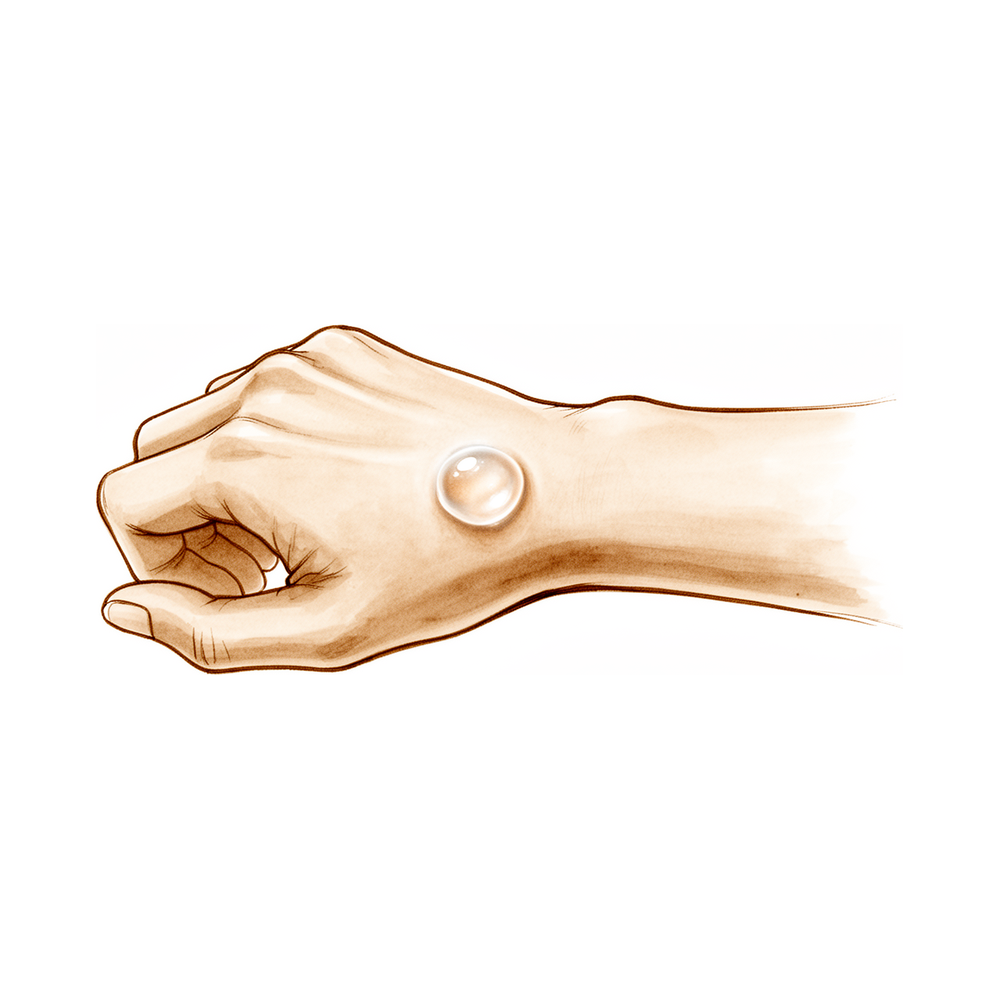
Found a lump on your hand or wrist? The common causes — ganglion cysts, tendon-sheath swellings and other masses — how they are assessed, and when to worry.
For patients: a plain-language version of this topic is available. See the patient guide.
Overview
Dorsal wrist ganglions are the most common soft-tissue mass of the hand and wrist, yet their ultimate etiology remains unknown, with no documented underlying abnormality in the structural components of the wrist joint [1]. Most dorsal wrist ganglions arise from the scapholunate ligament [21]. The aching wrist pain associated with these lesions may be due to a compression neuropathy of the posterior interosseous nerve [21]. In a selected patient group with recalcitrant dorsal wrist pain in the area of the scapholunate interval, occult dorsal wrist ganglions had a high prevalence of 11 of 14 [6]. While ganglia arising from wrist joints can present as painless masses in the center of the palm without signs or symptoms of median or ulnar nerve compression [10], an intraneural ganglion cyst originating from the radio-carpal joint can cause isolated sensory impairment of the thumb due to median nerve involvement [23].
In children aged 10 years and younger with ganglia of the wrist joint, nine of 14 (64%) disappeared spontaneously [11]. In children aged <10 years, ganglions mainly occur on the volar wrist and can be treated expectantly, with 69% to 79% displaying spontaneous regression within a span of 12-18 months [15]. Pediatric ganglions of the hand have a greater rate of resolution than ganglions of the wrist [44]. Fibrous flexor sheath ganglions are more common in the third decade and in the middle finger [9]. A ganglion arising from a metacarpophalangeal joint has been reported [12].
Magnetic resonance imaging is a useful preoperative method to identify the cause and location of nerve compression at the wrist when symptoms and physical findings are inconclusive [27]. Ganglia in the region of the supinator muscle are rare causes of radial nerve compression [24], while ganglions associated with radial nerve palsy at two different locations were identified at the elbow in 14 patients [22]. The outcome of immobilization following aspiration of carpal and digital ganglions was successful in 52% of the wrists and digits that were immobilized and in 50% of those that were not [3]. Hand surgeons are divided regarding the need to immobilize the wrist after dorsal wrist ganglion excision [33]. The practice of treating wrist ganglions with a sclerosant must be abandoned due to the risk of catastrophic complications such as radial artery injury [7]. Although the dorsal approach to the wrist disturbs the extensor pollicis longus tendon and exposes the extensor carpi radialis brevis tendon, patients have not had problems with thumb extension [4].
Background & Causes
Etiology and Pathogenesis
The ultimate etiology of a dorsal wrist ganglion remains unknown, and no underlying abnormality has been documented in the structural components of the wrist joint [1]. Most, if not all, dorsal wrist ganglions arise from the scapholunate ligament [21]. Aching wrist pain associated with a dorsal wrist ganglion may be due to a compression neuropathy of the posterior interosseous nerve [21]. Wrist ganglions may represent a secondary manifestation of an underlying spectrum of scaphoid instability [39]. Digital mucous cysts and wrist ganglia show no anatomic difference at the light and scanning electron microscopic levels, supporting the concept of a similar cause for both [38]. Partial ruptures of the dorsal scapho-lunate ligament cause dorsal wrist pain [79]. Intraosseous bleeding appears to be the most likely cause of hemophilic bone cysts in the hand, with associated elevation of intraosseous pressure explaining the persistent ache [84]. A torn triangular fibrocartilage disk may produce a local area of increased stress resulting in an intraosseous ganglion of the distal ulna [61].
Demographics and Distribution
Fibrous flexor sheath ganglions are more common in the third decade of life and in the middle finger [9]. In children aged 10 years or younger, 64% of wrist joint ganglia disappeared spontaneously [11]. In children aged less than 10 years, ganglions mainly occur on the volar wrist [15].
Anatomical Variants and Presentation
A ganglion arising from a metacarpophalangeal joint is a rare presentation, with this specific case report being the first described in the literature [12]. An intratendinous ganglion on the dorsum of the wrist may move with the extensor pollicis longus tendon, complicating differential diagnosis [19]. A dorsal wrist ganglion can present as an anterior wrist ganglion [14]. Occult dorsal wrist ganglions have a high prevalence in patients with recalcitrant dorsal wrist pain in the area of the scapholunate interval, with 11 of 14 patients in a selected group affected [6]. In patients with chronic wrist pain, normal radiographic findings, and relief of discomfort upon dorsal capsule injection, pathological findings consistent with incipient ganglion formation were found after dorsal capsulectomy [18].
Nerve Compression Associations
Ganglion-related compression neuropathy of the palmar cutaneous branch of the median nerve can occur even in the absence of a palpable mass [13]. A midpalm ganglion can cause neuropathy of the isolated motor branch of the median or ulnar nerve [37]. Ganglion cysts have a causal relationship with carpal tunnel syndrome in some patients [78]. Ganglions associated with radial nerve palsy have been identified at the elbow in 14 patients [22].
Symptoms & Presentation
Ganglions
Occult dorsal wrist ganglions are a significant consideration in patients with recalcitrant dorsal wrist pain localized to the scapholunate interval, where prevalence was high (11 of 14) [6]. Ultrasonography consistently reveals a small hypoechogenic area on the dorsal aspect between the scaphoid and lunate, or just dorsal to the lunate, in cases of occult dorsal ganglion [69, 70]. In patients presenting with chronic wrist pain, normal radiographic findings, and relief of discomfort upon dorsal capsule injection, dorsal capsulectomy with partial scapho-lunate ligament resection yields pathological findings consistent with incipient ganglion formation [18]. These findings support a concept of a spectrum of scaphoid instability in which the ganglion is a secondary manifestation of an underlying instability [39].
Wrist joint ganglions can present as painless masses in the center of the palm without signs or symptoms of median or ulnar nerve compression [10]. However, even in the absence of a palpable mass, a ganglion-related compression neuropathy of the palmar cutaneous branch of the median nerve should be a diagnostic consideration [13]. Magnetic resonance imaging is a useful preoperative method to identify the cause and location of nerve compression at the wrist when symptoms and physical findings are inconclusive [27]. A mass on the dorsum of the wrist that moves with the extensor pollicis longus tendon may represent an intratendinous ganglion [19].
In children 10 years of age and younger with ganglia of the wrist joint, nine of 14 (64%) disappeared spontaneously [11]. Fibrous flexor sheath ganglions are more common in the third decade and in the middle finger [9]. Distinguishing between a flexor sheath ganglion, trigger digit, and Dupuytren's may be accomplished with a detailed physical examination of the MCP region of the affected digit [35]. The acute onset of numbness with or without intolerable pain in the ring and little fingers after a long-term remission period following initial surgery for cubital tunnel syndrome in patients with elbow osteoarthritis appears to be the characteristic clinical profile of recurrent cubital tunnel syndrome caused by ganglion [41].
Aneurysmal Bone Cysts
Aneurysmal bone cysts of the hand are rare but documented entities. An aneurysmal bone cyst of the hamate bone has been reported [26]. An aneurysmal bone cyst of the trapezium has also been reported [28, 29]. Additionally, an aneurysmal bone cyst of the distal phalanx highlights the importance of including ABC in the differential diagnosis of hand tumors [34].
Other Masses and Conditions
Single-digit swelling may be a presenting feature of juvenile rheumatoid arthritis in 18% of cases [63]. A mass of calcium phosphate can cause carpal tunnel syndrome while signs and symptoms of generalized articular or periarticular involvement are minimal [72].
Management
Non-Operative Management
Aspiration remains a primary non-operative intervention for ganglion cysts of the wrist and hand, safely removing 85% of tumors when one, two, or three separate treatments are administered [66]. For patients wishing to avoid or delay surgery, aspiration-puncture followed by 3 weeks of immobilization achieves success in approximately 50% of cases [75]. Outcomes following aspiration are similar regardless of immobilization, with success rates of 52% in immobilized wrists and digits versus 50% in non-immobilized cases [3]. Long-term follow-up at 2 and 5 years demonstrates no difference in symptoms whether palmar wrist ganglions are excised, aspirated, or left alone [17]. Given that patient preferences may preclude routine double aspirations, performing at least one aspiration before surgical excision improves the cost-effectiveness of treating dorsal wrist ganglions [32]. Aspiration and splinting also allow complete recovery of ulnar nerve function in ganglion-associated ulnar tunnel syndrome, proving curative [67]. Conservative management is recommended for stable carpal lesions where excision risks carpal instability [62].
For osteoid osteoma, prolonged NSAID use serves as an alternative to surgery when clinical and radiographic findings are strongly supportive and excision or biopsy might produce excessive morbidity [57]. Carpal boss treatment should initially be nonoperative, utilizing splinting, nonsteroidal antiinflammatory medications, and ultrasound-guided cortisone injections before proceeding to surgery [48]. In rheumatoid tenosynovitis, conservative management requires rheumatologic support for systemic pharmacologic management, with splinting serving an adjunctive role to relieve pain [46]. Corticosteroid injections decrease the inflammatory process and reduce swelling and pain; targeted injection into the tenosynovial inflammation is more effective than systemic cortisone steroids for isolated tenosynovitis [46]. When joint synovitis is active and not controlled with systemic medications, direct injection of the radiocarpal, midcarpal, and distal radioulnar joints is a very useful clinical tool [60].
Nonsurgical treatment for primary osteoarthritis follows specific joint-based protocols. For the thumb CMC joint, nonsurgical treatment is indicated for all stages initially and consists of splinting, NSAIDs, and steroid injections [59]. For the DIP joint, nonsurgical treatment is first line along with NSAIDs [59]. For the PIP joint, management consists of splinting, anti-inflammatories, and activity modification [59]. Initial nonsurgical treatment for STT joint osteoarthritis includes rest, NSAIDs, and splinting [59]. Finally, nonsurgical treatment for pisotriquetral joint arthritis consists of splinting and corticosteroid injections [59].
Operative Management
Surgical excision is the primary definitive treatment for anterior wrist ganglions due to high recurrence rates after nonoperative treatment [42]. Nonsurgical interventions often provide only temporary relief, leading many patients with significant chronic symptoms to select surgery for its reliable outcome and low risk [74]. Most dorsal ganglions are approached through a transverse incision over the proximal carpal row, though a modified or second transverse incision may be necessary for ganglions not directly over the scapholunate ligament [58]. The diagnosis of ganglion cyst must be confirmed before committing to a transverse incision, as this approach is not readily incorporated into a limb-sparing incision if a malignant soft tissue tumor is subsequently diagnosed [58]. Failure to identify the pedicle and excise its attachment to the scapholunate ligament increases the likelihood of recurrence [58].
During excision, the main cyst and pedicle are mobilized down to the underlying joint capsule, which is opened along the border of the radius and scaphoid's proximal pole with the wrist in volar flexion [58]. The ganglion and its capsular attachments are tangentially excised off the scapholunate ligament [58]. A small, mucin-filled duct is invariably seen piercing the transverse fibers of the scapholunate ligament, connecting the underlying scapholunate joint with the main cyst [58]. Routine midcarpal joint exploration during arthroscopic excision of dorsal wrist ganglions appears to reduce recurrence at 1 year without negatively impacting patient outcomes [20]. Arthroscopic resection of palmar wrist ganglions results in no impairment of wrist motion and function [25]. Fascial flap treatment for recurrent ganglions yields full recovery of wrist function in all cases except one with slight restriction of flexion [16]. At 4 years post-operation, ganglions have not recurred, and motion and strength equal the contralateral wrist and hand [14]. Improved functional activity and decreased pain are noted in all patients following dorsal carpal ganglion excision [40].
Treatment for osteoid osteoma in the hand or carpus consists of surgical excision with either curettage of the nidus or en bloc excision [57]. Persistence of the lesion is reported if the nidus is not completely excised [57]. Successful use of percutaneous CT-guided laser photoagulation has been reported for osteoid osteoma [57]. Radiofrequency ablation may be considered for carefully selected lesions that are not subcutaneous or near major nerves [57]. For mucous cysts associated with DIP joint osteoarthritis, open excision of the cyst is followed by débridement of the distal phalangeal osteophytes to prevent recurrence [59].
Operative management for osteoarthritis varies by joint and severity. For DIP joint arthrosis, joint arthrodesis in 10° to 20° of flexion is indicated, with headless screw fixation having the highest fusion rate [59]. For PIP joint contractures with minimal joint involvement, treatment includes collateral ligament excision, volar plate release, and osteophyte excision [59]. For OA in long and ring fingers with intact bone stock and no angulation or rotational deformity, arthroplasty is indicated [59]. For OA in border digits (index and small fingers), arthrodesis is indicated, with headless screw fixation having the highest fusion rate [59]. The angle for PIP joint arthrodesis is meant to re-create the normal PIP joint flexion cascade: index, 30°; long, 35°; ring, 40°; small, 45° [59]. When the trapeziometacarpal joint is not involved, options for STT joint osteoarthritis include arthroscopic débridement, partial or total trapeziectomy, STT arthrodesis, or resection of the distal pole of the scaphoid [59]. With pantrapezial arthrosis, trapeziectomy/CMC arthroplasty is indicated [59]. Pisiform excision is indicated in refractory cases of pisotriquetral joint arthritis [59].
Dorsal synovectomy of the wrist may provide lasting benefit if synovitis is only moderate, bone changes are absent, but pain is significant [53]. Persistent swelling at the dorsum of the wrist continuing for 6 weeks or longer despite adequate medical treatment may indicate a dorsal synovectomy [53]. Dorsal synovectomy may also be considered a prophylactic measure to avoid extensor tendon rupture [53]. If synovitis involves the wrist and the metacarpophalangeal joints, synovectomy can often be performed at both levels during the same operation, usually only on one limb at a time [53]. Nerve compression in rheumatoid arthritis should be relieved surgically if conservative treatment with splinting and corticosteroid injections has been unsuccessful [53]. If hypertrophy of the tenosynovium on the volar aspect of the wrist is obvious clinically with or without symptoms of median nerve compression, a palmar (flexor) tenosynovectomy may be useful in relieving pain and preventing tendon rupture [53]. Surgical treatment for tenosynovitis involves removing the inflamed tenosynovium while preserving normal structures [46]. Tenosynovectomy has been shown to decrease pain and improve disease outcomes [46]. Underlying bone and joint deformities need to be addressed during surgical treatment of tenosynovitis [46].
Treatment of a dorsal ganglion with anomalous muscles must include division of the fourth dorsal extensor compartment in the case of the former muscle, and excision in the case of the latter, to assure relief of symptoms [65]. Treatment by arthrotomy, curettage of the ganglion, and bone graft resulted in clinical improvement in nine patients with intraosseous ganglion cysts of the lunate, six of whom became symptom-free [68]. Wrist scores improved 34 points, from 51 to 85 points, by 1 year after surgery with trabeculation noted within the grafting lunate following arthroscopically assisted treatment of intraosseous ganglions [71]. A patient achieved complete relief from pain and returned to normal employment following treatment of an intraosseous ganglion of the trapezoid [64]. Following treatment of an aneurysmal bone cyst of the hamate bone, a patient had a full range of wrist motion and was free of pain at 15 months follow-up [26]. In the 11th month after surgery for an aneurysmal bone cyst of the trapezium, a patient had a full range of wrist motion and was free of pain [28]. Postoperatively, symptoms were relieved and after 3 months a patient had normal and full use of his hand and wrist following treatment of ulnar neuropathy at the wrist associated with a recurrent branch through the flexor carpi ulnaris tendon [2]. A year after excision, a patient has not suffered recurrent pain in the left shoulder following treatment of an erosive, subscapular bursal cyst after partial scapulectomy [30]. Manipulation of the wrist for the management of postoperative stiffness is rarely, if ever, indicated [36]. Although the approach disturbs the extensor pollicis longus tendon and exposes the extensor carpi radialis brevis tendon, patients have not had problems with thumb extension [4].
Key Considerations
Etiology and Pathophysiology
No specific etiological or pathophysiological data is provided in the current evidence base for this section.
Diagnosis and Imaging
In patients with recalcitrant dorsal wrist pain localized to the scapholunate interval, occult dorsal wrist ganglions demonstrate a high prevalence, identified in 11 of 14 cases [6]. When clinical evaluation remains inconclusive, ultrasound serves as a first-line imaging procedure [51]. Ultrasound evidence of an occult dorsal ganglion constitutes a reliable indicator for surgical intervention [51].
Natural History and Pediatric Considerations
In children aged 10 years and younger with wrist joint ganglia, 9 of 14 (64%) lesions disappeared spontaneously [11]. In children under 10 years of age, ganglions predominantly occur on the volar wrist [15]. Within this age group, 69% to 79% of ganglions display spontaneous regression within a span of 12-18 months [15].
Non-Operative Management
For palmar wrist ganglions, no difference in symptoms was found at 2 and 5 year follow-up regardless of whether the lesions were excised, aspirated, or left alone [17]. Performing at least one aspiration before surgical excision improves the cost-effectiveness of treatment for dorsal wrist ganglions [32].
Operative Management
Surgical excision is recommended as the primary definitive treatment for anterior wrist ganglions due to a large number of recurrences after nonoperative treatment [42]. Although the dorsal approach disturbs the extensor pollicis longus tendon and exposes the extensor carpi radialis brevis tendon, patients have not experienced problems with thumb extension [4]. Marginal excision appears to result in a good outcome with no recurrence at short- to medium-term follow-up for parosteal lipomas of the phalanges [76]. Long-term results after treatment of mucous cysts with simple aspiration, decapping, excision with skin grafts and flaps, or observation only were similar [80].
Complications and Atypical Presentations
A ganglion-related compression neuropathy of the palmar cutaneous branch of the median nerve should be a diagnostic consideration even in the absence of a palpable mass [13]. An intratendinous ganglion can present as a mass on the dorsum of the wrist that moves with the extensor pollicis longus tendon [19]. The acute onset of numbness with or without intolerable pain in the ring and little fingers after a long-term remission period following initial surgery for cubital tunnel syndrome in patients with elbow osteoarthritis is characteristic of recurrent cubital tunnel syndrome caused by ganglion [41].
Key Evidence
- [L5] The ultimate etiology of a dorsal wrist ganglion remains unknown, and the authors have been unable to document any underlying abnormality in the structural components of the wrist joint. [1] (10.1097/00130911-200209000-00008)
- [L5] Postoperatively the patient's symptoms were relieved and after 3 months he had normal and full use of his hand and wrist. [2] (10.1016/s0266-7681(05)80199-8)
- [L1] The outcome was successful in 52% of the wrists and digits that were immobilized and in 50% of those that were not. [3] (10.1016/s0363-5023(09)91073-5)
- [L5] Although the approach disturbs the extensor pollicis longus tendon and exposes the extensor carpi radialis brevis tendon, the authors' patients have not had problems with thumb extension. [4] (10.1016/s0363-5023(86)80251-9)
- [L4] The radiographic appearance in the hand differs from that in other skeletal locations and must be differentiated from other common lesions. [5] (10.1016/s0363-5023(79)80132-x)
- [L4] In our selected patient group (recalcitrant dorsal wrist pain in the area of the scapholunate interval), occult dorsal wrist ganglions had a high prevalence (11 of 14). [6] (10.1016/s0363-5023(05)80288-6)
- [L4] After this catastrophic complication of the treatment of a benign condition, the practice of treating wrist ganglions with a sclerosant must be abandoned. [7] (10.1177/1753193409105561)
- [L4] They were found to be more common in the third decade and in the middle finger. [9] (10.1016/s0266-7681(97)80068-x)
- [L4] We report 2 cases of ganglions arising from wrist joints that presented as painless masses in the center of the palm without signs or symptoms of median or ulnar nerve compression. [10] (10.1016/j.jhsa.2003.11.006)
- [L4] In a small series of children 10 years of age and younger with ganglia of the wrist joint, nine of 14 (64%) disappeared spontaneously. [11] (10.1016/s0363-5023(77)80137-8)
- [L5] Although ganglia have been described as arising from most joints of the hand and wrist, to our knowledge this is the first report of a ganglion arising from a metacarpophalangeal joint. [12] (10.1016/s0266-7681(98)80076-4)
- [L4] These two cases suggest that even in the absence of a palpable mass, a ganglion-related compression neuropathy of the palmar cutaneous branch of the median nerve should be a diagnostic consideration. [13] (10.1016/0363-5023(94)90195-3)
- [L5] At a follow-up examination 4 years after operation, the ganglion had not recurred, and motion and strength were equal to the contralateral wrist and hand. [14] (10.1016/0363-5023(94)90096-5)
- [L4] In children aged <10 years, ganglions mainly occur on the volar wrist and can be treated expectantly, with 69% to 79% displaying spontaneous regression within a span of 12-18 months. [15] (10.1016/j.jhsa.2021.12.015)
- [L4] Full recovery of wrist function occurred in all cases except one who had slight restriction of flexion. [16] (10.1016/j.main.2003.12.007)
- [L3] At 2 and 5 year follow-up, regardless of treatment, no difference in symptoms was found, regardless of whether the palmar wrist ganglion was excised, aspirated or left alone. [17] (10.1016/s0266-7681(02)00365-0)
- [L4] In patients with chronic wrist pain, normal radiographic findings, and relief of discomfort upon dorsal capsule injection, dorsal capsulectomy with partial scapho-lunate ligament resection produced pathological findings consistent with incipient ganglion formation. [18] (10.1016/0266-7681(85)90034-8)
- [L5] The clinical problem was the inability to make a differential diagnosis of a mass on the dorsum of the wrist that moved with the extensor pollicis longus tendon. [19] (10.1016/s0363-5023(85)80218-5)
- [L3] Routine midcarpal joint exploration during arthroscopic excision of dorsal wrist ganglions appeared to reduce recurrence at 1 year without negatively impacting patient outcomes. [20] (10.1177/17531934251405730)
- [L5] Since most, if not all, dorsal wrist ganglions arise from the scapholunate ligament, we suggest that the aching wrist pain associated with a dorsal wrist ganglion may be due to a compression neuropathy of the posterior interosseous nerve. [21] (10.1016/s0363-5023(78)80032-x)
- [L4] Ganglions associated with radial nerve palsy at two different locations were identified at the elbow in 14 patients. [22] (10.1016/j.jhsb.2006.09.014)
- [L5] The case illustrates an unusual aetiology of thumb involvement in a median mononeuropathy caused by an intraneural ganglion cyst originating from the radio-carpal joint. [23] (10.1016/s0266-7681(05)80156-1)
- [L4] Ganglia in the region of the supinator muscle are rare causes of radial nerve compression. [24] (10.1016/s0266-7681(98)80073-9)
- [L4] There was no impairment of wrist motion and function in all patients. [25] (10.1016/j.main.2006.07.028)
- [L5] The patient had a full range of wrist motion and was free of pain at 15 months follow-up. [26] (10.1016/s0363-5023(84)80064-7)
- [L5] Magnetic resonance imaging is a useful preoperative method to identify the cause and location of nerve compression at the wrist when the symptoms and physical findings are inconclusive. [27] (10.1016/0363-5023(89)90182-2)
- [L5] In the 11th month after surgery, he had a full range of wrist motion and was free of pain. [28] (10.1016/j.jhsb.2005.12.007)
- [L5] In the 11th month after surgery, he had a full range of wrist motion and was free of pain. [29] (10.1016/j.jhsb.2006.02.011)
- [L5] A year after excision, the patient has not suffered recurrent pain in the left shoulder. [30] (10.1016/1058-2746(93)90078-u)
- [L2] As patient preferences may preclude routinely performing 2 aspirations, performing at least 1 aspiration before surgical excision improves the cost-effectiveness of dorsal wrist ganglions treatment. [32] (10.1016/j.jhsa.2022.09.002)
- [L2] The systematic review and survey of Canadian hand surgeons reveal that hand surgeons are divided regarding the need to immobilize the wrist after dorsal wrist ganglion excision. [33] (10.1177/15589447211014631)
- [L5] This case highlights the importance of including ABC in the differential diagnosis of hand tumors and supports the potential for conservative surgical management. [34] (10.1016/j.jhsg.2026.101052)
- [L4] Distinguishing between a flexor sheath ganglion, trigger digit, and Dupuytren's may be accomplished with a detailed physical examination of the MCP region of the affected digit. [35] (10.1177/15589447221109644)
- [L5] Manipulation of the wrist for the management of postoperative stiffness is rarely, if ever, indicated. [36] (10.1016/s0363-5023(83)80096-3)
- [L4] A midpalm ganglion can cause neuropathy of the isolated motor branch of the median or ulnar nerve. [37] (10.1053/jhsu.2001.24146)
- [L5] Digital mucous cysts and wrist ganglia show no anatomic difference at the light and scanning electron microscopic levels, supporting the concept of a similar cause for both. [38] (10.1016/s0363-5023(88)80143-6)
- [L4] These patients support a concept of a spectrum of scaphoid instability in which the ganglion is a secondary manifestation of an underlying instability. [39] (10.1016/s0363-5023(89)80080-2)
- [L4] Improved functional activity and decreased pain were noted in all patients. [40] (10.1016/s0266-7681(99)90053-0)
- [L4] The acute onset of numbness with or without intolerable pain in the ring and little fingers after a long-term remission period following initial surgery for CuTS in patients with elbow osteoarthritis appears to be the characteristic clinical profile of recurrent CuTS caused by ganglion. [41] (10.1142/s2424835518500224)
- [L4] Because of a large number of recurrences after nonoperative treatment, surgical excision is recommended as the primary definitive treatment for anterior wrist ganglions. [42] (10.1016/0363-5023(94)90095-7)
- [L4] Pediatric ganglions of the hand have a greater rate of resolution than ganglions of the wrist. [44] (10.1016/j.jhsa.2023.07.002)
- [L3] It was concluded that ultrasound of the wrist can be used as a first-line imaging procedure in clinically inconclusive situations and that ultrasound evidence of an occult dorsal ganglion is a reliable indicator for surgery. [51] (10.1016/s0363-5023(97)80044-5)
- [L5] The cause of the patient's pain is not clear, but perhaps the torn triangular fibrocartilage disk produced a local area of increased stress resulting in the intraosseous ganglion of the distal ulna. [61] (10.1016/s0363-5023(87)80124-7)
- [L5] For stable lesions in the carpus, where excision could lead to carpal instability, conservative management is recommended. [62] (10.1016/s0266-7681(05)80005-1)
- [L4] Single-digit swelling may be a presenting feature of JRA in 18% of cases. [63] (10.1016/s0363-5023(97)80124-4)
- [L5] The patient achieved complete relief from his pain and returned to his normal employment. [64] (10.1016/0363-5023(94)90266-6)
- [L5] To assure relief of symptoms, treatment must include division of the fourth dorsal extensor compartment in the case of the former muscle, and excision in the case of the latter. [65] (10.1016/s0363-5023(79)80111-2)
- [L2] Aspiration treatment of ganglion cysts of the wrist and hand can safely remove 85% of these tumors if one, two or three separate treatments are administered. [66] (10.1016/s0363-5023(87)80221-6)
- [L5] The treatment of ganglion-associated ulnar tunnel syndrome by aspiration and splinting allowed complete recovery of ulnar nerve function and was curative. [67] (10.1016/s0266-7681(02)00308-x)
- [L4] Histopathologically it is identical to the common dorsal wrist ganglion and treatment by arthrotomy, curettage of the ganglion and bone graft resulted in clinical improvement in nine patients, six of whom became symptom-free. [68] (10.1016/s0266-7681(05)80268-2)
- [L4] Ultrasonography revealed a small hypoechogenic area on the dorsal aspect between the scaphoid and the lunate or just dorsal to the lunate in all five cases examined. [69] (10.1016/0266-7681(88)90133-7)
- [L4] Ultrasonography revealed a small hypoechogenic area on the dorsal aspect between the scaphoid and the lunate or just dorsal to the lunate in all five cases examined. [70] (10.1016/0266-7681_88_90133-7)
- [L4] Wrist scores improved 34 points, from 51 to 85 points, by 1 year after surgery with trabeculation being noted within the grafting lunate. [71] (10.1053/jhsu.2003.50027)
- [L5] The case proved to be calcific periarthritis that involved the carpus and caused carpal tunnel syndrome while signs and symptoms of generalized articular or periarticular involvement were minimal. [72] (10.1016/0363-5023(94)90232-1)
- [L5] The authors conclude that nonsurgical interventions often provide only temporary relief, and that many patients with significant chronic symptoms select surgery preferentially given its reliable outcome and low risk. [74] (10.1016/j.jhsa.2004.06.002)
- [L2] Patients with carpal ganglions who wish to avoid or delay operative treatment should be advised that aspiration-puncture followed by 3 weeks of immobilization will be successful in approximately 50% of cases. [75] (10.1016/s0363-5023(87)80108-9)
- [L4] Marginal excision appears to result in a good outcome with no recurrence at short- to medium-term follow-up for parosteal lipomas of the phalanges. [76] (10.1016/j.jhsa.2020.10.029)
- [L4] These cases strongly suggest a causal relationship between ganglion cysts and carpal tunnel syndrome in some patients. [78] (10.1016/s0363-5023(88)80144-8)
- [L4] Partial ruptures of the dorsal scapho-lunate ligament will cause dorsal wrist pain. [79] (10.1016/s0363-5023(03)80341-6)
- [L4] The long-term results after treatment with simple aspiration or decapping, or by excision with skin grafts and flaps as needed or with observation only were similar. [80] (10.1016/s0363-5023(84)80076-3)
- [L3] The incidence of bone islands in the hands of asymptomatic children between the ages of 5 and 13 years is 3.8% and the incidence of cysts in the same population is 2.8%. [82] (10.1016/j.jhsb.2006.03.158)
- [L5] Intraosseous bleeding appears to be the most likely cause of the lesions, with associated elevation of intraosseous pressure explaining the persistent ache. [84] (10.1016/0363-5023(93)90357-9)
See Also
- Osteoarthritis
References
[1] Internal Decompression of Dorsal Wrist Ganglions. Techniques in Hand and Upper Extremity Surgery. 2002. DOI: 10.1097/00130911-200209000-00008
[2] Ulnar Neuropathy at the Wrist Associated with a Recurrent Branch through the Flexor Carpi Ulnaris Tendon. Journal of Hand Surgery. 1996. DOI: 10.1016/s0266-7681(05)80199-8
[3] Efficacy of immobilization following aspiration of carpal and digital ganglions. The Journal of Hand Surgery. 1992. DOI: 10.1016/s0363-5023(09)91073-5
[4] The dorsal approach to the wrist revisited. The Journal of Hand Surgery. 1986. DOI: 10.1016/s0363-5023(86)80251-9
[5] Aneurysmal bone cyst involving the hand: A review and report of two cases. The Journal of Hand Surgery. 1979. DOI: 10.1016/s0363-5023(79)80132-x
[6] Evaluating dorsal wrist pain: MRI diagnosis of occult dorsal wrist ganglion. The Journal of Hand Surgery. 1995. DOI: 10.1016/s0363-5023(05)80288-6
[7] Radial artery injury caused by a sclerosant injected into a palmar wrist ganglion. Journal of Hand Surgery (European Volume). 2009. DOI: 10.1177/1753193409105561
[9] The Distribution of Fibrous Flexor Sheath Ganglions. Journal of Hand Surgery. 1997. DOI: 10.1016/s0266-7681(97)80068-x
[10] Wrist joint ganglion presenting as a painless mass in the palm: report of 2 cases. The Journal of Hand Surgery. 2004. DOI: 10.1016/j.jhsa.2003.11.006
[11] Dorsal wrist ganglions in children. The Journal of Hand Surgery. 1977. DOI: 10.1016/s0363-5023(77)80137-8
[12] A Palmar Ganglion Arising from the Metacarpophalangeal Joint. Journal of Hand Surgery. 1998. DOI: 10.1016/s0266-7681(98)80076-4
[13] Ganglion-related compression neuropathy of the palmar cutaneous branch of the median nerve: A report of two cases. The Journal of Hand Surgery. 1994. DOI: 10.1016/0363-5023(94)90195-3
[14] Dorsal wrist ganglion presenting as anterior wrist ganglion. The Journal of Hand Surgery. 1994. DOI: 10.1016/0363-5023(94)90096-5
[15] Pediatric Ganglions of the Hand and Wrist: A Review of Current Literature. The Journal of Hand Surgery. 2022. DOI: 10.1016/j.jhsa.2021.12.015
[16] Fascial flap for recurrent ganglion. Chirurgie de la Main. 2004. DOI: 10.1016/j.main.2003.12.007
[17] Palmar Wrist Ganglion: Does Intervention Improve Outcome A Prospective Study of the Natural History and Patient-Reported Treatment Outcomes. Journal of Hand Surgery. 2003. DOI: 10.1016/s0266-7681(02)00365-0
[18] The occult dorsal carpal ganglion. The Journal of Hand Surgery: Journal of the British Society for Surgery of the Hand. 1985. DOI: 10.1016/0266-7681(85)90034-8
[19] A case of an intratendinous ganglion. The Journal of Hand Surgery. 1985. DOI: 10.1016/s0363-5023(85)80218-5
[20] Arthroscopic resection of dorsal wrist ganglions with or without midcarpal exploration. Journal of Hand Surgery (European Volume). 2025. DOI: 10.1177/17531934251405730
[21] Anatomic dissections relating the posterior interosseous nerve to the carpus, and the etiology of dorsal wrist ganglion pain. The Journal of Hand Surgery. 1978. DOI: 10.1016/s0363-5023(78)80032-x
[22] THE TWO LOCATIONS OF GANGLIONS CAUSING RADIAL NERVE PALSY. Journal of Hand Surgery (European Volume). 2007. DOI: 10.1016/j.jhsb.2006.09.014
[23] Isolated Sensory Impairment of the Thumb Due to an Intraneural Ganglion Cyst in the Median Nerve. Journal of Hand Surgery. 1995. DOI: 10.1016/s0266-7681(05)80156-1
[24] Compression of the Radial Nerve Caused by an Occult Ganglion. Journal of Hand Surgery. 1998. DOI: 10.1016/s0266-7681(98)80073-9
[25] Résection des kystes synoviaux palmaires par arthroscopie. Chirurgie de la Main. 2006. DOI: 10.1016/j.main.2006.07.028
[26] Aneurysmal bone cyst of the hamate bone. The Journal of Hand Surgery. 1984. DOI: 10.1016/s0363-5023(84)80064-7
[27] Diagnosis of ganglion in Guyon's canal by magnetic resonance imaging. The Journal of Hand Surgery. 1989. DOI: 10.1016/0363-5023(89)90182-2
[28] The Trapezium: a New Location for an Aneurysmal Bone Cyst. Journal of Hand Surgery. 2006. DOI: 10.1016/j.jhsb.2005.12.007
[29] The Trapezium: a New Location for an Aneurysmal Bone Cyst. Journal of Hand Surgery. 2006. DOI: 10.1016/j.jhsb.2006.02.011
[30] Snapping scapula: Formation of an erosive, subscapular bursal cyst after partial scapulectomy. Journal of Shoulder and Elbow Surgery. 1993. DOI: 10.1016/1058-2746(93)90078-u
[32] Minimizing Costs for Dorsal Wrist Ganglion Treatment: A Cost-Minimization Analysis. The Journal of Hand Surgery. 2023. DOI: 10.1016/j.jhsa.2022.09.002
[33] Immobilization of the Wrist After Dorsal Wrist Ganglion Excision: A Systematic Review and Survey of Current Practice. HAND. 2021. DOI: 10.1177/15589447211014631
[34] Aneurysmal Bone Cyst of the Distal Phalanx: A Case Report. Journal of Hand Surgery Global Online. 2027. DOI: 10.1016/j.jhsg.2026.101052
[35] A Simple Physical Exam Maneuver to Distinguish Trigger Digit, Dupuytren’s Nodule, and Flexor Sheath Ganglion. HAND. 2022. DOI: 10.1177/15589447221109644
[36] Rotatory subluxation of the scaphoid after excision of dorsal carpal ganglion and wrist manipulation—A case report. The Journal of Hand Surgery. 1983. DOI: 10.1016/s0363-5023(83)80096-3
[37] Neuropathy of motor branch of median or ulnar nerve induced by midpalm ganglion. The Journal of Hand Surgery. 2001. DOI: 10.1053/jhsu.2001.24146
[38] A surface ultrastructure study of ganglia and digital mucous cysts. The Journal of Hand Surgery. 1988. DOI: 10.1016/s0363-5023(88)80143-6
[39] Reevaluation of the cause of the wrist ganglion. The Journal of Hand Surgery. 1989. DOI: 10.1016/s0363-5023(89)80080-2
[40] The Effect of Dorsal Carpal Ganglion Excision on the Scaphoid Shift Test. Journal of Hand Surgery. 1999. DOI: 10.1016/s0266-7681(99)90053-0
[41] Recurrent Cubital Tunnel Syndrome Caused by Ganglion: A Report of Nine Cases. The Journal of Hand Surgery (Asian-Pacific Volume). 2018. DOI: 10.1142/s2424835518500224
[42] Anterior wrist ganglion. The Journal of Hand Surgery. 1994. DOI: 10.1016/0363-5023(94)90095-7
[44] Natural History of Pediatric Hand and Wrist Ganglion Cysts: Longitudinal Follow-Up of a Prospective, Dual-Center Cohort. The Journal of Hand Surgery. 2023. DOI: 10.1016/j.jhsa.2023.07.002
[46] Green S Operative Hand Surgery. PROLIFERATIVE TENOSYNOVITIS > Rheumatoid Arthritis.
[48] Green S Operative Hand Surgery. BOX 59.1 Ganglions of the Hand and Wrist > Carpmetacarpal Boss.
[51] Diagnostic validity of ultrasound in patients with persistent wirst pain and suspected occult ganglion. The Journal of Hand Surgery. 1997. DOI: 10.1016/s0363-5023(97)80044-5
[53] Campbell S Operative Orthopaedics 4 Volume Set. THUMB CARPODNETACARPAL ARTHRODESIS WITH KIRSCHNER WIRE OR BLADE-PLATE FIXATION > SYNOVITIS OF THE WRIST.
[57] Green S Operative Hand Surgery. BOX 59.1 Ganglions of the Hand and Wrist > Osteoid Osteoma.
[58] Green S Operative Hand Surgery. BOX 59.1 Ganglions of the Hand and Wrist > Operative Treatment > Dorsal Wrist Ganglion.
[59] Aaos Comprehensive Orthopaedic Review 3. Arthritides of the Hand and Wrist* > I. Primary Osteoarthritis.
[60] Tachdjian S Pediatric Orthopaedics From The Texas Scottish Rite Hospital For Children E Book. Wrist Involvement.
[61] Intraosseous ganglion of the distal ulna. The Journal of Hand Surgery. 1987. DOI: 10.1016/s0363-5023(87)80124-7
[62] Aneurysmal Bone Cyst of the Capitate. Journal of Hand Surgery. 1995. DOI: 10.1016/s0266-7681(05)80005-1
[63] Isolated digital swelling as the initial presentation of juvenile rheumatoid arthritis. The Journal of Hand Surgery. 1997. DOI: 10.1016/s0363-5023(97)80124-4
[64] Intraosseous ganglion of the trapezoid. The Journal of Hand Surgery. 1994. DOI: 10.1016/0363-5023(94)90266-6
[65] The dorsal ganglion with anomalous muscles. The Journal of Hand Surgery. 1979. DOI: 10.1016/s0363-5023(79)80111-2
[66] Management of ganglion cysts of the hand by simple aspiration. The Journal of Hand Surgery. 1987. DOI: 10.1016/s0363-5023(87)80221-6
[67] Ganglion-Associated Ulnar Tunnel Syndrome Treated by Ultrasonographically Assisted aspiration and Splinting. Journal of Hand Surgery. 2003. DOI: 10.1016/s0266-7681(02)00308-x
[68] Intraosseous Ganglion Cyst of the Lunate: Diagnosis and Management. Journal of Hand Surgery. 1992. DOI: 10.1016/s0266-7681(05)80268-2
[69] The dorsal occult ganglion of the wrist and ultrasonography. The Journal of Hand Surgery: Journal of the British Society for Surgery of the Hand. 1988. DOI: 10.1016/0266-7681(88)90133-7
[70] The Dorsal Occult Ganglion of the Wrist and Ultrasonography. Journal of Hand Surgery. 1988. DOI: 10.1016/0266-7681_88_90133-7
[71] Arthroscopically assisted treatment of intraosseous ganglions of the lunate: A new technique. The Journal of Hand Surgery. 2003. DOI: 10.1053/jhsu.2003.50027
[72] Carpal tunnel syndrome caused by a mass of calcium phosphate. The Journal of Hand Surgery. 1994. DOI: 10.1016/0363-5023(94)90232-1
[74] Arthroscopic ganglionectomy?. The Journal of Hand Surgery. 2004. DOI: 10.1016/j.jhsa.2004.06.002
[75] Ganglions of the wrist and digits: Results of treatment by aspiration and cyst wall puncture. The Journal of Hand Surgery. 1987. DOI: 10.1016/s0363-5023(87)80108-9
[76] Parosteal Lipoma of the Proximal Phalanx of Hand. The Journal of Hand Surgery. 2021. DOI: 10.1016/j.jhsa.2020.10.029
[78] Ganglion cysts and carpal tunnel syndrome. The Journal of Hand Surgery. 1988. DOI: 10.1016/s0363-5023(88)80144-8
[79] Occult ganglions of the dorsal scapho-lunate ligament. Histological and long term review of 65 operated cases. The Journal of Hand Surgery. 2003. DOI: 10.1016/s0363-5023(03)80341-6
[80] The treatment of mucous cysts: Long-term follow-up in sixty-two cases. The Journal of Hand Surgery. 1984. DOI: 10.1016/s0363-5023(84)80076-3
[82] The Distribution of Bone Islands and Juxta-Articular Bone Cysts in the Growing Hand. Journal of Hand Surgery. 2006. DOI: 10.1016/j.jhsb.2006.03.158
[84] Multiple hemophilic bone cysts in the hand. The Journal of Hand Surgery. 1993. DOI: 10.1016/0363-5023(93)90357-9