Patients › Rehabilitation
Estabilização da Articulação Acromioclavicular
Rehabilitation after AC joint stabilisation or reconstruction, with the protective phase and staged return to sport.
Este protocolo descreve a reabilitação após a estabilização da articulação acromioclavicular (AC) realizada pelo Dr. Kieran Hirpara no Mater Private Hospital Rockhampton. O procedimento visa restaurar o alinhamento da articulação entre a clavícula e a escápula após uma luxação, utilizando um dispositivo de suspensão, por vezes reforçado com um enxerto tendinoso. Leve esta página ou o seu PDF na sua primeira sessão de fisioterapia, para que a reabilitação seja devidamente coordenada. O seu fisioterapeuta guiará individualmente a evolução da reabilitação através das fases abaixo, conforme a recuperação do seu ombro.
Caso tenha alguma dúvida ou preocupação quanto à ferida cirúrgica, entre em contato com o consultório. Geralmente, é útil tirar uma foto da ferida e enviá-la por e-mail para análise.
O que esperar
A estabilização da articulação acromioclavicular difere da maioria das cirurgias artroscópicas do ombro: há um reparo que precisa ser protegido durante a cicatrização, e o principal fator de carga sobre ele é simplesmente o peso do próprio braço. A gravidade puxa constantemente o braço (e, com ele, a escápula) para baixo, afastando-o da clavícula — exatamente a direção que a estabilização precisa resistir. Por isso, a reabilitação inicial é deliberadamente protetora: a tipoia sustenta o peso do braço, os movimentos são mantidos dentro de limites seguros, e o fortalecimento só é iniciado após o reparo estar consolidado.
A tipoia tem função protetora. Use-a por 6 semanas; nas primeiras três semanas, mantenha-a também durante o sono, pois mesmo deitado o peso do braço exerce tensão sobre o reparo. Após três semanas, pode retirá-la na cama. Quando a tipoia for retirada para higiene ou exercícios, mantenha o braço apoiado: coloque o antebraço sobre um travesseiro ou mesa, evitando deixar o braço pendurado ou carregar qualquer peso. À noite, a maioria das pessoas se sente mais confortável deitada de costas ou do lado oposto à cirurgia; se optar por deitar de costas, coloque um pequeno travesseiro sob o cotovelo e o antebraço para impedir que o ombro caia para trás. Evite deitar sobre o ombro operado enquanto o reparo cicatriza.
Você não deve dirigir durante seis semanas após qualquer cirurgia no ombro, nem enquanto estiver usando a tipoia.
O programa de exercícios inclui três tipos de movimentos; sua equipe indicará quais se aplicam a você:
- Amplitude de movimento ativa: movimentos permitidos sem qualquer auxílio.
- Amplitude de movimento ativa assistida: utilização do outro braço ou de um objeto para ajudar no movimento do braço afetado.
- Amplitude de movimento passiva: o braço permanece completamente relaxado; o outro braço ou uma força externa realiza 100% do movimento.
Resumo do processo de recuperação:
- Fase I: Proteção do reparo, semanas 0–6
- Fase II: Restauração da mobilidade, semanas 6–12
- Fase III: Fortalecimento, semanas 12–18
- Fase IV: Retorno ao esporte e a atividades pesadas, a partir da semana 18
Os intervalos semanais são indicativos, não fixos; os protocolos publicados para esta cirurgia variam, e seu fisioterapeuta ajustará o progresso conforme a evolução do reparo e da mobilidade, não apenas com base no calendário. Na maioria dos casos, o braço já é utilizado para atividades cotidianas por volta dos três meses. O retorno a esportes de contato e com risco de colisão costuma ocorrer entre quatro e seis meses; para alguns esportes e profissões, esse período de adaptação pode ser ainda maior.
Fase I — Protegendo a reparação (Semanas 0–6)
Kieran Hirpara 4.0
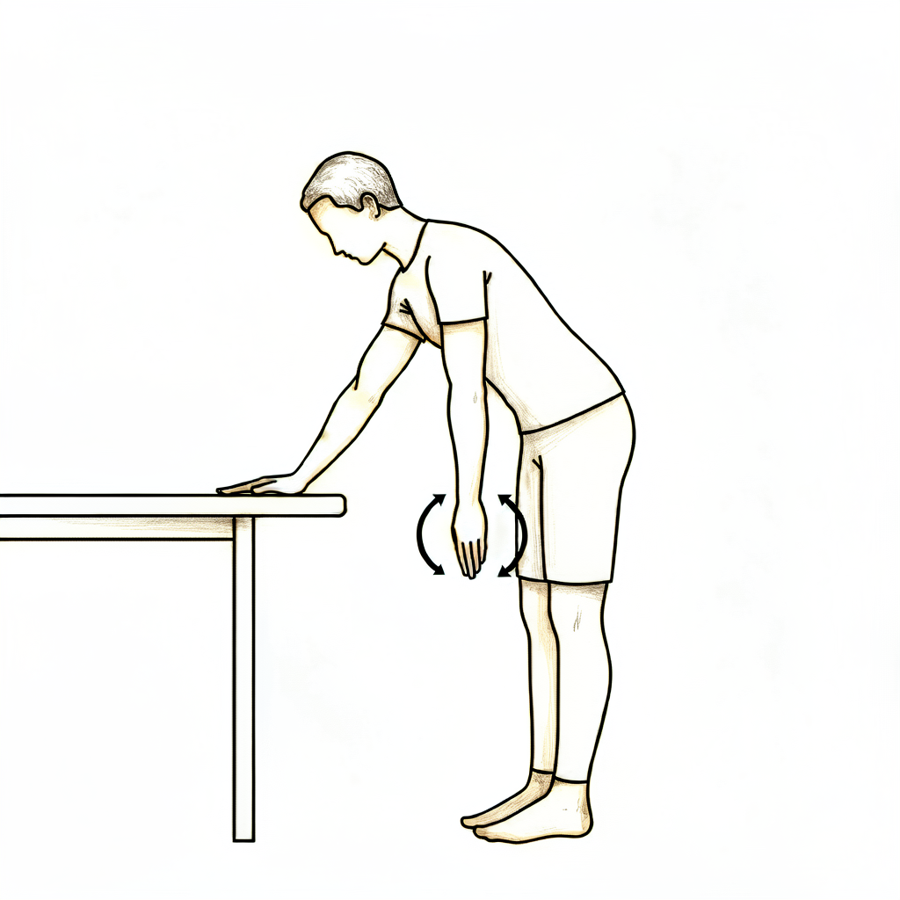
Exercício do pêndulo
Retire o sling, incline o tronco para a frente e deixe o braço operado pender suavemente para longe do corpo. Faça o braço descrever pequenos círculos, de forma relaxada — o movimento deve vir do corpo, não dos músculos do ombro. Mantenha o movimento dentro dos limites do conforto, depois apoie o braço novamente no sling.
Várias vezes ao dia
Kieran Hirpara 4.0
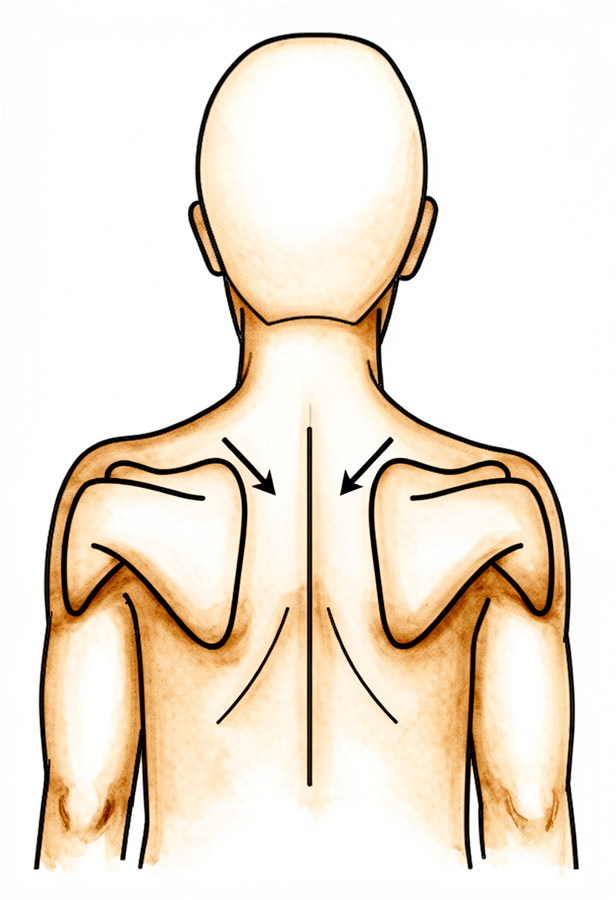
Posicionamento da escápula
Sentado ou em pé, com o braço apoiado, puxe suavemente as escápulas para trás e para baixo, afastando-as das orelhas. Mantenha a posição por alguns segundos e depois relaxe. Isso mantém os músculos posturais ativos sem sobrecarregar a área em recuperação.
Conforme orientado pelo seu fisioterapeuta
Kieran Hirpara 4.0
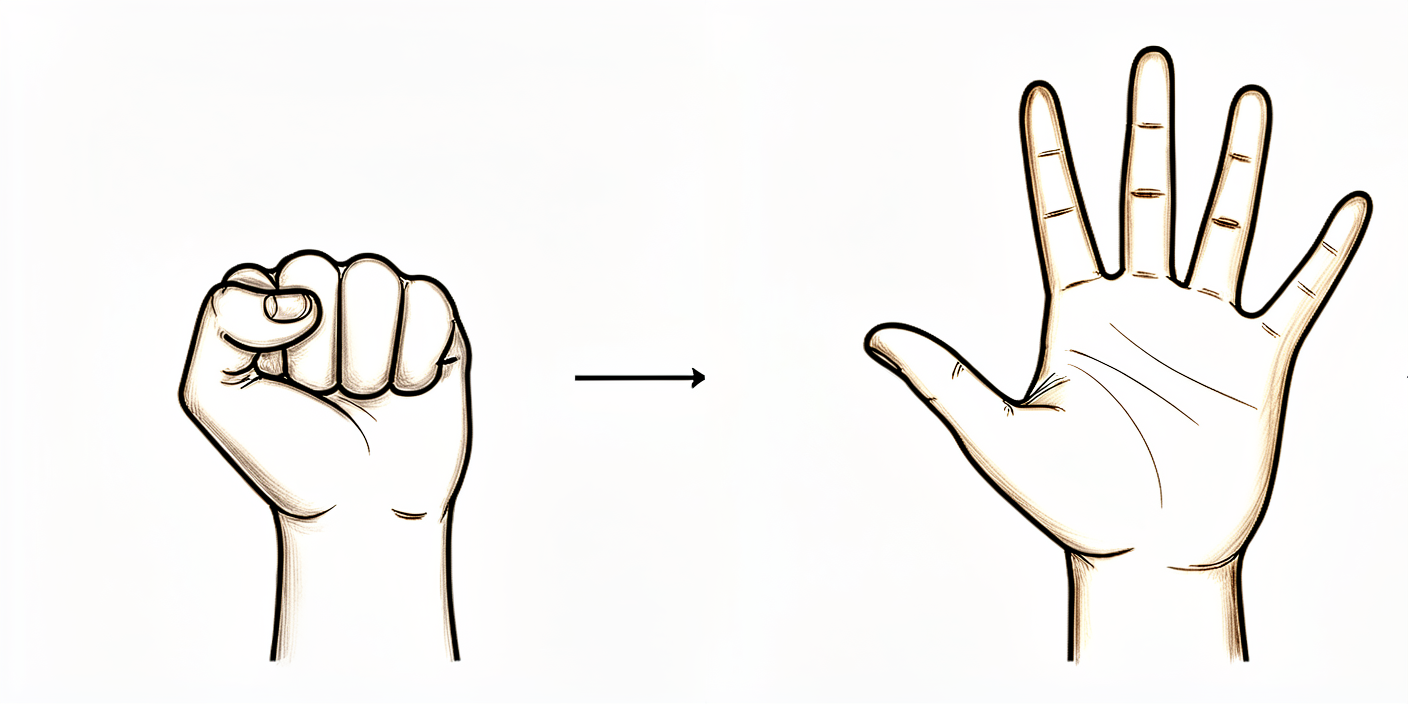
Exercícios para a mão e para a preensão
Com o braço apoiado na tipóia, faça um punho fechado completamente e, em seguida, estenda os dedos. Uma bola macia ou uma meia enrolada podem ser apertadas para exercitar a força de preensão. Mantenha a mão, o pulso e o cotovelo em movimento desde o primeiro dia.
Conforme orientado pelo seu fisioterapeuta
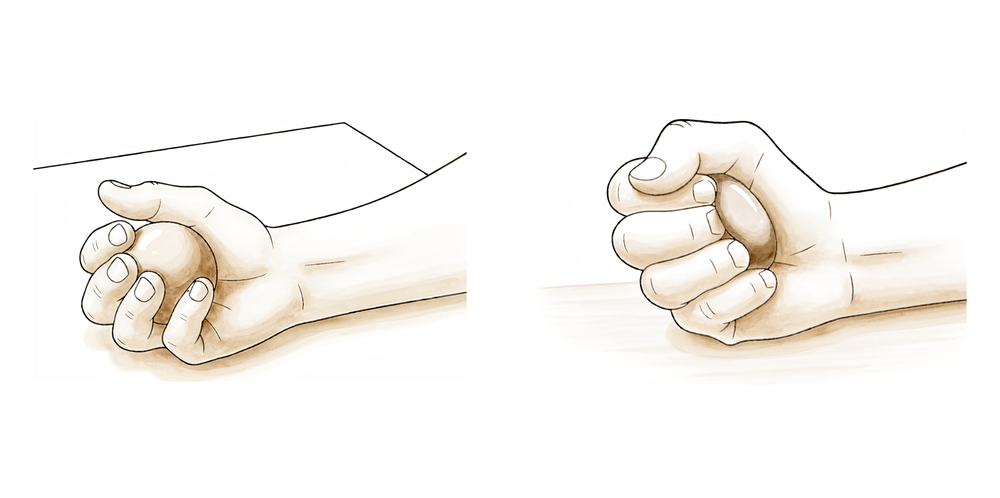
Kieran Hirpara 4.0
Apertar a bola
Com o braço apoiado na tipóia, segure uma bola macia ou uma meia enrolada e aperte-a com força, depois solte. Isso mantém a força de preensão e a função do antebraço ativas, ao mesmo tempo em que protege o ombro.
Conforme orientado pelo seu fisioterapeuta
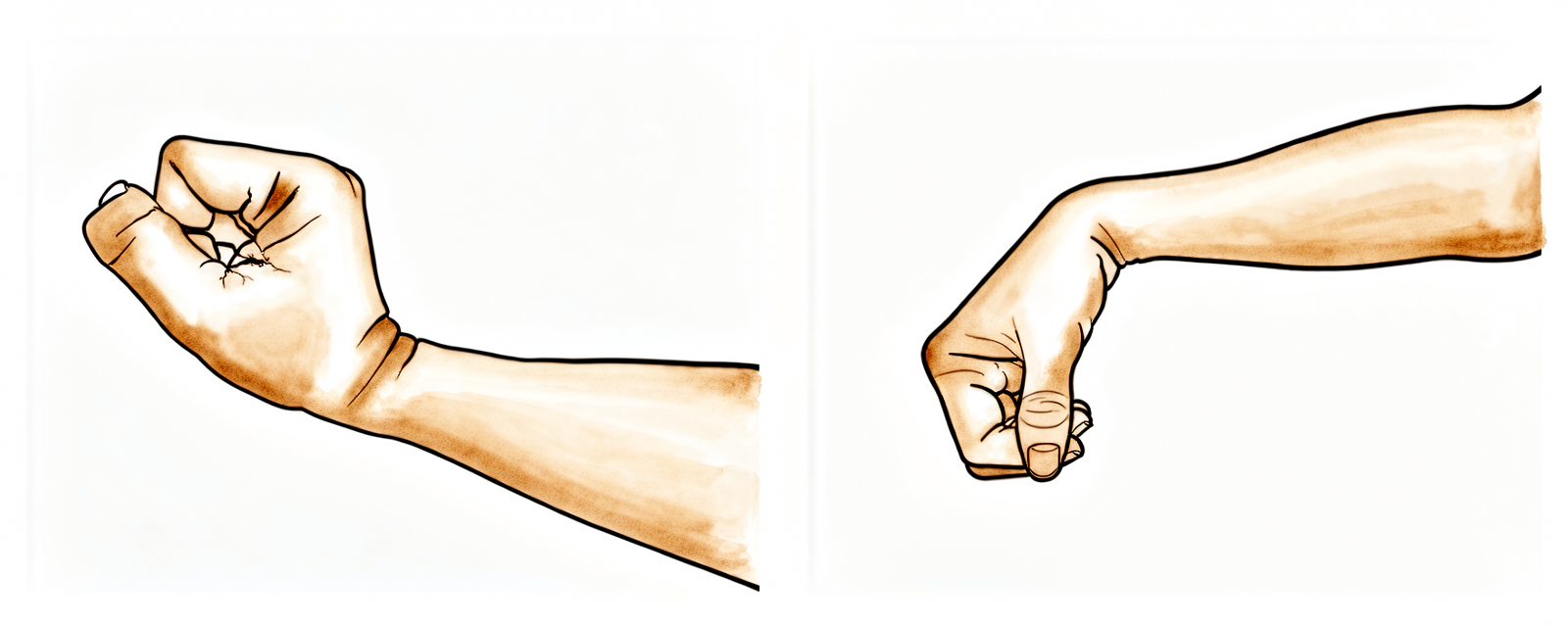
Kieran Hirpara 4.0
Movimento do punho
Com o braço fora da tipóia e o antebraço apoiado, dobre o punho para a frente, para trás e para os lados. Manter o movimento do punho desde o primeiro dia evita que ele fique rígido, enquanto a área operada permanece protegida.
Conforme orientado pelo seu fisioterapeuta
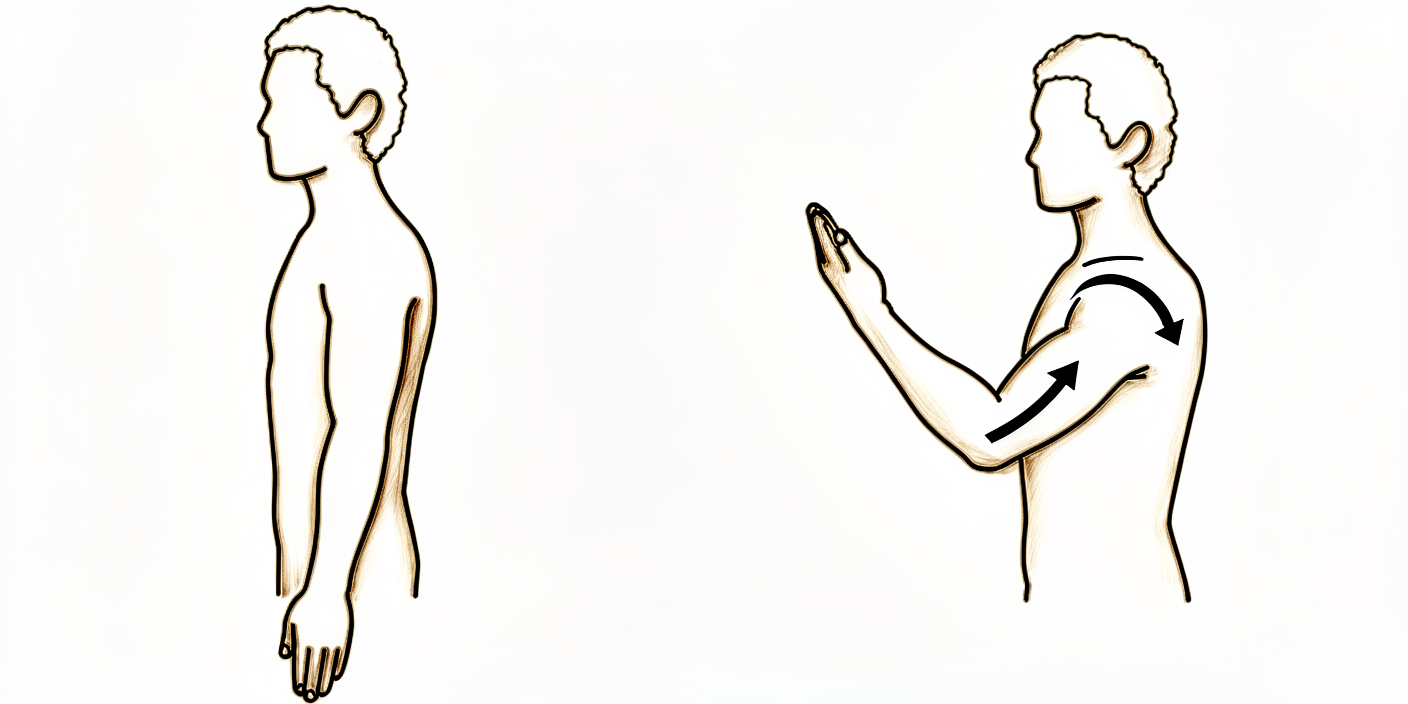
Kieran Hirpara 4.0
Flexão do cotovelo
Com o braço apoiado ao lado do corpo, dobre o cotovelo o máximo que puder confortavelmente e, em seguida, estenda-o completamente. Apenas o cotovelo deve se mover; mantenha o ombro relaxado e apoiado para que a área reparada não sofra carga.
Conforme orientado pelo seu fisioterapeuta
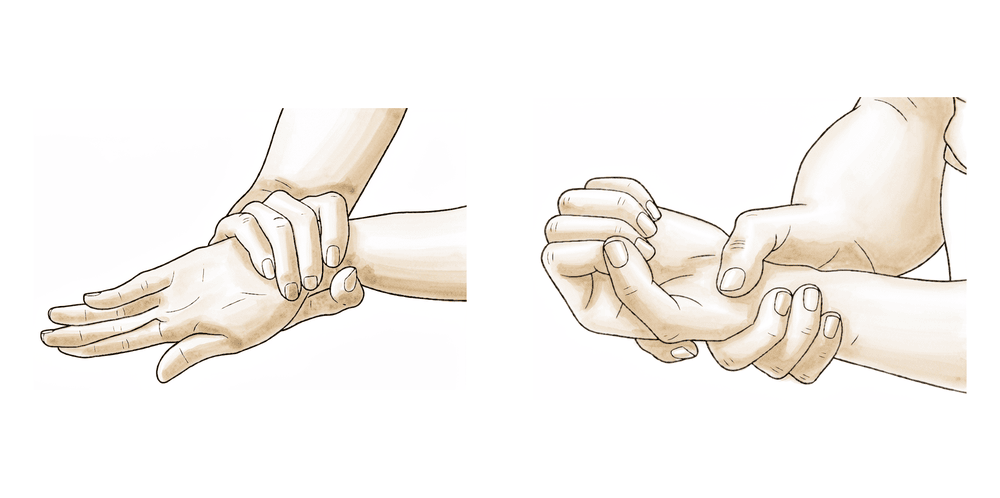
Kieran Hirpara 4.0
Rotação do antebraço
Com o cotovelo pressionado contra o corpo e dobrado em um ângulo reto, vire a palma da mão para cima, em direção ao teto, e depois para baixo, em direção ao chão. O antebraço gira, enquanto o ombro permanece imóvel e apoiado.
Conforme orientado pelo seu fisioterapeuta
Kieran Hirpara 4.0
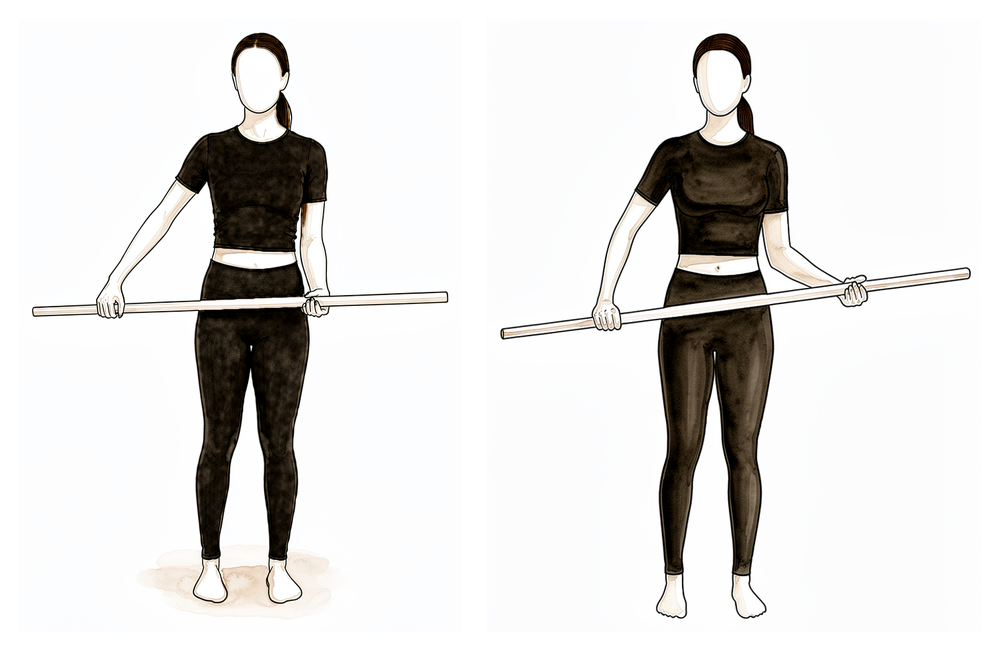
Rotação externa assistida com uma vara
Deite-se de costas, com o cotovelo operado junto ao corpo e dobrado em um ângulo reto. Segure uma vareta com as duas mãos e permita que o braço saudável gire suavemente o antebraço operado para fora, apenas até o limite do conforto nesta fase. Volte lentamente à posição inicial, mantendo o movimento pequeno e com apoio.
Conforme orientado pelo seu fisioterapeuta
Kieran Hirpara 4.0
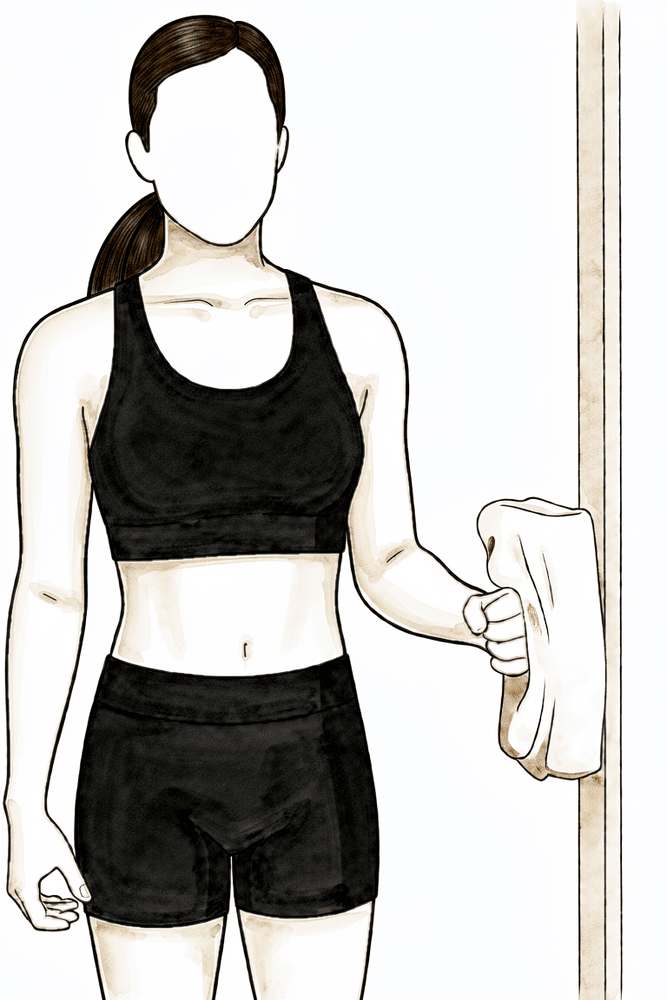
Rotação externa isométrica
Fique em pé com o cotovelo pressionado contra o corpo e dobrado em um ângulo reto, com o dorso da mão encostado numa parede ou na moldura de uma porta. Pressione suavemente para fora contra a superfície, sem mover o braço; mantenha essa posição por alguns segundos e depois relaxe. O ombro trabalha, mas não se move, de modo que a área reparada não sofre carga alguma.
Submáximo e sem dor; conforme orientação do seu fisioterapeuta.
Kieran Hirpara 4.0
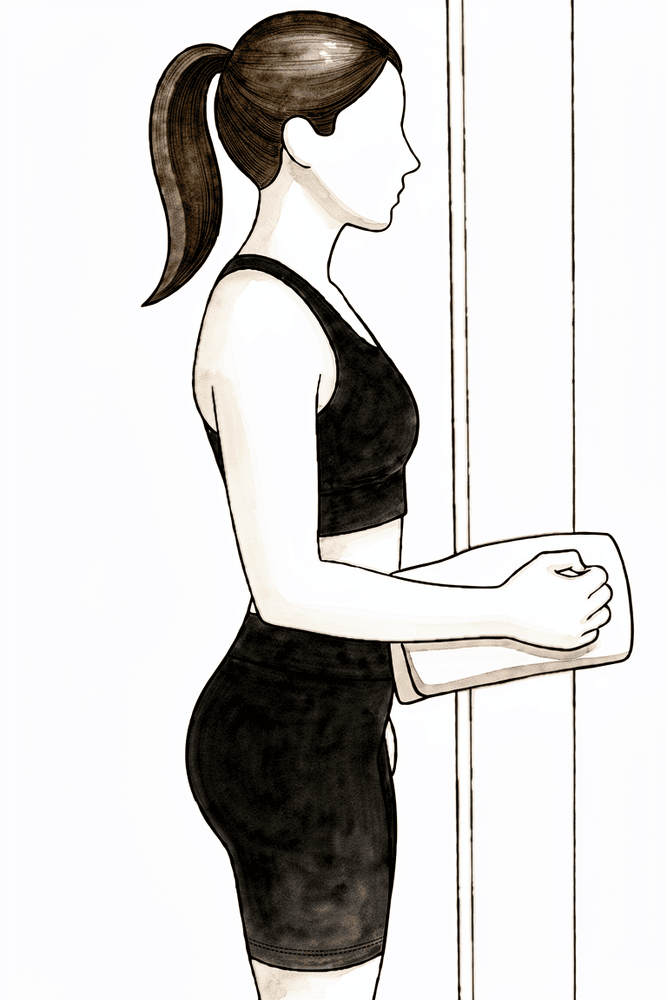
Rotação interna isométrica
Fique em pé com o cotovelo pressionado contra o corpo e dobrado em um ângulo reto, com a palma da mão encostada numa parede ou na moldura de uma porta. Pressione suavemente para dentro, sem mover o braço; mantenha a posição por alguns segundos e depois relaxe. É uma forma de manter o manguito rotador ativo, sem permitir nenhum movimento, nas fases iniciais.
Submáximo e sem dor; conforme orientação do seu fisioterapeuta.
As primeiras seis semanas visam permitir a cicatrização da reparação, mantendo ao mesmo tempo o movimento do restante do braço. A tipóia sustenta o peso do braço sempre que você estiver em pé ou caminhando. Desde o primeiro dia, a mão, o pulso e o cotovelo devem permanecer em movimento: utilize a mão para tarefas leves, como escrever e comer, enquanto o braço estiver na tipóia. O ombro, por sua vez, inicia com exercícios pendulares suaves e movimentos assistidos, dentro de limites estritos: nada acima da altura do ombro, nenhum movimento para o lado oposto do corpo nem para trás das costas. O uso de gelo e analgésicos regulares tornam esses exercícios mais suportáveis. Tome os analgésicos antes dos exercícios e das sessões de fisioterapia. Você poderá tomar banho assim que as orientações de cuidados com a ferida o permitirem; para lavar a região sob o braço operado, incline o tronco para frente e deixe o braço afastar-se suavemente do corpo, na mesma posição dos exercícios pendulares.
Nesta fase, não levante nada mais pesado que meio quilo com o braço operado, não carregue bolsas desse lado, não se apoie no braço nem o use para se levantar da cama ou de uma cadeira, e não deixe o braço pendurado sem suporte: todas essas ações puxam a escápula para baixo, afastando-a da clavícula, e sobrecarregam a reparação cirúrgica.
Para o seu fisioterapeuta:
Objetivos
- Proteger a estabilização cirúrgica e favorecer a cicatrização dos tecidos moles
- Controlar a dor e o inchaço; proteger a cicatrização da ferida
- Prevenir a rigidez do ombro dentro dos limites permitidos
- Manter a amplitude de movimento da mão, do pulso, do cotovelo e do pescoço
Conduta terapêutica
- Utilizar a tipóia por 6 semanas sempre que estiver em pé ou caminhando; apoiar o braço quando a tipóia não estiver sendo usada
- Realizar exercícios pendulares várias vezes ao dia
- Elevação passiva e ativa-assistida no plano da escápula, limitada a 90 graus
- Rotação externa passiva e ativa-assistida conforme a tolerância do paciente (inicialmente até cerca de 30 graus)
- Movimentação ativa da mão, do pulso, do cotovelo e do antebraço; exercícios de apertar uma bola
- Posicionamento correto da escápula (retração e depressão) e correção postural
- Rotações internas e externas isométricas, abaixo do limite máximo e sem dor, na posição neutra, conforme tolerado
- Mobilização dos tecidos moles e da região escapulotorácica conforme indicado; massagem da cicatriz após a cicatrização completa
- Aplicação de gelo por 15–20 minutos, várias vezes ao dia, conforme necessário; uso de analgésicos antes dos exercícios e sessões
Precauções
- Evitar que o peso do braço puxe a fixação cirúrgica: não deixar o braço pendurado, não carregar objetos, não exercer tração para baixo
- Proibir elevações acima de 90 graus em qualquer plano
- Não realizar movimentos ativos do ombro além do programa assistido prescrito
- Proibir adução horizontal cruzada do braço e rotação interna atrás das costas
- Não levantar nada mais pesado que meio quilo; não apoiar o peso corporal no braço
- Proibir dirigir durante seis semanas (isso aplica-se a qualquer cirurgia no ombro), e também enquanto a tipóia estiver em uso
Critérios para avançar para a fase seguinte
- Aproximadamente 90 graus de flexão passiva no plano da escápula
- Aproximadamente 30 graus de rotação externa passiva no plano da escápula
- Tolerância ao programa de amplitude de movimento e exercícios isométricos, com redução da dor e do inchaço
Fase II — Restaurando seus movimentos (Semanas 6–12)
Kieran Hirpara 4.0
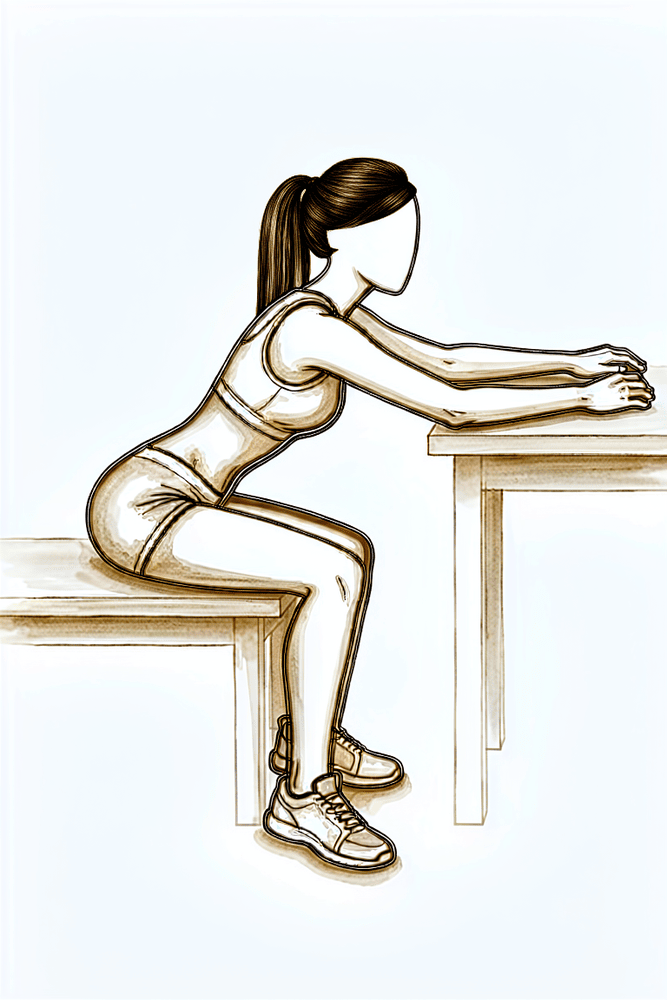
Deslizamento da bancada
Sente-se numa mesa ou banco, com as mãos apoiadas na superfície. Deslize as mãos para a frente, permitindo que o tronco se incline, de modo que o ombro se flexione para cima com apoio; em seguida, volte à posição inicial. Mova-se suavemente, dentro dos limites do conforto, sem puxar o ombro em direção à orelha.
Conforme orientado pelo seu fisioterapeuta
Kieran Hirpara 4.0
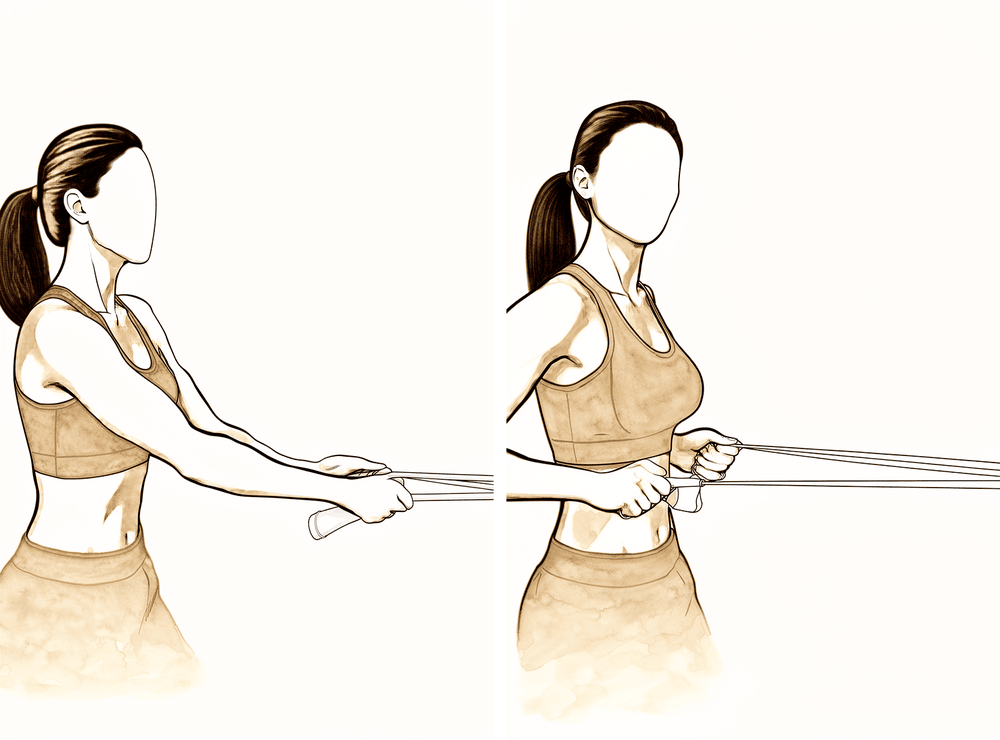
Remada com faixa elástica
Fixe uma faixa elástica de exercícios à sua frente, na altura da cintura, aproximadamente. Puxe a faixa em direção a si, levando a escápula para trás e para baixo enquanto o cotovelo passa pelo lado do corpo; em seguida, volte à posição inicial de forma controlada. Mantenha a resistência leve nesta fase.
Conforme orientado pelo seu fisioterapeuta
Kieran Hirpara 4.0
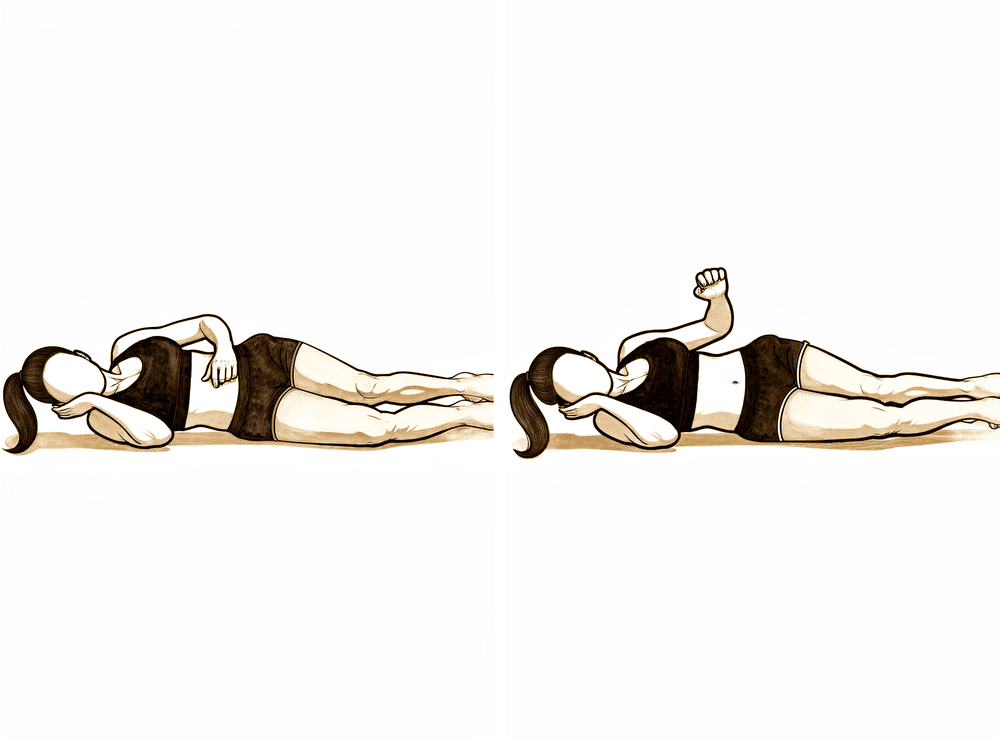
Rotação externa em decúbito lateral
Deite-se sobre o lado não operado, dobrando o cotovelo superior em um ângulo reto e mantendo-o junto ao corpo. Com o cotovelo ainda junto ao corpo, gire o antebraço para cima, em direção ao teto, e depois abaixe-o de forma controlada. Nesta fase, não se deve aplicar peso — o peso será adicionado posteriormente, conforme orientação.
Conforme orientado pelo seu fisioterapeuta
Kieran Hirpara 4.0
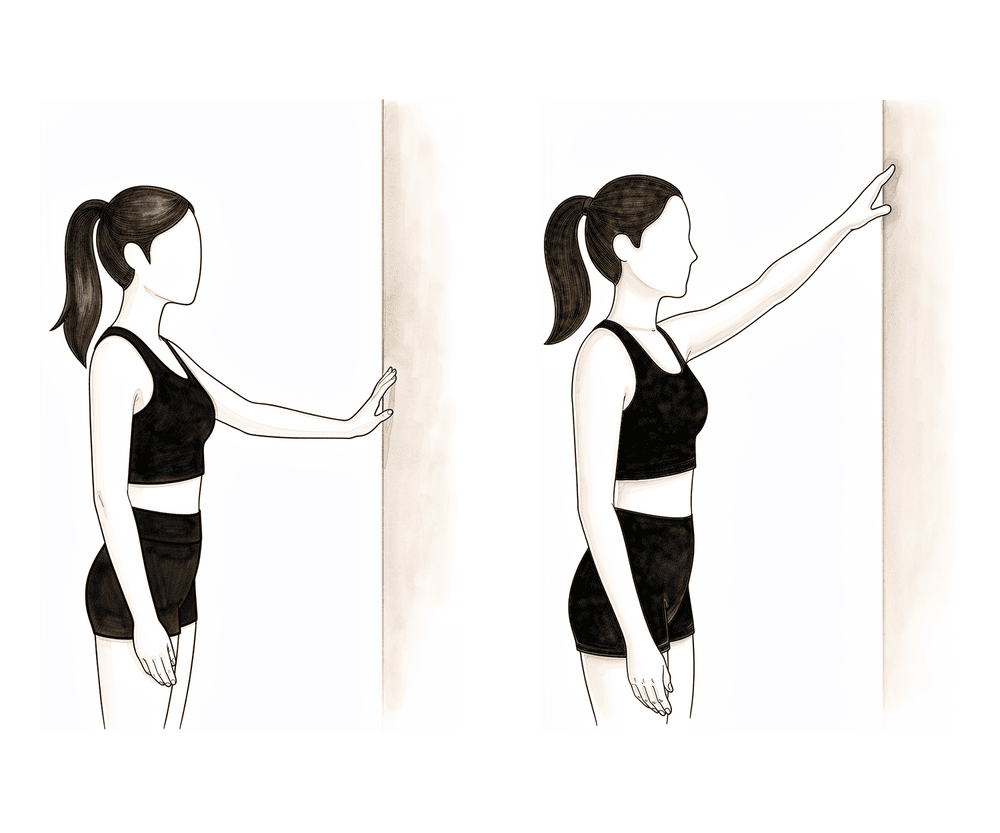
Caminhada com os dedos na parede
Fique de pé de frente para uma parede e apoie os dedos da mão operada nela. Deslize os dedos lentamente para cima na parede, permitindo que eles assumam parte do peso do braço à medida que o ombro se eleva; depois, deslize-os de volta para baixo. Mantenha a escápula relaxada — sem elevar o ombro em direção à orelha.
Conforme orientado pelo seu fisioterapeuta
Kieran Hirpara 4.0
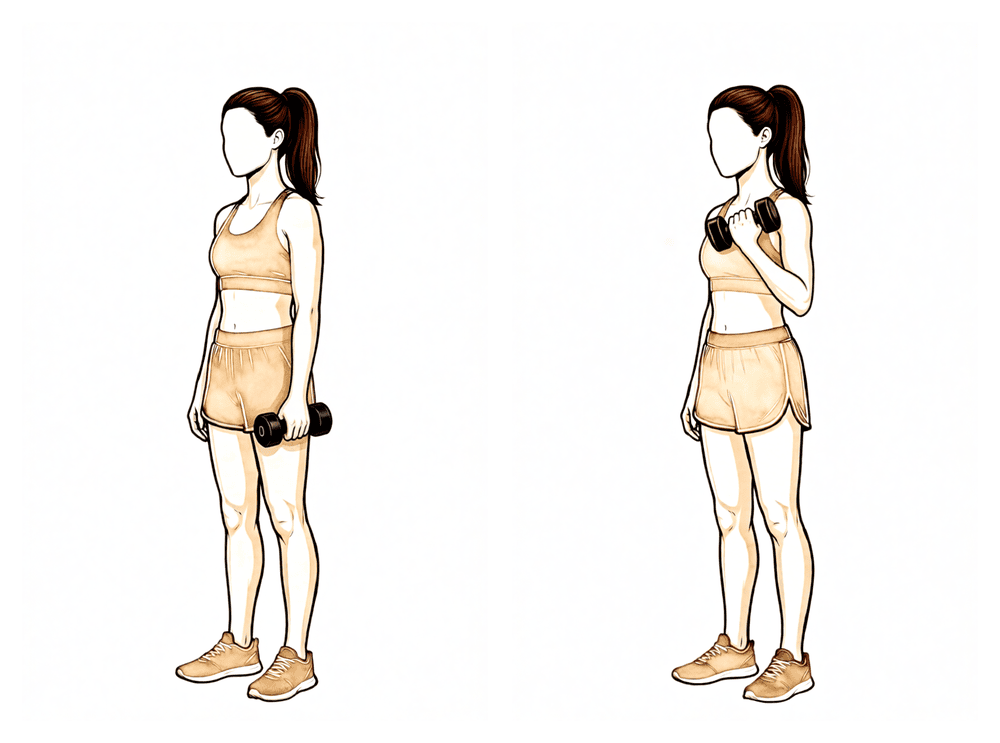
Flexão de bíceps
Com o braço ao lado do corpo, dobre o cotovelo para levantar um peso leve em direção ao ombro, depois abaixe-o lentamente. Mantenha o peso leve nesta fase — isso fortalece o braço sem sobrecarregar a área em recuperação.
Conforme orientado pelo seu fisioterapeuta
Kieran Hirpara 4.0
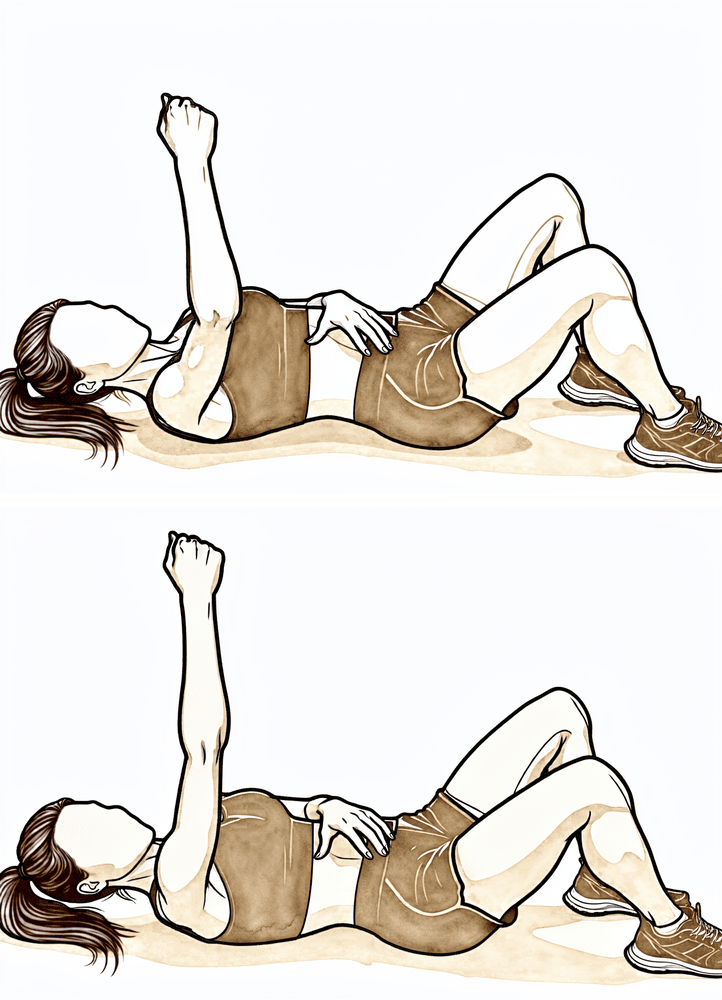
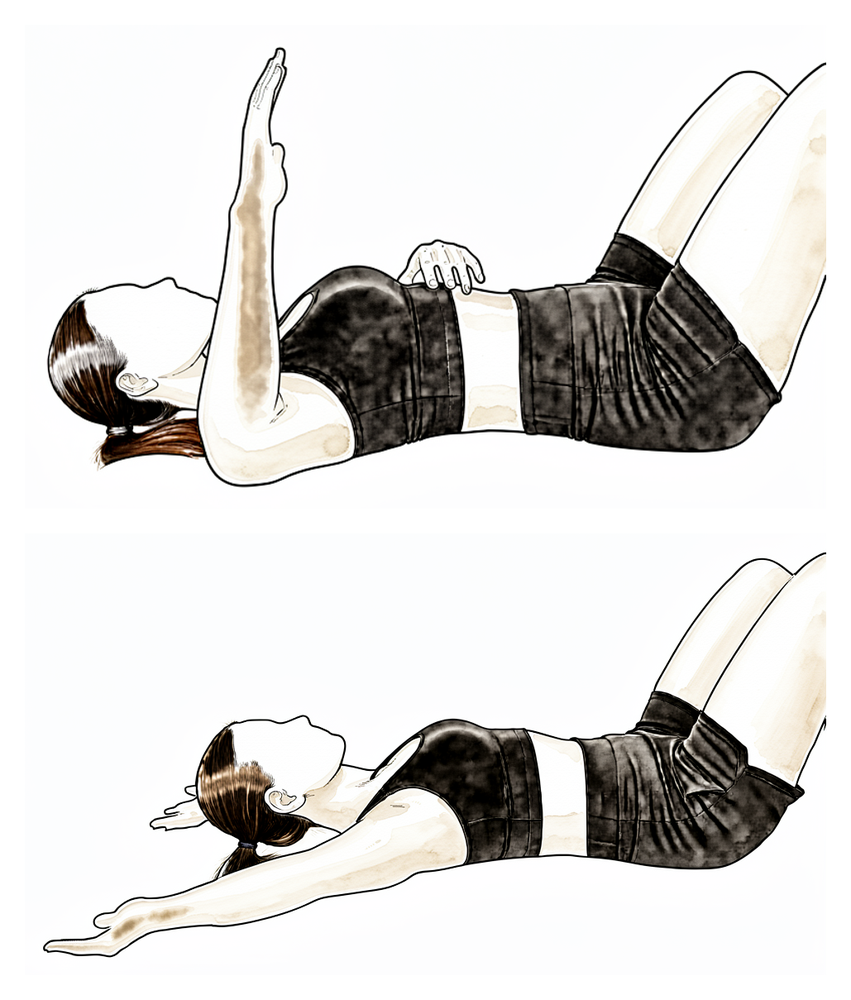
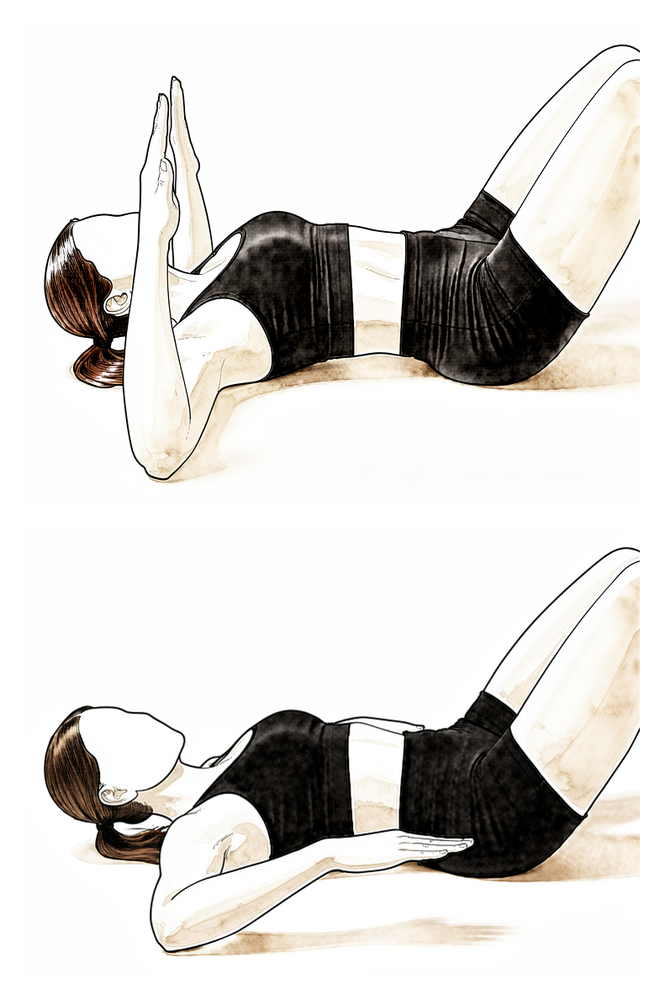
Soco do serrátil
Deite-se de costas, com o braço operado apontado para o teto. Sem dobrar o cotovelo, leve a mão fechada um pouco mais para cima, de modo que a escápula se levante da cama; em seguida, abaixe-a de forma controlada. Isso ativa o músculo responsável por manter a escápula presa às costelas.
Conforme orientado pelo seu fisioterapeuta
Kieran Hirpara 4.0
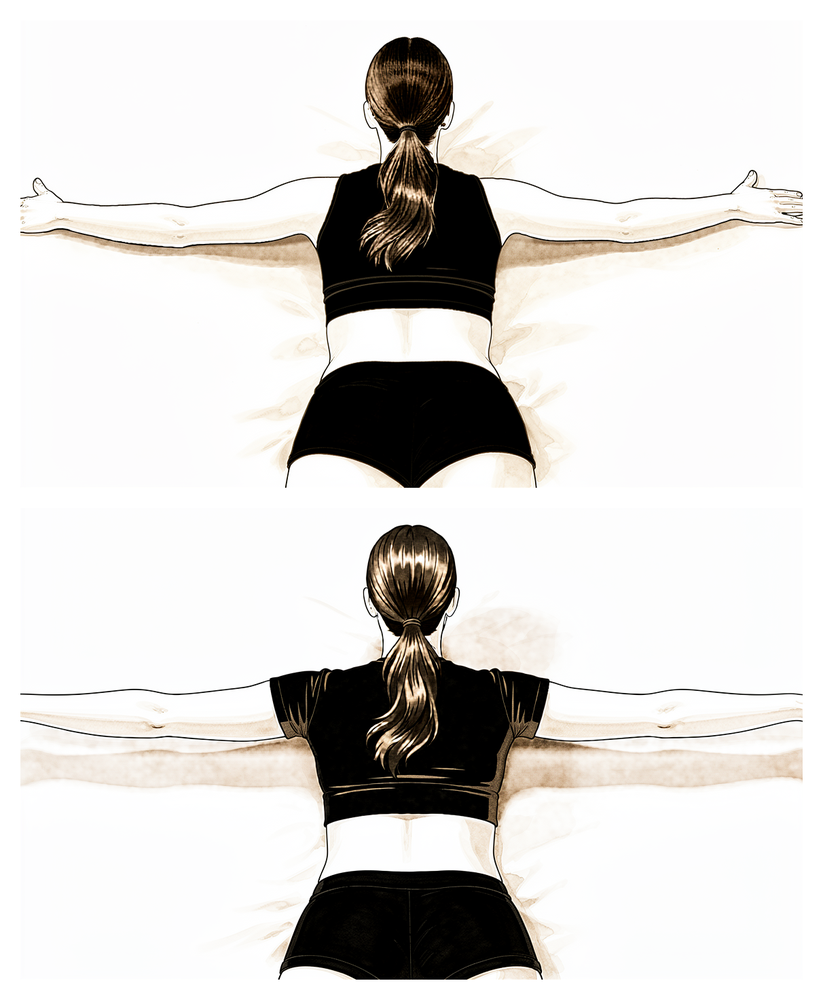
Posição prona T
Deite-se de bruços, com os braços pendendo em direção ao chão. Aperte as escápulas uma contra a outra e levante o braço operado para o lado, formando um ‘T’; em seguida, abaixe-o lentamente. Faça o movimento com suavidade — isso fortalece os músculos das escápulas sem sobrecarregar muito a articulação.
Conforme orientado pelo seu fisioterapeuta
Kieran Hirpara 4.0
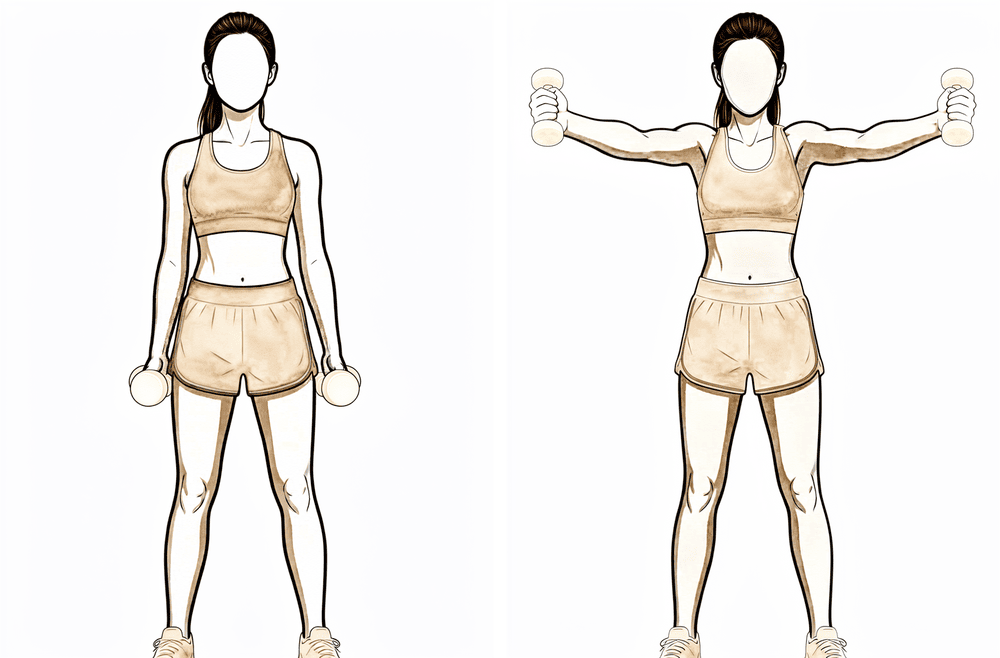
Elevação no plano da escápula em pé (scaption)
Mantenha o braço ao lado do corpo, com o polegar apontando para cima. Levante o braço num ângulo para a frente, entre a posição reta para a frente e a posição lateral, sem ultrapassar o limite do conforto, e depois abaixe-o lentamente. Mantenha a escápula estável e evite encolher os ombros.
Conforme orientado pelo seu fisioterapeuta
Kieran Hirpara 4.0
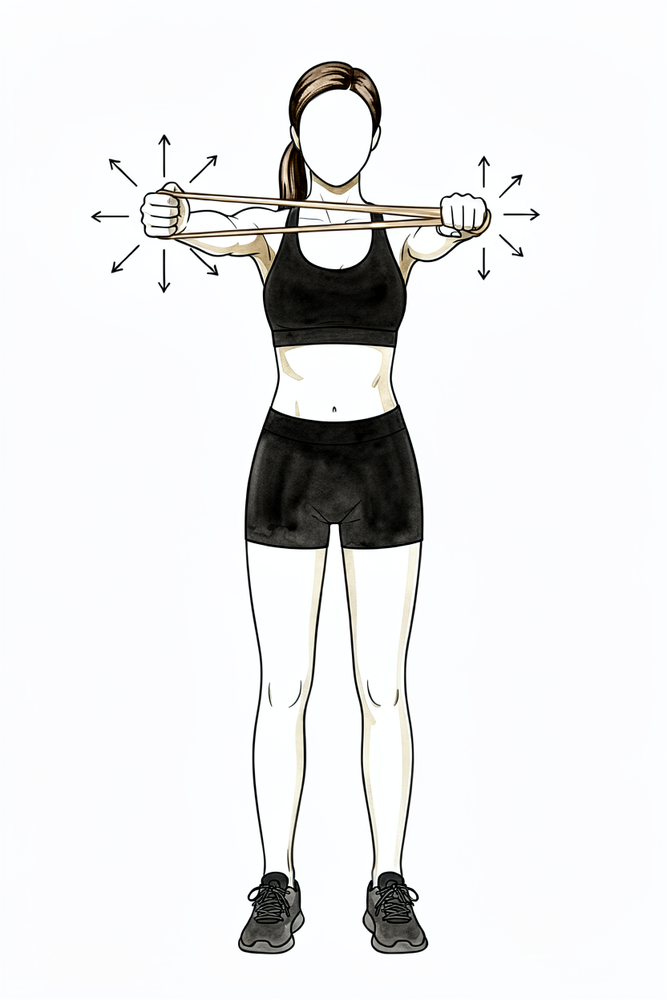
Estabilização rítmica
Com o braço apoiado à sua frente, na altura dos ombros, peça ao seu fisioterapeuta (ou à sua mão sã) que aplique pequenos empurrões suaves em diferentes direções, enquanto você mantém o braço imóvel e firme — não permita que ele se mova. Isso treina os músculos estabilizadores do ombro para reagirem. As pressões devem ser sempre suaves.
Conforme orientado pelo seu fisioterapeuta
A partir da sexta semana, o uso da tipóia é gradualmente reduzido e as restrições de movimento são progressivamente afrouxadas. Os movimentos assistidos dão lugar a movimentos ativos, e a amplitude articular aumenta de forma constante; como referência, os protocolos publicados prevêem um incremento de aproximadamente 15 graus por semana, visando alcançar amplitude completa por volta da 12ª semana. Nesta fase, iniciam-se exercícios leves com elásticos para o manguito rotador e os músculos da escápula. É preciso continuar respeitando as limitações da cirurgia: limite de carga de cerca de um quilograma, evitando empurrões e puxões fortes, flexões de braço, bem como levantamentos acima da cabeça ou cruzando o corpo. O movimento de alcançar atrás das costas costuma ser o último a ser liberado.
Para o seu fisioterapeuta:
Objetivos
- Reduzir progressivamente o uso da tipóia
- Restaurar gradualmente a amplitude de movimento ativa em todos os planos (atingindo amplitude completa ou quase completa por volta da semana 12)
- Iniciar fortalecimento suave, minimizando a atrofia muscular
- Restabelecer o ritmo escapulohumeral e o controle neuromuscular
Conduta terapêutica
- Evoluir dos movimentos ativo-assistidos para movimentos ativos de elevação; utilizar exercícios de deslizamento na parede ou na bancada para flexão
- Realizar elevação no plano escapular, prestando atenção à mecânica da escápula, evitando qualquer travamento
- Introduzir gradualmente a rotação interna atrás das costas (inicialmente até a altura do cinto)
- Adução horizontal apenas como movimento ativo; ainda não realizar alongamento passivo
- Exercícios com elástico para rotação interna e externa, flexão de bíceps, remada e exercícios para o músculo serrátil anterior
- Atividades dinâmicas para a escápula e manguito rotador: rotação externa deitado de lado, remada deitado de bruços, extensão de bruços, movimentos em “T” e “Y” de bruços, elevação lateral em pé
- Exercícios de propriocepção e estabilização rítmica
- Terapia manual e mobilização articular conforme indicado
Precauções
- Não levantar objetos mais pesados que cerca de um quilograma com o braço operado
- Evitar empurrões ou puxões fortes; não realizar flexões de braço
- Não levantar objetos pesados acima da cabeça ou cruzando o corpo
- Evitar alongamentos extremos na adução cruzada do corpo; os movimentos atrás das costas devem ser introduzidos gradualmente
Critérios para avançar para a fase seguinte
- Pelo menos 140 graus de flexão passiva e 60 graus de rotação externa passiva no plano escapular
- Flexão ativa contra a gravidade de pelo menos 100 graus, com mecânica corporal adequada
- Tolerância à amplitude de movimento ativa e ao programa inicial de fortalecimento
Fase III — Fortalecimento (Semanas 12–18)
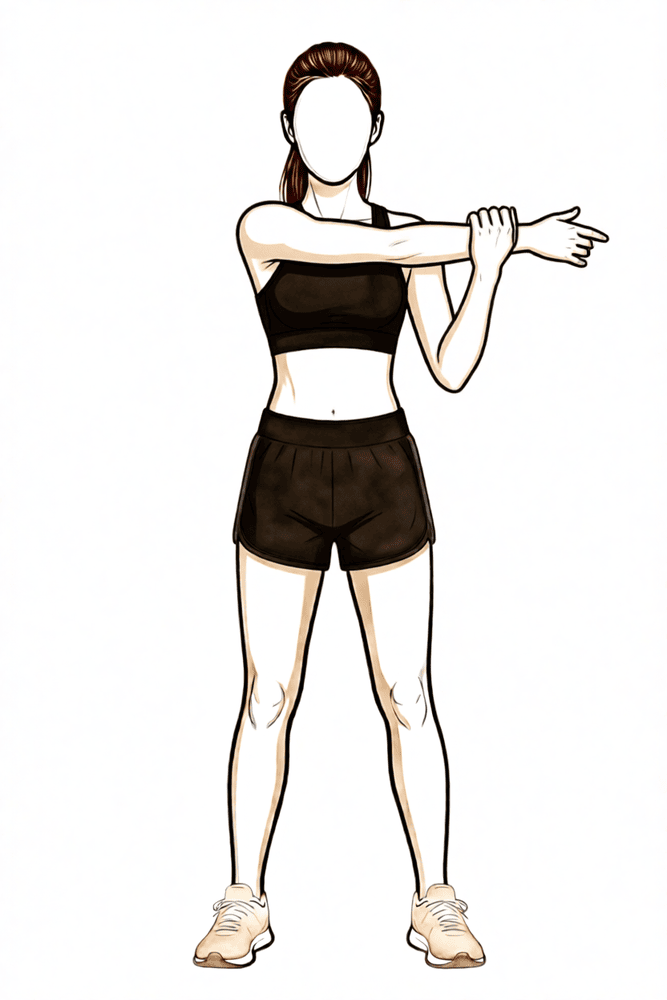
Kieran Hirpara 4.0
Alongamento cruzado do corpo
Cruze o braço operado sobre o peito e use a outra mão, posicionada acima do cotovelo, para puxá-lo suavemente ainda mais até sentir um alongamento na parte posterior do ombro. Mantenha essa posição e depois solte. Esse alongamento era proibido anteriormente, mas agora é utilizado para alcançar os últimos graus de amplitude de movimento.
Conforme orientado pelo seu fisioterapeuta
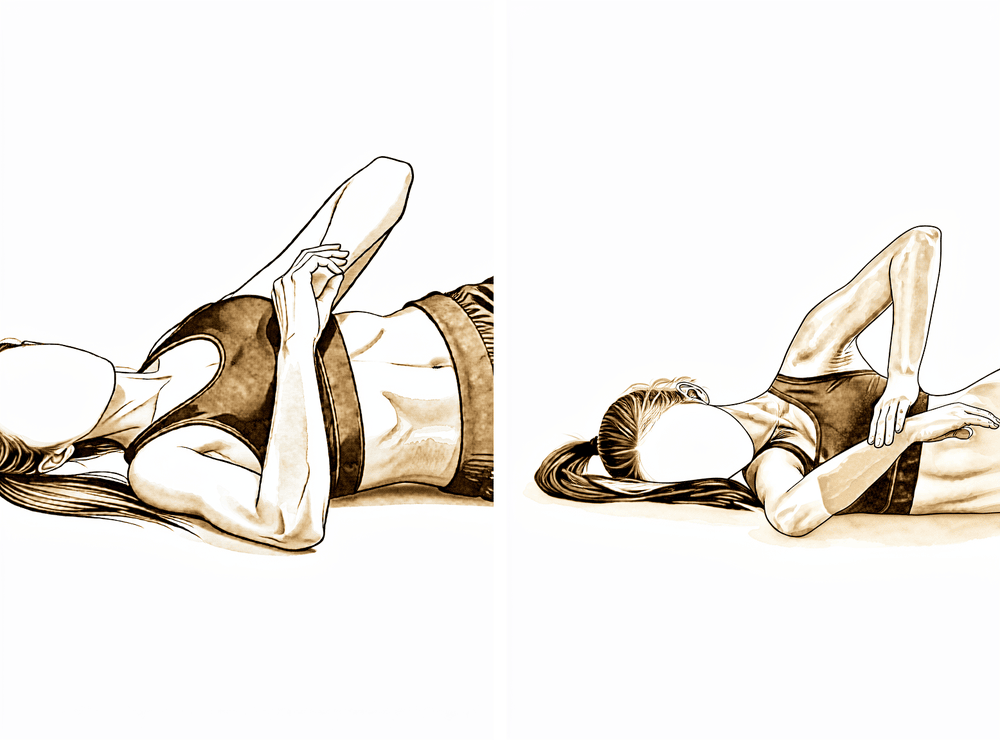
Kieran Hirpara 4.0
Alongamento do tipo “dorminhoco”
Deite-se sobre o lado operado, mantendo o ombro e o cotovelo dobrados em um ângulo reto. Use a outra mão para baixar suavemente o antebraço em direção à cama, até sentir um alongamento na parte posterior do ombro. Mantenha essa posição por alguns instantes e depois relaxe — deve haver apenas alongamento, não dor.
Conforme orientado pelo seu fisioterapeuta
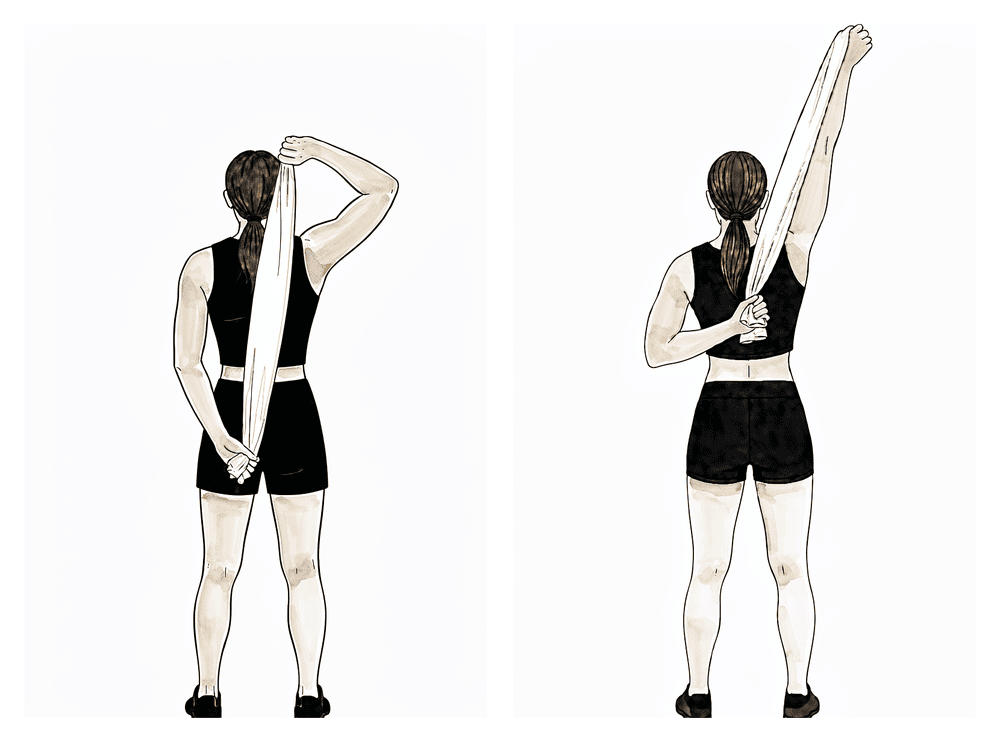
Kieran Hirpara 4.0
Alongamento atrás das costas com toalha
Segure uma toalha atrás das costas: a mão sã deve ficar sobre o ombro e a mão operada, na região lombar. Com cuidado, puxe a toalha para cima com a mão sã, fazendo com que a mão operada se eleve pelas costas até sentir um leve alongamento; em seguida, solte-a. Os movimentos atrás das costas são alguns dos últimos a serem recuperados; portanto, realize-os com muita cautela.
Conforme orientado pelo seu fisioterapeuta
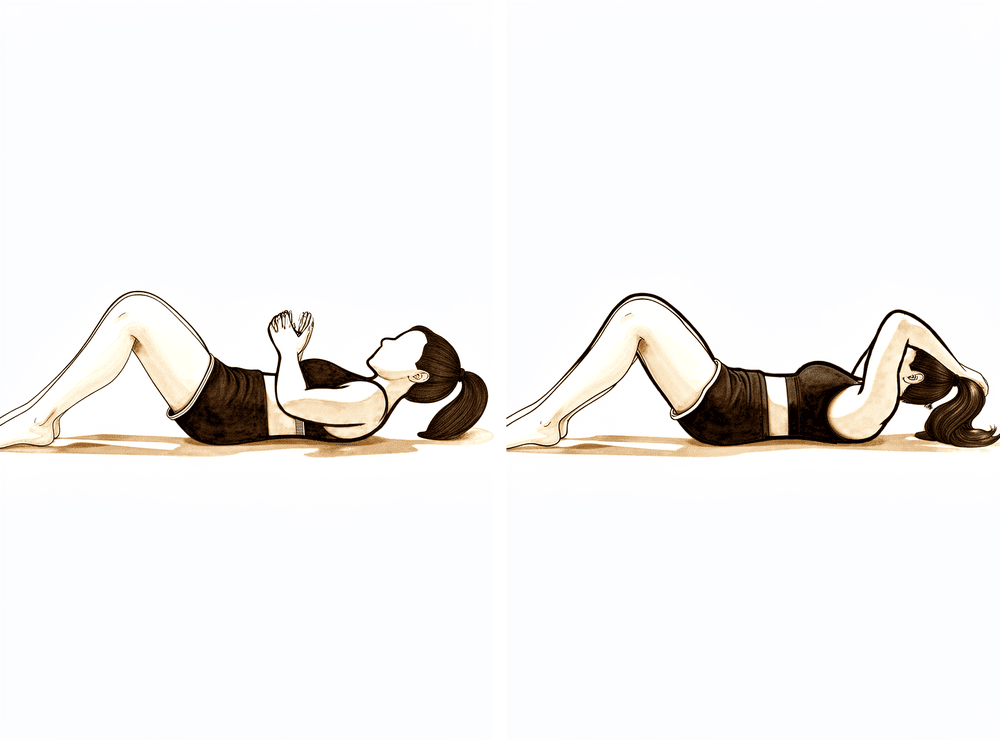
Kieran Hirpara 4.0
Mãos atrás da cabeça
Cruze as duas mãos atrás da cabeça e, com cuidado, afaste os cotovelos para fora e para trás até sentir um alongamento na parte frontal do ombro. Mantenha a posição e, em seguida, relaxe. Isso recupera o último grau de rotação externa do braço quando este está elevado.
Conforme orientado pelo seu fisioterapeuta
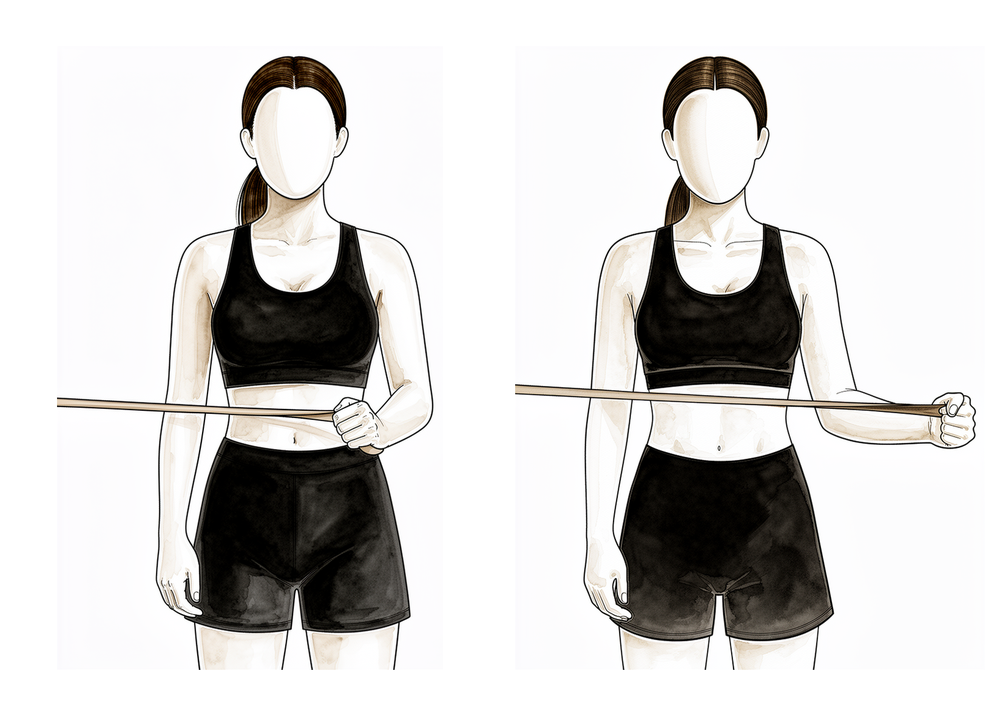
Kieran Hirpara 4.0
Rotação externa a 90 graus
Levante o braço até a altura do ombro, mantendo o cotovelo dobrado em um ângulo reto, segurando uma faixa elástica. Gire o antebraço para cima contra a resistência da faixa, de modo que o dorso da mão se eleve, e depois volte lentamente à posição inicial. Este é um exercício mais avançado para o manguito rotador, indicado quando o movimento e o controle já estiverem bem desenvolvidos.
Conforme orientado pelo seu fisioterapeuta
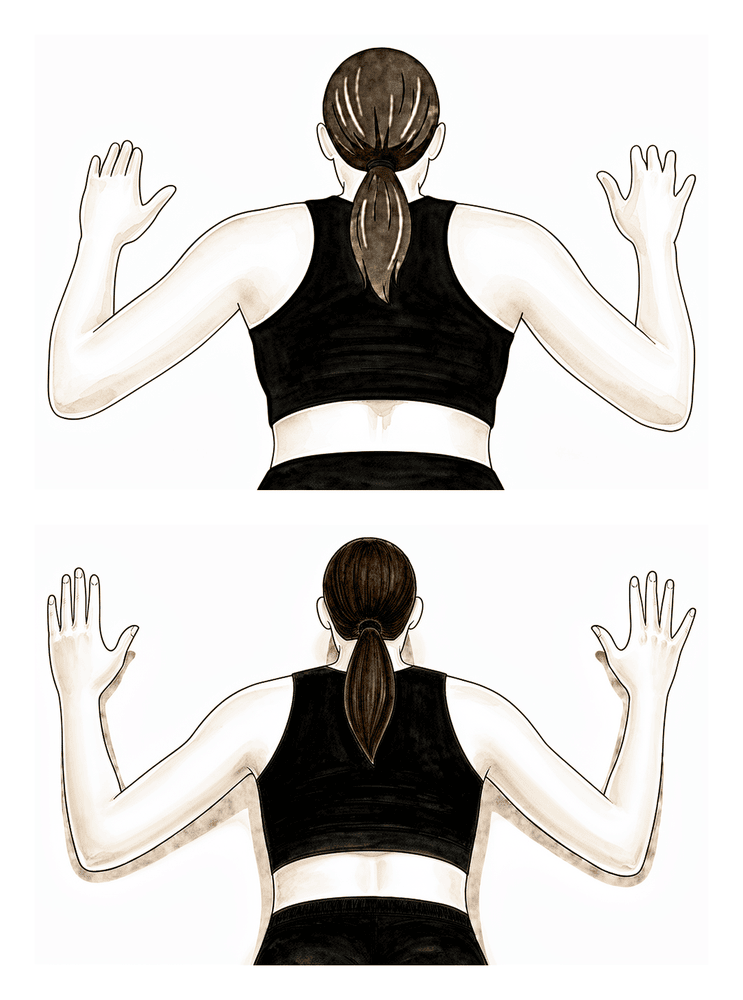
Kieran Hirpara 4.0
Posição prona W
Deite-se de bruços com os braços pendurados. Aperte as escápulas uma contra a outra e leve os cotovelos para trás e para baixo, de modo que os braços formem um ‘W’; em seguida, abaixe-os lentamente. Este exercício fortalece os músculos da parte inferior das escápulas, responsáveis pela estabilização da articulação.
Conforme orientado pelo seu fisioterapeuta
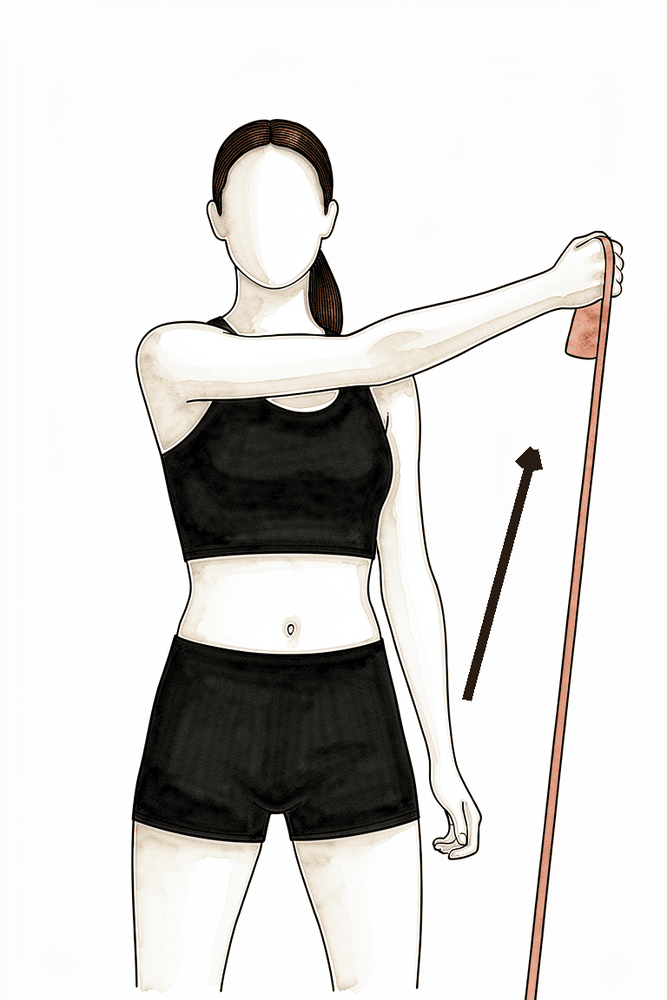
Kieran Hirpara 4.0
Padrão de faixas diagonais (D1)
Segure uma faixa elástica e estique-a na diagonal: comece na frente do corpo, subindo e indo para o lado oposto, depois volte lentamente. Esses movimentos diagonais treinam o ombro da mesma forma como ele é utilizado ao fazer movimentos de alcance no dia a dia.
Conforme orientado pelo seu fisioterapeuta
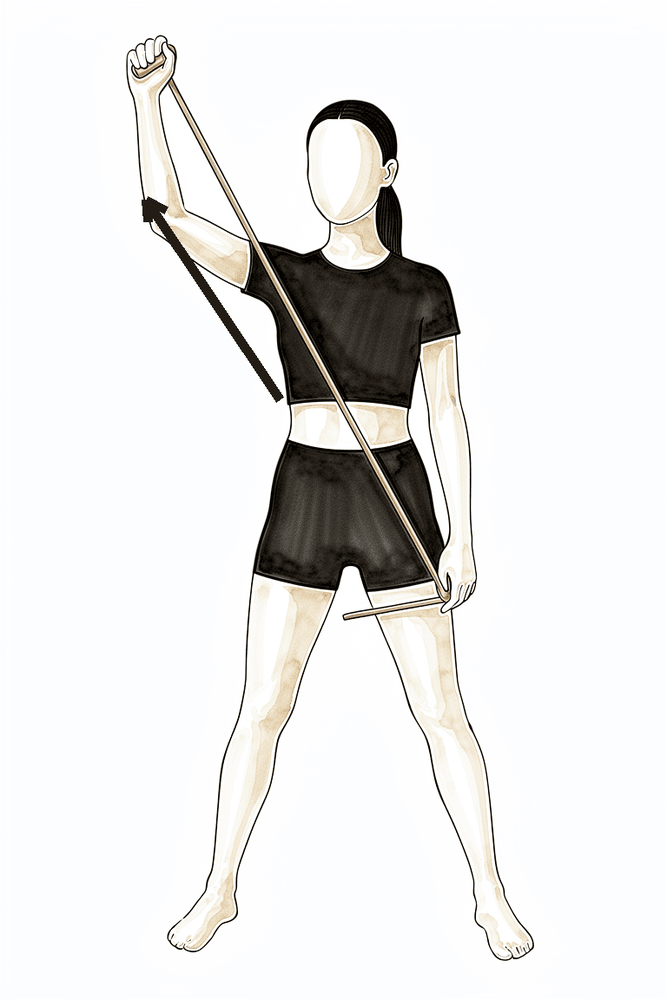
Kieran Hirpara 4.0
Padrão de faixas diagonais (D2)
Segure uma faixa elástica na altura da cintura e atravessando o corpo; em seguida, levante-a diagonalmente para cima e para o lado, terminando com o polegar para cima, e volte lentamente à posição inicial. Este segundo movimento diagonal ajuda a desenvolver o controle muscular numa amplitude de movimento maior.
Conforme orientado pelo seu fisioterapeuta
Kieran Hirpara 4.0
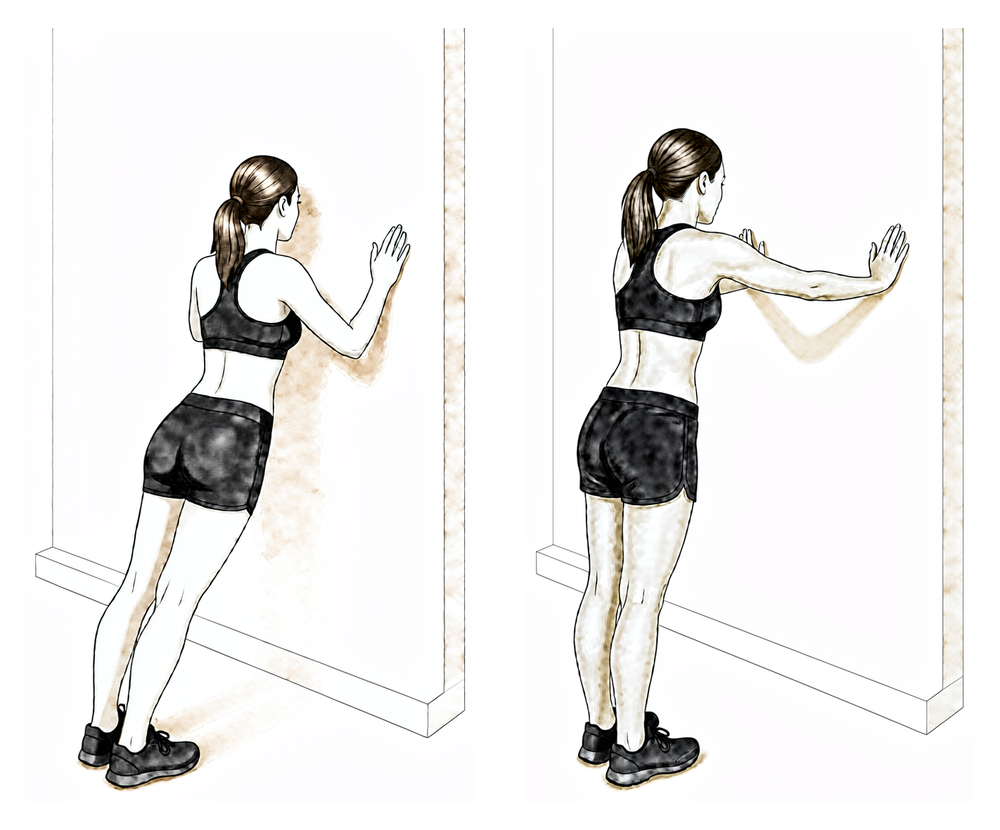
Flexão de parede
Fique de pé de frente para uma parede, com as mãos apoiadas nela na altura dos ombros. Flexione os cotovelos para aproximar o peito da parede e depois empurre de volta; no ponto mais alto do movimento, empurre um pouco mais para que a parte superior das costas se afaste da parede. Comece próximo à parede antes de avançar — mantenha os omoplatos sob controle.
Conforme orientado pelo seu fisioterapeuta
Kieran Hirpara 4.0
Rotação externa em 90/90 (faixa)
Com o braço estendido para o lado, na altura do ombro, e o cotovelo dobrado em ângulo reto, gire o antebraço para trás e para cima contra a resistência de uma faixa elástica leve ou de um peso, e depois abaixe-o lentamente. Este exercício fortalece o manguito rotador na posição de elevação (utilizada ao arremessar).
2 a 3 séries de 10 a 15 repetições, com baixa resistência
Kieran Hirpara 4.0
Rotação interna em 90/90 (faixa)
Na mesma posição, com o braço estendido para o lado à altura do ombro, gire o antebraço para a frente e para baixo em direção aos pés, contra a resistência de uma faixa elástica leve ou de um peso; em seguida, volte à posição inicial de forma controlada.
2 a 3 séries de 10 a 15 repetições, com baixa resistência
Kieran Hirpara 4.0
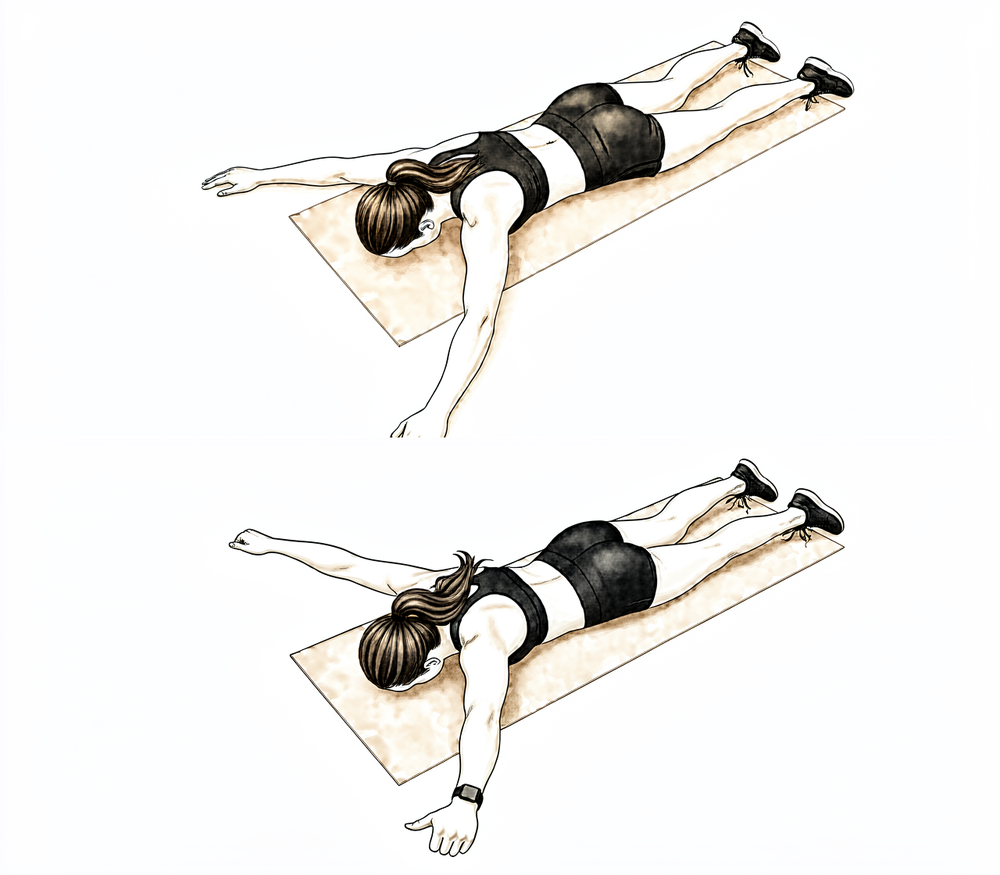
Posição em decúbito ventral Y (região inferior da escápula)
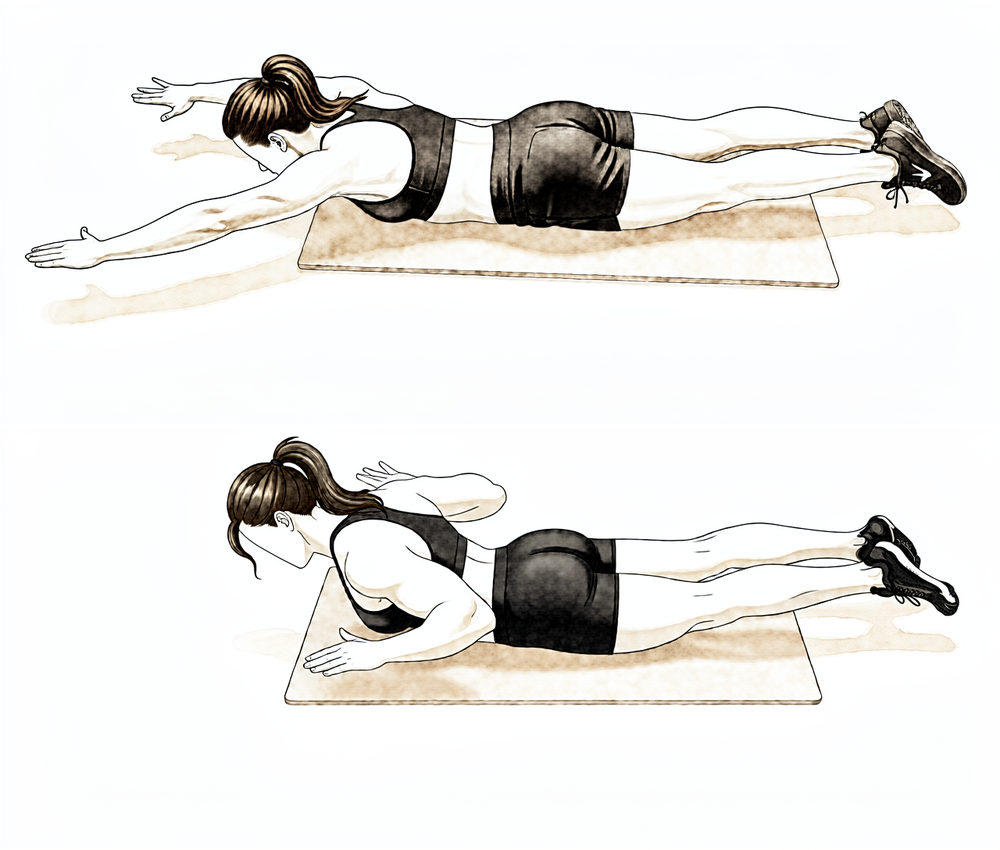
Deite-se de bruços, com o braço operado estendido para cima e para fora, formando um ângulo de aproximadamente 45° em forma de “Y”, com o polegar apontando para cima. Levante ligeiramente o braço da superfície, puxando a escápula para baixo e para trás; em seguida, abaixe-o lentamente. Faça o movimento com suavidade — ele visa os músculos inferiores da escápula.
Conforme orientado pelo seu fisioterapeuta: exercícios leves, com muitas repetições.
Kieran Hirpara 4.0
Remada prona
Deite-se de bruços, com o braço operado pendendo em direção ao chão. Levante o cotovelo em direção ao teto, puxando a escápula para perto da coluna vertebral, e depois abaixe-o lentamente. Comece sem nenhum peso e mantenha o movimento sob controle.
Conforme orientado pelo seu fisioterapeuta
Com a reparação já consolidada e o movimento em grande parte restaurado, a atenção volta-se para o fortalecimento muscular. Os alongamentos que antes eram proibidos (através do corpo e atrás das costas) passam a ser utilizados para alcançar os últimos graus de amplitude de movimento. O treino de resistência evolui de faixas elásticas para pesos leves; os flexões começam contra a parede, evoluindo posteriormente. O treino com pesos em academia costuma ser reintroduzido por volta da semana 16, inicialmente com amplitude limitada e cargas leves. Nesta fase, ainda se deve evitar levantar pesos acima da cabeça e realizar empuxos ou trações fortes.
Para o seu fisioterapeuta:
Objetivos
- Amplitude de movimento ativa e passiva completa em todos os planos
- Fortalecimento progressivo, resistência e controle neuromuscular do manguito rotador e dos estabilizadores da escápula
- Preparação para um retorno gradual às cargas específicas do esporte
Conduta terapêutica
- Alongamentos multidirecionais na amplitude final: alongamento cruzado do corpo, rotação interna atrás das costas, mãos atrás da cabeça, alongamento em posição de “dorminhoco”, rotação externa com 90 graus de abdução
- Adição progressiva de resistência (aproximadamente 0.5–2.5 kg) ao programa dinâmico: rotação externa deitado de lado, remada deitado, extensão deitado, movimentos em “T” e “Y” deitado, elevação lateral em pé
- Progressão com faixas elásticas: movimentos em “T”, “W”, diagonais, rotação interna e externa com 90 graus de abdução
- Exercícios em cadeia fechada: flexões contra a parede a partir da semana 12, evoluindo conforme a tolerância
- Treino com máquinas a partir da semana 16: amplitude limitada, cargas leves (remadas, puxadas, exercícios para bíceps e tríceps; os movimentos de empuxo são reintroduzidos com cautela)
- Exercícios de estabilização rítmica, propriocepção e sincronização escápulo-umeral
Precauções
- Evitar levantar pesos pesados, especialmente acima da cabeça, e realizar empuxos ou trações fortes
- O fortalecimento deve ser indolor; não se deve ultrapassar a amplitude que provoca desconforto
- Manter o controle da escápula em toda a amplitude de movimento; reduzir a carga caso ocorram travas ou compensações
Critérios para progressão
- Movimento ativo e passivo do ombro dentro dos limites funcionais em todas as direções
- Tolerância ao programa de fortalecimento progressivo sem surgimento de dor ou desconforto
Fase IV — Retorno ao esporte e a trabalhos pesados (a partir da semana 18)
A fase final consiste no retorno gradual a atividades laborais extenuantes, esforços acima da cabeça e prática esportiva. Exercícios pliométricos e atividades específicas para cada esporte são incorporados ao programa de fortalecimento; programas intervalados orientam o retorno ao arremesso, natação, golfe e esportes com raquetes. O retorno a esportes de contato e de colisão geralmente ocorre entre quatro e seis meses após a cirurgia, dependendo da recuperação total da amplitude de movimento, da força e da confiança do paciente em relação ao braço; os programas publicados para atletas de esportes de contato às vezes têm duração maior, chegando a cerca de nove meses. Atletas de força normalmente retomam seu treinamento habitual no mesmo período. O fisioterapeuta e o cirurgião orientarão a liberação final para a prática esportiva; alguns atletas de esportes de contato optam por usar uma órtese de ombro durante a primeira temporada após a cirurgia.
Para o seu fisioterapeuta:
Objetivos
- Manter amplitude de movimento completa
- Aumentar progressivamente a força, a potência e a resistência conforme as exigências do trabalho e do esporte do paciente
- Retorno gradual e baseado em critérios a esportes de contato e com esforços acima da cabeça
Manejo
- Continuar e aprimorar o programa de fortalecimento da Fase III
- Progressões em cadeia fechada: evolução dos exercícios de flexão para superfícies instáveis, exercícios com bola contra a parede
- Exercícios pliométricos para atletas de arremesso e que realizam esforços acima da cabeça: arremessos em rebatedor, exercícios com bola pesada, drible contra a parede, exercícios de desaceleração
- Programas intervalados específicos para arremesso, golfe, tênis e natação
- Fortalecimento e resistência da cadeia cinética específicos para as funções e atividades do paciente
Precauções
- O retorno a esportes de contato e de colisão só deve ocorrer após recuperação total da amplitude de movimento, restauração da força e liberação cirúrgica
- A progressão deve ser guiada pelos sintomas: caso surjam dor ou sensação de instabilidade, deve-se retroceder um estágio no programa
Após o cumprimento do seu protocolo
As fases descritas acima foram extraídas de protocolos de reabilitação publicados para estabilização e reconstrução da articulação acromioclavicular: o programa de medicina esportiva do Massachusetts General Brigham, o programa de reconstrução da articulação acromioclavicular do Massachusetts General Hospital, as diretrizes de estabilização da articulação acromioclavicular das unidades ortopédicas do Reino Unido, além de uma revisão sistemática de protocolos de reconstrução da articulação acromioclavicular disponíveis publicamente. As faixas de semanas indicadas são típicas, mas não fixas; os programas publicados variam. Sua reabilitação será orientada individualmente pelo seu fisioterapeuta, em conjunto com o consultório, conforme a recuperação da sua cirurgia e da mobilidade do membro. Esta página complementa as orientações gerais de recuperação fornecidas pelo consultório; consulte controle da dor pós-operatória e cuidados com a ferida. Para informações sobre a cirurgia em si e a lesão tratada, veja Estabilização da articulação acromioclavicular. As evidências científicas que sustentam este protocolo (reconstrução, literatura sobre perda de redução e estudos de reabilitação) estão resumidas na seção de evidências, disponível como PDF no topo desta página.
Evidence & references
This is the clinical evidence summary written for health professionals. It is technical, and it lists the research this page was built from. You do not need to read it to understand your treatment or to make a decision about it.
Acromioclavicular Joint Stabilisation / Reconstruction — Operative Rationale & Post-operative Rehabilitation (Evidence)
Topic scope: Post-operative rehabilitation after acromioclavicular (AC) joint stabilisation / reconstruction for a high-grade AC joint dislocation (Rockwood type III–V) — restoring the alignment between the clavicle and scapula with a coracoclavicular (CC) suspensory device (suture-button / endobutton construct), with or without a biological tendon graft (semitendinosus / pectoralis minor) and with or without a direct AC ligament reconstruction. This page also summarises the operative/non-operative evidence that frames the rehabilitation choices. It is the clinician-facing companion to the patient protocol.
Defining principle of the surgical rehab here — PROTECT the construct. Unlike a capsular release (where the enemy is re-stiffening and rehab is immediate aggressive ROM), AC joint stabilisation is a protect-the-repair pathway, closer in spirit to a rotator-cuff or instability repair. The reconstruction has to resist the constant downward pull of gravity on the weight of the arm — the exact deforming force that displaced the joint in the first place. A suspensory suture-button or tendon graft has no early intrinsic strength; biological healing of the CC/AC ligaments and tunnel incorporation takes weeks to months, and the dominant early complication is loss of reduction before that healing matures. So the rehab is deliberately conservative: the sling carries the weight of the arm (typically ~6 weeks), active elevation and any downward traction on the arm are avoided early, ROM is restricted (no elevation > 90°, no cross-body, no reaching behind the back) for the first 6 weeks, strengthening waits until the construct has matured (~12 weeks), and return to contact/collision sport is deferred to ~4–6 months. Motion progression and protection are the two levers; the single most important point distinguishing this protocol from the capsular-release inversion is that here, time and protection are the friends, not the enemy.
A. THE OPERATION & WHY REHAB IS PROTECTIVE
A high-grade AC dislocation tears the AC and coracoclavicular (conoid + trapezoid) ligaments, allowing the clavicle to rise relative to the acromion under the weight of the arm. Surgical stabilisation aims to restore the CC distance and let the ligaments heal in a reduced position. Contemporary constructs are predominantly:
- CC suspensory fixation — a suture-button / endobutton loop passed through clavicular and coracoid tunnels (e.g. flip-button, single- or double-tunnel). Restores vertical stability.
- + Biological augmentation — a free tendon graft (semitendinosus allograft/autograft, or the pectoralis minor / coracoacromial ligament in Weaver–Dunn-type procedures) to reconstruct the CC ± AC ligaments. The anatomy of the pectoralis minor tendon has been characterised specifically for this use [pec minor anatomy, JSES 2007].
- + Direct AC reconstruction — adding an AC-level construct to the CC reconstruction improves horizontal stability; combined CC + AC reconstruction gives better radiographic reduction and lower reoperation rates than isolated CC reconstruction in pooled data.
The structural properties of the reconstructed CC complex have been measured biomechanically: reconstructions restore much, but not all, of the intact ligament's stiffness and load to failure [Structural Properties, Am J Sports Med 2000]. This is the mechanical basis for protecting the construct early — the graft/button is weaker than the native ligament until it heals and incorporates.
B. EVIDENCE BY THEME
1. Operative vs non-operative — only high grades benefit from surgery
- Type I–II AC injuries are managed non-operatively. Type III is genuinely controversial and most are treated non-operatively first; type IV–V are the usual operative indications [ACJ Injuries: Evidence-based Treatment, JAAOS 2018]. A network meta-analysis of RCTs for acute Rockwood III–V found no single surgical technique clearly superior, and that surgery's advantage over non-operative care is modest and grade-dependent [network MA, JSES 2023].
- Hook-plate fixation of acute dislocations improved radiographic but NOT clinical outcomes versus non-operative treatment [Hook-plate RCT, JBJS 2017] — a caution that radiographic reduction does not automatically translate into a better patient outcome, and a reason the hook plate (which requires removal) is not the preferred construct here.
- The Rockwood classification itself has only moderate reliability between observers [Rockwood reliability, JSES 2021], which is part of why type III decision-making is debated.
2. Loss of reduction is the dominant complication — and it shapes the rehab
- Loss of reduction (the clavicle drifting back up) is the most frequent radiographic failure after suspensory-device stabilisation. Clavicular tunnel widening correlates with post-operative loss of reduction in an implant-dependent way [tunnel widening, Arthroscopy 2023] — i.e. the construct and tunnel position matter.
- Radiographic failure and reoperation rates after ACJ reconstruction are non-trivial [radiographic failure / reoperation, Bone Joint J 2016]; one suspensory-device series reported ~10–11% revision for loss of reduction / implant failure (suture fatigue, button escape, coracoid stress fracture, deep infection) [web: suspensory-device cohort].
- Adding the AC-level reconstruction and a biological graft improves radiographic reduction and lowers reoperation versus isolated CC suture-button [web: combined CC+AC reviews].
- Complications after operative treatment of high-grade injuries are well catalogued [complications, JSES 2023] — they include loss of reduction, coracoid/clavicle fracture, hardware problems and infection.
Rehab implication: because the early failure mode is mechanical loss of reduction under arm-weight loading, the early phase forbids active elevation, lifting, downward traction on the arm and weight-bearing through the arm — the patient protects the construct while the ligaments and tunnels heal.
3. Outcomes and return to sport are generally good — but timeline is conservative
- Anatomic CC reconstruction with semitendinosus graft for chronic dislocation gives good clinical and radiological results [semitendinosus reconstruction, KSSTA 2020].
- Sports activity after anatomic flip-button stabilisation is generally restored, with most athletes returning to their pre-injury sport, though return is gradual [flip-button sport, KSSTA 2016].
- Delayed (chronic) reconstruction with a modern suspensory device does not increase fixation failure or major complications versus acute fixation [web: delayed reconstruction].
4. The rehab protocol itself is consensus/expert, not RCT-derived — and it is highly variable
A systematic review of publicly available ACJ-reconstruction rehabilitation protocols found they are widely variable: sling duration ranged 3–8 weeks (the modal recommendation was 6 weeks, in 8/18 protocols), active ROM commonly began at ~6 weeks (6/20 protocols), and heavy/strenuous shoulder use was typically prohibited for a further ~6 weeks beyond the initial 6-week protection period [Cheema et al., Arthrosc Sports Med Rehabil 2021]. There is no high-level RCT defining the optimal post-op regimen — phase timings are expert/consensus.
The patient protocol's phase boundaries (0–6 / 6–12 / 12–18 weeks, sling 6 weeks, return to contact sport ~4–6 months) sit squarely within this published range and match the Massachusetts General Brigham / MGH Sports Medicine ACJ-reconstruction guideline (Phase I 0–6 wk, Phase II 7–12 wk, Phase III 13–18 wk) and similar surgeon protocols (e.g. Dickens: 6-week sling, return to all activity months 4–6).
C. PHASED POST-OP TIMELINE (consistent with the patient protocol)
| Phase | Window | Sling | ROM | Strengthening | Notes |
|---|---|---|---|---|---|
| I — Protecting the repair | Weeks 0–6 | Yes, ~6 wk whenever up; worn for sleep weeks 0–3 (arm-weight loads the repair even lying down) | Pendulum + passive/assisted elevation to 90° max in scapular plane; assisted ER to ~30°; NO active elevation, no cross-body, no behind-the-back | Hand/wrist/elbow AROM; scapular setting; sub-maximal pain-free isometric IR/ER only | No driving while in the sling (~6 wk). No lifting > ~0.5 kg, no carrying, no leaning/pushing up on the arm, no letting the arm hang unsupported — each loads the construct |
| II — Restoring movement | Weeks 6–12 | Wean off | Progress assisted → active ROM; build toward full by ~12 wk (~15°/week as a guide); behind-the-back introduced gradually (to beltline) | Light elastic-band cuff + scapular work begins (rows, IR/ER, serratus punch); side-lying ER, prone row/T/Y | Lift to ~1 kg; avoid forceful push/pull, push-ups, overhead and cross-body lifting |
| III — Strengthening | Weeks 12–18 | Off | Full ROM goal; end-range stretches (cross-body, behind-back, sleeper) now used to win final range | Progressive resistance ~0.5–2.5 kg; wall push-ups from ~wk 12; machine weights from ~wk 16 (limited range, light load) | Construct matured; still avoid heavy overhead and forceful push/pull |
| IV — Return to sport / heavy work | Week 18 onward | Off | Maintain full ROM | Plyometrics, sport-specific & interval programs; occupation-specific kinetic-chain loading | Return to contact/collision sport ~4–6 months (collision athletes / some occupations longer, up to ~9 mo); criteria-based clearance; some wear a brace first season back |
(Phase boundaries from the MGH/Mass General Brigham ACJ-reconstruction guideline; return-to-sport windows from the flip-button sport series and surgeon protocols; all within the variability documented by Cheema et al. 2021.)
D. KEY CONTROVERSIES / EVIDENCE QUALITY
- Type III — operate or not? The most-debated grade; most are trialled non-operatively first. No clear winner in RCT-level data, compounded by only-moderate reliability of the Rockwood grade itself. Moderate / conflicting.
- Which construct? Network MA shows no single technique clearly superior for acute III–V. Combined CC + AC reconstruction (± graft) gives better radiographic reduction and lower reoperation than isolated CC suture-button, but at the cost of complexity. Hook plates improve radiographs but not clinical scores and need removal. Moderate.
- Loss of reduction vs clinical outcome. Radiographic loss of reduction is common yet often clinically well-tolerated — radiographic and patient-reported outcomes diverge. This tempers how aggressively reduction should be chased. Moderate.
- The rehab protocol is consensus, not trial-derived, and published protocols vary widely (sling 3–8 wk; Cheema 2021). The patient page's timings are typical, not RCT-validated. Weak / consensus.
E. EVIDENCE-STRENGTH FLAGS (summary)
- STRONG (RCT / SR-MA): hook-plate improves radiographic but not clinical outcomes vs non-operative (RCT, JBJS 2017); network meta-analysis of RCTs for acute III–V shows no clearly superior technique (JSES 2023).
- MODERATE (cohorts / biomechanical / SR): anatomic semitendinosus CC reconstruction outcomes (KSSTA 2020); sports return after flip-button stabilisation (KSSTA 2016); loss-of-reduction / tunnel-widening drivers (Arthroscopy 2023; Bone Joint J 2016); complications of high-grade operative treatment (JSES 2023); reconstructed-CC biomechanics (AJSM 2000); combined CC+AC > isolated CC for reduction/reoperation; delayed reconstruction safety.
- WEAK / CONSENSUS ONLY: the post-operative rehabilitation protocol itself — no defining RCT; protocols are expert/consensus and highly variable (Cheema 2021; sling 3–8 wk). Rockwood classification reliability only moderate (JSES 2021).
CITATIONS
RAG corpus (180,000+ Orthopaedic articles)
- Anatomy of the pectoralis minor tendon and its use in acromioclavicular joint reconstruction. J Shoulder Elbow Surg. 2007. DOI: 10.1016/j.jse.2006.09.007
- Clavicular tunnel widening after acromioclavicular stabilization shows implant-dependent correlation with postoperative loss of reduction. Arthroscopy. 2023. DOI: 10.1016/j.arthro.2023.05.014
- Acromioclavicular joint injuries: evidence-based treatment. J Am Acad Orthop Surg. 2018. DOI: 10.5435/jaaos-d-17-00105
- Review of Weaver and Dunn on treatment of acromioclavicular injuries, especially complete acromioclavicular separation. J ISAKOS. 2019. DOI: 10.1136/jisakos-2019-000299
- Structural properties of the intact and the reconstructed coracoclavicular ligament complex. Am J Sports Med. 2000. DOI: 10.1177/03635465000280010201
- Complications after operative treatment of high-grade acromioclavicular injuries. J Shoulder Elbow Surg. 2023. DOI: 10.1016/j.jse.2023.03.019
- Sports activity after anatomic acromioclavicular joint stabilisation with flip-button technique. Knee Surg Sports Traumatol Arthrosc. 2016. DOI: 10.1007/s00167-016-4287-7
- Anatomic reconstruction of the coracoclavicular and acromioclavicular ligaments with semitendinosus tendon graft for the treatment of chronic acromioclavicular joint dislocation provides good clinical and radiological results. Knee Surg Sports Traumatol Arthrosc. 2020. DOI: 10.1007/s00167-020-06285-x
- Hook-plate fixation in patients with acute acromioclavicular joint dislocation improved radiographic but not clinical outcomes compared with nonoperative treatment. J Bone Joint Surg Am. 2017. DOI: 10.2106/jbjs.16.00582
- Radiographic failure and rates of re-operation after acromioclavicular joint reconstruction. Bone Joint J. 2016. DOI: 10.1302/0301-620x.98b4.35935
- Treatment options for acute Rockwood type III–V acromioclavicular dislocations: a network meta-analysis of randomized controlled trials. J Shoulder Elbow Surg. 2023. DOI: 10.1016/j.jse.2023.01.039
- A relook at the reliability of Rockwood classification for acromioclavicular joint injuries. J Shoulder Elbow Surg. 2021. DOI: 10.1016/j.jse.2021.01.016
Literature (URLs)
- Cheema SG, Hermanns C, Coda RG, et al. Publicly accessible rehabilitation protocols for acromioclavicular joint reconstruction are widely variable. Arthrosc Sports Med Rehabil. 2021;3(2):e427–e433. https://doi.org/10.1016/j.asmr.2020.10.007 (sling 3–8 wk, modal 6 wk; active ROM ~6 wk; further ~6 wk before heavy use)
- Acromioclavicular joint injuries: effective rehabilitation (review). PMC. https://pmc.ncbi.nlm.nih.gov/articles/PMC8169819/
- Delayed acromioclavicular joint reconstruction using a modern tunnelled suspensory device does not increase the risk of fixation failure or major complications. PubMed. https://pubmed.ncbi.nlm.nih.gov/35781084/
- Low rate of substantial loss of reduction immediately after hardware removal following ACJ stabilization using a suspensory fixation system. KSSTA. https://link.springer.com/article/10.1007/s00167-022-06978-5
- Minimum 10-year outcomes after arthroscopically assisted anatomic coracoclavicular ligament reconstruction for type III and V AC joint injuries. ScienceDirect. https://www.sciencedirect.com/science/article/pii/S2666638325001835
Published rehab protocols (URLs — basis for the phase structure)
- Massachusetts General Brigham Sports Medicine. Rehabilitation guideline for acromioclavicular joint reconstruction (including coracoclavicular ligament reconstruction). https://www.massgeneral.org/assets/MGH/pdf/orthopaedics/sports-medicine/physical-therapy/rehabilitation-protocol-for-acromioclavicular-joint-reconstruction.pdf (Phase I 0–6 wk sling, Phase II 7–12 wk, Phase III 13–18 wk)
- Dickens JD. AC joint reconstruction protocol (Duke Sports Medicine). https://www.jondickensmd.com/pdf/ac-joint-reconstruction-protocol.pdf (6-week sling worn for sleep; return to all activity months 4–6)
- Chambler A. ACJ stabilisation rehabilitation guidelines. https://www.andrewchambler.com/post/acj-stabilisation-rehabilitation-guidelines
- North Tees and Hartlepool NHS Foundation Trust. Acromioclavicular joint stabilisation — LockDown/Weaver Dunn procedure. https://www.nth.nhs.uk/resources/acromioclavicular-joint-stabilisation-lockdown-weaver-dunn-procedure/
- Stone Clinic. Acromioclavicular (AC) joint reconstruction rehab protocol. https://www.stoneclinic.com/Acromioclavicular-AC-joint-reconstruction-rehab-protocol