Patients › Shoulder
Estalos, cliques e instabilidade no ombro
Why a shoulder clicks, pops or feels like it slips — from harmless noises to labral tears and instability — what it means, and when it needs attention.
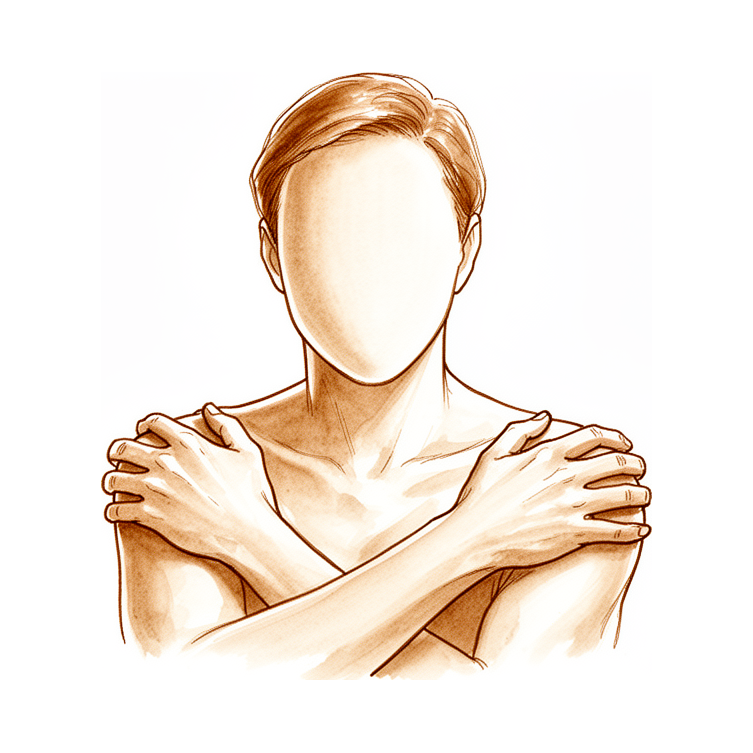
O que você está sentindo
Um ombro que dá cliques ou estalos merece ser levado a sério quando o ruído vem acompanhado de outras sensações. Você pode notar a sensação de que a articulação está escorregando ou se deslocando onde não deveria, ou uma sensação de frouxidão que nunca passa por completo. Algumas pessoas sentem o ombro instável durante o sono, ou sentem dor ao carregar objetos pesados, como sacolas de compras. Arremessar pode ficar difícil, e a dor ou a fraqueza podem se espalhar pelo braço, com formigamento.
A dor costuma ficar no fundo do próprio ombro. Ela muitas vezes piora depois da atividade, especialmente em qualquer movimento com o braço levantado e girado para fora, ou quando você segura objetos com os braços ao lado do corpo. O repouso geralmente a alivia, mas os cliques e a sensação de frouxidão podem continuar. Alcançar algo acima da cabeça, levantar peso e arremessar são as tarefas que as pessoas mais costumam achar difíceis. Se o ombro já saiu de fato da articulação antes, a dor depois disso pode ser intensa, com os músculos ao redor contraídos em espasmo.
Alguns sinais exigem ação, e não espera. Se o seu ombro se deslocar e não voltar para o lugar, vá a um pronto-socorro. Se ele sair do lugar e voltar sozinho, ligue para a clínica para que possamos atender você. Procure também atendimento de emergência no mesmo dia se o seu braço perder de repente a sensibilidade ou o movimento após uma lesão. Se os sintomas não estiverem melhorando, estiverem piorando ao longo de semanas ou acordarem você à noite, consulte o seu clínico geral ou peça uma avaliação com um especialista.
Mais uma coisa que vale a pena saber: luxações repetidas aumentam o risco de artrose no ombro com o tempo. Depois de um reparo para estabilizar o ombro, a artrose que se desenvolve costuma ser leve e muitas vezes não causa nenhum sintoma.
O que está realmente acontecendo
O ombro é a articulação mais móvel do corpo, e essa liberdade vem do seu formato. A cavidade é rasa, com cerca de um terço do tamanho da bola que ela sustenta. Imagine uma bola de golfe apoiada em um pires, e não dentro de um copo. Um anel de cartilagem macia ao redor da borda, chamado labrum, aprofunda a cavidade em cerca de 50%. Mesmo com ele, a cavidade tem apenas cerca de 9 mm de profundidade de cima a baixo e 5 mm da frente para trás.
Como o encaixe é frouxo, o ombro depende de tecidos moles para se manter centrado. A cápsula, uma bainha frouxa ao redor da articulação, trabalha junto com ligamentos que só se tensionam nos extremos do movimento. Nas amplitudes intermediárias, os músculos do manguito rotador e o bíceps fazem a maior parte do trabalho, pressionando suavemente a bola contra a cavidade. Isso se parece menos com uma dobradiça e mais com um conjunto de cabos de sustentação puxando em direções diferentes para manter de pé o mastro de uma barraca.
A instabilidade acontece quando essa equipe perde a firmeza. O labrum pode se soltar da borda, ou a cápsula e os ligamentos podem ficar esticados, muitas vezes após uma luxação ou após anos de esforço repetido por arremessos ou trabalho acima da cabeça. Quando os cabos afrouxam, a bola pode deslizar para a frente, para trás ou para baixo antes de ser contida novamente. Esse deslizamento é o clique ou estalo que você sente, e a sensação de escorregamento ou frouxidão descrita acima é o mesmo problema se manifestando.
Algumas pessoas têm articulações naturalmente frouxas e, nelas, toda a cápsula pode ser elástica demais, e é por isso que a sensação de instabilidade pode surgir sem nenhuma lesão. Quando o ombro chega a se deslocar, a bola pode sofrer um afundamento ao passar por cima da borda, e esse afundamento torna novos escorregamentos mais prováveis. Luxações repetidas também aumentam o risco de artrose com o tempo, embora, depois de um reparo para estabilizar o ombro, a artrose que se desenvolve costume ser leve e muitas vezes não cause sintomas.
O que podemos fazer a respeito
O Dr. Kieran Hirpara, cirurgião de membro superior no Mater Private Hospital Rockhampton, começa pelas opções menos invasivas adequadas à sua condição. Para a maioria das pessoas, isso significa fisioterapia antes de qualquer outra coisa. A fisioterapia busca fortalecer o manguito rotador, o grupo de músculos que mantém a bola centrada na cavidade, e retreinar a escápula e a percepção que o ombro tem de onde está no espaço. Em ombros naturalmente frouxos que escorregam em várias direções, a fisioterapia é tentada por 6 a 9 meses antes de se considerar a cirurgia. Cerca de 20% das pessoas ainda sentem o ombro instável depois disso, e a cirurgia passa a ser uma opção para elas. A cirurgia não é oferecida a pessoas que conseguem fazer o ombro sair do lugar de propósito, nem a quem ainda não tentou a fisioterapia.
Se o ombro saiu da articulação após uma única lesão, o braço pode ser mantido imóvel em uma tipoia por um curto período, seguido de fisioterapia. Também podemos pedir que você modifique atividades que forçam o ombro, como levantar peso ou arremessar, enquanto os músculos se recuperam.
Os pacientes geralmente são encaminhados à nossa clínica pelo seu clínico geral; se um fisioterapeuta sugeriu que você nos procurasse, você ainda precisará de um encaminhamento do seu clínico geral para ter direito ao reembolso do Medicare. Na primeira consulta, colhemos o seu histórico, examinamos o ombro e solicitamos exames de imagem quando necessários. Radiografias simples geralmente nos dão a maior parte do que precisamos, incluindo uma incidência especial feita com o braço levantado, que mostra se a bola está centrada na cavidade. Exames como a ressonância magnética, que mostra tecidos moles como o labrum e o manguito rotador, são usados quando vão mudar o plano de tratamento.
Se a fisioterapia não tiver trazido melhora suficiente, a cirurgia pode ser considerada. O objetivo de uma operação de estabilização é reparar o labrum rompido ou tensionar a cápsula esticada, para que a bola se mantenha centrada na cavidade. Alguns ombros precisam de um reparo feito por artroscopia (pequenos cortes com uma câmera), outros precisam de uma operação aberta, e a escolha depende do que é encontrado na articulação, incluindo quanto osso foi perdido da borda da cavidade. Vamos conversar sobre qual abordagem é adequada para o seu ombro, e a decisão é tomada por você em conjunto conosco.
O que esperar
A instabilidade raramente melhora sozinha e continua bem depois. Em algumas pessoas, a sensação de frouxidão vai e vem, piorando depois da atividade e aliviando com o repouso. Em outras, depois que o ombro sai da articulação, isso tende a continuar acontecendo. Cada novo episódio pode esticar ainda mais os tecidos moles, e é por isso que o problema muitas vezes piora, em vez de melhorar, quando fica sem tratamento.
Sem tratamento, o prognóstico depende do tipo de instabilidade. Ombros naturalmente frouxos tratados com fisioterapia muitas vezes melhoram, embora algumas pessoas ainda se sintam instáveis depois. Ombros que saem do lugar após uma lesão têm maior probabilidade de continuar saindo. Luxações repetidas também aumentam o risco de artrose com o tempo, como explicado acima.
Com um reparo de estabilização, a maioria dos ombros se mantém centrada. Após o reparo por artroscopia para uma instabilidade que continua voltando, 25 de 29 ombros tiveram resultados excelentes e mais 2 tiveram bons resultados, com 1 ombro voltando a sair do lugar ao longo de 2 a 3 anos. Esse único ombro se estabilizou após uma nova cirurgia por artroscopia. Nos ombros que escorregam em várias direções, os resultados são mais variados: alguns reparos se mantêm bem, enquanto em outros o ombro continuou escorregando e a operação não atingiu o seu objetivo. Ombros com uma grande ruptura ao redor de toda a borda da cavidade são mais difíceis de estabilizar, e cerca de 19% das pessoas ainda sentiam instabilidade 2 anos depois, com cerca de 8% precisando de outra operação.
A recuperação é gradual, e não imediata. O ombro fica imobilizado por um curto período e, depois, a fisioterapia orientada pelo seu fisioterapeuta recupera a força e o controle. A maioria das pessoas mantém o movimento: em um grupo, 61% mantiveram o movimento idêntico ao do outro braço, e as demais perderam apenas uma pequena quantidade de rotação para fora. Seguir rigorosamente o plano de fisioterapia é importante, porque o reparo pode falhar se o ombro for forçado demais cedo demais.
Se um ombro reparado continuar escorregando, uma nova cirurgia é possível e muitas vezes ajuda. Se você já fez um reparo de estabilização e agora nota cliques sem nenhuma sensação de falseio, esse ruído por si só geralmente não é sinal de que o reparo falhou.
Quando procurar ajuda médica
Alguns sinais exigem atendimento imediato. Se o seu ombro se deslocar e não voltar para o lugar, vá a um pronto-socorro. Se ele sair do lugar e voltar sozinho, ligue para a clínica para que possamos atender você. Se não conseguir falar com a clínica, vá ao pronto-socorro mais próximo. Procure atendimento de emergência no mesmo dia se o seu braço perder de repente a sensibilidade ou o movimento após uma lesão.
Consulte o seu clínico geral ou peça uma avaliação com um especialista se os sintomas não estiverem melhorando, estiverem piorando ao longo de semanas, acordarem você à noite ou impedirem você de trabalhar ou de usar o braço. Peça uma avaliação se os cliques vierem acompanhados da sensação de que a articulação está escorregando ou falseando, de uma fraqueza que vai além da dor ou de um travamento que bloqueia fisicamente o movimento. A dor em um ombro jovem após uma lesão merece ser avaliada, mesmo que nunca tenha parecido que ele saiu do lugar.
Em maior profundidade
Advanced reading: the deeper science (optional)
Esta seção vai além do que você precisa para as suas próprias decisões de tratamento. Vale a pena ler mais sobre cliques e estalos no ombro porque eles são um sintoma, e não um diagnóstico, e porque a coisa mais útil a esclarecer é se o ruído vem acompanhado da sensação de que a articulação está se movendo para onde não deveria.
O ruído por si só geralmente não é o problema
Um ombro que dá cliques, estalos ou rangidos sem dor, sem fraqueza e sem a sensação de falseio é comum e geralmente não indica lesão. Os tendões deslizam sobre saliências ósseas, a cápsula se dobra e se desdobra, e gases podem se mover dentro do líquido da articulação. Nada disso exige tratamento.
Isso importa porque um ruído assusta muito mais do que a sua real importância, e fazer exames de imagem de um ombro que dá cliques sem dor frequentemente encontra alguma coisa, como um desgaste do lábio glenoidal típico da idade ou uma alteração parcial do manguito, que acaba sendo culpada pelo ruído. A literatura sobre o manguito rotador deixa isso claro: alterações do manguito são tão comuns em pessoas sem sintomas que são consideradas parte do envelhecimento normal, o que torna realmente difícil saber se um achado é novo ou se é a causa do problema [1].
A questão que diferencia os grupos
O que muda a avaliação é se o ruído vem acompanhado de uma sensação de que a articulação se desloca, escorrega ou falseia, de apreensão quando o braço é levantado e girado para fora, de um episódio em que o ombro saiu do lugar ou de uma sensação persistente de frouxidão.
Essa combinação aponta para instabilidade, que é um problema estrutural com as suas próprias evidências, os seus próprios pontos de decisão e os seus próprios tratamentos: o equilíbrio entre a perda óssea e as lesões dos tecidos moles, se uma lesão de Hill-Sachs se encaixa na borda da cavidade e a escolha entre reparo, remplissage e transferência óssea. Esses temas são abordados em profundidade na página sobre instabilidade do ombro, em vez de serem repetidos aqui.
A segunda combinação que vale a pena reconhecer é o ruído acompanhado de fraqueza verdadeira ou de perda visível de massa muscular, o que afasta totalmente a causa da superfície da articulação e aponta para o manguito rotador ou para um problema de nervo.
Por que o clique indolor após uma estabilização é diferente
Se você fez uma cirurgia para instabilidade, um ombro que dá cliques é uma causa comum de preocupação. Vale a pena saber: alterações de artrose após o reparo artroscópico de Bankart estão presentes em 60% dos ombros, considerando qualquer alteração, e em 28%, considerando alterações moderadas a graves, e elas geralmente não causam sintomas, sem correlação significativa identificada com os fatores de risco conhecidos [2].
Portanto, um ruído mecânico em um ombro já estabilizado, sem sintomas de instabilidade, reflete mais frequentemente uma articulação que passou por algo do que um sinal de falha.
O que realmente vale a pena relatar
Três características mudam a avaliação e merecem ser mencionadas especificamente: a sensação de que a articulação se move ou falseia; fraqueza verdadeira, e não um esforço limitado pela dor; e travamento ou bloqueio que impede fisicamente o movimento, em vez de apenas produzir um som.
Cliques sem nenhuma dessas características, em um ombro que funciona, são a situação em que a intervenção mais útil é uma explicação, e não uma investigação.
Referências
[1] Teunis T, Lubberts B, Reilly BT, Ring D. A systematic review and pooled analysis of the prevalence of rotator cuff disease with increasing age. J Shoulder Elbow Surg. 2014;23(12):1913-21. https://doi.org/10.1016/j.jse.2014.08.001
[2] Yeo MH, Seah SJ, Ang G, Arce G, Lie D. Prevalence and risk factors for the development of glenohumeral osteoarthritis following arthroscopic Bankart repair: a systematic review and meta-analysis. J Shoulder Elbow Surg. 2025;34(12):e1224-e1233. https://doi.org/10.1016/j.jse.2025.03.011
Evidence & references
This is the clinical evidence summary written for health professionals. It is technical, and it lists the research this page was built from. You do not need to read it to understand your treatment or to make a decision about it.
Overview
Natural History and Epidemiology
- A study followed 573 cases of atraumatic shoulder instability for 3 years or more [5].
Anterior Instability
- The ideal candidate for an isolated soft-tissue procedure in anterior shoulder instability presents with minimal glenoid bone loss of 13.5% [19].
- In a prospective study of 29 shoulders with a minimum of 26 months’ follow-up (mean, 36 months), arthroscopic repair for recurrent anterior shoulder instability resulted in 25 excellent results, 2 good results, 1 fair result, and 1 poor result due to recurrence of instability [16].
- Arthroscopic management of a failed anterior instability repair provides similar success to open reconstruction when proper indications are selected [59].
- The Bristow-Latarjet procedure was associated with significantly higher rates of full return to sport than Bankart repairs in anterior shoulder instability [69].
- Patient-reported outcomes decline over time following arthroscopic Bankart repair for anterior shoulder instability [24].
- Four cases of subscapularis tendon repair failure after Bankart reconstruction for anterior instability demonstrate the need for a well-supervised postoperative protocol with patient compliance [165].
- The arthroscopic subscapular sling procedure is proposed as an alternative to existing surgical treatment options for recurrent anterior shoulder instability [39].
- Nine of 13 open anterior capsular reconstruction procedures using a tibialis anterior allograft for chronic instability were successful, with no clinical evidence for instability [40].
- The arthroscopic Trillat procedure resulted in a stable and functional shoulder in 96% (20/21) of patients with recurrent anterior instability associated with massive irreparable cuff, with no patient losing active shoulder motion [6].
- Data on anterior labral reconstruction with biceps autograft for anterior shoulder instability are inadequate to report on clinical results and recurrent instability risk due to a small number of patients [73].
- Rates of recurrent instability in published reports are generally higher with arthroscopic stabilization than with other methods [22].
Posterior Instability
- In 8 / 9 shoulders (89%), both subjective symptoms and objective posterior instability were improved following surgical treatment for recurrent posterior glenohumeral instability [2].
- Retroglenoid osteotomy with capsular shift for posterior shoulder instability showed clinical improvements in all patients, with complete resolution of instability symptoms and radiological correction of glenoid retroversion [3].
- A single-portal arthroscopic posterior capsulorrhaphy technique offers an efficient, reproducible procedure to address posterior shoulder instability pathology [17].
- The “Pinch-and-Tuck” arthroscopic technique for capsular plication effectively and safely addresses capsular laxity in patients with posterior shoulder instability [167].
Multidirectional and Bidirectional Instability
- Open capsular shift with Achilles allograft augmentation for multidirectional shoulder instability demonstrated low rates of recurrent instability and improved clinical outcomes in patients with Ehlers-Danlos Syndrome [11].
- For each of 4 patients undergoing arthroscopic treatment of bidirectional glenohumeral instability, the index operation was considered a failure because of persistent instability [15].
Panlabral Tears and Complex Instability
- At 2 years, 19.1% of patients with 270-360 degree panlabral tears experienced instability and 7.9% underwent reoperation for instability or dislocation [4].
Salvage and Revision Procedures
- Shoulder arthrodesis is a viable salvage procedure for patients with refractory shoulder instability [18].
- The short-term outcome of arthroscopic revision surgery in shoulder instability is challenging and encouraging [21].
- Accurate identification of the mechanism of instability is essential for guiding management of dislocated reverse total shoulder arthroplasty, but outcomes remain variable and recurrent instability continues to be a major challenge [8].
- An arthroscopic free bone block transfer technique using iliac crest autograft with anchor-button fixation attempts to reduce recurring instability and improve long-term outcomes for patients with glenohumeral instability accompanying glenoid bone loss [23].
Anatomy & Pathophysiology
Bony Anatomy
- The glenoid cavity is a shallow socket approximately one-third the size of the humeral head [77].
- The glenoid is a convex structure of shallow depth shaped like an inverted pear [76].
- The subchondral bone of the glenoid is relatively flat, with articular concavity augmented by cartilage and a circumferential labrum [78].
- The glenoid averages 5° of retroversion in relation to the axis of the scapular body [78].
- The humeral head is spherical with a diameter of 37 to 57 mm [76].
- The humeral head averages 19° of retroversion and 41° of inclination (neck-shaft angle) [78].
- The humeral head is retroverted an average of 30 degrees relative to the transepicondylar axis of the humerus [87].
- The articular surface of the humeral head is essentially spherical with an arc of approximately 160 degrees covered by articular cartilage [85].
- The radius of curvature of the humeral head is approximately 25 mm and is slightly larger in men than in women [85].
- The glenoid articular surface radius of curvature is 2 to 3 mm larger than that of the humeral head [85].
- The average neck-shaft angle is 45 degrees (±5 degrees), with a range of 30 to 50 degrees [85].
- The superior margin of the humeral head articular surface is normally superior to the top of the greater tuberosity by 8 to 10 mm [85].
- The distance from the lateral base of the coracoid process to the lateral margin of the greater tuberosity is called the lateral humeral offset [85].
- The glenoid labrum increases the depth of the socket by 50% around the humeral head [86].
- The glenoid articular surface and labrum combine to create a socket approximately 9 mm deep in the superoinferior direction and 5 mm deep in the anteroposterior direction [86].
- Adding the glenoid labrum increases the glenoid surface to 75% of the humeral head vertically and 57% horizontally [86].
- The labrum is a fibrous ring attaching to the glenoid articular cartilage through a narrow fibrocartilaginous transition zone [12].
- Above the glenoid equator, the labrum is relatively more mobile, while below the equator, it is more tightly attached to the glenoid articular cartilage [12].
- Labral morphology does not compensate for reduced bony glenoid concavity in clinically stable shoulders [102].
- A bony defect of the posterior-superior aspect of the humeral head (Hill–Sachs lesion) is a common injury associated with anterior glenohumeral dislocation [13].
- The incidence of Hill–Sachs lesions in initial anterior dislocations is between 32 and 51% [13].
- In shoulders with a Hill–Sachs lesion at the initial dislocation, there is a statistically significant association with recurrent dislocation [13].
- An engaging Hill-Sachs lesion is defined as one where the long axis of the defect is parallel to the anterior glenoid in a functional position of abduction and external rotation, causing the lesion to engage the corner of the glenoid [117].
- A nonengaging Hill-Sachs lesion presents with the long axis of its defect at a diagonal, nonparallel angle to the anterior glenoid in a functional position, or engages only in nonfunctional positions such as extension or low abduction (<70°) [117].
- Patients with bony abnormalities such as glenoid dysplasia may suffer from posterior shoulder instability even without a history of trauma [51].
Soft Tissue Stabilizers
- Static stability is provided by capsuloligamentous structures, the rotator cuff, scapular stabilizers, and the biceps muscle [12].
- In midranges of rotation, most joint stability is provided through the dynamic action of the rotator cuff and biceps tendons via concavity compression of the humeral head within the glenoid socket [12].
- Ligamentous structures function at extreme positions of rotation, preventing excessive rotation and translation [12].
- The superior glenohumeral ligament (SGHL) is a primary static restraint against anterior translation with the arm at the side [78].
- With the coracohumeral ligament, the SGHL forms a pulley that provides restraint against medial subluxation of the long head of the biceps tendon [78].
- The middle glenohumeral ligament (MGHL) is a primary static restraint against anterior translation with the arm in external rotation and 45° of abduction [78].
- The anterior band of the inferior glenohumeral ligament (AB-IGHL) is a primary static restraint against anterior-inferior dislocation in 90° of abduction and external rotation [78].
- The posterior band of the IGHL (PB-IGHL) is a primary static restraint against posterior-inferior translation in internal rotation and adduction [78].
- The coracohumeral ligament restricts external rotation in adduction and is a static restraint to inferior and posterior translation in adduction and external rotation [78].
- The MGHL is absent in up to 30% of shoulders [87].
- The rotator interval is defined medially by the base of the coracoid, superiorly by the supraspinatus tendon, and inferiorly by the subscapularis tendon [78].
- Laxity of the rotator interval results in inferior laxity (the sulcus sign) [78].
- The shoulder capsule is large and has twice the surface area of the humeral head [89].
- The shoulder capsule typically accepts approximately 28 to 35 mL of fluid [89].
- In patients with adhesive capsulitis, the shoulder capsule accepts only 5 mL or less of fluid [89].
- In patients with considerable laxity or instability, the shoulder capsule can accept larger volumes of fluid [89].
- The coracohumeral ligament originates from the base and lateral border of the coracoid process and inserts on the greater tuberosity [89].
- The coracohumeral ligament appears to have a static suspensory function for the humeral head in the glenoid cavity when the arm is in the dependent position [89].
- With abduction, the coracohumeral ligament relaxes and loses its ability to support the humerus [89].
- The transverse humeral ligament consists of transverse fibers of capsule extending between the greater and lesser tuberosities to contain the long head of the biceps tendon [89].
- The inferior glenohumeral ligament is composed of a thick anterior band, a less thick posterior band, and a thinner intervening axillary pouch creating a hammock-type sling [86].
- With external rotation, the hammock slides anteriorly and superiorly, tightening the anterior band and fanning out the posterior band [86].
- The anteroinferior glenohumeral ligament complex is the main stabilizer to anterior and posterior stresses when the shoulder is abducted 45 degrees or more [86].
- The SGHL is the primary restraint to inferior humeral subluxation in 0 degrees of abduction and the primary stabilizer to anterior and posterior stress in that position [86].
- The MGHL limits external rotation when the arm is in the lower and middle ranges of abduction but has little effect at 90 degrees of abduction [86].
- Rotator cuff activity and biceps activity stiffen the capsule and decrease glenohumeral translation [86].
- The force couple involving the subscapularis and posterior rotator cuff provides a compressive force that centers the humeral head in the glenoid cavity [86].
- The tendons of the infraspinatus and supraspinatus muscles join approximately 15 mm proximal to their insertion [86].
- The supraspinatus and subscapularis tendons join as a sheath that surrounds the biceps tendon at the entrance of the bicipital groove [86].
- The coracoacromial ligament contributes to anterosuperior stability in rotator cuff deficiency [87].
- The coracoacromial ligament is the arthroscopic landmark for a complete release of the rotator interval for adhesive capsulitis [87].
Pathophysiology of Instability
- Anterior shoulder instability is caused by humeral and glenoid detachment of the anterior inferior glenohumeral ligament [1].
- The evolution of lesions in posttraumatic anterior shoulder instability follows a chronologic classification based on dynamic pathophysiologic reasoning [7].
- Multidirectional instability (MDI) is characterized by inferior laxity in addition to anterior and/or posterior laxity [25].
- Two commonly associated anatomic lesions in MDI are a patulous inferior capsule containing both bands of the IGHL and functional deficiency of the rotator interval [25].
- Labral tearing may occur with repeated subluxations or a traumatic event in MDI [25].
- The cause of MDI appears to be multifactorial, with biochemical and biomechanical abnormalities present in affected shoulders [45].
- MDI of the shoulder is a complex entity characterized by symptomatic global laxity of the glenohumeral joint [120].
- Posterior shoulder instability (PSI) is defined by dynamic, recurrent and symptomatic partial or total loss of posterior joint contact [14].
- The etiology of PSI is often multifactorial, resulting from acute traumatic events, atraumatic causes, and repetitive microtrauma [51].
- Repetitive microtrauma is the most prevalent inciting cause of PSI in athletes [51].
- Repeated stress on the glenohumeral joint can tear or stretch the posterior capsule, eventually resulting in persistent PSI [51].
- Postero-inferior shoulder instability is associated with capsular laxity and well-defined pathological lesions of the gleno-labral concavity [27].
- Patients with rotator cuff tearing demonstrate abnormal glenohumeral kinematics with superior translation of the humeral head in the scapular plane [98].
- During planar motions, changes are evident in both the serratus anterior and supraspinatus muscle activity in the unstable glenohumeral joint [103].
- The least displacement in posterior instability was obtained by infraspinatus loading in the hanging position and by subscapularis loading at 90° flexion [114].
- Injuries to the thrower’s shoulder occur most commonly in the late cocking or early acceleration phases [108].
- Typical sites of pathoanatomy in the throwing shoulder include the superior and posterosuperior labrum, the articular surface of the supraspinatus and infraspinatus, and the posterior capsule [108].
- A combination of abnormal scapulothoracic and glenohumeral motion can injure the superior and posterosuperior labrum as well as the undersurface of the rotator cuff and posterior capsule [108].
- Human throwing capabilities largely result from derived anatomical features that enable elastic energy storage and release at the shoulder [99].
- The Bennett lesion, located on or close to the glenoid, can contribute to the dynamic stability of the shoulder as a physiological reaction in functional positions [123].
- Proper capsular ligament length can be restored with manual techniques, and capsular ligament length assessment is recommended for patients with shoulder pain to ensure proper glenohumeral mechanics [127].
- Increasing literature connects the morphology of the acromion with shoulder instability [128].
Classification
Etiology and Pathophysiology
- The normal stabilizing structures of the glenohumeral joint include capsuloligamentous structures, the rotator cuff, scapular stabilizers, and the biceps muscle [12].
- In midranges of rotation, most joint stability is provided by the dynamic action of the rotator cuff and biceps tendons through concavity compression of the humeral head within the glenoid socket [12].
- Ligamentous structures function at only the extreme positions of rotation, preventing excessive rotation and translation [12].
- The cause of multidirectional instability appears to be multifactorial, with biochemical and biomechanical abnormalities present in affected shoulders [45].
- A bony defect of the posterior-superior aspect of the humeral head, known as a Hill–Sachs lesion, is a common injury associated with anterior glenohumeral dislocation [13].
- The incidence of Hill–Sachs lesions in initial anterior dislocations has been shown to be between 32 and 51% [13].
- A certain subset of patients with more significant bony defects experiences ongoing symptoms of instability and/or painful clicking, catching, or popping, sometimes even after surgical procedures directed at treating anterior instability [13].
- Rowe and coworkers found a 76% incidence of Hill–Sachs lesions in patients evaluated for recurrent anterior dislocation of the shoulder after surgical repair [13].
- A shallow Hill-Sachs lesion was indicative of a greater degree of anterior instability of the shoulder [64].
- Posterior shoulder instability is a poorly understood clinical problem that includes a spectrum of disorders ranging from recurrent posterior subluxation to uncommon locked posterior dislocation [28].
- Posterior instability involving a large anteromedial humeral head impression defect, frequently called a reverse Hill–Sachs defect or a McLauglin impression lesion, is traumatic in etiology and typically includes chronic locked dislocations [28].
- The majority of posterior dislocations are not associated with sizeable humeral head lesions, especially in cases that spontaneously reduce or are acutely reduced [28].
- Shoulder instability appeared to produce only relatively discrete glenoid-side changes, with healed rim lesions anteriorly and posteriorly presenting as a localized, "natural" bone block [30].
- Bony evidence of instability is more common than the reporting of clinical cases [30].
- The prevalence of bony evidence of instability in a population group was 5.4%, which is higher than generally recognized clinically [30].
- Posterior pathologic conditions were demonstrated in a much higher proportion than is usually seen [30].
- Statistical reports suggest that posterior dislocations compose from 1.5% to 3.8% of all shoulder dislocations [30].
Classification Schemes and Definitions
- There are 3 types of posterior instability: acute posterior dislocation, chronic locked dislocation, and recurrent posterior subluxation or dislocation [28].
- In the literature, the distinction between an acute and chronic dislocation ranges from as little as 24 hours to as late as 6 months [28].
- Chronic dislocation is defined as an unrecognized posterior dislocation more than 3 weeks old [28].
- Success with closed reduction of a posterior dislocation dramatically decreases beyond 3 weeks, and the risk of iatrogenic proximal humerus fracture is significant [28].
- A chronologic classification for posttraumatic anterior shoulder instability was formulated based on dynamic pathophysiologic reasoning rather than cataloging complex descriptions of multiple arthroscopic findings [7].
- The trauma-instability-voluntarism classification is useful to compare pathogenesis and results of treatment in patients with glenohumeral instability [135].
- Instability is classified by etiology, frequency, direction, and magnitude of translational movement [153].
- Current classifications exhibit poor reliability in categorizing glenoid defects post-reverse shoulder arthroplasty removal [145].
- Many classification schemes for posterior instability have been proposed which further confound treatment decision-making [28].
Diagnostic Correlations
- In 20 shoulders (87%), findings of the anterior labrum in MR arthrography and arthroscopy accorded [9].
- Cine MRI is a reproducible technique to evaluate normal capsular attachments to the glenoid and confirms diagnosis of anterior and posterior shoulder instability [53].
- Coracoid morphology differs significantly in patients undergoing posterior shoulder stabilization when compared to patients undergoing surgery for anterior instability or a comparison cohort [148].
- Antero-inferior glenohumeral instability is associated with an abnormal position of the coracoid process [44].
Clinical Presentation
History and Symptoms
- Symptoms of multidirectional instability include pain, weakness, ipsilateral paresthesias, popping or clicking of the shoulder, instability during sleep, difficulty with throwing, and pain when carrying heavy objects [25].
- Posterior shoulder instability is defined by dynamic, recurrent and symptomatic partial or total loss of posterior joint contact [14].
- Posterior shoulder instability is a pathologic state that arises when a patient has pain and/or dysfunction that occurs when the humeral head repeatedly translates posteriorly on the glenoid [48].
- Patients with significant bony defects may experience ongoing symptoms of instability and/or painful clicking, catching, or popping, sometimes even after surgical procedures directed at treating anterior instability [13].
- Shoulder instability can be a presenting symptom and sign of syringomyelia [143].
- Weakness of muscle was one of the main causes of shoulder instability in cases of progressive muscular dystrophy [146].
- In most cases, posttraumatic recurrent shoulder pain is caused by symptomatic glenohumeral instability [56].
- The Western Ontario Shoulder Instability Index (WOSI) includes items assessing clicking, cracking or snapping, feeling of instability or looseness, and fear of falling on the shoulder [52].
- The Western Ontario Rotator Cuff Index (WORC) includes items assessing clicking, grinding or crunching in the shoulder [124].
Physical Examination
- A positive sulcus sign assesses the competency of the rotator interval in the evaluation of multidirectional instability [25].
- Rotator cuff tendinitis in an individual younger than 20 years should raise concern for multidirectional instability [25].
- The history for shoulder instability should define the mechanism of injury, including the position of the arm, the amount of force applied, and the point of force application [111].
- Injury with the arm in extension, abduction, and external rotation favors anterior dislocation [111].
- Electoshock, seizures, or a fall on the flexed and adducted arm are commonly associated with posterior dislocation [111].
- An acutely dislocated shoulder is usually very painful, with muscles in spasm in an attempt to stabilize the joint [111].
- In an anteriorly dislocated shoulder, the humeral head may be palpable anteriorly and the posterior and lateral aspect of the shoulder shows a hollow beneath the acromion [111].
- The arm is held in slight abduction in an acutely anteriorly dislocated shoulder [111].
- Assessment of the neurovascular status of the upper extremity is an essential part of the physical examination of an anteriorly dislocated shoulder before reduction [111].
- Recognition of a posterior dislocation may be impaired by the lack of a striking deformity and the fact that the shoulder is held in the traditional sling position of adduction and internal rotation [111].
- Classic features of a posterior dislocation include limited external rotation of the shoulder, often to less than 0 degrees [111].
- Classic features of a posterior dislocation include limited elevation of the arm, often to less than 90 degrees [111].
- Classic features of a posterior dislocation include posterior prominence and rounding of the shoulder in comparison to the normal side [111].
- Classic features of a posterior dislocation include flattening of the anterior aspect of the shoulder [111].
- Classic features of a posterior dislocation include prominence of the coracoid process on the dislocated side [111].
- Asymmetry of the shoulder contours can often best be visualized by viewing the shoulders from above while standing behind the patient [111].
- In old, unreduced posterior dislocations, patients can have 30 to 40 degrees of glenohumeral abduction and some humeral rotation as a result of enlargement of the groove [111].
- Long-standing disuse of the muscles about the shoulder in posterior dislocation leads to atrophy that accentuates the flattening of the anterior portion, prominence of the coracoid, and fullness of the posterior portion [111].
- Posterior dislocation may be misdiagnosed as a frozen shoulder in the interval before diagnosis is made [111].
- Clinical examination and fluoroscopic findings for glenohumeral joint laxity were reproducible and identical in 19 patients [113].
- Ultrasonographic findings for glenohumeral joint laxity were poorly reproducible and concurred with clinical examination results in only 4 patients [113].
- Glenohumeral joint laxity should be evaluated before the operation by clinical and fluoroscopic examinations [113].
- A "no touch" approach to physical examination involves asking the patient to show which actions are difficult for the shoulder and what they feel is happening when performing these actions [43].
- Tangible findings sought during physical examination include loss of passive or active range of motion, a palpable defect in the rotator cuff, minimal resistance to anterior translation of the humeral head, palpable subacromial crepitus, muscle atrophy, loss of the biceps reflex, or an obvious "clunk" on cross-body adduction [43].
- A thorough clinical exam is the most important factor when determining indication for shoulder instability surgery [34].
- Clinical examination for dynamic posterior shoulder instability should assess range of motion in multiple planes, documenting forward elevation, external and internal rotation, and abduction [140].
- Particular attention during clinical examination for dynamic posterior instability should be given to posterior subluxation or dislocation occurring during forward elevation [140].
- The evaluation of a patient suspected of having a bony Bankart lesion begins with a comprehensive history including the mechanism of injury, direction of force applied, direction of perceived instability, history of previous dislocations, whether manual reduction has ever been required, and any history of surgery for shoulder instability [29].
- In throwers, pain during cocking is often a result of instability or internal impingement with a type II SLAP lesion [132].
- In throwers, pain during follow-through arises from rotator cuff or posterior capsular problems [132].
- Symptoms elicited with the arm in adduction and internal rotation may suggest posterior instability [132].
- Symptoms reproduced by holding objects with the arms at the sides often indicate inferior instability [132].
- Physical examinations successfully detected 37 of 41 labral tears with a sensitivity of 90% and specificity of 85% [139].
- MR studies identified only 25 of 41 labral tears with a sensitivity of 61% and specificity of 85% [139].
- A significantly positive sulcus sign (greater than or equal to 2 cm) with greater than 50% anterior and posterior subluxation of the humeral head over the glenoid rim suggests the need for a modified inferior capsular shift [47].
- The axial load test or load-and-shift test is conducted during examination under anesthesia to note translation in the anterior, inferior, and posterior directions [134].
- Grade 1+ instability corresponds to the translation of the humeral head to the edge of the glenoid [134].
- Grade 2+ instability corresponds to the humeral head being subluxated over the glenoid rim but reducing spontaneously [134].
- Grade 3+ instability corresponds to a frank dislocation of the humeral head over the glenoid rim that does not reduce spontaneously [134].
- An examination under anesthesia is more sensitive for determining both the degree and direction of instability than a standard physical examination [134].
- Risk factors associated with treatment failure include age, gender, presence of osseous Bankart, large Hill-Sachs lesions, participation in competitive collision or forced overhead sports, hypermobility, time lapse between dislocation and reduction, and the number of instability episodes prior to operation [134].
- MRI has proven to be useful in identifying capsulolabral avulsions (HAGL and reverse HAGL lesions) and rotator cuff pathology [134].
- Plain radiography is able to capture any substantial bone loss on the glenoid and humerus [134].
- Computed tomography allows for a more precise quantification of bone loss than plain radiography [134].
- A 1.5-mm osseous lesion corresponds to 5% glenoid bone loss [134].
- Glenoid bone loss greater than 18% to 25% of the glenoid surface area increases risk of failure of nonoperative and operative management that does not address the bone loss [134].
- Recent analysis suggests 18% bone loss as the threshold for concern in bipolar lesions [134].
- Unacceptably low Western Ontario Shoulder Instability (WOSI) scores were observed in a series of high demand military personnel following arthroscopic Bankart repair when anteroinferior glenoid bone loss was greater than 13.5% [134].
- Approximately 20% to 25% of patients with instability undergoing arthroscopy have associated loose bodies, rotator cuff tears, biceps tendon pathology, or SLAP lesions [134].
- Clinicians should maintain a high index of suspicion in young patients presenting with traumatic shoulder pain, even in the absence of perceived instability [55].
- There is a statistically significant association between a Hill–Sachs lesion at the initial dislocation and recurrent dislocation [13].
- The focal cortical bone loss at the inferior aspect of the glenoid was found exclusively in shoulders with recurrent anterior instability [57].
- In another 20 shoulders (87%), both findings of the anterior labrum in MR arthrography and arthroscopy accorded [9].
- The statistical analysis of different anatomic lesions led to the formulation of a chronologic classification based on dynamic pathophysiologic reasoning rather than cataloging complex descriptions of multiple arthroscopic findings [7].
- There are two commonly associated anatomic lesions in multidirectional instability: a patulous inferior capsule which contains both the anterior and posterior bands of the IGHL, and functional deficiency of the rotator interval [25].
- Labral tearing may occur with repeated subluxations or a traumatic event in multidirectional instability [25].
- The normal stabilizing structures of the glenohumeral joint include capsuloligamentous structures, the rotator cuff, the scapular stabilizers, and the biceps muscle [12].
- In the midranges of rotation, most joint stability is through the dynamic action of the rotator cuff and biceps tendons through concavity compression of the humeral head within the glenoid socket [12].
- Above the glenoid equator, the labrum is relatively more mobile [12].
- Below the equator, the labrum is more tightly attached to the glenoid articular cartilage [12].
- The relative lack of depth and surface area of the bony glenoid is compensated for by the fibrous labrum acting to maintain normal glenohumeral biomechanics [12].
- Shoulder instability appeared to produce only relatively discrete glenoid-side changes in healed rim lesions, both anteriorly and posteriorly [30].
- The general impression from healed rim lesions was that of a localized, "natural" bone block [30].
- A much higher proportion of posterior pathologic condition than is usually seen was demonstrated in specimens [30].
- Posterior dislocations are generally conceived to be rare events, composing from 1.5% to 3.8% of all shoulder dislocations [30].
- The prevalence of bony evidence of instability in the studied population was 5.4% [30].
- Accurate identification of the mechanism of instability is essential for guiding management, but outcomes remain variable and recurrent instability continues to be a major challenge [8].
- Soft-tissue stabilization alone may not be sufficient in patients who present with substantial bone loss to the posterior glenoid and/or the anterior humeral head [36].
- The approach to the treatment of shoulder instability should be based on a pathogenetic principle [37].
Investigations
Clinical Examination
- Glenohumeral joint laxity should be evaluated preoperatively by clinical examination in all patients [163].
- The history and physical examination are paramount in the diagnosis of a stiff shoulder, with ancillary studies helpful in certain circumstances [41].
- If the problem is not apparent on history, physical examination, and plain radiographs, or if the patient does not appear to be an excellent surgical candidate, nonoperative management is likely recommended [43].
Plain Radiography
- Standardized plain films are almost always sufficient to garner the information needed for shoulder evaluation [42].
- The first key radiographic view is the anteroposterior (AP) view in the plane of the scapula, taken so that the x-ray beam passes through the glenohumeral joint [42].
- The AP view in the scapular plane shows the superoinferior position of the humeral head relative to the glenoid, presence of osteophytes, narrowing of the joint space, degree of medial displacement of the humerus, quality of bone, presence of loose bodies, and humeral head collapse or deformity [42].
- The second key radiographic view is the axillary view taken with the arm in the functional position of elevation in the plane of the scapula [42].
- The axillary view is referred to as the "truth view" because it demonstrates glenohumeral relationships in the functional position of elevation [42].
- The standardized axillary view enables measurement of posterior subluxation or "functional decentering" that is not evident in images taken with the arm at the side [42].
- The degree of posterior subluxation can be measured by the position of the center of the humeral head in relation to the plane of the scapula, the position of the center of the humeral head in relation to the glenoid face, or the point of contact of the humeral articular surface on the glenoid articular surface [42].
- The axillary view is a necessary view in evaluation of glenohumeral joint instability and enables determination of the humeral head position in the glenoid fossa [96].
- The axillary view may detect occult, locked posterior shoulder dislocation in a patient who exhibits a lack of passive external rotation [96].
- Focal cortical bone loss at the inferior aspect of the glenoid is a radiographic sign found exclusively in shoulders with recurrent anterior instability [57].
- The Stryker notch view is indicated to evaluate Hill-Sachs lesions after dislocation [96].
- The West Point view is indicated to evaluate anterior glenoid bone loss [96].
- The apical oblique view is indicated to evaluate for glenoid rim fracture in instability [96].
- The standard shoulder series should include a true AP view in the scapular plane, an AP view, an axillary view, and a scapular Y view [96].
- The acromiohumeral distance is normally 7 to 14 mm [96].
- The coracoclavicular distance is normally 1.1 to 1.3 cm [96].
Computed Tomography (CT)
- CT imaging is frequently used to assess for bony lesions in recurrent instability cases [95].
- CT with three-dimensional reconstructions is the advanced imaging study of choice for determining the extent of glenoid bone loss in the setting of shoulder instability [96].
- Although CT scans may offer a few degrees of increased precision in the measurement of glenoid version, this precision does not necessarily improve the quality of the surgery or the clinical outcome [42].
- CT scans have the disadvantage of being taken with the arm in the adducted position [42].
- In the future, CT is expected to be superseded by MRI in anterior shoulder instability [158].
Magnetic Resonance Imaging (MRI) and Arthrography
- MRI is the modality of choice for evaluating the rotator cuff, biceps, and subacromial/subdeltoid bursa [95].
- T1-weighted MRI can reveal Hill-Sachs lesions [95].
- T2-weighted MRI provides better visualization of full-thickness rotator cuff tears [95].
- MR arthrography is considered the benchmark for evaluation of labral tears [95].
- MRI provided an accurate, non-invasive method of imaging the glenohumeral joint that was superior to CT arthrography in diagnosing labral, glenoid rim, and humeral head abnormalities commonly associated with glenohumeral instability [166].
- In 20 shoulders (87%), findings from MR arthrography and arthroscopy accorded regarding the anterior labrum of anterior shoulder instability [9].
- MRI augmented with a novel artificial intelligence system is superior to CT in shoulder instability [158].
- Automated 3D analysis of glenoid bone loss using deep learning may improve prognostic analysis of anterior shoulder instability and facilitate measurement on MRI [142].
- The study investigated and compared morphological factors on magnetic resonance imaging between pain-predominant (unstable painful shoulder) and apprehension-dominant (anterior shoulder instability) presentations [168].
- The study investigated whether unstable painful shoulder and anterior instability are associated with differences in scapula morphology using magnetic resonance imaging [171].
- Shoulder MRI parameters for anticipating anterior shoulder dislocation were measured by four students and a consultant shoulder surgeon on 28 sets of shoulder MRI scans [170].
Ultrasound
- Ultrasonography is a low-cost alternative to MRI and arthrography for evaluating both skeletal and soft-tissue structures of the shoulder [95].
- Ultrasonography can provide immediate, real-time visualization of the rotator cuff, biceps tendon, and calcific deposits [95].
- Ultrasonography can be used to measure the subacromial space and detect atrophy of rotator cuff muscles [95].
- Ultrasonography is highly operator dependent and is not as useful for evaluating labral tears or rotator cuff tears that are very small or larger than 3 cm [95].
- The sensitivity of ultrasonography for the detection of full-thickness rotator cuff tears is 98% [96].
- The specificity of ultrasonography for the detection of full-thickness rotator cuff tears is 80% [96].
- The positive predictive value of ultrasonography for the detection of full-thickness rotator cuff tears is 90% [96].
- The negative predictive value of ultrasonography for the detection of full-thickness rotator cuff tears is 95% [96].
- The accuracy of ultrasonography for the detection of full-thickness rotator cuff tears is 94% [96].
Other Imaging and Diagnostic Considerations
- The purpose of imaging of the shoulder is to help establish the diagnosis, determine the severity of the pathoanatomy, assist in surgical planning, and enable the surgeon to illustrate the condition of the shoulder to the patient [42].
- Unless a specific research protocol is in place, the temptation to "overimage" should be resisted, obtaining only the scans or reconstructions that are necessary for the care of the patient [42].
- Proper radiographic technique is as important as proper surgical technique to achieve the desired outcome [42].
- Three-dimensional reconstructions can reveal fine details of the shoulder anatomy, but this additional information rarely changes the planning or conduct of the arthroplasty [42].
Treatment
Non-Operative Management
- All patients with multidirectional instability should undergo extensive physical therapy for 6 to 9 months prior to consideration of surgical treatment [25].
- Physical therapy for multidirectional instability should focus on rotator cuff strengthening, scapular kinematics, and proprioceptive training [25].
- Approximately 20% of patients with multidirectional instability fail nonsurgical management [25].
- Surgery for multidirectional instability is contraindicated for voluntary dislocators and patients who have not attempted physical therapy [25].
- Nonsurgical treatment should always be attempted first for posterior glenohumeral instability [133].
- After a single traumatic injury causing posterior instability, the arm should be immobilized in neutral rotation with the elbow in adduction for 1 to 2 weeks followed by therapy [133].
- NHL team physicians strongly favor nonoperative management in-season for initial posterior instability events of the shoulder [20].
- A single low-quality RCT of 99 subjects under 50 years of age reported recurrence at one year of follow-up to be 17% in those subjects immobilized for three weeks versus 26% in those immobilized for only one week [126].
- Two smaller trials found that 75% and 80% of conservatively managed subjects with traumatic dislocation and instability had redislocated within an average follow-up of 36 and 23 months, respectively [126].
- Only 11% and 14% of the surgically treated subjects in two smaller trials redislocated, respectively [126].
Operative Management: Anterior Instability
- The indications for an isolated soft-tissue procedure in anterior shoulder instability are now narrower, with the ideal candidate presenting with minimal glenoid bone loss of 13.5% [19].
- Arthroscopic repair of an initial series of 29 shoulders with a minimum of 26 months’ follow-up showed 25 excellent results, 2 good, 1 fair, and 1 poor result due to recurrence of instability [16].
- Arthroscopic management of a failed instability repair provides similar success to open reconstruction if proper indications are selected [59].
- The short-term outcome of arthroscopic revision surgery in shoulder instability is described as challenging and encouraging [21].
- Rates of recurrent instability in published reports are generally higher with arthroscopic stabilization than with open surgery [22].
- Recent randomized trials and systematic reviews have not shown the superiority of modern arthroscopic techniques compared with open repairs for shoulder instability [137].
- Open repair resulted in a significantly lower risk of recurrence than arthroscopic repair in a trial by Mohtadi et al. [137].
- Arthroscopic and open repair techniques for the treatment of recurrent traumatic shoulder instability yield comparable results if the procedure is selected on the basis of the pathologic findings at the time of surgery [137].
- Available evidence indicates that arthroscopic approaches are not as effective as open approaches in preventing recurrent instability or enabling patients to return to work [137].
- Misplaced suture anchors in arthroscopic instability repairs can give rise to secondary degenerative joint disease or "anchor arthropathy" [137].
- Use of intra-articular infusion of local antibiotics via a pain pump after arthroscopic instability repairs results in a risk of glenohumeral chondrolysis [137].
- The healing time for a labral reattachment in arthroscopic stabilization is likely to be the same as the time to heal a subscapularis tenotomy in open repair [137].
- The routine use of bone transfers such as the Latarjet procedure does not seem advisable in the absence of major glenoid bone loss due to increased risk of arthritis, screw-related problems, damage to the subscapularis, and difficulty in revision [137].
- Bankart repair and anterior capsular shift as a combined procedure provides good long-term stability for shoulders with a high rate of recurrence that are not successful candidates for an arthroscopic procedure [38].
- Glenoid labrum reconstruction with Mitek anchors in combination with capsular shift achieves correct anatomical anterior capsular-labral reconstruction and normal physiological motion of the glenohumeral joint [26].
- The selective capsular shift is an open procedure that offers the versatility necessary to address the pathology encountered in anterior and anterior-inferior glenohumeral instability [71].
- Open anterior capsular reconstruction using a tibialis anterior allograft was successful in 9 of 13 procedures, with patients highly satisfied and no clinical evidence for instability [40].
- The arthroscopic Trillat procedure resulted in a stable and functional shoulder with patient satisfaction in 96% (20/21) of patients with recurrent anterior instability associated with massive irreparable cuff, with no patient losing active shoulder motion [6].
- Shoulder stabilization using the Latarjet procedure is effective in patients over 50 years old without associated cuff damage, despite a higher complication rate than in the younger population [70].
- The recurrence rate reported for the Latarjet-Patte triple-locking procedure is lower than that reported in previous series, potentially reflecting the beneficial effect of systemic capsular retensioning on a flap of coracoacromial ligament [159].
- Arthrosis of the shoulder joint was seen in 4 patients and non-union occurred in 10 patients in a series of the modified Bristow procedure for anterior shoulder instability [63].
- The subscapularis and capsule augmentation is a safe and relatively easy technique for the treatment of shoulder instability associated with capsule-labral deficit [151].
- Long head of biceps tendon transfer is indicated for shoulder instability in high-impact athletes together with a capsule-labrum reconstruction, and for poor tissue quality of the labrum in patients with multiple long-term dislocations [116].
- Anterior labral reconstruction with biceps autograft has been performed in a small number of patients, and data are inadequate to report on clinical results and recurrent instability risk [73].
- Patients should be counseled pre-operatively on the expected decline in patient-reported outcomes over time following arthroscopic Bankart repair for anterior shoulder instability [24].
- The approach to the treatment of shoulder instability should be based on a pathogenetic principle, as demonstrated in cases where rotator cuff tears manifested by recurrent anterior instability [37].
Operative Management: Posterior Instability
- Open posterior shoulder stabilization is a reliable procedure for treating significant posterior instability without causing arthritic changes [10].
- In 8 of 9 shoulders (89%), both subjective symptoms and objective posterior instability were improved following surgical treatment for recurrent posterior glenohumeral instability [2].
- Single-portal arthroscopic posterior capsulorrhaphy offers an efficient, reproducible procedure to address posterior shoulder instability pathology [17].
- Recurrence is the most common complication of posterior instability surgery, reported to be 8.5% in the general population [133].
- Recurrence rates for posterior instability surgery are highest in overhead athletes and increase with posterior glenoid bone loss >20%, which should be considered a contraindication to arthroscopic soft-tissue stabilization alone [133].
- Overtightening of the posterior capsule can lead to anterior subluxation or coracoid impingement [133].
- Shoulder stiffness or adhesive capsulitis is a concern with rotator interval plication during posterior instability surgery [133].
- A thorough clinical exam is the most important factor when determining indication for shoulder instability surgery, with no difference in outcomes for patients with normal vs. pathological radiologist reported magnetic resonance arthrogram studies [34].
- Options for an engaging reverse Hill-Sachs defect in posterior instability include structural bone graft to the humeral head, the McLaughlin or modified McLaughlin procedure, or resurfacing arthroplasty [133].
- Options for posterior glenoid bone loss include distal tibial allograft or autograft reconstruction using posterior acromion, iliac crest, or distal clavicle [133].
Operative Management: Multidirectional and Other Instability
- Arthroscopic pancapsular plication with or without rotator interval closure is a surgical technique for multidirectional instability [25].
- If labral pathology is encountered during multidirectional instability surgery, anterior or posterior labral repair is indicated [25].
- Capsulorrhaphy for multidirectional instability should address the inferior redundancy in a balanced fashion to avoid asymmetric tightening [25].
- Open anterior-inferior capsular shift is a surgical technique for multidirectional instability [25].
- Recurrence of multidirectional instability is 7% for both open and arthroscopic techniques [25].
- Axillary nerve injury, stiffness (rare), and subscapularis insufficiency (after open procedure) are complications of multidirectional instability surgery [25].
- The study shows the long-term effectiveness of arthroscopic capsular shift in the treatment of multidirectional shoulder instability [160].
- Open capsular shift with Achilles allograft augmentation demonstrated low rates of recurrent instability and improved clinical outcomes in patients with multidirectional instability and Ehlers-Danlos Syndrome [11].
- Surgical correction of multidirectional instability of the shoulder in a child should be performed only if the patient has severe multidirectional instability, significant negative impact on daily activities, ability to understand the significance of the instability, and compromised school attendance or participation [150].
- Treatment of instability impingement is usually difficult [161].
Postoperative Rehabilitation and Immobilization
- Postoperatively for posterior instability, the shoulder should be placed in a rigid immobilizer with the arm abducted to 30° in neutral rotation [133].
- Strengthening for posterior instability should begin at 12 weeks postoperatively [133].
- Patients may return to heavy labor or contact sports 6 months after posterior instability surgery [133].
- The pooled published rate of return to any sport after posterior instability surgery is 91%, and to preinjury level of sport is 67% [133].
- Noncompliance with immobilization, rehabilitation, or return to activity restrictions constitutes a fairly common and preventable cause of recurrent instability following arthroscopic stabilization [129].
- Several investigators have found higher failure rates in patients inadequately immobilized postoperatively, justifying current protocols recommending 3 to 6 weeks of immobilization [129].
- Rarely, patients are permitted to return to sport before 3 months after arthroscopic stabilization surgery, with contact or collision athletes usually restricted for 4 to 6 months after surgery [129].
- In a study of open Latarjet procedures, patients in the no-sling group were instructed to avoid active elevation and abduction, restricting them to passive-assisted mobilization, while patients in the sling group wore a sling in internal rotation for the first 3 weeks postoperatively [112].
Complications
Recurrent Instability and Failure Rates
- In a prospective study of 29 shoulders with a minimum of 26 months’ follow-up, 1 poor result occurred because of the recurrence of instability [16].
- At 2 years, 19.1% of patients experienced instability and 7.9% underwent reoperation for instability or dislocation following arthroscopic treatment of 270-360 degree panlabral tears [4].
- In a study of arthroscopic treatment of bidirectional glenohumeral instability, the index operation was considered a failure for 4 patients because of persistent instability [15].
- Rates of recurrent instability in published reports are generally higher with arthroscopic stabilization [22].
- A study of traumatic posterior glenohumeral dislocations in a high-risk population found a high failure rate, with 19 out of 33 shoulders (58%) experiencing structural failure such as recurrent dislocation or revision surgery [68].
- Outcomes for the management of dislocated reverse total shoulder arthroplasty remain variable, and recurrent instability continues to be a major challenge [8].
Arthrosis and Bony Complications
- Arthrosis of the shoulder joint was seen in 4 patients and non-union occurred in 10 patients in a series of modified Bristow procedures for anterior shoulder instability [63].
- Shoulder instability appears to produce relatively discrete glenoid-side changes, with healed rim lesions both anteriorly and posteriorly resembling a localized, "natural" bone block [30].
- Adolescent athletes who present with a history of anterior shoulder instability have a high incidence of bipolar bone loss [156].
Range of Motion and Functional Deficits
- Of 18 patients undergoing repair of anterior-inferior shoulder instability, 11 (61%) maintained symmetric motion, while the others had minimal loss of external rotation compared with that of the contralateral shoulder [164].
Other Complications
- Frozen shoulder is a common epidemiological affliction that does not resolve spontaneously in a large number of patients [32].
Recovery
Anterior Instability Outcomes
- Following humeral and glenoid detachment of the anterior inferior glenohumeral ligament, none of the patients experienced instability after an average follow-up of 26 months [1].
- In a prospective study of 29 shoulders with recurrent anterior instability and a minimum follow-up of 26 months (mean 36 months), 25 shoulders achieved excellent results, 2 good, 1 fair, and 1 poor result due to recurrence of instability [16].
- The poor result in the series of 29 shoulders with recurrent anterior instability was successfully treated with arthroscopic revision [16].
- In a series of 21 patients with recurrent anterior instability associated with massive irreparable cuff, 96% (20/21) had a stable and functional shoulder and were satisfied with the arthroscopic Trillat procedure [6].
- No patient in the series of 21 with massive irreparable cuff lost active shoulder motion following the arthroscopic Trillat procedure [6].
- A combined procedure of Bankart repair and anterior capsularshift provides good long-term stability for shoulders with a high rate of recurrency that are not successful candidates for arthroscopic procedures [38].
- In a series of 270-360 degree panlabral tears, 19.1% of patients experienced instability at 2 years [4].
- In a series of 270-360 degree panlabral tears, 7.9% of patients underwent reoperation for instability or dislocation at 2 years [4].
- Patients should be counseled pre-operatively on the expected outcomes over time following arthroscopic Bankart repair of anterior shoulder instability [24].
- Contemporary studies show comparable instability and functional outcomes between arthroscopic and open Bankart repair for anterior shoulder instability [75].
- Historical instability differences between arthroscopic and open Bankart repair were driven primarily by earlier studies [75].
- Rates of recurrent instability in published reports are generally higher with arthroscopic stabilization than open stabilization [22].
- Other complications occur with arthroscopic stabilization compared to open stabilization [22].
- In a series of 4 patients with bidirectional glenohumeral instability, the index operation was considered a failure for each patient due to persistent instability at 2 to 5-year follow-up [15].
- The shoulder remained stable with no recurrent dislocations at a final follow-up of 24 months following anterior capsular reconstruction using a dermal allograft [33].
- Postoperative radiographic evaluation at 7-month follow-up demonstrated a concentrically reduced glenohumeral joint following anterior capsular reconstruction with dermal allograft augmentation for multidirectional instability [72].
- The Latarjet procedure leads to similar functional outcomes and failure rates in patients with or without hyperlaxity for recurrent shoulder instability [67].
- In 7 of 100 cases of first-time anterior shoulder instability, no gap was observed between the Hill-Sachs lesion and the glenoid rim, indicating engagement occurred in exactly the same arm position each time [61].
- Addressing cartilage injury in the setting of first-time anterior shoulder instability can be beneficial and may alter recovery and longer-term shoulder joint outcomes [74].
Posterior Instability Outcomes
- In 8 of 9 shoulders (89%) treated surgically for recurrent posterior glenohumeral instability, both subjective symptoms and objective posterior instability were improved [2].
- Clinical improvements were observed in all patients treated with retroglenoid osteotomy with capsular shift for posterior shoulder instability, with complete resolution of instability symptoms and radiological correction of glenoid retroversion [3].
- In a high-risk population with traumatic posterior glenohumeral dislocations, 19 out of 33 shoulders (58%) experienced structural failure such as recurrent dislocation or revision surgery [68].
- A local vascularized scapula bone graft for posterior glenohumeral instability resulted in a posteriorly stable glenohumeral joint and a persisting vital bone graft at two-year follow-up [65].
Multidirectional and Special Populations
- Open capsular shift with Achilles allograft augmentation demonstrated low rates of recurrent instability and improved clinical outcomes in patients with multidirectional shoulder instability, including those with Ehlers-Danlos Syndrome [11].
Salvage and Late Complications
- At an average follow-up period of 3 years, 13 patients (77%) had satisfactory results and 4 patients (23%) had unsatisfactory results following glenohumeral arthroplasty for arthritis after instability surgery [172].
- A patient with a large glenoid and humeral head defect treated with osteoarticular allograft reconstruction was asymptomatic and living an active lifestyle with a 10/10 satisfaction on the University of Pennsylvania Shoulder Score, though long-term follow-up may not be as favorable [173].
Key Evidence
- [L4] None of the patients has had instability after an average follow-up of 26 months. [1] (10.1016/s1058-2746(97)90064-1)
- [L4] In 8 / 9 shoulders (89%), both subjective symptoms and objective posterior instability were improved. [2] (10.1016/s1058-2746(96)80550-7)
- [L4] This study showed clinical improvements in all patients, with the complete resolution of instability symptoms and radiological correction of glenoid retroversion. [3] (10.1186/s12891-026-09524-3)
- [L3] At 2 years, 19.1% of patients experienced instability and 7.9% underwent reoperation for instability or dislocation. [4] (10.1177/2325967126s00513)
- [L3] We followed 573 cases of atraumatic shoulder instability for 3 years or more. [5] (10.1067/mse.2001.111962)
- [L4] Overall, 96% (20/21) of the patients had a stable and functional shoulder and were satisfied with the procedure; no patient lost active shoulder motion. [6] (10.1016/j.jseint.2024.08.149)
- [L3] The statistical analysis of different anatomic lesions led us to formulate a chronologic classification based on dynamic pathophysiologic reasoning rather than catalog complex descriptions of multiple arthroscopic findings in the unstable shoulder. [7] (10.1016/s1058-2746(99)90058-7)
- [L4] Accurate identification of the mechanism of instability is essential for guiding management, but outcomes remain variable and recurrent instability continues to be a major challenge. [8] (10.1177/17585732261472448)
- [L4] In another 20 shoulders (87%), both findings accorded. [9] (10.1016/s1058-2746(95)80288-6)
- [L4] Open posterior shoulder stabilization is a reliable procedure for treating significant posterior instability without causing arthritic changes. [10] (10.1016/j.jse.2004.06.008)
- [L4] The study demonstrated low rates of recurrent instability and improved clinical outcomes in this high-risk population. [11] (10.1016/j.jse.2026.05.024)
- [Paper] [12] (10.1016/s0278-5919(05)70294-5)
- [L4] [13] (10.1097/01.bte.0000137216.70574.ba)
- [L5] Posterior shoulder instability (PSI) is defined by dynamic, recurrent and symptomatic partial or total loss of posterior joint contact. [14] (10.1016/j.otsr.2024.104061)
- [L4] For each of 4 patients, the index operation was considered a failure because of persistent instability. [15] (10.1067/mse.2001.109324)
- [L3] The prospective study of an initial series of 29 shoulders with a minimum of 26 months’ follow-up (mean, 36 months) shows 1 poor result because of the recurrence of instability (arthroscopic revision has had a successful outcome), 1 fair result, 2 good, and 25 excellent results (according to the Duplay scale). [16] (10.1097/00132589-200112000-00002)
- [L5] All in all, this technique offers an efficient, reproducible procedure to address posterior shoulder instability pathology. [17] (10.1016/j.eats.2022.05.004)
- [L4] The authors suggest that shoulder arthrodesis is a viable salvage procedure for patients with refractory shoulder instability. [18] (10.1016/s1058-2746(02)86883-5)
- [Paper] The indications for an isolated soft-tissue procedure in anterior shoulder instability are now narrower; the ideal candidate presents with minimal glenoid bone loss (13.5%). [19] (10.2106/jbjs.rvw.26.00033)
- [L4] NHL team physicians strongly favor nonoperative management in-season for initial posterior instability events of the shoulder. [20] (10.1177/23259671261440208)
- [L4] The short-term outcome in this small series of arthroscopic revision surgery in shoulder instability is challenging and encouraging. [21] (10.1016/s1058-2746(96)80315-6)
- [Paper] Rates of recurrent instability in published reports are generally higher with arthroscopic stabilization, and other complications occur. [22] (10.1016/s0278-5919(05)70182-4)
- [L5] This technique with an anchor-button unit attempts to reduce recurring instability and improve long-term outcomes for patients with glenohumeral instability accompanying glenoid bone loss. [23] (10.1002/atn2.70250)
- [L3] Patients should be counseled pre-operatively on the expected outcomes over time following ABR of anterior shoulder instability. [24] (10.1177/2325967126s00552)
- [L4] With this procedure the correct anatomical-anterior capsular-labral reconstruction and a normal physiological motion of the glenohumeral joint can be achieved. [26] (10.1016/s1058-2746(96)80391-0)
- [L3] Postero-inferior shoulder instability is associated with capsular laxity and well defined pathological lesions of the gleno-labral concavity. [27] (10.1016/s1058-2746(98)90088-x)
- [L5] [28] (10.1097/01.bte.0000130603.30293.3c)
- [L4] [29] (10.2106/jbjs.rvw.23.00200)
- [L4] [30] (10.1016/s1058-2746(96)80056-5)
- [L4] Frozen shoulder is a common epidemiological affliction that does not resolve spontaneously in a large number of patients. [32] (10.3389/fmed.2021.663703)
- [L5] The shoulder remained stable with no recurrent dislocations at a final follow-up of 24 months. [33] (10.1097/bte.0000000000000172)
- [L3] A thorough clinical exam is the most important factor when determining indication for shoulder instability surgery. [34] (10.1016/j.xrrt.2026.100675)
- [L5] Soft-tissue stabilization alone may not be sufficient in patients who present with substantial bone loss to the posterior glenoid and/or the anterior humeral head. [36] (10.2106/jbjs.rvw.23.00243)
- [L4] The results obtained in our patients testify that the approach to the treatment of the shoulder instability should be based on a pathogenetic principle. [37] (10.1016/s1058-2746(96)80199-6)
- [L4] This combined procedure provides good long term stability for shoulders with high rate of recurrency and which seem to be not a successful case for an arthroscopic procedure. [38] (10.1016/s1058-2746(95)80098-0)
- [L5] The authors propose the arthroscopic subscapular sling procedure as an alternative to existing surgical treatment options for recurrent anterior shoulder instability. [39] (10.1016/j.eats.2021.03.027)
- [L4] Nine of 13 procedures were successful, with patients highly satisfied and no clinical evidence for instability. [40] (10.1097/bte.0b013e31817303e6)
- [L3] [44] (10.1016/j.jseint.2026.101785)
- [L5] The cause appears to be multifactorial, with biochemical and biomechanical abnormalities present in shoulders with MDI. [45] (10.1016/s1058-2746(10)80009-6)
- [L4] [47] (10.1016/1058-2746(93)90076-s)
- [L5] Posterior shoulder instability is a pathologic state that arises when a patient has pain and/or dysfunction that occurs when the humeral head repeatedly translates posteriorly on the glenoid. [48] (10.1097/01.bte.0000171162.82430.5a)
- [L5] [51] (10.2106/jbjs.rvw.25.00098)
- [Paper] CINE MRI is a reproducible technique to evaluate normal capsular attachments to the glenoid and confirms diagnosis of anterior and posterior shoulder instability. [53] (10.1016/s1058-2746(96)80178-9)
- [L3] Clinicians should maintain a high index of suspicion in young patients presenting with traumatic shoulder pain, even in the absence of perceived instability. [55] (10.1177/23259671251414851)
- [L4] In most cases posttraumatic recurrent shoulder pain caused by symptomatic glenohumeral instability. [56] (10.1016/s1058-2746(96)80239-4)
- [L4] The lesion was found exclusively in shoulders with recurrent anterior instability. [57] (10.1016/1058-2746(92)90092-h)
- [L4] Arthroscopic management of a failed instability repair provides similar success to open reconstruction if one selects proper indications. [59] (10.1097/00132589-200212000-00008)
- [L5] They note that 7 of 100 cases showed no gap between the Hill-Sachs lesion and the glenoid rim, indicating engagement occurred in exactly the same arm position each time. [61] (10.1177/0363546519878140)
- [L4] Arthrosis of the shoulder joint was seen in 4 patients and non-union occurred in 10 patients. [63] (10.1016/s1058-2746(96)80120-0)
- [L4] A shallow Hill-Sachs lesion was indicative of a greater degree of anterior instability of the shoulder. [64] (10.1067/mse.2000.106920)
- [L5] The two-year follow-up of the performed surgical procedure led to a posteriorly stable glenohumeral joint and a persisting vital bone graft. [65] (10.1016/j.xrrt.2026.100772)
- [L4] In recurrent instability of the shoulder, the Latarjet procedure leads to similar functional outcomes and failure rates in patients with or without hyperlaxity. [67] (10.1016/j.jseint.2024.08.174)
- [L4] The study found a high failure rate in both cohorts, with 19 out of 33 shoulders (58%) experiencing structural failure such as recurrent dislocation or revision surgery. [68] (10.1016/j.jseint.2026.101773)
- [L3] The Bristow-Latarjet procedure was associated with significantly higher rates of full RTS than Bankart repairs in anterior shoulder instability, despite variability in patient indications across procedures. [69] (10.1177/23259671261450204)
- [L4] Despite a higher complication rate than in the younger population, shoulder stabilization using the Latarjet procedure is effective in patients over 50 without associated cuff damage. [70] (10.1016/j.jseint.2025.101518)
- [L5] The selective capsular shift is an open procedure that offers the versatility necessary to address the pathology that may be encountered in anterior and anterior-inferior glenohumeral instability. [71] (10.1016/s0278-5919(05)70293-3)
- [L5] Postoperative radiographic evaluation at 7-month follow-up demonstrated a concentrically reduced glenohumeral joint. [72] (10.1002/atn2.70104)
- [L4] This technique has been performed in a small number of patients, and the data are inadequate to report on clinical results and recurrent instability risk. [73] (10.1016/j.eats.2024.102935)
- [L5] The authors conclude that addressing the cartilage injury can be beneficial and may alter recovery and longer-term shoulder joint outcomes. [74] (10.1002/arj.70461)
- [L4] Publication period subgroup analysis suggests that historical instability differences were driven primarily by earlier studies, whereas contemporary studies show comparable instability and functional outcomes between approaches. [75] (10.1177/03635465261443999)
- [L3] Patients with rotator cuff tearing demonstrate abnormal glenohumeral kinematics with superior translation of the humeral head in the scapular plane and a strong trend toward abnormal glenohumeral-scapulothoracic motion relationships before surgery. [98] (10.1016/s1058-2746(97)90084-7)
- [L4] Human throwing capabilities largely result from several derived anatomical features that enable elastic energy storage and release at the shoulder. [99] (10.1038/nature12267)
- [L4] This study demonstrates that labral morphology does not compensate for reduced bony glenoid concavity in clinically stable shoulders. [102] (10.1016/j.jseint.2025.101422)
- [L4] During planar motions, changes are evident in both the serratus anterior and supraspinatus muscle activity in the unstable glenohumeral joint. [103] (10.1016/s1058-2746(96)80006-1)
- [L1] [112] (10.2106/jbjs.25.00560)
- [L3] [113] (10.1016/s1058-2746(09)80037-2)
- [L5] The least displacement was obtained by infraspinatus loading in the hanging position and by subscapularis loading at 90° flexion in both rotations. [114] (10.1016/s1058-2746(95)80169-3)
- [L5] Its main indications are for shoulder instability in high-impact athletes, together with a capsule-labrum reconstruction, and poor tissue quality of the labrum in patients with multiple long-term dislocations. [116] (10.1097/bte.0000000000000153)
- [L5] Multidirectional instability (MDI) of the shoulder is a complex entity characterized by symptomatic global laxity of the glenohumeral joint. [120] (10.1016/s0278-5919(05)70207-6)
- [L4] According to our results, Bennett lesion which are on or close to glenoid could contribute the dynamic stability of the shoulder as the physiological reaction of glenoid in functional position. [123] (10.1016/s1058-2746(96)80533-7)
- [L2] [126] (10.1197/j.jht.2004.02.010)
- [L4] Proper capsular ligament length can be restored with manual techniques, and all patients with shoulder pain should have capsular ligament length assessment to ensure proper glenohumeral mechanics. [127] (10.2519/jospt.1996.23.3.216)
- [Paper] Increasing literature is emerging connecting morphology of the acromion with shoulder instability. [128] (10.2106/jbjs.rvw.23.00188)
- [L5] [129] (10.1016/s0278-5919(05)70183-6)
- [L4] This classification is very useful to compare pathogenesis and results of treatment in patients with glenohumeral instability. [135] (10.1016/s1058-2746(05)80051-5)
- [L4] [139] (10.1016/s1058-2746(96)80207-2)
- [L5] [140] (10.1002/atn2.70026)
- [Paper] Such methods may improve prognostic analysis of anterior shoulder instability and will facilitate measurement on MRI, which rarely includes the contralateral shoulder. [142] (10.1016/j.jseint.2025.101506)
- [L4] Shoulder instability can be a presenting symptom and sign of syringomyelia. [143] (10.1016/1058-2746(92)90094-j)
- [Paper] Current classifications exhibit poor reliability in categorizing glenoid defects post-reverse shoulder arthroplasty removal. [145] (10.1016/j.jseint.2024.08.170)
- [L4] We feel weakness of muscle was one of the main causes of shoulder instability in these cases. [146] (10.1016/s1058-2746(96)80440-x)
- [L3] Coracoid morphology differs significantly in patients undergoing posterior shoulder stabilization when compared to patients undergoing surgery for anterior instability or a comparison cohort. [148] (10.1177/03635465261421534)
- [L5] Surgical correction of multidirectional instability of the shoulder in a child should be performed only if the following indications are present: (1) the patients must have severe multidirectional instability, (2) the instability must have a significant negative impact on their daily activities, (3) the children must be able to understand the significance of the instability, and (4) school attendance and school participation must be compromised by the instability. [150] (10.1016/1058-2746(92)90014-t)
- [Paper] The subscapularis and capsule augmentation is a safe and relatively easy technique for the treatment of shoulder instability. [151] (10.1016/j.eats.2024.103313)
- [L5] Instability is classified by etiology, frequency, direction, and magnitude of translational movement, and these classifications need to be considered by the rehabilitation specialist when developing an appropriate treatment plan. [153] (10.1097/bte.0000000000000016)
- [L4] Adolescent athletes who present with a history of anterior shoulder instability have a high incidence of bipolar bone loss. [156] (10.1177/2325967126s00146)
- [L4] In the future, we expect CT to be superseded by MRI in anterior shoulder instability. [158] (10.1016/j.jseint.2025.101440)
- [L4] The recurrence rate reported in this study is lower than that reported in previously series and may reflect the beneficial effect of systemic capsular retensioning on a flap of coracoacromial ligament. [159] (10.1097/bte.0b013e3182961957)
- [L4] The study shows the long-term effectiveness of arthroscopic capsular shift in the treatment of multidirectional shoulder instability. [160] (10.1016/s1058-2746(99)90158-1)
- [L3] Treatment of instability impingement is usually difficult. [161] (10.1016/s1058-2746(96)80238-2)
- [L3] Glenohumeral joint laxity should be evaluated preoperatively by clinical examination in all patients and by fluoroscopic examination, if additional information or documentation are needed. [163] (10.1016/s1058-2746(96)80219-9)
- [L4] Of the 18 patients, 11 (61%) maintained symmetric motion; the others had minimal loss of external rotation compared with that of the contralateral shoulder. [164] (10.1016/s1058-2746(95)80019-0)
- [L4] These four cases of subscapularis tendon repair failure after Bankart reconstruction for anterior instability of the shoulder demonstrate the need for a well-supervised postoperative protocol with patient compliance. [165] (10.1016/s1058-2746(05)80010-2)
- [L3] MRI provided an accurate, non-invasive method of imaging the glenohumeral joint that was superior to CTA in diagnosing labral, gienoid rim, and humeral head abnormalities, commonly associated with glenohumeral instability. [166] (10.1016/s1058-2746(96)80388-0)
- [L5] The article presents an alternative technique for capsular plication that effectively and safely addresses capsular laxity in patients with posterior shoulder instability. [167] (10.1016/j.eats.2025.103794)
- [L4] The study investigated and compared morphological factors on magnetic resonance imaging between pain-predominant (UPS) and apprehension-dominant (ASI) instability presentations. [168] (10.1016/j.xrrt.2026.100810)
- [L4] These measurements were performed by four students and a consultant shoulder surgeon on 28 sets of shoulder MRI scans. [170] (10.1016/j.injury.2024.111591)
- [L3] The study investigated whether unstable painful shoulder (UPS) and anterior instability (AI) are associated with differences in scapula morphology using magnetic resonance imaging (MRI). [171] (10.1016/j.jse.2026.04.009)
- [L4] At an average follow-up period of 3 years, 13 (77%) satisfactory results and four (23%) unsatisfactory results were obtained. [172] (10.1016/s1058-2746(05)80060-6)
- [L5] The results in our patient are short term and that long-term follow-up may not be as favorable; however, the patient is currently asymptomatic and living an active lifestyle with a 10/10 satisfaction on the University of Pennsylvania Shoulder Score. [173] (10.1097/bte.0b013e318057fb1a)
References
[1] Humeral and glenoid detachment of the anterior inferior glenohumeral ligament: A cause of anterior shoulder instability. Journal of Shoulder and Elbow Surgery. 1997. DOI: 10.1016/s1058-2746(97)90064-1
[2] Surgical treatment for recurrent posterior glenohumeral instability. Journal of Shoulder and Elbow Surgery. 1996. DOI: 10.1016/s1058-2746(96)80550-7
[3] Retroglenoid osteotomy with capsular shift for posterior shoulder instability: technical note and short-term results. BMC Musculoskeletal Disorders. 2026. DOI: 10.1186/s12891-026-09524-3
[4] Poster 217. Outcomes of Arthroscopic Treatment of 270-360 Degree Panlabral Tears. Orthopaedic Journal of Sports Medicine. 2026. DOI: 10.1177/2325967126s00513
[5] The natural course of atraumatic shoulder instability. Journal of Shoulder and Elbow Surgery. 2001. DOI: 10.1067/mse.2001.111962
[6] The Arthroscopic Trillat Procedure Is A Valuable And Durable Treatment Option For Recurrent Anterior Instability Associated With Massive Irreparable Cuff. JSES International. 2024. DOI: 10.1016/j.jseint.2024.08.149
[7] Evolution of lesions of the labrum-ligament complex in posttraumatic anterior shoulder instability: A prospective study. Journal of Shoulder and Elbow Surgery. 1999. DOI: 10.1016/s1058-2746(99)90058-7
[8] Management of the dislocated reverse total shoulder arthroplasty: A tertiary centre experience. Shoulder & Elbow. 2026. DOI: 10.1177/17585732261472448
[9] The findings of the anterior labrum of anterior shoulder instability in MR arthrography and arthroscopy. Journal of Shoulder and Elbow Surgery. 1995. DOI: 10.1016/s1058-2746(95)80288-6
[10] Open posterior stabilization for recurrent posterior glenohumeral instability. Journal of Shoulder and Elbow Surgery. 2005. DOI: 10.1016/j.jse.2004.06.008
[11] Open Capsular Shift with Achilles Allograft Augmentation for Multidirectional Shoulder Instability: Long-Term Outcomes and Implications for Patients with Ehlers-Danlos Syndrome. Journal of Shoulder and Elbow Surgery. 2026. DOI: 10.1016/j.jse.2026.05.024
[12] ARTHROSCOPIC VERSUS OPEN BANKART REPAIR FOR TRAUMATIC ANTERIOR SHOULDER INSTABILITY. Clinics in Sports Medicine. 2000. DOI: 10.1016/s0278-5919(05)70294-5
[13] Management of Anterior Glenohumeral Instability Associated With Large Hill–Sachs Defects. Techniques in Shoulder & Elbow Surgery. 2004. DOI: 10.1097/01.bte.0000137216.70574.ba
[14] Posterior shoulder instability. Orthopaedics & Traumatology: Surgery & Research. 2025. DOI: 10.1016/j.otsr.2024.104061
[15] Arthroscopic treatment of bidirectional glenohumeral instability: Two- to five-year follow-up. Journal of Shoulder and Elbow Surgery. 2001. DOI: 10.1067/mse.2001.109324
[16] Arthroscopic Repair for Recurrent Anterior Shoulder Instability. Techniques in Shoulder & Elbow Surgery. 2001. DOI: 10.1097/00132589-200112000-00002
[17] Single‐Portal Arthroscopic Posterior Capsulorrhaphy for Recurrent Shoulder Capsule Laxity and Instability. Arthroscopy Techniques. 2022. DOI: 10.1016/j.eats.2022.05.004
[18] Arthrodesis as a salvage procedure for recurrent instability of the shoulder. Journal of Shoulder and Elbow Surgery. 2003. DOI: 10.1016/s1058-2746(02)86883-5
[19] Current Approaches to Arthroscopic Management of Anterior Shoulder Instability. JBJS Reviews. 2026. DOI: 10.2106/jbjs.rvw.26.00033
[20] Treatment of Posterior Shoulder Instability in National Hockey League Players: A Survey of NHL Team Physicians. Orthopaedic Journal of Sports Medicine. 2026. DOI: 10.1177/23259671261440208
[21] Arthroscopic revision surgery in shoulder instability. Journal of Shoulder and Elbow Surgery. 1996. DOI: 10.1016/s1058-2746(96)80315-6
[22] OPEN SHOULDER INSTABILITY SURGERY. Clinics in Sports Medicine. 1999. DOI: 10.1016/s0278-5919(05)70182-4
[23] Arthroscopic Free Bone Block Transfer Technique Using Iliac Crest Autograft With Anchor‐Button Fixation for Glenohumeral Instability and Glenoid Bone Loss. Arthroscopy Techniques. 2026. DOI: 10.1002/atn2.70250
[24] Poster 260. Patient-Reported Outcomes Decline Over Time following Arthroscopic Bankart Repair for Anterior Shoulder Instability. Orthopaedic Journal of Sports Medicine. 2026. DOI: 10.1177/2325967126s00552
[25] Aaos Comprehensive Orthopaedic Review 3. The Unstable Shoulder > V. Multidirectional Instability.
[26] Glenoid labrum reconstruction with mitek anchors in recurrent anterior shoulder instability in combination with capsular shift. Journal of Shoulder and Elbow Surgery. 1996. DOI: 10.1016/s1058-2746(96)80391-0
[27] 28 The efficacy of capsulo-labral augmentation for managing pathologic findings and symptoms of primary postero-inferior instability. Journal of Shoulder and Elbow Surgery. 1998. DOI: 10.1016/s1058-2746(98)90088-x
[28] Management of Posterior Glenohumeral Instability With Large Humeral Head Defects. Techniques in Shoulder & Elbow Surgery. 2004. DOI: 10.1097/01.bte.0000130603.30293.3c
[29] Bony Bankart Lesion. JBJS Reviews. 2024. DOI: 10.2106/jbjs.rvw.23.00200
[30] Bony changes of the glenoid as a consequence of shoulder instability. Journal of Shoulder and Elbow Surgery. 1996. DOI: 10.1016/s1058-2746(96)80056-5
[32] A Comprehensive View of Frozen Shoulder: A Mystery Syndrome. Frontiers in Medicine. 2021. DOI: 10.3389/fmed.2021.663703
[33] Anterior Capsular Reconstruction of the Shoulder for Chronic Instability Using a Dermal Allograft. Techniques in Shoulder & Elbow Surgery. 2019. DOI: 10.1097/bte.0000000000000172
[34] No difference in outcomes for posterior shoulder instability surgery in patients with a normal vs. pathological radiologist reported magnetic resonance arthrogram study. JSES Reviews, Reports, and Techniques. 2026. DOI: 10.1016/j.xrrt.2026.100675
[36] Management of Bone Loss in Posterior Glenohumeral Shoulder Instability. JBJS Reviews. 2024. DOI: 10.2106/jbjs.rvw.23.00243
[37] Rotator cuff tears manifested by recurrent anterior instability of the shoulder joint. Journal of Shoulder and Elbow Surgery. 1996. DOI: 10.1016/s1058-2746(96)80199-6
[38] Bankart repair and anterior capsularshift as a combined procedure for traumatic anterior glenohumeral instability. Journal of Shoulder and Elbow Surgery. 1995. DOI: 10.1016/s1058-2746(95)80098-0
[39] Dynamic and Static Stabilization of Anterior Shoulder Instability With the Subscapular Sling Procedure. Arthroscopy Techniques. 2021. DOI: 10.1016/j.eats.2021.03.027
[40] Open Anterior Capsular Reconstruction of the Shoulder for Chronic Instability Using a Tibialis Anterior Allograft. Techniques in Shoulder & Elbow Surgery. 2008. DOI: 10.1097/bte.0b013e31817303e6
[41] Rockwood And Matsen S The Shoulder. Arthroscopic Management of Prearthritic and Arthritic Conditions of the Shoulder and the Postarthroplasty Shoulder > SUMMARY.
[42] Rockwood And Matsen S The Shoulder. Arthroscopic Management of Prearthritic and Arthritic Conditions of the Shoulder and the Postarthroplasty Shoulder > Radiographic Evaluation.
[43] Rockwood And Matsen S The Shoulder. Developmental Anatomy of the Shoulder and Anatomy of the Glenohumeral Joint > SENIOR EDITOR COMMENTARY.
[44] Antero-inferior glenohumeral instability is associated with an abnormal position of the coracoid process. JSES International. 2026. DOI: 10.1016/j.jseint.2026.101785
[45] Multidirectional instability: Current concepts. Journal of Shoulder and Elbow Surgery. 1995. DOI: 10.1016/s1058-2746(10)80009-6
[47] Anterior and anterior-inferior shoulder instability: Treatment by glenoid labrum reconstruction and a modified capsular shift procedure. Journal of Shoulder and Elbow Surgery. 1993. DOI: 10.1016/1058-2746(93)90076-s
[48] Treatment Options for Recurrent Posterior Shoulder Instability. Techniques in Shoulder & Elbow Surgery. 2005. DOI: 10.1097/01.bte.0000171162.82430.5a
[51] Posterior Shoulder Instability in Athletes. JBJS Reviews. 2025. DOI: 10.2106/jbjs.rvw.25.00098
[52] Classifications And Scores Of The Shoulder. 19.15 The Western Ontario shoulder instability index (WOSI) [70]*.
[53] Diagnosis of shoulder instability via cine MRI. Journal of Shoulder and Elbow Surgery. 1996. DOI: 10.1016/s1058-2746(96)80178-9
[55] Unperceived First-Time Anterior Shoulder Subluxation: The Role of MRI in Detection and Characterization of Pathoanatomy. Orthopaedic Journal of Sports Medicine. 2026. DOI: 10.1177/23259671251414851
[56] Arthroscopic findings in posttraumatic-progressive anterior shoulder instability in professional atheletes. Journal of Shoulder and Elbow Surgery. 1996. DOI: 10.1016/s1058-2746(96)80239-4
[57] Focal cortical bone loss at the inferior aspect of the glenoid: A new radiographic sign of anterior shoulder instability. Journal of Shoulder and Elbow Surgery. 1992. DOI: 10.1016/1058-2746(92)90092-h
[59] Arthroscopic Revision Bankart Repair for Failed Anterior Shoulder Instability. Techniques in Shoulder and Elbow Surgery. 2002. DOI: 10.1097/00132589-200212000-00008
[61] In Which Arm Position Is a Hill-Sachs Lesion Created? Response. The American Journal of Sports Medicine. 2019. DOI: 10.1177/0363546519878140
[63] Experiences with the modified bristow procedure in anterior shoulder instability. Journal of Shoulder and Elbow Surgery. 1996. DOI: 10.1016/s1058-2746(96)80120-0
[64] Radiographic evaluation of the Hill-Sachs lesion in patients with recurrent anterior shoulder instability. Journal of Shoulder and Elbow Surgery. 2000. DOI: 10.1067/mse.2000.106920
[65] A local vascularized scapula bone graft to treat posterior glenohumeral instability—an innovative surgical technique. JSES Reviews, Reports, and Techniques. 2026. DOI: 10.1016/j.xrrt.2026.100772
[67] Similar Outcomes After Latarjet Procedure For Recurrent Instability In Hyperlax Versus Non-Hyperlax Patients. JSES International. 2024. DOI: 10.1016/j.jseint.2024.08.174
[68] The Natural History of Traumatic Posterior Glenohumeral Dislocations in a High-Risk Population. JSES International. 2026. DOI: 10.1016/j.jseint.2026.101773
[69] High Rates of Return to Sport After Surgical Stabilization for Anterior Shoulder Instability in Athletes: A Systematic Review and Meta-analysis. Orthopaedic Journal of Sports Medicine. 2026. DOI: 10.1177/23259671261450204
[70] Long-Term Outcomes of the Open Latarjet Procedure for Recurrent Anterior Shoulder Instability in Patients Over 50 Years Old. JSES International. 2026. DOI: 10.1016/j.jseint.2025.101518
[71] SELECTIVE CAPSULAR SHIFT TECHNIQUE FOR ANTERIOR AND ANTERIOR-INFERIOR GLENOHUMERAL INSTABILITY. Clinics in Sports Medicine. 2000. DOI: 10.1016/s0278-5919(05)70293-3
[72] Anterior Capsular Reconstruction With Dermal Allograft Augmentation for Multidirectional Shoulder Instability. Arthroscopy Techniques. 2026. DOI: 10.1002/atn2.70104
[73] Anterior Labral Reconstruction With Biceps Autograft for Anterior Shoulder Instability. Arthroscopy Techniques. 2024. DOI: 10.1016/j.eats.2024.102935
[74] Regarding “Glenoid Labral Articular Disruption Lesions in the Setting of First‐Time Anterior Shoulder Instability”. Arthroscopy. 2026. DOI: 10.1002/arj.70461
[75] Arthroscopic vs Open Bankart Repair for Anterior Shoulder Instability: A Systematic Review and Meta-analysis. The American Journal of Sports Medicine. 2026. DOI: 10.1177/03635465261443999
[76] Rockwood And Matsen S The Shoulder. Shoulder and Elbow Specialty Clinic Workers’ Survey > ANATOMY.
[77] A Lange Medical Book Current Diagnosis Treatment In Orthopedics Fifth Edition. 2Musculoskeletal Trauma Surgery > SHOULDER AND ARM INJURIES.
[78] Aaos Comprehensive Orthopaedic Review 3. Anatomy of the Shoulder, Arm, and Elbow > I. Shoulder.
[85] Campbell S Operative Orthopaedics 4 Volume Set. RECONSTRUCTIVE PROCEDURES OF THE SHOULDER AND ELBOW IN ADULTS > ANATOMY AND BIOMECHANICS.
[86] Campbell S Operative Orthopaedics 4 Volume Set. ANTERIOR CRUCIATE LIGAMENT RECONSTRUCTION WITH BONE-PATELLAR TENDON-BONE GRAFT > SHOULDER INJURIES > ANATOMY AND BIOMECHANICS.
[87] Miller S Review Of Orthopaedics. Genetics of musculoskeletal conditions and abnormalities are summarized in Table 1.27 > UPPER EXTREMITY > SHOULDER.
[89] Rockwood And Matsen S The Shoulder. Developmental Anatomy of the Shoulder and Anatomy of the Glenohumeral Joint > Shoulder Capsule.
[95] Orthopaedic Knowledge Update 13 Ebook Without Multimedia. Shoulder Anatomy and Biomechanics, Clinical Evaluation, Imaging > Clinical Evaluation > Imaging.
[96] Aaos Comprehensive Orthopaedic Review 3. Imaging of the Shoulder and Elbow > I. Shoulder.
[98] Shoulder kinematics with two-plane x-ray evaluation in patients with anterior instability or rotator cuff tearing. Journal of Shoulder and Elbow Surgery. 1997. DOI: 10.1016/s1058-2746(97)90084-7
[99] Elastic energy storage in the shoulder and the evolution of high-speed throwing in Homo. Nature. 2013. DOI: 10.1038/nature12267
[102] Labral morphology does not compensate for reduced bony glenoid concavity in stable shoulders. JSES International. 2026. DOI: 10.1016/j.jseint.2025.101422
[103] Comparative electromyographic analysis of shoulder muscles during planar motions: Anterior glenohumeral instability versus normal. Journal of Shoulder and Elbow Surgery. 1996. DOI: 10.1016/s1058-2746(96)80006-1
[108] Rockwood And Matsen S The Shoulder. Arthroscopic Management of Prearthritic and Arthritic Conditions of the Shoulder and the Postarthroplasty Shoulder > THROWING SHOULDER CONDITIONS.
[111] Rockwood And Matsen S The Shoulder. Fractures, Dislocations, and Acquired Problems of the Shoulder in Children > Clinical Findings.
[112] Immediate Self-Rehabilitation With Versus Without Sling Immobilization After Open Latarjet Procedures for Recurrent Anterior Shoulder Instability. Journal of Bone and Joint Surgery. 2026. DOI: 10.2106/jbjs.25.00560
[113] Dynamic examination techniques in shoulder instability. Journal of Shoulder and Elbow Surgery. 1994. DOI: 10.1016/s1058-2746(09)80037-2
[114] The importance of the rotator cuff in posterior instability of the shoulder. Journal of Shoulder and Elbow Surgery. 1995. DOI: 10.1016/s1058-2746(95)80169-3
[116] Long Head of Biceps Tendon Transfer for Anterior Shoulder Instability. Techniques in Shoulder & Elbow Surgery. 2018. DOI: 10.1097/bte.0000000000000153
[117] Classifications And Scores Of The Shoulder. 7.15 Classification of significant Hill-Sachs lesions according to Burkhart and De Beer [18].
[120] MULTIDIRECTIONAL INSTABILITY OF THE SHOULDER IN THE FEMALE ATHLETE. Clinics in Sports Medicine. 2000. DOI: 10.1016/s0278-5919(05)70207-6
[123] Relationship between bennett lesion and slipping phenomenon of humetal head in throwing athlete. Journal of Shoulder and Elbow Surgery. 1996. DOI: 10.1016/s1058-2746(96)80533-7
[124] Classifications And Scores Of The Shoulder. THE WESTERN ONTARIO ROTATOR CUFF INDEX (WORC).
[126] The effectiveness of rehabilitation for nonoperative management of shoulder instability: a systematic review. Journal of Hand Therapy. 2004. DOI: 10.1197/j.jht.2004.02.010
[127] Anterior-Inferior Capsular Length Insufficiency in the Painful Shoulder. Journal of Orthopaedic & Sports Physical Therapy. 1996. DOI: 10.2519/jospt.1996.23.3.216
[128] Rotator Cuff Tears to Shoulder Instability. JBJS Reviews. 2024. DOI: 10.2106/jbjs.rvw.23.00188
[129] ARTHROSCOPIC SHOULDER INSTABILITY SURGERY. Clinics in Sports Medicine. 1999. DOI: 10.1016/s0278-5919(05)70183-6
[132] Rockwood And Matsen S The Shoulder. Arthroscopic Management of Prearthritic and Arthritic Conditions of the Shoulder and the Postarthroplasty Shoulder > EVALUATION OF THE OVERHEAD ATHLETE.
[133] Aaos Comprehensive Orthopaedic Review 3. The Unstable Shoulder > IV. Posterior Instability.
[134] Rockwood And Matsen S The Shoulder. Fractures, Dislocations, and Acquired Problems of the Shoulder in Children > DIAGNOSIS AND DIAGNOSTIC ARTHROSCOPY IN SHOULDER INSTABILITY.
[135] Trauma-instability-voluntarism classification for glenohumeral instability. Journal of Shoulder and Elbow Surgery. 1995. DOI: 10.1016/s1058-2746(05)80051-5
[137] Rockwood And Matsen S The Shoulder. Arthroscopic Management of Prearthritic and Arthritic Conditions of the Shoulder and the Postarthroplasty Shoulder > Instability.
[139] Anterior shoulder instability secondary to lateral avulsion of the inferior gleno-humeral ligament. Journal of Shoulder and Elbow Surgery. 1996. DOI: 10.1016/s1058-2746(96)80207-2
[140] Acromial Osteotomy for Dynamic Posterior Shoulder Instability. Arthroscopy Techniques. 2026. DOI: 10.1002/atn2.70026
[142] Automated 3D Analysis of Glenoid Bone Loss for Anteroinferior Instability Assessment Using Deep Learning. JSES International. 2026. DOI: 10.1016/j.jseint.2025.101506
[143] Syringomyelia presenting as shoulder instability. Journal of Shoulder and Elbow Surgery. 1992. DOI: 10.1016/1058-2746(92)90094-j
[145] Glenoid Defects In Revision Reverse Shoulder Arthroplasty: Are Current Classification Systems Appropriate?. JSES International. 2024. DOI: 10.1016/j.jseint.2024.08.170
[146] Shoulder instability in cases of progressive muscular dystrophy. Journal of Shoulder and Elbow Surgery. 1996. DOI: 10.1016/s1058-2746(96)80440-x
[148] Coracoid Morphology and the Risk of Posterior Shoulder Instability: A Magnetic Resonance Imaging Study. The American Journal of Sports Medicine. 2026. DOI: 10.1177/03635465261421534
[150] Inferior capsular shift for inferior and multidirectional instability of the shoulder in young children: Report of two cases. Journal of Shoulder and Elbow Surgery. 1992. DOI: 10.1016/1058-2746(92)90014-t
[151] Subscapularis Tendon Augmentation in Patients With Anterior Shoulder Instability Associated With Capsule‐Labral Deficit. Arthroscopy Techniques. 2024. DOI: 10.1016/j.eats.2024.103313
[153] Nonoperative Rehabilitation for Shoulder Instability. Techniques in Shoulder & Elbow Surgery. 2014. DOI: 10.1097/bte.0000000000000016
[156] Bipolar Bone Loss in Adolescent Anterior Shoulder Instability. Orthopaedic Journal of Sports Medicine. 2026. DOI: 10.1177/2325967126s00146
[158] MRI augmented with novel artificial intelligence system is superior to CT in shoulder instability. JSES International. 2026. DOI: 10.1016/j.jseint.2025.101440
[159] Latarjet-Patte Triple-locking Procedure for Recurrent Anterior Instability. Techniques in Shoulder & Elbow Surgery. 2013. DOI: 10.1097/bte.0b013e3182961957
[160] Arthroscopic treatment of multidirectional instability. Journal of Shoulder and Elbow Surgery. 1999. DOI: 10.1016/s1058-2746(99)90158-1
[161] Treatment of secondary impingement due to anterior instability and results of surgical treatment in athletes. A new arthroscopic classification. Journal of Shoulder and Elbow Surgery. 1996. DOI: 10.1016/s1058-2746(96)80238-2
[163] Dynamic examination techniques in shoulder instability. Journal of Shoulder and Elbow Surgery. 1996. DOI: 10.1016/s1058-2746(96)80219-9
[164] Technique for selecting capsular tightness in repair of anterior-inferior shoulder instability. Journal of Shoulder and Elbow Surgery. 1995. DOI: 10.1016/s1058-2746(95)80019-0
[165] Subscapularis tendon disruption after bankart reconstruction for anterior instability. Journal of Shoulder and Elbow Surgery. 1996. DOI: 10.1016/s1058-2746(05)80010-2
[166] Diagnostic imaging of glenohumeral instability: Mri VS. CT arthrography. Journal of Shoulder and Elbow Surgery. 1996. DOI: 10.1016/s1058-2746(96)80388-0
[167] “Pinch‐and‐Tuck” Arthroscopic Technique for Capsular Laxity in Posterior Shoulder Instability. Arthroscopy Techniques. 2025. DOI: 10.1016/j.eats.2025.103794
[168] Analysis of scapular morphology as a key factor in unstable painful shoulder: an magnetic resonance imaging-based study. JSES Reviews, Reports, and Techniques. 2026. DOI: 10.1016/j.xrrt.2026.100810
[170] Shoulder MRI parameters in anticipating anterior shoulder dislocation: Are they a reliable and reproducible tool in clinical practice?. Injury. 2024. DOI: 10.1016/j.injury.2024.111591
[171] Scapula morphologic analysis using magnetic resonance imaging in unstable painful shoulder and anterior shoulder instability. Journal of Shoulder and Elbow Surgery. 2026. DOI: 10.1016/j.jse.2026.04.009
[172] Glenohumeral arthroplasty for arthritis after instability surgery. Journal of Shoulder and Elbow Surgery. 1995. DOI: 10.1016/s1058-2746(05)80060-6
[173] Osteoarticular Allograft Reconstruction of a Large Glenoid and Humeral Head Defect in Recurrent Shoulder Instability. Techniques in Shoulder & Elbow Surgery. 2007. DOI: 10.1097/bte.0b013e318057fb1a