Patients › Rehabilitation
Fusão da articulação interfalângica distal
Um plano de recuperação protegido após a artrodese da pequena articulação da ponta do dedo mais próxima da unha: mantém-se a ponta do dedo imobilizada, enquanto todas as demais articulações permanecem em movimento e o inchaço é controlado; posteriormente, restaura-se progressivamente a capacidade de pinça e de preensão após a consolidação óssea.
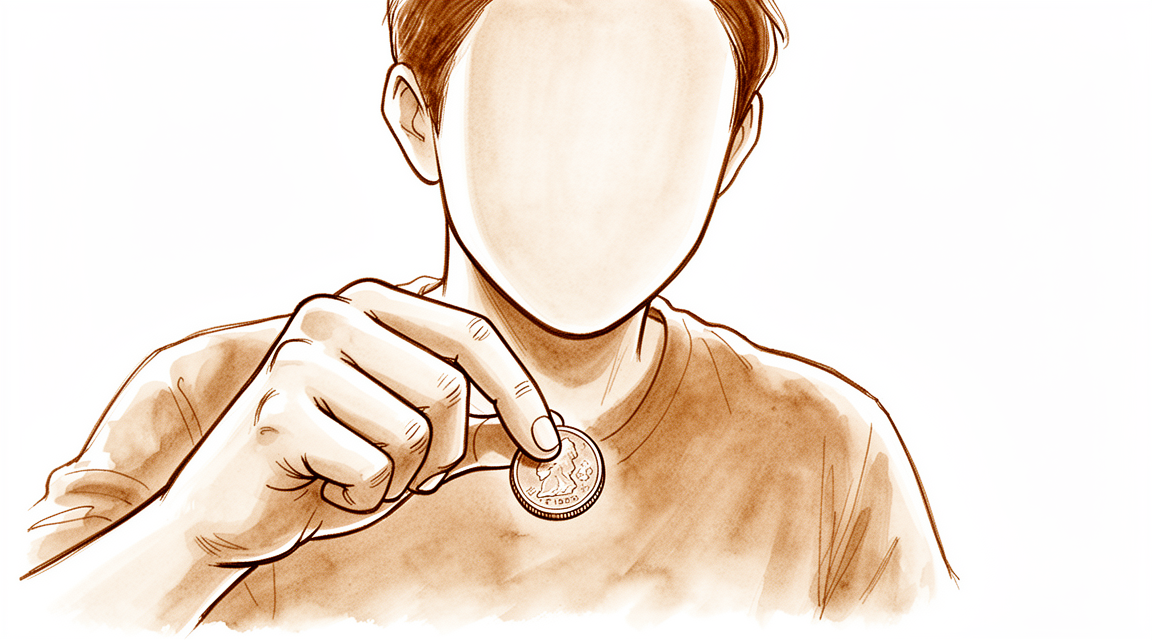
Este protocolo orienta sua recuperação após uma fusão da articulação DIP (artrodese), procedimento que une de forma permanente a pequena articulação na ponta do dedo, mais próxima da unha, sob os cuidados do Dr. Kieran Hirpara no Mater Private Hospital Rockhampton. Ele começa com um programa de exercícios para ser feito em casa, seguido pelo protocolo clínico estruturado elaborado para o seu terapeuta de mão: leve esta página ou seu arquivo PDF à primeira sessão de terapia, para que a reabilitação seja devidamente coordenada. Seu terapeuta poderá ajustar o plano conforme a evolução da sua recuperação.
Caso tenha alguma dúvida ou preocupação quanto à ferida cirúrgica, entre em contato com o consultório. Geralmente, é útil tirar uma foto da ferida e enviá-la por e-mail para análise.
O que esperar
A fusão da articulação DIP é realizada quando a pequena articulação mais próxima da unha está desgastada e dolorida, geralmente devido à artrite (os nódulos ósseos conhecidos como nós de Heberden), ou para remover um cisto mucoso problemático juntamente com o esporão ósseo subjacente. Em vez de tentar manter em movimento uma articulação danificada e dolorida, a cirurgia a funde de forma permanente numa posição ligeiramente flexionada e funcional (até cerca de 35°). Por design, essa articulação nunca mais se moverá; em troca, a dor desaparece e a ponta do dedo torna-se estável e forte para realizar pinçamentos. A fixação costuma ser feita com um pequeno parafuso sem cabeça, implantado sob a pele, que permanece para sempre (não é preciso removê-lo); às vezes utiliza-se também um fio de Kirschner, que é retirado por volta da sexta semana. Caso tenha sido removido um cisto mucoso, será necessário cuidar da pele e da dobra da unha durante a cicatrização.
Todo o processo de reabilitação baseia-se numa ideia simples: proteger a fusão até que o osso se una, mas manter todos os outros movimentos intactos. Normalmente, o osso já está unido após seis a oito semanas, sendo que os raios-X confirmam isso por volta da décima semana. Até lá:
- A ponta do dedo fusionada é imobilizada e protegida para que o osso em cicatrização não seja perturbado.
- Todas as outras articulações continuam a mover-se: a articulação média do dedo, a articulação metacarpofalângica, o polegar, o punho e todos os outros dedos, evitando assim o enrijecimento da mão.
- O inchaço é controlado e a cicatriz é cuidada para que o dedo permaneça confortável e flexível.
- Após a união óssea, a capacidade de pinçar e segurar objetos é recuperada gradualmente, e não de uma só vez.
Precauções e limitações
- Use a tala para a ponta do dedo conforme orientado. Inicialmente, ela deve ser usada continuamente; posteriormente, apenas durante as atividades. Ela mantém a articulação fusionada imóvel, mas permite que a articulação média do dedo (articulação PIP) se mova livremente.
- NÃO faça preensões fortes, não aperte demais nem levante cargas pesadas com o dedo operado até que a fusão esteja completa e você receba autorização; nos primeiros seis semanas, limite o peso a cerca de 1 kg (≈2 lb).
- Mantenha todas as outras articulações em movimento desde o início: as articulações médias e das falanges do dedo, o polegar, o punho e todos os outros dedos.
- Mantenha o curativo seco e a mão elevada nos primeiros 10–14 dias para reduzir o inchaço; siga também as orientações de cuidados com a dobra da unha ou com o local onde havia o cisto mucoso, caso tenha sido removido.
- Caso tenha um pino de Kirschner, proteja-o e mantenha a área limpa até sua remoção, por volta da sexta semana; o parafuso embutido não precisa ser removido.
- NÃO dirija até que a tala volumosa seja retirada e você consiga segurar e controlar o volante com segurança; geralmente isso ocorre por volta da sexta semana, a critério do cirurgião.
Para orientações sobre cuidados com a ferida, inchaço e cicatrização, consulte o guia de cuidados com feridas do consultório.
Seus exercícios
Kieran Hirpara 4.0
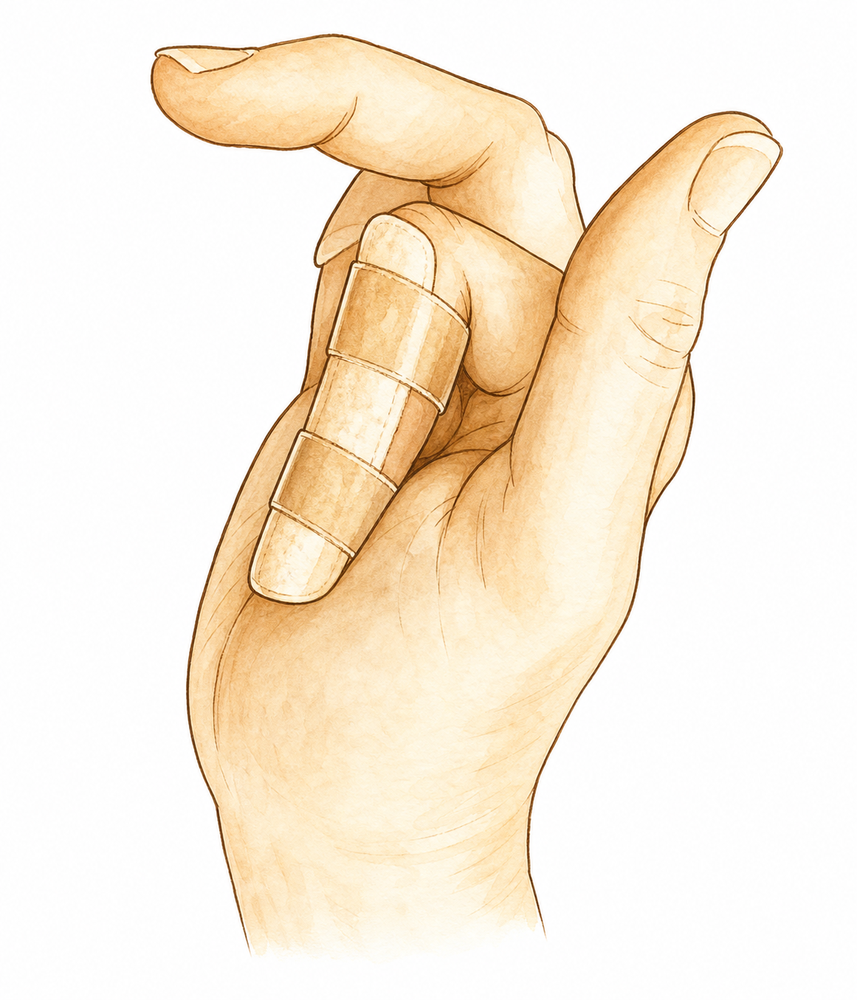
Movimento das articulações PIP e MCP (as articulações localizadas em ambos os lados da fusão)
Com a tala DIP colocada (ela mantém imóvel apenas a articulação da ponta do dedo), dobre e estenda a articulação do meio do dedo e a articulação próxima à base, formando um punho suavemente fechado e abrindo-o por completo. A ponta do dedo, que está fundida, não deve se mover; porém, as articulações ao redor dela precisam permanecer livres para que o dedo não fique rígido. Faça os movimentos de maneira suave e dentro dos limites do conforto.
10 vezes, 3–4 vezes ao dia
Kieran Hirpara 4.0
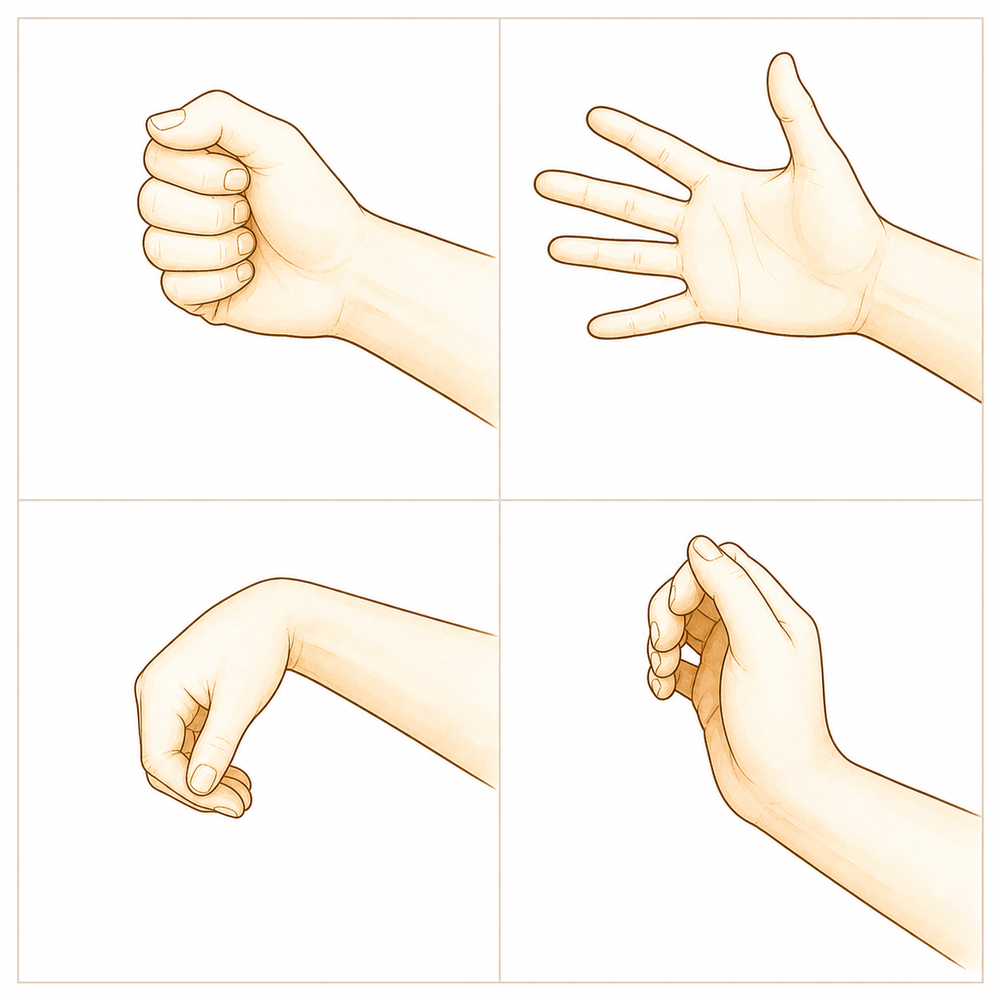
Mova todos os outros dedos, o polegar e o punho.
Mantenha todos os dedos que NÃO foram operados em movimento livre desde o primeiro dia: faça um punho fechado e abra-o completamente, toque o polegar em cada ponta dos dedos e flexione o pulso suavemente para cima e para baixo. Apenas a ponta do dedo que foi fusionada está restrita — o restante da mão deve se mover da forma mais normal possível, dentro do que for confortável, para evitar rigidez ou fraqueza.
10 de cada, várias vezes ao dia.
Kieran Hirpara 4.0
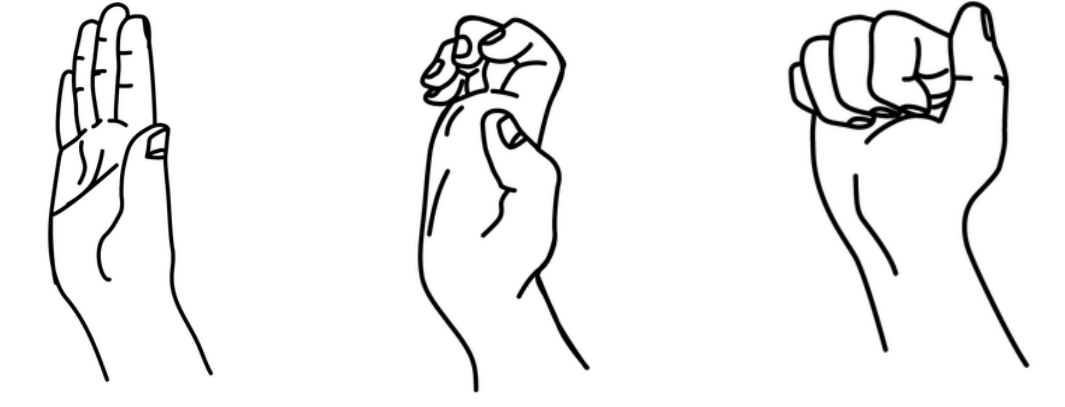
Deslizamentos tendinosos (gancho, punho fechado, reto)
Mova os dedos formando três posições: um gancho (dobre as articulações distal e média, mantendo os nós dos dedos retos), um punho fechado completo e, por fim, a mão totalmente esticada — pausando brevemente em cada uma. Isso faz com que os tendões deslizem suavemente pela área em recuperação, evitando que aderam. Certifique-se de que a ponta do dedo imobilizada pela tala permaneça confortável; o movimento de deslizamento aplica-se ao restante do dedo.
5–10 de cada formato, 3 vezes ao dia.
Kieran Hirpara 4.0
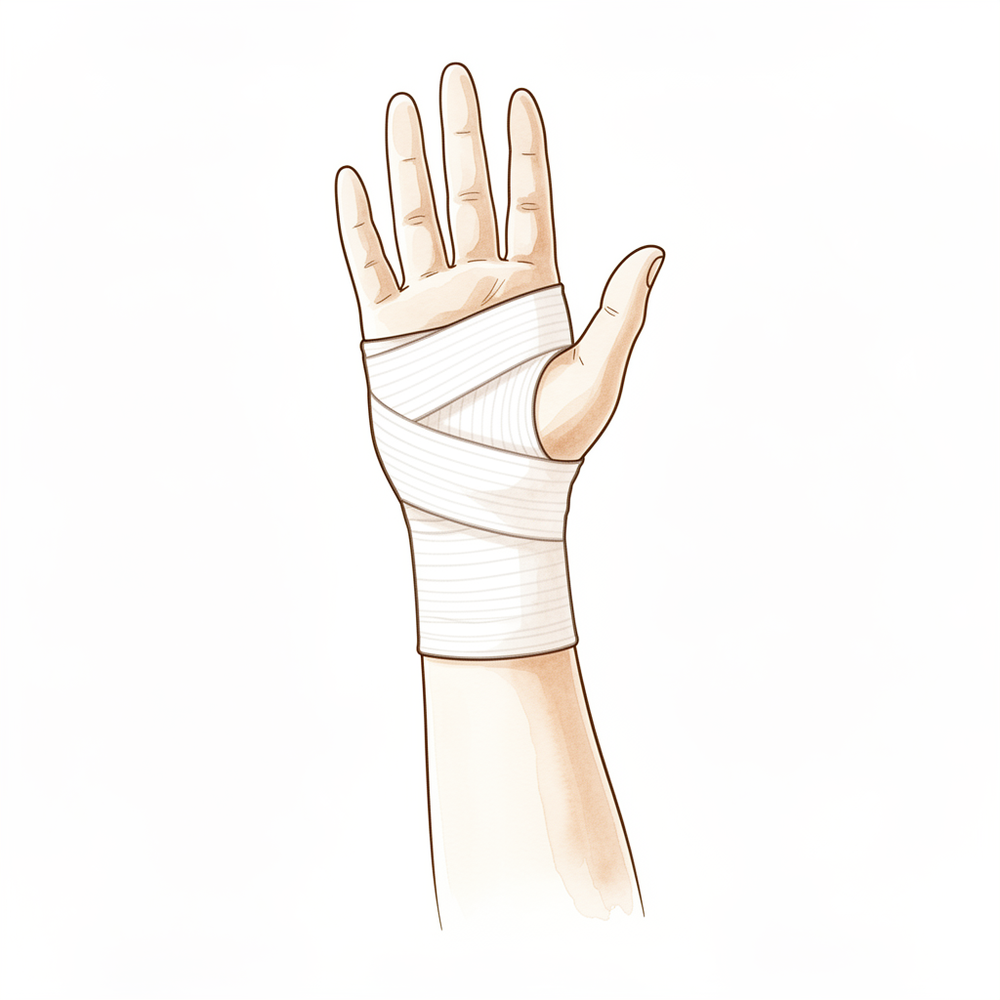
Controle do inchaço (elevação e compressão)
Mantenha a mão elevada acima do nível do coração o máximo possível durante as primeiras semanas — apoiada em um travesseiro ou almofada. Quando a ferida permitir, o uso de uma manga de compressão leve ou de uma faixa autoadesiva (Coban) no dedo ajuda a reduzir o inchaço. Menos inchaço significa uma mão mais fácil e livre para se mover.
Eleve a mão com frequência ao longo do dia; use a compressão conforme orientado pelo seu terapeuta de mão.
Kieran Hirpara 4.0
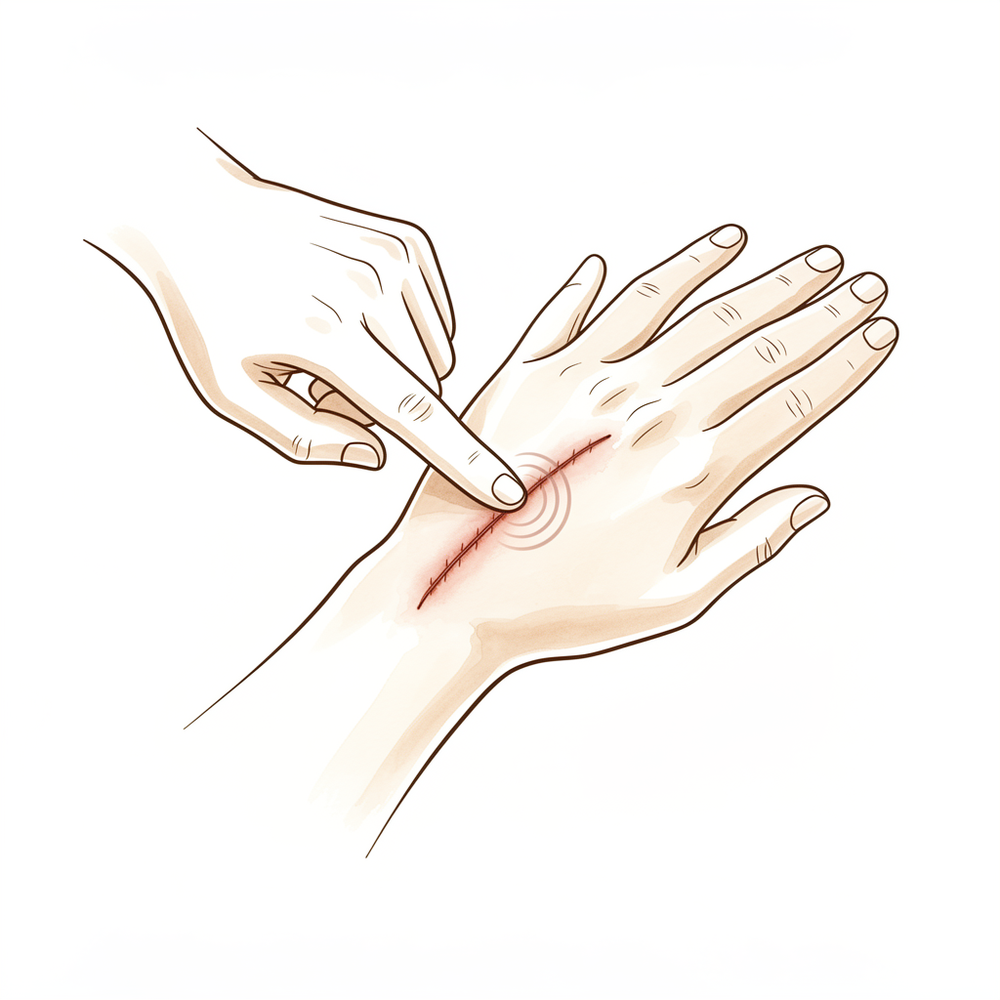
Massagem nas cicatrizes
Assim que a ferida estiver totalmente cicatrizada e o terapeuta da mão autorizar, aplique um pouco de hidratante simples na cicatriz, fazendo círculos pequenos e firmes por um ou dois minutos. Caso tenha sido removido um cisto mucoso, o terapeuta também orientará sobre os cuidados com a dobra ungueal e a pele ao redor. Isso ajuda a manter a cicatriz macia e menos sensível.
1–2 minutos, 2–3 vezes ao dia, após a cicatrização da ferida.
Kieran Hirpara 4.0
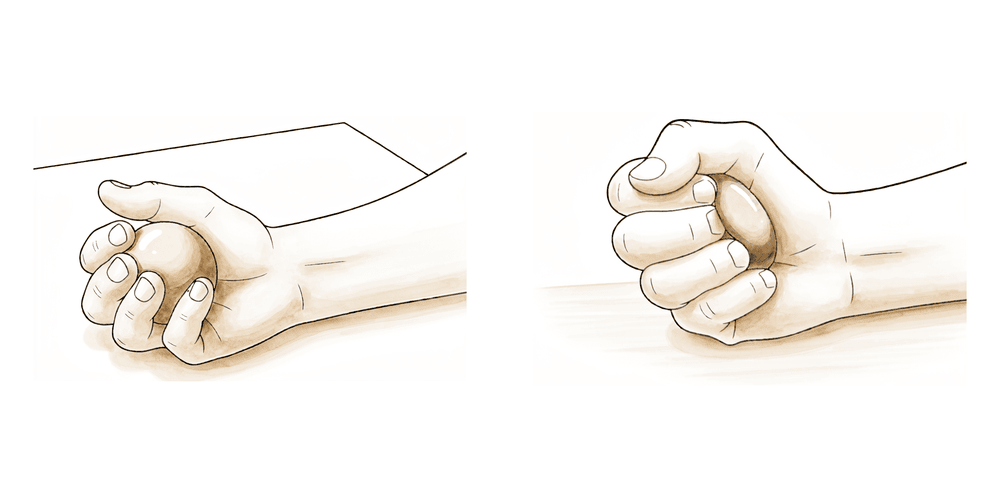
Fortalecimento da preensão e da pinça (após a consolidação óssea)
Um exercício posterior — somente após a fusão óssea ser confirmada em radiografias e quando o fisioterapeuta da mão autorizar (geralmente a partir de 6–8 semanas). Comece apertando suavemente a massa terapêutica e fazendo pinçamentos leves entre o polegar e a ponta do dedo; depois, aumente gradualmente a intensidade ao longo das semanas seguintes. Não realize apertos fortes nem pinçamentos vigorosos antes de receber autorização — aplicar carga excessiva na ponta do dedo precocemente pode prejudicar a consolidação óssea.
Conforme orientação do seu terapeuta ocupacional, progrida gradualmente (a partir de aproximadamente 6–8 semanas).
Estes são os exercícios do seu folheto informativo. Comece a realizá-los somente sob orientação do Dr. Hirpara e do seu fisioterapeuta, respeitando todos os limites que lhe foram estabelecidos. Os exercícios iniciais visam manter o restante da mão em movimento livre sem afetar a ponta do dedo que foi fusionada: movimentação das articulações situadas antes e depois da fusão, de todos os outros dedos, do polegar e do punho, deslizamentos tendíneos e controle do inchaço. O fortalecimento da preensão e do aperto deve ser feito numa fase posterior; não deve ser iniciado até que a fusão seja confirmada em exames de raio-X e você receba autorização expressa. Interrompa qualquer exercício que cause dor aguda na ponta do dedo.
Seu protocolo clínico
O restante desta página descreve o protocolo clínico em etapas para a reabilitação após artrodese da articulação DIP (articulação interfalângica distal). Esta seção deve ser entregue ao seu fisioterapeuta especializado em mão; cada fase começa com uma explicação simples, em linguagem acessível, sobre o que está ocorrendo. O princípio básico é proteger o local da artrodese até a consolidação óssea, preservando ao mesmo tempo a mobilidade total em todas as demais articulações: a articulação DIP é imobilizada com uma tala entre as falanges P2 e P3, deixando a articulação PIP livre; o edema e a cicatrização também são controlados, e a força de pinça e de preensão são reintroduzidas progressivamente somente após a consolidação óssea.
Antes de iniciar o tratamento, verifique o relatório cirúrgico do paciente e seu histórico médico; consulte também o cirurgião responsável sobre o tipo de fixação utilizada (parafuso de compressão sem cabeça, não removível, ou fio de Kirschner, removido por volta da 6ª semana), a posição da fusão óssea (leve flexão, até cerca de 35°) e se houve ressecção de cisto mucoso, pele ou dobras ungueais. A consolidação clínica costuma ocorrer por volta de 6–8 semanas, enquanto a consolidação radiográfica é observada em torno da 10ª semana. O cronograma de reabilitação abaixo representa um consenso especializado, porém está sujeito à avaliação do cirurgião e à confirmação radiográfica da consolidação antes de se retirar a tala e iniciar a carga funcional.
Fase 1 — proteção e estabilização (semanas 0 a 2)
Nesta primeira quinzena, protege-se a fusão óssea recém-realizada e controla-se o inchaço e a cicatrização da ferida, ao mesmo tempo em que se mantêm em movimento todas as articulações não envolvidas, para evitar rigidez.
Para o seu terapeuta da mão:
Instruções e precauções - Curativo cirúrgico volumoso ou tala com elevação durante os primeiros 10–14 dias; manter o curativo seco - Proteger a área da artrodese; não aplicar carga na ponta do dedo operado - Caso haja um fio de Kirschner, proteger o local de inserção do fio; avaliar também a ferida resultante da excisão de cisto ou do retalho ungueal, quando aplicável
Manejo - Ferida: usar curativos cirúrgicos conforme orientação; monitorar sinais de infecção - Edema: elevação da mão, exercícios suaves de bombeamento e aplicação de gelo, conforme necessário - Exercícios: realizar movimentos ativos de amplitude completa nas articulações não envolvidas: articulações PIP e MCP do dedo operado, polegar, punho e todos os demais dedos; iniciar os exercícios de deslizamento tendíneo conforme a tolerância do paciente
Critérios para avançar para a fase seguinte - Cicatrização da ferida em curso; inchaço sob controle; pronto para a transição para uma tala removível personalizada que bloqueie a articulação DIP por volta da segunda semana
Fase 2 — Tala de bloqueio da articulação DIP com atividade (semanas 2 a 6)
A partir da segunda semana, a bandagem volumosa é substituída por uma tala de bloqueio da articulação DIP personalizada e removível (uma órtese do tipo Stax/mallet que abrange as falanges P2–P3), que imobiliza apenas a articulação da ponta do dedo, deixando a articulação PIP livre. Esta tala deve ser usada continuamente durante toda esta fase. Recomenda-se movimentação ativa completa em todas as demais articulações; o inchaço e a cicatriz são controlados, e a ponta do dedo permanece sem carga.
Para o seu fisioterapeuta:
Instruções e precauções - Tala de bloqueio da articulação DIP personalizada e removível (P2–P3, PIP livre) deve ser usada continuamente durante esta fase - Proibido o aperto com força ou pinça; o limite de carga funcional é de aproximadamente 2 lb (≈1 kg)
Manejo - Exercícios: movimentação ativa das articulações PIP, MCP, do polegar e do punho, além de movimentação dos demais dedos; deslizamentos tendíneos (forma de gancho, punho fechado, posição reta) - Edema: manter a elevação do membro e, conforme tolerado, aplicar compressão (bandagem Coban ou manga leve) - Cicatriz: iniciar massagem da cicatriz após cicatrização completa da ferida; cuidados com a dobra ungueal onde houve excisão de cisto mucoso
Critérios para avançar para a fase seguinte - Manutenção da mobilidade das articulações PIP/MCP; controle do inchaço; ferida totalmente cicatrizada; união clínica da fratura observada por volta da sexta semana (proceder à retirada gradual da tala somente após confirmação radiográfica da união)
Fase 3 — retirar gradualmente a tala e iniciar exercícios suaves de fortalecimento (semanas 6 a 8)
Após a consolidação da fusão comprovada por radiografia (clinicamente, por volta de 6–8 semanas), a tala é retirada gradualmente (passando a ser usada apenas durante atividades ou para proteção), e o fio de Kirschner, se utilizado, é removido por volta da sexta semana. Nessa fase, iniciam-se exercícios suaves para fortalecer a pinça e a força de preensão.
Para o seu fisioterapeuta da mão:
Instruções e precauções - Retirar gradualmente a tala da articulação DIP após confirmação da consolidação: mantenha o uso apenas para proteção ou durante atividades, conforme necessário; o fio de Kirschner deve ser removido por volta da 6ª semana - Aumente a carga progressivamente; o limite funcional recomendado é de aproximadamente 5 lb (≈2 kg) a partir da 8ª semana
Manejo terapêutico - Exercícios: inicie exercícios suaves de fortalecimento da pinça e da força de preensão: uso de massa terapêutica, exercícios leves de pinça e preensão; mantenha a amplitude total de movimento em todas as demais articulações; continue o cuidado com a cicatriz - Reavalie eventuais sinais de inchaço residual ou rigidez nas articulações PIP/MCP, tratando conforme necessário
Critérios para avançar para a fase seguinte - Consolidação da fusão confirmada por radiografia; ponta do dedo sem desconforto; tolerância a cargas suaves sem dor no local da fusão
Fase 4 — fortalecimento progressivo e alta (semanas 8 a 12)
Com a fusão consolidada, o fortalecimento prossegue visando a recuperação da função normal da mão; as restrições são retiradas por volta da 12ª semana.
Para o seu fisioterapeuta:
Instruções e precauções - Fortalecimento progressivo da preensão e do aperto; limite funcional de aproximadamente 10 lb (≈4,5 kg) por volta da 10ª semana - Sem restrições a partir da 12ª semana, sujeito à avaliação do cirurgião
Manejo - Exercícios: preensão e aperto resistidos de forma gradual (massa de modelar → pinças → cargas específicas para tarefas); restauração do uso funcional completo da mão - Considere a alta quando a ponta do dedo estiver estável, sem dor, e a mão apresentar função e força quase normais - Encaminhe novamente ao cirurgião responsável caso haja dor na área da fusão, suspeita de não consolidação ou resultado funcional insatisfatório
Critérios para alta - Fusão consolidada e sem dor; amplitude de movimento completa em todas as articulações não fusionadas; restauração da capacidade de apertar e prender objetos
Retorno às atividades e ao trabalho
É recomendado o uso leve e cotidiano dos demais dedos e do restante da mão desde o início, dentro dos limites do conforto; apenas a ponta do dedo que foi fusionada deve permanecer em repouso. O retorno à direção geralmente ocorre por volta da sexta semana, após a retirada da tala volumosa e quando o paciente consegue segurar e controlar o volante com segurança; essa decisão fica a critério do Dr. Hirpara na consulta de acompanhamento; portanto, planeje contar com ajuda para o transporte nas primeiras semanas. Movimentos suaves de pinça e aperto leve costumam começar por volta da sexta semana e aumentam gradualmente a partir da oitava semana, quando o osso já estiver fusionado. O uso pleno, intenso ou para atividades esportivas da mão geralmente é possível por volta da décima segunda semana. Esses prazos são orientações baseadas no consenso de especialistas, não prazos fixos: a decisão do cirurgião e os resultados do raio-X (que comprovam a fusão óssea) têm prioridade.
Após seguir este protocolo
Este protocolo complementa as orientações gerais de recuperação fornecidas pelo consultório; consulte também controle da dor pós-operatória, cuidados com a ferida e tratamento das cicatrizes. O plano em etapas descrito acima baseia-se nas diretrizes de reabilitação publicadas para casos de artrodese da articulação DIP; sua recuperação continuará sendo acompanhada individualmente pelo Dr. Hirpara e pelo seu fisioterapeuta, conforme o processo de cicatrização do seu dedo.
Evidence & references
This is the clinical evidence summary written for health professionals. It is technical, and it lists the research this page was built from. You do not need to read it to understand your treatment or to make a decision about it.
DIP Joint Fusion — Procedure Outcomes & Post-operative Rehabilitation (Distal Interphalangeal Arthrodesis)
Topic scope: post-operative rehabilitation after arthrodesis (fusion) of the distal interphalangeal (DIP) joint — most often for end-stage osteoarthritis (Heberden's nodes), or to excise a mucous cyst together with its underlying osteophyte. This is a fusion, not a reconstruction: the joint is deliberately and permanently abolished and set in a slightly flexed, functional position, so the rehabilitation is a protect-to-union pathway built around oedema control, scar/nail-fold management, and preservation of motion at every adjacent joint, followed by progressive reloading — not restoration of DIP motion.
Defining principle of the rehab here: a DIP arthrodesis is meant to stop moving. The single therapeutic goal is to deliver a solid, pain-free, well-aligned bony union while keeping the rest of the hand fully mobile. The fingertip is immobilised in a P2–P3 (Stax/mallet-type) orthosis that blocks the DIP but leaves the PIP free; the deliberate restraints are protection of the fixation and avoidance of pinch/grip loading until union. The principal branch points are the fixation method (buried headless compression screw — no removal — versus K-wire, removed at ~6 weeks) and whether a mucous cyst with skin/nail-fold excision was performed, which adds soft-tissue/scar care. Union, not the calendar, gates splint weaning and loading.
A. PROCEDURE OUTCOMES (fusion union, position, fixation)
DIP arthrodesis is a reliable pain-relieving operation; the principal technical debates are over fixation method and fusion position, not whether to fuse a painful, end-stage joint.
- High union rates with headless compression screw fixation. A series of 64 joints fused with a Herbert-type headless compression screw reported reliable bony union with a low complication profile, supporting the buried-screw construct that requires no later removal [Hand 2010, DOI: 10.1007/s11552-010-9295-3]. Moderate (observational case series).
- Radiographic union averages around ten weeks. A review of DIP arthrodesis techniques reports a mean time to radiographic fusion of approximately 10 weeks, with reported union rates such as ~85% in the Brutus cohort, underlining that clinical comfort precedes full radiographic consolidation [J Hand Surg Am 2013, DOI: 10.1016/j.jhsa.2013.06.010]. Moderate (review of case series).
- Fusion position is a consensus, not a controversy. Technique descriptions place the DIP in slight flexion in a functional position for pinch; dorsal-plate and screw techniques are described with attention to setting and holding this position during fixation [J Hand Surg Am 2018, DOI: 10.1016/j.jhsa.2018.03.049]. Mechanistic / consensus.
- Screw fit depends on bony dimensions. Anatomical sizing work shows the headless screw must be matched to the medullary dimensions of the distal phalanx, informing implant selection and reducing fixation-related complications [Hand 2014, DOI: 10.1007/s11552-014-9679-x]. Mechanistic.
- Fixation choice carries differing complication patterns. Comparative data on K-wire versus headless (Herbert) screw fixation describe differences in infection and hardware-related events, relevant to the protective pin care needed when a K-wire is used and removed at ~6 weeks [J Hand Surg Am 2013, DOI: 10.1016/j.jhsa.2013.01.017]. Moderate (comparative series).
- Acute arthrodesis is an established option in trauma. Primary IP-joint arthrodesis for acute injury is a recognised technique, supporting fusion as a durable solution beyond degenerative disease [J Hand Surg / Thieme 2017, DOI: 10.1055/s-0037-1608691]. Moderate (case series).
B. REHABILITATION / THERAPY EVIDENCE
There are no randomised trials of rehabilitation after DIP arthrodesis. The rehab pathway is built from surgical-outcome timing data (union ~6–8 weeks clinical, ~10 weeks radiographic) plus published hand-therapy protocols and standard hand-therapy practice. The therapeutic logic is to immobilise only the fused joint, keep every other joint moving, control swelling and scar, and reload pinch/grip only after union.
- Immobilise the DIP, free the PIP. Published finger-fusion therapy protocols use a custom removable DIP-blocking (Stax/mallet-type) orthosis spanning P2–P3 that holds the fingertip joint while leaving the PIP free for active motion — continual early wear, weaning to activity-only after X-ray union [TCO; Hand Wisconsin; Alaska Ortho; Melbourne Arm Clinic protocols, URLs below]. Weak (consensus / published protocols).
- Preserve motion at all uninvolved joints from day one. Active motion of the PIP, MCP, thumb, wrist and all other digits, plus tendon glides, is standard hand-therapy practice to prevent stiffness while the DIP consolidates [published protocols, URLs below]. Consensus / standard practice.
- Oedema and scar control are routine adjuncts. Elevation and compression for swelling, and scar massage once healed (with nail-fold care after mucous-cyst excision), follow standard hand-therapy practice rather than trial evidence. Consensus / standard practice.
- Loading is gated by union, not by date. Protocols withhold power grasp/pinch until the fusion is radiographically united, then progress strengthening gradually — reflecting the ~10-week mean radiographic union from the outcome literature [J Hand Surg Am 2013, DOI: 10.1016/j.jhsa.2013.06.010]. Weak–moderate (timing anchored to outcome series; rehab schedule consensus).
Recovery trajectory (expected, evidence-anchored)
| Phase | Window | Restraint | Hand use / therapy focus | Strength / load | Notes |
|---|---|---|---|---|---|
| 1 — Protect & settle | Week 0–2 | Bulky dressing/splint; DIP unloaded | Elevation; AROM of all uninvolved joints (PIP, MCP, thumb, wrist, other digits); begin tendon glides | None to the fingertip | Keep dressing dry; review pin/cyst-excision wound |
| 2 — DIP-blocking splint with activity | Week 2–6 | Custom P2–P3 DIP-block, PIP free, worn continually | Active PIP/MCP/thumb/wrist + all-other-digit motion; tendon glides; oedema (Coban/sleeve); scar massage once healed | No power grasp/pinch; ~2 lb (≈1 kg) limit | Clinical union emerging ~6 wk |
| 3 — Wean splint & gentle strengthening | Week 6–8 | Splint weaned once united on X-ray; K-wire out ~6 wk | Begin gentle grip/pinch (putty, light pinch/grip); continue full motion elsewhere; continue scar care | ~5 lb (≈2 kg) from 8 wk | Buried screw needs no removal |
| 4 — Progressive strengthening & discharge | Week 8–12 | Restrictions lifting | Progressive grip/pinch strengthening; restore full hand use | ~10 lb (≈4.5 kg) at 10 wk; no restriction ~12 wk | Discharge when fusion solid + pain-free |
(Phase windows mirror the precautions and recovery-curve structure in the patient protocol; clinical union ~6–8 weeks and radiographic union ~10 weeks are anchored to the outcome series, while the exact phase timings are low-level expert consensus, not trial-derived deadlines, and are subject to surgeon discretion and X-ray confirmation of union.)
C. KEY CONTROVERSIES / EVIDENCE QUALITY
- Fixation method. Buried headless compression screw (no removal) versus K-wire (removed ~6 weeks) — both achieve union; the comparative literature describes differing infection and hardware-event profiles, and the choice drives whether pin-site protection is needed in rehab [DOI: 10.1007/s11552-010-9295-3; DOI: 10.1016/j.jhsa.2013.01.017]. Moderate.
- Fusion position. Slight flexion (up to ~35°) in a functional pinch position is a settled consensus across technique descriptions, not a live controversy [DOI: 10.1016/j.jhsa.2018.03.049]. Consensus.
- Union timing. Clinical comfort (~6–8 weeks) precedes radiographic union (~10 weeks mean), so splint weaning and loading should follow the X-ray rather than the calendar [DOI: 10.1016/j.jhsa.2013.06.010]. Moderate.
- Rehabilitation schedule. No RCTs exist for DIP-fusion rehab; phase timings are derived from published therapy protocols and standard hand-therapy practice anchored to surgical union data. Low-level expert consensus.
- Mucous-cyst cases. Excision of a mucous cyst with its osteophyte adds skin/nail-fold and scar care to the standard fusion rehab; this is a soft-tissue management addition rather than a change to the bony-union pathway. Consensus / standard practice.
D. EVIDENCE STRENGTH FLAGS (summary)
- MODERATE (observational case series / reviews): reliable bony union with headless compression screw fixation; mean radiographic union ~10 weeks (~85% union, Brutus); differing complication profiles by fixation method; acute IP arthrodesis as an established trauma option.
- CONSENSUS / MECHANISTIC: slight-flexion functional fusion position; screw sizing to phalangeal dimensions; immobilise-the-DIP / free-the-PIP splinting principle.
- WEAK / LOW-LEVEL CONSENSUS: the specific phased rehabilitation schedule (no RCTs; derived from published therapy protocols + standard hand-therapy practice, anchored to union timing); exact phase timings and load limits (typical guides, not trial-derived); oedema/scar adjuncts (standard practice).
CITATIONS
RAG corpus (180,000+ Orthopaedic articles)
- Distal interphalangeal joint arthrodesis using a dorsal plate: technique and fusion position. J Hand Surg Am. 2018. DOI: 10.1016/j.jhsa.2018.03.049
- Distal interphalangeal joint arthrodesis with the Herbert headless compression screw: union and complications in 64 joints. Hand (N Y). 2010. DOI: 10.1007/s11552-010-9295-3
- Distal interphalangeal joint arthrodesis: review of techniques and outcomes (mean ~10-week radiographic fusion; Brutus ~85% union). J Hand Surg Am. 2013. DOI: 10.1016/j.jhsa.2013.06.010
- K-wire versus Herbert screw fixation for distal interphalangeal joint arthrodesis: infection and hardware events. J Hand Surg Am. 2013. DOI: 10.1016/j.jhsa.2013.01.017
- Anatomical sizing of headless compression screws for distal phalangeal fixation. Hand (N Y). 2014. DOI: 10.1007/s11552-014-9679-x
- Acute interphalangeal joint arthrodesis in trauma. J Hand Surg / Thieme. 2017. DOI: 10.1055/s-0037-1608691
DIP-fusion rehabilitation literature (URLs)
- Twin Cities Orthopedics — Distal Interphalangeal (DIP) Joint Fusion post-op protocol. https://www.tcomn.com/wp-content/uploads/2016/06/Distal-Interphalangeal-DIP-Joint-Fusion.pdf
- Hand Wisconsin — Finger-joint fusion therapy protocol. https://handwisconsin.com/wp-content/uploads/2016/09/fusion-finger-joint-therapy-protocol.pdf
- Alaska Orthopaedics — Arthrodesis (DIP / PIP or MCP) joint fusion protocol. https://www.akortho.com/wp-content/uploads/Arthrodesis-DIP-PIP-or-MCP-Joint-Fusion.pdf
- Melbourne Arm Clinic — PIP / DIP arthrodesis rehabilitation protocol. https://melbournearmclinic.com.au/orthopaedic-rehabilitation/shoulder-rehabilitation/pip-dip-arthrodesis-protocol/