Patients › Rehabilitation
Liberação de cotovelo rígido (artrólise)
Um plano precoce e agressivo de recuperação motora após a cirurgia para liberar um cotovelo rígido: o cirurgião recupera a flexão e a extensão do cotovelo na mesa cirúrgica, e todo o processo de reabilitação tem como objetivo manter essa amplitude de movimento, começando já no primeiro dia, sem uso de tipoia nem fase de proteção.
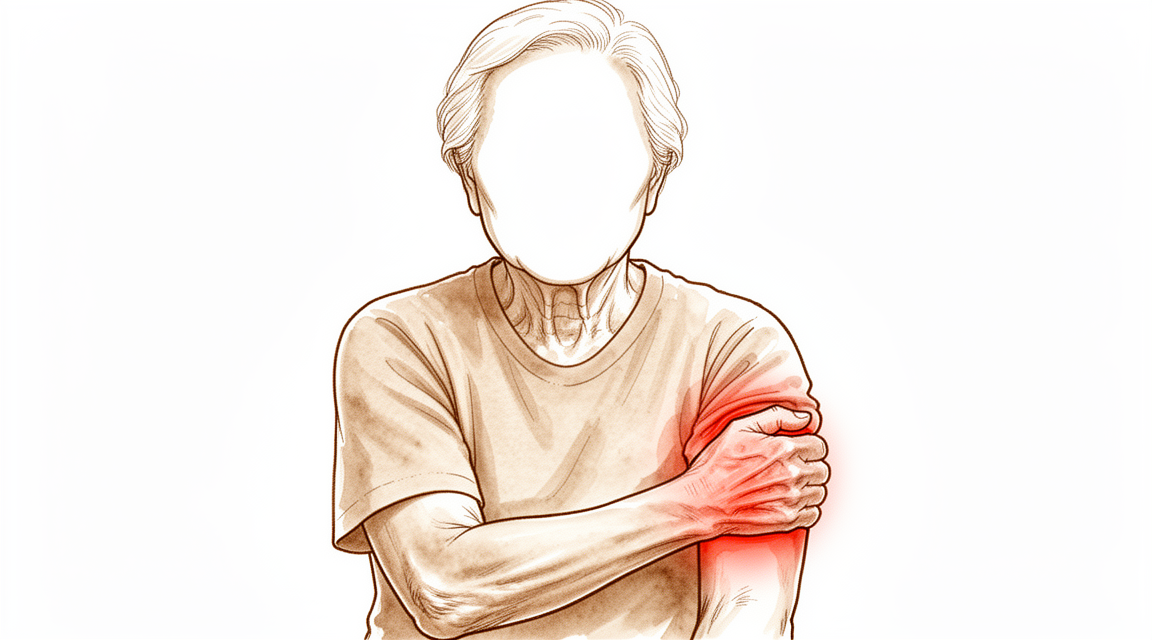
Este protocolo orienta sua recuperação após uma cirurgia para liberar um cotovelo rígido (uma liberação articular, ou artrólise) realizada pelo Dr. Kieran Hirpara no Mater Private Hospital Rockhampton. Ele começa com seu programa de exercícios domiciliares, seguido pelo protocolo clínico estruturado elaborado para seu fisioterapeuta ou terapeuta da mão; leve esta página ou seu arquivo PDF à sua primeira sessão de terapia, para que a reabilitação seja devidamente coordenada. Seu terapeuta poderá ajustar o plano conforme a evolução da sua recuperação.
Caso tenha alguma dúvida ou preocupação quanto à ferida cirúrgica, entre em contato com o consultório. Geralmente, é útil tirar uma foto da ferida e enviá-la por e-mail para análise.
O que esperar
O cotovelo rígido após uma lesão ou cirurgia anterior ocorre porque a cápsula articular engrossa e se torna mais tensa; às vezes, forma-se também osso extra, impedindo que o cotovelo flexione e estenda-se em toda a sua amplitude. Durante a cirurgia de liberação — realizada por artroscopia ou por incisão aberta — o cirurgião remove essa cápsula tensa (e também qualquer osso extra ou tecido cicatricial aderido), permitindo que o cotovelo volte a mover-se livremente na mesa cirúrgica.
O ponto mais importante a compreender é que essa recuperação é o oposto de uma cirurgia reparadora. Não há nada que tenha sido suturado ou consertado e que precise de semanas de repouso para cicatrizar. Na verdade, o cirurgião consegue alcançar quase toda a amplitude de movimento durante a operação, e todo o objetivo da reabilitação é manter esse movimento, pois a tendência natural do cotovelo após a cirurgia é tornar-se novamente rígido. Por isso não há uso de tipoia nem fase de proteção: o paciente começa a movimentar o cotovelo já no primeiro dia, de forma firme e frequente. O maior inimigo aqui é a re-rigidez, não a falha dos tecidos.
Para orientações sobre cuidados com a ferida, inchaço e cicatrização, consulte o guia de cuidados com feridas do consultório. O inchaço e a dor são os principais fatores que limitam o movimento nos primeiros dias; portanto, controlá-los por meio de elevação do membro, aplicação de gelo e uso de analgésicos é essencial para manter a amplitude de movimento.
A maior parte da melhora ocorre entre as 6 semanas e os 3 meses; geralmente, o cotovelo atinge sua melhor amplitude estável por volta dos 4 meses. Para manter e até aumentar essa amplitude, utiliza-se um programa de talas à noite e nos períodos de repouso, mantido por pelo menos 3 meses.
Precauções e limitações
- Faça movimentos com o cotovelo já no primeiro dia, e continue movimentando-o com frequência, em pequenas sessões, ao longo do dia: esse é o ponto central da sua recuperação.
- Faça pressão suave até o limite de cada alongamento; diferentemente de uma reparação cirúrgica, não há nenhuma estrutura a ser protegida, portanto o objetivo é alcançar toda a amplitude de movimento possível.
- Faça controle do inchaço e da dor por meio da elevação do membro, uso de gelo e dos analgésicos prescritos: são esses fatores que limitam seus movimentos, não a cirurgia em si.
- Faça o uso de qualquer medicamento anti-inflamatório (como a indometacina) exatamente conforme orientado, caso o Dr. Hirpara o tenha indicado para prevenir a formação excessiva de osso.
- Faça o uso da tala noturna/de repouso conforme instruções, por pelo menos 3 meses, para manter e ampliar a amplitude de movimento obtida.
- Não deixe o cotovelo em repouso ou “pegue leve” para que ele se recupere sozinho: é assim que a rigidez volta a aparecer.
- Não se preocupe com formigamento ou sensação de “pinicamento” nos dedos mindinho e anular; o nervo ulnar, localizado na parte interna do cotovelo, pode ficar mais sensível à medida que a flexão melhora; portanto, informe o Dr. Hirpara ou seu fisioterapeuta para que isso seja avaliado.
Seus exercícios
Kieran Hirpara 4.0
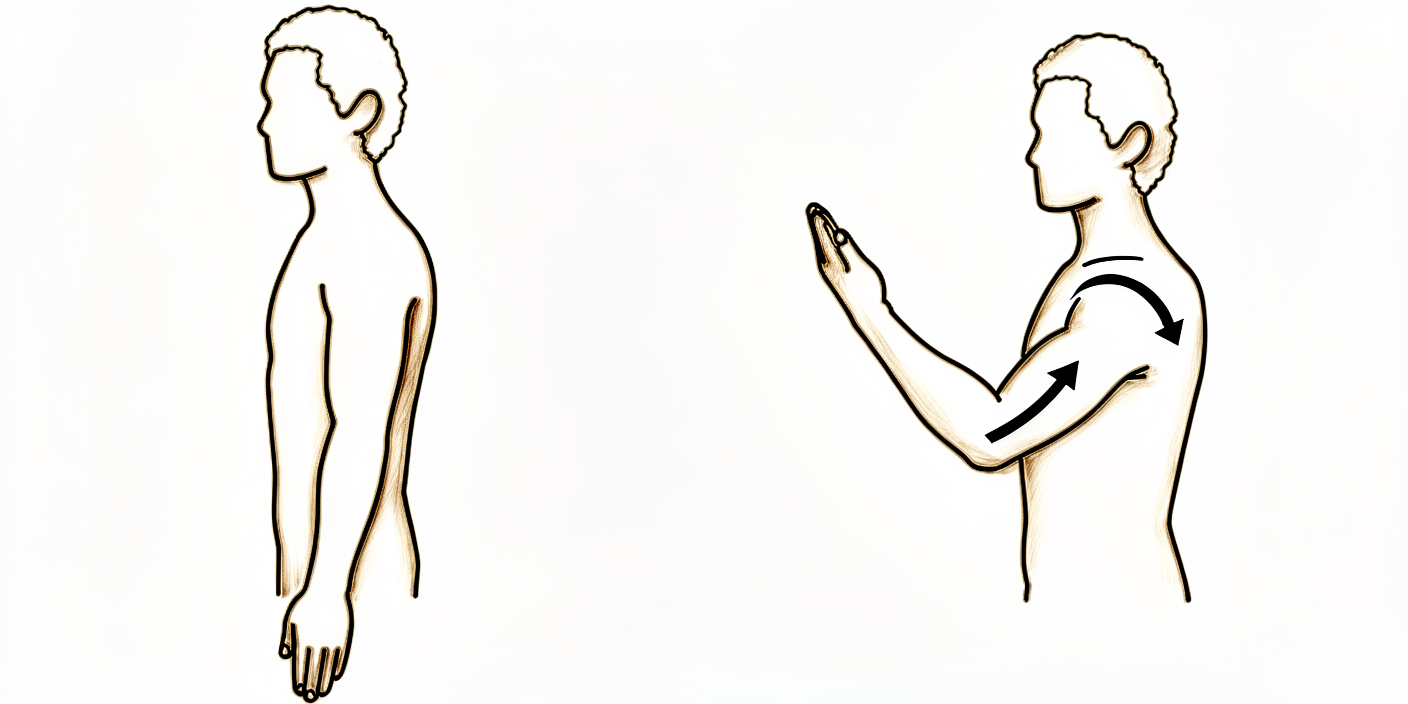
Movimentos ativos do cotovelo (dobrar e esticar)
Utilizando seus próprios músculos, dobre o cotovelo o máximo possível em direção ao ombro e, em seguida, estique-o o máximo que puder. Pressione suavemente em cada extremidade do movimento e tente alcançar a mesma amplitude que o cirurgião conseguiu durante a operação. Este é o exercício mais importante: o cotovelo volta a enrijecer rapidamente, por isso deve ser feito várias vezes ao dia, em pequenas sessões.
10–15 vezes em cada direção, a cada 1–2 horas enquanto estiver acordado
Kieran Hirpara 4.0
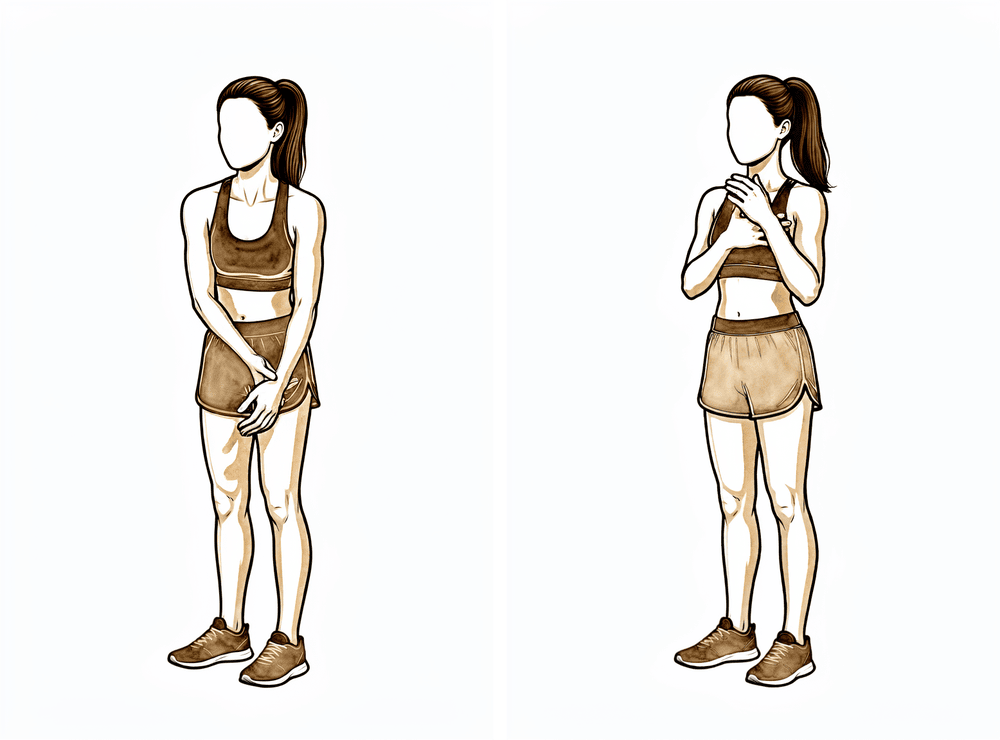
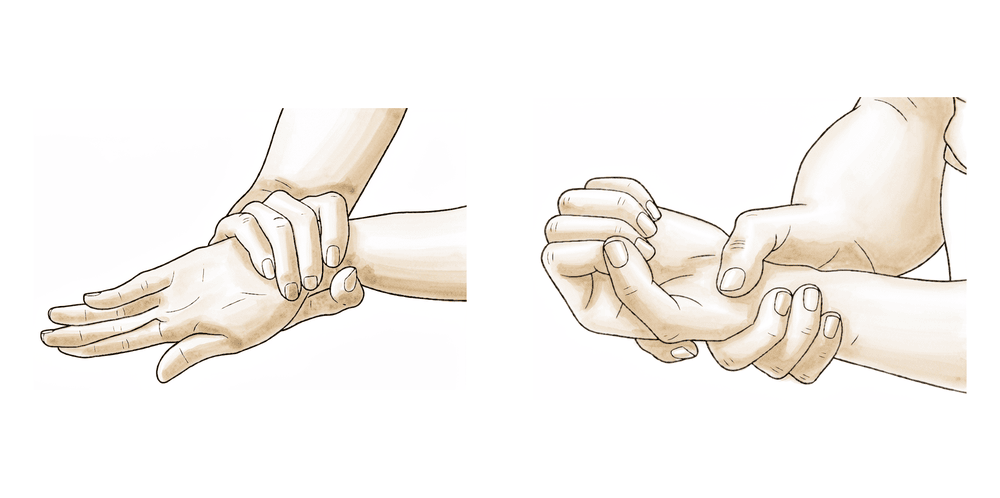
Flexão de cotovelo assistida (passiva)
Com o braço operado completamente relaxado, use a outra mão para empurrar suavemente o cotovelo, dobrando-o mais do que ele faria por conta própria; mantenha a posição no ponto em que sentir um alongamento firme. Como não há nenhuma reparação a ser protegida, sinta-se à vontade para pressionar suavemente até sentir esse alongamento — mantenha a posição, respire e deixe o cotovelo se dobrar um pouco mais. Interrompa o movimento antes de sentir dor aguda.
Mantenha cada alongamento por 20–30 segundos, 3–5 vezes, várias vezes ao dia
Kieran Hirpara 4.0
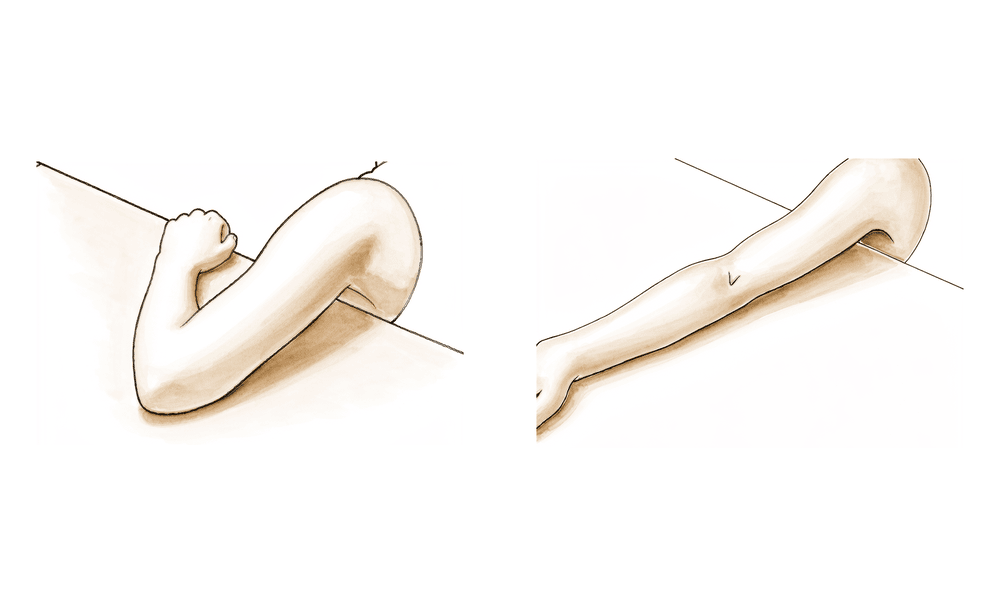
Extensão ativa do cotovelo
Tente deixar o cotovelo o mais reto possível — o movimento de extensão é o que mais frequentemente se perde, por isso merece atenção especial. Apoie a parte posterior do braço em uma superfície firme e deixe que a gravidade, e depois uma leve ajuda da outra mão, aproximem o cotovelo da extensão completa. Mantenha essa posição ao final do alongamento.
Mantenha por 20–30 segundos, 5 vezes, várias vezes ao dia
Kieran Hirpara 4.0
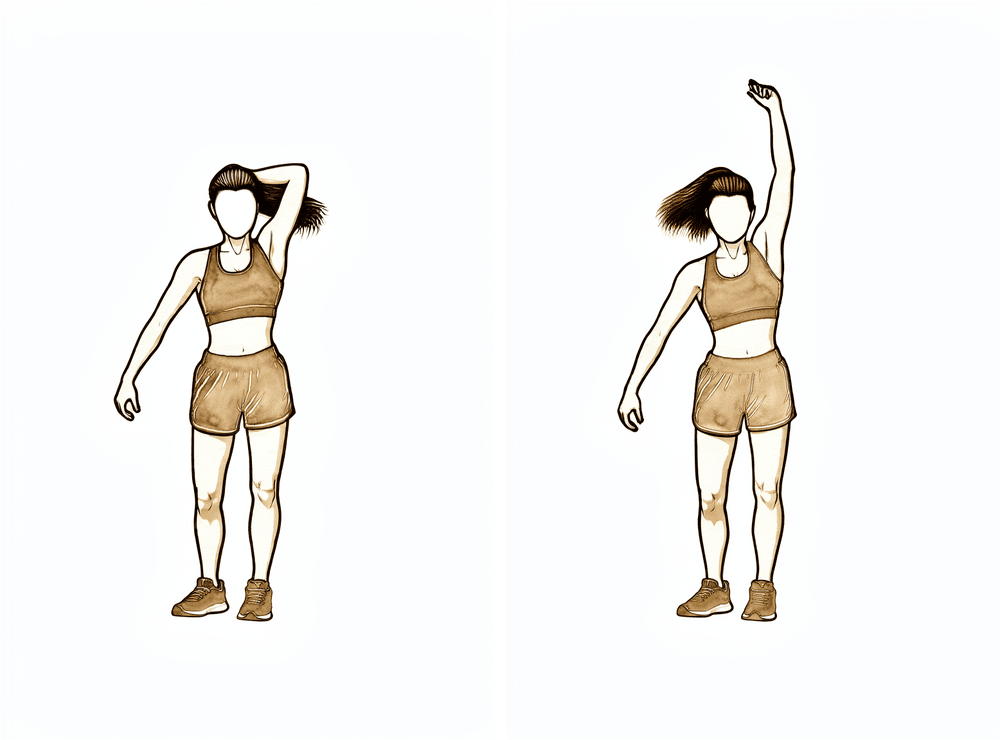
Alongamento do tríceps acima da cabeça (extensão no limite da amplitude)
Levante o braço operado acima da cabeça e, com a outra mão, empurre suavemente o cotovelo até deixá-lo completamente esticado, alongando a parte posterior do braço. Trata-se de um alongamento intenso de extensão no limite da amplitude de movimento; mantenha a posição estável, sem fazer movimentos oscilatórios.
Mantenha por 20–30 segundos, 3–5 vezes, algumas vezes ao dia
Kieran Hirpara 4.0
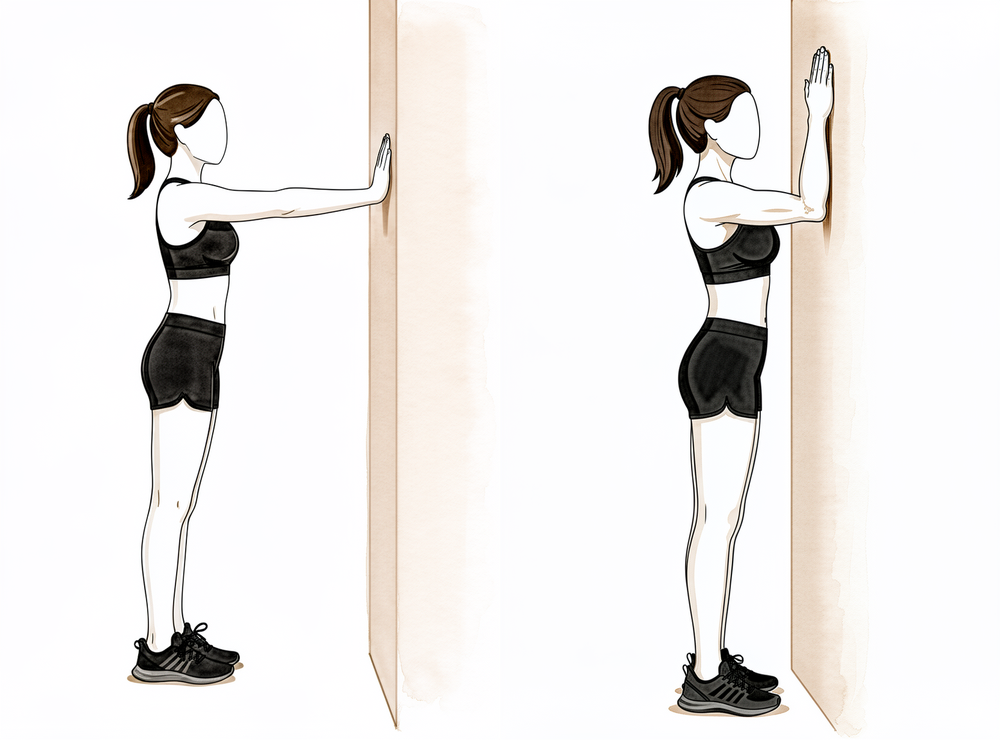
Caminhada dos dedos na parede até a flexão (flexão no limite da amplitude)
Fique de frente para uma parede e deslize os dedos para cima, permitindo que o cotovelo se flexione ainda mais à medida que a mão sobe. Continue subindo até sentir um alongamento firme na região profunda do cotovelo; mantenha essa posição e, em seguida, suba um pouco mais. Isso ajuda a recuperar a última porção da flexão do cotovelo.
Mantenha por 20–30 segundos na posição superior, 5 vezes, algumas vezes ao dia
Kieran Hirpara 4.0
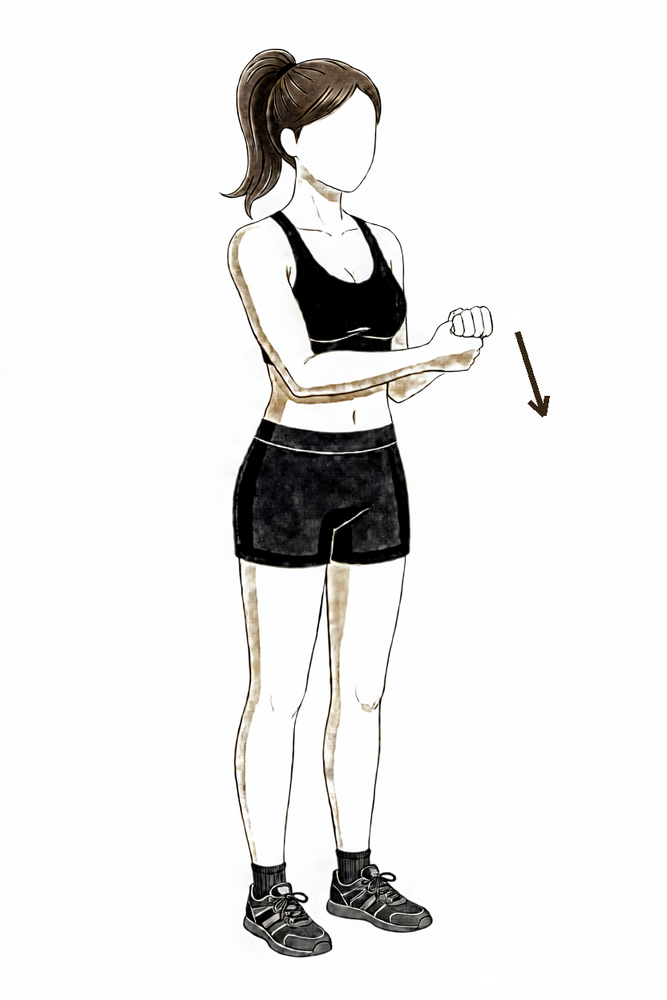
Rotação do antebraço (palma da mão para cima/para baixo)
Com o cotovelo pressionado contra o corpo e dobrado em cerca de 90°, gire a palma da mão para cima, em direção ao teto, e depois para baixo, em direção ao chão, indo o mais longe possível em cada direção. Uma operação de liberação costuma restaurar tanto a rotação quanto a flexão; portanto, continue realizando esse movimento de rotação juntamente com os exercícios de flexão e extensão. Você pode usar a outra mão para pressionar suavemente um pouco mais em cada extremidade do movimento.
10–15 vezes em cada direção, várias vezes ao dia
Kieran Hirpara 4.0
Contração isométrica do tríceps (contração suave)
Um exercício de ativação inicial. Com o braço apoiado, contraia suavemente o músculo na parte POSTERIOR do braço (o tríceps), como se estivesse tentando esticar o cotovelo; isso ajuda a manter e reforçar o grau de extensão já alcançado. Faça o movimento com delicadeza, seguindo as orientações do seu fisioterapeuta.
Mantenha por ~5 segundos, 5–10 vezes, conforme orientado
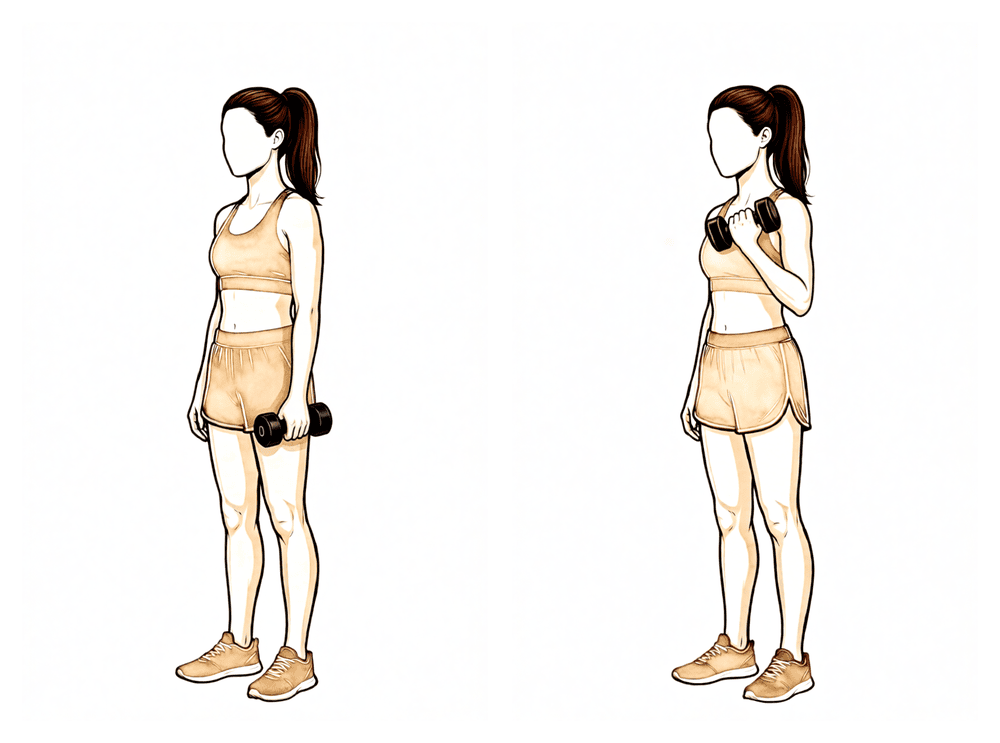
Kieran Hirpara 4.0
Rosca de bíceps (fortalecimento em fase posterior)
Um exercício para uma fase POSTERIOR: o fortalecimento só deve ser iniciado quando os movimentos já estiverem estáveis, geralmente a partir da 6ª semana. Com a palma da mão voltada para cima, flexione o cotovelo levando um peso leve em direção ao ombro e, em seguida, abaixe-o lentamente, mantendo o controle. Aumente o peso gradualmente, conforme orientação do seu fisioterapeuta.
Conforme orientação do seu fisioterapeuta (a partir da 6ª semana, aproximadamente)
Estes são os exercícios do seu folheto para recuperar e manter a mobilidade do cotovelo e do antebraço. Comece-os conforme orientado pelo Dr. Hirpara e pelo seu fisioterapeuta; neste protocolo, eles devem ser iniciados imediatamente. Eles devem ser feitos com firmeza e com frequência, pois a amplitude de movimento que você mantém é exatamente a que utilizará ao realizar esses exercícios diariamente.
Seu protocolo clínico
O restante desta página constitui o protocolo clínico para a reabilitação após a liberação cirúrgica (artrólise) de um cotovelo rígido. Esta seção deve ser entregue ao seu fisioterapeuta ou terapeuta da mão; cada fase abaixo começa com uma explicação simples, em linguagem acessível, sobre o que está ocorrendo. O princípio fundamental é que o cirurgião consegue estabelecer um arco de movimento quase completo na mesa cirúrgica; a reabilitação tem como objetivo manter esse arco. Não há fixação para proteção, portanto não existe fase de proteção: o controle da dor e do edema são os fatores que limitam o ritmo da recuperação, e não a cicatrização dos tecidos.
Dias 0 a 2 após a cirurgia
Nos primeiros um ou dois dias, o cotovelo é mantido brevemente imóvel, o braço fica elevado e o inchaço é controlado com gelo e compressão. O cotovelo costuma ser mantido numa posição de extensão total, pois esse é o movimento que mais facilmente se perde e ao qual se deve dar prioridade. Caso haja risco de formação óssea excessiva (por exemplo, após remoção de tecido ósseo extra ou após uma lesão original de alta energia), o Dr. Hirpara pode iniciar o uso de medicamentos anti-inflamatórios para prevenir esse fenômeno.
Para o seu fisioterapeuta:
Antes do tratamento, verifique os exames de imagem do paciente, o relatório cirúrgico e o histórico médico prévio; consulte o cirurgião responsável sobre o arco de movimento alcançado durante a operação, eventuais procedimentos realizados no nervo ulnar e se a profilaxia da ossificação heterotópica (OH) já foi iniciada.
Posição e edema
- Imobilização breve em extensão total com uma tala acolchoada; braço elevado; uso de crioterapia/compressão para controlar o edema
- Os drenos geralmente são retirados no primeiro dia pós-operatório
Profilaxia da ossificação heterotópica (quando indicada)
- Indometacina (por exemplo, 25 mg três vezes ao dia, ou 75–100 mg/dia) por 3–6 semanas, conforme indicado, especialmente após excisão de tecido ósseo extra ou trauma de alta energia; pode-se associar, em casos de alto risco selecionados, uma dose única de radioterapia perioperatória (a critério do cirurgião).
A partir do 1º dia — início imediato e intenso de exercícios de amplitude de movimento
Esta é a base do protocolo. A tala é retirada no primeiro dia após a cirurgia, e então iniciam-se movimentos firmes e frequentes: flexão e extensão ativa-assistida e passiva, bem como rotação do antebraço, com o objetivo de recuperar toda a amplitude de movimento alcançada pelo cirurgião durante a operação. Não há limite para a amplitude: o objetivo é atingir todo o arco intraoperatório.
Para o seu fisioterapeuta:
Limite de amplitude de movimento
- Nenhum. Recupere todo o arco intraoperatório. Retire a tala no 1º dia pós-operatório.
Exercícios
- Exercícios de amplitude de movimento ativa-assistida e passiva nas direções de flexão, extensão, pronação e supinação; priorize o alongamento na direção mais restrita (geralmente extensão).
- CPM opcional: caso seja utilizado, inicie-o no hospital no 1º–2º dia pós-operatório na máxima amplitude disponível (comumente citada como 0–145°, com um rolo de apoio atrás do cotovelo) e continue em casa por cerca de 4 semanas, além dos exercícios de fisioterapia. O CPM é apenas um complemento e não demonstrou ser superior à fisioterapia supervisionada; seu uso fica a critério do cirurgião.
- Frequência: sessões diárias de fisioterapia supervisionada na primeira semana pós-operatória, depois 2–3 vezes por semana por aproximadamente 6 semanas.
Critérios para avançar no protocolo
- Manutenção da amplitude de movimento alcançada durante a cirurgia; edema e dor sob controle.
Semanas 2 a 6 — manter o arco de movimento e introduzir o uso de talas
O movimento continua de forma firme. Para manter e ampliar a amplitude de movimento, é introduzido um programa de uso de talas durante a noite e nos períodos de repouso: um alongamento prolongado de baixa intensidade, mantido no limite da amplitude, alternando entre flexão e extensão.
Para o seu fisioterapeuta:
Exercícios e uso de talas
- Continuar com amplitude de movimento ativa / ativa-assistida / passiva de forma intensa.
- Introduzir o uso de talas estático-progressivas (ou dinâmicas / estáticas seriadas / com tensor tipo turnbuckle) para promover alongamento prolongado de baixa intensidade no limite da amplitude: um programa noturno/de repouso que alterna flexão e extensão. As talas estático-progressivas (não elásticas, com ajuste incremental de torque pelo paciente) são a modalidade preferida para correção de contraturas de flexão do cotovelo.
- Tratamento do edema e da cicatriz.
Critérios para avançar no tratamento
- A amplitude de movimento é mantida ou ampliada; por volta da semana 6, o paciente estará pronto para iniciar a carga funcional.
Semanas 6 a 12 — fortalecimento e uso contínuo da tala
Após a estabilização dos movimentos, geralmente por volta da 6ª semana, inicia-se o fortalecimento por meio de exercícios resistidos progressivos, conforme a tolerância do paciente. O programa de uso da tala também prossegue.
Para o seu fisioterapeuta:
Exercícios e uso da tala
- Inicie o fortalecimento resistido progressivo assim que os movimentos se tornarem estáveis (geralmente por volta da 6ª semana)
- Mantenha o uso da tala por pelo menos ~3 meses após a cirurgia, para obter a amplitude de movimento final ideal.
Por volta da 16ª semana — platô
Relatos de séries publicadas indicam que os pacientes atingem seu arco de movimento máximo em média após cerca de 16 semanas, sendo que a maior parte da recuperação ocorre entre 6 semanas e 3 meses. Essa expectativa deve ser estabelecida antes da cirurgia. Os ganhos finais mantidos nos arcos de flexão/extensão e rotação geralmente são preservados a longo prazo (conforme acompanhamento de cerca de 15 meses em grandes coortes).
Para o seu fisioterapeuta:
- O arco máximo de movimento é alcançado em média por volta da 16ª semana; oriente que nenhum limiar pré-operatório de amplitude de movimento prevê com certeza a trajetória de recuperação; aplique esse mesmo prazo de ~16 semanas a todos os pacientes.
Voltando ao trabalho e às atividades
Como não há fixação a proteger, o retorno às atividades cotidianas deve ser feito de acordo com o seu conforto, grau de inchaço e amplitude de movimento alcançada, em vez de aguardar a cicatrização. O uso leve do braço para tarefas diárias é incentivado desde o início; na verdade, utilizar o cotovelo normalmente ao longo do dia faz parte do tratamento.
O fortalecimento muscular, bem como a realização de tarefas mais pesadas e exigentes, começa por volta da 6ª semana, quando o movimento já está estável, e é progressivamente intensificado conforme sua força e amplitude de movimento permitirem. A maioria das pessoas atinge uma amplitude e funcionalidade estáveis por volta dos 4 meses, e os ganhos obtidos geralmente são mantidos a longo prazo. O retorno à direção, às atividades profissionais e aos esportes depende da recuperação suficiente de movimento, força e controle para cada tarefa específica; converse com o Dr. Hirpara e seu fisioterapeuta sobre o momento adequado para a sua situação, pois isso varia conforme sua profissão e a extensão da cirurgia. A mensagem mais importante é manter o programa de movimentação e uso da tala noturna/ de repouso durante todo o período, pois isso é o que garante a manutenção da amplitude de movimento que você conseguiu recuperar.
Após seguir este protocolo
Este protocolo complementa as orientações gerais de recuperação fornecidas pela clínica: consulte controle da dor pós-operatória e cuidados com a ferida. Para o equivalente no ombro, em que o revestimento de um ombro rígido é liberado, veja liberação capsular. O plano em fases descrito acima está alinhado com as evidências científicas sobre a reabilitação após a liberação de contraturas no cotovelo; sua recuperação será orientada individualmente pelo seu fisioterapeuta ou terapeuta da mão, conforme a evolução do seu cotovelo.
Evidence & references
This is the clinical evidence summary written for health professionals. It is technical, and it lists the research this page was built from. You do not need to read it to understand your treatment or to make a decision about it.
Stiff Elbow — Arthrolysis / Capsular Release (Open or Arthroscopic) — Rehabilitation Evidence
Topic scope: rehabilitation after surgical release of the post-traumatic / post-surgical stiff elbow — open or arthroscopic arthrolysis, anterior + posterior capsulectomy, ± heterotopic ossification (HO) excision, ± ulnar nerve decompression. The focus here is the post-operative rehabilitation philosophy and timeline, not the indications for or technique of the release itself.
Defining principle: the surgeon establishes a near-full arc of motion on the operating table; rehabilitation's single job is to not lose it. There is no fixation to protect, so — unlike a fracture fixation or a tendon repair — there is no protection phase. Motion starts essentially Day 1 (or even in-hospital CPM from Day 1–2), pushed firmly and often. Pain and oedema control are the rate-limiters, not tissue healing. This is the opposite philosophy to olecranon ORIF or a distal biceps repair. Dr Hirpara's stance: no sling and no immobilisation phase; immediate aggressive active-assisted and passive ROM from POD1; static-progressive (or dynamic) night/rest splinting continued for at least 3 months; HO prophylaxis where indicated; and a frank pre-operative conversation that the elbow reaches its plateau at a mean of ~16 weeks.
Consensus phased timeline (week windows)
| Phase | Window | Immobilisation / "ceiling" | Movement & adjuncts | Strengthening | Criteria to progress |
|---|---|---|---|---|---|
| Immediate | Day 0–2 | Brief splint in full extension; arm elevated, cryotherapy/compression | HO prophylaxis decision made now (see below); drains out POD1 | — | Splint off POD1 |
| Immediate aggressive ROM (core) | Day 1 onward | No ROM ceiling — recover the full intra-operative arc | Active-assisted + passive flexion / extension / pronation / supination; bias toward tightest direction (usually extension). Optional CPM 0–145° with bolster, in-hospital POD1–2, home to ~4 wk. Daily PT first week → 2–3×/wk for ~6 wk | — | On-table arc maintained; oedema/pain controlled |
| Hold the arc + splinting | Weeks 2–6 | None | Continue aggressive A/AAROM/PROM. Add static-progressive (or dynamic / serial-static / turnbuckle) splinting — low-load prolonged end-range stretch, night/rest, alternating flexion/extension | — | Arc maintained or exceeded; ready for loading ~wk 6 |
| Strengthening + continued splinting | Weeks 6–12 | None | Continue splinting | Progressive resistive strengthening once motion stable (~wk 6); continue splinting ≥3 months | Stable, strengthening motion |
| Plateau | ~16 weeks (≈4 months) | None | — | Maintain gains; long-term hold | Maximum arc reached; most recovery occurred 6 wk–3 mo |
Evidence summary by theme
Immediate aggressive motion — the agreed principle (Strong consensus)
Large, consistent retrospective case series and review articles agree that the elbow re-stiffens without immediate motion, and that rehabilitation exists to hold the intra-operative arc. Motion begins POD1; the splint (when used) is removed POD1 and active-assisted + passive ROM is started in all planes, biased toward the tightest direction (usually extension). This is strong consensus across the literature.
Which specific rehab protocol is best (Moderate — genuine equipoise)
The best specific rehab protocol is genuinely unknown. No completed RCT shows superiority of CPM vs PT vs delayed PT — the SET-Study (Stiff Elbow Trial) was designed precisely because this question is unresolved, with three real-world arms (in-hospital CPM + early PT / in-hospital early PT / outpatient PT from POD7–10). CPM is cited in protocols (home use to ~4 weeks) and one arthroscopic- release series reports very good 3-year outcomes with a 4-week CPM rail plus PT, but CPM has never been shown superior to supervised PT alone. So: strong consensus on aggressive early motion; weak/equipoise evidence on which adjunct.
Splinting modality (Moderate — no clear winner)
Static-progressive, dynamic, serial-static and turnbuckle splinting all deliver low-load prolonged end-range stretch. The Lindenhovius RCT found no difference between dynamic orthoses and static-progressive splinting (similar DASH). Static-progressive (inelastic, patient-adjusted incremental torque) is the favoured modality for elbow flexion contractures. Reviews recommend the splinting program run for at least ~3 months post-operatively for optimal final ROM. Bracing alone can rival surgery for non-osseous stiffness with far lower neurovascular risk.
HO prophylaxis (Consensus — extrapolated evidence)
Indomethacin (commonly 25 mg TID, or 75–100 mg/day, for 3–6 weeks) ± single-dose perioperative radiotherapy is widely used after release, especially with HO excision or high-energy trauma. Most HO-prophylaxis RCT evidence is extrapolated from acetabular/hip surgery, not elbow-specific. Recurrent HO / arthrofibrosis responds to repeat excision + release.
Recovery trajectory and plateau (Moderate — cohort data)
Published series report patients reach their maximum arc of motion at a mean of ~16 weeks, with most recovery occurring between 6 weeks and 3 months, and maintained gains at ~15-month follow-up in large cohorts. Growth-mixture modelling found no pre-operative ROM threshold or factor reliably predicted the recovery trajectory — so all patients are counselled on the same ~16-week timeline pre-operatively.
Ulnar nerve (Consensus)
As flexion improves post-release, the ulnar nerve sees increased stress — there should be a low threshold for review, and for concomitant ulnar nerve decompression/transposition at the time of surgery. Tobacco use predicts poorer outcomes and higher complication rates after open arthrolysis.
Evidence strength flags (summary)
- STRONG (consensus across case series/reviews): immediate aggressive active-assisted + passive motion from POD1 to hold the intra-operative arc — no protection phase.
- MODERATE (RCT/cohort, equipoise): which adjunct is best — CPM vs PT vs delayed PT (SET-Study, no completed superiority data); splinting modality (Lindenhovius RCT: no difference dynamic vs static-progressive); ~16-week plateau and maintained gains (growth-mixture-modelling and large open-release cohorts).
- CONSENSUS / EXTRAPOLATED: HO prophylaxis (indomethacin ± single-dose RT; most evidence extrapolated from acetabular/hip surgery); ≥3-month splinting program duration.
Overall topic flag: MODERATE — strong consensus on the principle (aggressive early motion + adjunct splinting + HO prophylaxis), weak/equipoise evidence on the specific adjunct.
CITATIONS
RAG corpus (180,000+ Orthopaedic articles)
- Sun Z, Wang W, Fan C. Tobacco use predicts poorer clinical outcomes and higher post-operative complication rates after open elbow arthrolysis. Arch Orthop Trauma Surg. 2019.
- Open elbow release for post-traumatic stiffness — growth-mixture-modelling cohort: maximum arc of motion at a mean of ~16 weeks, most recovery between 6 weeks and 3 months.
- 103-patient open capsular release series — significant, maintained flexion/extension and supination/pronation arc gains at a mean of 15 months.
- Papatheodorou LK, Sotereanos DG (University of Pittsburgh) — elbow contracture release techniques review.
- Lindenhovius et al. RCT — no difference between dynamic orthoses and static-progressive splinting (cited within a retrieved review).
- Retrieved technique text: indomethacin 25 mg TID for ~6 weeks for HO prophylaxis; CPM continued at home up to 4 weeks, full range 0–145° with a bolster behind the elbow.
- Northwestern series — HO excision + contracture release: ROM gains and complications.
- Arthroscopic release + 4-week CPM rail series — very good ROM, function and quality of life at a mean of 3 years.
Published protocols / reviews (URLs)
- Papadopoulos et al. Elbow contracture release. Annals of Joint (PT from POD1; flexion bias the first 2 weeks then full ROM over 2–3 months; dynamic / static-progressive splinting ≥3 months; CPM optional). https://aoj.amegroups.org/article/view/6083/html
- SET-Study (Stiff Elbow Trial) protocol — CPM vs PT vs delayed PT RCT; documents that the best rehab protocol is unknown. https://www.ncbi.nlm.nih.gov/pmc/articles/PMC5700741/
- Analysis of Long-Term Outcomes Following Surgical Contracture Release of the Elbow — immediate splint in full extension, splint off POD1, AAROM started POD1, OT/PT-guided self-directed program, no CPM. https://www.ncbi.nlm.nih.gov/pmc/articles/PMC8152451/