Skip to content

Patients › General-Health

Como a Cartilagem Funciona (e Por Que Ela Tem Dificuldade para se Reparar)

PDF

Esta página foi traduzida automaticamente e ainda não foi verificada por um médico. A versão em inglês é a versão oficial.

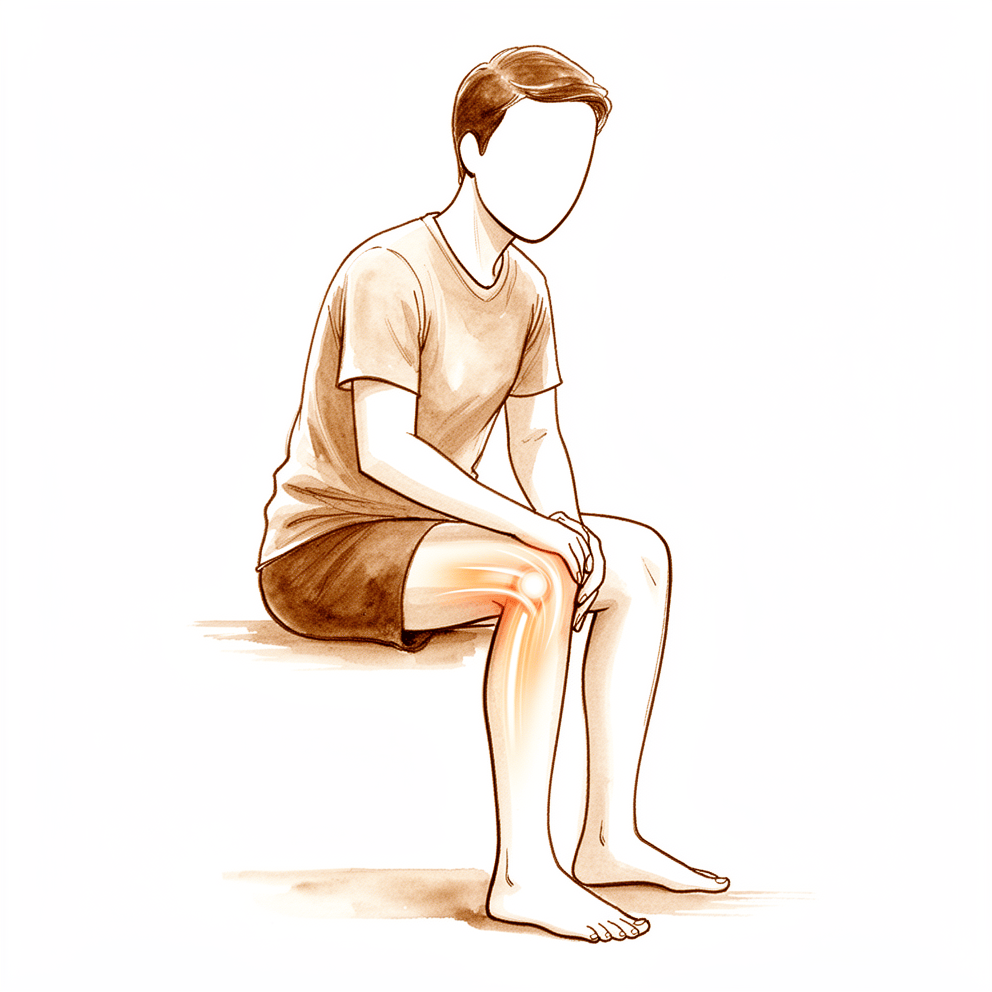
A cartilagem é a superfície lisa e brilhante que reveste as extremidades dos ossos dentro de uma articulação. É um dos materiais mais notáveis do corpo: mais escorregadia que o gelo, capaz de amortecer uma vida inteira de cargas e, no entanto, ao contrário do osso e do tendão, tem quase nenhuma capacidade de se reparar. Esse único fato explica por que os danos à cartilagem e a osteoartrite são problemas tão persistentes e por que proteger sua cartilagem é tão importante. Esta página explica, em linguagem clara, o que é a cartilagem e por que ela cicatriza tão mal; em seguida, para os curiosos, aprofunda-se na engenharia fascinante desse tecido e na biologia ativa por trás do que casualmente chamamos de "desgaste e lágrima".

O que é a cartilagem e qual é a sua função

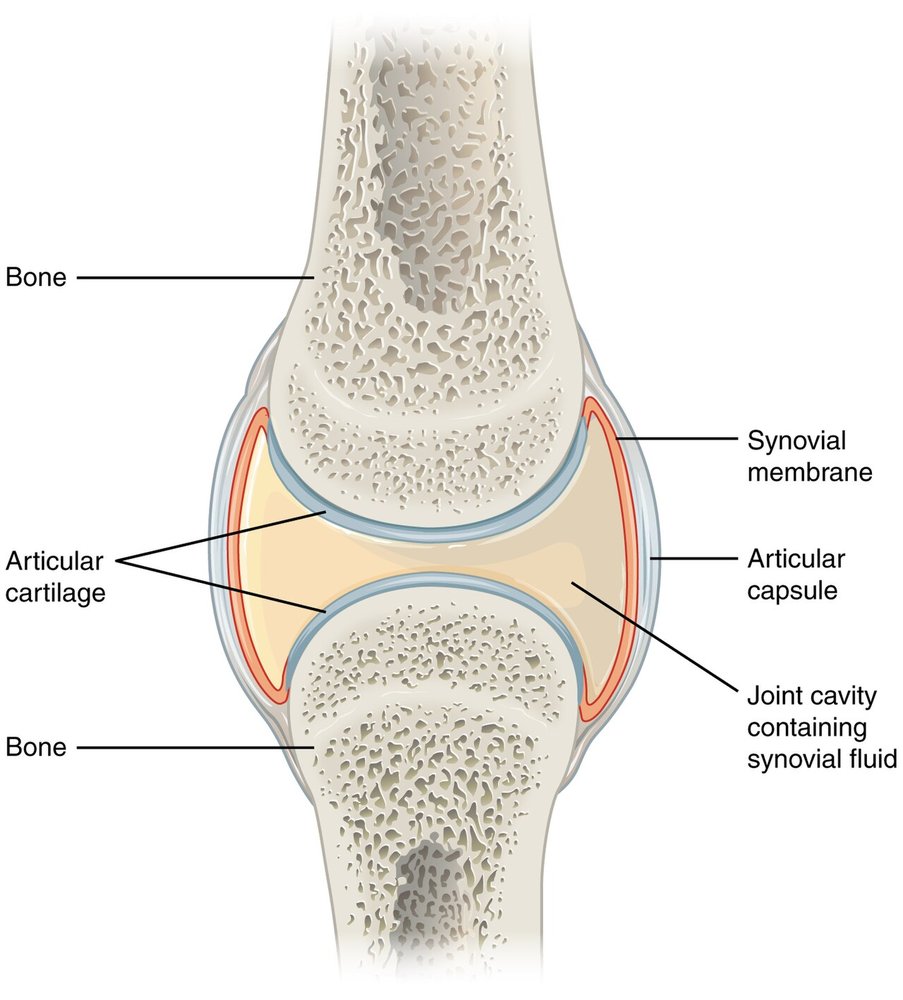
A cartilagem a que nos referimos aqui, a cartilagem articular, é o revestimento firme, liso e branco, com apenas alguns milímetros de espessura, nas extremidades dos ossos onde se articulam numa articulação. Ela desempenha duas funções de forma excelente:

  • É uma superfície de deslizamento quase sem atrito, de modo que os ossos de uma articulação deslizam uns sobre os outros com resistência quase nula.
  • É um amortecedor, distribuindo a carga por toda a articulação e protegendo o osso subjacente contra impactos.

A cartilagem é um tecido vivo, mas de um tipo incomum: não possui vasos sanguíneos nem nervos. A ausência de nervos explica por que uma superfície cartilaginosa desgastada não causa dor (a dor da artrite provém de outras estruturas). A falta de suprimento sanguíneo é a principal causa da sua grande fraqueza: ela não consegue cicatrizar da mesma forma que a pele ou o osso.

Por que a cartilagem tem dificuldade em se regenerar

Em quase todo o resto do corpo, a cicatrização começa com o sangramento: forma-se um coágulo, células inflamatórias chegam e os fatores de crescimento ativam o processo de reparo. A cartilagem não possui suprimento sanguíneo, portanto, uma lesão nela não conta com esse mecanismo. Além disso, suas poucas células residentes estão aprisionadas na matriz circundante e não conseguem migrar até a lesão para repará-la.

O resultado é que um arranhão ou fissura confinado à cartilagem tende a permanecer inalterado. Danos que se estendem mais profundamente (através da cartilagem e até o osso subjacente) podem ser preenchidos, mas com uma "fibrocartilagem" semelhante a uma cicatriz, que é mais fraca e menos durável que o tecido original. Assim, os danos à cartilagem tendem a ser permanentes e de progressão lenta, o que explica exatamente por que a prevenção e a proteção são tão importantes.

O que ajuda a proteger sua cartilagem

  • Mantenha-se ativo. A cartilagem é nutrida pelo líquido articular, que é bombeado para dentro e para fora conforme você se move; a atividade regular e confortável a nutre, enquanto longos períodos de inatividade a privam de nutrientes.
  • Mantenha um peso saudável. Cada quilo representa uma carga adicional sobre as superfícies articulares.
  • Fortaleça os músculos ao redor da articulação. Músculos fortes dividem a carga e absorvem os impactos, protegendo a cartilagem.
  • Cuide das lesões. Uma articulação frouxa ou instável desgasta sua cartilagem mais rapidamente; tratar a instabilidade protege a superfície.

Em profundidade

Esta seção aprofunda a explicação biológica em um nível mais detalhado, adequado ao ensino acadêmico. Não é necessária para compreender um problema na cartilagem ou seu tratamento, mas, se você tiver curiosidade sobre como a cartilagem pode ser mais escorregadia que o gelo e por que o "desgaste" é, na verdade, uma doença ativa, continue a leitura.

A cartilagem como tecido vivo

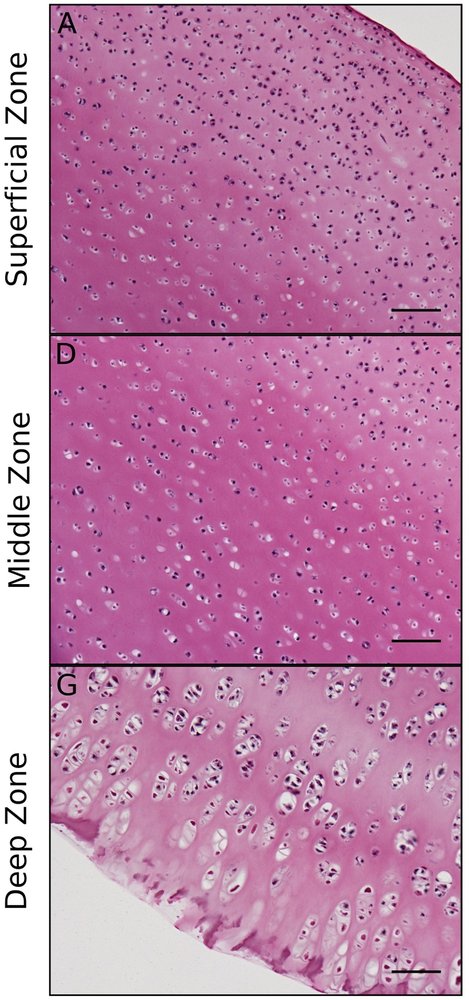
A cartilagem articular é um tipo chamado cartilagem hialina. Ela é composta por uma dispersão esparsa de células (condrócitos) cercadas por um volume enorme de matriz que essas células fabricam e mantêm. A matriz é o segredo de tudo o que a cartilagem faz. É uma rede de fibras de colágeno tipo II, preenchida com moléculas grandes, em forma de escova de garrafa, que atraem intensamente a água, chamadas proteoglicanos (principalmente agrecana), e aproximadamente 70–80% de água. A rede de colágeno resiste à separação por tração; a agreca na absorve água e gera uma pressão de inchaço que resiste à compressão. Em efeito, a cartilagem é uma esponja cheia de água mantida sob tensão dentro de uma rede de fibras.

Ela também é exclusivamente isolada: sem vasos sanguíneos, sem nervos, sem linfáticos. Os condrócitos estão situados em pequenas câmaras (lacunas), mantêm lentamente seu trecho de matriz e não podem se mover.

O rolamento quase sem atrito: como a cartilagem suporta carga

A cartilagem é um dos materiais mais escorregadios conhecidos: seu coeficiente de atrito é de aproximadamente 0,001, inferior ao do gelo deslizando sobre gelo. Ela consegue isso com dois mecanismos atuando em conjunto.

Primeiro, ela é bifásica, uma matriz sólida impregnada de fluido. Quando uma articulação é submetida a carga, a água aprisionada não consegue escapar instantaneamente, portanto, pressuriza-se e suporta a carga, inicialmente mais de 90% dela. É a pressão do fluido, e não a estrutura sólida, que suporta a força, de maneira semelhante a ficar em pé sobre uma cama d'água. À medida que o ponto de contato se move (porque você continua se movendo), o fluido é expelido à frente e reabsorvido atrás. Essa pressurização do fluido intersticial é a principal razão pela qual a cartilagem pode suportar cargas enormes com tão pouco atrito ou desgaste.

Segundo, a superfície possui uma camada limite escorregadia de moléculas, incluindo lubricina (também chamada de PRG4) e ácido hialurônico do fluido articular, formando um filme hidratado que impede que as duas superfícies entrem em contato direto.

A matriz também está organizada em zonas: as fibras de colágeno correm paralelas à superfície na zona superior (superficial), mantendo a camada lubrificante e resistindo ao cisalhamento; elas tornam-se mais aleatórias na zona média; e ancoram-se verticalmente na zona profunda, em uma camada de cartilagem calcificada (separada por uma linha chamada de marca d'água) que fixa firmemente a cartilagem macia ao osso duro, o mesmo desafio de engenharia de unir materiais macios a duros que a inserção tendinosa resolve.

Por que a cartilagem cicatriza pouco

Juntando as peças, a má cicatrização faz sentido:

  • A ausência de suprimento sanguíneo significa ausência de coágulo, de células inflamatórias e de nenhum dos fatores de crescimento que impulsionam a reparação em outros locais.
  • As células não podem ajudar muito: os condrócitos são escassos, estão confinados na matriz e não migram nem se multiplicam o suficiente para preencher um defeito.
  • A profundidade determina a resposta. Um defeito parcial confinado à cartilagem nunca atinge o sangue ou a medula, portanto, praticamente não há resposta reparadora. Um defeito total que rompe a barreira e atinge o osso subcondral permite que células da medula e sangue inundem a área, preenchendo o defeito, mas com fibrocartilagem (colágeno tipo I, pobre em proteoglicanos), que é mecanicamente inferior e se desgasta mais rapidamente do que a verdadeira cartilagem hialina.

Essa é a frustração central da cirurgia da cartilagem: podemos preencher um defeito, mas não com o tecido original.

Como a cartilagem é nutrida

Sem vasos sanguíneos próprios, a cartilagem é nutrida por difusão a partir do líquido sinovial (articular), e essa difusão é impulsionada pelo movimento e pela carga. Cada vez que a articulação é carregada e descarregada, o fluido e os nutrientes são bombeados para dentro e para fora da cartilagem (de forma semelhante à maneira como o movimento dos dedos nutre um tendão flexor em cicatrização). Portanto, a cartilagem realmente precisa de carga cíclica para permanecer saudável: a imobilização prolongada ou a descarga a degradam, enquanto a atividade moderada e regular a mantém. A frase do fisioterapeuta de que "o movimento é o melhor remédio" tem uma base biológica real aqui.

Osteoarthritis: when cartilage breaks down

Osteoarthritis (OA) is usually called "wear and tear", but that understates it: it is an active biological process, not just mechanical erosion.

Set off by mechanical overload, injury, ageing or joint instability, the chondrocytes switch into a destructive mode. They ramp up matrix-digesting enzymes (MMPs such as MMP-13, and aggrecanases such as ADAMTS-4 and -5) that chew through the type II collagen and aggrecan faster than they can be replaced. The matrix loses its water-holding proteoglycan, softens, and frays. The chondrocytes also change character (a shift called hypertrophy), the cartilage begins to calcify and admit blood vessels, the subchondral bone thickens and throws up bony spurs (osteophytes), and the joint lining (synovium) becomes mildly inflamed, releasing signals such as IL-1 and TNF that feed the cycle. Because cartilage cannot regenerate, this is largely a one-way street, which is why OA care centres on offloading, strengthening and weight management, and, when the cartilage is finally gone, joint replacement.

Reparação da cartilagem: por que é tão difícil

Uma variedade de procedimentos cirúrgicos tenta restaurar uma superfície danificada, e o motivo de nenhum deles ser uma solução perfeita remete diretamente à biologia descrita acima:

  • Microfratura perfura pequenos orifícios no osso subcondral para permitir a entrada de células da medula. Elas formam fibrocartilagem, que é útil a curto prazo, mas tende a se deteriorar após alguns anos.
  • Transferência osteocondral (OATS / mosaicplastia) transfere plugs de cartilagem e osso de uma parte pouco carregada da articulação. Esta é cartilagem hialina real, mas o suprimento é limitado.
  • Terapia celular (ACI / MACI) cultiva os próprios condrocitos do paciente em laboratório e os reimplanta; essa abordagem é promissora, mas tecnicamente exigente e ainda imperfeita.

Nenhum método recria de forma confiável a cartilagem hialina original com sua arquitetura zonal precisa e lubrificação. Quando a cartilagem de toda uma articulação está desgastada, a solução definitiva continua sendo a substituição articular.

O que ajuda e prejudica a cartilagem

  • O movimento e a carga moderada nutrem e mantêm a cartilagem; a imobilização prolongada a prejudica.
  • O excesso de peso e a instabilidade articular aceleram a degeneração; os músculos fortes ao redor a protegem.
  • As lesões, especialmente aquelas que desestabilizam uma articulação ou danificam a superfície, aumentam o risco a longo prazo de osteoartrite.
  • E a dura verdade que permeia toda esta página: uma vez significativamente danificada, a cartilagem não se regenera. Para quase nenhum outro tecido a prevenção é tão importante.

Veja também


Creative Commons BY-NC 4.0

CC Creative Commons licence
BY Attribution — you must credit the source
NC NonCommercial — not for commercial use

Attribution-NonCommercial 4.0 International


Creative Commons Corporation ("Creative Commons") is not a law firm and does not provide legal services or legal advice. Distribution of Creative Commons public licenses does not create a lawyer-client or other relationship. Creative Commons makes its licenses and related information available on an "as-is" basis. Creative Commons gives no warranties regarding its licenses, any material licensed under their terms and conditions, or any related information. Creative Commons disclaims all liability for damages resulting from their use to the fullest extent possible.

Using Creative Commons Public Licenses

Creative Commons public licenses provide a standard set of terms and conditions that creators and other rights holders may use to share original works of authorship and other material subject to copyright and certain other rights specified in the public license below. The following considerations are for informational purposes only, are not exhaustive, and do not form part of our licenses.

Considerations for licensors: Our public licenses are intended for use by those authorized to give the public permission to use material in ways otherwise restricted by copyright and certain other rights. Our licenses are irrevocable. Licensors should read and understand the terms and conditions of the license they choose before applying it. Licensors should also secure all rights necessary before applying our licenses so that the public can reuse the material as expected. Licensors should clearly mark any material not subject to the license. This includes other CC- licensed material, or material used under an exception or limitation to copyright. More considerations for licensors: wiki.creativecommons.org/Considerations_for_licensors

Considerations for the public: By using one of our public licenses, a licensor grants the public permission to use the licensed material under specified terms and conditions. If the licensor's permission is not necessary for any reason--for example, because of any applicable exception or limitation to copyright--then that use is not regulated by the license. Our licenses grant only permissions under copyright and certain other rights that a licensor has authority to grant. Use of the licensed material may still be restricted for other reasons, including because others have copyright or other rights in the material. A licensor may make special requests, such as asking that all changes be marked or described. Although not required by our licenses, you are encouraged to respect those requests where reasonable. More considerations for the public: wiki.creativecommons.org/Considerations_for_licensees


Creative Commons Attribution-NonCommercial 4.0 International Public License

By exercising the Licensed Rights (defined below), You accept and agree to be bound by the terms and conditions of this Creative Commons Attribution-NonCommercial 4.0 International Public License ("Public License"). To the extent this Public License may be interpreted as a contract, You are granted the Licensed Rights in consideration of Your acceptance of these terms and conditions, and the Licensor grants You such rights in consideration of benefits the Licensor receives from making the Licensed Material available under these terms and conditions.

Section 1 -- Definitions.

a. Adapted Material means material subject to Copyright and Similar Rights that is derived from or based upon the Licensed Material and in which the Licensed Material is translated, altered, arranged, transformed, or otherwise modified in a manner requiring permission under the Copyright and Similar Rights held by the Licensor. For purposes of this Public License, where the Licensed Material is a musical work, performance, or sound recording, Adapted Material is always produced where the Licensed Material is synched in timed relation with a moving image.

b. Adapter's License means the license You apply to Your Copyright and Similar Rights in Your contributions to Adapted Material in accordance with the terms and conditions of this Public License.

c. Copyright and Similar Rights means copyright and/or similar rights closely related to copyright including, without limitation, performance, broadcast, sound recording, and Sui Generis Database Rights, without regard to how the rights are labeled or categorized. For purposes of this Public License, the rights specified in Section 2(b)(1)-(2) are not Copyright and Similar Rights.

d. Effective Technological Measures means those measures that, in the absence of proper authority, may not be circumvented under laws fulfilling obligations under Article 11 of the WIPO Copyright Treaty adopted on December 20, 1996, and/or similar international agreements.

e. Exceptions and Limitations means fair use, fair dealing, and/or any other exception or limitation to Copyright and Similar Rights that applies to Your use of the Licensed Material.

f. Licensed Material means the artistic or literary work, database, or other material to which the Licensor applied this Public License.

g. Licensed Rights means the rights granted to You subject to the terms and conditions of this Public License, which are limited to all Copyright and Similar Rights that apply to Your use of the Licensed Material and that the Licensor has authority to license.

h. Licensor means the individual(s) or entity(ies) granting rights under this Public License.

i. NonCommercial means not primarily intended for or directed towards commercial advantage or monetary compensation. For purposes of this Public License, the exchange of the Licensed Material for other material subject to Copyright and Similar Rights by digital file-sharing or similar means is NonCommercial provided there is no payment of monetary compensation in connection with the exchange.

j. Share means to provide material to the public by any means or process that requires permission under the Licensed Rights, such as reproduction, public display, public performance, distribution, dissemination, communication, or importation, and to make material available to the public including in ways that members of the public may access the material from a place and at a time individually chosen by them.

k. Sui Generis Database Rights means rights other than copyright resulting from Directive 96/9/EC of the European Parliament and of the Council of 11 March 1996 on the legal protection of databases, as amended and/or succeeded, as well as other essentially equivalent rights anywhere in the world.

l. You means the individual or entity exercising the Licensed Rights under this Public License. Your has a corresponding meaning.

Section 2 -- Scope.

a. License grant.

1. Subject to the terms and conditions of this Public License, the Licensor hereby grants You a worldwide, royalty-free, non-sublicensable, non-exclusive, irrevocable license to exercise the Licensed Rights in the Licensed Material to:

a. reproduce and Share the Licensed Material, in whole or in part, for NonCommercial purposes only; and

b. produce, reproduce, and Share Adapted Material for NonCommercial purposes only.

2. Exceptions and Limitations. For the avoidance of doubt, where Exceptions and Limitations apply to Your use, this Public License does not apply, and You do not need to comply with its terms and conditions.

3. Term. The term of this Public License is specified in Section 6(a).

4. Media and formats; technical modifications allowed. The Licensor authorizes You to exercise the Licensed Rights in all media and formats whether now known or hereafter created, and to make technical modifications necessary to do so. The Licensor waives and/or agrees not to assert any right or authority to forbid You from making technical modifications necessary to exercise the Licensed Rights, including technical modifications necessary to circumvent Effective Technological Measures. For purposes of this Public License, simply making modifications authorized by this Section 2(a) (4) never produces Adapted Material.

5. Downstream recipients.

a. Offer from the Licensor -- Licensed Material. Every recipient of the Licensed Material automatically receives an offer from the Licensor to exercise the Licensed Rights under the terms and conditions of this Public License.

b. No downstream restrictions. You may not offer or impose any additional or different terms or conditions on, or apply any Effective Technological Measures to, the Licensed Material if doing so restricts exercise of the Licensed Rights by any recipient of the Licensed Material.

6. No endorsement. Nothing in this Public License constitutes or may be construed as permission to assert or imply that You are, or that Your use of the Licensed Material is, connected with, or sponsored, endorsed, or granted official status by, the Licensor or others designated to receive attribution as provided in Section 3(a)(1)(A)(i).

b. Other rights.

1. Moral rights, such as the right of integrity, are not licensed under this Public License, nor are publicity, privacy, and/or other similar personality rights; however, to the extent possible, the Licensor waives and/or agrees not to assert any such rights held by the Licensor to the limited extent necessary to allow You to exercise the Licensed Rights, but not otherwise.

2. Patent and trademark rights are not licensed under this Public License.

3. To the extent possible, the Licensor waives any right to collect royalties from You for the exercise of the Licensed Rights, whether directly or through a collecting society under any voluntary or waivable statutory or compulsory licensing scheme. In all other cases the Licensor expressly reserves any right to collect such royalties, including when the Licensed Material is used other than for NonCommercial purposes.

Section 3 -- License Conditions.

Your exercise of the Licensed Rights is expressly made subject to the following conditions.

a. Attribution.

1. If You Share the Licensed Material (including in modified form), You must:

a. retain the following if it is supplied by the Licensor with the Licensed Material:

i. identification of the creator(s) of the Licensed Material and any others designated to receive attribution, in any reasonable manner requested by the Licensor (including by pseudonym if designated);

ii. a copyright notice;

iii. a notice that refers to this Public License;

iv. a notice that refers to the disclaimer of warranties;

v. a URI or hyperlink to the Licensed Material to the extent reasonably practicable;

b. indicate if You modified the Licensed Material and retain an indication of any previous modifications; and

c. indicate the Licensed Material is licensed under this Public License, and include the text of, or the URI or hyperlink to, this Public License.

2. You may satisfy the conditions in Section 3(a)(1) in any reasonable manner based on the medium, means, and context in which You Share the Licensed Material. For example, it may be reasonable to satisfy the conditions by providing a URI or hyperlink to a resource that includes the required information.

3. If requested by the Licensor, You must remove any of the information required by Section 3(a)(1)(A) to the extent reasonably practicable.

4. If You Share Adapted Material You produce, the Adapter's License You apply must not prevent recipients of the Adapted Material from complying with this Public License.

Section 4 -- Sui Generis Database Rights.

Where the Licensed Rights include Sui Generis Database Rights that apply to Your use of the Licensed Material:

a. for the avoidance of doubt, Section 2(a)(1) grants You the right to extract, reuse, reproduce, and Share all or a substantial portion of the contents of the database for NonCommercial purposes only;

b. if You include all or a substantial portion of the database contents in a database in which You have Sui Generis Database Rights, then the database in which You have Sui Generis Database Rights (but not its individual contents) is Adapted Material; and

c. You must comply with the conditions in Section 3(a) if You Share all or a substantial portion of the contents of the database.

For the avoidance of doubt, this Section 4 supplements and does not replace Your obligations under this Public License where the Licensed Rights include other Copyright and Similar Rights.

Section 5 -- Disclaimer of Warranties and Limitation of Liability.

a. UNLESS OTHERWISE SEPARATELY UNDERTAKEN BY THE LICENSOR, TO THE EXTENT POSSIBLE, THE LICENSOR OFFERS THE LICENSED MATERIAL AS-IS AND AS-AVAILABLE, AND MAKES NO REPRESENTATIONS OR WARRANTIES OF ANY KIND CONCERNING THE LICENSED MATERIAL, WHETHER EXPRESS, IMPLIED, STATUTORY, OR OTHER. THIS INCLUDES, WITHOUT LIMITATION, WARRANTIES OF TITLE, MERCHANTABILITY, FITNESS FOR A PARTICULAR PURPOSE, NON-INFRINGEMENT, ABSENCE OF LATENT OR OTHER DEFECTS, ACCURACY, OR THE PRESENCE OR ABSENCE OF ERRORS, WHETHER OR NOT KNOWN OR DISCOVERABLE. WHERE DISCLAIMERS OF WARRANTIES ARE NOT ALLOWED IN FULL OR IN PART, THIS DISCLAIMER MAY NOT APPLY TO YOU.

b. TO THE EXTENT POSSIBLE, IN NO EVENT WILL THE LICENSOR BE LIABLE TO YOU ON ANY LEGAL THEORY (INCLUDING, WITHOUT LIMITATION, NEGLIGENCE) OR OTHERWISE FOR ANY DIRECT, SPECIAL, INDIRECT, INCIDENTAL, CONSEQUENTIAL, PUNITIVE, EXEMPLARY, OR OTHER LOSSES, COSTS, EXPENSES, OR DAMAGES ARISING OUT OF THIS PUBLIC LICENSE OR USE OF THE LICENSED MATERIAL, EVEN IF THE LICENSOR HAS BEEN ADVISED OF THE POSSIBILITY OF SUCH LOSSES, COSTS, EXPENSES, OR DAMAGES. WHERE A LIMITATION OF LIABILITY IS NOT ALLOWED IN FULL OR IN PART, THIS LIMITATION MAY NOT APPLY TO YOU.

c. The disclaimer of warranties and limitation of liability provided above shall be interpreted in a manner that, to the extent possible, most closely approximates an absolute disclaimer and waiver of all liability.

Section 6 -- Term and Termination.

a. This Public License applies for the term of the Copyright and Similar Rights licensed here. However, if You fail to comply with this Public License, then Your rights under this Public License terminate automatically.

b. Where Your right to use the Licensed Material has terminated under Section 6(a), it reinstates:

1. automatically as of the date the violation is cured, provided it is cured within 30 days of Your discovery of the violation; or

2. upon express reinstatement by the Licensor.

For the avoidance of doubt, this Section 6(b) does not affect any right the Licensor may have to seek remedies for Your violations of this Public License.

c. For the avoidance of doubt, the Licensor may also offer the Licensed Material under separate terms or conditions or stop distributing the Licensed Material at any time; however, doing so will not terminate this Public License.

d. Sections 1, 5, 6, 7, and 8 survive termination of this Public License.

Section 7 -- Other Terms and Conditions.

a. The Licensor shall not be bound by any additional or different terms or conditions communicated by You unless expressly agreed.

b. Any arrangements, understandings, or agreements regarding the Licensed Material not stated herein are separate from and independent of the terms and conditions of this Public License.

Section 8 -- Interpretation.

a. For the avoidance of doubt, this Public License does not, and shall not be interpreted to, reduce, limit, restrict, or impose conditions on any use of the Licensed Material that could lawfully be made without permission under this Public License.

b. To the extent possible, if any provision of this Public License is deemed unenforceable, it shall be automatically reformed to the minimum extent necessary to make it enforceable. If the provision cannot be reformed, it shall be severed from this Public License without affecting the enforceability of the remaining terms and conditions.

c. No term or condition of this Public License will be waived and no failure to comply consented to unless expressly agreed to by the Licensor.

d. Nothing in this Public License constitutes or may be interpreted as a limitation upon, or waiver of, any privileges and immunities that apply to the Licensor or You, including from the legal processes of any jurisdiction or authority.


Creative Commons is not a party to its public licenses. Notwithstanding, Creative Commons may elect to apply one of its public licenses to material it publishes and in those instances will be considered the “Licensor.” The text of the Creative Commons public licenses is dedicated to the public domain under the CC0 Public Domain Dedication. Except for the limited purpose of indicating that material is shared under a Creative Commons public license or as otherwise permitted by the Creative Commons policies published at creativecommons.org/policies, Creative Commons does not authorize the use of the trademark "Creative Commons" or any other trademark or logo of Creative Commons without its prior written consent including, without limitation, in connection with any unauthorized modifications to any of its public licenses or any other arrangements, understandings, or agreements concerning use of licensed material. For the avoidance of doubt, this paragraph does not form part of the public licenses.

Creative Commons may be contacted at creativecommons.org.