Patients › Rehabilitation
Artroplastia Inversa de Ombro
Phase-by-phase rehabilitation protocol after reverse shoulder replacement, including dislocation precautions and the early exercise program.
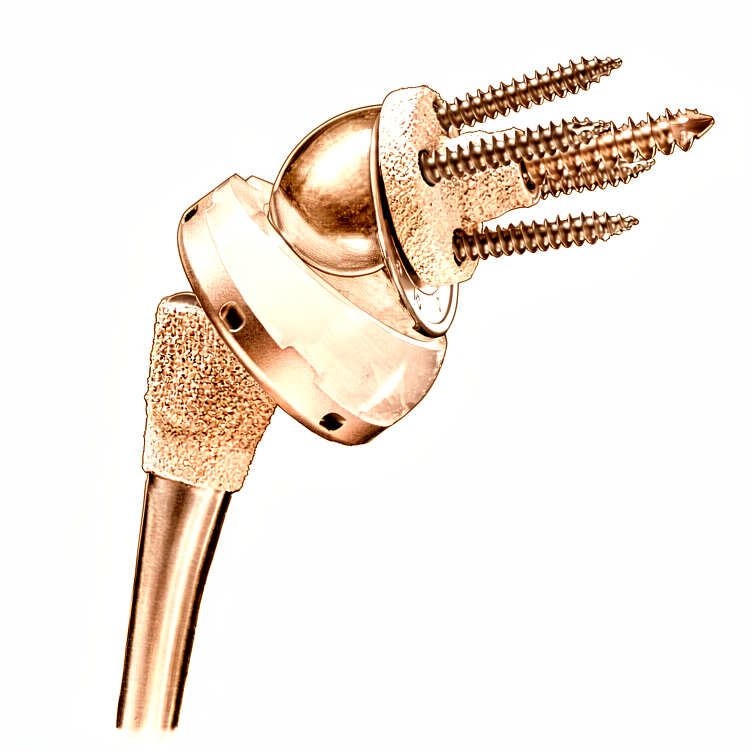
Este protocolo orienta sua recuperação após a artroplastia reversa de ombro (substituição reversa do ombro) realizada pelo Dr. Kieran Hirpara no Mater Private Hospital Rockhampton. Cada fase abaixo começa com uma explicação simples, em linguagem acessível, sobre o que está acontecendo e o que é mais importante; em seguida, apresenta o protocolo estruturado destinado ao seu fisioterapeuta: leve esta página ou seu arquivo PDF à sua primeira sessão de fisioterapia para que a reabilitação seja devidamente coordenada. O fisioterapeuta poderá ajustar o plano conforme a evolução da sua recuperação.
Caso tenha alguma dúvida ou preocupação em relação à ferida cirúrgica, entre em contato com o consultório. Geralmente, é útil tirar uma foto da ferida e enviá-la por e-mail para análise.
O que esperar
Ao acordar, você sentirá o braço dormente; a sensibilidade geralmente retorna em 6 a 12 horas. Em casos raros, alguma dormência ou fraqueza pode persistir por 2 a 3 dias.
Após a cirurgia, você ficará com uma tipoia e um grande curativo sobre o ombro. Esse curativo será removido antes da alta. Por baixo dele haverá um curativo impermeável cobrindo uma fita adesiva cirúrgica, que pode permanecer no local por 2 semanas. Os pontos utilizados são absorvíveis e não precisam ser retirados; porém, podem haver pequenos fios em cada extremidade da ferida, que podem ser cortados rente à pele após 2 semanas. Você terá um agendamento para uma consulta com nossa enfermeira, a fim de verificar a ferida, 1–2 semanas após a cirurgia. Caso não consiga comparecer a essa consulta, poderá remover o curativo por conta própria após 2 semanas.
Prazos aproximados para retorno às atividades:
- Dirigir: 6 semanas
- Nadar: nado de peito: 8 semanas; nado livre: 12 semanas
- Golfe: 4–6 meses
- Levantar pesos: levantamento leve pode ser iniciado após 6 semanas; evite levantar objetos pesados por 6 meses
- Trabalho: trabalho sedentário: 6 semanas; trabalho manual: conforme orientação do cirurgião
Como usar a tipóia
A tipóia sustenta o ombro, proporcionando conforto enquanto a dor inicial vai diminuindo. Ela serve para suportar o peso do braço, mas não serve para manter uma reparação cirúrgica no lugar. As regras são simples:
- Use-a por cerca de 2 semanas para obter conforto e suporte; depois, comece a retirá-la durante o dia. É aceitável usar a tipóia por um breve período à noite, se isso ajudar você a relaxar, mas isso é opcional.
- Retire-a para tomar banho e para fazer os exercícios, após receber as instruções adequadas.
- Em casa, você pode tirá-la sempre que se sentir confortável; basta apoiar o braço num travesseiro enquanto estiver sentado.
- Use gelo se o ombro estiver inchado ou dolorido, especialmente após os exercícios.
O fisioterapeuta ajudará você a colocar a tipóia pela primeira vez e ensinará como usá-la de forma independente antes de você ir para casa. O ajuste correto é essencial, pois uma tipóia frouxa não oferece o suporte adequado:
- Ao colocar a tipóia, certifique-se de que o cotovelo fique bem posicionado no canto da tipóia, devidamente apoiado.
- A extremidade da tipóia, quando bem ajustada, deve ficar confortavelmente na altura da ponta do dedo mindinho. Se a mão ficar muito para fora da tipóia, ela não oferecerá suporte suficiente.
- A tipóia possui duas tiras de velcro: uma para o pescoço e outra para a cintura.
- Depois de posicionar corretamente o cotovelo e o antebraço, use o braço não operado para passar a tira superior ao redor do pescoço e prendê-la no laço superior da tipóia.
- Use o mesmo método para prender a tira inferior ao redor da cintura, fixando-a no laço inferior da tipóia.
Enquanto usar a tipóia, preste atenção à sua postura o tempo todo; evite deixar os ombros caídos. Para manter uma boa postura, procure alinhar as orelhas, os ombros e os quadris; isso é importante para as costas e ajuda a prevenir rigidez na articulação do ombro. Um rolo de toalha colocado na região lombar enquanto estiver sentado pode servir como um lembrete útil.
Seus primeiros dias no hospital
Antes de ir para casa, os fisioterapeutas do hospital lhe ensinarão um conjunto simples de exercícios, mostrados abaixo. É útil compreender três termos que eles utilizarão. Amplitude de movimento ativa significa movimentos que você realiza por conta própria, sem auxílio ou ajuda. Amplitude de movimento ativa assistida significa usar o outro braço (ou um objeto, como uma bengala) para ajudar a mover o braço afetado. Amplitude de movimento passiva significa que o braço permanece completamente relaxado enquanto o outro braço (ou outra pessoa) realiza o movimento. Desde o início, você pode começar a mover o ombro com ajuda do outro braço e, dentro do limite do conforto, também por sua própria força; geralmente é mais fácil fazer isso deitado de costas, pois a gravidade ajuda. Deixe o conforto ser seu guia e progrida conforme seu corpo permitir.
Alguns pontos práticos para esses primeiros dias:
- Use a tipóia para maior conforto. É aceitável usá-la por algum tempo à noite, se isso ajudar você a relaxar, mas seu uso é opcional.
- Use gelo para aliviar a dor, se necessário.
- Ao usar a tipóia, relaxe o ombro e deixe que ela suporte o peso do braço.
- Tome os analgésicos antes de fazer os exercícios e antes das sessões de fisioterapia.
- Você pode retirar o braço da tipóia para fazer os exercícios e tomar banho.
- Use a tipóia para conforto e suporte por cerca de 2 semanas; depois, vá diminuindo seu uso durante o dia.
- A menos que você tenha optado por agendar sua própria fisioterapia, já foi marcada uma sessão para você, conforme detalhado no seu pacote de alta.
- Caso tenha algum problema, entre em contato com o consultório ou informe seu fisioterapeuta.
Estes são os exercícios que os fisioterapeutas do hospital lhe ensinarão, a serem continuados em casa conforme orientação do seu fisioterapeuta.
Os exercícios do seu hospital
Kieran Hirpara 4.0
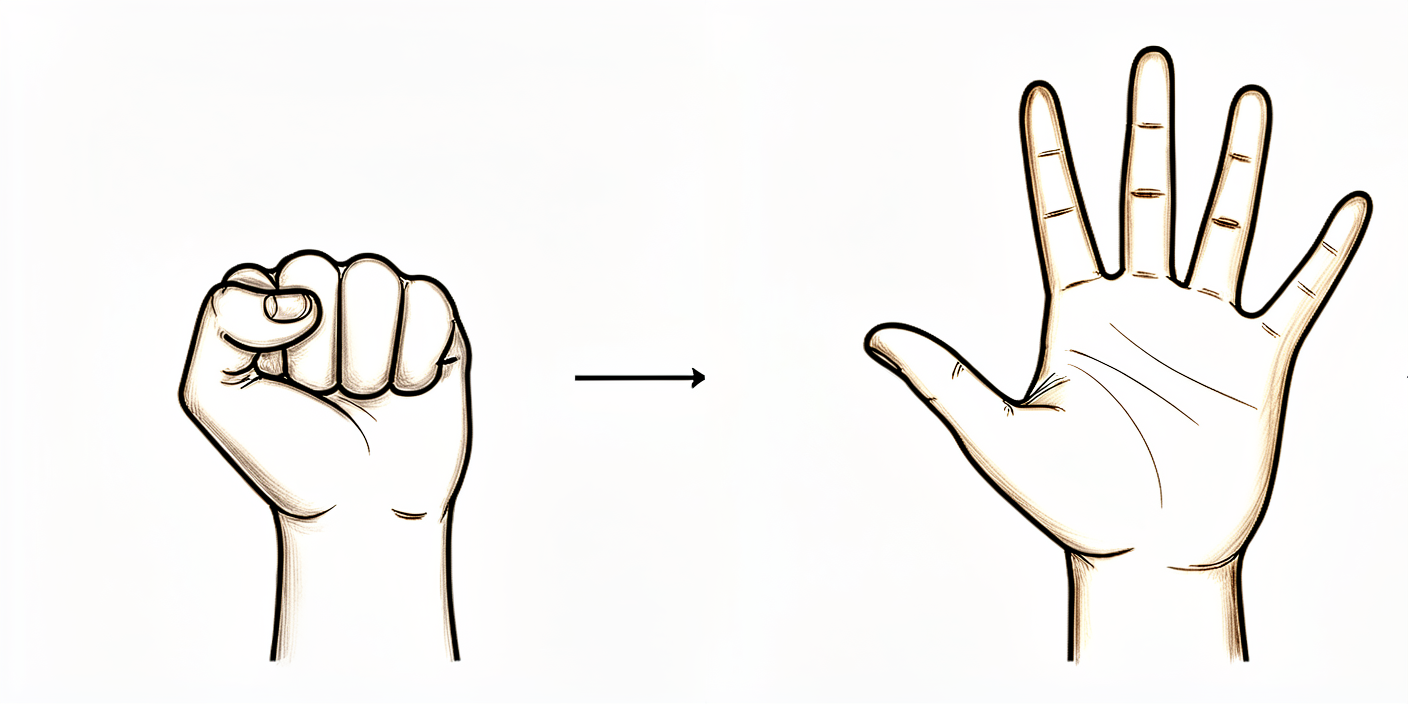
Abrir e fechar a mão
Mantenha a mão e os dedos em movimento, abrindo e fechando-os ou apertando uma bola macia.
10 vezes, 3 vezes por dia.
Kieran Hirpara 4.0
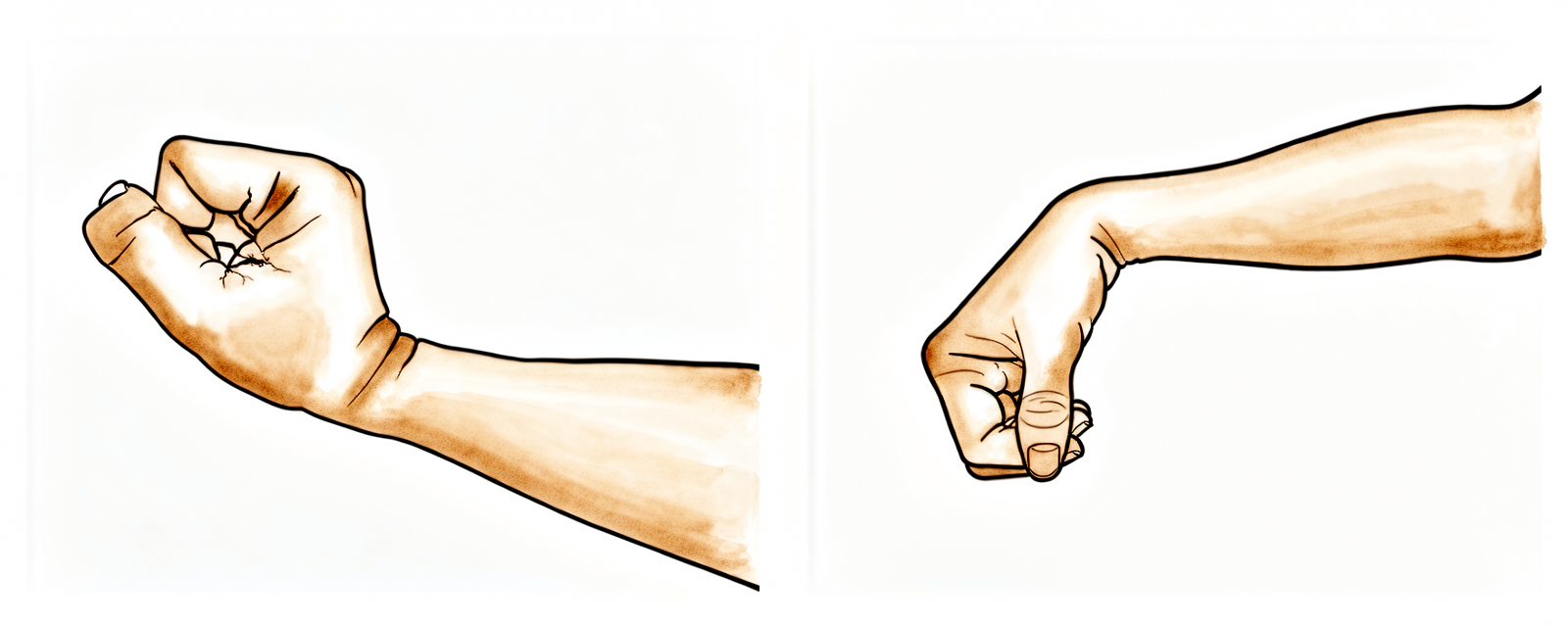
Movimento do punho
Mantenha o seu pulso em movimento, dobrando-o para a frente, para trás e para os lados.
10 vezes, 3 vezes por dia.
Kieran Hirpara 4.0
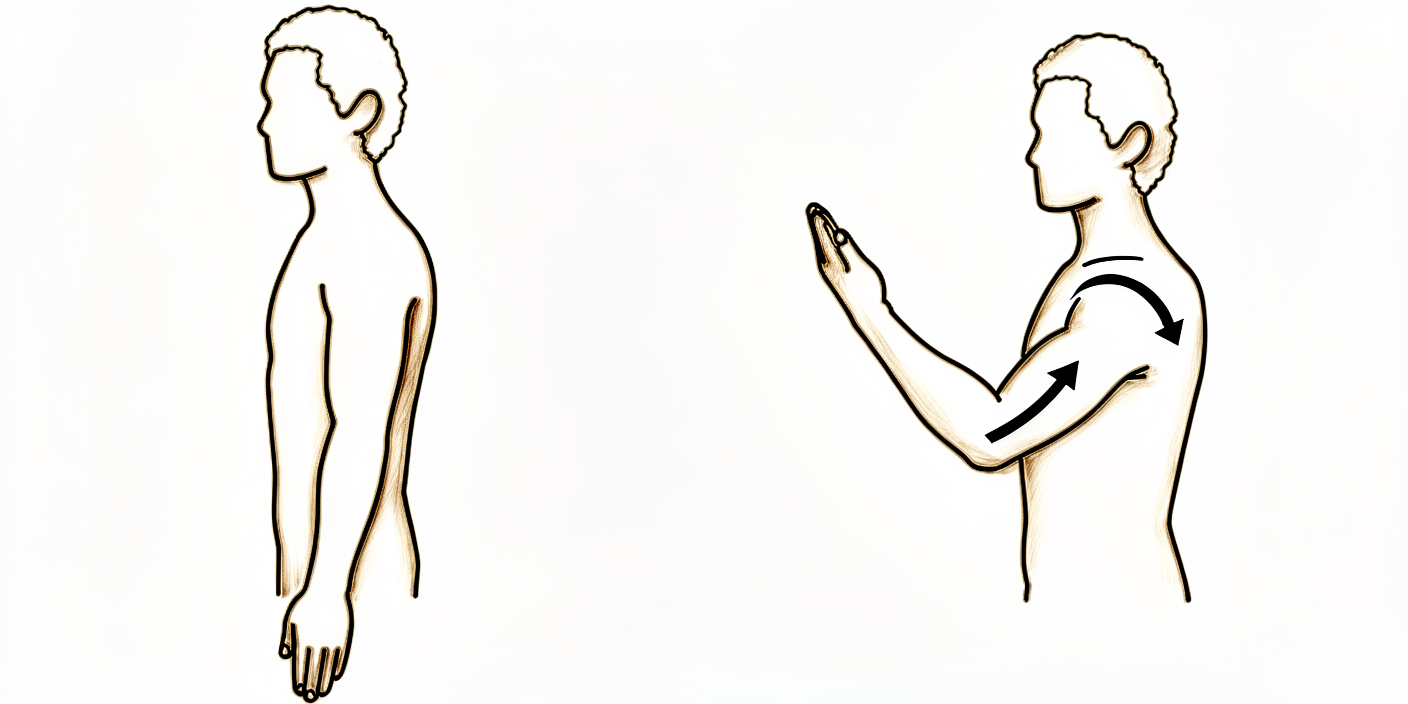
Cotovelo
Flexione e estenda o cotovelo.
10 vezes, 3 vezes por dia.
Kieran Hirpara 4.0
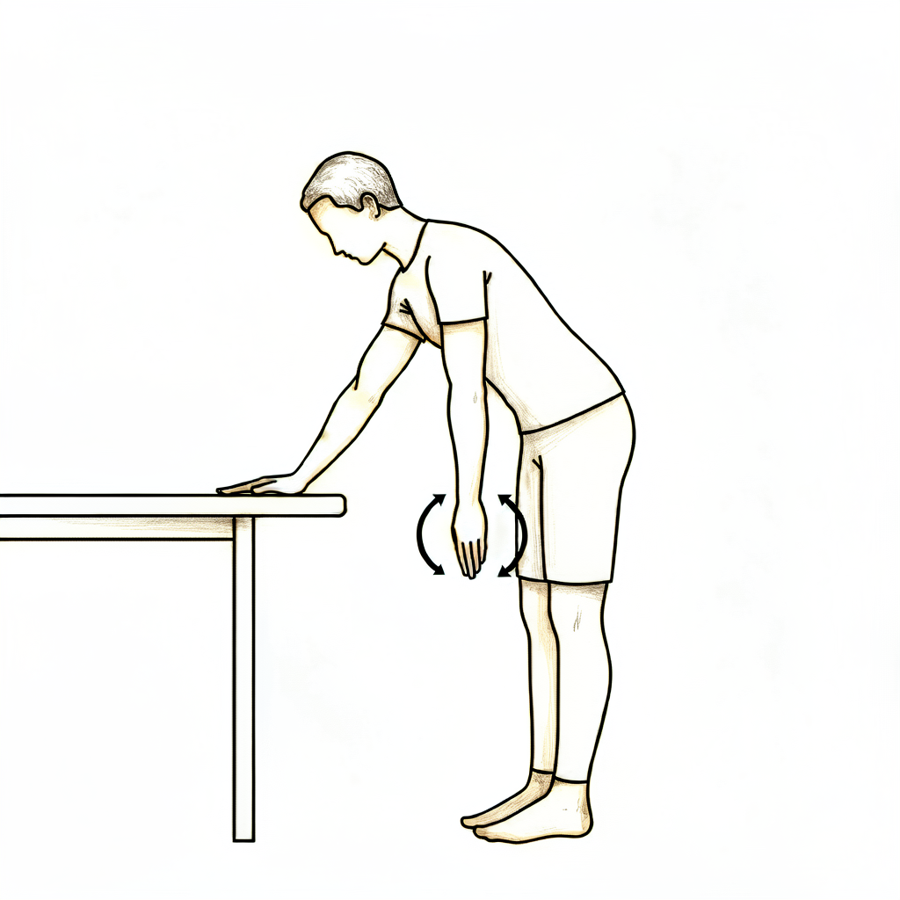
Pêndulos
Este é um exercício passivo. Incline-se para a frente e deixe o braço relaxar. Use o corpo para mover o braço suavemente, tanto no sentido horário quanto anti-horário, além de para a frente, para trás e para os lados.
Cerca de 30 segundos em cada direção, 3 vezes por dia.
Kieran Hirpara 4.0
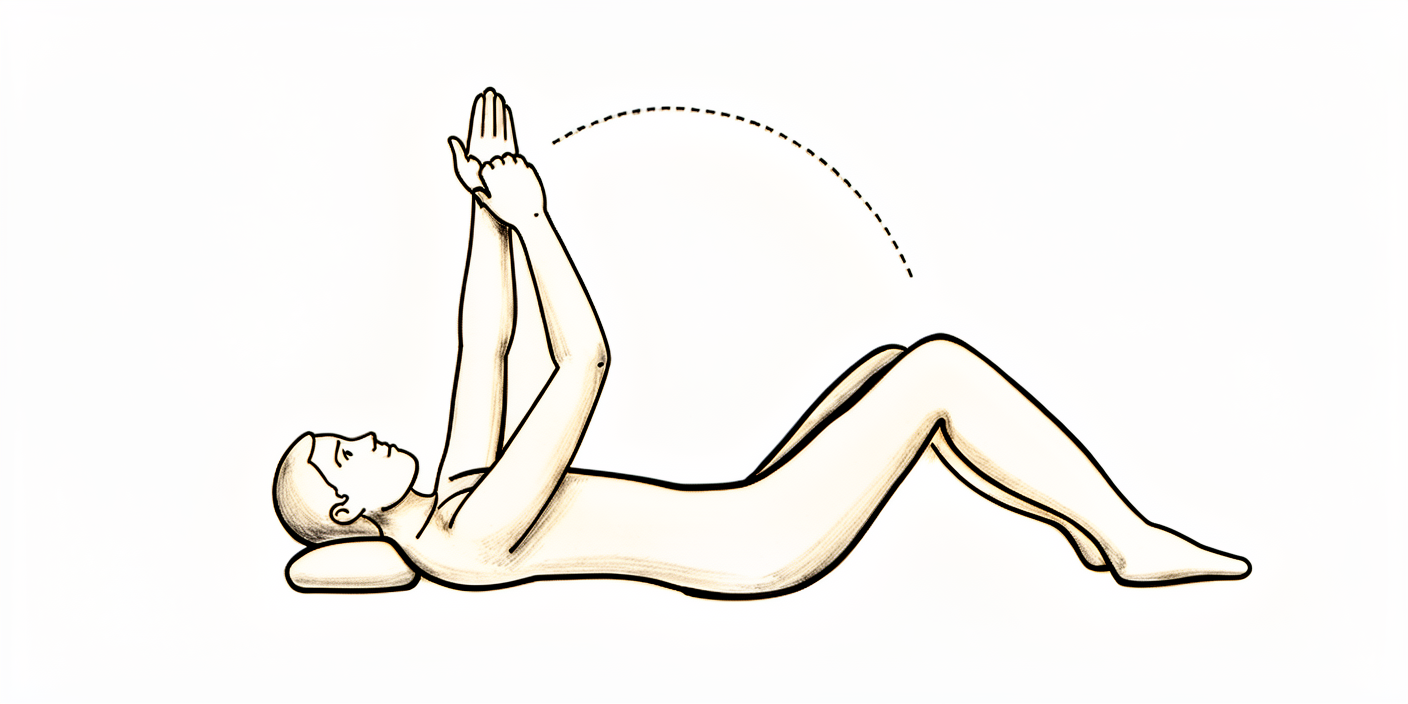
Flexão anterior
Sentado numa cadeira e inclinado para a frente, segure o braço operado com o outro braço e mova-o suavemente para cima, à sua frente. Em seguida, abaixe-o novamente com a ajuda do braço não operado. Se preferir, você também pode deitar-se de costas na cama e auxiliar o braço a subir.
10 vezes, 3 vezes por dia.
Kieran Hirpara 4.0
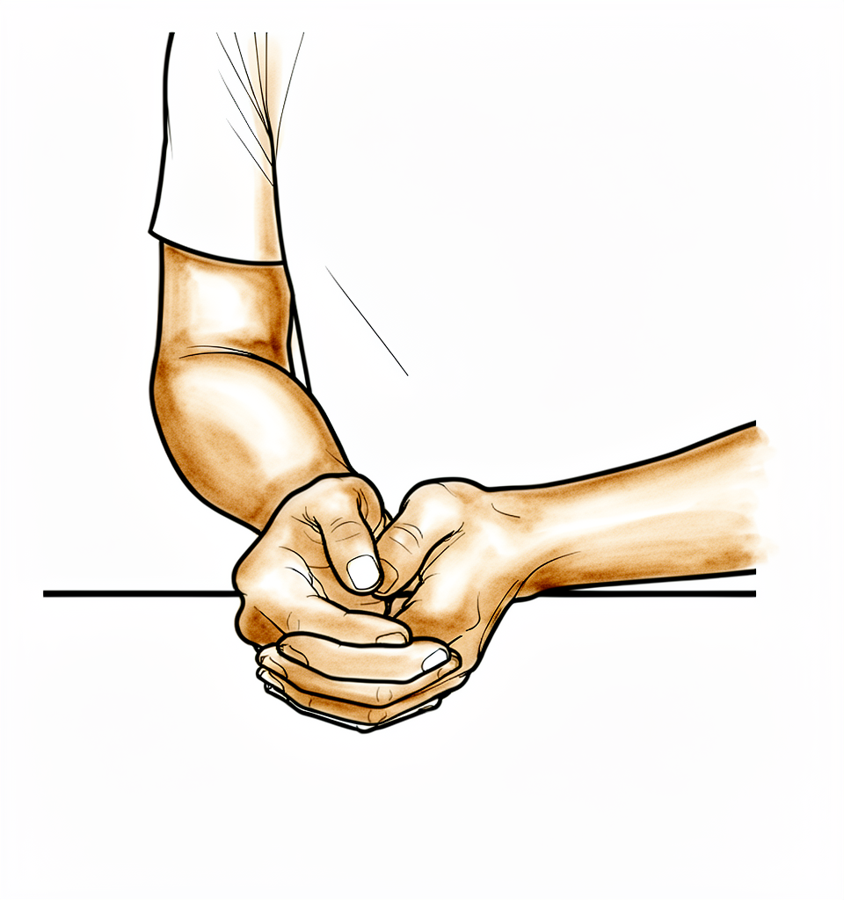
Abdução
Sentado numa cadeira e inclinado para a frente, embale novamente o braço e ajude-o a se mover para o lado (como se estivesse embalando um bebê).
10 vezes, 3 vezes por dia.
Kieran Hirpara 4.0
Rotação externa
Sentado numa cadeira, mova apenas o braço da posição em que estaria na tipóia até ficar apontado diretamente à sua frente. Não o mova para além disso.
Suavemente, 10 vezes, 3 vezes ao dia.
Kieran Hirpara 4.0
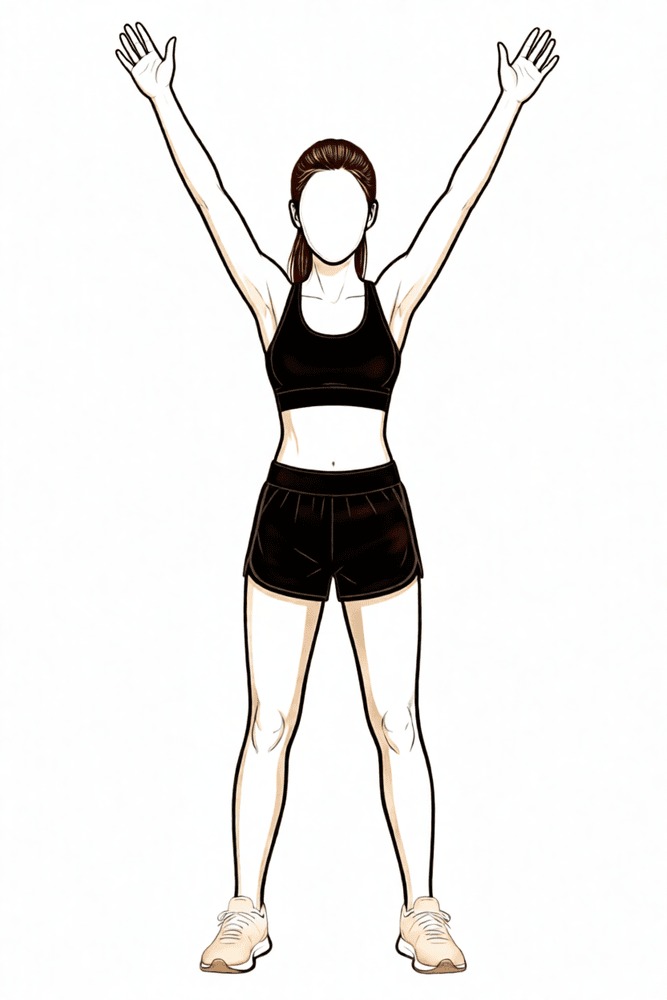
Ativação do trapézio inferior
Aperte as escápulas para baixo e para junto uma da outra.
Mantenha por 5 segundos, 5 vezes; repita 3 vezes ao dia.
Kieran Hirpara 4.0
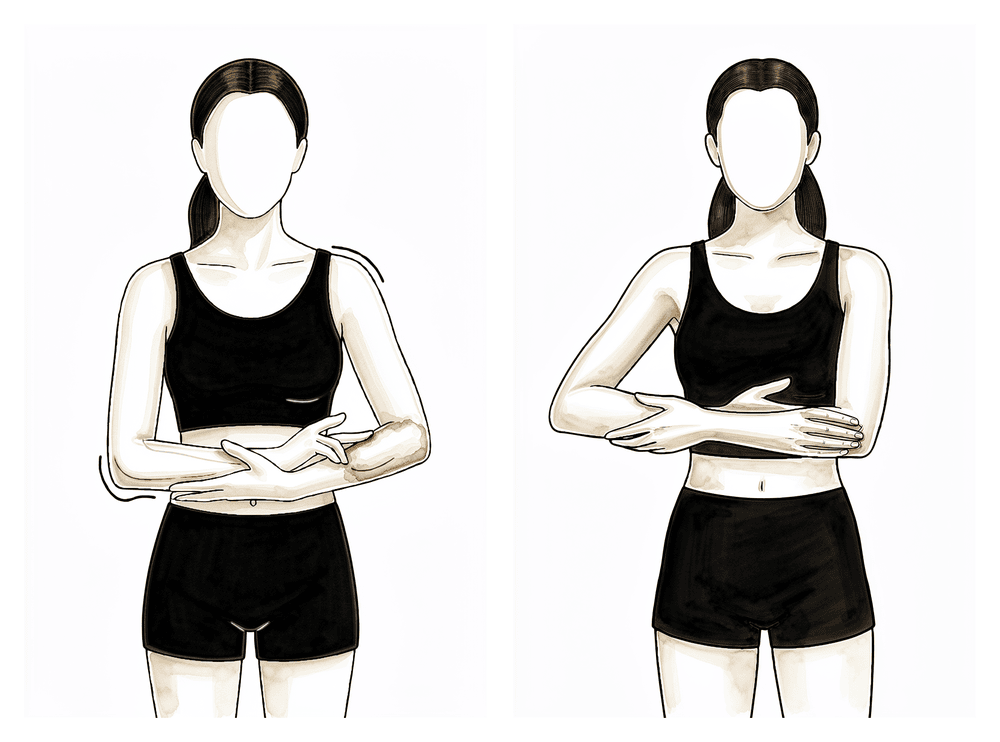
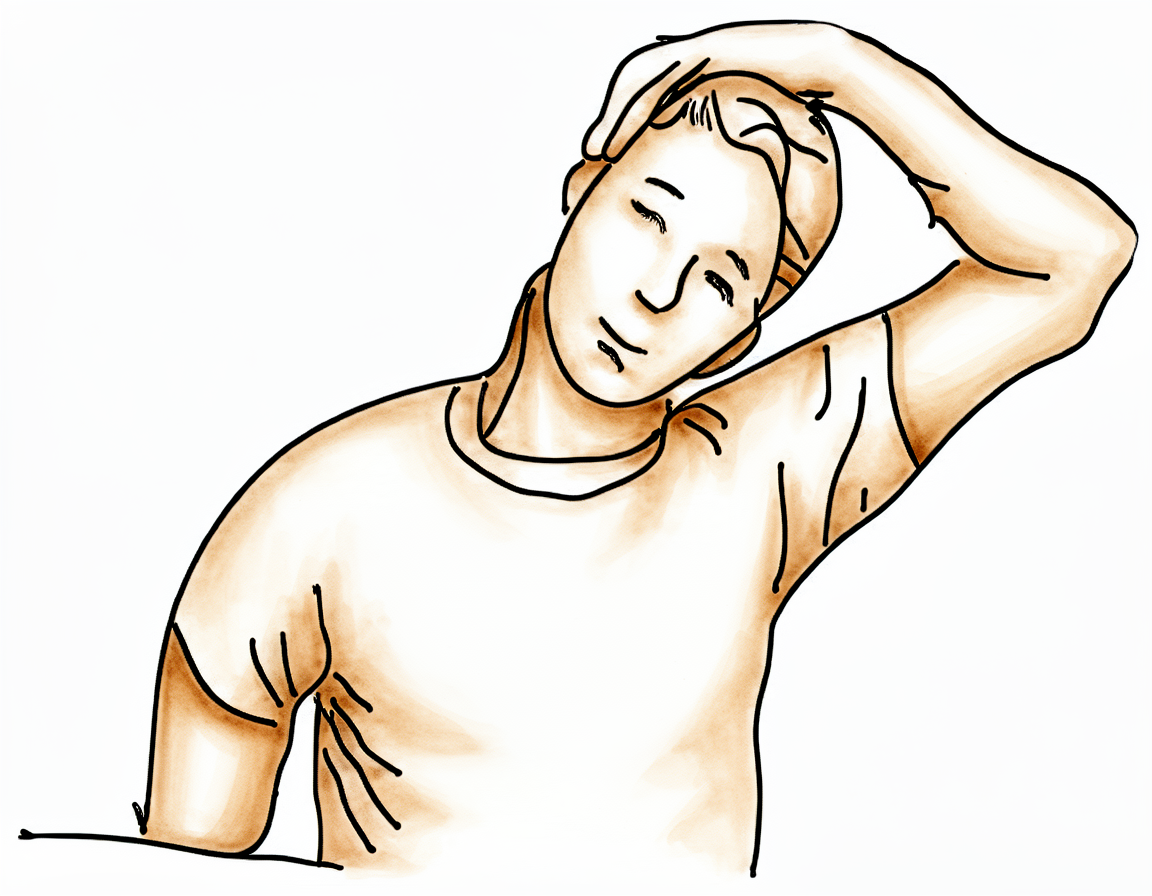
Alongamento do trapézio superior
Use o braço não operado para aproximar a orelha do ombro, afastando-a do lado operado.
Mantenha por 10 segundos, 3 vezes; repita 3 vezes por dia.
Kieran Hirpara 4.0
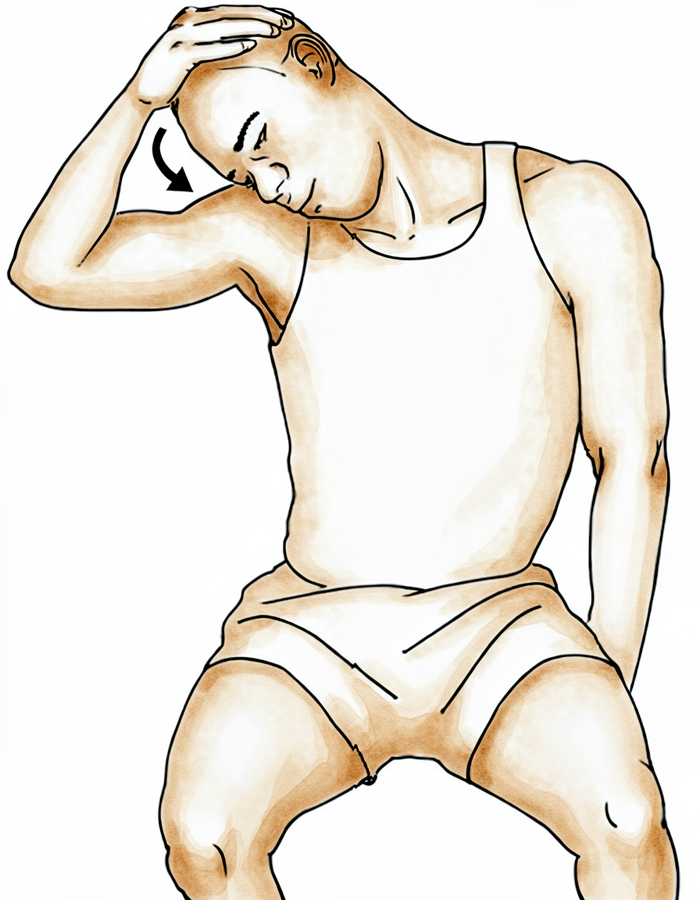
Alongamento do levantador da escápula
Use o braço que não foi operado para levar o nariz até a altura do mamilo ou da axila.
Mantenha por 10 segundos, 3 vezes; repita 3 vezes por dia.
Fase I — Proteção (Semanas 0–3)
Kieran Hirpara 4.0
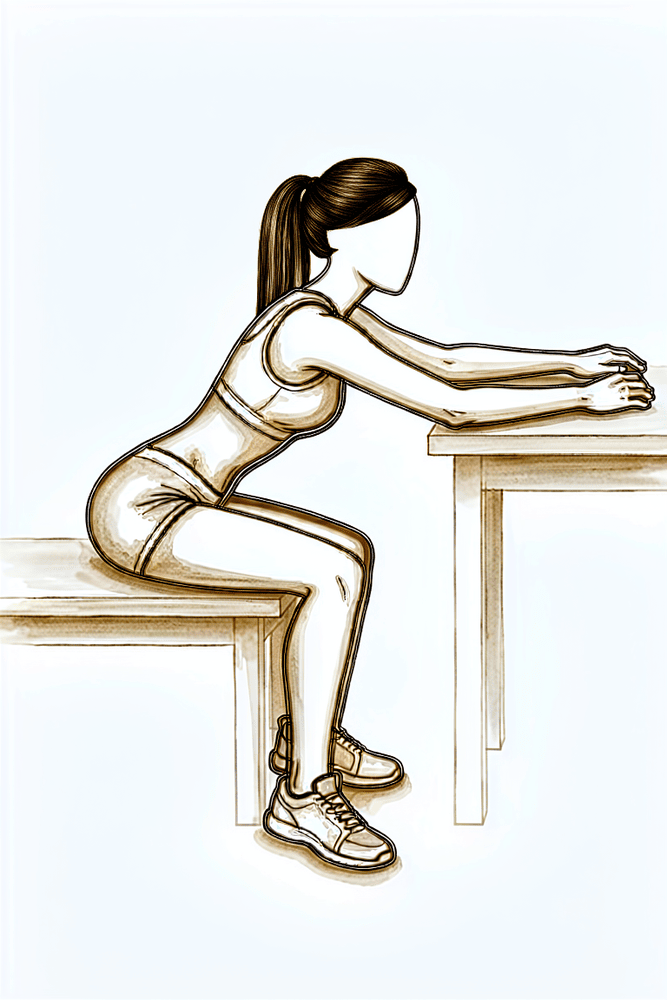
Deslizamento sobre a mesa em posição sentada
Sente-se à mesa com o antebraço apoiado na superfície. Deixe a mão deslizar para a frente ao longo da mesa, enquanto se inclina suavemente para a frente, permitindo que o ombro se dobre para a frente sem o uso dos músculos do ombro; em seguida, deslize a mão de volta. Mantenha o movimento relaxado e confortável — o ombro permanece passivo durante todo o processo.
Conforme orientado pelo seu fisioterapeuta
As três primeiras semanas têm como objetivo adaptar a nova articulação do ombro e retomar gradualmente os movimentos. O uso da tipóia visa proporcionar conforto; o inchaço é controlado com gelo e compressão, enquanto o cotovelo, o punho e a mão devem permanecer em movimento. Desde o início, iniciam-se também movimentos suaves do ombro, com auxílio do outro braço e, conforme a tolerância, por força própria; geralmente, a posição mais fácil é deitado de costas, pois a gravidade auxilia nesse processo. O conforto deve ser o guia principal; não force nenhum movimento. As regras mais importantes visam impedir que a articulação saia do lugar: não estenda o braço para trás das costas nem faça rotação interna do braço, não levante nada e não apoie o peso do corpo nas mãos. Ao deitar-se de costas, coloque um travesseiro pequeno ou uma toalha enrolada sob o cotovelo, para evitar que o ombro se estique excessivamente para trás.
Para o seu fisioterapeuta:
Objetivos
- Garantir a estabilidade da prótese (evitar a posição que leve à luxação)
- Reduzir o inchaço e minimizar a dor
- Manter a amplitude de movimento (ADM) do cotovelo, da mão e do punho
- Iniciar movimentos ativos assistidos e ativos do ombro, dentro do limite do conforto
- Minimizar a inibição muscular
- Educação do paciente
Tipóia
- Rotação neutra
- Utilizada para conforto e suporte; uso noturno opcional e breve; deve ser retirada durante o dia a partir da 2ª semana aproximadamente
Manejo
- Controle do inchaço: gelo e compressão
- Amplitude de movimento/mobilidade:
- Movimentos passivos: rotação externa no plano escapular, conforme tolerância; flexão/elevação ≤ 120 graus; abdução ≤ 90 graus; deslizamentos horizontais da mesa de flexão glenoumeral em posição sentada; exercícios pendulares; deslizamentos horizontais em mesa na posição sentada
- Amplitude de movimento ativa assistida (AMAA): desde o início: flexão do ombro com auxílio, iniciando deitado de costas e aproveitando a gravidade; dentro dos limites de ADM mencionados acima
- Amplitude de movimento ativa (AMA): desde o início: movimentos ativos suaves do ombro conforme tolerância e conforto; além disso, movimentos do cotovelo, da mão e do punho
Precauções
- Proibido realizar movimentos passivos/ativos do ombro com rotação interna
- Não estender o braço para trás das costas, sobretudo em rotação interna
- Evitar a combinação de extensão + adução + rotação interna (posição de luxação)
- Não levantar objetos
- Não apoiar o peso do corpo nas mãos
- Colocar um travesseiro pequeno ou toalha enrolada sob o cotovelo ao deitar-se de costas, para evitar hiperextensão do ombro
Critérios para avançar para a fase seguinte
- Aumento gradual da ADM passiva, da AMAA e da AMA do ombro, dentro do limite do conforto
- Ausência de movimento passivo do ombro em rotação interna
- Dor < 4/10
- Ausência de complicações durante a Fase I
Fase II — Intermediária (Semanas 4–6)
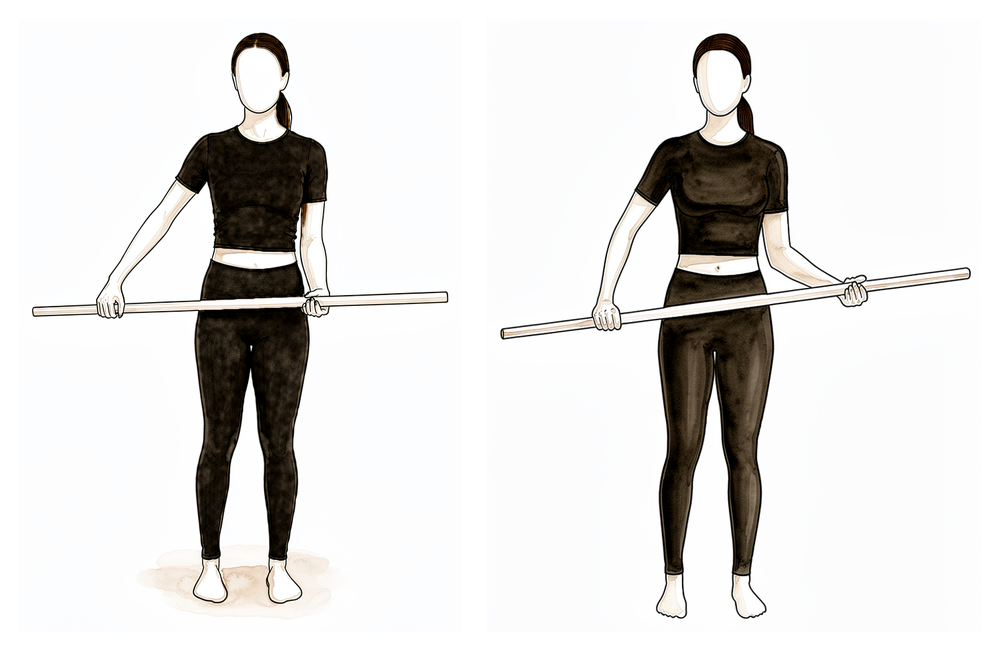
Kieran Hirpara 4.0
Alongamento em rotação externa com bastão
Deite-se de costas, com o cotovelo ao lado do corpo e dobrado a 90 graus. Segure uma bengala ou bastão com as duas mãos e use o braço não operado para empurrar suavemente a mão do braço operado para fora, até onde for confortável. Nunca force o movimento.
Conforme orientado pelo seu fisioterapeuta
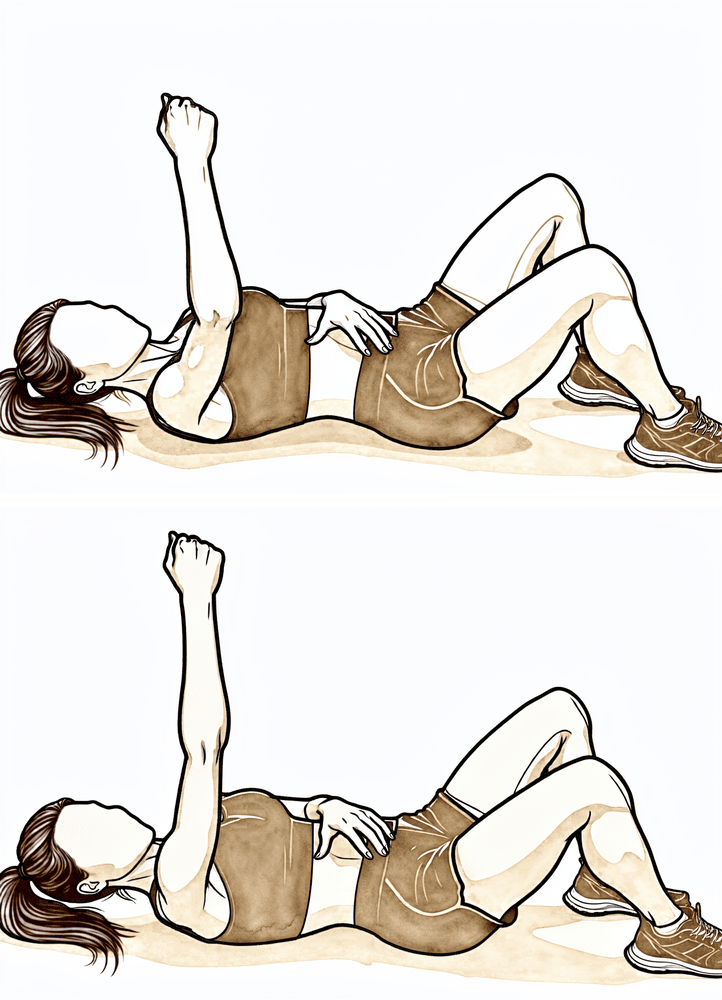
Kieran Hirpara 4.0
Soco em decúbito dorsal
Deite-se de costas e mantenha o braço operado esticado para cima, em direção ao teto. Mantendo o cotovelo reto, empurre a mão um pouco mais para cima, de modo que a escápula se afaste da cama; em seguida, abaixe-a novamente com controle.
Conforme orientado pelo seu fisioterapeuta
Nesta fase, o ombro continua a desenvolver os movimentos iniciados logo após a cirurgia. A amplitude de movimento continua a aumentar, e por volta da 4ª semana iniciam-se os primeiros exercícios de ativação e fortalecimento dos músculos ao redor da escápula (músculos periescapulares) e do deltoide. Nessa etapa, você já deve estar sem o sling durante o dia; pode usá-lo brevemente à noite apenas se isso lhe trouxer conforto. As regras de proteção ainda são válidas: não levante nada mais pesado que uma xícara de café, não estenda o braço para trás das costas, não empurre usando as mãos, e mantenha um travesseiro sob o cotovelo ao deitar de costas.
Para o seu fisioterapeuta:
Objetivos
- Manter a estabilidade da articulação (evitar a posição que provoca luxação)
- Reduzir o inchaço e minimizar a dor
- Aumentar gradualmente a amplitude passiva de movimento do ombro
- Progressão da amplitude ativo-assistida e ativa de movimento do ombro
- Iniciar a ativação e o fortalecimento dos músculos periescapulares (~semana 4)
- Iniciar a ativação e o fortalecimento do deltoide (~semana 4; evitar a extensão do ombro ao ativar o deltoide posterior)
- Educação do paciente
Sling
- Suspender o uso durante o dia (descontinuação gradual a partir da 2ª semana)
- Uso noturno opcional e breve, apenas se proporcionar conforto
Conduta terapêutica
- Manter as intervenções da Fase I
- Amplitude de movimento/mobilidade:
- AAROM: flexão ativo-assistida do ombro, flexão do ombro com auxílio de bengala, alongamento em rotação externa com bengala, pressão com pano úmido, elevação do ombro sentado com auxílio de bengala
- AROM: flexão do ombro deitado de costas, movimentos de saudação, soco deitado de costas
- Fortalecimento:
- Músculos periescapulares: retração da escápula, contração da escápula em pé, contração da escápula com suporte, remada leve, deslizamento inferior da escápula
- Deltoide: exercícios isométricos no plano escapular
Precauções
- Não estender o braço para trás das costas, especialmente em rotação interna
- Evitar a combinação de extensão + adução + rotação interna (posição de luxação) até aproximadamente a 6ª semana
- Não levantar objetos mais pesados que uma xícara de café
- Não apoiar o peso do corpo nas mãos
- Colocar um pequeno travesseiro ou rolo de toalha sob o cotovelo ao deitar de costas, para evitar hiperextensão do ombro
Critérios para avançar para a fase seguinte
- Aumento gradual da amplitude passiva, ativo-assistida e ativa de movimento do ombro
- Amplitude passiva de movimento do ombro em rotação interna de 0 graus
- Percepção tátil de contração muscular nos músculos da escápula
- Dor < 4/10
- Ausência de complicações durante a Fase II
Fase III — Intermediária, continuação (Semanas 7–8)
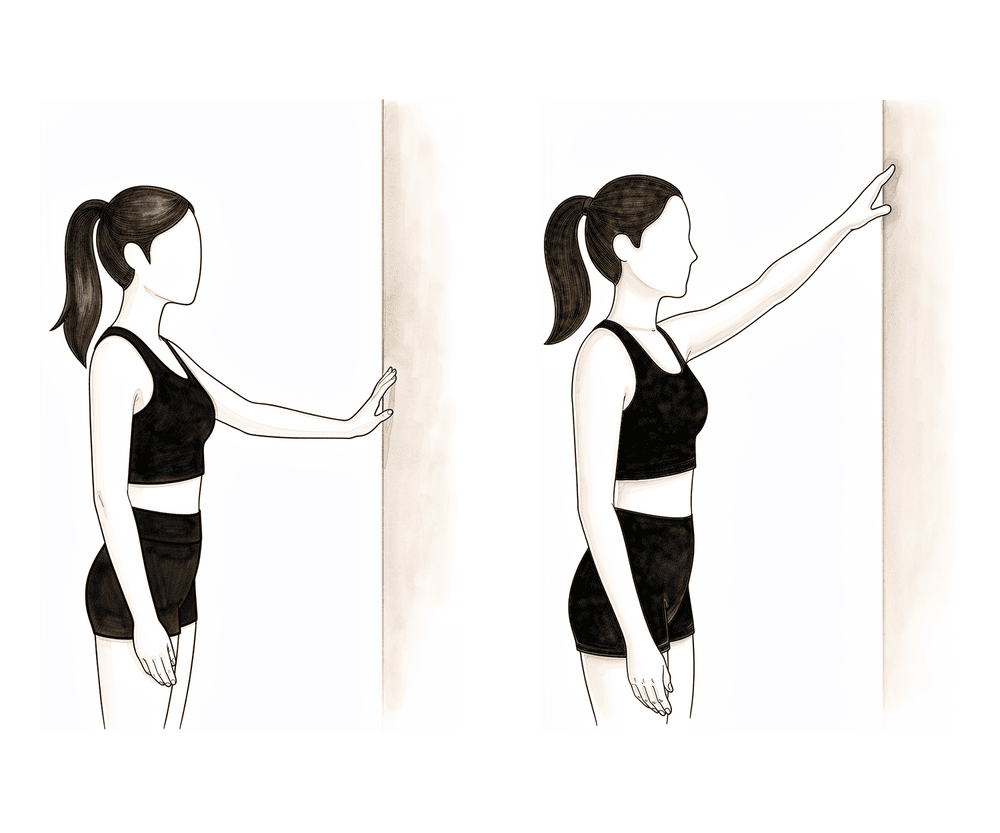
Kieran Hirpara 4.0
Escaladas na parede
Fique de frente para uma parede e deslize os dedos do braço operado pela parede para cima, até onde for confortável, permitindo que a parede auxilie o braço a subir. Em seguida, deslize os dedos de volta para baixo com controle — não deixe o braço cair.
Conforme orientado pelo seu fisioterapeuta
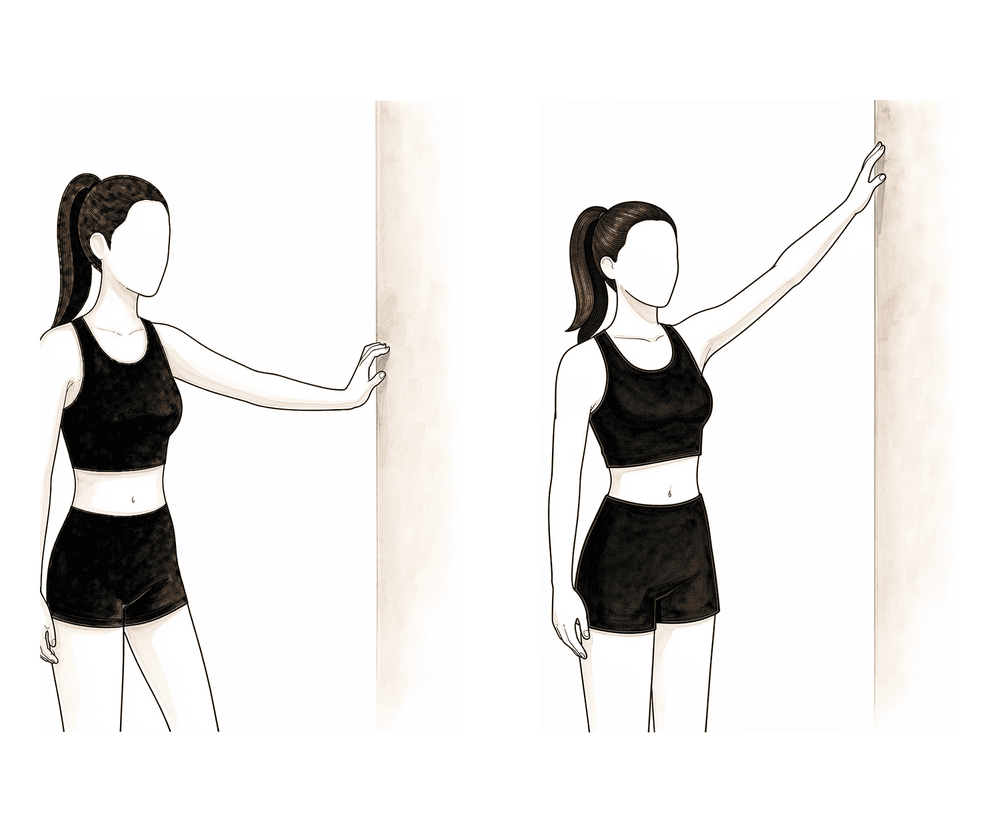
Kieran Hirpara 4.0
Subida dos dedos na parede, para o lado
Fique de lado em relação à parede, com as pontas dos dedos apoiadas nela. Deslize os dedos pela parede para o lado, levantando o braço até o limite do conforto, e depois deslize-os de volta para baixo com controle. A parede serve de apoio ao braço enquanto você recupera o movimento lateral.
Conforme orientado pelo seu fisioterapeuta
Até agora, você já se livrou da tipóia. Os movimentos estão progredindo em todas as direções; já é possível realizar a primeira rotação interna passiva suave (girar o braço para dentro). Além disso, os exercícios de fortalecimento dos músculos deltoide e da escápula foram intensificados, assim como os primeiros exercícios de controle motor (coordenação). As restrições ainda vigentes são: não levantar nada mais pesado que uma xícara de café; não alcançar nada atrás das costas além do bolso da calça; não apoiar o peso do corpo nas mãos; e evitar esticar o braço para trás, atrás do corpo.
Para o seu fisioterapeuta:
Objetivos
- Minimizar a dor
- Progredir gradualmente na amplitude de movimento passivo do ombro; iniciar a amplitude de movimento passivo de rotação interna no plano escapular
- Progredir gradualmente na amplitude de movimento ativo assistido do ombro
- Progredir gradualmente na amplitude de movimento ativo do ombro
- Avançar no fortalecimento do deltoide
- Avançar no fortalecimento dos músculos periescapulares
- Iniciar exercícios de controle motor
- Educação do paciente
Tipóia
- Descontinuar
Manejo
- Continuar com as intervenções das Fases I e II
- Amplitude de movimento/mobilidade:
- PROM: completa em todos os planos; rotação interna passiva no plano escapular até 50 graus, de forma gradual
- AAROM: deslizamentos em mesa inclinada, escaladas na parede, uso de polias; elevação do ombro sentado com auxílio de bengala, seguida de descida ativa
- AROM: elevação do ombro sentado, flexão do ombro sentado; elevação do ombro em decúbito dorsal com resistência elástica até 90 graus
- Fortalecimento:
- Músculos periescapulares: remada sobre bola fisioterapêutica, exercícios de soco com serrátilo anterior
- Deltoide: elevação do ombro sentado com auxílio de bengala, descida ativa após elevação; rolagem de bola na parede
- Controle motor:
- Rotação interna/externa no plano de elevação e flexão do ombro, até 90–125 grau (estabilização rítmica), em decúbito dorsal
- Alongamento:
- Adução horizontal lateral em decúbito lateral; alongamento do tríceps e do grande dorsal
Precauções
- Não alcançar nada atrás das costas além do bolso da calça
- Não levantar objetos mais pesados que uma xícara de café
- Não apoiar o peso do corpo nas mãos
- Evitar hiperextensão do ombro
Critérios para progressão
- Objetivos de amplitude de movimento (as metas de PROM e AROM são individualizadas e dependem das medições feitas no pós-operatório, na sala de cirurgia):
- Elevação ≤ 140 graus
- Rotação externa ≤ 30 graus em posição neutra
- Rotação interna ≤ 50 graus no plano escapular ou atrás do bolso da calça
- Ausência ou mínima ocorrência de padrões compensatórios durante a amplitude de movimento ativo do ombro
- Dor < 4/10
Fase IV — Transicional (Semanas 9–11)
Esta fase serve como ponte para o retorno ao uso normal do braço. O movimento passivo já deve ser completo em todos os planos, e o foco passa para o fortalecimento dos músculos deltoide e dos músculos da escápula, visando estabilidade dinâmica e coordenação, além da recuperação gradual da força e resistência, culminando no retorno às atividades funcionais plenas. A única restrição clara: não levantar objetos pesados (acima de 5 kg).
Para o seu fisioterapeuta:
Objetivos
- Manter amplitude de movimento sem dor
- Avançar no fortalecimento dos músculos periescapulares
- Avançar no fortalecimento do deltoide
- Avançar nos exercícios de controle motor
- Melhorar a estabilidade dinâmica do ombro
- Recuperar gradualmente a força e resistência do ombro
- Retornar às atividades funcionais plenas
Conduta terapêutica
- Continuar com as intervenções das Fases II e III
- Amplitude de movimento/mobilidade:
- Movimento passivo: amplitude completa em todos os planos
- Fortalecimento:
- Músculos periescapulares: extensão do ombro com faixa elástica, remadas sentado com faixa elástica, remadas, movimentos tipo “robober”, movimentos tipo “cortador de grama”, posição de tripé, movimentos tipo “apontador”
- Deltoide: aumentar gradualmente a resistência nos exercícios para o deltoide
- Controle motor:
- Rotação interna/externa e flexão até 90–125 graus (estabilização rítmica)
- Exercícios isométricos alternados em posição quadrupedal e estabilização com bola contra a parede
- Movimentos tipo “arremesso de cesta”
- Facilitação neuromuscular proprioceptiva (FNP): elevações diagonais D1 e D2
Precauções
- Não levantar objetos pesados (> 5 kg)
Critérios para avançar para a fase seguinte
- Realizar todos os exercícios demonstrando mecânica escapular simétrica
- Dor < 2/10
Fase V — Fortalecimento avançado (Semanas 12–16)
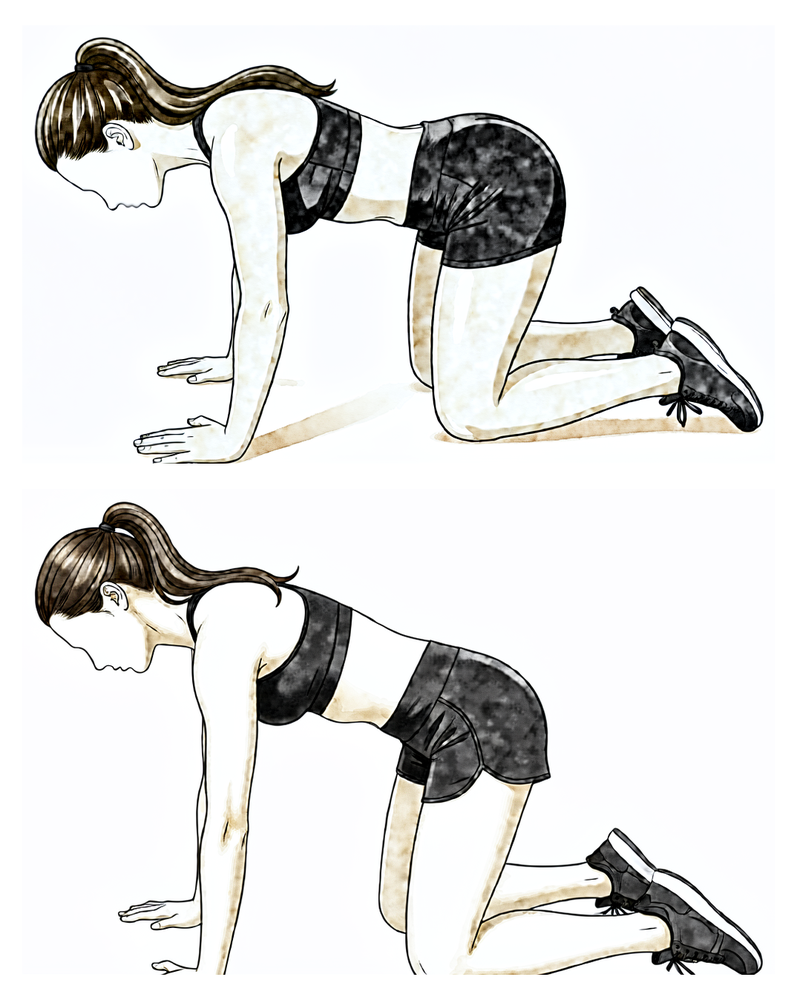
Kieran Hirpara 4.0
Flexão com protração (plus) apoiada nos joelhos
A partir de uma posição de flexão de joelhos, com as mãos sob os ombros, mantenha os cotovelos esticados e empurre as costas para cima, em direção ao teto, permitindo que as escápulas se afastem uma da outra; em seguida, abaixe o corpo de forma controlada.
Conforme orientado pelo seu fisioterapeuta
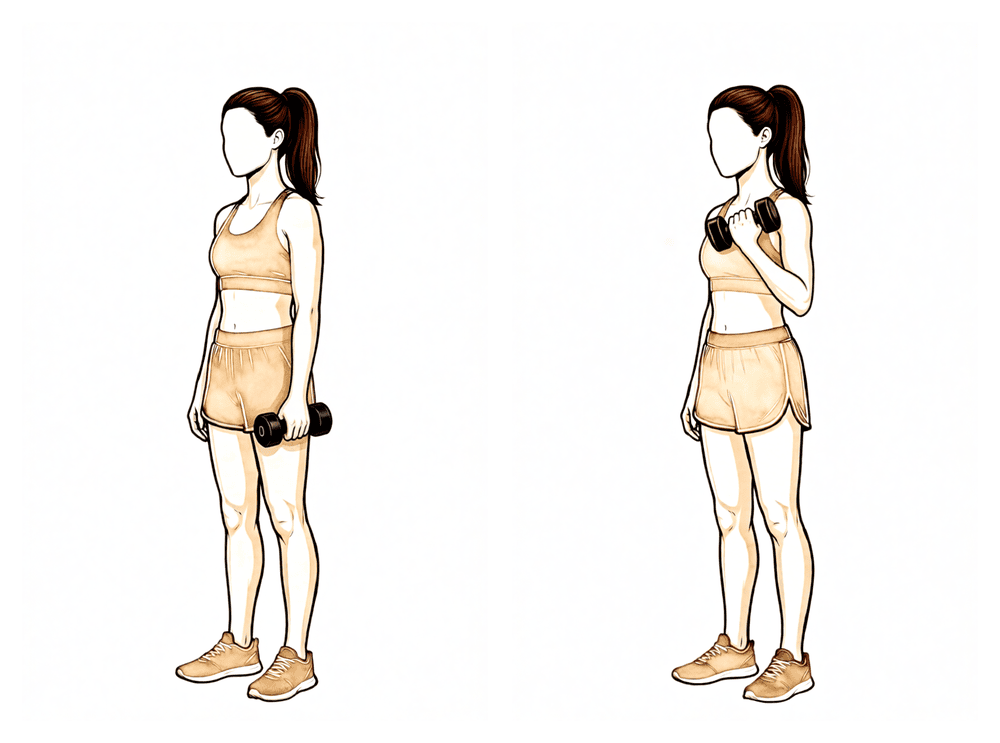
Kieran Hirpara 4.0
Flexão de bíceps
Segure um peso leve com a palma da mão voltada para cima e o braço ao lado do corpo; em seguida, flexione o cotovelo para aproximar a mão do ombro e depois abaixe-a de forma controlada. Mantenha o peso leve — levantar cargas pesadas (acima de 7 kg) ainda é proibido nesta fase.
Conforme orientado pelo seu fisioterapeuta
A fase final prepara o ombro para o dia a dia: mantém os movimentos sem dor, ao mesmo tempo em que desenvolve a força e a resistência necessárias para usar o braço com confiança. Caso tenha sido realizada uma reparação do manguito rotador simultaneamente à artroplastia, o fortalecimento do manguito rotador (RTC) tem início agora. O limite de peso que pode ser levantado aumenta, porém objetos pesados (acima de 7 kg) ainda são proibidos. Esta fase, assim como todo o protocolo, só será concluída após autorização do cirurgião, quando todos os marcos forem atingidos.
Para o seu fisioterapeuta:
Objetivos
- Manter amplitude de movimento sem dor
- Iniciar o fortalecimento do manguito rotador (RTC) em casos de reparação concomitante
- Melhorar a força e a resistência do ombro
- Aperfeiçoar o uso funcional do membro superior
Conduta
- Continuar com as intervenções das Fases II a IV
- Fortalecimento:
- Músculos periescapulares: flexões com os joelhos no chão, exercício em forma de “W”, movimentos em “W” com faixa elástica, extensão do ombro em decúbito ventral, abraço dinâmico, abraço dinâmico com faixa elástica, soco para frente com faixa elástica, soco para frente, movimentos em “T” e “Y”, exercício em forma de “T”
- Deltóide: continuar aumentando gradualmente a flexão e a abdução resistidas em posições funcionais
- Cotovelo: flexão de bíceps, flexões de bíceps com faixa elástica e exercícios para tríceps
- Manguito rotador: isometria de rotação interna/externa, rotação externa deitado de lado, rotação externa em pé com faixa elástica, rotação interna em pé com faixa elástica, rotação interna, rotação externa, abdução deitado de lado progredindo para abdução em pé
- Controle motor:
- Padrões PNF com faixa elástica, elevações diagonais D1 com resistência, movimentos diagonais para cima e para baixo, deslizamentos na parede com faixa elástica
Precauções
- Não levantar objetos pesados (> 7 kg)
Critérios para avançar
- Autorização do cirurgião e cumprimento de TODOS os critérios estabelecidos
- Manutenção de amplitude de movimento passiva e ativa sem dor
- Execução correta de todos os exercícios, demonstrando mecânica escapular simétrica
- Resultados satisfatórios nos questionários QuickDASH e ASES, instrumentos de avaliação subjetiva do paciente
Após seguir este protocolo
Este protocolo complementa as orientações gerais de recuperação fornecidas pelo consultório: consulte como controlar a dor pós-operatória e cuidados com a ferida. Quanto à própria cirurgia, veja artroplastia reversa de ombro.
As evidências clínicas que sustentam este protocolo – os ensaios de reabilitação publicados, a justificativa para o uso da tipóia e as regras de movimentação, bem como as referências científicas – estão descritas no resumo de evidências anexo (disponível para download em formato PDF).
Evidence & references
This is the clinical evidence summary written for health professionals. It is technical, and it lists the research this page was built from. You do not need to read it to understand your treatment or to make a decision about it.
Reverse Shoulder Arthroplasty (Cuff-Tear Arthropathy / Arthritis) — Post-operative Rehabilitation Evidence
Topic scope: Post-operative rehabilitation after elective reverse total shoulder arthroplasty (RSA / rTSA) for rotator-cuff-tear arthropathy, glenohumeral arthritis with an irreparable cuff, or a massive irreparable cuff tear — not the acute proximal-humerus-fracture indication, where tuberosity healing imposes its own restrictions. The evidence base for the operation (when RSA is indicated, implant survivorship, complication profile) is extensive; the evidence base for the rehabilitation protocol is smaller but, unusually for shoulder surgery, now includes several randomised trials directly comparing immobilisation strategies.
Defining principle of this rehab: RSA rehabilitation is comparatively permissive and is increasingly run on an accelerated footing. Two features of the reconstructed joint explain why. First, the deltoid — not the rotator cuff — drives elevation after RSA; the design medialises and lowers the centre of rotation so the deltoid can elevate an arm that has no functioning cuff. Second, there is usually no subscapularis repair to protect (and many surgeons deliberately leave it unrepaired with a lateralised implant), so the external-rotation restriction that dominates anatomic-TSA rehab is far less central here. The principal early caution is therefore not tissue healing but component stability: a reverse prosthesis can dislocate, and the at-risk position is the combination of extension + adduction + internal rotation (the hand-behind-the-back / tucking-in-a-shirt movement). Early rehab accordingly protects against that position while otherwise encouraging motion. The sling is largely for comfort, support and dislocation-avoidance, and the published trial evidence shows that shortening or even omitting it does not increase the dislocation or complication rate.
Surgeon's protocol note: Dr Hirpara's protocol on this page is run on an accelerated footing, directly aligned with the randomised and cohort evidence below: a short ~2-week comfort sling (weaned off during the day; optional brief night use), active-assisted and active shoulder motion from the start (within defined limits, beginning supine/gravity-assisted), and deltoid + periscapular strengthening from ~week 4. The main early constraint is component stability, so the extension + adduction + internal-rotation (hand-behind-back) dislocation position is avoided for the first ~6 weeks while motion is otherwise encouraged. Elevation after RSA is deltoid-driven, which is why strengthening is deltoid- and periscapular-focused. Follow the protocol your surgeon has set.
The operation, in brief
In a reverse replacement the normal anatomy is inverted: a ball (glenosphere) is fixed to the shoulder blade and a cup is fixed to the top of the arm bone. This moves the joint's pivot point down and in, which lengthens and tensions the deltoid and lets that muscle lift the arm even when the rotator cuff is gone — the situation in cuff-tear arthropathy. Because the implant, not the patient's own cuff, provides stability and power, the rehabilitation logic differs fundamentally from a cuff repair (where a healing tendon must be protected) and from an anatomic replacement (where a repaired subscapularis must be protected).
Evidence by theme
1. Early / accelerated motion is safe — multiple randomised trials
This is the best-supported part of RSA rehabilitation, and it is unusually strong for a shoulder rehab question because it rests on randomised controlled trials, not just consensus:
- Hagen et al. (2020), single-blind RCT, 107 shoulders — randomised to immediate physical therapy (passive + active ROM from the start) versus 6-week delayed therapy. No difference in final ROM, patient-reported outcomes, or dislocation/complication rate (early 7.1% vs delayed 9.1%). [RAG corpus — 10.1016/j.jse.2020.11.017]
- Edwards / "two rehabilitation approaches" RCT, 61 patients (63 shoulders) — early active (submaximal isometric deltoid work from week 2) versus delayed active rehab, both with a 6-week sling. Pain and overall function were equivalent at 3, 6 and 12 months, but the early-active group had significantly better active forward flexion at 3 months (p = 0.019) — i.e. earlier functional gain without added risk. [Literature — PMC8512973]
- Lee et al. (2021), 357 shoulders — randomised to no immobilisation / early motion, 3-week sling, or 6-week sling. No difference in patient-reported outcomes, satisfaction, pain or ROM; the immediate-motion group had the lowest overall complication rate (reported as ~4% vs ~24.6% in the 6-week cohort in the pooled systematic-review re-analysis). [via Sachinis 2024 SR]
A systematic review (Sachinis et al., 2024; 3 controlled trials, ~527 shoulders) concluded that accelerated rehabilitation is safe and yields equivalent 12-month outcomes, while cautioning that protocols should still be individualised by bone quality, age, diagnosis and surgical complexity rather than applied uniformly. [Literature — PMC11034463]
Evidence: MODERATE–STRONG (several RCTs + SR), though individual trials are modest in size.
2. Sling duration can be shortened without added risk
- A large retrospective cohort (960 patients) compared 2-week vs 6-week sling immobilisation after RSA and found no difference in complication rate (12.0% vs 15.0%, p = 0.21), dislocation rate (p = 0.79), acromial stress fracture, loosening or infection; final flexion and ER were equivalent. The authors concluded shorter immobilisation does not incur additional risk. [Literature — PMC10638591]
- Published institutional protocols (e.g. Massachusetts General Brigham) have themselves moved from a 6-week to a 4-week sling standard, attributing the change to improved implant design. [Published protocol — MGH Sports Medicine]
Evidence: MODERATE (one large cohort + protocol trend; the question is now whether 6 weeks is necessary, not whether it is safe).
3. The deltoid drives recovery — and formal active PT may add little
Because elevation depends on deltoid recruitment (with documented compensatory recruitment of upper trapezius, latissimus and posterior deltoid), strengthening is deltoid- and periscapular-focused rather than cuff-focused. Notably, a multicentre RCT found that a formal active physical-therapy programme did not improve outcomes over a home/self-directed programme after RSA — many patients recover well with a structured home programme and physiotherapist supervision rather than intensive hands-on active therapy. [RAG corpus — 10.1016/j.jse.2022.12.011] This supports a pragmatic, education-and-home-exercise model.
Evidence: MODERATE (RCT).
4. Dislocation: low but real, and the early protective position is specific
Dislocation is the relevant early stability complication (as opposed to the tissue-healing concern of a cuff repair). Corpus series on dislocation following RSA identify the at-risk position as adduction + internal rotation + extension, and identify subscapularis insufficiency and implant/soft-tissue tensioning as contributors to instability. [RAG corpus — 10.1016/j.jse.2016.12.073; 10.1016/j.jse.2008.12.013] This is precisely why early protocols — accelerated or conservative — restrict reaching behind the back and forced internal rotation while otherwise allowing supported elevation. The role of routine subscapularis repair in preventing dislocation is debated and interacts with glenosphere lateralisation (a lateralised design appears less reliant on subscapularis repair for stability). [RAG corpus — 10.5435/jaaos-d-16-00781]
Evidence: MODERATE (cohort/registry); the precaution itself is universal consensus.
5. Contrast with anatomic TSA rehabilitation
The American Society of Shoulder and Elbow Therapists (ASSET) consensus on anatomic TSA rehab centres on protecting the subscapularis repair — limiting passive external rotation and active internal rotation for ~6 weeks. [RAG corpus — 10.1016/j.jse.2020.05.019] After RSA that specific constraint is usually absent or much reduced (no cuff repair to protect; subscapularis often not repaired), which is the structural reason RSA rehab is more permissive in external rotation while being more attentive to the dislocation-position combination.
Phased post-operative timeline
This table reflects Dr Hirpara's protocol on this page (the accelerated, ~2-week-sling approach). The right-hand column notes the published evidence that the protocol is grounded in.
| Phase | Window | Sling | Shoulder motion | Strengthening | Accelerated-evidence basis |
|---|---|---|---|---|---|
| I — Protection | Week 0–3 | Comfort/support; wean off during the day from ~2 weeks; optional brief night use | Active-assisted and active as tolerated from the start (begin supine/gravity-assisted; ER in scapular plane to tolerance; flexion/scaption ≤120°; abduction ≤90°); no IR, no reaching behind back, avoid the dislocation position; elbow/wrist/hand active | — | RCTs show early active/AAROM from the start carries no added dislocation/complication risk (Hagen 2020; Edwards) |
| II — Intermediate | Week 4–6 | Off during the day; optional brief night use | Progress AAROM and AROM | Periscapular + deltoid activation and strengthening initiated (~week 4) | Early active deltoid work gives earlier functional gain without added risk (Edwards) |
| III — Intermediate cont. | Week 7–8 | Discontinued | Progress AROM all planes; first gentle passive IR in scapular plane (≤50°) | Deltoid + periscapular progressed; motor control | Cohort data: 2-week sling non-inferior to 6 weeks (no extra dislocations) |
| IV — Transitional | Week 9–11 | — | Full passive ROM all planes | Resisted deltoid/periscapular; dynamic stability; PNF; no lifting >5 kg | — |
| V — Advanced strengthening | Week 12–16 | — | Maintain pain-free full ROM | Add rotator-cuff strengthening if a cuff repair was done; functional loading; no lifting >7 kg | Resisted IR / eccentric / closed-chain typically from ~12 weeks |
Return-to-activity anchors (from this protocol): driving ~6 weeks; light lifting from 6 weeks but no heavy lifting for ~6 months; swimming (breaststroke) 8 weeks / freestyle 12 weeks; golf ~3 months; sedentary work 6 weeks, manual work surgeon-guided. Published sport-return data after RSA are encouraging for low-impact activity (≈60–86% return; swimming ~84%, golf/fitness ~77%) but caution against high-impact and contact sport given prosthesis-loading and revision concerns. [Literature — PMC10043097]
Key controversies / evidence quality
-
Accelerated vs conservative rehab — and where this protocol sits. The randomised evidence shows early motion and shorter (or no) immobilisation are safe and may give earlier functional gain, with equivalent 12-month outcomes. Dr Hirpara's ~2-week comfort sling, active-assisted/active motion from the start, strengthening from ~week 4 protocol aligns with this accelerated evidence. The systematic review still endorses individualisation (bone quality, fixation, intra-operative stability, soft-tissue tensioning, any concomitant cuff repair), so the surgeon may dial the plan back for a borderline-stable construct, softer bone, or a concomitant repair. The prescribed plan is the one to follow.
-
Immobilisation duration. Trial and large-cohort data show 2–4 weeks is non-inferior to 6 weeks for dislocation and complications, which is why this protocol uses a short ~2-week comfort sling. Longer 6-week protocols persist elsewhere out of surgeon preference and construct-specific factors, with the low absolute dislocation rate making the question hard to power definitively.
-
Precautions. The extension + adduction + internal rotation (hand-behind-back) restriction is near-universal consensus early on; the disagreement is about how long, and how much external-rotation freedom to allow (more than anatomic TSA, but bounded by soft-tissue tension).
-
Subscapularis repair. Whether to repair it — and whether repair reduces dislocation — interacts with glenosphere lateralisation and remains debated; this in turn influences how restrictive early rehab needs to be.
-
Active physiotherapy intensity. At least one RCT found formal active PT did not beat a structured home programme, supporting an education-led, home-exercise model with physiotherapist oversight rather than intensive hands-on therapy.
Evidence-strength flags (summary)
- MODERATE–STRONG (RCT / SR): accelerated/early-motion rehab is safe with equivalent 12-month outcomes (Hagen 2020 RCT; Edwards RCT; Lee 2021; Sachinis 2024 SR); formal active PT not superior to home programme (multicentre RCT).
- MODERATE (large cohort): 2-week sling non-inferior to 6-week sling for dislocation/complications (960-patient cohort); deltoid-driven recovery biomechanics.
- CONSENSUS / WEAK: the dislocation-position precaution (universal but not trial-quantified for duration); the specific phase timings of this protocol (drawn from published institutional protocols + surgeon preference, not a head-to-head rehab RCT); subscapularis-repair effect on instability (conflicting cohort data).
Citations
RAG corpus (180,000+ Orthopaedic articles) — real DOIs returned by search
- Hagen MS, et al. Accelerated rehabilitation following reverse total shoulder arthroplasty. J Shoulder Elbow Surg / Semin Arthroplasty. 2021. DOI: 10.1016/j.jse.2020.11.017
- Active physical therapy does not improve outcomes after reverse total shoulder arthroplasty: a multi-center, randomized clinical trial. J Shoulder Elbow Surg. 2023. DOI: 10.1016/j.jse.2022.12.011
- Kennedy J, et al. The American Society of Shoulder and Elbow Therapists' consensus statement on rehabilitation for anatomic total shoulder arthroplasty. J Shoulder Elbow Surg. 2020. DOI: 10.1016/j.jse.2020.05.019
- Dislocation following reverse total shoulder arthroplasty. J Shoulder Elbow Surg. 2017. DOI: 10.1016/j.jse.2016.12.073
- Edwards TB, et al. Subscapularis insufficiency and the risk of shoulder dislocation after reverse shoulder arthroplasty. J Shoulder Elbow Surg. 2009. DOI: 10.1016/j.jse.2008.12.013
- Clinical Outcomes After Reverse Shoulder Arthroplasty With and Without Subscapularis Repair: The Importance of Considering Glenosphere Lateralization. J Am Acad Orthop Surg. 2018. DOI: 10.5435/jaaos-d-16-00781
Literature (URLs)
- Sachinis NP, et al. Can we accelerate rehabilitation following reverse shoulder arthroplasty? A systematic review. Shoulder Elbow. 2024. https://pmc.ncbi.nlm.nih.gov/articles/PMC11034463/
- A randomised trial comparing two rehabilitation approaches following reverse total shoulder arthroplasty (early active vs delayed active). 2021. https://pmc.ncbi.nlm.nih.gov/articles/PMC8512973/
- No difference in complications between two-week vs. six-week duration of sling immobilization after reverse total shoulder arthroplasty (960-patient cohort). 2023. https://www.ncbi.nlm.nih.gov/pmc/articles/PMC10638591/
- Optimizing Outcomes After Reverse Total Shoulder Arthroplasty: Rehabilitation, Expected Outcomes, and Maximizing Return to Activities. 2023. https://pmc.ncbi.nlm.nih.gov/articles/PMC10043097/
- Kim Y-T, et al. Four weeks of immobilisation after reverse shoulder arthroplasty yields outcomes comparable to six weeks. Clin Shoulder Elb. 2024. https://www.ncbi.nlm.nih.gov/pmc/articles/PMC11546419/
Published rehabilitation protocols (basis for the phase structure)
- Massachusetts General Brigham Sports Medicine. Rehabilitation Protocol for Reverse Shoulder Arthroplasty. Revised December 2018. https://www.massgeneral.org/assets/mgh/pdf/orthopaedics/sports-medicine/physical-therapy/rehabilitation-protocol-for-reverse-shoulder-arthroplasty.pdf
- Brigham and Women's Hospital. Reverse Total Shoulder Arthroplasty Protocol. https://www.brighamandwomens.org/assets/BWH/patients-and-families/pdfs/shoulder--reverse-total-shoulder-arthroplasty-protocol.pdf