Patients › Hand
Artroplastia da Articulação Metacarpofalangeana (MCPJ)
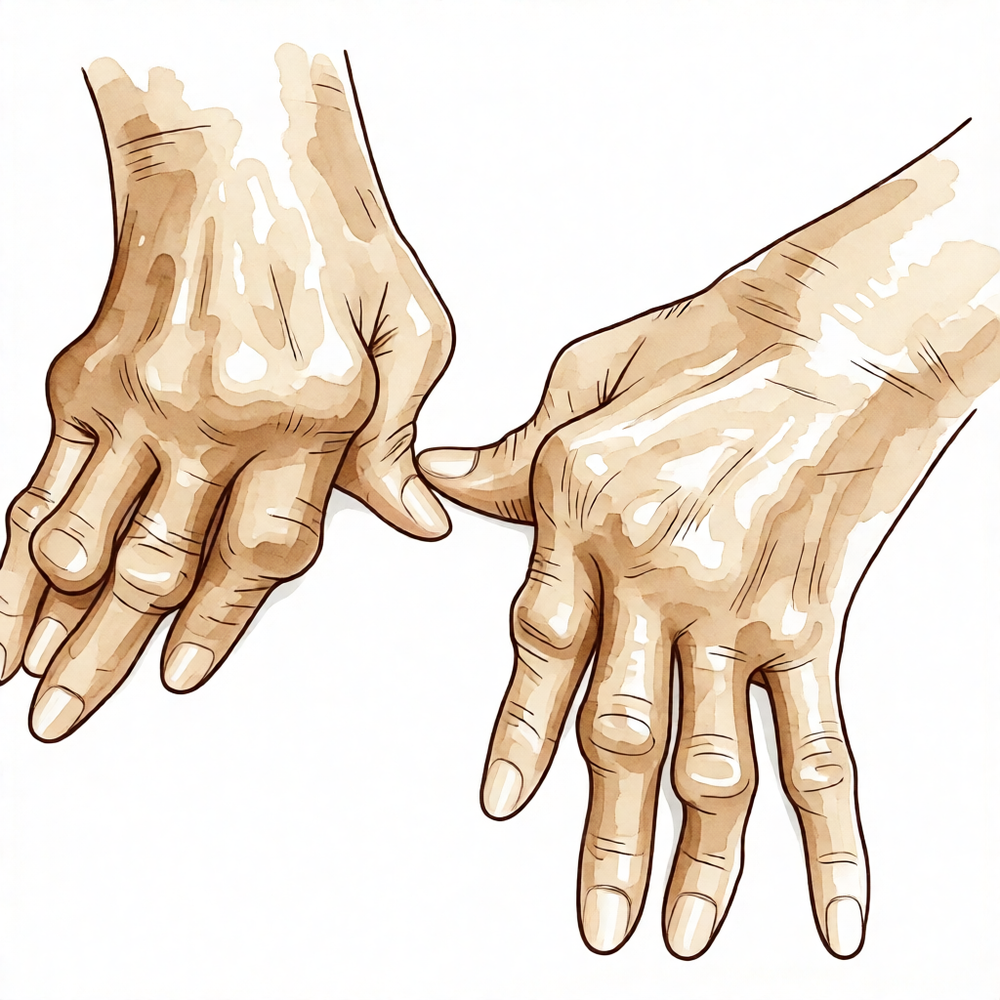
Por que esta cirurgia foi recomendada
O Dr. Kieran Hirpara, cirurgião de membros superiores no Mater Private Hospital Rockhampton, começa sempre pelas opções menos invasivas adequadas ao seu quadro clínico. Geralmente, os pacientes são encaminhados à nossa clínica pelo médico de família; caso um fisioterapeuta tenha sugerido que você nos procure, ainda assim será necessário um encaminhamento do seu médico de família para que você tenha direito ao reembolso do Medicare. Na sua consulta, colhemos o histórico clínico, examinamos a sua mão e solicitamos exames de imagem, se necessário. Isso nos permite entender o que está ocorrendo na articulação.
Esta cirurgia substitui a articulação dos nós dos dedos — aquela onde o dedo ou o polegar se conectam à mão — por um implante artificial. Ela costuma ser indicada quando a superfície articular está muito desgastada devido à artrite e outros tratamentos não trouxeram alívio suficiente. Para problemas crônicos de desgaste, geralmente tentamos primeiro tratamentos não cirúrgicos: modificação das atividades, fisioterapia ou terapia ocupacional, além do uso de talas. A cirurgia é considerada apenas quando essas medidas não forem suficientes. O objetivo é aliviar a dor, melhorar a função da mão e proteger as articulações adjacentes. Para algumas pessoas, também restaura a estabilidade de uma articulação que se tornou frouxa ou deformada.
Antes da operação
Nas semanas que antecedem a cirurgia, confirmamos o plano terapêutico com novas imagens da sua mão, como radiografias, ressonância magnética ou ultrassonografia. Essas imagens permitem visualizar a articulação desgastada e ajudam a selecionar o implante adequado. Você receberá instruções claras sobre o jejum: não deve ingerir alimentos nem bebidas nas sete horas anteriores à operação. Pedimos esse período de sete horas, em vez de um tempo menor, para que a cirurgia possa ser antecipada caso a agenda do bloco operatório permita. Alguns medicamentos precisam ser suspensos antes da cirurgia; o seu cirurgião informará quais são e quando devem ser interrompidos. Caso tenha outras condições médicas, poderá ser necessário realizar exames de sangue ou uma avaliação com o anestesista. No dia da cirurgia, leve uma lista dos medicamentos que está tomando, organize transporte para casa e use roupas confortáveis com mangas largas.
No dia da cirurgia
Você chega à unidade de admissão cirúrgica do hospital, onde é registrado e preparado para a sala de operações. Conhece o anestesista, o médico responsável pela sua anestesia e controle da dor durante a cirurgia. Esta operação é realizada sob anestesia geral. Às vezes, um bloqueio nervoso regional é adicionado para alívio da dor pós-operatória; o anestesista conversará com você sobre isso no próprio dia. Em seguida, você é levado para a sala de operações, onde a cirurgia é realizada.
Ao término da operação, você acorda na sala de recuperação. As enfermeiras cuidam de você enquanto a anestesia vai passando. Quando seu estado se estabiliza, você é transferido para um quarto ou vai para casa no mesmo dia, dependendo do procedimento e da evolução da sua recuperação.
Como é realizada a operação
O cirurgião faz uma pequena incisão na parte de trás da articulação do dedo para alcançar as superfícies articulares desgastadas. As extremidades ósseas danificadas são removidas e moldadas para criar espaço para o implante. O implante mais comum é um espaçador flexível que fica entre os dois ossos, permitindo novamente a flexão da articulação e aliviando a dor. O objetivo é o alívio da dor, melhor mobilidade e proteção das articulações vizinhas.
Existem diferentes tipos de implantes, adequados a distintas articulações e problemas. Em alguns pacientes, utiliza-se um espaçador de silicone macio. Em outros, especialmente quando os ligamentos circundantes são fortes e os dedos adjacentes oferecem suporte, opta-se por um implante mais rígido, moldado à semelhança da superfície articular natural. O cirurgião escolhe o implante mais indicado para a sua articulação e condição clínica.
Após a colocação do implante, o cirurgião verifica se o dedo está alinhado e se se move suavemente; também equilibra os tecidos moles ao redor da articulação para garantir sua estabilidade. A incisão é fechada com pontos de sutura e coberta por um curativo. Este curativo permanece no local por cerca de 10 dias, conforme explicado na seção “Após a operação”.
Em algumas articulações do polegar, a fusão óssea (unindo os ossos) pode ser uma alternativa ao uso de implante. Essa técnica elimina a dor na articulação, porém faz com que essa parte do polegar deixe de dobrar. Antes de assinar o termo de consentimento, o cirurgião discutirá com você qual opção é mais adequada para a sua articulação.
Após a operação
Você acordará na sala de recuperação, onde as enfermeiras ficarão atentas a você enquanto o efeito da anestesia passa. Sua mão estará envolta em uma grande bandagem, e forneceremos analgésicos para mantê-lo confortável. Alguém deve ficar com você nas primeiras 24 horas após voltar para casa. Você pode se movimentar normalmente, mas vá com calma e mantenha a mão elevada sobre um travesseiro quando estiver sentado. Sua equipe informará se você poderá ir para casa no mesmo dia ou se precisará ficar uma noite no hospital. Deixamos a bandagem por cerca de 10 dias; por favor, não a retire antes disso, a menos que receba instruções em contrário. Trocamos ou retiramos a bandagem quando o examinamos.
Recuperação
Nos primeiros dias, sua mão ficará dolorida e inchada; os dedos podem parecer rígidos e sensíveis ao toque. Manter a mão elevada sobre um travesseiro ajuda a reduzir o inchaço, e os analgésicos que lhe prescrevemos garantem seu conforto. O desconforto diminui gradualmente à medida que a articulação cicatriza.
Inicialmente, sua mão será envolta em uma bandagem volumosa, que permanece por cerca de 10 dias. Quando o acompanharmos, trocaremos ou retiraremos essa bandagem e verificaremos o estado da pele em processo de cicatrização. Após a cirurgia, a reabilitação consiste em terapia de mão com Ruby Doolan, na Extend Rehabilitation. Ela orientará seus exercícios e confeccionará uma tala, caso seja necessário. Esses exercícios protegem a nova articulação enquanto seu dedo ou polegar recuperam a mobilidade; você também aprenderá a usar a mão nas tarefas cotidianas sem sobrecarregá-la.
À medida que o inchaço diminui, dobrar e esticar os dedos geralmente se torna mais fácil. Quando conseguir segurar objetos e fazer pinça sem dor, atividades diárias como se vestir, comer e escrever parecerão mais naturais. Muitas pessoas percebem que o principal benefício é o alívio da dor prévia, além de uma melhor utilização da mão nas tarefas diárias.
Você não deve dirigir enquanto a mão estiver com tala ou enquanto estiver tomando analgésicos fortes; além disso, é necessário conseguir segurar o volante com ambas as mãos e reagir em uma parada de emergência. Nosso guia específico sobre direção após cirurgia na mão explica quando é seguro retomar essa atividade.
A recuperação varia de pessoa para pessoa, e seu cronograma pode ser diferente. Orientaremos você em cada consulta de acompanhamento, juntamente com seu terapeuta de mão.
O que pode dar errado
A maioria dos pacientes se recupera bem, mas, ocasionalmente, podem surgir problemas. O seu cirurgião e a equipe o monitoram de perto para detectar qualquer problema precocemente.
Infecções são raras após esse tipo de artroplastia. Fique atento à pele ao redor da incisão. Se notar vermelhidão se espalhando a partir da ferida, calor, secreção ou uma dor latejante intensa que não melhora com analgésicos comuns, entre em contato com a clínica imediatamente. Se sentir febre ou mal-estar, vá ao pronto-socorro.
Às vezes, a nova articulação pode sair do lugar; isso é chamado de luxação. Você pode sentir uma mudança súbita na posição da articulação, com o dedo ou polegar ficando num ângulo estranho e sem conseguir se mover normalmente. Nesse caso, ligue para a clínica imediatamente.
Com o tempo, o próprio implante pode desgastar-se, afrouxar, rachar ou dobrar. Os sinais incluem retorno da dor que antes havia desaparecido, novos ruídos (cliques ou rangidos) ou o dedo se desviando da posição normal. Comunique essas alterações na próxima consulta de acompanhamento, ou ligue antes, caso surjam de repente.
Os ossos ao redor do implante também podem fraturar durante a cirurgia. O seu cirurgião verifica isso antes de você deixar o centro cirúrgico; geralmente, a fratura cicatriza com um período mais curto de imobilização na tala.
Caso algum problema ocorra, às vezes é necessária uma cirurgia adicional para corrigi-lo. Isso pode envolver a substituição do implante ou, se a substituição não for viável, a fusão dos ossos da articulação para que se unam numa única peça sólida. Essa segunda opção elimina a dor, porém impede o movimento da articulação. O seu cirurgião explicará qual alternativa se adequa ao seu caso, caso seja necessário.
Algumas pessoas percebem rigidez ou fraqueza persistentes no dedo ou no polegar após a cirurgia. A terapia ocupacional para a mão ajuda nesses casos; portanto, mencione isso nas consultas de acompanhamento em vez de esperar.
A tabela de complicações nesta página apresenta as taxas típicas, caso você queira informações mais detalhadas.
Quando nos contatar
A maioria dos problemas aparece nas primeiras semanas; por isso, é importante saber o que observar. Contate-nos caso perceba vermelhidão se espalhando a partir da ferida, secreção, febre ou dor que piora progressivamente. Procure atendimento de emergência se sentir febre e mal-estar, ou se a panturrilha ficar inchada e sensível ao toque. Dificuldade súbita para respirar também exige atendimento de emergência. Ligue imediatamente se o dedo ou polegar sair subitamente da posição normal, ficar num ângulo estranho ou se você não conseguir movê-lo. Formigamento ou dormência que não passam também requerem avaliação rápida. Em caso de dúvida, ligue para nós.
Em maior profundidade
Advanced reading: the deeper science (optional)
Esta seção vai além do que você precisa saber para tomar decisões sobre o próprio tratamento. A artroplastia das articulações interfalângicas merece uma leitura mais aprofundada devido a um fato curioso: o implante mais utilizado atualmente é, basicamente, o mesmo projeto introduzido na década de 1960, e ele tem se mostrado mais durável do que todos os materiais criados para substituí-lo. Compreender o motivo disso explica, na verdade, qual é o propósito dessa cirurgia.
O silicone não foi deslocado
Uma revisão de 2026 sobre a artroplastia da articulação metacarpofalângica na artrite reumatoide conclui que o procedimento continua a desempenhar um papel central no tratamento da mão reumatoide, e que apesar dos avanços na tecnologia de implantes, a artroplastia com silicone flexível proporciona melhoria funcional e estética confiável em pacientes devidamente selecionados [1].
Sessenta anos de desenvolvimento em ciência dos materiais resultaram em alternativas de metal-plástico e pirocarbono; contudo, o espaçador de silicone ainda é o padrão de referência. Isso é incomum no âmbito da substituição articular, onde os implantes de quadril e joelho foram continuamente aprimorados ao longo do mesmo período.
O motivo é que esse implante não desempenha a função que seu nome sugere: ele não recobre a articulação para restaurar sua superfície de apoio. Trata-se, na verdade, de um espaçador flexível que mantém uma distância entre os ossos e atua como uma tala interna, enquanto o tecido cicatricial se forma ao seu redor, criando uma nova cápsula articular. O resultado final decorre do processo de cicatrização, e não do próprio dispositivo; por isso, o desenvolvimento de superfícies de apoio mais eficazes nunca se traduziu em melhores resultados clínicos.
O resumo objetivo dos resultados
Uma revisão sobre a artroplastia com implantes nas articulações dos dedos e do polegar resume bem a situação: a artroplastia com implantes produz de forma previsível alívio da dor e alta satisfação do paciente, porém historicamente apresentou altas taxas de complicações. Embora os materiais metálico-plástico e pirocarbono tenham evoluído, as taxas de sobrevivência dos implantes e de reoperações continuam sendo motivo de preocupação [2].
Ambos os aspectos são importantes. Os pacientes geralmente ficam satisfeitos com essas cirurgias: a dor desaparece, a aparência melhora, a mão passa a funcionar melhor nas atividades diárias, e os implantes têm uma vida útil limitada, o que implica em uma taxa real de reoperações. Satisfação e durabilidade são questões distintas; nesse caso, a cirurgia se sai muito melhor no primeiro quesito.
Quanto à osteoartrite, as evidências são escassas
A maior parte da literatura científica aborda a artrite reumatoide, pois é nela que a deformidade a ser corrigida é mais acentuada. No caso da osteoartrite, a situação é menos clara: as evidências disponíveis são provenientes de estudos de coorte retrospectivos, com amostras pequenas e período de acompanhamento relativamente curto [3].
Vale ressaltar que, quando os autores manifestam preferência pelo uso do pirocarbono em vez do silicone na osteoartrite, isso se baseia na possibilidade de maior estabilidade e alinhamento articular; os dados, porém, são considerados preliminares [3]. Trata-se de uma posição razoável, mas deve-se reconhecer que ela decorre de raciocínios mecânicos e não de superioridade comprovada clinicamente.
A durabilidade está se tornando uma questão cada vez mais importante
Uma preocupação levantada há quase duas décadas só fez crescer, em vez de ser resolvida: a durabilidade dos implantes ganha maior importância à medida que a expectativa de vida aumenta e que essas cirurgias são realizadas em pacientes mais jovens e ativos, que os utilizarão por períodos mais prolongados [4]. Um implante com desempenho aceitável após dez anos é uma opção viável para um paciente de 75 anos, mas não necessariamente para um de 55.
Na prática, isso é um motivo para deixar claro qual é o objetivo da cirurgia. Para alívio da dor, correção de deformidades e melhoria da função em mãos com demandas mecânicas moderadas, trata-se de uma cirurgia bem comprovada e com longo histórico de sucesso. Contudo, como método de reconstrução duradoura para uso intenso ao longo de décadas, ela não se mostra adequada.
Referências
[1] Herren DB. Equilíbrio na artroplastia da articulação metacarpofalângica na artrite reumatoide. J Hand Surg Eur Vol. 2026;51(6):778-84. https://doi.org/10.1177/17531934261430139
[2] Srnec JJ, Wagner ER, Rizzo M. Artroplastia com implante para degeneração das articulações interfalângicas proximais, metacarpofalângicas e trapézio-metacarpianas. J Hand Surg Am. 2017;42(10):817-25. https://doi.org/10.1016/j.jhsa.2017.07.030
[3] Martin AS, Awan HM. Artroplastia da articulação metacarpofalângica na osteoartrite. J Hand Surg Am. 2015;40(9):1871-2. https://doi.org/10.1016/j.jhsa.2015.05.019
[4] Goldfarb CA, Dovan TT. Artrite reumatoide: indicações, técnica e resultados da artroplastia metacarpofalângica com silicone. Hand Clin. 2006;22(2):177-82. https://doi.org/10.1016/j.hcl.2006.02.001
Evidence & references
This is the clinical evidence summary written for health professionals. It is technical, and it lists the research this page was built from. You do not need to read it to understand your treatment or to make a decision about it.
Overview
- MCP joint arthroplasty was performed safely in the setting of acute complex open MCP joint trauma [1].
- Revision MCP arthroplasty is a challenging procedure with one in five patients requiring a revision procedure at 5 years [2].
- Revision MCP arthroplasty has a relatively high rate of postoperative dislocations [2].
- Dorsal capsule interposition arthroplasty provides a viable surgical option for isolated degenerative or traumatic arthritis of the MCPJ at an average follow-up of 2 years [3].
- Treatment of MCP joint arthroplasty dislocation with revision to silicone implant appears to hold the most promise in achieving a stable MCP joint after an acute prosthetic dislocation [4].
- MCP joint arthroplasty is an effective treatment option from a patient-centered perspective, improving appearance, pain, and function [5].
- Silastic interposition arthroplasty of the MCPJ is reliable in terms of pain relief and correction of deformity [6].
- Patient satisfaction with Silastic interposition arthroplasty of the MCPJ is high despite only modest improvements in the objective assessment of hand function [6].
- The nonconstrained implant design for the MCP joint can have good outcomes and excellent arc of motion in OA patients [8].
- Periprosthetic joint infection is uncommon after MCP or PIP arthroplasties [9].
- Patient expectations of MCP joint arthroplasty were uniformly high, with functional improvement being the greatest motivation for surgery [11].
- Joint goal-setting is essential for understanding patients' unique reasons for undergoing MCP arthroplasty and facilitating realistic expectations [14].
- Implant arthroplasty of the PIP, MCP, and TMC joints predictably produces pain relief and high satisfaction [24].
- Implant arthroplasty of the PIP, MCP, and TMC joints has historically suffered from high rates of complications [24].
- The evidence regarding MCP arthroplasty for OA consists of retrospective cohorts with small sample sizes and relatively short evaluations [26].
Anatomy & Pathophysiology
Joint Mechanics and Kinematics
- The metacarpophalangeal joint allows hyperextension up to approximately 20° [17].
- Radial and ulnar deviation at the metacarpophalangeal joint decreases with flexion due to the associated tightening of the collateral ligaments [17].
- Volar and proximal translation of the proximal phalanx is observed on 4-dimensional computed tomography following silicone implant arthroplasty [48].
Bony and Ligamentous Anatomy
- The metacarpophalangeal articulations serve as the keystones of the longitudinal arches of the hand [39].
- The thick anterior glenoid capsules, known as volar plates, prevent hyperextension at the metacarpophalangeal joints [39].
- The volar plates are interconnected by the transverse interglenoid ligament [39].
- The stability of the metacarpophalangeal joints is essential to the support of both the longitudinal arch and the transverse metacarpal arch [39].
- The deep transverse intermetacarpal ligament, also named the interglenoid ligament, ties together the anterior glenoid ligaments of the metacarpophalangeal articulations [39].
- The lateral accessory ligaments, sagittal bands of the extensor apparatus, and the first annular segment of the flexor tendon pulley insert on the volar plate [39].
Muscular Anatomy
- The deep head of each dorsal interosseous muscle forms a lateral tendon, or lateral band, at the level of the metacarpophalangeal joint [36].
- The deep head of the dorsal interosseous muscles flexes and weakly abducts the proximal phalanx while extending the middle and distal phalanges [36].
- Transverse fibers arch dorsally from each lateral band to join over the dorsum of the finger, flexing the proximal phalanx [36].
- Oblique fibers from the lateral bands sweep over the distal third of the proximal phalanx to insert onto the lateral tubercles at the base of the middle phalanx [36].
- The oblique fibers extend the middle phalanx at the proximal interphalangeal joint [36].
- The lateral bands are joined by the lateral slips of the extensor tendon to form the conjoined lateral band [36].
- The two conjoined lateral bands to each finger unite at the distal third of the middle phalanx to form the terminal tendon [36].
- The terminal tendon inserts at the base of the distal phalanx to extend it [36].
- The volar interossei form the ulnar lateral band of the index finger and the radial lateral band of the ring and little fingers [36].
- The flexor digiti quinti brevis forms the ulnar lateral band of the little finger [36].
Pathophysiology
- Rheumatoid arthritis is a chronic, progressive, systemic inflammatory disease that affects multiple organ systems, including the musculoskeletal system [17].
- The inflammatory process in rheumatoid arthritis is triggered and perpetuated by a cascade of mediators that result in synovial proliferation, collagenous destruction of the cartilage and soft tissues, and bone resorption [17].
- The metacarpophalangeal joint is the most common site of involvement in the rheumatoid hand [17].
- The metacarpophalangeal and proximal interphalangeal joints of the hand are typically involved early in rheumatoid arthritis [17].
Classification
- Silicone rubber implants are the most frequently used device for treatment of revised metacarpophalangeal arthroplasty [17].
- The nonconstrained implant design for the MCP joint can have good outcomes and excellent arc of motion in osteoarthritis patients [8].
- Pyrocarbon implants were designed as a resurfacing implant for the MCP joint [28].
- A radiographic classification system was modified to differentiate stable implant migration patterns (grade 2) from unstable patterns (grade 3) based on cortical breach status [28].
- In a radiographic analysis of 37 pyrocarbon arthroplasties, 34 (92%) were determined to be stable at last follow-up [28].
- Three (7%) pyrocarbon implants became unstable from migration, all involving grade 3 implant loosening [28].
- Evidence of implant subsidence greater than 1 mm occurred in 6 (16%) of 37 pyrocarbon implants [28].
- Postoperative ulnar deviation greater than 10° occurred in 8 (22%) fingers following pyrocarbon arthroplasty [28].
- Implant fractures in silicone MCP arthroplasty are determined based on criteria including lucent lines, fragmentation, translation greater than one-half the diameter of the bone, and dislocation defined as proximodistal overlap more than one-half the width of the midportion of the implant [20].
- Coronal plane deviation greater than 45° is an additional criterion for determining implant fracture or instability in silicone MCP arthroplasty [20].
Clinical Presentation
Indications and Etiology
- Metacarpophalangeal joint arthroplasty is most often performed in patients with rheumatoid arthritis, although it is occasionally performed for joints affected by osteoarthritis [17].
- Dorsal capsule interpositional arthroplasty provides a viable surgical option for isolated degenerative or traumatic arthritis of the MCPJ [3].
- Metacarpophalangeal joint arthroplasty continues to play a central role in the management of the rheumatoid hand [15].
Patient Expectations and Motivation
Functional Outcomes and Range of Motion
- Silastic interposition arthroplasty of the MCPJ is reliable in terms of pain relief and correction of deformity, and patient satisfaction is high despite only modest improvements in the objective assessment of hand function [6].
- Pain ratings and MCP arc of motion significantly improved following arthroplasty for noninflammatory arthritis [10].
- Implant arthroplasty of the PIP, MCP, and TMC joints predictably produces pain relief and high satisfaction but has historically suffered from high rates of complications [24].
- This study showed improved range of motion and DASH score, excellent pain relief, and excellent patient satisfaction in patients undergoing MCP arthroplasty for nonrheumatic arthritis [30].
- Swanson arthroplasty frequently results in a range of flexion of the MP joint of the little finger that may be insufficient for its principal functions [19].
Complications and Complications Management
- Revision MCP arthroplasty is a challenging procedure with one in five patients requiring a revision procedure at 5 years and a relatively high rate of postoperative dislocations [2].
- The treatment of MCP joint arthroplasty dislocation with revision to silicone implant appears to hold the most promise in achieving a stable MCP joint after an acute prosthetic dislocation [4].
- Increasing MCP joint flexion range was associated with increased fractures of the implants in silicone metacarpophalangeal joint arthroplasty for patients with rheumatoid arthritis [7].
- If squeaking is associated with pain and swelling, revision MCP joint arthroplasty is recommended to identify and correct the underlying cause, such as implant subsidence or an incongruous joint [53].
- An articulating spacer allows movement of the joint and reduces the chance of immobilisation associated complications such as bone loss, joint stiffness, and soft tissue contracture in the management of infected MCPJ arthroplasties [13].
Investigations
- A careful physical examination is essential to direct care and future testing if indicated [27].
- Diagnostic tests such as imaging and serum laboratory studies are useful in determining pathology but can be expensive, time consuming, and often nonspecific [27].
Treatment
Indications and Patient Expectations
- MCP joint arthroplasty is most often performed in patients with rheumatoid arthritis, though it is occasionally performed for osteoarthritis [17].
- The MCP joint is the most common site of involvement in the rheumatoid hand [17].
- MCP joint arthroplasty continues to play a central role in the management of the rheumatoid hand [15].
- Given improvements in the medical management of rheumatoid disease, the indications for and long-term expectations of silicone metacarpophalangeal arthroplasty must be carefully examined [50].
Implant Types and Outcomes
- Both NeuFlex and Swanson implant groups obtained satisfactory clinical improvement after MCP reconstruction of the hand [12].
- Pain ratings and MCP arc of motion significantly improved following surface replacement arthroplasty in metacarpophalangeal joints affected by noninflammatory arthritis [10].
- Good pain relief, a functional range of motion, and high satisfaction were seen in the majority of patients undergoing pyrocarbon metacarpophalangeal joint arthroplasty for noninflammatory arthritis [31].
- Silicone arthroplasty for nonrheumatic metacarpophalangeal joint arthritis showed improved range of motion and DASH score, excellent pain relief, and excellent patient satisfaction [30].
- Follow-up studies show that MCP arthroplasty improves function and deformity and achieves nearly uniform patient satisfaction [17].
Alternative Techniques
- Limited clinical follow-up in a perichondrium transplant group showed reasonably good, and in some cases excellent, results several decades after the surgery, especially at the MCP level [16].
- Arthrodesis has been the gold standard in treating isolated end-stage MP arthritis, whether inflammatory or post-traumatic arthropathies [32].
- Arthrodesis is able to provide effective pain relief as well as restore stability to the joint, even in the setting of severe arthritis [32].
- The key to why MP fusion in the thumb is so successful lies in the relatively negligible loss of motion that results from MP fusion [32].
- By fusing the MP joint between 20 and 40° of flexion, stress can be relieved from the CMC joint by minimizing the activity required at the CMC for thumb opposition [32].
Complications and Revision
- Metallosis is a potential long-term complication of grommets in silicone MCP joint arthroplasty, and given the lack of documented benefit from grommets, the authors recommend against their use [52].
- Static spacers with consequent immobilisation can lead to bone loss, joint stiffness and soft tissue contracture, often causing significant complications at reimplantation [13].
- An articulating spacer allows movement of the joint and reduces the chance of immobilisation associated complications [13].
- An articulated spacer technique can be considered as an option to maintain motion while treating infected MCPJ arthroplasties and the co-morbidity resulting from immobilisation of the whole hand [13].
Specific Clinical Scenarios
Complications
Dislocation and Instability
- Revision MCP arthroplasty is associated with a relatively high rate of postoperative dislocations [2].
- Treatment of acute MCP joint arthroplasty dislocation with revision to a silicone implant appears to hold the most promise in achieving a stable MCP joint [4].
- In a cohort of 37 cases, acute prosthetic dislocation was managed with revision surgery [4].
Implant Fracture and Failure
- One in five patients undergoing revision MCP arthroplasty required a revision procedure at 5 years [2].
- Increasing MCP joint flexion range was associated with increased fractures of silicone implants in patients with rheumatoid arthritis [7].
- In a longitudinal analysis of 325 cases, implant fractures were determined based on criteria including lucent lines, fragmentation, translation greater than one-half the diameter of the bone, and dislocation defined as proximodistal overlap more than one-half the width of the midportion of the implant [20].
- In a study of 40 silicone implants for MCP osteoarthritis, radiographs demonstrated fractured implants in 5 of 40 (12.5%) implants, although none of these patients had clinical instability, pain, or deterioration in range of motion [33].
- For the Neuflex silicone implant, survivorship at 7 years was 88% when revision was the end point, but dropped to 68% when implant fracture was the end point [56].
- In a study of pyrocarbon arthroplasty for rheumatoid arthritis, complication and overall reoperation rates were high, with 1 in 10 patients undergoing revision within 5 years postoperatively [57].
- Patients with greater hand function preoperatively may be at higher risk of revision surgery after silicone MCP arthroplasty for inflammatory arthritis [18].
Infection
- Periprosthetic joint infection (PJI) is uncommon after MCP or PIP arthroplasties [9].
- Management of infected MCP joint replacements can involve removing the prosthesis and inserting gentamycin-loaded bone cement balls for 3 weeks before a final exchange operation [13].
- Static spacers used in MCPJ infection management can lead to bone loss, joint stiffness, and soft tissue contracture, often causing significant complications at reimplantation [13].
- An articulating spacer allows movement of the joint and reduces the chance of immobilization-associated complications compared to static spacers [13].
Other Complications
- Intraoperative periprosthetic fractures are associated with metacarpophalangeal joint arthroplasty [21].
- Swanson arthroplasty frequently results in a range of flexion of the MCP joint of the little finger that may be insufficient for its principal functions [19].
- In a study of pyrocarbon arthroplasty for osteoarthritis, postoperative ulnar deviation greater than 10° occurred in 8 (22%) fingers [28].
- In a study of pyrocarbon arthroplasty for osteoarthritis, 3 (7%) implants became unstable from migration, all with grade 3 implant loosening [28].
- Evidence of implant subsidence greater than 1 mm occurred in 6 (16%) of 37 pyrocarbon implants, but no implants studied at more than 1 year after surgery demonstrated progressive subsidence resulting in implant instability [28].
- Implant arthroplasty of the MCP joint has historically suffered from high rates of complications [24].
Recovery
Functional Outcomes and Patient Satisfaction
- MCP joint arthroplasty improves appearance, pain, and function from a patient-centered perspective [5].
- Silastic interposition arthroplasty of the MCPJ is reliable for pain relief and correction of deformity [6].
- Patient satisfaction is high following Silastic interposition arthroplasty despite only modest improvements in the objective assessment of hand function [6].
- The HAPY spherical pyrocarbon interposition arthroplasty for the metacarpophalangeal joint demonstrates satisfactory short- to mid-term outcomes with considerable improvements in pain relief and joint mobility [59].
Complications and Revision
Patient Expectations and Indications
Specialized Scenarios
Key Evidence
- [L4] MCP joint arthroplasty was performed safely in the setting of acute complex open MCP joint trauma. [1] (10.1016/j.jhsa.2015.09.012)
- [L4] Revision MCP arthroplasty is a challenging procedure with one in five patients requiring a revision procedure at 5 years and a relatively high rate of postoperative dislocations. [2] (10.5435/jaaos-d-17-00042)
- [L4] This technique of dorsal capsule interposition arthroplasty provides a viable surgical option for isolated degenerative or traumatic arthritis of the MCPJ at an average follow-up of 2 years. [3] (10.1177/1558944720911215)
- [L4] The treatment of MCP joint arthroplasty dislocation with revision to silicone implant appears to hold the most promise in achieving a stable MCP joint after an acute prosthetic dislocation. [4] (10.1016/j.jhsa.2017.10.001)
- [L4] MCP joint arthroplasty is an effective treatment option from a patient-centered perspective, improving appearance, pain, and function. [5] (10.1016/j.hcl.2006.02.001)
- [L4] Silastic interposition arthroplasty of the MCPJ is reliable in terms of pain relief and correction of deformity, and patient satisfaction is high despite only modest improvements in the objective assessment of hand function. [6] (10.1054/jhsb.2000.0402)
- [L4] Increasing MCP joint flexion range was associated with increased fractures of the implants. [7] (10.1016/j.jhsa.2020.09.002)
- [L5] The nonconstrained implant design for the MCP joint can have good outcomes and excellent arc of motion in OA patients. [8] (10.1016/j.jhsa.2012.11.025)
- [L4] PJI is uncommon after MCP or PIP arthroplasties. [9] (10.1016/j.jhsa.2024.12.008)
- [L4] Pain ratings and MCP arc of motion significantly improved following arthroplasty. [10] (10.1177/15589447211028917)
- [L1] Patient expectations of MCP joint arthroplasty were uniformly high, with functional improvement being the greatest motivation for surgery. [11] (10.1016/j.jhsa.2011.02.002)
- [L1] Both implant groups obtained satisfactory clinical improvement after MCP reconstruction of the hand. [12] (10.1016/j.jhsa.2009.09.020)
- [L5] [13] (10.1177/17531934251323067)
- [L4] Joint goal-setting is essential for understanding patients' unique reasons for undergoing MCP arthroplasty and facilitating realistic expectations. [14] (10.1002/msc.1061)
- [L5] Metacarpophalangeal joint arthroplasty continues to play a central role in the management of the rheumatoid hand. [15] (10.1177/17531934261430139)
- [L3] [16] (10.1186/s12891-020-03687-3)
- [L5] [17] (10.5435/00124635-200305000-00005)
- [L3] Patients with greater hand function preoperatively may be at higher risk of revision surgery. [18] (10.1177/1558944719831236)
- [L4] Our experience with this cohort, a review of published literature, and a survey of international experts suggest that Swanson arthroplasty frequently results in a range of flexion of the MP joint of the little finger that may be insufficient for its principal functions. [19] (10.1007/s11552-007-9051-5)
- [L4] [20] (10.1177/1753193418778461)
- [L3] [21] (10.1016/j.jhsa.2014.12.038)
- [L4] Implant arthroplasty of the PIP, MCP, and TMC joints predictably produces pain relief and high satisfaction but has historically suffered from high rates of complications. [24] (10.1016/j.jhsa.2017.07.030)
- [L4] The evidence regarding MCP arthroplasty for OA consists of retrospective cohorts with small sample sizes and relatively short evaluations. [26] (10.1016/j.jhsa.2015.05.019)
- [L4] [28] (10.1016/j.jhsa.2022.08.013)
- [L3] This study showed improved range of motion and DASH score, excellent pain relief, and excellent patient satisfaction in patients undergoing MCP arthroplasty for nonrheumatic arthritis. [30] (10.1016/j.jhsa.2013.09.016)
- [L4] Good pain relief, a functional range of motion, and high satisfaction were seen in the majority of patients. [31] (10.1016/j.jhsa.2015.06.104)
- [L5] [32] (10.1016/j.hcl.2006.02.010)
- [L4] [33] (10.1016/j.jhsa.2017.10.010)
- [L4] Volar and proximal translation of the proximal phalange was observed on 4-dimensional computed tomography. [48] (10.1016/j.jhsa.2021.10.001)
- [L4] Given these findings, the indications for and long-term expectations of silicone metacarpophalangeal arthroplasty must be carefully examined in light of the improvements in the medical management of rheumatoid disease. [50] (10.2106/00004623-200310000-00001)
- [Case_report] Metallosis is a potential long-term complication of grommets in silicone MCP joint arthroplasty, and given the lack of documented benefit from grommets, the authors recommend against their use. [52] (10.1007/s11552-012-9401-9)
- [L5] If squeaking is associated with pain and swelling, revision MCP joint arthroplasty is recommended to identify and correct the underlying cause, such as implant subsidence or an incongruous joint. [53] (10.1016/j.jhsg.2022.10.002)
- [L4] [56] (10.1177/1753193408094437)
- [L4] Complication and overall reoperation rates were high, while 1 in 10 undergo revision within 5 years postoperatively. [57] (10.1177/15589447211063577)
- [L4] The HAPY spherical pyrocarbon interposition arthroplasty for the metacarpophalangeal joint demonstrates satisfactory short- to mid-term outcomes, with considerable improvements in pain relief and joint mobility. [59] (10.1016/j.jhsg.2025.100804)
References
[1] Metacarpophalangeal Joint Arthroplasty in the Setting of Trauma. The Journal of Hand Surgery. 2015. DOI: 10.1016/j.jhsa.2015.09.012
[2] Revision Metacarpophalangeal Arthroplasty: A Longitudinal Study of 128 Cases. Journal of the American Academy of Orthopaedic Surgeons. 2019. DOI: 10.5435/jaaos-d-17-00042
[3] Dorsal Capsule Interpositional Arthroplasty of the Metacarpophalangeal Joint. HAND. 2020. DOI: 10.1177/1558944720911215
[4] Outcomes Following Acute Metacarpophalangeal Joint Arthroplasty Dislocation: An Analysis of 37 Cases. The Journal of Hand Surgery. 2018. DOI: 10.1016/j.jhsa.2017.10.001
[5] Rheumatoid Arthritis: Silicone Metacarpophalangeal Joint Arthroplasty Indications, Technique, and Outcomes. Hand Clinics. 2006. DOI: 10.1016/j.hcl.2006.02.001
[6] Outcome Measures Following Metacarpophalangeal Joint Replacement. Journal of Hand Surgery. 2000. DOI: 10.1054/jhsb.2000.0402
[7] Risk Factors Contributing to Early Implant Fracture in Silicone Metacarpophalangeal Joint Arthroplasty for Patients With Rheumatoid Arthritis. The Journal of Hand Surgery. 2021. DOI: 10.1016/j.jhsa.2020.09.002
[8] Clinical and Radiographic Outcomes of Metacarpophalangeal Joint Pyrolytic Carbon Arthroplasty for Osteoarthritis. The Journal of Hand Surgery. 2013. DOI: 10.1016/j.jhsa.2012.11.025
[9] Incidence and Presentation of Periprosthetic Joint Infection After Primary Metacarpophalangeal and Proximal Interphalangeal Arthroplasty. The Journal of Hand Surgery. 2025. DOI: 10.1016/j.jhsa.2024.12.008
[10] Outcomes of Surface Replacement Arthroplasty in Metacarpophalangeal Joints Affected by Noninflammatory Arthritis. HAND. 2021. DOI: 10.1177/15589447211028917
[11] Hand Appearance as a Patient Motivation for Surgery and a Determinant of Satisfaction with Metacarpophalangeal Joint Arthroplasty for Rheumatoid Arthritis. The Journal of Hand Surgery. 2011. DOI: 10.1016/j.jhsa.2011.02.002
[12] NeuFlex and Swanson Metacarpophalangeal Implants for Rheumatoid Arthritis: Prospective Randomized, Controlled Clinical Trial. The Journal of Hand Surgery. 2010. DOI: 10.1016/j.jhsa.2009.09.020
[13] Management of an infected metacarpophalangeal joint replacement with a temporary articulated cement spacer. Journal of Hand Surgery (European Volume). 2025. DOI: 10.1177/17531934251323067
[14] Patients' Expectations, Experiences and the Determinants of Satisfaction related to Metacarpophalangeal Arthroplasty. Musculoskeletal Care. 2013. DOI: 10.1002/msc.1061
[15] Balancing metacarpophalangeal joint arthroplasty in rheumatoid arthritis. Journal of Hand Surgery (European Volume). 2026. DOI: 10.1177/17531934261430139
[16] Two-component surface replacement implants compared with perichondrium transplantation for restoration of Metacarpophalangeal and proximal Interphalangeal joints: a retrospective cohort study with a mean follow-up time of 6 respectively 26 years. BMC Musculoskeletal Disorders. 2020. DOI: 10.1186/s12891-020-03687-3
[17] Metacarpophalangeal Joint Arthroplasty in Rheumatoid Arthritis. Journal of the American Academy of Orthopaedic Surgeons. 2003. DOI: 10.5435/00124635-200305000-00005
[18] Factors Associated With Reoperation After Silicone Metacarpophalangeal Joint Arthroplasty in Patients With Inflammatory Arthritis. HAND. 2019. DOI: 10.1177/1558944719831236
[19] Insufficient Flexion of the Metacarpophalangeal Joint of the Little Finger Following Swanson Silicone Arthroplasty for Rheumatoid Arthritis. HAND. 2007. DOI: 10.1007/s11552-007-9051-5
[20] Long-term outcomes of silicone metacarpophalangeal arthroplasty: a longitudinal analysis of 325 cases. Journal of Hand Surgery (European Volume). 2018. DOI: 10.1177/1753193418778461
[21] Intraoperative Periprosthetic Fractures Associated With Metacarpophalangeal Joint Arthroplasty. The Journal of Hand Surgery. 2015. DOI: 10.1016/j.jhsa.2014.12.038
[24] Implant Arthroplasty for Proximal Interphalangeal, Metacarpophalangeal, and Trapeziometacarpal Joint Degeneration. The Journal of Hand Surgery. 2017. DOI: 10.1016/j.jhsa.2017.07.030
[26] Metacarpophalangeal Arthroplasty for Osteoarthritis. The Journal of Hand Surgery. 2015. DOI: 10.1016/j.jhsa.2015.05.019
[27] Orthopaedic Knowledge Update 13 Ebook Without Multimedia. Anatomy, Evaluation, Clinical Examination, and Imaging > Evaluation and Clinical Examination: Current Concepts.
[28] Metacarpophalangeal Joint Pyrocarbon Arthroplasty for Osteoarthritis: An Analysis of 44 Arthroplasties. The Journal of Hand Surgery. 2024. DOI: 10.1016/j.jhsa.2022.08.013
[30] Silicone Arthroplasty for Nonrheumatic Metacarpophalangeal Joint Arthritis. The Journal of Hand Surgery. 2013. DOI: 10.1016/j.jhsa.2013.09.016
[31] Pyrocarbon Metacarpophalangeal Joint Arthroplasty in Noninflammatory Arthritis: Minimum 5-Year Follow-Up. The Journal of Hand Surgery. 2015. DOI: 10.1016/j.jhsa.2015.06.104
[32] Thumb Metacarpophalangeal Arthritis: Arthroplasty or Fusion?. Hand Clinics. 2006. DOI: 10.1016/j.hcl.2006.02.010
[33] Silicone Metacarpophalangeal Arthroplasty for Osteoarthritis: Long-Term Results. The Journal of Hand Surgery. 2018. DOI: 10.1016/j.jhsa.2017.10.010
[36] Green S Operative Hand Surgery. Interosseous and Hypothenar Muscles.
[39] Exam Of The Hand Wrist 2Ed. The arches of the hand > The metacarpal arch.
[48] In Vivo Metacarpophalangeal Joint Kinematics After Silicone Implant Arthroplasty in Patients With Rheumatoid Arthritis. The Journal of Hand Surgery. 2023. DOI: 10.1016/j.jhsa.2021.10.001
[50] METACARPOPHALANGEAL JOINT ARTHROPLASTY IN RHEUMATOID ARTHRITIS. The Journal of Bone and Joint Surgery-American Volume. 2003. DOI: 10.2106/00004623-200310000-00001
[52] Metallosis Following Silicone Metacarpophalangeal Joint Arthroplasties with Grommets: Case Report. HAND. 2012. DOI: 10.1007/s11552-012-9401-9
[53] A Painful, Squeaking Pyrolytic Carbon Metacarpophalangeal Joint Replacement. Journal of Hand Surgery Global Online. 2023. DOI: 10.1016/j.jhsg.2022.10.002
[56] Survivorship of the Neuflex Silicone Implant in MCP Joint Replacement. Journal of Hand Surgery (European Volume). 2009. DOI: 10.1177/1753193408094437
[57] Outcomes of Pyrocarbon Arthroplasty in Metacarpophalangeal Joints Affected by Rheumatoid Arthritis. HAND. 2022. DOI: 10.1177/15589447211063577
[59] Functional Outcomes of Spherical Pyrocarbon HAPY Metacarpophalangeal Interposition Arthroplasty for Long Fingers: A Retrospective Study of 16 Cases. Journal of Hand Surgery Global Online. 2025. DOI: 10.1016/j.jhsg.2025.100804