为何建议进行此手术
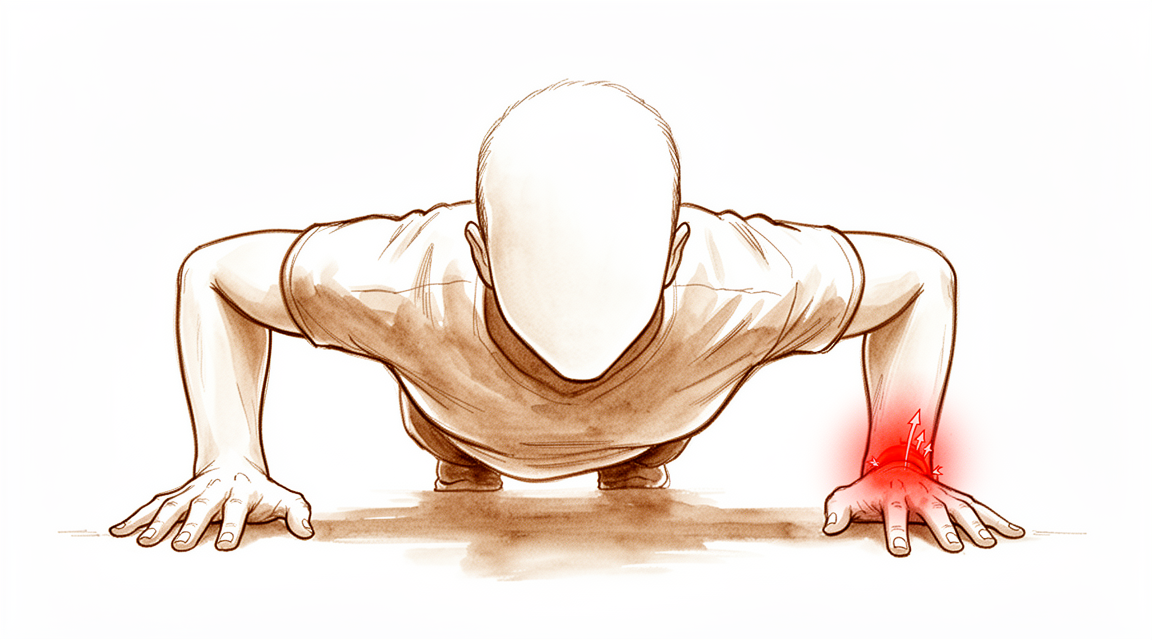
Mater Private Hospital Rockhampton 的上肢外科医生 Kieran Hirpara 医生会从最适合您病情的微创方案入手。TFCC(三角纤维软骨复合体)是位于手腕小指一侧的软骨和韧带结构。修复是指将其缝合回撕裂的位置。我们通常首先尝试手部治疗、佩戴夹板和调整活动,如果之后疼痛或不稳定仍然持续,再考虑手术。患者通常由其全科医生(GP)转诊至我们的诊所;如果理疗师建议您就诊,您仍需获得全科医生的转诊,才有资格享受 Medicare 报销。通过门诊评估,结合您的病史、体格检查以及必要时的影像学检查来确定诊断。
此手术适用于可以修复的撕裂,且关节没有关节炎性改变。它旨在减轻疼痛,恢复两根前臂骨之间关节的稳定性,并保持手腕和前臂的活动。修复以微创(关节镜)手术方式进行,通常在全身麻醉下作为日间手术完成。大约四分之三的人能恢复全部活动;有些人不能。我们会与您详细讨论此手术是否适合您,并共同做出决定。
术前
手术预约后,我们的诊所会确认您的入院详情和禁食要求。您需要在手术前七小时停止进食和饮水,以便在手术室排程提前时可以将您的手术提前。请告诉我们您正在服用的任何抗凝血药或常规药物,因为有些药物需要在术前暂停。请携带一份您目前用药的书面清单,并穿着宽松舒适、袖子能套过包扎后手腕的衣物。您需要有人驾车送您回家,因为全身麻醉后当天余下的时间驾车是不安全的。X光或MRI等影像学检查可能已经完成,或者我们可能会安排这些检查来规划手术。如果您有其他基础疾病,可能需要进行血液检查或接受麻醉医生的评估。
手术当天
您将抵达医院的手术入院病区,工作人员会为您办理入院手续并做术前准备。您将与麻醉医生见面,麻醉医生负责让您入睡并在手术期间照护您。本手术在全身麻醉下进行。手术期间您将完全入睡。部分患者可能还会接受区域神经阻滞以缓解术后疼痛;麻醉医生会在当天根据您的个人情况决定。随后,您将被带入手术室进行手术。
手术结束后,您将在复苏区苏醒。护士会在麻醉作用消退期间密切观察您。一旦您的情况稳定,根据手术类型及您的恢复情况,您将被转入病房或回家。
手术内容
外科医生首先进行微创(关节镜)手术。通过手腕背侧的小切口,将一个微型摄像头放入您的手腕,以便清楚地看到撕裂。具体的修复方式取决于所看到的情况,因此无法事先承诺采用哪种方法。
如果撕裂位于TFCC的外缘,则将其缝合回关节囊(即关节的内衬)。如果撕裂是韧带从尺骨(前臂小指一侧的较细骨头)上撕脱,则将其重新固定到骨头上。这可以通过植入骨内的小锚钉完成,也可以通过在骨头上钻出的小隧道完成,有时需要一个较短的开放切口。无法修复的撕裂则改为进行清理,即修剪掉粗糙的边缘。您醒来后,外科医生会向您解释做了哪些处理。
切口用缝线缝合并覆盖敷料。
术后
您将在复苏区醒来,在麻醉作用消退期间护士就在附近。这通常是日间手术,因此您可以预期当天回家,但偶尔也有患者需要住院过夜。您的手腕将佩戴肘下石膏或坚固的夹板,前臂部分转向掌心朝上,肘部可以自由活动。疼痛可通过您在家服用的药物控制;有些不适是正常的。休息时请将手垫高放在枕头上,以帮助消肿。尽可能活动您的手指。如果您接受了神经阻滞,最初24小时内出现麻木和无力是预料之中的;神经阻滞作用消退后,如果您出现麻木或无法活动手或手指,请致电诊所。前24小时内应有人陪伴您。我们会保留敷料约10天;除非我们告知您,否则请勿在此之前取下。我们会在复诊时更换或拆除敷料。
恢复
您的手腕将佩戴肘下石膏或坚固的夹板六周,前臂部分转向掌心朝上,肘部可以自由活动。这样可以在修复部位愈合期间对其进行保护。佩戴石膏或夹板期间您不能驾驶。一旦拆除且外科医生允许,您就可以重新驾驶;之后佩戴的较轻的可拆卸夹板本身并不妨碍您驾驶。更多详情请参阅上肢手术后驾驶。
六周之后,您将改为佩戴可拆卸夹板,同时手腕逐步恢复活动度和力量。您的康复是手部治疗,而不是物理治疗。康复由 Extend Rehabilitation 的 Ruby Doolan 指导。Ruby 是一名手部治疗师:她指导您的锻炼,并制作您需要的任何夹板。
案头工作和轻度日常事务通常在六到八周时恢复。体力劳动、体育运动和健身需要更长时间,在四到六个月时恢复。最终效果(即疼痛和力量不再进一步改善时)大约在12个月时达到。
疼痛通常比力量和功能更早改善。您的手腕在感觉有力之前很久就可能感觉更容易使用了,因此对于较重的任务,值得耐心一些。
将近一半的人在达到活动高峰后会出现暂时性的退步。这会随着时间推移而缓解,不会改变最终效果。了解这种情况可能发生,如果它发生在您身上,您就不会那么担心。
可能出现的并发症
没有任何手术是完全没有风险的,了解可能发生的情况是合理的。
修复部位可能再次撕裂,或者两根前臂骨之间的关节可能仍然不稳定或再次变得不稳定。其中任何一种情况都可能意味着需要再次手术。有些人即使修复部位本身已经愈合,手腕仍会遗留僵硬或无力。
手背小指一侧的一条细小神经可能会因手术受到刺激。这会导致该片皮肤刺痛或麻木。通常会在几个月内缓解。
如果您的修复使用了穿过骨头的隧道,线结有时会位于皮下并引起刺激。这可能需要一次小手术将其取出。手腕小指一侧的肌腱也可能受到刺激。
感染很少见。如果您出现发烧、伤口周围红肿扩散,或伤口渗出液体或脓液,或者尽管服用了止痛药,疼痛仍持续加重,请在当天致电诊所。
何时联系我们
此手术后的大多数问题如果及早发现,都很容易治疗。如果您对任何事情感到担心,请致电我们。
如果您的小腿出现肿胀或疼痛,或出现呼吸急促或胸痛,请前往急诊科。这些可能是血栓的迹象。如果您的手指变得苍白、冰冷、发白、发青或发黑,请前往急诊科,因为这可能是血液循环出现问题。
如果您出现发烧、伤口周围红肿扩散,或伤口渗出液体或脓液,请在当天致电诊所。如果尽管服用了止痛药,疼痛仍持续加重,也请在当天致电。
神经阻滞后最初24小时内出现麻木和无力是预料之中的。神经阻滞作用消退后,如果您出现麻木或无法活动手或手指,请致电诊所。
如果您无法联系到诊所(非工作时间或周末),请前往最近的急诊科。
深入探讨
Advanced reading: the deeper science (optional)
本节内容超出了您自身治疗决策所需的范围。TFCC 修复术值得额外阅读,因为最受争议的几项选择在比较研究中并未显示出差异,而恢复过程比早期疼痛缓解所暗示的更慢、也更不均衡。
关节镜还是开放手术,锚钉还是隧道
对于小凹撕裂,2026年一项纳入 3 项研究、157 名患者的荟萃分析发现,关节镜修复与开放修复在功能、疼痛、握力或并发症方面均无统计学显著差异 [1]。患者数量少是该结论的主要局限。
一项系统综述在 904 名患者中比较了缝线锚钉与骨隧道。两者都改善了功能、疼痛和握力,且两者的再手术都不常见 [2]。不同之处在于随后出现的问题类型。使用锚钉时,最常见的并发症是手背一条细小感觉神经受到刺激,通常在2至4个月内缓解。使用隧道时,最常见的是线结引起刺激 [2]。在一项纳入 60 名患者的随机试验中,隧道组有 30人中的5人(16.7%) 需要再做一次手术来取出线结 [3]。
一项纳入 40 名患者的随机试验在隧道修复的基础上增加了关节囊修复。握力恢复到另一只手的 94.2%,而单纯隧道修复为 84.2%。疼痛、DASH 评分和腕关节评分无显著差异 [4]。这是一项单独的小型试验,而且只有握力这一项指标出现了差异。
等待似乎并不会关上大门
人们很自然地会认为延迟修复效果更差,但证据比这要弱。在 80 名小凹撕裂患者中,无论手术是在6个月内、6至12个月之间还是12个月之后进行,结果都相似,并且 78人(97%) 在2年时关节稳定 [5]。作者指出,该研究缺乏证明等效性的统计学效力。在 210 例小凹修复中,受伤与手术之间的时间间隔并不能预测活动度、握力或疼痛 [6]。
一个规模大得多的群体则指向另一个方向,但只是略微如此。在 274 例开放修复中,症状每多持续一个月,12个月时100分制的腕关节评分就增加 0.14 分 [7]。这在统计学上是真实存在的,但幅度很小:延迟一年增加的分数不到两分。
尺骨正向变异的手腕
较长的尺骨会加重手腕小指一侧的负荷,因此可能会被认为会削弱修复效果。在 50 例周边撕裂的关节镜修复中,尺骨正向变异并没有显著影响结果。中央盘的第二处撕裂则有影响:它是修复失败的唯一显著危险因素,不过由于只有4例失败,其置信区间非常宽 [8]。在 36 例小凹修复中,尺骨正向变异的手腕效果同样良好,作者的结论是,仅凭变异本身可能不足以作为加做尺骨短缩手术的理由 [9]。
如果只是清理撕裂,情况就不同了。在 163 例清创术中,尺骨正向变异者有 40% 后来接受了尺骨短缩术,且风险 每毫米增加 1.8 倍 [10]。总体再手术率为 19%,因此在尺骨较长且软骨已经磨损的情况下,值得讨论加做这项手术。
恢复比疼痛所暗示的更慢
在2026年一项经骨隧道进行的 46 例小凹修复的病例系列中,疼痛在12周时已显著改善,但手臂功能和身体功能尚未改善。这些需要更长时间,在中位32个月时全部得到改善 [11]。此时 77% 的人已恢复全部体育运动和活动,这意味着大约四分之一的人尚未恢复。
同一病例系列还记录了一项很少被报告的情况:45% 的人在达到活动高峰后出现了暂时性退步。作者现在会告诉患者预期会出现这种情况,因为这些退步是有时间限制的,并不影响最终结果 [11]。
保护修复部位多长时间尚无定论
已发表的术后护理方案从2周到9周不等,而且往往没有说明理由 [12]。一项纳入 288 名患者的荟萃分析发现,同时限制肘部的制动与不限制肘部的制动相比,在疼痛、DASH 评分或握力方面无显著差异。限制前臂旋转约4至6周,比立即开始旋转效果更好 [13]。在 40 名患者中,半旋后位的短臂石膏对旋前的限制与长臂石膏相当,而对日常活动的限制更少 [14]。这就是本诊所采用的方法,为期六周。
这种权衡并不简单。在上述 210 例修复中,前臂制动时间越长,预示活动度越差,而手腕制动时间较短,则预示修复部位再次撕裂的风险更高,这种情况发生在 22例(10%) 中 [6]。作者建议前臂旋转可以在手腕活动之前开始。一项比较周边修复术后3周与6周的随机试验已经注册 [12],因此这一建议可能会改变。
关节松弛度也很重要。在 120 例小凹修复中,全身关节松弛者有 17.7% 再次出现不稳定,而其他人为 5.8% [15]。
参考文献
[1] Pan B, Chen W, Luo H. Arthroscopic versus open repair for triangular fibrocartilage complex foveal tears: a systematic review and meta-analysis. EFORT Open Rev. 2026;11(10):1151-8. https://doi.org/10.1530/EOR-2026-0088
[2] Ma H, Wang J, Yang C. Effectiveness of suture anchor and transosseous suture technique in arthroscopic foveal repair of the triangular fibrocartilage complex: a systematic review. J Orthop Surg Res. 2024;19(1). https://doi.org/10.1186/s13018-024-04530-4
[3] Afifi A, Abdel-Ati EA, Abdel-Wahed M, et al. Arthroscopic-assisted foveal reattachment of triangular fibrocartilage complex tears with distal radioulnar joint instability: a comparison of suture anchors and transosseous sutures. J Hand Surg Am. 2022;47(6):507-16. https://doi.org/10.1016/j.jhsa.2022.01.021
[4] Liao L, Xiong F, Gu F, et al. Combined transosseous and capsular repair improves grip strength in triangular fibrocartilage complex tears: a randomized controlled trial. Arthroscopy. 2025;41(11):4505-14. https://doi.org/10.1016/j.arthro.2025.05.005
[5] Park JH, Lim JW, Kwon YW, et al. Functional outcomes are similar after early and late arthroscopic one-tunnel transosseous repair of triangular fibrocartilage complex foveal tears. Arthroscopy. 2020;36(7):1845-52. https://doi.org/10.1016/j.arthro.2020.03.026
[6] McCarron L, Coombes BK, Bindra R, et al. Predictive factors for patient recovery following triangular fibrocartilage foveal repair surgery: a retrospective case-series. Hand (N Y). 2025;21(4):645-56. https://doi.org/10.1177/15589447251325821
[7] Feitz R, Stip D, van der Oest M, et al. Prognostic factors in open triangular fibrocartilage complex (TFCC) repair. J Hand Surg Glob Online. 2021;3(4):176-81. https://doi.org/10.1016/j.jhsg.2021.05.005
[8] Kwon BC, Lee JH, Lee SY. What is the effect of the ulnar-plus variance on the outcomes of arthroscopic repair of the peripheral ulnar-side triangular fibrocartilage complex tear? Arthroscopy. 2020;36(9):2415-22. https://doi.org/10.1016/j.arthro.2020.05.012
[9] Won JH, Shin JW, Kwon J, et al. Effect of ulnar positive variance on outcomes after arthroscopic transosseous repair of palmer 1B TFCC foveal tears. J Orthop Surg Res. 2026;21(1). https://doi.org/10.1186/s13018-026-07010-z
[10] Verhiel SHWL, Ritt MJPF, Chen NC. Predictors of secondary ulnar shortening and reoperation after arthroscopic TFCC debridement. Hand (N Y). 2021;17(6):1147-53. https://doi.org/10.1177/1558944720977534
[11] Hong DY, Bailey KN, Goldfarb CA. Intermediate-term patient-reported outcomes after foveal TFCC repair: timing of recovery and successful return to sports or work. J Hand Surg Am. 2026. https://doi.org/10.1016/j.jhsa.2026.06.007
[12] Paraj D, Bhat AK, Acharya A, Kunder MA. Comparison of the clinical and functional outcomes of two immobilisation protocols after arthroscopic peripheral triangular fibrocartilage complex (TFCC) repair in adults: a single-centre, double-blinded randomised controlled trial protocol. BMJ Open. 2025;15(5):e095855. https://doi.org/10.1136/bmjopen-2024-095855
[13] Lee JK, Lee TC, Lee S, et al. Postoperative immobilization after foveal triangular fibrocartilage complex repair: a systematic review and meta-analysis of comparative studies. J Hand Surg Am. 2026;51(5):512.e1-512.e11. https://doi.org/10.1016/j.jhsa.2026.01.029
[14] Jung H, Park J, Park H, et al. Postoperative immobilization using a short-arm cast in the semisupination position is appropriate after arthroscopic triangular fibrocartilage complex foveal repair. Bone Joint J. 2022;104-B(2):249-56. https://doi.org/10.1302/0301-620x.104b2.bjj-2021-0592.r2
[15] Kim J, Kim K, Lee S, et al. Generalized joint laxity increases the risk of recurrence of distal radioulnar joint instability after arthroscopic foveal repair of the triangular fibrocartilage complex. Arthroscopy. 2024;41(7):2309-16. https://doi.org/10.1016/j.arthro.2024.10.040
Evidence & references
This is the clinical evidence summary written for health professionals. It is technical, and it lists the research this page was built from. You do not need to read it to understand your treatment or to make a decision about it.
Anatomy & Pathophysiology
Anatomical Components
- The triangular fibrocartilage complex (TFCC) consists of the dorsal and volar radioulnar ligaments, the articular disc, a meniscus homologue, the extensor carpi ulnaris (ECU) tendon, and the ulnolunate and ulnotriquetral ligaments [13].
- The TFCC is subjected to considerable axial loading and shear stresses [9].
- The ulnar attachment of the TFCC is a three-dimensional complex comprising proximal radioulnar ligaments, a distal hammock structure (fibrocartilage disk, meniscus homologue, and ulnocarpal ligaments), and a functional ulnar collateral ligament (UCL) consisting of the ECU tendon subsheath and thickened ulnar capsule [9].
- The distal hammock structure and the UCL constitute the distal component of the TFCC (dc-TFCC), while the radioulnar ligament represents the proximal component (pc-TFCC) [9].
- The dorsal and volar radioulnar ligaments span from the dorsal and volar corners of the distal radius to a broad area of the fovea at the base of the ulnar styloid [9].
- A more superficial component of the radioulnar ligaments runs obliquely and distally to the ulnar styloid [9].
- The deep foveal components are considered the true radioulnar ligaments that stabilize the distal radioulnar joint (DRUJ) [9].
- Frank DRUJ instability can occur when the proximal foveal component is injured, even if the distal component remains intact [9].
- The ulnar styloid provides attachments for portions of the ulnocarpal ligaments, the ECU tendon sheath, and superficial limbs of the radioulnar ligaments [12].
- The deep limbs of the radioulnar ligaments insert into the fovea of the ulnar head [12].
- The tip of the ulnar styloid is devoid of soft tissue attachments [12].
- The ulnotriquetral (UT) ligament arises from the palmar radioulnar ligament and attaches to the palmar and ulnar triquetrum, forming an essential element of the TFCC [6].
Biomechanics and Load Distribution
- In a wrist with neutral variance, 80% of compressive loads are transmitted through the radius and 20% through the ulna [13].
- In a wrist with +2 mm ulnar variance, 60% of compressive loads are transmitted through the radius and 40% through the ulna [13].
- The most important stabilizers of the DRUJ during pronosupination are the palmar and dorsal radioulnar ligaments [4].
- Damage to either or both of the palmar and dorsal radioulnar ligaments generates pain and instability during forearm rotation [4].
- Biomechanical analysis indicates that traumatic disruptions of the distal radioulnar ligaments from the fovea occur predominantly from tension, though a combination of forces is required to destabilize the joint [4].
Injury Mechanisms and Clinical Presentation
- TFCC injuries typically occur with extension and pronation of the axially loaded wrist [9].
- The most common mechanism of TFCC injury is a fall on an outstretched hand [9].
- Peripheral tears of the articular disk are common athletic injuries involving racket sports, golf, or activities requiring rapid twisting and loading to the ulnar side of the wrist [9].
- Peripheral ulnar-sided tears of the articular disk are common work injuries, often resulting from traction or torquing of the forearm when a motorized drill bit binds [9].
- Patients with peripheral TFCC tears complain of deep diffuse pain across the ulnar side of the wrist [9].
- Patients with peripheral TFCC tears frequently report weakness when gripping and a clicking sensation with forearm rotation [9].
- Pain in peripheral TFCC tears is accentuated by passive pronation and supination of the wrist [9].
- Local tenderness in peripheral TFCC tears is located over the dorsal TFCC between the dorsoulnar head and triquetrum and/or over the ulnar snuffbox in supination at the foveal area [9].
- A dorsally prominent ulnar head relative to the radius can be seen in foveal detachments [9].
- Ballottement of the DRUJ reveals increased translation of the joint associated with pain in TFCC injuries [9].
- A class 1A tear typically manifests as ulnar-sided wrist pain aggravated by power grip, especially with ulnar deviation or forearm rotation [7].
- Class 1A tears are confined to the disc, located 2 to 3 mm ulnar to its radial attachment, and oriented volar to dorsal [7].
- Class 1A tears do not cause DRUJ instability [7].
- Symptoms and physical findings associated with a class 1B tear are similar to those of a class 1A tear, although a click is usually absent [12].
- Point tenderness in class 1B tears is characteristically volar to the ulnar styloid, coinciding anatomically with the fovea [12].
- Tenderness at the fovea is termed the fovea sign [12].
- Evaluation of DRUJ stability in class 1B tears is likely to produce pain even if the DRUJ is stable [12].
- A positive ulnar fovea sign was reported to be 90% sensitive and 88% specific in detecting a split tear of the UT ligament [8].
Classification
- The Palmer classification categorizes TFCC tears into traumatic (class 1) or degenerative (class 2) [1].
- Subtypes in the Palmer classification are based on the specific location within the TFCC [1].
- The class and location of the tear have important implications for treatment [1].
- Type I TFCC tears denote traumatic injuries, while type II lesions are degenerative in origin [9].
- Type I injuries are further classified into four types [9].
- Except for type 1A tears, which imply a central articular disk perforation with a stable margin, the other three types of Type I injuries are considered peripheral tears that may cause instability of the DRUJ or ulnocarpal joint, or both [9].
- Estrella and Ho described a dorsal type of tear located at the junction of the dorsal radioulnar ligament and the joint capsule just radial to the ECU tendon subsheath [9].
- Most peripheral lesions of the TFCC are traumatic in origin, though they may also occur in degenerative status due to chronic repetitive loading [9].
- Type 1B tears are among the most common peripheral tears of the TFCC leading to chronic ulnar wrist pain and impairment [9].
- Type 1B tears broadly include all injuries of the TFCC at the ulnar attachment, with or without an accompanied ulnar styloid fracture [9].
- Class 1A injuries are characterized by central perforation or tear [1].
- Class 1B injuries are characterized by ulnar avulsion with or without ulnar styloid fracture [1].
- Class 1C injuries are characterized by distal avulsion involving the origins of the ulnolunate and ulnotriquetral ligaments [1].
- Class 1D injuries are characterized by radial avulsion involving the dorsal and/or volar radioulnar ligaments [1].
- Class 2A degenerative tears are characterized by TFCC wear or thinning [1].
- Class 2B degenerative tears are characterized by TFCC wear plus lunate and/or ulnar chondromalacia [1].
- Class 2C degenerative tears are characterized by TFCC perforation plus lunate and/or ulnar chondromalacia [1].
- Class 2D degenerative tears are characterized by TFCC perforation, lunate and/or ulnar chondromalacia, and lunotriquetral ligament disruption [1].
- Class 2E degenerative tears are characterized by TFCC perforation, lunate and/or ulnar chondromalacia, lunotriquetral ligament disruption, and ulnocarpal and DRUJ arthritis [1].
- A class 1B injury is a partial or complete avulsion of the TFCC from its ulnar attachments, with or without an ulnar styloid fracture [12].
- A class 1D tear is a partial or complete avulsion of the TFCC from the radius, with or without a bone fragment, and may involve one or both radioulnar ligaments [10].
- Class 1C tears involve the distal attachment of the articular disk to the lunate, triquetrum, and lunotriquetral ligaments [6].
- Complete tears of the ulnocarpal ligaments in class 1C injuries can result in ulnar carpal instability and/or volar translocation of the ulnar carpus in relation to the radius [6].
Vascularity and Healing Potential
- The central area of the TFCC is devoid of vascularity and unable to heal [1].
- The peripheral rim of the TFCC is well vascularized, akin to the meniscus within the knee [1].
- Studies showed that the outer 10% to 40% of the articular disk was well perfused and suggested a healing potential of these injured areas upon repair [9].
- Failure to reattach the TFCC to the foveal footprint may induce synovitis, which inhibits the healing of the foveal fibers, setting up a vicious cycle and promoting the persistence of painful DRUJ instability [11].
Classification
- TFCC tear subtypes are defined based on the specific location within the TFCC [1].
- The class and location of a TFCC tear have important implications for treatment [1].
- Class 1A traumatic TFCC injury is characterized by central perforation or tear [1].
- Class 1B traumatic TFCC injury is characterized by ulnar avulsion with or without ulnar styloid fracture [1].
- Class 1C traumatic TFCC injury is characterized by distal avulsion involving the origins of the ulnolunate and ulnotriquetral ligaments [1].
- Class 1D traumatic TFCC injury is characterized by radial avulsion involving the dorsal and/or volar radioulnar ligaments [1].
- Class 2A degenerative TFCC tear is characterized by TFCC wear or thinning [1].
- Class 2B degenerative TFCC tear is characterized by Class 2A features plus lunate and/or ulnar chondromalacia [1].
- Class 2C degenerative TFCC tear is characterized by TFCC perforation plus lunate and/or ulnar chondromalacia [1].
- Class 2D degenerative TFCC tear is characterized by Class 2C features plus lunotriquetral ligament disruption [1].
- Class 2E degenerative TFCC tear is characterized by Class 2D features plus ulnocarpal and distal radioulnar joint arthritis [1].
- Arthroscopy is the gold standard for detection of TFCC tears [1].
- The arthroscopic trampoline test assesses TFCC resiliency by balloting the central portion with a small probe [1].
- The arthroscopic hook test can be used to demonstrate peripheral detachment of the TFCC [1].
- The arthroscopic suction test can show laxity of the TFCC when peripherally scarred in or foveal detachment when the distal radioulnar joint is clinically unstable [1].
- MRI is controversial for TFCC pathology, but newer innovations suggest value in detection and localization [1].
Indications
- Acute traumatic Palmar type 1A TFCC tears are an indication for arthroscopic TFCC debridement [3].
- Degenerative central tears of the TFCC with ulnar neutral or negative variance are an indication for arthroscopic TFCC debridement [3].
- Failure to respond to conservative treatment with splint and medication for more than 3 months is an indication for arthroscopic TFCC debridement [3].
Preoperative Evaluation
- Clinical correlation with provocative signs on the ulnar wrist is required during preoperative evaluation [3].
- Ulnar variance must be checked during preoperative evaluation [3].
- Wrist MRI is used to check for edema of the lunate in cases of ulnar positive variance or suspected impaction [3].
Investigations
Classification and Diagnostic Modalities
- Subtypes within the Palmer classification are based on the specific location of the tear within the TFCC [1].
- MRI is considered controversial for TFCC pathology, but newer innovations suggest value in detection and localization [1].
- Arthroscopy is the gold standard for the detection of TFCC tears [1].
Arthroscopic Diagnostic Tests
- The arthroscopic suction test can show laxity of the TFCC when it is peripherally scarred in or foveal detachment when the DRUJ is clinically unstable [1].
- Observation for swelling of the DRUJ when injecting saline at the 3-4 portal before inserting the arthroscope suggests a free flow perforation at the TFCC [3].
- The ulnar fovea sign is a provocative maneuver aimed at eliciting tenderness at the ulnar fovea [6].
Preoperative Evaluation
- Preoperative evaluation for arthroscopic TFCC debridement includes clinical correlation with provocative signs on the ulnar wrist [3].
- Preoperative evaluation for arthroscopic TFCC debridement includes checking ulnar variance [3].
- MRI of the wrist is used to check for edema of the lunate in cases of ulnar positive variance or suspected impaction [3].
- Preoperative evaluation for TFCC reconstruction with tendon graft includes clinical symptoms and signs of DRUJ instability [5].
- Preoperative evaluation for TFCC reconstruction with tendon graft includes radiographs to check ulnar variance and forearm alignment [5].
- Preoperative evaluation for TFCC reconstruction with tendon graft includes diagnostic arthroscopy or high-resolution MRI to evaluate the potential for TFCC repair [5].
- Preoperative evaluation for Class 1B TFCC tear repair includes positive provocative tests for peripheral TFCC tear [8].
- Preoperative evaluation for Class 1B TFCC tear repair includes DRUJ instability on ballottement test [8].
- Preoperative evaluation for Class 1B TFCC tear repair includes X-ray of the wrist to rule out ulnar styloid fracture [8].
- Preoperative evaluation for Class 1B TFCC tear repair includes MRI of the wrist [8].
Clinical Presentation and Physical Findings
- Class 1A tears typically manifest as ulnar-sided wrist pain aggravated by power grip, especially with ulnar deviation or forearm rotation [7].
- Class 1A tears may cause pain and mechanical symptoms such as clicking but do not cause DRUJ instability [7].
- Class 1A tears are typically confined to the disc, located 2 to 3 mm ulnar to its radial attachment, and oriented volar to dorsal [7].
- Patients with Class 1C tears complain of tenderness over the ulnar snuffbox and pain with grip [6].
- The arthroscopic appearance of UT ligament split tears is predominantly noted superficially as synovitis [8].
- Debridement of synovitis reveals the longitudinal split tear in the long axis of the UT ligament [8].
Treatment
Indications and Contraindications
- TFCC reconstruction with tendon graft is indicated in irreparable TFCC injuries with symptomatic DRUJ instability [4].
- TFCC reconstruction with tendon graft is indicated in neglected chronic injuries [4].
- TFCC reconstruction with tendon graft is indicated after suboptimal healing following nonoperative or surgical repair [4].
- Skeletal malalignment responsible for DRUJ instability, including ulnar incongruity, malunion of the sigmoid notch, and dorsal tilt or coronal shift of the radius, should be addressed concomitantly with TFCC reconstruction [4].
- Osteoarthritis of the DRUJ is a contraindication to TFCC reconstruction [4].
- Axial instability of the forearm due to interosseous membrane injury is a contraindication to TFCC reconstruction [4].
Biomechanical Rationale
- Biomechanical analysis by Adams et al. concluded that traumatic disruptions of the distal radioulnar ligaments from the fovea occurred predominantly from tension [4].
- Adams et al. proposed that a combination of forces was required to destabilize the DRUJ [4].
- The method aims to restore normal DRUJ kinematics by using a single tendon graft with uniform tension [4].
Operative Technique: General Setup and Arthroscopy
- The procedure is performed under general or regional anesthesia [4].
- An image intensifier is used to locate the isometric point for tunnel drilling [4].
- An arm tourniquet is placed [4].
- Radiocarpal joint arthroscopy is conducted through the standard 3-4 viewing and 4-5 working portals to evaluate and debride the TFCC lesion and associated synovitis [4].
- If the central part of the articular disk is intact, a central perforation of 4-5 mm is created with an arthroscopic knife or RF ablation to expose the ulnar head [4].
- The wrist is taken off the traction tower for subsequent tendon graft and bone tunnel preparation [4].
Operative Technique: Volar Incision and Tendon Harvest
- A 2 cm volar longitudinal incision is made midway between the palmaris longus tendon and the radial border of the FCU tendon, extending proximally from the proximal wrist crease [4].
- The palmaris longus tendon is harvested in full length with a tendon stripper [4].
- The flexor tendons and median nerve are retracted radially [4].
- The FCU, ulnar nerve, and artery are retracted ulnarly to expose the distal radius [4].
- The distal border of the pronator quadratus marks the approximate level of the radial tunnel [4].
Operative Technique: Dorsal Incision and Radial Tunnel
- A 2 cm dorsal longitudinal incision is made extending proximally from the 4-5 portal [4].
- The extensor retinaculum is split longitudinally over the fifth dorsal compartment [4].
- The EDM is exposed and retracted as a cotton sling [4].
- The septum of the fourth extensor compartment is stripped subperiosteally to expose the edge of the sigmoid notch [4].
- A 1.1 mm guide pin is inserted on the dorsal surface of the distal radius radial to the sigmoid notch, 5 mm proximal to the articular surface of lunate to fossa and 5 mm radial to the sigmoid fossa [4].
- The guide pin is inserted with a volar tilt of 10 to 15 degrees, parallel to the surface of the lunate fossa [4].
- Tendons and neurovascular structures on the volar side are gently retracted while the guide pin is advanced with direct visualization of the tip [4].
- Guide pin position is confirmed by fluoroscopy [4].
- The tunnel is enlarged from 2.0 to 2.5 mm using cannulated drill bits and soft tissue protection at both entry and exit sites [4].
Operative Technique: Ulnar Incision and Foveal Tunnel
- A 3 cm longitudinal incision is made over the subcutaneous border of ulna beginning 1 cm proximal to the tip of ulnar styloid [4].
- A 1.1 mm guide pin is inserted at the middiaphyseal point from 1.5 to 2 cm proximal to the tip of ulnar styloid [4].
- The guide pin is inserted at an acute angle of about 60 degrees targeting the fovea of the ulnar head and parallel to the ulna shaft in the sagittal plane under fluoroscopic guidance [4].
- The surgeon can place their thumb on the ulnar styloid as a reference to facilitate entry point decision [4].
- The wrist can be suspended in a vertical position with the forearm in neutral rotation position to monitor the foveal exit site of the guide pin under arthroscopy [4].
- Arthroscopic monitoring ensures the guide pin exits at the isometric point of the insertion of the distal radioulnar ligament [4].
References
[1] Miller S Review Of Orthopaedics. DISTAL RADIOULNAR JOINT, TRIANGULAR FIBROCARTILAGE COMPLEX, AND WRIST ARTHROSCOPY > 2. TFCC tears.
[3] Green S Operative Hand Surgery. AUTHOR'S PREFERRED METHOD OF TREATMENT: ARTHROSCOPIC PARTIAL WRIST FUSION > Arthroscopic TFCC Debridement.
[4] Green S Operative Hand Surgery. AUTHOR'S PREFERRED METHOD OF TREATMENT: ARTHROSCOPIC PARTIAL WRIST FUSION > TFCC Reconstruction with Tendon Graft.
[5] Green S Operative Hand Surgery. AUTHOR'S PREFERRED METHOD OF TREATMENT: ARTHROSCOPIC PARTIAL WRIST FUSION > Arthroscopic TFCC Reconstruction With Tendon Graft.
[6] Green S Operative Hand Surgery. AUTHOR'S PREFERRED METHOD OF TREATMENT: ARTHROSCOPIC PARTIAL WRIST FUSION > Arthroscopic-Assisted Suture Anchor Technique (Atzei) > Arthroscopic Repair of Class IC TFCC Tears.
[7] Green S Operative Hand Surgery. Chronic Perilunate Instability (SL Plus LT Instability) > Palmer’s Classification of TFCC Lesions > Class 1A Tear.
[8] Green S Operative Hand Surgery. AUTHOR'S PREFERRED METHOD OF TREATMENT: ARTHROSCOPIC PARTIAL WRIST FUSION > Arthroscopic Repair of Class 1B TFCC Tears.
[9] Green S Operative Hand Surgery. AUTHOR'S PREFERRED METHOD OF TREATMENT: ARTHROSCOPIC PARTIAL WRIST FUSION > TFCC Repair > Classification, Functional Anatomy, Clinical Features, and Indication for Repair.
[10] Green S Operative Hand Surgery. Chronic Perilunate Instability (SL Plus LT Instability) > Palmer’s Classification of TFCC Lesions > Class 1D Tear.
[11] Green S Operative Hand Surgery. AUTHOR'S PREFERRED METHOD OF TREATMENT: ARTHROSCOPIC PARTIAL WRIST FUSION > Arthroscopic Repair of Class 1B TFCC Capsular Tears > Arthroscopic Reattachment of Class 1B TFCC Foveal Tear.
[12] Green S Operative Hand Surgery. Chronic Perilunate Instability (SL Plus LT Instability) > Palmer’s Classification of TFCC Lesions > Class 1B Tear.
[13] Miller S Review Of Orthopaedics. DRUJ, TFCC, WRIST ARTHROSCOPY.